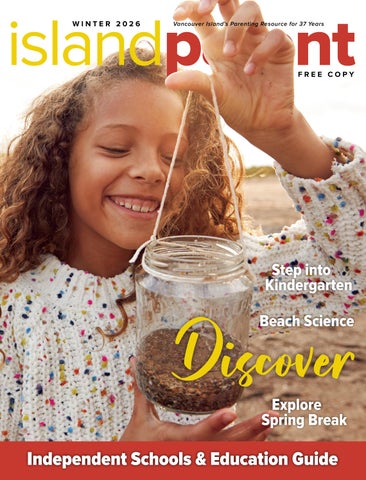
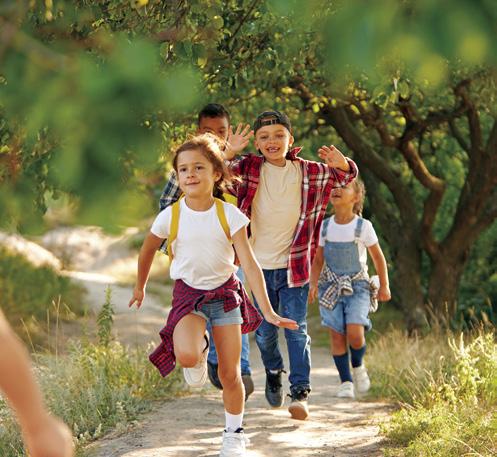
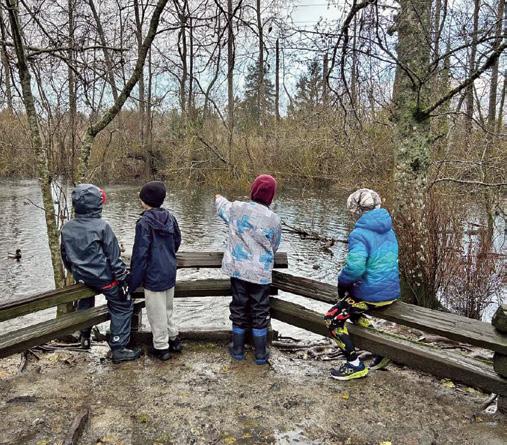
Discovery is the quiet heartbeat of childhood (and of parenting!).
It’s found in muddy knees and half-answered questions, in the moments when learning slips beyond the classroom and into lived experience.
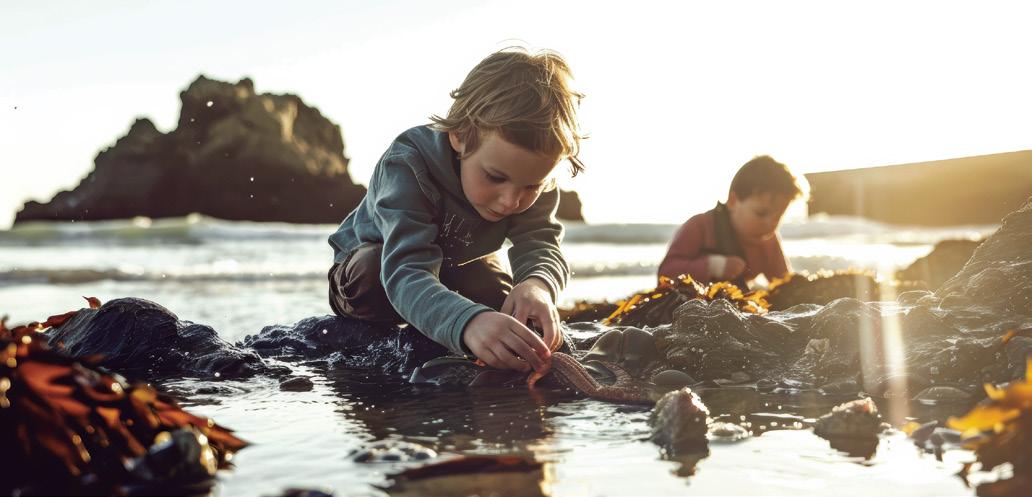
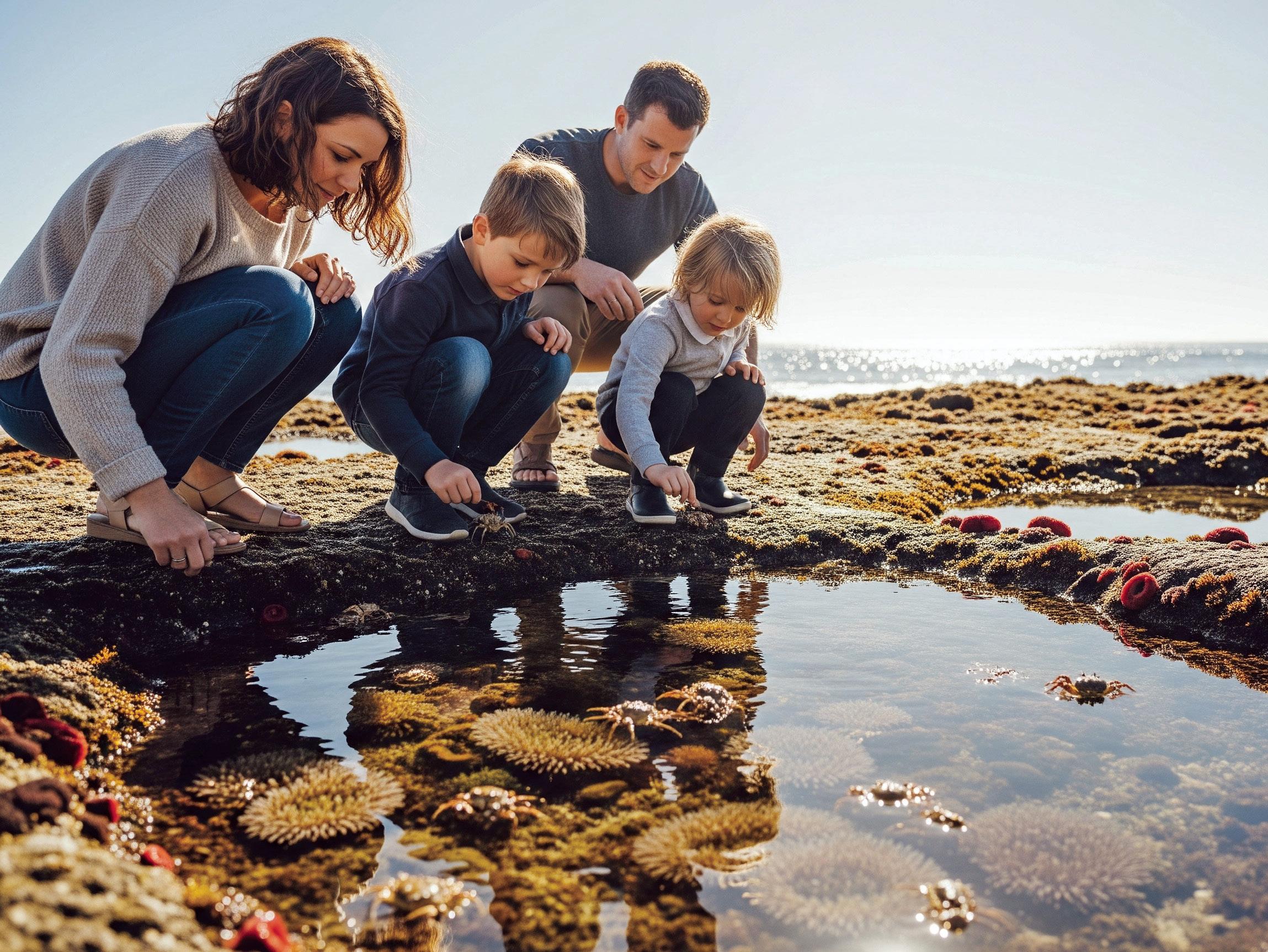
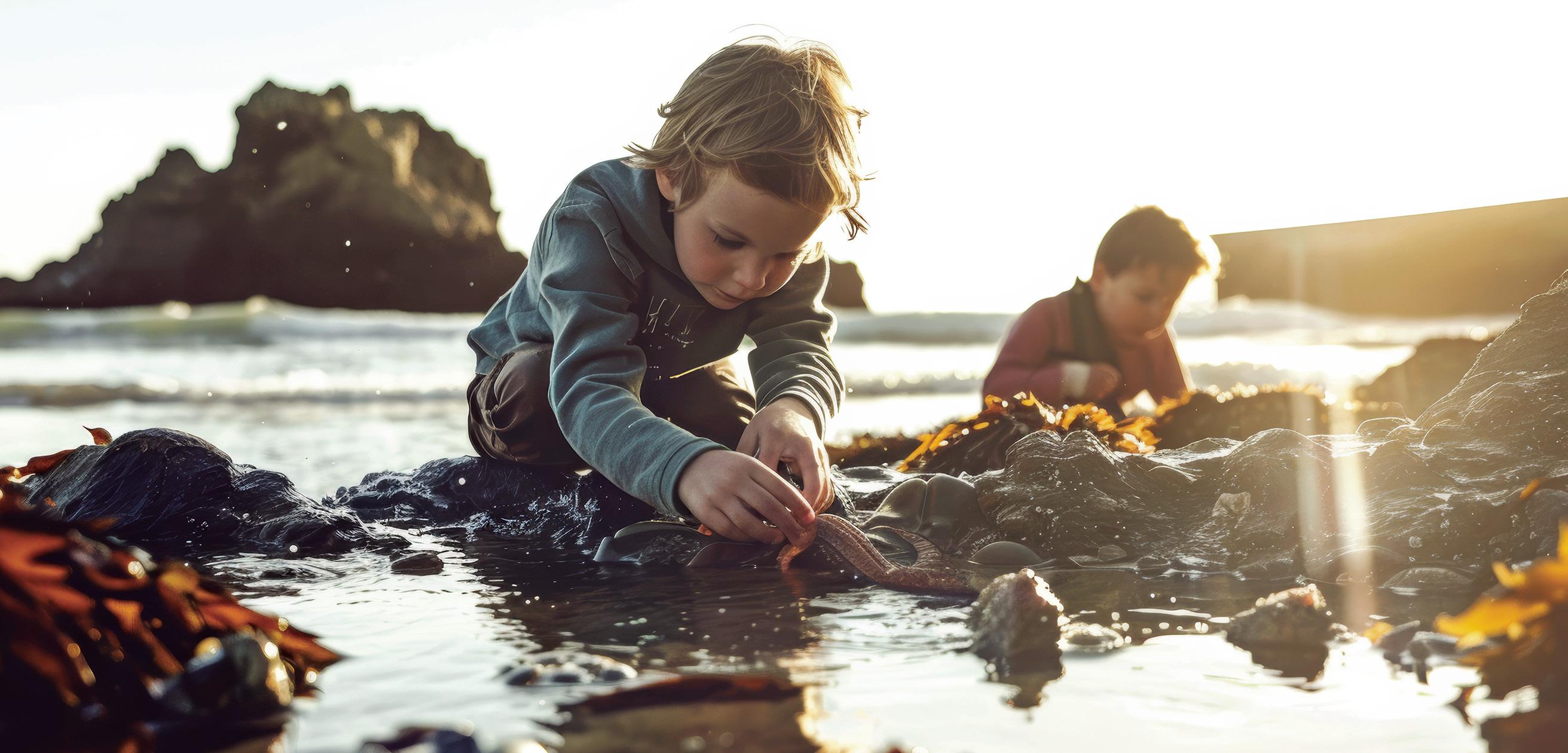
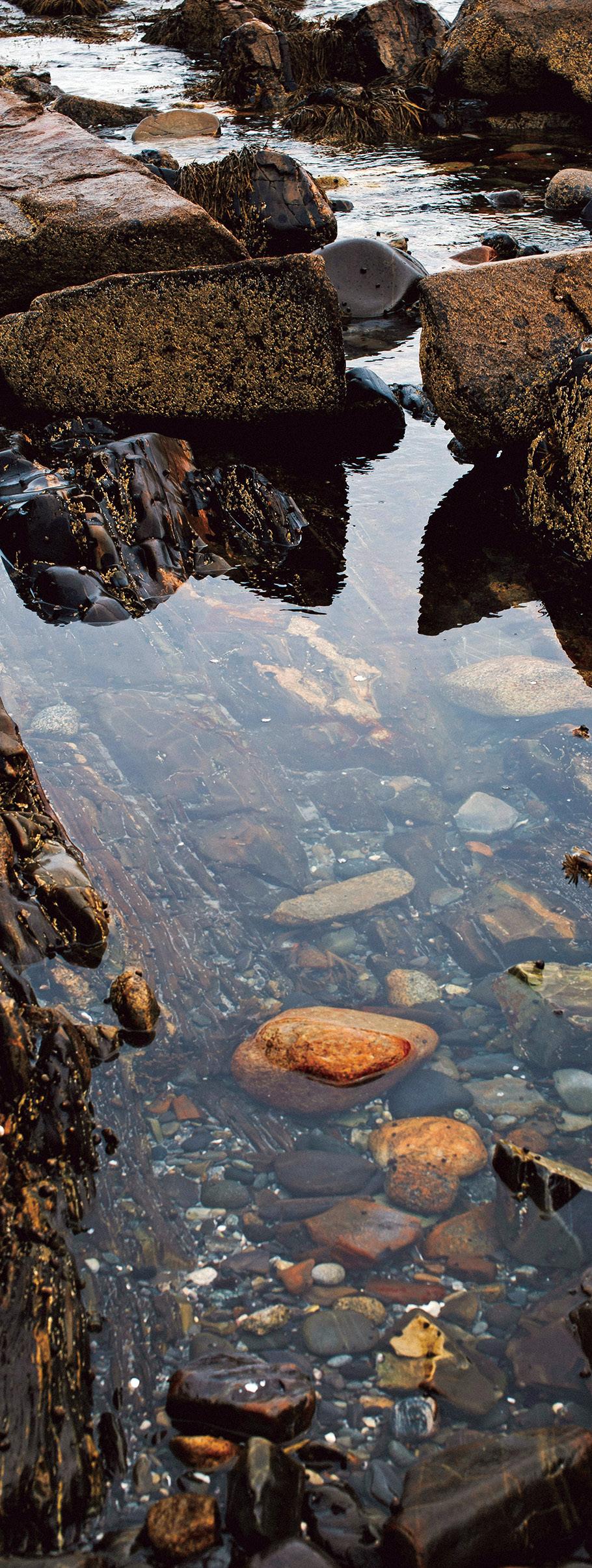
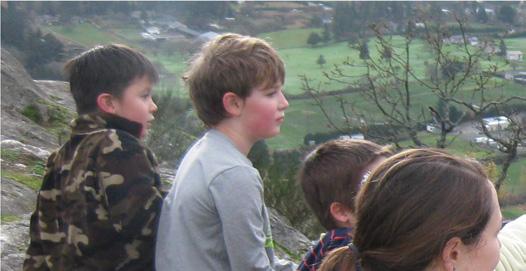
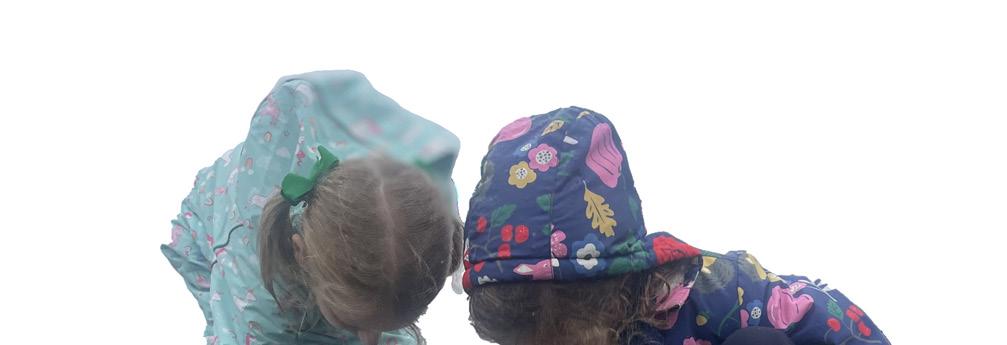
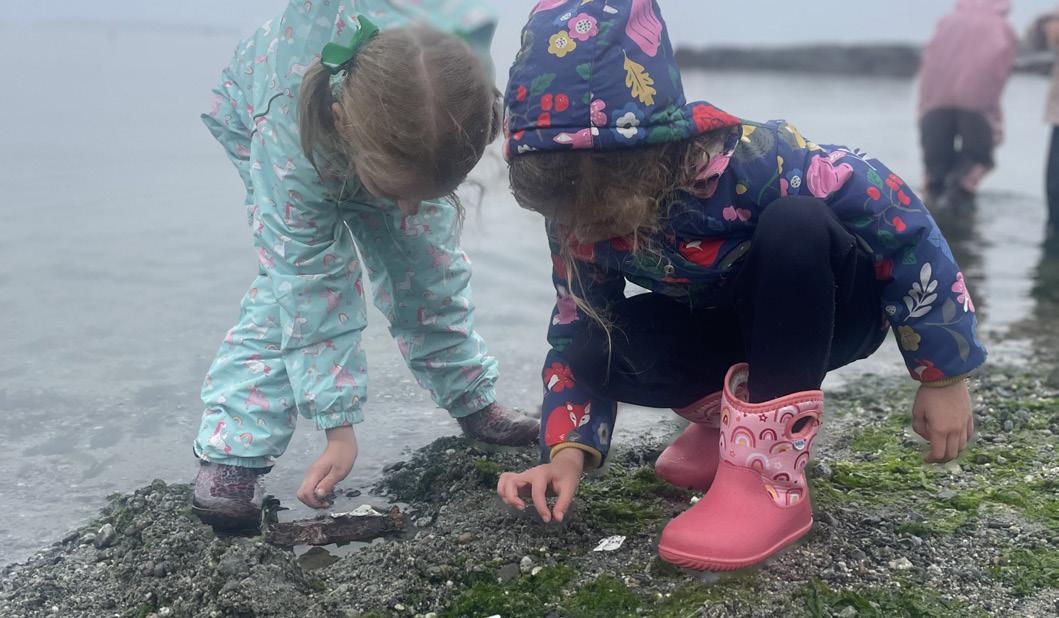
On our island, discovery can begin at the shoreline. A simple walk becomes a lesson in biology as children crouch over tide pools, spotting anemones closing at a touch, counting crab legs, wondering aloud how starfish eat. These small encounters spark curiosity that no worksheet ever could.
Education doesn’t always follow a bell schedule. Sometimes it looks like pulling kids from school to travel, trusting that the world itself is a capable teacher. Airports become math problems, maps turn into geography lessons and unfa-
miliar languages stretch listening skills and empathy. These experiences don’t replace formal learning, they enrich it; giving context to what children later read, write and calculate.
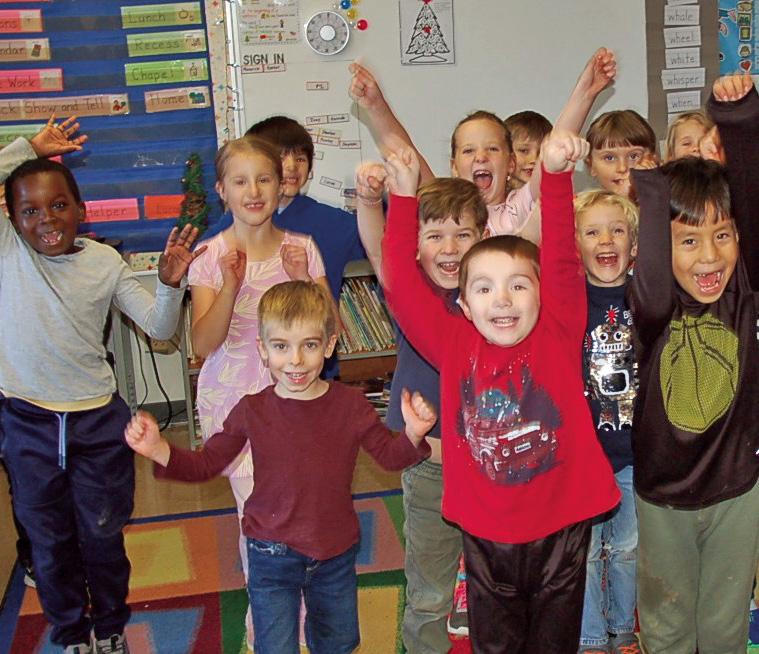
Discovery also lives in transitions. Starting kindergarten is often a child’s first big step into independence; postsecondary education is another leap that requires thought, preparation and getting out of your comfort zone. Each shift asks families to relearn routines, expectations and identities—in other words—to grow.
Live & Learn
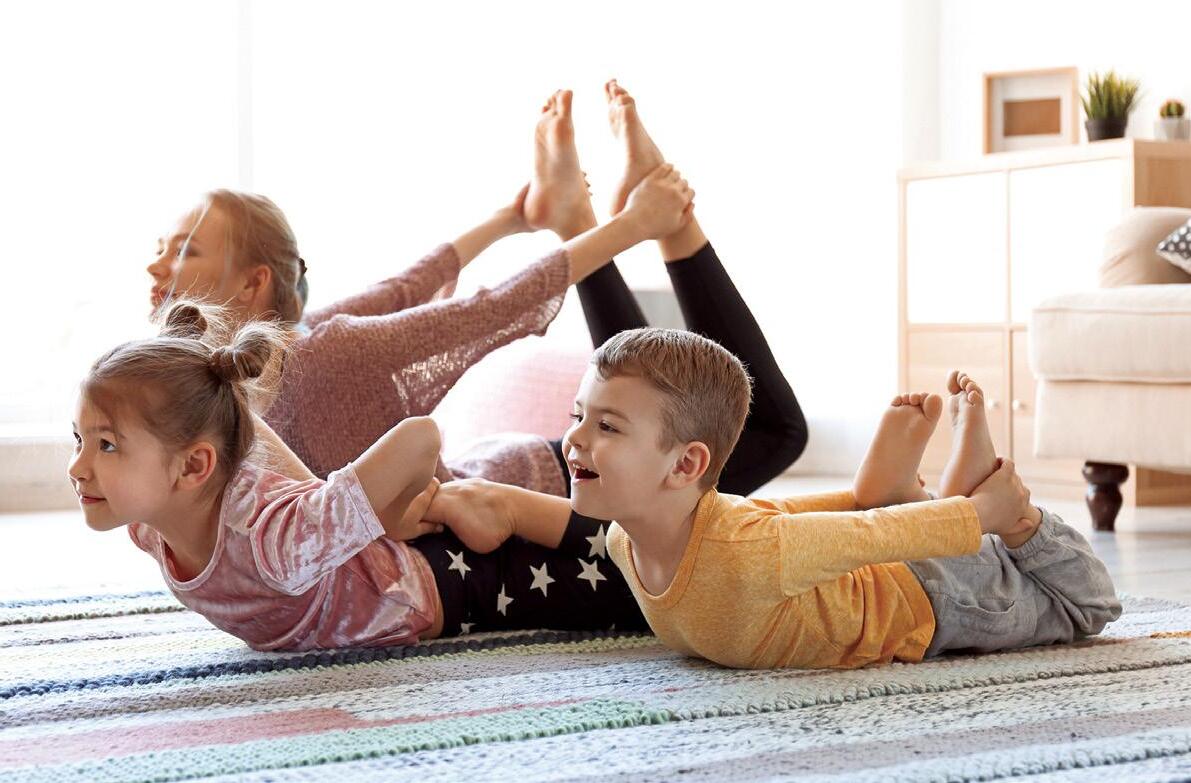
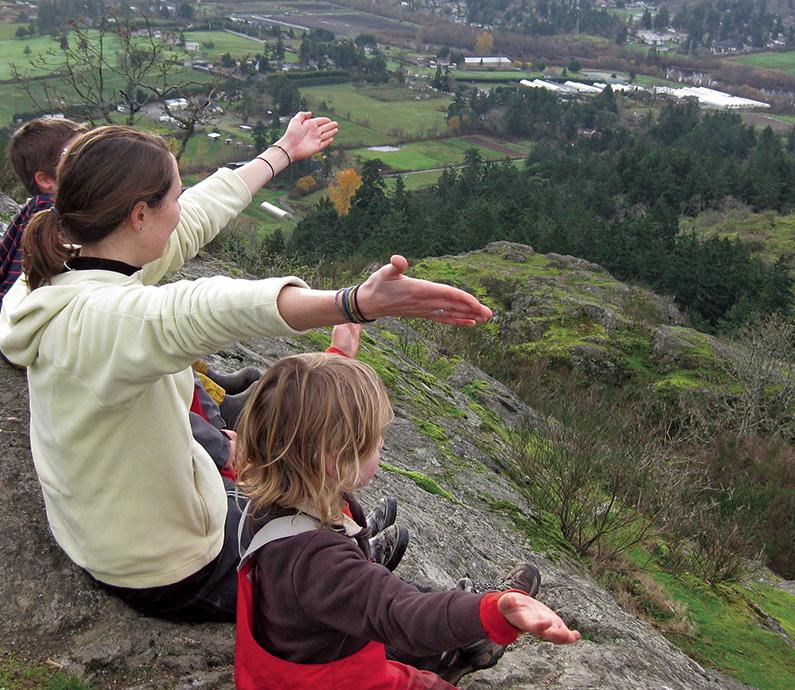
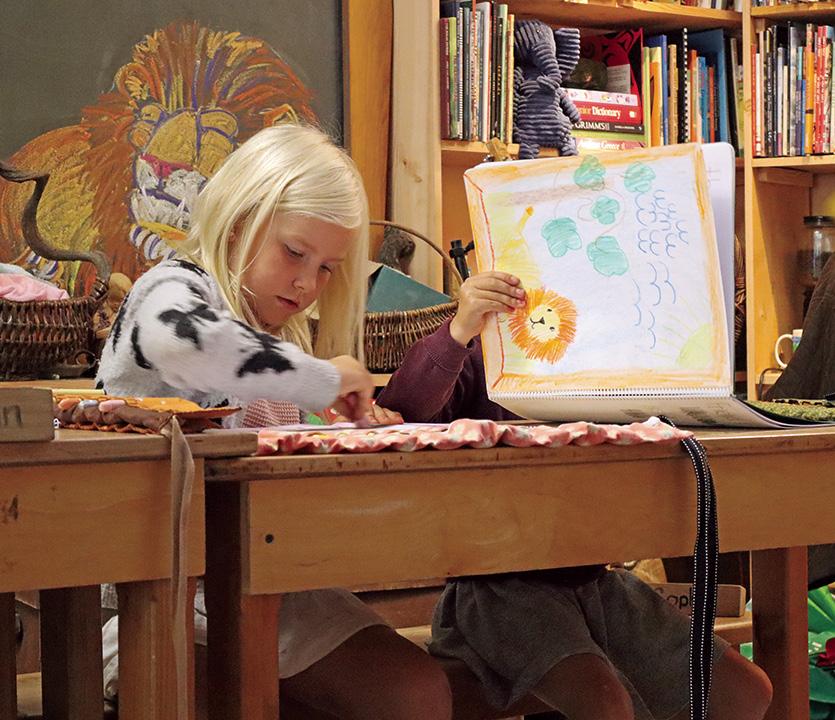
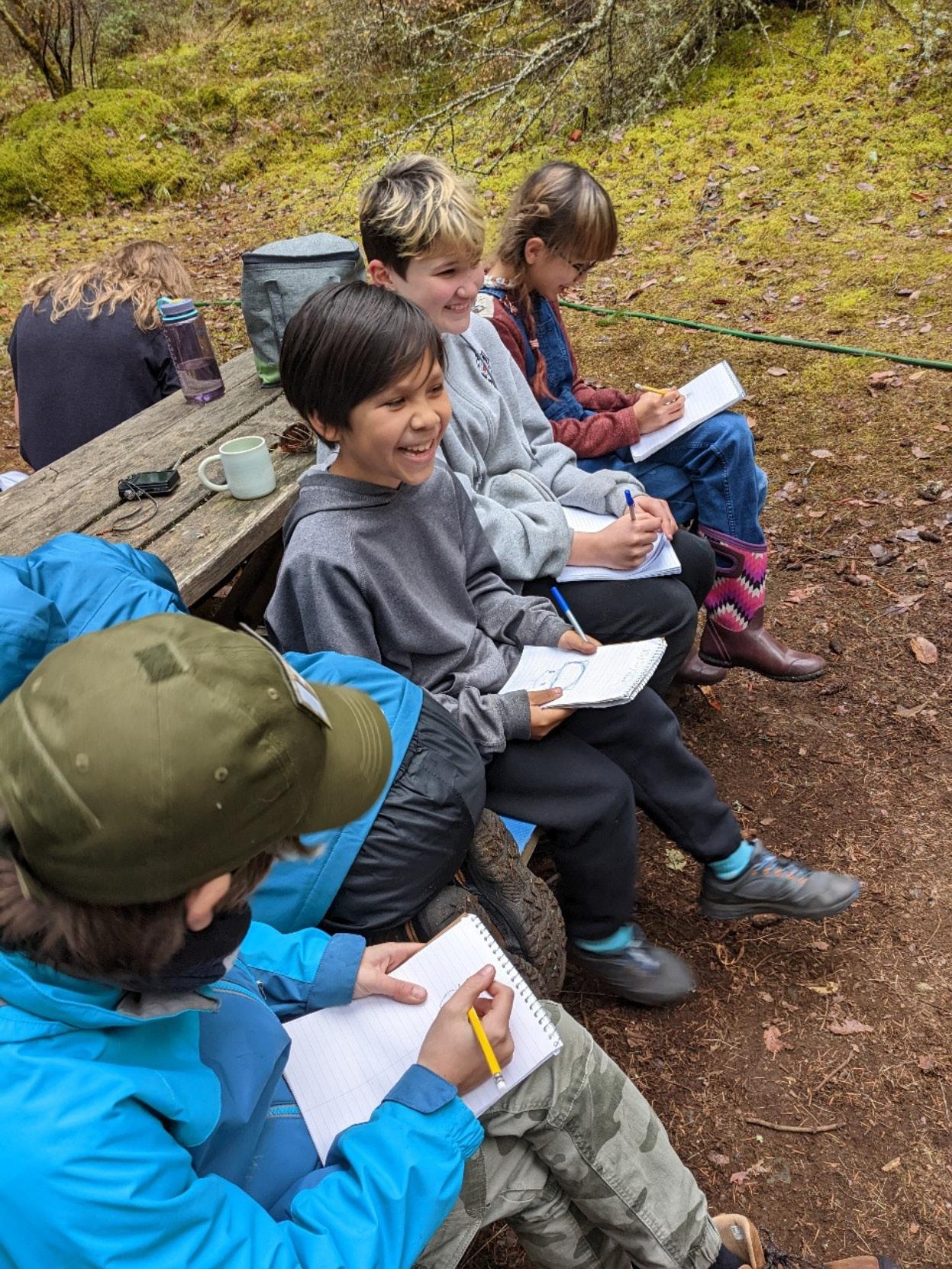
Naming birds, noticing migration patterns and learning their songs blends science with mindfulness. Yoga with kids offers similar lessons like body awareness, emotional regulation and the understanding that learning happens inside us as much as around us. At its core, discovery is about staying open: to questions, to change and to the idea that education is not a straight path but a lifelong practice. There is no doubt that classroom learning is important for our children, but as parents, our role isn’t to enforce strict educational schedules and regiments, it’s to notice, explore and learn alongside our children in our everyday lives.
– Stacie Gaetz
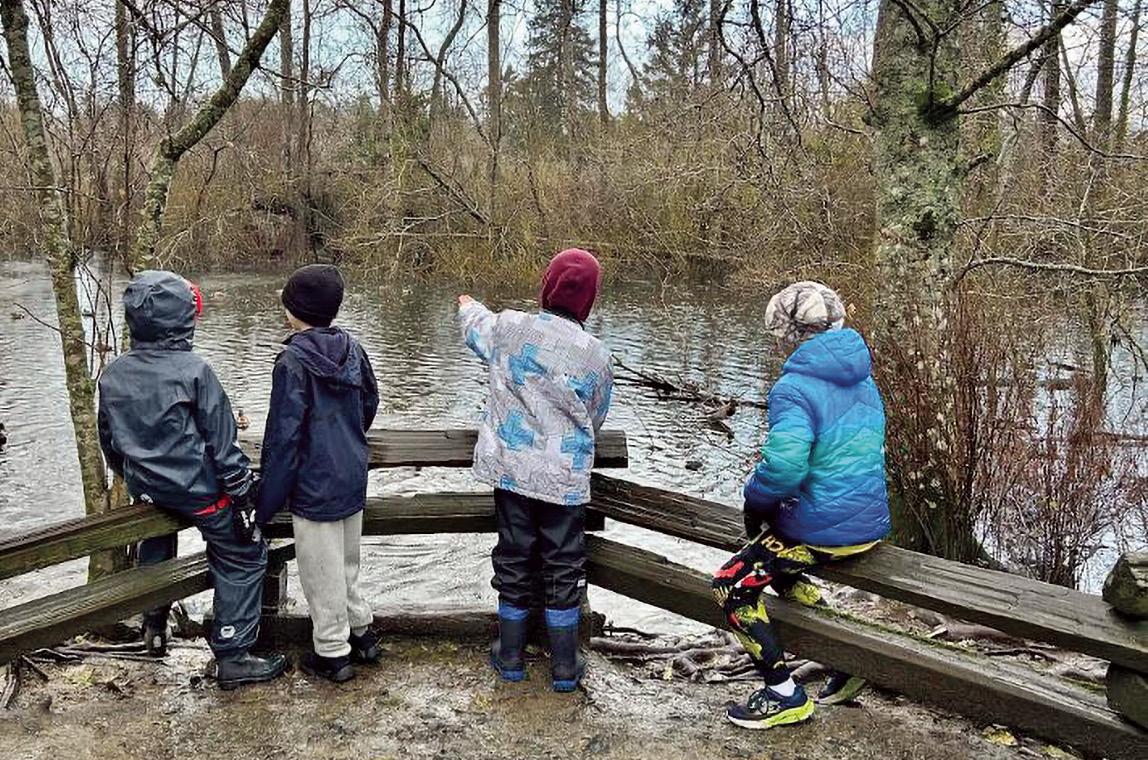
Learning can live in the small things too. Quiet hobbies can be acts of discovery, maybe even the most important ones. Birdwatching with your kids teaches patience and observation, sharpening attention in a world that moves fast. EDITOR’S
How Vancouver Island’s Beaches Teach Kids About Ocean Science Taming theTides
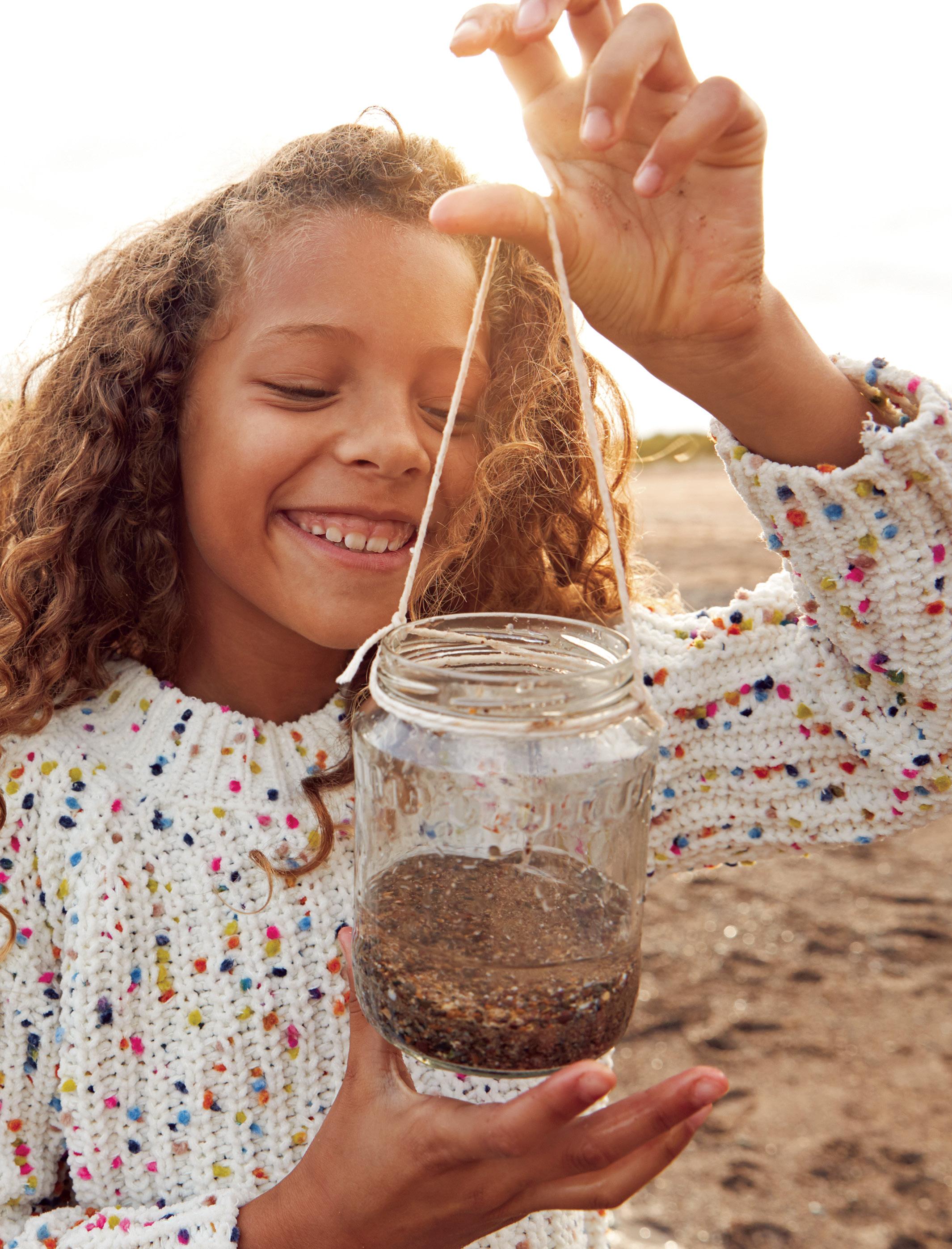
When you live on Vancouver Island, some of the best science lessons don’t come from books—they come from time spent at the beach. With every changing tide, the shoreline becomes a living classroom where kids can learn about ocean science simply by exploring. Best of all, these coastal adventures are accessible to almost everyone, and aside from the gas money it takes to get there, beach learning is completely free.
If you’re on the South Island, beaches like Cattle Point, Saxe Point, Willows Beach and Gonzales Beach are easy to access and ideal for shorter outings. Further north, Neck Point Park and Piper’s Lagoon in Nanaimo are fantastic for exploring rocky shorelines and spotting marine life. In the Comox Valley, Goose Spit and Kye Bay offer wide tidal flats and great learning opportunities, especially for younger kids who love open space. And, of course, if you’ve lived here for a while, you typically have your own “secret beaches” you love to visit!
A Coastline That Invites Curiosity
Because Vancouver Island is surrounded by ocean, tides play
a major role in shaping everyday beach experiences. The same stretch of shoreline can look completely different depending on the time of day. One visit might bring rolling waves and driftwood, while the next reveals rocky shelves, pools of water and hidden sea life.
For kids, these changes naturally spark questions. Where does the water go? What lives here when the tide comes back in? These simple observations are the building blocks of ocean science.
Tide Pools: Small Worlds with Big Lessons
Tide pooling is often where children first fall in love with marine biology. During low tide, small pools form between rocks, creating protected habitats where ocean life thrives. Kids can spot sea stars, sea anemones, barnacles, chitons, hermit crabs and tiny fish, all adapting to life between land and sea.
Botanical Beach near Port Renfrew is one of the most famous tide pooling locations on the island, with stunning sandstone formations and clear pools. On the west coast, Chesterman
Beach and nearby rocky areas in Tofino offer excellent opportunities during very low tides.
Checking tide charts online before heading out is key. Low tides (especially those under one metre) expose more shoreline and make tide pool exploration safer and more rewarding.
Learning to Explore with Care
Exploring beaches is fascinating, but they’re also delicate ecosystems. Visiting them gives parents a chance to teach kids about respect for nature. Encourage gentle observation, careful footing on bare rock and leaving animals exactly where they’re found.
Simple guidelines like “look, don’t touch” and “take photos, not souvenirs” help kids understand conservation in a positive, empowering way.
The Moon’s Role in the Tides
One of the most magical concepts for kids to grasp is that the moon controls the tides. Explaining how the moon’s gravitational pull causes the ocean to rise and fall turns a beach visit into a lesson in astronomy as well as marine science.
Vancouver Island experiences noticeable tidal changes, particularly during full and new moons. Visiting the same beach during a high tide and then returning at low tide lets kids see the moon’s influence firsthand. Tracking moon phases at home and planning beach trips around especially low tides makes the connection even stronger.
Turn It into a Scavenger Hunt
One fun way to extend learning beyond the beach is to research what lives along your local shoreline before you go. Look up common sea stars, shells, seaweeds, birds and other marine life found on nearby beaches.
Next time you head out, turn that knowledge into a simple scavenger hunt. Kids can search for specific items like different types of seaweed, crab shells, bird tracks, smooth stones or signs of tidal changes. This turns a casual beach walk into an engaging mission and helps kids practice observation skills without feeling like they’re doing schoolwork.
Creating Lasting Connections to the Ocean
By spending time on Vancouver Island’s beaches, kids gain more than scientific knowledge. They develop curiosity, respect for nature and a sense of belonging in the natural world. These experiences often shape how children view the ocean for the rest of their lives.
Long after sandy shoes are cleaned and jackets are hung to dry, kids remember the tide pools they explored, the creatures they discovered and how it felt to be there. The beach isn’t just a place to visit, it’s an invitation to learn, breathe deeply and connect with the rhythms of the ocean together.
Erika Palmer is a writer living in Victoria with her husband and daughter. She believes most problems can be solved with a good cup of tea and a huge piece of chocolate.
Discovering the World Outside the Classroom
I’m a big believer in routine but I also recognize opportunities that won’t come twice.
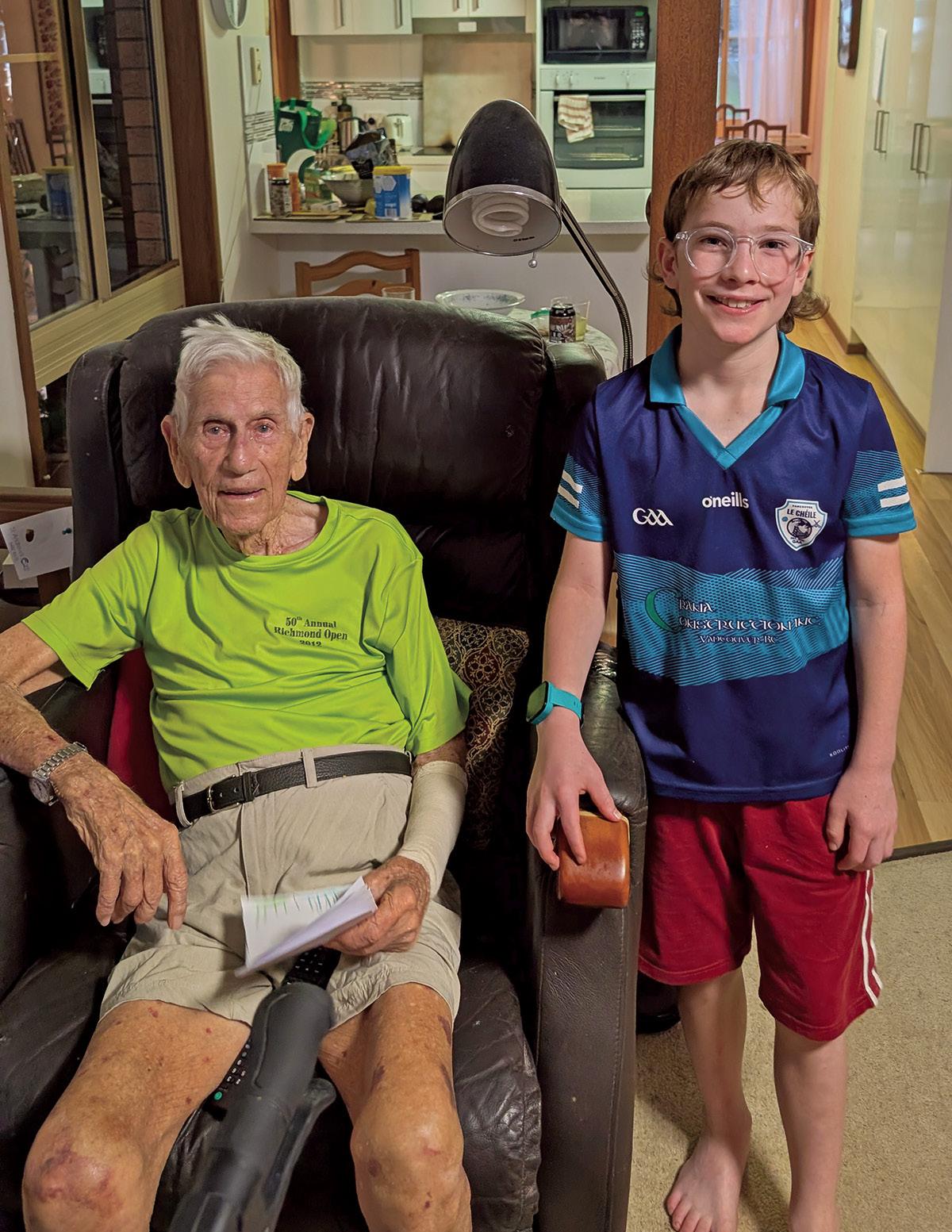
Recently, that led to keeping my kids out of school for two extra weeks to visit family in another country and spend time with my 102-year-old grandpa.
I had some mixed feelings about this decision. I love structure and I value classroom learning. I also respect the work teachers do to create stability, build skills and teach kids about commitment.
But sometimes, a rare opportunity presents itself and is too good to pass up. For us this was the chance to sit with a greatgrandparent who has lived through more history than any textbook and learn to play the Boatswain Pipe Whistle. It was the opportunity to do Christmas differently and for my kids to get a taste of where their grandmother was raised. It was the choice to make core memories they’ll carry forever and may not get again.
Travel and trips like this are one of the most impactful ways my kids have matured and grown.
Learning Beyond the Classroom
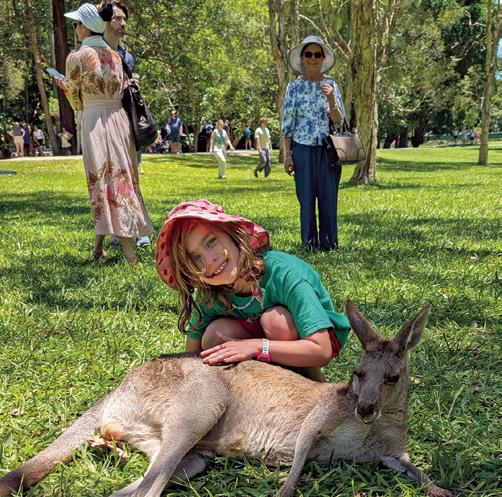
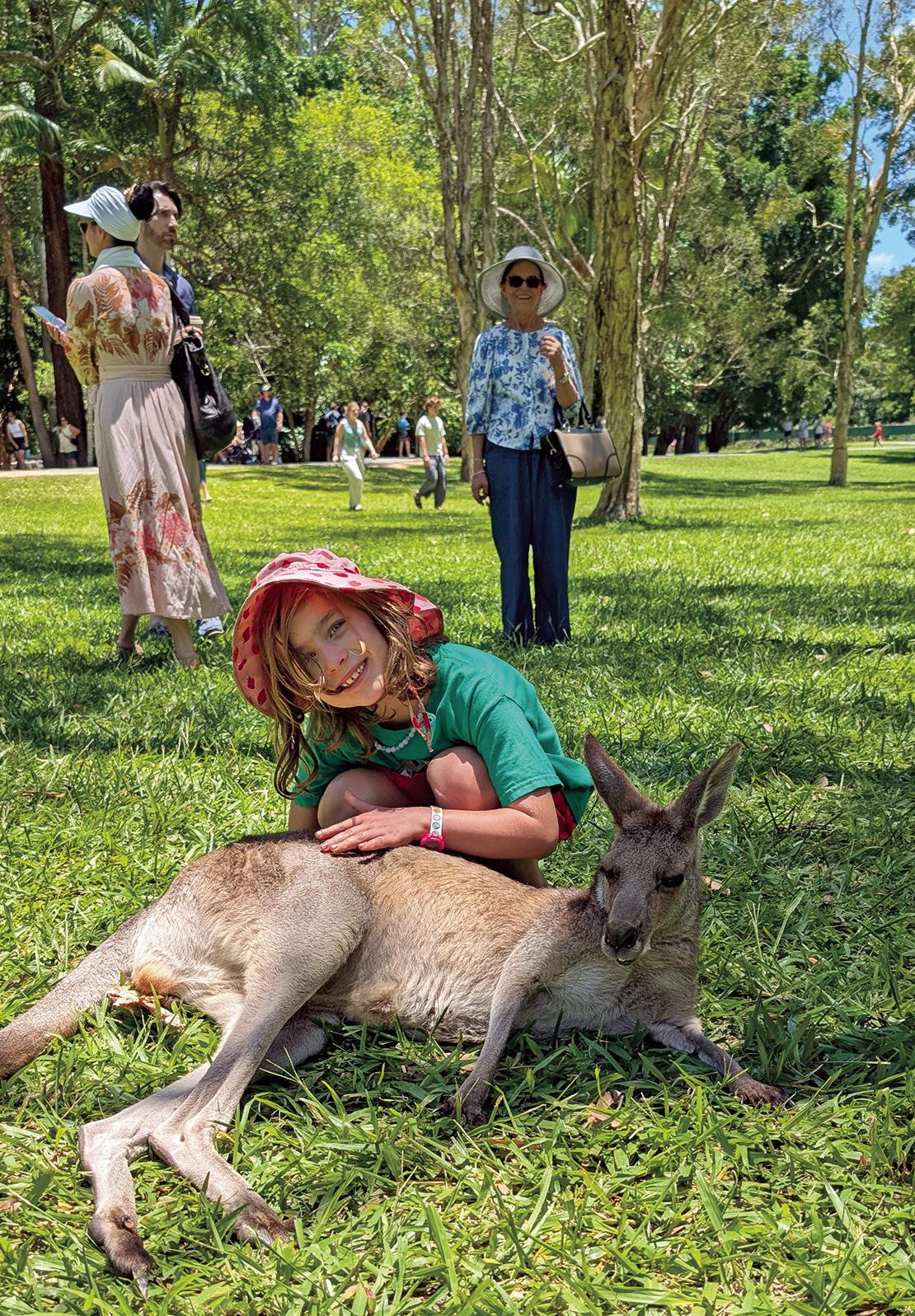
We discovered how different the world can feel through the small details. We ate mangoes so juicy they became a daily breakfast ritual. We boogie boarded in wild salty waves on Christmas Day and pulled tails off prawns for lunch. We learned the calm art of approaching a kangaroo so they’ll let you pet them and saw the reasons why we wouldn’t do the same with a crocodile!
We discovered learning doesn’t always come from a worksheet, but from lived experience. Public transit was a lesson in reading maps, understanding schedules, navigating unfamiliar stops and asking for help. Visiting landmarks like the Sydney Opera House brought history and geography to life as we read the plaques and drew parallels to home. It wasn’t just a place we learned about; we experienced the magnificence. Education didn’t stop because they weren’t in a classroom, it changed shape. My eldest kept a daily journal of his experiences, documenting everything from what we ate to what surprised him that day. We read every day, bedtime stories, of course, but also zoo brochures, train maps, signs, menus and everything around us telling us where we were. It was practical literacy, exciting because it’s connected to real life and makes kids the leaders, reading first and sharing info with their parents.
When Everything is New, Everyone Learns
Travel also did something refreshing for our family dynamic by putting us on an equal playing field. At home, parents are often the experts. We know the routes, schedules and what’s for dinner. But as we navigated new places together, unfamiliar directions, foreign food options, hot temperatures and guest accommodation, no one had the upper hand. We figured it out together.
The kids weren’t just along for the ride; they were part of the decision-making. They asked questions, made suggestions, helped problem solve and gained confidence as we figured things out together.
The Core Memories That Shape Childhood
The best part of the experience was time with my grandpa, the reason we went in the first place.
Watching my kids with their 102-year-old great-grandpa was a kind of discovery I longed for. It was both adorable and profound. They were each fascinated with one another. He shared books with them and they asked curious questions. It
was better than I’d hoped. When my daughter asked him the secret to longevity, his advice was: be kind.
I’m more convinced than ever that the most important lessons aren’t measured with grades. They’re the ones that shape our kids and the stories they carry.
Missing school isn’t something I take lightly. But occasionally, when the opportunity is there, taking time away to discover a new place and have real-time education through experiences, social connection and family history is 100 percent worth it. Especially when it begins with a 102-year-old great-grandpa reminding us that kindness matters most.
Jenn Wint is a writer and public relations specialist passionate about sharing stories that connect people, communities and local businesses. She lives with her husband, son, daughter and two kitties. Follow her @jenn_wint.
Things YOU NEED TO KNOW
Pacific Rim Whale Festival
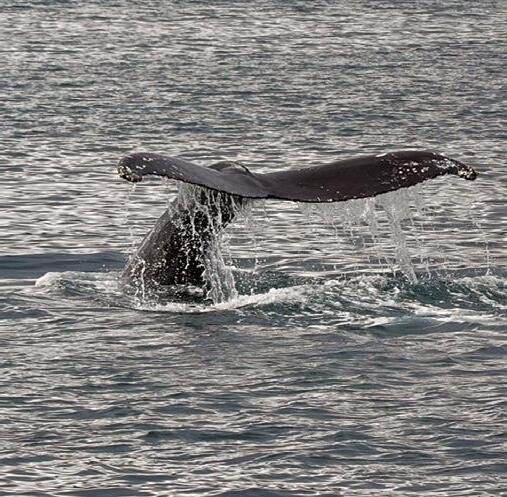
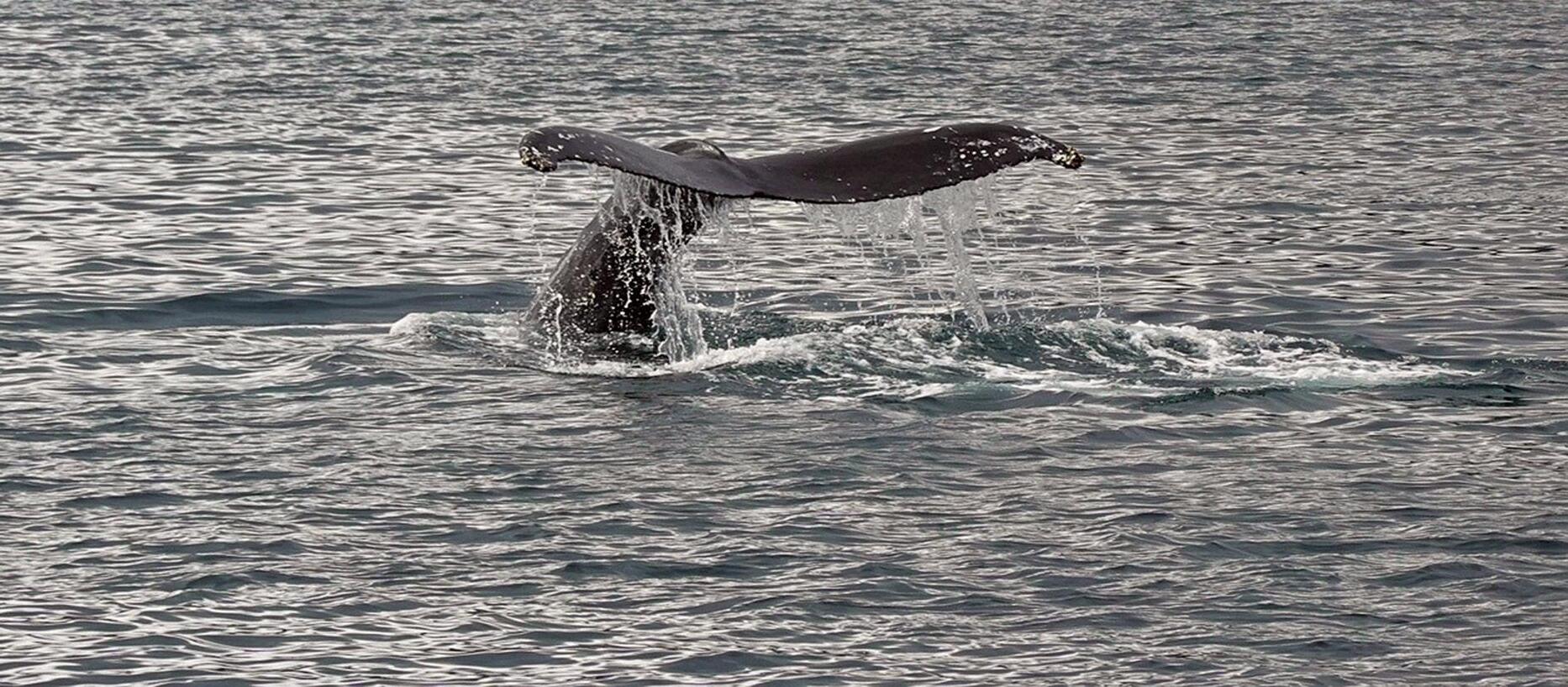
Taking place in Tofino, Ucluelet and the Pacific Rim National Park Reserve, the Pacific Rim Whale Festival celebrates the return of migrating grey whales to Vancouver Island from March 14 to 21. pacificrimwhalefestival.com 1 2 4 3 5
Baski App
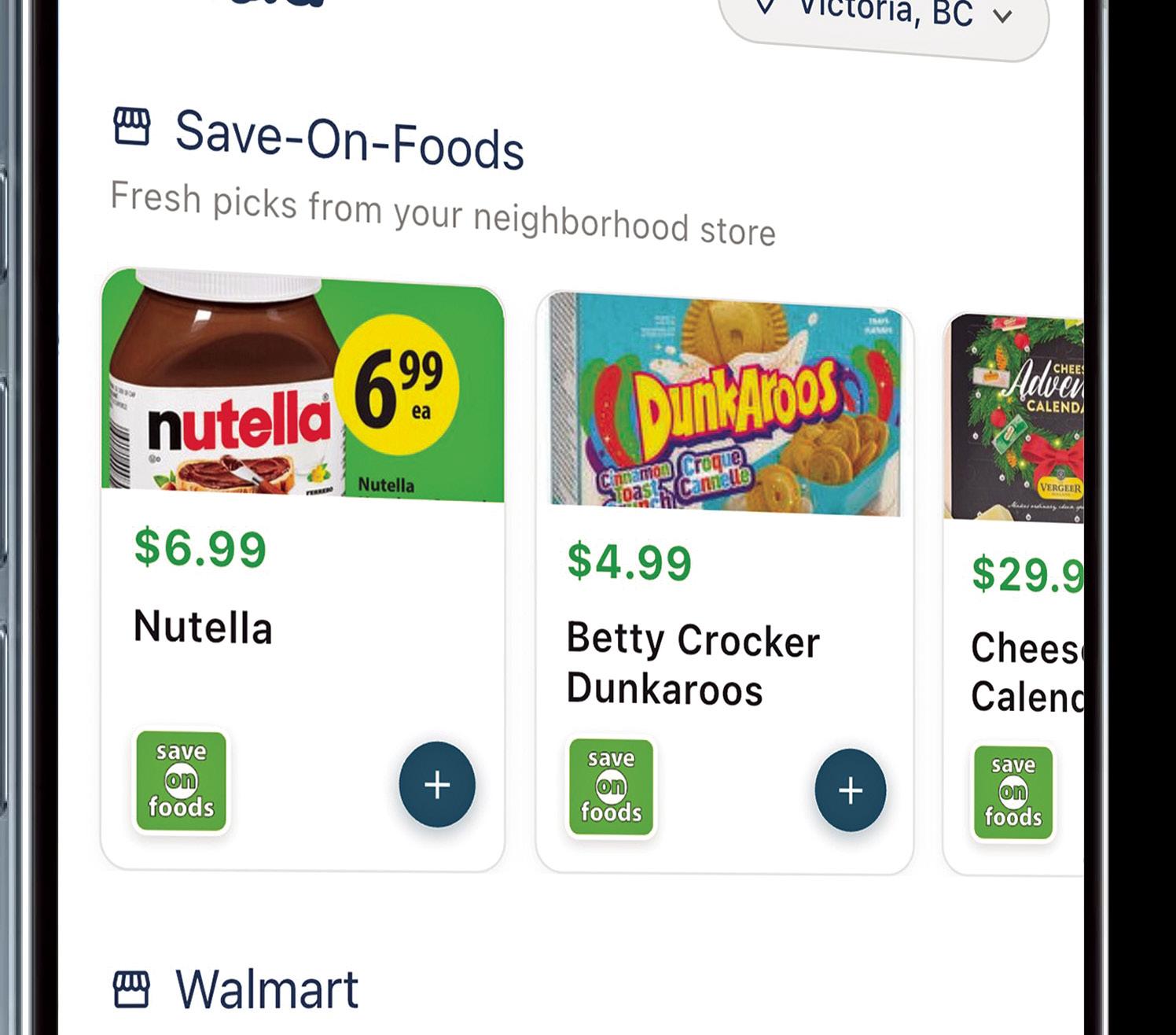
Created by a recent UVIC grad, the Baski app is a one-stop shop to provide you with the best deals from major retailers and local grocers. baski.app
Goddess Run
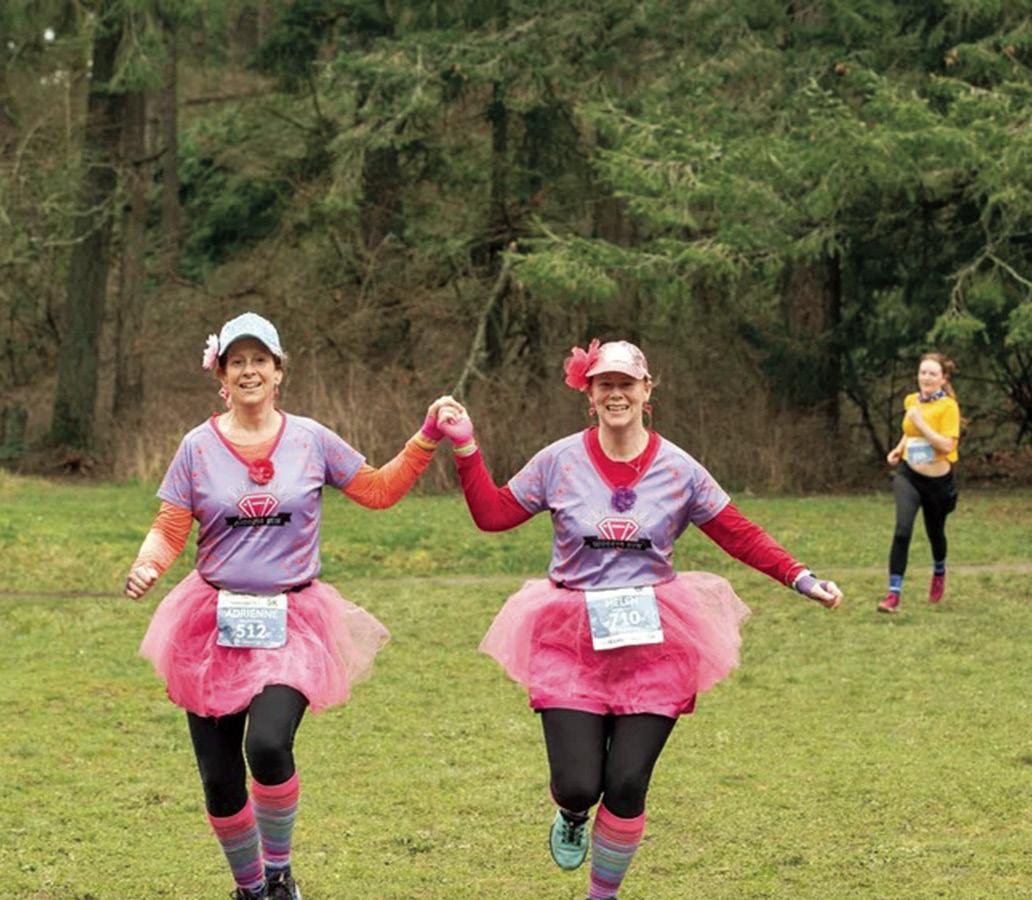
The Victoria Goddess Run happens on March 8 at Beaver Lake. The popular event celebrates 15 years of raising funds for local charities and helping women share stories, challenges and goals. goddessrun.ca
World Languages
Available through the Greater Victoria Public Library, the world language collection offers books, movies and resources in dozens of languages. gvpl.ca
Adult Reading Club
Adults need to read too! There’s still time to get your reading in for prizes for the adult reading club at Vancouver Island Regional Library. virl.bc.ca
Langford Bike Fest
Parents Together
Parents Together is an online professionally facilitated education and group support program for central island parents who are having a challenging time with their teens. bgccvi.com
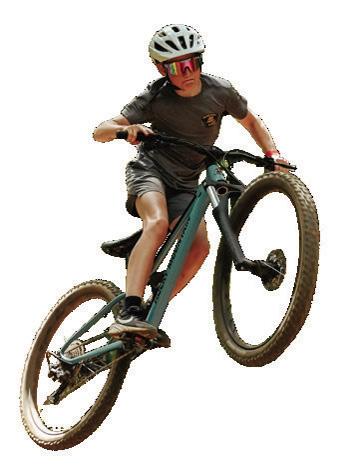
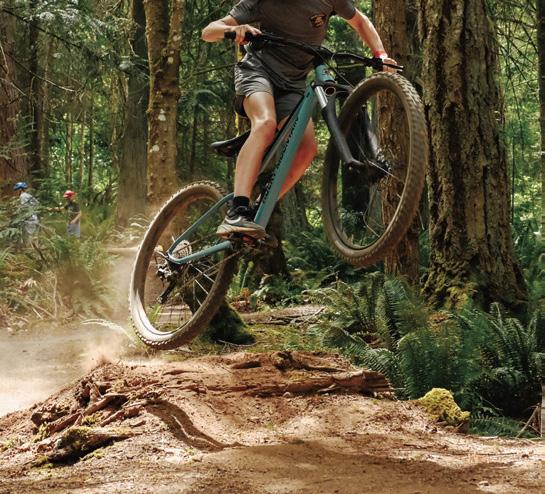
Langford Bike Fest is a high-energy cycling celebration held from March 12 to 15. The event brings together races, demos and family-friendly activities for riders of all skill levels. langfordbikefest.com 6 7 8 9 10
2026 Lunar New Year
Celebrate the year of the Horse in Canada’s oldest Chinatown! Head to Victoria’s Chinatown on February 22 for the New Year Lunar Parade and Blessing of Merchants. tourismvictoria.com
Nanaimo Spring Home Show
Always a fun event for families, the Nanaimo Spring Home Show returns to the Beban Park Social Centre from March 6 to 8. View cool demos, get hands on with projects and see inspiring exhibits. homeshowtime.com
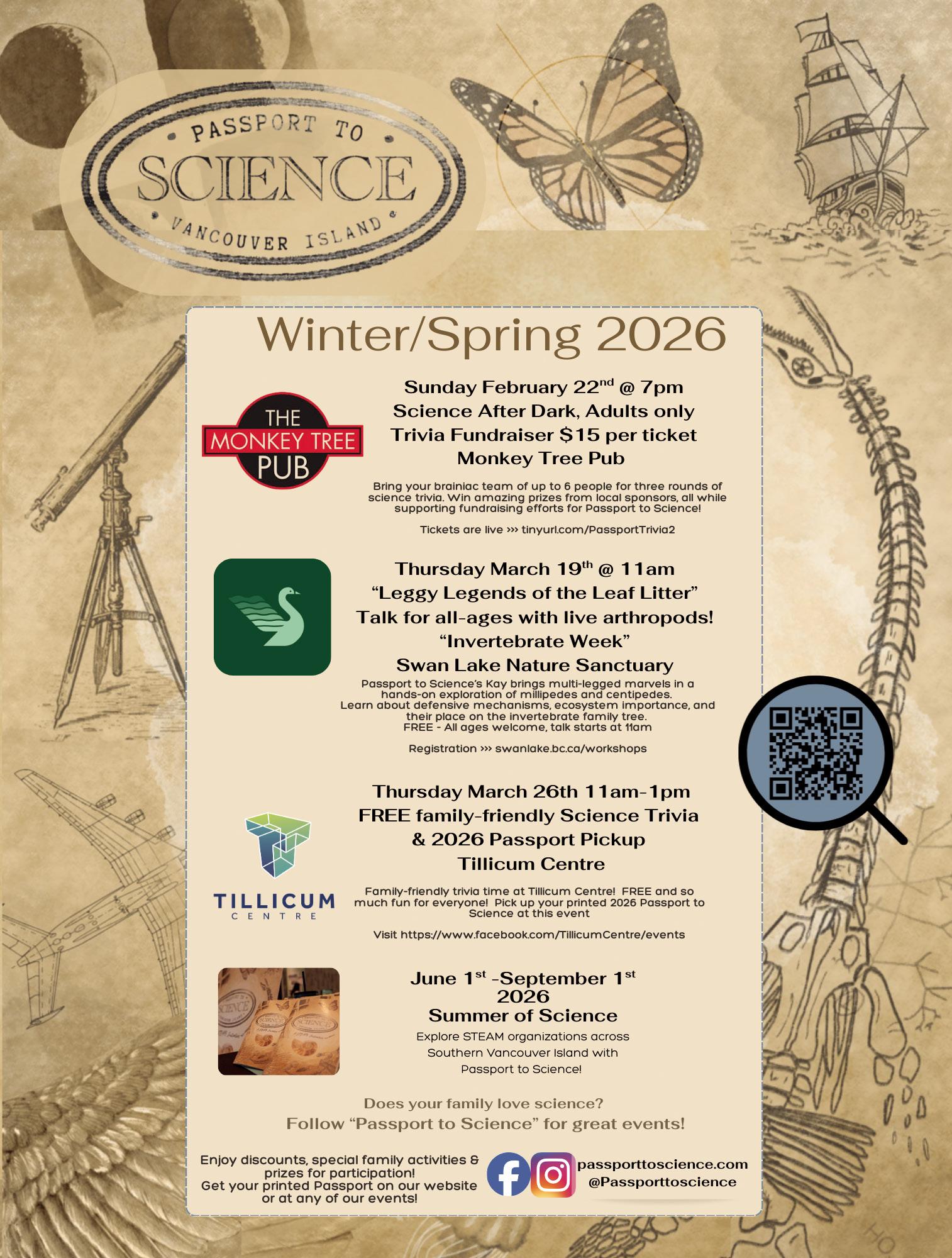
Passport to Science
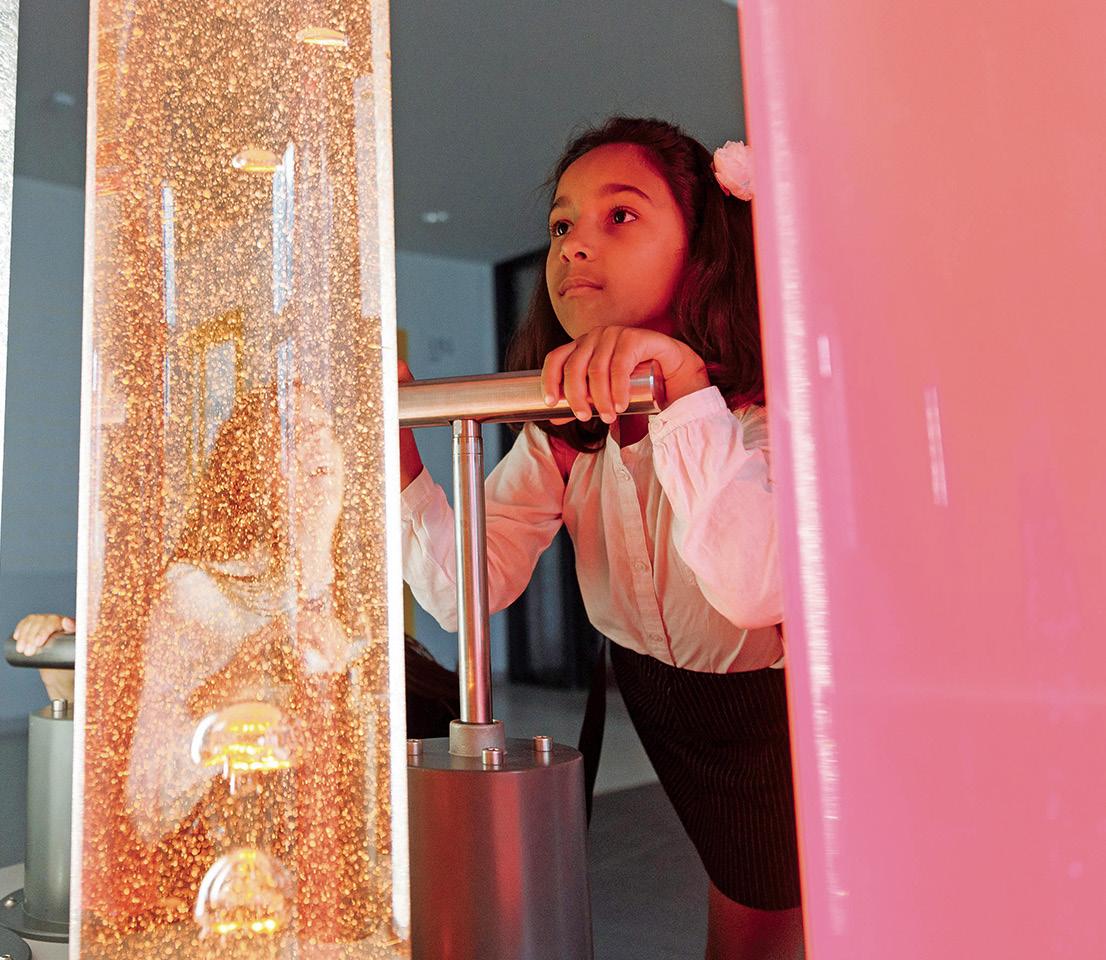
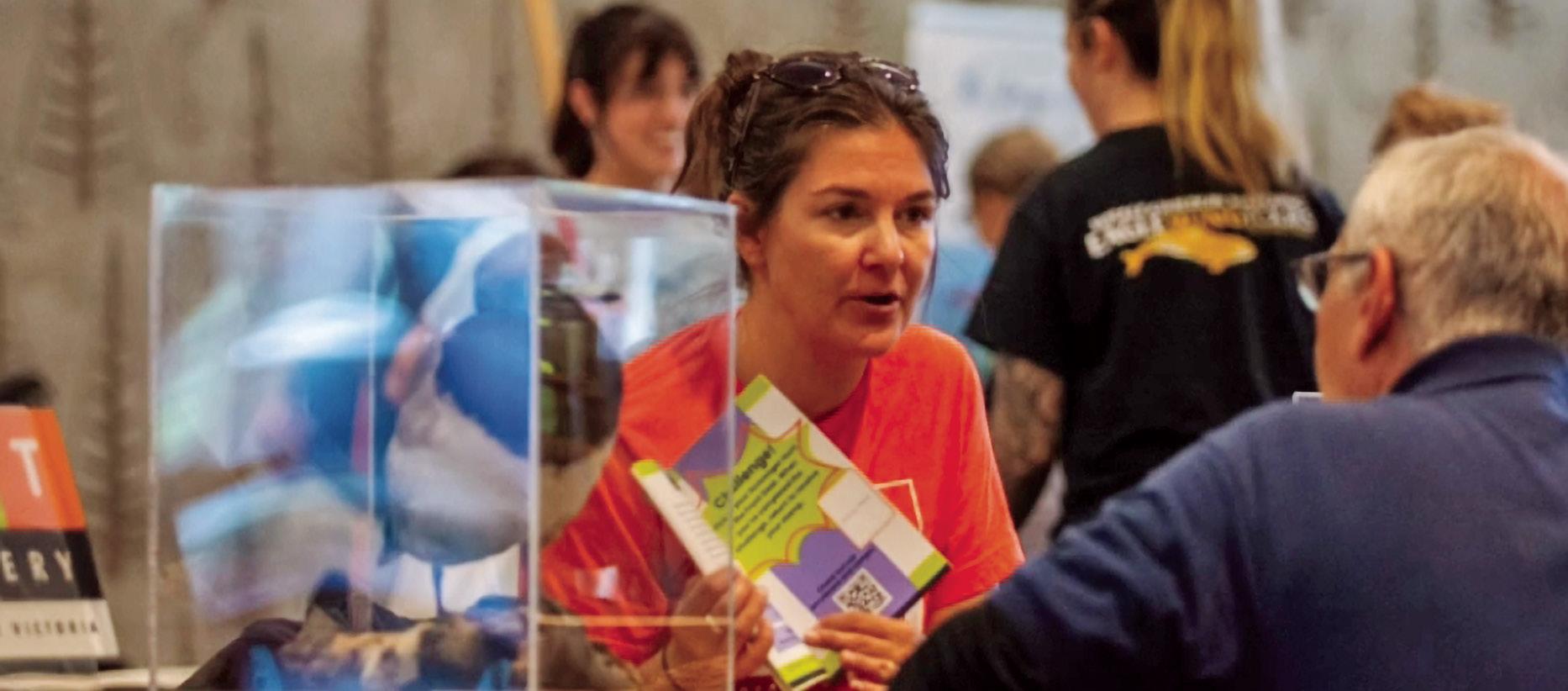
Hosted in communities across Vancouver Island, the Passport to Science Expo offers hands-on STEM activities for kids and families. passporttoscience.com
The Invisible Skills
That Carry Our Kids into Kindergarten
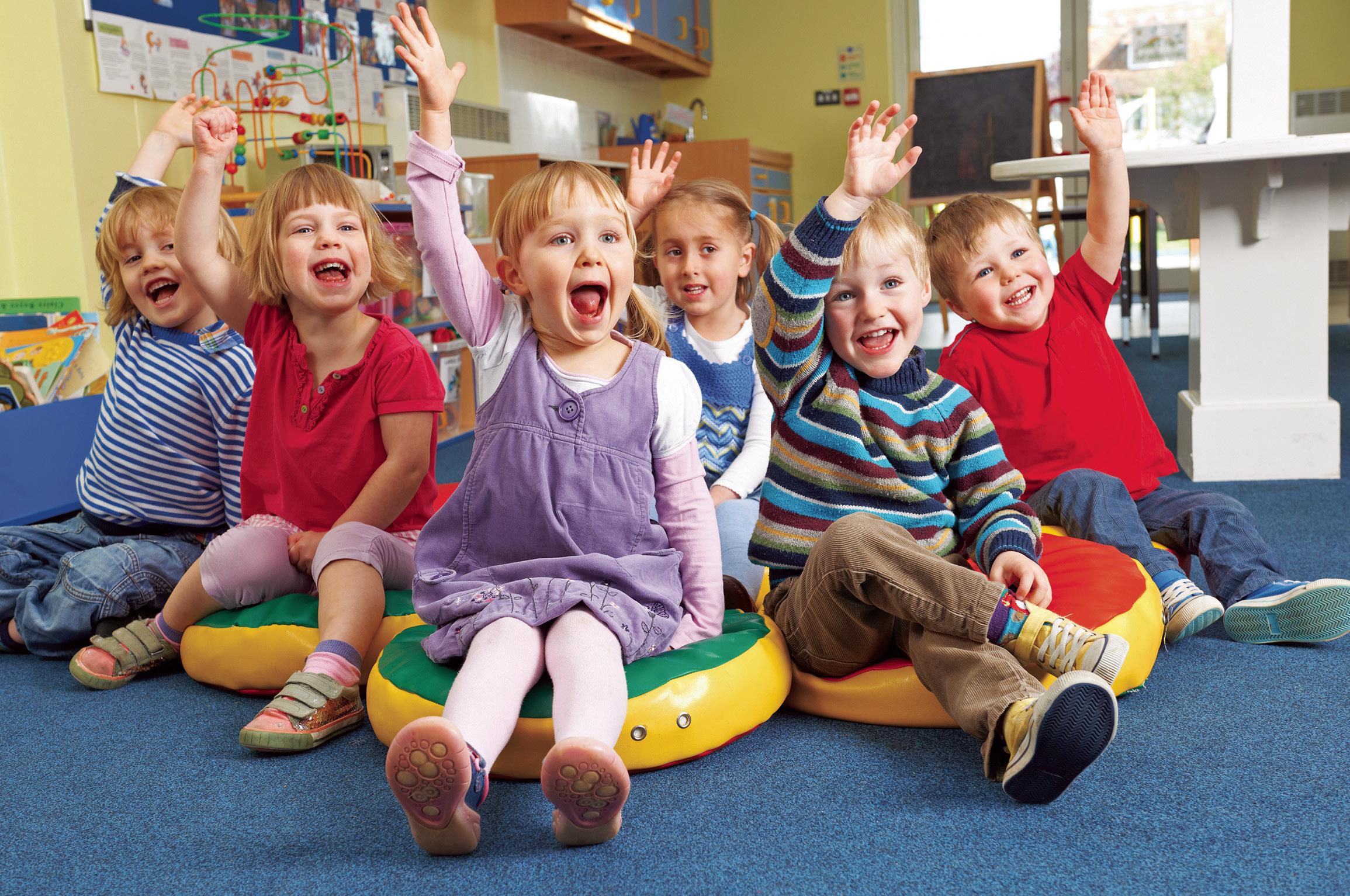
The transition to kindergarten can feel like a milestone that sneaks up on you.
One day, you’re buckling tiny shoes and wiping tears at daycare drop-off. The next, you’re being handed class lists, school schedules and lunch requirements—wondering how your child got so grown up, so fast.
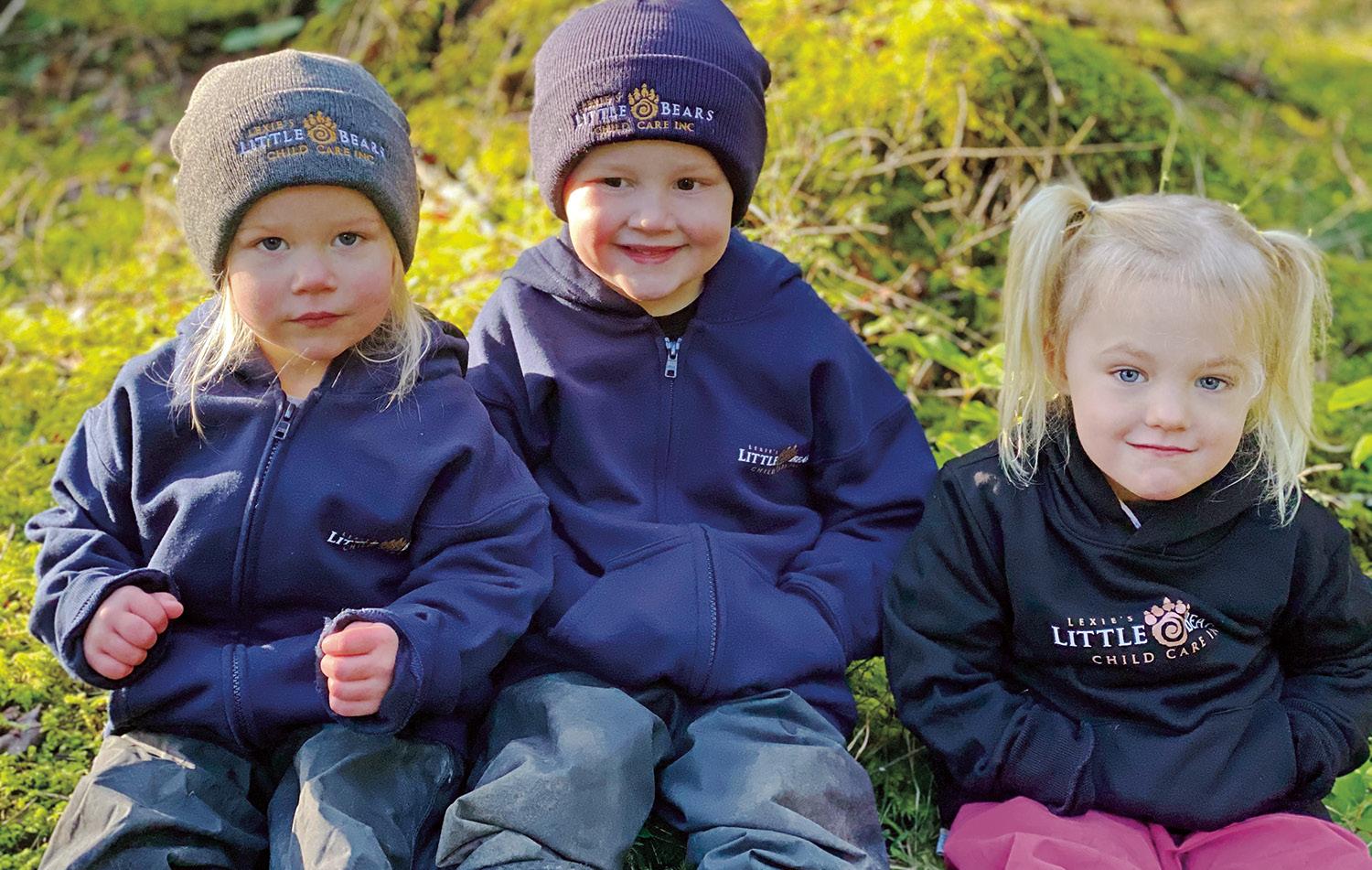
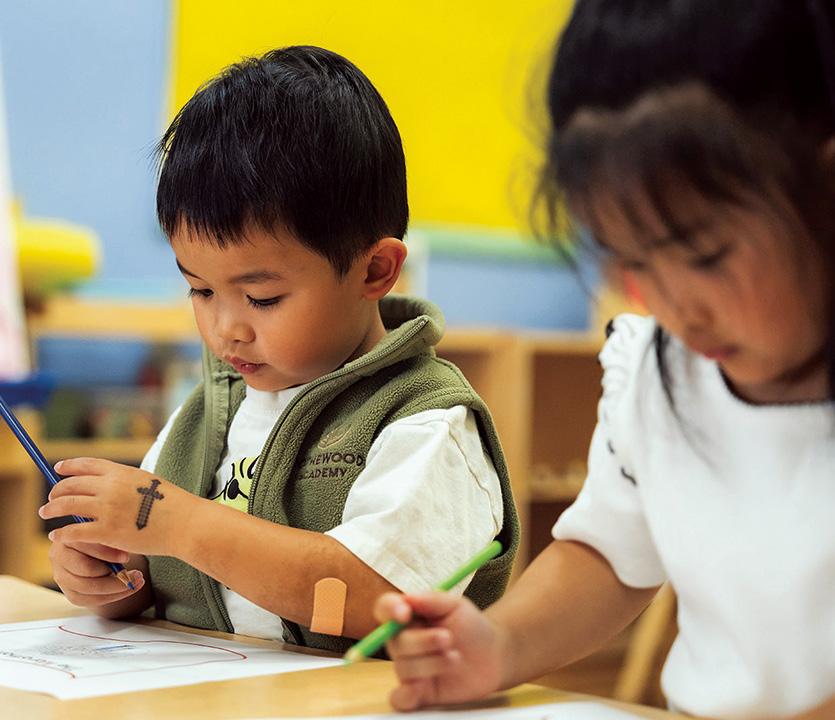
As a mom of three, including twins, I’ve come to realize that kindergarten readiness isn’t about worksheets or knowing how to write their name perfectly. It’s about something far more foundational and much of it quietly begins years earlier, in daycare and early learning environments.
When my children first entered daycare, I’ll be honest: it was emotional. There were tears (from all of us), rushed goodbyes and a lot of internal questioning.
Would they feel safe? Would they make friends? Would they cope without me?
Those early drop-offs were my first introduction to what it
really means to let go—just a little—and trust that growth often happens outside our arms.
Over time, something shifted. The tears lessened. Confidence grew. Familiar routines replaced uncertainty. And slowly, I began to see how these early transitions were laying the groundwork for something much bigger.
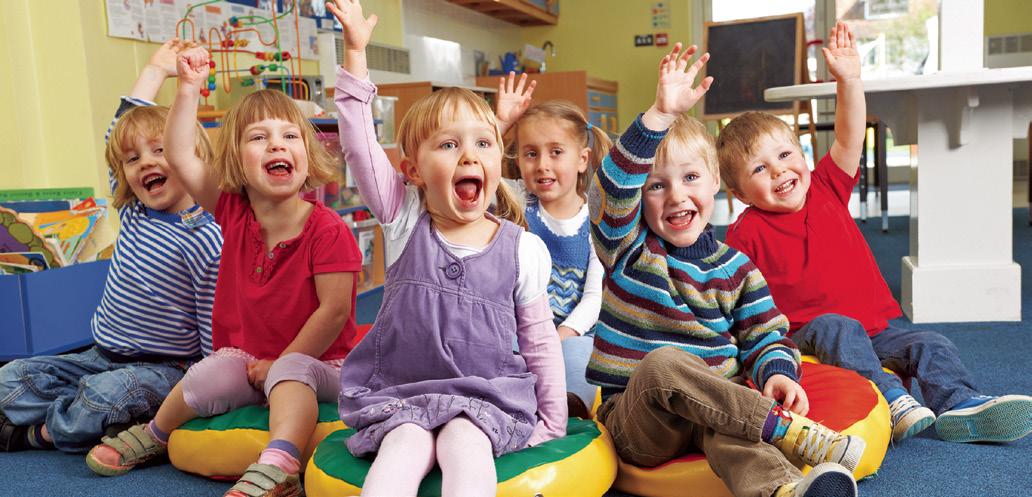
Daycare doesn’t just prepare children academically; it prepares them emotionally and socially.
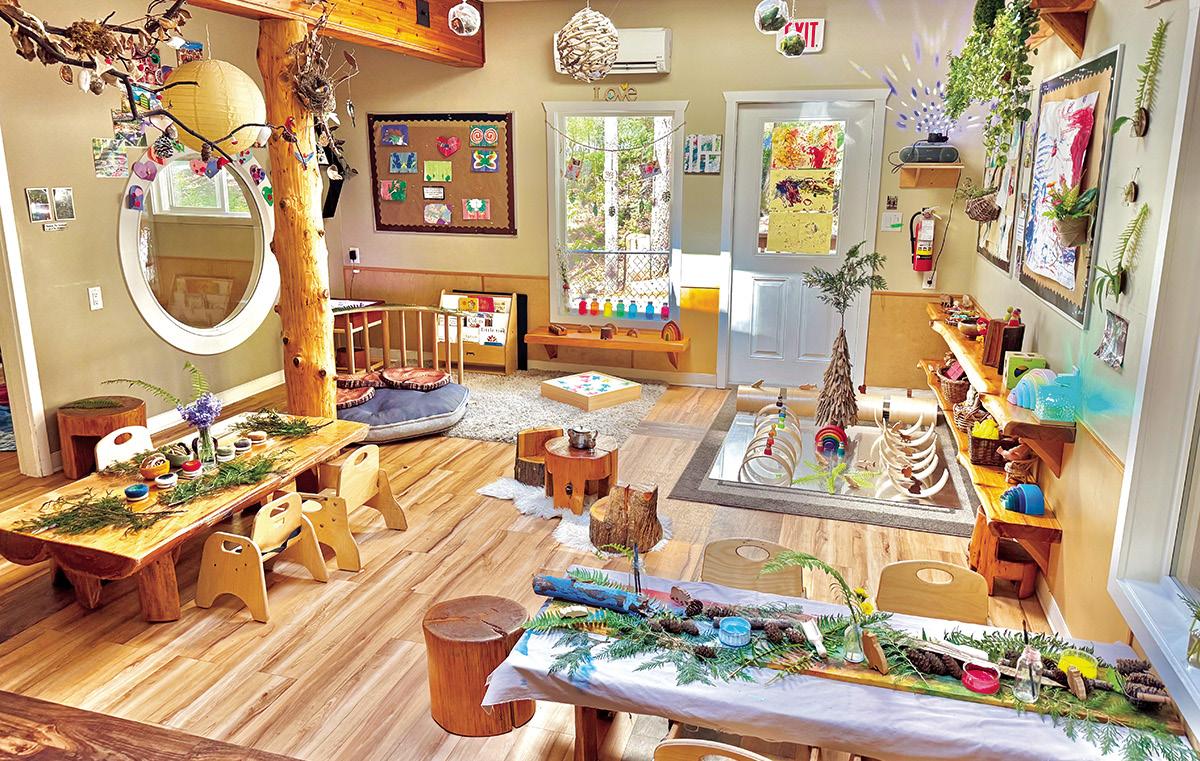
In a structured early learning environment, children begin to learn how to transition between activities as part of a group, practice listening and following instructions, navigate friendships, conflict and cooperation, build independence and self-confidence, and separate from caregivers in a healthy, supported way.
These skills are the invisible building blocks of kindergarten readiness.
By the time kindergarten approaches, many children who’ve
experienced daycare already understand what it means to hang up their backpack, join circle time, wait their turn and move through a day that isn’t dictated solely by home rhythms.
Children learn to advocate for themselves by asking for help, using their words, managing simple tasks and building confidence in their own abilities. They begin to understand routines, responsibility and the rhythm of a school-like day long before kindergarten officially begins. This gradual exposure makes the kindergarten transition feel less overwhelming (for children and parents).
Daycare doesn’t just support children; it supports parents. It creates space to work, to breathe and to reset, so that when we reunite at the end of the day, we show up with more patience, presence and energy. That balance matters more than we often admit.
Children walk into the classroom already familiar with rou tines, group settings and independence. And parents walk in knowing their children are capable, resilient and ready to dis cover what comes next. I can attest to this firsthand.
One of the most surprising things for me has been how naturally independence has unfolded over my twins’ first few months of kindergarten. There have been no tears at drop-offs (yet), and for the most part, the transition has felt remarkably seamless. They’re building new friendships, settling into their routines and genuinely enjoying the structure and connection with their teacher.
Kindergarten hasn’t felt like a leap; it’s felt like a continua tion of everything they were quietly learning all along.
In a world where so many families balance work, community and other responsibilities, it helps to remember that readiness is built in small, everyday moments.
If kindergarten is on your horizon, one of the most help ful things you can do is keep nurturing those simple life skills now—practising goodbyes, encouraging your child to speak up for what they need and letting them try things independently, even when it takes longer.
Whether your child is in daycare, preschool or learning at home, these steady, gentle steps create the confidence that car ries them into the classroom feeling safe, capable and ready to grow.
Natasha Mills is a twin mom of three living and raised in Victoria for over 30 years. She is a published author in the parenthood space and a full-time digital creator on social media. Find more of her content at @mommamillsblog.
Is it Time to See Some Bunny?
Everyone welcome, including autism and paediatric care.
Estevan Optometry Clinic 2544B Dunlevy Street, Victoria
Kitchen Science
Osmosis, Emulsification & Non-Newtonian Fluids!
The kitchen is a great place for scientific experiments. No need for fancy chemistry kits or glass beakers, you already have everything you need in your cupboards! Here are three experiments exploring the properties of liquids with some fun and delicious results!
Osmosis Pickles
(Prep time: 15 minutes)
Osmosis is the movement of water across a membrane. At first, water moves out of the vegetables into the brine because the salt and sugar in the brine make it more concentrated solution. This causes the vegetables to soften. However, over time the water differential within the vegetables and the brine equalizes and the vegetables will start to absorb the flavours of the brine.
Ingredients
1⁄2 cup of apple cider vinegar
1⁄2 cup water
2 Tbsp of sugar
1 tsp salt
1 small Persian cucumber
1 beet
1 carrot
5 radishes
1 clove of garlic
Mix the salt, sugar, water and cider vinegar in a large jar. Stir to dissolve the salt and sugar. This is the concentrated solution.
Slice the cucumber into circles. Chop the beets and carrots into snacking sticks. The radishes can be left whole or sliced in half.
Peel the garlic but leave it whole. Place it in the bottom of the jar, then fill the rest of the jar with the vegetables. There should be enough brine to completely cover them.
Place the jar into the fridge for at least 24 hours. Finish the pickles within three weeks, but feel free to reuse the brine for more pickles.
I recommend checking on the vegetables every few days to see what happened. After one day the carrots will have softened and the brine will be coloured by the beet. This is the water leaving the vegetables. After three days, the jar will have achieved an equilibrium, and the brine will have flavoured the vegetables. The longer they marinate, the more flavour will enter the cells of the vegetables. You’ll be able to see this by looking at how the cucumber and radishes turned slightly pink from the beet.
Emulsified Aioli Dip
(Prep Time: 15 minutes)
Emulsification involves combining two liquids that don’t normally mix. In the kitchen, these liquids are usually oil and vinegar, or oil and water. To get oil to mix with vinegar, it needs to be whisked. This causes the fat molecules to break up enough to mix with the vinegar. Emulsifying agents help with mixing the oil and
vinegar. Common emulsifying agents are mustard, egg yolk and honey. This recipe uses garlic for emulsification. Many sauces and salad dressings, including mayonnaise, start with emulsification.
Ingredients
6 cloves of garlic
1⁄2 tsp salt
1 tsp lemon juice
1⁄2 cup extra-virgin olive oil
Preheat the oven to 350°F. Trim the top off a garlic bulb and place the garlic cut-side up on a piece of foil. Wrap the garlic in foil and roast for 40 minutes, until the cloves are golden brown and tender.
Place 6 medium-sized cloves of roasted garlic in a mortar. The cloves should pop right out of their skins. Mash with the salt until they become a smooth paste. Stir in the lemon juice.
It’s time to start emulsifying! Add the oil 1 tablespoon at a time. Fully stir the
oil into the garlic before adding the next tablespoon. The goal is to have all the oil mixed in for a nice thick sauce.
Non-Newtonian Oobleck
(Prep Time: 2 minutes)
Growing up, my mother called this mixture guck. It was her go-to rainy day activity and had little to do with science and a whole lot to do with keeping us entertained. When my kids were little, I would make up a batch and pour it onto their highchair tray and give them some spoons and measuring cups so they could keep me company while I cooked dinner.
Non-Newtonian fluids are liquids that become more or less liquid based on force. For example, ketchup and custard become more liquid when shaken or stirred. Oobleck has the opposite effect of becoming more solid when under pressure. It’s because cornstarch has long chains of starch that flow smoothly past each other when mixed with water but as soon as you put pressure on them, they get tangled up and become solid.
Ingredients
1 cup cornstarch
1⁄2 cup water
1⁄4 tsp food colouring
Mix the cornstarch, water and food colouring in a bowl. Play with it a bit. If it seems too solid, add a few more tablespoons of water. The goal is to create an oobleck that is solid when you push on it, but liquid when you leave it alone.
No need for fancy equipment or a laboratory, just pick your favourite recipe or try out all three. Happy experimenting!
Water to Earth Month
Emillie Parrish loves having adventures with her two busy children. You can find more of her recipes in her cookbook Fermenting Made Simple. fermentingforfoodies.com
“A hundred years from now it will not matter what my bank account was, the sort of house I lived in, or the kind of car I drove...but the world may be different because I was important in the life of a child.” – Forest E. Witcraft, teacher, scholar
At Little Ears, Registered Audiologist Dr. MacAskill is the only Audiologist in Canada who is Board Certified in Pediatric Audiology. Little Ears provides care for Children (and adults) from 8 months onwards.
• Child centred hearing assessments
• Evidence‑based recommendations you can trust
• Clear, supportive communication for parents and educators
• Kid‑approved spaces and playful touches that make appointments feel easy
• Locally owned and operated
Whether you’re seeking answers, ongoing support, or a second opinion, Little Ears provides expert audiol ogy care that meets children where they are — with patience, empathy, and a smile.
Journeys of Discovery Within the Pages of a Book
By the time you are reading this, New Year’s Day will be long over. However, as I am sitting here typing it up, I am still in the middle of that season of reflection and reinvention. It has been amazing to look back over the books I’ve read, the things I’ve learned and the ways I’ve grown over the last year. And, it has been exciting to look forward to what the new year may hold. No matter how old or young we are, we—like the characters in the following books—can always learn new things. And I hope that their adventures inspire some of your own.
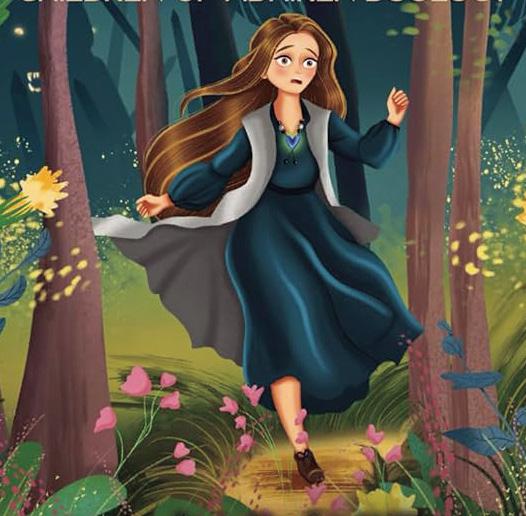
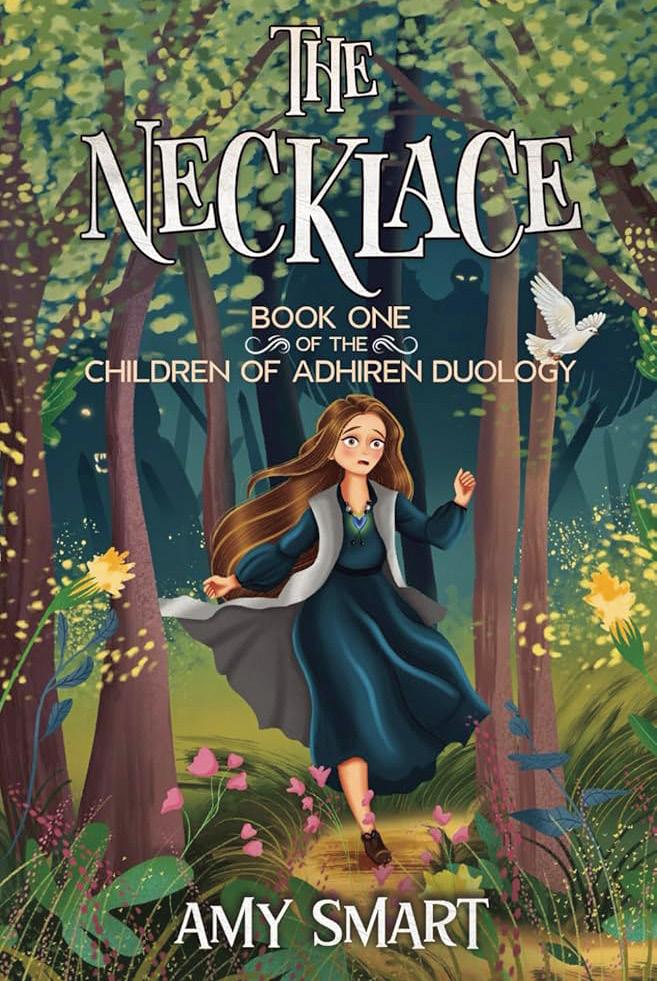
My son was drawn to the cover of The Necklace by Amy Smart as he walked by it and he immediately asked if we could
bring it home. I am so happy that we did, he has read it (and the sequel) more times than I can count and has lamented the fact that there are only two books in the series.
The book is about an almost 11-year-old girl who learns that her life was a lie: her parents are not actually her parents. She was adopted and her father lives far away. Devastated by this revelation, she runs away to find her father and learn the truth. But the path to the truth isn’t always an easy one, it’s filled with untold dangers, new friendships and a growing evil that threatens to destroy everything she loves. For ages 8 to 12.
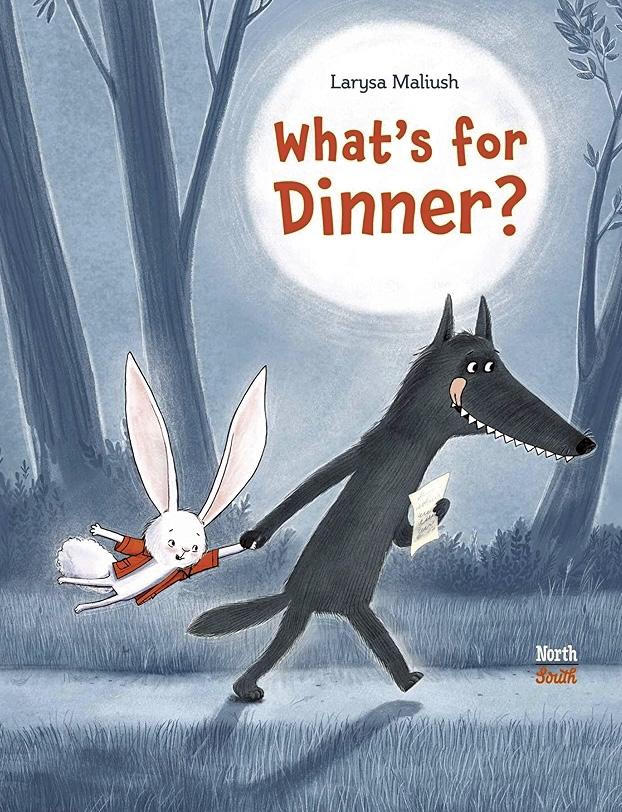
The next book is What’s for Dinner by Larysa Maliush. This hilarious tale follows a hungry wolf. While he is hunting for food, he comes across a baby rabbit. But, before he bites the wriggly rabbit, he spies a note that says he will be rewarded with a delicious meal if he returns this wandering rabbit to his home. Now the wolf knows that this is not what wolves are supposed to do. Wolves are supposed to eat rabbits found in the woods after dark. Still, his curiosity gets the best of him, and he decides to find out what sort of delicious meal a rabbit would make. I absolutely adored this book. The pictures are lovely. The text made me laugh. It is definitely a book I can read more than once. For ages 4 to 7.
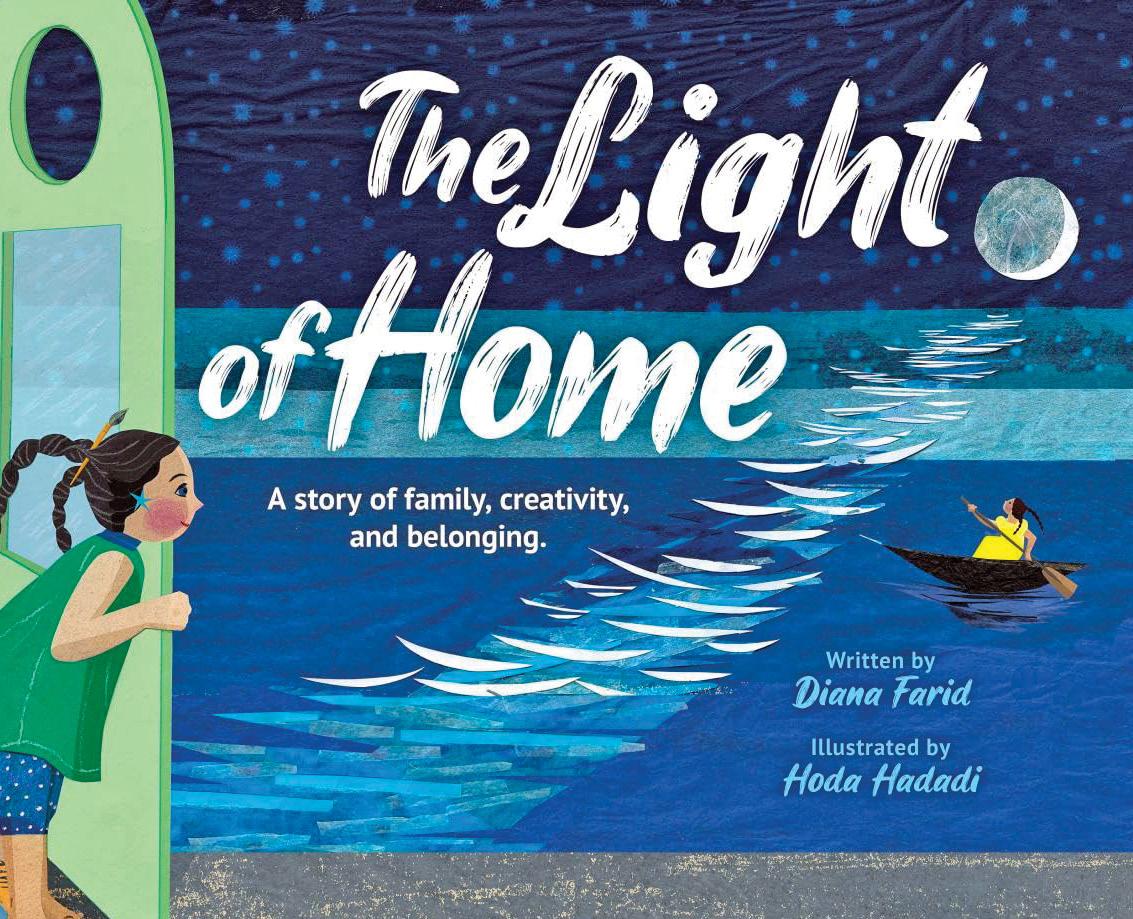
The third book contains a bit of a heavier theme. The Light of Home: A Story of Family, Creativity and Belonging by Diana Farid and illustrated by Hoda Hadadi is about a young girl who is forced to flee from her home. The only thing she has time to grab is a single painting off the wall as she runs by. But, while this story showcases the reality that many refugees face when they flee, it also reminds us that we can find beauty
in hardship. I love the relationship Nur has with her mother and her Baba in this book. I think the author and illustrator effectively captures the connection between a mother and the daughter she is trying to help. For ages 4 to 7.
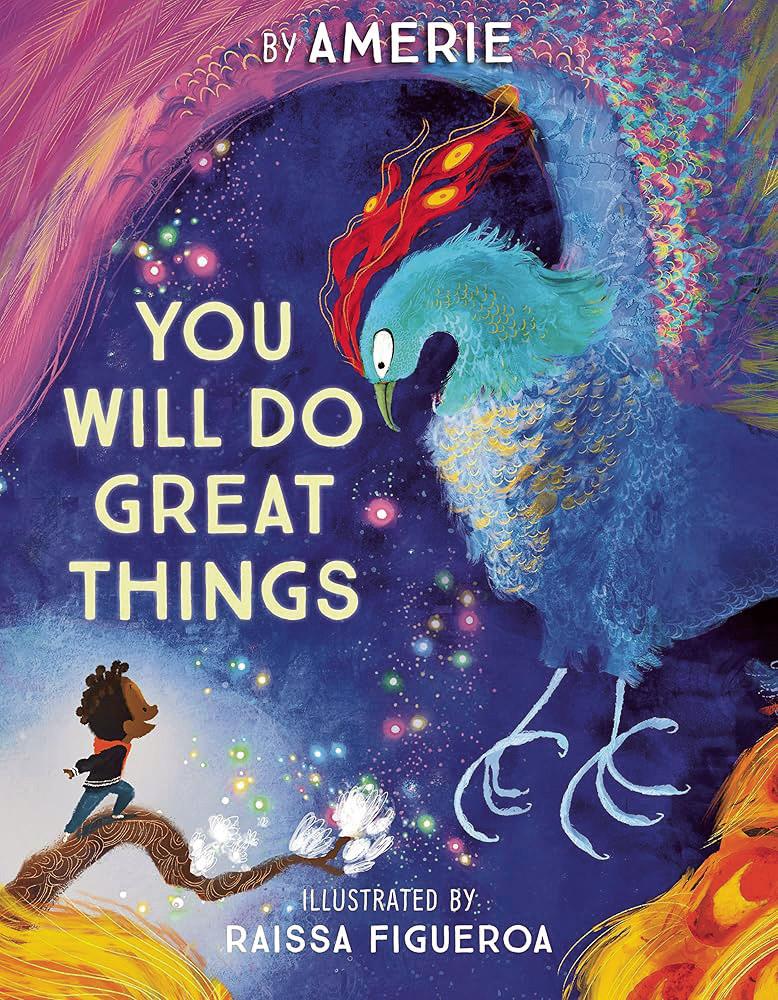
The fourth book is You Will Do Great Things by Amerie and illustrated by Raissa Figueroa. This incredible poem is wonderful message to our children to remind them that there are so many things they can achieve. They just have to believe in themselves, keep trying when they fail and do things even when no one else understands. And, as a bonus, the illustrations are phenomenal. They make the whole poem feel absolutely magical. For ages 4 to 7.
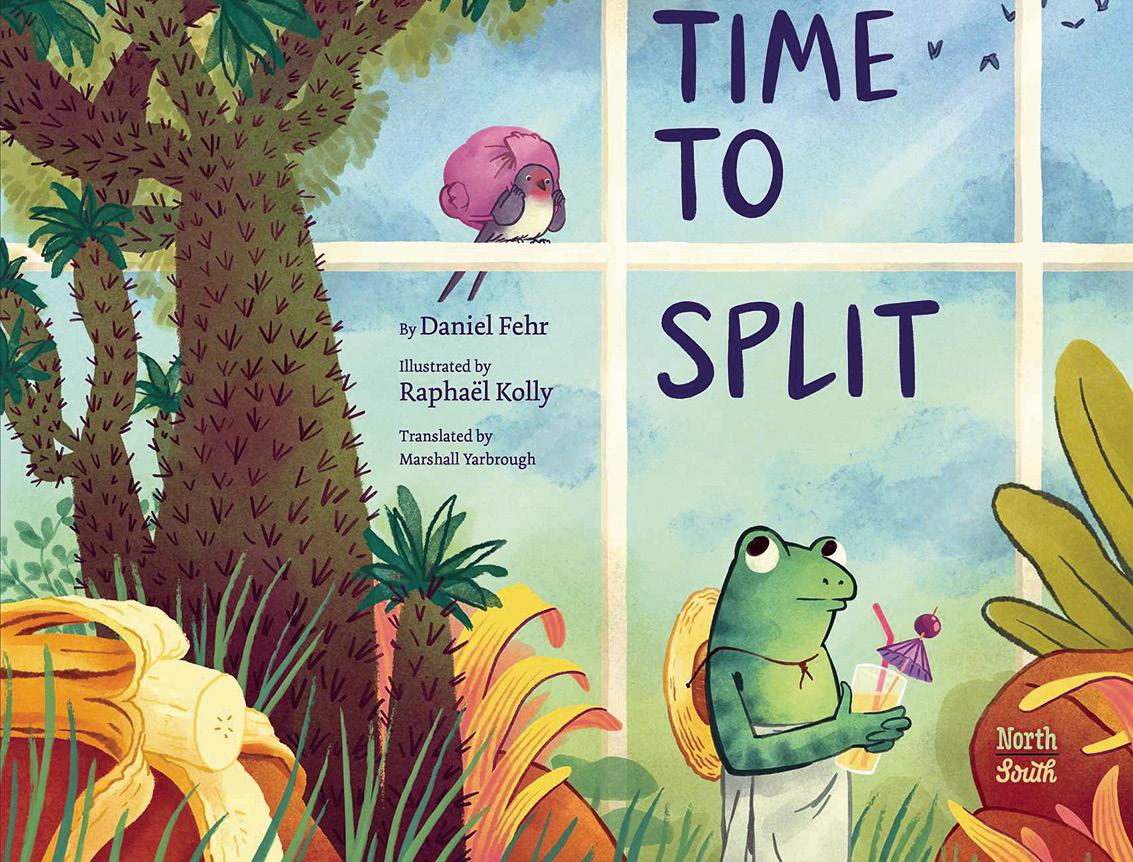
The final book in my list is the aptly named Time to Split, which is written by Daniel Fehr, illustrated by Raphaël Kolly and translated from the German by Marshall Yarbrough. This book shows us the lovely, relaxing life of Frog. Day after day, everything is the same. And it’s quite lovely. But then one day, a bird comes to visit. In a flurry of feathers and food, Frog learns about friendship, other types of fun and the ways his life may be richer if he just goes outside. For ages 4 to 7.
As the characters in these stories learn, growth isn’t always easy or comfortable. Sometimes it’s not what we wanted at all. But, sometimes, we can choose to learn and discover new ideas, adventures or dreams. If they don’t work out the first time, that’s okay. We can always try again. I hope that your children learn those same lessons as they read these stories.
Christina Van Starkenburg lives with her husband, children and cat. She is the author of One Tiny Turtle: A Story You Can Colour and many articles. To read more of her work and learn about her upcoming books, visit christinavanstarkenburg.com
Why Winter Feels Harder for Families
(And What to Do About It)
By late January, something often shifts at home. Mornings feel heavier. Patience runs thinner. Small moments like siblings bickering, a forgotten lunch or a simple request suddenly trigger bigger reactions than expected. Kids melt down more easily. Parents feel more likely to snap or shut down with hours to go until bedtime.
If this sounds familiar, it’s not a sign that something is going wrong.
Winter has a way of piling on challenges for families. Shorter days, less movement and more time indoors affects our nervous systems, and we may not even notice it. When energy is low, our emotions are closer to the surface, and we start to disconnect to cope. Understanding why this happens can help parents respond with more compassion, for both our children, and ourselves.
Why winter can feel emotionally harder
Less daylight = less energy. Shorter days affect our mood, our energy, our focus and our ability to regulate our emotions. Many of us—both children and adults—feel more tired in winter, even when sleep hasn’t changed. And when energy is low, frustration tolerance also drops. You may also notice big emotions surface more quickly, and recovering from them takes longer.
This doesn’t necessarily mean something is “wrong.” It just means our bodies are working harder with fewer resources.
More time indoors = less movement. Outdoor play is one of the most natural ways children regulate stress. Running, climbing, biking and even wandering help release built-up emotion. Winter weather often limits these outlets, leaving feelings with fewer places to go.
For our kids, that emotional buildup often shows up as behaviour: irritability, silliness, defiance or tears. For us parents, it might show up as tension, reactivity or exhaustion.
More pressure = less buffer. Winter can also bring added pressures: holidays, financial stress, illnesses, school disruptions and changes to routine. Families spend more time together indoors, often without the usual breaks that allow us to catch our breath. Even strong, connected families can feel stretched under these conditions.
What helps? Try small, steady shifts
The goal in winter isn’t to fix or avoid emotions, it’s to make space for them with a little more gentleness.
Adjust expectations. We need to be realistic about our expectations from our kids and ourselves, because winter is not the season for peak performance. Expecting the same energy, patience and productivity as summer often sets families up for frustration.
Perhaps us parents could find some relief simply by naming this reality out loud:
“Winter is harder on our bodies. We’re going to slow things down and be a bit gentler with each other.”
Remember that lowering our expectations doesn’t mean lowering our standards, it just means being more realistic. Why not give ourselves permission to change our expectations so we can experience more ease in this season?
Lean into predictability. When the world feels darker and less flexible, predictability helps our nervous systems feel safe. Simple routines like bedtime rituals, shared meals and weekly check-ins can act as anchors during emotionally heavier weeks.
These moments don’t need to be elaborate. What matters most is consistency and connection. This could look like everyone reading on the couch before bed or working on a puzzle together where chats about the day can slowly unfold.
Focus on regulation before behaviour. When emotions are high, our attempts to correct our kids’ behaviour rarely work. Instead, children need help regulating their emotions before they can problem-solve or change their behaviour.
This might look like:
• sitting close during a meltdown
• using a calm, steady voice
• acknowledging feelings before addressing limits
Bring in light and movement where you can. Even small amounts of movement help. A dance break in the living room, stretching together (have you tried Cosmic Kids Yoga?) or a quick walk outside can release tension that’s been building all day.
Care for the parent nervous system. Parents often ask, “How do I help my child calm down?” A less asked but equally important question is, “Where do my feelings go in winter?”
Parents, we’re not meant to carry everything alone. Finding small moments of rest, support or shared responsibility can make a noticeable difference. The reality is that both kids and parents do better when parents are cared for, too.
If winter feels harder in your home, it doesn’t mean you’re failing. Let’s remember that we’re human, living in a season that asks for a little more compassion.
With steady connection, realistic expectations and support when needed, many families find that winter becomes less something to endure and more something they can move gently through together.
Darcy Harbour, MA, RCC is a family counsellor and director of Harbour Family Counselling in Victoria. She supports parents and children in building emotional resilience, connection, and confidence. Learn more at harbourfamilycounselling.ca
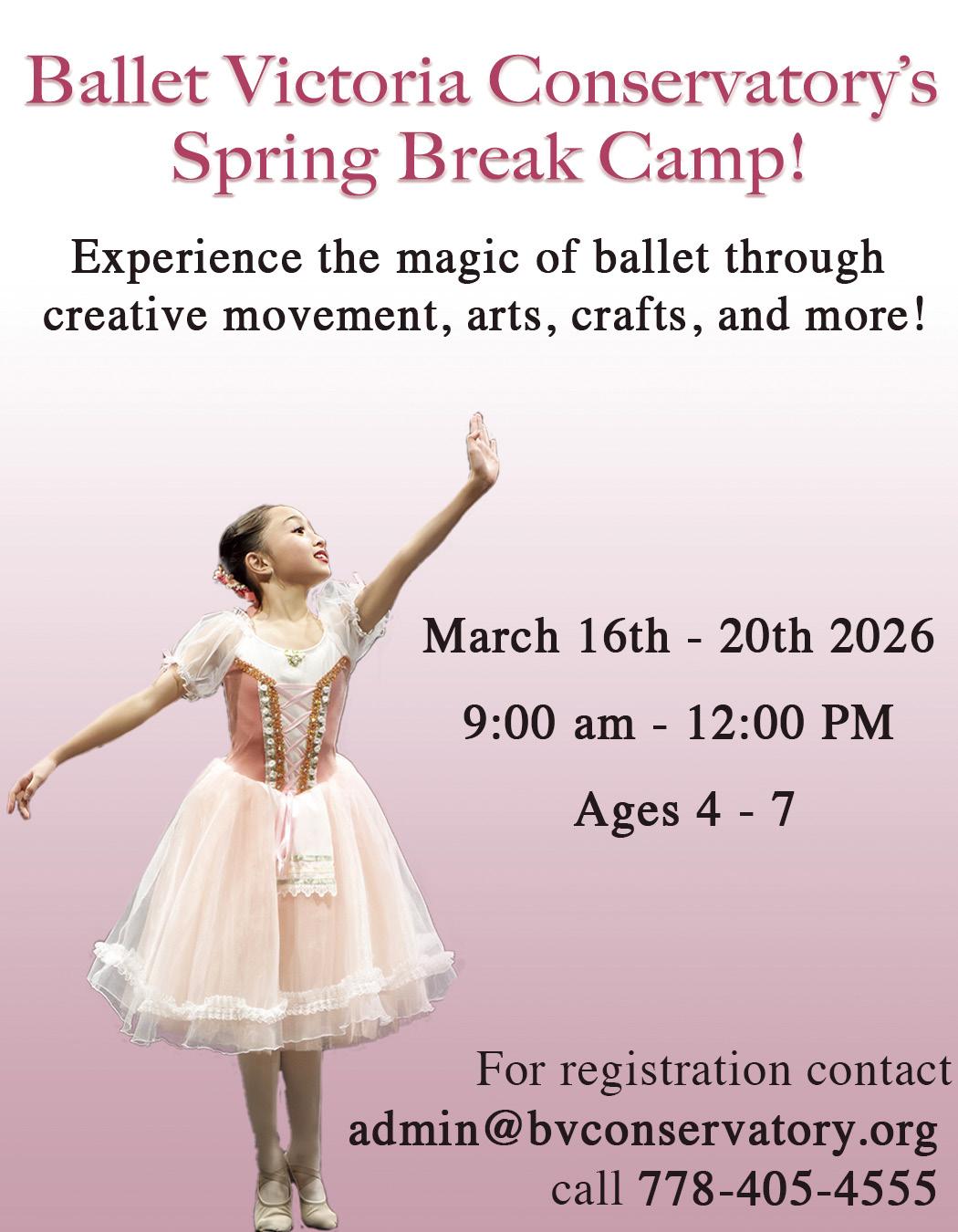
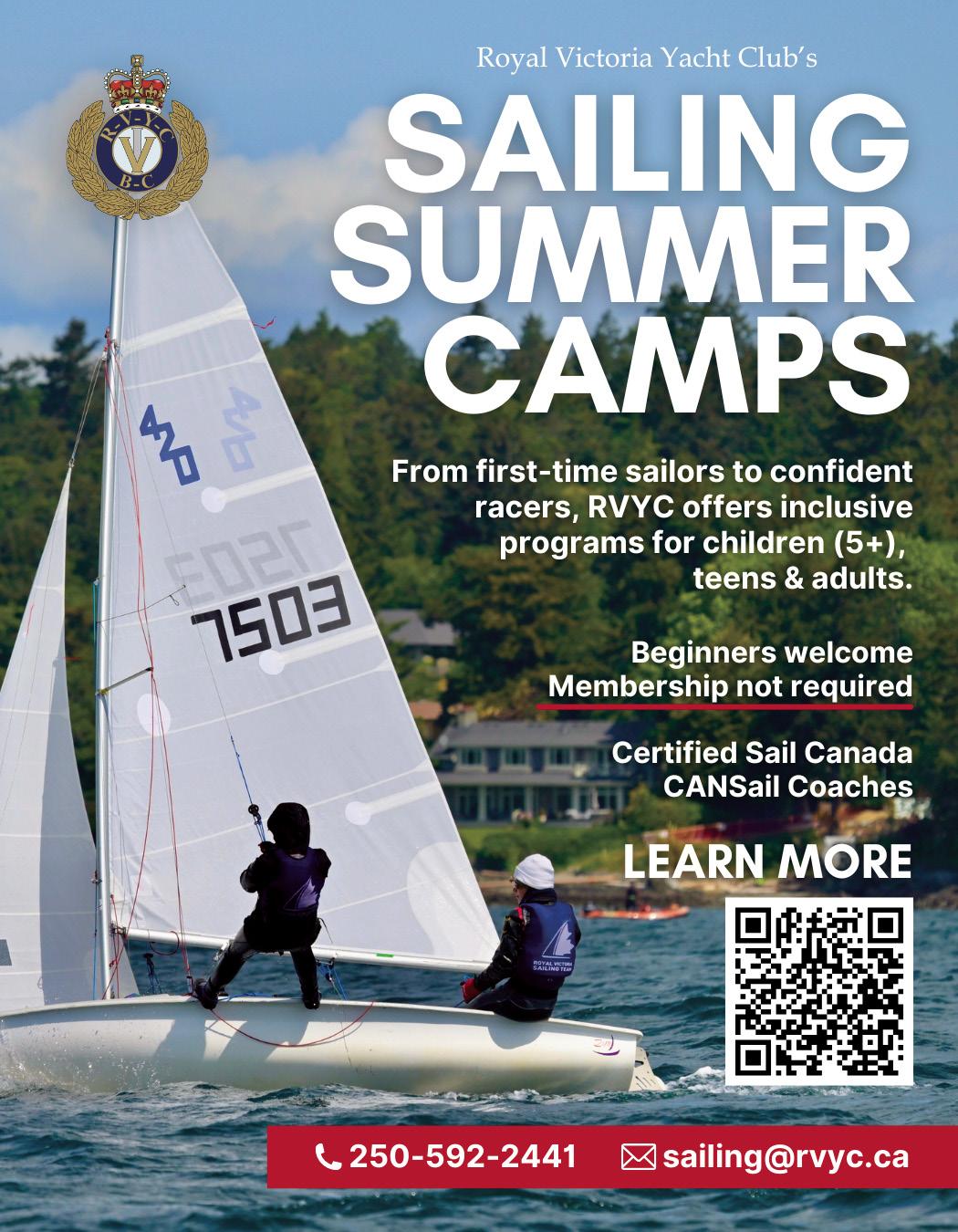
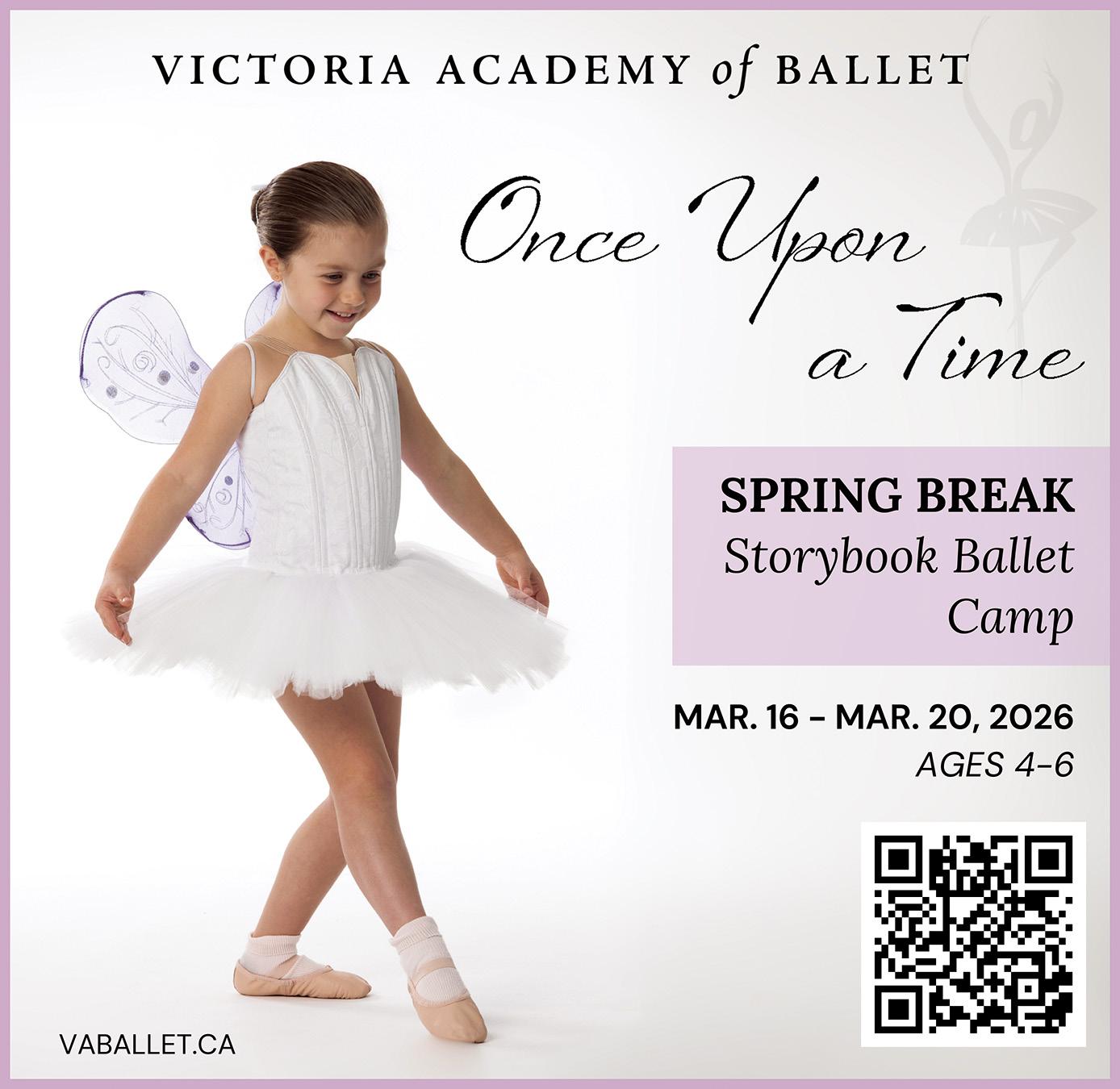
What Stressed Parents Need to Know About Spring Camp Registration
I
f you’re a Vancouver Island parent, you know the feeling. It’s still winter, spring feels a long way off and suddenly camp registration is everywhere. Social feeds, newsletters and wordof-mouth reminders all seem to arrive at once and before you can open your laptop, spring break camps are already full. If it feels like registration happens earlier every year, you’re not imagining it. Many families now find themselves scrambling in January or February, wondering how they missed the window again. It’s frustrating, overwhelming and incredibly common.
Spring Camps: Shorter Season, Bigger Demand
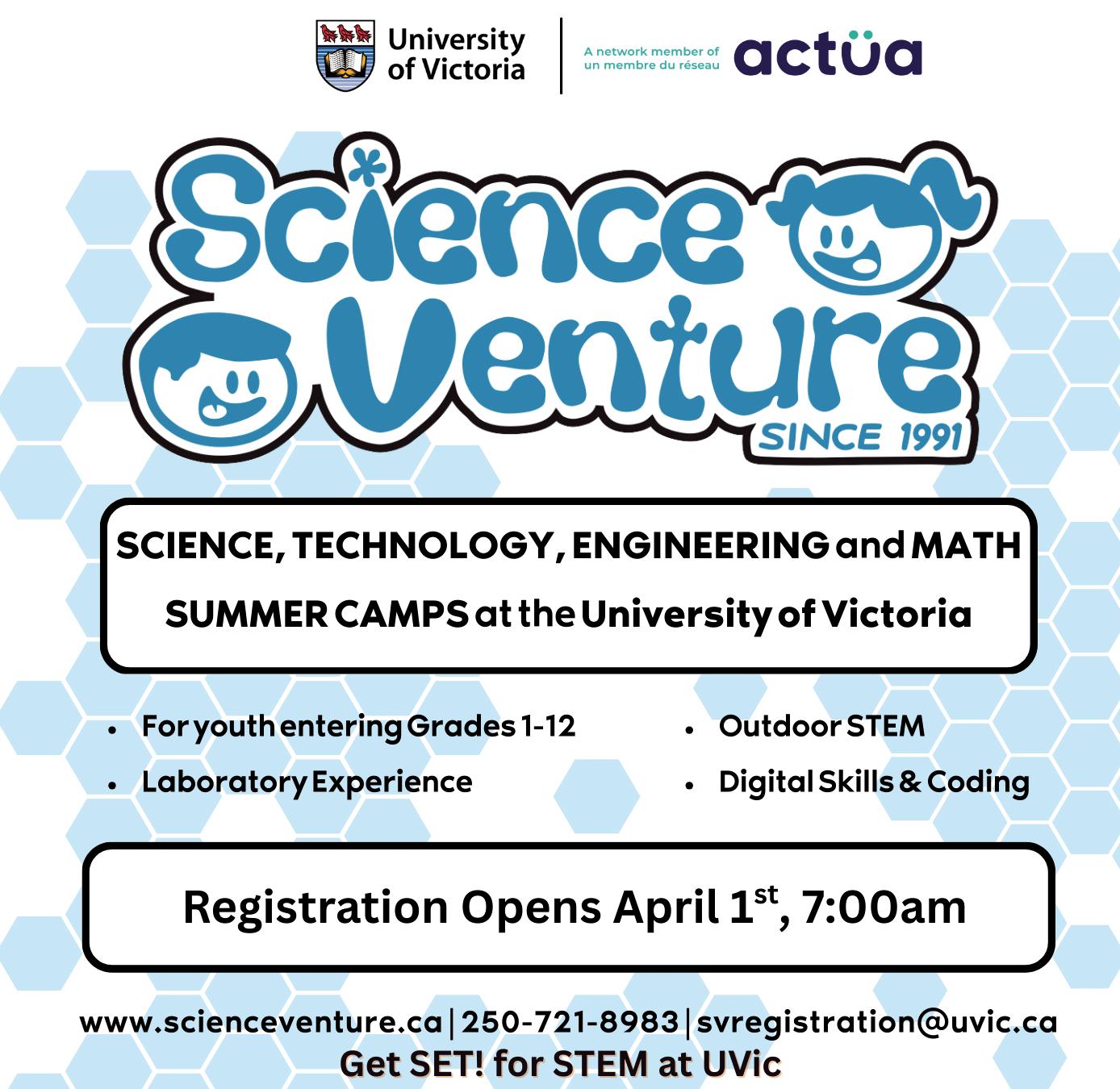
Spring break camps can be tougher to secure than summer programs. There are fewer weeks, fewer sessions and just as much demand from families trying to balance work schedules and kids who are suddenly home for two weeks. On Vancouver Island, well-known options like science-based programs, creative arts camps and outdoor experiences often fill quickly. Popular offerings such as Science Venture camps, along with many recreation and community-run programs, are frequently
booked soon after registration opens (sometimes before parents even realize sign-ups have begun).
Know What to Look for Before Registration Opens
Before registration begins, it helps to know what really matters for your child and your family. Having a clear sense of priorities such as age range, daily schedule, location, cost and whether a camp is active, creative, academic or outdoor focused makes the process much less stressful. When registration opens, there often isn’t time to read every detail carefully. Knowing what you’re looking for ahead of time allows you to act quickly and confidently instead of hesitating and missing out.
Why Hands-On Camps Often Work Best
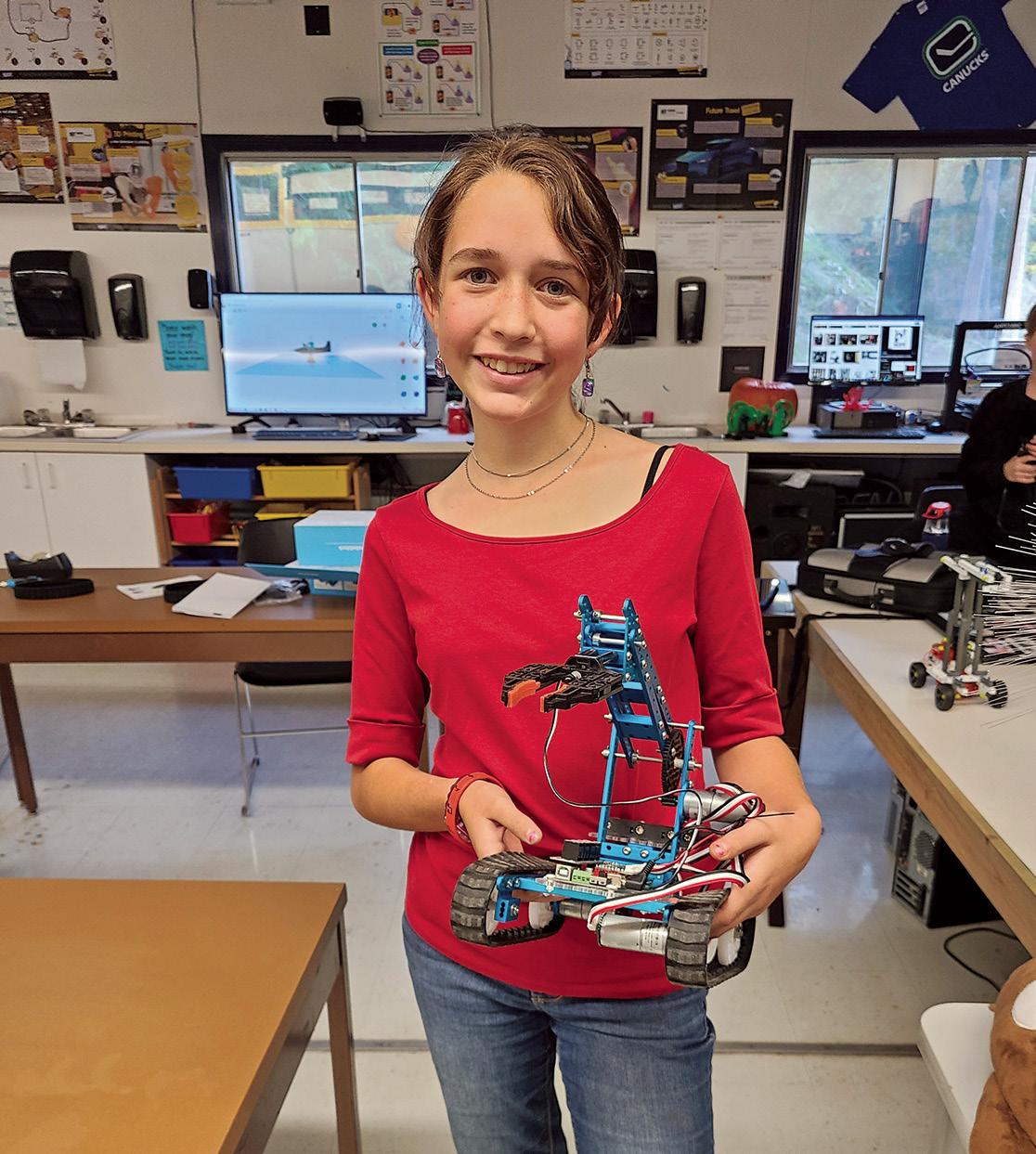
When it comes to keeping kids engaged, hands-on camps tend to shine. Programs that encourage kids to experiment, build, explore, move and create allow them to learn by doing—often without even realizing they’re learning at all. Science camps, nature programs and creative or movement-based camps help kids develop problem-solving skills, collaboration,
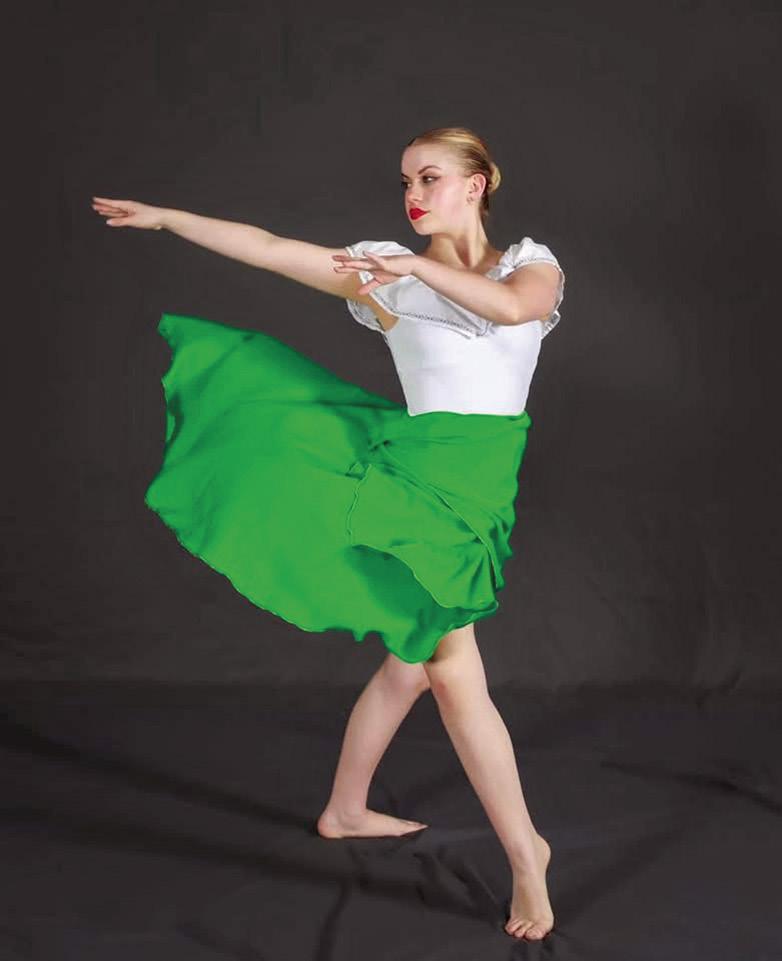
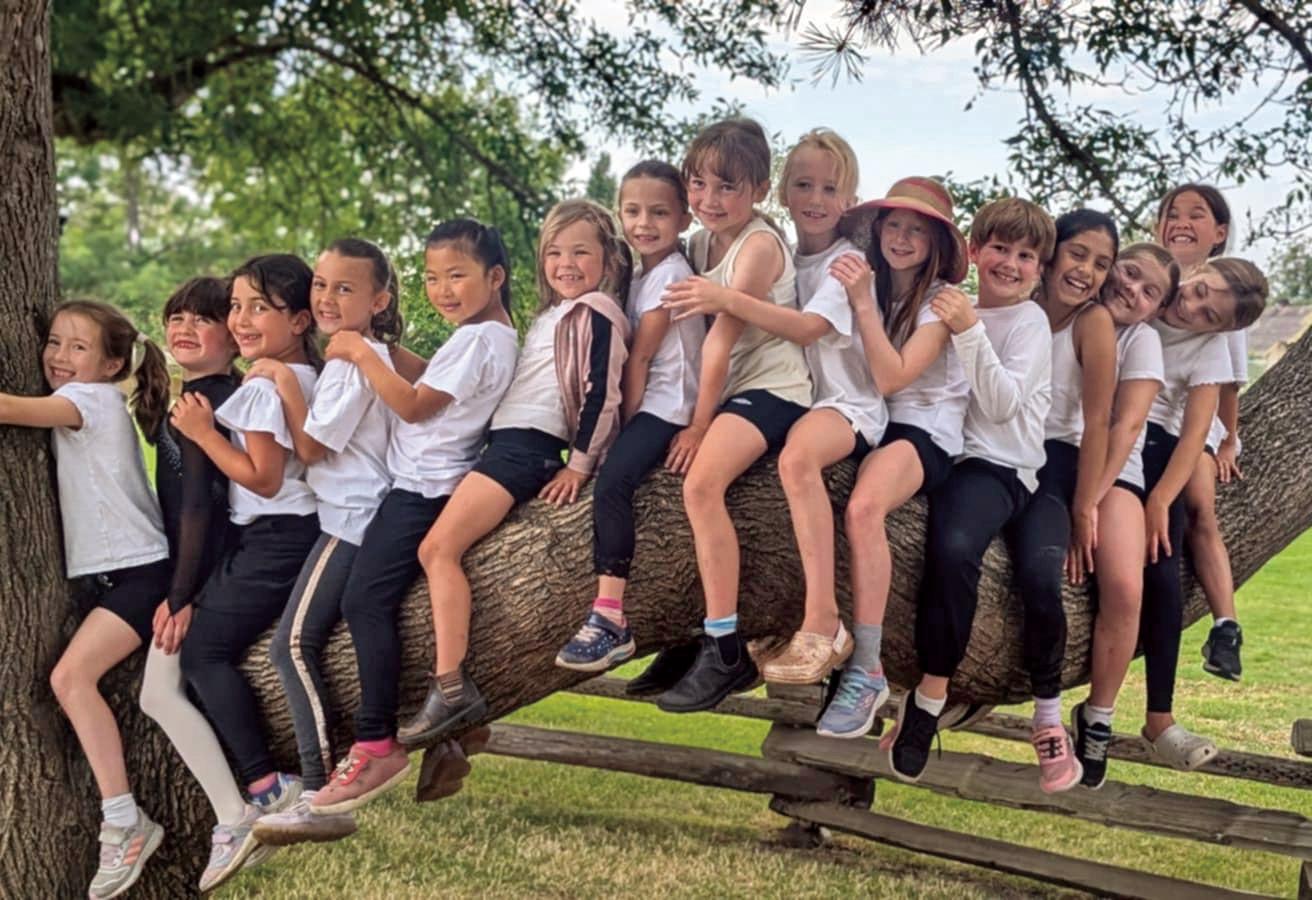
STAGES Spring Dance Camp
confidence and curiosity in a way that feels like play. These experiences are especially popular during spring break because kids are eager to be active and try something new after a long winter.
Get Kids Involved Before the Panic Sets In
Talking with your child early about what they might enjoy can make the whole process smoother. Instead of focusing on one very specific camp, it helps to identify a few general interests—creative, active, outdoors or hands-on learning. This makes it easier to pivot if your first choice is already full and helps kids feel included rather than disappointed if plans change. Vancouver Island offers a wide range of spring options, from science and technology camps to art, movement and outdoor exploration, making flexibility a real advantage.
When Everything Looks Full, Don’t Give Up
Here is something many parents don’t realize—even when it seems like every camp is booked, there are usually still options. Waitlists move, cancellations happen and some camps add extra sessions once staffing is finalized. In addition, park-based and outdoor camps run through municipalities, community centres or local organizations sometimes open later or don’t fill quite as quickly. Checking back, widening your search area slightly or looking at nature-focused programs in local parks can reveal spots that weren’t obvious at first.
Be Open to Alternatives & New Ideas
Spring break camps are an ideal time for kids to try something new. A park-based nature camp, an outdoor adventure program or a hands-on science experience might not have been your first choice, but shorter spring sessions are perfect for experimenting. Many families discover that a backup option ends up being a favourite, especially when kids are busy, engaged and having fun.
A Little Flexibility Goes a Long Way
Camp registration may never stop feeling a bit stressful, especially as sign-ups continue to creep earlier each year. But with some planning, flexibility and openness to new ideas, spring break camps on Vancouver Island don’t have to feel like a lost cause. Even if your first choice is full, there’s a very good chance the right fit is still out there—sometimes in places you weren’t even looking.
Erika Palmer is a writer living in Victoria with her husband and daughter. She believes most problems can be solved with a good cup of tea and a huge piece of chocolate.
How to Stay Active in Cooler Weather
proof shoes or boots. You can buy “grippers” for your shoes or boots to help keep from slipping on icy walkways.
• Make sure you can be seen during dark and rainy daylight hours. Wear clothing with reflec-
Embrace Snow Days
Island Health’s region doesn’t see much snow during the winter months, but if it does appear, make the most of it. (First, make sure you are fit enough to tackle the activity.)
• At-home snow activities include shovelling your driveway and sidewalks. Kids can help too. Remember to help your elderly neighbours by shovelling their walkways as well. Build a snowman with all the snow you’ve just piled up.
• Try a snow-related activity like cross-country skiing, snowshoeing or snowboarding.
• There are sleds and toboggans built for adults so you can whoosh down the local hills with your children.
Words to the Winter-Weather Wise
You can still get sunburned in winter. Your risk increases if you are surrounded by snow, which
GORGE SOCCER Spring, Summer & Fall Programs
UNITED SOCCER YOUTH SPRING LEAGUE
...because soccer should be fun
• April 13 – June 19
• Ages 4–15
• Recreational—No Scores/ Standings
• Limited Coaching
• Warmer Weather, Music, Fun ...where soccer and social hour meet
GORGE 7’S ADULT SPRING LEAGUE
• April 13 – June 19
• Centrally Located
• Multiple Mens’ & Womens’ + Co-Ed Division
• 10 Games / Weekly
• Corporate Teams Welcome
• Bar/Clubhouse, possible social events (e.g. BBQ)
• April 20 – June 19
• Ages 2, 3 & 4
• Parent & Tots Program
• Physical Literacy & Soccer Skills
• Sponsored Shirts
• Neighbourhood Based (Multiple Locations)
FREE 2, 3 & 4 YEAR OLD SPRING SOCCER SUMMER & FALL PROGRAMS
• Spring Break Camps
• Summer Camps
• Fall Youth Soccer
• Fall Adult Soccer
• Over 60 & Walking Soccer
• Futsal (Indoor Soccer)
• Youth Academies
• Private/Small Group Training
• Victoria’s oldest youth/ adult soccer club
• Programs available for all genders and ages: youth (3–17) and adult (18–80)
can reflect sunlight. Always wear a product that blocks both UVA and UVB rays with at least 30 SPF, and a lip balm with sunscreen.
You are more likely to become dehydrated in cold weather because cold air tamps down thirst. While you may not need the same fluid intake as during summer, you still need to stay hydrated.
When You Just Can’t Go Outside
Too rainy, too cold, too wet, too dark. Some days are just not made for outdoor activity. You don’t have to join an expensive gym to get your workout done; here are some suggestions for indoor activities:
• Most local community centres offer exercise and activity classes for reasonable prices. Try something new like Zumba (a Latin dance/exercise class) or a spin class where you work out on a stationary bike. There is usually a selection of classes for every fitness and age level.
• Try a workout at home. There many YouTube workout videos available to stream for free. Everything from high-intensity aerobics and jazzercise classes to relaxing yoga. Something for every interest and every mood.
• Create a home gym. You can easily set up a workout area in your living room or basement. Buy inexpensive equipment, such as stretch bands and a stability ball.
• Recreation centres offer many different activities. Swim laps at your local pool or try ice skating at your local rink. There are also many group activities you can participate in like curling, water aerobics, volleyball or floor hockey.
• Take a walk at the mall with a friend. Remember, the goal is to keep moving, not shopping.
• If all else fails, clean your house. Bending, squatting, reaching, running up and down stairs, picking up, vacuuming and floor washing will all get you moving. Put on your favourite music and try some dance moves while pushing the Swiffer around.
This article was originally published in Island Health Magazine, Winter 2025 edition. Island Health delivers a broad range of health and care services, including primary health care, public health services, home and community care, and acute care in hospitals, to more than 930,000 people on Vancouver Island and the surrounding area.
Birding
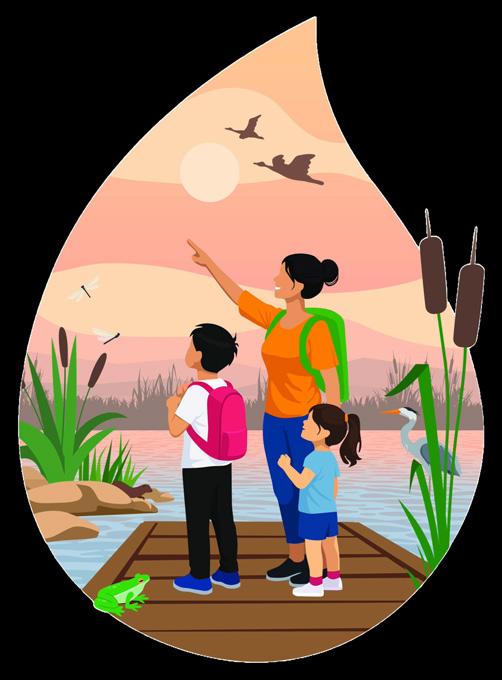
On Vancouver Island, you don’t have to go far to find nature. Birds are everywhere—singing in backyards, gliding over beaches and fluttering through schoolyards and neighbourhood parks. That’s what makes birding such a simple, low-cost and curiosity-driven way for families to explore the natural world together.
For kids especially, watching birds is a chance to slow down, ask questions and notice the little details they might otherwise miss. Instead of staring at screens, children learn to look up, listen carefully and discover what’s happening right around them.
And the best part? You don’t need special equipment or expert knowledge to get started.
Discovery Beyond the Screen
Birding invites children to explore through observation rather than technology. A walk to the playground or a trip to the beach suddenly becomes an opportunity to spot a heron, hear a chickadee’s call or watch seagulls dive for food.
Everyday wildlife turns into something new and exciting when kids start paying attention. A crow carrying a shiny object, a duck leading her ducklings across a
Your Next Family Adventure
pond or a tiny hummingbird hovering near flowers can spark endless questions:
“Where is it going?”
“What is it eating?”
“Why does it sound like that?”
These moments encourage curiosity, patience and a sense of wonder—skills that support learning both inside and outside the classroom.
Turning Ordinary Outings into Mini Adventures
One of the joys of birding is how easily it fits into daily life. A grocery run, a walk to school or an afternoon at the park can turn into a mini adventure when children start looking for birds.
Kids often notice things before adults do. Their sharp eyes catch flashes of colour, unusual movements or unexpected sounds. You might hear, “Look! A red bird!” long before you spot the robin yourself.
Because birding doesn’t require expertise, everyone can join in. Families can learn together; spotting differences in colour, size and behaviour, and figuring out what makes each bird unique.
Learning That Feels Like Fun
Parents love activities that support learning without feeling like homework, and birding does exactly that.
It encourages:
• Focus and attention as kids watch quietly
• Scientific thinking as they observe patterns
• Mindfulness as they slow down and notice their surroundings
Listening for bird songs helps children sharpen their listening skills. Watching how birds fly, feed and interact builds observation and problem-solving abilities.
And when a child spots a bird they’ve never seen before, the excitement is real. That “first” sighting (whether it’s a bright goldfinch or a majestic eagle) creates a memory that can last a lifetime.
A Year-Round Family Activity
One of the great things about birding on Vancouver Island is that it’s accessible in every season and in all neighbourhoods.
• Winter brings ducks and seabirds to local shores.
• Spring fills the air with singing songbirds.
• Summer offers nesting activity and baby birds.
• Fall brings the thrill of migration as flocks pass through.
Whether you live near the ocean, farmland, forests or the city, birds are always nearby. Beaches, trails, schoolyards and even busy streets can offer surprising bird experiences.
Growing Together as a Family
Birding is a shared activity that grows with children. Toddlers may enjoy spotting “big birds” and “tiny birds,” while older kids can learn names, songs and migration patterns. Teens might even track sightings or help younger siblings identify birds.
Over time, families develop their own birding traditions like morning walks, weekend outings or quiet moments listening for birds in the backyard.
These shared experiences build connection with nature and with each other.
Victoria: The Birding Capital of Canada
Victoria proudly holds the title of the “Birding Capital of Canada,” and it’s easy to see why. Our unique location offers access to beaches, forests, farms, wetlands and urban spaces, all of which are filled with birdlife.
Migratory birds pass through Vancouver Island each year, connecting our local environment to faraway places across the globe. Watching these travellers arrive and depart helps children understand that nature is part of a much bigger world.
It’s a gentle way to introduce ideas about seasons, geography and global connections without a textbook.
Families on Vancouver Island don’t have to explore birding alone. Local groups like the Rocky Point Bird Observatory (RPBO) offer family-friendly events, walks and resources that make it easy to learn together.
Small Moments, Big Impact
Birding doesn’t have to be complicated. Sometimes it’s just pausing to watch a gull soar overhead or listening for a fa miliar song from the trees. These small moments help children build a lifelong connection to the natural world.
With our busy lifestyles, birding offers families a chance to slow down, look up and share a sense of discovery together.
And who knows? The next time you step outside, your child might be the one to say, “Look! What kind of bird is that?”
Rocky Point Bird Observatory is a charitable organization based on Vancouver Island, dedicated to bird research, conservation and educa-
tion. Through monitoring, community programs and family-friendly events, RPBO helps people of all ages connect with and protect birds.
Raising Calm Kids, One Pose at a Time
If you’ve ever tried to roll out a yoga mat at home only to have a small human crawl underneath you and somehow end up on your back, you already understand something important about yoga with kids.
It’s not about perfect poses. It’s about presence.
When we practice yoga with our kids, we’re not trying to turn them into tiny yogis or enforce stillness. We’re creating moments of shared movement, curiosity and connection, and those moments matter more than we often realize.
For kids, yoga offers a playful way to explore their bodies. They learn how it feels to stretch, balance, twist and rest, not because they’re told it’s “good for them,” but because it’s fun. Animals, shapes, stories and imagination naturally weave their way into movement. A downward dog becomes a puppy. A wide-legged fold turns into a cave. Suddenly, they’re learning coordination, strength and body awareness without pressure or performance.
These experiences build the foundation for lifelong movement habits. Kids begin to trust their bodies. They learn that movement isn’t about being good at something, it’s about noticing sensations, trying things out and listening to what feels right. That’s a powerful lesson in a world that often pushes comparison and achievement from an early age.
For parents, the benefits are just as meaningful and often more surprising.
Practicing yoga with your child invites you out of “doing mode” and into shared time. No multitasking. No fixing. Just being together. These moments of connection help regulate both nervous systems—yours and theirs. When you move
Tips for Yoga with Kids
(No Experience Required)
Keep it short. Think three to 10 minutes, not a full class. A few movements done consistently matter more than length. Let them lead. Invite your child to choose an animal, a shape or a story. Follow their imagination, yoga doesn’t have to look a certain way to “count.”
Use simple language. Try cues like “stretch like you’re waking up,” “press your feet into the floor” or “take a big balloon breath.”
Build it into your day. Stretch before bed, move after school or do one pose while dinner cooks. No mat required. End with rest. Even 30 seconds of lying down together— hands on bellies, noticing the breath—helps kids (and parents) feel grounded.
Remember: If everyone’s laughing, wiggling or crawling away halfway through… you’re doing it right.
slowly, breathe together and laugh when things go sideways (because they will), you’re modelling how to relate to stress with curiosity instead of control.
It also softens the idea that self-care has to happen separately from family life. Instead of waiting for the “right time” to practice, yoga becomes something woven into daily rhythms: five minutes on the living room floor, a stretch before bed, a shared pause in the middle of a busy day.
Yoga with kids also builds emotional language without needing big conversations. Movement gives kids a way to express energy, frustration, excitement and calm, all through the body. A strong pose might help them feel confident. A rest pose can feel like safety. Over time, they learn that their bodies are places they can come back to when things feel overwhelming.
And perhaps most importantly, practicing together reinforces this quiet but powerful message: You are worth slowing down for.
Not because you earned it. Not because you were productive. But because connection—with yourself and with each other—is something to be practiced.
So, if your child spends half the time climbing on you, if the mat becomes a runway, if the “class” lasts three minutes instead of 30, that’s not failure. That’s real-life yoga.
And real-life yoga is where the good stuff happens.
Brea Johnson is a yoga educator with over 20 years of experience and the founder of Heart + Bones Yoga, a global online yoga and education platform. Her work blends anatomy-informed movement, accessibility, and heart-centered practice to support people in moving with more ease and confidence at every stage of life.
Independent Schools & Education Guide
BURNABY ONLINE
SCHOOL
Ministry approved BC curriculum Kindergarten to Grade 12 program
Contemporary Indigenous Studies 12 available for enrollment
Full time or part time available Grade 10 to 12
Adult learning options
Grade 8 to 12: over 50 course options
Innovative learning management system
Experienced online learning teachers
Opportunities for self-paced, flexible, convenient learning
Direct teacher support available
Develop communication and technical online skills registering full-time or for a single course
Independent Schools Directory
Artemis Place Secondary
ArtsCalibre Academy
Westshore
K–12 250-382-3533 artscalibre.ca
4–12
Christ Church Cathedral School
912 Vancouver St, Victoria | 250-383-5125 | cathedralschool.ca
Bright futures start at Cathedral School. For Junior-Kindergarten to Grade Eight, we are the school of choice for student success in academics, music, and athletics.
Ages JK – Gr 8
Co-ed
Day
Glenlyon Norfolk School
Junior School: 1701 Beach Dr | 250-370-6854 | mygns.ca
As Victoria’s only independent JK to Grade 12 IB Continuum school, we offer a transformative education where every student is known by name, nurtured for who they are and prepared for life.
Ages JK – Gr 12
Co-ed
Lakeview Christian School
Lighthouse
Day
Christian Academy
1289 Parkdale Ave, Victoria | 250-474-5311 | lcawestshore.com
Lighthouse Christian Academy provides caring, Christ-centred K–12 education with small classes, strong academics, exciting activities and a supportive community where children are known and nurtured.
Ages K – Gr 12
Co-ed
K–9 250-658-5082 lcsvictoria.ca Maria Montessori Academy
Day
K–12
Oak & Orca School & Distance Learning
2738 Higgins St, Victoria | 250-383-6609 | oakandorca.ca
A personalised, flexible approach rooted in bioregionalism, diversity and collaboration! With a balance of inquiry and structure, compassionate teacher guidance, and a curated collection of resources, we support learners around BC from kindergarten to graduation (Dogwood/Evergreen). Inclusive supports available.
Ages K – Gr 9
Co-ed
Day
Pacific Christian School
Pacific School of Innovation and Inquiry
Regent Christian Online Academy
Victoria K–12
Victoria 9–12
Victoria K–12
Rothewood Academy
Selkirk Montessori School
St Andrew’s Regional High
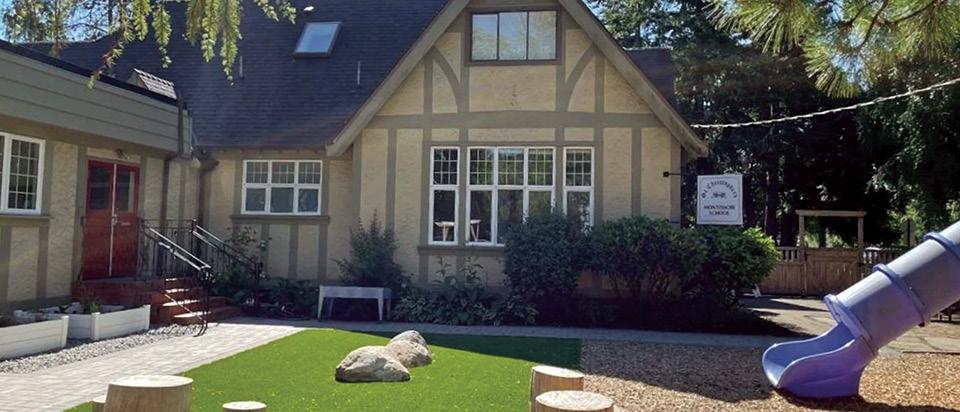
St Christopher’s Montessori
St Joseph’s Catholic
Victoria K–8
Victoria 8–12
Victoria K
Victoria K–7
250-479-4532 pacificchristian.ca
778-433-3409 learningstorm.org
250-592-1759 rcoa.ca
250-384-3414 selkirkmontessori.ca
250-479-1414 cisdv.bc.ca
250-595-3213 stcmontessori.ca
250-479-1232 cisdv.bc.ca
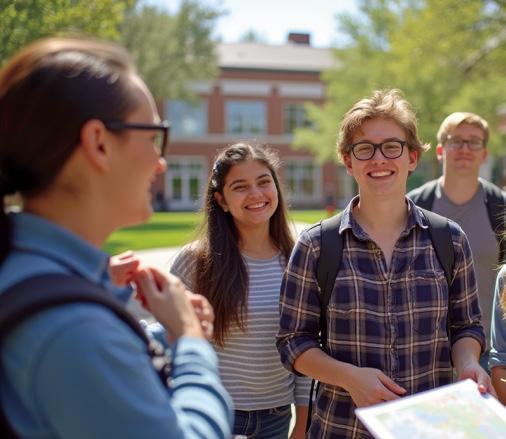
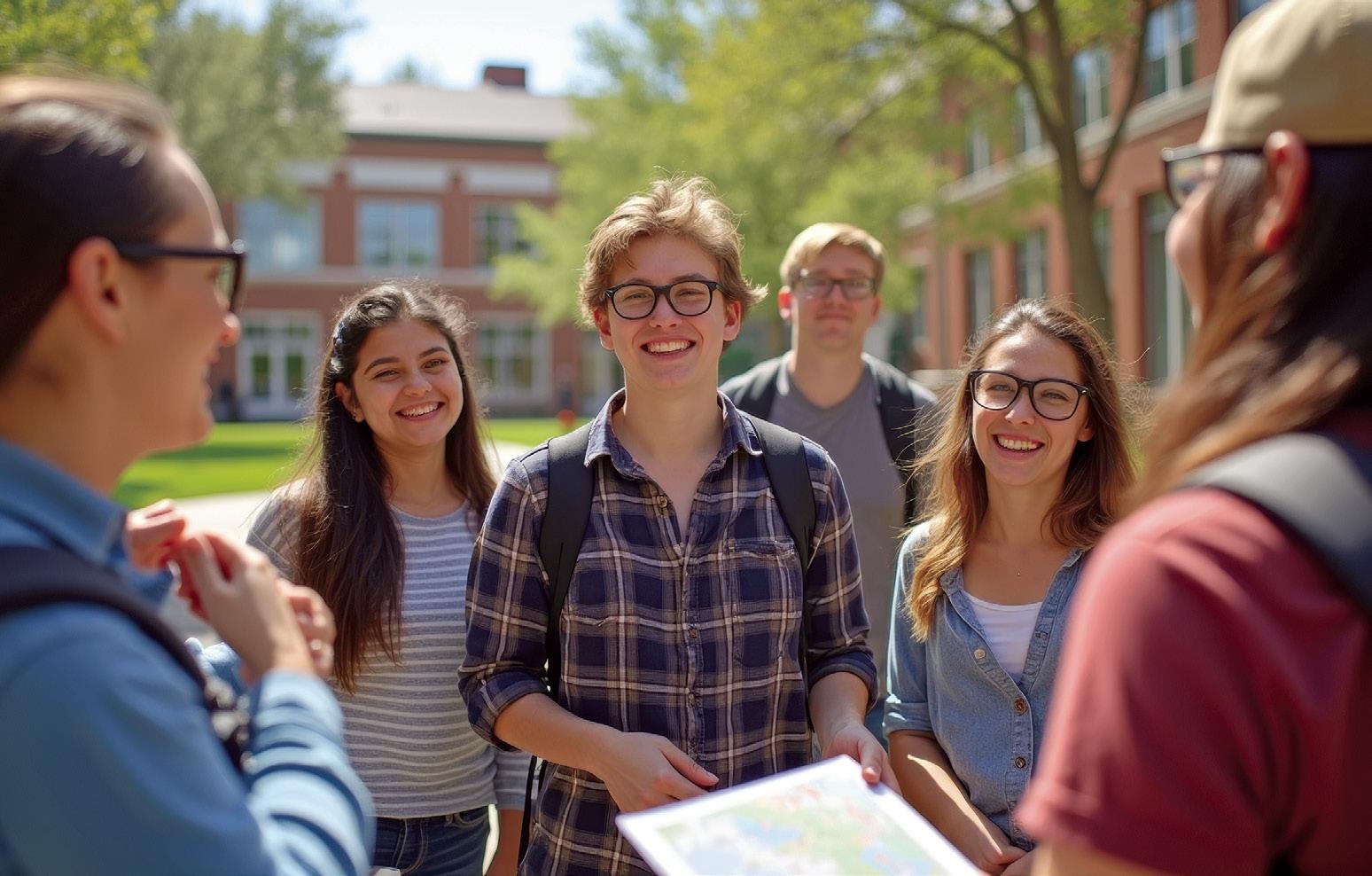
Transitioning from High School to Post-Secondary A
TParent’s Guide to Planning, Programs & Peace of Mind
he move from high school to postsecondary education can feel overwhelming—for students and parents. Some academic and logistical planning can go a long way to make the process smoother.
With over 30 years of teaching experience (most of it working with Grade 12 students), I’ve guided many families through these decisions. The earlier par-
are selected midway through the Grade 10 year. Early planning helps ensure your teen keeps the right doors open.
Why Grade 11 Is a Smart Time to Explore Options
Grade 11 is an ideal year for your teen to begin visiting colleges and universities they are considering. At this stage, students typically experience less pres-
ents understand how the system works, the more confident and prepared their teens will feel.
Planning Starts Earlier Than You Think
Many parents are surprised to learn that post-secondary preparation often begins in Grade 10.
Most colleges and universities list specific Grade 12 courses as requirements or recommendations for admission. Those Grade 12 courses, in turn, usually require Grade 11 prerequisites, which
sure than in Grade 12, when applications, deadlines and academic demands intensify.
Parents can support their teens by encouraging them to:
• Attend open houses and campus tours
• Confirm all mandatory graduation credits will be completed
• Carefully select their Grade 12 course schedule
A helpful insider tip: When a postsecondary program says, “Calculus is recommended,” it often means required.
A quick look at the program’s first-year course list usually confirms this.
Key Factors for Parents to Consider
Choosing the right post-secondary path is highly individual. Families may prioritize these factors differently, but all deserve thoughtful discussion.
• Program fit
• Length of the program (two to four years)
• How established the program is
• Program reputation and outcomes
• Availability of co-op or workplace experiences
• Flexibility to change programs or institutions if interests evolve
• Cost and financial planning
Post-secondary costs vary depending on:
– Residence and meal plans
– Type of program
– Travel between home and school
– Eligibility for student loans, grants, scholarships, or bursaries
• Location and Lifestyle
– Commuting from home can reduce expenses but may limit involvement in campus life
– If staying on campus, your teen must consider if they can live with others in a double or multi-unit place or if they need a single (may not be available). This is especially true if the students are not in the same program. Some engineering programs have dedicated residences for just their students.
– Moving farther away requires budgeting for transportation such as bus or airfare
Understanding Grades Without the Stress
During Grade 12, families often worry about acceptance averages and cut-off marks. It’s important to keep perspective:
• Acceptance averages are just that— averages
• Stated cut-off grades are rarely absolute
• Students should focus on doing their best and applying to programs that genuinely interest them
• Excessive focus on specific grades can add unnecessary stress during an already demanding year.
Does Your Teen Feel at Home?
This may be the most important question of all.
Does your teen:
• Prefer smaller classes and closer contact with instructors?
• Thrive in a quieter campus with green space?
• Or feel energized by the pace and opportunities of an urban environment?
Your teen’s comfort and sense of belonging can significantly impact their success. Visiting campuses together can help families make more informed—and confident—decisions.
A Final Word for Parents
This article provides a brief overview of the planning steps I use to support students and families as they prepare for post-secondary education. Every student’s journey is different, and thoughtful guidance can ease uncertainty during this major life transition.
Gordon Farlie is a retired educator who works as a math and science tutor. With humour and heart, he makes learning fun. A former gifted student and parent of a child with learning challenges, he understands diverse needs. Passionate about astronomy, he lives in Nanaimo with his family and two dogs. Learn more at tutor-me.ca
St. Margaret’s School
1080 Lucas Ave, Victoria | 250-479-7171 | stmarg.ca
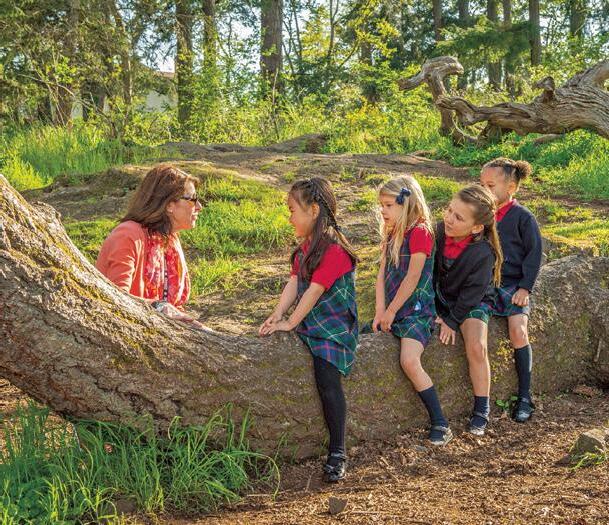
Since 1908, St. Margaret’s School has been the spark to cultivate a spirit of independence, selfreliance and confidence in all of our students. SMS provides personalized learning designed to enable the girls who want to change the world in becoming the leaders who do.
Ages JK – Gr 12 Gender Girls
St. Michaels University School
3400 Richmond Rd, Victoria | 250-592-2411 | smus.ca
St. Michaels University School is a co-educational, independent JK–Grade 12 school, offering boarding in Grades 9–12, known for academic excellence and rich programs.
Ages JK – Gr 12
Gender Co-ed
St Patrick’s School Victoria K–7
Vancouver Island School of Innovation & Inquiry
307 Hillside Ave, Victoria | 250-294-8395 | visii.ca
250-592-6713 cisdv.bc.ca
Inquiry-based learning for Grades 5–8 with small class sizes, nurturing curiosity, creativity, social-emotional growth and exploration across every dimension of a child’s life.
Ages Gr 5–8
Gender Co-ed Location Victoria Day/Boarding Day
Victoria School for Ideal Education Victoria K–8
Westmont Montessori School
250-383-6654 vsie.ca
4075 Metchosin Rd, Victoria | 250-474-2626 | westmontschool.ca
Education for the future before us. 67 years of progressive Preschool to Grade 12 education on a forest meets ocean campus in Victoria.
Ages Pre-K – Gr 12
Shawnigan Lake
Gender Co-ed
St John’s Preparatory Academy
Salt Spring Centre School
Location Metchosin
Day/Boarding Day
Shawnigan Lake 8–12
250-743-5516 shawnigan.ca
Shawnigan Lake 4–12 250-220-4888 stjohnsacademy.ca
Salt Spring Island K–7 250-537-9130 saltspringcentreschool.ca
Arrowsmith Independent School Qualicum Beach K–7 250-752-2722 arrowsmithlearning.ca
Haahuupayak School Port Alberni K–7
John Paul II Catholic School
Discover Montessori School
Port Alberni K–7
Nanaimo K–9
250-724-5542 haahuupayak.com
250-723-0637 cisdv.bc.ca
250-591-4450 public.dm-school.ca
Christopher’s Montessori School
Educating the whole child, heart, mind and body. Full & Half Day Programs
Each creative activity prompt is an opportunity for your child to embrace a new challenge. Through hands-on learning, your child is more likely to remain engaged and to build upon their creative problem-solving skills. Register today for September 2025 enrolment for 3 & 4 year olds stcmontessori.ca 250-595-3213 2619 Currie Road, Victoria, BC V8S 3B9 Now receiving the new CCFRI (Childcare Fee Reduction Initiative)
JK – GR 9 SCHOOL YEAR & SUMMER PROGRAMS
• School Year: Reading Comprehension, Enrichment Writing, Public Speaking, Debate
• Summer: Creative Writing, Drama & Debate Camps; Writing & Public Speaking Courses
• Contests: World Scholar’s Cup & Unexpected Voices Speech Competition
TURNING TODAY’S LEARNERS INTO TOMORROW’S LEADERS CAMPUSES: MISSISSAUGA • NORTH YORK • MARKHAM • VIRTUAL 647 285 4499 powerofwordsacademy.ca
Private University Prep School | Preschool - Grade 12 | Lantzville, BC
Montessori Program Art Class French
Nanaimo Christian School
Nanaimo K–12
Vancouver Island University Nanaimo 11–12
Brentwood College Mill Bay 8–12
Aspengrove School
Stz’uminus Senior Secondary
Lantzville JK–12
Ladysmith 8–12
250-754-4512 ncsnanaimo.com
250-753-3245 viu.ca
250-743-5521 brentwood.bc.ca
250-390-2201 aspengroveschool.com
250-245-6650 stzuminus.com
Beachcombers Academy Fanny Bay K–7 778-427-4007 beachcombersschool.ca
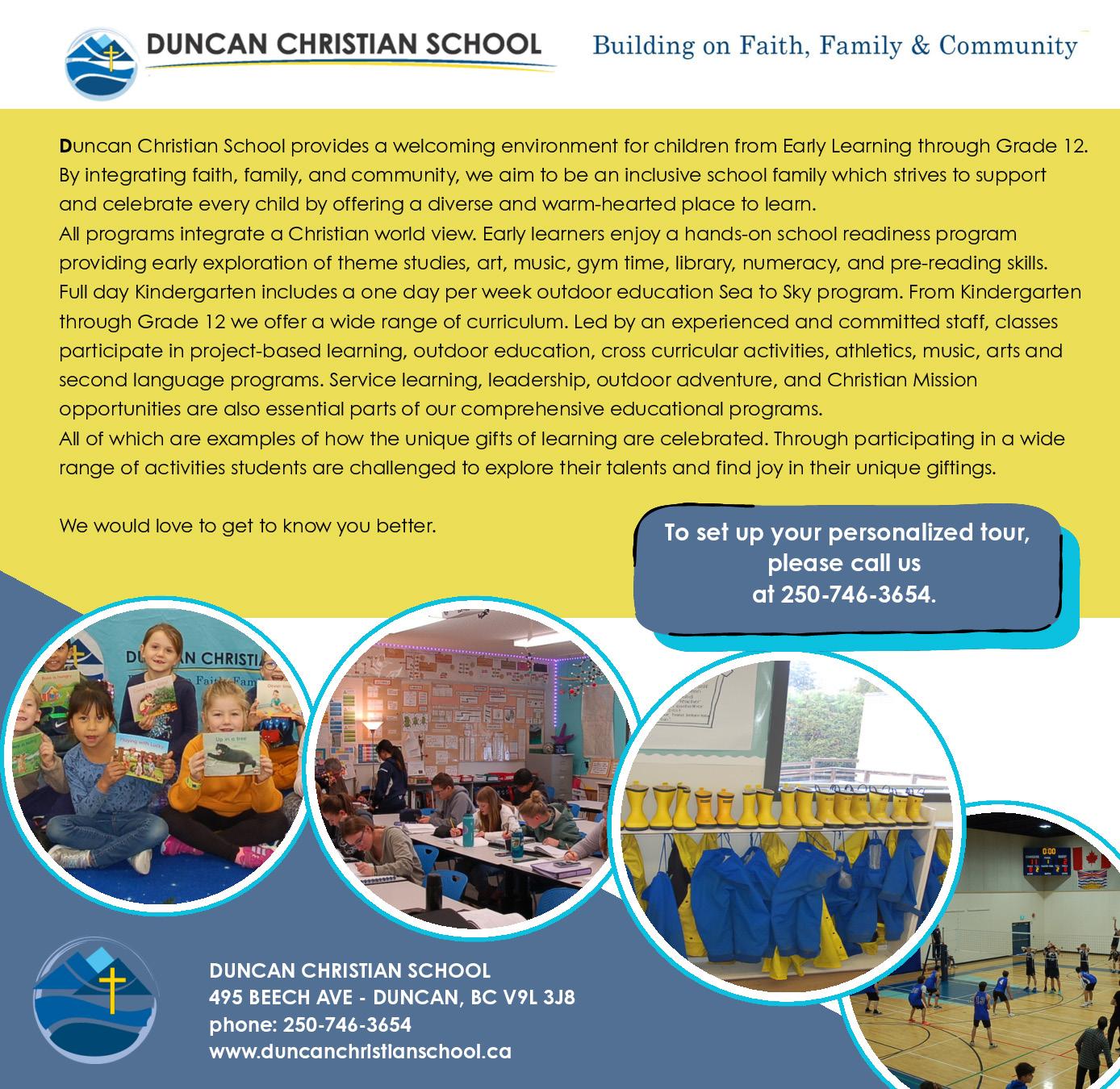
Duncan Christian School provides a welcoming environment by integrating faith, family and community, and by being an inclusive school which supports and celebrates every child.
Ages JK – Gr 12
Gender Co-ed Location Duncan Day/Boarding Day
Noorunissa Montessori Academy Duncan K–6
Queen Margaret’s School
250-737-1119 intmontessori.ca
K–12 250-746-4185 qms.bc.ca
Queen of Angels School Duncan K–9 250-746-5919 cisdv.bc.ca
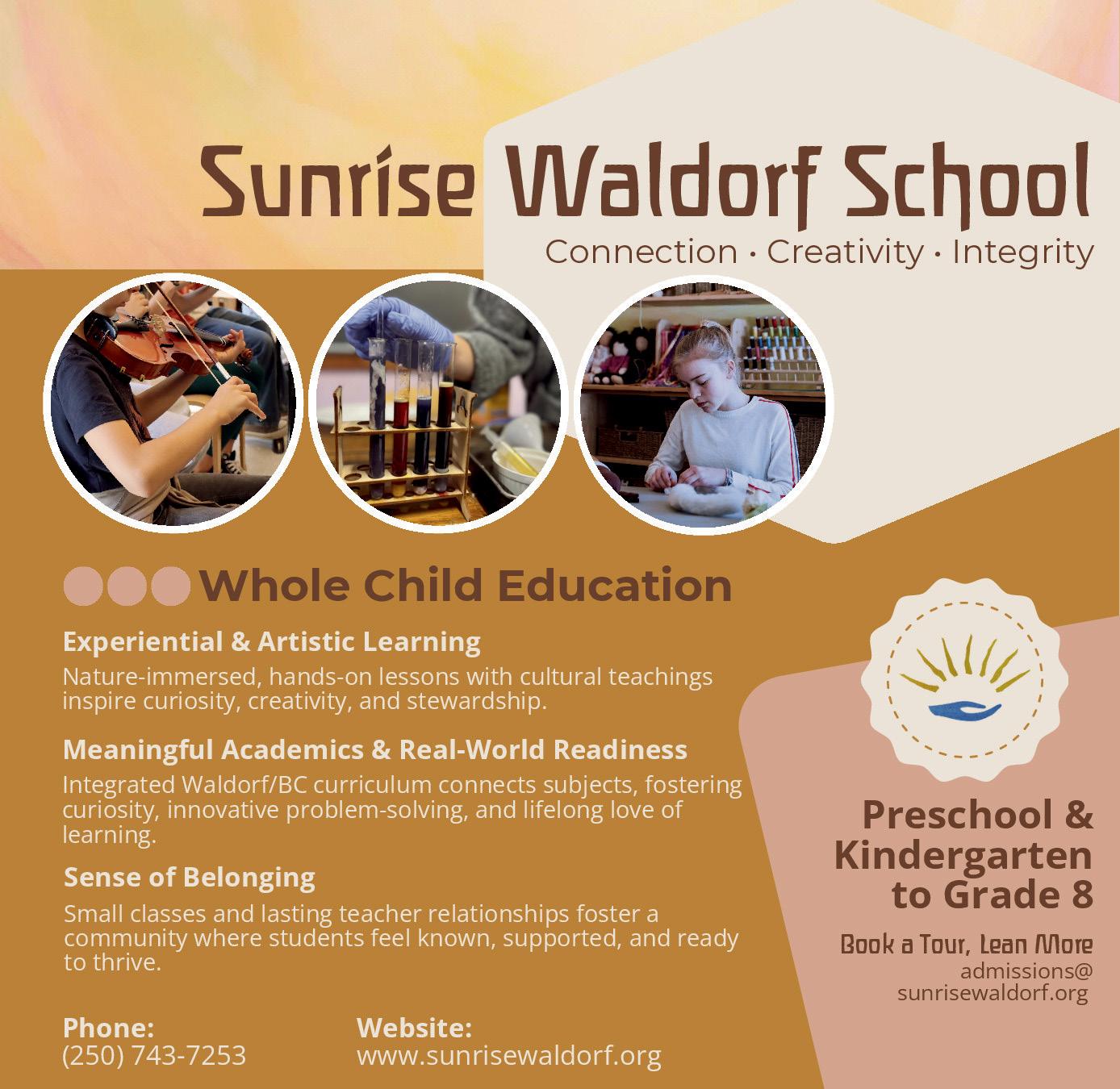
Sunrise Waldorf develops curious, creative, capable learners through experiential, arts-integrated learning, meaningful academics and strong relationships cultivating problem-solving, stewardship, confidence and readiness for life beyond school.
Ages JK – Gr 8
Gender Co-ed
Location Duncan Day/Boarding Day
Phil & Jennie Gaglardi Academy Comox K–12 250-339-1200 gaglardiacademy.ca
Evergreen Independent School Cobble Hill K–7
Navigate NIDES Distance Education K–12
SelfDesign Learning Foundation
Power of Words Academy
250-743-2433 evergreenbc.net
We cultivate essential communication skills for Grades 1–8 through engaging online and in-person summer camps, courses and school-year programming in reading comprehension, writing, public speaking and debate, inspiring creativity and confidence in young leaders. Virtual Campuses Across Canada | 647-285-4499 | powerofwordsacademy.ca
Ages Gr 1–8 Gender Co-ed
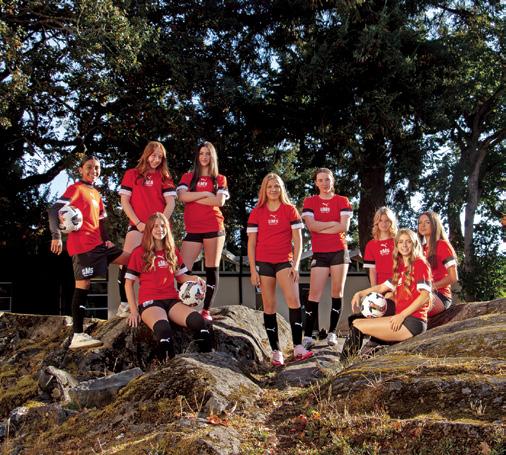
The Future Is Female And They’re Training on Vancouver Island
Women’s sport is accelerating on the world stage. From record attendances at major football tournaments to ballooning viewership for professional women’s basketball, female athletes are redefining what success looks like in sport and leadership. This momentum reflects a deeper truth about the role of athletics in girls’ lives, cultivating confidence, discipline and leadership that extend beyond their sport.
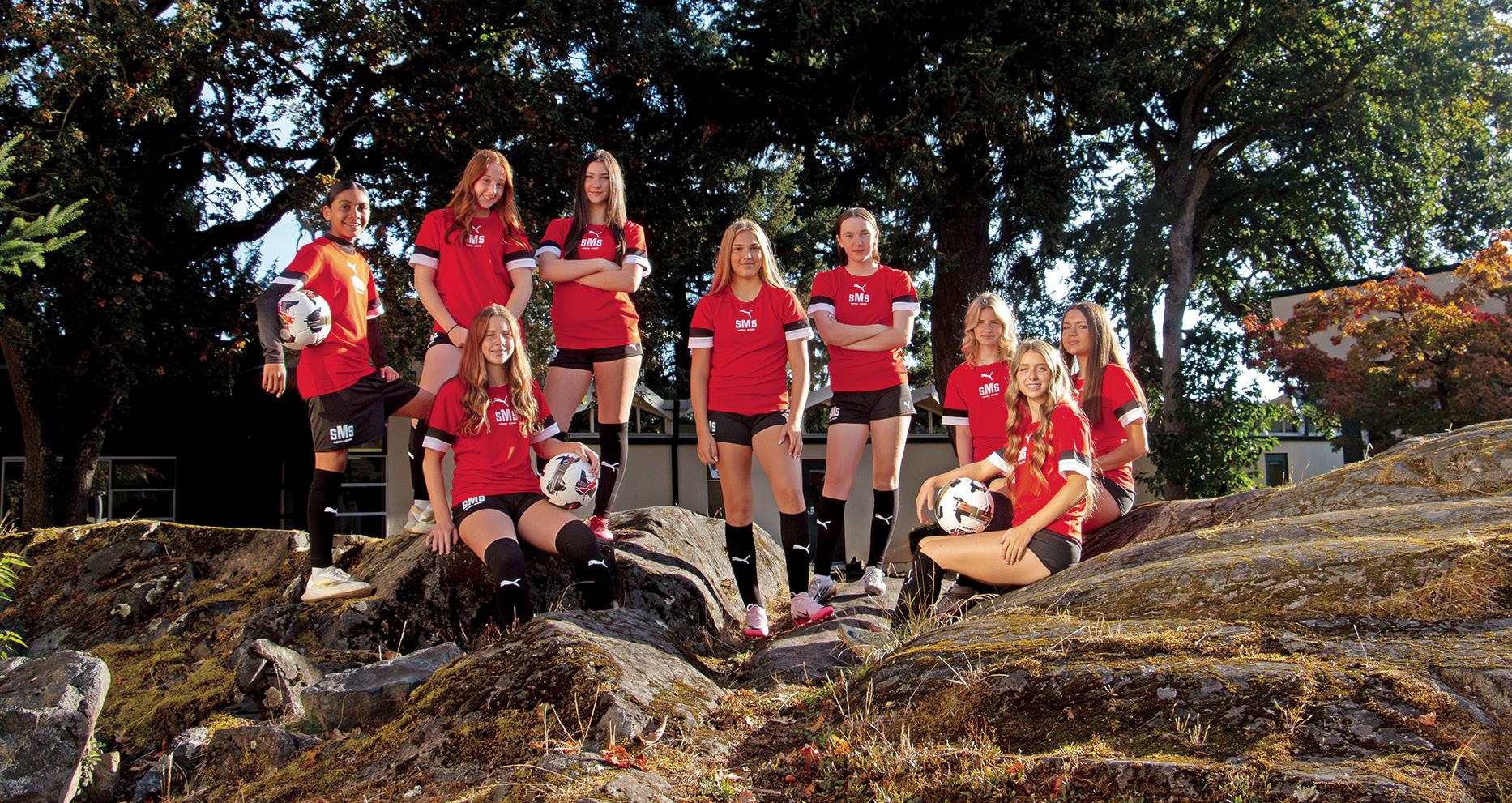
At St. Margaret’s School (SMS) in Victoria, this insight has led to football and ballet programs designed to support girls as student-athletes from early development through to highperformance competition, with grassroots (Kindergarten to Grade 7), development (Grade 7 to 9) and academy (Grade 10 to 12) levels.
“This is a moment of extraordinary growth in women’s sport globally,” says Sara Blair, CEO and head of school at St. Margaret’s School. “Our academies are developed to give girls the skills, confidence and leadership mindset to excel in sport, in school and in life.”
SMS’s academies are enriched through world-class partnerships. At all levels, football student-athletes train with Pacific FC, while ballet students learn from the acclaimed faculty of the Victoria Academy of Ballet.
The benefits of sport participation extend well beyond physical development. Girls who play sports demonstrate higher levels of self-esteem and confidence. These experiences also correlate with leadership outcomes later in life. Research consistently shows that the majority of women in executive leadership roles played sports during their formative years.
Sport takes different forms at every age of development for girls. Kindergarten to Grade 7 introduces foundational skills, teamwork and the joy of movement in a supportive environ-
ment. Coaches help girls build confidence in their bodies and abilities, laying a strong foundation for growth.
In Grades 7 to 9, girls experience a more structured training environment that balances athletic challenge with leadership development. Athletes refine technical skills while learning discipline, resilience, and collaboration.
In Grades 10 to 12, athletes reach high-performance levels, often accompanied by rigorous academic demands, opportunities to coach or be a mentor and a focus on university-level sport and future careers.
The benefits of a girls’ school environment can help balance these opportunities and demands. Research shows that students in girls’ schools are more likely to take healthy risks, assume leadership roles and persist through challenges. In sport, this translates into confident play, strategic thinking and resilient teamwork.
Industry reporting shows that women’s sports revenues have grown significantly faster than men’s in recent years, alongside record-breaking broadcast audiences. Notably, NCAA women’s basketball viewership surpassed the men’s championship for the first time in history, signalling a shift in global attention and investment.
As women’s sport continues on its upward trajectory, parents, coaches and students need to be prepared to rise with the moment, equipped with the skills, confidence and leadership mindset to shape the future.
St. Margaret’s School in Victoria is an international, non-denominational independent day and boarding school for girls only, with grades ranging from Junior Kindergarten to Grade 12. It is located on 22 acres of land and is the oldest, continuous independent school on Vancouver Island.
A Strong Start Lasts A Lifetime
By age five, most brain development has already taken place. The early years are a powerful window for shaping how children think, feel, learn, and connect with the world.
EARLY LEARNING HELPS BUILD:
Cooperation Skills
Enthusiasm For Lifelong Learning
Emotional, Social And Physical Growth
Learning Capabilities
Stronger Support Systems
Socialization Skills
OUR PRESCHOOLS
Richmond City Centre
Richmond Garden City
Richmond Crestwood
South Surrey
White Rock
COMING SOON
South Delta
Vancouver Marpole
Victoria Colwood
HER FUTURE BEGINS HERE.
HER FUTURE BEGINS HERE.
Discover a place where she can grow into her true self. Dream boldly, think curiously, and act strengths are amplified.
Discover a place where she can grow into her true self. Dream boldly, think curiously, and act with compassion.
At St. Margaret’s School, her strengths are amplified.
JK–Grade 12 | Day and Boarding | Nature-Based Learning for JK-Kindergarten | Before and After-School Care | Bus Service | Victoria, BC
JK–Grade 12 | Day and Boarding | Nature-Based Learning for JK-Kindergarten | Before and After-School Care | Bus Service | Victoria, BC