

The Ford Foundation International Fellowships Program (IFP) was launched in 2001 to broaden access to higher education and help build a new generation of social justice leaders. Funded through the largest single grant ever made by the Ford Foundation, $280 million over ten years, IFP provides fellowships of upto three years, to pursue Master’s, doctoral or professional postgraduate degrees, in a broad range of academic disciplines and interdisciplinary fields in any country in the world. In 2006 the Ford Foundation pledged an additional $75 million over five years to IFP. The Program’s New York city based Secretariat works with partner organizations in Russia and 21 countries in Asia, Africa and Latin America to recruit candidates, convene independent selection committees, provide educational advising, support and monitoring to IFP fellows. For more information about IFP India, including how to apply for a fellowship, please visit www.ifpsa.org. For more information about the global program visit www.fordifp.org
The Ford Foundation International Fellowships Program (IFP), has been envisioned as a decade long effort to create new social justice leadership. IFP Fellows are selected on the basis of their leadership record and commitment to their country or community as well as the strength of their academic achievement. They come from disadvantaged groups that have limited access to higher education; about half of the current Fellows are women; many are from ethnic, religious, or linguistic minority groups in their home countries; and most come from remote or rural areas distant from capital cities. IFP Fellows can pursue graduate studies at universities anywhere in the world.
Building on fellows’ familiarity with grassroots problems, IFP seeks to raise their capacities through knowledge, skills and networks to become effective leaders in the struggle to improve lives in their communities, countries and regions. The aim is to enable such individuals to become catalysts of change in their community and help to create a more equitable society that gives space to people who either because of their social status, gender, economic background or disability would normally face exclusion from the decision-making and development process.
In 2001 the Ford Foundation appointed a team to develop and manage the IFP in India. In close consultation with the New Delhi office of the Ford Foundation and with the advice of experienced academics and social scientists, the IFP India team launched the Program in April 2001 and housed its operations at the United States India Educational Foundation (USIEF), New Delhi.
IFP India aims to support individuals from disadvantaged groups or communities that lack access to higher education, including those belonging to Scheduled Castes, Scheduled Tribes, Other Backward Classes, women, religious minorities, the physically challenged, those living in geographically remote areas and those who have faced socio-economic deprivation and educational challenges. After an initial all-India intake, the India program currently concentrates on specific states including Bihar, Chhattisgarh, Gujarat, Jharkhand, Jammu & Kashmir, Madhya Pradesh, Orissa, Rajasthan, Uttarakhand and Uttar Pradesh.
Individuals who meet the program criteria are encouraged to apply though two rounds of paper applications followed by two rounds of interviews. Selection of Fellows is by an independent selection panel of Indian citizens from academia and civil society to which the IFP team acts as secretariat. Many of our fellows come from small towns and rural areas, many are first generation literates, forty-seven percent are women. Thirteen per cent come from Scheduled Caste, thirteen per cent from Scheduled Tribes, twentysix per cent from Other Backward Classes, thirty-three per cent belong to religious minority groups, four per cent are physically challanged.
Helping rural people use and protect natural resources
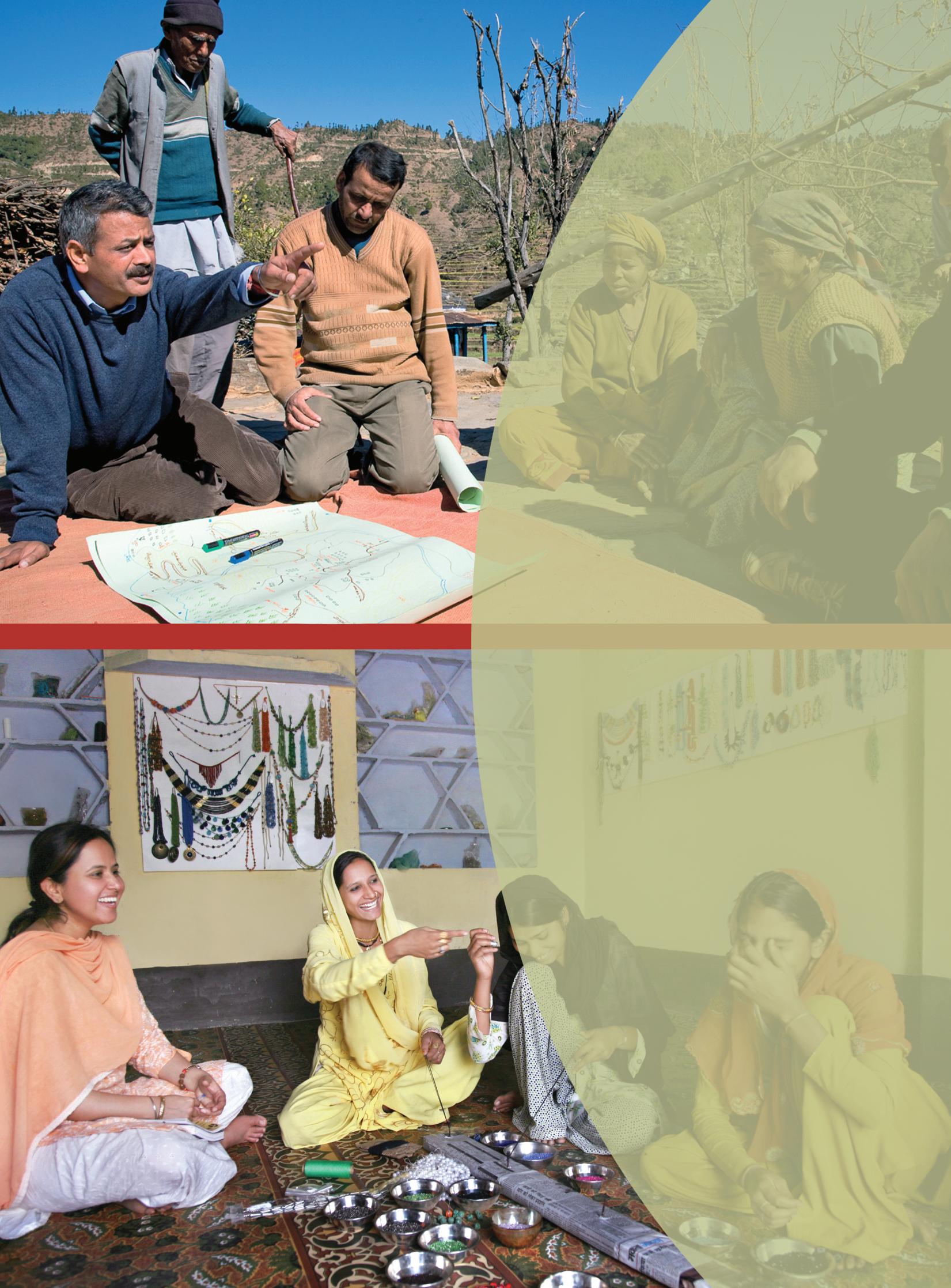
DHAN SINGH RAWAT
MA Sustainable Managment of Natural Resources
University of Leicester, UK
Natural Resource Management Consultant, Dehradun Uttarakhand
Training state government staff on Natural Resource Management related issues
Mobilizing resources for fairness and equity
MANISHA JANI
MA in Social Policy and Social Development
University of Manchester, UK
Consultant, Traidcraft, Jaipur, Rajasthan
Promoting and marketing textiles, hand embroidered and hand printed crafts
Building capacities and market linkages for livelihood projects
Promoting public health access and services
DR RAJEEV BIJALWAN
MSc International Health Management & Development
University of Birmingham, UK
Research Coordinator Himalayan Institute of Medical Science Hospital, Dehradun, Uttarakhand
Researching issues related to adolescent health, and promoting quality family planning
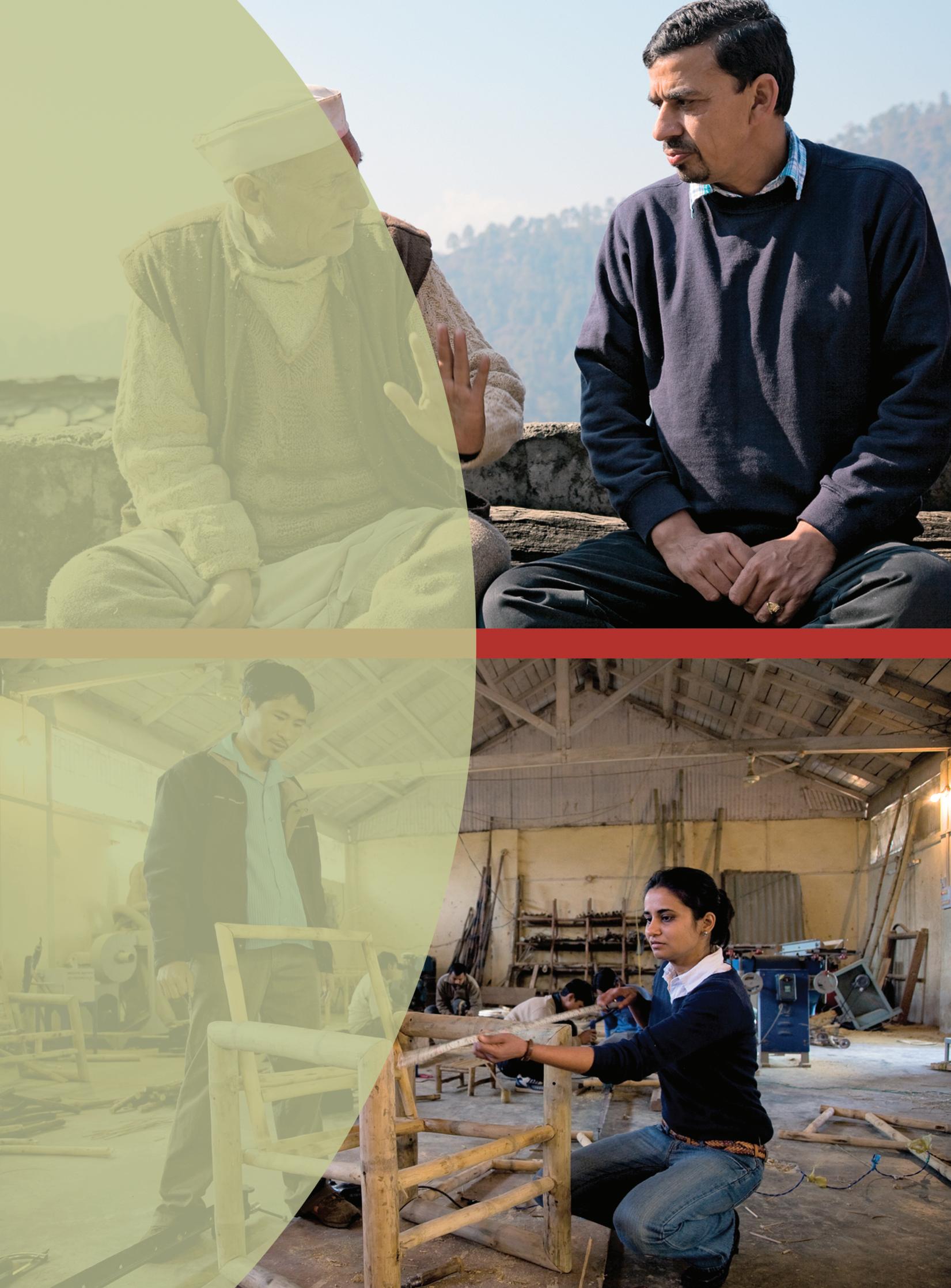
Helping low income people build resources and livelihoods
RICHA GHANSIYAL
MA in Rural Development
University of Sussex, UK
Co-ordinator Programmes, Studio Alaya, Dehradun, Uttarakhand
Working with design-led social enterprise helping crafts and skill based producer communities in Uttarakhand to improve livelihoods, competencies and access to markets
Advancing sexual and reproductive well being
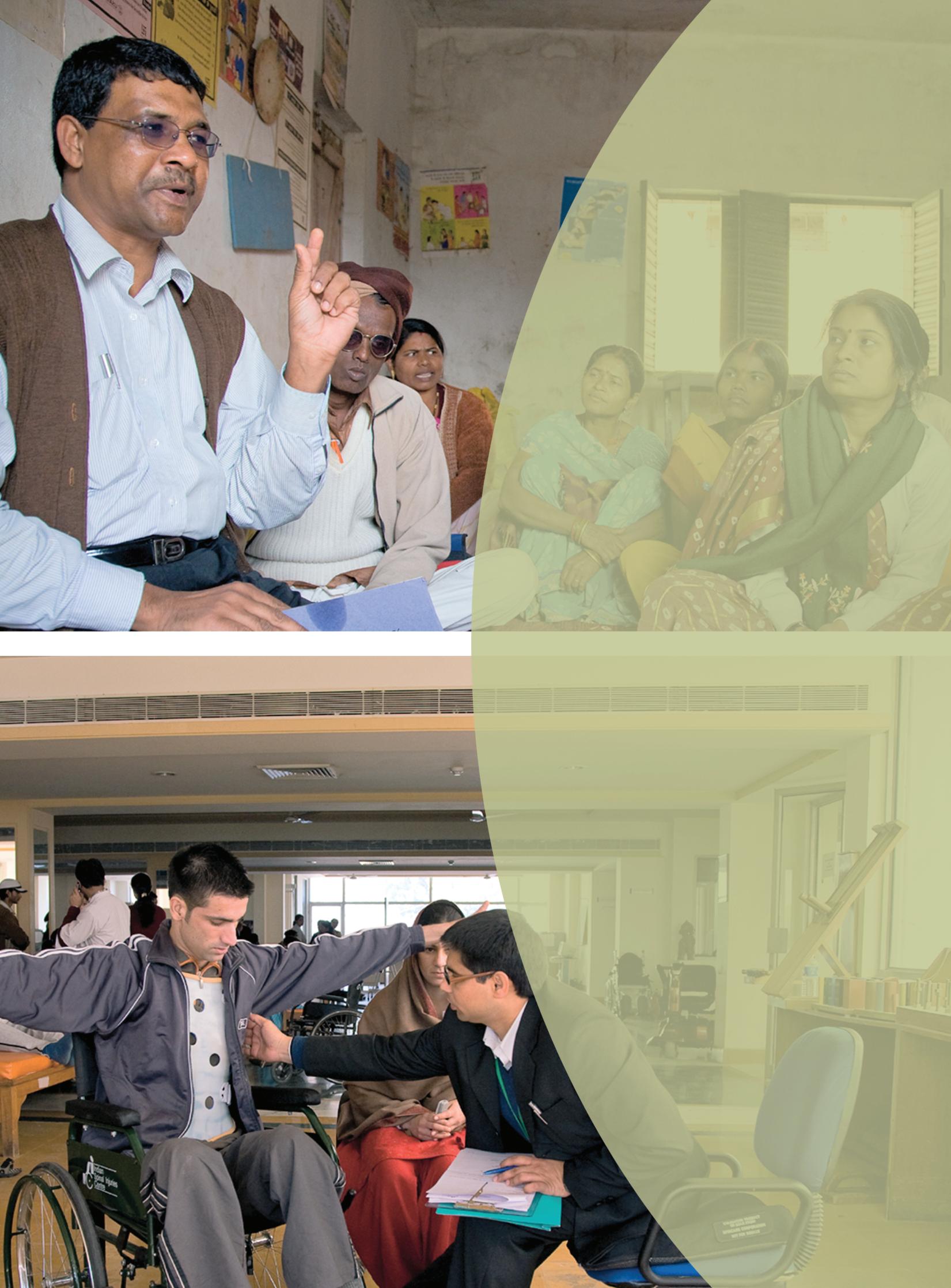
MA in NGO Management
London School of Economics & Political Science, UK
Program Co-ordinator, Public Health Resource Network, Ranchi, Jharkhand
Helping state governments build capacity of district teams on health management, planning and influencing policy for poverty reduction
Promoting the protection of Human Rights and protection for all
MA in Disability Studies
University of Illinois, Chicago, USA
Assistive Technologist, Indian Spinal Injuries Centre, New Delhi
Providing rehabilitation services for persons with disabilities and physical deformities
Securing equal rights and justice for all
BINEET MUNDU
MA Indigenous Studies
University of Tromso, Norway
Co-ordinator for Bindrai Institute for Research, Study and Action (BIRSA), Ranchi, Jharkhand
Assisting Adivasi/indegenous people in advocacy, mobilisation and land rights
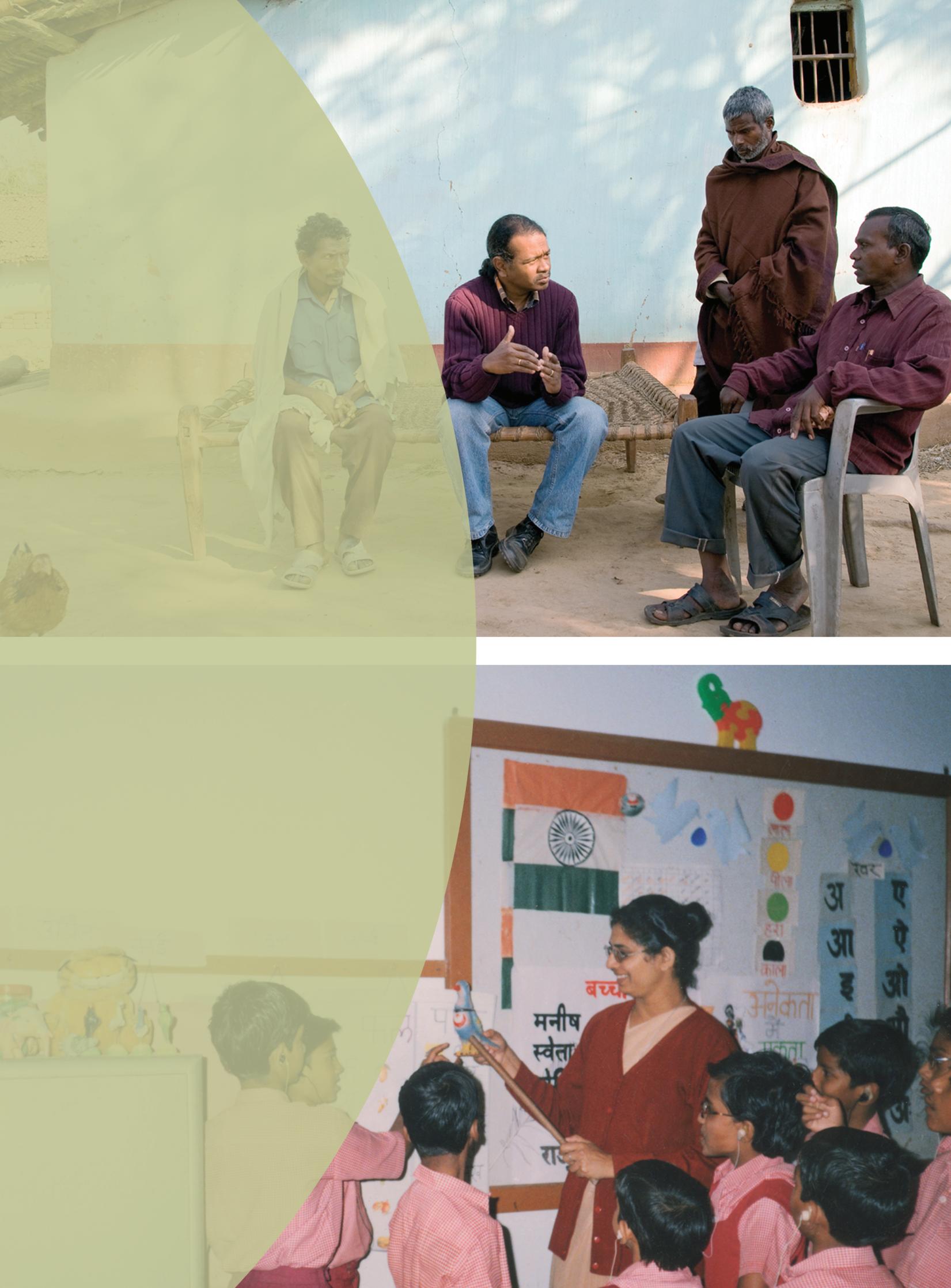
Transforming education, fostering inclusive communities
LISSY MATHEW
MSc Deaf Studies
University of Bristol, UK
Principal and Special Educator, Ashadeep Rehabilitation Centre for the Handicapped, Patna, Bihar
Working with the hearing impaired in Bihar. Awarded Best Special Teachers Award and Jewel of India Award
Helping people participate more fully in their societies
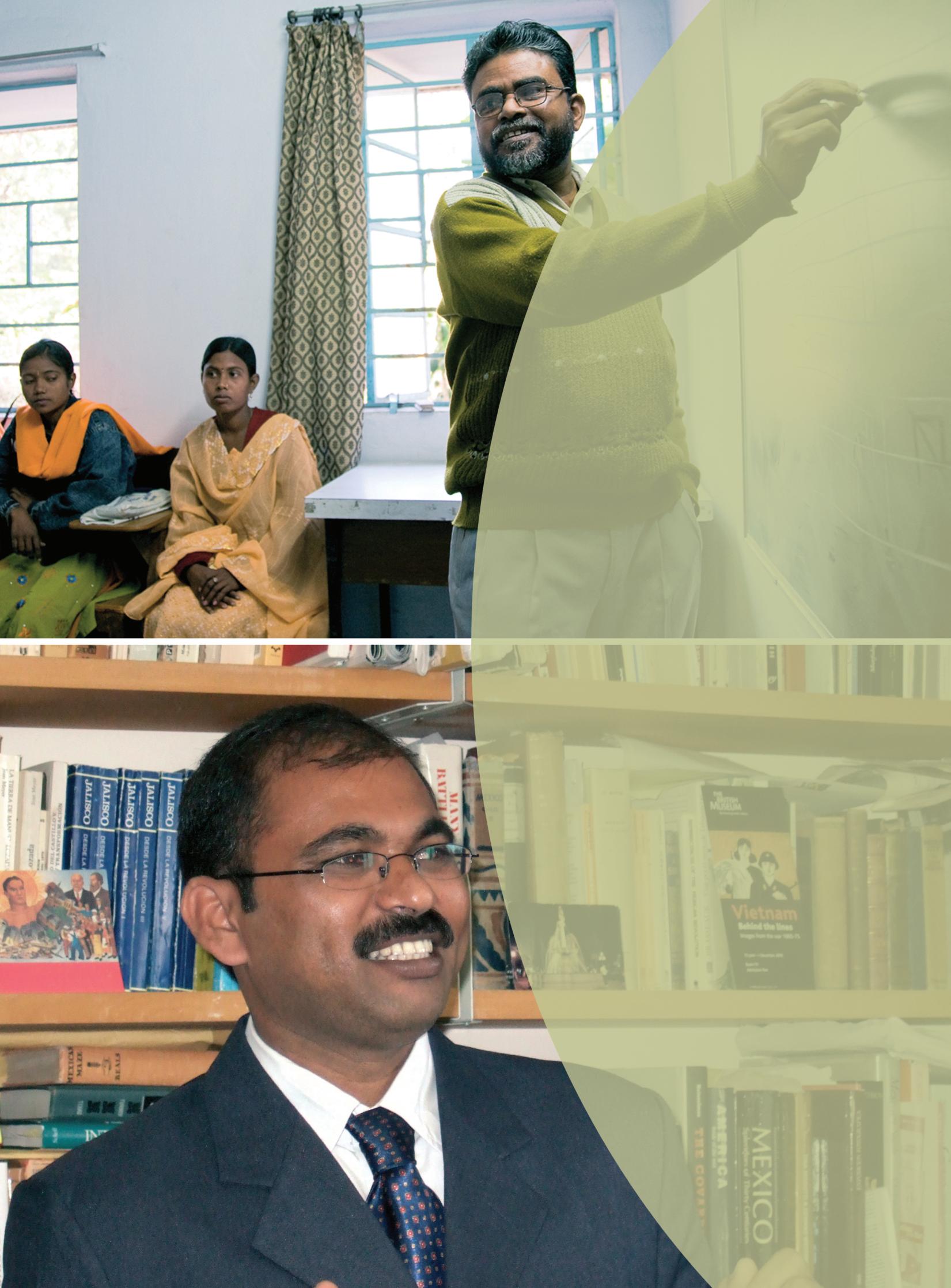
JAGBANDHU SANDA
MA in Development Mangement
Asian Institute of Mangement, Manila, Philippines
Programme Coordinator, Socio Economic and Education Developoment Society (SEEDS), Jamshedpur, Jharkhand
Drawing upon moral resources in support of social Justice
DR BHANGYA BHUKYA
Phd in Modern History (Tribal Studies) University of Warwick, UK (Power Subalternity and Identity: the Making of the Lambada community of Hyderabad state)
Assistant Professor, History, Osamania University, Hyderabad, Andhra Pradesh
Contributing to a better informed citizenry
IRSHADUL HAQUE
MA in International Journalism
City University UK
BBC Online (Hindi edition), Patna, Bihar
Working for the development of the Muslim community, and increasing educational awareness
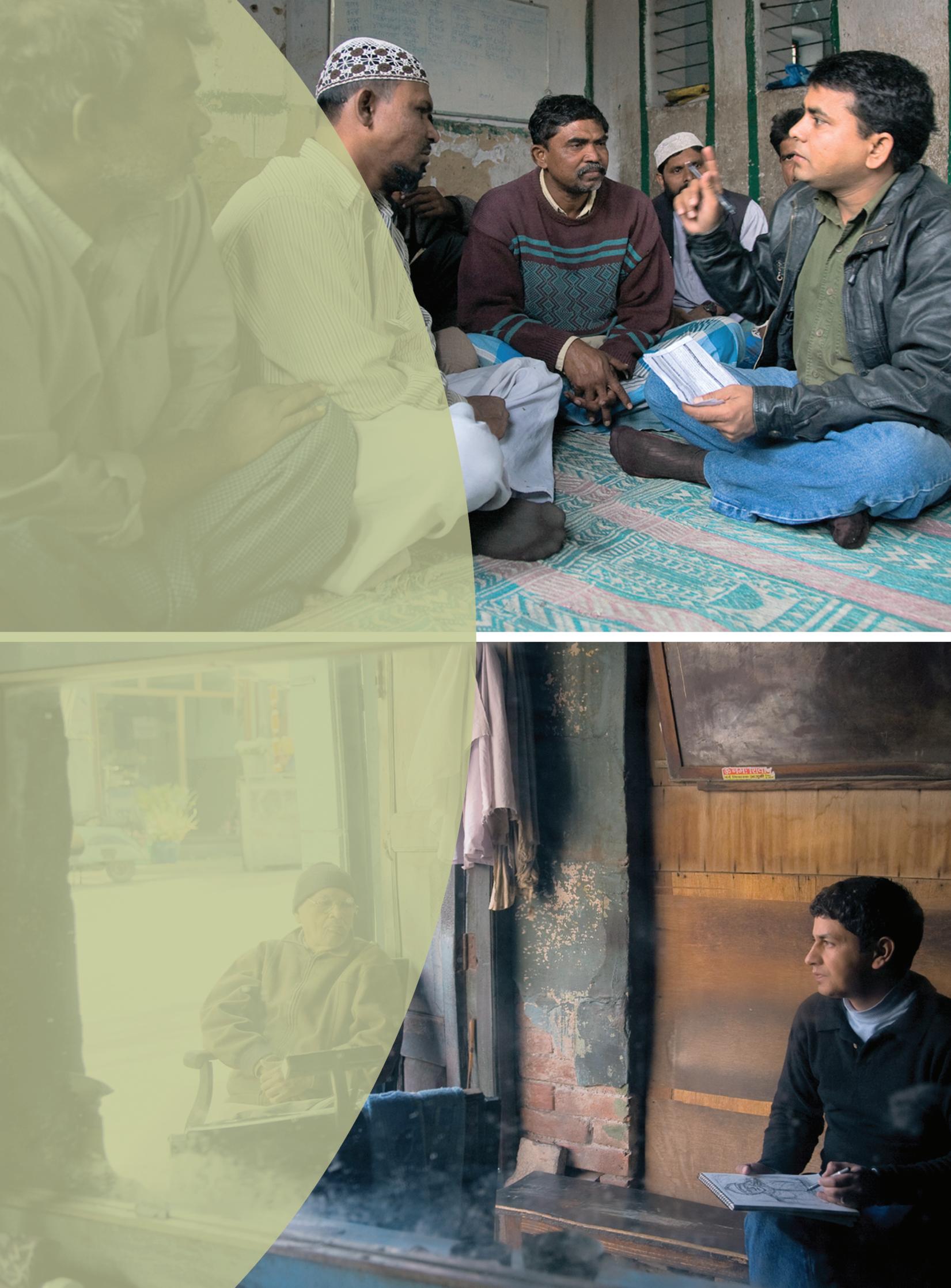
Celebrating the importance of arts to the human experience
JAGMOHAN BANGANI
Master of Fine Arts
Winchester School of Art, University of Southampton, UK
Freelance artist, Uttarakhand and New Delhi
One of the unique features of this program is that the IFP India team assesses and addresses fellows’ individual training needs. Fellows receive language training from specialised institutions and trainers, undergo academic skills and cross-cultural trainings, and are connected with subject experts and academic mentors. Fellows attend orientation programs to learn about IFP program philosophy, processes and policies. They are introduced to the concept of leadership for social justice and learn to network through cohort building exercises. Finally they attend pre-departure orientation programs, facilitating their international travel and documentation.
The Fellows can elect to study in any discipline relevant to the further development of India. Accordingly, Fellows are pursuing graduate degrees in Community and Rural Development; Education; Development Economics; Environment and Public Policy; Public Health; and Human Rights. Fellows are placed at appropriate study programs worldwide. For this exercise IFP collaborates with international placement partners such as the Institute of International Education (IIE), the British Council and NUFFIC, IDP Australia, Canadian Education Centre (CEC) and universities in South East Asia to find relevant programs for the Fellows. So far forty-five percent of the Fellows have gone to graduate schools in the United States, forty-five per cent have gone to the UK, while the remaining have studied at universities in Europe, Asia and in Australia.
Fellows receive full tuition and living expenses as part of their fellowships and can also apply for specific funds for their professional enhancement. IFP India closely monitors the academic progress of the fellows and supports them with counseling and advice while they are at university. International placement partners are also involved in monitoring academic progress and advising on welfare issues.
Re-Entry
As of October 2009, IFP India has selected 280 Fellows for Masters and PhD degrees. Of these, 200 have already completed their studies under IFP. While several fellows are still completing their doctoral studies abroad, over seventy-five per cent have returned to India to begin exciting careers. IFP helps alumni to re-integrate into their home environments with the support of the IFP India Alumni Network (IFPIAN) which has been established as a registered NGO to help the alumni stay connected and take actions for social justice.