

Co-funded by the Erasmus+ Programme, GenGreen is about linking youth engagement with climate action through sports, education, and advocacy. By fostering strategic collaboration between youth organisations, climate experts, and sports associations, the project aims to enhance the quality of youth participation in climate action while equipping young people to lead sustainable initiatives.
At its core, GenGreen is about empowerment. First, by making sure young people feel heard and know that their voices matter. Then, by helping them use those voices to co-create and co-lead sustainable initiatives in their communities.
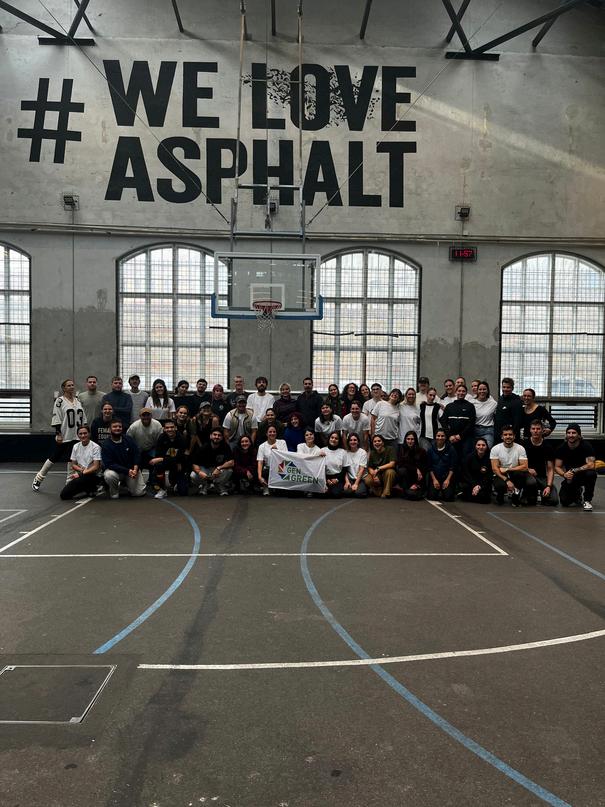
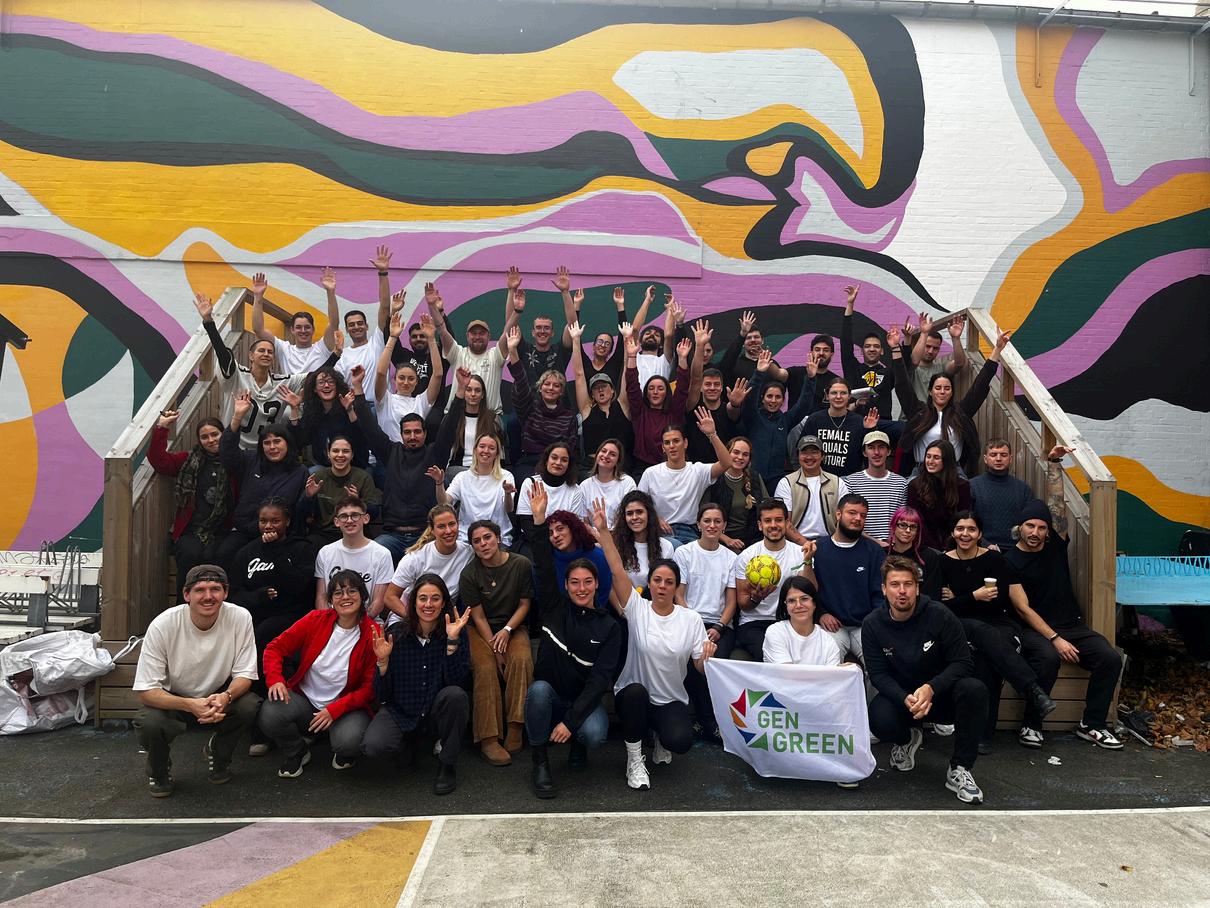
Designed as the exclamation point of the MOVE Congress 2025 in Copenhagen, hosted by ISCA, the Youth Gathering workshop brought together 60 young participants from five partner countries to exchange ideas and shape the conversation.

Powered by




The Youth Gathering workshop, hosted by project’s partner GAME, was designed as a full and immersive experience aimed at empowering young people to recognise, expand, and activate their leadership potential in the climate field.
The global objective of the day was to create a space where youth could reflect on their personal and collective journeys through peer learning, reconnect with what they learned at the Move Congress 2025, and transform insights into tangible, grassroots actions.
Another core objective was to promote a sense of ownership, ensuring that participants see themselves not as passive beneficiaries, unsolicited recipients of policies, but as key actors and leaders shaping the future.
Ultimately, one crucial objective was to enable participants to articulate their needs, fears, ambitions, and expectations in a setting b tivity. The programme o to equip them with to initiate concrete loc
Throughout the workshop, activities were intentionally varied to stimulate physical activity, conceptual thinking, emotional reflection, and collaborative creation.
The combination of structured workshops, free-flow creative exercises, and co-creation moments aimed to touch multiple dimensions of youth empowerment but also to trigger a wider range of cognitive components.
The event also sought to reinforce peer learning, recognising that young people often learn best from one another when given the opportunity to collaborate and speak authentically.
A further intention was to gather meaningful content for the upcoming Youth Climate Manifesto, ensuring it reflects real youth visions, challenges, and recommendations.
The Youth Gathering workshop was articulated around several types of methodology:
The peer-to-peer immersive sports game workshop engaged participants in a dynamic, game-based activity where they learn, collaborate, and problem-solve through direct interaction and movement. By experiencing challenges firsthand and exchanging roles, participants extracted practical insights and type of activities they will be able to implement within their own organisation.
The vision-building workshop as a structured group process designed to help participants articulate a shared long-term direction. Through guided exercises such as brainstorming, future-casting, storytelling, or scenario mapping they envision an ideal future state for their team, organisation, or project. Participants then explore the current context (strengths, challenges, trends) to build a common understanding. The workshop ends by a general presentation to the other groups.
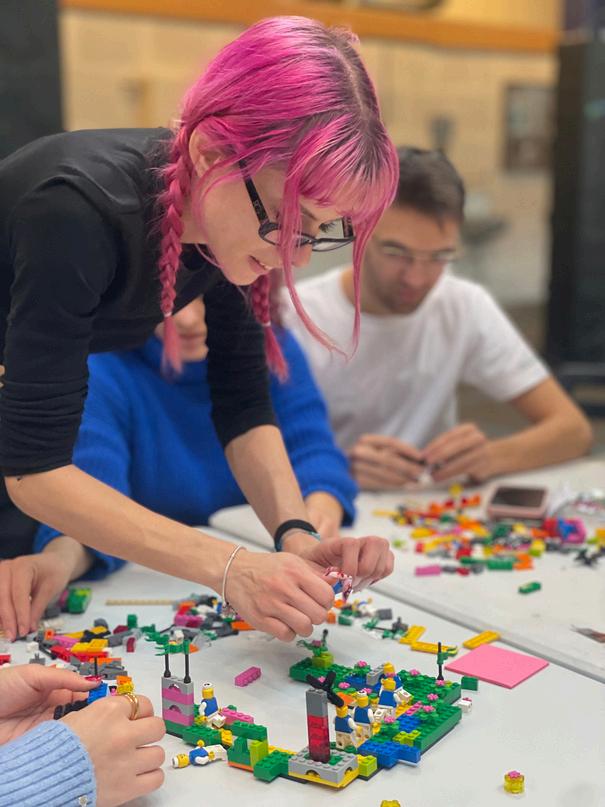
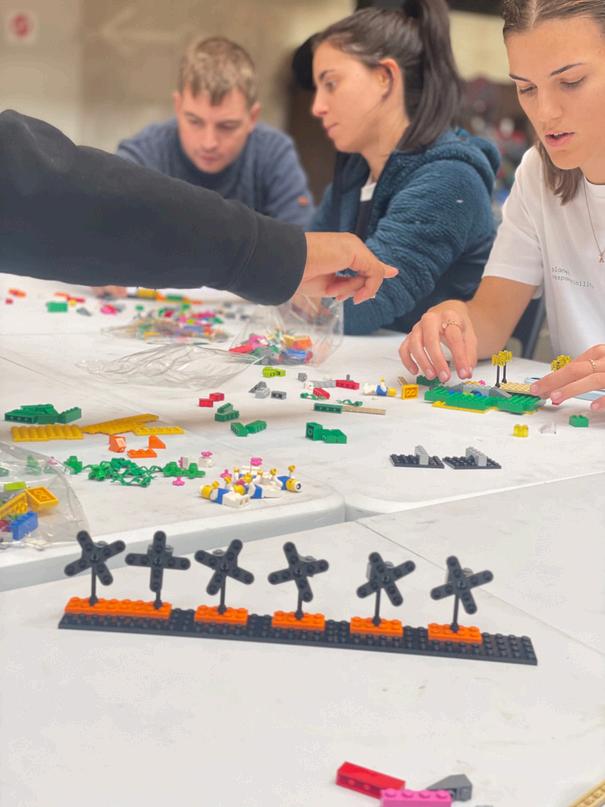
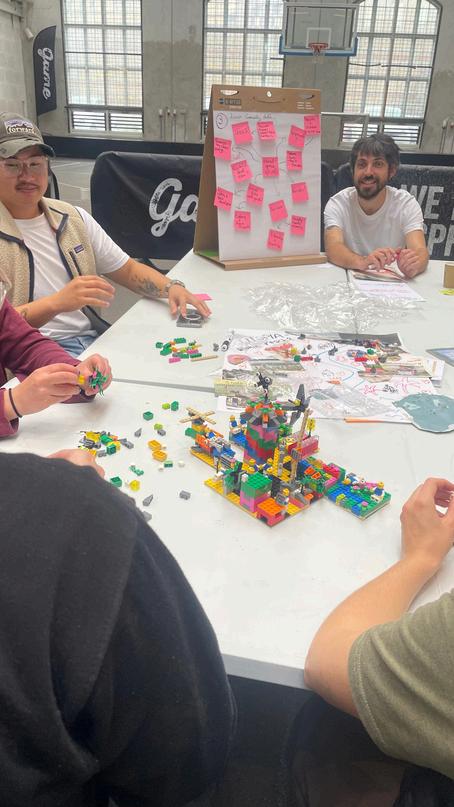
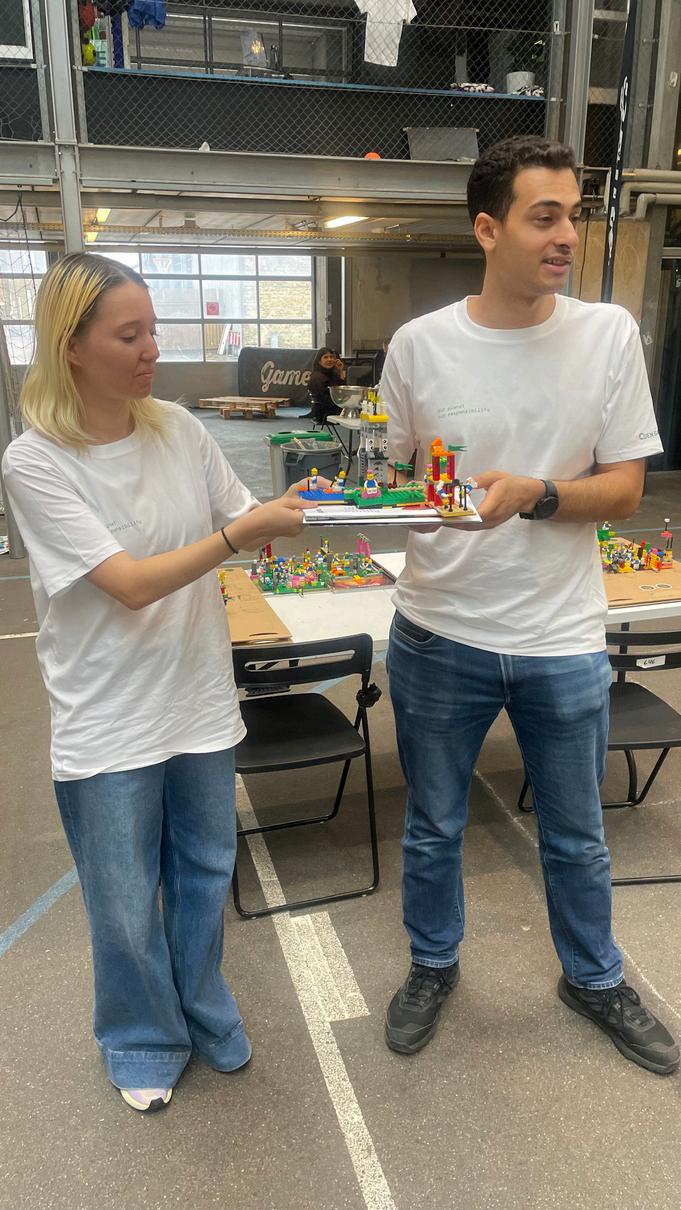
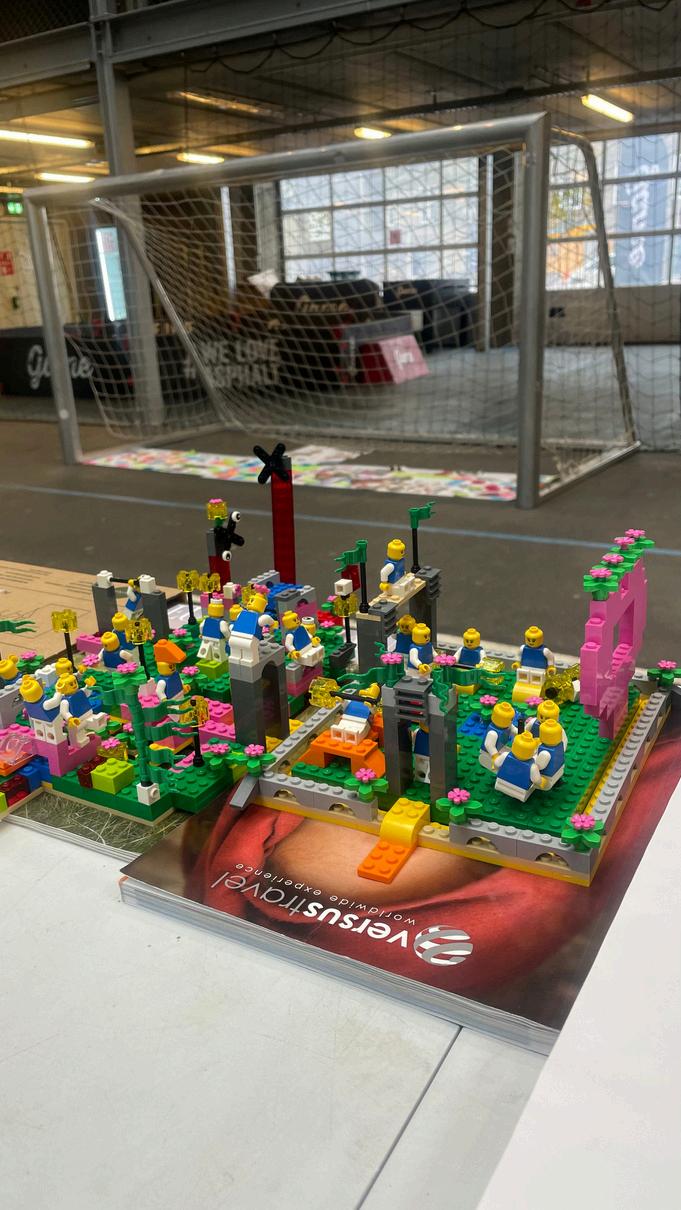
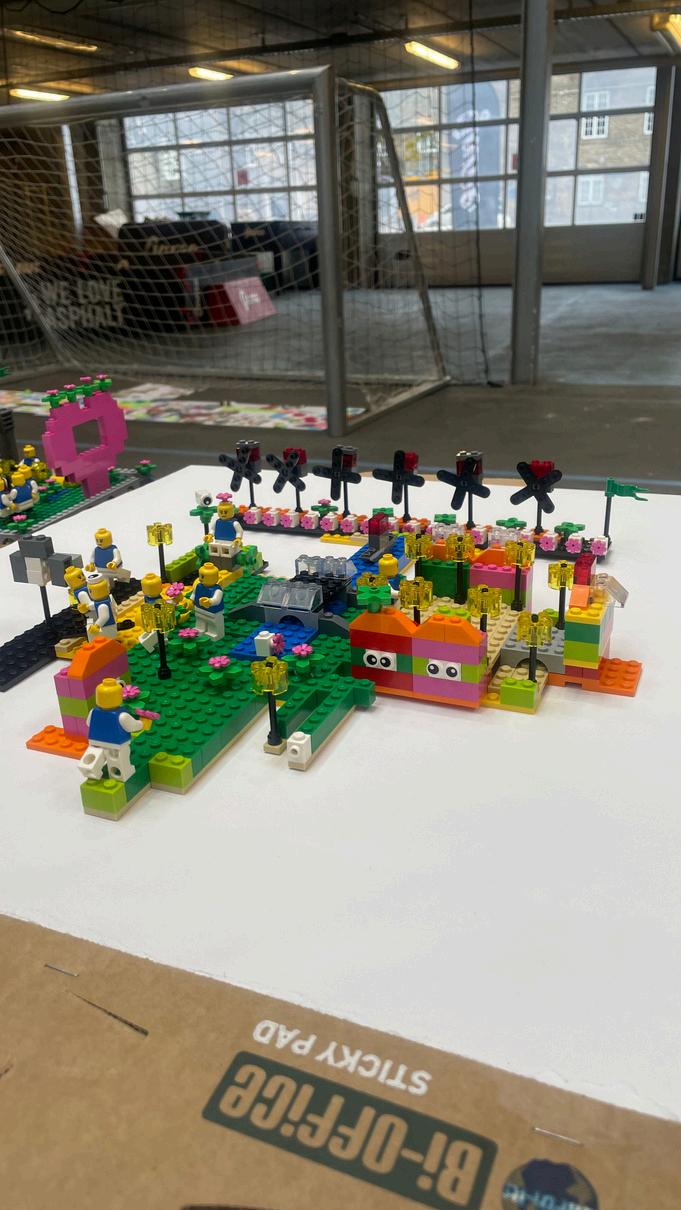
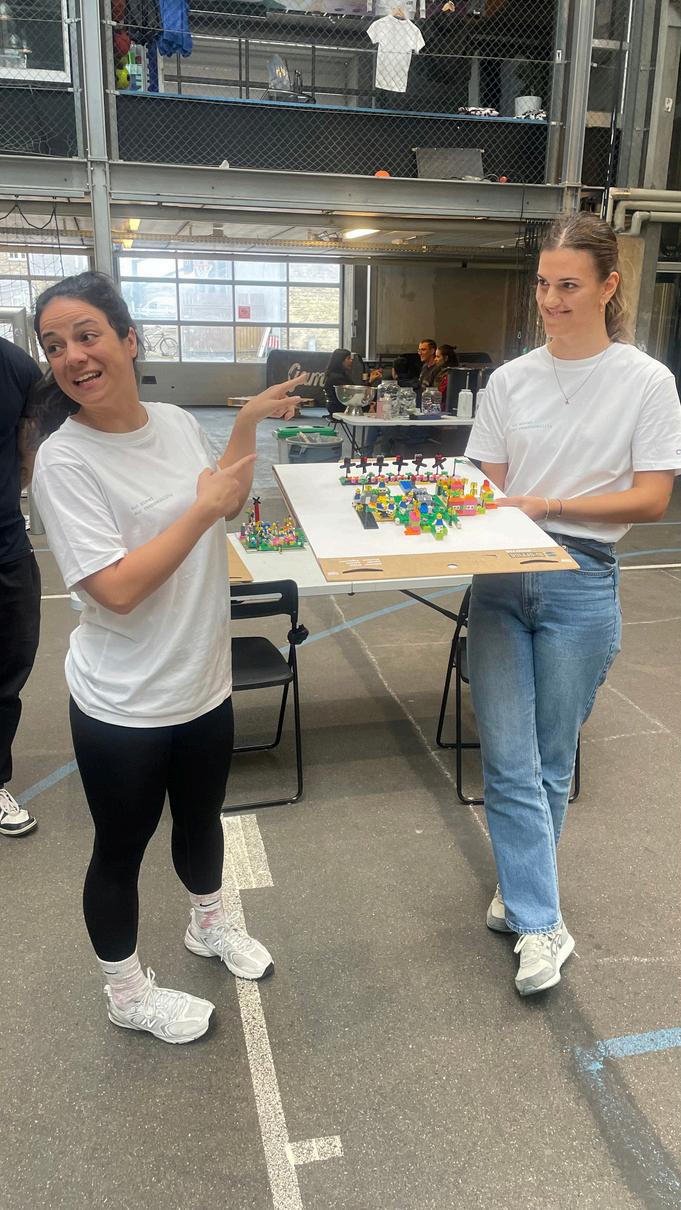
The LEGO-based design sprint workshop invited participants to build a physical model that represents their ideas, insights, or vision, using LEGO bricks as a creative storytelling tool. The final creations are then presented by each group, allowing them to explain their concepts visually, make abstract ideas tangible, and strengthen shared understanding.
The storytelling circles workshop brings participants together to share personal or project-related stories in a structured, supportive roundtable format. Through guided prompts and active listening, each person contributes a narrative that helps surface shared experiences, insights, and challenges, strengthening group cohesion and collective understanding.
Finally, the workshop was structured to end with clear commitments and practical next steps, so that the experience does not remain theoretical but becomes a catalyst for sustained youth climate leadership within their communities.
Overall, the Youth Gathering workshop was designed as a holistic journey from introspection to action, from ideas to prototypes, and from individual reflection to collective mobilisation.

Walk to Game premises - 8.45 am to 9.15 am
The day began with a shared walk to the GAME premises, setting a relaxed and human tempo for the programme. This transition allowed participants to leave behind the stress of transportation and start entering a collaborative mindset. As they walked, they naturally reconnected with one another, revisiting personal impressions and insights from Move Congress.
The official start of the programme took place through a guided breathing and meditation session. Led in GAME’s magnificent Dance Hall, this simple, yet powerful, activity is based on free-diving mental preparation routine, and helped participants centre themselves, release tension, and establish collective presence. The quietness created by shared breathing generated a sense of psychological safety and signaled that the day would be both caring and meaningful.
Yann, the project’s sustainability expert, then introduced the goals of the day, emphasizing the importance of youth-led climate action. He reminded participants that their ideas matter, their experiences count, and their voices deserve to be heard at institutional levels. He also explained the structure of the programme, outlining how each activity was designed to transition from reflection to action, from visions to concrete next steps. The introduction helped create clarity, motivation, and a shared sense of purpose.
Scientific studies demonstrated that diaphragmatic breathing had a positive effect on lowering physiological and psychological stress.
Free-divers rely on breathingrelaxation techniques to release muscular tension and sharpen focus, allowing them to enter the water calmer, more efficient, and more in control of their dive.

The first major session of the workshop was facilitated by GAME staff, who welcomed participants into their vibrant communitydriven environment. The activities were set across the different halls of the premises (skate park, Basket-ball court and indoor football field...), showcasing GAME’s approach to youth engagement, and highlighting how sports and urban culture can empower young people, strengthen social inclusion, and build leadership capacities. Participants discovered the philosophy behind GAME’s work: accessible spaces, peer-led initiatives, and the use of physical activity as a gateway to personal development. It was also a perfect occasion to start the peer to peer knowledge exchange between organisations.
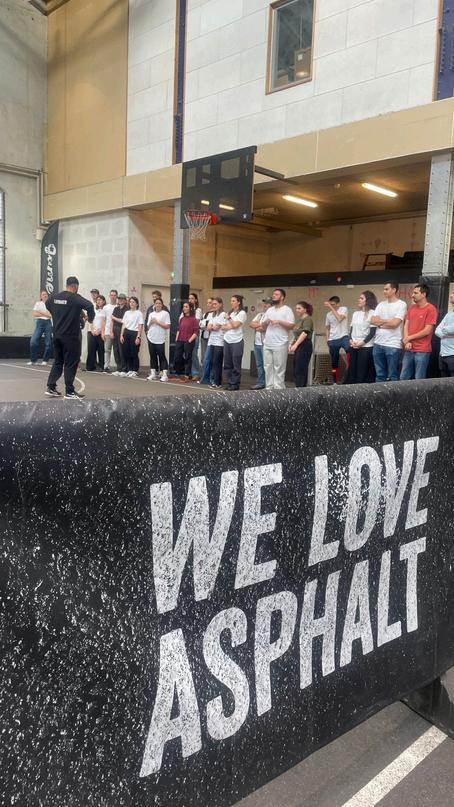
Following the introduction, participants engaged in a dynamic session of physical activities. These were led in a spirit of mild competition in nature, but rather focused on collaboration, mutual support, and playfulness. The exercises encouraged movement, teamwork, and creativity, while breaking down barriers between participants. The positive energy generated during this session carried into the rest of the day, reinforcing the idea that climate action is not only about policies it is also about community, energy, and collective spirit.
The animator introduced one of the core workshops of the day, asking participants to step into the future and imagine a world where climate action has been fully implemented - or - what steps would be necessary to be made in order to implement a sustainable future. He explained that envisioning the coming years, or decades, is an essential step in redesigning the present. By asking youth to imagine their ideal world, the exercise allowed them to identify values, priorities, and aspirations that would guide their future actions.
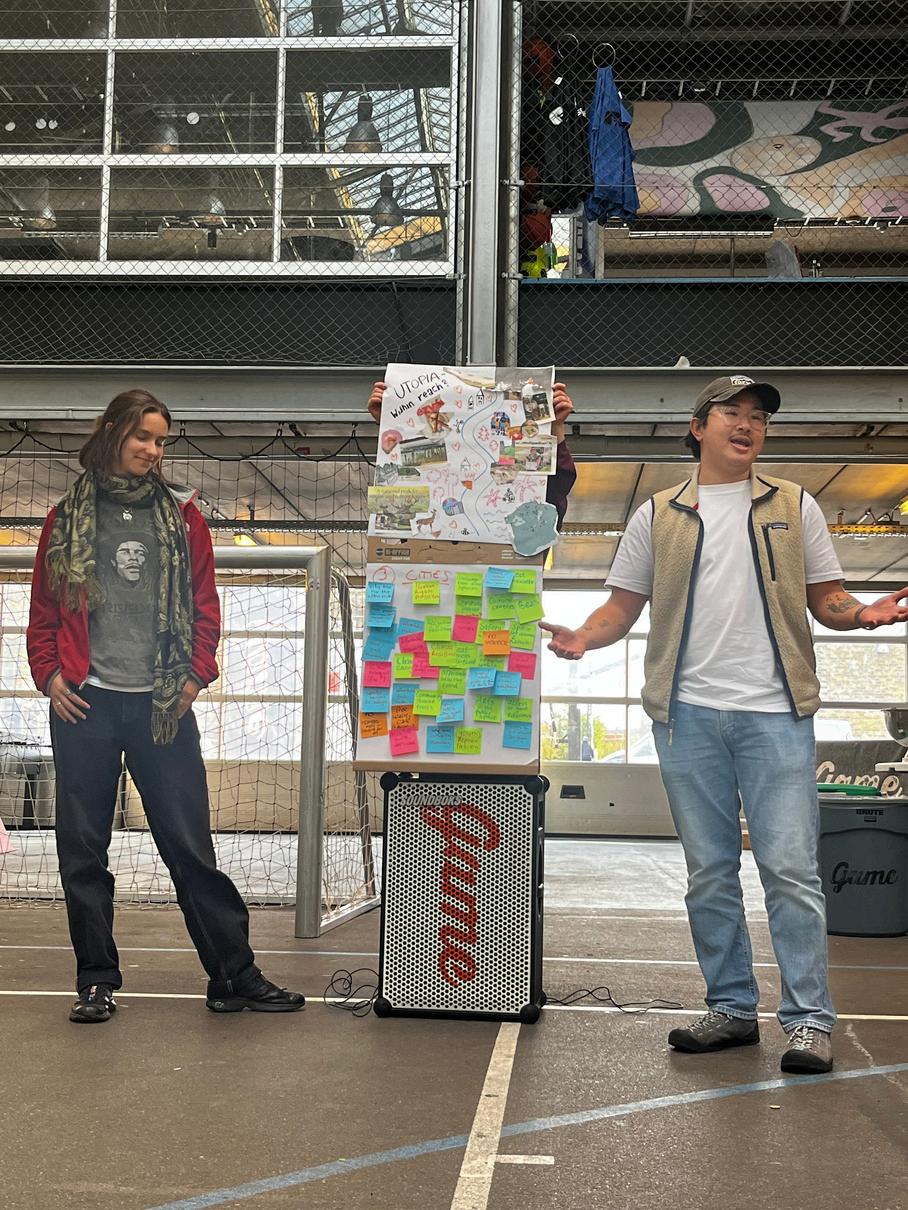
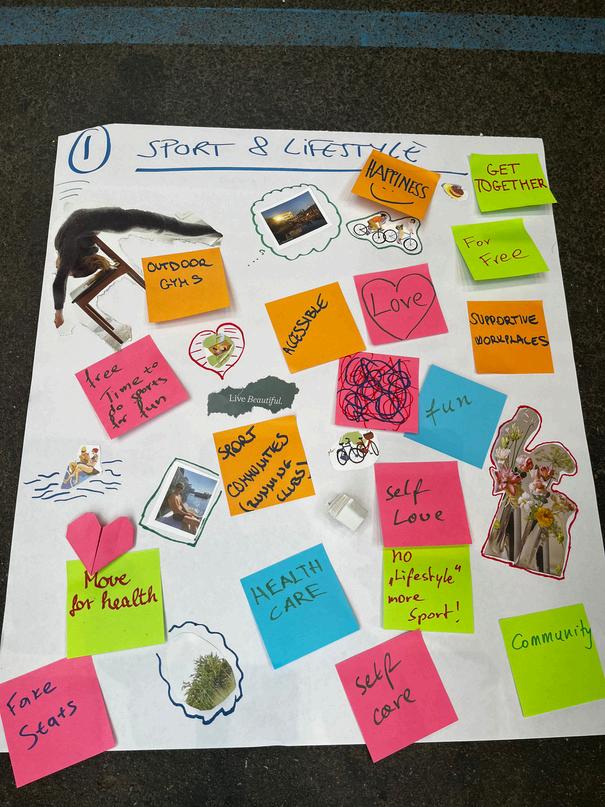
Participants then joined their thematic tables Sport & Lifestyle, Nature, Cities, Energy, Waste, and Voice to build a collective Eco-Vision Board, and started quickly generated ideas, using sticky papers to avoid over-analysis or selfcensorship. This rapid-fire brainstorming produced a mosaic of personal desires: greener cities, more inclusive decision-making, sustainable mobility, circular consumption habits, cleaner oceans, healthier lifestyles, and more. The variety of ideas created a rich starting base for collaborative creation.
Using markers, recycled materials, magazine cut-outs, and symbolic objects, they created large visual representations of their desired future. Creativity was encouraged over perfection; the aim was authentic expression.
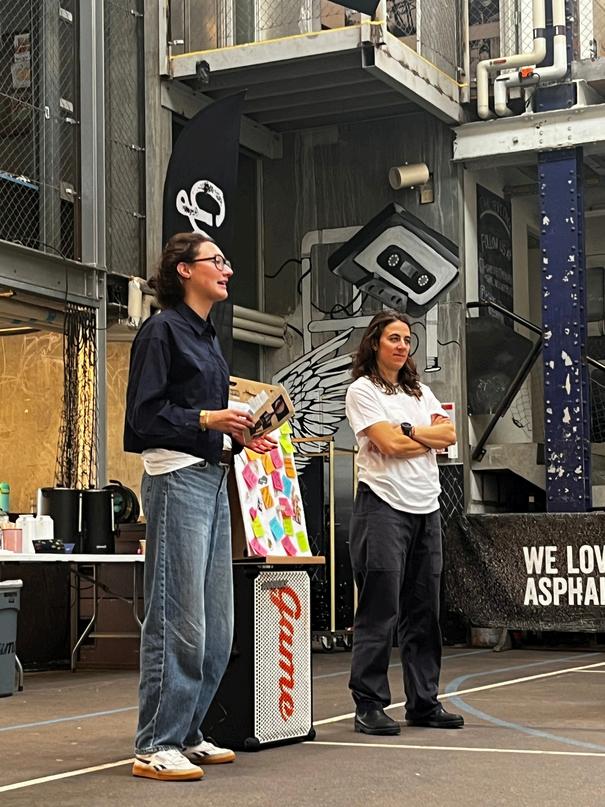
Every table ended up by presenting the results of their discussion with the rest of the group during a quick 3 minutes presentation. The richness of these visual ecosystems demonstrated the diversity and maturity of youth climate imaginaries and willpower.
The table Sport & Lifestyle covered many different aspects and highlighted crucial priorities; from the necessity to have a greater sport accessibility and affordability to the importance of focusing on emotional power, community building and to strengthen the fun part of sport practice. The group also put forward the idea of having supportive workplace where employees or staff can evade freely into their practice.
The Youth vision echoes to some rising trends being observed in the field of sport: open gym and street practice, callisthenics and local communities gathering, Staff Gym as a recruitment perk from employers or the rising trend of non-competitive sport entities and leagues.
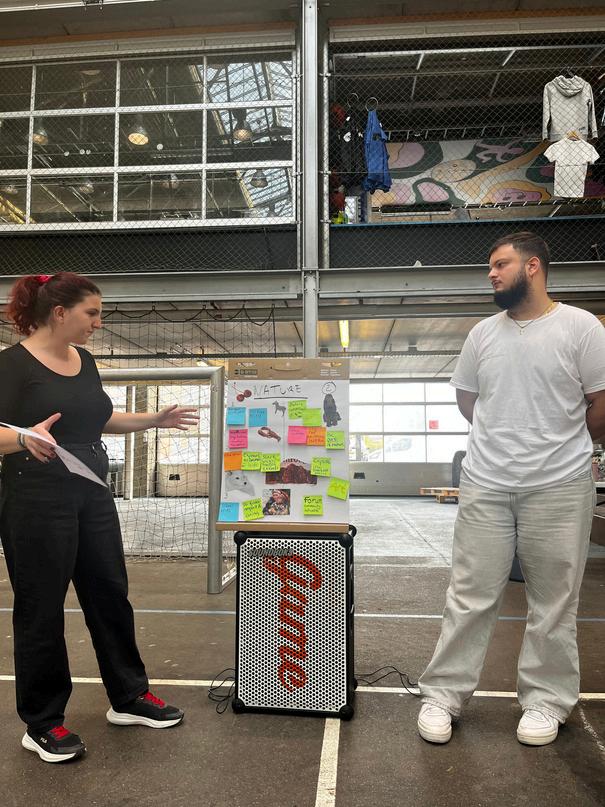
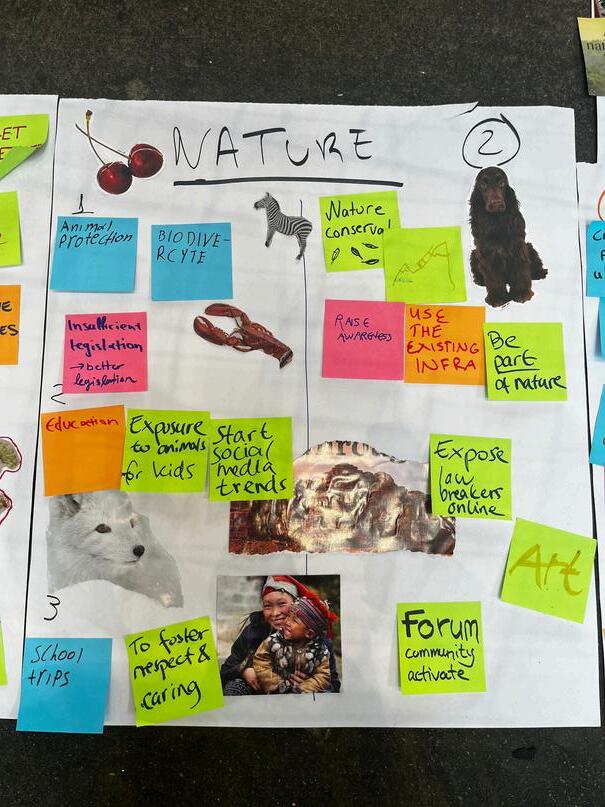
The table Nature focused on different components of the concept. They highlighted the importance of protecting the biodiversity and that legislators should do a better work at both enforcing existing laws and implementing a more protective environment for both citizens and biodiversity. They also highlighted the importance of raising awareness whilst promoting both community-based action and projects and formal educational support.
The notion of biodiversity respect while practicing sport is also a key aspect that was highlighted by the group. It echoes the IUCN’s report on sports impact on the biodiversity, where some good practices are shared and communicated for practitioners.
The table Cities went through deep discussion and promoted a wide variety of potential actions to set in motion. From smart urban planning, and breaking barriers to access green areas, to climate resilience, consumption free spaces and recycling facilities. The group also highlighted the necessity of reducing violence and promote a safer place to practice and live, while supporting better healthcare support and housing to cover basic needs of the population. A savant mix of social, economic and behavioural approach.
Some of the proposals can be found in some smart cities’ urban planning or have been implemented within some areas. For instance, the city of Silkebörg in Denmark has the inspirational idea of having each citizen no further than 500 meters from a green area.
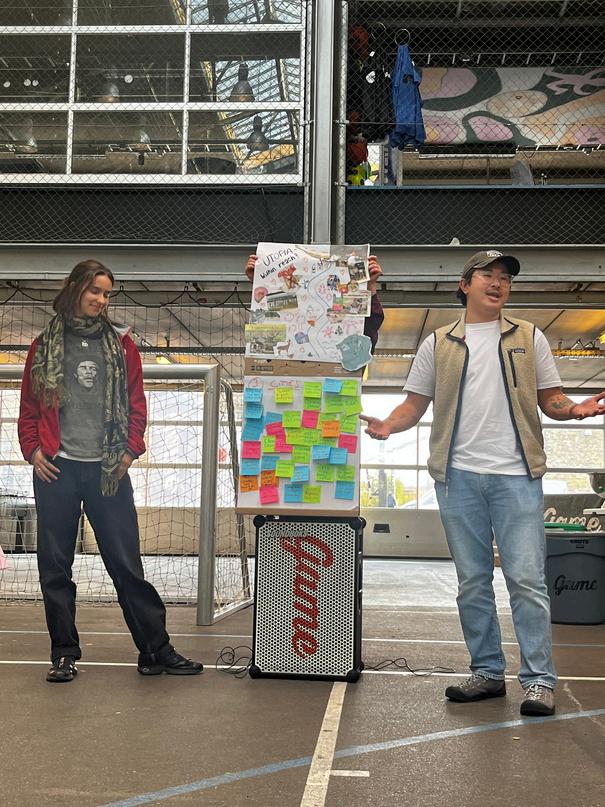

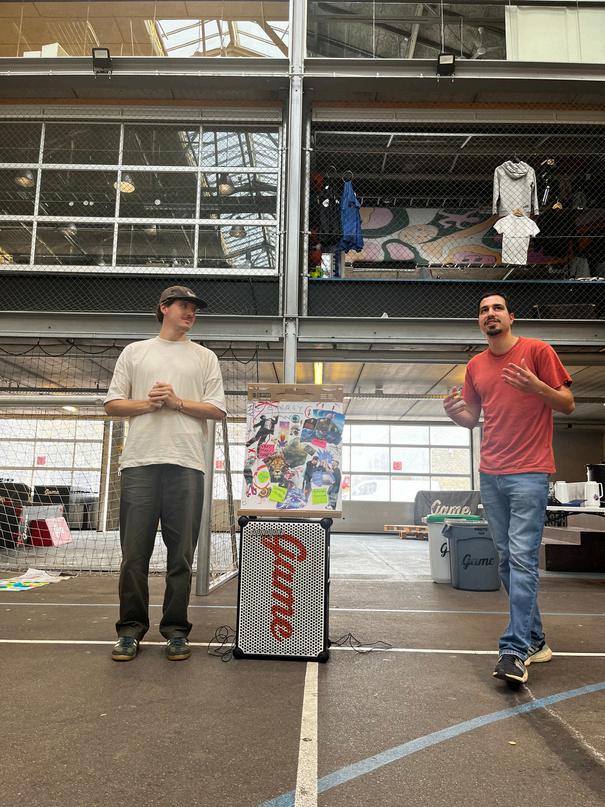
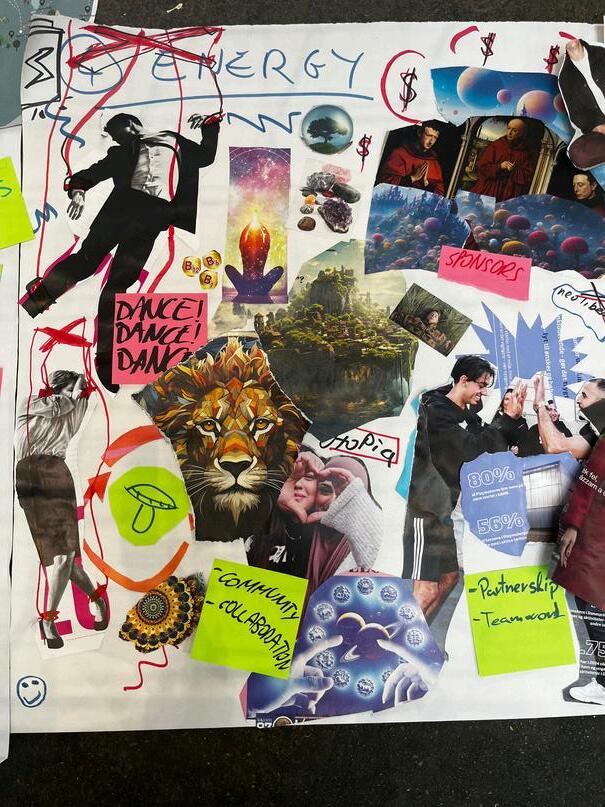
The table Energy was the most creative in terms of artistic expression of their inner feelings and ideas. They focused mainly in promoting the idea of sustainable infrastructure which are powered by renewable energies and fuelled with human willpower for change. They also highlighted the necessity to find new ways of financial sources to maintain and renovate the old parks of facilities. Either by communityproperty or through partnerships and the rise of new types of currencies.
Energy is becoming one of the largest issue for the European countries. In the sport sector, the old parks of collective sport facilities are facing the direct effect of Climate Change: in France, 50% of the 60,000 collective sports halls are not adapted to high temperatures. https://www.wwf.fr/sites/default /files/doc-202404/SPORTS%26CLIMATE ENGLISH .pdf
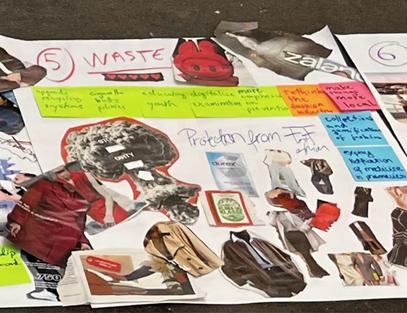
The table Waste Management focused on how waste targeting the fashion, and especially the fast-fashion industry — comes from overconsumption, fast fashion, and poor recycling systems. They advocated points to the need for better recycling policies, more education for youth, and greater digitalisation to track and reduce waste.
They also emphasised rethinking fashion production, making manufacturing more local, and increasing transparency about where clothes come from, and to also avoid harmful production practices and the environmental impact tied to them. Overall, the message argues for more responsible consumption, smarter systems, and protection from the negative effects of fast fashion.
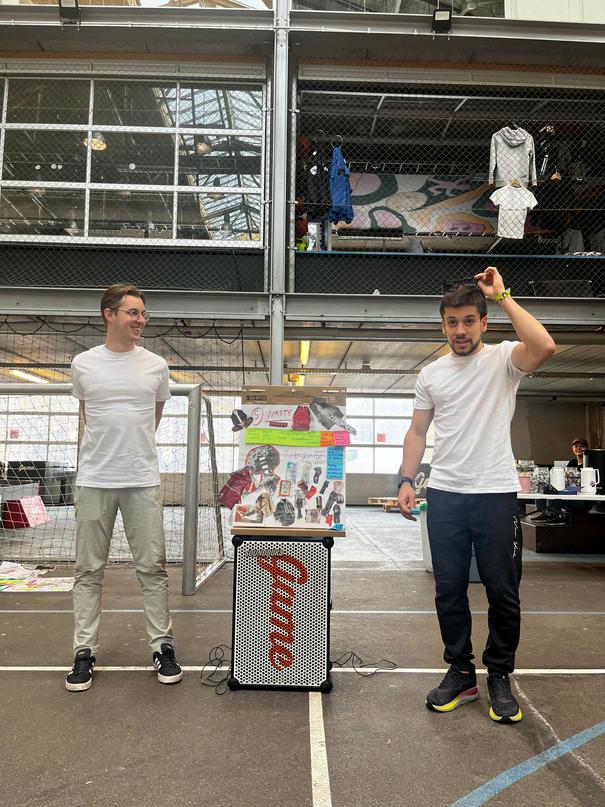
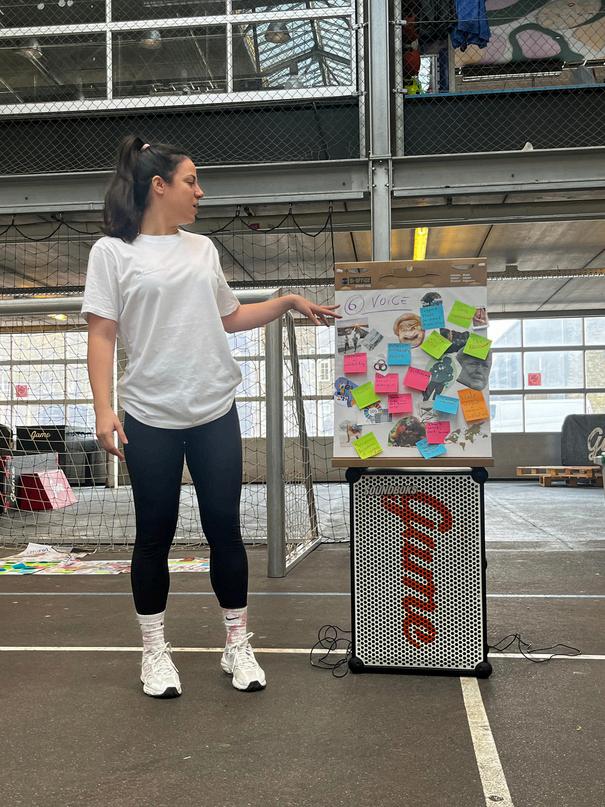
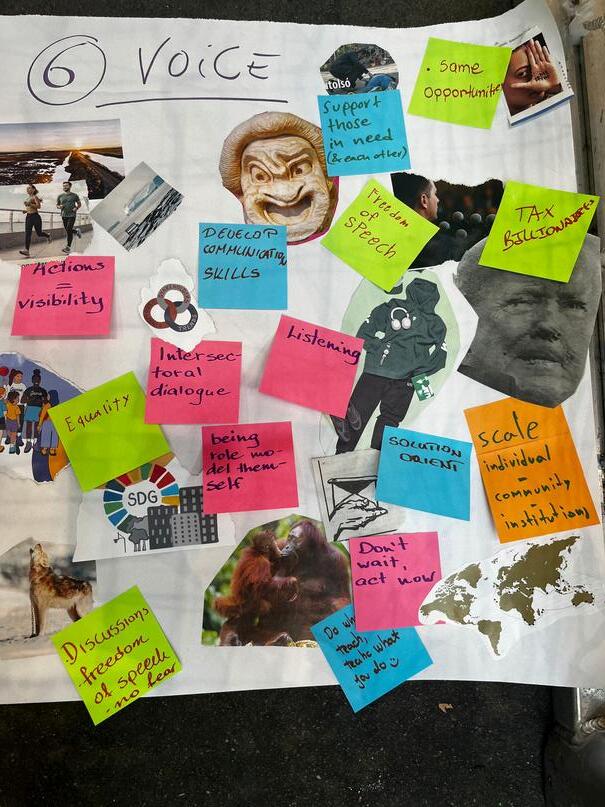
The table Voice & Advocacy highlighted the idea of voice as the ability for people to express themselves freely, be heard, and influence change. They emphasised freedom of speech, equal opportunities, and the need to support those in need.
An idea pointed to developing strong communication skills, including listening, dialogue, and speaking up for oneself. They also stressed taking action instead of waiting, encouraging people to use their voice for positive impact at multiple levels from individuals to communities and institutions. Overall, the message reflects a call for visibility, empowerment, inclusion, and active participation in society
Story Circles: Youth-Led Dialogues and Leadership - 11 am to 11.50 am
Participants formed small groups to engage in Story Circles. This session was based on the following prompt “This remind me of”, where every member begins his story following what has been said by the previous one. This is a methodology centred on deep listening and empathetic conversation. Youth shared personal stories about challenges their communities face or from their own experience regarding sport practice, and moment their voices were not heard by their organisation: lack of youth representation, lack of trust, over focusing on elite sport, socio-economic inequalities, or generational gaps sometimes exacerbated by climate impacts.
The storytelling format allowed participants to express fears, frustrations, and ideas to overcome challenges in a respectful and supportive environment. Listening to peers created a sense of solidarity, showing that despite diverse backgrounds, many struggles were shared.
In order to structure the activity, the animator also requested from every group to come up with simple solutions, recommendations, requests or statement that would allow to create an opportunity to solve issues, overcome challenges or open up dialogue.
At the end, the animator gathered key ideas and explained how they would feed into the Youth Climate Manifesto, to be finalised and handed to the Danish EU Presidency. Participants understood that their contributions would reach policymakers, strengthening the legitimacy of their engagement
Coffee Break - 11.50 am to 12 pm
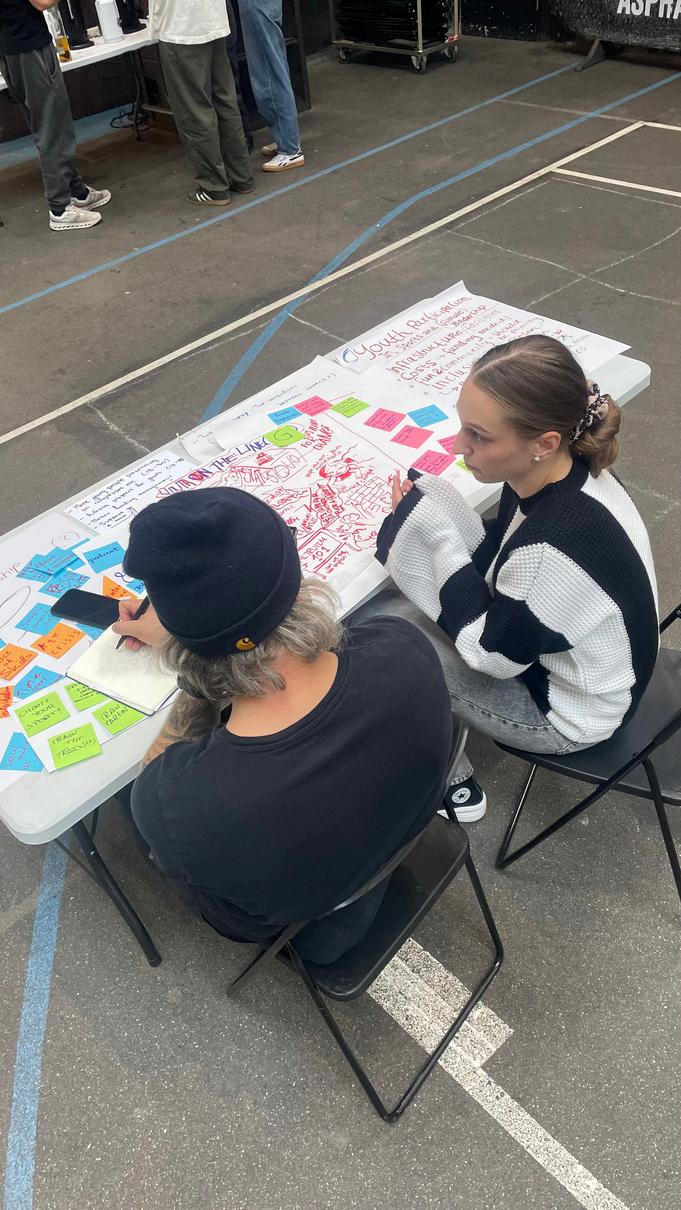
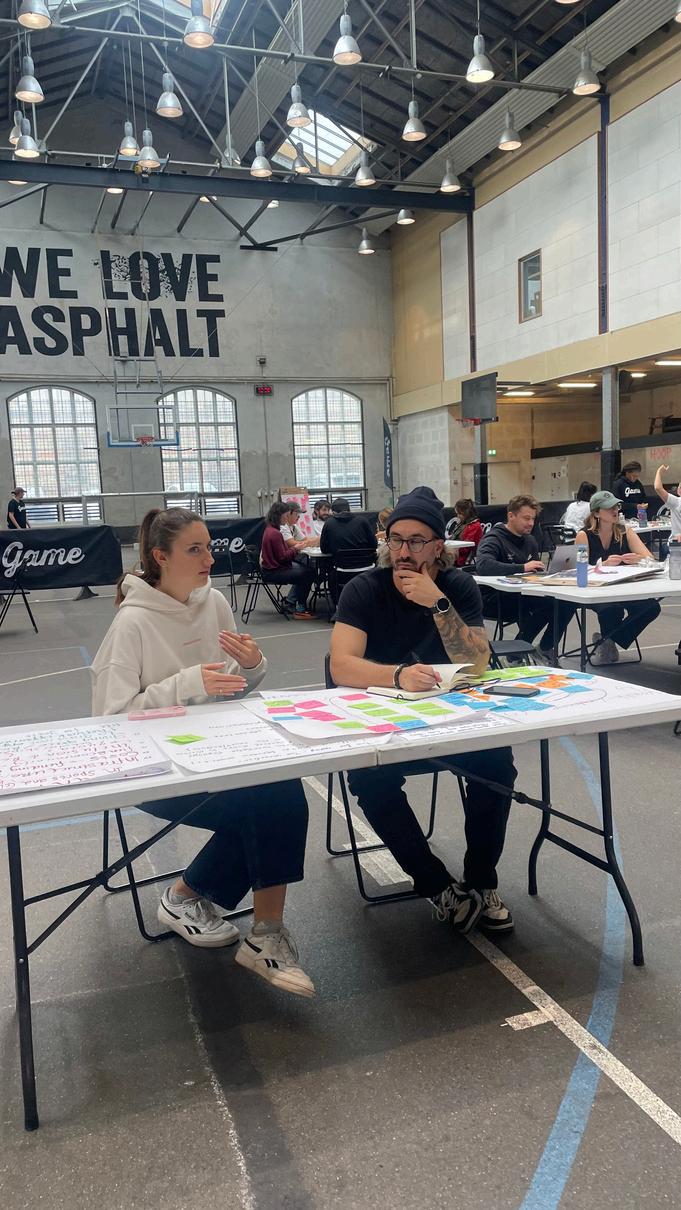
Amongst the recommendations and statements made by the Youth groups, and gathered during 1 to 1 type interview with the animators, it was possible to draw some initial patterns; between lack of representativity, promoting a safer space and the need to rethink the sport model:
Not every policy can fit all
Historical barriers between generations (post soviet generations vs. new generations more thrown towards community-based solutions)
The need to promote intergenerational cooperation
Institutions should be accompanied by Youth leaders when it comes to change the paradigm
It is important to see the new generations with less of a judgmental stance, thus trying to to reduce any feelings of guilt
Have a better understanding of the difference in vision, where “careerism” might not be the norm as we knew it
Youth is seen as a receptacle for the system, not as an actor of its evolution
A better promotion and support of youth volunteerism
Implement a more accessible communication from institutions to everyday people
A greater promotion of events supporting a wider variety of sports (nature based, outdoor, water sports etc.), not only through the lenses of historic and classic sports (football, basketball etc.)
A greater implication of educational institutions to strengthen their implication in promoting sport.
Greater promotion and support of local sport communities
Create more awareness on the future and actual limitations in practicing sport because of Climate Change
Policies are often felt too “off-ground” to actually represent the European diversities
Reduce the city-centred promotion and build a more accessible and safe model
Reduce the elite-sport model and Olympic-movement hegemony
Co-Creation & Action Planning - 12 pm to 1.20 pm
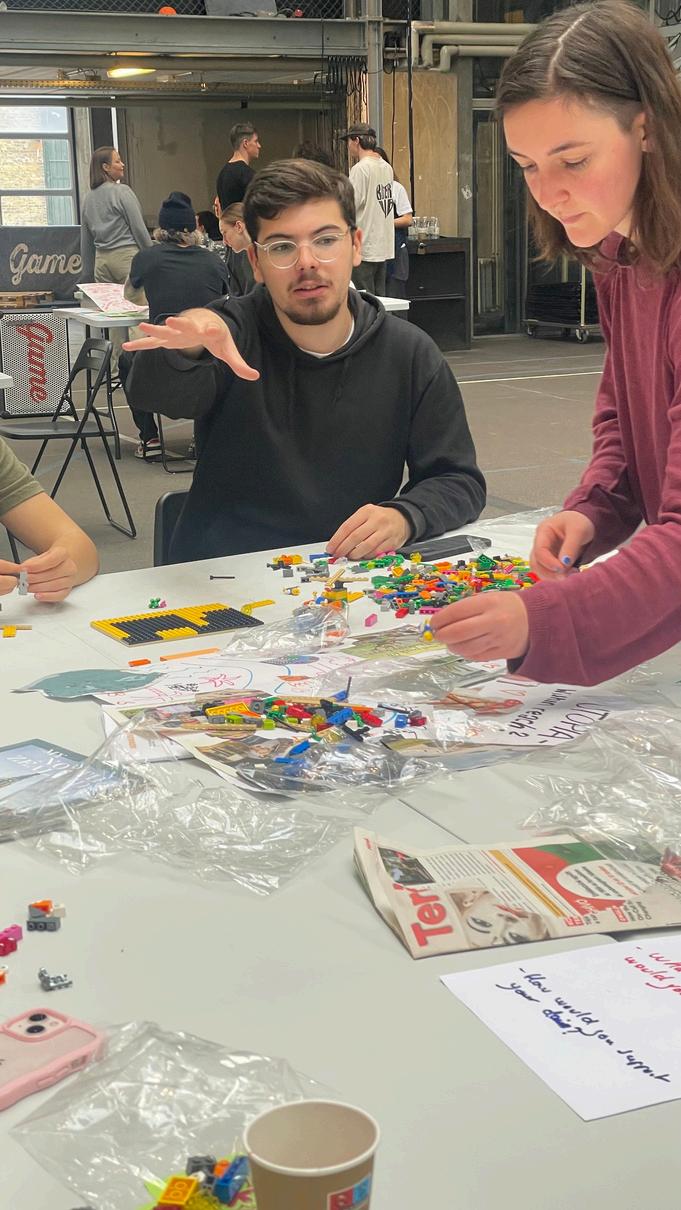
Participants returned to mixed groups for the last workshop of the day Using LEGO bricks, they were asked to develop actionable climate initiatives through a fast-paced design sprint. Each prototype reflected creativity, -somewhatfeasibility, and strong local potential.
The LEGO structures actually represented the claims pushed by the Youth through the Move Congress 2025 and the Youth Gathering Workshop. They demonstrated the ability to create local activities based on a free, democratic and inclusive accessibility to sport facilities such as open gyms.
Some groups also presented solutions directly embedded in smart cities models, with facilities powered by sustainable energy and free transportation or sustainable one bringing people on and off the different locations. It was also interesting to observe that few groups also included the use of waterstreams within cities in order to favour smart and sustainable transportation mode (like paddling in Strasbourg, France or kayaking and rowing in Sevilla, Spain).
Many groups emphasized a strong connection between sport and nature, imagining activities that integrate physical movement with environmental awareness. The models also reflected personal expression and emotion, showing how climate action can be both creative and deeply meaningful. Overall, the workshop highlighted youth’s ability to merge innovation, environmental thinking, and emotional engagement in their visions.
Closing and next steps - 1.20 pm to 1.30 pm
Overall, the workshop day demonstrated strong engagement, meaningful youth participation, and a clear alignment with the broader objectives of empowering young people to take informed, confident action and implement projects at local level or within grassroots communities.
The workshop succeeded in creating an environment where young people could articulate aspirations, identify challenges, and begin envisioning realistic pathways for change. The interactions observed indicate that youth are ready to take on leadership roles when provided with structured spaces, guidance, and opportunities to co-create solutions. Insights generated during the sessions will contribute to the ongoing work of shaping youth-driven climate narratives and supporting the development of actionable, replicable local initiatives.
In summary, the day provided valuable evidence that combining structured facilitation with creative and participatory methods is effective in mobilising young people around climate action. The reflections, prototypes, and collective outputs produced during the workshop form a solid foundation for future steps within the program and offer relevant material for subsequent strategic work. The momentum generated throughout the day highlights the potential for meaningful youth engagement when support, trust, and collaboration are placed at the center of the process.


GenGreenProjectisfundedbytheEuropeanUnion Viewsandopinionsexpressedare howeverthoseoftheauthor(s)onlyanddonotnecessarilyreflectthoseoftheEuropean UnionortheEuropeanEducationandCultureExecutiveAgency(EACEA).Neitherthe EuropeanUnionnorEACEAcanbeheldresponsibleforthem.