BUSINESS OF IRISH SME s
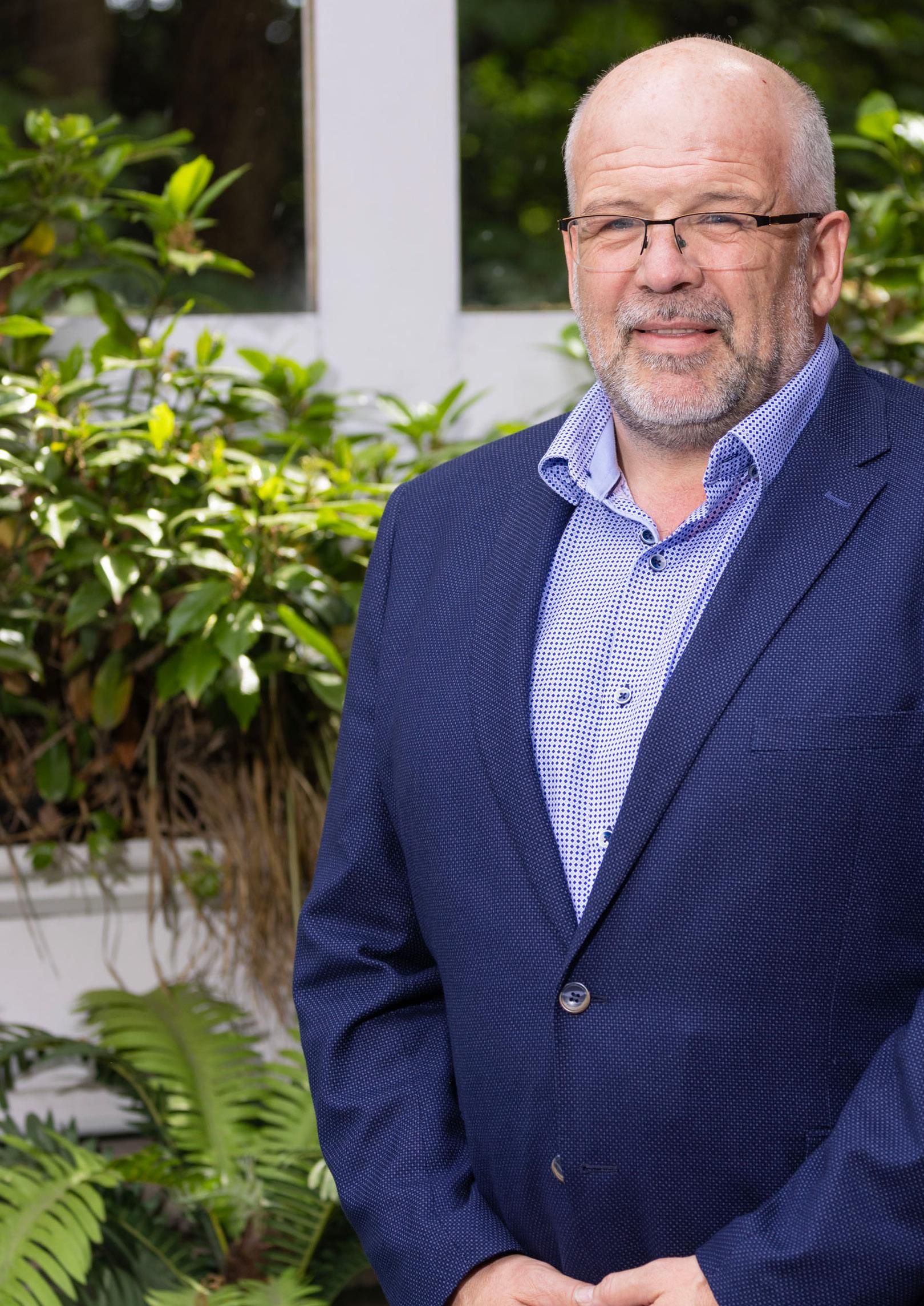
An interview with Finbarr Filan
Learning Focus
The Power of Mentoring for Small Irish Businesses
The b Issue
Pay Transparency: What Ireland’s Legislation Means for you
The b Insight
How Companies Build Networks on LinkedIn

BUSINESS OF IRISH SME s
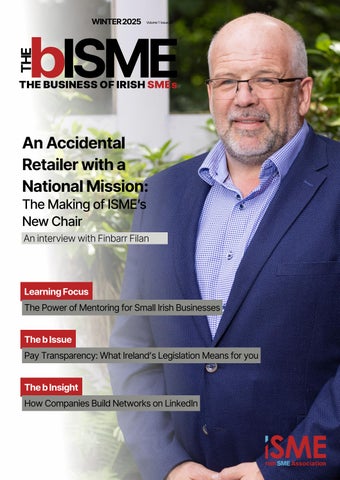
An interview with Finbarr Filan
Learning Focus
The Power of Mentoring for Small Irish Businesses
The b Issue
Pay Transparency: What Ireland’s Legislation Means for you
The b Insight
How Companies Build Networks on LinkedIn
Having difficulty getting a new business loan or restructuring your existing debt with your bank? Established by the Minister for Finance, Credit Review is here to help.
Talk to the credit experts today on 0818 211 789 or visit creditreview.ie
17 Kildare Street, Dublin 2, Ireland.
Phone : (01) 662 2755
E-mail: info@isme.ie
Web: isme.ie
Published by iSME
Editorial: gopika@isme.ie
Design: whooleyciara@gmail.com
Advertising: marketing@isme.ie
every precaution
been
4. A Message from the Chief Executive: ISME CEO Neil McDonnell discusses rising costs, new obligations and uncertainty
6. The b News: News and updates for business
10.Theb Interview: ThebISMEchatto ISMEChairFinbarr Filanabouthis pathtobusiness success
14.HRFocus: Employment Permits: MinimumAnnual Remuneration
16.ThebIssue: WhatIreland’spay transparency legislationmeans foremployersand employees
18.Business Focus: Insolvency supervision and director accountability
20. The b Insight: How companies build networks on LinkedIn
22. Learning Focus: The power of mentoring for SMEs
24. Member Focus: Sustainable Business Network
26. Heath & Safety Focus: Support the safe use of chemicals in the workplace
29. Markting Focus:
Building Ireland’s digital future with apprenticeships
30. Another Side of...
The bISME talks to ISME Staff Member Sarah Montayne about her interests and hobbies.
Despite a great deal of lobbying on the issue by ISME, the National Training Fund (Amendment) Act 2025 was signed into law on 23rd December. Our task this year is to ensure that damage to employee training is minimised, and that as far as possible, spending can remain consistent with the purposes of the original act in 2000. This is employers’ money, and it should be spent on the training of their employees in work, close to work, or on apprenticeships.
The long-promised portal for auto-enrolment for employers went live on 1st December. You can access the employer portal HERE. So far, we have not heard any bad reports, but leaving this until the last pay period for monthly-paid employees was far too late. We have yet to hear of bugs, glitches or problems, and it is unlikely that this will be perfect first time out. We would be obliged if you would let us know of any problems that occur for you.
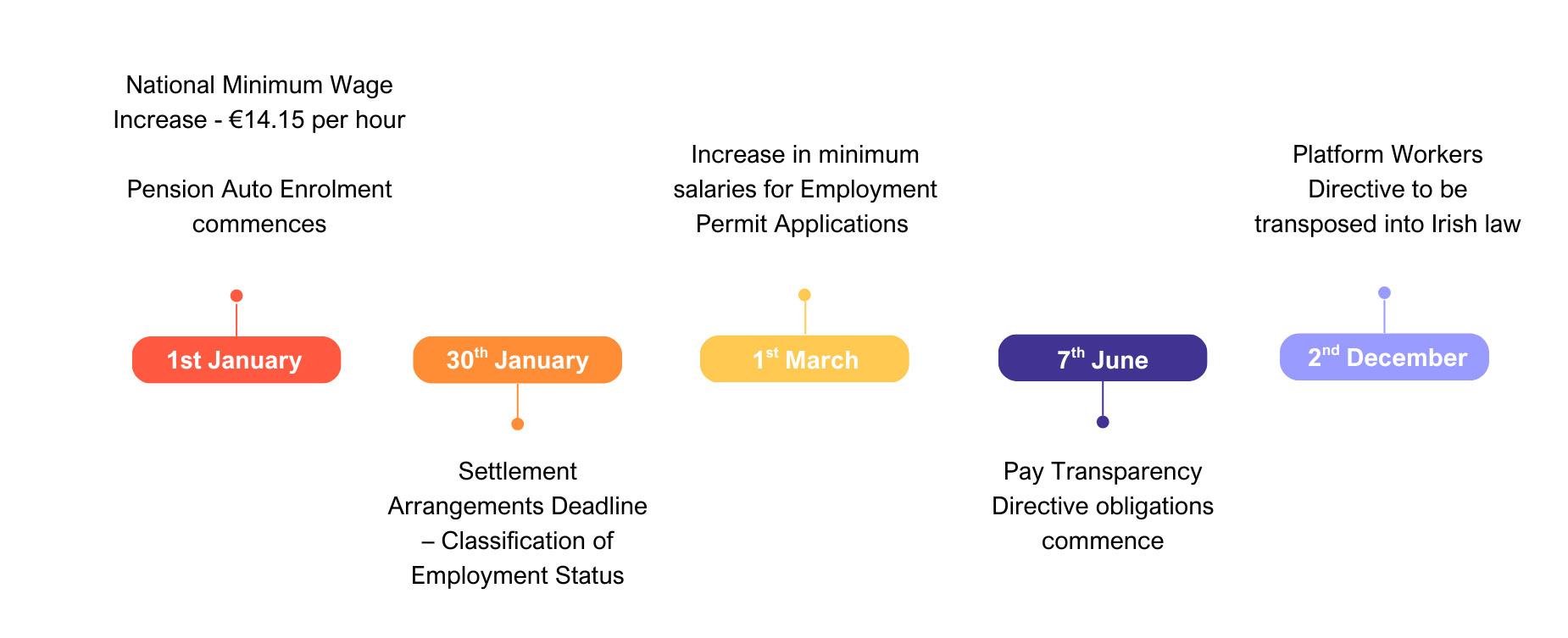
We are conscious that for many employers, especially in the services sectors, payroll cost will incur a significant increase in Q1 with the minimum wage increasing to €14.15 from 1st January, and autoenrolment of 1.5% of salary also kicking in from that date. We know many of you will be forced to cover this additional cost by decreasing hours, limiting overtime, increasing prices, or with other measures. Let us know what is happening in your business- it is important for us in our feedback to the Department of Enterprise.
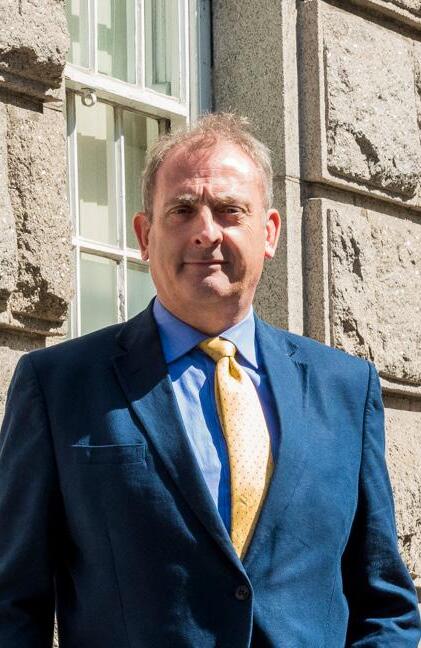
Neil McDonnell, Chief Executive, ISME
However, in a VERY late development for employers, Minister Calleary signed SI 668/2025 into law on 22nd December. This requires that where the employer is providing a PRSA alternative to an employee, the gross contribution (i.e. employer and employee) must be 3.5%, of which a minimum of 1.5% must come from the employer. I am aware many employers will not have had the opportunity to agree how this will be done with their workforces at such short notice, but it has to be done now.
Already in 2026, there is a great deal of economic uncertainty, not helped by the wider global political situation. We in ISME wish you the very best in your New Year’s trading.
Neil McDonnell ISME CEO
Finding the right government support for your business has never been easier. The National Enterprise Hub is the single source of information on over 250 government supports. Whether you’re looking for grants, training or advice, you’ll find it all in one place. The National Enterprise Hub Support starts here
To find out more, visit neh.gov.ie


Hospitality Expo 2026
RDS, Dublin
10th–11th February
Register here
Women in Tech Dublin - OutGeekWomen
eBay Offices Dublin
26th February
Register here
BPFI National Payments Conference
The Convention Centre Dublin
5th March
Register here
Innovators Festival
The Foundry, Google
12th March
Register here
Business Post Global Trade Summit 2026
Euronext Dublin
25th March
Register here
CIPD in Ireland Annual Conference
RDS, Dublin
16th April
Register here
Naas-based Trident Controls Ltd has been shortlisted for the Guaranteed Irish House Supply Chain Award 2026, a significant recognition for the company as it continues to champion Irish enterprise, innovation, and sustainability.
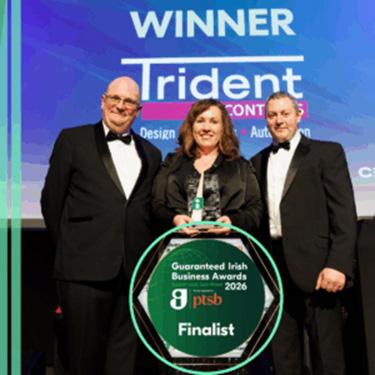
Now in its fifth year, the Guaranteed Irish Business Awards celebrate businesses that support jobs, communities, and local provenance across Ireland. Trident Controls is no stranger to the spotlight, having previously won the Construction and Engineering Award in 2024, and this latest shortlisting further cements its position as a leader in its field.
The awards ceremony will take place on Thursday, 5th March 2026, at the Dublin Royal Convention Centre, marking the start of the Irish business awards season with a high-profile gala hosted by Marty Whelan.
Speaking on the announcement, Lorraine McNamara, Business Manager at Trident Controls, highlighted how the nomination reflects the company’s strong alignment with Guaranteed Irish values, including positivity, quality of life, enterprise, and inclusivity. Through its work with Irish companies, Trident Controls delivers innovative control panels, energy monitoring, and sustainability solutions that support a resilient and future-focused supply chain.
As business costs continue to rise and income for so many at the moment has been challenged, we want you to take ADVANTAGE of your ISME Membership to reduce your costs and add value to your business through the buying power of ISME.
We have negotiated preferential rates, added services and access to selected companies across a range of industries for our members. Browse the listing here to make savings of up to 50%. To access these offers, Members need to log into isme.ie via the Members Area.



An Post has announced changes to stamp prices from Tuesday, 3rd February 2026, citing falling letter volumes and rising operating costs across fixed national delivery networks. The national stamp will increase by 20c to €1.85, remaining below the EU and UK average for domestic next-day delivery.
New international rates will also be introduced, with a €3.50 stamp for Europe (including Britain) and a €3.95 Rest of World rate, reflecting a 38% decline in international letter volumes over the past three years. An Post said the changes are necessary to ensure the sustainability of nationwide letter services.
Despite the increases, An Post confirmed that free post to nursing and care homes will continue, all existing N and W stamps will remain valid, and prices remain broadly in line with European averages. This price increase also ensures An Post’s commitment to sustainability. The company also highlighted its commitment to sustainability, having achieved a 50% reduction in carbon emissions ahead of target, with more than half of its delivery fleet now electric and all urban deliveries operating emissionfree, while continuing to invest in staffing, infrastructure, and the national letters network
Full details are available at: www.anpost. com/rates2026
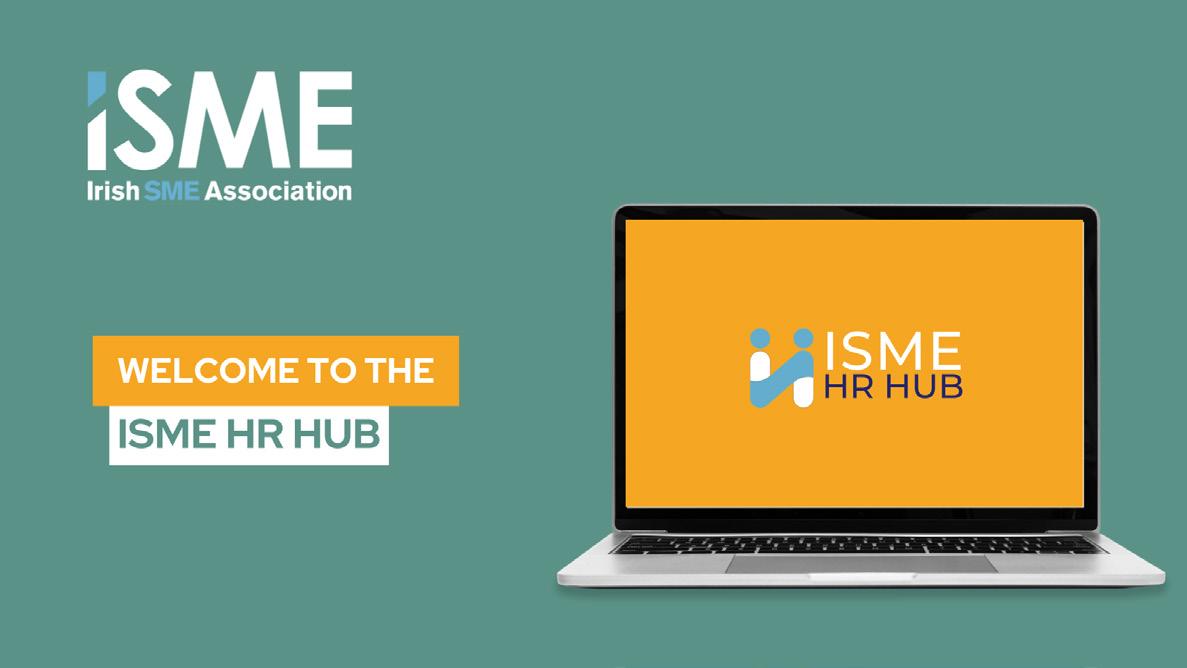
The ISME HR Hub has been developed to support Members in navigating the evolving landscape of HR and employment law. The portal provides easy access to a wide range of practical resources, including guides, templates, contracts, policies, and tools to help you effectively manage HR within your business.
Resources within the portal is curated around the HR Life Cycle — from Attraction and Recruitment through Onboarding, Policies & Training, Performance Management, and Exit — ensuring you can quickly find relevant support at every stage. Members can also access information from government agencies and trusted third parties via the General Information & Resources section, along with popular downloads and a curated selection of HR-focused blogs including Pension AE FAQs, Statutory Sick Pay FAQs and EU Directive on Transparent and Predictable Working Conditions.
To find out how it works and looks, click on the video about the portal here. Access to the Hub is available by logging into the Members Area via the button at the top left of the ISME website.
Put your brand in front of over 15,000 Irish SMEs and key business leaders through The bISME — the official business magazine of ISME, Ireland’s leading independent association for small and medium enterprises. The bISME combines high-value editorial with trusted insights across sectors like retail, manufacturing, services, construction, transport and more — and every issue is emailed directly to business owners and promoted online
Download the spec here or email marketing@isme.ie for more information
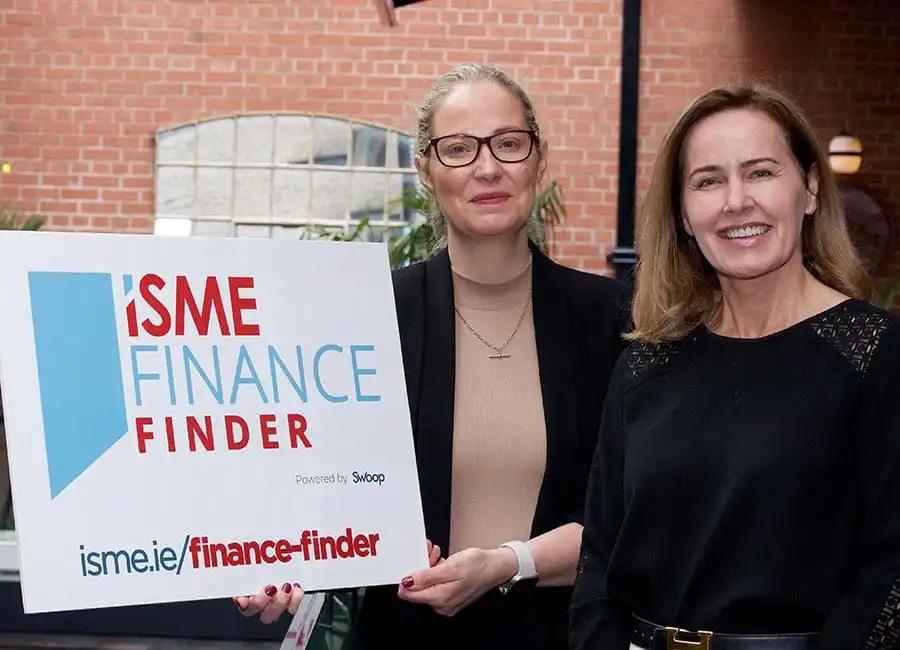
The ISME Finance Finder, developed in partnership with Swoop Funding, is an online platform designed to streamline access to finance for Irish SMEs. It offers a centralized solution for businesses seeking funding options to start, expand, improve cash flow, refinance debt, acquire assets, or invest in new markets.
Key features include:
• Comprehensive Funding Options: Access to loans, equity, grants, and asset finance tailored to various business needs.
• Expert Guidance: Support from a team of funding specialists to assist with queries and application processes.
• Application Tools: Provision of templates and resources to facilitate funding applications.
• Dedicated Support: Availability of a hotline and email support five days a week for funding-related inquiries.
• Regular Updates: Finance updates and alerts to keep businesses informed of new opportunities
Additionally, businesses can avail of a complimentary 30-minute one-on-one consultation with Swoop’s funding experts, offering confidential and obligationfree advice.
For more information or to begin your funding journey, visit the ISME Finance Finder.
The National Enterprise Hub is the single source of information on over 250 Government supports for business. This free service simplifies the process for businesses to access and avail of grants, funding, mentoring and expert advice across a range of sectors.
The National Enterprise Hub works with a network of 32 state agencies, business and industry representative groups including Enterprise Ireland, the Local Enterprise Office network, IDA Ireland, Bord Bia, Fáilte Ireland, the Sustainable Energy Authority of Ireland, Teagasc, the Design Crafts Council of Ireland, InterTrade Ireland, Skillnet Ireland and further education body Solas, amongst others.
Since its launch last year, the hub has supported over 9,000 businesses to address concerns such as rising costs, and competitiveness. From micro-businesses with a handful of employees to larger enterprises looking to expand, the National Enterprise Hub can help you find the support to reach your business goals.
Visit neh.gov.ie – or call 01 727 2100 to discuss potential support options with specialist advisors.
The National Enterprise Hub is an initiative of the Department of Enterprise, Tourism and Employment, and Enterprise Ireland.
Research from HRLocker reveals that three-quarters of Irish SMEs believe they would fail an unannounced Workplace Relations Commission (WRC) inspection, highlighting a widespread confidence gap. The Irish SME HR Report, based on a survey of 400 organisations with 20–249 employees, spotlights significant documentation gaps, slow response times, and limited inspection rehearsal as key drivers of this uncertainty.
Findings indicate that many SMEs are missing the statutory records required during an inspection. Around half report incomplete or outdated employee contracts and terms (54%), disciplinary and grievance records (49%), and employee handbooks or policies (45%). Even in stronger areas such as training logs (30%) and working time records (27%), gaps remain for more than a quarter..
Read more here.

At LIA, we empower our members with the knowledge and skills to deliver the best financial advice - guiding clients toward true financial wellbeing.
We’re proud to continue to elevate the standard of financial advice in Ireland through our evolving education programmes , expert thought leadership , and a membership experience built on exceptional service and support.
Contact us today to find out how we can support you!
Email - education@lia.ie Phone - 01 456 3890.
b Interview
An Interview with Finbarr Filan

Talk us through your career(s) and what has led you to this point?
I grew up living over our family business in Sligo. My parents moved to Sligo in 1966 and took over a diner and takeaway business. I am the eldest of seven children, all of whom were raised while my parents ran the business. Like most SME families, we all worked in the business growing up. The 1970s and 1980s were tough decades to be in business, and by the time I reached my Leaving Certificate, I knew I didn’t want to continue in the family business.
By chance, at a career guidance night, I heard about Manufacturing Engineering. I was immediately drawn to the mix of business and engineering subjects within the course. I went on to qualify with a first-class honours degree from Galway RTC, which is now part of ATU. Following my studies, I worked in a range of engineering and production management roles with companies including Abbott, Boston Scientific, Adam Spence and Steifel.
In 2004, I was offered the role of Director of Stent Manufacturing for a US multinational based in Belgium. At the same time, my brother Shane and I had established a building company, Shafin. Faced with a major decision, I chose to stay in Ireland.
By 2009, we had completed a housing development of 49 homes and secured planning permission for two nursing homes and three mixed-use neighbourhood centres in Sligo. Like many others, however, we fell victim to the economic crash. Eventually, all of our building companies went into liquidation, and both Shane and I were declared bankrupt.
My parents had retired in 2002 and rented out their building. In 2010, due to crash-related circumstances, an opportunity arose for me to take over the convenience store business operating from that premises.
I often joke that this is how I became an accidental retailer.
By 2017, working closely with the team in the store and with Musgrave, we had transformed the business from an underperforming store into the Supreme Champion Convenience Store in Ireland, as well as being named Centra Store of the Year. We are now 15 years in business, and I have to say that every year it is becoming harder to survive.
After spending a long time working for other people, it was quite refreshing to work for myself and to have the autonomy to make decisions about how I want to drive my business forward. I would find it very hard now to go back to working for someone else after being selfemployed for so long. That, for me, is one of the real positives of being an SME owner — you make your own decisions and, ultimately, you shape your own future. Of course, that freedom also comes with risk.
In my current role with ISME, I particularly enjoy being able to bring together the learnings from the last 15 years of working for myself — the issues I faced, the challenges I encountered, and the uphill battle it has become to be an SME in Ireland today. Being able to share those experiences with a group of people who come from the same background, who give their time freely and volunteer to improve the prospects of SMEs in Ireland, is incredibly rewarding.
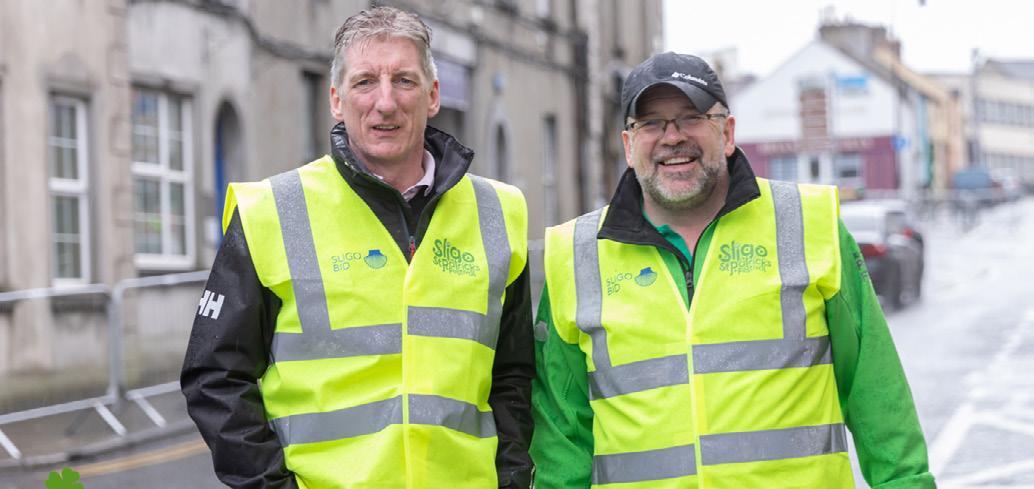
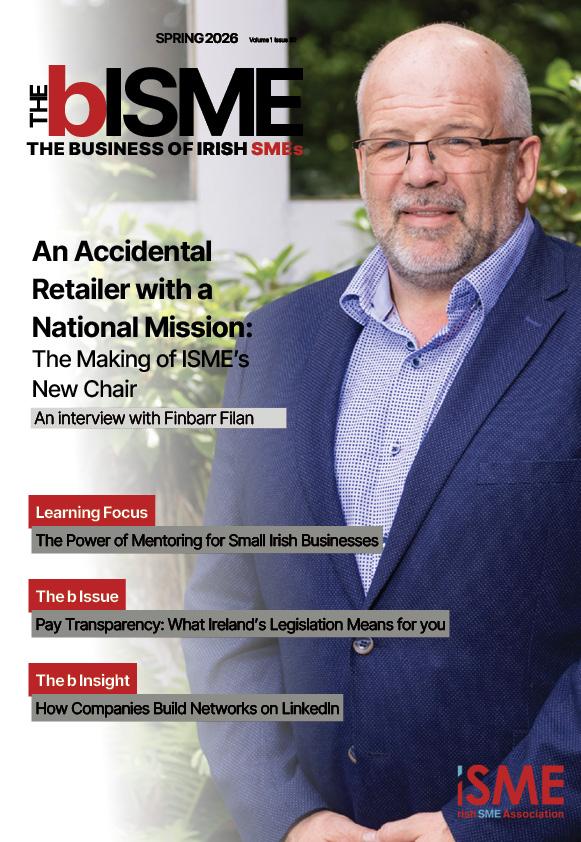
You’ve played a major role in Sligo’s town-centre revitalisation efforts, from the BID to the Purple Flag initiative. Looking back, what stands out as the most transformative moment for Sligo — and what lessons can others learn from that journey?
The most transformative moment for Sligo came when we realised that we were stronger together than we were individually.
The formation of Sligo BID was pivotal. It brought the entire business community together, with businesses
working collectively for the greater good of Sligo. The shared aim was to make the town a more vibrant and thriving centre — a place where businesses could succeed and where people wanted to spend time.
The lesson from that journey is a simple but powerful one: united, we have strength; divided, we don’t. Business communities need to come together under one strong banner to face and challenge the headwinds coming towards them
“ The lesson from that journey is a simple but powerful one: united, we have strength; divided, we don’t ”
What plans and opportunities do you see for your businesses over the next few years?
Given the current instability across the world, it’s very difficult to plan more than a few months ahead. That said, we all have a responsibility to consider what will be best for our businesses in the long term.
I’m a third-generation business owner, and I would dearly love to pass the business on to one of my children. However, I’m becoming increasingly unique within the convenience sector as a single-store owner. That means I need to make some important decisions soon — particularly around whether acquiring a second store would make the business stronger and more viable if one of my children wanted to take it on.
Every business will have different opportunities, but for me, given my age profile, I have to think about the future. My business is my pension. Ideally, I would like to pass it on to one of my children so that I can secure my pension while also providing them with a livelihood.
As ISME’s newly elected Chair, can you tell us a bit about your vision for guiding ISME over the next two years and why do you think the work ISME does is so important for Irish SMEs?
I see ISME as a national version of what we’ve built in Sligo and Sligo Bay.
Business owners are incredibly busy running their operations and dealing with the constant headwinds of rising costs and increasing complexity in Ireland. Because of that, we often don’t have the time or space to step back and fully understand the broader issues facing us.
That’s where ISME plays a critical role. We need a strong, professional body that is working on behalf
of SMEs — analysing the challenges, engaging with policymakers, and advocating for a better business environment. ISME’s work allows businesses to focus on surviving and thriving, knowing that someone is representing their interests at a national level.
From your experience, what are the major business challenges you have overcome?
One of the biggest challenges I’ve faced was bankruptcy and having to start again.
While the bankruptcy process technically allows you to restart, the reality is that it is extremely difficult to rebuild in Ireland once you’ve been bankrupt — particularly when it comes to accessing banking and financial support. It takes a significant amount of time and resilience.
Thankfully, I am now through that process and moving forward. However, this is an area that needs serious attention. We need a fairer system that genuinely allows people the opportunity to get back into business and contribute again.
Juggling ISME leadership, retail management, and civic roles sounds like a full plate. How do you personally manage the competing demands on your time and energy?
I’m blessed with a lot of energy — and I have my mother to thank for that. More importantly, I genuinely love what I do. In my own business, I’m extremely fortunate to have a fantastic team, which allows me to step away when needed to focus on other commitments.
The civic work I do in Sligo is all about making it the best small town in Ireland. Seeing the town win awards such as Cleanest Town in Ireland, achieving gold medals in the Tidy Towns competition, or hosting parades attended by 20,000 people makes it incredibly rewarding.
My work with ISME also has a dual purpose. I enjoy the challenge and responsibility, but everything I do through ISME ultimately helps make it easier for my own business — and every other business in Ireland — to survive.
Do you have a business mentor? What advice would you impart to an SME business?
I don’t have a formal business mentor, but I was very fortunate early in my career to work with some exceptional people.
The most important lesson they taught me was not to be afraid — particularly when it comes to decision-making. Many people struggle because they take too long to make decisions, and by the time they do, the opportunity has often passed.
I often credit my very first boss at Abbott in Donegal, Pascal Maher, who threw me in at the deep end. He taught me how to make decisions — a crucial skill for any business owner. You have to make decisions, trust that they are the right ones, and make them in a timely manner.
Passion, planning and people are the three ‘Ps’ that many business owners attribute their success to. Would you agree with this mantra or would you prioritise them differently?
I agree with the concept, but I would change the order.
For me, people come first, planning comes second, and passion comes third. Without our people, we have nothing. Once we have the right people, we need strong planning. Passion adds the spark that drives a business forward, but without people and planning, passion alone won’t keep a business alive.
And finally, when you do get rare downtime away from ISME and the shop, what’s your go-to way to relax or recharge?
I go for a run — or what I’d now call fast jogging.
There’s nothing better than heading over to Doorly Park in Sligo, putting on my headphones, listening to a podcast, and getting out for a run. It clears the head completely, and I really enjoy it.

A new roadmap has been published which outlines a gradual approach to increasing minimum salary thresholds across all employment permit types, while removing very low thresholds on a phased basis for certain roles in the agri-food and healthcare sectors. This new roadmap ensures that Ireland remains competitive, protects migrant workers, and supports businesses in a challenging economic environment nationally, regionally and globally.
This new roadmap follows a review of the 2023 plan to raise salary thresholds over two years, and follows extensive stakeholder consultation with employers, employee advocacy groups and relevant government departments.
Minimum Annual Remuneration (MAR) ensures that employees coming to Ireland on employment permits are offered reasonable compensation, reflecting their skill level and the type of work they will be doing, and ensuring they are paid at least a basic level that is in line with Irish labour standards
However, in order to ensure balance between worker rights and business sustainability, instead of completing the remuneration increases by 2026, the new plan introduces a gradual implementation through to 2030.
The first increase will take effect on 1 March 2026, with further adjustments phased in through 2030.
There are additional changes to MAR thresholds, outside of the current Roadmap, that will be implemented to ensure that the permit system facilitates the attraction of highly skilled workers.
These additional provisions are as follows:
• A lower General Employment Permit salary threshold will be implemented for recent nonEEA graduates from Irish third level institutions, who have graduated in the previous 12 months
• A lower Critical Skills Employment Permit salary threshold will be implemented for recent non EEA graduates with a relevant degree, who have graduated in the previous 12 months
• Critical Skills roles, that are subject to the public sector pay deal, will be exempted from the minimum salary requirements for Critical Skills Employment Permits.
These measures are intended to ensure that Ireland can both retain and attract highly skilled workers early in their careers.
The first increase will take effect on 1 March 2026, with further adjustments phased in through 2030.

The Programme for Government 2025 sets an ambitious goal of creating 300,000 new jobs in the State by 2030. This is in the context of an aging population, declining birth rate, full employment, a limited pool for domestic labour market activation, and competition for in-demand skills across the European Union. Accordingly, the recruitment of non-EEA workers through the employment permit system will play an integral role in achieving this target.
With the exception of the COVID-19 related slowdown in 2020, demand for employment permits has been increasing steadily over the last decade.
In conjunction with this, the skillsets and types of roles recruited via the permit system have changed and evolved over recent years. There are more midskilled roles now eligible for employment permits and the median salary a permit holder now receives is lower than a decade ago.
It is increasingly important to ensure that these altered conditions do not negatively impact on the working conditions or quality of life for these workers, that they align with the principles underpinning economic migration, and facilitate the growth, development, and sustainability of
The Minimum Annual Remuneration (MAR) is the lowest salary for which an employment permit can be issued. The MAR threshold for a role is applied at the point of application, either for a new permit or the renewal of an existing one. It is important to highlight that MAR thresholds have always been set in excess of the national minimum wage (NMW) in order to achieve the following economic migration policy objectives:
• Employment permit holders should be net contributors to the Irish economy and as such should have the financial capacity to support a decent quality of life for themselves and, where appropriate, their immediate families, without undue recourse to State resources.
• To mitigate any disruption or displacement to the domestic labour market, including potential wage suppression.
• To mitigate the risk of the employment permit system being used as an alternative to improving pay and conditions, innovation and upskilling.

In June 2023 the European Union adopted the Pay Transparency Directive, formally known as Directive (EU) 2023/970, with the aim of strengthening equal pay for equal work (and work of equal value) between men and women across member states. Ireland has until 7 June 2026 to transpose the Directive into national law.
Existing Irish framework
Ireland already has the Gender Pay Gap Information Act 2021, under which employers with 50 or more employees are required to publish information on gender pay gaps — such as mean and median hourly pay differences, bonus gap, and measures being taken to reduce the gap. However, the Directive imposes more extensive obligations, so Irish Employers must now extend and adapt its existing regime.
Key provisions of the Directive and what they mean for Ireland - The Directive introduces multiple significant obligations:
• Transparency in recruitment: Employers will be required to provide the initial pay level or at least a pay range in job advertisements or before the interview stage. Also, employers will not be allowed to ask job applicants about their current or past remuneration.
• Workers’ right to pay information: Employees will have a right to request information about their individual pay level and the average pay levels for employees of the opposite gender doing the same work or work of equal value — broken down by gender. Employers with more than 50 employees must make their Gender Pay Reporting accessible to employees including the criteria used to determine pay and pay progression. This information should be provided in writing, and within two months of request.

• Gender pay gap reporting by category of worker: The Directive requires employers to publish gender pay gap information broken down by “categories of workers” (i.e., workers doing the same or equivalent work) and includes both basic pay and variable components.
• Joint pay assessment and remediation: Where a gender pay gap of at least 5 % is identified in a category of workers, and that gap is not justified by objective, gender-neutral factors or remedied within six months, the employer must carry out a joint pay assessment in cooperation with worker representatives.
• Prohibition on pay secrecy clauses: Employers will no longer be permitted to enforce contractual clauses that prohibit employees from discussing their pay for the purpose of claiming equal pay.
• Shift in the burden of proof: For certain cases of pay discrimination, the burden of proof will shift from the employee to the employer — meaning

the employer must demonstrate there was no direct or indirect discrimination in pay when certain transparency obligations have not been met.
• Penalties: Member states must establish effective, proportionate and dissuasive penalties (including fines and compensation) for non-compliance.
Steps for Irish employers and next legislative developments
Ireland published the General Scheme of the Equality (Miscellaneous Provisions) Bill 2024 in January 2025, which proposes to transpose some parts of the Directive, particularly the pay transparency prior to employment (information about pay ranges and prohibition on salary history questions). Meanwhile, the Government’s legislative programme for Spring and Summer 2025 indicates preparation of a dedicated Pay Transparency Bill to complete full transposition.
Employers are encouraged to act now: review pay structures, job adverts, remove salary history questions, prepare systems to capture pay data and ensure objective, gender-neutral pay criteria.
The Directive and its Irish implementation mark a landmark shift: more empowered employees, greater transparency in pay practices, and heavier responsibilities on employers.
For employees, it means greater visibility into pay norms and stronger means to challenge unjustified disparities.
For employers in Ireland, compliance will require robust systems, clear pay governance, and early preparation. With the 2026 deadline looming, coming into alignment now will help avoid significant legal, reputational and financial risks.
In short, Ireland’s journey to full pay transparency is well underway — and will reshape how pay, equality and fairness are handled in Irish workplaces. This is an evolving topic as it moves from a Directive to Legislation. We will continue to engage with members in advance of 6th June 2026, sharing information and updates as they come available.
If perhaps you require any HR assistance for your business don’t hesitate to contact the HR Team via HR@ISME.ie , or alternatively phone 01 6622755 Option 2.

by Cathy Shivnan
Business failure is an inevitable aspect of economic life. The principle of limited liability encourages and facilitates entrepreneurship, investment and job creation, and offers protection to those who take commercial risks. To prevent abuse of this significant privilege, the Companies Act 2014 provides robust mechanisms to sanction company directors whose conduct falls short of the required standards. The Insolvency Supervision Directorate of the Corporate Enforcement Authority (CEA) operates three principal avenues of enforcement: supervision of liquidators’ compliance with statutory obligations, ensuring the accountability of individual company directors, and taking action against directors who allow insolvent companies to be struck off the Register.

Every liquidator appointed to an insolvent company must submit reports to the CEA under section 682 of the Companies Act 2014. Those reports are required to outline the circumstances of the company’s insolvency and liquidators are required to assess whether directors acted honestly and responsibly in the discharge of their duties. Unless directors can demonstrate honest
and responsible conduct, liquidators are obliged to seek their restriction for a mandatory period of five years. The CEA reviews each report and determines whether relief from this obligation should be granted to the liquidator. Where relief is refused, liquidators must initiate High Court proceedings against the relevant directors within two months. Compliance with these statutory obligations is closely monitored and, where necessary, legal action is taken against liquidators who fail to file reports, or to take steps to have directors restricted within the required timeframes.
Restriction prevents a person from acting as a director of a company unless the company meets certain minimum capitalisation requirements (i.e., €100,000 for private companies and €500,000 for public limited companies). This is a measure designed to protect creditors and the wider public. For more serious misconduct, the sanction of disqualification is provided for, which prohibits individuals from being concerned in the formation or management of any company, including acting as directors or holding other roles such as auditor, process advisor, examiner, receiver or liquidator to a company. To streamline enforcement and reduce costs, the CEA operates a statutorily based undertakings regime, allowing directors to accept the sanction of restriction or disqualification without having to defend proceedings brought against them in the High Court. Acceptance of an undertaking is completely voluntary and an undertaking, once accepted, has the same legal effect as a court Order. The undertakings regime therefore has the effect of reducing directors’ costs as well as freeing up valuable court time.
In 2024, the CEA offered 109 restriction undertakings, with an 81% acceptance rate, and 25 disqualification undertakings, 56% of which were accepted. Where an individual declines to accept an undertaking (as is their right), the CEA will direct the liquidator to proceed with a High Court application for restriction or, alternatively,

disqualification if the liquidator has formed the view that the latter is more appropriate having regard to the underlying facts and circumstances. This resulted in 10 additional restrictions and 6 disqualifications by court Order in 2024.
In 2024, 984 liquidators’ reports were received by the CEA, a 23% increase from the previous year and the highest number received since 2016. This increase reflects the unwinding of pandemic era supports, such as the Revenue Commissioners’ Debt Warehousing Scheme, and rising input costs. Sectors most affected included hospitality (21%), wholesale and retail (18%), and construction (13%). The CEA’s assessment of these reports led to 98 director restrictions (covering 88 individuals) and 20 disqualifications. This represents a 44% increase in restrictions and a 43% increase in disqualifications compared to 2023.
When a company becomes insolvent, i.e. is unable to pay its debts as they fall due, the appropriate course of action is to liquidate the company, thereby winding it up in an orderly manner. However, directors sometimes seek to evade this responsibility by abandoning the company. This typically results in the company being struck off the Register of Companies for failing to file returns with the Companies Registration Office. In the absence of enforcement action, the failure to appoint a liquidator enables directors to avoid scrutiny by a liquidator and the restriction process, as well as the potential sanction of restriction.
The CEA actively enforces against this practice, profiling the directors of companies with significant liabilities which have been involuntarily struck off the Register. Directors of such companies may face disqualification for up to five years unless they restore the company to the Register. A disqualification undertaking will be offered initially, with an application to the High Court to follow should the director(s) refuse to accept. While enforcement in this area has been limited for the last number of years due to the suspension of the Companies Registration Office strike-off programme, this line of enforcement activity will rise once the programme resumes fully in 2026.
The CEA monitors the quality and timeliness of liquidators’ reports. Compliance rates improved in 2024 to 92% for first reports and 90% for subsequent reports, following targeted reminders and enforcement notices. Liquidators who fail to comply with the requirement to submit reports in the prescribed timeframe may face High Court proceedings brought by the CEA to compel compliance and may have orders for the costs of such proceedings made against them personally. Persistent non-compliance may result in the escalation of enforcement measures, such as disqualification or criminal prosecution.
Through these measures, the CEA ensures that directors who mismanage companies cannot simply walk away, and that liquidators uphold their statutory obligations. This work protects creditors, employees, and the wider economy, reinforcing confidence in Ireland’s corporate governance framework, even in times of financial distress.

For Irish SMEs, LinkedIn has become a powerful platform for building visibility, relationships and opportunity. In 2026, it is where real business networks are built, but only when companies move beyond posting content and focus on connection, consistency and conversation across both company pages and personal profiles.
Your company page should act as the strategic home of your brand on LinkedIn. This means:
• A clear positioning statement in the headline and About section
• Content pillars aligned to business goals such as expertise culture and client outcomes
• Consistent branding tone of voice and messaging
The company page builds credibility and clarity, but it rarely builds relationships on its own.
The real network on LinkedIn lives in personal profiles. People connect with people, not logos. Employees who consistently show up with on message content become powerful brand ambassadors.
To do this well:
• Profiles must be tailored, not generic CVs
• Headlines should clearly state who you help and how
• About sections should speak directly to the audience’s challenges, not just experience
• Content should educate, share insight and reflect company and personal values consistently
When personal brands are aligned with the company message, trust compounds at scale.
LinkedIn now evaluates who is posting, as well as what is being posted. Your profile skills and past content help LinkedIn understand your area of expertise. Content that fits within this focus is more likely to be shown to the right audience, while generic or off topic posts reduce visibility. Staying focused helps the right connections find you.
Metrics such as impressions and follower growth are useful indicators, but they are not the goal. Revenue comes from inbound leads where meaningful conversations and trust is built before a sales discussion begins. A well-built LinkedIn strategy connects content directly to business outcomes.
Commenting is becoming one of the most important growth tools on LinkedIn. Insight driven comments that add value or ask good questions increase visibility far more than short replies. Strong comment threads are resurfaced for weeks and help turn connections into conversations.
LinkedIn works best when it supports a wider marketing strategy rather than acting alone. It plays an important role in building visibility, trust, and credibility, but it cannot carry the full weight of lead generation on its own. Buyers move across multiple channels before making decisions. When LinkedIn activity is built into your marketing strategy that is clearly aligned with wider business goals, it supports revenue growth by driving the right conversations, the right leads and long-term commercial outcomes.
Hanna McDonnell is a fractional CMO and marketing strategist who helps SMEs build strong networks on LinkedIn that support visibility lead generation and long-term business growth. She was awarded Networker of the Year 2024 by Network Ireland Louth and is the current President of Dundalk Chamber of Commerce.
You can connect with Hanna McDonnell on LinkedIn to learn more.
In today’s fast-changing business landscape, small Irish enterprises face both incredible opportunities and significant challenges. Whether it’s adapting to new technologies, entering global markets, or navigating funding options, the journey from startup to scaleup can feel overwhelming. One proven strategy that accelerates this journey is mentoring.
Why Mentoring Matters:
Mentoring connects business owners with experienced professionals who have walked the path before. For small businesses, this relationship offers more than advice—it provides perspective, accountability, and access to networks that can transform a company’s trajectory. Mentoring boosts survival, confidence & performance.
Here are three key reasons why mentoring is essential for Irish SMEs aiming to innovate and grow:
1. Unlocking Innovation: Innovation isn’t just about having a great idea, it’s about execution. Mentors help founders validate concepts, identify market gaps, and avoid costly mistakes. They bring insights from diverse industries and can challenge assumptions, ensuring that innovation aligns with customer needs and market trends.
2. Accelerating Growth: Scaling a business requires strategic planning—something many entrepreneurs struggle with while managing dayto-day operations. Mentors provide guidance on:
• Building sustainable business models
• Securing funding and managing cash flow
• Developing leadership skills within the team
• This support helps SMEs move from survival mode to growth mode faster and with greater confidence.

3. Expanding Networks In Ireland’s close-knit business ecosystem, relationships matter. Mentors often open doors to investors, suppliers, and potential partners. These connections can be the difference between stagnation and success, especially for companies looking to export or enter new markets.
In 2025, ISME Skillnet delivered an important strategic initiative to Irish small businesses called The ISME STAGES Mentoring Programme under a funding scheme called Pathways to Innovate – A vital support for Irish SMEs, funded by DFHERIS, via the National Training Fund and co-created by Skillnet Ireland.
The aim was to:
• Engage 60 small businesses.
• Provide 120, 6-hour one-to-one mentoring engagements.
• Address operational issues, growth and scaling ambitions.
The six strategic themes to STAGES were:
Survive: This was focussed on early-stage and startup businesses and addresses how to get a business off the ground, or out of financial trouble using the EWEMA1 framework.1
Thrive: This theme addressed those businesses that have survived start-up and were considering basic strategies to develop their product or service in a dynamic workplace.
Accelerate: Using basic strategy tools to understand and exploit the micro-external and macro-external environment of the company.
Grow : The development of organic growth via market penetration, market development, product development and diversification strategies.
Export: A key element for companies with ambition to become Enterprise Ireland clients is the ability to export. This element focussed on growth by export.
Scale: This final stage of enterprise growth went beyond the organic and considered broader strategic options such as blue-ocean strategies, exit, merger, acquisition, partnership, alliance, joint venture, and the effective evaluation of strategic options.
The programme has been a huge success given the tight delivery window (July to December). We are hoping that these successes will be recognised by the relevant government departments and agencies to continue this important piece of work into 2026 and beyond. Mentoring can be the essential ingredient to underpinning Ireland’s economy and ensuring that SMEs survive the continuous turmoil of running a successful business.
If you would like to be part of a future mentoring scheme with ISME, please email us at skillnet@isme.ie.

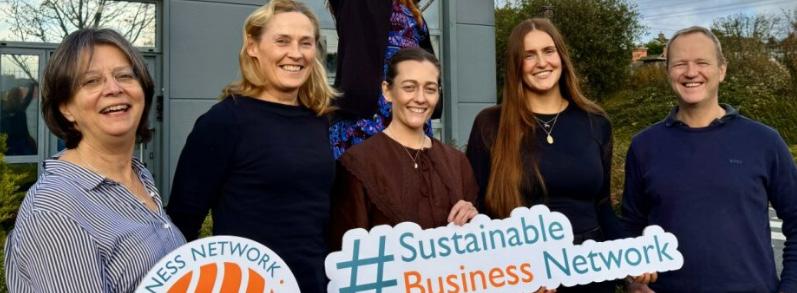
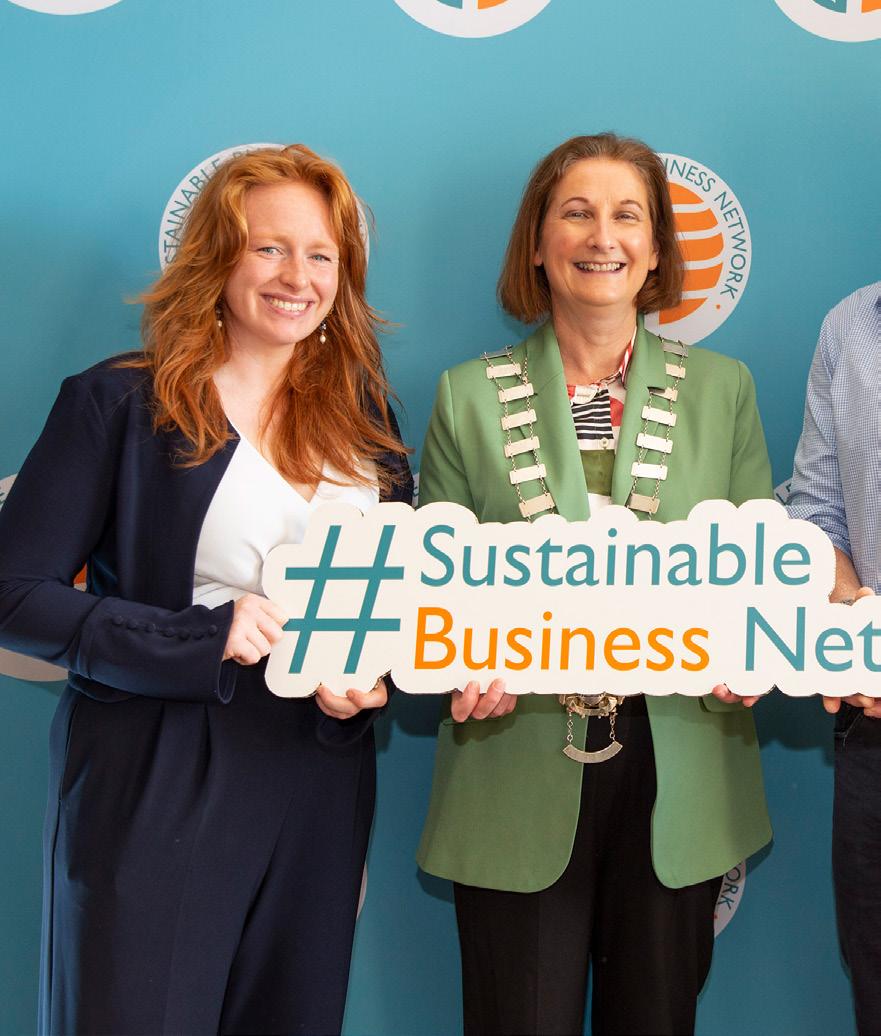
In Ireland’s rapidly evolving business landscape, sustainability has become a strategic advantage. The Sustainable Business Network (SBN) ensures that organisations of every size and sector have access to the tools, support and community needed to embed sustainability with confidence. The organisation’s vision is clear: a world where all businesses operate sustainably, contributing to a vibrant, resilient and futureready economy.
Founded with a mission to empower industry, SBN provides practical training, collaboration opportunities and handson support designed to make sustainability simple, strategic and scalable. SBN helps businesses meet the expectations of customers, employees, communities and the environment, all while strengthening competitiveness and longterm growth.
SBN has grown from a longstanding legacy of sustainability leadership in Ireland. The organisation originally emerged from one of the country’s earliest sustainability initiatives in the northwest, which helped shape national thinking around responsible business and environmental stewardship. Over time, this work expanded into a national network supporting organisations in adopting more sustainable practices.
As sustainability expectations increased across industries, the organisation evolved to meet a broader need. What began as a tourism sectorspecific initiative developed into a nationwide platform offering guidance, training and community support for businesses of all sizes. This evolution led to the creation of the Sustainable Business Network — a natural progression built on years of handson experience and a commitment to helping organisations operate more responsibly and competitively.
Today, SBN continues to build on this foundation by supporting companies across every sector in embedding sustainability into operations in a way that is practical, strategic and achievable.
In practice this means:
• Supporting organisations of any size in developing sustainability strategies that reduce emissions, save money and strengthen social impact.
• Delivering training, workshops and support that help businesses meet stakeholder expectations and regulatory requirements.
• Building a growing network of purposeled companies committed to shaping a more resilient and competitive economy.
• Expanding its offering with new training programmes, resources and tools designed to make sustainability more accessible.
• Showcasing sustainable businesses through dedicated features, social media, member spotlights and events, helping organisations gain visibility, attract new customers and demonstrate leadership within their sector.
SBN is currently inviting participation from business leaders who are navigating sustainability challenges and would like support in taking their next steps. The organisation is seeking 10 leaders from companies with10–500 employees who may be experiencing competing priorities, limited resources or gaps in internal expertise when it comes to sustainability.
Participants will take part in a short phonebased survey (15–20 minutes) and will receive a complimentary onehour online consultation focused on a sustainability challenge within their organisation.
Those interested can contact lauren@sustainablebusinessnetwork.ie.



















boost skills - boost business
Future-proof your skills with Skills to Advance Micro-Qualifications - short, targeted courses, at little or no cost, in key areas like sustainability, digital business skills, market development, and more.
Stay ahead by contacting your local Education and Training Board or visit skillstoadvance.ie.
Supported by the SOLAS Skills to Advance initiative and the Government of Ireland.



Health and Safety Focus
Dr Joan Cahil, Health and Safety Authority
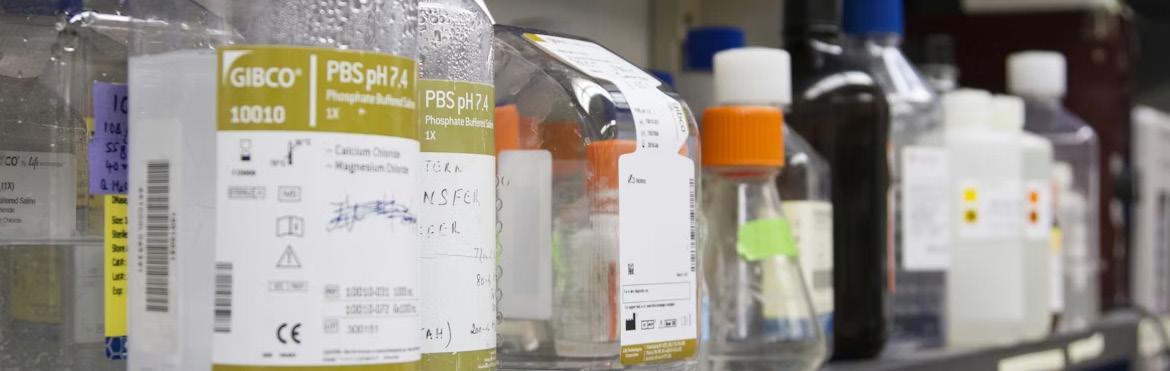
The safe use of chemicals is critically important for everyone in the workplace. Chemicals can pose a wide range of hazards if handled improperly, including fire, explosion, poisoning, or chemical burns. Improper handling can result in accidents, long-term health problems (such as respiratory issues, skin conditions, or organ damage), and may also cause environmental contamination. Ensuring proper storage, handling, training, and use of personal protective equipment helps prevent these risks and protects the health, safety, and welfare of all employees.
Chemical Agents Risk Assessment Process
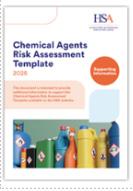
The HSA has launched three new resources to support companies when preparing chemical agents risk assessments in the workplace. This includes a template to develop a chemicals inventory, a risk assessment template (which can be customised to suit activities) and a document with supporting information.
Chemical Inventory Template
This template aims to support small and medium-sized businesses in completing a chemical inventory. Chemical Inventory Template.
Chemical Agents Risk Assessment Template
This template aims to support small and medium-sized businesses to complete chemical agents risk assessments. It is not intended for complex businesses or work activities. Chemical Agents Risk Assessment Template.
Supporting Information Document
This guidance provides further information in relation to completing the above inventory and template effectively and should be consulted before completing the chemical inventory and the chemical agents risk assessment. Chemical Agents Risk Assessment Template - Supporting Information.
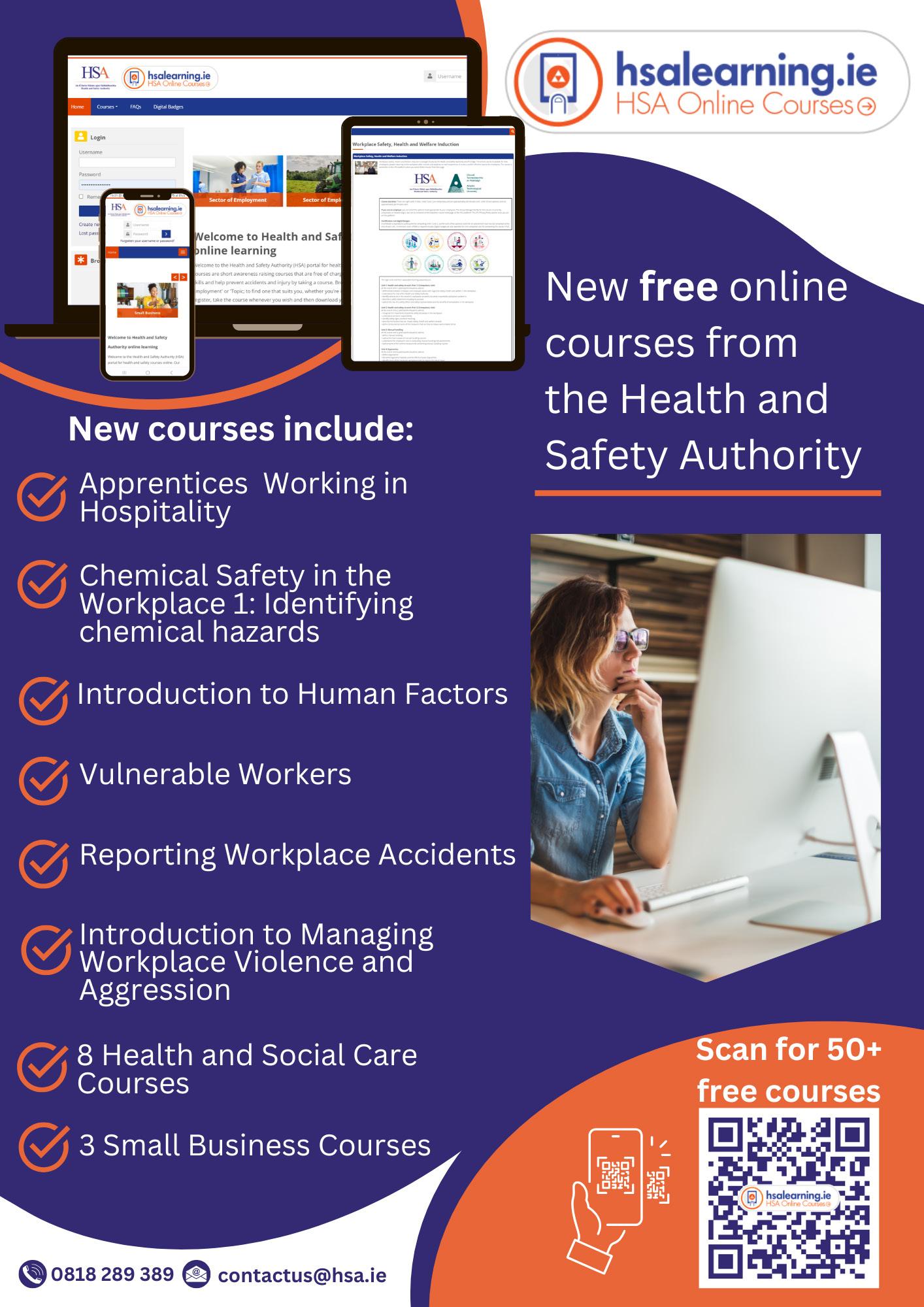
The HSA’s online learning platform hsalearning.ie offers two free online courses pertaining to Chemical Safety in the Workplace.
Chemical Safety in the Workplace 1: Identifying chemical hazards
This short course has been developed for all workers. It introduces chemical safety in the workplace - focusing on how to identify hazardous chemicals. It covers topics such as the information on labels and in safety data sheets. More here.
Chemical Safety in the Workplace 2: Safe use of Hazardous Chemicals
This course is targeted at persons who are responsible for ensuring the safe use of chemicals in the workplace. It covers topics such as identifying chemical hazards, preparing a chemicals risk assessment, safe storage of hazardous chemicals and emergency preparedness. More here.
The BeSMART.ie platform includes a specific risk assessment for chemicals which is relevant to many business types. There is also a specific risk assessment for Diisocyanates. https://besmart.ie/ Because BeSMART.ie relies on standard checklists and broad hazard categories, isn’t sufficient on its own for the risk assessment and control of activities involving multiple chemicals or for carcinogens, mutagens or reprotoxic substances. This risk assessment hazard panel in BeSMART.ie can help you assess the risks from your chemicals and document your controls. It is not intended for complex businesses or work activities. These situations require a more detailed, expert-led risk assessment.
For more information on the safe use of chemicals in the workplace, please see here: https://www.hsa.ie/ eng/your_industry/chemicals/. If you have any queries, please email the HSA contact centre (contactus@hsa. ie) or the HSA Chemicals Helpdesk (chemicals@hsa. ie).













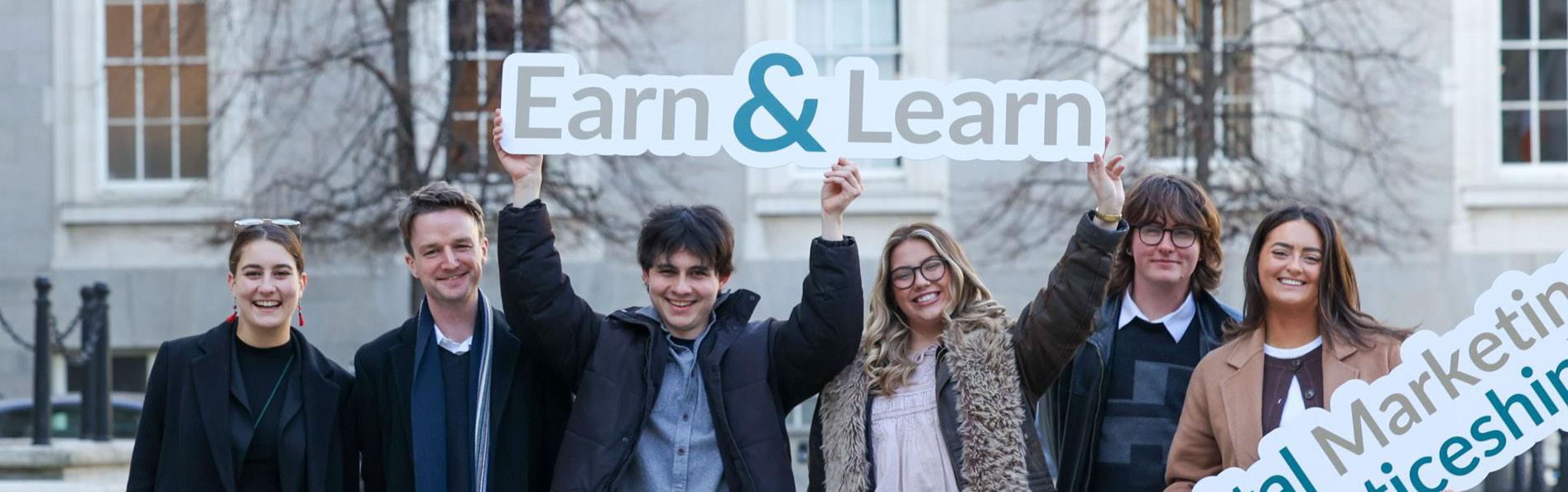
The Digital Marketing Apprenticeship programme is now in its second year and continues to play a vital role in addressing Ireland’s growing demand for digital skills. Businesses across the country are embracing this innovative approach to workforce development, which combines practical experience with structured learning. Registrations for the 2026 intake are now open, and employers are encouraged to reserve spaces early to ensure participation.
This apprenticeship was developed in collaboration with leading industry experts to ensure the curriculum reflects real-world business needs. Every module is tailored to equip apprentices with practical, future-proofed skills that employers value most. By aligning education with industry standards, the programme guarantees that apprentices graduate ready to make an immediate impact in the workplace.
Digital marketing is no longer a niche skill; it is a core business function. From social media engagement to eCommerce strategies, organisations need professionals who can navigate the fast-changing digital landscape. Ireland’s economy is increasingly digital, and companies that invest in these skills are better positioned to compete globally.
By participating in this programme, employers not only strengthen their teams but also help build a digitally skilled workforce for the future.
The apprenticeship runs over two years, leading to a Level 6 QQI Major Award. It uses a blended learning model that minimises disruption to business operations:
• 2 hours online per week
• 2 classroom days every 6–8 weeks
This flexible approach allows apprentices to continue working full-time while developing their expertise.
Employers who participate in the programme enjoy significant advantages:
• FREE training – No cost to the employer or apprentice
• €4,000 government grant per apprentice
• Flexible registration criteria
• A proven way to attract and retain talent
Joanne Sweeney, Author and CEO at The Digital Training Institute, highlights:
“Ireland’s first Digital Marketing Apprenticeship is timely in order to build the capacity of essential digital marketing skills for our private and public sectors. The Apprenticeship is forward-thinking, future-proofed with an in-built AI module.”
For apprentices, this programme opens doors to exciting career opportunities in marketing, communications, and digital strategy. Graduates emerge with an internationally recognised qualification and handson experience, making them highly employable in a competitive market. There are clear pathways for progression, where graduates can progress onto higher education programmes.
• Dublin – 23rd March 2026 (Teagasc, Ashtown, Dublin 15)
• Mayo – 13th April 2026 (Mayo College of Further Education and Training, Swinford)
• Kerry – 7th September 2026 (Kerry Education and Training Board, Tralee)
Find Out More: Weekly online information sessions provide an overview of programme content, employer grants, eligibility criteria, and the registration process.
Contact: digitalmarketingapprenticeship@msletb.ie

What interests/hobbies do you have outside of work?

Outside of work, I love spending time with friends and family, whether that is watching a movie together, going for a long walk, or enjoying a meal out. I am very much a people person, happiest when surrounded by others, so that is usually where you will find me!
I have also recently joined a personal training gym, so I am now in there three to four times a week, which has been a great addition to my routine after wanting to get started for quite some time. I enjoy going for an evening run with some music to unwind as well, although I will admit the freezing weather lately has made it a little harder to get out the door!
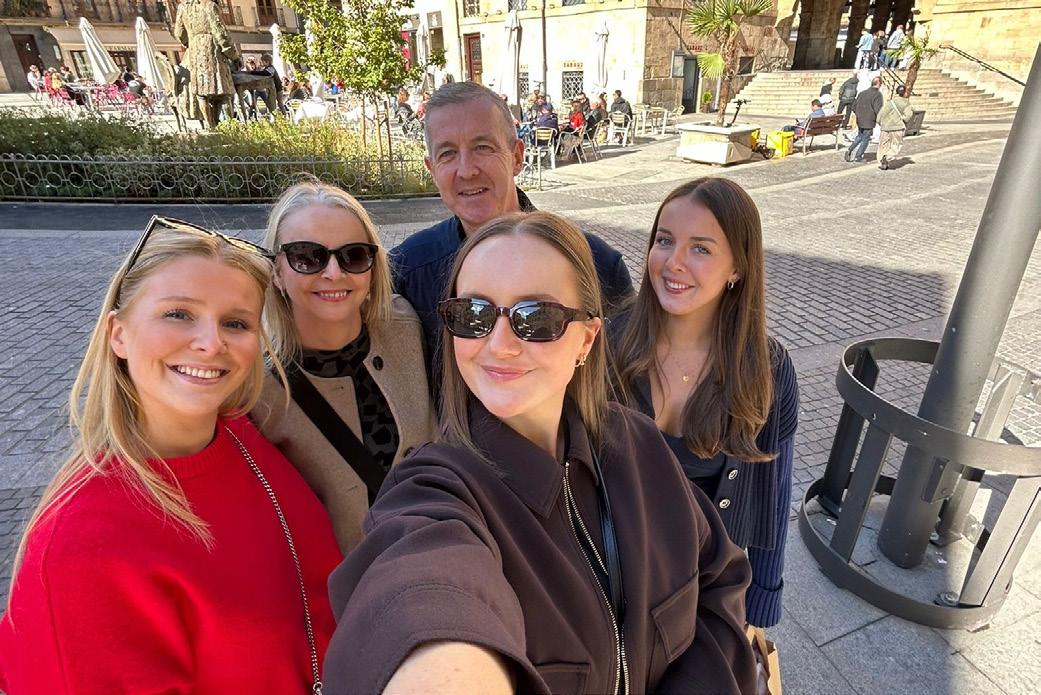
I absolutely love to travel whenever I can. About four years ago, I interrailed around Europe with a group of friends, and since then, we’ve made it a tradition to visit somewhere new each summer. My mum, sisters, and I also have a tradition of visiting a new European city every October, which is always something really nice to look forward to. I have also been fortunate to travel to America several times over the past few years, and I would love to go back soon, as I always have an amazing time when I am over there.
With the Bank Holiday coming up, I love getting into a good, gripping series, something I can look forward to watching throughout the week. Overall, my time outside of work is nothing out of the ordinary, but it is filled with the things I truly enjoy.
Why do these hobbies interest you?
As I mentioned, spending time with others is something I absolutely love, and I think that comes from working in hospitality for the last six years. Working long shifts in restaurants surrounded by customers and colleagues made being around people feel very natural to me and is something I always really enjoyed.
I am also interested in going to the gym, especially knowing how important it is to stay active, particularly when I spend most of the week sitting at a desk! I used to be very involved in cross-country running in school, but I let it go when I started college and have always wished I hadn’t. So now, keeping up with regular runs and training sessions at the gym is a priority for me, it’s a great way to stay healthy and feel my best.
I think it’s really valuable to be well travelled and to see how other places operate differently to Ireland. The food is definitely one of my favourite parts of visiting new places, I love trying anything local. Having a trip planned in the diary is always something exciting to look forward to.
Relaxing with a good TV series is something I really enjoy, especially after a long day at work. It’s the perfect way to switch off, recharge, and take a step back from a busy day before starting fresh again, which I believe is so important.
Do you have an interesting story about your hobby?
I had the most amazing summer living in Boston a year ago. I spent three months there on a J1 visa, living in an apartment with my college friends right between Boston University and Fenway Park. I was lucky enough to work at an incredible restaurant on the harbour called Legal Sea Foods. The food was top-class, and people travelled from all over the world to visit when they were in Boston. The restaurant was three stories high with the most amazing views. You would be run off your feet for the whole shift because it was so busy, but the experience was incredible. Once we finished up our jobs before our visas ended, we spent two weeks travelling, visiting San Diego, Los Angeles, Las Vegas, New Orleans, and Nashville. We had the best fun. Those three months will always be very special to me.
Are there any hobbies or challenges would you like to try?
Once I get settled into the gym, improve my running, and build up my strength, working toward a half marathon, or even a full marathon, as scary as that sounds, could be a really good goal for me. I have friends and family who have completed them, and they always talk about how much time and dedication the training requires, but also how rewarding the experience is. Hearing their stories has definitely encouraged me, and it is something I am seriously considering taking on in the new year.
A series that highlights the lives and interests of ISME members and staff. In this edition, The bISME talks to ISME Staff Member Sarah Montayne about her interests and hobbies.
Talk to us about the work you do at ISME?
I work as an Inside Sales Representative here at ISME, collaborating closely with our sales and marketing teams to support membership relations and help grow our valued member base. Each week, I connect with SME owners through calls and emails to showcase the supports and services we offer, encouraging them to join as members so they can benefit from the full range of resources available to them.
My role involves developing a strong understanding of each SME owner’s unique needs, then reaching out with tailored solutions that can genuinely help their business thrive. I also have the opportunity to represent the association at business events, something I truly enjoy. Meeting new business owners, building relationships, and highlighting how ISME can support their success is one of the most rewarding parts of my job.
How important do you think it is to have an interest outside work and how do you think it can benefit your work?
I think it is extremely important to have interests outside of work. When your job becomes your sole focus throughout the week, it can be unhealthy, you need to be able to step away from it during your time off, as being overly fixated isn’t sustainable. Having interests gives you space to focus on something different, whether that’s exercise, music, or even just watching the TV, and more importantly, it gives you time to focus on yourself. I believe that balance is essential.
Do you think this balance is something individuals and particularly employers need in their life to have a successful business?
Yes, I do think this balance is crucial. I find that when I dedicate time during the week to the things I enjoy outside of work, I come in happier, more focused, and far more productive. However, I understand that this can be particularly challenging for SME owners, who often have limited staff and may find themselves working long hours. This can make it difficult to create space for hobbies or downtime.
With that in mind, even introducing small forms of escapism within the workplace, something that allows them to briefly step away from the desk and refocus could make a meaningful difference. I believe that when business owners prioritise even a small amount of personal time, it not only contributes to a happier work environment but also supports the long-term success of the business.