
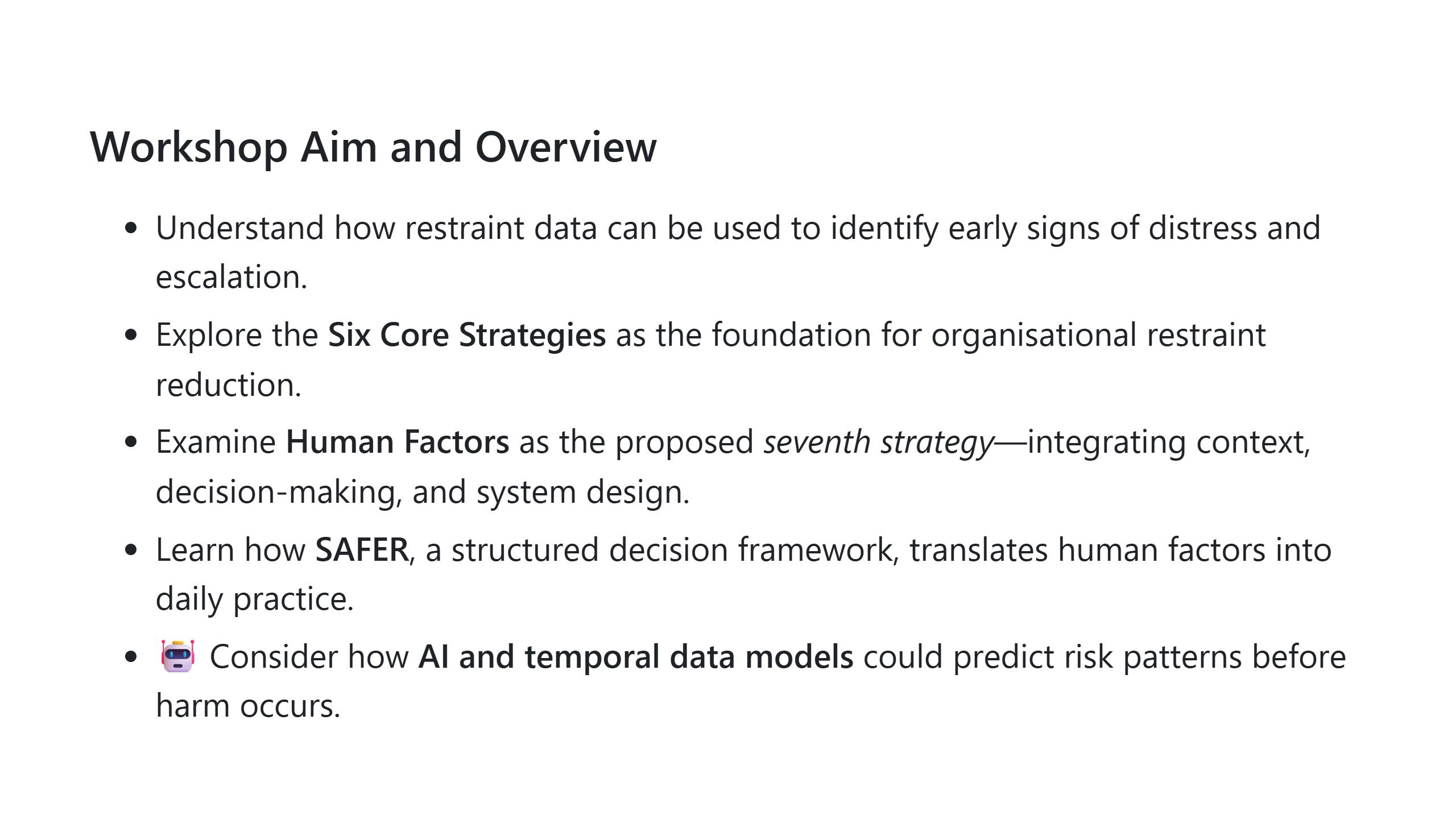
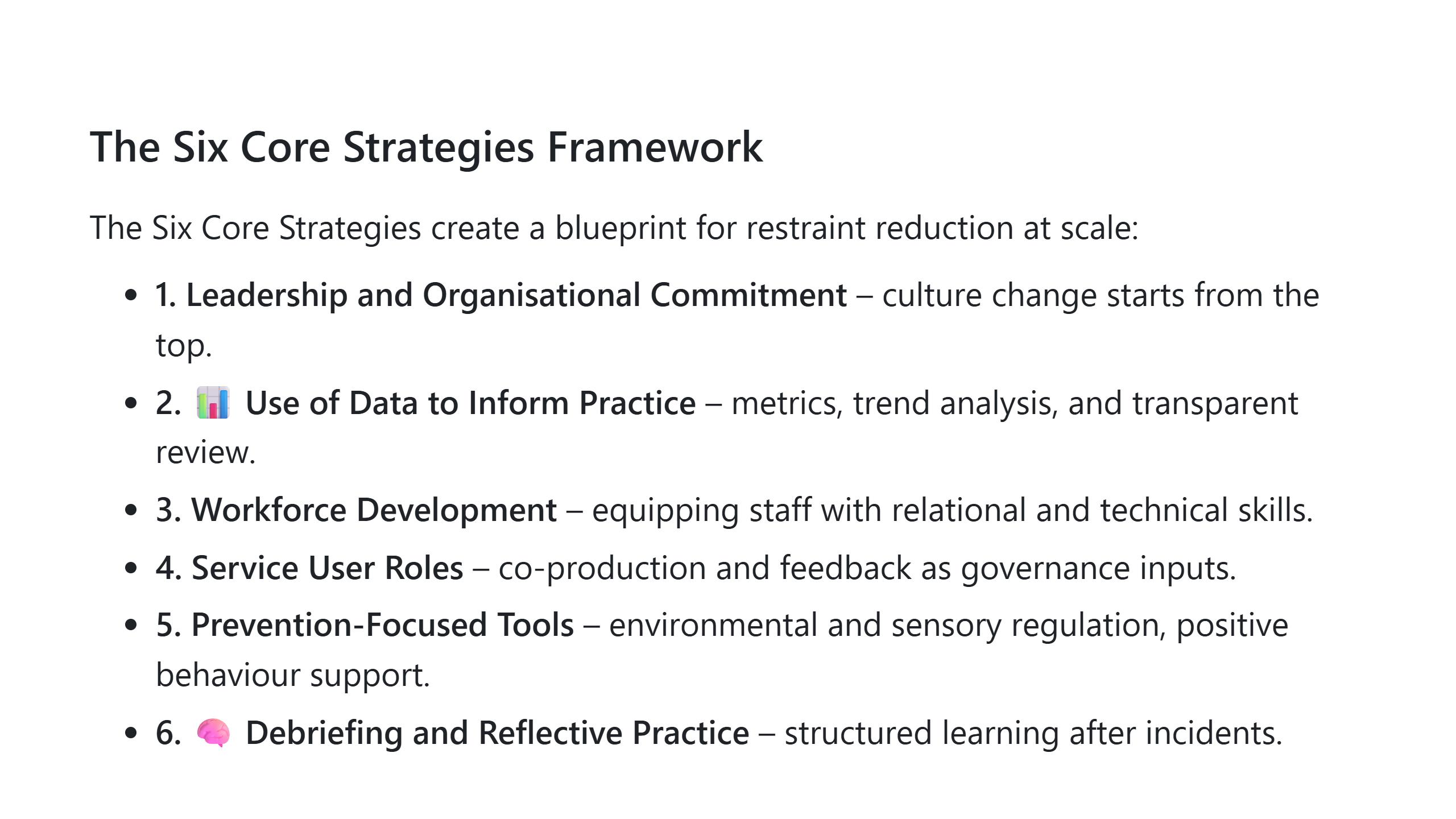
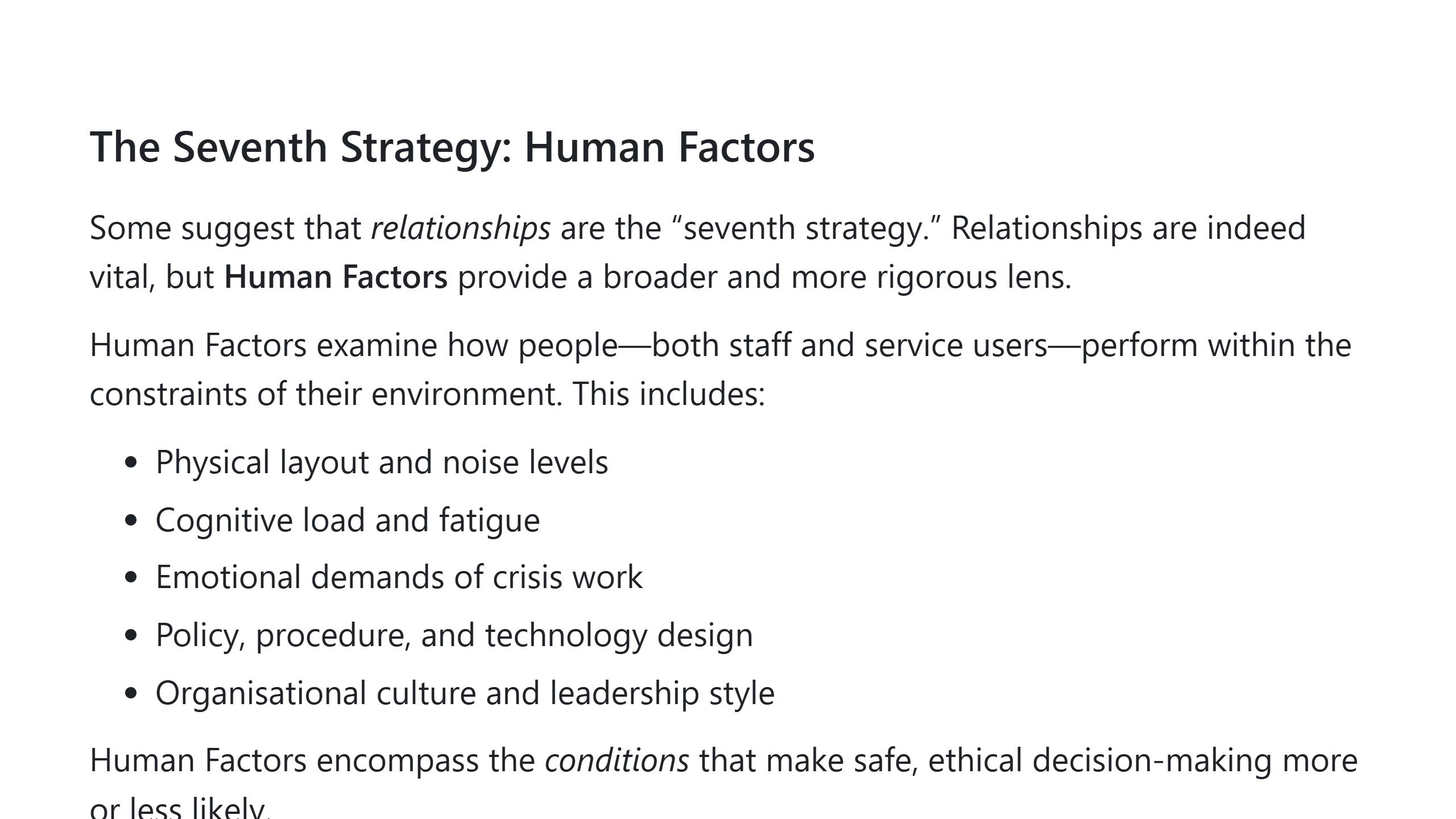
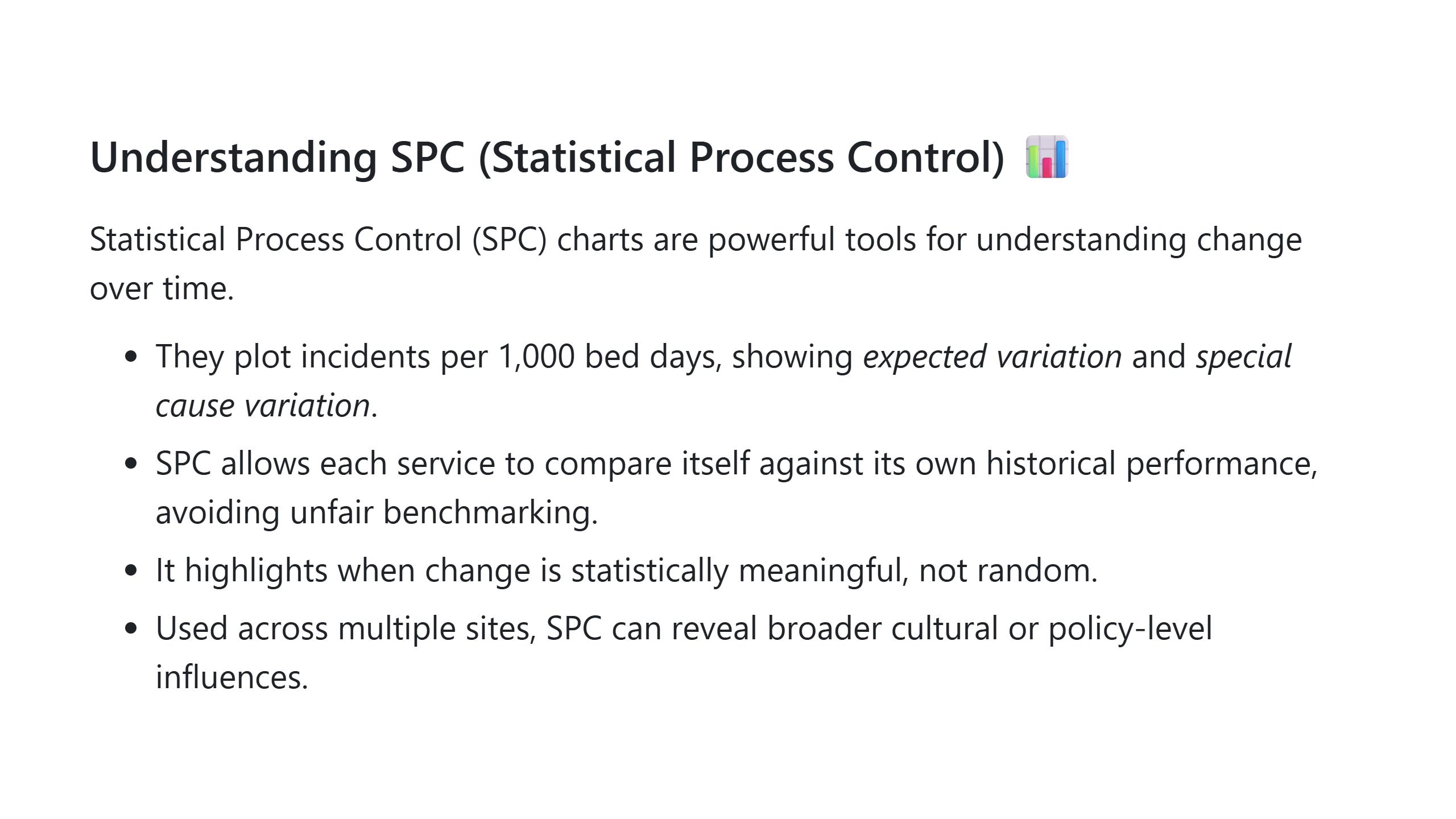
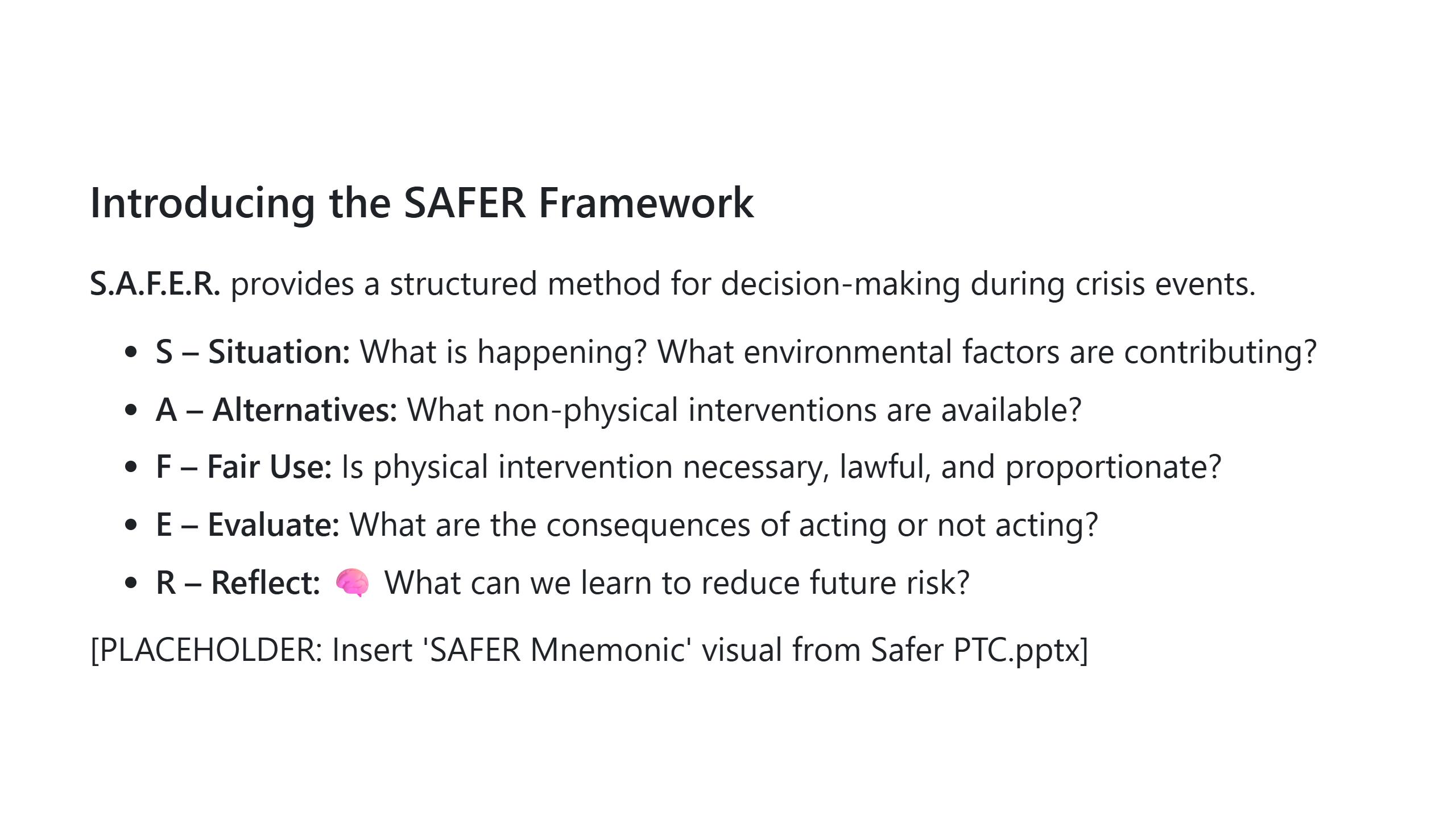
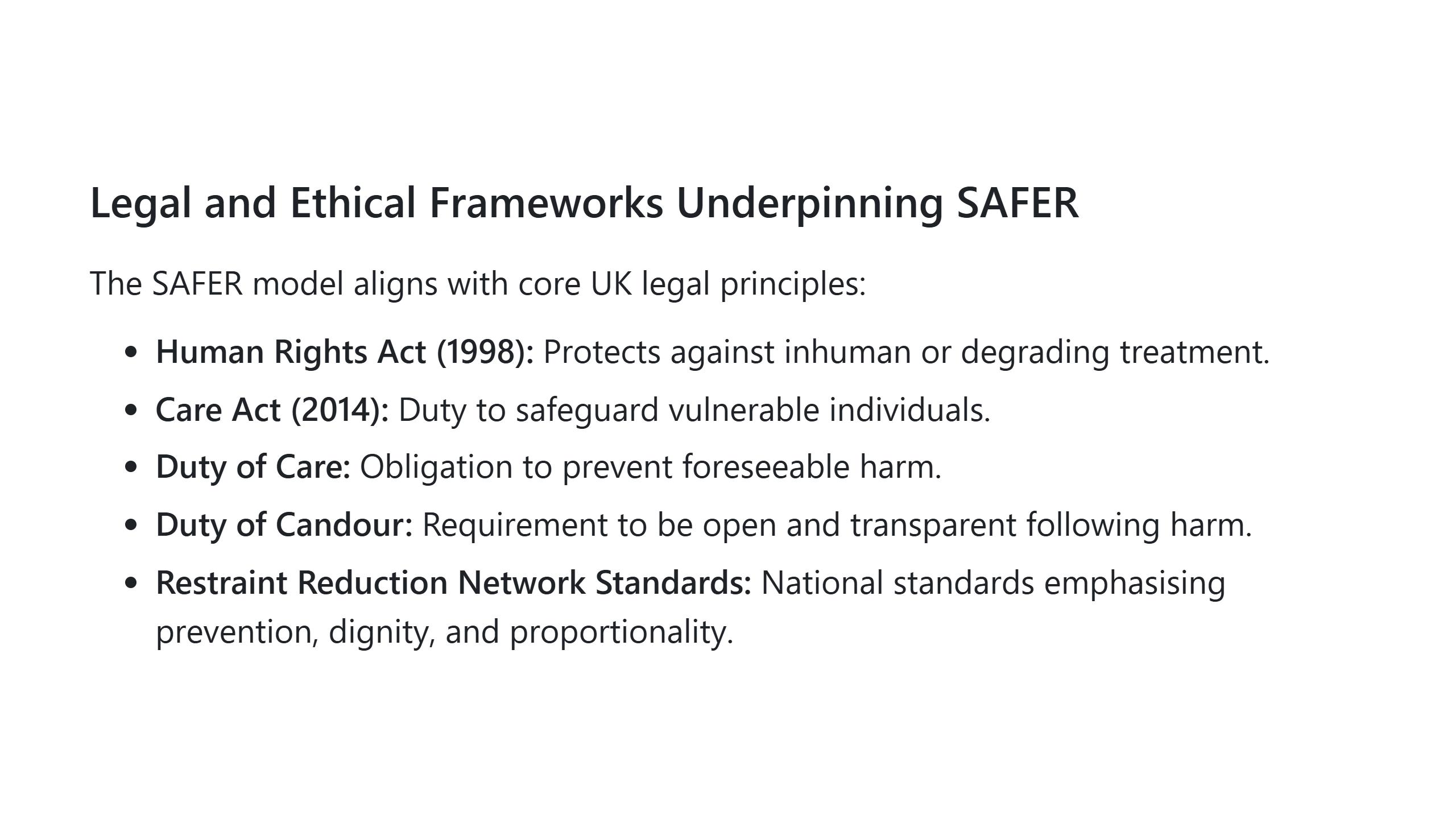
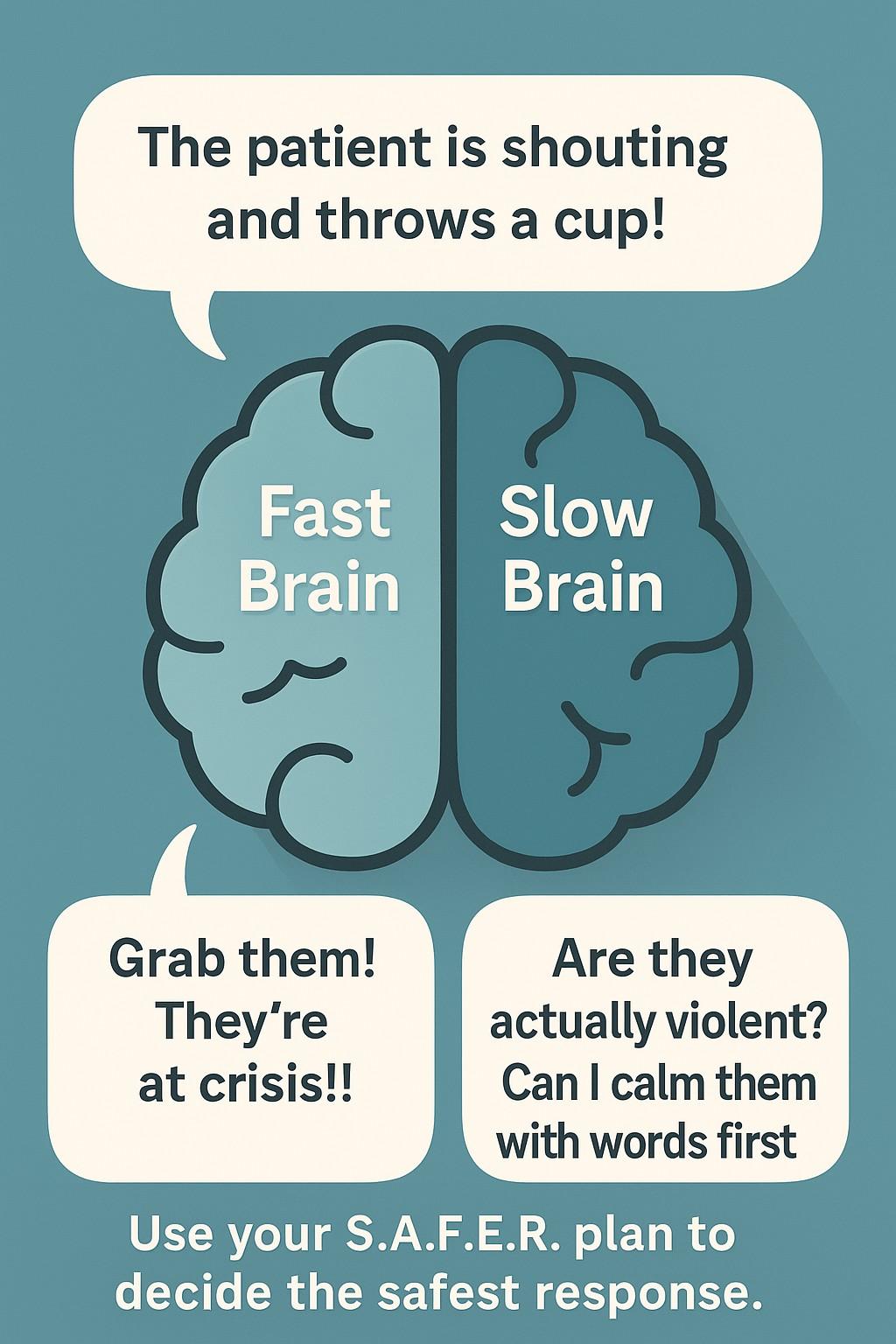
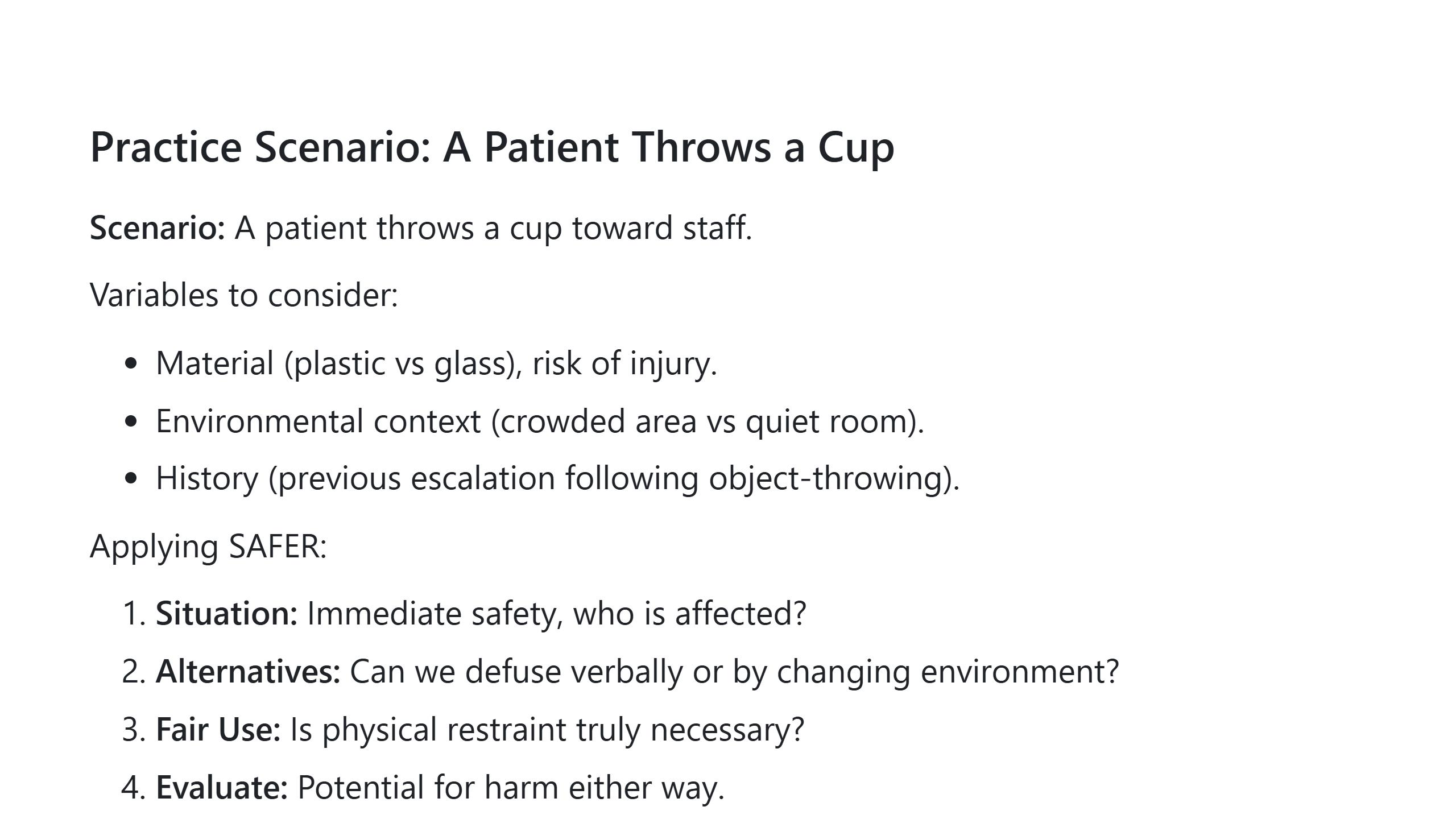
S – Situation -What’s going on right now? What can I change or do to help?
A – Alternative Options-Can I calm things down with words or a distraction instead of force?
F – Fair Use of Force -Is using force the only option? Is it fair, legal, and the right amount?
E – Evaluate the Risks -What could go wrong if I do something—or if I don’t?
R – Reflect and Learn- What worked? What didn’t?
How can we stop it happening again?

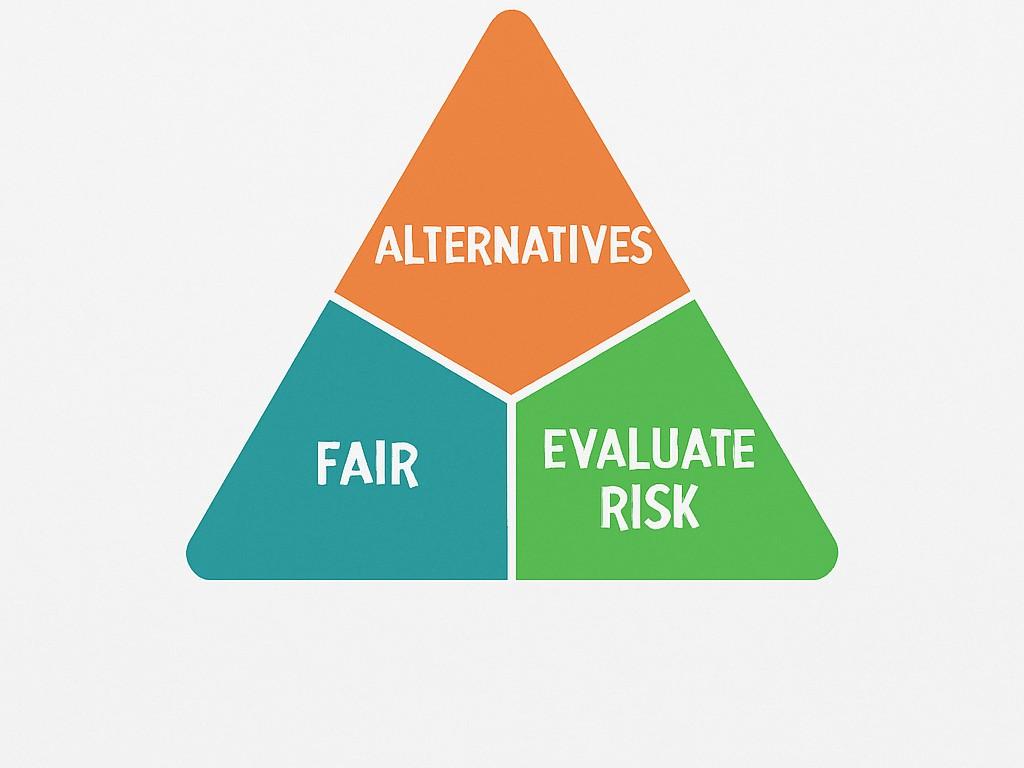

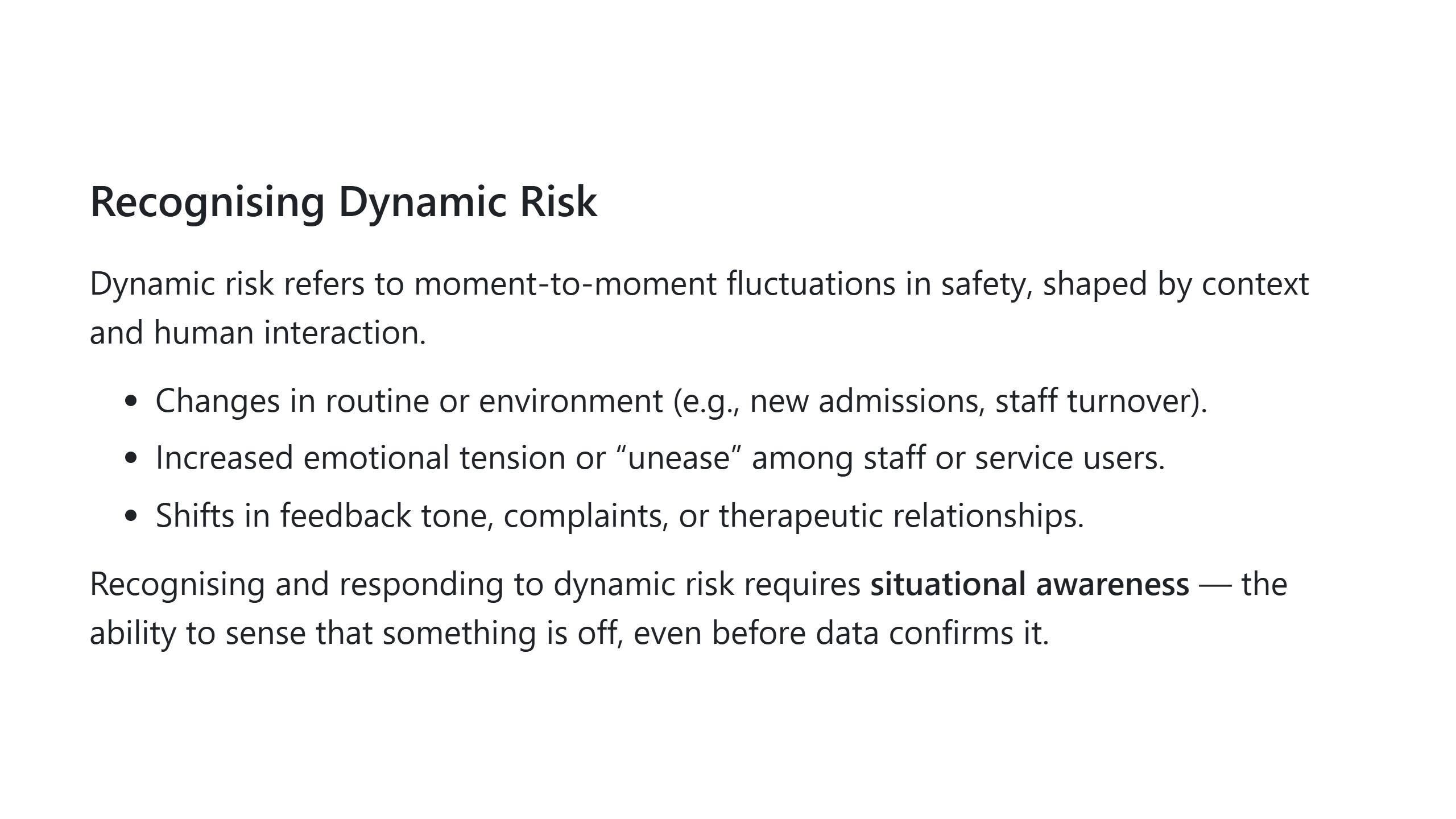
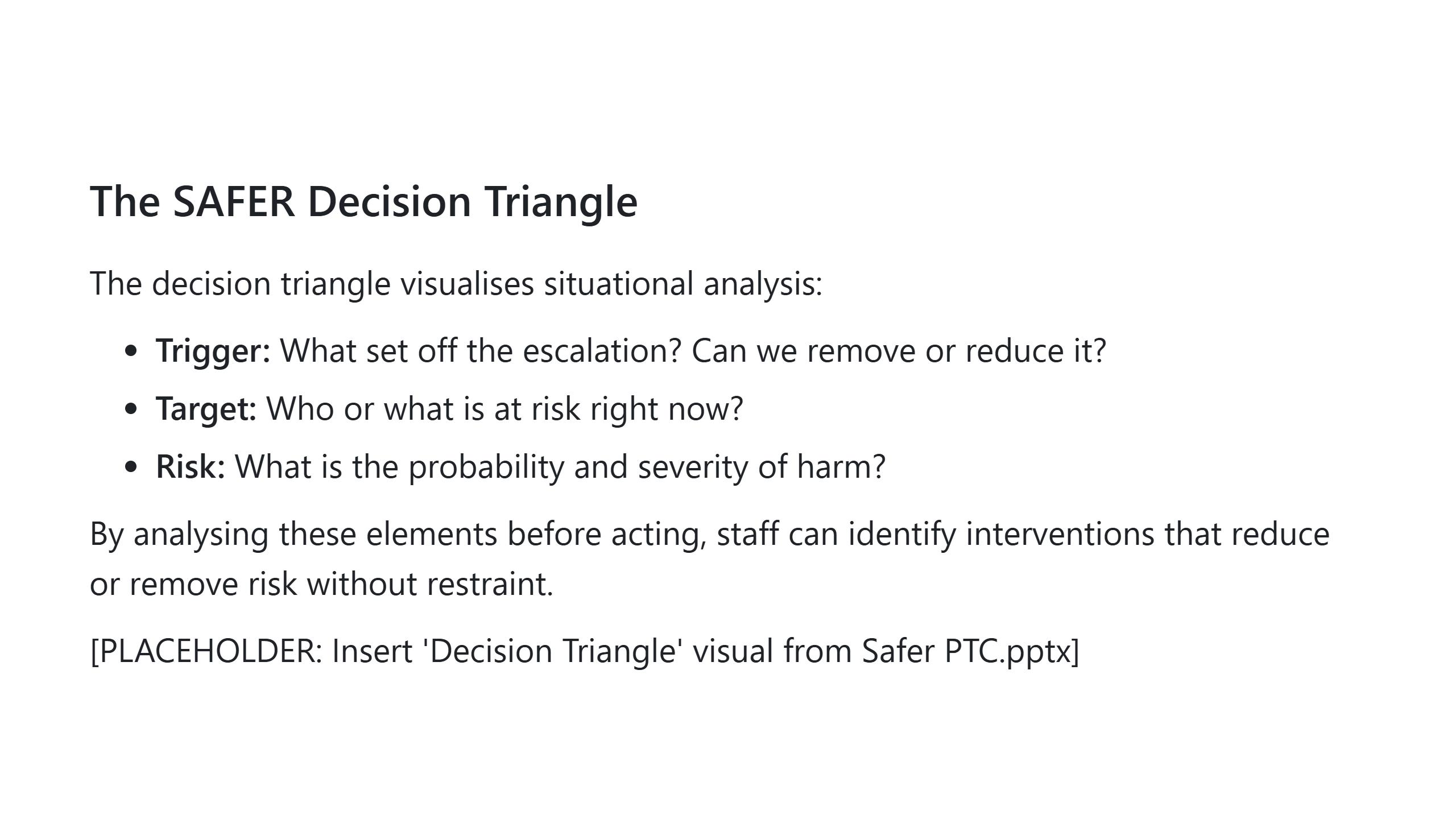
A patient under Section 37/41 order tries to leave the ward by pushing towards the doors.
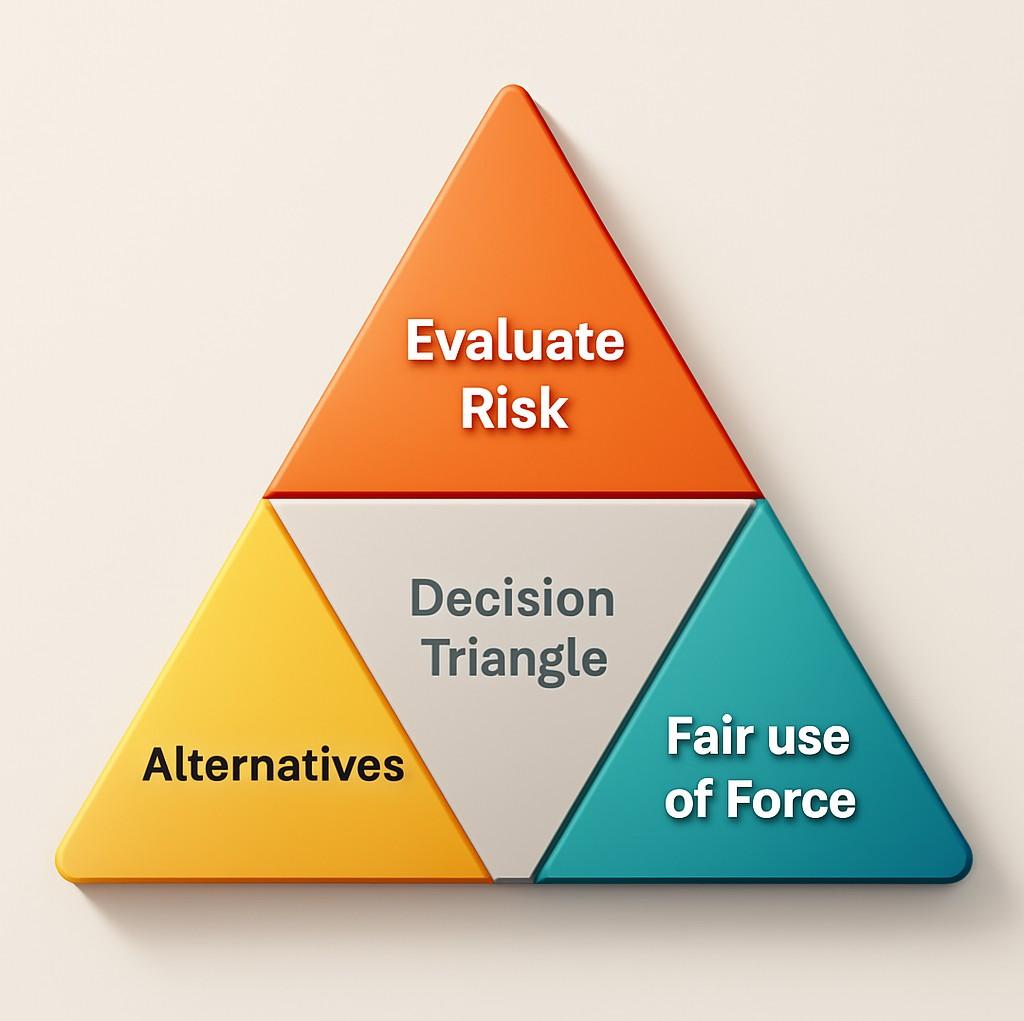
What does the triangle tell you about the triggers/target/risk, and what alternatives exist before restraint?
Variables: Patient walking briskly vs. aggressively pushing.
Door leads to secure courtyard vs. straight onto a main road.
Staff team has 3 available vs. only 1 nearby
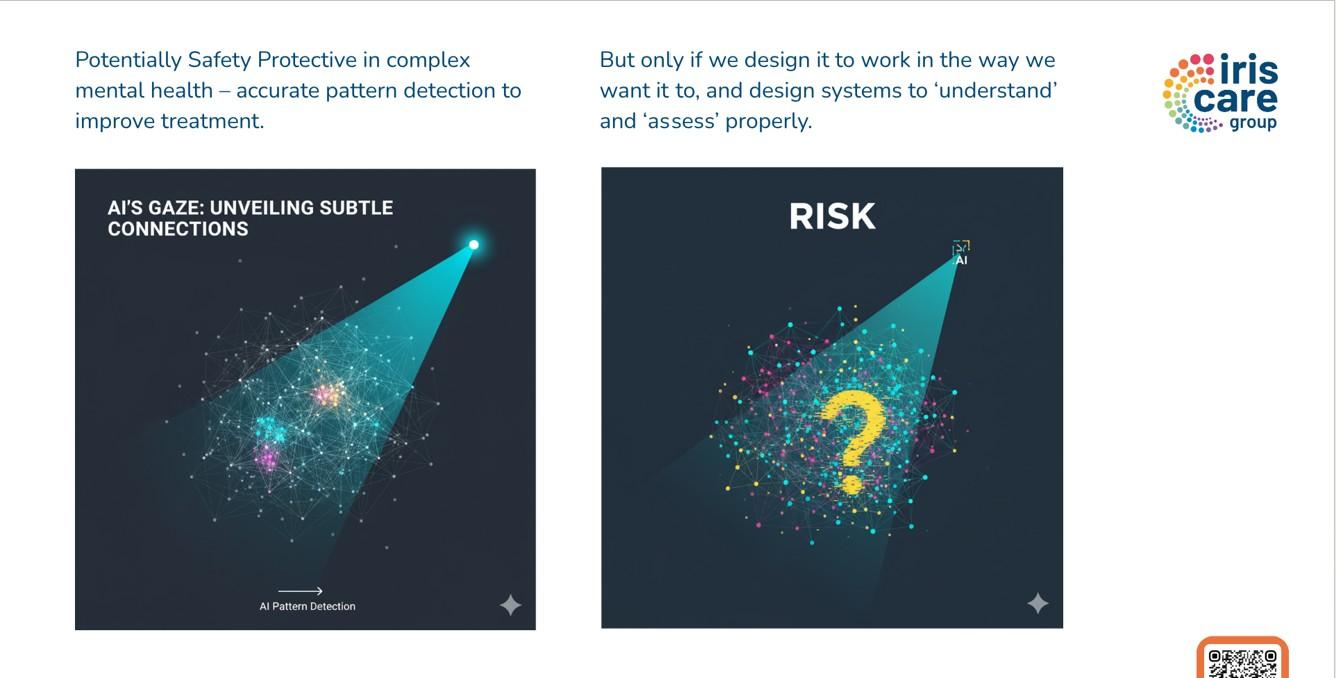
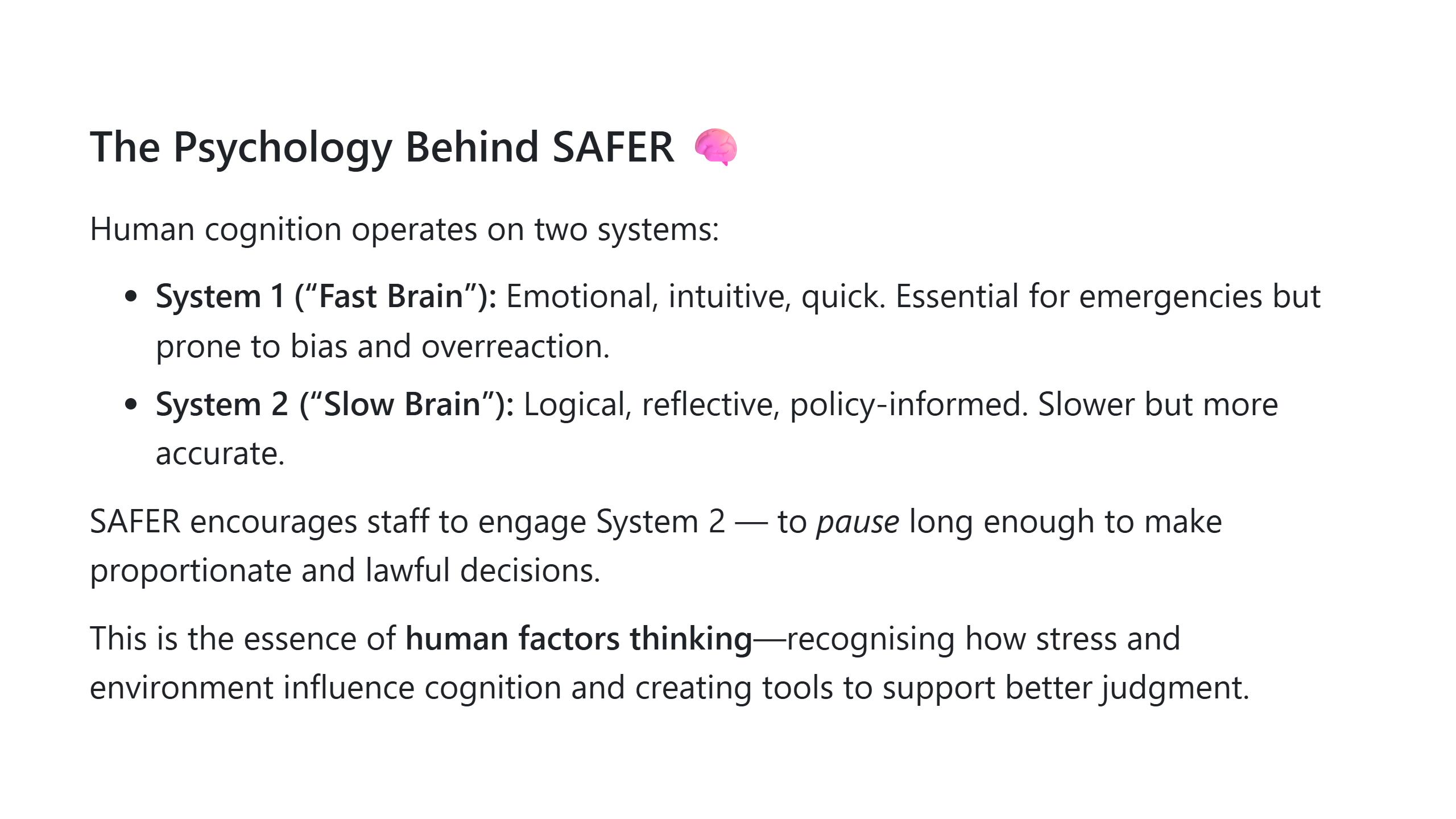
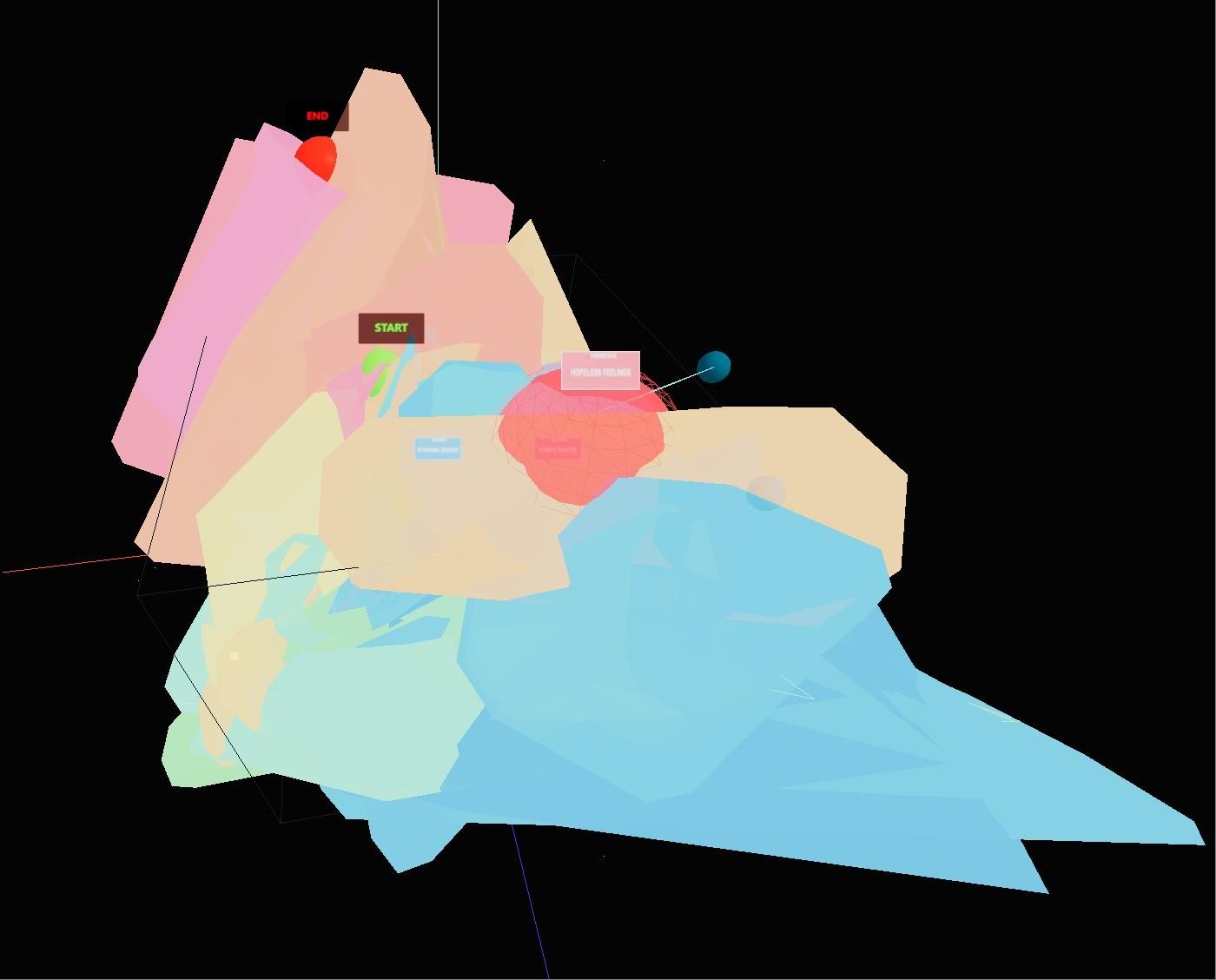
•This is a sample visual output that shows the Mistral 7 Billion Parameter foundation model reasoning around a complex mental health case
•The shading represents the amount the AI is thinking about each part of the presentation
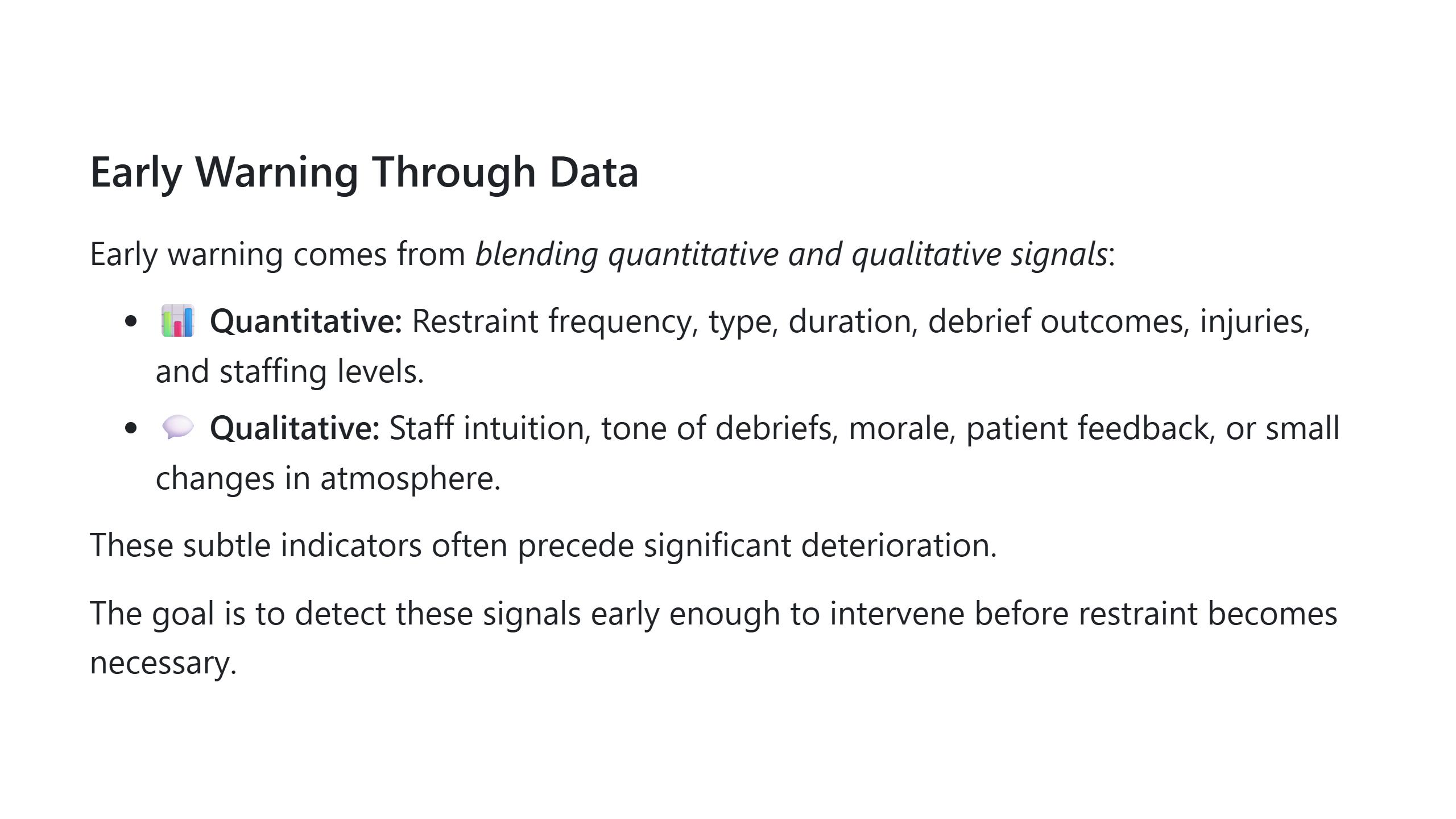
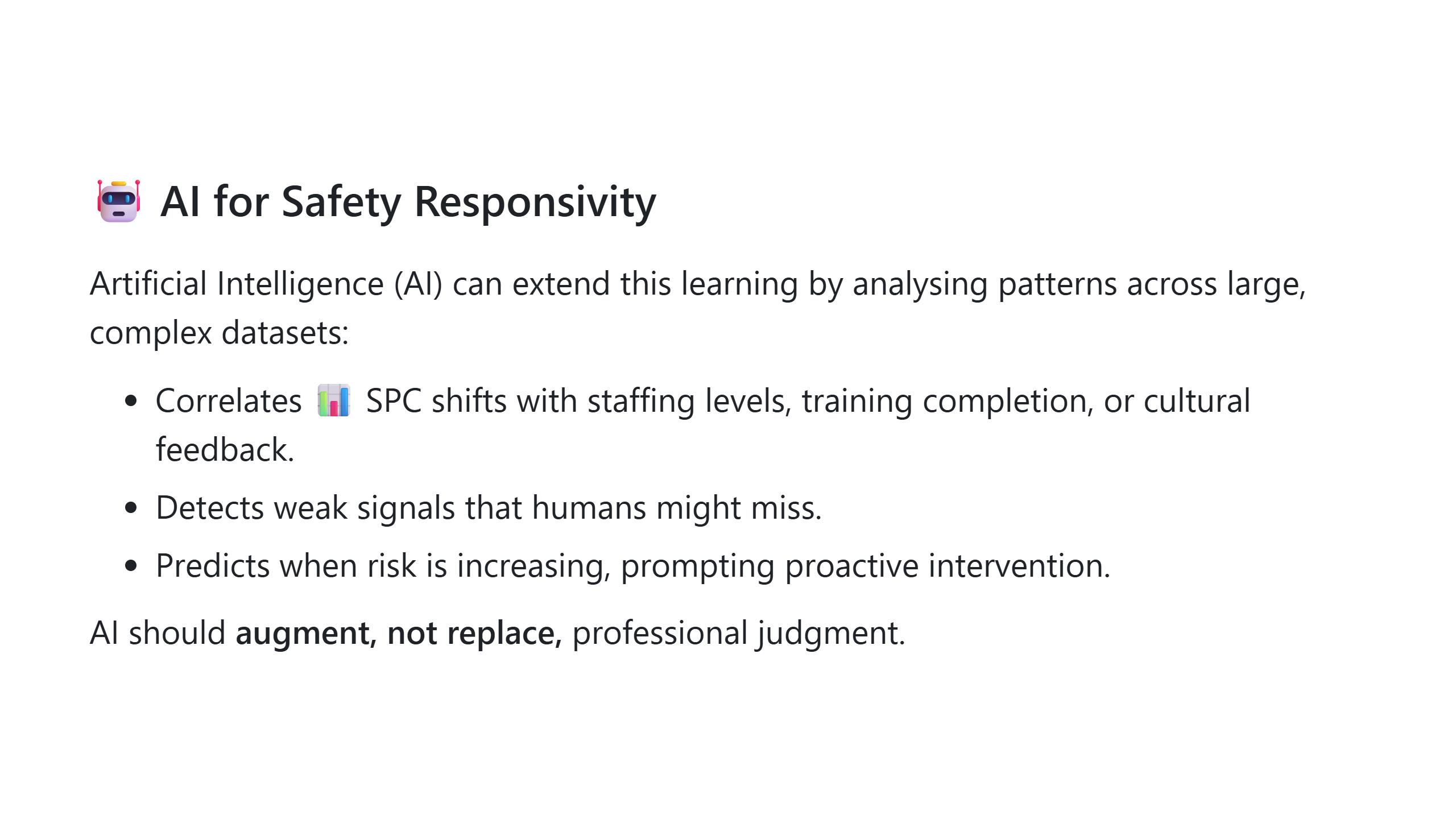
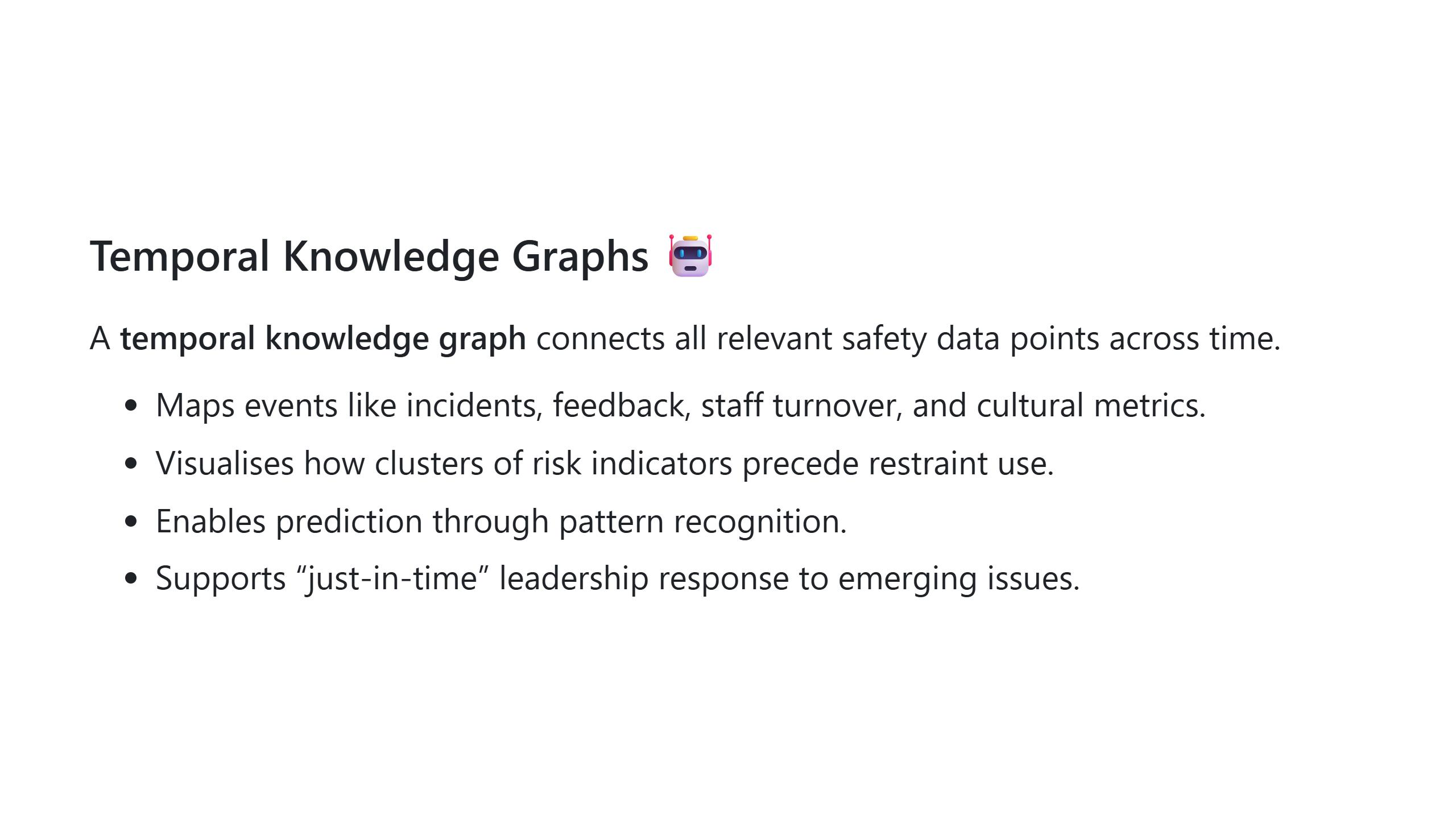
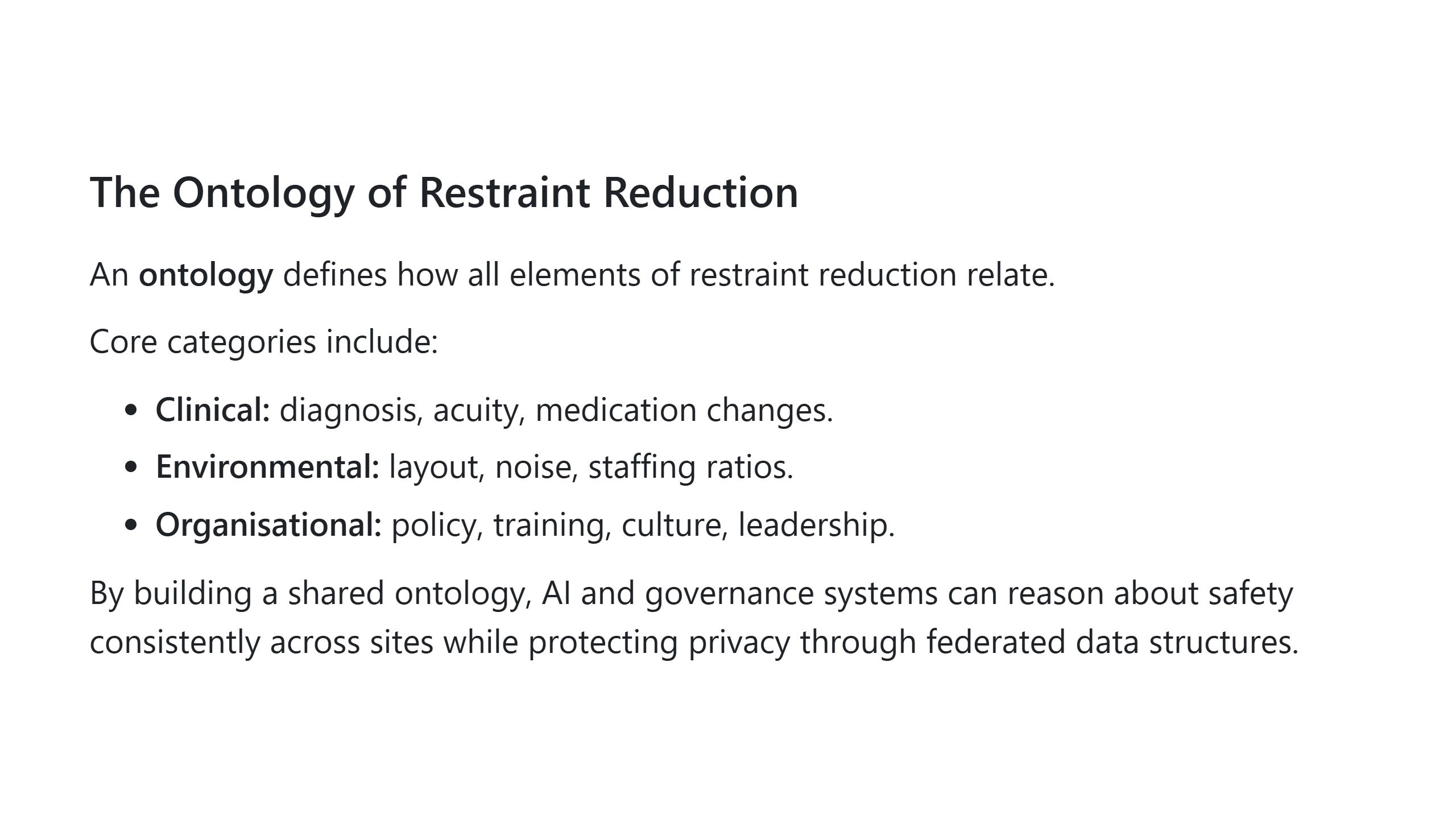
•We can do this with large data sets to help AI to think and provide advice about safety across entire organisations, with the right ontology and knowledge structure.
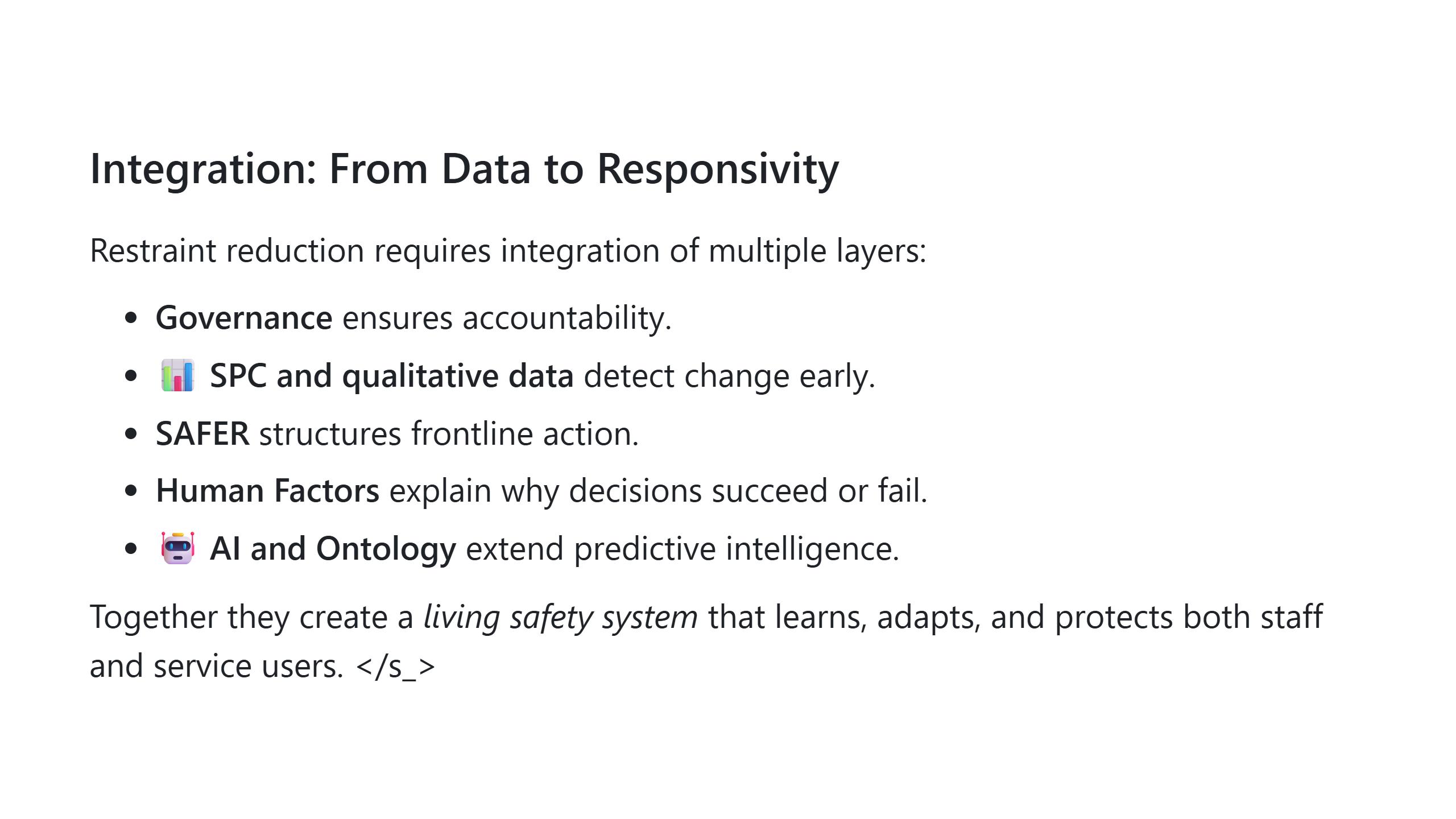


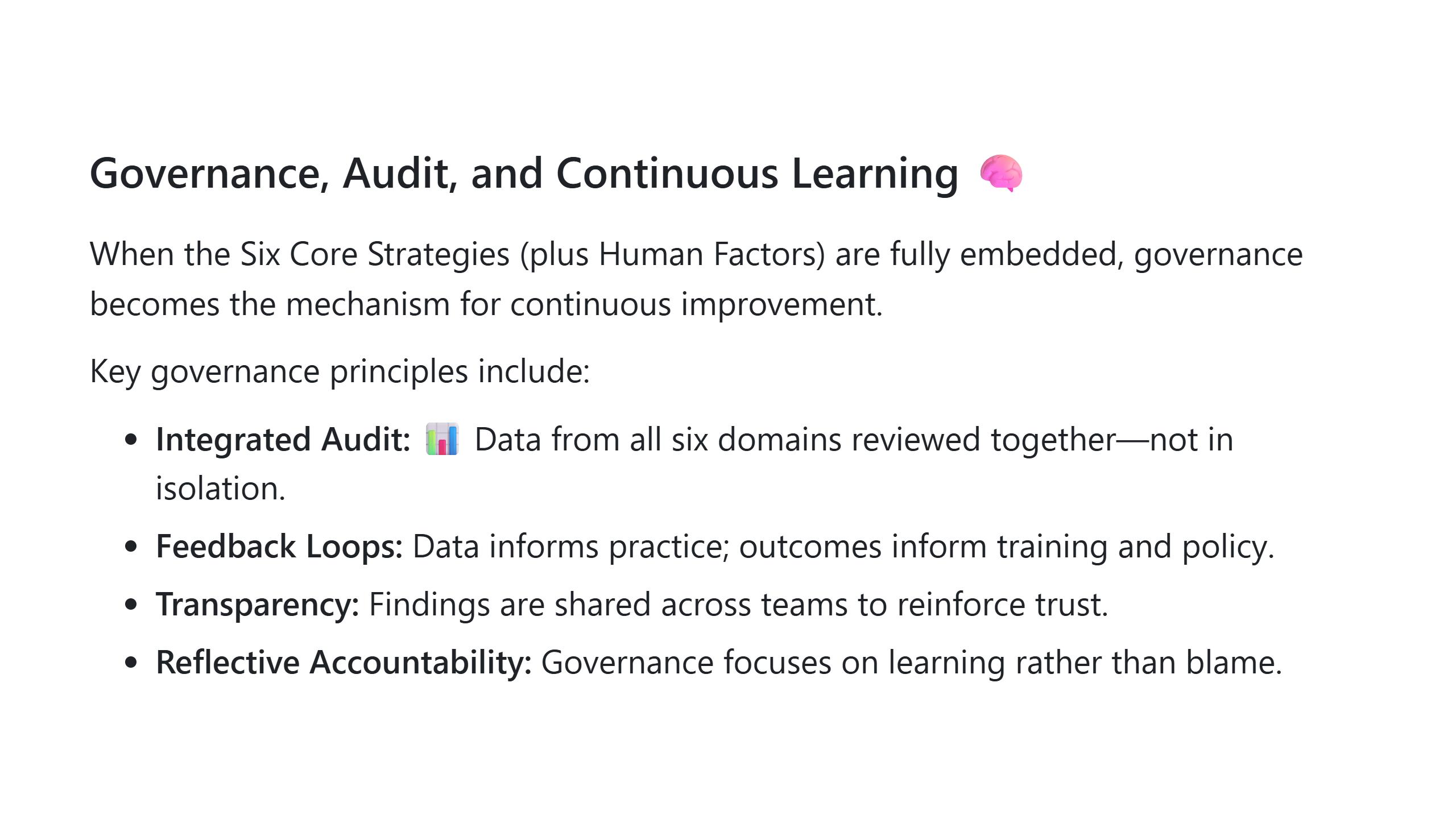
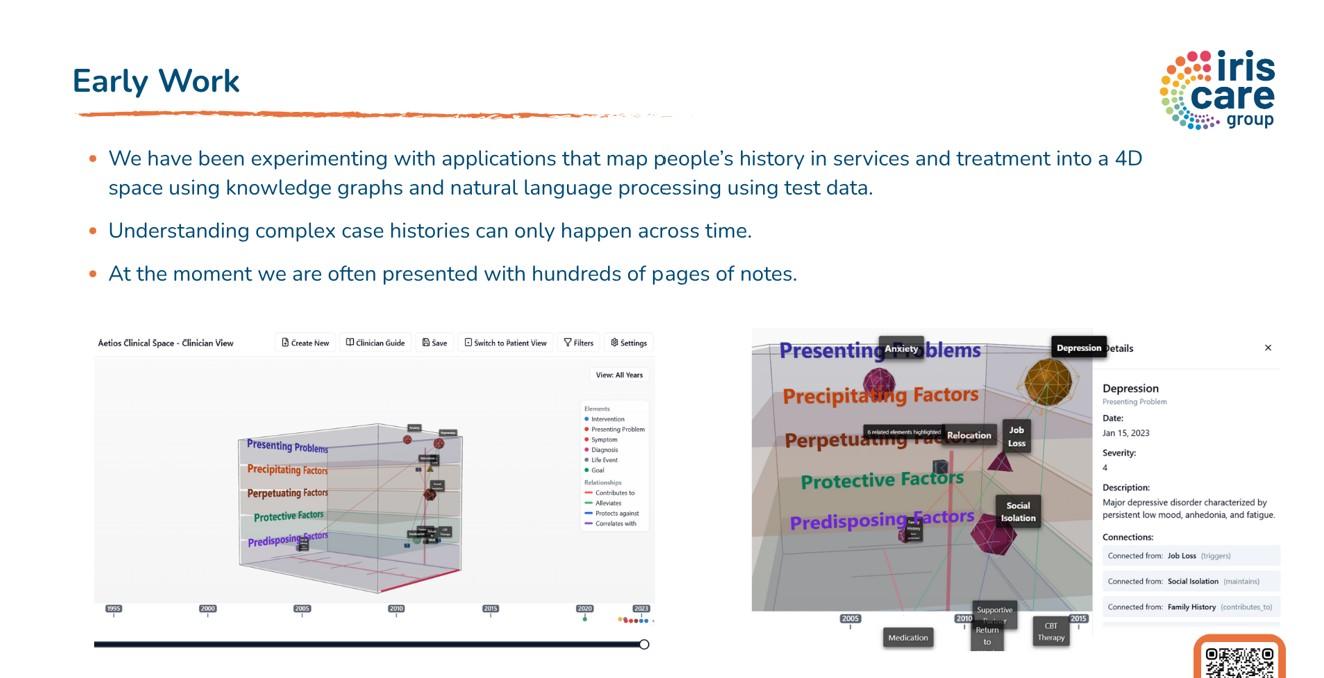
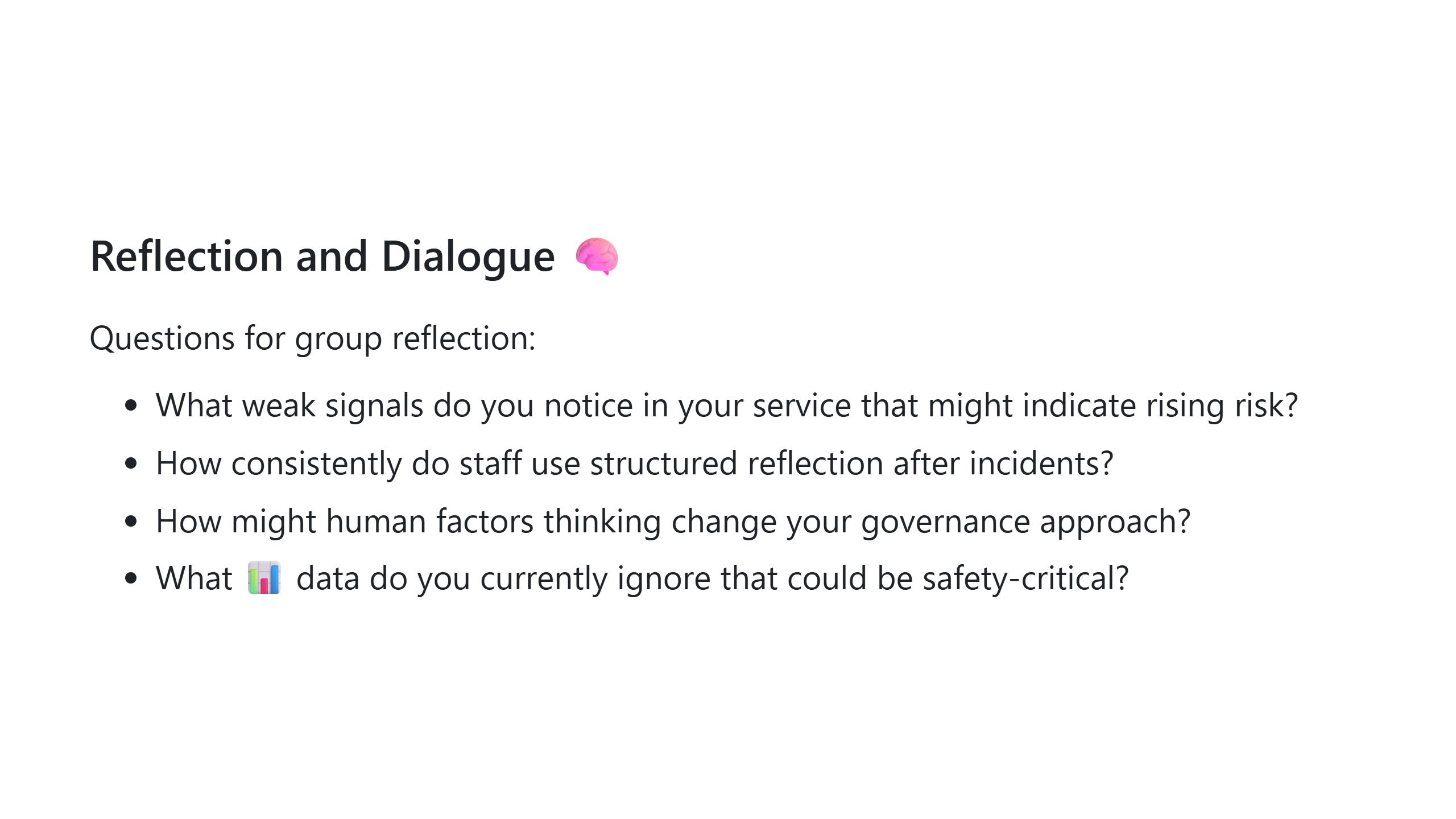
A future Ontology-driven AI, working across a whole health and care system, could merges practice data and outcome data with family and service feedback to build a live shared and transparent safety status.
AI can identifies risk patterns like staff fatigue or medication errors by analysing data from distributed systems.
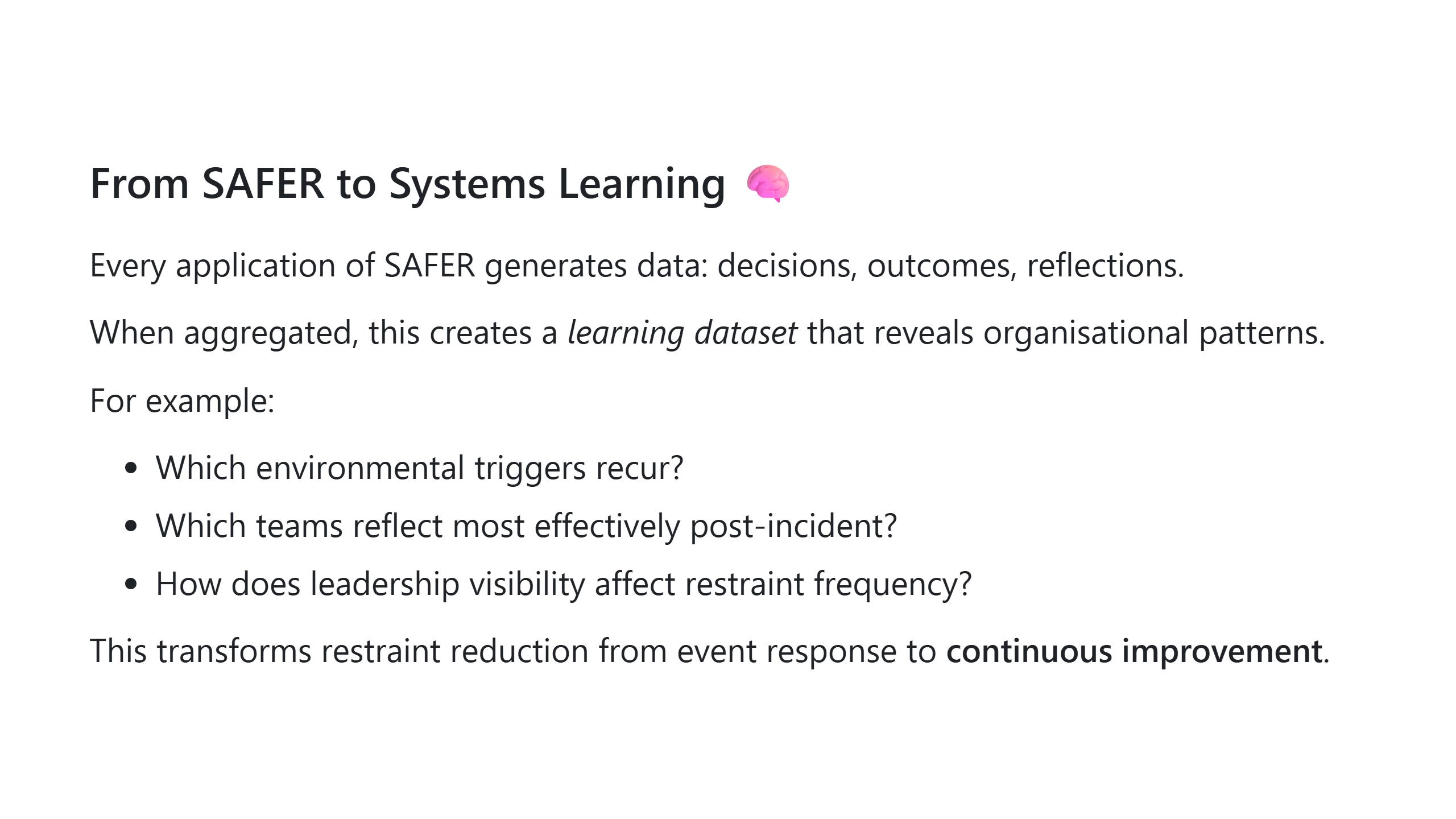
Future AI integration will enable users, families, and clinicians to review care and proactively improve services.
Current AI developments in health /social care are less focused on complex mental health / learning disability settings – need for sector to start talking.
Thank you for attending this presentation.
Email: Andrew.Hider@iriscaregroup.co.uk
For more information about Iris Care Group and our services, please get in touch:
Email: referrals@iriscaregroup.co.uk
Website: www.iriscaregroup.co.uk