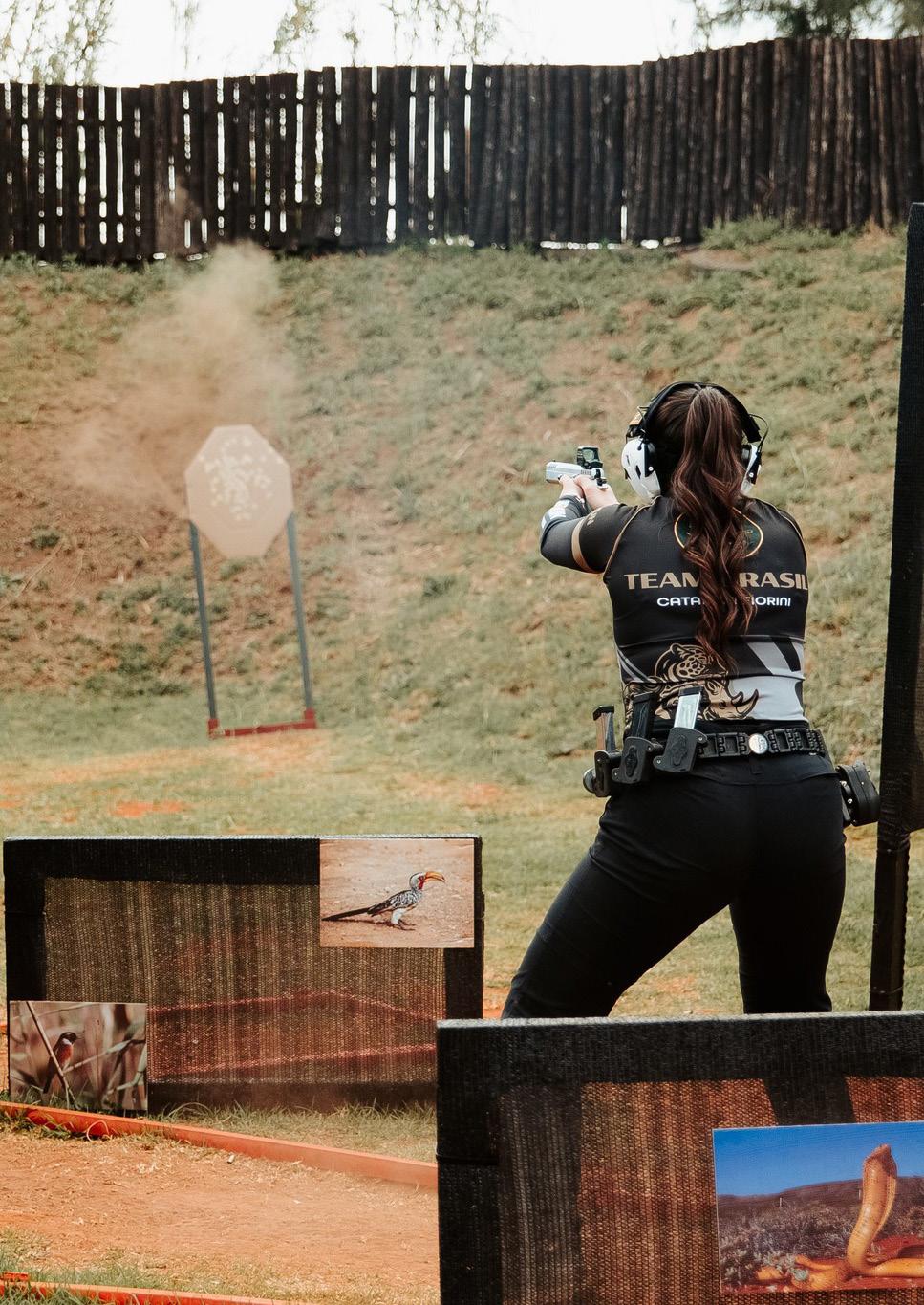
Interviews Young Guns - Aryana Osman
Shots - Brian Nelson Leading Ladies - Justine Williams Best of the Best - Chris Prinsloo
Senior Shootizens - Christophe Marye
Your RD - Sean Hansen







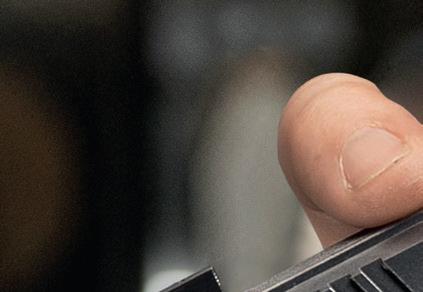




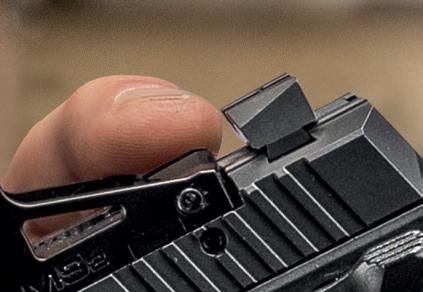
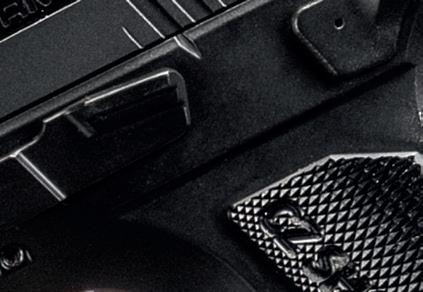




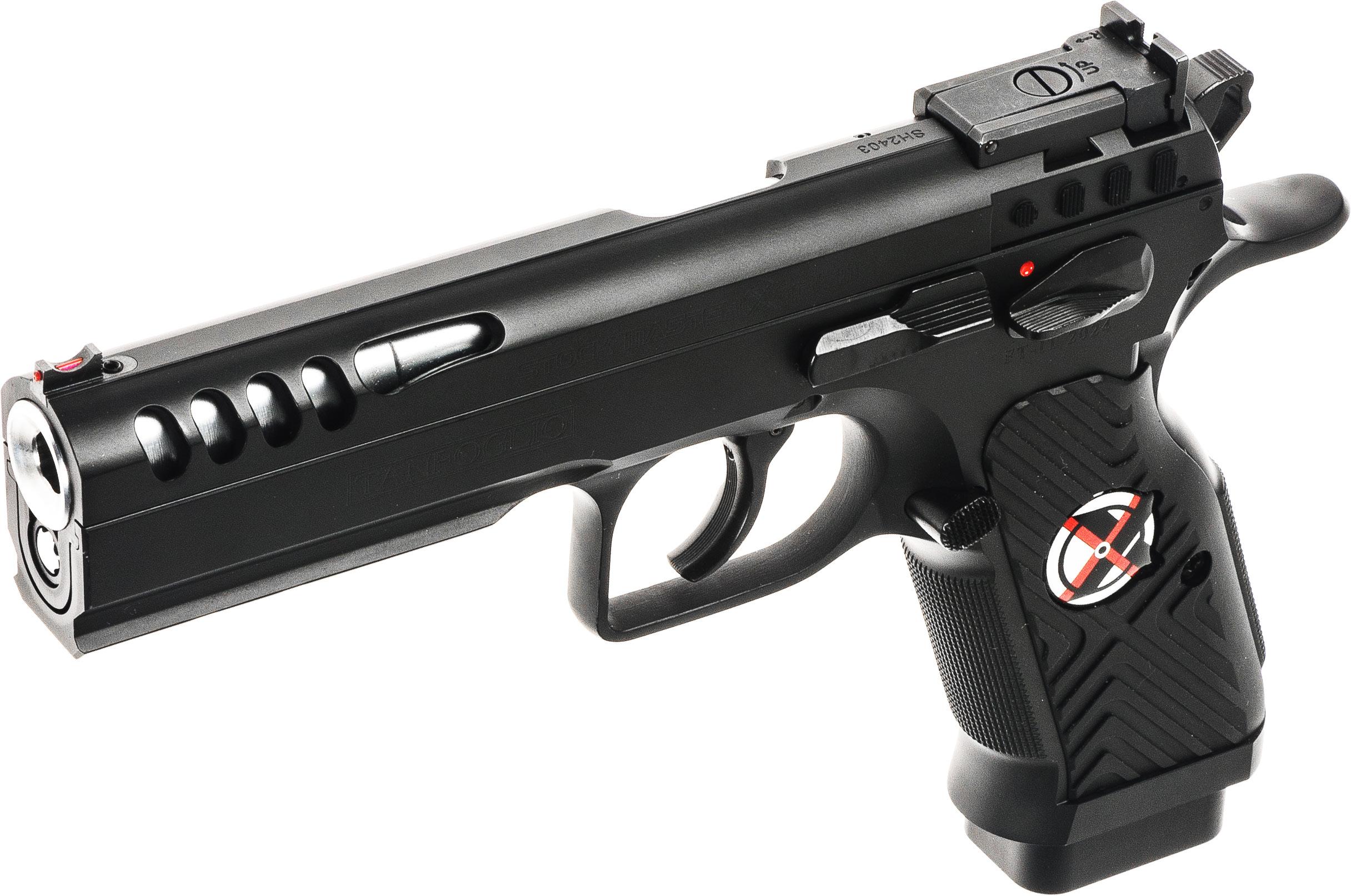
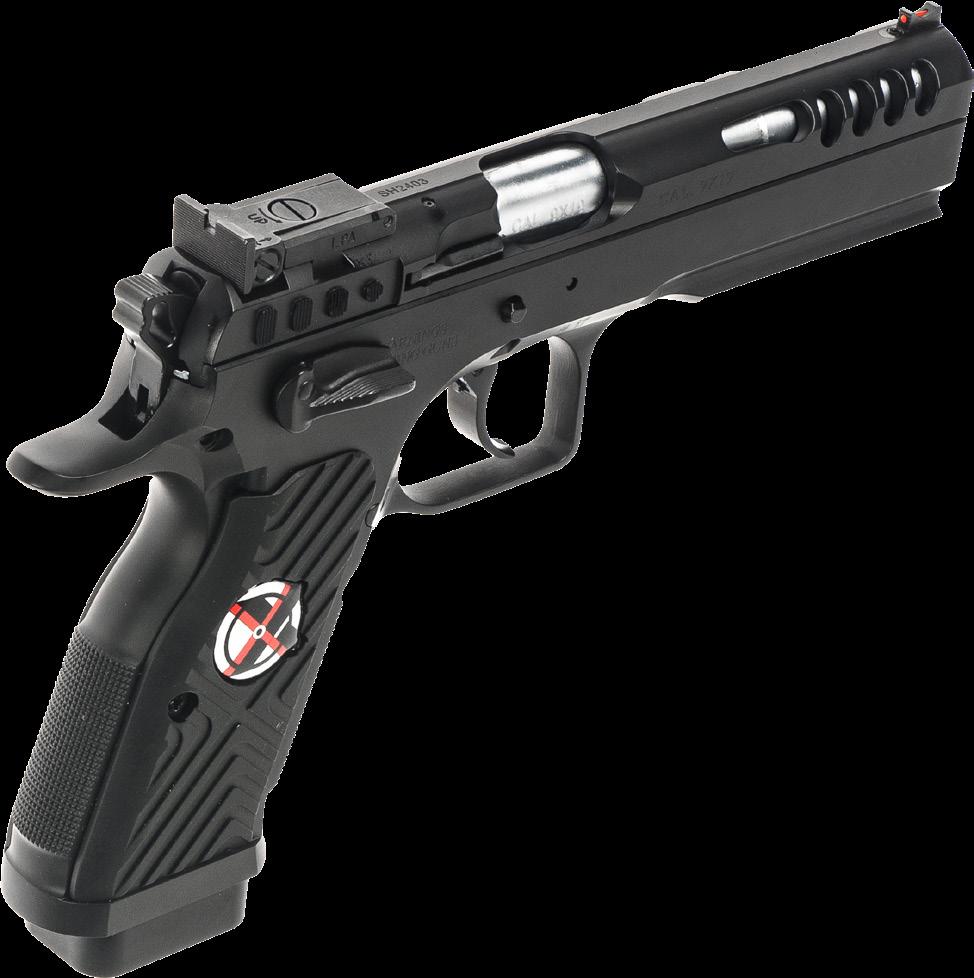
FIRING PIN BLOCK

DIRECT OPTICS-READY CUT WITH SHIELD RMS RED DOT FOOTPRINT
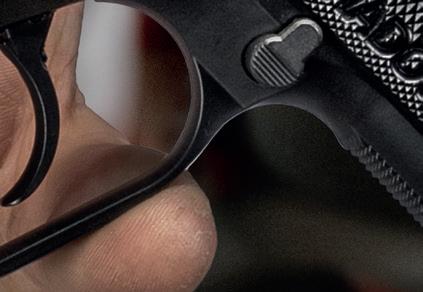
AMBIDEXTROUS DECOCKER

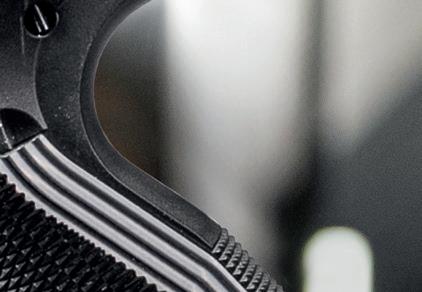
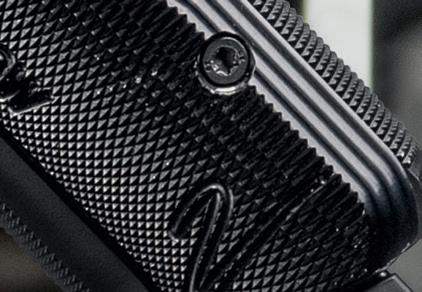
EXCEPTIONAL SHOOTING COMFORT


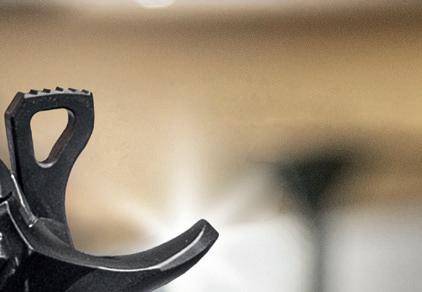



LIFETIME BARREL WARRANTY BORN FROM














Dear IPSC members and friends,
As this issue reaches you, the IPSC family is preparing for 2026 — our 50th Anniversary!
Fifty years ago, pioneers wondered if accuracy, power, and speed (DVC) could coexist in balance; today, we celebrate that answer weekly across six continents. We’ll honor this milestone with the spirit that created it: open, inclusive, and a bit louder than a 9 mm Major.
As we reflect on Q3-Q4 of 2025, I’m pleased to highlight the achievements of the International Practical Shooting Confederation.
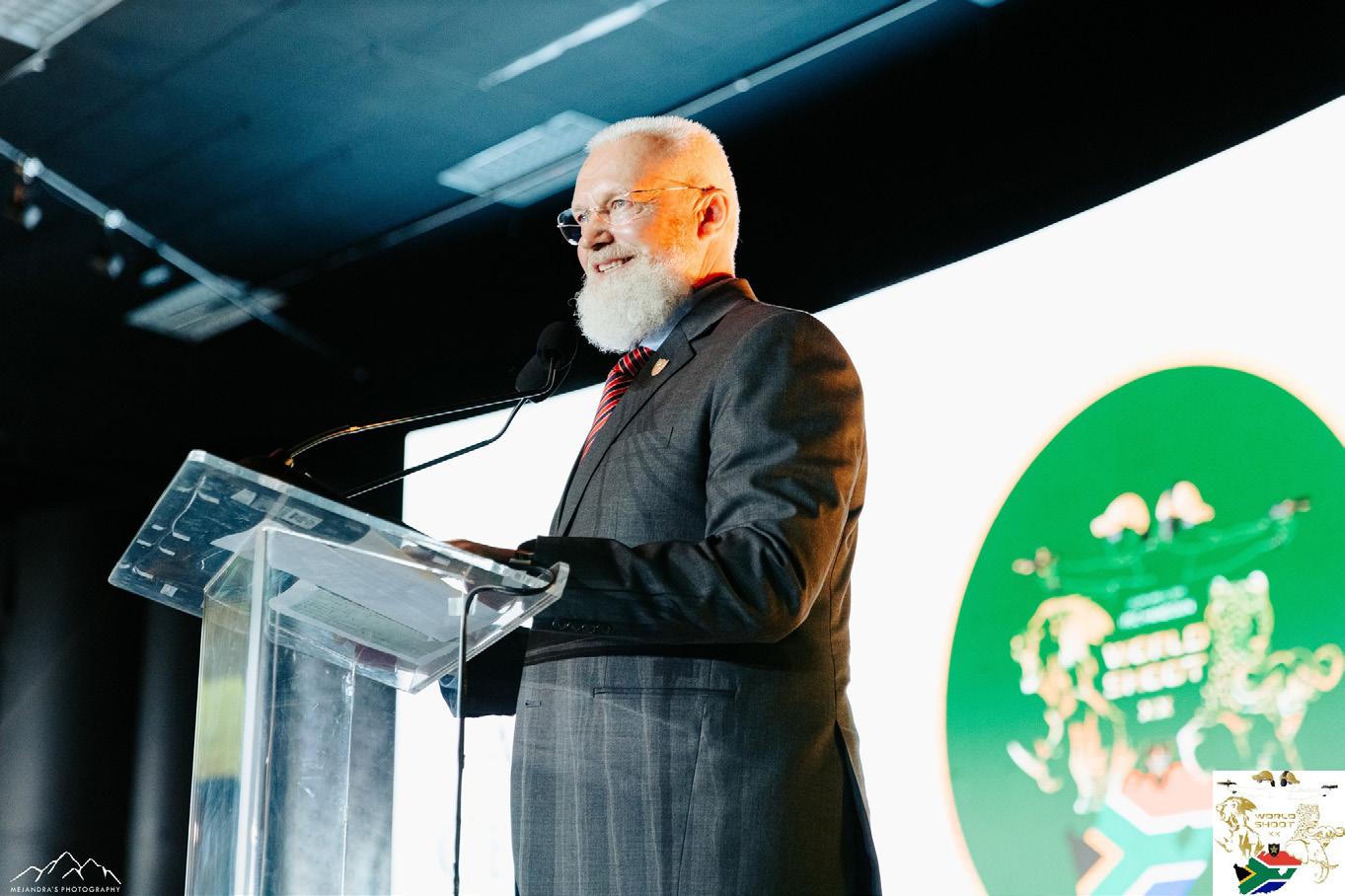
The XX Handgun World Shoot in South Africa saw almost 2,000 athletes participate, marking the largest match in IPSC history.
This period showcases our commitment to excellence, innovation, and camaraderie in shooting sports worldwide.
Our athletes, organizers, partners, sponsors, and affiliates have shown remarkable dedication, contributing to a dynamic season.

EDITOR-IN-CHIEF: Marco Hernandez
ipscworld@ipsc.org
ADVERTISING MANAGER: Alain Joly sponsorship@ipsc.org
PUBLIC
Alain Joly joly@ipsc.org
SPECIAL





The 2025 calendar features numerous international matches and initiatives for our sport’s development, including exhibitions like SHOT Show’ 25 in the USA and IWA Outdoors Classic’ 25 in Germany, along with hundreds of IPSC matches and IROA, and MISIA seminars globally.
Our Confederation and Regions are engaged in key events such as the IF Forum ’25 in Lausanne and the SportAccord Convention in Baku, Azerbaijan in 2026.
We are collaborating with WADA and participating in major exhibitions, including WADA’s World Conference on Doping in Sport in December 2025 in Busan, South Korea.
MISIA Instructors and Trainers conduct global seminars, while our IROA Team continues to grow, sharing knowledge with new range officers. As we approach the end of the 2025 season, I wish everyone success and renewed goals for the 2026 season.
Looking ahead, 2026 will mark IPSC’s 50th anniversary, providing a chance to reflect on our history and plan for the future.
I invite all members and IPSC friends to celebrate this milestone through events that highlight our great sports’ achievements.
Thank you for your support and commitment to IPSC as we look forward to a bright future.

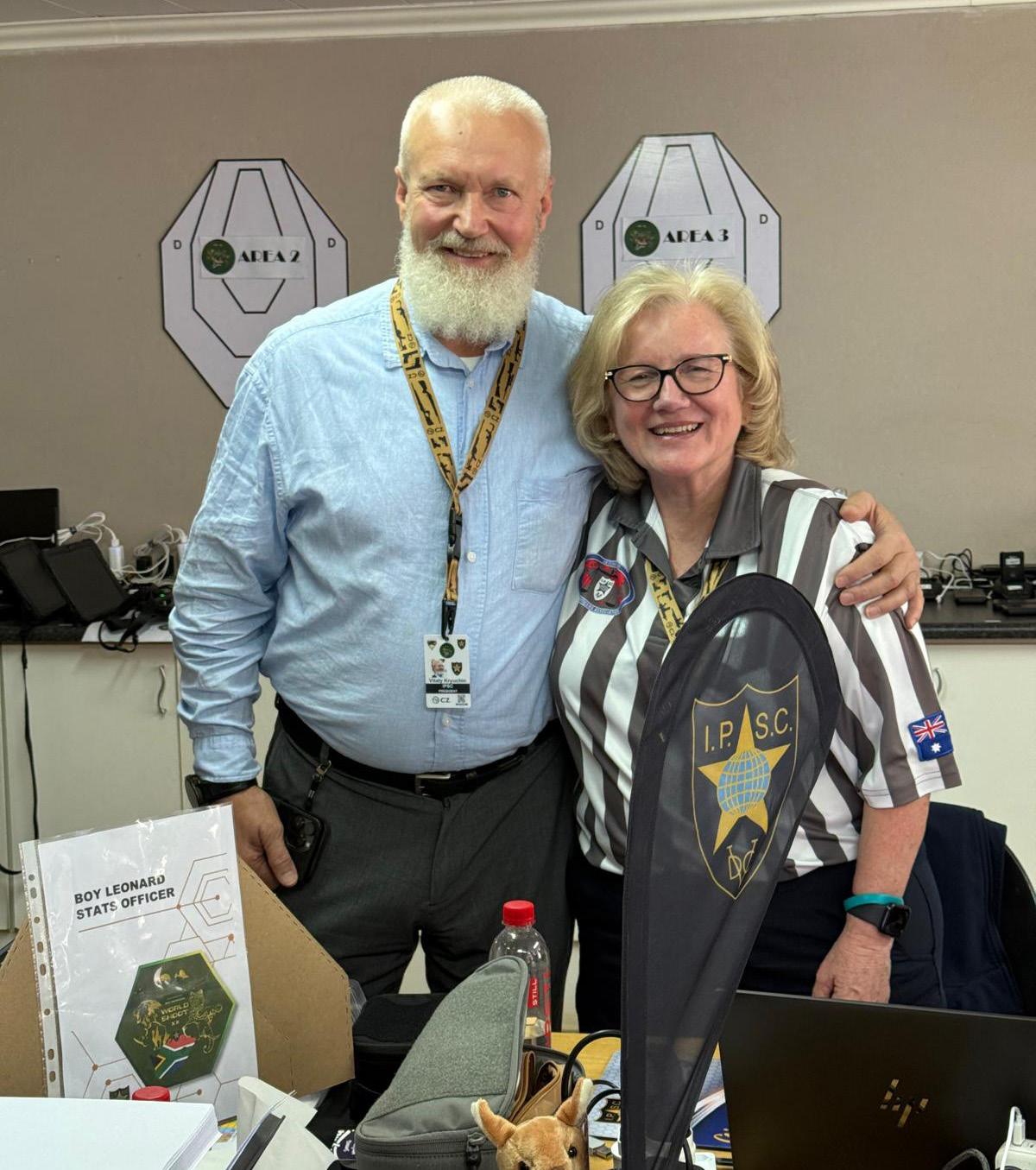
Vitaly Kryuchin IPSC President
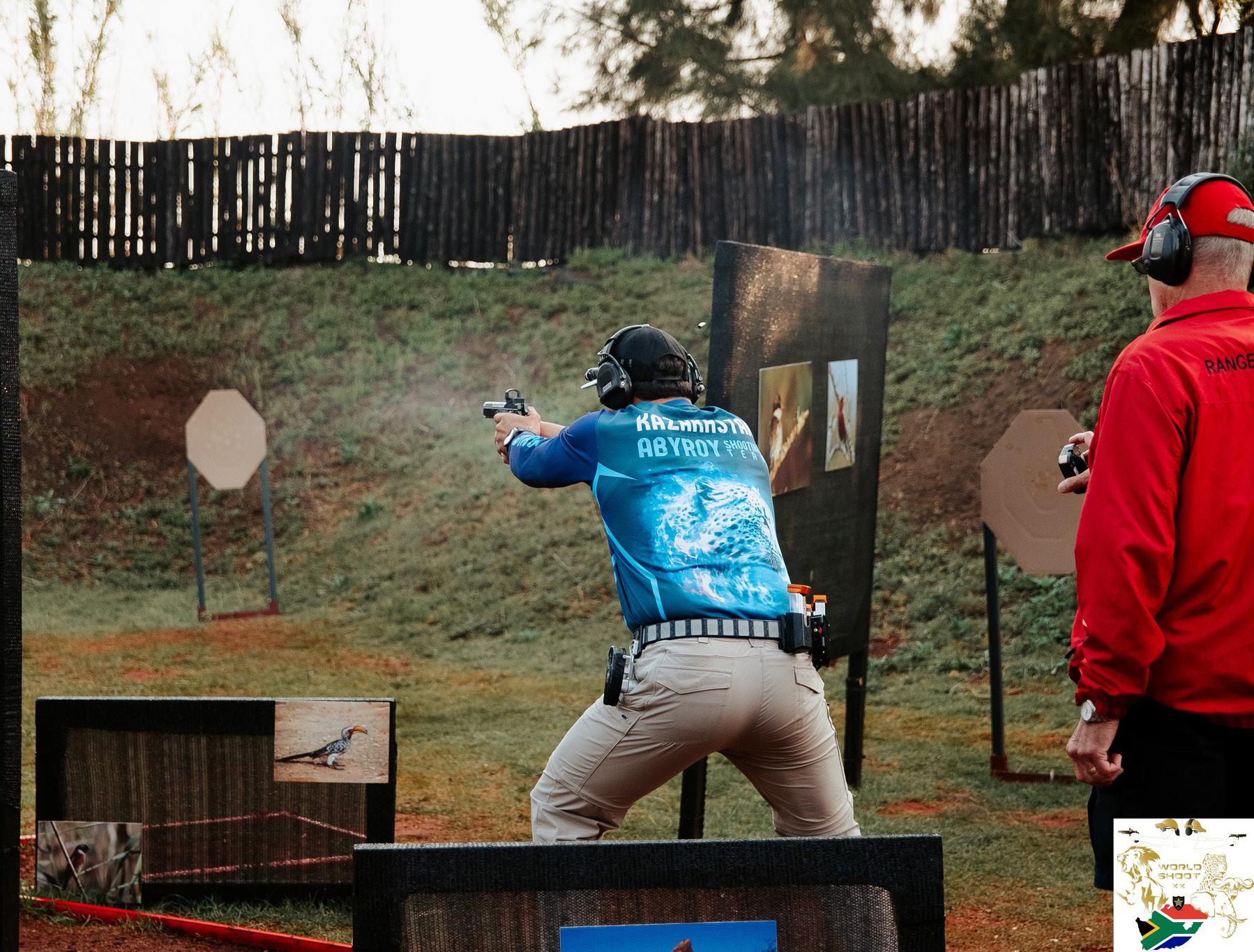
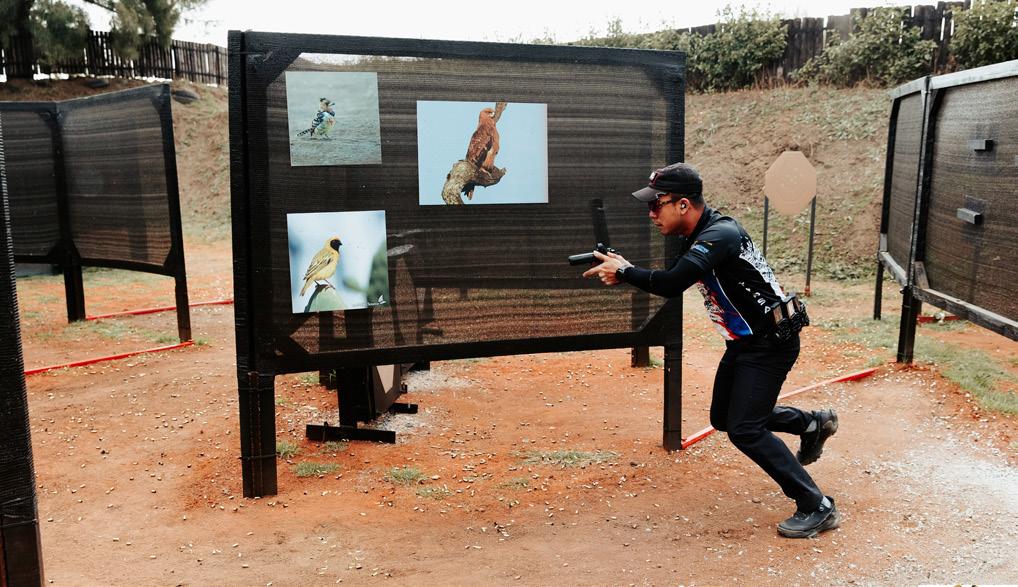
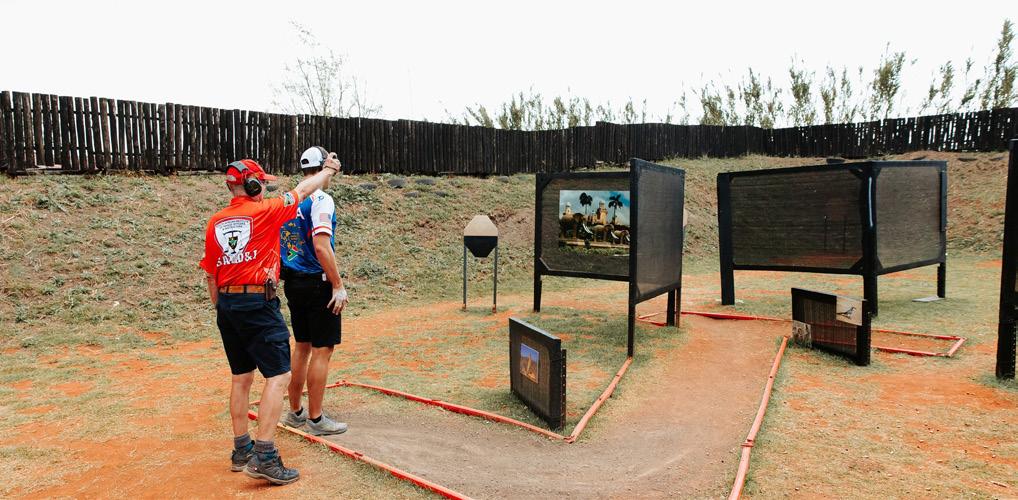
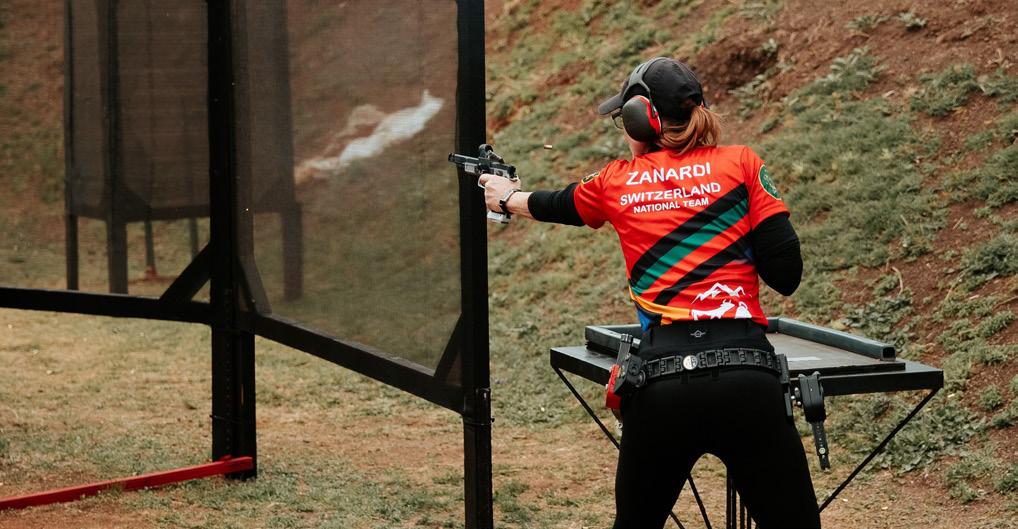
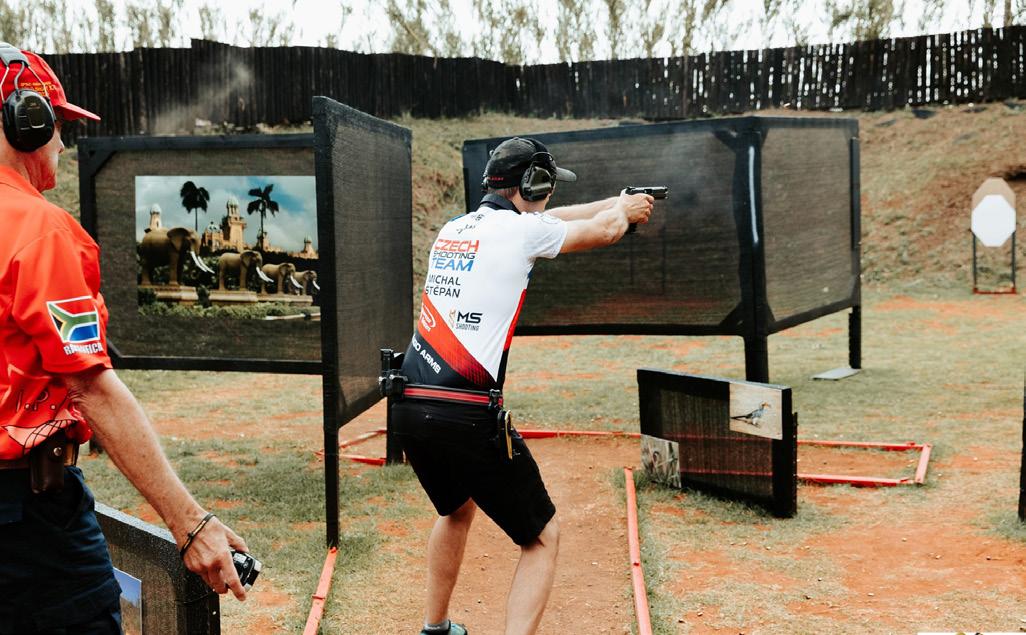
When the International Practical Shooting Confederation (IPSC) announced that South Africa would host the 20th IPSC Handgun World Shoot in 2025, anticipation immediately began to build across the global shooting community. It would be the first time the event was held on South African soil—a monumental milestone coinciding with IPSC’s 50th anniversary. By the time the competition concluded, it was clear that the City of Matlosana had delivered one of the most memorable World Shoots in the sport’s history.
For Mo Osman, IPSC Regional Director for South Africa, hosting the World Shoot was the pinnacle of years of dedication to practical
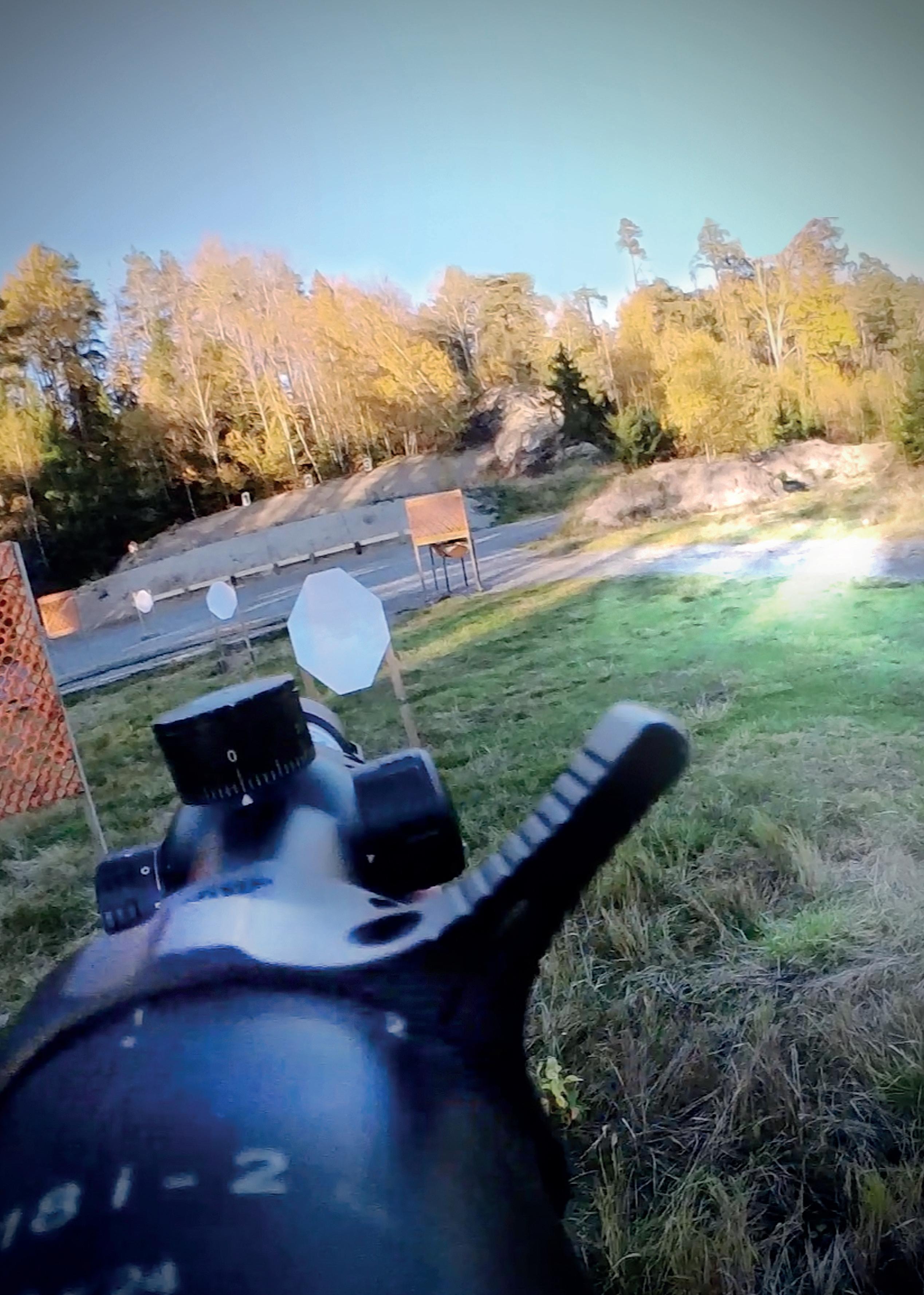
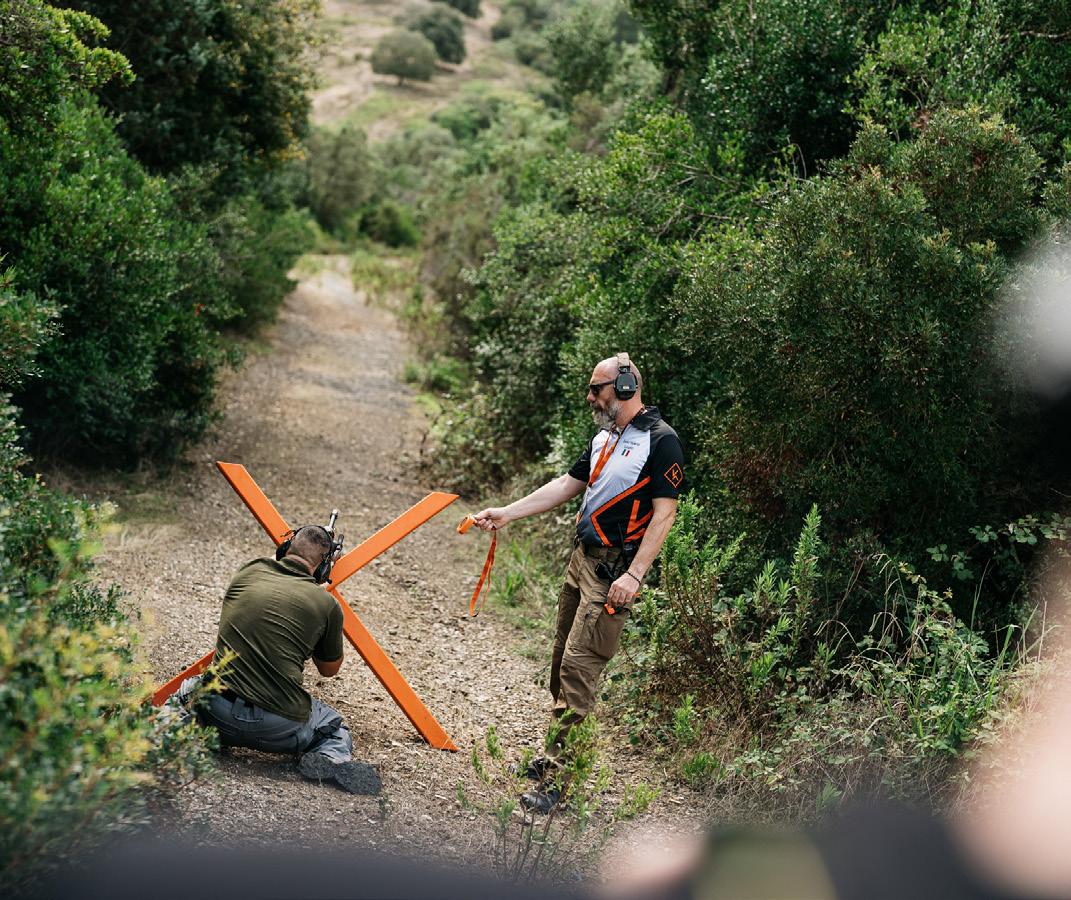
With an unequalled field of view, the K18i-2 sets the standard for dynamic, short-range shooting. Designed for speed and clarity, it provides competitive shooters and tactical professionals, with split-second precision and maximum responsiveness.
shooting. “This event was not just a competition— it was a celebration of unity, excellence, and the global spirit of our sport,” Osman reflected.
Welcoming 1,673 competitors from 76 countries gathered at the Frontier Shooting Range and CZ as Official Match Sponsor, the event became the largest IPSC Handgun World Shoot ever held. Osman credited the success to the efforts of volunteers, match officials, and the local community: “From the tireless efforts of our volunteers to the warm hospitality of Matlosana, this World Shoot was a testament to what we can achieve when we come together with a shared passion.”
Match Director John Loupellis: “This World Shoot XX was not only the biggest IPSC Match, but also a gathering of a global community that understands something deeper: sport shooting is not a game; it is discipline. It is responsibility. It is truth. That honesty is what shapes character, and that is what makes the sports shooting community so critical to safer societies”.
The Host City: Matlosana Steps Onto the Global Stage
Nestled in South Africa’s North West Province, the City of Matlosana—formerly known as Klerksdorp—proved to be an exceptional host. Just a few hours from Johannesburg’s OR Tambo International Airport, Matlosana welcomed visitors with its unique combination of small-city warmth and modern infrastructure.
Competitors and spectators alike had the opportunity to explore a region steeped in history and natural beauty. The Klerksdorp Museum, Faan Meintjes Nature Reserve, and the nearby Vredefort Dome—a UNESCO World Heritage Site—offered glimpses into both the cultural and geological legacy of the area.
For many international guests, it was their first introduction to South Africa’s hospitality, diversity,
and enduring spirit. For the local community, the World Shoot provided a platform to showcase what Matlosana could offer to the world.
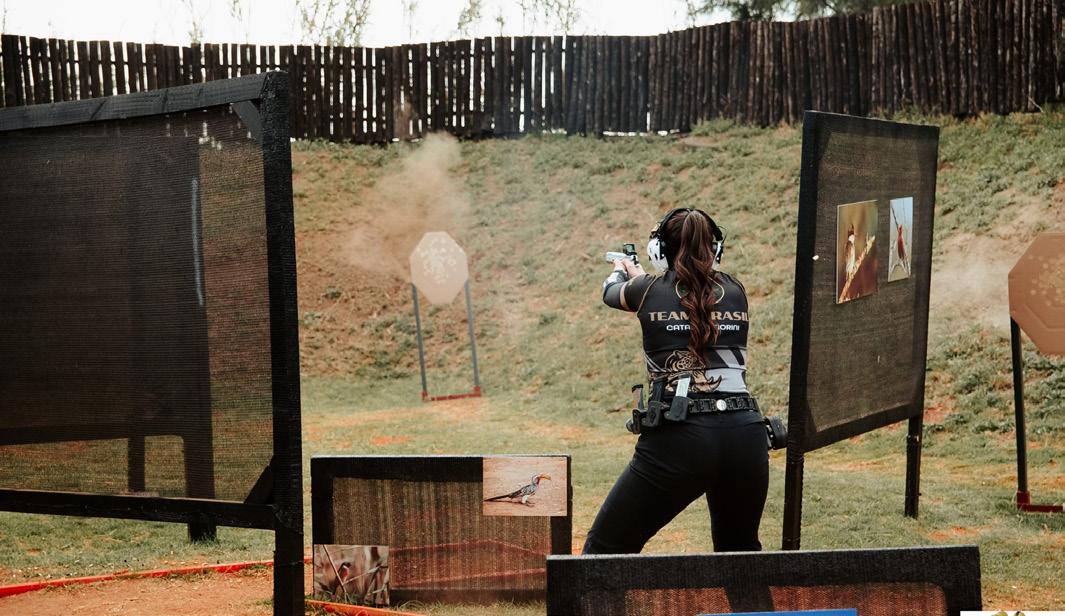
The South Africa’s organizers team’s dedication created an environment where athletes could perform at their best, and spectators enjoyed the spectacle without any hitches. Their hard work and commitment truly made this unprecedented gathering possible, making great memories of this IPSC match for the future.
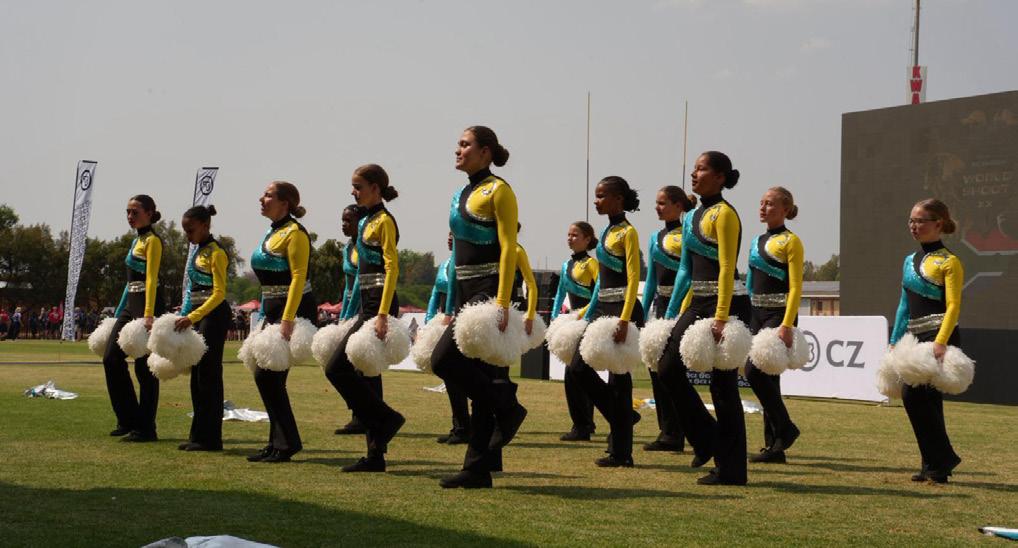
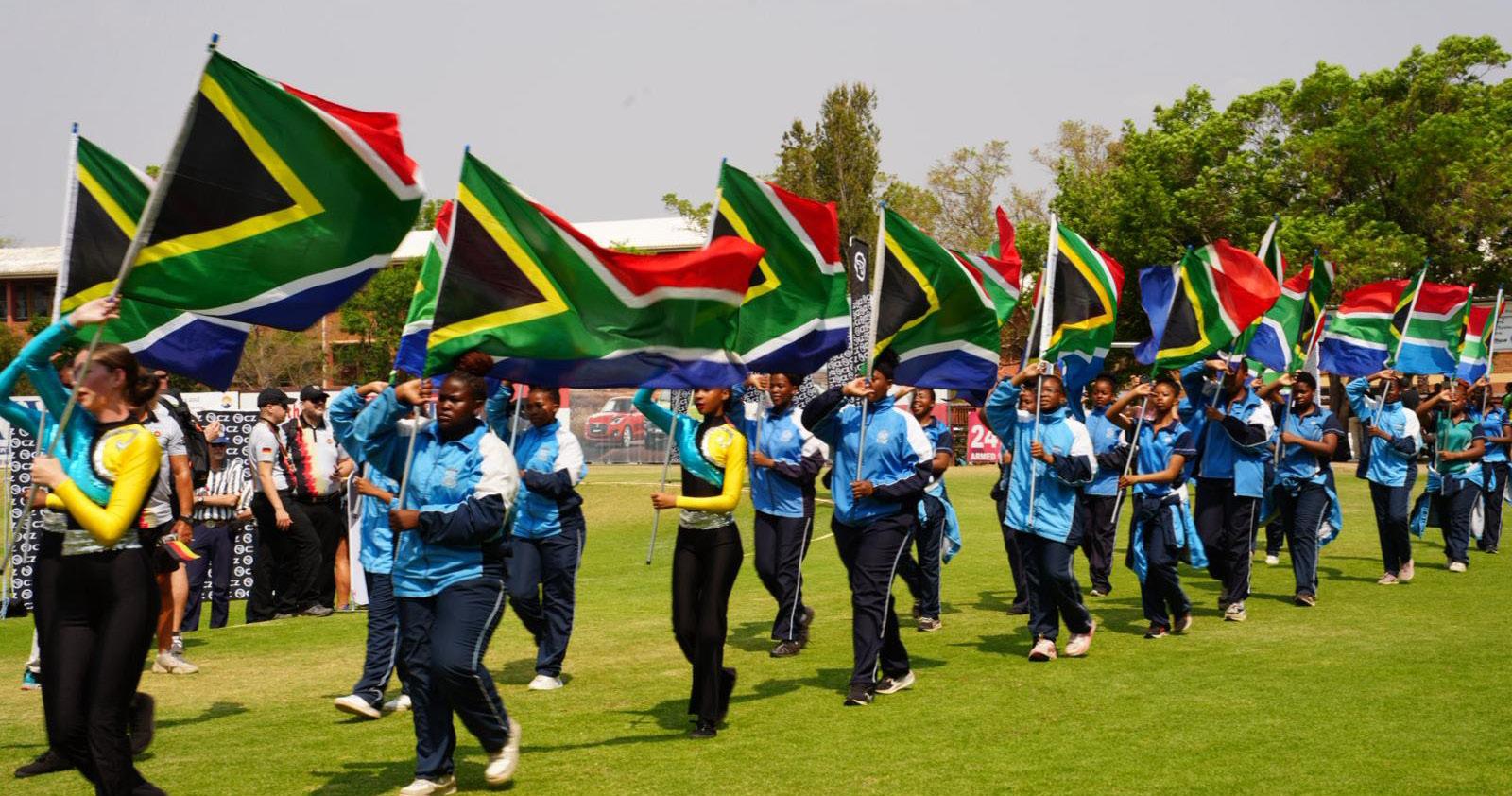
The Opening Ceremony, held on 21 September 2025 at Wesvalia Secondary School in Klerksdorp, was a fitting prelude to the competition. With teams marching under their national flags, music filling the air, and the South African sun setting over a crowd of athletes and spectators, the moment was electric.
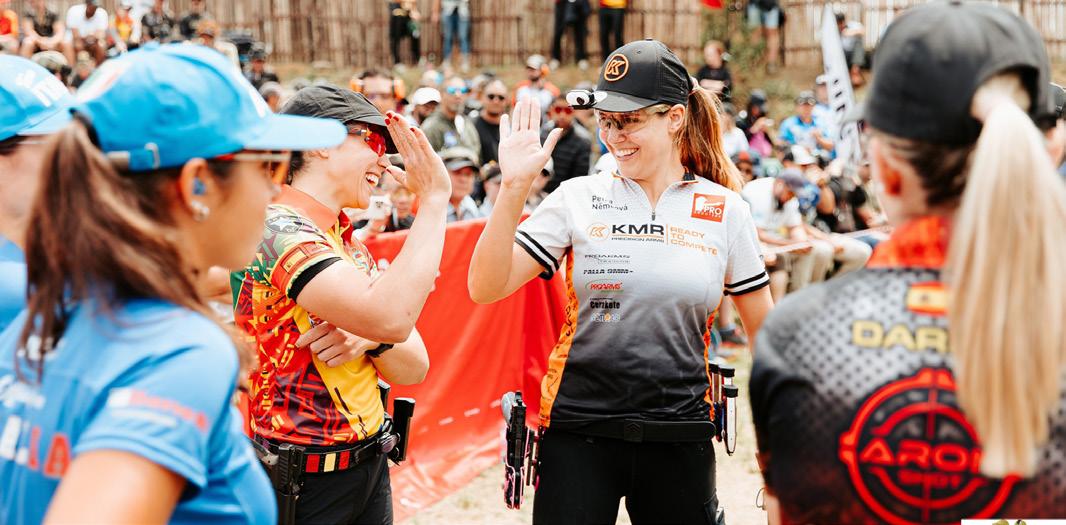
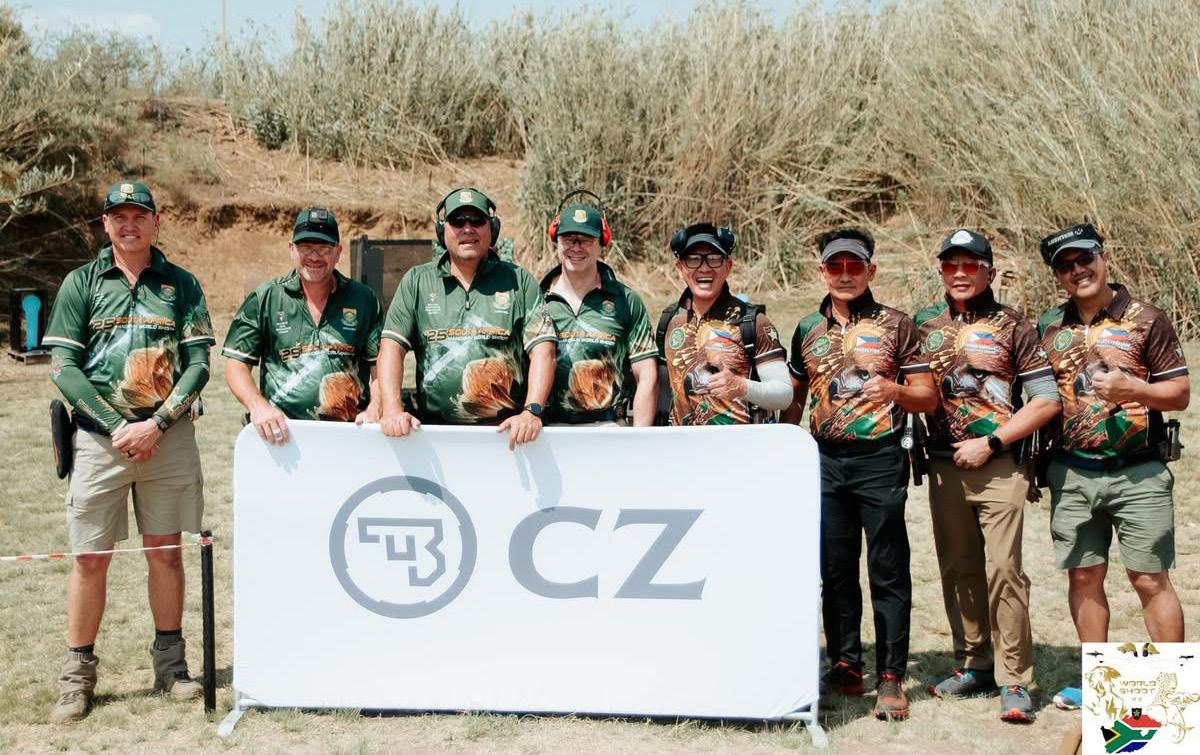
While the Minister of Sport was unable to attend, the Department of Sport was officially represented by Mr. Blessing Hlomane, underscoring the national significance of the event. The ceremony highlighted the themes of unity, diversity, and
pride, marking South Africa’s debut as a host of the IPSC Handgun World Shoot.
The competition was fierce, with seasoned veterans and emerging stars alike showcasing their mastery of handgun shooting. The event featured a diverse array of 30 stages, combining technical precision with a lot of dynamic movement, reflective of IPSC’s core principles. The atmosphere was electric, with spectators and athletes alike marveling at the incredible standard of performance.
This edition of the World Shoot not only highlighted the sport’s rising popularity but also demonstrated IPSC’s dedication to inclusivity and international growth. The record-breaking participation underscores the sport’s expanding reach, appealing to a new generation of athletes and enthusiasts worldwide.
Thank you to the Range Officers incredible team, as well as to IPSC Partners and Sponsors — without your support, this incredible match would not have been possible!
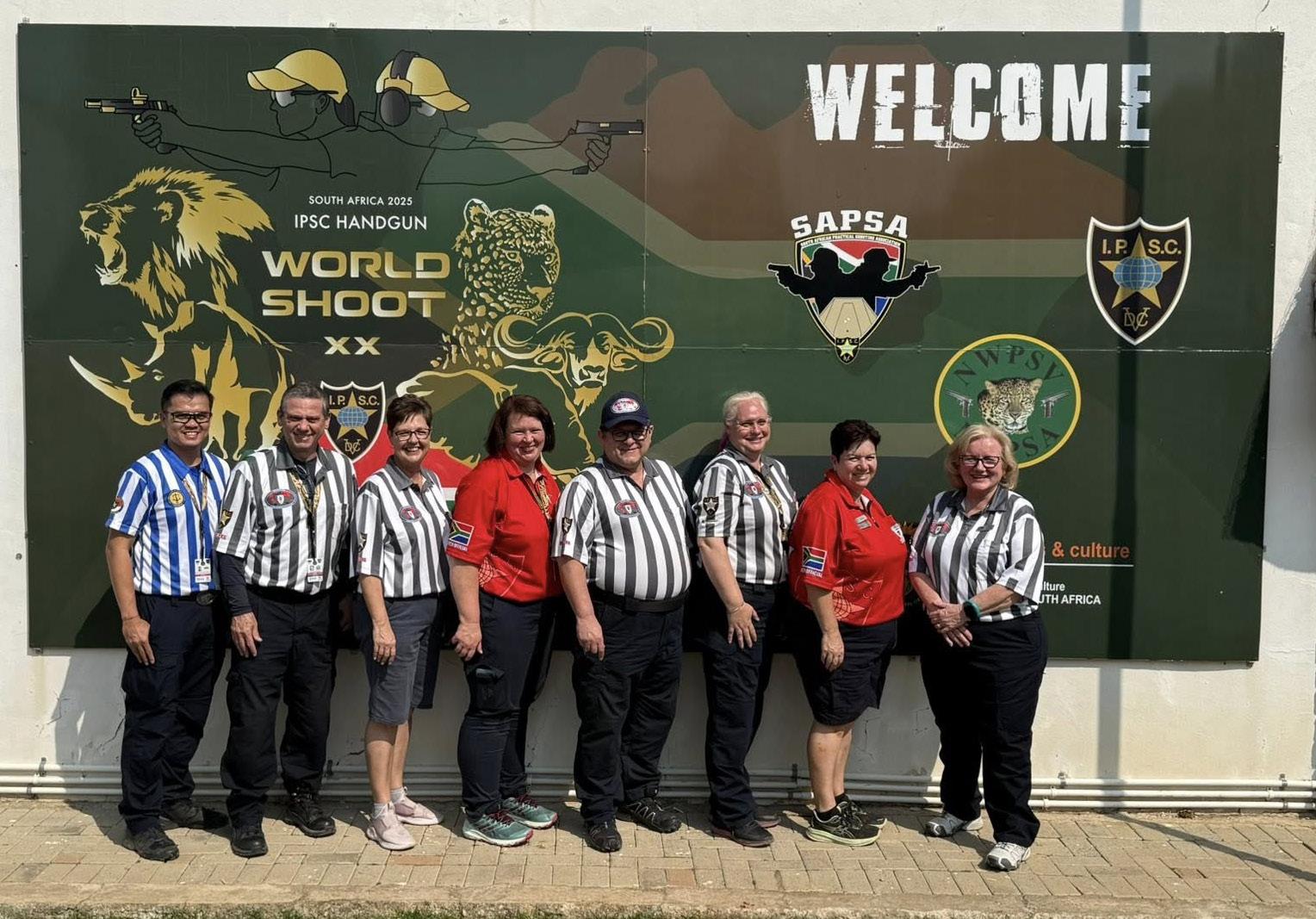
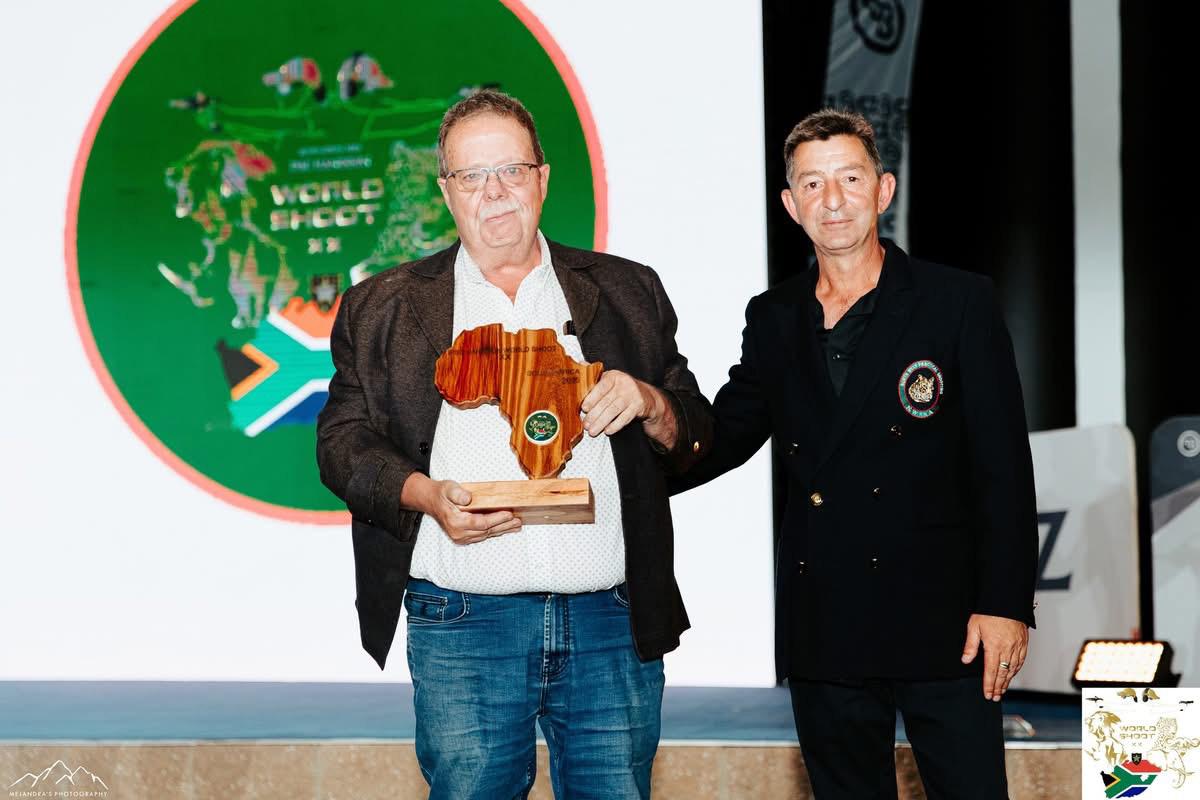
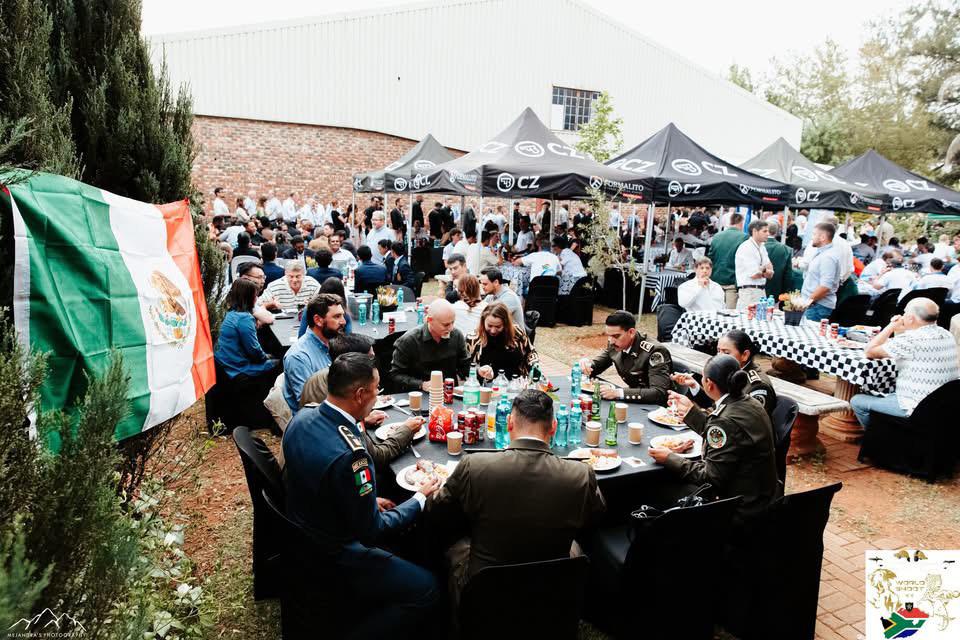
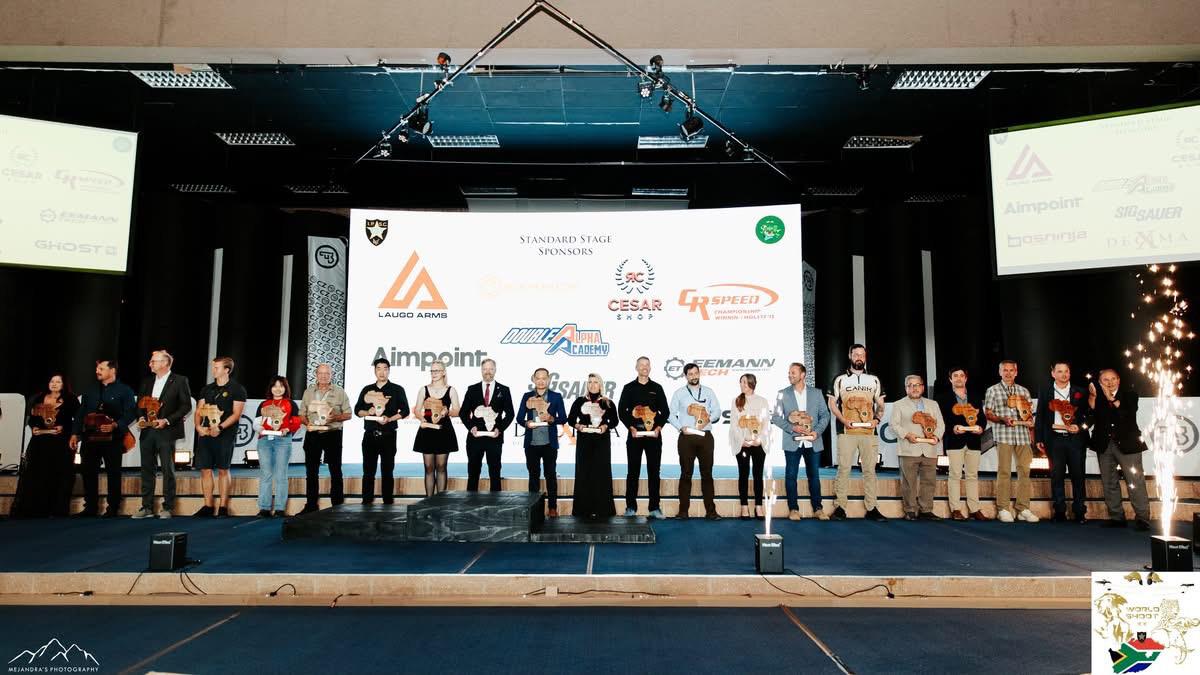
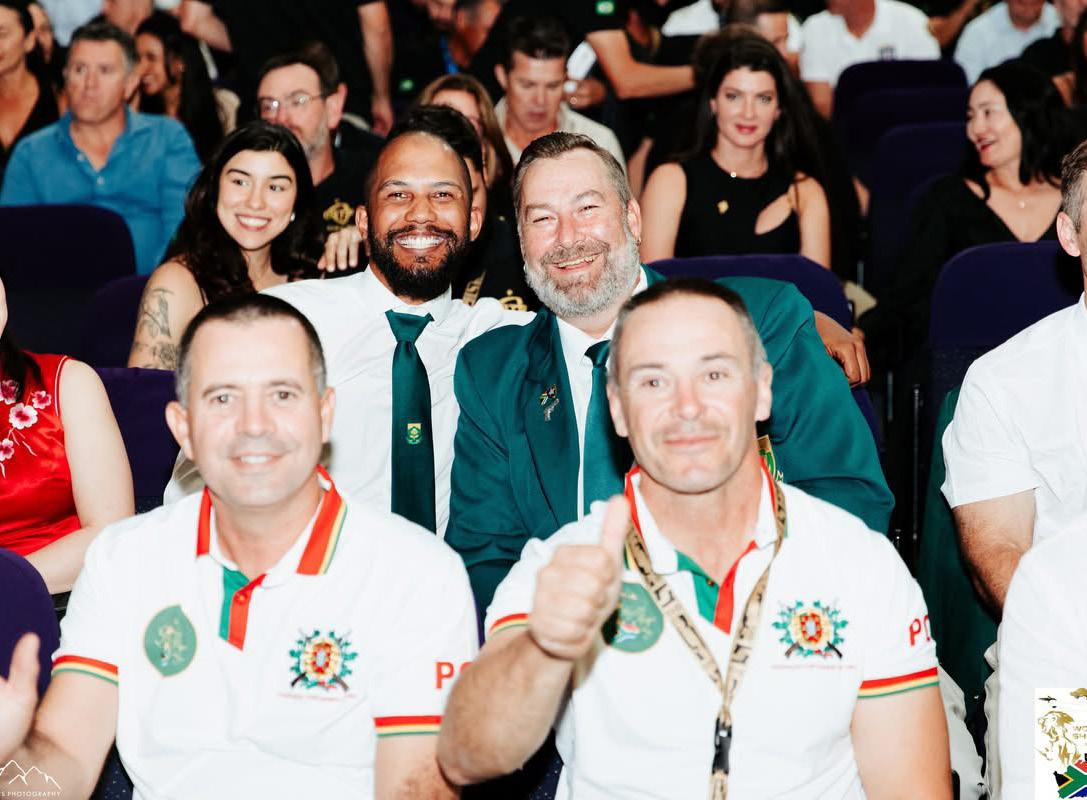
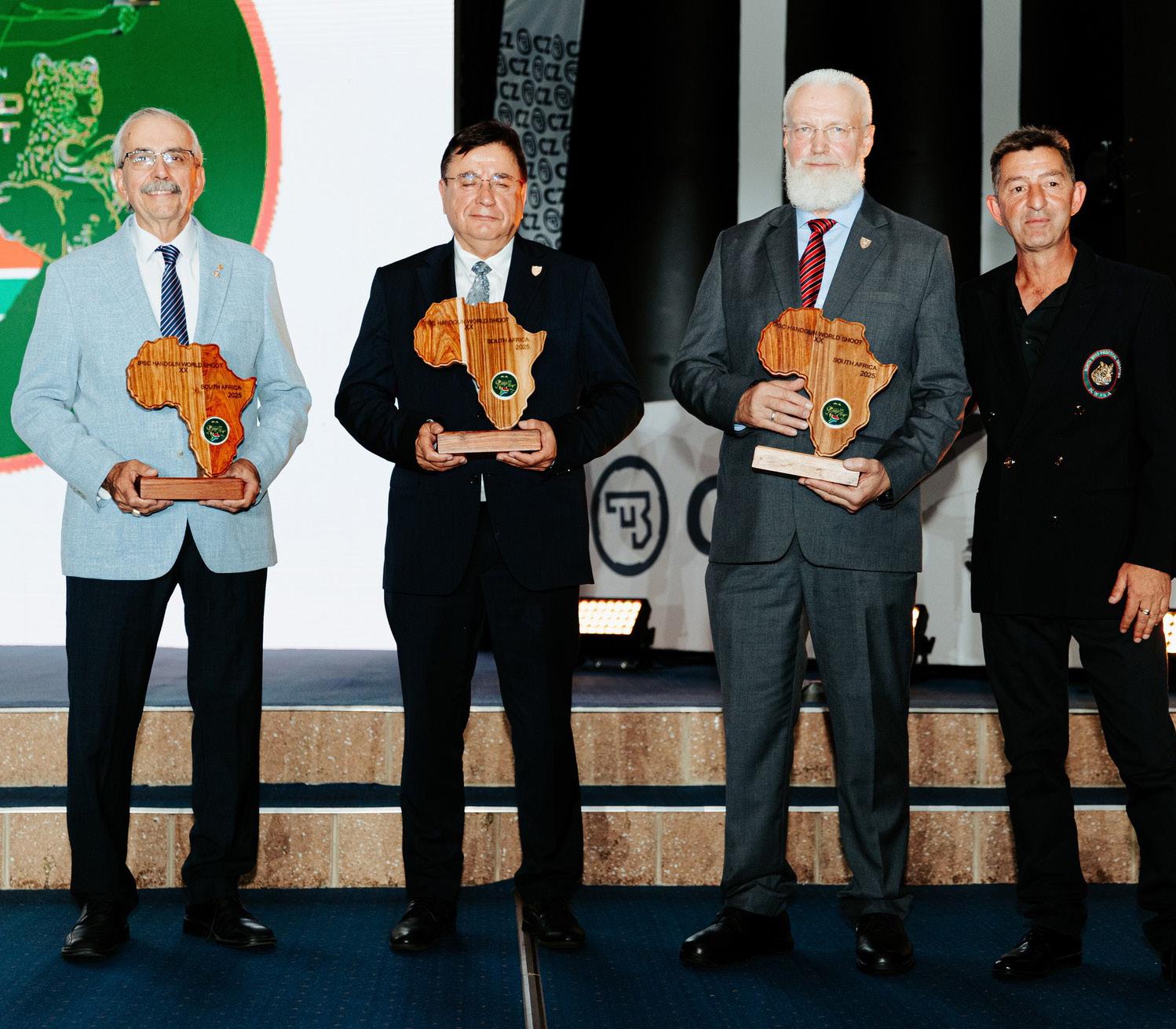
The Closing Ceremony, held on 28 September 2025 at Spirit Word House, brought the World Shoot to a triumphant conclusion.
The evening’s highlight was a commemorative video celebrating 50 years of IPSC, capturing the sport’s journey from its early days to its modern global stature. The video can be viewed here: https://youtu.be/A79C0v9GYJM
Addresses were delivered by several distinguished figures, including:
Vitaly Kryuchin, IPSC President
Mo Osman, IPSC Regional Director – South Africa
John Loupellis, Match Director
Ian Cameron, Chairperson of the Portfolio Committee on Police, National Assembly
Among the special guests were Blessing Hlomane from the Department of Sport and Ms. Lisa-Maré
Schickerling, Member of the National Assembly. The ceremony was both reflective and celebratory—honoring not only the champions of the 2025 competition but also the collective achievement of the IPSC community.
As trophies were presented and flags lowered, one sentiment resonated above all: this was more than a world championship. It was a milestone for the sport itself.
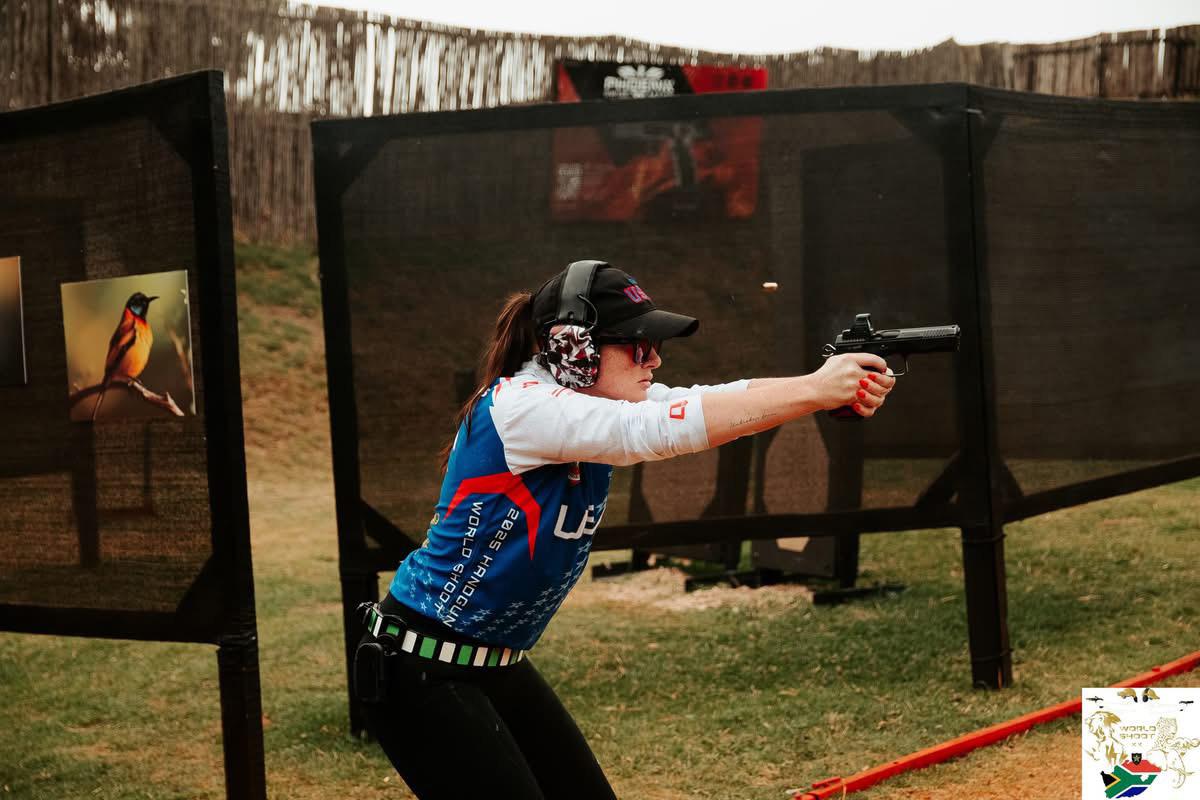
With 1,673 competitors representing 76 nations, the 2025 Handgun World Shoot set a new benchmark in participation and organization. It was the largest IPSC Handgun World Shoot ever conducted—a proud moment not only for South Africa but for the entire IPSC family worldwide.
Indeed, the 2025 IPSC Handgun World Shoot was not just a competition—it was a global celebration of skill, unity, and the enduring passion that fuels the sport of practical shooting.
Thanks to the incredible team of Range Officers and all IPSC Partners and Sponsors — without your support, this incredible match would have not been possible!
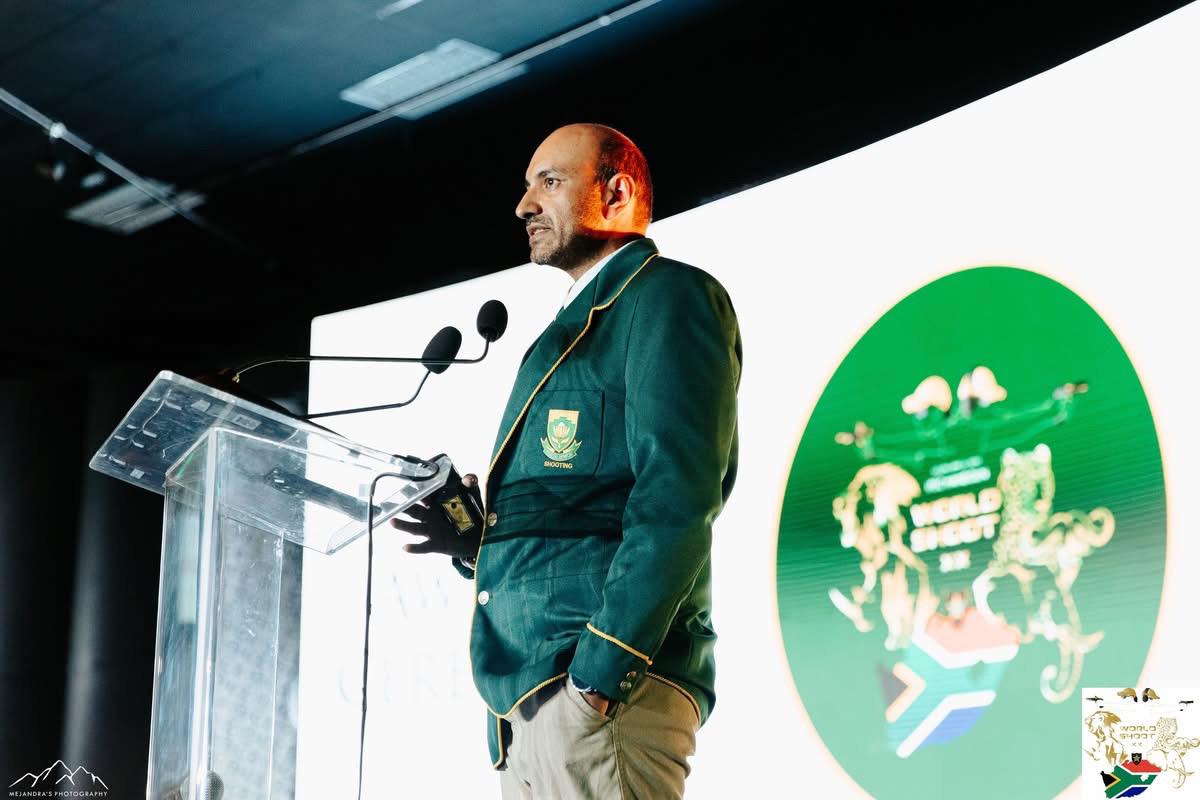
As the dust settles in South Africa’s scenic landscapes, organizers, athletes, and spectators alike are celebrating a historic achievement.
The 2025 IPSC Handgun World Shoot XX has set a new milestone for future editions, inspiring competitors everywhere to push further.
Thank you to the IPSC South Africa Regional Director Mo Osman, Match Director John Loupellis and Head of the Organizing Committee Nico Economakis, as well as to their respected Teams’ members who put their hearts into this match’s preparation.
There were many ups and downs during the preparations for this biggest IPSC handgun match, and the experience amd lessons learned with this World Shoot have shown that more attention needs to be paid to match ammo supply in Level IV and V matches.
Nevertheless, the outcome of this remarkable event will leave unforgettable impressions and fond memories of the competition in the minds of the organizers and athletes for the rest of their lives.
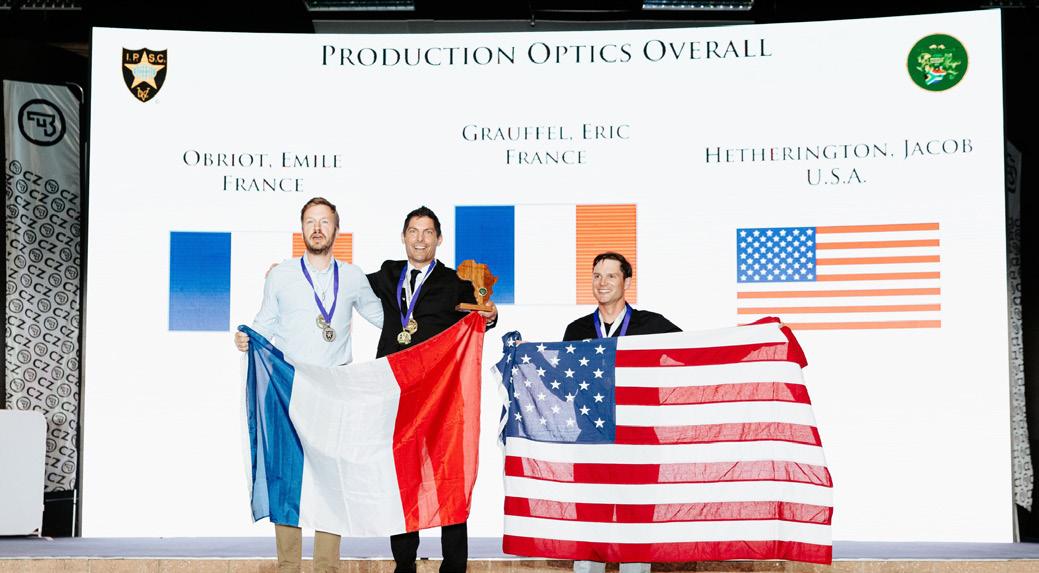
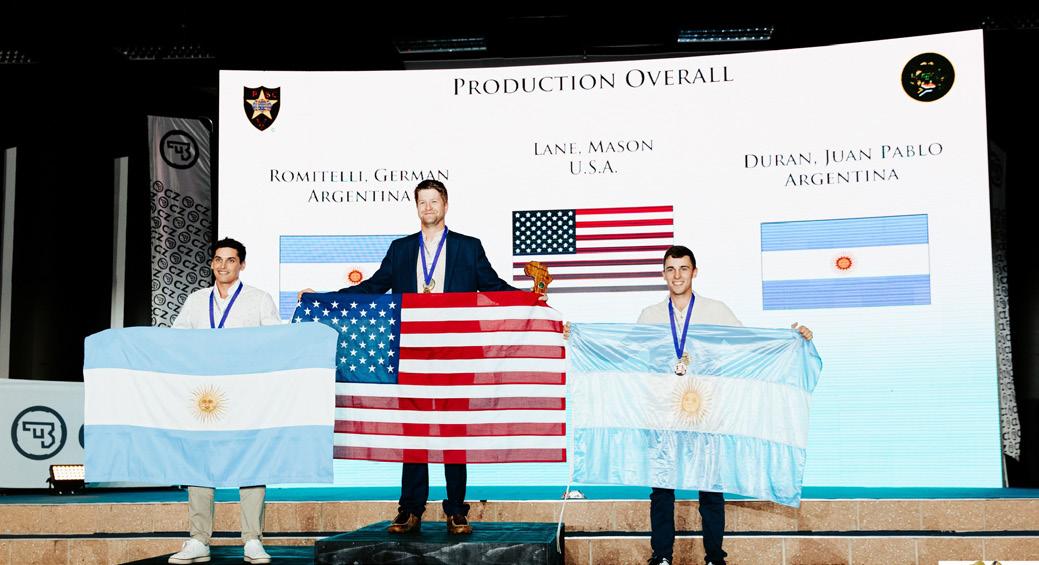
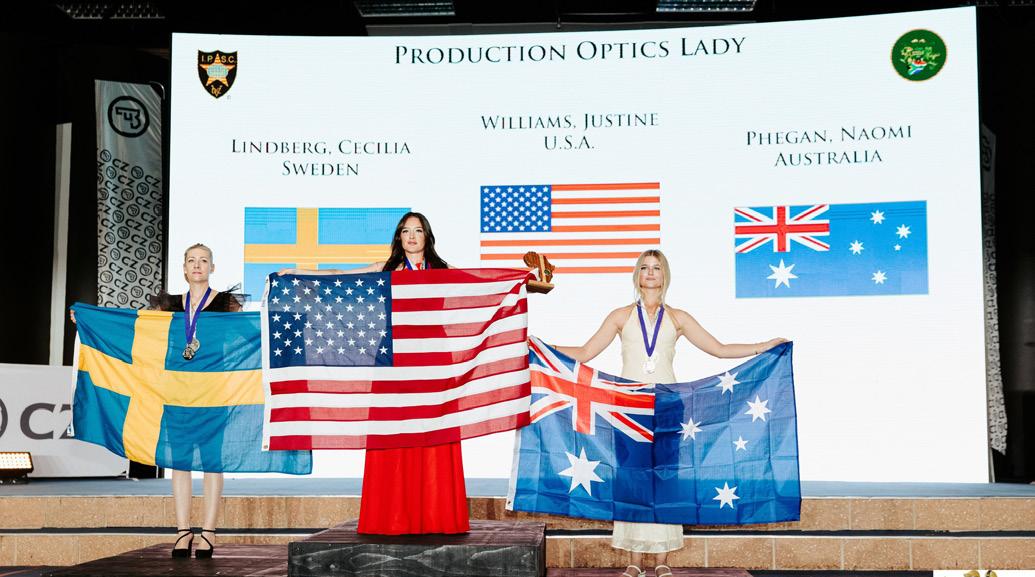
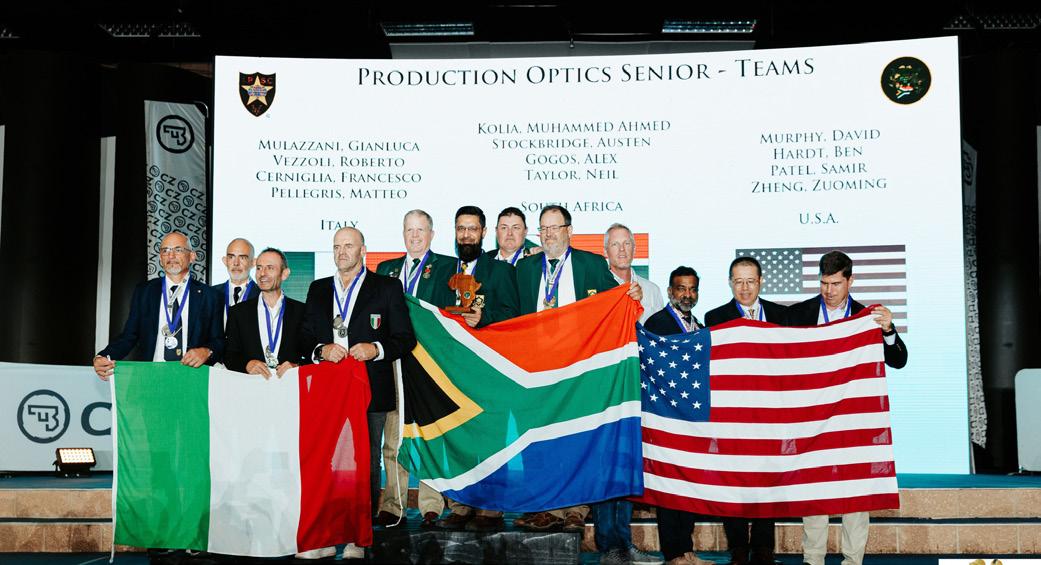
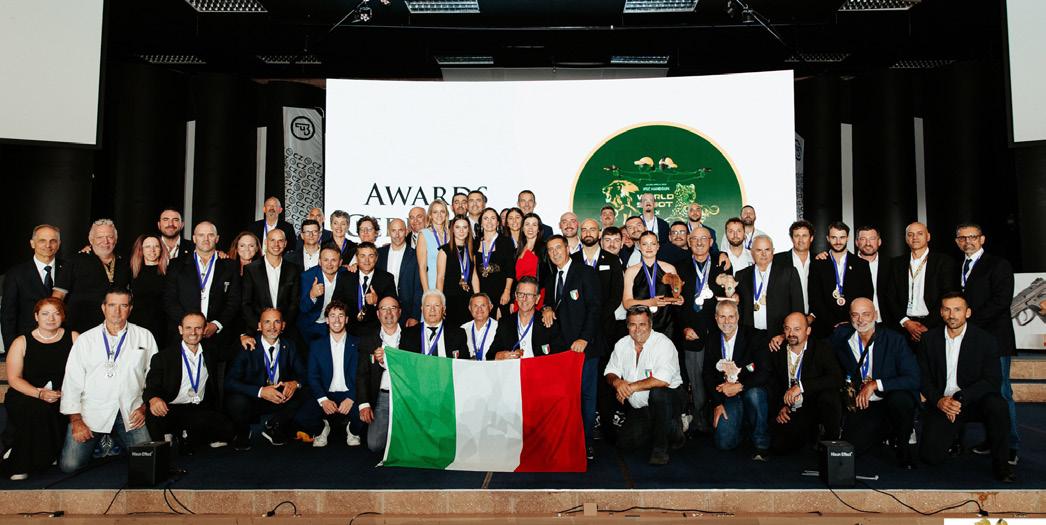
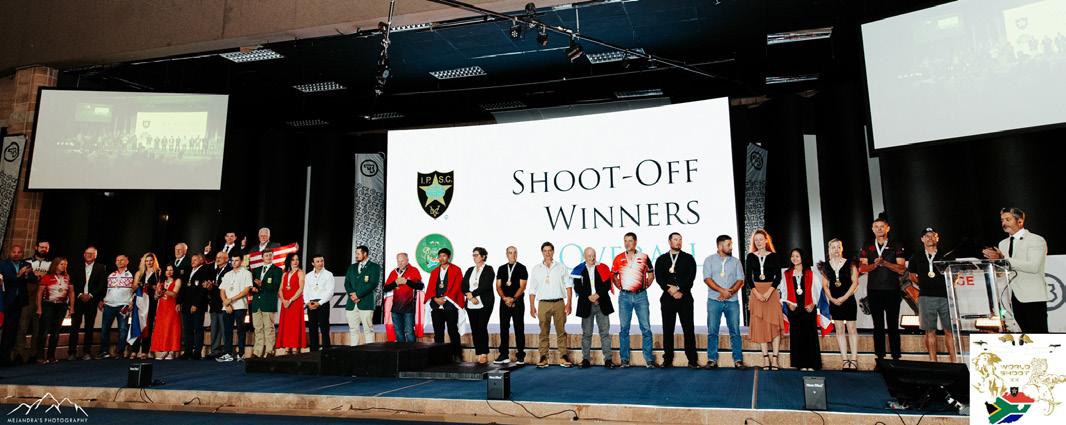
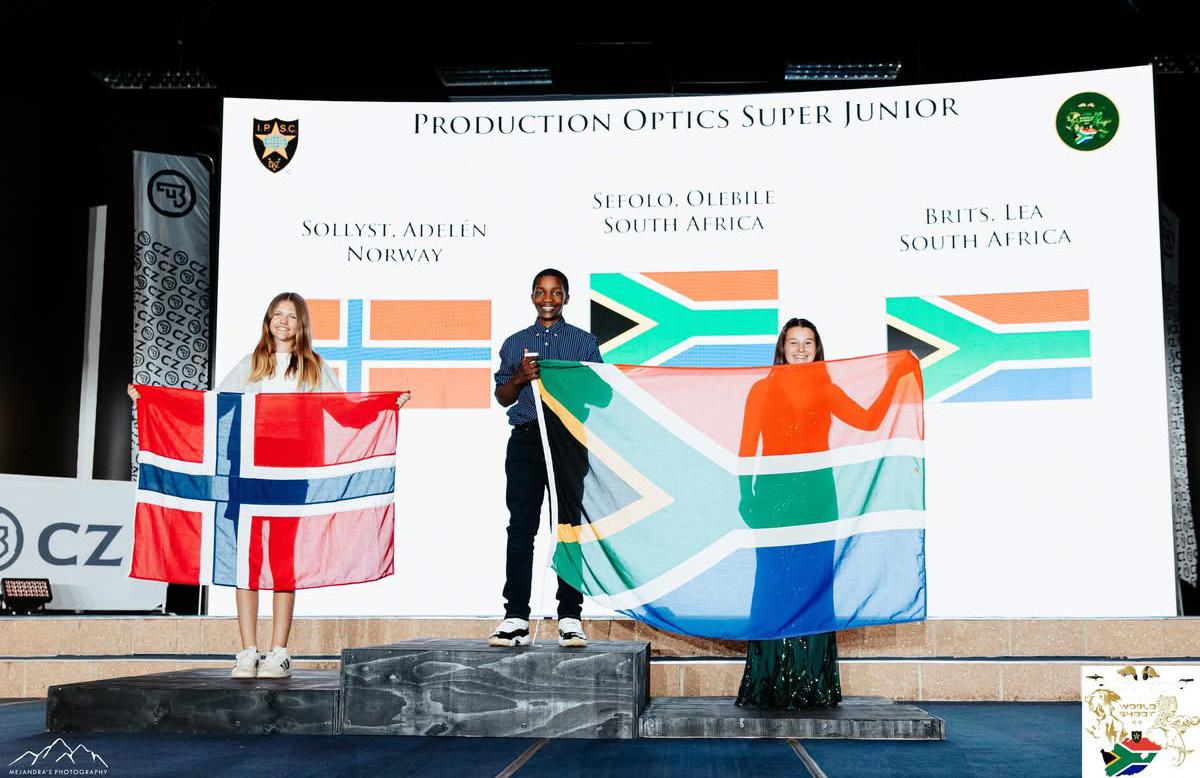
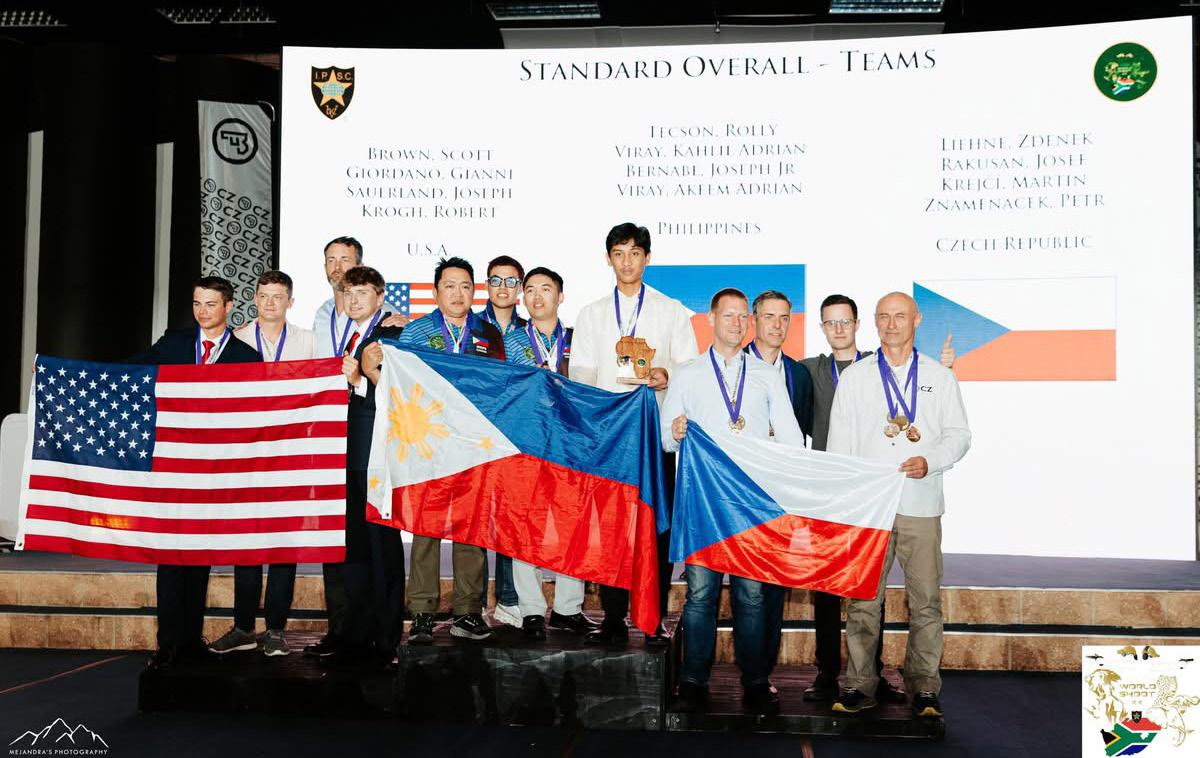
Congratulations to all the Champions and all the Competitors, and heartfelt thanks to the Range Officers and Match Organizing team for their hard work and true passion in delivering this unforgettable event that will be remembered in IPSC history.
Until next time, stay sharp and keep training!
Next stop – 2029 IPSC Handgun World Shoot XXI in Italy.

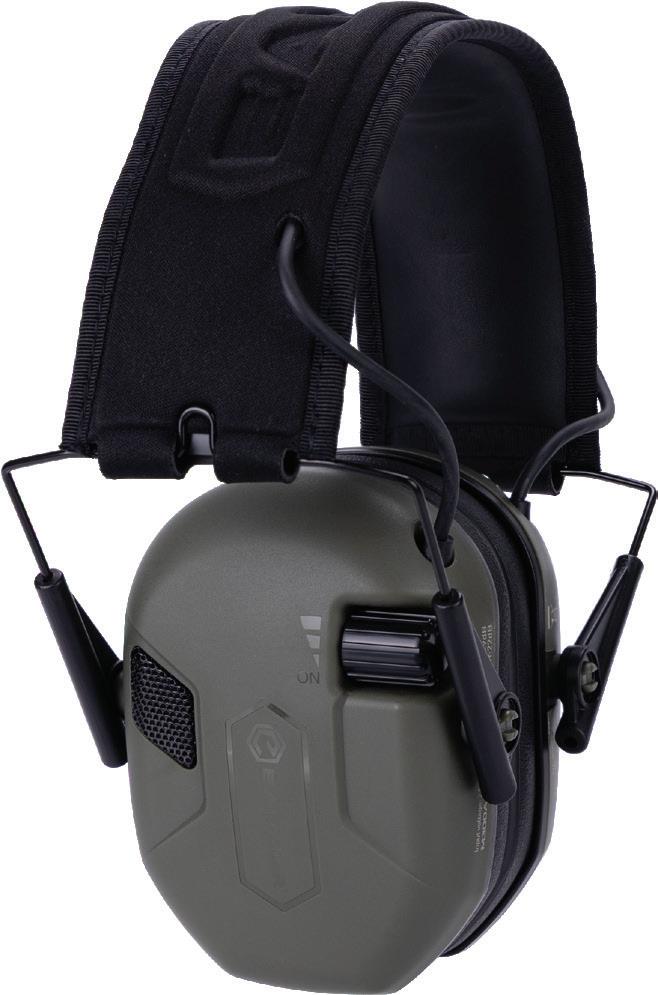
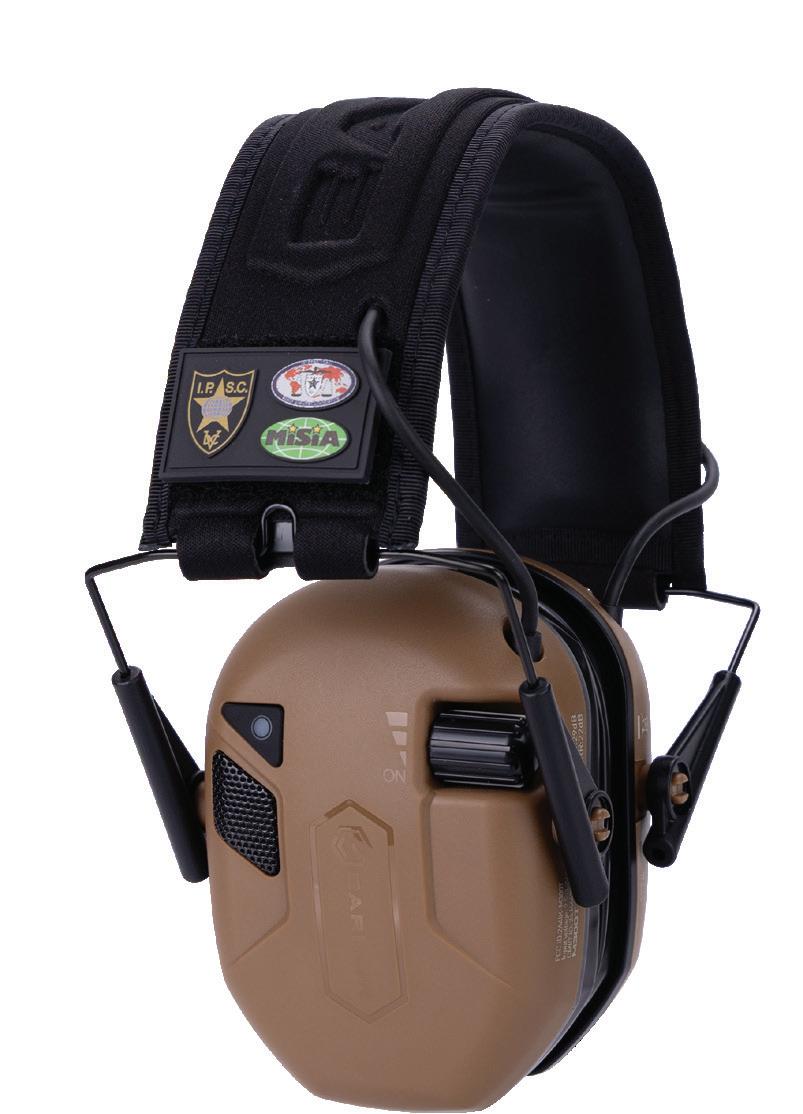
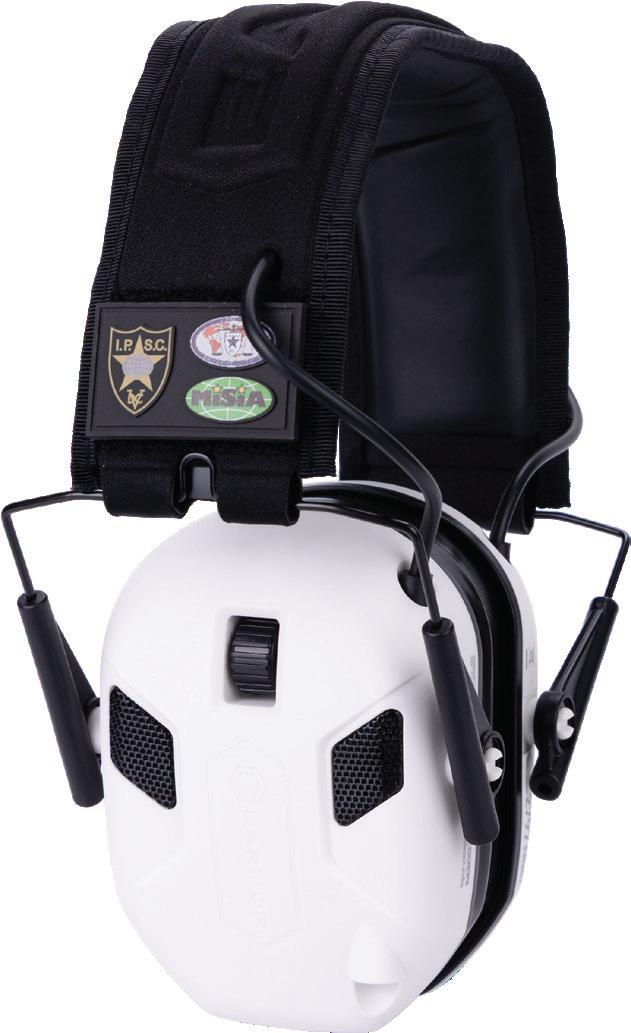
Since 2016, EARMOR has been focused on creating reliable hearing protection and tactical communication solutions for users in the military, law enforcement, and shooting sports communities.
As a brand specializing in tactical hearing protection and communication systems, EARMOR’s mission aligns perfectly with IPSC’s dedication to developing the sport through professionalism, responsibility, and innovation.
Driven by real-world needs, EARMOR’s researchbased design approach prioritizes situational awareness, comfort, and consistent protection, ensuring users perform at their best—from training ranges to international competitions.
This shared philosophy is what makes EARMOR a natural partner for IPSC.
All EARMOR products, including its latest M300X Electronic Hearing Protection Headset, are engineered to meet international safety and acoustic standards.
The M300X offers a balanced combination of clear communication and reliable noise reduction, featuring:
• NRR 24dB / SNR 30dB effective hearing protection
• Four omni-directional microphones for precise ambient sound pickup
• One-key knob control for quick operation during high-intensity use
• 3.5mm audio interface for external device connection
• AAA battery power supply for long-term reliability in the field
These design choices are not just technical advantages — they directly respond to the challenges IPSC athletes face in dynamic shooting environments, where awareness, timing, and safety are critical.
EARMOR’s commitment to innovation extends to its in-ear solutions, designed for maximum mobility, comfort, and performance. The M20T PRO is the next step in personal hearing protection technology, combining advanced electronic noise suppression with modern connectivity in a pocket-sized form.
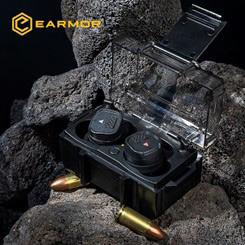
Key Features of the M20T PRO:
• Instant Protection: Less than 1 millisecond activation to suppress harmful noise above 82 dB.
• Versatile Listening: Quiet / Clear Voice / Ambient modes to suit different environments.
• Seamless Connectivity: Bluetooth connectivity with a Multi-Function Button (MFB) for handsfree calls and music.
• Superior Fit & Comfort: Includes selfdeveloped foam eartips (providing up to 30 dB noise reduction) and patented, comfortable tripleflange eartips in three washable sizes.
• Built-in Safety: A silicone retention cord with 20N tensile strength prevents loss or snagging.
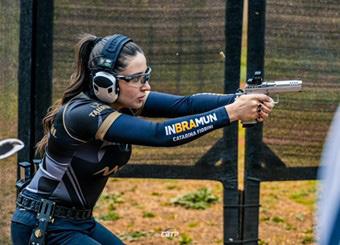
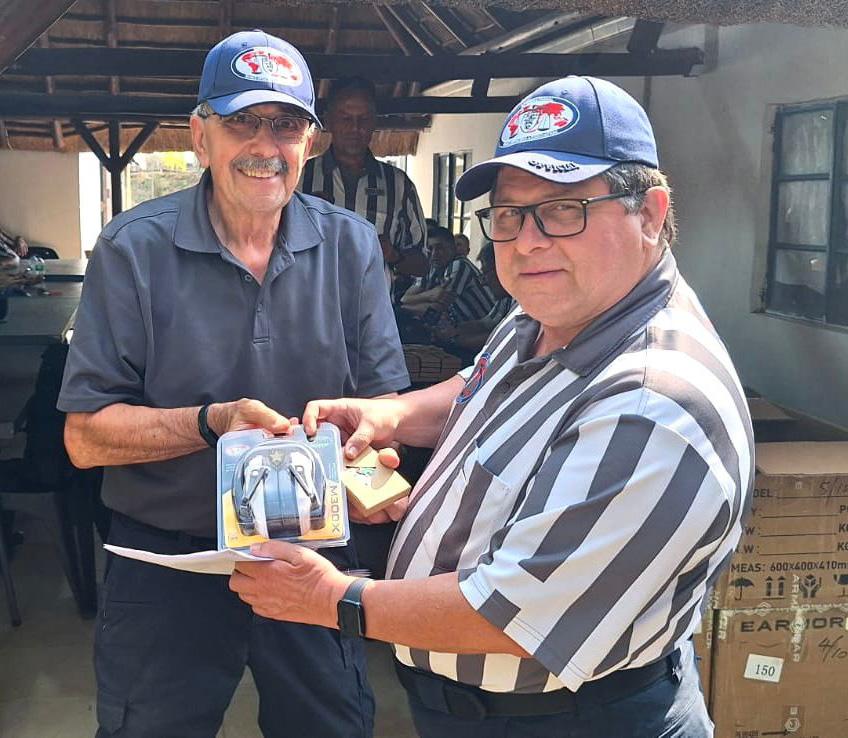
EARMOR and IPSC will continue to collaborate in promoting safer, more informed participation in shooting sports.
Through exclusive athlete programs, specialized training resources, and sport-specific protective gear, EARMOR aims to contribute not only as a sponsor but as an active partner in raising the global standard of safety and performance within the IPSC community.
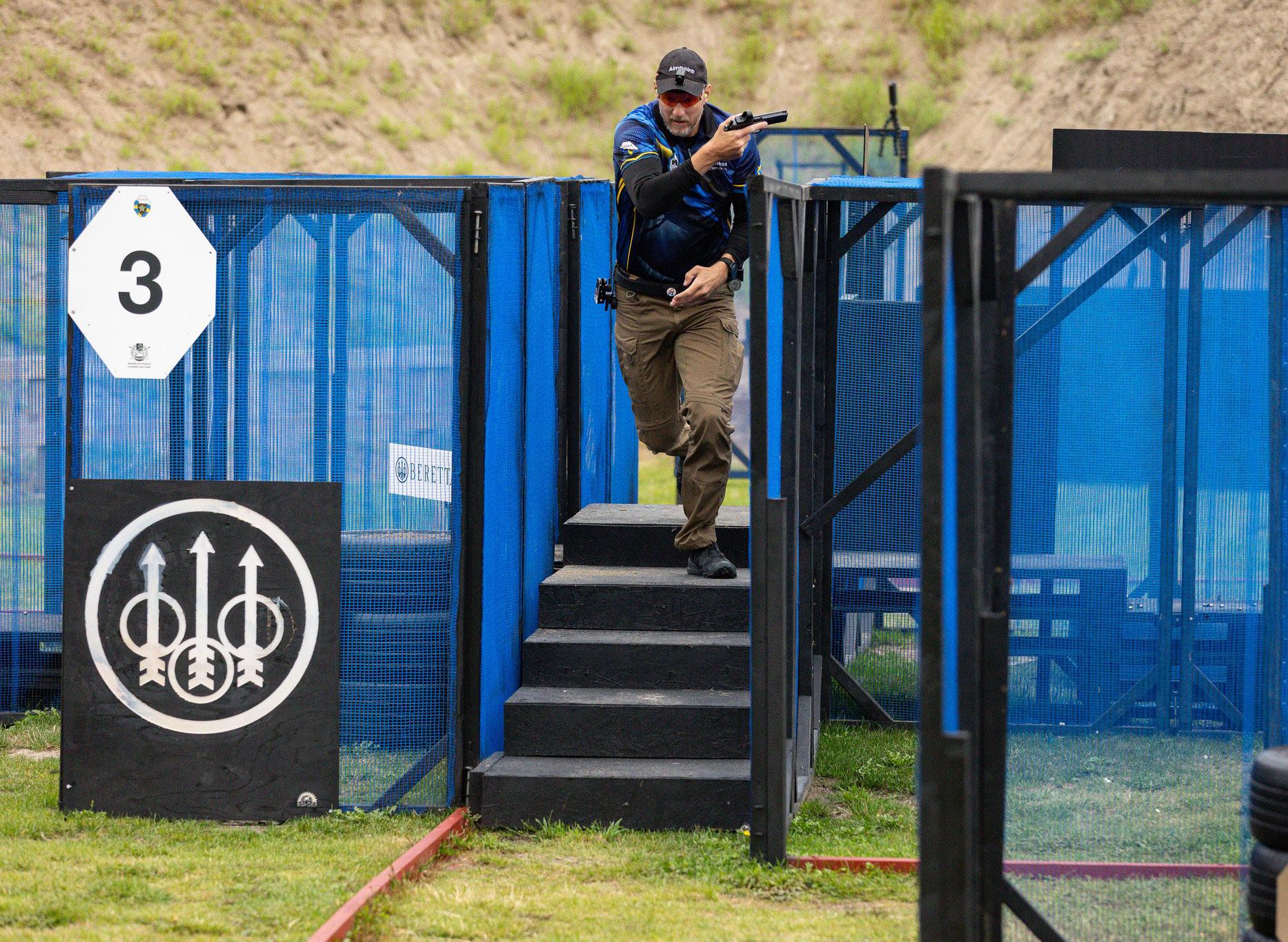
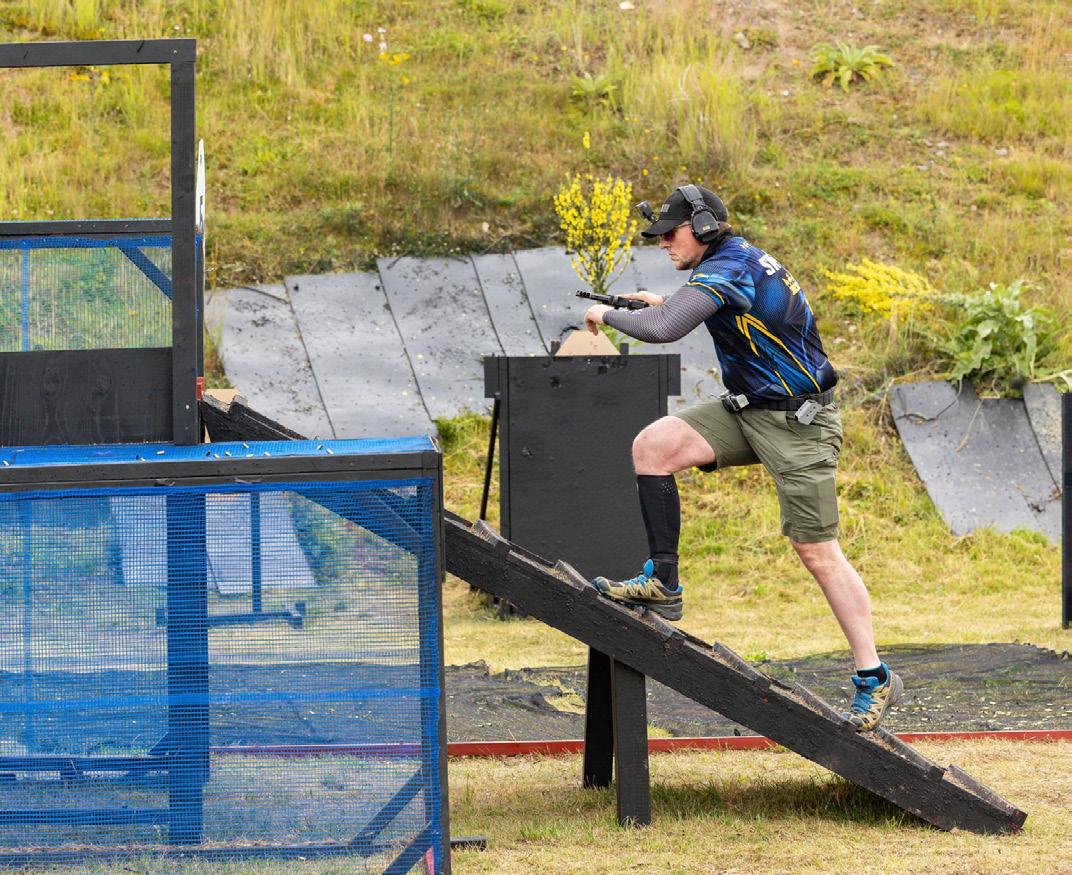
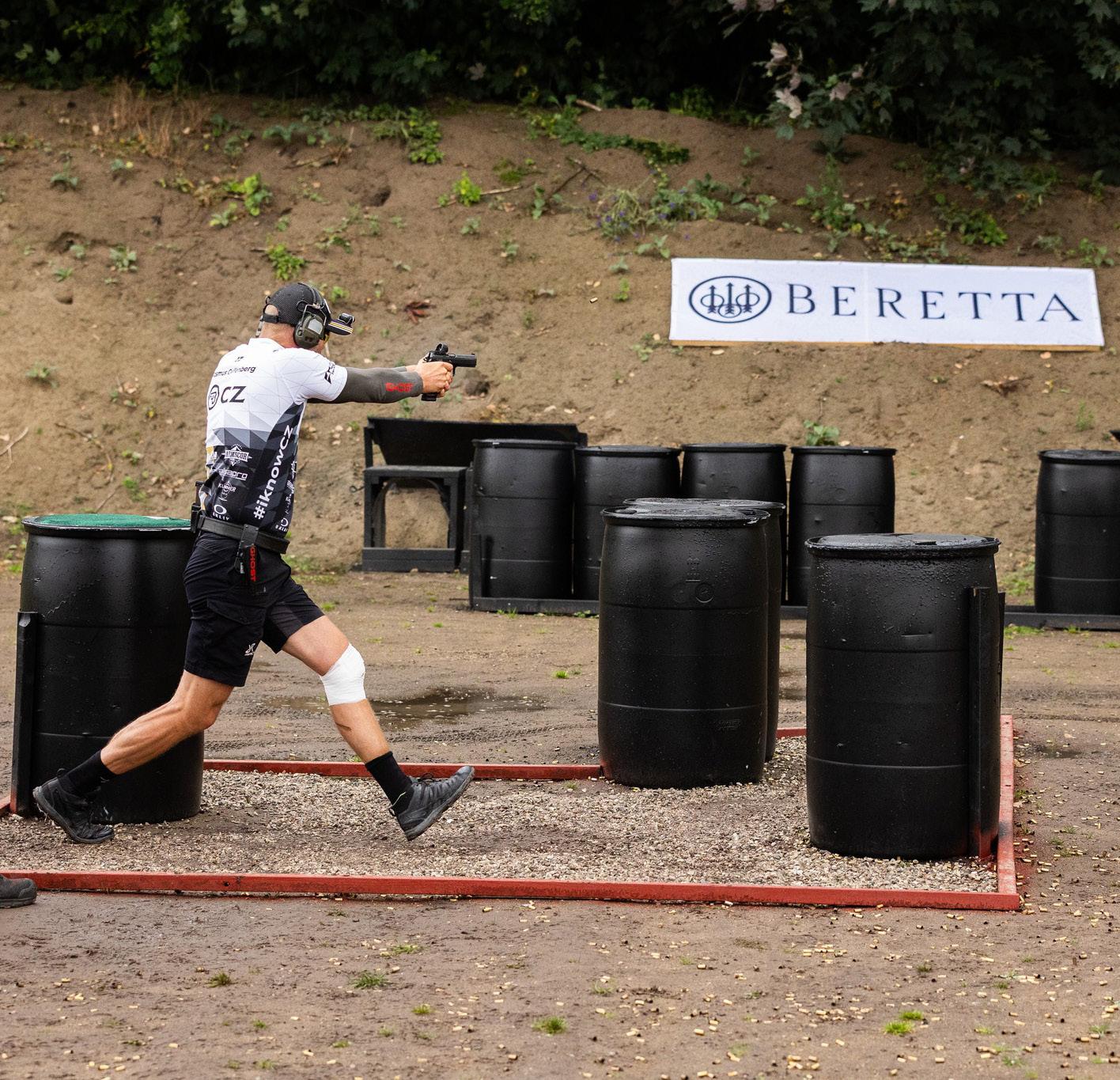
The Beretta Gold Cup Sweden 2025 took place on July 12–13, 2025, at the Spillepengen shooting range in Malmö, Sweden.
Organized by Malmö Skyttegille (MSG), this Level III IPSC Handgun and PCC competition attracted more than 250 competitors from across Europe and beyond. The prematch ran from July 10–11, offering early slots for staff and international participants.
The event featured 18 well-designed stages with a minimum round count of 364, providing a balanced mix of technical precision and fast-paced shooting. Competitors tested their abilities across multiple IPSC divisions: Open, Standard, Production, Production Optics, Classic, Revolver, and Pistol Caliber Carbine (PCC).
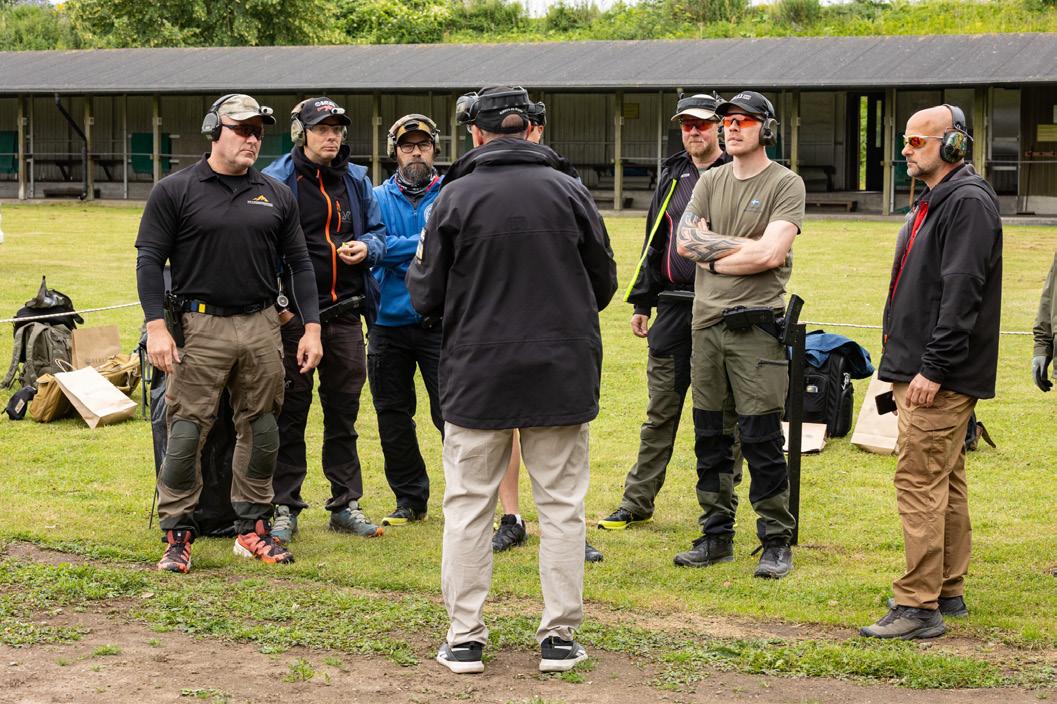

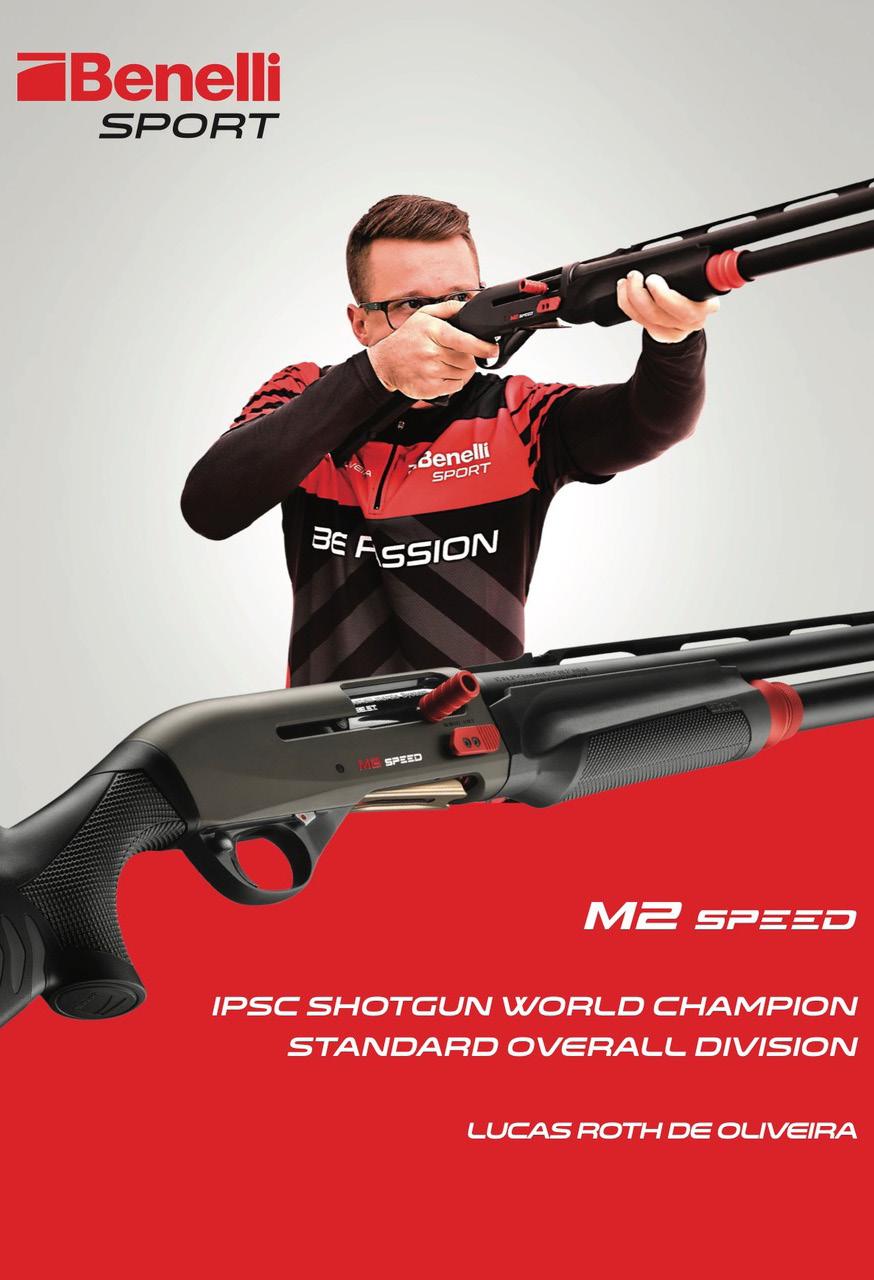
Shooters consistently praised the match’s stage design, structure, and efficient organization. The blend of accuracy challenges, movement, and stage creativity positioned the Beretta Gold Cup as one of the best IPSC matches held in Sweden in 2025. Malmö Skyttegille’s attention to detail in safety, stage flow, and timing ensured a professional and enjoyable competition for all participants.
With participants representing numerous nations, the atmosphere was both competitive and collegial— typical of the IPSC spirit. The event’s organization, combined with the positive energy of the shooters, created a strong community vibe. Malmö’s coastal summer weather further added to the great conditions, making the 2025 edition memorable for everyone involved.
The organizers concluded the event with an announcement that next year’s Beretta Gold Cup will coincide with Beretta’s 500th Anniversary, promising what they called “the Match of Matches.” A major celebration is planned to honor five centuries of firearm innovation, craftsmanship, and sport.
“Thank you for participating in this year’s Beretta Gold Cup. We will be back next year with the Match of matches—celebrating Beretta’s 500-year Anniversary in an amazing way. Stay tuned for more information.”
• Event: Beretta Gold Cup 2025 — IPSC Handgun & PCC Level III
• Location: Spillepengen, Malmö, Sweden
• Dates: July 12–13, 2025 (Pre-Match July 10–11)
• Organizer: Malmö Skyttegille (MSG)
• Competitors: 400 total (150 for Pre-Match, 250 for Main Match)
• Stages: 18
• Minimum Rounds: 364
• Divisions: Open, Standard, Production, Production Optics, Classic, Revolver, PCC
• Next Edition: 2026 — Beretta 500-Year Anniversary Edition will be held on July 11th and 12th, 2026.
The Beretta Gold Cup Sweden 2025 delivered a high-standard, challenging, and enjoyable experience—earning its place as one of Sweden’s premier IPSC competitions of the year.


How did you first hear about IPSC?
My father has maintained active and ongoing involvement in the shooting community since the mid-1990s, which has notably influenced and nurtured my own interest in the sport. He remains an engaged participant to this day.
For how long have you been shooting?
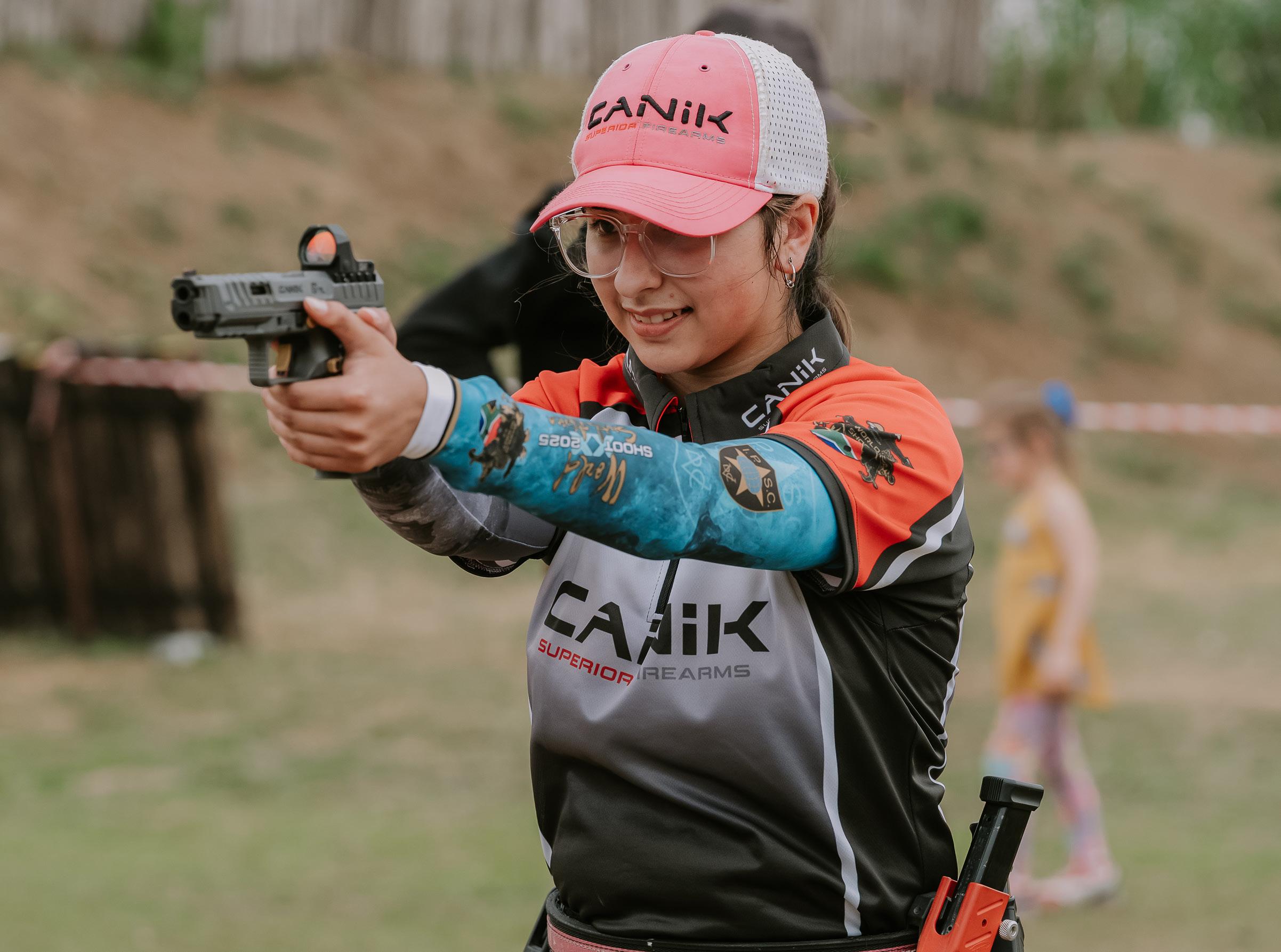
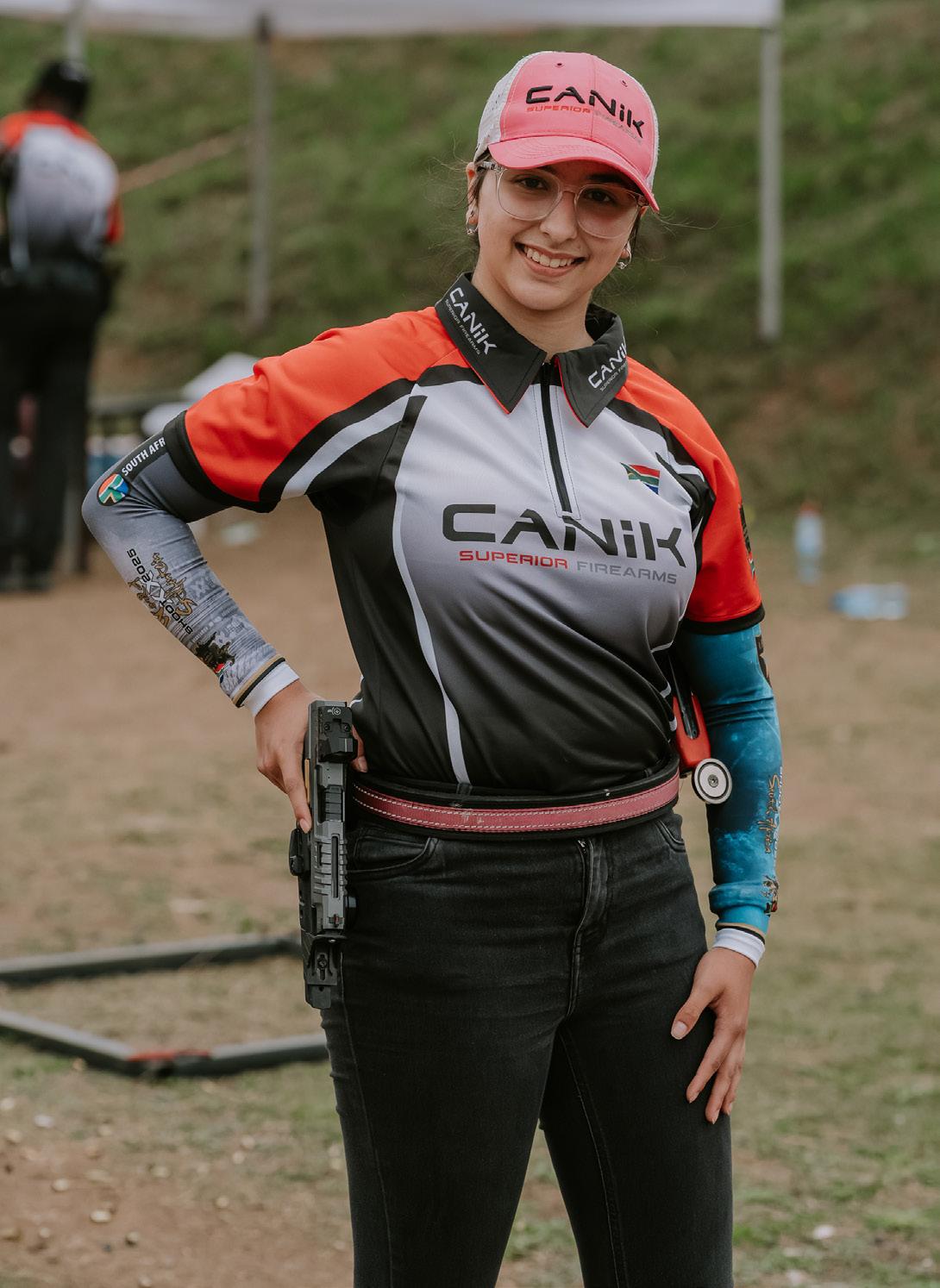
I have approximately 18 months of experience with a pistol, preceded by around 12 months working with a pistol-caliber carbine (PCC).
What Division do you shoot and why?
I compete in the Production Optics division. Initially, I began with the Production division, but encountered challenges due to cross-eye dominance. Utilizing an optic significantly alleviated this issue and renewed my enthusiasm for shooting.
What is the coolest about IPSC shooting? Two key concepts: Community and Camaraderie.
What do your friends and family think about you shooting IPSC?
My friends serve as my shooting range companions, which I greatly appreciate. They provide valuable support both during practice and in other aspects of life. Additionally, my family has offered significant encouragement, with my parents playing a particularly important role in supporting me throughout this journey.
What inspired you to begin shooting?
My father purchased a PCC for my brother and I to enable our participation at the range. We attended several steel challenge events in the Johannesburg area, which subsequently inspired my interest in participating in pistol competitions.
What other sport(s) do you think help with IPSC shooting? Sports that emphasize hand-eye coordination, agility, and mental focus are particularly beneficial
for IPSC shooting. For example, I have excelled in Karate and earned my South African colors for Kumite, which has greatly contributed to my IPSC performance. Karate helps develop quick reflexes, discipline, and the ability to remain calm under pressure—all essential skills for competitive shooting. Additionally, any activity that enhances physical fitness, situational awareness, and the ability to make rapid decisions can support improvement in IPSC shooting.
What are the biggest challenges you have when shooting IPSC? (i.e. school, travel, etc.)
At 16, I’m completing my matric exams early while maintaining A+ grades and balancing dry fire practice, live fire training, and competitions. Though school has often taken priority, I remain deeply committed to shooting. Alongside academics, I’ve completed 260 hours of ambulance service and earned my EMT certificate to support my goal of studying medicine. With exams nearly over, I’m eager to focus on training, competition, and continuing to grow in the sport.
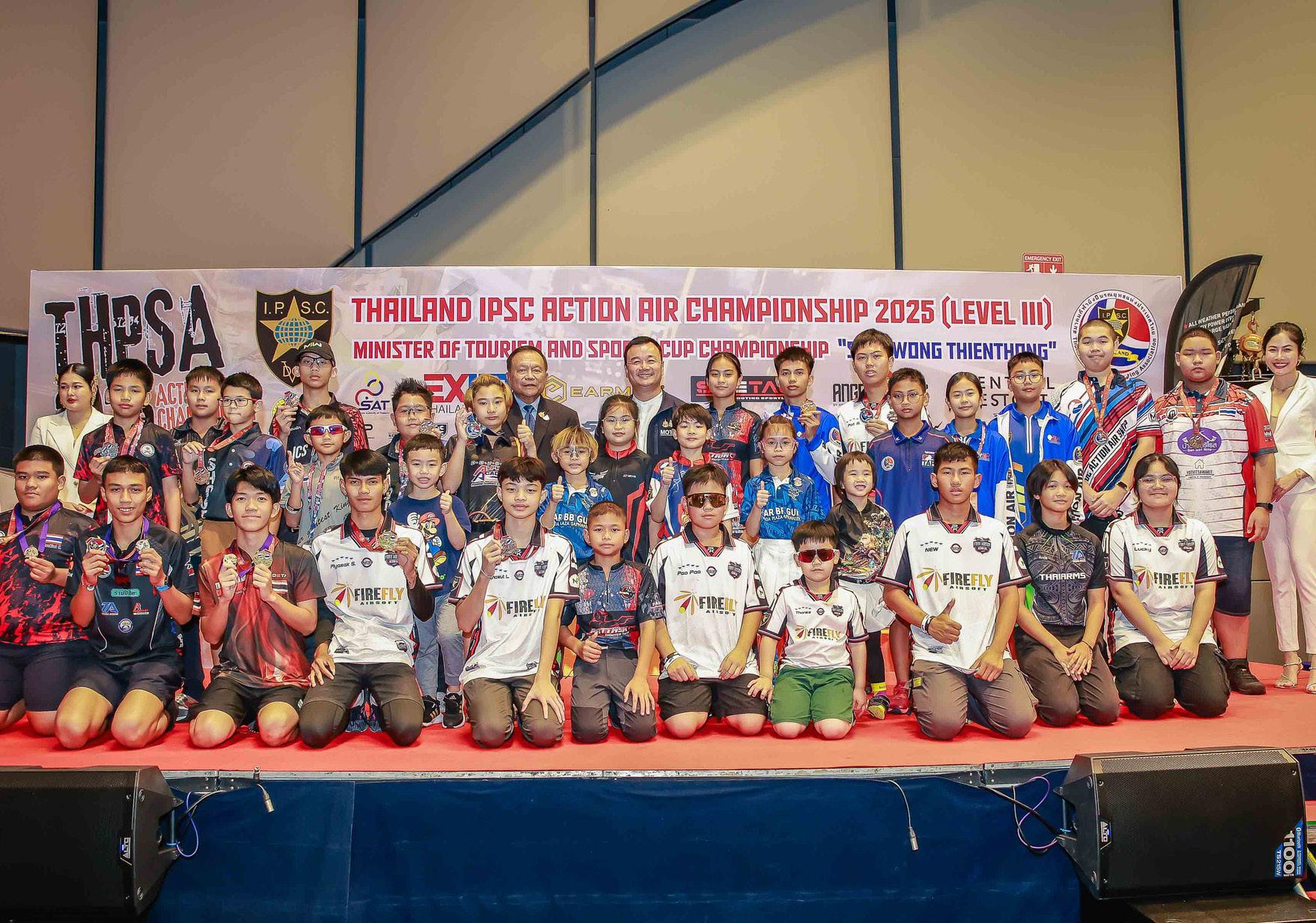
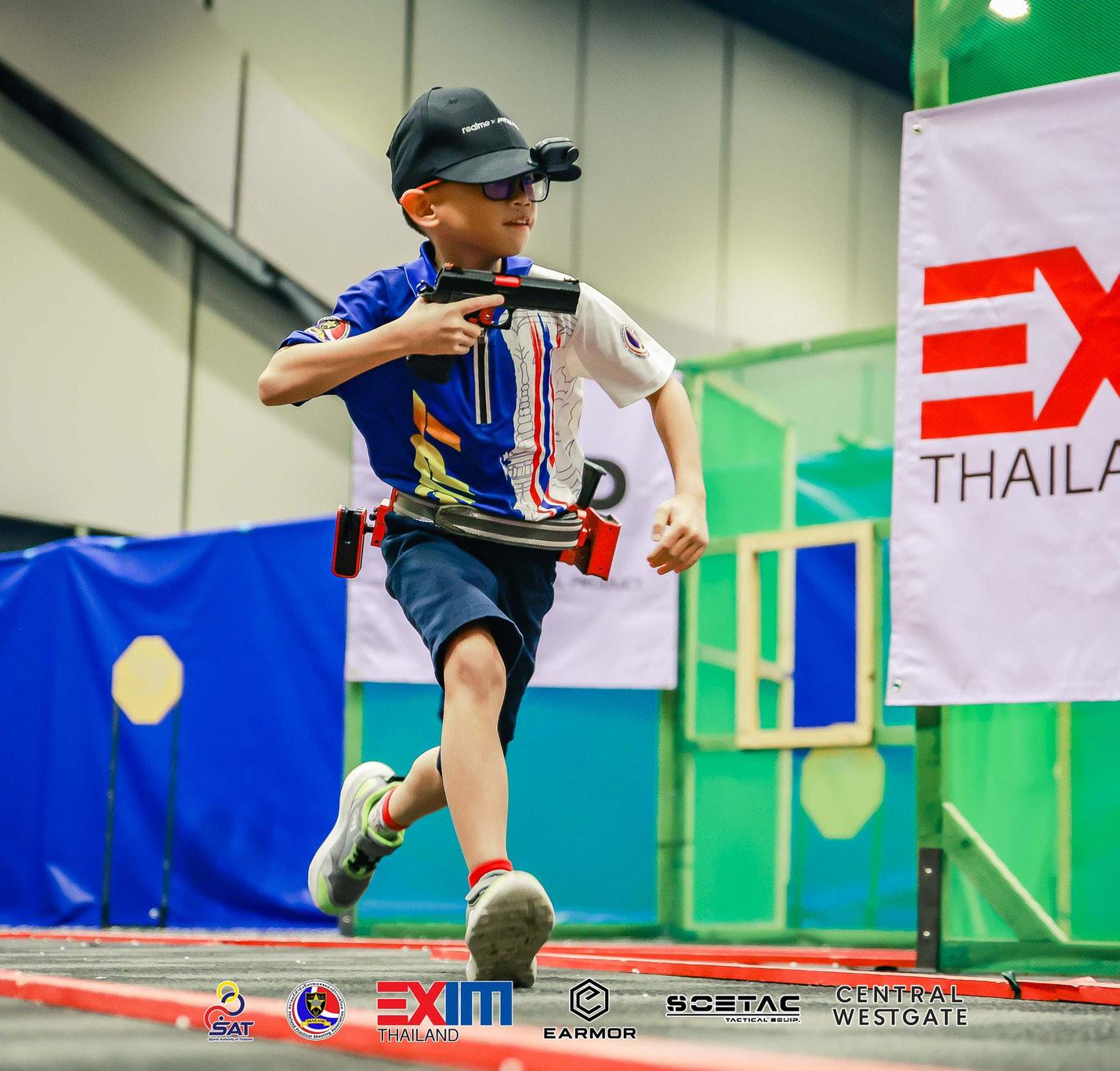
The THPSA 2025 IPSC Action Air Championship (Level III) took place from May 16–18, 2025, at Westgate Hall, Central Westgate Shopping Mall, Nonthaburi, Thailand. The event, supported by Thailand’s Ministry of Tourism and Sports, was a milestone in the nation’s growing Action Air scene, blending competition, innovation, and public engagement.
The match hosted 241 competitors across five divisions: Classic, Open, Production, Production Optics, and Standard, with participants from Thailand, Hong Kong, Mongolia, Taiwan, and the Philippines.
Situated in the Bangkok Metropolitan Area, Nonthaburi’s Central Westgate offered a strategic and accessible location, featuring extensive facilities and nearby accommodations. The
venue’s setting inside one of Thailand’s largest shopping malls created a unique synergy of sport and public engagement, allowing spectators to experience IPSC Action Air firsthand.
THPSA invested in portable, modular shooting bays, a sustainable infrastructure designed for rapid assembly and reusability across future competitions. This innovation represents a longterm commitment to building nationwide Action Air capacity.
The mall-based setup allowed the sport to reach new audiences, breaking stereotypes by demonstrating safety, professionalism, and inclusivity in a public environment. Families and mall visitors witnessed IPSC as a dynamic sport emphasizing accuracy, speed, and discipline.
The Level III match featured creative, modular stage designs utilizing steel frames and canvas barriers, providing course designers full freedom to embody IPSC’s principles of diversity and challenge. Vibrant visuals and efficient layouts ensured smooth traffic flow and an engaging spectator experience. Strict safety standards were enforced, and all visitors were required to wear safety glasses. Competitors appreciated the climatecontrolled indoor setting, which ensured optimal performance despite Thailand’s summer heat.
Certified NROI and IROA Range Officers oversaw the event, guaranteeing safety and fairness. Notably, IROA-certified officials from Hong Kong joined the team, conducting valuable knowledge exchanges that strengthened Thailand’s growing officiating expertise in Action Air.
The Match Director, staff, and volunteers demonstrated remarkable dedication throughout planning and execution, embodying Thailand’s strong community spirit in IPSC sport management.
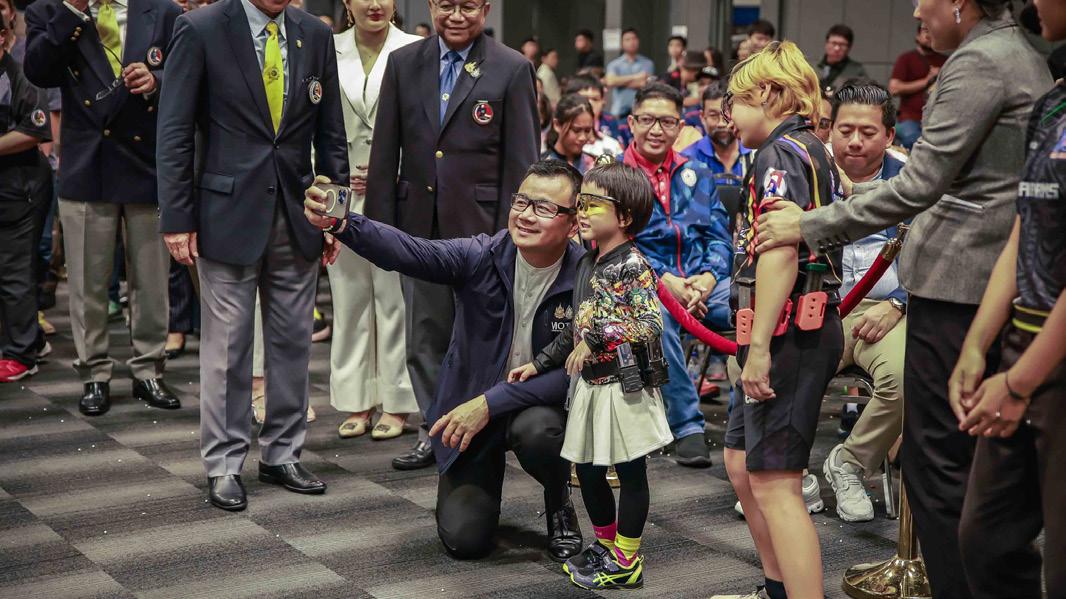
Officially endorsed by the Ministry of Tourism and Sports, the championship reflected Thailand’s strategy to promote sports tourism and elevate IPSC to international standards. The Minister’s presence at the closing ceremony—personally presenting the Tourism and Sports Minister’s Cup—symbolized nationallevel recognition of IPSC Action Air’s legitimacy and value.
This support boosts public confidence, especially among parents and schools, reinforcing that IPSC Action Air is safe, educational, and youthfriendly. It also aligns with the National Sports Development Plan 2023–2027, which promotes youth and grassroots sports while enhancing Thailand’s sports economy.
Action Air serves as Thailand’s Grassroots-toElite pathway, enabling young athletes to safely learn practical shooting fundamentals before progressing to full IPSC disciplines. The model has proven successful—offering accessibility, family support, and professional-level skill development.
A key milestone preceding this event was IPSC Action Air’s inclusion as a demonstration sport in the 40th National Youth Games, which
inspired provincial sports offices to establish youth programs nationwide. Many of these athletes advanced to this Level III championship, representing a new generation of Thai IPSC talent.
Held on May 18 at 18:00, the Awards Ceremony combined formality with heartfelt celebration. The Minister of Tourism and Sports personally presented division trophies engraved with his name—a rare honor in Thai sport.
Hong Kong athletes excelled, winning all five divisions while Thai competitors achieved multiple Top 3 finishes:
Air Classic: Lo Hiu Chun (HK)
Air Open: Wu Chun Ki Jockey (HK)
Air Production: Lam Cheuk Hin (HK)
Air Prod. Optics: Chan Chun Hin Justin (HK)
Air Standard: Lee Yin Tai Yenty (HK)
Their performance highlighted the strong regional development of Action Air, while Thailand’s youth contingent demonstrated promising growth and competitiveness.
The Youth Phenomenon: 30.71% and Growing
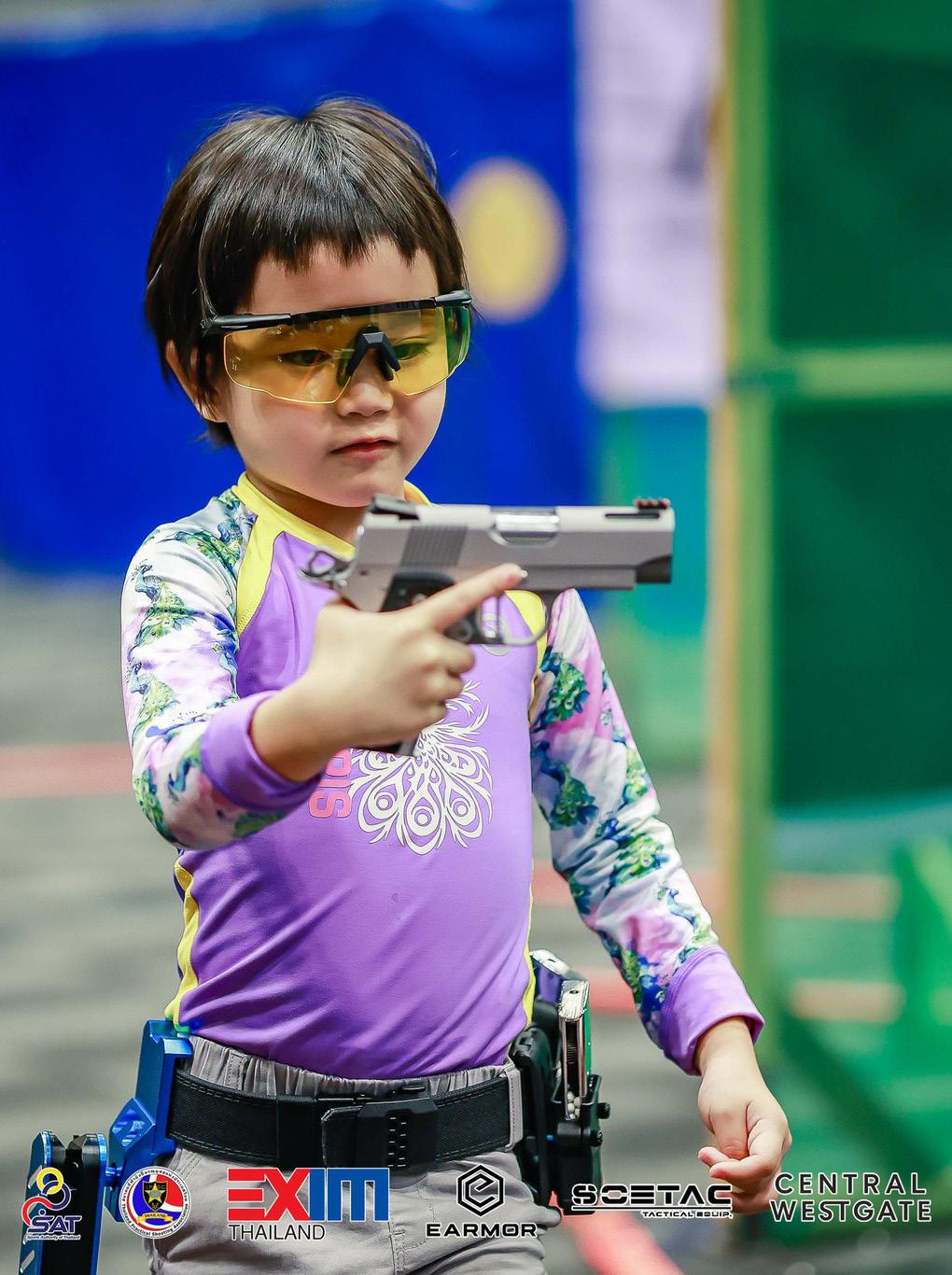
The most interesting and commendable aspect of this championship was the remarkable enthusiasm among Junior and Super Junior youth athletes in Thailand. Of 241 total athletes, 22 were Juniors (9.13%) and 52 were Super Juniors (21.58%), totaling 74 youth athletes representing 30.71% of all competitors:
A 5-year-old Super Junior female competitor displayed safe, disciplined shooting skills, symbolizing IPSC’s accessibility for all ages.
A Super Junior male athlete, now competing in full IPSC with real firearms, showcased elite-level techniques—having placed 2nd overall in Standard Division—proving Action Air’s effectiveness as a training foundation.
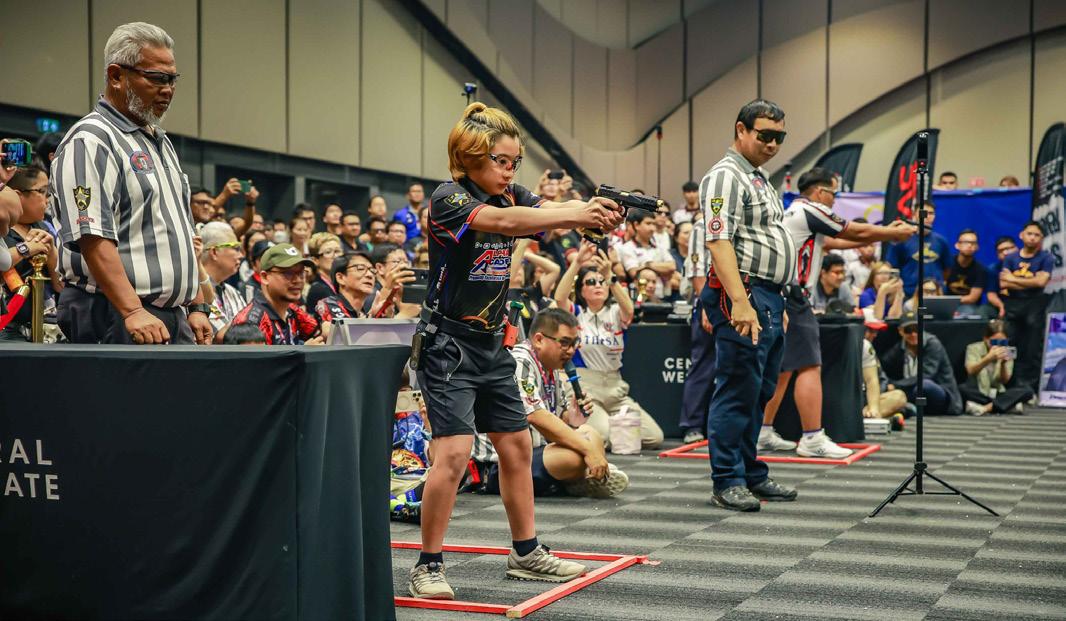
This surge stems from THPSA’s commitment to structured youth programs, regional competitions, and provincial training networks spanning across Chonburi, Nakhon Pathom, Chiang Mai, Khon Kaen, Surat Thani, and Sakon Nakhon. Events like the National Youth “Shark Games”, featuring over 130 youth athletes from 33 provinces, have firmly positioned IPSC Action Air within Thailand’s national sports framework.
While no world records were set, the championship established a benchmark for innovation, youth engagement, and public visibility. THPSA plans to host annual Level III championships and expand regional competitions, building momentum toward the 2029 IPSC Action Air World Shoot III in Indonesia
The THPSA 2025 IPSC Action Air Championship stands as a defining chapter in Thailand’s practical shooting history—uniting athletes, officials, and the public in a shared vision of safe, inclusive, and world-class IPSC sport.

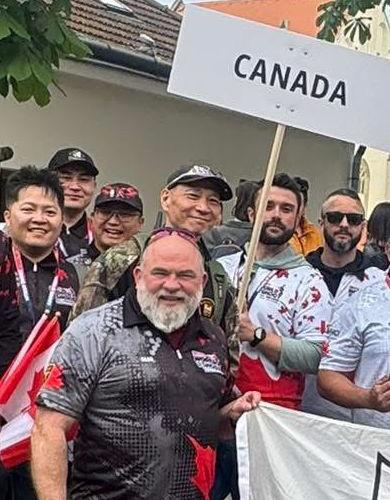
I’ve been involved in IPSC shooting for 36 years. I took my IPSC Canada Black Badge Course back in 1989, and that experience completely changed my view of competitive shooting. From that moment, I was hooked. Over the decades, I’ve participated in countless matches, seen the sport evolve tremendously, and met an incredible number of dedicated shooters, range officers and volunteers. It’s been a lifelong passion that continues to motivate me every season.
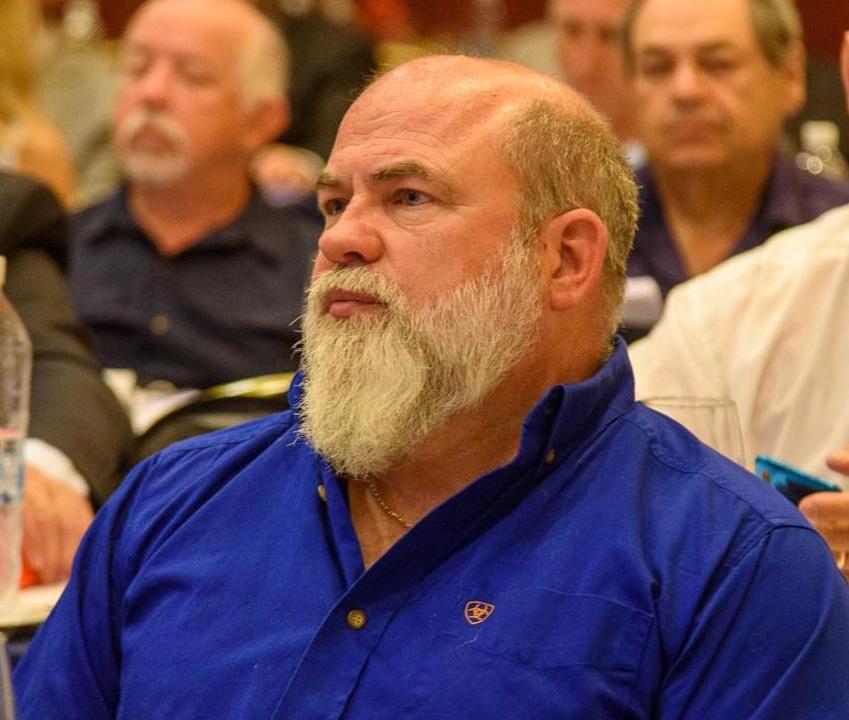
I’ve served as Regional Director since 1997, which means I’ve been in the role for about 28 years. It’s been a long journey, but also a rewarding one. During that time, I’ve seen IPSC Canada grow in both membership and professionalism, and I’ve worked with some amazing people who share a deep love for the sport. The position has challenged me in many ways, but it’s also given me the opportunity to help shape the future of IPSC in Canada.
What other positions have you had within your IPSC Region? Tell us a bit about what you did.
Before becoming Regional Director, I served as Vice Regional Director for two years, which gave me valuable insight into the administrative and organizational side of our sport. I’ve also been the Section Coordinator for the province of Nova Scotia for the past 30 years, working closely with local clubs and members to develop the sport at the grassroots level. In addition,
I’ve also served as Match Director or Co-Match Director for at least eight of our Canadian National Championships. Those events require months of planning and coordination, and they’ve given me a deep appreciation for the effort that goes into running successful matches.
Do you currently shoot IPSC? What Division? What was the last match you shot?
Yes, I still actively shoot IPSC. My preferred Division is Classic, but I also enjoy dabbling in Open, Standard, Production, and Production Optics from time to time. My most recent match was a Level 3 event here in my province—our Provincial Championships. Before that, I had the honour of competing at the World Shoot in South Africa as part of the Canadian Classic Team. I’ve always said that as long as I feel that surge of adrenaline at the end of a stage, I’ll keep shooting. The day that excitement fades, I’ll know it’s time to step away. But after 36 years, I still get that same thrill every time I’m on the line, and that passion keeps me connected not only as a competitor but as a leader in the sport.
What has been the most challenging
to deal with as Regional Director?
One of the biggest challenges I’ve faced as Regional Director is managing the vast geography of Canada. From coast to coast, it’s over 9,300 kilometres, and within that distance are countless clubs, shooters, and regions—each with its own unique culture, priorities, and influences. Balancing those diverse needs while keeping everyone aligned under a common vision for IPSC Canada is no small task. It requires constant communication, compromise, and respect for regional differences. Finding that balance and maintaining unity across such a large country has always been a delicate but essential part of the role.
Do you have any good advice for others willing to go for a Regional Director position?
First and foremost, you have to truly love this sport. Participate in it as much as you can—don’t just manage from a distance. If you don’t shoot, you lose the perspective of what competitors experience on the range. If you don’t officiate, you won’t understand the challenges our officials face. Being both a competitor and an official gives you a well-rounded view of the sport and helps you relate to your members on a fundamental level. Build those relationships, stay connected with your community, and always lead by example. When people see that you’re invested in the sport as deeply as they are, they’ll respect and trust your leadership.
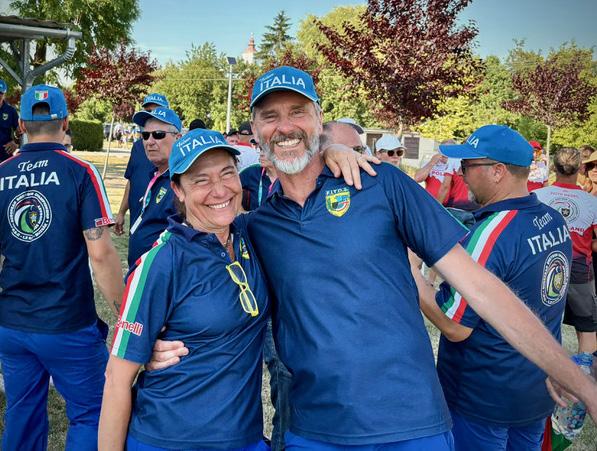
We first met back in 2006, just before the European Shooting Championship (ESC) in Greece. It happened during a shotgun match in Italy that was part of the preparation for the ESC. At that time, we were both training seriously and participating in several matches leading up to the event, so we often crossed paths on the range. That particular match allowed us to talk more, share experiences, and realize we had a similar passion for the sport. It was the beginning of both a strong friendship and, eventually, a great partnership that extended beyond shooting.
We’ve been together for 18 years, since 2007.
It’s amazing how quickly time passes when you share the same interests and spend so many weekends traveling for matches or training sessions. Over the years, we’ve grown together not only as a couple but also as teammates, supporting each other through
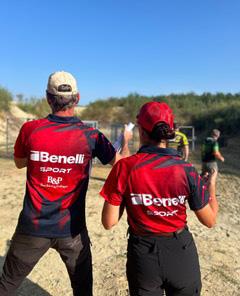
both victories and challenges. Our relationship has always been closely tied to shooting, and that has helped us build an incredible bond based on trust, patience, and shared goals.
What do you love the most about shooting IPSC together?
What we love most about shooting IPSC together is the complicity and teamwork that naturally develops when you share a sport you’re both passionate about. We enjoy analyzing and studying each stage together, discussing strategies, and learning from each other’s approaches. Every match is a new adventure, and it’s exciting to experience it side by side.
The sport allows us to grow individually while still functioning as a team, and that balance makes it all the more rewarding. We also love traveling to new places, meeting people from different countries, and creating lasting memories together through the sport we love.
How do you help each other during a match?
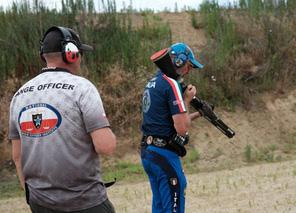
Paolo, who is an experienced international shooter, gives me valuable advice during competitions. He helps me decide which choke and type of ammunition are best suited for each stage, explaining the reasons behind his choices so I can learn and apply them myself. One of the most helpful things he does is study the stage from both sides—especially from the left, since I’m a left-handed shooter. That extra perspective helps me plan my movements and transitions more effectively. We both look out for each other on the range, reminding each other to stay calm, focused, and confident.
Having someone who understands both the technical and emotional sides of competition makes a huge difference.
Do you practice other sports or hobbies together?
Yes, we do athletic training together, particularly exercises that are directly connected to improving our performance in shooting sports. Physical fitness plays a big role in IPSC, so we often train for strength, balance, and endurance. Besides that, we sometimes enjoy outdoor activities like hiking or running, which also help us stay in shape and clear our minds.
Training together keeps us motivated, and it’s another way to spend quality time while doing something that benefits both our health and our performance in matches.
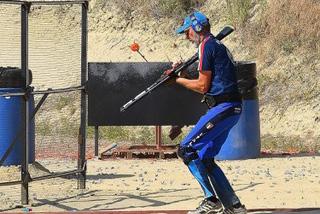
Do you have any advice for other couples who practice IPSC shooting together?
Our advice would be to keep shooting and enjoy every moment of it. IPSC is a fantastic sport that not only helps you improve your skills but also gives you the chance to make new friends and visit many different countries. Sharing this journey with your partner makes it even more special. The most important thing is to remember that it’s not just about competition—it’s about teamwork, communication, and mutual support.
When you share the same passion and work toward common goals, it strengthens your relationship and creates memories that last a lifetime.

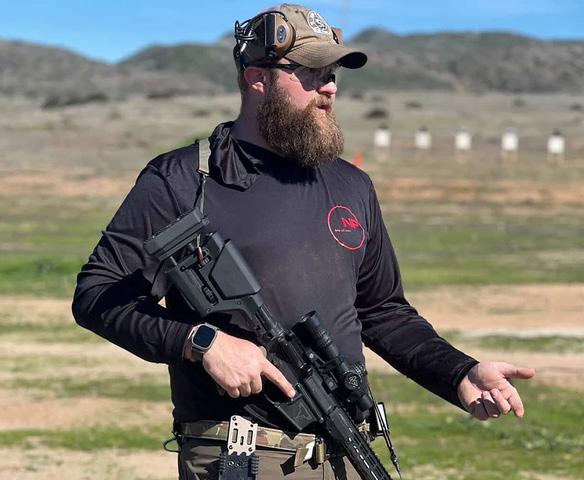
How many years have you been shooting?
Recreational shooting, from a very young age (I think I was 3-4 years old when my father showed me how to safely handle and shoot a .22LR). My first match was in November 2007, so almost 18 years competing.
What do you like best about IPSC shooting?
The blend of physical ability (speed and precision) and technical competence required to succeed! It is not very finicky and detail oriented like the precision rifle / pistol sports but technical knowledge and a precise repeatable shot process are keys to success especially in the Rifle and Shotgun disciplines.
How often do you practice at the range?
I try to practice 3x weekly, but that will surge closer to a major competition and decrease with work obligations and occasional rest periods.
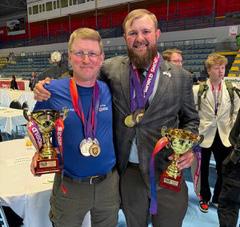
Who do you consider your inspiration or mentor?
My late friend Ron Avery, who was not only a great competitor but one of the best teachers I’ve ever known, I consider him my biggest mentor in all of this.
What is your match pistol and ammo?
For handgun I compete in either the Open Division or USPSA Limited Optics division- this is basically the new “Optics” Division recently approved for IPSC. I shoot a TaranTactical Sand Viper 2011 which has two barrels - one with a compensator (for Open) and one with a solid block (Optics). I load ammo using 124gr Berry’s MFG Hollow Base Thick Plate RN bullets.
Do you dry fire or use an airsoft gun at home?
Dryfire daily. I don’t use an airsoft gun anymore, but I used one a lot when I was a developing pistol shooter. I think airsoft is a very valuable tool and more useful than a lot of the laser cartridge/electronic dryfire aids that have become popular recently.
Any special exercises?
Nothing especially for shooting but I do lift weights at least 3x/week. A few years ago, I went through an agility training package designed for American football that was very helpful for the movement we do in Practical Shooting.
What advice do you have for up and coming shooters?
From a practical standpoint, find a place where you can consistently practice and train - it’s the single biggest thing you can do to better your shooting. From
a mental perspective, avoid focusing too much on the outcome of your shooting - you can’t control how well others will shoot, and it’s possible they can just plain out-shoot you on your best day.
Focus on your process and let that determine the outcome, you’ll have better results and you’ll enjoy shooting more!
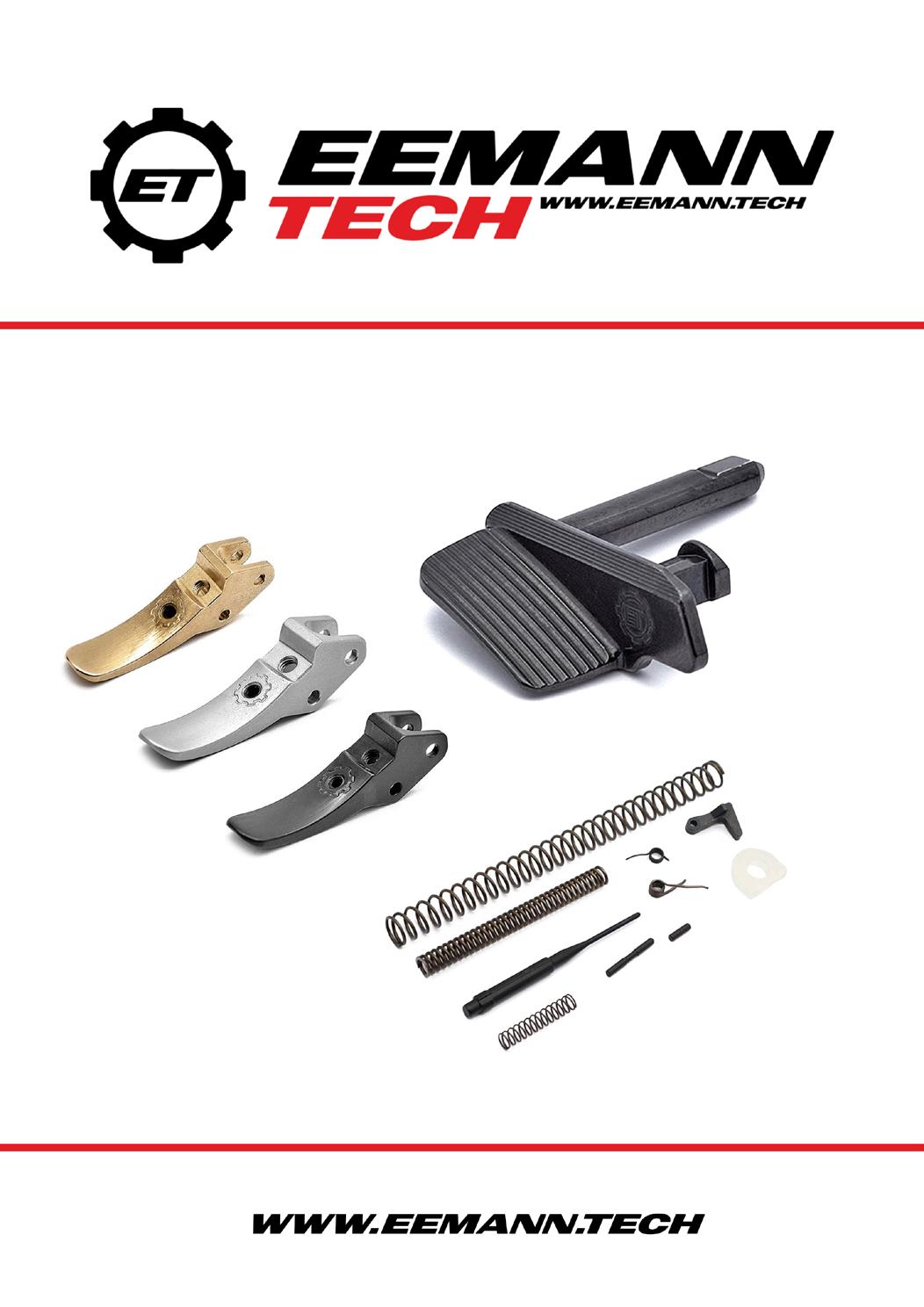
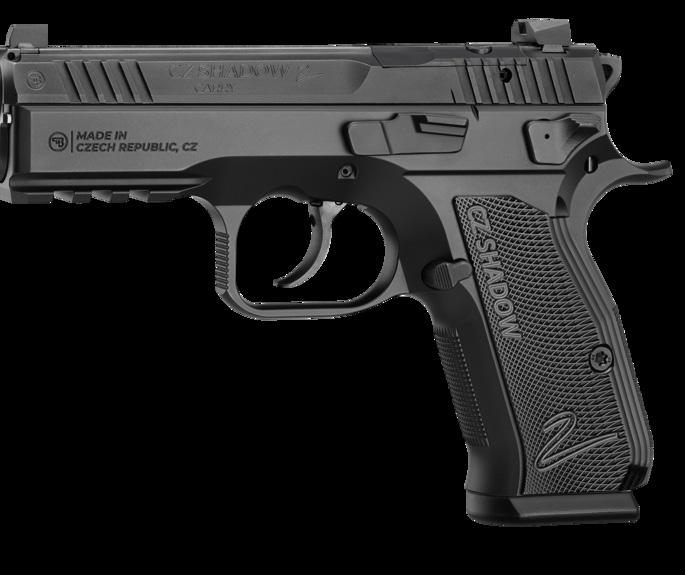
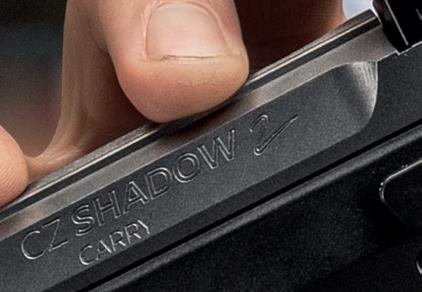
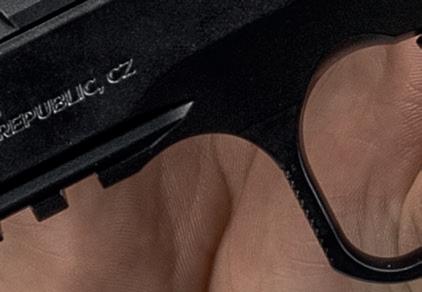
The latest addition to the award-winning CZ SHADOW 2 family brings a combination of exceptional accuracy, advanced safety, and sport shooting ergonomics in a compact design that’s ideal for everyday carry. The CZ SHADOW 2 CARRY is a firearm for those who seek superior performance without compromise – whether on the range or when protecting health, life, or property.
The CZ SHADOW 2 CARRY was created in response to growing customer interest in a smaller, lighter version of the successful, competition-proven CZ SHADOW 2 Series sport pistols. Thanks to innovations that focus on comfort, safety, and userfriendliness, the CZ SHADOW 2 CARRY sets a new bar in the EDC gun category – i.e. those designed for every day carry, especially concealed carry. This new pistol features an SA/DA trigger
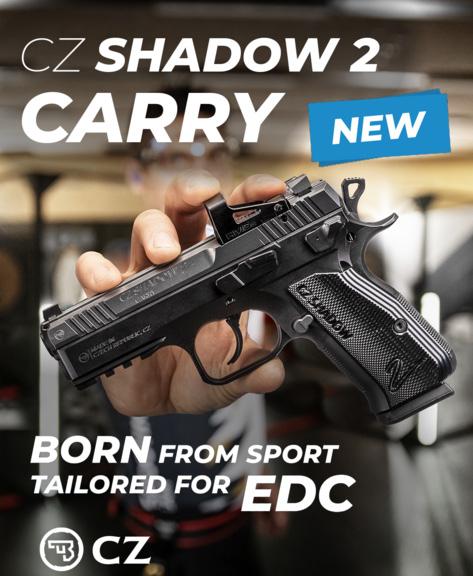
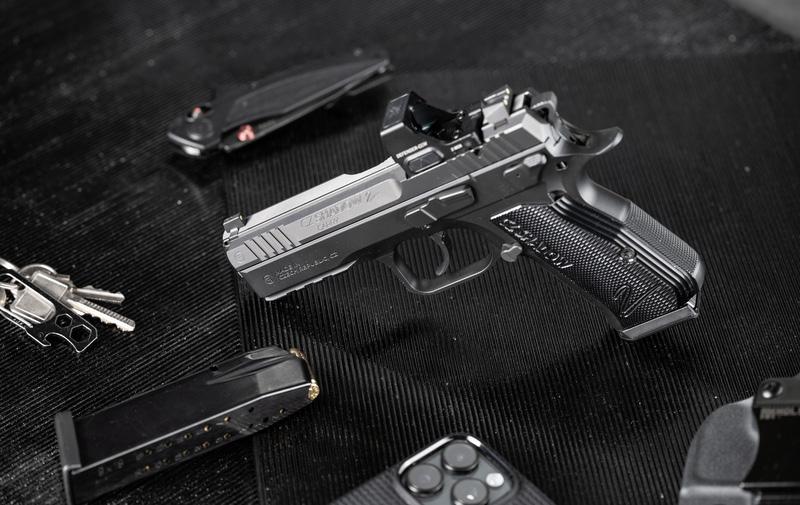

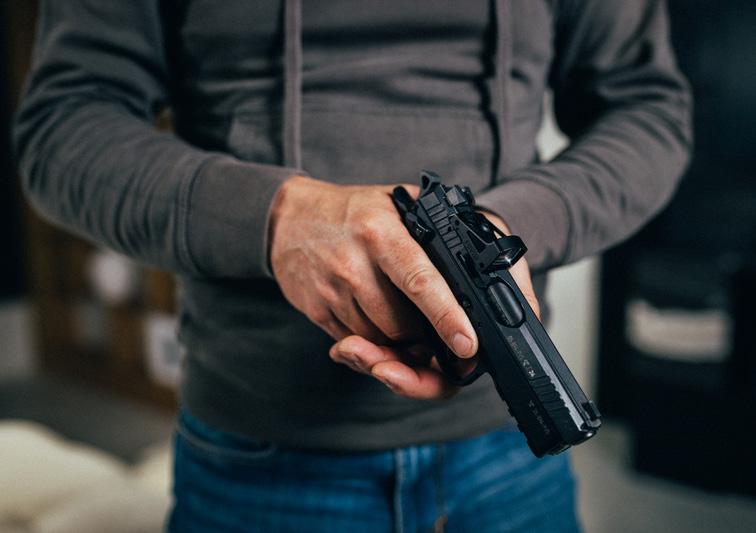
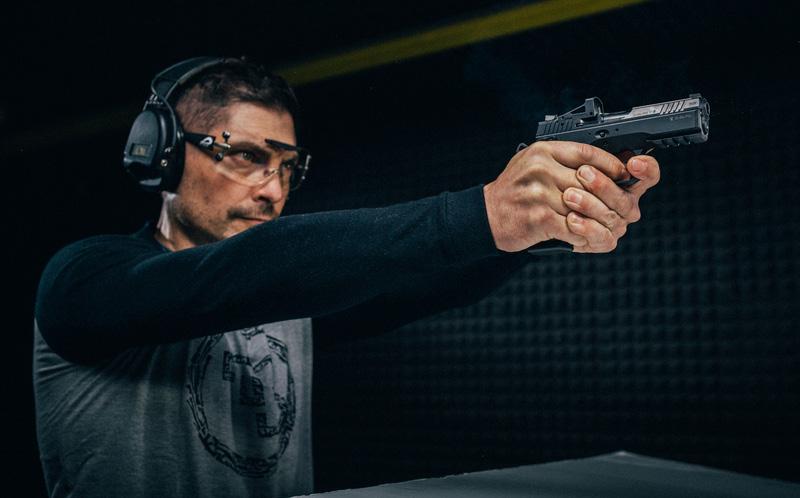
mechanism with smooth operation in both modes and advanced ergonomics from the legendary CZ 75. The combination of ambidextrous levers for safe decocking with a proven automatic firing pin block and safety notch on the hammer ensure leading safe carry without compromising comfort during handling and shooting.
The innovative Optics-Ready interface on the rear part of the upper receiver allows for direct mounting of red dot sights with Shield RMSc or Holosun K footprints, without the use of mounting plates. This allows the red dot sight to sit lower and retains the ability to use standard iron sights as a backup.
The CZ SHADOW 2 CARRY is built on a frame made of highly durable EN AW-7075 T6 aluminum alloy which, for example, is used in the aviation industry and for production of rifles. As with other CZ firearms, the barrel is manufactured with cold hammer forging technology, which guarantees extreme accuracy and a long service life. In addition, the barrel is covered by a lifetime warranty.
● Compact size with a design inspired by successful sport shooting models
● SA/DA trigger mechanism with smooth travel
● Decocker, safety notch on the hammer, and an automatic firing pin block
● Optics-Ready slide cut for direct mounting red dot sights with Shield RMSc / Holosun K footprints, without the need for mounting plates
● Iron sights and a red dot sight can be used simultaneously
● Frame made of high-strength EN AW-7075 T6 aluminum alloy
● Cold hammer forged barrel with lifetime warranty
● Advanced ergonomic grip based on the legendary CZ 75
● Controls designed for intuitive operation and comfortable carry
Visit the following webpage for more information about the CZ SHADOW 2 CARRY: https://www. czfirearms.com/products/pistols/cz-shadow-2series/cz-shadow-2-carry
Official product video: https://youtu.be/IJ8VObv8JPw
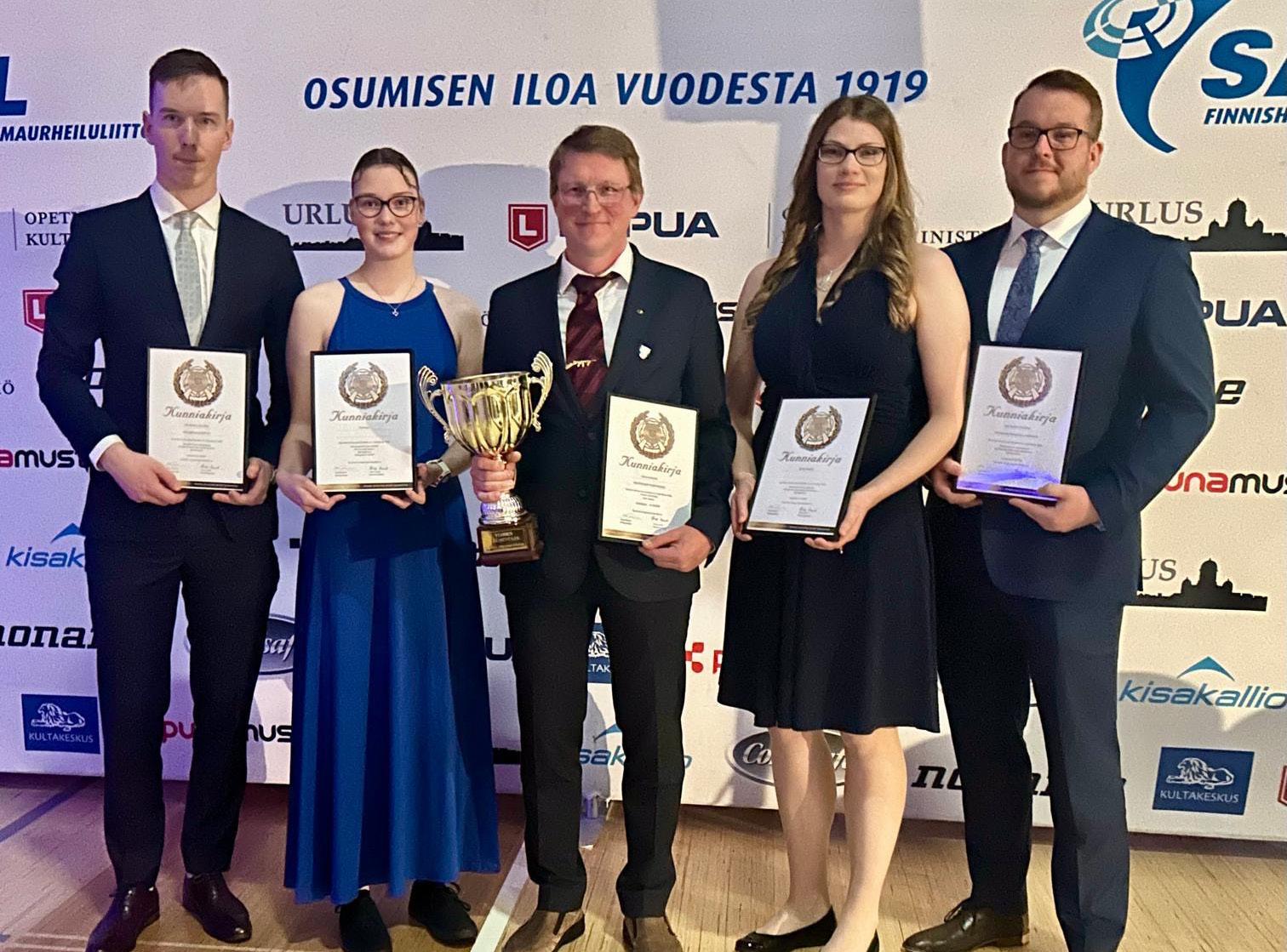
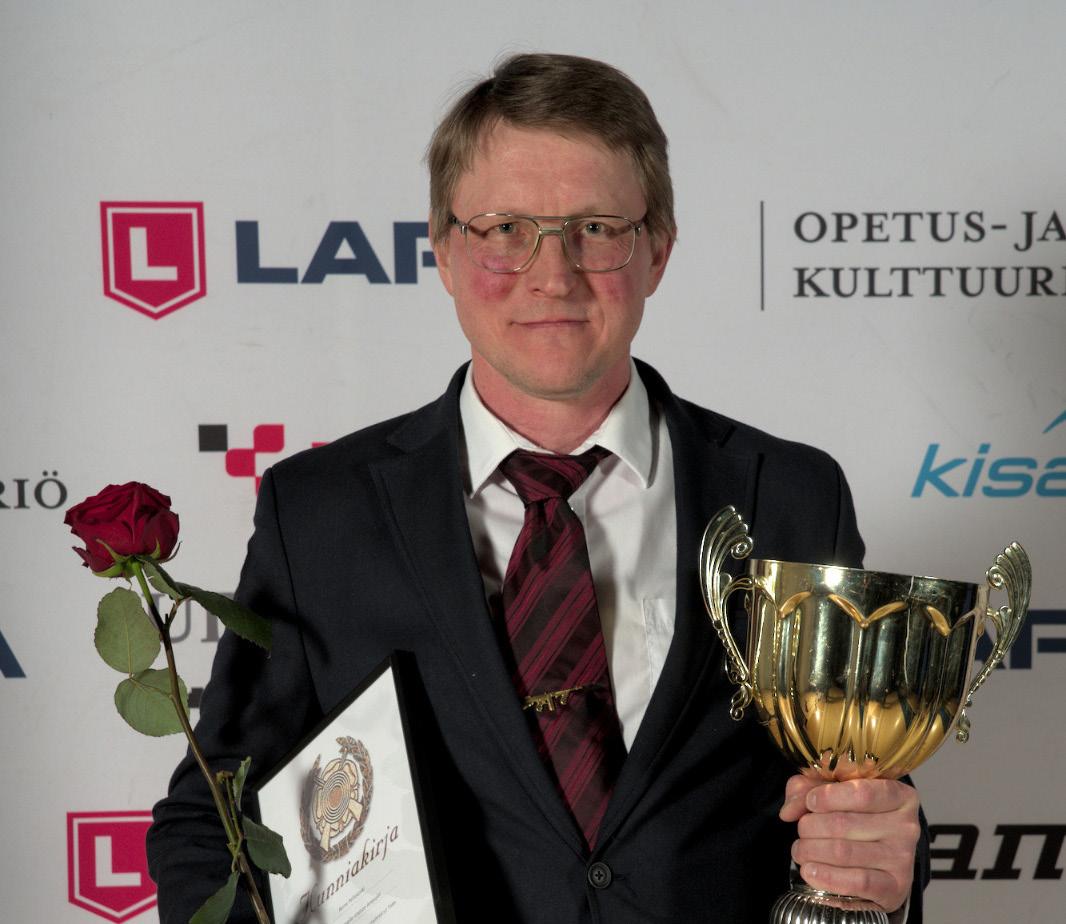
In a historic move, the Finnish Shooting Sport Federation (Suomen Ampumaurheiluliitto, SAL), the umbrella organization representing international shooting sports in Finland, has awarded the prestigious Coach of the Year title to Raine Peltokoski, marking the first time excellence outside Olympic disciplines has been recognized. This milestone highlights the growing recognition of IPSC in Finland.
After five years of strategic training and unwavering dedication, Peltokoski received the traditional rotating trophy, symbolizing not only his personal achievement but also the official acknowledgment of IPSC as a serious competitive sport. His coaching efforts culminated in a remarkable 2025 season, where all five of his students won gold or silver medals in Level IV or V competitions.
We spoke with Raine Peltokoski — multiple World and European Champion across all IPSC disciplines, MISIA Vice President in long guns, and coach of the Finnish National IPSC Shooting Team — about his journey and insights.
1. Can you tell us about your journey into IPSC shooting and how you became a coach?
I started shooting when my grandfather gave me an air pistol on my 14th birthday in 1984. I discovered timed shooting through a magazine and shot bowling pins with .22LR pistol with my uncle. My first practical match was in 1989. I’ve given masterclasses for almost 20 years, but formal coaching for SAL began when I was asked to teach rifle. I initially declined but later agreed to coach talented young ladies. The Lady Team was formed with the 2024 Rifle World Shoot as the goal. We expanded to pistol and shotgun disciplines, and boys joined too. In 2025, the team had more boys than girls — all incredibly talented. Next year, we’ll focus on young shotgun enthusiasts for the 2026 SGWS.
2. What are the most important qualities an athlete needs to succeed in IPSC?
Passion is number one. Talent usually follows passion. Third is having the resources and a place to train. Some are naturally quick and agile, others accurate — both can succeed. Quick shooters often need to slow down for optimal results. Hitfactor is what we are after.
3. How do you tailor training for athletes at different skill levels?
Shooters rarely share the same skill level. Everyone competes against themselves. I focus on each athlete’s weak points, which impact match results most. We tend to train what’s fun — our strengths — but it’s better to work on weaknesses, even if it’s hard.
4. What are common mistakes among newcomers to IPSC?
New shooters often chase speed. But hitting the target isn’t enough — hitting alpha is what we want. Understanding hitfactor and its math is crucial.
5. Tips on mental preparation and focus during training and high-pressure stages?
Focus is everything. Know the stage well before shooting. On the starting line, there should be no other thoughts. In training, focus should be just as sharp — lack of it causes most mistakes.
6. What technological advancements have influenced IPSC recently?
I enjoy pushing speed with tuned guns. Key elements include muzzle brake, mass of moving parts, trigger, and sights — all have improved in the last 5–10 years. PCC is a great example: we’ve moved from blowback via trials of gas operation to delayed blowback now being the gold standard. Funny enough, roller delayed system was invented in WW2 Germany. The goal is simple: fast sight recovery.
7. Most memorable achievement as a coach?
My students have won 8 individual Level V medals and 2 Level IV medals. These are huge achievements for young shooters. This Coach of the Year award is the pinnacle of my career. I started coaching with the
dream of training a world champion — now I have several and hopefully more to come.
8. How has IPSC evolved, and where is it heading?
We’re becoming faster shooters thanks to equipment and training. More people are joining, and World Shoots keep growing. IPSC is the fastest-growing shooting sport globally, leading to greater recognition.
9. What role does teamwork play in IPSC?
Though shooting is individual, teams help with stage planning. More eyes and minds mean better strategies. Shooters may choose different approaches, but discussing options helps — especially for young athletes.
10. Any misconceptions about IPSC you’d like to clarify?
Hitfactor isn’t the same as speed. I forget that myself every now and then.
IPSC Congratulates Raine Peltokoski for the Coach of the Year award!
This recognition not only celebrates Raine’s coaching excellence but also marks a turning point for IPSC in Finland, celebrating both his outstanding coaching achievements and the sport’s growing respect within the broader shooting community. His passion, discipline, and commitment continue to shape the next generation of world-class practical shooters.

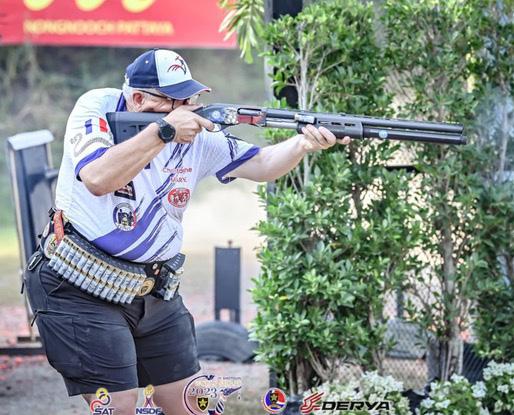
When and where did you first discover IPSC shooting?
I discovered IPSC shooting after taking part in a professional police shooting competition. As a police officer, I regularly competed in regional police shooting championships, and after achieving several good results, I advanced to the national level. There, I quickly noticed a significant skill gap between the top seven or eight competitors and the remaining 110 participants.
I became friends with one of the best French police shooters at the time and asked him how he managed to shoot so quickly and accurately. He told me that he trained in TSV — the French term for IPSC. That conversation sparked my curiosity, and I immediately looked for an authorized club to join. That’s how my IPSC journey began back in 2011.
What inspired you to begin shooting?
I started shooting for work, continued for fun, and now aim to compete at a high level.
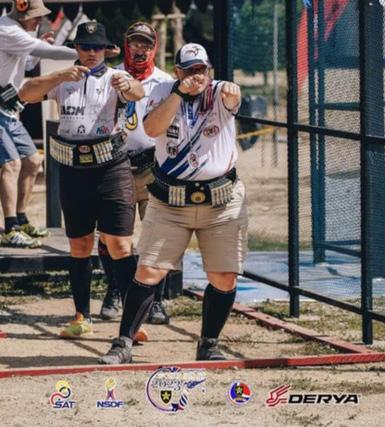
“Compete often. Fail, learn, improve, and try again”
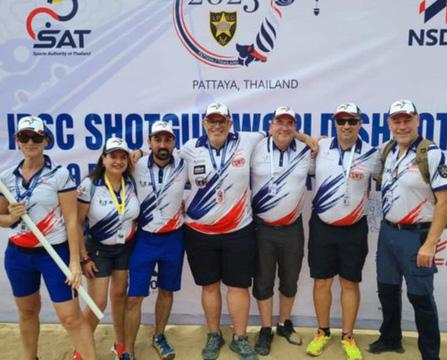
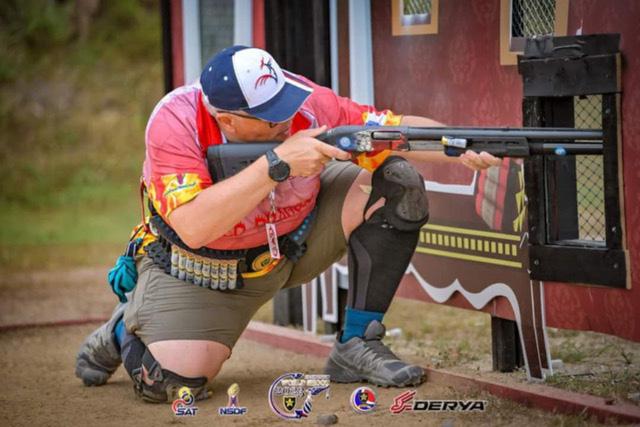
I’m also a referee and enjoy ensuring fair play for fellow shooters. The camaraderie I’ve found in this sport, across many countries, is invaluable. A highlight was joining the Red Dragons, an international team of referees who are also competitors.
Which divisions do you shoot, and why?
I started with handguns, then moved to rifles, but for the past few years, I’ve focused on shotguns. Through hard work, I’ve achieved success in this division.
I have a predilection for shotguns because, in my opinion, they present the most technical challenges (managing spray patterns of various ammunition types, using chokes, counter-sights for no-shoots, and specific reloading techniques for buckshot, etc.). My heavy build, while still a handicap, is compensated by my mastery of shooting on the move, pattern
control, reload speed, and strategic planning. I’m working on losing weight to improve efficiency.
I shoot Standard Manual because it’s more fun, and there’s a strong sense of solidarity among shooters in this division.
Which make and model firearm do you use?
For handguns, I use a Glock 17 and a CZ Shadow 1 due to their reliability and efficiency. For rifles, I shoot a Mossberg MMR in 5.56 caliber—it’s affordable, effective, and sturdy.
For shotguns, I’ve used Remington 870s since I started. However, after the European Shotgun Championship, I’ll switch to a Benelli Nova Speed, thanks to my coach, who secured Benelli’s support. This marks a new professional chapter with fresh goals.
What do your friends and family think about you shooting IPSC?
My friends and colleagues often ask about the sport and sometimes request introductions. My wife is my biggest supporter; she doesn’t shoot but assists with preparation and training. It’s thanks to her that I’ve come this far, and she accompanies me whenever possible. I train at three clubs, and their presidents generously provide extra training slots.
Do you have any tips for the Young Guns?
1. Surround yourself with passionate, safety-minded people.
2.Work hard toward your goals. It’s not just about speed—master technical aspects (firearm customization, gear, strategies, movement, strength, and cardio).
3.Practice dry-fire drills under a coach’s supervision. 4.Compete often. Fail, learn, improve, and try again. 5.Most importantly: Remember it’s a sport—have fun and don’t take yourself too seriously.
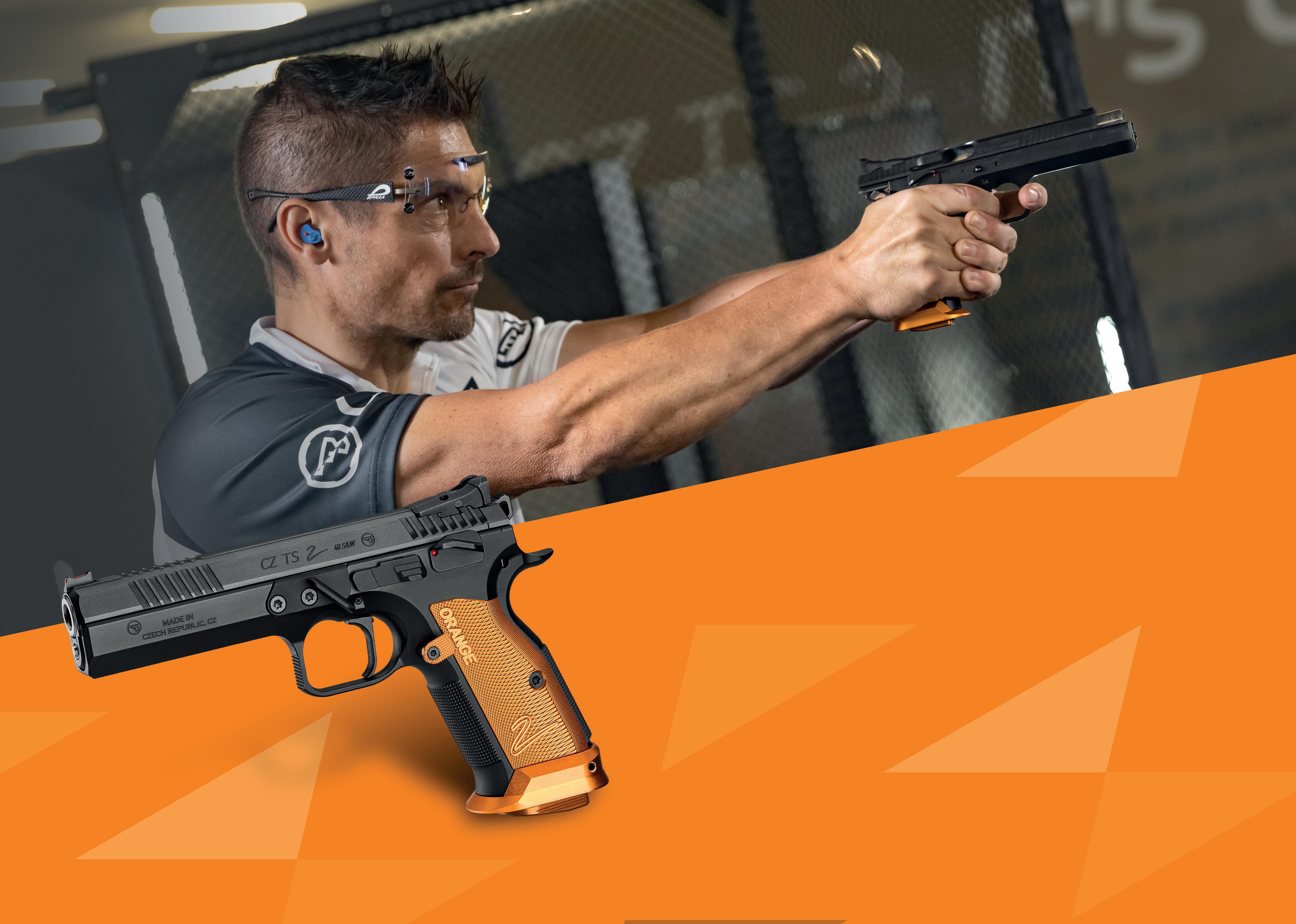
A NEW LEVEL OF ACCURACY AND SPEED
The highest performing CZ Sport Special for the IPSC Standard division
- NEW “BULL” BARREL FOR INCREASED ACCURACY, BETTER CONTROL AND A SIGNIFICANTLY LONGER SERVICE LIFE
- HAND-FITTED BARREL-TO-SLIDE AND SLIDE-TO-FRAME FOR THE TIGHTEST TOLERANCES
- CZ SHADOW 2 STYLE FRONT SIGHT ATTACHMENT SYSTEM FOR QUICK AND EASY SIGHT REMOVAL
- EXTRA SERRATIONS ON TOP FRONT EDGE OF SLIDE ENSURE MORE COMFORTABLE COCKING
- HIGHER POSITIONED AMBIDEXTROUS SAFETIES
- REDUCED HEIGHT MAGAZINE RELEASE BUTTON
- MODIFIED RECOIL SPRING GUIDE SIMPLIFIES DISASSEMBLY

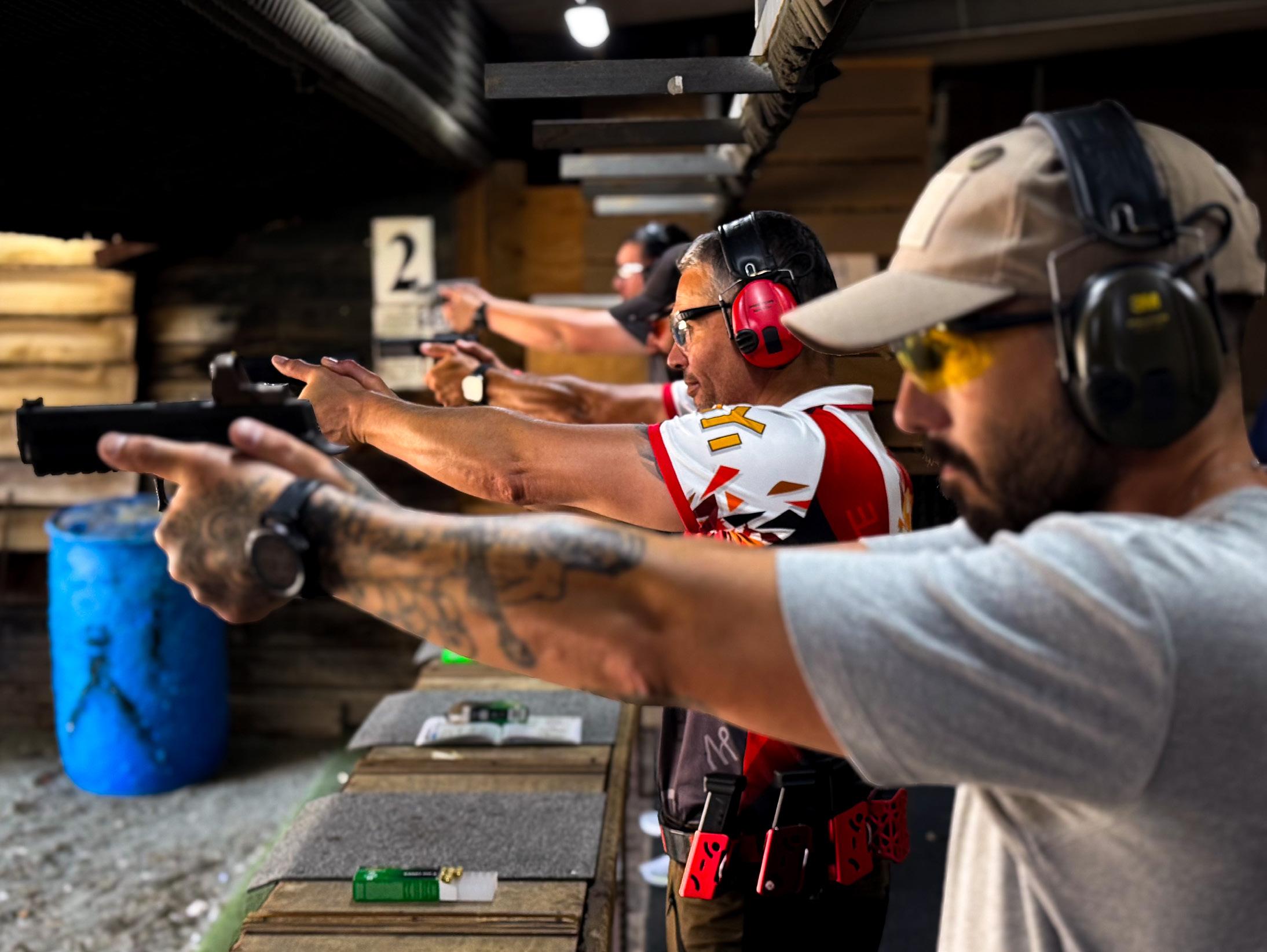
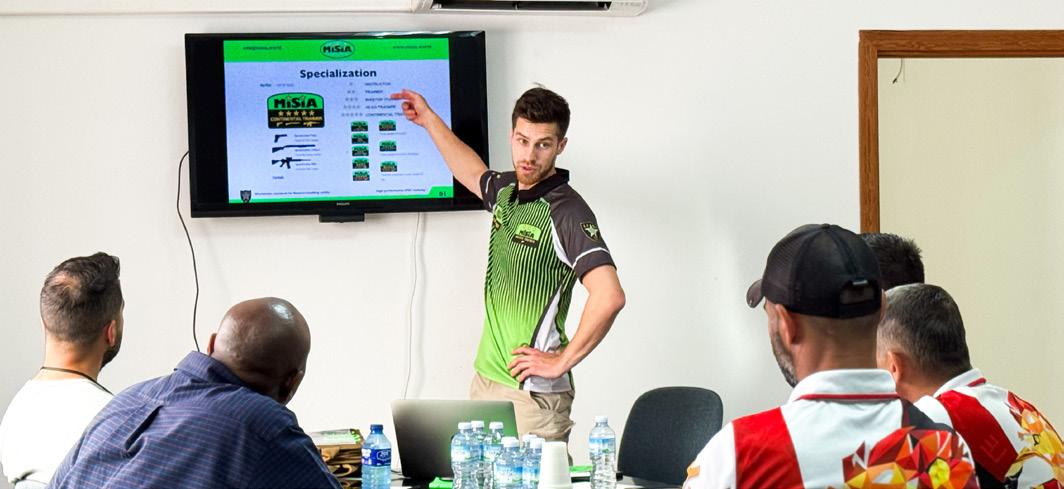
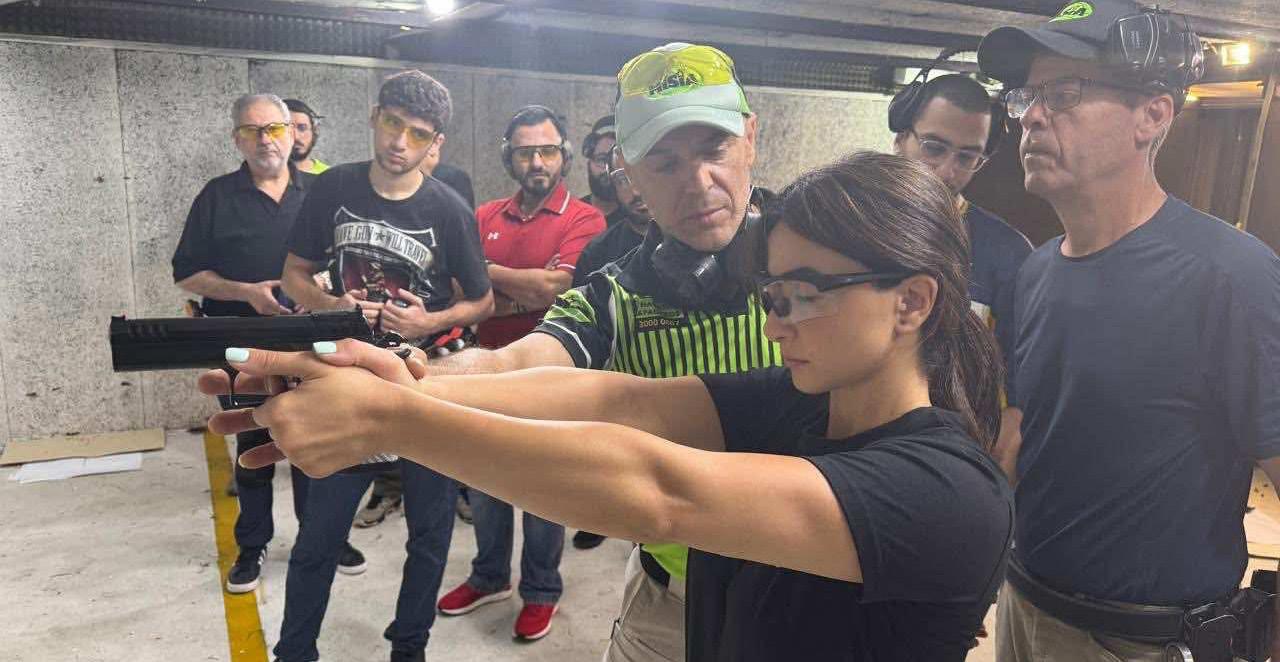
The Main International Shooting Instructors Association (MISIA) continues to expand its educational activities and strengthen the professional training framework for its instructors.
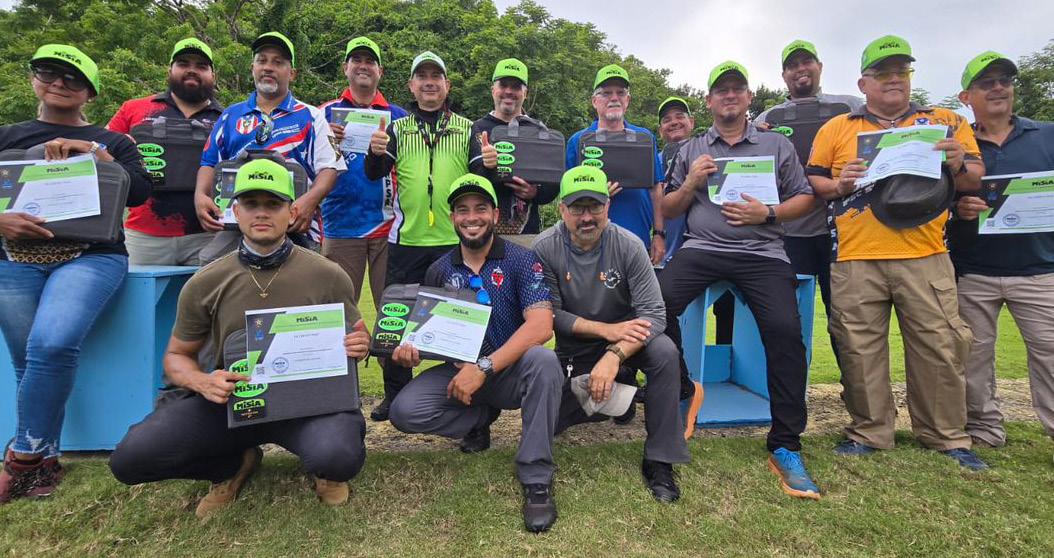
Only in 2025, a total of 13 MISIA-certified courses were conducted across various countries, including Germany, Greece, Bulgaria, Mexico, Puerto Rico, Lebanon, Spain, the Czech Republic, and South Korea. Through these training initiatives, MISIA has now certified over 1,000 instructors worldwide.
This year also marked the inclusion of Lebanon as a new region, further expanding the international representation of the MISIA network.
As part of its continuous development, MISIA
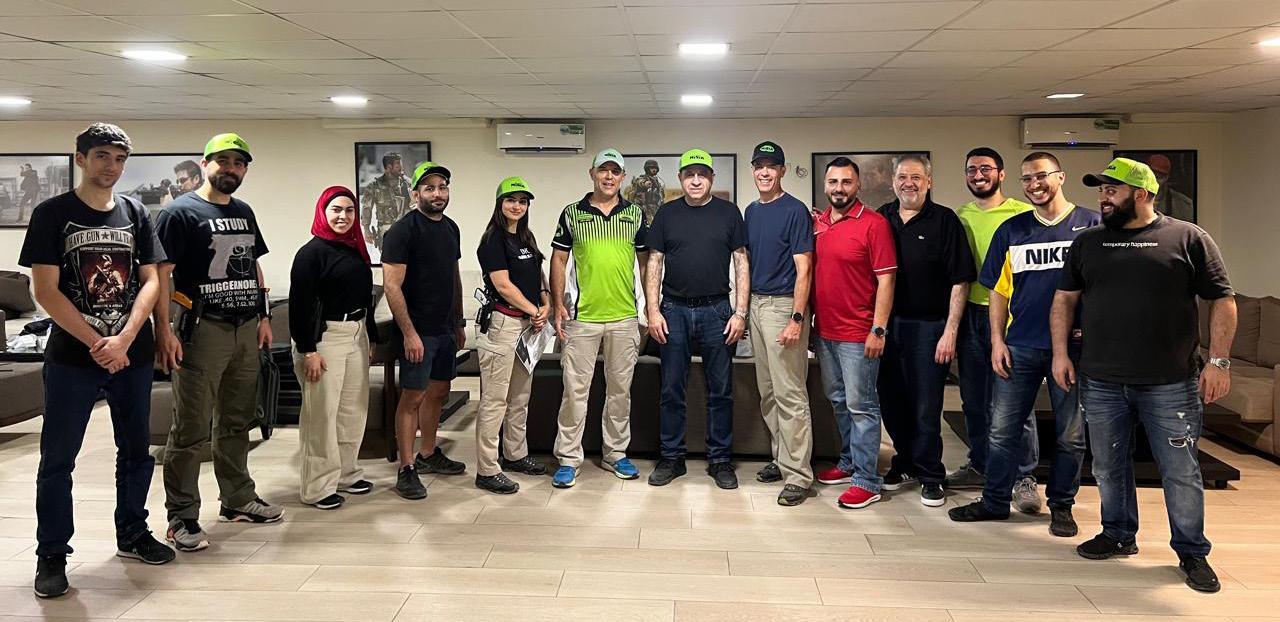
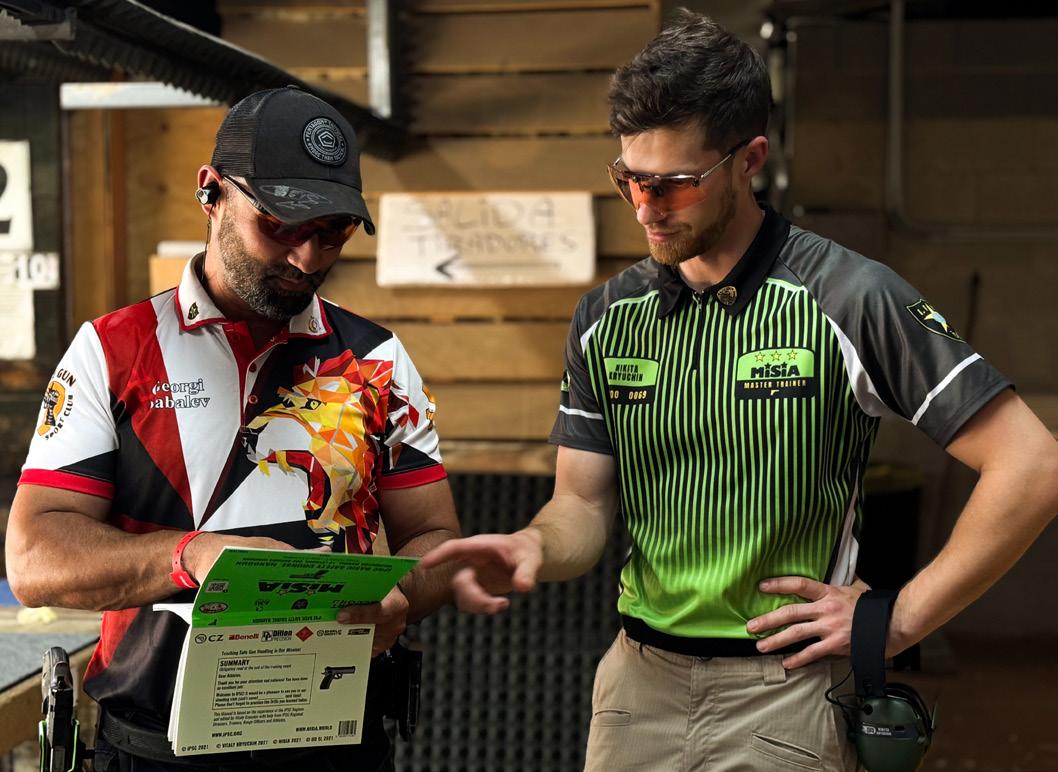
introduced an updated design for the official uniform and launched updated instructor manuals with integrated QR codes. These resources allow instructors to instantly access official drills and training materials in video form, enhancing the ease and efficiency of instruction.
In accordance with the MISIA Regulations, the Executive Management has also announced the MISIA Excellence Awards 2025 — an official annual recognition program for the most active and accomplished MISIA instructors.
The evaluation will be based on official MISIA statistics for 2025, including the number of certified students, courses conducted, and overall professional activity in full compliance with the MISIA Regulations.
The official award ceremony will take place during the European Handgun Championship 2026 in Hungary. Further information on evaluation criteria and publication details will be announced through MISIA’s official channels.
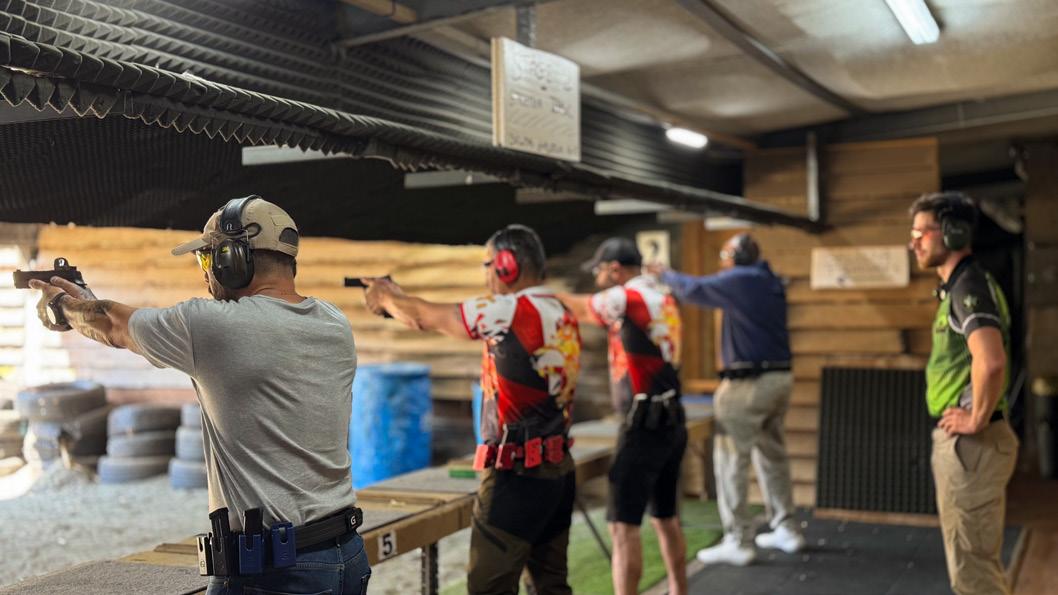
The MISIA training schedule is constantly being updated - if you want to find out more information, please visit https://misia.world/












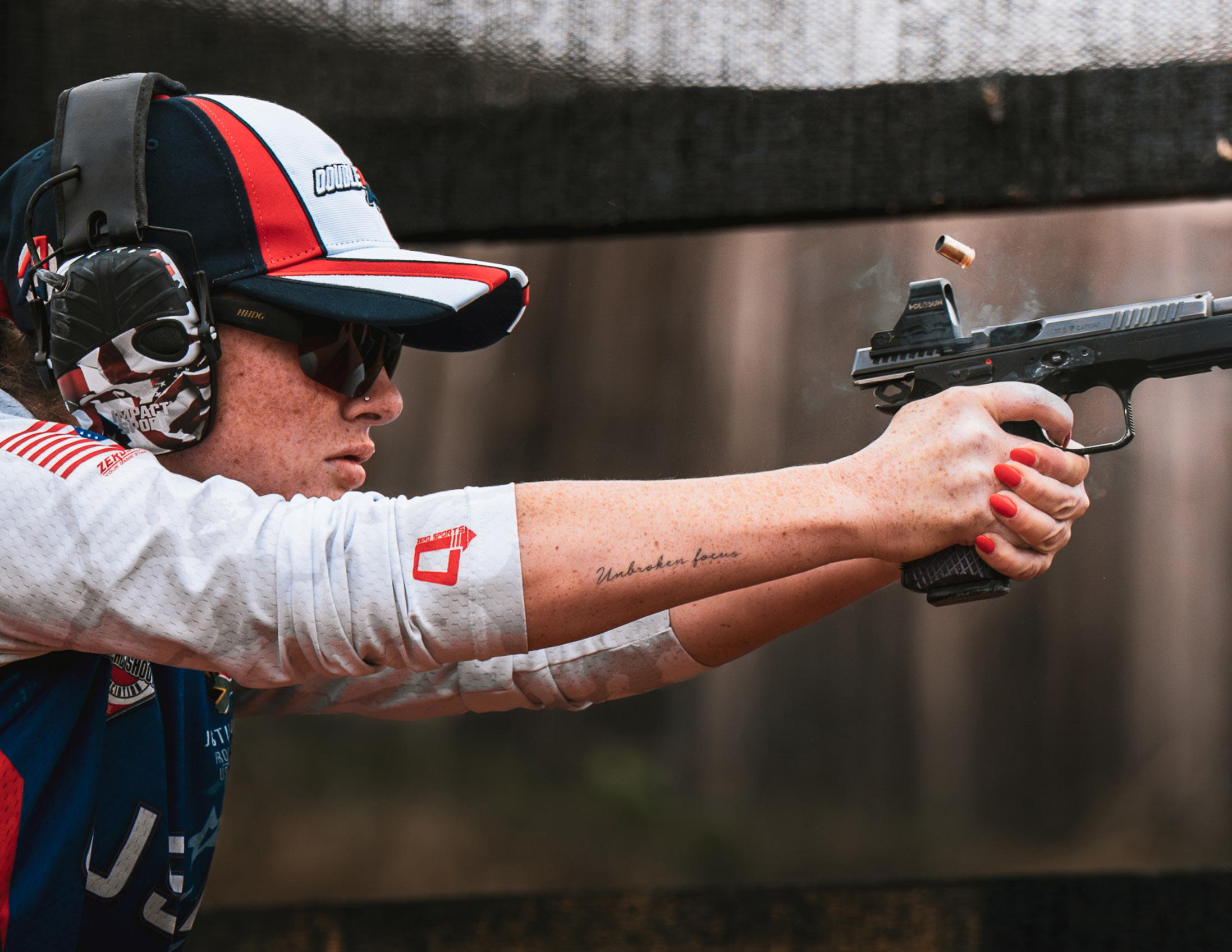
How long have you been shooting?
I started competing at the age of 9 and have been shooting competitively for 12 years now.
Who and/or what inspired you to begin IPSC shooting?
When I first started shooting at my local matches when I was 9, I had no idea what the “sport” truly was. But as soon as I found out about the “World Shoot,” I knew I wanted to be the best. I grew up in a very competitive family. To always be the best version of yourself. And I knew one day if I worked hard enough and stuck with it long enough, I wanted to become a World Champion.
Which division do you shoot, and why?
My main divisions are PCC and Production Optics.
They each provide a specific challenge. PCC allows me to push speed while still maintaining low alphas. Protection Optics, on the other hand, is a little more challenging for me and my style of shooting. It’s a constant battle of “attempting” to get fewer charlies.
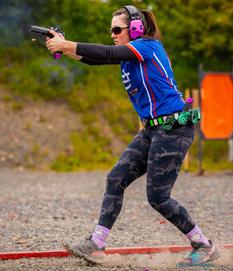
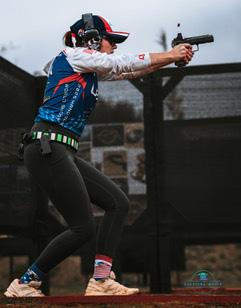
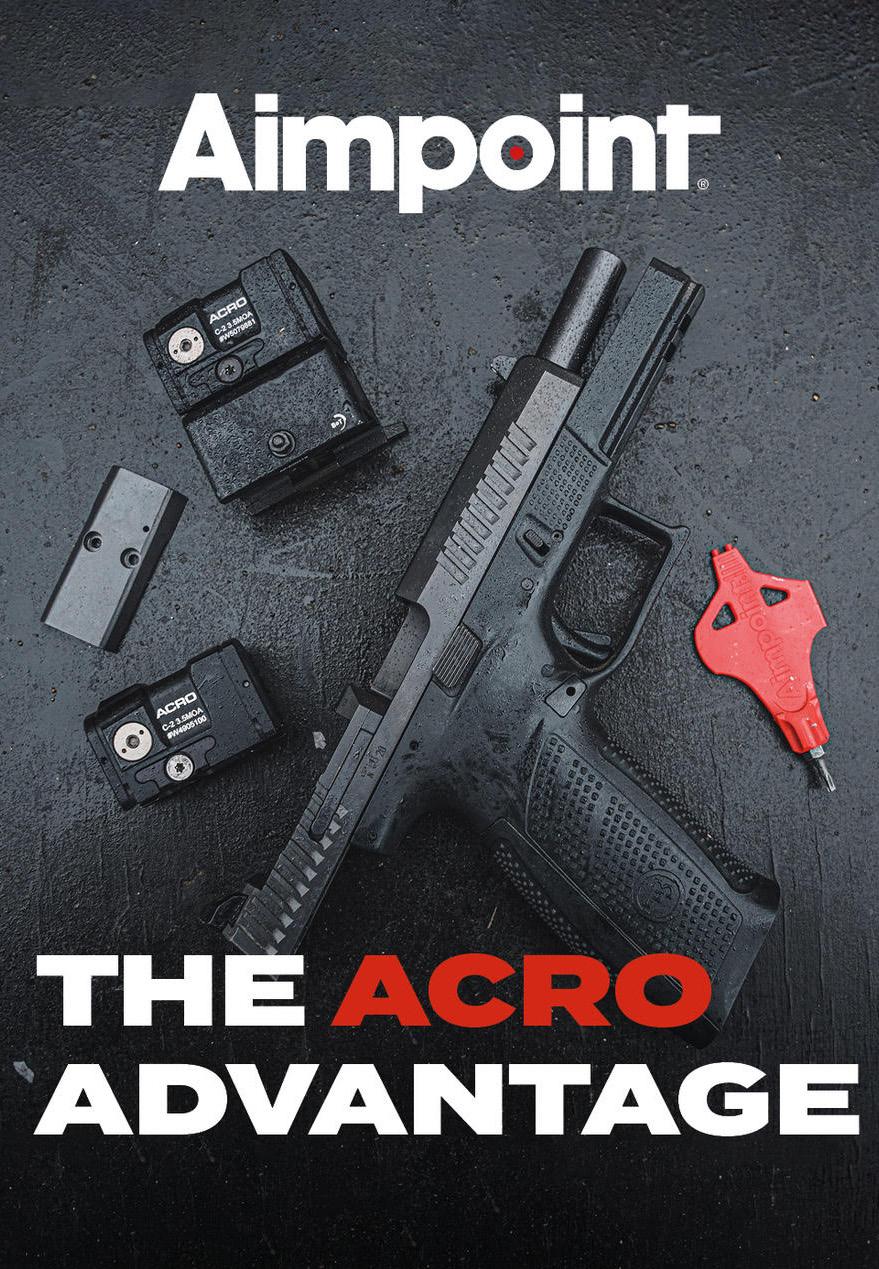
Production Optic also has the most competition, and I love to compete with the “big dogs”.
What do your friends and family think about you shooting IPSC?
My friends and family think it’s the coolest! As I had mentioned previously, they believe it’s an amazing property to see the world and meet new amazing people. My friends think this sport is amazing, and some have even gotten into it a little themselves.
What other sports or activities do you enjoy besides IPSC shooting?
Some of my favorite activities outside of shooting are paddle boarding with my dog, the gym, and rock climbing! I’m a very active person, so I like to keep my activities fun and sporty!
How do you balance your IPSC shooting activities with your other commitments?
I have also been very blessed in the fact that shooting is my full-time job. With a mix of teaching, shooting, and social media, it is truly my dream job.
What is the best way to get more female competitors into IPSC?
I believe the best way to get females into IPSC is to build a fun sense of community. I know that I have more drive and fun if I am shooting and competing with my friends. It makes me look forward to every practice session, every local match, and even every major match. It always puts a smile on my face as well as my fellow competitors.
What tips do you have for other aspiring female IPSC competitors?
First, compete as early as possible! Once you’re safe with firearms, jump into matches—you’ll learn exponentially. It won’t always be easy, but it’ll build confidence and resilience. Second, trust yourself. Understand your shooting style, strengths, and weaknesses. A coach or mentor is invaluable, but remember: it’s you on the stage. Finally, don’t be afraid to take up space—this is your sport too!

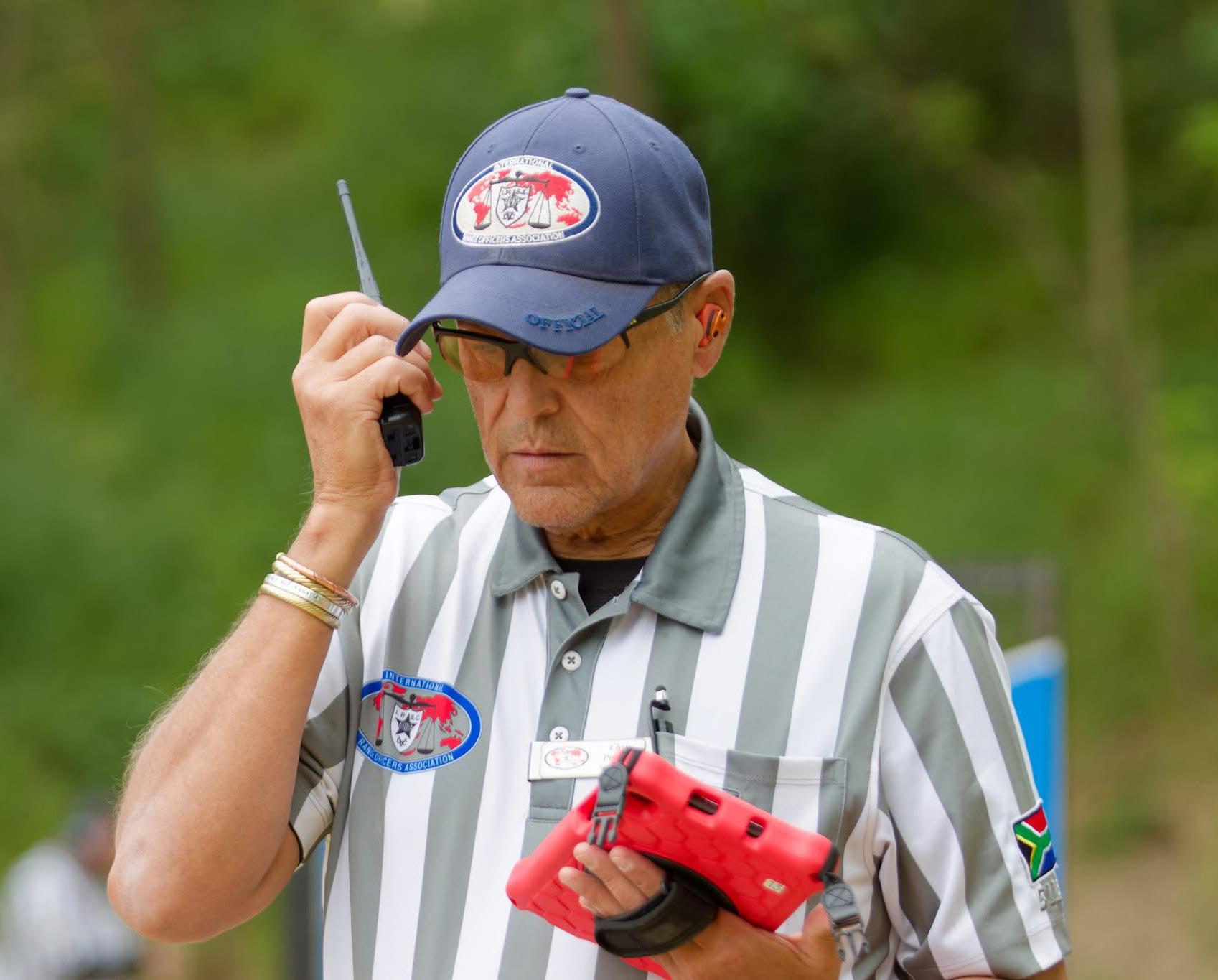
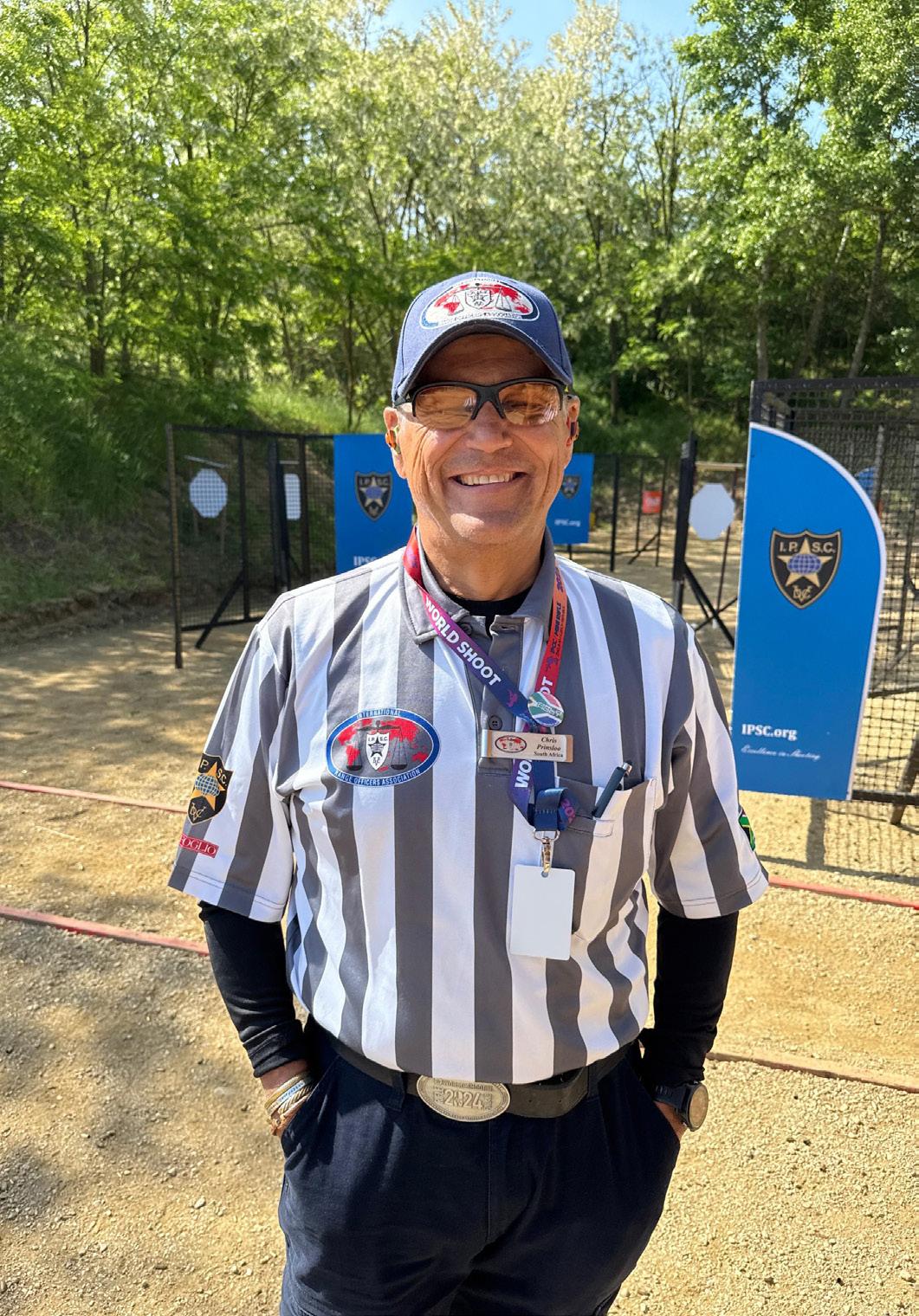
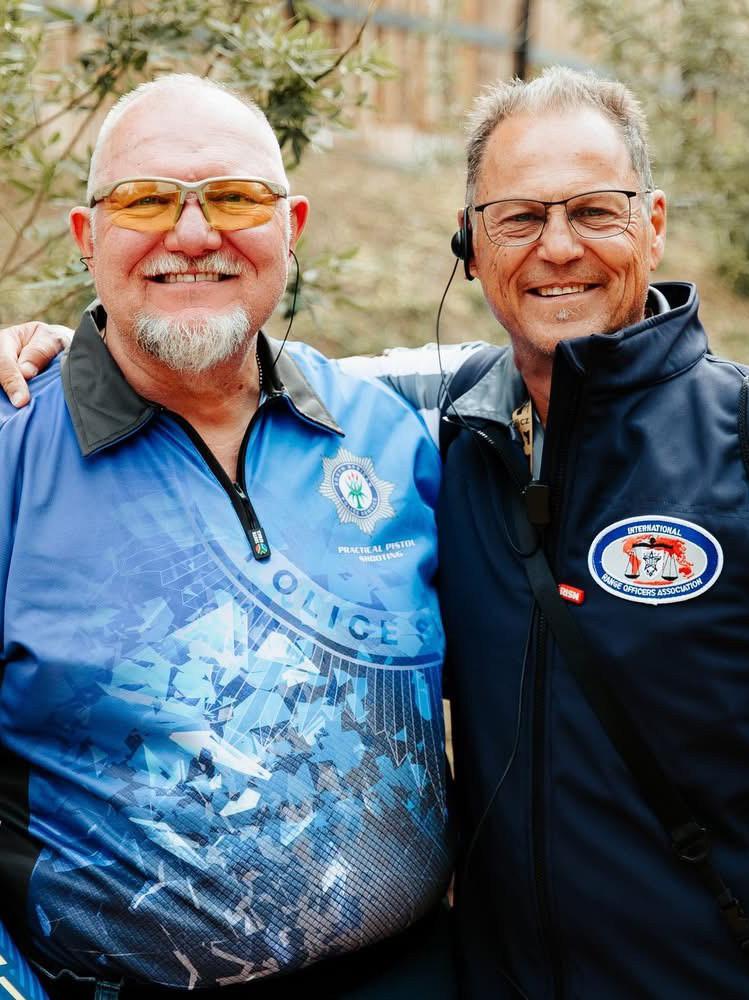
How many years have you been officiating?
I have been officiating for approximately twelve years. Over that time, I’ve had the privilege of working at matches of all sizes — from small local club shoots to large national and international events. Each match has offered new experiences and challenges that have helped me grow as an official. These years have also given me the chance to meet and learn from countless passionate people within our shooting community, which continues to motivate me to stay involved and keep improving.
What do you like best about officiating?
For me, officiating is a way to give back to a sport that has given me so much. I take great pride in helping to create an environment where shooters and athletes can perform at their absolute best. It’s rewarding to know that our efforts behind the scenes contribute
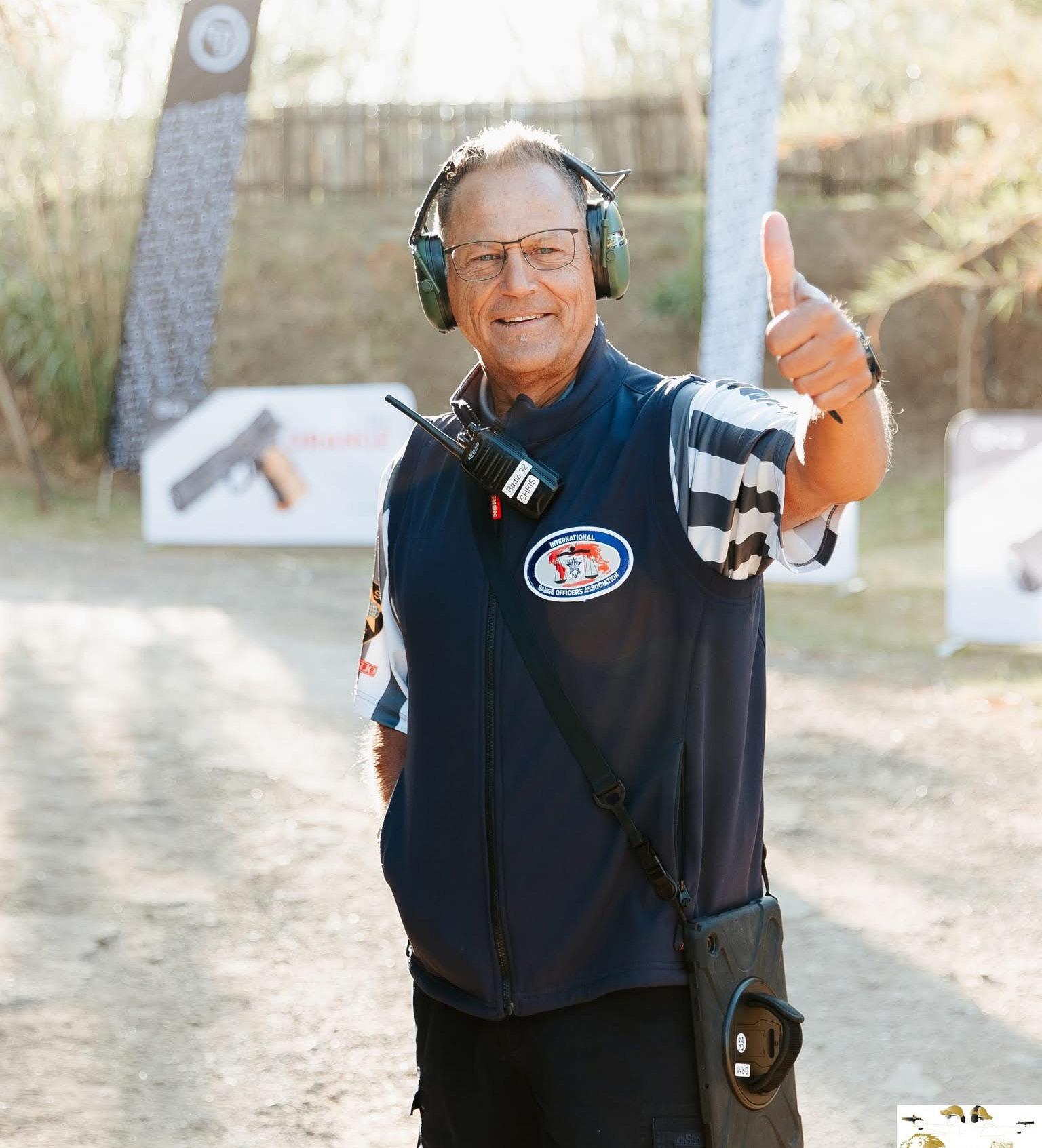
directly to fair, safe, and enjoyable competition. I also enjoy the teamwork involved — collaborating with other officials, learning from their experience, and working together toward a common goal. Seeing a match run smoothly and witnessing competitors enjoy themselves makes all the preparation and hard work worthwhile
Without question, the 2025 IPSC Handgun World Shoot stands out as my most memorable match. I was unexpectedly placed in a major leadership role as Deputy Range Master, which was both a challenge and a tremendous learning opportunity.
Working closely with Range Master Paulo Santos, Match Director John Loupelis, and my fellow IROA officials gave me insight into the complex management side of a large-scale international match. It was humbling to contribute to an event of that caliber and to witness the dedication and professionalism of everyone involved. Most of all, it was an honor to serve alongside my fellow IROA and NROI officials — together, we delivered a world-class competition that truly showcased the spirit of our sport
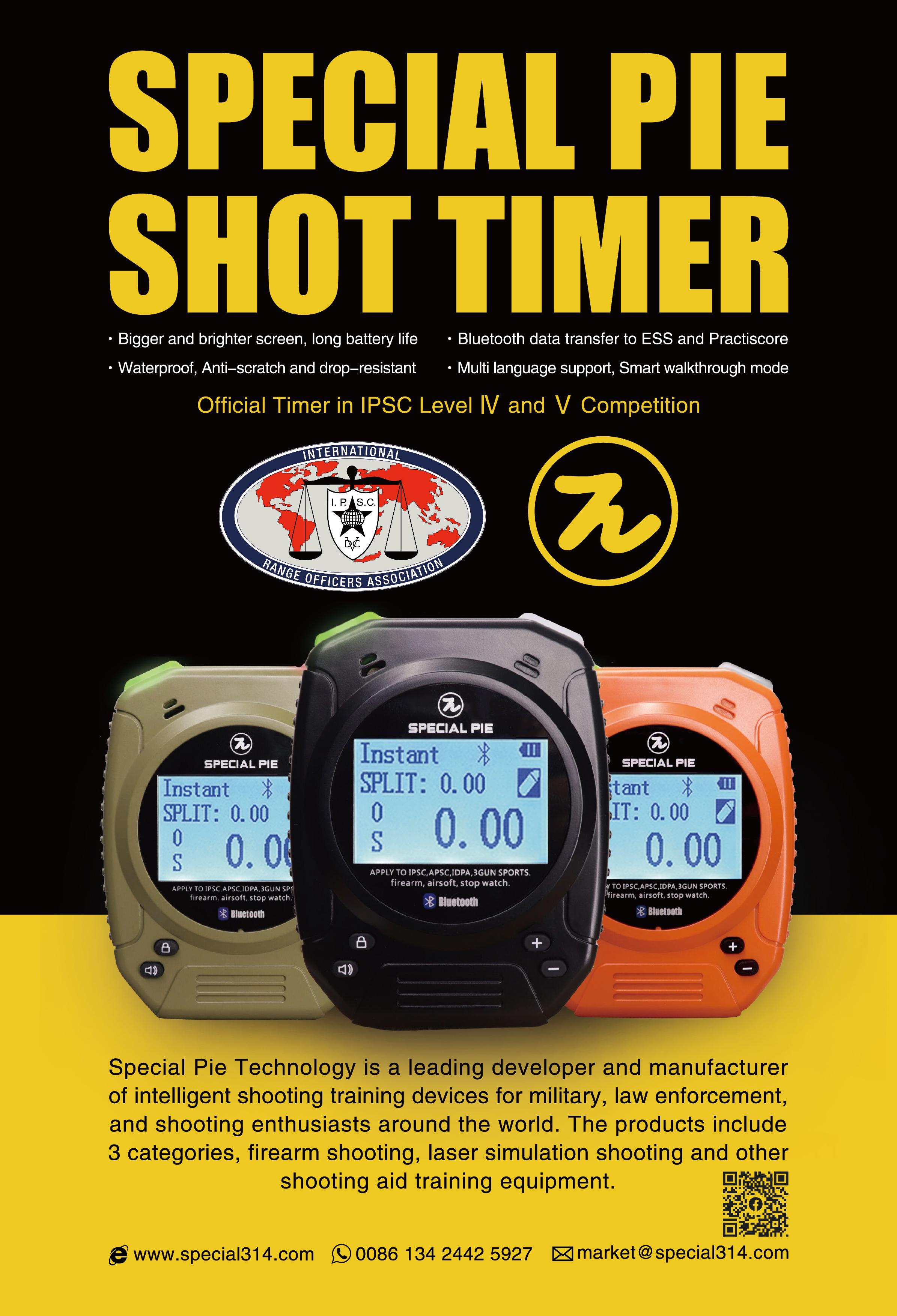
I travel with my CENS digital ear protection as well as my Special Pie Earmuffs. I also have two sets of shooting glasses one of which is a multifocal set. Ears and eyes cannot be replaced and having decent protection is a must.
Understand that we never know everything. The range officer community has a wealth of knowledge, and we constantly learn from each other. Be open to this opportunity. Before every match, regardless of how much we think we know, read the rules fully.
Finally, we have accepted a calling to provide a service to the shooting community. Do so with respect, humility and professionalism and realize that as range officers, outside of the important safety role that we play, we need to love what we are doing and do so with a smile on our face.
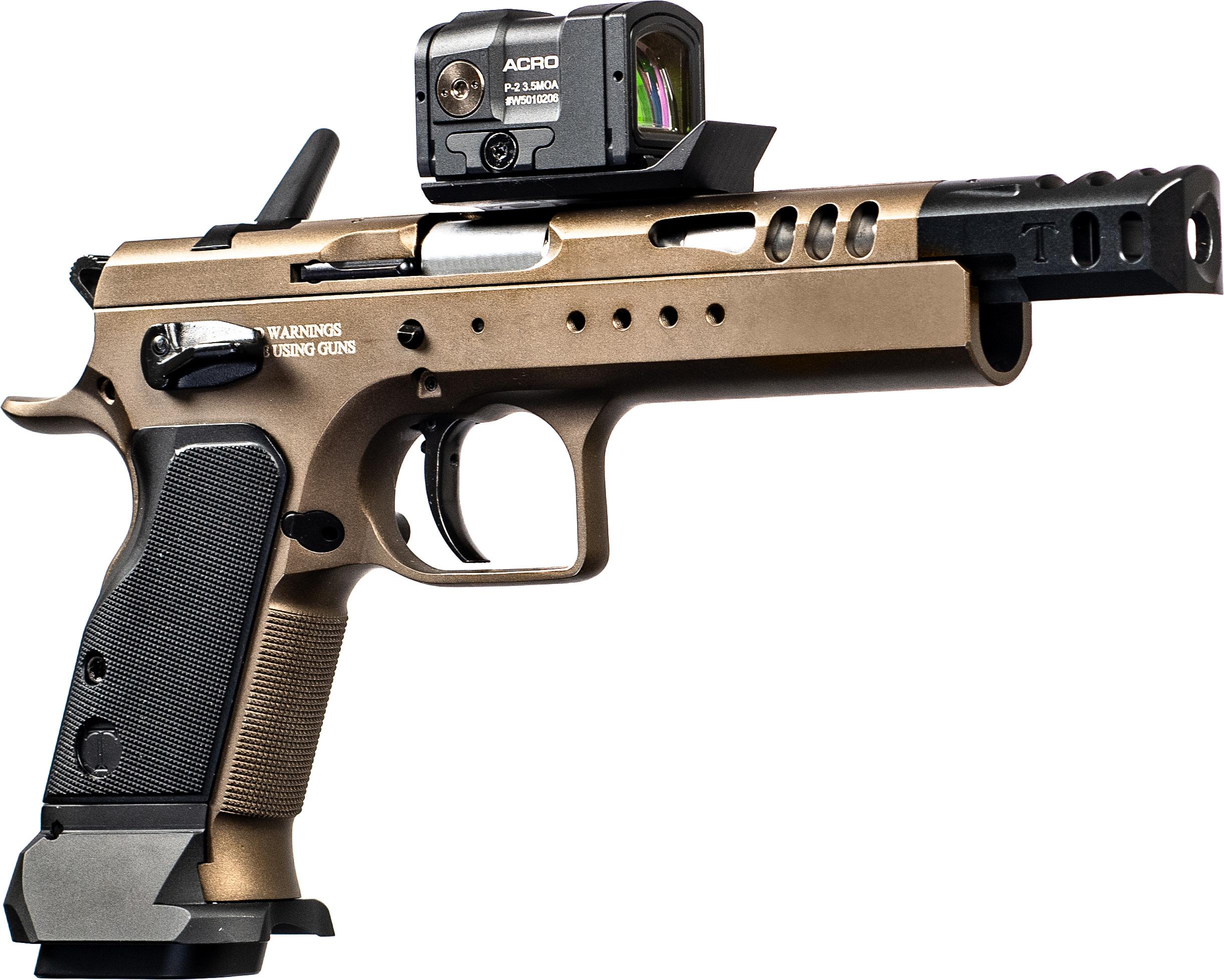


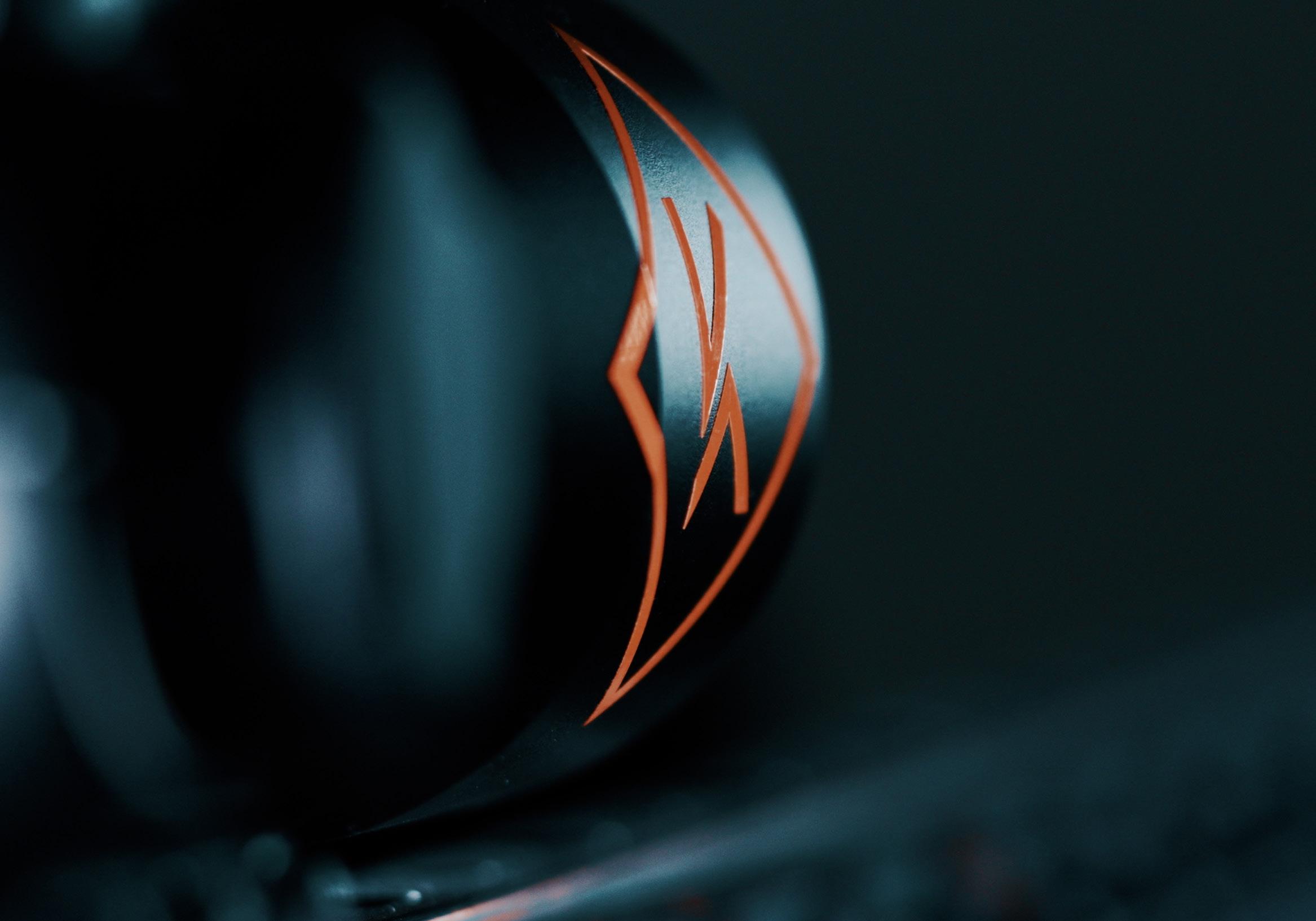
In competitive shooting, real progress rarely comes from radical change. It comes from refining what already works – from listening to shooters, learning from thousands of rounds fired, and improving the details that define performance.
That’s exactly the idea behind the refined generation from KAHLES: not a new product line, but an evolution of proven optics made even more intuitive, precise, and reliable. Two of the most notable examples are the new K18i-2 and the compact K318i.
For years, the K18i has been a benchmark among dynamic shooters – trusted in IPSC and 3-Gun competitions worldwide. The K18i-2, that was already refined in 2023, continues that tradition, sharpening
every element that matters when fractions of a second decide the outcome.
Its claim, Split-Second Precision, sums up the intent perfectly. Built for speed and clarity, the new model combines outstanding optical performance with an intuitive feel that immediately inspires confidence.
The most striking improvement comes from the VISIONFLEX optical design. With a 17.6% wider field of view and a noticeably more generous eyebox, target transitions feel smoother and more natural. Even in fast, off-center shooting positions, the image remains stable and forgiving.
The illuminated reticle, positioned in the second focal plane, features the MAXLIGHT function for extreme backlight situations. Whether the stage is lit by glaring sun or bright steel targets, the reticle remains crisp and visible without overpowering the sight picture.
Ergonomics have also been refined. Every control feels deliberate, with clear tactile feedback and balanced resistance. Combined with a true 8x zoom and real 1x magnification, the K18i-2 sets a new standard for responsiveness in short-range competition optics – built precisely for the rhythm and pace of IPSC and 3-Gun.
At the other end of the spectrum, the K318i (3.518x50i) shows how compact design and longrange capability can coexist. Its concept – Compact Versatility – reflects an all-round optic designed to save rail space while maintaining uncompromised optical performance.
The true 5x zoom covers everything from shortrange precision to extended-range engagements, with exceptional clarity across the full magnification range. The optical performance is matched by mechanical precision – each adjustment click defined and repeatable, delivering that familiar sense of mechanical trust that experienced shooters value.
The customizable configuration allows adaptation to the shooter’s specific preferences or setup. Whether mounted on a precision or on a crossover platform, the K318i balances size, weight, and performance in a way that makes it feel instantly at home in almost any scenario.
For KAHLES, refined is not a slogan. It’s a commitment to continuous improvement through subtle but meaningful evolution. Rather than introducing radical changes, the company focused on optimizing existing models: refining ergonomics, enhancing optical components, and implementing a precise 100-click turret system that offers improved tactile definition and consistency.
These updates might appear small in isolation, but together they represent a clear step forward in how each optic feels and performs in the field.
KAHLES has never been about dramatic reinvention. Its philosophy remains centered on clarity, control, and craftsmanship – values that have defined the brand for over a century. The refined generation continues that path, demonstrating that innovation doesn’t always mean something new. Sometimes it means perfecting what already feels right.
In the K18i-2 and K318i, that philosophy comes alive: speed and precision in one, compact versatility in the other – both unmistakably KAHLES, both unmistakably evolved.
Together, they show how refinement can push performance without changing identity – a quiet evolution that lets every shooter perform at their best.



instagram.com/