2024-2025 Houston Methodist Pharmacy Annual Report

Page 1


2024-2025

HOUSTON METHODIST POSTGRADUATE PHARMACY RESIDENCY

Houston Methodist Department of Pharmacy

The Department of Pharmacy at Houston Methodist collaborates with the health care team to provide innovative, personalized, cost-effective pharmaceutical care in a culture dedicated to quality and safety.

The pharmacy department’s vision is to be recognized as a global leader of pharmaceutical care in the health care setting. To that end, we strive to:

• Continuously improve the quality and safety of patient care and the medication management process.

• Cultivate an environment of collaboration and teamwork.

• Provide high-quality training and education to our technicians, student interns, residents and pharmacists.

• Maximize the use of automation and information technology.

• Maximize cost efficiencies and resource utilization.

System Director of Clinical Pharmacy Services, Houston Methodist Hospital

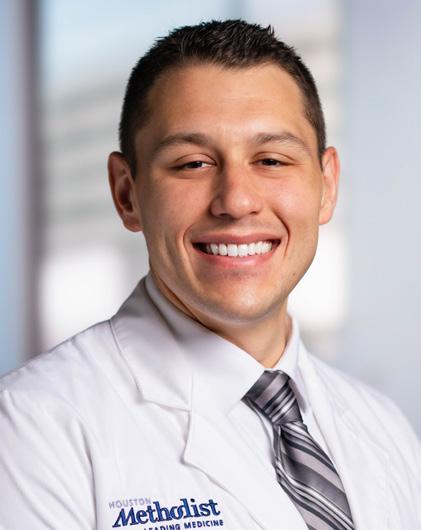
4 Letter from Raj Desai, PharmD, MBA

Pharmacy Director, Houston Methodist Sugar Land

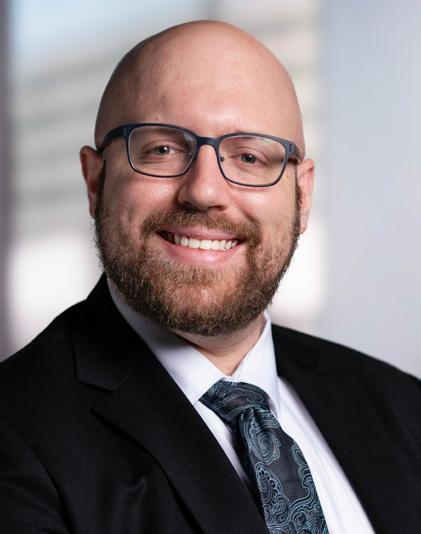
5 Letter from Michael Sirimaturos, PharmD, BCNSP, BCCCP, FCCM Chair of Pharmacy Research Committee 6 Pharmacy

8

PGY1 Pharmacy Residency

Justin Asburn, PharmD

Binh Bui, PharmD

Jessica Jaggar, PharmD

Alli Posadas, PharmD

Anna Tam, PharmD

Milen Thomas, PharmD 14 PGY1 International Graduates

Pharmacy Residency

Xay Pham, PharmD

Nour Rehayem, PharmD 16

PGY1 Pharmacy

Residency –Sugar Land

Adriana Ibarra, PharmD

Pisey Lee, PharmD

Pharmacy Residency – Willowbrook

Sara Hussein, PharmD

Azzam Yazji, PharmD

Health-System Pharmacy

Administration Residency

Kristin Etuk, PharmD

Adam Siddique, PharmD

Alexis Hyman, PharmD

Kalina Korzec, PharmD

PGY1/PGY2 Pharmacy

Informatics Residency

Sharon Atito, PharmD

Akraam Abdel-Kerem, PharmD, MS, MBA 26 PGY2 Critical Care

Pharmacy Residency

Nicholas Palma, PharmD

Priya Patel, PharmD

28 PGY2 Infectious Diseases

Pharmacy Residency

Yao-Hsuan Patricia

Huang, PharmD

29 PGY2 Oncology

Pharmacy Residency

Panjie Chen, PharmD

Yi-wen Chung, PharmD

31 PGY2 Solid Organ Transplant

Pharmacy Residency

Suneri Amin, PharmD

Benjamin Deike, PharmD

LETTER FROM THE DIRECTOR OF SYSTEM CLINICAL SERVICES

On behalf of the Houston Methodist Pharmacy System Clinical Leadership Team, I extend our heartfelt congratulations and appreciation to our 2024 -25 pharmacy resident graduates, our Pharmacy Research Committee leaders and the many preceptors who supported the research featured in this annual report.

Our residents’ research addresses contemporary questions and challenges in patient care. This year’s themes included anti-infective and anticoagulation medication management, as well as the impact of certain medications on the development of acute renal failure. Additional projects explored medication policy and operational pharmacy innovations.

Antibiotic stewardship affects nearly every hospitalized patient. Among seven investigations related to anti-infective therapy, Dr. Milen Thomas and colleagues demonstrated that oral antibiotic therapy was as effective as intravenous therapy for outpatients — opening up easier transitions to home care. Dr. Pisey Lee reported a 68% reduction in HIV medication therapy-related errors among patients who received expert pharmacist reviews in our community hospital setting. This finding aligns with previous studies at our Texas Medical Center campus and reinforces the value of mandatory pharmacist medication therapy review consults for these patients.

Anticoagulation therapy is administered to nearly half of hospitalized patients and accounts for a similar proportion of medication-related adverse events. Dr. Priya Patel and colleagues presented outcomes from the novel use of a sodium bicarbonate-based purge solution for mechanical circulatory support devices, potentially reducing bleeding risks and complications associated with heparin. Dr. Anna Tam and colleagues examined current practices and opportunities in managing heparin resistance. Their findings may inform future protocols that enable timely achievement of target anticoagulation levels.

Acute kidney injury (AKI) affects one in five hospitalized patients. While some medications contribute to AKI, many are impacted by reduced renal function. Four research reports this year addressed these complications. Dr. Justin Ashburn’s team investigated hyperkalemia in chronic kidney disease patients receiving Bactrim, identifying risk factors and potassium level trends that could guide future corrective treatments. Dr. Yi-wen Chung evaluated renal function assessment modalities in cisplatin-induced AKI, revealing opportunities to improve hydration consistency postadministration. Similarly, Dr. Xay Pham and colleagues reported a lower incidence of AKI in patients who received IV hydration prior to IV acyclovir — an agent known for renal toxicity.

Medication policy innovations also played a key role in this year’s research. Dr. Onyebuchi Ononogbu assessed the impact of a policy change allowing pharmacists to transition selected chemotherapy regimens (R-EPOCH and AIM) to outpatient settings. Following implementation, 15.6% of patients avoided hospitalization entirely, compared to just 2% prior to the change.

Operational improvements in medication preparation and dispensing were another focus. Dr. Adam Siddique reported that robotic sterile compounding reduced the risk of repetitive-use injuries. Dr. Akraam Abdel-Kerem demonstrated that automated voice alerts for time-critical anticoagulation reversal agents significantly reduced pharmacy dispensing times.

Taken together, our 2024-25 pharmacy researchers have thoroughly explored the medication management landscape and delivered meaningful insights and improvements to patient care at Houston Methodist.

Mentorship is essential to the success of these projects and the development of our residents’ clinical skills. This year, we proudly recognized two outstanding pharmacy preceptors:

• Karen Abboud, PharmD (Clinical Specialist in Oncology – Houston Methodist Hospital), recipient of the 2025 New Preceptor Award

• James Cox, PharmD (Clinical Specialist in Oncology – Houston Methodist Sugar Land), recipient of the 2025 Established Preceptor Award

Houston Methodist’s Division of Pharmacy continues to be nationally recognized for excellence in continuing professional education as well. Houston Methodist has been an Accreditation Council for Pharmacy Education Continuing Education provider since 2007. The program, led by Phuong Nguyen Liebl for the past 10 years, was surveyed in early 2025 and earned full eight-year accreditation — an achievement reserved for the top 10% of programs worldwide. With support from our residents and preceptors, we offer over 60 credit hours annually to internal and external pharmacy professionals, consistently drawing more than 100 attendees per offering.

As we reflect on the accomplishments of our pharmacy residents, preceptors and research leaders, it’s clear that their dedication and innovation continue to elevate the standard of care at Houston Methodist. Their work not only advances clinical pharmacy practice but also reinforces our commitment to excellence, education and patientcentered care. We are proud of their contributions and excited for the continued impact they will make, both within our institution and across the broader health care community.

With gratitude,

LETTER FROM THE DIRECTOR OF PHARMACY, HOUSTON METHODIST SUGAR LAND

Dear Colleagues,

As we enter the fifth year of our Pharmacy Residency Program at Houston Methodist Sugar Land, I want to express my sincere appreciation to our pharmacy leaders across the system, the Pharmacy Research Committee and the Houston Methodist Hospital Residency Programs. Their support has been vital to our growth and to advancing pharmacy education throughout Houston Methodist.

Over the past four years, all eight of our residents have successfully completed the program, with each graduate advancing to PGY2 training or accepting clinical pharmacist roles. Notably, six have chosen to continue their careers within Houston Methodist — a testament to the strength of our program and the culture we’ve built.

In 2022, we earned an eight-year accreditation approval, affirming our commitment to excellence. We also helped pioneer the vision of a community-based pharmacy residency, paving the way for future programs. Congratulations to Houston Methodist Willowbrook and Houston Methodist West on launching their own residency programs — an exciting expansion of our shared mission.

To support our preceptors, we introduced recurring Residency Preceptor Development Sessions and launched an annual Preceptor Appreciation Day. Their dedication has been recognized through several system-wide and ASHP-related awards:

• Punit Shah – Distinguished Preceptor of the Year (2024)

• Hannah Chan – System New Preceptor of the Year (2024)

• James Cox – Distinguished Preceptor of the Year (2025)

• Rustin Pevehouse, precepted by Nitha Chou and Punit Shah, nominated for the ASHP Resident Research Award (2025).

Our department continues to contribute meaningfully to pharmacy education and research, with poster presentations at Vizient and TSHP, and publications in AJHP, Annals of Pharmacotherapy and Infection Control & Hospital Epidemiology. Topics have included antimicrobial stewardship, hypoglycemia prevention, septic shock management, infection control and workflow optimization.

These achievements reflect the collective efforts of our residents, preceptors and pharmacy leadership. I especially want to recognize Gordana Jasmak, Residency Director, and Meghan Thibeaux, Residency Coordinator, for their outstanding leadership and behind-the-scenes dedication that make our program thrive.

Thank you for your continued commitment to excellence in pharmacy education, research and patient care. I look forward to the continued growth of our program and the impact we will make together.

Thank you,

LETTER FROM THE PHARMACY RESEARCH COMMITTEE CHAIR

Welcome to the Department of Pharmacy’s tenth edition of the Annual Research Report. This report is a celebration of excellence in pharmacy department research activities representing eight hospitals within the Houston Methodist system. We look forward to highlighting the dedication to research and patient care of the pharmacy department, especially through our residency training programs.

The pharmacy department continues to strive toward the advancement of pharmacy practice and patient care across the hospital system. Over the course of the 2024-25 residency year, members of our pharmacy department and residency programs led research collaborations within numerous service lines including internal medicine, infectious diseases, transplant, critical care, anticoagulation and oncology, as well as research in informatics and pharmacy administration. Department research has been presented on local and national platforms, including in our own hospital at the Eighth Annual Pharmacy Research Committee (PRC) Symposium in June 2025.

The PRC’s mission is to maintain excellence in the quality of research conducted as well as the research training provided by the Department of Pharmacy at Houston Methodist. The PRC continues to optimize fundamental research training initiatives including project development through comprehensive development workshops, oversight of the project proposal approval process and resident project alignment, formalized didactic research education and enhanced research visibility through conferences and publication of the annual research report. We continue to collaborate with experts in research at the local and national level through the Houston Methodist Academic Institute, our research and academic community, as well as industry partners to provide contemporary research training that can meet the needs of our clinicians, students and resident learners now and in the future.

The PRC continues to expand to meet our growing residency programs across the system. We are 15 committee members strong. Members of the PRC represent the pharmacy department across the system hospitals and clinical specialties. Our Department of Pharmacy preceptors, residents and staff remain committed to high quality and innovative patient care, education, research, leadership and advocacy. As always, our goals are grounded in our mission to be unparalleled. I am forever grateful for the dedication and hard work of this committee and am proud to serve as its Chair.

I want to thank our tireless group of PRC members who dedicate a significant portion of time overseeing our pharmacy department and residency research. Our 15-member committee representing staff from four of our eight hospitals has been expertly led by our Chair, Jill Krisl, PharmD, since the 2020-21 academic year. Jill transitioned to a new position outside of Houston Methodist in October 2024 and we wish her the best of luck in her new professional endeavors. As the incoming Chair, I look forward to continuing the tradition of advancement and visibility of pharmacy and residency research for the Department of Pharmacy as we embark on our next 10 years of research advancement thanks to the dedicated work of our previous Chairs and PRC members.

PHARMACY RESEARCH COMMITTEE MEMBERS

Chelsea Lopez, PharmD, BCCCP Vice Chair

Elsie Rizk, PharmD Project Support Lead

Karen Abboud, PharmD, BCOP, BCPS Project Approval Support

Punit Shah, PharmD, BCPS, BCIDP Education Lead

Reba Forbess, PharmD, PhD, CPPS Visibility Lead

Dan Galipeau, PharmD, BCCP Project Approval Support

Truc (Cecilia) Tran, PharmD Project Support

Hayley Brazeale, PharmD, BCPS Project Approval Lead

Will Musick, PharmD, BCIDP Project Development Lead

Stephanie Bird, PharmD, BCCCP Project Alignment Support

Payal Gurnani, PharmD, BCPS, BCCCP, FCCM Visibility Support

Godsfavour Umoru, PharmD, BCOP Project Alignment Lead

Taryn Eubank, PharmD Education Support

David R. Putney, PharmD, MPH, BCPS - AQ Cardiology Project Alignment Support

Alex Rogers, PharmD, BCPS Project Development Support

PHARMACY RESEARCH FUNDING

William L. Musick, PharmD, BCIDP is part of a $106,000 per year grant to Houston Methodist as the site primary investigator for the GOAT Trial, Gram-Negative Bloodstream Infection (GN-BSI) Oral Antibiotic Therapy Trial, coordinated through John Hopkins and funded by the Patient-Centered Outcomes Research Institute (PCORI). The primary objective is to compare the Desirability of Outcomes Ranking (DOOR) distributions between patients with GN-BSI receiving IV antibiotic treatment only versus patients transitioned early to oral antibiotic treatment.

He is also the site primary investigator for Real-world Outcomes of Maribavir for the Treatment of CMV, a $50,000 grant funded by Takeda Pharmaceticals being conducted at 12 U.S. transplant centers.

William L. Musick, PharmD, BCIDP and Cecilia Tran, PharmD are investigators on the National Institutes of Health (NIH) R01 grant Personalized Antimicrobial Combinations to Combat Resistance, 2024 to 2028, coordinated through the University of Houston. This grant looks to refine a novel precision medicine platform to help guide the design of personalized combination therapy for infections due to multidrug resistant bacteria.

Will Musick, PharmD, BCIDP Project Development Lead
Truc (Cecilia) Tran, PharmD Project Support

Evaluation of Hyperkalemia Incidence Following Initiation of Trimethoprim/Sulfamethoxazole in Patients with Advanced Chronic Kidney Disease

PURPOSE

Trimethoprim/sulfamethoxazole (TMP/SMX) is a combination antibiotic that inhibits sequential steps in the folate synthesis pathway. The trimethoprim component increases serum potassium levels by inhibiting amiloride-sensitive sodium channels in the collecting duct of the nephron, thereby inhibiting tubular secretion of potassium and increasing risk of hyperkalemia. Previous studies concluded that TMP/ SMX-induced hyperkalemia was associated with increased baseline serum creatinine, though none have established the rate of hyperkalemia in patients with advanced chronic kidney disease (CKD). The objective of this study was to establish the incidence of hyperkalemia in hospitalized patients with CKD stages 4 or 5 receiving TMP/SMX.

METHODS

This was a retrospective, single-center descriptive study. Included patients had stable CKD stage 4 or 5, received at least one dose of TMP/SMX, and had documented potassium levels before and after TMP/SMX initiation. The primary outcome was incidence of new-onset hyperkalemia, defined as serum potassium ≥ 5.0 mEq/L, after receiving TMP/SMX.

RESULTS

Out of 91 included patients, hyperkalemia occurred in 25 patients (27%). Hyperkalemia occurred at higher rates among patients with CKD stage 5 (50%), baseline potassium ≥4.0 mEq/L (35%), and those receiving higher daily doses of TMP (44% in patients receiving >6 mg/kg/ day). Of patients experiencing hyperkalemia, 60% received potassium-lowering therapy.

CONCLUSION

Baseline renal function, baseline potassium, and total daily TMP dose may be important factors to consider when deciding whether to initiate TMP/SMX in patients with advanced CKD and assessing subsequent risk of hyperkalemia. Further studies involving control groups are warranted to assess the magnitude these patient-specific factors have on risk of TMP/SMXinduced hyperkalemia.

Justin Ashburn, PharmD

Justin earned his B.S. degree in chemistry from Baylor University in 2018 and PharmD from the University of Texas at Austin in 2024. He completed his PGY1 residency at Houston Methodist Hospital in 2025. Following completion of his PGY2 residency, Justin plans to pursue a career as an inpatient clinical specialist in infectious disease and antimicrobial stewardship.

Primary project preceptor: Eileen Sullivan, PharmD, BCPS

Presented at 2025 Midwest Pharmacy Residents Conference, Omaha, NE

Are hypoalbuminemic patients with extended spectrum betalactamase

Enterobacterales (ESBL) bacteremia

treated with ertapenem

at an increased risk for mortality?

Binh Bui, PharmD; Punit Shah, PharmD, BCIDP; Jessica Kay, PharmD, BCPS; Sarfraz Aly, MD; Nicolas Daoura, MD

PURPOSE

Ertapenem is highly protein-bound to albumin, and patients with hypoalbuminemia may experience ertapenem underexposure and treatment failure.1,2 We aimed to determine whether hypoalbuminemic patients with extended-spectrum beta-lactamase-producing (ESBL) Enterobacterales bacteremia treated with ertapenem are at increased risk for mortality compared to normoal buminemic patients.

METHODS

An IRB-approved, multicenter, retrospective cohort study was conducted from August 2022 to July 2024. Adult patients with a positive blood-culture for ESBLEnterobacterales who received at least 48 hours of ertapenem were included. Patients with no albumin values prior to or within 48 hours of ertapenem initiation, empiric antibiotics without appropriate coverage within 24 hours of microbiological susceptibility test results, central nervous system infections, polymicrobial bloodstream infections lacking activity against ertapenem, and pregnant patients were excluded. The primary outcome was inpatient mortality, defined as death during hospitalization or discharge to hospice.

RESULTS

A total of 191 patients met inclusion criteria. Baseline characteristics were generally well balanced between study groups; except for a higher number of patients in the hypoalbuminemia group received chemotherapy within the past six months, and patients in the hypoalbuminemia group had higher median CCI scores. The primary outcome of inpatient mortality or discharge to hospice occurred in 1.32% (2/152) of patients in the normoalbuminemia group compared to 15.4% (6/39) in the hypoalbuminemia group (95% CI, -0.26 to -0.026, p=0.001).

CONCLUSION

Patients with hypoalbuminemia and ESBL Enterobacterales bacteremia had a higher inpatient mortality rate when treated with ertapenem. These findings contribute to the growing evidence on the potential impact of hypoalbuminemia on outcomes associated with highly protein-bound antibiotics.

Binh Bui, PharmD

Binh earned his Bachelor of Science from the University of Georgia and PharmD from the University of Georgia in 2024. Following completion of his PGY1, Binh will be heading to Tampa General Hospital to complete a PGY2 in Solid Organ Transplant.

Primary project preceptor: Punit Shah, PharmD, BCIDP

Presented at 2025 Midwest Pharmacy Residents Conference, Omaha, NE

Publication citation: Ertapenem. In: Lexi-Drugs. Lexicomp; 2001. Updated December 23, 2023. Accessed January 11 2025. http://online.lexi.com.

Schmidt S, Röck K, Sahre M, Burkhardt OBrunner M, Lobmeyer MT, Derendorf H. Effect of Protein Binding on the Pharmacological Activity of Highly Bound Antibiotics. Antimicrob Agents Chemotherapy. 2008;58(11).

Adjunctive Midodrine as a Vasopressor Liberation

Agent in Patients with

Septic

Shock on Moderate to high dose Vasopressors

Jessica H. Jaggar, BS, PharmD; Ola A. Adejuwon, PharmD, MPH, BCCCP, BCNSP; Mina Phlamon, PharmD, BCCCP; Thalia

PURPOSE

Midodrine, an oral alpha-1 agonist indicated for orthostatic hypotension, is used off-label to shorten intravenous (IV) vasopressor weaning and expedite intensive care unit (ICU) discharge. However, there is mixed evidence regarding its benefit in decreasing vasopressor requirements in patients with septic shock on low dose vasopressors. Furthermore, no data exists on the benefits or risks in patients requiring moderate-to-high (MH) doses of vasopressors. The objective of this study is to evaluate effect of midodrine on duration of vasopressor requirements when added to patients with septic shock on MH dose vasopressors.

METHODS

This study was a retrospective cohort study within the Houston Methodist System from January 1, 2023, to June 31, 2024. Patients with septic shock on MH doses of continuous vasopressors who received adjunctive midodrine were compared to patients who received MH vasopressors alone. We included adult patients (> 18 years old) with an ICD10 code (R65.21) for septic shock, that were admitted to one of the eight ICUs in the multi-hospital health system, on MH doses of continuous vasopressors. Exclusion criteria were end stage renal disease, severe heart disease, non-

PGY1 PHARMACY RESIDENCY

distributive shock, atrioventricular block, and midodrine administration within 24 hours prior to admission.

RESULTS

A total of 250 patients were included, with 125 in the AM group, and 125 patients in the vasopressor only group. For the primary endpoint, the time from initiation of MH dose vasopressors to discontinuation was longer in the midodrine group versus the vasopressor only group (median [IQR] 4.1 [2.1-9.4] vs. 1.8 [1.1-4.0], p<0.001). For secondary outcomes, midodrine was also associated with a longer ICU length of stay (LOS), (median [IQR] 16.9 [8.9-37.0], vs. 8.0 [3.9-15.3], p<0.001), hospital LOS (median [IQR] 23.2 [11.9-47.4] vs.13.0 [7.8-19.5], and new organ dysfunction (n [%], 75 [60] vs. 37 [29.6], p <0.001). There was no difference in the incidences of adverse events or mortality.

CONCLUSION

Adjunctive midodrine in patients with septic shock on MH dose vasopressors was associated with longer vasopressor duration and longer LOS. These findings suggest caution in using midodrine in patients with septic shock until further evidence is available.

Jessica H. Jaggar, BS, PharmD

Jessica earned her Bachelor of Science in Animal Science and Pre-Veterinary Medicine from the University of Tennessee in 2020, her Bachelor of Science in Pharmaceutical Sciences from The University of Tennessee Health Science Center in 2022, and PharmD from The University of Tennessee Health Science Center in 2024. Following completion of her PGY1, Jessica will be completing a PGY2 in Critical Care at University Health Hospital in San Antonio, Texas.

Primary project preceptor: Ola A. Adejuwon, PharmD, MPH, BCCCP, BCNSP

Presented at Midwest Pharmacy Residents Conference, Omaha, NE and 9th Annual Houston Methodist Pharmacy Research Symposium, Houston Methodist Hospital, Texas Medical Center. June 4-5, 2025

Publication citation: Jaggar J, Cleveland KO, Twilla JD, Patterson S, Hobbs ALV. Leveling Up: Evaluation of IV v. PO Linezolid Utilization and Cost after an Antimicrobial Stewardship Program Revision of IV to PO Conversion Criteria within a Healthcare System. Pharmacy (Basel). 2023;11(2):70. Published 2023 Apr 5. doi:10.3390/ pharmacy11020070

Jaggar HJ, Cleveland KO, Twilla JD, Patterson S, Hobbs ALV. 920 Leveling Up: Evaluation of IV vs. PO Linezolid Utilization and Cost after an Antimicrobial Stewardship Program Revision of IV to PO Conversion Criteria within a Healthcare System, Open Forum Infectious Diseases. 2022;9(2):920.

Incidence of bleeding in patients with cancer on concomitant bevacizumab and direct oral anticoagulants

Alliana Posadas, PharmD; Karen Abboud, PharmD, BCOP, BCPS; Godsfavour Umoru, PharmD, BCOP; Ryan Kieser, MD

PURPOSE

Bevacizumab, a monoclonal antibody targeting vascular endothelial growth factor, inhibits the formation of blood vessels but is associated with bleeding and thrombosis. Direct oral anticoagulants (DOACs) have increasing evidence for thromboprophylaxis in cancer-associated venous thromboembolic events. This study investigates the safety profile of bevacizumab in concomitant use with a direct oral anticoagulant.

METHODS

This retrospective, multi-center, descriptive study included 77 adult patients with a cancer diagnosis who received at least one dose of bevacizumab with a DOAC between June 1, 2016 and June 30, 2024. The primary outcome was the incidence of major bleeding events during concomitant bevacizumab and DOAC treatment, and secondary outcomes were the incidence of minor bleeding events, incidence of thrombotic events, and changes to therapy after the bleeding or thrombotic event.

RESULTS

Major bleeding occurred in one patient (1%) with hepatocellular carcinoma. Minor bleeding occurred in 16 (21%) patients. The most common bevacizumab dose for both major and minor bleeding was 15 mg/kg every 3 weeks. Nine (12%) patients had at least one thrombotic event. Therapy changes resulting from a bleeding or thrombotic event were minimal.

CONCLUSION

Our findings suggest that the concomitant use of bevacizumab and DOACs is not associated with a significantly increased risk of major bleeding or thrombotic complications. These results support the safety and feasibility of DOAC-based treatment and thromboprophylaxis in patients receiving bevacizumab. Clinicians can confidently follow existing Khorana risk score–based guidelines when assessing venous thromboembolism (VTE) risk and determining the need for prophylaxis in this patient population.

PGY1 PHARMACY RESIDENCY

Alliana Posadas, PharmD

Alli earned her Bachelor of Science in Medical Laboratory Science from the University of Texas at Austin in 2020 and PharmD from the University of Houston in 2024. Following completion of her PGY1, Alli will complete a PGY2 in Oncology at Yale New Haven Hospital.

Primary project preceptor: Karen Abboud, PharmD

Presented at 2025 Midwest Pharmacy Residents Conference, Omaha, NE

Management of Suspected Heparin Resistance Among Patients in the Cardiac Intensive Care Setting

Anna E. Tam, PharmD; Kevin R. Donahue, PharmD, BCPS; Aliya Abdulla, PharmD, BCCCP; Sylvia S. Stefanos, PharmD, BCCCP; Celia Morton, PharmD, BCCCP

PURPOSE

Heparin resistance (HR) is a reduced response to adequate doses of unfractionated heparin (UFH) requiring an increase in dose requirements to achieve therapeutic targets. The threshold for HR remains debated with >35,000 units of heparin per day commonly cited in retrospective studies which may increase bleeding risk in critically ill patients. Patients with mechanical circulatory support (MCS) devices are vulnerable to thrombosis and bleeding complications, making HR difficult to manage. No current consensus exists on management of HR in MCS or the cardiac intensive care unit (ICU) setting. This study aims to describe current management strategies for patients with suspected HR and provide further insights into its definition among critically ill cardiac patients.

METHODS

This retrospective study evaluated ICU patients receiving > 25 units/kg/hr of UFH that failed to achieve two consecutive therapeutic partial thromboplastin time (aPTT) values. The primary outcome was the incidence of patients transitioned to a direct thrombin inhibitor (DTI). Secondary outcomes included incidence of major bleeding, thrombosis, and antithrombin III supplementation. A subgroup analysis compared anticoagulation characteristics by agent (UFH vs bivalirudin), including anticoagulant infusion volume, time to goal aPTT, defined as two consecutive aPTT values within the individualized goal range, and aPTT monitoring frequency.

RESULTS

During the study period, 4,286 patients received titratable UFH and were screened, with 62 patients meeting inclusion criteria. Transition to a DTI occurred in four patients (6.5%), including one due to increased volume requirements. Of these patients, all were transitioned to bivalirudin. When comparing UFH vs. bivalirudin, median time to goal aPTT was 88 hours vs. 6 hours (p = 0.002), and median daily volume was 578 mL vs. 190 mL (p = 0.001). New thrombosis occurred in four (6.5%) of patients while on UFH and none on bivalirudin.

CONCLUSION

Our findings underscore the variability in managing HR among critically ill cardiac patients, with limited use of DTIs despite potential benefits. The rate of thrombotic events observed in MCS patients suggests a need for earlier recognition and individualized anticoagulation strategies in this subgroup. Future research should focus on validating standardized definitions of HR and identifying optimal anticoagulation approaches.

Anna E. Tam, PharmD

Anna earned her PharmD from the University of Houston in 2024. Following completion of her PGY1, Anna will continue at Houston Methodist as a PGY2 Resident in Critical Care.

Primary project preceptors: Celia Morton, PharmD, BCCCP

Presented at 2025 Midwest Pharmacy Residents Conference, Omaha, NE and the 9th Annual Houston Methodist Pharmacy Research Symposium, Houston Methodist Hospital, Texas Medical Center. June 4-5, 2025

PGY1 PHARMACY RESIDENCY

Outcomes of Oral versus IV Antibiotics for Gram-Negative Bacteremia in Solid Organ Transplant Patients

PURPOSE

Solid organ transplant recipients (SOT) are at high risk for infections, including gram-negative bacteremia caused by Enterobacterales. While intravenous (IV) antibiotics (abx) are often used, recent studies in immunocompetent patients show that oral abx can be equally effective with fewer adverse events. Data in solid organ transplant recipients is limited, particularly regarding oral beta-lactams (BL).

METHODS

This retrospective cohort study included adult SOT recipients admitted to the Houston Methodist Hospital System between June 2016 and September 2023 with a first episode of Enterobacterales bacteremia. Patients discharged on either oral BL or IV antibiotics after initial IV therapy were included. Those with deep-seated infections requiring prolonged antibiotic treatment were excluded. The primary outcome was a composite endpoint of all-cause mortality, recurrence of infection, re-initiation of antibiotics, or unplanned healthcare visit within 30 days of antibiotic completion.

RESULTS

A total of 864 bacteremic patients were identified, and 182 were included: 105 in the oral BL arm and 77 in the IV arm. The median patient age was 59.5 years, and 104 of the patients were female. Urinary tract infections were the most common source with 131 cases, and Escherichia coli was the predominant organism with 135 cases. Patients in the BL arm received a median of 6 days of IV therapy before being transitioned. Of these, 37 (35%) in the BL group, 34 (44%) in the IV group met the primary composite endpoint (p=0.22). There were no significant differences in 30-day bacteremia recurrence, 30-day source recurrence, unplanned healthcare visits, or re-initiation of antibiotics between the oral BL group and the IV group. Adverse events and Clostridioides difficile infection rates were low across all groups without significant differences.

CONCLUSION

Among SOT recipients treated for gram-negative bacteremia, step down therapy with oral BL were not associated with worse outcomes compared to IV abx. These findings suggest oral BL may be a reasonable step-down option in transplant patients with gram-negative bacteremia without deep-seated infections and further prospective studies are warranted to confirm these results.

Milen Thomas, PharmD

Milen earned his PharmD from the University of Houston College of Pharmacy in 2024. Following completion of his PGY1, Milen will go on to join the Houston Methodist PGY2 in Infectious Disease.

Primary project preceptor: Wesley J. Hoffmann, PharmD, BCIDP

Presented at 2025 Midwest Pharmacy Residents Conference, Omaha, NE

Evaluation of the Safety of IV Acyclovir with or without IV Hydration on Kidney Function

Xay Pham, PharmD; Ola A. Adejuwon, PharmD, MPH, BCCCP, BCNSP;

PURPOSE

Intravenous (IV) acyclovir is frequently used as empiric or targeted therapy for suspected viral infections; for instance, herpes simplex virus (HSV) or varicella zoster virus (VZV). However, its use is associated with acute kidney injury (AKI), primarily due to crystal precipitation or insoluble acyclovir in the distal renal tubules. Despite this risk, no standardized guidelines exist for IV hydration to prevent acyclovir-induced nephrotoxicity. This study aims to evaluate the incidence of AKI associated with IV acyclovir therapy and to identify optimal IV hydration strategies to mitigate nephrotoxicity. This initiative seeks to contribute to the broader evidence base on preventive measures and institutional protocol development for acyclovir-induced AKI.

METHODS

This is a retrospective chart review conducted at Houston Methodist Hospital System. We included adult patients who received at least five consecutive days of IV acyclovir for suspected or confirmed viral infections or for medical prophylaxis between January 1st, 2023, and December 31st, 2024. We excluded patients with end-stage renal disease requiring hemodialysis, developed acute kidney injury (AKI) prior to acyclovir initiation. We defined IV hydration as either the administration of an IV fluid bolus prior to each dose of IV acyclovir or the use of a continuous maintenance IV fluid infusion throughout the duration of acyclovir therapy. Our primary safety outcome evaluated the incidence of AKI from the initiation of IV acyclovir to 24 hours post-therapy discontinuation. Our secondary outcomes examined the effectiveness of concurrent IV hydration in mitigating AKI risk, thereby identifying the optimal fluid strategies for nephroprotection.

Xay Pham, PharmD

RESULTS

A total of 325 patients met the inclusion criteria in our study, with 69 receiving IV hydration and 256 receiving no hydration. The overall incidence of acute kidney injury (AKI) was 24%. AKI occurred less frequently in the IV hydration group compared to the no hydration group (17.4% vs. 25.8%), though the difference was not statistically significant (p = 0.148). Within the IV hydration subgroup, there was no incidence of AKI in the patients who received pre-dose IV bolus. In contrast, the incidence of AKI was 19.0% in those who received maintenance IV fluids; however, this difference was also not statistically significant (p = 0.343).

CONCLUSION

Although not statistically significant, IV hydration was associated with a numerically lower incidence of acyclovirinduced AKI, with no AKI events observed in patients who received pre-dose IV boluses. These findings support growing evidence that IV hydration may mitigate the risk of nephrotoxicity associated with IV acyclovir. This study highlights the importance of raising awareness about hydration as a preventive strategy. Similarly, the study also suggests that implementing standardized protocols with administering a pre-dose bolus may be particularly beneficial for patients with elevated baseline risk. Future prospective studies are warranted to validate these findings and inform clinical guidelines to minimize patient risk of injury related to acyclovir.

Xay earned her Bachelor of Science in Biochemistry from the University of Texas, El Paso in 2021, and PharmD from the University of California, San Francisco in 2021. Following completion of her PGY1, Xay will pursue a PGY2 residency in Oncology at Houston Methodist Hospital.

Primary project preceptor: Ola Adejuwon, PharmD, MPH, BCCCP, BCNSP

Presented at 2025 Midwest Pharmacy Residents Conference, Omaha, NE

PGY1 PHARMACY RESIDENCY FOR INTERNATIONAL GRADUATES

Effects of Oral Sodium Chloride or Urea on Hyponatremia Correction in Hospitalized Patients with Syndrome of Inappropriate Antidiuretic

Hormone

Hayley Brazeale, PharmD, BCPS; Chris Nelsen, PharmD; Cassie Crew, PharmD, BCPS; Nour Rehayem, PharmD

PURPOSE

Hyponatremia is the most common electrolyte disorder, occurring in approximately 15-30% of hospitalized patients. It is associated with increased mortality and length of stay (LOS), necessitating effective and timely treatment options in hospitalized patients. Syndrome of inappropriate antidiuretic hormone (SIADH) is one of the most frequent causes of inpatient hyponatremia and accounts for roughly 28-36% of cases. First-line treatment for SIADH is fluid restriction, however, patients that have significant electrolyte wasting frequently require second-line therapies. The primary objectives of this study were to describe current prescribing practices for urea and NaCl In the setting of SIADH within the Houston Methodist Hospital System, and to evaluate 24-hour efficacy at correcting serum sodium levels.

METHODS

A retrospective descriptive study was conducted in a single health system, including hyponatremic patients admitted from January 2023 to June 2024 who received oral sodium chloride and/or urea. The primary outcome was serum sodium at 24 ± 8 hours after treatment initiation. Secondary endpoints included dose, frequency, duration of treatment, change in serum, time to normalization of serum, and serum sodium at discharge. Additional safety endpoints included incidence of overcorrection and timeline of development of hyponatremia for patients who overcorrected, rebound hyponatremia, need for additional therapies, and frequency of fluid restriction orders.

Nour Rehayem, PharmD

RESULTS

The study included 249 patients, 206 (83%) received sodium chloride tablets and 43 (17%) received urea. At 24 hours, sodium increased modestly in both groups, a median of 2 mEq/L (IQR 3) with urea and 3 mEq/L (IQR 5) with NaCl. Treatment started about 22 hours after baseline sodium in both groups. Median LOS was slightly longer with urea (7 days, IQR 5.5) versus NaCl (6 days, IQR 4.75). Sodium normalization occurred in 32.6% of urea patients and 28.2% of NaCl patients, with median times of 64.6 hours (IQR 39) and 49.9 hours (IQR 63), respectively. Urea was used for shorter durations (22.5 vs. 46.7 hours). Fluid restriction was rare (2% urea, 9% NaCl). Discharge sodium was similar (133 vs. 132 mEq/L).

CONCLUSION

Based on the preliminary results, administration of oral sodium chloride and urea resulted in modest and comparable serum sodium increases at 24 hours, supporting their potential roles in treating SIADH when fluid restriction alone is insufficient. Additionally, urea was associated with shorter treatment duration but longer time to sodium normalization, suggesting it may be a preferred agent for patients at higher risk of overcorrection. Finally, we noted a low use of fluid restriction and real-world prescribing variability, which highlights the need for standardized treatment protocols and further prospective evaluation.

Nour earned her Bachelor of Pharmacy and PharmD from the Lebanese American University in 2023 and 2024, respectively. Following completion of her PGY1, Nour will be pursuing a PGY2 in Internal Medicine at Houston Methodist Hospital.

Primary project preceptor: Hayley Brazeale, PharmD, BCPS

Presented at 9th Annual Houston Methodist Pharmacy Research Symposium, Houston Methodist Hospital, Texas Medical Center. June 4-5, 2025

PGY1 PHARMACY RESIDENCY FOR INTERNATIONAL GRADUATES

Impact of midodrine initiation on readmission rates in patients with septic shock

Adriana Ibarra, PharmD; Mina Phlamon, PharmD, BCCCP, Ola Adejuwon, PharmD, MPH, BCCCP, BCNSP; Lilian Ooi, PharmD, BCCCP

PURPOSE

Midodrine is used off-label to aid vasopressor weaning and expedite Intensive Care Unit (ICU) discharge in septic shock despite limited and conflicting efficacy and safety data. Evidence on post-discharge outcomes in those who continue midodrine is sparse, with no studies on readmission rates. We evaluated the impact of midodrine continuation at hospital discharge on 30-day readmission rates in patients with septic shock.

METHODS

A retrospective cohort study across a multi-hospital system compared septic shock patients discharged home on midodrine (MG) to those who never received it (NMG). Adults ≥18 years old with ICD-10 codes related to septic shock on IV vasopressors and discharged home were included. Excluded were those with prior midodrine use, alternate indication, designated end-of-life or hospice care, or discharge to non-home settings. The primary endpoint was 30-day all-cause hospital readmission. Secondary endpoints included ICU and hospital length of stay (LOS), vasopressor duration, and ICU readmission. A subgroup analysis evaluated readmitted patients for shock requiring vasopressors, LOS, and discharge status.

RESULTS

Fifty patients were enrolled in each arm. Baseline characteristics were similar, except for the SOFA score, which was statistically significantly higher in the NMG group (8.0 [IQR 6–10.75] vs. 6.5 [IQR 5–8]; p = 0.012). The primary outcome, 30-day hospital readmission, occurred in 34% of MG patients and 22% of NMG patients, 12% (95% CI, --29.4% to 5.4%; p = 0.265). No significant differences were observed in secondary outcomes.

CONCLUSION

Our study observed no statistically significant difference in 30-day hospital readmission rates between patients discharged on midodrine and those who did not receive it. However, the group discharged on midodrine showed a numerically higher readmission rate, despite lower SOFA scores upon ICU admission. While no definitive association can be made, larger prospective studies are needed to determine whether midodrine at discharge contributes to increased hospital readmission rates.

Adriana Ibarra, PharmD

Adriana earned her Biomedical Sciences degree from Texas A&M University and PharmD from the University of Houston in 2024. Following the completion of her PGY1, Adriana plans to obtain a clinical pharmacist position

Primary project preceptor: Mina Phlamon, PharmD, BCCCP

Presented at 2024 Vizient Pharmacy Network, New Orleans, LA and 2025 Alcalde Southwest Conference, Irving, TX

PGY1 PHARMACY RESIDENCY – HOUSTON METHODIST SUGAR LAND

Evaluating The Impact of Pharmacy-Led Antiretroviral Stewardship On Medication Error Prevention Within Community Hospital Settings

PURPOSE

Antiretroviral stewardship programs have been recommended by the Infectious Diseases Society of America (IDSA) and other organizations to minimize medication errors that can adversely impact people living with human immunodeficiency virus (HIV). This study evaluates the impact of pharmacist-led antiretroviral stewardship on medication error rates in community hospitals.

METHODS

This multicenter retrospective cohort study evaluated medication error rates in patients on highly active antiretroviral therapy (HAART) upon admission to Houston Methodist (HM) community hospitals from May to July 2024. Using the EPIC electronic medical record system, the study compared medication error rates in patients who received pharmacist interventions as part of antiretroviral stewardship to those who did not. Medication errors were defined as incomplete HAART regimen, inappropriate or absent opportunistic infection (OI) prophylaxis, incorrect dose adjustments, or drug-drug interactions (DDI). Patients were excluded if they were neonates; received HAART for pregnancy, hepatitis B, or pre-exposure prophylaxis; had a length of stay less than 48 hours; or died within 48 hours of admission.

RESULTS

A total of 247 patients received HAART during the study period, with 94 excluded based on predefined criteria, leaving 153 for analysis. The mean age was 52 years, and 68% were male (n=104). CD4 counts below 200 cells/ mm³ were observed in 37% (n=57). Most patients (77%, n=118) were on single-pill therapy, while 23% (n=35) received multiple-pill therapy. Pharmacy stewardship occurred in 67 patients (44%), identifying and addressing medication errors in 36% (n=24), with OI prophylaxis as the most common intervention. Medication errors were significantly lower in the pharmacist intervention group (7.5%, n=5) compared to the no-intervention group (23.3%, n=20; p = 0.009). In the pharmacist intervention group, unaddressed DDI were the most common errors observed. In contrast, in the no-intervention group, errors observed were OI prophylaxis omissions, lack of HAART optimization, and unaddressed DDI.

CONCLUSION

At HM community hospitals, HAART medication error rates were significantly lower in the pharmacist intervention group compared to the no-intervention group. This study demonstrates that pharmacy-led antiretroviral stewardship improves patient outcomes by optimizing therapy, ensuring appropriate OI prophylaxis, minimizing HAART-related DDIs, and making necessary dose adjustments. These findings contribute to the growing body of evidence supporting the impact of pharmacist-led antiretroviral stewardship in preventing HAART-related medication errors in community hospital settings.

Pisey Kuy Lee, PharmD

Pisey earned her Banking and Finance degree from the Royal University of Law and Economics in 2011 and PharmD from the Western University of Health Sciences, College of Pharmacy in 2024. Following the completion of her PGY1, Pisey plans to serve as a Clinical Specialist in the Houston area.

Primary project preceptor: Punit Shah, PharmD

Presented at 2025 Alcalde Southwest Leadership Conference, Irving, TX

PGY1 PHARMACY RESIDENCY – HOUSTON METHODIST SUGAR LAND

Efficacy of furosemide-albumin compared to bumetanide in critically ill patients

PURPOSE

Loop diuretics are commonly used for the management of fluid overload in critically ill patients. However, diuretic resistance remains a significant challenge. strategy to overcome resistance is to co-administer albumin with highly protein-bound loop diuretics, such as furosemide, thereby, enhancing their renal delivery. In contrast, bumetanide has a lower albumin binding affinity, which may mitigate this limitation. Comparative data on the efficacy of continuous infusions of bumetanide versus furosemide-albumin in patients requiring diuresis is limited. The purpose of this study is to assess the effects of continuous bumetanide versus continuous albumin-furosemide infusions on urine output in critically ill patients.

METHODS

This was a retrospective, single health-system cohort study from January 1, 2022, to January 1, 2024 of critically ill adult patients who received continuous bumetanide or continuous albumin-furosemide infusions for at least 24 hours. Exclusion criteria included nephrotic syndrome, defined as a random urine protein-to-creatinine ratio greater than 3,000 mg/g or a past medical history of nephrotic syndrome based on ICD-10 codes or documentation, severe renal impairment, defined as a serum creatinine level greater than 4 mg/dL, and end-stage renal disease. The primary endpoint was urine output at 24 hours after diuretic initiation. Secondary endpoints included total diuretic dose in intravenous furosemide equivalents, net fluid balance, total albumin administered, and changes in serum creatinine and serum albumin at 24 hours following diuretic initiation.

Sara Hussein, PharmD

RESULTS

Among the 434 patients included, 173 patients received continuous bumetanide infusion and 261 patients received continuous furosemide-albumin infusion. There was no significant difference in urine output at 24 hours between the bumetanide and the furosemide-albumin group (3578 mL [1818–4738] versus 3617 mL [2035–4703]; p = 0.304). However, patients receiving bumetanide received a significantly higher total diuretic dose in intravenous furosemide equivalents (481 mg, [295–544] versus 177 mg [109–236]; p < 0.001) but had a no difference in serum creatinine (0.08 mg/dL [-0.19–0.34] versus 0.10 mg/dL [-0.07 –0.21]; p = 0.597). Total albumin dose was higher in the furosemide-albumin group (10.9 g [0–12.5] versus 43.7 g [27.5–58.9]; p < 0.001).

CONCLUSION

In critically ill patients requiring diuresis, continuous infusion of bumetanide resulted in a comparable urine output to continuous furosemide-albumin infusion thereby supporting the use of bumetanide as an alternative agent in fluid management.

Sara earned her Doctor of Pharmacy degree from the University of Houston College of Pharmacy in 2024. Following completion of her PGY1, Sara will complete a PGY2 in Critical Care at the University of Texas MD Anderson Cancer Center.

Primary project preceptor: Mahmoud Sabawi, PharmD, BCCCP

Presented at 2024 Alcalde Southwest Leadership Conference, Irving, TX

An Evaluation of Rituximab and Corresponding Biosimilar Tolerance in B-cell Lymphoma Patients

Azzam Yazji, PharmD; Tania Baigi, PharmD; Emily Allen, PharmD, BCOP; Rodrigo De La Torre, PharmD, BCOP; Erika Brown, PharmD, MS, BCOP

PURPOSE

The introduction of biosimilars in the United States has reduced healthcare costs and expanded patient access to care. In hospital settings, electing a single formulary drug within a therapeutic class is preferred, as it streamlines inventory management, enhances provider education, and reduces the risk of medication errors. Rituximab, an antiCD20 monoclonal antibody indicated for the treatment of B-cell lymphoma, has several biosimilars available on the market. However, evidence comparing the safety profile for rituximab and its biosimilar products is limited. This is a retrospective cohort study describing the type and incidence of infusion-related reactions (IRRs) and other adverse reactions associated with rituximab and its biosimilars. The study also reports on our institution’s experience with rituximab split-dosing criteria aimed at mitigating IRRs risk.

METHODS

This retrospective, descriptive study, evaluated the safety outcomes of 105 patients treated with rituximab (Rituxan®) or its biosimilars rituximab-abbs (Truxima®) or rituximab-pvvr (RuxienceTM) between July 2023 and January 2024.

RESULTS

A total of 15 patients (14%) experienced IRRs with the most common consisting of chills, hemodynamic changes, rigors, hypoxia and dyspnea. One patient (8%) in the RuxienceTM group experienced a grade 2 IRR in the Ruxience® group, while 14 patients (15%) experienced IRRs in the Truxima® group (Grade 2: 86%; Grade 1: 14%). No IRRs were identified in the Rituxan® group. There were 8 patients who met criteria and received split-dosing with either Truxima® or RuxienceTM, of whom 37.5% developed Grade 2 IRRs. Among the 11 patients who experienced IRRs without split dosing, 64% would have met criteria for split-dosing if the criteria had been utilized.

CONCLUSION

Rituximab biosimilars display a comparable safety profile in context of IRRs and other adverse reactions. Our institutional split-dosing criteria appear to reduce IRRs risk in a subset of patients who qualified. Larger studies are warranted to further delineate the risk for hypersensitivity reactions and more robustly evaluate split-dosing strategies.

Azzam Yazji, PharmD

Azzam earned his Doctor of Pharmacy from the University of Houston in 2023. Following completion of his PGY1, Azzam will be continue as a PGY2 Resident in Oncology at Houston Methodist.

Primary project preceptor: Tania Baigi, PharmD

Presented at 2025 Hematology/Oncology Pharmacy Association (HOPA) Annual Conference, Portland, OR; 6th Annual Quality and Patient Safety Symposium at Houston Methodist Willowbrook Hospital

PGY1 PHARMACY RESIDENCY – HOUSTON METHODIST WILLOWBROOK

Impact of Digital Medication Education on Patient Satisfaction Medication-Related Metrics

Kristin Etuk, PharmD; Nghi Bui, PharmD, BCPS; Atra Mouser, PharmD, MS; Ghalib Abbasi, PharmD, MS, MBA; Courtenay R. Bruce, JD, MA; David Putney, PharmD, MPH

PURPOSE

The purpose of the study was to assess the effect of augmenting traditional medication education with digital medication education on Hospital Consumer Assessment of Healthcare Providers and Systems (HCAHPS) survey scores, specifically focusing on satisfaction with medication communication during hospitalization.

METHODS

This was a retrospective, quasi-experimental, single-center quality improvement project completed at a large academic medical center. This study compared HCAHPS survey scores using a blended medication education approach of digital medication education as a supplement to traditional medication education compared to traditional medication education alone. Adult patients who were started on at least one new medication and received either digital or traditional medication education during their hospital stay were included. The primary endpoint was the average change in the top-box HCAHPS medication communication domain composite score pre- and post-intervention. The secondary endpoints included the average change in the top-box HCAHPS score of the individual components of the medication communication domain (indication and side effects) pre- and post-intervention.

RESULTS

There was a 1.2% increase in the top-box score postintervention when compared with the pre-intervention score. Additionally, the top-box HCAHPS score increased for the indication and side effect survey questions post-intervention when compared with pre-intervention scores, 1.6% and 0.7%, respectively.

CONCLUSION

The use of a blended method of medication education is associated with a positive influence on patient satisfaction scores. This study contributes to the existing body of literature and provides additional evidence on the role of digital tools within the inpatient setting.

PGY1/PGY2 HEALTH-SYSTEM PHARMACY ADMINISTRATION AND LEADERSHIP PHARMACY RESIDENCY

Kristin Etuk, PharmD

Kristin earned her Bachelor of Arts in Psychology from the University of North Texas in 2020 and PharmD from Jerry H. Hodge Texas Tech School of Pharmacy in 2024. Following completion of her PGY1 residency, Kristin will continue at Houston Methodist as a PGY2 Health-System Pharmacy Administration and Leadership Resident.

Primary project preceptor: David Putney, PharmD, MPH

Presented at Alcalde Southwest Leadership Conference

Evaluating Robotic Sterile Compounding’s Role in Minimizing Repetitive Strain Injuries Among Pharmacy Technicians

Adam Siddique, PharmD; Niaz Deyhim, PharmD, MS, BCPS; Mark Huynh, PharmD; David Putney, PharmD, MPH, BCPS

PURPOSE

To evaluate if robotic compounding reduces the risk of repetitive strain injuries (RSIs) compared to manual compounding done by pharmacy technicians.

METHODS

This was a prospective, non-randomized interventional study assessing RSI risk among pharmacy technicians participating in manual and robotic sterile compounding. The Assessment of Repetitive Tasks (ART) tool, developed by the United Kingdom Health and Safety Executive (HSE) was used to ergonomically evaluate repetitive tasks involving the upper limbs. Pharmacy technicians wore a first-person video recording device to capture themselves preparing doses prepared via both workflows. These recordings were then ergonomically analyzed by separate pharmacy staff. The primary endpoint was a percentage comparison of highrisk observations in the right and left hands between manual and robotic compounding workflows. Secondary endpoints included a percentage comparison of medium and low-risk observations in both hands between the two workflows, as well as a comparison of ART tool categorizations.

RESULTS

Among 20 manually compounded chemotherapy doses, 3 (15%) were classified as high-risk for both hands using the ART tool. The remaining 17 (85%) manual doses were categorized as medium risk. In contrast, all robotic compounded doses (n = 20) were categorized as low risk. Subset scores from the ART tool further supported these findings in that all manual doses consistently scored within the medium risk range across subsets, while all robotic doses were classified as low risk across all subsets. The difference in high-risk classification between groups was not statistically significant (p=0.23).

CONCLUSION

High and medium-risk categorizations were absent from robotic compounding workflow observations, which consistently demonstrated low ergonomic risk across all ART tool domains. There was a marked shift from medium/ high risk in manual compounding to uniformly low risk in robotic workflows highlighting a potentially meaningful improvement in technician exposure to RSI. These findings warrant further exploration in larger, adequately powered studies to confirm the ergonomic and occupational safety benefits of robotic chemotherapy compounding.

PGY1/PGY2 HEALTH-SYSTEM PHARMACY ADMINISTRATION AND LEADERSHIP PHARMACY RESIDENCY

Adam Siddique, PharmD

Adam earned his B.S. from the University of Oklahoma and PharmD from the University of Houston in 2024. Following completion of his PGY1, Adam will continue at Houston Methodist as a PGY2 Health-System Pharmacy Administration and Leadership Resident.

Primary project preceptor: Niaz Deyhim, PharmD, MS

Presented at 2025 Texas Society of Health-System Pharmacists (TSHP) Alcalde Conference, Arlington, TX

Evaluating the Impact of a Pharmacy Oncology Stewardship Program in an Academic Medical Center

Alexis Hyman, PharmD, MBA, MS; Onyebuchi Ononogbu, PharmD, MPH, BCPS, BCOP; Divya Varkey, PharmD, MS; Adam Smith, PharmD, MS, BCPS; Karen Abboud, PharmD, BCPS, BCOP

PURPOSE

The purpose of the study was to assess the impact of implementing a pharmacy-managed oncology stewardship program at an academic medical center.

METHODS

A retrospective, quasi-experimental, single-center study was conducted from February 2022 to February 2025 to evaluate the impact pharmacists had to transition R-EPOCH and AIM treatment plans to outpatient encounter settings. This intervention was driven by policy that went into effect in September 2023, marking the pre-implementation (February 2022 to August 2023) and post-implementation (September 2023 to February 2025). The primary outcome was the number of patients who avoided inpatient admissions after the implementation of the chemotherapy protocol for R-EPOCH and AIM treatment plans.

RESULTS

The study included 99 unique patients, with 12 patients having episodes of care both before and after the intervention. In the post-intervention period, 15.6% (n=10) of patients avoided inpatient admission altogether, compared to only 1 patient (2%) in the pre-intervention period. Black patients had a length of stay approximately 3.3 days longer per episode than white patients (p = 0.0023).

CONCLUSION

Implementation of an oncology stewardship program showed a significant reduction in inpatient admissions and median length of stay for chemotherapy-related episodes of care. Further research should include a comprehensive evaluation of the financial and clinical outcomes of an oncology stewardship program as well as investigating potential racial disparities in care.

PGY1/PGY2 HEALTH-SYSTEM PHARMACY ADMINISTRATION AND LEADERSHIP PHARMACY RESIDENCY

Alexis Hyman, PharmD, MBA, MS

Alexis earned her bachelor's degree in microbiology from Texas Tech University in 2019 and PharmD from Texas Tech University Health Sciences Center in 2023. She also earned her Master of Science in Pharmacy Leadership and Administration from the University of Houston in 2025. After completing her PGY1/PGY2 residency in Health-System Pharmacy Administration and Leadership, Alexis will join Memorial Hermann as the Ambulatory Pharmacy Quality Coordinator.

Primary project preceptor: Onyebuchi Ononogbu, PharmD, MPH, BCPS, BCOP

Presented at 2024 Vizient Pharmacy Network, New Orleans, LA

Identification of Essential Outpatient Parenteral Antimicrobial Therapy (OPAT) Bundle Elements to Optimize Patient Outcomes in an Academic Health-System

Kalina Korzec, PharmD, MS; Taryn A. Eubank, PharmD, BCIDP; Shivani Patel, PharmD, BCPS; Natalie Finch, PharmD, BCIDP; Michael Liebl, PharmD, BCPS; Mabel Truong, PharmD, BCPS

PURPOSE

The purpose of the study was to assess the elements that impact 30-day readmission rates in patients receiving outpatient parenteral antimicrobial therapy.

METHODS

This was a single health-system, multi-center, retrospective study of patients who received post-discharge intravenous antibiotics between January 2023-December 2023. The following criteria were assessed from the electronic health record: timing of infectious disease (ID) consultation, timing of case management consultation, type of patient insurance, definitive positive cultures, IV access type and timing, outpatient follow-up, and cohort demographics. Univariate and multivariable analysis were performed to assess association with the primary endpoint, readmission within 30 days of discharge.

RESULTS

A total of 2231 patients were assessed – 69 patients had high compliance with our Bundle and 2162 patients did not have high compliance. Seven hundred and thirty-three patients were readmitted within 30 days of discharge from their initial visit and 1498 patients were not readmitted within 30 days. Baseline characteristics of both cohorts included male (50.1% versus 54.6%, P = 0.044) and age (mean ± SD; 63.6 ± 16.5 versus 63.3 ± 15.8, p = 0.729). Overall, 3.1% of patients who were readmitted had high compliance with our OPAT Bundle, while 3.1% of patients not readmitted had high compliance (P = 0.932). Independent risk factor analysis identified possible health disparities to be targeted in future OPAT program implementation.

CONCLUSION

Strategic and systematic OPAT program development utilizing internal cohorts for risk factors exploration, identified and quantified intervention targets of interest. Although we did not see a significant difference between high compliance or low compliance, the study results remain encouraging and highlight the importance of standardized screening, education, and follow-up in patients receiving antibiotics in the outpatient setting of which pharmacists would have a great impact on.

PGY1/PGY2 HEALTH-SYSTEM PHARMACY ADMINISTRATION AND LEADERSHIP PHARMACY RESIDENCY

Kalina earned her PharmD from Northeastern University in 2023. She also earned her Master of Science in Pharmacy Leadership and Administration from the University of Houston in 2025.w

After completing her PGY1/PGY2 residency in Health-System Pharmacy Administration and Leadership, Kalina will be pursuing an administrative role in health care..

Primary project preceptor: Taryn A. Eubank, PharmD, BCIDP

Presented 2024 Vizient Pharmacy Network, New Orleans, LA

Kalina Korzec, PharmD, MS

Impact of passive clinical decision support on the use of potentially inappropriate medications in outpatient prescription

Sharon Atito, PharmD, MS; Amaris Fuentes, PharmD, BCCCP; Nghi Bui, PharmD, BCPS; Sunny Bhakta, PharmD, MS, BCPS; Safiya Baker, PharmD; Kathryn Agarwal, MD

PURPOSE

Clinical decision support (CDS) tools improve medication safety. Implementation of geriatric context into the electronic health record (EHR) has been shown to reduce exposure to potentially inappropriate medications (PIMs) for inpatients. This strategy was expanded to optimize outpatient and discharge prescribing for older adults. Age-specific recommendations for medication selection, dose, and frequency were applied to 41 high-risk outpatient prescription medications with this passive CDS strategy.

METHODS

Retrospective descriptive study examining medication prescribing patterns for two 3-month periods before and after implementation of the geriatric-context CDS across outpatient settings in patients aged ≥65 years within a large academic health system.

The primary endpoint was the percentage of medications prescribed using the recommended dose and frequency buttons applied through geriatric context. Secondary endpoints included total daily dose and average dose of individual PIMs, frequency of active alerts fired by the CPOE and overridden by providers, and comparison of the CDS strategy’s impact on prescribing across outpatient settings: hospital, or ED discharge vs primary/specialty clinics.

RESULTS

Following implementation of the geriatric-context CDS, significant changes were observed in certain PIMs. Notably, frequency deviations were reduced for diazepam (p < 0.001), methocarbamol (p < 0.001), lorazepam (p = 0.009), and dicyclomine (p = 0.003). Alprazolam also showed a modest but statistically significant improvement in dose deviation (p = 0.048). Other PIMs showed no changes post-intervention.

CONCLUSION

Geriatric-context CDS for outpatient and discharge prescribing did not result in robust changes as observed in the inpatient setting. Statistically significant improvements were observed in frequency deviations for diazepam, methocarbamol, and lorazepam while others showed no meaningful changes. These findings suggest that age specific CDS tools can positively influence prescribing behavior across several outpatient settings; however, it highlights the challenge of implementing this strategy and the importance of iterative evaluation and optimization of CDS configurations.

PGY1/PGY2 PHARMACY INFORMATICS RESIDENCY

Sharon Atito, PharmD, MS

Sharon earned her PharmD and Master of Science in Health Informatics degree from the University of Kansas in 2024. Following completion of her PGY1, Sharon will continue as a PGY2 Resident in Informatics at Houston Methodist Hospital.

Primary project preceptor: Amaris Fuentes, PharmD, BCCCP

Presented at 2025 Midwest Pharmacy Residents Conference, Omaha, NE and 9th Annual Houston Methodist Pharmacy Research Symposium, Houston Methodist Hospital, Texas Medical Center. June 4-5, 2025

Integration of Voice Alerts to Improve Turnaround Time for Anticoagulation Reversal

Akraam Abdel-Kerem, PharmD, MS; Emmanuel Njigha, PharmD, BCPS; Niha Zafar, PharmD, MS; Ghalib Abbasi, PharmD, MBA, MS

PURPOSE

To evaluate the impact of EHR-integrated voice alerts on turnaround time for anticoagulation reversal agents across six hospitals within a health system.

METHODS

This was a quasi-experimental study evaluating pre- and post-implementation of voice alerts for four reversal agents. Voice alerts were triggered when an eligible order entered the pharmacist verification queue. Six hospitals transitioned to the system on a staggered schedule. Orders were categorized into pre- and post-implementation periods, each spanning 90 days. Time from order sign to verification and administration were measured. Data were stratified by hospital, shift, and medication.

RESULTS

A total of 341 orders were analyzed, with 209 preimplementation and 132 post-implementation. Verification time decreased by 21.6% (p = 0.05) and administration time decreased by 20.8% (p < 0.01). Four out of six hospitals saw improvement in both verification and administration time. Prothrombin complex concentrate [human] made up 73.3% of all orders and had the largest gains. Night shift showed the largest verification time decrease (33.6%, p = 0.02).

CONCLUSION

Voice alerts reduced turnaround time for high-priority anticoagulation reversal agents. The alerts were most impactful for prothrombin complex concentrate [human] and during overnight shifts, without requiring changes to existing pharmacy workflows. Site-specific implementation and alert routing were important in determining overall impact..

PGY1/PGY2 PHARMACY INFORMATICS RESIDENCY

Akraam Abdel-Kerem, PharmD, MS

Akraam earned his Bachelor of Science from Hamline University in 2019 and PharmD and Master of Science in Health Informatics from the University of Minnesota in 2023. Following completion of his PGY1, Akraam has accepted a position as a Data Analytics and Operation –Pharmacy Administrative Specialist at Houston Methodist Hospital.

Primary project preceptor: Emmanuel Njigha, PharmD, BCPS

Presented at 2025 ASHP Midyear, New Orleans, LA and 2025 Midwest Pharmacy Residents Conference, Omaha, NE

Publication citation: Abdel-Kerem A, Wei W, Calzado A, Blanck H, Scott J, Abbasi G. Evaluation of pharmacy unit inspection utilizing a mobile application with smart glasses. Am J Health Syst Pharm. Published online April 9, 2025. doi:10.1093/ajhp/zxaf083

Evaluation of Renally Cleared Anticoagulants with Cystatin C Based Estimates of Renal Function

Nicholas J. Palma, PharmD; Kevin R. Donahue, PharmD, BCPS; Celia Morton, PharmD, BCCCP; Corey V. Dinunno, PharmD, BCPS

PURPOSE

Accurate renal function estimates are essential to minimize adverse outcomes. Serum creatinine (SCr)-based estimates have limitations, prompting investigation into biomarkers like Cystatin C (CysC). Discordance between SCr- and CysCbased estimates is common. The impact of this discordance on drug dosing and patient outcomes remains unclear. This study evaluates CysC-based renal function estimates and adverse events of renally cleared anticoagulants.

METHODS

This is a single center, retrospective cohort study of hospitalized patients that received therapeutic doses of renally cleared anticoagulation and had a CysC level collected within the 48-hour period before or after administration. Patients were excluded if they had end-stage kidney disease requiring renal replacement therapy prior to admission or ≥ 48 hours prior to their first dose of anticoagulation. The primary outcome was a composite of major bleeding and clinically relevant non-major bleeding (CRNMB) as defined by International Society on Thrombosis and Haemostasis criteria. Secondary outcomes included discordance between creatinine clearance (CrCl) and estimated glomerular filtration rate (eGFR) calculated using SCr and CysC (CKD-EPI combined), acute thromboembolic events, and transition to non-renally cleared anticoagulants.

RESULTS

A total of 369 patients met inclusion criteria (236 apixaban, 40 rivaroxaban and 93 enoxaparin). A total of 12 bleeding events (3.3%) occurred during the study period (7 major and 5 CRNMB). Most bleeding events (83.3%) occurred at eGFRs < 60 ml/min. Rates of discordance ≥ 30% between CrCl and CKD-EPI combined was 42.3%. New thrombotic events occurred in 5 patients (1.4%). Transition from a renally cleared anticoagulant to non-renally cleared anticoagulant occurred in 70 patients (19%).

CONCLUSION

Overall rates of bleeding were low and consistent with or slightly lower than values previously reported in published literature. CysC based estimates of renal function may be useful in patients with preserved or slightly reduced renal function and may be considered as an additional tool in this population. Further research is needed to determine the implication of CysC based estimates of renal function on drug dosing.

PGY2 CRITICAL CARE PHARMACY RESIDENCY

Nicholas J. Palma, PharmD

Nicholas earned his Bachelor of Science in Biochemistry from Texas A&M University in 2019 and PharmD from the University of Houston College of Pharmacy in 2023. He completed his PGY1 at Houston Methodist Hospital. Following completion of his PGY2 in Critical Care, Nicholas will continue with the Houston Methodist system as the Critical Care and Emergency Medicine clinical pharmacy specialist at Houston Methodist Cypress Hospital.

Primary project preceptor: Corey V. Dinunno, PharmD, BCPS

Presented at 2025 Texas Medical Center Critical Care Research Forum, Houston, TX

Evaluation of Bleeding Rates with Heparin vs. Bicarbonate Based Purge Solutions for Impella® CP and 5.5 Left Ventricular Assist Devices

Priya J. Patel, PharmD; Jesse E. Harris, PharmD, BCCCP; Kevin R. Donahue, PharmD, BCPS; Ju Kim, MD, FACC, FHFSA; Mariah I. Sigala, PharmD, BCCCP

PURPOSE

Sodium-bicarbonate based purge solution (BBPS) is a viable option for the management of patients with Impella® devices, as an alternative to heparin-based purge solution (HBPS). Although BBPS minimizes the risk of biomaterial deposition within the device, literature comparing the safety and efficacy of BBPS vs. HBPS for extended durations remain limited. We aimed to assess the safety of HBPS to BBPS in patients with Impella® devices by evaluating the rates of major and clinically relevant non-major bleeding (CRNMB) in this population.

METHODS

This is a single center, retrospective cohort study including patients on Impella® CP or 5.5 devices maintained on their allocated purge solution for at least 48 hours. Patients were excluded if they were initially managed with a systemic direct thrombin inhibitor, received dual mechanical circulatory support devices, or were not initiated on systemic heparin within 24 hours of BBPS initiation. The primary outcome was a composite of major bleeding and CRNMB as defined by International Society of Thrombosis and Haemostasis criteria. Secondary endpoints included suspected device thrombosis and systemic complications, including acute venous thromboembolism, acute ischemic stroke, and limb ischemia.

RESULTS

A total of 83 patients met inclusion criteria (48 in the HBPS and 35 in BBPS). There was no difference in the composite incidence of major bleeding and CRNMB between HBPS and BBPS, respectively (56.3% vs. 45.7%, p=0.34). Regarding thrombotic events and limb ischemia, there was no difference in the incidence of suspected purge block/ pump thrombosis (12.5% vs. 11.4%, p=0.88) or systemic complications (14.6% vs. 25.7%, p=0.20). However, our subgroup analysis found a significantly higher incidence of major bleeding rates in those with an Impella® 5.5 receiving HBPS as compared to BBPS (27.3% vs. 4.8%, p=0.04).

CONCLUSION

BBPS may be a safer option in those requiring longer duration of Impella® support even in the absence of contraindications to heparin use and offers comparable efficacy to HBPS. The use of BBPS may be a solution towards standardizing and simplifying anticoagulation management in this population. Larger studies are needed to support the durability of Impella® devices with BBPS.

PGY2 CRITICAL CARE PHARMACY RESIDENCY

Priya J. Patel, PharmD

Priya earned her PharmD from the University of Houston in 2023. She completed her PGY1 at Houston Methodist Hospital. Following completion of her PGY2 in Critical Care, Priya will continue with the Houston Methodist system as the Critical Care clinical pharmacy specialist at Houston Methodist Hospital.

Primary project preceptor: Mariah I. Sigala, PharmD, BCCCP

Presented at 2025 Texas Medical Center Critical Care Research Forum, Houston, TX

Clinical Outcomes and Molecular Epidemiology of AmpicillinSusceptible Enterococcus

faecium

Bloodstream Infection: A SubAnalysis of the VENOUS II Cohort

Yao-Hsuan Huang, PharmD; Domenica Acevedo-Lopez; Truc Tran, PharmD; Shemual Tsai, PharmD; Shivani Patel, PharmD, BCPS; Cheyenne Bright; Marissa G. Schettino, MD; Mary N. Jones; Andrea M. DeTranaltes; Blake M. Hanson, PhD; Shelby R. Simar, PhD, MPH; Samuel Shelburne, MD, PhD; Catherine Liu; Katt Nguyen; Ashleigh Miller; Lillian Abbo, MD; Yohei Doi, MD, PhD; Luis Shimose, MD; Stephanie L. Egge, MD; Morgan Hakki, MD; Rodrigo de Paula Baptista, PhD; William Miller, MD; Cesar Arias, MD, FACP

PURPOSE

Enterococcus faecium bloodstream infections (BSIs) are associated with higher mortality than E. faecalis, with multidrugresistant phenotype comprising >75% of vancomycin-resistant enterococci. Evidence suggests worse outcomes with vancomycin compared to ampicillin for ampicillin-susceptible (AMPS) Enterococcus infections, yet only few isolates in prior studies were AMPS E. faecium. Little is known about the clinical characteristics and outcomes of patients infected with AMPS compared to AMP-resistant (AMPR) E. faecium. This analysis aims to evaluate clinical outcomes and genomic epidemiology of patients with AMPS E. faecium bacteremia from the VENOUS II study.

METHODS

This is a sub-analysis of the VENOUS II study, a prospective, multicenter, observational, cohort study. We included adult hospitalized patients who had AMPS E. faecium bacteremia, repeat blood culture(s) within 7 days, and the initial isolate available for characterization. For comparison, we matched AMPS with AMP-resistant vancomycin-resistant (ARVR) E. faecium patients in a 1:1 ratio based on age ± 10 years, geographical site, and immunocompromised status. Index E. faecium isolates were subjected to whole genome sequencing. The primary endpoint was in-hospital all-cause mortality. Secondary endpoints included hospital-length of stay, duration of bacteremia, microbiological outcome, recurrent E. faecium bacteremia, and genomic epidemiology.

RESULTS

This study included a total of 104 patients from 8 U.S. institutions. Among the matched AMPS and ARVR cohorts, the median ages were 68.5 and 67.5 years, respectively, and 55.8% and 48.1% were male. Compared to the AMPS groups, ARVR patients had higher rates of ICU admission, mechanical ventilation, presence of invasive medical devices, and Pitt bacteremia scores ≥ 2 at the time of E. faecium isolation. Overall, in-hospital mortality was significantly lower in AMPS patients compared to ARVR patients (7.7% vs 28.9%; P = 0.005). Median hospital length of stay was also shorter in the AMPS group (9 vs 28 days; P < 0.005). Whole genome sequencing revealed that AMPS E. faecium isolates primarily clustered with the community-associated clade B, whereas ARVR isolates frequently belonged to the hospital-associated clade A1.

CONCLUSION

Patients with AMPS E. faecium bacteremia have more favorable mortality outcomes compared to those with ARVR E. faecium bacteremia. Further studies are warranted to confirm these findings.

Yao-Hsuan Patricia Huang, PharmD

Patricia earned her Bachelor of Science in Pharmacy from Taipei Medical University in 2017 and PharmD degree from the University of North Carolina at Chapel Hill in 2022. She completed her PGY1 residency at Houston Methodist Hospital. Following completion of her PGY2 in Infectious Diseases, Patricia will serve as an Infectious Diseases/Antimicrobial Stewardship and Internal Medicine Clinical Pharmacy Specialist at Houston Methodist Cypress Hospital.

Primary project preceptor: Truc Tran, PharmD

Presented at 2025 Midwest Pharmacy Residents Conference, Omaha, NE and 2025 8th Annual Texas Medical Center Antimicrobial Resistance and Stewardship Conference

Evaluation of Clinical Management of Cytokine Release Syndrome (CRS)-Induced By Chimeric Antigen Receptor T-Cell (Car-T) Therapy

PURPOSE

Cytokine release syndrome (CRS) is a supraphysiologic inflammatory response that occurs in up to 93% of chimeric antigen receptor T-cell (CAR-T) therapy recipients. Early identification, timely treatment, and close monitoring are key to preventing progression into serious organ toxicities. Current CRS management is individualized based on manufacturer recommendations and driven by providers’ interpretations and preferences. Although manufacturers’ guidance is available, the lack of a standardized approach contributes to heterogeneity in CRS treatment in realworld practice. This project aims to evaluate the treatment outcomes of CAR-T therapy-induced CRS and identify opportunities to standardize practice at Houston Methodist Hospital.

METHODS

This was a single-center, retrospective, descriptive study of adult patients with hematologic malignancies who received an FDA-approved CAR-T product at Houston Methodist Hospital between June 1st, 2016 and August 1st, 2024. Patients aged 18 years and older with presentation of CRS, based on documentation or indicated by receipt of medical interventions, were eligible for inclusion. The primary endpoint was time to CRS resolution. Secondary endpoints included incidence, severity, and management of CRS stratified by product and cancer diagnosis, time to onset of CRS, and time to initiation of tocilizumab.

RESULTS

A total of 110 patients were included, with the majority having an ECOG performance score of 0 or 1. The median time to CRS onset and resolution was 2.8 days and 3.5 days, respectively. Grade 2 CRS occurred in 50% of patients, followed by Grade 1 in 45%. Among axicabtagene-ciloleucel recipients who received prophylactic dexamethasone, 58% developed Grade 2 or higher CRS. Tocilizumab was used in 57% of patients with Grade 1 and 90% of those with Grade 2 or higher CRS, with a median initiation time of 1.2 days. Approximately 22% of patients received steroid treatment, most commonly dexamethasone for Grade 2 CRS.

CONCLUSION

Overall, our results were consistent with findings reported in previous real-world studies and clinical trials. The observed variability in treatment approaches among providers highlights an opportunity for a standardized institutional CRS management protocol that aligns with latest evidence. Additionally, these findings support further exploration of early tocilizumab use and the potential role of prophylactic steroids.

Panjie Chen, PharmD

Panjie earned her PharmD from the University at Buffalo School of Pharmacy and Pharmaceutical Sciences in 2023. She completed her PGY1 residency at Jesse Brown VA Medical Center in Chicago, IL. Following completion of her PGY2 in Oncology, Panjie has accepted a position as a hematology/oncology clinical pharmacist at Houston Methodist Hospital.

Primary project preceptor: Godsfavour Umoru, PharmD, BCOP

Presented at 2025 Midwest Pharmacy Residents Conference, Omaha, NE and 2025 Hematology/Oncology Pharmacy Association (HOPA) Annual Conference, Portland, OR

PGY2 ONCOLOGY PHARMACY RESIDENCY
Incidence of cisplatin-induced acute kidney injury (C-AKI) in patients with discordant eGFRCDK-EPI and Creatinine clearance (CrCl) values: a retrospective single-center study

Yiwen Chung, PharmD; Karen Abboud, PharmD, BCOP, BCPS; Godsfavour Umoru, PharmD, BCOP

PURPOSE

Cisplatin is widely used in cancer treatment but possesses significant dose-limiting nephrotoxicity. In current practice, the Cockcroft-Gault (CG) formula remains widely adopted for ascertaining cisplatin eligibility. However, CG as does not account for non-glomerular filtration rate (GFR) determinants of serum creatinine (SCr), such as diet, tubular secretion, and extrarenal creatinine elimination. A recent observational study demonstrated that eGFRCKD-EPI was associated with the lowest C-AKI incidence among different equations in patients with normal renal function. Furthermore, the 2024 KDIGO guidelines recommend using eGFRCKDEPI, incorporating cystatin C when feasible, when dosing chemotherapeutic agents. This study aims to evaluate differences in C-AKI incidence using CG versus eGFRCKDEPI to optimize cisplatin eligibility and dosing strategies.

METHODS

A single-center, multi-hospital retrospective chart review was conducted on cisplatin-treated patients from August 2017 to August 2024. Inclusion criteria were age ≥18 years and at least one SCr measurement within 21 days after the first cisplatin course. Patients with end-stage renal disease on dialysis, non-intravenous cisplatin administration, or prior cisplatin use were excluded. The primary endpoint is the incidence of C-AKI among patients with CrCl ≥60 mL/ min and eGFRCKD-EPI <60 mL/min/1.73m² compared to CrCl ≥60 mL/min and eGFRCKD-EPI ≥60 mL/min/1.73m². Secondary endpoints include incidence of C-AKI in different

PGY2 ONCOLOGY PHARMACY RESIDENCY

Yiwen Chung, PharmD

subgroups of the primary cohort. Subgroups include cisplatin dose, post-hydration, and age.

RESULTS

Of 103 patients in the primary cohort. Median age, gender, and race were comparable between the primary and comparator groups. A significantly higher incidence of C-AKI among patients with CrCl > 60 and eGFRCKD-EPI < 60 (11.7%) vs. CrCl > 60 and eGFRCKD-EPI > 60 (3.99%); p = 0.000887; OR 3.17, 95% CI: 1.55-6.49. Additionally, a significantly higher incidence of C-AKI among patients with CrCl < 60 and eGFRCKD-EPI < 60 (27.14%) vs. CrCl < 60 and eGFRCKD-EPI > 60 (9.52%); p = 0.004189; OR 0.28, 95% CI: (0.12-0.69. Among patients in the primary cohort who did not receive post-hydration following cisplatin administration, the incidence of C-AKI was higher (13.3%) than the comparator group. A higher incidence of C-AKI was observed in the group receiving higher cisplatin doses (>40mg/m2).

CONCLUSION

Our findings indicate that eGFRCKD-EPI may offer additional insight into renal function assessment beyond CrCl alone and help clarify eligibility for cisplatin and/or need for renal dose adjustment. The higher incidence of C-AKI in patients who did not receive post-hydration reinforces the critical role of post-hydration in nephroprotection. Implementing these considerations in clinical practice may help reduce C-AKI and treatment delays.

Yiwen earned her Doctor of Pharmacy (PharmD) degree from The Ohio State University in 2023. She completed her PGY1 pharmacy residency at the University of Illinois Chicago (UIC). Following completion of her PGY2 in Oncology, Yiwen will continue at Houston Methodist as an Oncology Pharmacy Specialist.

Primary project preceptor: Karen Abboud, PharmD, BCOP, BCPS; Godsfavour Umoru, PharmD, BCOP

Presented at 2025 Midwest Pharmacy Residents Conference, Omaha, NE, HOPA (Hematology/Oncology Pharmacy Association) Annual Conference 2025, Portland, OR

Letermovir Conversion for Cytomegalovirus Prophylaxis in Solid Organ Transplant

Suneri Amin, PharmD; Allison Yun, PharmD, BCTXP; Masayuki Nigo, MD, MSc; Alex Rogers, PharmD, BCTXP

PURPOSE

Cytomegalovirus (CMV) is a common opportunistic infection post-solid organ transplant; however traditional prophylaxis agents have been associated with myelosuppression limiting its use. Letermovir is antiviral approved for use in kidney transplantation, and often used off-label across other organ groups, however little data exists on cell count recovery and time to recovery in the non-renal and multi-organ transplant population.

METHODS

This was a single-center, retrospective, descriptive cohort study at a large academic medical center assessing conversion of letermovir from (val)ganciclovir for primary CMV prophylaxis. Outcomes included white blood cell (WBC) count immediately prior to letermovir use to 30 days post-initiation, indications for switching to letermovir, and rates of breakthrough CMV infection.

RESULTS

58 patients transplanted between 1/1/17-12/31/23 were included in this cohort, with the majority being lung transplant recipients (57%). Median increase in WBC was +2.07 k/uL (IQR 3.95–8.21; p < 0.01) from time of letermovir initiation to 30 days following conversion. The most common indication for letermovir was pancytopenia in 26 patients (45%). Breakthrough CMV infections occurred in 4 patients (7%), all of which were viremia, and did not exhibit resistance against CMV active agents. There was an observed increase in mycophenolate use and tolerance and decrease in granulocyte-colony stimulating factor (G-CSF) over the study period.

CONCLUSION

Letermovir was effective and well-tolerated for primary CMV prophylaxis in an extra-renal transplant population and may be a safe alternative in patients experiencing sustained hematologic toxicities with (val)ganciclovir across all transplant groups.

Suneri Amin, PharmD

Suneri earned her Bachelor of Science in Pharmacy Studies and PharmD from the University of Connecticut in 2021 and 2023, respectively. She completed her PGY1 residency at NewYorkPresbyterian Hospital in New York, NY. Following completion of her PGY2 in solid organ transplant, Suneri will be a lung transplant clinical pharmacist at Columbia University Irving Medical Center in New York, NY.

Primary project preceptor: Alex Rogers, PharmD, BCTXP

Presented at 2025 Cutting Edge of Transplantation Meeting, Scottsdale, AZ

PGY2 SOLID ORGAN TRANSPLANT RESIDENCY

Therapeutic Drug Monitoring For Voriconazole Antifungal Prophylaxis In Cardiothoracic Transplantation

Benjamin Deike, PharmD, Jill Krisl, PharmD, BCPS, BCTXP; Will Musick, PharmD, BCIDP; Wesley Hoffman, PharmD, BCIDP; Eric Rubido, PharmD; Aaron Hutchins, PharmD

PURPOSE

The goal of this study was to describe the usage of therapeutic drug monitoring (TDM) to assess flat dose voriconazole (VCZ) for the prevention of invasive fungal infection (IFI) in cardiothoracic transplant recipients.

METHODS

A single-center, retrospective study was conducted in heart and lung transplant recipients between November 2023 and May 2024. Patients were included if they were started on VCZ 200 mg twice daily within 10 days of transplant and had a trough level drawn >5 days after initiation. Patients were excluded if they were concurrently taking a strong CYP450 inducer or missed > two doses after start of therapy. Outcomes evaluated included incidences of supratherapeutic VCZ levels (>5.5 µg/ml) and VCZ levels <1 µg/ml, incidence of dose changes after levels, and VCZrelated adverse effects, and incidence of positive fungal cultures.

RESULTS

Sixty patients met inclusion criteria during the study period. No patients had a supratherapeutic level, while 26 (43.3%) patients had subtherapeutic levels, including 19 (31.7%) that were undetectable. The median voriconazole weightbased dose was 2.8 mg/kg/dose. 16 (26.7%) patients grew a speciated mold, all of which were lung transplant patients. Ten (16.7%) patients had the VCZ dose increased after the level was drawn due to concern for infection. One (1.7%) patient had the VCZ dose decreased post level due to adverse effects. Thirteen (21.7%) patients experienced a VCZ-related adverse effect, listed in Table 2, with 2 (3.3%) experiencing multiple adverse effects.

CONCLUSION

Flat dose VCZ prophylaxis led to highly variable drug exposure within heart and lung transplant recipients. A notable proportion of the population exhibited undetectable VCZ levels. Future studies are necessary to clarify the clinical significance of undetectable VCZ levels and the utility of dose optimization in the setting of antifungal prophylaxis..

PGY2 SOLID ORGAN TRANSPLANT RESIDENCY

Benjamin Deike, PharmD

Benjamin earned his Bachelor of Arts degree in economics from Syracuse University in 2012, and later completed his PharmD from Ohio Northern University in 2023. He completed his PGY1 at Houston Methodist Hospital. Following completion of his PGY2 in Solid Organ Transplant, Benjamin will be pursuing a clinical specialist position.

Primary project preceptor: Jill Krisl, PharmD, BCPS, BCTXP

Presented at 2024 Vizient Pharmacy Network, New Orleans, LA, 2025 Midwest Pharmacy Residents Conference, Omaha, NE

Abbasi, G. Effect of COVID-19 on Pharmacy Technology. PP&P. 2020;17(6):2-4.

Abbasi, G. Deliver Pharmacy Services via Novel Technologies. PP&P. 2022;19(2):8-11.

Abboud, K., Umoru, G., Esmail, A., Abudayyeh, A., Murakami, N., Al-Shamsi, H. O., Javle, M., Saharia, A., Connor, A. A., Kodali, S., Ghobrial, R. M., & Abdelrahim, M. (2023). Immune checkpoint inhibitors for solid tumors in the adjuvant setting: Current progress, future directions, and role in transplant oncology. Cancers, 15(5), 1433.

Abboud, K., Umoru, G., Trachtenberg, B. et al. Real-world data of cardio-oncologic interventions for cardiovascular adverse events with oral oncolytics. Cardio-Oncology 10, 22 (2024). https://doi.org/10.1186/s40959-024-00221-5

Abdelrahim M, Mamlouk O, Lin H, Lin J, Page V, Abdel-Wahab N, Swan JT, Selamet U, Yee C, Diab A, Suki WN, Abudayyeh A. “incidence, predictors, and survival impact of acute kidney injury in patients with melanoma treated with immune checkpoint inhibitors: a 10-year single-institution analysis” OncoImmunology 2021;10(1):e1927313

Abdelrahim, M., Esmail, A., Umoru, G., Westhart, K., Abudayyeh, A., Saharia, A., & Ghobrial, R. M. (2022). Immunotherapy as a neoadjuvant therapy for a patient with hepatocellular carcinoma in the pretransplant setting: A case report. Current Oncology, 29(6), 4267–4273.

Abdelrahim M, Esmail A, Xu J, Umoru G, Al-Rawi H, Saharia A, Abudayyeh A, Victor D, McMillan R, Kodali S and Ghobrial RM (2022). Gemcitabine Plus Cisplatin Versus Non-Gemcitabine and Cisplatin Regimens as Neoadjuvant Treatment for Cholangiocarcinoma Patients Prior to Liver Transplantation: An institution Experience. Front. Oncol. 2022 Jun 2;12:908687.

Abdelrahim M, Esmail A, Al-Najjar E, Khasawneh B, Umoru G, Abdelrahim W, Abboud K, Ajewole VB. Safety and Efficacy of Regorafenib and 5-Fluorouracil Combination Therapy in Refractory Metastatic Colorectal Cancer After Third-Line Treatment: An Institutional Experience. Biomedicines. 2025 May 9;13(5):1151. doi: 10.3390/biomedicines13051151.

PMID: 40426978; PMCID: PMC12109328.

Abdelrahim, M., Esmail, A., Al-Najjar, E., Khasawneh, B., Umoru, G., Abdelrahim, W., Abboud, K., & Ajewole, V. B. (2025). Safety and efficacy of regorafenib and 5-fluorouracil combination therapy in refractory metastatic colorectal cancer after third-line treatment: An institutional experience. Biomedicines, 13(5), 1151.

Abdelrahim, M., Al-Rawi, H., Esmail, A., Xu, J., Umoru, G., Ibnshamsah, F., Abudayyeh, A., Victor, D., Saharia, A., McMillan, R., Al Najjar, E., Bugazia, D., Al-Rawi, M., & Ghobrial, R. M. (2022). Gemcitabine and cisplatin as neo-adjuvant for cholangiocarcinoma patients prior to liver transplantation: Case-series. Current Oncology, 29(5), 3585–3594.

Abdelrahim, M., Esmail, A., Xu, J., Umoru, G., Al-Rawi, H., & Saharia, A. (2022). P-168 Combination of gemcitabine plus cisplatin compared to non-gemcitabine and cisplatin regimens as neo-adjuvant treatment in liver transplant recipients with cholangiocarcinoma. Annals of Oncology, 33, S309–S310.

Abdelrahim, M., Esmail, A., Xu, J., Umoru, G., Saharia, A., McMillan, R., & Ghobrial, R. M. (2022). Gemcitabine plus cisplatin versus non-gemcitabine and cisplatin regimens as neoadjuvant treatment for cholangiocarcinoma patients prior to liver transplantation. Journal of Clinical Oncology, 40(16_ suppl), e16202–e16202.

Abdulla A, Donahue KR, Hall C, Culver LG, Morton C. Incidence of Venous Thromboembolism Post-Oral Anticoagulation Reversal in Intracranial Hemorrhage Patients. Ann Pharmacother. 2025 Jun;59(6):501-510.

Abdulla A, Sigala M, Dreucean D, Donahue KR, Voore P, Morton C. Early versus late addition of enteral analgesia and sedation adjuncts in patients on veno-venous extracorporeal membrane oxygenation. Int J Artif Organs. Online. 2025 Jul.

Adeola M, Azad R, Kassie GM, et al. Multicomponent interventions Reduce High-Risk Medications for Delirium in Hospitalized Older Adults. J Am Geriatr Soc. 2018;66: 1638-45.

Ajewole BV, Cox JE, Swan JT, et al. Incidence of chemotherapyinduced peripheral neuropathy within 12 weeks of starting neurotoxic chemotherapy for multiple myeloma or lymphoma: a prospective, single-center, observational study. Supportive Care Cancer. 2020 Apr;28(4):1901-1912.

Al-Saadi MA, Heidari B, Donahue KR, Shipman EM, Kinariwala KN, Masud FN. Pre-existing right ventricular dysfunction as an independent risk factor for post intubation cardiac arrest and hemodynamic instability in critically ill patients: a retrospective observational study. Journal of intensive Care Medicine. 2022 2023 Feb;38(2):169-178. Epub 2022 Jul 3. PMID: 35786053.

Allen E, Brown EN, De La Torre R, Murthy A. Retrospective study on the efficacy and tolerability of dose modification of PD-1 and PD-L1 inhibitors in hospital-system community outpatient cancer clinics. J Oncol Pharm Pract. 2023 May 22; 10781552231177209. Online ahead of print.

Allen, E., Umoru, G., Ajewole, V., & Bernicker, E. (2023). Incidence and outcome of immune checkpoint-induced pneumonitis in oncology patients with history of pulmonary disease. Frontiers in Oncology, 13, 1283360. https://doi. org/10.3389/fonc.2023.1283360

Attia E, Fuentes, Vassallo M, Dobbs S, Nguyen P, Baker K. Establishing a multidisciplinary taskforce to improve anticoagulation safety at a large health system. AJHP. Volume 79, Issue 4, 15 February 2022, Pages 297–305

Awuah A, Shah PJ, Farheen T. Delayed hemolysis with parenteral artesuante. Hosp Pharm. 2023; 58(3):229-262

Badheeb, M., Abdelrahim, A., Esmail, A., Umoru, G., Abboud, K., Al-Najjar, E., Rasheed, G., Alkhulaifawi, M., Abudayyeh, A., & Abdelrahim, M. (2022). Pancreatic tumorigenesis: Precursors, genetic risk factors and screening. Current Oncology, 29(11), 8693–8719.

Baigi T, Brown EN, De La Torre R, Abu-Shahin FI. Atezolizumab-associated myositis in a patient with unresectable hepatocellular carcinoma. J Oncol Pharm Pract. 2023 Jun 6; 10781552231180876 Online ahead of print.

Barakeh D, Donahue KR, Dreucean D, Voore P, Morton C. Heart rate control strategies in patients on veno-venous extracorporeal membrane oxygenation support. Int J Artif Organs. 2025 Jun 7:3913988251346714.

Barakeh D, Donahue KR, Sabawi M, Dreucean D. Use of thrombin time to transition from dabigatran to intravenous unfractionated heparin in patients with acute kidney injury. Am J Health Syst Pharm. 2025 Mar 25:zxaf059.

Barakeh D, Sirimaturos M, Rizk E, Seo H, Sabawi M. Evaluation of Risk Factors for Supratherapeutic Anti-Xa Levels with Treatment-Dose Enoxaparin in Hospitalized Patients Without Severe Renal Impairment. J Clin Pharmacol. 2025 Apr 1

Berry J, Liebl MG, Todd P, Brownewell V. Rapid Operationalization of Covid-19 Monoclonal Antibody infusion Clinics. Vol. No. | March 29, 2021

Bhakta SB, Colavecchia AC, Haines L, et al. A systematic approach to optimize electronic health record medication alerts in a health system. Am J Health Syst Pharm. 2019;76(8):530-6.

Bhakta SB, Colavecchia AC, Coffey W, et al. Implementation and Evaluation of a Sterile Compounding Robot in an Oncology Satellite Pharmacy. Am J Health Syst Pharm. 2018;75(11 Supplement 2):S51-7.

Bhakta SB, Deyhim N, Zafar N, Abbasi GA. Implementation and evaluation of an EHR-integrated mobile dispense tracking technology in a large academic tertiary hospital. Am J Health Syst Pharm. 2022 Sep 7;79(18):1562-1569.

Bookstaver PB, Akpunonu P, Nguyen HB, Swan JT, Howington GT. “Administration of rabies immunoglobulin: improving evidence-based guidance for wound infiltration.” Pharmacotherapy. Aug;41(8):644-648. Epub 2021 Jul 5.

Brazeale HS, Fuentes A, Adeola M. Analysis of Direct Oral Anticoagulant Therapy with Concomitant Use of interacting Antiretroviral Agents. Journal of Pharmacy Practice. August 2021.

Bugazia, D., Al-Najjar, E., Esmail, A., Abdelrahim, S., Abboud, K., Abdelrahim, A., Umoru, G., Rayyan, H. A., Abudayyeh, A., Al Moustafa, A.-E., & Abdelrahim, M. (2024). Pancreatic ductal adenocarcinoma: The latest on diagnosis, molecular profiling, and systemic treatments. Frontiers in Oncology, 14, 1386699. https://doi.org/10.3389/fonc.2024.1386699

Bui LN, Swan JT, Shirkey BA, et al. Chlorhexidine bathing and Clostridium difficile infection in a surgical intensive care unit. J Surg Res.2018;228:107-11.

Bui LN, Swan JT, Perez KK, et al. Impact of Chlorhexidine Bathing on Antimicrobial Utilization in Surgical intensive Care Unit. J Surg Res. 2020;250:161-171.

Bui NA, Adeola M, Azad R et al. Prevalence of Cognitive Impairment Among Elderly Patients Upon Hospital Admission Using Mini-Cog™ Assessments Performed by Advanced Pharmacy Practice Experience Students. J Pharm Pract. 2020 Feb;33(1):21-29; Epub 2018 Jun 18

Burns, E. A., Muhsen, I. N., Anand, K., Xu, J., Umoru, G., Arain, A. N., & Abdelrahim, M. (2021). Hepatitis b virus reactivation in cancer patients treated with immune checkpoint inhibitors. Journal of Immunotherapy, 44(3), 132–139.

Burns, E. A., Ensor, J. E., Anand, K., Gentille, C., Guerrero, C., Kieser, R. B., Umoru, G., Shah, S. S., Petkova, J. H., Ganguly, S., Rice, L., & Pingali, S. R. K. (2021). Opportunistic infections in patients receiving daratumumab regimens for multiple myeloma(Mm). Blood, 138(Supplement 1), 4740–4740.

Burns, E. A., Gee, K., Kieser, R. B., Xu, J., Zhang, Y., Crenshaw, A., Muhsen, I. N., Mylavarapu, C., Esmail, A., Shah, S., Umoru, G., Sun, K., Guerrero, C., Gong, Z., Heyne, K., Singh, M., Zhang, J., Bernicker, E. H., & Abdelrahim, M. (2022). Impact of infections in patients receiving pembrolizumab-based therapies for non-small cell lung cancer. Cancers, 15(1), 81.

Burns, E., Xu, J., Kieser, R., Muhsen, I., Shah, S., Umoru, G., Mylavarapu, C., Zhang, Y., Crenshaw, A., Sun, K., Esmail, A., Guerrero, C., Gong, Z., Gee, K., Heyne, K., Singh, M., Zhang, J., Bernicker, E., & Abdelrahim, M. (2022). 480 Impact of infections in patients with advanced or metastatic non-small cell lung cancer (Nsclc) receiving pembrolizumab-based therapies. Regular and Young Investigator Award Abstracts, A501–A501.

Chen J, Ekaney I, Shah PJ. Comparison of antimicrobial utilization metrics: Food for thought for an antimicrobial stewardship programme. Int J Antimicrob Agents. 2022;60(56):106681

Chen J, Nguyen S, Ruegger M, Samuel L, Salazar E, Dunne I. Evaluation of outcomes with apixaban use for venous thromboembolism in hospitalized patients with end-stage renal disease receiving renal replacement therapy. Journal of Thrombosis and Thrombolysis. 2022 Aug;54(2):260-267. Epub 2022 Apr 16

Christensen PA, Olsen RJ, Perez KK, et al. Real-time Communication with Health Care Providers Through an Online Respiratory Pathogen Laboratory Report. Open Forum infect Dis. 2018;5(12):ofy322.

Chung C. Current targeted therapies in lymphomas. Am J Health Syst Pharm. 2019;76(22):1825-1834.

Chung C. Driving toward precision medicine for B cell lymphomas: Targeting the molecular pathogenesis at the gene level. J Oncol Pharm Pract. 2020;26(4):943-966.

Chung C. New Therapeutic Targets and Treatment Options for Thrombotic Microangiopathy: Caplacizumab and Ravulizumab. Ann Pharmacol. 2021 Mar;55(3):330-343. Epub 2020 Jul 25.

Chung C. Oral Targeted Therapies for B-Cell Lymphoma. US Pharm. 2020;45(2)(Specialty&Oncology suppl) Pages11-16

Chung C. Restoring the switch for cancer cell death: Targeting the apoptosis signaling pathway. Am J Health Syst Pharm. 2018;75: 945-52.

Chung C. From oxygen sensing to angiogenesis: Targeting the hypoxia signaling pathway in metastatic kidney cancer. Am J Health Syst Pharm. 2020 Dec 4;77(24):2064-2073.

Chung C. Predictive and prognostic biomarkers with therapeutic targets in colorectal cancer: A 2021 update on current development, evidence, and recommendation. J Oncol Pharm Pract. 2022 Jun;28(4):850-869. Epub 2021 Apr 9

Chung C. Targeting the Myeloid Lineages and the Immune Microenvironment in Myelodysplastic Syndromes: Novel and Evolving Therapeutic Strategies. Ann Pharmacother. 2022 Apr;56(4):475-487. Epub 2021 Jul 30

Chung C. Pharmacologic management of cancer-related pain. US Pharmacist. 2021; 46 (3), HS1-HS10.

Chung C. Focus on anemia in managing lower-risk myelodysplastic syndromes. US Pharmacist. 2021; 46 (19), 39-44

Chung C. A Promising Future for Precision Epigenetic Therapy for Follicular and Diffuse Large B-Cell Lymphoma? Blood Lymphat Cancer. 2022 Aug 4;12:99-106.

Chung C. Current therapies for classic myeloproliferative neoplasms: A focus on pathophysiology and supportive care. Am J Health Syst Pharm. 2023 Aug 9:zxad181. Epub ahead of print.

Chung, C. On the Forefront of Hematology and Oncology: A Clinical Pharmacist’s Perspective. Cambridge Scholars, UK. 2023

Chung C. Therapeutic advances in chronic lymphocytic leukemia: A focus on molecular pathogenesis, targeted therapies, and supportive care. Am J Health Syst Pharm. 2025 Mar 11:zxaf058.

Chung C, Allen E, Umoru G. Paraneoplastic syndromes: A focus on pathophysiology and supportive care. American Journal of Health-System Pharmacy. 2022 Nov 7;79(22):19882000.

Chung C, Doan D. Targeting the Immune Microenvironment in Chronic Lymphocytic Leukemia: An Evolving Therapeutic Strategy. Eur J Haematol. 2025 Jun;114(6):953-972.

Chung C, Kim S, Bubalo J. Instilling value, quality, and safety through hematology and oncology stewardship. Am J Health Syst Pharm. 2019. 2019;76(9):617-621.

Chung C, Rome A, Desai M, Abanonu F, De la Casas C. Optimizing Multidisciplinary Treatment-Related Adverse Effects Detection and Reduction in Patients Undergoing Active Cancer Treatments in Ambulatory Infusion Centers. JCO Oncol Pract. 2022 Sep;18(9):e1553-e1561.

Chung, C., & Umoru, G. (2025). Prognostic and predictive biomarkers with therapeutic targets in nonsmall-cell lung cancer: A 2023 update on current development, evidence, and recommendation. Journal of Oncology Pharmacy Practice, 31(3), 438–461. https://doi. org/10.1177/10781552241242684

Chung C, Umoru G, Abboud K, Hobaugh E. Sequencing and combination of current small-molecule inhibitors for chronic lymphocytic leukemia: Where is the evidence? Eur J Haematol. 2023 Jul;111(1):15-28

Chung, C., Umoru, G., Abboud, K., & Hobaugh, E. (2023). Sequencing and combination of current smallmolecule inhibitors for chronic lymphocytic leukemia: Where is the evidence? European Journal of Haematology, 111(1), 15–28. https://doi.org/10.1111/ejh.13973

Chung C, Umoru G. Prognostic and predictive biomarkers with therapeutic targets in nonsmall-cell lung cancer: A 2023 update on current development, evidence, and recommendation. Journal of Oncology Pharmacy Practice. 2024;0(0). doi:10.1177/10781552241242684

Chung C, Yeung VTY, Wong KCW. Prognostic and predictive biomarkers with therapeutic targets in breast cancer: A 2022 update on current developments, evidence, and recommendations. J Oncol Pharm Pract. 2022 Aug 15:10781552221119797.

Connor AA, Adelman MW, Mobley CM, Moaddab M, Erhardt AJ, Hsu DE, Brombosz EW, Sanghvi M, Cheah YL, Simon CJ, Hobeika MJ, Saharia AS, Victor DW 3rd, Kodali S, Basra T, Graviss EA, Nguyen DT, Elsaiey A, Moore LW, Nigo M, Drews AL, Grimes KA, Arias CA, Li XC, Gaber AO, Ghobrial RM. Single-center Outcomes After Liver Transplantation With SARS-CoV-2-Positive Donors: An Argument for Increased Utilization. Transplant Direct. 2024 Mar 7; 10(4): e1590.

Connor AA, Huang HJ, Mobley CM, Graviss EA, Nguyen DT, Goodarzi A, Saharia A, Yau S, Hobeika MJ, Suarez EE, Moaddab M, Brombosz EW, Moore LW, Yi SG, Gaber AO, Ghobrial RM. Progress in Combined Liver-lung Transplantation at a Single Center. Transplant Direct. 2023 Apr 20; 9(5): e1482.

Cooper M, Dunne I, Kuten S, Curtis A, et al. Impact of Protease inhibitor-Based Antiretroviral Therapy on Tacrolimus intrapatient Variability in HIV-Positive Kidney Transplant Recipients. Transplant Proc. 2021 Apr;53(3):984-988.

Cooper MH, Christensen PA, Salazar E, et al. Realworld assessment of 2,879 COVID-19 patients treated with monoclonal antibody therapy: A propensity scorematched cohort study. Open Forum Infect Dis. 2021 Oct 8;8(11):ofab512

Davis ML, Sparrow HG, Ikwuagwu JO, et al. Multicentre derivation and validation of a simple predictive index for healthcare-associated Clostridium difficile infection. Clin Microbiol infect. 2018;24(11):190-4.

Desai M, Blewett M, Yaniv A, Smith A, Patel P, Loughran C, Rahman O. Evaluating Pharmacist Preferences: Preparation of a Novel On-Body Delivery System vs. High-Resistance, Manual Syringes for Large-Volume Subcutaneous Drugs. JPP. Acceptance June 2024.

Deyhim N, Beck A, Balk J, Liebl M. Impact of sugammadex versus neostigmine/glycopyrrolate on perioperative efficiency. ClinicoEconomics and Outcomes Research. 2020;12:69-79.

Deyhim N, Bhakta S, Varkey A et al. Systemization of a pharmacy technician career ladder in a multi-hospital system. Exploratory Research in Clinical and Social Pharmacy. 2021 Jun 18;2:100036.

Deyhim N, Dunne IE, Nguyen PA, Fasoranti OO, Crew CM, Liebl MG. Process and outcomes from systemization of a longitudinal advanced pharmacy practice experience (LAPPE) program. American Journal of Health-System Pharmacy. 2023;81(7):e186-e192. doi:https://doi.org/10.1093/ajhp/ zxad307

SYSTEM PHARMACY RESEARCH BIBLIOGRAPHY 2018 TO 2025

Deyhim N, Saini A, Beck A, Everett NS, Agbara EI. A hospital within a hospital: An innovative pharmacy model to improve the continuum of care. Am J Health Syst Pharm. 2023 Jun 6:zxad131.

Dinnuno CV, Lopez CN, Succar L, Nguyen DT, Graviss EA, Salazar E, Donahue KR. Directo oral to paretneral anticoagulant transitions: role of factor xa inhibitor specific anti xa concentrations. Pharmacotherapy Oct;42(10):768-779

Donahue KR, Gossai T, Succar L, et al. Second victim syndrome and the pharmacy learner. Journal of the American Pharmacists Association. 2020; 60(4):e14-e17.

Dreucean D, Donahue KR, Morton C, Succar L, Krisl J, Agrawal T, Perez K, Jaramillo T, Kim J, Fida N, Guha A, Kassi M, Yousefzai R, Hussain I, Grimes K, Bhimaraj A. Bloodstream infections in prolonged use of axillary-placed, intra-aortic balloon-pump support: A single-center study. Infect Control Hosp Epidemiol. 2023 Nov 10:1-3.

Dreucean D, Harris JE, Halawi H, Granillo A, Cuevas JF. A Case of Plasmodium vivax-Induced Stress Cardiomyopathy Managed With Extracorporeal Membrane Oxygenation. Cureus. 2025;17(5):e84412. Published 2025 May 19. doi:10.7759/ cureus.84412

Dreucean D, Harris JE, Voore P, Donahue KR. Approach to sedation and analgesia in COVID-19 patients on venovenous extracorporeal membrane oxygenation. Ann Pharmacother. 2022 Jan;56(1):73-82

Dreucean D, Nguyen SN, Donahue KR, Salazar E, Ruegger MC. Evaluation of characteristics and dosing regimens in patients with new or recurrent thrombosis on apixaban and rivaroxaban. Journal of Thrombosis and Thrombolysis 2021 52(1), 161-169

Duhon B, Varkey AC, Woodruff AL, et al. Chapter 16: Resiliency and Well-Being. ASHP Preceptors Handbook 4th edition. December 2019. U6263; ISBN: 978-1-58528-626-3

Ecabert D, Pham C, Pierce BJ, Musick ML, Nguyen DT, Graviss EA. Safety of valganciclovir dosed 450 mg three times weekly for cytomegalovirus prophylaxis in solid organ transplant recipients requiring hemodialysis. Open Forum Infect Dis. 2021 Aug 20;8(10):ofab436..

Ekinci E, Nathoo S, et al. Interventions to improve endocrine therapy adherence in breast cancer survivors: what is the evidence? J Cancer Surviv. 2018;12(3):348-356.

Esmail, A., Xu, J., Burns, E. A., Abboud, K., Sheikh, A., Umoru, G., Gee, K., Wiechmann, C., Zhang, Y., & Abdelrahim, M. (2024). The impact of infections in patients treated with atezolizumab plus bevacizumab for unresectable hepatocellular carcinoma. Journal of Clinical Medicine, 13(17), 4994.

Esmail, A., Xu, J., Umoru, G., Al-Rawi, H., Saharia, A., & Abdelrahim, M. P-169 Feasibility of gemcitabine plus cisplatin as neo-adjuvant in cholangiocarcinoma patients prior to liver transplantation. Annals of Oncology. 2022; 33, S310.

Faisal H, Masud FN, Sabawi MM, Bui N, Butt SA, Taffet GE. Systemic Lidocaine Infusion for Acute Pain Management in a Surgical Intensive Care Unit: A Single-Arm Pilot Trial. Journal of Clinical Medicine. 2025; 14(13):4390.

Fida N, Eagar TN, Yun AN, Rogers AW, Krisl JC, Guha A, et al. Effectiveness of combined plasma cell therapy and costimulation blockade based desensitization regimen in heart transplant candidates. Clinical Transplantation. 2024;38(2):e15249.

Fida N, Eagar TN, Yun AN, Rogers AW, Nguyen DT, Graviss EA, Ishaq F, DiPaola NR, Kim J, Janardhana G, Kassi M, Yousefzai R, Suarez EE, Bhimaraj A, Krisl JC, Guha A. Effectiveness of combined plasma cell therapy and costimulation blockade based desensitization regimen in heart transplant candidates. Clin Transplant. 2024 Feb;38(2):e15249. doi: 10.1111/ ctr.15249. PMID: 38369810.

Fong G, Skoglund EW, Phe K, et al. Significant Publications on infectious Diseases Pharmacotherapy in 2016. J Pharm Pract. 2018;31(5):469-80

Friemel M, Marlow B, Peek GK, Bhakta SB. Impact to Site of Care Trends: An introduction and Strategy to Identify the Issues with the infusion Center Enterprise. ASHP Section of Pharmacy Practice Managers’ Advisory Group on Management of the Pharmacy Enterprise. June 2018.

Fuentes A, Truong M, Saldivar V, Adeola M. Integration of Medication Safety Training and Development of a Culture of Safety in Pharmacy Education. Patient Safety Journal (2022)

Gohil S, Deyhim N, Mgbere O, Essien EJ. Predictors of opioid prescription among outpatients with osteoarthritis in the United States. Journal of Opioid Management. 2023;19(3):205-223.

Haddad N, Paranjpe R, Rizk E, et al. Value of pharmacy services in an outpatient, preoperative, anesthesia clinic J Am Pharm Assoc (2003). 2020 Nov-Dec;60(6):e264-e278. Epub 2020 Apr 15.

Halawi H, Harris JE, Goodarzi A, et al. Use of bivalirudin after initial heparin management among adult patients on longterm venovenous extracorporeal support as a bridge to lung transplant: A case series. Pharmacotherapy. 2024;44(3):283289. doi:10.1002/phar.2910

Halawi H, Harris JE, Nguyen DT, Graviss EA, Putney D, Kassi M. Impact of statins on incidence of gastrointestinal bleeding events among patients with continuous-flow left ventricular assist devices. The International Journal of Artificial Organs. 2024;47(11):826-835. doi:10.1177/03913988241286437

Halawi H, Sabawi MM, Rizk E, Mahmoud AA, Petkova JH, Hui SR, Srour N, Donahue KR. Bleeding outcomes in critically ill patients on heparin with discordant aPTT and anti-Xa activity. J Thromb Thrombolysis. 2025;58(2):210-219. doi:10.1007/ s11239-024-03048-0

Haque, E., Muhsen, I. N., Esmail, A., Umoru, G., Mylavarapu, C., Ajewole, V. B., & Abdelrahim, M. (2022). Case report: Efficacy and safety of regorafenib plus fluorouracil combination therapy in the treatment of refractory metastatic colorectal cancer. Frontiers in Oncology, 12, 992455.

Highsmith EA, Morton C, Varnado S, Donahue KR, Sulhan S, Lista A. Outcomes associated with 4-factor prothrombin complex concentrate administration to reverse oral factor xa inhibitors in bleeding patients. The Journal of Clinical Pharmacology. 61(5). 598-605

SYSTEM PHARMACY RESEARCH BIBLIOGRAPHY 2018 TO 2025

Hill B, Narayanan N, Palavecino E, et al. The Role of an Antimicrobial Stewardship Team in the Use of Rapid Diagnostic Testing in Acute Care: An official Position Statement of the Society of infectious Diseases Pharmacists. Infect Control Hosp Epidemiol. 2018;39(4):473-5.

Hinman, B., Cox, J., Umoru, G., Kamble, R., & Musick, W. (2023). Extended duration letermovir in allogeneic hematopoietic stem cell transplant. Transplant Immunology, 81, 101936. https://doi.org/10.1016/j.trim.2023.101936

Hinman B, Umoru G, Burns E, Rahi CE, Zhang J (2023) Utilization of Dual Immunotherapy for Metastatic Pulmonary Pleomorphic Giant Cell Carcinoma: A Case Report. Clin Oncol Case Rep 6:4

Hoang J, Krisl J, Moaddab M, Nguyen DT, Graviss EA, Hussain I, Kassi M, Yousefzai R, Kim J, Trachtenberg B, Bhimaraj A, Guha A. Intravenous immunoglobulin in heart transplant recipients with mild to moderate hypogammaglobulinemia and infection. Clin Transplant. 2022 Apr;36(4):e14571. doi: 10.1111/ctr.14571. Epub 2022 Jan 6. PMID: 34964505

Hoffman WJ, Patel S, Lee EJ, Finch NA, Su CP, Teran NA, Huang Y, Shehadeh F, Alsafadi MY. Implementation and performance of a nurse administered modified PENFAST clinical decision rule in the electronic health record. Antimicrobial Stewardship & Healthcare Epidemiology (2025), 5, e159, 1–7

Holyk A, Belden V, Sirimaturos M, et al. Volume-based feeding enhances enteral delivery by maximizing the optimal rate of enteral feeding (FEED MORE). JPEN. 2020; 44(6):1038-46.

Honarmand K, Sirimaturos M, Hirshberg EL, Bircher NG, Agus MSD, Carpenter DL, Downs CR, Farrington EA, Freire AX, Grow A, Irving SY, Krinsley JS, Lanspa MJ, Long MT, Nagpal D, Preiser JC, Srinivasan V, Umpierrez GE, Jacobi J. Society of Critical Care Medicine Guidelines on Glycemic Control for Critically Ill Children and Adults 2024. Crit Care Med. 2024 Apr 1;52(4):e161-e181. doi: 10.1097/ CCM.0000000000006174. Epub 2024 Jan 19. PMID: 38240484.

Howington GT, Nguyen HB, Bookstaver PB, Akpunonu P, Swan JT. “Rabies postexposure prophylaxis in the United States: opportunities to improve access, coordination, and delivery.” PLOS Neglected Tropical Diseases. 2021;15(7):e0009467.

Hughes CG, Mailloux PT, Devlin JW, Swan JT, Sanders RD, Anzueto A, Jackson JC, Hoskins AS, Pun BT, Orun OM, Raman R, Stollings JL, Kiehl AL, Duprey MS, Bui LN, O’Neal HR Jr, Snyder A, Gropper MA, Guntupalli KK, Stashenko GJ, Patel MB, Brummel NE, Girard TD, Dittus RS, Bernard GR, Ely EW, Pandharipande PP; MENDS2 Study investigators. Dexmedetomidine or Propofol for Sedation in Mechanically Ventilated Adults with Sepsis. N Engl J Med. 2021 Apr 15;384(15):1424-1436.

Huynh, D.N., Shah, P.J., Greenlee, S.B., Long, S.W., Alsafadi, M.Y. Evaluation of computerized clinical decision support system to reduce unnecessary nasal methicillin-resistant Staphylococcus aureus (MRSA) polymerase chain reaction (PCR) testing. Infection Control and Hospital Epidemiology, 2024, 45(4), pp. 537–539

Hwang, G, Rutugandha, P, et al. Oral endocrine therapy agent, race/ethnicity, and time on therapy predict adherence in breast cancer patients in a large academic institution. Clin Breast Cancer. 2020 Clin Breast Cancer. 2020 Dec;20(6):520-526..

Epub 2020 Jun 13

Gong, Z., Umoru, G., Monge, J. et al. Adverse effects and nonrelapse mortality of BCMA directed T cell therapies in multiple myeloma: an FAERS database study. Blood Cancer J. 14, 36 (2024). https://doi.org/10.1038/s41408-024-01023-9

Iso T, Rizk E, Harris JE, et al. Viable Hemostasis Obtained with Prothrombin Complex Concentrate in Patients Who Refuse Standard Allogeneic Blood Transfusion and Undergo Complex Cardiac Surgery: A Case Series, A & A Practice. 2020;14(9):e01276

Iso T, Yuan F, Rizk E, Tran AT, Saldana RB, Boyareddigari PR, Nguyen NA, Espino D, Benoit JS, Swan JT. Avoidable emergency department visits for rabies vaccination. Am J Emerg Med. 2022;54:242-248.

Iso T, Yuan F, Rizk E, Tran AT, Saldana RB, Boyareddigari PR, Nguyen NA, Espino D, Swan JT. Wound characteristics and infiltration with immune globulin for rabies postexposure prophylaxis in the emergency department. Am J Emerg Med. 2022 Dec;62:55-61. Epub 2022 Oct 7.

Jakowenko N, Nguyen S, Ruegger M, Dinh A, Salazar E, Donahue KR. Apixaban and rivaroxaban anti-xa level utilization and associated bleeding events within an academic health system. Thrombosis Research 196,276-282

Jones N, Shah PJ. Challenges in antimicrobial susceptibility testing interpretation: Fluoroquinolone susceptibility discordance. Am J Health Syst Pharm. 2022;79(11):829-30

Karimi, S., Abboud, K., Umoru, G., & Bernicker, E. H. (2024). Effect of direct oral anticoagulants compared to enoxaparin on objective response to immune checkpoint inhibitors in patients with lung cancer. Journal of Oncology Pharmacy Practice, 10781552241303992. https://doi. org/10.1177/10781552241303992

Kieser, R. B., Xu, J., Burns, E., Muhsen, I., Shah, S. M., Umoru, G., Mylavarapu, C., Sun, K., Zhang, Y., Crenshaw, A., Esmail, A., Guerrero, C., Gong, Z., Gee, K., Heyne, K., Singh, M., Zhang, J., Efstathiou, E., Bernicker, E., & Abdelrahim, M. (2022). Outcomes of patients with advanced urothelial cancer who develop infection while on treatment with pembrolizumab. Journal of Clinical Oncology, 40(16_suppl), 4573–4573.

Klasek R, Kuten SA, Patel SJ, et al. Unexplained fever after pancreas transplantation. Clin Transplant 2018;32(9):e13351.

Knight RJ, Graviss EA, Nguyen DT, et al. Conversion from tacrolimus-mycophenolate mofetil to tacrolimus-mToR immunosuppression after kidney-pancreas transplantation reduces the incidence of both BK and CMV viremia. Clin Transplant 2018;32(6):e13265.

Koh L, Shah PJ, Aly S. Patient Case Report Daptomycin Holiday-A Daptomycin Dosing Strategy for Asymptomatic Increases in Creatine Phosphokinase Levels. J Pharm Pract. 2022;35(1):148-51

Krisl J. Potential Benefit or Risk of Harm?: Use of Herbal Supplements in Patients with Heart Failure, Texas Chapter of American College of Cardiology Heart Failure Blog. Oct 2018

Lai L, Alvarez G, Koh L, et al. The effect of gender disparity on migraine pharmacotherapy: a propensity score-matched cohort study. J Pharm Health Serv Res. 2018;9:191-7.

Lau C, LaBorde K, Fatima B, Alfartosy SS, Abughosh S, De La Torre R, Brown EN, Trivedi MV. Non-adherence of cyclin-dependent kinases 4 and 6 inhibitors reduces overall and progression-free survival in patients with hormone receptor-positive breast cancer. Breast Cancer Res Treat.2025;212(1):71-78.

Lista AD, Sirimaturos M. Pharmacokinetic and pharmacodyamic principles for toxicology. Critical Care Clinics. 2021:37(3): 475-86.

Liu L, Brown EN, Abu-Shahin FI. Capecitabine-induced leukoencephalopathy in a patient with triple-negative breast cancer: A Case Report and Review of the Literature. Journal of Oncology Pharmacy Practice. October 2021.

Lopez CN, Fuentes A, Dhala A, Balk J. Ramelteon for Decreasing Delirium in Surgical intensive Care Unit Patients. Clinical Medicine insights: Psychiatry. January 2020.

Lopez CN, Succar L, Varnado S, Donahue KR. Direct oral to parenteral anticoagulants: strategies for inpatient transition. J Clin Pharmacol. 2020, 0(0) 1-9.

Lopez CN, Sulaica E, Donahue KR, Wanat MA. Updates in Hemodynamic Monitoring: A Review for Pharmacists. J Pharm Pract. 2022 Oct;35(5):762-768. Epub 2021 Mar 26.

Mahmoud, A.A., Halawi, H., Sabawi, M.M., Adelman, M.W. (2025). Common Infections in the Intensive Care Unit. In: Alzaidi, Y., Gebily, M.A. (eds) The Pharmacist's Expanded Role in Critical Care Medicine. Springer, Cham. https://doi. org/10.1007/978-3-031-77335-8_29

Mason MJ, McDaneld PM, Musick WL, Kontoyiannis DP. Serum Levels of Crushed Posaconazole Delayed Release Tablets. Antimicrob Agents Chemother. 2019;63(5).pii: e02688-18.

Molina TL, Kricl JC, Donahue KR, Varnado S. Gastrointestinal Bleeding in Left Ventricular Assist Device: Octreotide and Other Treatment Modalities. ASAIO 2018; 64(4):433-9.

Monroig-Bosque PDC, Balk J, Segura F, et al. The utility of therapeutic plasma exchange for amphotericin B overdose. Transfus Apher Sci. 2018 Dec;57(6):756-8.

Morton C, Lista A, Jakowenko N, Salazar E, Donahue KR. Apixaban and rivaroxaban anti xa level utilization for guidance of administration of andexanet alfa: a case series. J Thromb Thrombolysis. 2022 Jan;53(1):235-239

Muhsen I, Burns E, Umoru G et al. Hepatitis B reactivation with pembrolizumab, atezolizumab, and nivolumab: A pharmacovigilance study and literature review. J Clin Oncol 38: 2020 (suppl; abstr e15127)

Murray B, Athale J, Balk RA, Behal ML, et al. Major Updates in the Pharmacotherapy Literature 2023. Crit Care Explor 2024; 6(10): e1162.

Mysore KR, Ghobrial RM, Kannanganat S, et al. Longitudinal assessment of T cell inhibitory receptors in liver transplant recipients and their association with posttransplant infections. Am J Transplant. 2018;18(2):351-63.

Narasimhan B, Lorente-Ros M, Aguilar-Gallardo JS, Lizardo CP, Narasimhan H, Morton C, Donahue KR, Aronow WS. Anticoagulation in Covid-19, a review of current literature and guidelines. Hosp Pract (1995). 2021 Dec;49(5):307-324

Nazer LH, Lopez-Olivo MA, Brown AR, Cuenca JA, Sirimaturos M, Habash K, AlQadeeb N, May H, Milano V, Taylor A, Nates JL. A systematic review and meta-analysis evaluating geographical variation in outcomes of cancer patients treated in ICUs. Critical Care Explorations 2022 Sep 13;4(9):e0757.

Nguyen PAA, Enwere E, Gautreaux S, et al. Impact of a pharmacy-driven transitions-of-care program on postdischarge healthcare utilization at a national comprehensive cancer center. Am J Health Syst Pharm. 2018;75(18):1386-93.

Nguyen SN, Ruegger MC, Salazar E, Dreucean D, Tatara AW, Donahue KR. Evaluation of anti xa apixaban and rivaroxaban levels with respect to known doses in relation to major bleeding events. J Pharm Pract. 2022 Dec;35(6):836-845. Epub 2021 Apr 12.

Oh M, Alkhushaym N, Fallatah S, et al. The association of BRCA1 and BRCA2 mutations with prostate cancer risk, frequency, and mortality: A meta-analysis. Prostate. 2019 Jun;79(8):880-95.

Padmani, B., Abbasi, G., Hirave, B., Crooks, M., & Yassine, M. Management of Medication Preparation with Dynamic Processing. US Patent 20160210437.

Padmani, B., Olsen, G., Abbasi, G., Dooley, C., Leech, D., Armstrong, C., & White, R. Automated Exchange of Healthcare information for Fulfillment of Medication Doses. US Patent 20160117472.

Padmani, B., Valentine, M., Bender, J., Crooks, M., Hirave, B., Yassine, M., Abbasi, G., & Yevseyeva, K. Management of Medication Preparation with Formulary Management. US Patent 20160092638.

Padmani, B., Valentine, M., Bender, J., Crooks, M., Hirave, B., Yassine, M., Abbasi, G., & Yevseyeva, K. Management of Medication Preparation with Formulary Management. US Patent 11107574 B2.

Pai A, Swan JT, Wojciechowski D, Qazi Y, Dholakia S, Shekhtman G, Abou-Ismail A, Kumar D. “Clinical rationale for a routine testing schedule using donor-derived cell-free DNA after kidney transplantation.” Annals of Transplantation. 2021; 26: e932249

Patel K, Tu ZH, Yuen C, Ganguly S, Yun A, Krisl J, Bhimaraj A, et al. Long-term outcomes of light chain amyloidosis patients receiving heart transplant: A single-center experience. JHLT Open. 2025;9:100328.

Patel SJ, Knight RJ, Kuten SA, et al. Ciprofloxacin for BK viremia prophylaxis in kidney transplant recipients: Results of a prospective, double-blind, randomized, placebo-controlled trial. Am J Transplant. 2019;19(6):1831-7.

Pevehouse R, Shah PJ, Chou N, Oolut P, Nair S, Ahmed R. Evaluating the utility of procalcitonin and a clinical decision support tool to determine duration of antimicrobial therapy for respiratory tract infections. Am J Health Syst Pharm. 2024 Aug 19;81(Supplement_4):S137-S143. doi: 10.1093/ajhp/ zxae072. PMID: 38488695.

Pham C, Bilgili E, Krisl J. Tocilizumab in Thoracic Transplant Recipients. ISHLT Pulse Newsletter [online publications 2019]

Pham C, Pierce BJ, Yau SW, Youssef GJ, Goodarzi A, Huang HJ. Belatacept dosing in lung transplantation: is there a method to the madness? OBM Transplantation. 2021;5(3).

Pham C, Pierce B, Nguyen DT, Graviss EA, Huang HJ. Assessment of carfilzomib treatment response in lung transplant recipients with antibody mediated rejection. Transplantation Direct. 2021;7:e680.

Pham C, Kuten SA, Knight RJ, Nguyen DT, Graviss EA, Gaber AO. Assessment of infectious complications in elderly kidney transplant recipients receiving induction with anti-thymocyte globulin vs basiliximab. Transpl infect Dis. 2020;00:e13257

Pritchard ER, Murillo JR Jr, Putney D, Hobaugh EC. Singlecenter, retrospective evaluation of safety and efficacy of direct oral anticoagulants versus low-molecular-weight heparin and vitamin K antagonist in patients with cancer. J Oncol Pharm Pract. 2019;25(1):52-9.

Qin Q, Ajewole VB, Sheu TG, et al. Successful treatment of a stage IIIC small-cell carcinoma of the ovary hypercalcemic subtype using multi-modality therapeutic approach. Ecancermedicalscience. 2018;12:832.

Rambaran KA, Huynh HA, Zhang Z, Robles J. The Gap in Electronic Drug information Resources: A Systematic Review. Cureus. 2018 Jun 22;10(6):e2860.

Rana I, Fu Z, Brown EN, De La Torre RM, El Rahi C. Impact of discordant preferred drug status between hospitals and payers for chemotherapeutic biosimilars. J Oncol Pharm Practice.2025

Rana I, von Oehsen W, Nabulsi NA, Sharp LK, Donnelly AJ, Shah SD, Stubbings J, Durley SF. A comparison of medication access services at 340B and non-340B hospitals. Research in Social and Administrative Pharmacy. 2021;17(11):1887-1892.

Rizk E, Haas EM, Swan JT. Opioid-Sparing Effect of Liposomal Bupivacaine and intravenous Acetaminophen in Colorectal Surgery. J Surg Res. 2021;259:230-241.

Rizk E, Swan JT. Development, Validation, and Assessment of Clinical Impact of Real-time Alerts to Detect inpatient AsNeeded Opioid Orders with Duplicate indications: Prospective Study. J Med internet Res. 2021;23(10):e28235.

Rizk E, Swan JT, Cheon O, et al. Quality indicators to measure the effect of opioid stewardship interventions in hospital and emergency department settings. Am J Health-Syst Pharm. 2019; 76:225-35.

Rizk E, Tran AT, Soto F, Putney DR, Fuentes A, Swan JT. Alteplase for the treatment of midline catheter occlusions: a retrospective, single-cohort descriptive study. Br J Nurs. 2022;31(14):S6-S16.

Rizk E, Tajchman S, Fink E, Aryal DK, Iso T, Flores E, Brown AE, Chokshi SP, Desai SN, Dewan AK, Kazzaz SA, Guevara M, Nagaraj S, Robben CP, Vittone V, Swan JT. Quality indicators for osteoarthritis pain management in the primary care setting. BMC Musculoskelet Disord. 2023 Jun 30;24(1):538

Rizk E, Wilson AD, Murillo MU, Putney DR. Comparison of Antifactor Xa and Activated Partial Thromboplastin Time Monitoring for Heparin Dosing in Vascular Surgery Patients: A Single-Center Retropective Study. Ther Drug Monit 2018 Feb; 40(1): 151-5.

Rizk E, Yuan F, Zheng F, Fink E, Kaur N, Tran AT, Iso T, Mohyuddin NG, Thekdi AA, Jackson GL, Wanat MA, Thornton JD, Swan JT. Optimization of Opioid Discharge Prescriptions Following Thyroid and Parathyroid Surgery. Otolaryngol Head Neck Surg. 2023 Jul;169(1):176-184

Rubido ED, Cooper MH, Donahue KR, Krisl J. Descriptive analysis evaluating the use of direct oral anticoagulation therapy in heart and lung transplant recipients. Clin Transplant. 2023 Feb;37(2):e14897. Epub 2023 Jan 11.

Ruder TL, Donahue KR, Colavecchia AC, et al. Hemodynamic Effects of Dexmedetomidine in Adults with Reduced Ejection Fraction. Journal of intensive Care Medicine. J Intensive Care Med. 2021 Aug;36(8):893-899. Epub 2020 Jun 17.

Salazar E, Perez KK, Ashraf M, Chen J, Castillo B, Christensen PA, Eubank T, Bernard DW, Eagar TN, Long SW, Subedi S, Olsen RJ, Leveque C, Schwartz MR, Dey M, Chavez-East C, Rogers J, Shehabeldin A, Joseph D, Williams G, Thomas K, Masud F, Talley C, Dlouhy KG, Lopez BV, Hampton C, Lavinder J, Gollihar JD, Maranhao AC, Ippolito GC, Saavedra MO, Cantu CC, Yerramilli P, Pruitt L, Musser JM. Treatment of Coronavirus Disease 2019 (COVID-19) Patients with Convalescent Plasma. Am J Pathol. 2020 Aug;190(8):1680-1690.

Salgado BC, Fida N, Krisl J, Berens PM, Graviss EA, Nguyen DT, Hussain, I, et al. Remote versus early corticosteroid wean outcomes in heart transplant recipients in the contemporary era. Clin Transplant. 2021 Aug;35(8):e14382.

Santalo O, Farano J, Igwe J, Deyhim N. Survey of health-system pharmacy administration and leadership residencies. American Journal of Health-System Pharmacy. 2020;77(6):449-456.

Seo H, Lopez CN, Succar L, Donahue KR. Inhaled alprostadil for hospitalized adult patients. Ann Pharmacother. 2022 Jun;56(6):671-678. Epub 2021 Sep 5.

Shah PJ, Halawi H, Kay J, Akogun A, Wise S, Daoura N, Putney D. A Single-Center, Retrospective Cohort Study Evaluating the Use of Probiotics for the Prevention of Hospital-Onset Clostridioides difficile Infection in Hospitalized Patients Receiving Intravenous Antibiotics. Hosp Pharm. 2023; 58(1):57-61

Shah PJ, Koshy J, Everett N, Attia E. Severe Plasmodium falciparum Malaria Treated with investigational Artesunate in the United States. J Pharm Pract. 2018 Jan 1:897190018782367. Epub ahead of print.

Shi L, Wei W, Smith A, Abbasi G. Implementation and evaluation of an EHR-integrated perpetual inventory system in a large tertiary hospital oncology pharmacy. AJHP. 2024 June 15;81(12):546–554. doi.org/10.1093/ajhp/zxae022

Siddique A, Daoura N, Shah PJ. What’s Your C. diff-erential? Evaluating Clinical Management of Discordant Clostridioides difficile Two-Step Testing. Annals of Pharmacotherapy. 2025;0(0). doi:10.1177/10600280251357424

Sigala MI, Dreucean D, Harris JE, et al. Comparison of Sedation and Analgesia Requirements in Patients With SARSCoV-2 Versus Non-SARS-CoV-2 Acute Respiratory Distress Syndrome on Veno-Venous ECMO. Ann Pharmacother. 2023 Sep;57(9):1005-1015. Epub 2023 Jan 13.

Sirimaturos M, Gotur DB, Patel SJ, et al. Clinical Outcomes Following Tocilizumab Administration in Mechanically Ventilated Coronavirus Disease 2019 Patients. Crit Care Explor. 2020;2(10):e0232.

Smith AT, Kennerly-Shah JM, Kusoski CL. Development of a tool to allocate inpatient specialized pharmacy resources at a comprehensive cancer center. Journal of Oncology Pharmacy Practice. 2020;26(7):1686-1694.

Smith A, Begnoche B, Mellett J, Hafford A, Rodis JL, Jordan TA. Defining, capturing, and validating pharmacists’ patient profile reviews in the electronic medical record, Am J Health Syst Pharm. 2022 Nov 22;79(23):2166-2173.

Smetana KS, Liang E, Adams W, Gurnani PK, et al. Pharmacist Avoidance or Reductions in Medical Costs Considering Board of Pharmacy Specialties Certification (PHARM-BPS). Hospital Pharmacy.2025;00185787251319311.

Solomon JM, Ajewole VB, Schneider AM, et al. Evaluation of the prescribing patterns, adverse effects, and drug interactions of oral chemotherapy agents in an outpatient cancer center. 2019 Oct;25(7):1564-1569. Epub 2018 Aug 31.

Sparrow HG, Swan JT(co-primary), Moore LW, et al. Disparate outcomes observed within Kidney Disease: Improving Global Outcomes (KDIGO) acute kidney injury stage 1. Kidney int. 2019;95(4):905-13.

Srour N, Dasnadi S, Korulla A, Shah PJ. Early-onset neonatal ventriculomeningitis due to Streptococcus gallolyticus: A case report. Pediatr Neonatol. 2022;63(4):430-31

Srour N, Succar L, Nguyen P, Lopez CN. Vancomycin Dosing in High Intensity Continuous Renal Replacement Therapy: A Retrospective Cohort Study. Pharmacotherapy. May 2023.

Steere EL, Eubank TA, Cooper MH, Greenlee SB, Drake TC. Impact of Hypoalbuminemia on Ceftriaxone Treatment Failure in Patients With Enterobacterales Bacteremia: A PropensityMatched, Retrospective Cohort Study. Open Forum Infect Dis. 2023 Feb 27;10(3):ofad102.

Stephens K, Abboud K, Scott S, Lau M. Implementing Research Into Practice as a Clinical Based New Practitioner Pharmacist. Hospital Pharmacy. 2024;59(6):601-605. doi:10.1177/00185787241274784

Succar L, Sulaica EM, Donahue KR, Wanat MA. Management of Anticoagulation with Impella Percutaneous Ventricular Assist Devices and Review of New Literature. J Thromb Thrombolysis (2019).2019 Aug;48(2):284-291.

Succar L, Donahue KR, Varnado S, Kim JH. Use of Tissue Plasminogen Activator Alteplase for Suspected Impella Thrombosis. Pharmacotherapy. 2020;40(2):169-173

Succar L, Lopez CN, Victor D, Lindberg S, Saharia A, Sheth S, Mobley C. Perioperative Cangrelor in Patients with Recent Percutaneous Coronary intervention Undergoing Liver Transplantation: A Case Series. Pharmacotherapy. 2022 Mar;42(3):263-267. Epub 2022 Feb 3.

Sullivan E, Ruegger M, Dunne I, Sutaria N, Towers W. Comparison of effectiveness and safety of sodium polystyrene sulfonate and sodium zirconium cyclosilicate for treatment of hyperkalemia in hospitalized patients. AJHP. 2023 Jun 19.

Swan JT, Iso T, Rizk E, et al. Defining Vasoplegia Following Durable, Continuous Flow Left Ventricular Assist Device Implantation ASAIO J. 2022 Jan 1;68(1):46-55.

Swan JT, Rizk E, Kwak N, Guastadisegni J, Thompson-Moore N, Liebl MG. Publication of Pharmacy Residency Research: A 12Year Cohort From an Academic Medical Center J Pharm Pract. 2022 Dec;35(6):1025-1033.

Swan JT, Moore LW, Sparrow H, Frost A, Gaber AO, Suki WN. “Optimization of acute kidney injury (AKI) time definitions using the electronic health record: a first step in automating in-hospital AKI detection.” Journal of Clinical Medicine. 2021:10(15):3304.

Thomas T, Fuentes A, Xu Q, Donahue K. Evaluation of heparin induced thrombocytopenia using probability scores in a mechanical circulatory support population. J Thromb Thrombolysis 2019, 48(1):134-140.

Towers W, Nguyen SN, Ruegger MC, Salazar E, Donahue KR. Apixaban and Rivaroxaban anti xa level monitoring versus standard monitoring in hospitalized patients with acute kidney injury. Ann Pharmacother. 2022 Jun;56(6):656-663.

Tran AT, Rizk E, Aryal DK, Soto FJ, Swan JT. Incidence of midline catheter complications among hospitalized patients. J Infus Nurs. 2023 Jan-Feb 01;46(1):28-35.

Tran AT, Rizk E, Haas EM, Naufal G, Zhong L, Swan JT. RealWorld Data on Liposomal Bupivacaine and inpatient Hospital Costs After Colorectal Surgery. J Surg Res. 2022;272:175183. doi:10.1016/j.jss.2021.12.002

Tsai S, Finch N, Hoffmann W, et al. Development of a semiautomated stewardship approach for prescriber-specific antibiotic consumption report cards. Antimicrobial Stewardship & Healthcare Epidemiology. 2025;5(1):e162. doi:10.1017/ ash.2025.10068

Tsai S, Grimes K.2025.Case Commentary: A herculean effort for Mycobacterium heraklionense—localized azithromycin bead pharmacokinetics. Antimicrob Agents Chemother69:e00305-25.https://doi.org/10.1128/aac.0030525

Tsai, S., Nigo, M., Kang, D., Baptista, R. P., Tamma, P. D., Jacobs, E., Bergman, Y., Victor, D. W., Connor, A. A., Saharia, A., Ghobrial, R. M., Arias, C. A., & Miller, W. R. (2025). Cefepime-zidebactam therapy for extensively drug-resistant Pseudomonas aeruginosa and Klebsiella pneumoniae infection as a bridge to liver transplantation. JAC-antimicrobial resistance, 7(4), dlaf129. https://doi.org/10.1093/jacamr/ dlaf129

Tu ZH, Pierce BJ, Pasley T, Hutchins A, Huang H. Immune outcomes of lung transplant recipients with different cytochrome P450 3A5 phenotypes after discontinuation of voriconazole antifungal prophylaxis. Clin Transplant. 2024 Jan;38(1):e15235. doi: 10.1111/ctr.15235. PMID: 38289893

Tu ZH, Yun AN, Gorthi J, Guha A, Krisl JC, Bhimaraj A. Terbutaline for management of relative bradycardia postorthotopic heart transplant: a single center experience. Clinical Transplantation. 2024;38(11):e70036.

Umoru GO, Shah PJ, Tariq F. A Case Report of Neurotoxicity After Prolonged Doses of Acyclovir in a Patient with Renal Dysfunction. J Pharm Pract. 2020; 33(2):217-221.

Umoru G, Taitano M, Beshay S et al. Pulmonary arterial hypertension in breast cancer patients on HER2-targeted therapy: a review of FDA Adverse Events Reporting System data. ERJ Open Res. 2020; 6(2):00199-2020.

Umoru GO, Zaghloul H, El-Rahi C, Ensor JE. Evaluation of efficacy and safety of pegfilgrastim when given less than two weeks from dose-dense chemotherapy regimens. 2021 Jul;27(5):1119-1124. Epub 2020 Aug 12.

Wanat MA, Fitousis K. Comment: Critical Care Pharmacists and Medication Management in an ICU Recovery Center. Ann Pharmacother. 2019;53(1):105.

Wang H, Brong M, Pham S, Dreucean D. Highlights of Clinical Practice Guideline for the Management of CommunityAcquired Pneumonia. Infect Dis Clin Pract. 2020; 28(4):188190.

Wang H, Charles CV. A Review of Newly Approved Antibiotic Treatment for Community-Acquired Bacterial Pneumonia: Lefamulin. Sr Care Pharm. 2020;35(8):349-354.

Wei W, Coffey W, Adeola M, Abbasi G. Impact of smart pumpelectronic health record interoperability on patient safety and finances at a community hospital. Am J Health Syst Pharm. 2021 Jul 14:zxab287.

Wei W, Felippi R, Abbasi G, Pinn T, St. Rose K, Rana I. The Impact of Electronic Health Record Interventions on Patient Access to Post-Hospital Discharge Prescriptions. Hosp Pharm. 2023 Apr;58(2):212-218. doi: 10.1177/00185787221130689. Epub 2022 Oct 31.

Xia R, Kachru N, Tuazon, DM, et al. Evaluation of Neuromuscular Blockade Reversal on Postoperative Mechanical Ventilation Time in a Cardiovascular Surgery Population. J Cardiothorac Vasc Anesth. 2019 Dec;33(12):3348-3357.

Xia R, Varnado S, Graviss EA, Nguyen, DT, Cruz-Solbes A, Guha A, Krisl JC. Role of thromboelastography in predicting and defining pump thrombosis in left ventricular assist device patients. Thrombosis Research 2020;192:29-35

Yang T, Cutshall BT, Tatara A, Ruegger M. Combined insulin and GLP-1 Receptor Agonists: Simplifying Treatment or Adding Obstacles? J Pharm Pract. 2018. Aug;32(4):447-449.

Yang T, Murillo M, Vadharyia A, et al. Direct oral anticoagulants versus aspirin for venous thromboembolism after orthopedic surgery. Am J Health-Syst Pharm. 2019; May 17;76(Supplement_2):S55-S60.

Yassine D, Brown EN, Putney D, Fasoranti O. Evaluation of the efficacy and safety of apixaban and rivaroxaban in cancer patients receiving concomitant active anti-neoplastic therapy at an outpatient cancer setting. Journal of Oncology Pharmacy Practice. 2020;26(7): 1650-1656.

Yazji, A., Brown, E. N., De La Torre, R., & Umoru, G. O. (2024). Immune checkpoint blockade effect on immunologic and virologic profile of five cancer patients living with human immunodeficiency virus (HIV) infection. Journal of Oncology Pharmacy Practice, 30(7), 1249–1254. https://doi. org/10.1177/10781552241264258

Yi Rogers AW, Saharia A, et al. Early Experience with COVID-19 and Solid Organ Transplantation at a US High-volume Transplant Center. Transplantation. 2020. Nov;104(11):2208-2214.

Yuan F, Iso T, Rizk E, Saldana RB, Tran AT, Nguyen NA, Boyareddigari PR, Espino D, Swan JT. Implementation of Clinical Decision Support on Emergency Department Delivery of Human Rabies Immune Globulin. JAMA Netw Open. 2022 Jun 1;5(6):e2216631.

Yun AN, Rogers AW, Krisl JC, et al. Impact of therapeutic plasma exchange and rituximab for prevention of idiopathic focal segmental glomerulosclerosis recurrence post–kidney transplantation. Transplantation Direct. 2025;11(3):e1769.

Zhang, Y., Xu, J., Burns, E., Muhsen, I., Shah, S. M., Umoru, G., Mylavarapu, C., Sun, K., Crenshaw, A., Esmail, A., Kieser, R. B., Guerrero, C., Gong, Z., Gee, K., Heyne, K., Singh, M., Zhang, J., & Abdelrahim, M. (2022). Infections and their impact on patients on pembrolizumab-based therapies for head and neck cancer. Journal of Clinical Oncology, 40(16_suppl), 6035–6035.

2024 QUICK FACTS

HOUSTON METHODIST

8 Hospitals

6 Centers of Excellence

1.93M Outpatient visits

138,162 Admissions

29,730 Employees

4,923 Affiliated physicians

HOUSTON METHODIST

ACADEMIC INSTITUTE

6,690 Worldwide collaborations

772 Faculty

1,890 Ongoing clinical projects and trials

1,740 Peer-reviewed publications

$87.6M Extramural research funding

houstonmethodist.org/pharmacy

Turn static files into dynamic content formats.

Create a flipbook
Issuu converts static files into: digital portfolios, online yearbooks, online catalogs, digital photo albums and more. Sign up and create your flipbook.