Acknowledgments: Ambrosio Barros, Rachele Arcese, Soulivanh Pattivong, Thanh Tu Nguyen, Yamini Lohia
Copyright © IFAD, 2024

This book is copyright by IFAD. Some rights reserved. This work is made available under the Creative Commons Attribution-NonCommercial-ShareAlike 3.0 IGO licence (CC BY-NC-SA 3.0 IGO; https://creativecommons.org/ licenses/by-nc-sa/3.0/igo/legalcode ).
Under the terms of this licence, this work may be copied, redistributed and adapted for non-commercial purposes, provided that the work is appropriately cited. In any use of this work, there should be no suggestion that IFAD endorse any specific organization, products or services. The use of the IFAD logo is not permitted. If the work is adapted, then it must be licensed under the same or equivalent Creative Commons license.
To all who served IFAD and the United Nations with unwavering dedication, believing in a better world. We honour your memory and continue the journey you started, inspired by the power of collective effort.
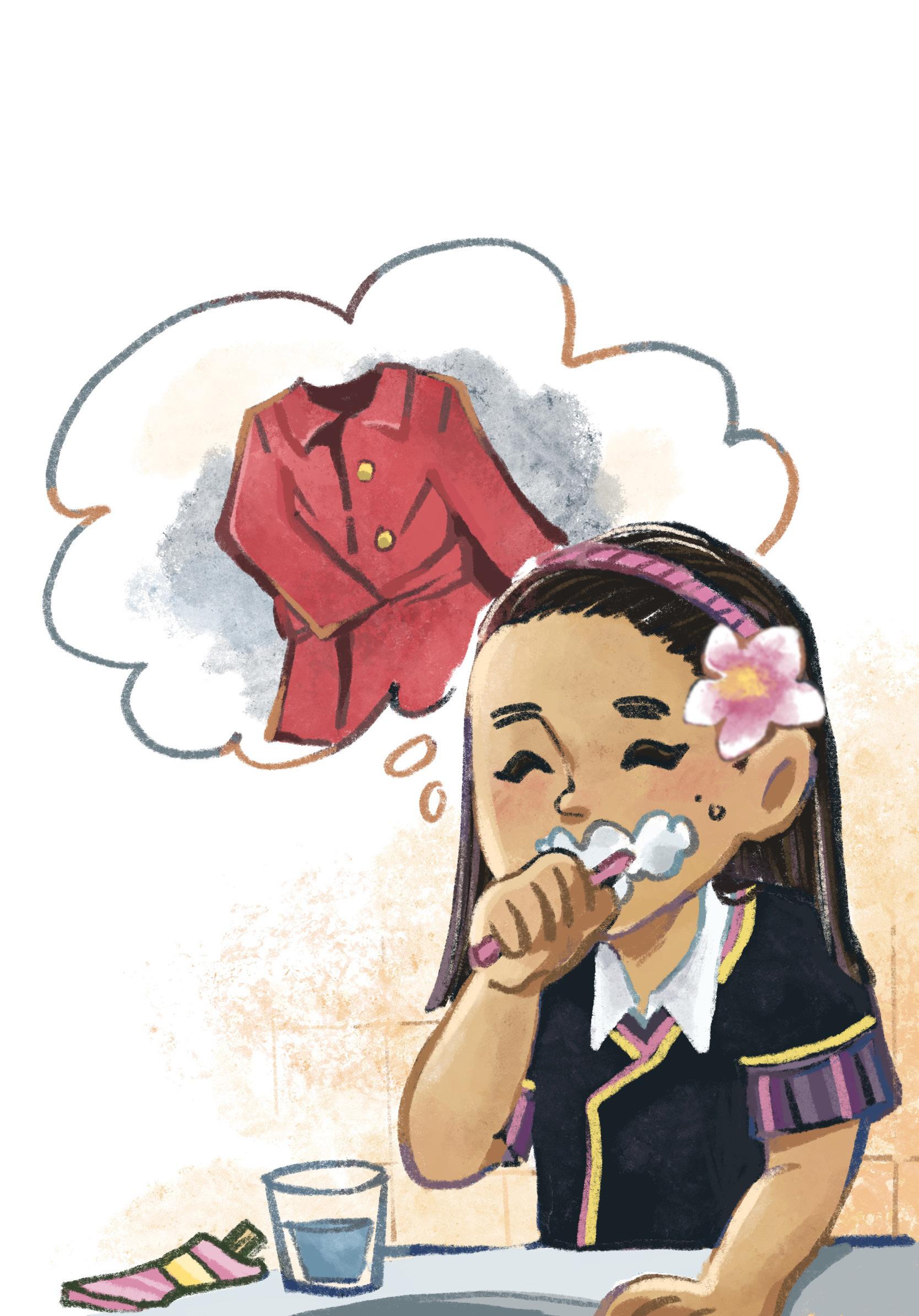
Father bought me a new coat from the capital city. I can’t wait to wear it.
The coat is red. It goes to my knees.
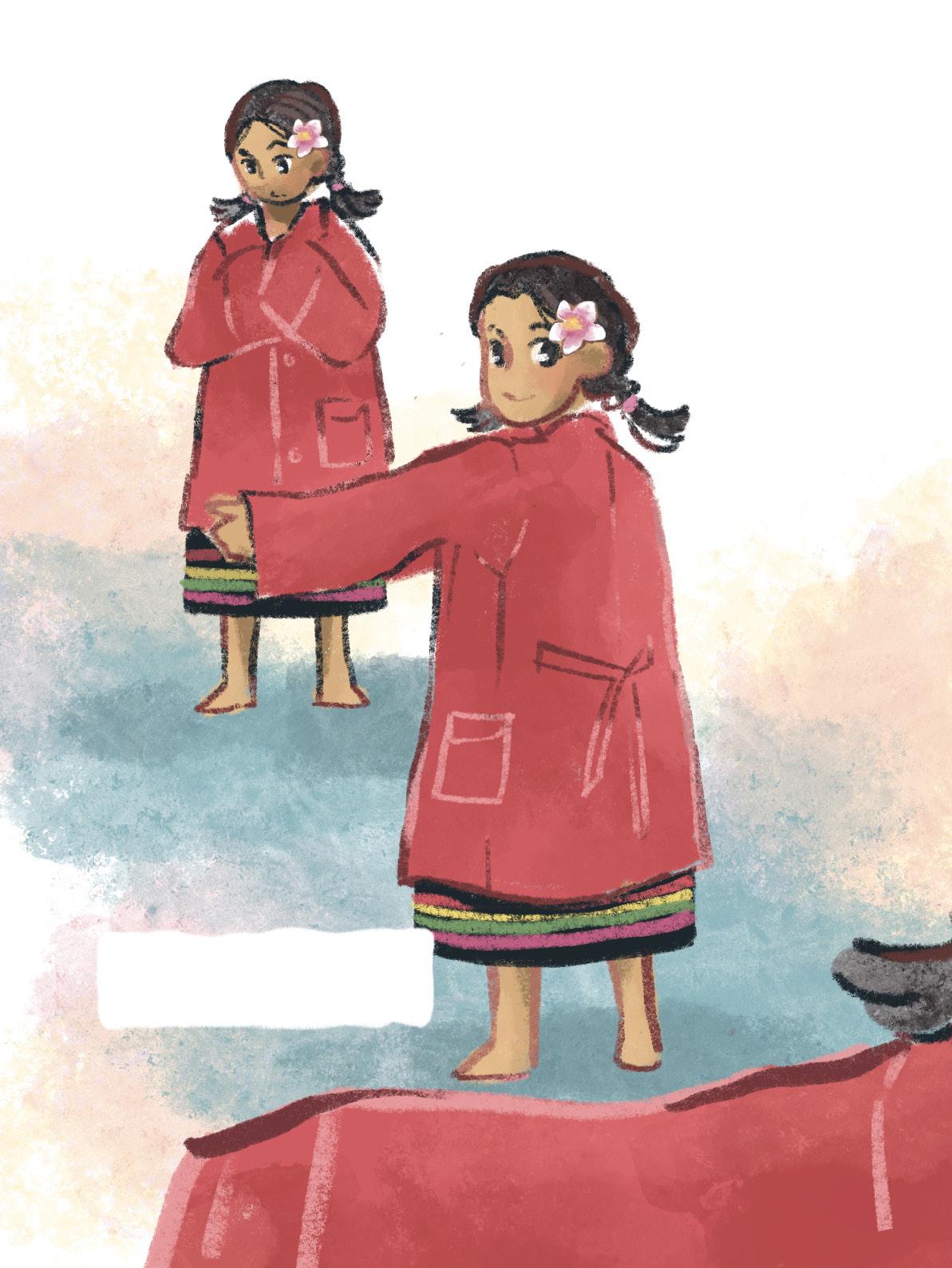
It rustles when I move like wind.
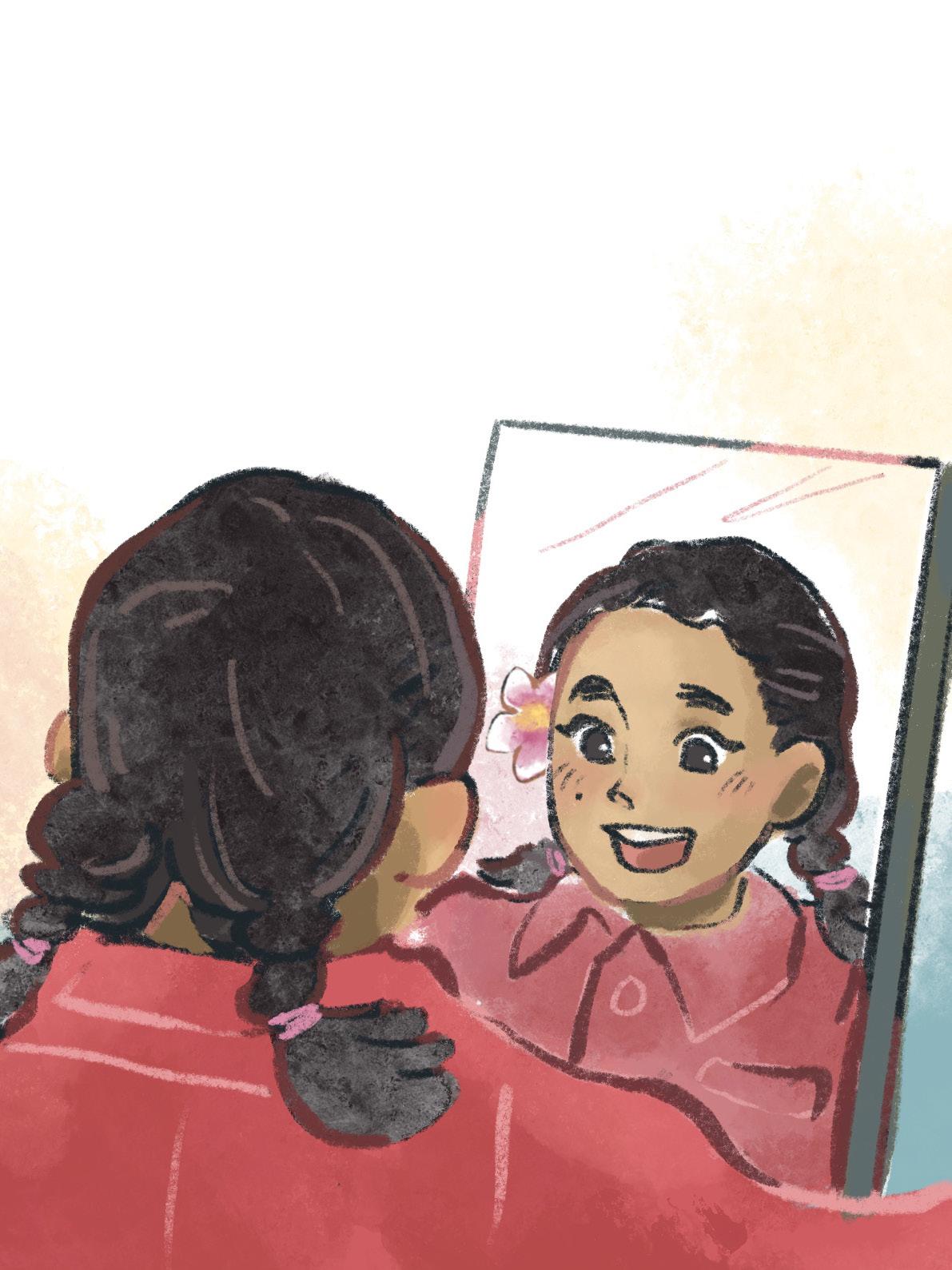
In the small mirror that hangs on Mother and Father’s bedroom wall, I look like a girl from a movie with the red coat.
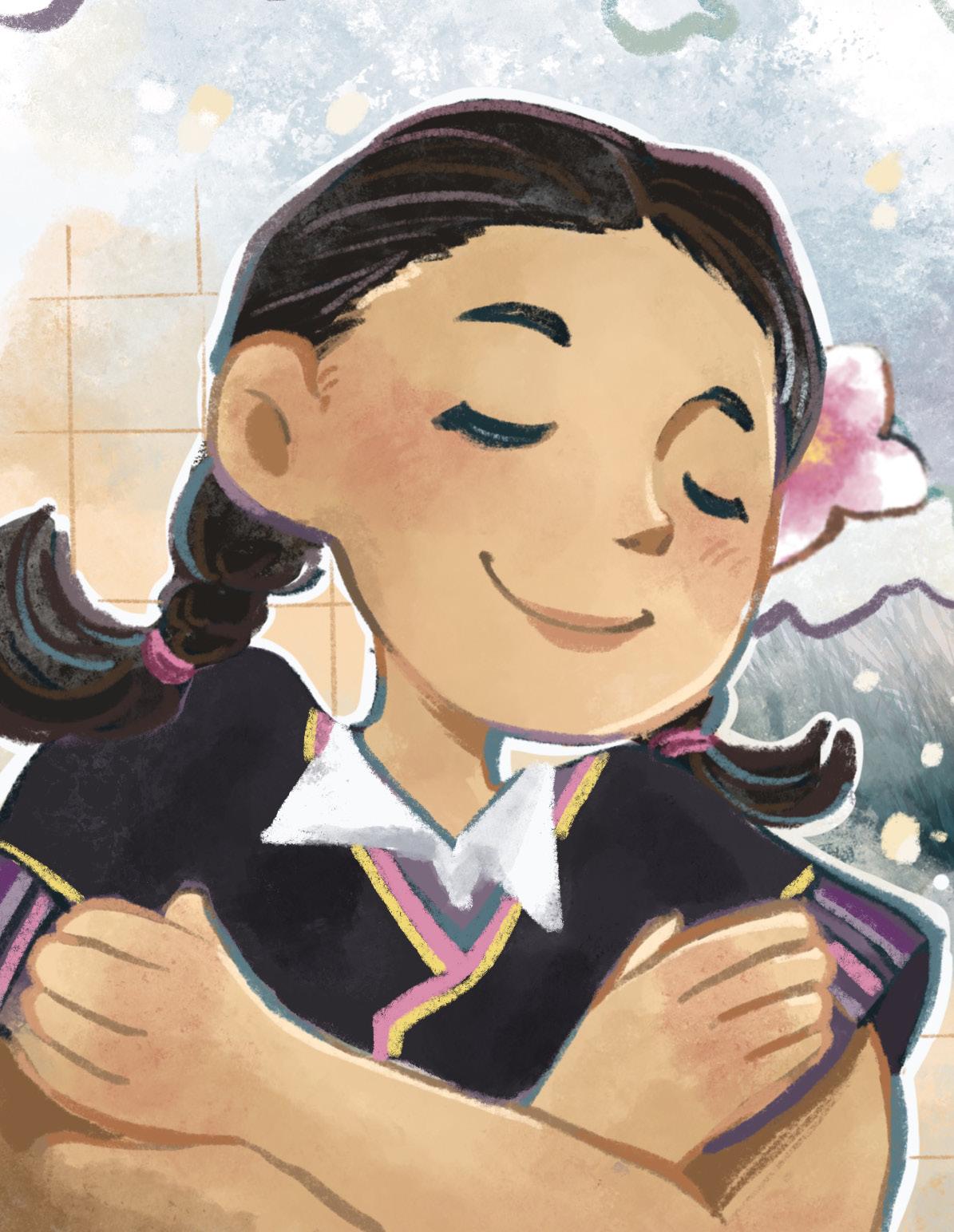
I have never had such a nice piece of clothing. I can’t wait to be warm when the winds grow cold.
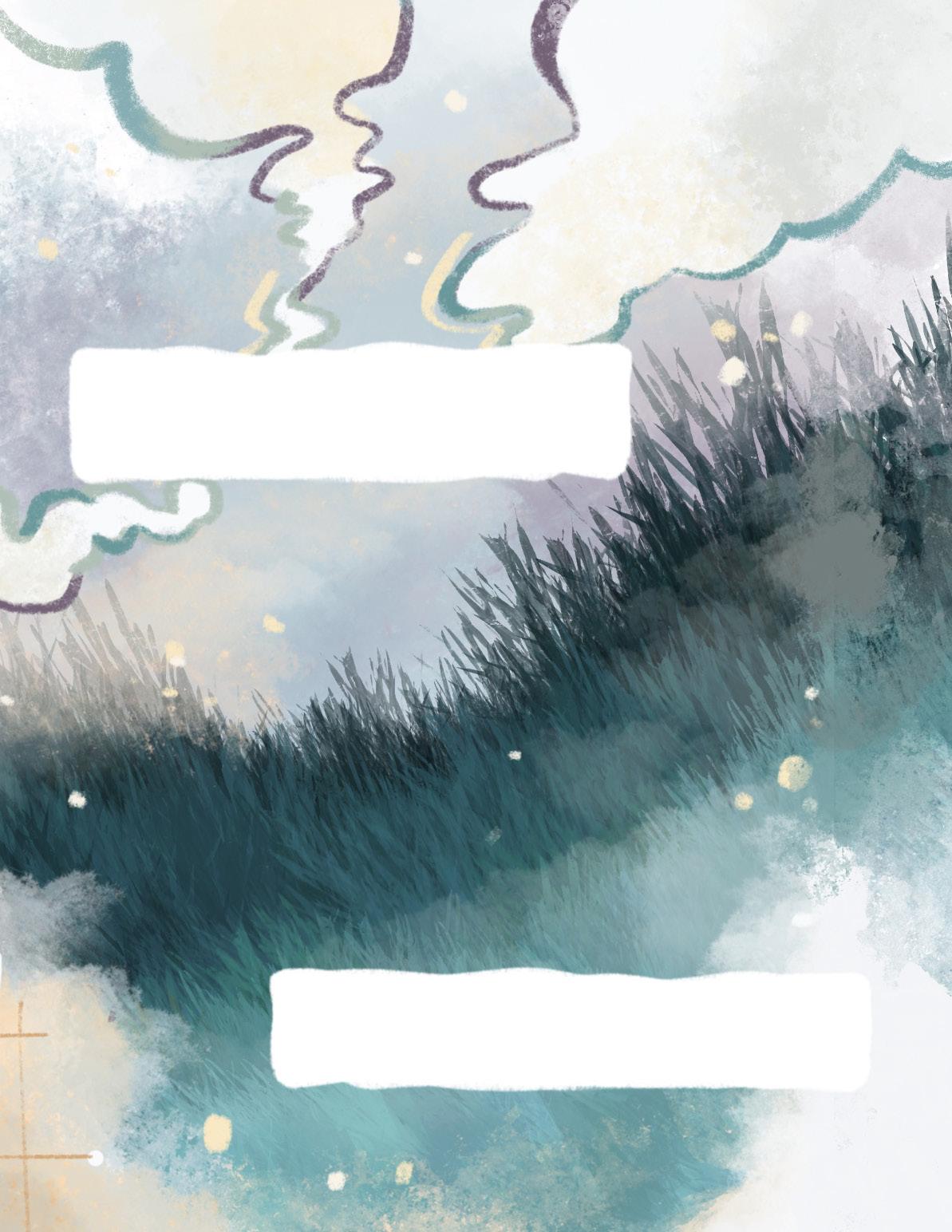
Last year, the grass was covered by frost in the mornings by this time of the season.
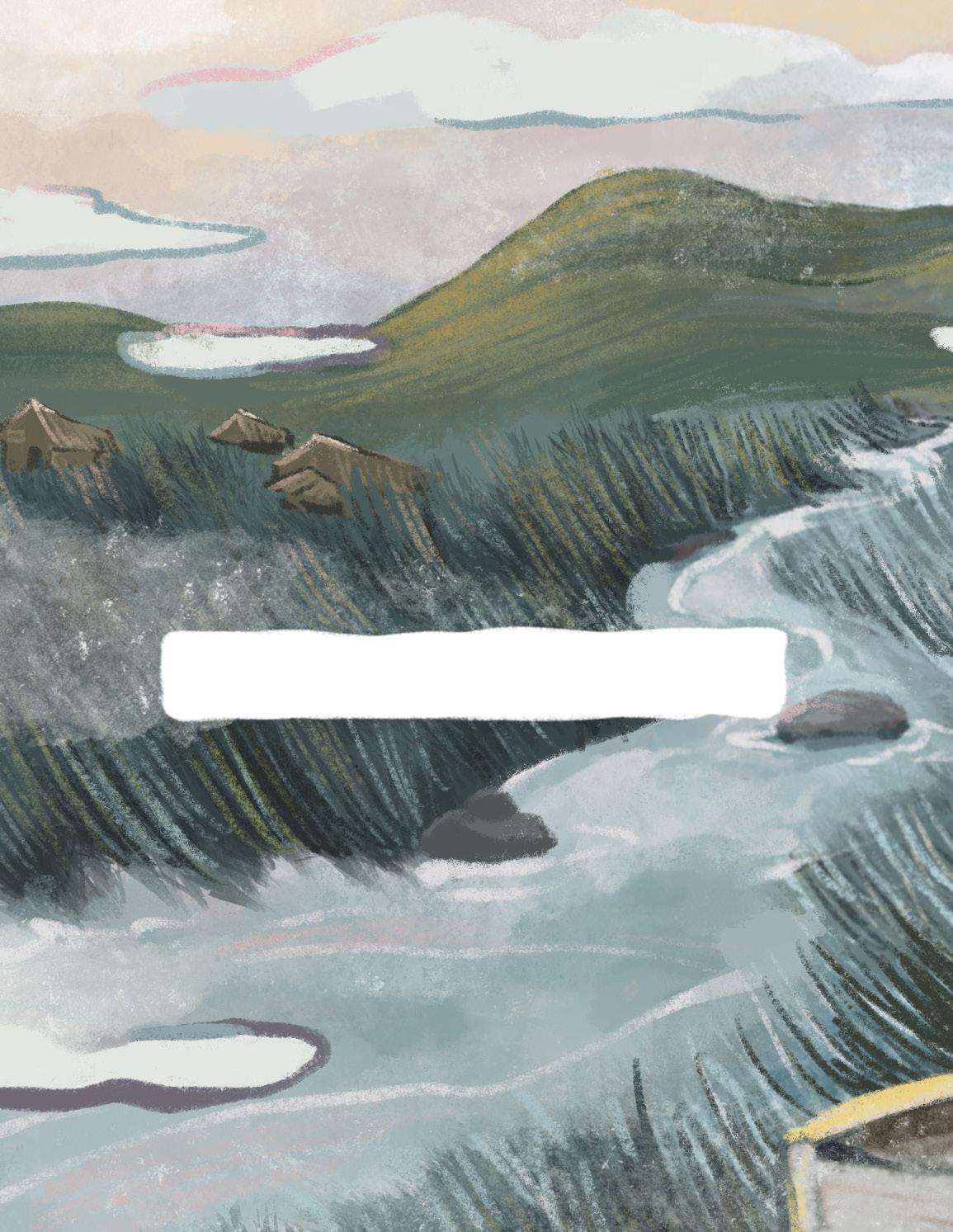
The river by the village was shrouded in fog.
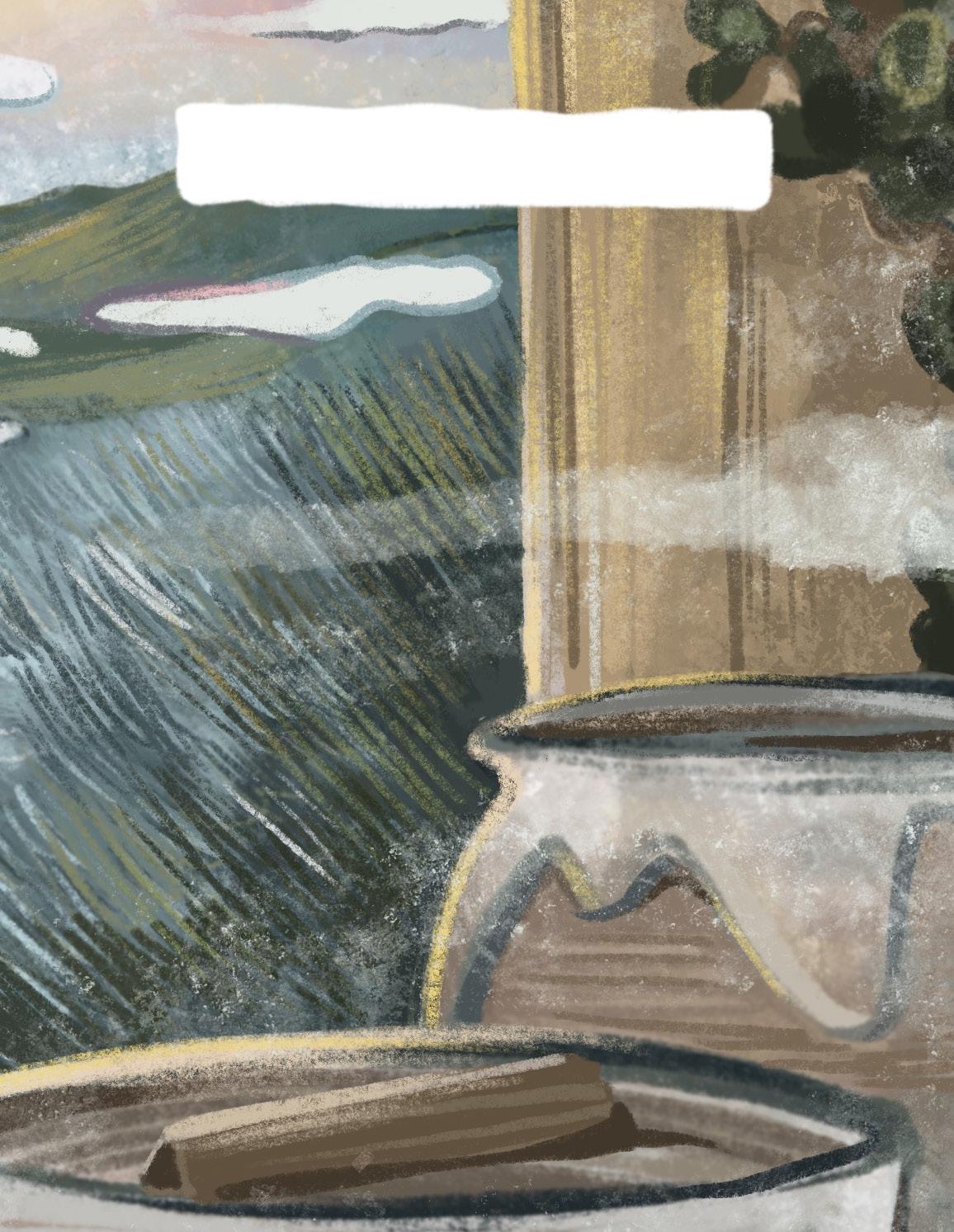
The clay water jar by the door covered by a thin layer of ice at dawn.
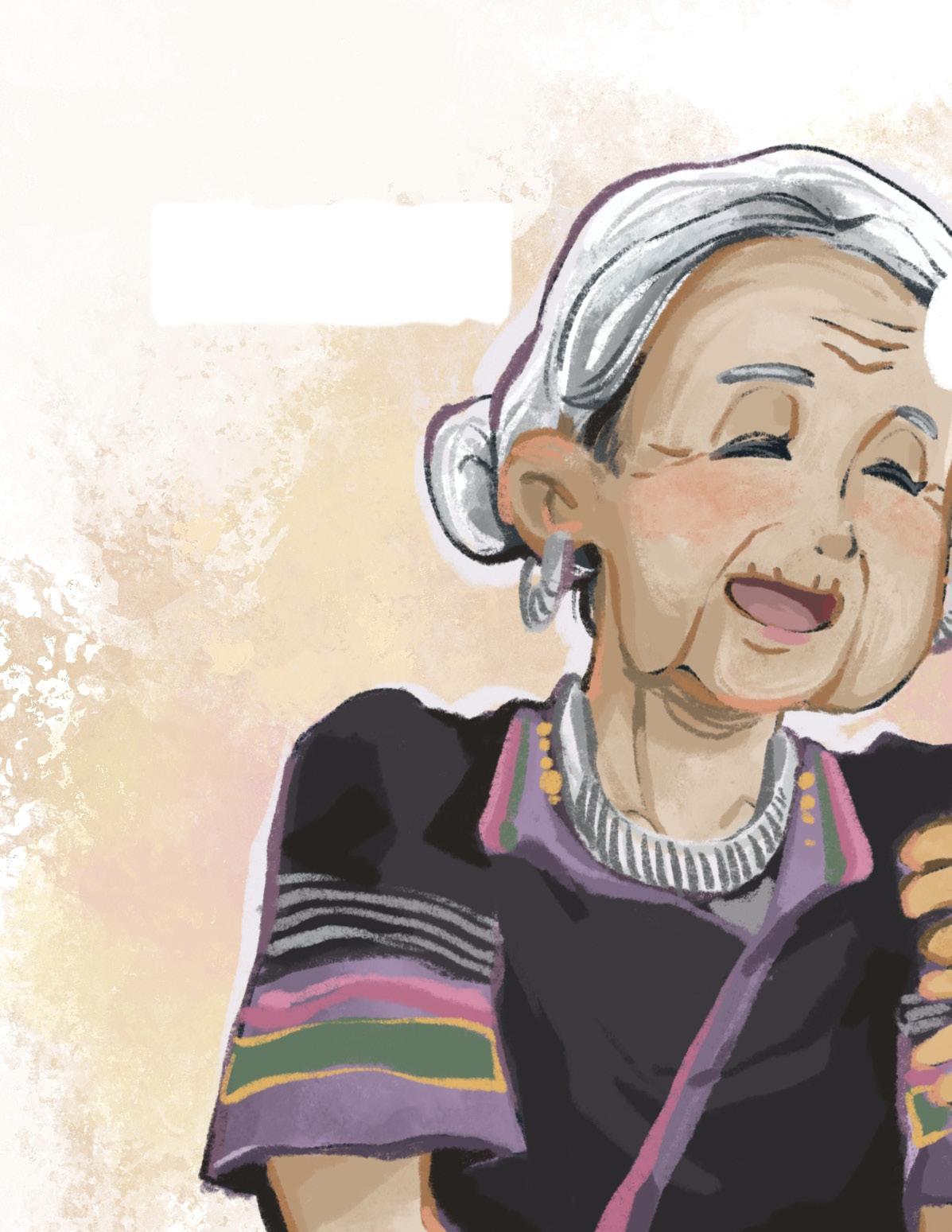
I ask my grandmother over breakfast,
When is it going to be cold enough for me to wear the new coat?
Be patient, Little Flower. The harvest is done. Soon, it will be new year, and the winds will grow stronger. Then, you can wear your new coat.
She holds my hand and tells me a story I have heard hundreds of times before...
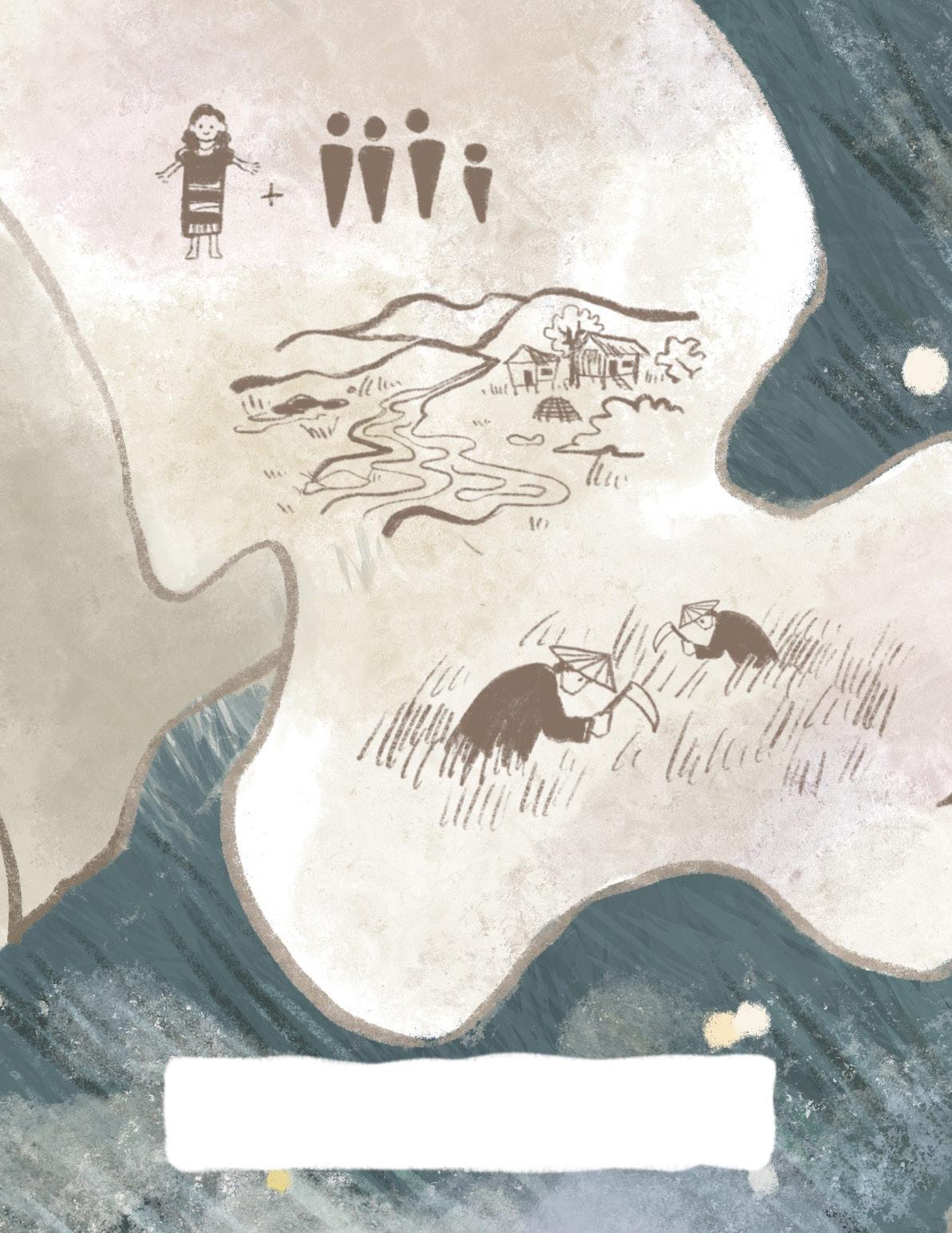
Long ago, my grandmother was a girl in a village on the mountain tops.
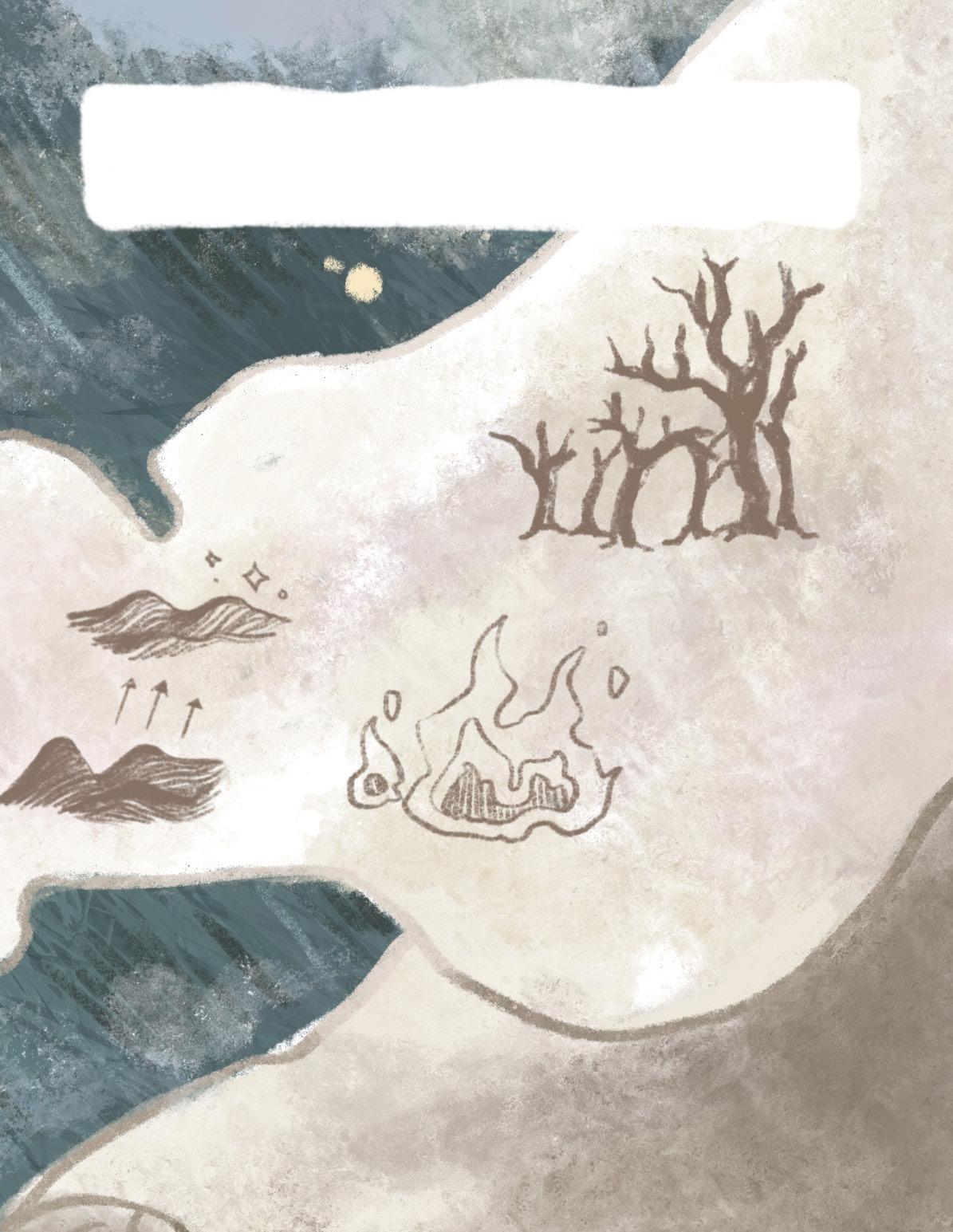
There, her family lived from year to year farming the land. When one field got old, they moved to a different area, and burned down more jungle to create new fields.
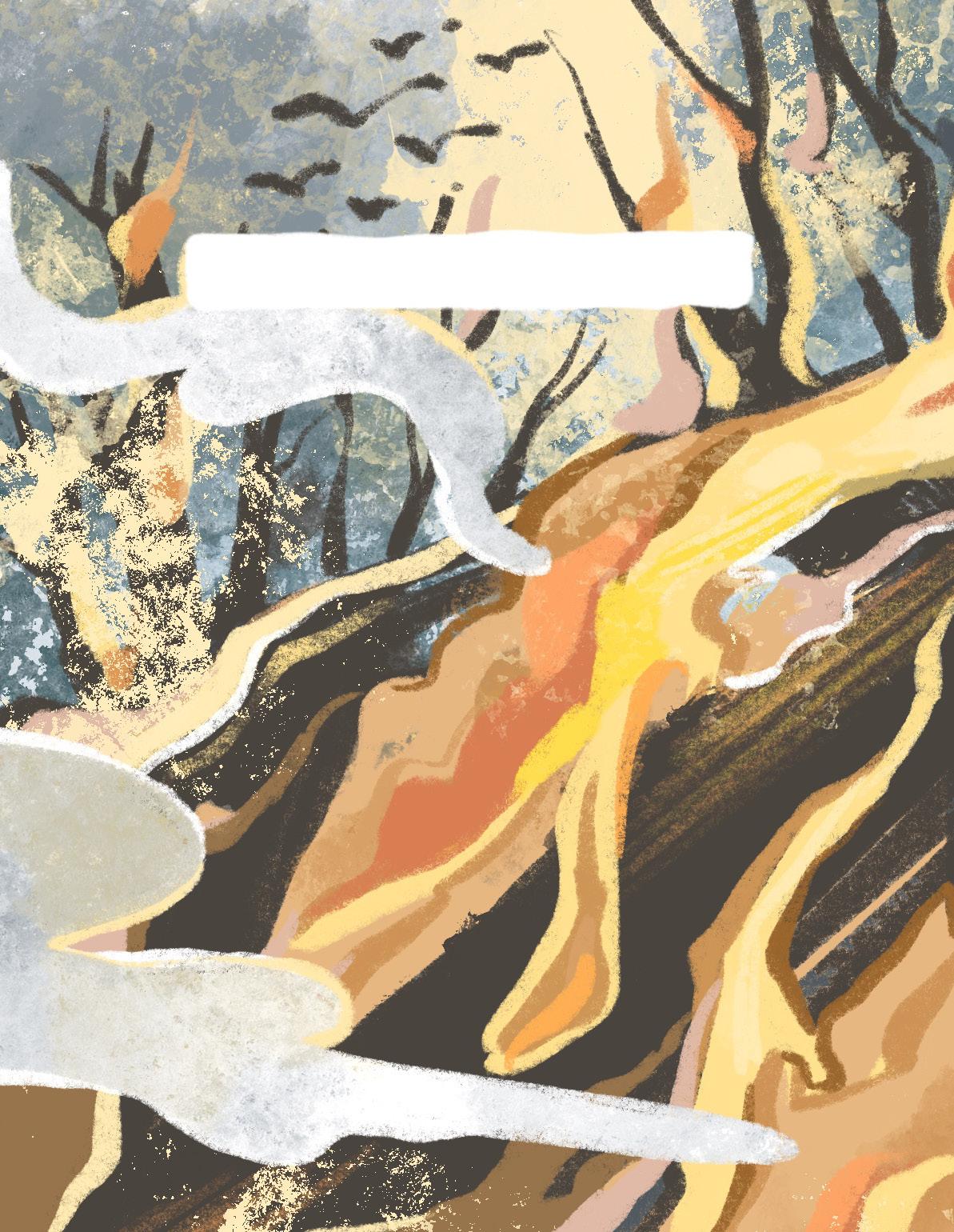
When the fires started, the sky grew dark.
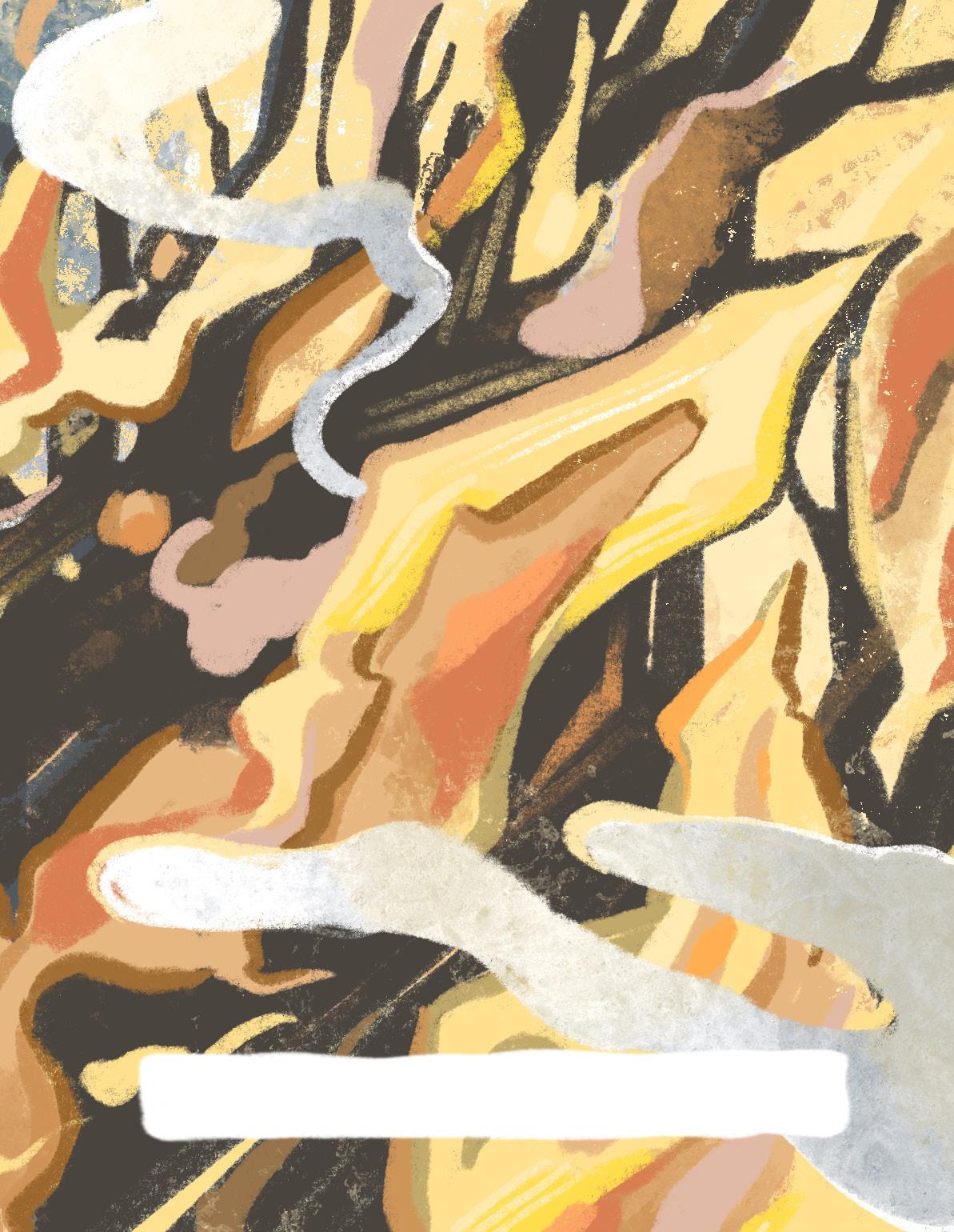
The birds flew in clusters like dark clouds far and fast.
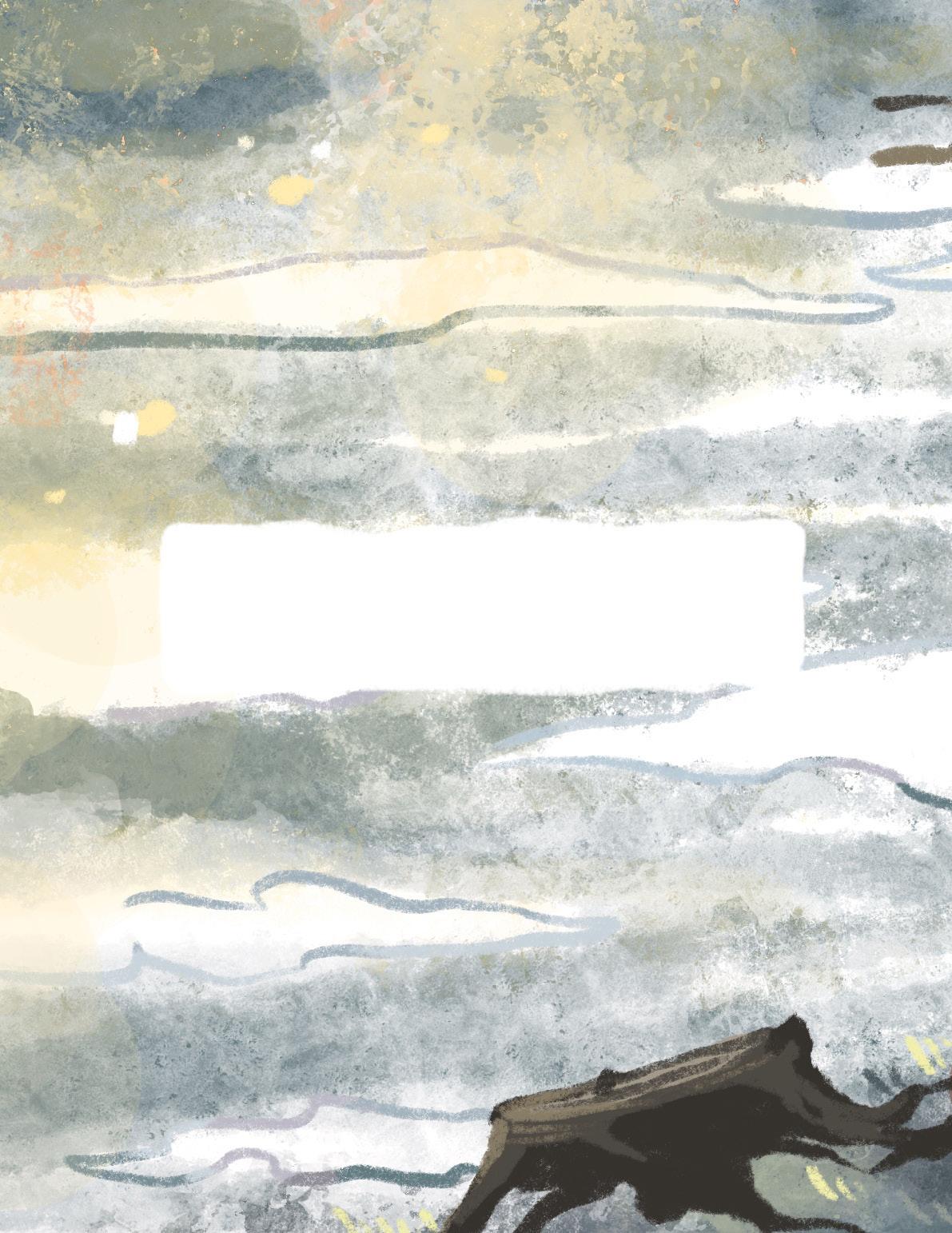
The wild monkeys screeched and cried. On the edge of the fields, the smoke blew thick and heavy with the winds.
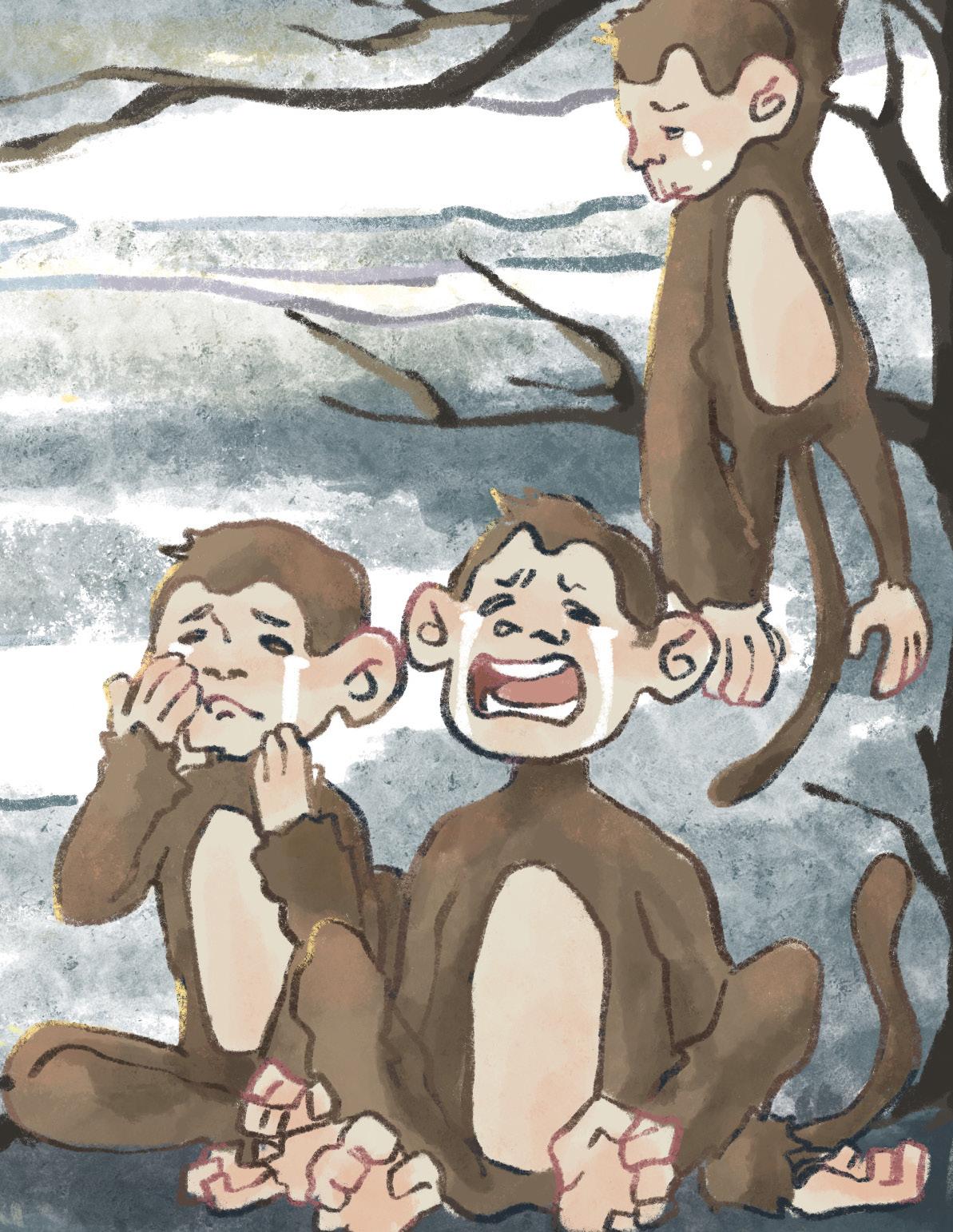
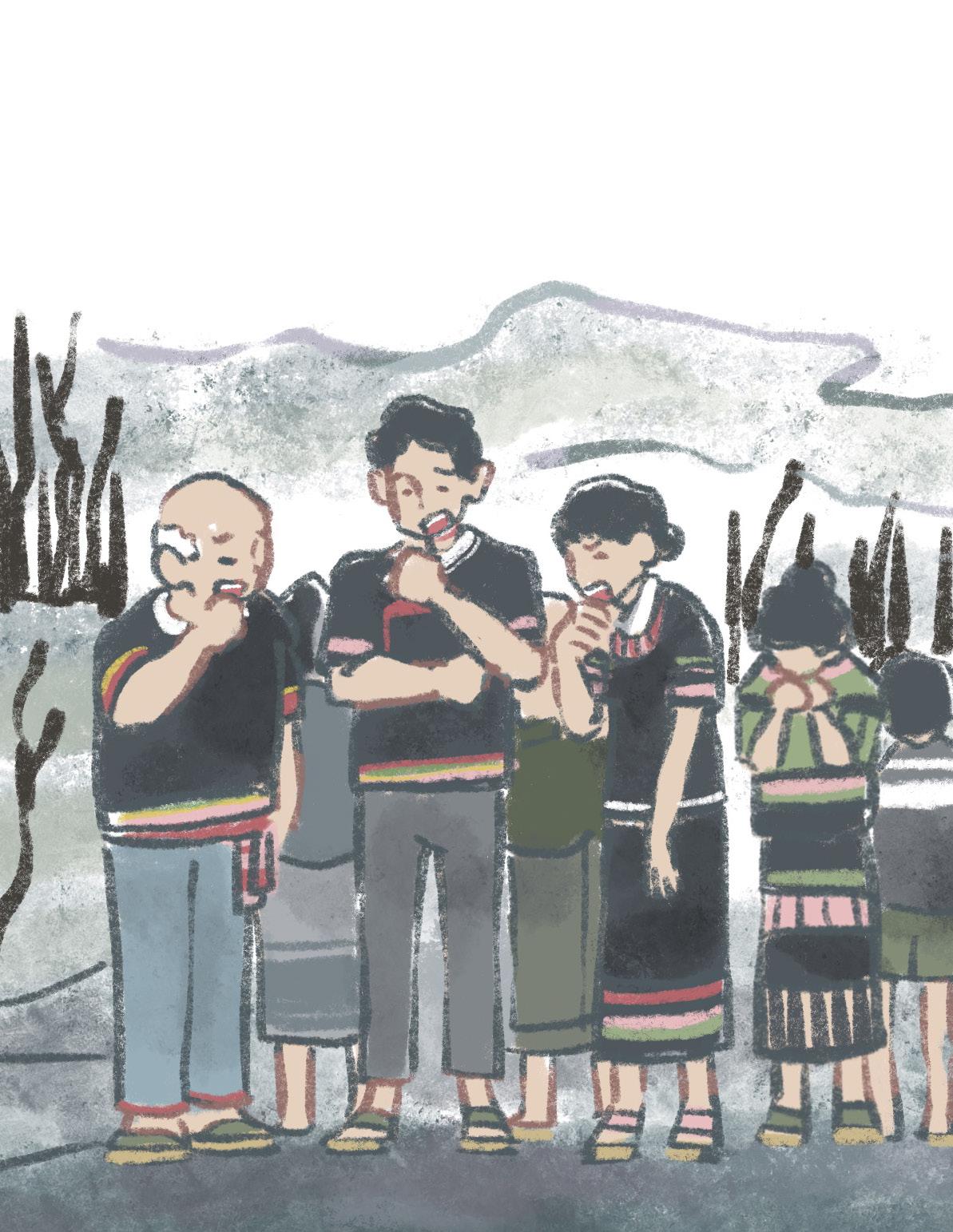
After the burning of the jungle, the men and women coughed for days.
The earth, once green and thriving, became a dry thing, devoid of growth.
Grandmother tells me, “Every year, the cold grew weaker in the mountains as more and more fields were created for the farmers to feed their families, and then the big companies moved in, and the trees started coming down even faster.”
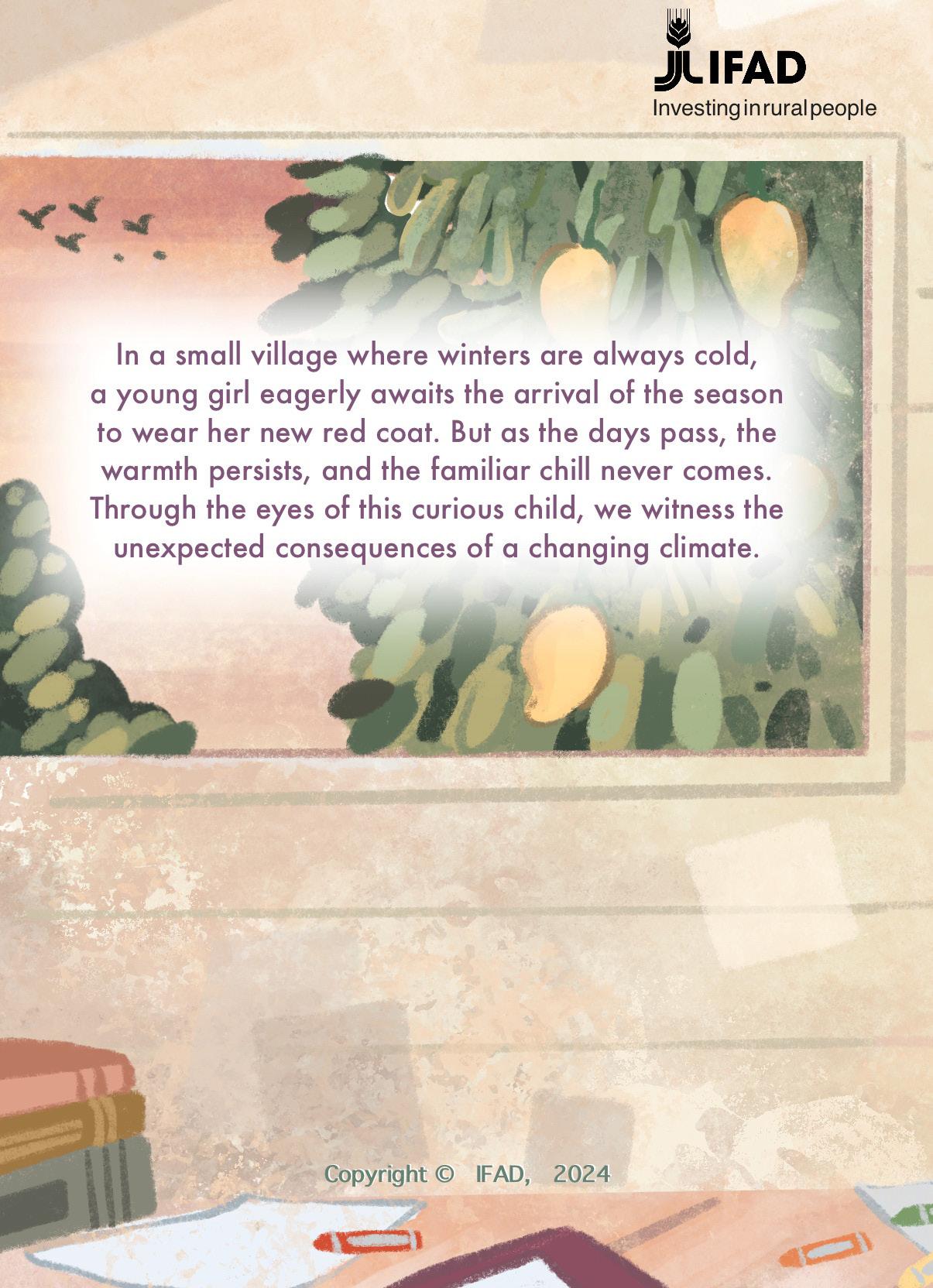
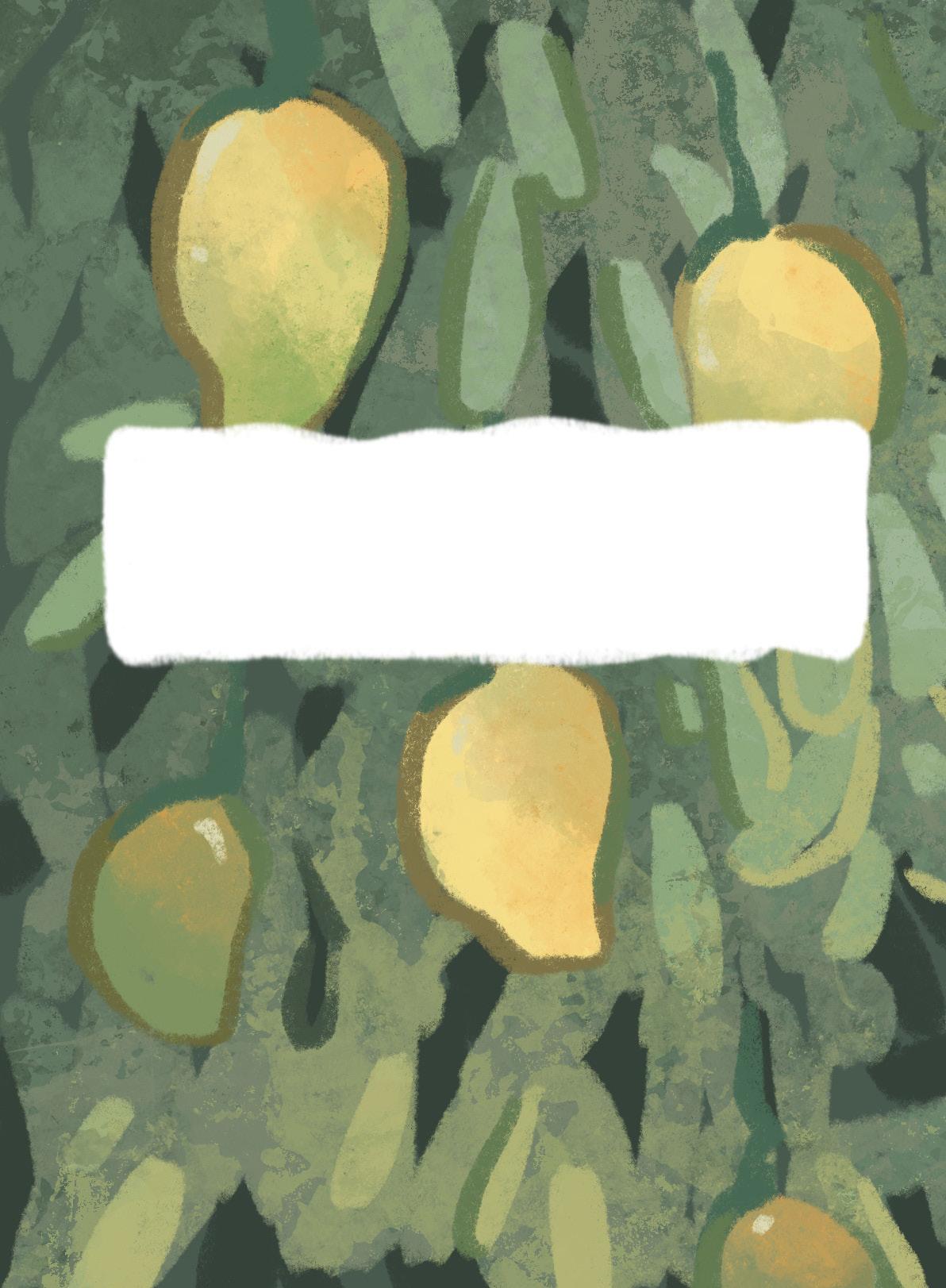
She points to the green mango tree outside our doors, and says,
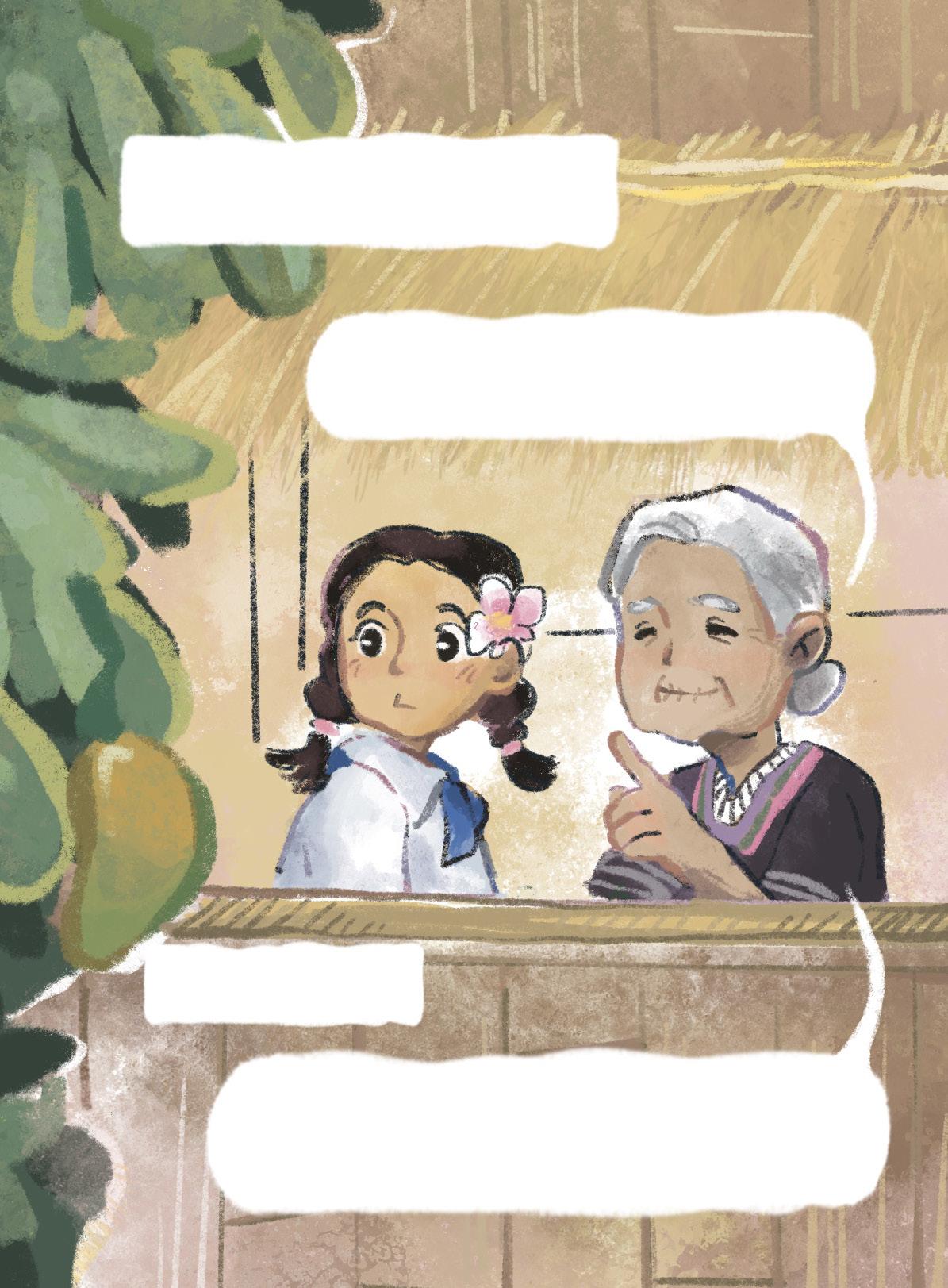
“Even the trees have grown quiet. There are less and less animals here.”
She points to me,
“You, my little flower, are lucky you still remember the cold mountain winds blowing, the cold visiting.”
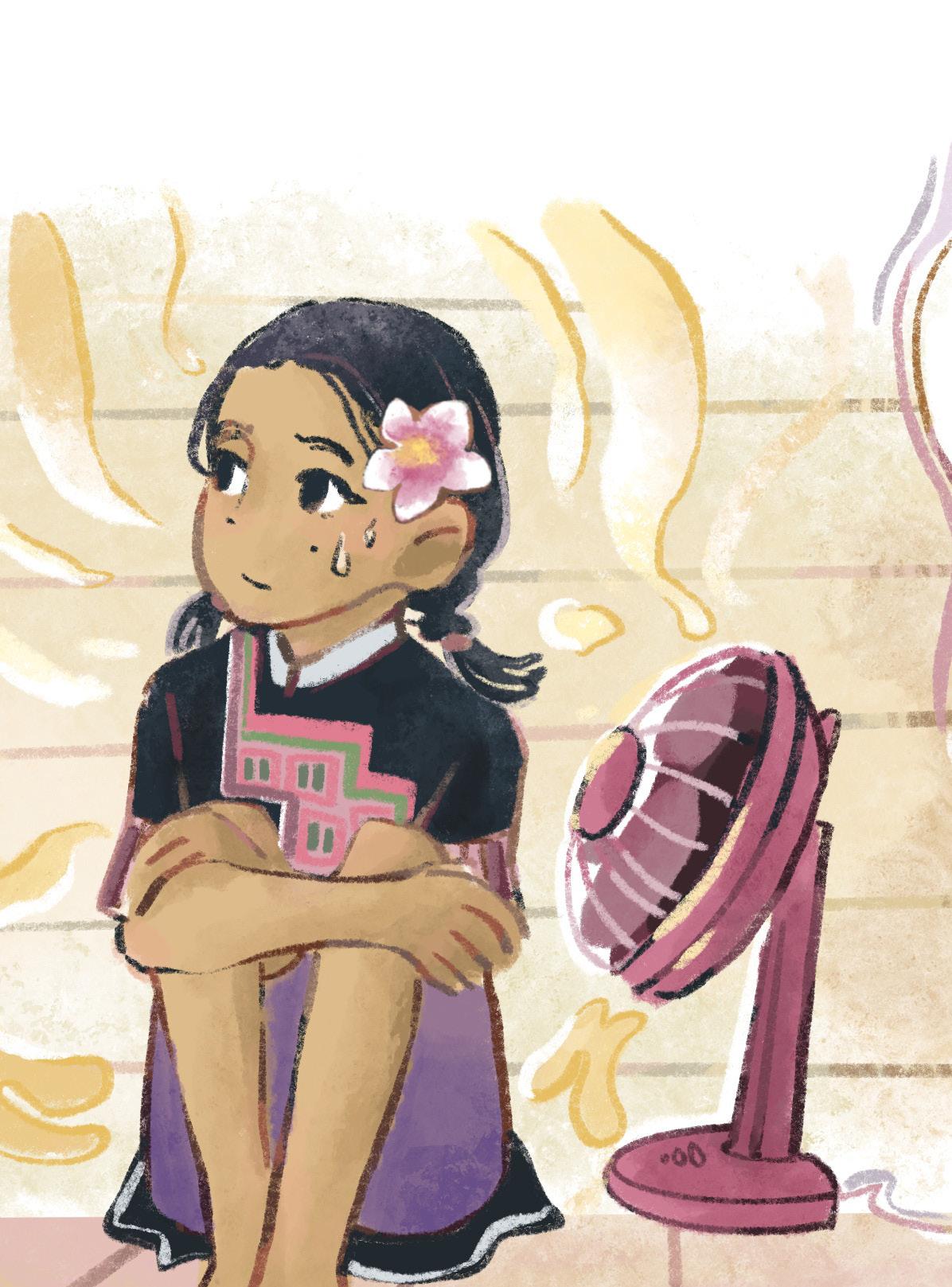
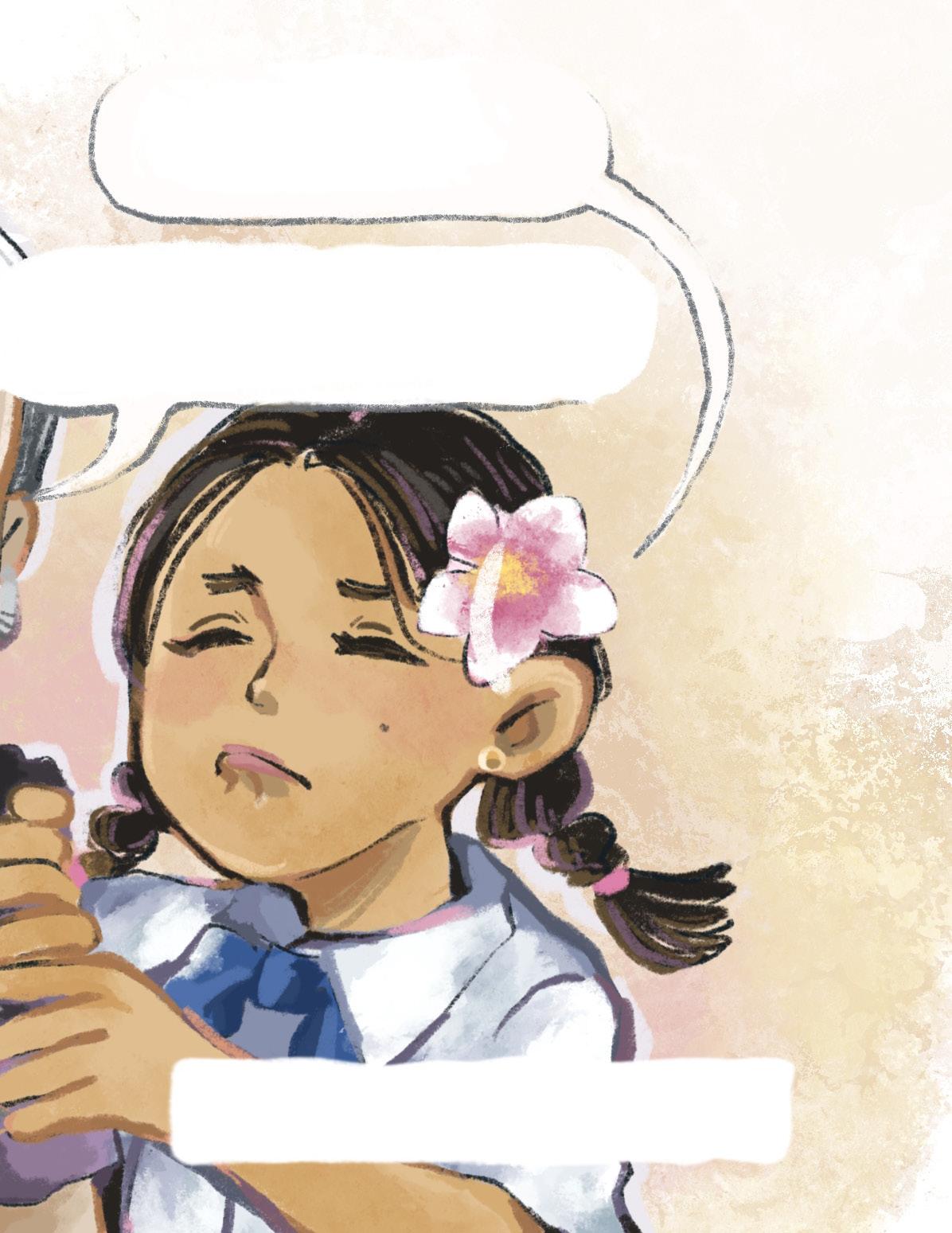
I wait through the days, but the cold does not come. The grass remains green. The sun hot in the sky. Sweat trickles down my neck. At the village school, I ask my teacher,
“Why isn’t the cold here yet?”
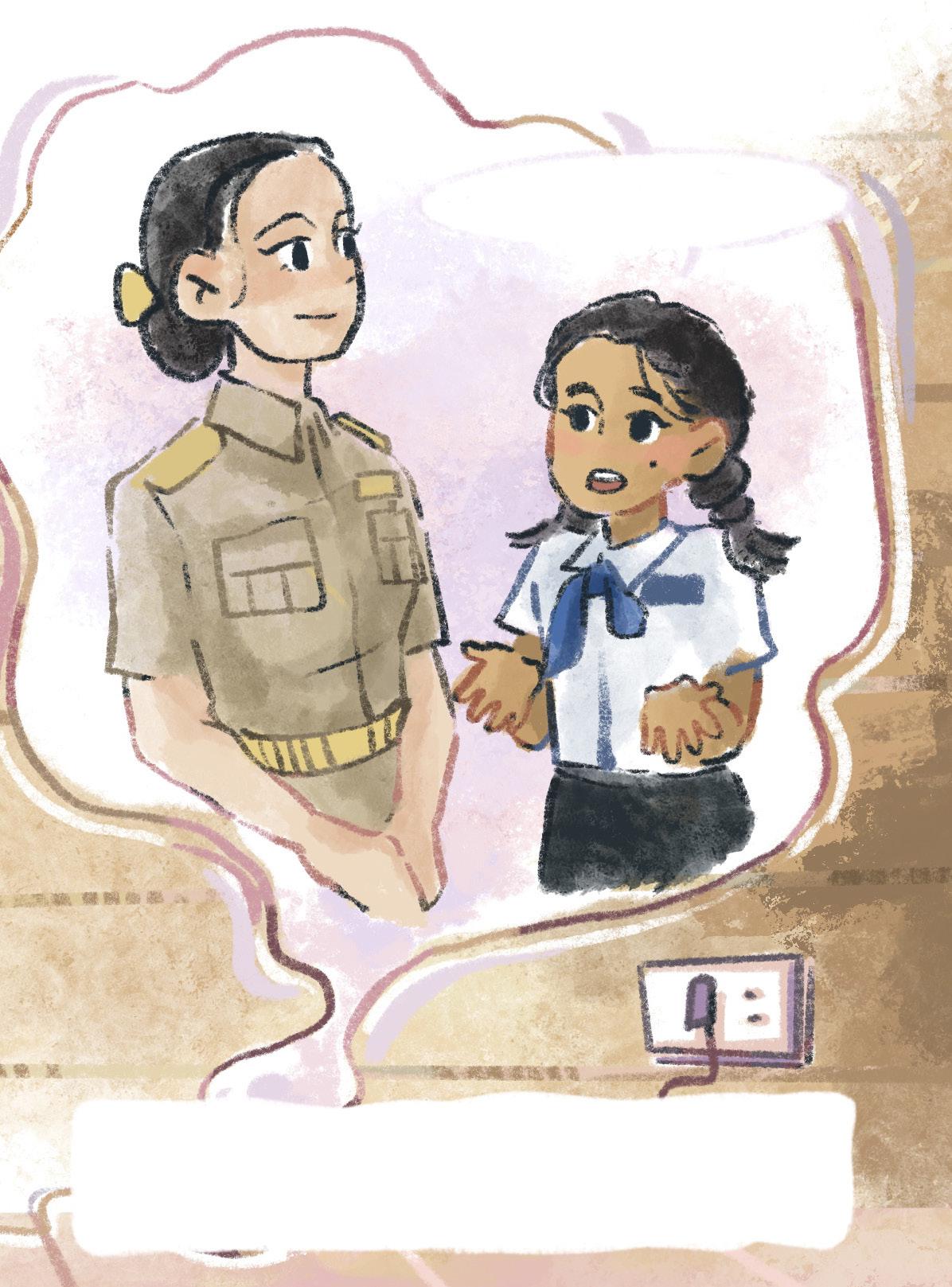
My teacher, a woman with long black hair that she ties up in a big bun, never answers our questions. Instead, she uses them to ask other questions!
She wants to know, “Does anyone know what climate change is?”
I look around me. My friend Mee is thinking hard. She’s biting her bottom lip and looking up at the school room ceiling.
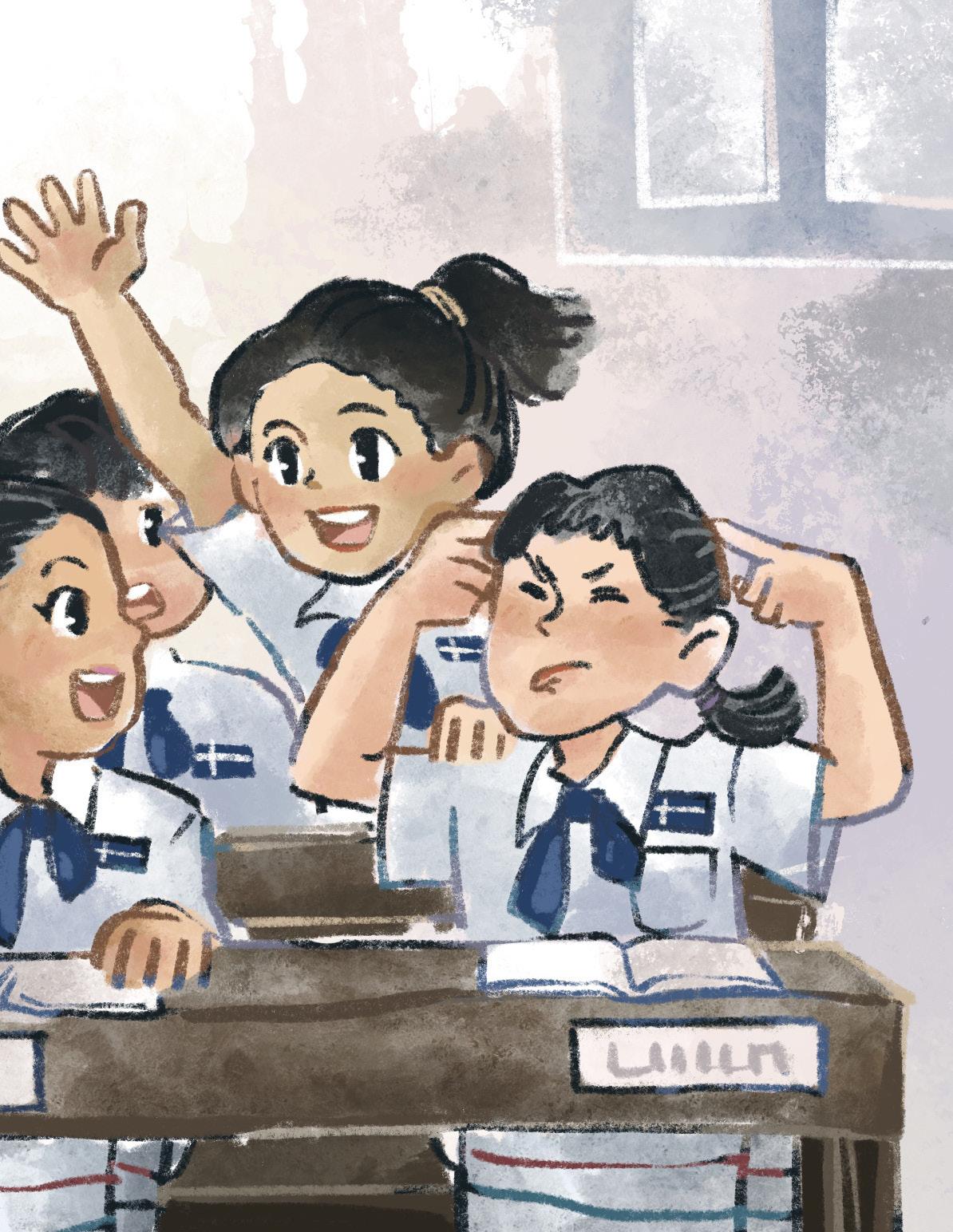

The smartest kid in our class, another girl Youa raises her hand.
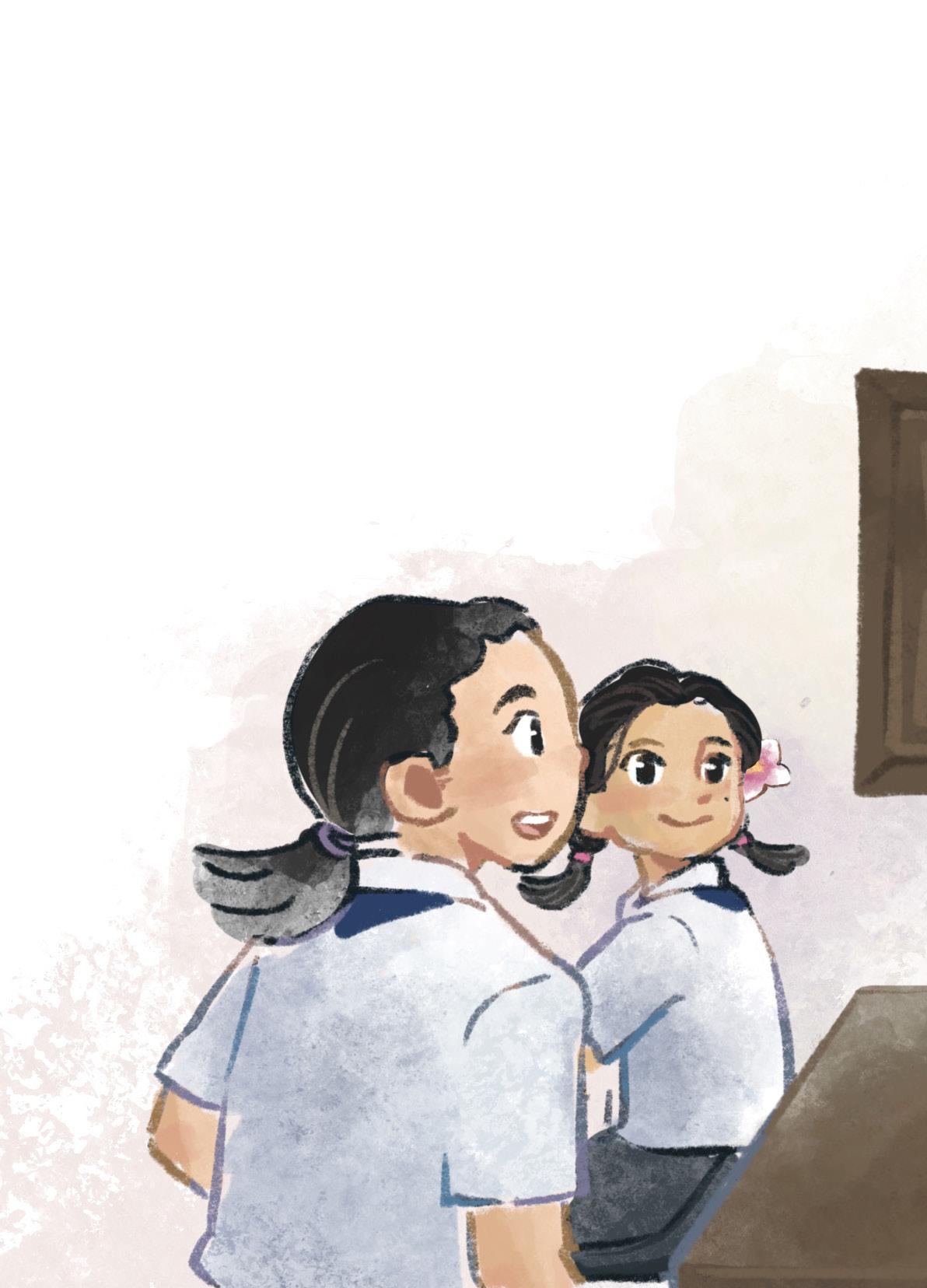
Youa reads all the time. The teacher calls on her. Youa sits up very straight, and says,
Climate change is the fact that our planet is getting warmer all the time. It is also called global warming, and it is worrying scientists all around the world.
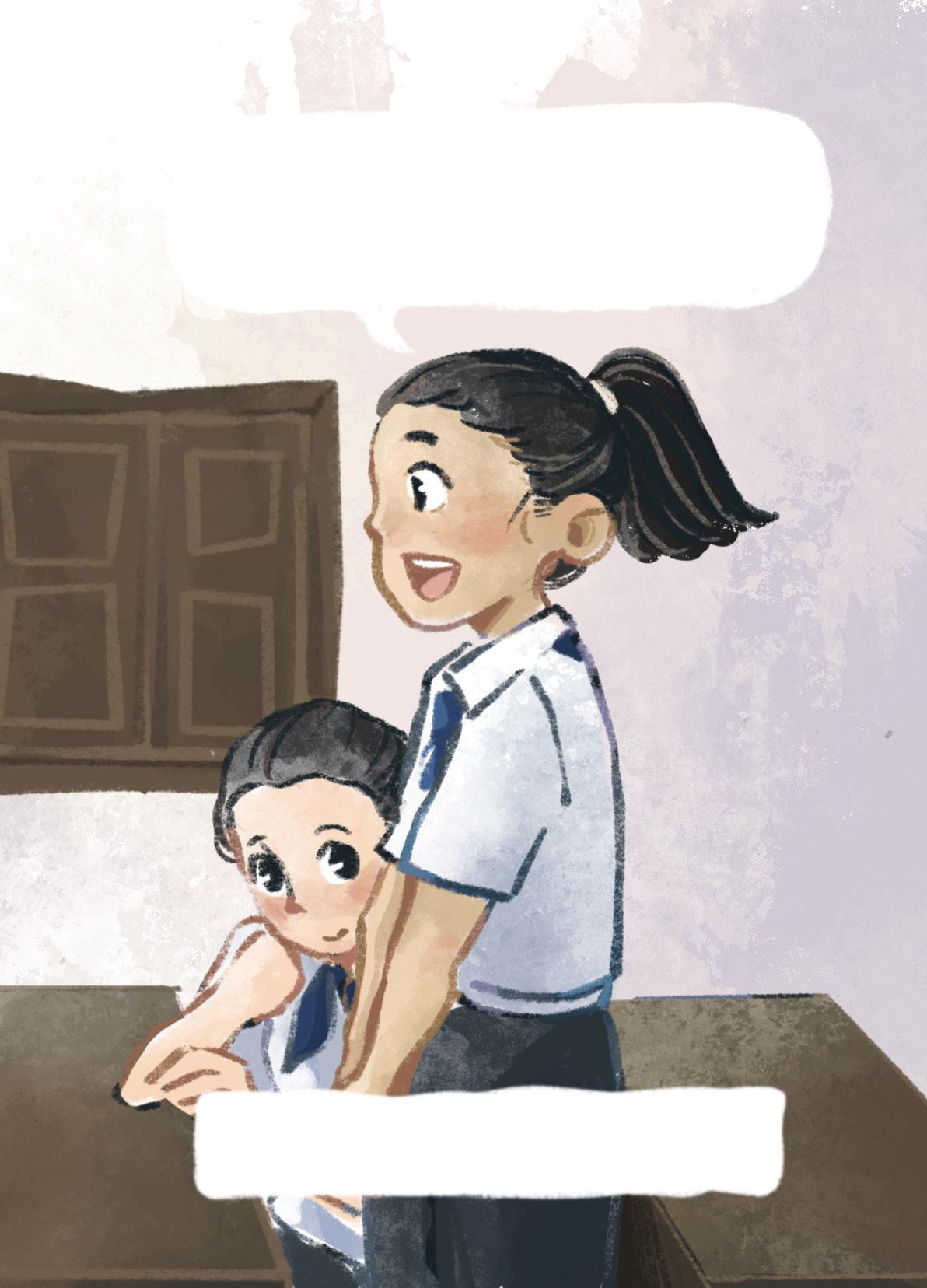
The teacher shines like a star at Youa. I raise my hand. The teacher calls on me.
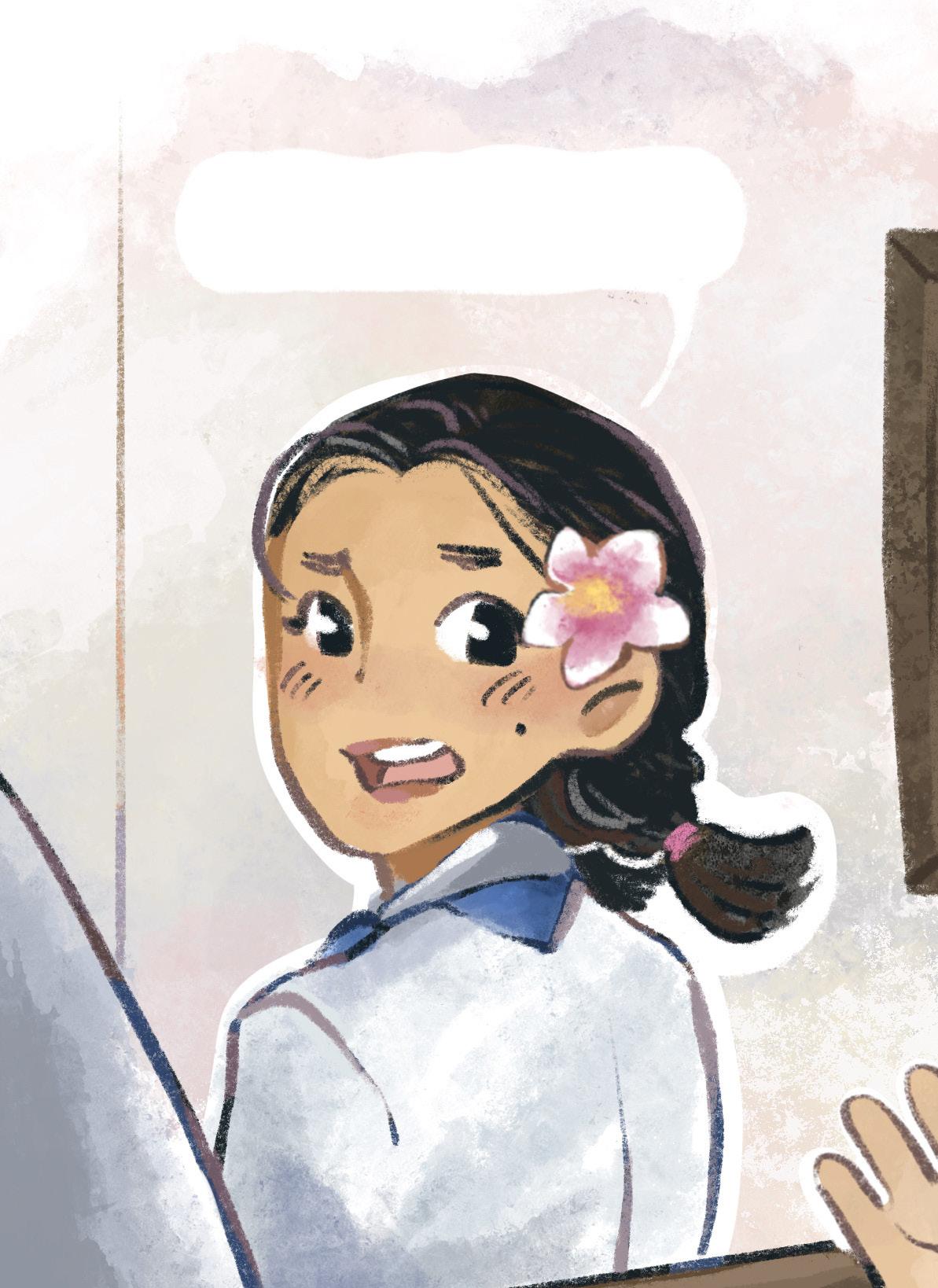
What causes the world to heat up and how do we bring the cold back?
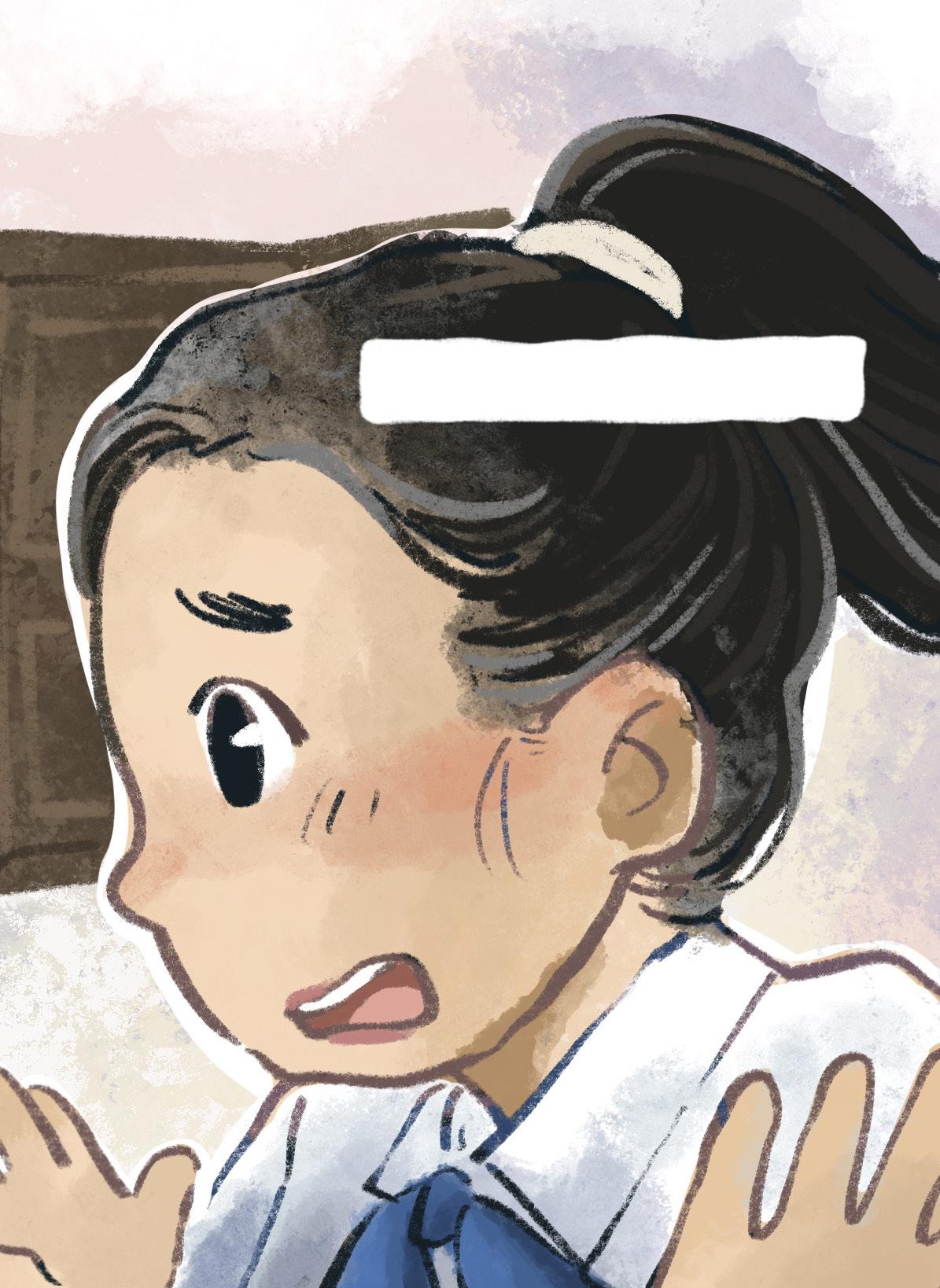
I look at Youa but even she has no answers for me.
With no hands in the air, the teacher answers,
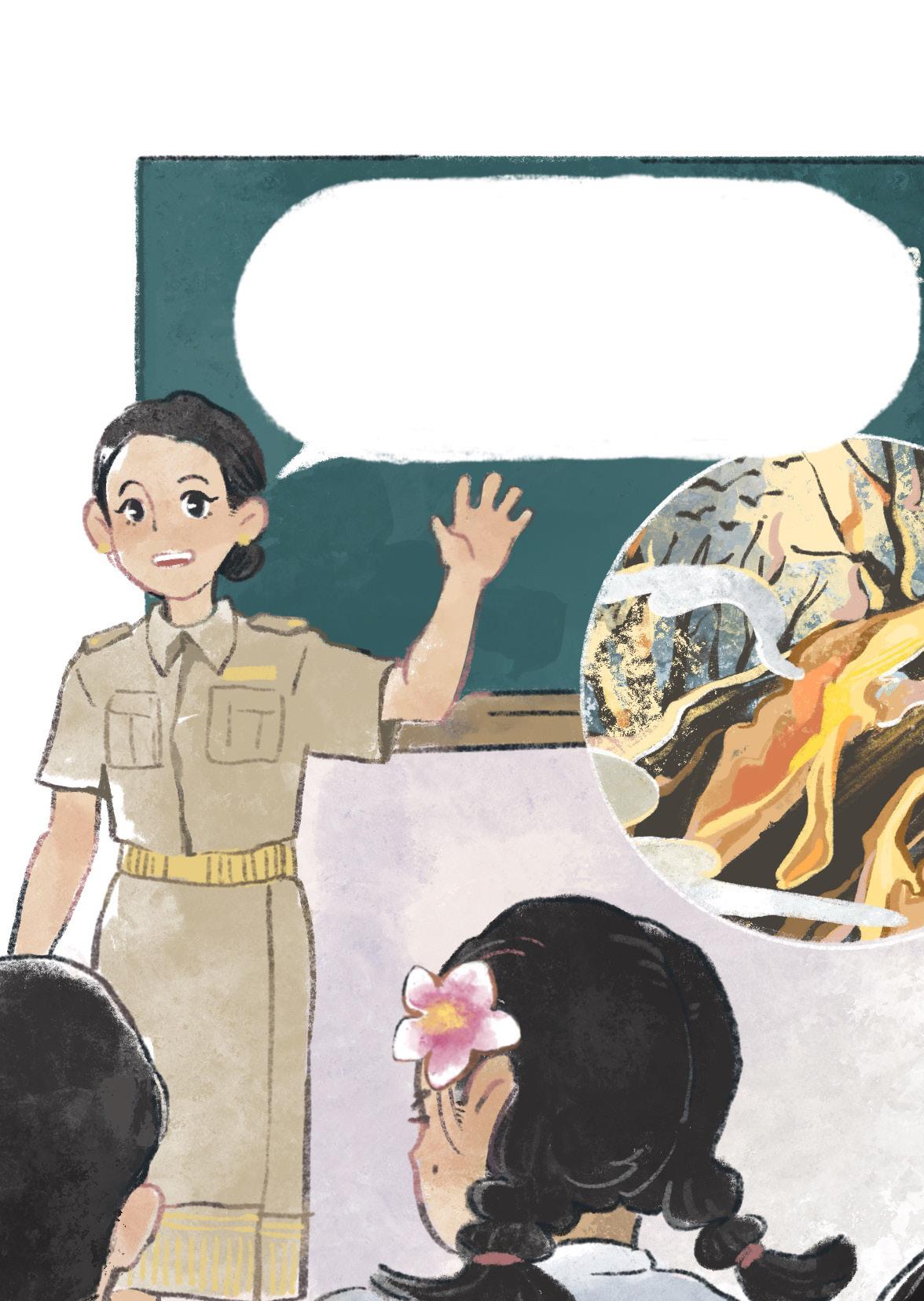
“Activities we’ve always done, like cutting down trees in the jungle and burning fields so we can farm, contribute to global warming. We need to learn new ways of farming the land and taking care of our water to slow down climate change, to invite the cold back.”
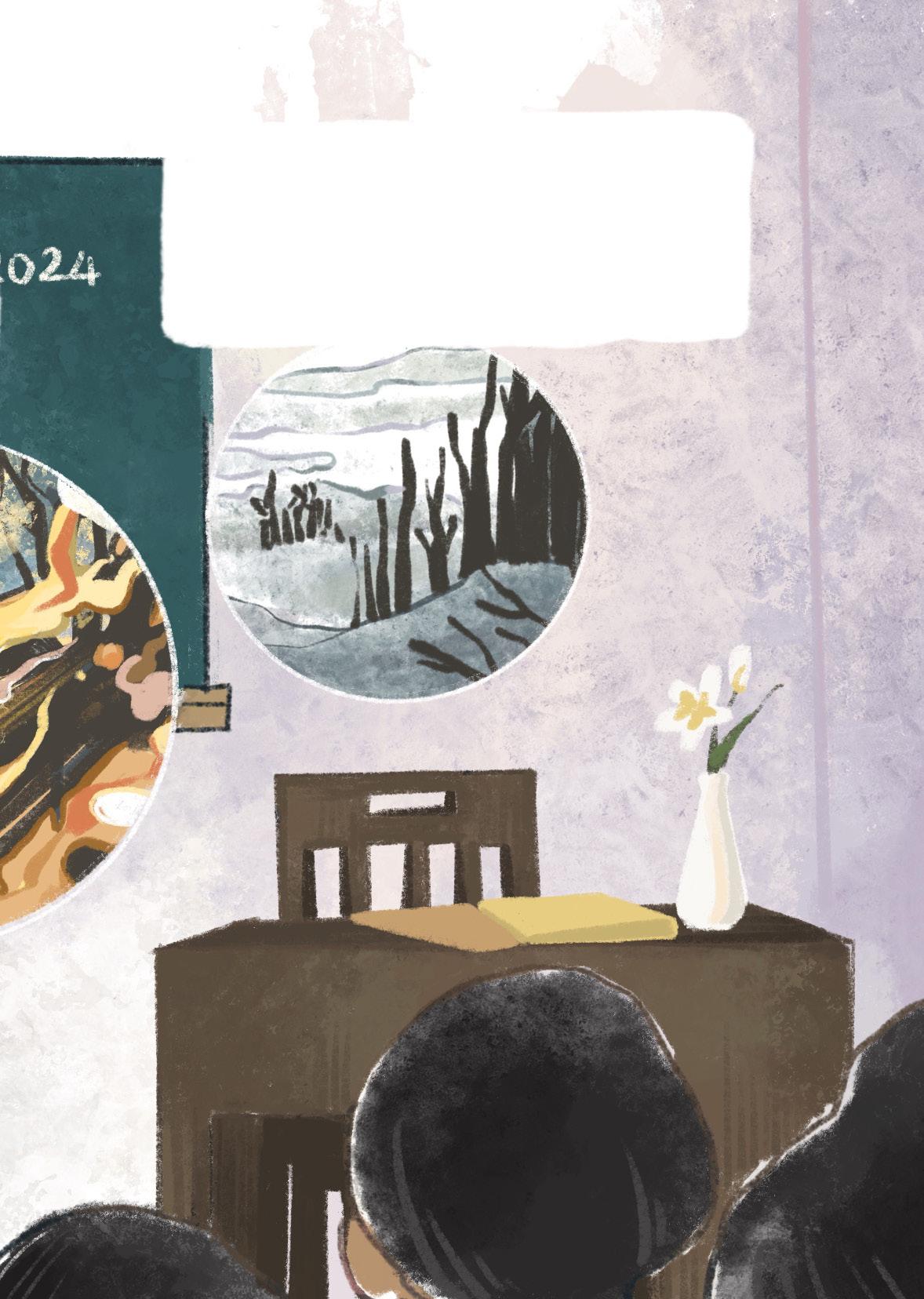
She says the most important thing for young students to do is to learn more about climate change so we can help teach the adults in our lives and inspire them to make the changes that will protect the earth.
After school, I tell Grandmother, “There is so much for me to learn. I don’t know if I can do it.”
Grandmother smiles, and says, “Little Flower, when you grow old like me, you realize that learning never stops in a world that changes every day.”
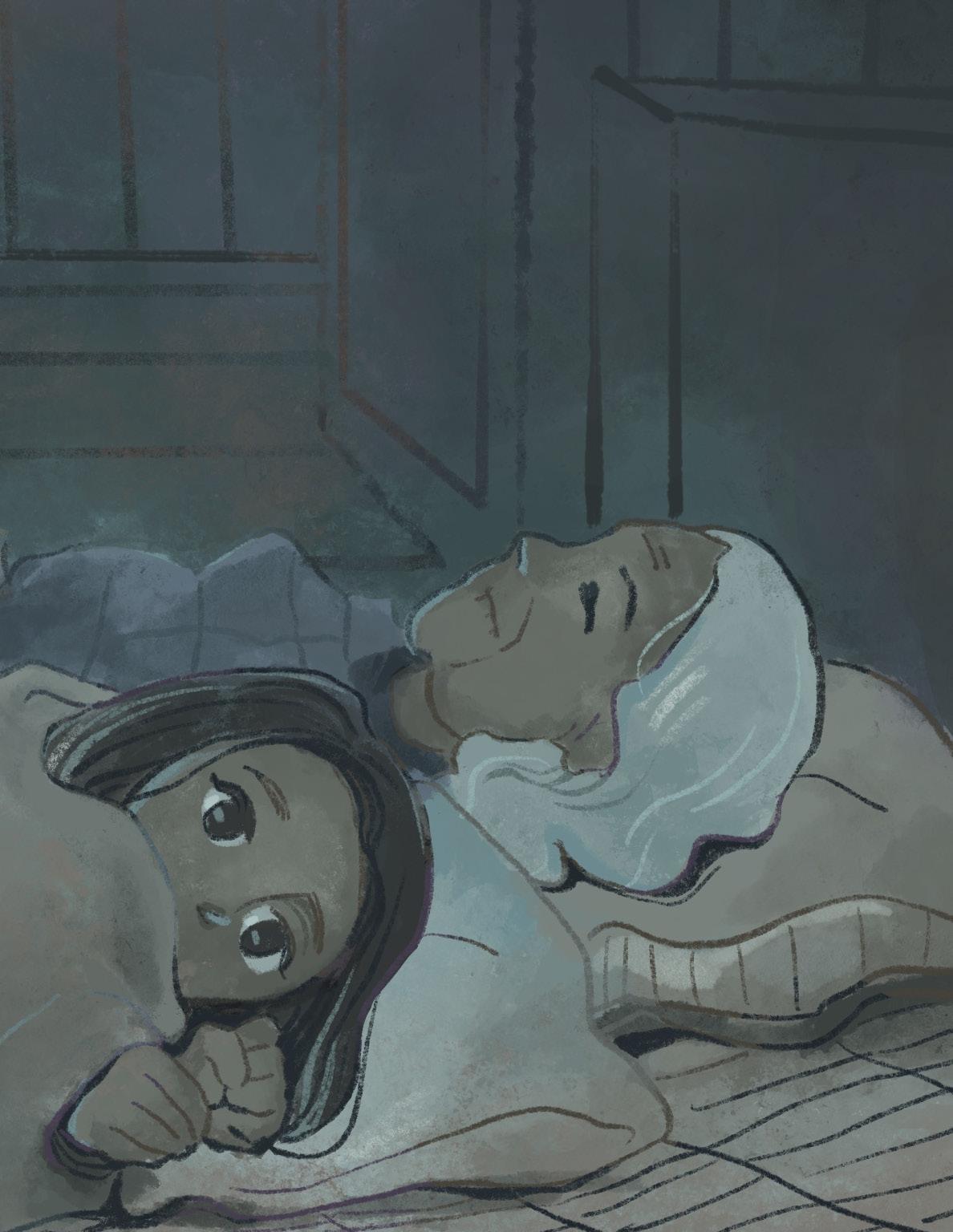
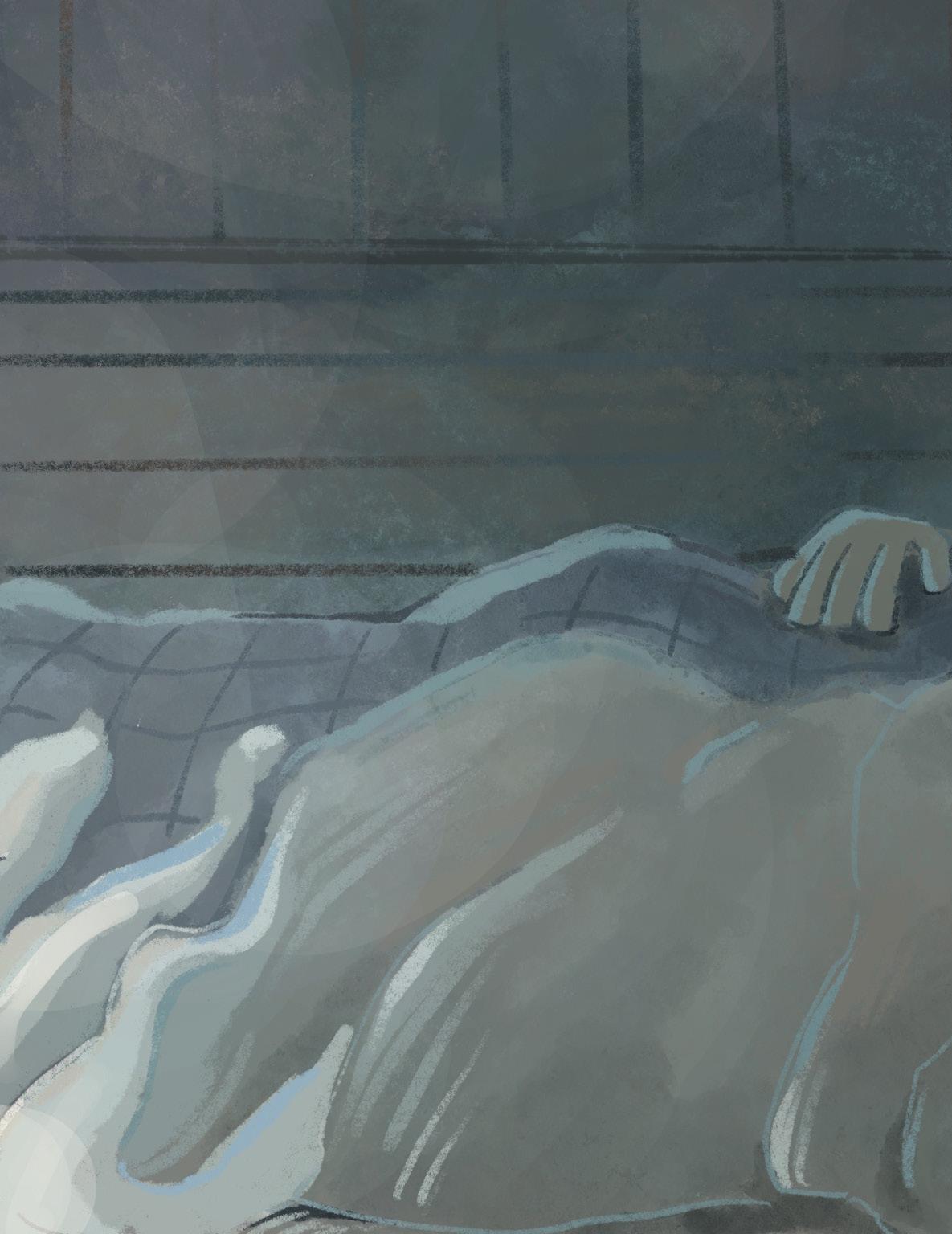
Grandmother is snoring quietly from her side of the bed. On my side, I kick the blanket from my warm body, and I think of my red coat, and what the teacher said, and my grandmother’s words about needing to continuously learn in a changing world.
On the brink of sleep, I decide that I will wear my red coat—even in the heat—and learn about how I can help my country become a healthier place to live until the cold returns.
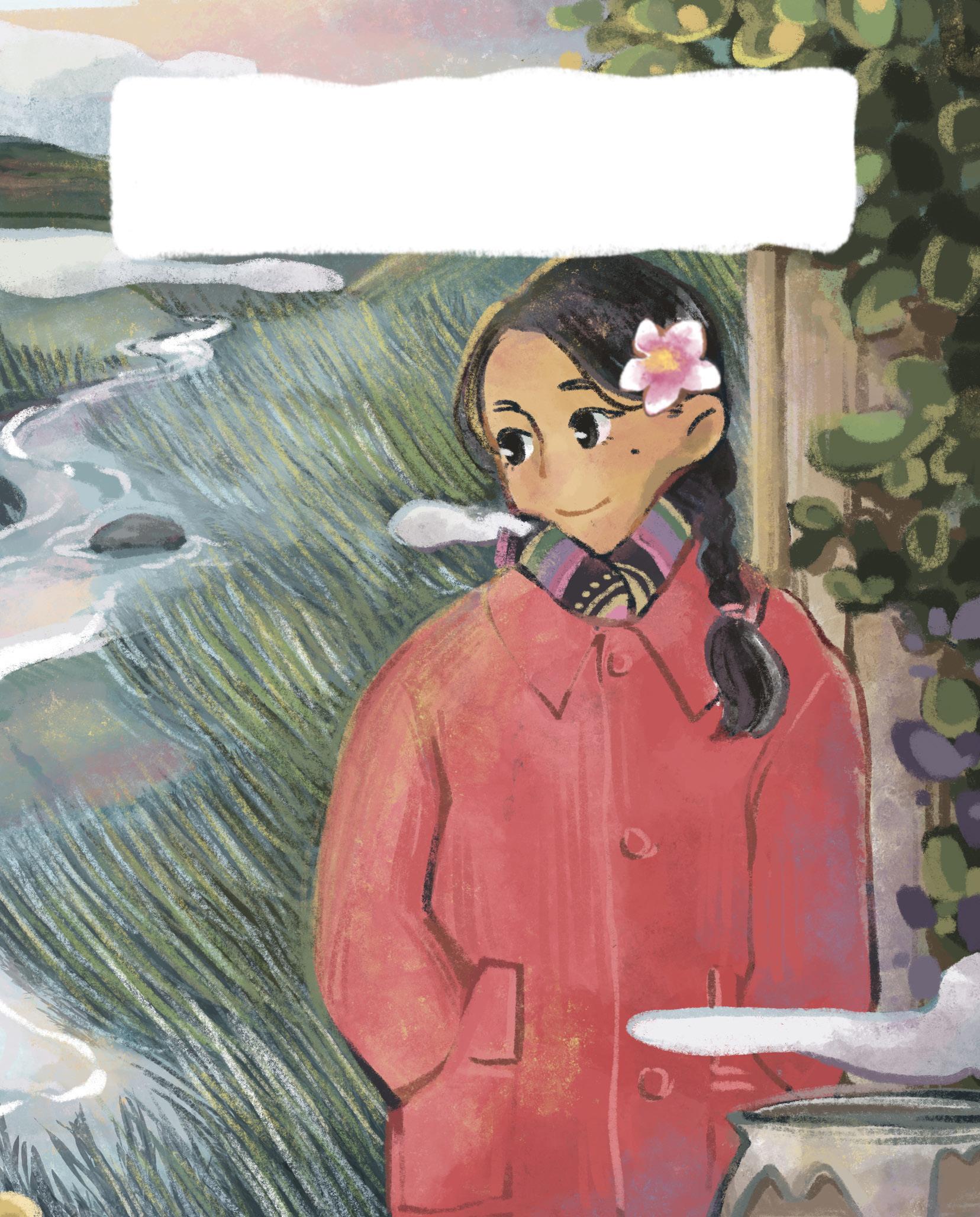
In my dream, I am in the future. I am all grown up and wearing a red coat and it is cold outside, the river is full of rising fog, the blades of grass bent with frost, the water jar by our door once again covered by a thin layer of ice.
The International Fund for Agricultural Development (IFAD) is an international financial institution and a United Nations specialized agency. Based in Rome – the United Nations food and agriculture hub – IFAD LaoPDR invests in rural people, empowering them to reduce poverty, increase food security, improve nutrition and strengthen resilience. Through this book, IFAD seeks to highlight the impact of climate change in Lao PDR, where those affected the most are rural people, especially women, children and ethnic minorities.
Kao Kalia Yang is a Hmong American teacher, speaker, and writer. Her work crosses audiences and genres. She is the award-winning author of the memoirs, The Latehomecomer, The Song Poet, Somewhere in the Unknown World, and Where Rivers Part. Her children’s books, A Map Into the World, The Most Beautiful Thing, The Shared Room, Yang Warriors, From the Tops of the Trees, The Rock in My Throat, and Caged centre Hmong children and families who live in our world, who dream, hurt, and hope in it. Yang’s work has been recognized by the National Endowment for the Arts, the National Book Critics Circle Award, the Chautauqua Prize, the PEN USA literary awards, the Dayton’s Literary Peace Prize, as Notable Books by the American Library Association, Kirkus Best Books of the Year, the Heartland Bookseller’s Award, and garnered four Minnesota Book Awards. Yang is McKnight, Soros, and Guggenheim fellow.
Wravong Phachanh (Wra or This is Wra.) is a Lao artist, animator and a filmmaker. She started her artistic journey since she was in the third grade. In 2020, she created her ilustration page called ‘This is WRA.’ to share her work with a wider group of audiences. One of the most viral work of hers is the re-illustration of Lao famous fairytale titled ‘Gam Pha Phee Noi’. Her first 2D animation is also awarded the same year from 22nd DigiCon6 Asia. Her short films recieved varied types of award from local film competions. For instance, ‘Memior’ and ‘A Friend Request’ are both the first runner up award from Lanxang Shorts in 2020 and 2021, while ‘A Year After’ got the best screenplay award. With all these different fields of work, Wra never put her drawing on hesitation.