

Kyriakos Iordanou GENERAL MANAGER OF ICPAC
Dear Friends and Colleagues,
It has been a beautiful journey! Α long, demanding, and challenging one. Above all, though, it was a fulfilling journey, rich in experiences, opportunities, knowledge, contacts, and continuous growth and creation. For a significant part of it, the voyage passed through rough seas and narrow straits, often into unknown and dangerous waters. This, however, pushed us to bring out our strengths and skills, enhanced our resilience, and tested our endurance. Whenever we found calm seas, we seized the opportunity to regroup, organise, create, and grow. We always operated within the boundaries of our capacities and within the particularities of each period. One thing is certain, though: we never reached a final harbour, for our movement was constant and unceasing, our vigilance unwavering, no room for complacency, and our challenges continuous and disproportionate to our size.
ICPAC’s vessel over the last years grew, matured, and expanded into new areas of expertise and activities, opening its sails to both nearby and distant horizons. Its role, significance, and the respect it enjoys today go far beyond what one might have anticipated. When compared with other local and international
ICPAC’S VESSEL OVER THE LAST YEARS GREW, MATURED, AND EXPANDED INTO NEW AREAS OF EXPERTISE AND ACTIVITIES, OPENING ITS SAILS TO BOTH NEARBY AND DISTANT HORIZONS. ITS ROLE, SIGNIFICANCE, AND THE RESPECT IT ENJOYS TODAY GO FAR BEYOND WHAT ONE MIGHT HAVE ANTICIPATED.
professional bodies, in relative terms, ICPAC stands out as stronger, more relevant, approachable, and recognisable. These qualities are the foundations for its continued evolution and growth, with its people, the human asset, being the true source of its achievements.
My own presence on this vessel, whether as a passenger or a navigator, is coming to an end. Following my appointment by the Council of Ministers as Director General within the Government, effective 1 December 2025, I will soon have to “disembark.” This decision was not an easy one. The greater part of my professional journey has been intertwined
MY WARMEST THANKS GO TO ALL MY FRIENDS WHO HAVE SERVED AS MEMBERS AND PRESIDENTS OF ICPAC’S COUNCIL OVER THE YEARS, TO THE COLLEAGUES ON THE INSTITUTE’S COMMITTEES, AND TO THE MANY PARTNERS AND ASSOCIATES WITH WHOM I HAVE HAD THE PRIVILEGE TO WORK. ABOVE ALL, I WOULD LIKE TO EXPRESS MY DEEPEST GRATITUDE AND AFFECTION TO MY COLLEAGUES AND DAILY COMPANIONS IN ICPAC’S EXECUTIVE TEAM.
with ICPAC from 2002 to 2011 as a member of the Council during the period of its transformation from a members’ association into a recognised professional body, and from 2012 until today as its General Manager. During the latter time, the State entrusted ICPAC with additional responsibilities and powers, making it a supervisory and regulatory authority for the professional activities of its members. And many other developments came along too!
Throughout this period, we were actively involved in all critical events that unfolded in our country in the economy, in society, and inevitably in our profession. It was, indeed, a demanding yet sheer educational “march to the front,” as Odysseas Elytis so eloquently wrote in “Axion Esti”.
I have the privilege and pride in having served as ICPAC’s General Manager from 2012 till now, indeed a great honour, especially considering that the then Council entrusted me at a relatively young age. For that, I will always remain deeply grateful. I have always served ICPAC to the best of my abilities, selflessly, with integrity, dignity, objectivity, and in good faith, without prejudice, bias, or animosity. My focus was always ICPAC itself and our profession, our members, and their best interests. Naturally, mistakes, omissions, and weaknesses occurred along the way, but these helped us improve and grow further. I also
wish to apologise to anyone I may have hurt or disappointed; it was never intentional. My actions were always guided by good faith and the pursuit of what I believed to be in the best interest of the Institute and the profession.
On a personal level, I have devoted much to this long journey and have been inescapably interlinked to ICPAC, never seeking recognition, distinction, or personal promotion. ICPAC, its members, and its staff always came first; everything else was secondary. As the poet Elytis wrote, there was no line dividing “ordinary days from holidays.”
I feel blessed and proud of this journey, proud of the many colleagues and friends I have met, the wide array of issues I have been involved in contributing to the expansion of my professional and intellectual horizons, and my contribution to the structural and operational growth of ICPAC. I am also proud of its international presence, its partnerships and collaborations with renowned organisations in Cyprus and abroad, and its establishment as one of the most credible and respected professional institutions in the economic life of our country.
We set ambitious goals and worked tirelessly to turn our vision into reality, for our profession, for our Institute, and for all of us. My journey with ICPAC has
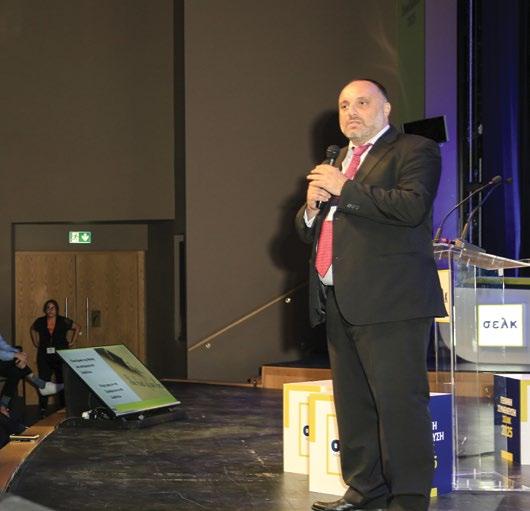
now reached its harbour. Perhaps not exactly as I had first imagined or hoped, yet the new challenge before me is immense and opens new, wider horizons. Of course, like the City in Cavafy’s verse, ICPAC “... will follow me.” ICPAC is an inseparable part of who I am and will forever remain deeply and indelibly etched within me.
I depart from ICPAC feeling fulfilled and grateful with a clear conscience and a heart full of experiences. It has indeed been an “Odyssey without an Ithaca, yet with many destinations.”
I wish to sincerely and wholeheartedly thank all of you for your collaboration and friendship over the years, which I am sure will continue.
My warmest thanks go to all my friends who have served as members and Presidents of ICPAC’s Council over the years, to the colleagues on the Institute’s committees, and to the many partners and associates with whom I have had the privilege to work. Above all, I would like to express my deepest gratitude and affection to my colleagues and daily companions in ICPAC’s executive team. They are the ones who have endured me all these years and who supported or implemented my ideas and initiatives. They are the unsung heroes behind the Institute’s progress and
development. Their collective knowledge, experience, and integrity make ICPAC far more significant than it may appear. After all, no ship sails without its capable crew, so please look after them and support them in their work. ICPAC is its people.
I am certain that solutions will soon be found and that this current juncture will serve as a new opportunity for ICPAC, just as we have always grasped every good challenge and turned it into an opportunity. Please allow me to extend a humble appeal: stay close to ICPAC, continue to love it, support it, and help it, so that it can give you back even more.
As for me, I remain a loyal member a “marine,” one might say of ICPAC, ready to assist in any way I can from my new position. It is quite likely that our paths will cross again, perhaps in new oceans and sea routes.
Once again, thank you all. It has been an honour, a pleasure, and a privilege to wear ICPAC’s insignia, being either on the bridge, on the mast, or on the deck of its vessel for so many years. Reaching the end of an era, my long journey with ICPAC will be an eternal cherished memory.
EDITOR OF “ACCOUNTANCY CYPRUS”
We wish to book the following advertisements in the “Accountancy Cyprus” Journal:
Thank you in advance. For more info: 22 870030
Book multiple ads in the same issue and get 10% off
E-mail:
Signature: Date:



ISSN 1450-2380
The Institute Council
Odysseas Christodoulou - P resident
Andreas Andreou - Vice P resident
Eleni P yrgou (Secretary)
Andreas Avraamides, Marios Demetriades, George Hadjineophytou, Stavros Ioannou, Constantinos Kallis, Savvas Kleitou, Eliza Livadiotou, Ioanna Nicolaidou, Nicolas Shiakallis, Spyros Spyrou, Nicos Stavrou, Afxentis Zemenides
Kyriakos Iordanou
11 Byron Avenue, 1096 Nicosia, Cyprus
P.O. Box 24935, 1355, Nicosia, Cyprus
Tel.: +357 22870030
Fax: +357 22766360
Ε-mail: info@icpac.org.cy www.icpac.org.cy
Design and Pagination
Maria Stylianou
The publication is prepared by RedwolfOgilvy 8 Ilioupoleos Street
Tel: +357 22252522
Fax: +357 22767970
E-mail: info@redwolfogilvy.cy www.redwolfogilvy.cy
Accountancy Cyprus is published quarterly by the Institute of Certified Public Accountants of Cyprus and is sent free to all members of the Institute as well as to many other persons, companies, and organizations.
A summary of the Institute’s most important recent initiatives, announcements, and activities.
• ICPAC and Invest Cyprus Sign Strategic Memorandum of Understanding
• ICPAC and Cyprus Fiduciary Association Sign Memorandum of Understanding
• Empowering young innovators
• CFO Society of ICPAC Successfully Launches First Networking Event
• Educational Beach Cleanup Event in Limassol
• CFOs Engage in Strategic Roundtable with Chief Scientist to Shape Cyprus’s National AI Vision
A New Era Of Leadership: Odysseas Christodoulou On Reinventing The Future Of Accountancy
Are Companies’ Remote Workers Creating Permanent Establishments?
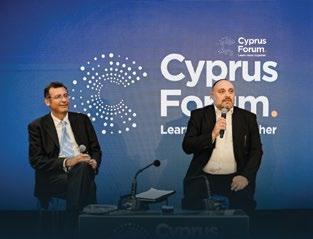

The Institute of Certified Public Accountants of Cyprus (ICPAC) and Invest Cyprus – the Cyprus Investment Promotion Agency have officially entered a new era of collaboration with the signing of a Memorandum of Understanding (MoU).
Through this agreement, the two organisations reaffirm their shared commitment to enhancing Cyprus’ position as a competitive, transparent, and attractive international business hub, while supporting sustainable economic growth and job creation.
The partnership seeks to create tangible synergies between the professional services sector and investment promotion activities. By combining ICPAC’s expertise in accounting, auditing, and financial advisory with Invest Cyprus’s role in attracting and facilitating foreign direct investment, the initiative aims to further elevate the standards and visibility of Cyprus’ professional services industry on the global stage.
Under the framework of the MoU, ICPAC and Invest Cyprus will collaborate on a range of joint initiatives, including:
• Conferences and thematic workshops to address key business and regulatory developments.
• Targeted research and studies focusing on emerging trends and opportunities within the Cypriot economy.
• Continuous communication and information sharing to ensure stakeholders are well-informed about evolving policies, regulations, and market dynamics.
• Promotional campaigns and networking events designed to showcase Cyprus as an ideal destination for international investors and service providers.
Speaking at the signing ceremony, ICPAC President Mr. Odysseas Christodoulou highlighted that this strategic cooperation would serve as a catalyst for economic progress and innovation:
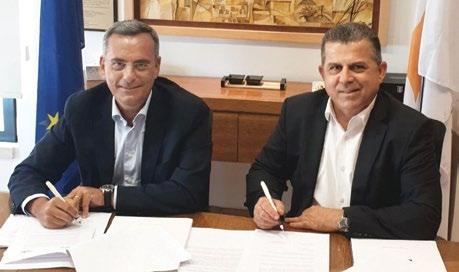
“Through this partnership, we are strengthening the foundations of the Cypriot economy, fostering new opportunities for businesses and professionals, and contributing to the creation of high-value jobs. Together with Invest Cyprus, we are committed to building a modern and resilient business environment that inspires confidence and attracts international investment.”
Invest Cyprus Chairman Mr. Evgenios Evgeniou emphasized the importance of this alliance in promoting Cyprus globally as a trusted and forward-looking jurisdiction:
“By joining forces with ICPAC, we are combining deep professional expertise with strategic investment promotion. This collaboration will enable us to effectively communicate Cyprus’ value proposition to the international business community and reinforce the island’s reputation as a leading European destination for global investors.”
Through this partnership, ICPAC and Invest Cyprus demonstrate their long-term vision for a vibrant and sustainable business ecosystem, grounded in professionalism, integrity, and innovation.
On September 3rd, the Institute of Certified Public Accountants of Cyprus (ICPAC) and the Cyprus Fiduciary Association (CYFA) signed a Memorandum of Understanding (MoU), establishing the foundation for a closer and more strategic collaboration between the two organizations.
The agreement aims to strengthen the administrative services sector, foster the growth of international business activities, and attract foreign investment, thereby contributing significantly to the economic development of Cyprus. By leveraging their combined expertise, ICPAC and CYFA seek to create a more dynamic, transparent, and competitive business environment that supports both local and international stakeholders.
Under the framework of the MoU, the two organizations will engage in regular communication and knowledge sharing, exchange professional experiences, and jointly organize conferences, events, and initiatives designed to enhance the sector’s international outreach. This collaboration will also focus on legislative matters and public consultations, aiming to develop unified positions on key issues for presentation to the government, ultimately reinforcing a stable and resilient business ecosystem.
UNDER THE FRAMEWORK OF THE MOU, THE TWO ORGANIZATIONS WILL ENGAGE IN REGULAR COMMUNICATION AND KNOWLEDGE SHARING, EXCHANGE PROFESSIONAL EXPERIENCES, AND JOINTLY ORGANIZE CONFERENCES, EVENTS, AND INITIATIVES DESIGNED TO ENHANCE THE SECTOR’S INTERNATIONAL OUTREACH.
The MoU was signed by ICPAC President Mr. Odysseas Christodoulou, ICPAC Director General Mr. Kyriakos Iordanou, CYFA President Mr. Kostas Christoforou, and CYFA Director General Mr. Christoforos Ioannou.
This strategic partnership reflects the shared commitment of both organizations to advancing Cyprus as a leading center for professional and administrative services, supporting sustainable economic growth, and promoting the island as an attractive destination for international business.
We would like to thank Niki Christofi, Member of the CSR Committee of ICPAC, for her contribution to this article.
The students of Giannakis Taliotis Lyceum located in Geroskipou of Paphos, developed “Finance Buddy”, an innovative application designed to enhance the Financial Literacy in Cyprus. The application aims to educate the users on key financial concepts such as budgeting, savings, borrowings, investing, and retirement pensions. At the same time, it provides expert advice on loans, taxes, and social insurance contribution benefits, promoting declared employment and responsible financial management.
In addition, the application highlights the importance of tax compliance, emphasizing that taxes are essential for building strong and prosperous societies. It explains how government revenue from taxation funds public services, suppo rts free education, and ultimately contributes to the well-being of all citizens.
The application informs the users about current financial developments and modern risks such as cryptocurrency scams and utilizes statistical data from the Statistical Service of Cyprus. It operates as a “student-run business”, managed by a dedicated team of seven students from the school’s Economics section.
The students have taken on real roles in management, product development, marketing, and accounting, experiencing what it’s like to run a real business.
With the support of their Economics teacher, Mrs. Maria Charalambous, who also serves as Supervisor of the Economics Teachers, and with my guidance as their Mentor, the students organized an online meeting with the Institute of Certified Public Accountants of Cyprus (ICPAC) along with members of ICPAC’s Corporate Social Responsibility Committee.
During the meeting, ICPAC’s representatives congratulated the students on their creativity and ambition and extended their warmest wishes for continued success and progress in their academic and professional journey. Warm congratulations were also addressed to their Economics teachers, Mrs. Maria Charalambous and Mr. Charalambos Charalambous, who supported the students with dedication and guidance from the very beginning. Their role was pivotal, as they inspired, coordinated, and strengthened the students’ efforts, turning theoretical knowledge into a meaningful, socially beneficial result.
A representative from Junior Achievement Cyprus, Mr. Marios Kakouris, also participated in the meeting and warmly congratulated the students on their innovative idea. Mr. Kakouris emphasized that students’ initiatives like this one provide young people with essential practical knowledge, cultivate entrepreneurial thinking, and strengthen their economic awareness, preparing them to meet real-world challenges with confidence and responsibility. It is noted that Junior Achievement Cyprus is a non-profit organization, under the auspices of the Ministry of Education, Sport and Youth, dedicated to educating students on entrepreneurship, work readiness, and financial literacy skills through experiential, hands-on programs.
Agreed by all participants, this meeting was an excellent opportunity for exchanging views and strengthening the connection between the students and the professional world. In a rapidly evolving global economy, equipping students with real professional insights is more important than ever. The meeting served as a powerful reminder of how professional experts and education can come together to inspire, inform, and empower the next generation.
ICPAC emphasized its strong support for young people who wish to pursue careers in the accounting and auditing field, highlighting that the profession today extends beyond traditional financial accounting and auditing expertise. Modern accountants are increasingly expected to have a vital role in areas such as sustainability and ESG (Environmental, Social and Governance). In this way, accountants have a positive impact on society, shaping a future where ethical business practices and social responsibility are at the heart of economic progress.
It is important to highlight that the students have been recently nominated by Youth Tech Fest Cyprus, a non-profit organization, for the “Best Financial Literacy Application” award of 2025. Youth Tech Fest Cyprus is an annual festival celebrating and rewarding the enthusiasm, creativity, and dedication of young people for innovation, technology, sports, entrepreneurship, environment, and arts under the auspices of the Ministry of Education, Sport and Youth.
Mr. Sean Alimov, the founder of Youth Tech Fest Cyprus, mentioned at the award ceremony that this team is a shining example of how students’ intelligence and creativity can contribute to our society through innovation and technology.
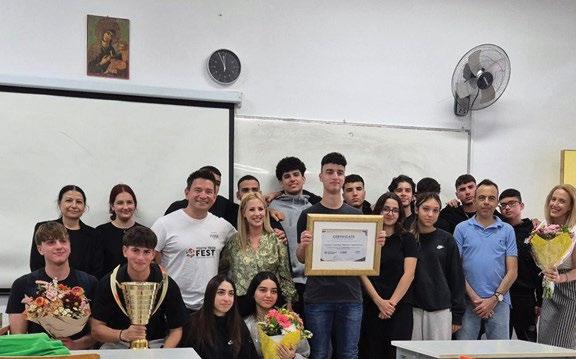

Furthermore, the application drew significant attention from the Deputy Ministry of Research, Innovation and Digital Policy and the students were awarded a grant in recognition of their innovative efforts.
Moreover, their initiative was also warmly acknowledged by the First Lady, Mrs. Philippa Karsera, who congratulated the students for their innovative application and for their commitment. She also appreciated the team’s impressive efforts in promoting financial education within their school community.
Glimpsing ahead, we are fully certain that the students will continue to excel, thrive, lead, and inspire others. With unwavering commitment and determination, they will pursue their aspirations and shape the future they aim for. Their journey has only just begun, and the road ahead offers boundless opportunities. Possessing both talent and determination, they have the capabilities to become the leaders and the innovators of tomorrow.
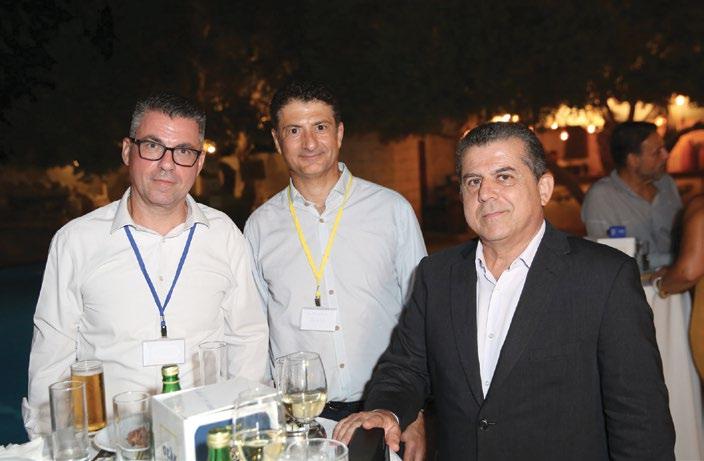
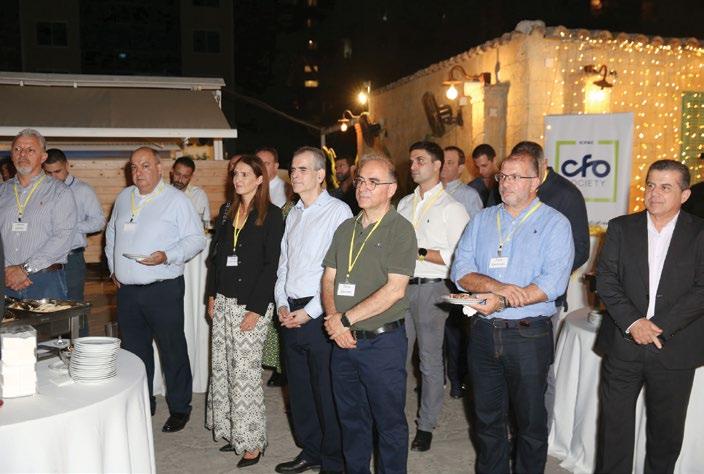
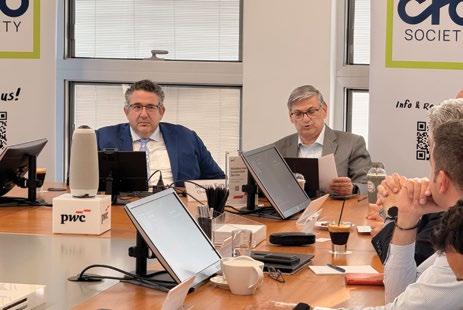
The Institute of Certified Public Accountants of Cyprus (ICPAC) marked a significant milestone in the professional finance community with the successful launch of the first networking event of the CFO Society. The event brought together Chief Financial Officers, finance executives, and senior business leaders from a wide spectrum of the Cypriot economy, providing a unique platform for collaboration, knowledge exchange, and professional growth.
Mr. Stavros Kattamis, President of the CFO Society, opened the event by presenting the vision, objectives, and future initiatives of the newly established community. He emphasized the evolving and increasingly strategic role of the CFO in today’s fastpaced business environment. “The CFO Society is
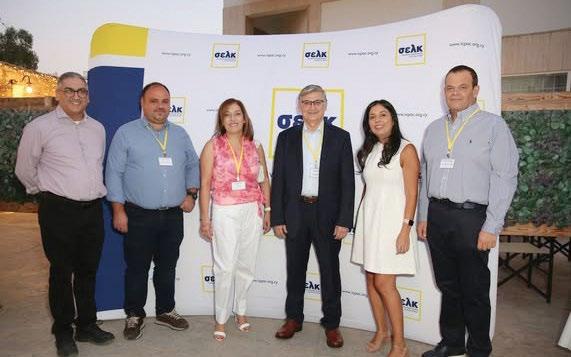
designed to connect finance leaders across industries, enabling them to share insights, tackle common challenges, and collectively enhance the effectiveness of financial management within their organizations,” Mr. Kattamis stated. “By fostering collaboration and experience exchange, we aim to empower CFOs to drive not only financial performance but also sustainable growth and innovation.”
ICPAC President Mr. Odysseas Christodoulou highlighted the Institute’s full support for the initiative, underscoring the pivotal role CFOs play in strengthening transparency, good governance, and the competitiveness of businesses in Cyprus. “The creation of the CFO Society reflects ICPAC’s commitment to cultivating a strong finance leadership community,” he noted. “By offering a structured forum for dialogue, learning, and professional development, this initiative contributes to building a resilient and forward-looking economy.”
The networking session included interactive discussions and an exchange of experiences among participants, who explored emerging trends, challenges, and opportunities within the Cypriot business landscape. Attendees underscored the value of a professional network that bridges sectors and fosters meaningful collaboration, reinforcing the importance of shared knowledge and strategic dialogue.
THE EVENT BROUGHT TOGETHER CHIEF FINANCIAL OFFICERS, FINANCE EXECUTIVES, AND SENIOR BUSINESS LEADERS FROM A WIDE SPECTRUM OF THE CYPRIOT ECONOMY, PROVIDING A UNIQUE PLATFORM FOR COLLABORATION, KNOWLEDGE EXCHANGE, AND PROFESSIONAL GROWTH.
The launch event also set the stage for the CFO Society’s upcoming initiatives, including workshops, thematic seminars, and targeted events designed to address regulatory, economic, and technological developments relevant to finance professionals. By providing a platform for continuous learning and professional interaction, the Society seeks to elevate the standards of financial leadership and enhance the strategic impact of CFOs in shaping corporate success.
With this successful inaugural event, the CFO Society of ICPAC has laid a strong foundation for a vibrant, dynamic, and highly connected finance community in Cyprus, demonstrating the transformative potential of collaboration, innovation, and professional excellence in driving the country’s economic progress.
The Institute of Certified Public Accountants of Cyprus (ICPAC) celebrated a remarkable success with its recent Educational Beach Cleanup Event in Limassol, demonstrating the power of collective action and community engagement. Organized by the Corporate Social Responsibility Committee and the Limassol-Paphos Coordination Committee of ICPAC, in collaboration with the Limassol District Administration, the Pentakomo Community Council, the Cyprus Lifesaving Federation, and Let’s Do It Cyprus, the event combined environmental stewardship, learning, and fun in a unique and impactful experience.
Participants, including ICPAC members, volunteers, and residents, came together with energy and enthusiasm to make a tangible difference on Limassol’s beaches. Through hands-on activities, attendees actively contributed to cleaning and preserving the coastal environment, while also engaging in educational exercises to learn how to protect marine life and promote sustainable practices.
The event successfully combined environmental action and physical activity, creating an engaging and informative experience for all participants. Attendees not only contributed to a cleaner coastline but also gained valuable knowledge about environmental responsibility and sustainable behavior, reinforcing ICPAC’s commitment to social and ecological impact.

The organizers emphasized the importance of collaboration, highlighting how partnerships between professional organizations, local authorities, and community groups can amplify positive outcomes. This initiative reflects ICPAC’s broader mission to foster civic engagement and environmental awareness among its members and the wider community.
ICPAC extends its heartfelt thanks to all participants, partners, and volunteers whose enthusiasm, commitment, and collective effort made this event a resounding success. The institute looks forward to future initiatives that continue to combine education, action, and community engagement, ensuring that Cyprus’ beaches remain clean, safe, and enjoyable for all.
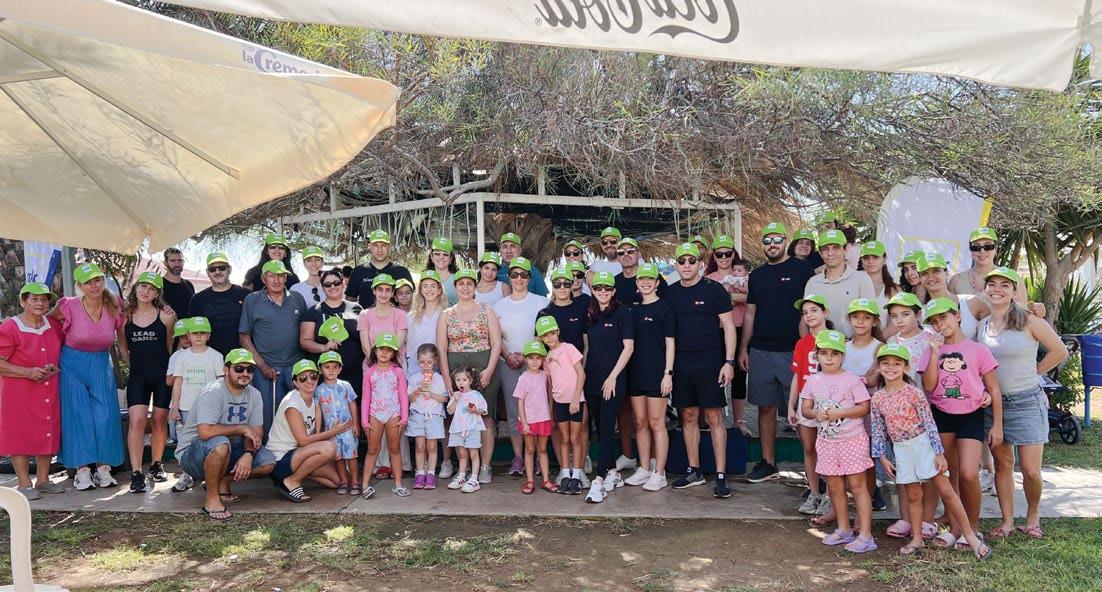
THE EVENT SUCCESSFULLY COMBINED ENVIRONMENTAL ACTION AND PHYSICAL ACTIVITY, CREATING AN ENGAGING AND INFORMATIVE EXPERIENCE FOR ALL PARTICIPANTS.



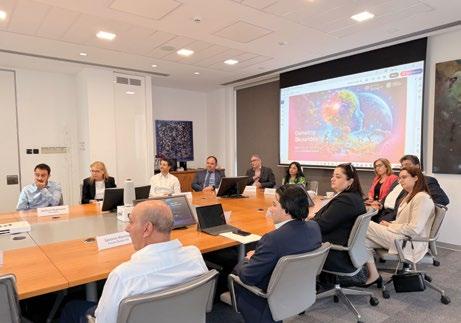
On 23 October, leading CFOs from diverse industries participated in a high-level Roundtable discussion with Chief Scientist Demetris Skourides, hosted by the ICPAC CFO Society. Representing the Republic of Cyprus, Mr. Skourides presented his vision for a National AI Strategy aimed at strengthening Cyprus’s economy and businesses during the country’s upcoming six-month EU Presidency, beginning 1 January 2026. The initiative aspires to position Cyprus as a premier technology and AI hub, enhancing its competitive advantage in the global arena.
During the discussion, Mr. Skourides emphasized the pivotal role of CFOs as facilitators in shaping and implementing this transformative strategy. The session was highly interactive, with participants sharing their current AI initiatives, ambitions, and challenges in accelerating progress. Chief Scientist of the Republic of Cyprus, addressed questions and offered insights, highlighting the government’s commitment to removing barriers and taking decisive action to support the AI ecosystem.
A key outcome of the Roundtable was the agreement to establish a working group of CFOs to maintain ongoing dialogue and actively contribute to the development and execution of the National AI Strategy.
On behalf of the Institute of Certified Public Accountants of Cyprus and the ICPAC CFO Society, we extend our gratitude to Mr. Skourides for his leadership and to all participating CFOs for their engagement and valuable contributions.
DURING THE DISCUSSION, MR. SKOURIDES EMPHASIZED THE PIVOTAL ROLE OF CFOS AS FACILITATORS IN SHAPING AND IMPLEMENTING THIS TRANSFORMATIVE STRATEGY




ICPAC'S POSITION IN THE PUBLIC CONSULTATION MONITORING & COMPLIANCE
In 2024, ICPAC launched a new "Monitoring & Compliance" tab on its website, providing easy access to a wide range of compliance-related resources. This includes Compliance Circulars, Guides, information on sanctions & restrictive measures, training materials, templates, and more. The new section aims to support members and the public by centralizing all compliance information in one convenient location.
ICPAC ISSUES TECHNICAL CIRCULARS FOR THE TECHNICAL SUPPORT OF ITS MEMBERS.
The technical circulars of ICPAC aim at informing the members as regards changes or amendments of regulations and procedures relating to the accounting/auditing profession, which stem either from ambiguities or omissions that are identified during accounting or auditing work, or from harmonisation directives of the European Union for the accounting/auditing profession. Find the most recent technical circulars sent to the members below.
Continuous Professional Development (CPD) is the learning and development activity that you will do throughout your ICPAC membership. CPD will provide you with the knowledge and skills required to perform your day-to-day job in your chosen professional role, as well as to enhance your employability for the future.
FIND MORE …
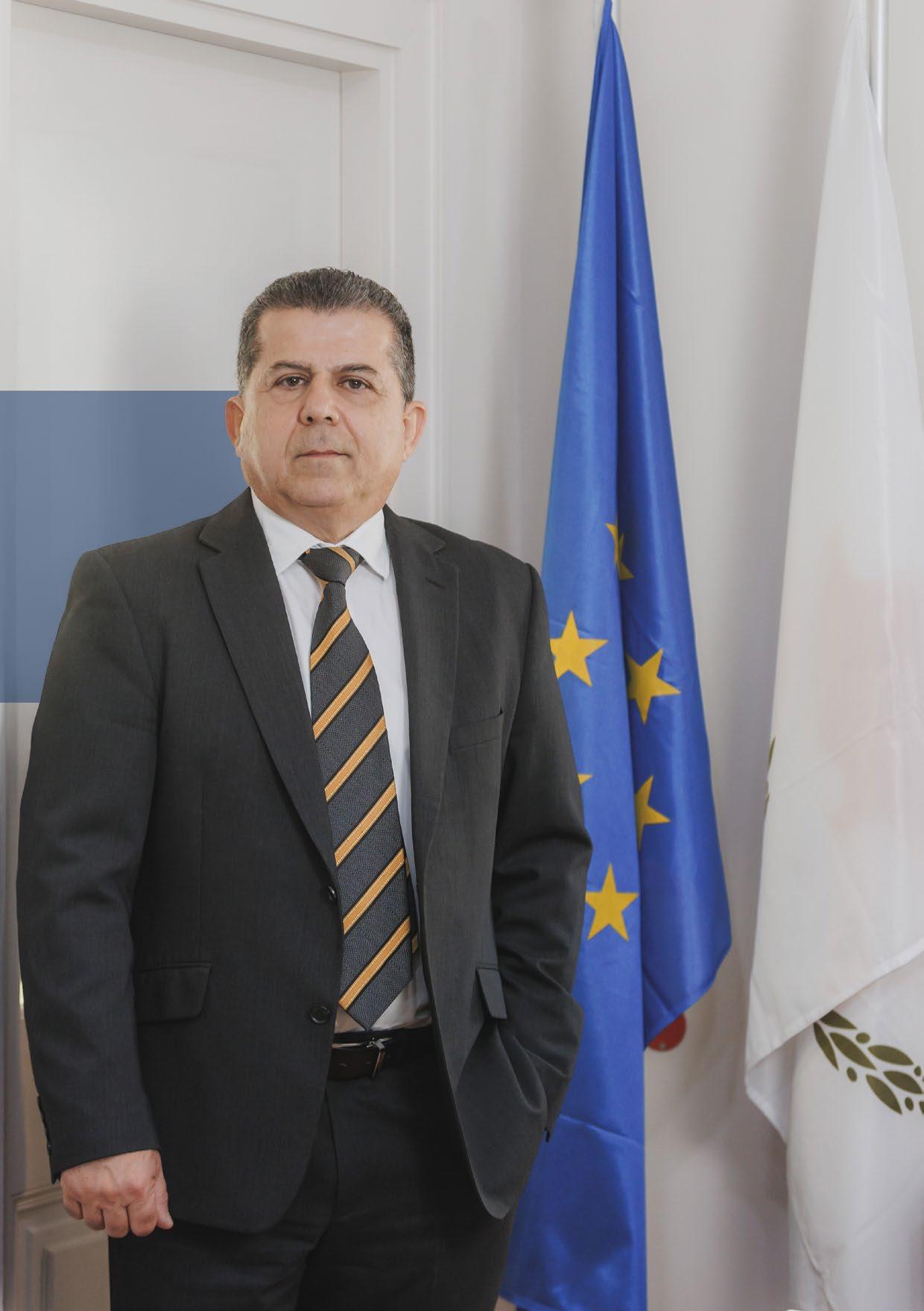
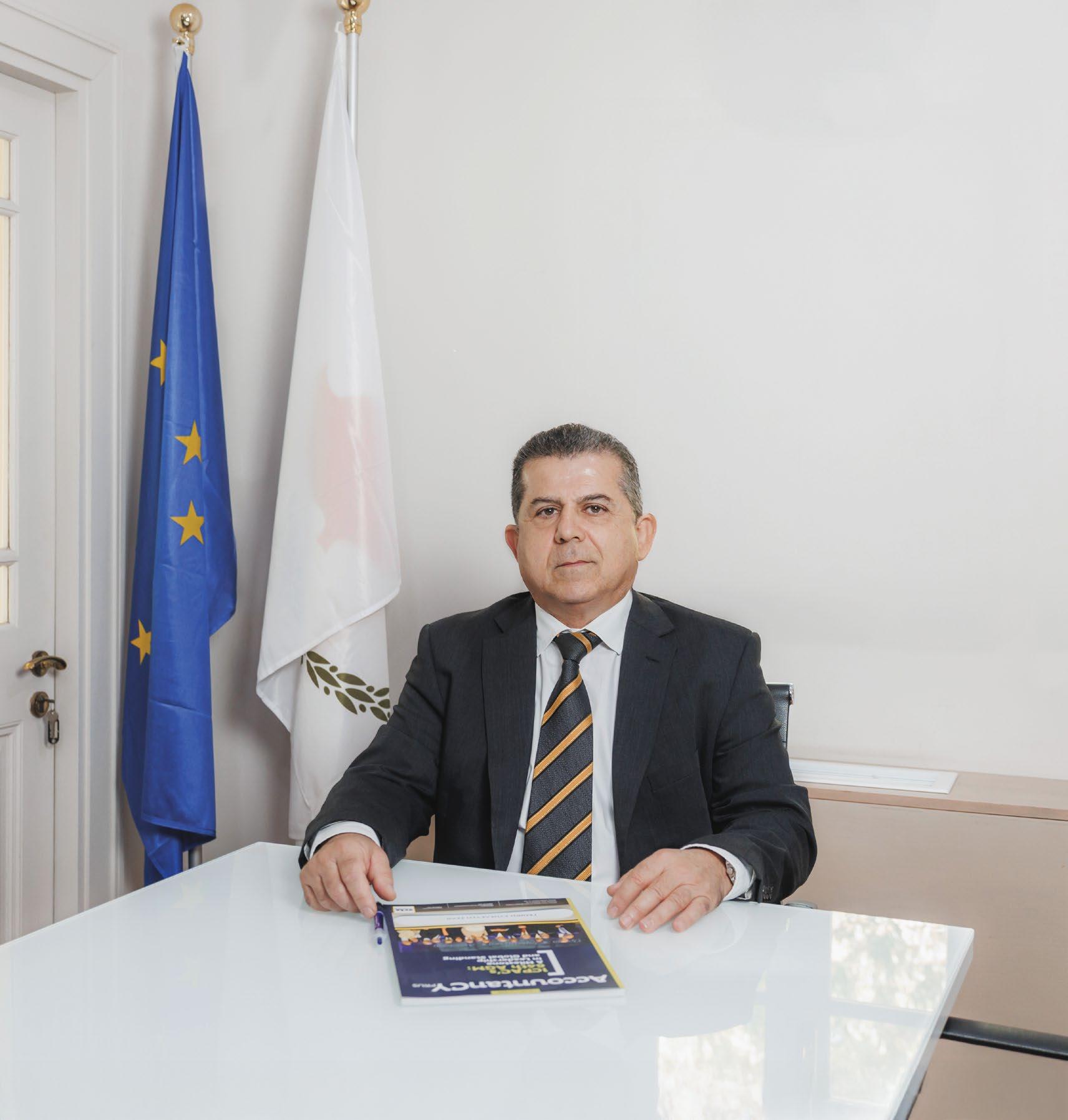
The accounting profession is entering a period of profound transformation. Technology, regulatory shifts, and new societal expectations are transforming not only how accountants work but also how they contribute to economic and social progress. At the center of this evolution in Cyprus is Mr. Odysseas Christodoulou, the newly elected President of the Institute of Certified Public Accountants of Cyprus (ICPAC). With over thirty years of experience spanning auditing, banking, education, and leadership, he brings both technical expertise and a deep commitment to values, mentorship, and innovation. In this exclusive interview with Accountancy, the official magazine of ICPAC, he speaks candidly about his journey, his vision, and his hopes for the future of the profession.
Mr. Christodoulou, congratulations on your election. Before we look to the future, can you tell us about the path that brought you here?
Thank you very much for your kind wishes. My professional journey has been long and varied, and each stage has shaped the way I see the profession today. I began my career as a trainee accountant at Coopers & Lybrand, which is where I first understood what it means to carry responsibility as an auditor. Those early years were demanding, with long hours and complex engagements, but they were formative. They taught me that accountancy is not about mechanical processes or ticking boxes. It is about exercising judgment, maintaining discipline, and protecting the trust that society places in us. I still remember the feeling of signing off on my first audit assignment, realising that people would rely on my work to make decisions. It was both humbling and motivating.
After those years, I moved into banking, where I gained valuable experience as a banker with Lombard NatWest Bank and Cyprus Popular Bank. Banking was a different world, more dynamic, and with stakes that were often much higher. There, I learned about the interconnectedness of financial systems and how the decisions we make as professionals can ripple outward to affect businesses, employees, and communities. When you work in banking, you realise quickly that trust and foresight are everything. A well-managed portfolio can support growth and stability, while a single poor decision can undermine confidence. Those years gave me a deeper understanding of risk, responsibility, and the consequences of financial decisions.
Education soon became a defining part of my professional life, and I took on roles in professional training and academic leadership. In my current role as CEO of EdBOS and the School of Professional Studies, we are once again pioneering the development of professional qualification programs for the financial sector.
EdBOS is an educational technology platform that combines synchronous (live online) and asynchronous (pre-recorded) learning with hybrid modes of delivery. Helping young professionals prepare for qualifications is not just a job; it has become a lifelong mission.
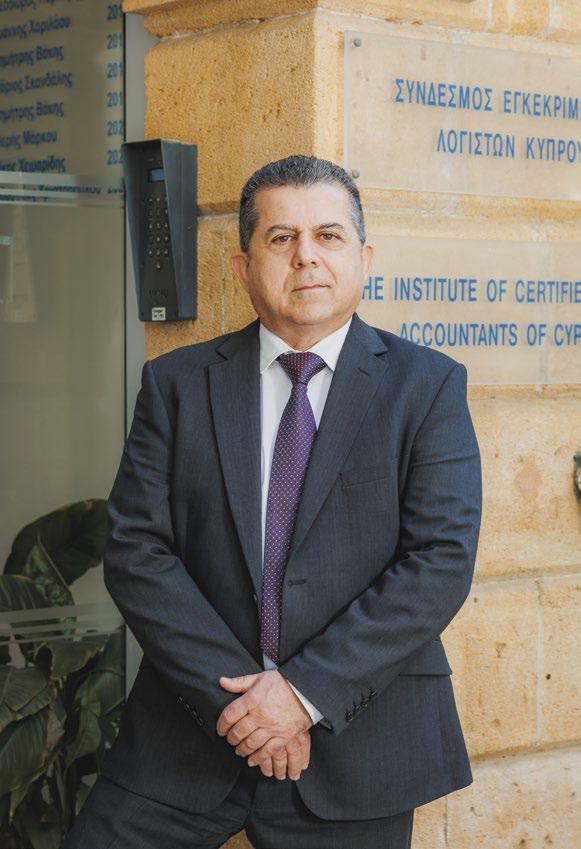
In my previous role as co-founder and CEO of Globaltraining at the University of Nicosia, I witnessed many students walk into classrooms doubting themselves and, through hard work and guidance, pass exams that opened new doors for them. Seeing them grow in confidence and build successful careers was immensely rewarding.
Education also reinforced something I have always believed: that learning never ends. Even today, after decades in the profession, I see myself as a lifelong student. The world keeps changing, and if we want to remain relevant, we must keep learning.
I also had the privilege of serving on boards, from listed companies like KEO Plc to non-executive roles
MY VISION IS TO SEE
ICPAC
RECOGNISED AS A STRONG, RESPECTED, AND FORWARD-LOOKING INSTITUTION, BOTH
IN CYPRUS AND INTERNATIONALLY.
in financial institutions such as Ancoria Bank and Laiki Financial Services. These roles added another dimension of governance and oversight. They taught me how strategy is set, how organisations navigate change, and how collective responsibility matters just as much as individual accountability.
Looking back, what values have remained constant throughout your career?
Three stand out. The first is integrity. Without integrity, there is no trust, and without trust, there can be no profession. Warren Buffett famously said it takes twenty years to build a reputation and five minutes to ruin it. That quote has always stayed with me, and I have seen its truth in practice. Our credibility as professionals depends on the choices we make in small moments as much as in big decisions.
The second is learning. Every role I have taken has been an opportunity to expand my understanding. Regulations change, new technologies emerge, and client needs evolve. If we stop learning, we stop serving effectively. This belief has guided me as a professional, as an educator, and now as president of ICPAC.
And the third is responsible professional service. Accountancy is ultimately a service to the public interest. Our work ensures transparency, strengthens businesses, and supports economic stability. It is a responsibility that goes beyond numbers. Every report, every opinion, every piece of advice carries weight because it affects people and their businesses. Service to society has always been central to my understanding of what it means to be an accountant.
What is your vision as you begin your presidency of ICPAC?
My vision is to see ICPAC recognised as a strong, respected, and forward-looking institution, both in Cyprus and internationally. Too often, professional bodies are viewed narrowly as regulators. I want ICPAC to be more than that. It should be a partner to the government, a trusted advisor to businesses, and above all, a home for our members. It should be a place where members find support, inspiration, and opportunities to grow.
My priorities are clear. We must safeguard professional standards because without them, we lose credibility. We must engage constructively in shaping tax reform because it will determine the competitiveness and fairness of our economy. We must grow and diversify our membership, recognising that the profession today extends into compliance, risk, technology, and many other areas. And we must embrace technology and the revolution of Artificial Intelligence with confidence, ensuring that our members see it not as a threat but as a tool that enhances their role. If we succeed, ICPAC will be an organisation that drives positive change, not just reacts to it.
TOOLS SUCH AS ARTIFICIAL INTELLIGENCE, AUTOMATION, AND DATA ANALYTICS CAN TAKE AWAY MANY REPETITIVE TASKS THAT USED TO CONSUME LONG HOURS. THIS ALLOWS US TO FOCUS MORE ON ANALYSIS, INTERPRETATION, AND OFFERING STRATEGIC ADVICE—AREAS WHERE HUMAN JUDGMENT AND ETHICAL RESPONSIBILITY REMAIN IRREPLACEABLE.
How do you want members and society to see ICPAC under your leadership?
I want ICPAC to be seen as an institution that listens, engages, and leads with integrity. Members should feel that this is their professional home, that their concerns are heard, and that their voice matters. Policymakers should see us as constructive partners, offering practical solutions to complex problems. Businesses should look to us for guidance and expertise. If ICPAC can be trusted in this way, it will strengthen not only the Institute but also the profession and the economy.
The President of the Republic of Cyprus recently announced that a new tax reform will come into effect on January 1st, 2026, marking the first major reform since 2002. How optimistic are you that ICPAC’s proposals and recommendations will be reflected in the final framework, and what concerns remain?
This announcement is significant and addresses a matter that has been postponed for too long. It has been more than two decades since the last comprehensive reform, and during that time, the world around us has changed dramatically. Globalisation, digitalisation, new business models, and the growing importance of sustainability mean that our current system no longer fits today’s realities. The fact that the government has set a clear timeline for January 2026 creates both urgency and opportunity.
I am optimistic that many of ICPAC’s proposals will be taken seriously. We have been engaging constructively with policymakers, providing practical suggestions

based on the expertise of our members. Our goal is not to complicate matters further, but to ensure that the reform results in a system that is simple, fair, transparent, and aligned with international best practices. I believe that this alignment of interests between government, business, and society creates good conditions for our voice to be heard.
At the same time, there are concerns. One is whether the timeline will allow for the thorough consultation and careful planning that such a significant reform requires. Another is whether political consensus can be maintained long enough to ensure that reform is comprehensive and not piecemeal. Finally, we must guard against the risk that, in trying to fix old problems, we create new complexities. These are legitimate worries, but they should not discourage us. They are exactly the challenges that make consultation with professional bodies like ICPAC so critical.
If we approach this reform with seriousness, inclusiveness, and a genuine commitment to modernisation, then I believe it can be a turning point
for Cyprus. It can give our country a system that encourages investment, supports entrepreneurship, and strengthens public trust, outcomes that benefit everyone.
Where does sustainability fit into this picture?
Sustainability and ESG are no longer optional extras. They are becoming central to reporting and accountability. Investors, regulators, and society at large want to know not only how a company performs financially but also how it impacts the environment and society. This is where our profession has a unique role. Accountants are trained to measure, report, and assure. We must now apply those skills to non-financial data. If we prepare properly, Cyprus can become a leader in this area.
Nelson Mandela once said, Education is the most powerful weapon which you can use to change the world. This is true for sustainability as well. By educating our members, we can help them adapt and equip them to provide the assurance that stakeholders demand. ICPAC must be at the forefront of this educational effort.
Can you give an example of how reform would affect people in their everyday work?
Take small and medium-sized enterprises, which are the backbone of our economy. Many of them tell me they spend an inordinate amount of time on compliance. This is time and energy that could be spent on innovation, customer service, and growth. If we simplify compliance and digitise processes, we give them back that time. We free entrepreneurs to do what we do best: create value. That is the real benefit of reform. It is not an abstract policy debate; it is about making daily life better for businesses and citizens alike.
Membership growth is another of your goals. How will you make ICPAC more attractive to new professionals?
By opening our doors wider and embracing the diversity of the profession today. Accountancy is no longer limited to traditional auditing and financial
reporting. It encompasses professionals in compliance, risk management, technology, sustainability, and many other fields. These professionals enrich our community, and ICPAC must be a place where they feel welcome and valued.
At the same time, we must engage the younger generation. Young professionals today seek more than a career. They want meaning, purpose, and growth. They want to feel part of a community that supports them. ICPAC must provide that community. We can do this through opportunities for engagement, networking, and continuing professional development. We must show them that this is a profession where they can build a future of impact and fulfillment.
What role does mentorship play in that effort?
Mentorship is one of the most valuable tools we have to help young professionals grow. Many students and new accountants begin their careers with excellent academic preparation, but with some hesitation about how to navigate the realities of the profession. When they are given the chance to work with a mentor, that hesitation often transforms into confidence. A mentor offers guidance, shares experiences, and creates a sense of reassurance that young professionals are not alone in the challenges they face. I have seen this process many times: individuals who were unsure at the beginning grew into capable, confident leaders because someone believed in them and supported them.
Beyond the technical knowledge, mentorship is about passing on values, integrity, commitment, and the importance of continuous learning. These values define our profession just as much as our skills. Personally, some of the most rewarding moments of my career have been seeing people I once guided go on to achieve things they themselves doubted they could.
As President of ICPAC, I want us to build on this by developing structured mentoring opportunities. When we invest in young professionals in this way, we invest directly in the future of accountancy.
ACCOUNTANCY HAS ALWAYS BEEN MORE THAN THE PRODUCTION OF NUMBERS AND REPORTS. IT IS ABOUT CREATING TRUST, CREDIBILITY, AND STABILITY IN SOCIETY.
Technology is changing the profession rapidly. How should ICPAC respond?
The pace of technological change is reshaping our work. Instead of treating this as a threat, we must see it as an opportunity to evolve. Tools such as Artificial Intelligence, automation, and data analytics can take away many repetitive tasks that used to consume long hours. This allows us to focus more on analysis, interpretation, and offering strategic advice—areas where human judgment and ethical responsibility remain irreplaceable. The accountant of tomorrow will not be limited to recording and reporting. They will be at the center of decision-making processes, guiding both businesses and policymakers.
I often recall a phrase that has stayed with me: technology will never replace accountants, but accountants who use technology will replace those who do not. This reflects the challenge before us. ICPAC has an important role in preparing its members for this transition. Training, continuing education, and collaboration with firms and institutions are essential so that our professionals not only adapt but thrive in this new environment.
Do you have an example of technology already changing the way we work?
Auditing is perhaps the clearest example of how technology has already transformed the profession. In the past, much of audit testing involved laborious manual checking of documents and sampling. Today, with data analytics, we can examine full populations of transactions in a fraction of the time. This is not only more efficient but also more reliable, giving us insights that were previously impossible to obtain. As a result,
professionals can dedicate more time to interpreting results and advising clients in ways that create real value.
Another clear example is in tax compliance. Digital platforms now allow businesses to manage obligations more efficiently, reduce errors, and interact with authorities more smoothly. What once involved days of paperwork can often now be achieved in hours. These changes show that technology does not diminish our relevance. On the contrary, it makes our contribution more strategic and impactful.
You have served internationally with ACCA. How does that experience influence your approach as President of ICPAC?
My international experience with ACCA confirmed how interconnected our profession has become. Standards, expectations, and trust are all global. For Cyprus, this means that we must not operate in isolation. We must be part of the international conversation, contributing ideas and aligning ourselves with best practices. By doing this, we not only protect our reputation but also increase opportunities for our members to expand their careers and bring additional recognition to Cyprus.
I believe ICPAC has a duty to deepen cooperation with international organisations, to promote our qualifications, and to ensure that Cypriot professionals are respected and valued abroad. When this happens, our members gain new pathways in their careers, and our country strengthens its role as a trusted hub for professional services.
What challenges lie ahead for the profession in Cyprus?
We are living in a time of rapid change, and with it come significant challenges. Technology is advancing quickly, new regulatory demands are emerging, the global environment remains uncertain, and competition for talented professionals is stronger than ever. At the same time, we must always protect the most fundamental element of our work, public trust. Without trust, the profession cannot stand.
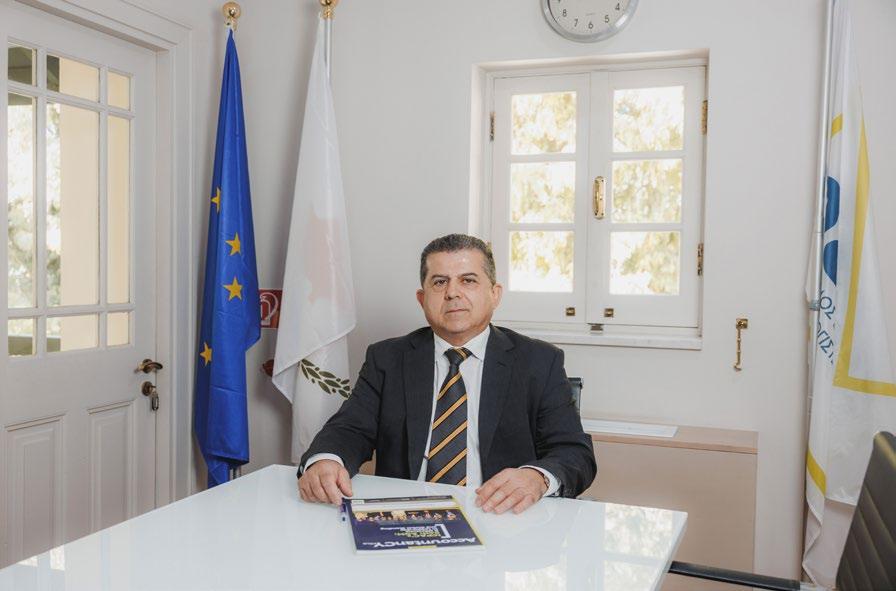
I don’t see these challenges as reasons for concern, but as opportunities to innovate and improve. Each challenge invites us to think differently, to adopt new practices, and to demonstrate resilience. That is how we will keep our profession relevant and respected.
What gives you confidence that these challenges can be overcome?
What gives me confidence is the resilience I have consistently seen in Cypriot professionals. During times of crisis, whether financial, regulatory, or political, our community has shown remarkable adaptability. Difficult moments have forced us to rethink the way we work and to find creative solutions. Time and again, we have emerged stronger.
That history of resilience, combined with the strong values that underpin our profession, convinces me that we can overcome whatever challenges lie ahead. I believe that with adaptability, collaboration, and integrity, the profession in Cyprus can continue not only to survive but to lead.
Finally, what is the message you want to leave with ICPAC members and the wider community?
My message is one of optimism and shared responsibility. The world is changing, and our profession is changing with it. But this is not something to fear. It is an opportunity to shape the future in a way that reflects our values and aspirations. If we remain faithful to principles such as integrity, service, and commitment to excellence, then we will not simply adapt to change. We will lead it.
Accountancy has always been more than the production of numbers and reports. It is about creating trust, credibility, and stability in society. Every time we perform our work with diligence and integrity, we contribute to the confidence on which economies are built. That is a responsibility that we should carry with pride. Together, as members of ICPAC, we can ensure that our profession continues to stand strong, respected, and prepared for the future.

ECONOMIST

Foreign direct investment (FDI) is a key driver of economic growth, technological advancement, productivity increase, and international competitiveness. For small countries like Cyprus, it offers essential capital, specialized knowledge, and access to global markets, while playing a pivotal role in reshaping the production model and bolstering economic resilience.
In the past, Cyprus has attracted investors thanks to its favourable tax system, strategic location, and skilled workforce. However, as global investment trends shift toward sustainability and digital transformation, small economies must adapt to remain competitive.
In addition, Cyprus faces challenges due to concerns about transparency and financial oversight. Another limiting factor is the small size of the domestic market, which discourages international businesses seeking a broad scope for their operations. Furthermore, bureaucracy, complex regulatory frameworks, delayed reforms, and political uncertainty reduce investor confidence.
Excessive reliance on a narrow pool of investor countries can also expose national economies to geopolitical shocks and policy shifts beyond their control. The Cypriot real estate sector’s downturn following EU sanctions on Russia - prompted by the invasion of Ukraine - is a reminder of this fragility. Diversifying the origin of FDI - attracting investments from the EU, USA, Asia, and the Middle East - is not just a strategic preference; it is a safeguard for economic stability.
Meanwhile, high levels of FDI in tourism and real estate, although providing immediate economic stimulus, are not productive from a long-term perspective. These sectors often generate short-
term gains through construction activity, job creation, and increased consumer spending, but they lack the innovation spillovers and productivity enhancements of technology or manufacturing investments. Rising property prices - driven by foreign demand for luxury developments and second homes - can severely impact housing affordability for residents. These dynamics risk displacing communities, inflating rental markets, and widening socioeconomic divides. In some cases, they may also lead to the hollowing out of urban centres, where properties remain vacant or underutilized, serving as speculative assets rather than contributing to vibrant local economies. Moreover, tourismdependent economies are highly vulnerable to external shocks, such as geopolitical instability, climate-related disruptions, and shifts in travel preferences, making overreliance on this sector a risky long-term strategy.
In recent years, Cyprus has made notable progress in the technology sector. In 2023, the total FDI reached €3.2 billion, with more than 800 tech companies operating in the country, creating over 2,500 jobs. Today, the tech sector is estimated to contribute more than 10% to the Cypriot GDP.
Examples from countries such as Ireland and Estonia are instructive. Despite its small size, Estonia has attracted tech investments through digital governance and its e-residency program. Ireland has leveraged its EU membership, skilled labour force, and proinvestment policies to attract pharmaceutical and tech giants. Additional examples further illustrate how small nations can successfully harness FDI. Lithuania has emerged as a regional fintech hub by streamlining licensing procedures and offering regulatory sandboxes for innovation. Singapore, despite its limited landmass, has become a global leader in logistics and finance by investing in infrastructure and maintaining a transparent, business-friendly environment.
At the same time, Cyprus must protect vital sectors of its economy by establishing a transparent FDI promotion and acceptance policy, aimed at attracting reputable long-term investors. Multiple nations have already implemented investment screening mechanisms to safeguard and enhance national security and strategic industries. For instance, Germany and France have broadened their FDI review thresholds to include sensitive technologies and data infrastructure. The EU’s FDI Screening Regulation encourages member states to coordinate reviews of foreign investments in sectors such as energy, defence, and media, aiming to balance
IN RECENT YEARS, CYPRUS HAS MADE NOTABLE PROGRESS IN THE TECHNOLOGY SECTOR.
IN 2023, THE TOTAL FDI REACHED €3.2 BILLION, WITH MORE THAN 800 TECH COMPANIES OPERATING IN THE COUNTRY, CREATING OVER 2,500 JOBS. TODAY, THE TECH SECTOR IS ESTIMATED TO CONTRIBUTE MORE THAN 10% TO THE CYPRIOT GDP.

openness with sovereignty, long-term resilience, and security considerations.
In conclusion, Cyprus has the foundations to turn challenges into opportunities. With targeted reforms and a shift toward green technologies, the country can align with EU priorities and strengthen its role as an attractive destination for FDI, particularly in fintech, educational, and medical services, as well as the rapidly growing defense and military industry. The EU Recovery and Resilience Facility provides funding opportunities for infrastructure upgrades, support of sustainable projects, and enhancements to the regulatory framework.
Andreas Charalambous and Omiros Pissarides are economists, and the views they express are personal.
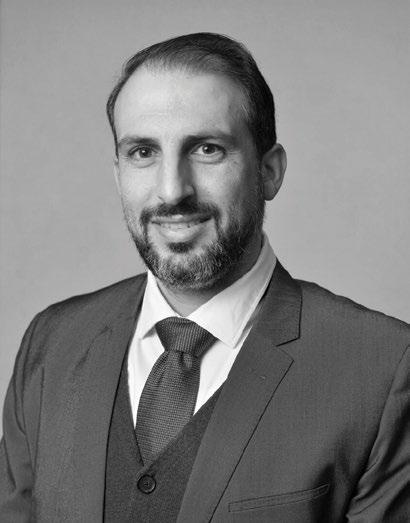
The acceleration of digitalization and crossborder telework, especially since Covid-19, has challenged traditional international tax rules. When employees work remotely from their home country for a foreign employer, tax authorities are increasingly questioning whether the home office creates a permanent establishment for the employer, which is crucial for determining tax liability in the source state. Such teleworking risks a rise in “microPEs” across multiple countries, meaning companies may face complex administrative requirements wherever their staff work remotely. The uncertainty over applying the PE concept to home offices is significant, prompting the OECD to revise its guidance expected in 2026.
The determination of a PE for a home office primarily revolves around the definition of a fixed place of business under Article 5(1) of the OECD Model. This definition requires three conditions:
• the existence of a “place of business”.
• that is “fixed”.
• carrying on the business of the enterprise “through” the fixed place of business.
In the context of cross-border telework, a place of business is broadly interpreted and includes almost any physical location from which an enterprise’s business can be carried out, including a home office.
The fixed criterion means the place must have a geographic connection and a certain degree of permanence, requiring continuous use, usually for at least six months. Whether the home office is carrying on the business of enterprise “through” the fixed place
WHEN EMPLOYEES WORK REMOTELY FROM THEIR HOME COUNTRY FOR A FOREIGN EMPLOYER, TAX AUTHORITIES ARE INCREASINGLY QUESTIONING WHETHER THE HOME OFFICE CREATES A PERMANENT ESTABLISHMENT FOR THE EMPLOYER, WHICH IS CRUCIAL FOR DETERMINING TAX LIABILITY IN THE SOURCE STATE.
of business depends on if the home office is “at the disposal” of the enterprise (that is, the enterprise has the effective power to use the location). There is no requirement for the enterprise to have a formal or legal right to use the location.
The most complex aspect in determining a home office PE is establishing whether a private residence home office is at the employer’s disposal. Paragraphs 18 and 19 of the OECD Model Commentary on Article 5 clarify that an individual’s home office shouldn’t automatically be considered at the disposal of the enterprise simply because an employee works there. The conclusion depends entirely on the facts and circumstances of each case.
A home office may be considered to be at the employer’s disposal and therefore constitute a PE in these circumstances:
• Continuous use requirement: The office is used on a continuous basis (not intermittent or incidental) for business activities, and the facts and circumstances are clear that the enterprise has required the individual to use that location to carry on the enterprise’s business. For example, the home office constitutes a location at the disposal of the enterprise when a non-resident consultant is present for an extended period in a given state, where they carry on most of the business activities of their own consulting enterprise from an office in their home in that state.
• Lack of alternative workspace: The employer doesn’t provide another office for an employee in circumstances where the nature of employment clearly requires an office. For example, the home office may be considered to be at the disposal of the enterprise when it is used on a continuous basis for carrying on business activities for an enterprise and it’s clear from the facts and circumstances that the enterprise has required the individual to use that location to carry on the enterprise’s business, such as by not providing an office to an employee in circumstances where the nature of the employment clearly requires one.
In addition to the OECD guidance, under state practice, a home office may be at the employer’s disposal and therefore constitute a PE if the employer covers costs related to the home office or pays rent for its use. For example, the Polish tax authority identified a PE where employees were allowed to work from their state of residence using employer-furnished laptops, noting the decisive factors were that the initiative came from the employer and the laptops were provided. Polish Tax Administration, No. 0111-KDIB12.4010.655.2021.2.BD (Feb. 17, 2022).
According to the Swedish Tax Agency, a PE is constituted if there is a benefit or interest for the company in having the work performed specifically in the employee’s resident state, especially concerning implicit requirements (for example, a salesperson covering the local market from home).
Several common factors derived from the OECD Commentaries and state practices mitigate the risk of a home office constituting a PE.
A critical factor is whether the employee’s use of the home office is required by the employer or is merely voluntary and based on personal preference. The OECD Commentary on Article 5 states clearly that where a cross-frontier worker performs work from home rather than the office made available by the employer in the other state, the home shouldn’t be considered at the disposal of the enterprise, as the enterprise didn’t require it to be used for its business activities.
Several jurisdictions reflect this principle in their practice:
• Sweden, Finland, and Denmark: The tax agencies in these countries base their assessments on similar criteria, concluding that if a person works from home for purely personal reasons, this doesn’t trigger a PE. The Swedish Tax Agency notes that even if an employer accepts an employee’s request to work from home, this acceptance isn’t interpreted as a requirement by the employer.
• Spain: Spanish tax administration guidance aligns with the OECD, ruling that no home office PE exists when remote work is initiated by the employee, the employee has access to an alternative workplace, and the employer doesn’t cover related expenses.
• Netherlands/Belgium Agreement: This interpretative agreement simplifies the assessment for frequent teleworking situations and establishes that a PE won’t exist in cases of “occasional home working” or “structural home working with the possibility of working on location.”
A PE won’t arise if the activities carried on at the home office are of a preparatory or auxiliary character (Article 5(4) of the OECD Model). The OECD Commentary on Article 5 emphasize that the activities carried on at home office will often be merely auxiliary, thus falling within this exception.
• Swedish Practice: The Swedish tax authority notes that if the work performed in the home office is out of scope of the core business (auxiliary), a PE won’t exist, regardless of whether rent is paid.
• Finnish Practice: To constitute a PE, the work must not be of a preparatory or auxiliary character. In a Finnish Supreme Administrative Court case, activities such as promoting a product and keeping materials and necessary equipment at home were found to be of an auxiliary nature and didn’t give rise to a PE.
• Netherlands/Belgium Agreement: This agreement explicitly repeats that there will be no PE if the employee’s work is merely preparatory or supportive in nature, listing examples such as internal accounting, human resources, or secretarial activities.
In the search for greater certainty, some jurisdictions are moving toward defining quantitative thresholds. The interpretative agreement between Belgium and the Netherlands offers a practical safe harbor, assuming no PE will exist if the employee works 50% or less of their working time for the employer from home in any 12-month period. This aligns with similar thresholds used for social security contributions within the EU, making administrative compliance simpler. Austria also uses similar guidelines, suggesting that “home working time” of less than 25% is purely occasional, while exceeding 50% likely results in a PE.
Despite the OECD’s guidance, divergent interpretations persist regarding the “effective power of disposal.” German policy is notably stricter than the OECD guidelines requiring more than a mere contractual obligation to work from home. German courts have required evidence of the enterprise’s “rootedness,” implying that the employer must have an undisputed right of disposal—such as the right to send other employees there or to enter the home office at any time. The Belgian Office for Advance Tax Rulings commission historically followed a similarly strict approach, requiring the obligation to work from home to be an essential part of the contract and requiring it at a specified address.

The current application of the PE concept to home offices remains highly challenging for global businesses due to the inherent uncertainty and lack of consistent interpretation across jurisdictions.
There is no “one-size-fits-all” rule in this area. Instead, the assessment must be rooted in a detailed case-bycase evaluation of each situation’s unique facts and circumstances. This approach is necessitated by the variety of interpretations and thresholds adopted by different jurisdictions, as well as the divergent judicial and administrative practices observed across Europe and beyond.
Of particular importance in the analysis are several guiding questions, each of which can be decisive in the outcome:
• Who requested the home office? Understanding whether the home office arrangement was mandated by the employer or initiated by the employee is critical in evaluating the degree of control the business has over the workspace and may directly influence the PE determination.
• Who pays for it? The allocation of costs, such as rent, utilities, and other expenses associated with the home office, can indicate the extent of the employer’s involvement and investment, further impacting the analysis of disposal and control.
• Is the work central to business? Assessing whether the activities performed from the home office are core to the business’s revenue-generating functions, rather than merely preparatory or supportive, is essential and in line with both case law and OECD guidance.
Employers should pay particular attention to identifying cross-border telework cases, as these often-present heightened risks and require careful handling to avoid unintended tax consequences.
It’s also important for employers to review employment contracts and other relevant agreements, scrutinize their accounting records, and ensure that remote working policies are clearly articulated and consistently applied.
By taking these precautionary steps, organizations can better safeguard against the inadvertent creation of PE and the associated liabilities. Only through such proactive and tailored risk management can organizations hope to minimize exposure and ensure ongoing compliance in this complex domain.
This article does not necessarily reflect the opinion of Bloomberg Industry Group, Inc., the publisher of Bloomberg Law, Bloomberg Tax, and Bloomberg Government, or its owners.
In an exclusive interview with Accountancy magazine of ICPAC, Monica Ioannidou Polemitis, President of ICC, and Marina Zevedeou, Treasurer of the ICC Cyprus Women Network, discussed the remarkable growth and vision of the Network.
Since its establishment in November 2022, the ICC Cyprus Women Network has rapidly evolved into a dynamic force for empowering women and promoting inclusive leadership in Cyprus and beyond. Through initiatives such as the SeeHer Women Experts Platform, it connects qualified women with board opportunities, conferences, and leadership roles, significantly enhancing their visibility and access.
Working closely with policymakers, CEOs, and institutions, the Network drives systemic change through research, advocacy, and mentorship. By bridging generations and fostering collaboration across sectors, ICC Cyprus Women turns dialogue into measurable progress: more women in leadership positions, stronger governance, and a healthier business ecosystem.
Its long-term vision is clear to make women’s leadership a permanent and visible feature of the Cypriot and international business landscape, not an exception.
Since its establishment in November 2022, how has ICC Cyprus Women evolved, and what key milestones have you achieved so far?
Since November 2022, we have become a vibrant platform for empowering women in business and promoting gender-inclusive leadership. Early on, we launched the SeeHer Women Experts Platform to connect qualified women with boards, conferences, and leadership roles, significantly increasing their visibility. We’re now enhancing the platform to deliver smoother user experience and strengthen its promotion to reach a wider audience.
Our mission is to connect with women abroad through formal partnerships, such as the signing of MoUs that enable cross-border collaboration. In Cyprus, we connect through targeted events and workshops that deliver practical value. Recent programs bridged generational leadership gaps and established ongoing forums for real problem-solving.
OUR MISSION IS TO CONNECT WITH WOMEN ABROAD THROUGH FORMAL PARTNERSHIPS, SUCH AS THE SIGNING OF MOUS THAT ENABLE CROSS-BORDER COLLABORATION.
The Network’s vision highlights both visibility and voice for women in business. What practical steps are being taken to translate this vision into measurable impact within the Cypriot business ecosystem?
The north star is simple. More women in leadership. Appointments, promotions, board seats, speaker slots. We use the SeeHer Women Experts Platform to match qualified women to boards and panels, but we also get involved earlier in the funnel with university outreach to inspire the next wave.
Our presence and the strong connections of our members within the business and public sectors have created the momentum to see more women suggested for decision-making positions.
Gender diversity in leadership and decisionmaking positions remains a global challenge. How does ICC Cyprus Women collaborate with policymakers and institutions to effect systemic change?
We work with policymakers and institutions to ensure change is operational and not rhetorical. We leverage our network of CEOs, entrepreneurs, and prominent women leaders. We actively advocate for women’s representation in economic and business decisionmaking forums and work with government bodies, professional organizations, and academic institutions to provide research insights and best practices on women in business.
We coordinate with the Cyprus Commissioner for Gender Equality, Ms. Josie Christodoulou, and peer women’s associations to avoid overlap and amplify impact. A concrete marker was the June 2023 inauguration of ICC Women, attended by Ms. Josie Christodoulou and other business leaders, which set the tone for our ongoing collaboration.
The network is a working platform, not a club. Members exchange playbooks and report progress. The result is practical change that is visible and measurable: clearer pathways to leadership, more women in decisionmaking roles, and governance practices that are transparent and ethical.

Ioannidou
PRESIDENT FOUNDER AND CEO, HYBRID CONSULTECH

BOARD MEMBER
ASSOCIATE DIRECTOR AT EY BRAND, MARKETING AND COMMUNICATIONS

Raluca-Ioana Man VICE PRESIDENT FOUNDER RSEVEN LTD, BRAND STRATEGIST, BUSINESS CONSULTANT

BOARD MEMBER FOUNDER AND CEO APPRECI | INNOVOUT
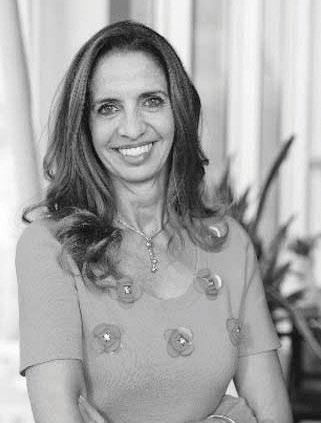
Cleo Papadopoulou VICE PRESIDENT CHIEF INCLUSION & DIVERSITY OFFICER, CHIEF LEARNING OFFICER AND HEAD OF CORPORATE RESPONSIBILITY, PWC CYPRUS
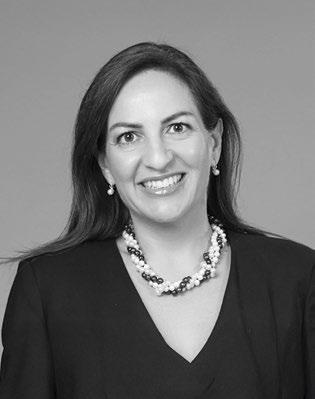
BOARD MEMBER MD AMICORP CYPRUS/ PRESIDENT ESG COMMITTEE GLOBALTRANS INVESTMENT PLC/CIFA
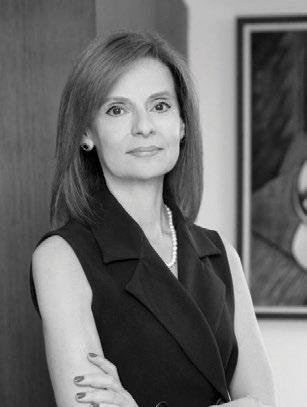
Marina Zevedeou TREASURER CEO AT THE ASPEN TRUST GROUP

Dr Marianna Prokopi-Demetriades BOARD MEMBER
CO-FOUNDER/DIRECTOR, RSL REVOLUTIONARY LABS LTD

Christina Economou BOARD MEMBER
C-SUITE EXECUTIVE, FAMILY OFFICE

Stalo Charalambous BOARD MEMBER CERTIFIED COACH BY THE CYPRUS HUMAN RESOURCE

Melpo Prifti BOARD MEMBER
INSURANCE CONSULTANT, ETHNIKI INSURANCE

Maria
Petrides Taki BOARD MEMBER
CDCS Head, Trade Services and Correspondent Banking
WE COORDINATE WITH THE CYPRUS COMMISSIONER FOR GENDER EQUALITY, MS. JOSIE CHRISTODOULOU, AND PEER WOMEN’S ASSOCIATIONS TO AVOID OVERLAP AND AMPLIFY IMPACT. A CONCRETE MARKER WAS THE JUNE 2023 INAUGURATION OF ICC WOMEN, ATTENDED BY MS. JOSIE CHRISTODOULOU AND OTHER BUSINESS LEADERS, WHICH SET THE TONE FOR OUR ONGOING COLLABORATION.
The Network brings together CEOs, entrepreneurs, and decision-makers. How do you foster collaboration among such diverse leaders, and what value does this network bring to the wider business community?
Our members are corporate leaders and entrepreneurs representing a diverse range of backgrounds, so collaboration is built into the DNA of the network. By leveraging this multidisciplinary expertise, we have created a network where members mentor emerging leaders, exchange best practices, and advocate for systemic gender-inclusive policies.
For the wider business community, the value is operational. Faster hiring because the network surfaces vetted candidates. Better decisions because leaders share proven practices across sectors instead of repeating mistakes. Lower risk because mentoring and training assist in the readiness of candidates and strengthen their succession plans. Net effect: more balanced leadership teams, improved performance and governance, and a healthier ecosystem in Cyprus.
Visibility is central to your mission. What strategies are you implementing to increase recognition of women who are actively driving economic growth in Cyprus?
At ICC Cyprus Women, we believe that visibility is a powerful tool for change. We actively highlight women who are shaping Cyprus’s economy through media features, spotlight articles, and recognition programs that showcase their achievements across sectors such as technology, finance, and sustainability.
As mentioned previously, we also host sector-specific panels, conferences, and networking events that put women in the spotlight, allowing them to share insights and inspire others. By celebrating their successes publicly, we aim not only to honor their contributions but also to normalize women’s presence in leadership and decision-making roles throughout the country.
How do you balance supporting established women leaders with promoting opportunities for young female entrepreneurs who represent the future of Cyprus’s business landscape?
We focus on visibility and inspiration. Our approach is to showcase real success stories that motivate younger women to step forward. Established leaders share the stage with emerging entrepreneurs, highlighting measurable achievements, growth, innovation, and impact, so others see what is possible. Through highimpact events and workshops, we create direct points of contact between generations, allowing younger women to engage, ask questions, and participate.
Initiatives like our recent event, “Boomers, Zoomers, and Boardrooms,” hosted in collaboration with the EUt+ Research Office at Cyprus University of Technology, turned generational differences into shared lessons. Meanwhile, the SeeHer Women Experts Platform amplifies new voices alongside senior leaders.
The result is a living ecosystem where experienced women lead by example, younger women see a clear path, and participation grows organically across Cyprus’s business landscape.
What do you see as the biggest cultural or structural barriers to gender equality in Cyprus’s labour market, and how can the Network act as a catalyst for overcoming them?
Despite the progress we’ve made, many challenges remain! Stereotypes about women, limited access to leadership roles in various key decision-making positions, and structural barriers in corporate governance continue to hold back talented women. We aim to be a catalyst for change. We advocate
for inclusive policies and create programs that train both our male allies and women in fair and equitable leadership, as well as encourage collaboration across industries.
Our catalyst moves are decisive and concrete. The SeeHer Women Experts Platform gives women the visibility and opportunities they need to step into decision-making roles. We support this effort with workshops, public campaigns, and mentorship programs, while we also challenge cultural norms and encourage a more inclusive mindset. By combining advocacy, skill-building, and visibility, we work tirelessly to break down barriers and open doors, ensuring that women can thrive in leadership and shape the future of business in Cyprus.
Looking ahead, what is your long-term vision for ICC Cyprus Women, both nationally and internationally, and how do you measure success in fulfilling this vision?
Our long-term vision is to establish ICC Cyprus Women as a national and international reference point for advancing women’s leadership and economic participation. In Cyprus, that means building a strong, visible pipeline of women in senior roles across business, academia, and public life. Internationally, it means expanding partnerships with other Networks and global organizations to exchange knowledge, share data, and scale effective practices. We measure progress through tangible outcomes: more women appointed to boards and leadership positions, greater involvement in cross-border initiatives, and wider adoption of inclusive policies by companies. The ultimate goal is to make women’s leadership a permanent feature of the business landscape, not an exception.

BSCM BFP, FCA, PARTNER SAGEHILL
Preparing consolidated financial statements under IFRS is one of the most demanding responsibilities of any finance function. Beyond technical expertise, it requires strong systems, disciplined processes, and sound professional judgment. Consolidation integrates data from multiple subsidiaries—often across different countries, currencies, and accounting environments— making accuracy and coordination critical.
CFOs frequently face recurring issues, particularly during first-year consolidations, acquisitions, or restructuring. These include aligning accounting policies, eliminating intercompany transactions, managing complex ownership structures, and meeting tight reporting deadlines.
Effective IFRS consolidation is far more than a compliance exercise. It underpins the credibility of financial reporting, supports strategic decisions, and builds investor confidence. By anticipating key challenges and applying proven practices, finance teams can simplify the process, reduce risks, and strengthen audit readiness.
This article combines practical insights with perspectives from senior finance leaders to highlight the most significant challenges—and how leading organizations successfully address them.
The first year of IFRS consolidation sets the tone for all future reporting. Challenges typically arise from inconsistent accounting policies, non-aligned reporting formats, and varying levels of IFRS expertise across subsidiaries. These issues become more pronounced
when integrating newly acquired entities or converting from local GAAP.
To establish a solid foundation, create a dedicated consolidation team and design a detailed roadmap early in the process. Map all subsidiaries’ structures, chart of accounts, and reporting timelines to a unified framework. Conduct trial consolidations before yearend to uncover inconsistencies and resolve them proactively. Regular training sessions help local teams understand group IFRS policies and ensure consistent application.
As Igor, Head of Consolidation at a Private Equity Group, observes:
“Poor data and different accounting systems are big problems in IFRS consolidation. When information is entered manually or systems don’t match, mistakes happen. The best fix is to automate and set clear rules for how data is managed.”
Automation and standardization not only reduce manual errors but also strengthen control, visibility, and accountability across the group.
Even when frameworks are clear, consolidation can slow down if information flow is weak. Delays or inaccuracies in data from subsidiaries often result in repeated revisions and missed deadlines. This is
especially common when parent and subsidiary finance teams operate separately or use different systems.
The key is to align timelines and communication. Where feasible, begin consolidation only after the subsidiary’s audit is finalized to ensure consistency between audited results and group balances. When that’s not possible, define all information requirements early and review subsidiary submissions thoroughly before consolidation.
Effective coordination reduces the number of lastminute corrections and allows finance teams to focus on analysis rather than troubleshooting.
While Excel remains a common tool for consolidation, its manual nature introduces risks such as formula errors, version mismatches, and weak audit trails. These issues tend to multiply as groups expand or diversify, making accuracy and consistency difficult to maintain.
Implementing dedicated consolidation software significantly reduces these risks by automating eliminations, reconciliations, and reporting. Such systems enhance accuracy, traceability, and audit transparency while freeing finance teams from repetitive manual tasks.
As Katerina, Group CFO at a Multinational Services Group, recalls: “We used to perform consolidation in Excel for over 100 entities. After implementing consolidation software, we were saving more than 40 hours a month—just within the consolidation team.”
However, technology alone is not enough. Successful implementation requires clear data governance, standardized templates, defined reporting hierarchies, and documented control procedures to ensure consistent input across all entities. Regular data quality reviews and well-maintained audit trails further strengthen the reliability of consolidated results, minimize last-minute corrections, and improve overall reporting efficiency.
Even the best-designed frameworks face real-life challenges. Teams work under pressure, information changes late, and unexpected issues arise. Translating IFRS requirements into daily practice requires flexibility and continuous oversight.
As Jiri, Group Finance Director at an International Retail Group, highlights: “The hardest part is turning IFRS rules into real-life practice. Even with a good plan, things go wrong unless you set realistic deadlines, stay in touch with auditors, and keep track of each team’s progress.”
Realism and communication are essential. Build time buffers into your reporting calendar, engage auditors early to discuss judgmental areas, and track progress continuously. Avoid relying on “trust-based” timelines— frequent status checks help identify issues before they escalate.
Linking IFRS reporting quality to subsidiary KPIs can also ensure local teams prioritize accuracy alongside management reporting objectives.
Acquisitions are one of the most complex areas in group consolidation. Under IFRS 3 Business Combinations, all identifiable assets and liabilities must be measured at fair value on the acquisition date. This Purchase Price Allocation (PPA) process
demands technical precision and close coordination among finance team, valuation team and external specialists. Beyond goodwill recognition, finance teams must handle fair value adjustments, calculate excess depreciation from revised asset values, and record deferred tax effects in line with IAS 12.
Because the PPA involves significant estimation and judgment, it should not be approached as a routine accounting task. Many valuations—particularly for intangible assets such as brands, customer relationships, or technology—require advanced expertise in valuation methodologies and IFRS application. Engaging professionals with proven PPA experience ensures that fair value measurements are supportable, consistent, and defensible during audit. Their involvement enhances credibility and reduces the risk of post-acquisition adjustments.
As Dayo, Head of Consolidation at a Private Equity Group, notes: “Finding a professional with real experience in PPA for more specialized industries can be difficult. The nuances of each sector—especially when valuing intangible assets—require expertise that goes beyond generic valuation skills.”
Comprehensive documentation is equally critical. All assumptions, valuation techniques, and tax implications should be clearly recorded to support transparency and future impairment testing. A carefully planned and professionally executed PPA transforms what could be a technical challenge into a structured, auditable, and repeatable process, strengthening both compliance and the quality of consolidated financial reporting.
Foreign currency differences are a constant source of complexity in group reporting. Subsidiaries each operate in their own functional currency, and when consolidation adjustments or intragroup loans involve different currencies, the risk of misstated balances rises sharply.
As Kyriacos, Consolidation Manager at a Telecommunications Group, explains:
“Foreign currency issues can easily complicate group reporting. Each subsidiary works in its own functional currency, so exchange differences and intragroup loans in different currencies must be tracked and eliminated
carefully to avoid double counting or misstated results.”
To manage these risks effectively, all subsidiaries should use consistent exchange rates when translating related party balances and transactions. For related party loan receivables with impairments, any provisions for expected credit losses must be reversed upon consolidation. When eliminating intercompany receivables and payables between entities with different functional currencies, any difference caused purely by exchange rate should be recognized in the consolidation adjustment for foreign currency translation, recorded within equity through Other Comprehensive Income (OCI).
Intercompany eliminations covering sales, loans, and dividends—remain a cornerstone of consolidation. Errors typically stem from incomplete data or mismatched timing.
Centralized reconciliation tools and standardized templates streamline the process. Performing reconciliations quarterly, rather than waiting for yearend, allows early identification of discrepancies. Clear documentation of eliminations supports transparency and audit efficiency.
Restructurings and mergers, particularly those under common control, are among the complex areas of group reporting. Because these transactions are not explicitly covered by IFRS, determining the appropriate accounting treatment often requires significant professional judgment. The main challenge lies in deciding how to measure transferred assets and liabilities and how to reflect the resulting changes in equity. The absence of clear IFRS guidance means that approaches can vary, with some entities applying acquisition accounting and others using the predecessor basis. Inconsistent methods can reduce comparability and make it difficult for users to understand the financial impact of restructuring activities across reporting periods.
To address these challenges, groups should apply consistent accounting policies to similar transactions,
document key assumptions and decisions, and disclose their rationale transparently in line with IAS 8. Aligning the treatment with prior restructurings enhances both comparability and the credibility of consolidated financial reporting.
Segment reporting under IFRS 8 requires not only numerical analysis but also an understanding of how management operates. Many groups struggle to identify the true Chief Operating Decision Maker (CODM) the person or group that actually allocates resources and reviews performance.
Establishing who performs this role, rather than defaulting to the entire board, ensures compliance and transparency. Beyond the quantitative thresholds, qualitative factors such as strategic significance or regulatory context should also determine whether a segment is reportable.
Properly documenting these judgments and avoiding over-aggregation enhances clarity and helps users better understand group performance.
IFRS consolidation extends far beyond technical compliance it is a continuous cycle of coordination, review, and refinement. The insights shared by experienced CFOs and consolidation managers demonstrate that mastering consolidation depends as much on process discipline and communication as on accounting standards themselves.
By automating data flows, enforcing governance, setting realistic timelines, engaging auditors early, and maintaining strong control over currency and segment reporting, finance leaders can build a consolidation process that delivers both accuracy and strategic value.
Ultimately, effective consolidation is not just about closing the books it’s about telling a clear, credible financial story that earns the confidence of investors, regulators, and management alike.
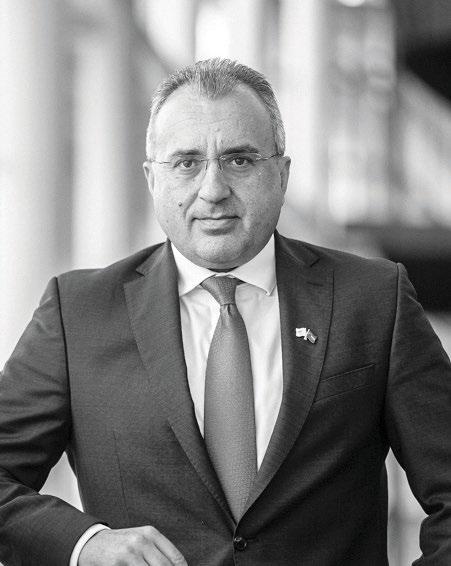
Michalis Hadjipantela MEMBER OF EUROPEAN PARLIAMENT DISY-EPP
The new tax simplification proposal that I have authored and negotiated and has been endorsed by an overwhelming percentage of 81% in the European Parliament plenary, marks a defining moment in the EU’s journey toward a fairer, more efficient, and more competitive single market. This ambitious blueprint is designed to reduce administrative barriers, especially for small and medium-sized enterprises (SMEs), and to modernize Europe’s tax architecture in the face of global challenges and mounting economic pressures.
At its core, the proposal advocates for precise, straightforward rules and the removal of inconsistencies that entangle businesses in costly bureaucracy. Extensive assessments and the increased adoption of digital tools are encouraged to lower compliance costs. The report calls for a uniform regulatory environment across the EU, urging both better coordination and the removal of redundant rules that disproportionately burden SMEs, which form the backbone of our economy. A reduction in reporting obligations for SMEs by 35% is among its main objectives. The vision is a just and business-friendly tax system that fosters sustainable growth in all member states, with benefits for smaller economies like Cyprus.
Crucially, the text emphasizes that simplification should not be confused with lax supervision. On the contrary, it should envision fewer but clearer rules, stronger administrative cooperation across member states, and more effective revenue collection. There is a renewed focus on fighting tax evasion and fraud to ensure that justice and competitiveness go hand in hand. The proposal also empowers national administrations to improve revenue collection while making their countries more attractive to investors.
A transformative element of the proposal is the creation of the EU Tax Data Hub, a centralized digital platform for the seamless and automatic exchange of tax information. By leveraging existing tools like VIES and EMCS systems, the Hub will eliminate the current duplications in reporting, allowing member states to share and analyse data in real time and in standardized formats. This innovation is expected to reduce bureaucratic overhead, facilitate faster fraud detection, and free up resources, both for tax authorities and for legitimate enterprises.
The proposal seeks to make life easier for taxpayers by establishing a simpler, more predictable tax framework that supports entrepreneurship, attracts investment, and strengthens social cohesion. Proposed simplification for investment and savings accounts declarations will make it easier for citizens to channel their savings into the EU’s capital markets, bolstering the real economy. The report also promotes assessing the viability of a single set of EU rules for innovative enterprises, the so-called 28th regime, offering a unified legal and tax structure for enterprises that want to operate seamlessly in the single market.
One of the linchpins of the plan is the EU-wide harmonization of the Tax Identification Number (TIN). This move will streamline administrative cooperation, removing friction, delays, and discrepancies in crossborder transactions. For taxpayers, harmonization means simpler identification, fewer errors, and easier processes for cross-border investments or work. For national authorities, it enhances both data quality and enforcement, strengthening the EU’s economic integration and the practical effectiveness of the single market.
For Cyprus, the tax reforms promise lower administrative costs and clearer rules that boost the competitiveness of Cypriot businesses, especially for SMEs operating in sectors like finance, shipping, and digital services. The integration of positions and suggestions from Cypriot stakeholders ensures the
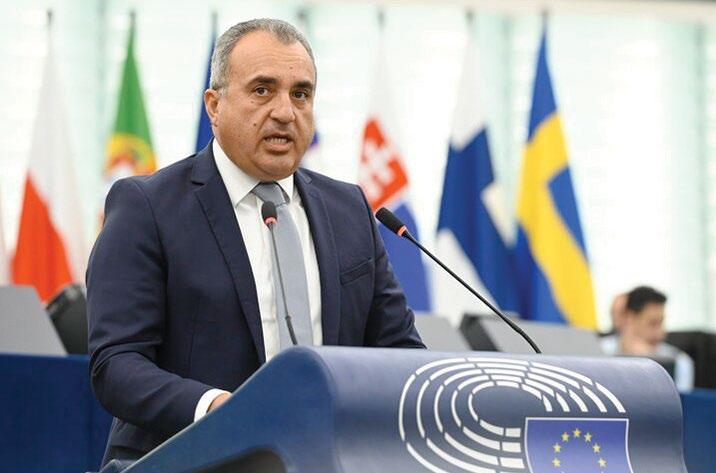
unique circumstances of small, open economies are fully considered. The reforms will encourage inward investment and make Cyprus a more attractive base for service export and entrepreneurship. Most importantly, this initiative enhances the country’s credibility within the EU, with Cyprus taking ownership of growthoriented policy at the heart of Europe.
The high consensus for the report, combined with strong support from the European People’s Party, elevates Cyprus’s reputation as a solution-oriented contributor to European economic policy. This is more than symbolic as twelve years after the financial crisis, this leadership role signals restored confidence in Cyprus as a credible architect of positive change at critical decision-making centres in Brussels. As confirmed by leading European officials, including Commissioner Wopke Hoekstra, this report is a “remarkable achievement” and a significant step toward strengthening the European economy.
By connecting digital innovation with policy clarity, the proposal I have authored and negotiated is a springboard for more integrated, efficient, and fair taxation across the EU. It shows how thoughtful simplification becomes a lever for growth, trust, and justice, not merely administrative streamlining.
The Parliament adopted the proposal on October 9, 2025, setting the stage for the European Commission to bring forward legal proposals in early 2026. This timeline ensures that Parliament’s priorities will be embedded into the coming legislative package. The swiftness and unity of this approval give the Commission ample space to integrate Parliament’s vision into a policy that will shape the direction of future tax rules across Europe. I look forward to affirmative action and proposals from the European Commission that translates the Parliament’s position into policy action.

Efthymios Kanaris
DIRECTOR AT KANARIS DEMETRIADES & ASSOCIATES HEAD OF COMPLIANCE & TAX
Intra-group financial transactions have become an increasingly important transfer pricing (TP) topic over the past years. In response, the OECD Transfer Pricing Guidelines (OECD TPG) have been amended in January/2020 to include Chapter X, guiding for the first time on the transfer pricing aspects of such transactions.
As part of these transactions, the asset management industry plays a key role in that:
• It grew exponentially in recent years
• billions of assets are under management (refer to diagram below) and
• Relevant global asset managers are interconnected, transacting heavily with each other.
*Source: BCG’s Global Asset Management Market Sizing, 2023; BCG’s Global Asset Management Benchmarking Database, 2023.
This article briefly analyses certain arm’s length remuneration considerations with respect to intragroup transactions that are undertaken within the asset management industry.
The value chain may be briefly described as follows:
i. The sales team, via its distribution channels, may identify an increased demand for certain financial products for clients.
ii. Thus, they enquire their investment management team to design a certain fund product, e.g., an investment fund, to meet customers’ demand.
iii. Once the fund is set up, the distribution team collects funding from investors, and the investment management team selects the investment targets (processed by the middle and back-office teams).
iv. Throughout this procedure, reliance may be placed on intellectual property, e.g., strong trademark and good reputation, making it easier for the distribution team to attract investors.
Within this chain, the core functions are performed by the fund distribution team (dealing with what customers demand) and by the investment management team (dealing with which investments are worth investing in). The aforementioned functions, though, are supported by a variety of middle and back-office services as well as administration services. It follows that most of the profits generated from the management of financial assets arise from the investment management and distribution functions.
More specifically, the fund will aim at collecting the necessary funding from investors and investing it into selected assets (AUM). At the same time, the asset manager may delegate the higher value-adding activities to related parties (see below) and perform internally routine functions e.g., compliance, regulatory, etc, that are of low added value.
Thus, the asset manager may outsource the following functions to related parties (located possibly in other jurisdictions):
• sales & marketing (distribution activities),
• investment management,
• administration/support.
As a result, the asset manager will be engaged in intragroup transactions as part of the above outsourced functions to related parties. In turn, an arm’s length price/ remuneration will need to be determined for each of those controlled transactions.
Function (1): Sales & marketing – brief analysis
This represents a core activity within the asset managers’ value chain, i.e., an economically significant activity for functional analysis. This is because having access to a large no of institutional or retail clients (e.g. HNWI) that may potentially invest in the managed fund is key to the profitability of the asset manager.
Examples of sales & marketing activities include:
• managing client relationships and providing client care regarding investments.
• monitoring and managing the activities of the distribution network that performs the actual sales to clients.
• Feeding information on market demands for new products to the investment management team.
• distribution and marketing of the funds.
Function (2): Investment management –brief analysis
This is also a core activity and a key value driver within the value chain of asset managers. This function essentially:
• includes the analysis, selection, and evaluation of investment targets considering their risks and upside potential.
• relies on know-how, experienced personnel, and specialisation.
• entails the development, maintenance, and utilisation of experienced individuals within the asset management entity.
Function (3): Middle and back-office services & other support – brief analysis
Such activities include transaction processing, settlement and custody, performance measurement, investment accounting, and regulatory compliance, among others.
The functions above can thus be characterised as follows from a transfer pricing perspective:
Sales & marketing
Investment management
Middle and back-office services & other support
Entrepreneurial contribution
Entrepreneurial contribution
Routine contribution
As part of accurately delineating the controlled transactions within the asset management value chain, the same principles (!) apply as those for any other controlled transaction. Thus, as per paragraph 1.36 of the OECD TPG, the following comparability factors should be considered to accurately delineate a controlled transaction:
1. The contractual terms of the transaction
2. the functions performed, assets used, and risks assumed
3. The characteristics of property transferred (e.g., financial instruments/assets) or services provided
4. The economic circumstances of the parties and of the market in which they operate
5. The business strategies pursued by the parties
As to point 1, regarding the contractual arrangements put in place, the OECD TPG provides that, if the actual conduct differs substantially from the contractual terms, tax authorities may reclassify the transaction, accordingly, considering the factual/economic substance of the transaction. Thus, at this point, it is important to refer to an actual court case where contractual arrangements were not aligned with the substance of the transaction.
In 1999, a Swiss asset management company (i.e. ‘’ManCo’’, incorporated in Geneva) established a
Valuable intangibles used & significant risks assumed
Valuable intangibles used & significant risks assumed
Few intangibles used & limited risks assumed
subsidiary in Guernsey (i.e. ‘’SubCo’’). SubCo acted as the fund investment manager for different funds and had no employees until 2005 (4 employees since 2008).
The investment advisory activities were outsourced by SubCo to 3rd parties and, as from 2001, to ManCo as well. ManCo was also responsible for order placement services and marketing and distribution activities (in effect, SubCo benefited from the customers’ network of ManCo).
SubCo paid:
• ManCo with 0.75% management fee for the activities it carried out & risks assumed
• 3rd party investment advisors with the same 0.75% management fee plus a performance fee (40% to 70% of the total fees).
SubCo retained the residual profit once ManCo was remunerated.
The Geneva Tax Authorities opened a procedure against ManCo for tax evasion. The Tax Authorities argued that:
• SubCo was remunerated disproportionately high given the activities performed and compared to the remuneration earned by the 3rd party investment advisors.
• ManCo was remunerated insufficiently low rate considering the functions performed.
The Court’s decision (Dec/2019) confirmed the decision of the tax authorities. Furthermore, it was decided that:
• The management fee remuneration paid by SubCo leads to an insufficient remuneration for the investment advisory activities performed by ManCo;
• A performance fee should have been paid by SubCo to ManCo, effectively in the same way as it was paid to the 3rd party investment advisors.
• Furthermore, SubCo should have compensated ManCo for the order placement services performed and the marketing and distribution activities.
The OECD TPG does not provide for a strict hierarchy of methods* and indicates that the taxpayer should apply the method that is most suitable to the specific facts of the controlled transaction. Also, there is no need for all transfer pricing methods to be applied in order to arrive at the most suitable one.
(*although there is a preference for the CUP method, being the most direct and reliable way to apply the arm’s length principle)
The Comparable Uncontrolled Price (CUP) method may be applied to estimate the appropriate remuneration for this function. The reason is that, especially for large multinational asset management companies, it is not uncommon for the related distribution entity to sell and market funds of external unrelated asset managers. Thus, the remuneration paid by external asset managers to that entity for this distribution activity may serve as an internal comparable.
If, however, internal CUPs are not available, then external CUPs may be used by searching publicly available databases. Filtering is required in these databases in order to identify the most comparable transactions, e.g., using the following criteria: AUM that are being distributed, country in which it is distributed, type of fund distributed, etc.
The Profit Split Method (PSM) may be considered as the most appropriate method since the distribution (i.e., sales & marketing) and investment management functions within the asset management value chain may be characterised with a high degree of integration, and both functions may involve the assumption of economically significant risks.
Thus, the PSM may be used to allocate profits between distribution and investment management functions.
The CUP method may be considered as well if applicable.
Within a multinational asset management group, some entities may provide support services to other entities. Theoretically, it may be possible to identify external companies that provide comparable services in order to apply the CUP method; however, in practice, it may be difficult to identify them due to the fact for example, because it may be difficult to identify independent entities offering solely custodian services.
Thus, the arm’s length remuneration for these support services may typically be determined by the application of a profit markup on total costs. Thus, the Transactional Net Margin Method (TNMM) could be applied to establish the arm’s length remuneration of those activities.
Furthermore, the following screening criteria may used in publicly available databases to identify comparable companies engaged in providing support services like the tested party: geographical scope, industry (e.g NACE codes may be used), functional review (comparable functional/business profiles), financial review (e.g. exclude start ups, entities with multiple years of losses etc).
Surprisingly, there is little guidance on the assessment of intra-group transactions within the asset management industry. Despite this, the general principles of the OECD TPG will need to be applied with the same rigour as other controlled transactions.
At the same time, caselaw has also shown that international asset management structures need to have well-prepared transfer pricing documentation regarding the application of the arm’s length principle to their international transactions.

Magdalena Nowicka Mook CEO, INTERNATIONAL COACHING FEDERATION
Finance, most of us love to hate this subject. And yet, many would say that finance is the core of any personal and organizational success. Naturally, if the enterprise is not financially stable, it cannot deliver on its mission or create value to its customers and stakeholders.
The vision and the strategy of any organization, be it for profit or not-for-profit, is typically developed by its leadership. The finance team is left to make sure this vision is realized in a safe and sound manner. Yet, although such an important part of the leadership team, CFOs are often characterized as “dry,” too technical, not easily relating to others on the team, and very focus on numbers only, rather than the “big picture.” It is not so – CFOs are main strategists, or they should be.
So, what could help them being recognized by their peers as such? Let’s analyze some barriers and the ways to overcome them, for the better outcome for these professionals and the entire enterprise.
Collaborating with professional coaches can help financial experts to address these elements of successful elevation of their role in the organizations from technical experts to a strategic partner. More importantly, it could help the CFOs to become trusted leaders, not just in the C-suite of their enterprises, but for the very people who create the organization. Being a people leader, dependable advisor and an authority in their technical field is a combination that will bring amazing and transformational results.
Numbers, formulas, financial projections – for many of us it is a language we do not easily understand. For CFOs – that’s the language they use every day, which is the language of their craft – precise, deliberate, and focused! They often may get frustrated or irritated that others do not follow what for them is a simple explanation or presentation of the issue.
• Communication: This is the first element of becoming a leader – different communications skills. They must learn how to better convey complex ideas to nontechnical stakeholders, presenting concepts clearly and persuasively.
Not all CFOs would consider themselves leaders or strategic partners. The structure or the culture of the company may not give them the “sit at the table” or the visibility they deserve. It may also be due to their own mind-set, separating technical knowledge from strategic thinking. And yet those two must go together.
• Leadership Mindset: Their voice matter and must be heard. The future of the company may depend on it. Shifting this mindset is critical. Building selfconfidence, utilizing technical knowledge, and turning it into a strategic input helps make informed and timely decisions, crucial in the fast-paced financial environment that is crucial to the success of the entire organization.
The current BANI (Brittle, Anxious, Non-linear, and Incomprehensible) environment means that change is constant and the reaction time to the external factors gets shorter. We do not have the luxury of observing trends for several months before the need for change is obvious and well documented. The ability to adjust and switch is one of the leadership qualities that CFOs must develop.
• Change Management and adaptability: Finance is often the area of organizational score cards in that the need for change or adjustment is first observed. CFOs must be able to analyze such signals and speak boldly, recommending next steps. And they need to stay resilient - it helps leaders manage setbacks and maintain focus on long-term goals.
And finally, the culture of collaboration and engaging others in finance conversation is also essential to the success of the organization. Interdependence is significant, a change in one division creates ripple effect (good or bad) in other parts of the enterprise. Often, the finance department is the only one that can see these links and connections clearly and quickly. CFOs may be best positioned to initiate dialogue between various parts of the organization and lead to mutually developed and mutually agreeable solutions.
• Networking and Relationship Building Financial experts need to expand their professional networks, establish connections within the organization and outside of it, to gain insights and ability for technical consultations with their colleagues and peers. Collaboration skills are essential in modern financial environments.
THE VISION AND THE STRATEGY OF ANY ORGANIZATION, BE IT FOR PROFIT OR NOT-FOR-PROFIT, IS TYPICALLY DEVELOPED BY ITS LEADERSHIP. THE FINANCE TEAM IS LEFT TO MAKE SURE THIS VISION IS REALIZED IN A SAFE AND SOUND MANNER

In summary, professional coaching plays a pivotal role in helping financial experts transition into effective leaders. Coaches can help uncover issues that hold them back and design strategies and actions to move from technical experts alone to a strategist, visionary, and a valued and indispensable member of the leadership team.
Coaching empowers these experts to transition into leadership roles by enhancing their skills, building confidence, and developing strategic thinking. This investment and it should be perceived as such rather than the cost not only benefits the individual leader but also positively impacts the broader organization by fostering effective leadership and collaboration.
Messages from the Cyprus Forum 2025
Amid a fluctuating international geopolitical landscape and an economically volatile scenery, the discussion on geopolitical stability and economic risks becomes more and more relevant and imminent. Cyprus Forum 2025, organized by Oxygen for Democracy between October 1 – 3, hosted an interesting fireside chat on the above subject matter.
Mr Michalis Argyrou, Professor of Economics, Head of Economics Office of the Prime Minister of Greece, and Kyriakos Iordanou, General Manager of ICPAC, addressed in an open fireside chat, inter alia, the impact of geopolitical tensions, trade developments, and European competitiveness. Responding to the questions raised by Iordanou, Argyrou highlighted how conflicts and instability complicate planning, investment, and economic activity, whilst creating a need for a significant surge in defense spending across Europe. He emphasized the importance of free, rules-based international trade and the opportunities arising from the growing services sector, particularly for Greece and Cyprus. He also underlined the need for Europe to strengthen digitalization, capital markets, and education, while pursuing coordinated energy strategies. Throughout the discussion, Argyrou stressed that Europe must remain agile, innovative, and business-friendly to safeguard prosperity, jobs, and living standards in a multipolar, increasingly complex global environment.


MR MICHALIS ARGYROU, PROFESSOR OF ECONOMICS, HEAD OF ECONOMICS OFFICE OF THE PRIME MINISTER OF GREECE, AND KYRIAKOS IORDANOU, GENERAL MANAGER OF ICPAC, ADDRESSED
How do geopolitical conflicts affect international business, households, and overall economic activity?
The optics for their sustainable future that businesses and households have today are greatly influenced by the geopolitical environment. When geopolitical conflicts arise, planning becomes more difficult, investments are delayed, and execution often faces obstacles. Consequently, there is scepticism and a negative impact on the economic activity, predictability, employment, and overall prosperity.
At the same time, geopolitical developments do have a major impact on security, hence there is a growing narrative to increase defense spending. The war in Ukraine and the Middle East conflicts during the latest years, made Europe realise that it needs to protect not only its immediate borders, but should extend beyond them, as precautionary measures, thus forcing Europe to strengthen its defense capabilities and its overall security.
This means that a greater share of economic activity and resources will be directed toward defense, which will inevitably have fiscal implications, as the required investment in this area is substantial, especially within the current framework of increased NATO targets. Consequently, there will be stronger pressure on public finances to fund defense-related spending.
Broadly speaking, one could say there are apparent parallel comparisons with the Cold War era. This new reality calls for enhanced economic efficiency and policies for compensating the challenges posed by an unstable geopolitical landscape through progress in long-standing agendas and reforms. Only by doing
so can Europe ensure continued growth, job creation, and improved living standards, especially taking into consideration the contemporary demographic trends, which in themselves represent a separate but equally important challenge.
Clearly, these conflicts and tensions affect not only the economy but also diplomacy and the broader political agenda. One of the current topics under discussion is the possibility of Cyprus entering the Schengen Area. Is that a positive or negative development? And could it strengthen the level of security mentioned earlier, given that Cyprus would become part of the EU’s external border?
This is, of course, a matter for the Cypriot authorities to decide when and how they wish to apply.
“Schengen”, per ce, leads to the European integration with the free movement of people within the European Union as a primary principle. As such, this is undoubtedly a welcome and positive prospect for Cyprus as it will also offer significant economic benefits through trade, tourism, and employment attraction.
Besides that, the Schengen Treaty will enhance the levels of security and safety for Cyprus as it will be part of the schemes for enhanced border control and exchange of useful information and intelligence between law enforcement authorities. Given Cyprus’s geographic location, accession to the Treaty poses another advantage. Yet, no benefit comes without a cost; therefore, there will be an increased economic burden for the government of the Republic of Cyprus to finance the requirements of the implementation of the Schengen Treaty.
Naturally, there are additional parameters to consider, predominantly political. The geopolitical tensions mentioned earlier are expected to give rise to another equally critical consequence: the issue of migration. That, on its own, requires very careful management, and in the current circumstances, it introduces additional complexities.
I am hopeful that this balance will be achieved in the best possible way. I would like to repeat that, in principle, freedom of movement for European citizens is a positive and welcome development.
You referred earlier to the Cold War period, when the world was bipolar. Today, however, we live in a multipolar world, both in political, economic, and trade terms. How do these developments affect our economies and, more broadly, the European economy as a whole?
This is another layer of economic and political complexity that has come about over the last five to six years. Greece and I’m sure Cyprus as well, stand firmly in support of free, rules-based trade, and that will remain as our position no matter what.
International trade based on rules is an area where Europe excels, and we base much of our economic growth, job creation, and prosperity on free trade. So, anything that restricts or hinders it, from the European and Greek point of view, and I’m sure from the Cypriot one too, is regrettable.
We’ve indeed gone through rough waters, especially in recent months. Still, the recent trade and tariffs agreement between the United States and Europe has averted the worst-case scenario. That agreement is welcomed as it offers some clarity, stability, and predictability.
Being an economist, I cannot say I’m pleased that, in comparison to 2024, in 2025 we’re seeing a substantial increase in trade barriers in our bilateral relations with the U.S. And let’s not forget that the U.S. is Europe’s main export market, with around 22% of European exports ending there.
Let’s address two important points:
1. Europe needs to diversify its trade toward other markets. There are growing economies in many parts of the world, and we should take advantage of that through new trade agreements.
2. We must ensure that trade within Europe itself becomes easier. Hence, the completion and further deepening of the Single Market is fundamentally crucial.
Finally, although global trade in goods has stabilized around 22–23% of global GDP, showing that globalization in goods has plateaued, the trade in services continues to surge. An increasing share of cross-border money flows now comes from the provision of services. That’s a huge opportunity for both the Cypriot and the Greek economies. Cyprus performs remarkably well in this field, and Greece is improving but still has room to grow. This is a real opportunity not only for our two countries but for Europe as a whole.
Therefore, the focus should be on facilitating internal market and business cooperation, capitalising on each member state’s comparative advantages, rather than trying to impose horizontal measures across the EU, regrettably rendering them internal competitors. Care should be taken when pursuing new Directives, Regulations, and other instruments that touch upon areas of tax, investments, services, compliance, and other legal matters. Harmonisation is important, yet equally important are the distinctive circumstances in each member state, so a forceful implementation might end up detrimental to the EU. It would be much desired for the EU to act as a collective trade and business bloc in addressing the competition faced from the rest of the international markets.
How did Greece react to secure adaptation to the prevailing economic conditions and to enhance its internal labour and business cohesion?
Recently, the Greek government announced several initiatives to alleviate the tax burden from the shoulders of the taxpayers, whilst attempting to enhance flexibility in the local market and increase the flow of investments into Greece. So, the primary intention is to increase the labour market participation, that is, to increase the number of people willing to work. We also aim to render labour and capital more productive for the local economy. Hence, we adjusted
taxation to lower the tax bill for everybody, especially for the younger generation and for the newcomers to the labour market.
Focusing on European competitiveness, a major question is whether the EU remains competitive, or whether it is producing at favorable prices or lags global competition from the emerging trade giants. So, should we do something to safeguard and promote the EU’s competitiveness and economic sustainability? Should we proceed with the recommendations of the Draghi Report?
In short, the answer is yes, we should and we must. In Greece, we are strong supporters of the Draghi Report because we think it provides a clear and practical blueprint for Europe to:
(a) continue offering its citizens the standard of living they aspire to and deserve, and
(b) remain a continent capable of standing on its own economically and geopolitically.
As far as productivity and competitiveness are concerned, it is true that simplification has to be advanced and bureaucracy must be reduced in the EU.
The main discussion, though, is the balance between cohesion and competitiveness policies for the EU. Towards that goal, I would suggest that the EU promotes investment and economic activity in smaller geographical pockets (ie maximise the principle of subsidiarity). The investment should be across the EU, so that every member state has its own economic activity, irrespective of industry, thus achieving in every part of the EU a self-sustained economic progress, which will in turn, create an internal demand, ensuring increased supply, better process, and thus augmented competitive edges.
In addition, the revised EU budgetary proposals aim at financing projects at the EU level, focusing on businesses that have the potential to become global champions.
Furthermore, foreign direct investment into the EU is necessary, carrying, of course, benefits and risks. We
need to be careful and comply with the FDI Screening Regulation so as not to avoid creating strategic dependencies on third parties, especially in the supply chain and defence capabilities.
What else should we have in our consideration, about the EU’s attractiveness, business, and sustainability potentials?
It is important to remember that Europe remains a dream destination for millions worldwide. This is an indication that we are doing many things right. The European project was built to safeguard peace, and for over seven decades, it has succeeded in doing exactly that. This alone is a remarkable achievement, creating long-term prosperity.
However, the world has changed and will keep changing. We no longer live in the 1970s or 1980s. We are now part of a globalized system where we cannot take what we’ve achieved for granted. We’ve indeed fallen behind in key technologies, for example, digitalization, and we need to regain that ground.
Europe must become more agile, less bureaucratic, and more business-friendly. The fact that we have 27 member states complicates matters, but perhaps we could agree on a common “28th regime,” a unified framework that encourages simpler, business-oriented regulations.
Equally important is the development of deeper capital markets. Banks typically finance proven, low-risk projects, while innovation needs risk capital. This is why completing the Capital Markets Union is essential. For that to happen, the Banking Union must first be completed, which has been stalled since 2015.
We must also invest more in our people. Education outcomes in Europe are not as strong as they should be, especially compared to regions like Southeast Asia. Countries such as Poland or Finland are exceptions, but overall, education systems need to be strengthened to equip young people with skills for a modern economy.
Finally, energy is undeniably a crucial pillar. We are all rightly focusing on renewables, both to achieve competitive prices and to reduce dependence on countries like Russia. But this must be done in a coordinated and sustainable way, for the economies, for the businesses, and for the society.
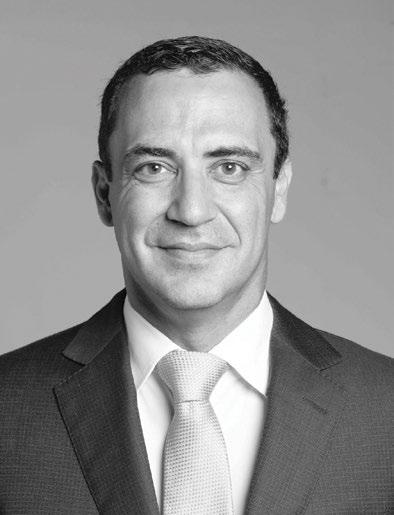
Polys Kourousides PRESIDENT OF THE ASSOCIATION OF PROPERTY VALUERS OF CYPRUS
President, Cyprus Association of Property Valuers
The recent debate in Parliament has once again highlighted a long-standing challenge that has been intensifying over the years: the acute shortage of affordable student housing in Cyprus. This situation should not be treated as a new revelation. Rather, it must serve as a decisive call to action, urging both the state and academic institutions to confront a problem that directly undermines access to higher education and weakens the country’s ability to retain its young talent.
The consequences are already visible. A significant number of students are obliged to travel daily from one city to another due to the lack of suitable accommodation near their universities. Parents are forced to shoulder rents that far exceed the financial capacity of the average Cypriot household. Academic departments face the reality that their mission is overshadowed by a practical yet fundamental concern: whether students can afford to live close enough to attend classes and fully participate in university life. The absence of long-term planning and investment in student welfare has created conditions that are neither sustainable nor acceptable for a modern European state.
The housing market data illustrate the severity of the problem. In Limassol, the monthly rent for a small studio can now reach as high as €1,250. These costs often surpass the overall expense of studying abroad. Such distortions in the market not only place families under unbearable financial strain but also foster a sense of injustice and abandonment, eroding public trust and diminishing confidence in both institutions and policy.
THE RECENT DEBATE IN PARLIAMENT HAS ONCE AGAIN HIGHLIGHTED A LONG-STANDING CHALLENGE THAT HAS BEEN INTENSIFYING OVER THE YEARS: THE ACUTE SHORTAGE OF AFFORDABLE STUDENT HOUSING IN CYPRUS. THIS SITUATION SHOULD NOT BE TREATED AS A NEW REVELATION.

This challenge cannot be addressed through isolated measures or temporary announcements. A comprehensive and forward-looking housing strategy is required, one that treats student accommodation as a critical component of educational policy and as an essential matter of social equity. Equal access to higher education cannot be ensured when accommodation costs exclude a considerable segment of students from pursuing their studies under fair conditions.
Universities have an obligation to assume a meaningful share of responsibility. Continuous expansion of student admissions without a corresponding commitment to providing affordable housing is neither responsible nor viable. Each academic institution
must guarantee a significant proportion of secured accommodation, proportionate to its student population, and offer it at controlled and sustainable rent levels.
At the same time, the state must establish a robust and enforceable framework that strikes a balance between incentives and obligations. Such a framework should stimulate the supply of affordable rental properties, encourage investment in purpose-built student housing, and shield students from the volatility of an unregulated rental market. Policy instruments may include targeted subsidies, public-private partnerships, and direct development of university-managed residences, all of which can contribute to a durable solution.
Cyprus has consistently declared its ambition to attract back its scientists and professionals from abroad. Yet this ambition is undermined when, during their formative years, students cannot secure even the most basic living conditions in their own country. It is unrealistic to expect young graduates to remain in Cyprus, or to return in the future, when the combined cost of study and accommodation locally rivals or even exceeds that of studying overseas.
If Cyprus is genuinely committed to investing in its youth and in the future of its academic institutions, the starting point must be clear. Affordable student housing is not a luxury, nor is it a secondary consideration. It is a fundamental right, a prerequisite for equal opportunity, and a matter of national importance that demands immediate and sustained attention.

Arofat Salayeva FOUNDER & MANAGING DIRECTOR OF AROSAL PRESIDENT OF THE CYPRUS-UZBEKISTAN BUSINESS ASSOCIATION
On 17 October 2023, the Council of the European Union adopted Directive (EU) 2023/2226 ("DAC 8"), amending Directive 2011/16/EU on administrative cooperation in the field of taxation. DAC 8 represents a pivotal development in the EU’s ongoing efforts to enhance tax transparency, extend the scope of reporting obligations, and bring crypto assets within the ambit of tax cooperation rules. The directive incorporates the OECD’s Crypto-Asset Reporting Framework (CARF), ensuring alignment with international standards.
This article outlines the key provisions of DAC 8, its relationship with CARF, and the implications for Cyprus-based entities and tax professionals.
Legislative Background and Policy Rationale
DAC 8 builds on the existing DAC framework by expanding reporting obligations to include crypto-assets and service providers. This move follows concerns over the rapid growth of the crypto market, the increasing use of decentralised digital assets for cross-border transactions, and the lack of tax transparency associated with such assets. The directive was developed in parallel with CARF, released by the OECD in August 2022, and endorsed by the G20. By integrating CARF provisions, DAC 8 ensures the EU adopts a globally coordinated approach to tackling tax evasion in the digital economy.
Furthermore, DAC 8 forms part of a broader EU tax transparency reform agenda, following the earlier adoption of DAC 6 and DAC 7. DAC 6 focused on the disclosure of aggressive cross-border arrangements, while DAC 7 introduced new reporting obligations for digital platform operators. DAC 8 continues this evolution by extending the transparency framework to cover crypto assets, reinforcing the EU’s commitment to comprehensive and adaptive tax governance.
“With DAC 8, we are closing another loophole and ensuring that crypto-assets are also covered by our tax transparency rules.”
— Paolo Gentiloni, EU Commissioner for Economy
Key Provisions of DAC 8
Under DAC 8, the scope of reportable crypto assets is extensive. It covers digital representations of value or rights that can be transferred or stored electronically through distributed ledger technology. This includes, but is not limited to, stablecoins, utility tokens, e-money tokens, and certain non-fungible tokens (NFTs), particularly where such
tokens are used for investment or payment purposes. The reporting obligations apply to both Crypto-Asset Service Providers (CASPs) authorised under EU Regulation 2023/1114 (commonly referred to as the MiCA Regulation) and to cryptoasset operators located outside the EU that have users who are tax residents in Member States.
Entities falling under the scope of the directive must identify and verify their users and report the value, volume, and nature of transactions such as acquisitions, disposals, and transfers involving crypto assets. This includes the submission of detailed user data, including name, address, tax identification number, tax residence, and, for individuals, the date and place of birth. Due diligence requirements are harmonised across the EU and closely mirror existing anti-money laundering and know-your-customer standards. In addition, CASPs must maintain records, verify users through identification platforms where applicable, and ensure that the information reported is accurate and complete.
To support consistent implementation and facilitate data sharing, DAC 8 mandates the establishment of a central EU directory for the submission and storage of crypto-asset transaction data. This directory will be accessible to competent authorities of Member States for tax administration and enforcement. Reporting must be made electronically and in a standardised format, with deadlines set at nine months following the end of each reporting year.
The Crypto-Asset Reporting Framework, developed by the OECD and endorsed by the G20, was designed to provide a global standard for the automatic exchange of information on crypto-assets. CARF complements the Common Reporting Standard (CRS), which historically did not adequately capture the nature and scope of crypto-asset transactions due to their decentralised and often anonymous characteristics. CARF aims to address this gap by providing a framework that ensures tax authorities can identify and trace income and gains derived from crypto assets, even when intermediaries are not traditional financial institutions.
DAC 8 incorporates the key elements of CARF into EU law, thereby ensuring that Member States, including Cyprus, are aligned with the global approach. This incorporation is critical to promoting regulatory consistency, minimising compliance arbitrage, and facilitating efficient cross-border tax administration. The directive ensures that the EU’s framework for reporting and exchange of information mirrors CARF’s standards and expectations, particularly in the areas of user identification, transaction-level reporting, and international cooperation.
Despite the significant alignment between the two frameworks, DAC 8 introduces several EU-specific elements that go beyond the scope of CARF. For instance, it includes provisions requiring non-EU crypto-asset service providers to register in a Member State if they serve EU-resident clients, thereby creating a jurisdictional nexus for enforcement. DAC 8 also mandates the development of EU-level technological infrastructure, such as the central directory, which enhances the consistency and security of information exchange within the Union. Additionally, the directive integrates crypto-asset
reporting within the broader EU framework for anti-money laundering and counter-terrorism financing.
“The transparency achieved through CARF will ensure that tax administrations are equipped with the information they need to ensure that crypto-assets are not used to hide income and evade taxes.”
For Cyprus-based CASPs, legal and compliance professionals, and tax advisors, DAC 8 presents a set of new regulatory and operational challenges. Firms must begin preparing well in advance of the 1 January 2026 implementation deadline. This includes reviewing and upgrading internal systems to support the accurate identification and verification of users, determining which tokens fall under the definition of reportable crypto-assets, and putting in place controls for data collection and reporting in the specified format.
Furthermore, entities will need to ensure that their teams are properly trained to comply with new due diligence obligations and documentation requirements. Coordination across legal, tax, compliance, and IT departments will be essential. From a public administration perspective, the Cyprus Tax Department will also need to upgrade its infrastructure to receive, validate, and process large volumes of sensitive information in compliance with data protection and cybersecurity regulations.
The directive also requires Member States to impose effective, proportionate, and dissuasive penalties on entities that fail to comply with DAC 8’s reporting and due diligence requirements. While the specific form and scale of penalties are left to national discretion, Cyprus-based CASPs and advisors should anticipate that non-compliance could result in significant administrative sanctions and reputational risk.
Moreover, given the personal and financial nature of the information to be reported and exchanged, DAC 8 emphasizes the importance of data protection. It explicitly requires alignment with the General Data Protection Regulation (GDPR) to ensure that the rights of individuals are safeguarded, even as transparency obligations expand. This dual objective of maximising transparency while upholding privacy is central to the directive’s implementation strategy.
DAC 8 marks a significant milestone in the EU’s strategy to modernise tax administration and promote transparency in an increasingly digital economy. By adopting and integrating the OECD’s Crypto-Asset Reporting Framework into its legal architecture, the EU, and by extension Cyprus, demonstrates a firm commitment to international tax cooperation and accountability in the crypto space.
As the implementation deadline approaches, proactive planning, internal alignment, and capacity building will be vital. DAC 8 is more than a compliance measure; it is a statement of policy direction. For Cyprus, this directive presents an opportunity to reinforce its status as a cooperative, innovative, and credible jurisdiction in the global financial and digital landscape.
Andreas Kailas MEMBER, TAX TRIBUNAL
The administration of justice in Cyprus is currently facing a profound and complex crisis, with significant implications for the rule of law, the economy, and society at large. Judicial delays are no longer confined to legal circles; they have been formally acknowledged by the executive branch.
During his address at the official event marking the 70th anniversary of the Cyprus Bar Association, the President of the Republic emphasized the State’s commitment to supporting efforts aimed at resolving delays in the adjudication and delivery of judicial decisions. He stressed that these issues must be addressed in a manner consistent with the principles of the rule of law and societal expectations.
Similarly, in a recent session of the House Standing Committee on Institutions, the President of the Cyprus Bar Association stated that the judicial system has "collapsed," with delays far exceeding acceptable limits. This public acknowledgment, coming from an institution with a 70-year history, highlights the urgent need for alternative, specialized mechanisms for dispute resolution.
In this challenging environment, the role of institutions such as the Tax Tribunal becomes increasingly significant. Established to review quasi-judicial appeals in tax disputes, the Tribunal serves as an intermediary mechanism, providing specialized expertise that alleviates pressure on administrative courts.

The Tribunal’s composition, including members with strong academic credentials and extensive experience in tax and administrative law, ensures that disputes are examined thoroughly and with sound judgment. The timely resolution of tax disputes benefits not only the tax administration and taxpayers but also enhances institutional credibility, strengthens confidence in the economic environment, and supports the country’s growth prospects.
The importance of the Tax Tribunal is further underscored by the prolonged resolution of tax disputes in the courts. A recent example is case number 121/2020, which, after review by the Supreme Constitutional Court, was referred to the Administrative Court for further consideration. The initial tax assessment was issued in 2014, and the case has now been pending for 11 years. The company involved has since changed ownership, and there is a risk that the dispute could take up to 20 years to reach a final decision.
It is therefore essential to consider the institutional strengthening of the Tax Tribunal and the expansion of its jurisdiction to cover other areas of administrative tax disputes that require specialized expertise. These areas could include social insurance contributions, customs duties, entertainment and tonnage taxes, as well as emerging environmental and digital taxes.
At a time when both citizens and businesses demand justice that is fast, cost-effective, and efficient, an independent and specialized mechanism such as the Tax Tribunal is not merely helpful; it is indispensable.
Enhancing the Tribunal’s effectiveness could include shortening decision-making timeframes, introducing the option to conduct proceedings in English to facilitate access for foreign investors, and establishing a clear and accessible procedural framework. Additionally, making a review by the Tax Tribunal a mandatory first step for all tax-related appeals before any recourse to the Administrative Court could further strengthen its role.
With adequate staffing and targeted investment in infrastructure and technology, the Tax Tribunal has the potential to become a model mechanism for tax dispute resolution within the European Union. It can enhance predictability and legal certainty, making Cyprus’s tax framework more attractive to both domestic and international investors.
The ongoing period of tax reform presents an ideal opportunity to focus on tax justice and strengthen an institution that can and must deliver: the Tax Tribunal.
Kyriakos Iordanou GENERAL MANAGER OF ICPAC
Something which we have all taken for granted for so long suddenly appears as a new megachallenge, a gigantic threat ready to transform the environment, societies, businesses, and, in essence, our lives and future.
Climate has become one of the defining challenges of the 21st century, with profound implications for societies and economies worldwide. Rising temperatures, shifting weather patterns, and increased frequency of extreme events directly affect water resources, agriculture, tourism, public health, and global trade. At the same time, climate change threatens natural ecosystems, heightens disaster risks, and imposes escalating costs for prevention and recovery. Addressing these impacts requires not only recognition of the risks but also a commitment to preserving the environment and investing in resilience.
Let us see how some core elements are expected to be affected by climate change:
Water is at the heart of human survival and economic development. Climate change disrupts rainfall patterns, accelerates the melting of glaciers, and contributes to prolonged droughts in some regions while increasing the risk of flooding in others. Reduced freshwater availability threatens drinking supplies, irrigation systems, and hydropower production. The eventual water scarcity forces governments and communities to seek alternatives by investing in energy-intensive desalination plants, improved water management systems, and cross-border agreements over shared resources. These adjustments come at significant financial cost, and in many cases, disputes over water rights may spark social and political tensions.
Agriculture is highly vulnerable to changing climate conditions. Irregular rainfall, heatwaves, and pest infestations—worsened by warming temperatures—reduce crop yields and livestock productivity. Staple crops such as wheat, corn, and rice are particularly at risk, threatening food security and raising global food prices. The economic impact is twofold: farmers face income losses, and consumers pay more for basic goods. Developing countries, which depend heavily on agriculture, may bear a disproportionate burden. At the same time, adapting farming practices—such as switching to climate-resilient crop varieties or investing in irrigation technologies— requires large-scale funding and training, costs that many regions struggle to cover.
Tourism, a key economic sector for many countries, is highly sensitive to climate change. Rising sea levels threaten coastal resorts and islands, while hotter summers reduce the attractiveness of traditional destinations. Snowdependent regions face shorter ski seasons, undermining winter tourism. In addition, increased risks of wildfires,
hurricanes, and heatwaves create safety concerns for travelers, leading to reduced arrivals and revenue. The tourism industry must now invest in sustainable practices, diversified offerings, and disaster preparedness, increasing operational costs.
Global trade and business are deeply interconnected with climate stability. Disruptions to supply chains—caused by extreme weather, damaged infrastructure, or declining productivity in critical sectors—impact the availability and cost of goods worldwide. Rising sea levels pose as peril to major ports, while higher transportation costs due to fuel consumption regulations further affect competitiveness. Businesses also face reputational and financial risks if they fail to adopt sustainable practices. On the other hand, climate change is driving innovation, with industries investing in renewable energy, green technologies, and circular economy models. However, transitioning to sustainable business practices requires significant upfront costs. In addition, control over natural resources could lead to potential tensions between regions and countries, posing as another geopolitical source of conflict (eg, over the control of water supplies).
Human health is directly affected by climate change. Heatwaves increase the risk of several incidents, including heatstroke, cancers, and cardiovascular diseases. Air pollution, intensified by rising temperatures and wildfires, exacerbates respiratory conditions. In addition, waterborne diseases may proliferate as floods contaminate water supplies. These health challenges strain healthcare systems and reduce workforce productivity, generating both social and economic losses. Preventive healthcare, early warning systems, and public awareness campaigns are essential but demand considerable investment.
The frequency and intensity of natural disasters, wildfires, hurricanes, floods, and droughts are increasing under climate change. These hazards cause devastating loss of life, displacement of populations, and destruction of infrastructure. The economic costs are staggering. Rebuilding cities, restoring utilities, and compensating affected populations would require billions of dollars annually. Insurance systems are under immense pressure, with some companies withdrawing from high-risk regions altogether. The same holds for financing investments and projects in risky areas. In the long term, societies must spend more on disaster prevention and management and resilient infrastructure.
Forests play a dual role: they regulate the climate and provide natural fire barriers. Yet rising temperatures and prolonged droughts increase the risk of wildfires, causing widespread destruction and economic damage, a sad phenomenon that has been increasingly frequent lately
all over the world. Preventing and managing wildfire demands proactive investment in surveillance systems, firefighting equipment, community training, and ecological restoration, coupled with a radical change in mindset and culture. Similarly, broader natural disaster prevention requires comprehensive urban planning, infrastructure reinforcement, and emergency preparedness programs. While these measures come with high upfront costs, they are far less expensive than post-disaster recovery and can save countless lives and resources.
To mitigate these impacts, societies must prioritize environmental preservation. Forests, wetlands, and oceans act as carbon sinks, absorbing greenhouse gases and reducing the pace of warming. Deforestation, overfishing, and land degradation weaken natural defenses against climate change. Preserving ecosystems not only safeguards biodiversity but also protects vital resources such as clean air, fertile soil, and fresh water. This requires stronger environmental laws, public education, and international cooperation, as well as dedicated funding to enforce conservation measures.
The financial implications of failing to address climate change are immense. Studies estimate that unchecked climate change could reduce global GDP by several percentage points each year by the end of the century. The costs include lost productivity, higher healthcare expenditures, increased food prices, and damages from disasters. On the other hand, proactive investment in sustainability and resilience yields long-term savings. Renewable energy infrastructure, efficient public transportation, sustainable farming, and green technologies not only reduce emissions but also create new jobs and economic opportunities. This is a very clear indication that to remain sustainable as societies, we have to cater to the sustainability of the global ecosystem.
Climate change is no longer a distant threat but an immediate reality affecting societies and economies across the globe. Preserving the environment, strengthening fire security, and investing in disaster prevention and management are essential steps in protecting both people and economies. While the costs of adaptation and prevention are significant, they pale in comparison to the damage of inaction. The challenge before humanity is not only to manage these risks but also to seize the opportunity to build a sustainable, resilient, and equitable future. And we may need to learn our lessons the hard way, since we remain complacent and numb about what is about to find us.
Our profession adjusts and adapts to the changing climate conditions, in an effort to alert businesses of the consequences of doing nothing, provide for the potential risks, and raise awareness and consciousness among the populations.

Constantina Achilleos COMMUNICATION OFFICER, ICPAC
Our era is defined by simultaneous and fundamental transformations. Today, the green transition, digitalization, and the need to keep people at the center are moving forward together. They are no longer distinct trends but pieces of the same puzzle, forming a new triple model of professional identity.
The modern professional can no longer be simply good at their job; they are called to be at once green, digitally capable, and humanly conscious.
The climate crisis leaves no room for inaction. Sustainable development is no longer a luxury, nor merely an ethical choice. It has become a condition for the operation of businesses and organizations. In Cyprus, this conversation is far from theoretical. With the implementation of the EU Corporate Sustainability Reporting Directive (CSRD), an increasing number of companies are required to disclose non-financial information, from their environmental footprint to their social impact.
This means that accountants and financial advisors now play a decisive role. They are no longer confined to financial reporting but contribute to the recording and evaluation of ESG indicators, the preparation of sustainability reports, and their clients’ compliance strategies. Professionals equipped with such knowledge hold a clear competitive advantage today, as they can guide businesses within a new, more responsible economic environment.
At the same time, technology today influences every profession, from the way we work to the way we learn. The professional of today needs more than basic computer literacy. They must understand tools and trends such as cloud computing, big data, artificial intelligence, and cybersecurity.
THE MODERN PROFESSIONAL CAN NO LONGER BE SIMPLY GOOD AT THEIR JOB; THEY ARE CALLED TO BE AT ONCE GREEN, DIGITALLY CAPABLE, AND HUMANLY CONSCIOUS.


As an adult computer instructor at the Human Resource Development Authority, I have witnessed firsthand how crucial digital learning is for the professional advancement of today’s workforce.
Adults of all ages and backgrounds, when they acquire new skills, such as using collaboration tools, protecting data, and understanding key concepts of artificial intelligence, transform the way they think. They regain confidence, feel empowered, and see more growth opportunities.
Lifelong digital training is not a theoretical concept; it is the ticket to participation in the modern labor market and a driver of social empowerment.
And yet, the more digital our world becomes, the more it must remain human.
In an increasingly automated world, “human” skills emerge as essential. Empathy, collaboration, relationship management, and emotional intelligence are qualities that truly make a difference, especially in leadership roles. The professional who can connect
with people, inspire teams, and communicate with authenticity stands out.
The greatest challenge, and at the same time the greatest strength, lies in combining these three dimensions. We are not speaking of separate traits. The “green,” the “digital,” and the “human” must coexist organically, reinforce one another, and guide decisionmaking.
In Cyprus, as in the rest of the world, we need professionals who do more than adapt; they actively help shape the day ahead. People who view work not merely as the production of results but as a field of social, environmental, and digital contribution.
The concept of professionalism today calls on us to be well-rounded, ethically aligned, and technologically aware. This cannot be built overnight; it begins with the willingness for personal growth and social contribution.
Success today is not seen only in numbers. It is reflected in what we live behind, in the environment, in the people around us, and in society.

Elena Christodoulou FCCA, MEMBER OF ICPAC AND IIA
Cyprus, like many other countries, faces increasing cyber risks as businesses embrace digital transformation. This evolving environment offers both challenges and opportunities for internal auditors to play a pivotal role in enhancing an organization’s cyber resilience, by navigating through the complex cybersecurity world.
Common cyberthreats include data breaches, ransomware, phishing, vishing. Apart from the financial loss, cyber incidents can damage stakeholders’ trust and the organisation’s reputation. To mitigate these threats, governments and regulators have responded by endorsing robust cybersecurity regulations and directives. Among these are the European Union’s General Data Protection Regulation (GDPR), focusing on data protection, Digital Operational Resilience Act (DORA) and the Network and Information Security 2 (NIS2) Directive, concentrating on the security of network and information systems.
The role of the Internal Auditors and their challenges
Cybersecurity is becoming a fundamental area of focus for the internal auditors, that serve as an independent assurance function, evaluating whether and how efficient cybersecurity policies and controls protect the organization against these evolving threats. The internal auditors should now put emphasis on the relationship between cybersecurity and operational risk in their audits. They should be aware of the nature and risks that undermine the effectiveness of the currently implemented controls against cyberthreats and closely collaborate with IT and cyber teams to better understand the technical environment and identify any gaps and control deficiencies. They can then support the Board of Directors and the Audit Committee of an organisation to better understand these risks and the importance of a robust cybersecurity framework.
Key activities include assessing the design and effectiveness of IT security policies, reviewing incident response and disaster recovery plans, and verifying compliance with cybersecurity regulations applicable

in Cyprus and the European Union. Apart from the internal procedures and controls, internal auditors should also understand how third-party vendors protect the organisation’s data and how they respond in cases of their system’s breach.
The most important challenge that they should overcome is balancing the audit scope. As auditors, they must assess not only the technical effectiveness of controls but also their alignment with business objectives and risk appetite. This requires a deep understanding of both IT related systems and procedures, and business strategy of the organisation to evaluate the effectiveness of internal controls towards cybersecurity measures. Furthermore, a potential challenge is that smaller internal audit departments may lack auditors with the specialized skills required to assess this area effectively. In such cases, co-sourcing with external experts can be useful.
To address these challenges and enhance cyber audit effectiveness, auditors should firstly understand the organisation’s cybersecurity risk assessments. They should identify threats and their impact and consider also third-party vendors and partners, as they may be the entry point of the cyberattacks.
No system is immune cyber incidents will happen. Thus, auditors need to evaluate how quickly and effectively the organisation reacts to breaches or cyber events by reviewing, updating and testing the incidents response plan. This is a weapon that outlines clear communication procedures, strategies, steps and recovery plans. Continuous cybersecurity training empowers auditors to more accurately identify and
THIS EVOLVING ENVIRONMENT OFFERS BOTH CHALLENGES AND OPPORTUNITIES FOR INTERNAL AUDITORS TO PLAY A PIVOTAL ROLE IN ENHANCING AN ORGANIZATION’S CYBER RESILIENCE, BY NAVIGATING THROUGH THE COMPLEX CYBERSECURITY WORLD.
evaluate cyberthreats, making it a strategic investment for organizations.
To ensure audit priorities, remain aligned with emerging threats, it is vital to foster strong communication channels between internal audit, IT/cybersecurity and risk management functions. Regular collaboration ensures audit priorities remain aligned with emerging threats.
The internal audit function must also give due attention to the organization's cybersecurity awareness strategy. Human error is a very important cause and crucial risk for many cybersecurity attacks. The auditors should ensure that the organisation has an effective awareness program in place and implement regular training to ensure employees are aware of potential threats and how to respond. Protecting the organisation from cyberthreats is everyone’s responsibility.
Finally, staying current with regulatory changes and evolving cyber risks allows auditors to anticipate compliance requirements and adapt audit plans proactively. Internal auditors need to stay up to date with the most recent regulations and emerging trends, threats and defences. They should also be engaged in industry news and participate in related forums.
As cyberthreats continue to intensify, the partnership between internal audit and cyber risk management is more critical than ever. Internal auditors that are skilled, follow best practices and stay informed, are uniquely positioned to provide independent assurance and drive improvements in cybersecurity controls, contributing significantly to an organization’s overall risk resilience.
• Practical Tools to Support IPSAS Implementation: New Resource From IFAC – In collaboration with the International Public Sector Accounting Standards Board (IPSASB), the International Federation of Accountants (IFAC) has published a new resource, Implementing International Public Sector Accounting Standards (IPSAS): IFAC Tools, a compilation of our resources designed to help governments and public sector entities adopt and implement IPSAS Standards and help Professional Accountancy Organizations (PAOs) advocate for their use. This new resource compiles IFAC tools that:
- Offer practical implementation guidance through the transition from cash to accrual, tailored to different contexts and reform stages, and
- Help build capacity and technical knowledge with training materials, templates, and examples.
• IFAC Releases Trailblazing Sustainability Tool for Small Businesses – IFAC, in collaboration with the Edinburgh Group (EG), has launched a pioneering online tool designed to help small- and mediumsized enterprises (SMEs) maximize the benefits of incorporating sustainability into their business strategies and operations. Developed specifically for IFAC and EG members to share with their own members, the Small Business Sustainability Checklist is an interactive tool that provides practical steps to future-proof businesses and enhance sustainability practices. It is designed to be tailored by each business according to its industry sector, lifecycle, and products and services.
• Insights and Action for the Future of Business Resilience from the IFAC PAIB Advisory Group – At IFAC’s Professional Accountants in Business (PAIB) Advisory Group meeting hosted by the Japanese Institute of Certified Public Accountants (JICPA) in Tokyo, IFAC convened a diverse group of PAIBs for a strategic discussion on how PAIBs are shaping the future of business and the public sector. With deep expertise, on-the-ground experience in leading organizations, and global reach across more than 20+jurisdictions, IFAC’s global advisory group provides a unique and practical lens into how organizations navigate complexity, and the evolving priorities for our profession. A new article from PAIB Advisory Group Chair Sanjay Rughani incorporates multiple insights and resources from the meeting into four actions that can redefine our profession’s role at the forefront of transformation:
- Reframe the profession’s identity and value.
- Leverage AI to lead, not follow.
- Embrace modern talent models; and
- Grow PAIB membership.
- Not all Carbon Credits are Created Equal: Ecosystem Views on Quality Credits and the Future of the Voluntary Carbon Market
- Navigating the Energy Transition in the Caribbean: The Accountancy Profession Enabling Climate Resilience
- IFAC Response to IESBA Consultation on Auditor Independence: CIVs and Pension Funds

- Embracing the AI Frontier: The Transformative Impact of AI on Audit Firms & Methodologies
- Digital Horizons: Making a Strategic Shift Toward a Tech-Driven Future
- Creating a Future-Ready Professional Ecosystem: The Croatian Audit Chamber’s Lessons from Preparing for CSRD Implementation
- Why International Career Mobility is Key to Attracting the Next Generation of Professional Accountants
IFAC’s News Page: Please save for your continuous reference, IFAC’s news page. The news page will feature the latest updates and publications released by IFAC.
IFAC’s Knowledge Gateway: Please save for your continuous reference IFAC’s Global Knowledge Gateway for insights, resources, and tools from leading voices in accountancy and business.
Ethics
• IESBA Tax Planning Standards Now Effective! — The first global Ethics Standards on Tax Planning, launched by the International Ethics Standards Board for Accountants (IESBA) in April 2024, became effective on 1 July 2025. The landmark standards are designed to provide a robust ethical framework to guide professional accountants when providing tax planning services or performing tax planning activities, thereby enabling them to make ethical judgments and decisions in this complex area.
• IAASB and IESBA Staff Provide Answers to Key Questions on Implementing ISSA 5000 and IESSA — The Staffs of the International Auditing and Assurance Standards Board (IAASB) and the IESBA released two new publications to support implementation of the International Auditing and Assurance Standards Board’s (IAASB) and IESBA’s global sustainability-related standards: the International Standard on Sustainability Assurance (ISSA) 5000 and the International Ethics Standards for Sustainability Assurance (including International Independence Standards) (IESSA).
• IESBA Staff Releases Additional Implementation Support Materials for IESSA — The Staff of the IESBA has released two implementation support publications to help sustainability assurance practitioners understand and apply the IESSA.
- Key Differences: A comparison document outlining the main differences between the IESSA and the corresponding provisions of the IESBA Code applicable to audits of financial statements.
- List of PIE Prohibitions: A list of specific prohibitions in the IESSA applicable to sustainability assurance engagements of public interest entities (PIEs).
• Key Differences Between the IESSA™ and the Provisions of the IESBA Code Applicable to an Audit of Financial Statements — This publication provides an overview of the key differences between the IESSA and the ethics and independence provisions in the Code applicable to an audit of financial statements. It is intended to facilitate the understanding and implementation of the IESSA by firms that also follow the Code when performing audits of financial statements. Jurisdictional standard setters, regulators and oversight bodies, professional
accountancy organizations, educational bodies, and other stakeholders may also find the publication helpful.
• IESBA Staff Questions & Answers - Using the Work of an External Expert — This publication is relevant to all professional accountants, whether in business or in public practice, and sustainability assurance practitioners (SAPs). It provides answers to common questions on:
• Evaluating whether to use the work of an external expert
• How to identify an external expert
• The extended requirements for evaluating the objectivity of an external expert in the context of an audit or other assurance (including sustainability) engagement
• Concluding an external expert’s competence, capabilities, and objectivity
• Potential threats arising from using the work of an external expert
• Specific considerations related to the IESSA
• IESBA Staff Publication - Proportionality of IESSA — This publication highlights key aspects of the IESSA that illustrate its proportionality, while IESSA also provides a robust global ethics and independence baseline for sustainability assurance engagements (SAEs). The publication is especially geared towards facilitating the implementation of the IESSA by SAPs that are small and medium practices (SMPs).
• IESBA September 2025 Board Meeting Preview — IESBA Program and Senior Director Ken Siong offers a brief preview through a short video of the key topics and discussions that will shape the agenda for the IESBA Board's September meeting.
• IESBA and IAASB Establish Expert Groups to Support Global Implementation of Sustainability Standards — The IESBA and IAASB have established the following technical expert groups to support effective global implementation of the two boards’ sustainability standards.
• The IESBA’s IESSA Implementation Monitoring Advisory Group (IIMAG) will support the implementation of the IESSA and revisions to the IESBA code for sustainability reporting.
• The IAASB’s ISSA 5000 Technical Implementation Contact Group (TICG) will support implementation of the ISSA 5000.
The work of these groups will support and contribute to IESBA and IAASB efforts to support stakeholders’ adoption and implementation of IESSA and ISSA 5000, thereby helping build trust in sustainability information and advancing high-quality assurance practices worldwide.
For more information, visit:
• IESBA’s IESSA Implementation Resources
• IAASB’s ISSA 5000 Technical Implementation Contact Group details
• IAASB’s ISSA 5000 Implementation Resources Visit IESBA’s news page to stay up to date with developments in the area of ethics.
• IAASB Releases New FAQ for the ISA for LCE –The IAASB has published a new Frequently Asked Questions document for the International Standard on Auditing for Audits of Financial Statements of Less Complex Entities (ISA for LCE), its standard tailored for financial audits of smaller and less complex entities. This new FAQ addresses common questions received during webinars and outreach following the standard’s publication in December 2023, offering timely and practical clarifications.
• IAASB Revises Fraud Standard to Enhance Public Trust – The IAASB has revised International Standard on Auditing (ISA) 240, The Auditor’s Responsibilities Relating to Fraud in an Audit of Financial Statements. The updated standard responds to global scrutiny and stakeholder concern regarding the auditor’s role in detecting fraud. ISA 240 (Revised) becomes effective for audits of financial statements for periods beginning on or after December 15, 2026.
• IAASB Highlights How Revised Standards Reinforce Professional Skepticism – The IAASB has released a new non-authoritative publication—How the IAASB’s Revised Going Concern and Fraud Standards Reinforce Professional Skepticism—to assist stakeholders in understanding how the revisions to ISA 570 (Revised 2024) and ISA 240 (Revised) strengthen the consistent application of professional skepticism throughout the audit.
• IAASB Publishes New Resources to Support ISSA 5000 Adoption and Implementation –The IAASB has released two new resources to further support jurisdictions and stakeholders in adopting and implementing the International Standard on Sustainability Assurance (ISSA) 5000, General Requirements for Sustainability Assurance Engagements.
1. Extracts from ISSA 5000 for Limited and Reasonable Assurance Engagements
2. Frequently Asked Questions (FAQ) Document on ISAE 3000 (Revised) and ISAE 3410
• IAASB Adopts New Publicly Traded Entity Definition Aligned with the IESBA Code of Ethics – The IAASB has released narrow scope amendments to its standards revising the definition of listed entity to align with the definition in the IESBA Code of Ethics for Professional Accountants (including International Independence Standards).
• Narrow Scope Amendments to the ISQMs, ISAs, and ISRE 2400 (Revised) as a Result of the Revisions to the Definitions of Listed Entity and Public Interest Entity in the IESBA Code – These narrow scope amendments to IAASB standards revise the definition of listed entity to align with the definition in the IESBA Code of Ethics for Professional Accountants (including International Independence Standards). The new definition will amend the International Standards on Quality Management and International Standards on Auditing. In addition, amendments to International Standard on Review Engagement 2400 (Revised), Engagements to Review Historical Financial Statements, aims to align with the IESBA Code of Ethics regarding certain public disclosures about the application of independence requirements.
• IPSASB Issues Amendments to IPSAS Standards as a Result of the Application of IPSAS 46, Measurement – The IPSASB, developer of IPSAS Accounting Standards, international accrual-based accounting standards for use by governments and other public sector entities around the world, has issued Amendments to IPSAS Standards as a Result of the Application of IPSAS 46, Measurement. Amendments have an effective date of January 1, 2028. Earlier application is permitted.
• IPSASB eNews: September 2025 – The eNews provides an update on the latest IPSASB projects which were discussed during IPSASB’s third meeting of the year in Lisbon, Portugal on September 9–12, 2025.
We would like to thank Niki Christofi, Member of the CSR Committee of ICPAC, for her contribution to this article.
Aconference on workplace equality and new labour regulations was recently held in Nicosia and Limassol, co-organized by the Institute of Certified Public Accountants of Cyprus (ICPAC) and the Ministry of Labour and Social Insurance.
The event highlighted critical issues of gender equality, labour rights, and legislative developments, with an emphasis on presenting statistics and policy tools for sustainable and fair work.
It drew significant interest from professionals, accountants, lawyers, business executives, public officials, and academics, and emphasized the role of employers, the state, and professional associations in promoting equality and reinforcing compliance with labour law.
Part A: Highlights of the Conference. Part B will be available in the upcoming publication of ICPAC’s magazine.
Transferring knowledge and showcasing best practices
A major part of the conference was devoted to sharing knowledge and presenting best practices, aimed at raising awareness of equal payment, transparency, and sustainable employment. Informational tools were introduced, including compliance guides for employers, explanatory leaflets, and model equality policies that businesses can adopt.

Address by the Commissioner for Gender Equality, Tzozi Christodoulou: policy and institutional interventions
“The gender equality in employment is not only a legal or ethical obligation, but a foundation for economic resilience and social progress,” underlined Tzozi Christodoulou, Gender Equality Commissioner, in her address. She praised the organizers for the event’s thematic focus, noting that it reflects the collective will for a fair and sustainable labour market.
She added that, despite significant progress, women still face both direct and indirect discrimination in the workplace, such as unequal pay, limited promotion opportunities, and exclusion from leadership roles
Institutional inequalities and the need for an equality culture
The Commissioner stressed that equality must start within the structure and leadership of the organizations. Referring to a 2023 McKinsey & Company study, she noted that companies with equal gender representation in leadership are 39% more likely to outperform their peers in profitability.
She also highlighted the risk of sexual harassment at work, calling it a “silent threat” undermining employees’ safety and dignity. She stressed that prevention and response require zero tolerance, clear reporting procedures, and victim protection.
Policies and initiatives for gender equality
Referring to the government and to her office initiatives, the Commissioner outlined measures under the National Gender Equality Strategy, including:
• Four-week extension of maternity leave for the first child.
• Expansion of compulsory preschool and full-day schooling.
• Broadening parental leave until the child reaches the age of 15.
• Creation of new nurseries and multi-purpose child-care centers.
• Alignment with EU directives on pay transparency and balanced gender representation on listed company boards.
She emphasized collaboration with the private sector, noting an action plan with the Cyprus Chamber of Commerce and Industry (CCCI) and with the Cyprus Scientific and Technical Chamber (ETEK) to combat gender bias in technical professions, and flagged forthcoming cooperation with the Cyprus Employers and Industrialists Federation (OEB).
Campaigns and institutional monitoring
The Commissioner also presented the “Women’s Stories” campaign, aimed at highlighting women’s roles in maledominated fields such as shipping, science, and diplomacy. Moreover, she emphasized that her office is responsible for enforcing the law against sexism and online sexism, supported by awareness actions and institutional cooperation.
“Equality is not women’s business alone, but it is everyone’s responsibility,” she concluded, urging the
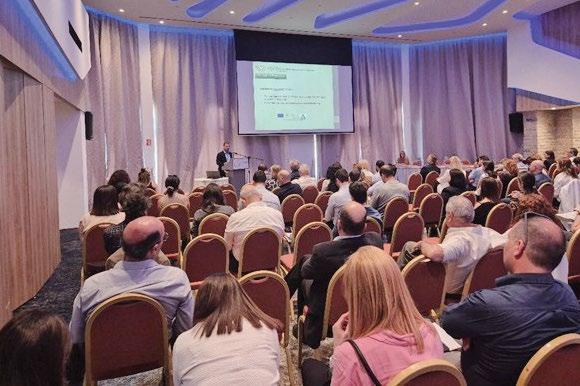
state, the private sector, and every citizen to shape a fair, safe, and equitable work environment. Only through full workforce utilization and strengthened social cohesion, she added, can sustainable development be achieved.
Address by the Permanent Secretary of the Ministry of Labour and Social Insurance, Costas Hadjipanayiotou: emphasis on inspection, transparency, and reforms
The Permanent Secretary of the Ministry of Labour and Social Insurance, Mr. Costas Hadjipanayiotou, reaffirmed its steadfast commitment to ensuring equal terms of employment, enhancing labour protection, and combating undeclared work.
He underlined that compliance with labour legislation is fundamental to a labour market with healthy competition and social cohesion. He stressed that equal treatment at work, work-life balance, equality, and protection against harassment are necessary elements for a modern work environment.
Mr. Hadjipanayiotou noted that modern businesses, which are promoting equal advancement opportunities and equal pay, enhance economic competitiveness and meet society’s expectations for fairness and well-being
He also mentioned the National Certification Body for the Implementation of Good Practices on Gender Equality in the Working Environment, outlining which actions in favour of gender equality in both private and public sectors are rewarded.
He also highlighted the importance of work family reconciliation, referencing the recent legislative amendment extending parental leave up to the child’s 15th year and increasing the period of the benefit payment.
Mr. Hadjipanayiotou emphasized the pivotal role of certified public accountants in providing evidence-based advice on labour law.
He also explained the ERGANI system, indicating that it is a digital platform implemented by the Ministry of Labour and Social Insurance in Cyprus, at which Employers electronically register employment-related information, including new hires, terminations, and changes in employment terms. He reminded attendees that employers must register their employees’ key employment terms in the ERGANI information system. He explained that the new database of ERGANI will bolster efforts to detect undeclared work and help map policy priorities.
Referring to the national minimum wage, he noted its rise to €1,000 and the establishment of an adjustment mechanism. A new revision dialogue is due within 2025, for implementation from January 2026. He emphasized that wage protection is an enduring priority, with recent legislation mandating bank transfer payments and regulating deductions via a signed agreement.
Telework, inspections, and reducing undeclared work
He also discussed legislation on telework as part of the government’s digitization strategy. Meanwhile, he indicated that the Labour Inspectorate conducts over 7,000 annual inspections, meets more than 16,000 workers, and collaborates with the Police, the immigration Department, and other authorities.
He warned that undeclared and illegal work harms the economy and Cyprus’s labour relations model, creating unfair competition.
In closing, Mr. Hadjipanayiotou reaffirmed the Ministry’s and government’s commitment to enhancing labour relations institutions and continuing collaboration with professionals and organized bodies, including ICPAC members.
“Accurate, comprehensive information combined with effective cooperation with professionals such as yourselves contributes substantially to achieving our goals,” he stated.
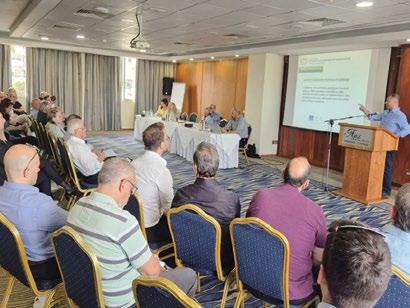
Andis Apostolou: the role and function of the Labour Inspectorate and of the Department of Labour Relations of the Ministry of Labour and Social Insurance
Mr. Andis Apostolou, Director of the Department of Labour Relations, Supervisor of Labour Inspectorate and Trade Union Registrar, outlined the institutional and operational role of Labour Inspectorate, operating under the law (Ν. 88(I)/2020). He noted that the Labour Inspectorate comprises inspectors and assistant inspectors and monitors over 30 laws.
An important role of the Labour Inspectorate is to combat undeclared work and illegal employment, which is among the priorities of the Cypriot government. Mr. Apostolou clarified that “undeclared work” means earnings relating to an employment or self-employed activity that have not been declared to the Director of Social Insurance Services, in accordance with the current regulations.
Mr. Apostolou also mentioned that an important role of the Labour Inspectorate is to monitor whether the general terms of employment of employees of all nationalities are as prescribed by the appropriate Laws and procedures.
Labour Inspectorate carries out inspections both during public hours as well as outside public hours in all unoccupied areas of the Republic of Cyprus. The inspections are carried out either on the basis of a complaint through the Cyprus telephone line (77778577) or based on the annual program.
He explained that the Labour Inspectorate provides information, inspects private and public workplaces, investigates complaints, and imposes fines. In 2024, 7,858 inspections were conducted, with an undeclared employment rate at the rate of 5.6%, and fines amounting to €1,5 million.
He described inspectors’ powers to enter workplaces, demand documents, and request information from any
person. He also presented control procedures, sanctions, and administrative fines up to €10,000, with reduction or appeal possible within 15 days.
Mr. Apostolou indicated that the Department of Labour Relations is responsible for implementing the Government's policy in the area of industrial relations. In particular, the Department is responsible for safeguarding and maintaining industrial peace and healthy conditions around industrial relations, with a view to achieving social cohesion, productivity in work, the establishment of democratic practices, and the achievement of socioeconomic progress.
The Department of Labour Relations is responsible, amongst others, for the following:
I. The prevention and settlement of industrial disputes, including the provision of assistance to enterprises for the development and effective functioning of mechanisms for collective bargaining, mutual agreements, and the settlement of personal complaints.
ii. The safeguarding of trade unionism freedoms, including the right to organize.
iii. The promotion of collective bargaining as the basic method for determining terms and conditions of employment, the encouragement for the creation and maintenance of strong employers' and workers' organisations, and the achievement of balanced power in the economy.
iv. The protection of vulnerable groups of workers (with emphasis on non-unionized employees), mainly due to their weak bargaining power, through the determination by Law of minimum terms and conditions of employment.
v. The promotion and enforcement of Labour Law, which has created a new legal framework for the protection of employees' rights and determines minimum labour standards.
vi. The enforcement, monitoring, and inspection of the application of the harmonized labour legislation.
vii. The effective application of the Agreement on the procedure for the settlement of labour disputes.
viii. The provision of special services to the Hotel and Catering Industry, which includes the enforcement of the relevant Law about the terms of service.
ix. The promotion of the principle of equal treatment between employees, with special emphasis on the principle of equal pay between men and women, and
x. The enforcement of the Trade Union Laws.
Lena Panayiotou: the employer’s role in awareness and compliance
The Assistant Director General of the Cyprus Employers and Industrialists Federation (OEB) welcomed ICPAC’s initiative and stressed the importance of continuous training on labour rights. She highlighted certified accountants’ responsibility to guide employers and employees responsibly.
Niki Christofi: Equality indicators, Cyprus’s progress and comparative position
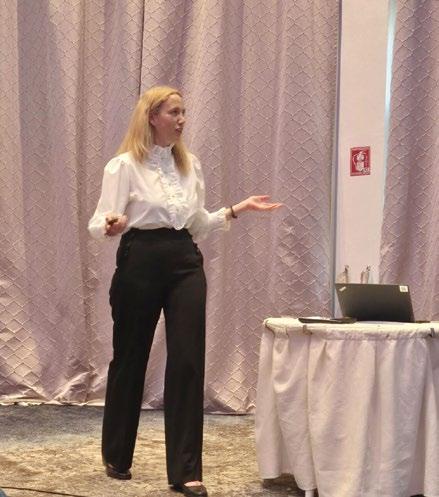
Mrs. Niki Christofi presented updated figures on Cyprus’s gender equality standings, based on the Statistical Service of Cyprus (CYSTAT), the Statistical Office of the European Union (Eurostat), and the Gender Equality Index of the European Institute for Gender Equality (EIGE).
Mrs. Christofi emphasized that gender equality is a core value of the European Union and a prerequisite for a fair and prosperous society. She highlighted that gender equality is the foundation for a strong Europe.
Each year, the European Institute for Gender Equality publishes the Gender Equality Index, which evaluates how EU member states perform in various dimensions, including work, power, money, knowledge, and time.
The Gender Equality Index scores countries from 1 to 100, with 100 representing full equality.
For the year 2024, Cyprus has achieved a score of 60.9/100. This score represents remarkable progress, as Cyprus’s score has steadily increased from 38.5 points in 2005, as per the table below.
Although Cyprus’s score is below the EU average of 71/100 and ranks 20th among EU member states, the European Institute for Gender Equality explicitly stated that Cyprus is catching up and has progressed more quickly over time than other countries, reducing the gap. Cyprus’s continuous improvement reflects its strong commitment to gender equality and contributes positively to the overall enhancement of equality. Cyprus’ current score demonstrates significant achievements, particularly the substantial progress in women’s representation in leadership positions, especially within the public sector. By increasing the representation of women in the private sector and by achieving a more balanced distribution of caregiving responsibilities between women and men, progress can be further achieved.
Greece ranked 25th among EU countries with 59.3, while Sweden ranked first on the list with 82, and Romania ranked last with 57.5. The graph below compares the Gender Equality Index scores of all EU member states, measured out of 100.
Despite progress of Cyprus in many areas, only 14% of Members of the Parliament are women (vs. 33% EU average).
The same rate (14%) applies for Cyprus regarding board members of the Central Bank Board (vs. 29% EU average).
Among the largest quoted companies and supervisory boards, women comprise 9% of the board members (vs. 34% in the EU).
By contrast, in education, women outnumber men by 229%, though the Education Service Committee is composed entirely of men.
Notably, the female representation in the Council of Ministers has increased from 0% in 2000 to 36.8% in 2025, very close to the target of the European Institute for Gender Equality, which has been set at the rate of 40%.
Latest CYSTAT data show that men predominate in salary scales A14–A16 (54.9%), while women predominate in A8–A13 scales (63%).
In the judiciary, women represent 55% of judges, compared to 34.4% in 2006.
The Public Service Commission and the Advisory Council members remain male-dominated.
Male self-employed in Cyprus outnumber females by 10,379 (54.7%), and male employees by 7,532 (3.5%). Women, however, predominate in professional occupations, representing 32.4% more than men among self-employed and 16.8% more than men among employees. But in managerial roles (Managers and Legislators), men are 289.3% more among self employed and 190.9% more as employees. Only 187 women work as self-employed Legislators and self-employed Managers in Cyprus.
The Cyprus National Strategy 2024–2026 for Gender Equality is essential to achieving equality. On the positive side, Cyprus has already made notable updates and achievements. Cyprus also implements recommendations from the EU’s Gender Equality Strategy.
In vocational training, gender equality is achieved: 17% of both women and men participate in educational courses and training (EU averages: 20% women, 19% men).
Regarding young individuals (25-34 years) working with tertiary education level of studies, women exceed men by 8,668, corresponding to 25.84% more than men. Up to the age of 24, women exceed men by 154.7% in the corresponding category.
Cyprus led the EU impressively in 2024 with 72.9% of women aged 30 34 who have completed tertiary education, compared to 55.6% of men. The table below is a comparison of countries in the European Union, the Euro area, the European Economic Area, the European Free Trade Association (EFTA), as well as potential candidates for EU membership.
According to the latest information from Eurostat on the gender pay gap, the percentage in Cyprus is 12.2%, slightly above the EU average rate, which is 12%. These figures are preliminary and are subject to revision. The gap has substantially declined in Cyprus, as it was 22.5% in 2002 and 16.8% in 2010. It is clarified that the figures before 2023 are considered final.
Among accountants with a professional title, men earn €2,885 on average per month in comparison to women who earn €2,560. For assistant accountants, the respective figures are €2,530 for men and €2,192 for women. For clerical/data entry roles, men earn €1,756 while women earn €1,485. Among information and communication technicians, men earn €2,509 on average compared to €2,097 that women earn, with salary differences up to €1,018 per month for information and communications technology professional specialists.
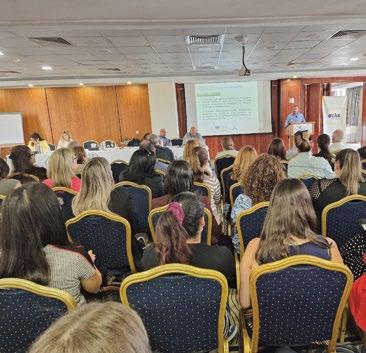
Mrs. Christofi also indicated the average gross monthly earnings by gender and branch of Economic Activity as per the table below.
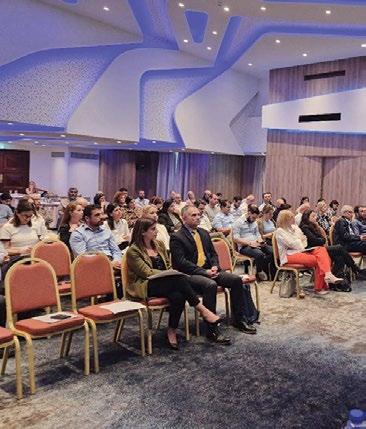
Regarding poverty risk levels, she indicated that women have higher rates than men. The poverty risk levels measure income below poverty thresholds.
Mrs. Niki Christofi emphasized that the fair value of the unpaid caregiving work (household, childcare) is not captured in any statistics, which could effectively relate to part-time or even full-time employment. She emphasized that women’s contribution to childcare is precious, invaluable, and cannot be underestimated. Recognizing and valuing this hidden contribution is essential for true social progress, dignity, and sustainable development.
In Cyprus, 70% of women perform household work and/or cook daily, compared to 33% of men (EU averages: 63% women, 36% men). Furthermore, 41% of women in Cyprus care for and educate their children, the elderly, or people with disabilities daily, compared to 28% of men (EU: 34% women, 25% men).
A WOMAN OFTEN LIES AT THE HEART OF THE
FAMILY
STRUCTURE, NOT ONLY AS A MOTHER, BUT AS A PROFESSIONAL, PARTNER, DAUGHTER, FRIEND, AND OFTEN CAREGIVER TO THE ELDERLY. TODAY’S WOMAN MUST BALANCE MULTIPLE ROLES AND INCREASING DEMANDS WITHOUT LOSING HERSELF.
During the COVID-19 pandemic, 40% of women in Cyprus spent over four hours daily caring for children/ grandchildren, versus 16% of men (EU: 40% women, 21% men).
She highlighted that these figures reflect women’s caregiving roles, but she emphasized that men’s contributions remain equally important and that they should continue supporting women in achieving a fairer distribution of household and childcare responsibilities, thereby contributing to gender equality.
According to EU surveys, 34% of Europeans believe that gender stereotypes are spread through advertising, while 33% attribute them to the media. The stereotypes influence educational and career choices. She mentioned the need to teach the children early that men and women can fulfill the same workplace roles. She emphasized that parents, teachers, and career advisors have key roles in this matter.
Mrs. Niki Christofi closed the presentation by thanking CYSTAT, EIGE, Eurostat, the Commissioner for Gender Equality, the Department of Labour Relations, as well as the Department of Labour for providing valuable information on gender equality.
Constantina Achilleos, ICPAC’s Communication Officer and President of the Youth Board of Cyprus
Mrs. Constantina Achilleos, as Communication Officer of ICPAC and President of the Youth Board of Cyprus, spoke on a societal cornerstone: investing in the family and contemporary women’s challenges.
Mrs. Achilleos highlighted that the family remains the cornerstone of society, the first school of values, and a vital sphere for emotional and social identity formation. Investing in the family is ultimately an investment in the future: in children’s mental health, in the stability of society, and in nurturing citizens grounded in empathy, ethics, and responsibility.
A woman often lies at the heart of the family structure, not only as a mother, but as a professional, partner, daughter, friend, and often caregiver to the elderly. Today’s woman must balance multiple roles and increasing demands without losing herself.
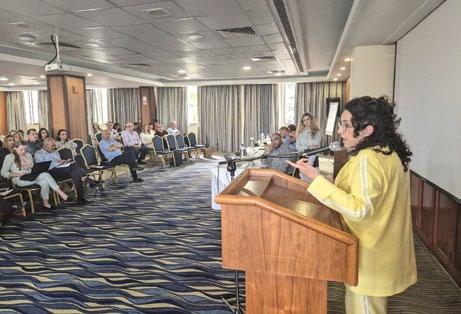
The modern woman is already in the labour market: she demands equality in opportunities, pay, and recognition. She demands the ability to build a family without halting her career. She demands supportive policies such as parental leave and access to quality childcare, so she can be present both at home and at work.
Mrs. Achilleos noted that the Youth Board of Cyprus considers the daily concerns of young women: How can they manage everything? When is the “right time” to become a mother? Can there be stability without sacrificing dreams?
She indicated that the Youth Board of Cyprus has launched free career guidance and entrepreneurship counseling programs, and numerous skills training initiatives. A hotline for psychological support for youth will also be available, enabling young women to express their concerns.
Investing in the family is not only a social and ethical obligation, but an economic strategy. A culture that views the family as a source of strength rather than a career obstacle, that promotes the active role of fathers, that acknowledges the complexity of women’s roles, and that recognizes work–life balance as a benefit for everyone.
A society that supports families and women builds sustainable growth and human progress.


“A model professional body, recognized by the state and the society as the primary stakeholder for the accountancy profession and the economy in general, instilling confidence, credibility and value”.
11 Byron Avenue, 1096 Nicosia, Cyprus
Tel.: +357 22870030
Fax: +357 22766360
Ε-mail: info@icpac.org.cy www.icpac.org.cy