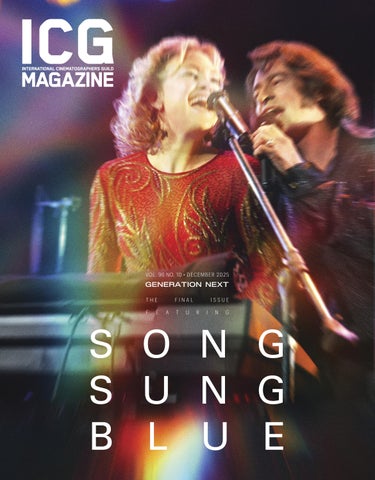
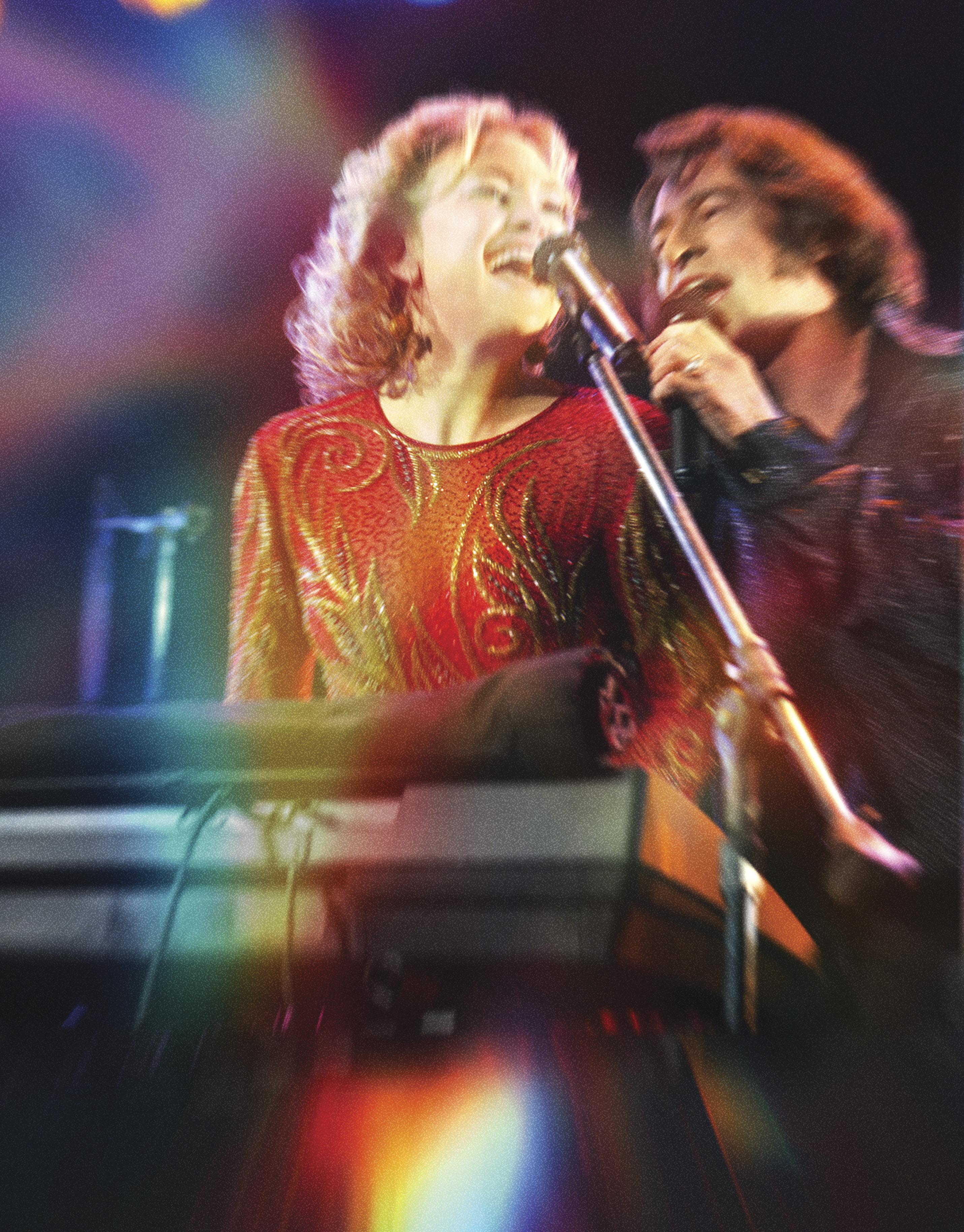
SONG SUNG BLUE

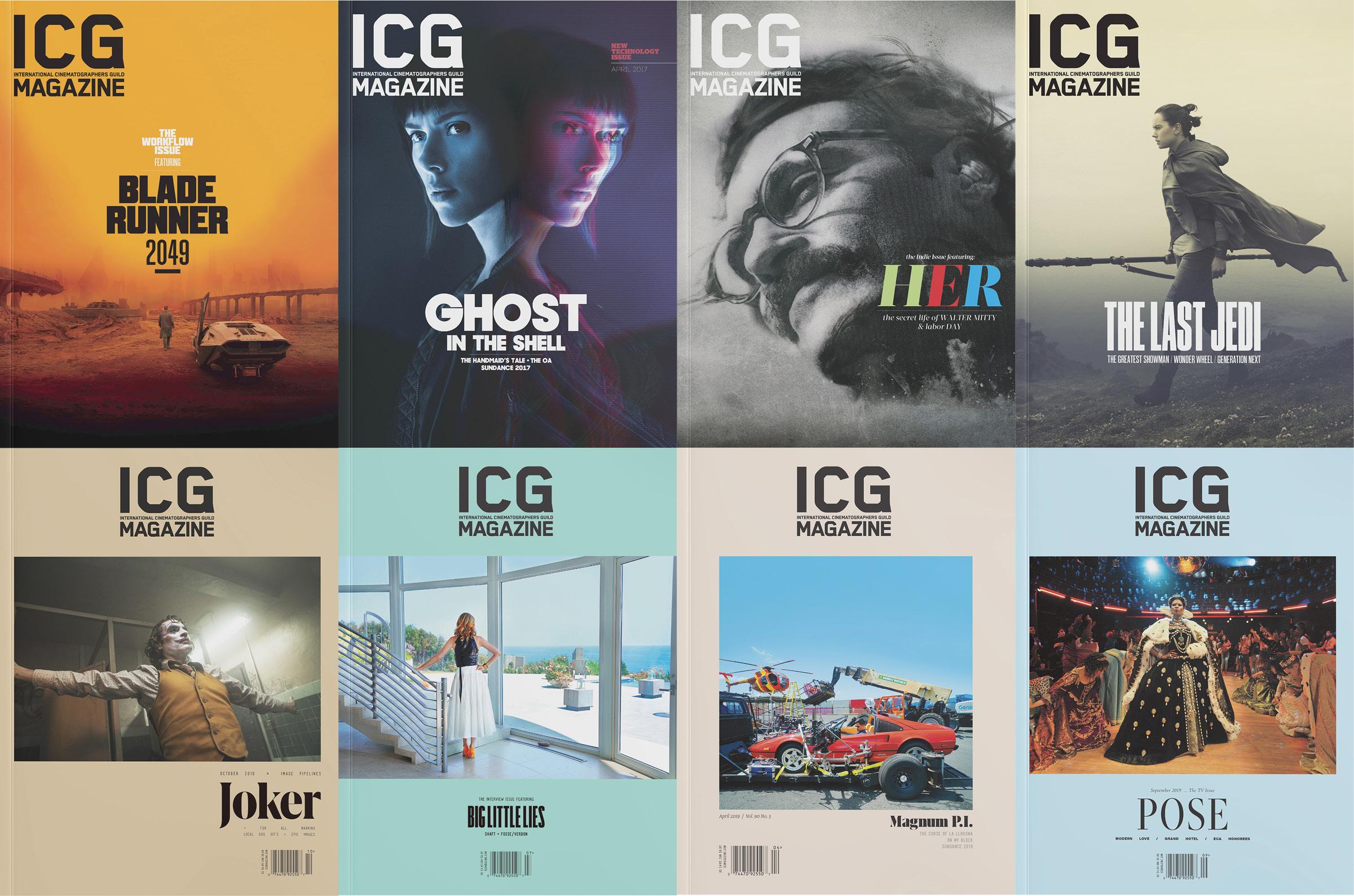




BIDDING ADIEU
There was a lot going on in March of 1929. Herbert Hoover was sworn in as the thirty-first president, and the San Francisco Bay Bridge opened. By then, 70 percent of films had become “talkies,” a shift that would see “silents” gone for good in a few short years. March 1929 also brought the birth of this magazine, then called The International Photographer Today, you hold its final issue – whether on paper or electronically. For almost 100 years, these pages showcased the work of our union members, as well as the artists and artisans who created and promoted the visual storytelling seen by millions – in theaters, living rooms and more recently, on screens everywhere in the world.
All change carries some loss, but it also opens the door to new growth. In this case, it creates exciting opportunities for how we communicate with our members and with our industry. We all see an ever-increasing demand for image-driven stories that will be told in contemporary ways for fresh audiences. The International Cinematographers Guild will continue to spotlight our colleagues in fresh and powerful formats, marking a new beginning as this publication writes its final chapter. Everything this magazine has highlighted will continue to be celebrated by the union, and all past issues will remain available in our archive for those drawn to explore the history of our members and our crafts.
I thank all the hundreds of people who have contributed to this publication over so many decades, and I thank you, the readers, who made the work feel meaningful and fulfilling. The International Cinematographers Guild is not going away. We look forward to meeting you again, in other ways and in new places.
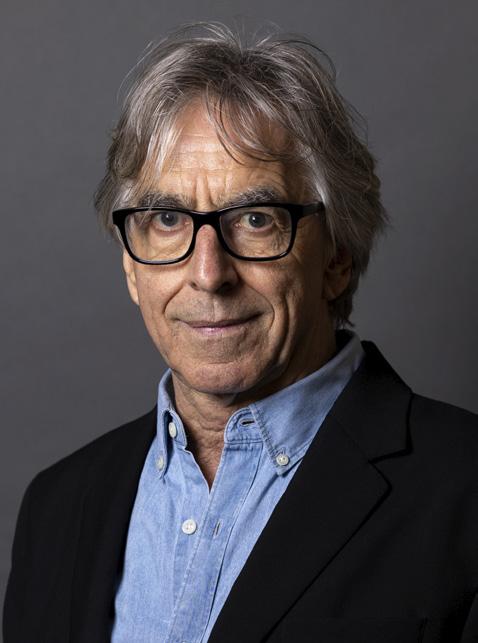
John Lindley, ASC
National President International Cinematographers Guild IATSE Local 600
photo by Robb Rosenfeld
Publisher Teresa Muñoz
Executive Editor
David Geffner
Art Director
Wes Driver
NATIONAL DIRECTOR OF COMMUNICATIONS
Jill Wilk
COMMUNICATIONS MANAGER
Tyler Bourdeau
COPY EDITORS
Peter Bonilla
Maureen Kingsley
CONTRIBUTORS
David James, SMPSP
Jay Kidd
Margot Lester
Kevin Martin
Valentina Valentini
IATSE Local 600
NATIONAL PRESIDENT
John Lindley, ASC VICE PRESIDENT
Jamie Silverstein
1ST NATIONAL VICE PRESIDENT
Deborah Lipman
2ND NATIONAL VICE PRESIDENT
Mark Weingartner, ASC
NATIONAL SECRETARY-TREASURER
Stephen Wong
NATIONAL ASSISTANT SECRETARY-TREASURER
Selene Preston
NATIONAL SERGEANT-AT-ARMS
Betsy Peoples
Tobin Yelland December 2025
NATIONAL EXECUTIVE DIRECTOR
Alex Tonisson
COMMUNICATIONS & OUTREACH COMMITTEE
Jamie Silverstein, Chair
CIRCULATION OFFICE
7755 Sunset Boulevard
Hollywood, CA 90046
Tel: (323) 876-0160
Fax: (323) 878-1180
Email: circulation@icgmagazine.com
ADVERTISING REPRESENTATIVES
WEST COAST & CANADA
Rombeau, Inc.
Sharon Rombeau
Tel: (818) 762 – 6020
Fax: (818) 760 – 0860
Email: sharonrombeau@gmail.com
EAST COAST, EUROPE, & ASIA
Alan Braden, Inc.
Alan Braden
Tel: (818) 850-9398
Email: alanbradenmedia@gmail.com
Instagram/Facebook: @theicgmag
ADVERTISING POLICY: Readers should not assume that any products or services advertised in International Cinematographers Guild Magazine are endorsed by the International Cinematographers Guild. Although the Editorial staff adheres to standard industry practices in requiring advertisers to be “truthful and forthright,” there has been no extensive screening process by either International Cinematographers Guild Magazine or the International Cinematographers Guild.
EDITORIAL POLICY: The International Cinematographers Guild neither implicitly nor explicitly endorses opinions or political statements expressed in International Cinematographers Guild Magazine. ICG Magazine considers unsolicited material via email only, provided all submissions are within current Contributor Guideline standards. All published material is subject to editing for length, style and content, with inclusion at the discretion of the Executive Editor and Art Director. Local 600, International Cinematographers Guild, retains all ancillary and expressed rights of content and photos published in ICG Magazine and icgmagazine.com, subject to any negotiated prior arrangement. ICG Magazine regrets that it cannot publish letters to the editor.
ICG (ISSN 1527-6007)
Ten issues published annually by The International Cinematographers Guild 7755 Sunset Boulevard, Hollywood, CA, 90046, U.S.A. Periodical postage paid at Los Angeles, California POSTMASTER: Send address changes to: ICG Magazine 7755 Sunset Boulevard Hollywood, California 90046
Copyright 2025, by Local 600, International Alliance of Theatrical Stage Employes, Moving Picture Technicians, Artists and Allied Crafts of the United States and Canada. Entered as Periodical matter, September 30, 1930, at the Post Office at Los Angeles, California, under the act of March 3, 1879. Subscriptions: $88.00 of each International Cinematographers Guild member’s annual dues is allocated for an annual subscription to International Cinematographers Guild Magazine. Non-members may purchase an annual subscription for $48.00 (U.S.), $82.00 (Foreign and Canada) surface mail and $117.00 air mail per year. Single Copy: $4.95
The International Cinematographers Guild Magazine has been published monthly since 1929. International Cinematographers Guild Magazine is a registered trademark. www.icgmagazine.com www.icg600.com
“CINEMATOGRAPHER TAKURO ISHIZAKA MAKES WONDERFUL USE OF TOKYO, frequently employing shots depicting its vast urban landscape to underscore the loneliness of Phillip and many of its inhabitants.”
“HIKARI crafts a VISUALLY RICH NARRATIVE.”
“Rental Family is PURE MOVIE MAGIC.”

WIDE ANGLE
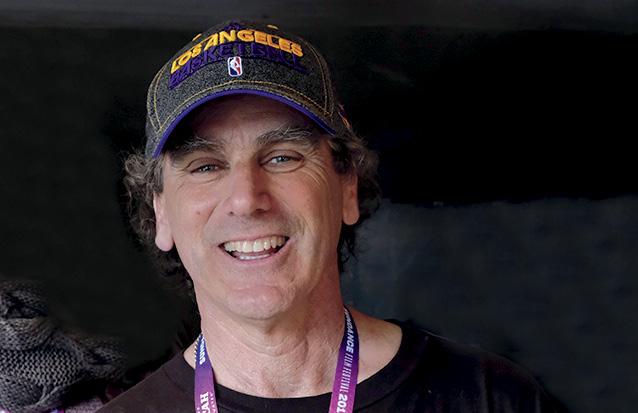
When we got the news that ICG leadership was going to “sunset” the magazine, meaning this December 2025 issue would be the last in its 96-year history (see page 34 for a detailed historical timeline of the magazine since its inception in 1929), my first mental image (probably because it’s awards season!) was of the many ICG directors of photography I’ve gotten to know who, upon winning a – pick one: Oscar, Emmy or ASC award – frantically try to name all the people they want to thank before the music plays them off. Although my tenure as executive editor was long by contemporary standards – seventeen-anda-half years – the list of individuals who helped this magazine win dozens of Maggie (Publishing) Awards, and, more importantly, helped connect, promote and support (literally) thousands of union film and television workers, began well before I arrived.
Within recent memory, that list starts with ICG President Emeritus George Spiro Dibie, ASC (working with then-Editor Suzanne Lezotte), who transitioned the magazine from galleys to computers in the mid-1990s, on through to the arrival of former ICG President Steven Poster, ASC in the mid-2000s, whose creative support (first with my predecessor, Neil Matsumoto, and then with me and current art director, Wes Driver) helped make ICG Magazine the world’s premier filmmaking journal. Past art directors Joy Orlino, Edgar Orlino, Matthew Ward, and especially Stefan Viterstedt (who immediately preceded Driver) all elevated the magazine to new visual heights, while our longtime ad sales team, Sharon Rombeau and Alan Braden, worked hard to make each issue a revenue driver for Local 600.
Pauline Rogers was not just the only staff writer this magazine had in the modern era, she was (at the time of her passing in 2024) the longestrunning employee of the union’s national team. (You can read about Pauline’s brilliant career in the Web Exclusive I wrote early this year.) Longtime freelance writers under my (and Neil’s) tenure, including Kevin Martin, Ted Elrick, Margot Lester, Matt Hurwitz, Elle Schneider and Valentina Valentini, along with copy editors Peter Bonilla and Maureen Kingsley, all made me a much better editor, while current ICG Assistant Western Region Director Michael Chambliss ensured all those visits to snowy Utah (and windy Palm Desert) were that much more fun and productive. And, of course, there are the many, many publicists who lined up interviews on Sundays and holidays, and pitched me so many of our awarding-winning stories.
Teresa Munoz, who joined Local 600 in 1995 (and was associate publisher for nearly a decade before assuming the role of publisher in 2009), is the
lone historical link to our pre-digital days. Her calm, thoughtful leadership is what made the 200-plus issues this team did together (without failing to deliver an issue!) unparalleled in any of our working lives. Thanks also go to the Communications Department, led by National Director of Communications Jill Wilk (who advocated our work to leadership), Communications Assistant Joey Gallagher (who banked yeoman hours editing video for the magazine), and, especially, Communications Manager Tyler Bourdeau, who showed dogged persistence tracking down imagery, lining up photo portraits, and chasing video interviews (from Park City to Universal City), and was a blessed addition to our small staff. As for Wes Driver’s stunning, textured layouts, I have no doubt they belong as much in a high-end art gallery as they do on the latest iteration of WordPress; Wes’ artistry never failed to impress and surprise.
Numerical highlights of this group’s tenure include 19 (layout/design) Maggie Awards; 16 trips to the Sundance Film Festival to host ICG Magazine’s Snowdance party; 11 Deep Dive (the series created at the onset of COVID) virtual and in-person panels; 14 issues devoted entirely to ICG’s publicist and unscripted members; 15 Interview Issues, which gave voice not only to every single job classification in Local 600 but to their many filmmaking partners; 17 Product Guides, the result of our staff’s annual trips to NAB, Cine Gear and HPA to visit with our many vendor partners; and, just this year, three episodes of our first-ever podcast, Outside the Frame
It’s impossible to thank all the many union members who made time for Zoom, phone and email interviews over these many years, so I’ll just mention a few whose love for the magazine knew no bounds. They include Nancy Schreiber, ASC; Rodrigo Prieto, ASC, AMC; Checco Varese, ASC; Matty Libatique, ASC; Alice Brooks, ASC; Todd Banhazl, ASC; Rachel Morrison, ASC; Reed Morano, ASC; Oliver Bokelberg, ASC; Claudio Miranda, ASC; Phedon Papamichael, ASC; Todd A. Dos Reis, ASC; Adam Biggs; James Bagdonas; Robert Elswit, ASC; John Schwartzman, ASC; and the amazing Shana Hagan, ASC. If you think that list (which is only DP’s!) is awesome, then check out our Quote Tribute (page 36), where many more share parting thoughts about how the magazine imprinted their careers, on and off the set.
Finally, it can only be described as heaven-sent symmetry that the last issue of ICG Magazine is themed around Generation NEXT, which highlights those union filmmakers leading the charge into the great beyond. Song Sung Blue, this month’s cover story, was shot by Amy Vincent, ASC, whom I first met at Sundance twenty years ago when she was a Generation NEXT filmmaker and who continues to define what it means to belong to this very special community of technicians and artists.
So (before the music plays me off), a huge thank you from the ICG Magazine staff to all who shared in this magical ride. We couldn’t have done it without you!
David Geffner Executive Editor Email: david@icgmagazine.com


Cover Photo by Sarah Shatz
Photo by Sara Terry
VALENTINA VALENTINI
TOBIN YELLAND
COMPILED
BY
MARGOT LESTER
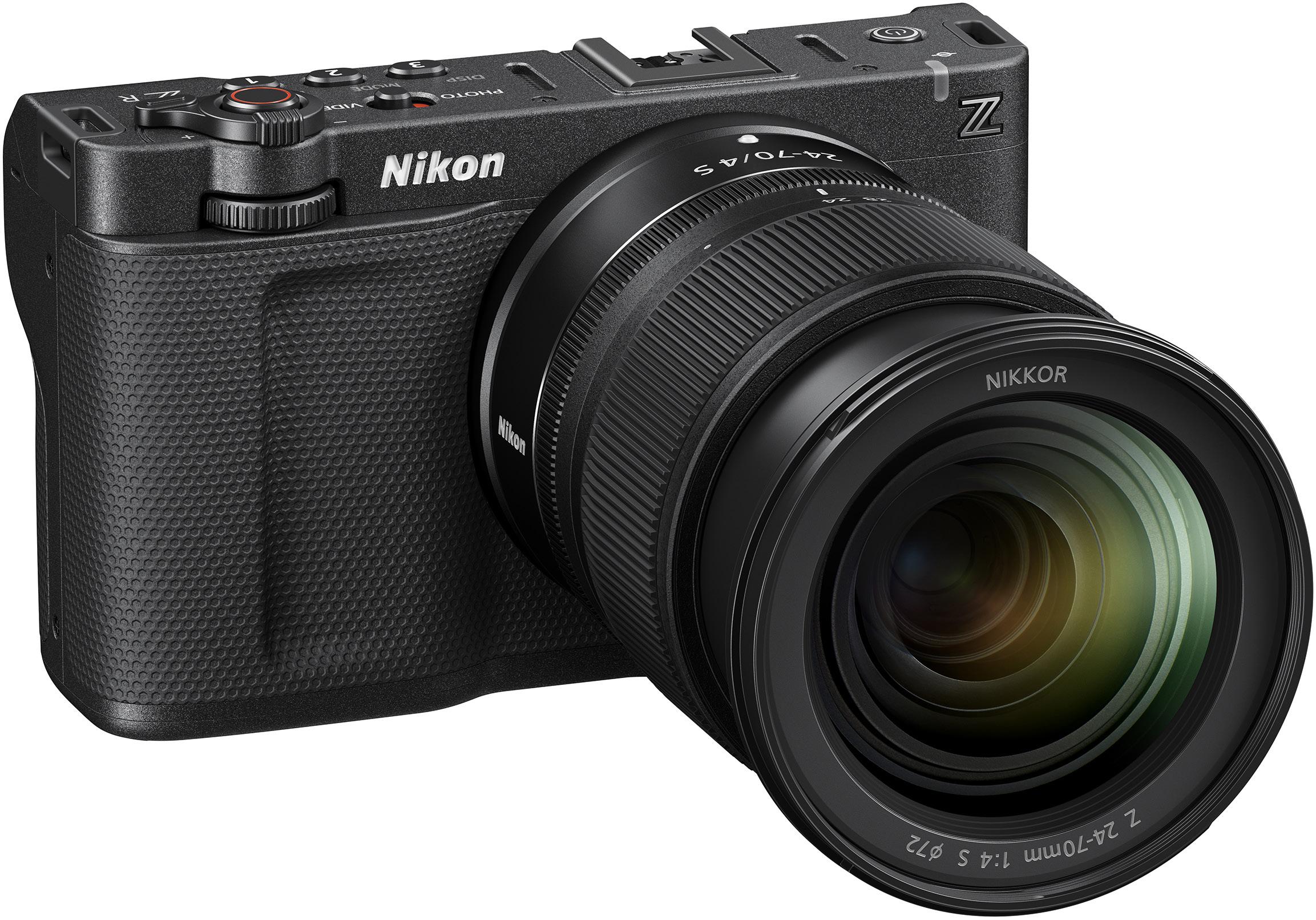
ZR CINEMA CAMERA
$2,195 NIKONSUSA.COM
This new lightweight, compact camera boasts an internal 6K REDCODE RAW recording capability, using the CFexpress media as on the V-Raptor [X] and KOMODO-X cameras. “This makes the footage integrate seamlessly into established workflows,” describes Director of Photography Markus Förderer, ASC, BVK. “The ZR allows me to capture raw video with RED’s excellent color science, with the ability to use the same LUT’s I use in the bigger cameras but in a very small camera that can be rigged pretty much anywhere. I can bring it on location scouts and experiment to develop a unique look and feel during pre-production.” That makes it a good choice for setups that are too dangerous or complicated to mount a traditional camera. “This camera allows you to go out on your own to remote places and capture images that will hold up on an IMAX screen when exposed properly.”
Sean Bobbitt, BSC
“A proliferation of arresting moments— CAUGHT ON THE WING IN WIDE-SCREEN IMAGES, THANKS TO SEAN BOBBITT’S CINEMATOGRAPHY—that balance tragedy and horror with excitement and wonder”
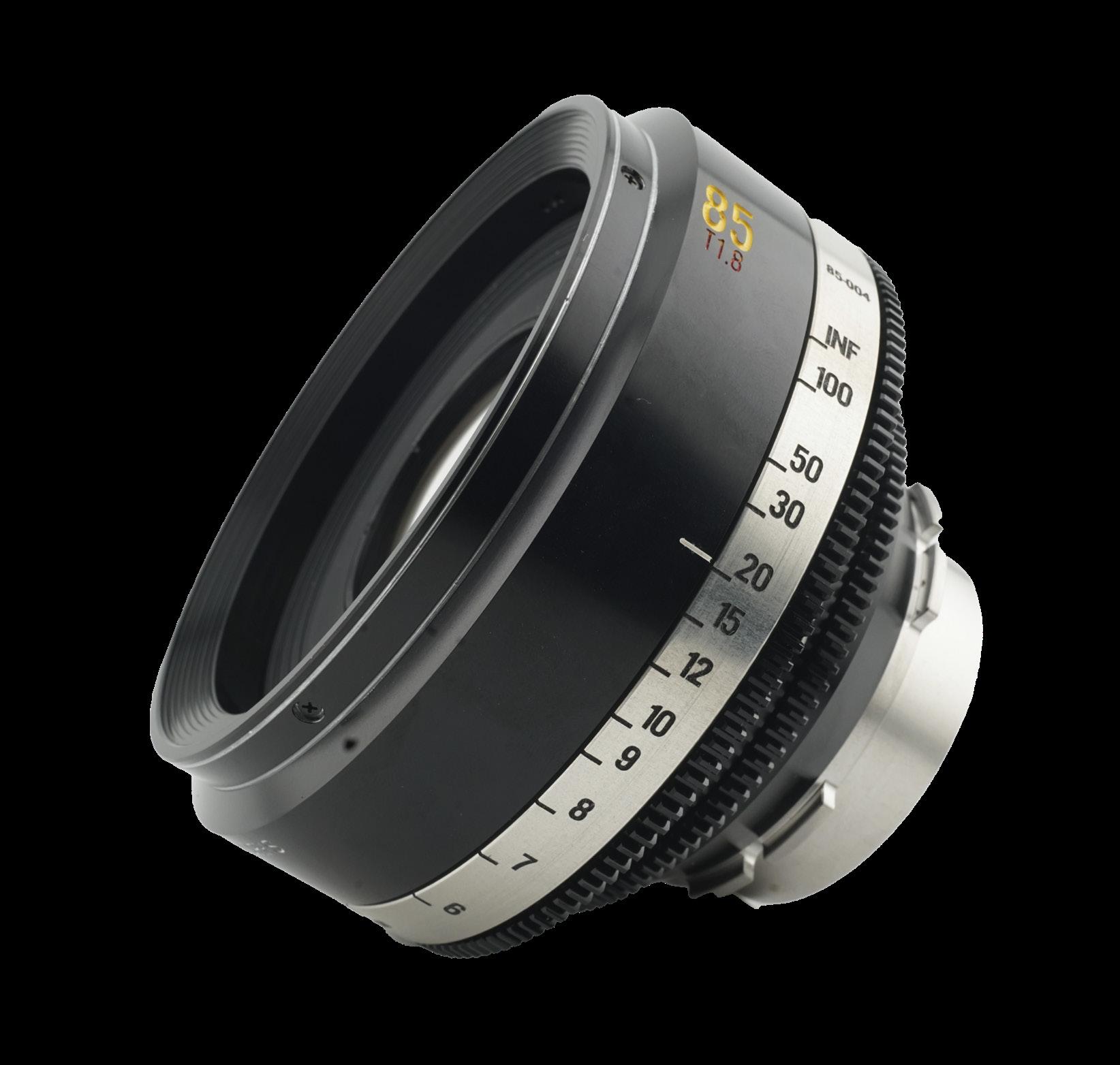
This new lens set features a “huge image circle of 65 millimeters ready for the current and upcoming slate of larger-format cameras, unlocking new lens characteristics and flares that are hidden on smaller sensors,” notes Lensworks’ Chief Engineer Stephen Gelb. “The lenses are awesome for any format, but they really come alive on the new larger imagers.” The set distills many lenses, landing on optics chosen for both the huge 65-mm image circle and a character-rich image. It delivers a consistent, fast, workable T-stop and open-gate coverage for the ARRI ALEXA 65 and Blackmagic Design 17K sensors. Other highlights include excellent close focus, micro contrast for smooth skin tones, and lens flares across a variety of focal lengths, making it perfect for narrative storytelling or commercial work. Housed in aircraft-grade aluminum with an expanded focus scale and spring-loaded cam-driven movement that eliminates backlash and image shift, these lenses excel in the most demanding production environments.
BEST PICTURE
CINEMATOGRAPHY Robbie Ryan , BSC, ISC
“ THE BEST PICTURE OF THE YEAR .”









“BUGONIA looks spectacular thanks to the sheer
’s
images.” e
Reporter















LEITZ HEKTOR LENSES FOR MIRRORLESS CAMERAS
$42,000 FOR THE SET OF 6 LEITZ-CINE.COM
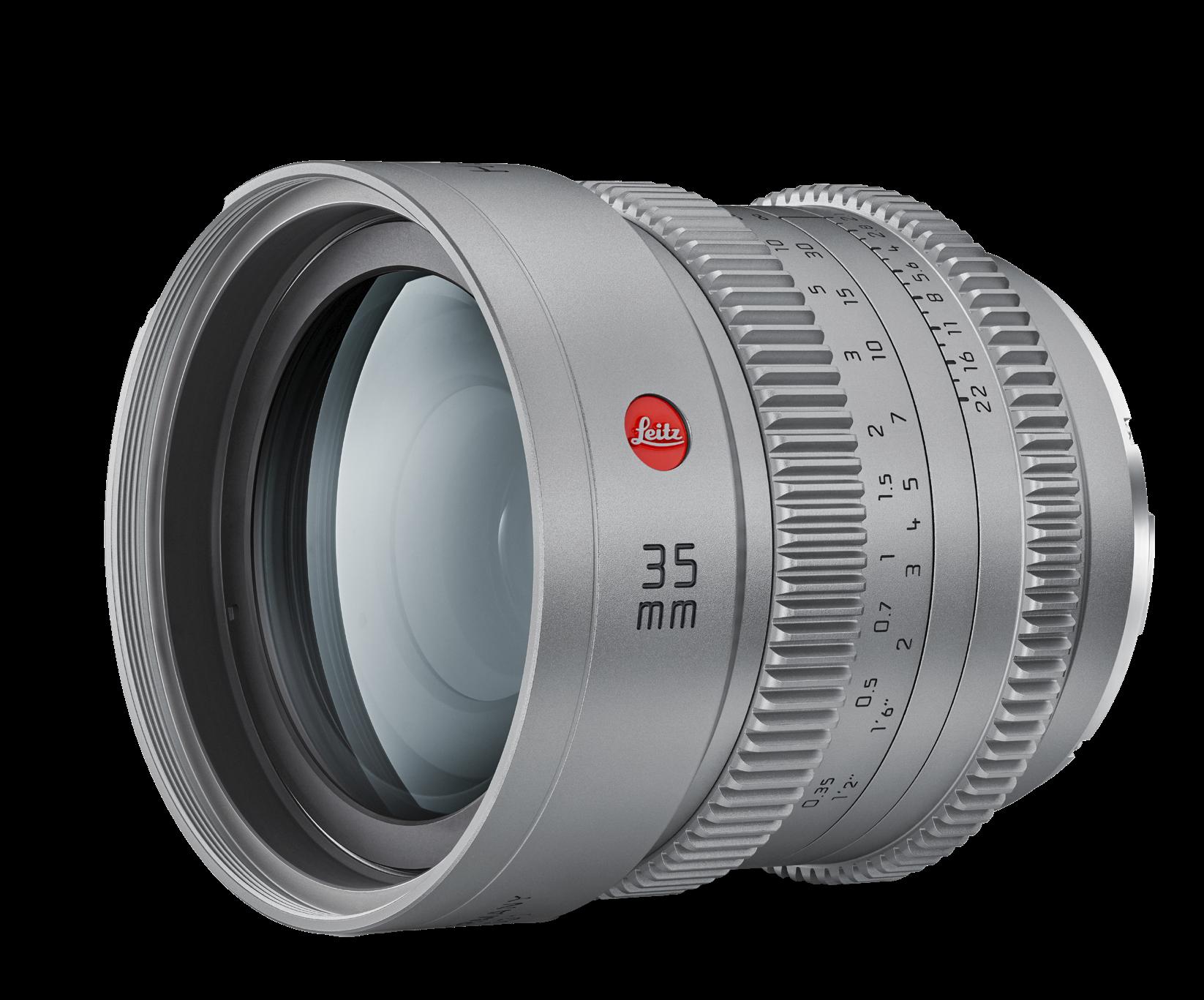
Four years in development, the hand-built Leitz HEKTOR lenses provide classic photo beauty and cine glass without their limitations. The field curvature and spherical aberration gently soften focus and give bokeh a little more personality without sacrificing the relatively high contrast. Dynamic, colorful flares can be produced at certain focal lengths with less veiling glare than older optics. The lenses have an unusually durable construction for mirrorless-format lenses, making them a versatile option. Director of Photography Bret Curry recently used the lenses on a commercial shoot in Montana. “Chasing not only the light, but also some truly wild cowboys and horses, we needed a no-compromise lightweight prime set to hop between our smaller camera builds like the Freefly Ember S5K and the DJI Ronin 4D,” Curry recalls. “The Hektors provided a beautiful mix of vintage and modern characteristics, and their truly unmatched quality-to-size will certainly make them a staple in my lens packages going forward.”
FUJIFILM
GFX ETERNA 55
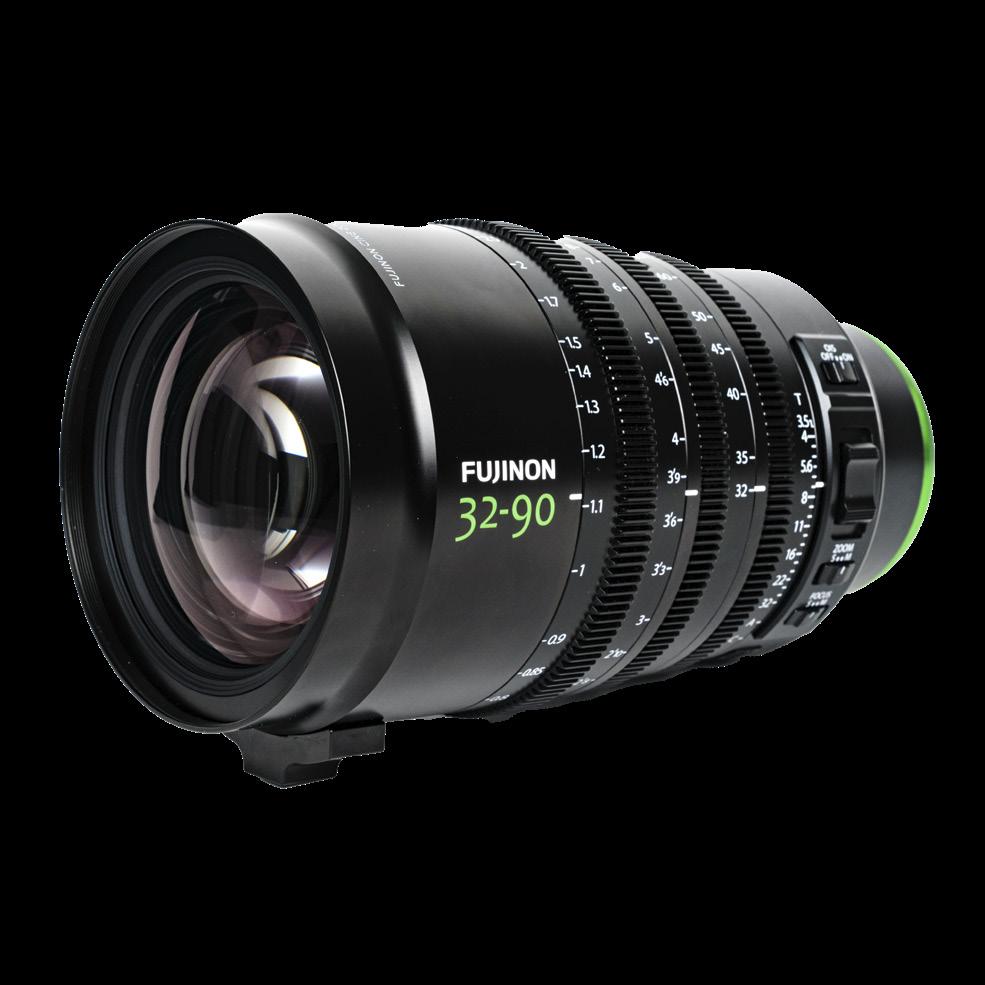
$16,499
FUJIFILM-X.COM
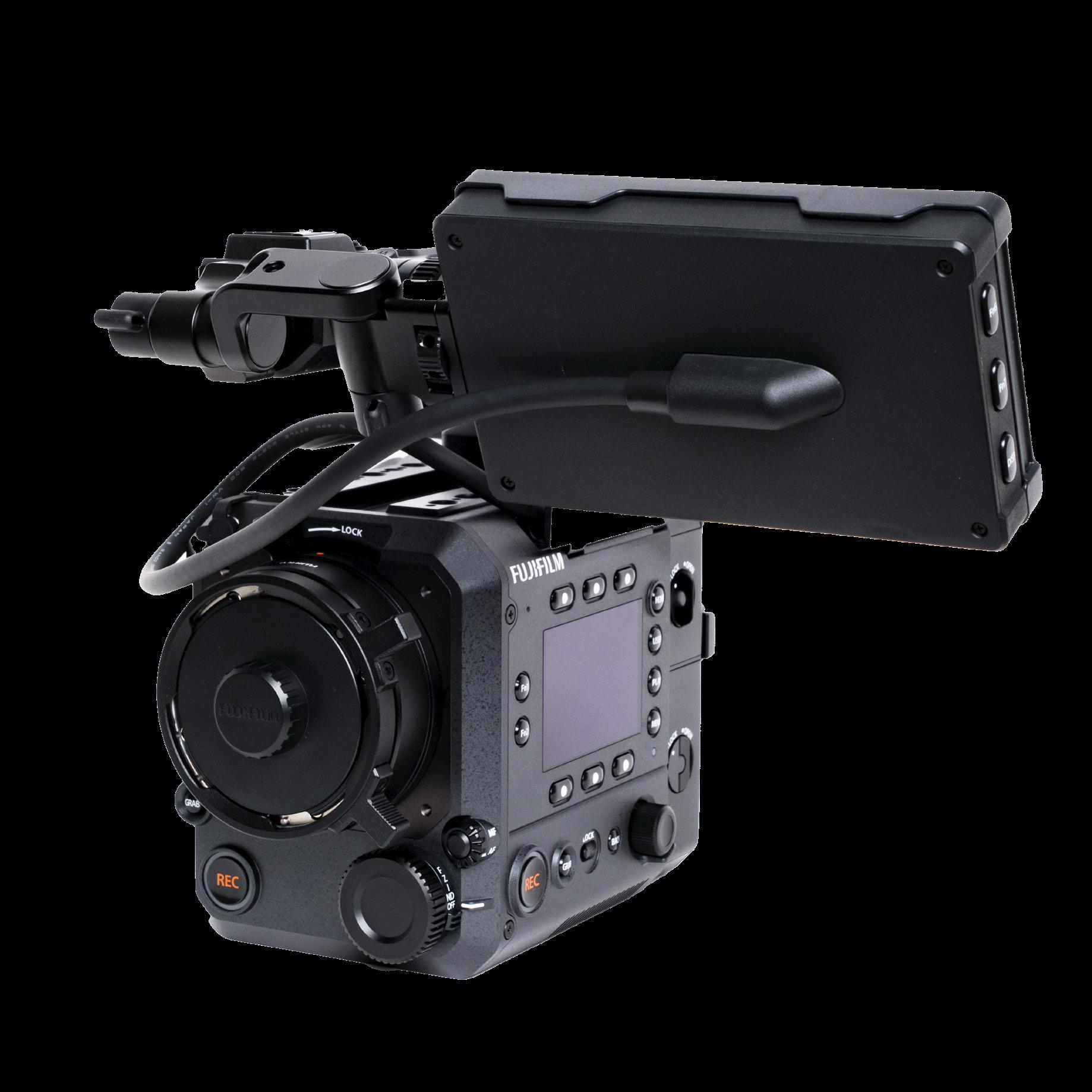
The GFX ETERNA 55 is the company’s first purpose-built digital camera for filmmaking production. Its variety of sensor modes includes a GF 4:3 Open Gate, the tallest commercially available and one of the widest (about 8.5 mm taller and 7 mm wider than Full Frame). Users can also fine-tune their images with the F-Log2 C logarithmic gamma curve that provides 14+ stops of dynamic range. “GFX ETERNA 55 users can make use of Fujifilm’s newly developed 3D Film Simulation LUT’s, made for use with F-Log2 C and inspired by some of our most popular analog film stocks,” says John Blackwood, product marketing director for FUJIFILM North America Corporation. “Paired with the new lightweight FUJINON GF3290-mm T3.5 Power Zoom lens, filmmakers are afforded a great range of options for crafting their stories. Featuring GF lens communication protocol, users will have full focus, iris, and zoom control through the use of controllable dials featured on the camera body and optional handle.”





MALCOLM SERRETTE
DIRECTOR OF PHOTOGRAPHY
BY MARGOT LESTER
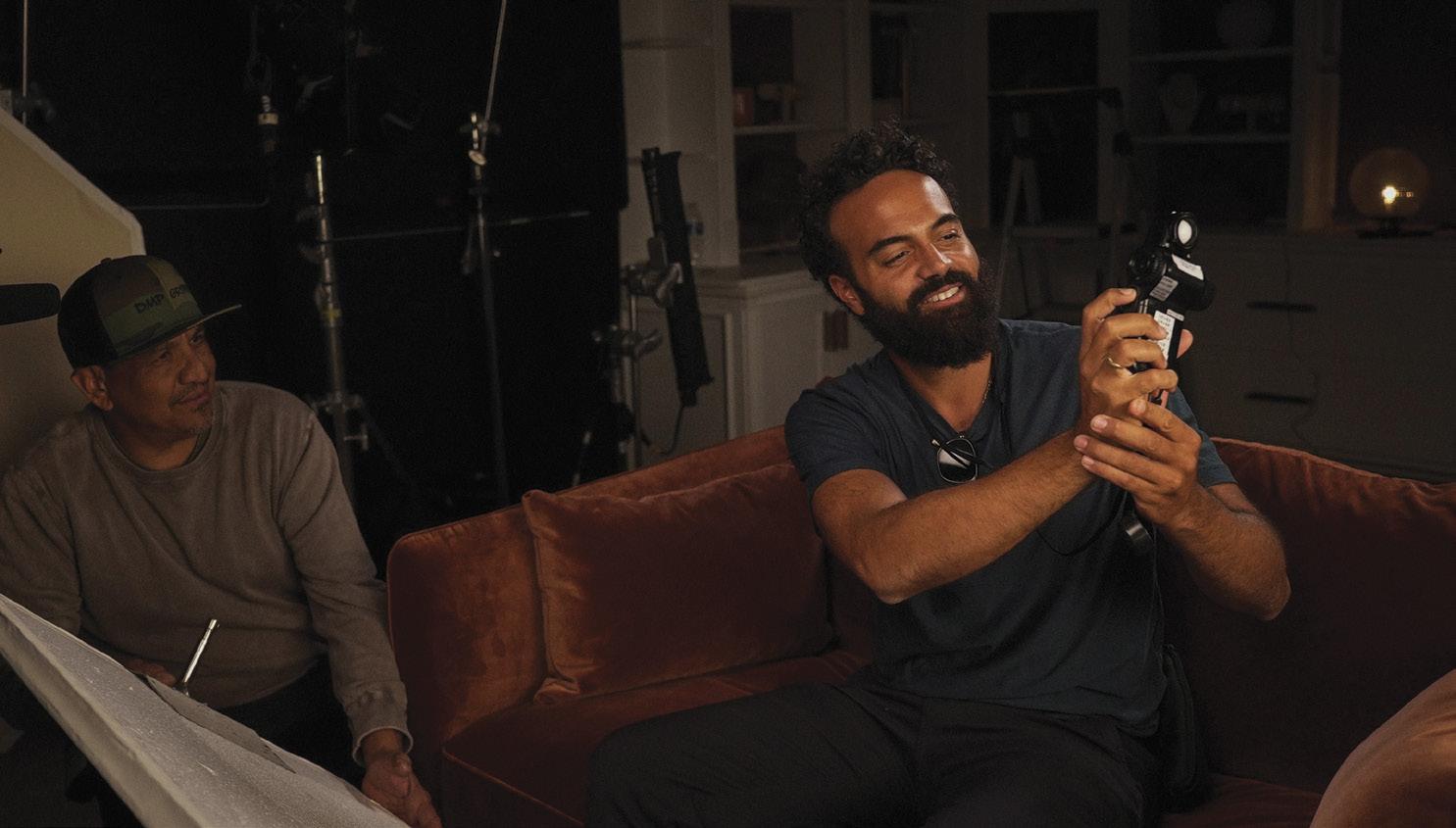
“I came up in a pro-union, working household,” explains Local 600 Director of Photography Malcolm Serrette, a 13-year ICG member. “My father, Dennis Serrette, started organizing labor unions in the 1960s, and that spirit he worked toward – of healthy working conditions and familial-like camaraderie – has carried with me into how I like to crew up.”
That love for labor also ingrained in Serrette a deep understanding of the value of his union, ICG. “I believe that in such a collaborative medium, having an optimistic, passionate, and talented team that feels appreciated for their
knowledge and skillset yields the best results for everyone,” he adds.
That people-first philosophy was also informed by Serrette’s early experiences growing up in Washington, D.C. Serrette says he knew in high school that he’d pursue a career in some aspect of the entertainment industry. So, he took summer courses at American University, which also included acting. When he got to NYU for film school, he was drawn to the camera department. Between classes, he worked as a production assistant and AC on productions shooting in the city, including a
lot of documentaries and unscripted shows, like MTV’s The City
“I learned so much watching documentary DP’s do a lot with a little, covering scenes single-cam and setting up interviews,” Serrette remembers. “That was great paired with more traditional scripted lighting classes. With that base, and over time, I learned how to be flexible in any environment and to know when and how to shift gears based on available crew and equipment.”
By age 26, Serrette had landed his first sixepisode, multi-cam gig with Producer/Director
PHOTOS COURTESY OF RICKY PONCE
FOR YOUR CONSIDERATION BEST PICTURE
BEST CINEMATOGRAPHY DAN LAUSTSEN, ASC, DFF
“Dan Laustsen’s awe-inspiring cinematography is to die for. This is why I go to the movies.” FIRSTSHOWING
“Achingly gorgeous. Dan Laustsen’s cinematography will take your breath away.” NME
A film by Guillermo del Toro
Rasheed Daniels, also for MTV. “The thing is, I didn’t naturally have an eye,” he admits. “It took experience and years of studying for me to develop an in-depth understanding of what makes a shot what it is and why. I continued to work with directors over the years that were passionate about unscripted shows with highly stylized elements in multi-cam environments.”
The effort paid off, says Director of Photography Jeremiah Smith, who first met Serrette on Project Greenlight: A New Generation. “Malcolm has an amazing eye, masterful lighting skills, and a work ethic that makes any set that he is on pleasant,” Smith explains. “He’s super easy to work with and is collaborative, yet very certain in knowing what he wants. I personally like to have a good time on set, and working with him, you’re guaranteed to.”
These days, Serrette is a student of the “psychology of cinematography,” or, as he describes, “how we experience it and how different people approach it. I’ve found that my love isn’t just with playing with cameras, lenses, and light, but also in the act of impacting lives in whatever large or small way the profession allows, preferably in ways that are thought provoking and/or empowering.”
His most recent project was the marketing competition On Brand with Jimmy Fallon . Other credits run the unscripted gamut, from documentaries ( The Year of the Scab ) to live productions ( Lizzo: Live in Concert ), reality series ( Breaking Point , Long Island Medium ), cooking challenges ( Baking It , Gordon Ramsay’s Food Stars ), and music competitions ( American Idol , Rhythm + Flow ).
“One of the elements of shooting unscripted that gets less attention than geeking out at the 20-plus camera checkouts, big cameras on gimbals following cars, or Technocranes swinging around kitchens is the logistical Rubik’s Cube of how we’re going to dress and light new locations in unthinkable timeframes so that we can then play with those toys,” the L.A.-based Serrette notes.
A prime example was Rhythm + Flow, with Eminem, for which Serrette and crew scouted several locations in the rapper’s hometown of Detroit, including the Michigan Theatre. “The space is incredible, and I was salivating at the possibilities of lighting it up for rap battles, with epic Steadicam entrances up ramps and all the angles,” Serrette recounts, “not to mention tipping the hat towards a location used in 8 Mile.” But after weeks of discussion, the location was a budgetary no-go, and they moved to St. Andrews, the inspiration for the basement in 8 Mile and the place where Eminem (then Marshall Mathers) got his start freestyling. One problem: the space required a lot of lighting – and most of the crew (including Serrette) and all the camera packages were needed back in the Atlanta studio to finish filming a recording session.
“Our lighting director, Dave Thibodeau, is fantastic, and he split with our gaffer, Chris Roseli, to get a jump on load-in, while our tech producer, Mike Nichols, managed to source alternate camera gear to send from New York,” Serrette recalls. “Camera operators and AC’s would be pushing into sixth and seventh days, so production didn’t want to send all of
our team, either, so we needed to send a lot of new crew, with the exception of HOD’s. That alone is a challenge, as a lot of efficiency is built into the flow that gets established once a show is up and running.”
Upon landing in the Motor City, Serrette, showrunner David Friedman, and Director Jan Genesis had a small window to get the cameras up, make adjustments, set Eminem’s master interview, and light a bar next door for contestants.
“When camera images went up at MCR, we decided the stage just didn’t look good enough, as it lacked depth,” Serrette continues. So, they quickly pivoted to stage the rap battles on the floor in the middle of the audience. “Thanks to some good scouts, I had asked the production design team to hang some fluorescent fixtures for Titan Tubes to live in and be great foreground elements for the Technocrane,” Serrette says. “In this new spot, they provided a beautiful base layer of cyan in the shadows, and we redirected a few lights away from the stage to shape the rappers where they’d circle each other in battles.
“I’m not going to pretend all the location switches and lack of time made it more fun,” he adds. “But they’re the type of real-world challenges we always face in unscripted, and it highlights how important it is to have an amazingly talented crew with a can-do attitude. On screen, folks watching might just pay notice to the silhouette Ronin shot of Eminem walking down the stairs when he enters or the color palette we leaned into. But behind the scenes, a lot of the magic and work is in executing under pressure – and I believe we did.”
Smith isn’t surprised Serrette and his crew pulled it off.
“Malcolm’s a beast and will do his best to deliver the best product to the best of his ability,” he asserts. “He carries himself like a true professional and makes sure his team is taken care of.”
Says Serrette: “We’re humans first and workers by passion and trade. Connection and balance are everything. Our jobs don’t have to be the main source of our happiness, but ideally, they aren’t the source of our sadness. The protections that come with union membership make everyone better and happier on and off set. The guidelines allow companies to square capitalistic tendencies with human values, and everyone wins as a result.”

ADOLPHO VELOSO, ABC AIP






“THE MOST BEAUTIFULLY SHOT FILM OF THE YEAR.”


“ADOLPHO VELOSO’S CINEMATOGRAPHY IS RAPTUROUS.”


“THE BEST FILM OF THE YEAR.”

JOEL EDGERTON
FELICITY JONES
KERRY CONDON WILLIAM H. MACY
CRAIG BREWER
WRITER/DIRECTOR
BY VALENTINA VALENTINI
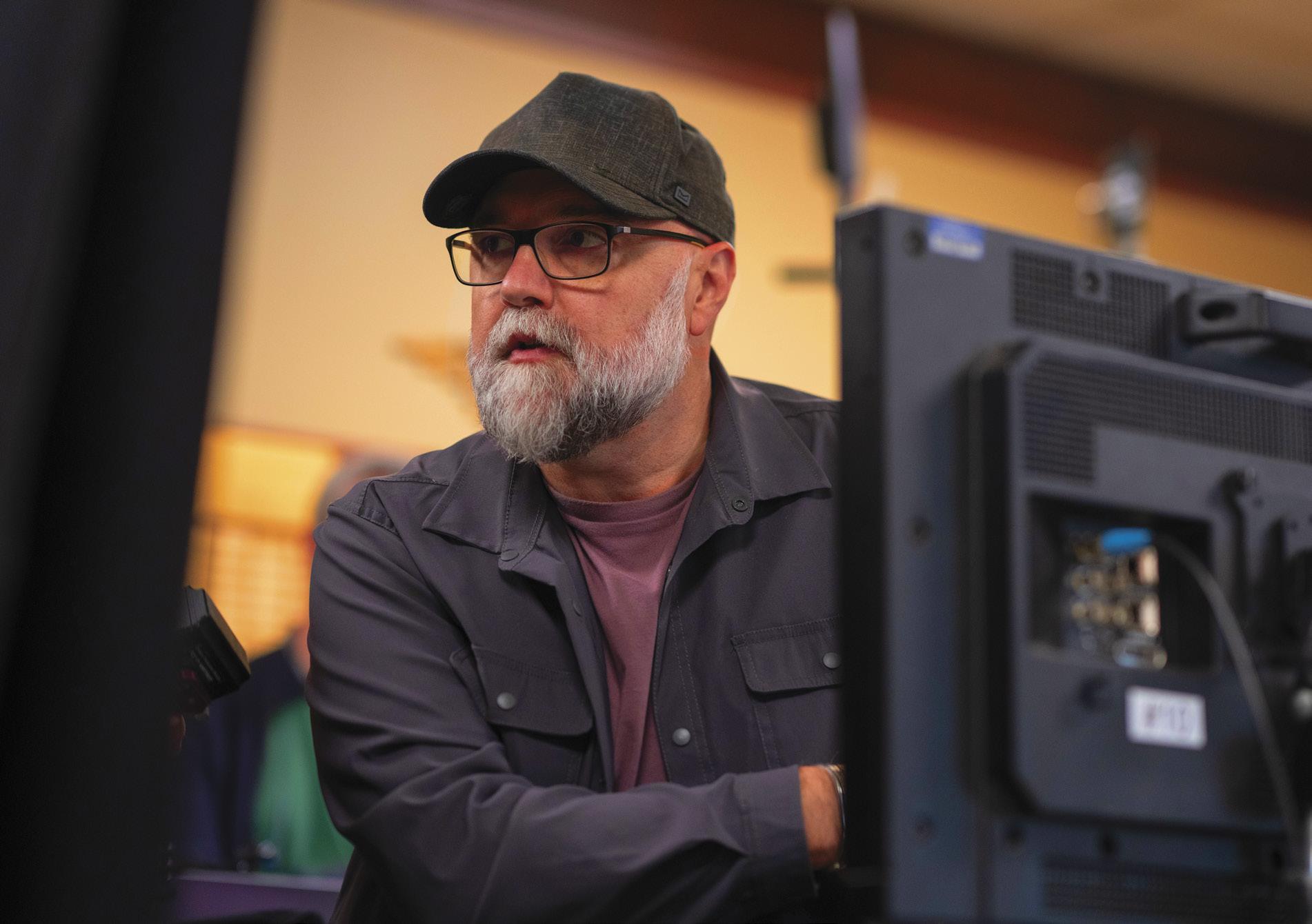
Twenty-five years ago, Craig Brewer wrote, directed and shot The Poor & Hungry for $20,000. He skipped the festival circuit and cut a deal with a local Memphis, TN theater chain to recoup what it cost to make. Five years later, he lived the indie dream when his film Hustle & Flow took Sundance by storm. That beloved musical drama rocketed Brewer’s stock in Hollywood and beyond, offering him the opportunity to direct studio features, sequels, remakes and more gritty indies.
PHOTOS BY SARAH SHATZ FRAMEGRABS COURTESY OF FOCUS FEATURES
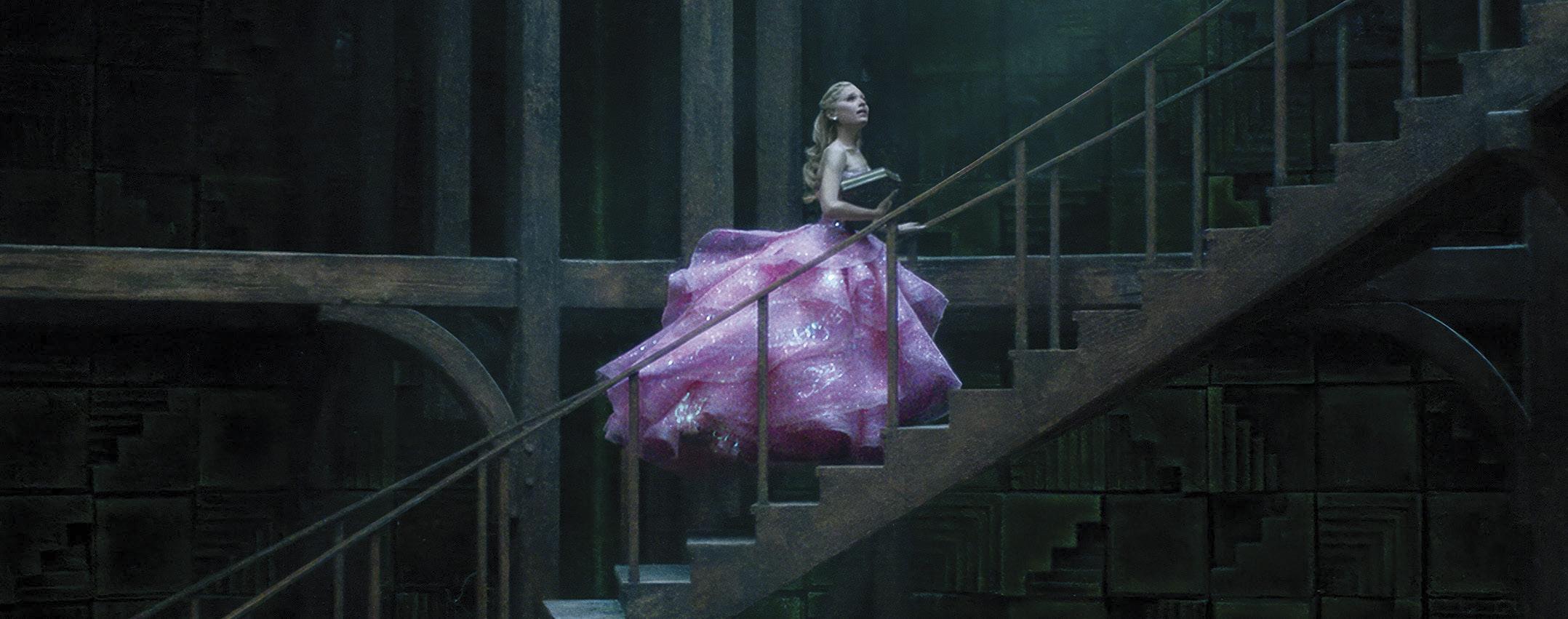

Despite the bespoke indie credentials, Brewer actually comes from a sports family. “My granddaddy was a New York Yankee and a New York Met,” the Memphis native says. “My dad went to the University of Tennessee, so in all of my baby pictures I’m wearing tacky orange. I think there was always the assumption that I was going to go into sports. But I was never good at sports, and that embarrassed me. I was drawn to movies.”
Brewer started acting as a young teen in the mid-1980s. His “film school” was browsing the local video store, where Dad would pick The Bridge on the River Kwai, sister would choose The Care Bears Movie, and he’d take Raiders of the Lost Ark. (Inevitably, Brewer would watch all three.) When he learned that Michael Jackson’s Thriller was done by a filmmaker named John Landis, who’d also done American Werewolf in London and The Blues Brothers, the doors to these cinematic worlds opened for Brewer (and it was how he and his father would bond).
By the time he was 14, he knew that all he wanted to do in life was make movies.
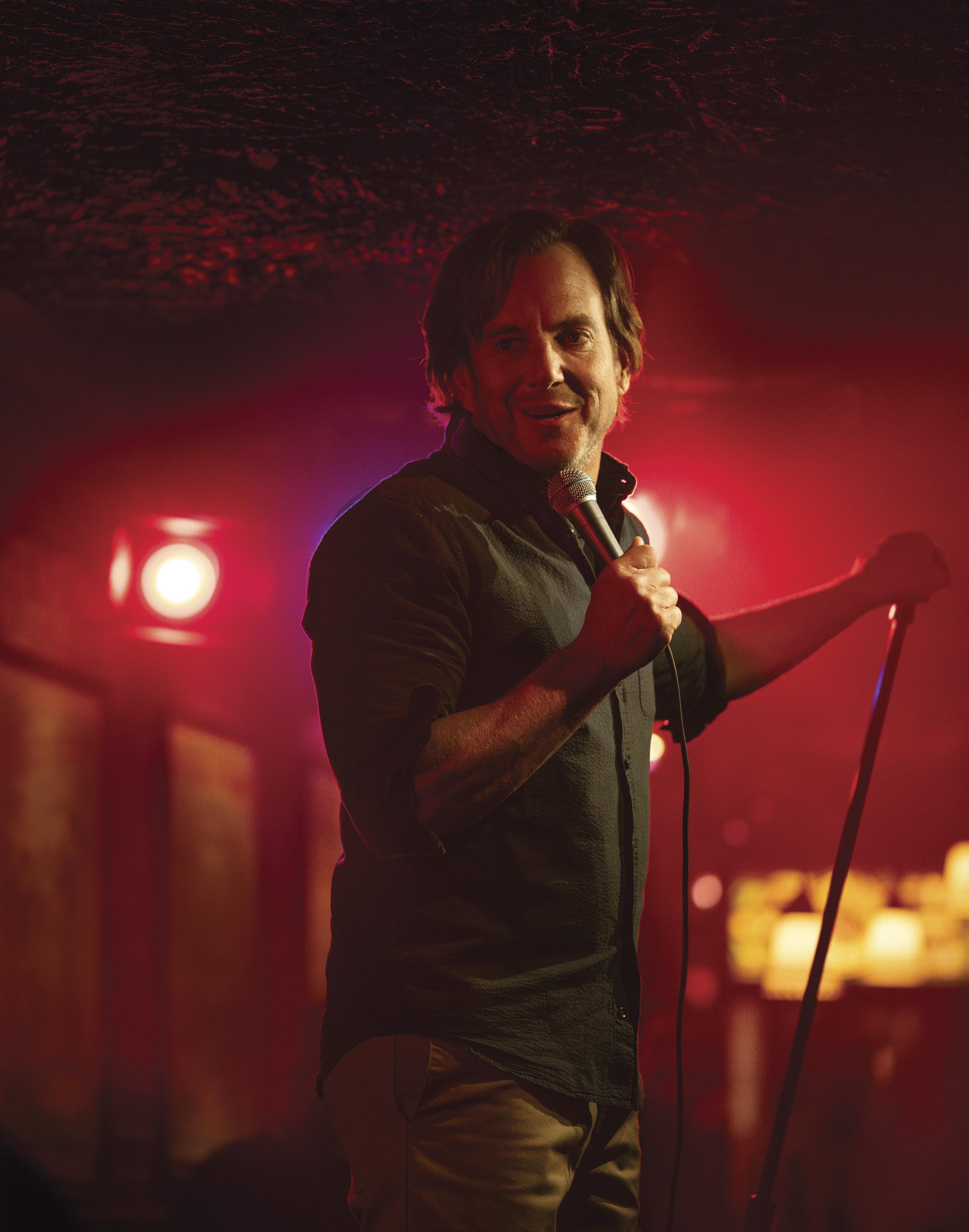
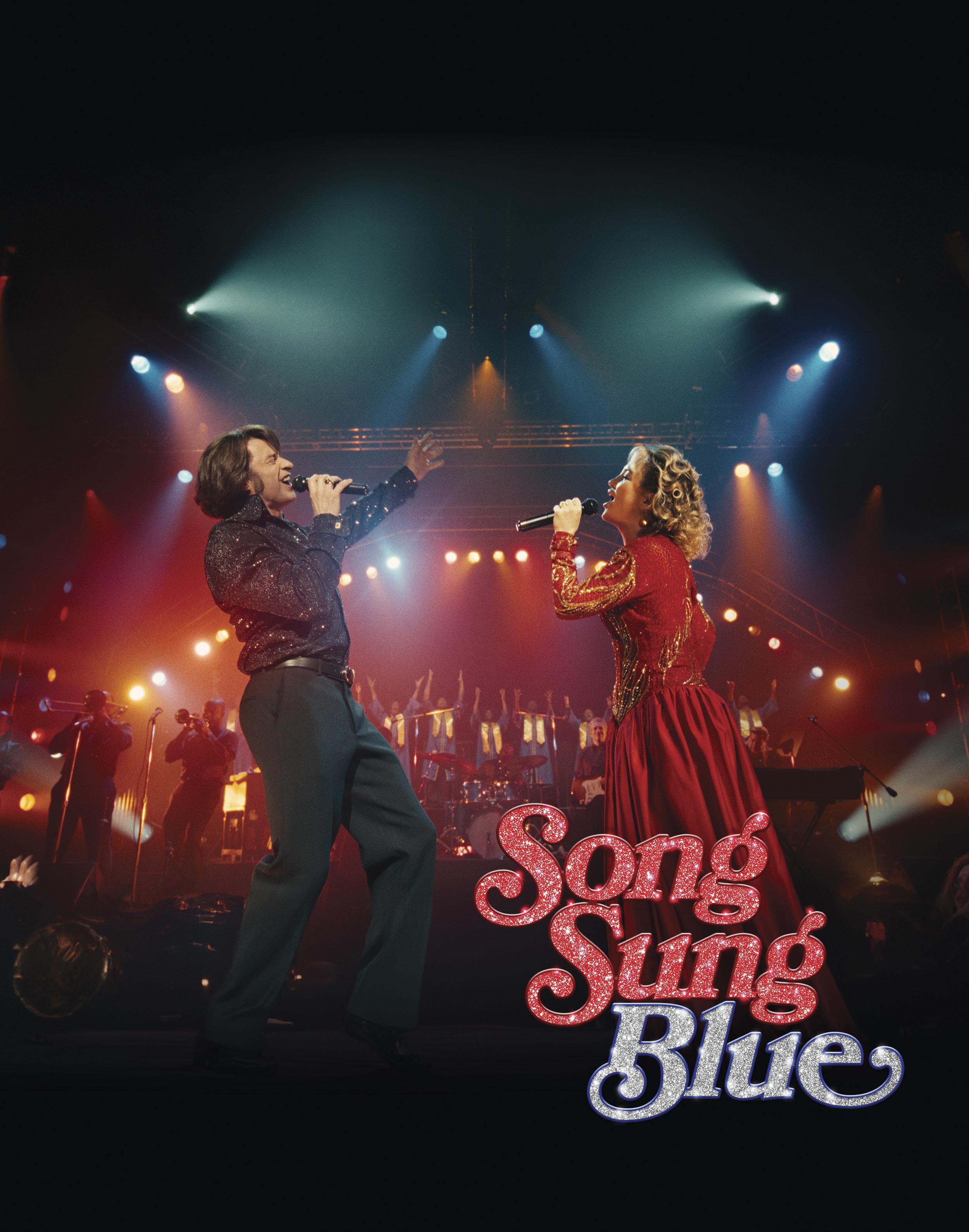
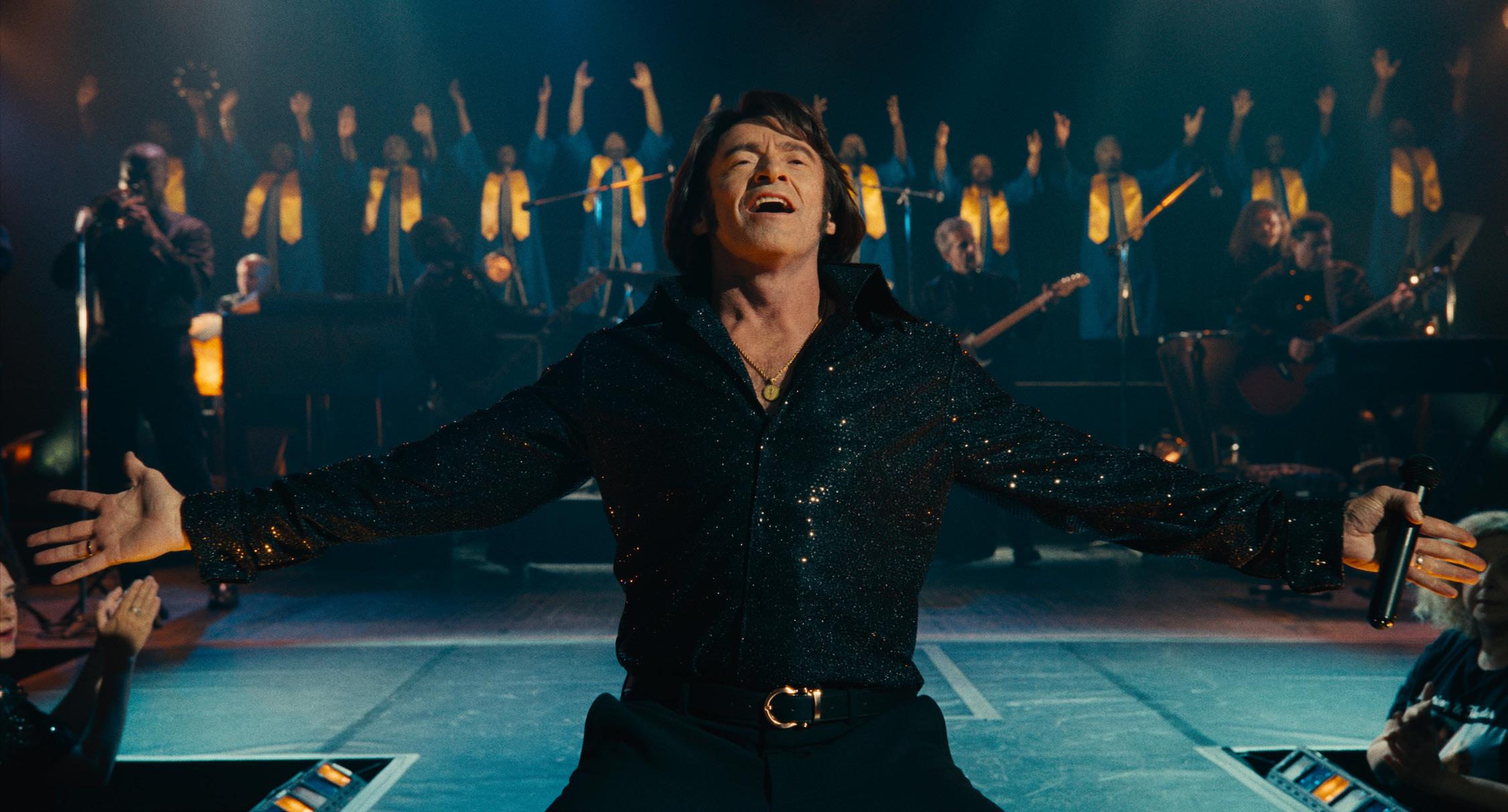
His latest, Song Sung Blue (yet another musically centered story) from Focus Features, shot by his longtime creative partner, Amy Vincent, ASC, is a feel-good, fight-for-yourdream story about a husband and wife who form a Neil Diamond tribute band. Emotionally, Brewer says, it meets him where he is in his life: divorced, parenting adult children and still fulfilling his dream of making movies.
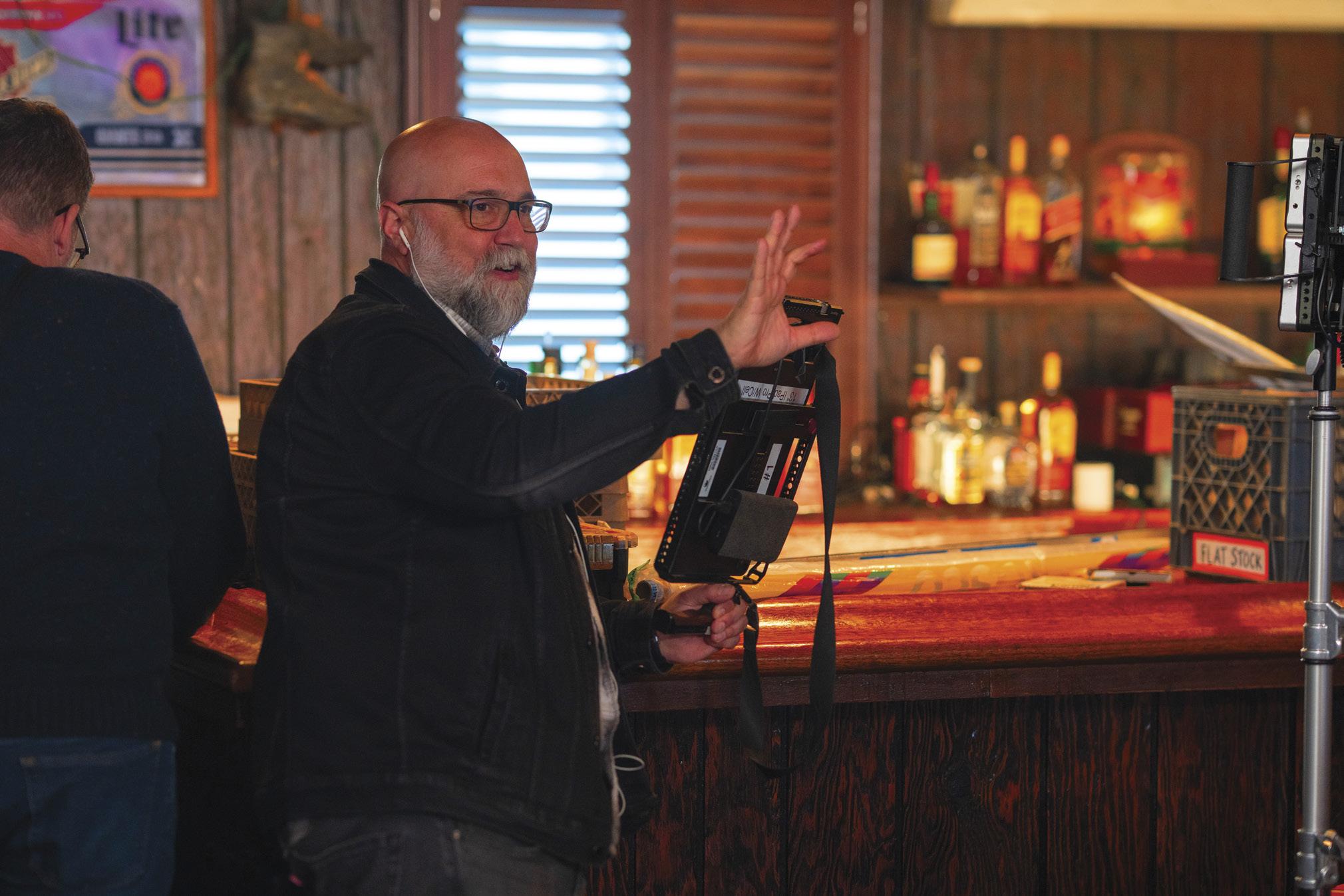
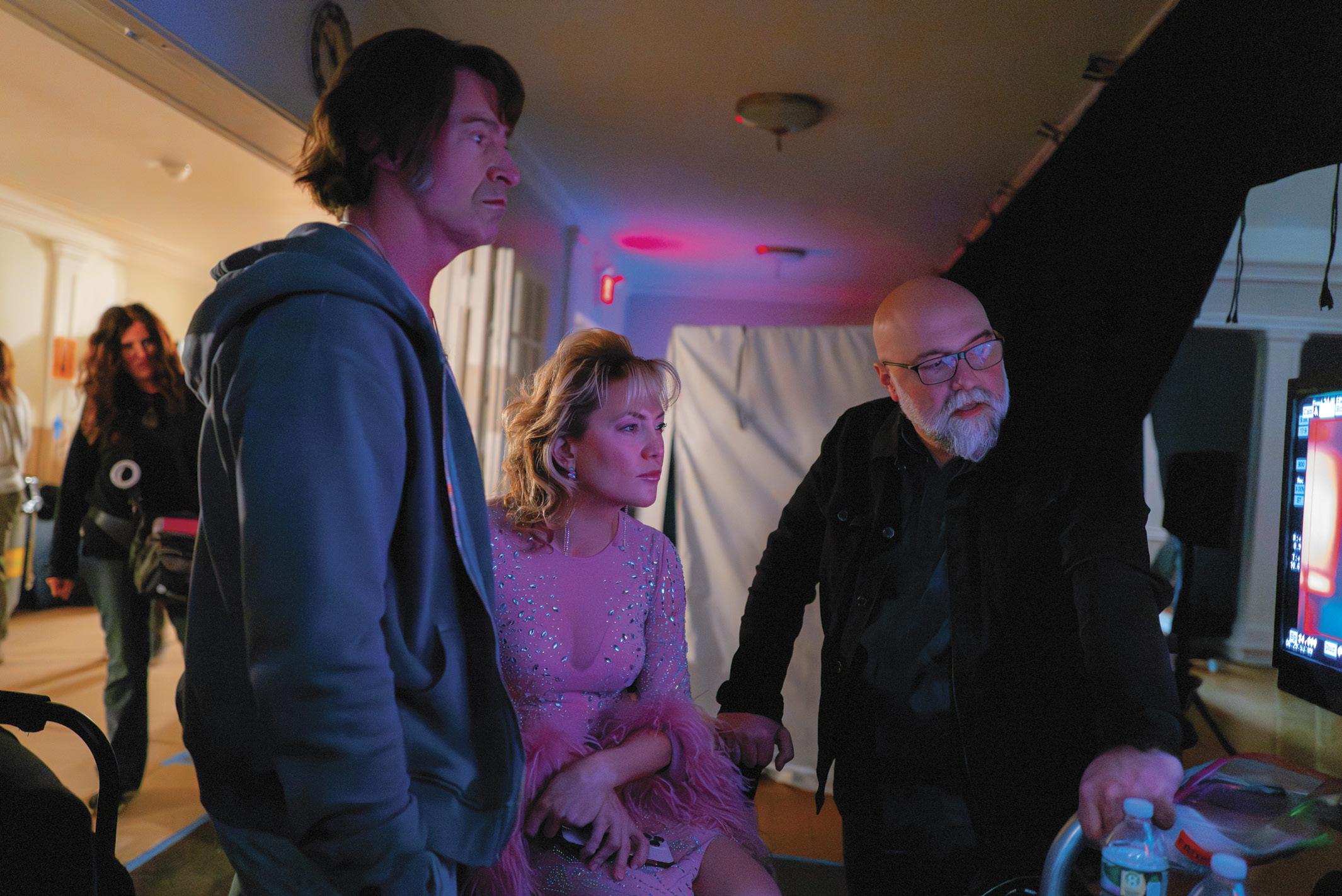
ICG: Do you have a process that you always follow as a director? Actually, and on this movie in particular, I wanted to try to embrace a different methodology. I wanted to get in there on the rehearsals, make sure the actors felt comfortable and inspired, and then gather the crew around. I’d have my little boombox, with my musical cues, and I’d hit play and act out the whole sequence. What happened was that I got to see everyone from the stars to
the P.A.’s see it and get it. They’re seeing what I’m seeing in my head and what I’m going to put together later. And – sorry for the sports analogy here – it’s like we’re at the 10-yard line and ready to go.
So why a different methodology of directing now? I’m a parent of young adults, and I’ve realized that a lot of the stress and specificity that you put on what you think is what is right ultimately does not equal success. You can allow a lot more; you can let go. When I was a young man, I thought that that meant you were not doing your job. It’s much more of a tenet of confidence to allow and trust collaborators around you. My way of directing on this film was a lot looser. Hugh always said, “You’re jazz.” And that’s funny because most of my life has been anti-jazz! Only recently am I realizing that filmmaking is jazz – have a great drummer and a bunch of talented people doing their own riffs, and allow it to flow. That might make for a really good movie. continued on page 30

Black Snake Moan , Coming 2 America , Footloose, Song Sung Blue – these are all very different films. What attracts you to a story? I have to find an emotional connection. When I was making Black Snake Moan, I was suffering tremendous anxiety attacks and was fearful about so much in my life. I had lost my father unexpectedly from a heart attack. He was 49 years old. It made me wonder whether mortality was more urgent. And I found that the best way that I could handle that anxiety was to connect with people who also felt that same thing, and somehow be tethered to each other and get through it together. With Footloose, I know it’s the studio coming to me and saying they’re going to do a remake – with or without me. But I wanted to make it because I was a parent at that point, holding onto my son and daughter to keep them away from this scary world. With Song Sung Blue, I’m divorced and wondering if there’s a life after. I’ve made plenty
of mistakes; I’ve hurt myself and other people, so you begin to question whether you have any worth moving forward and is there grace or love to be found in any direction. As much as these stories feel different, and as much as I know some people feel that the landscapes and even racial dynamics are different, for me there’s a clear through-line.
What do you look for in your director of photography? I want a soldier who’s gonna share that foxhole. I can’t think of a closer relationship than the one you have with your director of photography. Forgive the analogy, but they’re literally shining light on your dreams. Above anything else, I need that encouragement to communicate. One thing that Amy and I found this time was a game changer: We took the van ride together every morning to location. They’d pick her up and then me, and we would talk and dream about
the day and what we were shooting. And Amy would be texting her team the ideas right then and there. I think that if we had planned too much early on, it would’ve lost the urgency of that moment – the ideas that come when you’re truly backed up against the wall of time and schedule. It’s a relationship that is completely about communication and trust. I love that.
Those are two things you clearly have in spades with Amy Vincent, as you’ve worked together for twenty years. To me, the results feel like you’ve reinforced each other’s good habits. Well, I think when you’ve got family, family will show up. You know they will bend but not break and say, “Kiss my ass” and hit the road. I don’t think there’s really much negativity there, only, maybe, what comes about from the battle. The battle for not only just making your day, but making a day where you walk away with that magic. That you somehow caught
BEST PICTURE
CINEMATOGRAPHY
MICHAEL BAUMAN
“Michael Bauman’s vividly textured cinematography is a sight to behold.”
– INDIEWIRE
something that maybe you planned for, but, more times than not, it’s those elements that you weren’t planning on that ultimately define the work and the image.
Does Amy fight for her ideas? She is always fighting for the image and every once in a while, I’ll be a bit like the brother to her sister, and going: “I see what you’re doing. But just remember I call action and I’m gonna call it in 60 seconds, starting now.” [Laughs.] And, Amy will be tweaking the shot all the way up to that 60 line, and then I’ll give her another 10 in those tough situations. What’s great about us is that when I call cut, and the day is finished, we give each other a big old hug, and we’re right back to where we are. Especially on this last movie. I needed to have someone I trusted that I could, more times than not, turn to her and say, “Where’s the master on this?” I can tell you where I want it to move, but
don’t put a 40-millimeter on a finder for me. Just find it. Yes, I’m gonna look at the monitor and give some adjustments. But I want to be surprised, because we just felt like there was a comfort, and I don’t know if I would’ve been that trusting with a new situation. I also knew that the subject matter, and what we were trying to make, was close to Amy and close to myself, and we wanted to do our best. Sometimes the best thing to do with someone as talented and knowledgeable as Amy is just get out of her way.
The industry is going through some major shifts – has been for a while. Any thoughts? There is a lot of uncertainty on so many levels. People don’t know if where they live there will be an industry anymore. They’re concerned about tools they think might replace a tremendous amount of crafts and jobs. I think the larger thing that we’re afraid of, though, is
what is everybody going to want? Not just the people who make the entertainment, but the people who consume it. Do they want cinema anymore? I take comfort that since the dawn of man, we’ve never quite kicked this need for storytelling. There is something so deep within us all that needs to know we’re not alone. Sure, we can get it from family, marriage, friendships, work, but really, we need to sit in a dark place and we need to look at a flickering light to see these stories that tell us that this pain you have is in this story and here in this story and this one. I don’t think that that’s going to go away.
Can a technology like AI be a positive disruption? One advantage of AI, and the tools that are coming, is that they might just usher in a lot more storytellers. This is largely still a privileged art form. You need a lot of money and a lot of industry behind you to tell these stories. I came up in a digital world where
someone handed me a Hi-8 camera and said, “You know you can make a feature film with this?” So many people told me no, that I had to shoot 35mm or 16mm and do a 35mm blowup. They had all these rules, but I was working in Receiving at Barnes and Noble; I didn’t go to film school. I was just passionate about making movies on the streets of Memphis. And now, I just did a feature with Amy where we shot our first digital film. I know that the industry is going through a transition, but I think we all need to trust that audiences are still going to want to see authentic storytelling from human beings.
Sundance is where you got your break. Do you think anything like that exists for young, scrappy, ambitious filmmakers these days? I’m going to be controversial here. I lived the dream that I’d read about in books when I got my 35 percent discount at Barnes and Noble. I made Hustle & Flow, and the premiere blew the
EXPOSURE
doors off the Eccles Theater [at Sundance]. It was in a bidding war for a 16-million-dollar deal, and then it went on to win an Academy Award [for Best Original Song] and Terrence Howard was nominated. Suddenly, I had a career in filmmaking. And the festival circuit worked swimmingly. I don’t think we’re there anymore. I do think that festivals still serve a purpose in introducing new minds and new films, but we must be honest about the market part of that hierarchy and the publicity elements of that whole venture.
Honest how? The tail may well have been wagging the dog for many years, and we felt okay about that because some great movies got to premiere at big festivals and then be in the multiplexes later. Today, I would tell a new filmmaker to figure out a way to go directly to theaters. Like what I did with The Poor & Hungry, a black-and-white digital movie that
I still think is some of my best work. It went to the Hollywood Film Festival, and nobody bought it. But, there was a lot of press in Memphis. The local theater chain asked if I’d like a week-long run and made a deal with me like I was the studio. I got half the house for that week, and I filled the seats every night. I outsold Gladiator! And they gave me another week. It ran six weeks, and I made back the $20,000 that I spent making the movie. There are opportunities to make that kind of a deal nowadays. I’m not saying don’t do the festival circuit, but I think that that dream of what they used to be is as fruitful as the dream of what a college education is supposed to get you in terms of employment. Put energy into cultivating an audience. Go to direct distribution. There are other models out there that filmmakers should try. And if that’s not working, know that it might be time to let it go and move onto your next project.


THROUGH THE YEARS
1927 – THE JAZZ SINGER POPULARIZES SYNCHRONIZED RECORDED DIALOGUE AND MUSIC, USHERING IN THE ERA OF THE “TALKIES.” BY THE END OF 1929, HOLLYWOOD IS PRODUCING ALMOST EXCLUSIVELY SOUND FILMS, MARKING THE END OF THE SILENT ERA.
1926 – IATSE LOCAL 644, THE FIRST UNION FOR CINEMATOGRAPHERS, IS CHARTERED IN NEW YORK CITY.
1929 – A THIRD MAJOR LOCAL FOR CAMERA CREWS, IATSE LOCAL 666, IN CHICAGO, IS FORMED.
1928 – A SECOND CAMERAMEN’S UNION, IATSE LOCAL 659, IS CHARTERED IN LOS ANGELES.
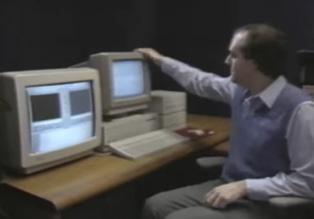
1989 – THE FIRST AVID PROTOTYPE DEBUTS, ENABLING FRAMEACCURATE, FLEXIBLE DIGITAL EDITING AND REPLACING TAPE-TOTAPE LINEAR WORKFLOWS.
1980s – THE INTERNATIONAL PHOTOGRAPHER IS ARCHIVED AT THE ACADEMY OF MOTION PICTURE ARTS AND SCIENCES LIBRARY, SPANNING FROM 1929 TO PRESENT.
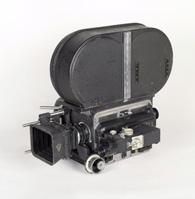
1934 – THE MITCHELL BNC CAMERA SYSTEM, WITH ITS NEW BLIMPED DESIGN (SOUNDPROOF HOUSING) GEARED TOWARD TALKING PICTURES, BECOMES A HOLLYWOOD WORKHORSE.
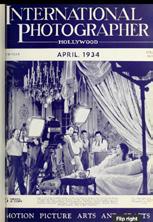
1929 – ICG MAGAZINE’S HISTORICAL ANTECEDENT, THE INTERNATIONAL PHOTOGRAPHER IS LAUNCHED BY LOCAL 659 (LOS ANGELES) WITH SILAS EDGAR SNYDER AS EDITOR-IN-CHIEF, IRA B. HOKE AS ASSOCIATE EDITOR, AND LEWIS W. PHYSIOC AS TECHNICAL EDITOR.

1994 – SUZANNE LEZOTTE BECOMES EDITOR OF THE INTERNATIONAL PHOTOGRAPHER UNDER THEN LOCAL 659 PRESIDENT GEORGE SPIRO DIBIE, ASC.
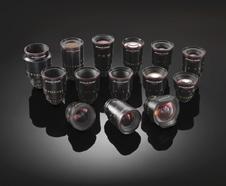
1989 – PANAVISION RELEASES ITS PRIMO PRIME LENSES, WHICH QUICKLY BECOME THE OPTICAL STANDARD FOR HOLLYWOOD FEATURE FILMS.
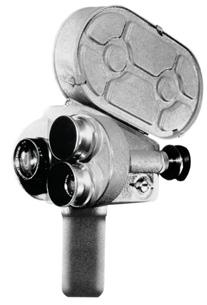
1937 – THE ARRIFLEX 35, THE FIRST REFLEX VIEWING SYSTEM (MIRROR SHUTTER), IS INTRODUCED, ALLOWING THROUGH-THE-LENS COMPOSITION.
1935 – BECKY SHARP BECOMES THE FIRST FEATURE-LENGTH FILM TO SHOOT ENTIRELY WITH TECHNICOLOR’S THREE-STRIP (THREE-COLOR) CAMERA/PROCESS, INTRODUCING VIBRANT, REPRODUCIBLE COLOR CINEMATOGRAPHY.
1995 – THE ARRIFLEX 435/435ES COMES TO MARKET, BRINGING ELECTRONIC SPEED CONTROL AND ADVANCED FILM TRANSPORT CAPABILITIES TO 35MM CAPTURE.
1995 – ICG MAGAZINE (STILL KNOWN AS THE INTERNATIONAL PHOTOGRAPHER) WINS ITS FIRST-EVER MAGGIE AWARD FOR “MOST IMPROVED MAGAZINE.” TWENTY-SEVEN MORE MAGGIES WOULD FOLLOW IN THE NEXT THREE DECADES.
1938 – JOHN CORYDON HILL JOINS THE INTERNATIONAL PHOTOGRAPHER AS THE PUBLICATION’S FIRST ART DIRECTOR.
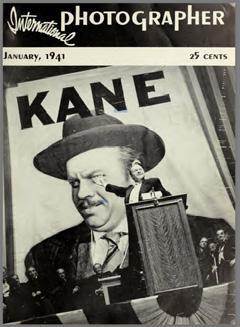
1940s –THE INTERNATIONAL PHOTOGRAPHER PUBLISHES ARTICLES ON THE MANY LOCAL 659 MEMBERS DRAFTED INTO WARTIME FILM UNITS, AS WELL AS TECHNICAL ADVANCES BORN FROM WARTIME (FASTER LENSES, PORTABLE LIGHTS AND DURABLE CAMERAS).
1946/47 – "THE WAR FOR WARNER BROTHERS," THE FIRST MAJOR STRIKE IN HOLLYWOOD HISTORY ENSUES, INVOLVING THE MAJOR IATSE LOCALS, SAG AND CSU.
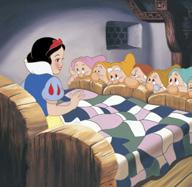
1937 – DISNEY’S SNOW WHITE AND THE SEVEN DWARFS SHOWS HOW TECHNICAL ADVANCES (MULTIPLANE CAMERA, COLOR PROCESSES, SOUND DESIGN) CAN ENABLE NEW STORYTELLING FORMATS AND BIG BOX-OFFICE RETURNS.
1996 – IATSE LOCALS 644, 659 AND 666 MERGE TO FORM THE INTERNATIONAL CINEMATOGRAPHERS GUILD, LOCAL 600.
1995 – PIXAR’S TOY STORY BECOMES THE FIRST FEATURE FILM CREATED ENTIRELY WITH CGI.

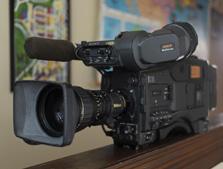
1999 – SONY INTRODUCES THE F900, THE FIRST HD 24P DIGITAL CINEMA CAMERA.
1930s – THE INTERNATIONAL PHOTOGRAPHER PUBLISHES REGULAR CONTRIBUTIONS FROM WORKING CINEMATOGRAPHERS, STILL PHOTOGRAPHERS AND LAB TECHNICIANS, AS WELL AS INCREASING UNION CONTENT: CONTRACT UPDATES, RATE SHEETS AND JURISDICTION NEWS.
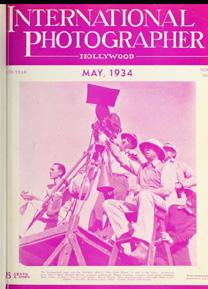
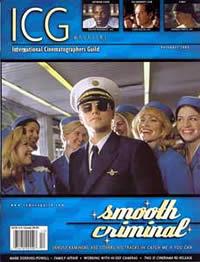
2002 – NEIL MATSUMOTO BECOMES EDITOR OF ICG MAGAZINE, SERVING IN THAT ROLE FOR SIX YEARS.
1947 – THE ÉCLAIR CAMEFLEX DEBUTS. IT IS A COMPACT, HANDHELD 35MM CAMERA THAT FOREVER CHANGES NEWS GATHERING AND INTRODUCES CINÉMA VÉRITÉ TO NARRATIVE FILMMAKERS.
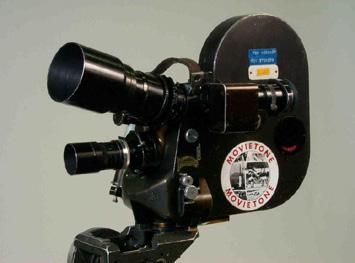
2002 – A CONSORTIUM OF MAJOR STUDIOS (DISNEY, FOX, PARAMOUNT, SONY, UNIVERSAL AND WARNER BROS.) FORM THE DIGITAL CINEMA INITIATIVE (DCI) TO ENSURE A UNIFORM STANDARD ACROSS DIGITAL PROJECTION SYSTEMS.
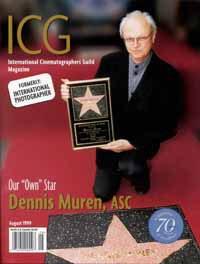
1999 – THE INTERNATIONAL PHOTOGRAPHER CHANGES ITS NAME TO ICG MAGAZINE
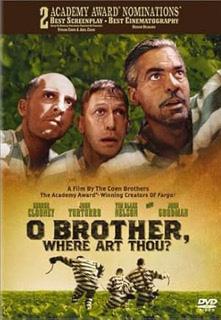
2000 – O BROTHER, WHERE ART THOU?, SHOT BY ROGER DEAKINS, ASC, BSC, IS THE FIRST HOLLYWOOD FEATURE TO USE A DI (DIGITAL INTERMEDIATE) POSTPROCESS, ENABLING FAR GREATER COLOR CONTROL AND VFX INTEGRATION.

2002 – THE SCREEN PUBLICISTS GUILD, FORMED IN 1937 TO REPRESENT HOLLYWOOD ENTERTAINMENT PUBLICISTS, MERGES WITH LOCAL 600.
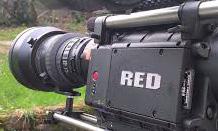
2007 – THE RED ONE DIGITAL CINEMA CAMERA IS INTRODUCED, MAKING 4K RAW WORKFLOWS MORE ACCESSIBLE AND ACCELERATING THE MOVE TO DIGITAL CAPTURE ON BOTH LARGE PRODUCTIONS AND INDIES.
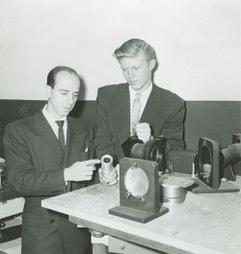
1954 – CINEMASCOPE ACCESSORY MAKER PANAVISION BRINGS SUPERIOR ANAMORPHIC AND SPHERICAL LENSES TO MARKET (REPLACING CINEMASCOPE OPTICS) THAT INCLUDE ADJUSTABLE FOCUS AND FLARE-CONTROL INNOVATIONS FOR WIDESCREEN LENS CAPTURE.
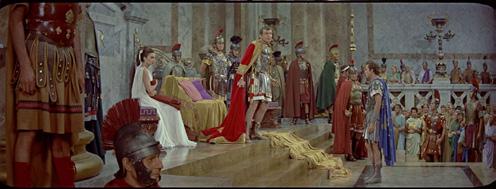
1953 – HENRI CHRÉTIEN’S ANAMORPHIC LENSES, WHICH SQUEEZE A WIDER FIELD OF VIEW ONTO STANDARD 35MM, ARE LICENSED BY 20TH CENTURY FOX. THE STUDIO RELEASES THE ROBE IN CINEMASCOPE, THE FIRST BIG WIDESCREEN EXHIBITION FORMAT.
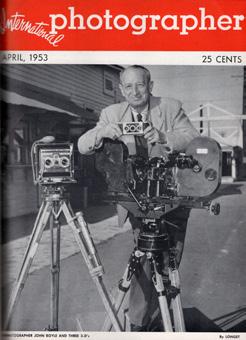
1950s – LOCALS 644, 659 AND 666 CONTINUE TO OPERATE UNDER A “TRI-LOCAL” SYSTEM (NEW YORK, LOS ANGELES AND CHICAGO), COVERING CINEMATOGRAPHERS/CAMERA CREW WITHOUT A UNIFIED NATIONAL STRUCTURE. THE INTERNATIONAL PHOTOGRAPHER’S COVERAGE IS DOMINATED BY NEW WIDESCREEN FORMATS, THE IMPACT OF TELEVISION AND STUDIO PUBLICITY METHODS.
1956 – THE AMPEX VRX-1000 BECOMES THE FIRST COMMERCIAL VIDEOTAPE RECORDER FOR TV STATIONS, REPLACING KINESCOPES FOR RECORDING BROADCASTS AND SETTING THE TABLE FOR THE ELECTRONIC EDITING AND TAPELESS WORKFLOWS THAT FOLLOWED.
2007 – NETFLIX LAUNCHES “WATCH NOW,” AN ON-DEMAND, INTERNETDELIVERED LONG-FORM VIDEO “STREAMING” SERVICE (INITIALLY AS A COMPLEMENT TO DVD RENTAL), FOREVER CHANGING FILM/TV DISTRIBUTION MODELS.

2009 – ASSOCIATE PUBLISHER TERESA MUÑOZ BECOMES PUBLISHER OF ICG MAGAZINE, SERVING IN THAT ROLE THROUGH 2025.
2008 – DAVID GEFFNER AND WES DRIVER TAKE OVER ICG MAGAZINE AS EXECUTIVE EDITOR AND ART DIRECTOR, RESPECTIVELY, SERVING IN THOSE ROLES THROUGH 2025.
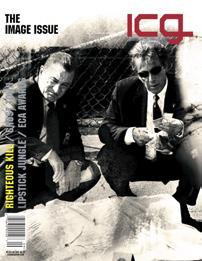
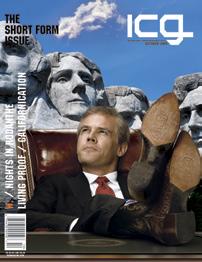
1971 – JVC, SONY AND MATSUSHITA
COLLABORATE TO CREATE THE FIRST CASSETTE FORMAT (U-MATIC) THAT IS A UNIFIED STANDARD.
1960s – THE INTERNATIONAL PHOTOGRAPHER HIGHLIGHTS NEW LIGHTWEIGHT CAMERAS (ARRIFLEX, ÉCLAIR), FASTER FILM STOCKS AND HANDHELD AND DOCUMENTARY-STYLE SHOOTING, AS WELL AS HOLLYWOOD LABOR TURMOIL – I.E., STRIKES AND JURISDICTION DISPUTES.
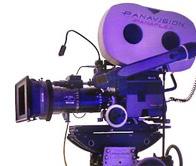
1972 – PANAVISION INTRODUCES ITS LIGHTWEIGHT PANAFLEX 35MM CAMERA SYSTEM, WHICH SOON BECOMES A WORKHORSE FOR HOLLYWOOD PRODUCTIONS.
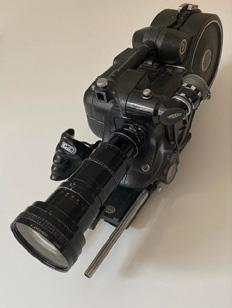
1972 – THE ARRIFLEX 35BL, A QUIET, PORTABLE, SYNC-SOUND 35MM SYSTEM, COMES TO MARKET, ALLOWING THE “NEW HOLLYWOOD” FILMMAKERS TO SHOOT ENTIRELY ON LOCATION.
2010 – ICG MAGAZINE IS REVAMPED TO INCLUDE POPULAR NEW ANNUAL OFFERINGS, INCLUDING THE PRODUCT GUIDE, THE INTERVIEW ISSUE AND GENERATION NEXT.

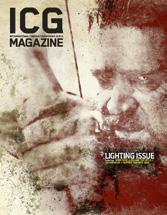

2012 – ICG MAGAZINE RE-LAUNCHES ITS WEBSITE FEATURING AN ENHANCED USER EXPERIENCE AND INCREASED MONTHLY CONTENT.
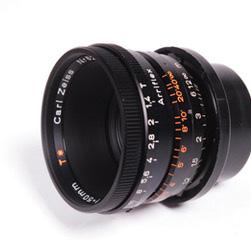
1975 – ZEISS RELEASES ITS FIRST SUPER SPEED LENS (B-SPEED – MKI), THE FASTEST CINEMA LENS OF ITS KIND WITH A T1.4 APERTURE.
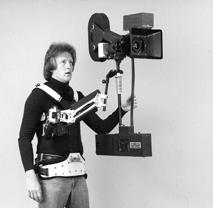
1975 – LOCAL 659 CAMERA OPERATOR GARRETT BROWN DEBUTS THE STEADICAM ON THE FEATURE FILM BOUND FOR GLORY. THE RIG’S STABILIZED, FLUID CAMERA MOVEMENT – LACKING TRACKS OR CRANES – FOREVER CHANGES THE LANGUAGE OF CINEMATOGRAPHY.
2015-2022 – WIDESPREAD CONSUMER ADOPTION OF 4K/UHD, HDR AND IMMERSIVE AUDIO FORMATS (DOLBY VISION/ HDR10, DOLBY ATMOS) CHANGES PRODUCTION DELIVERABLES AS THE STREAMING MARKET EXPLODES WITH NEW HOLLYWOOD PLAYERS (AMAZON, HULU, DISNEY+, APPLE TV+), CREATING THE “STREAMING WARS.”
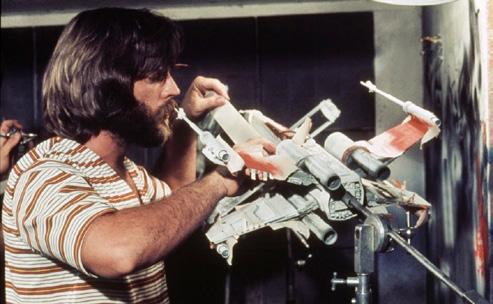
1976 – THE “DYKSTRAFLEX” MOTION-CONTROL CAMERA SYSTEM IS CREATED AT A WAREHOUSE IN VAN NUYS, CA, THE HOME BASE FOR THE UPSTART VISUAL EFFECTS COMPANY INDUSTRIAL LIGHT & MAGIC. THE SYSTEM IS THE FIRST TO USE MOTION CONTROL TO EXECUTE REPEATABLE EFFECTS PASSES FOR THE 1977 SCI-FI RELEASE STAR WARS
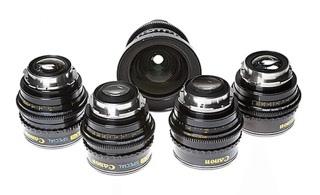
1975 – CANON’S FIRST VENTURE INTO THE HIGH-SPEED CINEMA LENS MARKET, THE K35, WINS A TECHNICAL OSCAR (1977) AND IS REDISCOVERED BY FILMMAKERS IN THE 2020s SEEKING VINTAGE GLASS WITH SOFT CONTRAST AND WARM COLOR RENDITION.
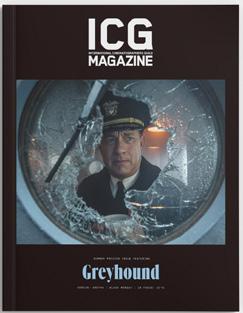
2020 – ICG MAGAZINE SHIFTS TO AN ALL-DIGITAL (10 ISSUES PER YEAR) MODEL WHEN THE COVID-19 PANDEMIC SHUTS DOWN ALL U.S. PRODUCTION.
1970s – THE INTERNATIONAL PHOTOGRAPHER EXPANDS COVERAGE OF NEW ZOOM LENSES AND LOCATION FILMMAKING, ADDING INCREASED LABOR AND POLITICAL CONTENT AS HOLLYWOOD UNDERGOES A SHIFT IN PRODUCTION.
2025 – ICG MAGAZINE LAUNCHES ITS FIRST-EVER PODCAST, ENTITLED OUTSIDE THE FRAME, VISITING WITH DP KRAMER MORGENTHAU, ASC, AND DIRECTOR JULIUS ONAH FROM CAPTAIN AMERICA: BRAVE NEW WORLD FOR THE INAUGURAL EPISODE.






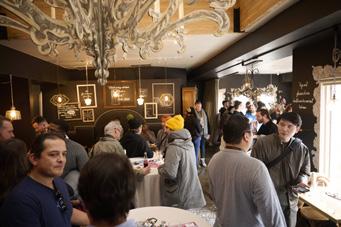
2009 – ICG MAGAZINE LAUNCHES ITS FIRST-EVER “SNOWDANCE” PARTY AT THE SUNDANCE FILM FESTIVAL, A YEARLY EVENT FOR ICG MEMBERS, VENDORS AND CREATIVE PARTNERS VISITING PARK CITY WITH INDIE PROJECTS.
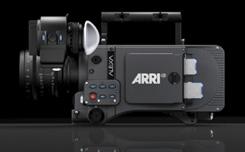
2010 – THE ARRI ALEXA COMES TO MARKET AND SOON BECOMES THE BENCHMARK DIGITAL CINEMA CAMERA FOR THE FILM AND TV INDUSTRY.
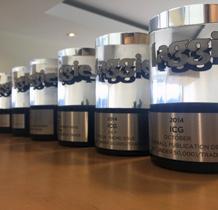
2012-2020 – ICG MAGAZINE WINS 19 MAGGIE AWARDS (INCLUDING “BEST OVERALL DESIGN” - TRADE MAGAZINE) SIX TIMES IN AN EIGHT-YEAR PERIOD.
2020 – ICG MAGAZINE PUBLISHES THE FIRST OF MULTIPLE COVER STORIES ON DISNEY/ ILM’S GROUNDBREAKING USE OF AN LED VOLUME (REAL-TIME VIRTUAL PRODUCTION) FOR THE MANDALORIAN, SHOT BY GREIG FRASER, ASC, ACS; AND BAZ IDOINE.
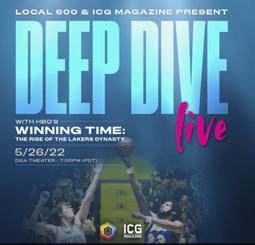
2020 – ICG MAGAZINE INTRODUCES ITS “DEEP DIVE” SERIES OF VIRTUAL FILMMAKING PANELS TO STAY CONNECTED WITH AN INDUSTRY QUARANTINED UNDER COVID. THE SERIES WOULD RUN THROUGH 2025 AND INCLUDE THREE IN-PERSON PANELS, ALONG WITH EIGHT VIRTUAL SESSIONS.



A CENTURY OF INNOVATION, DEDICATION AND COMMUNITY
SAYING GOODBYE TO ICG MAGAZINE IN THE WORDS OF THOSE WHO KNEW IT BEST.
It’s a very tall task to summarize a century’s worth of filmmaking knowledge, talent, personalities and community in a few pages. So, for this final issue of ICG Magazine, we thought it best to let some of those closest to the publication – past and present – have the last word. We asked them one simple question:
“What did ICG Magazine mean to you (on and off the set)?”
QUOTES HAVE BEEN EDITED FOR LENGTH
“OUR BELOVED MAGAZINE WAS MORE THAN 96 YEARS OLD, AND FOR ALL THOSE YEARS IT FAITHFULLY CONNECTED WITH OUR MEMBERS, THE CREWS WE WORKED WITH, AND THE COMMUNITY AROUND US. MANY KNEW WHO WE WERE BECAUSE THE MAGAZINE WAS OUR PUBLIC VOICE. WE WERE ALWAYS PROUD UNION MEMBERS, PROUD TECHNICIANS AND ARTISTS WHO MADE THE MOVIES, TELEVISION SHOWS, THE SPORTS AND SPECIAL EVENTS THAT ENTERTAINED AND INFORMED THE WORLD. MOST OF ALL WE WERE A FAMILY, AND OUR MAGAZINE TOLD THAT STORY BRILLIANTLY.”
STEVEN POSTER, ASC ICG PRESIDENT FOR 13 YEARS ICG MEMBER FOR 56 YEARS
“My involvement with ICG Magazine started over 35 years ago when then-President George Spiro Dibie, ASC, asked me to serve as the copy editor. Since I was already an avid reader of the publication, I was thrilled to accept. Not only has it been a pleasure working with David, Teresa, Wes and the rest of the team, but I’ve also gotten tremendous satisfaction by watching the magazine grow, evolve, and win multiple Maggie Awards. I will dearly miss ICG Magazine!”
PETER BONILLA DIRECTOR OF PHOTOGRAPHY
COPY EDITOR, ICG MAGAZINE
ICG MEMBER FOR 48 YEARS

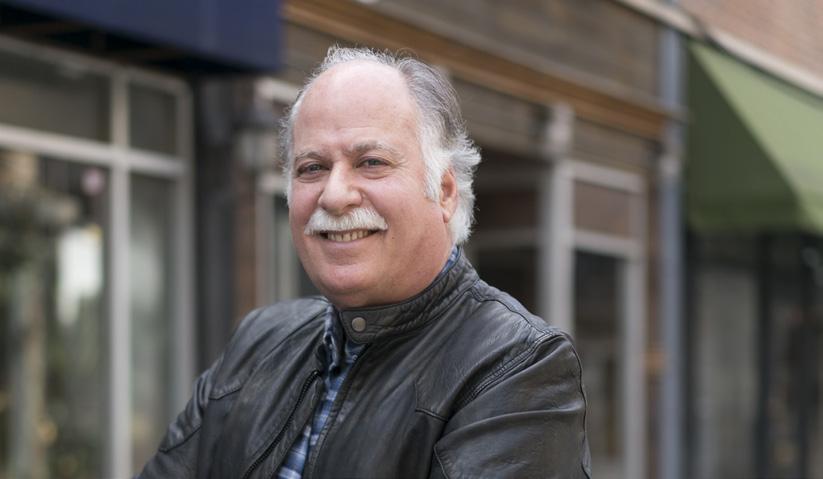
“I was so sorry to hear of the demise of the ICG Magazine , which I have been reading from cover to cover for almost 50 years! The magazine started as my guiding light through all of the steps in my career – from film loader to second assistant to first assistant to camera operator to director of photography to my acceptance into the ASC. Thank you to the magazine’s staff for all of the support and attention to detail throughout the years. Here’s to hoping that our paths all cross again.”
GARY BAUM
4X EMMY-WINNING DIRECTOR OF PHOTOGRAPHY ICG MEMBER FOR 44 YEARS
“ ICG MAGAZINE WAS A PLACE FOR LOCAL 600 MEMBERS TO SHARE THEIR CRAFT AND SHOW THE WORK THEY WERE PROUD OF. I SPENT SEVEN YEARS HELPING SUPPORT THEIR STORIES, AND IT WAS CLEAR THE MAGAZINE MATTERED BECAUSE THE MEMBERS CARED SO MUCH ABOUT WHAT THEY DO. IT WAS THEIR VOICE, AND I WAS GRATEFUL TO PLAY A SMALL PART IN SHARING IT.”
NEIL MATSUMOTO EDITOR, ICG MAGAZINE 2001–2008
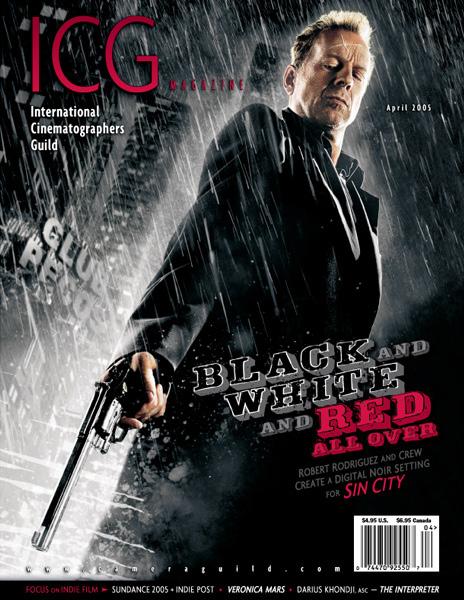
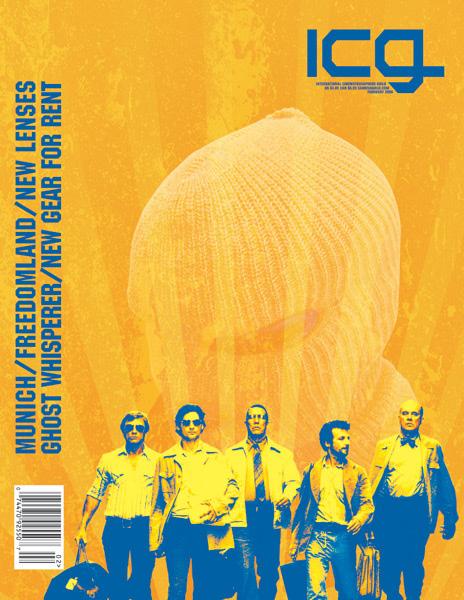
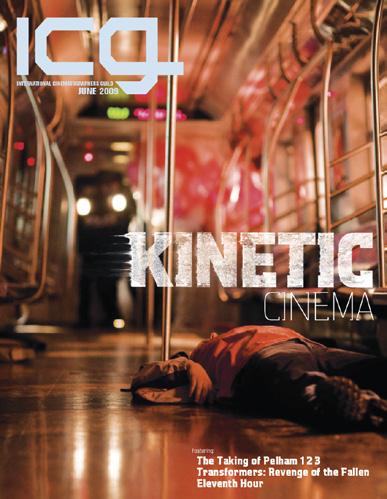
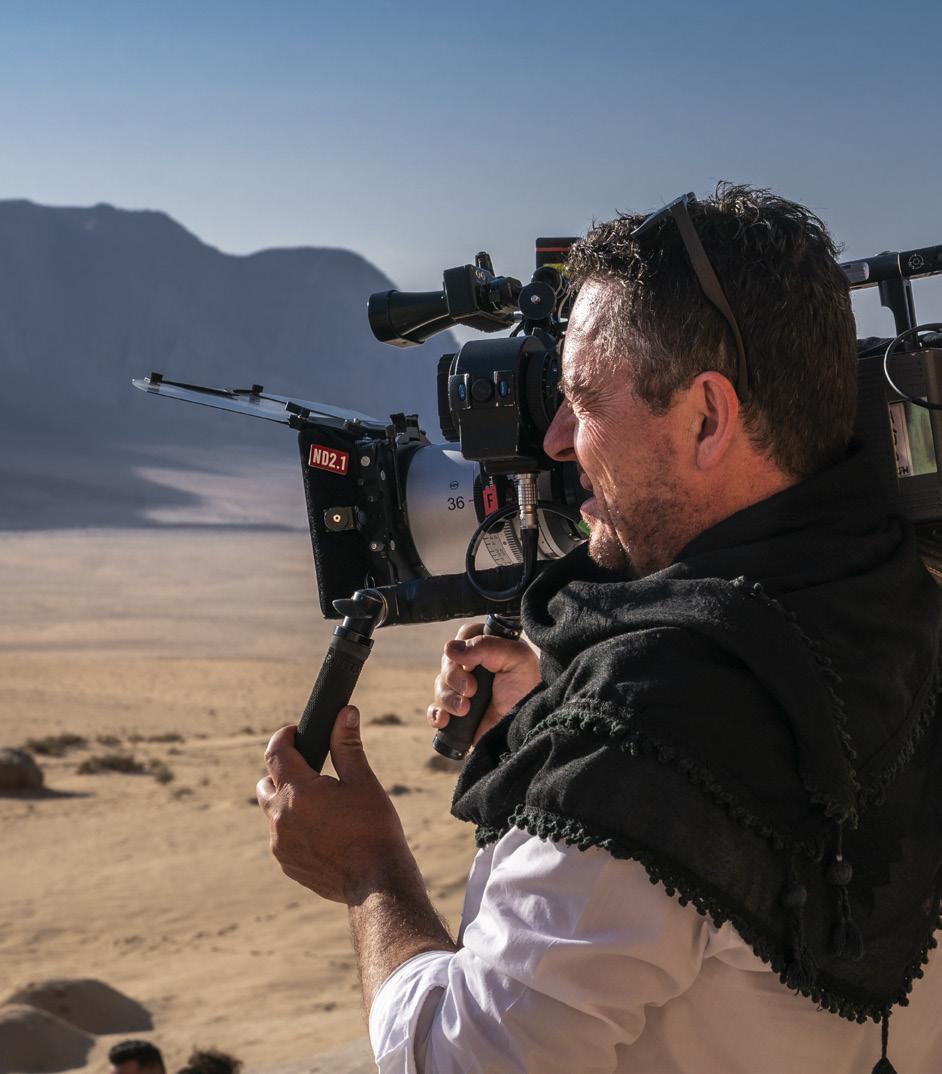
“Even before joining Local 600, ICG Magazine was one of the things that made me feel truly connected to something bigger than myself. Every month, it landed in my hands like a reminder that what we do isn’t just a job. It’s a craft, a community and a collective with one another. Through its pages, and after being invited to join, I met my union brothers, sisters and kin – people whose work and words illuminated corners of our industry I might never have seen otherwise. The magazine was never about the latest gear or the biggest productions. It was about people. It was about the crew who together found and created poetry within a frame. Reading ICG always reminded me that behind every image is a family of workers who make it possible, and a union that has our backs when the lights go out. I take the responsibility of carrying that spirit forward very seriously. I try to stay informed, to stay connected and to remember that every one of us is a link in a long, proud chain of artists and technicians who have fought to make this a sustainable life. As ICG Magazine sadly ends, I find myself reflecting on how deeply it’s woven into the fabric of our shared story. A monumental loss to us all.”
GREIG FRASER, ASC, ACS OSCAR-WINNING (AND 3X OSCAR-NOMINATED) DIRECTOR OF PHOTOGRAPHY ICG MEMBER FOR 16 YEARS
EVERY TIME I GOT A CALL TO DO AN INTERVIEW WITH ICG MAGAZINE, I FELT LIKE ALL THE WORK WE’D PUT IN WOULD BE NOTICED BY SOMEONE, NO MATTER HOW OUR MOVIE DID AT THE BOX OFFICE. IT WAS ALWAYS AN OPPORTUNITY TO HIGHLIGHT THE CONTRIBUTIONS OF ALL MY FELLOW SHOT-MAKERS – PERPETUALLY UNSUNG HEROES – AND MAKE SURE ANY UP-ANDCOMERS READING THE ARTICLE GOT TO SEE EXACTLY HOW IMPORTANT THE ROLE OF EACH POSITION IS ON THE ROAD TO MAKING MOVIES WE’RE ALL SO PROUD OF.”
MATTHEW MORIARTY, SOC PRESIDENT, SOCIETY OF CAMERA OPERATORS ICG MEMBER FOR 28 YEARS
“With every beautiful cover, ICG Magazine has been a joy to open, waiting to enlighten us about the diverse corners of our craft. It’s been the place to find insights and read about the real goings-on behind the lens – ready with the most in-depth impressions of a specific project or the expanse of a genre, so often revealing the distinct personality of the creatives and the technology behind the art. The industry will not be the same without the shining light of the always articulate, visually stunning and setsavvy ICG Magazine , and the team who created a vast new world with each issue.”
SUSAN LEWIS OWNER/PUBLICIST LEWIS COMMUNICATIONS ASSOCIATE MEMBER, ASC
“ICG Magazine has been a steady presence throughout my career, from my earliest days as a studio publicist to my work on set as a unit production publicist, and the projects I’m part of now. It consistently championed Local 600 cinematographers, crews and publicists with a level of insight, accuracy, and respect that few if any outlets ever matched, becoming a trusted partner in highlighting the artists and artisans who shape every frame. For me, it was both a bridge to my ICG sisters and brothers and an advocate for the people whose work often goes unseen. Its absence will be deeply felt, and I’m grateful to have been even a small part of its history along the way.”
GREGG BRILLIANT UNIT PRODUCTION PUBLICIST
MEMBER FOR 34 YEARS
“ ICG MAGAZINE ALWAYS RESPECTED THE WORK OF STILL PHOTOGRAPHERS, BOTH NEW AND ESTABLISHED. SOMETIMES, IT WAS THE ONLY PLACE WHERE MULTIPLE BTS SHOTS WERE PUBLISHED. IN THIS COMING AGE OF 10-SECOND VIDEO CLIPS, GIFS AND MEMES, OUTLETS LIKE ICG MAGAZINE WILL BE SORELY MISSED.”
MEMBER FOR 25 YEARS
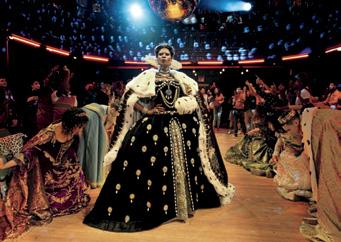
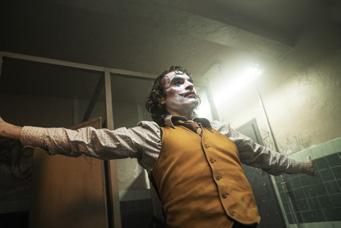
“The experience of shooting features and episodic work is fully immersive and all-consuming. You become bonded with your crew and somewhat cut off from the world beyond – including the larger filmmaking community. ICG Magazine has been my connection to that world, a way to keep up with friends and peers, their work, their approaches, and their mindsets. Even a single idea that sparks a new way of thinking is invaluable. I’ll miss turning the pages and discovering what’s inside.”
ARMANDO SALAS
2X EMMY-NOMINATED
DIRECTOR OF PHOTOGRAPHY
ICG MEMBER FOR 12 YEARS
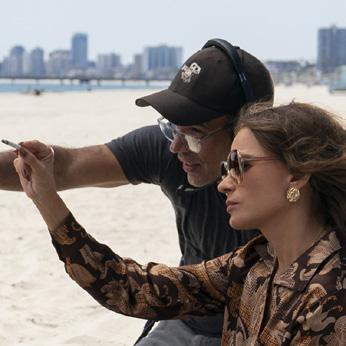
“Writing for ICG, I’ve covered this industry through a global pandemic, strikes, natural disasters and rapid technological change –and the good times, too, of course – reporting on these innovative, resilient, brilliant, humble, generous, union storytellers is what made my part so meaningful. There are many highlights, but the work I’m most proud of went beyond chronicling the craft to capturing the humanity of this community – how they advocated for representation or safety, how they gave each other days and opportunities, how they stood firm for equity and belonging. That’s a whole other kind of ‘set magic,’ and it was a privilege to share those moments with our readers.”
MARGOT LESTER
ICG WRITER FOR 17 YEARS

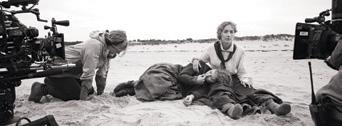
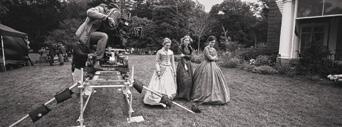
HOPPER STONE, SMPSP
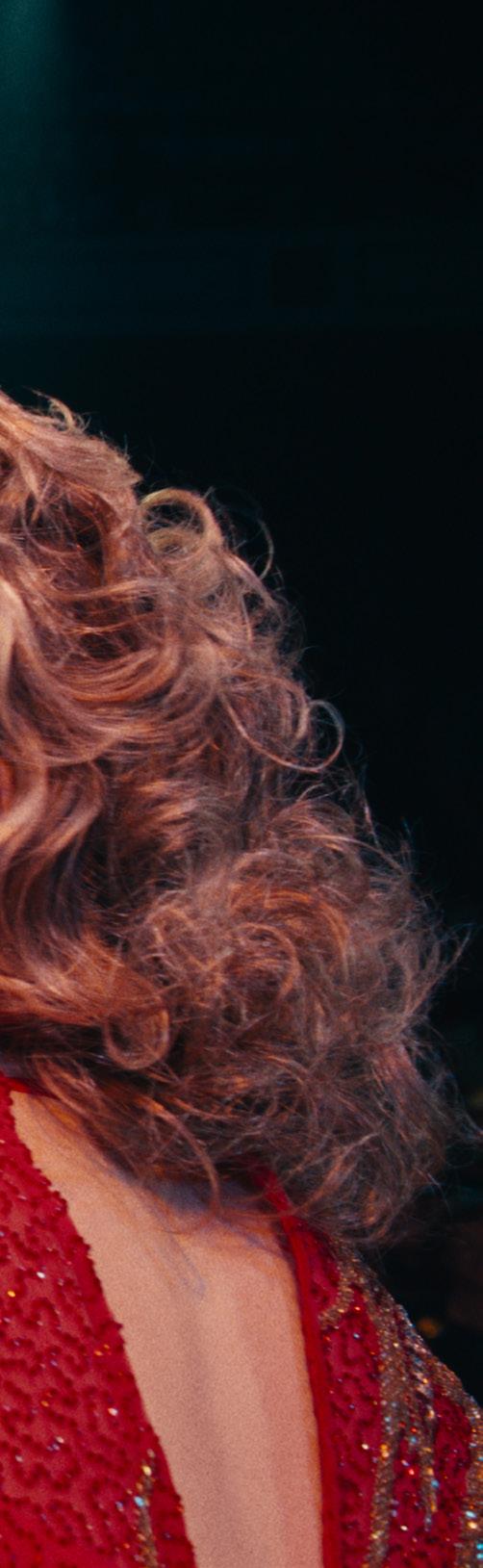
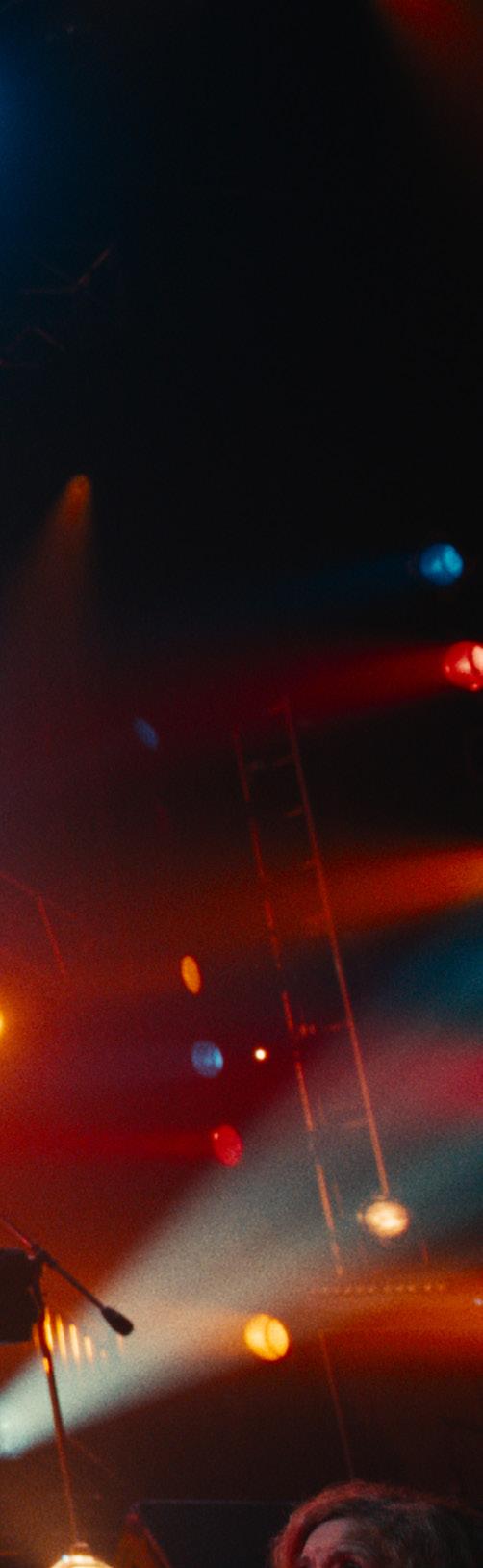
AMY VINCENT, ASC, JOINS LONGTIME COLLABORATOR, WRITER-DIRECTOR CRAIG BREWER, FOR THE NEIL DIAMOND-ADJACENT BIOPIC SONG SUNG BLUE .
BEAUTIFUL
BY
FRAMEGRABS COURTESY OF FOCUS FEATURES
VALENTINA VALENTINI
PHOTOS BY SARAH SHATZ
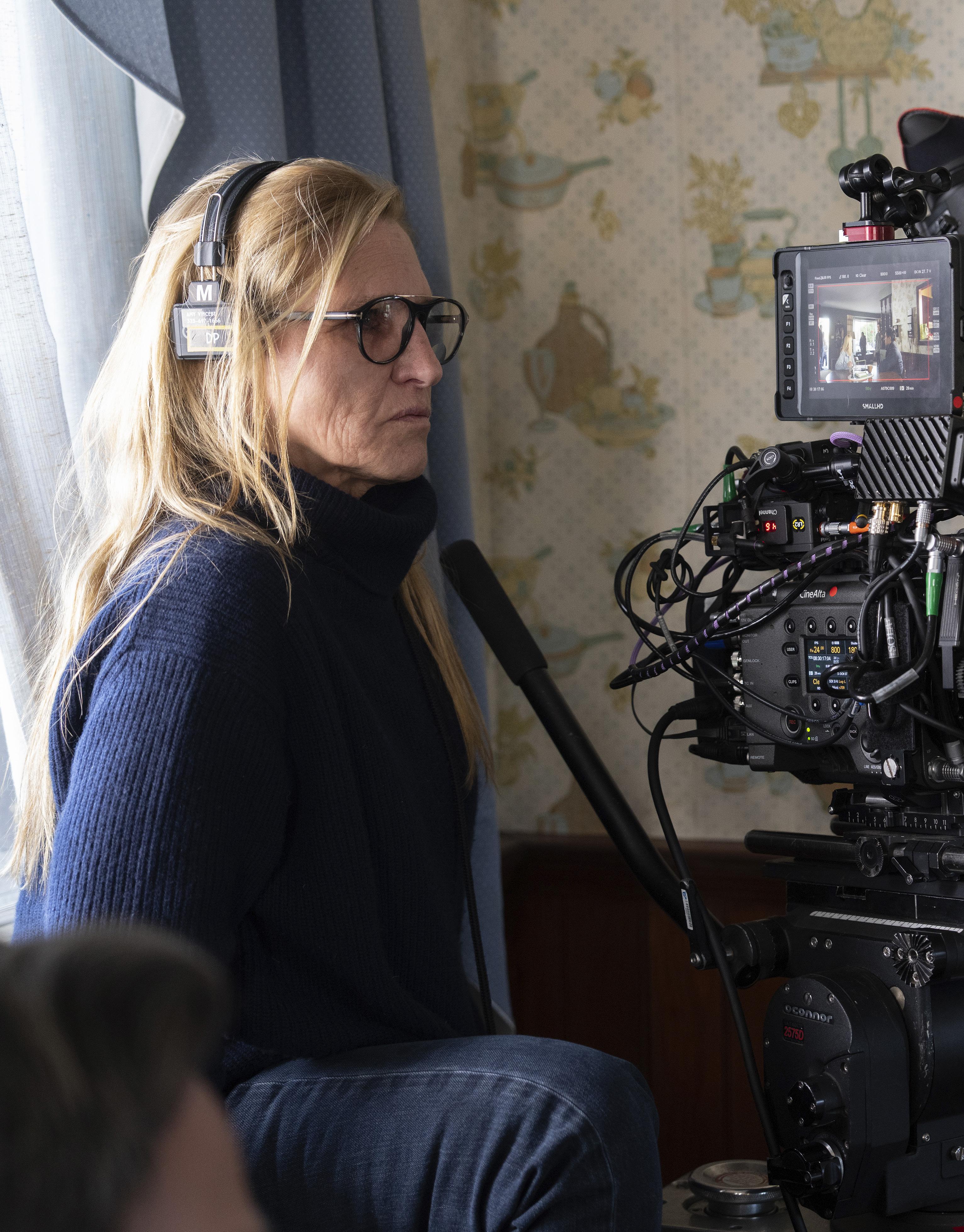
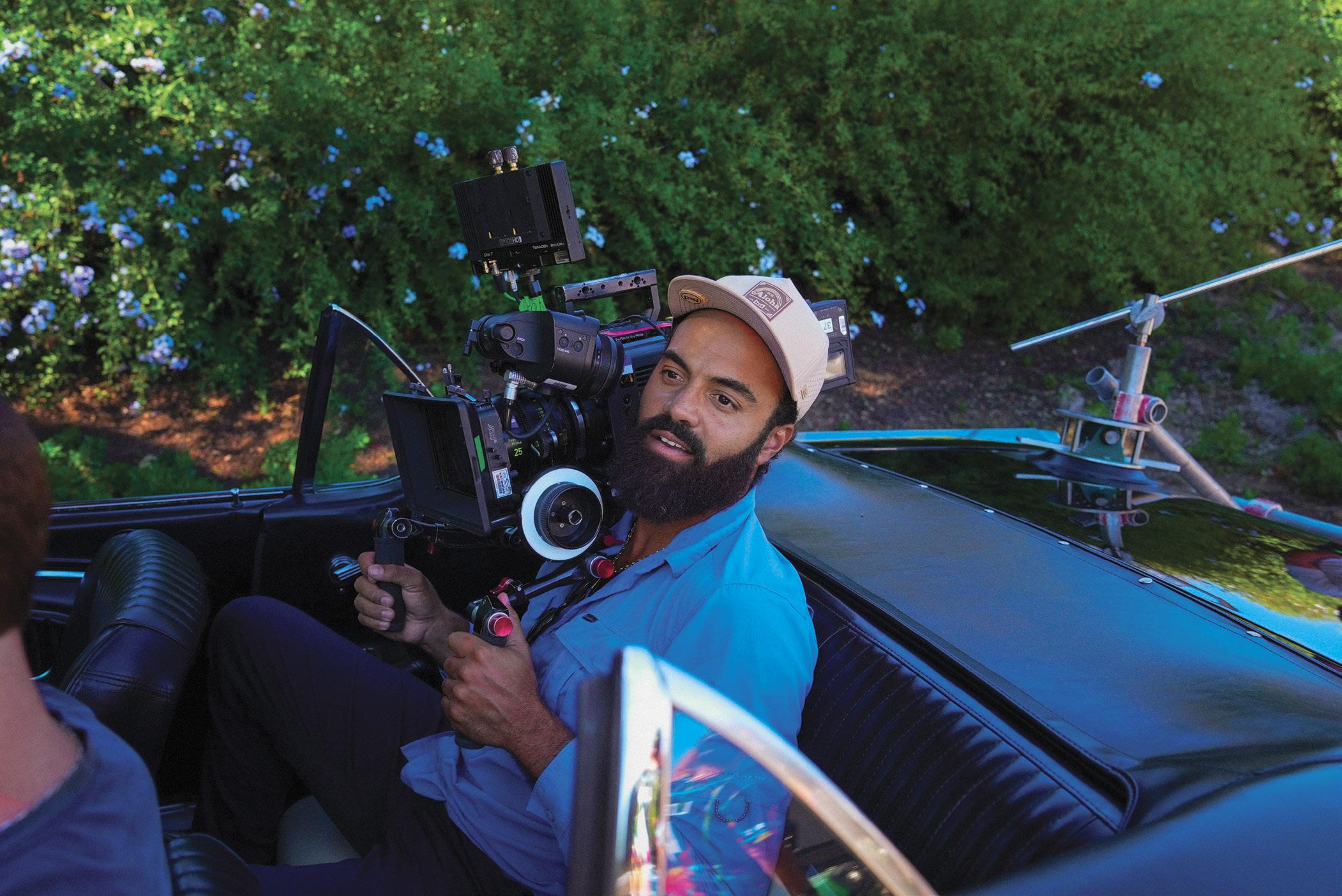
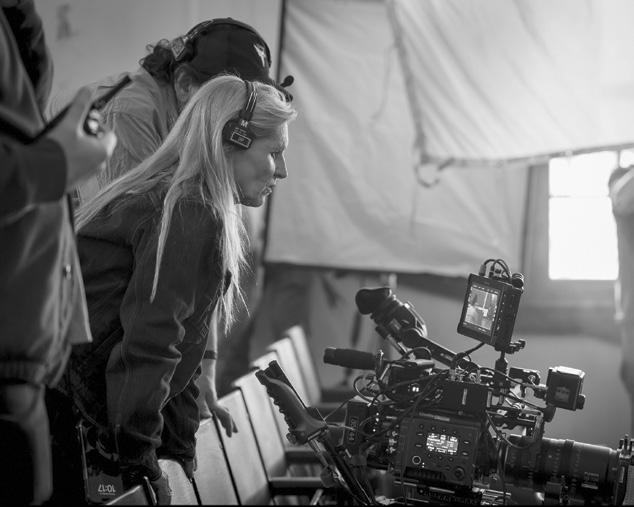
AMY VINCENT, ASC, (ABOVE) BEGAN HER CAREER IN THEATER LIGHTING BEFORE WORKING HER WAY UP THROUGH EACH JOB IN THE CAMERA DEPARTMENT. SHE WAS ONE OF JUST A HANDFUL OF WOMEN WHO WERE EARLY INVITEES TO THE ASC.
If you had to choose three words to describe Mike and Claire Sardina – aka “Lightning and Thunder, the Neil Diamond Experience” band – scrappy, ambitious, and passionate would fit. Likewise, those three words could be assigned to writer-director Craig Brewer and his longtime director of photography, Amy Vincent, ASC.
“I like to think that Craig and I have always kept our edge, even as we matured,” says Vincent, who was introduced to Brewer and his script Hustle & Flow through producer Stephanie Allain a few years before the 2005 film went on to win an Oscar for Best Song. Vincent, a graduate of the theater arts and film program at UC Santa Cruz who earned an MFA at the American Film Institute, came up through theater lighting to assistant editing to nearly all the ranks of the camera department. Her debut feature, Eve’s Bayou (1997), was accepted into the Library of Congress National Film Registry, and she was one of the first women to join the ASC. Vincent received the Women in Film Kodak Vision Award in 2001 and the ASC President’s Award last year. Her work on Hustle & Flow earned her Sundance’s cinematography award.
“During our time on Hustle & Flow ,” Vincent shares, “we were both learning so much. To come back together for Song Sung Blue with 20 years of experience behind us – he’s still the same incredible writer
and incredible human being, and the confidence that he has now really inspires me to raise my game.”
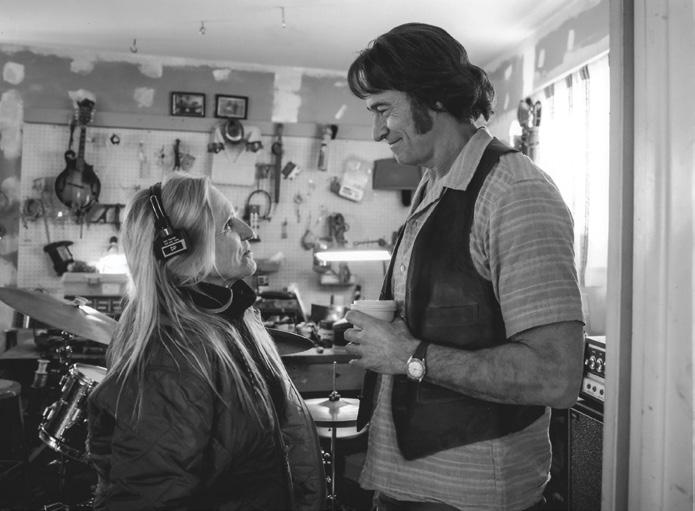
In Brewer’s early days of directing, as he was finding his footing on set, it was Vincent’s vibe that helped solidify their working relationship – jeans, combat boots and a motorcycle. “She was a soldier,” Brewer describes. “Always right there by the camera, and no matter what was coming, she faced it with fierce tenacity.”
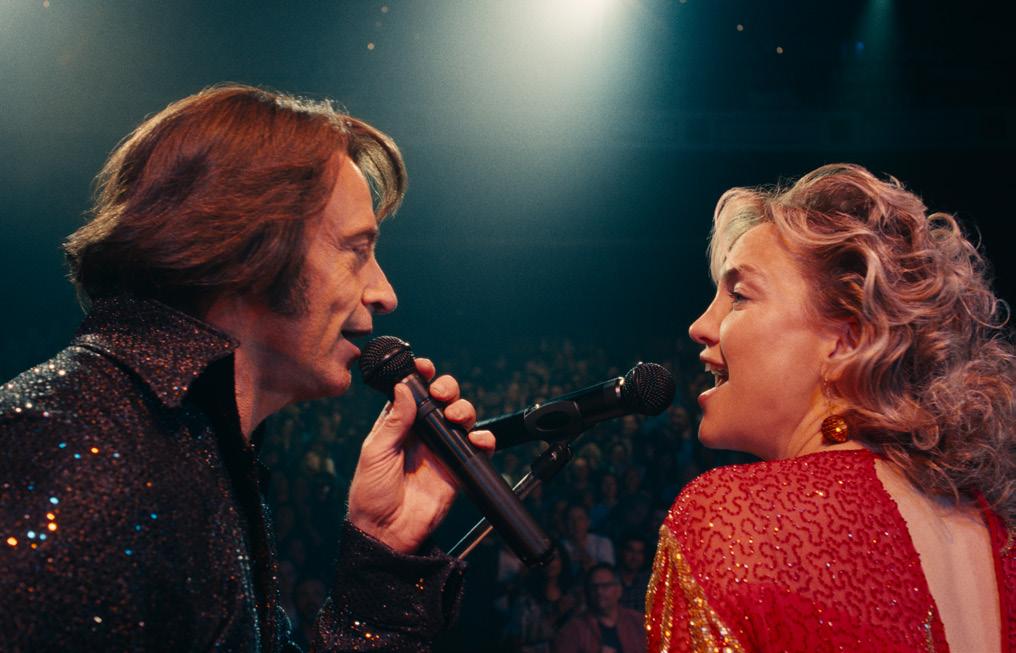
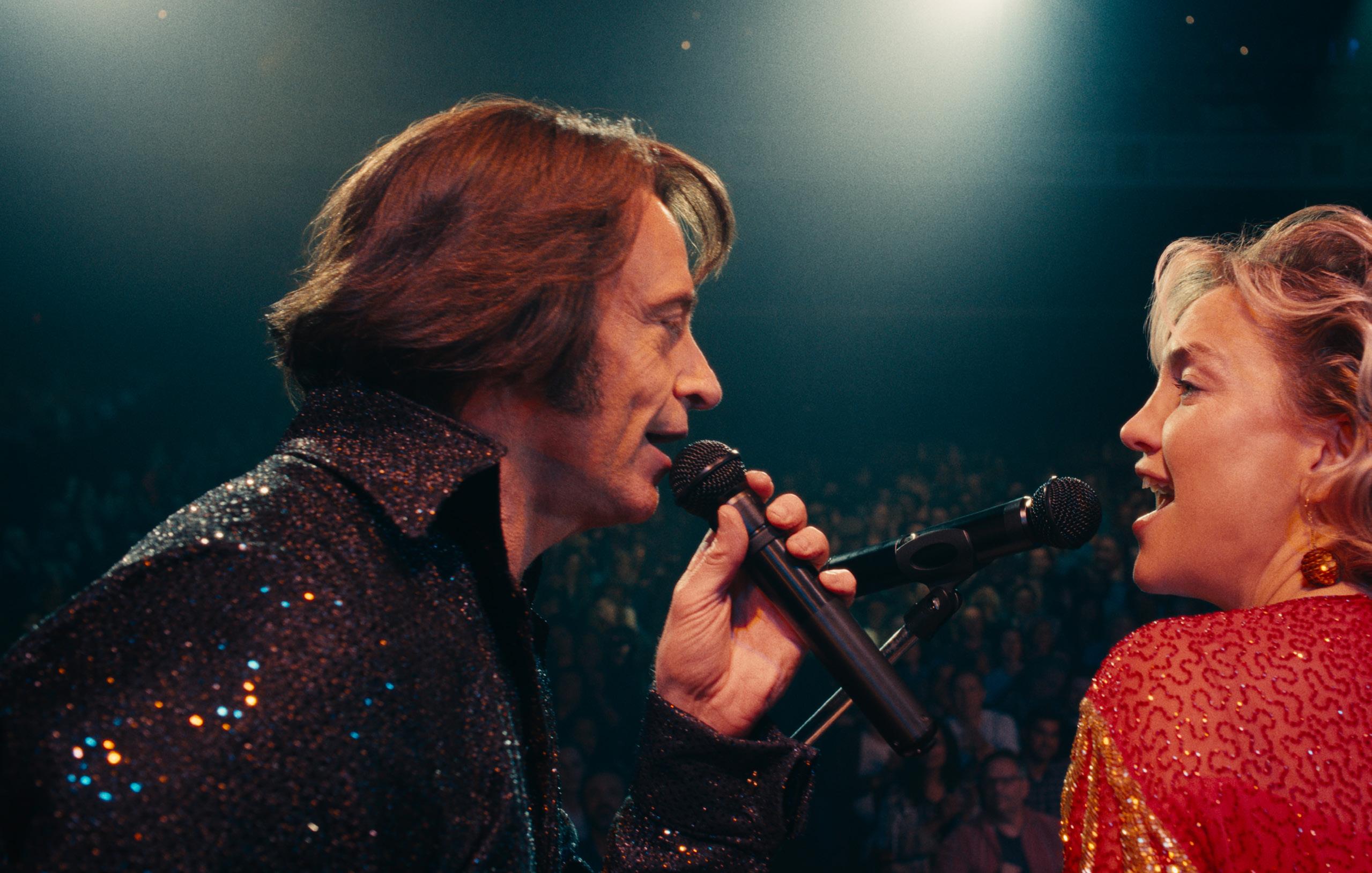
The dynamic proved to be a winning combo. They went on to shoot Black Snake Moan (2006) and Footloose (2010) and are reuniting for Song Sung Blue, a film that is both sweet and sad, with visuals that draw the audience in so close it’s like watching a live performance from the first row. Based on a true story that Brewer adapted from Greg Kohs’ 2008 documentary of the same name, Song Sung Blue tells the fanciful tale of the Sardinas (Hugh Jackman and Kate Hudson) and their almost-rise to fame as a Neil Diamond tribute band in Milwaukee, Wisconsin.
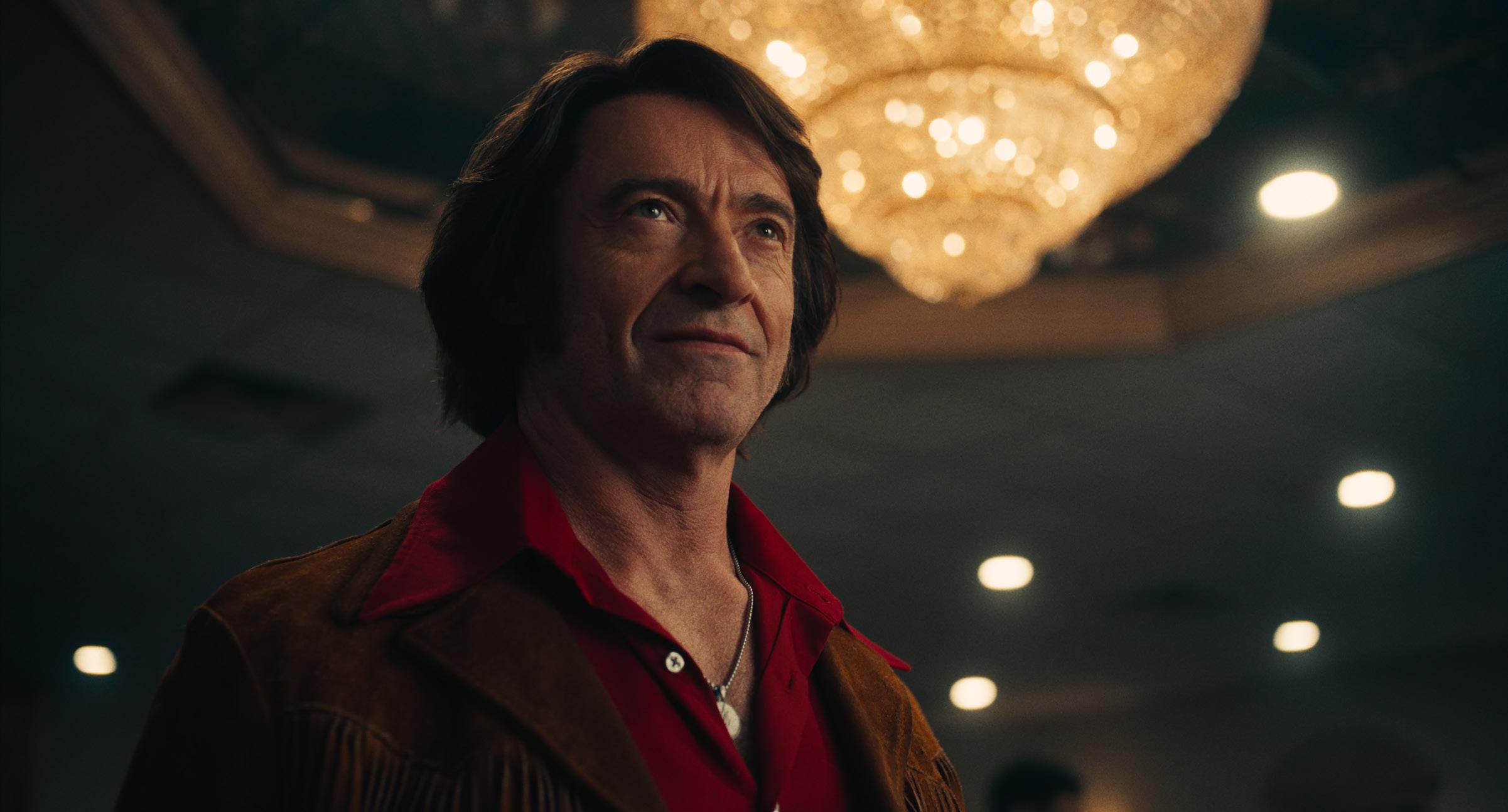
ABOVE/OPPOSITE PAGE: VINCENT SAYS A FOUNDATIONAL ASPECT OF THE LOOK CAME FROM CLASSICAL MOVIE STAR PORTRAITURE," COUPLED WITH REALISM AND AUTHENTICITY. "WE WANTED TO CENTRALIZE THE CREATIVE FOCUS ON THE PERFORMANCES AND FACES OF THE TWO STARS," SHE ADDS.
For this collaboration, Vincent wanted to steer away from their previous projects’ looks, which were all shot on film. And given the film’s long takes and concertstyle setups, digital capture would assure a different approach than past work.
“A foundational aspect of the look was to take great care, in a classical sense, of movie star portraiture and photography,” Vincent describes. “But at the same time we needed to keep the film grounded in realism and authenticity because of its true story origins.” Vincent had detailed conversations with Jackman’s makeup artist, Pamela Westmore; his hair designer, Sean Flanigan; Hudson’s makeup artist, Debra Ferullo; and her hair designer, Johnny Villanueva, about centralizing the creative focus on the performances and faces of the two stars but also being able to expand it out into a naturalistic love story.
“Craig and I love to work in the Kelvin scale,” Vincent continues. “So much of the storytelling can be told in the range of warm to cool. I often use a saturated deep orange, offset by saturated blues, and we love our deep blacks. I think you can see that
through the course of our collaborations.”
Vincent calls it a “privilege” to be able to work with Company 3 Senior Colorist Tom Poole, noting that “during preproduction, we shot extensive hair and make-up tests with our cast, complete with costumes and art direction and tungsten lighting, enabling Tom to create an extraordinary show LUT. We played around with a chalky slate-blue fall-off, in the blacks, and a slight warming of the actors’ faces, all the while maintaining a distinctive look, akin to Brewer’s and my tastes. We stuck with the singular LUT throughout the film.”
Song Sung Blue was shot entirely on location in New Jersey (playing for Milwaukee from the mid-1980s through mid-90s). Kohs’ documentary provided extraordinary historical research for an intimate look into the Sardinas’ world, which Brewer and Vincent, along with the entire creative team, used extensively. Indeed, Production Designer Clay A. Griffith says it was their touchstone document.
“The challenges of shooting an alllocation movie in New Jersey were many,” recalls Griffith, who designed Dolemite Is
My Name for Brewer. “Given the time of year, with beginning principal photography in mid-October, we knew we were going to be up against some cool weather conditions, and no stage sets to get the crew out of the onset of winter. We toughed it out in our last weeks of shooting, finishing our schedule in mid-December, and the Jersey weather showed little signs of mercy.
“On the other hand,” Griffith adds, “this was my first time shooting a project there, and I have to say that I found it thrilling to scout an entire state that has been mostly untouched by film productions. From a design point of view, New Jersey locations have a tremendous amount of grit and character. A perfect stand-in for the Rust Belt of Wisconsin – it reeks of history and urban architecture. Recreating the early nineties was accomplished through wardrobe, periodcorrect automobiles, authentic signage/ graphics and the lack of digital electronics. We chose New Jersey as our base largely due to the timeless locations that exist there with robust working-class neighborhoods and a topography and infrastructure that matched Wisconsin almost perfectly.”
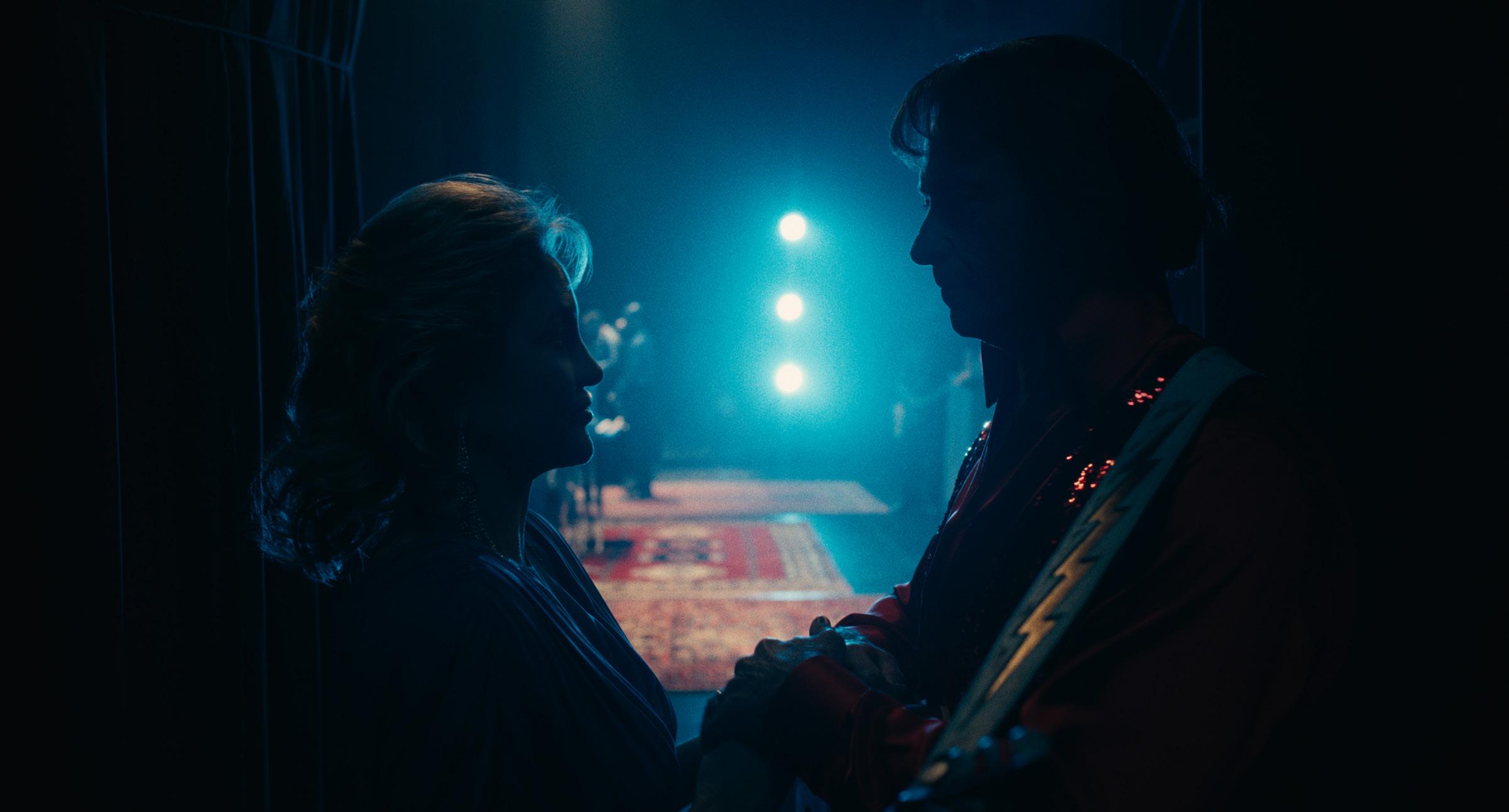
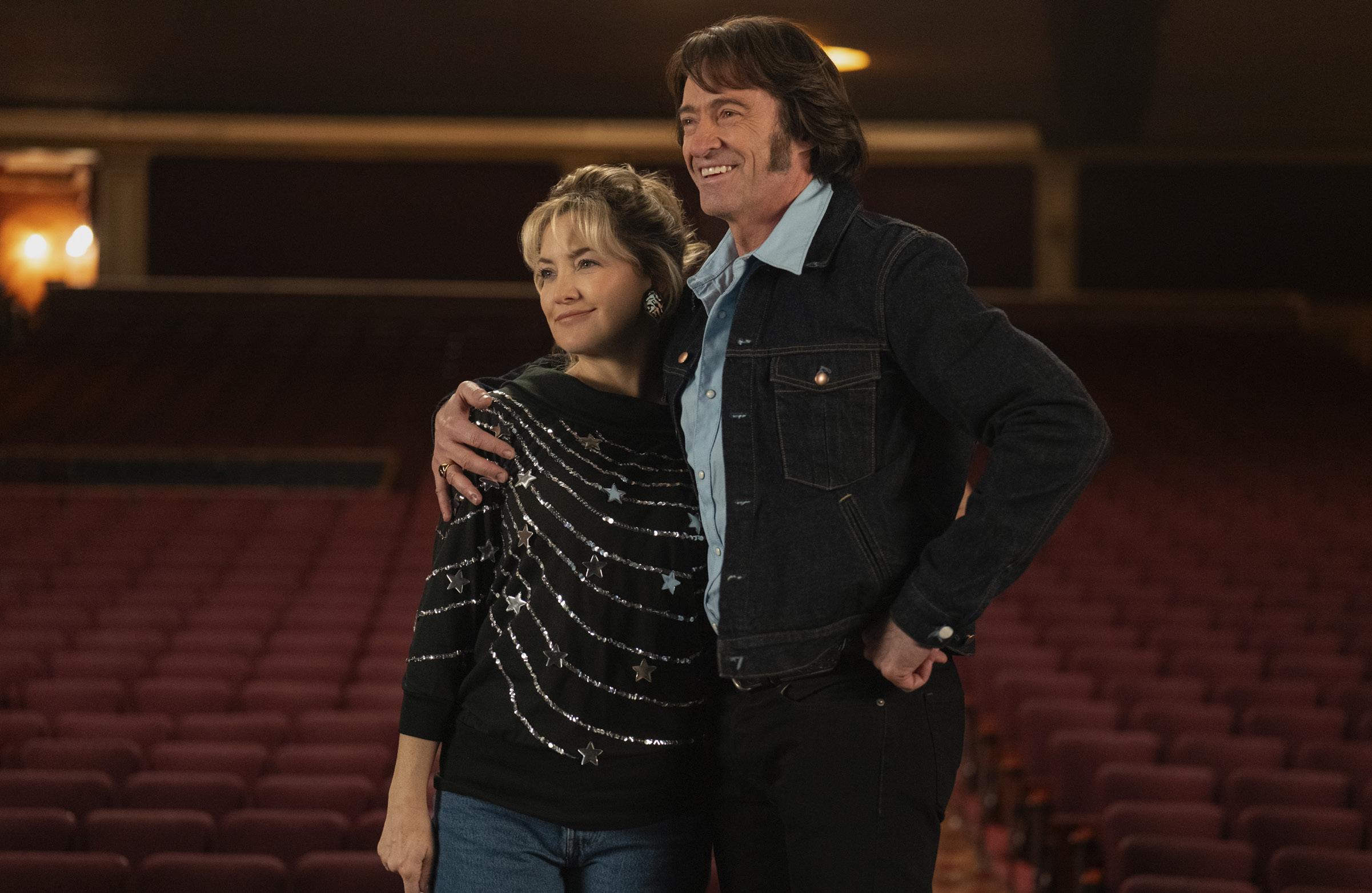
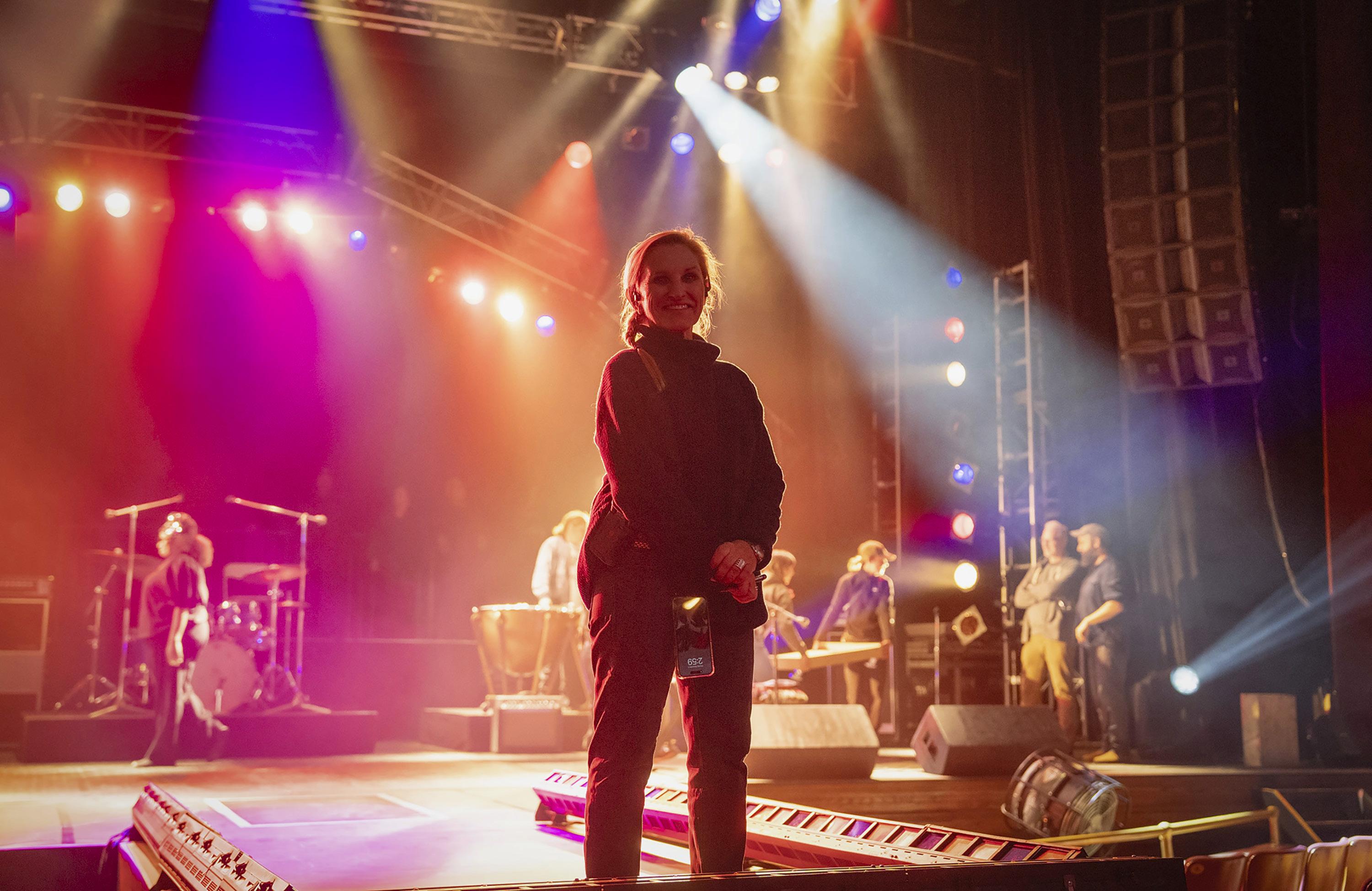
“SO MUCH OF THE STORYTELLING CAN BE TOLD IN THE RANGE OF WARM TO COOL. I OFTEN USE A SATURATED DEEP ORANGE, OFFSET BY SATURATED BLUES, AND WE LOVE OUR DEEP BLACKS.”
DIRECTOR
OF PHOTOGRAPHY
AMY VINCENT, ASC
It was immensely important to Brewer to show a working-class family accurately without feeling like they lived in a dreary landscape. “Yes, there can be clutter, there can be dingy bars,” the director reports. “But we still wanted to believe in an aspirational feeling when you’re in these places, that we’re not here to judge, but we’re here to give an epic retelling of people on the margins. So, every chance that we could get, we’d find those opportunities. This meant we talked a great deal about color – how, when we were in a muted landscape, do we achieve that saturated, magical realism?”
Vincent had three Sony VENICE 2s to work with at 8.6 K in a 1:1.85 aspect ratio. She leaned into her familiarity and comfort level with the VENICE sensor and color science and found its dual ISO capabilities useful for the film’s location work, especially the smaller nightclubs and bars, and night interior work at the family home. For broadcast segments, they had an old DVW700WS (recorded onto an Odyssey external recorder) and used a Sony DCR-TRV120 Hi8
tape to portray the Handycam work filmed by Sardina’s son.
For lenses, Vincent was excited to pair the Leitz Cine Hugos with the VENICE2. “I’ve long been a Leica glass user, both for cinema and still photography, especially fond of M.08s, and I often shoot with Leica Summilux C lenses,” she shares. “The Leitz Hugos use the M-series glass, described as ‘vintage/modern’ – they have a beautiful fall-off on the edges, all contained in a compact, lightweight build. I love the way the focus falls away in foreground elements in close focus. I also wanted a family of fullframe zooms for three cameras during live performances and was easily able to match the Fujinon Premistas with the Hugos.”
Tucked away in tiny houses and low-ceilinged dive bars, it was a unique opportunity to recreate the lives of the Sardinas. Griffith recounts Brewer giving his design team an inspiring clue to the family’s journey: It might look like a mess in here, but it’s my mess.
“This era was pre-digital, pre-
electronic, pre-cell phone, pre-apps, and pre-all the stuff we know now to be part of our daily routines,” says Griffith. “You knew where your piles of stuff were, and you kind of knew what each pile represented.”
Griffith had Set Decorator Lisa Sessions Morgan to create said piles. “If it’s not written on the page, I like to create my own backstory,” says Morgan, who first worked as an additional buyer to Griffith’s set decorating on Se7en . “[The documentary] was pure gold, but the challenge was: How much of their real life do we emulate? I remember Angela, our art director, and I would converse at length about how to convey that on the screen. I decided the best approach was to streamline the dressing to fit our [leads]. I wanted Claire’s life to feel busy and slightly out of control and keep Mike’s house sparser and lonelier. My theory was that only when they got together and their lives intertwined did their home reach pure harmony. It also was intended to ebb and flow depending on their circumstances in the film.”
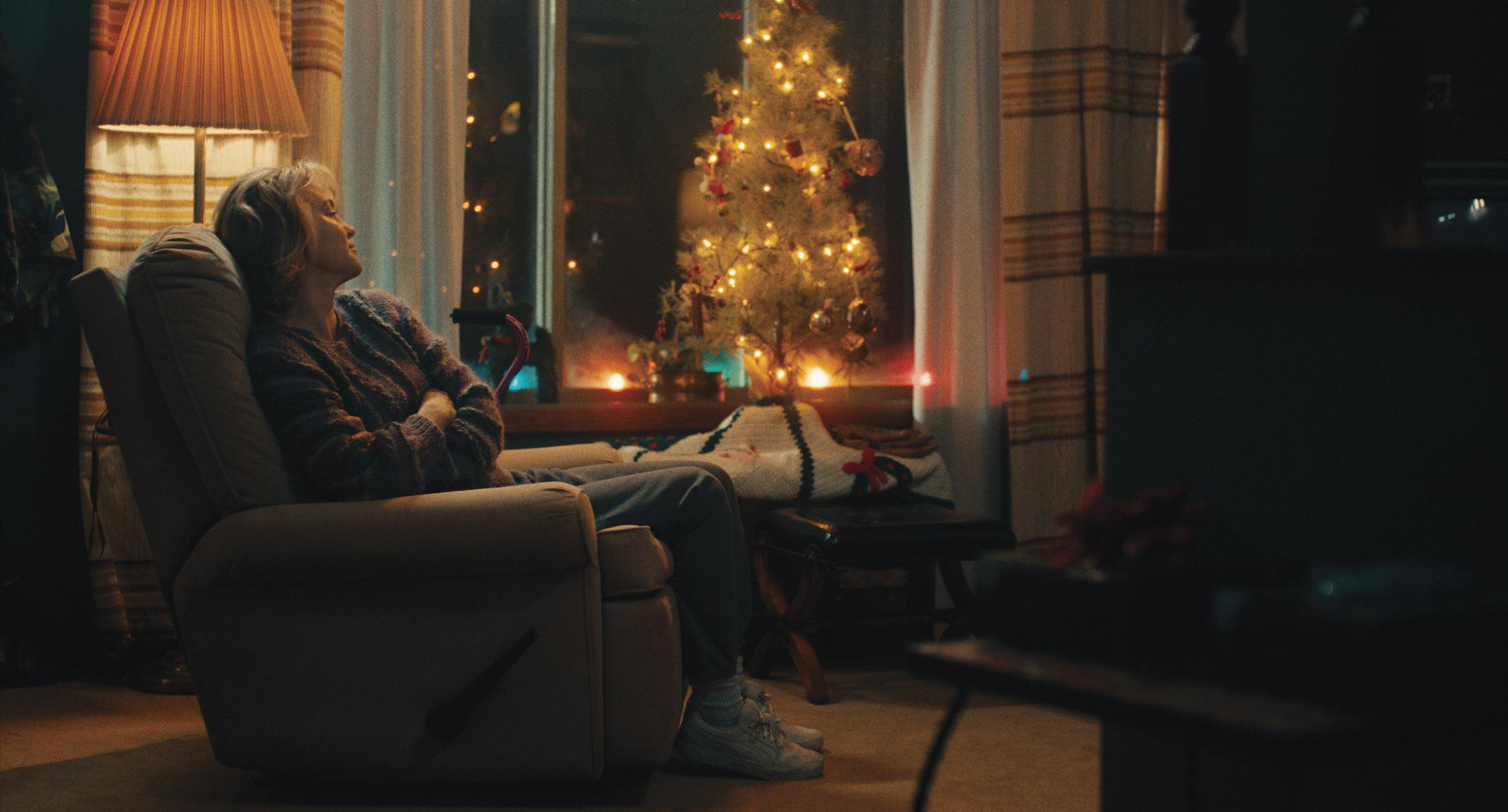
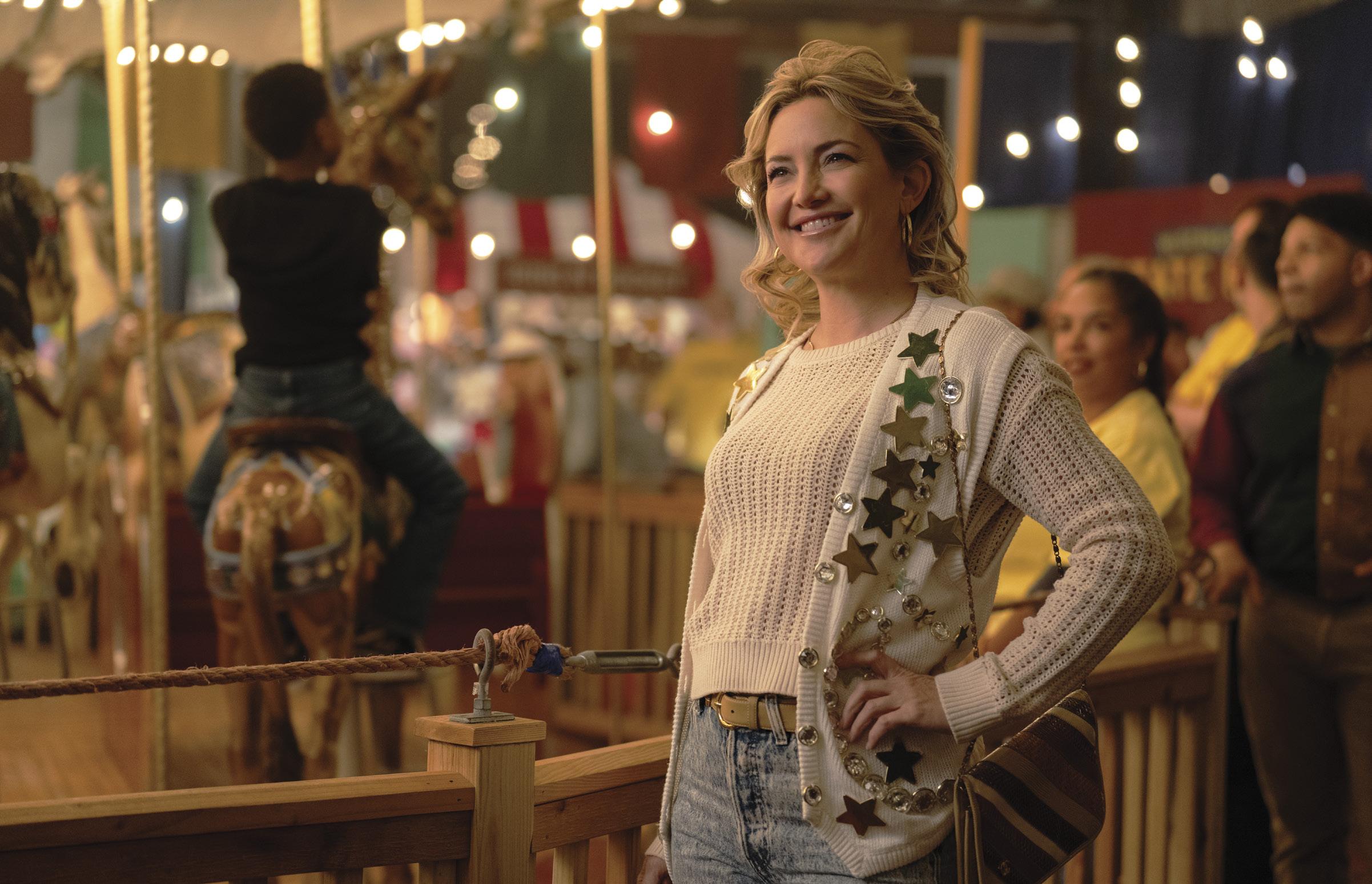
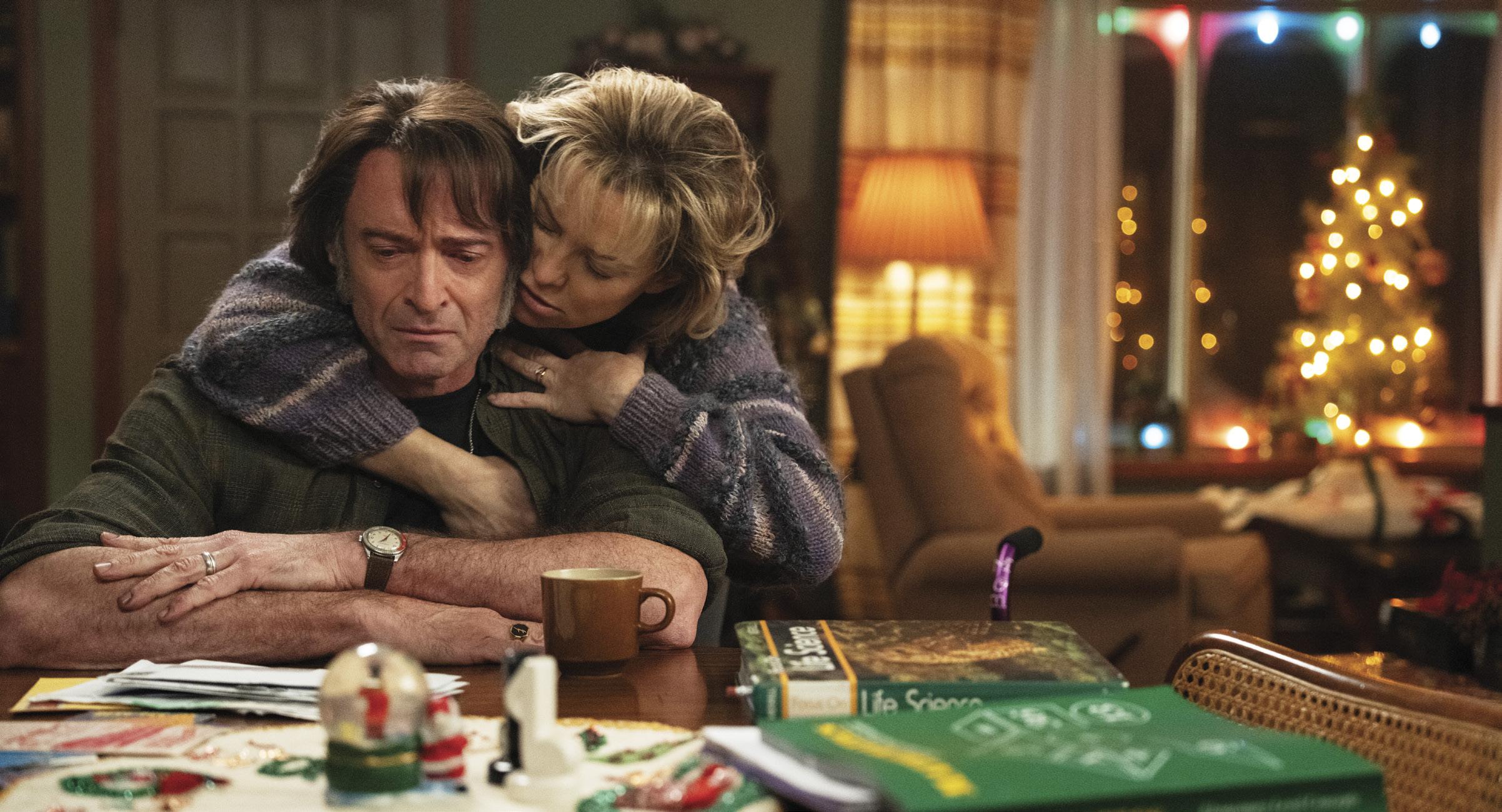
ABOVE/OPPOSITE: BREWER SAYS IT WAS IMPORTANT TO PORTRAY A WORKING-CLASS FAMILY ACCURATELY WITHOUT FEELING LIKE THEY LIVED IN A DREARY LANDSCAPE. "WE’RE NOT HERE TO JUDGE," HE SHARES. "WE’RE HERE TO GIVE AN EPIC RETELLING OF PEOPLE ON THE MARGINS."
Vincent credits Morgan with being integral to creating window dressings that helped them cheat night for day or day for night. “Amy had a true vision of how she intended to shoot the movie and was very collaborative on how we could make it happen,” says Morgan, who met the DP when Vincent was the key second assistant camera on Natural Born Killers “Since there are no prop houses in New York filled with vintage drapes,” Morgan adds, “I appreciated her letting me know early on how important each window and its treatment was in her lighting. We wanted to make sure that if we were shooting night during the day, each window had enough layers or filtering that it wouldn’t look like a black hole from the black tenting over each window. Creating ‘window vignettes’ became a buzzword for me and my assistant decorator, Roxy Toporowych. There were lots of eBay and Etsy fabrics shipping in and going to our draper in New York City.”
For these quietly beautiful and universally relatable domestic scenes, Chief Lighting Technician Daniel McCabe often
used Litemats, Astera tubes in light socks with custom louvers, Creamsource panels, HMI’s, and a small Fiilex G3 ellipsoidal unit that Vincent is partial to. This is in great contrast to the performance scenes Lightning and Thunder have. Starting in small dives and going all the way to the main stage in Milwaukee, theatricality and lighting increased as the story progressed.
“These people lived a lo-fi existence,” says McCabe, who recently gaffed Dying for Sex and worked under longtime lighting sensei Andy Day with Jackman on The Greatest Showman . “Amy wanted to use more hot lights than many shows often use these days, which was both period appropriate and a great chance to get back to my pre-LED-era training. Amy has an intuitive approach to visual storytelling, and I was grateful to find an early trust with her. I was also blessed to have a great working relationship with Key Grip Brendan Lowry – one of the best of our generation.”
One of the most important date-stamp aspects for Vincent was sourcing periodaccurate performance lighting. “The oldschool PAR cans and gel colors, that was the centerpiece for me,” says Vincent. “I
was raised photochemically, so going back to the discipline of tungsten lights with gels is a joy. I began lighting for theater, which made working with theatrical lighting designer Christina See for the big show at The Ritz so special.”
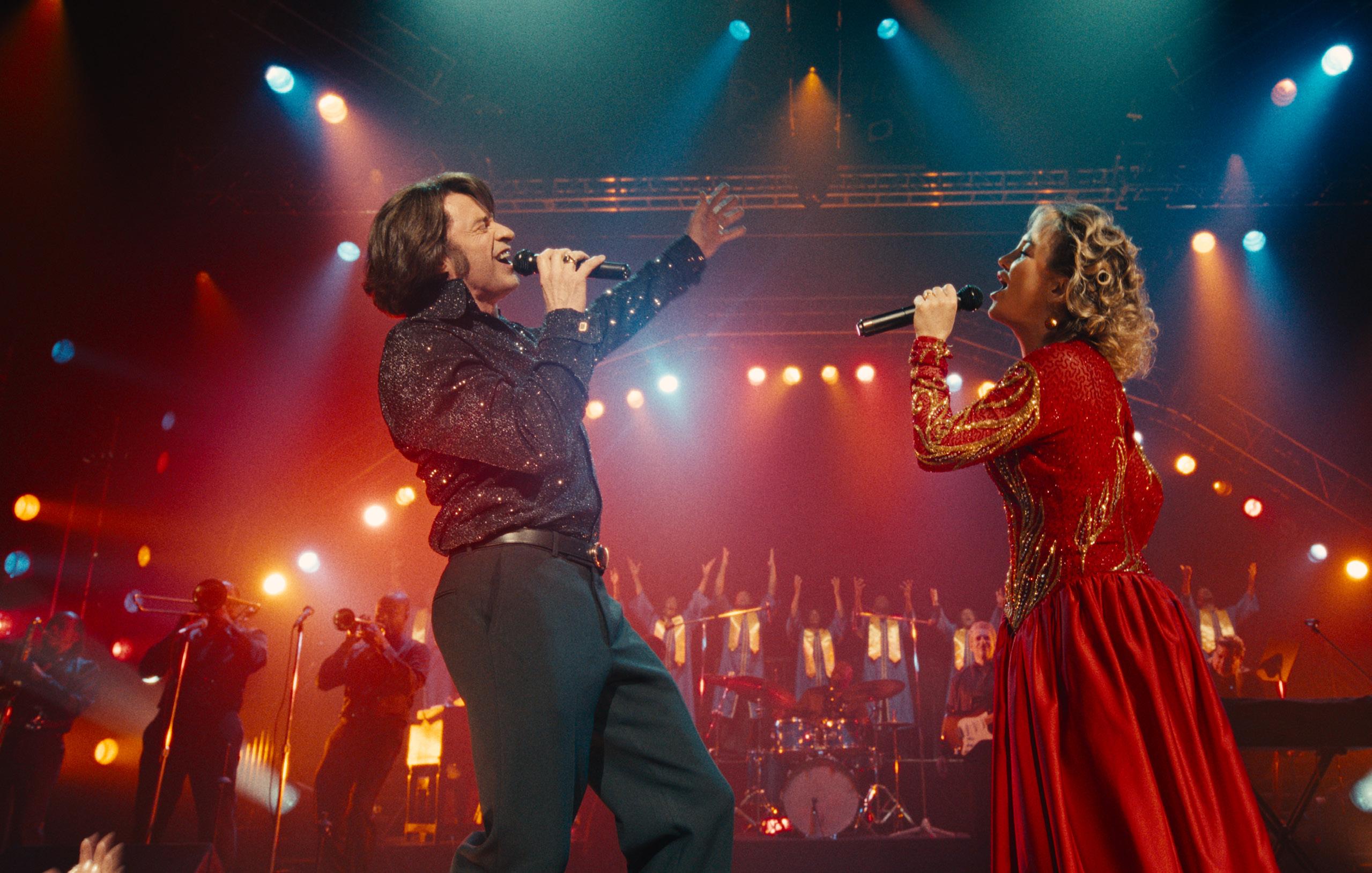
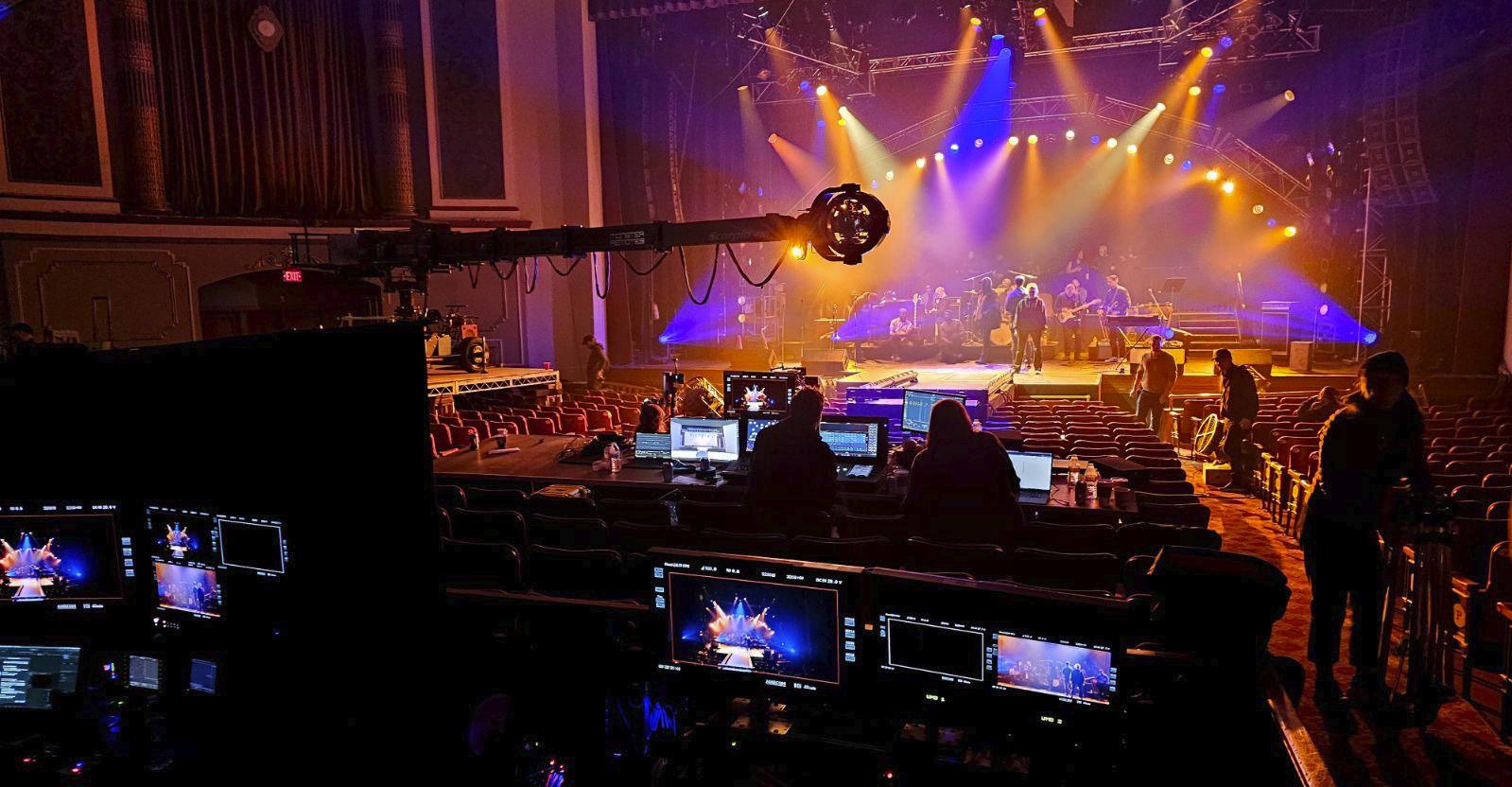
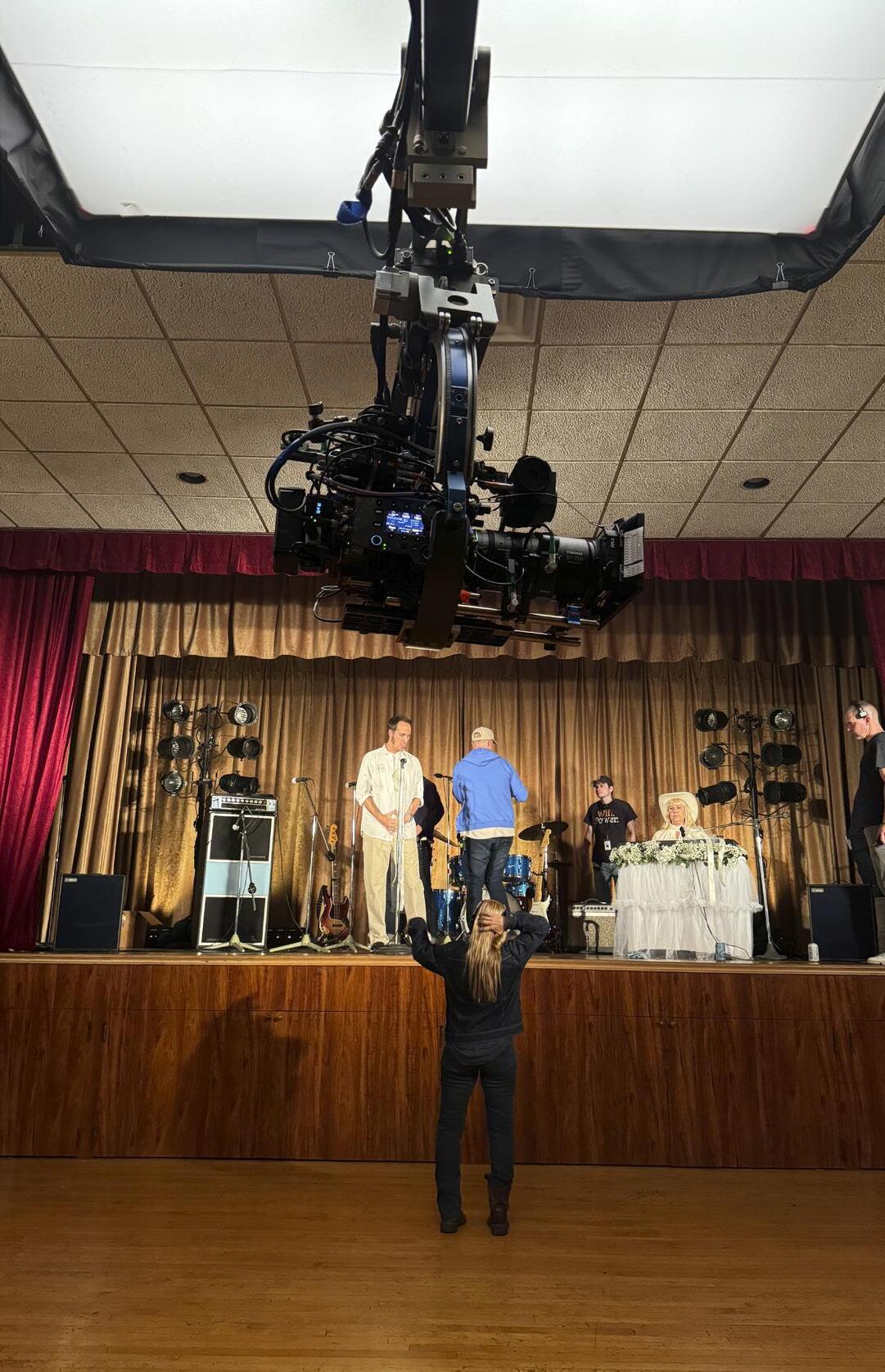
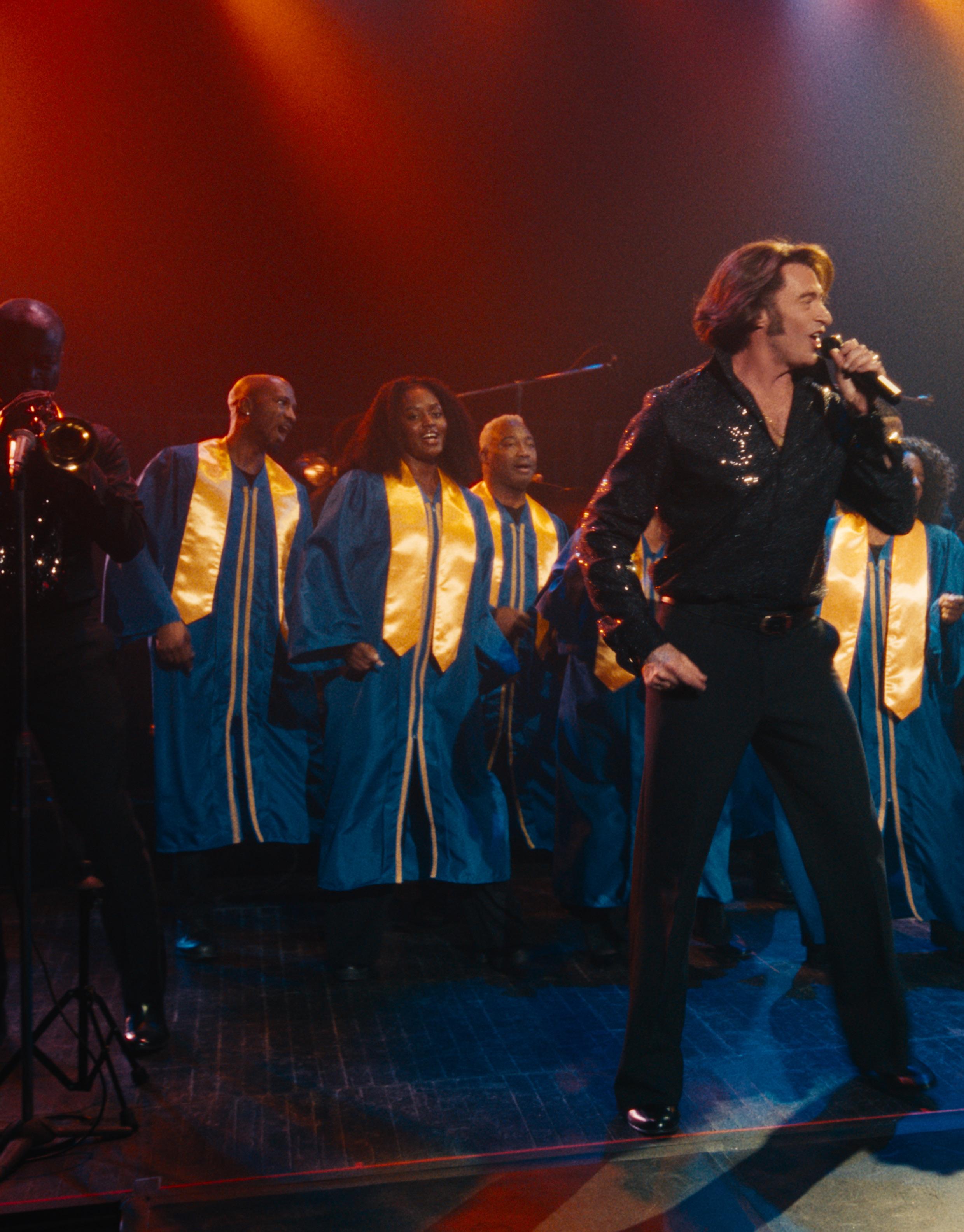
The finale, when Lightning and Thunder play to a packed house at The Ritz, was rehearsed and performed, for the most part, like a live show. Brewer likes to run long takes when it comes to capturing musical performances, and this one was three numbers running together – though it was shortened to two for the film. In real time, it was about 12 minutes long.
See had worked with McCabe on Succession and Mean Girls (2024) and was no stranger to being called for bigger concert scenes in film and TV. Her designs have been on Succession (Kendall’s 40th birthday bash), almost the entire third season of Only Murders in the Building, and In the Heights. For Song Sung Blue, See knew Brewer and Vincent wanted that 80s/early 90s rock-show vibe.
“I drew sketches with the truss visible and narrow beams coming from the PAR cans, and a cyc behind the stage to add color and give it depth,” See describes. “I
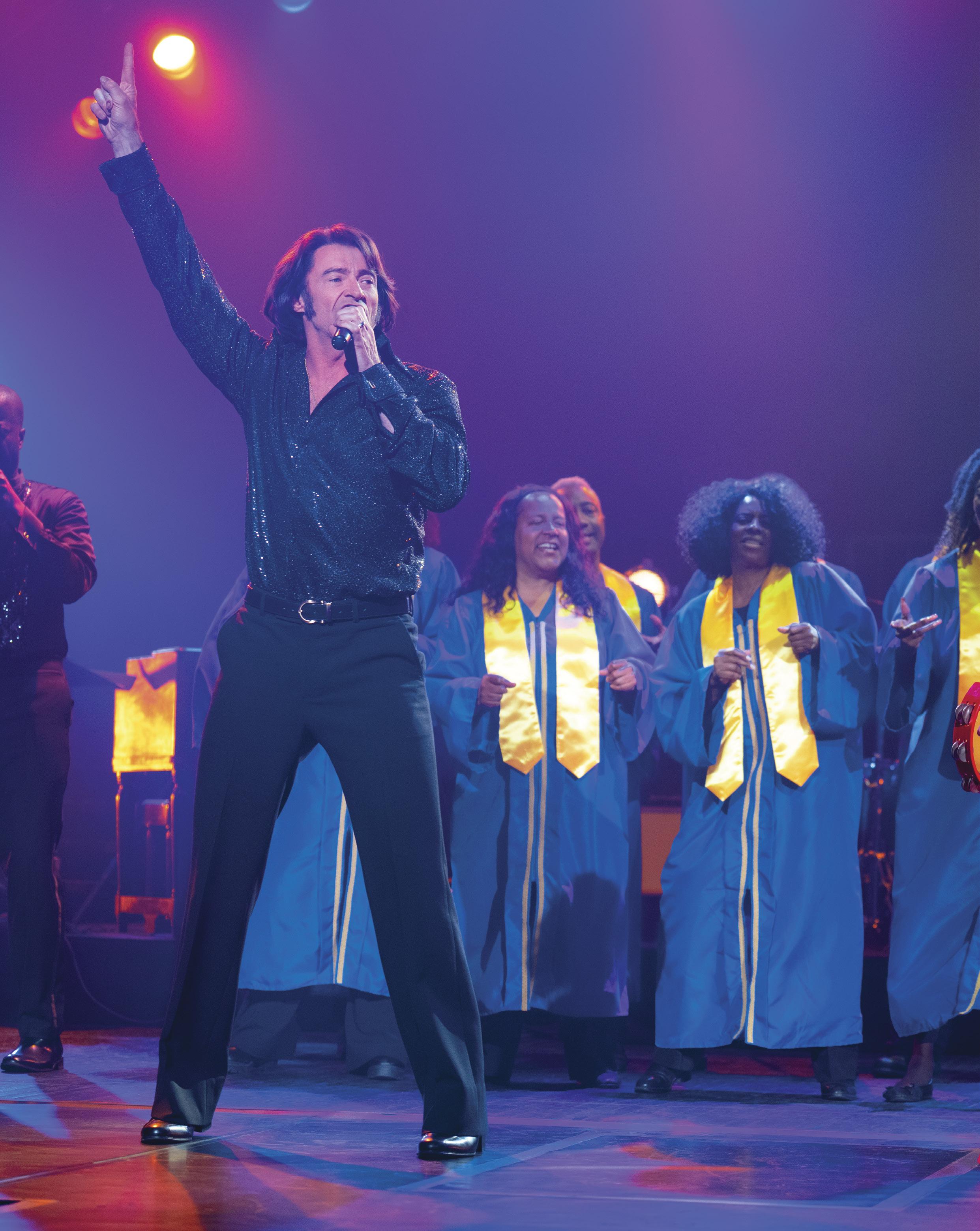
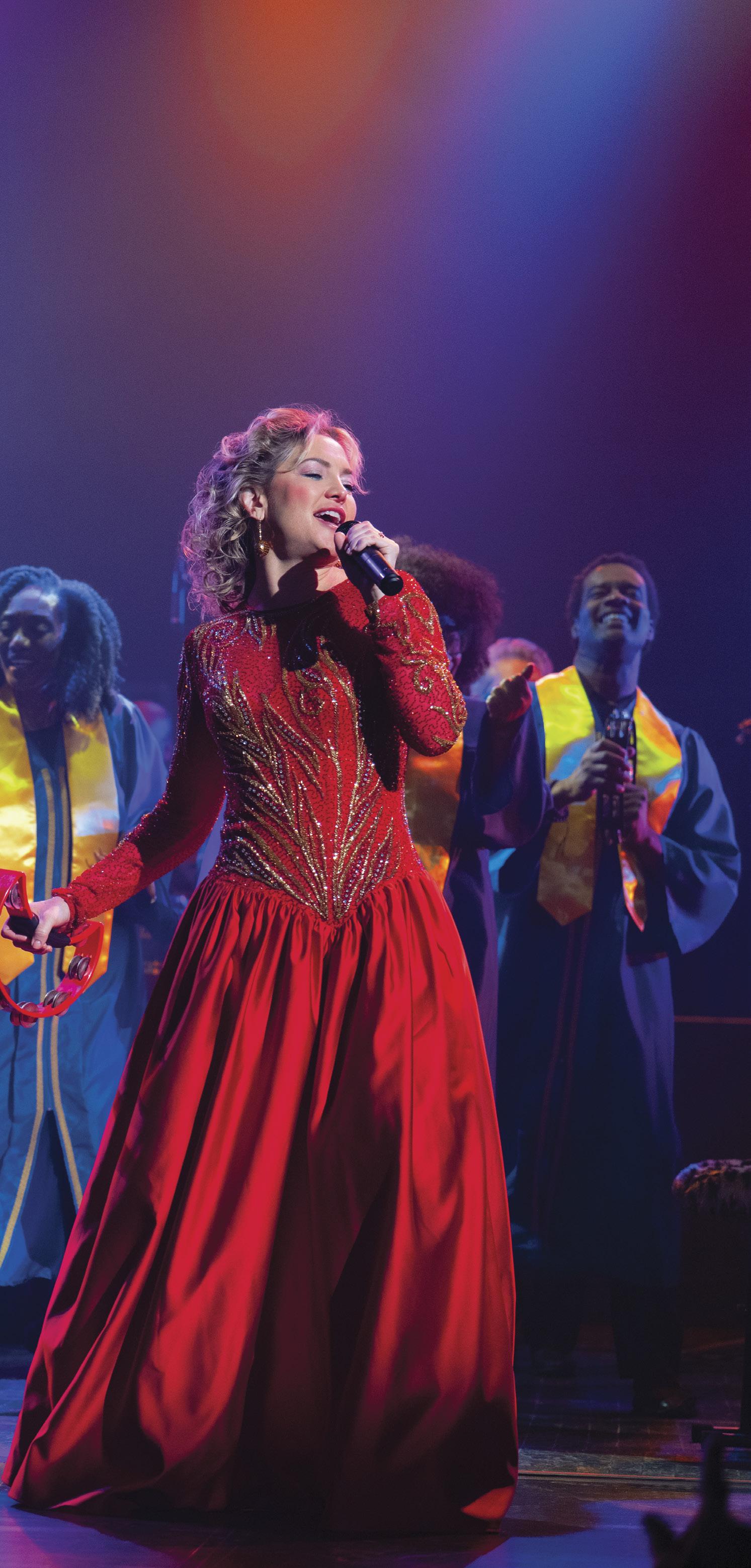
looked up Neil Diamond’s shows because they’re a good example of that type of [lighting]. We stayed away from spinning lights that you’d see at a show today and stuck to focusable lights, which we could spin around and use as a key light or backlight depending on where we were shooting from and what the camera was seeing.”
See’s moving light programmer, Max Lagonia, previsualized the songs as Production was loading into the theater. “It’s always a fingers-crossed moment,” See continues, “when the rig turns on and we see if we got close to what we wanted. We were also using so much more power than people expected because it was all conventional lighting. We had 116 PAR 64s, three Lycian Medium Throw M2 2.5-kw Followspots, 30 Ayrton Huracan LT’s, 12 ETC Source Four Lustr 2 36 degree, eight Stubby PAR 56s and more. Max and I went on a little field trip to an old lighting company, United Stage Associates, for vintage fixtures. We rummaged through their warehouse to find a bunch of polished silver snubnose PAR cans.”
Adds Vincent: “The footlights were a big deal to me. They define the bottom of the frame of the proscenium when the camera is looking towards the performers. When the camera is behind the performers, a slightly cooler color temperature plays in the audience, the separation enhanced by the line of footlights. And the vintage fixtures themselves are quite beautiful.”
In addition to See’s theatrical rig and design, McCabe rigged Lekos with various lenses and, for closer shots, used big broad fill sources from stands in the pit – usually a LiteMat Plus 8 or SkyPanel S360 through 12×12 diffusion, and sometimes a 12K tungsten bounce.
“Doing the Ritz show was a real treat to go back to my roots – I love a PAR can like nobody else!” Vincent enthuses. “A big part of what makes that sequence work was Christina’s design and Max’s programming into our modern lighting technologies coupled with old-school followspots and their operators. Truly, that whole show was a coming together of all departments. I had A-Camera Operator Dave Thompson and Dolly Grip extraordinaire Andy Sweeney on the Technocrane with a Matrix head from Monster Remotes. We worked in broad strokes with a few punctuation points. I’d let them know, ‘At the end of this verse you need to land in symmetry on the wide of the 19-45.’ And I’d let these extraordinary craftspeople, technicians and artists do their jobs.”
Vincent says, as a department head, it’s a sign of creative maturity that both she and Brewer were willing to cede so much to their fellow union craftworkers. “It’s what was so special about the finale at the Ritz,” she concludes. “You give them their marks, but then we roll in real time, and I think the music is so inspiring along with Hugh and Kate’s performance, that it all just comes together seamlessly.”
LOCAL 600 CREW
Director
A-Camera
A-Camera
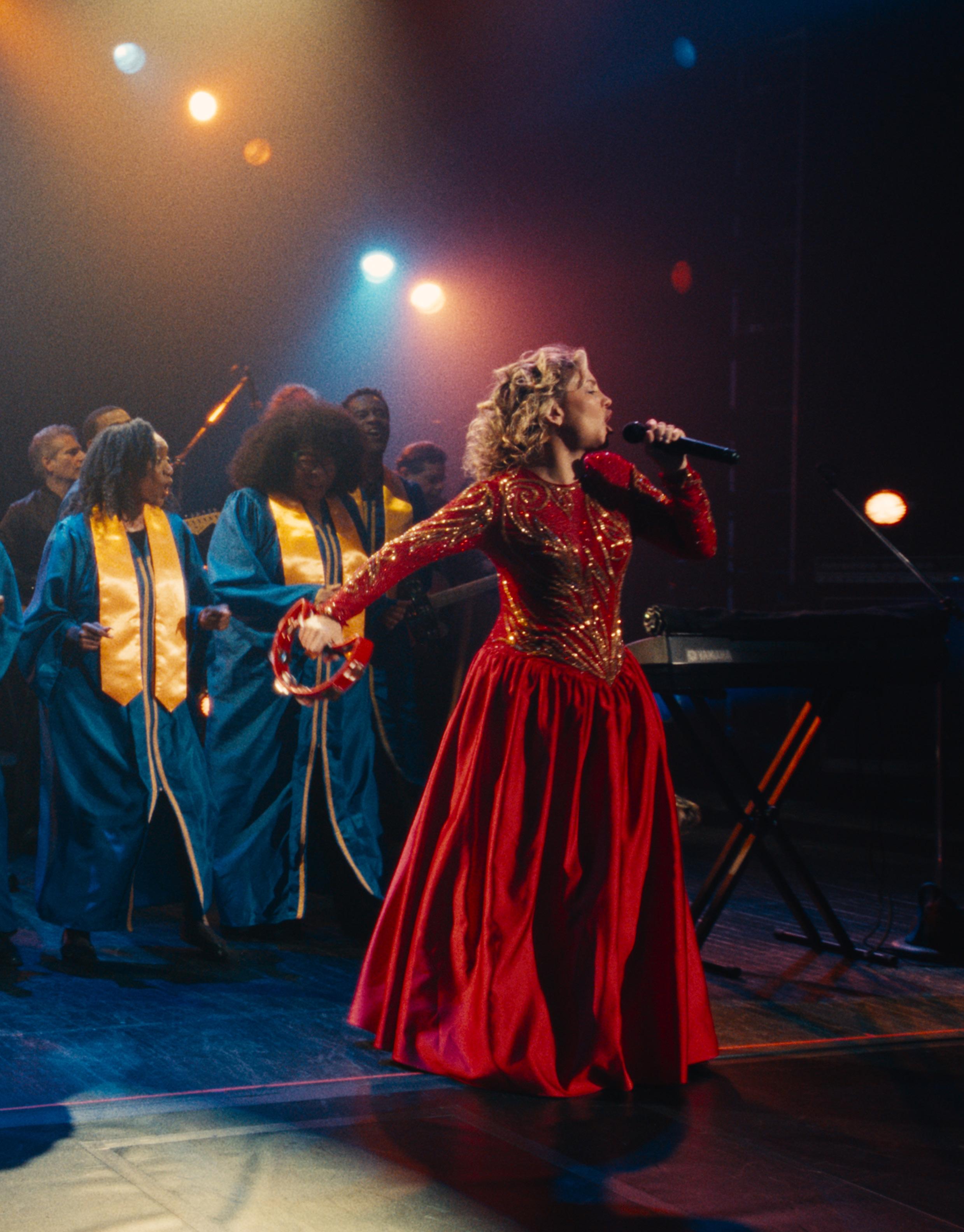
VINCENT SAYS DOING THE BIG FINALE AT THE RITZ WAS A CHANCE TO GO BACK TO HER ROOTS. "I LOVE A PAR CAN LIKE NOBODY ELSE!” SHE ENTHUSES. “AND A BIG PART OF WHAT MAKES THAT SEQUENCE WORK WAS CHRISTINA’S DESIGN AND MAX’S PROGRAMMING INTO OUR MODERN LIGHTING TECHNOLOGIES COUPLED WITH OLDSCHOOL FOLLOWSPOTS AND THEIR OPERATORS. IT WAS TRULY A COMING TOGETHER OF ALL DEPARTMENTS."
border
ELEVEN-TIME OSCAR-NOMINATED WRITER/DIRECTOR PAUL THOMAS ANDERSON AND DIRECTOR OF PHOTOGRAPHY MICHAEL BAUMAN RESURRECT VISTAVISION FOR A HIGH-OCTANE AMERICAN ROAD ODYSSEY.
BY JAY KIDD
BY MERRICK MORTON, SMPSP
FRAMEGRABS COURTESY OF WARNER BROS.
lines
PHOTOS
“It’s 100 degrees, we’re dying, the cameras are jamming, and there’s no bathroom,” laughs Director of Photography
Michael Bauman, recalling the grueling conditions he and his Local 600 camera team endured on Writer/ Director Paul Thomas Anderson’s recent Warner Bros. feature, One Battle After Another. “Our love language as a crew was definitely sarcasm and dry irony. You just had to have a sense of humor to roll with it all.”
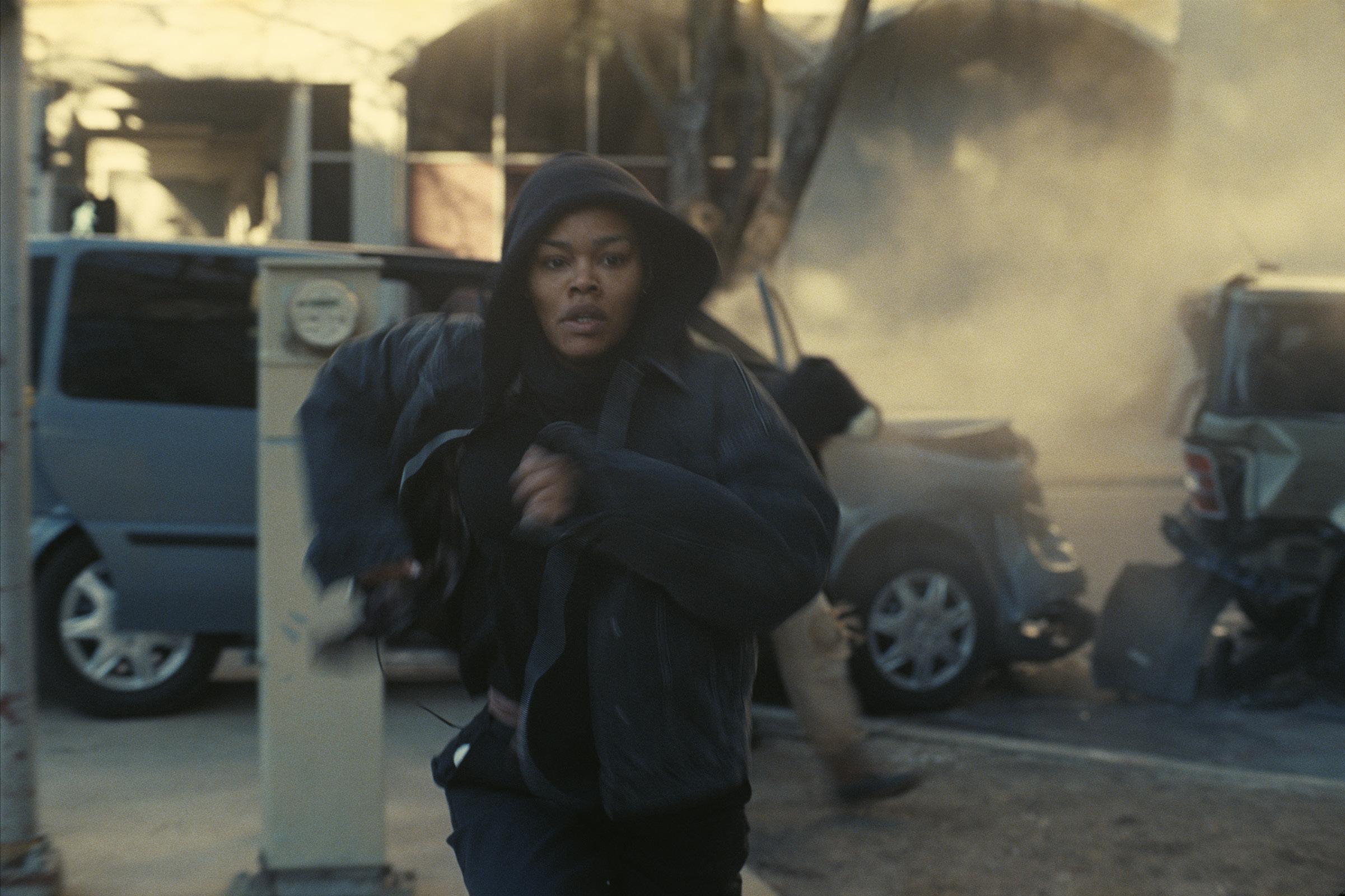
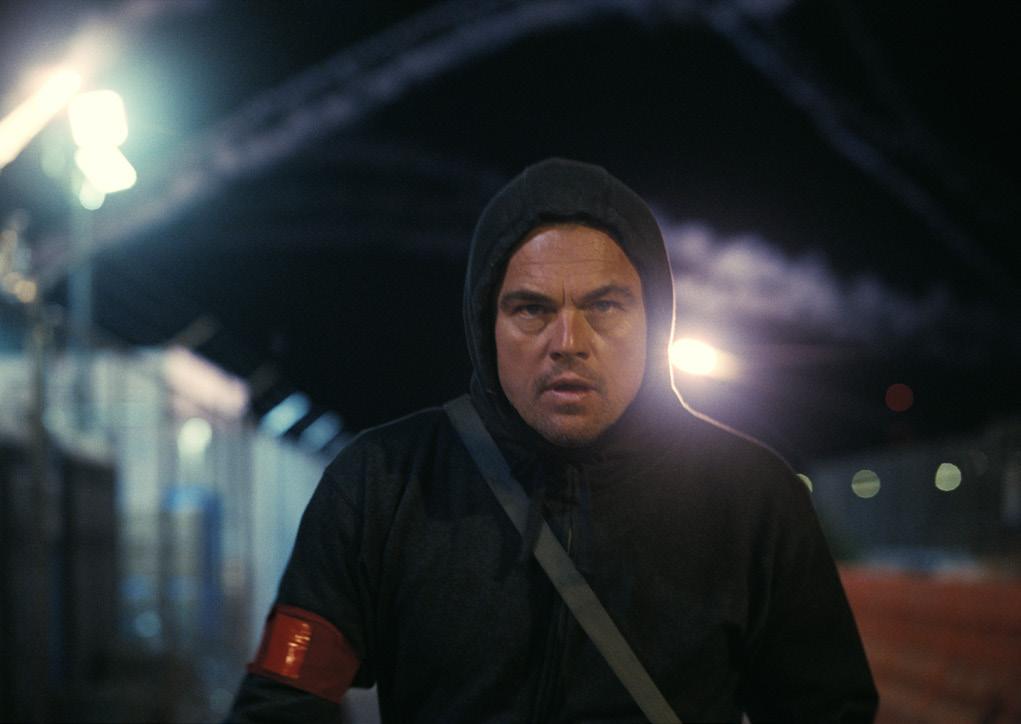
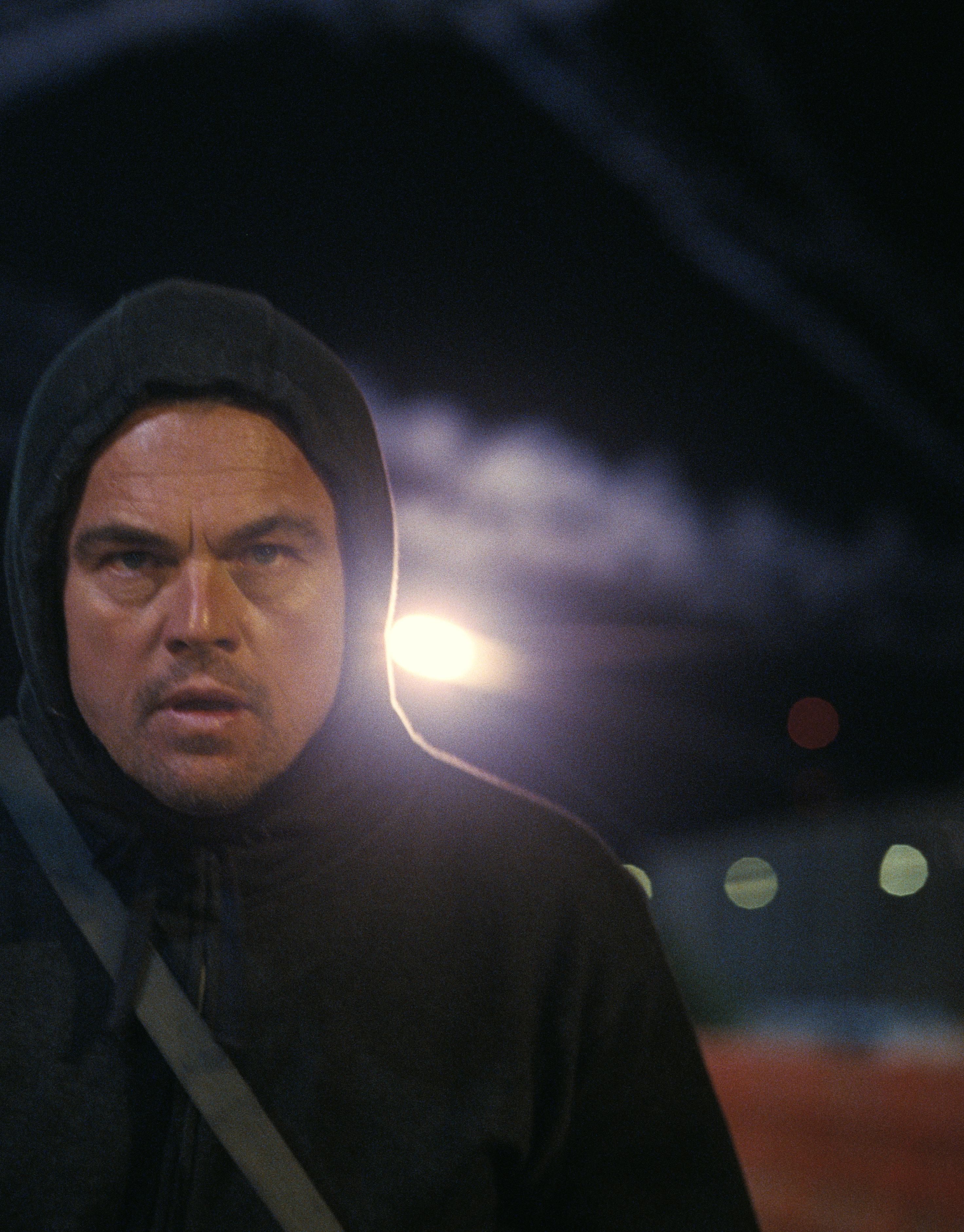
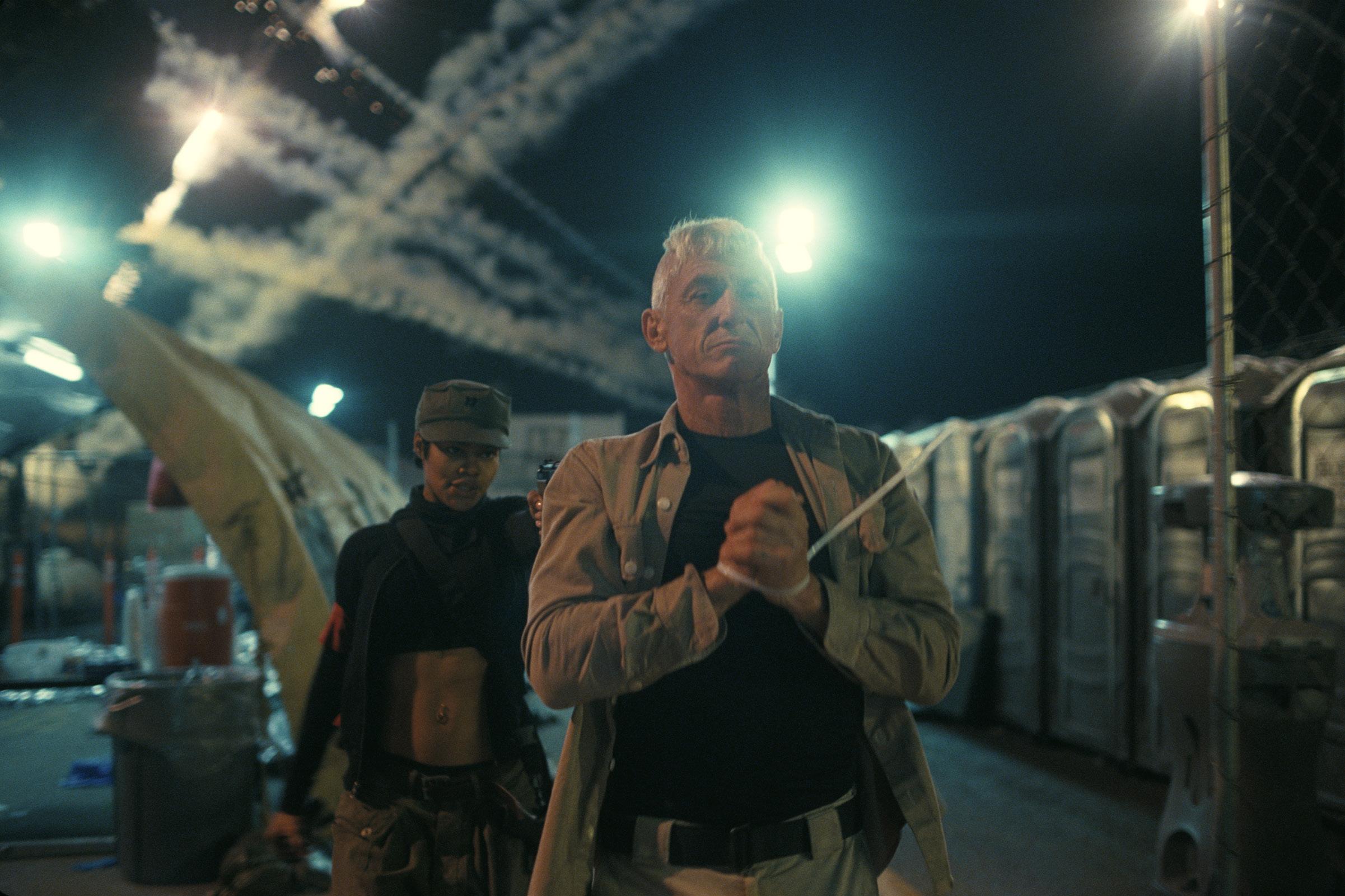
Loosely adapted from Thomas Pynchon’s novel Vineland, One Battle After Another tells the story of Bob “Rocketman” Ferguson (Leonardo DiCaprio), a washed-up former revolutionary who is forced back into his old lifestyle when a corrupt military official (Sean Penn) kidnaps his teenage daughter (newcomer Chase Infiniti). The story feels urgent, unfiltered, like it’s been shot out of a cannon, and the camera crew chased it through the streets, rooftops, and deserts of America with every ounce of energy they had.
The project is the fifth feature film Bauman has shot for Anderson, but it is their first lensed in VistaVision. In fact, Battle is the first major U.S. feature both photographed and released in VistaVision since Strategic Air Command in 1955! Still, this wasn’t completely uncharted territory. In 2019, Anderson and Bauman experimented with VistaVision on Anima , a short film made to accompany Thom Yorke’s album of the same name. Ever since, the director has
been itching to see what would happen if he built a full-length movie around the format.
It’s easy to see why Anderson fell in love with the format. VistaVision carries a mythic pedigree, having captured the shimmering dreamscapes of Hitchcock’s Vertigo and the wind-scoured horizons of John Ford’s The Searchers. The magic lies in its design: unlike standard 35 mm, which runs film vertically through the camera, VistaVision runs it horizontally, exposing a larger 8-perf frame on the same stock. What results is a deeper, richer image that feels impossibly detailed. For a time, it was Hollywood’s most advanced format until newer technologies pushed it aside. Even then, VistaVision found a second life in visual effects, most famously on the original Star Wars trilogy. Anderson, however, had a very different goal. “Our North Star, visually, was The French Connection,” Bauman recalls. “We wanted to take this pristine format, gorgeous 8-perf VistaVision, and make it look like that movie.”
He describes their mission as an exercise in contrast. “When people think of VistaVision, they think of this glorious, perfect picture,” Bauman adds. “But Paul was like, ‘No, screw all that! We’re going to strap this camera to cars. We’re going to put it on a Steadicam, on a helicopter. There’s going to be lots of movement. We’re going to loosen the bolts and see what happens. Let’s muck it up.”
Resurrecting VistaVision for a fullthrottle action flick was not an easy task. The last cameras had rolled off the assembly line some twenty-five years ago, and the remaining units had spent decades gathering dust.
“VistaVision in its current iteration is not intended for narrative filmmaking at all,” explains the film’s 1st AC Sergius “Serge” Nafa. “It’s been used almost exclusively for visual effects for decades, and the only working cameras belong to a bunch of guys who basically rebuilt them in their garages.”
This production’s initial luck came
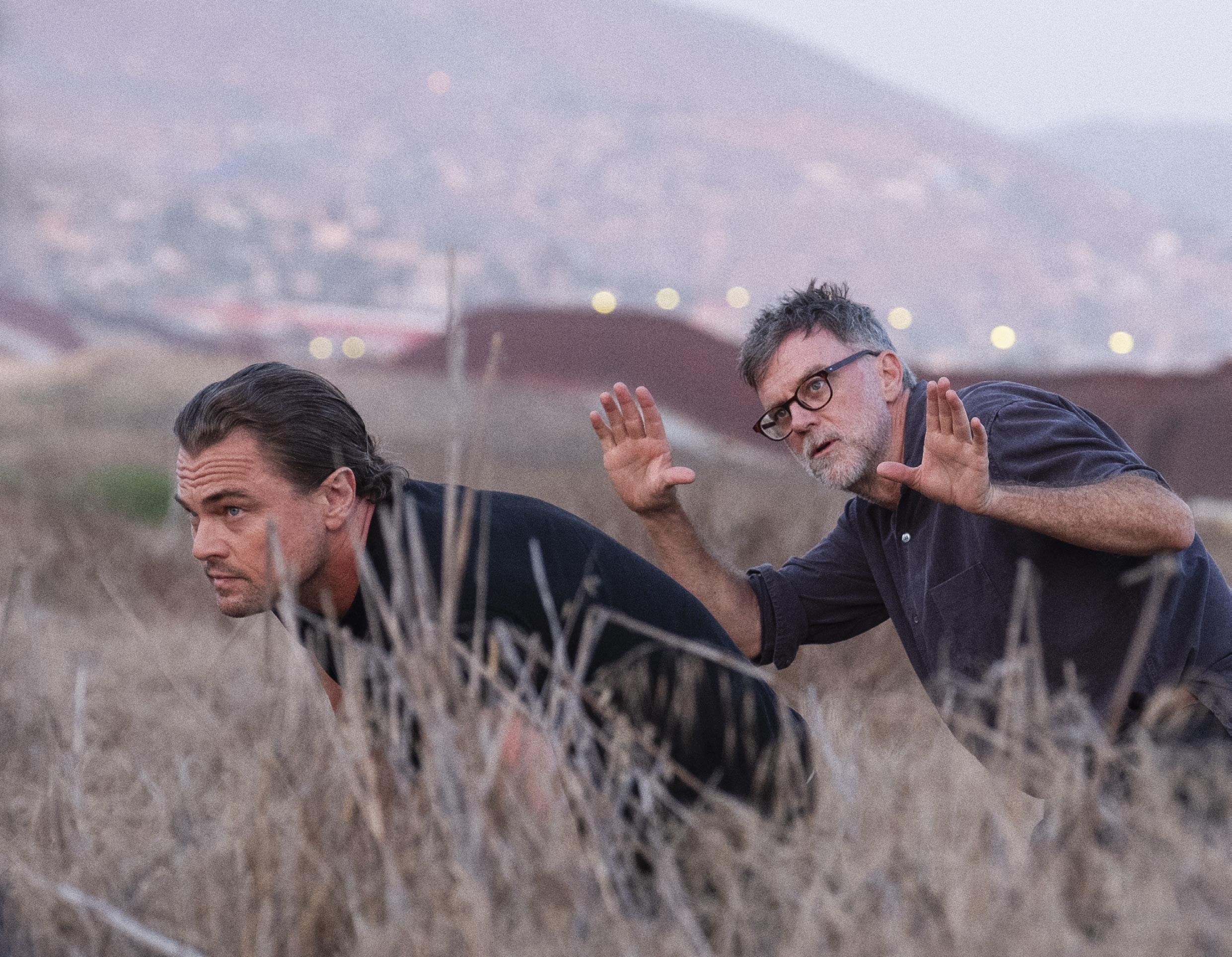
from Giovanni Ribisi, an actor and cinematographer who also restores vintage cameras. His personal Beaumont VistaVision camera became their template. Bauman vividly recalls the handoff: “I remember Paul saying, ‘Look, this camera is your baby. We don’t want to hurt it.’ And to Gio’s credit, he said, ‘This is for making movies. Go make a movie.’” Two additional Beaumonts were sourced from Geo Film Group, and with Panavision’s support, all three machines were brought back to life.
Nafa calls Ribisi “a godsend. His camera was brilliantly well-kept, so we used that as a model for the other two cameras,” the veteran AC shares. “Panavision handled the optical side, fabricating new eyepieces, replacing lens mounts, adding
HD taps, and solving our power issues. We had to update three different bodies to have the same genetic coding so they could withstand a twelve-hour day in the desert for 100 days straight. It’s like asking a Ferrari to run the Baja 1000. That’s not what they’re made to do.”
Some of the Beaucams’ problems couldn’t be fixed. “It’s an incredibly noisy camera,” says A-Camera/Steadicam Operator Colin Anderson, SOC. “It sounds like a coffee grinder.” As a workaround, the team supplemented with two Panavision Millennium XL cameras for long, dialogueheavy scenes. The 4-perf Super 35 mm footage from these cameras was then blown up to match the 8-perf VistaVision, maintaining visual consistency while capturing every second of the film’s rapidfire, often hilarious dialogue.
Operating the Beaucams brought its own ergonomic challenges. Because the system’s horizontal magazines sit differently than vertical 35 mm, they are tricky to operate. As Anderson continues, “Any camera position over chest height or higher became an issue. I’d have to stand on a box or a ladder to see through the eyepiece. One-hundred-and-eighty-degree pans were also a problem. I tend to be a little old school – I always want to look through the eyepiece. That makes me feel more connected to the shot. So, I had to do a lot of complex dolly moves, sort of contorted over the camera. That was a challenge, to say the least,” he laughs. “I’m glad I do a lot of yoga!”
The horizontal magazines also presented a challenge for Steadicam. Because VistaVision travels film from left to right, the weight shifts, throwing the rig off
balance. The fix came from Geo Film Group in the form of a brilliantly simple piece of vintage tech: a traveling weight that moves in opposition to the film. Anderson notes this same tool was once used by Steadicam inventor Garrett Brown while shooting background plates for the speeder bike chase in Star Wars: Return of the Jedi . “It’s an extraordinary piece of equipment and a nice bit of film history,” the operator shares. “Garrett Brown was a pioneer, so getting to use something of his felt wonderfully nostalgic.” Paired with Anderson’s Steadicam Volt system, the weight restored perfect balance to the rig, linking two eras of camera ingenuity.
A major chase that included a helicopter added another layer of complexity. Dylan Goss, the film’s aerial director of photography, was tasked with fitting the
“WITH PAUL, NOTHING COULD BE TOO CUTE, TOO SET UP, OR TOO CONTRIVED. THERE’S A CERTAIN LOOSENESS, A GRIT TO THIS FILM.”
A-CAMERA/STEADICAM
OPERATOR COLIN ANDERSON, SOC
with large-format magician Scott [‘Smitty’] Smith alongside the guys at Team5 going nonstop. I can’t stress how much we felt like we had done something that hadn’t been done before. I’m really proud of that.”
Paul Thomas Anderson was so fastidious about VistaVision that he even reached out to the cinematic community to source a VistaVision projector to review dailies with his crew. Every night, department heads would gather to watch, with Anderson himself often playing composer Johnny Greenwood’s developing score through his iPhone.
As Nafa recalls, “I never felt happier to come in battle-worn after a thirteen-hour day and watch an hour of dailies. It was so fun. It really helps with tone, because when you hear the music playing over the dailies, you begin to think, ‘Okay, that’s what we’re after.’ It subtly informs how we all do our jobs. Maybe the speed of a focus pull is going to be different now, based on my understanding of the dailies that I saw the night before.”
The French Connection’s influence on One Battle After Another is plain to see. Like its predecessor, the film used almost no built sets for its interiors. And, like the crew of The French Connection , the team on One Battle After Another faced punishing weather conditions – but instead of New York’s bitter winter, it was the scorching deserts of California and Texas. The car chases were captured practically: just a camera bolted to the hood, rattling and bouncing with every crunch and smash as the vehicles tore through traffic.
unwieldy Beaucam into a modern stabilized gimbal – a feat complicated by a 1000-foot magazine and massive 11:1 zoom. The biggest hurdle was vibrations. “That 1000foot magazine was shaking like an old Chevy,” Goss recalls. “When the camera vibrates on a gimbal, the image will be soft – even more so at the near-1000-millimeter focal lengths we were on. We had to find some way to brace the thing.”
After rigorous testing, a solution emerged: custom 3D-printed sandwich plates turned the curved VistaVision magazine into a perfectly flat surface, allowing it to be effectively clamped and stabilized. “I can’t think of another team that could have pulled this off,” Goss says. “I’m not speaking about myself; I mean the team at Geo Film Group and Panavision. We had James O’Hara, my gimbal tech, working
Bauman leaned on 1970s-era references to shape the look. “Our main set of primes was the Panavision GW series,” he explains. “They’re supposedly based on what Gordon Willis used, and we’ve been using them since The Master . But I think we walked out of Panavision with something like forty-three lenses. We had over sixty at one point because Dan Sasaki kept sending us new ones.”
Paul Thomas Anderson and Sasaki share what Nafa calls a “symbiotic relationship. It’s 50-50 technical genius and artistic brilliance,” he offers. “They’re artists and technicians. They’re both always dreaming up these schemes to make new lenses. It would be a lot more fun to watch if I were just a spectator,” Nafa laughs, “but I have to make them functional!”
Bauman kept lens filtration minimal, leaning mainly on Tiffen Low Contrast filters, along with ND’s and polarizers
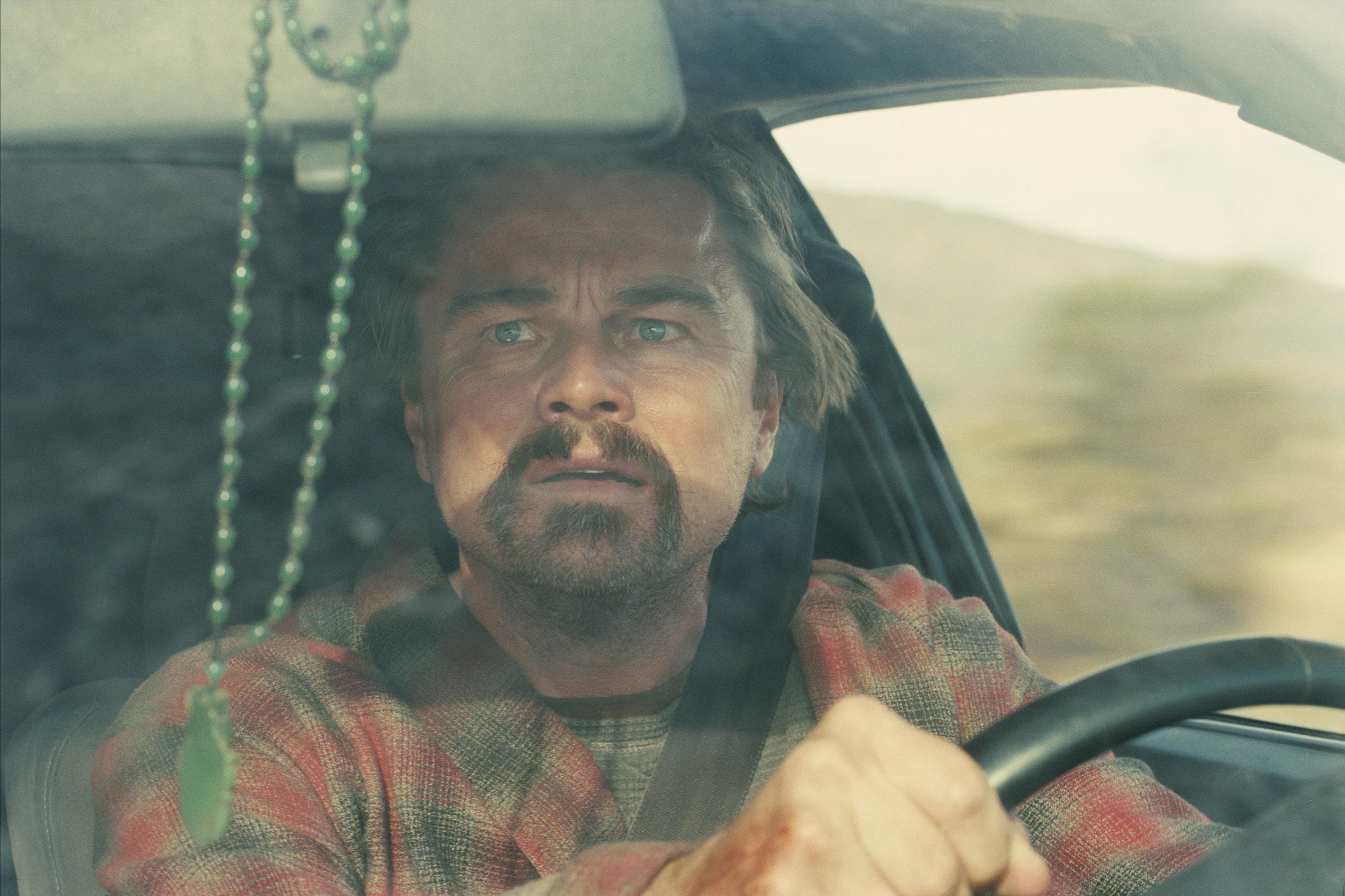
for exposure control, to allow the unique characteristics of the glass to inform mood and texture. He experimented with virtually every Kodak stock, from 500T/5219 to 250D/5207, 50D/5203, and 200T, often pushprocessing for grain, texture, and character.
“Paul and I have this rolling conversation about texture,” Bauman reveals. “How do you recreate the look of a 1970s movie? Of course, today, you can shoot digital and build a LUT. But Paul is a filmmaker who works photochemically from soup to nuts. Often, you’ll originate on film, and that’s the end of the process. Once you’ve developed and scanned it, everything else is digital. But that’s not how it is with Paul.”
Lighting, too, embraced a gritty, indie film sensibility. Bauman points out that the film features scenes where “the sun is just blasting DiCaprio in the face, high contrast, and crazy mixed color temperatures in
situations where we couldn’t necessarily control anything,” he states. “And Paul wanted it that way. Even though he wrote these massive, sprawling car chases, epic shootouts, and all sorts of stuff that he’s never done before, he still wanted it to feel like an independent film.”
Bauman and Chief Lighting Technician Justin Dixon worked closely with Production Designer Florencia Martin and Set Decorator Anthony Carlino to help map out the film’s motivated lighting. A top priority was integrating the on-set practicals with adjustable, battery-powered units like the Rosco DMG DASH, Astera tubes, and Nanlux Evoke 2400B’s and 1200B’s. “We used light mattes and things like that, but we also found these little fixtures that would work with 30-volt batteries,” Bauman recounts. “I was trying to find a balance between those two worlds. But the key point had to be flexibility and mobility – what can we get right here, right now, and then, how do we control it?”
For darker scenes, they embraced a stripped-down approach, letting much of the background slip into shadow. “Normally, you’d say, ‘Give me a Condor here, another one down there, and put a backlight on that,’” Bauman adds. “But on this film, we just let the light fall off. This story is about what’s happening in the foreground, not the background. It was kind of freeing.”
For night exteriors, Dixon turned to a variety of LED fixtures, specifically the Aputure CS-15s – because VistaVision’s tall, 1.5:1 aspect ratio made overhead lights visible in the frame, most of the lighting had to come from the ground. With the CS-15s, Dixon could light two or three buildings at once, quickly positioning a single batterypowered unit on a combo stand without waiting for power. It was the ideal setup for a film that demanded nimble rigs and fast problem-solving.
Because the production embraced improvisation, Bauman and Dixon often
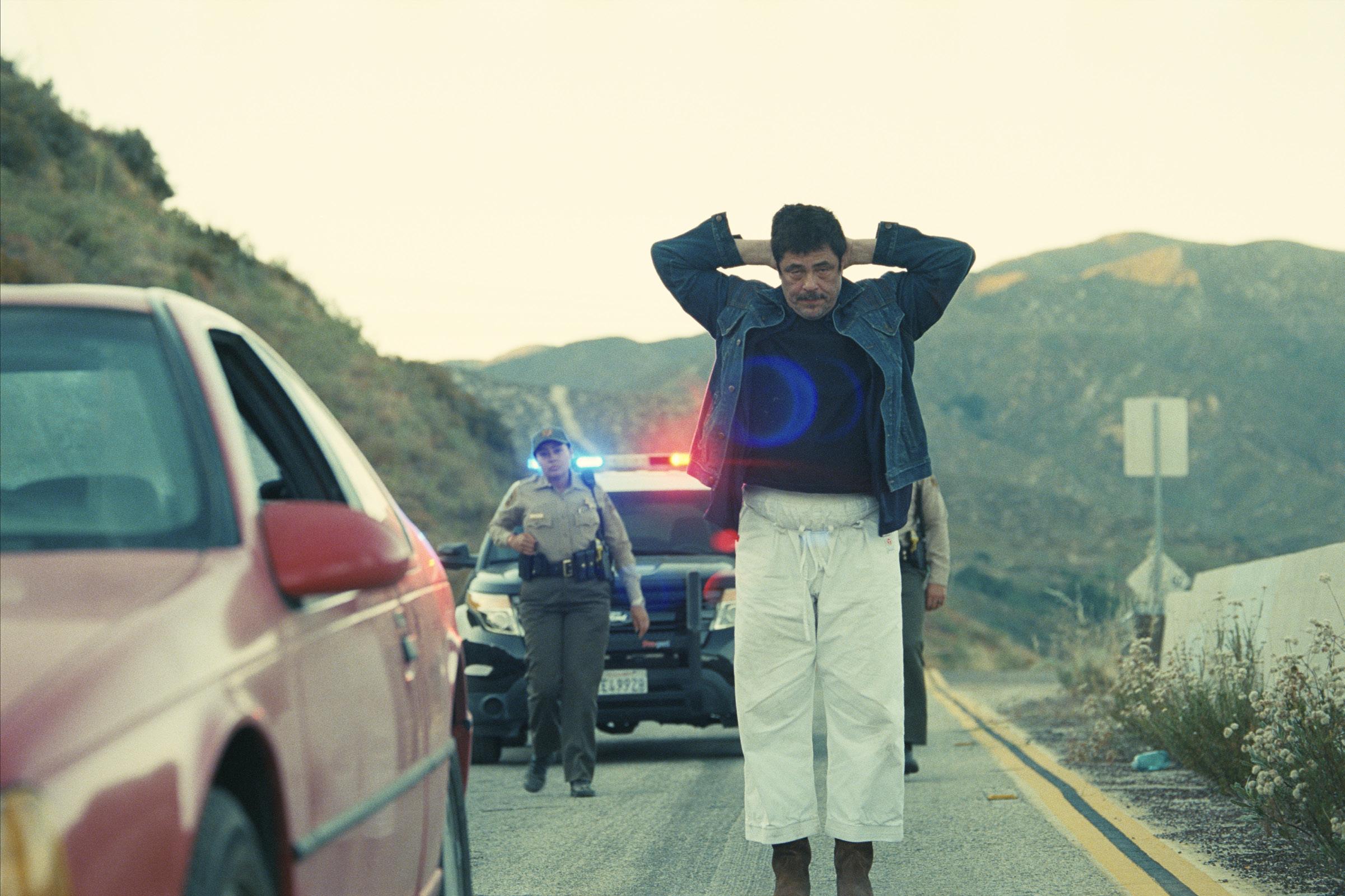
had to light large areas naturally and quickly, a working style Bauman likens to “free jazz.” This impromptu approach is perhaps best illustrated by a scene that didn’t make the final cut. “There’s a diner that we had lunch at in Eureka,” Bauman remembers, “and Paul said, ‘What if we shot a scene right here?’ Two hours later, we’re in there shooting. People are eating their lunches, and suddenly a VistaVision camera comes in, Leonardo DiCaprio sits down, we shoot for forty minutes, and then we’re out of there.”
Bauman admits that free jazz is not for everyone. “You have to become comfortable being uncomfortable,” he describes. “I’ve been lucky to have worked as a gaffer for so many skilled cinematographers and to have learned from their approaches. It was great to lean into those experiences and bring them to this project. Some DP’s might not roll with this, and understandably so. But on this film, the energy just kept you moving.”
He harks back to advice he received from a master of naturalistic lighting, Harris Savides, ASC. “Harris said, ‘Let’s keep it simple and make mistakes.’ I had never heard a cinematographer talk like that before, but I brought that with me on this job because I learned, ‘Okay, mistakes can be a good thing.’ Harris meant that so-called ‘mistakes’ can be interesting. They aren’t mistakes that stop you from filming or destroy your movie – it’s about experimenting and embracing the happy accidents as they come.”
Although Paul Thomas Anderson is not traditionally associated with action movies, his approach was anything but cautious. Nafa recalls that the director would “kind of feign rookie status on set. He would say, ‘I don’t know how to do chases and action,’ but that’s nonsense. His ideas were quite brilliant. They weren’t over-
engineered – they were rudimentary and rugged, like static-mounted car rigs, getting the vibrations of the streets. His action sequences had imperfections. They felt chaotic with a lot of intensity.”
Colin Anderson agrees. “With Paul, nothing could be too cute, too set up, or too contrived. There’s a certain looseness, a grit to this film. It’s not a perfect, slick production, and that adds something to it. It doesn’t feel sterile or contrived. It feels natural.”
Nowhere is that ethos more apparent than in the film’s car chases. Colin Anderson describes them as “amazing. You feel like you’re part of the movie,” he shares, “and a lot of it was just mounted cameras. There were no remote heads panning with the vehicle as you were chasing it. It’s just a mounted camera that’s not perfectly lined up with the car it’s pursuing, and that’s fine. It’s got a visceral roughness. Tana Dubbe, our key grip, would even loosen the car
ABOVE/OPPOSITE: BAUMAN SAYS HE AND ANDERSON HAVE A ROLLING CONVERSATION ABOUT TEXTURE. “HOW DO YOU RECREATE THE LOOK OF A 1970S MOVIE? PAUL IS A FILMMAKER WHO WORKS PHOTOCHEMICALLY. EVEN THOSE WHO ORIGINATE ON FILM, DEVELOP, SCAN, AND EVERYTHING ELSE IS DIGITAL. BUT THAT’S NOT HOW IT IS WITH PAUL.”
OUR NORTH STAR, VISUALLY, WAS THE FRENCH CONNECTION. WE WANTED TO TAKE THIS PRISTINE FORMAT, GORGEOUS 8-PERF VISTAVISION, AND MAKE IT LOOK LIKE
THAT MOVIE.”
DIRECTOR OF PHOTOGRAPHY
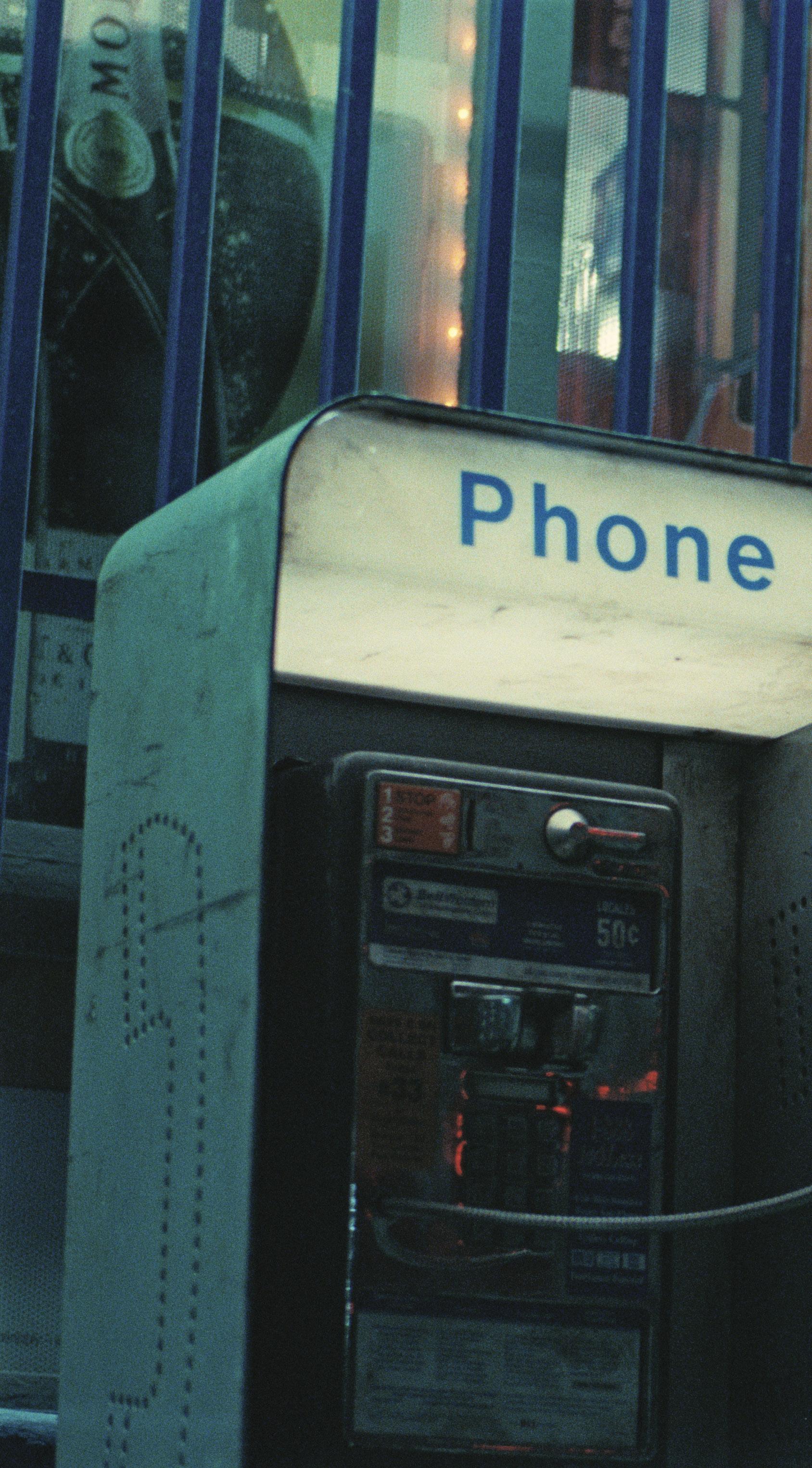
MICHAEL BAUMAN
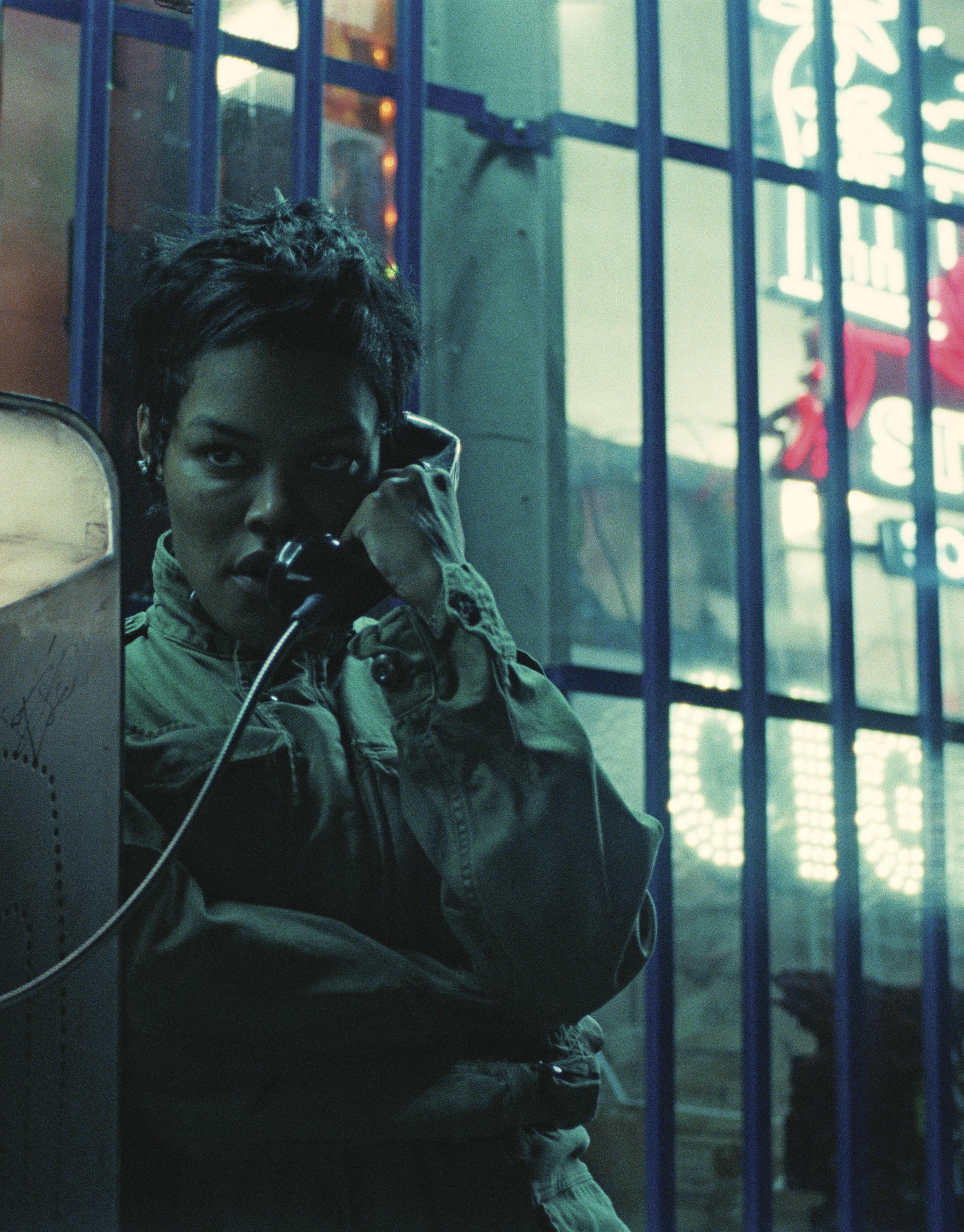
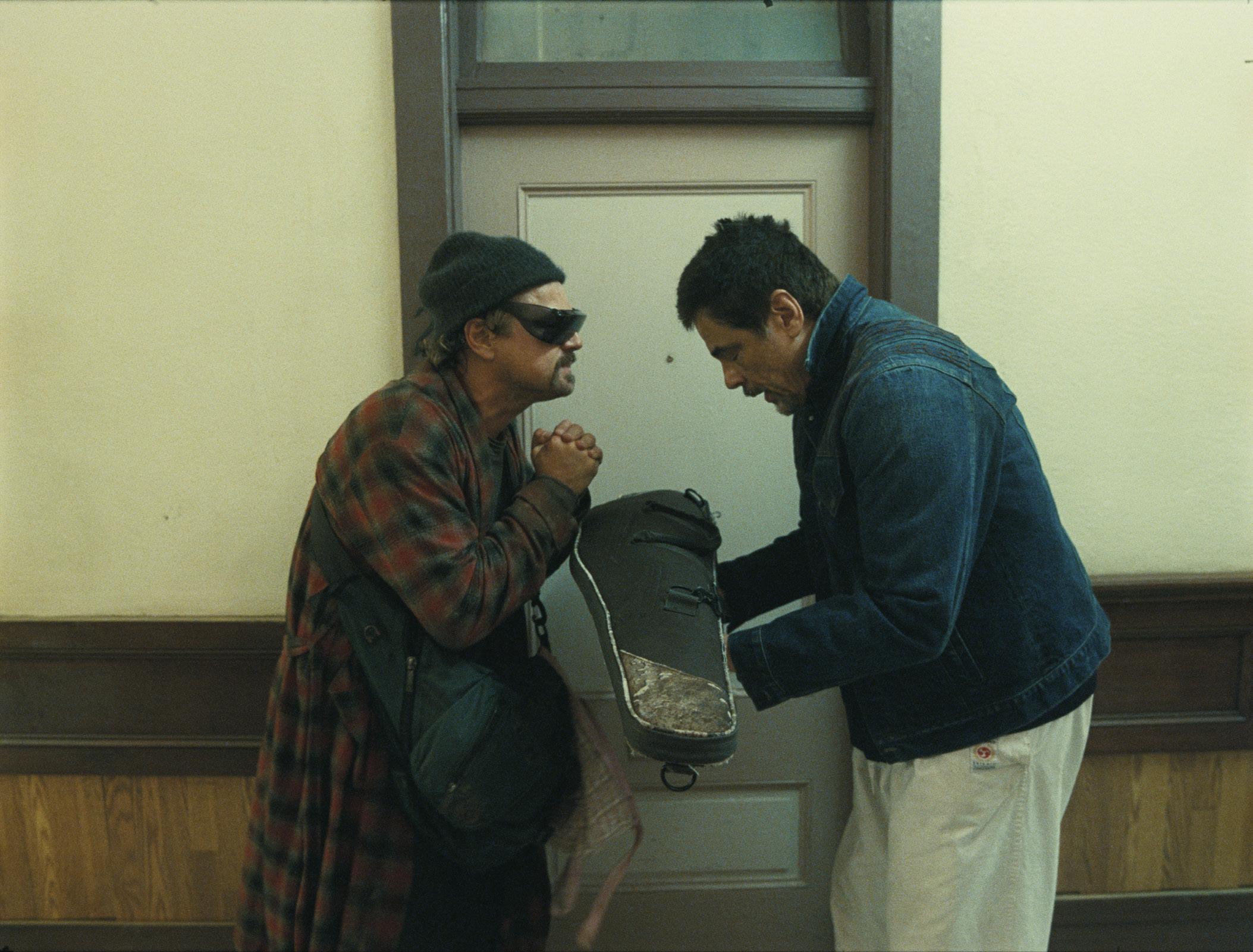
mounts so the camera shook a bit more!”
Anderson is quick to point out that One Battle After Another was not shot like a traditional action film. “We were shooting for the narrative and dialogue,” he continues. “The action was just one part of it. That’s one of Paul’s greatest strengths; he’s happy to sort of throw stuff away, to have action happening in the background. It’s not the focal point of the shot; the action is just one element.”
When asked about his favorite sequence, Anderson points to the epic “rolling hills” car chase that closes the film. “To make a chase sequence out of three cars all traveling in a straight line, and to make it that suspenseful, is masterful filmmaking.”
Bauman adds that the sequence was “a testament to Paul and our editor, Andy Jurgensen, who was able to take all of our footage and craft that tension-building narrative set to Johnny Greenwood’s score,” he says. “We were all packed into the same car. I’m in the backseat, Colin’s in there, Serge is pulling focus on those hills, and
Paul’s running the zoom next to Jillian Giacomini, our script supervisor, while Brian Machleit, our stunt coordinator, is driving. It was basically a clown car.”
The team used a vehicle from Padelford Camera Cars, which featured an elevator rig that moved quickly up and down. “It’s not like an arm, which swings around,” Bauman explains. “It goes on the back of the vehicle to go up and down very quickly. Paul was skeptical at first, as they didn’t use that kind of gear on The French Connection. They just bolted their camera to the car and let it happen, which we did for our first car chase in Sacramento. But once Paul saw what that rig could get in that environment, he liked it.”
Nafa credits the sequence’s success to famed 1st AD Adam Somner, who, Nafa states, “was brilliant at choreographing the traffic. Adam knew exactly how many miles we could travel and when we were about to run out of film. He set up checkpoints so our loader, Jackson Davis, could quickly jump out and get a new magazine on the camera. Adam’s kindness and overall thoughtfulness made an
incredible sequence happen out of something that easily could have been a disaster.”
The AC compares the film’s Local 600 camera team to an F1 pit crew.
“Operating a VistaVision camera in those conditions takes serious talent and experience,” Nafa adds. “You have to break it down, hand-carry it 100 or 200 meters, rebuild it, thread it, and sometimes mount a 1200-millimeter lens, which is really difficult on VistaVision. Then you go right into getting marks. My 2nd AC, Rio Noel Zumwalt, and fellow 1st AC Chris Sloan were both excellent on this production.”
Bauman feels blessed to have been a part of the project.
“Movies like this don’t come along that often in a career,” he concludes. “It’s a good reminder that you can still do interesting things on film, and that taking risks pays off. For a studio to invest this kind of money in a project like this is a testament to the creativity that’s still alive in Hollywood. This movie is multifaceted and really reflects where we are as a society right now.”
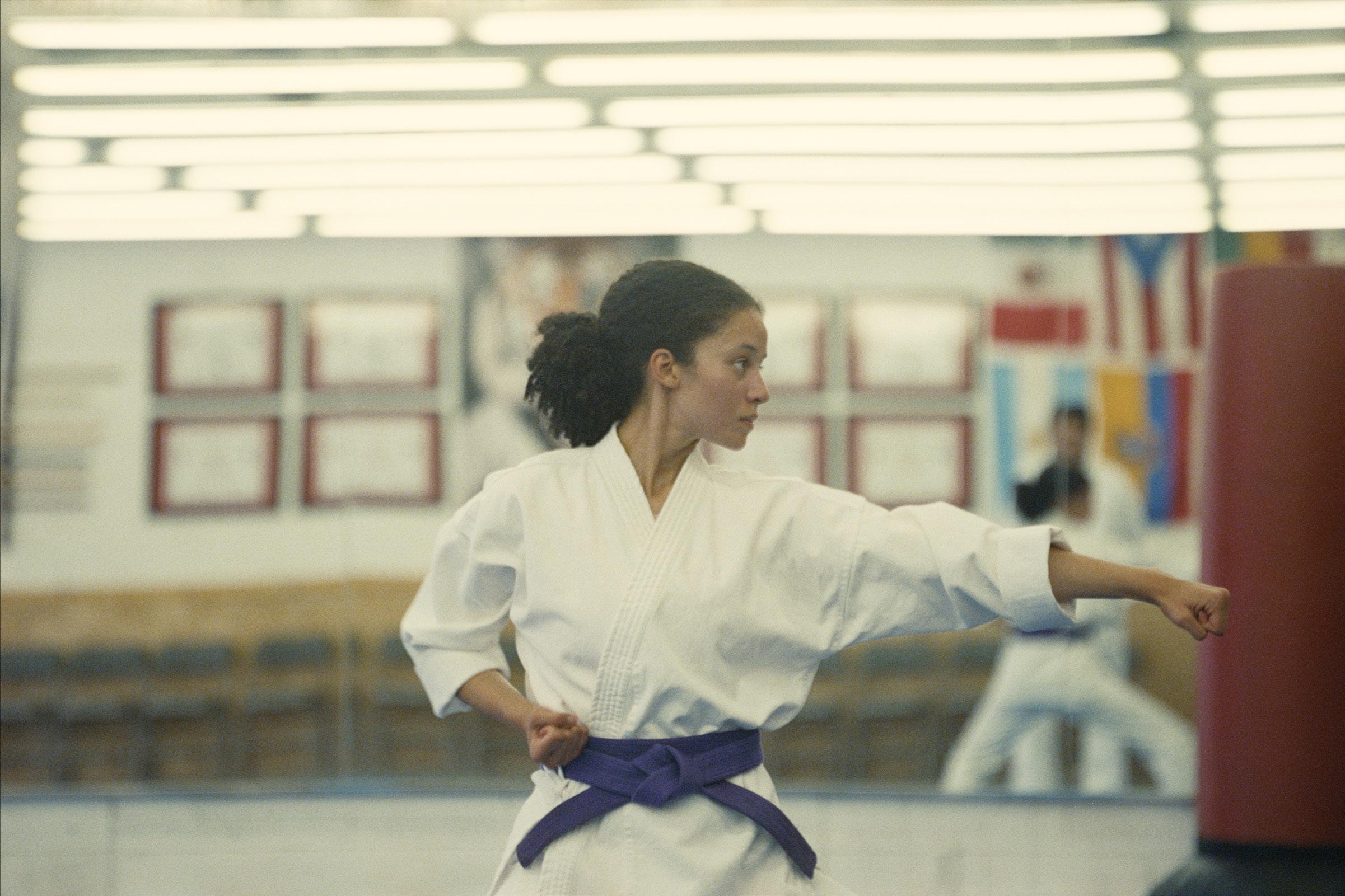
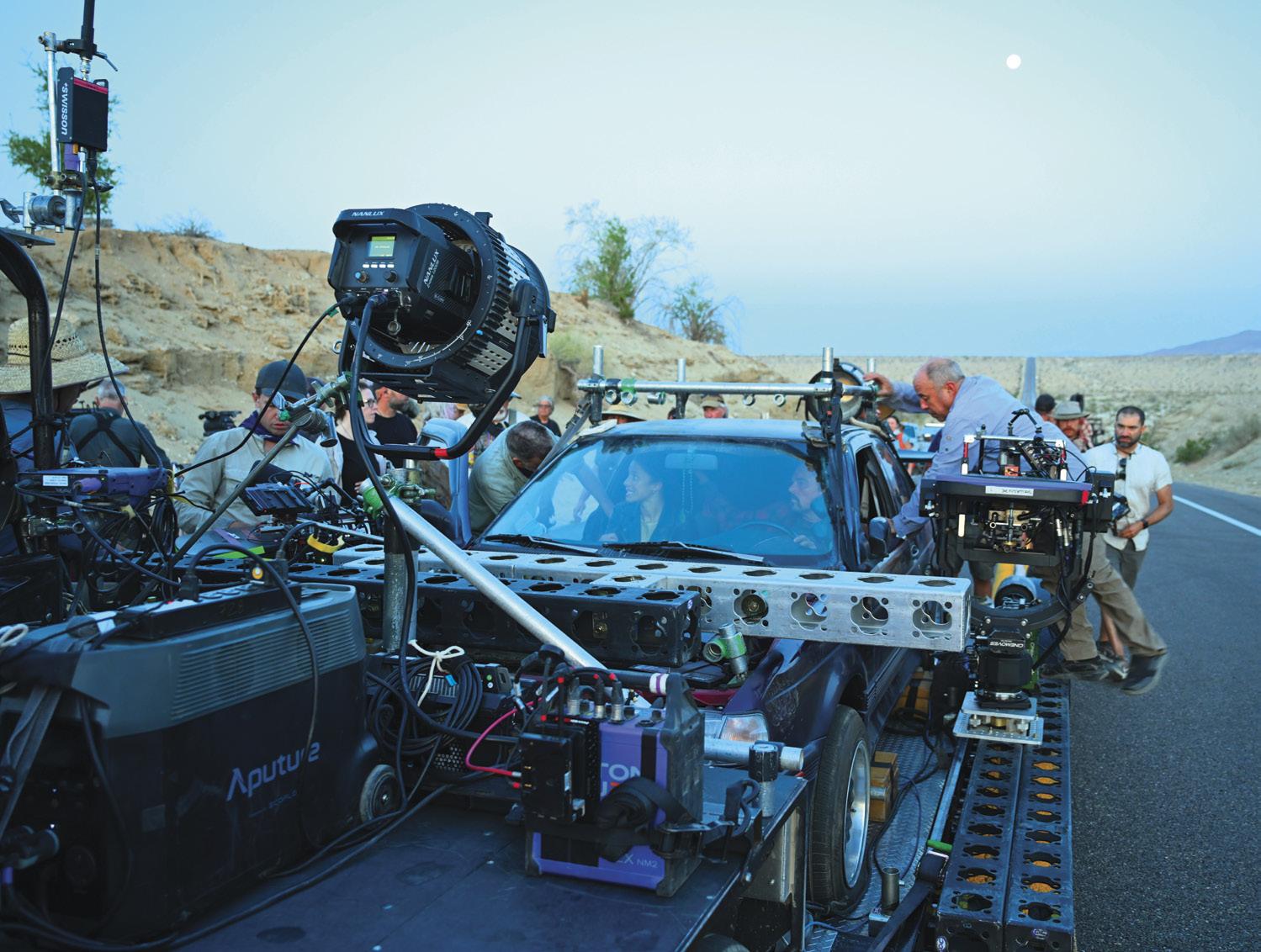
BELOW/LEFT: UNLIKE STANDARD 35MM, WHICH RUNS FILM VERTICALLY THROUGH THE CAMERA, VISTAVISION RUNS IT HORIZONTALLY, EXPOSING A LARGER 8-PERF FRAME ON THE SAME STOCK. WHAT RESULTS IS A DEEPER, RICHER IMAGE THAT FEELS IMPOSSIBLY DETAILED.
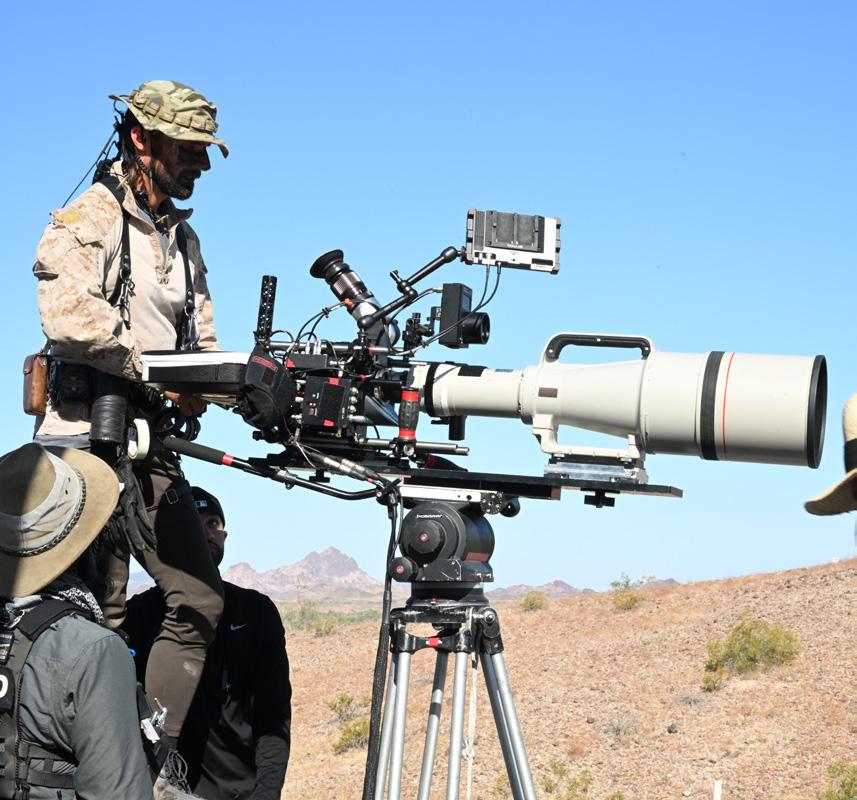
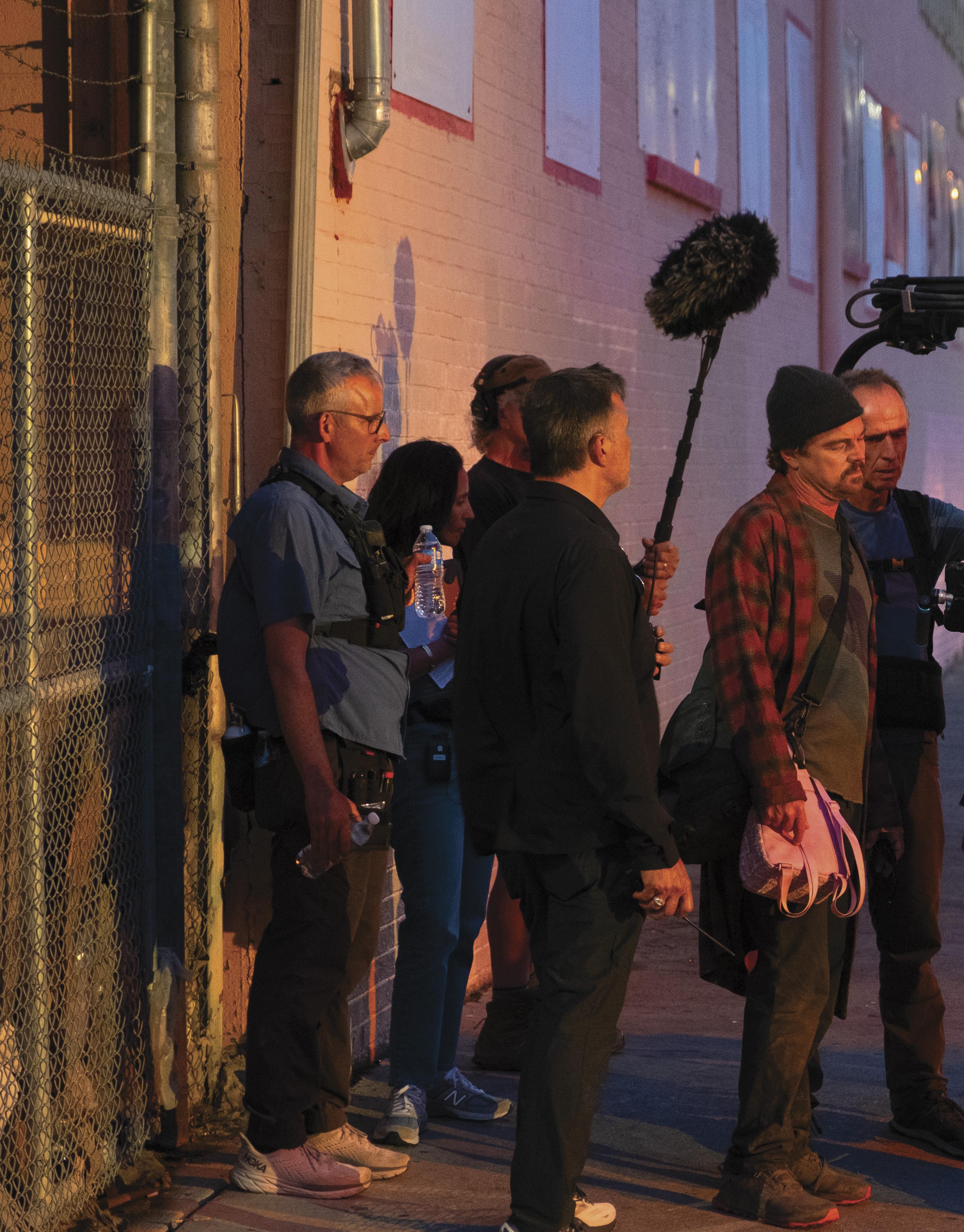
LOCAL 600 CREW
Director
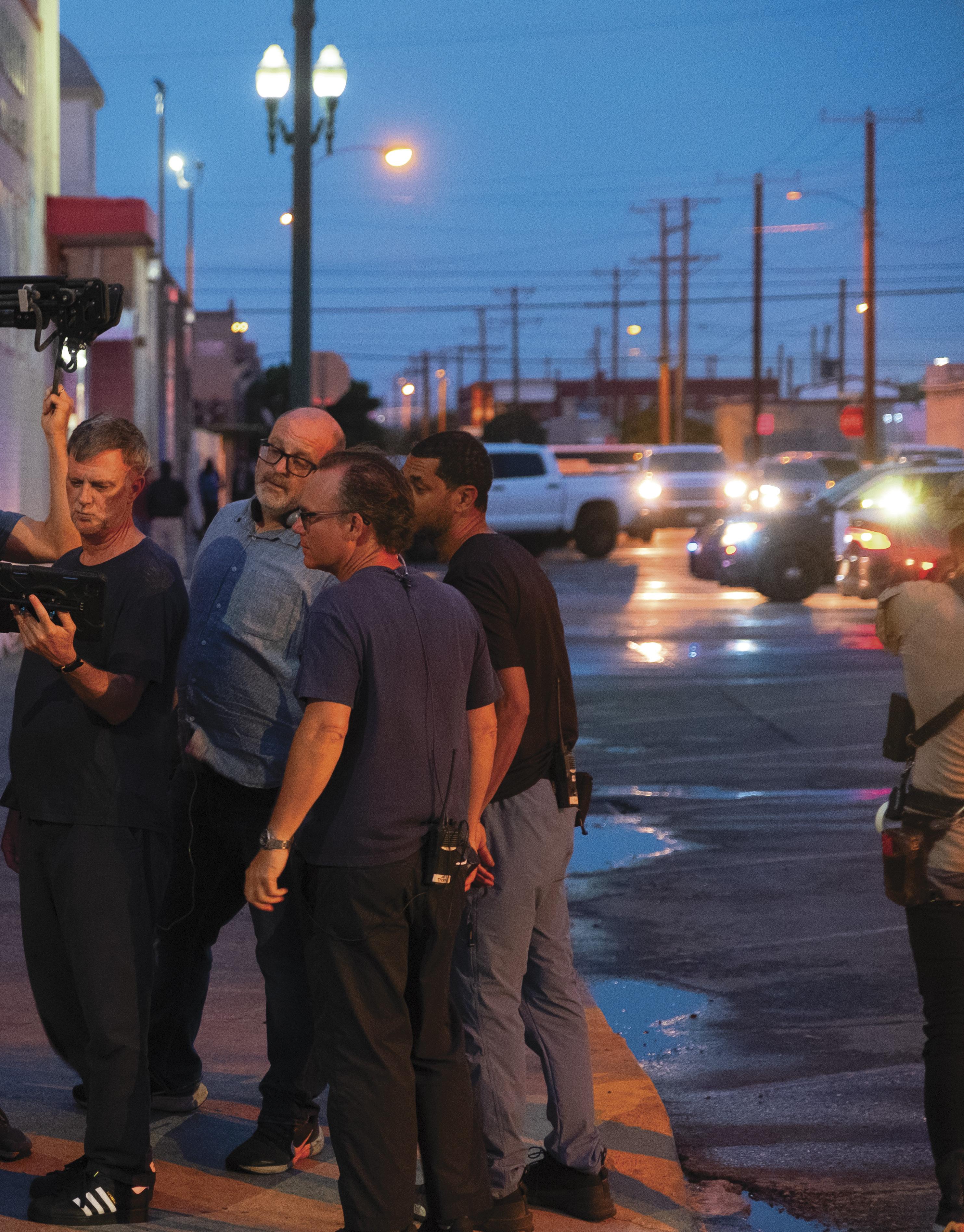
ADDITIONAL
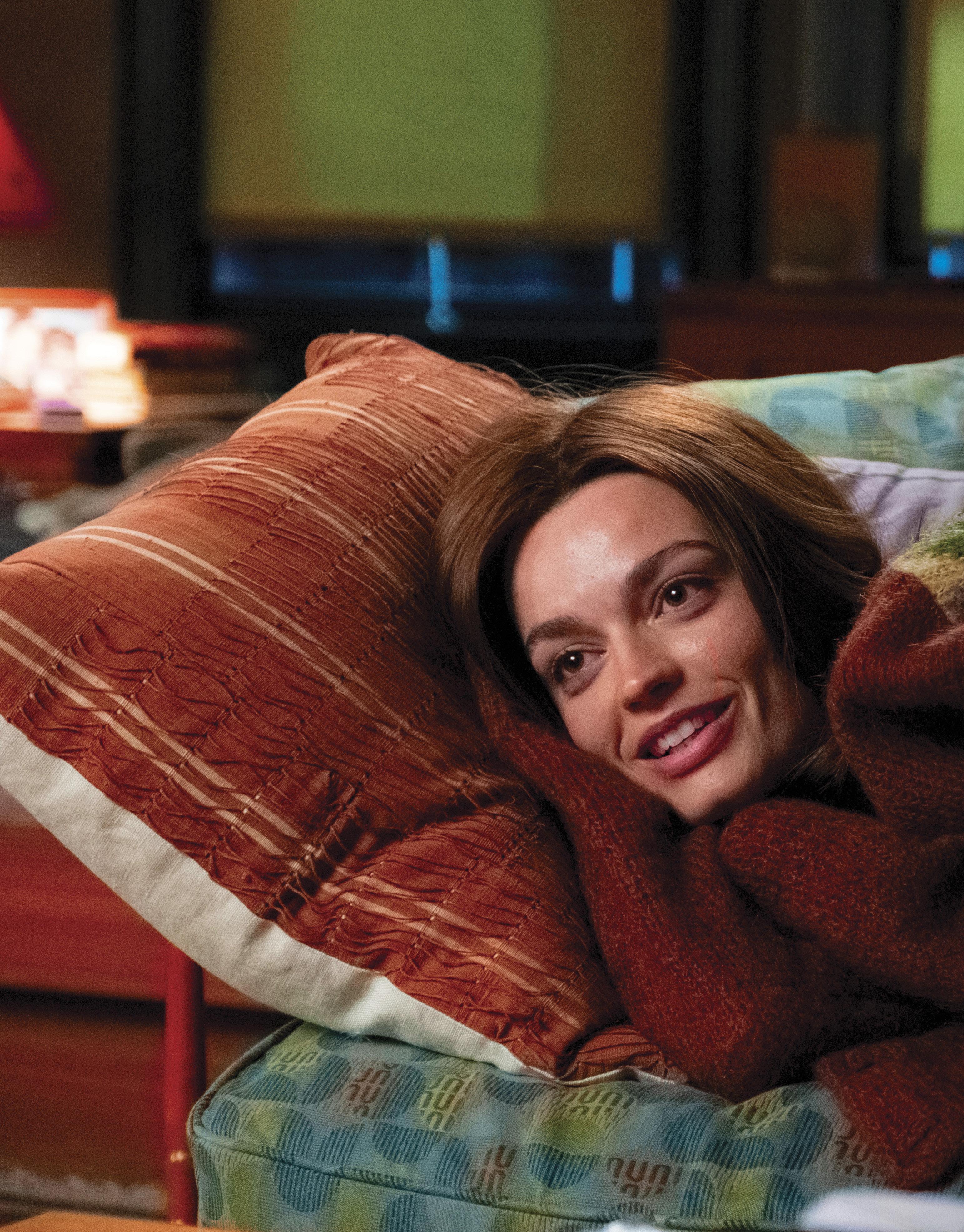
ELLA ENCHANTED
ROBERT ELSWIT, ASC, CAPTURES THE LIFE AND TIMES OF A COMMITTED POLITICIAN IN JAMES L. BROOKS’ NEW DRAMEDY, ELLA MCCAY .
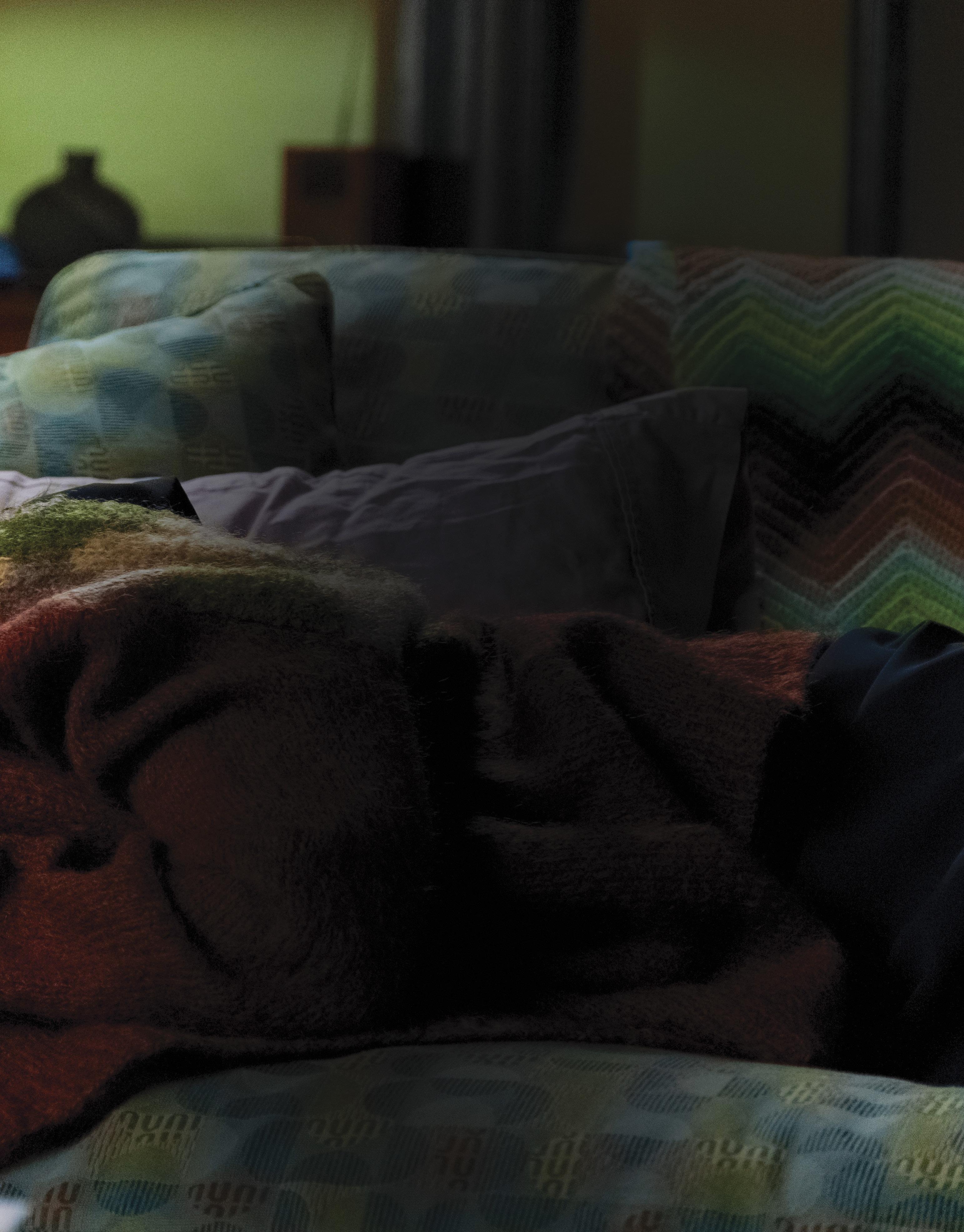
FRAMEGRAB COURTESY OF 20TH CENTURY STUDIOS
BY KEVIN H. MARTIN
PHOTOS BY CLAIRE FOLGER
Sci-fi novelist Robert A. Heinlein, who often worked political themes into his work (most notably with Starship Troopers), once observed that “in politics, ignorance is not a handicap.” But to look at Writer/ Director James L. Brooks’ new 20th Century Studios feature Ella McCay, one could easily think the filmmaker was trying to repudiate such a sentiment. Brooks’ title character (played by Emma Mackey) is a brainy politician committed to effecting social change in matters from home to homeland. And she’s no stranger to cinema; in the 1970s, both Michael Ritchie’s The Candidate (shot by Victor J. Kemper, ASC) and Jerry Schatzberg’s The Seduction of Joe Tynan (shot by Adam Holender, ASC) plumbed this territory while straddling comedy and drama.
Ella McCay occupies a genre in which Brooks has excelled his whole career, both in television (Room 222, The Mary Tyler Moore Show) and in features (Terms of Endearment, Broadcast News and As Good As It Gets ). Ella’s challenges include familial issues as well as making the big step up to taking on the governorship – prime territory for the filmmaker’s trademark character-driven dramedy.
Brooks selected Robert Elswit, ASC, beloved by union camera teams for his generous, crew-first approach, to lens the project. His high-profile entries in the Mission: Impossible and James Bond franchises belie a varied skill set, given other longtime associations with dramatic storytellers like George Clooney and Paul Thomas Anderson, the latter of which includes Elswit’s Oscarwinning work on There Will Be Blood. More recently, Netflix’s Ripley series, shot in Italy, earned Elswit ASC honors.
He says that on Ella McCay the coverage was “largely traditional, with the most complicated aspect being its narrative structure. We meet our lead when she was 16 to get her backstory, then suddenly she’s 34, but later you go back to when she was 16 and finish when she is older again – and this is all during a pre-cellphone era, so we did have to enhance a few backgrounds via VFX because it is a period show. There was also a bit of visual effects involved in making her look 16, and other actors too, plus lots of wigs and makeup. Jim won’t put up with long shooting days, so we always finished within nine to ten hours; he was very insistent on
that for the sake of the actors.”
The state of choice for shooting, Rhode Island, came about due to specific story needs.
“That location was picked out ahead of my coming on, and it related to getting access to the capitol building,” Elswit continues. “They gave us the run of their State House, and everyone associated with the film office couldn’t have been nicer. Since their legislature wasn’t in session, we were able to shoot in all of their offices, even the Governor’s. We painted almost all of these interiors except the ones that were all wood. We had a very long prep – which was important because it gave us time to figure out how to work in all these locations, and then we did pre-lights and set stuff up.”
One complication arose out of the season at hand.
“We had planned to do a lot of exteriors – Rhode Island has all this wonderful 19th century architecture,” Elswit continues. “But we were faced with the fact that things would look very bleak owing to there being no leaves on the trees when we started shooting. It didn’t look comic, warm or inviting. And it was bitter cold at the start of the show.”
First AC Erik L. Brown has worked with Elswit for the better part of two decades. He says the filmmaker’s body of work speaks for itself, “and his approach is what I guess I would call ‘traditionalist.’ Robert is great with camera and lighting, but he never does anything to draw attention to the cinematography. Once I had come aboard, we had the usual early discussions:
is it going to be film or digital, spherical or anamorphic? Ultimately, it is a matter of determining what the director hopes to achieve, and very quickly the word came back through Robert that digital and spherical would be the right way to handle things given the way Jim approaches scenes.
“[Elswit] has been a Panavision cameraman all the way back through the film days,” Brown continues. “From an assistant’s standpoint, the whole process has changed from the film era in the 1980s, when there were basically just seven camera systems to choose from. They didn’t evolve, they were mechanical, and the changes were logical, like making them smaller or lighter. Then digital threw all that out the window.
“I was recently prepping at Panavision and it reminded me of how you used to test all these various systems, including Viper, Panasonic and RED; by the time you finished the shoot, one of two things had happened; either the system you chose had gone away or it had evolved into something completely new. It’s nice that things have settled a bit since then. You had to learn so many different things very quickly – and then it would all change on a dime. There’s a more logical progression in place now.”
Brown recalls how Elswit seemed to always prefer shooting ARRI when acquiring digitally. “In a sense the ARRI workflow became his default, and especially the ARRI color space,” Brown relates. “Since we didn’t need a larger sensor for Ella, Robert decided the ALEXA 35 would be a good fit.”
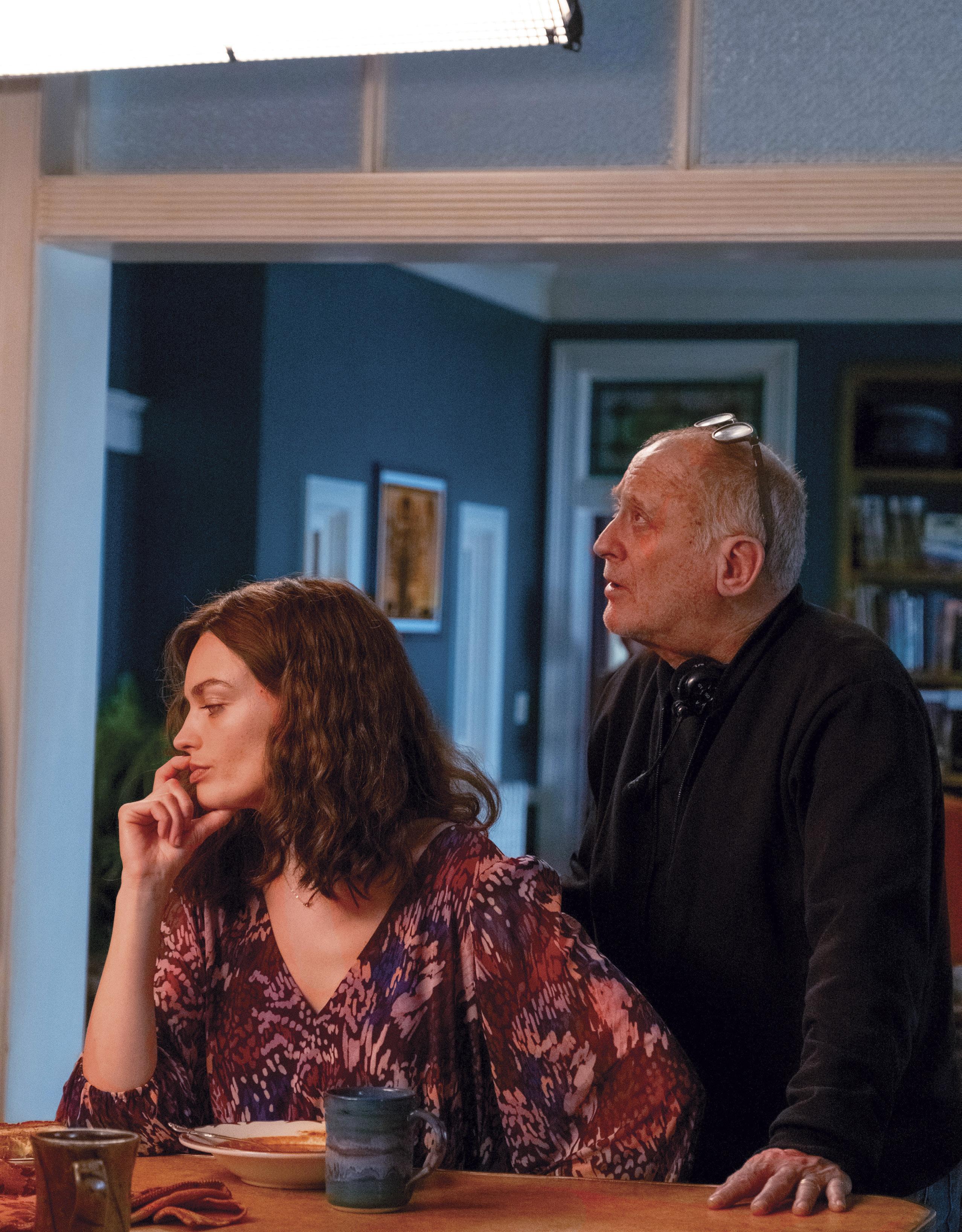
FIRST AC ERIK L. BROWN, WHO HAS WORKED WITH ELSWIT FOR NEARLY TWO DECADES, CALLS HIS APPROACH ‘TRADITIONALIST.’ "ROBERT IS GREAT WITH CAMERA AND LIGHTING, BUT HE NEVER DOES ANYTHING TO DRAW ATTENTION TO THE CINEMATOGRAPHY. "
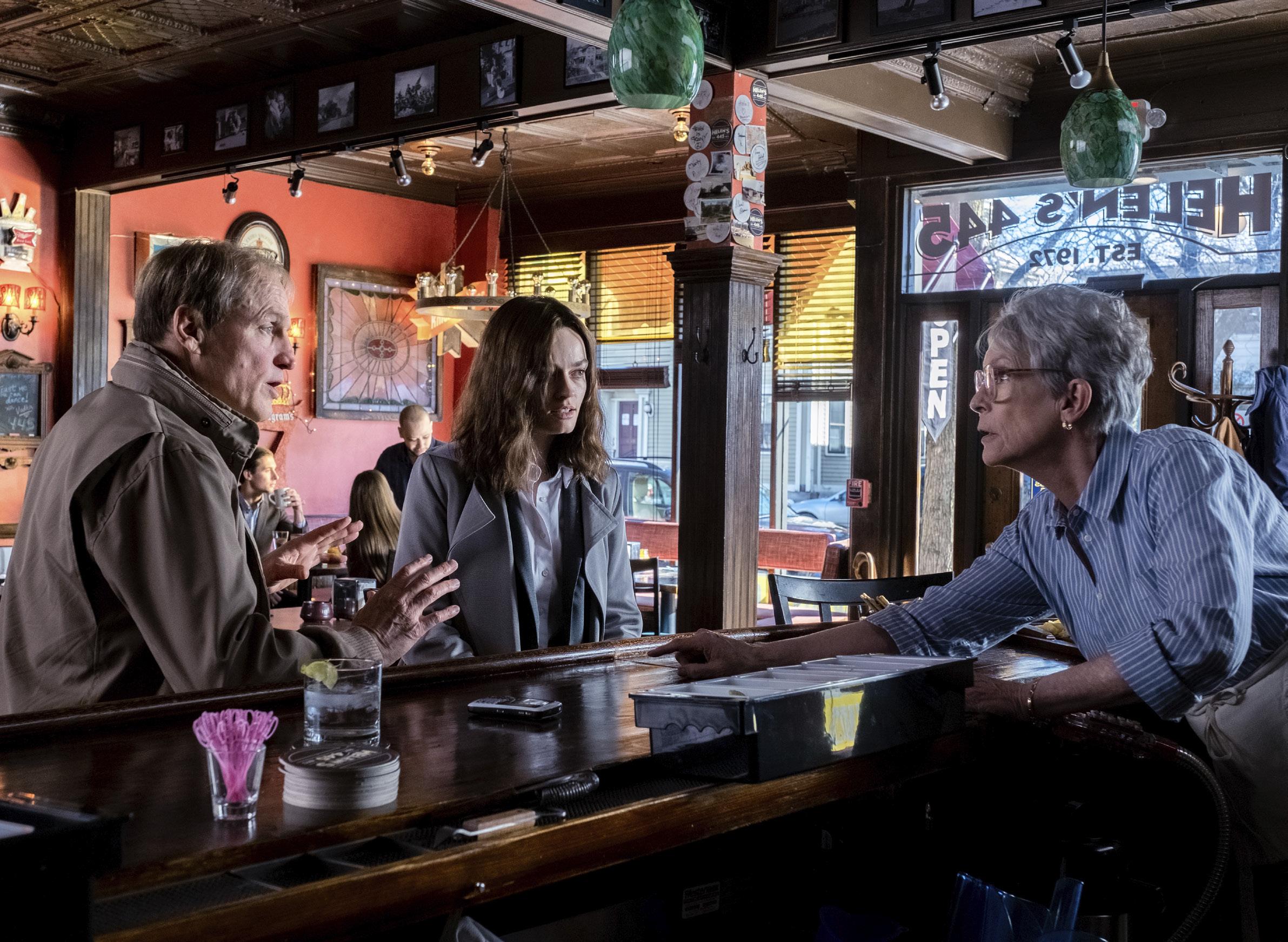
Some complications arose during the extended prep. “I had worked on a show in Italy and they needed to do some additional photography in New York,” Elswit shares. “So, for three successive weekends, I’d go with Erik up there to do that shooting while prep continued on Ella McCay. A year later, there was an additional week or so of shooting on Ella that I couldn’t do, because I was on Animals for Ben Affleck. Literally all of my car interior work got reshot in order to address a significant change to one of the character relationships in the film. John Schwartzman [ASC] shot all of that, mostly in New Orleans.”
As Schwartzman reflects on his contributions, “Robert and I have been friends for many years, and to get a call from Robert to do some additional photography for him is both thrilling and terrifying, his work looks deceptively simple, but it’s anything but that. Jim Brooks is known for doing additional work on his films once they are finished, in my case I was brought
in to shoot a few new scenes on location and a lot of new pages in the Governor’s SUV for narrative purposes.
“Robert and Jim had originally done the car interior work on stage and everyone was happy with the coverage,” Schwartzman continues, “but the dialogue needed to change to work into the new narrative. All I did was try to do my best to recreate Robert’s lighting inside the Governors SUV. I had the editors on set so it was fairly easy to deconstruct and reconstruct Robert’s lighting, if you see where the shadows are you know where the sources are. Robert’s First AC, Erik Brown is so buttoned up, he sent me all the camera notes; if Robert shot at a 3.5 then so did I. In reality it was paint by numbers, same lenses, same stops. If you can tell it’s not Robert then I have failed.”
Lens selection was a callback to previous Elswit projects. “Back when we did Ripley for Netflix, they insisted on 4K and had certain cameras that they would sign off on,” recalls Brown. “Panavision’s Dan Sasaki suggested
VA lenses for Ripley. Robert liked them as they embody everything he loves about oldschool spherical Panavision glass, like the Ultra Speeds and Super Speeds from the 70s. The quality and character of those old lenses always had a nice falloff and a touch of aberration. The drawback was that they didn’t look too good wide-open. The new VA’s emulated the good qualities of that older glass but with more consistency; and since they’re in modern housings, they’re easier to work with. And they’re fast; the bulk were t1.4. This meant we could shoot night exteriors and balance for streetlights and the look held up.”
Ella McCay marked the eighth film B-camera/Steadicam Operator Josh Friz had done with Elswit, who began as his loader in 2008, later progressing to 1st AC. “I watched all of James Brooks’ movies again, to prepare as best I could,” Friz states. “And since the first few days were entirely shot on A-camera, I followed shot-for-shot at video village on set and had a better idea
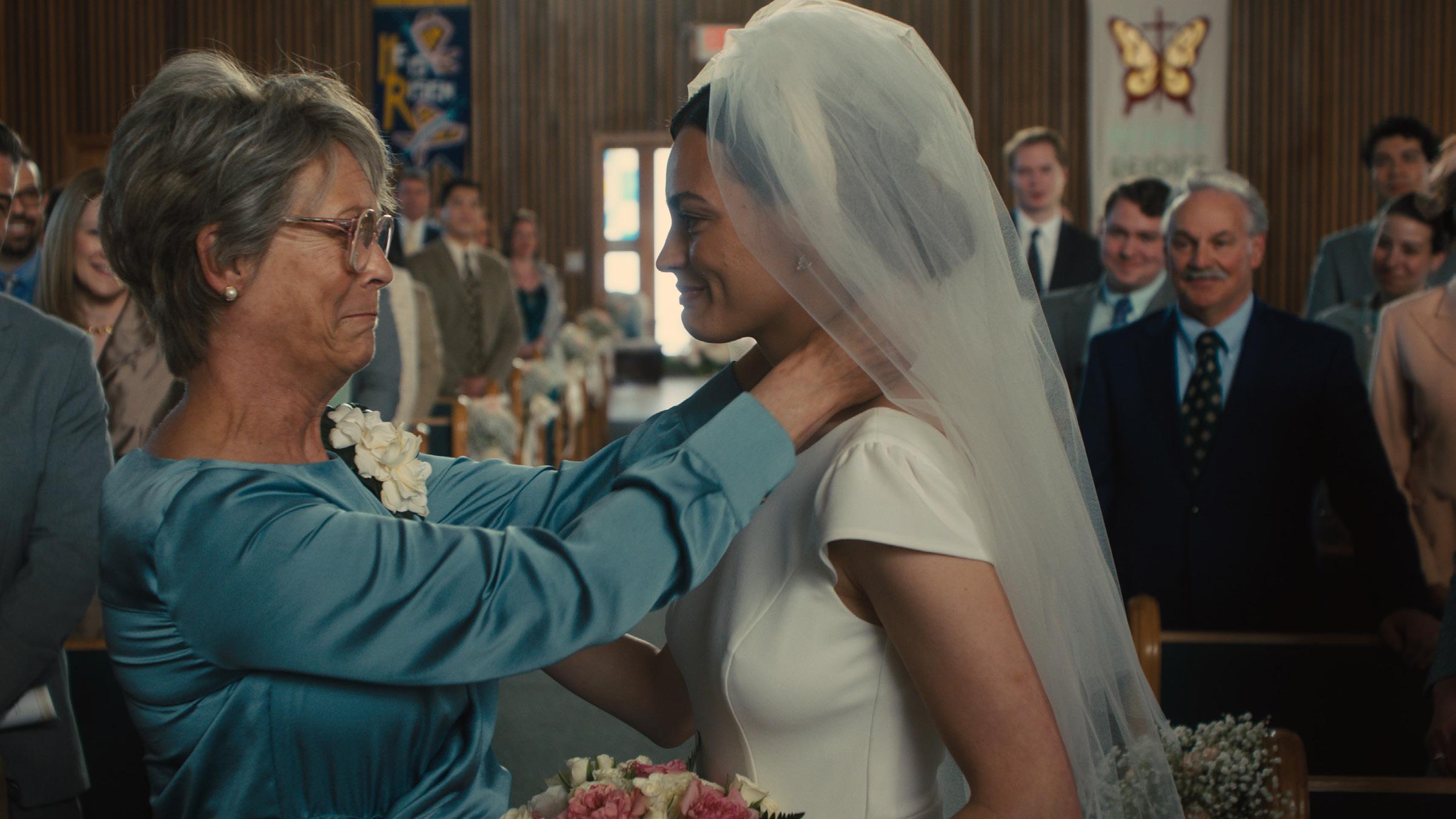
ABOVE/OPPOSITE: ELSWIT SAYS THAT FOR "THE DAYTIME INTERIORS, MOST OF THE WORK IS DONE BY WINDOWS, WHILE AT NIGHT, THE PRACTICALS CARRY THE LOAD WITHOUT CALLING TOO MUCH ATTENTION. A LOT OF WHAT JIM [BROOKS] DOES IS SIMPLE COVERAGE. BUT THERE’S SOMETHING HE LOOKS TO FIND INSIDE EVERY SEQUENCE, SO WE SHOOT LOTS OF TAKES."
of the working tone of the film. Robert said my role would be mostly Steadicam. I had a small optical director’s finder on me for all the blocking rehearsals, to make sure I had ideas for shots, if I was asked.
“Between [Brooks and Elswit], the amount of film knowledge and life experience is incredible,” Friz continues. “And they really have the story/script at heart. In this age of tight schedules, they took adequate time to have blocking rehearsals with actors, and the result was a clear vision of what was to be shot. Robert had equipment – fulltime Matrix head, lightweight zooms, and Steadicam – so the actors and storytelling were not restricted. I found James Brooks to be boldly improvisational, and [he] took us on quite a few rides, always in service of telling the best story. With almost every shot on A-camera utilizing the Matrix head, I was very focused on ensuring that each Steadicam shot looked just as solid.”
Elswit says he tried to make the lighting
invisible, while still giving some shape. “As a result, the rooms – and this is true of a lot of Jim’s movies – didn’t really look like something from a comedy,” he describes. “The comedies that always resonate with me are often not lit differently than drama. One of the greatest examples is Tootsie , shot by Owen Roizman, ASC, after shooting the best police procedural film [The French Connection ] and the best horror film [The Exorcist], then The Taking of Pelham One Two Three and Network. So rather than thinking about this in terms of comedy, I thought hard about wherever we were in terms of how to make everything feel like a real place. The whole thing is character-driven, and while there are jokes, it is relationshipbased, as is all of Jim’s humor in his movies.
“In the daytime interiors,” Elswit continues, “most of the work is done by windows, while at night, the practicals carry the load without calling too much attention. A lot of what Jim does is simple coverage. But there’s something he looks to
find inside every sequence, so we shoot lots of takes. The only drawback with that while on location is that it means you’re looking in one direction for four hours and then the other. So, how do you make it all match over the course of the day? It’s a technical issue you face on every movie to some degree, but on this one there was more of it. And, of course, Jim isn’t interested in the technical aspect at all; he just doesn’t want to be surprised.”
Friz’s B-camera duties, beyond Steadicam, were a combination of coverage and cutaways in instances when a second camera wouldn’t compromise the lighting. “On the very last scene, we had what amounted to two A-camera shots,” he shares. “Robert was outside on a crane with the Matrix head, and I was inside on the wheels and a long dolly track. This was maybe the only instance of leapfrogging, but instead of setting up what was to be shot
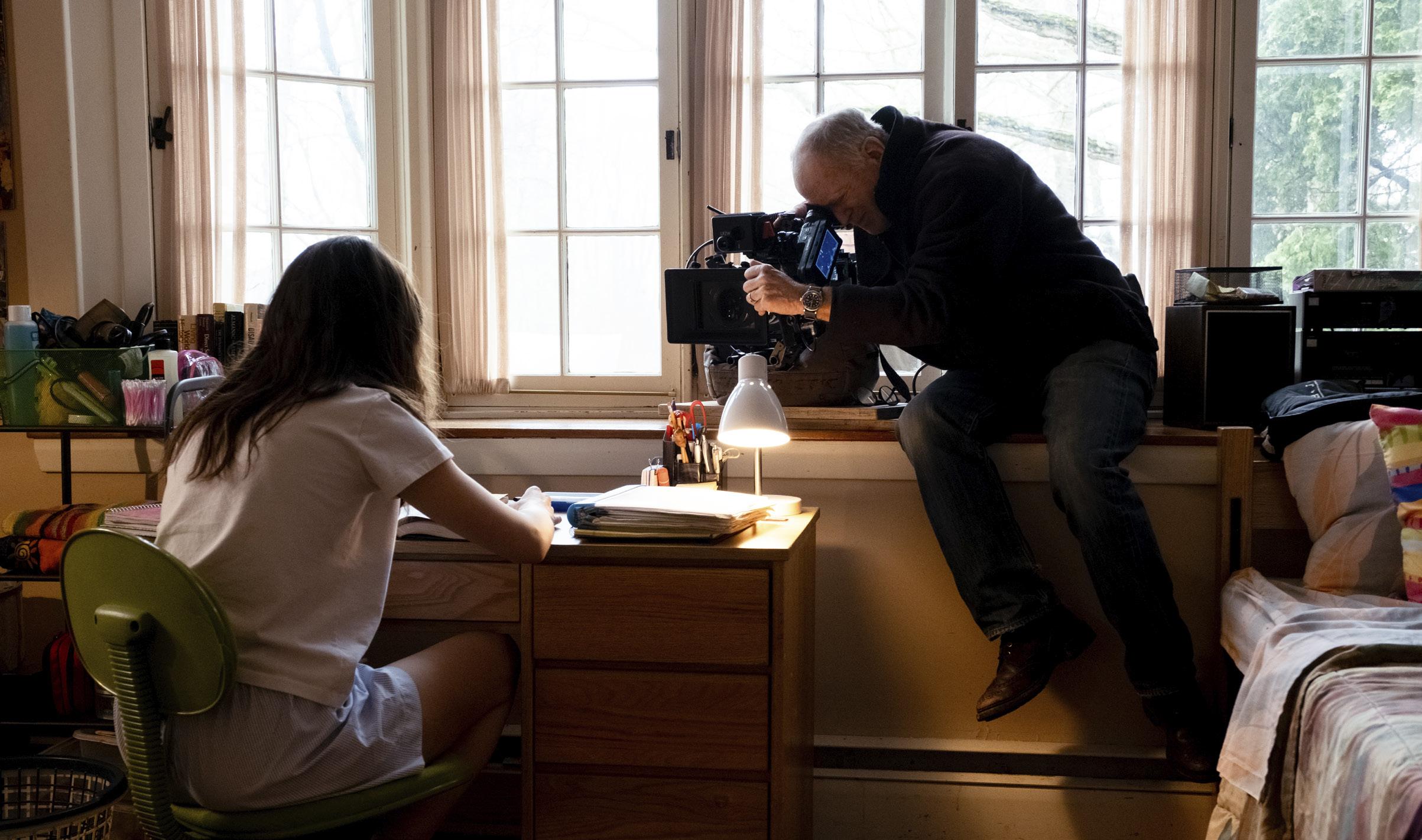
next, it was all shot simultaneously.”
He says the location interiors offered him significant operating challenges. “There was limited space in one practical location,” Friz recalls. “I positioned the Steadicam over the railing on the second floor, with Woody Harrelson and Emma Mackey in frame. As they ascended the stairs, there was just enough room to clear my batteries, which were located at the bottom of the Steadicam, from the wall and past my leg, allowing me to pull them down the hallway. I then had to quickly back into a doorway and lock off, with so little space for myself and the Steadicam that the cable for the focus motor was touching the door jamb!”
Another second-floor location involved following actor Jack Lowden as he ascended stairs. “While holding a tilt, I panned 180 degrees with him as he walked, and followed him around in a wide, until we converged so closely that our bodies brushed each other,” Friz states. “At the same time, I had to do another 180-degree pan with my body, locking off Jack and his reflection in a mirror. A third challenge
involved pulling Woody Harrelson through a tight apartment. To make my moves dolly-like, I had made the Steadicam sled quite heavy. It was a very cold day outside, with freezing rain in Providence. Inside the apartment, the heater was on, and I took several takes of an approximately four-page scene. With the temperature change and after two lock-offs during each take with long dialogue, I was really sweating!”
Tricky focus pulls were minimized owing to Elswit’s methodology.
“Robert doesn’t just automatically shoot everything with zero depth-of-field,” offers Brown. “If there’s a reason for shallow focus, he’ll do it. But, in general, he prefers to see both eyes in focus, especially when two people are talking. He works very well with production designers and likes to see the environment in master shots, especially in real locations.” The other aspect with focus is technical. “There’s nothing worse than when you are on target with your pull, but a question arises about focus because the lens isn’t capable of holding it,” adds Brown. “That’s not a conversation I want to have on set while shooting with actors – it’s
something to resolve in prep. With Robert, we never have that conversation, because lenses are chosen so those issues don’t come up.”
An extensively modified location became the film’s bar set.
“There were big windows facing onto a street,” notes Brown, “but that was only in front, so just that half of the bar got the light while the back end was just in nothingness. There was a small kitchen off the bar that we didn’t use in the story, and Robert chose to light from there. Then, since we were shooting winter in Rhode Island, it meant we’d vary from sunny to cloudy and from rain to snow. Shooting multiple scenes in this location was a constant battle – figuring out the lighting on that bar. Key Grip Chris Centrella and Gaffer Ian Kincaid were so helpful. Chris has a depth of experience that lets him evaluate a location at a glance and then develop a plan that might involve flyswatters or silks outside. Chris and Ian have a shorthand that lets them sidestep conflict and panic over how something might get achieved, even when there are surprises or new ideas on the day.”
B-CAMERA/STEADICAM OPERATOR JOSH FRIZ SAYS THAT BETWEEN BROOKS AND ELSWIT (OPPOSITE PAGE), "THE AMOUNT OF FILM KNOWLEDGE AND LIFE EXPERIENCE IS INCREDIBLE. IN THIS AGE OF TIGHT SCHEDULES, THEY TOOK ADEQUATE TIME TO HAVE BLOCKING REHEARSALS WITH ACTORS, AND THE RESULT WAS A CLEAR VISION OF WHAT WAS TO BE SHOT."
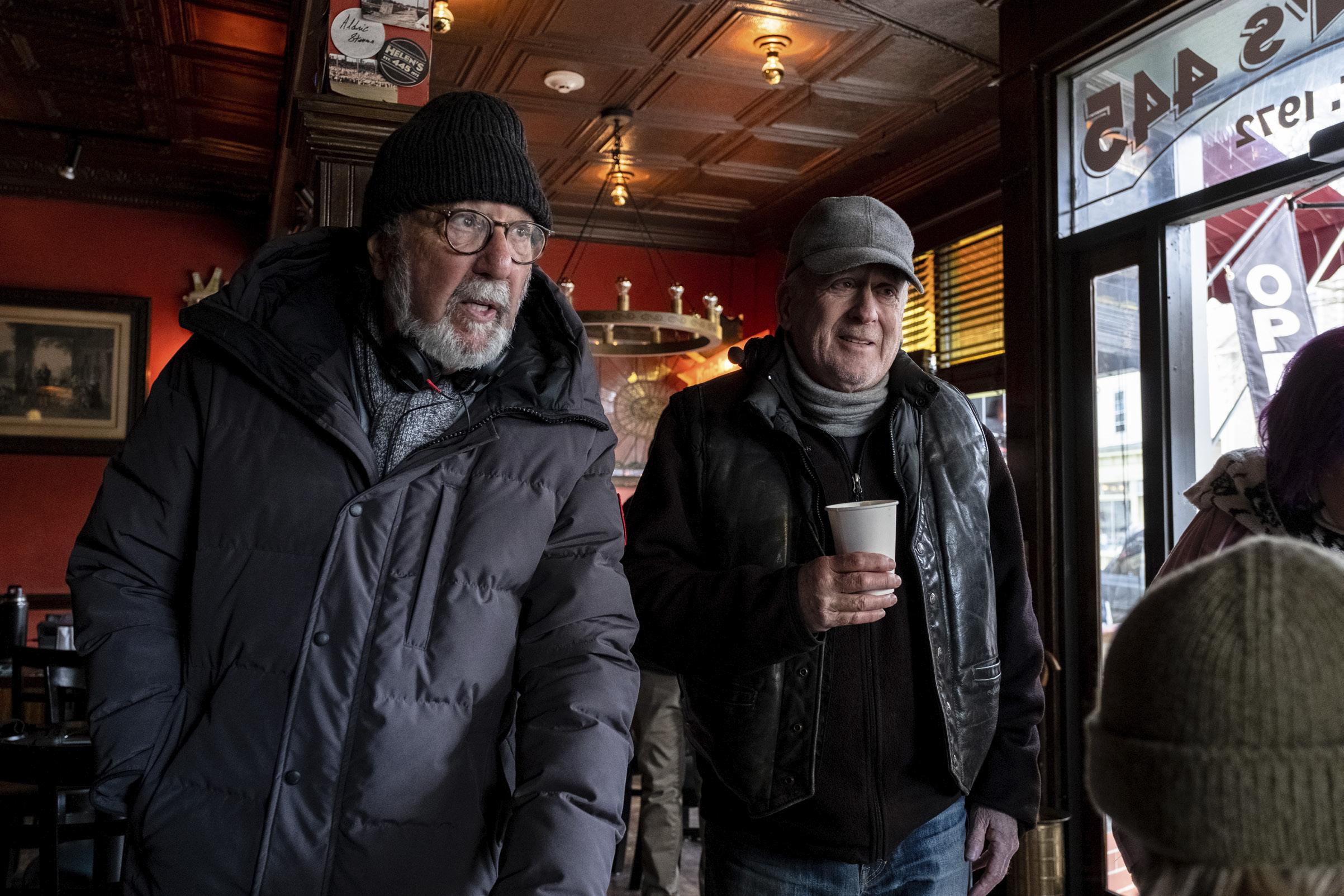
While location interiors comprised much of the shoot, four major sequences involved sets built inside Providence’s Cranston Street Armory. As Elswit enthuses, “Production designer Richard Toyon did such a great job and was so clever on a limited budget. We found real exteriors for where certain characters lived, and he had to match those in creating the interiors on stage. Ella has lost track of her brother, and she visits him in an apartment where he keeps the shades drawn all day long and runs a bookie service from his computer for online betting. It’s a big space but kind of dungeon-like, and it was really a brilliant bit of set design and dressing. Nothing calls attention to itself, so the illusion is seamless.”
“Many people go on stage with the main consideration being not to give away that we’re on a set,” says Brown. “There’s a time and place for that, but Robert isn’t limited to that thinking. For a given view, he knows you don’t need to go shallow focus to sustain the illusion, that it’ll play as-is. He doesn’t want to radically change his lighting for the gain of hiding that we’re on stage.”
Rather than using painted backings or translights outside the apartment set windows, Elswit employed a hybrid technique. “Jamie Lee’s character has an apartment above the bar,” notes the cinematographer. “We put a building shape up outside the window so there was a set-piece to give us something real outside. Then, when we’re looking in other directions, we had blue screen for the windows. In another apartment, I blew out the windows, and outside the entry door, we had a blue screen and put a plate in later.”
“Robert’s early background was in visual effects,” reports Brown. “He started at Apogee on Star Trek and was at ILM after that. He tends to work well with whoever is on set handling visual effects. A lot of the time, some conversation up front leads to a solution that means VFX won’t have to fix anything in post, or perhaps it is just a matter of getting background plates done right – i.e., knowing how they’d end up being used for RP or the Volume.”
The film’s DI was handled at Company 3 by Stefan Sonnenfeld. Elswit says the
show LUT wasn’t “anything special. I didn’t try for an overall color shape,” he declares. “Jim didn’t want it to feel like I’d done artificial lighting.”
Brown notes that Elswit has never had to go the route of “baking-in a look out of fear of what might happen in the DI. That’s because he does such a nice job that the work doesn’t lend itself to needing such a rethink. He’s one of the cleanest cinematographers I’ve ever worked with. Very little filtration or gimmickry, and just a superb knowledge of what’s needed in postproduction that helps to streamline the whole process. Once things went digital, I don’t think I used a grad filter for him ever again, and that’s because he knew that he could do a better job achieving that kind of look in post, grading that down, rather than using a filter. He might use a bit of diffusion here or there, which was the case a few times on Ella , depending on the lens; but by and large, he achieves his effects via lighting. That’s true if it’s a PTA [Anderson] film or Ripley or any number of different projects.”
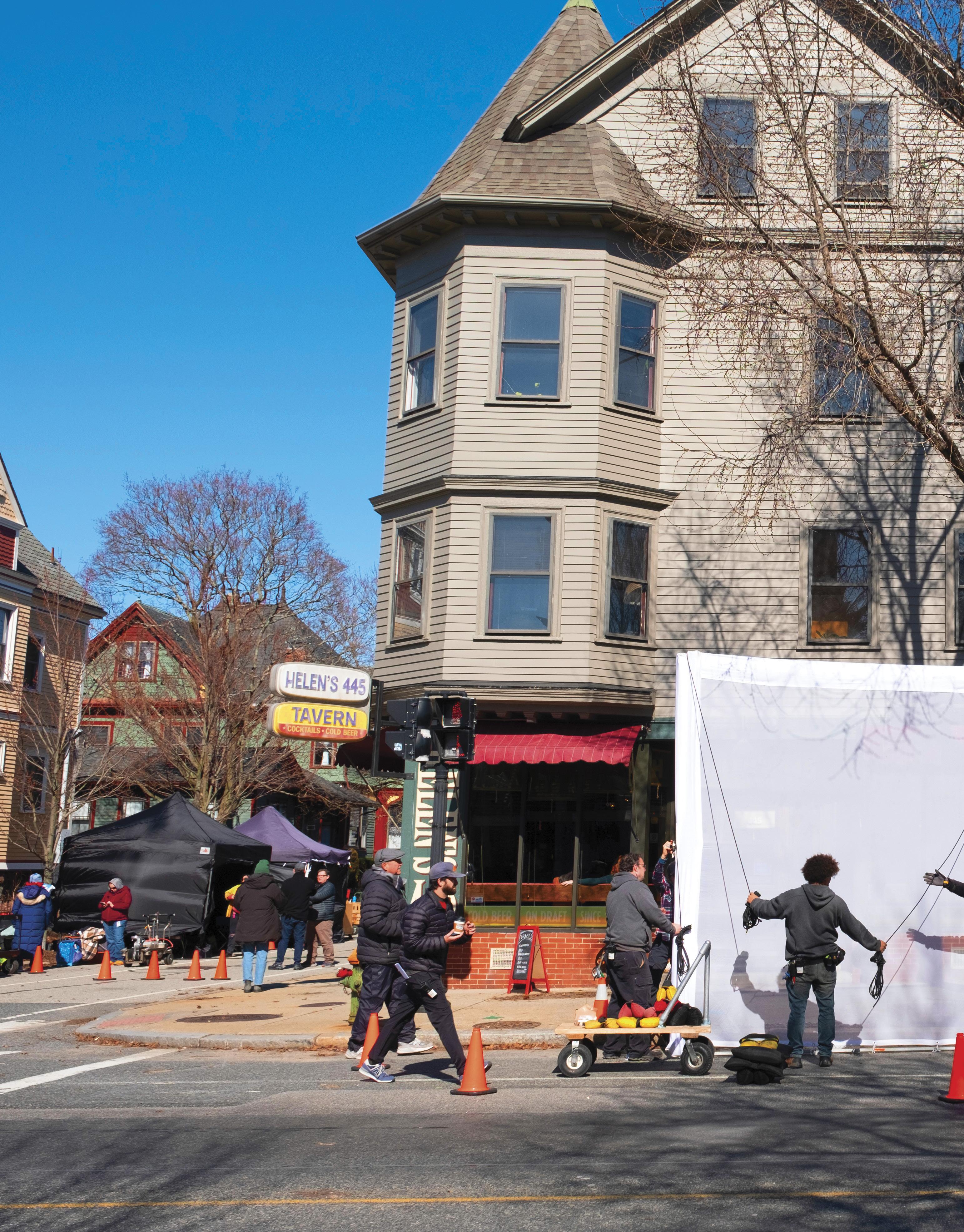
LOCAL 600 CREW
Director of Photography
Robert Elswit, ASC
A-Camera 1st AC
A-Camera 2nd AC Larissa Supplitt
B-Camera
B-Camera 1st AC Jamie
B-Camera 2nd AC
C-Camera
C-Camera 1st
C-Camera 2nd
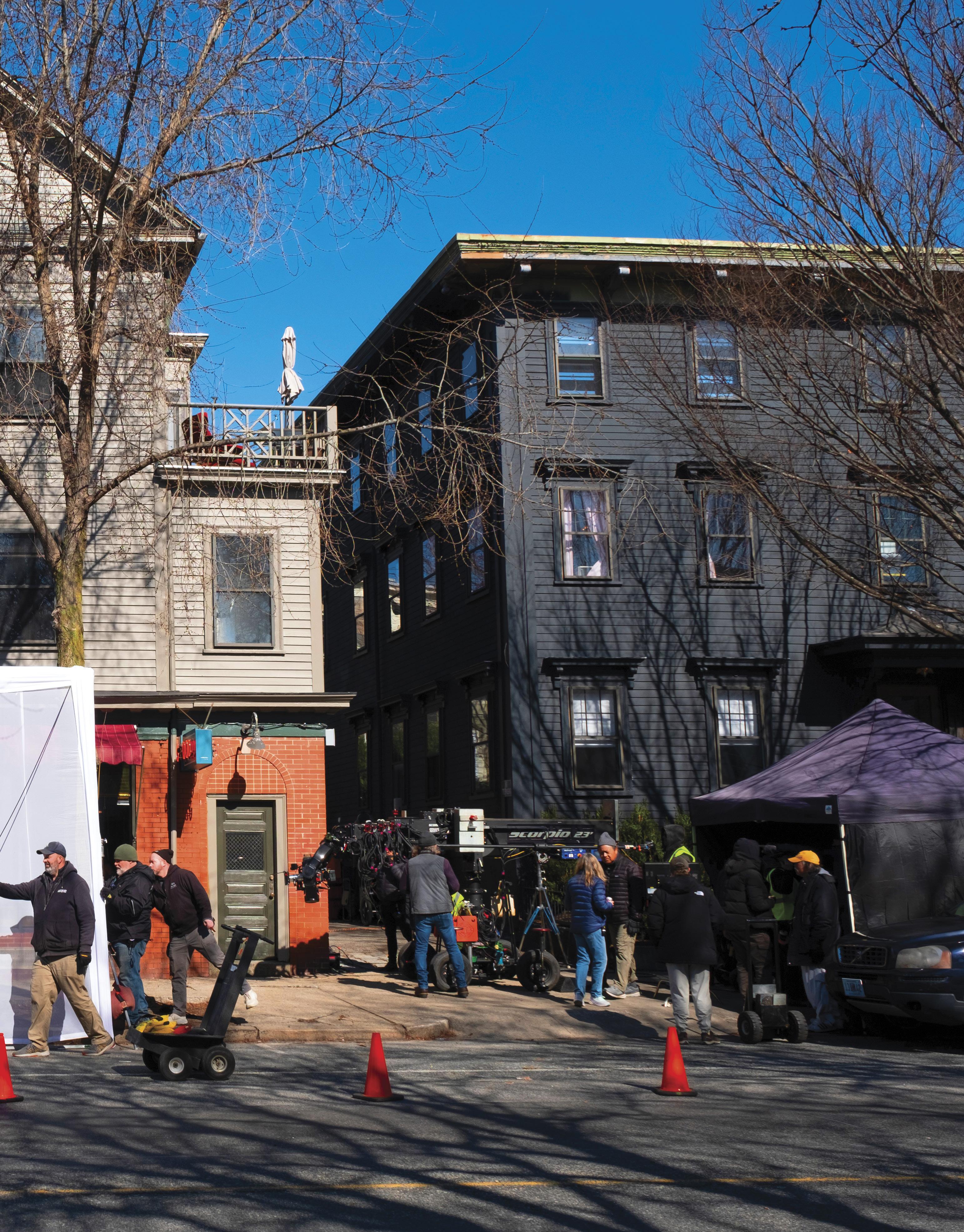
1ST AC BROWN NOTES THAT ELSWIT HAS NEVER HAD TO GO THE ROUTE OF “BAKING-IN A LOOK OUT OF FEAR OF WHAT MIGHT HAPPEN IN THE DI. HE’S ONE OF THE CLEANEST CINEMATOGRAPHERS I’VE EVER WORKED WITH. VERY LITTLE FILTRATION OR GIMMICKRY, AND JUST A SUPERB KNOWLEDGE OF WHAT’S NEEDED IN POSTPRODUCTION THAT HELPS TO STREAMLINE THE PROCESS."
BY MARGOT LESTER
The 2025 Generation NEXT class is notable for the international backgrounds of five of its six ICG members, as well as a desire to create visuals that speak more to the humanity of the characters than the technology at hand. In fact, that ethos extends to their union brethren on set.
Operator Jutaluck “Amy” Limpinyakul, whose parents came to Chicago from Thailand to work in (and eventually own) a restaurant on the city’s north side, says her first industry mentor, IATSE Local 476 (Studio Mechanics) Key Grip Ed Titus, led by example. “When situations got tense,” Limpinyakul shared, “Ed never let it trickle down to his crew. He’s someone who everyone wants to work extra hard for, and someone I consistently strive to be like.” Much the same can be said for L.A.-based Director of Photography Nathan Salter’s first impression of Kira Kelly, ASC, who brought Salter on to shoot C-camera for the 2017 episodic The Red Line (lensed in Chicago). “It was one of the best learning experiences I’ve ever had,” Salter told ICG writer Margot Lester. “I stayed close to absorb [Kelly’s] artistry and the way that she led a crew.”
Director of Photography Matthew Chuang, born in Taiwan and raised in Melbourne, had a similar epiphany about human connection while shooting a scene from the epic Apple TV series Chief of War for Director Justin Chon, a longtime collaborator. “It was a gathering of family members, and we had found a great location by the water, with a tight sunset window to shoot,” Chuang recounts. “The way the actors responded in relation to how the camera was moved by [Steadicam Operator] Jason Ellson – what was captured within that small time frame was just so moving and beautiful.”
Let’s meet this year’s group to hear more about their unique journeys.

Portrait by Tobin Yelland
MATTHEW CHUANG
Director of Photography Western Region
Whether it’s period pieces like Apple’s recent episodic series Chief of War, or social topics like the Sundance award-winning indie feature Jimpa , Matthew Chuang, ACS “tells stories that matter, stories that reveal something about the human condition,” asserts Writer/Director Justin Chon, who helmed Chuang’s first union project, Blue Bayou That film, shot in Louisiana, went on to earn a Best Cinematography nomination from the Independent Spirit Awards (shared with co-DP Ante Cheng) and was an Official Selection at the 2021 Cannes Film Festival. The Taiwanborn, Australia-raised Chuang says he’s always been inspired by Cannes films. “So many incredible filmmakers have taken part in that festival, and to have a project be selected to screen there was a proud accomplishment.”
Chuang came to lens Blue Bayou after years of shooting around the world. Since 2019, he’s been focused mostly on narrative film and television, including Chief of War, of which Chon helmed two episodes and was an executive producer. As Chuang shares,
“this series is the first time a production of this scale has been made on Hawai’ian history, so we felt the responsibility of what we set out to accomplish. For the audience to be immersed in this world, it needed to feel believable. We were very conscious to not make the cinematography feel too stylized, too designed.”
While the show’s epic final battle scene garnered a lot of attention (it was filmed over eight days on a real lava field and progresses from day to night), it’s a sequence in the first episode – a gathering of key family members – that stays with Chuang. “Justin and I found a great location by the water and had planned to shoot it at sunset,” he recalls. “We had a very small window. The way the actors responded to each other in relation to how the camera was moved by Steadicam Operator Jason Ellson – what was captured within that small time frame was moving and so beautiful. It was early on, and we all felt like we were on the right creative path with that moment.”
When not shooting series or features,
Chuang heads back to the music videos and shorts that have checkered his career. He calls them “palate cleansers.” (Chuang’s video for Fractures’ It’s Alright earned a 2015 Camerimage nomination for Best Cinematography in a Music Video.) “We had done six months on Chief of War in Hawai’i, and it was quite intense with battle scenes, filming on tough locations, dealing with logistics, and people management,” he explains. “On the Christmas break, I went straight onto a short film to get back to basics, basically two characters connecting with one another. It was liberating.”
Chon describes Chuang as a craftsman and “a true film lover,” evidenced by Chuang’s self-described obsession with DVD commentaries, which he listens to on the way to set. “His technical mastery is undeniable,” Chon concludes. “But what makes him special is how deeply filmmaking runs through his everyday life. It’s not just his job – it’s who he is. I hope to make many more pictures together in the years to come.”
Operator Central Region
AMY LIMPINYAKUL
Jutaluck Amy Limpinyakul decided on film school because she loved making skate videos with her childhood pals, all inspired by Spike Jonze’s skateboarding projects that brought cinematic and narrative elements to what became mini documentaries. Limpinyakul, a first-generation Thai-American, says that “the inherent DIY punk nature of skateboarding – consistently innovative, creative, inclusive and constantly pushing boundaries – is something that I carry with me as a cinematographer.”
In her final semester at DePaul University, Limpinyakul P.A.’d on Chicago Fire for longtime Local 600 Director of Photography Lisa Wiegand, ASC. Initially intimidated by lighting, Wiegand’s confidence impressed the new filmmaker, motivating her to get grip and electric experience. Soon after, Limpinyakul earned her Local 476 card with plans to return to the camera department.
“As a grip, I had to think a lot about the intention of the light,” she describes. “As a DP, I think a lot more about what kind of grippage needs to go around that light to get the quality and shape that I’m going for.” The grip experience has also helped Limpinyakul make smart decisions about resource allocation, accurately estimating the time, crew and cash needed for lighting setups; quickly selecting the right tool – dolly, jib, crane, remote head or car rig – to get the shot.
Limpinyakul earned her Local 600 hours while permitting as 2nd Unit director of photography on FX’s Emmy-winning series The Bear. She says she’s especially proud of the Season 3, Episode 2 title sequence, showing everyday Chicagoans going about their morning routines. “We went to a wide variety of establishments but primarily featured service
workers in hotels, restaurants, factories and bakeries,” Limpinyakul recounts. “As a born and raised Chicagoan, and a child of immigrants who worked their whole lives in restaurants, eventually owning their own on the north side of Chicago, it was truly an honor to show the world the version of Chicago I experienced growing up.”
Recent achievements include a Best Cinematography nomination for Cecily and Lydia at the Waypoint from the 2021 Best of the Midwest Film Festival and Best TV Pilot wins at the 2023 Vancouver Independent and SOHO International film festivals. In 2024, she was accepted into the AFI Cinematography Intensive for Women and the ASC Vision Mentorship Program.
Limpinyakul’s first industry mentor was Key Grip Ed Titus, whom she says she “learned a lot from just observing how to be a good leader. When situations got tense, Ed never let it trickle down to his crew. He’s so good at allocating tasks and instructing the crew without micromanaging. He’s someone who everyone wants to work extra hard for, and someone I consistently strive to be like.”
Camera Technician Betsy Peoples, who’s known Limpinyakul since college, describes the union member as not only extremely talented but also someone “who cares about everyone involved. She has already perfected the skill of managing an incredible amount of stress while remaining calm, cool and collected, which allows her to treat her crew with immense compassion even in the most difficult situations," Peoples describes. "And because of this, Amy maintains a respectful yet productive environment on set, which translates to the final product.”
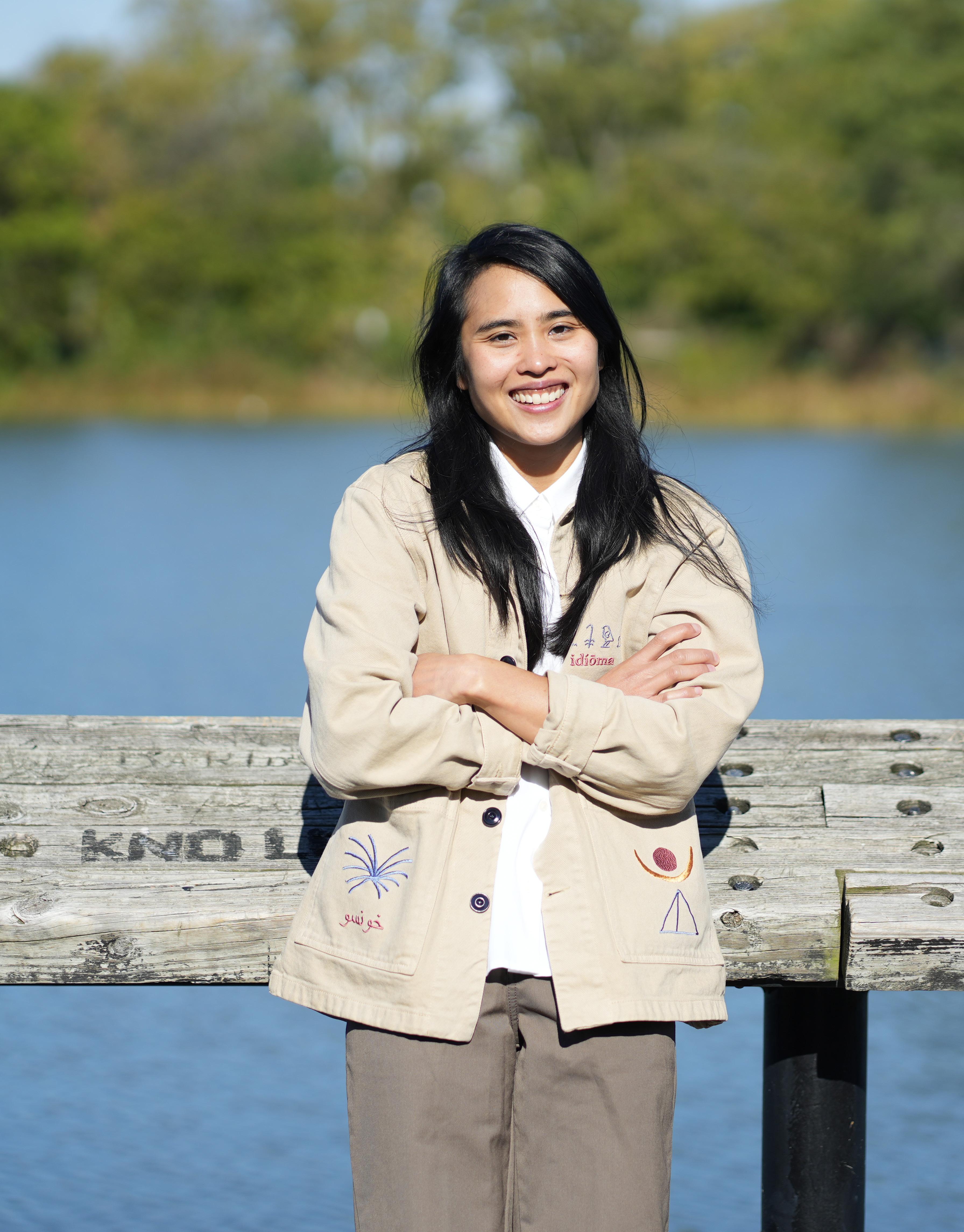
Portrait by James Washington
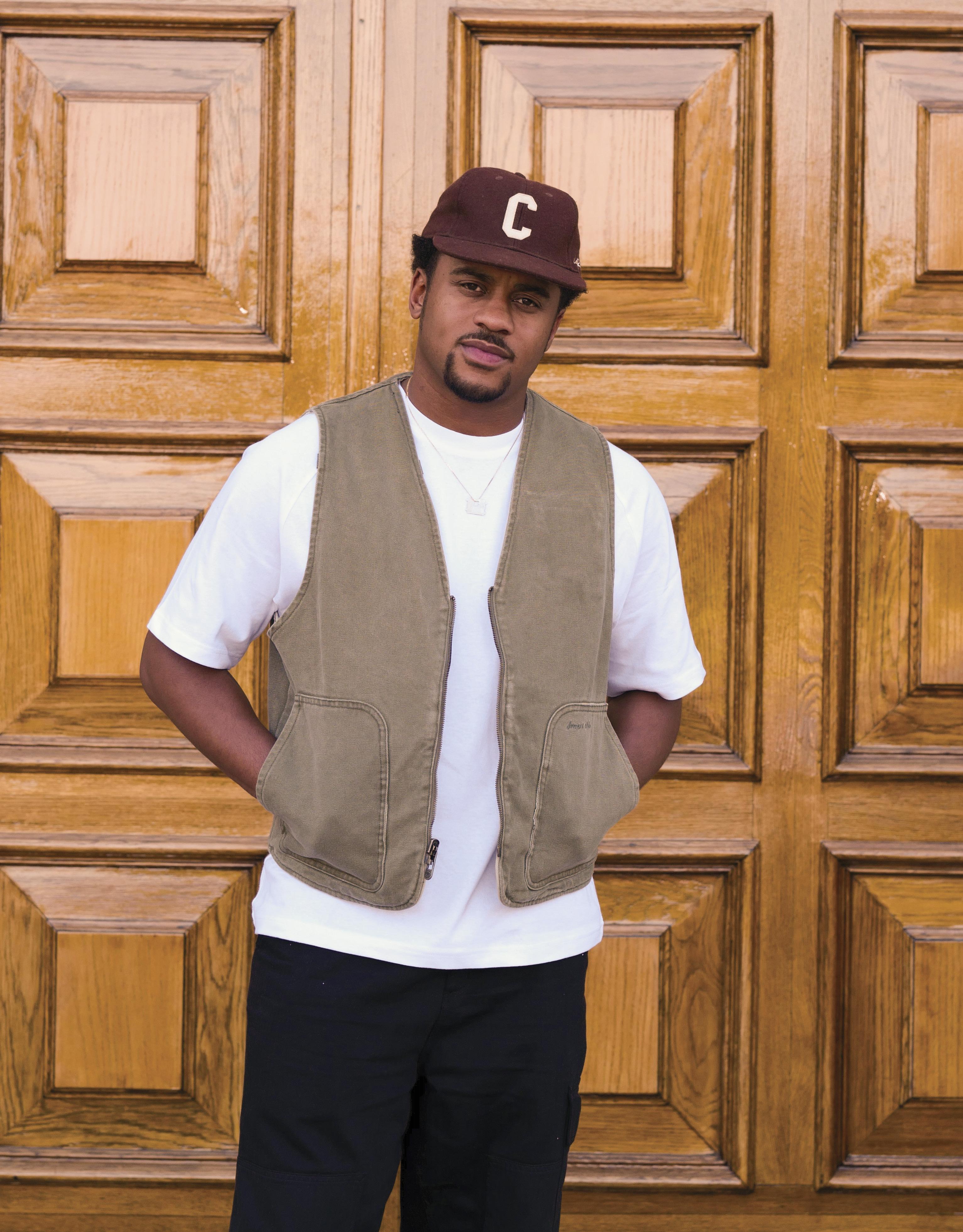
Portrait by Richard Scudder
“Not being bound to one particular type of filmmaking has allowed me to keep things fresh, and for story and subject matter to be paramount,” explains Nathan Salter, whose portfolio includes documentary, unscripted and episodic. “The practical side is being able to open up the format on how I go about problem-solving,” he adds. “There’s always techniques to help you achieve something in a way that may not have come to you without a background in a different type of filmmaking.”
Salter’s first professional gig was working C-camera for Kira Kelly on The Red Line in Chicago [ICG Magazine May 2019]. “It was one of the best learning experiences I’ve ever had,” he says. “I stayed close to absorb her artistry and the way that she led a crew. That really laid the foundation for me. Plus, she was the first Black DP and the first woman cinematographer I worked with. Even though there’s still a lot of work to be done in that space, there is a change happening where I’m seeing more diverse sets, and the stories and creativity coming out are a direct correlation.”
Salter sandwiched his latest documentary project, Black Is Beautiful: The Kwame Brathwaite Story, between seasons of Deli Boys (also shot in Chicago), Hulu’s recently renewed comedy series.
“We were looking for a DP, [and] everyone we called in Chicago said, ‘You have to meet Nathan Salter,’” recalls Executive Producer Jenni Konner. “Nathan is an amazing collaborator. He and his team are a family, and they work so fluidly together. He really empowers everyone around him. It makes my job as a producer easier because there’s no gatekeeping between them. He raises people up. Nathan was also best dressed on set every day!”
Salter is proud of his crew’s work on the show. “It was just one of those rare scenarios where everyone involved got it,” he recounts. One sequence Salter loved shooting was in Episode 8, where FBI agents Mercer (Alexandra Ruddy) and Simpson (Tim Baltz) are on one side of an interrogation room’s two-way mirror discussing how they’re going to handle a suspect, who is visible on the other side. “One of the agents is kind of getting crude. He’s gesturing and going to town about how they’re going to aggressively interrogate this subject – and it turns out that it’s not a two-way mirror,” Salter chuckles. “We set up the master to reveal the characters in the glass, we dim the light, and we do a slow pull-back. The master was so good, the performances were so great, and it was so funny that everyone was in full agreement that we didn’t need any coverage.”
Working in the film industry has been Salter’s goal since high school, and he wants other aspiring young people to know it’s possible. “I came from a very small town with no direct access or resources to the film industry,” he concludes. “If you just keep your goals at the forefront of what you’re doing and believe in yourself, it is definitely possible to get where you want to go.”
NATHAN SALTER
Director of Photography
Filmmaking is fully integrated into Ksenia Sereda’s life. “It’s quite interesting because all the hobbies are somehow work-related in the end,” the Moscow-born cinematographer explains. Sereda likes to be active, including taking her dog on “small adventures,” which she admits also keeps her fit for the demands of production. “Or I am watching movies, but it becomes research or an inspiration. Everything that’s around the creative arts interests me.”
In fact, Sereda often starts identifying a visual approach for a project with fine art and photography. “It does not necessarily need to be the exact match to what’s happening in the script,” says Sereda, who landed her first assignment at age 18 – her first big-time gig was 2018’s Acid , which screened at the Berlin International Film Festival. “Sometimes I am more after the color combinations and the mood. Later, as I start breaking down the script with my director – scene by scene – I go into deeper details and start looking into
certain scenes in different movies.”
Sereda’s work caught the eye of Writer/ Director Craig Mazin, showrunner for The Last of Us . While looking for cinematographers to lens the series, he watched the 2019 film Beanpole, the multiple-award-winning feature Sereda shot with Kantemir Balagov. “I was utterly blown away,” Mazin remembers. “It was just so beautifully photographed.”
At the time, Sereda was still relatively unknown in the U.S. and early in her career. As Mazin adds, “There have been times in my career where I felt like, ‘On paper, I’m probably not the most qualified person in the world, except that I am the most qualified for this, and I just need to convince them.’ I felt Ksenia was that person, too.”
Sereda was brought on to shoot three installments in the inaugural season and four more in the second. That’s when she captured one of the most memorable sequences of her career. In Episode 6, Joel (Pedro Pascal) gives Ellie (Bella Ramsey) a birthday gift. “It’s
the sound recording of a space launch after they get in the space capsule in the Museum of Natural History,” Sereda explains. “As Ellie listens, the viewer gets to experience the power of a child’s imagination.
“It was a very important scene in the body of the episode and in the evolution of character development,” she continues. “But it was also so fun to create, as the lighting in the space capsule is [constantly] changing. It took a lot of rehearsals and camera tests to find the right timing for all the elements, and I enjoyed watching the crew come together to help this sequence come to life.”
Sereda herself is having quite a ride. She shot the historical drama Chernobyl: Abyss , and her latest project is another horror film, The Land of Nod, currently in post.
“It has been one of the greatest gifts, working with her,” Mazin concludes. “I consider Ksenia one of the parents of the show. She’s just so essential to our success. And she’s here to stay.”
KSENIA SEREDA
Director of Photography
Eastern Region
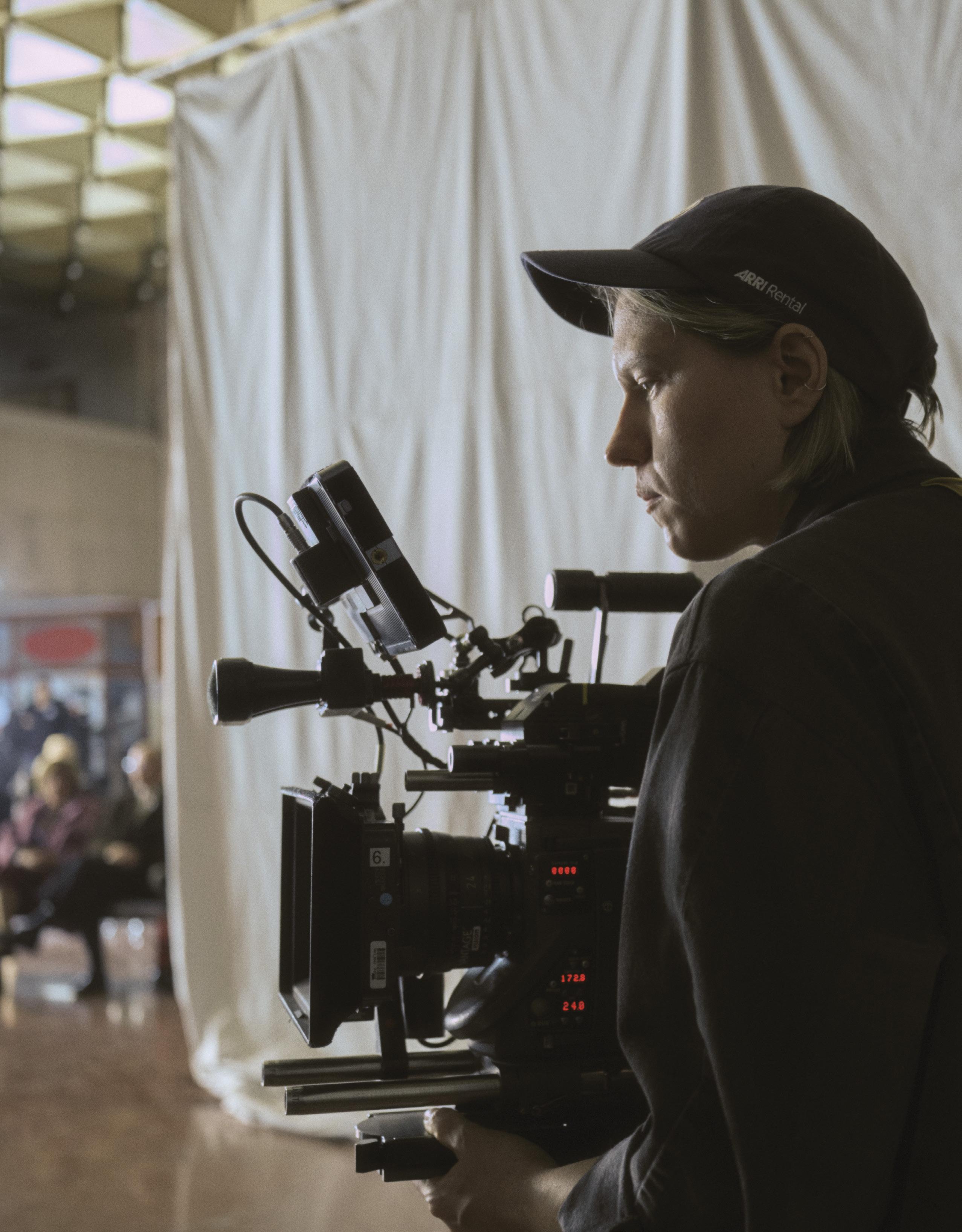
Portrait courtesy of Amelia Gatacre
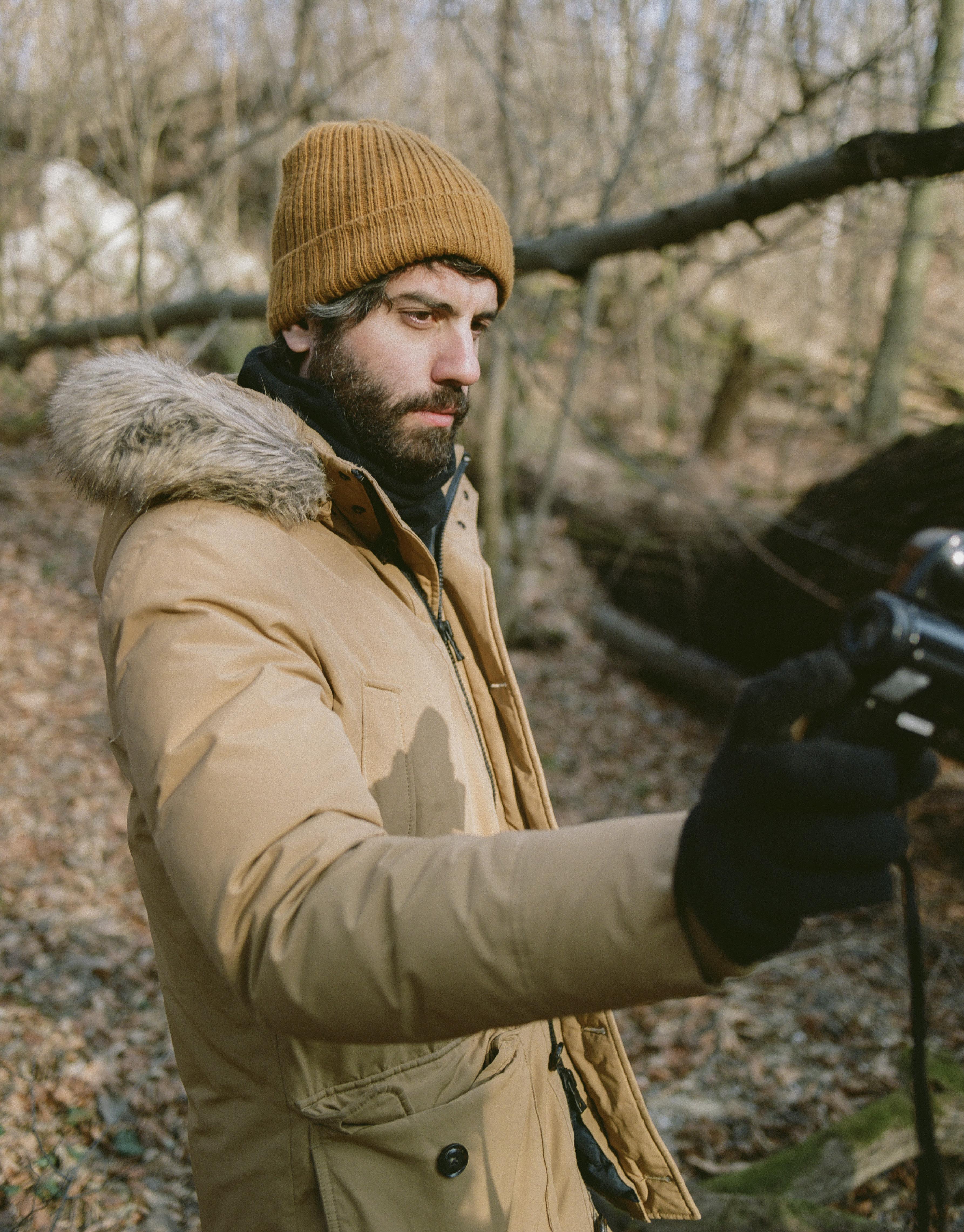
Photo Courtesy of Adolpho Veloso
Director of Photography
Western Region
ADOLPHO VELOSO
You never really know when you wrap a project what it will bring to you. For Brazilian Adolpho Veloso, ABC, AIP, On Yoga: The Architecture of Peace delivered Best Cinematography honors from the IMAGO Awards the same year Roger Deakins won for narrative – which was “pretty surreal and unforgettable,” Veloso admits – and also led to a special creative collaboration with Writer/Director Clint Bentley.
Searching for someone to lens what would become the 2021 Sundance hit Jockey , Bentley saw the award-winning documentary series and “was amazed at what [Veloso] had done with what was just a camera and firelight,” Bentley remembers. Veloso says he prefers shooting with a single camera because “it makes everything better and often faster.” All Bentley knew at the time was that the resulting images “looked like Caravaggio paintings.” After a couple of phone calls, the partnership was set.
“We have an open creative relationship,” explains Veloso. “There’s no strict division of roles – we just explore ideas together, try things out, and aren’t afraid to get it wrong sometimes. He’s honestly a genius, and I feel so lucky to collaborate with him.”
Jockey racked up a slew of nominations on the festival circuit, including an ASC Spotlight nod for Veloso. When Bentley landed his next project, Train Dreams, Veloso joined Local 600 to be able to shoot the project. The film tells the story of an early-20th-century logger and railroad worker, Robert Grainier (Joel Edgerton), as he confronts an evolving world.
“Joel said watching us work was like watching two halves of a brain,” Veloso shares. “And that feels accurate. We’re very aligned and can often work toward something without having to talk much about it.”
The film’s forest fire scene is one of Veloso’s favorites because it approaches a pivotal moment from two different perspectives. To make Grainier’s POV raw and grounded, it’s shot in a real burned forest. “The lighting and rigging teams – led by Kevin Cook and Ryan Fritz – built a massive structure to mimic a wall of fire that was later replaced with VFX, to blend seamlessly with the real fire we used elsewhere,” Veloso recounts. In contrast, the perspective of Grainer’s wife, Gladys [Felicity Jones], is dreamlike, shot on a Volume stage using slow shutter speeds and low frame rates “to create a blurred, surreal look – all done in camera to avoid messy VFX. Both scenes feel totally different but belong to the same emotional moment,” he adds.
Veloso, who recently finished shooting M. Night Shyamalan’s Remain , says his inspiration often comes from daily life. “I’m always paying attention to how light behaves and how people move through everyday situations,” he concludes. “Whenever I come across a lighting setup I like, I take a photo and save it in a folder for later. A lot of those images end up being shared with my team or the art department, especially when we’re figuring out practicals. It’s also a great way to find interesting blocking – different ways of placing actors for a conversation or discovering the most compelling point of view for a scene.”
DAISY ZHOU
Director of Photography
Western Region
Daisy Zhou brings a keen eye for the cinematic to her narrative work as well as to the commercial projects she lenses, which, she admits, “is not always an easy thing to pull off. But the attempt to do so teaches me so much. In whatever genre of filmmaking, I seek a poetic, painterly and emotionally grounded way of looking at something.”
Consider her most recent job, a spot for Budweiser, shot in her old hometown. “Five hundred extras, wire rigs, massive stage builds, lighting transitions, motion control, full-on VFX – the works,” the L.A.-based director of photography laughs. “It was chaos in the best way possible. Every frame demanded insane precision, from prep to the last shot, and it was amazing to watch it all come together under Henry Scholfield’s direction and Hamlet China’s powerhouse production team. One of those days that reminds you why you love what you do.”
The ad came on the heels of a successful outing at Sundance, where Zhou’s latest
feature, Bunnylovr , played in the prestigious U.S. Dramatic Competition. The film follows a “cam girl” as she navigates reconciling with her dying father and dealing with a dicey client relationship. The project was helmed by writer/director/star, and fellow NYU graduate Katarina Zhu.
“It was a miracle of a film,” Zhou recalls. “Shot like a fever dream on the tightest schedule imaginable with the best crew in my favorite city [New York]. I gave it my absolute all – the entire crew did. That is the best feeling and the reason I love what I do –the opportunity to push, inspire and create together. We were trying something bold, and I am so proud of our courage.”
Mollie Mills, a director who’s known Zhou for years, admires the union member’s “beautiful duality,” possessing “that level of technical know-how and how to create that joyful space of ‘mess-around-and-find-out.’ Daisy brings the same diligence to a project with no money and a great idea as she does to one with a massive
budget, a huge video village, and a demanding client. That, in itself, is an art. Or at the very least, says something truthful about being a filmmaker, in the realest sense of the word.”
The Shanghai-born Zhou emigrated to the U.S. with her family when she was five years old. She grew up taking photographs, painting pictures, and writing stories and poetry. She returned to China for high school, then came back stateside to attend NYU for Economics before an “existential moment of confusion” motivated her to switch to studying cinema at Tisch School of the Arts.
“Filmmaking felt like a natural extension of who I was,” she concludes. “I followed my instinct and found something perfect.” Her craft also helps her understand the complexities of leaving country and culture behind for new environs. “I have parts of my soul in both places, and often I feel like my experiences feel incoherent. Part of the reason I make art is to find a way to express such an inexpressible feeling.”
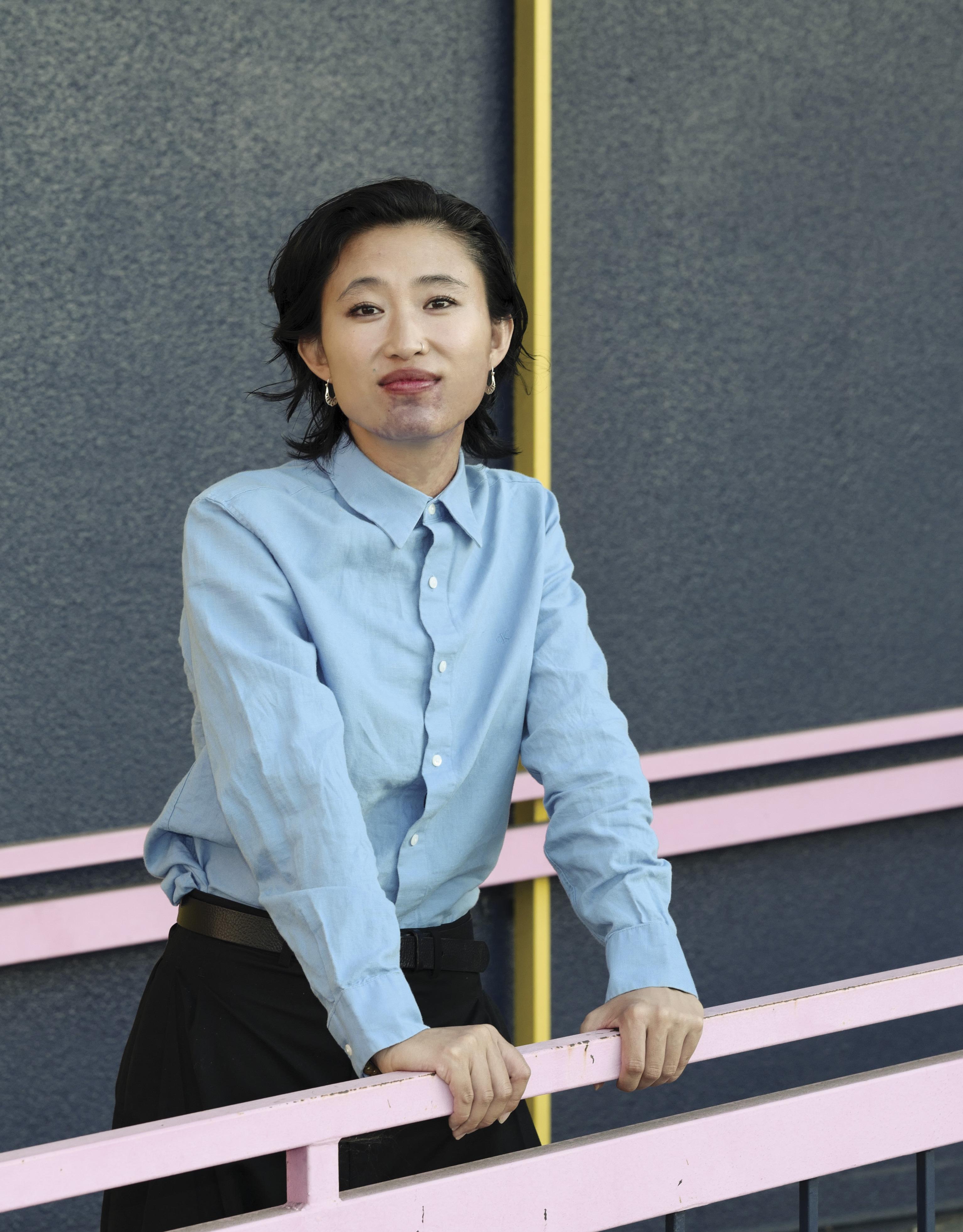
Portrait by Richard Scudder
PRODUCTION CREDITS
COMPILED BY TERESA MUÑOZ
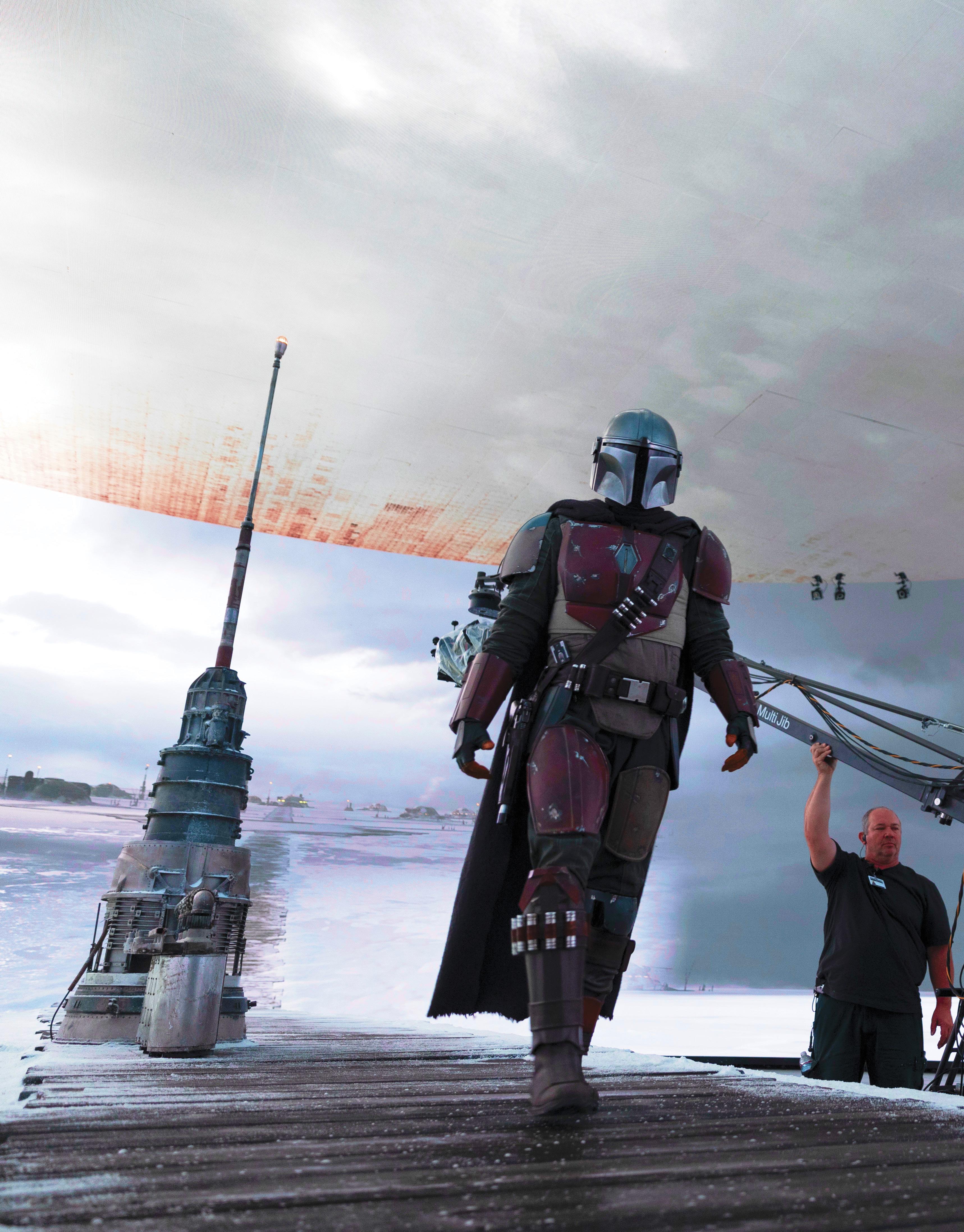
THE MANDOLORIAN (2020)
photo by François Duhamel
APPLE STUDIOS, LLC
“CHEESESTEAK”
DIRECTOR OF PHOTOGRAPHY: ZAK MULLIGAN
OPERATORS: STEWART CANTRELL, JOHN GARRETT
ASSISTANTS: JUSTIN SIMPSON, ZACK SHULTZ, MATTHEW HEDGES, JOHN F. MCCARTHY
DIGITAL IMAGING TECH: MICHAEL KELLOGG
LOADER: EMILY KHAN
STILL PHOTOGRAPHER: SCOTT GARFIELD
UNIT PUBLICIST: JULIE KUEHNDORF
BTS: JEFFREY LEE BERGMAN
20TH CENTURY FOX TELEVISION
“9-1-1” SEASON 9
DIRECTORS OF PHOTOGRAPHY: ANDREW MITCHELL, PJ RUSS
OPERATORS: BRICE REID, PHIL MILLER, MICHAEL VEJAR
ASSISTANTS: JAMES RYDINGS, KAORU “Q” ISHIZUKA, CARLOS DOERR, BASSEM BALAA, MATTHEW DEL RUTH, JIHANE MRAD
STEADICAM OPERATOR: BRICE REID
DIGITAL UTILITY: BEAU MORAN
CAMERA UTILITY: JOE PACELLA
“SHIFTING GEARS” SEASON 2
DIRECTOR OF PHOTOGRAPHY: DONALD A. MORGAN, ASC
OPERATORS: JOHN BOYD, RANDY BAER, DAMIAN DELLA SANTINA, BRIAN GUNTER
ASSISTANTS: BRIAN LYNCH, SEAN ASKINS, ONYX MORGAN
CAMERA UTILITIES: JOHN WEISS, STEVE MASIAS
DIGITAL UTILITY: MATT OSUNA
VIDEO CONTROLLER: NICHELLE MONTGOMERY
DIGITAL IMAGING TECH: ERINN BELL
JIB TECH: RYAN ELLIOTT
“RJ DECKER”
DIRECTOR OF PHOTOGRAPHY: OLIVER BOKELBERG
OPERATORS: MATT DOLL, JOEY DWYER
ASSISTANTS: DEREK SMITH, SETH LEWIS, PATRICK BOROWIAK, JILL AUTRY
DIGITAL IMAGING TECH: ANDY BADER
LOADER: BRANDON ROBEY
UTILITY: PAIGE MARSICANO
STILL PHOTOGRAPHER: DANA HAWLEY
“WILL TRENT” SEASON 4
DIRECTORS OF PHOTOGRAPHY: TIM GILLIS, FERNANDO REYES-ALLENDES, AMC
OPERATORS: STEWART SMITH, RICK DAVIDSON
ASSISTANTS: GERAN COSTDANIELLO, IAN CAMPBELL, ANDY KOPEC, NASTASIA HUMPHRIES, BENJAMIN EADES
STEADICAM OPERATOR: STEWART SMITH
LOADER: STEVEN DAVID WALTON
DIGITAL UTILITY: NATHANIEL POBLET
STILL PHOTOGRAPHERS: DANIEL DELGADO, MATT MILLER, LINSEY WEATHERSPOON, WILFORD HAREWOOD
BEACHWOOD SERVICES, INC.
“DAYS OF OUR LIVES” SEASON 61
DIRECTOR OF PHOTOGRAPHY: DAVID MEAGHER
OPERATORS: MARK WARSHAW, MICHAEL J. DENTON, JOHNNY BROMBEREK, JOHN BOYD, STEVE CLARK
CAMERA UTILITY: GARY CYPHER
VIDEO CONTROLLER: ALEXIS DELLAR HANSON
BELL/PHILLIPS PRODUCTIONS
“THE BOLD & THE BEAUTIFUL”
SEASON 39
LIGHTING DIRECTOR: ERIC WEST
OPERATORS: JOHN CARLSON, NICO SVOBODA, NICK KROTOV
VIDEO CONTROLLER: KEVEN SCOTTI
CBS TELEVISION STUDIOS
“ELSBETH” SEASON 3
DIRECTOR OF PHOTOGRAPHY: JOHN ARONSON
OPERATORS: BARNABY SHAPIRO, KATE LAROSE
ASSISTANTS: SOREN NASH, RENE CROUT, NIALANEY RODRIGUEZ
LOADER: JANAE HARRISON
STILL PHOTOGRAPHERS: MICHAEL PARMELEE, MARK SCHAFER
“NCIS” SEASON 23
DIRECTOR OF PHOTOGRAPHY: CRAIG FIKSE
OPERATORS: GREG COLLIER, CHAD ERICKSON, JAMES TROOST
ASSISTANTS: NATE LOPEZ, DREW HAN, HELEN TADESSE, TOMMY IZUMI MARONN, YUSEF EDMONDS
STEADICAM OPERATOR: JAMES TROOST
DIGITAL LOADER: MIKE GENTILE
“NCIS: ORIGINS” SEASON 2
DIRECTORS OF PHOTOGRAPHY: KEVIN MCNIGHT, KURT JONES
OPERATORS: ANDY DEPUNG, TAJ TEFFAHA
ASSISTANTS: TAYLOR FENNO, SAMANTHA
CHADBOURNE, KEVIN POTTER, TRISTAN CHAVEZ
LOADER: CLEO PALMIERI
DIGITAL IMAGING TECH: BRANNON BROWN
DIGITAL UTILITY: NATE JONES
STILL PHOTOGRAPHER: DEAN HENDLER
CMS PRODUCTIONS
“ANCIENT HISTORY”
DIRECTOR OF PHOTOGRAPHY: MARIA VON HAUSSWOLFF
ASSISTANTS: TROY DOBBERTIN, HALLIE ARIAS
COOLER WATER PRODUCTIONS
“EUPHORIA” SEASON 3
DIRECTOR OF PHOTOGRAPHY: MARCELL REV, ASC, HCA
OPERATORS: JOSH MEDAK, ROCKER MEADOWS
ASSISTANTS: NORRIS FOX, DAN SCHROER, JONATHAN CLARK, DAN URBAIN
LOADER: CHESTER MILTON
DIGITAL UTILITY: VICTORIA BETANCOURT
REMOTE HEAD TECH/OPERATOR: SIMON TERZIAN
STILL PHOTOGRAPHER: EDDY CHEN
CRANETOWN MEDIA, LLC
“I PLAY ROCKY”
DIRECTOR OF PHOTOGRAPHY: SEAN PORTER
OPERATOR: ALAN MEHLBRECH
ASSISTANTS: STEPHEN MCBRIDE, JOHN LARSON, RICHARD PALLERO
LOADERS: DANIEL BIRNBAUM, TAYLOR PRINZIVALLI
STILL PHOTOGRAPHER: CLAIRE FOLGER
“FRESH OUT LIVE 2025”
OPERATORS: JOHN HURLEY, GERARD CANCEL, ED STAEBLER, ROBERT DEL RUSSO
STEADICAM OPERATOR: NICHOLAS FAYO
JIB ARM OPERATOR: RICHARD FREEDMAN
CAMERA UTILITIES: MAURICE WILLIAMS, AUDE VALLO, CHRISTOPHER JOHNSON
CUTTING SEASON FILMS, LLC
“ONE NIGHT ONLY”
DIRECTOR OF PHOTOGRAPHY: YARON ORBACH
OPERATORS: LUCAS OWEN, LISA SENE
ASSISTANTS: BECKI HELLER, GUS LIMBERIS, JOHN CONQUY, TOMMY SCOGGINS
DIGITAL IMAGING TECH: TIFFANY ARMOUR-TEJADA
LOADER: OFELIA CHAVEZ
DELI LOVE PRODUCTIONS, INC.
“DELI LOVE”
DIRECTOR OF PHOTOGRAPHY: CHRISTOPHER LEW
OPERATOR: SAM WOOD
ASSISTANTS: HAITAO ZENG, JOSEPH ROBINSON
DIGITAL IMAGING TECH: LYNSEY WATSON
STILL PHOTOGRAPHER: JACLYN MARTINEZ
DISNEY
“UNTITLED LIZ MERIWETHER PROJECT”
DIRECTORS OF PHOTOGRAPHY: DOUG EMMETT, BRIAN LANNIN
OPERATOR: PHILIP MARTINEZ
ASSISTANTS: WARIS SUPANPONG, JUSTIN WHITACRE, RANDY LEE SCHWARTZ, MATEO GONZALEZ
STEADICAM OPERATOR: PHILIP MARTINEZ
LOADERS: BRANDON ORSBORN, THOMAS PARRISH, JR.
STILL PHOTOGRAPHER: SARAH SHATZ
DOC IN A BOX CORP
“MARTIN MD” SEASON 1
DIRECTORS OF PHOTOGRAPHY: JOHN INWOOD, WESLEY CARDINO
OPERATORS: DEVIN LADD, JOEL SAN JUAN
ASSISTANTS: MIKE GUASPARI, DOUGLAS FOOTE, KAIH WONG, KATHERYN IUELE
LOADERS: MADELEINE KING, KATIE GREAVES
STILL PHOTOGRAPHER: FRANCISCO ROMAN SANCHEZ
FOX US PRODUCTIONS 36, INC.
“THE DEVIL WEARS PRADA 2”
DIRECTOR OF PHOTOGRAPHY: FLORIAN BALLHAUS, ASC
OPERATORS: THOMAS LAPPIN, JOHN MOYER
ASSISTANTS: TONY COAN, ADRIANA BRUNETTO-LIPMAN, JAMES DRUMMOND, CORNELIA KLAPPER
DIGITAL IMAGING TECH: PATRICK CECILIAN
LOADER: BRETT NORMAN
STILL PHOTOGRAPHER: MACALL POLAY
UNIT PUBLICIST: FRANCES FIORE
GROLIA D FILM
“BASIC”
DIRECTOR OF PHOTOGRAPHY: VERONICA BOUZA
OPERATOR: JUN LI
ASSISTANTS: AARON CHEUNG, DAN KING
STEADICAM OPERATOR: JUN LI
STEADICAM ASSISTANT: AARON CHEUNG
PRODUCTION CREDITS
HAPPY HIVE PRODUCTIONS, LLC
“THE LAST MRS. PARRISH”
DIRECTOR OF PHOTOGRAPHY: DON BURGESS, ASC
OPERATOR: MATTHEW MORIARTY, JONATHAN BECK
ASSISTANTS: STEVEN CUEVA, ERIC SWANEK, SARA BOARDMAN, TYLER SWANEK
DIGITAL IMAGING TECH: DOUGLAS HORTON
TECHNOCRANE TECH: CRAIG STRIANO
LIBRA HEAD TECH: LANCE MAYER
STILL PHOTOGRAPHER: ANA CARBALLOSA
UNIT PUBLICIST: BROOKE ENSIGN
BTS DIRECTOR OF PHOTOGRAPHY: WILLIAM HART
BTS OPERATOR: COLE DABNEY
HURRICANE SEASONS PRODUCTIONS, LLC
“HURRICANE SEASONS”
DIRECTOR OF PHOTOGRAPHY: HEIXAN ROBLES
OPERATOR: BEN SPANER
ASSISTANTS: MARCOS HERRERA, BABETTE GIBSON
STEADICAM OPERATOR: BEN SPANER
DIGITAL IMAGING TECH: TIMUR GAVRILENKO
STILL PHOTOGRAPHER: GWENDOLYN CAPISTRAN
ICETBW, LLC
“ICE AT THE BOTTOM OF THE WORLD”
DIRECTOR OF PHOTOGRAPHY: JAIME REYNOSO, AMC
OPERATOR: MAX FISCHER
ASSISTANTS: ROBERT MUTHAMIA, MARK BAIN, ALEXANDRIA JONES, ERIC EATON
LOADER: BEN LEMONS
STILL PHOTOGRAPHER: ANTONY PLATT
INCLINED PRODUCTIONS, INC.
“DISINHERITED” PILOT
DIRECTOR OF PHOTOGRAPHY: LYLE VINCENT
OPERATORS: ERIN HENNING, QIANZHI SHEN
ASSISTANTS: CHRISTOPHER WIEZOREK, TIMONTHY TROTMAN, CHRISTINA CARMODY, SANCHEEV RAVICHANDRAN
DIGITAL IMAGING TECH: GUILLERMO TUNON LOADERS: CONNOR LYNCH, CHRISTOPHER CROWLEY STILL PHOTOGRAPHER: JOJO WHILDEN
JAX MEDIA, LLC
“JEAN BATISTE LIVE PERFORMANCE”
OPERATORS: BEN BLOODWELL, MICHAEL THACKRAY, SHAUN HARKINS
ASSISTANTS: DAN MERRILL, ANDREW BRINKMAN, DUSTIN RAYSIK, JAMES MCCANN CAMERA UTILITY: MELISSA DABBACK
DIGITAL UTILITIES: RON TRAVISANO, ANDREW MOORE
KING STREET PRODUCTIONS, INC.
“LIONESS” SEASON 3
DIRECTOR OF PHOTOGRAPHY: ROBERT MCLACHLAN, ASC, CSC
OPERATORS: ERIC SCHILLING, MATTHEW PEARCE, ELLIE ANN FENTON
ASSISTANTS: DAVID LEB, CHASE CHESNUTT, EMILY LAZLO, NATHAN CRUM, STEVEN VAQUERA, NICOLE TUREGANO
STEADICAM OPERATOR: ERIC SCHILLING
STEADICAM ASSISTANT: DAVID LEB LOADER: MATT AINES
CAMERA UTILITY: MATEO CABALLERO
DIGITAL UTILITY: KEISHLA DI GIORGI
“Y: MARSHALS” SEASON 1
DIRECTORS OF PHOTOGRAPHY: CHRIS FALOONA, TOM YATSKO
OPERATORS: JENS PIOTROWSKI, JED SEUS, JOHN WILLIAMS
ASSISTANTS: SIMON JARVIS, CLAIRE STONE, LARRY NIELSEN, AUSTIN SWENSON, CHRISTOPHER DANIEL, KURTIS BURR
CRANE OPERATOR: ANDRE MAGULAS
DIGITAL LOADER: LANDON HILL
“RIO PALOMA”
DIRECTORS OF PHOTOGRAPHY: CHRISTINA VOROS, TODD MCMULLEN
OPERATORS: BRIAN NORDHEIM, BEN MCBURNETT, AMANDA PARKER, SCOTT REESE
ASSISTANTS: CHAD RIVETTI, BETTY CHOW, KELLY BOGDAN, EMILY BROWN, SETH GALLAGHER, RYAN CROCI, KYLE NOVAK, SOPHIA BASILIADIS
LOADER: NATHAN MIELKE
DIGITAL UTILITY: JON BIRONDO
STILL PHOTOGRAPHER: EMERSON MILLER
LAZARUS S1, LLC
“PARALLAX” SEASON 1
DIRECTOR OF PHOTOGRAPHY: DAVID FRANCO
OPERATORS: ROSS COSCIA, RICH SCHUTTE
ASSISTANTS: DEB PETERSON, JASON CIANELLA, RAFFAELE DILULLO, BRIAN BRESNEHAN
DIGITAL IMAGING TECH: CURTIS ABBOTT
LOADER: RYAN PETERS
DIGITAL UTILITY: AMY BIANCO
STILL PHOTOGRAPHER: DENNIS MONG
UNIT PUBLICIST: SHELLY WILLIAMS
LEMON LOOP PRODUCTIONS, LLC
“HERE COMES THE FLOOD”
DIRECTOR OF PHOTOGRAPHY: CESAR CHARLONE HERRERA
OPERATORS: JULIAN DELACRUZ, HENRY CLINE
ASSISTANTS: GLENN KAPLAN, ANTHONY DEFRANCESCO, BENEDICT BALDAUFF, CHRISTOPHER FIGUEROA
DIGITAL IMAGING TECH: LOIC DE LAME
LOADERS: HENRY CHO, IAN GARCIA
STILL PHOTOGRAPHER: JON PACK
UNIT PUBLICIST: CID SWANK
BTS: TROYE JENKINS
MISSION CHRISTMAS MOVIE, INC.
“CHASING CHRISTMAS”
DIRECTOR OF PHOTOGRAPHY: MATTHEW QUINN
OPERATOR: AMANDA HEBBLETHWAITE
ASSISTANT: SANAE ONO
NARROW ISLE PRODUCTIONS, LLC
“OUTER BANKS”SEASON 5
DIRECTORS OF PHOTOGRAPHY: ITAI NEEMAN, DEREK TINDALL
OPERATORS: JOHN LEHMAN, MATTHEW LYONS, BO WEBB
ASSISTANTS: LAWRENCE GIANNESCHI, WILLIAM HAND, NICK CANNON, NICHOLAS GIANNESCHI, CAMERA UTILITY: DOUGLAS TORTORICI
LOADER: JAMES LATHAM
DRONE OPERATOR: ANDREW RORK
STILL PHOTOGRAPHER: JACKSON DAVIS
NBC UNIVERSAL TELEVISION, LLC
“LAW & ORDER” SEASON 25
DIRECTOR OF PHOTOGRAPHY: JON DELGADO
OPERATORS: RICHARD KEENER, MICHAEL GRANTLAND
ASSISTANTS: JASON RIHALY, JAMES KLAYER, KELSEY MIDDLETON, EMILY DUMBRILL
LOADER: LISA CHIN
STILL PHOTOGRAPHERS: IAN BRACONE, VIRGINIA SHERWOOD
“LAW & ORDER: SPECIAL VICTIMS
UNIT” SEASON 27
DIRECTOR OF PHOTOGRAPHY: JONATHAN HERRON
OPERATORS: STEPHEN CONSENTINO, CHRISTOPHER DEL SORDO
ASSISTANTS: JOSEPH METZGER, CHRISTIAN CARMODY, RYAN HADDON, MARY NEARY
LOADERS: JAMES WILLIAMS, MATTHEW CHIARELLI, STILL PHOTOGRAPHERS: VIRGINA SHERWOOD, PETER KRAMER, IAN BRACONE
NBC UNIVERSAL TELEVISION, LLC
“CHICAGO MED”SEASON 11
DIRECTOR OF PHOTOGRAPHY: SHAWN MAURER
OPERATORS: CHRISTOPHER GLASGOW, JOE TOLITANO, BILL NIELSEN
ASSISTANTS: GEORGE OLSON, BRIAN KILBORN, PATRICK DOOLEY, RICHARD COLMAN, JJ LITTLEFIELD, MATTHEW WILBAT,
LOADER: TREVOR SNYDER
DIGITAL UTILITY: TRENTON LUETTICH
2ND UNIT
DIRECTOR OF PHOTOGRAPHY: BILL NIELSEN
“CHICAGO FIRE” SEASON 14
DIRECTOR OF PHOTOGRAPHY: WILLIAM EICHLER
OPERATORS: CHRISTIAN HINS, BRIAN ROMANO, GREG VAN HORN
ASSISTANTS: ZACH GANNAWAY, SAM DIGIOVANNI, JAMES BIRTWISTLE, ADAM SCHLARB
STEADICAM OPERATOR: BRIAN ROMAN
STEADICAM ASSISTANT: SAM DIGIOVANNI
LOADER: AMY TOMLINSON
DIGITAL UTILITY: JT KLINGENMEIER
“CHICAGO PD” SEASON 13
DIRECTORS OF PHOTOGRAPHY: JAMES ZUCAL, CHRIS HOOD
OPERATORS: VICTOR MACIAS, BLAIN BAKER, JAMISON ACKER, CHRIS HOOD
ASSISTANTS: KYLE BELOUSEK, NICK WILSON, CHRIS POLMANSKI, MAX MOORE, KIEN LAM, STEVE CLAY
STEADICAM OPERATORS: VICTOR MACIAS, BLAINE BAKER
LOADER: REBECCA JOHNSON
DIGITAL UTILITIES: JACOB OCKER, JACOB CUSHMAN
STILL PHOTOGRAPHER: LORI ALLEN
EPK/BEHIND THE SCENES: LIZ SISSON
2ND UNIT
DIRECTOR OF PHOTOGRAPHY: CHRIS HOOD
“CIA” SEASON 1
DIRECTOR OF PHOTOGRAPHY: JON BEATTIE
OPERATORS: SAADE MUSTAFA, ANDREW SCHWARTZ
ASSISTANTS: ALEX WATERSTON, HAMILTON LONGYEAR, DEREK DIBONA, KATHRYN WAALKES
LOADER: MIA GREEN
STILL PHOTOGRAPHER: MARK SCHAFER
“STUMBLE” SEASON 1
DIRECTOR OF PHOTOGRAPHY: JEFFREY WALDRON
OPERATORS: SARAH LEVY, JIM MCGIBBON
ASSISTANTS: STACY MIZE, CORY STAMBLER, EVE STRICKMAN
DIGITAL IMAGING TECH: MCKENZIE RAYCROFT
LOADERS: PHILIP BABICH, ALEX LILJA
STILL PHOTOGRAPHERS: DAVID HOLLOWAY, JOCELYN PRESCOD
“THE FOUR SEASONS” SEASON 2
DIRECTOR OF PHOTOGRAPHY: TIM ORR
OPERATORS: JEFF DUTEMPLE, ARTHUR AFRICANO
ASSISTANTS: EMMA REES-SCANLON, CAI HALL, JONATHAN PERALTA, PATRICK BRACEY
DIGITAL IMAGING TECH: PAUL SCHILENS
LOADERS: DANIEL SANABRIA, III, LUISA ORTIZ STILL PHOTOGRAPHER: EMILY ARAGONES
“THE HUNTING PARTY” SEASON 2
DIRECTOR OF PHOTOGRAPHY: SARAH CAWLEY
OPERATORS: RYAN TOUSSIENG, DEREK WALKER
ASSISTANTS: ANDREW PECK, EDWIN HERRERA, KELLON INNOCENT, RACHEL FEDORKOVA
LOADERS: NANDIYA ATTIYA, MARIA OLNEY
STILL PHOTOGRAPHERS: ANNE JOYCE, MARK SCHAFER
NETFLIX PRODUCTIONS, LLC
“GOLF” SEASON 1
DIRECTOR OF PHOTOGRAPHY: CARL HERSE
OPERATORS: NEAL BRYANT, MIKAEL LEVIN
ASSISTANTS: JUSTIN WATSON, SARA INGRAM, JOHN RONEY, EMILY ZENK
LOADER: NICOLA CARUSO
DIGITAL IMAGING TECH: CHRIS HOYLE STILL PHOTOGRAPHER: COLLEEN HAYES
“BAD DAY”
DIRECTOR OF PHOTOGRAPHY: MATTHEW LLOYD OPERATORS: GEOFFREY HALEY, JAMES MCMILLAN
ASSISTANTS: JASON BRIGNOLA, JUSTIN COOLEY, CORNELIA KLAPPER
DIGITAL IMAGING TECH: THOMAS WONG LOADERS: BRETT NORMAN, BRIANNA MCCARTHY STILL PHOTOGRAPHER: PETER KRAMER UNIT PUBLICIST: SABRINA LAUFER
2ND UNIT
DIRECTOR OF PHOTOGRAPHY: IGOR MEGLIC OPERATORS: MICHAEL O'SHEA, CHARLES BEYER, EMMALINE HING
ASSISTANTS: ANTHONY DEFRANCESCO, VINCENT TUTHS, CHRISTIAN JULIA, MARK FERGUSON, MICHAEL GUTHRIE, CORY MAFFUCCI, TONI SHEPPARD, MATT ALBANO
DIGITAL IMAGING TECH: MATTHEW SELKIRK LOADERS: CLAIRE SNODE, JUSTINA LUONGO
TECHNOCRANE OPERATOR: DUNCAN MORE TECHNOCRANE TECHS: MICHAEL DZIALOWSKI, CHRIS DAWSON, MICHAEL INDURSKY
“FIGHT FOR '84”
DIRECTOR OF PHOTOGRAPHY: ARMANDO SALAS
OPERATORS: ARI ISSLER, MATTHEW PEBLER
ASSISTANTS: CRAIG PRESSGROVE, CHRISTOPHER ENG, CHARLOTTE SKUTCH
DIGITAL IMAGING TECH: LUKE TAYLOR
LOADER: VICTORIA DUNN
STILL PHOTOGRAPHERS: DAVID LEE, JOJO WHILDEN PUBLICIST: JACKIE BAZAN
“THE HUNTING WIVES” SEASON 2 DIRECTORS OF PHOTOGRAPHY: ABRAHAM MARTINEZ, MICHAL SOBOCINSKI, PSC
OPERATORS: IAN FORSYTH, JANINE SIDES
ASSISTANTS: RANDY MALDONADO GALARZA, TRICIA COYNE, WILLIAM POWELL
DIGITAL UTILITY: PAIGE MARSICANO
DIGITAL IMAGING TECH: RAUL RIVEROS
“NOT SUITABLE FOR WORK” SEASON 1
DIRECTOR OF PHOTOGRAPHY: ADRIAN PENG CORREIA
OPERATORS: SHANNON MADDEN, TOM WILLS
ASSISTANTS: JON COOPER, JASON KNOBLOCH, ANDI DAILEY-PARADA, DARNELL MCDONALD
DIGITAL IMAGING TECH: MALIKA FRANKLIN
LOADER: NAJOOD ALTERKAWI
STILL PHOTOGRAPHERS: GWENDOLYN CAPISTRAN, CARA HOWE
UNIT PUBLICIST: AMY COHN
“UNACCUSTOMED EARTH” SEASON 1
DIRECTORS OF PHOTOGRAPHY: CHRISTOPHER LA VASSEUR, MICHAEL SIMMONDS
OPERATORS: OLIVER CARY, PYARE FORTUNATO
ASSISTANTS: TOSHIRO YAMAGUCHI, BRENDAN RUSSELL, HAROLD ERKINS, JOSHUA REYES
CAMERA UTILITY: JAMAR OLIVE
DIGITAL IMAGING TECH: JESSICA TA
LOADER: NATHAN CARR
STILL PHOTOGRAPHER: KAROLINA WOJTASIK
BTS: PRAVEEN ELANKUMARAN
“THE WRETCHED DEVOURS”
DIRECTOR OF PHOTOGRAPHY: CONOR MURPHY
OPERATOR: MARK KILLIAN
ASSISTANTS: TRISTAN GELLATLY, SYMON MINK
RATED G, INC.
“CLUB KID”
DIRECTORS OF PHOTOGRAPHY: ADAM NEWPORT-BERRA
ASSISTANTS: JAMES DALY, DAVID ROSS
ROOKIE PRODUCTIONS, INC.
“THE ROOKIE” SEASON 8
DIRECTORS OF PHOTOGRAPHY: KYLE JEWELL, PAUL THERIAULT
OPERATORS: MIGUEL PASK, ROBERT SPAULDING, DOUG OH
ASSISTANTS: JIM THIBO, KELLY BERG, JASON GARCIA, RICHARD KENT, CHRIS MACK, TYLER ERNST
DIGITAL IMAGING TECH: RYAN DEGRAZZIO
DIGITAL LOADER: JACOB HELLINGA
UTILITY: SPENCER THIBO
ROSE CITY PICTURES, INC.
“TROLL AKA THE REVENGE OF LA LLORONA”
DIRECTOR OF PHOTOGRAPHY: ZACHARY KUPERSTEIN
OPERATORS: PATRICK MORGAN, NEAL TEN EYCK
ASSISTANTS: LOGAN GEE, MICHAEL THOMPSON, ALEXIS ABRAMO
DIGITAL IMAGING TECH: TRAVIS CANNAN
STILL PHOTOGRAPHER: CARA HOWE
ROTTEN SCIENCE, LLC
“JULIO TORRES: COLOR THEORIES”
DIRECTOR OF PHOTOGRAPHY: SAM LEVY
OPERATORS: MICHAEL FUCHS, CONNIE HUANG, JENNIE JEDDRY, NIKNAZ TAVAKOLIAN,
NICOLA BENIZZI
ASSISTANTS: RICHARD GIOIA, NINA CHIEN, KYLE REPKA, PETER MORELLO, NATHAN MCGARIGAL, ROSSANA RIZZO
CAMERA UTILITY: STANISLAV BILYAVSKIY
DIGITAL IMAGING TECH: LOIC DE LAME
SALT SPRING MEDIA, INC.
“SAMO LIVES”
DIRECTOR OF PHOTOGRAPHY: TODD MARTIN
OPERATOR: GEOFFREY JEAN-BAPTISTE
ASSISTANTS: EZRA BASSIN-HILL, BABETTE GIBSON
LOADER: GABRIEL CONTRERAS
STILL PHOTOGRAPHER: JON PACK
SONY PICTURES TELEVISION
“JEOPARDY!” SEASON 42
DIRECTOR OF PHOTOGRAPHY: JEFF ENGEL
OPERATORS: DIANE L. FARRELL, SOC, MIKE TRIBBLE, JEFF SCHUSTER, L. DAVID IRETE
JIB ARM OPERATOR: MARC HUNTER
HEAD UTILITY: TINO MARQUEZ
CAMERA UTILITY: RAY THOMPSON
VIDEO CONTROLLER: JEFF MESSENGER
VIDEO UTILITIES: MICHAEL CORWIN, JEFF KLIMUCK
STILL PHOTOGRAPHER: TYLER GOLDEN
“WHEEL OF FORTUNE” SEASON 43
DIRECTOR OF PHOTOGRAPHY: JEFF ENGEL
OPERATORS: DIANE L. FARRELL, SOC, L.DAVID IRETE, RAY GONZALES, MIKE TRIBBLE
HEAD UTILITY: TINO MARQUEZ
CAMERA UTILITY: RAY THOMPSON
VIDEO CONTROLLER: JEFF MESSENGER
VIDEO UTILITIES: MICHAEL CORWIN, JEFF KLIMUCK
JIB ARM OPERATOR: STEVE SIMMONS
STILL PHOTOGRAPHER: CAROL KAELSON
STALWART PRODUCTIONS, LLC
“THE WALKING DEAD: DEAD CITY” SEASON 3
DIRECTORS OF PHOTOGRAPHY: ANDREW VOEGELI, EVANS BROWN
OPERATORS: GARETH MANWARING, TOM FITZGERALD
ASSISTANTS: JASON CLEARY, DANIEL MASON, ALEX STEVENS, THOMAS BELLOTTI
DIGITAL IMAGING TECH: MATTIE HAMER
LOADERS: MATTHEW SULLIVAN, EMILY BARONE
DIGITAL UTILITY: KEENAN KIMETTO
STILL PHOTOGRAPHER: ROBERT CLARK
STAMFORD MEDIA CENTER AND PRODUCTIONS, LLC
“KARAMO” SEASON 4
OPERATORS: VICTOR MATHEWS, RON THOMPSON, CHARLES BEDI, DOMINICK CIARDIELLO, JON ROSE, ED STAEBLER, THOMAS TUCKER
JIB ARM OPERATOR: ANTHONY LENZO
CAMERA UTILITIES: FRANK CAIOLA, ROBERT FRITCHE
DIGITAL IMAGING TECH: JOE MANCUSI
“WILKOS” SEASON 19
OPERATORS: VICTOR MATHEWS, RON THOMPSON, CHARLES BEDI, DOMINICK CIARDIELLO, MARC NATHAN, JON ROSE
JIB ARM OPERATOR: ANTHONY LENZO
CAMERA UTILITIES: ROBERT BENEDETTI, FRANK CAIOLA, ROBERT FRITCHE
DIGITAL IMAGING TECH: JOE MANCUSI
PRODUCTION CREDITS
STARCAM PRODUCTIONS, LLC
“MAXIMUM PLEASURE GUARANTEED” SEASON 1
DIRECTOR OF PHOTOGRAPHY: JOE ANDERSON
OPERATORS: SAM ELLISON, JENNIE JEDDRY
ASSISTANTS: KALI RILEY, BAYLEY SWEITZER, ALEC FREUND, BRIAN CARDENAS
LOADER: MAD BISHOP
STILL PHOTOGRAPHER: ZACH DILGARD
UNIT PUBLICIST: LINDA COLANGELO
SUMMER 2025, INC.
“NEVER CHANGE”
DIRECTOR OF PHOTOGRAPHY: MATTHEW CLEGG
OPERATORS: AARON BROWN, CAITLIN MACHAK
ASSISTANTS: ZAK NORTON, NICOLE LEHRMAN, LIA GUZMAN, JOSIAH WEINHOLD
DIGITAL IMAGING TECH: PETER SYMONOWICZ
STILL PHOTOGRAPHER: BRETT ROEDEL
TACTICAL
EMPATHY, LLC
“LAZARUS”
DIRECTOR OF PHOTOGRAPHY: BARRY PETERSON
OPERATORS: JULIAN DELACRUZ, SEBASTIAN SLAYTER
ASSISTANTS: ALEX WORSTER, EVAN WALSH, ALEX DUBOIS, AMANDA URIBE
STEADICAM OPERATOR: JULIAN DELACRUZ
DIGITAL IMAGING TECH: ZACH SAINZ
LOADERS: EMILY O'LEARY, ANDREW TRICE
STILL PHOTOGRAPHER: ATSUSHI NISHIJIMA
UNIT PUBLICIST: AMY JOHNSON
THIN ICE MOVIE, INC.
“CHRISTMAS POTLUCK”
DIRECTOR OF PHOTOGRAPHY: MATTHEW QUINN
OPERATORS: OLIVIA KUAN, AMANDA HEBBLETHWAITE
ASSISTANT: MICHAEL THOMPSON
STILL PHOTOGRAPHER: CARA HOWE
THREADLINE, LLC
“WIDOW”
DIRECTOR OF PHOTOGRAPHY: MATEO LONDONO
OPERATOR: MATTHEW DOLL
ASSISTANTS: ALAN ALDRIDGE, SEAN YAPLE, SETH LEWIS, NICK COCUZZA
DIGITAL IMAGING TECH: ANDY BADER
LOADER: PAIGE MARSICANO
UNIVERSAL
“HAPPY'S PLACE” SEASON 2
DIRECTOR OF PHOTOGRAPHY: GARY BAUM, ASC
OPERATORS: DAVID DECHANT, DEBORAH O'BRIEN, CHRIS WILCOX, EDDIE FINE
ASSISTANTS: BRAD TRAVER, JEFF ROTH, YUKA KADONO
DIGITAL IMAGING TECH: DEREK LANTZ
VIDEO CONTROLLER: JOHN O'BRIEN
CAMERA UTILITIES: RICHIE FINE, DANNY LORENZE
STILL PHOTOGRAPHER: CASEY DURKIN
VIVID PRODUCTIONS, LLC
“BIG MISTAKES" SEASON 1
DIRECTORS OF PHOTOGRAPHY: AVA BERKOFSKY, CHRISTINE NG
OPERATOR: JESSE SANCHEZ-STRAUSS
ASSISTANTS: BECKI HELLER, ADAM MILLER,
JOHN CONQUY, NATHALIE RODRIGUEZ
DIGITAL IMAGING TECH: MICHAEL ASHLEY
LOADERS: OFELIA CHAVEZ, SAVANNAH LESLIE
STILL PHOTOGRAPHER: SPENCER PAZER
WARNER BROS
“ALL AMERICAN” SEASON 8
DIRECTORS OF PHOTOGRAPHY: ERIC LAUDADIO, ERIBERTO CORDERO
OPERATORS: BROOKS ROBINSON, NATHAN STERN
ASSISTANTS: BLAKE COLLINS, GREG DELLERSON, KIRSTEN LAUBE, JESSICA PINNS, URBAN OLSSON
STEADICAM OPERATOR: NATHAN STERN
DIGITAL UTILITY: MATT CAMPBELL
“F.A.S.T.”
DIRECTOR OF PHOTOGRAPHY: CORRIN HODGSON
OPERATORS: STEVE FINESTONE, ORLANDO DUGUAY, DANNA ROGERS
ASSISTANTS: TIMOTHY METIVIER, AURELIA WINBORN, RUBEN HERRERA, ELIZABETH HEDGES, MATTHEW LAROCHE, ANDY HENSLER
LOADERS: ELIZABETH COMPTON, ANTHONY VITALE
STILL PHOTOGRAPHER: JESSICA MIGLIO
UNIT PUBLICIST: CAROL MCCONNAUGHEY
COMMERCIALS
ALPEN
“DREAM”
DIRECTOR OF PHOTOGRAPHY: DAVID JONES
OPERATOR: KEITH DUNKERLEY
ASSISTANTS: SHAUN MAYOR, ARTHUR ZAJAC, ETHAN MCDONALD
DIGITAL IMAGING TECH: ELI BERG
ARTS & SCIENCES
“NIKE”
DIRECTOR OF PHOTOGRAPHY: MAX GOLDMAN
ASSISTANTS: RYAN KRAUSE, JULI JUNKER
“SPECTRUM”
DIRECTOR OF PHOTOGRAPHY: DARREN LEW
ASSISTANTS: JOHN CLEMENS, PETER MORELLO, SCOTT MILLER
DIGITAL IMAGING TECH: PAUL SCHILENS
BISCUIT FILMWORKS
“WRAPBOOK”
DIRECTOR OF PHOTOGRAPHY: LUKE MCCOUBREY
OPERATOR: FABIO IADELUCA
ASSISTANTS: WALTER RODRIGUEZ, ADRIANA BRUNETTOLIPTMAN, JON SANDIN
DIGITAL IMAGING TECH: GEORGE MORSE
BUNKER
“THE HOME DEPOT”
DIRECTOR OF PHOTOGRAPHY: PETER KONCZAL
ASSISTANT: EMILY HOCK
DIGITAL IMAGING TECH: STEVE HARNELL
CMS PRODUCTIONS
“COPILOT”
DIRECTOR OF PHOTOGRAPHY: BRADLEY STONESIFER
OPERATOR: CONNOR O'BRIEN
ASSISTANTS: SALVADOR VEGA, LEONARD WALSH,
JACOB LAUREANTI, MINMIN TSAI
DIGITAL IMAGING TECH: SHAWN AGUILAR
“INSTITUTE”
DIRECTOR OF PHOTOGRAPHY: ADAM BECKMAN
OPERATORS: CONSUELO ALTHOUSE, ARLENE NELSON
ASSISTANTS: MATT SUMNEY, MIKE BLAUVELT, LAURA GOLBERG, CHRIS STRAUSER, JESSE BARBA, ERIC MATOS
DIGITAL IMAGING TECH: STEVE HARNELL
“MS POWER”
DIRECTOR OF PHOTOGRAPHY: ERIC HAASE
ASSISTANTS: ETHAN MCDONALD, ALAN CERTEZA
DIGITAL IMAGING TECH: TEDDY DANH
“GILETTE VENUS”
DIRECTOR OF PHOTOGRAPHY: MADELINE KATE KANN
ASSISTANTS: WILLIAM DAUEL, ANTHONY ROSARIO
DIGITAL IMAGING TECH: BRANDON SMITH
EPOCH
“SUBWAY”
DIRECTOR OF PHOTOGRAPHY: CHRISTIAN SPRENGER
ASSISTANTS: DAVE EDSALL, JASON ALEGRE
DIGITAL IMAGING TECH: STEVE HARNELL
“TOYOTA”
DIRECTOR OF PHOTOGRAPHY: KRISTIAN KACHIKIS
OPERATOR: TREY CLINESMITH
ASSISTANTS: SCOTT KASSENOFF, DANIEL HANYCH, MARCO ESCOBEDO
DIGITAL IMAGING TECH: CASEY SHERRIER
FARM LEAGUE
“SEARCH PARTY”
DIRECTOR OF PHOTOGRAPHY: ROB HAUER
OPERATOR: PK MUNSON
ASSISTANTS: SEAN FRISOLI, ELEANOR LINDSEY, ROBERT RENDON, LESLIE FRID
DIGITAL IMAGING TECH: KYLE NOVAK
GIFTED YOUTH
“CLASH OF THE CLANS”
DIRECTOR OF PHOTOGRAPHY: CHRISTIAN SPRENGER
OPERATOR: JESS CANNON
ASSISTANTS: JIMMY WARD, MELISSA FISHER, CAMERON KEIDEL
DIGITAL IMAGING TECH: STEVE HARNELL
HEAD TECH: EDGAR GONZALEZ
“VW”
DIRECTOR OF PHOTOGRAPHY: JOE MEADE
ASSISTANTS: LAURA GOLDBERG, ERIC MATOS
DIGITAL IMAGING TECH: JOHN SPELLMAN
HUNGRY MAN, INC
“BEATS”
DIRECTOR OF PHOTOGRAPHY: CHRISTIAN SPRENGER
OPERATORS: CHRIS HERR (RONIN), GABRIEL PATAY
ASSISTANTS: ALEX LIM, JOE CHEUNG, KYMM SWANK, BRENDAN DEVANIE, DUSTIN KELLER
DIGITAL IMAGING TECH: STEVE HARNELL
UTILITY: ZACH MADDEN
“LILLY”
DIRECTOR OF PHOTOGRAPHY: MAX GOLDMAN
OPERATORS: CONNOR O'BRIEN, MATT DRAKE (PHANTOM)
ASSISTANTS: ETHAN MCDONALD, LUCAS DEANS, ALAN CERTEZA
IMPERIAL WOODPECKER
“DELTA AIRLINES, INC.”
DIRECTOR OF PHOTOGRAPHY: AUTUMN DURALD, ASC
OPERATOR: VINCENT FOEILLET
ASSISTANTS: ETHAN MCDONALD, ALAN CERTEZA, ANDRAE CRAWFORD, KARLA MENDOZA
DIGITAL IMAGING TECH: LONNY DANLER
UTILITY: MORGAN WILDAY
MERMAN BRANDED, LLC
“MONTEFIORE EINSTEIN, THE BALANCE 3.0”
DIRECTOR OF PHOTOGRAPHY: AARON PHILLIPS
OPERATOR: SARAH HARRISON, ADAM TROEGER, CHRIS JOHNSON, NATE SLEVIN
ASSISTANTS: KEN THOMPSON, WALTER RODRIGUEZ, NATHANIEL PINHEIRO, JON SANDIN
DIGITAL IMAGING TECH: JOE BELACK
JIB ASSISTANTS: MICHELLE SUN, NINA CHIEN, YAYO VANG
NEWFANGLED STUDIOS
“ANYTIME FITNESS”
DIRECTOR OF PHOTOGRAPHY: JOSHUA RAMOS
ASSISTANT: RON RUANPHAE
DIGITAL IMAGING TECH: NIHAL DANTLURI
O POSITIVE
“FOX ONE”
DIRECTOR OF PHOTOGRAPHY: DAVID MYRICK
OPERATOR: TRACY VIERA
ASSISTANTS: CARY GALLAGHER, CLINT KASPARIAN, GAVIN WYNN
DIGITAL IMAGING TECH: STEVE HARNELL
PALMER PRODUCTIONS
“T-MOBILE”
DIRECTOR OF PHOTOGRAPHY: BRADLEY STONESIFER
OPERATOR: REID MURPHY
ASSISTANTS: SAL VEGA, TRAV FRANCIS,
LEONARD WALSH, DAVID O'BRIEN
DIGITAL IMAGING TECH: SHAWN AGUILAR
M7 REMOTE HEAD: STEVEN MILLER
E-SCORPION DRIVER: ADRIAN SANTACRUZ
PARTIZAN
“SNOW GLOBE”
DIRECTOR OF PHOTOGRAPHY: ELLEN KURAS, ASC
OPERATOR: PETE AGLIATA
ASSISTANTS: JOHN CLEMENS, NINA CHIEN, SCOTT MILLER
LOADER: MITCH MALPICA
PRETTYBIRD
“MCDONALD'S BUFFALO RANCH”
DIRECTOR OF PHOTOGRAPHY: PETER KONZAL
OPERATOR: JOEL DEUTSCH
ASSISTANTS: ERIC SMITH, ASHLEY JACKSON, JINUK LEE
DIGITAL IMAGING TECH: STEVE HARNELL
DIGITAL UTILITY: GEORGE ROBERT MORSE
SHUTE MORTON
“ROSLAND CAPITAL”
DIRECTOR OF PHOTOGRAPHY: MICHAEL NIE
ASSISTANTS: MICHAEL PANCZENKO, JR., MIKE PRIOR
SKUNK
“EMIRATES CUP 25/26”
DIRECTOR OF PHOTOGRAPHY: ISAAC BAUMAN
ASSISTANTS: CHRIS HOLLOWAY, PETER MORELLO, SCOTT MILLER
DIGITAL IMAGING TECH: BRETT MOEN
SMUGGLER
“AT&T”
DIRECTOR OF PHOTOGRAPHY: MASANOBU TAKAYANAGI
ASSISTANTS: JIM APTED, LUCAS DEANS, TREVOR COE, NOAH GLAZER
STEADICAM OPERATOR: COLIN ANDERSON
DIGITAL IMAGING TECH: DANIEL HERNANDEZ
AMAZON GEN V 13 CONSIDERAMAZON.COM/TITLE/GEN-V AMAZON MGM STUDIOS 15 AMAZONMGMSTUDIOSGUILDS.COM
CHAPMAN LEONARD 11 CHAPMAN-LEONARD.COM
CINE GEAR EXPO 4 CINEGEAREXPO.COM
FOCUS FEATURES 17, 19, 21 FOCUSFEATURESGUILDS.COM NETFLIX 23, 25 FILM.NETFLIXAWARDS.COM PRODUCTIONHUB.COM 99 PRODUCTIONHUB.COMS RED 100 RED.COM
SEARCHLIGHT PICTURES 7, 9, 11 SEARCHLIGHTPICTURES.COM/FYC UNIVERSAL 27 UNIVERSALPICTURESAWARDS.COM WARNER BROS 29, 31 WBAWARDS.COM
“ZEN DIAMOND”
DIRECTOR OF PHOTOGRAPHY: TOBIAS SCHLIESSLER
OPERATOR: JEFF TOMCHO
ASSISTANTS: TOM BARRIOS, MARK CONNELLY
DIGITAL IMAGING TECH: STEVE HARNELL
STIR FILMS, LLC
“DRAFTKINGS PREDICTIONS”
DIRECTOR OF PHOTOGRAPHY: KIP BOGDAHN
ASSISTANTS: PATRICK KELLY, MARY ANNE JANKE
DIGITAL IMAGING TECH: MATTHEW DORRIS
SUPPLY & DEMAND
“CFA”
DIRECTORS OF PHOTOGRAPHY: DAVID WELDON, THOMAS SCHAUER
ASSISTANTS: MICHAEL PANCZENKO, JRL, NOAH THOMSON
DIGITAL IMAGING TECH: ZACH HILTON
REMOTE HEAD TECH/OPERATOR: TREVOR BEELER
SWIM PICTURES
“AND THE BEAST”
DIRECTOR OF PHOTOGRAPHY: JOSH KNIGHT
OPERATOR: JEFF CAPLES
ASSISTANTS: ERRIN ZINGALE, ANDREW PORRAS, RUSSEL MILLER
DIGITAL IMAGING TECH: STEVE HARNELL
DIGITAL LOADER: NATHAN PENA
THE DIRECTORS BUREAU
“THE UPS STORE”
DIRECTOR OF PHOTOGRAPHY: AUTUMN DURALD, ASC
ASSISTANTS: ETHAN MCDONALD, ALAN CERTEZA
DIGITAL IMAGING TECH: LONNY DANLER
UNSIGNED, LLC
“RYZE RETAIL”
DIRECTOR OF PHOTOGRAPHY: NICOLE WHITAKER
ASSISTANTS: ETHAN MCDONALD, ALAN CERTEZA
DIGITAL IMAGING TECH: JASON BAUER
& EUROPE
ALAN BRADEN INC. Alan Braden
Tel: (818) 850-9398
Email: alanbradenmedia@gmail.com
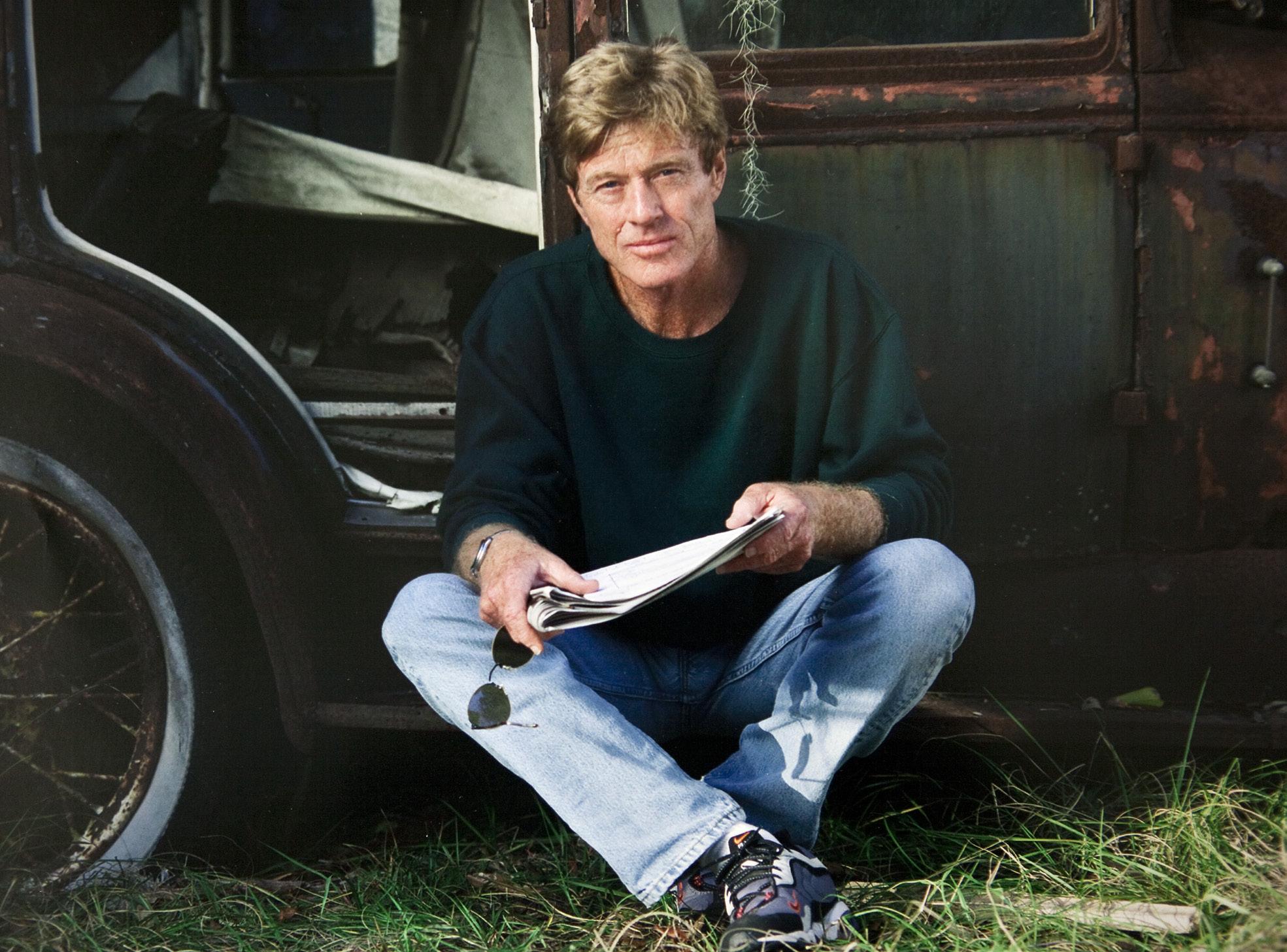
DAVID JAMES, SMPSP
ROBERT REDFORD 1936-2025
“This is one of my favorite photos of Bob Redford, sitting on an old Ford Model T that we had found abandoned under a tree on one of our locations for The Legend of Bagger Vance (2000). Bob asked me to photograph him with the car at wrap, and I had to light it as it was after sunset and almost dark. (He loved the result!) We finished the film, and then he invited me to cover the Sundance Festival – just shoot whatever I wanted and capture the event in my own way. I went to more than a few events with Bob over the years, and a later one I remember was when he was giving a talk to a large gathering of university students. After it ended, he shook hands and posed for a photo (which I was taking) with each student. My last line as we parted was, ‘Bob, if you ever run for president…please, do not call me.’ He smiled and said, ‘David, that ain’t ever going to happen.’ We laughed and shook hands and went our separate ways. I treasure those moments I was privileged to share with Bob Redford. He was amazing on so many levels and will be sorely missed.”
ProductionHUB
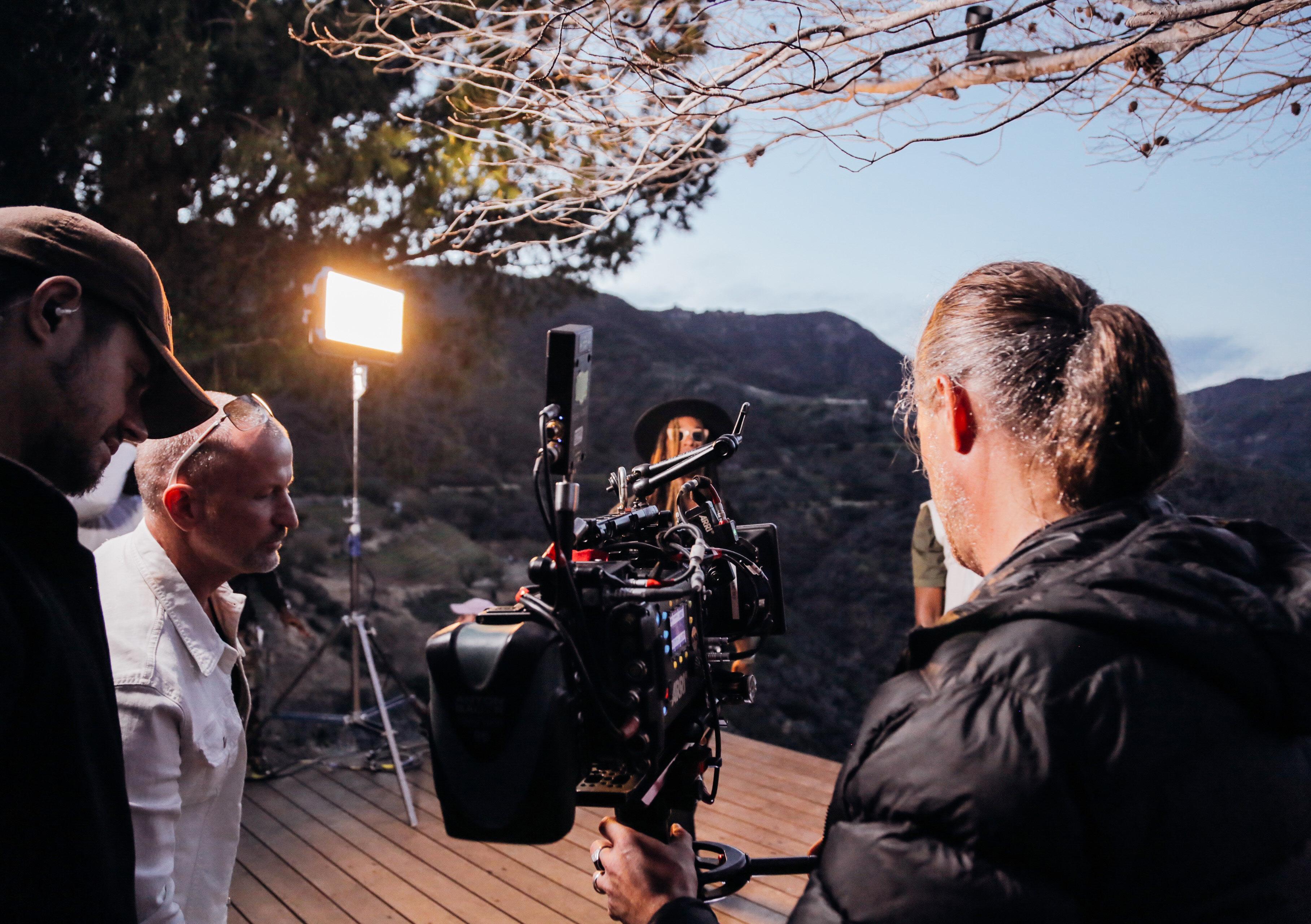
Because the Guild’s story is part of ours…
For generations, ICG Magazine documented the artistry behind the camera with insight and clarity. As this chapter closes, we salute the legacy—and the living, breathing community it represents. The Guild endures—alive in every story still unfolding.