87th Annual State Convention
Future Depends on Delegates’ Decisions
When delegates to the 87th Annual State Convention convene in Indianapolis July 7-10 they will confront a variety of issues with long-lasting implications for the future of the Department of Indiana.
Foremost among the decisions to be made will be the election of a new commander and state level officers, the swearing in of new district commanders, disposition of several program and constitutional resolutions, and, of course, a final decision on the proposed per capita increase.
None of the issues have excited as much interest and controversy as the dues increase. Since the Department Finance Committee first
proposed, and the Executive Committee first recommended, a $10 annual per capita increase in January, opponents and proponents have squared off over the amount of the increase, the propriety of the original resolution, and the root causes of the financial strains now facing the Department.
Per Capita Increase
In an interview earlier this year, the Chairman of the Department Finance Committee, Webber LaGrange described the effect of declining membership, increasing program costs, and rising fixed expenses as underlying the proposal.
“Four years ago we ended
the year with a $310,000 deficit. Three years ago the deficit was $201,000. With a lot of work, we were able to turn that around in 2003, ending the year with a $27,000 surplus, and one year ago, the surplus was $28,000. Unfortunately, for 2005, we are projecting a $118,000 deficit, and by the end of 2006, the deficit may well be $230,000,” he said.
Department Finance Officer Tony Riley has crisscrossed the Department since March, offering a detailed briefing on the proposal. Among concerns frequently voiced was the authority of the Finance Committee to propose such a resolution and the role of the DEC in approving it.
“This resolution is, in fact, a recommendation by this body (the DEC) that the Department Convention approve a $10 increase in the per capita. That is because only the convention can approve such a change,” Riley has told his audiences.
“Resolutions can originate in a number of ways. This particular resolution came from the Finance Committee, and despite what many of you may have heard, committees may propose resolutions and they can be considered by the DEC as long as they are presented by a member with full privileges,” he says.
“The per capita increase resolution was so presented.
It also was reviewed by the Resolutions Assignment Committee and forwarded with the committee’s recommendation. Here is an important distinction. Our vote was a vote to forward the resolution to the Department Convention with a ‘Do Pass’ recommendation. It is not our decision to increase dues. That power rests solely with the Convention Delegates. It is important that our members understand that the DEC did not raise dues, and can not raise dues.”
2005-2006 Officers
The delegates soon will exercise their power, not only in deciding the per capita issue,
Continued on page 2
Legion to Fight Effort to Trim Fee Remission
Governor
Slips Provision
The American Legion has drawn a line in the sand over eligibility for one of the few state-sponsored benefits available to military veterans.
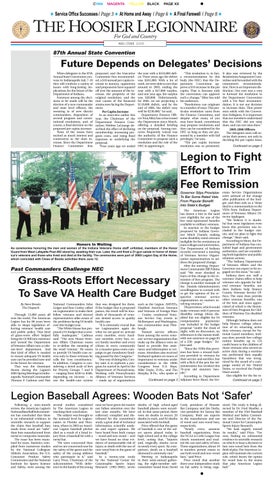
Honors In Waiting
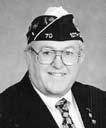
As ceremonies honoring the men and women of the Indiana Veterans Home staff unfolded, members of the Honor Guard from West Lafayette Post 492 stood by, awaiting their cue. Later, the unit fired a 21-gun salute in honor of America’s veterans and those who lived and died at the facility. The ceremonies were part of 2005 Legion Day at the Home, which coincided with Close of Books activities there June 12.
Past Commanders Challenge NEC
Grass-Roots Effort Necessary To Save VA Health Care Budget
By Steve Brooks
The Dispatch
Through 15,000 posts all over the world, The American Legion has for 86 years been able to shape legislation affecting veterans’ health care and public policy. That kind of grass-roots effort helped bring the GI Bill into existence and turned the Department of Veterans Affairs into a cabinet-level department. And that kind of effort is needed to ensure adequate VA health care can be provided now and in the future for veterans.
That was the dominant theme during the Legion’s 2005 Spring Meetings in Indianapolis. National Commander
Thomas P. Cadmus and Past
National Commanders John Geiger and Ron Conley called on Legionnaires to make their fellow veterans and elected representatives alike aware of the problems facing VA health care this budget year.
“The White House has proposed a VA budget that is woefully inadequate,” Cadmus said. “The new House Veterans Affairs Chairman wants to re-define the meaning of the word ‘veteran.’ He wants to provide VA health-care access only to those veterans he calls the ‘core constituency.’
In addition, Congress is considering a tiered scale of fees for Priority Groups 7 and 8 -- ranging from $230 to $500, depending on income -- to use the health-care system
that was designed for them. If the budget that is proposed passes, the result will be hundreds of thousands of veterans denied access to quality health care.
“It is extremely crucial that we Legionnaires again do what we are good at: activate every member, every Auxiliary member, every Son, every family member and every citizen in every community in a massive grass-roots campaign to get mandatory funding passed by this Congress.”
One way of doing this, Conley said, is to replicate a program he started in April in the Department of Pennsylvania. Working with Pennsylvania’s Alliance of Veterans Services -- made up of organizations
such as the Legion, AMVETs, Disabled American Veterans and Veterans of Foreign Wars -- Conley conducted Veterans Service Day events in McKeesport and Washington, two communities near Pittsburgh.
Trained service officers from among the seven veterans’ service organizations that make up the alliance were on hand to provide free assistance and information to veterans. Attendees also received firsthand updates on issues of importance to veterans under consideration in the 109th Congress from U.S. Reps. Mike Doyle, D-Pa., and Tim Murphy, R-Pa., who spoke at
Continued on page 3
In reaction to the budget proposed by Indiana Governor Mitch Daniels making some disability rated veterans ineligible for fee remissions at state colleges and universities, The Department of Indiana recently convened a meeting of Veterans Service Organization representatives to address the proposed change.
After the meeting, Department Commander Bill Firkins said “We were shocked to learn of this change in the remission of fees program. The change is another example of the Daniels Administration’s unwillingness to consult with or get the opinion of the respective veterans’ service organizations on matters involving veterans.”
The provision, which would make veterans with 0 percent disability ratings (those disabled but not eligible for VA compensation payments) was included in the budget proposal “under the cloak of night, with no discussion, no references to the statute itself, with one sentence on page 85 of a 250- page budget,” Firkins said.
“Since the 1930s this provision has been a reward Indiana provided to veterans for their service and sacrifice, but with a flick of the pen the Administration has revoked this 70-year old statutory benefit.”
According to Department Adjutant Steve Short, the Vet-
erans Service Organizations were advised of the change after publication of the budget, and then only as a “done deal in a memorandum to the VSOs from (Indiana Department of Veterans Affairs) Director Applegate.
“We believe it is doubtful that most legislators even knew this provision was included in the budget statute, and we plan to fight this change,” Short said. According to Short, the Department of Indiana has consulted legal and government authorities, and are considering both legislative and public relations actions.
“The Indiana Department of Veterans Affairs and the Governor can expect to be engaged on this issue,” he said. Indiana does not staff a veterans’ claims office to help veterans win appeals for federal veterans’ benefits, nor does Indiana help finance County Veterans Service Offices. The state does provide other veterans benefits, one of the best and most appreciated of which is the Remission of Fees Program for Children of Wartime Era disabled veterans.
Although Indiana does not help finance college education of its returning active duty veterans, except for National Guard members, Indiana does provide free college tuition benefits up to 124 credit hours to the children of those veterans who served on active duty during a wartime era, performed duty equally hazardous that was recognized by the award of a campaign medal of the United States, or received the Purple Heart award.
Legion Baseball Agrees: Wooden Bats Not ‘Safer’
Following a nine-month review, the American Legion’s National Baseball Subcommittee has concluded that there is no substantial evidence in scientific research to support the claim that baseball bats made from wood are “safer” than bats manufactured from metal or composite materials. The issue has been examined for years. Statistics compiled from numerous studies by the National Collegiate Athletic Association, the U.S. Consumer Product Safety Commission and the National Institute for Sports Science and Safety, were among the
several studies considered by The American Legion in reaching their conclusion.
The subject was brought to the national level by Legionnaires in Florida and Montana, where in 2003 an American Legion baseball pitcher died as a result of a head injury from a baseball hit with a metal bat.
“We were concerned then and we are concerned now for the safety of the game and the safety of the young athletes who participate in it,” said Larry Price, Chairman of the subcommittee. “With deference to the family of the young
man we have given the matter our fullest attention over the last nine months. We have collected, compiled and distributed for the committee’s study a great deal of technical information, scientific analysis and expert opinion. We have heard from both camps -- wood and non-wood -- and we have found no clear evidence of unreasonable risk of injury or death with the use of non-wood bats in the game of baseball.”
In a twenty-year study by the National Center for Catastrophic Sports Injury Research (1982-2002), seven
deaths of high school-aged baseball players were recorded. In that same period, there were six deaths in soccer, 20 deaths in track, and 92 deaths associated with football.
Price offered that the game of baseball is one of the safest sports played today in high school and at the college level, noting that, “Injuries and, tragically, deaths occur in nearly every sport. By comparison, death on a baseball diamond is extremely rare.”
Meeting at Indianapolis in their semi-annual gathering, the eight-member subcommittee heard from David
Cook, president of Hoosier Bat Company and Jim Darby, vice-president for Easton Bat Company. Both are experts in the manufacture and use of wood and non-wood bats, respectively.
“Nearly every amateur baseball organization, from the NCAA to Little League has closely monitored and studied the use and safety of bats. These organizations, about 19 in number, permit teams to use both wood and non-wood bats,” said Price.
Price noted that another three-year independent study on bat safety is being orga-
nized. The study is being directed by Dr. Fred Mueller, a member of the USA Baseball Medical and Safety Committee and Director of the National Center for Catastrophic Sports Injury Research.
“We look eagerly toward its results,” said Price. “For now, finding no substantial evidence in scientific research on which to base a decision to ban non-wood bats from the field of play, The American Legion will maintain the current rule, which leaves the option for wood bats to the teams that play American Legion ball.”
CYAN MAGENTA YELLOW BLACK PAGE XX ★ Ser vice Of fice Successes / Page 3 ★ At Home and Away / Page 6 ★ A Final Farewell / Page 8 ★ MAY/JUNE 2005 ★ Ser vice Of fice Successes / Page 3 ★ At Home and Away / Page 6 ★ A Final Farewell / Page 8 ★ MAY/JUNE 2005
Also eligible for the fee reTo Bar Some Rated Vets From Popular Benefit Into State’s Budget
Continued on page 2
Service Officers’ Seminar Scheduled for Convention
The Department of Indiana’s Service Office has scheduled a New Post Service Officers Training Seminar to coincide with the 87th Annual Department Convention at the Marriott East Hotel, 7202 East 21st Street in Indianapolis.
The sessions will be 8:00 a.m. to noon in Salon C of the hotel on Sunday, July 10, 2005. The seminar is designed to help American Legion posts assist their members with veterans benefit issues and improve membership through services.
Pre-registration is not required.
Each service officer who attends will receive a computer disc containing The American Legion Department of Indiana Field Service Officers Training Manual, Training Certification Test, claims research information, forms link for federal and State benefits, and a Veterans
Benefit Power Point presentation for post presentations.
Designed for Post Service Officers and Post Commander, the seminar will cover such topics as service officers’ duties and responsibilities, ethics, the rehabilitation program, homeless veterans program, claims representation, veterans service and membership, avoiding common mistakes, newly discharged veterans consultation checklist, replacing the DD Form 214, disability compensation, non-service connected pension, survivors compensation and pension, burial benefits, special entitlements, the appeals process, VA education assistance, VA Insurance programs, home loan guaranty benefits, State veterans benefits, military correction and review board issues, concurrent receipt and combat related special pay, and VA medical benefits.
Legion Will Fight For Fee Remission
Continued from page 1
mission are the children of veterans who also have been determined by the Department of Veterans Affairs to have a service connected disability, regardless of the percentage of disability rating.
John Hickey, Indiana’s Department Service Officer, said the future of the benefit may be in doubt.
“Indiana has provided this benefit for years, and many Hoosier veterans have counted on it for their children. Various changes to this college assistance benefit in recent years, however, cause concern about how much longer the program will last. Several years ago the state removed eligibility for stepchildren. Residency requirements were then imposed. Then without any forewarning, revised fees remission applications required eligible children to first complete applications each year for other federal financial aid.
“Some have argued that the program is too liberal, especially given the State’s
Dues, Officers Top Convention Agenda
Continued from page 1
but also the question of who will lead the organization next year.
tee.
a.m. and the first general session scheduled to commence at 2:00 p.m.
current budget difficulties. Without this benefit, however, many children of our wartime era service disabled veterans could simply not afford a college education. If anything, the benefit is too restrictive and should be afforded children of any Hoosier veteran that had served during a wartime era,” Hickey said. Hickey also encouraged all currently eligible children including those who have graduated from high school this year, to apply for the Child of a Disabled Veteran Fees Remission benefit as soon as possible, and certainly before July 1, 2005, to avoid being affected by possible further changes being made to the program.
Applications for the Indiana State Child of a Disabled Veterans Fees Remission program are available at The American Legion Service Office, or at your local County Veterans Service Office, and at the Indiana Department of Veterans Affairs office in the State Office Building in Indianapolis.
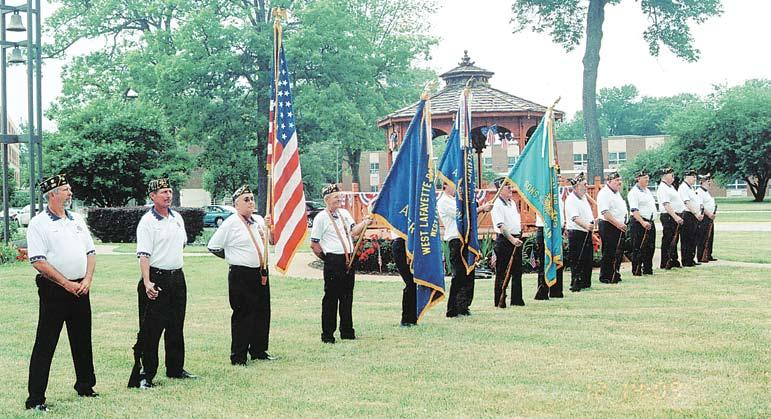
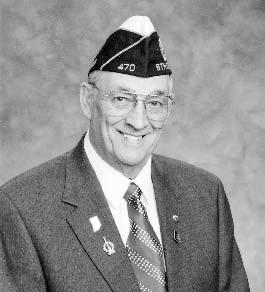
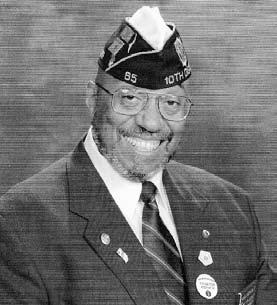
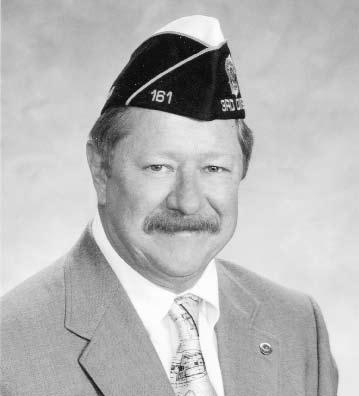
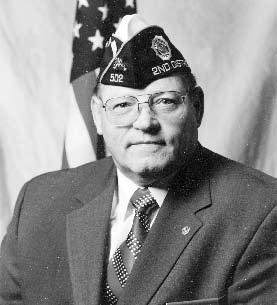
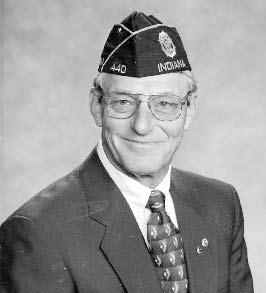
Ron Martin, a member of Post 440 in Demotte, has thrown his hat into the ring and as the leading candidate for the high office of Commander, runs unopposed so far. Tom Henderson of Post 94 is seeking the office of NECman and Darrell Hansel, Post 185 is running for Alternate NEC. Northern Vice Commander candidates are Randy McCroskey, Post 368, and Mike Miller, Post 161. Robbie Robinson, Post 65 and David Ruell, Post 470, are candidates for Southern Vice Commander, and Dick Motsinger, Post 502 rounds out the list as candidate for Sergeant-at-Arms.
Convention Activities
The convention gets underway at the Indianapolis Marriott Hotel, 7202 East 21st Street with a handful of preconvention meetings Thursday, July 7. Convention registration also begins July 7 in Salon E at 2:00 p.m.
Friday, July 8, the convention swings into high gear with registration, convention committee meetings, the pre-convention DEC meeting at 10:00
Saturday, the general sessions continue beginning at 9:00 a.m. and continue to the close of business later that afternoon, followed by the postconvention DEC meeting.
Pending Resolutions
In addition to officers and financial matters, the convention also will consider a number of resolutions, including proposals to:
• Expand to three the categories in the Firefighter and Law Officer of the year award to include Emergency Medical Services personnel;
• Establish a new convention award entitled “Community Involvement Award;”
• Establish a standing Girl Scouts of America committee;
• Establish a standing American Legion Family Scholarship committee;

• Amend certain provisions of the Department Constitution;
• Recognize The American Legion Riders;
• Increase the Per Capita to $10 per member;
• Other such resolutions as may be recommended by the Screening Commit-
This year, for the first time, there will be no convention contest competition. Too few color guard units entered the competition, which has been a highlight of the Saturday activities, so competition was cancelled. Units will meet however, in the traditional Friday night pre-competition meeting.
Social Activities
Department Commander
Bill Firkins will host a gala convention party Saturday night in the Grand Ballroom beginning at 8:00 p.m. Complete with special decorations, music and other activities, the party will carry an “American Graffiti” theme, so come and recall the early 60s with the Commander and his outgoing officers.
The newly elected Department Commander will “meet and greet” Legionnaires and their families at a continental breakfast reception 7:30 a.m. Sunday. All convention goers are welcome to stop by to meet the commander and have a light breakfast, all at no charge.
Following the commander’s reception, new officers and district commanders will attend a four-hour orienta-
tion session, and the wives and special guests of the officers and commander’s will be given a general overview of the challenges and opportunities they will face in the coming year.
Awards
Three members of the Indiana General Assembly will be honored at the convention with the Distinguished Public Service Award, given annually to elected official for outstanding service to the state and its veterans. This year’s honorees are Sen. Ronnie Alting, (R-22), Rep. Chester Dobis (D-13) and Rep. Jerry Denbo (D-62).
Ten outstanding Hoosier Legionnaires have been nominated to receive the prestigious Distinguished Service Award, the highest honor the Department can bestow on a member. Traditionally, the identity of the recipients is a closely guarded secret during the run-up to the convention, and the award can only be presented during a Department Convention. This year’s award recipients will be called to the stage from their seats in the convention hall to be honored by the entire convention, and it is the duty of only a handful of knowledgeable Legionnaires to be sure the nominees are present.
In addition, membership, Americanism and Children and Youth, Public Relations, and Veterans Rehabilitation awards will be presented to outstanding individual members, posts and districts recognizing accomplishments during the 2004-2005 Legion year.
Flag Amendment Wins Approval Of U.S. House

The U.S. House of Representatives has, for the sixth consecutive Congress, approved legislation that would protect the U.S. Flag from acts of physical desecration.
Reacting to the June 22 vote, National Commander Thomas P. Cadmus said “I salute the House of Representatives for listening to their constituents … They are returning to the people a fundamental right that had been exercised from our beginning as a nation – the right to protect our flag.
“America’s core values embedded in the concept of ‘We the People’ are under attack,” said Cadmus. “Core values such as reverence and respect for Old Glory, our religious heritage, the Pledge of Allegiance and even Scouting, are all under siege by elements in this country that do not believe in ‘We the People.’ Today’s vote by the House is the first step in diffusing these premeditated attacks on those core values that made this country great.”
CYAN MAGENTA YELLOW BLACK PAGE XX
Page 2 Y/JUNE 2005 The HOOSIER LEGIONNAIRE is published bi-monthly by the Indiana Headquarters of The American Legion, 777 North Meridian Street, Indianapolis, IN 46204 Phone (317) 630-1391. Periodicals Postage Paid at Indianapolis, IN and at additional mailing offices. USPS 010-445 ISSN 0018-4772 POSTMASTER: Send address changes to HOOSIER LEGIONNAIRE, 777 N. Meridian St., Indianapolis, Indiana 46204. Bill Firkins Department Commander Stephen Short Publisher Hugh Dagley Editor Official publication of and owned and conducted exclusively by The American Legion, Department of Indiana. Member: National American Legion Press Association and Hoosier American Legion Press Association. Advertising Sales Representative: The Herald-Times, Bloomington (800) 422-0070. Subscription Rates: $0.85 of each members dues goes for publication of the Hoosier Legionnaire. Volume Z, Number 6 May/June 2005 Circulation 125,000 Printed by the Herald-Times,
IN For NECman Tom Henderson, Post 94 For Department Commander Ron Martin, Post 440 For Alternate NEC Darrell Hansel, Post 185 For Sergeant-at-Arms Dick Motsinger, Post 502 For Northern Vice Commander Mike Miller, Post 161 For Northern Vice Commander Randy McCroskey, Post 368 For Southern Vice Commander Robbie Robinson, Post 65 For Southern Vice Commander David Ruell, Post 470
Bloomington,
Another Good Reason To Re-new Your Membership!
Veterans
Department of Indiana Stands Committed to Veterans Services
The American Legion was formed in 1919 as a veterans’ service organization. As the largest veterans organization in the country, the Legion has always taken its veterans’ service responsibility seriously. Nowhere else is this better demonstrated in this great organization than by the Department of Indiana.
The Department allocates thousands upon thousands of dollars each year in its veterans service program to makes sure veterans are served well and represented professionally with their benefit claims and appeals. What follows are a few examples of what the Department’s veterans service program has accomplished, and the work it has performed in serving our membership and other deserving veterans, their dependents and survivors.
During the period between May 1, 2004 and April 30, 2005, we recovered $86,750,616 in benefits for our clients, including $7,215,971 in retroactive benefits. We conducted 375 client interviews at the service office, and answered
John Hickey
12,308 telephone calls, mostly concerning veterans benefit inquiries.
We conducted 75 appeal hearings, and wrote 163 formally written appeal statements to the Board of Veterans Appeals. We have over 17,000 electronic veterans’ files, and most of those veterans have assigned us as their VA representative.
During the last 12 months the service department has accepted 1,370 new clients. We also have processed applications for the Department’s Emergency Assistance Fund and the National Organization’s Temporary Financial Assistance program totaling more than $33,000 in direct financial assistance from the organization to needy veterans and their families.
In addition to the now
six-member full time professional staff at the Department Service Office and one outreach service officer at the Fort Wayne VA Medical Center, there are twenty-three Department volunteers who will distribute approximately $46,000 this year in comfort items and activities for medically confined veterans.
These Department-recognized volunteers also recruit other post volunteers to assist them. Our Legion volunteers are found at both VA and non-VA medical care facilities. They do such things as purchase and distribute refreshments and comfort items; conduct parties and other social get-togethers for patients; buy and distribute Christmas presents; buy and distribute newspapers and other reading materials; and assist VA Medical Centers with purchasing items to help their veteran patients. Our volunteers make the Department’s Rehabilitation Program work. They deserve credit for its overwhelming success.
Department Rehabilitation funds are also used for our
Homeless Veterans Homeless Shelter Assistance project. This project allows us to award $50 each time a documented not-for-profit shelter provides a homeless veteran lodging and shelter for at least two nights. The Department Service Office accounts for all grants issued, and supplies a full accounting each year to the Department Rehabilitation Commission. The Department Rehabilitation Commission allocated $4,200 from Rehab funds for the Homeless Veterans Homeless Shelter Assistance project for the 04-05 year.
Post and District Service Officer programs also continue to improve. The Department conducts Veterans Outreach and Serve Seminars upon request from any American Legion District or Post. We have also continued the printing and distribution of the monthly Service and Legislative Update via post mailing, e-mail, and in mailings to County Veterans Service Officers.
The Department Service Office also arranges presenta-
tions from interesting speakers at Department Conference Veterans Assistance Meetings. During the midwinter conference, we provided a four-hour post service officer training seminar. The Department Service Office has also updated our Field Service Officer’s Correspondence Training Course again this year, and we now also offer a service officer’s training program on disc. Many Post, District, and County Service Officers have received Certificates of Completion for successfully completing our correspondence training course. All these things have helped improve American Legion veterans’ services throughout the State of Indiana.
The Department of Indiana also takes an active part in veterans’ legislative issues. Many wartime era disabled veterans seen an increased veterans property tax deduction benefit this year due to, in part, our legislative efforts. In addition, we continue to let our opposition be known about the proposed closing of in-patient service at the Fort
Wayne VA Medical Center.
The Department Service Office has gained a reputation of providing outstanding claims representation services. Subsequently, an increasing number of potential clients are contacting us. Department officials have recognized this, and have allowed us to increase our staff. During this 2004-05 reporting period, the service office had two fully trained staff department service officers, and one service officer in training. We were allowed to hire another service officer with experience, so by August 1, 2005, we will have an office staff of two full time secretaries and four fully trained department service officer. This will allow your department service office to help even more veterans, and conduct additional veterans outreach benefit seminars.
These accomplishments are the result of The American Legion’s commitment to veterans’ services, and the dedicated members and leaders of the Legion’s Department of Indiana.
National Organization Condemns House VA Funding Bill: Inadequate!
The National Organization of The American Legion has vehemently criticized the House of Representatives’ appropriations bill (H.R. 2528) that would inadequately fund the Department of Veterans Affairs for Fiscal Year 2006.
Helping Hand, Lifting Spirits
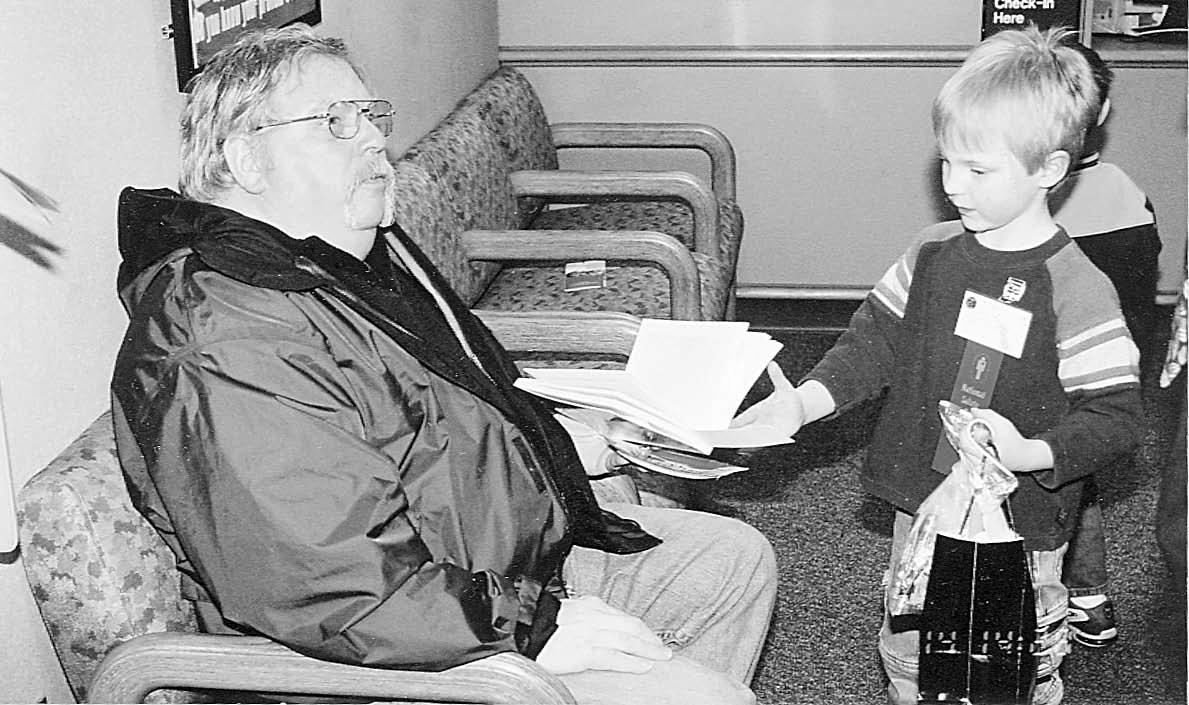
Helping spread a little cheer to veterans at the Roudebush VA Medical Center in Indianapolis, Shawn Brown, 6, grandson of Department Service officer John Hickey, above, hands out hand-made valentines to patients, and accompanied Department Commander Bill Firkins on his rounds earlier this year. Meantime, the Commander got a brief report on the hospital’s services from one of the hundreds of outpatient clinic patients who pass through the hospital each day.
Grass-Roots Effort Can Save VA Budget
Continued from page 1
McKeesport and Washington, respectively.
“We need to bring an awareness to veterans, our communities and Congress,” Conley said. “We have to make sure they understand where Congress is going with this budget. We need to do what we do best: provide service to veterans, their families, and the young men and women coming back from Iraq and Afghanistan.”
The plan is for PAVS to conduct Veterans Service Days in each of Pennsylvania’s 19 congressional districts. Conley asked for other departments to follow suit. The passage of Resolution No. 39, which supports Veterans Service Days, can make that possible.
“You need to go back and
get with other organizations,” Conley said. “This has to be a partnership. You have to pull others together and get other veterans organizations involved. You can go out and do the best thing we can do: provide service for veterans. The second thing you’re doing is providing information about the VA budget.”
Geiger also made an impassioned plea for Legionnaires to get involved locally with their VA hospitals. He reminded Legionnaires of the case of VA’s Lakeside Medical Center, which was offered rent-free space on the Northwestern University medical center campus in Chicago.
Despite the offer, Lakeside shifted all its inpatient care to other hospitals based upon recommendations from VA’s Capital Asset Realignment for
Enhanced Services study.
Geiger also presented the NEC with an article that appeared in the Chicago SunTimes reporting that nearly half of Illinois veterans’ disability cases appealed to VA this year are sent back to the Chicago VA office as incomplete, adding years onto a backlog of appeals.
“We can sit here, read this, nod our heads and say ‘yes,’” Geiger said. “But we need to move on this thing. It’s time to fight. I would like a response from every department about what they’re going to do to set up a grass-roots effort. We need to go out to the public. We need to get the Auxiliary involved. We need to get the Sons of The American Legion involved. We need to go back and get them by the grass roots.”
“The American Legion is extremely disappointed with the inadequate appropriations allocation given to the new Military Quality of Life, Veterans Affairs and Related Agencies Appropriations Subcommittee,” said National Commander Thomas P. Cadmus.
“It simply did not provide enough funds for a nation at war to meet its obligations of active-duty service members, veterans, and their families.”
Earlier this year, the House leadership reduced the number of the Committee on Appropriations subcommittees from 13 to 10. One of the subcommittees lost was the Subcommittee on the Departments of Veterans Affairs, Housing and Urban Development, and Independent Agencies. This resulted in moving VA into a new subcommittee that includes Defense Health Programs, military construction, the American Battlefield Monuments Commission, Court of Appeals for Veterans
Claims, Defense Cemeteries, and the Armed Forces Retirement Home.
“Instead of being in ‘budget battles’ over limited dollars with HUD projects, NASA, and others, VA is now in direct competition with active duty service members, military retirees and their families,” explained Cadmus.
“Historically, lawmakers understood the high funding priority need for VA in comparison with other programs within the Subcommittee, but now everything in this new Subcommittee is a high national priority.”
For example, some lawmakers are quick to point out the $1.6 billion increase in VA medical services, but don’t mention how they achieved it through reductions in FY 05 funding levels:
• $533 million for medical administration
• $417 million for medical facilities
• $9 million reduction in medical and prosthetics research, and
• $184 million increase in medical care collections from veterans and their health insurance companies (overall, collections account for $2.2 billion of this appropriations).
Rehab at a Glance
“Overall, the Veterans Health Administrations increase for FY 06 is about $500 million,” Cadmus pointed out.
“Clearly, there is not enough to maintain current services. Local VA medical facilities will have to begin rationing care. That means many veterans will be denied timely access to quality health care.
“As this budget is being finalized, VA medical facilities across the country are already expressing FY 05 budgetary shortfalls and we are not even in the final quarter of that fiscal cycle. One VA medical center director is no longer scheduling appointments for new enrollees, and VA Secretary Nicholson is still denying enrollment of others,” Cadmus said.
“Just a few weeks ago, as our Nation observed Memorial Day, our thoughts turned to those veterans that paid the ultimate price for freedom,” Cadmus said. “I hope the Nation also remembers its obligation to the men and women of the armed forces – past, present, and future. Turning veterans away from a VA medical facility falls well short of that expectation.”
Service Officer’s Guide Now Available Online
The 2005 edition of The American Legion Post Service Officers Guide can be accessed via the internet at http://www.legion.org/pdf/ psoguide_05.pdf. Post Service Officers should review information in the Guide to help them assist veterans and their dependents.
Post Service Officers may also participate in the Department’s service officer correspondence training by contacting the Department Service Office and asking for the field service officer’s training manual and test. The Department Service Office is also planning a new post service officers training session for organizational day immediately after the Department Convention.
Death Gratuity
Increase Takes Effect
A temporary combat-related death gratuity of $100,000 took effect in May when the president signed the Emergency Supplemental Wartime Appropriations Act (Public Law 109-13).
It applies only to deaths in combat or in designated combat zones, or from combat-related training as defined under criteria set down in the law that determines a disabled retiree’s eligibility for Combat-Related Special Compensation.
VA May Review Some Ratings

VA disability compensation ratings are granted in increments of 10 from 0% to 100% and are based upon the current severity of the service connected disability. Although VA will often stop calling the veterans back in for a re-evaluation examination after a few years, the compensation rating itself is not protected by law from reduction until the rating has been in effect continuously for 20 years.
Likewise, the service connected status of a disability is not protected from being removed (severed) for good cause unless service connection for that condition has been in effect for at least 10
consecutive years. Therefore, VA may re-evaluate the veteran’s service connected status anytime within 10 years of the date of service connection, or re-evaluate the rating anytime within 20 years of the effective date of the rating. This is true even if VA has told the veteran that his rating is “permanent.”
Although VA has not done so for several years, VA will sometimes do “reviews” of certain kinds of ratings. We are informed that VA may soon do reviews many Post Traumatic Stress Disorder ratings and 100percent Individual Unemployability ratings. Veterans with those VA rating should therefore be ready. Make sure to keep record of any recent documentation concerning treatment for your service connected disabilities, especially those veterans with PTSD. Veterans may also contact The American Legion service office for advice if they receive notice about being involved in the VA PTSD/IU review project.
May/June 2005
Spotlight
Department Service Officer
DISTRICT 1
Ralph Perez Commander
We are an organization of differences. These differences don’t make us weak. They’re the source of our strength. This is the time of year when people want to get out and about. This includes our District Membership Team, trying to fulfill our goal of making The American Legion stronger through building each post in membership and showing our servicemen we care, according to Commander Ralph Perez. Remember to always carry membership cards on you so you’re ready to sign up a new applicant when you meet them.
Commander Gail Galich has introduced a resolution to create an award for the Girl Scouts in the First District. This is a program new to The American Legion and very close to Commander Galich’s heart.
Richard Quatrin says the baseball season will be a season to remember this year with Post 94 and 502 from the Second District joining with the First District. So come on out and support American Legion Baseball by being there.
Eric I. Baggett wants us to stay in touch with our Congressmen arid Senators about funding for the VA. Eric reminds us that “taking care of our Veterans is part of the cost of war” and this is the message to get across to our politicians.
I hope that each District has a POW/M]A chairman that is as diligent as Marty Dzieglowicz. He seems to be a never ending source of accurate and helpful information.
Walter Bode is on the prowl again this year, letting everyone know that it is our responsibility to be instrumental for the Rehabilitation Program for
our veterans -- in short get out your checkbooks and make this an outstanding year. If you come to shake his hand have a donation in the other one.
The First District wants to thank Tom Riley and Hugh Dagley for coming to our meeting to give luminosity for the dues increase through a well thought out and informative presentation.
Harry Zuvich is back on his feet again, turning up the pressure for the Flag Etiquette Program. He handed certificates to the boys and girl winner for the District. Harry thanked Clyde Colgrove for stepping in for the grading of the test scores this year. Good lob Harry and Clyde. As we head into a new administrative year let’s keep in mind, only through our efforts can we help to keep The American Legion strong not only for ourselves but also for the veterans of the future.
Commander Ralph Perez wants to thank everyone in the First District for all of their support during this past year in helping to make the 20042005 year one of the most memorable years in his Legion experience.
Once again, let’s think about the draft in this country. Almost every country in the world makes the young serve in their military. This is more than building a mighty military force, it is also to help instill a sense of national pride in the populace. With the face of conflict ever changing, these brave young people who serve have a deeper respect for the nation and land they are protecting. This is something that has been dwindling in this country for the last number of years.
DISTRICT 2
Mike Davis Commander
“Let every nation know, whether it wishes us well or ill, that we shall pay any price, bear any burden, meet any hardship, support any friend, oppose any foe to assure the survival and the success of liberty.”
John F. Kennedy
Hello fellow Legionnaires. I bring you greetings from the Second District.
I want to thank all of you reading this article for all you have done and continue to do to protect our LIBERTY.
Well, the 2004-2005 membership year is rapidly coming to an end. I have a years’ worth of wonderful memories. I want to thank The Second District for allowing me to serve as Commander this past year. It has been a year I will cherish for the rest of my life.
I want to thank the Second District Membership Team for all of the work they have done this past year working with the local posts on membership. We may have come up a little short of our goals but it was not for the lack of trying. I would hate to count the number of hours given and miles driven by the Membership Team for the Second District this year. Great job by a lot of dedicated Legionnaires.
I want to thank the all of the Second District Committee Chairmen for the fine job they have done for their respective committees.
I want to thank the 50 posts throughout the District for all they have done this year in working membership and The American Legion programs. I especially want to thank John C. Peterson Post 49 for the support they have given me this year. We have fifteen posts 100 percent or better in membership and I am sure we will have more by the close of books. The Second District had four of our six Americanism and Government Test winners at a District Meeting to receive their prizes. The Flag Etiquette and Education Program has grown
three-fold in the past four years within the Second District. The Second District had itsir Oratorical Contest winner go to the Department Oratorical Contest. The Second District is sending 97 boys to Boys State this summer. The Second District has a Firefighter and Law and Order contestant going to the Department Convention Contest.
The Indiana Veterans Home and Knightstown Home have been very well supported by the Second District through the generosity of the members of the posts throughout the Second District. All of these things The American Legion does for our children and youth pales in comparison to the time and talent given by our American Legion Family to our youth in their respective communities.
Many of the posts in the Second District are paying the dues of active duty service members to help show our support for their sacrifices during this very dangerous time.
The Second District’s Color Guard is this year’s Department and National Champions. Way to go Color Guard!
Congratulations to Second District Auxiliary President Bernadette Esparza and First Vice President Pat Zoch and their Membership Team for achieving 100 percent in membership. Which was no small feat, considering it has been 22 years since the last 100 percent goal has been achieved. Great job, ladies.
I want to wish Ron Martin, Dick Motsinger and Fred Langley, 2005-2006 leading candidates for Department Commander, Department SgtAt-Arms and Second District Commander respectively, all the best The American Legion has to offer this next year.
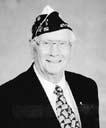

For all of you reading this article who have paid your 2005 American Legion Dues to your respective post, THANK YOU VERY MUCH. For those who have not, SHAME ON YOU. For God and Country.
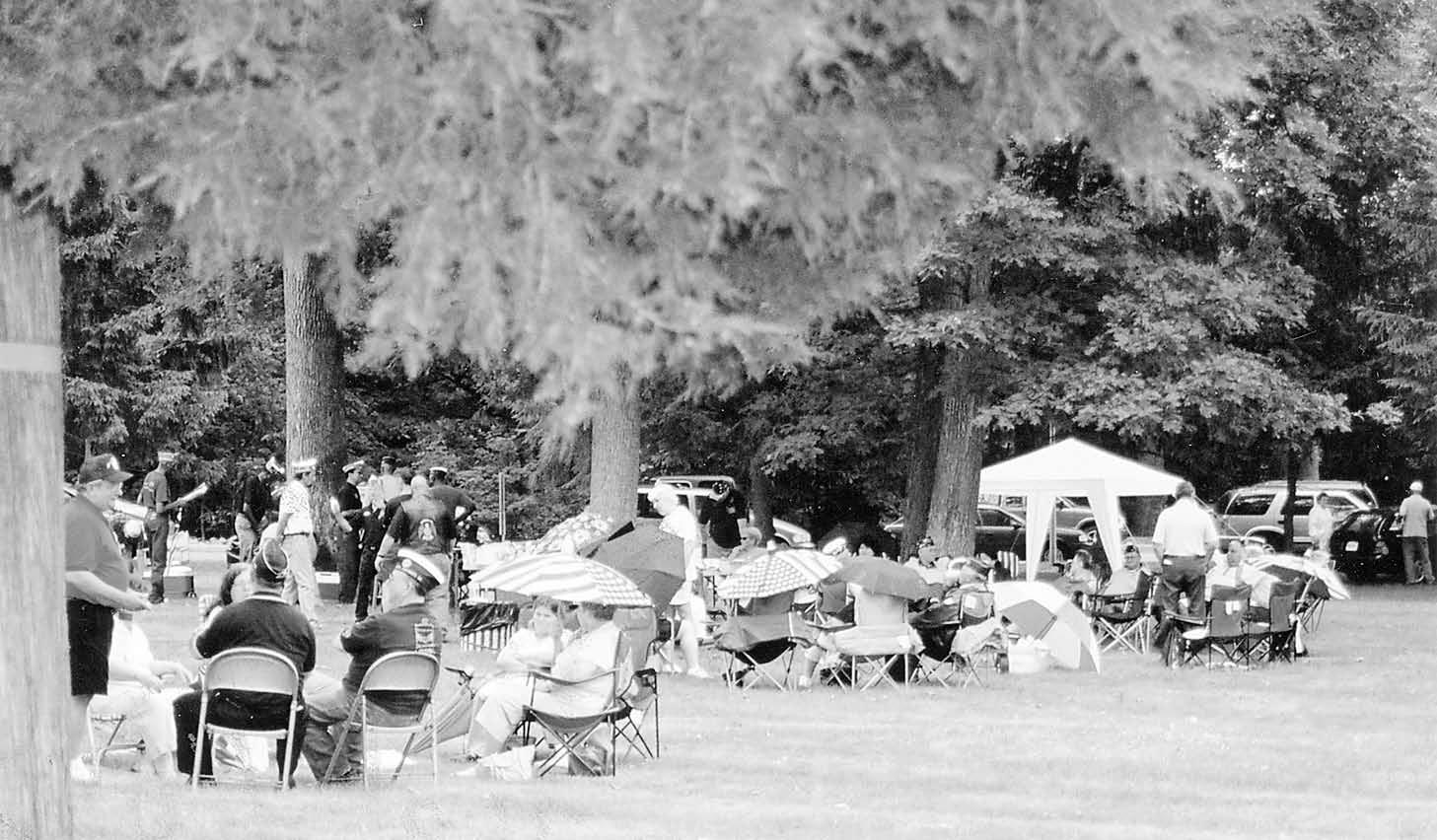
Making A Day Of It
The Seventh and Eighth District contingents of Legion Family members sprawl out across the lawn of the Indiana Veterans Home during Legion Day at the home June 12. On Legion Day, groups of Legionnaires and their families from all across the state converge on the Home to share the day with the residents and staff, and to participate in Close of Books activities, the traditional end of the Legion Year.
DISTRICT 3
Charles Martin Commander
The end of my year as your commander is coming to a close and I want you to know how much I appreciate your support and kindness. To my officers, I thank you for the fine job you did this year. Your efforts are evident in the great successes we’ve experienced throughout the year.
To all the posts I visited I thank you for your warm hospitality. Thank you again for allowing me to serve as your District Commander.
The Fallen Heroes Family Ride organized by Chapter 308 American Legion Riders was a big success. The ride was 62 miles long with the proceeds of the ride divided equally and given to the families of Northern Indiana’s Fallen Heroes.
Past Department Commander Don Conn, Post 284 Finance Officer Cris Noetzel, and Auxiliary Member Debbie Noetzel (Cris”s Wife) attended the “Change of Command Ceremony” for the NROTC at the University of Notre Dame. This was the 52nd year that Bendix Post 284 presented these awards for The American Legion Military Excellence Award and The American Legion Academic Excellence award to the Army, Navy, Marines, and Air Force. Post 284 spends over $800 each year for these awards. Until his health prevented him from doing so, post member Ken Lebo had made these presentations.
The Easter egg hunt at Post 297 hosted over 100 children. Even though the weather was chilly, the kids received over 240 dozen eggs donated by some of the local vendors, post family members, and others. Wal-mart $25 gift certificates were award to some of the kids for prizes. Also at Post 297, a benefit was held
for Jacob Mrozinski, a young child who has Neuroblastoma, a cancer that affects children under five years old. Several thousand dollars was raised for treatments Jacob needs.
Roger and Lucille Storey, Jim and Lois Daube, Mike and Joy Miller, Jack and Marilyn Cook, Brian and Bobbi Foray, and Paul Steward attended Third District Day at IVH. Assisting the 3rd District members in passing out bananas and hosting the residents at Post 492 for dinner were 2nd District members Bonnie Fox, Gary and Elsie Danakas, and Ron Martin.
Memorial Day activities at Post 161 started at 6:30 a.m. with services at Chapel Hill Memorial Gardens, St. Joseph Cemetery, City Cemetery, and Fairview Cemetery. The theme for this year’s parade and ceremony was “A Grateful City Remembers.” At 8:00 am. the Memorial Services began at Battell Park.
May 29th at dusk, Post 210 posted uniformed Honor Guards at the entrance to Grace Lawn Cemetery in Middlebury where 251 graves of veterans were lighted by battery operated candles. The Honor Guards were posted until dawn on Memorial Day. A parade begins at 10:00 a.m. with the program beginning at 10:30 a.m. in the town park. All surviving WWII veterans in attendance will be recognized and honored.
News from Post 189 that was not reported in the last article included the honoring of Veterans from Miller’s Merry Manor at a special meal provided for by the Legion, Auxiliary, and SAL. Vocalist Esther Hinz accompanied by pianist Pauline Klopfenstien sang patriotic songs.
DISTRICT 4
Don Beaty Commander
This is the last column for the Hoosier Legionnaire that I will be writing. My year as District Commander has been one of the greatest years of my life. I will always remember and cherish it.
My officers and posts have done a wonderful job for me, and all of our programs were successful. The Department staff has treated me with the greatest respect and helped me with any of my problems. I appreciate it and I will remember all of them in the future.
I went to the Department Commander’s homecoming in Linton, and had a great time. We played golf Satur-
Continued from column 4
an, my future in department is pretty bleak. If I was in line for a position, I would have to live to 100 years old. I could qualify for U.S. Supreme Court.
If there is any position in which the department would need my service, I would be glad to offer my assistance. In the meantime, I will partici-
pate in my post and offer my self for the Fourth District in any way they need me.
Once again, I want to think all who have helped me this year. I am happy to say I met many new friends from all over the state. God bless all of you Vietnam, Korean and all other conflict veterans. Good luck, and keep it going in the Legion.
DISTRICT 6
John French Commander
Well the year is finally coming to an end. I would like to take this time to give all of the Sixth District a few final thoughts. I can’t thank everyone enough for the way I was treated all year at the events and post I stopped at during my short 12 months.
The one thing I found out about each post is that, either small or large or other, there is no unique post. All are mainly the same: filled with dedicated people, always caring about their fellow Legionnaires, Auxiliary members and SAL members, and always ready to have fun.
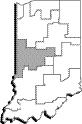
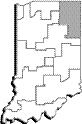
The Sixth District designed the above logo for use with its official correspondence and future columns in the Hoosier Legionnaire. Be sure to watch for it as a sign of news from the Sixth District.
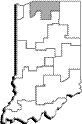
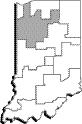
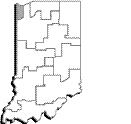
we had and, like they say, “wait until next year.” We will all work twice as hard. And finally I need to thank all of my officers who all year worked tirelessly to get the membership cards in and to get new members to join. Also I want to tell our current members that we appreciate and need each and every one of them. Finally, I want to encourage all members to go to a conference.
I tried to achieve all goals given me but we will probably come up a little short on membership. I and the rest of my officers gave it everything
I know that no matter how busy I was, my hospitality room was being taken care of. I hope all of the Department had a chance to stop by and see Ray “DOWHATS” in action. I wish I could bottle them up and keep them for future use.
Thanks, ladies.
DISTRICT 7
Harold Hensley Commander
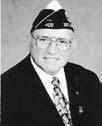
GREETINGS FROM THE FIGHTING SEVENTH!!!
It is hard to believe that this year is about to end. It seems like just yesterday when we stood on the stage at Department Convention and took our oath of office as District Commanders. However there is still a lot of work that needs to be done.
memorated Memorial Day with ceremonies in their hometowns. I was the master of ceremonies at our program held in Vincennes at the cemetery in conjunction with the other local veterans’ organizations.
day morning, and while I was pleased with the team, we won no prize.
In the evening we attended a dinner in honor of our Commander. I enjoyed it but I had to try and roast Commander Bill Firkins. I hope I didn’t embarrass him or me. We had a running joke over Vietnam veterans in the time I was allowed to speak. My year with Commander Bill was a very enjoyable one. I feel as though I have made a friend for life. I do know one thing, though, and that is he makes a heck of a leader. Being a World War II veter-
I want to thank Department Commander Firkins and all Posts of the Seventh District for a great year. As of this writing 26 Posts have achieved 100 percent membership and many are just a few cards away. A special thank you to all the Post members who worked so hard on membership – your help is invaluable. Our membership has been great so continue the hard work and our efforts will pay off. Close of Books was June 12 at Lafayette Home. A special thank you goes to Herb Hoffman and Gary Stiles, District Membership Co-Chairman, for all their extra work and travel in rounding up cards.
Many of our Posts com-
The officers, vice-commanders and committee chairman for the District have all done an outstanding job this year and I want them to know how much I appreciate their hard work on all of the projects. I want to wish the incoming commander and officers well as they begin their new year. We also want to thank the staff of the Department for their help on everything that we asked of them.
I want to thank the Seventh District for allowing me to serve as their Commander for this year. This has been a fun year with lots of memories. Thank you to all the Posts I visited for your hospitality to Peggy and me. I enjoyed attending your meetings and
Continued on page 5
CYAN MAGENTA YELLOW BLACK PAGE XX
Page 4
Continued in column 5
Mel Vinson Public Relations Officer
OOHRAH!! From the Eighth District!
Comments from Commander Jeff Carroll, Sr.:
What a great year I have had. It will be a year that will remain a part of me for the rest of my life. It has been an honor and a privilege to serve as your Eighth District Commander. As I said in the past, I have been blessed with the friends that I have made and knowledge I have gained from visiting and talking with members of the Eighth District and the American Legion Family.
To Commander Firkins, thank you for being an outstanding Department Commander and friend. It has truly been an experience I will never forget. I have learned a great deal and hopefully have become a better Legionnaire serving with you.
To the Department of Indiana American Legion Staff, thank you for the job you do. You have been there the many times I have called upon you. You have never failed to assist and help me. Thanks for helping to make my year a great one.
In case I have forgotten to say thank you to my 2004-2005 team, THANK YOU! Without the work of my officers and committee chairmen I could not have done it. We have had our ups and downs but it has been a good year. Thank you for your dedication and the support you have given me.
I can never tell you enough how much I appreciate each and every Blue Cap Legionnaire for your hard work and dedication to the American Legion and its programs. You
can, and should, be proud of what we do as Veterans helping Veterans. Also take pride in knowing that we have helped and touched lives in our communities on local, state and national levels.
To President Brenda and the Ladies of the Eighth District Auxiliary I say thank you for a job well done. You are to be commended for what you have done and what you do as part of the Legion Family. It has been a privilege to serve along side you this year as the Eighth District Commander.
To Commander Dave and the Eighth District Sons of The American Legion, I thank you for your dedication and hard work. As a part of this Legion Family you have shown that good things can be accomplished by what you do. It also has been a privilege to serve along side of you.
The membership is coming to a close for 2005. Congratulations to the Posts that achieved their goal. To those who didn’t make it, don’t give up. Get those members we did not get renewed, back into the ranks of The American Legion. Don’t let then slip away. Find out why they are not with us. Let then know we need their support to help our veterans and our programs. Also don’t forget to sign up new members. They are out there waiting to be asked. Go after them.
Remember to take time and pray for the safe and speedy return of our troops who are in harms way and to all who are serving our Country.
God Bless Each and Every One of You, and “I SALUTE YOU”
Retiring Secretary Thanks Vets for the Opportunity
To My Cherished Legion Friends:
As many of you know, I have decided that, after 20 years in office, the time has come for me to step aside and retire as your Auxiliary’s Department Secretary.
The object of this article is to give all of you a big, big “Thank You” for serving our country so I could be an Auxiliary member and a part of The American Legion Family. It has been my pleasure to have this privilege. I will cherish the many memories of my time as the Department Auxiliary Secretary/Treasurer and my friendships with many of you.
I will still be attending
District 7
Continued from page 4
visiting with you – working together for The American Legion.
A special thank you goes out to those who have manned our program at Camp Atterbury. They have worked hard and have developed an outstanding program highlighting the benefits of membership in The American Legion to those returning home. These dedicated Legion members have spent many hours of their time talking with and recruiting our new veterans. Several of the Seventh District Posts and individuals have purchased cards for those soldiers working at Camp Atterbury as a way of thanking them. Thank you one and all!!
Peggy and I want to say a heartfelt thanks to everyone from the Seventh District who lent a hand as we unloaded and loaded the trailer and set up our hospitality rooms. I cannot begin to name all
American Legion functions as well as Auxiliary functions and I hope to see many of you when I am there.
Good luck in all of your endeavors in the coming years. Let us all pray for the safety of those who are in harm’s way protecting our country in hopes of keeping us safe in the future.
those who have assisted in some way but please know that we truly appreciate all your help and assistance this year. We could not have done it without you.
To my friend Commander Bill “The Bear” Firkins – you have made us proud to be members of the Seventh District – and we hope we have made you proud to be from the Seventh District! Thank you for asking me to serve with you.
To Vincennes Post 73 (Legion, Auxiliary, SAL) – thank you for your help and support in all I asked of you this year (hospitality rooms, birthday banquet, district meeting, etc.).
As this Legion year comes to an end we need to continue to keep our soldiers and their families in our thoughts and prayers.
In closing I truly feel in the Seventh District that “We Are Family” – A great big THANK YOU to everyone for an outstanding year!!
DISTRICT 9
Raymond (Al) Kerner Commander
Thank you Ninth District for your hard work and great attitude. We have fourteen Posts at 100 percent or over and a few more that will make it. The top ten posts have a combined one hundred-fourteen cards over their goal with Scottsburg leading the District at thirty-two members over goal.
I want to thank everyone who mentored, counseled, and assisted me throughout the past year, including our District Membership Chairmen and Vice Commanders who worked us into the second place in the state and even in first place for a couple of weeks.
A special thank you to Hugh Dagley. I know he is just doing his job, but each year he turns District Commander recruits into hardened membership veterans. We also had an able and great Department Membership Chairman in Paul Steward. Thanks for everything, Paul. Thanks also to the Ladies Auxiliaries for their help at the District meetings and their work at the Unit level. I realize we would never be such a fine tuned machine without them.
Looking back to when our President ordered Douglas MacArthur to fire on the World War I Veterans Bonus Marchers, who had set up a tent city on the White House grounds, to drive them out, I guess we should feel fortunate that we are no longer being attacked and shot at. However, present day veterans should not forget what veterans in the past had to endure to receive some of the rights and benefits we have today. We should never forget what the big picture of The American Legion is all about, veterans taking care of
veterans.
Since The American Legion was formed in 1919, we have done battle annually with Congress and Presidents for veteran benefits. Through the strength of our large organization, we have been successful in many ways, but the job isn’t finished. We need mandatory funding for the Veterans Administration and the funding should be budgeted to cover all veterans without being categorized.
We need to let our Legion leaders know that we are willing to do whatever it takes to get the job done. Instead of complaining about a needed membership dues increase that amounts to the cost of three packs of cigarettes per year, we should be more worried about how to convince the young current veteran that he needs The American Legion as much as we older veterans have needed it and possibly even more. There should be no doubt in any veterans mind that no price is too great to pay for the privilege of being a member of this great organization, or lose sight of the fact “it isn’t the price we pay to be a Legionnaire, it’s the price we paid to become eligible.”
I hope we don’t lose one member because of the proposed $10 annual dues increase and instead of dropping out, let’s reach out to the hundreds of thousands of veterans who are eligible, but have not joined the Legion and sign them up. We have our job cut out for us and I know every member is up to the challenge.
Thanks again everyone, it has been a privilege to serve the Ninth District and the Department of Indiana as District Commander this year.
DISTRICT 10
Hello to all the Legion Members in the State of Indiana, A year has come and gone by so quick. Thank you State Commander Bill Firkins for all the hard work you have done this past year. Your visits to the district meetings and to all events going on throughout the state weres greatly appreciated.
I also would like to thank Paul Steward for all his help with membership. Also thanks to all the state officers who attended our 10th District Meetings, and a very special Thank You to Ralph Tolan, who has attended every meeting and kept his speeches short. Ha! Ha!
Also, thank you, girls and guys at department headquarters, for all the help they gave to me when I needed their assistance.
I want to thank all the post in the l0th District for all the membership cards and the hospitality that I have received when visiting their posts.
Thank you posts for working so hard on membership, especially the post who achieved their 100 percent and the posts who worked so hard trying to get the membership percentage they needed.
As of this date we still have some time to get our percentages. Close of books will be on Sunday, June 12, 2005. Big crunch time. If there is anything I can help with please let me know. Please don’t forget our young ladies and men, whom are all around the world serving for our country, helping to keep it free. Let these soldiers know how much you appreciate them.
Let them know we need them to help with the veterans of yesterday, today and tomor-
row. Show them what the Legion has to offer them.
Our programs for veterans, children, flag education, supporting communities, support of the troops, helping transport veterans to the VA or wherever they need to go and etc. We need to let these new potential members know we care. Thank them for their service and tell them we would like to have them join us. We had our last drive around in April with 49 cards collected. Thank you everyone who attended the drive around. We had a wonderful time at each post, even though my group managed to get lost on one of the country roads. But we managed to find our way to the next post, maybe just a bit later than some.
Thank you to all the posts for their great hospitality.
The Spring Conference was in April. We had a great time. Thank you to all my helpers in the hospitality room. I don’t know what Shirley and I would do without them.
They do a great job at keeping food containers filled, coolers filled and making money for the 10th District. We were able to turn in some cards. Thank you to all my officers who attended all the meetings at the conference. We get a lot of useful information at the conferences.
On Saturday. May 14, 2005, I attended the graduation ceremonies of the Class of 2005 of the Knightstown Home. I enjoyed the ceremony very much. Congratulations to all graduates. We are all very proud of you.
Again I want to thank Post 70, Shelbyville. Commander
Winning Form
Members of the National Championship Color Guard -from Indiana’s own Second District -- honored residents and guests at the Indiana Veterans Home by not only presenting the colors but also demonstrating their winning skills in weapons handling in opening ceremonies for the staff recognition program during Legion Day at the Indiana Veterans Home June 12.
DISTRICT 11
Robert
It’s hard to believe that the end of the year is here. But it is, and I want to thank all my fellow officers, delegates, posts and members for all their support this past year. It really has been a great experience.
Also, I must thank Commander Firkins and the entire Department Staff. They have always been there to answer any question and help where needed.
We had established many goals for this year and unfortunately have not made all of them. However it has been a blast getting to meet so many of our comrades and taking part in many of our Post activities.
In all of our issues, I have tried to recognize some of our members and Posts for outstanding achievements.
I can only do this when I am informed of their accomplishments. I want to thank Jack Rutledge for his encore performance to the State Library Association. Also, our Southern Vice Commander, Ralph Tolan, for speaking to the Tech High School Alumni Association. And to the lo-
Continued from column 4
Paul, and all the members. Shelbyville is always there for the 10th District. A special thank you to the Auxiliary and the SAL for all their help and support during my year as District Commander.
Thank you to all the officers of the 10th District past, present and future. Many of my officers worked very hard, driving several miles to help with membership card pickup. I know I couldn’t have achieved where I am without a lot help from a lot of great people. Thank you so very much.
We didn’t achieve a lot of our goals but we worked very
cal American Legion Riders chapter for adopting the flag planting and care thereof at the VA Hospital.
At our District “banana day” at the Indiana Veterans Home, it was the usual “bunch” that showed up to give such a delight to our veterans. We had 17 of our members in attendance. Post 64 with seven; Post 500 with six; Post 297 with two; and Post 88 and Post 495 both with one. We had a very enjoyable day.
I want to particularly thank Ron Forrester and his wife for joining us. Many of the residents had a great time dancing with her. I hope that next year many more of our Posts and members join in on these activities.
Since our last issue, congratulations to Post 438 for reaching their goal. Great job, ladies.
As a final thought for this year, let me offer my congratulations to our new District Officers. My fellow officers and I stand ready to serve you in any way we can be of assistance. Good luck, and God bless each of you
hard to get where we are. Lots of hard work. I know we are going to get started with our new Commander, Jerry Jordan, in June. Let’s help Jerry to get and meet his goals for the year 2005 -2006. We need to work together, if you don’t work and pull together then you just hurt the whole district. So let’s work together to help Jerry meet his goals for his year. Good Luck Jerry!! Only we, the members of The American Legion, can make the Legion a larger and better organization. Please help with membership and all Legion programs. Thank you and God Bless to all.
CYAN MAGENTA YELLOW BLACK PAGE XX
May/June 2005 Hoosier Legionnaire Page 5
Robert Tucker Commander
Flynn Commander
Continued in column 5
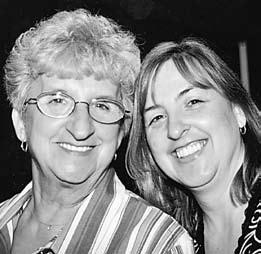
Sue Liford With Daughter Lisa
The Home Stretch For A Fine Legion Year
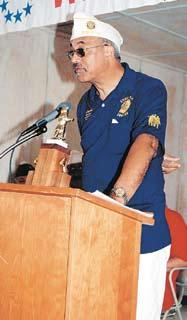
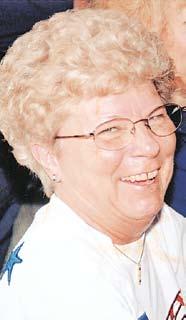
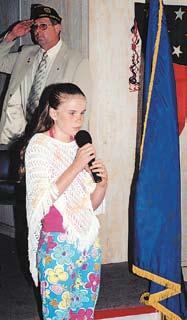

Winding Down With Homecoming, COB
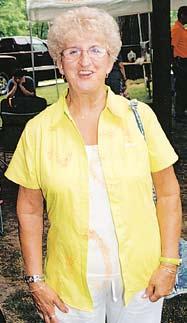
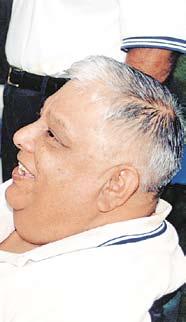
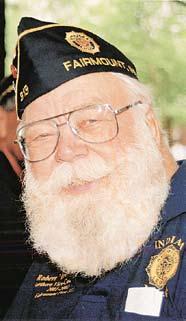
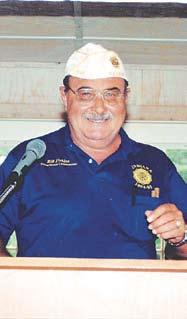
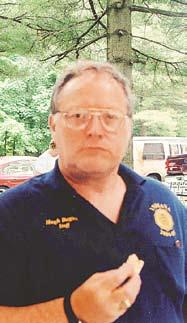
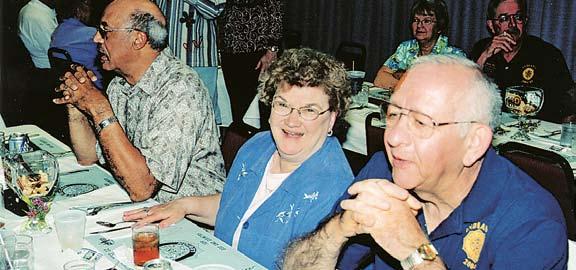
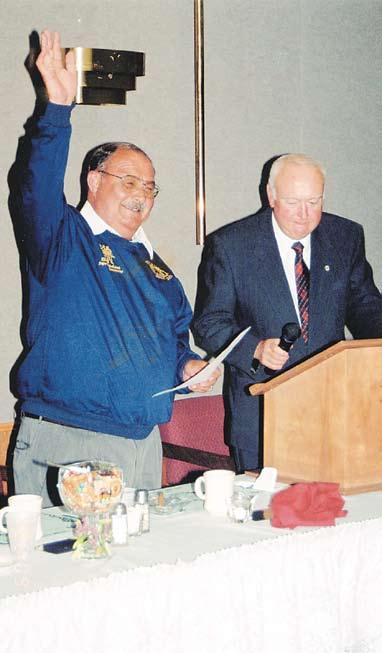
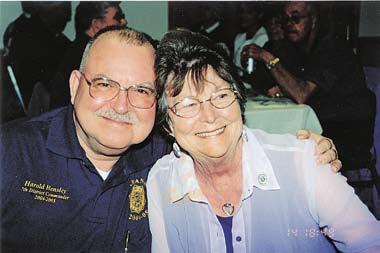
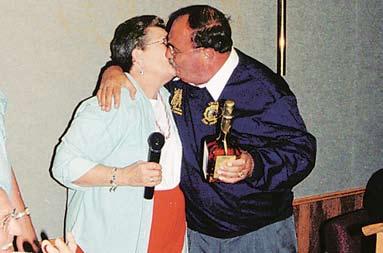
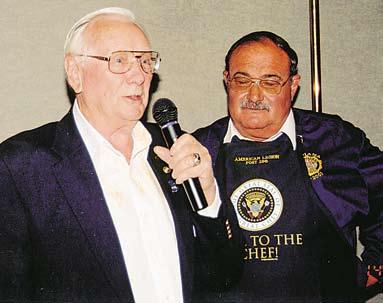
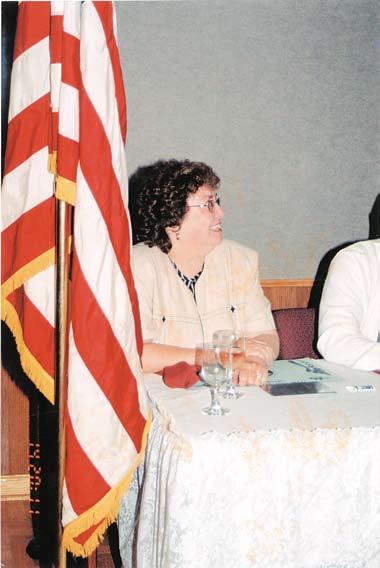
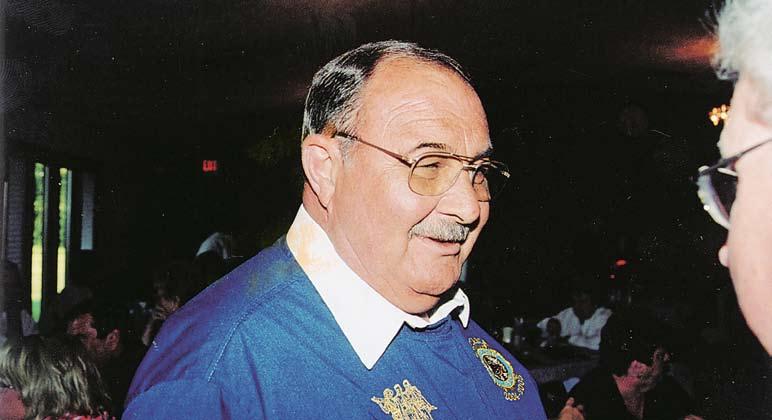
Department Commander Bill Firkins entered the home stretch on his run to the end of the 2004-2005 Legion year, first by hosting hundreds of friends and supporters at his homecoming in Linton, and later, overseeing the serious and not so serious work at the Close of Books and Legion Day at the Indiana Veterans Home. Here, left to right, top to bottom, are some of the faces that helped make 2004-2005 a year to remember: Commander Firkins as he greets the guests at his homecoming; American Legion Post 196’s Color Guard posts the colors for the homecoming dinner; First Lady Shirley Firkins watches carefully; Don Beaty continues to harass the commander, right up to the last minute; Marge Rook gets her reward for a well-thought out homecoming gift; Seventh District Commander Harold Hensley and Auxiliary President Phyllis Clark puts their heads together; Paul Steward, Gloria Michalski and PDC John Michalski enjoy the afterdinner program; and Commander Firkins waves off the crowd as the evening comes to a close. Below right, the activities of Legion Day at IVH reflected in the faces of those who participate (left to right, top row: ) Rylie Robinson, 16, who performed the National Anthem, Rita Sullivan, Commander Firkins, Paul Steward, Hugh Dagley, Sue Liford, Bob Bach, and Ralph Perez.

Page 6
Dedication — Not Complacency — Marks Legionnaires
The 2004-2005 membership year is, for all intents and purposes, over and in the history books as I make these, my last notes on the program. It has been a year of great times, big achievements and some disappointments. I will cherish them all as part of an immensely rewarding year – a year in which I have learned a great deal. I have learned a lot about the Legion, a lot about membership and most importantly, a lot about Legionnaires.
For example, in a conversation with members of my own District, we were trying to figure out ways to increase attendance at our District meetings. One of the members said he felt that a large majority of the members have become complacent. After we all had left, I thought about it. I hope that is not the case.
I know that from traveling throughout the state attending District meetings, membership drives, and other functions, I found there to be a great number of people who were a long way from being complacent. These members are dedicated to what some would call “a fault.” The Legion is very dear to them. And they are very dear to me.
Paul Steward Membership Chairman
of energy that has gone into condemning and secondguessing the proposed dues increase would be put into the membership program, there would be no decline in membership whatsoever.
It is not for me to speak one way or the other concerning the dues increase. Our founders were wise enough to set forth procedures for making such decisions, and they put that authority squarely in the hands of convention delegates. It is no accident, either, that delegate strength is tied to membership. The best way to have your Post’s voice heard in the affairs of the Department of Indiana is to build and maintain a strong and vigorous membership.
Convention. Awards will be presented for recruitment, all time high, consecutive all time highs, renewals and a variety of other individual, post and district achievements. If your Post Adjutant is not submitting your Post’s successes for consideration, encourage him or her to begin to do so. Get the recognition and appreciation you deserve.
Membership awards are presented during the Saturday morning session, so be sure and register and attend the convention to see the kind of reception our successful membership workers receive.
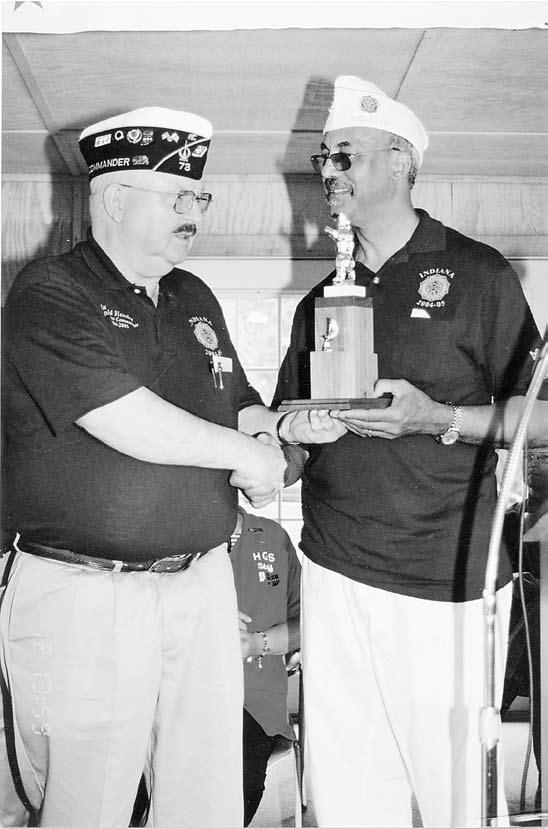
Bear With Him Department Membership Chairman Paul Steward, right, presents Seventh District Commander Harold Hensley with the coveted “Big Bear Award” recognizing his District’s first place finish in the membership program this year. The award, named for Department Commander Bill “Bear” Firkins, was a traveling trophy presented to the leading district at each target date, and presented as a permanent memento to the top finisher at the Close of Books during ceremonies on Legion Day at the Indiana Veterans Home, June 12.
Posts Must Account For All Unused Cards at Year End
Seventh District Top Finisher
Congratulations to the hard-working membership team in the Seventh District.
Ask Jessie Dear Jessie: I know Close of Book is past, but I still have my Post’s last year’s cards. Can I just toss them and get my 2006 cards from you?
As Commander Bill Firkins and I prepare to turn over the reins of the membership program to a new set of officers and commander, I would like to thank the entire membership team for an admirable effort this year in trying to reach our membership goals.
Also, thanks to department staff members Hugh, Jessica, Bernie, and Susan, who made my job very easy and enjoyable. To work for Commander Bill was the highlight of my year. He was always upbeat and encouraging. So much I have learned from having this opportunity to work with a Commander who has become a very dear and special friend.
As I wrote in my first article nearly a year ago, I am very humbled that Commander Firkins had the confidence in me to choose me as his Membership Chairman. As individuals and a team, the effort was always there to reach our membership goal.
Membership Decline Not Necessary
There has been a great deal of talk in the past few months about the possible negative effect of a dues increase on next year’s membership program. It is true that historically, a dues increase has always resulted in a temporary decline in membership. That may be true, but it is not necessary. If the amount
Led by Harold Hensley as Commander and Gary Stiles and Herb Hoffman as membership co-chairmen, the District ended the year at the top of the standings with a Close of Books percentage of 100.32 percent. The District was the only one to exceed goal this year, and I know their success was the result of a planning, determination and hard work. As a reward for their efforts, the District leadership brought home the “Big Bear Award,” marking their top finish.
Total membership for the year, as of the Close of Books, stood at 117,238, or 94.32 percent of the goal. In addition, we received more than 3,000 members enrolled via the Direct Mail Solicitation program, which will be available for renewal in Headquarters Post 777 next year.
Hundred Percent Posts
Elsewhere on this page you will see a list of the one hundred percent posts. We are fortunate to have so many hard-working Post membership teams in the Department of Indiana. As of the close of books, there are xxx posts that reached or exceeded their membership target.
I hope you all will take the time to congratulate members of those Posts when you see them.
Membership Awards Coming
The Department staff is busy calculating membership awards for the Department
Dear Finished:
Finished
Not so fast, Finished. You aren’t quite done. Before you can get your 2006 cards, you must turn in your unused and blank 2005 membership cards. All new 2005 cards were distributed to the current District Commander at Close of Books June 12; you must contact your District Commander and arrange to exchange your unused cards for your new ones.
Dear Jessie:
I am interested in purchasing a Paid Up For Life membership. Do I first have to renew my 2006 dues before I can apply for one?
Renewal Pending
Dear Renewal: No. As long as your membership is paid for 2005, you
will be able to purchase a PUFL membership without paying your 2006 dues separately until December 31st, the last day that your 2005 membership will be good for. On January 1st, your 2005 membership will have expired and you will be required to pay your 2006 dues to update your record before purchasing a PUFL membership.
Dear Jessie: I am eligible to be a member of The American Legion, but unfortunately, I have lost my DD-214 that the Post wants me to produce before I can join. Is there any way to get a replacement copy of my military records? Missing Doc
Dear Doc: Call Department Headquarters and we will mail you a “Request Pertaining to Military Records” form for you to complete and mail back to the appropriate address that is listed on the form according to each branch of service.
Dear Jessie: I was just elected Post Adjutant and was told that we will no longer receive the monthly membership reports through the mail, but on line instead. Can you please tell me how we will get the reports electronically? Computer Literate
Dear Computer: Yes, the membership reports are now available online and updated each Wednesday morning on our website,
www.indlegion.org. When you click on the Membership link, you will be able to view and print the District standings, the weekly transaction sheet and each Post standing per District. The Department will still mail each Post Adjutant a monthly financial statement and any important flyers that will need to be circulated to the Post and its members.
Dear Jessie: I have been a PUFL member for years and have always wondered why each year I receive a paper PUFL card from National when I have a permanent plastic one?
Two Many Cards
Dear Two: You receive a paper card each year to show that your membership is update for the current membership year. Although PUFL members do receive a permanent plastic card after their PUFL membership is paid off, the Post can still request to see a current paper card before allowing any member to enter.
One Hundred Percent Posts
Commander's Message
Continued from page 8
Editor’s Note: The “Ask Jessie” feature is designed to answer your questions about the Department Membership program and provide information for both membership workers and interested members alike. Please send your questions concerning membership to Jessica Berggren, Senior Membership Specialist, c/o Department Headquarters. And don’t be surprised if a question from one of your phone calls to Jessie ends up in the paper! committee, however, without benefit of the experience, information or facts that underlie the recommendation, have confused our members and delegates. I, however, have the utmost confidence in our committees, and the wisdom of the Blue Cap Legionnaire. They are the ones who will make the final decision. As delegates to the convention, they will hear the recommendations, debate the question and vote the best interest of The American Legion. That is what I know about the men
and women who I have met and led this year, and that gives me great confidence in the future of this department. My year as your commander is coming to a close. My life as one of your Past Department Commanders is about to begin, and I look forward to continuing to serve The American Legion Family. I came into office firmly believing that “We are Family,” and I leave officer more confident of that truth than ever. You will always be family to me, and I would have it no other way. Thanks for what you have given me.
CYAN MAGENTA YELLOW BLACK PAGE XX May/June 2005 Hoosier Legionnaire Page 7
Chairman's Notes
First District 17 RIDERS MEMORIAL 54 HOBART 78 CASIMER PULASKI 99 CALUMET Second District 23 HEDRICK-BRANDT 29 DEWEY BIGGS 49 JOHN C. PETERSON 57 FOWLER 94 CHARLES PRATT 146 WILLIAM CHIZUM 190 WILSON-BATES 226 ANCIL GEIGER 253 HERBERT KUHN 301 WILLIAM REDILYACK 356 CLIFFORD GARBISON 364 BROOK 375 LAKE VILLAGE 406 WHEATFIELD 431 SILVER LAKE 492 WEST LAFAYETTE 502 PAUL ROBERT STRANGE 506 WALLACE SNIFFIN Third District 21 RHEN HILKERT 37 JOHN FRANKLIN MILLER 68 JAMES LOWELL COREY 93 EDWARD E MABIE 161 MISHAWAKA 189 ORVILLE EASTERDAY 210 MARK L. WILT 295 UNION MILLS 297 NEW CARLISLE 365 EDWARD SOUSLEY 400 WILBUR (BUD) CRANE 403 KOSELKE MAYFIELD 424 BOURBON 434 ZOOK-FARRINGTON 472 HANNA 484 RICHARD HOFFMAN Fourth District 31 ANGOLA 157 GILBERT DAVIS 178 AARON SCISINGER 202 CHARLES FOSTER BLAKER 240 AVILLA 241 WAYNEDALE 381 ROBERT W. SCHERMERHORN 409 JACK BRINKER 420 KEITH BROWN 423 ORLAND Fifth District 85 DONALD E. CONVERSE 166 RUSSELL WEAVER 211 ROBERT GUY AYERS 317 LOWELL E. SYMONS 342 HOMER CAMERON 402 SUNSET 412 FLOYD MARSHALL Sixth District 145 AVON 255 C. W. SCRIBNER 291 FULTON-BANTA 318 HOCHSTEDLER 328 CHARLES RAYMOND FAGG 341 JAMES EVANS 395 JAMESTOWN 410 DONALD E. PIPES 470 LOWELL BEAVER 501 JOHN E HEYEN Seventh District 2 CLAY COUNTY 22 FRANK COURTNEY 25 PRINCETON 32 JOHN T. MILLER 51 OWENSVILLE 103 MOORESVILLE 106 BASHAW-ROTH 121 BURCH-WOOD 139 SULLIVAN 141 PUTOFF-LAUTEN SCHLAGER 192 CHAUNCEY BARR-REX BOYER 194 HAUBSTADT 196 MEMORIAL 197 STEWART-NORRIS 205 FRANKLIN 224 REXFORD BALLARD 225 CLAY CITY 230 MARTINSVILLE 233 EDINBURGH 236 CARLISLE 245 CLARENCE R. WHITE 252 GREENWOOD 256 JOHNSON CURD 293 ODON 298 SHEPHERD-RUSSELL 450 SOLSBERRY 479 JAMES GASTINEAU Eight District 42 RIVER CITY 84 CRAWFORD COUNTY 115 WINSLOW 133 RALPH E. PARR 142 HARRY G. MYERS 179 CONRAD 204 WILBUR M. RUBY 213 PERRY COUNTY 254 JENKINS 278 OLIVER MARQUIS 370 NEW HARMONY 379 HORNICKEL 444 ABE LINCOLN 463 TENNYSON Ninth District 9 JEFFERSON 13 BROWN COUNTY 41 CECIL GRIMES 59 NOAH O’BANNION 89 SEYMOUR 149 PHILLIPS-GRIGSBY 173 LEORA WEARE 185 EDWIN C. DANNER 195 PATTON-CHASTAIN 203 PEKIN 209 FLOYD BECKER 234 SCOTT 337 KENNETH L. DIVER 452 NORTH DEARBORN 464 ST. JOSEPH Tenth District 70 VICTORY 90 O LEARA QUIRK 134 MEREDITH-LOW 182 NEW PALESTINE 274 HARRY HOWELL 321 YORKTOWN 333 WILLIAM O. FRAZIER 338 LEROY TOUT 387 GASTON 391 FORTVILLE 446 JOHN F. HURLEY Eleventh District 56 POLICE 116 BIG FOUR RAILWAY 153 MC ILVAINE-KOTHE 355 ATKINS SAW 438 INDIANAPOLIS WOMENS 510 FRANK E. MC KINNEY, SR.
Commander's Message
New Friends, Old Friends Mark Year’s End Events
In May, more than 150 Legion officers, friends and family members came to Linton to help me celebrate what we call the Commander’s Homecoming. It was a memorable weekend, marked not only by good food, good company and good fun, but more so by good people.
Chaplain’s Corner
Commitment Defines Legion Family
I am moved in this season to reflect on commitment.
The American Heritage Dictionary’s second definition for commitment is “a pledge to do.”. A pledge can take many forms, from verbal to contractual forms. Writing a check is a pledge that the money will be in the bank and the bearer of the check will receive the full value noted. This understanding goes well with the cliché’s, “A man is only as good as his word” or “My word is my bond.”. The emphasis is on the “doing.”. Veterans are well aware of the true meaning of commitment. When we raised our hands at the induction center we were pledging our very lives to the service of our country. During our times of war we bore witness to those who gave the ultimate sacrifice and many of us bear the lingering effects of service connected disabilities in fulfilling that pledge. The saying, “All gave some, some gave all” well depicts this dedication.
Lee Greenwood’s God

Bbless the U.S.A. captures the veteran’s heart with the lyrics, “And I’ll gladly stand up next to you and defend her still today, ‘Cause there ain’t no doubt I love this land … God Bless the U.S.A.” The words so touch the heart of all pa-
Auxiliary News
triotic people that it is sung in tangent with the National Anthem at nearly all functions honoring our nation’s veterans. The essence is our call to duty to God and Country and our pledge to fulfill this call. The legacy of this commitment binds the generations of veterans together and is the essence that makes the Legion family strong.
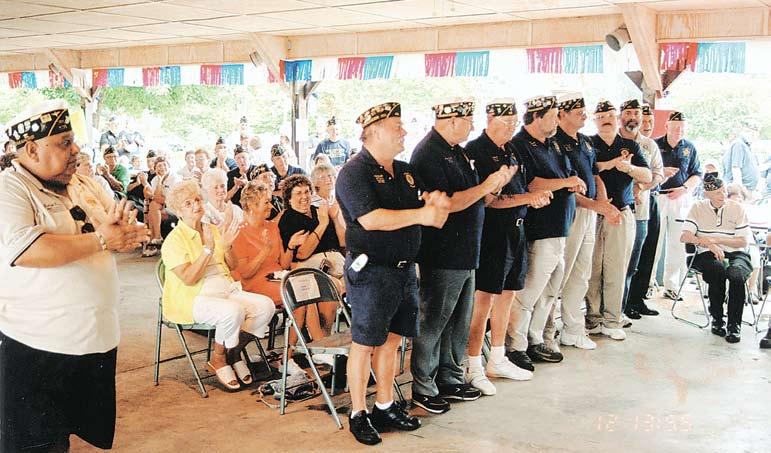 Norris Keirn Department Chaplain
In our disposable society where things are instant and non-reusable, commitment is at best a temporary thing. If something breaks, gets worn, becomes uncomfortable or causes displeasure, you simply throw it out and get a new one. We seem to at best only have only a “limited warranty” with few true guarantees anymore. Commitment for many seems to be an old fashion word of a bygone era.
When I was in Viet Nam we made a pledge to one another and sealed it with by tapping our clenched fist over our heart three times. This symbol was and unspoken bond which meant, “I’ll die for you.”. This was never idly given. Once sealed, it was a commitment only released by death. There is no way to calculate the number of battles
that were won or positions held by such a bond between brothers.
I find similar commitment among our fellowship in the Legion family. We stand behind God and Country and do not waver. The flag is more than a pall on a casket. It is a symbol of who we are as an American people. The flag reminds us of the commitment previously given and our pledge to continue. Freedom is never free! It continues to exist because it is maintained by the sacrificial offerings made by our veterans.
We are among the first to support our troops in the field and push our legislators and president to assure that they are the best equipped, best trained and best cared for Armed Forces in the world. We rally behind our returning veterans as we have our veterans of old. We continue to push for the rights and privileges that they have earned on the battlefield and their times of service often in hostile and desolate areas. We come together to offer support for our veterans families. Our Legion family is a tight bond that is mutually supportive.
We work together to strengthen our communities and the welfare of our society’s children. I continue to be amazed at how many programs for children and youth that you find the Legion family involved with. It seems that if we are not involved today, we will be tomorrow. Shortly as we are made aware of a need, we roll up our shirt sleeves and begin collecting funds that will help our children grown in positive and holistic ways.
We have never organized to be served, but to give service. What I have found is that you can always count on Tthe American Legion. Our word is our bond! What we have committed our organization to is like having money in the bank. As long as there are veterans there will be a Legion family working in service to the community, state and nation. I take great pride in being a part of this family!
You, my brothers, were called to be free. But do not use your freedom to indulge the sinful nature; rather, serve one another in love. The entire law is summed up in a single command: “Love your neighbor as yourself.” Gal. 5:13-14 NIV
“Thanks for the Memories”
As we near the end of the Legion/Auxiliary year for 2004-2005, we can look back on many successes. Primary is the building of cooperation among the organizations and finally becoming a real Legion family. This is no small accomplishment and I congratulate the members of the American Legion, American Legion Auxiliary and The Sons of the American Legion in striving for this goal.
The Auxiliary has had a great year. We have not quite achieved our goal in membership, but we still have a little time. At this writing we were almost at 97% and very, very close to being first in our Division.
Members have given countless hours in volunteering at our hospitals, nursing homes, schools, community centers, USO, Ronald McDonald House, Special Olympics and others to numerous to mention -- including just helping a neighbor. As time is usually our most precious commodity, the generosity of our members is truly awesome. Monetary donations to our projects have been great. We should meet our goals for
these items with ease. I want to thank the staff members of the Department of Indiana Legion office for their help and cooperation with the Auxiliary this year. You did a fantastic job of keeping us in the loop.
To the editor of this publication, a special thanks for his pa-
SAL News
Phyllis Clark Auxiliary President
tience and assistance during the year. To all of you, thanks for giving this President a “year to remember”. My thanks to Commander Firkins, American Legion, and Commander Baker, SAL, for generously sharing their time and talents on the Auxiliary’s behalf this
year. You are truly caring and giving individuals and I am truly blessed that you were chosen to lead the American Legion and the SAL during this Legion year.
I hope to see many of you at your Convention in July and in August at National. Aloha -- and in the words of a great American Veterans’ Advocate:
“Thanks for the Memories"
Hard Work Pays Off For SAL
The first thing I would like to do is thank every Post I’ve visited for their Hoosier Hospitality. It has been a great year and all the fantastic people involved in The American Legion have made it that way. I suggest that you take a trip once in a while and visit different Posts and you will find out for yourself what I’m talking about,
At “Close of Books” the Sons of the American Legion will most likely be 100 percent or over. This was made
Roland Baker SAL Detachment Commender
possible by the hard work of many people. Duane Alexander, my Membership Chairman, and I want to thank everyone for doing what they done to make this possible.
The trip to Washington, DC, was fantastic. I got to go to my Congressman’s office and lobby for Veterans Benefits and the Flag Alliance.
This will always be one of my priorities in life Thanks to all the veterans including my father, who made this all possible. Campout is June 24-26 and a new Detachment Commander will be elected. I will pass on everything I can to help next year be even greater. This is what The American Legion is all about! People helping other people to make our country a better place to live. God Bless Everyone
Bill Firkins Department Commander
The men and women who took time from their busy lives to celebrate my year in office with me can roughly be divided into two groups – those who I knew before I was commander, and those who I came to know after I was commander. There is no way to rank one group over the other, but each has played a distinct and positive role in my Legion career and I would like to thank them all.
Unfortunately, there is only so much space on this page, and I share it with other distinguished leaders in the Legion family. Thus, I can single out only a few who deserve special mention; many more who equally deserve to hear me say “thank you” will I thank in general here, and in person when I see them again. You all know who you are.
Of course, I am indebted to the men and women of the Seventh District for their support and encouragement, and for their determination to finish first in membership “for the commander.” I know they meant it when they said it, but I also know that the Seventh District has a tradition of membership success as a matter of pride and a matter of course, and I would not have expected it to be otherwise this year.
I certainly could not have endured and enjoyed this year without my beloved life partner, my wife Shirley. It is often true that the Commander’s wife recedes into the shadows during the commander’s year, but I am pleased and proud that Shirley – a successful and dedicated Legion Family leader in her own right – stood her ground, made herself heard,
Short Takes
and held me up when I thought there was no energy left to stand.
I am indebted to two good men, Webber LaGrange and Bill Jackson, who have advised, devised, cussed and discussed every aspect of my development and practice as a Legion leader. I was honored that both agreed to share the head table with me at my homecoming, and I will always appreciate their friendship. I also remain indebted to a distinguished Seventh District Legionnaire, Past Department Commander Tom Goad, who set me on the road to this year. He, like so many of his comrades from “The Greatest Generation,” is no longer with us in body, but he remains with me in spirit. That is true, too, of a friend and mentor, Bud Carson, to whom I owe my career and whose example as a businessman, a Legionnaire, and an American helped make a man of a young veteran with an attitude. He died in May, and I will miss him.
As we look back on this year, it is important to recognize that we set into motion a momentous decision that has rocked this department for several months. That is the question of an increase in the annual per capita. It may well have played a role in our final achievements in membership, for a great deal of energy has gone into discussing and arguing the wisdom and effect of an increase – energy that may well have been better spent in renewing and recruiting members. Nevertheless, a strong case has been made for the increase, and I want to remind you that it is our practice and tradition to delegate the hard work of researching difficult questions to committees of dedicated and expert members. That was true of the recommendation to increase the per capita. Too many outside that
Continued on page 7
America’s Warriors Deserve Support Of The Legion
With the Global War on Terror placing American troops in harm’s way on at least two separate fronts, the mission of The American Legion has never been more important. Everyday, our country counts more and more veterans as part of our population and society. Also, everyday, we see Americans, young and not so young, paying a horrific price for our freedoms.
Stephen W. Short Department Adjutant
I had the occasion to attend because Post 34 in Broad Ripple had awarded an honorary Life Membership to a young Indianapolis man finishing up his recuperation at Walter Reed. I had the privilege of presenting this membership to SGT Sean Lewis, a graduate of North Central high school, who was badly wounded in combat in Iraq.
Recently I was privileged to attend a dinner in downtown Washington, DC, with several patients from Walter Reed Army Hospital. Incredibly, every Friday night a restaurant housed in the lower level of the Capital Hilton Hotel, Fran O’Brien’s Stadium Steakhouse, provides an evening of dinner and free beverages for twenty or so badly wounded patients from Walter Reed. The owner, Hal Coster, was a door gunner in a chopper in Vietnam and opens his doors to these young people and their spouses for an evening of socializing. What tremendous therapy this event provides as well as a signal to the rest of the community that we owe a debt to these soldiers that can never really be repaid.
I cannot remember a more inspiring evening than our gathering with Sean, his wife Jessie, and their friends for this evening of fun and relaxation. In my respect for these troops and the sacrifice they’ve made, I gained a new measure of humility in my time spent with these heroes.
The positive attitude and motivation these kids displayed is a role model for all of us. As these young warriors begin their travel home, it is vitally important that we continue to serve them, as we have our warriors of the past. Our communities need to continue their support and work to fully integrate our wounded and injured service members and their families back into the everyday fabric of American life.
Page 8
All the Usual Suspects
The Department of Indiana’s 11 District Commander’s (in numerical order left to right) stand for recognition and the thanks of Department Commander Bill Firkins during Close of Books ceremonies June 12 at the Indiana Veterans Home. Seventh District commander Harold Hensley (fourth from the right) was signaled out for special recognition as the top finisher in membership. Tenth District Commander Bob Tucker was not present for the photo.