




By Linda Ligon, Family & Kids
The brain development of a child begins before birth and continues into young adulthood. It is an amazing, complex process and many new parents feel overwhelmed by all the advice on how to best support their child’s brain development. There seems to be an endless amount of information found online by companies claiming to have the best toys or proprietary techniques to help with a baby’s brain development.
One way to help sort through the advice on how to boost your child’s brain development is to get back to the basics to gain an understanding of the process itself.
Prenatal: The structure of the brain necessary for survival and development is formed. Neurons are created and move into their final position to create neural networks. At about 30 weeks before birth, the baby develops the ability to hear. The unborn baby hears her mother’s voice and the foundations for language development are built in the unborn baby’s brain.
What you can do: An expectant mom can sing, read, and talk to her unborn baby, which helps provide a rich sound environment for the baby to learn language patterns and sounds. Use a higher pitched, sing song voice, often called ‘parent-ese.’
First year of life: The brain undergoes rapid growth and functional maturation during the first year of life. Infants use their senses and their motor skills to explore the world around them. Interaction with adults is crucial for brain development at this stage. Infants learn language sounds, movement and how to communicate through interaction with their caregivers.
What you can do:
C Respond to your infant’s cues and comfort her in a timely manner. This helps reduce stress. Meeting her needs in a timely manner provides a solid foundation in the areas of the brain involved in social and language skills and emotional health.
C Spend plenty of time interacting with your infant in a ‘serve and return’ manner. She makes a facial or a movement and you react to it, leading to another reaction from her, etc. For example, when your baby points to her stuffed animal, you could say, ‘So you want to play with the teddy bear? Here he is.’
C Hold your baby, providing plenty of skin-toskin contact. This skin-to-skin contact provides sensory input, helps reduce stress and promotes white matter growth in the areas of the brain involved in attention, emotion and memory.
C Avoid screen time, as it is not recommended for infants under 24 months.
Toddlerhood & Preschool Years: Your toddler is building upon the foundation you built during infancy with responsive interactions and loving care. She is ready to use the motor skills she has been developing to explore and learn. By age 5, your child’s brain will be 90% of the adult size, although the brain keeps developing into the mid-20s.
C Nutrition: During infancy, breast milk or infant formula provide the nutrients your baby needs for brain growth. Now that she has moved to eating solid food, provide her with foods rich in protein and avoid ultra-processed foods that are low in nutritional value. Ask her doctor for guidance for transitioning to a diet of solid food.
C Interact with your child: Sing and read to your child and provide responsive, loving emotional support.
C Put an importance on free play time: Playing dress up, building forts and block towers, sensory play with play sand and puzzles are good ways to support learning and brain development.
C Limit screen time to under one hour a day of high-quality educational content and watch the content with your child.



. February (do you see that extra "r"?) is one of the most frequently misspelled words in the English language.
. February got its start as a spring-cleaning festival. Well, kind of. It's named after one: "Februa" was an early Roman festival and cleansing ritual held on Feb. 15.
. It's the only month that can pass without having a full moon. That doesn't mean February never has a full moon. It usually does, as a matter of fact. The last time it didn't was 2018. The next time it won't have a full moon? 2037!
. The odds of being born on Feb. 29 are about 1 in 1,461. If you're born on a leap day, you're typically known as a "leaper" or "leapling." And depending on where you live, Feb. 28 or March 1 is considered your birthday in non-leap years.
. It's estimated that Americans spend more than $18 billion on gifts, chocolate and more for Valentine's Day.

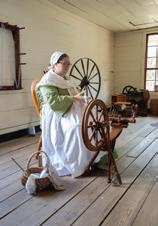
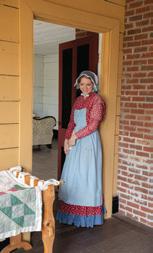
In the southernmost point of Columbus at the start of the RiverWalk sits a cultural and recreational corridor comprising The National Infantry Museum, Oxbow Meadows Environmental Center, Oxbow Creek Golf Course, and Historic Westville Village. Reopened this past November, Historic Westville Village welcomes guests back to the open-air, living history museum where historic interpreters in period wardrobe demonstrate traditional crafts and trades.
Visiting Historic Westville allows you to take your kids on a trip back in time. It offers a window into the lives of the families and craftspeople of the mid-nineteenth century in the deep south. This unique, immersive experience is perfect for families with children of all ages. The site features a quilt shop, blacksmith shop, boot shop, fabric shop, woodshop, general store, and doctor’s office. Additional buildings will be reopened later this year as historic preservation work continues. Guests are encouraged to explore the buildings at their own pace and engage with the staff as they bring the sights, sounds, and smells of Westville to life. The interiors of the buildings are filled with artifacts from the mid-19th century or historically accurate replicas.
The Thornton Visitor Center features a children’s room where story times and craft activities will be presented throughout the year. This building offers a gift shop filled with types of crafts common in the 19th century, such as woven baskets and pottery. Some of the crafts in the shop are made in the village by skilled crafters. Proceeds from the museum shop help support the ed-
ucational programs of the Village. The exhibition gallery inside shares the history of Lt. Col. John Word West who created the vision behind modern-day Westville.
“It is truly our hope that families come to enjoy the Village as a park-like setting where they can come regularly to enjoy a picnic lunch in this special space,” shares April Kirk, Executive Director. “Families can also engage with history and on-going special activities and workshops. Well-behaved, leashed dogs are welcome, too!”
The Village is open every Friday and Saturday from 10am until 4pm. School and homeschool groups may schedule tours on alternative days based on availability. Admission is $12 for adults, $8 for children, and $10 for seniors, active-duty military, and veterans. School tour pricing is $12 per child and includes a guided tour which meets curriculum standards.
There will be a community celebration at Historic Westville on February 21 to kick off its reopening. For more details on this event, as well as future workshops and community events, follow @historicwestvillevillage on Facebook and Instagram. Historic Westville does have volunteer opportunities for teens and adults interested in learning more about the mid-19th century period and sharing it with those who visit the village. To inquire, email info@westville.org or call 706-221-9330.















By Linda Ligon, Family & Kids
The flu and colds are illnesses caused by viruses, not by bacteria, and cannot be cured by antibiotics. The body’s immune system must fight the virus and defeat it. Thus, many people look for a ‘natural’ OTC remedy to help ease or shorten symptoms and to support the immune system. However, ‘natural’ OTC supplements are not regulated by the Food and Drug Administration and there is no way to know exactly what is in it. This can be especially concerning for children, since they are more vulnerable to adverse effects.
Vitamin C Supplements: While Vitamin C cannot cure the cold and the flu, there are some studies that indicate it may help to slightly reduce the duration and severity of cold or flu. Taking too much Vitamin C can be harmful and may cause digestive issues such as diarrhea, nausea and vomiting and may also cause kidney issues.
Elderberry Products: This natural remedy is found in some OTC supplements in the form of elderberry syrup. Some studies have found indications that elderberry may help reduce the duration and severity of cold and the flu. However raw elderberries contain components of cyanide, and cyanide poisoning may result from consuming an elderberry product that was not appropriately prepared.
Resources: https://bit.ly/49eUDXI and https://bit.ly/4bsofCg
Before giving your child any OTC ‘natural’ supplement or remedy, check with a doctor first. Safe home remedies often recommended by health care providers include:
• Rest
• Staying hydrated
• Teaspoon of honey in a cup of ginger or cinnamon tea (never give honey to infants less than one year old).
• Chicken soup
• Breathing in steam in a shower
When your child has a cold or the flu, it is time to seek immediate medical help if your child has:
• Difficulty breathing or starts turning pale or blue
• Become lethargic or unresponsive
• Seizures
• Signs of severe dehydration
• Flu symptoms that suddenly become worse after improving
• Fever with a new rash
• A fever greater than 104°F that is unresponsive to medication, or any fever if under 3 months of age


Long QT Syndrome (LQTS) is a heart condition that causes an issue with the electrical system of the heart and due to the issue, the heart takes too long to recharge between beats. This can lead to irregular heartbeats and increases the risk of sudden death.
Some people are born with LQTS due to changes in the DNA (congenital LQTS) while others develop it later in life (acquired LQTS). LQTS may be genetic and passed down in families. Acquired LQTS is usually caused by another health condition or by medication.
There are over 100 medications that may cause prolonged QT intervals, including some antibiotics, certain antifungal medications, diuretics that may cause electrolyte imbalances, heart rhythm medications, medications used to treat mental health conditions and some medications used to treat stomach issues.
There are two different types of congenital Long QT Syndrome, Romano-Ward syndrome and Jervell and Lange-Nielsen syndrome. Romano-Ward syndrome is the more common type of LQTS and occurs when a child receives an altered gene from just one parent. Jervell and Lange-Nielsen syndrome is a more rare form of congenital Long QT Syndrome and more
By Linda, Ligon, Family & Kids
severe. A child with Jervell and Lange-Nielsen syndrome receives an abnormal gene from both parents. Babies born with LQTS may have symptoms in the first few weeks of life or the symptoms may not appear until later in childhood. Most people with congenital LQTS has symptoms before age 40.
The symptoms of Long QT Syndrome (LQTS) include fainting, sometimes with little or no warning beforehand. Right before someone with LQTS faints, they may feel lightheaded, have blurred vision, have heart palpitations (the heart feels like it is pounding) or have weakness. In some patients, LQTS can lead to seizure-like activity that is caused by a lack of blood supply to the brain.
LQTS is diagnosed by an electrocardiogram (ECG), by a stress test, genetic testing and testing for potential electrolyte imbalances. The patient may be asked to wear a portable ECG for a period of time to record episodes of abnormal heart rhythms.
If your child has symptoms of LQTS, get immediate medical help, as the heart rhythm issues that may result from LQTS can be lifethreatening and can lead to sudden cardiac arrest.









By Linda Ligon,
Your three-year-old child is having a meltdown due to her brother taking her favorite toy away and refusing to give it back. At first, it may seem to make sense to send her to her room for a time out to cool down. However, many parenting experts agree that sending a young child to her room for a time out when she has a meltdown is not always the best idea.
When you send a young child to her room for a time out, she may feel like she is being punished for the strong emotions she is feeling and may feel isolated.
What to do instead: Stay calm and remain with your child when she is trying to work through her strong emotions. Consider it a ‘together timeout’ and sit with her. You are not expected to try to reason with her during a meltdown. Instead, say something like, ‘I love you and see you are upset. We don’t hit. Once you calm down, we will talk.’ You may want to hold her in a big hug, especially if she is trying to hit you. You are sending the message that you understand she is upset and want to help her manage her emotions but that there are consequences for screaming and hitting.
Also, you do not want her to associate her room with punishment and isolation. This could lead to your child refusing to sleep in her room.
Sending your child to her room for a time out when she is having a meltdown does not provide an opportunity to help her learn to cope with strong emotions.
Toddlers and preschoolers are still learning the words to use to express how they feel. Until your young child learns how to
label emotions and communicate her feelings, a meltdown is how she communicates that she is frustrated due to feeling tired, hungry or distressed.
What to do instead: If there is no safety issue, wait until she has started to calm down to say something like ‘I see you are upset. Let’s try to use words to tell me what you are upset about instead of screaming and hitting.’ Once she is calm enough to carry on a conversation, help her label how she feels (sad, angry, etc). You are not telling her that screaming and hitting were acceptable, you are just acknowledging her feelings and helping her understand them.
Give her some options on how to manage the strong emotion next time she feels that way, such as hugging a big teddy bear or drawing a picture. You could create a ‘calm down corner’ with her teddy bear or crayons in it where she can go to reset when she feels upset. The ‘calm down corner’ should be someplace where she can still see you. This approach teaches your child emotional regulation, an important life skill.
Sending your child to her room breaks the connection between you, making it harder to manage meltdowns.
Your young child may feel abandoned. She feels overwhelmed by the strong emotions and needs your reassurance and coaching.
What you can do: Stay connected with your child by spending time alone with her daily. This connection helps your child know she can depend on you for support when she is trying to deal with strong emotions and distress. Also, stay consistent with the approach you take with meltdowns and avoid giving in just to stop a meltdown. Your child needs to understand what it is like to feel strong emotions such as disappointment and express it appropriately.











February
Guided tours
Kids’ activities
Bounce



by Laura Jana MD
The first thing this book quietly dismantles is the idea that toddlers are just small people waiting to grow up. It pulls you into that messy, loud, emotional stage of life and shows that what looks like chaos is actually intense brain construction. Tantrums, endless questions, resistance, curiosity, movement that never seems to stop, all of it has purpose.
Reading it feels like someone finally turning on the lights in a room parents have been stumbling through in the dark. You begin to see that those everyday moments you rush past are shaping something much bigger than behavior. They are shaping how a child will think, relate, adapt, and recover for the rest of their life.
What makes the book powerful is how it shifts your focus away from pressure. There is no obsession with raising a “smart” child in the narrow academic sense. Instead, it shows how real intelligence is built through emotional safety, play, connection, and freedom to explore. The pages gently but firmly challenge the rush to control, correct, and over-structure toddlers. You start realizing that when a child struggles, the goal isn’t to shut it down quickly but to stay present long enough for the brain to learn how to handle discomfort, curiosity, and change. It’s not permissive parenting, and it’s not rigid discipline either. It’s intentional guidance that respects how the developing brain actually works.
By the end, the book leaves you with a quiet urgency. Not panic, but awareness. These early years are not practice rounds. They are foundational. The way adults respond to frustration, questions, mistakes, and play becomes the blueprint for how a child will later handle stress, relationships, work, and uncertainty. You walk away understanding that you don’t need perfection, fancy tools, or constant instruction. What you need is attention, patience, and the courage to let toddlers struggle safely while feeling supported. That realization alone makes the book hard to forget.
1. Emotional moments are teaching moments
When toddlers melt down, their brains aren’t misbehaving, they’re learning regulation. Staying calm and connected during emotional storms teaches the brain how to process feelings instead of fear them.
2. Play is not optional, it’s essential
Movement, imagination, and unstructured play are not distractions from learning. They are how the brain wires creativity, problem-solving, and resilience in the earliest years.
3. Curiosity matters more than early achievement
Pushing answers too quickly can shut down curiosity. Allowing questions, exploration, and even mistakes builds a brain that keeps learning long after childhood ends.
4. How you respond becomes their inner voice
The tone, patience, and empathy adults use today become the way toddlers talk to themselves tomorrow. Consistent, supportive responses help shape confidence and adaptability that lasts a lifetime.
2 Teen Takeover: Movie Mondays. 4pm. South Columbus Library; 706-683-8805
2 Teen Takeover: First Monday Fieri-Fest. 4:30pm. Columbus Library; 706-243-2811
3 Kid’s Art Studio. Ages 5-12. 4pm. Columbus Library; 706-243-2813
3 Little Sprouts. 10am & 2:30pm. Ages 0-5. $5/family. Columbus Botanical Garden; 706-327-8400
5 Simple Steps: Shiny, Happy Hearts. Ages 2-5. 10am. South Columbus Library; 706-683-8805
5 DIY Locker Magnets. Teen. 6pm. North Columbus Library; 706-748-2855
6 Teen Taste Test: Mac & Cheese. 4:30pm. Columbus Library; 706-243-2811
7 Artful Babies. 10:30am. Ages 6-24mo. Columbus Museum; 706-748-2562
7Camellia Fest. 9am-5pm. $8-$12. Columbus Botanical Garden; 706-327-8400
7 Take Your Child to the Library Day. Families. 10am-6pm. Columbus Library; 706-243-2813
7 LEGOs®. Families. 10am-3pm. South Columbus Library; 706-683-8805
7 River Dragons Hockey Game. Times vary. Columbus Civic Center; 706-6534460
9 Resilient Parenting Series. 11am. Columbus Library; 706-2432813
9 Family Fun Night: Cookbook & Recipe Swap. 4pm. Columbus Library; 706-2432813
9 Teen Takeover: Crack the Case. 4:30pm. Columbus Library; 706-2432811
10 Artful Babies. 10:30am. Ages 6-24mo. Columbus Museum; 706-7482562
10 After School Art Break. 2:304:30pm. Columbus Museum; 706-7482562
10 Compass Crew support group for boys 10-17. Free. 6pm. Pastoral Institute, 2022 15th Ave, Columbus
10 Pony Bead Party. Ages 5-12. 4pm. Columbus Library; 706-243-2813
10 The Buzz About Honeybees. Families. 4pm. South Columbus Library; 706-683-8805
10 Teen Crafternoon: Stitch & Chill –Cross-Stitch. 4:30pm. Columbus Library; 706-243-2811
10 Geared for Fun: Robotics 101. Teen. 6pm. Mildred L. Terry Library; 706-2432782
11 When Words Fail, Let Music Speak: Creating a Mental Wellness Playlist. Teen. 4:30pm. Columbus Library; 706243-2811
12 Edible Engineering: Southern Edition. Ages 6-11. 3pm. North Columbus Library; 706-748-2855
12 Coding with LEGO®s. Teen. 6pm. North Columbus Library; 706-748-2855
13 Anti-Valentine’s Day Party. Teen. 3pm. North Columbus Library; 706-748-2855
13 Galintine's “Girl Dinner.” 6-9pm. $75. Columbus Botanical Garden; 706-3278400
13-14 Our Town. 7:30pm. $5-$18.50. Family Theatre; 706-431-3752
13-14 River Dragons Hockey Game. Times vary. Columbus Civic Center; 706653-4460
14 Mini Makers. 10:30am. Ages 2-4. Columbus Museum; 706-748-2562
14 CSO: The Orchestra Games: An Olympic Musical Adventure for Kids. 12:30pm. $14-$16. RiverCenter; csoga.org or 706256-3612
15 Our Town. 2:30pm. $5-$18.50. Family Theatre; 706-431-3752
17 Budding Naturalist. 10am. $7. Columbus Botanical Garden; 706-3278400
17 Kid’s Art Studio. Ages 5-12. 4pm. Columbus Library; 706-243-2813
17 Teen Takeover: Save the Drama… Theatre Trivia. 4:30pm. Columbus Public Library; 706-243-2811
17 Teen Takeover: Speed Book Friending & Trivia. 4:30pm. South Columbus Library; 706-683-8805
17 Mini Makers. 10:30am. Ages 2-4. Columbus Museum; 706-748-2562
18 PAWS for Books. Families. 11am. North Columbus Library; 706-748-2855
19 Resilient Parenting Series. Families. 11am. Columbus Library; 706-243-2813
19 Fox in a Box Exhibit Program: Silly Sound Effects. 3pm. North Columbus Library; 706-748-2855
20-21 Our Town. 7:30pm. $5$18.50. Family Theatre; 706-431-3752 20-21 River Dragons Hockey Game. Times vary. Columbus Civic Center; 706653-4460
21 February Festival: Celebrating Black History Month. 10am-2pm. Columbus Museum; 706-748-2562
21 Mercer School of Medicine Teddy Bear Clinic. 10:30am. Columbus Library; 706-243-2813
21 2026 Kaleidoscope Concert. 7:30pm. $45. RiverCenter; 706-256-3612
21 Father Daughter Dance: Shake, Rattle & Roll. 5:30-8:30pm. $50. St Luke Ministry Center; rccac.org/events
22 Our Town. 2:30pm. $5-$18.50. Family Theatre; 706-431-3752
22 CSO: John Williams & Speilberg. 7:30pm. $28-$60. RiverCenter; csoga. org or 706-256-3612
23 Teen Movie: National Treasure (PG). 4:30pm. Columbus Library; 706-243-2811
24 Compass Crew support group for boys 10-17. Free. 6pm. Pastoral Institute, 2022 15th Ave, Columbus
24 Teen Crafternoon: Create Your Own Cookbook. 4:30pm. Columbus Library; 706-243-2811
24Teen Takeover: Anime & Manga Club. 4:30pm. South Columbus Library; 706-683-8805
25 Seedling Storytime. 10-11am. $7.18. Columbus Botanical Garden, 706327-8400
26 Fox in a Box Exhibit Program: DIY Shadow Puppet Theatre. 3pm. North Columbus Library; 706-748-2855
26 Swan Lake. 7pm. $33-$87. RiverCenter; 706-256-3612
27 Resilient Parenting Series. 11am. Columbus Library; 706-243-2813
27 River Dragons Hockey Game. Times vary. Columbus Civic Center; 706-6534460
28 A Bad Case of the Stripes. 11am & 2pm. $20-$25. Springer Opera House; 706-327-3688
28 Run for MercyMed 5K. 8am. $30$40. Iron Bank Coffee; runsignup.com
MONDAY
Simple Steps Storytime: Babies & Toddlers. Ages 0-36 mo. 10am. Columbus Library; 706-243-2813 (Not 2/16)
TUESDAY
Simple Steps Storytime. Babies & Toddlers. Ages 0-24 mo. 10am; Preschoolers. Ages 3-5. 11am. North Columbus Library; 706-748-2855
Get On Board: Chess & More. Families. 4:30pm. Mildred L. Terry Library; 706243-2782
WEDNESDAY
Simple Steps Storytime. Ages 0-5. 11am. Mildred L. Terry Library; 706-243-2782
Discovery Hub. Ages 3-5. 11am. Columbus Public Library; 706-243-2813
Storytime with Grammy Trish. 11am. Columbus Bound Bookshop; visitcolumbusga.com
THURSDAY
Simple Steps Storytime: Families. Ages 0-5. 10am. Columbus Library; 706-2432813
Toddler Tales at Barnes & Noble. 11am. 5555 Whittlesey Blvd; 706-653-7880
Simple Steps Storytime: Families. Ages 0-5. 10am. South Columbus Library; 706-683-8805 (Not 2/5th )
Sight Word Support. K-3. 3-5pm. Mildred L. Terry Library; 706-243-2782
LEGOS®. Families. 3pm. Columbus Library; 706-243-2813
FRIDAY
Simple Steps Storytime: Rhythm & Rhyme. Ages 0-5. 10am. Columbus Public Library; 706-243-2813
Fun Fridays: Sports & Games. Ages 6-11. 2pm. North Columbus Library; 706-7482855
Please call ahead to confirm event dates, times and age appropriateness, in case changes were made after the info was obtained.









A collaboration from ‘Family & Kids’ and ‘Colga With Kids’
Between work, school schedules, and family responsibilities, parents don’t always get many chances to reconnect. When you do secure a babysitter or trade childcare with a friend, it helps to have ideas that make the most of your time together. Whether you’re new to the Chattahoochee Valley or have lived in Columbus for years, these local date night ideas offer meaningful ways to relax, have fun, and reconnect—without requiring extensive planning.
For parents looking to keep things simple, the Columbus Riverwalk is a perfect choice. This scenic, paved trail runs along the Chattahoochee River and offers peaceful views mixed with lively activity. Depending on the time of day, you might see kayakers navigating the rapids, zipliners overhead, or the sun setting over the water. Bring bikes or rent from Ride On Bikes on Broadway for an easy, stress-free outing.
After the Riverwalk, stroll through Uptown Columbus. Broadway frequently hosts free concerts and seasonal events that make for an easy, fun evening without a big commitment. Nearby historic neighborhoods offer beautiful architecture and shaded streets—great for a quiet walk and conversation.
Columbus has several venues ideal for a relaxed parents’ night out. The Loft features comedy nights, live music, and a full menu, making it easy to enjoy dinner and entertainment in one place. Outlaws Saloon offers dancing, live music, and sports viewing for parents wanting a lively atmosphere.
For a short but memorable outing, consider a late show at the Springer Theatre or a quick stop at Hotel Indigo’s Eighteen 85, which offers river views without a long time commitment.
For a quieter evening, Bare Ware Pottery allows couples to paint pottery or create fused glass art—an easy way to relax and reconnect. Prices are reasonable, and the atmosphere is calm and welcoming, making it ideal for parents easing back into date nights.
If you’re craving something more energetic, Whitewater Express offers rafting, kayaking, ziplining, and even fly-fishing lessons. These activities are a great way to blow off steam and do something different from everyday parenting routines.
Prefer indoor fun? Escape This Live and Exodus Escape Game provide quick, exciting challenges that fit well into an evening out. For something truly unique, try axe throwing at Columbus Axe or Stumpy’s Hatchet House—both popular with couples looking for a fun, lighthearted competition.
Columbus is home to excellent museums, many of them free. The National Infantry Museum, The Columbus Museum, and The National Civil War Naval Museum offer engaging experiences that work well for daytime or early evening dates.
If mornings are easier than nights, grab coffee at Iron Bank Coffee or Fountain City Coffee, then explore Market Days on Broadway on Saturday mornings.
When dinner is the main event, local favorites like Mabella’s, Gabagool, Trevioli’s, 11th & Bay, Monarcha, The Charred Oak and Salt and Cellar offer memorable meals without leaving town.
No matter your style, Columbus offers plenty of ways for parents to step away from daily routines and enjoy quality time together.

By Linda Ligon, Family & Kids HOO’s FIT
Many people are adding collagen supplements to their daily routine in hopes of improving skin, hair, nail health and joint health. However, do the supplements actually provide any benefits in these areas? Here is an overview of collagen and what you should know before using a collagen supplement.
Collagen is a structural protein found in tissues in the human body, such as skin, hair, nails, tendons, cartilage and bones. It works with other substances in the body to help maintain the elasticity, volume and moisture of the skin. When we eat protein rich or collagen-rich sources of food such as meat, fish or bone broth, the body makes collagen from the amino acids in these foods. However, as the body ages, sun damage, drinking alcohol and smoking can reduce the body’s ability to produce collagen.
When you take a collagen pill or consume a collagen drink, the collagen is broken down in the body into peptides. The body may further process it and use it to form keratin, or it may be deposited in the bones, tendons and cartilage throughout the body. There is
no study data that shows that the collagen consumed orally will be used in the skin, hair or nails, and there needs to be more research to show a strong association between orally consuming collagen supplements and improvement in skin appearance and elasticity. Existing studies are either very small or not high quality enough to conclude there is a benefit to the skin, hair and nails. There is also limited data on how collagen supplements benefit joint and bone health and this benefit also needs more study.
If you are considering starting a collagen supplement, such as a collagen drink or a collagen pill, first consult your doctor. Increasing the amount of protein could be an issue for someone with kidney or liver issues. Collagen supplements are unregulated and often contain multiple ingredients, so seek guidance from your doctor on which collagen supplement may be right for you. If you are a vegan, remember that collagen only comes from animal sources and a vegan collagen supplement only contains amino acids that aid in collagen development.
Resources: https://bit.ly/3Nc2mx7



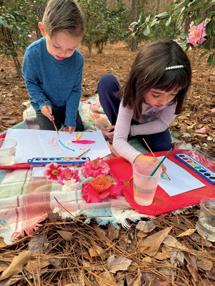
With Valentine’s Day and shorter winter days, February is the perfect month for crafts that celebrate love, color, and light. These heart-shaped sun catchers brighten windows and give kids a keepsake they’re proud to display.

Cut a large heart frame: Fold construction paper in half and cut out a heart. Cut out the center, leaving about a 1-inch border to create a frame. Prepare the wax paper: Cut a piece of wax paper slightly larger than the heart opening. Decorate: Marker option: Let kids color directly onto the wax paper using washable markers. Tissue paper option: Glue small squares of tissue paper onto the wax paper, overlapping colors for a stained-glass effect. Assemble: Once decorated, glue the wax paper to the back of the heart frame. Seal & hang: Add tape around the edges for durability. Punch a hole at the top and attach string or ribbon. Display: Hang in a sunny window and enjoy the colorful glow.
• Construction paper or card stock (red, pink, white, or purple)
• Wax paper
• Washable markers or tissue paper squares
• Scissors
• Glue stick
• Clear tape
• Hole punch (optional)
• String or ribbon for hanging

With deals this good, save the mess and dine out!
MONDAY
Sapo’s
5pm until close: free kid's meal with adult entrée, dine in only
tuesday
Denny’s
4-10pm: Up to two free kids entrées with adult entrée for kids 10 and under
The Food Mill
Make it a family night! Buy a family meal, get 2 kids meals for free!
Ruby Tuesday
5-10pm: Kids 12 and under eat free with adult entrée
wednesday
Your Pie
Kid's meals half off with adult entrée
Crumbl
Free mini cookie with purchase of regular cookie
Thursday
Tuesday's Street Tacos & Burritos
Free kids meal with adult purchase; dine-in only
All locations are Columbus, GA unless noted. Specials are subject to change without notice, so please verify them directly before dining. Send kids deals to Tammy@ FamilyAndKidsGA.com.
friday
Denny’s
4-10pm: Up to two free kids entrées with adult entrée for kids 10 and under
Ruby Tuesday
5-10pm: Kids 12 and under eat free with adult entrée
SUNDAY
Vallarta Mexican Restaurant
Free kids' meal with the purchase of adult entrée
everyday
Bruster’s Ice Cream
Kids under 40” get free baby cone
McAlister’s
Kid’s meals are $2.79 with dine-in order
Smokey Bones
Free kid's meal off kid's menu with adult entrée
Does your restaurant have a special offer for kids?!
Let us know and we can promote it here for free to 20K local parents monthly. Email it to us at: Tammy@familyandkidsga.com
Strawberries and chocolate are a classic Valentine’s pairing, and this baked version is less messy than dipping—perfect for little hands helping in the kitchen.
Preheat the oven to 375°F. Line a baking sheet with parchment paper. Prepare the strawberries: Arrange hulled strawberries cut-side down on the baking sheet, leaving space between each one. Melt the chocolate: In a microwave-safe bowl, combine chocolate chips and coconut oil. Heat in 20-second intervals, stirring until smooth. Spoon chocolate over strawberries, letting it gently drip down the sides. Add toppings: Sprinkle crushed graham crackers and mini chocolate chips over the tops while chocolate is still warm. Bake for 8–10 minutes, just until strawberries are softened and chocolate is glossy. Cool slightly before serving. Dust lightly with powdered sugar if desired.
Strawberries are more than just a sweet February treat—they’re a nutritional powerhouse disguised as a dessert. These bright red berries are packed with vitamin C, delivering more in one cup than an orange. For parents, that’s a win during cold and flu season, when immune support matters most.
One of the most kid-friendly benefits of strawberries is their natural sweetness. They’re among the lowest-sugar fruits while still tasting like a treat, making them an excellent ingredient for healthier desserts. Pairing strawberries with a small amount of chocolate adds satisfaction without overloading on sugar—helpful for teaching moderation rather than restriction.
Strawberries also contain fiber, which supports digestion and helps kids feel full longer. Their vibrant color comes from antioxidants called anthocyanins, which help protect cells and support heart health—yes, even for growing kids. These antioxidants are also linked to brain health, mak-

• 1½ pounds fresh strawberries
• 1 cup semi-sweet chocolate chips
• 2 tablespoons coconut oil or unsalted butter
• ¼ cup crushed graham crackers or vanilla wafers
• 2 tablespoons mini chocolate chips (optional topping)
• 1 tablespoon powdered sugar (optional garnish)
ing strawberries a smart choice for developing minds.
Fun fact parents can share at the table: strawberries aren’t technically berries at all! Their seeds (called achenes) grow on the outside—about 200 per fruit. This quirky detail often sparks curiosity and makes kids more excited to try them. Another surprising fact? Strawberries are part of the rose family, which explains their naturally fragrant aroma.
Cooking strawberries slightly, as in this baked recipe, enhances their natural juices and aroma, making them softer and easier for younger children to eat. It’s also a great opportunity to invite kids into the kitchen—washing berries, sprinkling toppings, counting seeds, and learning that homemade treats can be just as special as storebought ones.
This February, strawberries offer families a sweet way to celebrate together—one bite at a time.




our website to learn



By Sal Woessner, Community Engagement, Chattahoochee Valley Libraries
Food is more than what we eat—it’s how we remember, celebrate, and connect. In honor of the 250th Anniversary of our nation’s Declaration of Independence, the Chattahoochee Valley Libraries invite families across the region to gather around our table for Food and the Soul of America, a vibrant, community-wide exploration of American history, heritage, and culture through cuisine.
This special program highlights how food reflects who we are as a nation. From cherished family recipes to regional traditions shaped by generations, Food and the Soul of America offers opportunities for children and adults alike to reconnect with the stories carried through our kitchens, farms, and shared meals. Through hands-on activities, educational programs, and community conversations, families are invited to experience history in a way that is both meaningful and engaging.
A highlight of the series is a lineup of nationally known experts, authors, and television personalities. Featured speakers include Melinda “The Chicken Lady” Newton, owner of Minnie’s Uptown Restaurant, presenting on February 10, and Very Vera (Vera Stewart), beloved Southern food icon and television host, presenting on February 17.
Beyond the speaker series, Food and the Soul of America includes dozens of family-friendly programs taking place at all Chattahoochee Valley Libraries locations. These events invite participants to cook, create, learn, and celebrate together while exploring the many ways food shapes our communities.
For full program details and more event listings, visit cvlga.org.








By Linda Ligon, Family & Kids
Significant side effects of excessive screen time have been shown by many research studies – obesity, sleep disruption, developmental delays, depression. In response, parents have taken steps to limit screen time and monitor content, such as placing parental controls on a child’s tablet or smart phone and on the household Wi-Fi.
However, a new study indicates that just owning a smart phone may be detrimental to pre-teens and teens. The study compares 12 year olds who have smart phones versus 12-year-olds who do not own a smart phone. The results of the study show that just owning a smart phone can lead to higher depression, obesity and insufficient sleep. The study just asked about smart phone ownership, not how much time was spent on the smart phone.
4 When kids receive a smart phone, they always feel connected to their peers and experience social pressure. Kids find less time for exercise, connecting with their family and to study. The distraction of receiving notifications from social media apps makes it easy to pick up the phone again and start scrolling for updates.
4 The constant access to social media apps means your child is always measuring herself against her peers. While adults understand that what others post on their social media profiles is ‘scrubbed’ and carefully selected, kids may not understand this and feel bad about themselves.
The younger the age at which a child receives a smart phone, the more significant the impacts may be, as effects of smart phones may lead to developmental delays and behavioral issues.
Parents should consider carefully before giving middle schoolers and young teenagers a smart phone. Do not give into the pressure of ‘everyone else has one.’ The action of deciding if your child should have a smart phone rests with you, not with the parents of her peers.
4 If the phone is for safety and communication, consider getting your child a phone like Gabb or Pinwheel that looks like a smart phone, but the web browsers, app stores, and social media apps can be blocked. You could also get her a ‘dumb’ phone that can only receive texts and calls or an internet-free smart watch like Xplora XG03 that allows your child to make calls.
4 To allow your child access to certain apps like music and maps, you could give your child a tablet with parental controls that block social media, web browsers and app stores.
4 For the sole purpose of tracking the location of a young child or preteen, you could use a GPS tracker, such as an Apple AirTag. (However, take note that you will need to have an iPhone to track your child with an Apple AirTag). Other wearable tracking devices include Jiobit Smart Tag and AngelSense.
Managing smart phone ownership is part of adult life in today’s world. When you decide your older teen (ages 15 – 17) is ready to start learning to manage ownership of a smart phone, ease her into it by installing a parenting app that monitors content and app use.
4 Designate certain times and places every day as ‘phone free’ zones, such as dinner time or a family outing. Make every effort to set a good example and share with your child your own struggles with smart phone use (feeling distracted, wasting too much time scrolling, etc).
4 Do not solely reply on parenting controls to keep your child away from harmful content. Knowing what your child is viewing and posting is essential, as it is your responsibility to keep her away from danger.



St Francis Emory Healthcare is proud to be the Heart Hospital for Columbus and the Chattahoochee Valley, delivering nationally recognized cardiac care close to home
Our cardiology program earned multiple Heal thgrades® 2026 awards, based on Medicare data evaluating clinical outcomes among more than 4,500 hospitals nationwide placing St. Francis among the top 10% in the nation for coronary interventional procedures
Heal thgrades 2026 Cardiac Care Recognitions include:
Coronary Intervention Excellence Award™
Five-Star Recipient for Coronary Interventional Procedures
Top 10% in the Nation for Coronary Interventional Procedures
We’re also proud to welcome two new cardiothoracic surgeons in 2026 Dr. Patrick Murrah and Dr. Curtis Bryan further strengthening heart care for our community.
Comprehensive heart care Nationally recognized Right here in The Valley