HOME SWEET JAMAICA

TALLAWAH


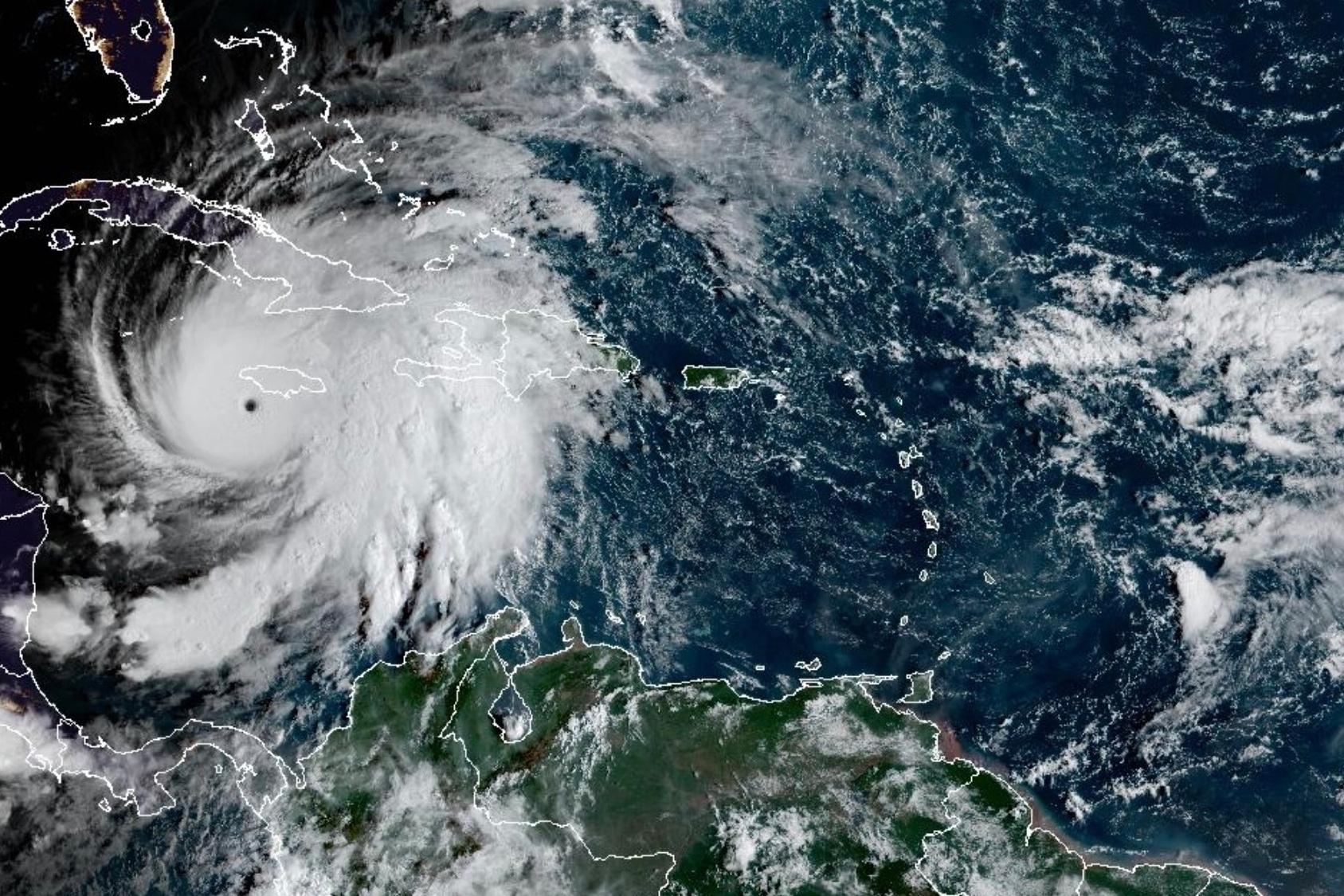
COVERPHOTO:NATIONALOCEANICAND ATMOSPHERICADMINISTRATION(NOAA)/GOES19SATELLITEIMAGE,DISTRIBUTEDBYTHE ASSOCIATEDPRESS,OCTOBER272025.PUBLIC DOMAINIMAGECOURTESYOFNOAA.


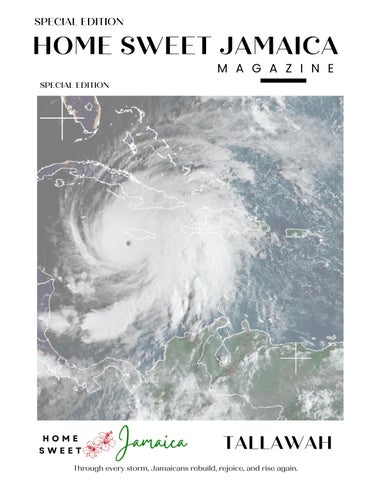
COVERPHOTO:NATIONALOCEANICAND ATMOSPHERICADMINISTRATION(NOAA)/GOES19SATELLITEIMAGE,DISTRIBUTEDBYTHE ASSOCIATEDPRESS,OCTOBER272025.PUBLIC DOMAINIMAGECOURTESYOFNOAA.
PAGE 6
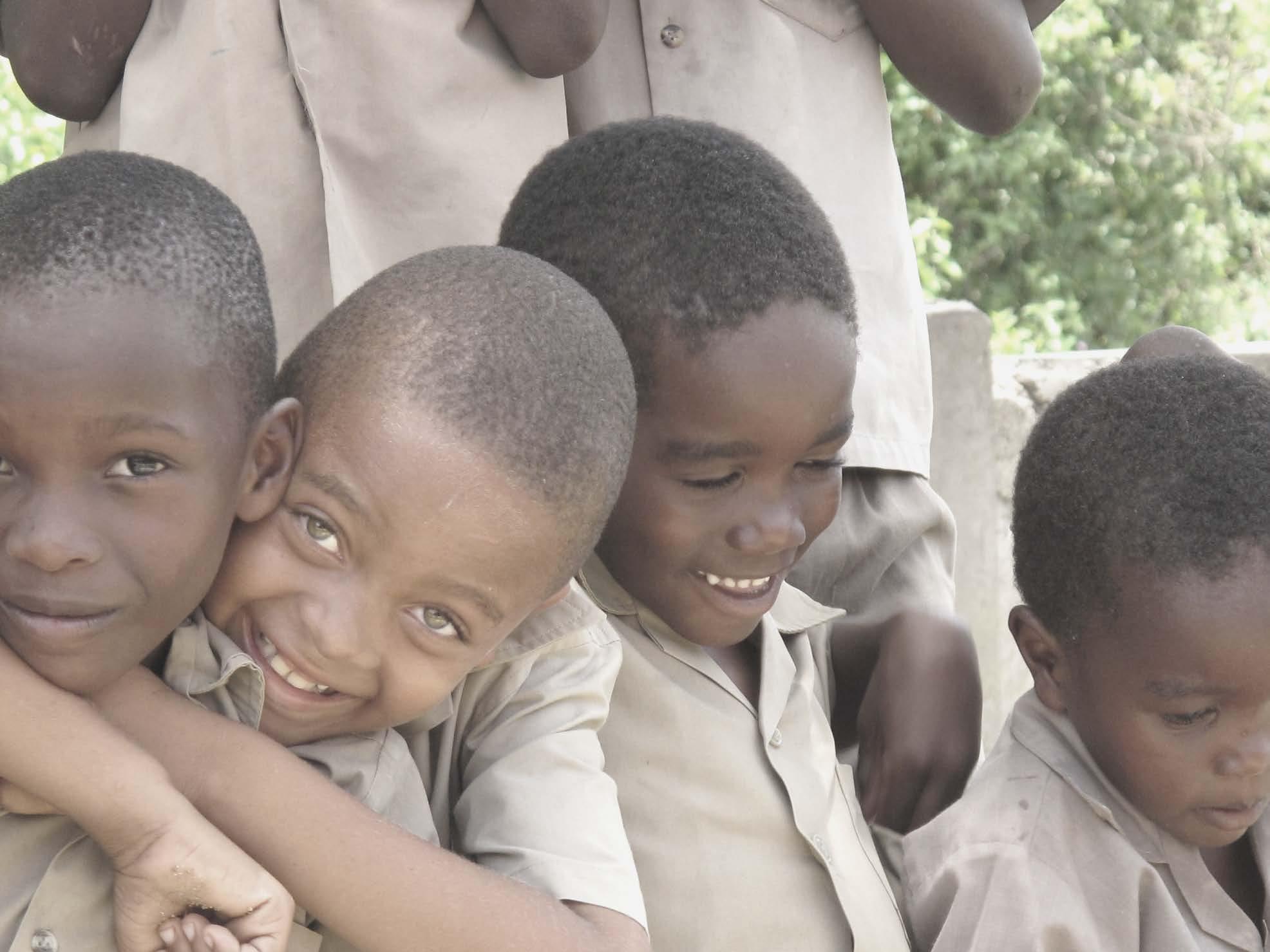
ThisspecialeditionofHomeSweet Jamaicabringstogetherstoriesof strength,unity,andJamaicanpride.
PAGE 8
MusichasalwaysbeenJamaica’s medicine.Thisfeatureexploreshow artistsandcommunitiestransform hardshipintohope,usingrhythm,lyrics, andcreativitytoliftspirits,unitehearts, andturnstruggleintostrength.
PAGE 12
Adeeplookathowaccesstoland shapeslivelihood,legacy,andidentity inJamaica,andwhytheconversation aboutownershipandopportunity remainsvitaltoournation’sfuture.
PAGE 16
TheJamaicaAssociationofPrivate PharmacyOwnersmobilizesquicklyafter Melissatosupportaffectedcommunities, anddemonstratinghowvitalhealthcare partnersshowupwhenJamaicaneeds themmost. 4
TheCatholicChurchhaslongplayedapowerful roleinsupportingcommunitiesthroughcrisis.This featurehighlightsitsecumenicalleadership, nationalnetwork,andcontinuedmissiontoprovide help,hope,andcompassioninthewakeofdisaster.
WithdecadesofservicetoJamaica,FoodForThe Poor’sestablishedlogisticsanddeepcommunity partnershipspositionedtheorganizationtorespond swiftlyafterMelissa.Thisstoryexploreshowtheirhistory ofcompassion,globalconnections,andon-thegroundexperiencecontinuetosupportrelief, rebuilding,andthehopeofastrongerfuture.
AcollectionofpersonalstoriesfromJamaicansat homeandabroadwhoarefindingtheirvoicesafter Melissa.Thesehonestaccountscapturefear, gratitude,communityspirit,andtheeverydaycourage ittakestokeepmovingforward.Here,sharing becomeshealingandstorytellingremindsusthatwe arestrongesttogether.
SophiaNicholson: throughtheprismofaJamaicanlivingoverseas
MarshaJones: RacismintheU.K.,&theWeightofBelonging
AnnMariePatrick BlackRiverWeeps
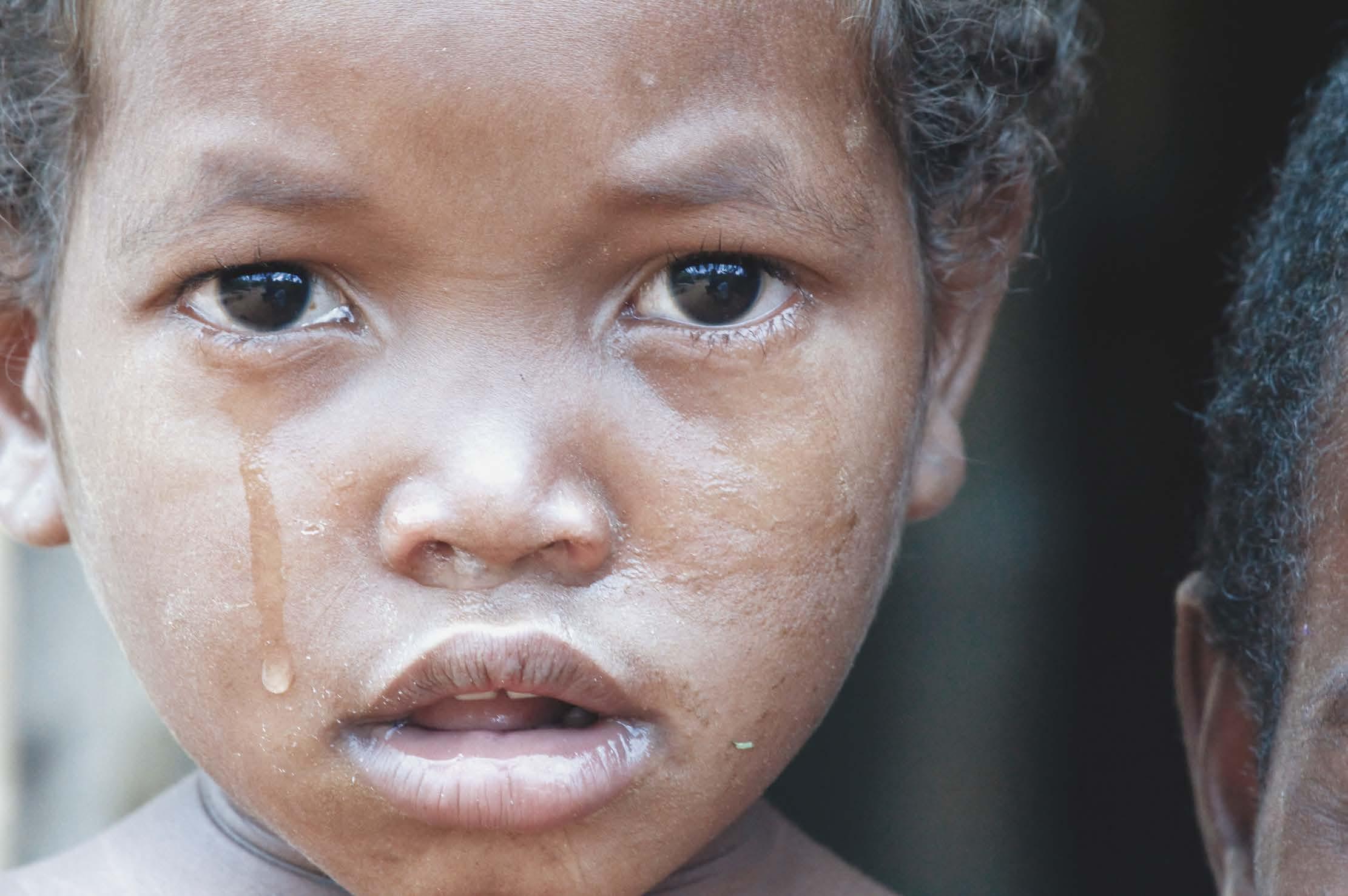
Our island has been forever changed by Hurricane Melissa. Towns and coastlineshavebeenstrippedbare,homesnolongerstandwheregenerations once gathered, and too many families now face life divided by loss. We dedicatethisissuetothepeopleofJamaica,toeverylifetouchedbythestorm, and to the ones we lost. Their absence is felt in ways we are only beginning to understand.
In these pages we honor the grief that remains and we celebrate the courage that rose beside it. This issue highlights the emerging heroes and heroines of Melissa, many of whom stepped forward quietly, without announcement or instruction.Weacknowledgethenurseswhoworkedwithoutrest,theneighbors who carried each other through flood and fear, the teachers who sheltered entire families, the churches that became havens, and the communities who gave when they had little left to offer. Their stories remind us that strength sometimeslookslikehelpingonepersonatatime.
Theroadaheadwillnotbeshort.Rebuildingwilltakeyearsandtheprocesswill stretchusinwaysthattestenduranceandpatience.Yethistoryhasshownthat Jamaicans do not yield to hardship. We come from a people who have rebuilt after storms that tried to flatten us. Resilience is in our voice, our laughter, our resourcefulness, and our ability to come again even when everything looks gone.
As a global family we have a responsibility that extends beyond this moment. Support must continue long after breaking news fades. Rebuilding will depend onconsistenthelpratherthanasinglewaveofgenerosity.Thosewhoareable are encouraged to return home when it is safe, to see the needs directly, to investinrecoverynotjustemotionallybuteconomically.Tourismisalifelinefor Jamaicaandreturninghomewillhelpcommunitiesrise.

Wealsourgereaderstogivewithcareandtosupportorganizationswithproven accountabilityandrealpresenceontheground.Adonationthatreachestheright handsattherighttimehasthepowertorestorestability,rebuildhomes,reopen schoolsandrenewhope.Thediasporacanmovemountainswhenunitedand intentional.
Jamaicawillrise.Notovernightandnotunchanged,butwiththesameendurance thatcarriedusthrougheveryhardshipbefore.Webelieveinourpeople.Webelieve inthecouragethathasalwaysdefinedus.Webelievethatwhathasfallencanbe rebuiltandrebuiltstronger.
Thankyouforstandingwithus,forcaringwhencaringisneededmost,andfor helpingcarryJamaicaintohernextchapter.
Withfaithandwithlove,
GinaTulloch-Adams Editor.HomeSweetJamaica

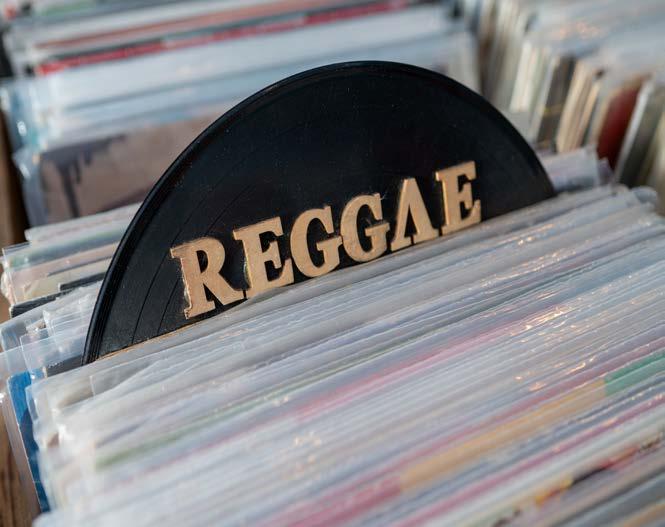
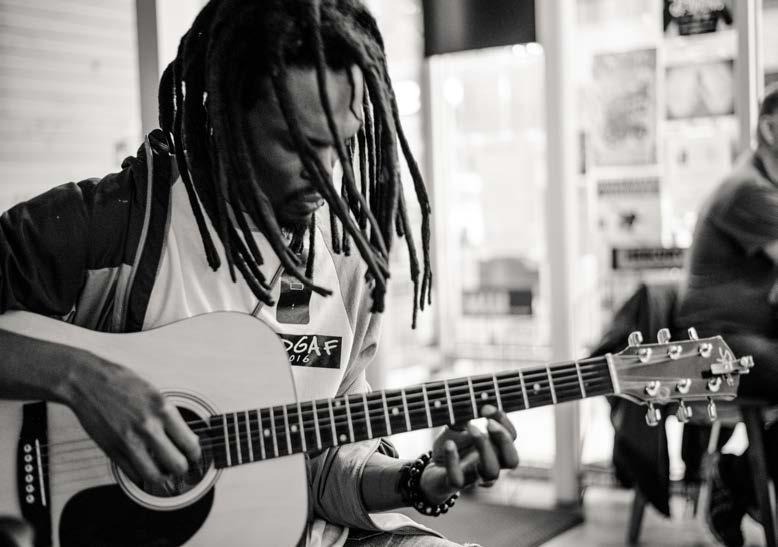
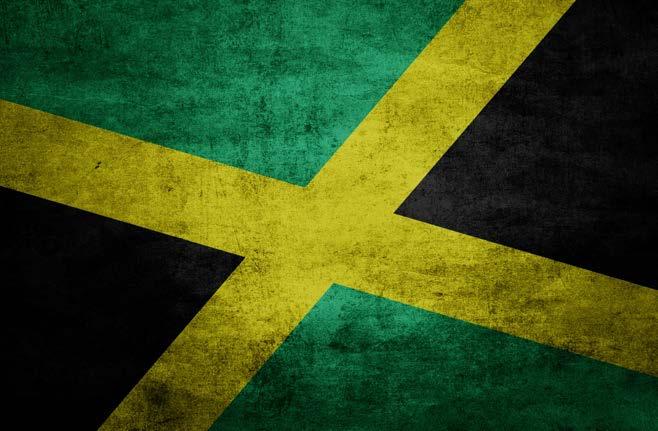
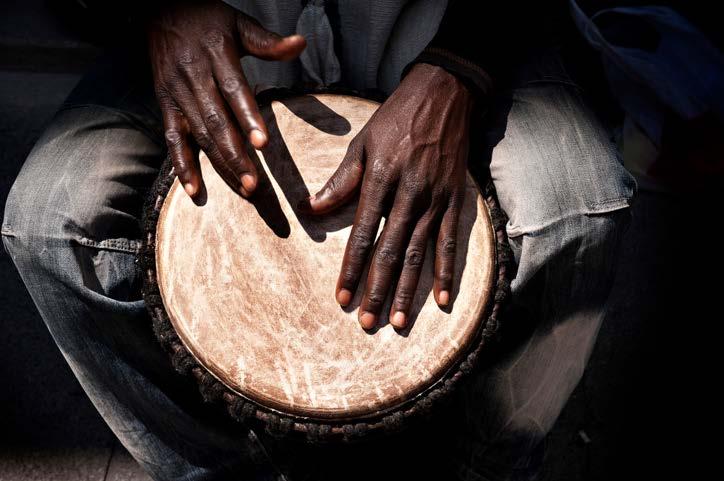
Before Hurricane Melissa even touched Jamaica’s shores, the rhythm had already begun. Musicians acrosstheislandwerewriting,singing,andpraying, invokingmelodiesofprotectionandhope.Onsocial media, radio, and street corners, songs calling for mercy and unity filled the air. And after the storm passed,leavinghomesflattened,riversswollen,and towns like St. Elizabeth and Black River in darkness, themusicdidnotfade. Itdeepened.

HurricaneMelissasilencedpowerlines,butnot thestory.Throughthevoicesrisingfromyards, churches, and studios, Jamaica continues an ancestral rhythm: the practice of turning hardshipintoharmony.
Long before the first radio crackled to life, music in Jamaica was storytelling, a sacred tool of survival. Our African ancestors carried oral traditions across the Atlantic: griots who toldstoriesinrhythm,passingdownmemory and wisdom through drum, chant, and song. The Taino people, Jamaica’s first inhabitants, alsousedpercussion,dance,andceremonial chants to honor the earth and the spirits of nature.
From these intertwined roots came a living culture where rhythm and narrative became inseparable. Mento, kumina, nyabinghi, reggae, and dancehall all continuethatlineage,transformingstruggle into song. When Jamaicans sing after tragedy, they are not only expressing emotion; they are documenting history. Each verse becomes a record of resilience, eachchorusacommunalprayer.
In Jamaica, music is never just background. It is identity, a heartbeat shared across generations. After Melissa’s fierce landfall and the long power outages that followed, the sound ofresilienceechoedoncemore. Songs began to emerge from every corner of the island: gospel hymns of gratitude, reggae anthems of defiance, and dancehall tracks filled with humor and hope. The music didn’t deny the pain;itgaveitformandrelease.
As reported by the Jamaica Star, the local music industry was “lauded for its response” in the wake of Melissa, with artists recordingandperformingsongs ofsolidarityandstrength.


Power outages didn’t silence the spirit. In communities where electricity was gone and roads were washed out, people gathered around battery radios, Bluetooth speakers poweredbycarbatteries,andmobilephones charged at community hubs. Music once again became both comfort and communion.
A YouTube track titled “Jamaica Will Rise Again,” an original reggae tribute circulating widely in the days after the storm, captured thenationalmoodwithitsrefrain:
“From the wind, from the flood, we still stand strong.”
Anotherupliftingrootsreggaesong,“Hold On Jamaica,” began circulating on local radio, encouraging listeners to stay steadfast throughdarknessanddelay.
Meanwhile, community choirs recorded “We Survive,”agospelcollaborationsharedparish to parish through WhatsApp, offering faith and gratitude. In Kingston’s studios, producers pulled together a dancehall compilation titled “Island Strong,” blending beatsofdefianceandunity,thekindofmusic that keeps spirits moving even when roads standstill.
These and other emerging songs remind Jamaicans, and the world, that music is not justreflectionbutrestoration.
“From the wind, from the flood,westillstandstrong.”
“HoldOnJamaica”
“WeSurvive”
“IslandStrong”
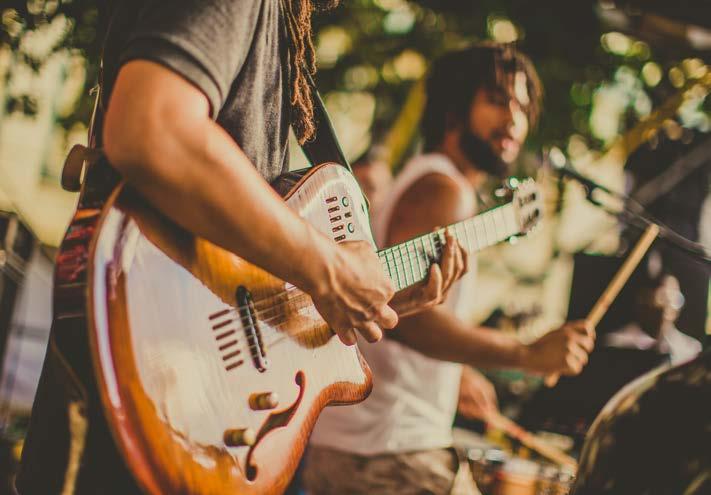
As Jamaica rebuilds washed-out roads and broken homes, the soundtrack of recovery grows louder. Every hammer strike, every child’s laughter, every song played from a battery-chargedradiobecomespartofalargerchorusofrenewal.
Out of loss comes language. Out of rhythm comes resilience. Out of heartbreak comes harmony.
Becausewhenthestormbreakseverythingelse,themusicstillplays.

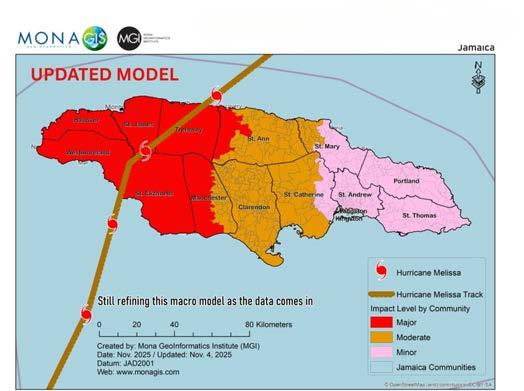
In the parish of Westmoreland, as in many rural parts of Jamaica, the physical and social landscapes are underpinned by three interlocking realities: land held by the state (crown lands), a high prevalence of modest wooden-housing, and communities with limited prospects for formal property ownership. These factors by themselves affectstability,wealthaccumulationandresilience. But when Hurricane Melissa, the most powerful storm ever to strike Jamaica, landed on October 28, 2025, it exposed and magnified these vulnerabilitiesinadevastatingway.
In Westmoreland and neighboring parishes the destructionwasnotjustaboutwindandrain;itwas the collapse of structural security. The inability to own or upgrade land and homes meant many peoplewereespeciallyexposed.
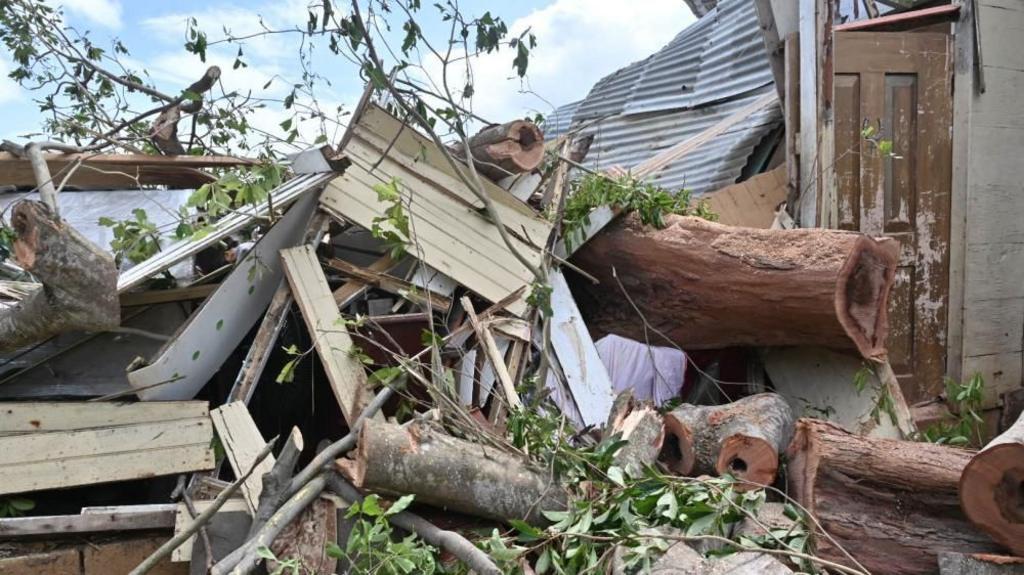
This article explores the background of crown landsandwoodenhousinginWestmoreland,then examines how Melissa’s impact was amplified by those conditions, and finally looks at the socioeconomic consequences and what this means for change.
Crown lands are parcels owned by the Government of Jamaica, managed by the National Land Agency (NLA).Theyareoftenformerplantationorstate-held properties that, over time, became home to families who settled, farmed, and built communities, sometimeswithpermission,sometimeswithout.

But living on crown land carries a heavy caveat: no permanent structures are allowed without approval. Concrete homes, extensions, or even improvements can be denied or demolished if they violate the terms of occupation. For many, this means living in wooden houses: easy to build, easier to repair, but nevertrulysecure.
In rural parishes like Westmoreland, wooden homes make up a significant portion of the housing stock. This is unofficially believed to exceed40percentinsomecommunities.These are not just aesthetic choices. They are the result of circumstance: limited access to financing, no land title for collateral, and decadesofinheritedtenancy.
To understand why so many Jamaicans remain trappedinpoverty,youmustlookattheground beneaththeirfeet.
Without legal title, families cannot borrow to build.Withoutsecuretenure,theycannotinvest in stronger homes. And without permanent housing, they remain one storm away from disaster. The effect is circular and creates a systemthatunintentionallykeepspeoplepoor.
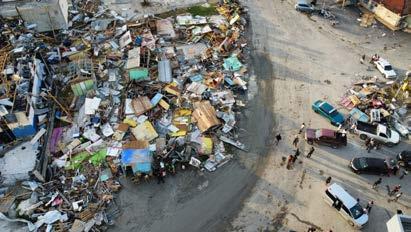
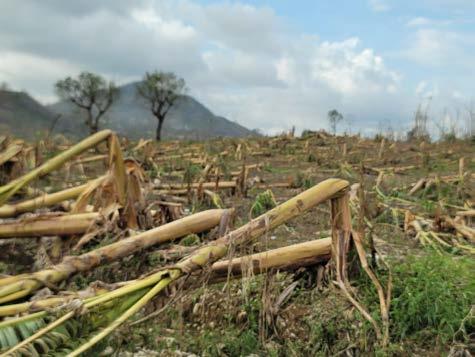
Then came the strongest storm ever recorded to hit Jamaica, Hurricane Melissa. With winds exceeding 160 miles per hour, she tore across the Western side of Jamaica like an angry obeah woman. Whole rows of wooden houses collapsed in seconds. Roofs were stripped, wallssplintered,andlivesscatteredinthewind.
Satellite images later showed the storm’s eye hoveringdirectlyovertheisland’ssouthwest.
Those living on crown land faced a particularly cruel reality. Many had no insurance, no title, and no recourse. Their homes were gone, but rebuilding,evenonthesamespot,mightviolate the same “no permanent structure” clause that keptthemvulnerableinthefirstplace.
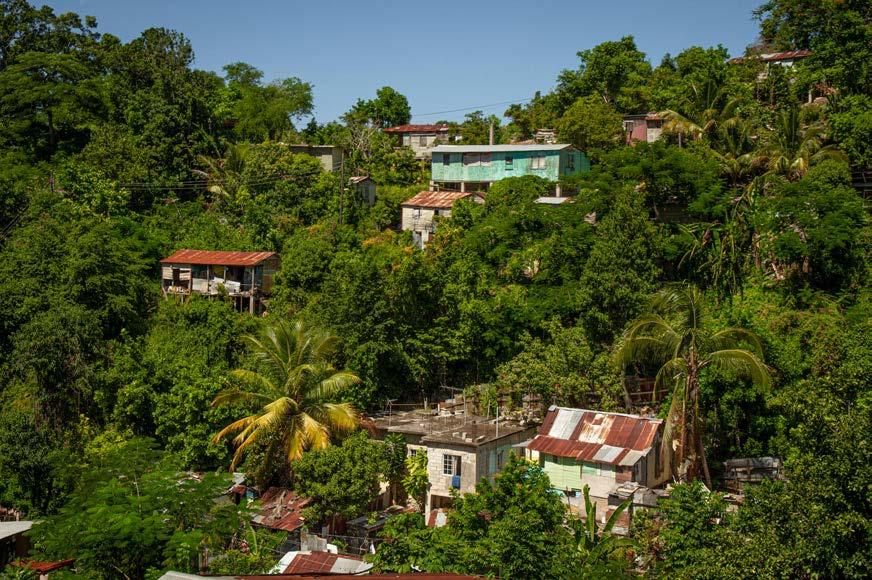
SOURCE:ANINFORMALHOUSINGSETTLEMENT INJAMAICA,ASDOCUMENTEDBYUN-HABITAT. MANYSUCHCOMMUNITIESAREBUILTON CROWNLANDSWITHLIMITED INFRASTRUCTUREORTENURESECURITY.
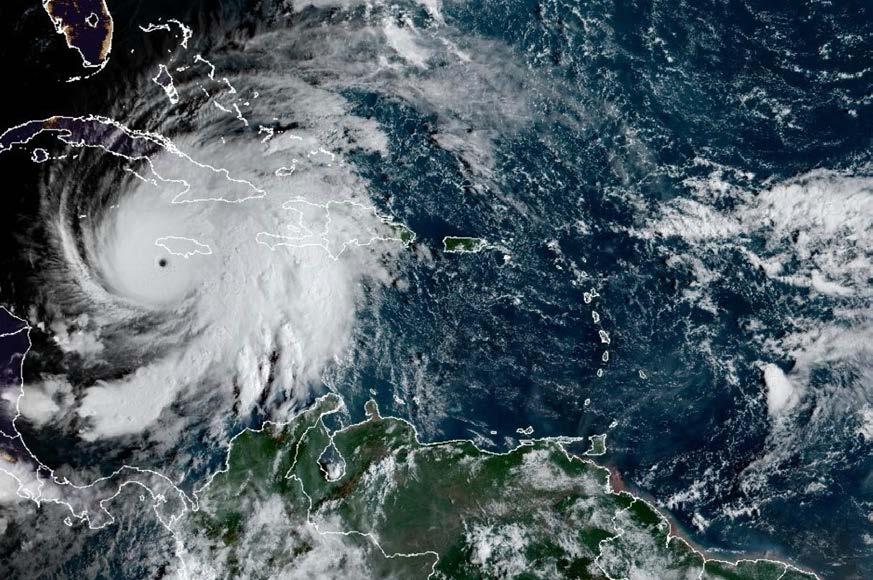
NATIONALOCEANICANDATMOSPHERIC ADMINISTRATION(NOAA)/GOES-19 SATELLITEIMAGE,DISTRIBUTEDBYTHE ASSOCIATEDPRESS,OCTOBER27 2025.PUBLICDOMAINIMAGECOURTESYOF NOAA.
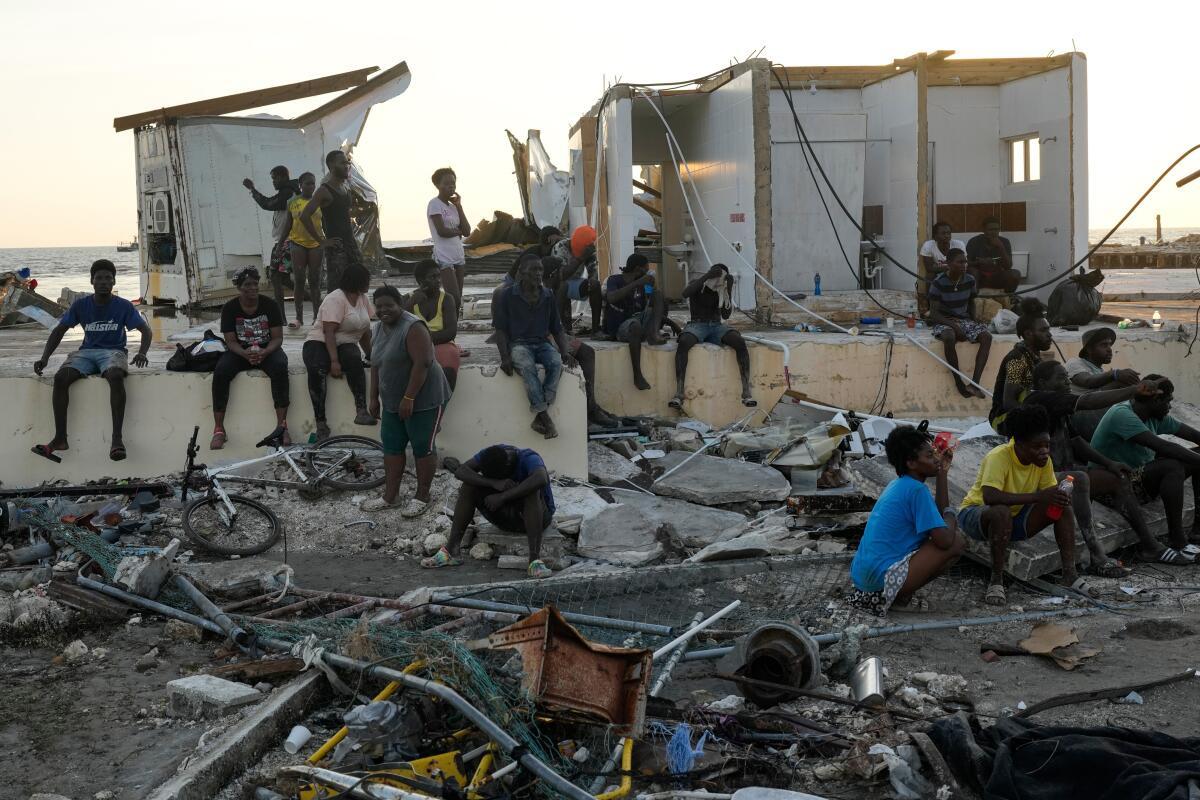
Beyond the physical loss, Melissa exposed the socio-economic fracture lines that run throughruralJamaica:
Asset insecurity: Without legal ownership, homes cannot be used as collateral or inheritedwithconfidence,cuttingoffgenerationalwealth.
Limited disaster recovery: Families without title often fall outside formal aid systems,delayingrecoveryorexcludingthementirely.
Community displacement: Informal settlements face slow rebuilding because approvalprocessesforcrownlanddevelopmentcantakeyears.
Psychologicaltoll: The constant uncertainty of losing both shelter and the right to rebuilddeepensanxietyanddependence.
Yet amid it all, something remarkable persisted: community. Neighbors cooked together, cleared fallen trees, and shared whatever supplies they could find. Classrooms reopened under tarpaulin roofs, and church halls became shelters and gathering places. Even as the floodwaters receded, Jamaicans began to help each other and rebuild: steady, practical, and united by the understanding that recovery starts with each other.
In the end, Melissa did what adversity often does, it revealed the strength of those who endured it. Melissa revealed what we all already know, that Jamaica’s beauty lies not just in her beaches or her hills, but in her people and their ability to stand firm on uncertain ground.
Jamaica’s strength has always extended beyond its landscape. It resides in the people and their indomintable spirit as demonstrated in their capacity to adapt, to help one another, and to overcome hardship with dignity and resolve. This spirit continues to define communities across the island, even when the ground beneath them remains uncertain.


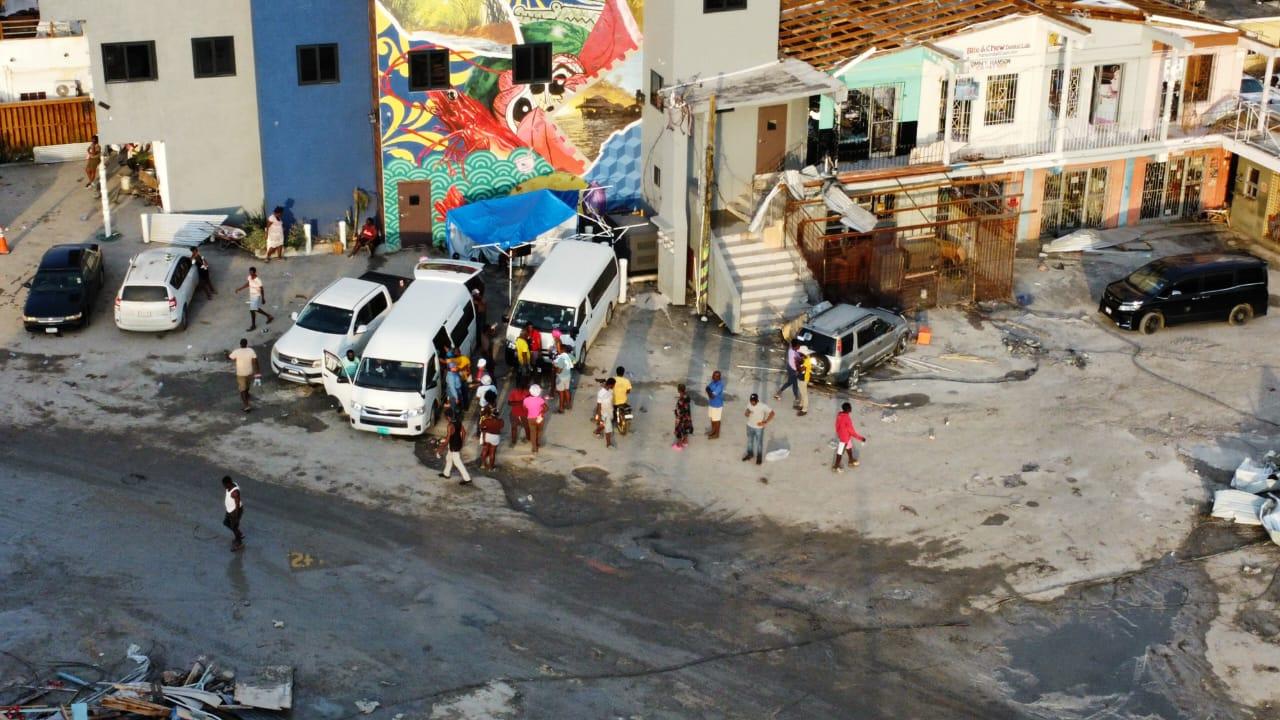
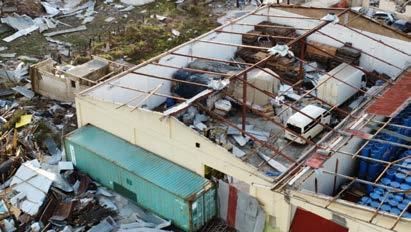
When Hurricane Melissa swept across Jamaica, it did not discriminate. Homes, schools,andbusinessesweretornapartfrom St.ElizabethtoSt.Mary,leavingdevastationin its path. In Black River and surrounding communities,floodwatersroseswiftly,cutting off entire districts. Across the island, power lines were down, leaving thousands in darkness without electricity, water, or communicationfordays.
Amidthischaos,onegroupquietlyrosetothe challenge.UndertheleadershipofMarkLaw, President of the Jamaica Association of Private Pharmacy Owners (JAPPO), Jamaica’s private pharmacists mobilized almost overnight, effectively transforming their pharmaciesintolifelinesofhope.

Recognizing the urgency, JAPPO’s hurricane mitigationeffortswereswiftandcoordinated, launchinganislandwideresponsethataimed toprovideforimmediateneeds:
Basicfoodsuppliesforfamiliesstruggling tomeetdailyneeds
Special care bundles for women and children, including hygiene items, baby formula,andsanitaryproducts Materialstoassistwithtemporaryshelter CommunicationpostspoweredbyStarlink connections, batteries, and generators, allowing residents in remote areas to charge their phones and reconnect with lovedones
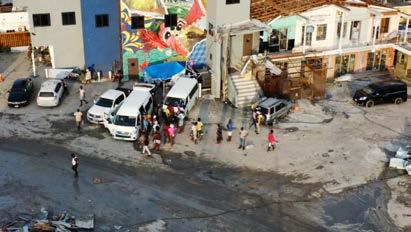
Getting these supplies to those who needed them most was no easy task. With roads washed out and large trucks unable to pass, volunteersturnedtosmallvansandpersonal vehicles, navigating through debris, flooded streets, and broken bridges to reach isolated communities.
In St. Elizabeth, where the hurricane’s winds were especially cruel, local pharmacists braveddamagedroadwaystoreachisolatedareas.InBlackRiver,pharmacistsbecame community-carers offering comfort, and connection in communities that needed it most.
JAPPO’s members continue to distribute supplies within their parishes, maintaining a steady presence long after the first wave of relief. Their efforts, driven by compassion andcommunityspirit,havebecomeatestamenttoJamaica’sstrengthincrisis.
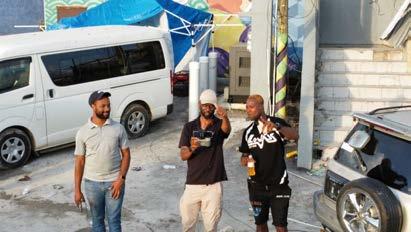
Our pharmacists live and work in these communities. We see the needs firsthand, so when Melissa struck, we knew we couldn’t wait on perfect conditions. We had to move immediately.
~ Mark
Law

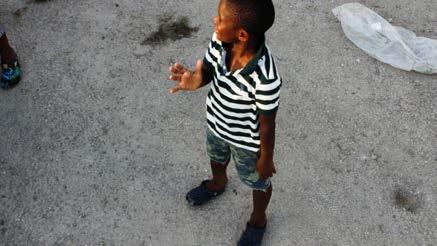
A storm can break buildings, but not Jamaica’s spirit. We’ve seen strength, generosity, and unity in every community we’ve visited.
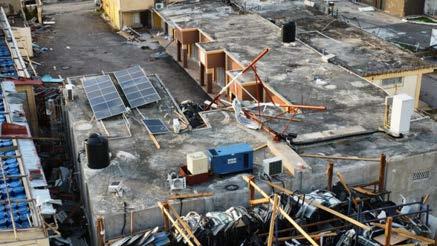
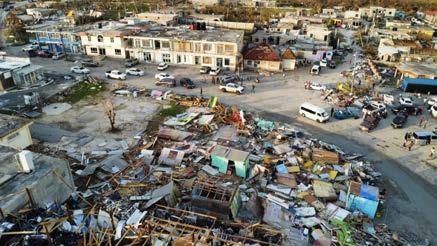
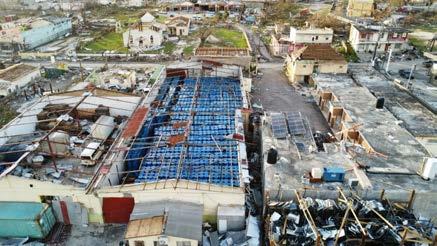
SOURCE: PHARMACISTS FROM THE JAMAICAASSOCIATION OF PRIVATE PHARMACY OWNERS (JAPPO) MOBILIZE EARLY RELIEF EFFORTS IN THE AFTERMATH OF HURRICANE MELISSA. WITH ROADS WASHED OUT AND ELECTRICITY DOWN, VOLUNTEERS USED SMALL VANS AND PERSONAL VEHICLES TO DELIVER WATER, FOOD, HYGIENE SUPPLIES, AND EMERGENCY AID TO COMMUNITIES ACROSS ST. ELIZABETHANDBLACKRIVER.
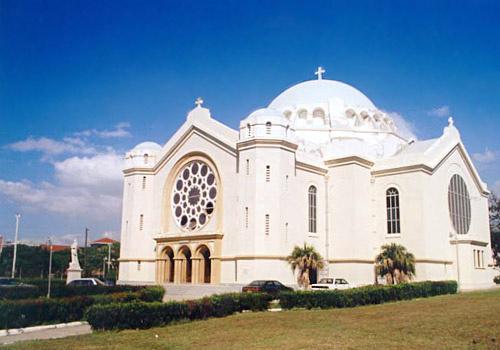
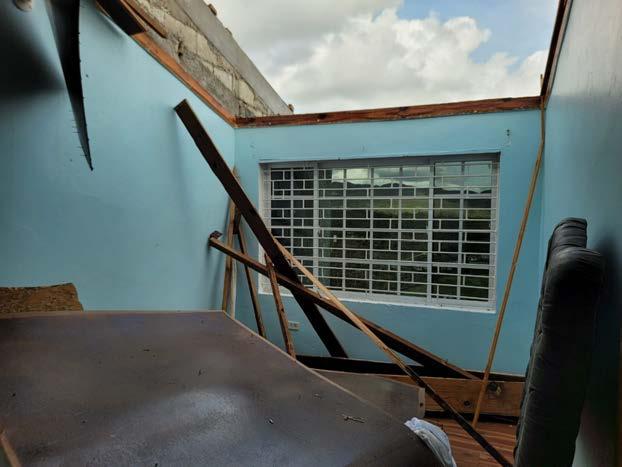
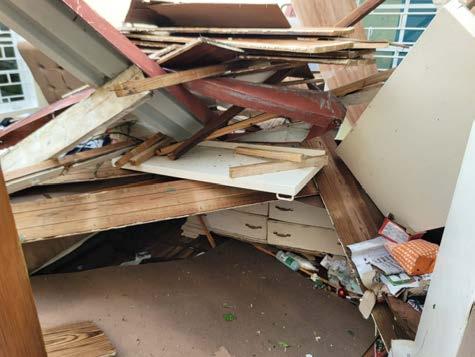
Hurricane Damage Photographs by Fr Moris Achid
Pastor, Sacred Heart Seaford Town & Mission
Though Catholics make up less than 2% of Jamaica’s population, the Catholic Church remains one of the island’s most enduring providers of social support. For decades, its parishes, missions, and partner organizations have offered medical care, education, feeding programs, elderly care, youth mentorship, and emergency assistance, without requiring conversion or evangelization. Their mission is rooted inservice,especiallytothepoor,thevulnerable,and theforgotten.
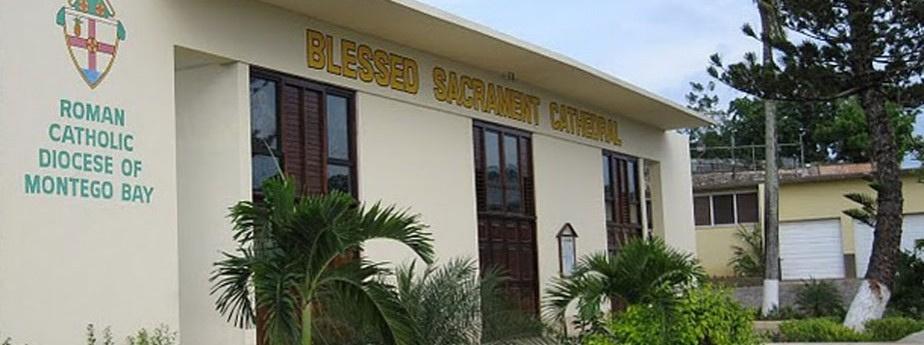
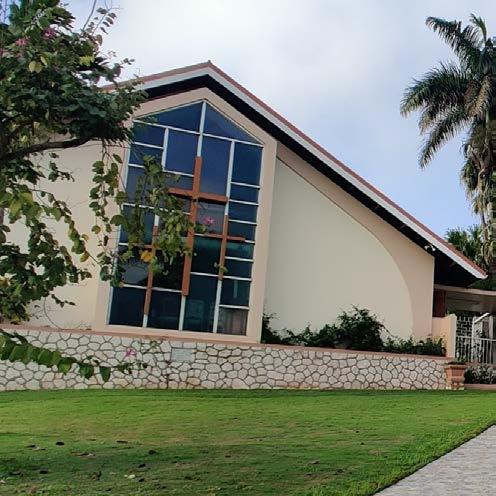
www.homesweetjamaica.com
When Hurricane Melissa tore across Jamaica, leveling homes, destroying businesses, and wiping out entire community hubs, the storm also struck at theveryheartofthissupportnetwork.ManyCatholic churches and mission facilities, themselves lifelines forthepoor,sufferedcatastrophicdamage.Yeteven amid ruin, their commitment to serve has not wavered. In true ecumenical spirit, Catholic parishes have joined hands with churches of every denomination, working together toward the shared missionofcaringfor“theleastofthese”andbringing relieftoeverycorneroftheisland.
Despite its small population, the Catholic Church’s reachextendsfaracrossJamaicathroughthreemajor jurisdictions:
The Archdiocese of Kingston, which leads an ecclesiastical province that includes the Diocese of Montego Bay, the Diocese of Mandeville, and even reaches beyond Jamaica to the Diocese of Belize City–Belmopan (Belize) and the Mission Sui IurisoftheCaymanIslands.
The Diocese of Montego Bay, serving Jamaica’s northwestcoastandruralparishes.
The Diocese of Mandeville, covering much of central and southern Jamaica, where many communitiesareremoteandunderserved.
ACROSS THESE DIOCESES, CATHOLIC-RUN AND CATHOLIC-SUPPORTED MINISTRIES PROVIDE:
feedingprograms medicalanddentalclinics basicneedsassistance schoolsandscholarshipsupport homesfortheelderlyanddestitute youthdevelopmentandcommunityagriculture counselling,emergencyshelter,andpastoralcare

These services reach thousands of Jamaicans regardless of religious affiliation. And in times of disaster, these strengths expand beyond denominational boundaries, with Catholic, Anglican, Baptist, Methodist, Pentecostal, and communitybased churches often working side-by-side, pooling volunteers and sharing supplies to ensure no family is overlooked.
In Jamaica’s lively spiritual landscape — where expressive worship, vibrant celebrations, and charismatic traditions draw manyfaithful—theCatholicChurchmayappearsmallinnumber. Yet its consistent presence in healthcare, education, shelter, and socialsupportgivesitanoutsizedimpact.
“The Lord is close to the brokenhearted.”
Catholic Relief Services, Cross Catholic Outreach, U.S.-based partner parishes, and international mission networks funnel aid intoJamaicathroughCatholicchannels,enabling:
rebuildingprojects
medicalsupport
fooddistribution
communitydevelopment long-termrecoveryinvestments
This extended reach is especially critical in rural parishes where government resources are limited and private charities may be scarce.
Hurricane Melissa carved a devastating path through the Diocese of Mandeville, crippling communities already strugglingwithlimitedinfrastructureandfewresources.
Black River suffered the most catastrophic impact. The church, school, and rectory were all destroyed, wiping out not only sacred spaces but essential services many families reliedondaily.Thisparishhadlongbeenacenteroffeeding programs, educational support, and pastoral outreach; its destructionleftaprofoundvoid.
The Missionary Sisters of Charity, who operate a home for the aged and destitute, lost their roof and church doors. Their facility has long served the abandoned elderly and disabled, those with nowhere else to turn. The damage threatensoneoftheregion’smostcriticalcareministries.
The Catholic medical clinic, which provides basic healthcare to rural families, lost its roof, interrupting access to medication, checkups, and essential treatment for those unabletoreachurbanhospitals.
In Maggotty, the rectory and convent roofs were destroyed, halting community outreach, youth programs, and the missionworkcarriedoutbyresidentclergyandreligious.
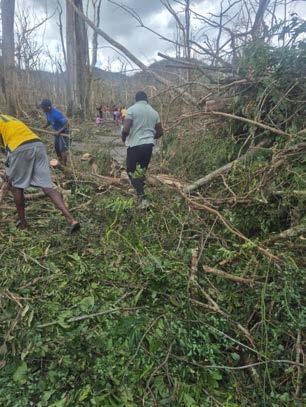
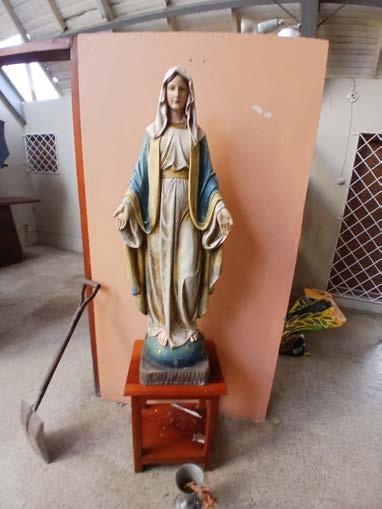
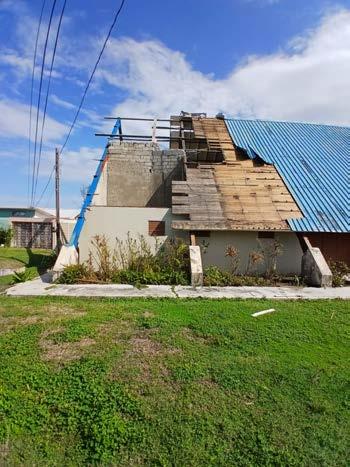
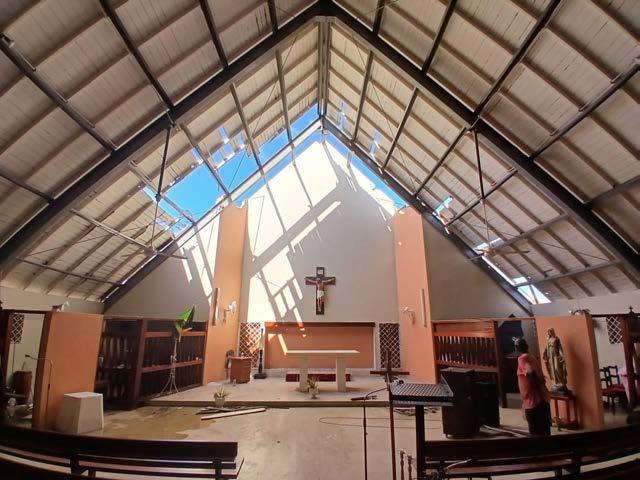
In each of these communities, Catholics are serving side-byside with pastors and lay leaders of other denominations, united in a single purpose: to feed the hungry, shelter the displaced,andbringcomfortwheredespairisdeepest.
“Do
not be afraid, for I am with you.” — Isaiah 41:10
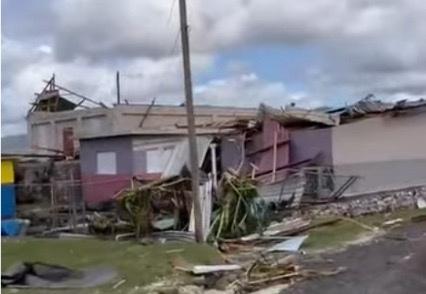
In Seaford Town, Westmoreland, known as “German Town” for its 19th-century settlers, the Sacred Heart Catholic Church has long been a cultural landmark and spiritual anchor. Your photographs of its destruction reveal not just damagedwalls,butawoundedheritage.
Though modest in size, the parish supports families through food assistance, community guidance, and religious education. The loss of this church is deeply felt, not just by parishioners, but by the wider Seaford Town community that hasalwaysreliedonitforstabilityandhope.
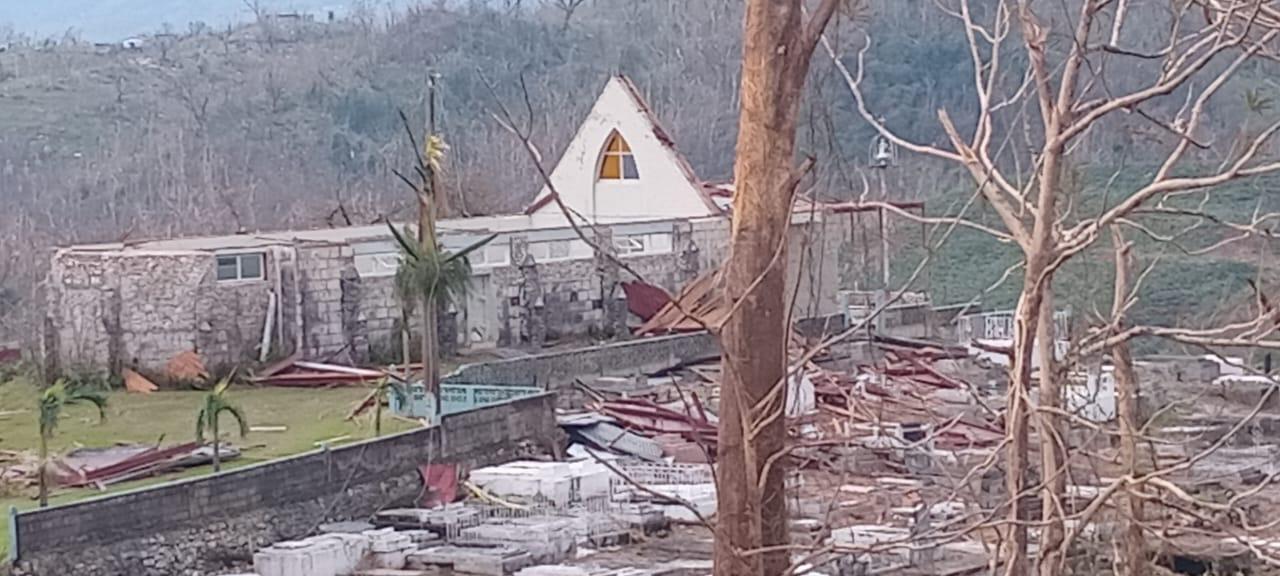
The Catholic parish in Lucea, also heavily damaged, serves as a community hub within the Diocese of Montego Bay. While public sources offer limited detail on the specific ministriesofFr.PhillipMcKenzieorCatholicmedicalpartners Drs. Phillip and James, the images from Lucea tell a clear story: even in damage, the parish remains a place of gathering,refuge,andresolve.
The church’s community outreach, from food distribution to youth activities, continues wherever possible, sustained by thefaithanddeterminationofitsleadersandparishioners.
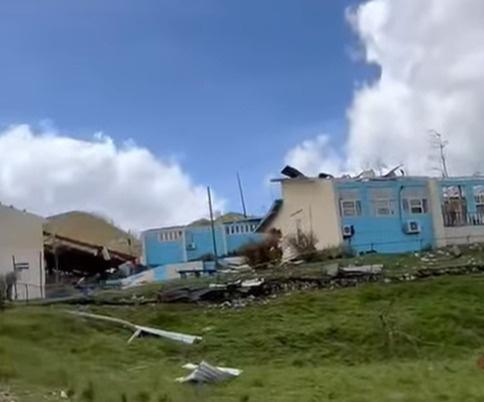
Thoughmanychurchesandmissionbuildingslieinruins,the Catholic Church’s mission is not broken. Across Jamaica, Catholicparishescontinuetobe:
refugesforthedisplaced centersoffoodandwaterdistribution safespacesforprayerandcounsel partnersinecumenicalreliefefforts anchorsforrebuildingandrenewal
Their intimate knowledge of the communities they serve allows them to find those isolated in fear, hunger, or illness, andtomeetthemwheretheyare.
“God is our refuge and strength, an ever-present help in trouble.”
— Psalm 46:1
Itwilltakeyearstorebuildthechurches,schools,shelters, clinics, and rectories lost to Hurricane Melissa. Some losses will remain etched into the memories of families andcommunities.
Yet the faith that lives within Jamaica, across every denomination,everyparish,everyhillside,isstrongerthan anystorm.
And as Catholic, Anglican, Baptist, Pentecostal, and community churches stand shoulder to shoulder, sharing burdensandblessings,
Jamaicashowstheworldwhattrueresiliencelookslike:
One people.
One mission.
One hope.
Jamaica will rise again.
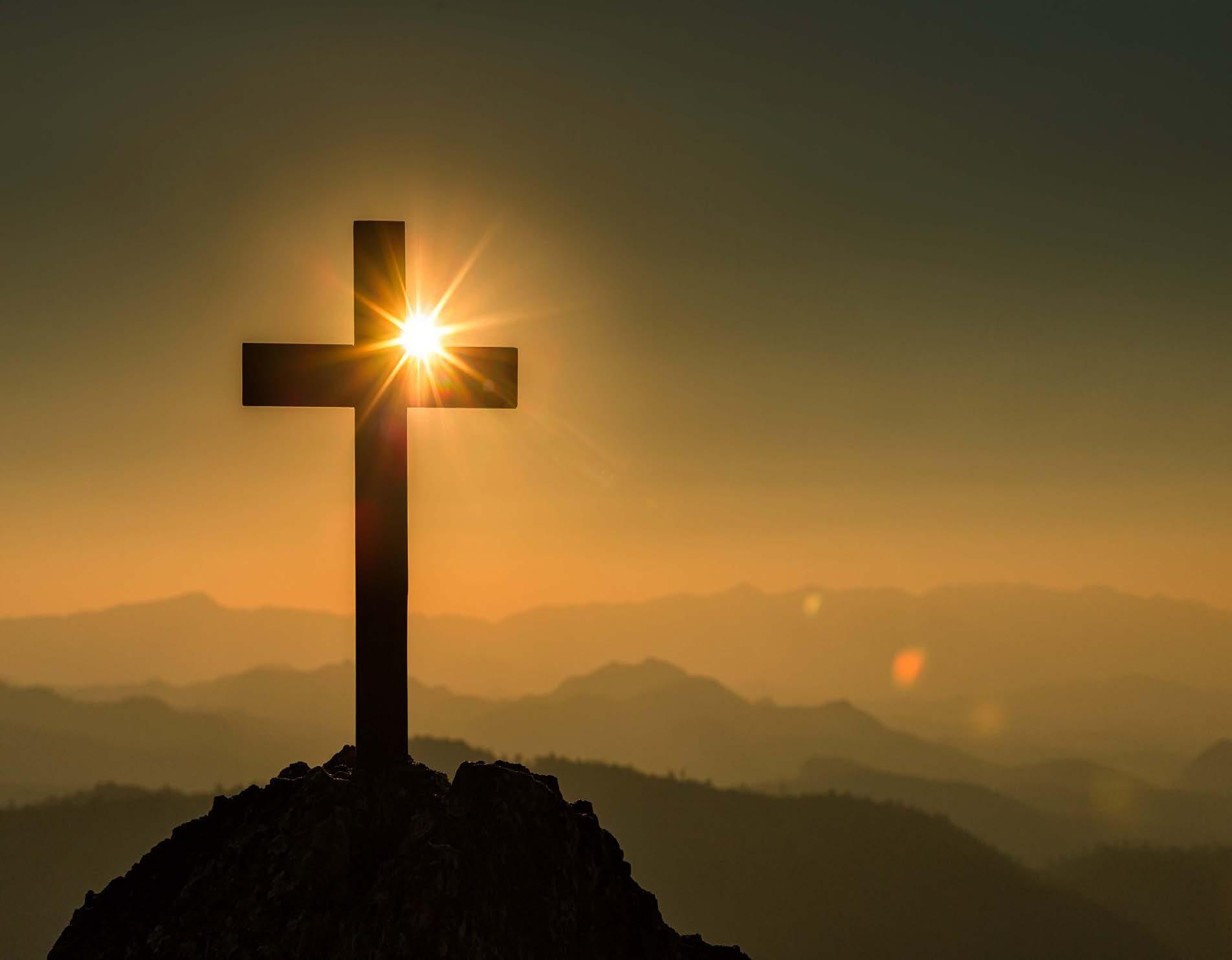
In a nation where faith is woven into everyday life, Scripture is often the language of comfort.

At Home Sweet Jamaica, we’re collecting stories from near and far; little moments, big memories, and everything in between, to remind us all what makes Jamaica sweet.
If it made you laugh, cry, proud, or homesick — share it. Your story could be featured in our magazine or on our site.

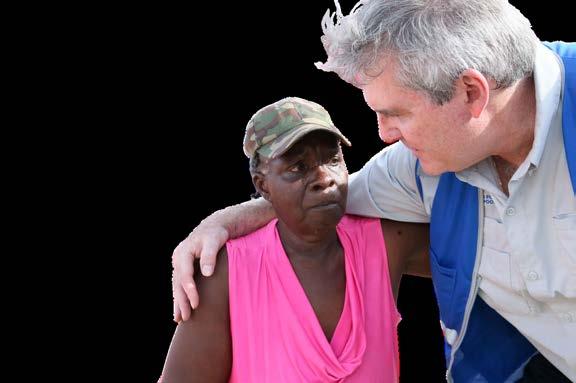
When Hurricane Melissa struck Jamaica in late 2025 many relief organizations scrambled to respond. Food For The Poor was able to act immediatelybecauseitspresenceontheislandis long established and its systems were already in place. More than four decades of direct involvement in Jamaican communities meant that the organization could move quickly, consistentlyandatscale.
Food For The Poor began serving Jamaica in 1982. One year later in June 1983 the charity was formallyorganizedwithinthecountry.Whatbegan as a modest operation has grown into one of Jamaica’s largest charitable organizations, with a permanent warehouse and office complex in Spanish Town located at a key intersection that connects five major roadways. This positioning gives the organization national reach. Over the years Food For The Poor has built hundreds of homes, supported schools, expanded access to healthcare, invested in water and sanitation and responded to repeated natural disasters across theisland.
WhenMelissamadelandfallFoodForThePoordid notneedtocreatearesponsestructure.Italready had warehouses stocked, transportation routes mapped, and communication channels open through partner churches and community organizations. Its history in Jamaica allowed it to deliver relief rather than build a system while underpressure.
With a network of more than one thousand partner churches and community institutions Food For The Poor was able to distribute emergency supplies within days of thestorm.Food,medicalkits,water, tarps,hygienebundlesandbuilding materials were moved from Spanish Town into affected regions and then into the hands of families whoneededthemmost.
Areasleftisolatedbyroaddamage were reached as soon as waterways cleared or when alternate delivery options became available.Becausetheorganization already had a foundation on the island relief could continue even whereinfrastructurestruggled.
AstheimmediatecrisiseasedFood For The Poor shifted toward recovery. The next phase includes temporary housing support, repairs for schools and medical facilities, and renewed focus on long term development such as water systems, agriculture programs and community restoration. The transition from emergency relief to rebuilding is possible because the organization’s work in Jamaica did not begin with the storm and will not end when public attention fades.
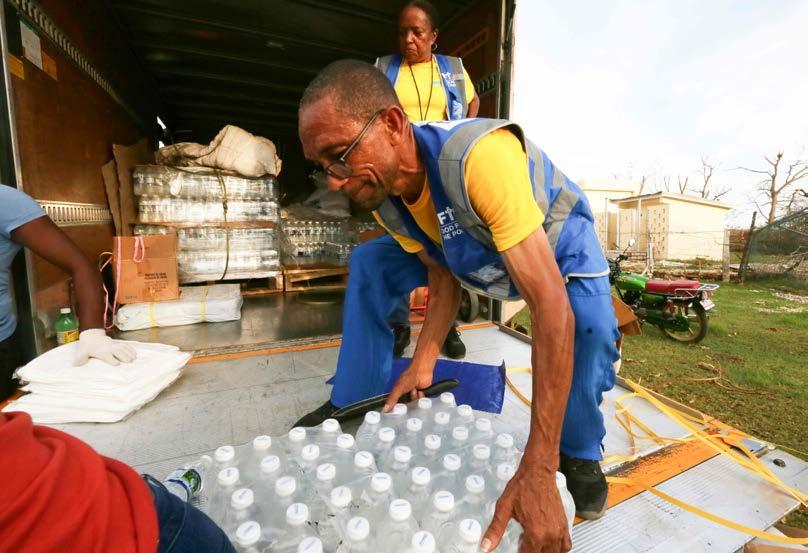
Food For The Poor does not work alone. Its strength comes from working with churches, schools, clinics and community groups that already understand local needs. These partnerships make it possible to reach vulnerable areas quickly including rural districts that are often overlooked after disasters.
Because electricity, communication and road networks were disrupted during and after the storm, community based distributionprovedessential.FoodForThePoor’smodelisbuilt onsharedresponsibilityratherthanoutsideinterventionwhich allowshelptomoveefficientlyandrespectfully.
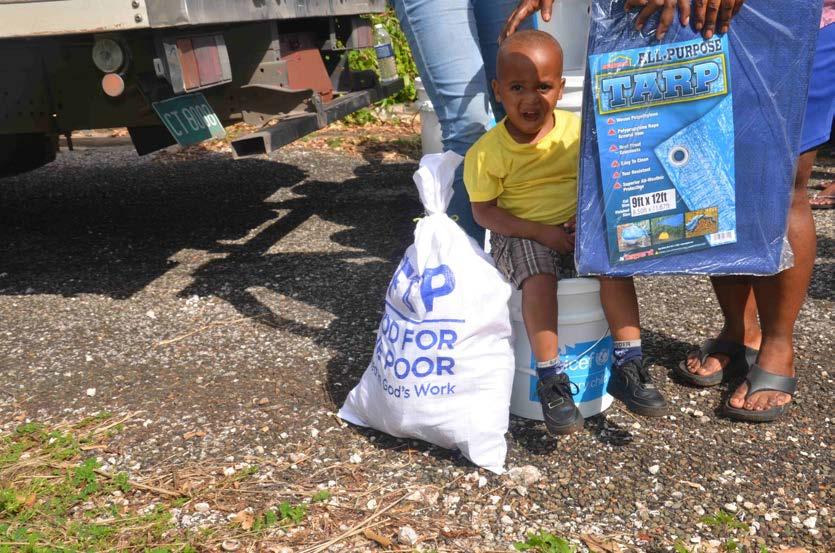
Decades of work in housing, education, agriculture and healthcare mean that Food For The Poor is positioned to support both recovery and development. Relief is immediate butlongtermstabilityisthegoal.
When the first wave of relief slows and the headlines move on, Food For The Poor will remain in Jamaica as it always has. Its programs do not disappear once tents come down or water recedes. Homes built, clinics restored and schools reopened continue to serve families for generations. In many communities thispresenceisalifeline.
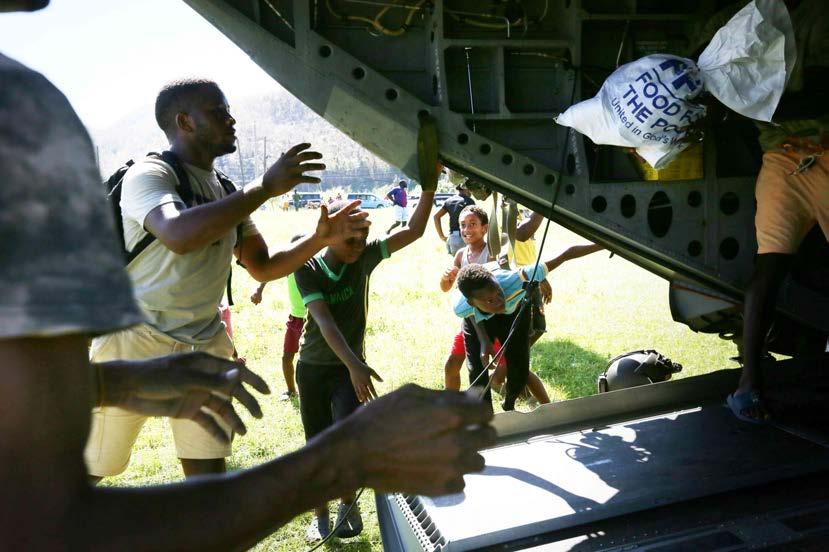
Melissa created loss and uncertainty across the island but organizations like Food For The Poor anchor the recovery. Their long history, trusted partnerships and readiness to act offer something more powerful than emergency response. They offer continuity,stabilityandhope.
ForthosewhowishtosupportJamaicainrebuilding,FoodForThe Poorprovidesachannelthatisproven,structuredandgrounded in the communities it serves. Support is not only for survival. It is aninvestmentinJamaica’sfuture.Itbuildsroots,restoresdignity andhelpstheislandriseagain.
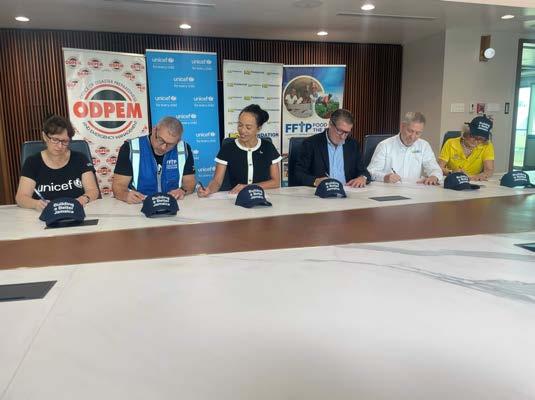
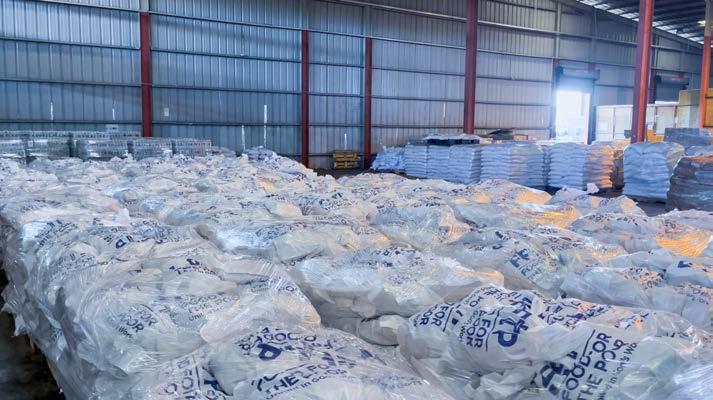
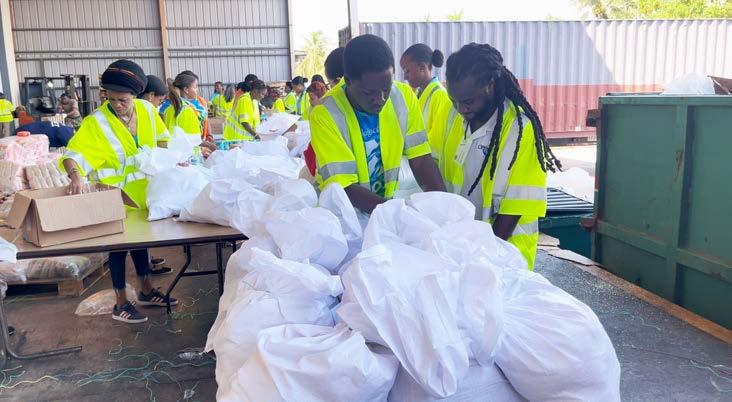
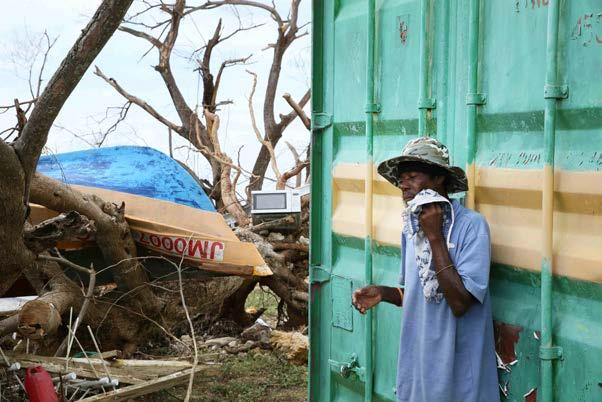
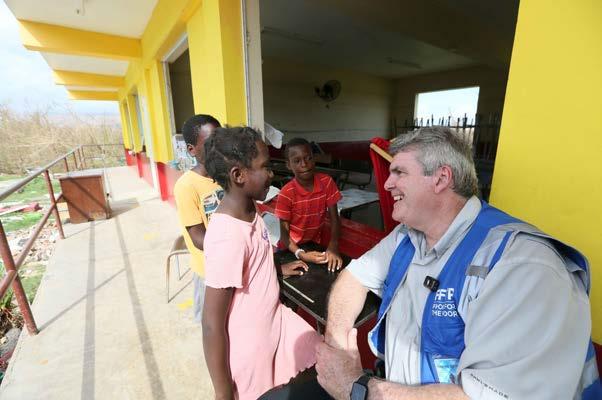
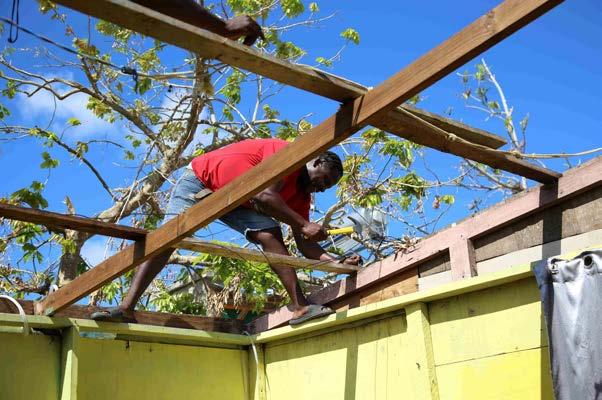

Home Sweet Jamaica encourages those wishing to support Hurricane Melissa recovery to consider Food For The Poor. With decades of service in Jamaica and strong distribution networks, they are able to deliver relief quickly and responsibly to thecommunitiesmostaffected.
At Home Sweet Jamaica, we have beenreceivingheartfeltstoriesfrom home and across the diaspora as Jamaicans everywhere try to process their emotions after HurricaneMelissa.Formany,sharing is part of healing. This space offers anopportunityforthoseaffectedto express their experiences, connect with others who understand, and remind one another that we are not alone.
Ifyouwouldliketoshareyourstory, pleasescantheQRcodeorvisitour website to submit your reflection. Yourvoicematters,andtogetherwe continuetolifteachotherup.


Know a Jamaican Making an Impact?
From mentoring youth to running restaurants and small businesses, from community cleanups to cultural celebrations — Jamaicans are making theirmarkallovertheworld.
Doyouknowone?
A teacher, artist, nurse, neighbor, entrepreneur, or chef — someone who’s building something meaningful and makingtheircorneroftheworldalittle brighter?
Tellusaboutthem.
At Home Sweet Jamaica, we spotlight everyday heroes and changemakers in our magazine and online features. Big orsmall,everyactofimpactmatters. Let’s celebrate those who carry the Jamaicanspiritwithpride,purpose,and passion.
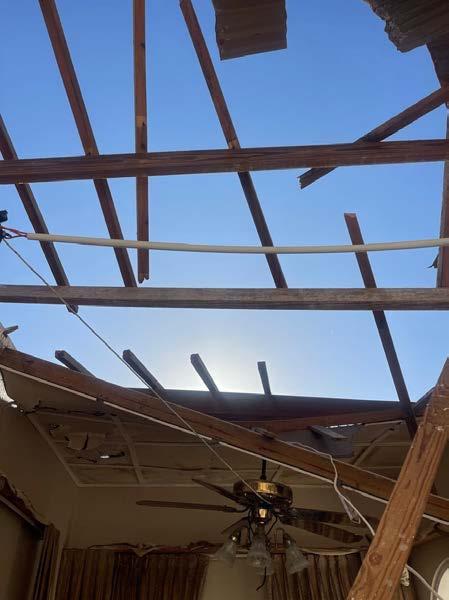
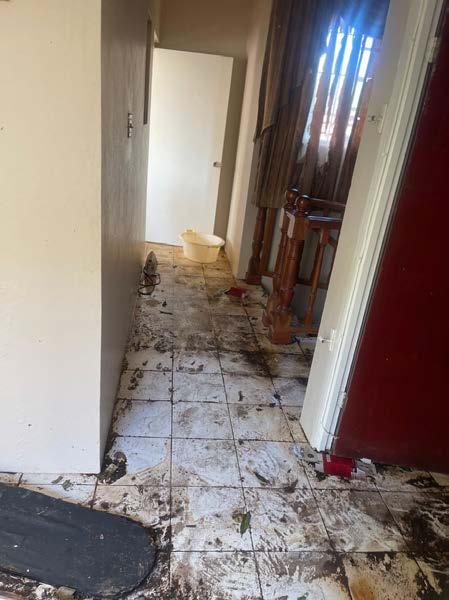
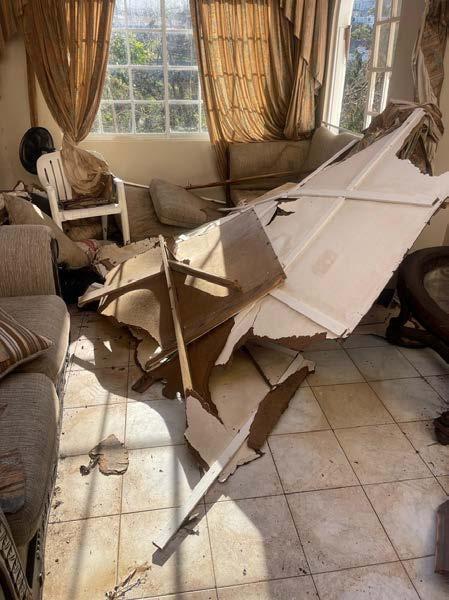
By Sophia Nicholson
Photographs by Michelle Jackson-Lewis
They say of the Jamaican people, they are strong, they are resilient and they will rise! But seriously has our strengtheverbeentrulytested?
Jamaica has historically been seen as one of the most beautiful places on earth, a favorite vacation spot for many. The historical sights, the natural floral, fauna and foliage,acountrydescribedasthelandofwood,water, mountains and rivers, a place known for its natural resources of bauxite, sugar cane sea and sun. Did the carnage and wrought, brought on by Melissa, the largest known hurricane in modern times to hit a Caribbean island, change all that and tested us beyond measure?Whatofthespiritofourhappygolucky,laidback, easy-going people? The nation with a mantra of “NoProblem,Man”
I would like to take a moment to focus on the term “Resilient” being tossed around and used to describe the nature of our people in the wake of this monster. Thismonsterthatrippedoffnotonlyroofsofhomesbut rippeduplives.Iwonderwhatresiliencewouldlooklike for someone whose home collapsed, got flooded and livelihood uprooted. Yes I understand, that the comments coming out of the mouths of most Jamaicans who spoke on camera, in the immediate wake of the hurricane, was, the humbling “my life was spared so I will be ok” yes that indicates a spirit of resilience and fortitude…but can we now look back, some weeks later and allow folks to bare their truth with how they are grappling with the destruction? The displacement they must feel is haunting for even me, who is observing from a safe distance and in the lap of comforthereinForida.
www.homesweetjamaica.com
WhilstmanyJamaicansarenostrangertohard times and many live in what some folks describe as “abject poverty” (I use the term “poverty”, lightly, which I will flesh out in a moment) some do live in the comfort of a first world environment. Melissa’s hit did not only level the land, but it also literally leveled the socio-economic field. Many are without water, electricity and commodities like food are fast becoming scarce as demand increases and the supply chain and power supplies are interrupted. As food supplies dwindled, and power sources remained cut, supermarkets in the hard-hit areas, began demanding cash only purchases and many began rationing somebasicfooditems.
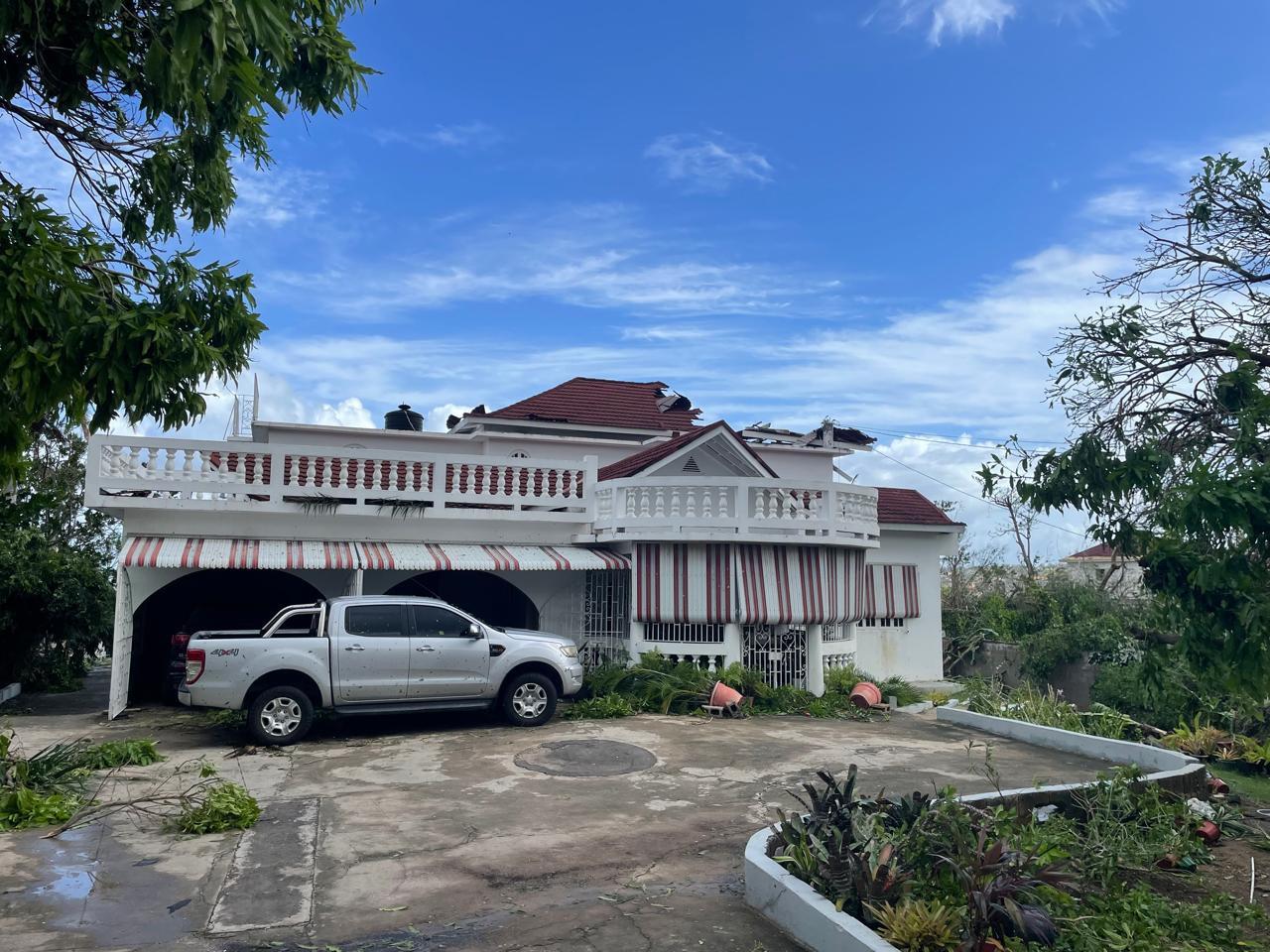
Now let me explain the term poverty, it is a subjectiveterm,itsmeaning,variesaccordingto personal feelings, opinions and experiences such as culture and societal norm. The day-today living conditions deemed “poverty” by those in a first world nation, with access to all modern amenities and resources, may yet be seen by others, as just a humble way of life, for those,particularlyintheruralpartsofacountry. Some may not have had indoor plumbing, running water and a concrete structure for a house, but creatively they were able to survive. They built outdoor latrines, they fetched water from a river or nearby stream, and they slept in awarmbedunderaroof.Manyarefarmerswho tiledthesoilandreapedwhattheysowed,they fished and they were not hungry. Now the dictionary definition of “Poverty” described it as the state of lacking financial resources and essentials for a basic standard of living. After thedescriptionofthestandardoflivingofmost ofthefolkslivingintheruralpartoftheisland,I suppose the ideal term to describe their standard of living pre-Melissa, would be one lacking an abundance of resources or they werejustfinanciallychallenged,notpoor.

I now go back to resilience, when the lives of any folk, of any socio-economic background, have been up ended by a natural disaster, be it fire,flood,tornado,earthquakeorhurricane,the devastation tends to have rippling and lasting effects.Itisnolessimpactfulbutistraumaticfor anyone who survives any of the aforementionedexperienceandthesurvivorshaving to look at the wreckage in the aftermath of any such disaster are almost surely going to find it tobealifealteringexperience.
Humblekinfolksorfolksofwellmeans,allmust nowprocesswhathappened,findawaytodeal with the reality of how their lives are changed and how to move forward. The loss is immeasurable, and the value of what is loss cannot be replaced. Memories and for some, deathofalovedone.
To rebuild a mansion or to rebuild a humble abode takes strength and resources, and to each survivor, it is a setback or for many, crippling.Howresilientweask,issomeonewho hastonowbeforcedtosleepinatentonawet mattresswiththeirchildreninsteadofadrybed in a warm room, how resilient we ask, is someone who has lost the convenience of running water and electricity when the roof of their house is blown off and all amenities are gone. How resilient we ask is someone whose meansoffinancialresourcesarewipedout.
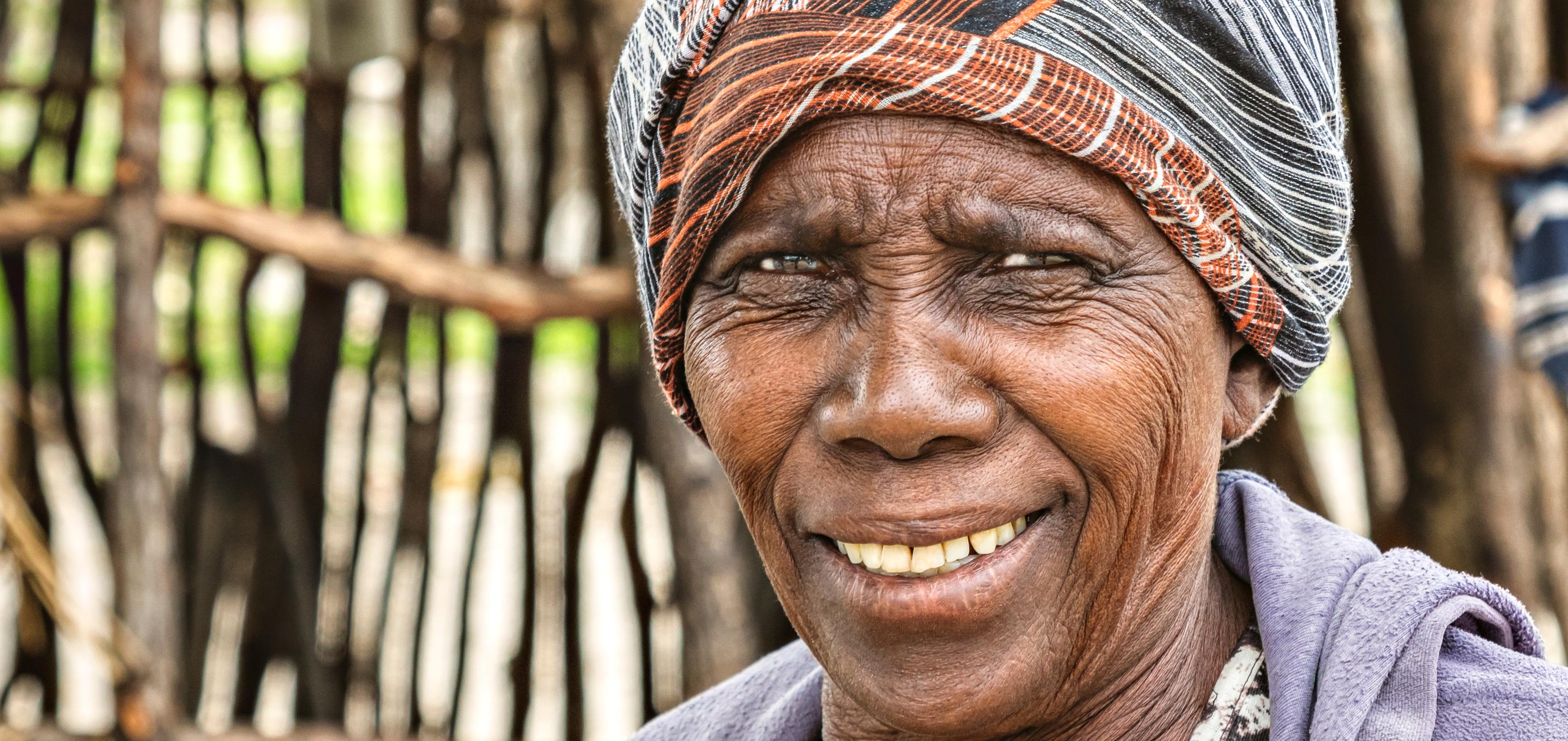
Yes, we are a nation of hard working, people with a unique culture of courage through pain described as fortitude, after all, didn’t we all grow up on the Jamaican proverb that says “tek kin teeth kibba heart bun” which means, to smile through our pain? Melissa has, in one full sweep, blown this saying to smithereens.
This devastation is more than a heart burn it is no laughing matter; it is more than we all can imagine and as our family and friends go through this pain, I encourage them to bawl and holla and to not suffer in silence. Let us debunk the notion that crying is a sign of weakness.
The leaders of my island home are going to have to answer some hard questions of how to move forward and those holding the levers of power are faced with a daunting task to appropriate help across the board, to build back a Jamaica that we all can be proud of.
Whilst the government figures out the effects of this unprecedented disaster and get about the business of rebuilding our nation, we here in the diaspora, as we watch, some of us in silent grief, let us try to offer more than thoughts and prayers, let us listen to the cries, be empathetic and let us offer help with the aim to restore the dignity of our people, then and only then can we measure, how resilient our people are.

by Marsha Jones
There are moments in life when the world feels unfamiliar; when even the things you have grown accustomed to suddenly feel heavy, fragile, or out of place. Hurricane Melissahasbeenoneofthosemomentsforme.
From thousands of miles away in the U.K., I watched my homeland-Jamaica-battered in a way that felt almost apocalyptic. The images looked like scenes from a movie: collapsed homes, flooded communities, uprooted livelihoods, and devastation stretching beyond what the eyecouldtakein.
Andyet,inthemiddleofallthatchaos,mymother-87years old and full of faith-sat in her home without electricity, without the comfort of light, but thankfully spared from structural damage. Her resilience is humbling. But knowing sheissafedoesn’tsilencetheacheIfeelfortherestofthe island, where more than half the population is grappling withdestructionIcanonlyimaginefromafar.
THE DISPLACEMENT YOU FEEL EVEN WHEN YOU’RE NOT DISPLACED
I live in the U.K., a place that has given me opportunities,butalsoonethatconstantlyreminds me that this is not truly my home. As a Black Jamaicanwomaninhealthcare-specificallynursing and midwifery; I have seen and felt the quiet and not-so-quiet ways racism embeds itself in the workplaceandwidersociety.
The Royal College of Nursing has reported a rise in racism experienced by nurses. For those of us who have lived it, this is not surprising; it is simply a truth finallygivenaplatform.Whetheritisbeingoverlooked, undermined, excluded, underestimated, or forced to work twice as hard for half the recognition, the experience remains a painful undercurrent in day-todaylife.
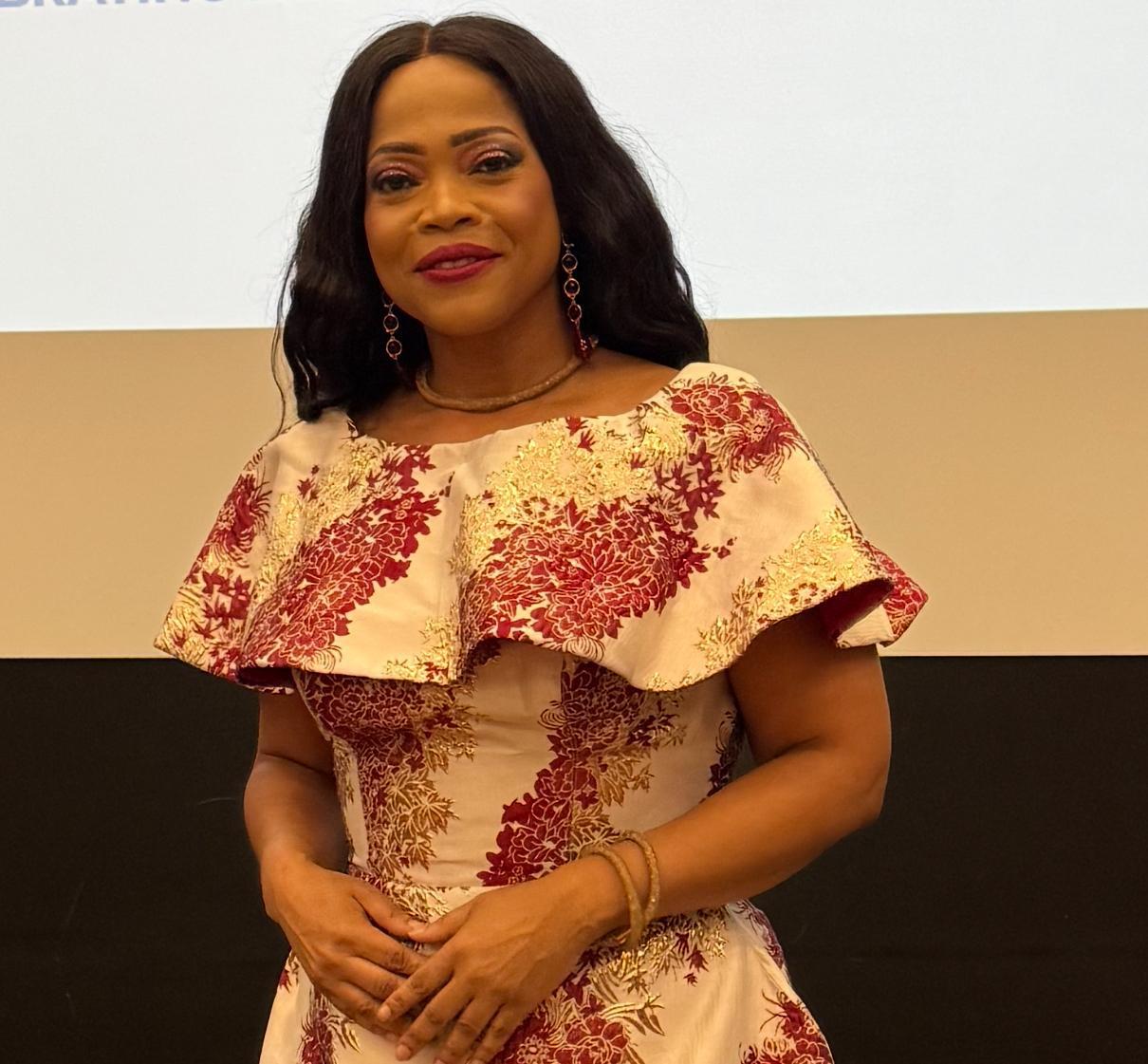
Racism isn’t just about personal interactions; it lives in systems, structures, policies, and the unspoken rules that guide who gets heard, who rises, and who remains invisible. The infrastructure itself is shaped in a way that requires Black people-especially Black Caribbean people; to constantly justify their place.
So when people say, ‘Home is where the heart is,’itresonatesdeeply.
MYHEARTHASNEVERLEFTJAMAICA.
I have always given my best wherever I serve, but my soul remains tethered to the land that shaped me. Every storm, every crisis, every triumph-my spirit feels it. Hurricane Melissa was nodifferent.
The strange thing is this: even though I am safe, with electricity, heating, clean water, and all the comforts of the U.K., this is the first time I have felttrulydisplaced.
Nothomeless,butheart-displaced. Not physically affected, but emotionally uprooted.
Watching Jamaica’s suffering from a distance has shaken something in me. It has made me question my place here in the U.K.; a place where I am often reminded that I am ‘other’ and at the same time made me yearn more deeply forthebelongingthatJamaicaprovides.
ButtheJamaicaIlongforishurting. AndtheU.K.Iliveinistiring. So where does that leave people like me; living indiaspora,stretchedbetweentwoworlds?

Diaspora life is often spoken about in terms of remittances, opportunity, or ‘making something of yourself abroad.’ But what is rarely discussed is the emotional burden-the weight of loving a country that is constantly vulnerabletoforcesoutsideitscontrol,while navigating a country that frequently questionsyourworth.
Hurricane Melissa has left debris on the island, but it has also stirred debris in my spirit, memories, loyalties, questions, and longingsthatkeepresurfacing.
Iamgratefulmymotherissafe. IamgratefulIcanhelpfromafar. Butgratitudedoesn’tcancelgrief.
Perhaps this is what it truly means to be Jamaicanindiaspora:
To build a life abroad while your heart beats totherhythmofhome.
To excel professionally while knowing your identity is still misunderstood or marginalized.
To sit in comfort while feeling discomfort becauseyourpeoplearesuffering.
To be physically present in one world while emotionallyresidinginanother.
Hurricane Melissa reminded me-painfully, beautifully-that no matter where I live, Jamaica lives in me. Even in devastation, even in distance, even in diaspora, my heart knowsexactlywherehomeis.
Andperhapsthatiswhythismomentfeelsso heavy.
Becausetheloveforhomeneverweakens;it onlydeepens.

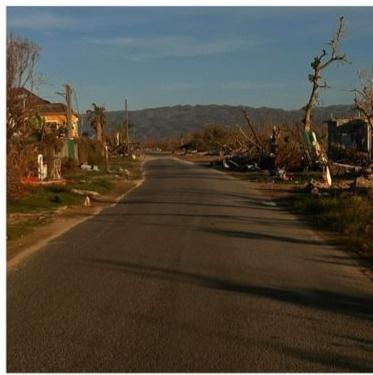
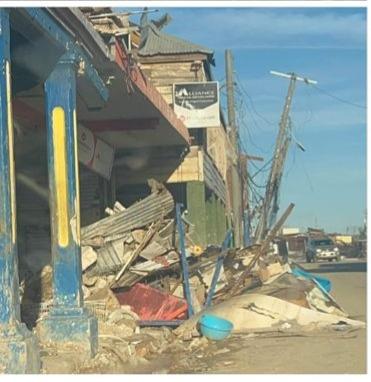
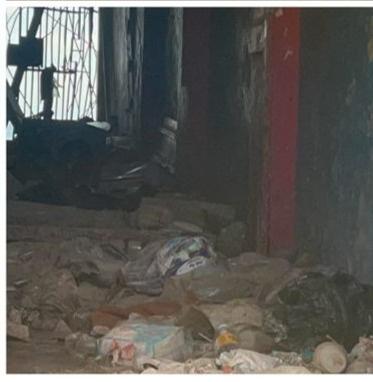
by Ann Marie Patrick
In the days following Hurricane Melissa’s impact, everyday routines in Jamaica have taken on new meaning. This personal account, written by AnnMarie Patrick, captures one such moment. AnnMarie, who lives just outside of Negril with her children, reflects on the emotional morning drive to take her son to school with her daughter Lizzy beside her. Through her eyes, we see not just the physical effects of the storm, but the courage and resilience that families across the island continue to show as life moves forward.
I ended up in Black River earlier today.
Munro has returned to face to face classes and while I await temporary housing considerations (deh statement deh a lot more complex than needed but it a stay), Toro convinced me to allow him to travel as usual. He claimed the regular buses were running but I wouldn’t have it, so I got up at my usual 4AM and by 5:15 we set out. Ideally, 5:05 should be the latest, as the buses in Whitehouse leave around 5:45AM and as I did not know the conditions of the roadway, I couldn’t determine my new travel time.
When I reached Sav I saw three other students, one for Hampton and two seniors that I knew well who were also Munronians. My plan was to go to Whitehouse and confirm for myself that JJ or Mickey were actually offering their services again and then make a decision from that. All the buses were gone when I arrived. I had taken my time and in honesty in the dim dawning light I felt a crippling shock throughout the journey as I remembered “wha did deh yah suh.”
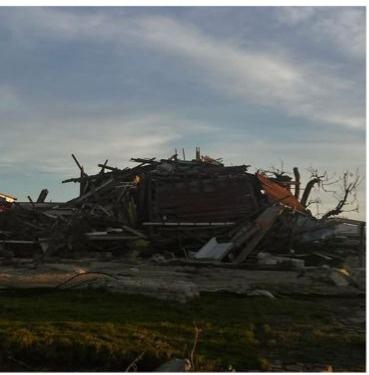
Our next move was to catch up with JJ in Black River at the Black River High School. He was just moments ahead of me and by the time he’d finished his pickups in Brompton we were right under his tail.
After telling Toro to pull up his pants - BTW, we need to consider the mental state of our children and how they’ve been affected by all of this. I saw a light in Toro’s eyes this morning that I didn’t even realize was missing. I think going back to school is as much of therapy as it is for the continuation of studies, but I digressed.
I decided to go beyond the High School and go into Black River. Afterall, I had already seen the pics and videos, heard the accounts, learned of the business places flattened, felt what I felt, it couldn’t be worse, right?
Maybe mi need fi leff it deh suh!
Just know Crane Road for me was like the little pretty quiet cousin that the popular girl Negril has, that few people know about because she’s boarding far away. When you meet her, you fall in love with her completely. That’s Crane Road to me. Melissa walked and dismantled everything! Brick, sand, stone, fence, metal, concrete, everything crumbled at her feet! She dealt a serious blow to the Black River I know, well knew.
Coming back into Sav the sunlight brought new vision to what I had missed. My picturesque, beloved Belmont, whose sea and sunset settled in my heart as a secret paradise that only needed the creation of a proper beach, gripped me to the point that I had to stop to catch my breath. There were no placard bearing residents. Just Tarps and open bedrooms, some still sound asleep while a few still going through rubble perhaps deciding what they can still keep. As I continued to Watercrest, I heard someone yell ‘Ann-Marie’, I felt a tightening in my chest. Lizzy was fast asleep beside me to I could cry but I could not stop. I was not brave enough to, I am sorry. I had no words, no help, no solution, just a house dress and a broken spirit - as an onlooker. I had no right to act as though I could understand even as I write this and stand under my soiled solutex that must be changed, but what do I know of Melissa’s wrath? The value I give is to speak of how all of this breaks my heart.
I stopped at Icon and cried. Bought coffee, used the bathroom and cried again. Then I remembered that Lizzy was in the car and returned to her, all in 15 minutes.
Why am I sharing this, I don’t know. It’s not solution based, it’s not content, it’s not advice, it’s not a lecture.
I don’t know anymore. I just don’t know anymore. I want to end as I have done most of the times by saying ‘we shall overcome’ but I now realize that saying this from inside my house and while I run my car’s AC is easier for me than many.
I don’t know anymore. I just don’t know anymore.