LANDSCAPE LIGHTING TECHNIQUES
EVERY NEED-TO-KNOW METHOD FOR LIGHTING UP THE NIGHT
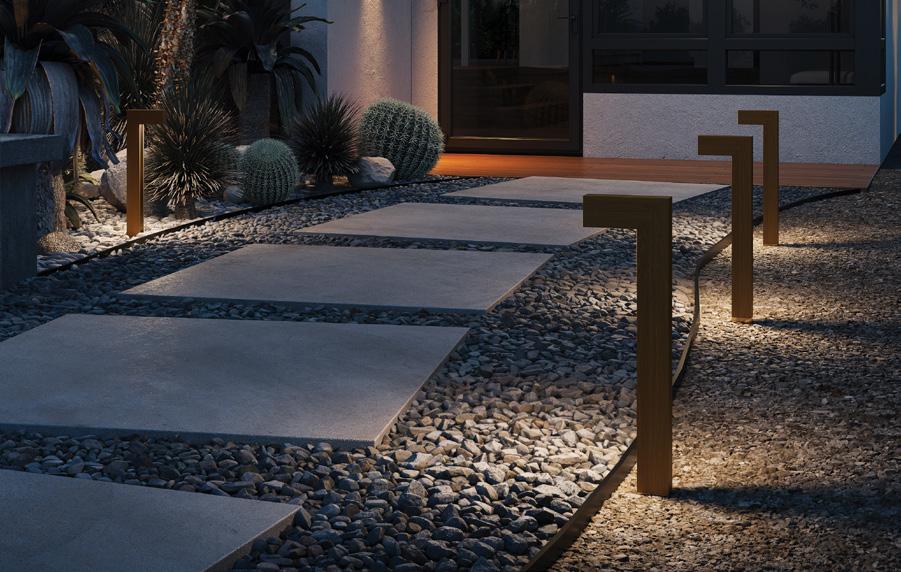
PATH LIGHTING
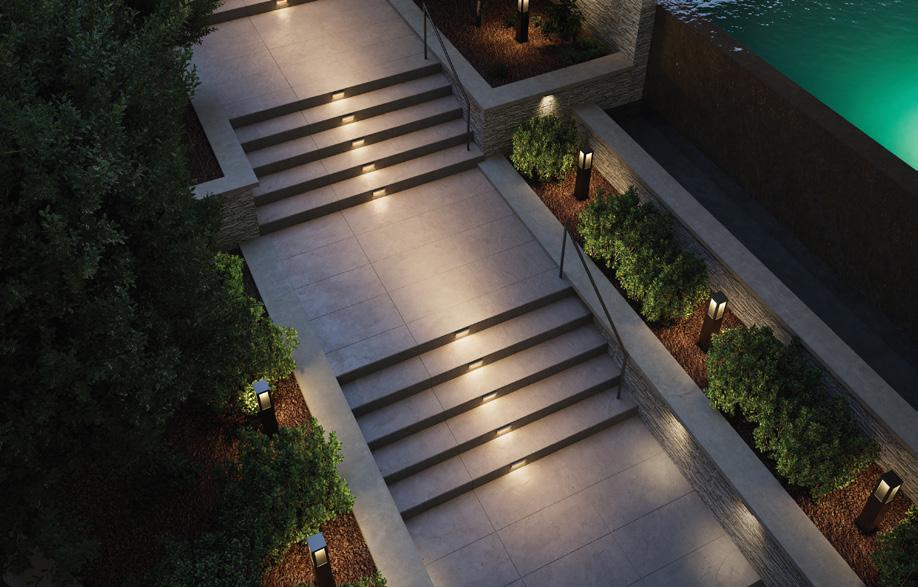
Path and area lighting enhances dynamic landscaping elements such as flower beds, shrubbery, and borders while safely illuminating pathways.
TO CREATE THIS EFFECT
Stagger path lights around walkways every 6 to 8 feet to create pools of light that illuminate a safe passage to your home’s entrance.
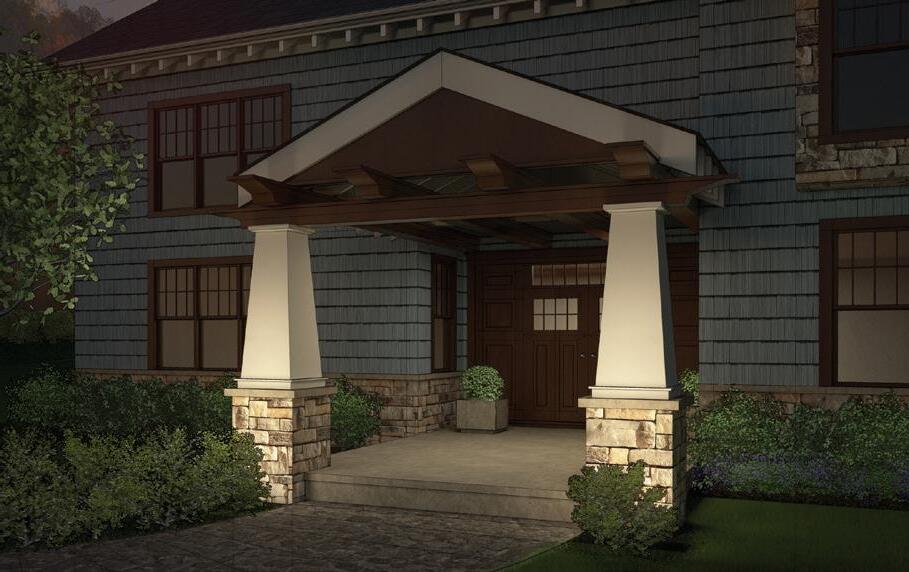
GRAZING
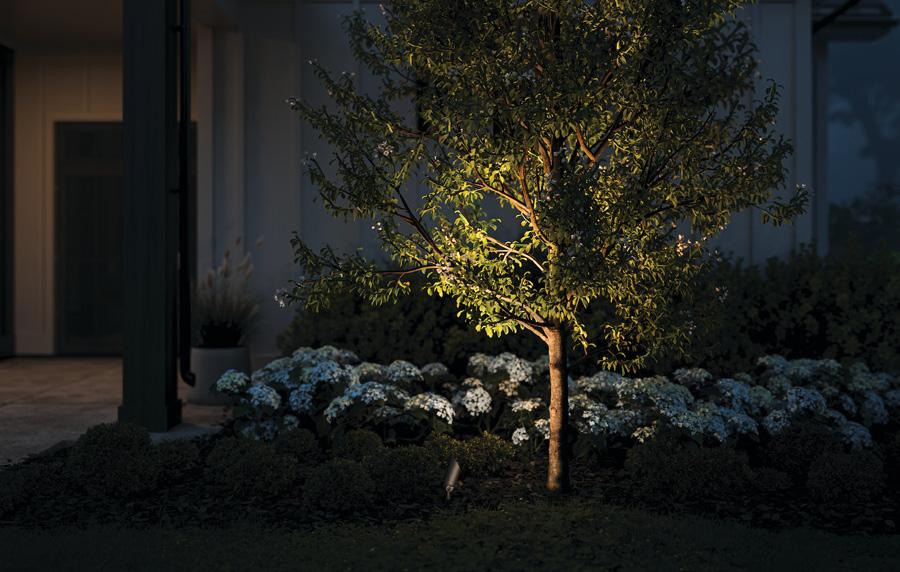
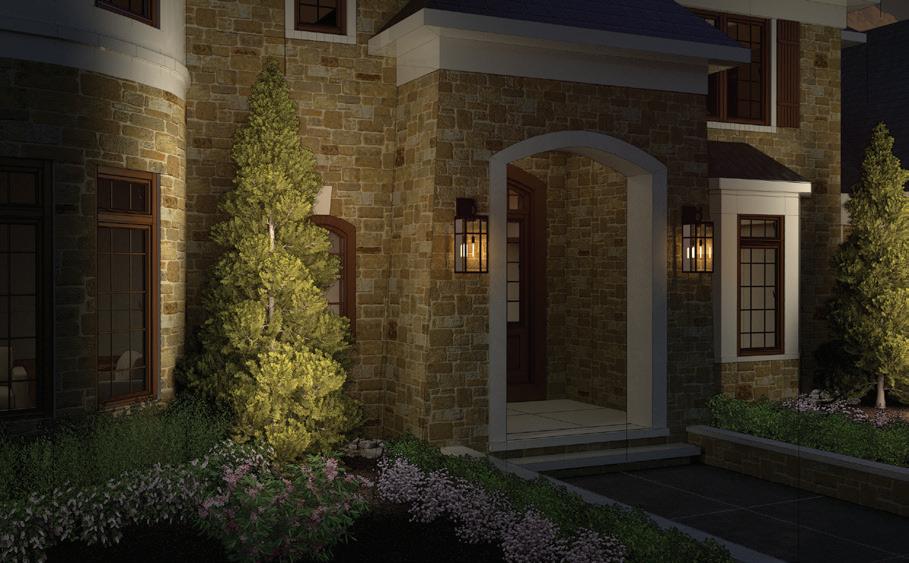
Grazing emphasizes a textured surface (such as a tree trunk, a stone wall, climbing ivy, etc.) by placing a light source within one foot of that surface and aiming the light beam parallel to that surface.
TO CREATE THIS EFFECT
Place spotlights 1 to 2 feet away from and beneath pillars and other architectural features to create dimension and complement entryways.
WALL WASHING
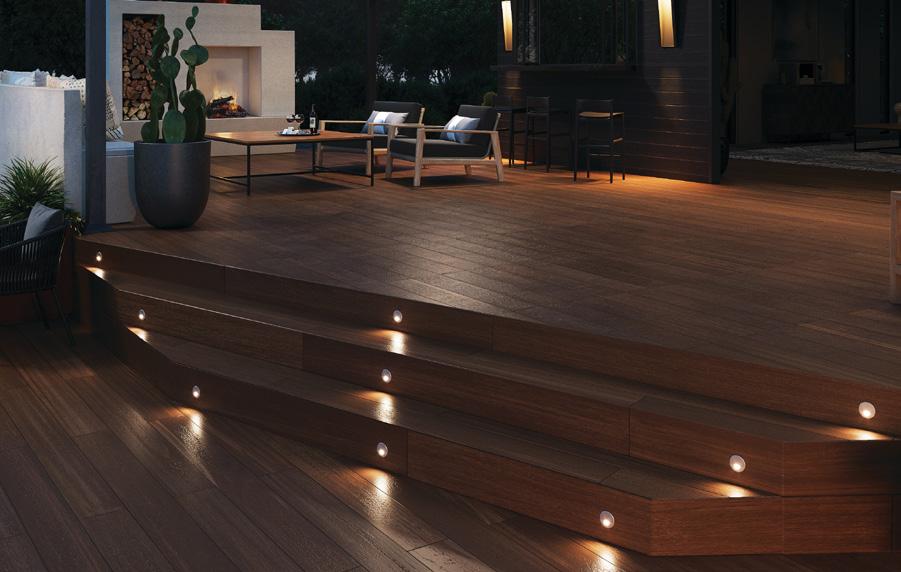
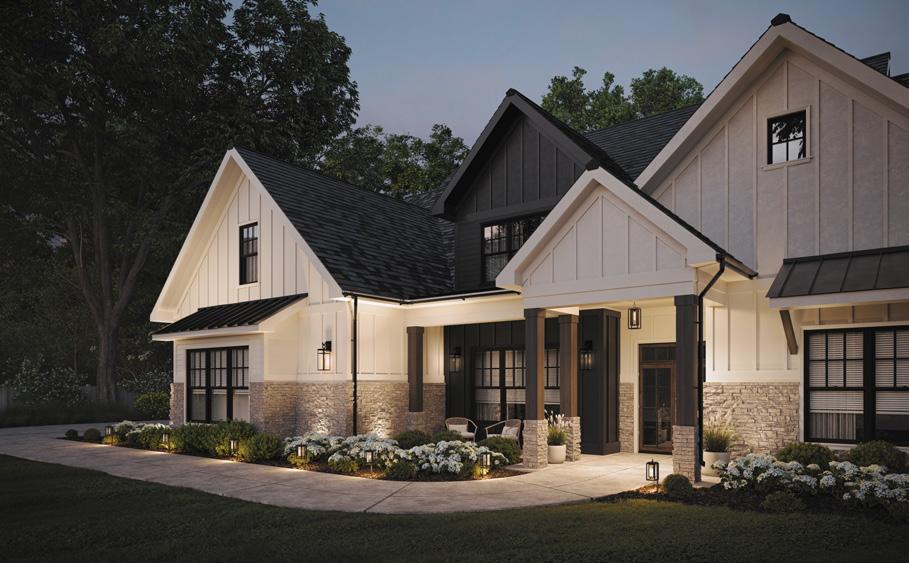
Wall washing is a technique that refers to the general illumination of a wall or surface.
TO CREATE THIS EFFECT
Place spotlights 5 to 8 feet away from and along the front of your home to create a soft light wash.
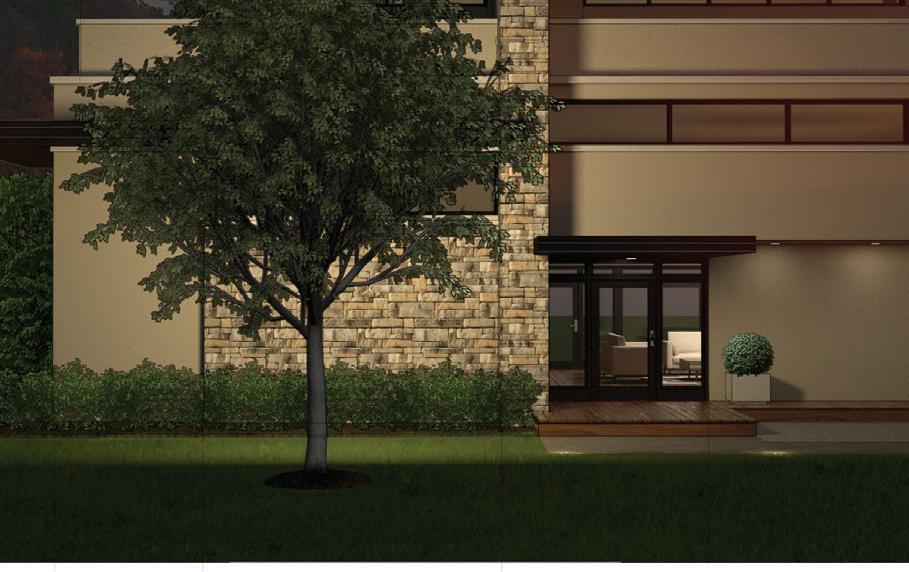
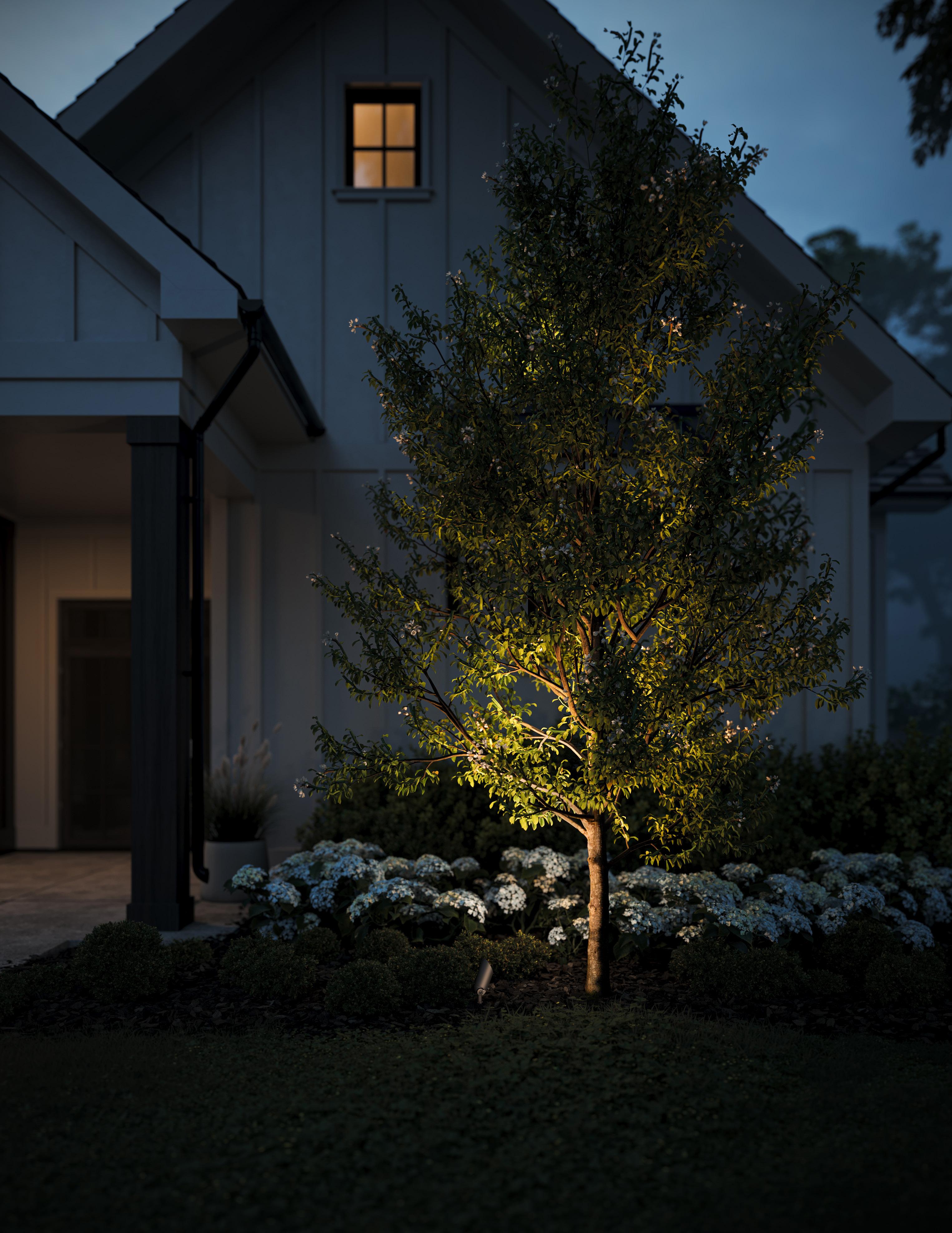
Shadowing is an effect created by placing a light source in front of an object and projecting a shadow onto a surface behind the object.
TO CREATE THIS EFFECT
Place spotlights directly in front of tall bushes and other prominent landscaping elements to produce shadows that project onto your home’s face, creating an interesting and inviting façade.