10 minute read
GENERAL INFORMATION


ence and these instructions, you should be able to develop procedures suitable to your particular situation.
■ Some illustrations in this manual show the mower with safety shields removed to provide a better view. The mower should never be operated with any safety shielding removed. The purpose of this manual is to assist you in operating and maintaining your Flex Wing Mower. Read it carefully. It furnishes information and instructions that will help you achieve years of dependable performance. These instructions have been compiled from extensive field experience and engineering data. Some information may be general in nature, due to unknown and varying operating conditions. However, through experi-
The illustrations and data used in this manual were current at the time of printing. However, due to possible inline production changes, your machine may vary slightly in detail. We reserve the right to redesign and change the machines as may be necessary without notification.
Throughout this manual, references are made to right and left direction. These are determined by standing behind the tractor facing the direction of forward travel. Blade rotation is clockwise as viewed from the top of the mower.
Notes
SAFETY RULES ATTENTION! BECOME ALERT! YOUR SAFETY IS INVOLVED!
Safety is a primary concern in the design and manufacture of our products. Unfortunately, our efforts to provide safe equipment can be wiped out by an operator’s single careless act.
In addition to the design and configuration of equipment, hazard control and accident prevention are dependent upon the awareness, concern, judgement, and proper training of personnel involved in the operation, transport, maintenance and storage of equipment.
It has been said “The best safety device is an informed, careful operator.” We ask you to be that kind of operator.
Training
Safety instructions are important! Read all attachment and power unit manuals; follow all safety rules and safety decal information. (Replacement manuals and safety decals are available from your dealer.) Failure to follow instructions or safety rules can result in serious injury or death.
If you do not understand any part of this manual and need assistance, see your dealer.
Know your controls and how to stop engine and attachment quickly in an emergency.
Operators must be instructed in and be capable of the safe operation of the equipment, its attachments, and all controls. Do not allow anyone to operate this equipment without proper instructions.
Keep hands and body away from pressurized lines. Use paper or cardboard, not hands or other body parts to check for leaks. Wear safety goggles. Hydraulic fluid under pressure can easily penetrate skin and will cause serious injury or death.
Make sure that all operating and service personnel know that if hydraulic fluid penetrates skin, it must be surgically removed as soon as possible by a doctor familiar with this form of injury or gangrene, serious injury, or death will result. CONTACT A PHYSICIAN IMMEDIATELY IF FLUID ENTERS SKIN OR EYES. DO NOT DELAY.
Never allow children or untrained persons to operate equipment.
Preparation
Check that all hardware is properly installed. Always tighten to torque chart specifications unless instructed otherwise in this manual.
Air in hydraulic systems can cause erratic operation and allows loads or equipment components to drop unexpectedly. When connecting equipment or hoses or performing any hydraulic maintenance, purge any air in hydraulic system by operating all hydraulic functions several times. Do this before putting into service or allowing anyone to approach the equipment.
Make sure all hydraulic hoses, fittings, and valves are in good condition and not leaking before starting power unit or using equipment. Check and route hoses carefully to prevent damage. Hoses must not be twisted, bent sharply, kinked, frayed, pinched, or come into contact with any moving parts. Operate moveable components through full operational range to check clearances. Replace any damaged hoses immediately.
Always wear relatively tight and belted clothing to avoid entanglement in moving parts. Wear sturdy, rough-soled work shoes and protective equipment for eyes, hair, hands, hearing, and head; and respirator or filter mask where appropriate.
When attaching a pull-type unit to the tractor drawbar, always use a high-strength drawbar pin. The drawbar pin must have a device that will lock it into position. Secure safety chain to attachment and tractor.
Make sure attachment is properly secured, adjusted, and in good operating condition.
Make sure spring-activated locking pin or collar slides freely and is seated firmly in tractor PTO spline groove.
If equipped with driveline guard tether chains, make sure they are attached to the tractor and equipment as shown in the pamphlet that accompanies the driveline. Replace if damaged or broken. Check that driveline guards rotate freely on driveline before putting equipment into service.
Before starting the power unit, check all equipment driveline guards for damage. Replace any damaged guards. Make sure all guards rotate freely on all drivelines. If guards do not rotate freely on drivelines, repair and replace bearings before putting equipment into service.
(Safety Rules continued on next page)
Safety Rules
ATTENTION! BECOME ALERT! YOUR SAFETY IS INVOLVED!
(Safety Rules continued from previous page)
Power unit must be equipped with ROPS or ROPS cab and seat belt. Keep seat belt securely fastened. Falling off power unit can result in death from being run over or crushed. Keep foldable ROPS systems in “locked up” position at all times.
Inspect chain shielding before each use. Replace if damaged.
Remove accumulated debris from this equipment, power unit, and engine to avoid fire hazard.
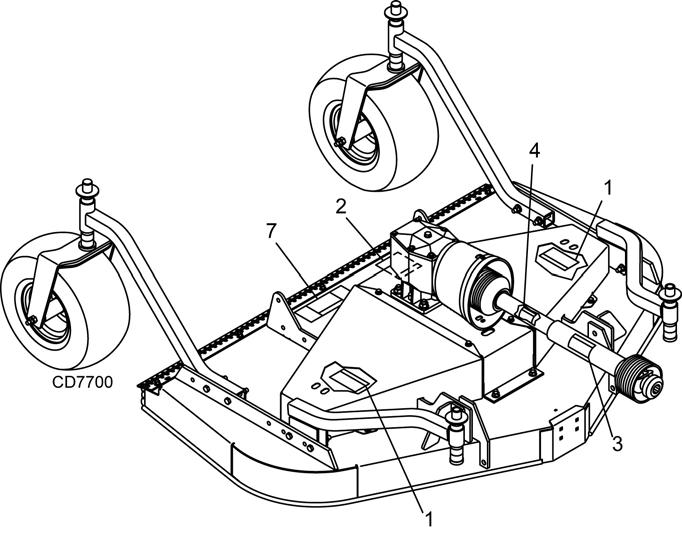
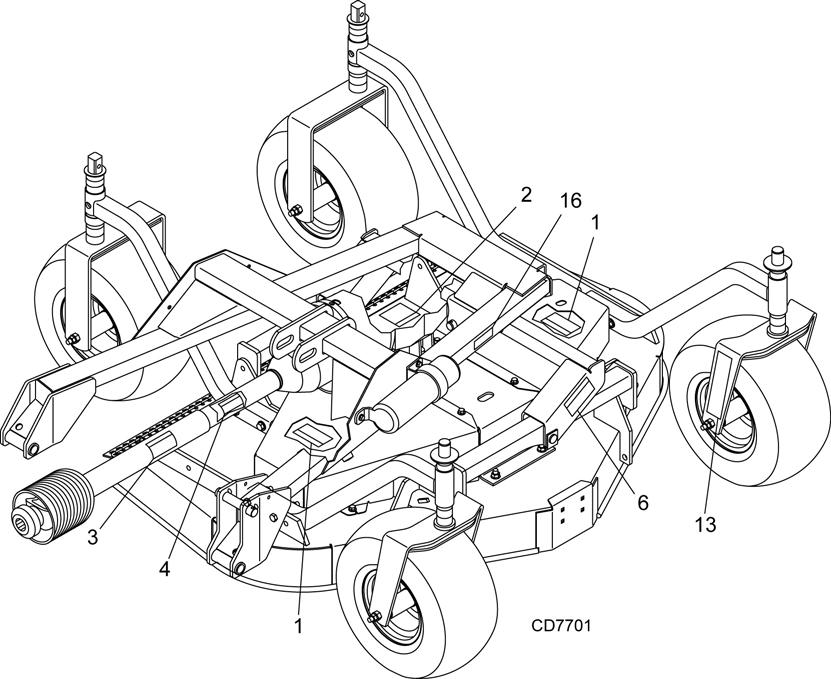
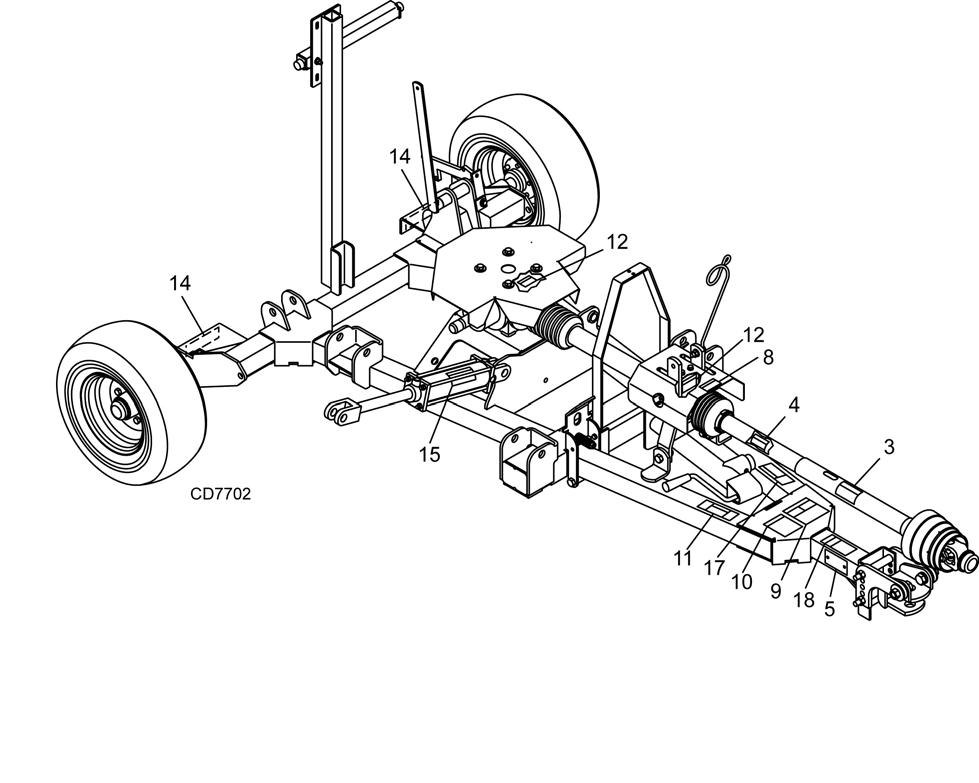
Make sure all safety decals are installed. Replace if damaged. (See Safety Decals section for location.)
Make sure shields and guards are properly installed and in good condition. Replace if damaged.
A minimum 20% of tractor and equipment weight must be on the tractor front wheels when attachments are in transport position. Without this weight, tractor could tip over, causing personal injury or death. The weight may be attained with front wheel weights, ballast in tires or front tractor weights. Weigh the tractor and equipment. Do not estimate.
Inspect and clear area of stones, branches, or other hard objects that might be thrown, causing injury or damage.
Never attach the mower release rope to the operator, the operator's clothing, or the tractor seat.
Make test turns, both left and right. Check that both the hydraulic hose and the mower transport lock release rope do not become taut or caught on any parts of the tractor or mower.
Transportation
The maximum transport speed for towed and semi-mounted machines is 20 mph (32 km/h). Regardless of the maximum speed capability of the towing tractor, do not exceed the implement’s maximum transport speed. Doing so could result in:
•Loss of control of the implement and tractor
•Reduced or no ability to stop during braking
•Implement tire failure
•Damage to the implement or its components. Use additional caution and reduce speed when under adverse surface conditions, turning, or on inclines.
Do not operate PTO during transport.
Never tow this implement with a motor vehicle.
Operation
Only engage power when equipment is at ground operating level. Always disengage power when equipment is raised off the ground.
Do not allow bystanders in the area when operating, attaching, removing, assembling, or servicing equipment.
Never walk, stand, or place yourself or others under a raised wing or in the path of a lowering wing. Hydraulic system leak-down, hydraulic system failures, mechanical failures, or movement of control levers can cause wings to drop unexpectedly and cause severe injury or death.
Full chain shielding must be installed when operating in populated areas or other areas where thrown objects could injure people or damage property.
•If this machine is not equipped with full chain shielding, operation must be stopped when anyone comes within 300 feet (92 m).
•This shielding is designed to reduce the risk of thrown objects. The mower deck and protective devices cannot prevent all objects from escaping the blade enclosure in every mowing condition. It is possible for objects to ricochet and escape, traveling as much as 300 feet (92 m).
Never direct discharge toward people, animals, or property.
Do not operate or transport equipment while under the influence of alcohol or drugs.
Operate only in daylight or good artificial light.
Keep hands, feet, hair, and clothing away from equipment while engine is running. Stay clear of all moving parts.
Always comply with all state and local lighting and marking requirements.
Never allow riders on power unit or attachment.
Power unit must be equipped with ROPS or ROPS cab and seat belt. Keep seat belt securely fastened. Falling off power unit can result in death from being run over or crushed. Keep foldable ROPS systems in “locked up” position at all times.
(Safety Rules continued on next page)
SAFETY RULES ATTENTION! BECOME ALERT! YOUR SAFETY IS INVOLVED!
(Safety Rules continued from previous page)
Always sit in power unit seat when operating controls or starting engine. Securely fasten seat belt, place transmission in neutral, engage brake, and ensure all other controls are disengaged before starting power unit engine.
Operate tractor PTO at 540 RPM. Do not exceed.
Do not operate mowers on terrain that raises mowers beyond 25 degrees. Exceeding this design limit will result in U-joint “knocking noise” and potential driveline failure and could cause driveline to pull apart.
Before raising or lowering wings, front hitch/lift and rear wheel/lift cylinders must be fully extended and all four cylinder locks installed. This prevents rotor and bearing support damage that can result from ground contact.
Look down and to the rear and make sure area is clear before operating in reverse.
Do not operate or transport on steep slopes.
Do not stop, start, or change directions suddenly on slopes.
Use extreme care and reduce ground speed on slopes and rough terrain.
Watch for hidden hazards on the terrain during operation.
Stop power unit and implement immediately upon striking an obstruction. Dismount power unit, using proper procedure. Inspect and repair any damage before resuming operation.
Always connect safety chain from equipment to towing vehicle when transporting.
Maintenance
Before dismounting power unit or performing any service or maintenance, follow these steps: disengage power to equipment, lower the 3-point hitch and all raised components to the ground, operate valve levers to release any hydraulic pressure, set parking brake, stop engine, remove key, and unfasten seat belt.
Before working underneath, carefully read Operator’s Manual instructions, disconnect driveline, raise mower, securely block up all corners with jackstands, and check stability. Secure blocking prevents equipment from dropping due to hydraulic leak down, hydraulic system failures, or mechanical component failures.
Do not modify or alter or permit anyone else to modify or alter the equipment or any of its components in any way.
Your dealer can supply original equipment hydraulic accessories and repair parts. Substitute parts may not meet original equipment specifications and may be dangerous.
To prevent contamination, clean and then cover hose ends, fittings, and motor ports with tape.
Always wear relatively tight and belted clothing to avoid entanglement in moving parts. Wear sturdy, rough-soled work shoes and protective equipment for eyes, hair, hands, hearing, and head; and respirator or filter mask where appropriate.
Do not allow bystanders in the area when operating, attaching, removing, assembling, or servicing equipment.
Make sure attachment is properly secured, adjusted, and in good operating condition.
Keep all persons away from operator control area while performing adjustments, service, or maintenance.
Frequently check blades. They should be sharp, free of nicks and cracks, and securely fastened.
Do not handle blades with bare hands. Careless or improper handling may result in serious injury.
Your dealer can supply genuine replacement blades. Substitute blades may not meet original equipment specifications and may be dangerous.
Tighten all bolts, nuts and screws to torque chart specifications. Check that all cotter pins are installed securely to ensure equipment is in a safe condition before putting unit into service.
Make sure all safety decals are installed. Replace if damaged. (See Safety Decals section for location.)
Make sure shields and guards are properly installed and in good condition. Replace if damaged.
Do not disconnect hydraulic lines until engine is stopped, power unit is properly secured, equipment and all components are lowered to the ground, and system pressure is released by operating all valve control levers.
(Safety Rules continued on next page)
Safety Rules
ATTENTION! BECOME ALERT! YOUR SAFETY IS INVOLVED!
(Safety Rules continued from previous page)
When lubricating telescoping PTO drives, keep fingers out of shield access slots to prevent injury.
Wear gloves when installing belt. Be careful to prevent fingers from being caught between belt and pulley.
Use care when installing or removing belt from spring-loaded idler. Springs store energy when extended and, if released suddenly, can cause personal injury.
Storage
Block equipment securely for storage.
Keep children and bystanders away from storage area.
ATTENTION! BECOME ALERT! YOUR SAFETY IS INVOLVED!
Replace Immediately If Damaged!
PRODUCT IDENTIFICATION NUMBER LENEXA, KS, U.S.A.
Danger
ROTATING
Blades And Thrown
OBJECTS
Do not put hands or feet under or into mower when engine is running.
Before mowing, clear area of objects that may be thrown by blade.
Keep bystanders away.
Keep guards in place and in good condition.
BLADE CONTACT OR THROWN OBJECTS CAN CAUSE SERIOUS INJURY OR DEATH.
5WPMAN0862 (11/22/2010)
BE CAREFUL!
Use a clean, damp cloth to clean safety decals. Avoid spraying too close to decals when using a pressure washer; high-pressure water can enter through very small scratches or under edges of decals causing them to peel or come off.
WARNING
16 - 5WP38446
IMPORTANT
OPERATINGMOWERSATRAISEDANGLESEXCEEDING25 WILLCREATEU-JOINTKNOCKINGNOISEANDDAMAGE DRIVELINE.FAILURESRESULTINGFROMTHISOPERATION WILLNOTBECOVEREDBYWARRANTY.
WING DECK
12 - 5WP18869
9 - 5WP18865
FALLINGOFFCANRESULTINBEINGRUNOVER.
TractormustbeequippedwithROPS(orROPSCAB)andseat belt.KeepfoldableROPSsystemsin“lockedup”positionatall times.
BuckleUp!Keepseatbeltsecurelyfastened.
Allownoriders.
RAISEDEQUIPMENTCANDROPANDCRUSH.
Beforeworkingunderneath,followallinstructionsandsafetyrulesin operator’smanualandsecurelyblockupallcornersofequipment withjackstands.
Securelyblockingpreventsequipmentdroppingfromhydraulicleakdown,hydraulicsystemfailuresormechanicalcomponentfailures.
FALLINGOFFORFAILINGTOBLOCKSECURELYCAN RESULTINSERIOUSINJURYORDEATH.
SAFETY & INSTRUCTIONAL DECALS
Warning
RAISEDMOWERCANDROPANDCRUSH
Beforeworkingunderneathrearmower: Raiserearmowertotransportposition. Insertpintolocktransportlatch. Securelyblockuprearofmower.Seemanual. Blockinguppreventsmowerdroppingfrom transportlatchreleaseorfailure,hydraulicleak down,orhydraulicsystemfailures.
FAILURETOFOLLOWINSTRUCTIONSCAN RESULTINSERIOUSINJURYORDEATH.
Warning
RAISEDMOWERSCAN DROPANDCRUSH
Keepaway.Donotgounderneath. Whenraised,insertpinstolocktransportlatches. Loweraftertransport.
FAILURETOFOLLOWINSTRUCTIONSCAN RESULTINSERIOUSINJURYORDEATH.
4 - 5WP33347
WARNING
RAISEDMOWERCAN DROPANDCRUSH
Beforeworkingunderneathsidemowers,lower sidemowersandsecurelyblockup.Seemanual. Blockinguppreventsmowerdroppingfrom transportlatchreleaseorfailure,hydraulicleak downorhydraulicsystemfailure.
Warning
RAISEDMOWERSEXPOSE BLADESANDINCREASE THROWNOBJECTHAZARDS
Onlyraisefortransport.
Stopmowersbeforeraising.
FAILURETOFOLLOWINSTRUCTIONSCAN RESULTINSERIOUSINJURYORDEATH.
Warning
CRUSHING AND PINCHING HAZARD
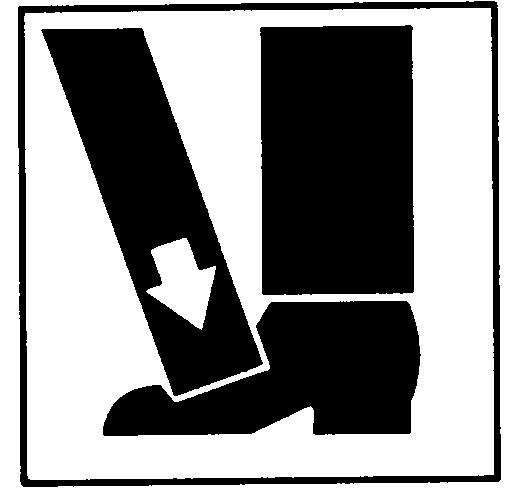
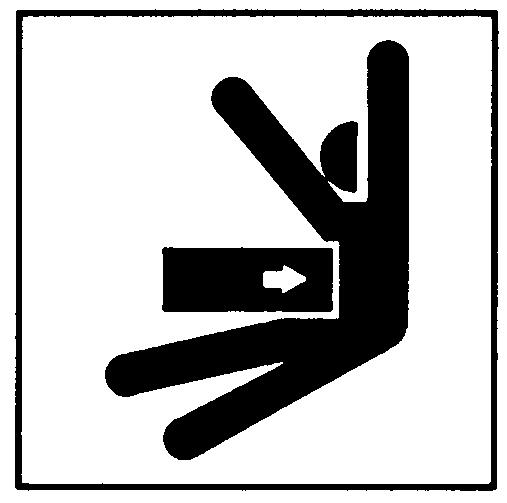
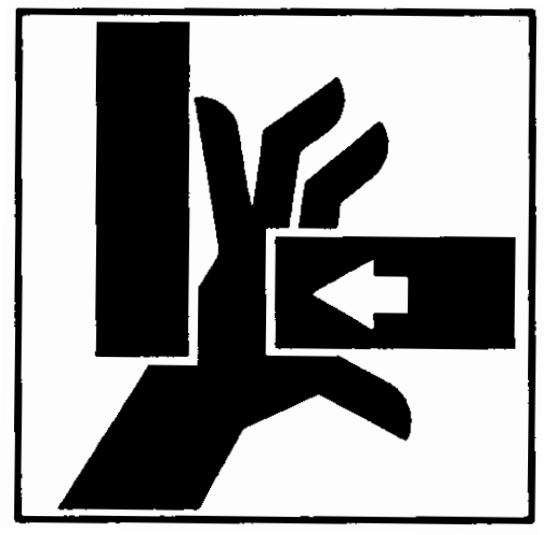
Be extremely careful handling various parts of the machine. They are heavy and hands, fingers, feet, and other body parts could be crushed or pinched between tractor and implement.
Operate tractor controls from tractor seat only.
Do not stand between tractor and implement when tractor is in gear.
Make sure parking brake is engaged before going between tractor and implement.
Stand clear of machine while in operation or when it is being raised or lowered.
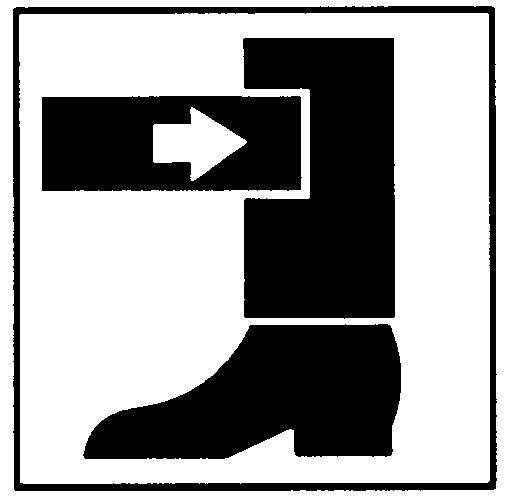
FAILURE TO FOLLOW THESE INSTRUCTIONS COULD RESULT IN SERIOUS INJURY OR DEATH.
Warning
TO AVOID SERIOUS INJURY OR DEATH:
Read Operator's Manual (available from dealer) and follow all safety precautions.
Keep all shields in place and in good condition.
Operate mower from tractor seat only.
Lower mower, stop engine and remove key before dismounting tractor.
Allow no children or untrained persons to operate equipment.
Do not transport towed or semi-mounted units over 20 mph.
FAILURE TO OPERATE SAFELY CAN RESULT IN INJURY OR DEATH. 18877-C