3 minute read
Batteries

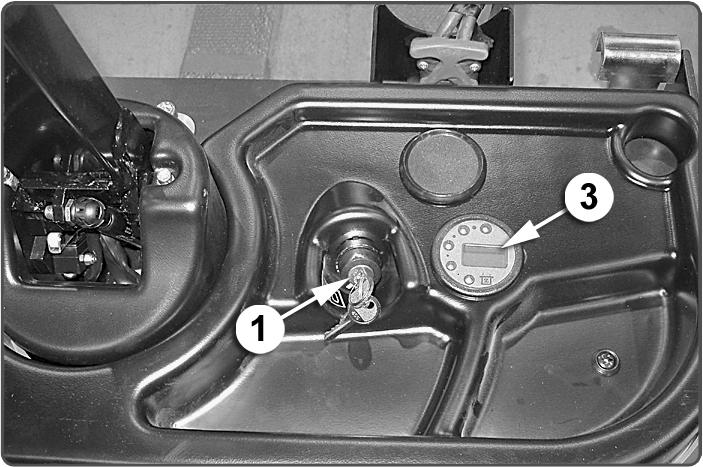
Only transport a load when it has been loaded safely.
• Always drive the truck with its forks lowered. • When the load is raised, steer and brake carefully. • If the truck has side stabilisers, use them when you fetch or leave a load. Raise them when driving. • Do not let anyone, under any circumstances, walk or stand under the forks. • Never place any part of your body between the mast structures or any moving parts of the truck. • When carrying a load larger than the outlines of the truck, take into account the extra space it requires. • Only handle undamaged loads. • Place the load correctly. • On slopes and ramps, place yourself above the load. • Do not overload.
Lifting capacity
The lifting capacity of the truck is printed on the capacity plate. Obey the maximum values for load weight and load center information in different loading situations. Take into account the effect of any attachments on the lifting capacity.
WARNING!
Do not exceed the truck's maximum loading capacity under any circumstances.
Handling a load
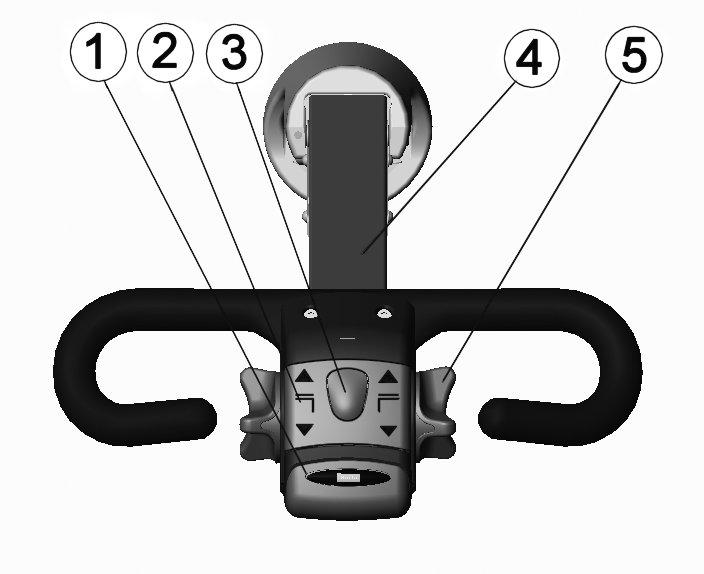
Lift and lower a load with the push buttons on the tiller arm. Place the load so that its weight is distributed evenly on the lifting forks.
WARNING!
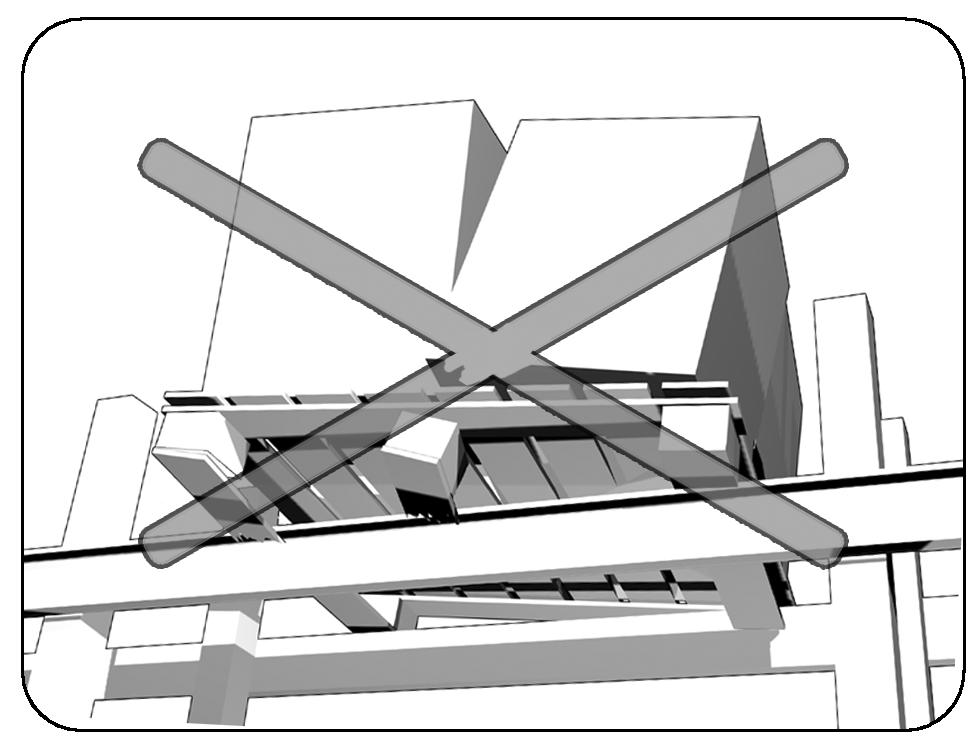
A broken pallet or an unstable load must never be left on a shelf or stack, but must always be removed.
Only appointed and trained personnel may replace and recharge batteries. Individuals maintaining batteries must have sufficient protective clothing and eye gear.
• Do not handle a naked flame in the vicinity of batteries because of a risk of explosion. • Do not smoke when working with batteries. • Do not leave tools or other metal implements on top of the battery. Sparking or a short-circuit may cause the battery to explode. • When batteries are recharged, the cell plugs must be closed firmly to prevent splashing of battery fluid. • Battery fluid is a corrosive acid solution; avoid getting it on your skin or in your eyes. The battery fluid develops explosive gas at the end phase of recharging. Therefore, make sure that the battery has sufficient ventilation (this does not apply to maintenance-free batteries). • A low battery charge status may damage the battery during long-time use. • 1600 kg capacity trucks 2 V/cell
Recharging the battery
Make sure that the charger is the appropriate model and that the battery has sufficient ventilation.
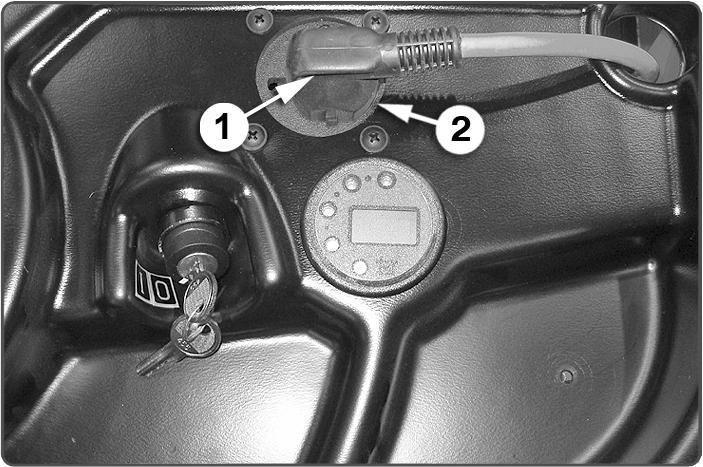
1. Park the truck in a reserved recharging place. 2. Switch off the power from the key switch. 3. Make sure that the charger has been switched off. 4. Disconnect the battery connector and connect it to the charger. 5. Switch on the charger.
After recharging
1. Switch off the charger. 2. Disconnect the battery connector from the charger. Grab the plugs; do not pull the cables. 3. Check the battery according to the battery manufacturer's maintenance instructions.
Measuring the specific gravity of the battery cell
Measure the specific gravity of the battery fluid according to the manufacturer's instructions. The acid density of a fully charged battery is 1.28 to 1.30 at +30°C.
• 1.24 3/4 charged • 1.20 1/2 charged • 1.16 1/4 charged • 1.15 empty. Charge the battery immediately.
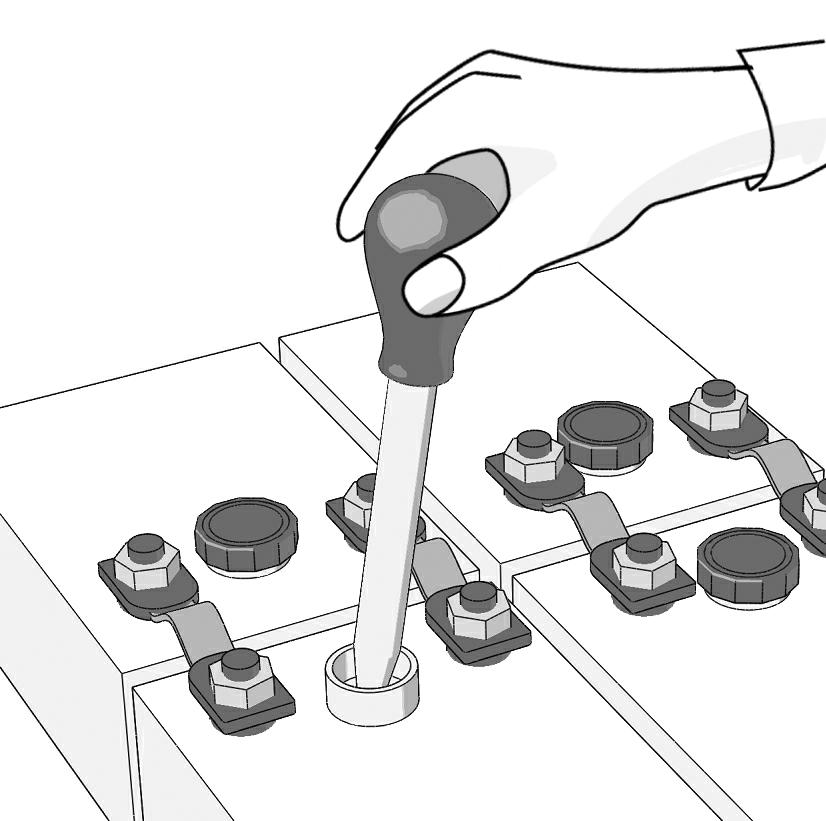
Replacing the battery
Replace the battery according to the manufacturer's instructions. When reinstalling batteries, use the appropriate tools for moving, connecting and fastening the battery securely. Do not keep the tools or other metal implements on top of uncovered batteries. When replacing the battery, use one with similar dimensions and weight so that the stability or braking properties of the truck are not weakened. The minimum weight of the battery is indicated on the identification plate of the truck. When you use a lifting device for lifting the battery, place a non-conductive plate on top of the battery to avoid the risk of a short circuit. This is not necessary if the lifting device has sufficient insulation and is equipped with a distributor, or if the pole shoes and cell combinations are fully protected.