2 minute read
Operating devices

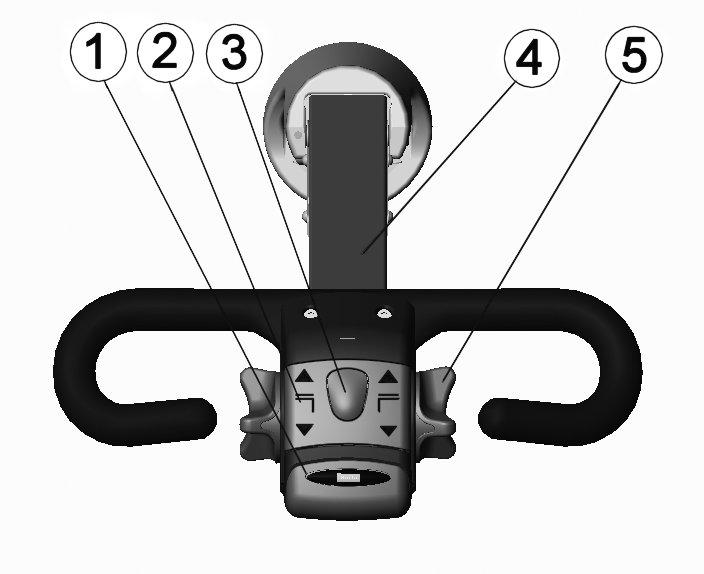
The truck is to be used in dry, indoor facilities with hard, even and level floors. The temperature range in which the truck can continuously operate is +5 to +25°C, and for short periods +0 to +45°C. If the operating temperatures differ from the above mentioned, contact your truck dealer to obtain a separate machine designed for cold and freezing temperatures. A special machine for freezing conditions can be used in temperatures down to -35°C. This truck conforms to all the relevant requirements of the EU machine safety directive and thus has a CE marking.
Never use the truck:
• To transport and lift people • At premises with risk of fire • At premises with risk of explosion • At premises with insufficient floor load capacity • If it is damaged • As a mounting surface • To tow another truck • Under the influence of intoxicating substances
Free space
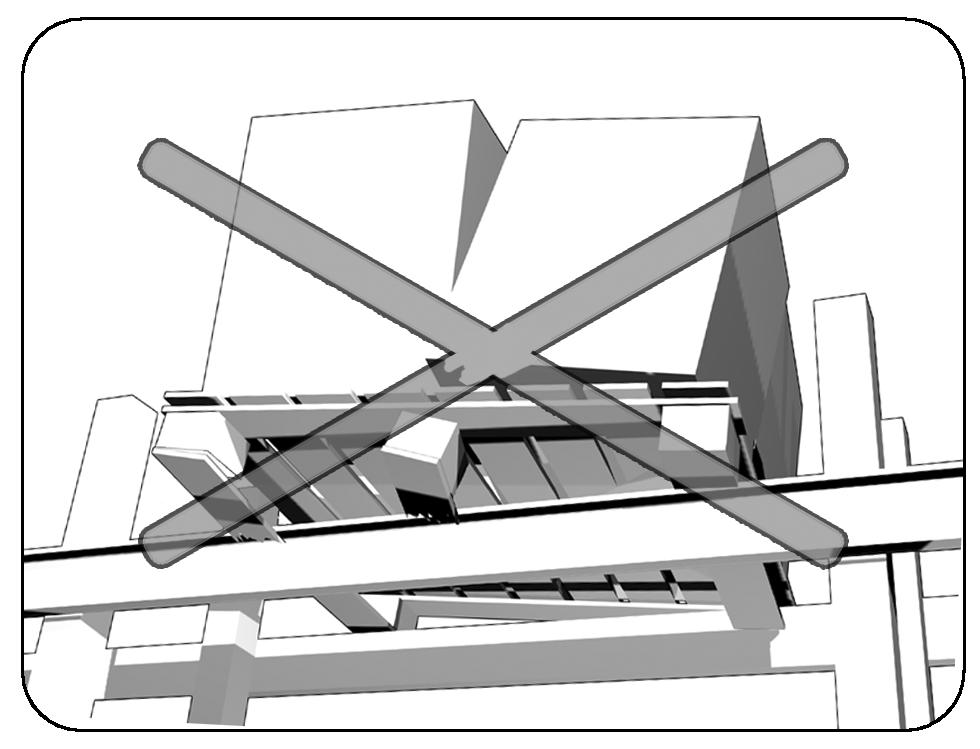
Make sure that the truck has sufficient moving space with respect to overhead structures. Before driving through aisles or door openings, ensure that there is enough space for the truck, the load and yourself. NOTE Always drive at a safe distance from the edge of loading platforms or bridges.
Bearing capacity of the floor
Make sure that the combined weight of the truck and the load does not exceed the bearing capacity of the floor.
Using elevators
You need permission from the site supervisor to use an elevator to transport the truck between floors. Make sure that the combined weight of the truck, the load and yourself does not exceed the maximum load capacity of the elevator. Always drive the truck into elevators and any other narrow spaces with the load in front. NOTE Make sure that there are no people in the elevator when driving the truck in or out. The parking brake of the truck must be on before the elevator moves.
Working on ramps
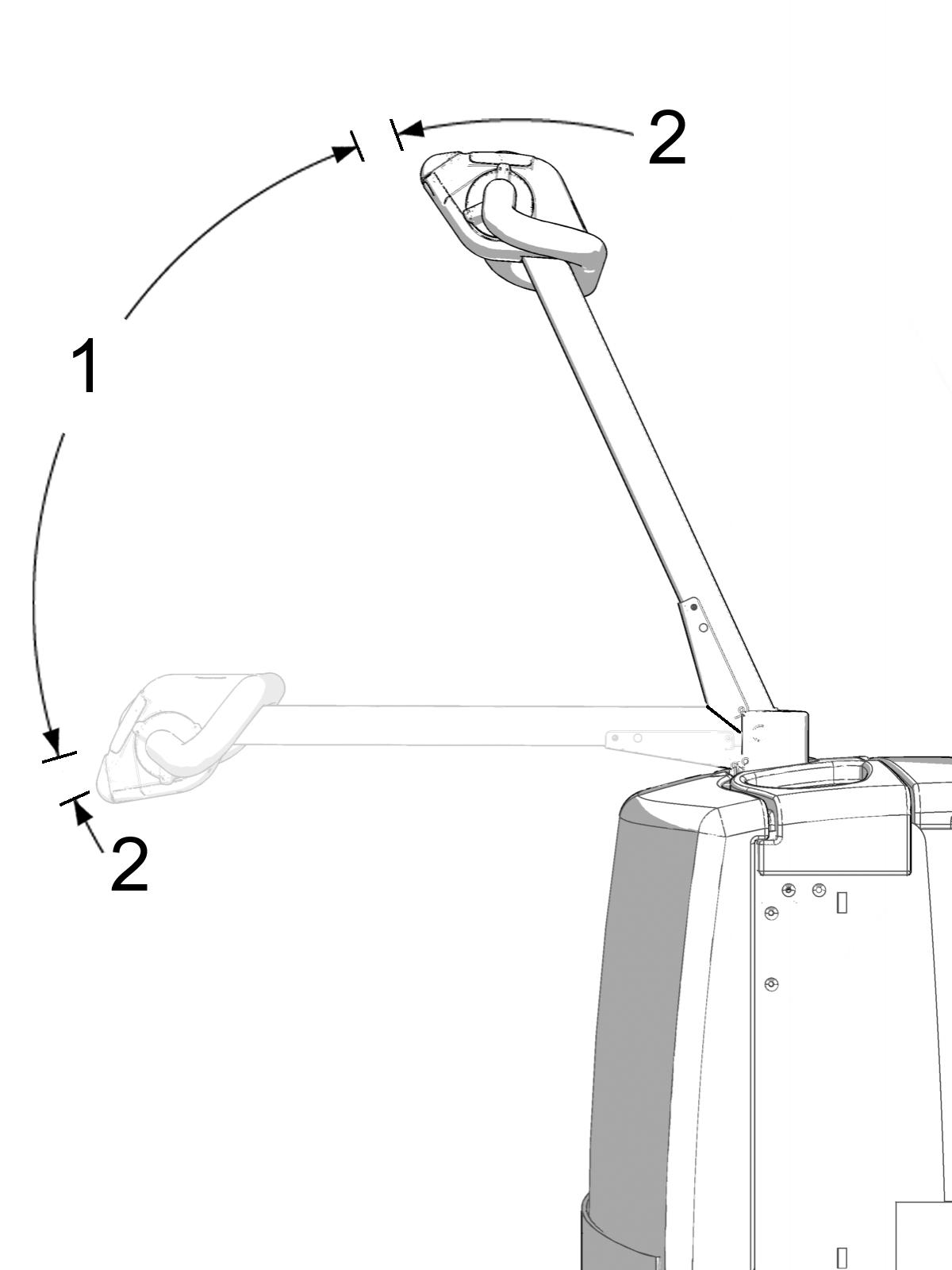
You need permission from the site supervisor to drive on a slope or ramp. When the truck is loaded, travel with the load pointing uphill. Without a load, you can travel with the forks pointing downhill. NOTE Do not turn the tiller arm abruptly on a ramp. The truck might overturn.
Working on loading bridges
Always check the bearing capacity and the fastening of the bridge before loading or unloading. If you need to drive the truck onto another vehicle, ensure that the vehicle cannot move during this procedure. Do not drive to the edges of a loading bridge because there is always a risk of overturning.
Control panel
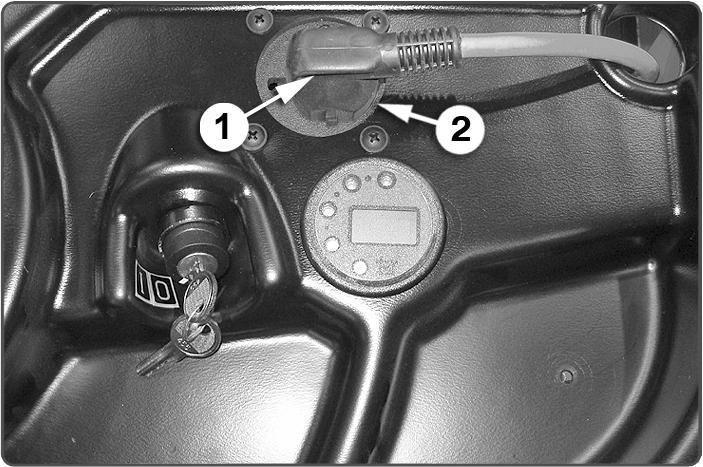
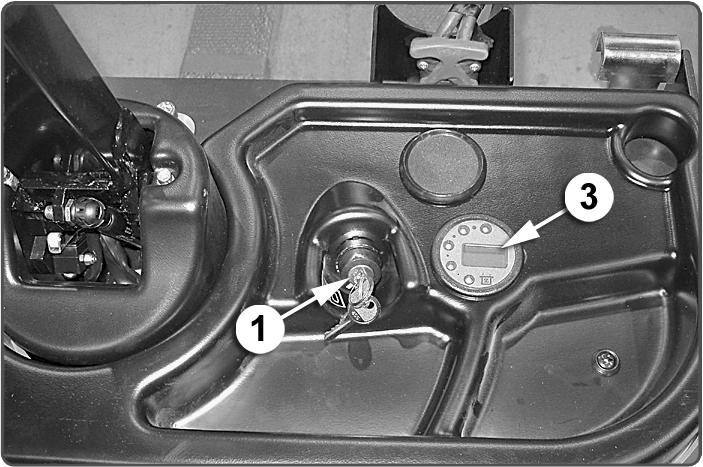
Key switch (1)
The key switch connects the truck's electrical equipment to the battery circuit. 0 = Power off (the power may still be connected to certain electronic devices) 1 = Power on
Hour meter and battery discharge indicator (3)
The hour meter displays the time that the truck has been in active operation. It is always on when the electrical devices are operating. The battery discharge indicator shows the level of the battery charge. Lifting is disabled if the battery charge is too low. However, you should recharge the battery before the charge drops too much.
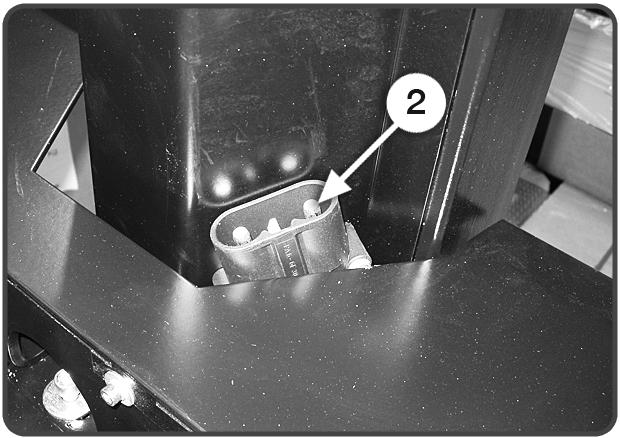
Recharging plug and main switch (2)
The recharging plug works as the main switch and also as an emergency stop switch. See Section Recharging the battery in Chapter 7 Batteries for instructions on using the plug to recharge the battery.