





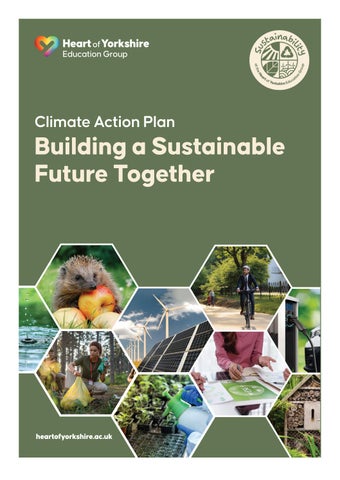
As a college group, we recognise our responsibility to take bold, meaningful action on climate change. Our commitment to sustainability is rooted in our vision to lead by example - embedding climate action into every aspect of college life, from our campuses and operations to our curriculum and community engagement.
This Climate Action Plan outlines our priorities across four key areas:
1. Decarbonisation of our Estate
2. Biodiversity
3. Climate Adaptation and Resilience
4. Green Skills, Careers and Curriculum
These commitments reflect our ambition to embed sustainability across all we do -from our estates to our classrooms, our careers programmes to our student experiences. By working together, we aim to reduce our environmental footprint, prepare students for the green economy, and build healthier, more resilient communities.
In order to realise these commitments, we must take a Group-wide approach with clear direction and leadership to embed sustainability into all levels of decision-making and operations. This has included:
+ Appointing a Sustainability Lead and other roles to support our sustainability journey whilst creating avenues of communication across the Group to drive initial change.
+ Embody climate action within our strategic plan and ensuring regular reporting to governors and stakeholders.
+ Empowering students through sustainability initiatives and climate leadership activity.


Our Aim: To achieve significant reductions in carbon emissions and promote sustainable operations.
In order to contribute to the UK’s net zero targets and reduce our environmental impact, we will take action to decarbonise our buildings, operations, and procurement. This will include both technical measures and engagement activities to reduce energy use, emissions, and waste.
What we’re doing:
+ Renewable Energy: With various partners, we are exploring our options for greener energy.
+ LED Projects: We have completed installations at Wakefield College and are sourcing funding to support expansion to our other colleges.
+ Gaining insight: Through partnership, we are developing our understanding of the science behind emissions accounting and the impact on our organisation.
+ Carbon Accounting: We have implemented activity to capture and report our Scope 1, Scope 2 and Scope 3 emissions and are exploring further work required.
+ Waste Reduction: We are adopting a waste contract that supports our approach; engaging with a waste hierarchy of reduce, reuse, recycle; and investigating further ISO (International Organisation for Standardisation) certification and conscious reduction of single-use plastics.
+ Sustainable Catering: We are moving towards sustainable food sourcing and waste-conscious services.
+ Digital Sustainability: We are engaging with JISC (Joint Information Systems Committee) to assess the carbon impact of digital practices and reduce unnecessary digital waste.
Our Commitments: We are committed to -
+ Implementing carbon reduction opportunities across all scopes.
+ Replacing all fossil fuel heating and ventilation systems with low-carbon alternatives.
+ Enhancing data collection on energy, travel, and procurement to set decarbonisation targets.
+ Integrating environmental standards into our procurement processes.
+ Pursuing opportunities such as government grants and decarbonisation schemes to fund energy-efficient upgrades, renewable technologies, and infrastructure improvements.
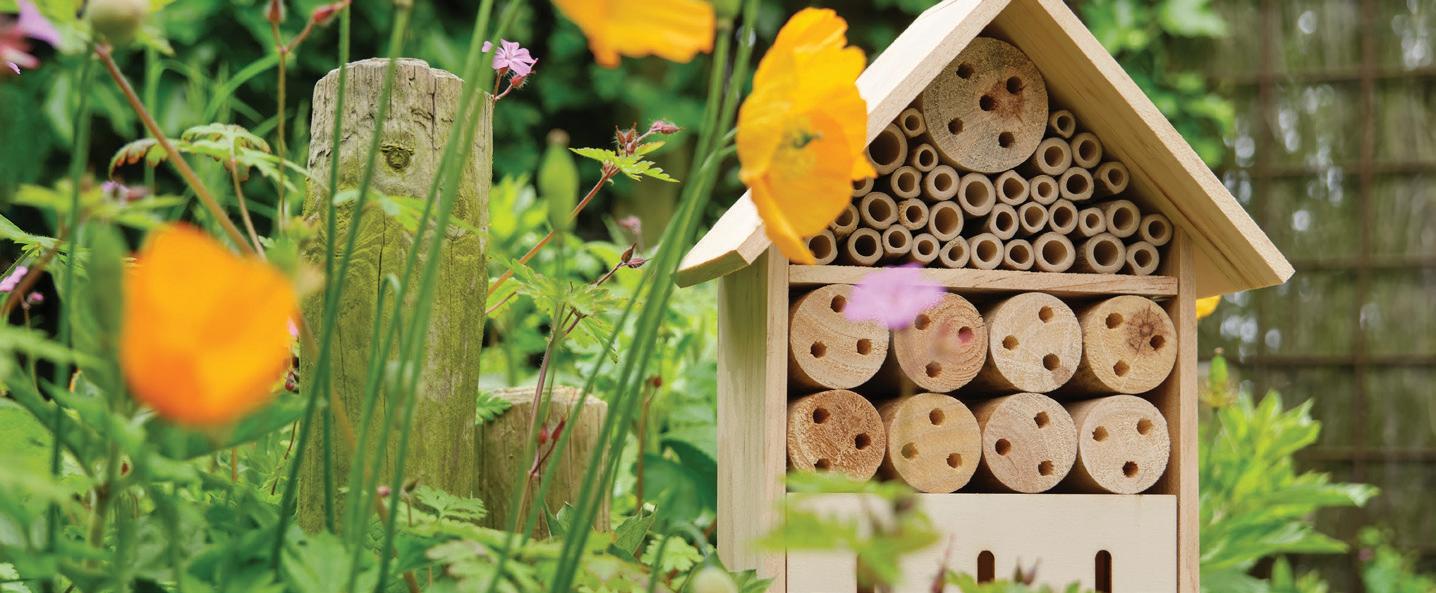
Our Aim: To enhance and protect biodiversity across all campuses.
We are committed to enhancing biodiversity across all college campuses, creating richer ecosystems, increasing green space, and supporting wildlife. This supports both climate resilience and nature recovery.
What we’re doing:
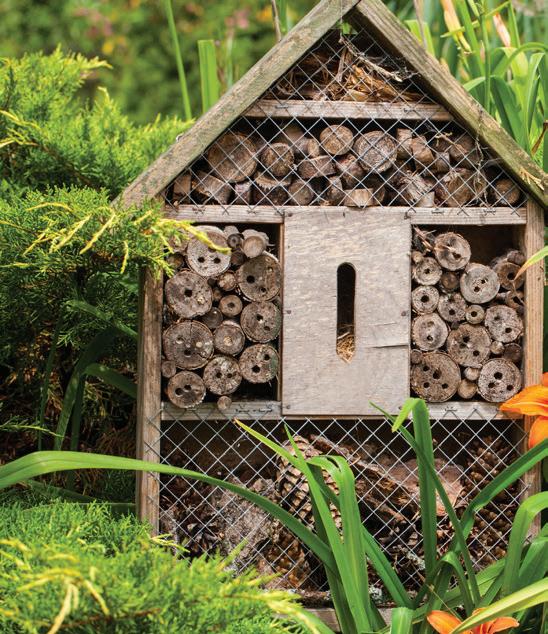
+ Biodiversity Mapping & Ecosurveys: We are identifying current habitats and levels of biodiversity and exploring further wildlife features like birdboxes and bug hotels.
+ Hedgehog-Friendly Campus: We are working to protect and increase local wildlife.
+ Green Week Activities: We have biodiversity integrated into our sustainability week initiatives to engage with students and local partners.
+ Part of Forest Carbon Scheme: we plant trees to mitigate CO2 emissions from production, storage and distribution of paper.
+ Small Grants: We secure grants to supporting environmental enhancement projects across campuses.
Our Commitments: We are committed to -
+ Investing in ecological enhancement and biodiversity planning.
+ Collaboration with groups and businesses on conservation projects.
+ Ensuring biodiversity is a key consideration in all estate developments.
+ Development of a group Biodiversity Policy
+ Widening biodiversity-focused events and activities within our sustainability calendar to promote awareness, action, and engagement
Our Aim: To ensure our Group infrastructure and operations are prepared for climate impacts.
We will assess and manage the risks posed by climate change to our campuses, operations, and communities. Our aim is to ensure we are prepared for extreme weather events and build long-term climate resilience, alongside supporting student and staff wellbeing.
+ Resilient Planning: We are integrating sustainability into estate planning, operations, and governance cycles.
+ Whole College Culture: We are embedding sustainability into planning, policy development, and staff and student life.
+ Infrastructure Readiness: We are assessing climate risks to facilities and future-proofing energy systems.
+ Digital Sustainability:
- We are meeting 99% of JISC’s sustainability responsibilities.
- We are strengthening cyber resilience, including live cyber-attack simulations.
- We are recycling old IT equipment and donating devices to a digital poverty programme, with opportunities for students to support refurbishment.
- We are reducing printing through multifunctional devices, centralised paper supply, and digital-first teaching resources.
- We are improving IT efficiency by transitioning to laptops with extended battery life and USB-C charging, adopting cloud storage, introducing universal adapters, and phasing in LCD screens with automated power management.
Our Commitments: We are committed to -
+ Future-proofing the Group’s estate against climate risks.
+ Promoting a culture of responsible practice and sustainability awareness.
+ Aligning operational resilience with long-term sustainability targets.
+ Implementing a wider approach on sustainable procurement.
+ Enhancing digital sustainability through low-carbon IT systems, efficient energy use, and digital inclusion.

Our Aim: To equip students and staff with the knowledge and skills for a sustainable future.
We are dedicated to preparing learners for the green economy by embedding sustainability, green careers advice, and climate education throughout the student journey, and supporting our staff to deliver this confidently and consistently. Our approach to development and climate education is designed to ensure that sustainability is embedded across our college community – in staff professional development, curriculum design, and student engagement. We are committed to equipping both staff and students with the knowledge, skills, and confidence to drive meaningful climate action.
What we’re doing:
+ Green Careers Development: We are collaborating with partners and are engaging with networks and educational organisations relating to green skills and careers.
+ SDG (Sustainable Development Goals) Mapping: We have identified areas within the curriculum which support the UNESCO (United Nations Educational, Scientific and Cultural Organisation) Sustainable Development Goals.
+ Curriculum Development: We have piloted and completed the Environmental Leaders Programme with students from the E&E (Employability & Enterprise) programme.
+ National Engagement: We have and will continue to ensure strong participation in Planet Earth Games as a platform to promote change.
+ Focus on Sustainability as a Skill: Within our new ‘My XP’ personal development model, we have identified sustainability as an area for skills development to focus wider student activity in this space.
+ Climate Leaders Academy: We have launched the student programme ‘Unloc’, to develop and support climate leaders and sustainability ambassadors.
+ Curriculum Integration: We have developed the curriculum to embed sustainability within technical subjects and activities.
+ STEM & Vocational Skills: We have targeted specific workshops and pathways in Construction and Engineering.
Wider opportunities for Training and CPD include:
- Carbon Literacy Workshops
- Multiple pathways and resources through the Supply Chain Sustainability School
- Digital modules via JISC
- Facilities and estates CPD training
- Carbon accounting workshops
- Sustainability Support for FE – sharing practice workshops
- Education for Sustainable Development offer
- Careers Advisors development workshops to guide students into green careers, connect them with real-world learning and employer opportunities, and support inclusive access to STEM and sustainability pathways.
Our Commitments: We are committed to -
+ Expanding sustainability training for all staff and students, including induction for new staff, to build awareness and capability across the Group.
+ Embedding sustainability and green skills across the curriculum and co-curricular activities to ensure students gain the knowledge and experience needed for green careers.
+ Providing hands-on, practical learning experiences through real-world sustainability projects, green technologies, and energy-efficient practices.
+ Developing employer-informed curriculum and structured green career pathways, aligning learning with current and emerging industry skills needs.
+ Preparing students for the green workforce by offering opportunities that reflect the skills employers require and the challenges of net-zero sectors.
+ Supporting inclusion and diversity in STEM and green pathways, ensuring all students have equitable access to opportunities.
+ Promoting awareness of green careers and showcase practical examples of sustainability in action to inspire student engagement and ambition.
Collaboration and advocacy are central to our climate action journey. We are strengthening our impact by working with specialist partners, sharing best practice, and ensuring that student and staff voices are heard locally, regionally, and nationally.
Our Strategy Includes:
+ Collaborative Networks: Actively engaging with partners including Trident Utilities, SureServe, Let’s Go Zero, Unloc, JISC, SS4FE (Sustainability Support for Further Education, RECFA (The Renewable Energy Coalition for Academia), Green Changemakers, local authorities, and sector-wide networks to accelerate progress.
+ Staff Leadership: Launching the Green Changemakers programme to empower educators and staff to lead sustainability and green skills initiatives, embedding environmental and social responsibility across curriculum and practice.
+ Shared Learning & Advocacy: Presenting our journey at conferences and sector events, contributing to national conversations on sustainability in education.
+ Student Voice: Embedding student leadership through focus groups, projects, and ambassador programmes to ensure young people are central to change.
+ National Initiatives: Participating in initiatives such as Sustainability Week, Planet Earth Games and an Environmental Leaders pilot, creating opportunities for students and staff to showcase their commitment to sustainability.
+ Collaborative Projects: Co-designing and delivering projects with external organisations to enhance our impact and extend opportunities for our communities.
We are proud of the progress made, but we know there’s more to do. This Climate Action Plan marks a step forward - clarifying our commitments and celebrating the journey already underway. Together, we will lead with purpose, empower our communities, and secure a sustainable future.