A light dusting of snow has frosted the grass, the cold air has finally settled in, and for many of us, hibernation mode is officially calling. We do our best to bundle up and embrace the Wisconsin winter scene, but some days, you just need to slow down, breathe, and let yourself relax.
I used to give myself (and all of you) little monthly missions in my Editor’s Notes, and I think it’s the perfect time to bring that tradition back. December might just need to be the “relax before the reset” that the new year always brings—a month to truly pause, regroup, and decide how we can make those resolutions finally stick.
But December is chaos, right? How are we realistically supposed to relax and reflect amid the shopping, gatherings, to-do lists, and seasonal swirl?
Here’s how: remember the most important gift you’ll ever have—your health. Without it, the decorations, the food, the celebrations, the “stuff”… none of it carries the same meaning. When you feel well, everything else becomes brighter, fuller, and far more joyful.
So this month’s mission is simple: be proactive. Give yourself the gift of health. Rest when you need to, plan when you can, and walk into the new year with intention—not exhaustion.
As the holidays approach, we’re reminded how powerful community, connection, and caring for one another truly are. At Modern Health & Living, that spirit doesn’t just shine in December—it carries through all year long.
That’s why we’re especially excited to celebrate a little “Christmas in July” with our upcoming Pink Energy Run. While the season of giving may be months away, the heart behind it is already here: supporting wellness, uplifting local families, and championing the mission of breast cancer and prostate cancer research for a cure. We are partnering up with Germanfest. The run will be Friday night, July 24, 2026 starting at the Summerfest grounds during Germanfest. A 5k/walk and free kiddos dash. Please visit www.pinkenergyrun.com for more details.
Here’s to carrying the holiday spirit into every season and making this year our brightest yet.
Amanda Lewis
Please like and follow us
Modern Health and Living www.facebook.com/modernhealthandliving
The Ommani Center, Livestrong.com, Environmental Nutrition, Nutrition Action Health Letter, Columbia/St. Mary’s, Ascension, Eye Care Specialists, Aurora, Alexian, Eye Physician Associates, Brothers Village, Ye Olde Pharmacy, NIH, Jensen Health and Energy, Foot Solutions, Allergy and Asthma Centers, Tudor Oaks, Active Care Rehab, Greensquare Center for the Healing Arts, Midwest Audiology, Integrative Family Wellness Center, Universal Services, American Camp Association and Home Instead
For information on advertising or to submit articles call, 414-659-6705 or 608-237-6000, or email mhl@wi.rr.com.
Subscriptions are $20 per year. Thanks for reading MHL.
MHL is published on the first of each month . The articles in this publication are in no way intended to replace the knowledge or diagnosis of your doctor. We advise seeing a physician whenever a health problem arises requiring an expert’s care.
COFFEE’S COMPLEX CHEMICAL MATRIX SCIENCE NOW REVEALS, ARE NOTHING SHORT OF EXTRAORDINARY.
istock.com/Vladdeep
The Longevity Molecule:
How Coffee and the Caffeine Within It Shape a Longer, Healthier Life
Every morning, the world takes a collective breath, then exhales the aroma of coffee. We think we’re waking up; in truth, we’re participating in one of humanity’s longest-running experiments in biological enhancement. Billions of people, across centuries, dosing themselves with the same plant alkaloid—caffeine—delivered primarily through coffee’s complex chemical matrix. And the results, as science now reveals, are nothing short of extraordinary.
The story begins in Ethiopia, where legend tells of a goat herder named Kaldi who noticed his flock becoming unusually energetic after eating certain berries. By the 15th century, coffee had spread through the Ottoman Empire, becoming not just a beverage but a social institution. While tea’s history reaches back even further to ancient China, modern science increasingly points to coffee as
the more potent biological agent of longevity. Most of the human evidence on caffeine and healthspan centers on coffee, not isolated caffeine, and for good reason—coffee delivers caffeine in a unique package of over 1,000 bioactive compounds that amplify its benefits in distinctive ways.
Here’s what makes this remarkable: moderate, consistent coffee consumption doesn’t just wake us up. It fundamentally alters our biology in ways that predict longer life, sharper minds, and more resilient bodies. The evidence comes from studies tracking millions of people across decades, revealing that those who drink 2-4 cups of coffee daily show 15-20% lower mortality rates and gain an estimated 1.8 years of healthy life. But the real story isn’t in the statistics—it’s in understanding how a simple morning ritual rewires the machinery of aging itself.
How Coffee Works in the Body
When caffeine from coffee enters your bloodstream, it doesn’t just block sleepiness—it initiates a cascade of cellular events that reach into nearly every system of your body. The primary mechanism is elegantly simple: caffeine mimics adenosine, a neurotransmitter that accumulates during waking hours and signals fatigue. By occupying adenosine receptors without activating them, caffeine prevents the drowsiness signal from getting through. But this is merely the opening act of coffee’s biological symphony.
Research appearing in Ageing Research Reviews, in 2024, by Carlos Lopes, PhD, and Rodrigo Cunha, PhD, from the University of Coimbra revealed that caffeine and coffee’s chlorogenic acids activate peripheral adenosine receptors and modulate the AMPK pathway—what scientists call the body’s “master metabolic switch.” When AMPK activates, cells shift into a more efficient state: they burn fat more readily, use glucose more effectively, and resist oxidative damage more successfully. Think of AMPK as your cellular efficiency manager—when activated by coffee, it ensures every bit of energy is used optimally while minimizing waste and damage.
Coffee’s anti-inflammatory effects are equally profound. Research appearing in GeroScience, in 2024, by Zoltán Ungvári, MD, PhD, and Stephen Kunutsor, MD, PhD, demonstrated that coffee polyphenols suppress NF-κB, the master regulator of inflammation. When NF-κB activity decreases, so do inflammatory markers like C-reactive protein (CRP), interleukin-6 (IL-6), and TNF-alpha—the same markers that, when elevated, predict heart disease, diabetes, and accelerated aging.
The metabolic transformation from coffee extends further. Research appear-
LONGEVITY >>page 6
ing in Nutrients, in 2020 and 2021, by Hans Kolb, MD, and colleagues from the German Diabetes Center revealed that habitual coffee drinkers show distinct metabolic signatures: lower C-peptide levels (indicating better insulin function), reduced leptin (the hormone that can drive metabolic dysfunction when elevated), and critically, higher adiponectin. Adiponectin acts as an anti-inflammatory hormone, protecting blood vessel walls and enhancing fat metabolism—essentially serving as a molecular shield against metabolic disease.
In the brain, coffee’s story becomes even more intriguing. Caffeine doesn’t just keep you alert; when delivered through coffee’s complex matrix of polyphenols, it actively protects neural tissue. Research appearing in Practical Neurology, in 2015, by Astrid Nehlig, MD, PhD, and later expanded in Oxidative Medicine & Cellular Longevity, in 2021, by Xue Zhou, PhD, and Li Zhang, MD, showed that this combination reduces amyloid-beta aggregation—the protein clumps associated with Alzheimer’s disease—while simultaneously decreasing oxidative stress in brain cells.
Importantly, the benefits appear independent of caffeine-metabolism genotype (CYP1A2), underscoring the role of non-caffeine coffee compounds. This genetic independence suggests that coffee’s polyphenols, chlorogenic acids, and other bioactive molecules contribute as much to its benefits as caffeine itself.
The beauty of coffee’s mechanisms is their interconnection. When you consume coffee, you’re not targeting a single pathway but orchestrating a symphony of beneficial changes: enhanced energy metabolism through AMPK, reduced inflammation via NF-κB suppression, improved insulin sensitivity, elevated sex hormone-binding globulin (SHBG), better vascular function, and protection against neurodegeneration. Each mechanism reinforces the others, creating a biological environment that favors longevity over decline.
On average, coffee’s effects on mortality and metabolic biomarkers are stronger and more consistent than tea’s, though green tea shows meaningful benefits, particularly for vascular and cognitive endpoints. Tea may excel in providing gentle arousal and blood pressure support, but coffee appears to be the evolutionary sweet spot—caffeine delivered in a complex polyphenol matrix that amplifies benefits while moderating risks.
What the Coffee Research Shows
The evidence for coffee’s longevity benefits comes from an extraordinary con-
vergence of research spanning continents, decades, and millions of participants. The story these studies tell is remarkably consistent: moderate, regular coffee consumption predicts not just longer life, but better life.
The Mortality Evidence
Research appearing in The BMJ, in 2017, by Robin Poole, MD, and colleagues from the University of Southampton conducted an umbrella review—a review of reviews—encompassing 201 meta-analyses. Their findings were striking: coffee consumption was associated with a 17% reduction in all-cause mortality, with the optimal benefit at 3-4 cups daily. The relationship followed a clear pattern— benefits increased up to this threshold, then plateaued, suggesting a biological sweet spot unique to coffee.
The scale of evidence continued to grow. Research appearing in JAMA Internal Medicine, in 2018, by Erikka Loftfield, PhD, and colleagues from the National Cancer Institute analyzed data from over 500,000 participants in the UK Biobank. They found that coffee’s mortality benefits were independent of genetic caffeine metabolism speed—meaning whether you’re a “fast” or “slow” metabolizer (determined by CYP1A2 gene variants), you still benefit. This was crucial evidence that coffee’s benefits extend far beyond caffeine alone, residing in its unique chemical complexity.
stock.adobe.com/ sonyakamoz
Research appearing in Annals of Internal Medicine, in 2017, by Seungyoun Park, PhD, and colleagues analyzed coffee consumption in 185,855 participants from different ethnic backgrounds—African Americans, Native Hawaiians, Japanese Americans, Latinos, and whites. The mortality reduction from coffee was consistent across all groups, with particularly strong effects in African Americans and Japanese Americans, demonstrating coffee’s universal biological impact.
Physical Function and Frailty
Beyond mortality, the research reveals coffee’s profound effects on physical resilience. Research appearing in European Journal of Nutrition, in 2019, by María Dolores Machado-Fragua, PhD, and Esther López-García, PhD, from Universidad Autónoma de Madrid followed 1,565 older adults for over 7 years. Coffee drinkers had 20-30% lower odds of developing frailty—the age-related syndrome of weakness, slowness, and vulnerability. The effect was strongest in women and those with existing conditions like obesity or hypertension.
This finding was reinforced by research appearing in the Journal of the American Medical Directors Association, in 2023, by Khung-Keong Chua, MD, and colleagues from the National University of Singapore. Analyzing midlife coffee intake and late-life outcomes, they found that each additional cup of coffee consumed at midlife was associated with a 30% reduction in frailty risk decades later. This suggests that coffee’s benefits compound over time—today’s cup protects tomorrow’s strength.
Research appearing in European Journal of Nutrition, in 2025, by Marjolein Van Der Linden, PhD, at Vrije Universiteit Amsterdam added another dimension. Using the Longitudinal Aging Study Amsterdam data, they found that stable, consistent coffee consumption patterns over time predicted better maintenance of handgrip strength and walking speed—objective markers of biological aging that coffee uniquely preserves.
Cognitive Protection Through Coffee
The brain benefits from coffee are equally compelling. Research appearing in Alzheimer’s & Dementia, in 2021, by Samantha Gardener, PhD, and Ralph Martins, PhD, from Edith Cowan University followed 227 older adults for 126 months. Higher coffee consumption correlated with slower cognitive decline and reduced amyloid-beta accumulation—the protein that forms Alzheimer’s plaques. The relationship was linear: more coffee (up to 6 cups) meant better cognitive trajectory.
Research appearing in International Journal of Molecular Sciences, in 2025, by Zuzanna Kobylińska, PhD, and colleagues described coffee as an “elixir of youth,” detailing how its antioxidants protect neural tissue through multiple pathways simultaneously—something simpler beverages cannot match to the same degree.
Coffee’s Metabolic Revolution
The metabolic benefits provide a mechanistic bridge between coffee consumption and longevity. Research appearing in GeroScience, in 2024, by Ungvári and Kunutsor comprehensively reviewed coffee’s cardiometabolic effects. They found consistent associations with reduced type 2 diabetes risk (30% lower in regular coffee drinkers), improved lipid profiles (higher HDL, lower triglycerides), and better blood pressure control in habitual consumers.
Supporting this, research appearing in Nutrients, in 2020 and 2021, by Holger Kolb, MD, and Stephan Martin, MD, demonstrated specific biomarker changes in coffee drinkers: 15-20% lower C-reactive protein, 10-15% lower C-peptide, and 15-20% higher adiponectin levels. These aren’t just numbers—they represent a fundamental shift toward a less inflamed, more metabolically efficient
UNDERSTANDING CERVICAL MYELOPATHY:
What You Need to Know
By Aditya Vedantam, MD
If your hands have grown clumsy or your balance feels off lately, your neck might be to blame. Cervical myelopathy occurs when the spinal cord in the neck becomes squeezed or compressed, disrupting the flow of messages between your brain and body.
How It Happens
Over time, the spine naturally changes with wear and tear. Degeneration of vertebrae, thickened ligaments, or herniated discs in the neck (cervical) can narrow the spinal canal and place pressure on the spinal cord. This process, known as cervical spinal stenosis, may begin gradually but can progress to cervical myelopathy as the compression worsens. Because the spinal cord connects the brain to the rest of the body, even a small amount of pressure can cause significant neurological symptoms – not just localized pain or stiffness.
Symptoms to Watch For
Cervical myelopathy often develops slowly and can be easy to overlook at first. Many of the early symptoms are subtle, non-specific, often attributed to aging and therefore may be missed or underreported. Common symptoms include:
• Loss of fine hand control – difficulty buttoning clothes, writing, or picking up small objects
• Balance problems or unsteady walking – legs may feel stiff or weak, falls, need to use a cane/walker
• Tingling, numbness, or weakness – in the arms, hands, or legs
• Neck, shoulder, or arm pain – sometimes mild or absent altogether
• Bladder or bowel changes – in advanced cases, trouble controlling urination or bowel movements
Because symptoms can mimic other nerve or joint conditions, accurate diagnosis often requires an evaluation by a spine specialist.
Why Timely Diagnosis Matters
Cervical myelopathy is a progressive condition, meaning symptoms often worsen over time if left untreated. Persistent compression of the spinal cord can cause permanent nerve damage, affecting strength, coordination, independence and quality of life. Specialists at Froedtert & MCW emphasize the importance of early recognition and evaluation, particularly if you notice changes in gait, hand dexterity, or balance.
A complete workup typically includes a physical and neurological exam, along with imaging studies such as an MRI to confirm the site and severity of spinal cord compression.
Treatment Options
Treatment depends on how severity of symptoms and spinal cord compression. In mild cases, doctors may recommend observation and physical therapy to help maintain strength and flexibility while monitoring for any progression. Some patients with mild symptoms have significant impairment in quality of life and may be offered surgery.
For moderate to severe myelopathy – or if symptoms are worsening -- surgical decompression is often the most effective solution. The goal of surgery is to relieve pressure on the spinal cord and prevent further damage. Surgery may
How Pain Management Experts Reduce Back and Leg Pain
By Louis Noto, MD
Persistent back and lower limb pain afflicts a large segment of the population. In a 2019 national health survey overseen by the U.S. Centers for Disease Control, 39% of adults reported back pain and 36% reported lower limb pain. For adults 65 and older, pain in these areas can be common.
Back and leg pain affects comfort and movement and can lead to musculoskeletal impairment, diminished quality of life and higher health care costs. When pain persists and limits activities, it’s time to talk to a provider.
There are several reasons you may be experiencing pain in the spine or legs. Many patients who seek medical care for these issues are found to have arthritis or degenerative discs.
It’s important to be evaluated for back or leg pain as early as possible. Your provider will want to determine how the condition may be affecting your strength, function, physical sensations and possibly bladder or bowel control. Imaging or
other tests may be recommended for some patients after a consultation, medical history review and physical examination.
Osteoarthritis causes joint pain, stiffness and inflammation. It is typically the result of overuse but can also be caused by injury, illness or genetics. There is no cure for osteoarthritis, but its symptoms can be reduced.
Physical therapy is often recommended for arthritis, as it helps you learn ways to move more efficiently to alleviate pain, engage in the activities you enjoy, and limit additional damage to joints and muscles.
Your provider can also discuss medications for arthritis and safe use of antiinflammatory pain relievers.
Deteriorating discs in the spine can be the source of pain and weakness ranging from irritating to intolerable. Disc breakdown is usually the result of age and wear but can also stem from an injury and genetic factors. It is not uncommon for disc pain to radiate down the leg.
As with arthritis, a pain management specialist can assess and help you address issues related to degenerative discs. The specialist will talk with you about your symptoms, activities, treatment goals and medical history. A physical examination will be provided and tests can be ordered if they are needed.
Pain management specialists have a number of tools to help treat back and leg pain. Oral medications and physical therapy are typically recommended as the first line of defense. Steroid injections may be advised based on imaging tests. Radiofrequency ablation may also be used to block the brain’s awareness of arthritis pain in the spine, and is typically effective for a year after one treatment.
Additional treatment options can be discussed with your provider and an individualized care plan will be developed with you. Overall, the goal is to reduce pain, inflammation and impairment, and maintain and improve function without long-term medication use.
Contact your primary care provider or a pain management specialist to ask about pain, weakness and discomfort in your back and legs. Check with your insurance plan to determine the coverage available for consultation, diagnosis and treatment.
Louis Noto, MD, is board-certified in anesthesiology and pain management and is a member of the ProHealth Neuroscience Care team. He provides pain management services at ProHealth Waukesha Memorial Hospital and at the ProHealth Medical Group clinics in Oconomowoc and Mukwonago. To schedule a back or neck pain consultation, call 262-928-8532 or visit ProHealthCare. org/BackPainConsult. For other pain-related issues, call the pain management team at 262-928-2200.
sticj.adobe.com/ Drobot Dean
Using Relaxation Response For Mind-body Health
Physicians, psychologists and researchers often talk about the connection between mind and body health. Relaxation is one key to maintaining a healthy mind and body. But sometimes it is difficult to just relax on cue. One particular technique first made popular by Harvard physician Herbert Benson in the 1970s is relaxation response (RR), a type of mindful relaxation based on deep breathing, meditation and repetition. What is RR?
According to Dr. Benson, relaxation response is “a physical state of deep rest that changes the physical and emotional responses to stress … and the opposite of the fight or flight response.”
On its website, the Benson-Henry Institute for Mind Body Medicine at Massachusetts General Hospital outlines the basic techniques for bringing forth the relaxation response:
1. Sit in a place that is quiet and a position that is comfortable.
2. Choose a word or phrase that is meaningful to you. This is the word that you will focus on and repeat throughout your brief meditation.
3. Start by closing your eyes and relaxing your muscles from head to toe.
4. Say your word or phrase silently to yourself as you breath naturally.
5. Do this for 10 to 20 minutes.
6. When other thoughts or worries come to your mind, acknowledge them but let them go.
7. After you’ve finished your meditation, sit quietly for a few minutes with your eyes closed before slowly rising to your feet.
Many people find that these relaxation response techniques – the repetition and passive awareness – are very helpful in calming their stress. Or, you can focus on breathing, do repetitive exercises like easy yoga positions or use imagery to relax. Do what suits you best.
Research
An interesting new study by Benson and other researchers at Massachusetts General Hospital and Beth Israel Deaconess found that relaxation response techniques had an immediate effect on genes related to metabolism and the immune system. Even adults who had no experience with relaxation response had immediate responses at the genetic level, suppressing pathways known to factor into cancer, stress and inflammation of the body. For more information visit www. captel.com.
Why RR Works
What makes the relaxation response so effective is its ability to shift the body out of a state of chronic activation. Many of us live with a low level of “always on” stress—emails, deadlines, family pressures, and the constant ping of notifications keep our nervous systems stimulated far more than they were ever designed to be. RR helps switch the body into a state of restoration. Heart rate slows, breathing deepens, and muscles unclench. Over time, practicing RR regularly can help lower baseline stress levels, making it easier to face challenges without becoming overwhelmed.
Integrating RR Into Daily Life
One of the greatest benefits of the relaxation response is that it doesn’t require special equipment, a dedicated studio, or large blocks of time. You can practice it in your living room, before bed, on your lunch break—even in your parked car before walking into work. Many people find that pairing the technique with an existing daily routine helps it become a habit.
Hear on the Phone?
The CapTel® Captioned Telephone shows word-for-word captions of everything a caller says, letting you read anything you cannot hear over the phone. CapTel is a NO-COST, federally funded technology available under the Americans with Disabilities Act To qualify, users need: • Hearing loss • Internet connection • Landline telephone service
How to Workout on the Keto Diet
HOW THE LOW-CARB DIET CHANGES YOUR WORKOUT
By Moira Lawler
Following the low-carb, high-fat keto diet can have some pretty amazing effects on the body. It’s been shown to accelerate weight loss, reduce seizures in children and help people manage diabetes.
Those aren’t the only changes keto devotees see: The diet will likely also affect the way your body handles a workout, though there’s some debate over whether exercising while in ketosis helps or hurts performance. Should You Work Out While on the Keto Diet?
On one hand, exercising on keto appears to lead to greater fat burn. A 2016 study published in Metabolism found ultra-endurance athletes who followed a low-carb diet had 2.3 times more fat burn during a three-hour run than those who stuck to a high-carb diet. Another study published in Obesity in 2009 also found following a low-carb, highfat diet (like keto) led to greater fat oxidation during exercise, but didn’t seem to impact aerobic exercise performance or muscle strength when compared to people on a high-carb diet.
However, Reyna Franco, RD, a nutritionist and certified personal trainer with a private practice in New York City, says anecdotal evidence from clients suggests keto doesn’t benefit performance whatsoever and may even make workouts more difficult.
One small 2017 study published in the Journal of the International Society of Sports Nutrition backs her up: The researchers found athletes who followed a keto-type diet for 10 weeks successfully lost weight and their bodies learned to use fat as fuel, but they also became exhausted more quickly and were unable to exercise at high intensities.
While science is still on the fence as to whether the wildly popular diet has a positive or negative impact on exercise, most experts agree that you’ll need to tweak your workout while you’re on it. Here’s what to know about exercising on keto.
1. Take It Easy During the Keto Flu
The first phase of keto can be difficult and can induce flu-like symptoms, such as fatigue, irritability and dizziness (hence the “keto flu” nickname). “Everybody responds to keto differently, but I find when you first start out, most people don’t have much energy,” Franco says.
Istock .com/Akacin Phonsawat
Top 50 Foods That Can Help You Sleep
Published by Ginger Hultin, MS RDN CSO
Sleeping well is one of the most critical things we can do for our health. Working out and eating right can only take you so far if your body is stressed from lack of sleep. It is needed to calm stress hormones like cortisol, to support the natural immune system, for repair and for cleaning out the brain – yes, that happens each night when you sleep! Foods that contain critical nutrients for sleep (including magnesium, calcium, B3, B6, B12, certain amino acids, antioxidants and melatonin regulators) top the list of 50 foods that support great sleep and should be consumed daily to support the rest and recovery process.
1. ALMONDS
Not only are almonds rich in antioxidants like vitamin E, they contain some key nutrients that support sleep as well. In particular, they contain magnesium which has been shown to improve both sleep quality and total sleep time in people with low magnesium levels. Magnesium specifically enhances melatonin production from the pineal gland in the brain and also activates GABA receptors which favor sleep as well. Enjoy a handful of almonds before bed for these
important effects.
2. ASPARAGUS
Asparagus is full of vitamin K, folate and the unique antioxidant asparaguisic acid for anti-inflammatory support and calming the body, preparing it for a restful sleep. Asparagus contains the amino acid tryptophan which is linked to the neurotransmitter serotonin which then converts to the hormone melatonin. Melatonin is critical for sleep.
3. AVOCADO
Creamy avocados are packed with brain boosting vitamins B3/niacin, B5/pantothenic acid and B6 to support the neurological system and also act as precursors to support melatonin production in the brain. Just one cup of cubed avocado provides nearly 50mg of your daily magnesium needs so feel free to add this versatile fruit to breakfast, lunch and/or dinner.
4. BANANAS
The ultimate convenience food, bananas are a naturally sweet, on-the-go, sleep supporting food. Bananas are absolutely packed with B6 (1/4 of the daily requirement in one serving), a critical nutrient in reducing anxiety in some people and supporting the sleep process. Bananas also contain tryptophan which converts to the hormone melatonin which is needed to induce sleep each night.
5. BARLEY GRASS
One of the best studied functional foods for sleep is barley grass which often comes in powder form and can be purchased at a natural health store. Rich in GABA, calcium and potassium, it is said to be one of the best foods you can eat for supporting good quality sleep. Blend this green powder into a smoothie or juice and drink it before bed.
6. BEANS
All beans contain vsome key nutrients for sleep. Aside from potassium, magnesium, folate, iron, and zinc, beans are also packed with protein. They contain the amino acid tryptophan which is a precursor to the neurotransmitter serotonin which then converts to the hormone melatonin, critical for sleep. Include beans for sleep support as well as a great source of fiber.
7. BOK CHOY
Versatile, leafy bok choy is packed with important sleep-supporting minerals. One cup cooked meets 12% of the daily value for calcium which helps to regulate sleep cycles. Some studies even show that during some of the deepest levels of sleep, calcium levels in the body are higher than at other periods. Bok choy is often found in Asian cuisine so consider boosting your total calcium intake by preparing it with tofu.
SLEEP >>page 12
Are you in need of new assistive technology, such as an iPad, smart phone (iPhone or Samsung), and want to learn how you can purchase them at a reduced cost with the TEPP Voucher?
Visit our state-of-the-art, beautifully renovated Assistive Technology Center and meet at no charge with technology experts to determine your needs for the latest assistive devices. Appointment is preferred. Walk-ins Welcome!
Call or visit us today or get more information at hearwi.org
We are conveniently located on 102nd and National Ave.
Address: 10243 W. National Avenue, West Allis, WI 53227 Phone: 414-604-2200 • Email: info@hearwi.org
Home Care Services!
Tudor Oaks Senior Living Community, a trusted name in the Muskego area for over 40 years, is now offering Home Care Services to area residents! Tudor Oaks Home Care Services provide a variety of supportive options to assist seniors who wish to remain in their own home.
8. CABBAGE
Cabbage, particularly red cabbage, has been studied on mice for its possible sleep-inducing, even hypnotic effect. The study effects were so impactful on increased sleep duration that the researchers likened it to medication diazepam, which treats anxiety. It’s hard to know if red cabbage could have the same effects in humans and at what amount, but as there are many other benefits of cabbage in the diet, it’s worth adding in the hopes it may support sleep as well.
9. CEREAL
Though cereal is more processed than many foods on this list, it can be an important source of nutrients for some people. Fortified with many vitamins and minerals, low/no-sugar, high fiber, fortified varieties made from whole grains like wheat can provide B-vitamins – particularly sleep-critical vitamins like B6 and B12 – as well as magnesium and other minerals that support the production of the hormone melatonin. Enjoy a serving of cereal for a nutrient-rich breakfast, snack, or dessert.
10. CHAMOMILE TEA
A cup of any type of tea may feel calming and relaxing in itself but there is evidence specifically on chamomile and how it supports good quality sleep. Antioxidant flavones and apigenin have been shown to induce sleepiness and reduce insomnia in studies; chamomile is a source of both. Some study participants drinking this type of herbal tea saw an improvement in sleep quality after drinking chamomile tea for just two weeks.
11. CHERRIES
Sweet cherries, sour cherries, dried cherries, and cherry juice have been studied in association with better sleep. Researchers have found that cherries are packed with antioxidants called polyphenols which create their vibrant color and may support the health of blood vessels, getting more blood to the brain. Including cherries in the diet has been shown in some studies to reduce the number of times a person wakes up during the night. Cherries are a great alternative to other sugary desserts.
12. CHICKPEAS
Chickpeas, also called garbanzo beans, are versatile and packed with critical nutrients for sleep. These little beans are rich in zinc which helps to mediate sleep in the central nervous system. Zinc status has also been linked to sleep duration in human studies. Toss them on a salad, in a sandwich or in a soup for a well-rounded dose of sleep promoting minerals.
13. CLAMS
Shellfish like clams are high in a couple critical sleep-producing nutrients including magnesium and vitamin B12. In fact, B12 directly contributes to the secretion of melatonin in the brain, a hormone critical to induce sleep. Include fresh clams in soup, stew, and served on fresh bread if you live in an area where they are produced.
14. DATES
Another way to skip a sugary dessert, dates make a wonderful after-dinner treat and also contain some nutrients that support sleep. Dates contain calcium and magnesium, both of which play a role in factors related to sleep. Though not hugely rich in either source, dates are a much better sweet-treat choice than any dessert with a stimulant like chocolate.
15. EGGS
In order to get sleep benefits from eggs, make sure to eat the entire thing because the yolks of eggs contain significant amounts of protein, zinc, choline, and vitamins A and D. In addition to containing B12 which directly contributes to the secretion of melatonin in the brain, a study on 2,025 adults found that a diet that included eggs (among other healthy foods) experienced a decreased time to fall asleep.
16. FIGS
These sweet, soft fruits are more than just a treat, they are a perfect sleep supporting food because they contain more calcium than any other dried fruit. Calcium is directly involved in sleep cycles each night so consuming calcium rich foods is essential to support a good night’s sleep. Enjoy figs as a sweet treat after dinner instead of other sugary desserts.
17. HONEY
This natural sweetener contains some interesting sleep-inducing properties, particularly during times of illness. A study of 105 children with upper respiratory infections actually improved night-time cough symptoms and sleep compared to children not treated as well as children treated with cough suppressant. Consider this simple, soothing relief during sleep-disrupting illness.
18. KALE
Always a powerhouse, it’s no surprise that kale also supports sleep. It contains
all B-vitamins (aside from B-12 which are only found in animal foods) and is also rich in calming potassium and magnesium. One cup also provides about 10% of your daily calcium needs so all-around, versatile kale supports sleep-induction in so many ways.
19. KIMCHI
Spicy fermented cabbage, a staple of Korean cuisine, contains good bacteria that can help create amino acid GABA with its friendly microorganisms. It has been shown that people with insomnia often have reduced levels of GABA in the body so foods that naturally contain this compound can be very supportive of sleep.
20. KIWI
Kiwi fruits are in fact among the most sleep-supporting foods. A perfect individual serving of energy-promoting fruit, tart green kiwi fruit are naturally filled with essential nutrients including folate and vitamin C. The best studies are on consuming two kiwis an hour before bed which has been shown to improve total sleep time and reduce time awake during the night.
21. KOMBUCHA
A sweet, slightly vinegar-flavored fermented tea, kombucha contains good bacteria that can actually support sleep. This natural beverage with many potentially curative properties is packed with good bacteria that create the amino acid GABA which supports sleep. It has been shown that people with insomnia often have lower levels of GABA in the body.
22. MACA
Research supports that ground maca root which often is sold in powder form, is another functional food critical to promoting sleep. Native to Peru, maca is often known to support fertility and balance hormones. It’s calcium and potassium content as well as hexadecenoic acid specifically are compounds linked to improvements in sleep. If okayed by your doctor, blend maca into oats, smoothies, or even energy bars or balls to support sleep quality.
23. MILK
Ever heard that a glass of warm milk is good for sleep? Well, there could be something to that. Dairy products like milk, yogurt, and cheese are high in the amino acid tryptophan which is linked to the “feel good” neurotransmitter serotonin which then converts to the hormone melatonin. Melatonin is critical for sleep. Dairy is also rich in calcium which supports sleep cycles during the night. Drink a glass of milk before bed if you enjoy it!
24. MUSHROOMS
Most edible varieties of mushrooms provide an important source of B3 – also known as niacin. This B-vitamin has been shown to promote the availability in the brain of tryptophan which is needed for serotonin synthesis which is a precursor for melatonin production. One cup of crimini mushrooms provides about 20% of your daily B3 needs so add them to omelets, salads, soups and other dishes to support your sleep.
25. MUSTARD GREENS
An underutilized leafy green, mustard greens have a spicy flavor and are quite hearty to chop into salads or add into recipes where greens play a central role. Offering over 13% of the daily value for calcium, these greens are critical to add into the diet for this important mineral. There is evidence that calcium plays a critical role in quality of sleep and sleep cycles.
26. OATS
The type of fiber in whole grain oats can actually help your brain get more fuel and nutrients. Oats support the cardiovascular system by lowering LDL bad cholesterol which can keep plaque buildup at a minimum, helping with optimal blood flow to the brain. Slow burning complex carbohydrates like oats can provide steady blood sugar to optimize concentration and learning. Best of all, oats are high in the amino acid tryptophan which converts to the hormone melatonin via serotonin in the brain to support sleep.
27. OKRA
This green veggie is packed with important sleep-supporting minerals. It actually meets nearly 10% of the daily value for calcium when cooked. Calcium helps to regulate sleep cycles and some studies even show that during some of the deepest levels of sleep, calcium levels in the body are higher than at other periods of sleep. Sauté up some okra for an unexpected boost of calcium.
28. OLIVES
Don’t forget that simple olives are actually a fermented food and fermented foods contain compounds that support sleep. Packed with good bacteria that are not only supportive for the gut, fermented foods like olives can help create amino acid GABA which is sleep-promoting. It has been shown that people with insomnia often have lower levels of GABA in the body so eat delicious, savory olives to correct this issue!
29. ORANGES
How to Manage Chronic Pain in Cooler Weather
As temperatures begin to drop, many people with chronic pain conditions, such as arthritis, fibromyalgia, or neuropathy, may experience increased discomfort. The cold weather can cause muscles to tighten, joints to stiffen, and circulation to slow down, making pain management more challenging. However, with a few lifestyle adjustments and proactive strategies, you can reduce the impact of cooler weather on your chronic pain.
Stay Warm and Layer Up
Keeping your body warm is essential to managing pain in colder months. Layering your clothing helps trap body heat, keeping muscles and joints relaxed. Opt for moisture-wicking fabrics as the first layer and thermal clothing for outer layers. Wearing gloves, scarves, and warm socks can protect extremities, which are more prone to cold-induced pain.
Stay Active Indoors
While it might be tempting to avoid exercise during cooler months, staying active is key to managing chronic pain. Gentle exercises like stretching, yoga, or indoor walking can help maintain joint flexibility and muscle strength, which are vital for pain management. If you’re unable to go outside, try low-impact exercises indoors or join a virtual exercise class that suits your pace.
Use Heat Therapy
Applying heat is a simple but effective way to relieve pain during colder months. Consider using heating pads, warm baths, or electric blankets to increase blood flow and soothe aching muscles. Taking a warm bath with Epsom salts can also help ease inflammation and provide relief.
Maintain a Balanced Diet
Nutrition plays an important role in managing chronic pain. Eating a diet rich in anti-inflammatory foods, such as leafy greens, berries, nuts, and fatty fish, can reduce inflammation in your body, leading to less pain. Additionally, staying hydrated is just as important in cooler weather as in summer months, as dehydration can worsen joint pain.
Stay on Top of Medications
Cold weather can make it more difficult to manage chronic pain, so it’s important to take medications as prescribed by your doctor. If you notice that the colder temperatures are making your pain worse, consult your healthcare provider about adjusting your treatment plan to include stronger medications or additional therapies, such as physical therapy or acupuncture.
Consider Stress Management Techniques
Stress can exacerbate chronic pain, and cooler, shorter days may lead to feelings of depression or anxiety. Incorporating stress management techniques like meditation, deep breathing exercises, or mindfulness can help manage pain levels and improve your emotional well-being.
Prepare Your Living Environment
Creating a warm, comfortable home environment can make a significant difference in managing chronic pain. Use draft blockers, invest in quality heating systems, and ensure that your home is cozy and free from cold drafts. Addition-
PAIN>>page 55
You might notice that it’s tough to get through your day-to-day activities and even tougher to keep up with your usual workout routine. Franco says you may notice dips in your strength and endurance for the first few weeks after adopting the diet while the body adjusts to ketosis.
Franco recommends dedicating the first week on the diet (or however long your keto flu symptoms last) to active rest. But don’t shelve your gym time completely. “It’s good to go to the gym and keep your body moving if that’s part of your life,” Franco says. If you start the diet and still feel well enough to keep up with your usual workouts, Franco says to go for it.
Walk, bike, swim or do any other easy, low-impact workout you enjoy. Just make sure you prioritize listening to your body.
Now is the perfect time to slow down and focus on your form in each exercise.
2. Focus on Form and Mobility First
istock.com/Halfpoint
Jonathan Jordan, a personal trainer and nutrition coach based in San Francisco, says most people approach exercise wanting to squeeze as much calorie burn into the workout as possible, which usually means intensity trumps form.
So when you’re starting keto and cutting back on the intensity of your workouts, use the time to address any issues you’ve brushed off. Jordan says he finds clients are much more willing to work on things like muscle imbalances and range-of-motion issues when their energy is zonked on keto.
3. Optimize Other Factors That Influence Exercise
Jordan says there are many things outside of the gym that go into your workout performance. These factors include sleep, hydration, stress and, of course, diet.
The beginning phase of the keto diet is a good time to address these things. “If while on keto you focus on taking care of these factors — you keep stress low, get lots of sleep, stay hydrated, take in electrolytes — you will be able to progress and challenge your body to go harder and faster in your workouts,” Jordan says.
4. Limit Your High-Intensity Workouts
But don’t go too hard or fast. Jordan generally advises that clients on keto tone down their workout intensity. “When on keto — and especially during the first few weeks — it’s best to limit HIIT and focus on low-intensity cardio due to the drastically reduced amount of carbs in your system,” Jordan says.
Before you started the keto diet and cut out bread, pasta and the like, carbohydrates were your body’s preferred method of fueling your workouts. But when you’re not consuming any extra carbohydrates, your body has limited reserves to draw from and has to make the switch to utilize fat instead.
So until your energy levels are back up to pre-keto standards, stick with low-intensity exercise like walking, swimming, yoga or any activity you can do while still being able to hold a conversation.
Go for less weight and higher reps.
5. Adjust Your Approach to Strength Training
“The key during keto is to try and preserve muscle mass,” Jordan says. You can do that by strength training a minimum of three days per week. “I try to keep volume up and go for cardio reps,” he says.
For instance, perform two to four sets of 12 to 15 reps of each move, which should keep your heart rate elevated. These increased reps and sets, however, will likely mean that you need to lower the amount of weight you lift so that you can complete each set with proper form.
6. Ease Back Into Your Usual Routine
Franco says that once your body has adjusted to ketosis (which should happen within a couple of weeks of starting the diet), you should be able to get back to your normal workouts. Jordan says the body is incredibly adaptive and generally bounces back, eventually allowing you to work out at higher intensities.
He notes, however, that high-performing athletes, such as ultramarathon runners or bodybuilders, may have a harder time returning to their usual performance levels than the average exerciser while sticking to the ultra-low carb intake.
7. Consider Targeted Keto
If you’re a serious athlete and keep running out of gas during your workout, you may consider targeted keto. It’s a version of the diet in which you eat about 25 grams of carbs 30 to 45 minutes before exercise, says Daniela Torchia, M.P.H., Ph.D., a registered dietitian based in Loma Linda, California. The idea is the body will use these carbs for energy, and then get back into ketosis soon after your workout wraps up. Keto might not be for you, and that’s OK.
8. Know When to Quit
One of the most important things when trying a new diet or exercising on a new diet is to listen to the body. “Some people do well on the keto diet; others just don’t respond well to it,” Franco says.
Some signs you may not be responding to ketosis include not moving past the keto-flu phase and noticing changes in your hair, skin or nails, which could indicate you’re missing out on key nutrients, Franco says.
If you’ve been on the diet for a few weeks and notice these things or you just can’t kick that lousy, irritable feeling, it might be time to rethink your commitment to keto and let carbs back into your life. “If you can’t get back to your typical routine, then this is not the proper diet for you,” Franco says.
This piece origanally appeared on livestrong.com.
Holiday Safety Tips Help Keep the Twinkle in Family Members’ Eyes
By Cheryl L. Dejewski
In the much-loved movie “A Christmas Story,” Ralphie sets out to convince the world that a Red Ryder BB gun is the perfect gift.
“You’ll shoot your eye out!” was the response he received from his parents, teacher and even Santa Claus himself. It’s one of the funniest and most memorable quotes from this Christmas classic because we’ve all heard it or a similar “You could lose an eye” comment throughout our childhood. Unfortunately, however, what may seem to be an annoying or silly warning becomes a fateful reality for too many people.
Toys, including some seemingly innocuous ones, and sporting equipment are responsible for thousands of eye injuries to children every year. But an amazing 90 percent of these injuries were preventable. That’s why ophthalmologists across the country are urging Americans to honor December as “Safe Toys and Celebrations Month.”
“Safety should be the top priority on holiday shopping lists for children in order to help prevent a joyous celebration from turning into a tragic occasion,” states Brett Rhode, MD, senior partner at Eye Care Specialists ophthalmology practice. “Keep in mind a child’s ability rather than just age when searching for the perfect gift.”
As an example, a one-year-old generally likes to lug, dump, push, pull, pile, knock down, climb, empty and fill. Suggested ideas for toys therefore include push-and-pull objects, blocks with rounded corners, and stable ride-ons with four low wheels. Sturdy cloth or plastic books are recommended to stimulate the child’s interest in identifying objects by pointing. Safety considerations include buying objects that are strong enough for the child to stand on or in, and avoiding anything with sharp points, small pieces or parts that can pinch or trap fingers, toes and hair.
With older children, your gift-buying habits should also be a careful balance between a child’s wants and his or her safety needs and those of his siblings. Children often fill their wish lists with highly advertised, but potentially dangerous items. For example, projectile toys, chemistry sets, dart games, bows and arrows, tools and electrical toys should be avoided for any child under the age of 12, unless the item will be used under adult supervision. The U.S. Consumer Product Safety Commission reports that bicycles, balloons, swings, BB and pellet guns, sports equipment, flying toys, crayons and chalk, science sets, and cosmetic kits are the toys most likely to be involved in eye injuries.
“If you are giving sports equipment, you should consider including protective eyewear with polycarbonate lenses with the gift,” says Rhode, who is also Head of Ophthalmology at a Milwaukee-area medical center. “About 30,000 sports-related eye injuries occur every year, and the majority of those injured are children and adolescents. However, 90 percent of these injuries could have been avoided if the victim had worn protective eyewear.”
Toys aren’t the only injury-causing culprits during the holidays. Corneal abrasions from pine needles are another common eye injury during the holidays. Daniel Ferguson, MD, ophthalmologist and father of two children, says, “It’s especially important to keep an eye on tiny visitors who are apt to be crawling around and under the tree while opening or playing with their presents. Mom and Dad should also be careful when setting up and decorating the tree.”
“If you or a family member accidentally pokes or scratches an eye with a tree branch, you should seek immediate medical treatment. This is to make sure that
istock.com/undefined undefined
EYES >>page 21
istock.com/puhimec
Potential Hidden Causes of Headaches or Migraines
Authored by: Martin Johnson, DHM, Owner and Natural Health Consultant
The Most Common Potential Cause
Over the 25 plus years of working with people in natural health, I’ve discovered various atypical patterns of imbalances that can lead to headaches or migraines often not seen or missed by conventional medical testing. The most common pattern I see is, what I call, “the liver/gallbladder headache.”
When the liver or gallbladder are not clearing toxins as efficiently as they are normally supposed to, there is stress or a dis-stress signal sent along, what is called, a meridian pathway. Meridians are invisible energy pathways or channels that run through the body. There are 12 regular meridians in the traditional Chinese medicine model. Each regular meridian is believed to correspond to an organ, originating from different parts of the brain and grounding out, so to speak, through different parts of the hands and feet. Most acupuncture and acupressure points lie on a meridian. Stimulating these points using acupuncture needles or acupressure, helps correct and rebalance the flow of energy. The liver can be 40% under functioning and blood work liver enzymes can still be within normal range.
When the liver or gallbladder is stressed, meridian lines for these organs running through the neck up by the temples and through the optic nerve can cause tightness in the neck muscles. This can trigger temple headaches, headache behind the eyes, or from the back of the head, up over the head, and behind the eyes. When a person has a headache, often times the natural thing to do is to rub the temples, forehead, above the eyes, or back of the head just below the bone where the skull starts. Rubbing these points will often bring temporary relief. This is due to the person naturally rubbing over the meridians, performing a crude form of acupressure.
Another Cause of Common Headaches or Migraines
If a liver is functioning inefficiently, another common headache or migraine pattern we see is cyclical. Cyclical meaning with a woman’s menses cycle, or even with both menses and ovulation. The most common pattern is just with menses, starting anywhere from 2-3 days before to 2-3 days after. At this point in a woman’s cycle, it is crucial for the liver to clear or metabolize out excess estrogen, so the hormones keep in balance. This is done in the liver. So if the liver is less efficient in doing this, estrogen will dominate and throw off the balance between it and progesterone, triggering a headache or migraine.
Correcting the Liver or Gallbladder Problems
When working to correct these issues, it is important to look at factors that can lead to liver toxicity. This includes diet, environmental exposure, or even pharmaceutical medication a person may be taking. Providing education on how to minimize exposure, change diet, and providing the correct targeted therapeutic supplement support to help clear the liver/gallbladder channel is what we at Total Health find to be efficient in handling the issues discussed above. Sometimes further testing is needed to determine if some people have a genetic inefficiency to clear toxins in the liver. The need for these further tests is usually determined by how the client is responding to the initial mentioned treatment. If the person is not responding well, then we go on to further testing.
Final Potential Cause for Migraines or Headaches
We are looking for strategic thinkers, team players and leaders who align with our purpose of improving the health and wellbeing of those we serve .
Our work focuses on crea ng meaningful connec ons with each of our clients, helping them to move to ward a healthier lifestyle. We assist each individual’s journey by helping to uncover root causes of their health concerns through holis c natural health and wellness advocacy
If our purpose resonates with you, we invite you to explore career opportuni es and apply today.
*Full me or part me (at least three days a week as client load builds). $35/hr, up to $40hr maximum. Qualifica ons: Must have a passion for natural health. Background in Nutri on preferred Willing to train the right candidate
MENOMONEE FALLS AND NEW BERLIN
Foot and Lower Leg Strength
Our feet and legs are the pillars of our body, constantly supporting us as we navigate through life’s daily challenges. From the moment we take our first steps in the morning to our evening strolls, these foundational body parts tirelessly work, often without the acknowledgment or care they deserve.
As we delve deeper into understanding the significance of leg and foot muscles, it becomes evident that their health is intrinsically linked to our overall well-being. Let’s explore how prioritizing their care can lead to a more balanced and pain-free life.
Key Takeaways
Strengthening exercises for the lower legs and feet can improve overall health and make everyday tasks easier by creating a chain reaction in the body.
Tightness in the calf or shins can lead to foot pain and affect balance and posture, so calf stretches are important for foot and ankle health.
Simple stretches and exercises can be done anywhere, including at work, and can provide relief for sore muscles and improve agility and strength in the feet
and ankles.
The Importance of Leg and Foot Muscles in Overall Health
Your leg and foot muscles play a pivotal role in your daily activities, supporting your body and ensuring mobility. Yet, many often overlook the importance of stretching and strengthening these muscles.
While some might dismiss foot stretches or merely rely on a prolonged shower to ease leg soreness, there’s more to muscle care. Enhancing foot strength through targeted stretches can be a game-changer. When you fortify the muscles in your lower extremities, it sets off a beneficial chain reaction throughout your body. Strong leg and foot muscles mean the rest of your body doesn’t strain as much, aiding in routine tasks like office walks or house chores, and even specialized activities like running marathons or rigorous training.
Healthy muscles not only boost energy efficiency but also shield your bones from wear and tear. Think of the heel’s fat pad, which cushions and protects the heel bone from impacts during walking. Similarly, well-toned muscles and tendons offer stretch, tension, and protection, preventing bone misalignment or overextension. This is why many health experts advocate for strength training and stretches to rectify posture and alignment issues.
Explore 10 ways to deskercise while at the office.
Zooming into the legs and feet: Incorporating calf stretches can address numerous foot and ankle problems. A tight calf or shin can disrupt foot movement, balance, and walking posture, potentially leading to foot, knee, or back pain. Given the significant weight and impact our legs and feet bear, it’s crucial to prioritize their care.
Contrary to popular belief, strengthening exercises don’t always require a gym membership. KURU’s instructional videos below showcase easy-to-follow stretches that can be integrated into your daily routine, even at work. Discover how these simple exercises can enhance muscle strength and provide relief.
Support your progress and prevent plantar fasciitis with our comprehensive guide. Learn about the symptoms, causes, and prevention tips to provide your feet with ultimate support and comfort.
Best Guide for Managing Plantar Fasciitis
Discover relief with our comprehensive guide to plantar fasciitis pain relief.
Gastroc Calf Stretch
Perfectly suited for office environments, this standing stretch requires just a
wall for support. Not only does it target and rejuvenate your calves and upper legs, but it also offers instant alleviation from soreness. Incorporate this simple yet effective stretch into your daily routine for enhanced leg health.
Towel Curl
This easy-to-follow technique, ideal for home or office settings, focuses on enhancing the strength and flexibility of your foot muscles. By integrating this exercise into your daily regimen, you not only promote better foot function but also pave the way for improved overall foot health.
Standing Calf Raises
This exercise, easily integrated into any setting, specifically targets and strengthens the calf muscles. By incorporating this movement into your daily regimen, you can not only enhance muscle tone but also alleviate leg strain, ensuring optimal foot and leg health.
Marble Pickup
This unique exercise is designed to boost the muscles in your feet, enhancing flexibility and coordination. Regularly practicing the marble pickup can contribute to better foot health, making daily activities more comfortable and reducing the risk of foot-related issues.
JLco - Julia Amaral
Foot Circles
Tailored to fortify your ankles, this exercise is pivotal for those who spend extensive hours standing, walking, or even enduring long drives. Regularly integrating foot circles into your routine can alleviate stiffness and enhance circulation, ensuring your ankles remain agile and pain-free.
Incorporating these stretches, especially after prolonged sitting or driving, can significantly mitigate discomfort. For optimal benefits, intersperse your day with these stretches to boost blood circulation, which can uplift your mood and sharpen cognitive functions.
At KURU, we’re on a mission to help you Heel Better™ with footwear technology designed to relieve foot pain, so you can live a life you love. Since launching our innovative technology in 2008, we’ve received more than 39,000 five-star reviews from thousands of customers who tell us their KURU shoes helped them get back to doing what they love. For more information visit .kurufootwear.com.
EYES<<page 17
no further injury has occurred to other parts of the eye and to prevent serious infection from occurring in the area of the scratch,” adds Daniel Paskowitz, MD, PhD, a local eye surgeon with credentials from Harvard and Johns Hopkins.
Ophthalmologist Michael Raciti, MD, points out that eye injuries can come from more than just inanimate objects. “We sometimes see patients who have been poked in the eye by babies and small children.” Raciti suggests, “You should take extra precautions when holding a child who may not be familiar with you or who may be overly excited by all of the holiday activities. To help prevent an accident, try holding the child with one arm and using your free hand to hold or play with their hand that is nearest your face.”
Improper opening of champagne or sparkling wine bottles causes another common injury at this time of year. Optometrist David Scheidt, OD, explains, “A champagne cork can become a potentially blinding missile. The cork is just small enough to bypass the facial bones that normally protect our eyes from larger objects. The impact of a popped cork can cause painful surface damage or even interior damage which may lead to blindness.”
To prevent turning a celebration into a tragedy, always open corked bottles with proper caution. Never point the bottle top in the direction of anyone’s face, including your own. Keep the beverage chilled since the cold reduces the chances of the cork popping unexpectedly. Always place a towel over the entire top and tilt the bottle at a 45-degree angle away from yourself and others. By following these simple suggestions (or seeking immediate medical attention in the unfortunate event of an accident), you can be sure to keep a joyous twinkle in your family’s eyes that lasts throughout the New Year.
FREE BOOKLETS & INFORMATION
The doctors quoted in this article are from Eye Care Specialists, an ophthalmology practice with offices in Milwaukee, West Allis, and Wauwatosa. Their team members are honored to been named as “Top Doctors” by Milwaukee and MKElifestyle Magazines. They have also published and distributed more than one million copies of educational booklets and handouts on numerous topics, including cataracts, diabetes, dry eyes, glaucoma, macular degeneration, low vision, when to have your eyes checked, what foods to eat for your eyes, safety tips for driving in the dark and snow, etc. To learn more about their practice, free copies of the items above, or to read online about various common eye concerns, visit www.eyecarespecialists.net.
WELLNESS FOR Body, Mind, and Spirit
Our caring team walks with you through life’s challenges with faith-based, evidence-driven care In-person and online counseling available
The mix of rich food, extra stress and endless holiday gatherings can do a number on the digestive system. Between charcuterie boards, champagne toasts and once-a-year desserts, it’s no wonder bloating is one of the most common holiday complaints. And nothing kills holiday cheer faster than feeling uncomfortably full and sluggish. The good news is that bloating can be kept under control without missing out on all those festive holiday foods.
The key is a little strategy and making some simple, science-backed tweaks. Here are smart ways to maintain a happy gut and avoid that dreaded holiday bloat this year:
Front-load each day with protein and fiber. Starting with a high-protein, highfiber breakfast steadies blaood sugar and curbs cravings later. It also helps boost satiety, making it easier to pass up office goodies or that second slice of pie.
Watch portion sizes. Oversized holiday meals take much longer to digest, potentially leading to bloating. Instead of piling a plate sky high, savor smaller servings and save some favorites for the next day.
Slow down at the table. Taking at least 30 minutes to finish a meal helps prevent excess air from sneaking into your stomach. Chewing gum, sipping from straws or rushing through a plate can all increase swallowed air and the bloating that comes with it.
Boost dietary fiber intake. Fiber helps move food through the digestive system at the right pace to keep things regular. Holiday foods that are also good sources of dietary fiber include apples, pears, cranberries, sweet potatoes, Brussels sprouts, wild rice, carrots, walnuts and pecans.
Give the body’s digestive enzymes extra support. Digestive enzymes are the behind-the-scenes heroes that help break down food into nutrients the body can actually use. But if the body’s digestive enzymes are overwhelmed by a large holiday meal, undigested food may just sit in the gut. That food becomes fuel for gas-producing bacteria, leading to bloating, pressure and discomfort. A simple way to get back on track is EZZDAY Debloat and Gas Relief, which combinesprobiotics, digestive enzymes and stress-regulating adaptogens for a total digestive reset.
Balance the bubbly. Champagne and other carbonated drinks add gas to the GI tract, which may intensify bloating. Balance a holiday toast with water. Hydration supports digestion. Bonus: Water helps offset salt- and carb-heavy meals. Walk it off. A short walk after meals helps the body digest food more efficiently, while also helping to reduce bloating and lower stress. Evening strolls can also support better sleep and help prevent holiday weight creep.
Post-holiday TLC can help restore gut balance. Strict liquid diets aren’t always necessary for a great detox. Some gentle plant-based ingredients help flush toxins, promote regularity, and support metabolism (energy) and weight management. An easy way to help manage gut discomfort is EZZDAY Colon Detox capsules, which contain trusted botanicals such as senna leaf, milk thistle, dandelion, aloe, cranberry and cascara sagrada to naturally help cleanse, soothe and reset the digestive system.
Many people experience that “never eating again” moment after a big holiday meal. But every plate is a fresh start. With a few mindful swaps and digestivefriendly habits, it is possible to enjoy the season’s flavors without the discomfort. Find more wellness ideas and strategies for the holidays and throughout the year at EZZDAY.com.
A Natural, Eco-Friendly Way to Honor a Life
An Overview of Natural Burial
Natural or green burial is the practice of placing an unembalmed body into the earth in a simple, natural state. Used for thousands of years and revived in popularity since the 1990s, it offers a dignified, environmentally conscious alternative that reduces one’s carbon footprint. Prairie Home Cemetery features a dedicated Natural Burial Prairie (Section 12), a serene landscape intentionally restored to native habitat.
Wildlife is a natural part of this environment. The prairie attracts a wide variety of birds, butterflies, and small animals. Visitors often see bird watchers, walkers, and individuals who stop to sit, reflect, and appreciate the peaceful surroundings. Please enjoy the prairie respectfully—removal of seeds, flowers, or plants is strictly prohibited.
Body Preparation
Natural burial typically avoids traditional embalming. The body may be wrapped in a simple shroud or placed in a fully biodegradable casket made of natural materials. Green-friendly embalming techniques are available for families who wish to hold services prior to burial. In most cases, interment occurs within 24–48 hours after death.
Caskets
Common natural-burial caskets include wicker, seagrass, or unfinished wood—materials free of metal or synthetic components. No burial vault is used, allowing the body and materials to return naturally to the earth.
Committal Area
Prairie Home Cemetery’s new committal area serves two meaningful purposes:
A gathering space for families and clergy to hold services
A permanent site for memorialization of individuals laid to rest in the prairiCenotaphs
Large cenotaphs located within the committal area will display the names of those buried in the prairie section. Prairie Home Cemetery began with the sale of three acres of land by Nathaniel Walton to Waukesha Township on December 3, 1849—a tradition of honoring life that continues today.
For more information, please contact 262-524-3540.
Winter Wellness Tips
Staying well during the winter months is all about supporting your body and mind as temperatures drop and daylight shortens. Focusing on fresh air, balanced nutrition, regular movement, and mindful rest can help strengthen your immune system and elevate your mood. Even small, intentional habits—like staying hydrated or taking short nature walks—can make a meaningful difference in your overall well-being during the colder season.
The January edition of Modern Health and Living will have a special edition for Winter Wellness. This issue will have articles about everything you need to get a healthy New Year started.
Complete Care specializes in short term rehabilitation to get you back home safely, and long term care. Be at peace knowing your loved one is receiving outstanding care with the amenities of home in a serene setting.
Find a Complete Care center near you to learn more and schedule a tour!
OUR CARE SERVICES
• Inpatient Dialysis
• Physical, Occupational, and Speech Therapy
• Wound Care
• Behavioral Health
• Respite Care
• VA Contracting
• And Much More
GLENDALE CARE AND REHAB CENTER
HALES CORNERS CARE CENTER
6263 N Green Bay Avenue, Glendale, WI 53209
414.351.0543 | glendalecrc.com
9449 W Forest Home Ave, Hales Corners, WI 53130 414.529-6888 | www.halescornerscarecenter.com
GRANDE PRAIRIE CARE AND REHAB CENTER
10330 Prairie Ridge Blvd, Pleasant Prairie, WI 53158
262.612.2800 | grandeprairiecrc.com
KENSINGTON CARE AND REHAB CENTER 1810 Kensington Drive, Waukesha, WI 53188 262.548.1400 | kensingtoncareandrehab.com
RIDGEWOOD CARE CENTER 3205 Wood Road, Racine, WI 53406 262.554.6440 | ridgewoodcarecenter.com
SOUTHPOINTE CARE AND REHAB CENTER 4500 West Loomis Road, Green�ield, WI 53220 414.325.5300 | southpointecrc.com
VIRGINIA HIGHLANDS CARE AND REHAB CENTER W173 N 10915 Bernie’s Way, Germantown, WI 53022 262.509.3300 | virginiahighlandscrc.com
Scan to Learn More
Eleven Festive and Easy Christmas Crafts
There are so many fun ways to celebrate the holiday season with a loved one in a senior living community. Listening to festive music, enjoying special foods, and decorating to make your loved one’s space feel special are all perfect ways to feel cheerful around this time of year. Another great way to get into the spirit is to create Christmas crafts.
Crafting provides an opportunity to embrace inner creativity and have fun with everyone making the craft. Older adults also gain a lot of benefits from crafting, including:
Being involved in making a craft provides social opportunities
Enhancing fine motor function
Cultivating a sense of satisfaction and self-confidence
Improving problem-solving and learning skills
1. Sparkling Snowflake Ornaments
All you need is craft sticks, glue, glitter, ribbon, and paint. Arrange six craft sticks in a star shape, glue them together, then add glue and sprinkle with glitter.
You have the option to paint the sticks for an added touch of color before you glue them together. Attach a ribbon loop for hanging.
You’ll have a beautiful sparkling snowflake ornament that can go on a tree or in a window to catch the sunlight.
2. Felt Stocking Ornaments
The classic stocking makes a great ornament to add to your holiday tree. Use the following materials: red and white felt, fabric glue, ribbon, small decorations (like sequins or bells).
Cut out stocking shapes from the felt (or you can provide an already cut piece of felt to your loved one). Then, it’s time to get creative with the decorations. Your loved one can glue on the provided materials to personalize their stocking ornament. Remember to attach a ribbon loop so they can display it for all to see.
3. Cinnamon Stick Candle Holders
This craft is fragrant and provides soft lighting to your loved one’s space. You’ll need cinnamon sticks, a rubber band, ribbon, and small battery-operated candles.
Place cinnamon sticks around the candle and secure it with a rubber band. Use the ribbon to hide the rubber band and add a festive touch to the craft. Turn on your candle and enjoy the rustic look of the cinnamon stick candle holder.
4.
Paper Plate Wreaths
Paper plate wreaths are an easy craft that your loved one will definitely have fun making. You will need paper plates, colored paper, glue, scissors, and ribbon.
Cut the center out of a paper plate to form a wreath shape. Glue on paper decorations and add a ribbon bow.
5. Personalized Christmas Card
What’s better than a handmade Christmas card? You can use construction paper, glue, glitter, paint, scissors, and a pen or marker to write on the card.
Fold the construction paper in half to create the card outline. Your loved one can use the materials to create any kind of holiday art and message with their materials. They can paint a Christmas tree, a holiday wreath, or a wintery scene – it’s all up to them!
CRAFTS >>page 31
The Benefits of Exercise Programs Designed for Seniors
By Daphne Dujali
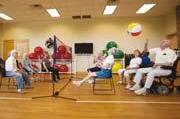
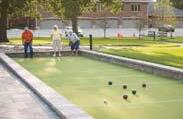
s we grow older, maintaining an active lifestyle becomes increasingly important. Exercise is essential for overall health, but seniors require specialized exercise programs to meet their unique needs and physical conditions. These tailored programs help enhance strength, flexibility, and balance while reducing the risk of chronic diseases and injuries.
1. Improved Cardiovascular Health
Seniors are more susceptible to cardiovascular conditions, including hypertension and heart disease. Participating in moderate aerobic exercises such as walking, swimming, or cycling helps seniors maintain a healthy heart and circulatory system. These activities lower blood pressure, improve cholesterol levels, and boost cardiovascular fitness. According to the American Heart Association, regular exercise can reduce the risk of heart disease by up to 50%, making it a critical component for long-term health.
2. Enhanced Strength and Muscle Tone
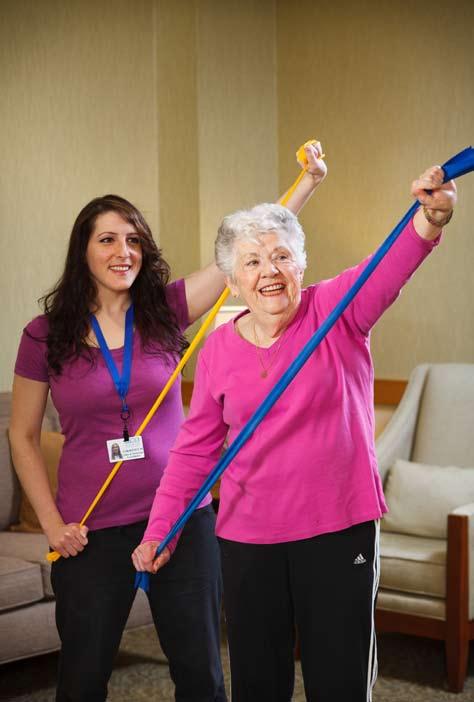
Aging often leads to muscle atrophy, which can affect mobility and increase the risk of falls. Strength training exercises, including light resistance workouts or weightlifting, are incorporated into senior exercise programs to counteract muscle loss. These routines improve muscle tone, increase bone density, and enhance overall mobility, allowing seniors to maintain independence longer. Strength training also alleviates arthritis symptoms by improving joint function and reducing pain.
3. Better Balance and Fall Prevention
Falls are a significant concern for seniors and are a leading cause of injuries among older adults. Specialized exercise programs often emphasize balance exercises, such as tai chi or yoga, which improve coordination and stability. These activities train the muscles and enhance the mind-body connection, helping seniors move more confidently and reducing the fear of falling. Studies have shown that consistent participation in balance training exercises can reduce the risk of falls by up to 30%.
4. Boosted Mental Health and Cognitive Function
Exercise is not only beneficial for the body but also for the mind. Seniors who engage in regular physical activity experience lower levels of anxiety, stress, and depression. Aerobic exercises increase endorphins, the body’s natural “feelgood” chemicals, which improve mood and emotional well-being. In addition, studies suggest that physical activity can slow cognitive decline and improve brain function. Activities like dance classes or group exercises stimulate memory and coordination, helping to delay the onset of dementia and Alzheimer’s disease.
5. Management of Chronic Conditions
Seniors often face chronic conditions such as diabetes, arthritis, and osteoporosis. Regular exercise plays a crucial role in managing these conditions and improving quality of life. For example, low-impact aerobic exercises help control blood sugar levels in individuals with diabetes, while resistance training strengthens bones and mitigates osteoporosis risks. Exercise also reduces inflammation and stiffness in people who have arthritis, providing them with better mobility and less pain.
6. Social Engagement and Emotional Well-being
Oak Park Place offers Assisted Living and Memory Care with all the features you expect in a place to call home.
Individualized services, life-enhancing amenities, and compassionate, professional staff are the foundation of all we do.
Choose from a range of spacious studio and one-bedroom apartments with assistance available from staff 24 hours a day, every day.
Independence when you want it, assistance when you need it. Oak Park Place.
We’ll help you every step of the way.
Many senior exercise programs are designed with a social component, promoting group classes or community activities. These settings provide seniors with opportunities to meet others, build friendships, and maintain social connections—an important factor in emotional health. Isolation and loneliness are common challenges for older adults, and group exercises foster a sense of belonging, improving mental health. Additionally, accountability from peers and instructors motivates participants to stay committed to their fitness routines.
7. Increased Flexibility and Joint Health
As we age, joints tend to lose flexibility, resulting in stiffness and discomfort. Often included in yoga and Pilates programs, stretching exercises help seniors maintain joint flexibility and reduce muscle tension. Improved flexibility not only enhances mobility but also lowers the risk of injuries by ensuring that muscles and joints function smoothly. Stretching exercises are particularly beneficial for seniors with arthritis, as they reduce stiffness and promote a greater range of motion.
8. Better Sleep Quality
Sleep disturbances are common among seniors, leading to fatigue, irritability, and cognitive issues. Engaging in physical activity during the day promotes better sleep quality by regulating circadian rhythms and reducing stress levels. Studies indicate that seniors who exercise regularly fall asleep faster and experience more restful sleep. Activities like morning walks, yoga, or light aerobics are particularly effective for promoting healthy sleep patterns.
9. Long-term Independence and Quality of Life
Ultimately, senior-specific exercise programs aim to enhance independence and improve quality of life. Regular exercise enables older adults to perform daily activities easily, like climbing stairs, grocery shopping, or gardening. Maintaining physical fitness also reduces the likelihood of hospitalization due to falls or chronic illnesses, allowing seniors to age in place and enjoy their golden years.
Conclusion
Exercise programs tailored for seniors offer numerous physical, mental, and emotional benefits. From improving cardiovascular health and muscle strength to preventing falls and enhancing social connections, these programs address the specific needs of older adults. By participating in regular physical activity, seniors can manage chronic conditions, boost cognitive function, and enjoy a better quality of life. Whether it’s through group classes, walking programs, or yoga sessions, the key is consistency. With the right exercise routine, seniors can lead healthier, more independent lives and embrace aging with confidence. By prioritizing physical activity, seniors can not only improve their overall well-being but also rediscover the joy of movement, proving that it’s never too late to take charge of their health.
Mark Your Calendar!
Come to Milwaukee Catholic Home for our annual “Spring into Wellness” Health Fair on Thursday, March 16th from 10 am - 3 pm at 2462 N. Prospect Avenue. The event includes free health screenings such as blood pressure checks, diabetes testing, cholesterol pre-screenings, and eye exams, as well as massages, reiki, door and raffle prizes, goodie bags, and more! Contact Linda Cardinale at 414.220.3216 or lcardinale@milwaukeecatholichome.org to learn more.
CRAFTS <<page 28
6. Santa Claus Clothespins
Christmas wouldn’t be the same without a Santa Claus craft. Your materials include clothespins, red and white paint, cotton balls, googly eyes, and small pompoms.
Paint the top half of the clothespins red and the bottom half white. Attach cotton for the beard, googly eyes, and a pompom for the nose.
7. Construction Paper Garland
Garland ties any holiday look together. If your loved one is decorating a communal area, they can work on this craft with others to make it even more special. All you need is red, green, and white construction paper strips and glue sticks.
Create a loop with one of the strips and secure it with glue. Then, select a strip with a different color and loop it through the first one. Repeat this process until you have a festive garland with alternating red, green, and white colors.
8. Handprint Reindeer Cards
To create a handprint reindeer card, you’ll need cardstock paper, brown paint, googly eyes, and red pompoms.
9. Jingle Bell Door Hanger
Paint your loved one’s hand with brown paint and make a handprint on the cardstock. Add eyes, a nose, and antlers.
Adding a bell to the door gives a merry welcome to the person entering the room. To make a jingle bell door hanger, you’ll need jingle bells, ribbon, and glue.
Celebrate the Season at Charter Senior Living
At Charter Senior Living communities across the country, we believe in celebrating the season! Call us at 262.324.6670 to schedule a visit or a tour of one of our festive communities.
Questions To Ask During Senior Care Plan Reviews
Learn how to make the most of senior care plan reviews by asking key questions about health, care goals, and daily life to ensure your loved one’s needs are met.
Care plan reviews are one of the most important touchpoints between families and a senior living community, whether your loved one resides in assisted living, memory care, or a nursing home. These meetings help ensure that the community understands your family member’s needs and that the care provided continues to reflect those needs over time. This guide walks you through what a care plan review is, why they matter, and the key questions to ask so you can confidently advocate for your loved one.
What is a senior care plan?
A senior care plan is a personalized outline of the support, services, and goals developed for each resident of a senior living community. It typically includes:
Health conditions and medications.
Daily care needs (e.g., assistance with bathing, mobility, etc.).
Safety considerations and risk factors.
Preferences, routines, and quality-of-life goals.
Social, emotional, and cognitive needs.
Care plans are created at move-in and reviewed regularly, often every 30, 60, or 90 days, or anytime your loved one’s health changes.
Why care plan review meetings matter
Care plan reviews ensure that care stays aligned with your loved one’s evolving needs. These meetings also give families a chance to:
Clarify how staff support the older adult’s daily health, safety, and well-being.
Raise concerns early before small issues become larger problems.
Understand any recommended care adjustments and associated costs.
Strengthen collaboration with the care team.
Families who are prepared for these meetings often feel more confident and supported, and their senior loved ones benefit from clearer communication and consistent follow-through in their care. Below, we outline key areas to address and questions to ask during care plan reviews so you can prepare and make the most of these meetings.
Questions to ask about health and care
How has my loved one’s health changed since the last review?
Who this applies to: Any resident, especially those with chronic conditions or recent hospitalizations.
Why it matters: Subtle changes in mobility, appetite, sleep, or mood often signal emerging health needs. Early identification helps prevent complications.
Who should answer: A nurse, care manager, or medication technician.
Are the current care services still appropriate, or do you recommend adjustments?
Who this applies to: Residents showing behavioral changes, new confusion, falls, weight loss, or functional decline.
Why it matters: Care needs shift, and staff may observe changes you don’t see during visits. Adjustments ensure your loved one’s safety and comfort.
Who should answer: Nursing staff or the care coordinator who oversees the
istock.com/ Anna Ostanina
care plan.
Questions to ask about daily life and well-being
How engaged is my loved one in activities and social life?
Who this applies to: Residents who are introverted, experiencing cognitive decline, or resistant to group activities.
Why it matters: Social connection supports emotional well-being, reduces loneliness, and helps maintain cognitive function.
Who should answer: The activities director or life enrichment staff. Are staff members noticing any signs of isolation, anxiety, or changes in mood?
Who this applies to: Residents adjusting to a new environment or those living with dementia, depression, or grief.
Why it matters: Emotional well-being is as essential as physical health. Early attention can prevent worsening symptoms.
Who should answer: Caregivers, nurses, or a memory care director who observes daily interactions.
Questions to ask about next steps
What changes or milestones should we anticipate in the coming months?
Who this applies to: Residents living with progressive conditions like dementia, Parkinson’s, and mobility decline.
Why it matters: Understanding potential changes helps families plan emotionally, medically, and financially.
Who should answer: Nursing staff, memory care specialists, or the care coordinator.
Are there additional services or supports we should consider?
When this applies: When you notice increasing care needs, new behavioral changes, or declines in independence.
Why it matters: Communities may offer different types of therapy (physical, occupational, or speech), behavioral support, enhanced monitoring, or equipment that improves safety.
Who should answer: The care manager, therapy team, or administrative staff familiar with available services and costs.
Personalize the questions for your loved one
Every senior’s needs, routines, and health concerns are different, and your questions should reflect those unique circumstances. Here’s how families can adapt the sample questions in this guide to suit their own needs.
Look for patterns in daily life
Start by observing what has changed or stayed the same in your loved one’s health, mood, behavior, or independence. Ask yourself:
What have I noticed during recent visits?
Are there moments when my loved one seems confused, frustrated, tired, or withdrawn?
Have they mentioned discomfort, boredom, or concerns about staff interactions?
These observations help you turn a general question (“How engaged is my loved one?”) into a more specific, targeted one (“I’ve noticed they’re skipping morning activities. What’s making that difficult for them?”).
Connect your questions to their diagnoses or conditions
Link the questions to your loved one’s health concerns, such as dementia, diabetes, stroke history, or mobility limitations. For example:
A memory care resident may need questions about safety behaviors, wandering, agitation triggers, or personalized routines.
A resident with mobility issues may require questions about transfer support, fall prevention, or physical therapy needs.
Thinking through their conditions helps you ask questions that surface the real challenges staff may be seeing.
Consider your loved one’s personality and preferences
Your loved one’s personality matters as much as their clinical needs. Ask yourself:
Are they social or private?
Do they like structure or flexibility?
Do they prefer quieter routines or lots of activity?
This helps tailor questions about daily life: “How are you supporting my mother’s morning routine since she prefers slow, quiet starts to the day?”
Reflect on your family’s priorities
Think about what matters most to your loved one and to you. Is it independence, safety, social connection, faith, familiar routines, good nutrition, or something else?
Let these values guide your questions. For example:
If dignity is a priority: “How are you supporting his independence during dressing or bathing?”
If connection is vital: “Who checks in with her socially throughout the day?”
During the meeting
Here are some tips for making the most of the discussion during your loved one’s care plan review meeting.
Turn concerns into questions
If something feels off, turn that feeling into a question. For instance:
Concern: “Dad seems more tired lately.”
Question: “Have you noticed changes in his sleep, energy, or medication effects?”
This approach ensures your questions are grounded in real-life observations. Ask for examples
Whenever you’re trying to understand a pattern, ask staff for specific examples. This will help you avoid vague answers and ensure meaningful follow-up. You can frame it like this: “Can you share an example of when this came up recently?”
Being prepared for your loved one’s care plan review will ensure they are getting the care they need and give you peace of mind. By grounding your questions in your loved one’s health, personality, and daily experiences, you’ll have a more honest, useful conversation about how their care is actually working.
This personalized approach helps staff see the full picture of who your loved one is and ensures the care plan truly reflects their needs, preferences, and goals.
For more information call Oasis Senior Advisors (262) 777-0462. We are a team of local and regional advisors, extensively trained to help seniors find the right care or community as they navigate their elder years.
Eat Lite & Be Merry!
Our Top Healthy Holiday Swaps
One of the best things about the holidays is sharing some of our favorite foods with the people we care about. But sometimes, those classic holiday dishes can be hiding some pretty unsavory secrets — like heaping helpings of fat, sugar, sodium and more.
That’s why we gathered some of our favorite healthy peanut recipes that give you a taste of the season (along with protein, fiber, and hardto-get vitamins and minerals), with tips on how to focus on making healthier choices. You can check out a full list of our holiday recipes here.
And don’t forget — peanuts can help you enjoy great benefits for this and every season, like lower blood pressure, protection against diseases like cancer, and support for brain and heart health.
So what are we waiting for? Let’s dig in!
Healthy Alternative Appetizers
Try Out: Sweet and Spicy Peanuts
The holidays aren’t typically known for their spicy side, but that’s what we love about this recipe: it’s a simple preparation that stands out, while giving guests something more substantial to nibble on. Loaded with protein and fiber, it’s sure to keep guests satisfied until the main course is ready. Plus, leftovers can be stored in the pantry or freezer for your next gathering.
Sweet and Spicy Peanuts
Try this delicious sweet and spicy peanuts recipe! Get the perfect balance of heat and sweetness for a crunchy, flavorful snack.
Servings:
16 servings
Ingredients
1 lb of dry roasted unsalted peanuts
1/3 cup of honey
1/3 cup of sugar
1 tbsp of ground cumin
1 3/4 tsp of salt
1 tsp of chili powder
Instructions
Preheat the oven to 325°F. Coat a rimmed baking sheet with cooking spray. Combine the peanuts and honey in a bowl. Combine the sugar, cumin, salt, chili powder and ground chipotle pepper in a separate bowl. Add the sugar mixture to the peanuts and toss well to coat. Spread onto the prepared baking sheet in a single layer.
Bake, stirring every 5 minutes, until the coating is thickened and tacky. Remove from the oven and cool completely, stirring often to break up any large clumps.
Better Watch Out: White Dinner Rolls
We all love carbs, but it’s probably best to choose breads and rolls that are made of whole grains. Otherwise, refined grains like white flour can spike your blood sugar and deplete your energy.
Try Out: Peanut Peach Salsa
With fresh fruit and a kick of heat, this simple recipe is quick to make and may disappear just as quickly. Serve it up with tortilla chips or sliced veggies as a delicious dip, or use it as a robust topping to spice up your favorite grilled
chicken or fish dish. Serve this protein packed, low-calorie snack with baked tortilla chips or cut up veggies. Or, use the salsa to turn simple grilled chicken or fish into a robustly flavorful meal.
Servings:
6 portions
Ingredients
6 portions
E1 lb of peaches, ripe, firm, pitted and cut into 1/2-inch dice
2 each of plum tomatoes, seeded and chopped
3 oz of lightly salted dry roasted peanuts
1/3 cup of white onion, chopped
1/2 each of jalapeño pepper, seeded and finely chopped
2 tbsp of lime juice
2 tbsp of cilantro, chopped
1/4 tsp of salt
Instructions
Combine the peaches, tomatoes, peanuts, onion, jalapeño pepper, lime juice, cilantro and salt in a bowl. Mix well and let stand 30 minutes before serving.
Better Watch Out: Cheesy or creamy spinach dips
3 tbsp of olive oil
1/2 tsp of salt
5-10 individual sprigs of fresh thyme
5-10 individual sprigs of fresh rosemary
Cumin-Citrus Peanut Sauce
3 tbsp of creamy unsweetened peanut butter
1 tsp of water
1 tbsp of lemon juice
2 tbsp of orange juice
1 tsp of maple syrup
1 clove of garlic, grated
1 tsp of cumin
1/2 tsp of paprika
1/4 tsp of salt
2 tbsp of chives, chopped
Toppings
2 tbsp of sliced green onions
1/4 cup of crushed peanuts
Instructions
Roasted Cauliflower
Preheat oven to 425 degrees.
istock.com/ FollowTheFlow
Although spinach dips contain veggies and are commonly served as appetizers, some recipes can be high in calories from the added mayonnaise, cheese, and/or cream. This can leave you full before dinner and can also make it easier to overeat. It’s best to avoid the heaping holiday helping. If you cannot find healthier versions of this family favorite, you’ll want to be more reserved on your serving.
Healthy Holiday Side Swaps
Try Out: Roasted Cauliflower with Cumin-Citrus Peanut Sauce
Roasting vegetables doesn’t just make your house smell amazing — it’s also one of the healthiest preparations around!
And considering how fast this dish from our friend Star Infinite Food is likely to disappear, you’ll be thankful to have that delicious aroma to remember it by.
Packed with healthy fats and plant-based protein from peanuts and increased fiber from cauliflower for digestion, this side will stand head and shoulders above the standard recipes.
Roasted Cauliflower
1 head of cauliflower, cored and cut into bite sized pieces
2 stems of green onions, cut into 2-inch pieces
Add the cauliflower to a sheet pan with the green onions, then drizzle the oil over the top. Add salt and pepper, then toss to combine. Add thyme and rosemary.
Bake for 30-40 minutes, until soft and crisp. Toss once while the cauliflower cooks.
Better Watch Out: Potatoes au Gratin
Be careful — there are healthier ways to make it, but some versions of this dish offer only cheese sauce, butter, and more cheese on top. Depending on its preparation, you may want to opt for a smaller serving size to limit your intake.
Try Out: Smoked Peanut Broccoli Salad
Combining peanuts with other healthy foods in your diet can have what’s called a ‘synergistic effect’ — meaning that eating more of them together can enhance their effects. It’s why diets like the Mediterranean Diet, which combines fruits, veggies, whole grains, legumes and nuts are championed by the Dietary SWAP >>page 36
Guidelines for Americans as a healthy eating pattern. And it’s just one of the reasons we love this recipe from Stirlist, which combines crunchy peanuts with broccoli florets in a salad that seems too good to be healthy.
Ingredients
1 cup of peanuts, smoked and chopped
6 cups of broccoli florets, cut into bite size pieces
1 cup of red onions, diced
1/2 cup of golden raisins
2 tbsp of honey
2 tbsp of red wine vinegar
1 clove of garlic, finely minced
1 1/2 tbsp of dijon mustard
Instructions
For best results, preheat electric smoker to 275 F. Spread peanuts on a sheet tray and smoke for about an hour or until desired flavor has been achieved. Re move and let cool. When cooled, chop and set aside.
Blanch broccoli florets for about 1 minute and cool in ice water bath. Drain and set aside.
Combine broccoli, red onion, raisins and peanuts in a large mixing bowl. For the dressing, combine honey, red wine vinegar, garlic, and Dijon mustard. Mix well. Slowly whisk in peanut oil until well combined. Taste and add salt as needed.
Pour dressing over broccoli mixture, toss and let chill in refrigerator 1-2 hours before serving.
Try Out: No Bake Peanut Butter Pie
If you like peanut butter cups and hate to bake, Star Infinite Food has good news. This lighter take on an indulgent dessert packs plenty of hunger-satisfy ing plant protein, while still somehow remaining dairy-free, refined sugar-free, gluten-free AND vegan friendly! (Plus, who can resist that brown rice crisp and dark chocolate crust?)
Crust
1 cup of dairy-free dark chocolate, melted
2 1/4 cups of brown rice crisp cereal
Pie Filling
1 cup of pumpkin puree
1/2 cup of coconut sugar
1 cup of unsweetened coconut milk
3 tbsp of cornstarch
1 tsp of vanilla
1/2 cup of creamy peanut butter, no-added sugar kind
1 pinch of sea salt
Instructions
Crust
Place a round cut-out piece of parchment paper at the bottom of a pie pan. Grease the sides with coconut or avocado oil.
Make the crust: In a large bowl, mix together the rice crisp cereal and melted chocolate until the mixture is well combined.
Pour the mixture into the prepared pie pan, cover with a piece of parchment paper and press down to form a pie crust. Place in the freezer for at least 25 minutes.
Pie Filling
In a separate bowl add the pumpkin, sugar, peanut butter, coconut milk, corn starch, vanilla and sea salt. Whisk the mixture until smooth.
Add the filling mixture to a saucepan, and heat over medium heat for about 57 minutes, whisking constantly until it is thick enough to coat the whisk. Remove from heat.
Pour the peanut butter filling into the prepared pie crust. Smooth the top with a cake spatula. Place the pie in the refrigerator for 3-4 hours to set.
Remove from fridge and add whipped cream, chopped peanuts and chopped chocolate (if using).
Better Watch Out: Fruit Cake
When choosing fruit cakes, you’ll want to make sure the recipe contains an abundance of fruits. Unfortunately, some recipes are loaded with sugar and con tain hardly any fruit at all. If your fruit cake recipe is high in sugar and low in fruits, try modifying it to create a healthier option. Otherwise, your best course might be to go with a small portion.
Eat Lite and Be Merry!
If you love indulging in the holidays, don’t worry — with the power of pea nuts, you can enjoy an amazing spread that’s sure to please guests, and also make your body happy. For more information visit www.peanut-institute.com.
AGE WELL Community Lifestyles
Dementia caregivers often do everything possible to help a loved one remain independent. Yet caregiving at home can bring emotional strain and stress especially as responsibilities grow. It’s common to feel guilt or uncertainty when exploring long term care options, yet seeking help can ensure your loved one continues to thrive with the right support.
Support groups and helpful resources are valuable tools for families navigat-
to relieve pressure on the spinal cord and prevent further damage. Surgery may include stabilization of the spine with instrumentation (rods, screws, plates) in addition to the decompression. Common surgeries for cervical myelopathy include:
Posterior (from the back of the neck):
• Laminectomy – removing part of a vertebra to enlarge the spinal canal
• Laminectomy and fusion- laminectomy plus the addition of screws and rods for stabilization
• Laminoplasty –expand the canal with small plates while maintaining neck mobility
Anterior (from the front of the neck):
• Anterior cervical discectomy and fusion (ACDF) – removing a damaged, bulging disc through the front of the neck and stabilizing the spine with a plate and screws
• Cervical corpectomy and fusion – removing part of a vertebra to relieve spinal cord compression and then fusing the remaining bones with plate and screws
Most patients stay in the hospital for one to three days and begin physical therapy soon after. Many notice significant improvements in coordination and strength within a few months, though full recovery can continue for up to a year.
Recovery and Rehabilitation
After surgery, a structured rehabilitation program is key to restoring strength, flexibility, and balance. Froedtert’s approach typically includes outpatient physical therapy tailored to each patient’s needs and goals. Therapy may involve four to six sessions over six to eight weeks, focusing on movement, posture, and fine motor skills.
The Bottom Line
If you notice increasing clumsiness in your hands, difficulty walking, or unexplained numbness or weakness, talk with your doctor or a spine specialist. Identifying cervical myelopathy early can make all the difference in protecting your mobility and quality of life.
Aditya Vedantam, MD, is a neurosurgeon at the Froedtert & the Medical College of Wisconsin health network.
Alta Mira II offers one & two bedroom apartment homes for those 55 & older. Alta Mira II is a non-smoking community that was constructed with special features for those who may be deaf or hard of hearing. Alta Mira II offers an array of amenities and social activities for its residents. Income restrictions apply.
Bell Tower Place is a non-smoking community offering elegant one & two bedroom apartment homes. Located in a quiet, residential neighborhood you are still situated in close proximity to all the modern conveniences you will need to live an independent, maintenance-free lifestyle.
Cedar Glen offers spacious one & two bedroom apartment homes centrally located in Wauwatosa, just 10 minutes from all of your shopping & dining needs. A variety of activities, 24-hour emergency maintenance and on-site management allow for the independent lifestyle you deserve! Income restrictions apply.
Granville Heights offers one & two bedroom apartment homes in a non-smoking community. Centrally located, you will have easy access to churches, grocery stores, restaurants and more while enjoying a relaxed, maintenance-free lifestyle within the community. Income restrictions may apply.
High grove offers luxury one adn two bedroom independent senior apartments located on the Woodland Ridge Campus. Our spacious apartmetns incldue a patior Our non-smoking community is the perfect place to call home.
Hill Crest, located on the Woodland Ridge Campus offers centrally located one adn two bedroom apartment homes fo rthe independent senior. In close proximity to all of your shopping, dining and entertainment needs, our social activities will have your social calendar full year-round. Income restrictions may apply.
Located on the Woodland Ridge Campus adjacent to the Towering Woods Nature Conservancy, Crestview offers one & two bedroom apartment homes in a non-smokin, pet-friemdly (restrictions apply) community. Enjoy an indepdendent lifestyle with 24-hr. emergency maintenance available. Income restrictions may apply.
A Look Inside Community Life
Daphne Dujali
Transitioning to an independent living community is a significant milestone. These communities offer older adults a lifestyle that balances autonomy with the convenience of support services. They are designed for active seniors who want to maintain their independence while enjoying social engagement, recreational activities, and a maintenance-free living environment. If you are considering moving to an independent living community, here’s what you can expect.
A Vibrant Social Life
One of the biggest advantages of independent living communities is the opportunity to connect with like-minded individuals. Unlike traditional housing, these communities foster a sense of belonging through organized social events, group outings, and club activities. Whether it’s book clubs, fitness classes, or game nights, residents can easily find opportunities to stay socially engaged and build lasting friendships.
The communal setting encourages spontaneous interactions in addition to planned activities. Shared dining spaces, lounges, and walking trails provide ample opportunities for residents to meet and interact with others, helping to reduce loneliness and isolation.
Maintenance-Free Living
One of the most appealing aspects of independent living is the relief from home maintenance responsibilities. Residents no longer have to worry about yard work, home repairs, or daily chores, as the community staff typically manages these. This allows for more freedom to focus on hobbies, travel, or simply relax without the burden of household upkeep.
Housekeeping, landscaping, and even laundry services are often included, ensuring that residents can enjoy a stress-free lifestyle. This level of convenience allows residents more time to engage in enjoyable activities rather than dealing with routine home maintenance.
A Safe and Secure Environment
Security and safety are paramount in independent living communities. Many facilities offer 24/7 security, gated access, and emergency call systems in apartments or cottages. This gives residents and their families peace of mind, knowing that help is available whenever needed.
In addition to physical security measures, these communities often have wellness programs and on-site medical assistance for routine health checkups. While independent living is not the same as assisted living, many communities offer partnerships with healthcare providers to ensure residents can access the care they need if their health needs change over time.
Comfortable and Convenient Housing Options
Independent living communities offer a variety of housing choices, from private apartments to cottages or villas. These homes are designed with seniors in mind, featuring accessible layouts, single-level living, and modern amenities. Many units come with full kitchens, spacious living areas, and balconies or patios to allow for a comfortable and personalized living space.
In addition to well-designed homes, common areas such as libraries, fitness
New Views on Healthy Aging
Optimism is linked to a longer lifespan in women from diverse racial and ethnic groups, and to better emotional health in older men, according to two NIA-funded studies. One study showed that the previously established link between optimism and longevity applies to racially and ethnically diverse populations of women and that the link is only partially due to changes in health behaviors. The other study showed that more optimistic men have fewer negative emotions, due in part to reduced exposure to stressful situations. These findings suggest that increasing optimism may be a way to extend lifespan and improve well-being in older adults.
Previous research has established that optimism is associated with healthier aging and longevity. However, most of these studies were in non-Hispanic White populations. In a collaborative study published in the Journal of the American Geriatrics Society, researchers from Harvard University; Boston University School of Medicine; Kaiser Permanente; University of California, Davis; University of California, San Diego; and the Warren Alpert Medical School of Brown University explored the link between optimism and longevity in a racially diverse population of women.
Researchers analyzed data from over 150,000 women ages 50–79, collected as a part of the Women’s Health Initiative (WHI). The WHI included non-Hispanic
White, Black, Hispanic/Latina, and Asian women. Each participant in the study completed a validated optimism test and provided demographic and health information. When scientists analyzed the data, they found that the most optimistic women lived, on average, 5.4% longer (approximately 4.4 years) than the least optimistic women. The most optimistic women were also more likely to achieve exceptional longevity, defined as living over 90 years. These trends were consistent across all racial and ethnic groups.
Scientists also tested the hypothesis that optimistic women live longer because they have healthier lifestyles. Previous studies showed that optimistic people are likelier to engage in behaviors that promote health and longer lifespan. Given this, the authors used statistical methods to determine whether lifestyle factors could explain the link between optimism and lifespan. Specifically, the study collected information on exercise, diet, body mass index, smoking history, and alcohol consumption. The researchers found that these factors only accounted for 25% of the link between optimism and longevity. These results suggest that the link between optimism and lifespan may be partly due to healthier behaviors, but that other pathways and factors are also likely to be involved.
Another NIA-funded study, published in The Journals of Gerontology, explored the idea that reductions in stressful experiences could be one of the factors that explain the link between optimism and better health. Prior studies from other research groups established that stress exposure is linked to worse health and a shorter lifespan. In this study, a group of scientists from the VA Boston Healthcare System, Boston University, Harvard T.H. Chan School of Public Health, Rush Medical College, and Northwestern University analyzed the relationship between optimism, stress, and emotional well-being in older men.
Researchers found that more optimistic men experienced fewer negative emotions. More than 50% of this link could be explained by reduced exposure to daily stressors. These results suggest that optimism may cause older adults to avoid, direct their attention away from, or change how they think about stressful situations. The authors note that their study is limited in that participants were all male, primarily White, and had a higher socioeconomic status than the general population. To determine whether the results apply to everyone, the study should be repeated in more diverse populations.
Results from these two studies provide important insights into how optimism may improve health and longevity. Findings from the first study show that optimism is linked to a longer lifespan across racial and ethnic groups. Although differences in healthy behaviors can explain a modest portion of this link, that is only part of the story. The second study suggests that optimism may benefit AGING>>page 44
istock.com/Anna Stills
health and well-being because it is linked to reduced exposure to stress. Because optimism is a modifiable characteristic that can be changed with interventions like writing exercises and therapy, improving optimism may be an effective strategy to improve health and extend lifespan across racial and ethnic groups.
Knowing how to take care of your emotional health will play a big role in your overall wellness.
Knowing how to take care of your physical health is a relatively simple formula: regularly visit your doctor, eat healthy, exercise, and so on. But knowing how to take care of your emotional health is a more challenging concept, since monitoring our emotions may not seem as straightforward as looking out for physical symptoms of injury or illness.
Fortunately, there are plenty of things you can do to get in touch with your emotions and foster positivity in your life! And since mental and physical health are connected, there’s actually some overlap between these two sets of healthy habits.
Practice gratitude
How often do you take time to look around you and appreciate the good things in your life? When you eat, do you savor the flavors and textures? When you’re outside, do you appreciate the beauty of nature? Try starting a gratitude journal and make a habit of writing one thing you’re grateful for every day.
Connect with others socially
Surrounding yourself with love, friendship, and laughter is one of the best ways to fill your cup emotionally! Being socially connected comes with lots of benefits — physical, mental, and emotional. Join a local club or volunteer group and regularly stay in touch with friends and family, near and far. If you or someone in your life has hearing loss, you can use CapTel captioned telephones to
stay connected!
Try mindfulness or meditation
It can be difficult to figure out how to take care of your emotional health when you’re busy all the time. But even if you have just five minutes to spare a day, you have time to meditate! Meditation comes with emotional benefits like the power to reduce stress, anxiety, and other negative emotions. Here are some quick mindfulness exercises you can experiment with. It can be as simple as five minutes of breathing exercises or going for a distraction-free walk.
Eat mood-boosting foods
When your body feels good, your mood usually gets a boost too! There are certain foods that are healthy for us and can release feel-good compounds like serotonin in your body and brain. Try adding some mood-boosting foods to your regular diet, like oatmeal for breakfast, a handful of nuts for a snack, and berries in a smoothie.
Get enough sleep
When we’re tired, it can make our emotions feel a lot closer to the edge. Being sleep-deprived can also impact your ability to handle things without getting overwhelmed, which could lead to unmanaged chronic stress over time. One of the benefits of a good night’s sleep is improved mood and the ability to regulate our emotions more effectively, so this is an important habit to cultivate! Use these tips for better sleep, like limiting screen time at night.
Exercise regularly
This is another one of those fantastic lifestyle habits that bring benefits to us physically, mentally, and emotionally! Regular exercise offers short-term emotional boosts and long-term protection from mood disorders like anxiety and depression. And it doesn’t have to feel like a chore! Check out these ideas to make exercise fun.
Look for silver linings
It’s not always easy to find the positive in a situation. But if you make a habit of looking for those silver linings even when you’re in the middle of a tough time, it can really help you mentally reframe things! If you feel yourself having a lot of negative thoughts, ask yourself if there’s a positive side or anything you can learn from what you’re going through.
Knowing how to take care of your emotional health really boils down to prioritizing self-care. Learn more about the benefits of self-care and how you can add it to your daily routine! Photo credit istock.com/ Jacob Wackerhausen.
Start Making Memories and Planting Roots
Asenior’s residence is a place of security. Moving out of the home you spent many years creating memories can be difficult emotionally. But you might want to look at moving into a senior community as a positive move. When we are young we can’t wait to explore new things and get away from the same old –same old. We want to start making memories and planting our roots. Why not think the same way. Look at a Senior Community as an adventure, something that might bring back the great memories from when you were young and getting back into the world out there. A senior community can be a great change. You can meet new people, get rid of all the hassles of house work, and have a easier retirement life.
There are several types of residential senior communities to choose from, so you need to explore and find what is right for you.How does one determine which senior community would fit best with their needs?
Temporary vs long term care: A senior’s needs are more practical by planning to move into a situation that is most likely to remain for many years to come.
Independence: Can you and would you want to live on your own? Or would it be best to find a more service oriented residential facility?
Needs for personal care: How much and what kinds of personal or “custodial
care” are needed or desired? There are online needs assessment questionnaires to help determine this and then match the care needs with the right type of housing.
Needs for medical care: If the senior has a chronic illness that necessitates special medical care, or ongoing services of medical professionals, independent living and even assisted living may not be suitable.
Costs: Learn about the financial aspects of senior housing to determine what options are affordable for you.
Walk through senior communities that seem suitable. Make a checklist of what each has to offer. Then make your own checklist of your needs and wants. Look over each list with a friend or family member they might have some helpful input to give.
Seek guidance from professionals who are experts in senior communities. They can help with the process of identifying your goals and values, assessing your needs, determining what your financial situation will allow and suggesting what facility might be right for you.
When you set out to evaluate a specific independent living, assisted living, or memory care residence, how do you know you are seeing the everyday ‘face’ of the facility? Below are some basic suggestions on how to proceed.
GO UNANNOUNCED – Visit a residence on the weekend and observe what is happening. Caregivers should be engaged with the residents. Is there life in the community? What do you see, smell, and hear? Try to avoid scheduling a tour of the facility where they put on a show instead of letting you know what’s really going on.
TALK TO THE RESIDENTS – Learn what residents are thinking about their community. Naturally you will hear both glowing reports as well as minor complaints, but are there any themes that repeatedly run through their comments? Are they uncomfortable, not sleeping well, bored, or unable to find anyone to listen? Dig a little deeper into complaints you hear repeatedly.
TALK TO THE STAFF – The caregivers deliver what the senior needs, so ask to be introduced and visit directly with the people ‘in the trenches.’ Ask about the rate of caregiver turnover and make certain staff is trained to handle special care needs.
REVIEW RECORDS – Senior facilities are inspected on a regular basis. You have the right to see any reports from those inspections.
For more information call the Centennial Senior Apartments at (414) 7627762 or Silvernail at (262)896-2100.
stock.adobe.com/ Coco.Ratta
Stair Crest
S67W14765 Janesville Road Muskego, WI
414-367-2400
StairCrest.org
Avalon
222 Park Place Waukesha, WI
262-446-9300
AvalonSquare.org
Dickson
W156N4881Pilgrim Road Menomonee Falls, WI
262-599-8300
DicksonHollow.org Fairway
N112W17500 Mequon Road Germantown, WI
262-735-7900
FairwayKnoll.org
STRESS RISING BEFORE THE HOLIDAYS?
Tips for Guiding Aging Parents
Holidays can be one of the most joyous times of the year for families. Loved ones gather for special meals and shared traditions.
There’s laughter, reminiscing and most importantly, the opportunity to create new memories together.
Yet if there’s been a shift in family dynamics or caregiving responsibilities, the holiday season may feel overwhelming and stressful rather than fun and festive. Few experience this more deeply than adult children in caregiving roles.
More adults navigating senior care decisions for parents while raising children
It’s a scenario many of us can relate to. One in four adults in their 40s or 50s are raising their own children and at the same time, providing physical, emotional or financial support to aging parents or in-laws.
As the holidays approach, the extra responsibilities as a caregiver can take a toll. This celebratory season often asks “more” when as caregivers, we may feel “less” available. It’s natural to feel overwhelmed, anxious or concerned if you’re juggling your own household or a full-time job as well as supporting your aging loved ones.
Three situations that can cause holiday stress for caregivers and aging parents
It’s helpful to reflect on what might be causing your concerns. Three of the most common situations around the holidays are:
Recognizing a cognitive or physical decline in a loved one. Spending extra time together makes it easier to spot changes in aging parents. Dad may be less steady on his feet; Mom may seem more forgetful or need extra help with meal preparation, for example. These observations may be emotional for you — and likely for your parents as well.
Celebrating the holidays in a new location. If you’ve gathered at the same table for decades, moving from the family home to a relative’s house, a restaurant, a parent’s new independent living apartment or an assisted living community can be exciting, uncomfortable (or everything in between).
Anticipating change related to aging. Sometimes just the thought of what’s next for you and your family can prompt a wave of pre-emptive grief, fear, relief or other emotion. Any age-related transition — even those with positive outcomes — can induce strong feelings.
If you recognize any of these situations, know that you don’t have to address them alone. A number of resources exist to help you and your family navigate the aging journey of a parent or loved one in a way that both honors their values and independence and supports you as an adult child and caregiver.
Holiday tips for caregivers: Simplify and practice self care
Day-to-day during the holidays, finding peace of mind is essential. These tips can help you strike a balance that takes into account your own needs as a caregiver, while still allowing you to be present and engaged with those you support.
During this time when it’s so easy to fill our schedules, let us take the time to make sure that the people in our life know they matter.
—PHS Campus Pastor Amy Oslund, in “Keeping love front and center this holiday season”
HOLIDAYS>>page 48
Practice self care. It is an art to be able to identify what you need and recognize your right to have it. This may take practice — especially if you have spent years caring for others. Start by attending to the little things, which gives you energy to handle other responsibilities. Drink plenty of water, get enough rest and allow yourself quiet time away from the frenzy of the season.
Allow others to help. Asking for help can be challenging, but it can also bring relief. If people want to help, take them up on their offers. Identify those who support you and limit your time around those relatives, friends or coworkers whose companionship may be more draining over the holidays.
Keep things simple. If you used to make seven different types of cookies, make your favorite two. It’s okay to simplify decorations and holiday cards (or skip them entirely). Make two lists: “Must do” and “Only if I feel like it.” The holiday season is packed with activities and events. Save your energy for those that are most important and most likely to bring you joy.
Let yourself say “no.” Most holiday activity occurs on top of regular responsibilities. Adult children acting as caregivers will feel pulled in many directions with work, family, friends and holiday celebrations. Remember that it is okay to say “no” sometimes to attend to your own needs. Try not to let “shoulds,” “havetos” or guilt influence your holiday endeavors.
Make room for unexpected emotions. Everyone’s reactions to the holidays will be unique, and in may ways, unpredictable. Give yourself grace to feel happy, sad, angry, tired (or anything else that may occur). This may be a good time to journal, pray, reach out to a senior living housing specialist or join a support group.
Know also that your aging parents, your siblings and other relatives will no doubt be experiencing a range of emotions that are separate and distinct from your feelings. Try to respect everyone’s journey and bring empathy and patience to difficult conversations with aging parents.
Prioritize the positive. In the hustle of the holidays, it can be easy to lose the true reason for the season. A daily devotional or quiet moment of reflection can help. Look for ways to connect with your aging parents and cherish special moments — no matter how small.
Remember, there’s no perfect way to spend the holiday season. As a caregiver, be gentle with yourself, be clear about your own needs and know that your efforts make a difference for everyone in your family.
For more information on community lifestyles visit www.preshomes.org.
INDEPENDENT<<page 41
centers, pools, and gardens enhance the overall living experience. Many communities also provide concierge services, transportation options, and dining facilities to ensure that daily living remains as convenient as possible.
Dining and Nutrition Options
Many independent living communities offer meal plans or on-site dining options for those who prefer not to cook every day. Whether it’s a full-service restaurant, a casual bistro, or a communal dining hall, residents can enjoy chefprepared meals without the hassle of shopping and cooking.
istock.com/Inside Creative House
Nutrition is a priority in these communities, with meal options catering to various dietary needs, including vegetarian, gluten-free, and low-sodium diets. Many communities also provide private dining rooms where residents can host family gatherings and special occasions.
Engaging Activities and Wellness Programs
Staying active and engaged is a key component of life in an independent living community. Residents can participate in various wellness programs, such as yoga, tai chi, and group exercise classes. Many communities have on-site fitness centers, walking paths, and swimming pools to encourage physical activity.
Beyond physical wellness, intellectual and cultural activities are also emphasized. Art classes, guest lectures, music performances, and technology workshops provide residents with opportunities to continue learning and growing. These activities help maintain cognitive function, improve mood, and enhance overall well-being.
Freedom to Explore Personal Interests
With fewer responsibilities and more resources at their disposal, residents can dedicate more time to their passions. Whether it’s painting, gardening, volunteering, or traveling, independent living allows for personal fulfillment without the constraints of home maintenance. Many communities even offer travel clubs and organized excursions, making it easier for residents to explore new destinations with like-minded peers.
Additionally, some independent living communities provide opportunities for intergenerational connections, such as mentorship programs with local schools or community outreach initiatives. These experiences create a sense of purpose and fulfillment, enriching the lives of both residents and those they interact with.
caffeic acid—a component specific to coffee—extended lifespan in model organisms by improving mitochondrial respiration and reducing oxidative stress. While these studies used fruit flies, the fundamental cellular mechanisms are conserved across species and help explain coffee’s broad benefits.
The Inflammatory Revolution
Coffee’s anti-inflammatory effects deserve special attention. Research appearing in multiple studies compiled in the Sider research synthesis found that regular coffee consumption associated with 16-28% lower CRP, improved insulin sensitivity markers, elevated SHBG, and favorable shifts in lipid profiles. These changes represent a coordinated shift toward a less inflamed, more metabolically flexible state that appears particularly pronounced with coffee’s complex chemistry.
Research appearing in Progress in Cardiovascular Diseases, in 2018, by James O’Keefe, MD, and colleagues called coffee “cardioprotection in a cup,” noting that its anti-inflammatory effects exceed what would be expected from caffeine alone. The chlorogenic acids, trigonelline, and hundreds of other compounds in coffee work synergistically to create effects no single molecule could achieve.
Dose-Response: Coffee’s Sweet Spot
The research consistently shows coffee follows a U-shaped or J-shaped relationship. Benefits increase up to 3-4 cups daily, then plateau or slightly decline. Research appearing in European Journal of Epidemiology, in 2019, by Youngyo Kim, MD, and Edward Giovannucci, MD, ScD, from Harvard analyzed doseresponse across multiple studies. They found that very high coffee intake (>6 cups daily) didn’t provide additional benefit and might increase risks for certain conditions like fractures in women or anxiety in sensitive individuals.
Importantly, extremely high caffeine intake has been linked to lower serum Klotho—an anti-aging protein—in cross-sectional data, reinforcing that moderation matters. The sweet spot of 2-4 cups daily appears to maximize benefits while avoiding potential downsides.
Timing and Consistency: Coffee’s Compound Interest
Perhaps most intriguingly, the research reveals that coffee’s timing and consistency matter profoundly. Keep coffee to earlier in the day; late intake can shorten sleep duration and potentially erode some benefits. Research appearing in randomized trials showed that afternoon coffee consumption reduced sleep by 30-45 minutes on average, and poor sleep independently predicts worse health outcomes.
Research appearing in the Journal of the American Medical Directors Association, in 2023, showed that midlife coffee consumption predicted late-life benefits, suggesting a cumulative protective effect specific to coffee’s complex chemistry. Research appearing in European Journal of Nutrition, in 2025, found that stable coffee consumption patterns over decades provided stronger benefits than variable intake, implying that our bodies optimize around regular coffee exposure.
Genetic Independence and Preparation Methods
The genetic data adds crucial understanding. Research appearing in Nutrients, in 2018, by Marilyn Cornelis, PhD, and Marcus Munafò, PhD, examined how genetic variants influence coffee’s effects. While genes like CYP1A2 determine how quickly individuals metabolize caffeine, coffee’s health benefits appear largely independent of these variants. This independence proves that coffee’s hundreds of non-caffeine compounds contribute substantially to its benefits.
Preparation method also matters. Filtered coffee lowers exposure to diterpenes (cafestol and kahweol) that can raise LDL cholesterol, while unfiltered methods retain more of them—choose based on your lipid profile. For most people, filtered coffee provides the optimal balance of benefits with minimal lipid concerns.
Coffee’s
Unique Biological Advantage
When we synthesize this vast body of research, coffee emerges not just as a caffeine delivery system but as a sophisticated biological intervention. The numbers tell a compelling story specific to coffee: 15-20% reduction in all-cause mortality, 30% lower diabetes risk, 20-30% reduction in frailty risk, slower cognitive decline, and measurable improvements in inflammatory and metabolic markers.
Across meta-analyses, coffee generally shows larger effect sizes than tea for mortality and metabolic outcomes, though both beverages offer benefits. The mechanism appears to be hormesis—a mild stress that triggers protective responses. Coffee provides this in an optimal form: caffeine’s stimulation wrapped in a protective matrix of antioxidants and polyphenols that modulate its effects.
Research appearing in Antioxidants, in 2025, by Kobylińska and colleagues made the case explicit: “Coffee represents a unique convergence of bioactive compounds that cannot be replicated by energy drinks or caffeine supplements. Its effects on longevity pathways exceed the sum of its parts.”
on a large, beautifully
Tudor
With more than 100 years of experience, Milwaukee Catholic Home has now been recognized as a top Life Plan Community for both Short-Term Rehabilitation and Long-Term Care.
To learn more or to schedule a tour, call 414 -220-3216 or visit us at milwaukeecatholichome.org!
2462 North Prospect Avenue, Milwaukee, WI 53211 milwaukeecatholichome.org
Lagom: The Stress-free Scandinavian Life Trend Of ‘Just Enough’
By Cara Stevens
Lagom, a Swedish term that means “just enough” is about having just the right amount of anything that will make you happy, no more, no less. It encourages us to be content with what we have rather than constantly look for new things that will make us happy.
“At its simplest, the word describes something that’s ‘just enough’ or ‘just right’ — like the right amount of milk in your coffee or the perfect pressure of a massage,” explains Linnea Dunne in her book Lagom: The Swedish Art of Balanced Living. “In the bigger picture, the balance of Lagom goes way behind emotional wellbeing and interior design to become all about belonging and shared responsibility — not just fitting in, but being part of a greater entity.”
If you spent 2018 embracing Hygge, the Danish concept of coziness and comfort, by filling your closet with soft clothes, your home with candles, and your belly with hot tea sipped by a roaring fireplace, your life may already be infused with the Scandinavian vibe.
The concept of Lagom, however, helps put Hygge into perspective, encouraging you to use the resources you already have to enjoy your life rather than feel the need to go out and buy more scented candles, or replace all your perfectly serviceable furniture with artisan Nordic wood pieces.
A Lagom State of Mind
Simplicity is important for happiness.
Have you heard the story about the person who had more money than he could ever wish for but still wasn’t happy? Or about the simple Buddhist Monk who has survived exile, oppression, grief, and stress, only to be considered one of the happiest people on the planet? The first man — the unhappy one — could be one of millions of people throughout history. The second is the Dalai Lama, the head monk of Tibetan Buddhism.
“If one’s life is simple, contentment has to come. Simplicity is extremely important for happiness.” Tenzin Gyatso, His Holiness the Fourteenth Dalai Lama, is quoted as saying in The Dalai Lama Book of Quotes, by Travis Hellstrom.
“Having few desires, feeling satisfied with what you have, is very vital: satisfaction with just enough food, clothing, and shelter to protect yourself from the elements.” These Buddhist minimalist concepts can be equally attributed to Lagom.
Lagom and Clearing the Clutter From Your Life
Give unwanted items a second life and have more space to enjoy what you keep.
“Less mess equals less stress. When we have too much stuff, it often results in feelings of being overwhelmed, and displeasure with ourselves and our surroundings,” says small space living expert Donna Smallin Kuper, who is also the author of Clear the Clutter, Find Happiness. To begin clearing the clutter from your own life, start small by paring down your belongings one room at a time and donating the things that don’t have any purpose in your life. Kuper offers these suggestions:
istock.com/Franci Leoncio
Aim to surround yourself with things you love and use and give yourself permission to let go of the rest. How many vegetable peelers do you really need? How many pairs of black pants? If you’re undecided about whether to keep or toss an item, ask yourself: Would I buy this today if I didn’t have it?
Always shop first in your own home. If you look in your closet, you might find something you’ve forgotten you owned.
You may have several bottles of shampoo that you can use instead of buying more.
Look at what’s in your pantry and create a meal around those ingredients. If you’re tired of your home décor, try re-arranging some furnishings to give your home a new look. Or shop at second-hand stores instead of going into debt for a new sofa.
If you want to buy something you think you really must have, wait a day or two and then re-consider. You may find that you don’t really want it so badly after all.
Lagom at Work
Effective communicators prioritize cooperation and collaboration
Keeping the concept of Lagom in mind can also help you be better at your job. “How many times have you been to a meeting where people interrupted each other? Or when one person took over the whole meeting? Or when there was so much discussion that no decision was made?” Asks Kira Copperman, Executive Coach and Workplace Communication Specialist.
“These barriers to effective communication and collaboration happen many times a day in most businesses. People who practice the concept of Lagom at work are better communicators because they put egos, hierarchy, and competition aside, prioritizing listening to each other and building consensus in order to get work done.”
Lagom in Your Belly
Start with simple, fresh ingredients.
When personal chef Dana Lepene attended culinary school at Le Cordon Bleu in Chicago, the classic French technique seemed inherently wasteful to her, with too many steps and way too much cream. Years after graduation, Lepene went on to launch her own line of hand-crafted preserves and now cooks for herself, her family, and her clients in a more mindful way.
Her advice is simple: “Make tasty food with real ingredients that you have on hand or can find easily including real butter, real bacon and real meat you can actually identify and pronounce. When you start with good, simple food, you don’t have to do much to it to make it delicious.”
To eat more Lagom, take your time to savor the flavors, and whenever possible, don’t multitask at meals or eat on-the-go. When you eat more mindfully,
you generally don’t need to eat as much, and you’ll be less likely to overeat. Lagom in Your Life
Swedes downplay their accomplishments while Americans build them up.
“As a society, we are terrified of ‘running out’: running out of time, money, love, food, etc. So we hoard material goods, we cling to relationships, we overeat as we hurry from one moment to the next so we don’t ‘run out’,” explains Lepene. We live louder, faster, and more competitively, and as a result, burn out more quickly.Swedes, on the other hand, are brought up living Lagom in their everyday life. In fact, Swedish immigrants who move to the U.S. often struggle with adapting to American excess. Immigrants like internationally acclaimed photographer and illustrator Bo Zaunders.
“When Bo and I married, he decided to freelance as a writer and photographer,” recalls his wife, award-winning children’s book author and illustrator Roxie Munro. “It was like pulling teeth to get him to ‘brag’ about himself and his accomplishments. He would downplay his resume and work. Living in NYC, and being an American, I was accustomed to the opposite — people exaggerating their resumes… bragging, overstating, even lying.”
Zaunders has built a strong career and name for himself since then, but Munro notes that his Swedish ethos remains a part of him. “It is STILL tough to get him to add his professional accomplishments to his introductory emails and calls.”
Lagom at Home
Enough is sometimes just enough.
Embracing Lagom is as simple as changing your state of mind. All you need is a minor attitude adjustment to incorporate mindful, minimalist living into everything you do. Kuper recently pared down all of her belongings, sold her home, and moved everything she and her husband owned into an RV, making their life and belongings 100% portable. “In our small space, I like to say that we have everything we need, and nothing we don’t want. And that makes it easy to stay organized.”
This piece origanally appeared on livestrong.com.
Lagom is the Swedish philosophy of living a balanced, “just enough” life, which aims to reduce stress and increase contentment by avoiding extremes . It involves finding a happy medium in areas like work, home, and consumption, focusing on balance rather than excess. This can be practiced through, for example, taking purposeful work breaks, decluttering living spaces, and making conscious, mindful purchases.
This concept, sometimes referred to as “the art of balanced living,” encourages individuals to find the sweet spot in all aspects of life, avoiding the extremes of scarcity and excess.
30. OOLONG TEA
This fermented tea is so fragrant and unique that even the scent of it enhances the response of GABA receptors, critical for sleep. GABA receptors can play an important role in treating anxiety and sleep disturbances. Keep in mind that oolong tea can contain low levels of caffeine so this would be a beverage best enjoyed earlier in the day so that it doesn’t actually disrupt sleep.
31. OYSTERS
A study on 120 men found that eating zinc-rich foods including oysters – a very rich source of this mineral – decreased the time it took to fall asleep as well as improved sleep efficiency. Having adequate zinc levels appears to be important in sleep quality so if you enjoy seafood, adding in oysters could be beneficial.
32. PEAS
Green peas contain folate and other supportive B-vitamins including B3/niacin that aid in clearing irritating homocysteine from the blood, supporting the cardiovascular system and boosting blood flow to the brain. One cup of green peas provides nearly 20% of your B3 needs which is critical in supporting the body in producing sleep hormone melatonin for a better night’s sleep.
33. PARSLEY
Though an under-utilized food in American cuisine, other cultures incorporate parsley into dishes for the flavor and incredible health benefits. This vibrant herb contains some important sleep-inducing nutrients. Enjoy flatleaf or curly varieties in your next dinner for a boost of calcium, magnesium and B3/niacin which all play a role in sleep promotion and quality.
34. PASSIONFLOWER TEA
Passionflower is often taken in supplement or tincture form for improving insomnia and other sleep problems but you can get a lower, subtler dose through tea. Often sold as “tranquility tea”, this herb contains both sedative and hypnotic properties. There is evidence that Native American tribes included it for medicinal uses in their traditional medicine, sometimes for sleep.
35. PICKLES
Another fermented food, pickles can contain good bacteria that is not only helpful for the gut but can help create amino acid GABA which supports sleep. It has been shown that people with insomnia often have reduced levels of GABA in the body so foods that naturally contain this compound can be helpful if you can’t sleep. Make sure to choose the varieties kept cold in the refrigerated section of the grocery store to keep the bacteria alive and thriving.
36. PINEAPPLE
Sweet-tart pineapple is a wonderful treat to enjoy after dinner – not only can it replace sugar-filled desserts, but it also contains several vitamins and minerals that support sleep. A good source of B-6 as well as magnesium, pineapple can calm the body and support the brain in getting the rest it needs at night.
37. POTATOES
Don’t let potatoes fool you; this simple food is not only packed with nutrients, but may aid in better sleep. A study on 2,025 adults found that a diet that included potatoes (among other healthy foods) helped their ability to fall asleep. This could be because potatoes contain several vitamins and minerals that support sleep including magnesium and B6.
38. PUMPKIN SEEDS
Also known as pepitas, pumpkin seeds are absolutely packed with critical nutrient magnesium which not only stimulates melatonin production in the brain but also increases GABA which is a neurotransmitter that creates insomnia at low levels. Just one ounce of pepitas provides about 170 mg of magnesium. The recommended dietary allowance for women is just 310-320 mg and 400-420 mg for men. Eat a couple ounces during the day to meet your needs and support sleep tonight.
39. SALMON
Salmon and other seafood are a good source of sleep promoting amino acid tryptophan. This protein building block is linked to the “feel good” neurotransmitter serotonin which then converts to the hormone melatonin. Melatonin is critical for sleep. Better, yet, salmon is rich in minerals, healthy omega-3s fats and B12 – another critical nutrient for the production of melatonin. The American Heart Association recommends two servings of salmon per week.
40. SEAWEED
This group of sea vegetables is always packed with minerals from the environment in which is grows – the ocean. So many varieties can be enjoyed for the benefit of sleep. A 2015 study on adults in Japan found that a diet that included seaweed, a common food among that population – in addition to other healthy foods – experienced a decreased difficulty in falling asleep. Many seaweeds are
a rich source of calcium and magnesium which are both strongly associated with better sleep.
41. SESAME SEEDS
Tiny sesame seeds contain an important sleep-inducing amino acid: tryptophan. This building block of protein in the body is directly linked to the neurotransmitter serotonin which then converts to the hormone melatonin. Melatonin helps signal the body that it’s time for sleep so include sesame seeds sprinkled on your next stir-fry or salad or enjoy them as tahini in hummus.
42. SPIRULINA
This blue-green algae is often sold in powder form alongside it’s partner, chlorella. Both algae sources are rich in a variety of vitamins and minerals that support sleep including vitamins B2 and B3. Spirulina also contains magnesium and calcium, more sleep-supporting nutrients. Mix it into a smoothie for a bright, vibrant, nutrient-dense twist that could help you catch more zzz’s.
43. SPINACH
This sweetest of the dark leafy greens could certainly support sleep. Spinach is packed with the sleep promoting minerals calcium and magnesium and is less bitter than other g reens like kale or collards. Blend baby spinach into smoothies, add to omelets, salads, and sandwiches or boil/sauté it down for a more concentrated source of magnesium which, when blood levels are low, has been linked to insomnia.
44. SUNFLOWER SEEDS
Simple sunflower seeds are more than just a tasty snack; they are rich in sleepproducing vitamins and minerals. A source of B6 and magnesium, one ounce of sunflower seeds provides only 163 calories and a lot of nutrients. Snack on sunflower seeds directly (bonus if you have to shell them yourself) or sprinkle on salads or into granola.
45. TART CHERRY JUICE
Found on a shelf at your local natural food store, possibly in the supplement section, tart cherry juice has been proven in double-blind studies to both reduce insomnia as well as shorten the time it took to fall asleep by nearly 20 minutes in older adults. Follow the instructions on the label but generally tart cherry juice is mixed in water and consumed before bed to promote sleep.
46. TOFU
A healthy vegetarian and vegan friendly protein, soy contains important minerals, fiber, antioxidants and polyunsaturated fats. Soybeans are rich in several sleep-inducing vitamins including riboflavin/B2 and B6 which is needed in the brain to convert tryptophan to serotonin which then supports melatonin production to fuel a good night’s sleep. Soy foods are also high in magnesium and calcium, other important minerals for sleep.
47. TOMATOES
This savory fruit is a sleep-inducing powerhouse. One cup includes nearly 10% of your daily needs for vitamin B6 and 5% of your daily needs for magnesium. Both of these nutrients are critical for the brain to produce hormones needed for sleep. Include tomatoes daily in sauces, soups, stews, with eggs and on salads.
48. WALNUTS
These healthful nuts are packed with omega-3 fatty acids in the form of alphalinolenic acid (ALA). Omega-3s have been linked to decreasing inflammatory markers which can become elevated in times of stress, a major disruptor of sleep. Walnuts are also a source of the amino acid tryptophan which is linked to the neurotransmitter serotonin which then converts to the hormone melatonin which is critical for sleep.
49. WHOLE WHEAT
Wheat products are rich in a critical nutrient for sleep – B6, also called pyridoxine. B6 creates serotonin from tryptophan so even if you consume foods rich in that amino acid, B6 is needed for the body to make the sleep-producing effects take place. Bonus – whole wheat is high in fiber and minerals like manganese, copper, magnesium and pantothenic acid.
50. YOGURT
There’s a double benefit with yogurt. Dairy products like milk, yogurt, and cheese are high in the amino acid tryptophan which is linked to the “feel good” neurotransmitter serotonin which then converts to the hormone melatonin. Yogurt also contains vitamin B12, another precursor. Melatonin is critical for sleep so think beyond breakfast for yogurt and have some before bed instead.
RESOURCES
Bravo R, Matito S, Cubero J, Paredes SD, Franco L, Rivero M, Rodríguez AB, Barriga C. Tryptophan-enriched cereal intake improves nocturnal sleep, melatonin, serotonin, and total antioxidant capacity levels and mood in elderly humans. Age. 2013;35(4):1277-85.
Our Auberge Communities support, engage and encourage the whole individual providing residents with a homelike environment and improved quality of life.
Indoor Activities Stay Connected
Explore new activities for seniors, from sensory and dementia-friendly ideas to sit-down games and more that encourage connection, purpose, and joy every day.
Indoor Activities for Seniors
Group of happy mature friends communicating while holding hands and walking
Meaningful Ways to Stay Active and Connected
Whether it’s a favorite hobby, a calming moment, or a group game that sparks laughter, these ideas are meant to nurture both body and mind. This blog features fun activities for dementia patients and other calming indoor activities for seniors, perfect for those at home or living in a Frontier community, where purposeful living is part of every day.
The Benefits of Indoor Activities
When the weather keeps everyone indoors, it’s an excellent opportunity to explore engaging activities that nurture the mind, body, and spirit. Thoughtfully chosen activities for the elderly at home do more than just pass the time; they promote emotional well-being by lifting moods and easing feelings of loneliness. Simple games and new challenges help boost cognitive health by keeping the brain active and sharp. Even seated activities encourage gentle physical movement, improving coordination and balance. These shared experiences create a sense of purpose and connection, offering daily structure, joy, and a chance to bond with loved ones. Understanding why activities are important for dementia patients is crucial, as for those living with memory loss, these moments are even more essential for building comfort, routine, and sparks of recognition.
Senior, people and group relax on holiday at cafe on vacation in retirement. Elderly, friends and talk at coffee shop with latte, espresso and drink cappuccino and chat in city morning with tea
Fun and Engaging Indoor Activities
Creative and Craft Activities
Creative pursuits offer a wonderful way to encourage self-expression and connection. Engaging in craft activities for seniors, such as painting, pottery, or creating seasonal décor, provides a fulfilling outlet for artistic talents. Projects like scrapbooking or assembling photo collages can bring personal stories to life and spark meaningful conversations among friends. To ensure everyone can participate comfortably, these activities can be easily adapted for those with limited dexterity by using tools like large-handled brushes, easy-grip pens, or unique textured materials.
Games and Group Activities
Join us for friendly fun and connection through our wide range of games and group activities. We offer many engaging sit-down games for senior citizens, including classics like bingo, trivia, dominoes, and card games that everyone can enjoy. For those who prefer quiet, focused activities, we also have printable indoor options for seniors such as word searches and puzzles. These games are an excellent way to stimulate the mind. Be sure to check our calendar for upcoming small group tournaments and themed game nights, where you can share a laugh and enjoy some lighthearted competition.
Calming and Sensory Activities for Dementia-Friendly Engagement
Finding meaningful indoor activities for seniors with dementia centers on creating gentle, comforting moments that bring a sense of peace and joy. The key is to choose tasks that are repetitive and soothing rather than complex. Simple sensory activities for dementia patients, such as folding soft towels, sorting large
buttons, or handling fabrics with different textures, can be profoundly satisfying. These tactile experiences help ground individuals and reduce agitation. When you consider “what are good activities for dementia patients”, think about simplicity and personal connection. The goal is to engage the senses in a way that feels safe and familiar, fostering a calm environment where your loved one can feel successful and content.
Calming activities for dementia patients can help soothe the mind and spirit. Listening to familiar, soothing music from a cherished era or exploring gentle aromatherapy with scents like lavender can create a tranquil atmosphere. Even a simple hand massage offers comfort and a warm human connection. Activities like looking through old family photo albums together can also spark positive memories and feelings of belonging. These gentle approaches provide comfort and connection, reinforcing a supportive and loving environment without pressure or expectation.
Indoor Gardening and Nature-Inspired Activities
Bringing nature indoors can be a rewarding experience. Simple, accessible indoor gardening activities for seniors, such as planting windowsill herbs, watering low-maintenance succulents, or arranging beautiful flowers, offer a connection to the natural world regardless of mobility. Tabletop gardening kits and small potted plants make it easy for anyone to participate and enjoy the process. These activities provide gentle sensory stimulation through scents, textures, and colors, which can significantly improve mood. Nurturing a living plant from a small seed to a flourishing herb also brings a profound and motivating sense of accomplishment, brightening daily routines and spirits.
Cozy
Winter and Seasonal Activities
The winter season brings cozy indoor pastimes. Engaging winter activities for seniors can include gathering for storytelling circles, baking festive cookies, or starting a new knitting project. You can also connect with loved ones by writing letters, decorating for the holidays, or enjoying classic film marathons together. At Frontier communities, we celebrate the seasons with crafts, music, and social gatherings designed to bring warmth and joy indoors, fostering a strong sense of connection and community spirit.
How to Plan Meaningful Activities
Planning meaningful activities for seniors begins with understanding their individual interests and abilities. The best activities for the elderly at home provide choices, whether it’s a quiet solo activity, a lively group game, or a focused one-on-one conversation. To keep participants engaged, sessions should be brief, positive, and pressure-free. You can make the experience more enjoyable by adding sensory-friendly touches like playing familiar music or using calming scents. Ultimately, the goal is to encourage participation and connection, where simply taking part is more important than achieving perfection. It’s about creating moments of joy and purpose!
PAIN<<page 14
A third and final potential cause of migraines or headaches is hidden infections in the jaw from teeth issues. This is not as common, but if nothing is working to give relief, it is worth exploring. It is a known fact, often not talked about, that past tooth extractions or root canals can have infections brewing in the jaw bone for years, without there being localized, physical pain. However, if these infections are being circulated throughout the body, it can cause a host of hidden health problems ranging from chronic fatigue, heart issues, joint pain, auto immune diseases, headaches or migraines. There are several books written on these topics, such as “The Root Canal Cover-Up” by George E Meinig, “The Root of Disease” by Thomas E Levy, and “The Toxic Tooth: How a root canal could be making you sick” by Robert Kulac.
The starting point we take to exploring this possibility is sending a client to trusted holistic dentists. They have the equipment, the experience, and opened mind to explore the possibility of a hidden infection or what is called cavitations in the jaw. If found, they either have the expertise to address the issue, or are networked with the right people who specialize in these issues.
Conventional Medicine is not the Solution
From my experience, many headache issues are rarely addressed at the root cause through conventional medicine. Almost all treatment is a chemical drug bandage to suppress the symptom, making a person even more toxic in the long run.
If you suffer from headaches and haven’t considered some of the things talked about in this blog, give us a call and schedule a no-charge phone consultation with one of our practitioners, to see if you might be a good fit for what we have to offer.