
ofThe Evolution Wellnes
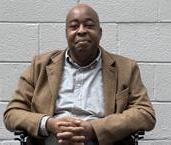
JOHNATHAN MOORE
DIABETES: From Darkness to Purpose the Johnathan Moore story
HYDRED GOLDBERG
2025 WOMEN’S CHAMPION
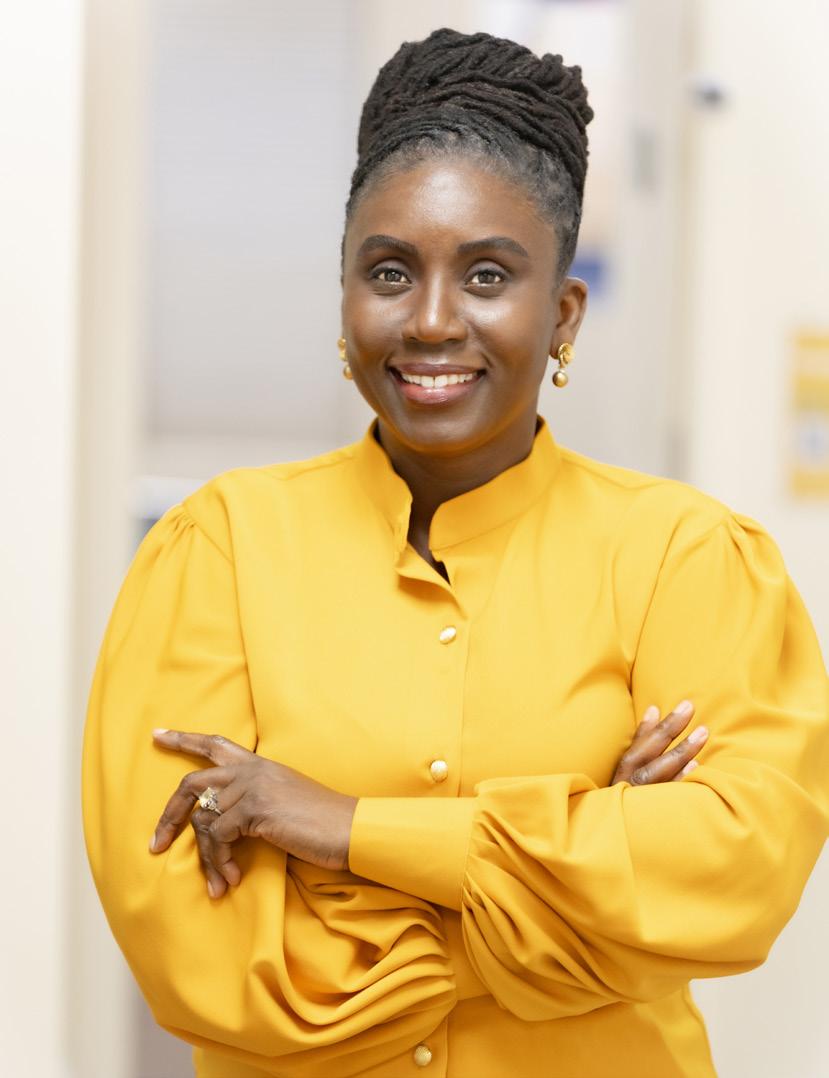
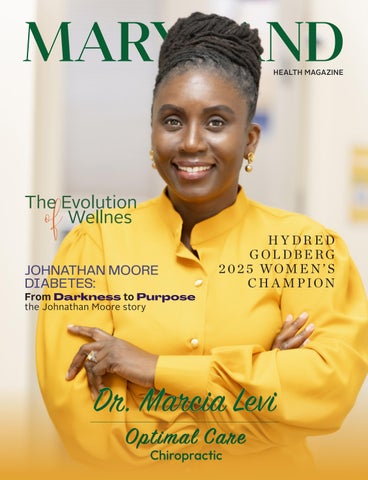
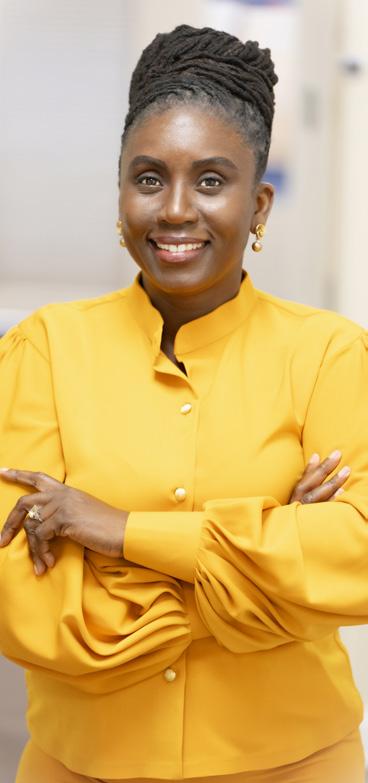
Dr. Marcia Levi Optimal Care Chiropractic

JOHNATHAN MOORE
DIABETES: From Darkness to Purpose the Johnathan Moore story
2025 WOMEN’S CHAMPION
Dr. Marcia Levi Optimal Care Chiropractic




THE QUIET CRISIS
We all have aches and pains that we have gotten 18
TRANSFORMING ULTRASOUND
In the dynamic world of medical technology, few advancements 24
IT’S TIME TO TALK ABOUT PROSTATE CANCER
Even though prostate cancer has a high survival rate when compared
A TEEN'S CRASH, A CHAMPION'S RISE I was seventeen, a social butterfly skating...
Evolution is a gradual process of change and growth





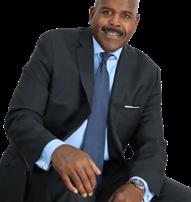
As publisher, I open this issue with a lasting affirmation: health is not merely the absence of illness, but the strength to face life’s hardest moments with courage, curiosity, and compassion. At Maryland Health Magazine, we believe that stories of resilience illuminate the path from adversity to possibility—and that every reader can find a spark of their own courage in the heartbreaks and breakthroughs of others.
Across this issue, we celebrate the resilience that lives within each of us. The human spirit finds ways to endure in the face of illness, disability, and hardship, turning pain into purpose. Strength is not defined by a single act but by the daily choices we make—perseverance, faith, hope, and a steadfast commitment to move forward with intention.
Rather than allow tragedy to define us, we can turn that experience into a mission: to educate, uplift, and empower others who live with chronic illness. Two stories in this issue serve as powerful reminders that life rarely travels in a straight line.
Sometimes life doesn’t go the way we planned. Sometimes very bad things happen to us. It was my mother who said, “It doesn’t matter who happens to you; it’s what you do about it.” Those words, echoing
through these pages, anchor the message we carry into each and every issue.
We recognize that depression, anger, and despair can threaten even the strongest among us. Yet the same moments that test us also offer a doorway to discovery—an opportunity to go inside ourselves and pull something remarkable into the light. In these pages, you’ll meet individuals who, with persistent effort and unyielding determination, show that resilience is not a single act but a lifelong practice.
To our readers: thank you for trusting Maryland Health as your companion on the journey to better health and better living. We invite you to read with an open heart, to share these stories with friends and family, and to draw strength from the examples of courage that surround us.
May these profiles spark hope, invite reflection, and renew the belief that, even in the darkest hours, there is a path forward—and a reason to keep moving.
Sincerely, R odney Folma R , S R ., G R oup p ubli S he R h WF m a G azine G R oup

Publisher Rodney Folmar, Sr.
Editor in Chief Melissa Shelby
Content Creator Daine Taylor
Writers
Wendy Begay, Julia Fischer, Barbara Forman, Darla Frisk, Daine Taylor, Carolyn Tolbert, Rodney Folmar, Sr., Jasmine Wheeler, Lynette Gabrielle Taylor
Advertising & Digital Sales Will Summer Greg Baily
Graphic Design
William Hodges
Susan Holgram
Distribution Kathy Wilson
Photography
Shots By Diamm Ron White
Anthony G. Gallegos Gill Associates Photography
Contact us contact@gmfmediagroup.com 301-889-9580
hwfmg healthwellnessfitnessmag healthwellnessfitness
HEALTH WELLNESS & FITNESS MAGAZINES ARE PUB LISHED BY GMF MEDIA GROUP, LLC. A NEW JERSEY BASED PUBLISHING, ADVERTISING AND MARKETING COMPANY.


The information printed in this magazine has been provided as a public service. Every effort has been made to ensure accuracy; however, the authenticity cannot be guaranteed. All advertisements in this magazine have been furnished by advertisers. Typographic, photographic, and printing errors are unintentional and subject to correction. The content is not intended to be a substitute for professional medical advice, diagnosis, or treatment. Never disregard professional medical advice, or delay in seeking it, because of something you have read or seen on our web site. Never rely on information on our web site and/or in the magazine in place of professional medical advice.


| Fall Into Wellness: A Community Health & Wellness Fair
An interactive evening of movement, fitness demos, healthy-living talks, and community connection at a local wellness center.
Date and Time
Tuesday, December 2, 2025, at 7:00 PM EST
Location 1529 Sixteenth Street NW, Washington, DC 20036 (Edlavitch DC JCC)
Link www.edcjcc.org/calendar/fall-into-wellness-acommunity-health-wellness-fair

Health & Fitness Expo
A major health and fitness expo featuring workout demonstrations, vendors, free screenings, and wellness tools to kick off a healthier year.
Date & Time
Saturday–Sunday, January 11–12, 2026 (twoday event)
Location
801 Mount Vernon Place NW, Washington, DC
Link www.hellotravel.com/events/nbc4-healthand-fitness-expo
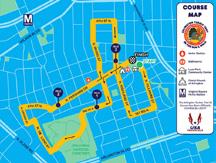
| Arlington VA Turkey Trot 5K
A family-friendly Thanksgiving 5K supporting local nonprofits — chip timing, kids’ runs, and community vendors.
Date and Time
Thursday, November 27, 2025, at 8:00 AM EST
Location
Lyon Park Community Center, Pershing Dr, Arlington, VA 22201
Link
https://arlingtonvaturkeytrot.org
GEORGETOWN TURKEY TROT (5K / 10K)

A long-running community race with 5K or 10K options — perfect for families and runners of all levels.
Date and time
Thursday, November 27, 2025 (morning start)
Location 3530 Water St NW, Georgetown, Washington, DC
Link
www.runwashington.com/ events/2025-georgetown-turkeytrot-5k10k-15031
| America’s Trot for Hunger — Freedom Plaza 5K & Little Turkey 1-Miler
A countywide kickoff event promoting wellness, D.C.’s largest Turkey Trot raises funds for hunger relief while offering a festive 5K and short kids’ race.

Date & Time
Thursday, November 27, 2025 (Thanksgiving morning)
Location Freedom Plaza, Pennsylvania Ave NW & 14th St NW, Washington, DC
Link www.trotforhunger.org
| Integrative Wellness Expo 2025
A multi-day wellness expo featuring mindbody workshops, marketplace vendors, and immersive lifestyle programming.
Date and Time
Thursday, January 9 – Monday, January 13, 2025
Location
Crystal Gateway Marriott, 1700 Richmond Hwy, Arlington, VA 22202
Link
www.eventbrite.com/e/integrative-wellness-expo-2025-tickets-808305893687

A charity trot benefiting local homelessness services with a friendly, community atmosphere.
Date & Time
Thursday, November 27, 2025 (Thanksgiving morning)
Location Freedom Plaza area, Washington, DC
Link

www.runwashington.com/events/2025-the-capital-turkey-trot-5k10k-15261

| Run With Santa 5K — Reston Town Center
A festive family 5K where participants run or walk with Santa amid holiday cheer and costume fun.
Date and Time
Sunday, December 7, 2025, at 8:00 AM
Location Reston Town Center, Reston, VA
Link www.prraces.com/runwithsanta

| Old Town Run Club Jingle Bell 5K — Alexandria, VA
A charity Jingle Bell 5K through scenic Cameron Run Trail — strollers and leashed dogs welcome.
Date & Time
Sunday, December 7, 2025 (morning start)
Location
Cameron Run Trail, Alexandria, VA
Link
https://findarace.com/us/events/old-town-run-clubjingle-bell-5k

JINGLE BELL RUN – METRO DC (ARLINGTON / REGIONAL EVENTS)
A festive series of charity 5Ks across the region with music, costumes, and seasonal cheer.
Date and time
Saturday, December 6, 2025 (dates vary by chapter)
Location 6198 Stormont Road, Hartfield, 23071, VA
Link
https://findarace.com/us/events/jinglebell-5k-kids-fun-run
JINGLE DASH 10K, 5K, AND FUN RUN
Get ready to jingle all the way at the Jingle Dash 10K, 5K, and Fun Run on Saturday, December 6th, 2025! This festive event will take place in the charming community of Chantilly, Loudoun.
Date and time
Various dates in December 2025 (e.g., Dec 13 & Dec 21)
Location 42420 Unicorn Dr, Chantilly, 20152, VA
Link
https://findarace.com/us/running/5k-runs/ virginia/decemberbell-5k-kids-fun-run
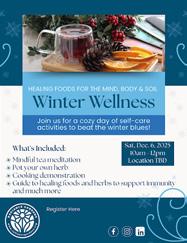
| Winter Wellness Workshop
A strategic summit focused on policies, A one-day workshop focused on winter self-care — movement sessions, breathwork, and simple home wellness tips.
Date and Time
Saturday, December 6, 2025, at 10:00 AM
Location TBD
Link
www.eventbrite.com/e/winter-wellness-workshop-tickets-1830299136989
| Holiday / Winter Afternoon Tea & Movement

A seasonal wellness experience blending afternoon tea with yoga, sound-baths, and spa-inspired relaxation.
Date and Time
November 26, 2025 – January 11, 2026 (regular seatings 2:00–4:15 PM)
Location
Salamander Washington DC, 1330 Maryland Ave SW, Washington, DC
Link
www.salamanderdc.com/activities/event-calendar/ holiday-afternoon-tea?d=11-26-2025



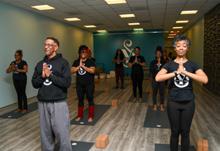
Courtenay S. Brown, E-RYT Founder & Owner
We offer a sanctuary where faith and wellness unite, empowering you to achieve holistic healing through yoga, Reiki, vibrational sound therapy, and meditation practices, all offered from a Christian perspective. We are dedicated to helping you deepen your spiritual journey while enhancing your physical and mental well-being in a supportive, safe environment in Waldorf, MD.
Shabach Yoga
3082 Waldorf Market Place
Waldorf, MD 20603
240-774-1521
www.shabachyoga.com
By Kelly Rowland
Nicole Harmon’s story began not with a goal, but with a breaking point. At 38, she felt old in a body that refused to cooperate with the life she envisioned. Weary of fad diets that stitched temporary fixes onto a growing problem, she decided to face the truth: weight had become a daily burden, and her heart whispered a warning she couldn’t ignore.
Nicole considered hiring a personal trainer but decided on joining a gym. She found a gym close to her house in Montgomery County. "There was no doubt in my mind that the judgement would be palpable. I could not have been more wrong" she says. According to Nicole, the seasoned members made her feel like she belonged from day one. If she was feeling discouraged, they filled the gap and provided the motivation she needed to keep moving forward towards her weight loss goals. After going from 283 lbs. to 176 lbs. in just 14 months, Nicole was thrilled with her progress. "I knew it was time to start this journey because I only have one heart, and it was beginning to fail," she says. "Transitioning to a healthy lifestyle was tough at first, but eventually I realized how much easier it was to do things like walk up the stairs at work.
learned that progress isn’t a straight line; it’s a series of small, stubborn choices made with a crew cheering from the sidelines. Stairwells became conquerable, and mornings grew lighter as breath came easier and joints moved with less protest. The heart disease scare that had once haunted her finally felt more distant than it did before.
Healthy eating followed the same supportive arc. Nicole found strength in a network that believed in steady change rather than perfection. It wasn’t about deprivation; it was about nourishment—plants that glowed with color, proteins that fueled movement, and meals shared in the company of friends who celebrated the tiny, stubborn victories.
Workplace support amplified her momentum. Brenda Price’s story echoed Harmon’s: a community that lowers barriers to healthy living, offering education, access to fitness, and accountability that feels less like judgment and more like partnership.
With every pound shed, every step logged, Nicole realized the most powerful ingredient wasn’t a workout plan or a diet chart—it was the people who walked beside her, believing in a future where she could outpace the doubts that once defined her.

Avoid overeating:
mindful portioning and plate structure Mindful portioning starts with a simple plate model: half the plate non-starchy vegetables, a quarter lean protein, and a quarter complex carbohydrate or nutrient-dense starch. Eat slowly, pause between bites, and use smaller serving utensils to curb instinctive second helpings. When dining at a holiday gathering, begin with greens or a colorful veg medley to scaffold fullness. Bring leftovers home in a reusable container to prevent overeating later. Try collards or mustard greens sautéed with olive oil and garlic, a palm-sized portion of lean turkey or black beans, and a modest scoop of sweet potato or quinoa. You can savor flavor, maintain energy, and avoid that uncomfortable fullness.
Make good substitutions that don’t feel limiting
Substitutions should enhance flavor and satisfaction, not impose deprivation. Seek familiar, bold tastes with smarter tweaks. Swap fried starters for crisp vegetables with vibrant dips and choose fruit-based desserts or yogurt with berries over heavy creams. Bake or grill proteins with robust seasonings instead of relying on rich gravies. For example, replace creamy macaroni and cheese with a lighter cauliflower “mac,” or pair brown rice or quinoa with black-eyed peas and Cajun or smoked paprika seasoning. Opt for baked or grilled catfish or turkey wings with a spice rub instead of fried options. These adjustments preserve tradition while cutting unwanted fats, calories, and sodium.
Prepare traditional dishes with a healthy spin
You don’t have to abandon cherished dishes to eat well. Reimagine classics with healthier methods and ingredients. Use heart-healthy fats in moderation, thicken sauces with pureed vegetables or beans, and bake, grill, or sauté rather than fry. Desserts can be enhanced with fruit reductions or mashed fruit substitutions to reduce added sugars. For example, enjoy cauliflower “mac and cheese,” greens cooked in low-sodium broth with olive oil, roasted sweet potato wedges with turmeric and cinnamon, and beans as a protein boost. The goal is to preserve flavor and cultural resonance while improving nutrition for long-term health.
Don’t go to a party hungry and hydrate thoughtfully
A balanced pre-event snack helps prevent impulse eating, while thoughtful hydration supports appetite regulation. Have a protein- and fiber-rich snack an hour or two before you attend, such as yogurt with nuts, fruit and cheese, or roasted chickpeas. Drink water regularly and consider a glass of sparkling water with citrus to feel fuller. Survey the options first, then plate fill half with vegetables or salad, a quarter with lean protein, and a quarter with a whole grain or starchy side. This approach helps you stay in control, enjoy the gathering, and minimize post-event regrets.
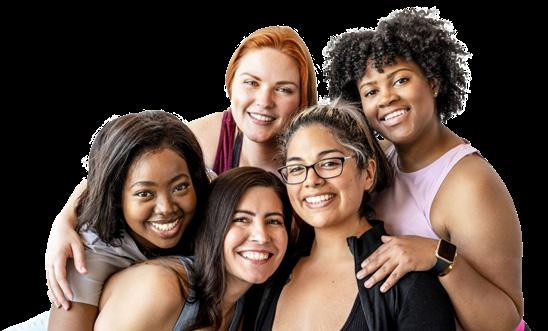
As the holidays approach, healthy choices don’t have to mean compromise. Today’s readers want flavorful, culturally resonant options that fit sophisticated tastes and busy schedules. The following five tips preserve tradition while embracing smarter cooking, mindful portions, and sustainable well-being. Each tip offers practical steps you can adopt at home, at gatherings, or on the go, without sacrificing taste or joy.
By Kelly Rowland
Stay steady through the season: stress management, movement, and sleep Sustainable routines beat the “all-or-nothing” mindset during holidays. Build a simple plan for busy days: short breathing exercises, a post-meal stroll, or a quick stretch. Move toward at least 150 minutes of moderate activity weekly, with a few 20-minute bursts during the holiday period. Prioritize consistent sleep to support appetite regulation and energy. Involve family in movement— group walks, charity walks, or a friendly steps challenge—and favor non-food celebrations when possible, like live music or cultural events. This approach supports mood, energy, and long-term health year-round.
Joyful, balanced celebrations are within reach. Focus on sustainable choices and consistency, not perfection. Create a simple toolkit: a flexible plate model, a handful of smart substitutions, a dependable pre-event snack, and a brief stress-management routine. Small, steady steps compound into lasting well-being. If you’d like, I can tailor this for a specific publication length or add a sidebar with pantry swaps or weeknight-friendly twists.

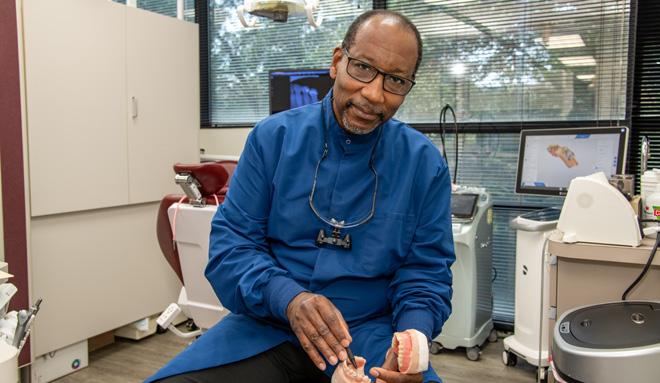
Most dental issues don’t begin with a sharp pain or visible damage—they start silently, gradually building beneath the surface. Prevention is the foundation of long-term oral health, yet many patients don’t seek care until a problem becomes impossible to ignore.
By Daine Taylor
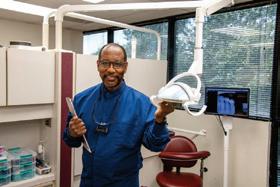
As Dr. Edward H. Chappelle, Jr., DDS, of Your Bowie Dentist put it, “so much of dental issues are cumulative. There are very few things that happen spontaneously.” The earlier you act, the more you can avoid costly, painful consequences down the line.
Most serious dental problems — including cavities, gum disease and tooth loss — don’t happen overnight. They develop gradually, often without noticeable symptoms until the issue becomes severe. According to the CDC, poor oral hygiene, missed cleanings and a lack of consistent dental checkups are among the leading contributors. Many patients don’t realize something is wrong until they experience pain, swelling or tooth damage — signs that the problem has already progressed.
Routine dental care plays a critical role in stopping that progression. Regular exams and cleanings allow dental professionals to detect early signs of decay, gum inflammation or structural issues before they require invasive treatment. Small cavities can be filled before they reach the nerve. Gum irritation can be managed before it leads to bone loss. “Usually, it’s an extended period of neglect that creates the issue,” said Dr. Chappelle, emphasizing that prevention is far more effective than repair.
Skipping appointments may feel harmless in the short term, especially if there’s no discomfort. But over time, that inaction can lead to irreversible damage, increased costs and more complex procedures — such as root canals, extractions or implants.
Preventative care is not just about clean teeth; it’s about preserving the function, health and appearance of your entire mouth.
“So much of dental issues are cumulative. There are very few things that happen spontaneously.”
Dr. Edward H. Chappelle, Jr., DDS
| Prevention in Practice— and the High Cost of Delay
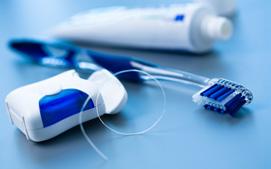
Prevention is the foundation of longterm oral health, and it starts with consistent daily habits. Brushing twice a day with fluoride toothpaste, flossing at least once a day, and using an antimicrobial or fluoride rinse can help control plaque and strengthen tooth enamel, according to the Mayo Clinic. But home care alone isn’t enough to stay ahead of potential issues.
According to Dr. Edward Chappelle, professional care plays a critical role. Patients should schedule dental checkups and cleanings at least twice a year, even if they’re not experiencing pain. During these visits, dentists can remove plaque and tartar buildup that brushing and flossing can’t reach and evaluate for early signs of decay, gum disease or structural damage.
“If a dentist sees any signs of issues early, then you have an opportunity to correct them before they get out of hand,” Chappelle said. Regular dental X-rays also help detect problems below the surface, such as bone loss or infections around the roots of teeth, which often go unnoticed until they worsen.
Preventive treatments like fluoride applications and sealants offer additional protection, especially for children, teens and adults with deep grooves in their molars or a history of cavities. “These tools give us a chance to stop a small prob -
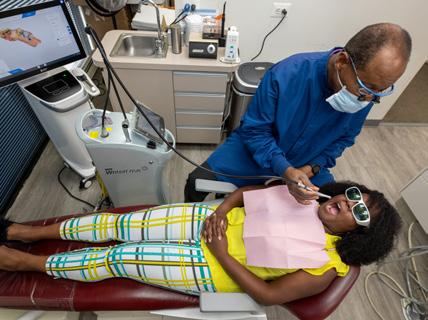
lem from becoming a big one,” Chappelle said. “Prevention isn't just about avoiding pain — it's about preserving your teeth and your health for the long haul.”
Delaying dental care can lead to serious consequences—both financial and physical. A small cavity can quickly escalate to a crown, root canal or even extraction if left untreated. “Why spend a lot of money to save a tooth — just to lose it again in a year or two?” said Dr. Edward Chappelle. Beyond the cost, dental pain and tooth loss can impact your ability to eat, speak and feel confident. Early treatment helps preserve your health, your smile and your wallet, while offering peace of mind.
Oral health is never one-size-fits-all. A patient’s age, medical history and lifestyle all shape their dental needs.
Dentists often tailor prevention strategies for seniors with dry mouth, adults with stress-related grinding or gum issues, and those with chronic conditions like diabetes. Even younger patients aren’t immune to serious problems.
“I’ve seen a 27-year-old with significant gum disease where we had to recommend taking out [nearly] all his teeth. Things were just that bad,” said Dr. Chappelle. For those returning to care after a long gap, the message is clear:
there’s no shame in starting again—only benefits.
No matter your age or dental history, it’s never too late to prioritize prevention. Small daily changes—brushing, flossing, using fluoride rinse—and scheduling a professional checkup can make a big difference. Even if it’s been years since your last dental visit, getting started today can help protect your teeth and overall health.
“The whole object is to work on prevention and help people avoid having to lose teeth if it’s not necessary,” Chappelle said. A simple phone call to your dentist could be the first step toward a healthier, more confident smile.
Take charge of your health with Maryland Health Magazine. Get expert advice, the latest wellness trends, and practical tips that matter to you and your community—delivered straight to your inbox. Subscribe now and stay one step ahead in your health journey.

DR. EDWARD CHAPPELLE, JR., DDS
Your Bowie Dentist
3060 Mitchellville Road, Suite 107 Bowie, MD
301-390-9185
www.yourbowiedentist.com

By Julia Fischer
We all have aches and pains that we have gotten used to over time. Chronic illness/disease has become a part of our lives.
Living the American dream has become a nightmare when it comes to our health. Chronic illness is the leading cause of death in the United States and is quickly becoming a problem in other countries as well.
Dr. Asante Dickson, Chief Medical Officer at Continuum Healthcare Network, has evidence that shows chronic illness is quickly becoming a global health concern.
According to Dr. Dickson, “Chronic disease is a disease that is not curable and long-standing and can affect patients at any stage of their lives. Examples of chronic disease include:
• Diabetes
• Asthma
• Arthritis
• Heart disease
• Stroke
• Cancer
• Depression
LIVING THE AMERICAN DREAM HAS BECOME A NIGHTMARE WHEN IT COMES TO OUR HEALTH.
Chronic disease takes many forms and can range in severity from mild to severe. Some types of chronic illness may become progressively worse over time, while others can be managed with various types of therapy. Quality of life can be maintained if patients understand their needs and are willing to follow their treatment plan.
Chronic illness can have many causes. Poor diet, lack of exercise, smoking, alcohol consumption, and excessive levels of stress are just a few of the leading causes. It's also well-known that the constant messages that the public receives through various forms of advertising play a direct role in the patterns we choose to follow.
Fast food advertising shows hot, delicious food that is quick and convenient. The same is true for tobacco advertising. Once the images grab your attention, the messaging does the rest. Moderation is important to maintain good health and well-being. It will take time to eliminate existing patterns and establish new ones.
Heart disease and upper respiratory conditions make chronic illness the leading cause of death and disability in America. It's estimated that approximately 43 million people die each year of chronic (or non-communicable) illness, according to the World Health Organization. We are a society that has gotten used to convenience and immediate gratification. The problem with this lifestyle is that it fosters poor health. Excessive amounts of additives and preservatives have replaced much-needed nutrients. This leaves our body struggling to get the nourishment in needs for good health. As our health deteriorates, our risk of chronic illness dramatically increases. This can result in lifelong health complications and decreased quality of life.
“Our current healthcare system is overwhelmed,” Dr. Dickson commented. Hospitals are set up for acute care, while doctors are the best option for treating chronic conditions. Behaviors associated with the American way of life can be destructive if left unchecked. Doctors are becoming more and more discouraged with their patients' unwillingness to change their unhealthy habits.
Companies like Continuum Healthcare Network offer services like:
• Remote patient care monitoring and tracking of vitals
• Medication review to prevent duplication
• Transitional care and support
• Behavioral monitoring to assist with keeping their mental health on point
These services offer a level of care that can help patients improve their overall mental and physical health and prevent further deterioration.
Insurance is a business, and paying to cover the cost of chronic care treatment can be expensive. Unlike acute care, which only requires one or two visits, chronic health issues require ongoing care. Monthly visits can cause the cost of a patient's insurance to skyrocket. “For example, after a patient experiences a stroke, they are now left with physical, motor, sensory abnormalities that, oftentimes, have to be managed for the rest of their lives,” Dr. Dickson stated. A patient's willingness to change their lifestyle and eliminate unhealthy habits can improve their health and reduce their need for constant care. While the condition may never go away completely, the patient can get it to a point where it is much more manageable. By lowering their need for constant medical care, they can also reduce the overall cost of their insurance.
Chronic illness can be avoided if a patient practices healthy habits. Walking a few blocks every day and swapping sweet treats for fresh vegetable snacks are two ways you can break the cycle of chronic illness. Having an open and honest discussion with a doctor is a great place to start.
Evaluating your existing habits and making small changes will allow you to transition to a healthier mindset without upsetting your existing lifestyle. Chronic illness can be deadly if you don't take it seriously. Even if you have little to no motivation to change when you start, a few baby steps can make a world of difference.
The more you learn about chronic illness, the easier it will be for you to take control of your health. Identify your risks and learn to manage them effectively. Work with your doctor to establish a treatment plan that is effective for you.
By DAINE TAYLOR
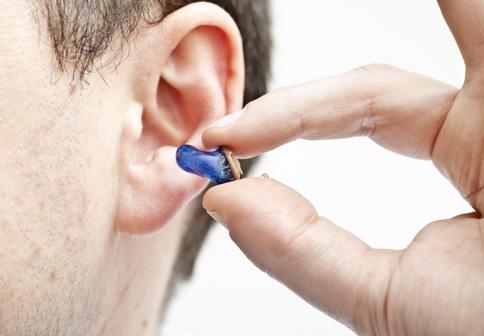
Hearing loss is often called the invisible disability—unseen but deeply felt. It can affect anyone, from newborns just beginning to discover the world to seniors hoping to stay connected with loved ones. Despite its prevalence, hearing loss frequently goes untreated, leading to isolation, cognitive decline, and a diminished quality of life.
Hearing loss is one of the most overlooked health issues in the United States. It affects millions of people, yet often goes undiagnosed and untreated—quietly interfering with communication, relationships and quality of life. Because the signs are subtle at first, many don’t realize how much they’ve lost until it starts to impact their daily routines.
Far from a minor inconvenience, untreated hearing loss is linked to serious health risks, including cognitive decline, social isolation and an increased risk of falls. Despite its prevalence, it’s still widely misunderstood and frequently ignored.
Freedom Hearing Center, a Maryland-based audiology practice with five locations, is working to change that. By providing expert, compassionate care and advocating for better access to hearing services, the cen-
ter is helping patients of all ages take the first step toward improved hearing—and better overall health.
| The Silent Threat
Hearing loss is more than a communication issue—it’s a growing public health concern with far-reaching consequences. While many people may delay seeking help due to stigma or lack of awareness, untreated hearing loss has been linked to a range of serious medical and emotional conditions that can significantly impact quality of life.
Studies from Johns Hopkins Medicine have shown that older adults with hearing loss are more likely to experience cognitive decline and are at a higher risk for developing dementia. In fact, research shows that hearing loss may account for up to a third of dementia cases among older adults.
Social withdrawal is also common, as individuals who struggle to hear often avoid conversations, group settings and social activities—factors that contribute to loneliness and depression. Hearing loss is also associated with a threefold increase in the risk of accidental falls, according to
research published in the Journal of the American Medical Association (JAMA).
“There’s a greater risk of falls, a correlation with cognitive decline, and also social isolation—these are just some of the comorbidities associated with hearing loss,” said Dr. Rebecca Jahed, clinical audiologist and founder of Freedom Hearing Center, which serves patients of all ages across Maryland. She also notes growing evidence that links hearing loss with chronic conditions such as diabetes and hypertension, making early detection and treatment even more critical.
Hearing loss doesn’t discriminate—it can affect anyone, regardless of age. While it’s often associated with aging, people of all backgrounds and life stages are impacted, from newborns and school-aged children to working adults and seniors.
“We find that there is no typical patient in hearing healthcare,” said Pamela McIntyre, Director of Operations at Freedom Hearing Center. “Hearing loss can occur at any age and as a result of genetics, age, medical conditions, or even an accident.”
Nearly 15 percent of American adults report some trouble hearing. For older adults, the numbers are even more striking: approximately one in three people over age 65 experience hearing loss. In Maryland, recent public health data shows that more than 900,000 residents are affected, including thousands of children and young adults.
Several factors can contribute to hearing loss, including genetics, aging, prolonged noise exposure, trauma, chronic illnesses like diabetes or hypertension, and certain infections or medications. Regardless of the cause, untreated hearing loss can have serious consequences—not just for communication, but for a person’s overall well-being.
Raising awareness about hearing health and promoting early detection is essential— not only for preserving hearing but also for improving quality of life.
Founded in 2014 by Dr. Rebecca Jahed, Freedom Hearing Center was born from a powerful patient encounter. After treating Charlie Bucy, a veteran whose life was dramatically improved by accessible hearing care, Dr. Jahed felt called to create a clinic that served not just ears—but people. That inspiration became the foundation for a practice built on faith, compassion and community connection.
“Our mission and vision go together. We truly believe that people deserve personalized and professional hearing healthcare, excellent customer service, and respect from their caregivers,” said Dr. Jahed. “When you have a team of caregivers that truly care about helping people, it is easy to fulfill our mission daily in hopes to one day see our vision come to fruition.”
Freedom Hearing Center’s philosophy goes beyond clinical care. The team emphasizes trust, respect and accessibility at every stage of a patient’s journey. Whether someone is a first-time visitor or returning for a routine checkup, they are welcomed like family. The staff serves a wide range of patients, offering services across the lifespan.
“Our patients are anywhere between newborn to 102 years old,” said McIntyre. “We take pride in being a practice that people can count on at every stage of life.”
The Center offers more than just hearing aids. The clinic provides comprehensive audiological services tailored to each patient's needs.
These include:
• Hearing evaluations for all ages, from infants to seniors
• Cochlear implant evaluations and mapping
• Testing and treatment for tinnitus (ringing in the ears)
• Fittings, repairs, and ongoing support for hearing aids
• Financing options to ease cost barriers
The Center is also deeply involved in the community. Through initiatives like the Charlie Bucy Project and partnerships with organizations like the Lions Club, Freedom Hearing Center helps connect underserved individuals with the care they need.
Importantly, the clinic has not raised prices in over five years—a testament to its commitment to making hearing care affordable and equitable.
Hearing loss is more than just a nuisance— it’s a serious medical issue with wide-ranging impacts on physical, mental and emotional health. Left unaddressed, it can quietly erode quality of life, relationships and long-term well-being.
Now is the perfect time to reconnect with the sounds that matter most. With expanded insurance coverage and expert guidance every step of the way, Freedom Hearing Center is here to help you navigate your hearing journey with confidence and care.
“If we could give any advice, it would be to start by scheduling a hearing test with a reliable hearing healthcare professional. People should not be afraid to explore their options,” said McIntyre.
Whether you're noticing changes in your own hearing or concerned about a loved one, early intervention is key. Don’t wait until symptoms worsen. A simple hearing test can be the first step toward improved health and stronger connections.


Prince Frederick Office
135 W. Dares Beach Road
Suite 102
Prince Frederick, MD 20678 443-295-7100, Option 1
Waldorf Office
3475 Leonardtown Road Suite 102
Prince Frederick, MD 20601 443-295-7100, Option 2
Solomons Office
14090 HG Trueman Road
Suite 1400
Solomons, MD 20688 443-295-7100, Option 3
Greenbelt Office
7247 Hanover Parkway
Suite A
Greenbelt, MD 20770 443-295-7100, Option 5
Leonardtown Office
41660 Courthouse Drive Suite 301
Leonardtown, MD 20650 443-295-7100, Option 4
www.freedomhearing.com

DR. REBECCA JAHED, CLINICAL AUDIOLOGIST
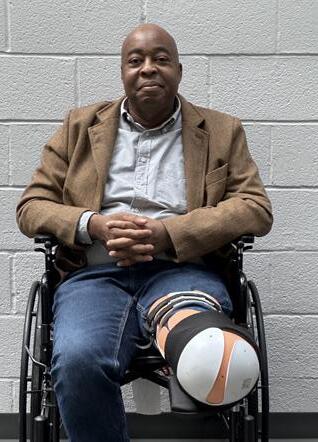
Johnathan Moore grew up in a household where Diabetes was a visible, daily routine but not a topic of discussion. Johnathan watched his father, a Type-1 diabetic, take his insulin shot every morning. Johnathan’s stepmother was navigating her own health challenges: her experience as a breast cancer survivor and Type-2 diabetic added another layer to the family’s collective awareness of illness. Yet despite the history and proximity of diabetes in his family, the practicalities—the why, the what, the how, the long-term implications—remained unspoken.
Johnathan’s first real exposure to the mechanics of diabetes came early, around age 13 or 14. He didn’t understand why his father had him pee on a strip then hold it up to a color chart to gauge his blood sugar. Unbeknownst to him at the time, this routine planted the seeds of a future struggle, even as his daily life continued with the same rhythm as his peers for the next 20 years.
The turning point—the moment when diabetes ceased to be a “dad thing” and became a personal reckoning—arrived in his mid 30’s. Johnathan found himself losing a lot of weight, looking jaundice, his vision so impaired that he couldn’t discern objects eight to ten feet away. A colleague’s casual suspicion— “man, you might be diabetic”—was met with denial: “Man, get out of here. I’m not diabetic—that’s my dad’s thing, not mine,” Johnathan said. Johnathan soon scheduled an appointment with his doctor, who ran several tests.

A few days later, he receives a call with urgent gravity: “I need to see you immediately”, the doctor said. In that moment my mind raced through my sex history, “Who did I sleep with?” “What do I have?”. Back then, hearing a doctor say you must come in right away often carried the implication of either AIDS or an STD.
I returned to the doctor, my mind racing with worst-case scenarios, I was braced for bad news. Then he spoke to me, calm and direct: “I have some news for you. “Your blood sugar is above 800. You have Type-1 Diabetes”. I felt a small, uneasy relief as the news landed: I was diabetic. “Okay, cool—what’s that?”, I ask. Years of hearing the word and seeing my father downstairs with his coffee taking a needle and sticking it in his body, and stepmother sticking her finger with a needle was their thing.
“Your blood sugar is so high it’s beginning to clog your arteries,” he explained. He said it’s rare to be diagnosed in your mid30s, but the reality was suddenly undeniable, immediate, and mine. After the diagnosis, Jonathan returned to work and told his employer he needed time off to adjust to this new reality. The first steps were clear: begin insulin therapy, monitor blood sugar, and confront the fear of needles.
Johnathan’s early years living with diabetes were marred by an uneasy mix of information gaps and perfunctory medical care. He recalls a pompous and dismissive endocrinologist who
offered little beyond a five- to ten-minute consultation, wrote a prescription, and sent him on his way.
A glimmer of community arrived in an unexpected encounter when he moved in West Virginia. There he met a cashier at the grocery store where he purchased his fruits and vegetables. She was also diabetic. She began to educate him about diabetes and which fruits to eat based on the season. A chance encounter with someone I met on a farm; not a doctor, not nurse, not diabetic educator, a cashier taught me how to live and prosper with my illness.
Eventually I moved back to Baltimore and got a divorce. I lost my insurance, I lost everything. When you’re an entrepreneur and dedicated to your business and still trying to grow it, everything is on the line. I still needed the insulin, but with no insurance it was impossible until I was in Walmart one day. I overheard a women talk about diabetes medication for her dog for $25. So, I start buying my insulin for $25 from Walmart.
I soon got back on my feet but was diagnosed with Diabetic Ketoacidosis (DKA). My blood sugar was somewhere around 850. My blood sugar was so high that the liquid in my body started turning to acid. It ate a hole in my body, right above my rectum and I had to have surgery.
After surgery they told me about a free resource where I could get FREE insulin, a diabetes educator and endocrinologist at University of Maryland. Unfortunately, you qualify for the pro -
gram for 1.5 years, then must reapply. I was stuck in the middle. I made too much money to qualify, but not enough to afford insurance.
After losing insurance for the second time, I started to really research diabetes and uncovered a world I didn’t know existed. When I was able to go to the clinic and get insulin, they would always tell me that the Walmart insulin is not good for you. But it’s what I could afford. Its social economics.
In 2021, I was diagnosed with Charcot, —an extremely rare complication for insulin-dependent diabetics— It only happens to 1 percent of diabetics, and I am in the 1 percent. The bones in my right foot melted, it smelled like water in a dumpster that had been there for 3 weeks. They prescribed two antibiotics every four hours 24/7 for 3.5 months. It took me 9 months to recover. So that’s nine months not working. I got better but in 2022 it happened again. Again, over 9 months I endured aggressive antibiotics around the clock, missing work, and wrestling with debt as I fought to recover. The following year brought more infections and recurring surgeries.
“Managing diabetes isn’t a failure — it’s a daily act of courage, discipline, and hope.”
diabetes is not a single battle but a continual war fought on many fronts—medical, financial, and emotional. On vacation I developed a blister on my left foot and, once again, ended up in the hospital with the same three infections. They told me I might need a partial amputation of my toes.
We debated the option, and I spent two weeks in the hospital each day they removed a toe—the final one being my big toe. I went home feeling some relief, only to start fainting again as the infection moved through my body and I began to struggle to breathe. The other consequence of diabetes is congestive heart failure—each setback wearing me down until the thought of not wanting to live crept in.
After the surgery, seven doctors crowded into the room, delivering a stark warning: if we don’t amputate your foot, you could die. I broke down in tears, then said let’s proceed with the amputation. Hours after the amputation, a surge of energy washed over me—the clearest mind I’d had in years. My speech slowed to normal, my thoughts precise, and an adrenaline rush that felt almost unreal. Friends who visited expected exhaustion, not the clarity I showed.
I understood then that something essential had been pulled away, only to be replaced by a gift I would uncover over time: a renewed sense of purpose. I woke in the darkest hours with a realization: there is a reason to rise each day, a reason to live, and a reason to look inward at the gift shaping my future.
That day, I decided to make a positive choice. I woke up in the middle of the night, and said, “Jesus Christ took something away from me in order to give me a gift and it’s a gift I would unwrap over a long period of time before it reveals itself". There is a reason for me to get up. There is a reason for me to find my purpose. There is a reason for me to live because I need to see inside this gift.
In 2023 they shaved down the bone in my foot, then in 2024 it happened again on my toes. I was thinking if this happens again, I’m just going to get it amputated. I began studying prosthetics and life as an amputee. At this point, I was tired of being in the hospital every year for 2 weeks, not working for 9 months, and trying to make up the difference in 3 months and I not being able to pay my rent.
For years it was another hospital visit, diagnosis, and surgery. In 2023 and 2024 I endured repeated complications that pushed me to confront life as an amputee. I studied prosthetics and imagined what life could be like as an amputee, tired of hospital stays and the fear of losing my ability to pay rent.
By late 2024, swelling in my limbs had become three times their normal size, a stark reminder that the struggle with
Diabetes redefined not only how he lived but why he lived, turning shock into purpose and isolation into community. His path became a public mission: educate others about diabetes, strengthen patient–doctor collaboration, and foster a supportive network where experiences are shared and valued.
Ultimately, this story reframes adversity as a catalyst for connection and advocacy. It invites readers to see how reframing personal health crises can spark collective strength, education, access, and care that honor humanity.
The journey from darkness to purpose endures not as a final milestone but as a continuous, hopeful pursuit—where knowledge, community, and empathy light the way for others navigating the night.
HOW DR. SAMMY NOUMBISSI’S METAL-FREE CERAMIC IMPLANTS BLEND BEAUTY, BIOCOMPATIBILITY, AND LASTING HEALTH FOR MARYLAND WOMEN
In the world of dental implants, Dr. Sammy Noumbissi is leading a quiet revolution in Silver Spring and across Maryland. Specializing in zirconia ceramic implants, he places metal-free implants that blend beauty, biocompatibility, and lasting function.
For area residents balancing career, family, and self-care, his approach offers a discreet, health-minded option to restore missing teeth without compromising esthetic harmony or body wellness.
With more than two decades of training, including a Doctor of Dental Surgery from Howard University and a Master’s of Science in Implant Surgery from Loma Linda
University, Dr. Noumbissi remains at the forefront of implant technology. His practice emphasizes natural, non-toxic solutions that support the whole health of his patients— teeth, gums, and jawbone alike—through every stage of the implant journey.
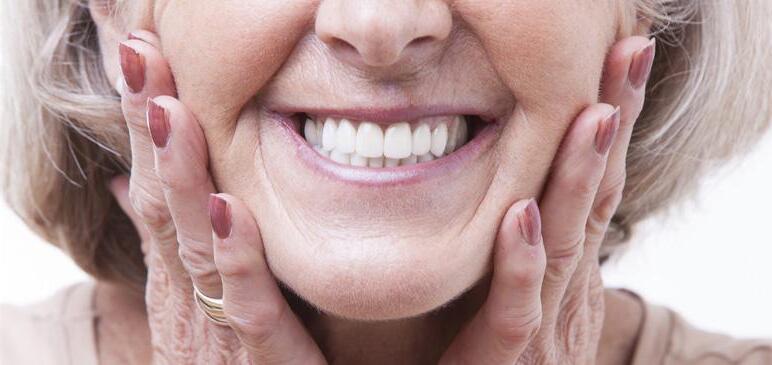
Zirconia dental implants are ceramic, hypoallergenic, and tooth-colored, delivering a natural appearance that’s especially appealing when the gum line is visible. Unlike traditional titanium implants, zirconia is metal-free, which matters for patients with sensitivities or allergies.
Clinically, zirconia demonstrates strong biomechanical properties, good osseointegration, and low plaque affinity, factors that support healthier gum tissue and a reduced risk of peri-implant disease over time.
Dr. Noumbissi’s own clinical experience—placing thousands of ceramic implants across Maryland, Virginia, and the District—underscores zirconia’s proven track record since the late 1980s, with growing evidence supporting its long-term success. His commitment to science, patient safety, and advanced imaging technology— digital X-rays, intraoral cameras, diagnostic lasers, and 3D imaging—ensures precise planning and placement for optimal function and aesthetics.
A
Miles of Smiles Implant Dentistry positions itself as the premier holistically minded implant center in the Silver Spring area, dedicated exclusively to metal-free, zirconia implants. This singular focus allows the practice to refine protocols, integrate the latest technology, and deliver consistently superior results. Patients from Columbia, Baltimore, Annapolis, Burtonsville, and the greater Washington, DC area travel to experience Dr. Noumbissi’s expertise in a setting that prioritizes esthetics, biocompatibility, and patient well-being.
“We have placed over 5000 successful metal free dental implants”
Dr. Noumbissi’s practice is built on a philosophy of health with an emphasis on natural, minimally invasive care. He treats each patient as a unique individual, taking into account bite dynamics, cosmetic goals, and overall well-being.
The result is an implant experience that feels collaborative, not transactional—patients participate in decisions about material choices and long-term care plans, guided by his expert recommendations. Beyond replacement of a missing tooth, zirconia implants restore chewing function, support facial structure, and renew self-esteem.
For patients who juggle demanding schedules, the ability to eat, speak, and smile with confidence—without the worry of metal visibility or inflammatory concerns—can be life-changing. Dr. Noumbissi’s gentle touch and meticulous attention to comfort make the entire process feel reassuring from consultation through aftercare.
The center’s technology suite—3D imaging, digital X-rays, intraoral cameras, and diagnostic lasers—allows for precise planning and minimally invasive placement, reducing discomfort and accelerating recovery. For patients seeking a durable, natural-looking solution that respects the body, zirconia implants offer a compelling combination of function and beauty.
In Maryland’s evolving landscape of dental care, Dr. Noumbissi’s metal-free ceramic implants stand out as a thoughtful, evidence-informed choice for replacing missing teeth. They align with a growing preference for health-conscious, aesthetic, and long-lasting dental solutions. If you’re considering implants and prioritize both your body’s well-being and a naturally beautiful smile, Dr. Noumbissi and Miles of Smiles Implant Dentistry offer a trusted pathway—from initial consultation to final crown—that honors your goals, your time, and your health.
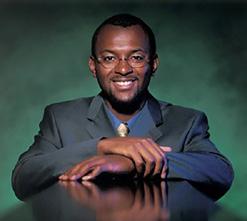
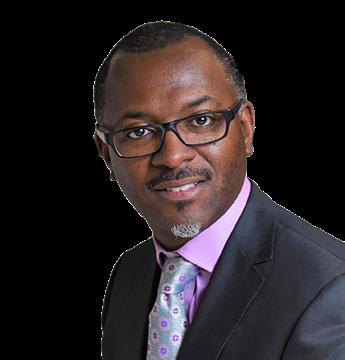
Sammy Noumbissi DDS MS is known for his gentle and creative touch. He enjoys helping each of his patients improve their health, appearance, and self-esteem by creating the smile of their dreams.
He also believes the overall health of every patient is intimately connected to oral health. Dr. Noumbissi believes in maintaining teeth, gum and jawbone health with natural and non-toxic means. Dr. Noumbissi has been a Ceramic Implant Specialist for over 10 years. Sammy Noumbissi DDS MS earned his DDS from Howard University College of Dentistry, Washington DC.
He furthered his dental training by attending the full time three-year Graduate Program in Implant Dentistry at Loma Linda University in California. His advanced studies culminated with a certificate in Implant Dentistry and a Masters of Science in Implant Surgery. Ceramic Implant Dentistry is Dr. Noumbissi. Advanced education and continuing dental study allows him to offer his patients a very superior dental experience and, an unparalleled level of quality care with the use of latest technology along with his personal magical touch.
His academic track record and sincere commitment to his patient’s well being, only shows his “Excellence” in everything he does. Our state-of-the-art Ceramic Implant facility is equipped with the most advanced technology available.
We offer digital X-Rays, intra-oral cameras, diagnostic lasers and 3D dental imaging which is the latest dental and implant diagnostic modality.

801 Wayne Ave # G200
Silver Spring, MD 20910
Current Patients: (301) 588-0768
New Patients: (301) 709-3020
Email: doctor@milesofsmilesdental.net www.milesofsmilesdental.net
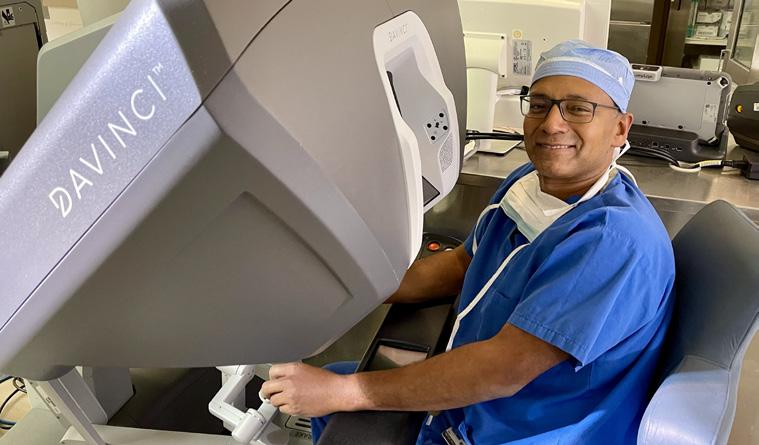
Dr. Chiledum A. Ahaghotu Medstar Georgetown Cancer Institute
MedStar Southern Maryland Hospital Center 7503 Surratts Road Clinton, MD 20735
301-877-4531 www.medstarhealth.org
Dr. Christen A. Alevizatos, MD Chief of Urology
Good Samaritan Hospital 6535 N. Charles Street Suite 500 Townson, MD 21204 410-825-5454 www.unitedurology.com
Dr. Mohammad E. Allaf, MD Johns Hopkins Health Care & Surgery Center 10803 Falls Road Pavilion III Suite 3300 Lutherville, MD 21093 410-955-6100 www.hopkinsmedicine.org
Potomac Urology Surgery Center in National Harbor
251 National Harbor Blvd. Suite 400-A National Harbor, MD 20745 www.potomacurology.com *5 Locations VA & MD
Urology Specialist of Maryland 301 St. Paul Place Baltimore, MD 410-332-9654 www.mdmercy.com
Chesapeake Urology 810 Bestgate Road Suite 235 Annapolis, MD 21401
443-231-1500 www.unitedurology.com
*Multiple Locations
Frederick Health 400 West 7th Street Frederick, MD 21701 240-566-3300 www.frederickhealth.org
Even though prostate cancer has a high survival rate when compared to other forms of cancer, approximately a quarter of a million people are diagnosed with prostate cancer every year and between 30,000 and 40,000 men die from prostate cancer annually.
AA Urology 4201 Northview Drive Suite 201 Bowie, MD 20716 410-266-8049 www.aaurology.com
Family Urology Associates
301-606-0551
186 Thomas Johnson Drive Suite 104 Frederick, MD 21702 www.familyurology.org
4
According to the American Cancer Society, prostate cancer is the most common cause of new cancer in men, responsible for more than 20 percent of new cancer cases in men. Prostate cancer is also responsible for ten percent of all male deaths due to cancer annually, ranking it second (behind lung cancer).
Urology Consultants of Maryland 77 Thomas Johnson Drive Suite K Frederick, MD 21702 301-381-4306 www.urologyconsultantsmd. com
University of Maryland Surgical Associates 419 West Redwood Street Suite 310 Baltimore, MD 21201 410-328-5544 www.umms.org
Urologic Surgeons of Washington 1147 20th Street NW Suite 400 Washington, DC 20036 202-223-1024 www.dcurology.com
It’s time to Talk
By: Rodney Folmar, Sr.
Even though prostate cancer has a high survival rate when compared to other forms of cancer, approximately a quarter of a million people are diagnosed with prostate cancer every year and between 30,000 and 40,000 men die from prostate cancer annually.
According to the American Cancer Society, prostate cancer is the most common cause of new cancer in men, responsible for more than 20 percent of new cancer cases in men. Prostate cancer is also responsible for ten percent of all male deaths due to cancer annually, ranking it second (behind lung cancer).
DR. MUTAHAR AHMED
We sat down with one of the country’s leading urologists, Dr. Mutahar Ahmed, to discuss the current recommendations, diagnosis, and treatment process in prostate cancer.
Dr. Ahmed was born in Bangladesh but emigrated to the United States at an early age. He grew up in Manhattan
and the Bronx, attending New York City public schools. He graduated from New York University before completing medical school at SUNY Syracuse Medical School.
www.hwfessex.com
He completed his General Surgery and Urology residency at Rutgers University Medical School in 2003 and went into private practice with New Jersey Urology. Since he joined the practice, it has expanded and is now the largest Urology practice in the country.
The key to effectively diagnosing and treating prostate cancer is adequate testing. Right now, the recommendation is that all men should get tested for prostate cancer either annually or biannually (every other year) starting at age 50. Individuals with risk factors that make them more likely to develop prostate cancer should start testing at a younger age.
Examples of risk factors for prostate cancer include:
• African - American ancestry
• Obesity
• High-fat diet
• Older age
• A close family member with prostate cancer
The initial test for prostate cancer is a blood test called PSA (prostate-specific antigen). In the past, an elevated PSA (greater than 4.0 ng/mL) would lead to an immediate biopsy. Now, Dr. Ahmed says this is no longer the case. Even though a biopsy is a great way to diagnose prostate cancer, it is invasive, and not everyone with an elevated PSA necessarily has prostate cancer. The PSA blood test is combined with a digital rectal exam (DRE) to screen for prostate cancer regularly.
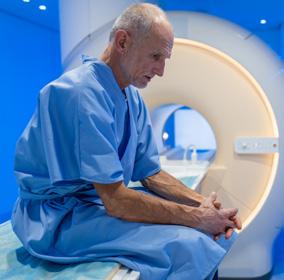
Instead, Dr. Ahmed and the American Urological Association (AUA) recommend that individuals with an elevated PSA get a screening MRI first, which most insurance companies should cover. There are numerous benefits of getting a screening MRI following an elevated PSA, including:
• If the MRI is clean, it could spare someone from an invasive biopsy
• If the MRI is abnormal, it gives the urologist a target to hit on the biopsy
• It can prevent a lot of emotional, mental, and physical stress by saving people from cancer treatment that is unnecessary.
• If a biopsy is required, the pathologist will stratify patients into a specific prostate cancer group using something called a Gleason score.
The Gleason score is a combination of two numbers added together and can range from 2 (1+1) to 10 (5+5). A Gleason score of 6 or higher places patients into a prostate cancer group:
Group 1, Gleason Score 6 (3+3): This is a low-risk group with a very favorable result that requires active surveillance.
Group 2, Gleason Score 7 (3+4): This is an intermediate group with favorable results. Patients in this category with a relatively clean
biopsy, MRI, and digital rectal exam with a low PSA score might undergo active surveillance; however, if the biopsy showed several cores of prostate cancer with an elevated percentage of positive cells in each core, this group might get treated.
Group 3, Gleason Score 7 (4+3): This is an intermediate group with unfavorable results and requires treatment.
Group 4, Gleason Score 8 (4+4): High-risk group that requires treatment.
Group 5, Gleason Score 9 or 10 (4+5, 5+4, 5+5): This is a very high group that requires treatment.
What is active surveillance? Patients undergoing active surveillance need to follow up with their doctor more often. They need a repeat PSA screen in 3 to 4 months with another biopsy in one year. If the results on the biopsy are unchanged, then the patient can return to the normal prostate cancer screening schedule.
If a patient requires treatment for prostate cancer, there are two broad options. The first is surgery. Surgery is usually recommended for younger individuals. Most prostate cancer resections are now performed laparoscopically.
A laparoscopic surgical procedure is performed using a handful of small incisions (5 to 6 incisions only a cm or two in size) instead of a larger incision. This expedites the recovery process. In New Jersey, Dr. Ahmed is one of two surgeons who can perform prostate cancer resection using a single incision at the back of the body instead of the front, sparing multiple incisions and reducing the risk of damaging the abdominal organs. Even though this new surgical approach was developed well into Dr. Ahmed’s career, he decided to learn this new approach because he believes it is better for his patients and their qualities of life. For example, patients can usually go home the same day as the procedure is performed, shortening the recovery process.
There are a few possible complications of prostate cancer surgery. Even though every attempt is made to spare the pudendal nerve, patients may have difficulty maintaining an erection for a few weeks following this procedure. Patients also have to go home with a catheter for a short period of time. Most side effects and complications of prostate cancer surgery fade with time.
The other treatment option is radiation therapy, which is recommended for older individuals or those with prostate cancer that has spread outside of a localized area. There are multiple types of radiation therapy, which will be discussed in detail with each patient before a decision is made. While radiation therapy might not have as many immediate complications and side effects, the cumulative effects of radiation can add up over time. Patients can develop urinary and reproductive difficulties as a result of radiation. A major concern with using radiation therapy in younger patients is that they could develop secondary cancers as a result. While radiation therapy is targeted to cancerous cells, some healthy cells are going to be harmed in the process. Even though these healthy cells will not become cancerous immediately, some types of cancer could develop decades down the road.
Every patient will discuss the benefits and drawbacks of surgery and radiation with their doctor if prostate cancer treatment is required. Surgery is usually recommended in younger patients while radiation therapy is typically recommended in older patients.
Finally, Dr. Ahmed wants all men to remember, prostate cancer is not a death sentence; however, it can be a death sentence if you don’t know what you have. Therefore, all men should get tested regularly in accordance with the guidelines above. The earlier prostate cancer is detected, the better the prognosis, and not everyone who has been diagnosed with prostate cancer needs to be treated.
To learn more about prostate cancer, visit the Prostate Cancer Foundation and the American Urological Association, or consult the list of local Urologist.
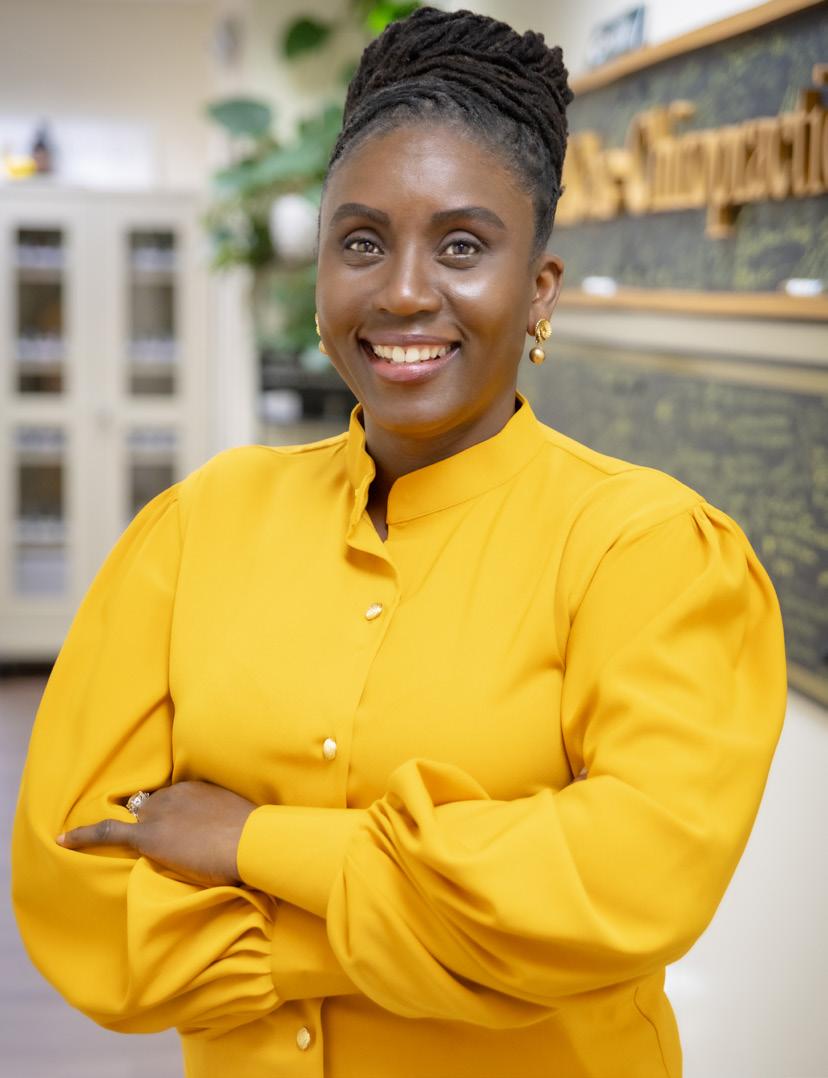
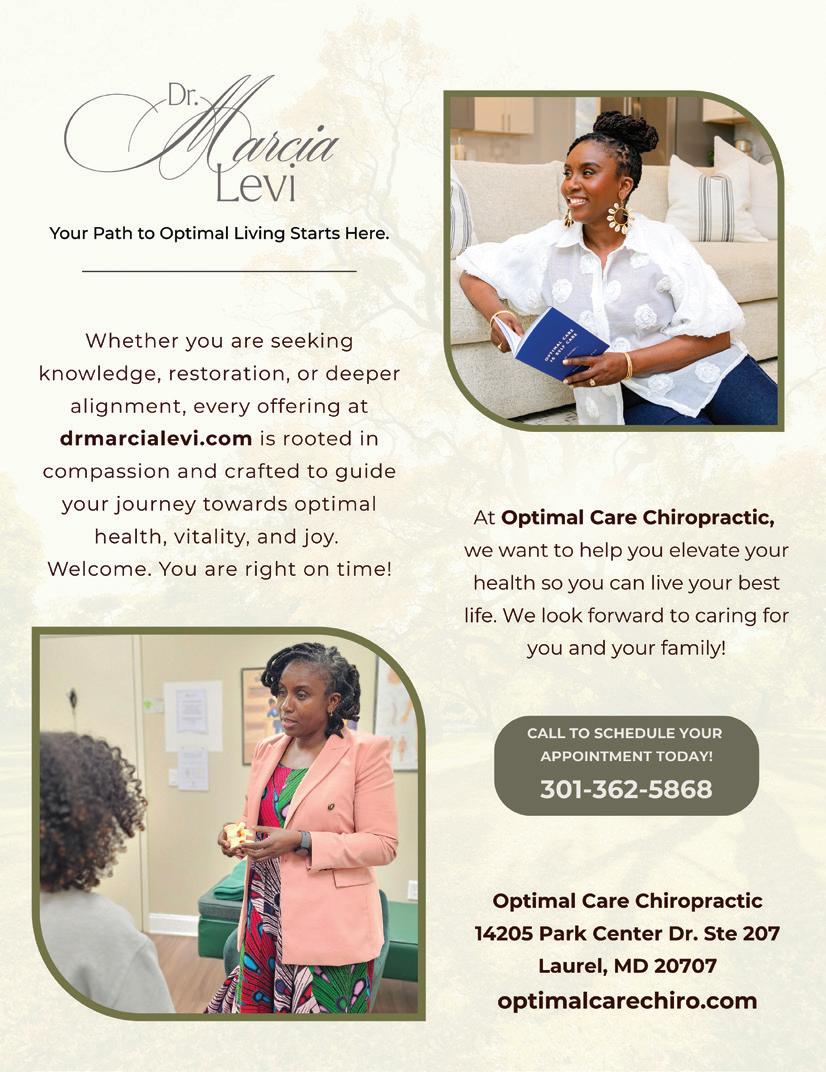
“If you would realign your car, or uncoil a garden hose, you should realign your spine—so your body can perform optimally.”
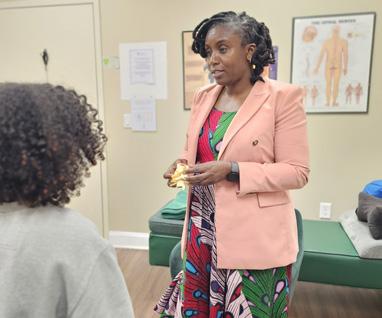
With that vivid metaphor, Dr. Marcia Levi, founder of Optimal Care Chiropractic, distills the heart of her mission: to help the body perform at its best by restoring natural alignment.
A respected voice in chiropractic health, Dr. Levi wants people to understand that chiropractic care goes far beyond easing back pain. It’s about supporting the nervous system, improving function, and allowing the body to heal from within.
Through personalized adjustments and an emphasis on whole-body wellness, she guides her patients toward lasting balance and vitality—reminding Marylanders that when the spine is in harmony, everything else follows.
“Chiropractic is the realignment of the bones of your spine, allowing your nervous system—your brain and spinal cord—to function at its best,” says Dr. Levi.
The spine serves as the body’s central support and its main highway for nerve signals. When the vertebrae are misaligned, even slightly, they can interfere with how the brain communicates with the rest of the body. That interference doesn’t just cause stiffness or pain—it can affect how organs function, how muscles move, and even how people feel day to day.
Many of her patients are surprised to learn that chiropractic care is about far more than back or neck adjustments. “Less than 10 percent of the nerves register pain,” she notes. “The other 90 percent go to your organs and control function.” This means a misalignment might show up not just as discomfort, but as fatigue, poor digestion, tension, or headaches.
Dr. Levi’s approach focuses on restoring balance so the nervous system can operate without interference. When alignment is corrected, energy flows more freely, posture improves, and the body’s natural ability to heal is reactivated. Over time, patients often report more than just pain relief—they describe better sleep, improved focus, and a renewed sense of vitality.
“Chiropractic care helps your body communicate with itself,” she says. “When the brain and body are in sync, everything else works better.”
“ Realign your spine, and your whole body performs at its best.”
— Dr. Marcia Levi, founder of Optimal Care Chiropractic
“Chiropractic is whole health—whole natural health. We call it ‘optimal position, optimal care,’” says Dr. Marcia Levi, whose approach to healing extends far beyond spinal adjustments. Her philosophy is rooted in the belief that true wellness comes from balance—physically, chemically, and emotionally. When one part of that triad is off, the entire system feels the strain.
At Optimal Care Chiropractic, Dr. Levi takes time to educate patients about the daily choices that affect their alignment and overall health. That includes how they sit and move, what they eat and drink, and how well they
Therefore, I urge you, brothers and sisters, in view of God’s mercy, to offer your bodies as a living sacrifice, holy and pleasing to God—this is your true and proper worship. 2. Do not conform to the pattern of this world, but be transformed by the renewing of your mind. Then you will be able to test and approve what God’s will is—his good, pleasing and perfect will.
“Optimal care is selfcare—being aware of how you move, how much you rest, and how you nourish yourself.”
manage stress and rest. “Optimal care is selfcare—being aware of how you move, how much you rest, and how you nourish yourself,” she says. Her patients often leave not only with better
posture but with a deeper understanding of their bodies and habits.
In a time when many people are seeking preventive, noninvasive ways to feel better and live longer, Dr. Levi’s approach resonates deeply. By addressing the whole person—not just the symptoms—she helps patients build a foundation for lasting wellness, where spinal alignment becomes the starting point for total-body vitality.
At Optimal Care Chiropractic, a first-time visit is much more than a quick adjustment. Dr. Marcia Levi begins with a full evaluation—reviewing posture, range of motion, and spinal alignment— followed by a one-on-one consultation to discuss each patient’s health history, goals, and lifestyle. From there, she develops a personalized plan designed to address not only symptoms, but the root causes of imbalance.
Dr. Levi believes healing is a partnership. “Twenty percent of your results come from what we do in the office—the other 80 percent is your responsibility,” she says. Patients are encouraged to take an active role in their care by maintaining good posture, staying hydrated, and being mindful of movement and stress. Her patient base ranges from newborns to centenarians, each receiving care tailored to their individual needs.
Many people seek her out not because they’re in pain, but because they want to live with greater freedom and ease. “People may describe us as healers, but the healing happens inside the body. We just help it along,” Dr. Levi says. That philosophy—empowering the body to heal itself—sits at the heart of her practice and defines her compassionate approach to wellness.
Guided by the scripture Romans 12:1-2, she sees the body as a living temple that deserves respect and maintenance. “My goal is to help people maintain their health so they can maximize their potential,” she explains. This philosophy bridges the spiritual, physical, and emotional dimensions of health, creating a personal connection with every patient she serves.
For Dr. Levi, chiropractic isn’t just a career—it’s a calling. “I wanted to be a doctor that touched—to help others through touch. When I found chiropractic, I never looked back,” she says. Her hands-on care reflects not only technical skill but deep purpose and faith.
In Dr. Levi’s view, healing isn’t limited to the spine—it’s about aligning one’s whole being, from the body’s posture to the spirit’s welfare.
She further encourages every member of the public, regardless of age, to learn more about their own spinal health, and to take greater steps to maintain or improve it. She emphasized that one of the easiest and most important things people can do on their own is to stretch early and often. Regular stretching supports spinal health by improving flexibility, posture, circulation, and core strength while reducing tension, pain, and injury risk.
“Everybody in Maryland should come for an evaluation. You ought to know what your spine looks like—our way.”
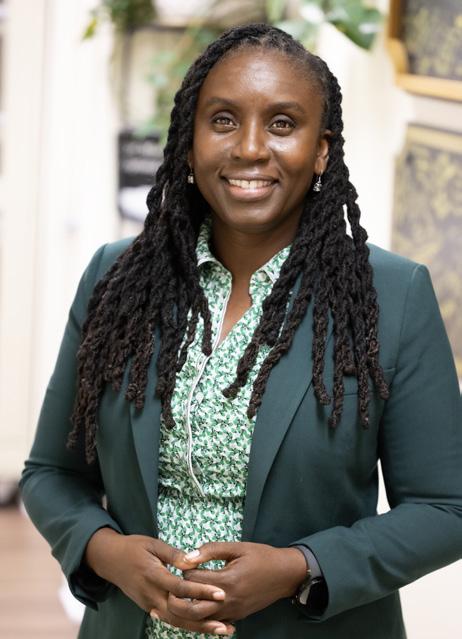
“ When the brain and body are in sync, everything else works better.”
To book an appointment, contact Optimal Care Chiropractic today, and follow Maryland Health Wellness & Fitness Magazine for more stories about the practitioners redefining health across the state—and discover how you can take your first step toward optimal wellness today.

The Hydred Goldberg story
How trauma, rehabilitation, and stubborn hope converged into athletic excellence and a life beyond prognosis.

By Rodney Folmar, Sr.
Iwas seventeen, a social butterfly skating through the last days of high school, flitting from crowd to crowd, chasing the next laugh, the next conversation, the next joke that would land just right.
I mingled with all the crowds; I like rubbing elbows with everyone.
School for me, was a place to meet people, to feel the pulse of belonging. Grades? They came and went like summer rain. What stuck was the rhythm of being seen, of moving through rooms where every table was a conversation, every hallway a chance to connect.
We were in Northern California, heading back from the outlet mall five days after my eighteenth birthday. My youngest sister Hildebrand in the back seat, me in the front seat, my boyfriend Stephen at the wheel. A car that had always seemed a little quirky, a little unreliable, but always something we could count on—until it wasn’t.
He fixed it up, gave it a beautiful paint job, eggshell and hunters green as I recall, with white wall tires. The old VW Bug would shudder when it hit a certain speed, the wheel a loose cannon, the ride a roll of the dice. That day, the wheel cried out one more time, and the car was jolted into the center divider, ping-ponging us into the slow lane, a ditch, then a telephone pole, a moment that felt as if the world slowed just enough to watch me fall apart. The moment halted every breath in my lungs.
The car stopped rolling, but the noise didn’t—the crash, the metal screaming, the glass, the scream in the air that wasn’t mine but felt
like it was. I reached for something I could not name, a tether to the life I knew, and then everything went quiet with brutal clarity.
Ambulance sirens loud in the background of a memory you want to mute. People appeared the way a crowd does in a bad dream—faces hovering, don’t move, asking questions you can’t answer, in a fog of pain and disbelief. First Stephen, then Hilderbrand, then me. We were all airlifted to different hospitals to begin a journey that would mark a turning point. I learned quickly who mattered in life: the people you can’t imagine living without—the people who would become my anchor, my argument against the dark.
The chaos of the hospital is a place where time refuses to be friendly. They say the surgery lasted 8 hours. I remember the ICU, the long hours that stretched into an almost mythic duration, and the moment when the doctors sat down with me and spoke words that felt like a betrayal and mercy all at once.
“You will not walk again”. “You are paralyzed from the waist down”; the words said in careful, practiced tones. It’s a sentence you don’t know how to hear, not when your body has suddenly become a map you don’t recognize.
I did not want to hear it. Not then. Not so bluntly. In my head, I clung to the other version of myself—the one who could still dream in color, who would rise from the hospital bed with a plan, a new normal that still looked like me, just more formidable.
It would be months before I understood what my body was telling me, months before I could admit to the possibility that my life was changing in a way I hadn’t asked for or anticipated. The days blurred into routines of therapy—learning to roll over, to lift my head, to push myself up with my arms, to transfer from bed to chair, from chair to toilet. Small, exhausting victories that felt both futile and monumental, like steppingstones across a river I hadn’t chosen to cross.
I had been bedridden for some time, but thought if I fought hard enough, if I did everything, they told me, I could walk out of here. I could still feel the old me—the social butterfly who could charm a room with a smile, who loved the energy of friends, who believed life would return to normal, because graduation was still the lighthouse I aimed to reach.
Each day carried a measured, almost patient sense of progress, not mapped in bold strides but in careful, incremental steps that felt earned rather than given. The idea of going home hovered like a quiet beacon, inviting a future where courage would show up in the steady choice to keep moving, even when the path was uncertain.
Going home wasn’t a single moment; it was a slow, uncertain slide from the sterile rhythm of hospital walls to the rough, ordinary life beyond them. Five or six months of rehab—through ICU to the long corridor of rehab, where bells and alarms finally yielded to the hush of a life that had to relearn itself. And when the hospital bells finally stopped their relentless chime of oversight, I was allowed to go home.
My three sisters (Cherwynne, Clythess, and Hildebrand) stepped into roles that weren’t designed for their ages and certainly not designed for a teenager who suddenly depended on others for the simplest things—getting out of bed, reaching for a glass, maneuvering a chair through a doorway. They swapped their ordinary schooling for something more flexible, hours that could bend around the needs of a girl who needed help with every small act. They didn’t just fill the gaps; they rebuilt the ground we stood on.
At the time I was thinking that I was the only one suffering and I wasn’t thinking about everyone else in the family. I was not nice. I was a cruel sister. I was often cruel to the very people who held me up—my sisters. Caught in my own sorrow and fear, I found a way to lash out in the rough language of a hurt teen who felt betrayed. Poor Me, Poor Me, I muttered in those days, not realizing how my bitterness echoed through the hallways and into their lives.
And through it all, my sisters were the steady pull of gravity I learned to lean into: their patience, their quiet strength, their decision to change schools so they could be my steady ground. They rebuilt our family’s foundation, not by grand gestures but by choosing to stay, to adapt, to carry me when I could not carry myself. That is what going home became—a careful, ongoing work of turning a house into a home again, brick by brick, heartbeat by heartbeat.
The physical and emotional challenges loomed large. I fought to accept a life that wasn’t what I had sketched in the margins of my notebooks—permanently altered, yet still mine to navigate. The emotional weather was fierce—the storms that leave no footprints on a hospital floor but mark you all the same.
I clung to the idea that this wouldn’t be permanent, that I could outwork the damage with sheer grit. Looking back, I see how much of that grit was really a shield for fear: fear of becoming a burden, fear of losing the person I’d always defined myself to be, fear of facing a future that didn’t look like the future I had drawn in the margins of my notebooks.
The days after the accident stretched into weeks and months of gradual, stubborn gains. The first time I could roll on my side without a tremor of pain was a small victory. The first moment I could lift a hand to brush a strand of hair from my face felt equally momentous. The first transfer from bed to chair without hesitation—each small victory felt like a quiet fireworks display inside me, a reminder that light can flicker through the cracks even when the world seems dark.
It was 5 years from that August day until I came into acceptance, really accepting the fact that my life had changed. This is my life. I am in a wheelchair. I can’t deny it. Now I must do something about it. In those months, the narrative of my life shifted from “I will walk again” to “I will live fully, not despite my limits but with them acknowledged and understood.”
It wasn’t a sudden pivot; it was a slow, patient reframing of what “normal” could mean. My identity ceased being defined solely by the speed of my steps and began to take shape in the steadiness of my hands, the clarity of my focus, and the courage to pursue goals that felt both daunting and possible.
I learned to listen to a quieter, braver voice inside me—the part of me that believed in a future not defined by the absence of movement but by the presence of purpose. If tragedy arrived
with sudden force, purpose arrived with quiet persistence.
The road ahead would be long, and the twists and turns would test me in ways I couldn’t yet imagine. But if Part 1 laid the foundation with a story of sudden, devastating change, Part 2 began to sketch the architecture of resilience: a structure raised from the shared effort of a family who refused to abandon each other, a girl who refused to let the tragedy define her, and a future that, while different, could still be bright, still be hers to claim, one careful step at a time.
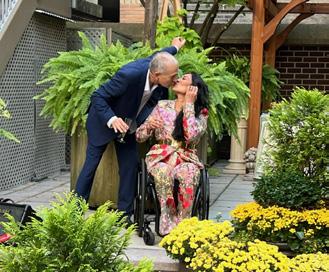
Mr. & Mrs. Harvey Goldberg, June 2024
a clearer sense of direction, and a stubborn belief that a future could be designed rather than endured.
The work with my sister took me into a new economy of craft and collaboration, and for five years I worked at City Model Management in San Francisco as the company’s first wheelchair model. I was hired by Nordstrom, Mervyn’s, and Bon Marche in Seattle as a print model, each moment a testament to what is possible when talent meets tenacity.
“I
clung to the other version of myself—the one who could still dream in color, who would rise from the hospital bed with a plan, a new normal that still looked like me, just more formidable.”
Isolation stretched out for years, and the ache of watching peers graduate, start college, move forward, sharpened the sting of loss. Yet a seed of freedom lay hidden in a surprising place: learning to drive. It wasn’t easy getting back in a car, let alone learning to drive one.
The car—and the wheelchair that carried me to the driver's seat— offered a new form of independence I hadn’t known in years. Over time, the anxiety of seeing an accident, or even a car pulled over on the side of the road with the hood up and smoke spurting out, subsided.
I longed for integration, for the warmth of real connection, and for a chance to measure myself against my peers again. So I began taking classes at City College—one class, then two, then three, and back to one—no clear direction, just accumulating a lot of credits and degrees as I bridged the old life with the new.
Every time I finished an essay or did well on a test, I would go to the pool hall with friends from high school. I found it meditative, and it didn’t require another person to play; I loved watching the ball glide from one side of the table to the other, a quiet, artistically beautiful ritual.
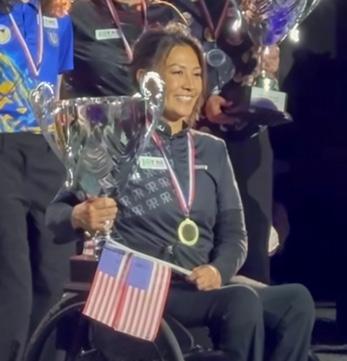
As my confidence and experience grew, I began competing in amateur events. I turned Semi-Pro in 2001, but I took ten years off when I started working with Clythess in her business as a hair stylist. I joined her when she would do weddings. We were so busy that I stopped playing pool, perfect timing, because I was in a slump and didn’t know how to climb out.

What was once a tragedy has now propelled me into a life I could not have imagined ten years ago, a life where walls loosen and horizons expand. Pool was not the only miraculous turn; it became a launchpad, but the bigger transformation was internal: a steadier voice,
It began with a whispered decision, a quiet vow that returned to the table not as a bravado but as a measured test: could I fall back into pool after a decade away, could the old rhythm survive the years of turbulence and the weight of a new life?
Slowly, my love for pool overwhelmed the frustration that had built up over years of absence, and I began to practice again with a stubborn, almost reverent focus—sometimes as little as two hours, sometimes as much as twelve. And then I stepped back into competition, climbing to championship heights—2024 World Pool Association (WPA) Heyball Parasport World Champion, Women’s Division, and 2025 World Pool Association Heyball Parasport World Champion, Women’s Mixed Division, competing in Sweden, Australia, Romania, Spain. Proof that resilience can translate into power, visibility, and a future I once could not have imagined.
In every line of this journey, tragedy did not become the final word but the opening page of a larger confession: that a life once defined by limits can be remade into a life defined by purpose. From the moment the car crashed and life tilted, she chose not to surrender to despair but to rebuild with stubborn grace. She learned to listen to a body that spoke in quieter, steadier tones, and she allowed a new rhythm to replace the old sprint.
She leaned on the unwavering support of sisters and family, turning a house into a home that could weather any storm.
And as she carved a path into business, modeling, and world championships, she proved that resilience is not a single sprint but a long, luminous arc. To anyone facing tragedy, this story is a beacon: with grit, community, and a willingness to redefine possibility, even the most broken bones can become the framework for a life you never imagined—and a future worth fighting for.
By BARBARA FORMAN
In today’s fast-moving world, the question isn’t just “What’s wrong?” but “Can we catch this before it becomes a problem?” Knowing about a medical issue early—before symptoms appear—can be the difference between a simple, affordable treatment and a more challenging, life-altering condition. A growing approach in preventive medicine offers a clear answer: seeing your future to change it today with a Virtual Physical.
What is a Virtual Physical, and why does it matter? A Virtual Physical is a non-invasive, comprehensive diagnostic screening designed to take a broad, in-depth look at your body and identify potential problems at their earliest stages. It goes beyond the traditional annual checkup by using state-of-the-art imaging to detect issues that may not yet cause symptoms, allowing for timely intervention. Think of it as a holistic snapshot of health—an integral part of a broader behavioral medicine program that considers body, diet, exercise, and lifestyle as
a single system. Board-certified radiologists review the results and guide follow-up care with the appropriate healthcare professionals. Early detection can transform outcomes The biggest advantage of the Virtual Physical is its ability to reveal microscopic or asymptomatic problems before they become serious. This is especially important for conditions that are often silent until advanced. The screening is designed to identify:
• Cancerous or precancerous changes
• Heart disease and vascular issues
• Lung abnormalities, including early nodules or tumors
• Kidney and gallstone formation
• Osteoporosis and spinal problems
• Aneurysms, cysts, and tumors across various organs
• Endocrine and abdominal organ diseases
• Prostate and ovarian concerns
• Other hidden abnormalities that may benefit from early treatment
In many cases, early action translates to less costly, less invasive therapies and, more importantly, better chances of a full recovery. The Virtual Physical provides a detailed map of your current health and a baseline against which future results can be measured, empowering you to act with confidence.
What you gain beyond the results Beyond the data, the Virtual Physical offers peace of mind. For many patients, knowing they are currently in good health, or understanding a specific health concern, reduces anxiety and enables proactive planning. The clarity comes from a highly precise 3-D visualization of the total body in a short, non-invasive session. It’s not meant to replace your primary care or regular physicals but to complement them, enriching your physician’s ability to tailor prevention and treatment strategies.
A practical view of the available screenings The Virtual Physical includes several targeted
scans that together create a comprehensive health portrait:
• Virtual Cardiac Scan: Examines blood vessels in the heart, helping identify weakened areas and visualize blood flow, as well as plaques in the coronary arteries. This information supports risk assessment for heart attack and guides preventive steps.
• Virtual Lung Scan: Uses a rotating X-ray beam to examine lungs in multiple slices, improving detection of small nodules or tumors compared with standard X-rays. Early detection of malignant lesions can significantly improve treatment options and survival rates.
• Virtual Colonoscopy: A non-sedated, high-resolution imaging method that visualizes the entire colon with fast scanning and a 3-D view, offering a less invasive alternative to traditional colonoscopy—often integrated into the overall Virtual Physical.
• Total Body Scan: A thorough review of the heart, lungs, spine, internal organs, and other major systems to identify tumors, stones, cysts, and other abnormalities. This broad sweep looks for near-microscopic plaque, early spine and joint problems, and organ-specific diseases.
The role of interpretation and follow-up
A Virtual Physical is most effective when its findings are interpreted by specialists who can translate images into actionable care.
Board-certified radiologists guide patients through results and direct them to the appropriate clinicians for further evaluation or treatment if needed. The goal is not to alarm but to inform, enabling proactive measures that can prevent progression to more serious illness.
About 1.5 million people in the United States have heart failure. With Virtual Physical, it’s possible to prevent. prolonging about 92,000 lives
A practical path to care If you’re considering a Virtual Physical, here are practical steps to get started:
• Discuss with your primary care physician how a Virtual Physical could complement your current preventive plan.
• Consider your personal and family medical history to determine which screenings are most relevant for you.
• Plan for a non-invasive appointment that fits into your schedule, understanding that the total-body scan provides a comprehensive baseline for future health monitoring.
• Use the results to partner with your healthcare team on a personalized prevention strategy, including lifestyle changes, targeted testing, and, when necessary, early treatment options.
Why this approach fits today’s health landscape Preventive medicine is evolving
from reactive care to proactive stewardship of health. The Virtual Physical embodies this shift: it identifies early signs of disease when interventions are smaller, simpler, and more effective. It aligns with a holistic view of wellness, where improvements in diet, exercise, and daily habits are integrated with early medical insights. In a climate of rising healthcare costs and increasing emphasis on quality of life, early detection is a practical, patient-centered strategy that can save lives and reduce the burden of disease.
A note on scope and expectations The Virtual Physical is designed to be a powerful complement to traditional care, not a replacement. It is one piece of a broader preventive framework that includes routine screenings, blood work, and physician examinations. While it can reveal a wide array of potential issues, some conditions may still require additional testing, follow-up, or interventions. The radiology team emphasizes clear interpretation and guidance toward appropriate care, ensuring you
receive evidence-based recommendations tailored to your unique health profile. In closing: investing in your future health The ability to see your future and influence it is a compelling invitation. With the Virtual Physical, you gain a clearer picture of where your health stands today and what steps can keep you healthy tomorrow. It’s about transforming uncertainty into informed action, turning early detection into opportunities for prevention, and giving you the confidence to live with vitality. If you’re ready to take a proactive stance on your health, consult with your healthcare provider or the preventive medicine team to learn how a Virtual Physical could fit into your personal wellness plan. Your future self will thank you.
Virtual Physical Center Rockville 11400 Rockville Pike, North Bethesda, MD 20852 301-984-9009 www.virtualphysical.com.

Undeniable Results
Uncompromising Standards
We offer a wide range of treatments and surgeries, including facial rejuvenation, body contouring, breast augmentation, and more. Whether you are looking to enhance your appearance or restore your original look, we are here to help. Contact us today to learn more about what we can do for you




Dr. Nadya Clarke is a
surgeon who is experienced in aesthetic surgical procedures of the face, body, and breasts. She also performs an array of aesthetic non-surgical procedures.

For more than three decades, Dr. Larry Bryant has been helping patients reclaim their smiles — and their confidence — through dental implants. A leading oral and maxillofacial surgeon based in Glenn Dale, Bryant has become a trusted name in Maryland for advanced dental restoration, combining surgical precision with compassionate care.
At his practice, Bryant OMS Associates, Dr. Bryant and his team focus on restoring both function and aesthetics for patients who have lost teeth due to injury, decay, or other health issues. “Dental implants aren’t just about teeth,” Bryant said. “They’re about helping people regain their quality of life, their confidence, and the ability to enjoy everyday activities like eating and speaking.”
Dental implants are small titanium posts surgically placed into the jawbone, acting as artificial tooth roots. Once integrated with the bone, they serve as a foundation for crowns, bridges, or full arch restorations. Unlike dentures, implants provide permanent stability and closely mimic the appearance and function of natural teeth.
“Implants are a remarkable solution for anyone dealing with missing teeth,” Bryant said. “They allow patients to eat, speak, and smile without worry, and they prevent bone loss that often occurs when teeth are missing.”
Dr. Bryant utilizes the latest techniques in implantology, including single-stage implants and protocols like TeethXpress,
which allow patients to receive their new teeth immediately after surgery. These innovations reduce treatment time, minimize discomfort, and expand the range of patients who can benefit from implants, including those with limited bone density.
Bryant stresses that each patient’s journey begins with a thorough evaluation. This includes reviewing medical history, conducting detailed imaging, and assessing the patient’s overall oral health. From there, a customized treatment plan is developed.
“Every smile is unique, and so is every treatment plan,” he said. “Whether it’s a single tooth, a bridge, or a full mouth reconstruction, we tailor the procedure to meet the patient’s needs and goals.”
Collaboration is also key. Dr. Bryant works closely with restorative dentists to ensure that the surgical and prosthetic phases of care are seamless. This team-based approach results in better outcomes and higher patient satisfaction.
Dr. Bryant’s expertise is grounded in extensive education and training. He earned his dental degree with honors from Howard University College of Dentistry and completed oral and maxillofacial surgery training at Woodhull Medical and Mental Health Center in Brooklyn, New York. He also completed a fellowship in orthognathic surgery and dental implantology at Montefiore Medical Center in the Bronx.
Since 2001, Bryant has served as an assistant clinical instructor in the Department of Oral and Maxillofacial Surgery at the University of Maryland, where he shares his knowledge and experience with the next generation of surgeons. His commitment extends beyond Maryland. Each year, Bryant volunteers in Malawi, providing essential oral and maxillofacial care through the Smiling Surgeons initiative. These efforts reflect his belief that quality care should be accessible, regardless of geography or resources.

“Every patient deserves a smile they can be proud of,” Bryant said. “Our goal is to combine the latest technology with personalized care to make that possible.”
The benefits of dental implants go far beyond appearance. Patients report improved ability to chew, speak clearly, and smile confidently. These improvements have ripple effects on overall health, nutrition, and self-esteem.
Bryant emphasized that seeing patients regain confidence is one of the most rewarding aspects of his work. “It’s not just about restoring teeth — it’s about restoring lives,” he said.
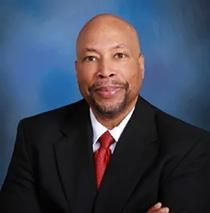
Bryant OMS Associates
12200 Annapolis Road, Suite 236
Glenn Dale, MD
301-249-0553
For patients struggling with missing teeth, Dr. Bryant offers hope, expertise, and a path to renewed confidence. His dedication to his craft and to the people he serves has transformed countless smiles across Maryland — and in doing so, transformed lives.
To schedule a consultation, visit Bryant OMS Associates 12200 Annapolis Road Suite 236 Glenn Dale, MD20769 301-249-0553
Dr. Bryant graduated with honors from Howard University College of Dentistry and completed his oral and maxillofacial surgery training at Woodhull Medical and Mental Health Center in New York. He also completed a fellowship program in orthognathic surgery and dental implantology at Montefiore Medical Center in New York.
Along with seeing patients at his practice in Glenn Dale, MD, Dr.
Bryant is the Chief of Facial Trauma at the University of Maryland Capital Region Medical Center in Largo. He and his skilled team are on call 24/7 to help trauma patients in need of facial reconstruction and treatment.
Once a year, Dr. Bryant joins the Smiling Surgeons team to travel to one of the poorest countries in the world—Malawi, in Africa. According to Access Health Africa,
Malawi has just one oral surgeon per 1,000,000 residents. By traveling to this country, Dr. Bryant can help patients with advanced oral disease and jaw tumors.
Dr. Larry Bryant provides cutting-edge technology like TeethXpress and advanced solutions for intricate problems like wisdom tooth extractions. He is improving lives and the health of patients in the Bowie-Mitchellville area and beyond.
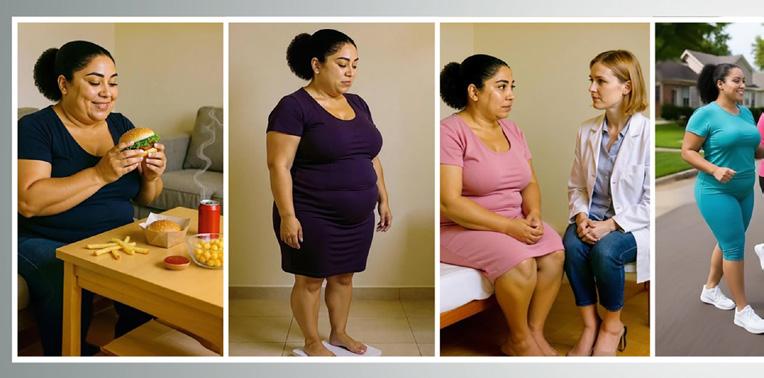
By DAINE TAYLOR
Evolution is a gradual process of change and growth. Similarly, our journey to better health unfolds step by step—moving from habits that hold us back toward becoming healthier, stronger versions of ourselves.
It’s easy to fall into familiar routines that aren’t good for us: skipping workouts, reaching for fast food, spending too much time sitting, or neglecting our mental well-being. These behaviors offer convenience and comfort, but they can slowly erode our energy, confidence, and long-term health. And when the need for change becomes undeniable, the path forward can feel overwhelming. The first step is often the hardest.
But just like evolution, transformation doesn’t happen overnight. It’s not about sudden leaps, but about small, intentional steps—one choice at a time.
For many, the wellness journey begins in a place of unhealthy comfort—defined by habits that offer short-term satisfaction but long-term harm. Picture a woman sitting on the couch, eating fast food, and smoking. These choices may provide emotional relief after a hard day or serve as coping mechanisms during stress. But over time, they take a toll.
Habits like overeating, lack of exercise, poor nutrition, and smoking are deeply ingrained for millions of Americans. They’re often tied to routine, culture, stress, or emotional pain—and they can be incredibly difficult to break. Beneath the surface, there may be frustration, guilt, or even fear—but also a sense of being stuck.
The reality is millions of people throughout the U.S and in the DMV face similar challenges. According to
the Centers for Disease Control and Prevention (CDC), more than 30 percent of adults in Maryland are obese—a condition closely linked to poor diet and inactivity. Additionally, smoking rates remain a serious health risk, with many struggling to quit despite knowing the dangers.
Obesity and unhealthy eating habits can also increase the risk of several cancers, including colorectal, breast, and pancreatic, by fueling chronic inflammation and hormonal imbalances that promote tumor growth.
Often, it takes a tipping point—a jarring, deeply personal moment—to shake us from the comfort of unhealthy habits. It might be the subtle humiliation of squeezing into an airplane seat or being required to buy two seats. Maybe it’s the frustration of gasping for breath after just a few minutes of playing with your kids. For some, it’s the sharp sting of a doctor’s words during a routine checkup— “Your
blood pressure is dangerously high” or “You’re at serious risk for diabetes.”
In that moment, denial shatters, revealing that small indulgences have become harmful patterns. It’s uncomfortable, even painful—but it can ignite the powerful realization that change isn’t just possible, it’s essential.
Change begins with awareness. For many, this comes in the form of a jarring realization—stepping on a scale and seeing a number you don’t recognize, gasping for air after climbing stairs, or receiving tough news from your doctor.
These "aha moments" can bring a mix of emotions: shock, sadness, disappointment, even shame. But within that emotional wave is also a glimmer of something essential— motivation. A willingness to face reality and begin again.
Awareness is more than noticing something is wrong. It’s a shift in mindset—an honest confrontation with your current state of health. It’s admitting things can’t continue the way they are. Self-awareness is a key driver of successful behavior change. Those who actively reflect on their habits are more likely to take actionable steps toward better health.
This phase can feel uncomfortable, but it’s also full of potential. Awareness cracks open the door to transformation—and from there, the path begins to take shape.
After that first wave of reflection, many find themselves asking: Now what? This is where professional guidance becomes essential. Meeting with a doctor, dietitian, health coach, or therapist provides not only validation but clarity—a roadmap toward meaningful change.
Discussing personal struggles with a healthcare provider can feel vulnerable. It might mean disclosing things you’ve kept private for years. But vulnerability often leads to empowerment. A good provider listens without judgment and offers strategies tailored to your goals, medical needs, and lifestyle.
Preventive care plays a key role here. According to the National Library of Medicine, regular screenings and early interventions significantly reduce the risk of chronic diseases like diabetes, heart disease, and certain cancers. Yet millions delay these appointments out of fear, stigma, or misunderstanding.
Seeking help isn’t a sign of weakness—it’s a powerful act of selfcare. With expert support, the impossible becomes manageable. You no longer have to guess what’s best for your body; you have a guide.
While the journey is personal, it doesn’t have to be lonely. Surrounding yourself with people who support your goals—whether friends, family, coworkers, or a community group—can make a huge difference in your long-term success.
Support systems offer more than encouragement; they create accountability. Whether it’s walking regularly with a neighbor, checking in with a friend about meal planning, or joining a group fitness class, connection fosters commitment. Emotional support matters, too—especially on days when motivation runs low or when you hit a setback.
Wellness doesn't require perfection—but it thrives in community. The people around you can help remind you of your "why" when you start to forget it yourself.
Once the foundation is set, movement becomes a critical pillar. Incorporating physical activity isn’t just about burning calories— it’s about reclaiming your energy, strengthening your heart, and learning to trust your body and mind again.
For beginners, this step can be intimidating. Sore muscles, unfamiliar routines, and self-doubt are common. But every workout, no matter how small, builds momentum. As the American Heart Association recommends, just 150 minutes of moderate activity
per week can significantly improve heart health, boost mood, and reduce the risk of disease.
The key is to find movement you enjoy. Walks in the park, bike rides, yoga, dance—when you enjoy it, you’re more likely to keep showing up. With time, what once felt like punishment becomes a celebration of your strength.
Changing how you eat is one of the most visible—and empowering—signs of wellness evolution. In the beginning, it may feel like a list of sacrifices: less sugar, fewer processed foods, more vegetables. But healthy eating isn’t about denial—it’s about discovering how good nourishment can feel.
As you shift toward more whole foods—lean proteins, fresh fruits and vegetables, whole grains—you’ll likely notice improvements in energy, digestion, mood, and sleep. These changes reinforce themselves, creating a positive feedback loop that keeps you going.
Cooking at home, trying new recipes, and planning ahead can make healthy eating easier and more enjoyable. Over time, your cravings shift, and what once felt like restriction starts to feel like a new normal.
After weeks or months of consistent effort, the results begin to show. You feel stronger, lighter, and more capable. Your clothes fit differently. Your stamina increases. You may see lower numbers on the scale—but more importantly, you start to feel well.
This stage is incredibly rewarding but can also be fragile. It’s easy to get caught up in expectations or discouraged by plateaus. That’s why it’s so important to focus on non-scale victories: improved sleep, better endurance, more confidence, and a stronger relationship with your body.
By now, your efforts have become habits. You’ve proven that persistence—not perfection—is what drives real, lasting transformation.
The final stage of your wellness evolution is not just physical—it’s emotional and mental. You’ve put in the work, stayed committed through highs and lows, and emerged stronger in every way.
The physical transformation may be dramatic: significant weight loss, a stronger body, glowing skin. But even more powerful is the internal shift—feeling proud of what you’ve accomplished, trusting your body again, and waking up each day with renewed energy and optimism.
This isn’t about reaching a finish line—it’s about stepping into a new way of living.
Dr. Larry Bryant – Your Local Certified TeethXpress Provider
Are missing teeth affecting your confidence and quality of life? TeethXpress offers a revolutionary solution for securing a brand-new smile in as little as ONE DAY!
With this advanced dental implant technology, you can enjoy a strong, natural-looking set of teeth without the hassle of traditional dentures.


• Walk Out with a New Smile the Same Day No need to wait months for a full set of teeth! TeethXpress provides a permanent solution in just one visit. Your new teeth are custom-crafted for a natural, comfortable fit.
• Short Healing Time
Unlike traditional implants that may require lengthy recovery, TeethXpress minimizes downtime, allowing you to enjoy the benefits of a fully restored smile quickly.
• A Superior Alternative to Traditional Dentures
Say goodbye to slipping dentures! TeethXpress implants provide stability and comfort, allowing you to eat, speak, and smile with confidence.
• A Worthwhile Investment in Your Health
A beautiful, functional smile enhances both your appearance and overall well-being. TeethXpress is designed to improve not only your confidence but also your ability to enjoy everyday activities without worry.
OMS Associates 12200 Annapolis Road, Suite #236, Glenn Dale, MD 301-249-0553
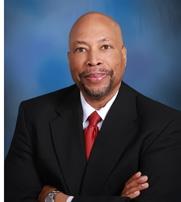
As a certified TeethXpress provider, Dr. Bryant and his team at Bryant OMS Associates specialize in helping patients achieve a lasting, healthy smile. With expertise in full-mouth implant procedures, Dr. Bryant ensures every patient receives a personalized treatment plan tailored to their unique dental needs.
Take the First Step Toward a Confident Smile! Schedule a consultation today to find out if TeethXpress is the right solution for you.
Before digging into that question, I always let my clients know the two most important objectives regarding exercise:
First, enjoy the process as much as possible. When you do what you enjoy, you’re much more motivated.
Second, exercise must relieve stress, not increase it. If you’re tense before exercising, you should be relieved after it. When those two objectives are met, your exercise regimen is easy to sustain, which is the key making progress!
How much heart and soul that is put into your exercise time and/or quantity depends on personality and physical ability. Some people are hyper engaged and move at a fast pace, which is fine provided form is not sacrificed. Others like to hit cruise control and take it slow and easy. Either way is fine, provided you’re satisfied with your progress.
There are three types of exercise that must be incorporated in your workout regimen: cardio, core and weight training. An extremely effective way to engage all three is implementing a 4-Day Rotation.
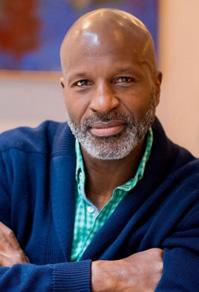
By KIRK CHARLES
Day 1 one is cardio; day 2 is core training; day 3 is weight training; and day 4 is rest.
Cardio can be any exercise that gets your heart pumping (around 60% to 70% of max heart rate) for 30 to 45 minutes, such as running, walking, biking or hiking.
Core training would be mostly body-weight exercises, such as crunches, sit-ups, planks, squats or balance exercises, 30 to 45 minutes.
Weight training would be using dumbbells, barbells and weight machines to increase resistance, 30 to 45 minutes. If 30 to 45 minutes is not sustainable, shorten the timeframe to something more manageable.
Don’t feel ashamed if you can only sustain five minutes at a time. Many people who have not exercised in a long period—due to age, illness, injury, etc.—may find that five minutes is more than enough in the beginning. That’s fine and it's nothing to be upset about. If that’s you, just be mindful that you’re starting on a new and exciting exercise program.
Stretching could be done each day, focusing primarily on the back, hamstrings and hips. Although the entire body needs stretching, those are the biggest problem areas with most people. A hint to incorporate more stretching into your day is to stretch in 2-to-5-minute increments throughout the day. If you’re in a static position all day when working, it is a great way to break up the day and invigorate yourself.
Be mindful that consistency, not intensity, with your exercise regimen will put you on the path to superior physical and mental fitness. It’s far more effective to consistently do a small amount each day than to cram everything into one or two days per week. Cramming too much in increases the odds of burnout and dejection as you find it almost impossible to achieve your goals.
Consistency in smaller chunks of time decreases the odds of injury, increases stamina, reduces stress on the body and builds positive momentum that can be sustained for a lifetime.
By Lynette Gabrielle Taylor
Enriched foods are those in which nutrients lost during processing are added back in. For example, wheat flour may have folic acid, riboflavin, and iron added back in after processing. Fortified foods, on the other hand, are foods to which nutrients are deliberately added to improve their nutritional quality.
For decades, the food industry has proudly flaunted “enriched” or “fortified” foods as a mark of health-conscious innovation—an answer to the depletion of nutrients in our diets. From breakfast cereals to bread, the addition of synthetic vitamins and minerals seems like a logical fix. But peel back the packaging, and you’ll find that this well-meaning practice might actually be doing more harm than good.
The enrichment of foods originated in the early 20th century, as public health officials noticed the devastating effects of nutrient deficiency diseases like Pellagra and Beriberi. Adding niacin, thiamine, riboflavin, and iron to processed grains undoubtedly saved lives.
However, what was once a targeted intervention for a serious public health crisis has morphed into a marketing gimmick—and a convenient excuse to strip real nutrition out of whole foods.
Let’s explore the potential dangers of enriched foods, especially when people rely on them as substitutes for whole foods. While enriched foods are designed to replace lost nutrients, they can have some unintended negative effects and shortcomings.
“Enrichment is like a nutritional bandaid on a wound that was manufacturer created”
1. They create a false sense of healthfulness
Enriched foods can make processed foods seem “healthy” because they boast added nutrients (like folic acid, iron, or B vitamins). However, in reality, these foods often lack:
• Fiber
• Phytochemicals
• Other micronutrients in their natural forms
• Balanced nutrient interactions
The result? You might eat a lot of “enriched” foods while still missing out on crucial wholefood nutrition.
2. They can encourage overconsumption of processed foods
When foods like white bread, sugary cereals, or white rice are “enriched,” they still have the same refined carbohydrate load — spiking blood sugar and insulin. Over time, a diet heavy in refined, enriched foods can increase your risk of:
• Type 2 diabetes
• Obesity
• Heart disease
• Chronic inflammation
3. Synthetic forms of nutrients aren’t always optimal
Some enrichment nutrients are added in forms that aren’t as bioavailable or well-utilized by the body. For example:
• Folic acid (synthetic) vs. folate (natural) — some people have genetic variations (like MTHFR mutations) that make it harder to process folic acid properly.
• Iron fortification can sometimes cause gut issues or contribute to iron overload in those with genetic hemochromatosis.
Here’s a handy list of some common enriched foods with their healthier, whole-food alternatives:
ENRICHED: Often enriched with iron and B vitamins, but stripped of fiber and other nutrients.
BETTER ALTERNATIVE: 100% whole grain bread (with whole wheat or sprouted grains for more fiber, minerals, and natural vitamins).
ENRICHED: B vitamins and iron added back after refining.
BETTER ALTERNATIVE: Brown rice, wild rice, or quinoa for fiber, magnesium, and natural antioxidants.
ENRICHED: Fortified with synthetic vitamins but often high in sugar.
BETTER ALTERNATIVE: Steel-cut oats, muesli, or homemade granola with nuts, seeds, and fruit.

4. Imbalanced nutrient profiles
Enriched foods usually don’t put back all lost nutrients, and the synthetic forms can create unnatural nutrient ratios, disturbing the synergy in whole foods. This can:
• Impair absorption of other nutrients (like excess iron interfering with zinc and copper balance).
• Miss out on the complex interactions between nutrients in whole foods (like the interplay of antioxidants and fiber).
• Consider white bread. In the refining process, the nutrient-rich germ and bran are removed, leaving behind a starchy product stripped of natural vitamins, minerals, and fiber. Enrichment restores only a fraction of what’s lost—leaving out a whole spectrum of micronutrients and phytochemicals found in whole grains.
Even more troubling is the illusion of safety that enrichment creates. Shoppers might choose an “enriched” product over a naturally nutrient-dense whole food, lured by the promise of added vitamins.
But synthetic fortification can’t replicate the complex matrix of nutrients, enzymes, and fibers in whole foods. Worse still, it diverts attention from the real issue: our reliance on
processed, low-nutrient foods in the first place.
Enriched foods can help reduce severe deficiencies in populations that might not have access to diverse diets (like preventing anemia or neural tube defects with folic acid). But for most people, the real danger is mistaking enriched foods for truly nutritious whole foods.
The real solution isn’t enrichment—it’s rethinking what we eat. Whole, minimally processed foods naturally contain the broad spectrum of nutrients our bodies need, in forms they can actually use. Instead of chasing “enriched” products, we should be enriching our plates with vegetables, fruits, legumes, whole grains, nuts, and seeds.
So, next time you see a label boasting of enrichment, don’t be fooled by the big lie. Think about what was removed in the first place! Whole foods in their natural state — unrefined grains, fruits, veggies, legumes, nuts, seeds. Remember that true health doesn’t come from a laboratory—it’s grown in the soil, not cooked up in a factory.
A diet rich in whole grains, legumes, vegetables, fruits, and minimally processed foods will always be superior.
ENRICHED: Enriched with iron and B vitamins, but low fiber.
BETTER ALTERNATIVE: Whole grain pasta (whole wheat, spelt) or legume-based pasta (chickpea, lentil) for protein and fiber boost.
ENRICHED: White flour used in many baked goods, enriched to meet basic requirements.
BETTER ALTERNATIVE: Whole grain flour (like whole wheat, rye, or spelt), almond flour, or coconut flour for more nutrients and fiber.
ENRICHED: Often fortified with calcium or vitamin D, but still high in sugar.
BETTER ALTERNATIVE: Whole fruits or vegetable-based smoothies to get fiber and the natural matrix of nutrients.
ENRICHED: Fortified with synthetic vitamins/ minerals.
BETTER ALTERNATIVE: Whole food meals — think leafy greens, legumes, nuts, seeds, colorful vegetables, and healthy protein.
By Lynette Gabrielle Taylor
Are waist trainers the ultimate secret weapon to achieving that perfect hourglass figure, or just another fleeting fad?
It’s a question that’s sparked debates across social media, fitness forums, and beauty blogs. With celebrities and influencers flaunting their tiny waists, many women will do just about anything to achieve similar results. But the real question is: do waist trainers actually work?
Let’s start with what waist trainers are. These undergarments are

designed to compress your midsection and waist area, often made from elastic materials with boning, resembling a corset.
The idea is simple: the device squeezes in your midsection producing an instant slimming effect, a smaller waistline and a more defined silhouette.
Fact #1 ; when you wear a waist trainer, it temporarily compresses your abdominal area, creating the illusion of a slimmer waist. This effect is purely cosmetic and lasts only as long as you wear the garment. Once you take it off, your waistline reverts to its natural shape.
Many women incorporate a waist trainer as a fitness device, believing that it makes them sweat, and as a result increases their calorie burn and leads to weight loss. Yet, despite their popularity, the lack of science behind waist trainers tells a different story.
“
True body transformation takes effort and consistency.
Fact #2 ; sweating does not increase calorie burn. It is simply your body’s way of cooling down. Calorie burn is the result of activities that increase your heart rate and expend energy.
There’s no evidence to suggest that waist trainers can permanently change your waist size, promote fat burning or muscle toning. That is simply not how that works!
In fact, relying on them for long-term results can be problematic. They may cause discomfort, breathing difficulties, or digestive issues if worn too tightly or for extended periods.
Moreover, some health experts warn that excessive compression can weaken core muscles over time, making it harder to achieve natural, sustainable waist definition through exercise and proper nutrition.
So, if waist trainers aren’t a magic solution, why are they so popular? The answer lies in their instant gratification appeal. They offer a quick fix — a way to feel more confident in a fitted dress or a tight outfit, like a “girdle”. Relying solely on waist trainers for any kind of permanent result will lead to disappointment and potential damage.
Fact #3; true body transformation takes effort and consistency. The most effective way to achieve your desired body shape is through regular exercise, a balanced healthy diet, and above all patience.
That said, some women find waist trainers useful as supportive undergarments during workouts or as an occasional shaping tool. Just remember, they are not a substitute for a healthy lifestyle.
In conclusion, waist trainers may offer a temporary visual boost, but they do not generate long-term results. If you’re considering using one, do so with caution and awareness.
Celebrate your body as it is and focus on sustainable habits that promote genuine health, and support you reaching your weight loss goals.
What has been your experience with waist trainers? Do you think they’re worth the hype, or just another trend to ignore? Share your thoughts below — let’s get the conversation started!


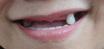
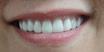
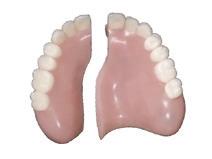
MedStar Harbor Hospital
3001 S. Hanover Street Baltimore, MD 21225 410-350-3200 www.medstarhealth.org
UM Capital Region Medical Center 901 Harry S. Truman Drive North Largo, MD 20774 240-677-1000 www.umms.org
The Johns Hopkins Hospital 1800 Orleans Street Baltimore, MD 21287 410-955-5000 www.hopkinsmedicine.org
Holy Cross Hospital 1500 Forest Glen Road Silver Spring, MD 20910 301-754-7000
University of Maryland Medical Center
22 S. Greene Street Baltimore, MD 21201
410-328-8667 www.umms.org
Ascension Saint Agnes Hospital 900 S. Caton Avenue Baltimore, MD 21229 667-234-6000 www.healthcare.ascension.org
Atlantic General Hospital 9733 Healthway Drive Berlin, MD 21811-1151 410-641-1100 www.atlanticgeneral.org
Mercy 345 St. Paul Place Baltimore, MD 21202 410-332-9000 www.mdmercy.com
Luminis Health Ann Arundel Medical Center 2001 Medical Parkway Annapolis, MD 21401 443-481-1000 www.luminishealth.org
Adventist HealthCare White Oak Medical Center 11890 Healing Way Silver Spring, MD 20904 240-637-4000 www.adventisthealthcare.com
UPMC Western Maryland 12500 Willowbrook Road Cumberland, MD 21502 240-410-5789 www.upmc.com
Baltimore VA Medical Center 10 North Greene Street Baltimore, MD 21201 410-605-7000 www.va.gov
TidalHealth 804 Snow Hill Road Salisbury, MD 21801 410-543-4728 www.tidalhealth.org
LIFEBRIDGE HEALTH WWW.LIFEBRIDGEHEALTH.ORG
Levindale Hebrew Geriatric Center and Hospital 2434 W. Belvedere Avenue Baltimore, MD 21215 410-601-2400
Northwest Hospital 5401 Old Court Road Randallstown, MD 21133 410-521-2200
Sinai Hospital 2401 W. Belvedere Avenue Baltimore, MD 21215 410-601-9000
Grace Medical Center 2000 W. Baltimore Street Baltimore, MD 21223 410-362-3000
Carroll Hospital 200 Memorial Avenue Westminster, MD 410-848-3000
Children’s National 2900 North Campus Way Lanham, MD 20706 301-276-9100
www.childrensnational.org
Maryland Cardiology
Associates
7474 Greenway Center Drive Suite #1100 Greenbelt, MD 20770 301-441-3050 www.marylandheart.com
Capital Cardiology Associates
8116 Good Luck Road, #305 Lanham, MD 20706 301-552-1200 www.capitalcardiology.com
Associates in Cardiology, P.A. 2900 Linden Lane Suite 200
Silver Spring, MD 20901
301-681-5700 www.associatesincardiology.com
Cardiology Associates at Annapolis 2002 Medical Pkwy #500 Annapolis, MD 21401 www.medstarhealth.org
Montgomery Cardiology LLC 10110 Molecular Dr STE 200 Rockville, MD 20850
301-610-4000 www.montgomerycardiologyllc.com
Chesapeake Cardiac Care 16900 Science Dr Ste. 200 Bowie, MD 20715 www.410-573-9805 www.ccardiac.com
Washington Rhythm Associates Hagerstown Office 10230 New Hampshire Avenue Suite 204 Silver Spring, MD 20903
301-408-7890 www.washingtonhra.com
Advanced Cardiovascular Institute 12120 Plum Orchard Drive Suite 150 Silver Spring, MD 20904 301-755-6500 www.heartandveindoctor.com
White Marsh Cardiology 2800 Sollers Point Road Dundalk, MD 21222 410-686-1448 www.whitemarshcardiology.com
Chesapeake Mental Health Collaborative
Dr. Heidi Schreiber-Pan welcome@cmhcweb.com 410-567-1117
Covenant Psychiatric and Mental Health 3415 Hamilton Street Suite 1 Hyattsville, MD 20782 301-264-6147 www.covenant-cares.org
Healthy Lives Maryland 1001 Pine Heights Avenue Baltimore, MD 21229 443-219-7901 www.healthylivesmaryland. com
EveryMind 1000 Twinbrook Parkway Rockville, MD 20851 301-424-0656 www.everymind.org
Arrowwood Addiction Treatment Center 5305 Plaza Dr. Hopewell, VA 23860 800-829-6559 www.arrowwoodaddictiontreatmentcenter.com
KNK Mental Health Services
8101 Sandy Spring Rd Suite 250 Laurel, MD 20707 240-673-7183 www.knkmentalhealth.com
Sandstone Care 2020 Martins Grant Ct. Crownsville, MD 21032 667-458-6880 www.sandstonecare.com
MRC Behavioral Health Services
1916 Crain Hwy S Suite 11 Glen Burnie, MD 21061 410-487-6302 www.mrcbehavioralhealth.com



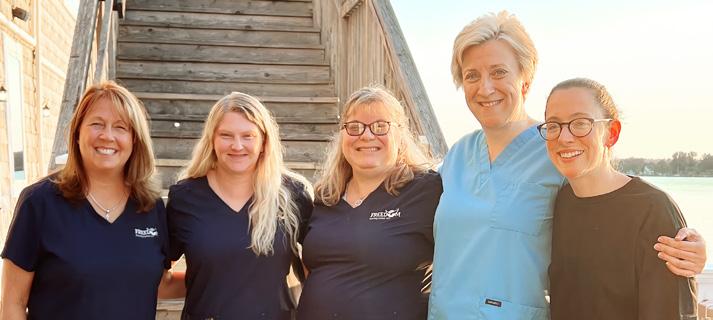
Dr. Sammy Noumbissi, DDS
Premier Dental Implant Surgeon

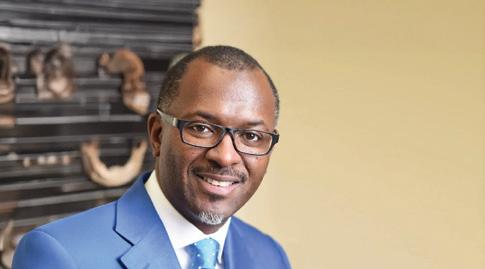
SAMMY NOUMBISSI, D.D.S., M.S.
We have placed over 5000 successful metal free dental implants
Miles of Smiles Implant Dentistry has been offering exclusively dental implant services for years in Silver Springs, MD, the greater Washington DC area and Baltimore, Maryland.
By specializing in Zirconia Metal-Free Implants our implant surgeon, Dr. Sammy Noumbissi and his friendly staff can focus more closely on your personal care. Dr. Noumbissi enjoys helping each of his patients improve their health, appearance, and self-esteem by creating the smile of their dreams.
Dr. Noumbissi believes in maintaining teeth, gum, and jawbone health with natural and non-toxic means.
Dr. Noumbissi has been a Ceramic Implant Specialist for over 10 years