SoundOn is TikTok’s all-in one platform for music creators


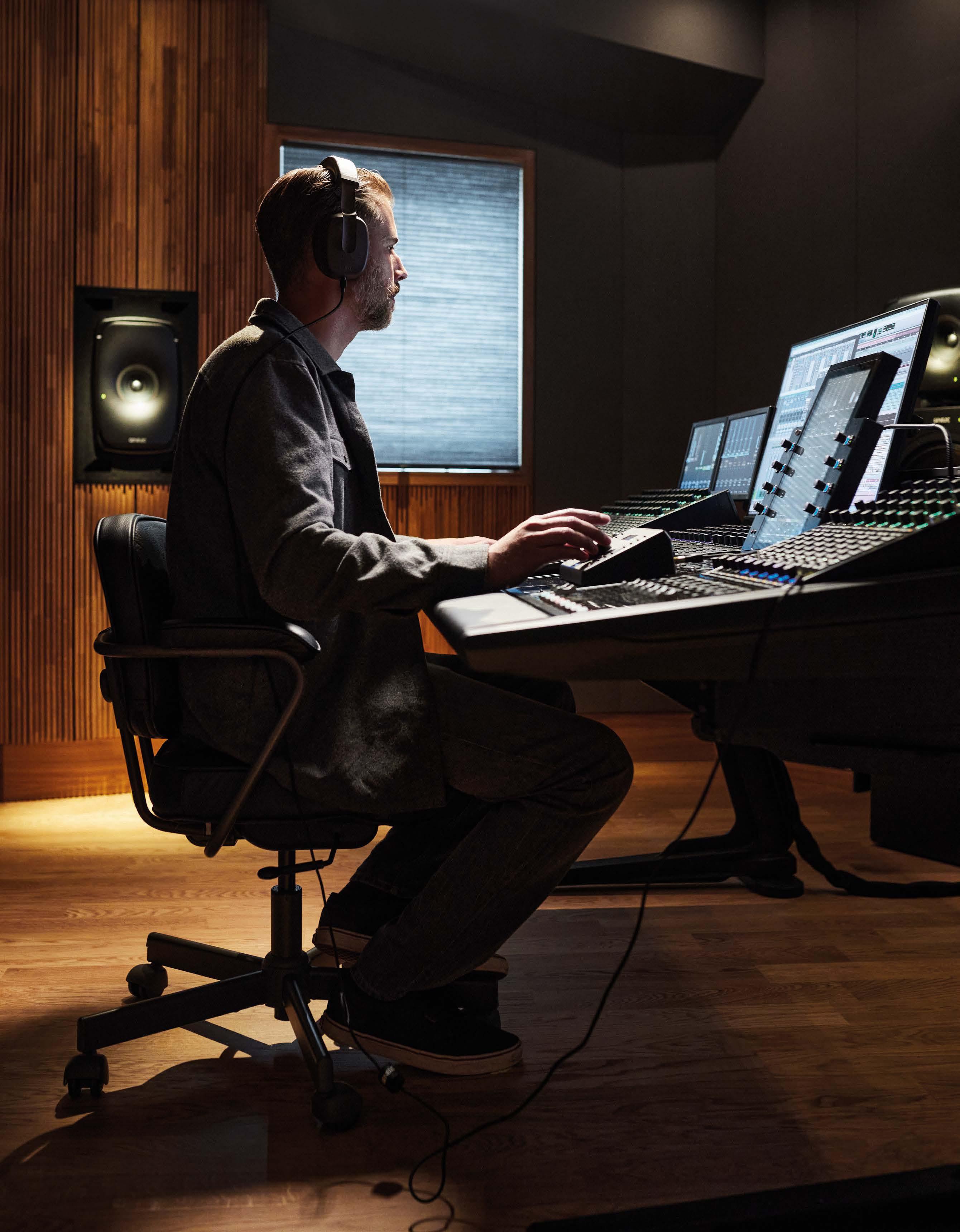
Bridging in-room and personal headphone monitoring
Our UNIO TM Ecosystem gives the ability to optimise, align and seamlessly navigate your monitoring options, for the exibility to work anywhere, anytime – from stereo to immersive.
Now, with the introduction of Personal Reference Monitoring – our pioneering new active monitoring headphone solution –UNIO offers the very highest level of headphone accuracy.
genelec.com/unio
Paul Watson CEO
Keith Watson Chairman
Rian Zoll-Kahn COO
Alice Gustafson Editor-in-Chief
Adam Protz
Deputy Editor
Ste Knight
Partnerships Director
Rick Dickerson
Reviews Editor
Marc Henshall Head of Digital
Grace Mcguigan
Artist Relations Manager
Rae Gray Head of Design
January has been a hell of a year. Just as well it’s long too, as NAMM has already been and gone, with ISE waiting in the wings. We’ve already seen the BRIT nominations land, the Sphere unveil plans for its next global outpost, Kanye West take out a full-page Wall Street Journal apology ad, and – after fierce industry backlash – UK live music venues finally look set to receive government support in the face of punishing proposed business rates.
Taylor Swift became the youngest female inductee into the Songwriters Hall of Fame, Bandcamp drew a hard line by banning AI-generated music, and sobering figures revealed that 53% of UK grassroots venues made no profit in 2025. Robbie Williams outdid The Beatles to claim the record for most UK No.1 albums, Harry Styles announced his new (apparently, very expensive) tour, and last night the Grammys crowned this year’s big winners. And because we’re a deeply unserious country, Victoria Beckham’s Not Such An Innocent Girl topped the UK charts a quarter of a century after its release. It’s been a lot.
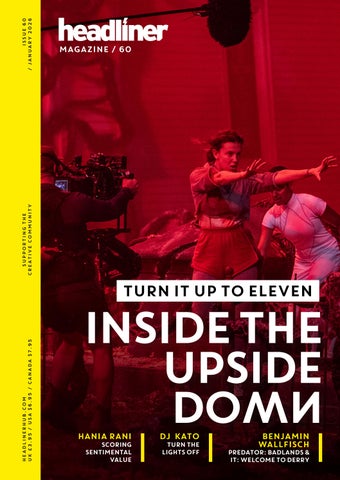
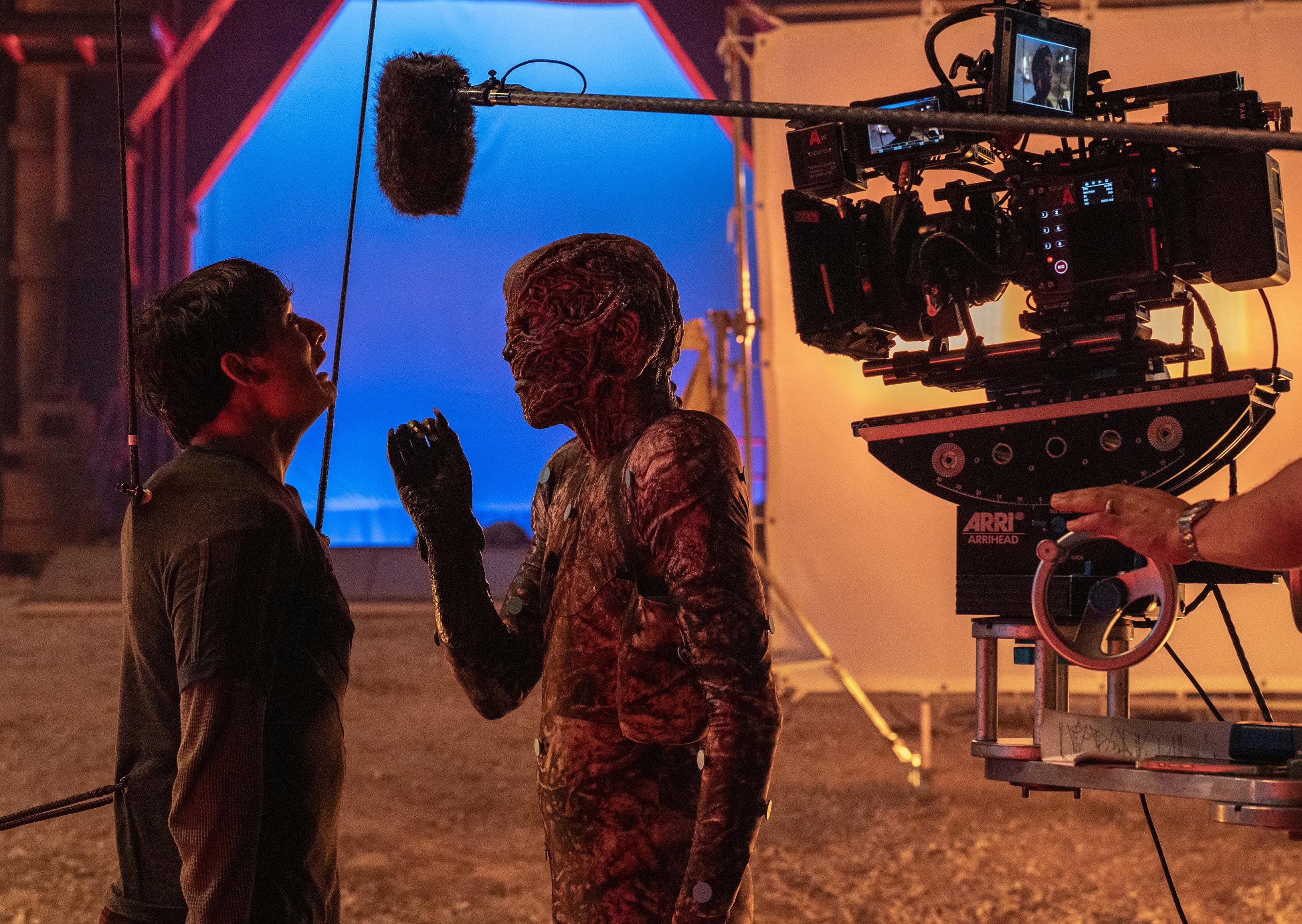
The world reverted to its favourite coping mechanism when seeking a distraction from the news cycle in January: finding comfort in music, entertainment, and memes. Taking its final bow on December 31st was Stranger Things, which was watched by so many people that it shot to Netflix’s no.4 spot on its most-watched series list. Our cover story brings you a behind-the-scenes deep dive into the making of the final season with production sound mixer Michael P. Clark, who reveals how he recorded the most demanding dialogue scenes and played needle drops and sound effects to help actors react on set.
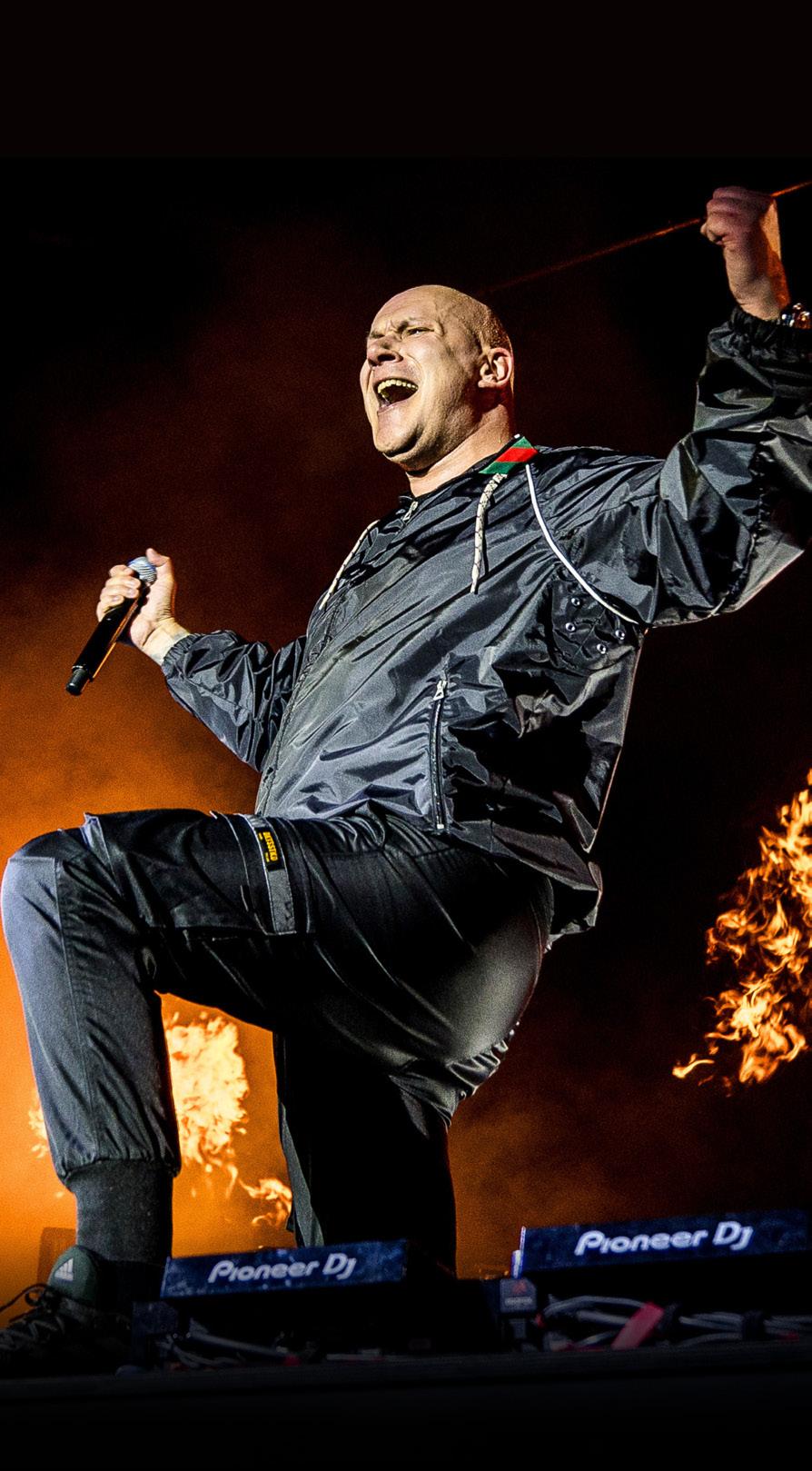
And if you’ve been chronically online, you will have noticed that your Instagram and TikTok feeds have been dominated by Jon Hamm videos over the last few months, set to the sound of 2010 dance track, Turn The Lights Off. Rolling out like the end credits of 2025, the clip continues to thrive online into the new year – Euro clubbing to the apocalypse, anyone? Fifteen years after the release of his dance banger, Danish DJ and producer Kato reacts to the song going viral and breaks down how he made the track.
We’ve got your composer fix sorted too in this issue: Polish piano prodigy, producer, and composer Hania Rani talks about her piano concerto, Non Fiction, and scoring the Stellan Skarsgård-starring Sentimental Value, while Benjamin Wallfisch delves into his scores for his most recent projects, IT: Welcome to Derry and Predator Badlands
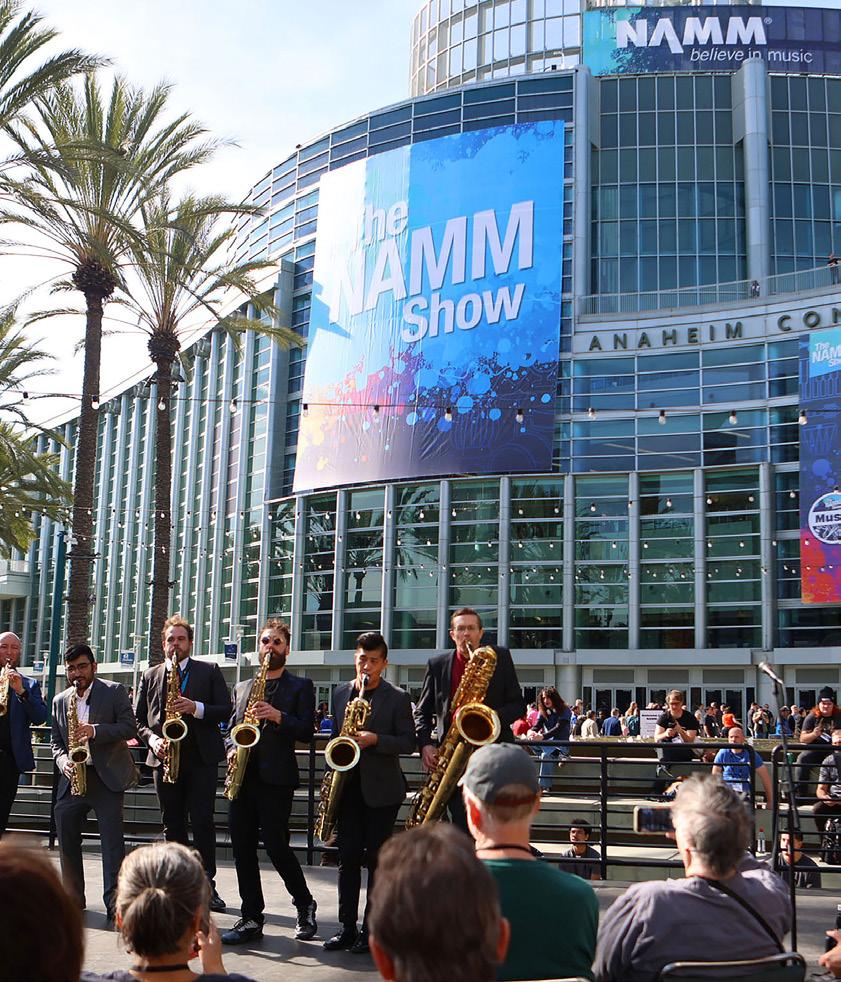
Meanwhile, I caught up with NAMM’s John Mlynczak to talk about industry transformation and his ultimate goal for the show; we explore the curious Gen Z-led rise of the internet-fuelled explosion of phonk music; consider if immersive music needs better consistency to survive, and bring you the latest from the worlds of emerging artists, live sound, music production, plus the biggest product launches, and then some.
Until the next scroll-stopping moment, industry curveball, or chart left-turn, enjoy the issue!
Alice Gustafson Editor-in-Chief
By Alice Gustafson
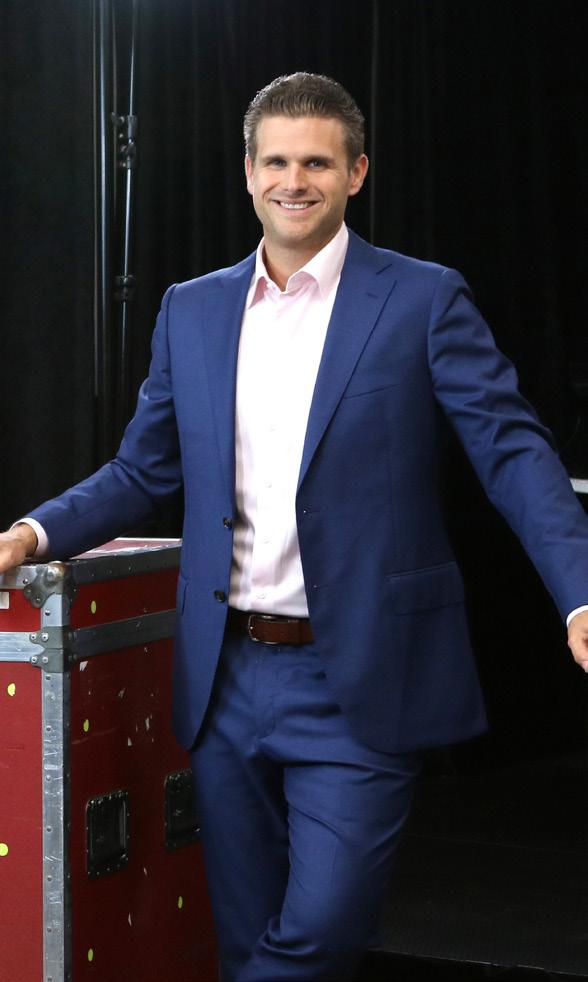
Alice Gustafson
Mlynczak:
By Alice Gustafson
64 INSIDE THE INTERNET-FUELLED EXPLOSION OF PHONK MUSIC
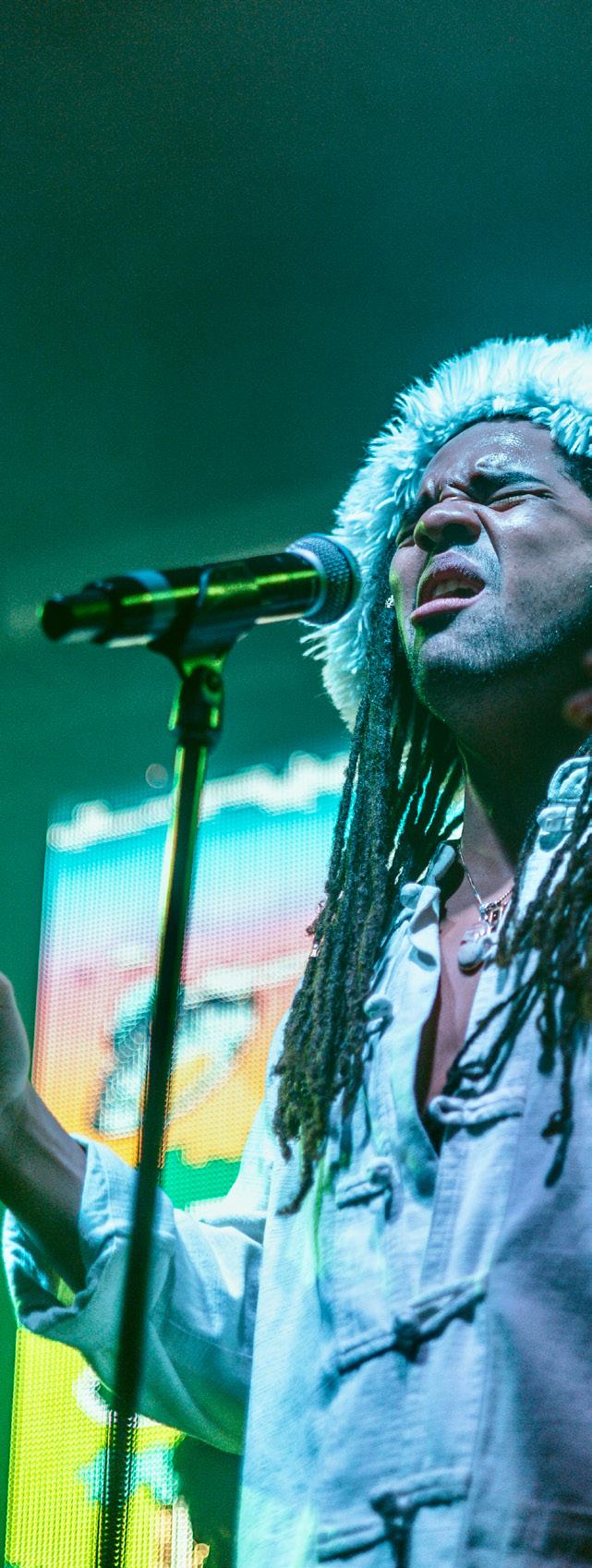
72 ON TOUR WITH GANJA WHITE NIGHT
Sounding out one of France’s largest cultural gatherings
78 MESA/BOOGIE IR COLLECTION
Meet the new Backline Heroes
80 DARMSTADT STATE THEATRE Small stage, big sound
RF CHAOS IN THE PHOENIX VALLEY
INDUSTRY INSIGHT Kevin Glendinning on supporting Lily Allen on SNL 76 FÊTE DE L’HUMANITÉ
The foundational future of AUDIX digital wireless

DROW S by ALICE GUSTAFSON
LOVERS & OTHERS
DEBDEPAN
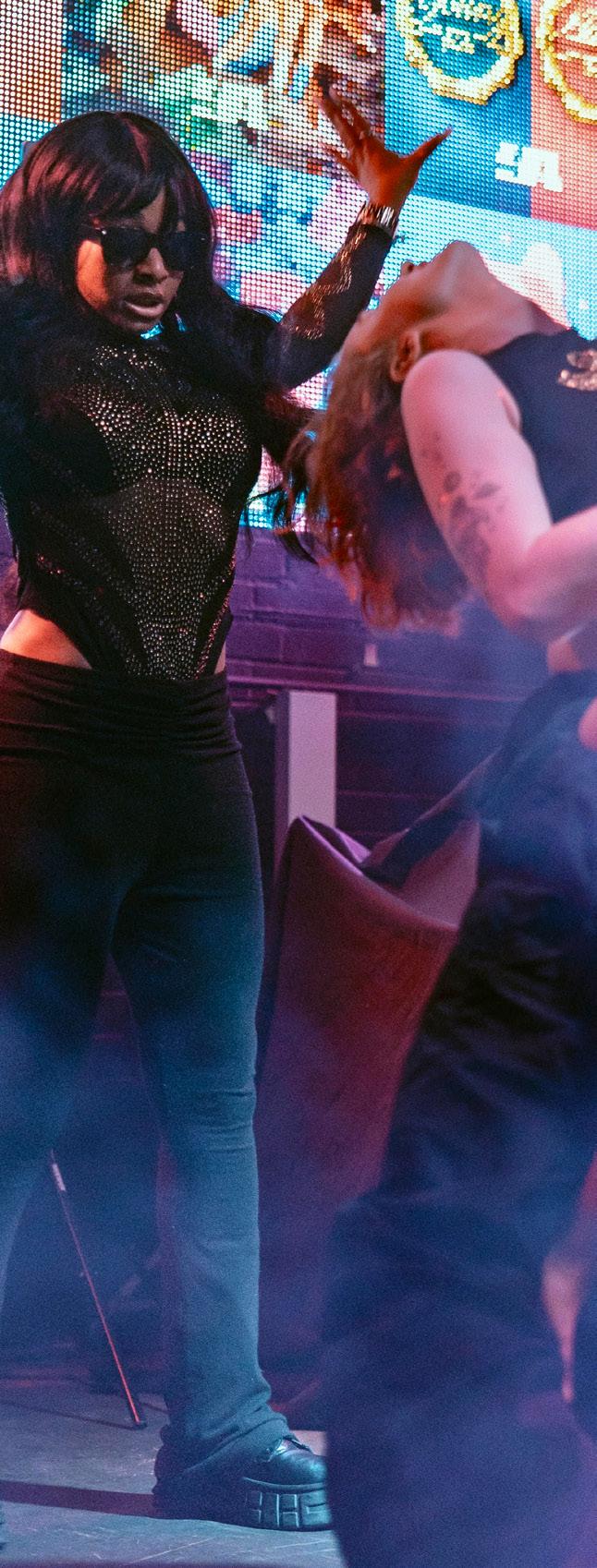
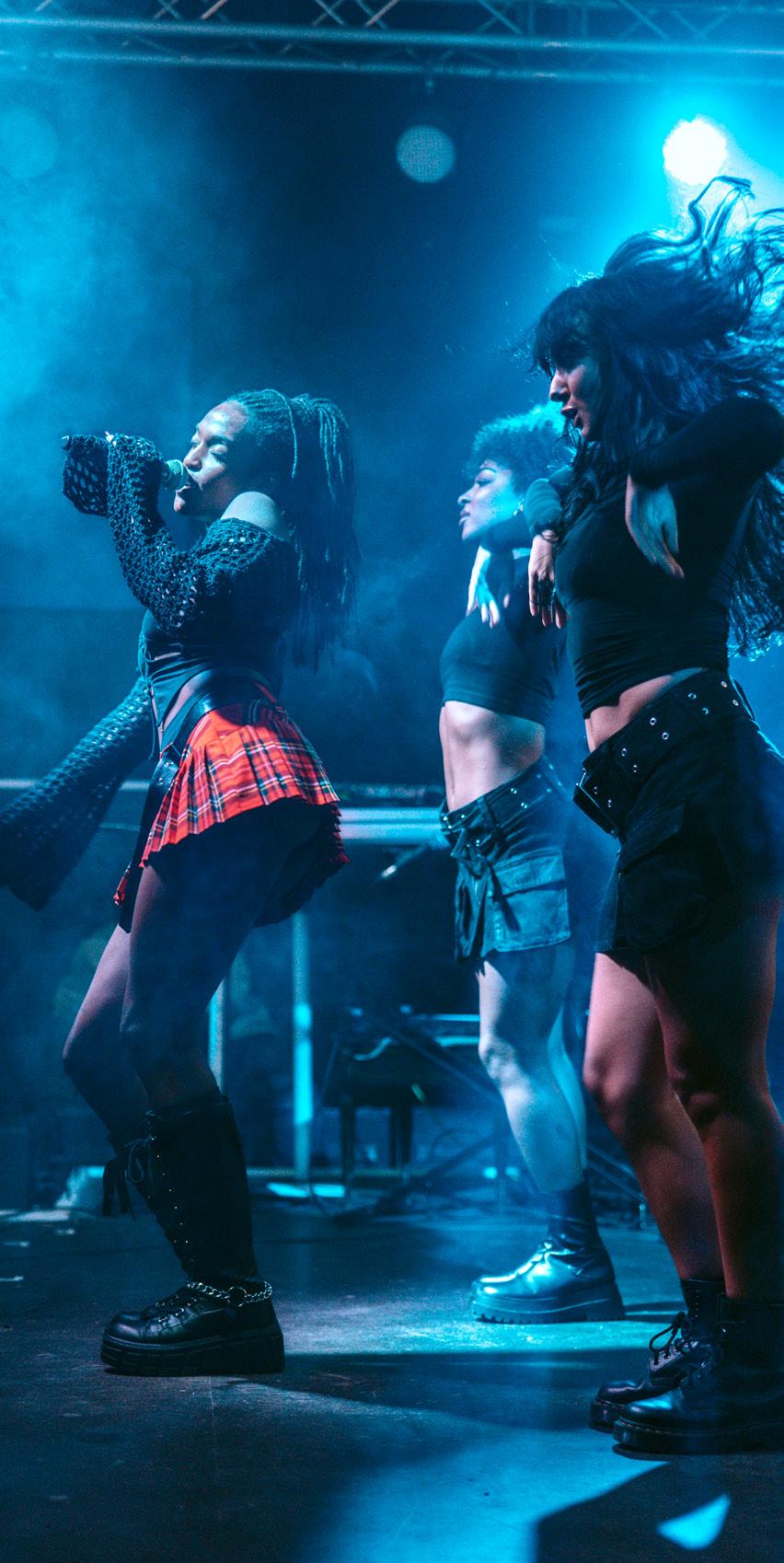
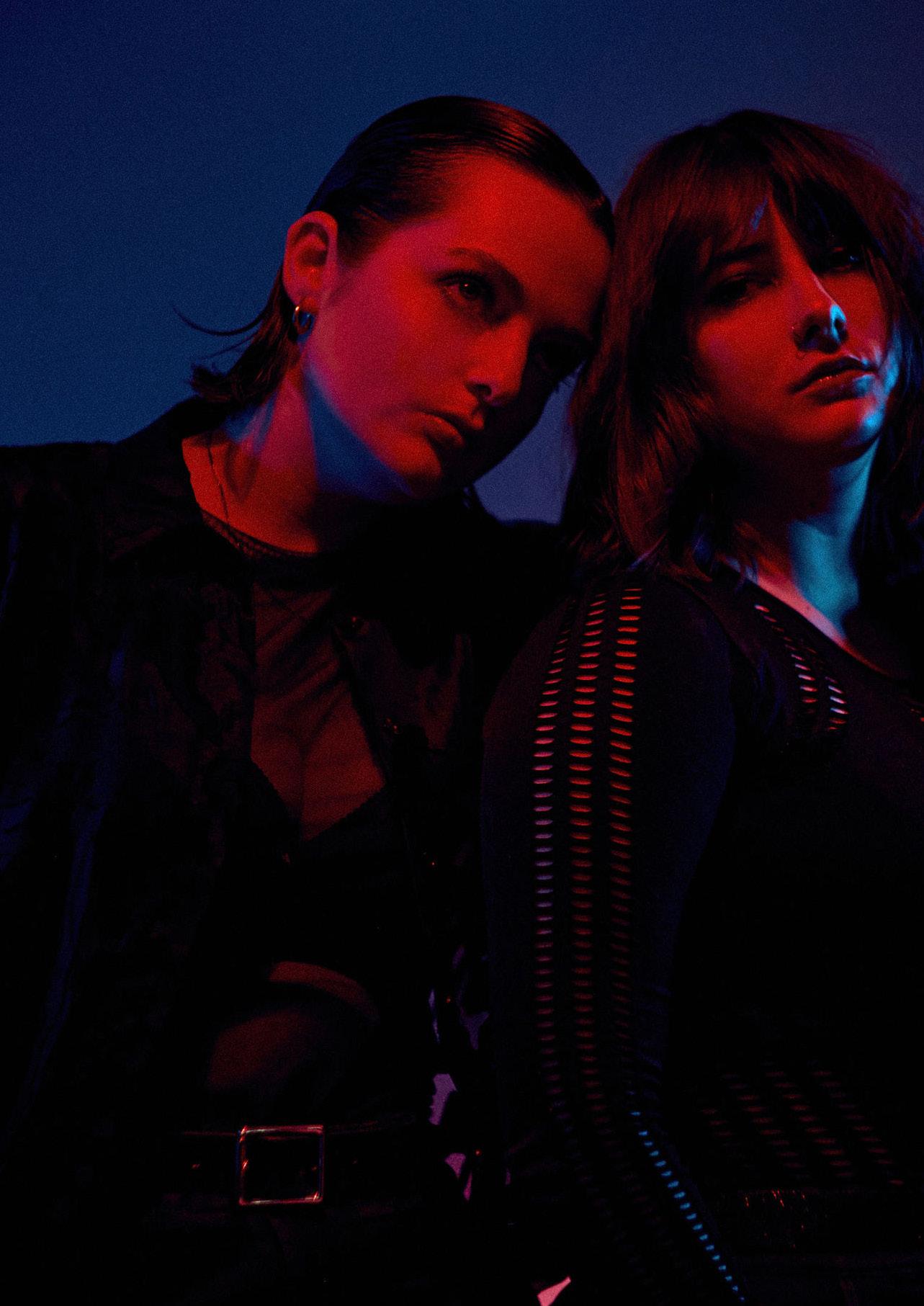
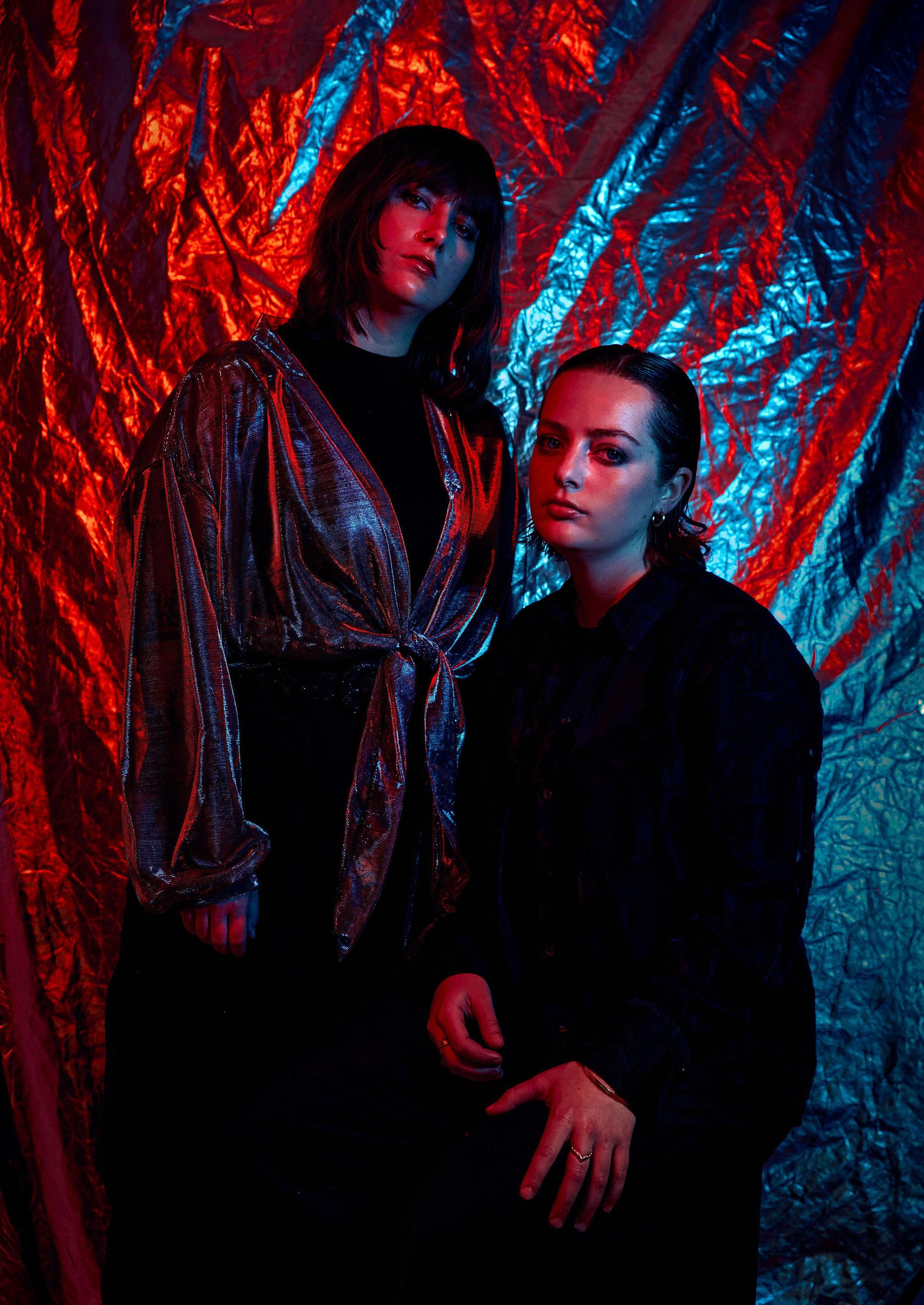
From the seaside streets of the UK’s Margate, Chelsea and Grace – aka debdepan – are redefining what it means to be a modern alternative duo. Fusing dark pop, grunge, and dance influences, their music is at once introspective and kinetic, exploring love, identity, and friendship through a raw, dramatised lens.
Formed during lockdown, the selftaught pair bonded over a love of “miserable music” – think The Cure and Tom O’Dell – yet they also channel the rush of rave and dancefloor energy, creating a unique tension that has become their signature. After cutting their teeth in grassroots venues and winning over audiences at international showcases, the duo has supported acts including Margate’s own Pete
Doherty. Their new EP, Lovers & Others, draws heavily on their life in Margate, balancing reflective, “sad girl” vulnerability with hardhitting, danceable arrangements. In this interview, the duo discuss their Margate roots, the real-life drama that inspired their new EP, fusing sad girl vibes with a party energy, how they’re winning the SEO war with their band name and the importance of grassroots venues.
Credit: Martin Perry
“WE WANTED SOMETHING REALLY WEIRD, SO THAT IF YOU GOOGLED IT, WE’D BE THE ONLY THING THAT CAME UP.”
Who is the first artist you can remember having an impact on you?
Grace: I’d say it’s always been kind of miserable music [laughs]. We used to have about a 40-minute train journey, and we used to listen to things like Tom O’Dell and The Cure –just anything depressing.
Chelsea: We went to school together, and I think most of the reason we bonded is our shared love of depressing songs.
Are you into any music that might surprise people?
Grace: We like a lot of dance music as well. I’m definitely a big fan of Cobra, which is ravey tracks. I think people are more shocked that we like more depressing music! Everyone thinks we’re upbeat and into party tunes all the time.
Chelsea: Yeah, a few people who’ve seen this live have been like, “There’s a really weird contrast between when you play music and when you speak between songs, because it’s two very different personalities”.
How did you both learn instruments if you were both self-taught?
Grace: The way I learned was by looking at songs I liked and just sitting on Ultimate Guitar Tabs or YouTube tutorials, and teaching myself that way. Definitely no theory.
Chelsea: I was a really big Taylor Swift fan at school, and my parents bought me a Taylor Swift signature guitar, so I was learning all her songs.
debdepan is an interesting band name. How did you come up with it?
Chelsea: It’s just a made-up word, to be fair. We wanted something really weird, so that if you Googled it, we’d be the only thing that came up.
Grace: The closest thing is the tube station that comes up, which is Debden. But if you type in the name of our band, we’re the only thing that comes up. That’s the aim.
and were just building up our catalogue over the past few years.
Chelsea: We just wanted the next release to feel right and for us to feel more ready for it. When we did OMEN, we didn’t really have a clue what we were doing.
Grace: Over the last two years, we’ve definitely honed our live sound, worked with a lot of different people, and pushed ourselves – doing big support dates. Supporting Pete was an amazing experience. It’s been a learning curve over these two years, keeping at it and continuing to grow.
Given the kind of music you make, which often includes lyrics about tough situations, how do you handle writing such personal songs and then sharing them and performing them for an audience? Your new EP, Lovers & Others, is your most ambitious project yet. This is a collection that chronicles the complexities of love, identity, and friendship through debdepan’s dramatised lens. What inspired these themes?
Chelsea: I just try to dissociate, to be honest! Initially, when I start writing, I don’t know what I’m going to write about. Then it comes up, and I think, “Oh, maybe I should look at that.” And then I’m just done – then it’s nothing to do with me anymore.
Your OMEN EP was released in 2023, which led to a run of live dates in London and Kent, including support slots with Margate’s (sort of) very own Pete Doherty on his 2025 UK tour. Plus, you got airplay on BBC Introducing and BBC 6Music. What was that time like for you, suddenly touring and supporting other artists, and why the wait between EPs?
Grace: It’s gone really quickly and really slowly at the same time. I think we were quite frustrated for a while because we hadn’t released anything
Chelsea: We spent a good couple of years just figuring out what we wanted to do and where we wanted to go sound-wise. In those two years, we obviously experienced a lot more drama to write about.
Grace: Moving to Margate kind of sums it up. The past year and a half we’ve spent there has been nice, and the majority of the content comes from Margate. So it’s a nice roundup of our lives over the past two years.
Credit: Martin Perry
Margate seems integral to this new music. Where do you write your songs in the town?
Chelsea: Mostly just at home, to be honest, and sometimes at Justine’s in the basement. We used that as a bit of a writing space.
Grace: It’s nice down there – we’d lock ourselves in for long hours, days at a time, because there are no windows or distractions. So it’s quite good for writing.
Chelsea: Our house is really seethrough, so people walking by can probably see us writing. We’ve got a bit of a writing space – I call it the dining room, but it’s really just an extra bit of room in the kitchen, with a big window above the table I work on. Our neighbour often stares through that window at me, which is really uncomfortable [laughs].
The EP’s lead single, Habit , explores emotional inadequacy and the exhausting games people play for affection. Where did the idea for this song stem from?
Chelsea: We went to a residency called Westway Lab in Portugal. It was a writing camp and a showcase festival, where we got paired with Portuguese artists to come up with 40 minutes’ worth of material in just a week. So it was quite intense.
Grace: At the end of the week, we had a performance for a load of industry people, which was even more scary.
Chelsea: The timing was literally just after I went through a breakup, so I was wallowing in self-pity and all those sad feelings to write about. When we went there, we got paired with a techno artist, so we were fusing our “sad girl” vibes with his party energy. It felt like a really good way of processing sad emotions.
Grace: It was a new way of working for us, and we both like dance music, so it was really interesting to work

with more of a dance beat behind the music and build it up that way.
What are your favourite songs on the EP?
Chelsea: Mine is Oh No, although it wasn’t actually supposed to be on the EP – it was a little accident song.
After we worked on it, we went to Cardiff to work with the producer James Minas, and something really special happened to that song. It’s a bit of an underdog.
Grace: My favourite is The Girl. It feels nice to have something we’re both really proud of out in the world.
Grassroots music venues, including some of your favourites in Margate, are under threat; how important are they for emerging bands like you to hone their craft?
Chelsea: They are so important. We’re really lucky in Margate to have so many venues. And there’s the Ramsgate Music Hall, the Booking Hall in Dover, and lots of other great spots around here. They’re so important – not only for giving new artists a chance to play, but also for meeting other artists and music lovers and sharing that love of music.
Grace: It would be such a shame if they ended up shutting. It’s always really devastating news. We started in grassroots venues and have been playing them for a long time. They’re a key part of the music community.
INSTA: @DEBDEPAN
Credit: Martin Perry

inside the upside
BY ALICE
by ALICE
TURN IT UP TO ELEVEN
Does Eleven die? Even worse, do Steve or Dustin? Will Max wake up from her coma? What exactly is the deal with the Upside Down? What will this season’s big needle drop moment be? Is there a secret ninth episode? With the last ever episode of Stranger Things airing on New Year’s Eve 2025, these are secrets that production sound mixer Michael P. Clark no longer has to keep.
“It’s a relief that I can finally talk about it,” says a relieved-sounding Clark a few days after the final episode hits Netflix. It’s been a long road for him, too, having joined the Stranger Things team for season 2 in 2017, and then again for parts four and five – winning an Emmy along the way for his work on the show.
In 2015, identical twins Matt Duffer and Ross Duffer (now known collectively as the Duffer Brothers) began writing an original script about a missing child, blending the supernatural with ‘80s nostalgia. Netflix, which had just started to push its original content with series
like House of Cards and Orange is the New Black, took a punt on the new writers – and the rest is history. Originally pitched as a standalone miniseries, and despite the lack of initial marketing push, the show immediately resonated with audiences and received critical acclaim, cutting through the huge deluge of glossy TV dramas with a perfect blend of ‘80s nostalgia, sci-fi horror, good vs evil, a synthy soundtrack, and coming-of-age adventure. A millennial love letter to ‘80s sci fi, (the Duffer Brothers were inspired by Steven Spielberg, Stephen King, and John Carpenter –notably E.T., Stand by Me, The Thing,
Firestarter, Alien and A Nightmare on Elm Street – which explains why Vecna looks like Freddy Krueger on steroids, and more recently, perhaps Ozempic), Stranger Things centres around the disappearance of a young boy in Hawkins after a girl with psychokinetic abilities opens up the town’s very own Hellmouth, aka, a hostile alternate dimension known as the Upside Down.
The brothers were told a show for adults starring kids could never work, yet season one’s charming blend of childlike wonder and darker, supernatural elements shot through a Spielbergian lens proved the opposite, transporting its audience back to a time when children rode bikes until it got dark and played Dungeons & Dragons in the basement. Four further seasons were commissioned, and the show’s tentacles inevitably sprawled out to a production of gargantuan set pieces, Marvel-esque budgets (season 1’s total budget was $48 million compared to season 5’s rumoured $400-480 million), bigger showdowns packed into Blockbusterlength episodes, and enough parallel dimensions and cast and crew to keep track of to give you a discreet one-nostril nosebleed.
Where to start when discussing a series where the audience has watched the young cast go from kids to adults (the flashbacks in the final episode hit harder than a Mrs Wheeler throwdown) in front of our eyes? The beginning is as good a place as any, with season
5 ending the same way season 1 began: with the party playing D&D in the Wheelers’ basement. The final scene was the last one filmed for the series, and sees the core group (the actors who have by now spent half their lives playing these characters) saying goodbye to their childhood by finishing one last game and passing the torch as younger kids start their own game. When the last ever “cut” was called, the cast and crew wiped their eyes as a poignant, respectful silence fell over the set.
“That was the last thing we shot – period,” Clark confirms. “It was emotional. I was teary just watching it. The biggest moment was them putting their books down. That all felt real for every single one of them, and watching them shoot that part, that’s where I really got choked up. Finishing it off like that was a nice bookend. It’s an awesome handoff, but it was sad. A lot of these kids – this has been their childhood – much of it was just sitting back and watching them revel in what they’ve helped create. And when you see those flashback scenes, you really realise how far these kids have come on this
journey with the show.”
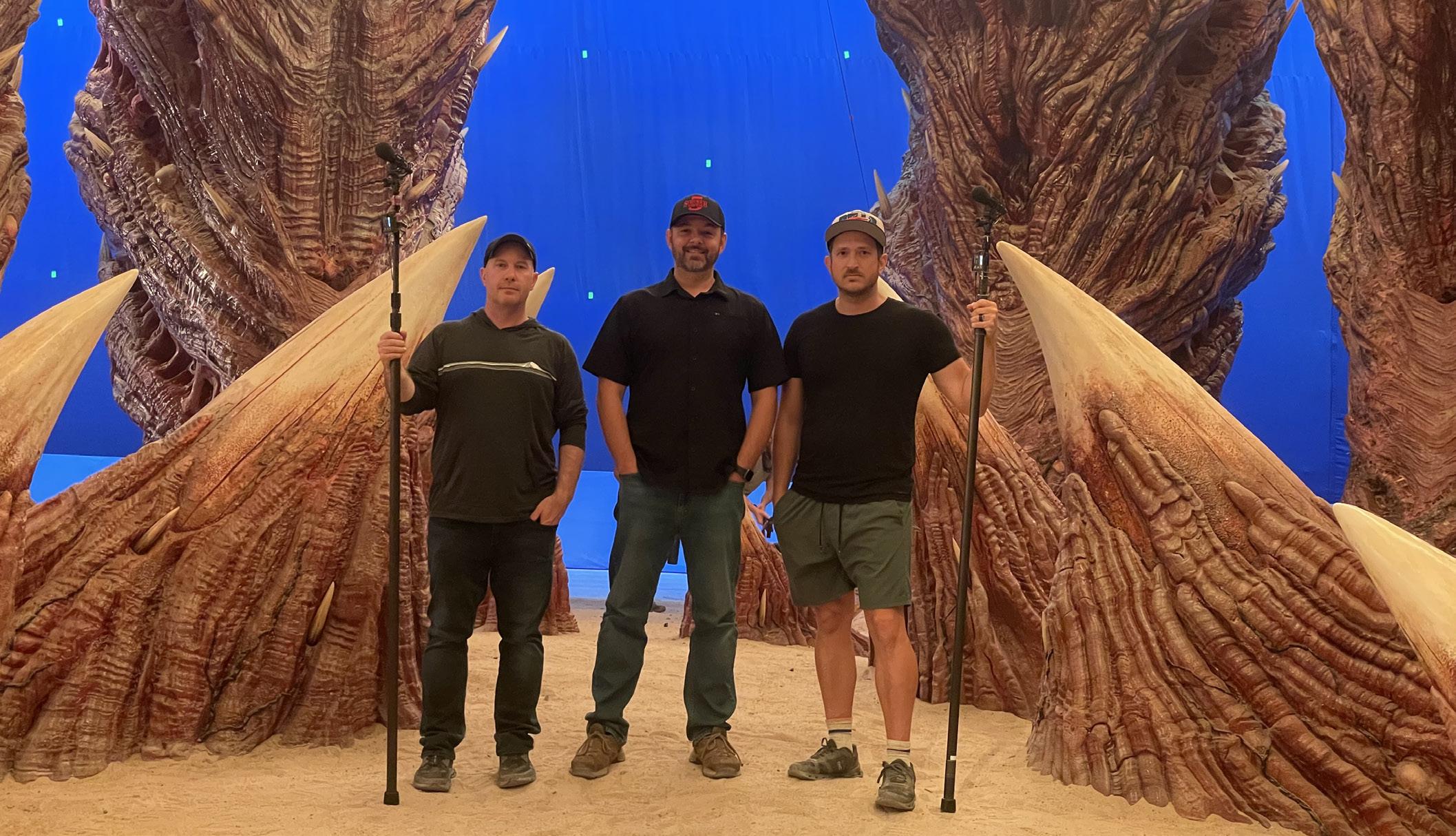
Season 5 took 12 months to film, and Clark was on set for every day of filming to lead the on-set sound department through this gargantuan project. Clark gives particular praise to boom operator Brenton Stumpf, second boom and utility, Jerrid Jones, and from his second unit crew, sound mixer Troy Johnson, boom operator Nick Brower, and utility Caleb Carlin.
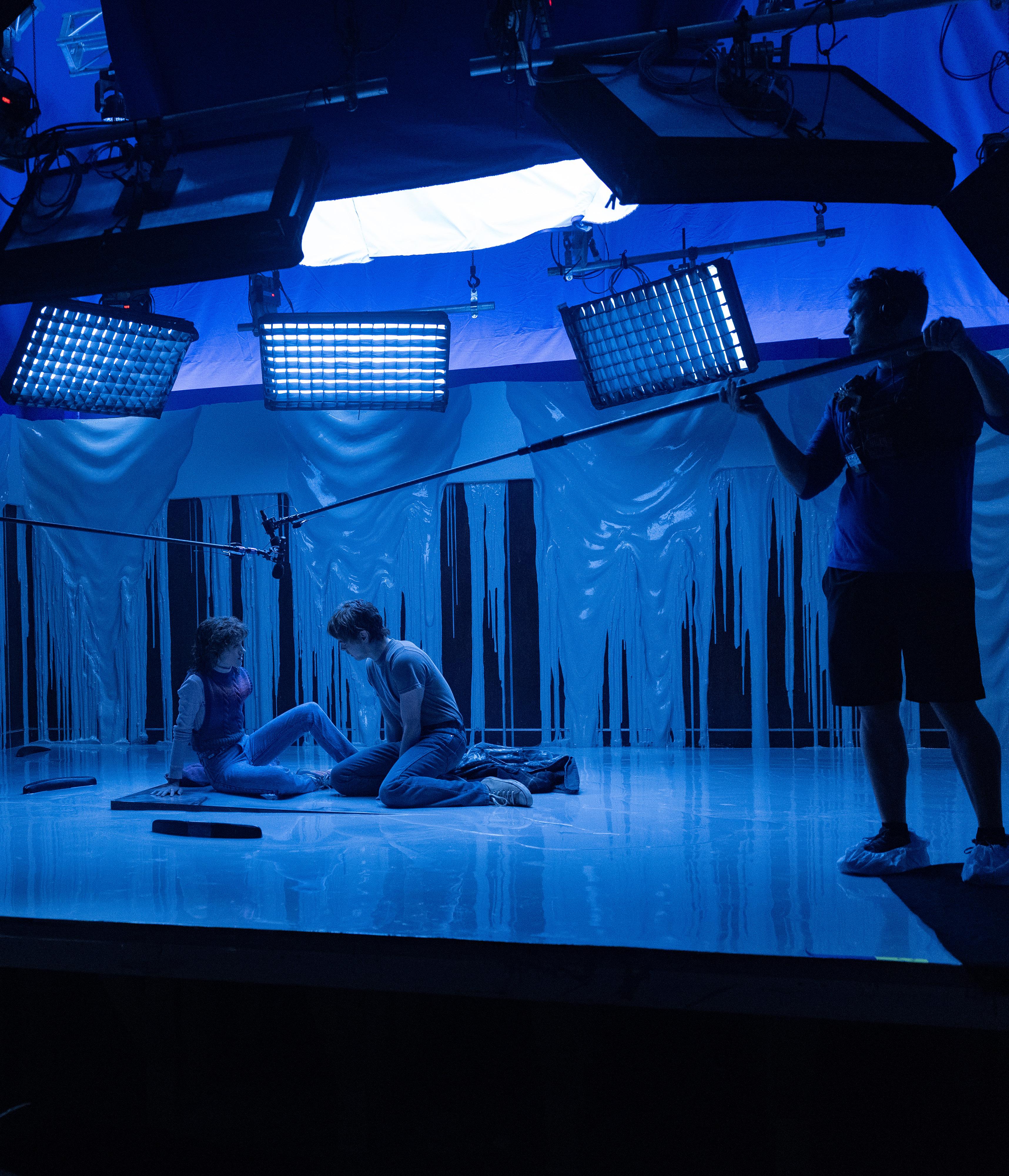
The Military Access Control Zone, or MAC-Z, emerges as a pivotal setting in the final season – a heavily fortified stronghold built over Hawkins’s ruined town square, sealing the Upside Down’s gates and becoming the front line in the battle against Vecna’s forces. The production followed a split schedule, with half days on stage followed by night work on the MAC-Z, then a unit swap to complete the overnight work in tandem. “That set didn’t shut down for several weeks, day and night, 24 hours a day. It was crazy,” Clark reflects. “We had a big tandem unit because it was getting overwhelming. I chose [the second unit crew] because they had a full Zaxcom rig, and it matched my rig.”
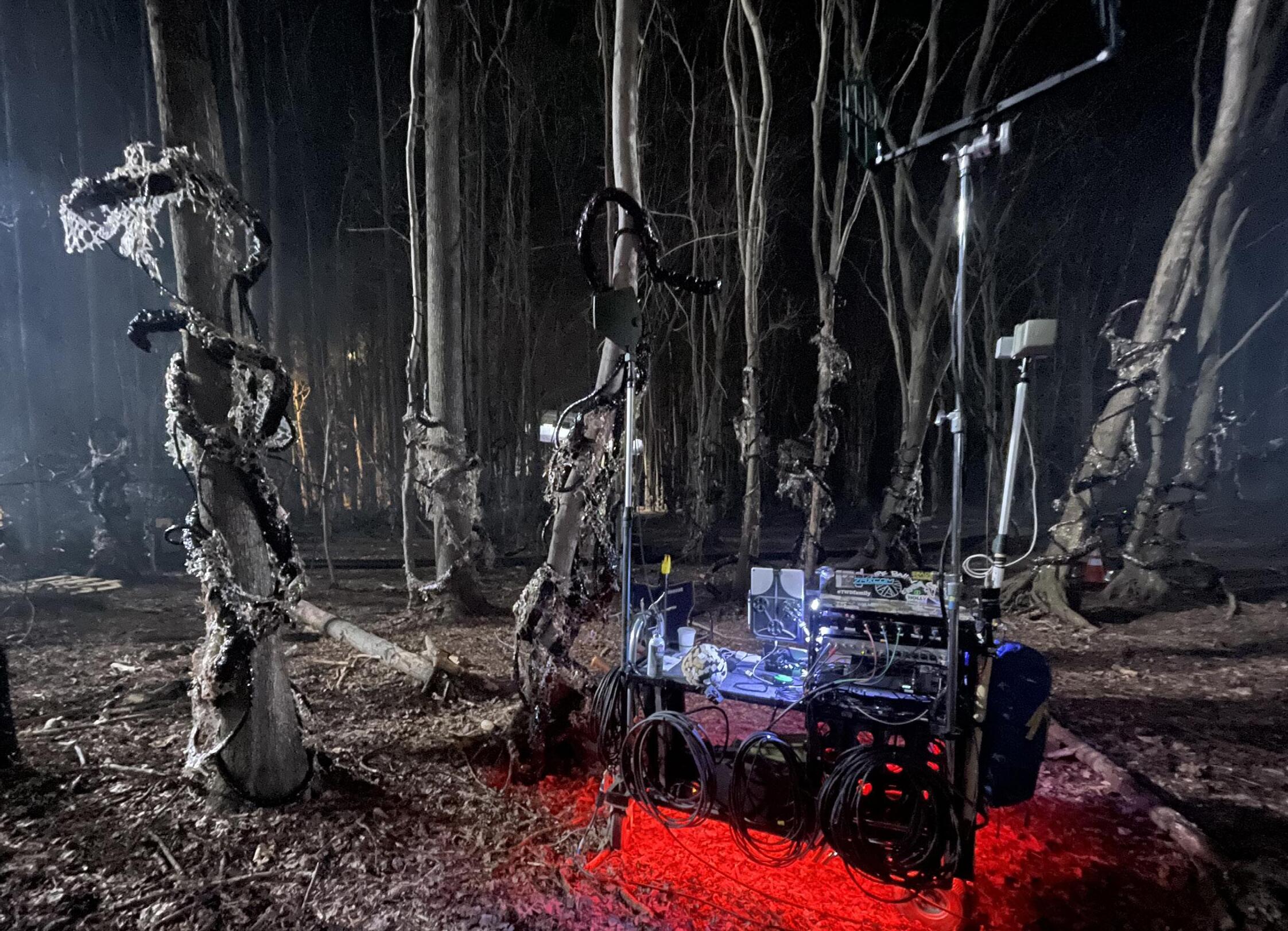
After working on The Walking Dead, Clark devised a Zaxcom setup robust enough to batter a demogorgon –should the need arise. “I built it like a tank; it holds everything needed,” he smiles. “Without that, headaches would occur.”
For Stranger Things, Clark relied on an all-Zaxcom recorder and wireless system comprising a Deva24 audio mixer and 24-track digital recorder, Nova (which serves as a mixer, recorder, and ZaxNet remote control), ZMT3 and ZMT4 ultra small bodypack transmitters, Schoeps CMIT 5U shotgun mics, Sennheiser MKH 50 P48 super-cardioid RF condenser mics, and DPA4018 supercardioid and 4099 CORE mic for plants to capture pristine dialogue on set.
Private (communication between the production sound mixer and their immediate sound crew) and public lines (used for general announcements) were taken care of with another all-Zaxcom system comprised of URX100 multipurpose UHF receivers, URX50 UHF IFB audio receivers, VRX1 analogue VHF IFB audio receivers, with the transmitted audio split by a Zaxcom CL-5 and a Comtek BST-25 wireless base station transmitter.
He breaks down his workflow for Stranger Things: “When I hit record, it records every transmitter at the same time. When I hit stop, everything stops. I’ve built a workflow so post-production can easily go through my sound report and pull any of those tracks if needed. For example, if there’s a wireless hit on a transmitter I didn’t know about, or they need to fix something, they can pull it from the transmitter recording. It’s
a perfect phase match to what’s on the track,” he enthuses, adding that postproduction loves it.
“They don’t have to use it often,” he clarifies, “but when they do, it’s a lifesaver. They don’t have to deal with cleaning up wireless issues anymore. That’s the main reason I’m 100% Zaxcom – from wireless to recorder to mixer. Even our IFBs go through Zaxcom. The Zaxcom CL-5 transmitter that splits into a private line and a public line: the public line goes to the talent, the private line is just me and my guys, so we can talk without interrupting them. There’s also pushto-talk built into the transmitters, so all they have to do is press a button to talk back to me. Everything Zaxcom does supports my workflow.”
THE RIG
Credit: Courtesy of Netflix
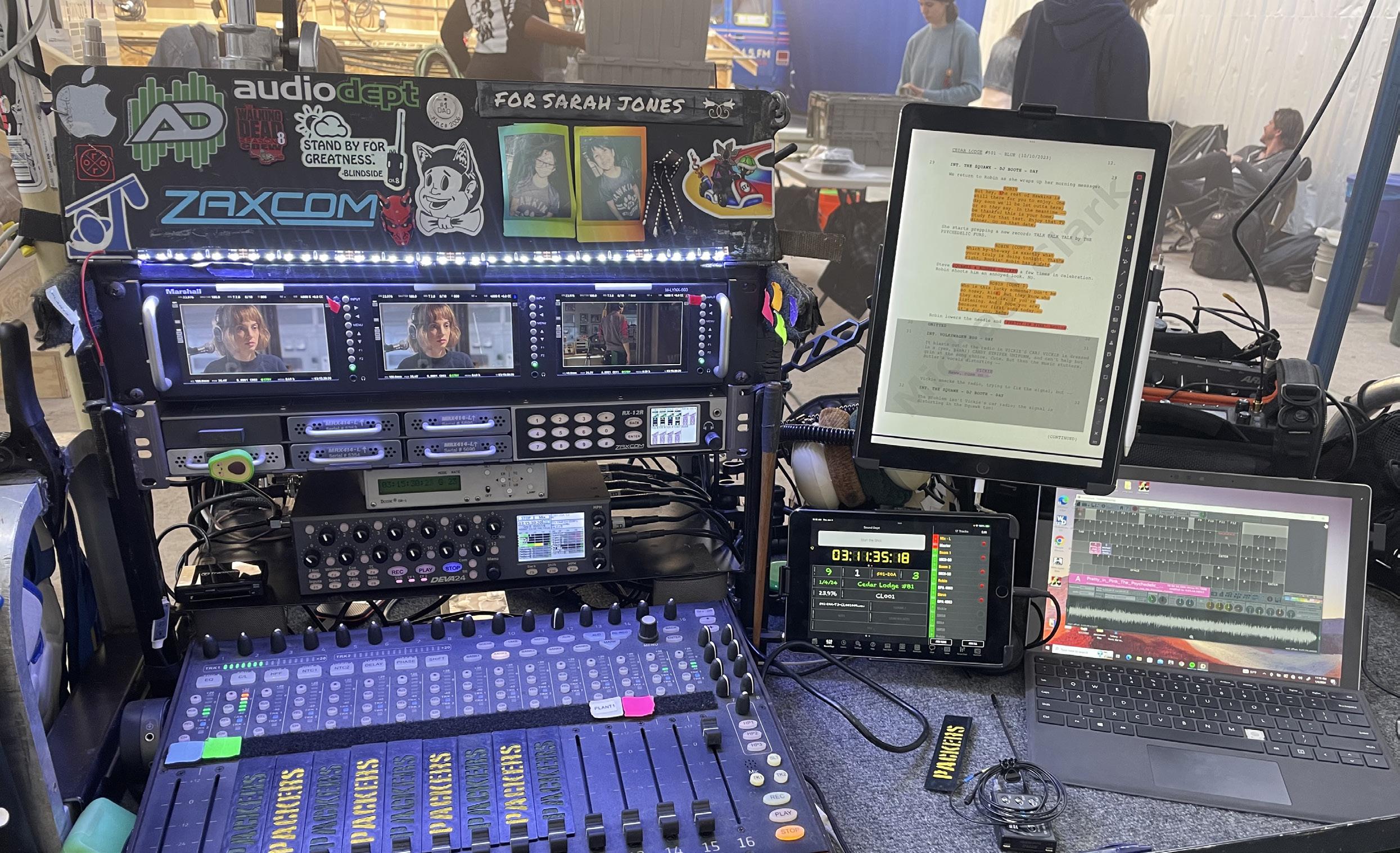
The Deva 24 was the core of Clark’s recording setup, with the Nova serving as both a backup unit and a compact bag rig for tight spaces. “The Deva 24 is the 24-track recorder for the main cart, and the Nova is for a mobile rig for situations like going into a moving vehicle,” he explains. “Thankfully, this season I barely had to pull that out. I also used a Zaxcom MRX414 hot swappable module receiver housed in a Zaxcom RX-12R rack unit, which delivers up to 24 wireless channels to the Deva 24 via AES. For me, that’s a big deal. It gives me a lot of wireless power in a very small space.”
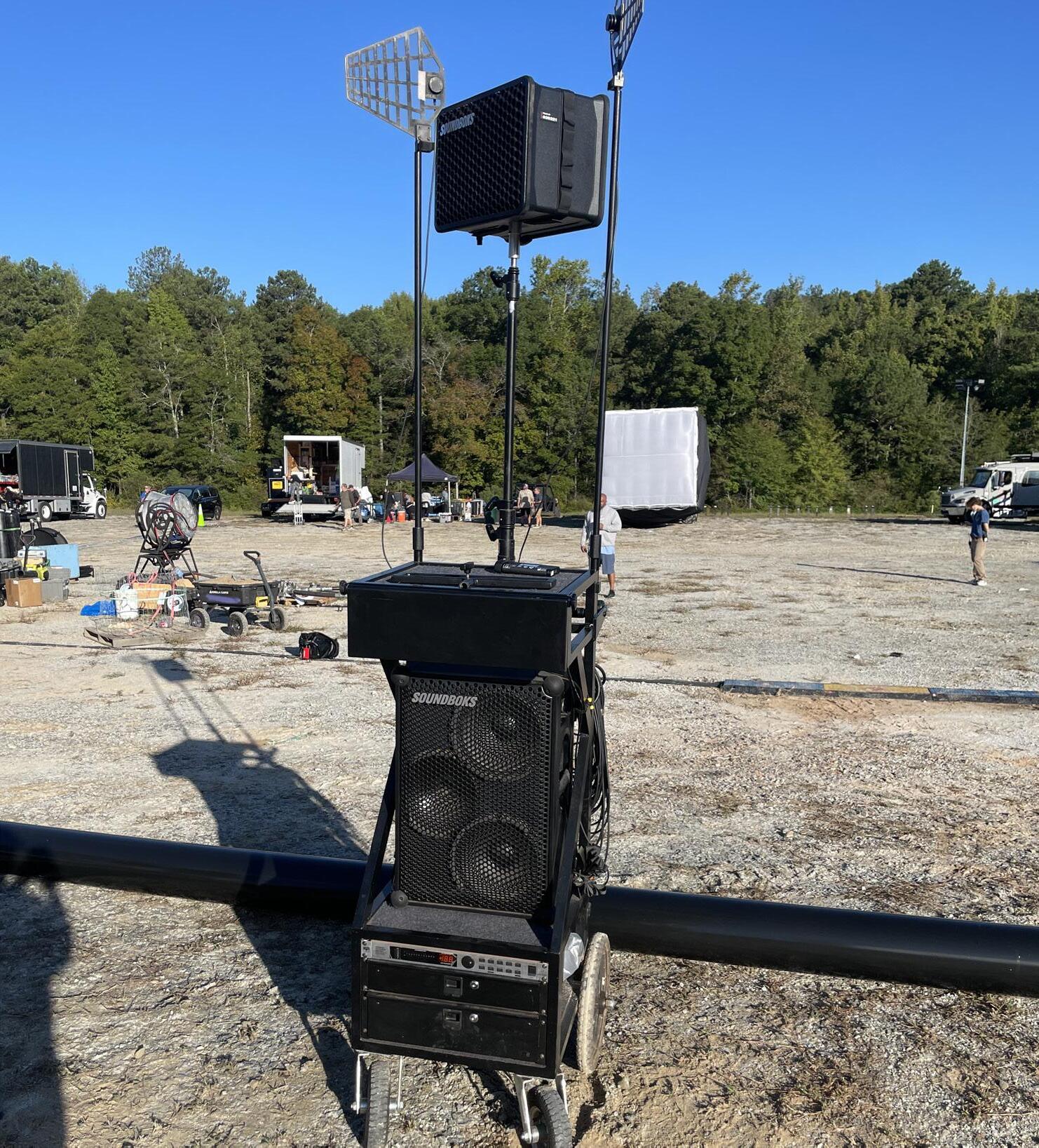
Clark’s VOG (Voice-of-God)/playback setup was built with the final season in mind after dealing with so much playback for Season 4, which was comprised of a fourchannel Zaxcom Wireless VOG playback setup with a SoundBoks V3 Bluetooth speaker, known for being able to push up to 126dB (perfect for on-set direction over the din), a SoundBoks Go Bluetooth speaker, and a four-channel SoundDevices 442 field production mixer. “It’s built to take a beating,” he grins.
To allow the brothers to trigger sound effects on set to set the tone or give actors a cue, Clark used a Surface Pro laptop running SoundPlant – a software that transforms a computer’s standard QWERTY keyboard into a low-latency sound trigger and playable instrument – allowing users to drag and drop sound effects, music, or speech onto keys to play them instantly. “This was also built for this show, and is a beast! The reason I went with Zaxcom is that it has recording transmitters, so I can record any transmitter in the ecosystem at the transmitter level,” Clark explains.
“What this allows me to do is have a clean recording that matches what I receive wirelessly as a backup. When we were all forced into a digital wireless world, that was a major hiccup. Zaxcom was the first wireless maker to do digital recording. They developed a recording system that allows you to record directly at the transmitter to solve those range issues.”
He expands on his use of the SoundPlant app: “It lets me assign any sound effect to a keyboard key. That way, we could play Demogorgon sounds exactly when the actors are meant to react. I’ve done lines of dialogue like that before,” he volunteers, using an early scene in the series where Maya Hawke’s character, Rockin’ Robin, is hosting a radio show on ‘The Squawk’ whilst surreptitiously providing crucial, coded information to the characters. When it came time to shoot the scene where the other characters needed to react to her broadcast, Clark had Hawke’s audio ready to go:
“The kids are listening in the cafeteria, and Hopper is listening in the junkyard. Usually, the script supervisor would read the off-camera dialogue for the actors to respond to. But because of how our setup was, I thought, ‘I already shot Rockin ‘Robin on day one, so I’ll just pull that up.’ I told Maya, ‘Save your voice, I’ve got this,’ and played it back. They could then act naturally off the actual performance. We ended up using that method on other scenes, too. From that point on, it set a precedent for occasionally playing back any dialogue for actors to respond to.”
“WE’D PLAY THESE HUGE, DRAMATIC TRACKS ANYTIME MILLIE BOBBY BROWN NEEDED TO THROW
HER
ARM OUT
AND GO FULL ON.”
This also came in handy for scenes when Will (Noah Schnapp) and Vecna (Jamie Campbell Bower), now equipped with a Harry PotterVoldemort type connection, possess one another. “When Will and Vecna were talking through each other, I played back Jamie’s dialogue for Noah and broke it up so that Noah could play off Jamie even though Jamie wasn’t physically there. I also did that for the scene where Will takes possession of Vecna when he’s about to kill Max. We shot Will’s scene first, and I knew we should probably have a playback setup for this. So we put an earwig in for Jamie when he did his side of the scene, which happens much later in the
timeline. I played back Will’s dialogue into his ear so their pacing would stay in sync, because Will’s lines were long, drawn-out, like, “Max, if you can hear me, you–need–to–run” – and I knew it would be tricky for Jamie to match that naturally. So rather than hope he gets it right, we just gave him an earwig, and it worked perfectly.”
ON-SET NEEDLE DROPS
At other moments, his rig became an on-set mood weapon – dropping a sound effect to lock the actors into a scene, or blasting one of the show’s iconic needle drops to pull the
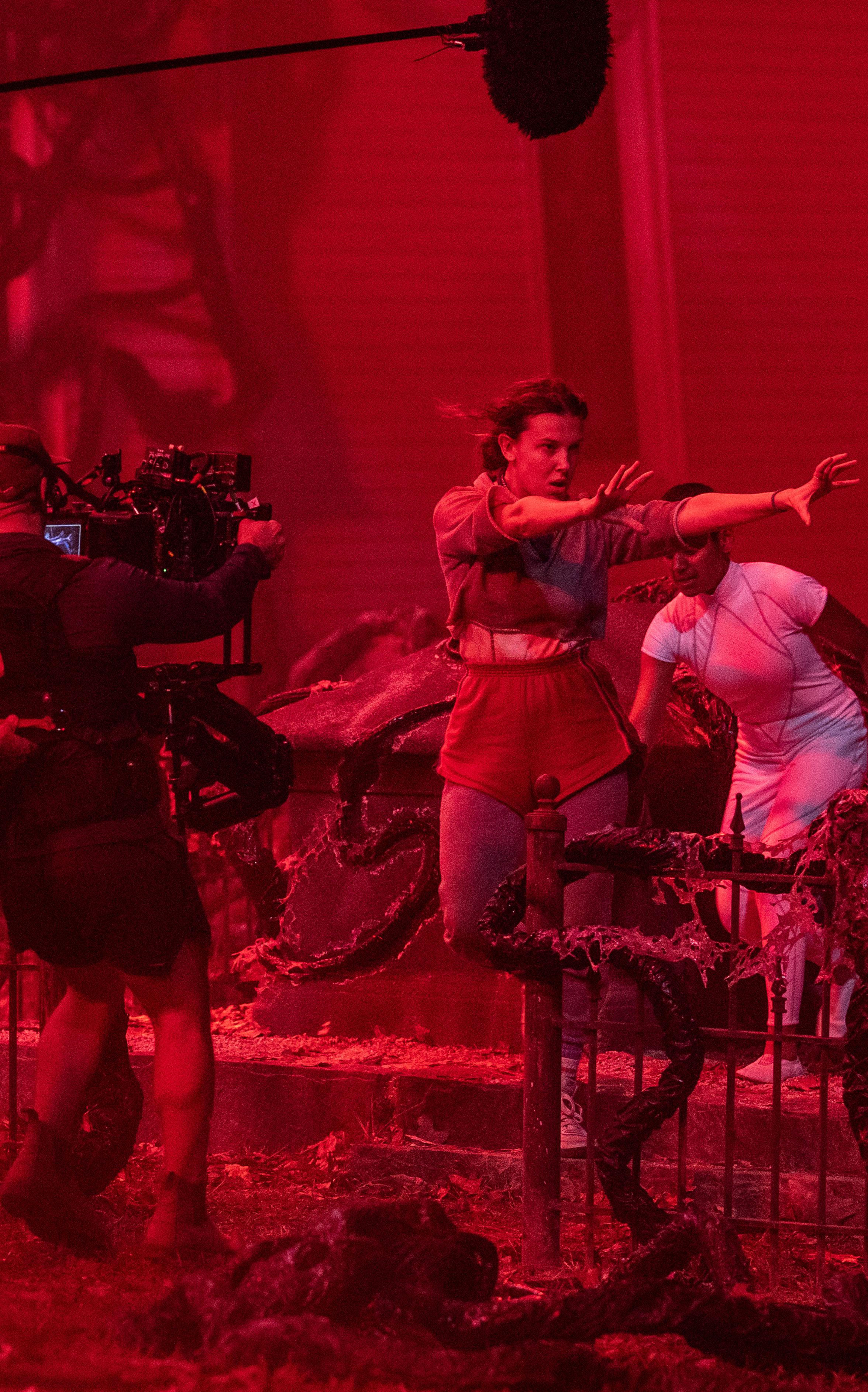
cast into exactly the right emotional headspace. “It always adds something to the performance,” Clark enthuses. “The brothers always used music as a trigger to get the actors to perform. We’d play these huge, dramatic tracks anytime Millie [Bobby Brown] needed to throw her arm out and go full-on [with Eleven’s powers]. I really believe in this system of using music to invoke the character energy the actors need. For season four, the big moment was when she threw Brenner up against the wall. I can’t remember what music they were playing, but when they yelled cut, Millie screamed so loud with joy, like, ‘How awesome was that?’ This is all thanks to that SoundBox speaker.
That thing is loud. Really loud. When Millie was in the underwater tanks in season five, we’d put the speaker up against the tank so they could talk to her, and it worked brilliantly. I was just trying to be creative.”
With echoes of season four’s biggest needle drop moment (Kate Bush’s Running Up That Hill), still rippling through season five, this season’s soundtrack had a lot to live up to, unleashing Prince’s When Doves Cry and Purple Rain, Upside Down by Diana Ross, Landslide by Fleetwood Mac, and finally, David Bowie’s Heroes for the series’ most impactful moments. Clark shares that these tracks were played on set through his system to put the actors in the right headspace. “I remember Matt playing Purple Rain, and I just thought, ‘That’s a choice,’ without even thinking it would end up in the show,” he reveals. “One of my personal
favourite moments was Robin finishing her Rockin’ Robin final scene with Landslide. That was a lovely choice. On that day, I played it in her headphones, so she was hearing the track while doing her dialogue. It really helped with the pacing and getting her through it.”
That reminds Clark of a song the brothers would return to when a scene called for something especially heavy and emotional: “They used Moby’s When It’s Cold I’d Like to Die to bring in sadness, and they use it in the show a lot too. That’s a solid needle drop.”
MICS
Clark worked with a range of microphones on Stranger Things. He explains how he decided to rely on wireless lavaliers or boom microphones for specific scenes.
“It depends on the camera setups,” he explains. “For the wide shots, I’ll use booms and lavs. I mix booms in with lavaliers to help thin them out. I’m not a fan of a direct lav-only sound; I like a bit of life in it,” he shares. “I tell people the set is a character, the environment is a character, and the dialogue should sit within that space – it’s part of the performance. For plant mics, I use DPA 4018s and Sennheiser MKH 50s for inside vehicles and pretty much anywhere else. I prefer the MKH 50 for overheads indoors; it just sounds really good in that environment. On set indoors, I use the MKH 50s because I like the sound they give. Not to say you can’t use Schoeps in those situations, but I reserve the longer mics for when camera setups require them to match tighter frame sizes. Outdoors, I stick with the Schoeps; my guys like them too because of their weight, and they both perform really well. I choose DPAs for the best sound in small lavaliers,
Credit: Courtesy of Netflix
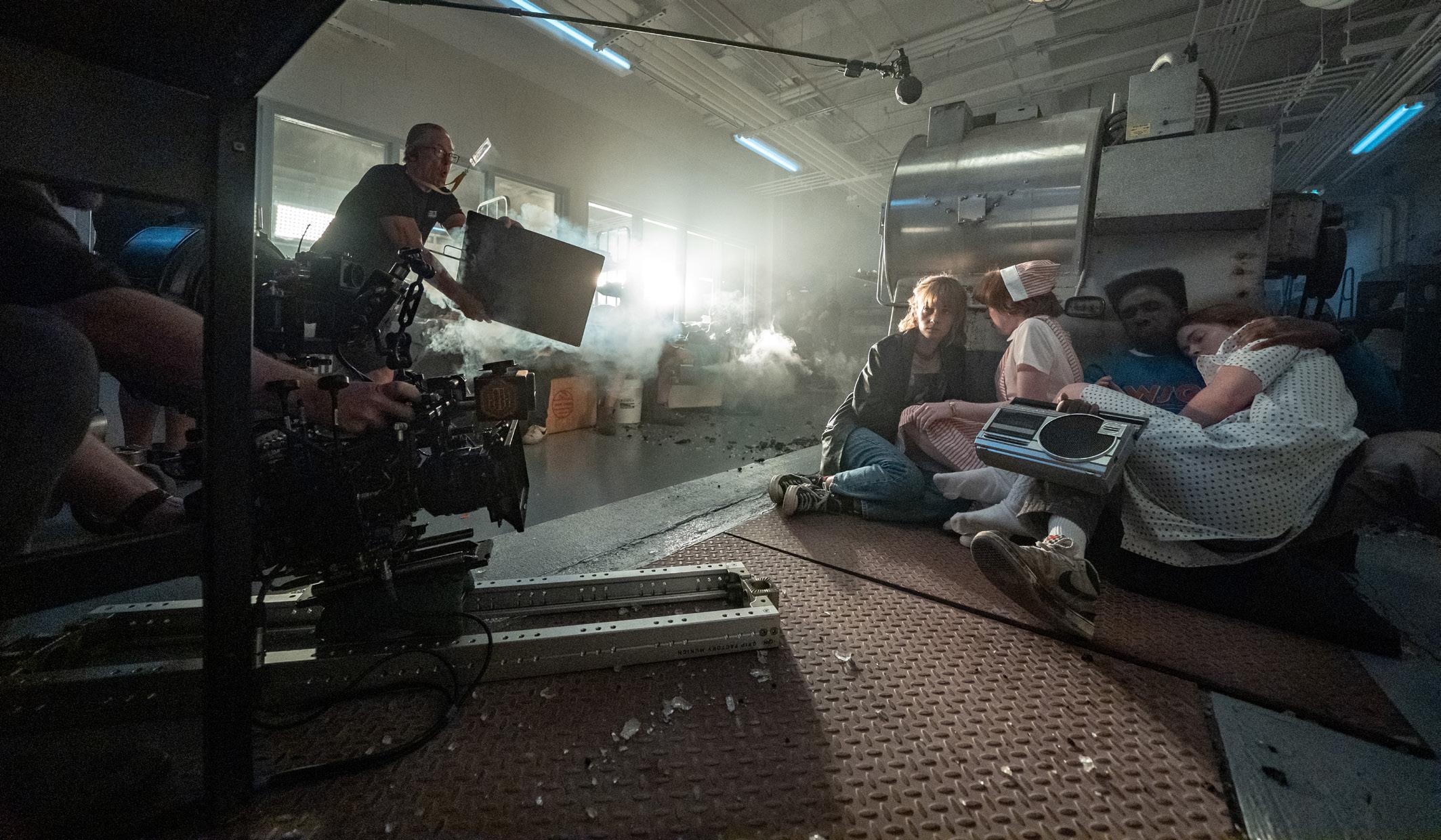
Schoeps for their low-end quality, which shines on TV, and the MKH 50 for indoor plant work and as my main go-to for interiors. That’s my standard go-to setup. It’s about clean audio. It’s just about getting a clean, consistent sound – that’s the key.”
Clark experienced some of his most challenging moments on set for series 5. In a scene that nods to an iconic Jurassic Park kitchen sequence, Hawke decided at the last minute to whisper her lines to her co-star, Amybeth McNulty. “That was one of the hardest dialogue scenes to capture,” he nods. “They’re coming through the laundry room before Karen comes in and blows everything up. She’s whispering to her, barely pushing any air out. I actually had to ask our dialogue editor whether that was her production performance or ADR, because we both looked at it. Sean Levy [director] and I had talked about it several times, wondering, ‘Are we actually going to get this?’”
As Hawke’s mic audio was muffled due to it being squashed up against McNulty, Clark placed an additional mic in McNulty’s collar. “But her
mic was completely swallowed up because Maya is hugging her, so I even had a microphone literally right outside of the frame, and it barely picked her up. The shot is really tight, and we also tried a wider shot at one point, but it didn’t make a difference – having a mic in there still wouldn’t have worked well.
“We shot a couple of takes, and the only one that stood out was using her dialogue off Vicki’s mic. We ended up putting another mic in Maya’s collar – two inches from her mouth, and even then, it was still difficult. Consonants don’t really come out properly because you’re trying to be quiet. So Ryan Cole [dialogue editor] brought her in for ADR to accentuate those moments. That was one of those moments I honestly thought we might not get – but we did.”
For any scenes involving cars, trucks, the Squawk Van or Steve’s Beamer (RIP!), it was a case of the more mics, the better. “Whenever you have multiple actors in a car, I spray the car with microphones. Over the years, I’ve learned that when actors get in a car, the blocking changes because they’re
sitting down. They can’t move like they would on a stage or set, so sometimes actions change a lot as the actors feel it out. We have to protect ourselves to cover whatever might happen. I tend to put three microphones on each person if I can: a lavalier, an overhead mic, and a mic underneath, so no matter which way they turn or speak, we’re covered. Two people in a car? Six microphones. Four people? Twelve microphones. The action in those scenes was pretty chaotic, so it was a real feat of equipment and technical skill. There’s a lot to consider and a lot to manage to capture it all. We also use a ton of plant mics,” he adds.
“Take the Bradley’s Big Buy truck, for example – it’s a huge metal container. The challenge on that set was making it not sound like a big ice box or hollow metal box. My team padded as much of the lower and backside of the truck as we could. That way, when we placed the plant mics, they didn’t sound boxy or hollow. We wrapped and padded around the mics to reduce slapback and resonance. It took a lot of work.”
“WHEN YOU GET INTO THESE REALLY HEAVY, EMOTIONAL SCENES WHERE THE ACTORS ARE POURING IT ALL OUT AND CRYING, IT GETS VERY DYNAMIC. IF YOU’RE NOT PREPARED FOR IT, GAINWISE, YOU RUIN THAT PERSON’S PERFORMANCE. IT’S ONE OF THE MOST NERVE-WRACKING THINGS.”
SAYING GOODBYE
Many of the scenes in the final episode carried five seasons of emotional weight, and knowing they were saying goodbye to these characters and this chapter of their lives, no acting was required to simulate tears for the young cast.
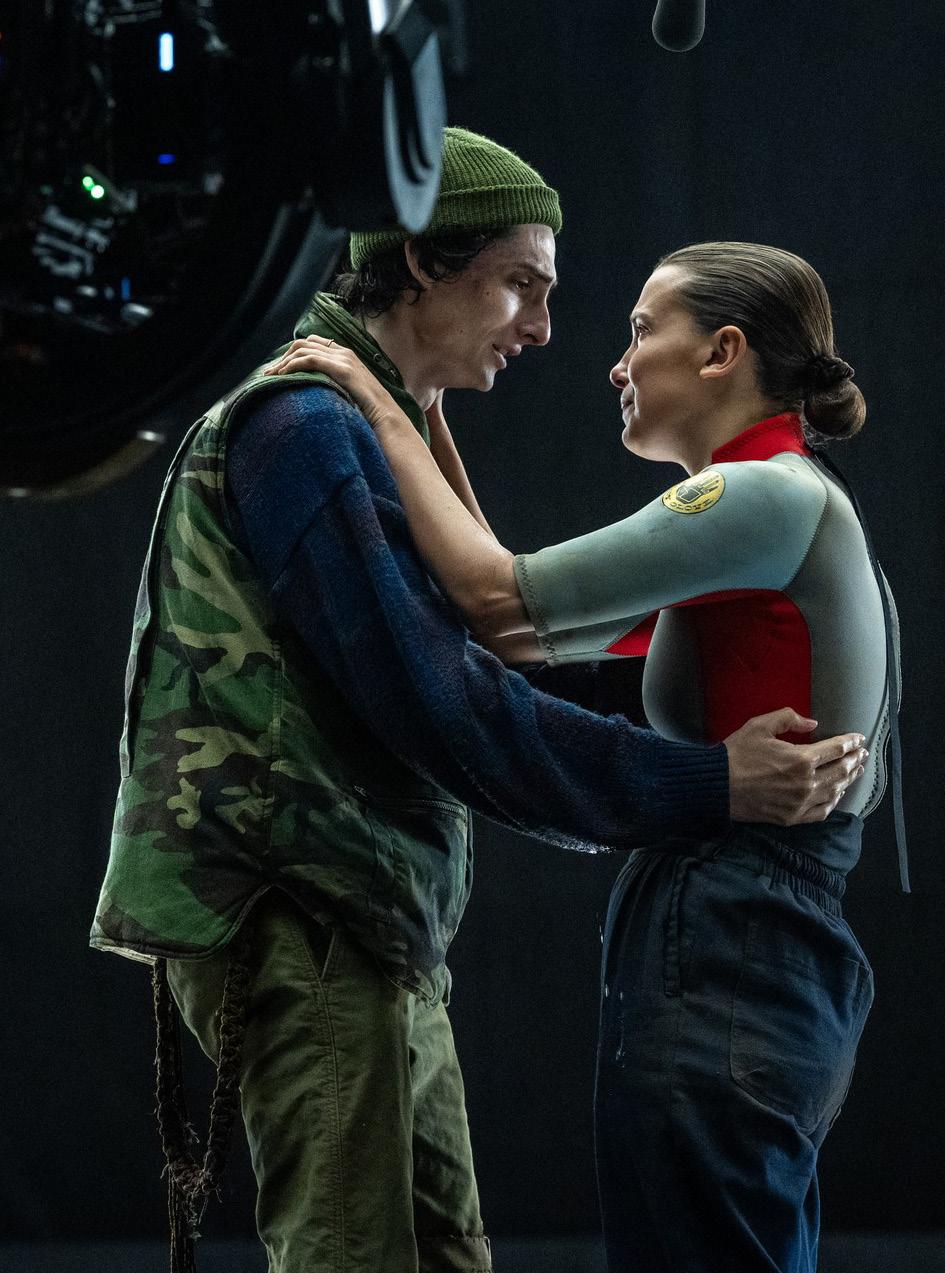
For these scenes in particular, it was imperative that the audio from their raw performances was captured first time, as bringing actors back for ADR would not pack the same emotional punch. Clark uses the scene where Eleven says a tearful goodbye to Mike (Finn Wolfhard) before sacrificing herself, and the final D&D scene, as examples.
“That’s what makes my palms sweaty, you know? It’s one of the most nervewracking things for me to do. A lot of the time, it’s just one microphone. This season was chock full of highly emotional scenes, and something that really sat in my mind while I was watching it was how challenging it is for us on set to capture those performances without any mistakes.
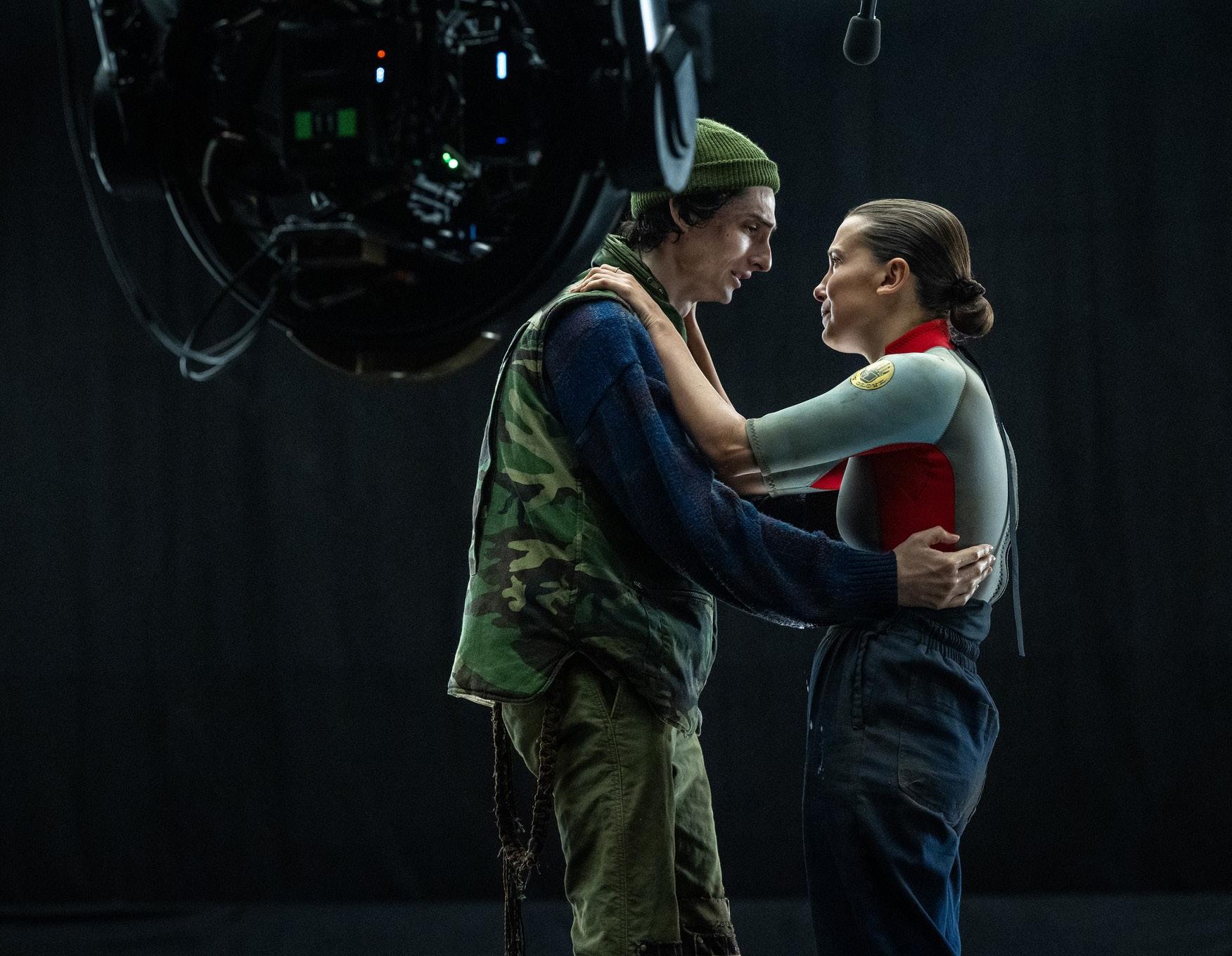
When you get into these really heavy, emotional scenes where the actors are giving everything they have, pouring it all out and crying, it gets very dynamic. It’s intense. If you’re not prepared for it, gain-wise, you can get distortion and clipping, and you ruin that person’s performance. But we got it. I take those scenes as moments of beauty. That’s our job, that’s what I strive for. I don’t want them to do any ADR if we can avoid it. One of the things I’m really proud of with Stranger Things is that we captured the majority of the performances.”
He sets the scene: “I’ve got one finger on the fader, one finger on my input gain, and I’m riding that thing like
crazy, trying to follow the breath work and capture it without messing up their performance. And at the end of it, both faders have a little drip of sweat on them from my fingertips,” he laughs.
The show’s ending struck a poignant and bittersweet note as the gang bid an emotional farewell to this chapter of their lives, having defeated the Big Bad and lost Eleven in the process. The main cast return to the Wheelers’ basement for one last game of D&D, and in his closing words in the role of storyteller, Mike shares his predictions for their future, including his theory that rather than dying, Eleven has made a peaceful life for herself elsewhere. If anyone’s mind
was feeling decidedly flayed trying to keep up with the final season’s various storylines, dimensions, and characters’ tendency to concoct elaborate plans on the fly, one thing the brothers unquestionably did nail was the ending.
“It’s hard to wrap things up,” Clark acknowledges. “I’m glad to be part of a show that finished it off the way I feel it should be finished. There are a lot of shows that don’t, but they nailed this. “I kept telling anyone who asked, ‘You’re gonna love it!’”
INSTA: @MPCLARKCAS
Credit: Olivia Wunsche
HANIA RANI SENTIMENTAL VALUE
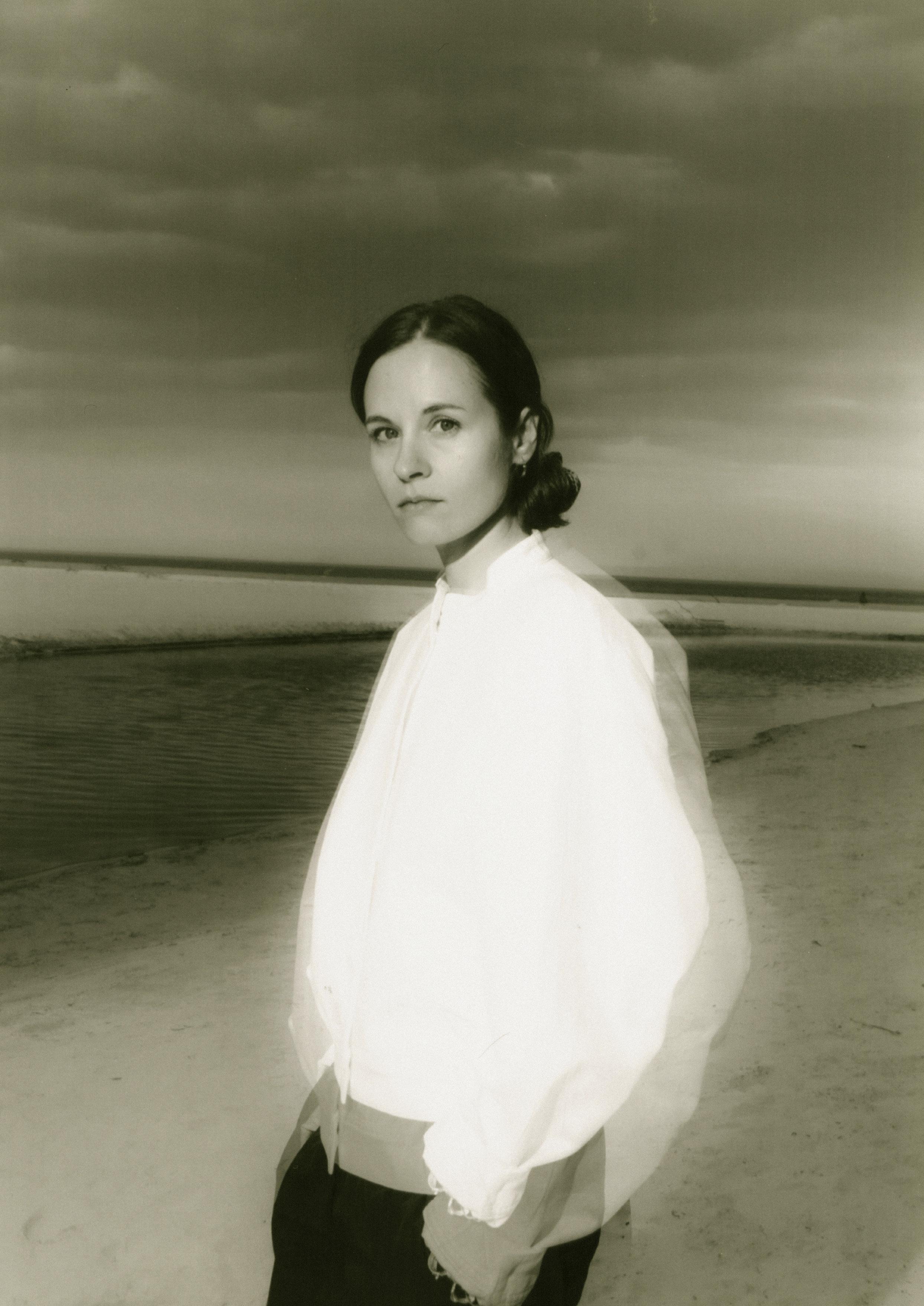
To attempt to encapsulate just how awe-inspiring and unpredictable Polish piano prodigy, producer, and composer Hania Rani is, 2025 saw her follow up Ghosts, her 2023 album that saw her lean heavily into her singing and songwriting, with a piano concerto in Non Fiction, and scoring the Stellan Skarsgård-starring Sentimental Value. Next up? An album of analogue synthesiser music. If there were such a thing as placing bets on what genre an artist’s next album is going to be, Rani would be a sure-fire way to lose some money. As the dust settles on another whirlwind year for her career, she talks to Headliner about being commissioned to compose her contemporary classical piano concerto, its premiere at the Barbican Hall in London, and working with director Joachim Trier on Sentimental Value, following the success of his previous indie hit The Worst Person in the World.
Rani grew up on the Baltic coast in the picturesque Polish city of Gdańsk, before undergoing piano studies in the classical tradition in Warsaw and then Berlin. Thereafter, she began losing interest in pursuing the classical
piano performance career she had been working towards, and when a friend shared a YouTube video of a Nils Frahm performance, approaching the piano in an entirely new way and releasing her own compositions
became her destiny. Her first release was with cellist and close friend Dobrawa Czocher, Biala flaga. Her debut solo work, Esja, arrived in 2019, producing some of her most enduring songs in Eden and Glass
When Headliner last spoke to Rani, she had just released a rework of Woven Song by another neoclassical luminary, Ólafur Arnalds, as part of his some kind of peace reworks album. She also revealed her next album at the time, Ghosts Featuring more vocal numbers than her previous LPs, the record took her career to the next echelon, confirming she certainly wasn’t just another modern classical composer playing twinkly piano melodies for relaxation playlists.
She embarked on her biggest tour yet, including a headline show at London’s iconic Roundhouse.
If Non Fiction - Piano Concerto in Four Movements doesn’t confirm that Rani is a serious composer worthy of respect, including from purists on the more traditional side of the classical world who often sneer at such innovative approaches to the medium, it’s hard to imagine what will. That said, after all the aforementioned things said about her career, it might not surprise you to learn that the concert work and album don’t rigidly stick to the traditional rules of an instrument concerto. In a Mozart concerto, the clarinet or piano, for example, would stick to the more conventional three movements, two of which being faster and the central movement slower and more lyrical. The former giving the hand-picked virtuosic performer ample opportunity to show off all their ability on the instrument. Non Fiction, by contrast, feels like one continuous, flowing piece of music, and it’s difficult to pinpoint where the movements begin and end. And this was never going to be about Rani showing off her piano ability, instead adding unusual instrumentation like saxophone, and even live tape recording techniques (not something you’ll hear in a Beethoven piece).
Rani joins the call from London, where she’s feeling settled for the first time in a while after recently relocating to the capital. And, while some might feel that going from the song-heavy Ghosts to the structures of a piano concerto might have felt constricting for Rani, she reveals, “It is exactly the opposite, because this is why I’ve left the idea of songs for now. There is nothing more constraining than the form of a song — three minutes to five minutes.
You cannot release a 15-minute song. Nobody would ever take you seriously. With the concerto, I felt like time was finally free again. I could make it one movement, I could divide it into three movements. I will always be contradicting the idea that classical music or acoustic music is constraining, because from my own experience composing it, it is the opposite. I would love to share this feeling and have people enter this music in this very free, curious way.
Credit: Abbey Road studio
photos, Siân O’Connor
“Of course, there is a gravitas of composing a piano concerto, and also understanding that it belongs to the past tense. But, for me, it also belongs to the present tense. My only concern was to make it as contemporary as possible, which means I wanted to make it exciting to me as a performer and as a listener. I rejected certain elements that I found unnecessary. And you probably noticed, this piece is not really a piano concerto; it’s more like a piece for the full orchestra, because I made sure all the instruments are important.”
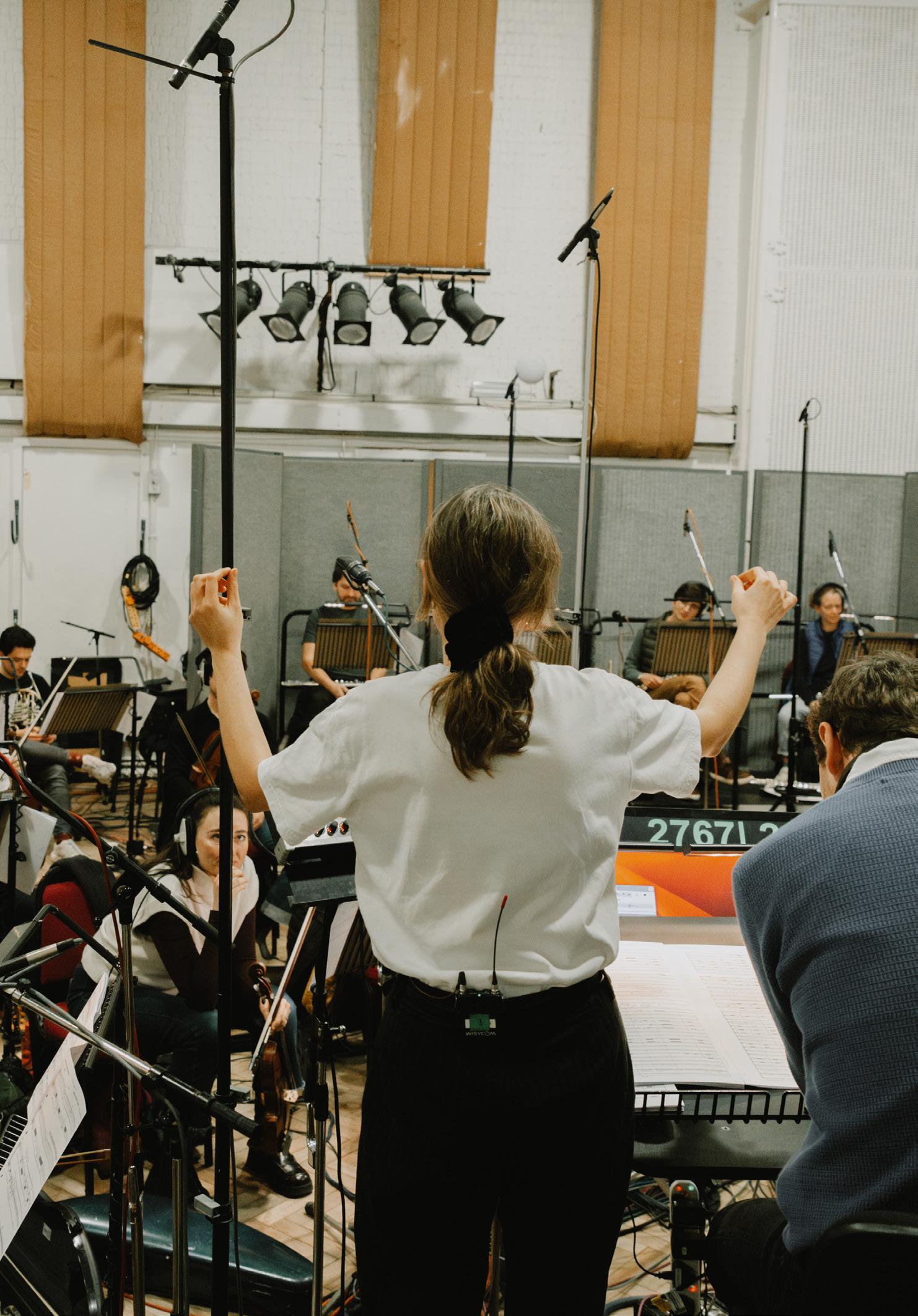
The album was engineered and mixed at Abbey Road in London, and it was during the first mix of the album that Rani had a realisation she had played to the rules of classical music in one regard that went against her ethos as an artist. This realisation led to one of the key ingredients of the concerto and album that make it so contemporary and fascinating.
“The first mix sounded great,” she recalls. “But I thought that I was not being very honest. My music is always inspired by all sorts of effects and delays and tuning. I thought that, if I am trying to become a purist, it
doesn’t really sound sincere. And then we started to play around with different effects, all made on tape machines, as my engineer Greg Freeman, is extremely fluent with tape machines. We put the entire sections of instruments into the tape delay.
“And because the piece was recorded in one room, all the instruments together, it is always a little bit infused with other tones, with other instruments, with other recorded stems, and this makes it sound extremely organic and fluid.
Sentimental Value film still courtesy: Mer Film / Eye Eye Pictures / mk2 Films
“Applying some effects on top of the piece felt like adding another layer, or becoming another instrument. The effects are most visible in the Fourth Movement, when the feedback of the tape delay becomes another instrument in this setup. Everything was just extremely fascinating for both of us sitting there in the studio and playing around. It took two months to mix this album, but it was a joy. It was really mind-blowing. I wish to all my fellow musicians that they can have this experience of working with a bigger acoustic ensemble, because it is just like working with 45 synthesisers. Each instrument is extremely flexible and inspiring.”
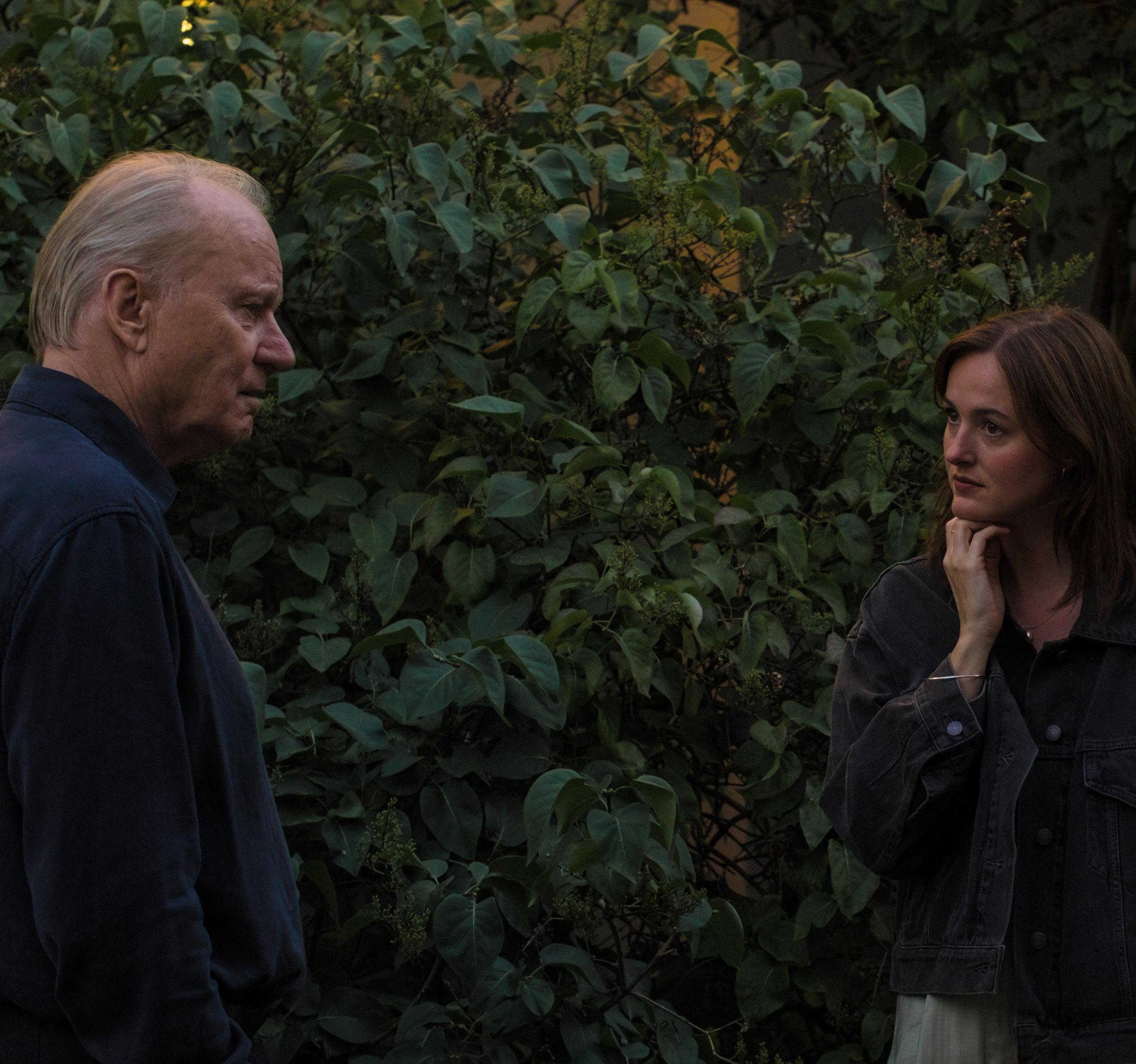
2025 was also the year Rani worked on her most significant media project yet, Joachim Trier’s Sentimental Value The Norwegian film stars Renate Reinsve, who had already won acclaim in Trier’s previous film The Worst Person in the World, and she is joined by Dune’s Stellan Skarsgård and American star Elle Fanning. Hype for the film was already high after its Cannes Festival premiere saw it win the Grand Prix award, and since its release it has secured nine Oscar nominations. It tells the story of actress Nora (Reinsve) in Oslo, as her absent father, an acclaimed film director, comes back into her life and offers her a part in his new comeback film. With their relationship as problematic as ever, she turns the role down, which then goes to a famous American actress [Fanning]. Nora must then navigate this big change in her life, as her father begins making his biographical film in the family house she grew up in.
Regarding the fact that this film was never going to have wall to wall music and big over the top moments for her to compose, Rani explains that, “It is definitely just little moments. I think the struggle with this film is that it almost feels like a theatre play, and is all about these almost invisible feelings between people. That’s where the music came from — you
“WHEN I READ THE SCRIPT AND I REGISTERED THAT THE HOUSE PLAYED SUCH AN IMPORTANT ROLE IN THE FILM, I ASKED IF I COULD GO TO OSLO TO RECORD THE HOUSE.”
will see in the film very often the most intimate moments happen when people do not speak with each other. And that was quite intriguing.”
The score album’s opening track is a deeply meditative piece of music, with a descending flute and clarinet motif that opens up into an expansive passage for the strings. The music speaks to all of the turmoil, melancholy, and also breakthroughs that each of the characters experience in the film. And something that Rani cottoned onto pretty early in the process was how integral the Oslo family home would be, revealing to her a very interesting way to begin her process for the film.
“When I read the script and I registered that the house played such an important role in the film, I asked if I could go to Oslo to record the house,” she says. “We went there, and that was also a bit of a game changer, because the film crew went to France to shoot one of the scenes that happens there. So I was just alone with my sound engineer in the house for a couple of days. It is a massive house, it was late September, very quiet, and we could just commune with this space. We recorded lots of objects we found in the apartment, like old radios, cassettes and furniture. I also brought the piano there, so I recorded a couple of piano pieces.”
She also discusses a brand new composing avenue she explored for the movie: “I composed the music on my Prophet synthesiser, and then I was trying to translate it into
the acoustic realm. I was trying to rearrange it for a string quintet, and something very intriguing happened, because the piece composed on the synthesiser was using all the abilities of the synthesiser, which means tuning, detuning, very weird fabrics of sound, and then to translate into the acoustic realm quite directly, something magical happened.
“I was quite mind blown, and now I’m trying it in many other pieces of mine. It’s definitely started a new period of my composing.”
The full Non Fiction album is out now, and it’s not too late to catch one of the last Sentimental Value showtimes on the big screen as intended. And, shock horror, Rani is now onto something completely different. Anyone who got to catch her very limited run of Chilling Bambino concerts, dedicated to her love for her Prophet synthesiser, will be champing at the bit.
“I’ll be recording Chilling Bambino, using a recording technique that I never used before. It’s exciting, because this one feels very free. It allows me to use all my energy. And there is quite a lot of energy in my quite small body. Definitely confusing for all my listeners — but this is how it goes with me.”
HANIARANI.COM




DRUM RE-SYNTHESIZER
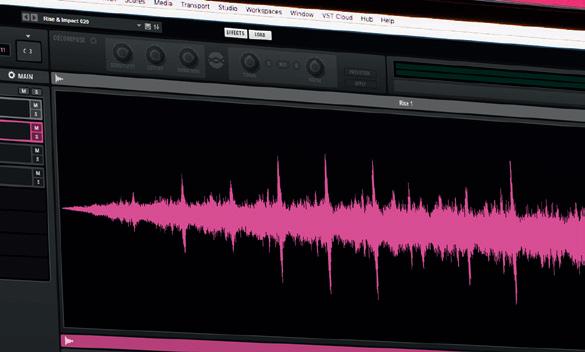
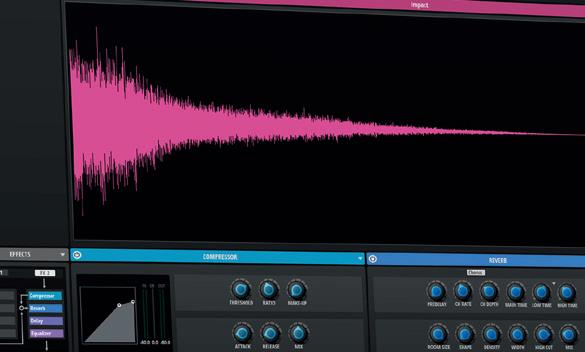



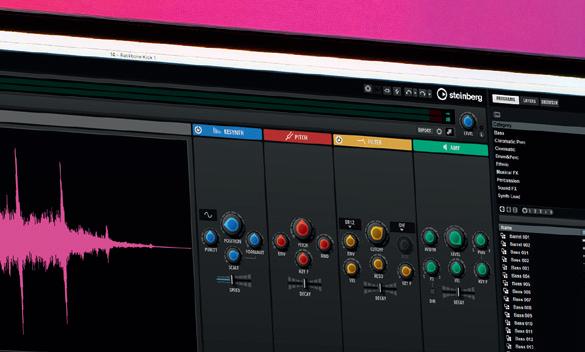
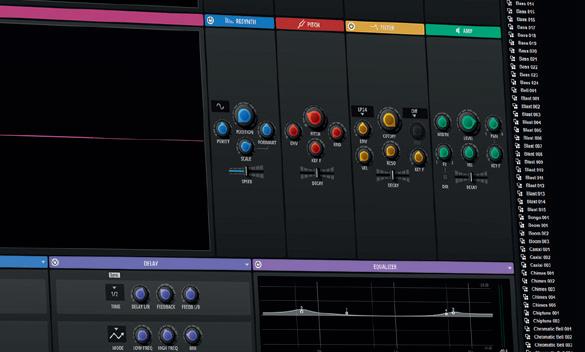
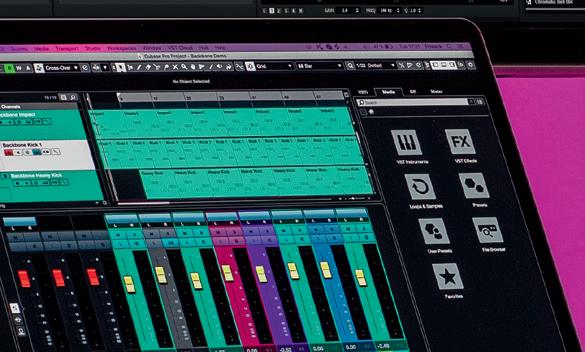
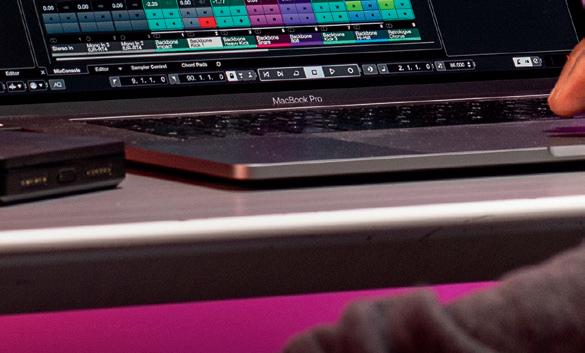

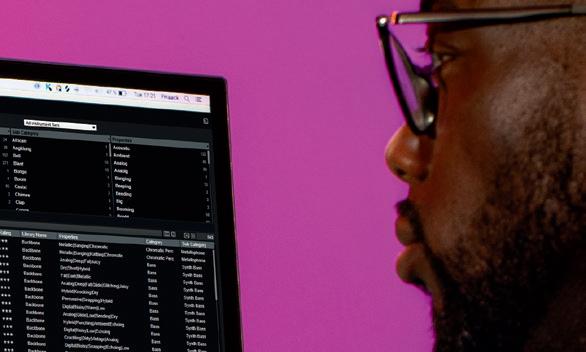
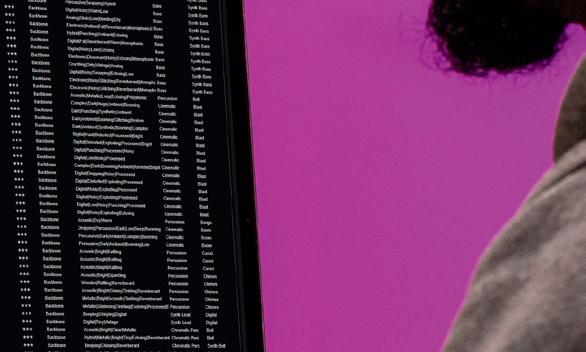


A revolutionary way to design your own drums – Backbone is your new, innovative drum designer for single kicks, snares, hi-hats, percussion, rises, hits and more. Layer up to eight samples and shape them with classic subtractive synthesis, decompose samples into tonal and noise elements and re-synthesize samples to manipulate them in unheard ways.
steinberg.net/backbone




DROW S by ALICE GUSTAFSON
PUTTING ON HER BIG GIRL
BOOTS
CHANEL YATES
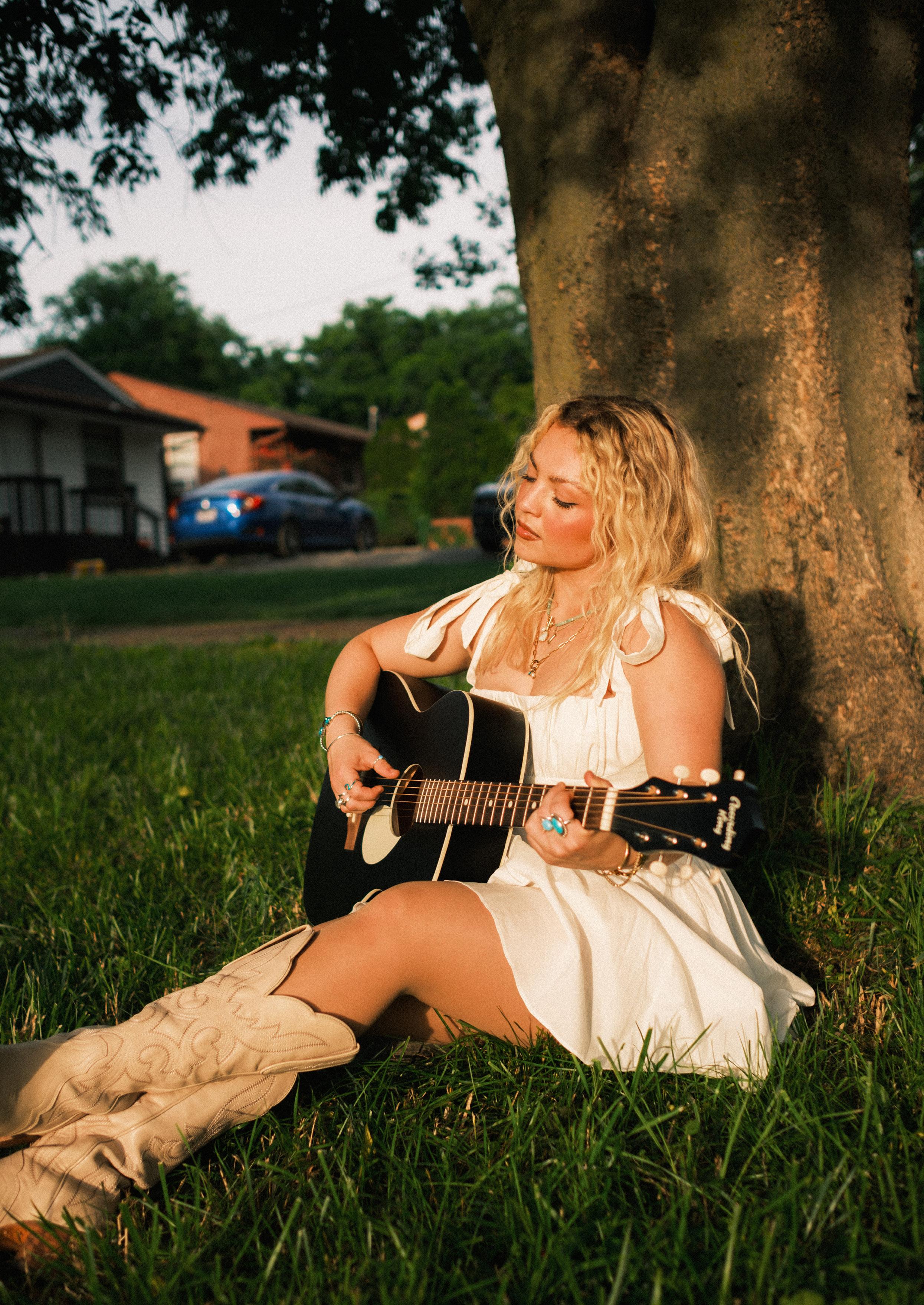
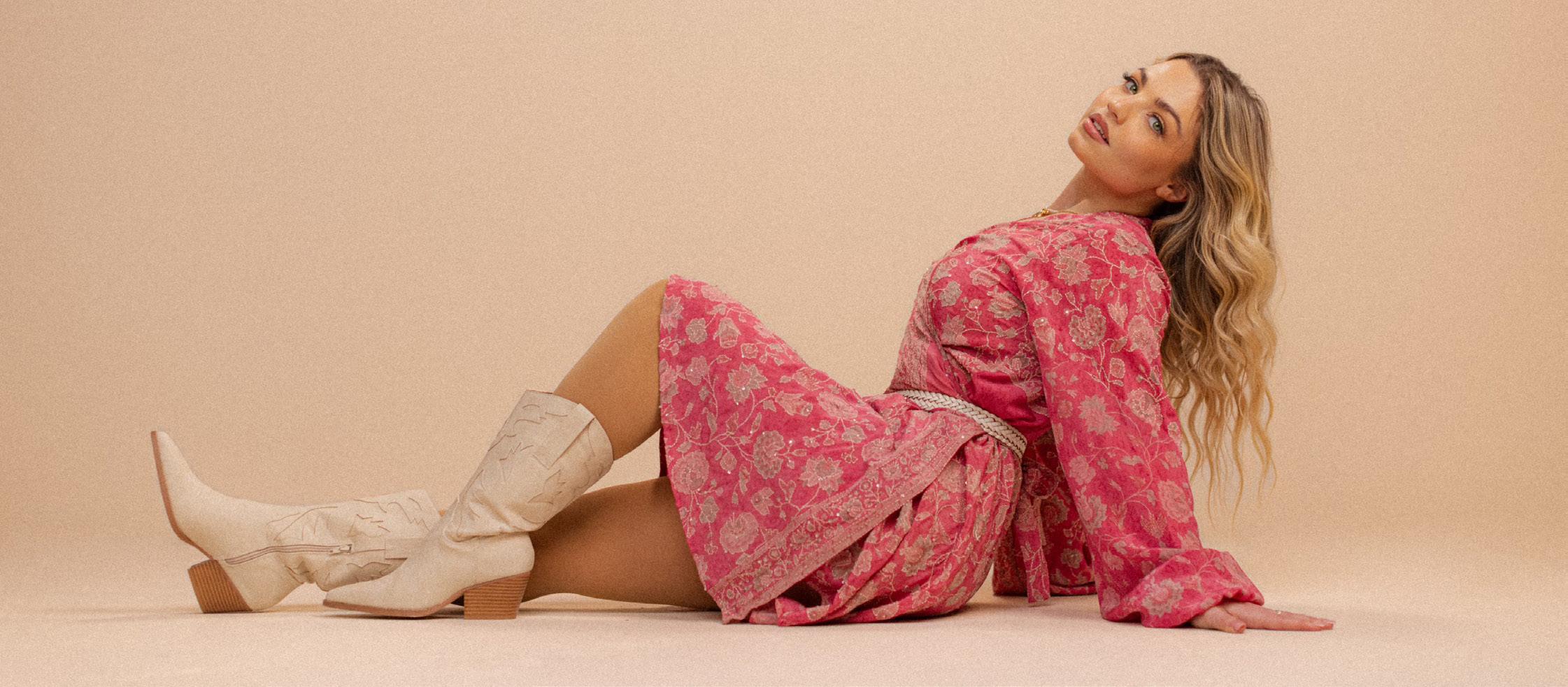
Saddle up and meet Chanel Yates, the UK country-pop star turning heads and proving you don’t have to be from across the pond to make waves in a genre dominated by the States. With a fast-growing global fanbase and support from BBC Introducing and BBC Radio 1’s Future Pop, Yates’ honest, no-filter, girl-power songwriting has made her one of the most exciting new voices in country music.
Yates recently announced her firstever solo headline show in London, which sold out in just two minutes and was immediately upgraded to a bigger venue. The show follows her empowering single Colourblind, viral hits Big Girl Boots and Shotgun Seat, festival appearances at C2C, Reading & Leeds, and tours with Caity Baser and Alexandra Kay. The UK rising star tells Headliner about making it as a British country artist, reaching a million streams as an independent artist, and the real experiences that influence her songwriting.
“I LOVE TO JUST SAY I’M A COUNTRY ARTIST; IT DOESN’T MATTER WHERE YOU’RE FROM.”
First things first, congratulations are in order: your first-ever solo headline show in London sold out the pre-sale in two minutes. What was your reaction to the news?
It was a bit of a shock. Because it sold out in two minutes, we upgraded the venue to Colours in Hoxton. The tickets went on sale at 10 am, and I was just going about my daily things. Then I got a call at five past 10, and I was like, “Oh God, what’s happened?” I answered, and the team said, “You’ve sold out.” I always relate it to inviting people to your birthday party and wondering if they’re going to show up, and then everyone shows up. I’m so happy people are connecting with the things that I’m saying. So that’s the most fun part, knowing that you’re doing a good job and that people want to come and see the music. It’s going to be such a fun show. I’m already prepping for it now, and there’s going to be a whole band and lots of exciting parts of the show. It’s very theatrical.
Where did your love of country music come from?
My parents never listened to country music. It wasn’t a thing in our household. They loved pop; my mum’s a massive Take That fan, and so was my dad. The first albums that I got for Christmas were Black Eyed Peas and JLS. It was all very poprelated. Avril Lavigne, too – I had her on repeat. Let Go is one of the best albums ever. Then I found Alanis Morissette, who was set in the pop space and completely dominated the songwriting from that perspective,
and then I discovered Kacey Musgraves. That’s when I realised I wanted to be a songwriter. Jon Bellion is one of my favourite artists of all time, and I was the biggest die-hard One Direction fan. I’ve carried that into my music now. It’s pop-country. Country music is the core of it, but there are a lot of very poppy hooks that I include and try to blend.
Country music is having a huge resurgence in the mainstream UK charts thanks to artists like Beyoncé, Morgan Wallen, and Post Malone. How has it been to see that rise in mainstream popularity over here?
It’s the best thing in the world, because there are just so many country artists coming to the UK now. I got to tour with Alexandra Kay, and that was the biggest dream ever – being able to do that with a US country artist. It’s so cool to see it all happening. Jessie Murph, Megan Moroney coming over here, and Zach Bryan at Hyde Park – it’s amazing.
People hear country music, and they likely think of American artists like Dolly Parton, Willie Nelson and Johnny Cash. What is it like representing country music as a UK artist?
I love to just say I’m a country artist, and it doesn’t matter where you’re from. My hometown is Sheffield. A lot of people say I’ve lost the Northern accent, and some people say it’s more American. Some people say it’s more British. But people don’t really know where I’m from. It’s fun
that I’m British, and people find out and are like, “Oh, wait, she’s from the UK?” It’s a little surprise. Keith Urban is Australian, right? He’s an Aussie country artist, but he’s just a country artist. I think I bring something really fun to the genre, and the fans of country have been so accepting of me and really love my stuff.
Do you feel you need to sing in an American accent to sound “authentically” country?
A lot of people say it, and it’s not even inauthentic – it’s just the way pop songs are. In every pop song ever, everyone sounds American. If we start to sing with a really British accent, it’s a whole style change. Then you’re Lily Allen, you know? That’s her thing – she sings with a very British accent. For me, it’s just not authentic to do that, because otherwise it would sound really strange. Naturally, it just comes out that way, with the Ds instead of the Ts. I just use as many authentic references as possible. I still keep the reference in about my size fours, even though in America a size four is ridiculously small – that’s a baby shoe. But I’m a UK size four, so I keep those subtle little references in there.
Your songwriting is based on your real experiences. Do you get used to revealing personal things about yourself through your music, especially if people you know can guess who the songs are written about?
I see music as therapy. All my songs are about something I’ve been through. People in my life go, “Oh, that’s about this person,” or “I know exactly who this song’s about.” People who don’t know you personally won’t know who it’s about, but they’ll know it’s about someone. It’s great to be able to write about real things and to write what you’re going through. People relate to it because your experience isn’t unique. Somebody else has experienced it. Somebody else has been cheated on. Somebody else has been lied to. Somebody else has had a really toxic partner, or a really great partner, or been
so in love. Those experiences are so universal. Songwriting ties it all together, especially in this genre. Storytelling is the core of it.
Colourblind is a post-breakup anthem celebrating confidence, self-worth, and growth. What were you thinking about when you wrote this song?
I just got back from Nashville, and I did a lot of sessions out there. I came back feeling really inspired and needed a song to follow Shotgun Seat. I wanted it to be a big anthem. We wrote this in the studio, and we all got goosebumps listening to it. When you get that feeling, it’s very rare, so I just ran with it and created Colourblind. To me, the lyrics – “If you’re thinking that the grass is greener on the other side, baby you’re colourblind” – just made sense. The grass isn’t actually greener; it just looks different from what it is. Big Girl Boots was a rage girl anthem; walking away from someone, putting on your big girl boots. Shotgun Seat was about setting fire to a car. With Colourblind, I wanted something a bit more nonchalant. I wanted it to be like, “Yeah, well, you left me – joke’s on you, I’m the better person.” So to me, it’s that sassy, nonchalant big-sister energy in the song. It’s about someone thinking they’re better off without you, but really, they’re wrong.
Some of the most iconic country songs celebrate female rage. Were you inspired by any of the classics?
Of course, Carrie Underwood. And Beyoncé with Lemonade, when she was smashing the car – we all wanted to destroy our ex’s car because he loved it more than us! So I just thought, why not write a song about destroying it?
Big Girl Boots hit a million streams, and all as an independent artist: no manager, no label. What has it been like navigating this and achieving this milestone as an independent artist?
Hitting a million streams feels incredible. It might be a small number to some people, or a huge number to others, but for me, that was always a dream – just to hit one million. As an artist, your first million is a huge milestone, and it’s amazing to see that people are connecting with your music. I’m independent and do tours on my own. I don’t always feel independent, though, because I’ve got so many amazing friends, band members, videographers, and talented people around me. I’m finding those people now, building my pool, and I’m very lucky to have some really great people around me.
What can you reveal about any upcoming new music?
What I can tell you is there’s a lot of new music on the way. 2026 is definitely going to be full of new stuff, and I’m really excited to put it out. Hopefully it connects – fingers crossed.
Chanel Yates’ first headline show is at Colours Hoxton in London on February 12th.
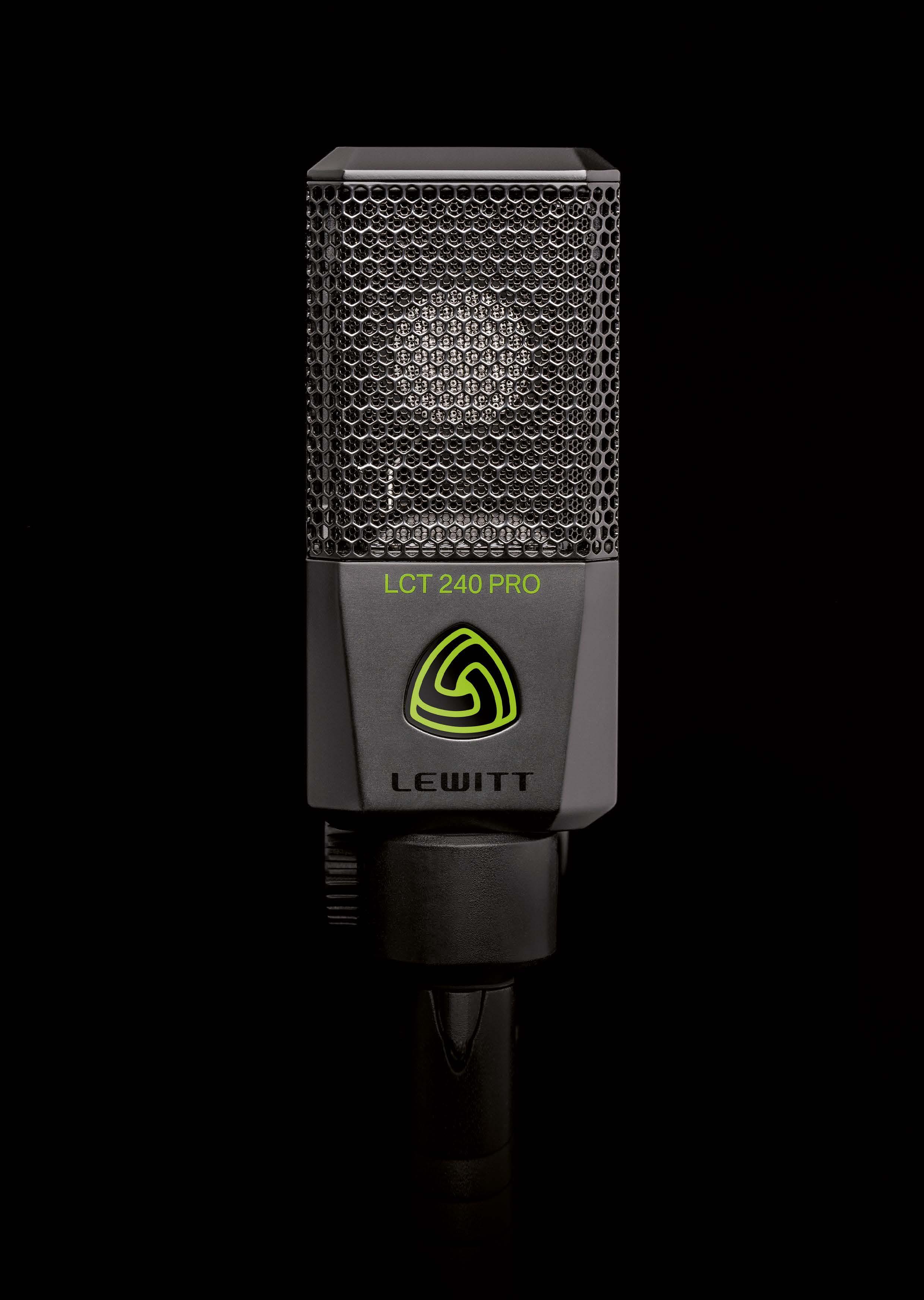
LCT 240 PRO
The perfect microphone for home recording.
• Easy-to-use XLR microphone
• For recording vocals and instruments at home
• Professional sound quality
• Cardioid polar pattern
Credit: Lasse Lagoni
GOING VIRAL WITH TURN THE LIGHTS OFF
DJ KATO
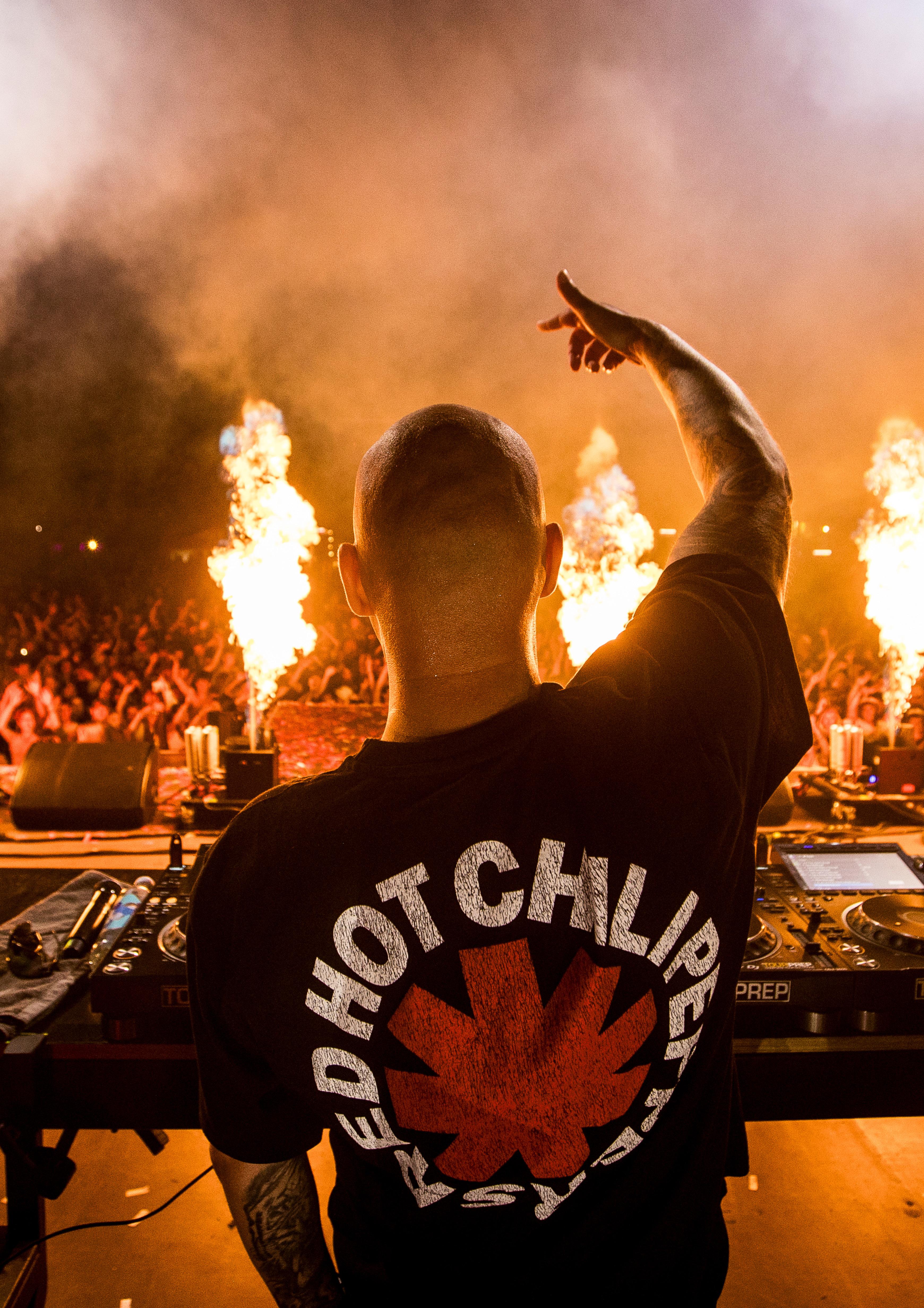
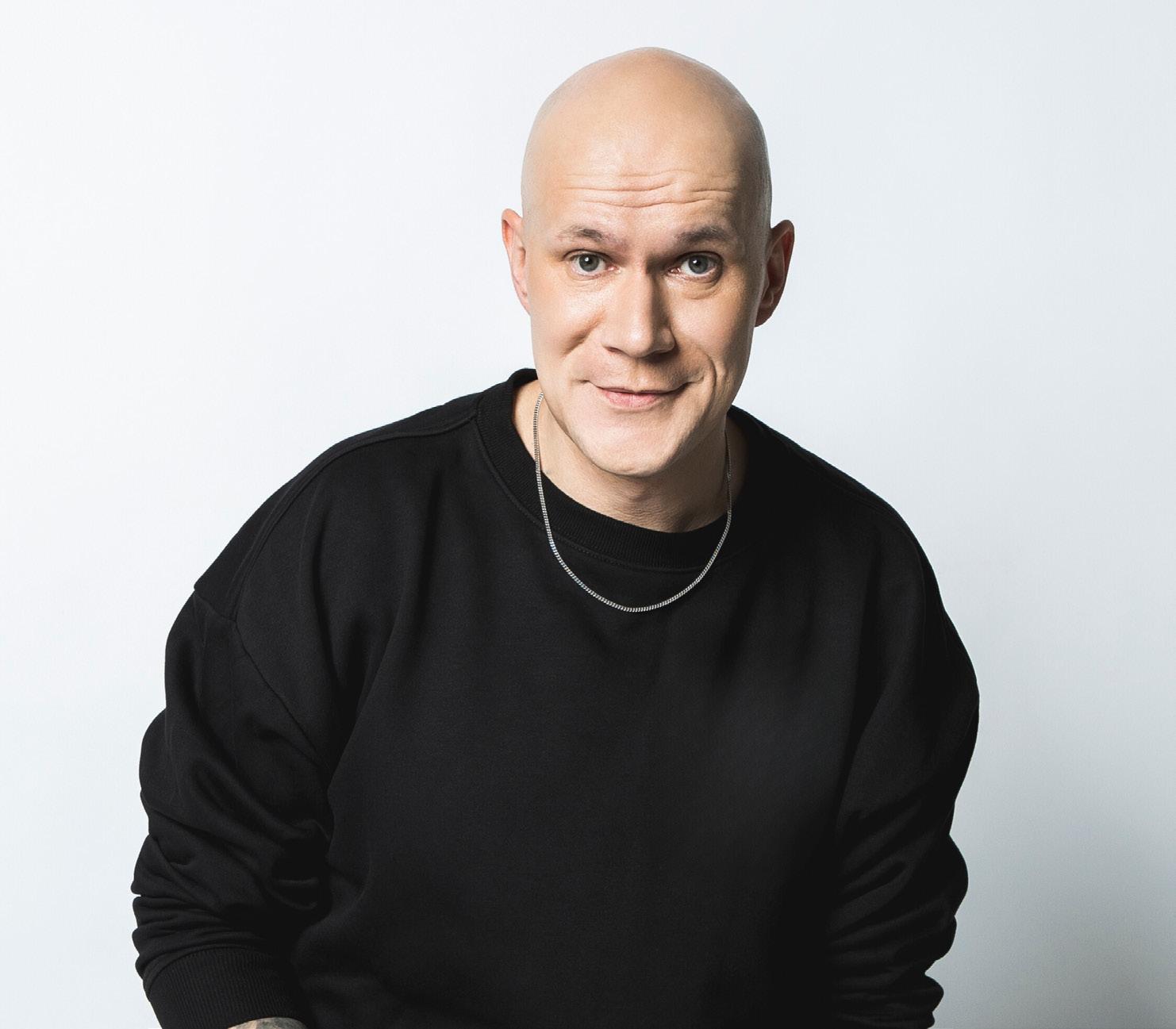
Fifteen years after the release of his dance banger, Turn The Lights Off, Danish DJ and producer Kato’s life has taken an unexpected turn. And it’s all thanks to Jon Hamm.
Well, a viral TikTok trend built around the one-man meme generator, taken from a nightclub scene from Apple TV+ series Your Friends & Neighbors, to be precise. Because Hamm is no stranger to getting the meme treatment. As Mad Men’s Don Draper, he gave us the smoking-in-thecinema and drunk laughing memes, the finale’s “Om” moment, and the savage lift putdown, “I don’t think about you at all”. What first inspired someone to pair Turn The Lights Off with the now very familiar blue-toned clip of Hamm dancing in a nightclub
with his eyes closed, lost in the music, is anyone’s guess, but the rest is internet meme lore.
TikTok users quickly turned the clip into a viral video, often pairing it with captions celebrating life’s mundane victories. The song became the latest older track that TikTok brought back into the spotlight, and as well as dominating TikTok and Instagram feeds at the tail end of 2025 and into 2026, the song soared to the top of Spotify’s Viral 50 chart.
“THEY COULD HAVE CHOSEN ANY SONG IN THE WORLD. SO THE FACT THAT SOMEONE STARTED THIS WHOLE TREND AND CHOSE MY SONG IS JUST UNBELIEVABLE.”
“I honestly thought someone had hacked my account or that it was some kind of prank,” Kato tells Headliner from his home studio in Denmark. “All this stuff going on with this old song is totally new for me. I’ve never tried to go viral before, so I’m just trying to hold on and see what happens. It’s amazing how the internet works its magic in discovering new music and artists, but also this funny thing where old songs pop up and take on another life. I’m very proud; I’m on cloud nine with everything that’s going on right now.”
Kato clarifies that before the Jon Hamm videos saw the song become meme-fied on socials, the viral nature of the song actually started in Ukraine. Kato (real name Thomas Kato Vittrup) first noticed a deluge of Ukrainian Instagram accounts tagging him in reels using his song. “I don’t read Ukrainian, so at first I just thought it was strange,” he reflects. “I wasn’t reposting anything because there’s a war going on, and I didn’t want to repost something I didn’t understand. Then the craziest thing happened: within a couple of days, Russian profiles started tagging me as well. At that point, I honestly got pretty scared, because I had no idea
what it was about. The videos weren’t like the Jon Hamm meme stuff yet – it was people doing random things. I was afraid that one of my songs was being pulled into some kind of warrelated thing,” he confesses.
Due to his unease with the song’s use on socials, Kato decided to take a social media break, but then started getting notifications from charts like Shazam, Spotify and Apple Music, which indicated that the track was growing in Ukraine, Russia, Poland and all across Eastern Europe. This was harder to tune out from. “We tried to figure out what it was all about, and that’s when we realised it wasn’t a bad thing at all,” he says, sounding relieved. “ It was actually a really positive message when it started there. Then it really took off when the Jon Hamm thing started somewhere, and within a day or two, it was everywhere. Whenever I was on TikTok or Instagram, every time I swiped to the next video, it was just my song again and again. It was completely surreal.”
The internet works in mysterious ways, and before long, the song was climbing the Spotify Viral 50 and hitting number one. “It’s unbelievable,”
he says, shaking his head in disbelief. “Obviously, when you’re a musician, songwriter, or producer, the ultimate dream is for your music to go number one on the charts. That’s the struggle we all have and the dream we’re working towards. But it’s been a bit bittersweet,” he acknowledges. “The dreams I’ve always had about making a worldwide hit were always about creating new music. I never saw this coming with a song I made 15 years ago, but it’s also hilarious and weird at the same time.”
If you’re chronically online, you’ll have seen the Jon Hamm memes in question, ranging from the lighthearted, “When you’re petting a dog and someone says, ‘Wow he usually doesn’t like anyone!’”, to dark humour: “Millenialls driving and it finally happens” – showing a person driving behind the notorious Final Destination truck, closing their eyes and welcoming a log souring through the windshield. Rolling out like the end credits song of 2025, given the political climate in 2026 so far, the clip continues to thrive online into the new year – Euro-clubbing to the apocalypse, anyone? – with more and more people using memes as a humorous way to come together in dark times. Kato even jumped on the trend himself, posting a video of himself in the studio checking his phone along with the caption: “When you realise that the song you made 15 years ago is the no.1 viral song in the world” – cut to the Jon Hamm video.
“There are so many of these memes, and it’s still evolving; it’s so crazy,” he laughs. “Obviously, I’m stoked that someone figured out this whole reel meme thing and used my song, because they could have chosen any song in the world. So the fact that someone started this whole trend and chose my song is just unbelievable. Even though I haven’t done anything myself with all this, I’m just happy that the guy who started it, wherever he is, chose my song,” he smiles.
Credit: Lasse
And Kato’s personal favourite meme video so far? “One of the videos I saw was actually in Danish, so I’ll try to translate it – although the humour might get a bit lost in translation,” he warns. “It was a guy filming himself with his three kids piled on top of him, and the caption was: ‘When the missus has a headache-free Wednesday,’” he laughs.
Originally co-written and released in 2007 by Dutch DJ and producer DJ Jose, Turn the Lights Off was already a dancefloor favourite, but it wasn’t until Kato put his own spin on it in 2010 that the track truly exploded. Kato’s cover, featuring the vocals of Popstars contestant Jon Nørgaard, hit the scene and quickly became a platinum-selling sensation, moving 30,000 copies in a few months.
Kato explains why he decided to cover the track just three years after its initial release. “The original song was only ever released in the Netherlands in 2007,” he explains. “Then, in 2009, I was working at a local radio station in Denmark, and DJ José’s original version was added to the playlist, even though it had never been released in Denmark. We loved the song and thought it was a shame that hardly anyone had heard it outside the Netherlands.”
Kato says that at first, he tried to help with getting the original song released in Denmark. “But there was a lot of stuff around it – terms, legal things – I don’t know exactly,” he says. “In the end, DJ José said he was fine with us doing a cover version instead. So we did a cover as a tribute, and also because we just thought the song was something special. It’s a really simple song, obviously, but it’s so catchy, and it has this special vibe. Fortunately, we managed to capture that in our version too, which was exactly what we were trying to do. We weren’t trying to copy the original, but we did want to keep it in the same family, sound-wise, not turn it into
a completely different genre or anything like that.”
Kato says that since the song’s unexpected revival, he hasn’t been in touch with DJ José to get his opinion on his song’s newfound popularity. “I haven’t been in touch with him for the last couple of years, but when we released it in 2010, and it got signed worldwide – and became a hit in Russia, Sweden and some other countries – we actually released it with him credited on the song as well,” he points out. “Even though it was our version, that was our way of paying tribute to him, because he was a great sport when we did it in the first place, and we wanted to give something back. I really hope he’s seen everything that’s going on right now. I mean, he definitely will at some point when he gets his songwriter check, because that’s obviously going to be a good one for him,” he laughs. “And that’s so well deserved. That’s one of the really cool things about music – you can do a cover version and actually help the original songwriters earn even more from their song. That feels really good.”
Kato recalls that he and the song’s vocalist, Nørgaard – winner of Popstars in 2002 – were both such fans of the original that they both started working on a version of the track, apparently unaware that the other was doing so. “We worked together at the radio station and loved the song, but we hadn’t actually talked about doing it; we just started on our own,” he says. “Jon was the first winner of Popstars in Denmark, so he was the biggest pop star we had in Denmark at that time. He told me he’d tried recording the vocals, and in the meantime, I had been working on a production. Then he sent me the vocals he’d recorded, and that was one of the most surreal experiences of my life, because they fit perfectly. I’d tried working with the original vocals, but the quality wasn’t great; it was a bad recording.
“Jon’s vocals matched my production exactly. He could have recorded it in a different key, which would’ve been a nightmare to adjust, but he did it in the original key, and it all just melted together. That was pretty wild.”
Credit: Lasse Lagoni
The song’s sound was inspired by German electropop, which was having a moment at the time. Specifically, Kato singles out Infinity (Guru Josh song), a breakthrough track from British acid house pioneer Guru Josh. Originally released in December 1989, the track’s enduring appeal has led to multiple comebacks: a remixed version, Infinity 2008, which was later followed by Infinity 2012 “That 2008 remake with the German electro sound, especially in the bass, influenced a lot of people, including me,” Kato says. “That shaped how I designed the sound for the song – it needed to feel like 2010. When I did the first demo, I wanted to incorporate some piano-house vibes alongside the German electro-house elements –trying to bridge different subgenres of dance music. At the same time, Avicii
was breaking through and doing a lot of piano-based tracks too, so that influenced my production choices.”
Kato produced the track on Logic, which he’s used since he first started making music – “the updates over the last three or four years have been amazing; I’m almost a lifelong Logic user,” – using a pair of Genelec 8040As – the first set of studio monitors he ever bought. “I still have them in the studio to this day. Even though I’ve spent a lot of money on monitors since then – I’m kind of a monitor geek,” he enthuses. “They were the first pair of professional monitors I ever had. I bought them right after my father died – I got a little money from that –and I used it to buy my first Mac and these Genelec monitors, and started building my studio from there. So they
have a deeper meaning for me. Also, I know how things are supposed to sound on these monitors, because I’ve been using them since around 2004 or 2005. For over 20 years, they’ve proven to be really reliable. Of course, monitors are a matter of taste for everyone, and they are for me too. The Genelecs are just familiar to me. If something sounds good on those, I know my mix will translate well on almost any other speakers: in the car, on a phone, whatever. They’ve been a huge help over the years.”
Credit: Lasse Lagoni
“I CAN TELL IT WAS MADE 15 YEARS AGO; THE SOUND FROM BACK THEN IS PART OF ITS CHARM. IT GIVES THAT NOSTALGIC FEELING. “
Kato still uses his Genelecs today, in combination with a pair of more recently acquired Barefoot Sound monitors – “I always switch between them in the studio, especially when I’m referencing tracks or trying to get that club feeling while mixing,” he says, admitting that mixing isn’t his area of expertise. “I do it myself sometimes, but I got help on this song from an amazing producer and mixer called David, who co-produced it with me.”
When Kato first started producing music, he didn’t have a mentor. “I was self-taught. My first releases that got signed in Denmark weren’t even mixed or mastered properly, because I didn’t know anything about it. I just made music, sent it to labels, and some of them released it! I’d always been writing and producing with my ears, without really knowing anything about theory, techniques, frequencies; I just did what sounded right to me. It’s the same with this song. Listening back today, I can tell it was made 15 years ago; we could probably make it sound a bit clearer or better with today’s tools. But in a way, the sound from back then is part of its charm; it gives that nostalgic feeling. So I wouldn’t change a thing.”
To shape the sound of Turn The Lights Off, Kato used reFX’s NEXUS synthesiser plugin, and one of his go-tos to this day, LennarDigital’s
Sylenth1 virtual analogue VSTi synthesiser plugin. “At that time, the REFX Nexus plugin was really popular,” he recalls. “It’s basically a sample-based synthesiser, so there wasn’t much you could do with sound design in it. It did have really good sound banks and samples to work with, though,” he reasons. “Sylenth1 allows you to do more in-depth work on sounds and sound design. I still use Sylenth1 sometimes today because it has that nostalgic, oldschool dance sound. Even now, when I produce music, I use lots of other plugins and love experimenting with new ones, but if I want a bit of that nostalgic, classic dance flavour, I always go back to Sylenth1. It’s been with me for many years.”
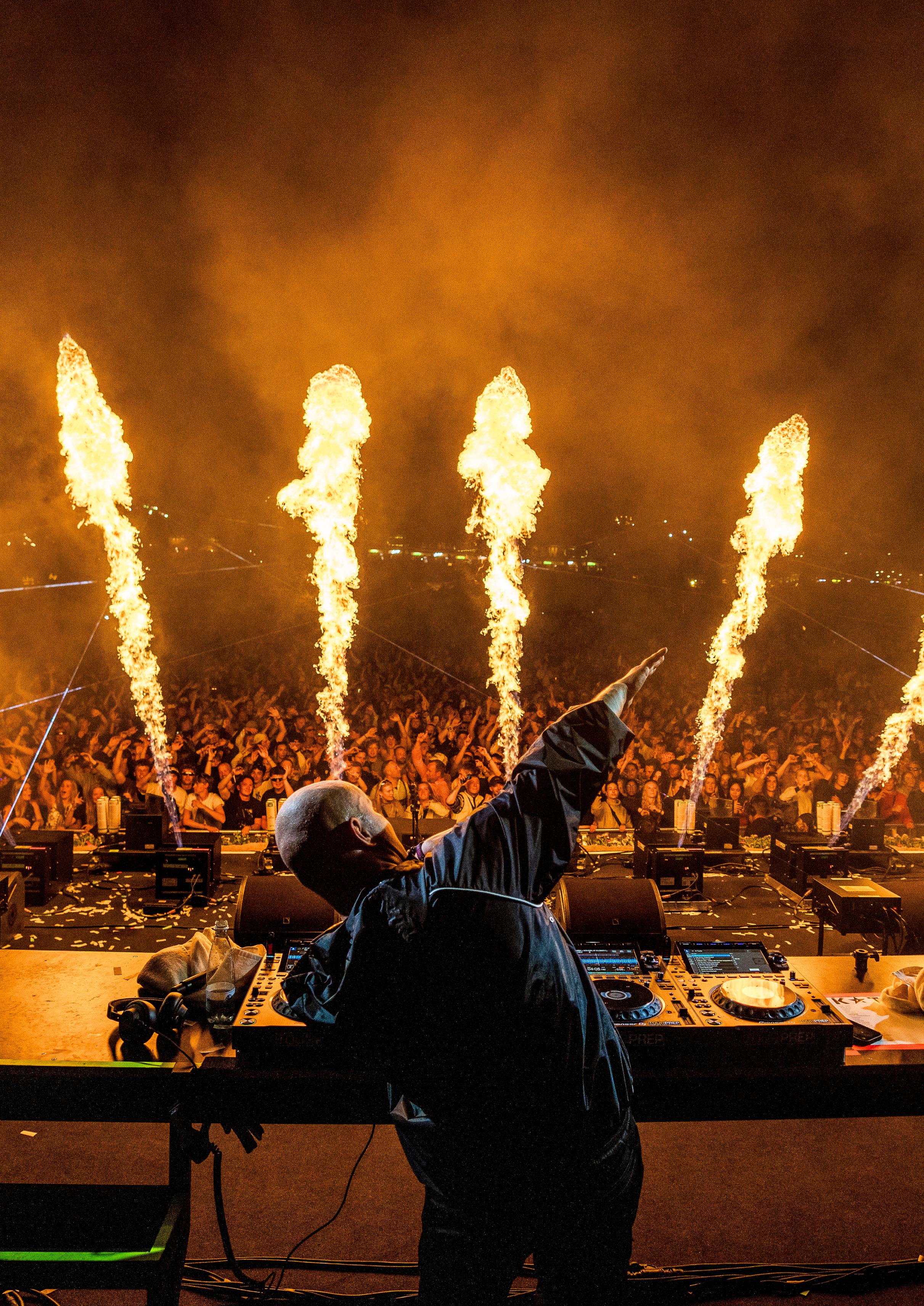
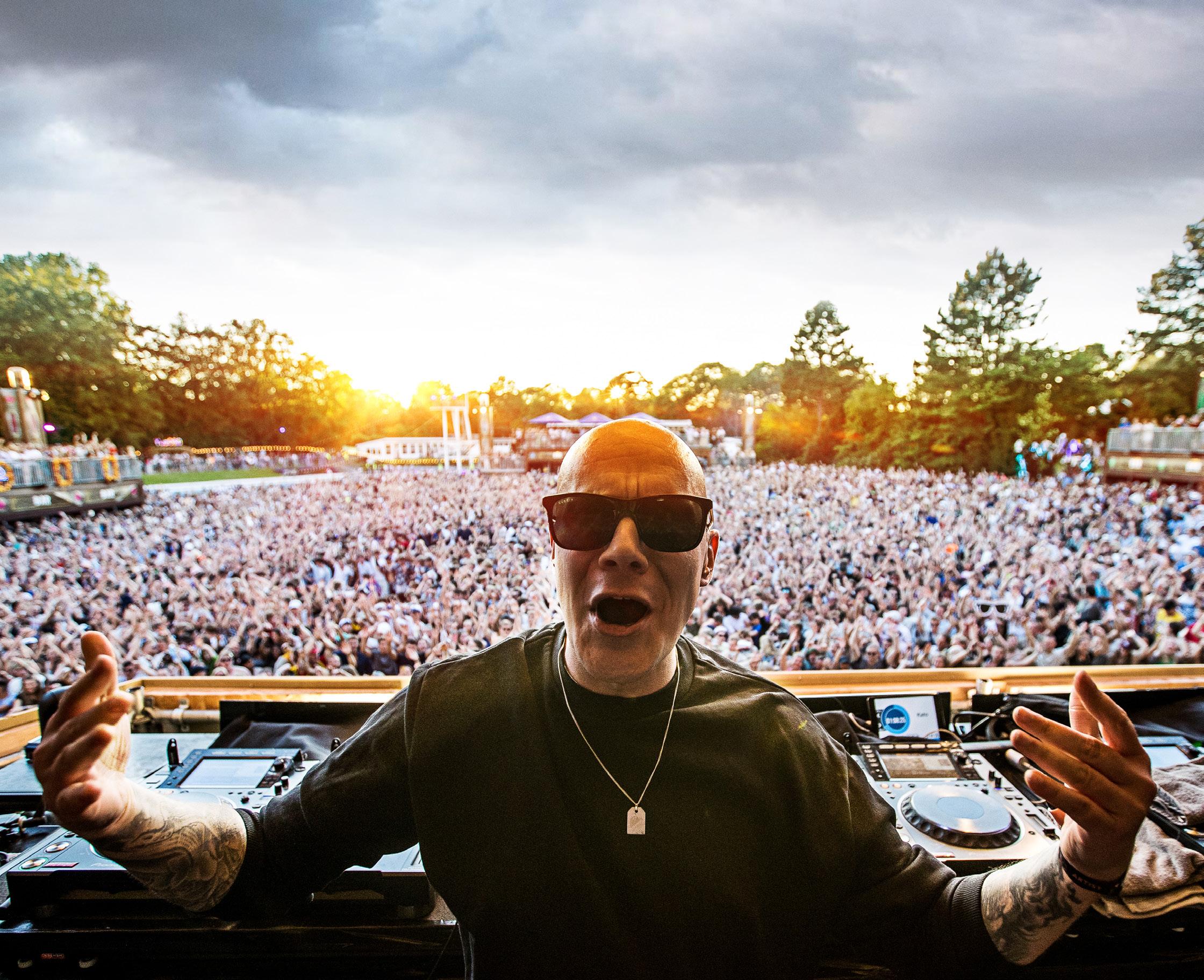
With the track going viral and winning over a new generation of fans, Kato is excited to hit the decks later this year during festival season. “You can definitely feel that this song is getting a new life,” he says. “It’s always been one of my biggest hits, so when I play it back home in Denmark, people have always sung along, but now it feels like having a brand-new number one hit.
“I’ve been thinking about what I want to do in the summer in festival season – obviously, the whole Jon Hamm thing is something we want to incorporate. The most obvious thing to do would be to just reuse the video
and the visuals around it, but we’re trying to come up with something a bit more clever, something extra…” he teases. “Just having a screen with a video of Jon Hamm would be almost too obvious.”
Headliner suggests that he must bring out the Jon Hamm on stage. “Maybe he doesn’t even know what’s going on,” laughs Kato. “It would be so amazing if I could bring him out on stage somewhere. That’s really my number one dream – to meet him and somehow bring him on stage. I have a feeling he’s done a lot in his life, but I don’t think he’s ever been on a stage like the ones for electronic music, with that whole vibe and atmosphere. That could be a really cool thing to give him as a sort of thank-you for everything that’s happened with this song.”
INSTA: @KATO_MUSIC
GENELEC.COM
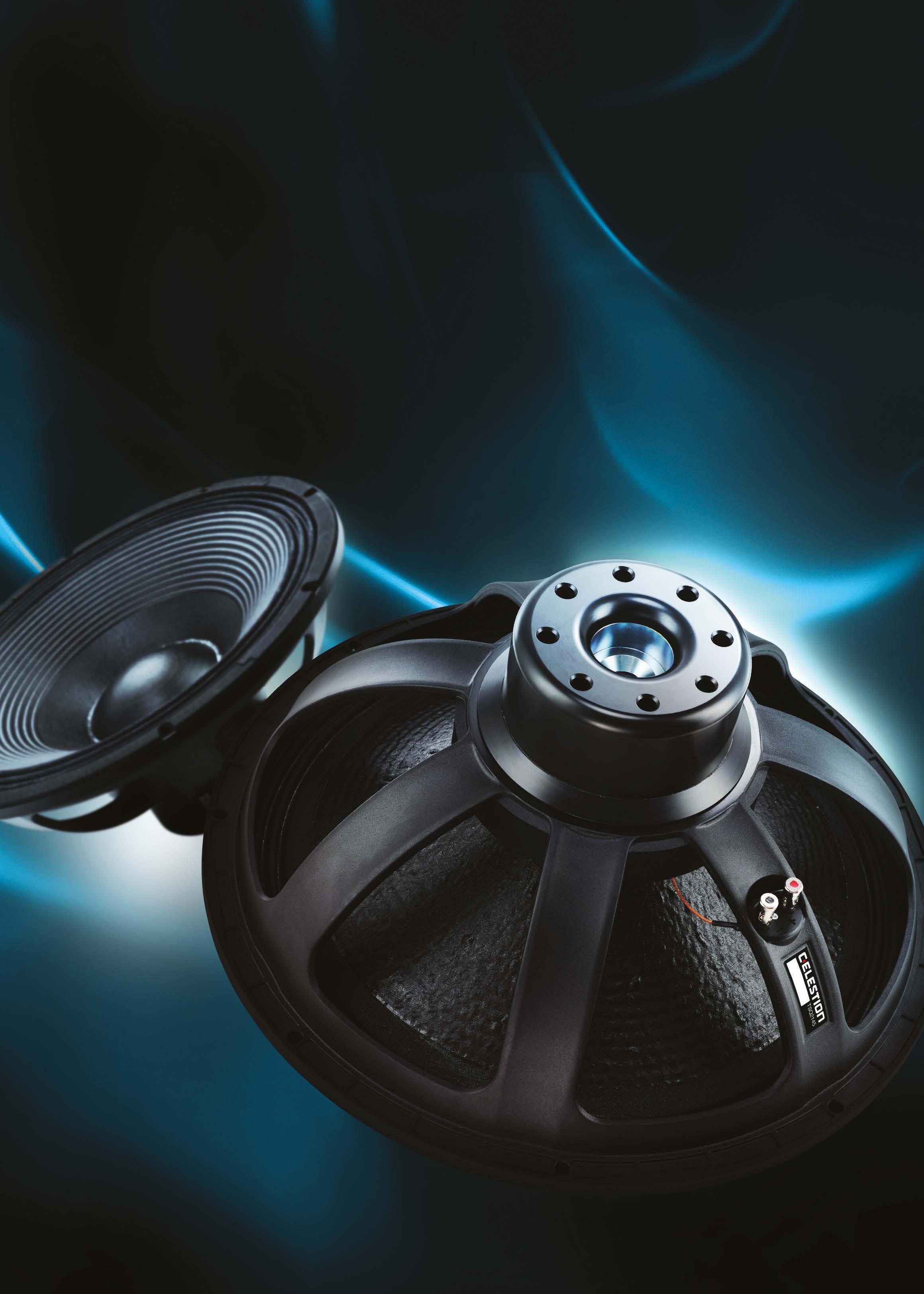
A NEW HIGH IN THE LOW END
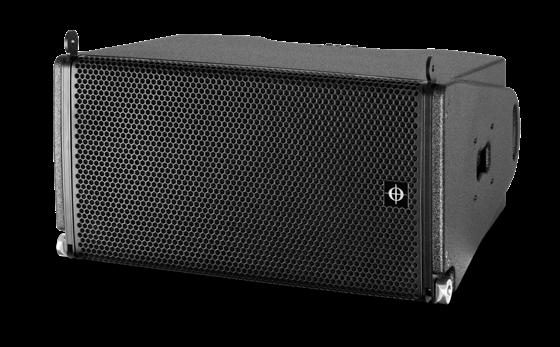
Designed and built in the UK, Ten Squared (Ten2) is a range of premium, low frequency loudspeakers. Engineered without compromise, they deliver consistently superior levels of performance in the most demanding professional sound reinforcement applications. All the time. Every time. 18, 21 and 24-inch models available. Discover Ten
celestion.com
DOLBY ATMOS WHY IMMERSIVE MUSIC NEEDS BETTER CONSISTENCY
WORDS BY TOMEDW A SDR
TO SURVIVE
Tom Edwards, the founder of MixBus Marketing, a professional audio brands creative agency, explores whether immersive audio is building toward a lasting future – or quietly heading for the same fate as formats past.
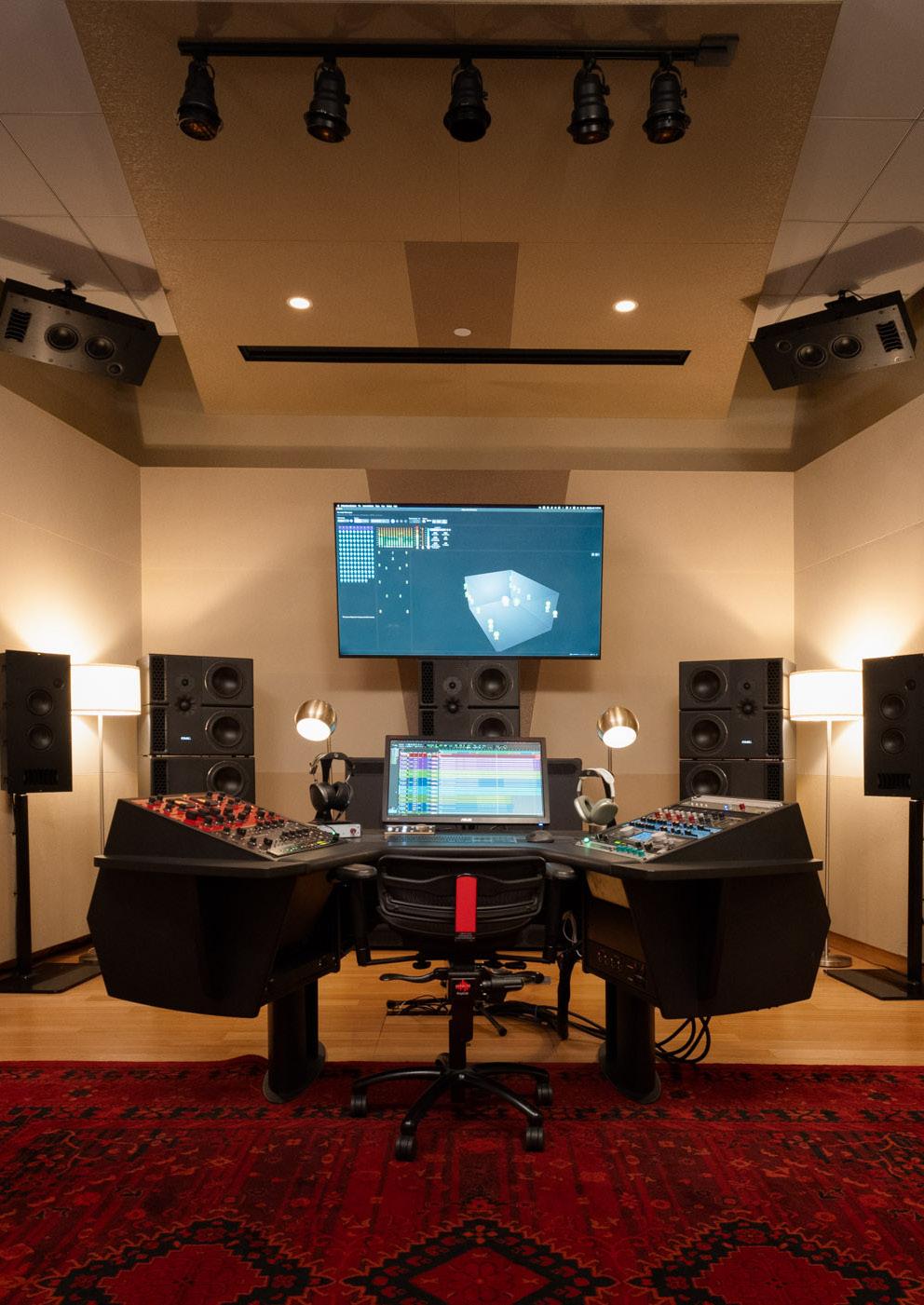
I was overseeing US marketing at Focusrite Pro when Apple debuted its Spatial Audio immersive format during the summer of 2021. For those of us who had been thoroughly indoctrinated into the format through music demos in expensive studios, its wildfire adoption came as a welcome surprise. I came home and said to my wife, “You know that Atmos thing I’m always talking about? You can try it with your AirPods now!” And here’s where the first cracks began to show: the first Spatial releases sounded almost nothing like the captivating, fourth-wall-shattering
demos I’d heard in real studios. Sure enough, significant others everywhere were not impressed.
I rushed to upgrade the 5.1 surround system in my home theatre to a 5.1.2 Atmos system. I opened the new Apple Music Made for Spatial Playlist and played everyone’s first Atmos demo: ‘I think it’s gonna be a long, long time…’ “ Oh, I get it,” the wife said. “That’s really cool.” I felt as though I’d just watched my child score their first touchdown.
It’s always satisfying to witness someone hearing music in Atmos for the first time, but after I’d gone through the trouble of installing my own system just to casually listen to music in Atmos, it left a question hanging in the back of my mind: how many other people are actually going to do this?
In those first few weeks, it turned out, a lot of folks were. It seemed each week there was another well-known mixing engineer in my inbox asking how to set up their very own Atmos mixing room with Focusrite’s RedNet interfaces. No one wanted to miss the boat. Indeed, some of the earlier adopters made their names and built their expensive studios from back-catalogue or A-List label work. Even during the gold rush of that summer and autumn, however, the question was invariably asked among engineers: What does this look like in 10 years? Will this become the new quadraphonic? For artists themselves, the follow-up question… What’s quadraphonic? Gulp.
Belying the sceptics, there was an influential difference between the graveyard of immersive formats of years past and Atmos or Spatial: money. Between Apple, Dolby, Netflix, Universal, and others, there was simply too much budget being thrown at integrating Atmos for it to fail. As the years passed, more engineers started building Atmos rigs on credit cards or business loans while labels began reducing rates for Atmos mixes. It became a line item on a list of deliverables; in many cases, Atmos was an afterthought. The headphone mixes got better and better, but as predicted, there has been an utter lack of consumers rushing to install complicated Atmos setups in their home theatres for music listening.
Indeed, as the novelty effect wears off, one can’t help but concede to the early sceptics that no one is asking
for this. There has been no rush of everyday listeners clamouring over the newest Atmos mix. Some artists have embraced the format, while the vast majority don’t seem to care much either way.
THE FIGHT TO PRESERVE GREAT ART
It’s time we face the music: there will never be a public demand for immersive music. To quote the infamous Regina George in Mean Girls, “It’s not gonna happen.” Furthermore, why should we even care that it sticks around?
Several YouTubers have growled that this is all a big conspiracy being crammed down our throats to sell speakers. As someone who has helped manage marketing for PMC Speakers for the past several years, I must concede that Atmos has been incredible for the speaker business. But there was always going to be a critical mass of people installing mixing systems for Atmos — we always knew the demand would die down. So alas, selling speakers isn’t a good enough reason.
Selfishly, I want Atmos to stick around because I thoroughly enjoy listening to music in it. I’ve long held that if
Dolby just grabbed a few dozen people by the collar each day and dragged them off the street and into Atmos listening rooms, we might have seen more widespread adoption. Hearing is believing. In retrospect, slapping the Atmos label on Amazon Echo and countless cheap Bluetooth speakers was an effective shot through the foot for Dolby — and maybe Spatial was released just a little too early; that first Spatial Audio playlist was a veritable minefield of terrible immersive mixes. Woof!
Many of the engineers I speak to every day through my work at MixBus Marketing want Atmos to stick around for the same reason. We all believe it adds something to the art of music that is undeniable when heard in a real room.
So what can we do to ensure it will stick around for us to enjoy, even if the general public may never care? One person has likely gamed this out more than anyone else on earth. Ceri Thomas worked at Dolby from the early years of Atmos for Music. It was he who approached Capitol’s senior engineer Steve Genewick, asking him to “figure out how to make this film and TV thing work for music,” leading to innovative techniques for immersive music mixing that remain
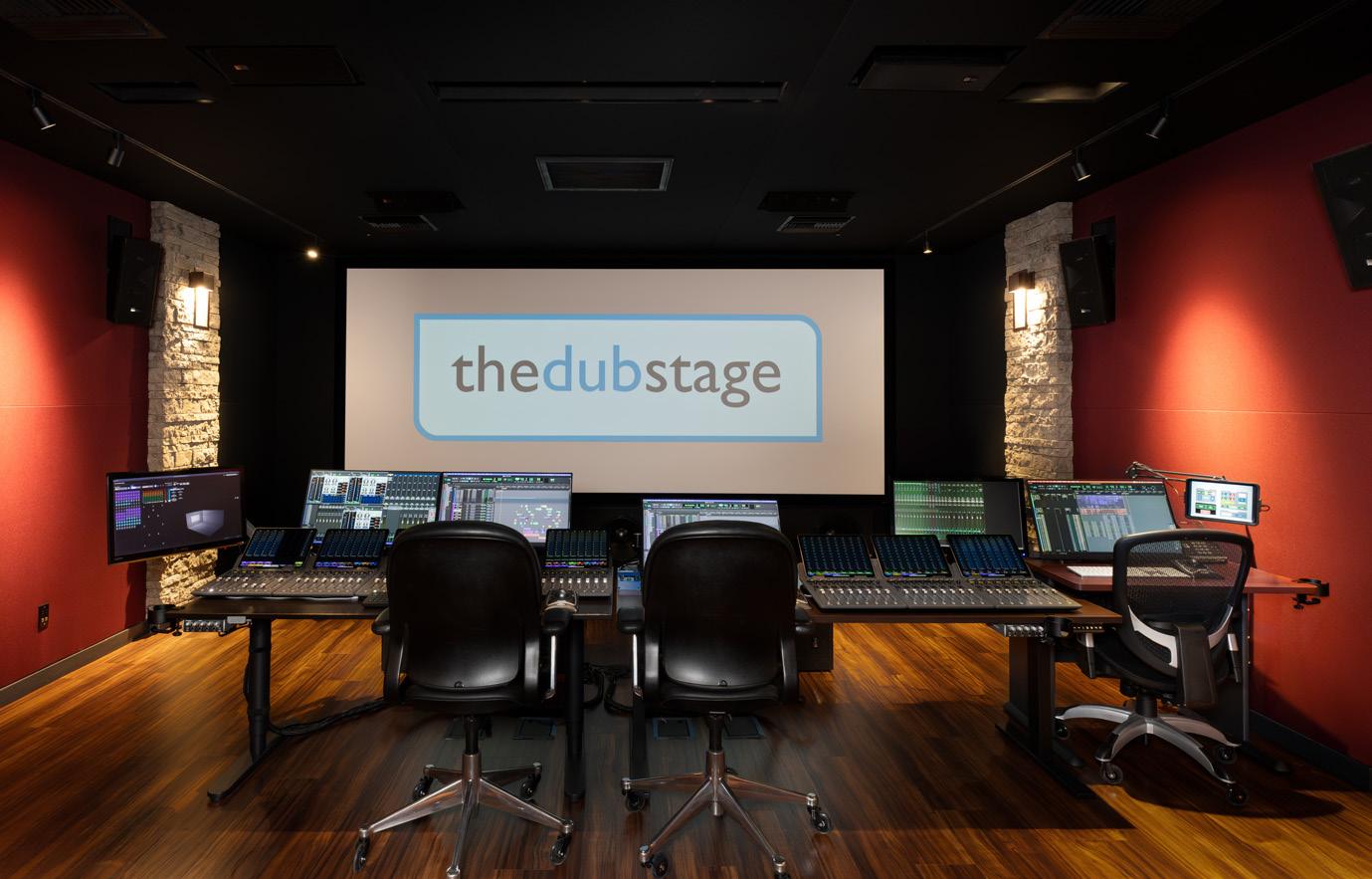
Credit: The Dub Studios
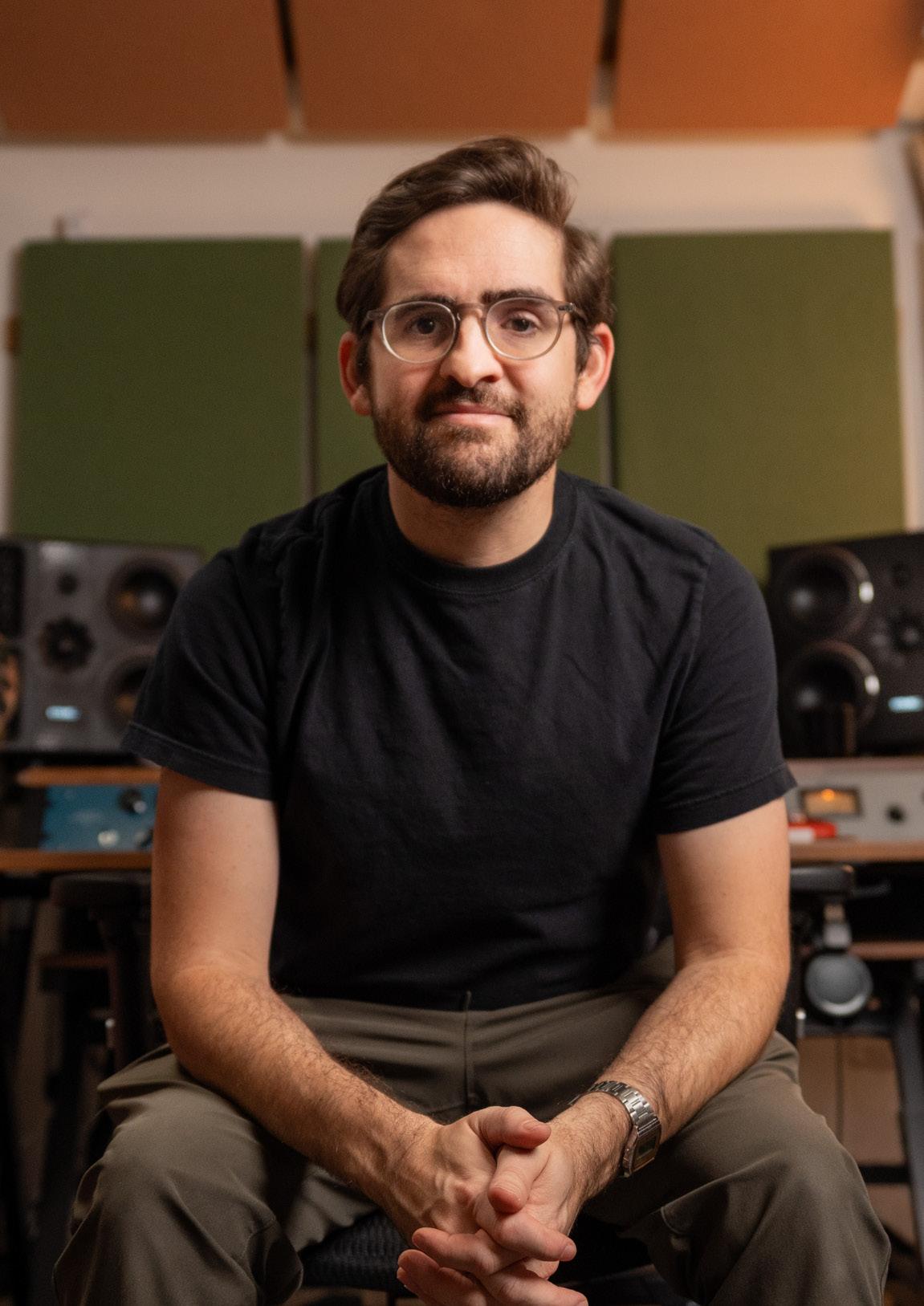
Credit: Tom Edwards
to this day. He travelled all over the world directing Atmos system installs in major studios, helping engineers learn how to mix in it, and collaborating with major labels and distributors to ensure their commitment to its adoption. He later joined Apple’s Spatial team, where he saw the future of Atmos in vastly improved headphone monitoring systems. I had a brief conversation with him during the writing of this article to get his thoughts.
“I actually don’t completely agree with your assessment that consumers aren’t asking for this,” he said at the start of our chat. “People weren’t asking for stereo mixes in the ‘60s. Fundamentally, mono and stereo were creations of the recording industry that engineers got really good at exploiting to make a great product to translate artists’ music to consumers’ ears. Similarly, immersive content is going to keep being integrated into consumer devices in different ways, and eventually it will likely become a reliably enhanced experience for consumers.” I asked how we can bridge the gap between the present sentiment and a future of ubiquitous immersive audio. How can we convince the people holding the purse strings (artists and labels) that it’s worth paying for Atmos mixes?
“Well, right now the biggest problem Atmos is facing is not that it’s being cut by labels, but that it’s been devalued. Too often, mixes need to be rushed to make a deadline, or are being done by the lowest bidder or ‘a guy’ the A&R knows who can do it from the stereo, and as long as it ‘sounds good on the headphones’ then that’s all that matters. The threat this poses to artists is that fans may have a terrible experience listening to their music.
“The immediate follow-on is that the message to the label becomes that artists, and then customers, don’t like Atmos. I’m lucky in that my car has Atmos, because of course it does. Sometimes I’ll be listening to a playlist
and a song comes on — maybe even one that I’ve heard hundreds of times — and I’ll go, ‘That sounds terrible! Someone’s totally botched the Atmos mix’. I hit the skip button before I even realise I’ve done it. As an artist or a label, the last thing they should want is users quickly hitting the skip button. I have a playlist of horrible Atmos mixes that I carry around with me to play for people, separately from the playlists of great ones that I also have. I want people to realise, this is what happens when you don’t allocate the proper resources for this thing. I’d rather have no Atmos mix than a bad one, because, particularly for catalogue, it’s not just someone’s art that is being played with its music fans’ memories.”
It was at this point that the puzzle pieces finally started to snap together for me. As with so many things in our lives, the true catalyst of adoption or abandonment often comes down to dollars and cents: bad Atmos mixes can equal fewer listens, which means less revenue.
home office. But they’ll likely continue to do so in their AirPods, Beats, or other headphones. Those algorithms are just going to get better and better until one day they’re discernible from the real thing. (And indeed Sony’s VME platform will shatter your brain.)
Our job as stewards of the format is to continue pressing decision makers to place importance on the Atmos mix, not just because the music is better because of it, but because it provides an opportunity for increased (or decreased) revenue. If an artist wants more detail to be heard in their art, they should be asking for an Atmos/Spatial version. If they want to avoid a sour-faced fan and a missed opportunity, they should urge the label to hire a talented mixing engineer and pay them accordingly.
Finally, it’s incumbent upon all of us with proper listening environments to grab folks by the collar and drag them into their first Rocketman demo to see the inevitable moment their eyes light up as the chorus hits.
MIXBUSMARKETING.COM
Again, I’ll admit there’ll likely never be a future where consumers are listening to music in Atmos in their THE VERDICT
Credit: Habitat Studio
MYTH OR TRUTH?
The best sounding live console was originally designed for broadcast.
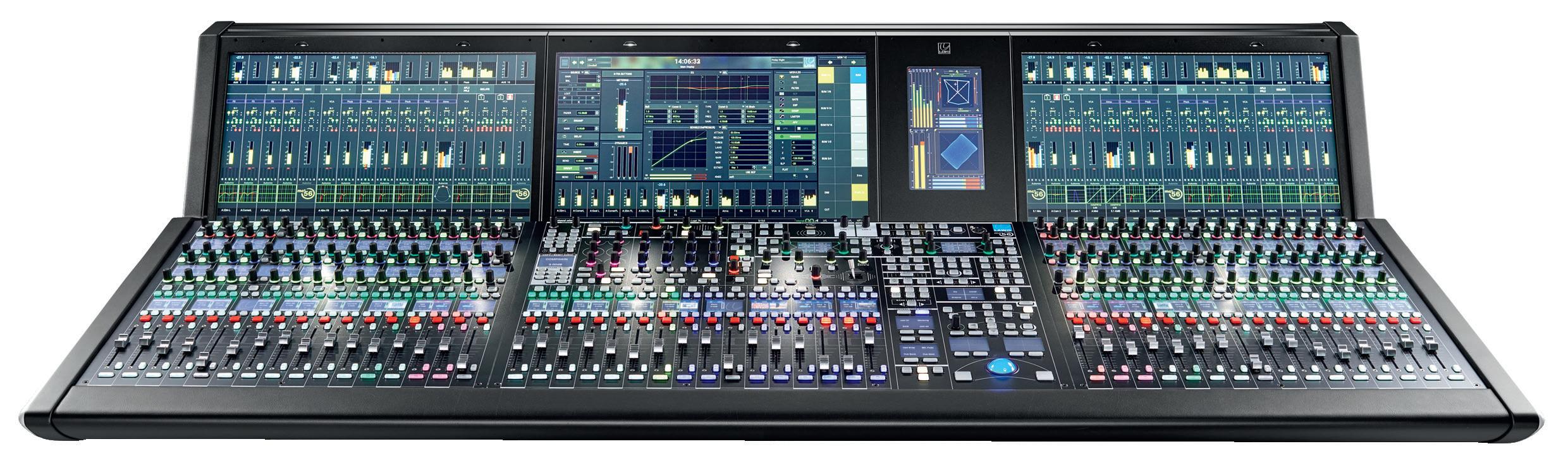
Hearing is believing – sign up and find out for yourself.
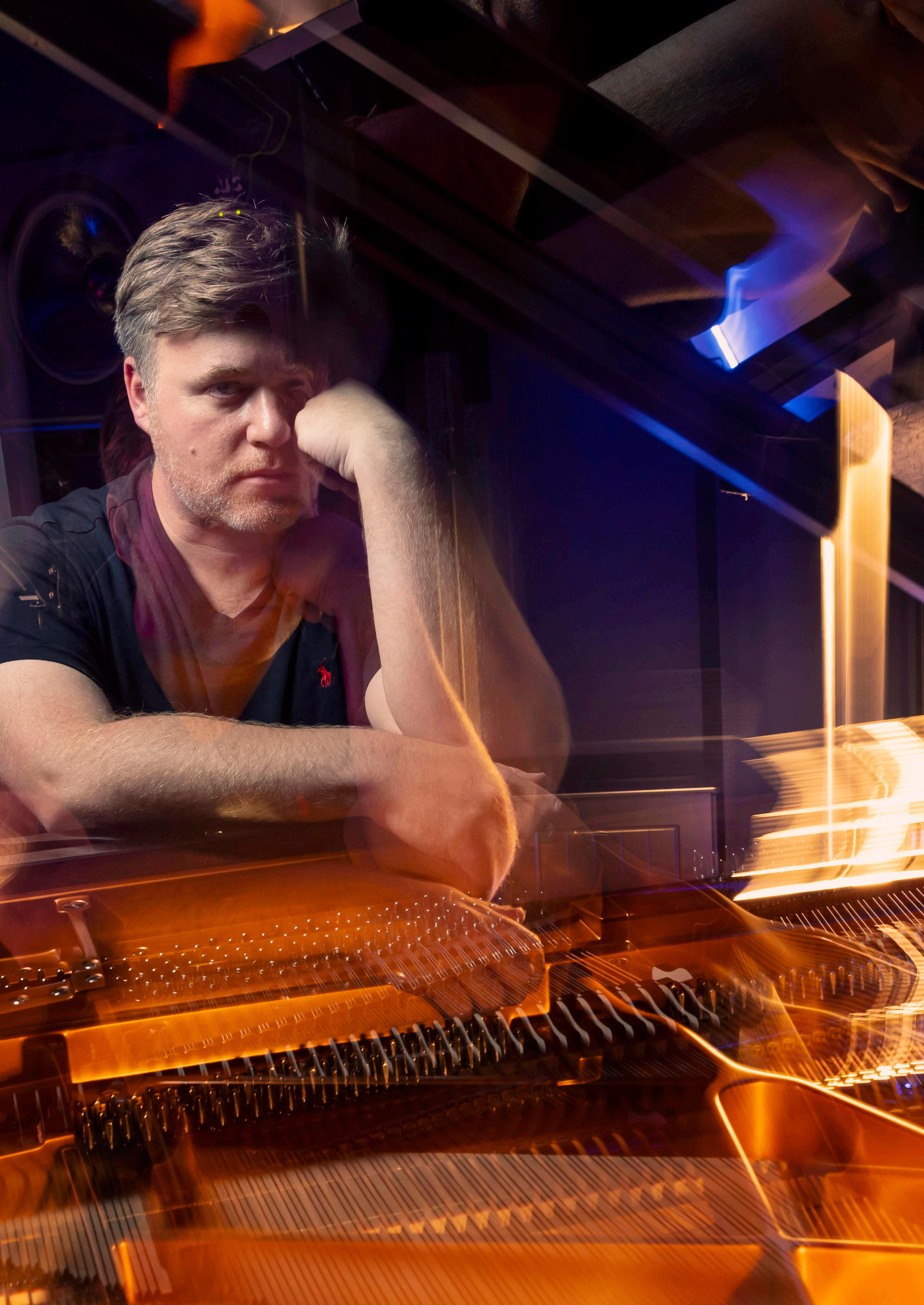

SCORING PREDATOR: BADLANDS AND IT: WELCOME TO DERRY
BENJAMIN WALLFISCH
After a musical upbringing that was staunchly classical, Benjamin Wallfisch has married his Bach-influenced skillset with a love of music technology to become one of Hollywood’s go-to composers. After a huge breakthrough working on Blade Runner: 2049 alongside a certain Hans Zimmer, huge jobs kept rolling in, including Shazam!, It and It Chapter Two, Twisters , and Alien: Romulus. As he returns to the It universe with its new series Welcome to Derry, he chats to Headliner about pivoting from pursuing orchestral conducting to making music for movies, composing the score for Predator Badlands, and pivoting to TV for the It spinoff.
Musicians often talk about being raised musically in the classical tradition, and it would be harder to find someone for whom this rings true more than Wallfisch. Born in London, his parents are Elizabeth Wallfisch, a baroque violinist with many recordings and ensemble performances to her name, and Raphael Wallfisch, a cellist who is said to have recorded almost the entire cello repertoire with record labels such as EMI and Naxos.
In fact, Wallfisch comes from a long line of accomplished classical musicians, and would wake up to the sounds of the cello and violin being practised most mornings. His grandmother, Anita Lasker-Wallfisch, a surviving member of the Women’s Orchestra of Auschwitz, was able to make it out of the Holocaust due to the fact that cellists were hard to replace.
It was once true that, if you wanted to work on Hollywood films, you had to up sticks and move to Hollywood. But in this post-pandemic era of Zoom meetings, it certainly is possible for composers to work on American films from the comfort of their homes in different countries entirely. Wallfisch, though, moved to Los Angeles 16 years ago, and loves the city and the benefits of being physically present in the heart of the US movie industry.
“It was a completely different landscape back then,” he says. “We were still sending CDs to people at that time. I came over here first in 2007 when I was working with my dear friend Dario Marianelli. We were doing a movie called The Soloist. It was meant to be a week-long trip, but an old friend of mine from my Royal Northern College of Music days was in the orchestra. It was the LA Phil, and I was conducting. It was crazy, because the last time we saw each other was in the pub in Manchester as students, 10 years prior. He introduced me to these incredible people. I decided to stay; all of my work was still in London, so I was flying back and forth on the cheapest flights I could find. I had a very small apartment, and my studio was in the living room.
“That was pre-COVID, when filmmakers were regularly coming over to the studio. That still happens, but 50% less of the time now. We use Evercast, which is like Zoom but much more secure, and you can see the picture in the actual movie and high-quality sound. I personally don’t like virtual meetings, but it has become a thing where we figured out how to do it.”
Wallfisch doesn’t take his family’s fascinating classical music history for granted, and it’s something he

continues to be grateful for. He recalls, “I was hugely influenced by my grandfather Peter Wallfisch, who was a pianist. He died when I was about 14. My grandmother Anita just turned 100 and is a force of nature. She survived Auschwitz by playing the cello in the women’s orchestra there. There is a sense that music is more than just a profession; it saved her life, and we certainly would not be here without her musical ability. The opportunity she gave us by surviving through playing the cello is hard to define; it’s almost too big to put into words.
“But my interest in film started very young with E.T. I was between the ages of five and nine when I went to see it, and then we got it on VHS in the late ‘80s. I was obsessed with the music. I could not understand why, because I was always hearing classical music when I was doing my piano. I was annoying all my piano teachers by not practising, but instead finding much more interest in improvising and discovering chords and things that I did not understand, but they made me feel certain emotions.”
One of several key breakthrough moments in Wallfisch’s career was
the 2017 sequel film, Blade Runner 2049. After a longstanding creative partnership with the late Icelandic composer Jóhann Jóhannsson, director Denis Villeneuve decided things weren’t working on 2049, and so Wallfisch was brought in at the last minute to collaborate with the Hollywood honcho composer himself: Hans Zimmer.
On being brought in some way into the process of the film, he says, “I was really grateful that there wasn’t that much time.
“Because if I’d thought about it too much, I would have scared myself – working on this thing you can only dream about as a young composer, and to work with Hans Zimmer and Denis Villeneuve and Joe Walker. These are the best artists in the world. We were trying to get to the core of what this new sound would be, while still capturing the spirit of Vangelis, but telling Denis’ story and the tone of the movie, and capturing all of the elements of the original film, but push it into something fresh and new.”
Credit: Brooke Palmer, HBO
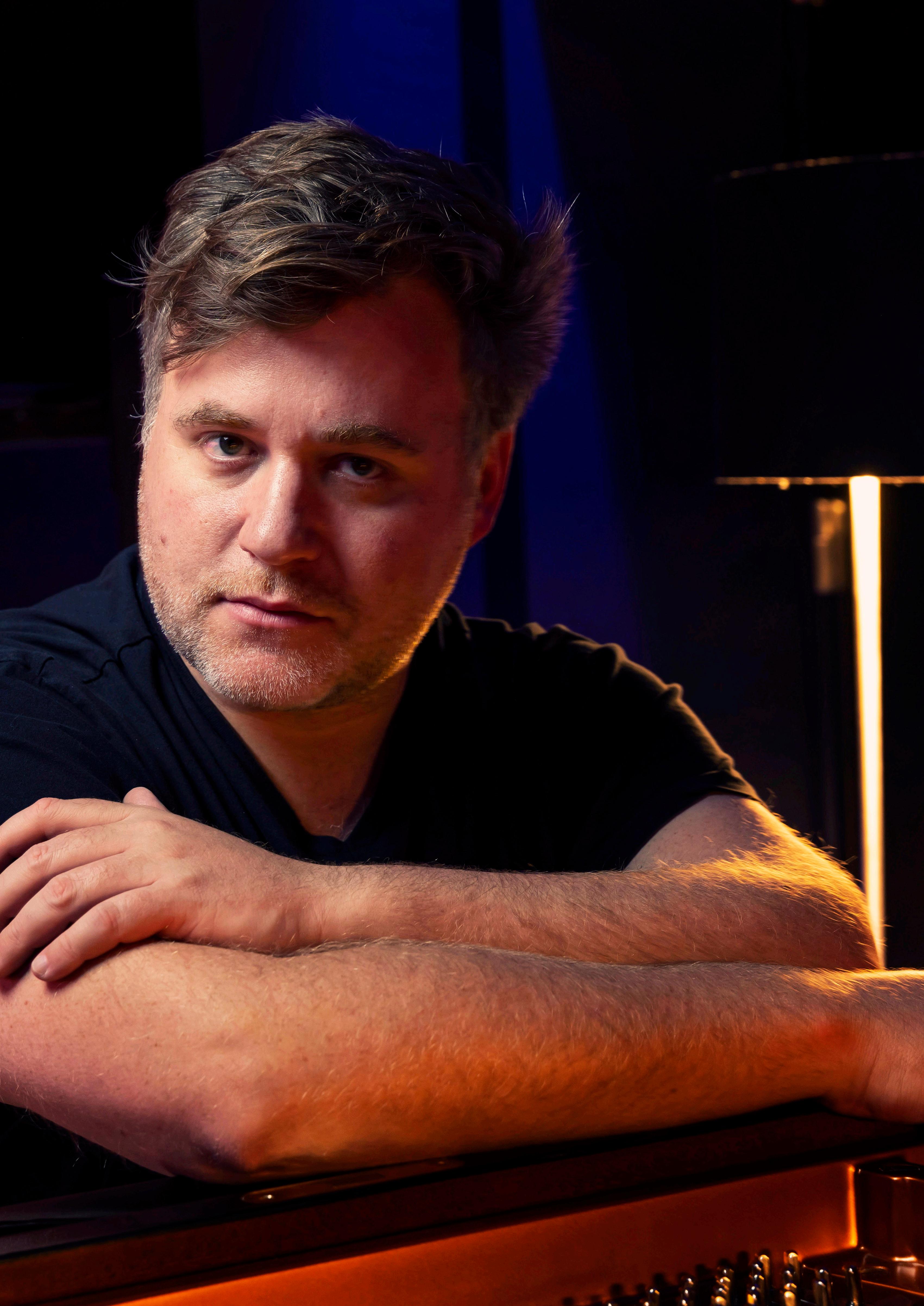
“The Sea Wall sequence [the film’s climactic ending] is a great example. It was an action set piece, and it was the one time that Denis just said, ‘No, that doesn’t work.’ And Hans said, ‘Hey, Ben, that’s sweet. Just put it here and move it about eight frames to the left.’ And that’s literally what’s in the movie. Sometimes you’ve just got to throw something up against picture. And if you’re lucky, it just works.”
A huge, hulking 2025 project for Wallfisch was Predator: Badlands, the latest film in the beloved franchise. He had previously worked with director Dan Trachtenberg on the animated Predator: Killer of Killers, while co-composer Sarah Schachner had worked with him on the Predator film Prey. The two composers were brought together for the new film, which brings a fresh spin to the story in which Dek, the predator himself, serves as the film’s protagonist instead of baddie, and is joined by Elle Fanning (The Neon Demon, A Complete Unknown) who stars as an android who has been cut in half, with the unlikely pair teaming up. The two composers created a primal and brutal score for the film, with Schachner creating a ‘Yautja choir’ using vocoders and granular processing. “Killer of Killers is one of the most challenging things I’ve ever done,” Wallfisch reveals.
“He [Trachtenberg] was kind of doing Badlands simultaneously, and in the conversation just very naturally segued into seeing if there was anything I could contribute. Sarah was already scheduled to do it, and she did an incredible job with her music. It is so distinctly her – a very special, unique sound. She has a command of combining things like vocoders and all kinds of granular processing of samples and synthesis.”
As the composer for It and It:
Chapter Two, confirming Wallfisch as composer for its new television series, It: Welcome to Derry must have been something of a foregone conclusion.
In 1962, The prequel story follows a couple who move to Derry, Maine with their son. Their arrival coincides with the disappearance of a young boy, and the situation continues to unravel from there.
“I love working with Andy [Muschietti, who also directed the first two films] because he is so musical and the way he gives notes is inspiring. Often you think, ‘What are you insane?’ Then you try it and it is totally genius. He has a five-dimensional view of Stephen King’s world and has developed the stories into something much bigger. We decided not to use the themes from the movie because the story is so different. The entity only appears as Pennywise halfway through the season; we see other shape-shifting manifestations earlier on. Musically we needed to think much bigger, with the sense of something being constructed gradually. There’s a progression musically through the season.”
On taking It from the big screen to the small screen, and even the phone screen for some viewers, Wallfisch adds that, “Television has changed monumentally in the last 10 years since the early Netflix originals; it’s now serialised and theatrical in production quality. While I am passionate about the communal experience of the cinema, as that is how the work is designed to be heard and seen, the creative process for TV is identical to a movie.
“The main difference is the sheer quantity of music, about six hours, and executing an expensivesounding score within a different budget. I do not differentiate between the two in my mind. And, even though a lot of people are watching things are on their phones now, I do believe the cinema will be there for the long haul because experiencing a story with a group of people is a human need, going back to the amphitheatres of old, and it is important to keep that alive.”
Wallfisch then offers a peek behind the curtain of the tools and software that powered Welcome to Derry and Predator: Badland.
“I use Cubase, which I love. And I love the u-he synthesisers, Zebra and Diva. I’m a total sample library hoarder and buy everything that is out there. It was really fun developing my own string library with Orchestral Tools — I was looking to cover all the missing things: why can’t we control the bow direction and the divisive aspects of a string group together? And why have loops when we have endless samples? So we just recorded with no loops; it is just a performance.
“I am pretty old-fashioned in the way I work. I have a template that is always evolving, but there are some core things I always use. For example, for Shazam, I wrote the whole thing on a piano track, the closest I get to doing it on paper, because I wanted the orchestration aspect to come after the music was done. I love to lean into those slightly older ways of working, but I also love the opportunity to create new sound worlds using all kinds of crazy electronic processes.”
Wallfisch has to remain tight-lipped about what he’s working on next, but with the scores for Badlands and Welcome to Derry, and the latter show being available to stream now, there is plenty to sink our Yautjian/ clown teeth into in the meantime.
BENJAMINWALLFISCH.COM
Does your micro transmitter have these features?
• IP57-rated watertight, all-metal enclosure
• Removeable LiOn rechargeable pack
• Drop-in charging with optional dock
• High-Density RF mode for 24+ ch. in 6 MHz
• Fixed audio latency of 1.4 ms
• Lav mic presets for optimum audio quality
• Full menu & control on the unit
• Selectable RF Power up to 50mW
The DSSM micro digital body pack has ALL these features and more, in one tiny package.
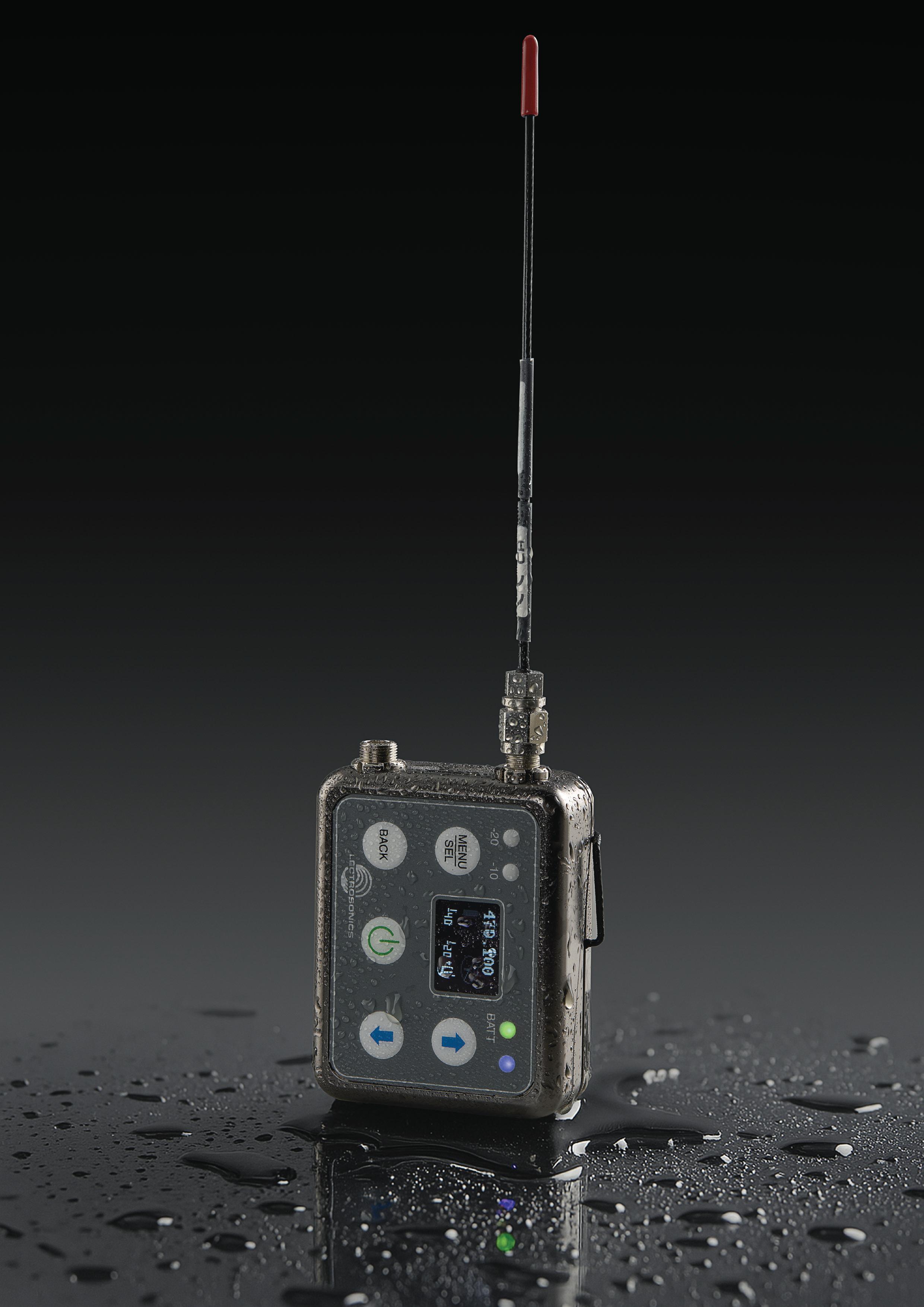







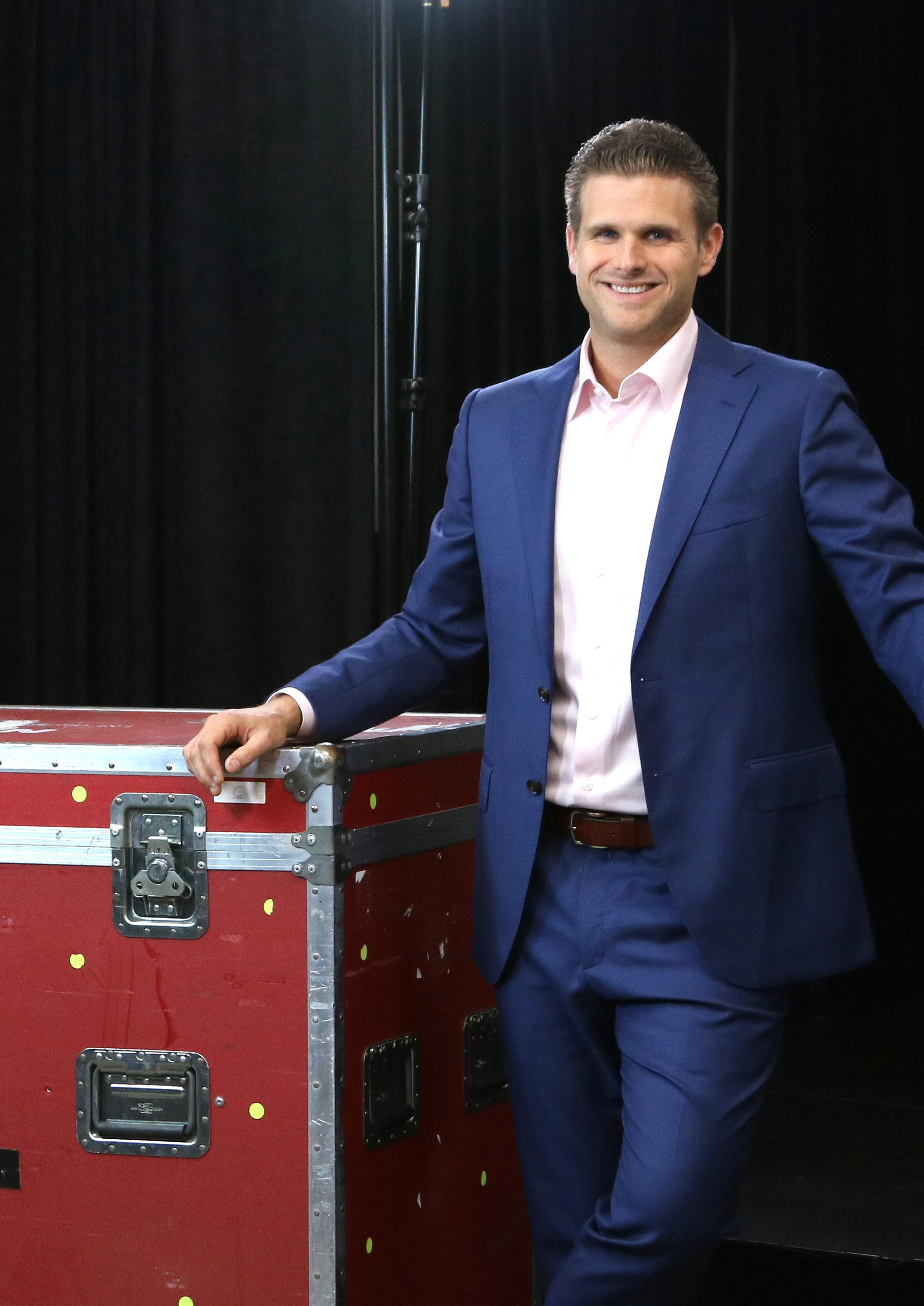
JOHN MLYNCZAK ON INDUSTRY TRANSFORMATION & NAMM’S FUTURE
WELCOME TO NAMMAHEIM
As John Mlynczak’s third NAMM Show as president and CEO of NAMM, the stakes – and the significance – have never been higher. NAMM 2026 marked an extraordinary milestone: 125 years of the world’s largest non-profit music trade organisation and 50 years in Anaheim. Set against a backdrop of industry transformation, from AI and the rise of influencers to evolving business models, US travel challenges, and the resilience shown in the wake of the L.A. wildfires, this year’s show was one of the most pivotal in NAMM’s history. Mlynczak caught up with Headliner ahead of this year’s exhibition to discuss how NAMM is honouring its legacy while adapting to keep the show relevant, inclusive, and future-focused.
“WE WORK VERY HARD TO MAKE THE NAMM SHOW FEEL INCLUSIVE FOR PEOPLE FROM ANY COUNTRY.”
NAMM 2026 marks a major milestone: 125 years of NAMM and 50 years in Anaheim. What does this anniversary represent for you personally and for the wider music products community?
There’s a ton of energy around coming together this year for the 125th anniversary. I’m excited for it, and the people I have been speaking to are as well. People are telling me that they want to come together and talk to their global partners in one place. It’s been established for the last couple of years that NAMM is the only global show for our part of the industry, and people want to come together to be there. So the energy is really exciting.
To harness this energy, we’re putting together an unforgettable 125th anniversary event with exciting new experiences, starting with our new indepth education summits, and a new NAMM Show App.
NAMM 2026 featured over 200 educational sessions. What inspired this expansion, and how does it reflect NAMM’s mission to strengthen the global music ecosystem?
Our half- and full-day summits have come as a direct result of feedback from our members. Our unwavering commitment to supporting music making and workforce development for our industry has always been part of our core mission at NAMM.
So when the membership tells us that sessions where you can really delve into detail on specific subjects would be beneficial, we do our absolute best to make that happen. We feel that this plan reflects where the industry is right now and will help to provide strong foundations for growth. With our industry in a regrowth phase, it is more vital than ever to be laser-focused on creating more music makers from a variety of backgrounds, communities and programs that further enrich arts and music in our society.
NAMM has always been more than just a trade show; the networking and after-show events are often where deals and collaborations begin. Why are those social and community moments so vital to the show’s success?
Human connection is what the music industry is built on. Every year, new business relationships begin based on people meeting up at The NAMM Show and starting a conversation at the bar or over dinner. This is one of the great things about the show, and we want to make sure these opportunities are there for every community. Events like the Pro Audio Pool Party are the perfect example of this. It gives the pro audio segment of the show the opportunity to come together and network. They know that every year, everyone will head to the Marriott pool straight after the show floor closes on Friday night. It’s a great fun event every year, and I’m excited to be there again this year. This is why we are constantly building up the roster of events that are officially part of the show, like the Bass Magazine Awards this year. We want to include things that are off campus as well because we are maxed out on space.
My ultimate goal is to turn Anaheim into NAMMaheim and have the event truly take over the city for the week. The NAMM Show is the crown jewel event of the year for all things music and music products, and we have something for everyone. No matter what your niche is, join us to spend time with your community and discover the industry trends that influence your organisation.
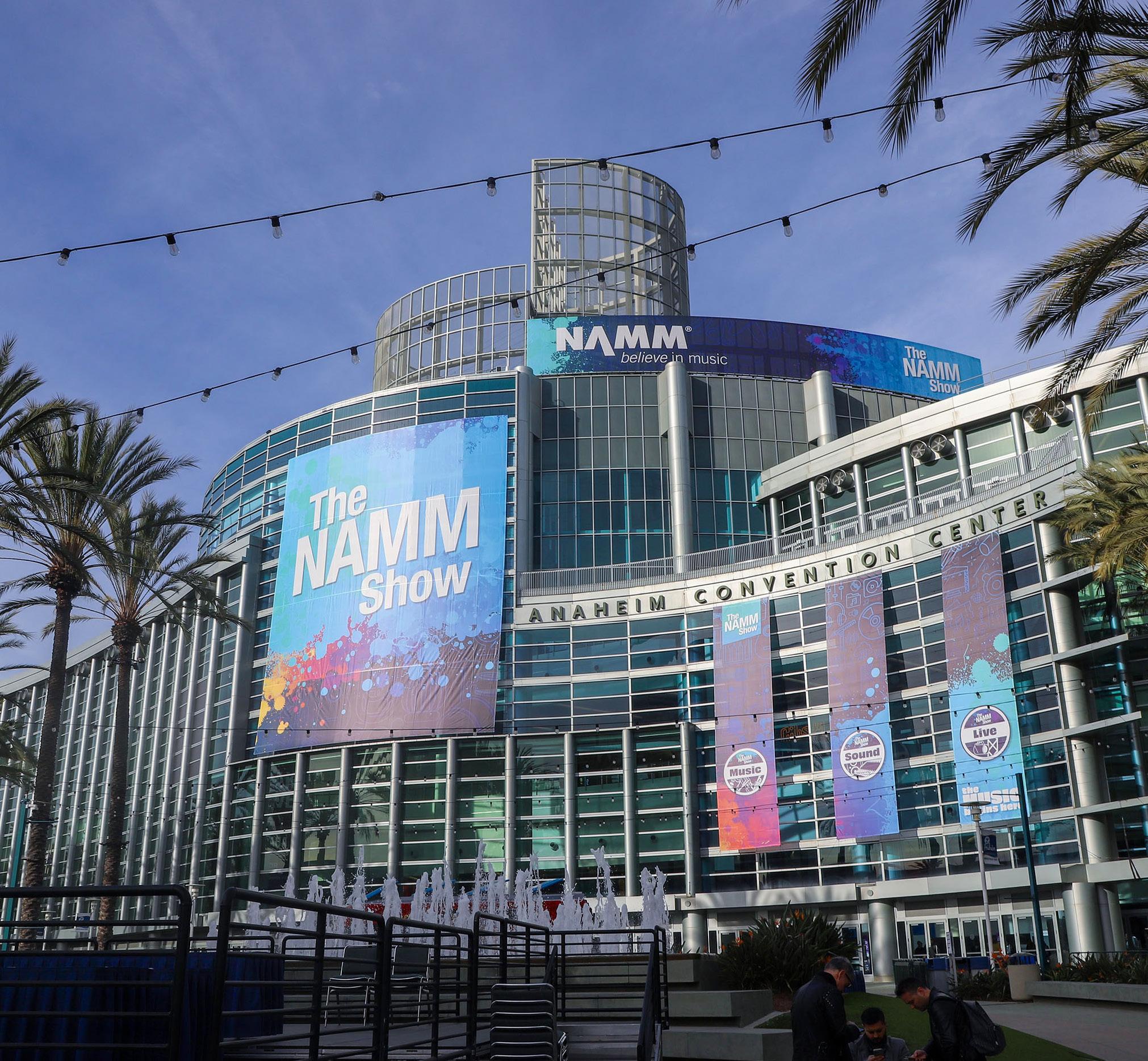
The She Rocks Awards and other live events have become signature celebrations at NAMM. How do these programs contribute to the show’s broader cultural impact?
Through the events we provide a platform for, from She Rocks Awards to the TEC Awards, we strive to honour the different sectors that collectively make up the NAMM Show. We aim to ensure that every community at the show can celebrate their success stories and come together to help everyone grow. We see this as a vital part of our mission and look to grow it and recognise more communities every year.
Given the current political climate in the United States and the recent decline in international visitors, how is NAMM working to ensure that global attendees and exhibitors still feel welcome and supported?
We see The NAMM Show as a truly global event rather than a US show with international visitors. We want to be the safest, most inclusive, diverse place you could possibly go to. We work very hard to make The NAMM Show feel inclusive for people from any country. When you come to The NAMM Show, you are at a show run by an organisation that highly
values and cares deeply about the global diversity that makes up our industry. To us, this is more than just words; there are actions too. We are demonstrating inclusivity through the international networking events we are hosting, the translation of more educational sessions than ever into different languages after the show, and the number of international meetings and coalitions we are running. NAMM is looking forward to welcoming our community from around the globe to The NAMM Show, and our goal is to create a smooth and seamless travel process as you plan to attend the show.
“MY ULTIMATE GOAL IS TO TURN ANAHEIM INTO NAMMAHEIM AND HAVE THE EVENT TRULY TAKE OVER THE CITY FOR THE WEEK.”
What emerging industry or technology trends do you think will most shape the music products sector, and how is NAMM adapting its platform to highlight these innovations?
AI is the hot topic on everyone’s mind right now. There are lots of stories around AI in the creative process for music makers, but I am interested in how NAMM members will be using AI in the products they make. We’ve also anticipated interest in the subject from our attendees, so we are running different educational sessions every day that touch on how AI can and is being used in different parts of the industry.
Coming out of a challenging few years, including the L.A. wildfires during NAMM 2025, how did the organisation and its community rally to ensure the event remained strong? How did the fires affect attendance last year?
The fires were devastating for the community, but they also showed the real positive side of our industry. The community came together at The NAMM Show and showed everyone that we want to work together. The story of NAMM over the last 125 years has been about resilience. It’s the story of massive challenges to our industry, where we overcame and thrived. This is everything from
world wars to massive shifts in consumer behaviour, not to mention genre shifts. NAMM was founded before The Beatles, before the guitar, bass, drum, and keyboard bands even existed. So this year, we are celebrating 125 years of resiliency. The reason we’ve overcome everything in 125 years is that just like with last year’s wildfires, the reaction has always been to come together and work together. Creating more music makers and making sure there are more customers out there having an amazing experience with a passion for this wonderful thing called music making that we all love. That’s the ultimate goal.
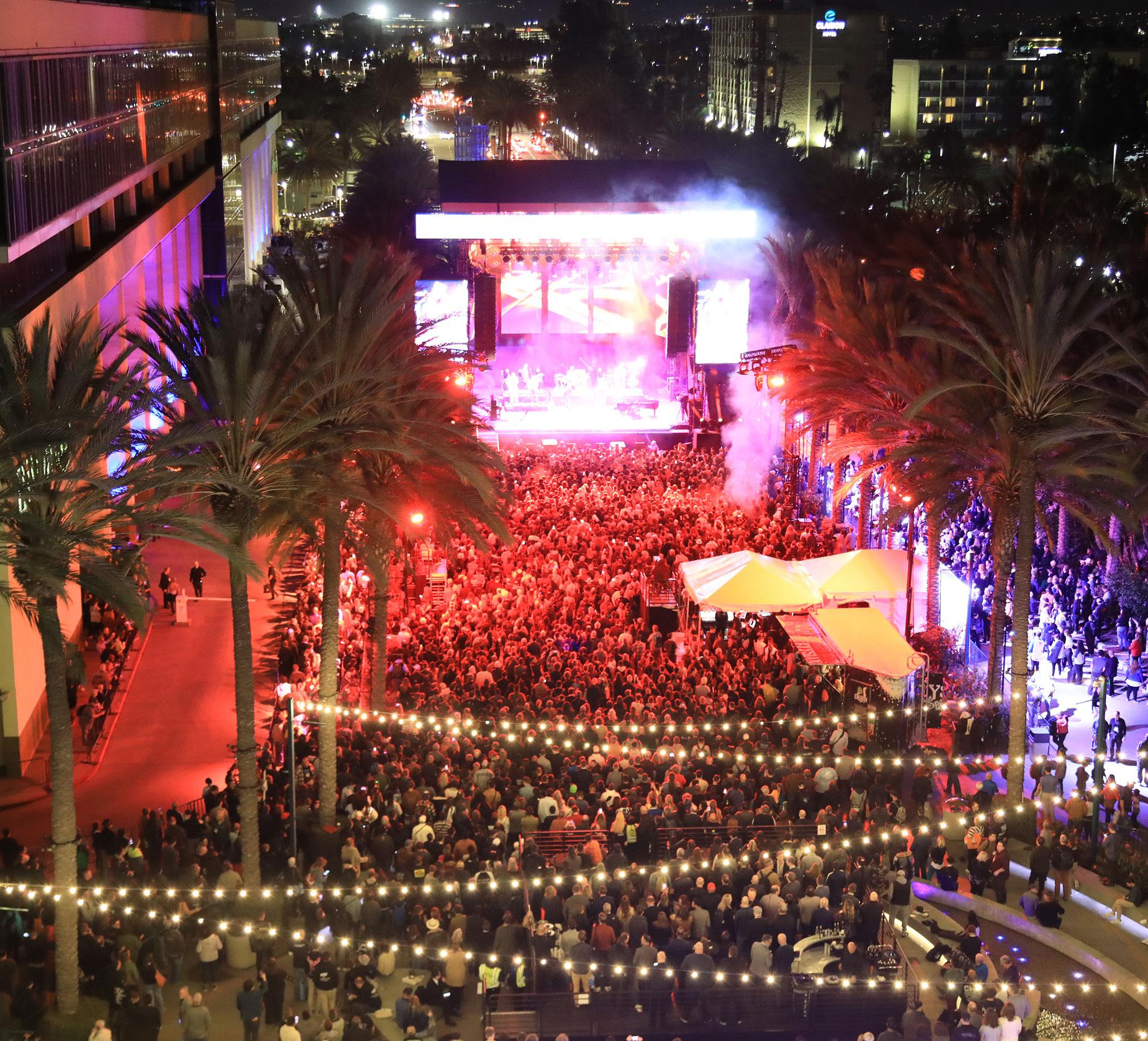
NAMM attracts a high number of influencers and social media creators. Some view them as vital for visibility, others question their actual impact on business. What do you see as the real benefit of influencers at the show, both for NAMM and for the brands that exhibit?
We believe that influencers, creators and podcasters are as important as traditional media and we give them the same access and opportunity. We have designed badges for the 2026 show to exclusively serve industry segments, which include media outlets, podcasters, content creators and social media influencers, and we
have set aside space on level three of the Anaheim Convention Centre for a dedicated creator studio where content can be produced at the show. Of course, influencers come in all types. In the pro audio community, for example, the influencers are the engineers creating videos from the front of house about their mix.
The content they create is fantastic, and I know the community finds it really useful to see what people are using and how they are getting the most out of their gear. At NAMM, we want to keep inspiring more people to get involved in making music. We understand that there are many
ways to reach people through both traditional and social media, and we have to embrace every route we can. We are determined to take every opportunity we can find to reach new audiences and grow the talent pool in our industry.
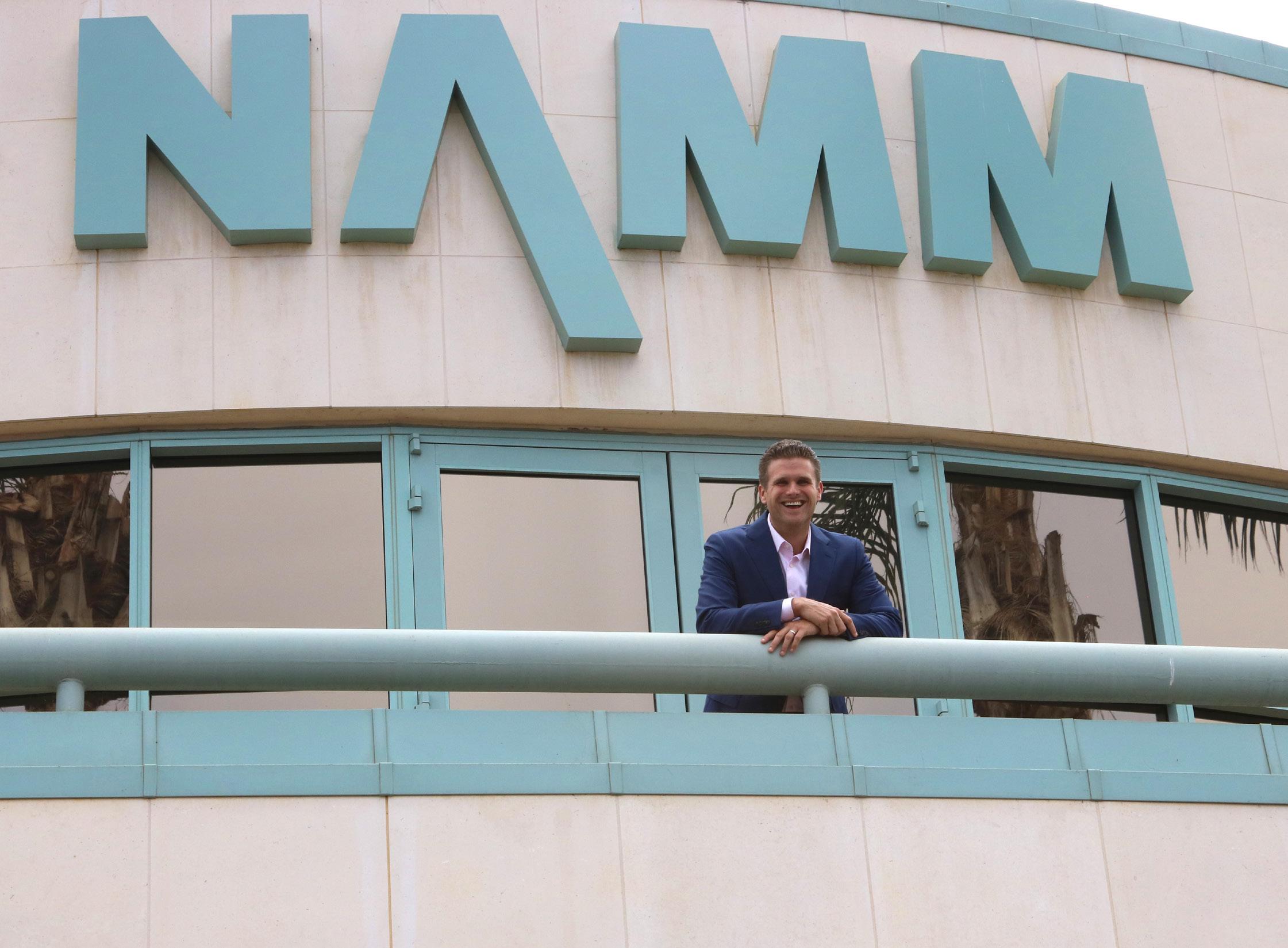
One exhibiting manufacturer told Headliner that while they acknowledge the significance of face-to-face meetings and networking, they’re not convinced that trade shows are worth the investment anymore. How would you respond to that sentiment, especially given the cost and scale of exhibiting at NAMM?
The NAMM Show is what you make it. Whether you’re an entrepreneur, small business or legacy brand, The NAMM Show is your place to connect with thousands of industry leaders with purchasing power. This is where the game changes. Exhibitors who do well at the NAMM show are the ones who use every tool in the box. They are looking at the entire campus as a canvas, they are looking at what products on their booth will make it an experience, and they are looking at extra dedicated meeting rooms for
conversations that need to be taken away from the show floor. They are looking at which employees to send to the various global receptions and networking events. They are looking at how they advertise their presence at the show, either physically or digitally. They are making sure their exhibitor listing is up to date with full and complete information. The NAMM Show is the largest global gathering of the music industry, and we want our exhibitors to make the most of the opportunity it presents. If anyone is unsure how they can best do this, they will have a dedicated NAMM rep whom they can contact, and we can help them to maximise the value they get from being part of the show.
As NAMM looks beyond its 125th anniversary, what is your longterm vision for how the show and the association will evolve over the next decade?
As we look to the future, we know that we need to be incredibly nimble and flexible to ensure we deliver the best event for our members. We are using things like our new app to provide us with real-time data so we can see what is working and what isn’t, allowing us to adapt faster. We are looking at how we break down the different communities at the show to see what works best for different sectors, so we can create the right things for every sector in the industry. We know we’re going to have to move fast. We’re going to have to experiment more, and in order to do that, the two things you need are data and incredible flexibility. We are setting ourselves up to be adaptable to make sure that the NAMM Show continues to meet the changing requirements of our industry now and into the future.

FROM SOUNDCLOUD TO TIKTOK
THE RISE OF PHONK
If you haven’t heard of phonk, you’re about to – this internet-born subgenre of hip hop and trap has gone from obscure SoundCloud corners to TikTok-driven global culture, blending ‘90s Memphis rap, cowbell-heavy drift beats, and hypnotic, high-speed visuals.
In recent years, drift phonk – a faster, more aggressive offshoot from Russia – has become synonymous with the genre. While phonk first thrived on SoundCloud, its explosion into mainstream awareness didn’t come from charts, festivals, or superstar co-signs. Instead, it spread organically through TikTok, attaching itself to high-speed visuals, dark-mode internet culture, anime edits, gaming content, and the drift community.
Phonk’s rise highlights how online communities are shaping the culture. Tracks grow not through traditional radio or editorial, but through
creator adoption, algorithmic loops, and global remixing. Think of it as the digital evolution of old-school dancefloor culture: DJs once tested white labels in clubs, and now TikTok is the online stage where audiences collectively crown which tracks hit –and which fade into obscurity.
Labels like Purple Crunch Records, Liquid Ritual and Tribal Trap, which boast the biggest phonk stars (MXZI, ATLXS, DJ Samir, Sma$her, Ariis, Yb Wasg’ood, Scythermane, and Sayfalse), and platforms like SoundOn have helped structure the genre’s organic growth, enabling pre-release experimentation, collaborative A&R, and data-driven release strategies – and all while keeping the DIY, underground ethos intact. Headliner speaks with the key label representatives driving phonk’s growth, and explores how platforms like SoundOn are helping the genre evolve from an internet-native subculture into a globally recognised movement.
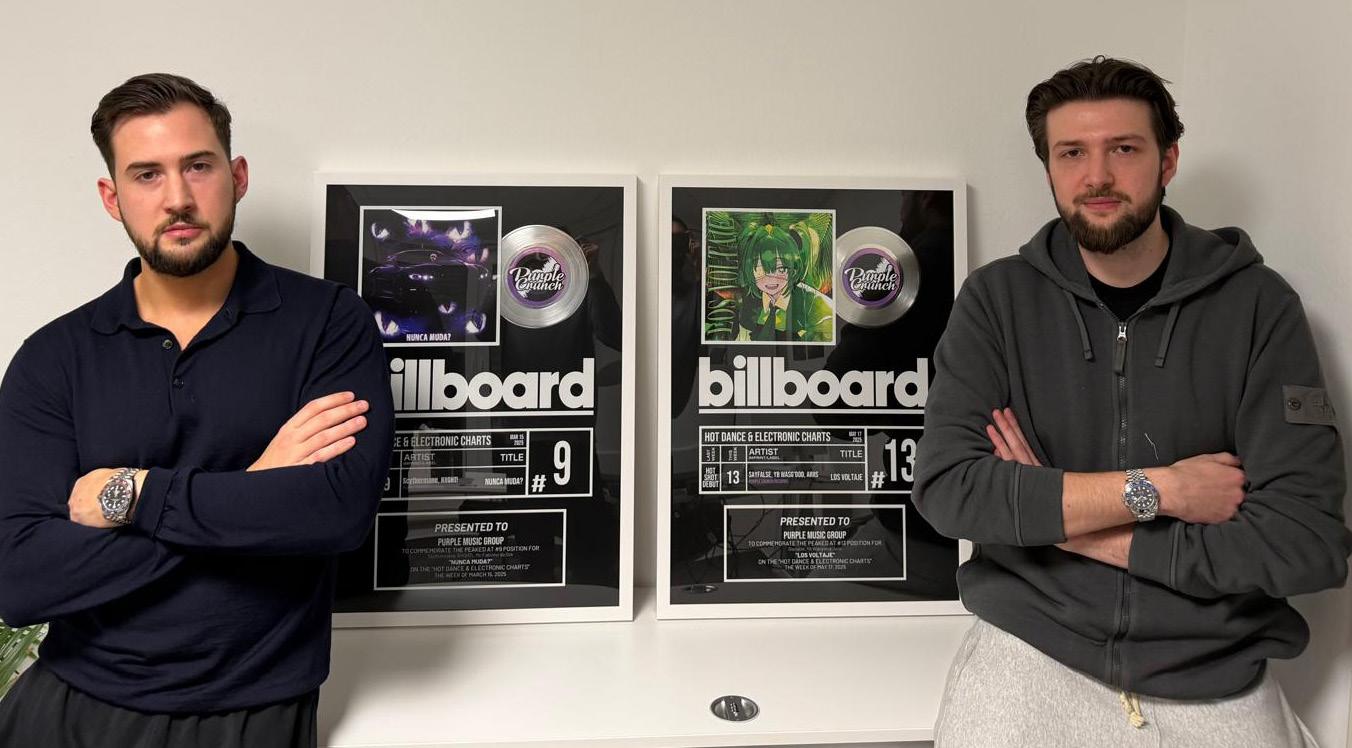
JOHANNES LOTTER, FOUNDER, PURPLE CRUNCH RECORDS
Phonk stems from ’90s Memphis rap and chopped-and-screwed techniques, yet today’s drift phonk has become faster, cleaner, and more aggressive. How have you seen this evolution shape the artists you work with?
We’ve seen artists move from simply referencing the past to actively reinterpreting it. The Memphis DNA is still there – the cowbells, the darkness, the raw textures, but drift phonk has sharpened everything. It’s faster, cleaner, and built for immediate impact. At the same time, you can clearly hear global influences coming in, especially from Brazil. Phonk is no longer tied to one region; it’s become a melting pot of internet music, where Brazilian funk, phonk, and other global sounds blend.
Phonk didn’t break through traditional channels; there were no big co-signs or festival moments. Its rise came from visuals, aesthetics, and creator culture. How did you first notice this organic TikTok momentum, and how did your label respond?
We didn’t notice it through charts or press; we noticed it through repetition. The same sounds kept surfacing across completely different videos: drift clips, anime edits, gaming montages. That’s when it became clear this wasn’t just a trend, but a culture forming. Our response
was never to over-manage it. We want artists to fully express their creativity when they work with us. Our role is to support what’s already happening, not to repackage it, and in many cases, to genuinely change the lives of young, ambitious people and artists through music.
Was there a specific moment –maybe a viral trend or creator push – when you realised phonk had crossed into a global phenomenon?
Yes, the moment it really became clear was when phonk suddenly appeared everywhere, far beyond niche creator circles. We started seeing mainstream TikTok accounts – like the Champions League, FC Bayern, and other major football clubs – using our music. That was the turning point. It showed us that phonk had moved beyond a single scene or subculture and become a global, high-energy language that even the most mainstream platforms were tapping into.
Phonk began as a SoundClouddriven genre, with #phonk among the most-trending tags for years. How has that early DIY culture influenced how your label develops talent today?
DIY culture is at the core of how we work. We don’t look for artists who are already polished — we look for artists who are self-driven and culturally aware. We work with the
artists and directly in the music itself, because even at the development stage, there can and should already be a clear vision of what the content around a song will look like. SoundCloud taught an entire generation that authenticity beats perfection, and we still operate with that mindset: flexible structures, fast feedback, and a strong focus on creative independence.
Phonk doesn’t always receive mainstream editorial visibility. How does SoundOn help overcome that challenge through its marketing tools, promotion, or analytics?
Phonk actually proves that editorial visibility isn’t static. When we first started working with the genre, the official phonk editorial playlist on Spotify had around 40,000 likes –today it’s close to 12 million. That growth didn’t come from top-down editorial decisions, but because the music was already performing organically on platforms like TikTok. SoundOn helps by shifting the focus away from relying solely on editorial placements and instead looking at real usage data: where tracks are being used, by whom, and in what context. Today, TikTok is the most important platform for music discovery, and those insights often matter far more than playlist visibility when it comes to long-term growth. Data doesn’t replace intuition, but it sharpens it. Today, around 90% of music marketing and discovery happens through social networks. Platforms like TikTok aren’t just distribution channels anymore; they’re where culture forms and where sounds break first.
SoundOn and TikTok aren’t just amplifying trends; they’re actively creating the environment where new genres emerge.
OSKAR BARCZAK, CO-FOUNDER, LIQUID RITUAL
Phonk’s rise came from visuals and creator culture rather than co-signs or festivals. When did you first spot its TikTok momentum?
We first noticed the shift when fans began pairing phonk with edits of JDM cars on TikTok. The relationship between car modification culture and the sound felt immediate and natural, and those visuals gave fans a sense of ownership of being part of a culture or movement rather than being told what to consume by a major label. That sense of agency is a key reason the genre scaled as quickly as it did. In response, we leaned into that organic momentum by working directly with creators and influencers to develop more content within that visual language, while also exploring adjacent scenes such as anime, video games, and broader lifestyle content. By blending these worlds, we were able to reflect what phonk already represented online: a smorgasbord of internet culture that resonates strongly with how this generation discovers, engages with, and defines music.
Did a specific trend or viral moment make it clear that phonk had reached global audiences?
For us, the turning point was seeing microtrends that originated in Eastern Europe spill over organically into the US, the UK, and Western Europe, without any active promotion in those regions. That level of crossborder adoption signalled that phonk had moved beyond isolated scenes into a shared global language. The moment was reinforced when we started seeing records picked up by audiences and entities you would not traditionally associate with the sound, such as celebrities and football clubs. That unexpected crossover made it clear the genre had entered a much broader cultural conversation.
Phonk grew outside traditional channels. Will its future growth stay online or move into the mainstream?
We have already seen attempts by the mainstream industry to break into the genre that ultimately failed, largely due to a misunderstanding
There is certainly a possibility that mainstream industry resources and expertise will be leveraged along the way, but we believe long-term success will depend on creative vision and direction remaining firmly in the hands of the people who genuinely understand the culture.
How do SoundOn’s data insights shape your release strategies for phonk?
SoundOn’s data insights play a significant role in shaping how we release and promote phonk. What makes the genre especially engaging for us is that every record demands a bespoke strategy; no two songs behave the same way in the ecosystem. We have learned that applying a one-size-fits-all or cookiecutter release template often limits a track’s potential. By closely leveraging SoundOn’s insights on emerging trends, content performance, and audience behaviour, we can tailor each release individually and stay ahead of the curve, often identifying and amplifying trends within hours rather than days or weeks. This agility is critical to maximising impact in such a fast-moving genre.
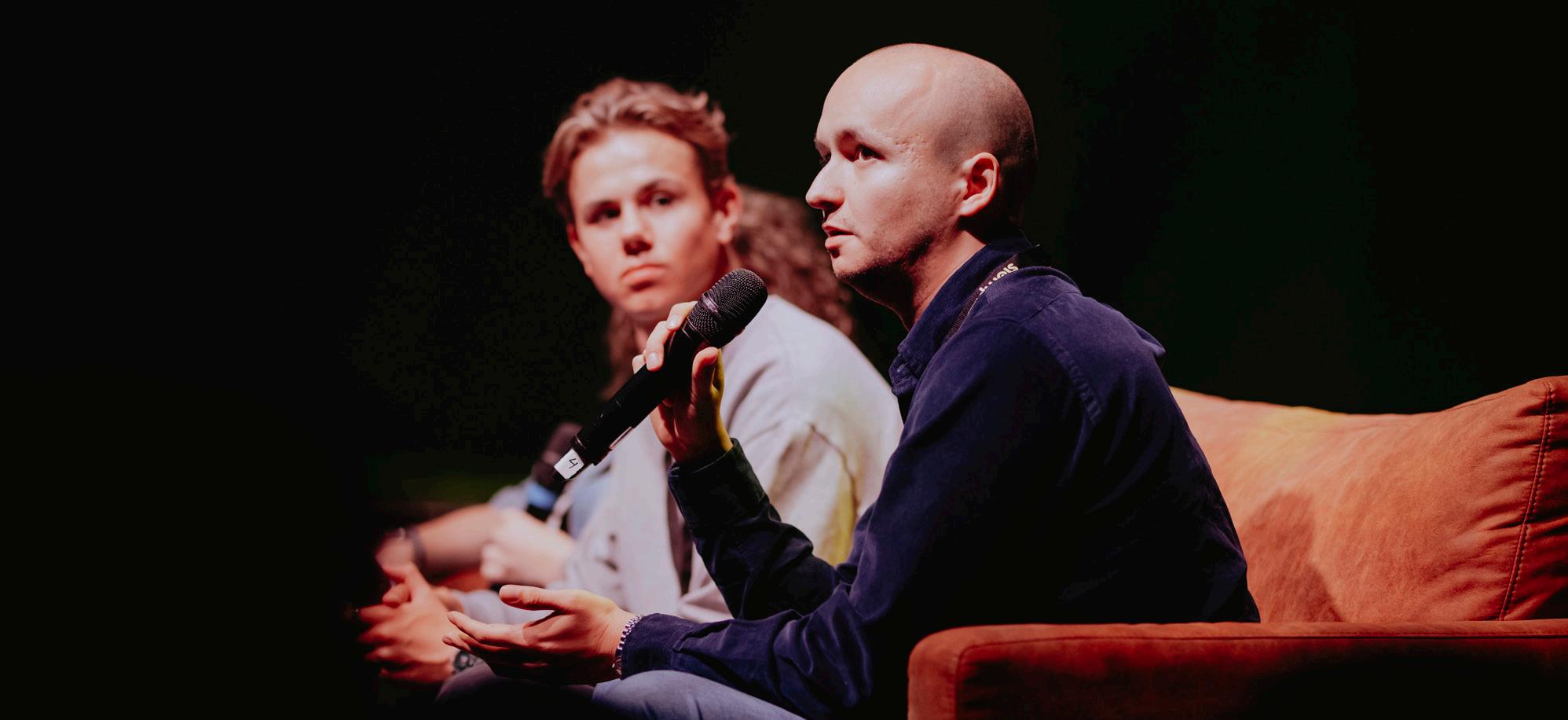
STAN WITTENBERG, FOUNDER, TRIBAL TRAP
Phonk grew through visuals and creator culture, not traditional channels. When did you first spot its momentum, and how did your label respond? Did a particular trend or viral moment signal that phonk had gone global?
We originally started as a trap label. Many of the same signals that drew us to trap are what first pulled us towards phonk: It felt exciting and raw, there was a lot of experimentation, and it was already showing clear traction on social platforms like TikTok. Because phonk’s aesthetic and experimental, raw energy is closely aligned with the trap scene, the transition felt natural. Within a year, we moved from our first experiments with drift phonk to becoming a label that primarily released phonk. The shift fundamentally changed how we approached marketing, from traditional advertising toward a model built around influencers and creators.
Rather than one specific moment, it was a pattern we could see clearly in the numbers. Each new phonk hit was outperforming the last. When we released Tuca Donka in 2023, it became one of the biggest phonk records at the time, peaking at around 800,000 daily Spotify streams. In 2024, we released Funk Do Bounce, which pushed that ceiling further, reaching 2.5 million daily streams. Shortly after, other artists in the scene like MXZI and ATLXS surpassed those figures with even larger records. Phonk was scaling globally in real time; the ceiling for a phone hit just kept moving higher.
Phonk grew outside radio and festivals. Will its growth continue online, or could we see it break through to live spaces?
Phonk is an internet native genre, and it’s clearly optimised for online consumption by relatively young
users. It’s built for edits, fast-paced environments and needs to grab your attention immediately. It’s not necessarily built for long, live listening experiences. There are a lot of different subgenres, and frankly, a lot of originality and experimentation from the producers, which doesn’t make it ideal for the live scene. It’s almost the complete opposite of genres like techno, which are designed to mix and flow seamlessly in a live environment, but for those same reasons don’t thrive online as much. Those characteristics make Phonk a tough fit for radio, because of its older audience, and festivals. I expect Phonk to keep evolving largely outside of traditional mainstream industry structures.
How has the evolution of phonk shaped the artists you work with?
More than in any other genre I’ve worked with, phonk artists are largely unconcerned with fitting neatly into predefined categories. While early Drift Phonk traces back to Memphis rap, modern Brazilian Phonk has already become almost completely unrecognisable from the Memphis rap roots of Drift Phonk and is instead much more inspired by Funk. The genre isn’t anchored to any traditional live scene. Live audiences expect a recognisable flow, tempo, and aesthetic throughout a set. Online, those expectations don’t really exist. Trends develop much more freely and rapidly. This environment very directly shapes the artists we work with because staying relevant often means staying flexible.
“PHONK IS AN INTERNET NATIVE GENRE, AND IT’S CLEARLY OPTIMISED FOR ONLINE CONSUMPTION BY RELATIVELY YOUNG USERS.”
JAMES CATTERMOLE, HEAD OF LABEL SERVICES EMEA, SOUNDON
Phonk doesn’t always receive major editorial visibility in traditional music spaces. How does SoundOn help level the playing field for niche or emerging genres that thrive online but aren’t yet industry-centred?
I’d slightly challenge the premise of that question, at least in 2026. If you’d asked me two years ago, I would have completely agreed. At that point, phonk was still very much an underground, internet-native sub-genre, operating outside of traditional editorial and industry frameworks.
What’s changed is the scale. Today, the phonk playlist on Spotify sits at around 11 million followers, double the size of Spotify’s flagship dance and electronic playlist, ‘mint’. That’s a clear signal that what was once counterculture is now becoming culture. We’re also seeing phonk tracks increasingly surface in more traditional commercial environments: major dance playlists, gym playlists, viral and hit playlists, and beyond. On the Billboard Hot Dance/Electronic chart, seven of the top 25 tracks are currently phonk, and multiple records have entered Spotify’s Global Top 200 based purely on consumption.
That shift fundamentally changes the power dynamic. Phonk artists and labels now have real leverage; they’re able to generate meaningful heat and traction without being dependent on traditional gatekeepers or tastemakers. Editorial support becomes an accelerant, not a prerequisite. SoundOn’s role in this ecosystem is to lean into that reality. We work closely with artists, labels, and partners to build social-first strategies that give records the best possible chance of rising organically. Rather than forcing tracks into legacy industry pathways, we focus on mobilising fandoms, creator communities, and online
networks to drive genuine demand. Where traditional marketing makes sense, we absolutely factor it in, but increasingly, we’re seeing charting outcomes achieved through community-led momentum alone. In that sense, SoundOn isn’t trying to “level the playing field” by compensating for a lack of industry attention. It’s helping artists fully capitalise on the influence and scale they already command online, and that’s where the balance of power is continuing to shift.
Phonk became one of SoundCloud’s most-listened genres years before mainstream media caught on. How is SoundOn helping the genre evolve from an underground community into a commercially sustainable space for artists?
Phonk’s rise didn’t start in the industry; it started online. Long before mainstream media took notice, the genre had already built a huge audience on platforms like SoundCloud, driven by anonymous producers, bedroom setups, and deeply engaged communities. A lot of what SoundOn does builds directly on that foundation, rather than trying to replace it. At its core, SoundOn’s role is about pushing culture forward at the source, while also widening the net for where and how that culture can be discovered. That balance is what allows phonk artists to build long-term careers, not just viral moments.
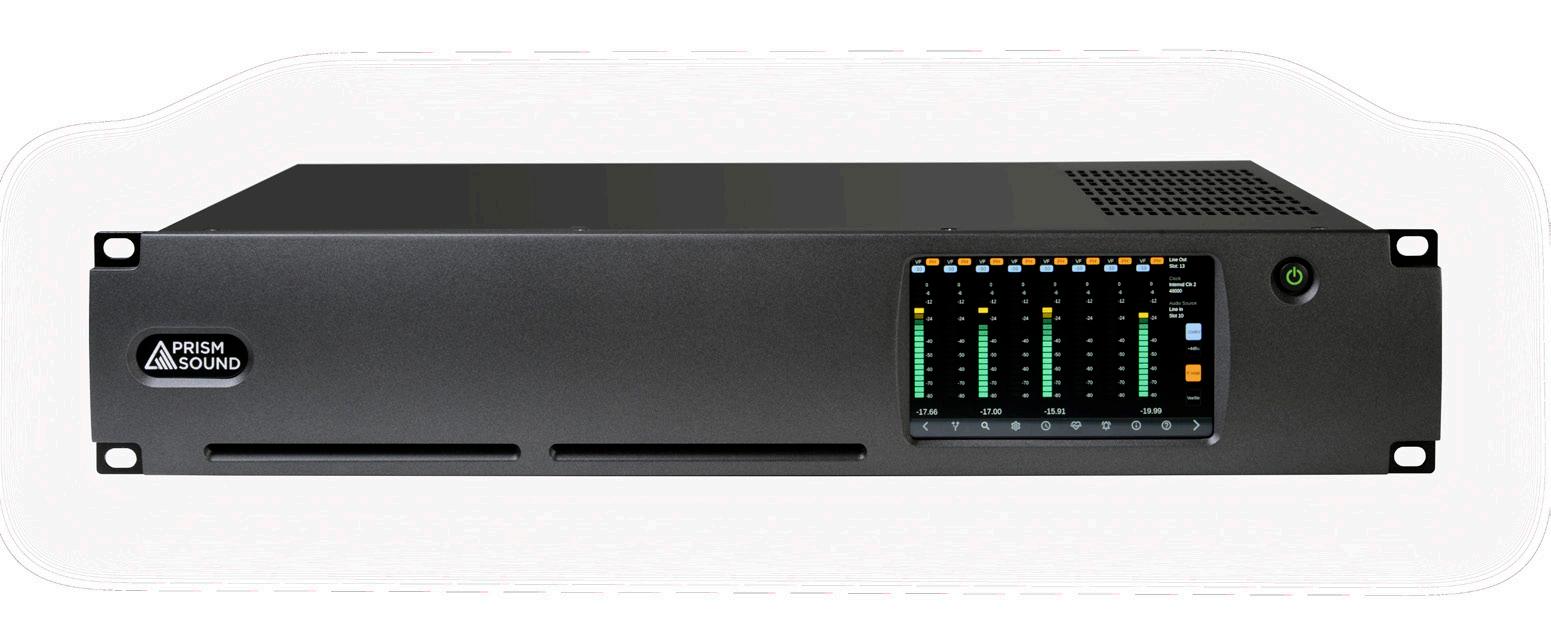
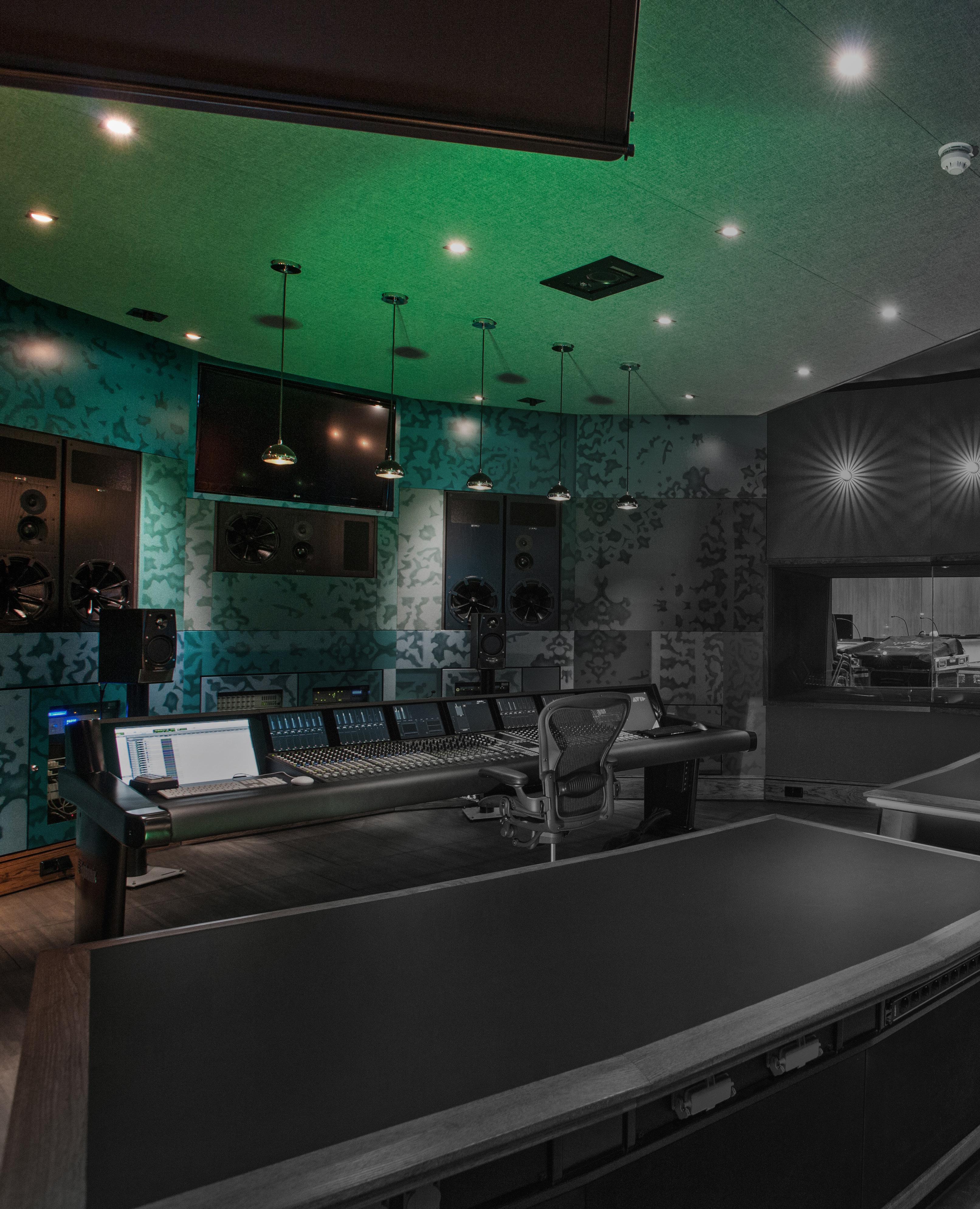

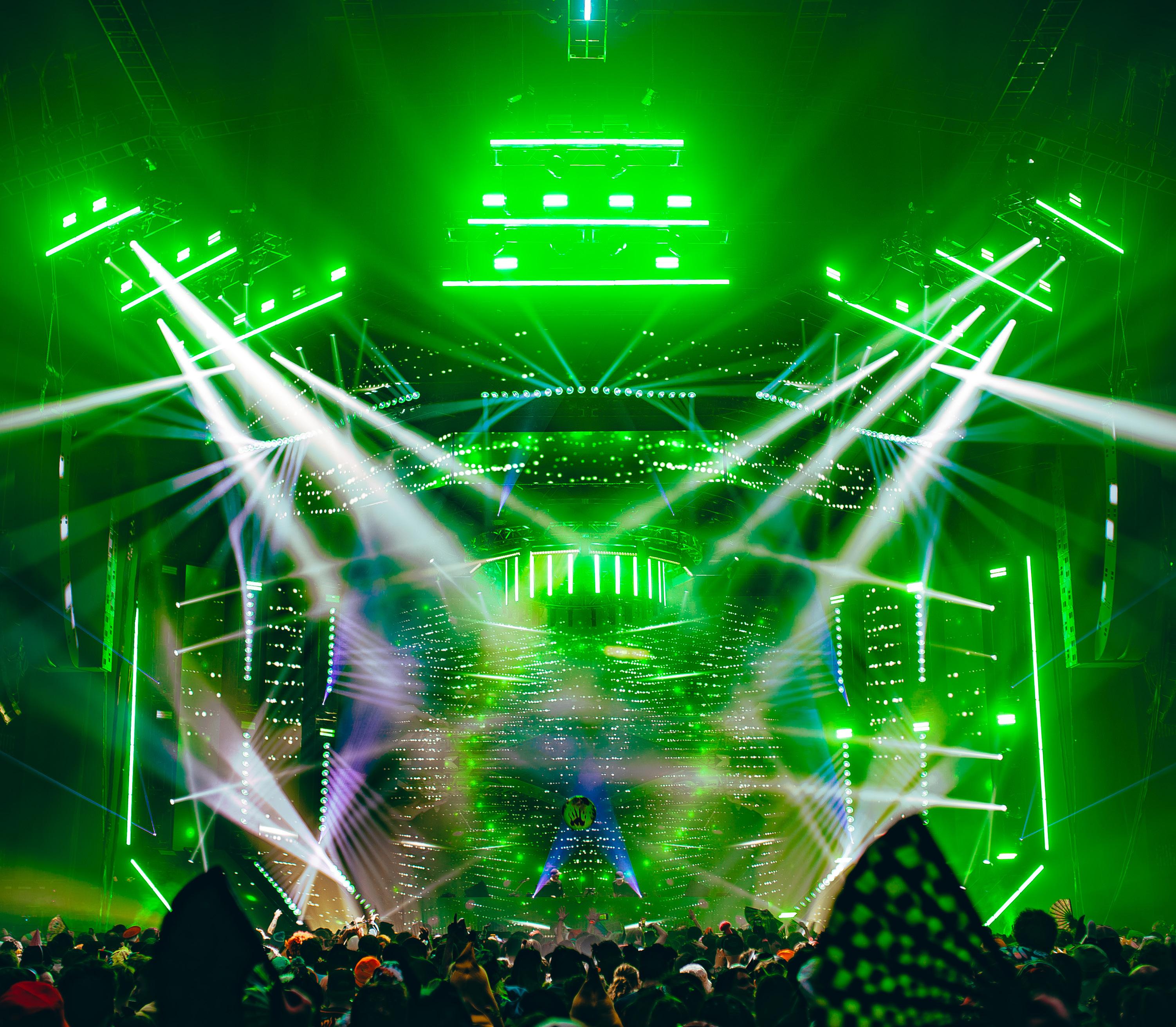
BRINGING THE BASS
GANJA WHITE NIGHT
Words by ALICEGUS T A NOSF
Credit:
Ganja White Night
From Belgian bass pioneers to global festival headliners, Ganja White Night have built a career on detail, depth, and low-end power. Headliner dives into how their evolving sound is brought to life on stage with an L-Acoustics system.
From a small studio in Mons, Belgium, to festival main stages around the globe, Belgian dubstep duo Benjamin “Bamby” Bayeul and Charlie “Erwan” Dodson have spent more than two decades shaping the modern bass music landscape as Ganja White Night. Formed in 2004, the pair’s meticulous approach to dubstep –defined by spacious arrangements, syncopated rhythms, and crushing low end – has grown into a formidable body of work, now 13 albums deep, and a reputation built through countless high-impact performances.
Now based in Los Angeles, Ganja White Night’s sound has expanded into a richly collaborative ecosystem, drawing in influences from artists like Boogie T, Subtronics, and GRiZ while maintaining the unmistakable identity that first emerged in Belgium. Translating that depth, nuance, and physicality to the live stage, however, demands more than creative ambition. It requires a sound system capable of rendering every detail with clarity while delivering visceral power.
That pursuit led Ganja White Night to a long-standing partnership with L-Acoustics, and, more recently, to the company’s L Series progressive ultradense line-source system, designed to meet their uncompromising sonic standards. “They definitely have a unique, distinguishable sound in the dubstep space, but they were
influenced from an early stage with drum ’n’ bass music from the kind of clubs that they would frequent as fans before they even really started writing music,” explains David Liberman, GWN’s manager and co-founder of Minneapolis’ celebrated Infrasound Music Festival.
“They’re also big fans of reggae music, and you can hear those influences throughout their catalogue – from downtempo, melodic dubstep to highenergy anthems. They’re definitely known for dubstep, but they have a large range. So they also needed a sound system that would let all of those musical and lyrical elements cut through clearly and powerfully. The L2 system delivers all of that.”
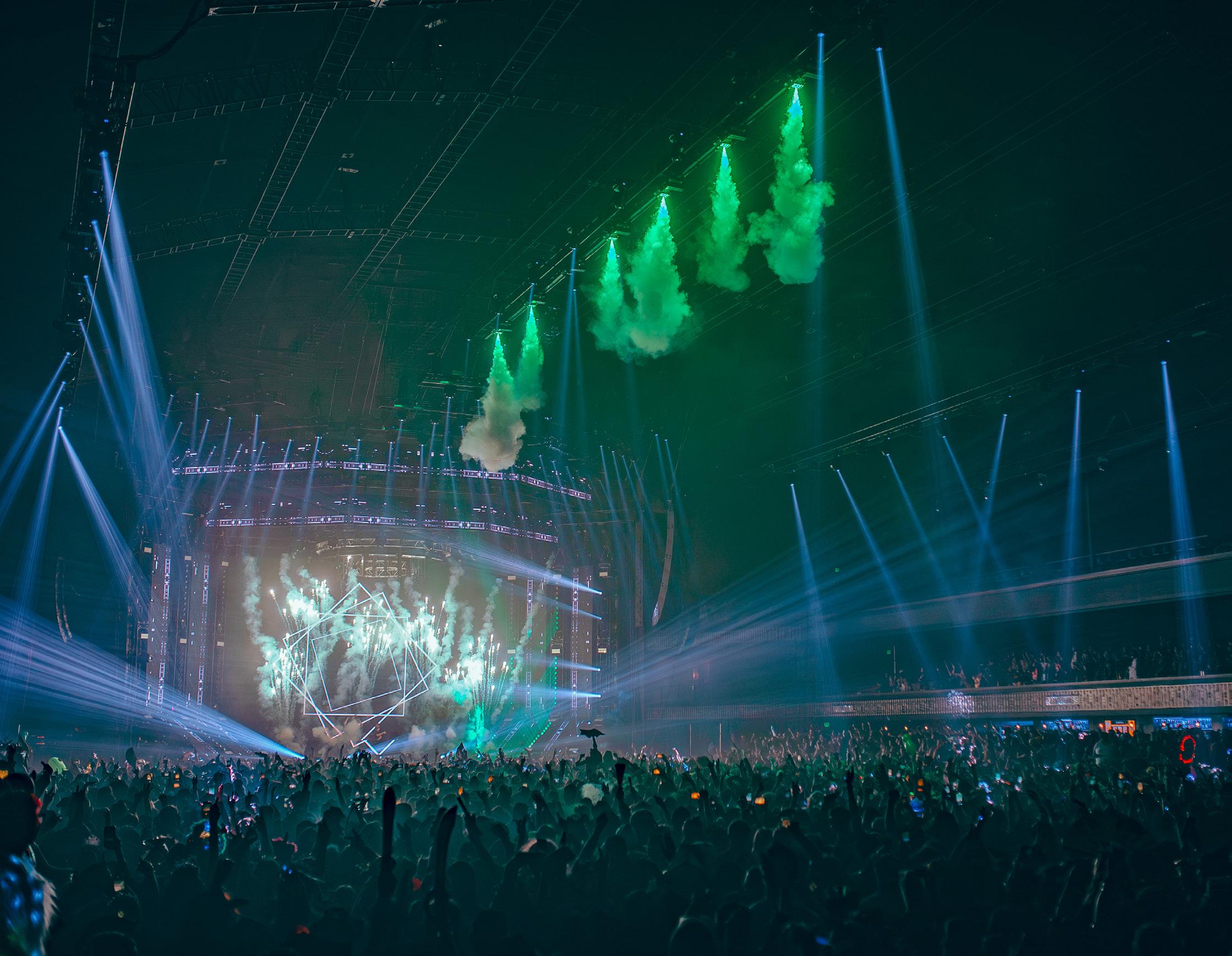
Credit: Ganja White Night
For much of their touring career, GWN were L-Acoustics users, early on relying on K1 and K2 systems for shows. However, as their range grew and their lyrical sensibilities evolved, they began playing everything from festivals to clubs, each requiring a sound system that could deliver the growing complexity of their music at any SPL.
One outcome of that is that GWN has no regular FOH engineer, but instead uses local A1s for each show who are intimately familiar with the individual venues. As a result, they came to rely on L-Acoustics not only for the consistency, but also for connections to regional SR vendors who can provide both optimally-configured systems and A1s who know each room intimately.
For their 11-city Sprouted tour, the duo’s first official trek since 2019 –Seattle’s FM Systems provided both system and engineer at WAMU Theater, while locally-based Allied Productions & Sales handled their annual Wobbleween shows at
Minneapolis’ Armory venue. That’s allowed GWN to travel a lot lighter than many EDM artists, giving them logistical freedom.
“L-Acoustics is the top name in sound, and as a result, we can find the equipment practically anywhere,” says Liberman, citing Vikram Kirby, L-Acoustics’ global director, application operations, as their A1 sherpa. “We can find their PA in any market, and we work with L-Acoustics to connect with the right providers wherever we tour.
“For instance, the Sprouted tour,” – which visited Detroit, Atlanta, Chicago, and more, with shows on back-to-back nights at each venue – “was just Friday and Saturday in a different market every weekend, so we didn’t have to travel an entire week with the same system. L-Acoustics connects us with trusted vendors in each market who maintain their gear properly and deliver the best quality sound.”
Benjamin “Bamby” Bayeul is quick to point out that the changing nature of EDM and its many subgenres now encompasses more lyrical content than in the past. “You’re hearing more pop and other artists doing EDM remixes now,” he says, “and the clarity of the PA is critical to deliver those lyrics clearly. It also helps us take what we do in the studio into the live performance, and the feedback we get from fans at shows tells us we’re succeeding at that.”
It also comes across onstage, where GWN rely on L-Acoustics Kara II or X Series enclosures for monitors, to supplement their IEMs, along with KS Series subwoofers. “I mean, if we don’t feel the subs on stage, it’s really hard to get moving and feel the energy since it’s such bass-focused music,” he explains. “Using the L-Acoustics subs, we’re able to feel exactly what we’re putting out to the room. It puts us in the space with the audience, really, and that’s exactly where we always want to be.”
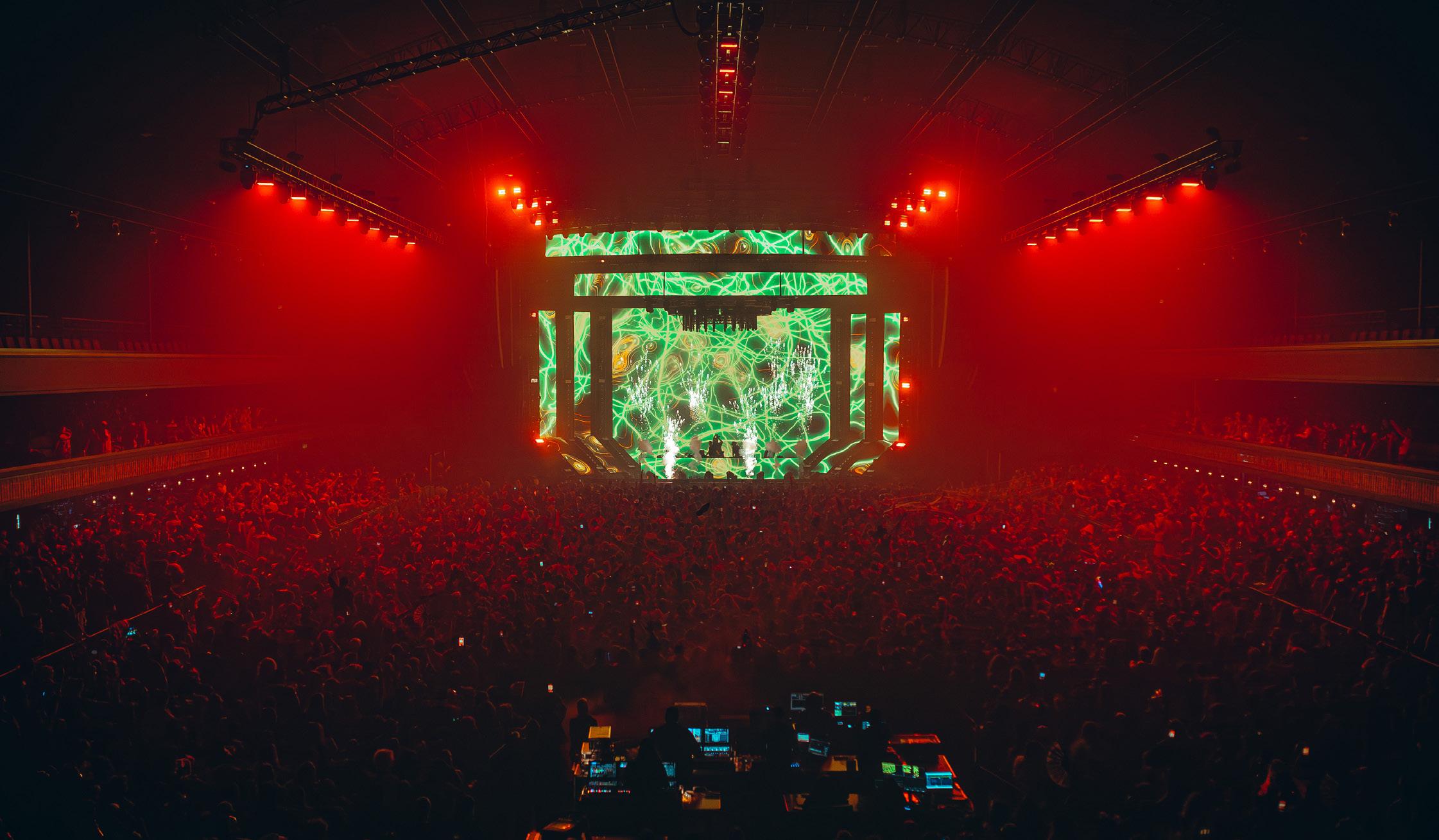
Credit:
Ganja White Night
“THEY NEED POWER, BUT THEY ALSO NEED CLARITY, BECAUSE THEIR MUSIC IS COMPLEX;THERE’S ALMOST A CINEMATIC APPROACH TO WHAT THEY CREATE.”
Liberman amplifies that, saying that the combination of impact and clarity that the L Series delivers is what virtually brings the studio to the stage for GWN, who then bring the audience up there with them.
“They need power, but they also need clarity, because their music is complex, and there’s almost a cinematic approach to what they create,” he says. “One of their biggest influences is Hans Zimmer; they’re absolutely enamoured with his ability to capture emotion and tell a story with music.
Ganja White Night’s music similarly taps into deep emotions, and L Series gives them both the clarity and lowfrequency impact needed to take their recordings into the live environment
and bring those stories to life.”
Elaborating on that need for clarity, FM Systems A1 Kyle Kirwan, who is one of the team of front-of-house engineers to semi-regularly work with GWN, says lyrical intelligibility is a hallmark of L-Acoustics loudspeakers, and of the L Series in particular. “L2 has a very unique approach to speech intelligibility and clarity,” he nods.
“It has excellent high-frequency resolution, and there are no interenclosure angles in the arrays,” describing the angle between adjacent speaker cabinets, which determines the vertical or horizontal coverage of the entire sound system. L2 is also a very efficient enclosure to
deploy, quick to fly and hang, and is a dream from a control perspective.”
Further, he points out, its cardioid design reduces spill onstage even as it increases the SPL out front. “That really cleans up the stage, making that environment that much better for the artist,” he says. “And combined with the KS28, we have a contour all the way down to 20 Hertz, which helps us give the audience the same experience the musicians have on stage. The audience hears exactly what the musicians are giving them. That’s pretty amazing.”
INSIDE FÊTE DE L’HUMANITÉ
WHERE CULTURE GETS LOUD
The three-day Fête de l’Humanité is France’s largest popular cultural gathering – and one of its most distinctive. Launched in 1930 as a fundraising event for the newspaper l’Humanité, the festival drew just a thousand people in its first year. Nearly a century later, that number has swelled to a record 800,000 visitors. Part music festival, part political forum, part cultural showcase, Fête de l’Huma blends live performance, debate, art, and film across multiple stages. Run largely by volunteers, it draws stallholders from around the world and attracts leading politicians and journalists alongside its vast, diverse crowds. Headliner discovers how this year’s renewal at Brétigny-sur-Orge saw a CODA Audio system taking care of the Josephine Baker Stage, one of the event’s principal focal points.
Experienced Paris-based event production supplier RegieTek provided the system, which featured CODA’s flagship AiRAY line array, and was designed and overseen by project lead Vincent Luce:
“This was the fourth year in a row that we have supplied a CODA System for the festival,” says Luce. “The
AiRAY is a powerful, accurate, and renowned system, which is perfectly suited to the demands of this event. The Josephine Baker Stage alternates between ‘concert’ and ‘electro’ setups; the AiRAY used in conjunction with CODA’s sensor-controlled subs makes it easy to juggle the demands of sharply contrasting musical styles.”
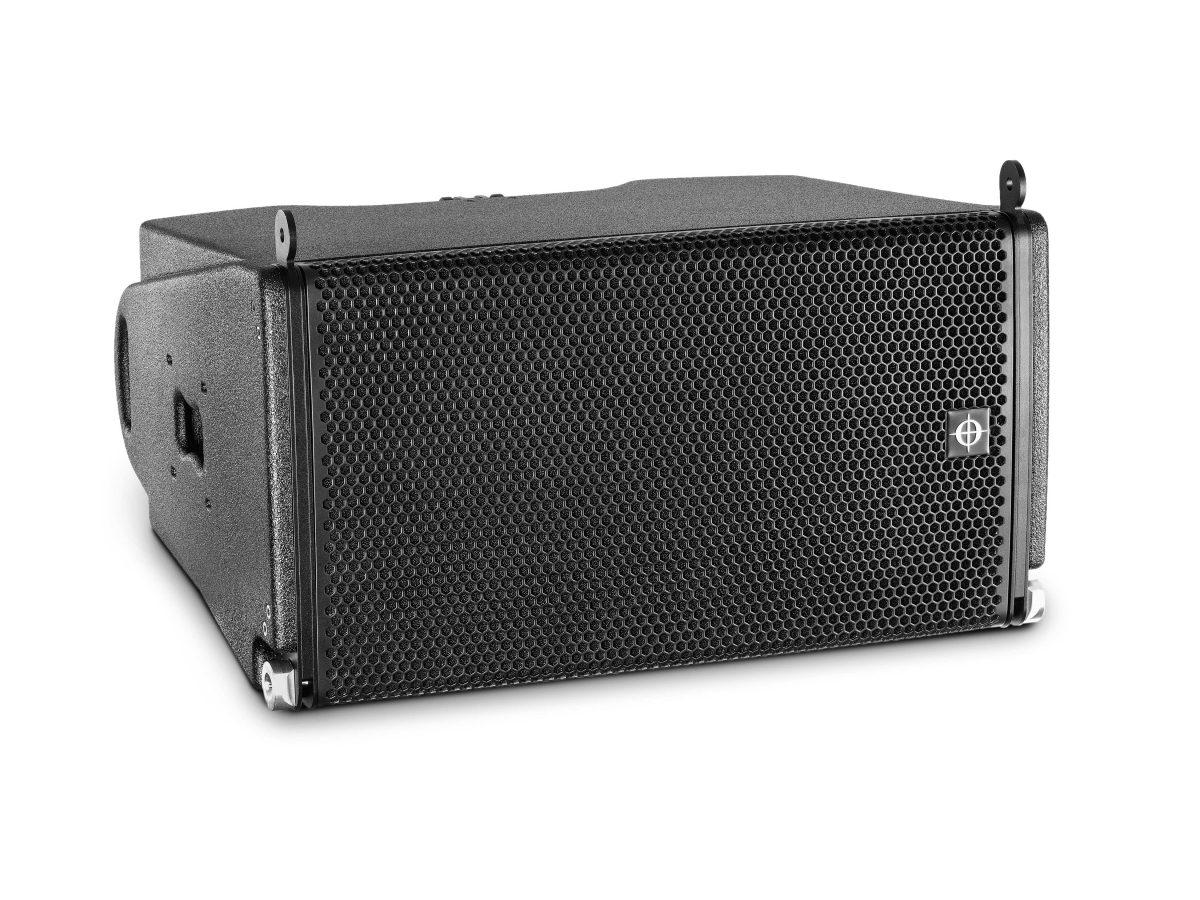
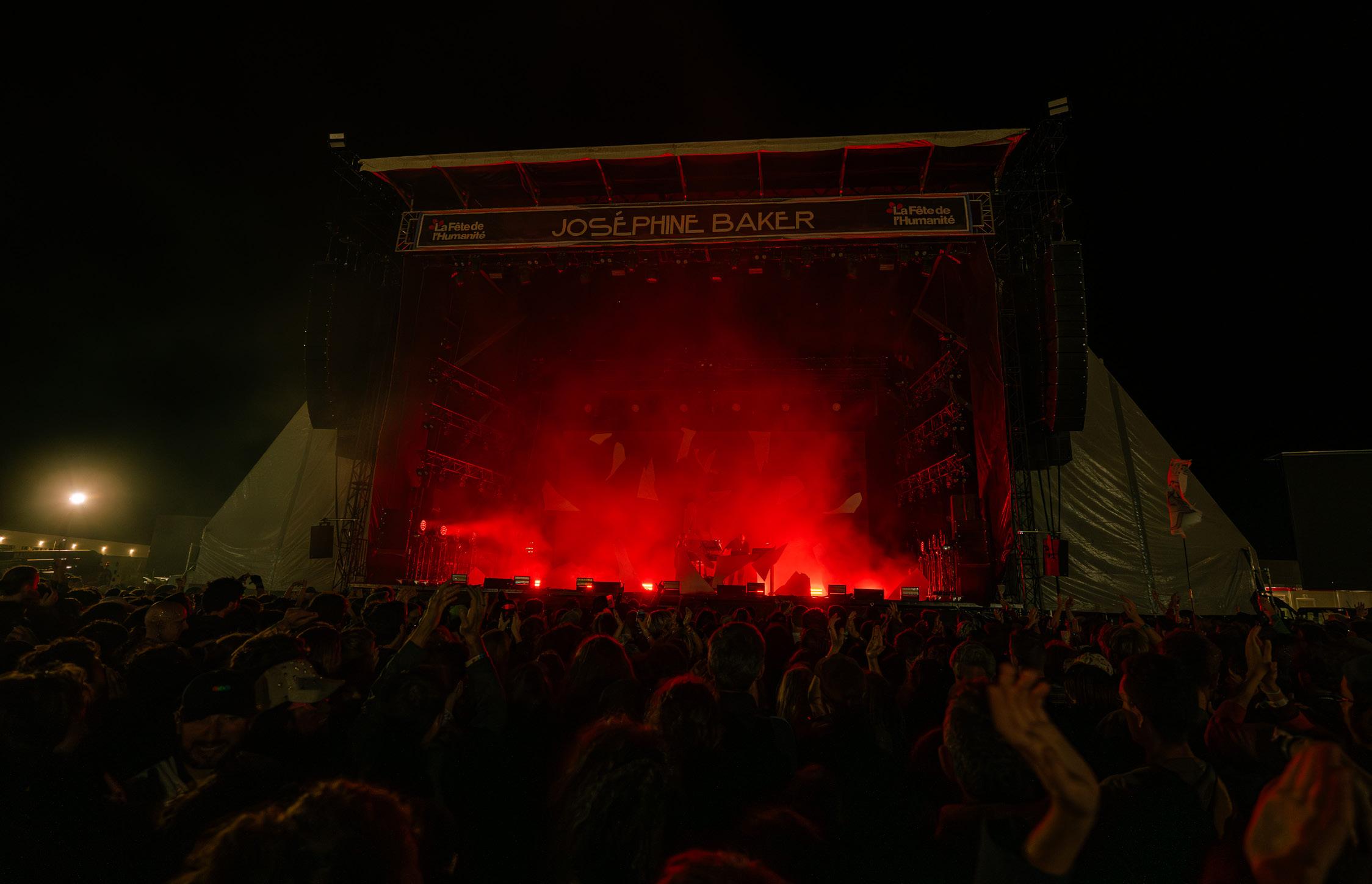
RegieTek supplied a main system of 24 AiRAY and 16 SC2 sensorcontrolled subs in ‘end fire’ mode. Added to this, a further nine SCP-F per side in a cardioid arrangement (front-back-front) were combined with a line of 10 SCP-F on the floor to provide even distribution of low frequencies. Four ViRAY per side were deployed as infills, with a further four ViRAY at the front of the stage as lipfills to cover the near-field.
A pair of HOPS12 opens up the flanks of the stage. A total of six CODA Audio LINUS T-Rack (12-channel touring rack), each containing three LINUS14D 4-channel DSP amplifiers, with a further four M-Rack (compact 4-channel touring rack), each containing a single LINUS14D DSP amplifier, powered the system.
“We had a very positive reaction from all quarters to the audio,”
Luce enthuses. “The Alpha 256 stage enabled us to mount all the loudspeakers high enough, one behind the other – AiRAY, SC2, SCP-F – and the sound was excellent. All the speakers were in phase, and in terms of sound pressure and consistency, the outcome was excellent.”
BACKLINE HEROES
MESA/BOOGIE IR COLLECTION
The backline can be heroes, just for one day. Because Celestion has introduced the Mesa/ Boogie Impulse Response (IR) Collection. Headliner discovers how this latest offering, joining the acclaimed Backline Heroes series, is designed to capture the unique tones of Mesa/ Boogie’s range of speaker cabinets, provided in a digital impulse response format.
The Mesa/Boogie IR collection features guitar tones from rock and metal history, commonly favoured by those seeking a heavy sound with a significant bottom end. The collection is versatile, encompassing the soulful, vintage magic of the Lone Star cabs, the low-end fullness and thump of the classic Rectifier cabinets, and
the punch of the Widebody models. Celestion’s sound engineers have captured the distinctive tones of 14 distinct Mesa/Boogie cabinet types, each loaded with 43 carefully selected Celestion speakers, including factory standard and common modifications, to ensure tonal variety.
The complete collection provides 108 distinct speaker and cabinet combinations, allowing users to find their preferred tonal flavour.
The impulse responses are available individually, as the complete Everything Pack, or in four curated multi-IR collections. The Fat Pack
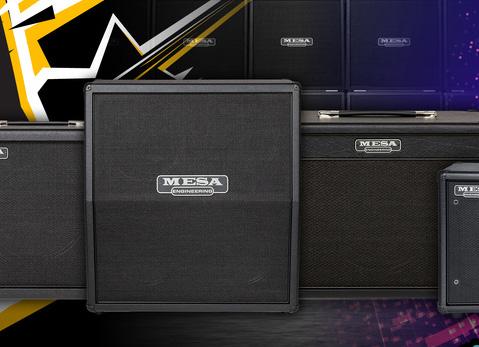
captures Mesa/Boogie’s Widebody and Thiele 1x12 cabs, created to deliver fat tones and an outsized low-end punch, while the 4x12 Pack features three 4x12 Rectifier cabinets, providing essential metal tones with thundering low-end punch and articulate high-end. The Recto Pack includes the Recto 2x12 and 2x12 extension cabs, designed for use with Rectifier and Mini Rectifier heads to deliver high-gain aggression and full-bodied Mesa/Boogie tone. Finally, the Lone Star Pack features all the Lone Star 1x12 and 2x12 extension cabs, emphasising punch and projection combined with vintage warmth, which makes it suitable for country and Americana styles.
Celestion captured these cabinets using the same recording techniques applied to their principal range of IRs. Each cabinet impulse response was recorded with studio-standard microphones, including the Royer
R-121 ribbon, Shure SM57, and Sennheiser MD421. This process offers 18 distinct tones for each cabinet and speaker combination, including six microphone positions and mic mix options, while open-back cabinets were captured with an additional rear mic position. Paired with a DAW and IR loader plugin, modelling amp hardware, or load box, the collection provides an authentic tone alongside a dynamic response without introducing latency.
The introduction of authentic Celestion Impulse Responses represented the mission to make the brand’s celebrated speaker tones available as digital downloads. These IRs capture the essential behaviour of a speaker in a particular cabinet in the specific space in which it was recorded, including the frequency and phase response of single drivers as well as the interaction of multiple speakers. They offer
significant benefits in both recording and live production, enabling the desired tone to be precisely and consistently reproduced regardless of the environment. Furthermore, SpeakerMix Pro provides a studio software solution that enables users to access Impulse Response technology, while the companion Dynamic Speaker Responses (DSRs) represent an advancement in speaker response emulation and digital speaker tone.
The complete Mesa/Boogie Backline Heroes collection is available now for audition and download at celestionplus.com
Words by ADAM PR O ZT
SMALL STAGE, BIG SOUND
DARMSTADT STATE THEATRE
Darmstadt State Theatre, located in the historic and picturesque Hesse region of Germany alongside Frankfurt, has completed an extensive modernisation of its audio infrastructure, transitioning to a fully IPbased solution from Lawo. Headliner discovers how this upgrade was designed to meet current and future requirements for sound reinforcement and recording across the Small Stage, Main Stage, and the facility’s recording studio.
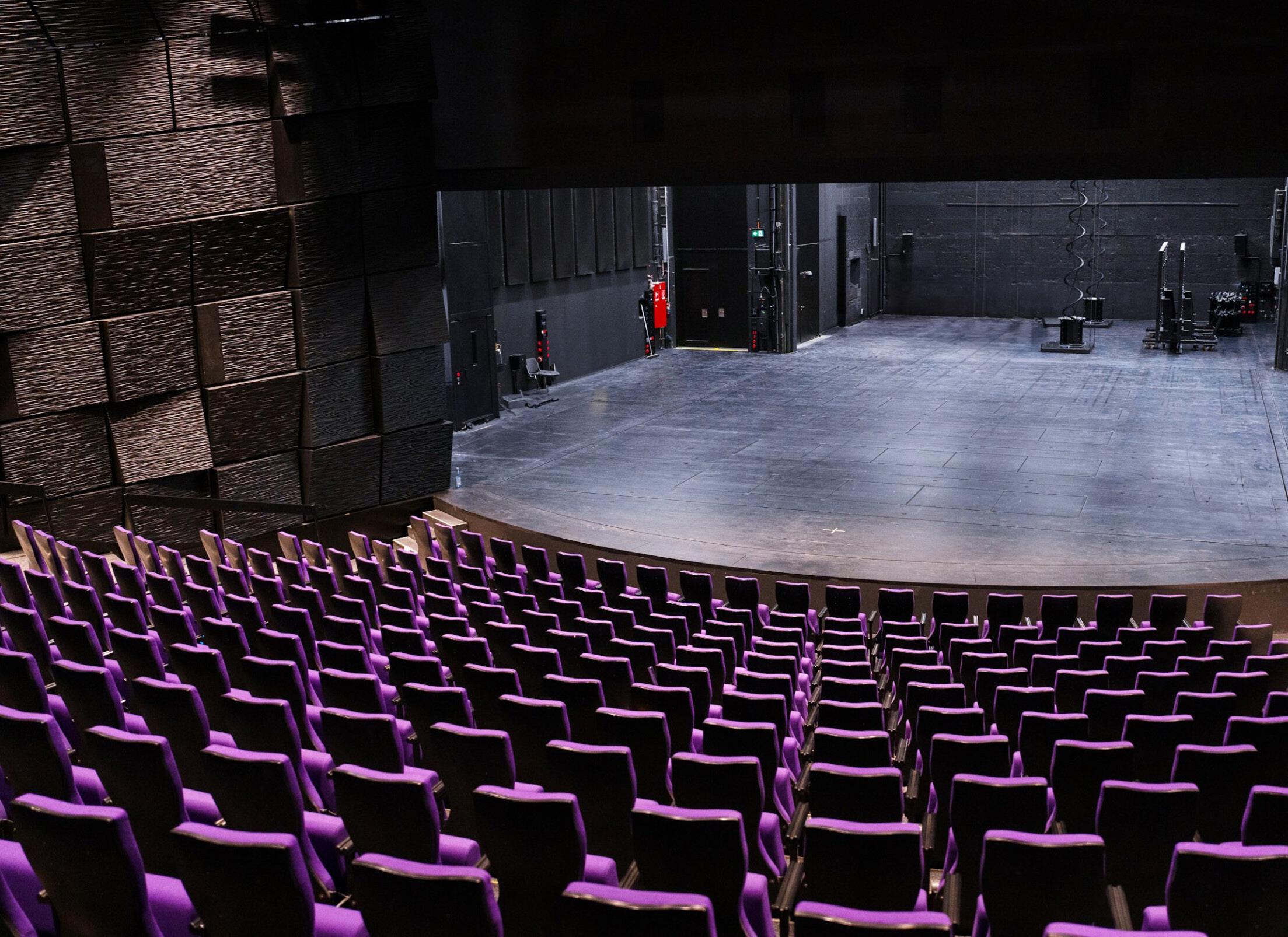
The new audio system in the Kleines Haus (Small Stage) is centred around two mc²56 MkIII production consoles, each featuring 16 faders. These are supported by two additional 16-fader extender units. The infrastructure includes multiple A_stage and A_mic8 stage boxes, and an A_UHD Core licensed for 768 DSP channels.
Centralised control is managed via the HOME platform, and the system is built on RAVENNA/AES67 Audioover-IP. This architecture supports multi-user workflows, redundancy, and interoperability. The system integration for the theatre’s venues and recording studio was carried out by Digitech.
“The Lawo mc²56 MkIII was the ideal choice for our new audio infrastructure,” explains Sebastian Franke, head of sound. “It not only delivers the performance and feature set required for largescale productions, but its modular user interface gives us maximum flexibility. We now have an mc²56 console with 16 faders at the FOH position and an identical unit in the sound control room, plus two 16-fader extenders that we can deploy wherever needed. During rehearsals, we often place them
in the middle of the auditorium — because that’s the only position where we can accurately hear the 3D sound image. At FOH, the ceiling speakers aren’t audible, so moving into the auditorium is essential for immersive checks.”
The A_UHD Core Audio Engines serve as the primary processing units for the mc²56 consoles, each providing 1,024 DSP channels. Integration with the theatre’s existing infrastructure is facilitated through A_stage I/O units and Power Core devices, which manage signal distribution. “We’re extremely satisfied with this decision,” says Franke. “We’ve worked with Lawo for years, sharing our views and requirements at trade shows and workshops, and many of our suggestions have been implemented in the mc²56 MkIII. Plus, support is always close at hand.”
The modernisation process followed a phased approach, with the Main Stage upgraded in 2023 and the recording studio equipped with the AoIP infrastructure in 2024. The recording studio’s mc²56 console is designed to integrate with the systems used in the other venues.
“The recording studio now features an mc²56 console that integrates tightly with the systems in both the Main Stage and Small Stage. Once the HOME systems are fully connected, we’ll be able to route signals directly from the choir hall or musical theatre stage to the main house, without anyone needing to sit in the studio,” Franke explains.
The centralised network architecture is intended to simplify operations. Franke notes: “The most complex workstation in the theatre, the mixing console, is now identical in both venues, so every sound engineer feels at home.”
The integrated system includes Waves SoundGrid, Lawo Virtual Sound Card (VSC) for macOS, RTW TM7 loudness metering, and the browser-based VisTool interface. Fourteen A_stage series stage boxes, including two A_mic8 units, provide ST2022-7 Class C redundancy to ensure low-latency, fail-safe connectivity between the stage, orchestra pit, and production areas.
The first live test of the Small Stage system took place during the premiere of Tom Sawyer. “We spent most of the time working with the console and the 16-fader extender in the last row, plus a monitor for playback. Everything worked flawlessly,“ reports Franke.
Franke concludes by noting the flexibility of the updated setup: “The scalability of the Lawo system makes it easy to adapt to any production, wherever and however we need it. We now have a highly networked, scalable infrastructure that allows us to manage even the most complex productions efficiently and reliably, from rehearsals to opening night.”
LAWO.COM
WORDS BY ADAM PR O ZT
RIEDEL REFCAM HITS THE COURTS
NOTHINGBUTNET
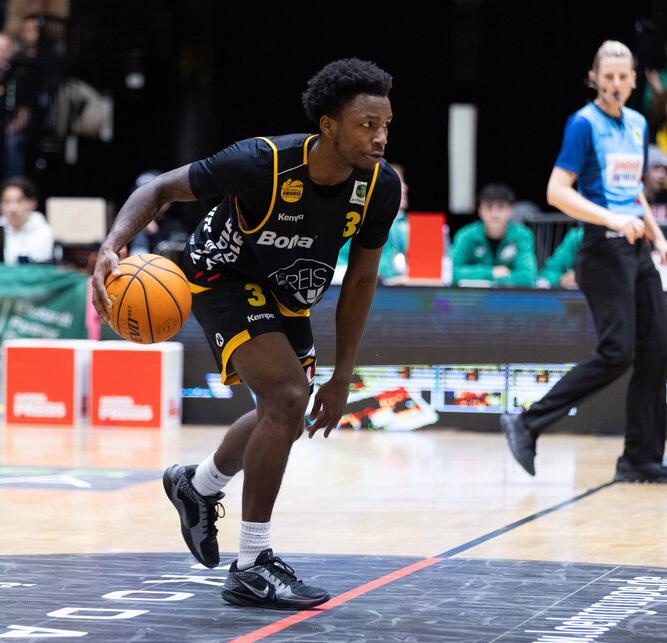
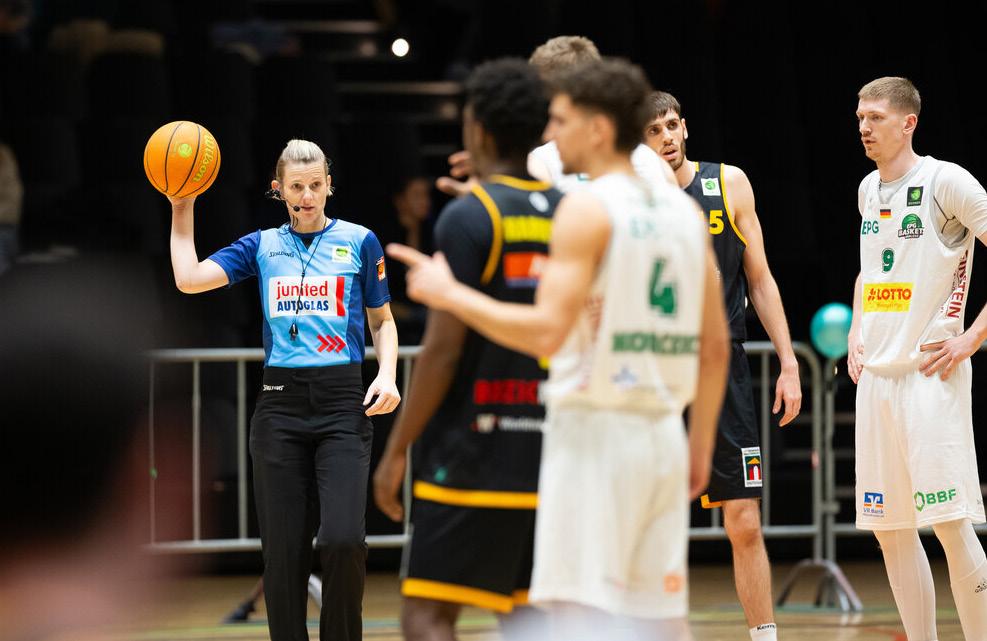
Introducing technology to sports can be controversial, for example VAR in the Premier League and all the raging opinions and pundits that has brought about. But the German Basketball-Bundesliga hopes a new innovation will be a slam dunk, by deploying RefCam technology from Riedel for the first time. As part of a scientific research project, the headmounted camera was implemented on 28 December 2025 during a match between EPG Baskets Koblenz and Bozic Estriche Knights Kirchheim in Koblenz. Headliner sits courtside to get the lowdown.
This research initiative is designed to develop a comprehensive training concept aimed at improving the decision-making skills of basketball referees. The Riedel RefCam is a compact, head-mounted camera system that captures game situations from the perspective of the official.
Although designed for both live broadcast and recording-only scenarios, three RefCam Record units
were utilised in Koblenz specifically for local recording purposes.
“Working with scientific partners is essential to advancing officiating standards,” comments Carsten Straube, B and C squad referee manager, DBB. “Innovative technology projects like RefCam can play a key role in quality assurance while also providing fresh insights for referee education and training.”
As part of a research initiative funded by the Federal Institute of Sport Science, the study focuses on the evaluation of a video-based training programme for referee decisionmaking. Footage captured with RefCam provides new perspectives from real game situations to supplement existing methods and is currently being integrated into the development of training materials.
“Highly dynamic game situations are difficult to capture from the referee’s perspective using conventional cameras,” adds Dr Johannes Meyer,
research associate, DSHS. “RefCam enables us to record and analyse precisely these sequences with a high degree of realism.”
Jacqueline Voss, executive director of strategy and innovation at Riedel Communications, concludes: “This exciting project demonstrates that our RefCam is not only suited for immersive perspectives in live environments but can also deliver valuable insights for analysis and research. We are delighted that our technology can support both sports science research and referee development in German basketball.”
RIEDEL.NET
DIGITAL WIRELESS IN THE PHOENIX VALLEY
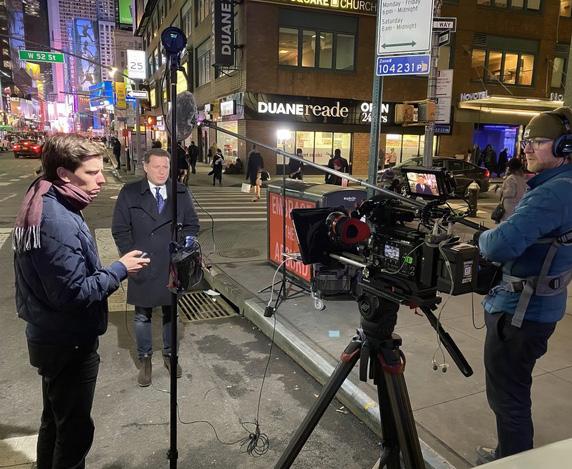
In the field of location sound, production sound mixers often face technical challenges that require specific equipment solutions. When encountering the radio frequency environment of the Phoenix Valley, Jesse Kennedy of Kennedy Film Productions integrated the Lectrosonics DSR4 digital slot receiver into his workflow to manage the area’s complex signal landscape.
Kennedy’s career in location sound began with his initial experience as a production assistant. During his first assignment, he was given a choice of how to contribute to the production. “I saw four people standing in line to hold the camera, but no one was waiting to help out with audio,” says Kennedy. “I wanted to do anything, not just stand around, and I found myself holding a boom as second audio. It turned out I had a knack for it, and I was on my way. Incidentally, that was my first exposure to Lectrosonics, and I’ve been using the brand ever since.”
This first assignment was the premiere episode of the TLC programme Sister Wives, where Kennedy observed that reality television production often involves unpredictable conditions.
“After the episode aired, the Utah police opened an investigation into the family,” Kennedy shares. “The production looked like it would be a hit, but they had to get out of town to keep filming. I was chosen to be the audio guy who moved with them to Las Vegas. I was in deep right away, and we did 67 episodes together.”
Following his work in Las Vegas, Kennedy spent eight years in New York as a freelancer for various productions, including news, short stories, and daytime television, eventually joining the union for larger projects. After working in Dallas for eighteen months, he relocated to Phoenix, Arizona, where he faced a different set of RF challenges compared to his experience in Manhattan. “I thought New York was bad, frequency-wise, but the RF landscape was varied enough that I could always find a few clean frequencies regardless of their gear block,” Kennedy recalls.
“For whatever reason, the Phoenix Valley is like an RF nightmare, and my older block 21 transmitters were almost inert in many places.”
The reliability Kennedy had previously relied on was challenged by the local environment. “My old Lectrosonics products were tough! Transmitters got dropped in toilets, and they still worked,” Kennedy laughs. “But if the signals couldn’t reach the receiver, it was time for a change.
“That was my impetus to step up to digital transmitters.” To address these issues, Kennedy consulted with the local sound mixer community to see how they managed the regional RF environment. “I started asking other local mixers to see how they dealt with the RF challenges here. It was reassuring to hear that many had gone to Lectrosonics digital solutions.”
The adoption of the Lectrosonics DSR4 digital slot receiver provided a solution to the spectrum interference. “Once I went to the DSR4, wireless spectrum interference wasn’t an issue anymore,” he shares. “But the real revelation for me with the DSR4 was that it allowed me to maintain consistency with my older gear — it didn’t become obsolete. I can use a mixture of my new DBu and LT transmitters with my old plug-on transmitters, and in Hybrid compatibility mode, with a few button pushes, I can dial up anything I want, and there are no restrictions on frequency spacing.”
Kennedy now works on corporate assignments and commercials for brands such as Verizon and Archwell Health, as well as documentary features, including a recent project on Cy Young winner Tarik Skubal. He continues to use Lectrosonics for his production requirements. “While I’ve tried other brands over the years, I’ve always returned to Lectrosonics because it’s just such a trusted name for me,” he concludes. “Lectrosonics products provide great reception, great quality, and are kind of indestructible.”
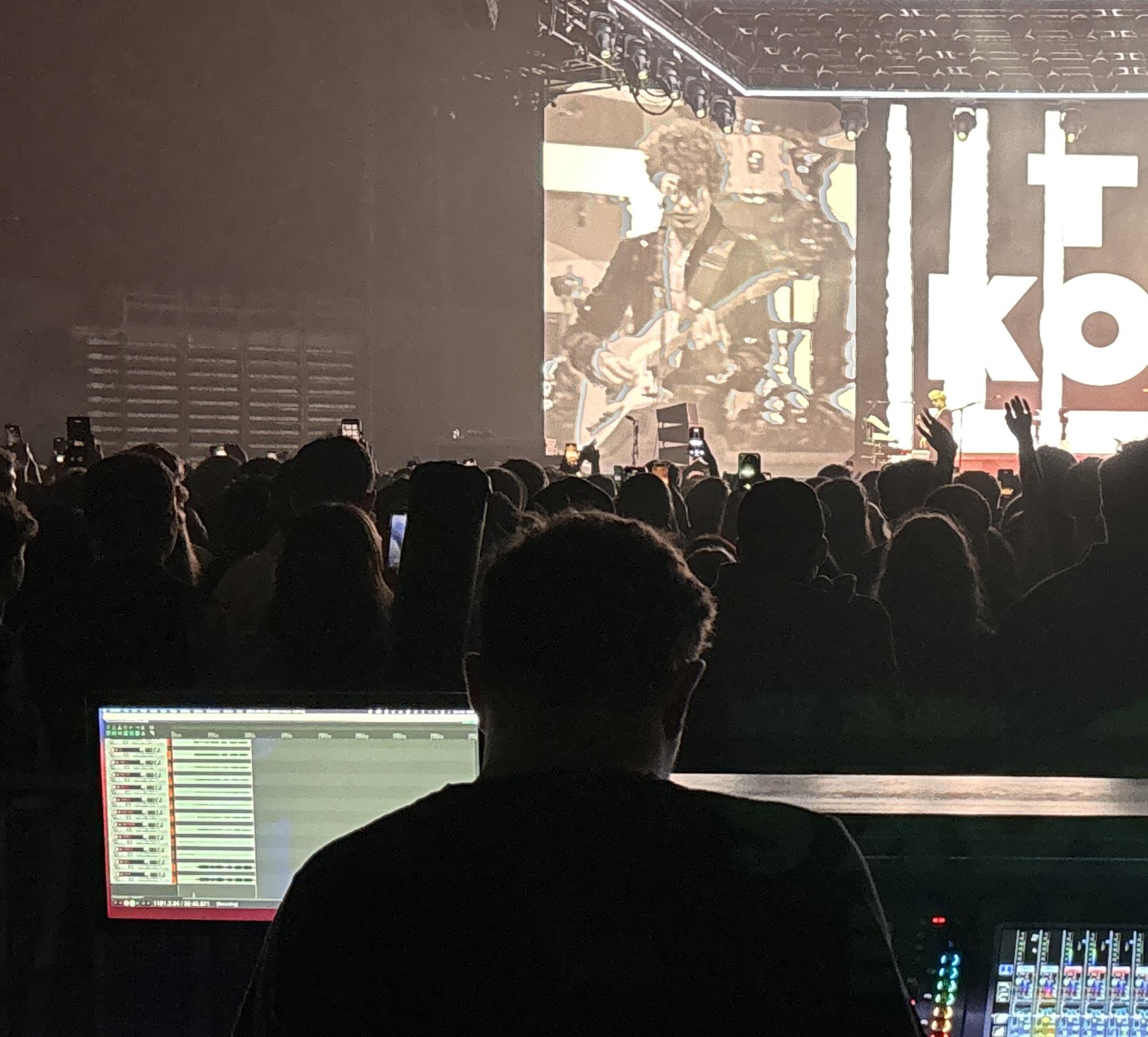
WORDS BY ADAM P R ZTO
BEHIND THE CONSOLES
THE KOOKS 2026 TOUR
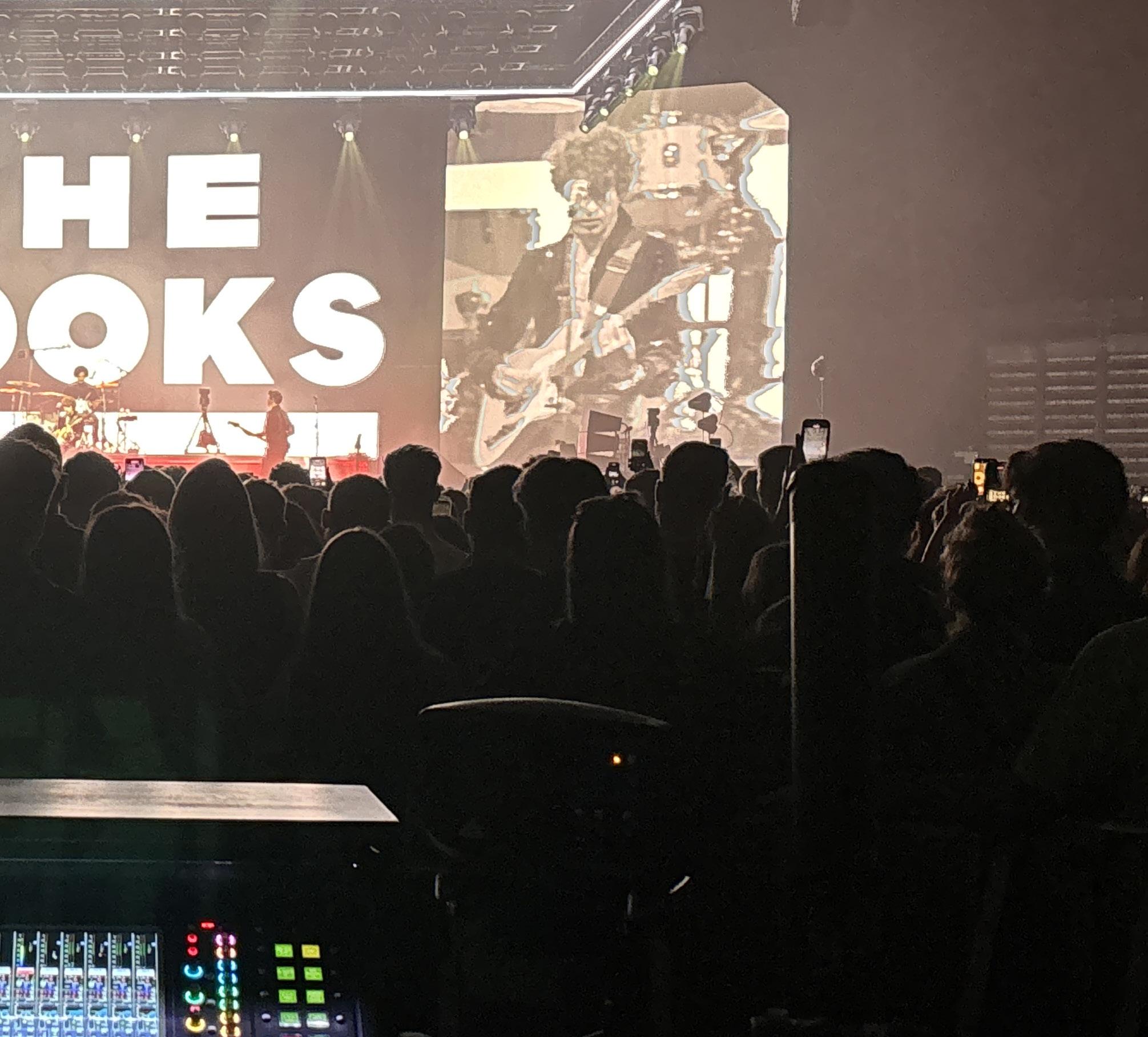
Brighton’s indie hit-makers the Kooks are heading out on their latest European tour in February 2026, taking them straight through into a packed festival season. During the dizzying heights of one of indie rock’s biggest moments in the midnoughties, the band caught the moment perfectly with singalong hits Naive and She Moves In Her Own Way. Fans will be singing back every word on the February tour, and there will be no naivety in the sound with the accompanying DiGiCo Quantum consoles in use by FOH engineers Russ Miller and Ralph Smart.
Meeting at the BRIT School in Croydon, Greater London, Luke Pritchard, Hugh Harris, previous member Paul Garred, and then shortly after joined by Max Rafferty, the Kooks formed in 2002.
The unlikely origin story was that the original quartet had the idea of forming the group while buying clothes in the discount chain Primark, where they began buying hats and other items that would fit their image.
In search of their first show in Brighton, a venue landlord told them, “Well, you can’t get a gig if you don’t have a
demo, but I like your hats, so I’m going to give you a gig.”
Taking the advice, the band sent out their first demo in the hopes of getting more gigs, but instead began hearing back from music managers and record labels. With The Kooks only four months into their life as a band, they signed with Virgin Records and recorded their debut hit album Inside In/Inside Out.
Engineer Russ Miller joined the Kooks touring crew in 2021, and Ralph Smart came a year later. The former explains that the band and crew were already feeling certain about the audio setup, and that there was no question of not continuing with DiGiCo.
“The Kooks is the first band I’ve worked with where the console has been a permanent fixture. We inherited the gig in 2021 from another pair of engineers who Ralph and I knew;
they were pretty entrenched in the DiGiCo ecosystem,” Miller recalls. “The decision was made not to change anything just for the sake of it and keep that consistency. We were very happy with the SD12 96s that were being used, but then the Quantum range came out, and the SD12s were harder to get hold of, so we swapped. We started with the Quantum 225, then went up to the Quantum 326 to benefit from the larger console surface.”
Miller emphasises the importance of artist satisfaction regarding sonic choices on tour. He maintains that the artists’ approval is a priority in his work, particularly with The Kooks. According to Miller, the band members possess a clear understanding of their musical
presentation, and he notes that the technical skills of engineers and the professional requirements of musicians are aligned in achieving this goal. “I’ve been mixing for a while now, but when you first start off as an engineer, there can be a tendency to think, I’m the audio engineer, I have the technical knowledge,” he says. “The fact is, there’s a reason, aside from brilliant songs, that those musicians are up there on stage, and that is, they’ve got really good ears. They know exactly how they want their songs to sound and can hear the most subtle changes. So, we make sure that we’ve got consistency at both ends of the multicore; that’s really important.”
The selection of the DiGiCo Quantum 326 is influenced by both its audio quality and its physical interface. The console features a customisable control surface designed to be intuitive, which allows Miller to maintain focus on the band.
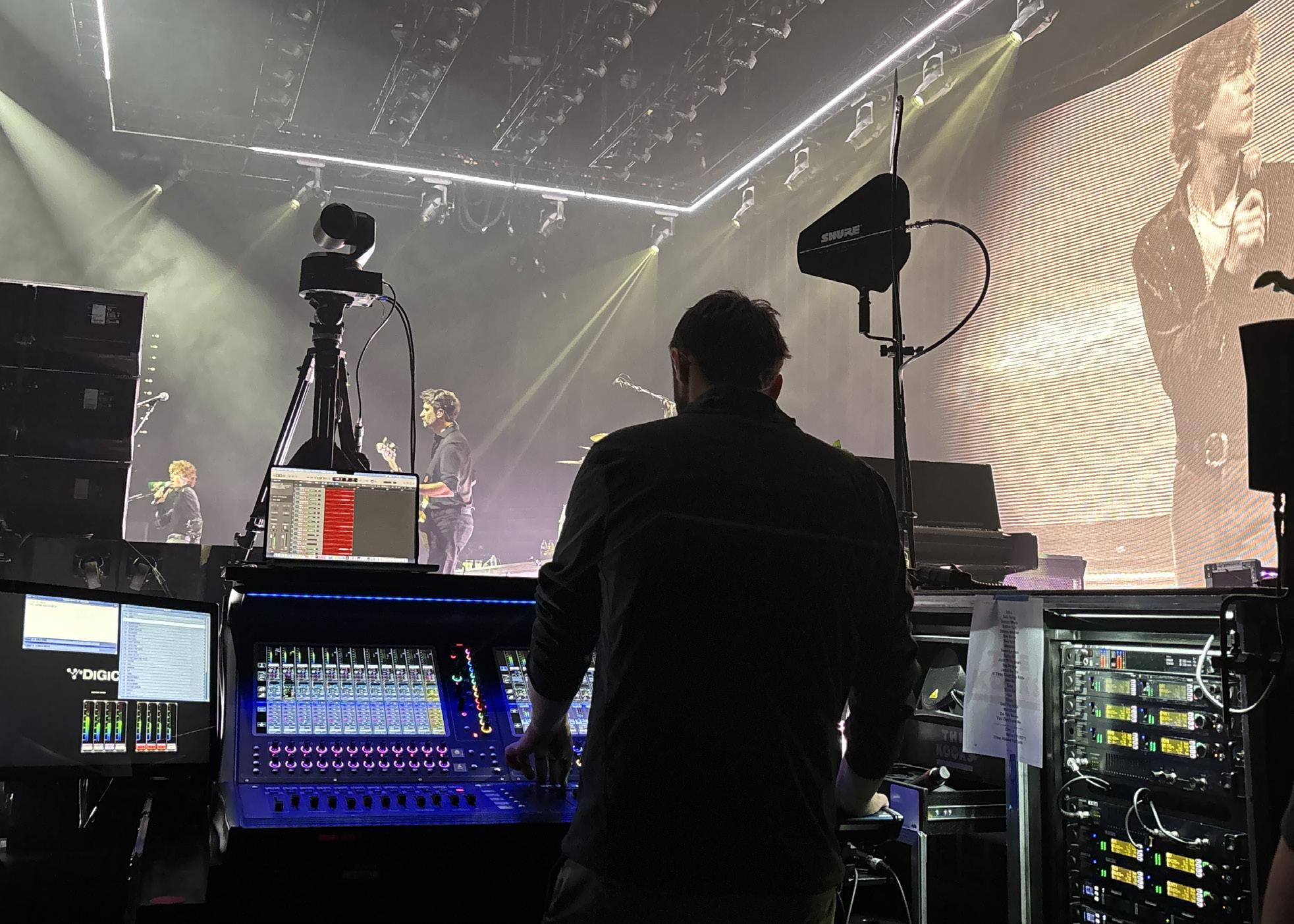
“THEY’VE GOT REALLY GOOD EARS. THEY KNOW EXACTLY HOW THEY WANT THEIR SONGS TO SOUND AND CAN HEAR THE MOST SUBTLE CHANGES.”
“Mixing is a dance, it’s a performance; you’re performing almost as much as the band. Having the same console under your fingertips all the time means you can learn that dance,” he expands. “I would wager that no matter what console somebody uses, they will try and make everything the same on every console, not just sonically, but the actual physicality of it. People in studios do the same thing, maybe their kick drum always comes up on Fader 19, or the vocal is always on 20, etc.”
At the monitor position, Smart utilises the Quantum 326 for its specific technical capabilities, including its larger matrix and increased processing power. Smart also highlights the significance of consistency when touring internationally. By specifying DiGiCo on technical riders, the production can rely on the brand’s global distribution network to provide familiar equipment regardless of the geographic location.
“Having a setup we know we can replicate across all territories via
local suppliers has been crucial for consistency. Last year, we made the leap to Quantum, and I haven’t looked back,” he says. “The additional matrices and macros on the Q326 have given me some really useful routing options with all my techmixes that were not possible when we were on the SD Range. I have been utilising the Mustard Source Expander, which has been great, especially in the bigger venues; it’s a really useful tool. I’ve also had great results experimenting with the tube emulations and the Mustard compressors on the console.”
The technical requirements of the tour are supported by the Liverpool-based company Adlib. With over 40 years of experience in the industry, Adlib supplies a comprehensive range of DiGiCo consoles and accessories. The company also provides technical crew and engineers to support The Kooks’ touring schedule.
“Adlib has a kindness that clearly comes from the top down. Everyone who works there has it; it’s like a house
attitude. I love working with them for that reason, and the gear is always top-notch, too,” Miller finishes. “David Grimes was the systems tech on the tour; he’s amazing, and Emma, who was our stage tech, is incredible, plus our PA techs Sam and Jamie, they’re all really knowledgeable and great engineers as well. It’s great to have extra sets of experienced ears on tour.”
“Support has been great for this tour,” Smart agrees. “Dave Jones and all the guys at Adlib have been amazing; the kit was prepped perfectly with an excellent crew. DiGiCo support has always been second to none. We had a festival a couple of years ago that we would have had to cancel after our console took a bath during a stage evacuation in Europe. As we were discussing pulling the show, a DiGiCo rep appeared and gave us a brand new Q338, gig saved! They always come through for us.”
MEET NOVACORE THE FOUNDATIONAL FUTURE OF AUDIX DIGITAL WIRELESS
At Winter NAMM 2026, Headliner got hands-on with a launch that signals a major shift for AUDIX. Novacore isn’t just the company’s first unified digital wireless ecosystem; it’s a rethinking of how pristine audio, RF security, and real-world scalability come together in a single, accessible platform for professional live sound and installed applications.
The new professional digital wireless platform comprises 16 distinct products, including the NCR1, NCR2, and NCR4 single and multichannel receivers, NCHH handheld and NCBP bodypack transmitters, specialised NCEC and NCTH vocal capsules, the Novacore Frequency Coordinator, and a comprehensive set of accessories.
Novacore has been designed to be the digital wireless answer for AUDIX customers across live sound, worship, legislative, and educational applications who demand uncompromising sound matched with mission-critical wireless performance. The platform has been engineered to deliver true-
to-life, natural vocal intelligibility while maintaining the reliability and construction for which AUDIX is known. At approximately $999 per channel, Novacore presents itself as a competitively priced, professionalgrade entry point into a full-scale wireless ecosystem.
“Novacore puts AUDIX in the digital wireless game with a secure, encrypted platform without overcomplicating things,” explains Steve Young, AUDIX director of sales. “It’s designed for our core customers who need straightforward setup, pristine audio, and rock-solid performance in a system they can trust week in and week out to hear what matters.”
Novacore brings the unique AUDIX sound into the digital domain using high-quality 24-bit analogueto-digital conversion. The system offers clarity with a wide frequency response (20 Hz to 20 kHz) and ultra-low latency of under 3ms. To meet modern security expectations for secure speech and performance, Novacore features AES-256 digital transmission encryption, aligned with industry standards.
The heart of the ecosystem is a family of Digital UHF receivers available in single (NCR1), dual (NCR2), and quad-channel (NCR4) configurations. These receivers feature a wideband front end with a 48 MHz tuning range, providing
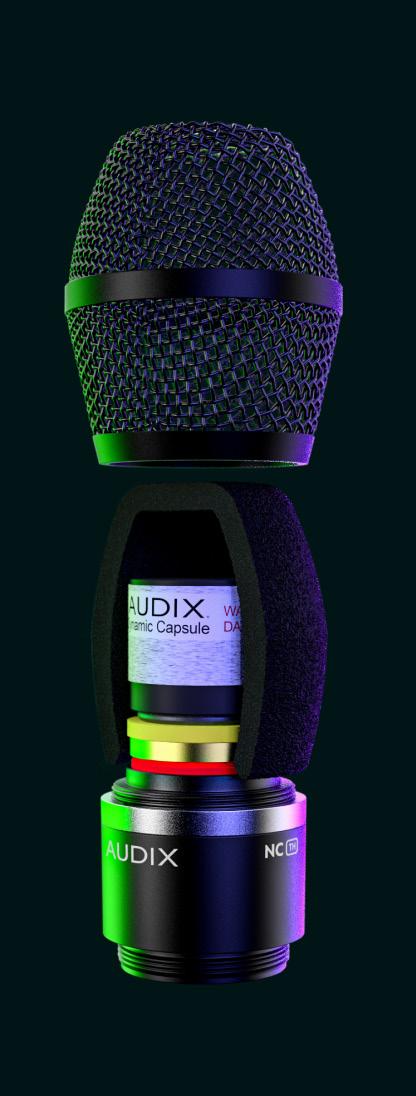
the spectrum agility required to survive crowded RF environments. For modern networked installations, the dual and quad-channel models are Dante-enabled, allowing wireless channels to be routed directly onto existing AoIP infrastructures.
The Novacore platform supports both handheld (NCHH) and bodypack (NCBP) transmitters, both featuring rugged construction and 16+ hours of battery life via rechargeable lithiumion or standard AA batteries.
Not stopping there, Novacore introduces specialised vocal capsules – the NCEC Extended Cardioid and NCTH Tight Hypercardioid – which utilise proprietary VLM (Very Low Mass) technology for natural sound and strong transient response. These capsules are designed with internal vibration isolation to reduce handling
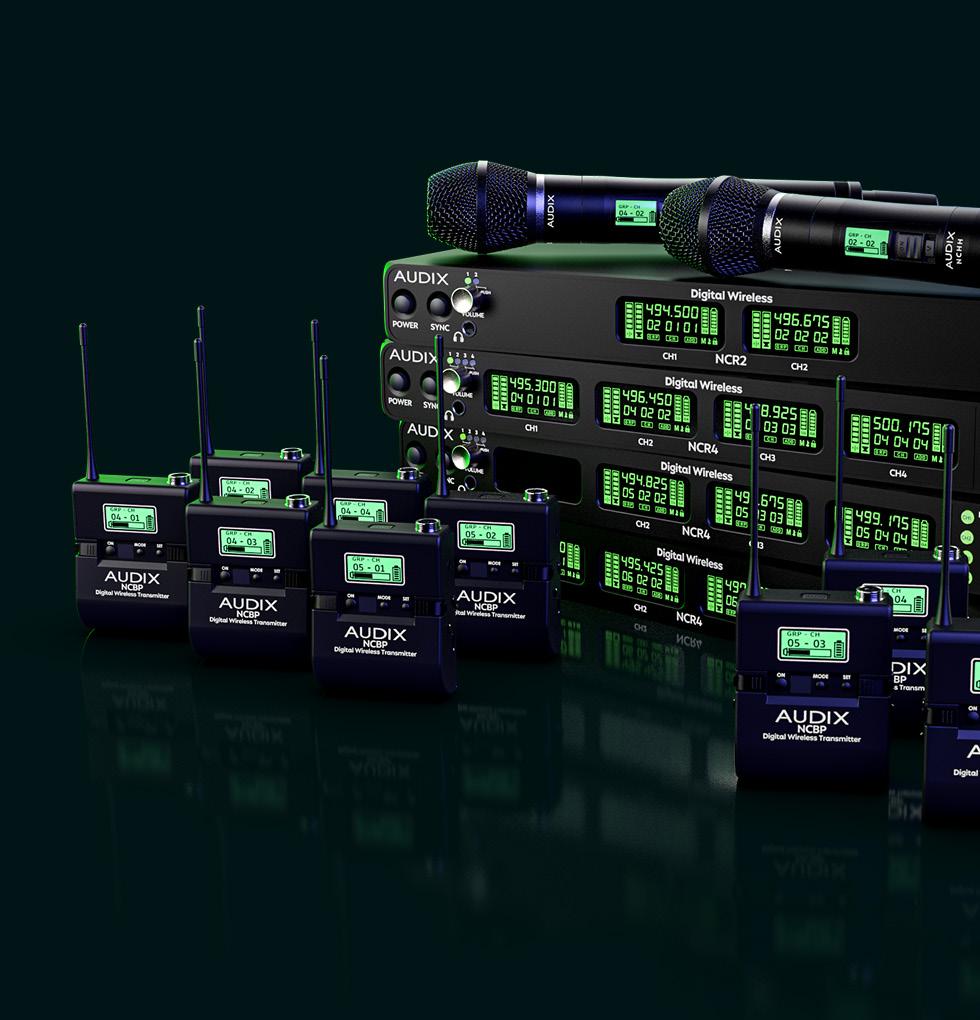
noise and are even compatible with common third-party S-thread wireless handles, providing an immediate sonic upgrade to existing systems. Expanding the reach of the platform, the recently introduced Wireless MicroBoom line (MBW50B, MBW84B, and others) now integrates seamlessly with the Novacore system.
These carbon fibre booms utilise miniature condenser capsules to provide discreet, high-quality audio for choirs and theatrical staging, without the visual clutter of cable runs. For institutions with existing hardware, retrofit kits (M1370B) are available to upgrade wired MicroBoom to the Novacore wireless standard. To ensure stable performance in challenging environments, the Novacore Frequency Coordinator software provides real-time visibility and
spectrum insight for coordinating multiple systems. The ecosystem is supported by a full range of professional accessories, including: NCRD Directional Antennas for focused RF coverage, NCAC Antenna Combiners to simplify multi-channel distribution, and the NCC1 and NCC2 Charging Stations.
New orders for the Novacore NCR1 receiver, transmitters, and capsules were taken at NAMM, with additional products in the line to soon follow.
AUDIXUSA.COM
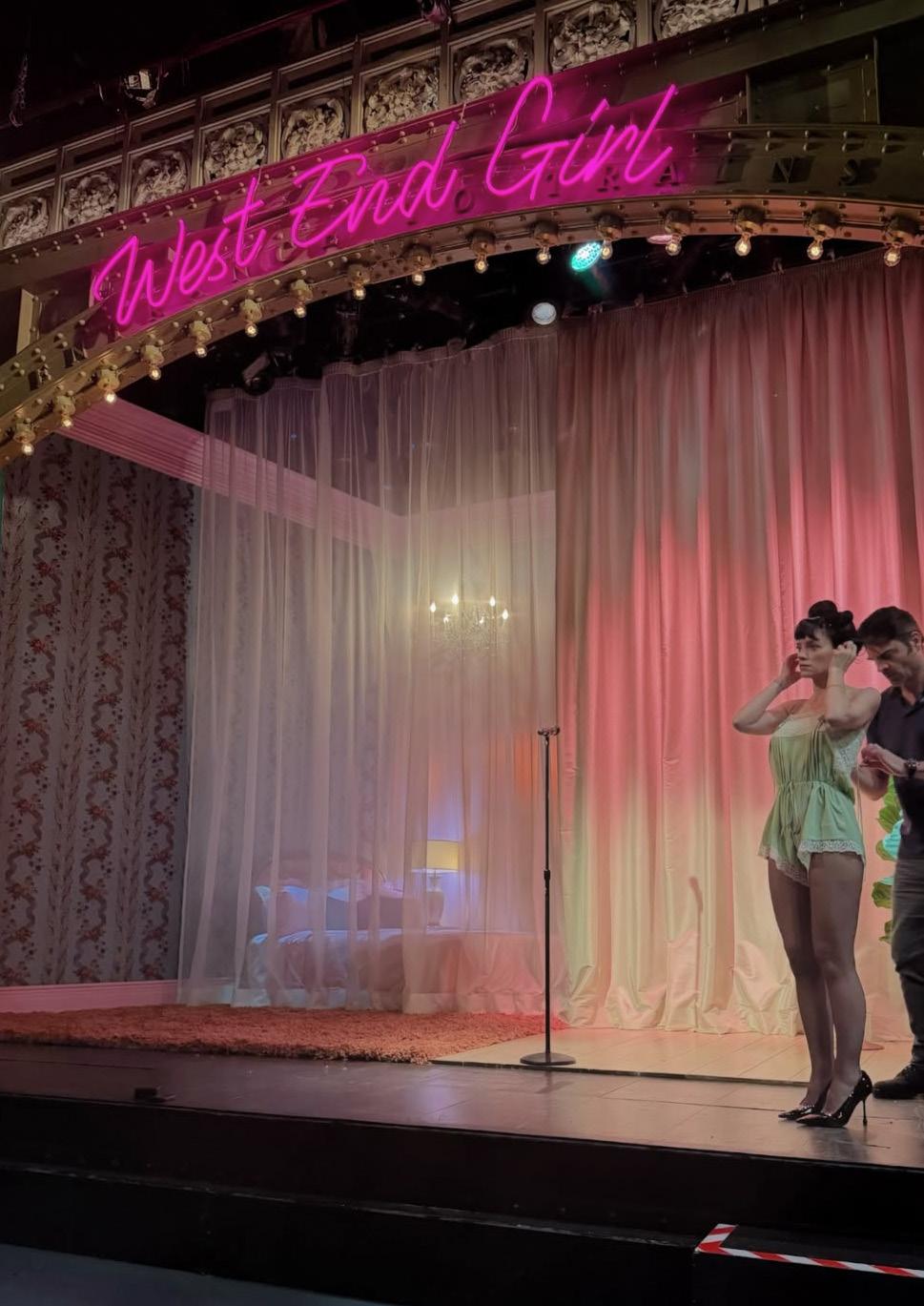

IT’S A PLAYBOOK FOR BUILDING AN UNSTOPPABLE TEAM
SNL ISN’T A SHOW
WORDS by Mike Dias & Kevin Glendinning
In his latest Headliner column, pro audio executive Mike Dias profiles one of live sound’s most trusted monitor engineers, Kevin Glendinning, about his role supporting Lily Allen during her recent SNL performance.
Most great engineers will play SNL two or three times in their entire career. This was Glendinning’s 14th time walking into 30 Rock. What makes SNL extraordinary isn’t what you see on camera; it’s the invisible engine underneath it. The team nobody sees, but everybody depends on. Every organisation wants to become an institution – a
legacy – but very few understand how that actually happens. Executives like to believe institutions are built through vision, talent, brand, or market dominance. But those are outcomes, not causes. The real engine is always the same: an indestructible team whose work is largely invisible but whose impact is non-negotiable.
“YOU GO LIVE, AND THAT DOWNBEAT GOES OUT TO EVERY LIVING ROOM IN THE WORLD. EVERY PAPER ON MONDAY WILL CRITIQUE IT.”
If you want to understand how real team excellence works, don’t study Wall Street or Silicon Valley. Study the production crew inside Studio 8H at Saturday Night Live. They are the hidden operating system behind one of the longest-running shows in American history. And almost no one outside the building understands how powerful, disciplined, and culturally coherent that team truly is.
Naturally, I assumed the conversation would be about Glendinning – the skill, composure, and technical precision required to execute under true liveto-air pressure that many times. But that would have been a misplacement of credit; the narrative trap everyone falls into when they focus on talent instead of team. Because the more Glendinning talks, the clearer it becomes that the real story wasn’t him at all – it was them. The team behind the curtain. The people whose names never trend.
The individuals who make excellence non-negotiable, no matter the artist, host, or era. Glendinning isn’t the hero here. He’s the witness – the recurring outsider who has been inside Studio 8H enough times to recognise the pattern. And what he reveals is a blueprint for institutional excellence that most engineers and executives never see: a culture so consistent it survives turnover, a standard so high it survives personalities, and a team so capable that the brand becomes as indestructible as they are.
THE
MACHINE AT 30 ROCK: THE TEMPO THAT MAKES SNL UNBREAKABLE
To understand why the team at Studio 8H operates at an institutional level, you have to understand the cadence of how the show is actually made. Glendinning walks me through it in a way that instantly clarifies the culture: Thursday is the real workday. That’s when the in-ears get dialled, monitors get balanced, blocking gets mapped, and the entire ecosystem of music, cameras, lights, set changes, and cues gets aligned. It’s not “rehearsal” in the casual sense – it’s the tightening of a machine with zero tolerance for drift.
Friday is completely off. Not because the team needs a break – but because the machine is already set. The only reason a day off works is that Thursday is run with such precision that nobody needs to chase fixes. Saturday is the longest day in television: Midday call. One more pass to confirm the entire signal flow. Then a full dress rehearsal. Then notes. Then edits. Then the re-block. Then the resets. And then comes the moment no other show has managed to replicate: Live to air. Three seconds of delay – then straight into millions of living rooms.
Glendinning puts it simply: “You go live, and that downbeat goes out to every living room in the world. Every paper on Monday will critique it.”
And here’s the part hardly anyone realises: the music doesn’t even start until 11:30 pm. On a normal tour, you’re loading your show out at midnight. At SNL, you’ve just finished song number one. And yet – here’s the paradox: the pressure doesn’t make the place tense; it makes the place better.
Glendinning describes it this way: “They treat you right. They don’t make you feel like, ‘Hey, we do this, you stand over there.’ Whether you’re hands-on or just advising, everybody treats you right. People come and go, but the ethos stays the same. It’s always been family.”
This is why the end of an SNL episode carries a different charge than even the Grammys or VMAs. Yes, there’s the usual, “Holy bleep, we did it” moment, but there’s also a deeper collective gratification, a sense that everyone in the building contributed to something extraordinarily difficult and made it look effortless. This is the invisible environment executives need to study: a team that operates with total precision under conditions that punish hesitation and reward preparedness. You cannot fake a culture built on this kind of tempo. You cannot wing it. You cannot improvise it. You cannot ‘personality’ your way through it. The system demands excellence, and the team rises to it every single week.
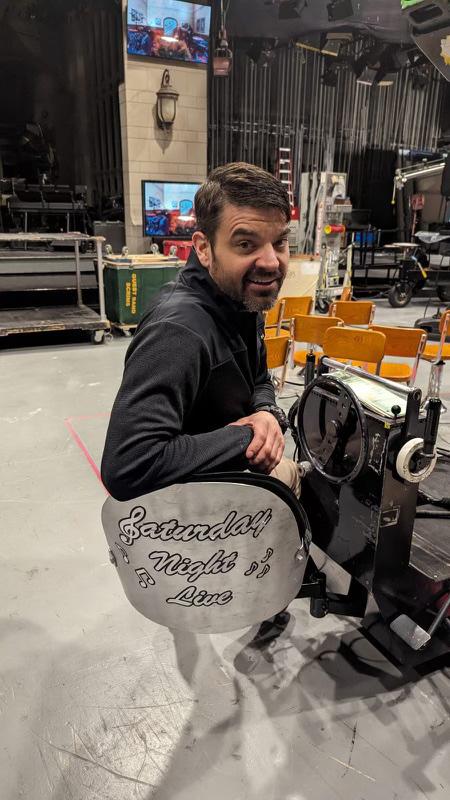
THE FINAL RULE: COME PREPARED OR GET OUT OF THE WAY
There’s one more truth Glendinning keeps returning to: the truth that makes everything about Studio 8H make sense. The SNL team isn’t just excellent. They’re busy – intensely busy. They are managing dozens of simultaneous, interlocking demands in real time. They don’t have the bandwidth to fix your mistakes because they are already holding the entire show together.
Glendinning’s words are blunt: “You need to be rehearsed going in. You’re not there to figure out your parts. You’re not there to have ideas. You
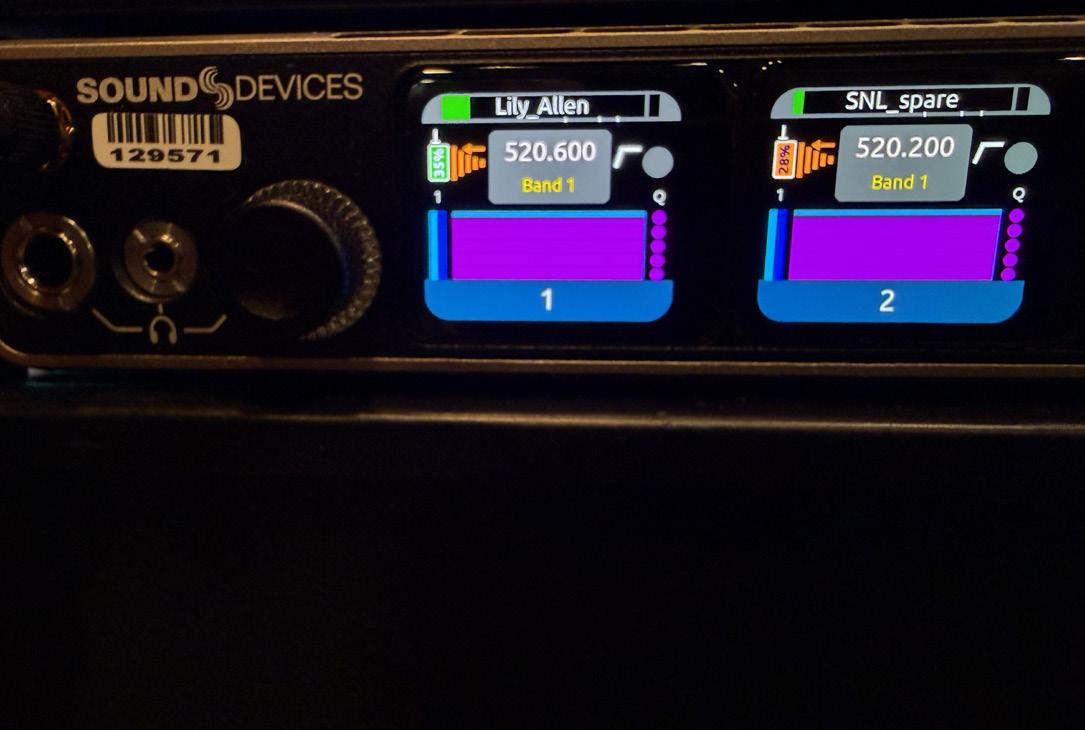
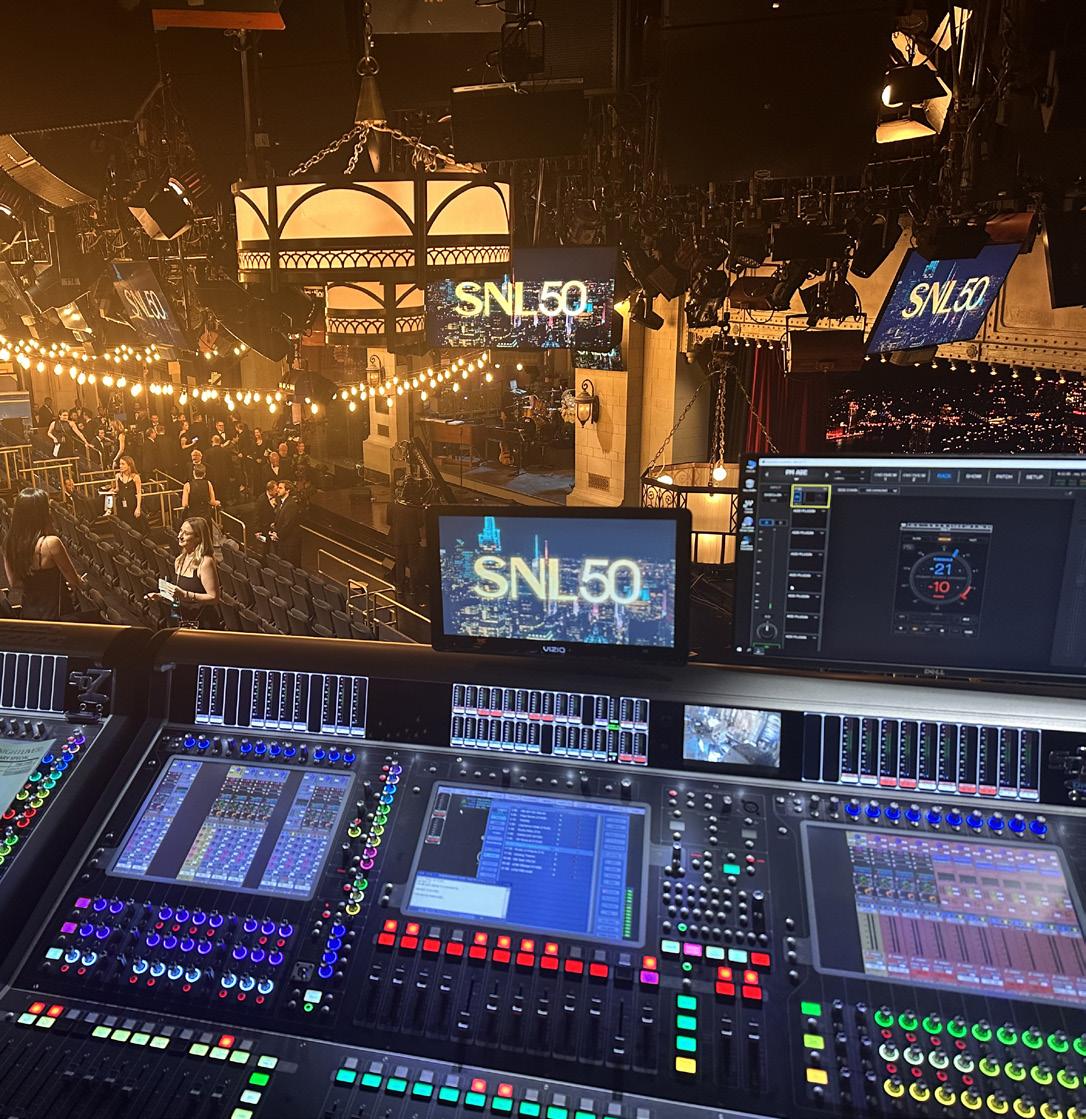
need to walk in ready: ‘This is our two minutes and 49 seconds. Boom-toboom. Done.’ Because they have way too many other things going on. It would be rude and unprofessional to show up any other way.”
The stage manager, Chris, whom Glendinning calls “the loveliest of guys,” isn’t hovering over your shoulder. Quite the opposite. “He’s got 19 other things happening while he says, ‘All right, Kev, you guys good? I’ll be back five seconds before you’re done.’ And he means it.”
That’s the expectation: They are not there to hold your hand. They are there to trust that you won’t make their job harder. And if you meet
that standard, they will have your back completely. This is the hidden leadership lesson most executives never see. Everyone wants a highperforming team. Very few want the accountability that makes one possible. At Studio 8H, accountability isn’t punitive – it’s structural. The team is simply too occupied with set transformations, camera blocking, wardrobe and makeup cycles, and a countdown clock that never stops to tolerate someone wandering around not on script.
And sometimes that even manifests in unexpected ways, like when an artist panics about not hearing anything in their ears during a changeover, before their slotted time.
THE NAMES THAT ACTUALLY MAKE SNL AN INSTITUTION
Music mixers
Jay Vicari
Josiah Gluck
FOH
Caroline Sanchez
Burton Ishmael
Frank Duca
Monitors
Christopher “Coz” Costello
Al Bonomo (former)
Backline / Cowbell Mixer
Speedy Rosenthal
Stage managers
Gena Rositano
Chris Kelly
Artist relations
Tina Fernandez Sanfratello
Melanie Malone (former)
These people are the institution. Everyone else is a guest.
Glendinning always tells them the same thing: “Hang on – it’s not your turn yet. When they go to commercial, you’ll hear the room mics come to life. They’ve already line-checked everything. These people are the best in the world at what they do.”
SNL doesn’t panic because the team doesn’t panic. And the team doesn’t panic because everyone entering the building knows the rule: Respect their time. Respect their workload. Respect their standard. And that is what real institutions do – they set an uncompromising bar, and allow you to rise to it. Elite teams become institutions not because of fame or longevity, but because they enforce a standard that protects the whole. Studio 8H has been doing that for 50 years, and Glendinning has seen it from the only vantage point that truly reveals it: as the recurring outsider good enough to be trusted, disciplined enough to deliver, and self-aware enough to tell the real story and to give credit where credit is due.
In the end, the lesson is simple: If you want your organisation to become an institution, reward the individuals who enforce the standard and make coordinated excellence possible. That’s the hit factory behind why SNL endures. Their team makes excellence unavoidable, excuses irrelevant, and ego obsolete. They don’t seek visibility because they are the infrastructure on which the visibility depends. If your business operated this way, “culture” wouldn’t be a slogan – it would be a system. Because systems create behaviour, behaviour creates trust, and trust creates institutions. –
Besides mixing 14 musical guests at Saturday Night Live, Glendinning has spent 25 years on tour with artists including Justin Timberlake, Miley Cyrus, Maroon 5, Alicia Keys, Gwen Stefani, and Paul Simon. His career began in Chicago at db Sound, where sweeping floors led to early road work with Metallica, AC/DC, and The Rolling Stones – a baptism by fire that shaped his professional DNA. Today, he is regarded as one of live sound’s
most trusted monitor engineers, known for his precision, composure, and ability to deliver under pressure on the world’s biggest stages.
Mike Dias writes and speaks about pressure, performance, and the Relationship Economy — translating the hidden operating systems of world-class entertainers into leadership frameworks that actually work. His lens makes one thing clear: trust is the condition, translation is the act, and experience is the outcome.
MIKE-DIAS.COM










REPLAY FOR EVERYBODY, EVERYWHERE.
RiMotion is an easy-to-install replay solution that can be implemented almost instantly in broadcast environments of any scale. It streamlines traditional and modern workflows and provides real-time performance, even when working remotely.
• Intuitive touchscreen