Sales Director, HK & International (+852) 9437 2779
sales@harvest-info com
Chua Chew Huat
Sales Director, Asia Pacific (+65) 9863 7382 sales-sg@harvest-info com
The future of food is already here
EDITORIAL/PUBLISHER
Keen Whye Lee Publisher
Cath Isabedra Editor editor-afj@harvest-info.com
Danico Acosta Layout and Design OPERATIONS
SALES
Simon Lee Hong Kong, U.S.A. sales@harvest-info.com
Chua Chew Huat Asia Pacific sales-sg@harvest-info.com
Erhardt Eisenacher Europe info@eisanacher-medien.de
MARKETING
Lali Singson mktg@harvest-info.com
TECHNICAL SUPPORT
Michael Magsalin tech@harvest-info.com
Harvest Information Pte. Ltd. 531 Upper Cross Street,#04-16, Singapore 050531
AsiaFoodJournal
AsiaFoodJourna1
asia-food-journal-magazine
25 37 44
Ingredients News
Packaging News
Industry News
AutomationNews
Processing News
Cover Story: Emerging F&B trends in Asia 2026: Holistic, sustainable, & tech-driven
Feature Story: Inside Asia’s next food revolution: Ingredion’s Rohit Tipnis weighs in on health, texture, and indulgence
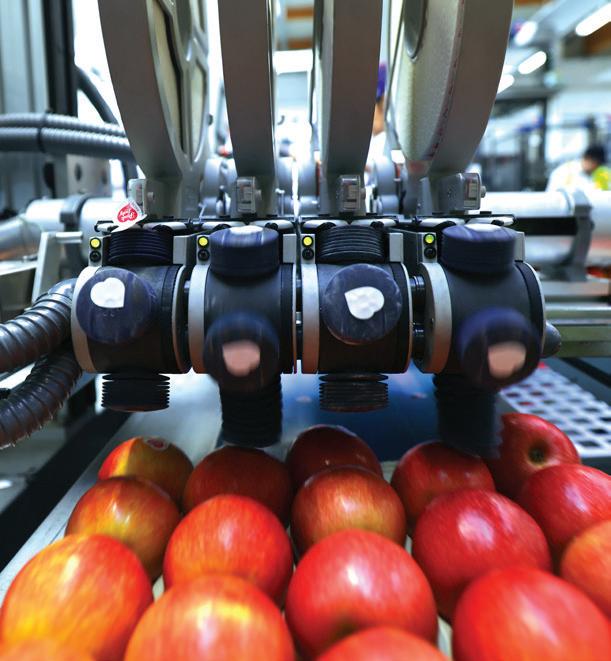
Feature Story: The tiny label with big implications: How PLU stickers became a symbol of food industry change
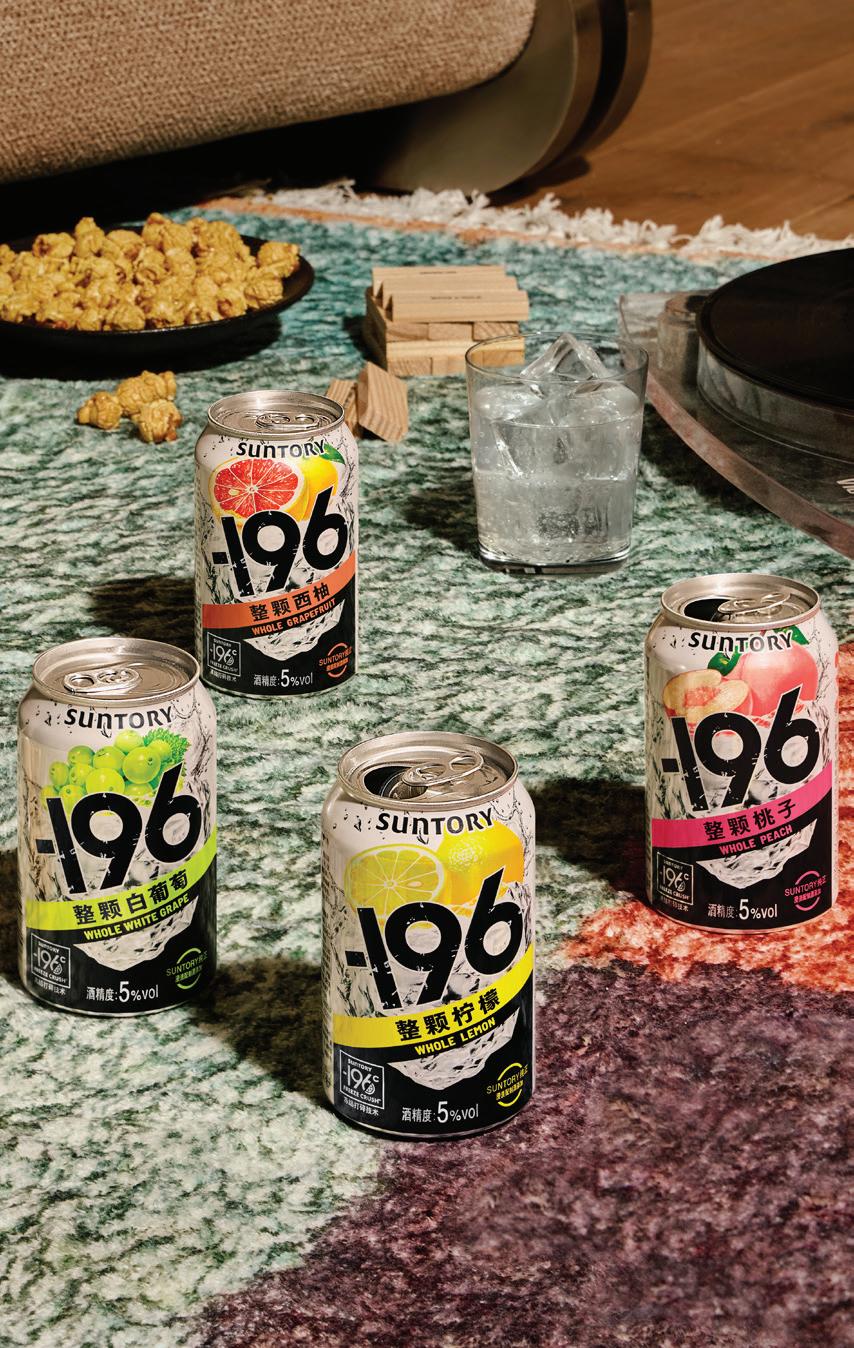
Feature Story: Suntory’s playbook for a responsible and premium drinks future
Feature Story: The next frontier in F&B is gut-brain innovation
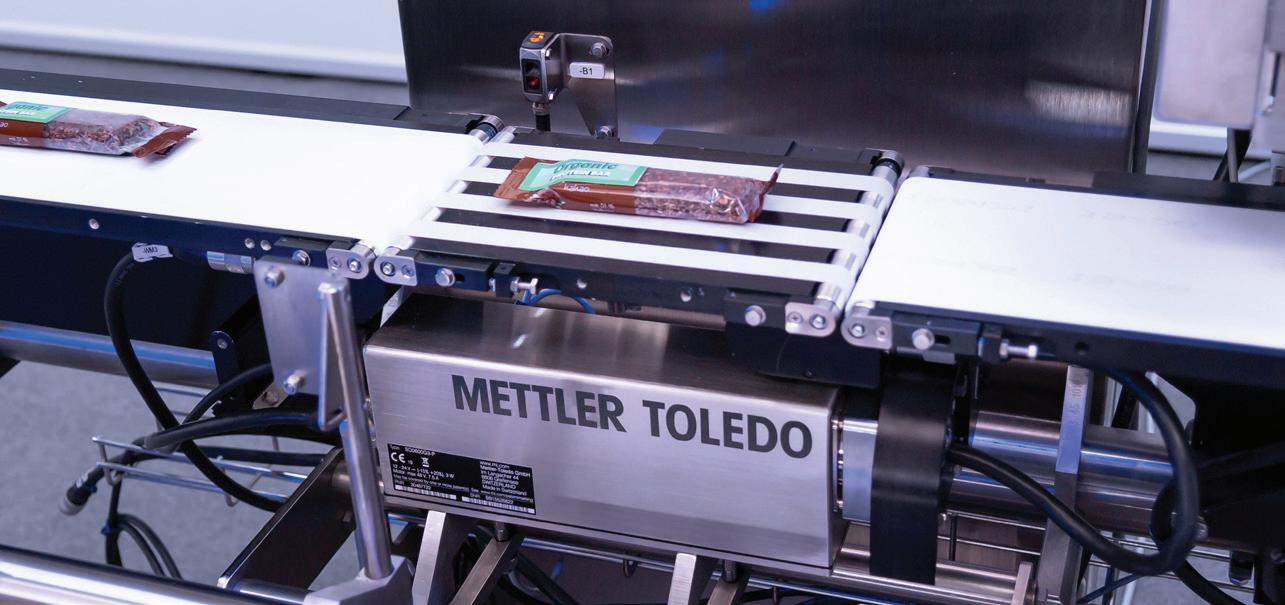
Feature Story: Can automation rewrite the future of product inspection?
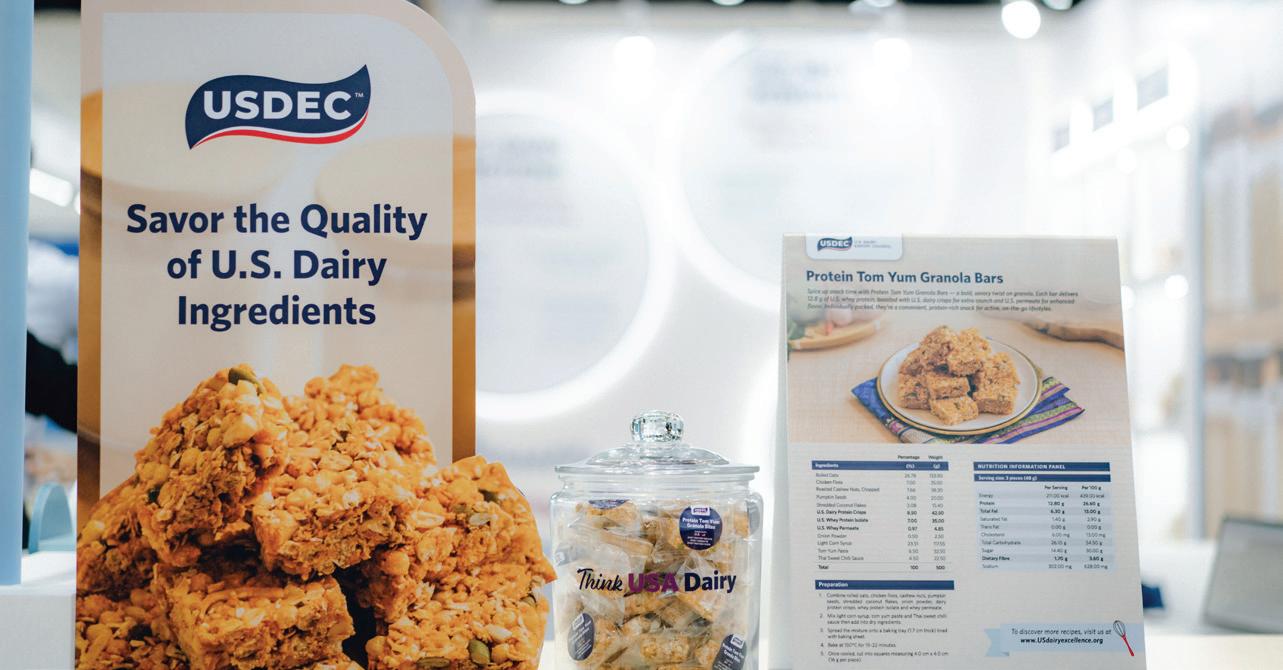
Feature Story: Taste is just the start: The new recipe for success in Southeast Asia
Feature Story: Spain and Asia: A growing culinary bridge
Spotlight: Spotlight on Carolien Niebling’s ‘Sausage of the Future’ and how she’s rethinking food through design
Feature Story: Farmers, carbon, and the future of food
Special Feature: The art of staying authentic: Inside L’Antica Pizzeria da Michele’s journey
Asia
NEWS | Ingredients
Palsgaard Brazil begins producing Emulpals® cake mix emulsifiers
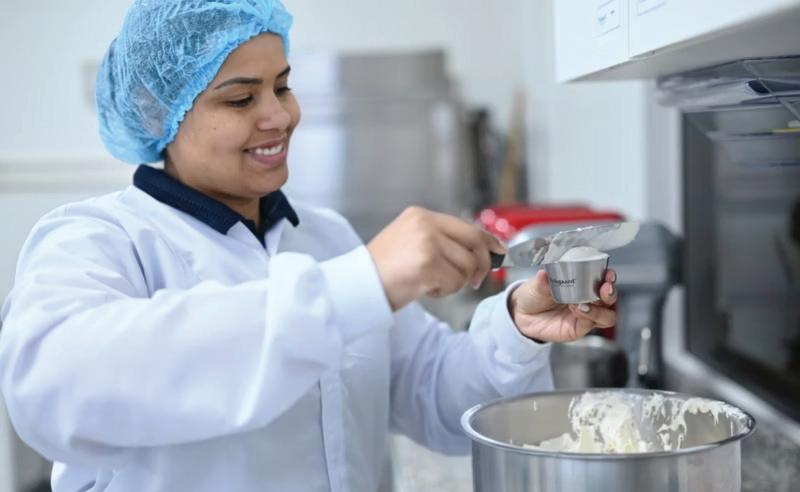
Palsgaard has expanded production of its Emulpals® powdered cake emulsifiers to Brazil in response to the growing global and regional demand for the whipping agents.
Emulpals® is Palsgaard’s range of plant-based, lean-label emulsifiers for bakery premixes. They can be used in a variety of cake mixes to accelerate production speed, deliver high aeration and softness, and enable a switch from saturated or trans-fats to unsaturated liquid oils.
Palsgaard has been producing Emulpals® in Denmark for more than 40 years. Now, Palsgaard Brazil is also manufacturing the emulsifiers for the first time. They are created in line with global quality and functionality standards, while the company also offers specially developed options for the Brazilian and Latin American markets.
The additional production site will help to guarantee security of supply for Palsgaard’s customers worldwide. For customers in the Americas, it also brings economic benefits through improved inventory management and reduced freight costs.
Palsgaard Brazil CEO Miguel Hidalgo said: “Our Emulpals® emulsifiers have proven hugely popular
with cake mix manufacturers across the world over the last four decades. We are delighted to announce that we have begun manufacturing these highperforming whipping agents in Brazil and are already distributing them to customers across the Americas.”
Emulpals® can be used to create a wide variety of cakes by adjusting the dosage and recipe components. To ensure a smooth formulation process, Palsgaard Brazil has a dedicated team of application experts on hand to collaborate with customers. This enables the development of products ranging from light to dense, with varied crumb structures or high egg and oil content.
Hidalgo added: “Palsgaard Brazil is ideally placed to help manufacturers satisfy different consumer preferences across the region. We have a dedicated application centre and an extraordinarily talented team of technicians, whose knowledge of the food industry helps us meet our customers’ precise needs. We also work with our innovation teams in Denmark, Mexico, Singapore, China, India and Türkiye to stay on top of the latest global trends and adapt new ideas to local requirements.”
IFF research reveals what makes India’s Generation Alpha happy and hungry
New study explores how the youngest generation is reshaping the way we think about taste, identity, and emotional connection to food.
IFF has released new consumer research focused on India’s Generation Alpha (Gen Alpha) — those born from 2010 and later. Representing 390 million people, or 25% of the country’s population, Gen Alpha is the first generation raised in a fully digital, emotionally attuned, and health-conscious environment. Already influencing household purchasing decisions, they are emerging as a key growth segment for the food and beverage industry.
The study explores Gen Alpha’s emotional connection to food, identifying the flavors, textures, and experiences that spark joy. It also introduces product concepts that blend indulgence with nutrition, giving brands a roadmap to create offerings that are joyful, balanced, and built for loyalty.
Unlike Millennials, who prioritize health, and Gen Z, who seek self-expression, Gen Alpha views food as a source of emotional fulfillment — shifting the focus from function and lifestyle to happiness and experience.
“Gen Alpha may be young, but they are already powerful influencers in household food choices,” said Jayant Kapre, vice president, commercial, IFF Taste, India. “By uncovering what brings them happiness — emotionally and nutritionally — this research empowers our partners to design products that truly resonate. Building trust today ensures long-term relevance and helps futureproof brand portfolios in a rapidly evolving market.”
Food as emotion: Love, celebration, and identity for India’s Gen Alpha
Food carries deep emotional meaning. It represents affection, pride, and belonging shaped by rewards, celebrations, and togetherness.
Taste is the strongest driver of happiness, with more than 75% of children saying their favorite foods bring joy because they are “very flavorful.” Chocolate leads preferences, with 80% ranking it in their top three flavors, followed by strawberry, cheese, and playful combinations like mango cheesecake and chocobanana — reflecting their openness to novelty and surprise. iff.com
Flavor is just the beginning
Research shows that sensory experiences, such as food texture, play a significant role in emotional satisfaction. Indulgent favorites like pizza and burgers top the list, with children describing these foods as warm, melty, and soft — linking them to moments of joy, celebration, and connection with family and friends. Pizza and burgers are also associated with peer culture and
modernity, chosen for their shareability and connection to gatherings and special occasions.
Beyond sensory satisfaction, food plays a role in shaping identity. Members of Gen Alpha express who they are through what they choose to eat — from preferring pasta over rice to associating traditional dishes like dal makhani and curd with comfort and home. Cake is more than just a dessert; it serves as a symbol of love and celebration.
Balancing joy and responsibility
The study highlights a disconnect between what children want and what parents pack in their school lunchboxes. While parents prioritize nutrition, simplicity, and homemade meals that they perceive as healthier, children crave variety, surprise, and sensory excitement — including spicy flavors. Although 40% of children report satisfaction with their lunchboxes, more than half say they’d be happier with greater variety and indulgent experiences like cheesy or crunchy foods.
Despite parental efforts to avoid processed snacks and sugary treats, 59% of children frequently consume packaged snacks, underscoring the dominance of convenience and indulgence in everyday choices. Their emotional connection to colorful, flavorful, and engaging food experiences signals a shift — one where joy, not just nourishment, drives food preferences.
Bridging the gap
Brands that design with textures, colors, and variety in mind while recognizing the importance of autonomy and appreciation are best positioned to connect with this generation. The study highlights emerging innovation spaces, from emotion-led flavors and tastes like cheesy crunch and melty comfort to probiotic drinks with playful profiles. Bright, interactive packaging and do-it-yourself snack kits transform food into an experience, empowering children and strengthening emotional bonds.
NEWS | Packaging
Sidel opens new Lagos office to accelerate sustainable packaging and regional growth in West Africa
Sidel, a global leader in packaging solutions for beverages, food, home, and personal care products, has officially opened a new office in Phoenix, Ikeja (Lagos), marking a significant step in strengthening its presence across West Africa.
The new office will serve as a regional hub for project management, engineering, after-sales services, and customer engagement, bringing Sidel closer to its customers in Nigeria, Ghana, Côte d’Ivoire, and neighbouring markets. Clive Smith, Executive Vice President of Customer Management for the Asia, Oceania, and Africa (AOA Region), and Pietro Cassani, President and CEO at Sidel.
“West Africa is the most dynamic and promising consumer market in Africa,” said Clive Smith, Executive Vice President, Africa, Oceania & Asia (AOA), Sidel. “Establishing a significant organization in Lagos allows us to understand customer needs more deeply, respond faster, and offer bespoke solutions across PET, can, and glass for West African consumers.”
Expanding footprint across Africa
The Lagos office is Sidel’s third location on the African continent, in addition to the South Africa office (its first in Africa) and the East Africa hub in Nairobi. Together, these significant resources reflect Sidel’s long-term commitment to customer proximity, skills development, and sustainable growth across the region.
“We are investing for proximity and long-term growth in Nigeria and West Africa,” said Pietro Cassani, President and CEO, Sidel. “Our further expansion reflects Sidel’s belief that sustainable industrial development comes through local partnerships, local talent, and continuous innovation across all packaging materials – PET, can, and glass.”
Strengthening regional growth
Nigeria is Africa’s largest economy and home to over 230 million people, representing the continent’s biggest consumer market. In 2024, the Nigerian food and drink market was valued at USD 54.1 billion and is projected to grow at around 6% CAGR through 2033.
Across West Africa, consumer trends are shifting toward healthier beverages, premium products, and sustainable packaging solutions. This is creating demand across multiple formats – from lightweight PET bottles to recyclable glass and aluminium cans. Sidel’s technologies, such as EvoBLOW, EvoFILL Glass, and Super Combi, enable customers to achieve operational efficiency while reducing energy use and material waste.
Proven partnerships in Africa
Sidel’s strong track record across the continent includes several landmark projects. In Nigeria, Sidel partnered with StrongPack to deploy one of Africa’s fastest PET water lines and multiple additional lines, including those with Actis™ coating technology for lightweight bottles with extended shelf life.
In Ghana, Sidel equipped Twellium Industrial’s Kumasi plant with two high-speed PET packaging lines and advanced labelling for traceability. The company also installed Africa’s first Sidel Matrix™ system for Coca-Cola SABCO in South Africa.
Local collaboration and innovation
The Lagos office will also focus on developing local expertise in engineering and services to strengthen customer support and foster job creation.
Following the successful opening ceremony, Sidel also hosted a customer innovation seminar on “Driving Packaging Innovation and Sustainability for Tomorrow,” attended by key customers from Nigeria and Ghana.
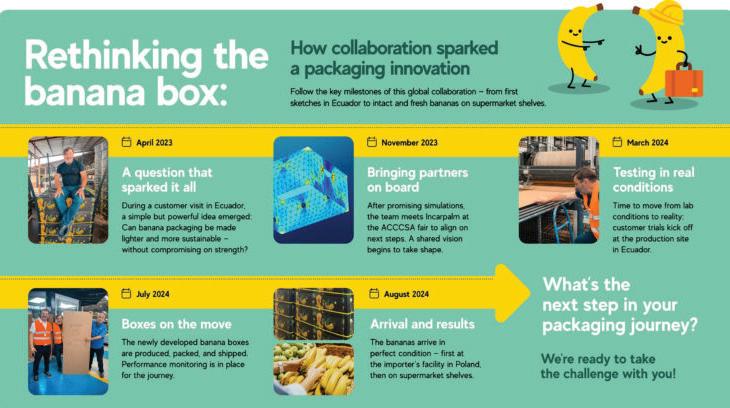
Mondi develops lighter, more sustainable banana box through customer collaboration
• Improved banana box composition is up to 10% lighter and made with around 40% recycled fibre.
• Developed through collaboration with Ecuadorian banana exporter Incarpalm and trading partner Europcell.
• Successfully tested under real-life conditions, in extreme humidity during a 33-day transatlantic shipment.
Mondi, a global leader in packaging and paper, has developed an innovative banana box packaging solution that is lighter, though equally strong and more sustainable – thanks to close collaboration with partners across the value chain.
The project began when Mondi’s technical team for containerboard explored a simple but ambitious question during a customer visit in Latin America: Could the standard banana box be made lighter and more sustainable without compromising on strength?
What followed was an international collaboration between Mondi, trading partner Europcell, Ecuadorian banana exporter Incarpalm, and a leading European importer. Together, the teams redesigned the structure and paper composition of the traditional banana box, testing multiple scenarios to balance durability, weight, and humidity resistance.
The new concept combines ProVantage SmartKraft Brown, known for its high strength and protective qualities, with ProVantage Frescoflute, a semi-chemical fluting that enhances firmness in lightweight packaging boxes. The result is a box made with around 40% recycled fibre and up to 10% less weight than the previous design – helping to lower emissions during transport without
compromising fruit protection. To validate performance under real-world conditions, a full-scale production trial took place in Ecuador in summer 2024. Bananas packed in the new boxes were shipped to Europe over a 33-day journey, with sensors monitoring humidity and temperature. Despite extreme humidity levels of up to 100%, the boxes maintained their integrity throughout transit.
“Seeing the new box perform under such tough conditions was incredibly rewarding,” said Marek Motylewski, Technical Service Expert for containerboard products. “It started as a question on a customer visit and turned into a solution that delivers measurable benefits for the entire supply chain.”
“The reliability of the box is everything,” added Jorge Romero, Operations Manager at Incarpalm. “This collaboration proves that innovation and practicality must go hand in hand.”
The success has already sparked interest among other fruit exporters and retailers. With upcoming regulations, including a 2026 EU ban on plastic wrap inside banana boxes, demand for fibre-based alternatives is expected to rise.
“This project shows what’s possible when we combine technical expertise with open collaboration,” said Gijs Huisman, Sales Director at Mondi Containerboard. “It’s a great example of co-creation that delivers tangible results in strength, sustainability and supply chain efficiency.”
The improved banana box marks another step in Mondi’s commitment to developing fit-for-purpose packaging that meets customer needs while supporting more sustainable solutions.
Natural ingredients and emotional drivers: Key factors reshaping the global nutrition market
• 59% of health-conscious consumers prefer readyto-drink options for their convenience, portability and ease of use.
• 71% of consumers favour gradual results from natural sources and are willing to pay more for them.
• 42% of consumers say “feeling in control of their health” is a key benefit consumers seek from food supplement and nutrition products alongside peace of mind (39%) and feeling more balanced or less stressed (30%).
Lausanne, Switzerland – The food supplements and nutrition market, which includes protein-enriched beverages, fortified drinks and functional supplements, is projected to reach around $758.99 billion by 2034, expanding at a CAGR of 7%.1 To help food and beverage brands better understand the evolving needs of healthconscious consumers and identify opportunities for innovation and growth, Tetra Pak surveyed consumers across the globe, uncovering the trends and regional preferences shaping the future of the category.
A global shift in consumer priorities is reshaping the food supplement and nutrition (FSN) market, with emotional benefits and local tastes increasingly influencing demand. Tetra Pak’s latest research* reveals that consumers are considering FSN products both for their functional benefits to integrate seamlessly into modern lifestyles, and also the emotional, aspirational and performance-driven reassurance these products provide.
Consumers want nutrition that fits their lifestyle
The research showed that consumers are increasingly turning to food supplement and nutrition (FSN) products as part of a holistic approach to wellbeing. The leading motivators include supporting physical health, cited by 58% of consumers, ensuring daily nutritional intake (51%), and maintaining energy levels throughout a busy day (47%). Beyond physical benefits, FSN products are also valued for their role in boosting mental wellbeing and enhancing appearance or fitness.
Emotional reassurance is another important factor with 42% consumers saying they want to feel more in control of their health, enjoy peace of mind about nutrition (39%) and feel more balanced or less stressed (30%).
Alongside these health-driven factors, practical considerations are gaining importance: convenience on the go motivates 21% of consumers, while saving time on meals or snacks influences 18%. Notably, different consumer groups prioritise different benefits: young adults are more driven by enjoying the taste, while senior considerers seek peace of mind about their nutrition.
Liquid formats are gaining strong traction among healthconscious consumers, with 59% expressing interest in this option for food supplements and nutrition. Their appeal lies in everyday practicality: consumers value the fact that these products require no preparation, are easy to store and are ideal for on-the-go consumption. This trend reflects a deeper desire for products that align with consumers’ lifestyles.
Anna Larsson, Category Leader at Tetra Pak, commented: “Convenience remains a baseline expectation. For brands, it’s a chance to lead with convenient formats and innovative formulations that meet evolving expectations and deliver greater value for customers. But interest in this category goes far beyond ease alone. With 71% of consumers preferring gradual results from natural ingredients over quick synthetic alternatives, and an equal proportion willing to pay a premium for those attributes, we’re seeing a clear shift toward value-driven products that support long-term wellbeing.”
The study identifies distinct pain points that packaging can help address – from price sensitivity and trust to format convenience and ingredient transparency. With 63% of consumers consuming FSN products “as is”, single-serve, shelf-stable formats are particularly wellpositioned to meet this demand.
Through its latest research, Tetra Pak empowers customers to develop products that resonate more deeply with today’s health-conscious consumers. From paper-based carton packaging that enhances convenience, to actionable insights that guide formulation and market positioning, the survey results support brand owners in creating differentiated offerings that deliver both functional benefits and emotional value and capture greater share in a segment defined by rapid innovation and shifting consumer expectations.
Anna Larsson concludes: “These findings provide a clear direction for brands aiming to grow in a fastdeveloping FSN market. By combining functional benefits with emotional appeal and tailoring products to local preferences, brand owners can build stronger connections with consumers, increase loyalty and unlock new opportunities for sustainable growth.”
* Tetra Pak’s FSN Global Consumer Research was conducted by Ipsos in July 2025, surveying 25,547 health-conscious consumers, from parents of children, to adults (16-65 years old) and seniors (65+), across 17 countries.
NEWS | Industry
14 Cebu hotels earn top sustainability ratings for plant-based dining commitments
Fourteen leading Cebu hotels have received A-grade sustainability ratings from international NGO Lever Foundation in its Cebu Hospitality Plant-Based Food Scorecard 2025 for committing to expand plant-based food offerings 30% to 50% of their menus, with some starting as early as the end of 2025, positioning the province as a national leader in sustainable tourism.
The scorecard highlights hotels that have either adopted group-wide corporate plant-based food policies or individually set ambitious property-level targets, with timelines extending through 2030. This collective commitment represents the most ambitious hospitality sustainability pledge by any Philippine province.
Nine leading hotel properties demonstrated local leadership through sustainability commitments to make at least 30% of their menus plant-based. These include bai Hotel Cebu City, Radisson Blu Cebu, ShangriLa Mactan Cebu, Quest Hotel and Conference Center Cebu, Crimson Resort and Spa Mactan, Savoy Hotel Mactan Newtown, Belmont Hotel Mactan, NUSTAR Resort and Casino, and Fili Hotel NUSTAR.
Five additional hotels earned recognition for their parent group’s sustainable plant-based foods policies. These include Citadines Cebu City, Lyf Cebu, and Somerset Cebu, which operate under The Ascott Limited Philippines, the first hotel group in the country to announce a nationwide 30% plant-based foods commitment. Holiday Inn Cebu City is implementing IHG Philippines’ 30% plant-based foods initiative, while Mövenpick Hotel Mactan Island Cebu will meet parent company Accor’s global policy to make at least 50% of hotel menus plant-based or meat-free.
“Cebu’s hospitality has always been about caring for people and our community, and this commitment extends that care to the environment,” said Mia SingsonLeón, General Manager of Quest Hotel Cebu and President of the Hotel, Resort & Restaurant Association of Cebu, Inc. “That’s why this collective shift is more than just a tick in the box for all of us. We are serious about expanding sustainable choices that care for both our guests and the planet.”
“The hospitality leaders in Cebu have shown remarkable vision in embracing plant-based initiatives,” said Marielle Lagulay, Sustainability Program Manager at Lever Foundation, an NGO that worked with each of these hotels in helping them establish the new policies. “What inspires me most is their willingness to adapt in response to the ever-pressing challenges we face. They clearly see why this shift is important and why action must be taken now. Cebu is setting a powerful example that will inspire not only the Philippines but the entire Southeast Asian hospitality industry.”
As an international NGO dedicated to advancing food sustainability across Asia, Lever Foundation recognizes that meaningful environmental progress requires collaboration between organizations committed to transformative change. Plant-based foods, which offer low cholesterol, high fiber, and nutrient-rich properties, significantly improve guest health outcomes and reduce environmental impact. Countless studies by the United Nations, the World Health Organisation, leading universities, and others show that plant-based foods generate substantially fewer greenhouse gas emissions, reduce food waste, and require significantly less land and water resources than animal proteins.
NEWS | Automation
VIVANT launches wine app to enable wine lovers with AI-powered sommelier guidance
New app pairs with VIVANT’s award-winning precision wine accessories to enable a smart wine ecosystem
The new VIVANT Wine app pairs with the flagship TITAN Portable Electronic Decanter Chiller
VIVANT, a pioneer in wine temperature technology, announced the launch of its new Wine App designed to empower wine lovers with expert guidance and personalised recommendations. Together with VIVANT’s award-winning precision accessories, the app creates a “smart wine ecosystem that redefines how wine is experienced. By uniting software intelligence with advanced hardware, VIVANT empowers both enthusiasts and professionals to enjoy wine to its fullest potential.
The VIVANT Wine App blends AI-powered recommendations with sommelier-level expertise, providing users instant insights into grape variety, region, vintage, ideal serving temperature, decanting time, and food pairings. With features such as wine label scanning, precise serving guidance, and remote control of VIVANT devices, the app makes professional wine knowledge both engaging and effortlessly accessible.
“VIVANT has built this app to make professional wine expertise available to everyone, regardless of their experience level,” said Daniel Fu, Founder of VIVANT. “Our app puts professional-grade knowledge in your pocket, whether it be intelligent temperature recommendations, insights into a wine’s heritage, or guidance on perfect food pairings. Precise temperature control and thoughtful presentation unlocks any wine’s full potential.”
Reeze Choi, VIVANT’s official brand ambassador and ASI Best Sommelier of Asia and Pacific 2025, adds, “Temperature control is non-negotiable in professional wine service. VIVANT makes such knowledge and technical know-how accessible to everyone in a simple smartphone app, creating new opportunities for wine
education in Singapore. The city’s sophisticated palate and dynamic culinary scene provide the perfect environment for these innovations to flourish, whether it is across fine dining restaurants, boutique bars, or home settings.”
The app marks the first step in VIVANT’s digital journey. Upcoming updates will introduce more interactive and social functions, while new product innovations are set to debut next year — reflecting the company’s commitment to making wine knowledge and enjoyment more engaging, accessible, and seamlessly connected.
Seamless integration with VIVANT’s wine accessories
The new VIVANT Wine App works in harmony with the company’s flagship Titan Portable Electronic Decanter Chiller. Recently recognised with a prestigious SMART LABEL 2025 Award for Product Performance and iF design award, the Titan is engineered for collectors and connoisseurs who demand precision and elegance in service. With a cooling range of 8 to 20 °C, portable battery life up to 4 hours, and now integrated with the VIVANT Wine App, the Titan delivers refined control over wine temperature and decanting — anytime, anywhere.
VIVANT aims to expand its smart wine ecosystem with new software features, including social sharing, interactive wine games, and enhanced learning tools — alongside future device innovations and deeper integration across hospitality and lifestyle settings. By combining technology, design, and cultural appreciation of wine, VIVANT continues to shape the future of modern wine enjoyment — making professional-level service accessible to all.
The VIVANT Wine App is available as a free download on iOS starting today, with the Android release to be announced soon. Premium features and device integration options will be announced in the coming months.
Automation |NEWS
XCoffee launches the region’s first AI-powered smart robotic beverage
XCoffee, a Singapore-based beverage technology company, unveiled the latest evolution of its AI-powered smart robotic beverage, reinforcing its commitment to innovation and quality in automated coffee and tea preparation across the region.
Revolutionizing the coffee and tea experience
The newly launched XCoffee smart robotic beverage machine combines artificial intelligence, data analytics, and precision engineering to deliver freshly brewed coffee and oriental tea around the clock. Each machine is designed to replicate the quality and consistency of a barista-made beverage while maintaining high operational efficiency.
Using freshly roasted coffee beans and premium tea leaves, the machine grinds and brews each cup on demand. The process ensures that every beverage retains its natural aroma and flavor without the use of artificial flavouring or preservatives.
Innovation built in Singapore
Developed and engineered locally, XCoffee represents a homegrown effort to integrate technology with Singapore’s deep-rooted coffee culture. From bean roasting to flavor profiling and robotic development, all aspects of the brand’s innovation are conducted inhouse.
According to Deric Yeo, Chief Operating Officer of XCoffee, the company’s goal is to redefine convenience through technology while maintaining a focus on quality.
“XCoffee’s vision is to create a Singapore-born brand that reflects both precision and familiarity. Every cup embodies the balance between advanced automation and the taste preferences of the local market,” said Yeo.
24/7 availability and consistency
XCoffee’s smart robots are designed for deployment in a wide range of high-traffic environments, including shopping malls, offices, schools, residential areas, and transport hubs. Operating 24 hours a day, the machines allow users to enjoy freshly brewed beverages without long queues or dependency on store operating hours.
The fully automated system ensures consistent taste and quality for every cup, while maintaining lower operational costs and minimal manpower requirements.
Regional expansion plans
Following its launch in Singapore, XCoffee has already expanded operations to Malaysia and Indonesia, with plans to enter additional ASEAN markets in the near future. The company aims to install 500 units across Singapore and scale progressively across the region through strategic franchise and partnership opportunities.
“The demand for convenient, high-quality beverages continues to grow across Asia,” added Yeo. “XCoffee is positioned to meet that demand by offering a seamless blend of technology, efficiency, and great taste.”
NEWS | Processing
Moving the needle: A new transatlantic biosolutions initiative sets sail with partners from Denmark
and North Carolina at the helm
Against the background of the General Assembly of the UN and Climate Week NYC, Alfa Laval backed a Memorandum of Understanding (MOU) signed between Denmark’s Technical Institute and North Carolina State University in the USA to join two of the world’s strongest innovation ecosystems to develop biosolutions for food.
Building on this international commitment to innovation, the collaboration quickly moved from agreement to action. Just two weeks later, on October 8, 2025, the partners were already taking steps to act on the agreement when Alfa Laval hosted a visit by members of the North Carolina biosolutions innovation ecosystem to Alfa Laval’s site just outside Copenhagen in Denmark. The delegation of more than 20 visitors was a mix of academia and state decision-makers, who came to Denmark for a week, meeting like-minded organizations and government representatives.
The agreement marks a significant milestone in connecting two of the world’s most dynamic biosolutions hubs, Denmark and North Carolina, to unlock the full potential of bioprocessing. The goal is to develop nutritious and healthy functional foods that can help combat noncommunicable diseases, reduce environmental impact, and address malnutrition by enriching food with nutrients, flavour, and appeal.
The collaboration comes on the back of Alfa Laval announcing the creation of a new Food Application & Innovation Centre in Copenhagen. This will support food producers in developing new kinds of food and scale them to industrial production for a growing global population while minimizing environmental impact.
“Bioprocessing builds on the use of fermentation, which
has been used to make food for thousands of years,” says Johan Agrell, Strategic Business Development Manager for Alfa Laval’s Food & Water Division. “Now, with precision fermentation and biomass fermentation, we are taking it to a new level where we can produce protein as a food ingredient with a dramatically reduced climate footprint.”
The objective of the initiative is to develop bioprocessing and production methods. Alfa Laval has its global business headquarters for its food and water businesses in Copenhagen and has had a presence in the USA since 1878. The company is now actively engaging in this initiative alongside other Danish companies and academia to foster collaboration with like-minded businesses, academic institutions, and policymakers.
“The general idea is making a connection between two strong ecosystems. Denmark is a frontrunner in terms of the green transition with a strong connection to agriculture, plant-based food solutions and biotechnology, while North Carolina is a leading biotechnology hub in the States,” says Johan Agrell. “Here at Alfa Laval, we are proud to be part of Denmark’s drive to find green solutions and we are happy to see that the collaboration is off to a good start.”
The North Carolina delegation visiting the Innovation House
The Alfa Laval site in Copenhagen is already home to The Alfa Laval Innovation House, which offers facilities and expertise for start-ups to develop new sustainable solutions for the challenges facing companies to feed and power the world while protecting its environment.
“This ethos fits exactly with the collaboration between the DTI and NCSU, and we were delighted to showcase just what we can achieve and what has been achieved already,” says Johan. “If we are going to find solutions to the big challenges to enable food security, we need to all work together, and this is another step in the right direction to achieving that.
“The Danish ecosystem is a great example of doing things well in this space, and together with our new partners in North Carolina, I feel confident that we can really move the needle.”
BENEO secures first-ever Thai FDA approval for exclusive prebiotic claim
BENEO, a leading manufacturer of functional ingredients for food, feed, and pharma, has received Thai FDA (Food and Drug Administration) approval for an exclusive prebiotic claim for its chicory root fibre, Orafti® Inulin. It is the first ingredient producer to receive such an approval by the Thai FDA based on rigorous scientific evaluation by the Center for Nutrition Assessment and Health Claims of Thailand (CNACT).
This milestone comes at a time when consumer interest in digestive health is surging. A recent survey conducted by FMCG Gurus found that digestive health is the second most important health priority for Thai consumers over the next 12 months, with one in two actively looking to improve it.
Awareness of prebiotics is also high, with more than 8 in 10 people linking them to digestive health, and 1 in 3 already including prebiotic food and supplements in their daily routines. The survey also shows that chicory root fibre is well-regarded, with 3 in 4 Thai consumers perceiving it as healthy. Against this backdrop, the new Thai FDA-approved exclusive prebiotic claim offers manufacturers a powerful way to align with consumer expectations and drive purchase decisions.
The approval follows a rigorous scientific evaluation by the CNACT, established under the Nutrition Association of Thailand, and with final authorisation from the Thai FDA. The process required human intervention studies
as well as systematic reviews and meta-analyses – the highest level of scientific evidence – highlighting the robustness of the data supporting the prebiotic effect of Orafti® Inulin.
Orafti® Inulin is derived from chicory root via a gentle hot water extraction method and is one of the few prebiotics recognized internationally by the International Scientific Association for Probiotics and Prebiotics (ISAPP). Chicory root fibres are the most studied prebiotics worldwide and are the only plant-based option available. As a select group of non-digestible fibres, prebiotics positively influence the gut microbiota by selectively promoting the growth of beneficial bacteria. Their benefits, from digestive health to weight management and overall well-being, have been demonstrated in numerous human intervention studies.
Caroline Bustandi, Head of Regulatory Affairs Asia Pacific at BENEO, said: “We are pleased that BENEO’s chicory root fibre inulin is the first and only prebiotic to be recognized by the Thai FDA following a stringent scientific evaluation. This means that food and drink manufacturers in Thailand can formulate appealing products with BENEO’s prebiotic Orafti® Inulin and credibly communicate their health benefits on pack. This makes it easier for consumers to make informed choices to support their digestive health – a growing consumer demand in the Asia Pacific region.”
EMERGING F&B TRENDS IN ASIA 2026
COVER STORY
Holistic, sustainable, & tech-driven
Asia’s food and beverage sector is entering 2026 amid profound shifts in consumer behaviour, technology, and market dynamics. Product developers, manufacturers, strategists, and investors are grappling with a landscape where health, sustainability, and culture converge. From the explosive growth of plant-based foods and halal products to sweeping digital transformation in production and retail, the trends shaping Asia’s F&B future are holistic and interconnected.
Major industry players and recent reports indicate that innovation, reformulation, supply chain resilience, packaging sustainability, and savvy market entry strategies will be key to success in the coming year. As Tetra Pak’s latest index notes, post-pandemic consumers in Asia remain laser-focused on health and willing to embrace new food innovations–all while balancing cost-of-living concerns and expecting technology to drive the future of food. In this editorial forecast, we unpack the key trends for 2026 and their strategic implications.
Plant-based innovation hits new highs
Once a niche, plant-based foods have gone mainstream across Asia, fueling a wave of product innovation and reformulation. Alternative proteins–from soy and pea to algae and fungi–are being developed into ever more convincing meat, seafood, and dairy analogues.
Ingredient specialists are showcasing advanced techniques such as high-moisture extrusion (HME) to improve plantbased meat texture, along with new solutions for plant-based fish (whitefish, salmon) and even cheese alternatives. The snacking segment is also riding this wave: consumers’ busy lifestyles and preference for multiple mini-meals have led to a “snackification” trend, with 6 in 10 people preferring many small bites over a few large meals. This has opened opportunities for plant-based snacks that deliver nutrition on the go.
A recent industry report from Hamburg observed that “increased mobility, flexible work schedules, and balanced school meals have shifted eating habits” toward more daytime snacking. To capitalise, brands are creating plantbased protein bars, jerky, and dairy-free treats that meet these new consumption patterns.
Taste and quality are central to plant-based’s next chapter. Early plant-based meats often struggled with taste or the “over-processed” perception. In fact, consumer adoption has been limited by concerns around price, taste, texture, and unclear ingredients.
Now, Asian consumers are demanding more “real and recognizable” plant ingredients. In response, product launches in Asia increasingly carry natural, clean-label claims to reassure consumers. Recognising this pivot, ADM’s trend forecasters have noted an era of “Infinite Tastes” where global fusion and local flavours intersect, but also a “New Value Equation” as consumers insist plant-based options deliver on cost, health, and satisfaction. Manufacturers are reformulating recipes to improve taste (e.g., using flavour maskers for bitter plant proteins) and to fortify products with fibre, vitamins, or minerals so they’re not just meat analogues but nutritionally compelling choices.
The strategic implications for producers are clear. Innovation in texture and flavour technology will be crucial to winning repeat customers. Supply chains must adapt too – securing diverse protein sources (from chickpeas to mung beans to microalgae) and scaling up production while keeping costs in check. For investors and new entrants, there is still whitespace in categories like plant-based seafood and cheese, as well as regional specialities made meatless. However, capturing this demand requires culinary localisation–adapting recipes to Asia’s diverse palates and cuisines.
A one-size-fits-all approach won’t work: the plant-based laksa that wins in Singapore might need a different spice profile than a plant-based curry in India. With alternative proteins projected to potentially reach 11% market share globally in the coming years, the plant-based boom in Asia is poised to keep accelerating into 2026, focused on better quality and broader appeal.
Cover Story
Digital transformation of food
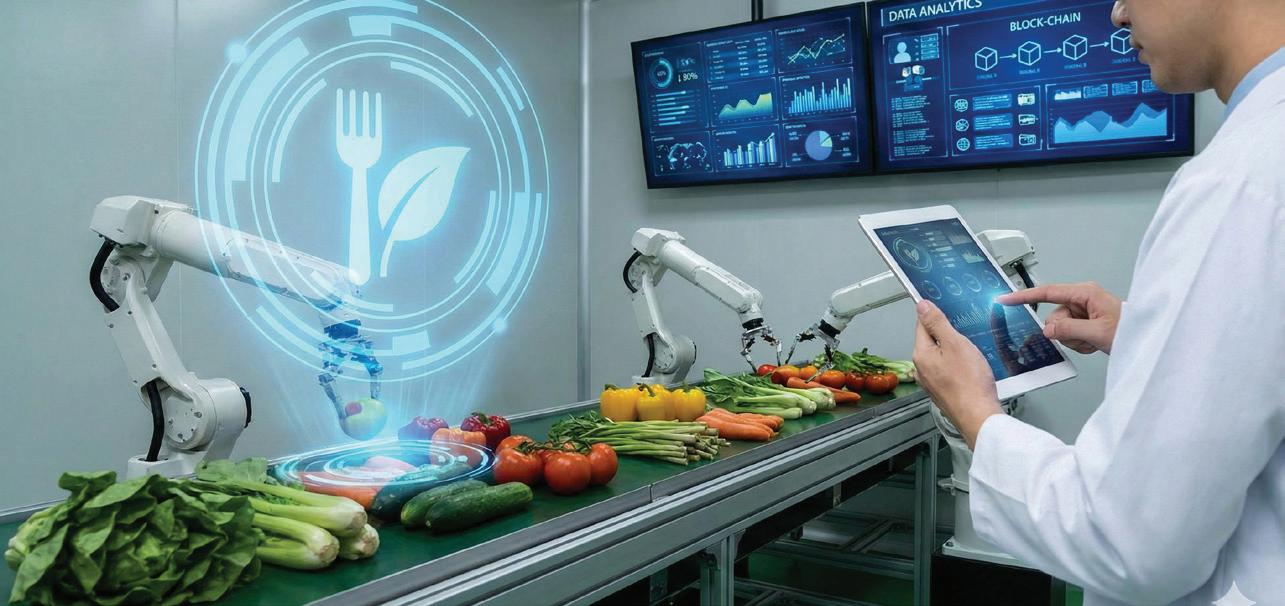
Asia’s F&B industry is undergoing a digital revolution – one that spans the factory floor to the point of sale. Automation, AI, and data-driven technologies are enabling faster innovation cycles and new consumer experiences. In manufacturing, the march toward Industry 4.0 continues as companies invest in smart factories equipped with IoT sensors, robotics, and advanced analytics. These technologies help optimise production efficiency, maintain quality, and even reduce waste.
Notably, technological acceleration is welcomed mainly by consumers as long as it’s used for good purposes, such as enhancing food safety or improving access. For instance, real-time sensor monitoring can ensure consistent product quality and safety, addressing the heightened post-COVID consumer concern for hygiene and trust in the food supply.
Consumers view technology as a key driver of the future of food, expecting it to address problems such as making food safer or more affordable, rather than merely being tech for its own sake.
On the retail and consumer side, digital transformation is redefining how food is delivered and consumed. Asia leads the world in mobile-first commerce, and groceries and ready-to-eat meals are no exception. The proliferation of food delivery apps, cloud kitchens, and online grocery marketplaces across markets from China to Southeast Asia necessitates a robust digital channel strategy for brands.
Even for market entry, new food brands are often launching online-first to test concepts before expanding physically. Social media and e-commerce integration allow rapid feedback and trend detection–a product can go viral on social media channels and trigger a demand spike overnight.This digital connectedness also exposes consumers to new cuisines and product ideas,
accelerating the fusion trend in food. Perhaps most visibly, smart vending and automated retail are taking off, illustrating the blend of tech, convenience, and health. For industry players, digital transformation brings both opportunities and challenges.
Supply chains can be made more transparent and responsive–with blockchain for ingredient traceability, AI for demand forecasting, and digital platforms connecting farmers to manufacturers to retailers. But companies must invest in cybersecurity and training to manage these advanced systems.
Packaging is even getting a digital upgrade: QR codes and connected packaging are used to engage consumers with AR experiences or to provide provenance info. In Asia, where smartphone penetration is high, such interactive packaging can differentiate brands.
2026 will reward F&B businesses that leverage technology to be agile, efficient, and closer to the consumer. Those that lag in digital adoption–whether in factory automation or online customer engagement–risk falling behind in a region where digital lifestyles set the norm.
Sustainability and the push for resilient, green food systems
Sustainability has moved from buzzword to bedrock principle in Asia’s F&B industry. Climate change, resource constraints, and consumer eco-awareness are collectively driving companies to reimagine how food is sourced, produced, packaged, and delivered.
According to Kerry’s Nutrition Institute, “sustainable nutrition” is the overarching megatrend influencing all others today, essentially the mandate to nourish people in ways that also safeguard the planet for future generations. In practice, this trend manifests in multiple ways:
Eco-friendly packaging
Regulators and consumers in Asia are pressuring brands to reduce single-use plastics and improve packaging recyclability. Packaging giants like Tetra Pak are responding by promoting carton packages and investing in recycling infrastructure. The “Go nature, Go carton” ethos is gaining ground as companies seek to lower the carbon footprint of packaging and appeal to environmentally conscious buyers.
We see more beverages in paper-based bottles, more compostable or biodegradable materials for wrappers, and minimalist packaging designs to cut waste. Even when plastic is used, brands highlight recycled content or reusability. In 2026, expect packaging innovations such as edible coatings, lightweight refill pouches, and smart packaging that extend shelf life.
Carbon reduction and climate resilience
With extreme weather threatening harvests, Asia’s food companies are investing in climate-proofing their supply chains. Diversifying ingredient sourcing (e.g., finding alternatives like carob for cocoa or sorghum for wheat) and supporting regenerative agriculture practices are now strategic moves, not just CSR talking points.
Brands are also committing to carbon neutrality or “net positive” impact. ADM’s trends highlight how some are not just reducing harm but actively restoring ecosystems (through reforestation, regenerative farming, etc.). In Asia, where floods, droughts, and heatwaves are impacting food security, local sourcing and shorter supply chains are being prioritised to reduce risk and emissions.
Governments also play a role. For instance, sustainability reporting mandates influence multinational food companies operating in Asia to quantify and reduce their environmental impact.
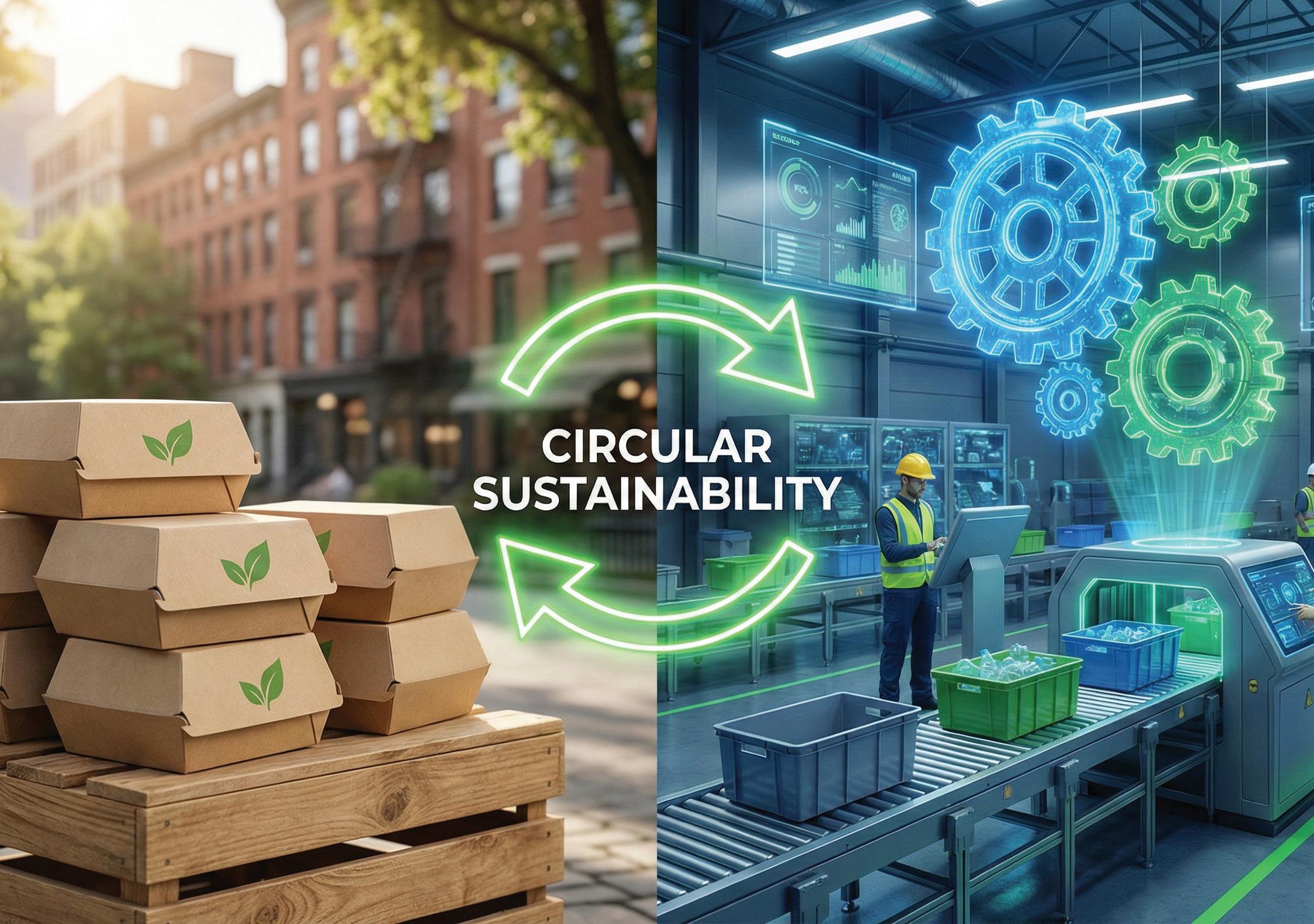
Food waste and the circular economy
Food waste reduction is another critical piece. Asia produces and consumes over half the world’s food, so waste at any point has outsized effects. Companies are adopting waste-cutting measures: improved cold chains to keep foods fresh, portion-specific packaging for smaller households, and upcycling by-products into new foods.
Circular economy initiatives, such as converting fruit peels into natural food colours or utilising rice husk ash in packaging, reduce waste while also often saving costs. Consumers are receptive: surveys show many Asians buy products because of sustainability claims, and two-
thirds globally say sustainability matters more now than two years ago.
Collaboration and transparency
Achieving sustainability goals often requires industry collaboration and transparency. It’s impossible to discuss the future of food without talking about sustainability and supply security. Companies, regardless of size, must demonstrate the commitment and grit required to build a more efficient global system.
For businesses, the sustainability trend in 2026 means innovation and investment today to ensure relevance tomorrow. Reformulation is on the table, such as finding plant-based or upcycled replacements for highfootprint ingredients, or reducing sugar and salt.
Packaging redesign and supply chain audits can no longer be postponed, as regulations become increasingly stringent and retail partners prefer compliant suppliers. There are market-entry implications too: a brand launching in, say, Singapore or Seoul may need to demonstrate strong sustainability credentials to be stocked by major retailers or to win over younger consumers.
The good news is that sustainability can drive growth via premiumization–many Asian consumers will pay a bit more for eco-friendly or socially responsible products. With Asia-Pacific’s share of global emissions and resource use, the region’s F&B industry has both a responsibility and an opportunity to lead in building a climate-smart, resource-efficient food system– and 2026 will be a pivotal year in that journey.
Cover Story
Functional & personalised nutrition
The notion of food as medicine has deep roots in Asian cultures, and it’s surging anew in modern, scientifically informed ways. Across Asia, functional nutrition is becoming an expectation. In fact, today’s shoppers increasingly view “better-for-you products as the norm instead of the exception.”
Consumers are increasingly interested in products with specific health claims, reflecting the growing mainstream demand for functional foods. From immunity-boosting drinks to high-fibre baked goods to stress-relieving snacks, products are being formulated to address a myriad of wellness goals.
Several key themes are driving Asia’s functional nutrition trend into 2026:
Holistic wellness & targeted nutrition
Consumers are pursuing health and wellness in a more personalised, targeted manner. Innova Market Insights notes a “Precision Wellness” trend–an informationempowered public using nutrition to address specific needs at various life stages. Notably, 34% of Asian consumers reported choosing age-specific nutrition products in the past year.
Weight management and metabolic health products are also in demand as lifestyles change. For product developers, this means opportunities in fortified foods targeting kids’ growth, adult stress relief, or elderly nutrition–each with ingredients chosen for the demographic. It also means flexible manufacturing to handle more SKUs or customizable products, since one size doesn’t fit all.
Mental wellness and mood foods
Mental and emotional well-being has emerged as a top consumer health priority in Asia. A recent regional survey showed 37% of Asians consider mental/emotional wellness their primary health goal, and 32% actively choose foods to improve their mood or reduce stress. This is giving rise to products formulated with botanicals and nutrients for calm, focus, or happiness.
ADM’s 2025 outlook dubbed this the “Mood Quest”, noting that high uncertainty in the world is driving people to seek “dopamine boosts” and “joyful selfcare indulgences” through food and drink. We’re also seeing marketing of “sleep-friendly” snacks and drinks, nootropic coffees for brain health, and other crossovers of food and supplements.
For brands, connecting with this trend requires careful substantiation and sensory appeal. A calming tea needs a soothing flavour and colour, for example, to reinforce its promise.
Convenience meets function
Another aspect is making functional products enjoyable and convenient, so consumers can integrate them into daily life. No longer will people tolerate awful-tasting “healthy” tonics – they want the best of both worlds.
As Kerry’s APMEA experts observed, “taste is no longer a nice-to-have – it’s a growth driver” even in the supplements space. In the Asia-Pacific, the dietary supplements market climbed to $75 billion by 2024, and now consumers expect their protein shake or vitamin gummy to be delicious as well as efficacious. Fun formats are thriving: gummies, chews, beverage powders, and stick packs now make up over 60% of global supplement sales.
These formats have gained favour because they turn nutrition into a treat rather than a chore. The F&B industry is mirroring this by infusing functional benefits into popular everyday formats – think cold brew coffee with adaptogens for focus, or yoghurt cups with added zinc and elderberry for immunity. For product strategists, this means reformulating staples to have a health edge (but still taste great), as well as creating entirely new product categories that blur the line between supplement and food.
In 2026, functional nutrition in Asia will continue to expand, but success will come to those who integrate it holistically. Simply adding a trendy superfood won’t be enough. Consumers scrutinise labels and expect transparency and proof. Often, they are not afraid to voice their opinions on their social media channels, which can impact brand trust. Trust is key–clear communication of health benefits, backed by science or tradition, will win consumers who are wary of conflicting health advice.
There is also a cultural angle: many Asian consumers respond well to ingredients rooted in their heritage (turmeric, ginger, green tea, jujube, etc.), so linking modern products to traditional wisdom can build credibility. From a market entry perspective, brands that align with Asia’s health aspirations–be it Japan’s focus on gut health, China’s on beauty foods, or India’s on diabetes management–will find receptive audiences.
F&B in Asia is increasingly viewed through the lens of “What can this do for me?” By 2026, the most successful products will answer that question with compelling, personalised benefits.
Strategic outlook for 2026
The emerging trends in Asia’s food and beverage sector point to one overarching theme: a holistic approach to innovation is no longer optional. Health, sustainability, technology, and culture are entwined in consumers’ minds, and the most successful companies will address all these facets in tandem. For product developers, this means designing with multiple lenses: a plant-based snack, for example, might need to be high in protein, wrapped in recyclable fibre packaging, sold via online channels, and inspired by a local street food recipe to fully resonate in 2026. It’s a tall order, but the payoff is resilience and relevance in a fast-evolving market.
Finally, the human element–consumer engagement and trust–underpins all of these trends. Asia’s consumers in 2026 will reward brands that are transparent, authentic, and aligned with their values. They will read labels for functional claims, scan QR codes for origin info, look for ethical logos, and share feedback widely online.
Building trust may involve greater transparency and education campaigns to inform consumers about novel foods. It also involves engaging narratives: framing your product as not just a commodity, but as part of a larger lifestyle or mission–whether that’s personal health empowerment, saving the planet, or preserving heritage.
Asia’s food and beverage industry is poised for an exciting yet challenging year in 2026. The trends of plant-based innovation, digital transformation, sustainability, functional nutrition, and cultural convergence interact and amplify one another. This creates fertile ground for those willing to innovate at the intersections.
For businesses, that means anticipating needs that are both age-old and entirely modern while delivering them in one compelling package. The stage is set for 2026 to be a year of transformative growth in Asian F&B, led by a commitment to innovation that is as broad as it is deep.
INSIDE ASIA’S NEXT FOOD REVOLUTION
INGREDION
Ingredion’s Rohit Tipnis weighs in on health, texture, and indulgence
By Cath Isabedra
Across Asia, the definition of “better-for-you” food is being rewritten. Health no longer sits opposite indulgence. Both now coexist in the same bite. Ingredion’s proprietary 2025 consumer research reveals that more than 80% of consumers in Asia-Pacific are willing to pay up to 30% more for food and beverages labelled “No added sugar” or “Reduced sugar.” Yet for this increasingly health-conscious generation, pleasure remains non-negotiable, and that pleasure is often defined by texture.
Rohit Tipnis, Senior Director, GKAs and Commercial Excellence, Asia Pacific at Ingredion, believes this intersection of health, indulgence, and sensory experience signals the next evolution of Asia’s food landscape.
“Asian consumers are some of the most discerning in the world when it comes to food and beverages,” he says. “They seek indulgence and health, and are not willing to compromise on one for the other.”
The long-standing tension between taste and nutrition is fading. Across the region, consumers are embracing “guilt-free indulgence”, a new generation of products that are nutritionally improved without sacrificing enjoyment.
“This preference for both health and indulgence is playing out effectively in categories where solutions can provide a guilt-free experience,” Tipnis explains. “This includes the beverage and dairy categories… as well as the bakery category, with concepts like fibrefortified bread maintaining a soft and smooth texture.”
Sugar-reduced milk teas, no-sugar soft drinks, and clean-label yoghurts are leading examples. Foods and beverages that deliver functional health benefits while retaining the “body” and mouthfeel consumers love.
Ingredion’s research underscores this shift: 80% of Asian consumers view texture as essential to satisfaction, and multi-textured experiences, from chewy to crunchy, are becoming synonymous with indulgence. In Indonesia, nearly 80% of consumers prefer foods offering this multi-sensorial experience, a figure far above the global average.
Asia’s new language of pleasure: Texture
If indulgence is the emotion of eating, texture is the language through which it’s expressed. Nowhere is this more apparent than in Asia, where texture holds cultural and emotional weight. In Japan alone, there are over 400 words used to describe texture, a testament to how deeply it defines the eating experience.
“Consumers are very particular about the texture of food,” Tipnis says. “We are working to align that with consumer preferences across each market.”
Ingredion’s proprietary research shows that 60% of Asian consumers prefer foods with multiple textures and flavours, while 80% see multi-texture products as indulgent. “For products like fried chicken, consumers prefer consistent crispiness that can be customised, ranging from soft to medium to high crunch,” Tipnis
adds. “Most importantly, they desire a crunch that can be maintained even after reheating or delivery.”
This expectation is transforming product development. Manufacturers are investing in ingredient systems that preserve texture stability throughout processing, storage, and delivery, a vital edge in Asia’s fast-growing ready-to-eat and delivery markets.
Understanding Asia’s many palates
Beyond texture, cultural diversity defines how consumers across Asia experience food. “While Asian consumers share common elements in food and beverage consumption, especially concerning texture, taste, and health expectations, the region’s cultural diversity shapes distinct consumption trends,” Tipnis explains.
This diversity extends even to something as simple as sweetness. “Even within Southeast Asia, the different countries within this region have varying sweetness preferences,” he adds. “We are working on finding the right balance of sweetness for each market, adjusting sweetness levels to suit preferences in Indonesia compared to Thailand or the Philippines, for example.”
Localisation has become an essential ingredient of innovation. Successful brands no longer simply “adapt” global products. They co-create with local insights, tailoring recipes, sensory profiles, and even claims to each market’s cultural expectations.
Balancing indulgence and affordability
While health and texture drive preference, affordability continues to shape accessibility. Healthier food doesn’t come cheap, but consumers across Asia are proving willing to invest in their well-being. Tipnis notes, “More than 80% of APAC consumers are willing to pay up to 30% more for packaged food and beverages with ‘No added sugar’ or ‘Reduced sugar’ claims.”
Still, cost pressures remain high, especially as key ingredients like cocoa and eggs become more expensive. Ingredion addresses this through a cocreation model that allows brands to balance cost, texture, and nutrition from the formulation stage.
“Our solutions have helped dairy customers reduce sodium caseinate levels by 20-30% while achieving the same texture,” Tipnis shares. “We also co-create systems that allow manufacturers to reduce the most expensive components without impacting texture, such as our egg reduction solutions for mayonnaise or our new solutions for 20-30% cocoa replacement.”
For brands, this marks a turning point toward valuebased innovation, developing affordable, sensorially rich, and nutritionally superior products that bring “better-for-you” within reach of everyday consumers.
Clean labels and conscious choices
While taste and price still dominate purchasing decisions, sustainability and traceability are quickly becoming part of Asia’s mainstream food values. Ingredion’s 2025 proprietary research shows a growing number of APAC consumers prioritising “Contains sustainably sourced ingredients” on product labels.
“Beyond the label, Asian consumers are increasingly seeking verifiable traceability, sustainably sourced ingredients, as well as carbon footprint data,” Tipnis says.
To meet this expectation, Ingredion partnered with HowGood, a sustainability intelligence platform, to automate carbon footprinting and provide customers with transparent data. “This not only allows us to understand our own sustainability,” Tipnis explains, “but also directly helps our customers achieve their climate and sustainability goals.”
In Southeast Asia, sustainability is intertwined with cultural and religious standards, from Halal certification in Indonesia and Malaysia to clean-label compliance across emerging markets. These values are becoming as influential as taste in shaping brand trust.
Policy as a catalyst for reformulation
Government-driven health policies are accelerating change across the region. “Front-of-pack labelling systems help to simplify complex nutritional information into easily understood visual cues,” Tipnis explains. Singapore’s Nutri-Grade system, which grades beverages by sugar and fat content, is already prompting widespread reformulation in the beverage industry.
“These initiatives encourage a shift in consumption away from less healthy options, while simultaneously increasing demand for healthier alternatives,” he adds. “We begin with a co-created customer brief that captures all their requirements and ambitions, as well as the regulatory requirements needed to go to market.”
As more countries in Asia explore sugar taxes and sustainability reporting, proactive adaptation, not reaction, will separate leaders from laggards in the next phase of market evolution.
Integrated innovation
Looking forward, Tipnis identifies four interconnected pillars that will define Asia’s next food revolution: affordability, texture, healthful solutions, and sustainability.
“Brands will have to tackle the challenge of delivering on customised and holistic solutions that can provide multiple in-demand consumer benefits,” he says. “Innovations that can efficiently combine affordability, texture innovation, health benefits and sustainablysourced ingredients have a strong opportunity to dominate the next wave.”
The “watch-out” for 2026, Tipnis cautions, is complacency. Ignoring the demand for consumerpreferred innovation. The “big opportunity,” he adds, lies in mastering balance: merging indulgence with wellness, sustainability with affordability, and global innovation with local identity.
At the heart of Ingredion’s strategy is collaboration. “We see ourselves as our customers’ co-creators and innovation partners,” Tipnis says. “From the very first day of the customer’s journey with us, we begin with a co-created customer brief that captures all their requirements and ambitions, whether that’s indulgence, health, sustainability, affordability, or even all four.”
This co-creation model has become a blueprint for agile innovation, aligning consumer insights, technical expertise, and market readiness.
What’s most striking in Ingredion’s latest research, Tipnis reflects, is how deeply health awareness is now felt. “The most interesting finding from our latest research was the willingness of the Asian consumer to pay significantly more for health benefits, particularly for sugar reduction,” he says. “It demonstrates that health is no longer a trend, but a key factor that influences consumer purchasing decisions.”
A new chapter for Asia’s food industry
Asia’s food and beverage industry is entering a defining moment. The region’s consumers are shaping global health trends, blending wellness with sensory delight and demanding value without compromise.
In this evolving landscape, texture becomes language, co-creation becomes strategy, and the consumer becomes the compass. The opportunity for the industry lies in understanding that indulgence and health no longer compete. They coexist, forming the foundation for Asia’s next wave of innovation.
With insights from Rihit Tipnis, Senior Director of Sales and Technical Service for the ASEAN region at Ingredion Incorporated. Based in Singapore, Rohit brings over two decades of experience in driving strategic growth, customer collaboration, and technical innovation across diverse markets in Asia.
At Ingredion, Rohit leads sales and technical services teams in ASEAN, helping customers co-create consumer-preferred products and accelerate their go-to-market strategies. His leadership has been instrumental in advancing Ingredion’s mission of customer-centricity and customer-focused innovation in the food and beverage sector.
Prior to Ingredion, Rohit was the Country Head of SEA and ANZ at CP Kelco, and held commercial roles in Glanbia and DSM. Rohit is also a frequent speaker and thought leader in industry forums, including fireside chats and panel discussions, where he shares insights on market trends, product innovation, and the evolving role of ingredient technologies in shaping consumer experiences.
THE TINY LABEL WITH BIG IMPLICATIONS
How PLU stickers became a symbol of food industry change
By Cath Isabedra
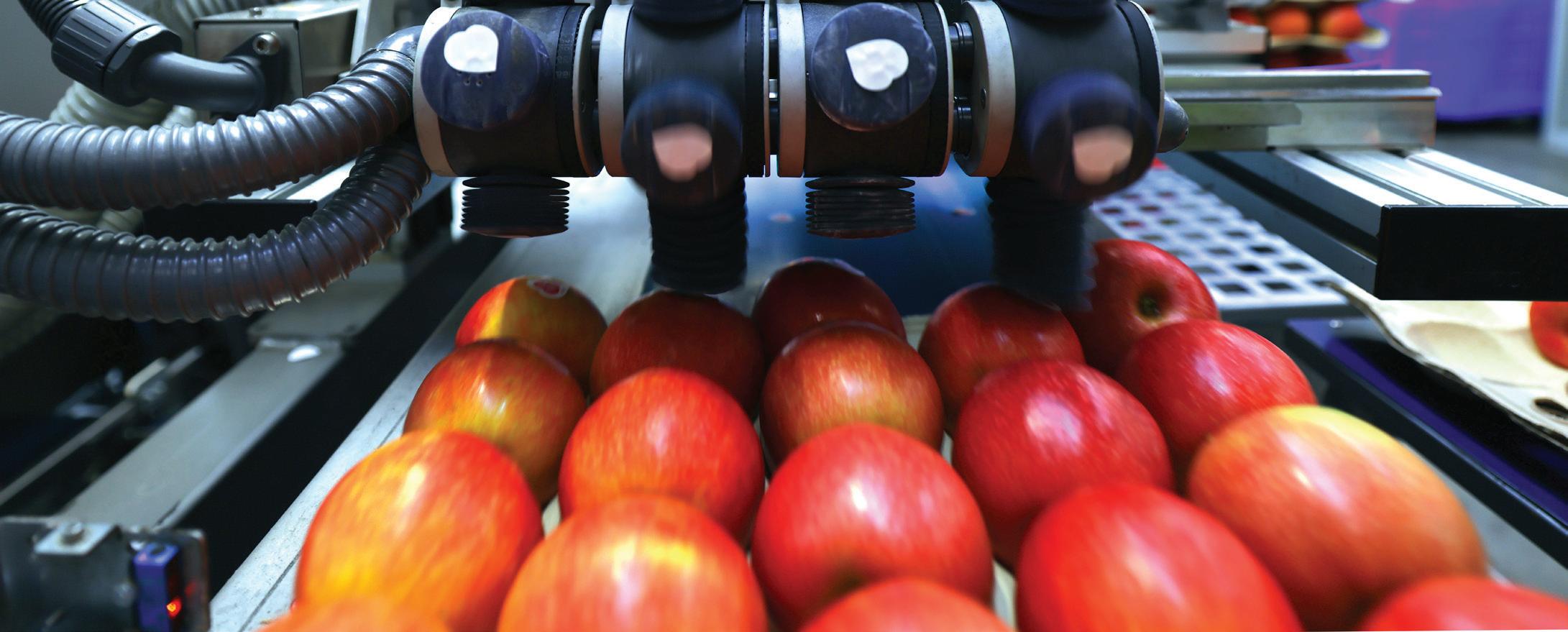
In a region where food demand is set to soar, the smallest details often tell the biggest stories. Nowhere is this more visible than in the humble produce label — once dismissed as a checkout tool, now a symbol of systemic change across the food chain.
In Asia, fragmented waste management systems, fastgrowing urban retail markets, and uneven regulatory progress are colliding with consumer demand for sustainability. That convergence is turning labels into
both a pressure point and a platform for innovation.
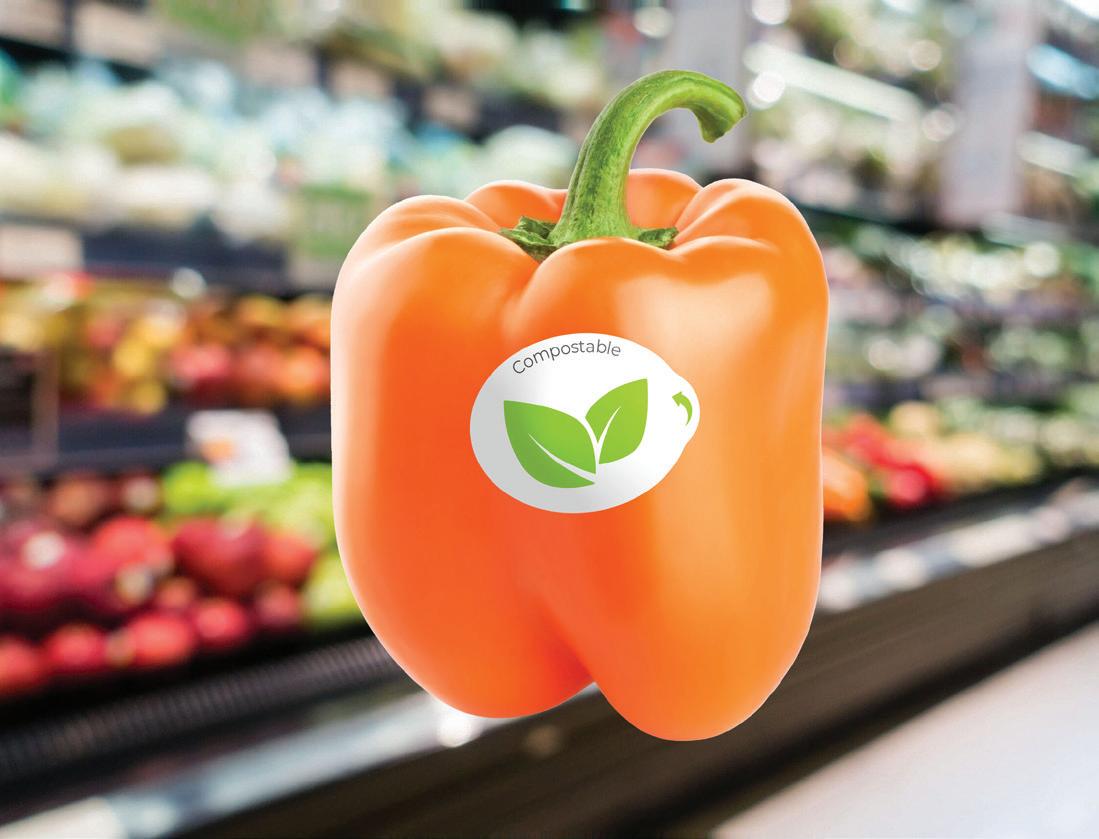
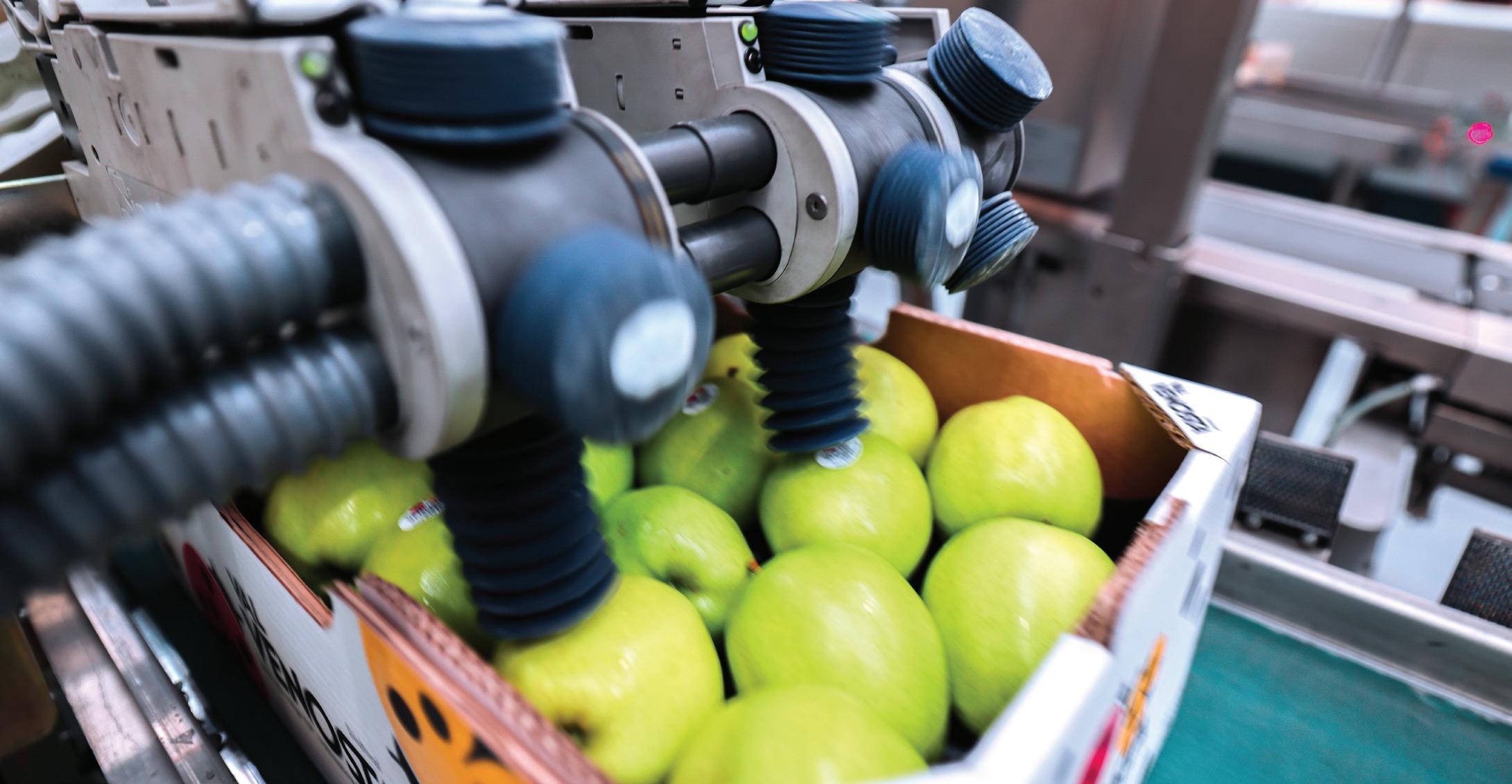
“Sinclair’s T55 certified compostable fruit label is helping facilitate a bigger change in the industry. This is also being driven by legislative changes in terms of reducing waste in the industry. It’s an opportunity to sell loose fruit, providing consumers more choice to minimize food and packaging waste,” said Duncan Jones, Senior Marketing Manager at Sinclair.
Labels as identity and trust in emerging markets
In markets where imported produce competes with local fruit, labels carry significant weight. “Ultimately a fruit label provides a piece of fruit an identity. Product information can include brand, variety, origin or production method. This gives points of differentiation for consumers to allow product selection according to buying needs. The information displayed also provides trust that they are buying the produce advertised. A branded fruit label is also a quality assurance – whether for a particular brand or a particular variety or origin,” Jones noted.
That assurance is critical in Asia, where consumers are increasingly attentive to provenance, authenticity, and food safety.
The challenge of fragmented legislation
Asia’s diversity makes regulation particularly complex. While some countries, like China and South Korea, are advancing clear policies on packaging and waste, others are still navigating fragmented systems. “There is a lack of harmonization of legislation globally for compostable packaging. The global shift toward compostable packaging is accelerating, but regulatory progress remains uneven and fluid – South Australia earlier this year is an example of this.”
This lack of uniformity presents challenges for growers and exporters who must comply with varying requirements across borders.
Cost vs. accessibility
For now, cost remains the biggest barrier to scale. “At the moment, like the majority of sustainable solutions, T55 is more expensive than a conventional PE/PP fruit label so cost is currently the biggest trade off. We now have 360+ T55 adopters so we are actively working with our supply chain to ensure that T55 become more accessible,” Jones shared.
That tension is especially visible in Asia, where price sensitivity is high, but consumer awareness of sustainability is also rising — particularly in urban hubs like Singapore, Seoul, and Shanghai.
Labels as micro-educators
Across the region, QR codes and digital traceability are finding traction among younger demographics. “Labels and packaging are increasingly being used not just as branding tools, but as educational platforms to inform consumers about sustainability, disposal, provenance, and ethical practices.”
“Fruit labels provide a wealth of information for consumers to be able to make informed choices and for retailers to ensure checkout accuracy and efficiency, and in some cases traceability via lot codes in their supply chain.”
For Asian exporters, where brand storytelling and origin assurance can differentiate premium fruit in crowded markets, this evolution is critical.
Regulation and innovation in Asia
Governments in Asia are moving at different speeds. Japan and South Korea lead in recycling and consumer awareness, while India and Indonesia experiment with scalable, community-based solutions. “These markets are not only responding to local challenges but also setting examples that global brands and policymakers are closely watching,” Jones observed.
The dynamic is two-way. “One thing is clear: momentum and innovation are no longer solely driven by regulations. In the background, consumers are looking to businesses, not regulatory change, to lead the way.”
That’s especially true in Asia, where younger demographics often hold brands to higher standards than policymakers.
Collaboration as the accelerator
To overcome fragmented systems, partnerships across supply chains will be essential. “Collaboration from the entire supply chain is important for, not only the adoption of compostable packaging, but the understanding of it too. Our T55 certified compostable label progressed
“The lessons learnt from involving multiple stakeholders is the synergy produced allowing for improved delivery and results. With stakeholders aligned in their sustainability goals there is joint momentum to move forward, and this ultimately allows change for the good to happen faster and with greater impact.”
Leaders vs. laggards beyond 2026
Looking forward, Jones believes leadership will hinge on both credibility and efficiency. “Into 2026, we will continue to raise awareness and work with customers, the media, and industry stakeholders to support the move to environmentally conscious fruit labeling and packaging solutions. This will be key to building trust, but also solutions that support operational efficiency and production speed will be a competitive advantage.”
In other words, in Asia’s food markets, the fruit label has outgrown its role as a checkout sticker. It has become a tool of identity, a channel of education, and a litmus test for how seriously the industry takes sustainability.
The message is clear: the future of packaging in Asia will not be defined by scale alone, but by how effectively even the smallest innovations — like a compostable label — can deliver trust, traceability, and transparency at speed.
Duncan Jones is Senior Marketing Manager at Sinclair. He is dedicated to driving impactful results through innovative marketing strategies. due to partnerships with our customers, notably with Zespri Group.”
SUNTORY
Suntory’s playbook for a responsible and premium drinks future
By Cath Isabedra
Asia’s drinks market is entering a new phase of complexity. Regulators are tightening standards, healthconscious Growth is still robust, but the drivers have shifted: mindful consumption, regulatory scrutiny, and sustainability are shaping the way drinks are crafted, marketed, and consumed. In this environment, Suntory Global Spirits is positioning itself as both an innovator and a steward of responsibility.
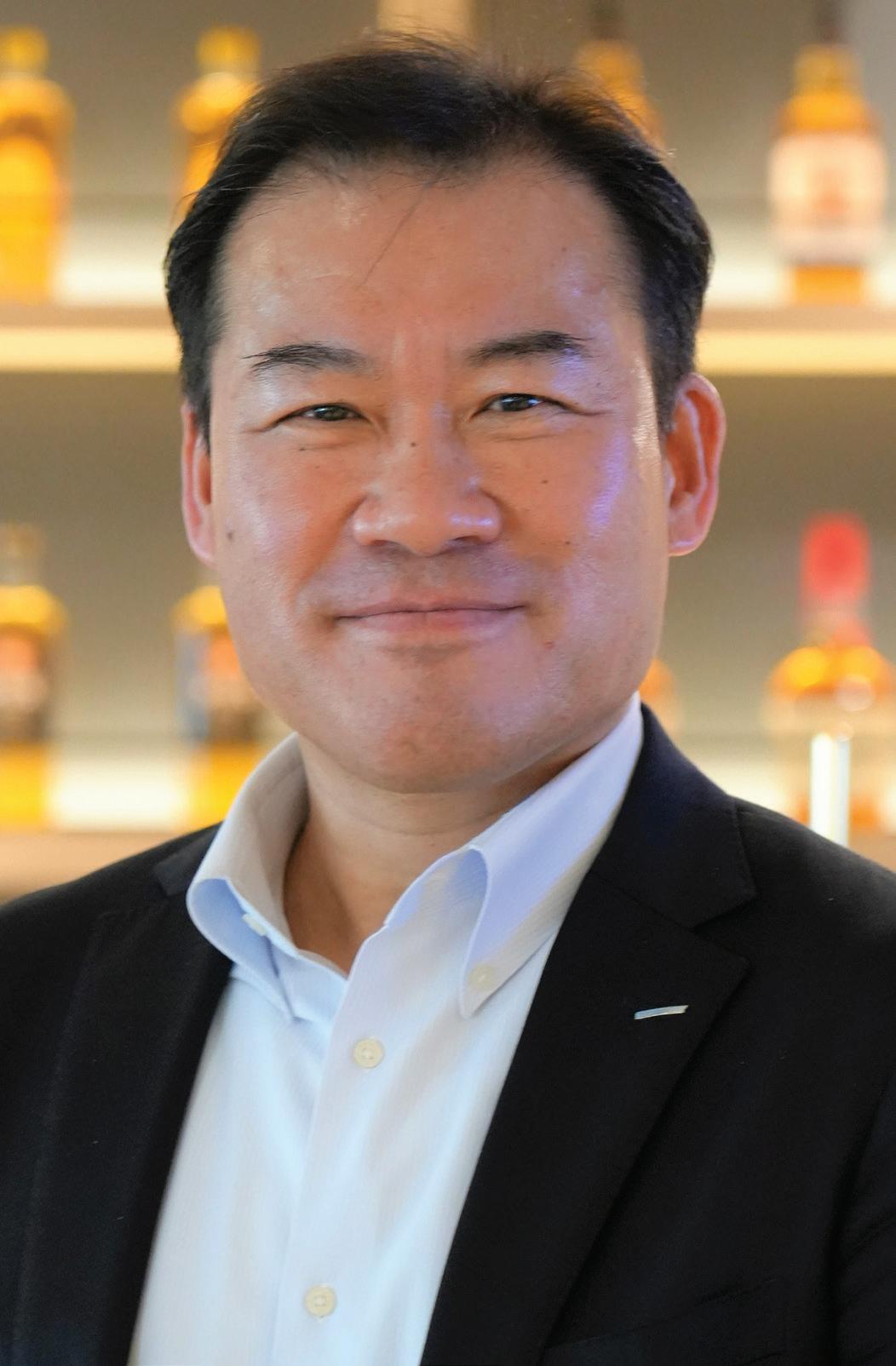
Masato ‘Masa’ Hayashi, President, APAC and Global Commercial Excellence, captures the company’s guiding principle: “Our commitment to responsible drinking is fundamental to our business and ambition to be the World’s Most Admired Premium Spirits Company.” That commitment is evident in Suntory’s investments in no- and low-alcohol products, premium RTDs, and sustainability-linked campaigns across Asia Pacific.
Expanding choice through low and no-ABV
The company set a goal to develop, introduce, and build awareness of lower- and no-alcohol products by 2030. Progress has accelerated. Suntory has already rolled out Sipsmith FreeGlider, Suntory ALL-FREE, Suntory Lemon Sour Zero, and Suntory Highball Zero in key markets.
“We are also committed to introducing lower-alcohol and alcohol-free products, to expand our portfolio and offer consumers more choices,” Hayashi says. These offerings are designed for occasions where consumers want flavour, refreshment, and inclusivity without the effects of alcohol.
Industry data support the strategy. According to IWSR, the no- and low-alcohol category in Asia Pacific is forecast to grow faster than in North America or Europe through 2028, with urban millennials and Gen Z driving demand. By embedding these products in its mainstream portfolio, Suntory is meeting both consumer expectations and regulatory priorities.
Engineering quality in the RTD market
Suntory has decades of experience in Ready-To-Drink beverages, but the stakes in 2025 are different. Healthconscious consumers expect reduced sugar and
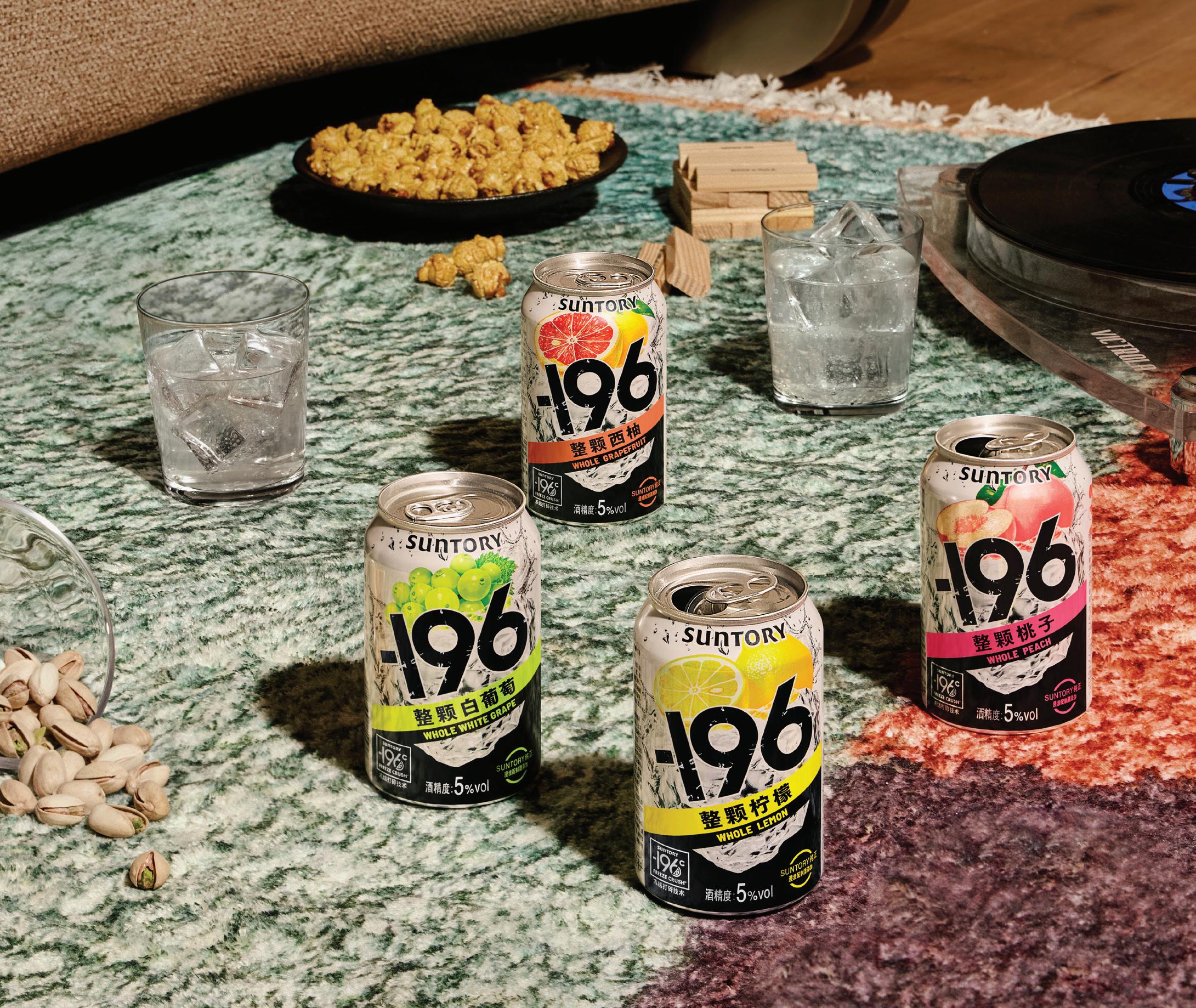
calories, without compromising flavour or authenticity. “Convenience is what gets someone to try your brand, but quality is what keeps them coming back,” Hayashi explains. That principle guides Suntory’s RTD innovation pipeline, which now includes global hits like On The Rocks and the Japanese-engineered −196™ vodka seltzer.
The secret to −196’s popularity lies in technology. “-196 leverages Japanese ingenuity, offering a stronger and more vibrant whole fruit flavour than other seltzers. The cutting-edge FCI (Freeze Crush Infusion) technology captures the entire fruit and infuses it into the vodka.” The result? A full-fruit flavour experience that competitors struggle to replicate.
“What makes us stand out is our focus on quality and flavours consumers love, and we see that play out in our sales,” Hayashi notes. “We’re always thinking about what’s next and innovating for the future. We’ve seen how leveraging rich data and in-depth consumer insights allows us to strategically anticipate and respond to evolving preferences. Our cutting-edge capabilities allow us to future-cast and adapt fluidly to shifting trends.”
Globally, the RTD market is expected to reach USD 40 billion by 2027 (IWSR), with APAC leading growth thanks to its younger legal-drinking-age base and openness to new formats. Suntory’s track record—pioneering RTDs in the early 1990s—gives it a credibility edge as the category premiumises.
Responsibility as a marketing imperative
Marketing alcohol in today’s regulatory environment requires more than creativity. Transparency and education are central. Earlier this year, Suntory relaunched its DrinkSmart® website, which now provides nutritional information, serving guidance, zero-proof cocktail recipes, and tips for responsible hosting. QR codes linking to this information are already printed on 20% of Suntory products worldwide.
“Consumers can now access location-specific macro-nutritional information and alcohol content for our products, guidance on a standard serving size, responsible-hosting tips, zero-proof cocktail recipes and insights into our global responsibility initiatives,” says Hayashi.
He adds, “We want legal drinking-age consumers to enjoy our products with the care, respect, and patience we use to craft them. To help consumers make informed decisions about alcohol, including whether or not
to drink, we invest in evidence-based responsibility programs, work with our peers to raise industry standards, and continue to enhance the information available on our products’ labels and our DrinkSmart® responsibility website.”
Campaigns across the Asia Pacific extend this digital approach. The inaugural Moderation Week, launched with the Asia Pacific International Spirits and Wines Alliance, introduced an educational video series in Cambodia, Thailand, and Vietnam. In Taiwan, Suntory supports the government’s long-running anti-drunkdriving pledge, which has helped reduce traffic fatalities since 2017.
“Our campaigns are designed to celebrate heritage, craftsmanship, and the joy of shared experiences. We focus on narratives that highlight the artistry behind our brands, such as Jim Beam and Hibiki, showcasing the rich history and traditions that define them, while always championing responsible consumption.”
Suntory’s DrinkSmart platform, a global initiative focused on informed choice and moderate use
The “Gemba” approach
What makes Suntory’s brand-building distinct in APAC is its “Gemba” philosophy—learning directly from local contexts and cultural touchpoints. “For instance, we localised our global Jim Beam Highball ‘People Are Good For You’ campaign, which saw a tailored version in the APAC region featuring the popular K-pop girl group LE SSERAFIM,” says Hayashi.
This localisation isn’t superficial. In China, Suntory launched a seasonal Cherry Flavour for Horoyoi, themed around embracing life’s imperfections. In Taiwan, partnerships with Rakuten Baseball brought -196™ into stadium culture. These efforts underscore that for Suntory, cultural relevance means embedding itself in the rituals and aspirations of everyday life, not simply translating global campaigns.
Sustainability as a consumer expectation
Sustainability is increasingly influencing purchase decisions in Asia, and Suntory is positioning its environmental work as part of its consumer promise. “Sustainability is woven into the fabric of our company. Our initiatives, such as the regenerative agave program for brands like Casa Sauza, reflect our commitment to environmental stewardship,” Hayashi explains.
Reforestation programs linked to Yamazaki Distillery reinforce the idea that Suntory’s products—and their future—depend on nature’s resilience. “These actions resonate with consumers who are increasingly conscious
of their ecological footprint and seek out brands that prioritise sustainability. For us, working in harmony with nature is part of our purpose and a business imperative since our products come from nature,” Hayashi adds.
This aligns with broader market data. Deloitte’s 2024 Asia Pacific Consumer Survey found that more than 60% of consumers in the region prefer brands that demonstrate tangible environmental action. By tying sustainability directly to heritage and product integrity, Suntory builds credibility with an audience that expects both responsibility and authenticity.
Jim Beam “People Are Good For You” campaign in Korea, featuring K-pop girl group LE SSERAFIM
Horoyoi campaign in China, highlighting the seasonal Cherry Flavour
Suntory’s Yamazaki Distillery – Japan’s oldest malt whisky distillery – located at the foot of Mt. Tennozan, southwest of Kyoto
Values as the new premium
The next chapter will test how well brands can align sustainability, health, and cultural storytelling without diluting their aspirational appeal. Suntory sees this as an opportunity to lead. “Our global teams are guided by enduring values: Growing for Good, Yatte Minahare (our spirit of bold ambition, innovation and resilience) and Giving Back to Society,” Hayashi says.
From carbon-neutral packaging to next-gen RTDs, Suntory is signalling that the premium spirits market of the future will be defined not by volume, but by values.
With insights from Masato ‘Masa’ Hayashi, President, APAC and Global Commercial Excellence, Suntory. Masa oversees the Suntory Global Spirits business across Japan, China, Emerging Asia, and Oceania, while also leading the global commercial excellence agenda. Since joining Suntory in 1990, Masa has held several high-impact positions in commercial, sales, marketing, strategy, and management across beer, wine, and spirits.
Most recently, he’s served as Managing Executive Officer for the Business Strategy Division of Suntory Spirits Limited. Here, he developed mid- and long-term integrated business strategies for the alcohol business in Japan. Masa is an experienced, strategic leader who understands the challenges and opportunities of this critical region. He holds a B.Ed from Nagoya University.
The next frontier in F&B is gut-brain innovation
Words by Helen Hu, President of Health & Wellness, APAC, ADM
Rising consumer demands & wellness trends
Today’s consumers are looking for more than singlepurpose health products. Increasingly, they seek functional solutions that integrate seamlessly into daily life, supporting multiple aspects of wellness simultaneously. This reflects a shift away from reactive, one-off fixes toward a preventive, holistic mindset, where health is viewed as a long-term pursuit encompassing physical, emotional, and mental well-being.
In many Asia-Pacific markets, emotional wellness is regarded as equally important as physical health, reshaping daily habits from diet to lifestyle choices. In fact, 41% of APAC consumers now define good health primarily through mental well-being1, and nearly one in three turn to functional foods and beverages to
maintain emotional balance. These trends signal a broader redefinition of wellness, moving beyond fitness alone to embrace integrated, everyday self-care.
This focus on holistic wellness has brought the gutbrain connection into the spotlight. Centred on the gut microbiome – the trillions of microorganisms that live in the digestive tract – this area of science is no longer niche. The gut microbiome is now widely recognised not only for its role in digestion but also for its bi-directional communication with the brain, influencing cognitive clarity, emotional balance, stress responses, and even broader physical health outcomes. As research into the gut-brain axis deepens, microbiome-based approaches are emerging at the forefront of holistic wellness innovation.
Extensively studied for its role in supporting gut health, sleep quality, and stress resilience, Lactobacillus gasseri CP2305 demonstrates how next-generation ingredients can contribute to multi-dimensional wellness.
Clinical studies indicate that supplementation with L. gasseri CP2305 may support positive changes in physiological and emotional well-being, including improved mood and reduced stress or anxiety in women. Additional benefits reported include healthier skin, support for vaginal health, and relief from occasional digestive irregularities. In menopausal women, L. gasseri CP2305 was also linked with favourable changes in both physiological and emotional markers.
The benefits extend to exercise recovery as well. In male athletes, supplementation was associated with reduced fatigue and stress associated with exercise, improved recovery, and support for cellular energy function.
Digestive health effects have been reported in individuals with irregular bowel patterns, including more regular bowel movements, a healthier gut microbial balance, and improvements in gut-brain communication that may help regulate stress responses. By bridging mental, physical, and digestive wellness, L. gasseri CP2305 exemplifies the kind of multi-functional, science-backed ingredient that aligns with today’s holistic approach to health.
Scientific validation as a differentiator
Meeting today’s evolving consumer expectations requires more than adding a functional claim to a product. Brands must strike a careful balance between scientific credibility, practicality, and consumer experience to create offerings that genuinely resonate.
Credibility is now non-negotiable. Consumers today are more informed and often more skeptical, so they seek tangible, evidence-backed benefits. This has driven interest in well-researched ingredients such as probiotics and prebiotics, as well as postbiotics, which are gaining attention for their stability and versatility. In a crowded market of competing claims, clinical validation is what sets trusted products apart.
This emphasis on proven benefits connects directly with the rising demand for solutions that support mental health and emotional well-being. Functional foods and beverages that aid stress management, mood regulation, and sleep quality are increasingly seen as essentials.
In Singapore, 61% of employees reported feeling burned out in 2024, while the country ranks among the most sleep-deprived in the region. In Malaysia, nearly nine in 10 adults experience sleep-related issues such as insomnia, frequent waking, or difficulty falling asleep, and most agree that adequate, high-quality sleep is critical to overall life quality, productivity, and mental health.
These trends illustrate the mounting pressures on urban consumers, whose busy lifestyles, long work hours, and constant digital engagement are intensifying stress, disrupting sleep, and affecting overall well-being. Yet, despite this need, only 4% of global products carry related claims8 – pointing to a notable gap in the market for solutions grounded in science.
A growing body of clinical research, including eight gold-standard clinical trials on L. gasseri CP2305, illustrates how robust evidence can set ingredients apart. Findings from these studies suggest the strain can support emotional well-being by reducing stress and improving sleep quality, efficiency, and duration9,10,11. Some trials measured improvements using validated questionnaires, while others confirmed outcomes through objective electroencephalography (EEG) assessments.
Innovation & formulation challenges
The functional nutrition space is entering a new phase, where scientific rigor must be paired with everyday usability. Functionality alone is no longer enough. Products must also be accessible, enjoyable, and easy to incorporate into daily life to drive adoption.
Traditional probiotics, while effective, are highly sensitive to heat, moisture, and oxygen, which can compromise their potency during processing, storage, or in nonrefrigerated products. This restricts their use to certain formats, such as capsules, and makes incorporation into everyday foods and snacks a growing challenge.
By contrast, postbiotics such as L. gasseri CP2305 are heat-stable and non-living, allowing them to retain health-promoting properties without refrigeration. This resilience opens opportunities for broader applications across a wide range of food categories.
1. FMCG Gurus, Health & Wellness Trends in APAC 2025
2 Nishida, K., et al., (2021) Journal of Functional Foods 80:104426
3. Sawada, D., et al., (2022) Nutrients, 14:1695
4. Sawada, D., et al., (2019) Journal of Functional Foods 57:465–476
5. Sawada, et al., (2016) Food Research International 79:33-39
6. Employment Hero, The 2024 Wellness at Work Report
7. https://www.malaymail.com
8. FMCG Gurus & Mintel
9. Nishida, K., et al., (2017) Journal of Applied Microbiology 123:1561-1570
10. Nishida, K., et al., (2017) Journal of Functional Foods 36:112–121
11. Nishida, K., et al., (2019) Nutrients 11:1859
Whether through a morning yoghurt that supports resilience, snackable formats that enhance focus, or indulgent treats designed to encourage relaxation, these innovations make holistic wellness easy to incorporate into daily life. By combining functional benefits with enjoyable, convenient formats, brands can deliver products that not only support measurable wellness outcomes but also fit naturally into consumers’ routines.
Ultimately, success comes from identifying where consumer needs intersect with scientific credibility and translating that into lifestyle-friendly products. This convergence of validated science, consumer relevance, and practical usability is what will define the next wave of innovation in health and wellness.
Can automation rewrite the future of product inspection?
By Cath Isabedra
As food manufacturers strive to meet the increasing global demand, they face a relentless balancing act, enhancing production speed without compromising accuracy, compliance, or sustainability. For Tan Choon How, who leads Mettler-Toledo’s Product Inspection Market Support Centre for Asia-Pacific, the key to this equilibrium lies in automation as a catalyst for transformation.
“Automation in product inspection isn’t just about speed,” Tan explains. “Automatic product set-ups and changeovers can also help to avoid operator programming errors. Today’s solutions are designed to constantly learn from the product–in terms of product
attributes, the correct detection sensitivities, etc–this then helps to reduce false rejects.”
This intelligence-driven approach marks a critical shift in how factories operate. Inspection systems are no longer passive checkpoints; they are dynamic, datarich control points that both detect and prevent errors. Tan notes that by automating inspection and detecting safety issues earlier, manufacturers can rework products instead of discarding them—“which saves costs and reduces waste.” In a sector increasingly defined by sustainability and efficiency, these two outcomes are invaluable.
METTLER-TOLEDO
“Automation in product inspection isn’t just about speed,” Tan explains. “Automatic product set-ups and changeovers can also help to avoid operator programming errors. Today’s solutions are designed to constantly learn from the product–in terms of product attributes, the correct detection sensitivities, etc–this then helps to reduce false rejects.”
This intelligence-driven approach marks a critical shift in how factories operate. Inspection systems are no longer passive checkpoints; they are dynamic, datarich control points that both detect and prevent errors. Tan notes that by automating inspection and detecting safety issues earlier, manufacturers can rework products instead of discarding them—“which saves costs and reduces waste.” In a sector increasingly defined by sustainability and efficiency, these two outcomes are invaluable.
From contaminant detection to total quality intelligence
The days when X-ray systems served a single function, spotting metal shards or glass pieces, are fading fast. “Manufacturers are increasingly investing in X-ray technology because prices have become more accessible, and the solutions extend beyond contamination detection,” Tan says. “Modern X-ray solutions can also perform quality checks such as measuring fill levels, confirming product count, checking seal integrity and identifying damaged packaging.”
This multifunctional evolution is mirrored in the surge of combination systems integrating checkweighing, X-ray, metal detection, and vision inspection within a single unit. Tan describes them as “delivering great flexibility and efficiency on the line plus accommodating space constraints.” For industries under pressure to do more with less, particularly in densely built production facilities, compact, hybrid systems are emerging as the gold standard.
Beyond efficiency, regulatory shifts are accelerating adoption. As Tan foresees, “Regulatory attention will likely move towards digital traceability, so systems that can both detect issues and generate transparent performance records will be vital.”
Checkweighing:
Precision that protects both margins and compliance
Among the unsung heroes of food production, checkweighing remains fundamental to product integrity. Even a gram of deviation can multiply into significant financial loss or regulatory violation.
“Checkweighing plays a critical role in maintaining accuracy of dynamic weighing across multiple sites,” says Tan.
He points to a global web of compliance standards, from the U.S. average weight rules to Europe’s e-mark system and Measuring Instruments Directive, that compel manufacturers to prove precision. Reliable checkweighing, Tan adds, “gives manufacturers confidence that every pack meets regulatory standards while also protecting margins across all their facilities.”
Data-driven
decisions: Turning compliance into competitive advantage
The next frontier of inspection is information. Through software like ProdX™, Mettler-Toledo is turning inspection data into a strategic asset. “ProdX™ extends the value of inspection by turning compliance data into a strategic resource,” Tan explains. The system “collects all inspection results in real time and stores them securely, giving manufacturers the evidence they need for audits and brand protection. Just as importantly, the data can be analysed to identify production line improvements, boost productivity and help combat rising costs.”
This integration of inspection data into continuous improvement loops signals a broader trend across the Asia-Pacific region: using quality control not merely as a safeguard but as an efficiency multiplier.
Sustainability as a design principle
Environmental goals are reshaping equipment design from the ground up. “Waste reduction is a major contribution of modern product inspection,” Tan says. By lowering false rejects and detecting issues earlier, “inspection systems give manufacturers the chance to rework products rather than discard them.”
This is complemented by energy-efficient and material-saving designs, aligning with MettlerToledo’s own corporate sustainability achievements. The company achieved carbon-neutral operations for the fifth consecutive year in 2024, sourced 100% renewable electricity, and achieved a 74% reduction in waste to landfill since 2018. These milestones are part of its GreenMT Programme, which Tan says “drives environmental, social and governance (ESG) initiatives across the business.”
Predictive, adaptive, and ready for what’s next
Artificial intelligence and machine vision are the next leap. Tan sees them as forces that will “play a growing role in making inspection smarter and more predictive. By learning to distinguish between normal product
variation and true contamination, these technologies can reduce false rejects and improve detection accuracy.”
Such advancements will allow systems to dynamically adapt to new product types and packaging formats, a significant advantage as sustainability drives packaging innovation. “These materials can create new inspection challenges, such as density variations that could mask contaminants,” Tan notes. “As inspection technology continues to evolve, manufacturers can introduce new packaging formats without compromising on product safety and integrity.”
Adoption speeds vary, but automation’s direction is universal. “Mature markets typically adopt advanced automation faster, often driven by strict regulatory frameworks and demanding retailer requirements. Emerging markets have traditionally moved more slowly, with decisions influenced by cost, but adoption is now accelerating as automated inspection becomes more affordable and as export ambitions grow,” Tan says.
Mettler-Toledo’s approach to this disparity is pragmatic: “In developed markets this means advanced connectivity and integration, while in emerging regions it provides reliable, easy-to-use systems that raise standards.”
Rewriting the rules of inspection
So, can automation rewrite the future of product inspection? The evidence is already on the production line. Automation is redefining what inspection is. Once limited to reactive detection, inspection has evolved into a proactive, intelligent process that safeguards safety, supports sustainability, and strengthens profitability.
By bridging compliance, data analytics, and sustainability, automation turns every checkpoint into a source of insight. Systems no longer just find faults but help manufacturers anticipate them. As AI and machine vision mature, the next generation of inspection will be self-learning, predictive, and seamlessly integrated into the connected factory ecosystem.
For Tan Choon How, that transformation is well underway. “Automation will continue to advance from detection to prevention,” he says. “It’s helping manufacturers build safer, more efficient, and more sustainable operations—shaping a future where inspection is not a bottleneck, but a driver of progress.”
With insights from Tan Choon How, Head of PI Market Support Center, Asia Pacific Region, Mettler-Toledo
Tan Choon How leads the Mettler-Toledo Product Inspection Market Support Centre for the Asia-Pacific region, overseeing business development, technical support, training and service innovation across markets including China, India, Southeast Asia, Australia and New Zealand. With more than 20 years of experience in product inspection and industrial automation, he has held a range of leadership positions, driving regional projects, establishing the PI Shared Service structure in Malaysia and enhancing collaboration between global and local teams.
His expertise spans checkweighing, metal detection, x-ray and vision inspection technologies, with a strong focus on performance optimisation, compliance, and customer success. Tan holds a Masters in Electronic & Communications Engineering.
U.S. DAIRY EXPORT COUNCIL
Taste is just the start: The new recipe for success in Southeast Asia
Words By Dali Ghazalay, Regional Director,
Southeast Asia, U.S. Dairy Export Council
It wasn’t long ago that a new food product in Asia only had to pass two tests: “Does it taste good?” and “Is it good value for its price?” Today, these questions are just the starting line.
Today’s consumers are asking a third—and far more complex—question: “Can I feel good about eating this?”
That good feeling goes beyond taste or satiation. Consumers today want food that energizes, nourishes, and helps them achieve tangible health goals, like healthy aging, building strength, and improving physical performance—or simply feeling fuller for longer. They also review food labels to know more about what they are consuming. That hunger for purposeful eating has certainly broadened the challenge, but also the opportunities, for manufacturers.
Answering the call with protein
Protein is no longer just an obsession among athletes— it’s now a mainstream staple for consumers who are mindful about seeking a balance of nourishment and satiety from their meals. Across Southeast Asia, interest in protein-based drinks, shakes, powders, and snacks continues to grow, reflecting a broader trend towards functional and convenient nutrition.
This is not a passing trend. Consumer research by the U.S. Dairy Export Council (USDEC) highlights a highly informed market: 64% of surveyed customers in Southeast Asia understand protein’s function, and a remarkable 76% are willing to try new, protein-fortified options.
And yet, there’s a disconnect. Another study by USDEC also revealed that more than one-third of consumers across Southeast Asia are not highly satisfied with their current protein intake. This points to a huge opportunity for brands to create better, more convenient, and more appealing protein solutions. But meeting that demand responsibly requires more than innovation in the lab.
Innovation with purpose
This is where the ‘backstory’ presents an important messaging opportunity. As Asian consumers grow more discerning, sustainability consciousness is on the rise. According to a USDEC consumption tracker study, 44% of surveyed consumers in the region indicate that environmentally friendliness is a factor influencing their food and beverage purchases.
The good news is that the U.S. dairy community has a positive story to share in its long legacy of environmental stewardship and the progress made by U.S. dairy producers. A Farmgate Life Cycle Assessment (LCA) published in the Environmental Science and Technology journal in 2025 showed that U.S. milk production rose by more than a quarter between 2007 and 2020, while the greenhouse gas emissions per unit of milk declined by 13%.
The U.S. dairy community has also set an ambitious collective goal to achieve GHG neutrality by 2050.
‘Good food’ today isn’t just about personal health. Increasingly, consumers are seeking a balance—food that’s good for themselves and good for the planet.
Bringing innovative, sustainable (and delicious) ideas to life in Southeast Asia
This solid foundation of nutrition and environmental stewardship supports Asian brands’ innovation goals, unlocking the potential to turn high-quality U.S. dairy ingredients into locally inspired creations that consumers can feel good about eating.
Protein Tom Yum Granola Bars: Inspired by iconic Thai flavors, this bold and savory snack reimagines a classic taste for modern, on-the-go lifestyles. It’s a convenient, protein-added option that delivers 12.8g of protein per 48g serving, powered by a combination of U.S. whey protein isolate and dairy crisps, with whey permeate added for enhanced flavor.
Protein Pandan Coconut Granola Bar: This treat is ideal for active consumers who want delicious yet light and nutritious options. It combines the nostalgic, aromatic flavors of Southeast Asia with the added benefits of U.S. whey protein isolate and dairy protein crisps. It delivers a satisfying texture and reduced sodium content, making it a perfect snack to keep hunger pangs at bay during busy days.
Protein Meringue Gems: A fun, modern twist on Southeast Asia’s classic ice gem biscuit, using U.S. whey protein isolate to create a light, crunchy, melt-in-yourmouth experience. They can serve as a sweet treat, an on-the-go bite, or a unique, protein-enhanced topper for baked goods.
That said, great ideas alone aren’t enough. To turn innovative, locally inspired products into market successes, brands need collaboration and the right expertise.
That’s why the U.S. Center for Dairy Excellence (U.S. CDE) was established in Singapore. It’s more than an office; it’s a regional hub, a test kitchen, and a collaborative space where ideas become reality. The U.S. CDE’s purpose is to connect the U.S. dairy community with Southeast Asian F&B innovators to co-create the next generation of winning products.
Through hands-on workshops, technical training, and direct engagement, the U.S. CDE helps brands translate the versatility of U.S. dairy into culturally relevant, innovative, and delicious food and beverage products that resonate with local consumers.
The new recipe for success in Southeast Asia
The new recipe for success in Asia’s food landscape has changed. It’s no longer enough to create products with good taste at a good value. To capture consumers’ preferences today, products must also tell a multifaceted story of nutrition, responsibility, and innovation, and connect how those align with their needs and desires.
Such a product begins its journey to consumers with nutritional, functional, and sustainably produced ingredients, providing the perfect foundation for creating and innovating products that blend local heritage and modern creativity.
When brands get this right, they can confidently answer the question on every consumer’s mind: “Can I feel good about eating this?”
SPAIN AND ASIA
A growing culinary bridge
By Cath Isabedra
Spanish food and beverage producers are charting new ground in Asia, where rising consumer demand for premium, sustainable, and authentic products is reshaping trade flows. At the heart of this shift is Alimentaria Barcelona—one of Europe’s most influential
food trade shows—providing a global stage for Spanish companies to connect with Asia’s fast-evolving markets. Anna Canal, Director of Alimentaria, sheds light on the dynamics at play and how Spain is positioning itself to thrive in Asia’s competitive food landscape.
ALIMENTARIA
inkgenius Printer Repair Services
Asian demand for Spanish food has seen significant growth in recent years. As Canal explains, “Spanish fresh fruit and vegetable exports to Asian markets like China, Saudi Arabia, the United Arab Emirates, Hong Kong, and Qatar accounted for 80% of these exports, with China experiencing a remarkable growth compared to the previous years.”
This surge is linked to multiple factors, including shifts in diet, increased exposure to Mediterranean cuisine, and consumer recognition of Spain’s high-quality standards. Changing habits among young Asian consumers, who are exploring healthier and more diverse diets, has also been pivotal.
Beyond pork: Diversification and innovation
Traditionally, Spain’s agri-food exports to Asia leaned heavily on pork, but today the portfolio is diversifying. Olive oil has emerged as a major success story. “According to the International Olive Council, Olive oil consumption in China has risen from 12,000 tons in 2008/09 to 42,500 tons in 2022/23,” Canal notes.
Spanish companies are also innovating in the plantbased sector.
“Spanish companies are increasingly tapping into the plant-based food sector, with innovative products such as plant-based cheeses and meat alternatives gaining traction in markets like Singapore and Hong Kong.”
Sustainability as a market imperative
Beyond taste and quality, sustainability is increasingly shaping purchase decisions in Asia. “Asian consumers are increasingly prioritizing sustainable and ethically sourced products, with countries like Japan and South Korea leading in eco-conscious food choices,” says Canal.
Spanish producers have been quick to respond. “Companies are emphasizing quality and terroir, adopting environmentally friendly practices, and exploring innovative solutions,” she adds. Measures such as reducing packaging waste, improving traceability, and sourcing ingredients responsibly are becoming standard practice for exporters eager to secure longterm success in Asia.
This dual strategy—expanding traditional exports while entering next-gen categories—illustrates Spain’s ability to adapt to global food trends.
• 80% of Spanish fruit and vegetable exports to Asia go to just five markets: China, Saudi Arabia, the UAE, Hong Kong, and Qatar.
• 42,500 tons of olive oil consumed in China in 2022/23 — up from just 12,000 tons in 2008/09.
• Premium demand in Asia is fueling interest in olive oil, cured meats, wine, and artisanal cheeses from Spain.
• Spanish producers are innovating in plant-basedfoods, catering to new consumer preferences in Singapore and Hong Kong.
Building a premium identity
Asia’s appetite for artisanal and premium products is growing fast, and Spain is making its mark. “Spain is solidifying its reputation as a key supplier of premium and artisanal food products in Asian markets through strategic initiatives,” says Canal.
Partnerships with ICEX Spain Trade and Investment have been central, from the “Eat Spain, Drink Spain” promotional campaign in Singapore to the Restaurants from Spain certification, which safeguards culinary authenticity abroad. Trade fairs and quality certifications further reinforce Spain’s positioning as a source of excellence in food and beverage.
Alimentaria as a gateway
One of the most important bridges between Spain and Asia is Alimentaria Barcelona. “The growing presence of Asian companies and selected Key Buyers at Alimentaria has boosted business opportunities for Spanish food producers looking to expand into Asian markets,” Canal explains.
A highlight is its Hosted Buyers Program, which connects Spanish exhibitors directly with retailers, foodservice companies, and importers from across Asia. According to Canal, “This program has helped secure long-term distribution deals for premium Spanish products such as olive oil, cured meats, wine, and artisanal cheeses, which are in high demand in Asia.”
Strategic partnerships and future pathways
Alimentaria’s collaborations with industry bodies such as FIAB and Interporc ensure Spanish producers have the tools, knowledge, and visibility to expand globally. “As one of Europe’s leading food trade shows, Alimentaria provides a global platform for Spanish producers to connect with buyers and distributors from Asian markets,” says Canal.
Feedback from Asian visitors has been particularly telling. “Feedback from Asian exhibitors and visitors at Alimentaria has been overwhelmingly positive, highlighting appreciation for the quality and diversity of Spanish food products,” Canal shares. This input is now helping organizers tailor future editions for even greater impact.
Digital trade and market agility
E-commerce is also transforming Spain’s engagement with Asia. “The rise of digital platforms and e-commerce has revolutionized the entry and expansion strategies of Spanish food producers in Asian markets,” Canal emphasizes. Digital tools are enabling direct-toconsumer connections, richer insights into preferences, and more agile market entry strategies.
Still, challenges remain. Exporters must navigate complex food safety rules, tariffs, and labeling requirements. “Spanish food exporters face regulatory challenges when accessing Asian markets, including compliance with local food safety standards, labeling requirements, and tariffs,” Canal acknowledges. Dialogue with authorities and trade negotiations remain crucial in reducing barriers.
What’s ahead?
For Canal, the outlook is clear: “The relationship between the Spanish food industry and the Asian market is expected to deepen in the coming years. As Asian consumers continue to seek high-quality, sustainable, and diverse food options, Spanish producers are wellpositioned to meet these demands through ongoing innovation.”
She adds a key message for industry players: “To succeed in the Asian market, key players in the food and beverage sector should focus on understanding local consumer preferences, investing in sustainable practices, and building strong relationships with local partners.”
In a region defined by rapid change and consumer sophistication, Spanish food products stand poised to thrive—driven by a blend of tradition, innovation, and strategic market engagement.
CAROLIEN NIEBLING
Spotlight on Carolien Niebling’s
‘Sausage of the Future’ and how she’s rethinking food through design
By Cath Isabedra
In the global discussion on sustainable food systems, few approaches bridge science, culture, and industry as effectively as design. Zurich-based food designer Carolien Niebling uses this discipline to ask pragmatic questions about how we feed a growing population with limited resources. Her ongoing project, The Sausage of the Future, explores the sausage as a designed object that has evolved over thousands of years to preserve, portion, and transport nutrients with efficiency.
“I was fascinated by how the sausage has existed for thousands of years and still quietly evolves with each generation,” Niebling explains. “It’s one of the earliest examples of designed food—a tool to preserve, to portion, to transport nutrients. When I realised that, I began to see it as a kind of product design that already bridges craft, culture, and technology.”
Design as a systems lens
Niebling views design as the act of connecting the technical, cultural, and social dimensions of food. “Design is about framing, asking why something exists, for whom, and under what conditions it should live,” she says. “Food science is essential for safety and structure, culinary arts bring creativity and emotion, but design connects those disciplines to society.”
In this framework, The Sausage of the Future becomes a case study in applied design, a familiar food form used to test how alternative ingredients, production methods, and perceptions can evolve together. “The sausage is modular, familiar, and endlessly adaptable. It accepts almost any ingredient within the same process and infrastructure,” she explains. “That’s its power—it lets you introduce new proteins or unconventional fillers without alienating people.”
Still, she notes that the format is not without limitations. “It’s bound to certain expectations: the idea of meatiness, of indulgence. Working within that tension is part of the design challenge.”
Taste as a tool for understanding
Adapting to local contexts
For its first Asian edition, The Sausage of the Future was presented in Singapore, a country defined by food import dependency, strict regulations, and a diverse culinary landscape. Niebling describes it as a productive testing ground for sustainable innovation. “Singapore’s relationship with food is incredibly layered: it’s both vulnerable, because so much is imported, and innovative, because it constantly reinvents itself. The climate challenges preservation; the regulations are strict, which forces clarity and responsibility. But the local palate is adventurous.”
Each of the project’s four new creations reflects collaboration with local chefs and food innovators:
• Tropical Fruit Salami (Ryan Huber, Huber’s Butchery)—made from imperfect fruit using traditional drying methods;
• Ocean Maw Dog (Chef Marcus Tan)—repurposing fish roe and liver with local spices;
• Native Herb Ball (Nithiya Laila, Edible Garden City)—highlighting native herbs and seaweed;
• Spicy Tongue Bratwurst (The Meatery)—exploring the psychology of aversion and flavour.
“The tropical fruit salami was very interesting because preservation methods for fruit barely exist in Singapore,” she notes. “It became a conversation about preservation in the tropics rather than imitation of the West.” She also highlights the herb ball for introducing “an array of herbs and aromas I had never tasted before.”
Niebling’s exhibitions combine visual design and sensory experience to communicate complex ideas. “Tasting changes everything,” she says. “You can look at an image and understand it intellectually, but once you taste it, it becomes emotional, physical.” Her use of anatomical models serves a didactic purpose: “Anatomical models are made to show parts of our body for our understanding. That is why I make sausage models—to show the anatomy of the sausage.”
The approach proved effective in Singapore. “All over the world I often have to convince people to try something new, but here they were genuinely happy to taste everything,” she says. “Even the tongue had mostly positive reactions. When the flavour is good, the fear quickly subsides.”
Behind the exhibition’s creative concepts is a process rooted in research and collaboration. “First, I look at what naturally should be grown or produced in a certain area,” she explains. “In Singapore, importing most of what they eat, this works differently. I started by looking at what’s wasted or undervalued locally—what’s abundant but overlooked.”
Technical challenges such as moisture control, oxidation, and texture are addressed through iterative prototyping. “We test through small batches—adjusting salt, acid, fibre, and temperature until it behaves,” she says. “It’s like prototyping in product design: you iterate until material and function align.”
For scalability, Niebling emphasises integration with existing systems. “I try to always design the sausages in a way that they can exist within the system of the collaborator,” she says. “The fruit salami could, with a bit of R&D, easily be made in Huber’s facilities.”
Event Spotlight
Ethics, industry, and impact
As conversations about alternative proteins grow, Niebling maintains a clear stance on responsibility. “Design should never just aestheticise sustainability; the goal is to make ideas adaptable and replicable, not luxury objects,” she asserts. “I prefer working with humble materials and accessible tools, so these ideas can be adopted anywhere, not just in well-funded labs.”
While major companies have approached her about hybrid products, she draws the line at superficial reformulation. “Hybrid sausages are being developed everywhere. I always insist that big companies make the ingredient visible and tastable and at least 50% or more meat reduction—I don’t collaborate on greenwashing campaigns that promote ‘20% less meat’ with untastable additions like starch.”
Looking ahead
Niebling continues to explore new frontiers, most recently focusing on seaweeds. “They hold so much potential— nutrients, texture, fuel, CO2 emission reduction,” she says from her current research trip in Japan. She is also considering how design-driven research environments can accelerate innovation. “I’d like to create a place for people to visit and experience—part kitchen, part workshop, part school—where designers, scientists, and cooks can experiment together with local ingredients.”
The Sausage of the Future challenges assumptions about what is edible, sustainable, and scalable. “Many of today’s innovations focus on replacing meat; I’m more interested in expanding what we consider edible,” Niebling says. “The sausage becomes a language to connect tradition and innovation—to make new foods feel familiar without erasing their origins.”
Farmers, carbon, and the future of food
By Shelley Northrop – Vice President of Marketing, Boomitra
Why smallholder farmers hold the key to Asia’s food resilience – and how carbon finance is reshaping sourcing strategies.
Asia’s food system at a crossroads
sia’s food and beverage industry rests on a foundation that often goes unseen: millions of smallholder farmers. Across South and Southeast Asia, these farmers grow the rice, wheat, sugarcane, cotton, and pulses that make up daily diets and supply chains. Together, they produce more than 80% of the region’s food
Yet these smallholders are among the most exposed to climate change. FAO -associated research warns that agricultural production in South Asia—including the Indo-Gangetic Plain—could fall by 30% by 2050 if rising temperatures go unchecked. In India, every degree of heat stress above optimal growing conditions can cut wheat yields by 3–6% . Erratic monsoons bring floods in one season and droughts the next. Water tables are shrinking. Soils, depleted by years of intensive cultivation, struggle to hold moisture or nutrients.
Asia’s food system is already under strain.
Climate is accelerating the pressure.
These are not abstract projections. Farmers across Asia are already living this reality. And for food and beverage companies that rely on consistent, affordable supplies of staples, the risks are immediate: unstable harvests, volatile input costs, and growing scrutiny of supply chain resilience.
Regeneration as a response
In the face of these pressures, many farmers are turning to regenerative practices. Techniques such as crop rotation, cover cropping, reduced tillage, and incorporating crop residues back into the soil all help
rebuild organic matter and restore soil health. The benefits extend beyond climate mitigation. Soils rich in carbon retain more water, resist erosion, and sustain higher yields under stress.
These practices, however, require support. For smallholders working plots of one or two acres, switching methods carries risks and costs. Adoption becomes viable when farmers can access both agronomic advice and financial incentives. That’s where carbon markets enter the picture.
When farmers increase soil organic carbon through regenerative agriculture, those gains can be quantified and verified as carbon credits. For global buyers seeking high-quality emissions removals, these credits represent a measurable climate impact. For farmers, they provide a new income stream tied directly to sustainable land management.
One company working at this intersection is Boomitra, an Earthshot Prize-winning climate-tech firm. Boomitra partners with farmers and ranchers across more than 5 million acres in Asia, Africa, and Latin America, helping them adopt regenerative practices and access global carbon markets. In India, this effort takes shape through the URVARA Carbon Farming Project—one of several initiatives worldwide where smallholder farmers are generating verified carbon credits.
Technology unlocks smallholder participation
Until recently, smallholder participation in carbon markets was nearly impossible. Measuring soil carbon required costly sampling and laboratory analysis— expenses that outweighed the value of credits for tiny, fragmented plots.
Advances in technology have changed the equation. Today, we can monitor soil carbon at scale by pairing onthe-ground measurements with satellite observations. Boomitra uses thousands of lab-tested soil samples to anchor their models, which pull from multiple types of satellites and environmental data like weather patterns and soil properties. AI then accurately estimates soil carbon—and how it changes over time—to monitor results cost-effectively at the field level. Combined, these tools allow accurate, cost-effective monitoring of plots as small as a single acre.
The smallest farms finally have access to global carbon markets.
This innovation does more than cut costs. It enables transparency and scale. Carbon programs can now include thousands of dispersed farmers with credible, verifiable results. For companies seeking assurances of integrity in their supply chains, this digital backbone offers confidence that climate claims are backed by measurable outcomes.
A farmer’s story: Bhojanna in Karnataka
The scale of these shifts becomes clearer when you look at an individual farmer.
In Chikkamagaluru, Karnataka, 65-year-old Bhojanna has farmed his 2.3 acres for more than four decades. He grows paddy, betel nut, coffee, pepper, and coconuts— crops typical of small mixed farms in southern India. Like many of his peers, he has faced the twin challenges of erratic rainfall and diminishing soil fertility. Residue burning was once his go-to method for clearing fields, but it left the soil weaker each season.
Through a Boomitra carbon farming initiative known as URVARA, Bhojanna began adopting regenerative practices. He stopped burning residues, instead incorporating them into the soil. He rotated crops and adjusted tillage to protect soil structure. With guidance from agronomists, he introduced organic amendments.
The results were striking. He noticed improved soil moisture retention, a visible return of earthworms and pollinators, and fewer instances of crop disease. Yields improved, and the land became more resilient to dry spells. Beyond these agronomic gains, Bhojanna will also receive income from the sale of carbon credits— verified units representing the carbon his soil has sequestered. He was one of more than 6,000 farmers across 25,000 acres whose practices generated nearly 50,000 credits in the project’s first issuance, with over 300,000 expected in total.
Perhaps most importantly, Bhojanna began to see his farm in a new light. He understood that the carbon stored beneath his feet linked him to global climate markets—and that his stewardship of soil could support both his family and the planet. Inspired, he began mentoring neighboring farmers through the Subhiksha welfare group, encouraging them to experiment with regenerative techniques and share knowledge. His mantra is simple: “Healthy soil, healthy plants, healthy people.”
What it means for food and beverage companies
For Asia’s food and beverage leaders, Bhojanna’s story illustrates more than a human-interest tale. It signals a transformation with direct relevance to supply chains, sourcing strategies, and brand positioning.
Supply reliability: Farmers who can supplement income through carbon finance are better equipped to invest in sustainable practices and weather climate shocks. That stability translates into more reliable harvests for the companies that depend on them.
Traceability and compliance: Verified carbon credits require rigorous monitoring and reporting. This data provides companies with credible evidence of sustainable sourcing—useful for ESG disclosures, compliance with emerging regulations, and assurance to investors and consumers alike.
Consumer demand: Across Asia, consumers are increasingly attentive to sustainability claims. Products linked to regenerative practices—whether low-carbon rice, regeneratively grown cotton, or climate-positive sugar—can differentiate brands in competitive markets.
Risk management: Climate volatility and resource scarcity pose financial risks. By engaging in regenerative carbon initiatives, companies can reduce exposure to disruptions while aligning with global netzero commitments.
As Aadith Moorthy, Boomitra’s founder and CEO, puts it: “Smallholder farmers are on the frontlines of climate change, yet they have historically been excluded from global carbon finance. Our work is about changing that equation—making sure the people who feed the world can also benefit from the markets shaping its climate future.”
Simply put, resilient farmers mean resilient supply chains. As climate pressures mount, supporting initiatives that improve soil health and provide financial stability to smallholders becomes a strategic imperative for the food and beverage sector.
Scaling the model
The potential reach is vast. India alone has over 90 million agricultural households, most cultivating less than two hectares. For many, monthly incomes hover around the equivalent of US$120. Even modest earnings from carbon credits represent meaningful new resources that can be reinvested into farms, education, or health.
Technology-enabled projects are beginning to extend beyond India to other parts of Asia. Similar approaches are being explored in crops such as sugarcane, bananas, and pulses—commodities central to both domestic consumption and export markets. For companies with regional operations, this creates opportunities to integrate climate-positive sourcing across multiple product lines.
Partnership models are already emerging. Some companies are considering offtake agreements for credits, while others are exploring co-investment in regenerative programs tied to their supply chains. National governments, too, are signaling support, aligning such efforts with rural development and climate targets.
Outlook: A shared responsibility
The story of Bhojanna and his peers highlights a broader truth: the health of Asia’s soils underpins the health of its food and beverage industry. Climate change is already reshaping the risks, and the resilience of supply chains will increasingly depend on how smallholder farmers adapt.
Carbon markets, when coupled with technology and regenerative practices, offer one pathway to support that adaptation. They provide farmers with both financial and agronomic incentives to restore soil health. They offer companies credible data and measurable outcomes to meet sustainability commitments. And they create a bridge between local livelihoods and global climate goals.
For food and beverage leaders, the question is not whether to engage, but how. Partnering with smallholder farmers, investing in regenerative sourcing, and recognizing soil health as a strategic asset will be essential steps in building supply chains that endure in a changing climate.
As Bhojanna’s experience shows, change begins at the ground level—literally. With healthier soils come healthier harvests, more stable supply chains, and stronger communities. And in that shared success lies the foundation for a food system resilient enough to meet the challenges ahead.
About the Author
Shelley Northrop leads global marketing and communications at Boomitra, an Earthshot Prizewinning company scaling soil carbon projects with farmers and ranchers across the Global South. She develops narratives that connect climate action with farmer livelihoods, helping to bring carbon finance and regenerative agriculture into global food and supply chains. With a background in sustainability storytelling and partnerships, Shelley focuses on demonstrating how innovative technology and on-the-ground.
By the Numbers:
• 80% of Asia’s food is grown by smallholder farmers
• 6,000+ farmers across Boomitra’s India’s URVARA Project have already generated nearly 50,000 carbon credits
• 315,000+ credits expected in total from this project alone
• 5 million acres under Boomitra-supported carbon farming worldwide (Asia, Africa, Latin America)
THE ART OF STAYING AUTHENTIC
L’ANTICA PIZZERIA DA MICHELE
Inside L’Antica Pizzeria da Michele’s journey across Southeast Asia
By Cath Isabedra
In a narrow shophouse on Singapore’s Club Street, the familiar crackle of burning wood fills the air. Inside, a Neapolitan oven, its dome tiled by hand in Naples, glows fiercely at 450°C. As the pizzaiolo turns a Margherita, the crust swells and blisters in perfect symmetry, the scent of tomato and mozzarella hanging thick in the room.
It could easily be a scene from southern Italy, but this is L’Antica Pizzeria da Michele Singapore, the first Southeast Asian outpost of a 150-year-old Neapolitan institution. And for Marcello Mazzotta, the man leading the brand’s regional expansion, authenticity isn’t up for negotiation.
“Everything…from the flour to the cheese…has to be the same as in Naples,” he says. “We don’t adapt the recipe to the country; we bring Naples here.”
A legacy born in Naples
Founded in 1870 by Michele Condurro, the original pizzeria on Via Cesare Sersale in Naples is regarded by many Italians as sacred ground. Its menu famously lists just two pizzas: the Marinara and the Margherita, each crafted with little more than flour, tomatoes, oil, mozzarella, and tradition.
For decades, Da Michele resisted the urge to modernise or expand. However, over the past decade, the familyrun brand has taken deliberate steps abroad. First to London, then Tokyo, and now Singapore, with Bangkok set to open by the end of 2025. Mazzotta, who oversees the Southeast Asian rollout, describes the challenge as “a delicate dance between preservation and progress.”
When the Singapore branch opened, it introduced a slightly larger menu than the original, not out of trendchasing, but out of cultural understanding.
“In Naples, people expect two pizzas because they grew up with that simplicity,” Mazzotta explains. “In Singapore, dining is more social. Families and groups share different dishes, so we added a few options, handmade pasta, antipasti, and desserts, but every item still follows the same philosophy.”
This decision reflects a truth many heritage brands face when globalising: adaptation is not the opposite of authenticity. It can be a tool for preservation, as long as the foundation remains unchanged.
Ingredient
sourcing: Authenticity by logistics
At Da Michele, the foundation starts with ingredients. Every essential component, 00 flour, San Marzano tomatoes, mozzarella di bufala, olive oil, and even anchovies from southern Italy, is shipped directly from the same suppliers used by the Naples pizzeria. The Singapore branch even had its wood-fired oven imported from Italy, complete with the distinctive dome shape that defines true Neapolitan pizza.
Mazzotta is meticulous about supply. He works with specialised logistics partners to manage import requirements, cold-chain integrity, and regulatory hurdles. “It’s not easy,” he admits. “Every shipment must be perfect. If one ingredient changes, the pizza changes, and then it’s no longer Da Michele.”
That insistence is rare in a region where “Italian” menus often feature local substitutions. For Mazzotta, this purism is the brand’s identity. “Only those who use original recipes and ingredients from the source can truly call themselves an Italian restaurant,” he says firmly.
Training
the Da Michele way
Consistency, however, doesn’t travel by cargo. It travels through people. Every pizzaiolo in Singapore, and soon in Bangkok, trains directly with chefs from the original Naples restaurant. Some staff members spend months in Italy learning the craft from the Condurro family’s own team; others are mentored in-house by visiting Italian pizzaiolos.
“The training is cultural as much as technical,” Mazzotta says. “They learn the rhythm…how the dough should feel, how long to let it breathe, how to read the oven flame. You can’t learn that from a manual.”
This constant exchange between Italy and Asia ensures that every branch remains part of the same culinary lineage. For diners, it means that a Da Michele pizza in Singapore tastes as though it were made in Naples that morning.
The spirit of Italian dining
Beyond ingredients and training, Mazzotta is driven by something less tangible: the soul of Italian dining. “People often associate Italian cuisine with fine dining,” he says, pausing to shake his head. “But true Italian food is about comfort. It’s about generosity, family, laughter. You come to the table as you are.”
Da Michele’s simplicity–rustic interiors, open kitchens, and no-fuss service–mirrors that belief. Yet, due to the restaurant’s high-quality ingredients and precision, many diners naturally perceive it as fine dining. Mazzotta smiles at the irony. “Maybe people call it fine dining because the quality is high,” he says. “But what we really want is for guests to feel at home.”
Challenges of bringing heritage abroad
Translating tradition across continents is never straightforward. Southeast Asia’s strict food-safety regulations, climate differences, and volatile import costs create constant logistical puzzles. But Mazzotta insists those challenges are worth it.
“You can’t build trust if you take shortcuts,” he says. “People know when something is authentic. They can taste it.”
To meet these challenges, Da Michele forged partnerships with logistics specialists and adopted tight inventory systems to safeguard freshness without local substitution. “We’d rather sell out than serve something we’re not proud of,” he adds.
Following Singapore’s success, the brand’s Bangkok branch will open by the end of 2025. Like its predecessor, it will feature an imported oven, Italian-trained pizzaiolos, and the same two signature pizzas at its core. Mazzotta envisions it as both a continuation and a test: if authenticity can flourish in Thailand’s fast-moving F&B scene, it can thrive anywhere in the region.
Beyond Bangkok, Da Michele is eyeing other Southeast Asian markets such as Malaysia, Indonesia, and Vietnam. But Mazzotta is careful not to rush. “Expansion is easy,” he says. “Staying true is hard. We’ll grow step by step — only where we can maintain the same standards.”
The fire that connects continents
As the afternoon light softens over Club Street, Marcello offers a plate of tiramisu—a simple gesture that feels deeply personal. Around us, the team prepares for the evening service, their movements deliberate and unhurried.
It’s a quiet moment that reflects the spirit of L’Antica Pizzeria da Michele itself: hospitality grounded in authenticity, and tradition shared one dish at a time. For a brief moment, it’s easy to forget you’re in Singapore at all.
That, perhaps, is Marcello Mazzotta’s quiet triumph: not in how far Da Michele has travelled, but in how faithfully it has carried Naples with it.
“Authenticity,” he says softly, “is not something you adapt. It’s something you protect.”
EVENT CALENDAR
INDUSFOOD 2026
JANUARY 8, 2026 - JANUARY 10, 2026
FBIF2026 – FOOD & BEVERAGE INNOVATION FORUM AND FBIF FOOD INNOVATION EXPO
APRIL 27, 2026 - APRIL 29, 2026 HANGZHOU INTERNATIONAL EXPO CENTER, CHINA
VITAFOODS EUROPE
MAY 5, 2026 - MAY 7, 2026 FIRA BARCELONA GRAN VIA
MAY 13, 2026 - MAY 15, 2026 SAIGON EXHIBITION & CONVENTION CENTRE (SECC)
JUNE 17, 2026 - JUNE 18, 2026 FIL EXPO LISBON, PORTUGAL
JULY 28, 2026 - JULY 30, 2026 JIEXPO KEMAYORAN, JAKARTA, INDONESIA
A D V E R T I S E A N D R E A C H
Y O U R A U D I E N C E T H R O U G H
O U R D I G I T A L C H A N N E L S
F o r a d v e r t i s i n g n e e d s e m a i l u s a t : m k t g @ h a r v e s t - i n f o . c o m
A s i a F o o d J o u r n a l
A s i a F o o d J o u r n a l a s i a - f o o d - j o u r n a l - m a g a z i n e