ABSTRACT
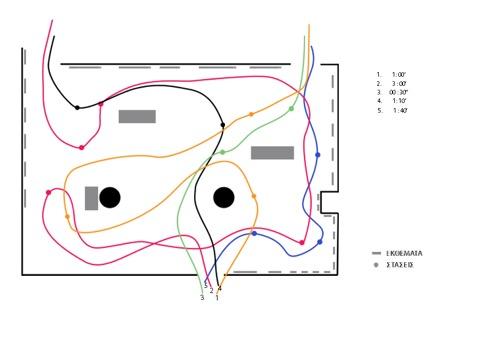
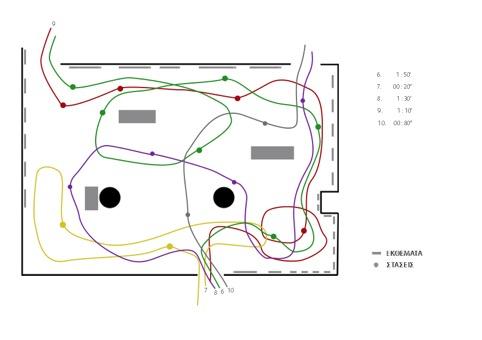
How architectural design affects the way exhibitions get installed? How such installations affect the flow and, then, in what ways this movement is able to shape the visitor's overall experience?
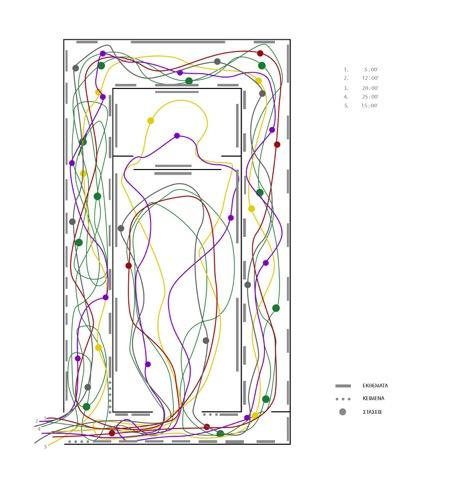
These fundamental questions constitute the baseline and my paper's main concern, when dealing with the notion of space as one of critical importance. To begin with, and in order to be thoroughly examined, I may present to you the historical evolution of display rooms over time -from antiquity till nowadays- along with different installations usually incorporated or presented within them. Secondly, official names are to be initiated concerning museology and space; and terms such as "the museum space/ gallery/ display" and "the museum piece" are going to be introduced. In addition, the role of the curator as one of great importance is going to be distinctly underlined regarding their contribution over the visitor's satisfaction when experiencing an exhibition and leaving such a place, whereas the way exhibitions get classified will be presented and further explained through paradigms. Furthermore, during my paper's last chapter, a combinatorial analysis of two distinct exhibition places is going to be explored regarding installation, flow and the visitor's enhanced experience all the above lead to. We need to add that, along with Space Syntax, predictions or estimation are now possible regarding spatial and social structure. Consequently, my paper's thesis is to prove that the enhanced experience of a visitor when leaving a museum is formed as a muddle of ambience, space, curatorship and the personal experiences each visitor carries along when entering and walking through such places.
Lewis Mumford
Robert Smithson
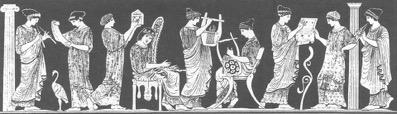
Edward P. Alexander, 1979. Museums in motion: An Introduction to the History and Function of Museums. 1 Nashville, TN: American Association for State and Local History, σ. 9
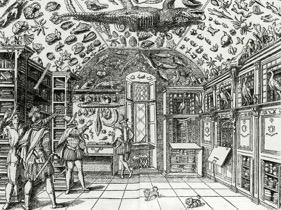
Ranyccio Bianchi Bandinelli, 1970. Rome, the Centre of Power, 500 BC to Ad 200. New York: G.braziller.
Carol Duncan and Alan Wallach, 1980. “The Universal Survey Museum”, Art History 3(4). σσ.448-69.
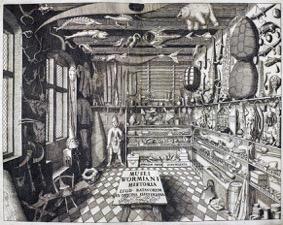
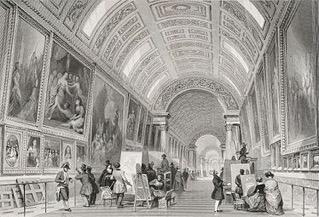
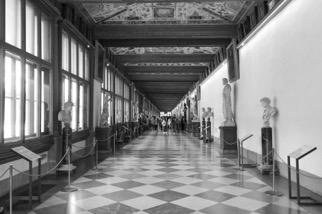
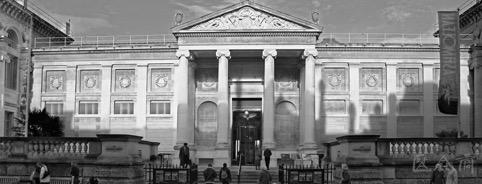
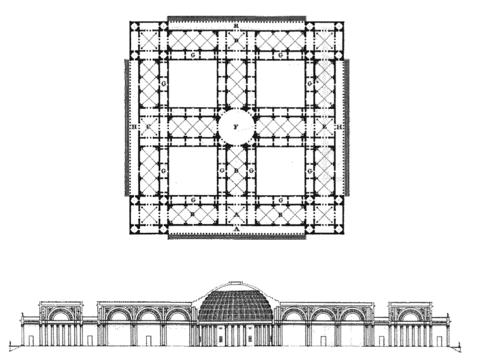
- Louis Durand.
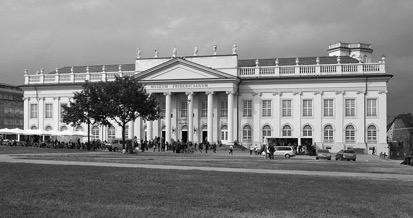
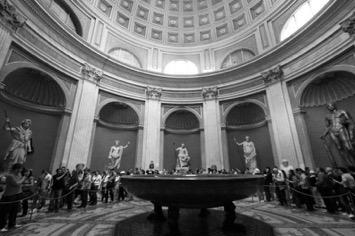
Glyptotek (1816
Alte Pinakothek (1826-1836)
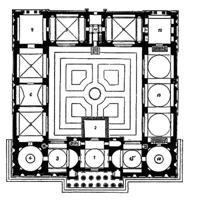
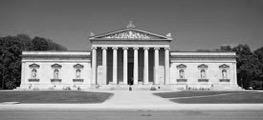
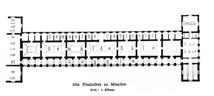
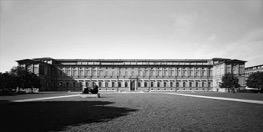
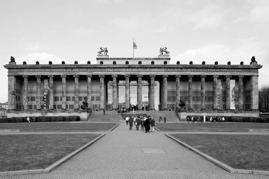
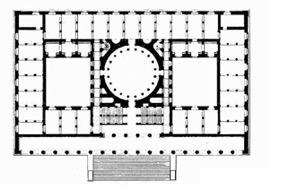
H.Seling, 1967: 109 E.Hooper- Greenhill.
McClellan, 2008. The art museum from Boullee to Bilbao, Berkeley, Los Angeles, London: University of
California Press.
οι Kiesler και Lissitzky,
Grunenberg, 1999, The modern Art Museum στο: E.Barker (επιμ.), Contemprorary Cultures of Display, 14 London: Yale University Press, 26-49
G. Celant (1996), A visual ma- chine. Art installation and its modern archetypes, στo: R. Greenberg, B. W. 15 Ferguson, S. Nairne (επιμ.), Think- ing about exhibitions, London, New York: New York University Press
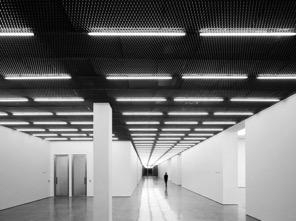
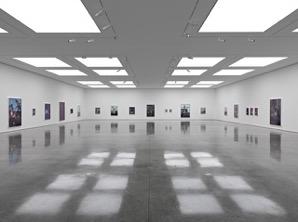
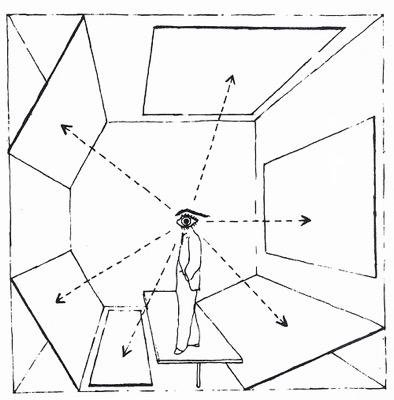
FIELD OF VISION
ΕΙΚ . 13: DIAGRAM OF 360 DEGREES
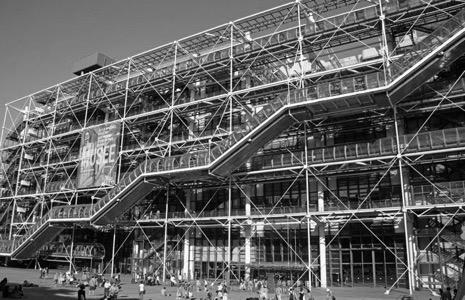
Renzo Piano ,
Schreiner (1985),
Georges Henri Rivière (1989)
Jean Gabus (1965)

Desvallées

Eilean Hooper - Greenhill,
Tzortzi K., 2007. Museum building design and exhibition layout: patterns of interaction, Proceedings, 6th 1
Istanbul, σελ. 7
Tzortzi K., 2007. Museum building design and exhibition layout: patterns of interaction, Proceedings, 6th
Istanbul, σελ. 8
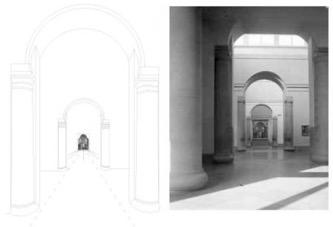
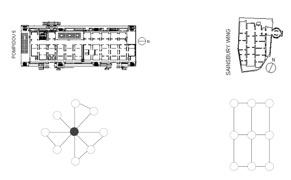
Tzortzi K., 2007. 3
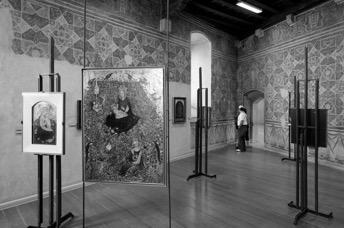
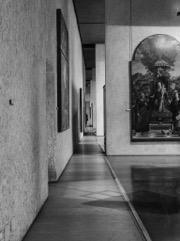
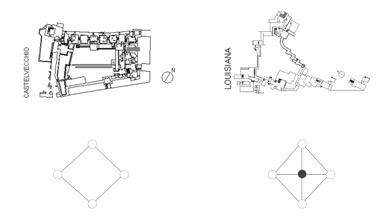
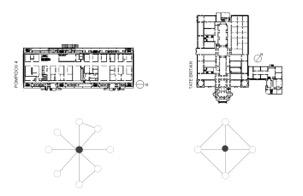
Documenta14