Got Rum? ®

c ont E nts
FEBRUARY 2026
5 From The e di T or
6-9 The Angel’s s h A re - r um r eviews
10-13 C oo K ing wi T h rum
14-17 T he rum mixologis T
18-19 T he rum universi TY® li B r A r Y
22-25 The rum his T ori A n
26-29 T he r um l AB or AT or Y
30-33 rum in T he news
34-44 T he swee T B usiness o F sug A r
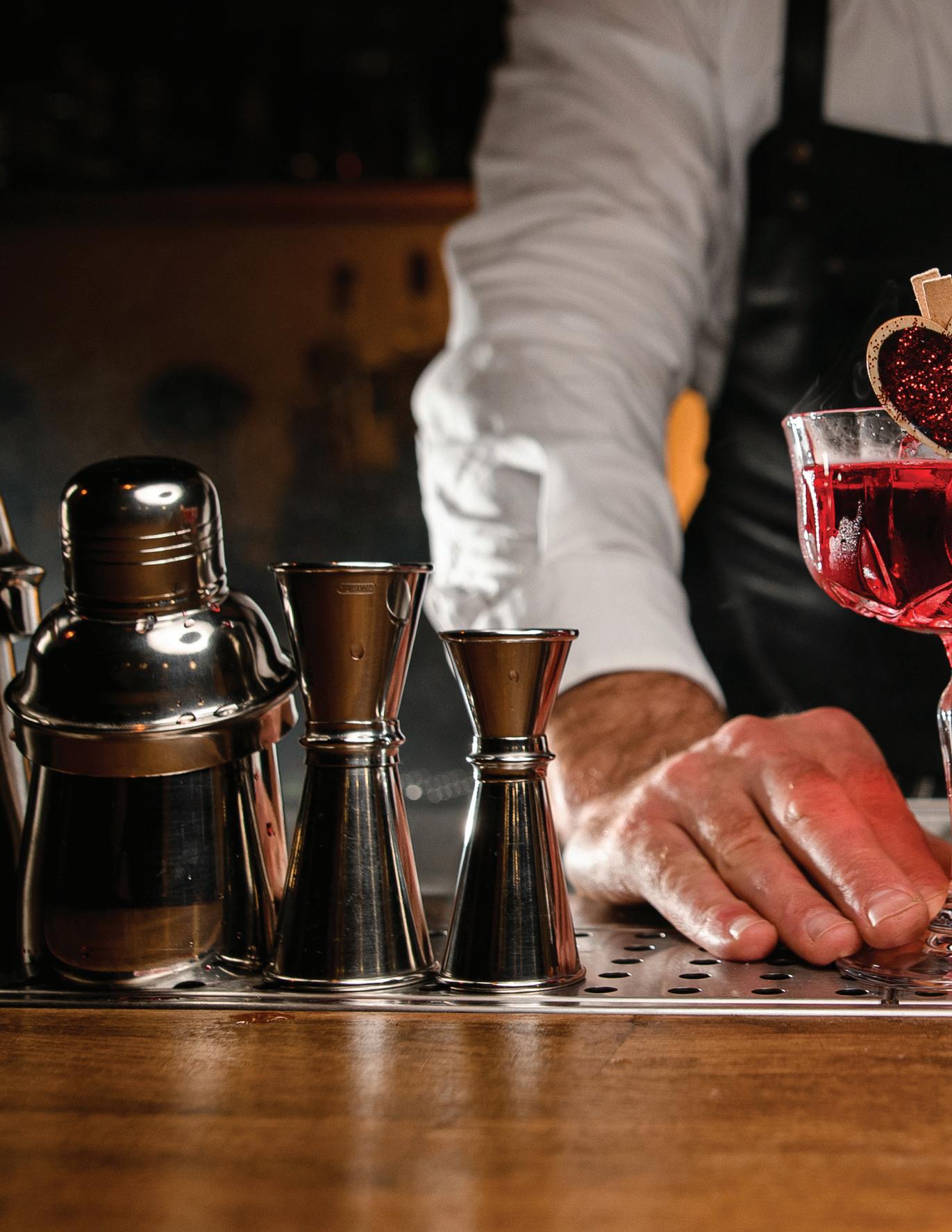
50-53 rum C o CKTA ils F or lovers
54-57 The his T or Y A nd s C ien C e o F T he BA rrel
58-63 ex C lusive in T erview

64-67 C ig A r A nd rum PA iring g ot Rum? February 2026 - 3


Got Rum? ®
Printed in the u s .A. A publication of r um r unner Press, i nc. Taylor, Texas 76574 - u s .A.
Tel/Fax +1 (855) rum -T i P s © 2026 by r um r unner Press, i nc. All rights reserved.
February 2026
e ditor and Publisher: luis@gotrum.com
e xecutive e ditor: margaret@gotrum.com
Cigar and r um: philip@gotrum.com
Angel’s s hare: paul@gotrum.com
r um h istorian: marco@gotrum.com
r um in the n ews: mike@gotrum.com
Cooking with r um: sue@gotrum.com
w ebmaster: web@gotrum.com
d irector of Photography: art@gotrum.com
i f you would like to submit news or press releases, please forward them to: news@gotrum.com
You can download the free electronic version (low-res) of this magazine, or purchase the high resolution printed version at:
WWW. got RU m . com

The printed version of “ g ot r um?” is produced with F s C-certified paper, which means it is from responsibly managed forests and verified recycled sources.
F ron T C over : h itting All The r ight n otes inside s P re A d : Chemistry of l ove
F rom T he edi T or A Banquet of Consequences
There are many sayings and proverbs about actions and consequences, all of them warning us about the effects of our decisions and behavior. American engineer, philosopher and author, Alfred A. m ontapert, famously wrote:
“Nobody ever did, or ever will, escape the consequences of his choices.”
There are many analogies/similarities between the real world and the distilled spirits industry. w hen it comes to aging spirits, m ontapert’s words couldn’t be more accurate: when barrels are emptied, their contents will be undeniably tied to the chemical composition of what filled them in the first place, modified by the barrels themselves and by the environmental conditions that were in place during the barrels’ residence in the aging cellar.
For seasoned distillers, with multigenerational experience at play, this is not a challenge. But for new, inexperienced distillers/brands, not knowing what to put inside the barrels, or how to properly age them, can be a catastrophic mistake.
w hile it is impossible to accurately predict future weather patterns, it is very possible to measure the actual weather and to adjust our plans if reality deviates from the predicted model.
Take, for example, finishing a spirit in a specialty cask. i n this example, we are trying to recreate an exquisite prototype that was finished 90 days during a very hot summer. l et’s think now about how the finishing cask will behave in our aging cellar during the next 90 days, possibly the coldest 90 days of the year:
• the average temperature of the distillate inside the cask will be much colder
• the daily temperature d elta (the

difference between each day’s hottest and coldest temperatures) will also be decreased
• the amount of wood extractives will be reduced
• the rate of oxidation/acidification inside the barrel will be slower
As you can imagine, the consequence of literally following a formula, without a full understanding of how the aging process is dependent on climate, would result in an inferior quality and, in the words of r obert l ouis s tevenson, “ sooner or later everyone sits down to a banquet of consequences. ”
Cheers!

l uis Ayala, Editor and Publisher

http://www.linkedin.com/in/rumconsultant
do you want to learn more about rum but don’t want to wait until the next issue of “got rum?”? Then join the “rum lovers unite!” group on linkedin for updates, previews, Q&A and exclusive material.
T he A ngel’ s sh A re
by Paul s enft


m y name is Paul s enft - r um r eviewer, Tasting host, Judge and w riter. m y exploration of r ums began by learning to craft Tiki cocktails for friends. i quickly learned that not all rums are created equally and that the uniqueness of the spirit can be as varied as the locales they are from. This inspired me to travel with my wife around the Caribbean, Central America, and u nited s tates visiting distilleries and learning about how each one creates their rums. i have also had the pleasure of learning from bartenders, brand ambassadors, and other enthusiasts from around the world; each one providing their own unique point of view, adding another chapter to the modern story of rum.
The desire to share this information led me to create www.RumJourney.com where i share my experiences and reviews in the hopes that i would inspire others in their own explorations. i t is my wish in the pages of “ g ot r um?” to be your host and provide you with my impressions of rums available in the world market. h opefully my tasting notes will inspire you to try the rums and make your own opinions. The world is full of good rums and the journey is always best experienced with others. Cheers!
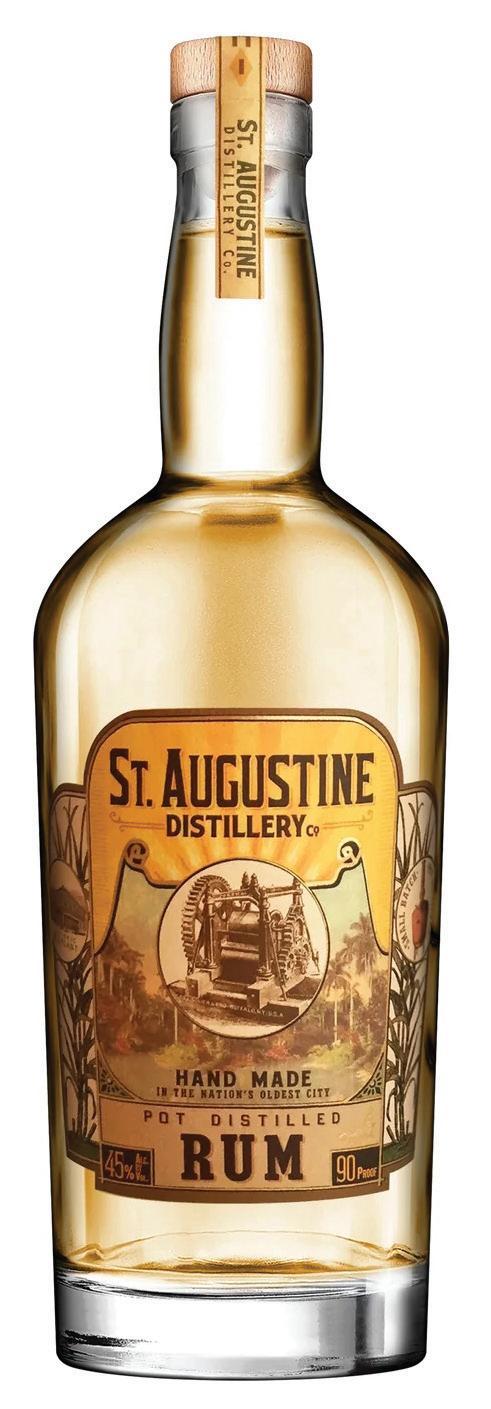
s t. Augustine d istillery
Pot
d istilled r um
s everal years ago, while visiting one of my favorite Florida cities, we toured the s t. Augustine d istillery. l ocated in a refurbished early 1900s era icehouse, the distillery opened its doors to the public in m arch of 2014. The distillery has a unique configuration that holds two 500-gallon pot stills, one artisanal pot still, and everything else it needs to produce the bourbon, gin, rum, and vodka that are part of its portfolio. For twelve weeks during the year, the company focuses their operations on producing their rum instead of bourbon. d uring that time, they distill fermented molasses and sugarcane syrups made from Florida sugarcane. After the fermentation process, they age the rums in 53-gallon used white oak s t. Augustine d istillery bourbon barrels. The pot still rum is aged for a minimum of one year at 45% AB v and bottled on-site at the distillery.
Appearance
The front label has gold and brown text with a sugarcane crusher featured in the center. The labels have the basic information about the rum and do provide a link to the website that delivers a great deal about their production practices and operation. The 750 ml bottle has a wood capped synthetic cork secured to the bottle with a clear plastic wrap.
The rum holds a honey amber color in the bottle and only lightens slightly in the glass. s wirling the liquid creates a medium band around the glass that

slowly beads up and releases two waves of legs before evaporating, leaving behind a small bit of residue.
n ose
The aroma leads with a robust caramelized vanilla note, followed by a light anise-laden herbaceousness, cooked fruit, fresh-cut coconut, and brown sugar.
Palate
The first sip delivers a thin and sweet mouthfeel that quickly opens, releasing flavors after a few seconds. Additional sips lead with brown sugar molasses with anise, honey, tea, and caramel nipping around the edges. As these notes settle, a light astringent wood note comes into play, grounded by char and mineral flavors that merge and form the finish.
r eview
w hen i was visiting a local shop looking for rums, i spotted this bottle and decided to review it. i found the flavor profile interesting, a little hot and astringent for sipping, but with the flavor hooks complex enough to be useful in a large range of cocktails covering the Prohibition era to modern tropical cocktails. i understand that the distillery occasionally releases higher proof and limited rums and would be interested in exploring those if i ever have the opportunity.
T he A ngel’ s sh A re
by Paul s enft
r um
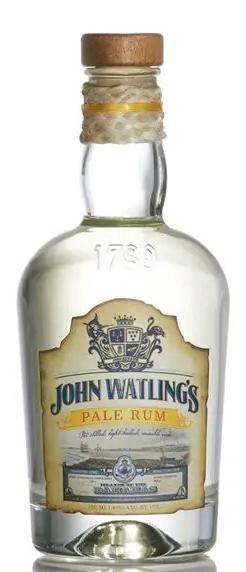
l ocated in n assau, Bahamas, John w atling’s distillery produces two different rum lines and a vodka. u sing sourced molasses and two pot and column distillates from around the Caribbean, the company distills their rum in small batches using pot and column stills as part of their processes. Their Pale rum is a blend of two- and three-yearold rums that have been aged in medium-toasted, once-used bourbon barrels that are charcoal filtered, blended, and bottled at 40% AB v
Appearance
The hefty 750 ml bottle has a medium neck that makes it easy to pour. The wooden cap holds a synthetic cork, and the company uses a clear security wrap that needs to be cut from the bottle to remove the cork. The labels provide basic information about the product.
The rum holds a clear color with a slight straw color highlighting the liquid in the bottle and glass. s wirling the rum in the tasting glass creates a thin band that quickly thickens and releases a few waves of legs before evaporating.
Aroma
o pening the bottle releases a bouquet of light caramel, tart lemon-lime citrus, and toasted wood notes.
Palate
The first sip delivers a swirl of caramel sweetness, light citrus tartness, and a gentle pepper note that quickly transitions into lightly charred oak flavor. As the flavors begin to fade, the citrus flavors return for a short, dry finish.
Review
w hile this rum is not overly complex, the flavor profile has a baseline versatility that leads to it being a good ingredient for a range of tropical style cocktails, from daiquiris and mojitos to planter’s punch. This product is priced at the high end for minimally aged rums, but it is worth investigating when you want to try something new that is like products more well known in the market.
John w atling’s Pale

COOKING WITH RUM
Bringing the s pirit of the c ane i nto the h eart of the Kitchen!
by Chef s usan w hitley
i ngredients:

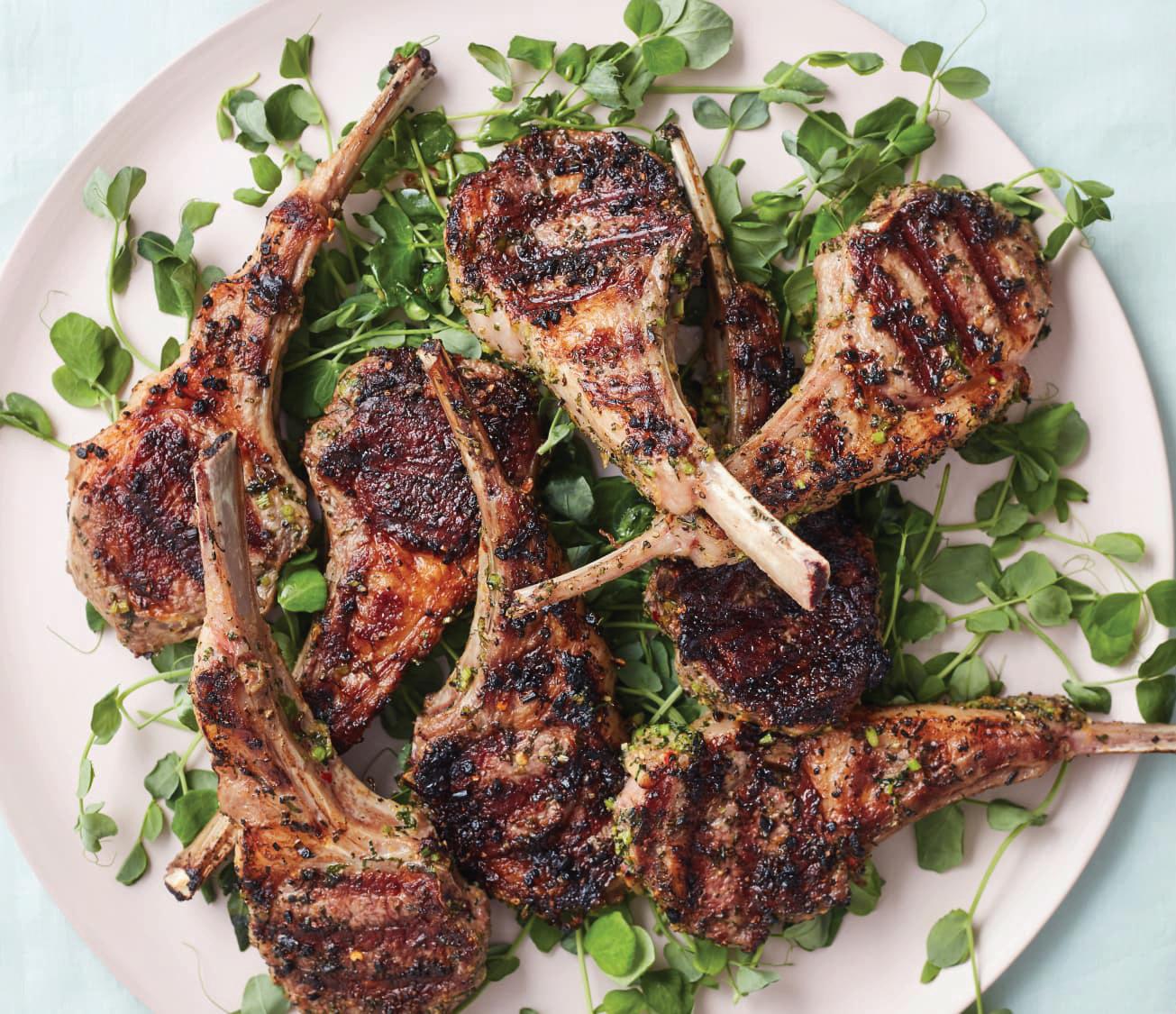
Rummy l amb c hops
• ½ C. s weet s oy/Balsamic s auce (* see recipe below)
• ½ C. d ark r um
• ¼ C. h oisin s auce
d irections:
• ¼ C. s esame o il
• ¼ tsp. d ried Thyme
• ¼ tsp. d ried o regano
• 12 g arlic Cloves, minced
• 16 l amb Chops (1 inch thick)
To make the marinade: combine s weet s oy/Balsamic s auce, dark rum, hoisin sauce, sesame oil, thyme, oregano, and garlic in a small bowl and mix well. m easure out ¼ cup of the marinade and reserve it for basting the meat on the grill.
Place the lamb chops in a large, shallow dish. s poon the remaining marinade over the chops and turn the chops to coat evenly. Cover dish with clear wrap and allow chops to marinade at room temperature for about one hour.
h eat grill to 350°F. o nce the grill is hot, place the chops on the grill over the flames and cook for about 3 to 4 minutes. Brush (or lightly spoon) marinade on both sides of each lamb chop. Cook the chops for an additional 3 to 4 minutes longer, until lightly charred on each side. Transfer the lamb chops to a serving platter and allow them to rest for about 5 minutes before serving. Yield: 4 servings.
i ngredients:
* s weet s oy/Balsamic s auce (makes 1 cup)
• 1 tsp. Cornstarch, or as needed
• 2 Tbsp. w ater
• ¼ C. d ark Brown s ugar, firmly packed
d irections:
• ½ C. Fig Balsamic v inegar
• ½ C. s oy s auce
• 3 Tbsp. d ark r um
1. i n a small bowl stir together the cornstarch and water until the cornstarch dissolves and the mixture has the consistency of heavy cream, adding more cornstarch if the mixture is too thin.



2. Combine the brown sugar, vinegar and soy sauce in a small saucepan and bring to a boil over medium heat, stirring to dissolve the sugar.
3. Add the rum. s tir the cornstarch mixture briefly to recombine, then add it to the soy-vinegar mixture and simmer over low heat for about 3 minutes, until the sauce thickens enough to coat the back of a spoon.

Photo credit: www.fity.club
4. r emove the sauce from the heat and let it cool completely. s et aside ½ cup of the sauce and refrigerate the remainder in a sealable container.
Pecan & Rum Banana Bread

i ngredients:
For the Bread
• 2 Tbsp. Butter, softened
• 2 Tbsp. Cream Cheese, softened
• 1 C. s ugar
• 1 e gg
• 2 C. All-Purpose Flour
• 2 tsp. Baking Powder
• ½ tsp. Baking s oda
• 1⁄8 tsp. Salt
• 1 C. Bananas (overripe), mashed
• ½ C. w hole m ilk
• 2 Tbsp. d ark r um
• ½ tsp. l ime Zest
• 2 tsp. l ime Juice
• 1 tsp. v anilla e xtract
• ¼ C. Toasted Pecans, chopped
• ¼ C. Coconut Flakes
For The Topping
• ¼ C. Brown s ugar
• 2 Tbsp. Butter
• 2 tsp. l ime Juice
• 2 tsp. d ark r um
• 2 Tbsp. Toasted Pecans, chopped
• 2 Tbsp. Coconut Flakes
d irections:
1. Preheat the oven to 350°F. l ightly grease 8×4-inch loaf pan with cooking spray (or butter).
2. Beat together 2 tablespoons of butter and cream cheese at medium speed until light and fluffy. g radually beat in the sugar until well-combined. Beat in the egg.
3. i n a separate bowl, sift together the flour, baking powder, baking soda, and salt. s et aside.
4. i n another separate bowl, stir the bananas, milk, rum, lime zest, lime juice, and vanilla extract until combined.
5. Add a third of the dry ingredients into the cream cheese mixture followed by a third of the banana mixture. r epeat the same process two more times.
6. Add the toasted pecans and coconut flakes, just gently mix.
7. Pour the batter into the greased loaf pan. Bake for 1 hour, or until a toothpick inserted into the center comes out clean. Cool bread in the pan for about 10 to 15 minutes then transfer it to a serving plate.
8. w hile the bread is cooling, begin preparing the topping. Combine the brown sugar, butter, lime juice, and rum into a small saucepan over medium-high heat. s tir constantly for 1 minute, or until the sugar has dissolved, and the mixture is smooth. r emove from heat and add pecans and coconut flakes.
9. s poon the topping over the bread while it is still warm.
10. l et the bread cool completely before serving. e njoy!
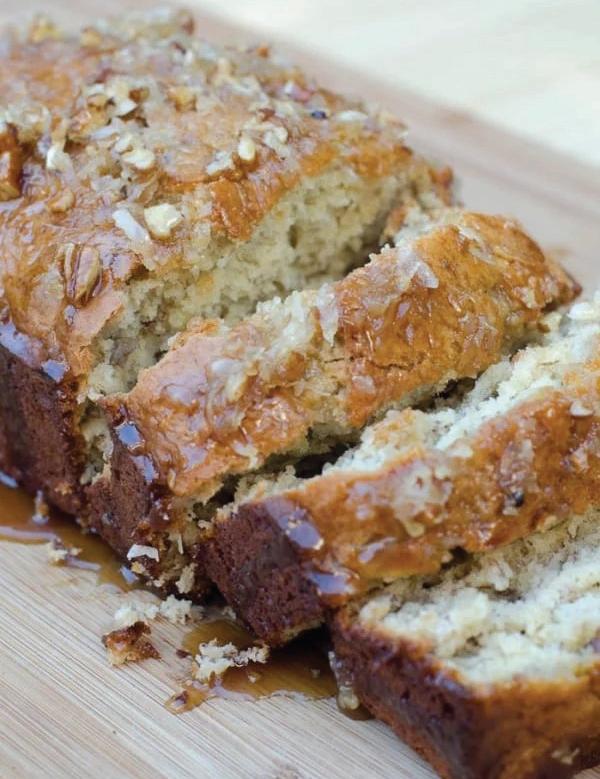
Photo credit: www.fromvalerieskitchen.com
THE RUM Mixologist
A space devoted to the exploration of classic and new rum cocktails

What i s m ixology?
m ixology is the study and skill of inventing, preparing and serving cocktails and other mixed drinks. m ixologists are experts in this field, but mixologists’ knowledge goes beyond memorizing basic cocktail recipes: it includes historical information, basic chemistry behind flavor combinations and a capacity for combining common ingredients in new ways.
Join us, as we explore the essential collection of rum cocktail recipes that every mixologist needs to master.
THE RUM Mixologist
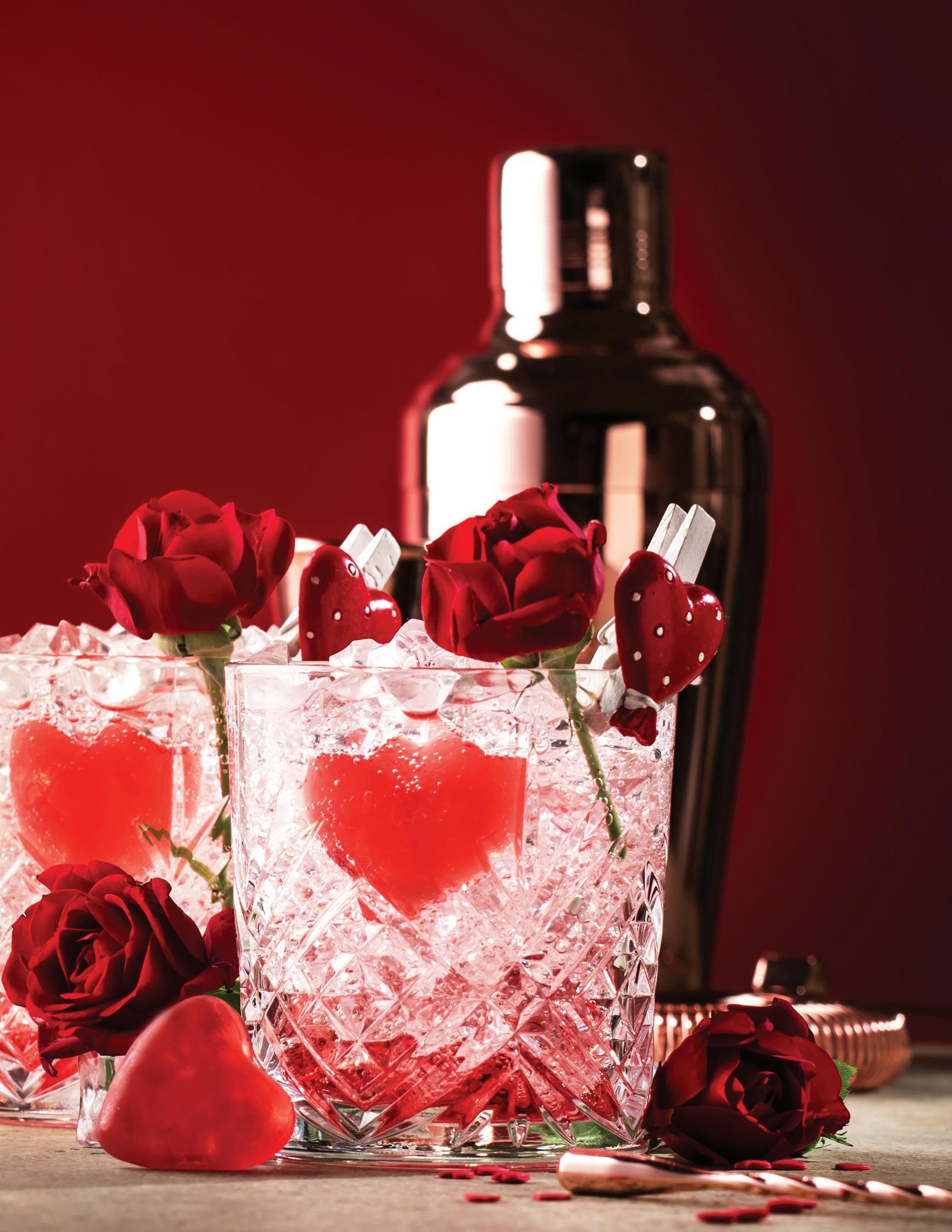
This m onth’s Cocktail: Por m i Amante
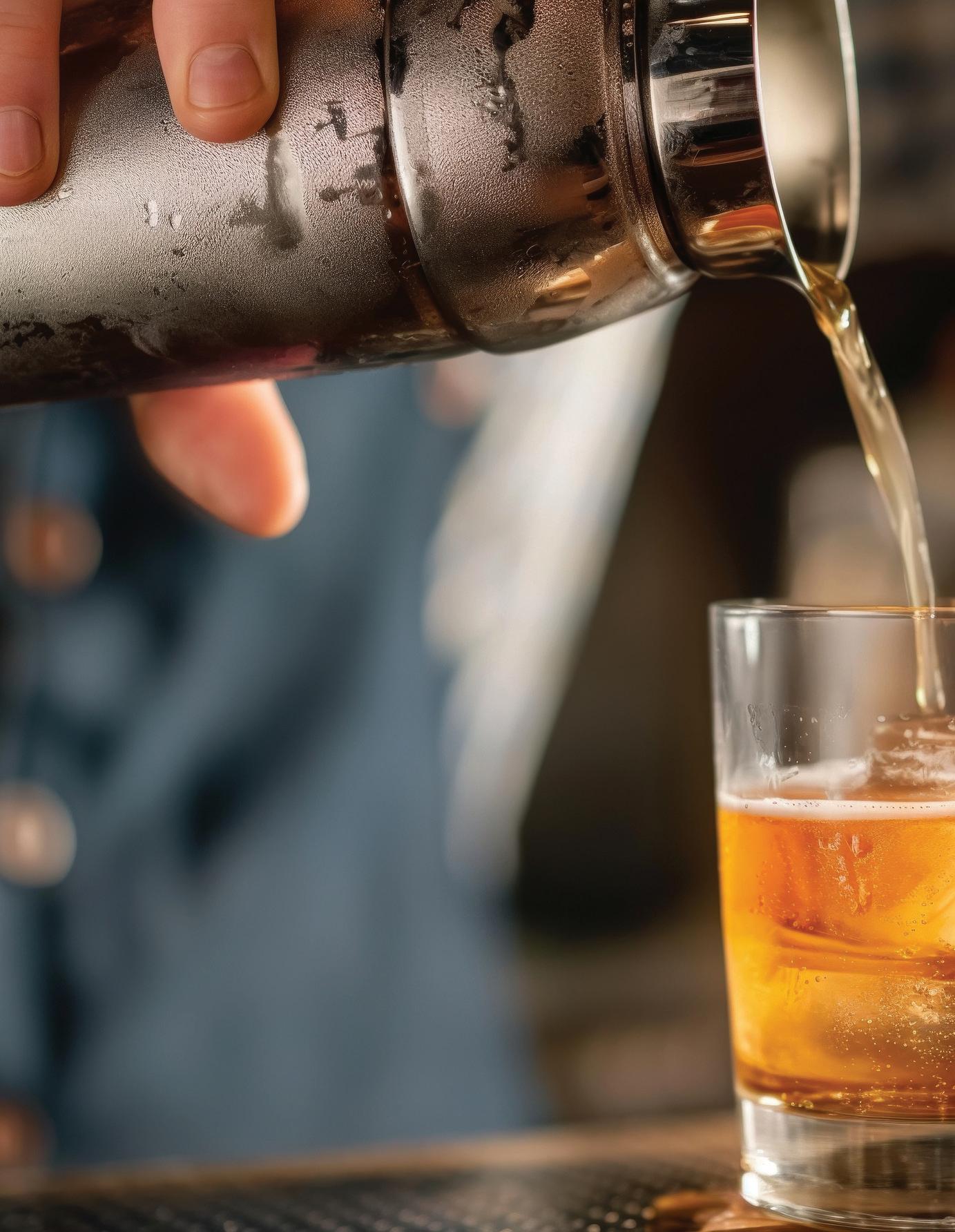
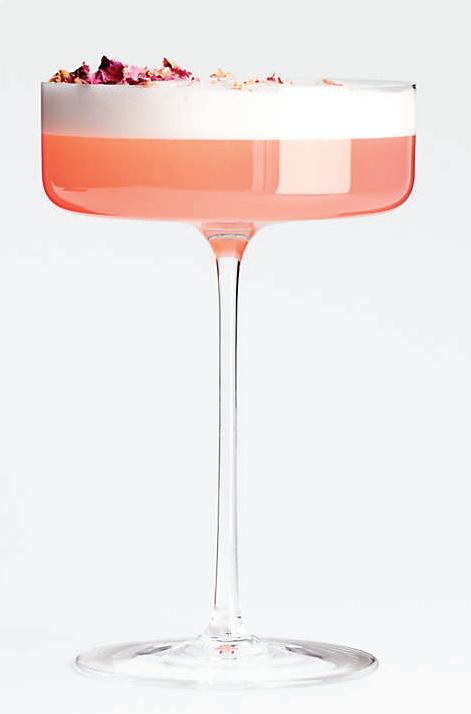
The strawberry-infused rum is a at the heart of this romantic cocktail created by bartender w ill Thompson.
i ngredients:
• 1 3/4 ounces strawberry-infused r hum Barbancourt
• 3/4 ounce lemon juice, freshly squeezed
• 1/2 ounce strawberry demerara syrup*
• 2 dashes tabasco
d irections:
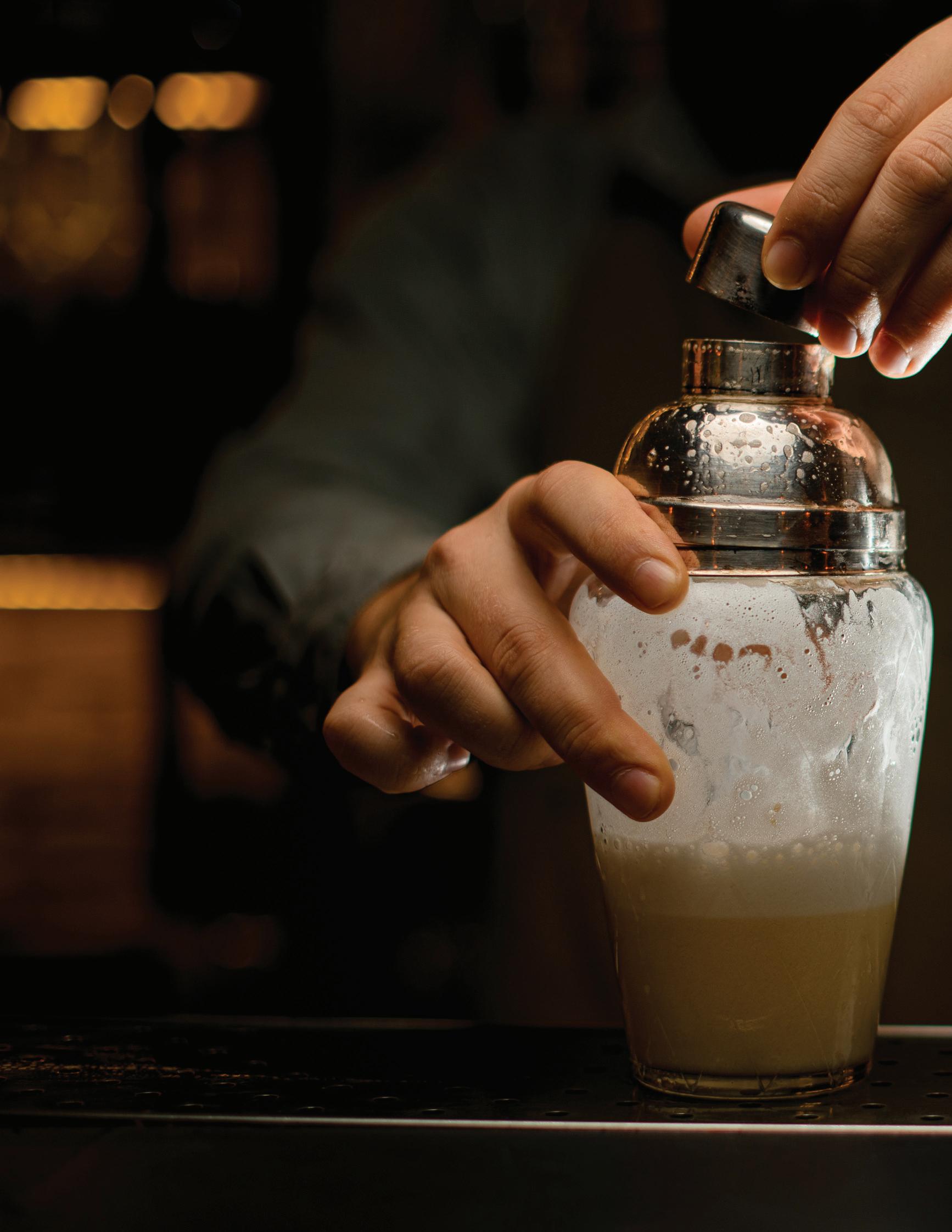
1. Add all ingredients to a shaker with ice and shake until well-chilled.
2. s train into a cocktail glass.
* s trawberry demerara syrup
1. Add 8 ounces demarara sugar and 8 ounces of water to a saucepan over low heat, stirring until sugar is dissolved.
2. Add 1 cup of finely chopped strawberries. Bring to a low boil, then allow to cool completely.
3. s train out the solids. w ill keep, refrigerated in an airtight container, for up to 1 month.

r
www. r um u niversity.com
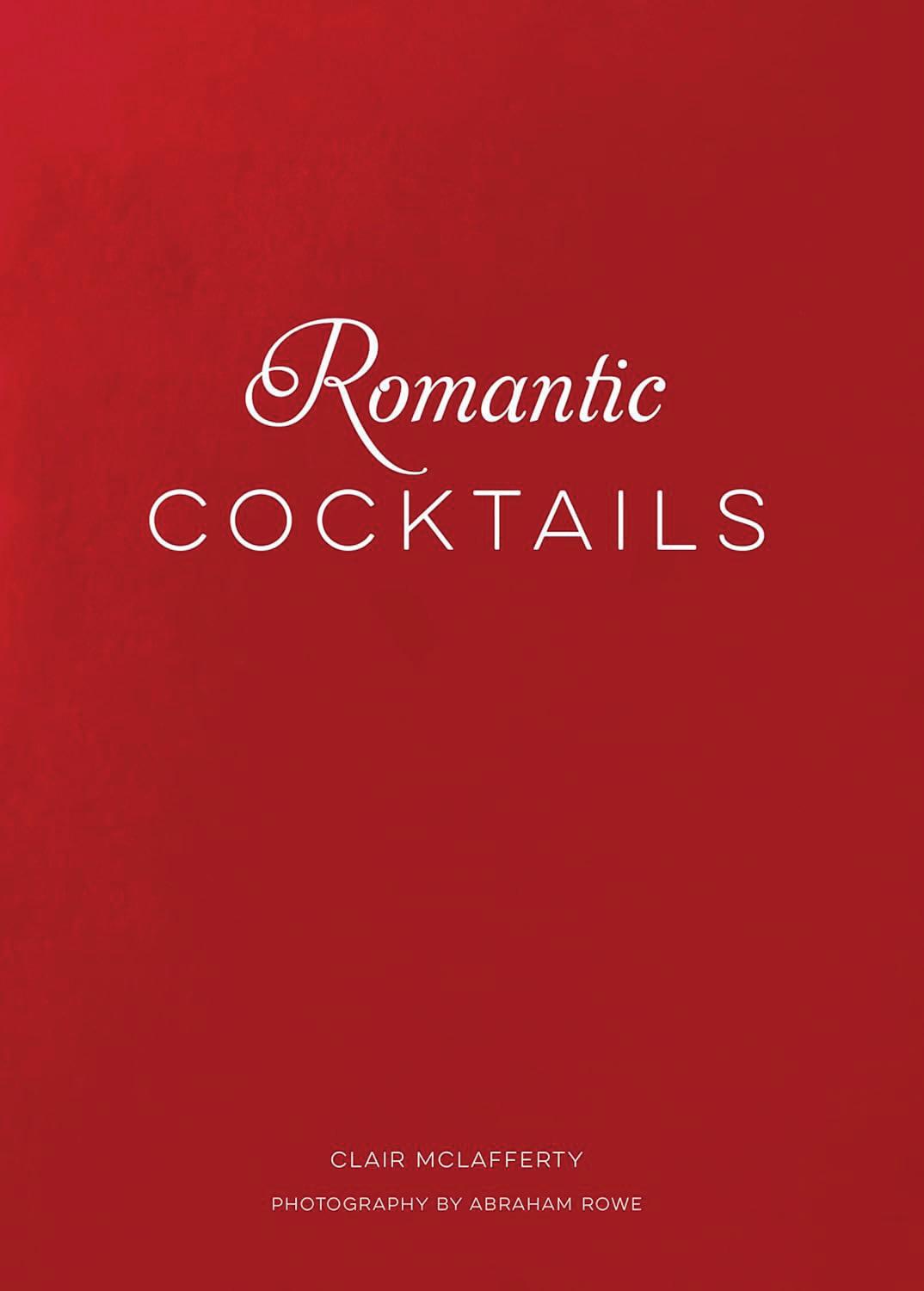
Romantic c ocktails: c raft c ocktail Recipes for c ouples, c rushes, and s tar- c rossed l overs by c lair m c l afferty
(Publisher’s r eview)
r omantic Cocktails is a bewitching collection of over 100 classic and craft cocktail recipes, perfect for winning hearts—and mending broken ones, too!
i nside the plush red foil cover of r omantic Cocktails, you will find the secret to mixing up more than 100 cocktails for couples, crushes, and star-crossed lovers. s imple step-by-step instructions and gorgeous full-color photographs make every drink recipe easy and truly swoon-worthy.
The drinks are as fun and charming as they are intoxicating, with names including:
• The Afternoon d elight - a little sweet, a little naughty
• Boozy m ilkshake for Two - two straws please
• Between the s heets - a romantic variation on the classic s idecar cocktail
• The v esper m artinisynonymous with sophistication
• The g oodnight Kiss - the perfect nightcap for a night you don’t want to end
Author and bartender Clair
m c l afferty offers insider tips and tricks for everything from sizing up recipes for a party to fixing a drink that didn’t turn out quite right. Throughout the book, you will find drink-related romantic quotations and toasts from the likes of s hakespeare, l ouisa m ay Alcott, and James Baldwin. w hether you are looking for a romantic gift or a reliably excellent cocktail book for your home bar, r omantic Cocktails will knock your socks off!

Publisher: Cider m ill Press
Publication date: January 28, 2019
l anguage: e nglish
Print length: 224 pages is B n -10 : 1732512612 is B n -13: 978-1732512610
i tem w eight: 2.31 pounds
d imensions: 1 x 1 x 1 inches

Your o ne- s top s hop for Aged Rums in Bulk!
• Column- d istilled, Pot- d istilled or Blends
• h igh Congener ( i ncluding h igh e sters), l ow Congener or Blends
• Aged in American or French o ak Barrels
• Aged in r ye w hiskey, Bourbon, Tequila, Armagnac, Port, s herry and w ine Barrels
• s ingle Barrels and s econd Aging/Finish
• d istilled in the us A, Central America, s outh America or in the Caribbean
• o ver 150 m arks/ s tyles Available, plus Custom Blends
• l ow m inimums and Fast Turnaround, w orldwide s hipping www. r umCentral.com
th E RU m histo R i A n
by m arco Pierini
i was born in 1954 in a little town in Tuscany ( i taly) where i still live. i n my youth, i got a degree in Philosophy in Florence and i studied Political s cience in m adrid, but my real passion has always been h istory. l ife brought me to work in tourism, event organization and vocational training, then i discovered rum and i fell in love with it.
i have visited distilleries, met rum people, attended rum Festivals and joined the r um Family. i have studied too, because r um is not only a great distillate, it’s a world. Produced in scores of countries, by thousands of companies, with an extraordinary variety of aromas and flavors, it is a fascinating field of studies.
s oon, i discovered that rum has also a terrible and rich h istory, made of voyages and conquests, blood and sweat, imperial fleets and revolutions. i realized that this h istory deserved to be researched properly and i decided to devote myself to it with the help of the basic scholarly tools i had learnt during my old university years.
i n 2017 i published the book “A meri CA n rum – A s hort h istory of r um in e arly America”
i n 2020, with my son Claudio, i have published a new book “F ren C h rum – A h istory 1639-1902”.
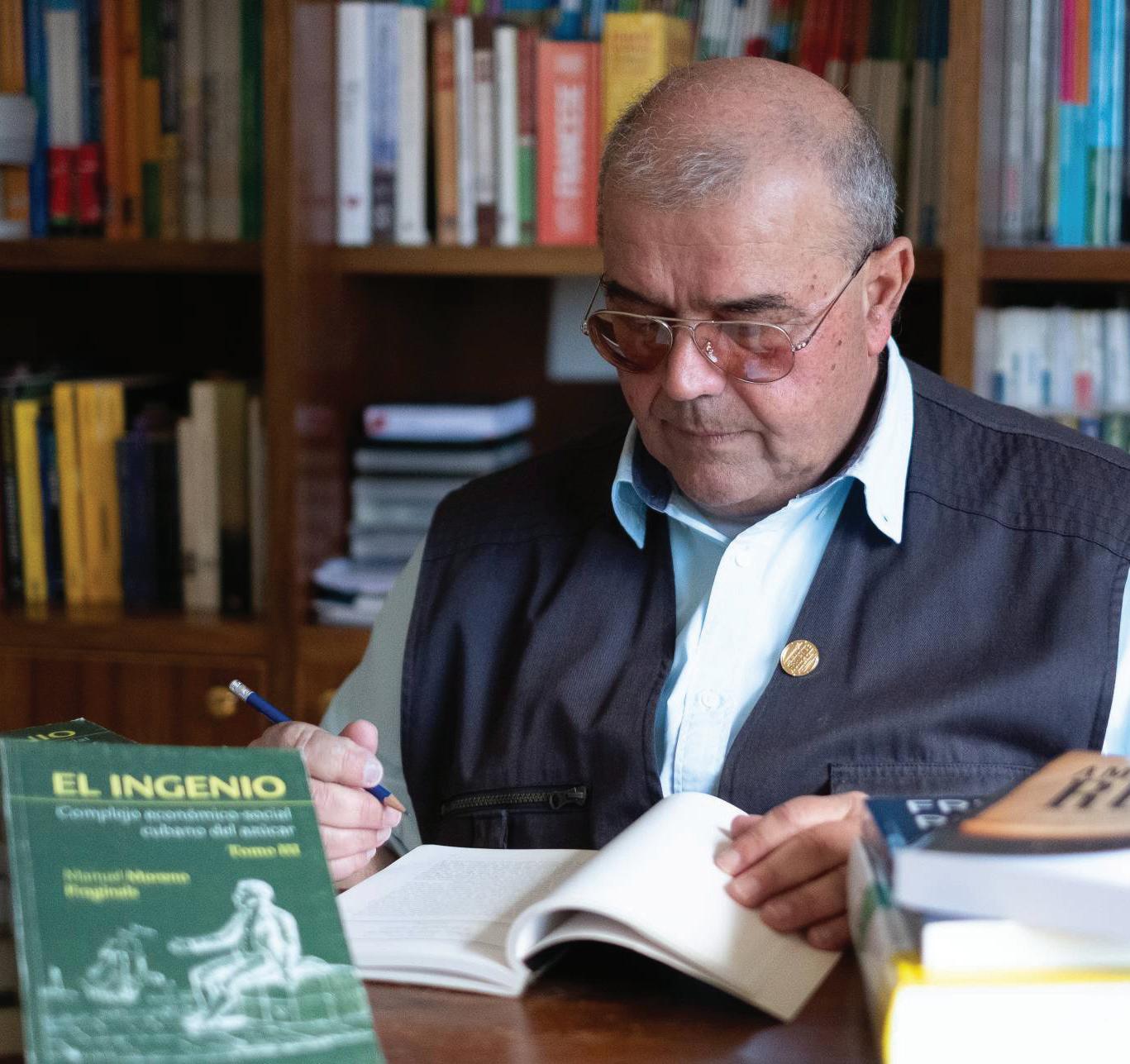
his T or Y o F C u BA n rum 30. T he F irs T C u BA n revolu T ion A nd h A v A n A C lu B
As has happened several times in this long series of articles dedicated to the h istory of Cuban r um, the time has come to devote some space to Big h istory. This time, we do so with the help of a classic work of Cuban historiography, h ugh Thomas “ Cuba. A History ” 1971.
“ i n early August 1933 Cuba presented a desolate and disconcerting picture; there were serious strikes in all service sections of h avana, with the railway workers out for the first time. n ewspapers were also shutting down. The bars and the cafès were closed for the first time in history. Food was scarce. m ost shops were shut, and there were few people on the streets. e veryone was asking when the American marines would land.”
The marines did not land and finally, in the night of 12-13 August the dictator, g erardo m achado, flew to n assau, with seven bags of gold. There followed a year of demonstrations, violent clashes, occupations of factories and plantations, the formation of soviets, student
g ot Rum? February 2026 - 22 g ot Rum? February 2026 - 22
mobilization, popular revenge against m achado’s hated police, the collapse of public order, looting and violence.
s hifting political alliances and short-lived governments were formed, then, in 1934, a sort of counter-revolution brought back stability and democracy (well, more or less), but under the shadow of the new strongman, former sergeant Fulgencio Batista. i t was the first Cuban revolution, almost forgotten today, yet a watershed in the history of the island. Before it, there had been three decades of political life dominated by the protagonists of the w ar of i ndependence, marked by political instability, low-intensity civil wars, and repeated u . s . military interventions. After it, a new phase began, with a generational shift and new political actors, and a relative stability; however, under the surface the same old problems continued to simmer and a new generation of political activists emerged, one that will lead to the revolution of 1959. “The r evolution of 1959 followed in the wake of that of 1933 as the s econd w orld w ar followed the First, or the revolution in r ussia in 1917 followed that in 1905. The middle class of Cuba received a warning, to which they paid little attention. Afterwards, it was much less easy to expect their radical sons to place faith in liberal solutions”.
The 1933 r evolution did little to reshape the structure of Cuba’s economy that carried on “ i mporting nearly everything it consumes, and exporting nearly everything it produces” as a sharp observer had already pointed out back in 1919. The island remained anchored to its old pattern, its fate still tied to sugar and with it Cuba’s structural fragility remained, a country perpetually swept along by shifts in global demand it had no power to influence. Yet, unlike in earlier times, governments now began trying to steady the ship. They sought international agreements to bring about a measure of order to the market and—much as was happening across the w estern world in those same years—started passing laws and regulations meant to improve workers’ lives: the eight hour workday, the
legalization of labor unions, tax reforms, and more.
The other major change was the end of immigration. As we know, since the beginning of the 1800s Cuba had been a magnet for immigrant workers from s pain and many other countries. i n the 1930s, Cuban authorities enacted a series of laws and administrative measures that sharply curtailed foreign entry, closing the doors to new labor migration and in 1939 l’isola had 4.250.000 inhabitants. And perhaps it was only then (though i know i am venturing onto a minefield here) that a shared national identity took shape, i believe for the first time. ( o n this period and these themes recommend reading l eonardo Padura’s excellent book “ Heretics ”)
i n those same violent and chaotic years, the Cuban rum industry continued to grow, and it was a steady, lasting growth. And perhaps Arechabala grew more than any other company, by diversifying its activities and investing in many different sectors: sugar refining, storage of sugar and molasses also for other companies, transportation, import and export of various goods, distillation, confectionery products, bottling, and more. l et us remember that since 1921 the company had become a corporation under the name of JA s A, that is, José Arechabala s ociedad Anonima. JA s A grew in an extraordinary way, going from 500 workers in 1928 to 900 in 1932 and 1.200 in 1935, becoming one of the largest companies in Cárdenas and increasingly identifying itself with the history and identity of the city.
And in those same years, the company launched a new rum label, h avana Club. “ i n 1934, the company released its h avana Club label, which was part of a larger growth strategy to expand into the u s . market. l aunched just after the repeal of u s . Prohibition, the h avana Club label was designed to meet a growing demand for Cuban rum. As part of its strategy, the company’s r on Añejo Arechabala 75 would be designated Cuba’s domestic brand, while h avana
Club would represent the company in the u s . markets. To facilitate its sale in the u nited s tates, its label featured an e nglish rather than s panish spelling ( h avana rather than l a h abana).
(Christopher Chávez “ Isle of Rum ” 2024) This is how it was recounted twenty years later in the book“José Arechabala S.A. en su 75 aniversario, 1878-1953 ” published by the company for the 75th anniversary of its foundation
“ o n m arch 19, 1934, after meticulous preparations and studies of market possibilities, a new industry was inaugurated: The l iquor Factory, which was solemnly blessed. And throughout the entire r epublic a new product of supreme quality appeared: h A v A n A C lu B A re C h ABA l A rum . This activity now also includes cordials, cognac, and ‘Alcohol- e lite’—a formidable resource for the home, clinics, etc., due to its nature as pure alcohol—as well as other product lines.”
h ere is how the birth of the new label is reconstructed in the aforementioned book by m aría v ictoria Arechabala Fernández and Antonio s antamaría Carcía “Arechabala Azúca y r on” 2023. The translation is mine, and, as always, i ask the Authors and the readers for their indulgence.
“As will be explained later, beginning in 1933 JA s A equipped itself with machinery capable of distilling 4 million liters a year and added a new molasses plant. i t strengthened its marketing, began selling h avana Club rum and other spirits, increased its fuel production, and opened an office in n ew York. … i n 1934, it also opened a liquor factory, following through on a project dating back to the 1920s that aimed to create new rum brands. s ome sources claim that as early as 1928 the company had already been aging the spirit—something essential for later commercialization, since rum requires time to mature. … i ts exports went mainly to the u nited s tates, where they were well received. s ome of the earliest shipments, labeled h avana Club and d oubloon r um, were sent in casks
on an experimental basis. By the time the plant was inaugurated, several thousand cases of both brands had already been shipped to n ew York and other American cities. … o n April 10, 1935, the company became the holder of trademark number 99,789, a word mark under the name h avana Club, for which it had applied to s pain’s i ndustrial Property r egistry and the g eneral Trademark r egistry in July and d ecember of 1934, covering distilled products, spirits, and liqueurs.”
The choice of timing was no accident:
“Prohibition was abolished on d ecember 5, 1933, and the 1934 r eciprocity Treaty allowed Cuban rum to enter the u nited s tates. i t’s no coincidence that JA s A then decided to open its liquor factory, and that in its early days its demand depended largely on that of the neighboring country.”
i n addition to production, JA s A immediately devoted significant resources to the promotion of the new label.
“ m arketing strategies were common at JA s A from the 1930s onward, especially in the promotion of new products. i n m ay 1935, the company leased the former Palace of the Counts of Casa Bayona, located in the Plaza de la Catedral in o ld h avana, in order to establish offices there, along with the h avana Club Private Bar. The bar was intended to introduce the company’s beverages to prominent figures in the city as well as to visitors from other parts of Cuba and abroad. From the moment it opened, numerous societies, companies, and associations used the venue for their events.
Practically all foreign visitors passing through the island’s capital between 1935 and 1958—especially Americans—spent time at the establishment, and the local, national, and international press took note of it. This coverage helped publicize the brands of the Cárdenas based company, particularly its flagship rum.”
The Arechabala family’s lavish display made clear their rising self assurance and their refusal to be intimidated by the Bacardis that years earlier had hired architects e steban r odríguez Castells
g ot Rum? February 2026 - 24
and r afael Fernández r uenes to create an Art d eco headquarters in central h avana—the impressive e dificio Bacardi, which in 1930 stood as the tallest structure in the city. s o, for decades, both rum dynasties thrived side by side, expanding their operations and effectively sharing a duopoly of Cuban rum.
The promotional campaign for h avana Club did not stop there. The most important Cuban newspaper of the time, the Diario de la Marina , ran numerous photo features on h avana Club and other products of the company, which sponsored also many sporting events, a radio station, and the recently founded, but already renowned, Club de Cantineros . For its promotional campaign of 1935 and 1936 JA s A rented a typical wooden house in v aradero, already a prestigious tourist destination at the time, called Cottage h avana Club.
l ast but not least, demonstrating a mastery of the most advanced marketing strategies, “ s tarting in January 1935, Diario de la Marina and other newspapers and magazines published advertisements for Jasa’s flagship beverage. They also printed the recipe for a cocktail called the Havana Club Especial , which became very popular in Cuba. The recipe — often prepared by a well known bartender from the Arechabala bar named Antonio — contains a teaspoon of sugar, a small glass of h avana Club, lemon juice, three cherries in syrup, and finely crushed ice. The ingredients were shaken together and the mixture strained through a fine sieve. … Jasa also awarded prizes in a n ational Cocktail Competition, the first of its kind held in Cuba, which took place in the capital. The event was organized by the Bartenders’ Club and was reported in the pages of the main local and national newspapers.”
o nly later, by the early 1940s, did Arechabala executives change their approach in the u s . and rather than promoting h avana Club as a rum meant for cocktails, they began marketing it as a refined spirit meant to be enjoyed on its own.
i n essence, the Arechabala firm pursued a path focused on building up its tangible assets and strengthening its distribution network. For a period, this approach proved effective. l ittle by little, h avana Club gained recognition across the u nited s tates and e urope, while in the city of Cárdenas, the family’s influence became deeply rooted. By the time the business reached its seventy fifth year, the Arechabala family had established themselves as central figures in shaping Cuba’s powerful rum industry.
Bacardi, on the other hand, followed a very different path: it diversified very little, focused primarily on rum and began a process of internationalizing its production, first in Barcelona, then in Puerto r ico and m exico. w e will get back to this.
Anyway, h avana Club soon established itself as one of the market leaders in Cuban rums, while the growth of Bacardi and Arechabala was a real storm for the smaller Cuban r um Companies. Both companies continue to prosper and expand, in a virtual duopoly on Cuban rum exports to the us up until the r evolution in 1959.
As a matter of fact, when in 1950 a w orld Bank team visited the island, “ r um production in general was a bright spot in the Cuban economy. d on Facundo and his successors had not been the only businessmen to recognize the good sens of building an e nterprise around a raw material Cuba possessed in abundance, molasses, adding value through the application of technology and skilled labor. w hile the w orld Bank team had harsh criticism for the management of most Cuban industries, the island’s rum companies were a notable exception. ‘After detailed investigation’ the team reported, ‘the m ission is happy to report that it can suggest no improvement in production of Cuban rum.’” (Tom g jelten “ Bacardi and the long Fight for Cuba ”) m arco Pierini


The Rum Laboratory
Presented
by
Join us as we explore the world of rum spices and flavors! i n this series you will learn to flavor your own Rums and to create your own l iqueurs and c reams.
g ot Rum? February 2026 - 27

t he Rum University® l aboratory
Presents
making
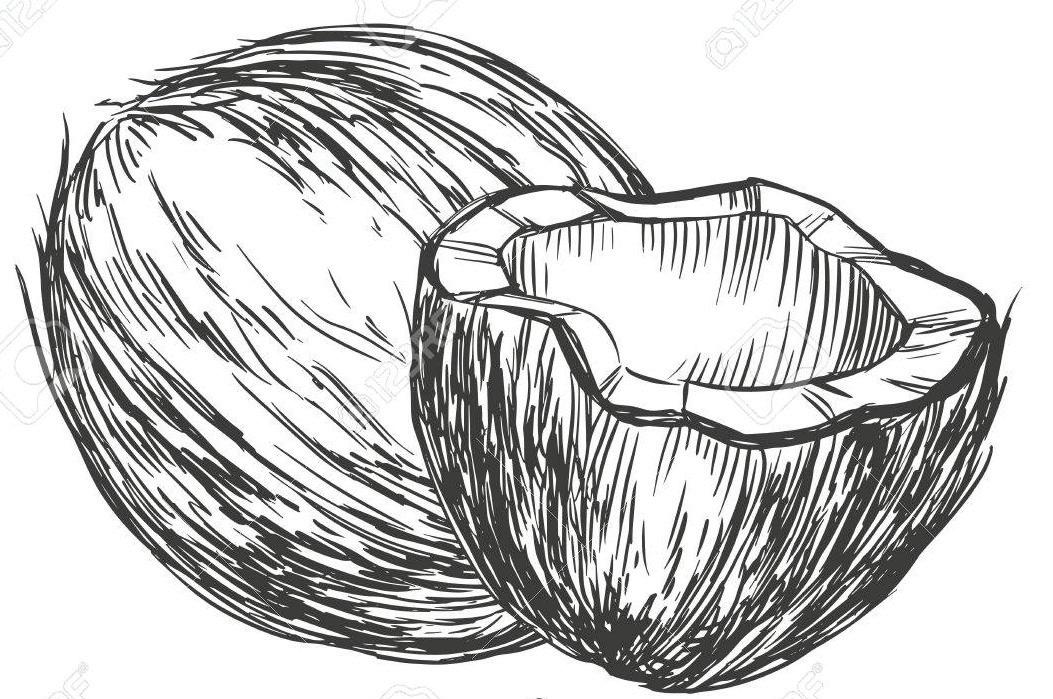
your own Coconut Palm Wine (Tuba)
i ngredients
• 1 lb dried coconut
• 1 lb rice
• 1 lb pitted dates
• 1-3/4 lbs granulated sugar
• 1-1/4 tsp acid blend
• 1 tsp yeast nutrient
• 1 gallon water
• s auterne wine yeast
d irections
Bring 1 quart water to boil and add rice; boil for 3 minutes. m eanwhile, chop the dates and mix them with the coconut in a boiler. s train the rice, adding the water from it to the boiler containing the coconut and chopped dates. Bring to a boil and hold for 15 minutes.
s train the water over the sugar, yeast nutrients and acid blend and stir until dissolved completely.
Allow to cool to room temperature, transfer to primary and add activated yeast. Cover and ferment until initially

vigorous fermentation subsides, then transfer to secondary and attach an airlock. After 3 months, rack into clean secondary with crushed and dissolved Campden tablet, top up and refit airlock.
w ait 3 additional months and rack, top up and refit airlock again. After additional month, stabilize, sweeten if desired and rack into bottles.
Did you know that
• Coconut w ine is common in various parts of Asia and Africa, where it is known by local names, including emu and oguro in n igeria, nsamba in the d emocratic r epublic of the Congo, nsafufuo in g hana, kallu in s outh i ndia, tuak in n orth s umatra, i ndonesia, mnazi in m ijikenda, Kenya, goribon or Rungus in s abah, Borneo, and tuba in the Philippines.
• i n the Philippines, if you distill the coconut wine, the resulting spirit is called Lambanog and it has been descibed as having a taste somewhere between whisky and rum.
s ource: winemaking.jackkeller.net, adapted from original recipe by C.J.J. Berry.

R U m in th E n EW s
by m ike Kunetka
These are the most recent and noteworthy headlines in the rum industry. i f you want us to share your news with our readers, please send me an email to: m ike@gotrum.com.
P l A nt ERAY
Planteray r um introduced Planteray h ogo m onsta, a bold high-ester rum, rich in the naturally occurring aromatic compounds formed during fermentation, delivering an unmistakably intense character bursting with funky, fruity, and spicy notes. Crafted at the legendary s tade’s w est i ndies r um d istillery in Barbados, this is not just a rum; it is a sensory uprising. Created for bartenders, rum devotees, and bold spirits enthusiasts, h ogo m onsta stands as the most unbridled release in Planteray’s history and a vivid tribute to the centuries-old rum-making traditions that gave it life. Founded in 1893, s tade’s w est i ndies r um d istillery has long been a cradle of authenticity and innovation in Barbadian rum-making. e very corner of the site breathes history, from open-air fermentation vats to century-old copper stills and the d istiller’s v ault, home to archives spanning generations. And yet, beneath that legacy runs a quietly rebellious edge. “At s tade’s r um d istillery, rum has always been both tradition and experimentation,” says Alexandre g abriel, o wner and m aster Blender of Planteray r um. “For years, this style of high-ester rum lived in the shadows,
used discreetly by blenders to add power and depth to a final mix. w e always dreamed of bottling it as-is, raw and unapologetic. h ogo m onsta is that dream unleashed.” This is not merely “high-ester” by conventional standards. h ogo m onsta delivers an extraordinary 2,029 grams per hectoliter of aromatic compounds, bottled at 56.6% AB v m eticulously distilled by the Planteray and s tade’s teams, it is the result of extended fermentation, precise distillation cuts, and a deliberately bold vision. i n just a few measured drops, it erupts with overripe banana, pineapple, and mango, layered with varnish, brine, spice, and an unmistakable tropical funk. The mouthfeel is dense and oily, carrying a long, unrestrained finish. These aromas and flavors are what today’s rum connoisseurs often call “rum funk,” or hogo, an Anglicization of the French term haut goût (“high taste”), once used by rum traders to describe spirits of formidable pungency. h ogo m onsta was never designed for casual drinking. i ts potency makes it unsuitable for volume consumption or unmeasured pours. i nstead, it is a professional tool, a concentrated flavor catalyst created for skilled hands. Just a few drops can transform a m ai Tai, elevate a blend, or unlock new territory in a d aiquiri. u sed with intention, it elevates. As Alexandre g abriel puts it: “ d on’t buy this unless you know what it is!” https://planterayrum.com/
l A m A ison & VE li ER
l a maison & v elier’s F l A g series is a curated journey through the world’s most revered rumproducing nations. e ach release features an emblematic single cask selected to capture the distinct terroir and excellence of its origin. lm & v believes in absolute transparency: the labels detail every step of the spirit’s life, from distillation and wood management to the final bottle count. Presented ‘au naturel,’ these rums are bottled at cask strength, uncut, unfiltered, and entirely free of additives or coloring.
• F l A g s ER i E s BARBAD os 2011 - Founded in 1996 on the site of a former sugar refinery, this distillery has been heavily awarded by all rum concourses and connoisseurs. They produce rums that are distilled in both double column Coffey still and pot still that are blended before being transferred to cask. This unique bottling expresses balanced notes from 14 years of long double aging processes: 8 years in ex-bourbon cask in the cellar in the s outh of Barbados and 6 years in ex-bourbon cask in e urope’s continental weather. At cask strength, this rum is an elegant and richly textured example of iconic Barbadian rum producer. Bottled additivefree at cask strength of 64.6% abv.
• F l A g s ER i E s V i E tn A m 2018 - This rum was produced in v ietnam using a local variety of cane, grown and harvested
by hand, in the province of Quang n am. Founded in 2018 near h oi An, the distillery honors French Caribbean rum-making traditions while embracing sustainable practices. The production process is meticulous, from the use of endemic sugarcane which is hand-harvested for optimal juice concentration, to natural fermentation, copper column still distillation and maturation in the tropical conditions of v ietnam. This bottling was distilled in a copper Armagnac column still and aged for 6 tropical years in an ex-Cognac cask. Bottled additive-free at cask strength of 55.5% abv.
• F l A g s ER i E s gh A n A 2020 - l ocated in the Ahafo region of w estern g hana, this familyowned distillery is renowned historically for the production of cashews and cashew distillate. m ore recently, they have begun focusing on the cultivation of a local variety of organic sugar cane and distilling using the fresh cane juice to produce rum. After a fermentation of three days, distillation happens in a 2000 l pot still. This bottling has been aged for one year in g hana and three years in e urope in ex-bourbon barrel. This cask strength rum represents one of the most interesting African rum distilleries on the market: a rising star. Bottled additivefree at cask strength of 63.6% abv. https://www.lmvusa.com/
A ngost URA
Ahead of the Carnival season, Angostura® launched its latest innovation, Angostura® Cubata, a premium r eady to d rink ( r T d ) bold s piced r um and Cola beverage. Crafted for today’s consumers, Angostura® Cubata blends Angostura® Tamboo s piced r um with crisp cola to deliver a vibrant, flavor-forward experience that celebrates Caribbean character with a contemporary edge. i t is the latest addition to their product line up of r T d beverages which include 420 and Angostura® Puncheon Punch. Angostura® selected their Tamboo s piced r um for this latest innovation, specifically for its seamless flavor synergy with cola, featuring vanilla, caramel, cinnamon, and warm spice notes. Chairman of Angostura h oldings l imited, m r. g ary h unt said, “ i nnovation has always been at the heart of the h ouse of Angostura. i t’s not just about creating new products; it’s about understanding how people live, celebrate, and connect and respond in ways that are authentic and exciting. w e created Angostura® Cubata because the way people enjoy their drinks has evolved. Today’s consumers want great taste, convenience, and a brand that reflects who they are.” https://angostura.com/
D os m ADERA s
d os m aderas, announced the release of d os m aderas o rigen Thailand, a limited-edition release crafted from 12-year-old Thai rum and finished in rare 80-year-old o loroso sherry casks. w ith only 4,000 bottles available worldwide, this launch marks the first expression within the new d os m aderas o rigen s eries, a collection designed to showcase the global diversity of rum through the distinctive lens of sherry-cask finishing. This new series begins in Thailand, where the rum is distilled from locally grown sugarcane and aged for 12 years in Bourbon casks before traveling to Jerez, s pain. o nce there, it undergoes an additional six months of maturation in exceptional 80-year-old o loroso sherry casks, sought after for their age, complexity, and influence on the final liquid. The result is a rum that showcases the d os m aderas philosophy of uniting cultures, climates, and aging traditions into a single spirit. w ith this unique series, w illiams & h umbert applies the same technique as with the rest of its rums in the d os m aderas range, r everse Finishing. “The release of o rigen Thailand introduces a new chapter for d os m aderas, offering a way to explore the global rum-making while preserving the artistry of sherry finishing that the brand is known for,” says g onzalo m edina, i nternational m arketing m anager at Bodegas w illiams & h umbert. “ w e chose Thailand as the starting point for the o rigen s eries for its vibrant culture, rich culinary heritage, and a growing spirits scene, perfect to shine a light on the world’s rumproducing regions.” The bottle’s design reinforces a strong sense of place, with a label by Claessens i nternational that pays tribute to Thailand’s cultural and natural heritage, featuring the Thai elephant, a national symbol of strength, wisdom, and good fortune. https://dosmaderas.com/
m A li BU
m alibu has announced the release of m alibu Pink, a bold and bright new flavor innovation that proves summer energy can be served up 365 days a year. Bursting with the fruity flavor of guava, pineapple, and coconut and a playful pink color, this new release is bringing a fresh twist to the rum aisle. This new expression features guava at its heart, complemented by pineapple and m alibu’s signature coconut for a tropical taste. As exotic flavors like guava transition from specialty to mainstream, m alibu Pink delivers an on-trend spirit. w hether mixed with lemonade or enjoyed as a shot, m alibu Pink offers a sun-soaked experience in every sip. l ater this spring, m alibu will release a new pinkdrenched campaign alongside activations and partnerships to put a playful twist on m alibu’s d o w hatever Tastes g ood ethos. “ m alibu has always been the go-to drink for those seeking a tropical and exotic experience. w ith the launch of m alibu Pink, we’re pairing familiar favorites like coconut
and pineapple with new guava-led notes as the next evolution in tropical flavor transporting summer-seekers on a new adventure,” said s aragh Killeen, us Brand d irector, m alibu. https://www.malibudrinks.com/en-us/
D on PAPA
The m anilla s tandard reported that d on Papa r um, the Philippine’s’ premier small-batch rum, has launched its newest expression: d on Papa Alon. ‘Alon’ means ‘waves’ in the local language of Tagalog. i nspired by the rhythmic coastlines of the archipelago and the enduring spirit of bayanihan, the new liquid serves as a tropical homage to the Filipino sense of home. r ooted in the lush landscapes of n egros ( s ugarlandia), d on Papa Alon marks a shift in perspective from the hinterlands to the shores. The expression is designed to capture the essence of island life, where time slows down and community ties are strengthened over shared moments. The rum draws direct inspiration from g inataang l angka, a creamy, comforting island staple. i t is distilled from 100% local sugarcane molasses, then infused with iconic ingredients from Filipino culinary heritage: toasted coconut, jackfruit, and chili pepper. “ w ith d on Papa Alon, we wanted to capture not just the flavors of the islands, but the feeling you get in those communities, that deep sense of pride and warmth that defines us as Filipinos,” says Angeline m anahan, m arketing m anager of d on Papa r um. https://www.donpaparum.com/
P o WERED BY RU m -BAR
The Jamaican o bserver reported that w orthy Park e state l imited has launched Powered by r umBar, a community relief initiative aimed at helping restore livelihoods and connectivity in some of the island’s most affected areas following h urricane m elissa. The initiative donated 100 generators to 100 community bars across parishes hardest hit by the storm. d istribution began in d ecember, with the project team donating generators to several community bars across western parishes already impacted by prolonged power outages. Powered by r um-Bar was designed to help these establishments regain electricity, reopen safely and continue supporting the communities that depend on them. “Community bars are deeply woven into the fabric of Jamaican life, and for w orthy Park e state l imited and its rum brands, it is of great importance that we help communities stand strong,” said Tamika w est, marketing manager. “Powered by r um-Bar is about restoring power, supporting small business owners and helping communities get back on their feet.” The initiative forms part of r um-Bar and w orthy Park e state’s broader commitment to community resilience, national recovery and
responsible corporate citizenship. d istribution was prioritized in areas across s t e lizabeth, w estmoreland, s t James, Trelawny, and h anover, where extended power outages have significantly affected economic activity and daily life. https:// worthyparkestate.com/
U ltim A t E si PP ing RU m
The u ltimate Awards announced the 2026 u ltimate s ipping r um – m iami Competition, the second edition of its blind tasting event to be held during the 2026 m iami r um Congress. This year’s competition will once again spotlight the world’s finest sipping rums through a rigorous, professional evaluation process. i n 2026, the judging panel will feature wse T ( w ine & s pirit e ducation Trust) l evel iii s pirits judges and seasoned rum experts, who will assess entries strictly blind to identify the “best of the best” in sipping rum. Current confirmed judges include d eniece Bourne, l isa Belczyk, r ob m cCaughey, r hiannon e nlil, and s hawn m artin, with additional local and international judges to be announced. The u ltimate s ipping r um – m iami Competition is designed to be clear and accessible for brands, focusing on five core categories of sipping rum while maintaining rigorous technical and sensory standards. r ums will be assessed according to age statements; for non-age-stated and solera rums, entries are classified based on the youngest rum in the blend to ensure consistent judging. The u ltimate Awards was created to celebrate quality, transparency, and excellence in spirits, offering producers an authoritative, trade-respected benchmark for their products. w ith a panel of judges that each bring more than ten years of experience in the spirits industry, the competition delivers meaningful, credible recognition to brands that excel in the glass. https://theultimateawards. com/2026-best-sipping-rum-the-ultimate-awards
DESTILEŔIA SERRALLĖS
s everal sources have reported that the s errallés d istillery has announced that its President and C eo , Philippe Brechot, has decided to take retirement at the close of 2025, after almost nine years at the front of the company. d uring his presidency, Brechot led a period of transformation and growth, guiding s errallés with vision and determination through significant challenges such as hurricanes, earthquakes and the pandemic, while driving the company’s accelerated development, brand portfolio and international standing. The Board of d irectors guaranteed an orderly transition and continuity of the company’s operations, while evaluations for the appointment of the next president and C eo of s errallés d istillery proceed. “ w e appreciate Brechot’s great contribution to the development of the company during the past years,” said Alfredo s uarez s errallés, Chairman of the Board of d irectors.
“ s errallés d istillery continues to move forward with a clear vision towards the future, maintaining the excellence that characterizes our products internationally and bringing the best of the liquor industry to every corner of the world,” he added. Among the milestones of s errallés d istillery during the past years are the large expansion of its complex in Ponce, Puerto r ico, the improvement of infrastructure for the purpose of increasing the production and export of rums, and the expansion of its Premium r ums. i n turn, quality has been awarded on numerous occasions in prestigious competitions and evaluations, such as the w orld s pirit Awards, Beverage Testing i nstitute, the i nternational w ine & s pirits, among others. https:// donq.com/
KŌLOA RUM COMPANY
Kaua’ i n ow reported that a federal judge dismissed on Tuesday the Kōloa Rum Company’s constitutional challenge to the m erchant m arine Act of 1920, commonly known as the Jones Act, which requires all shipping between u s . ports be conducted on vessels that are u s . built, owned and registered, and crewed primarily by U.S. citizens. Kōloa Rum Company v. Noem challenged the law’s constitutionality, asserting the Jones Act violates the Port Preference Clause by discriminating against h awaiian ports through higher shipping costs and limited shipping options, and it violates the d ue Process Clause by infringing on the company’s substantive right to earn a living. Pacific l egal Foundation helped Kōloa Rum Company file the federal lawsuit on Feb. 25, 2025, in the u s d istrict Court for the d istrict of Columbia. The purpose of the suit was to end the 105-year-old law to provide “equal footing among h awaiian businesses and their competitors, and finally cast away one of the nation’s most egregious examples of economic protectionism,” Pacific l egal Foundation said in a press release. w hile the law originally intended to bolster domestic shipbuilding, it has had the opposite effect, shrinking the American shipping fleet while severely harming citizens and businesses in Hawaiʻi and Alaska, the article said. u nder the Jones Act, no international vessels may serve Hawaiʻi directly. Kōloa Rum Company must first ship products to l os Angeles, then on to destinations like Australia. And the trip from Hawaiʻi to Los Angeles costs nearly three times more than shipping from l os Angeles to Australia, the press release said. “The Jones Act doesn’t just hurt our business it hurts all Hawaiʻi residents,” said Bob Gunter, CEO of Kōloa Rum Company, in a statement when the suit was filed. “ w e pay more for everything we import, from bottles to packaging, just like all families across the state. https://koloarum.com/
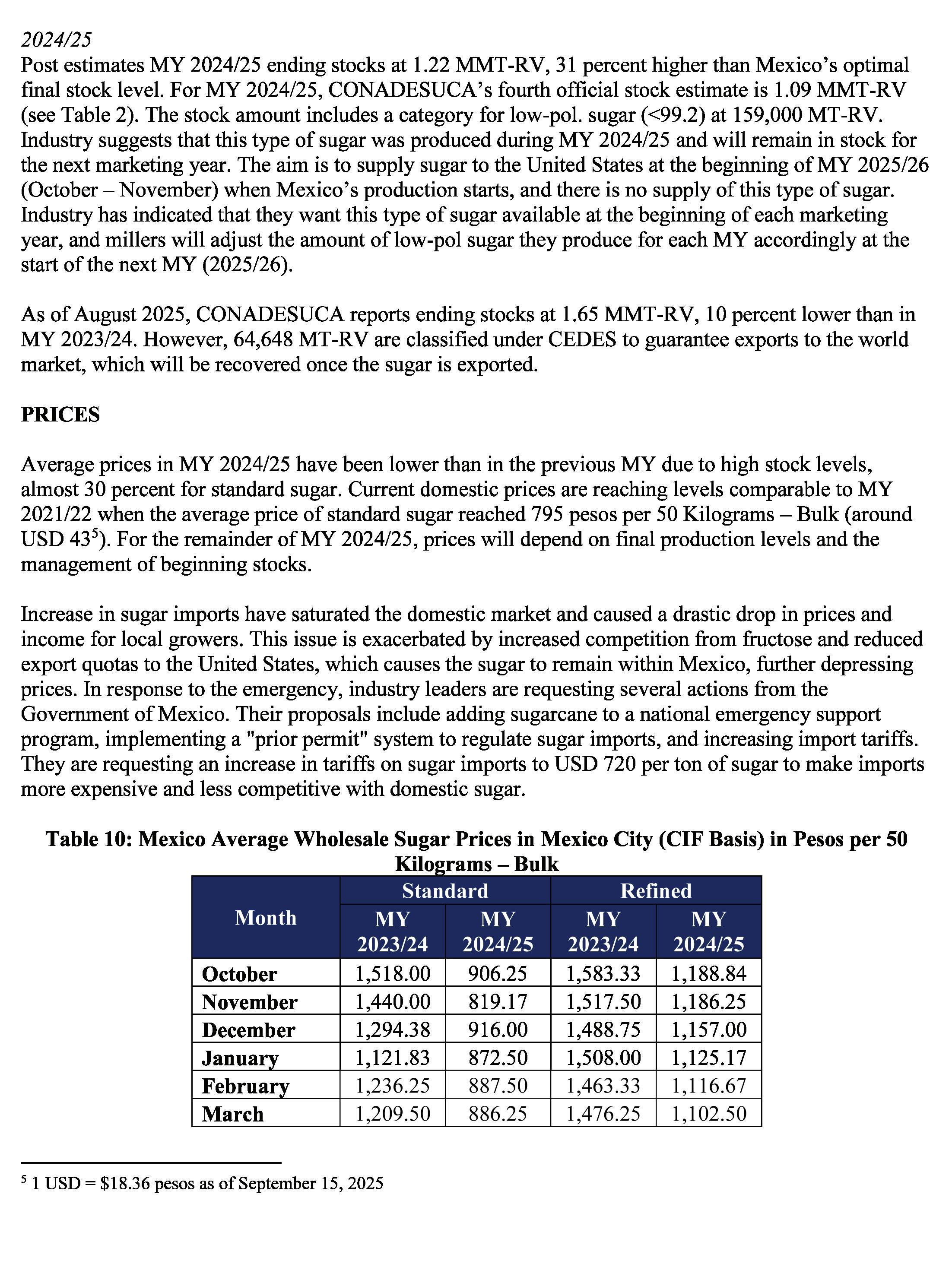
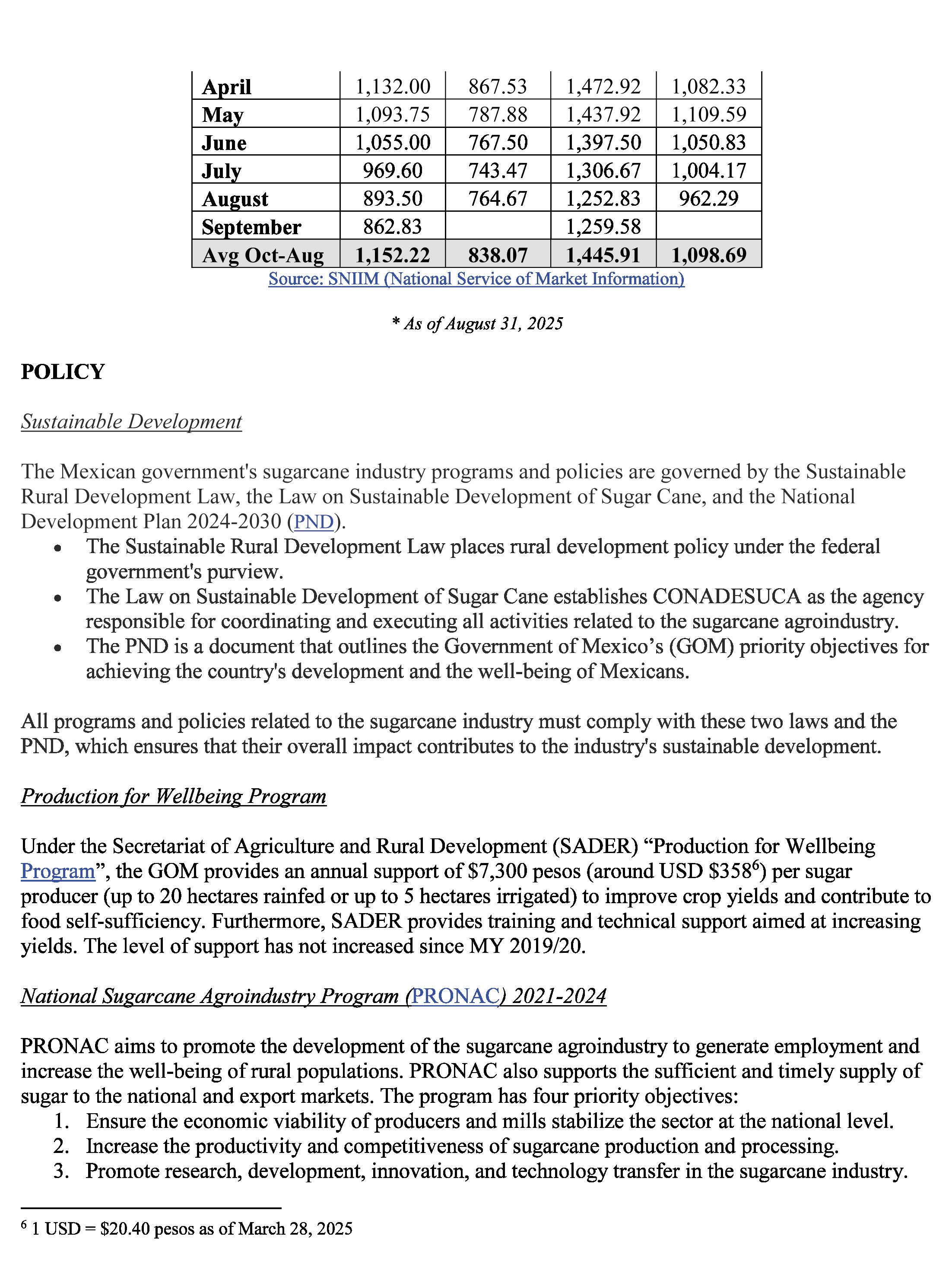
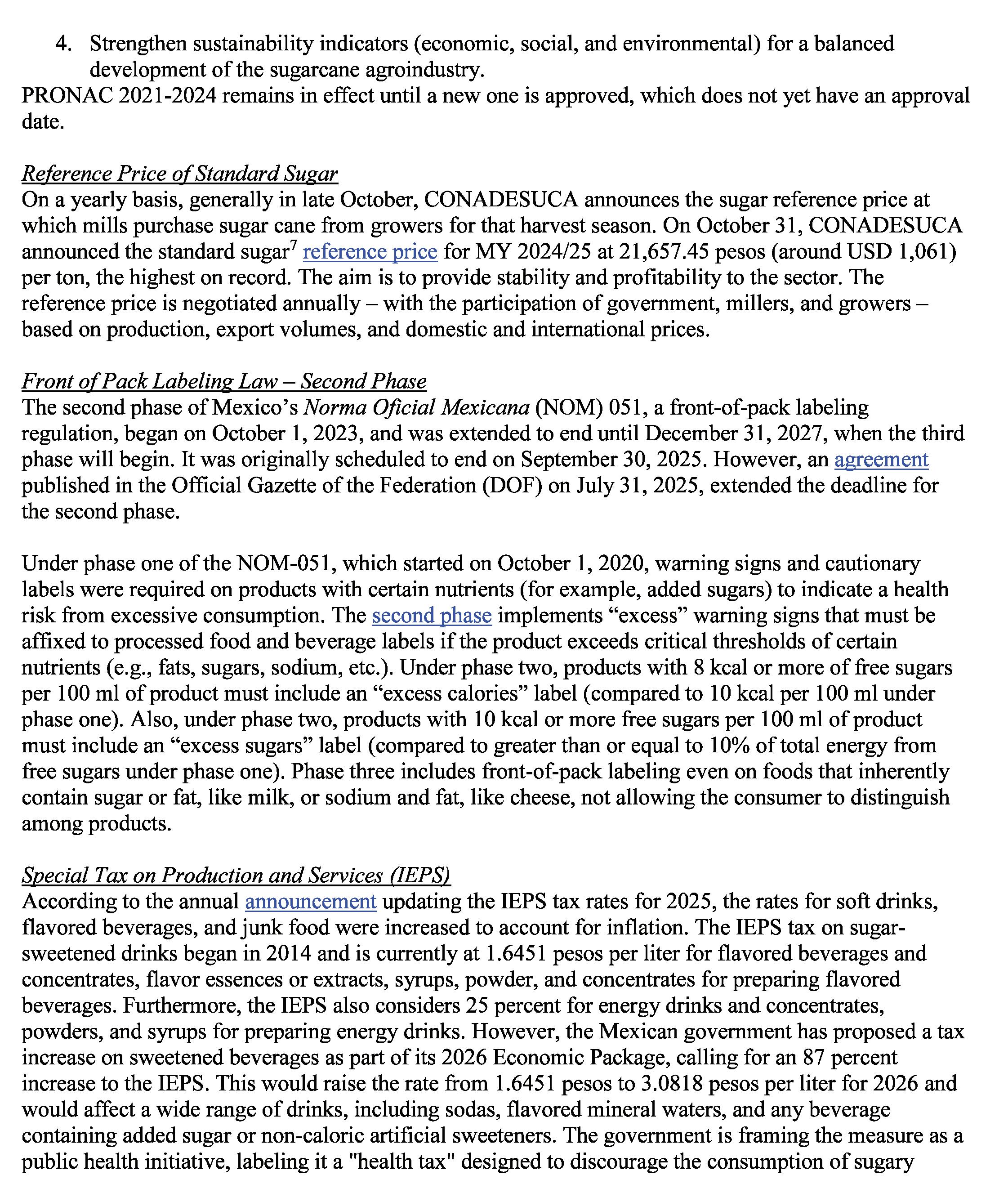
The Sweet Business of Sugar


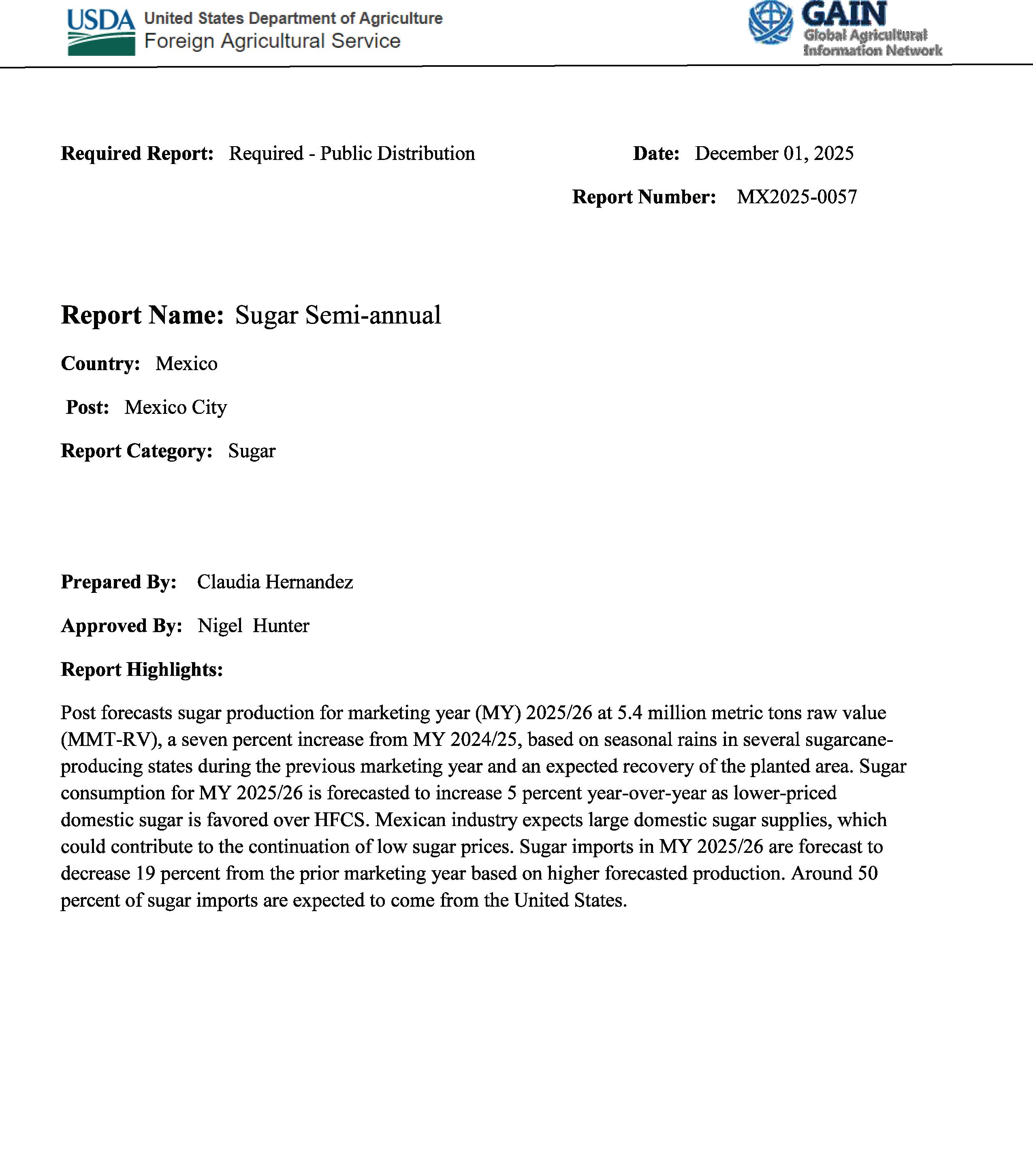
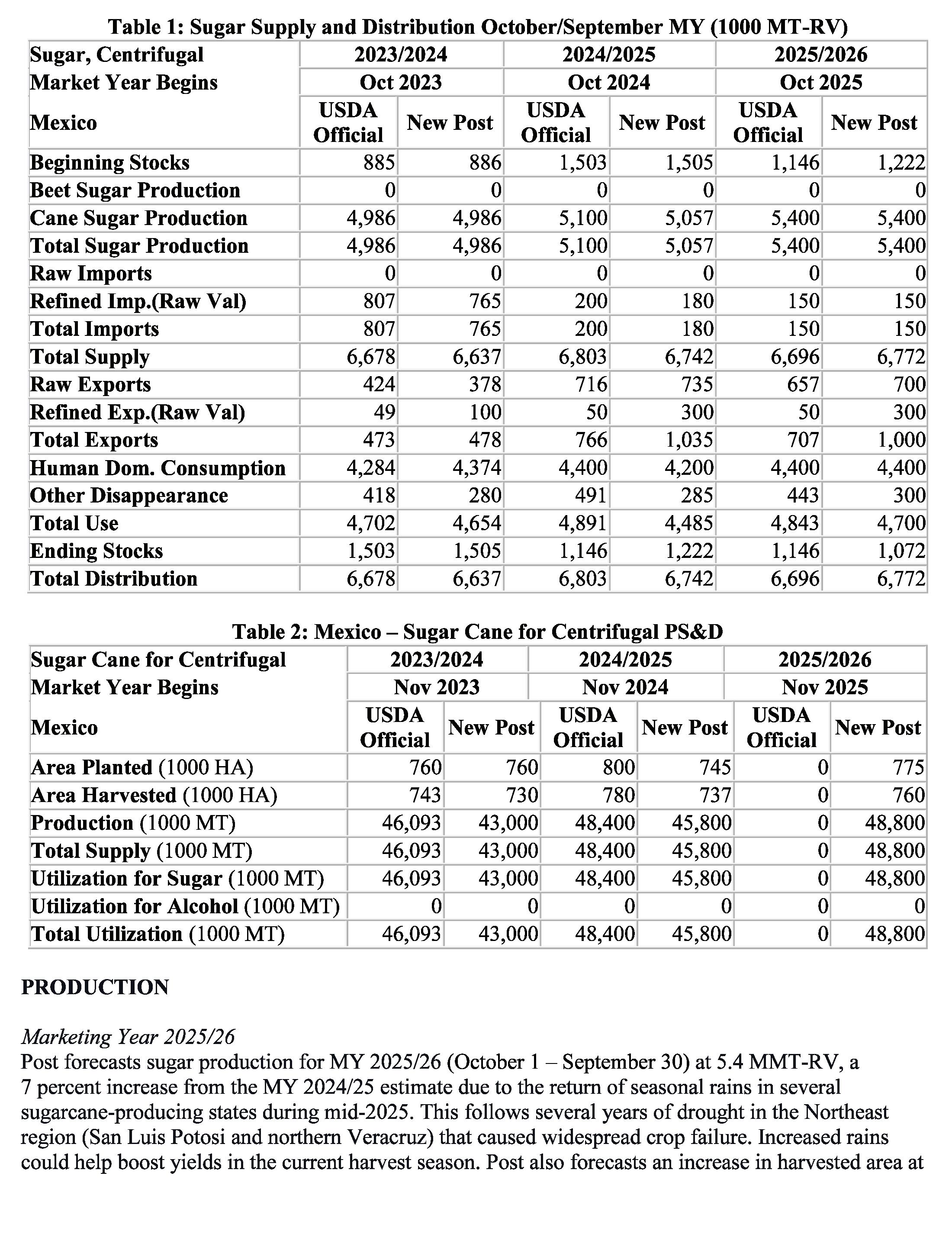
Mexico
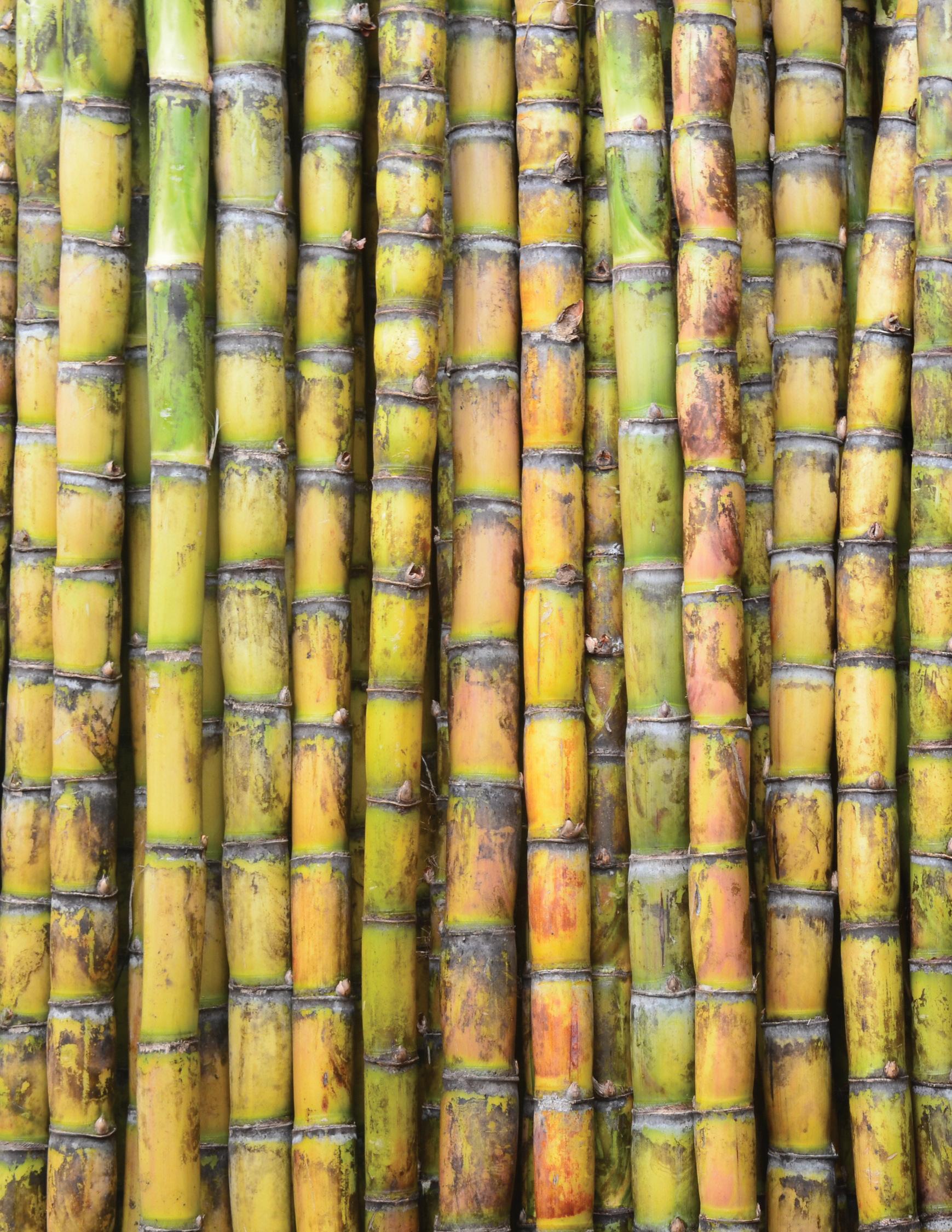
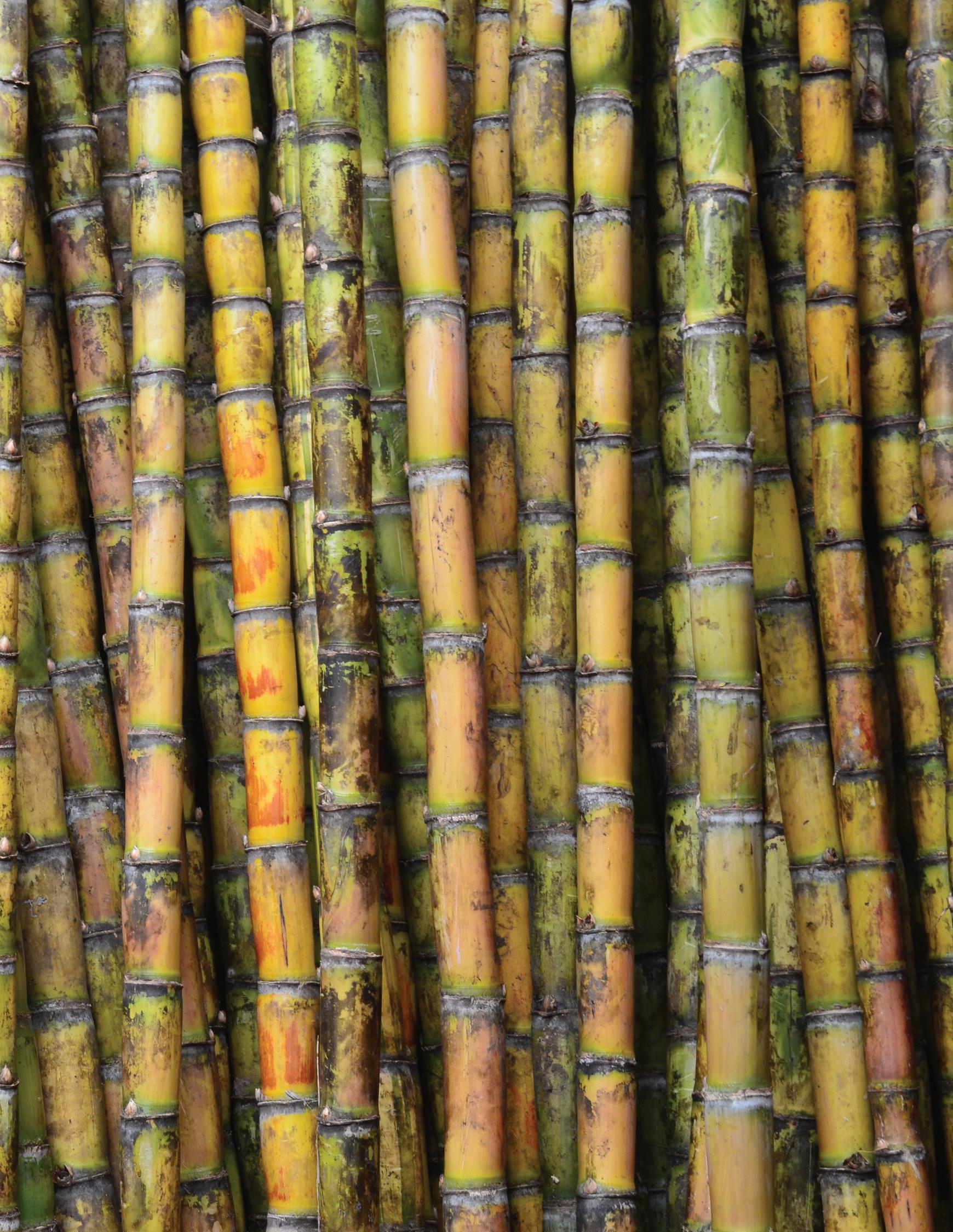
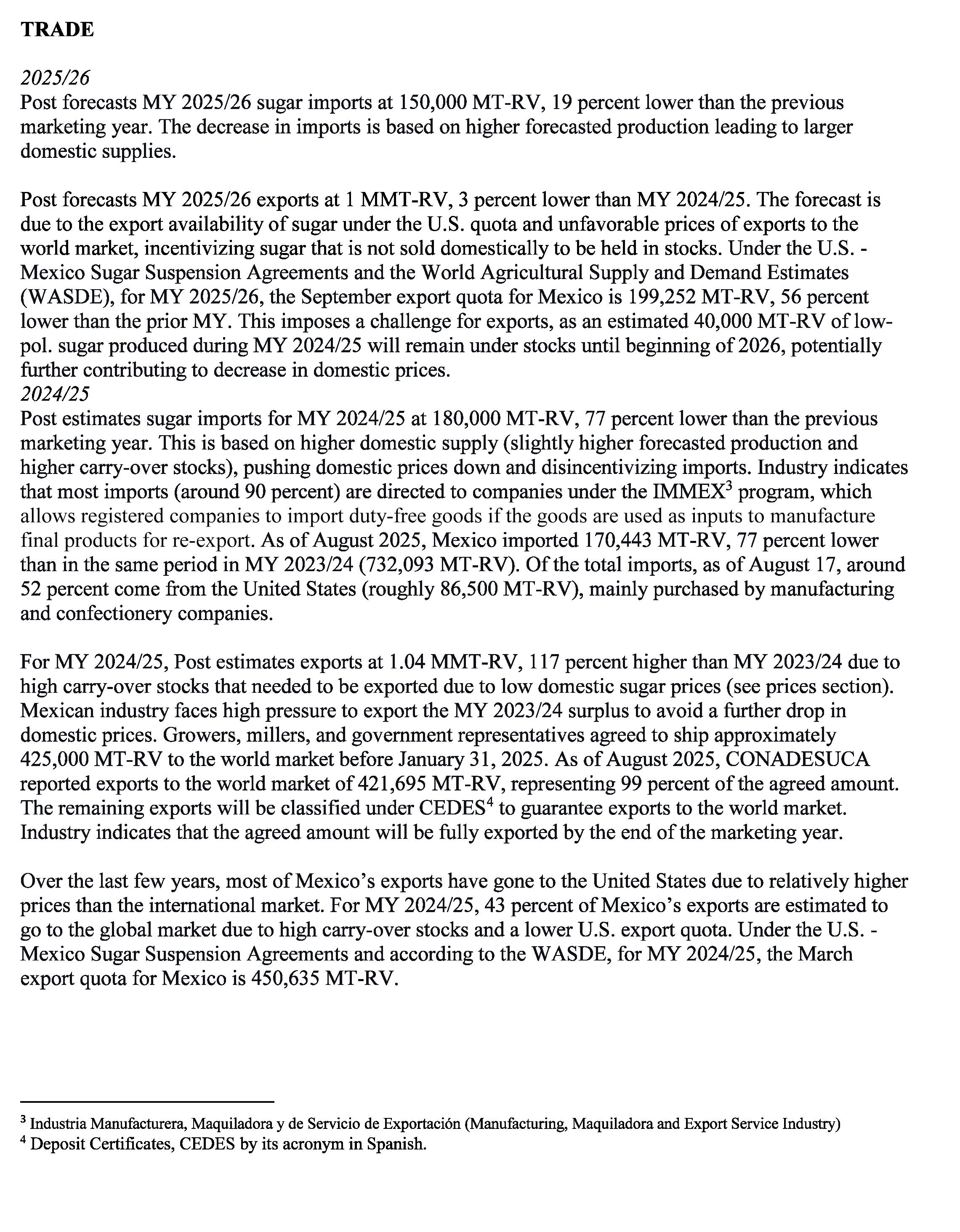
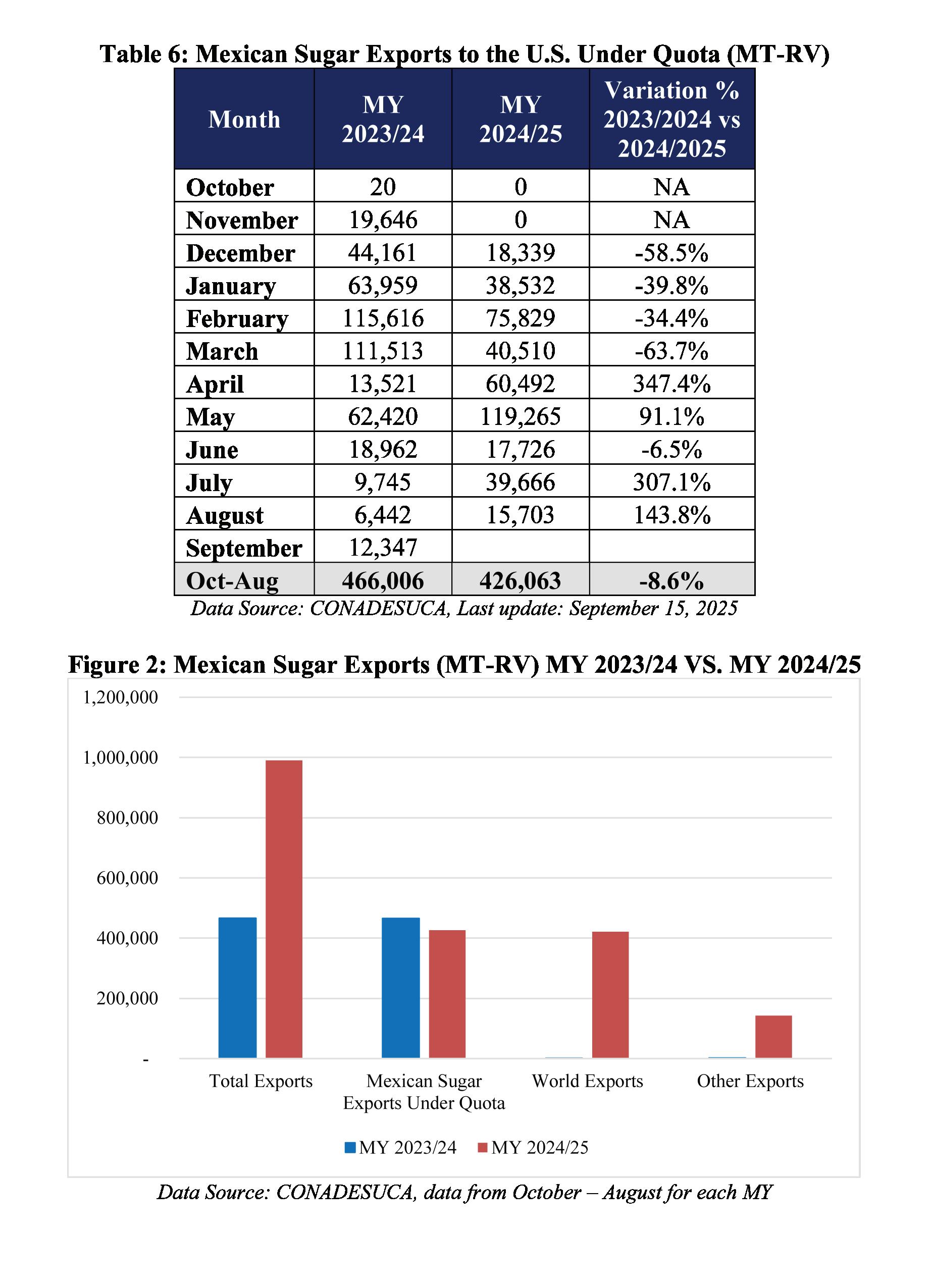
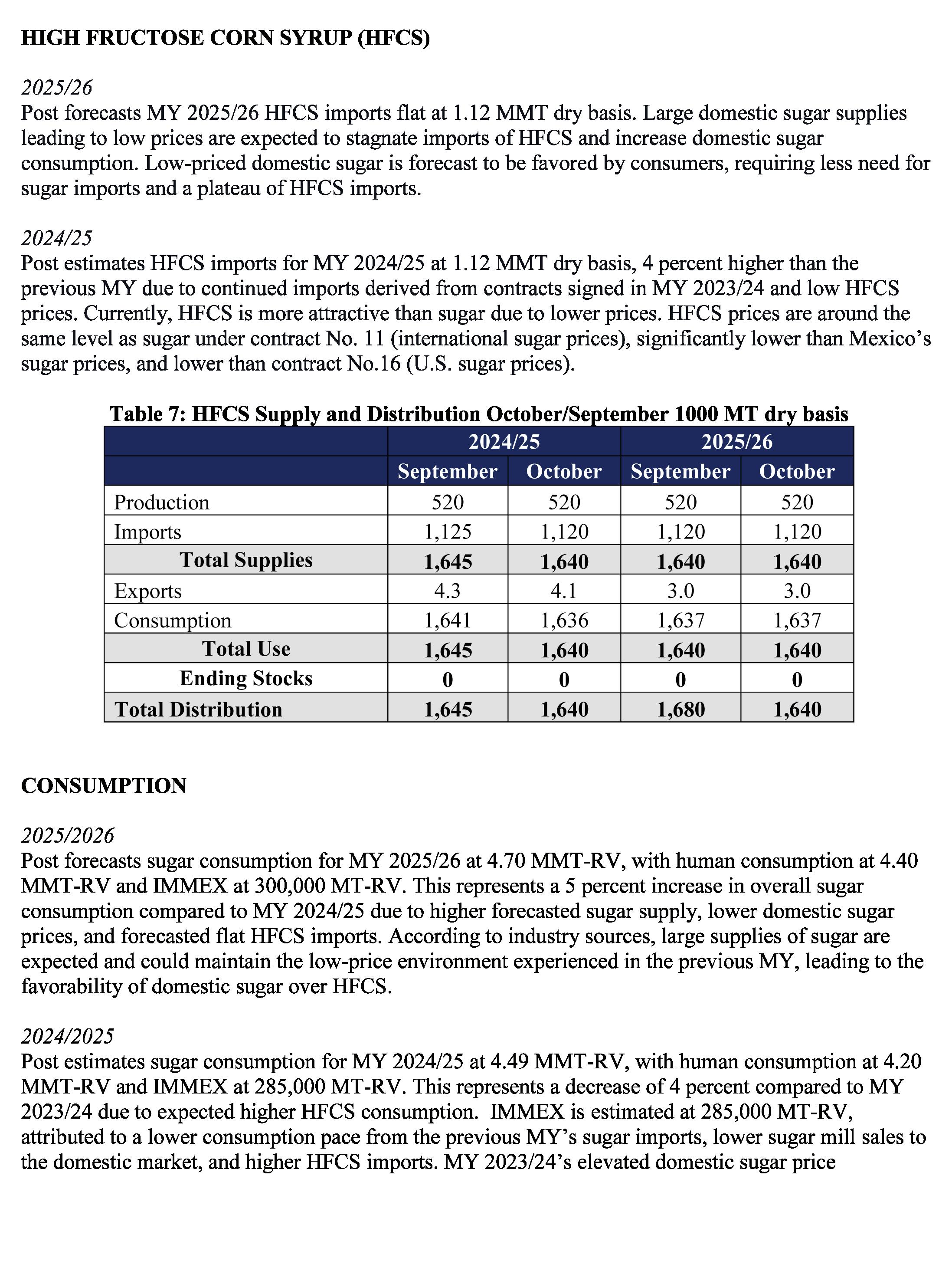
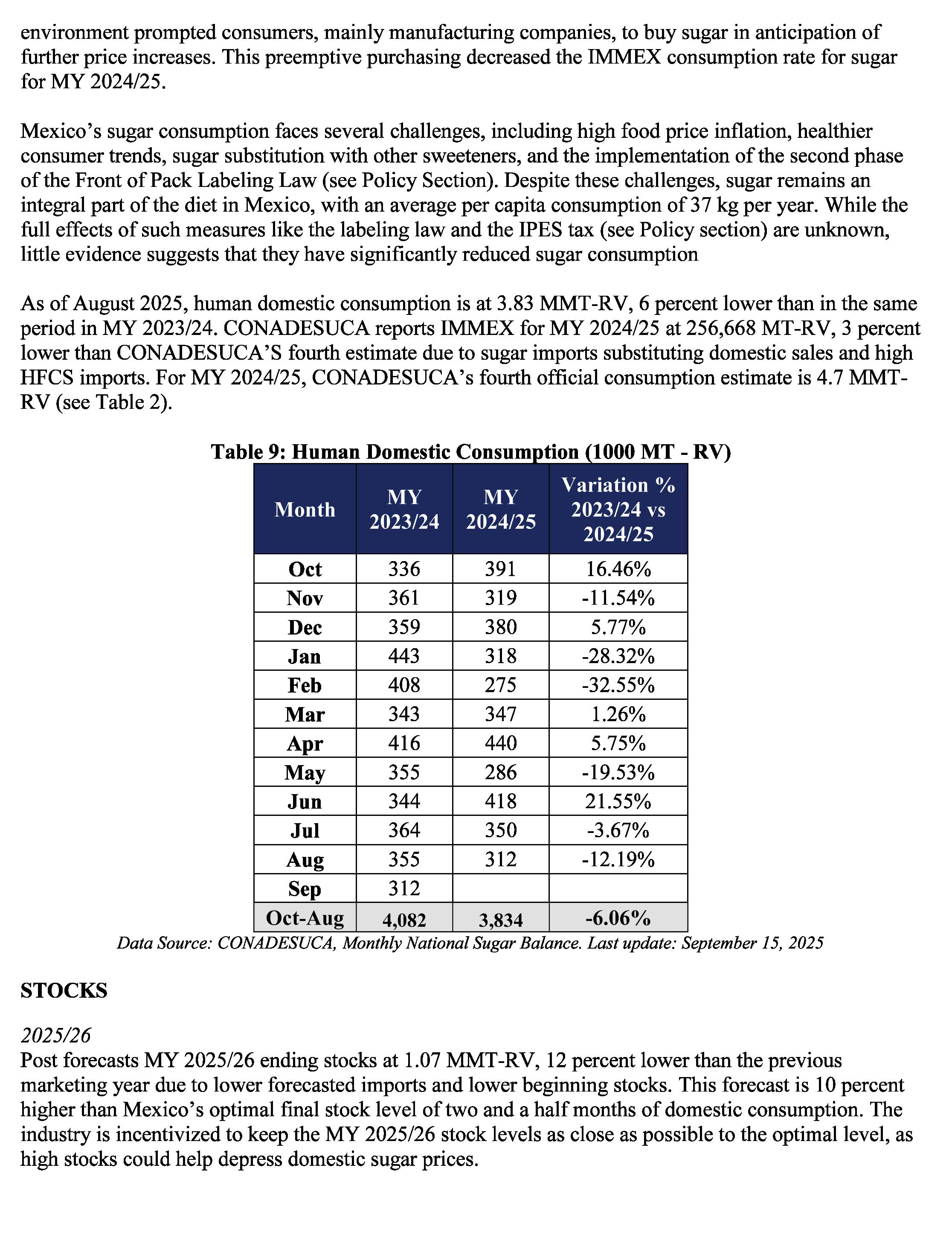
r egardless of distillation equipment, fermentation method, aging or blending techniques, all rum producers have one thing in common: sugarcane
w ithout sugarcane we would not have sugar mills, countless farmers would not have a profitable crop and we would not have rum!

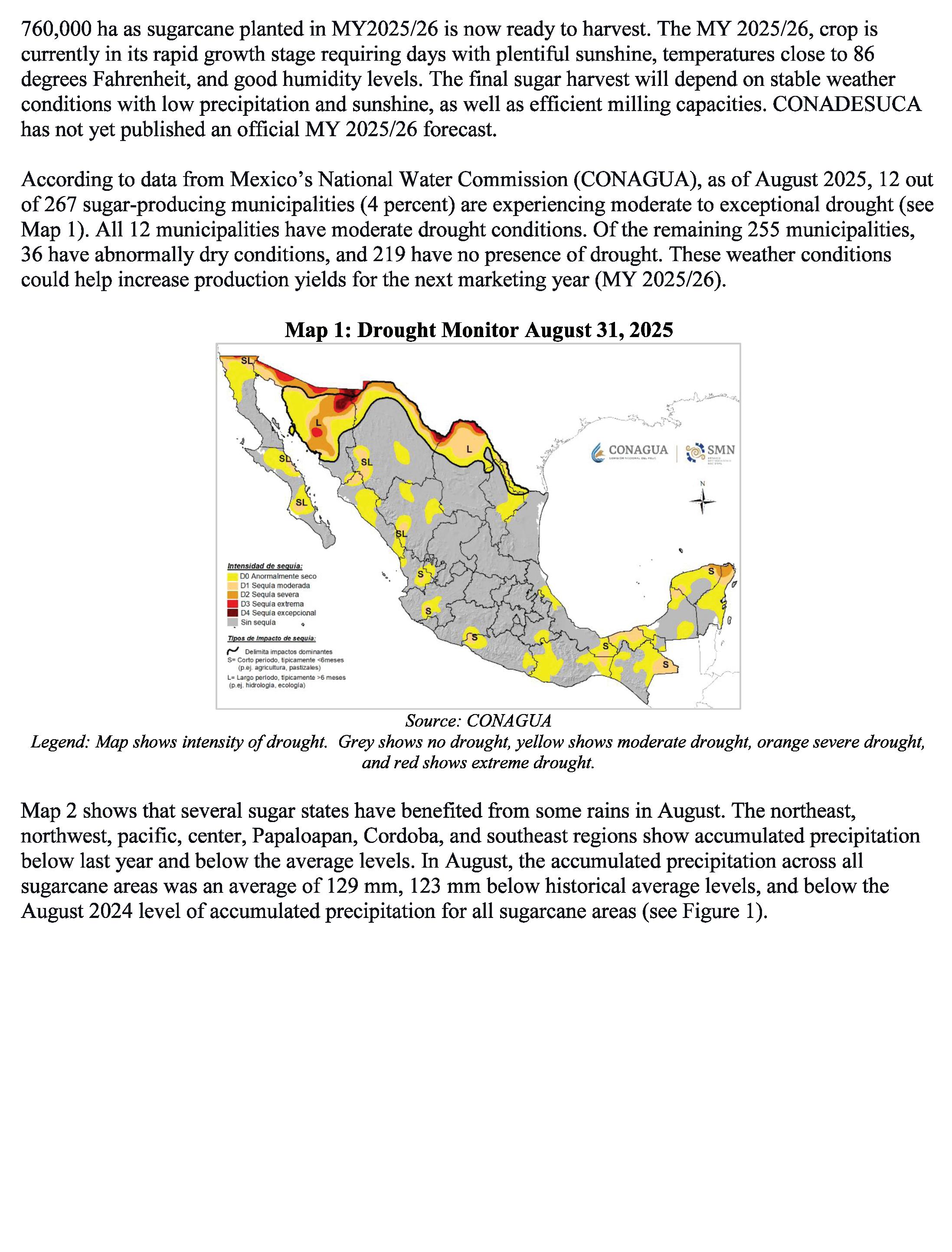
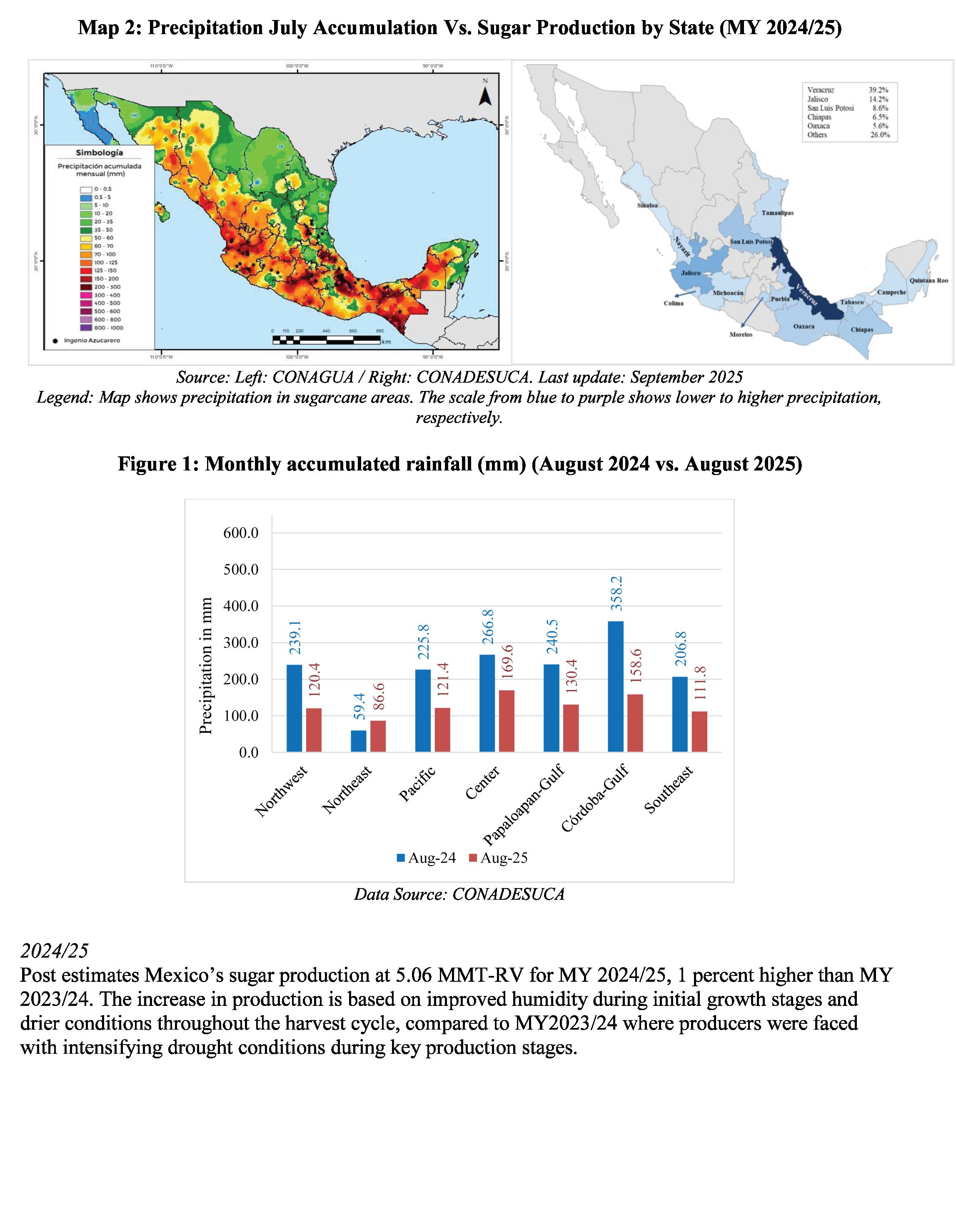
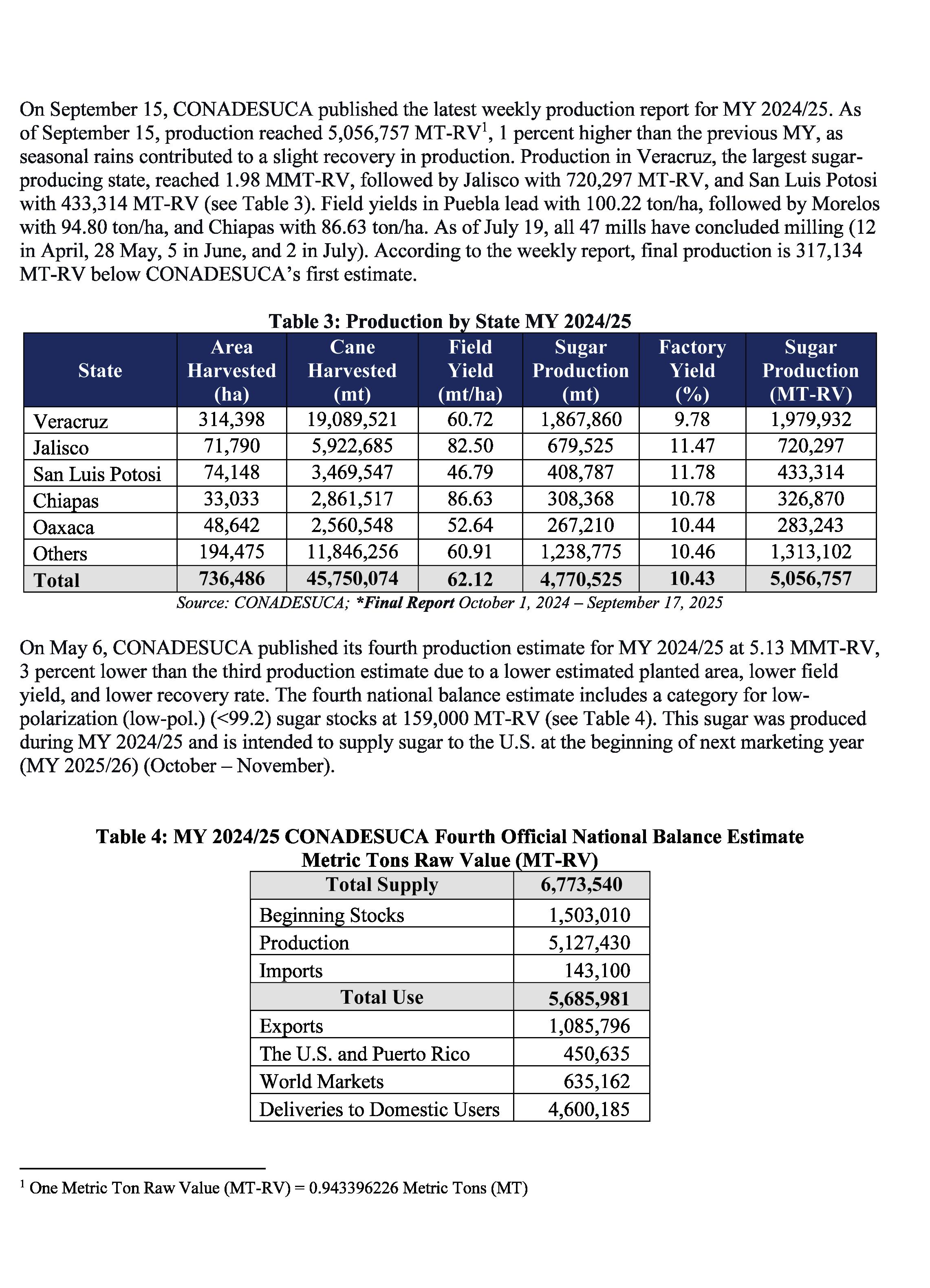
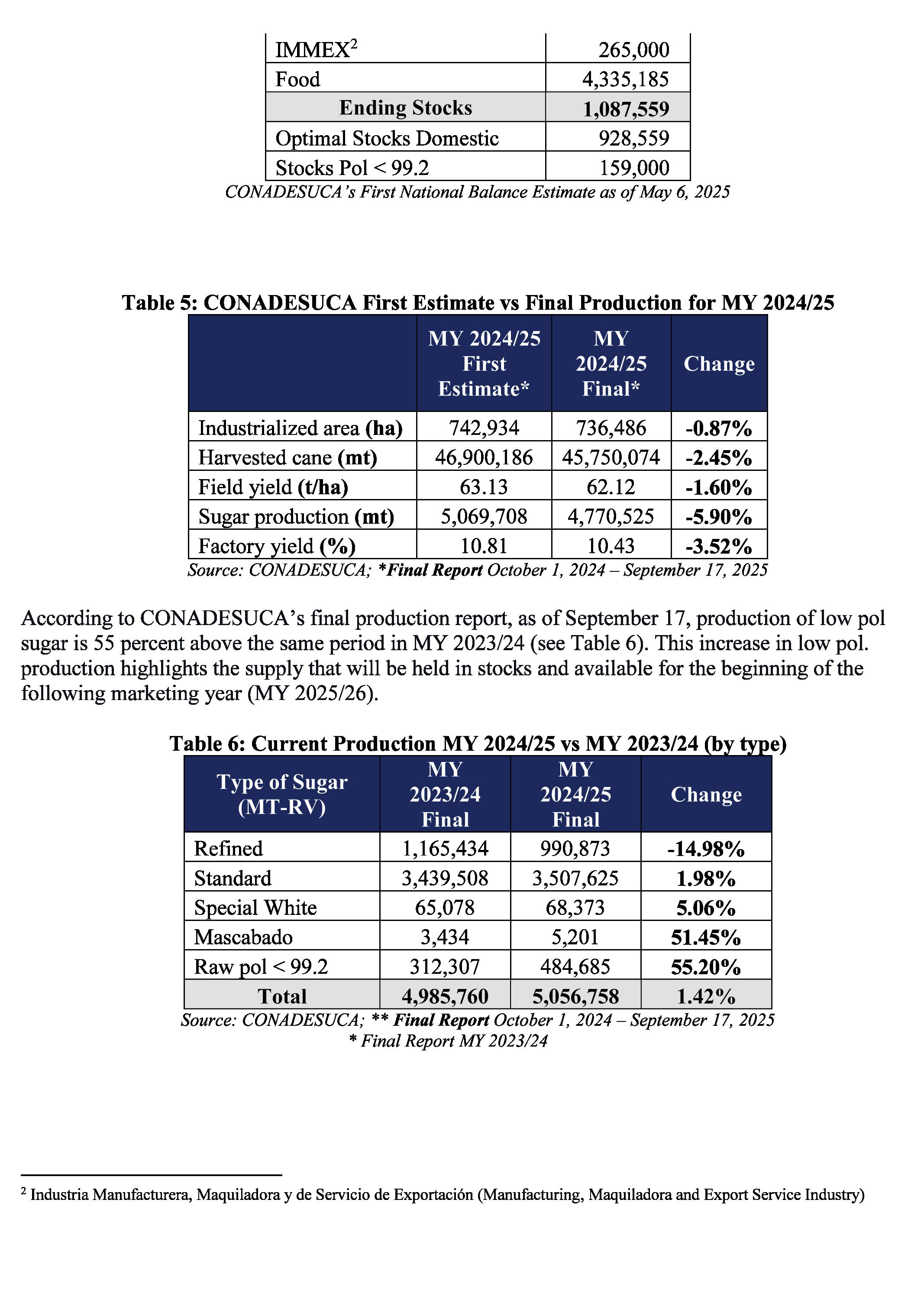

o ffering Bottling/ c o-Packing s ervices
r um Central is located within the t exas t riangle , a region in Texas formed by the state’s four main metropolitan areas. The t exas t riangle is one of eleven mega regions in the u nited s tates and is home to approximately 75% of the s tate’s population. This area also benefits substantially from trade with m exico, the u nited s tates’ third largest trade partner.
r um Central is 30 m iles from Austin, with convenient access to interstate highways, rail lines, airports and seaports (within 250 miles of 4 of the top 10 u s . seaports), guaranteeing fast and efficient shipping of your dry and finished goods.
Do you need more information? Contact us via our website below!
www.
Rum Cocktails for Lovers
Aphrodisiacs are foods thought to increase sexual drive or to enhance reproductive ability. m any centuries ago, philosophers attributed aphrodisiac properties to any food that represented “seed” or “semen,” such as eggs, bulbs and grains. l ater foods were considered to have aphrodisiac properties if they had any resemblance to genitalia. m odern science looks at the composition of foods and believes that those with a high concentration of Zinc are beneficial to the libido, as Zinc controls progesterone levels. h ere is a list of foods commonly thought to have aphrodisiac properties:
Almond, Aniseed, Arugula, Asafetida, Asparagus, Avocado, Bananas, Basil, Broccoli r abe, Chocolate, Carrots, Coffee, Coriander, Fennel, Figs, g arlic, g inger, h oney, l iquorice, m ustard, n utmeg, o ysters, Pine n uts, Pineapple, r aspberries, s trawberries, Truffles, v anilla and w ine.

Ever After
• 1 3/4 oz r hum J. m . Blanc
• 3/4 oz Cynar
• 3/4oz Cherry h eering
• 1/4 oz Averna
• 2 d ash r hubarb Bitters
• 1 d ash w hiskey Barrel Bitters
d irections:
1. Combine all ingredients except bitters into an ice filled cocktail shaker.
2. s hake and strain into a crushed ice filled cocktail glass.
3. d rop bitters into the glass and stir.
4. r ecipe Courtesy: r hum J. m . Blanc
Happily
The Superior Love Potion
• 50 ml w hite r um
• 12.5 ml Crème de Cacao
• 1 s coop s trawberry i ce Cream (or sorbet)
• 5 ml Parfait Amour l iqueur
• 25 ml l ime Juice
• 25 ml Champagne
d irections:
1. s hake all of the ingredients together until the ice cream/sorbet dissolves.
2. Pour the champagne into a flute and then single strain the gelato mix on top.
3. g arnish with a single m araschino cherry and grated dark chocolate.
• 1 oz. Cruzan r aspberry r um
• 1 oz. Canadian Club w hisky
• Cranberry Juice
d irections:
Fill highball glass with ice. Add rum and whisky, fill with juice and stir.
g ot Rum? February 2026 - 52
Cupid’s Kiss
Saint Valentine
• 1 1/2 oz white rum
• 1/2 oz Fonseca Bin 27 r uby Port
• 1/2 oz orange curacao or g rand m arnier
• 1/2 oz fresh-squeezed lime juice
d irections:
1. Pour the ingredients into a cocktail shaker with ice and shake well.
2. s train into a chilled cocktail glass.
Between The Sheets
• 1 oz. w hite r um
• 1 oz. Cointreau
• 1/2 oz. l emon Juice
• 1 oz. s panish-style r um or Cognac
d irections:
1. Add all of the ingredients to a cocktail shaker filled with ice, shake until well chilled.
2. s train into a cocktail glass or a coupe and garnish with a lemon twist.
g ot Rum? February 2026 - 54



Present
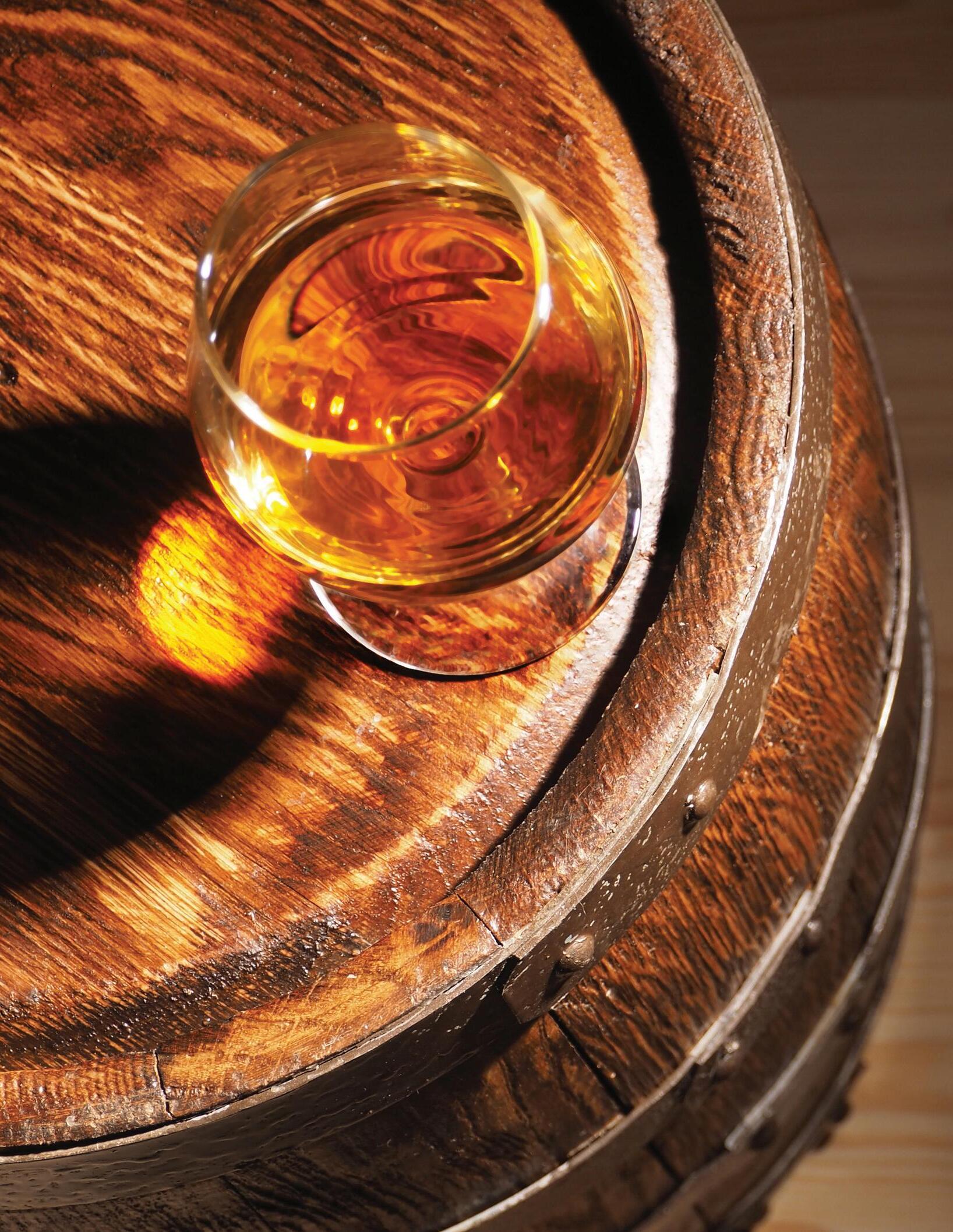
The History and Science of the Barrel
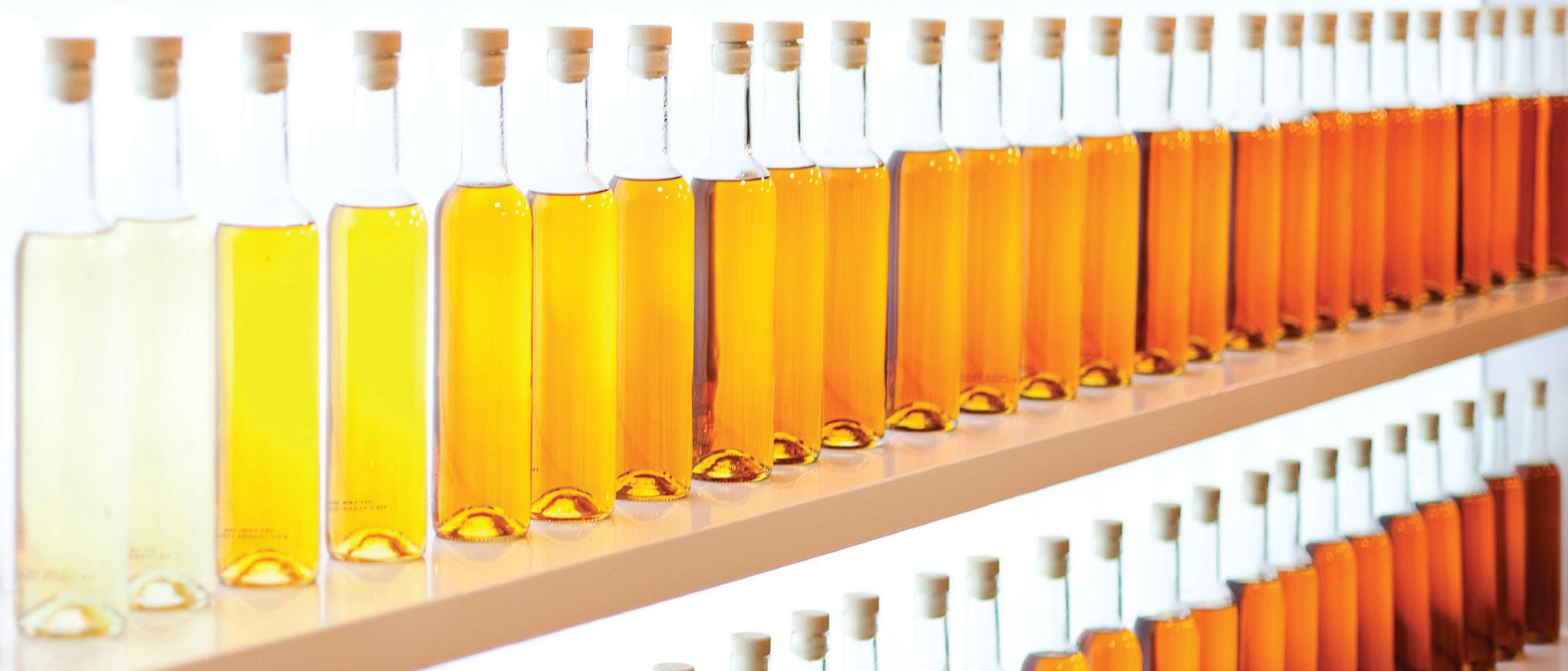
in the world of distilled spirits, nothing evokes elegance, sophistication and transformation more than barrel aging. The right barrels, in the right hands, can transform the mundane into the spectacular. whether it is American, French, Colombian, Bulgarian or other oak variety, a well-made barrel is the magic chamber within which time slowly transforms the contents.
Join us as we explore the world of barrels. we’ll take a deep dive into the physical and chemical transformations that take place inside the world’s preferred aging vessels.

The History and Science of the Barrel Lesson 2: Why Oak?
welcome to Lesson 2 of 12 of the Rum University’s latest course! You can find previous lessons of this course by visiting the Archives page on www.gotRum. com, you can also find additional courses and material on the university’s official website at www.RumUniversity.com.
contributions of properly weathered and toasted oak
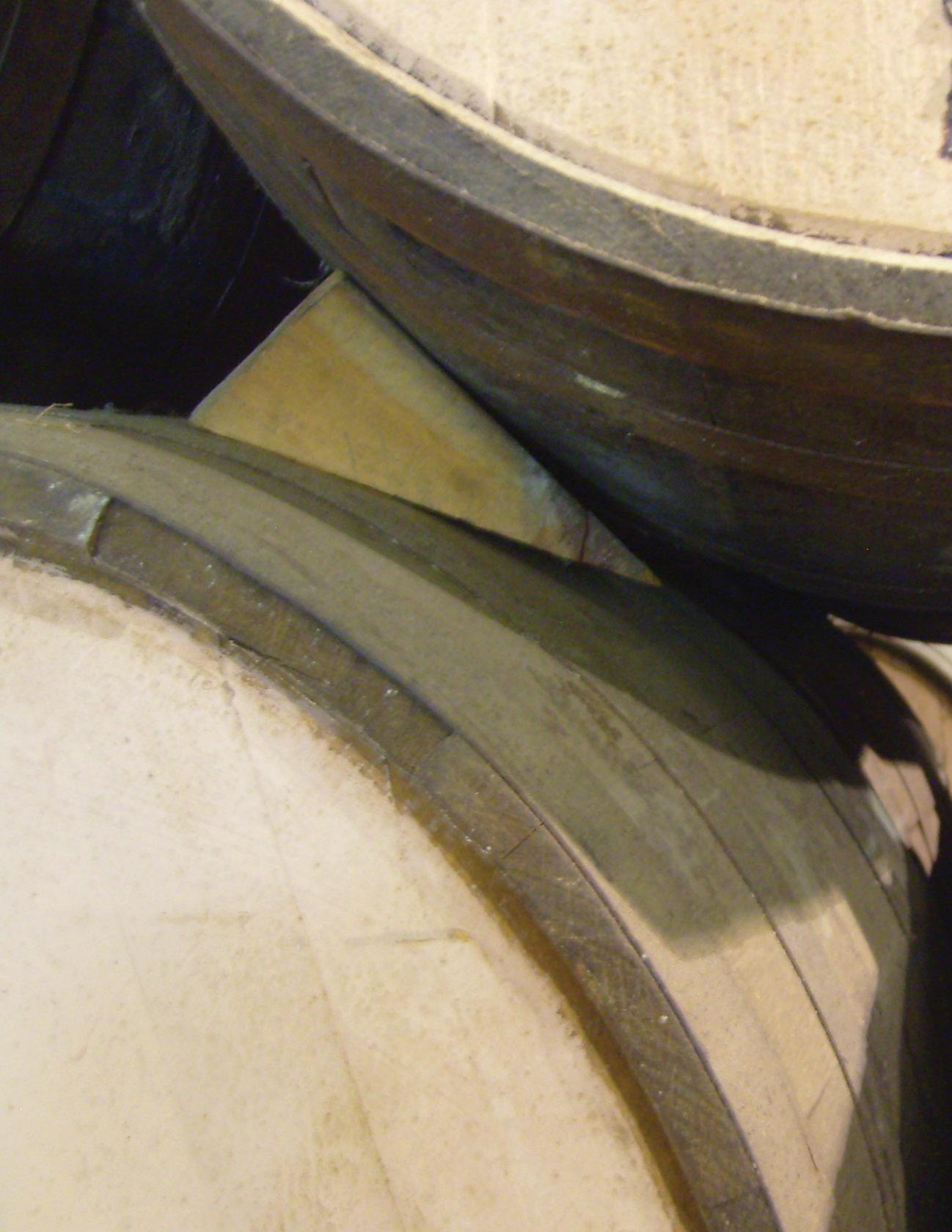
To properly age rum, having wooden barrels is not enough. great and consistent aging can only be achieved through the careful selection and care of oak barrels. But, what makes a great barrel?
• Great barrels are the correct size for the desired goal.
• Great barrels are made from mature oak trees that have achieved the ideal physiological properties. lesson 3 will cover this topic in more detail.

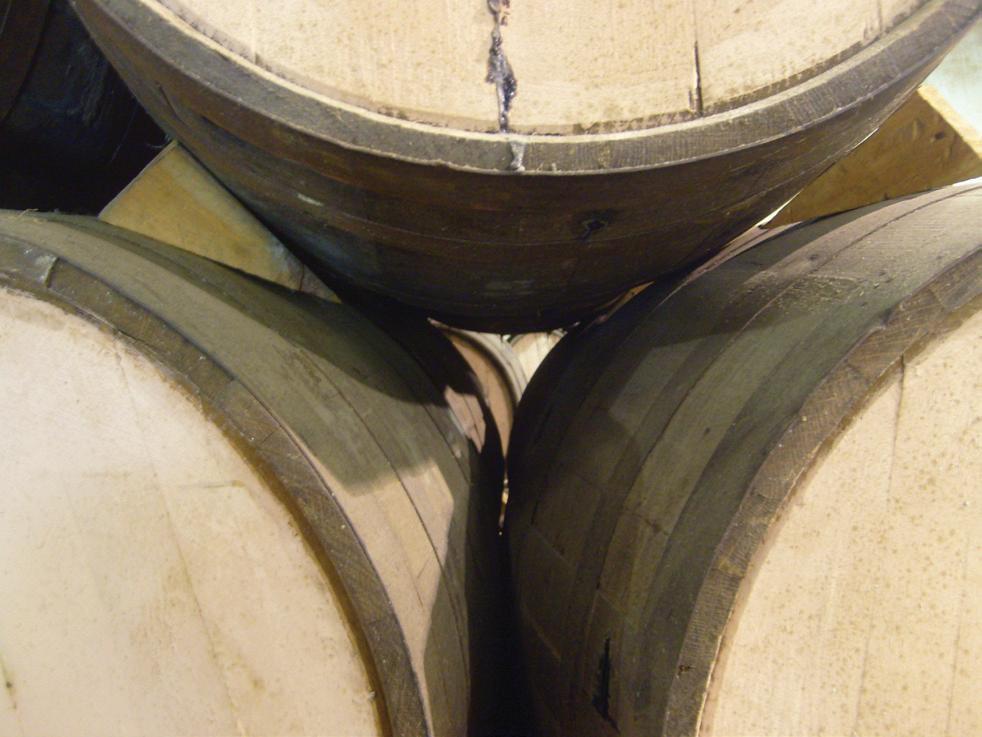
• The wood from the trees must be properly weathered in order to allow for the correct and complete metamorphosis to take place within the wood prior to milling. lesson 6 will be devoted to this topic.
• Perfectly cured wood from the tree is then milled (Lesson 7) and accurately toasted (lesson 8), only then is the barrel ready for aging spirits.
• Old barrels must be emptied, the charred surface scraped and the inner surface retoasted in order to extend their useful life.
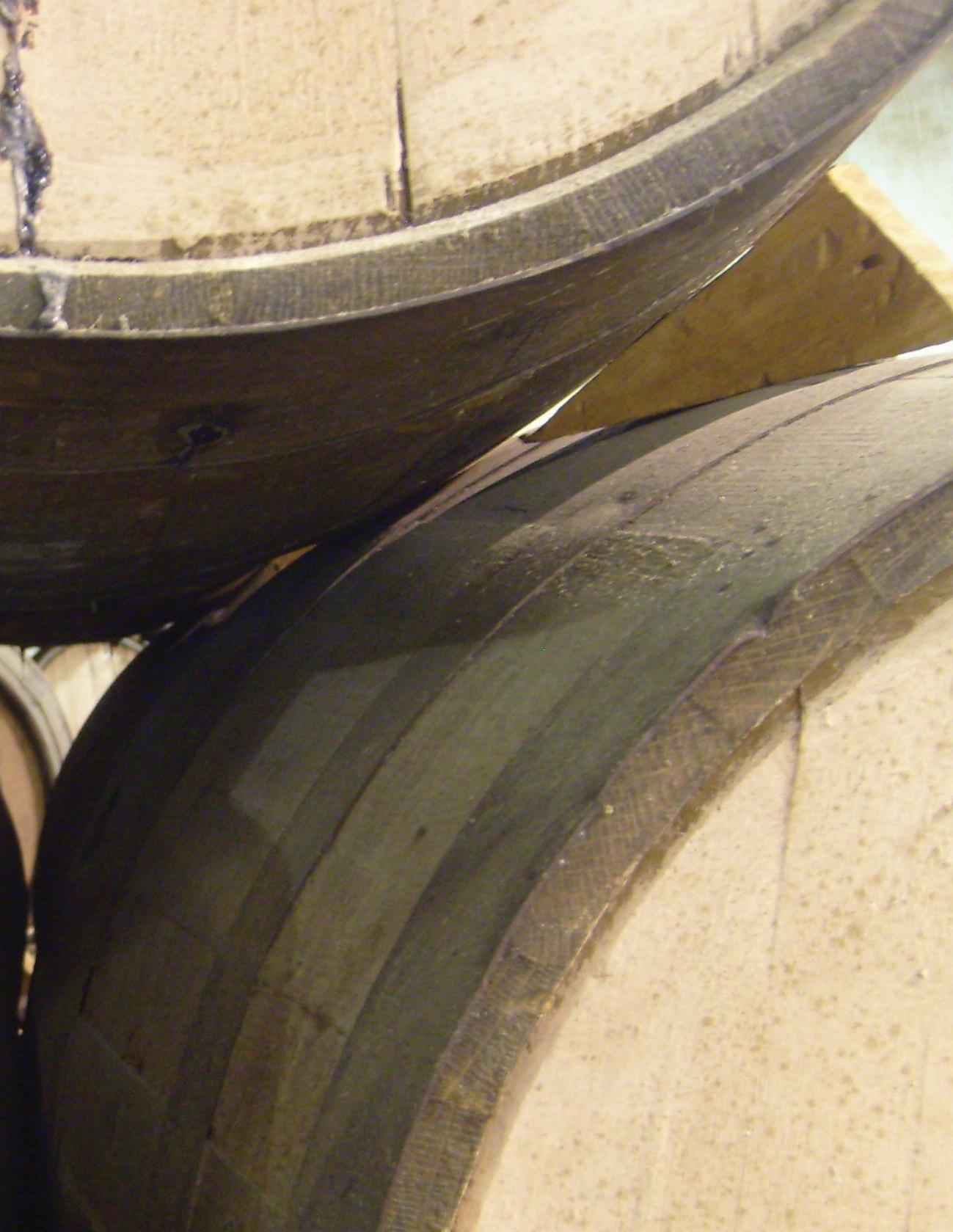
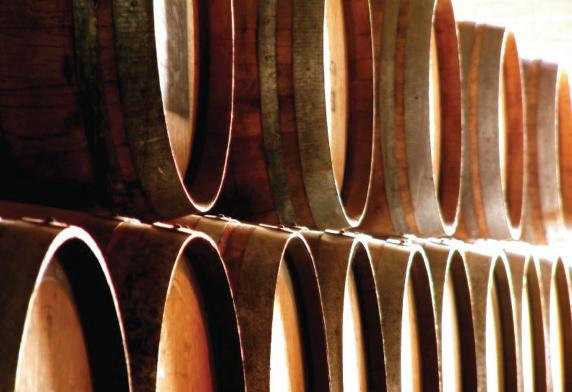
when aged in properly built and maintained oak barrels, the rum is able to extract chemical components from within the wood staves and react with them.
some of these aromas are:
• Raw nuts, specifically almonds (from Furfural)
• Toasted nuts, specifically almonds (from Mehtyl-furfural)
• Caramel (from Maltol)
• Toasted bread or grains (from Isomaltol)
• Unsweetened chocolate or cocoa (from Pyridine)
• Fresh bread or grains (from Pyrazine)
• Smoke or pipe tobacco (from Guaiacol)
• Spices, like nutmeg and cinnamon (from Eugenol)
• Vanilla (from Vanillin)
• Oak and coconut (from Methyl Octolactone)
important note: the presence of these aromas in a rum does not guarantee that the rum was aged in an oak barrel.
Excl U si VE int ERV i EW
by m ike Kunetka
th E D onn o F ti K i
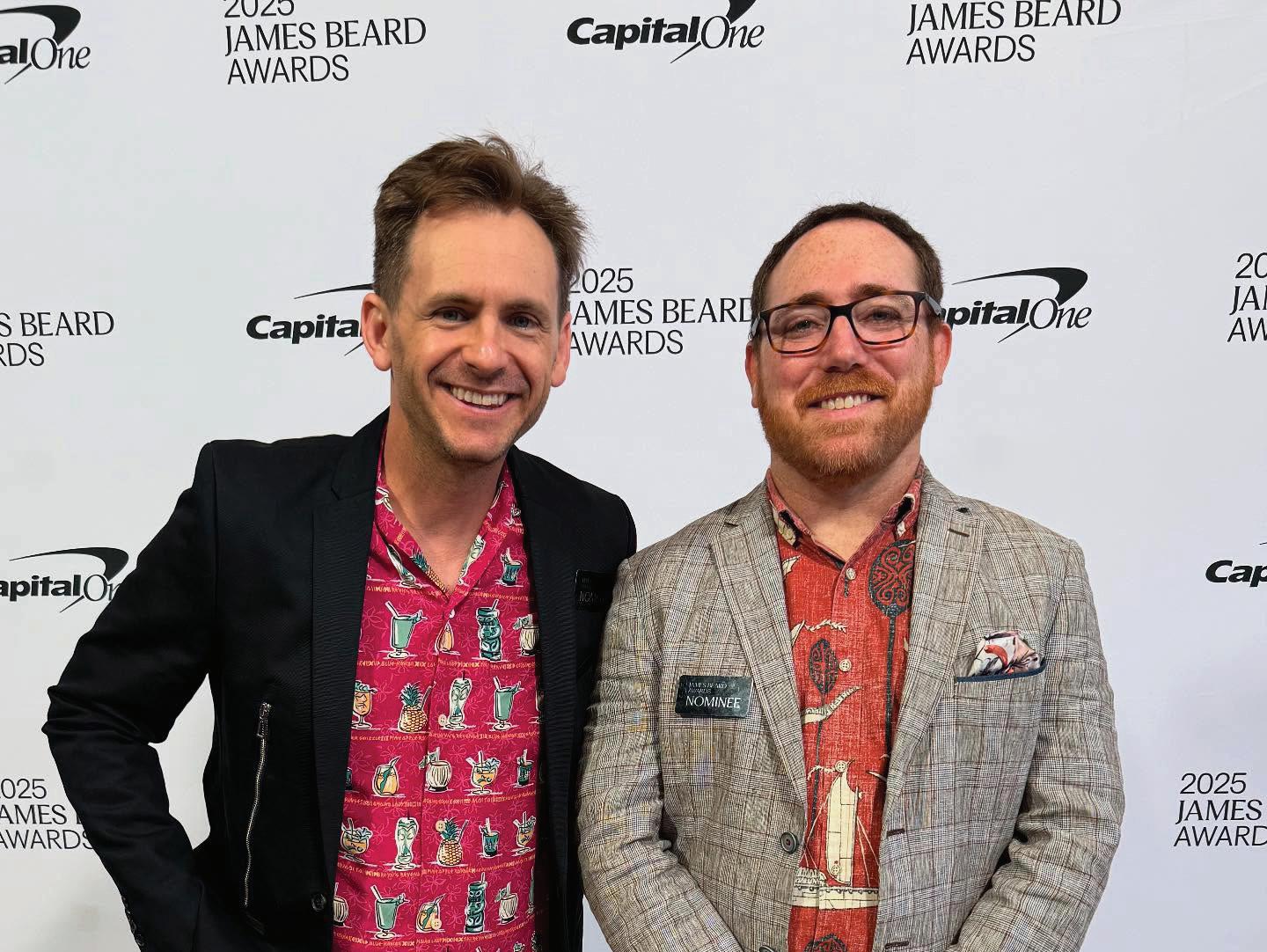
l ate last year i got to see The d onn of Tiki, a new documentary about d on the Beachcomber. At a pre-screening reception at one of Phoenix’s best Tiki Bars, u ndertow, i met Alex l amb and m ax w ell, partners in s urf m onkey Films and the directors of the film. w e talked briefly over expertly crafted cocktails (Zombies, of course). A couple of weeks later they were kind enough to answer some questions.
m ike Kunetka
m ike : h ow did you guys meet?
Alex l amb : m ax and i met at Chapman u niversity and he shot my senior thesis project Somewhere Over the Flagpole: A Nintendo Movie , which was the very first time we worked together. w e’ve worked together ever since, forming s urf m onkey Films in 2009, shooting music videos, commercials, and some children’s programming.
m ax Well : Alex and i met in film school, at the d odge College at Chapman u niversity. i t has a great reputation now, thanks to the d uffer Brothers who made the hit series s tranger Things, and others who were there when we attended. i think we realized early on that we complimented each other. Alex is very creative; he has
m ax w ell ( l ) and Alex l amb ( r )
wonderful ideas and is very detail-oriented when it comes to story. These skills have served him well as an editor, which he is by trade. I’ve always been interested in the technical side of filmmaking, and focused on cinematography. Over the years of working together we developed a mutual trust, and a respect that allows us to freely discuss ideas, and most importantly to honestly talk about whether or not something is working.
Mike : How did you become interested in Don the Beachcomber?
Alex : During Covid we were both unemployed. I’m an editor by trade and Max is a cinematographer. I was already very interested in Tiki and had been trying to master my mixology skills while in quarantine. Living in LA, I knew all the Tiki
Bars that I loved going to were shut down and I thought it would be a cool project to do a short docu-series on the history of these bars, interviewing the people who run them and learning their stories. Max and I set out to film a couple bars and everyone’s interview started out the same, “Well none of this would have happened if it wasn’t for Don the Beachcomber.” From there we decided, even if only half of these stories are true, Donn’s story would be an amazing documentary in its own right.
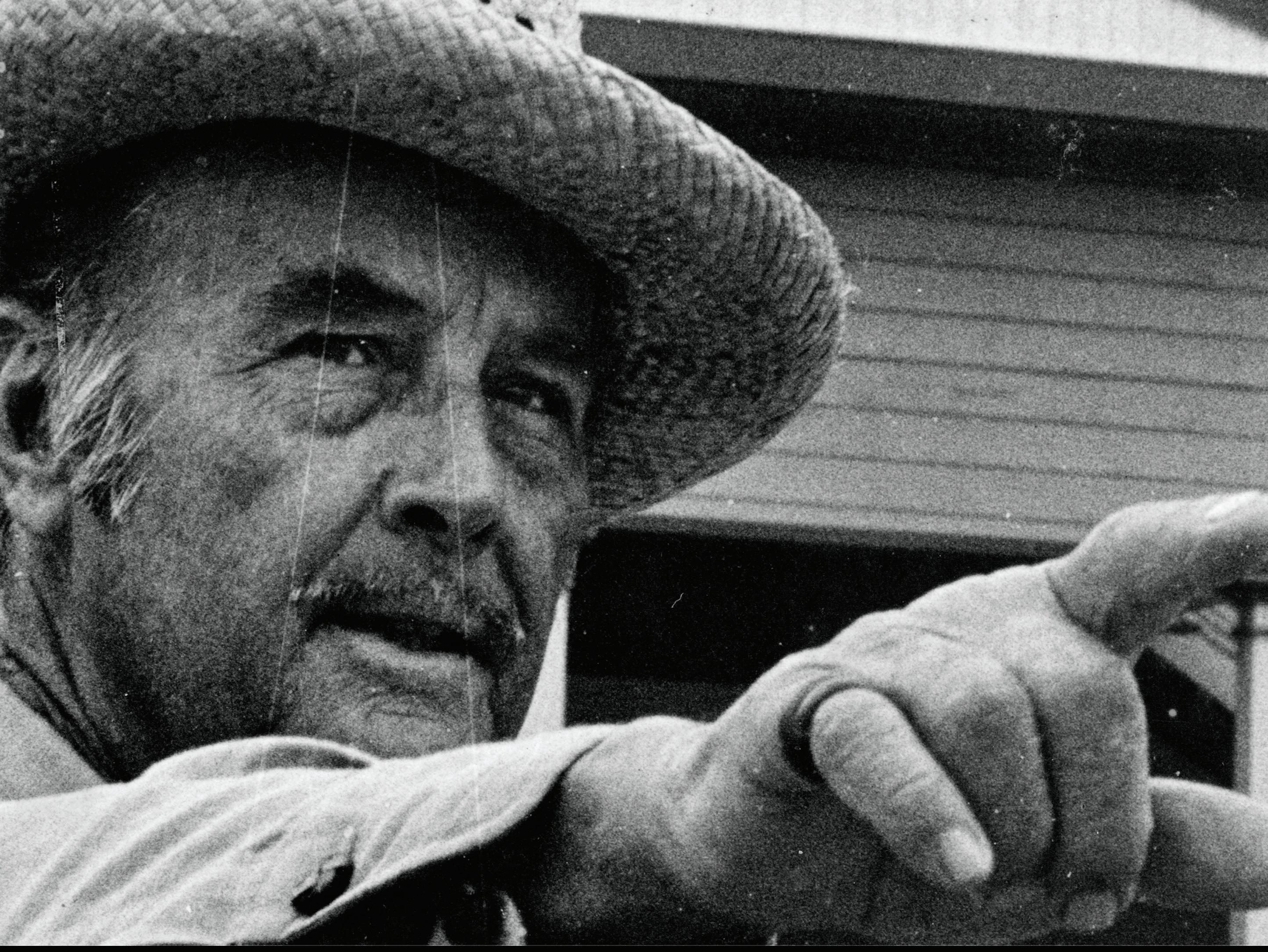
Max : During the Covid lockdown, we set out to create a couple of shorts about the old Tiki bars in L.A. They are visually interesting, and we were genuinely interested in the history. As we started doing research and talking with folks in the Tiki community, we kept hearing about Donn Beach. He’s revered as this kind of
legendary figure by a lot of people. His life hasn’t been very well documented, and there are a lot of stories that are hard to believe. The more we learned, the more we were intrigued. We thought, OK, this is something we can kick off on our own. You know, we have a little bit of equipment and we have the experience to go out with a small crew and shoot what we need. So, it was sort of one of those things where, before we realized that this was going to be a feature movie, we were already doing it and it just kind of grew and evolved from there.
Mike : Was it difficult to find investors?
Alex : Investors are kind of off the table because people don’t really want to invest in anything that’s not a proven concept. So, we went out and started interviewing. Somebody early on had given us the advice to just start shooting, because with a documentary, you’re constantly shooting and constantly chasing money. We just started shooting it so we could show that we were capable of doing. We put together a sizzle reel out of this stuff and we started posting stuff online. We started a Kickstarter campaign with the goal to raise $50,000. We figured if we got
$50,000, we could travel to some of these bars that are further away, like Jeff Berry’s bar in New Orleans or some bars in New York. We could visit some of these places and have the travel expenses paid for. And then our Kickstarter campaign was much more successful than we anticipated and we ended up raising about $200,000.
Well and Lamb crafted the film around interviews with people who knew Donn or know of him and an audio recording of Donn Beach, talking about his life. The interviews are with friends, relatives, former employees, ex-wives and a Who’s Who of bar owners, drink historians and Tiki elite. One of the first interviews in the film is with Tim “Swanky” Glazner who has been researching Don the Beachcomber for years. We see Tim digging through piles of photographs and stacks of boxes.
Mike : In the interview with Tim Glazner, are all of those boxes filled with Don the beachcomber memorabilia?
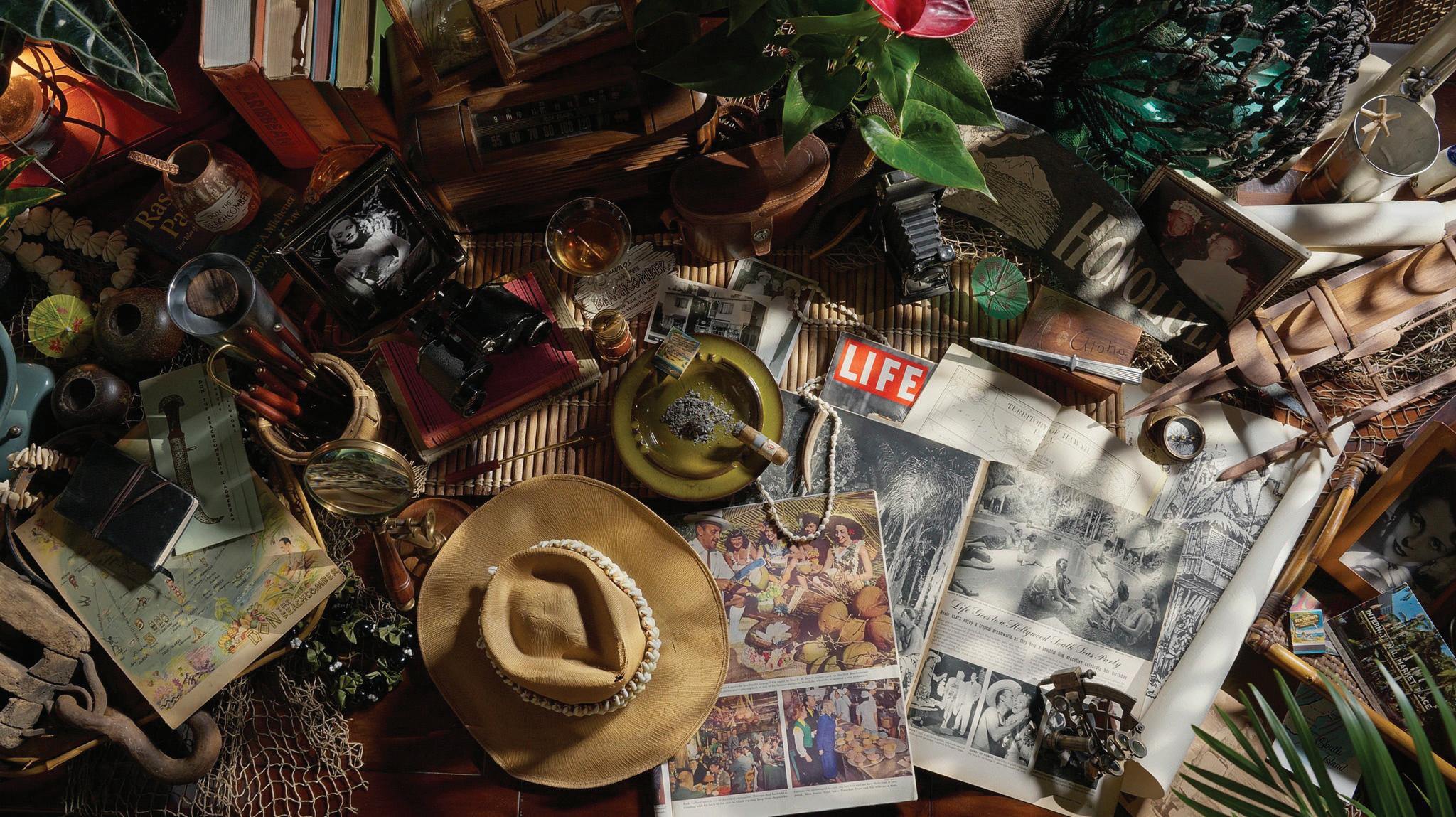
Max : Yes, that’s Donn’s archive of documents, photographs, diaries, DVD’s. Phoebe, his widow, had been carrying this archive with her to all the different houses
she has lived in, in different countries, not wanting to get rid of it, hoping that someday it would be useful for a book or whatever. We got hooked up with Tim through Phoebe. We had read a book about Don the Beachcomber that was written by a man named Arnold Bitner who was also married to Phoebe. We researched the publishing company and they got us in touch with Phoebe. Arnold had, unfortunately, passed away by the time we started working on this project. But once we got in touch with Phoebe and talked to her on the phone, we just kind of hit it off. She trusted us and we were really excited to meet her and felt good about working with her. She still had this archive and she told us about Tim and his project to write a book. She got us in communication with him. You know, there were a lot of photos and blueprints and what not that were personal items of Donn’s that nobody had ever seen before.
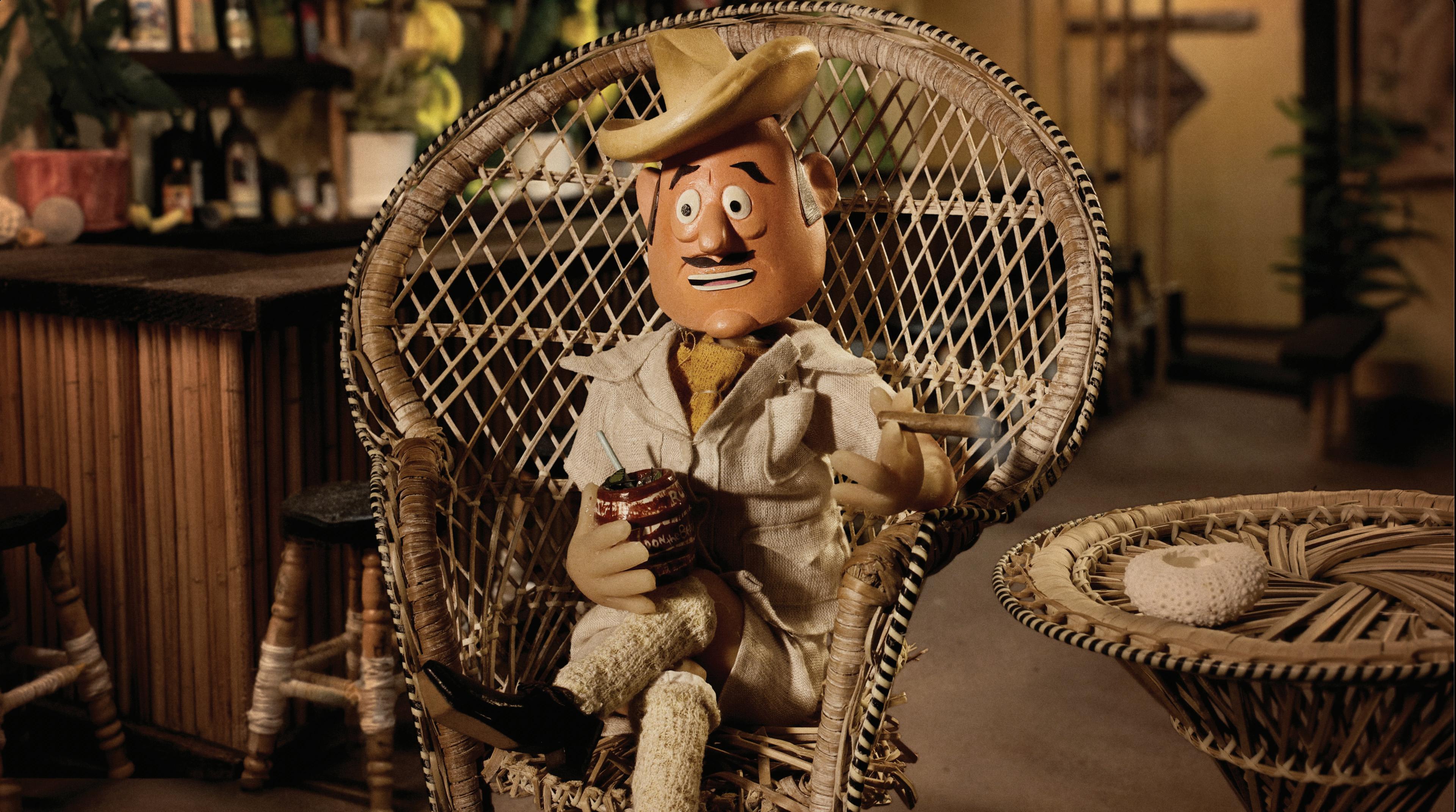
Throughout the film, we hear the actual voice of Donn Beach telling his life story. The audio recording was an interview with Donn conducted by Alice Siweky for the Watmul Oral History Foundation. Where actual film footage of certain events did not exist, they creatively used 2D (cartoon) and StopMotion animation to fill the gaps.
Mike : How did you decide on using animation and what it should look like?
Max : We knew that we lacked visuals for some important parts of the story. We didn’t have enough archival footage or images or news clippings to cover every part of the film, and you can only stay on interviews for so long. We thought that animation could work to help fill in these sections, but we were on a tight budget, and didn’t really want to use animation if it didn’t look good.
Alex : I remember early on talking about what the animation should look like and we kept getting stumped. We thought something mid-century would fit because Tiki is so connected with the mid-century modern architecture and culture. But it didn’t make sense to have a mid-century
style Donn bootlegging in the 1920s. At one point, I remember saying to Max, “If we had the money, but we don’t, it would be really cool if we used different styles animation for the different decades of Donn’s life”. We talked to about five different animation studios in Los Angeles, and got laughed out of the office (Zoom meeting) by each one when they heard our budget. We had kind of given up on the idea of different styles of animation when we realized how expensive it would be. Then Max met Christopher Ninness, who was working on the documentary Not Just A Goof , who told him about this amazing animation studio that they worked with in Columbia called Venutria Animation Studios. We set up a meeting with their Creative Director Juan Urbina, who started the meeting with, “I’ve been doing some research on Donn, and I read your outline, I have this idea: what if we used a different style of animation for each decade of Donn’s life?”
Max : The stop-motion came about as a way to utilize more of the Donn Beach audio recordings. We loved hearing him tell his own story, but we needed strong visuals to accompany his voice. Evan Berger, a friend of ours, had created a miniature version of the original Don the Beachcomber location which we shot for a sequence in the film, so we had a pre-built set. When Alex had the idea to utilize stop motion, it seemed like a perfect fit. We were already shooting many of our interview subjects in Tiki bars. Why not record Donn Beach in his own Don the Beachcomber bar? We worked with a wonderful artist, Kevin Kidney, of Kevin and Jody, to design the stop-motion puppet, and a team of very talented animators at Mystery Meat Media up in Oakland, to figure out exactly how this all would work. To make a long story short, it didn’t. Not at first anyway. The scale we had used for the bar was impractical for the puppet. He needed to be large enough so that the animators could easily move his eyebrows, mouth, and other features. We had to shoot background plates of the set, and determine what lens and distance we needed to shoot the puppet to be properly composited into the background. It was a technical mess, but we’re happy with the result!
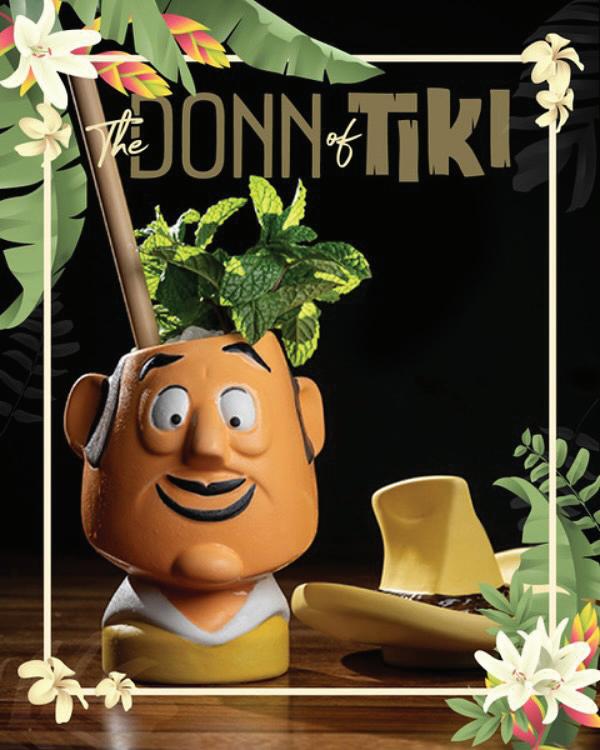
As a young man, Donn’s father offered to pay for a college degree or a trip around the world. Donn chose the trip. It was these travels that shaped his future. He would combine rums and simple cocktails from the Caribbean, artifacts and decorations from though out Polynesia and Cantonese food to create the phenomenon we call Tiki. He took the basic Caribbean Planter’s Punch recipe of One of Sour, Two of Sweet, Three of Strong and Four of Weak and drilled down on each component. Sour could be Lemon, Grapefruit, Lime or a combination. Sweet could be light sugar, dark sugar, honey, Agave, maple syrup. Strong could be rums or a combination of rums from islands throughout the Caribbean. The Weak would be ice, but he played with the type, the shape and the amount. Then, he added a fifth element, spices. Over time he would create over fifty ‘Rum Rhapsodies.’
Mike: Why do you think Donn chose rum for the majority of his drinks?
Alex : I think, in the public sphere, that rum was not nearly as popular at that point as
the other spirits, like whiskey and gin. It just so happened that it was available in greater quantity and easier to get. Donn was involved in some rum running and he had a bunch of rum when prohibition ended. I think that was basically why he was using rum as his spirit, because it was plentiful and he already had a lot of it.
Max : He had a unique knowledge about rum from his days traveling in his 20’s. He knew how to make a Planters Punch and a Daiquiri and these rum drinks weren’t quite as popular in the US as they were in other parts of the world. He was able to package rum in a way that the public was willing to try and say, “oh, this is, this is interesting.”
Mike : Donn was a man of many stories. Was it difficult to make a documentary about a man when his stories were often conflicting?
Alex : Personally, I kept having a conceptual crisis, thinking that if nothing Donn says is true, then nothing in the documentary is true. So, what’s the point? Max always did a good job of pulling me out of that hole. Eventually we decided that if we could portray Donn as an unreliable narrator in the beginning of the film, it sort of gave us a “get out of jail free card” for the rest of the documentary.
Max : There’s a very important introduction to the film that tells the audience in one minute who Donn Beach is, and at the end the narrator says “What follows is this man’s story. Or, at the very least, the story he’d like us to believe.” This line serves two purposes. First of all, it sets the tone of the film. It lets the audience know that it’s okay to laugh. And most importantly, it suggests that some of what we are about to hear is Donn’s version of events. That element of “what he’d like us to believe” is something that we leaned into in the film. As much as we could, we tried to verify through documentation what actually happened, but some information has just been lost to time, or we found multiple versions of the same story. Ultimately, we separated everything in the
film into three categories: the things we know to be true, the things that we believe happened based on the best available information, and lastly, stories that Donn tells us, which may be true. Or maybe not. The audience can decide.
Mike : You have been travelling across the country in 2025 screening the film. Will that continue in 2026? What’s next for The Donn of Tiki?
Max : We’ve been touring around the country this year (2025) and will have screened in about 30 cities by the middle of December. I think we’re going to continue this probably into the first quarter of next year. We already have screenings scheduled for Vancouver on February 3rd, Seattle on February 4th and Birmingham on the 7th. We’re also working on a Bluray DVD release and probably streaming shortly after that.
Mike : Will the DVD have bonus material?
Max : It will definitely have some bonus material. We are collecting a lot of material now and we are in the process of organizing special features and some sequences that we really liked, but were
dropped from the film due to time. The DVD-Blu Ray will certainly have a lot of this material. There will be director commentaries, deleted scenes, some cocktail recipe videos, some behind the scenes featurettes.
Mike : We will, look forward to that. I have one last question. After making the film and working with Tiki bars across the country to promote it, Alex, are you making better drinks now?
Alex : I think I am. You know, when you’re done doing interviews and screenings, afterwards, it’s like “great, we’re done, let’s make cocktails”, and you have these great drinks personally made by these amazing bartenders and you, you learn a lot for sure.
To see a trailer for The Donn of Tiki and to get information of upcoming screenings and the release of the DVD, check out their website: https://www.thedonnoftiki.com/
cig AR & RU m PA i R ing
by Philip i li Barake

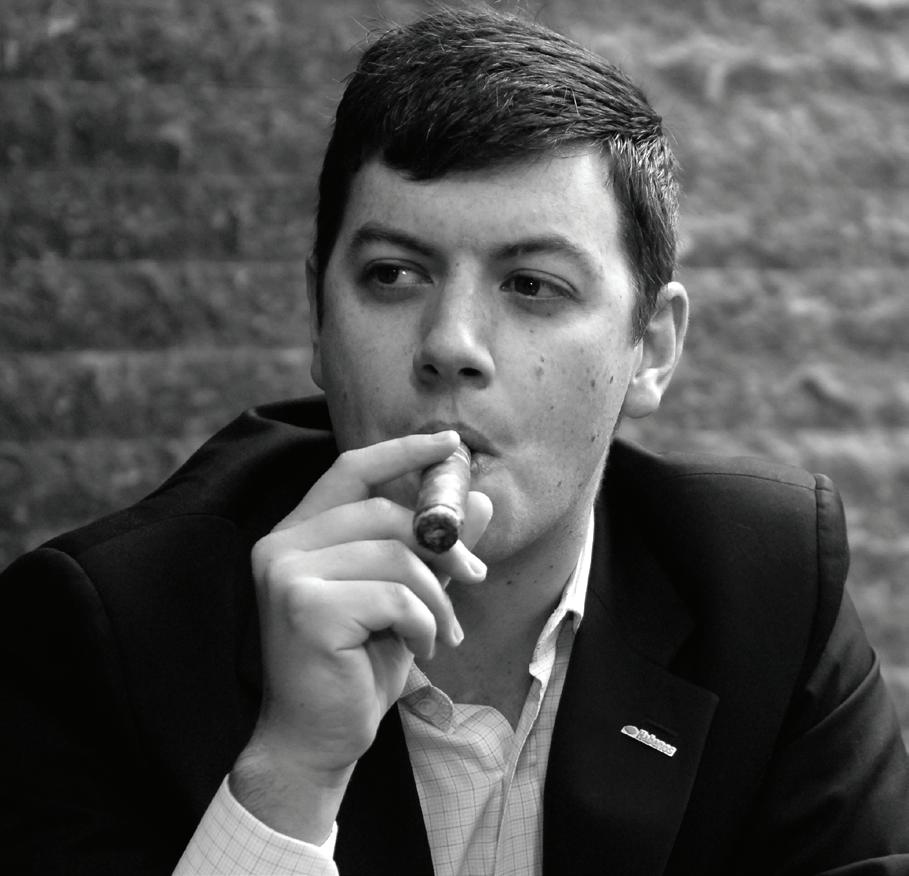
my name is Philip i li Barake, s ommelier by trade. As a result of working with selected restaurants and wine producers in Chile, i started developing a passion for distilled spirits and cigars. As part of my most recent job, i had the opportunity to visit many Central American countries, as well as, rum distilleries and tobacco growers.
But my passion for spirits and cigars did not end there; in 2010 i had the honor of representing Chile at the i nternational Cigar s ommelier Competition, where i won first place, becoming the first s outh American to ever achieve that feat.
n ow i face the challenge of impressing the readers of “ g ot r um?” with what is perhaps the toughest task for a s ommelier: discussing pairings while being well aware that there are as many individual preferences as there are rums and cigars in the world.
i believe a pairing is an experience that should not be limited to only two products;
2026 it is something that can be incorporated into our lives. i hope to help our readers discover and appreciate the pleasure of trying new things (or experiencing known things in new ways).
Philip # gr CigarPairing

Rum c offee
h istorically, as i write my pairings, most of my readers are located, quite literally, on the opposite side of the world. This contrast is even more marked now that i am in Punta Arenas. And despite the fact that i should be experiencing higher temperatures and better climate now, which are perfect for smoking, the weather in Punta Arenas is very different from the one in the rest of Chile. h ere, the sky can be clear and sunny one moment and, in less than 30 minutes, the day turns cloudy and windy and it is impossible to go outside for a smoke.
These past days the weather had been like that, and i couldn’t find an opportunity to do the pairing, especially since my son is here with me and i also have to plan around him. w ell, today the sun finally came out, and it is not windy, so it was the perfect time to do the pairing, especially since Joaquín was very sleepy.
w e went out to a nearby coffee shop called h istory Coffee, located a couple of blocks away from the house. i t is the only place with outdoor sitting where it is possible to smoke.
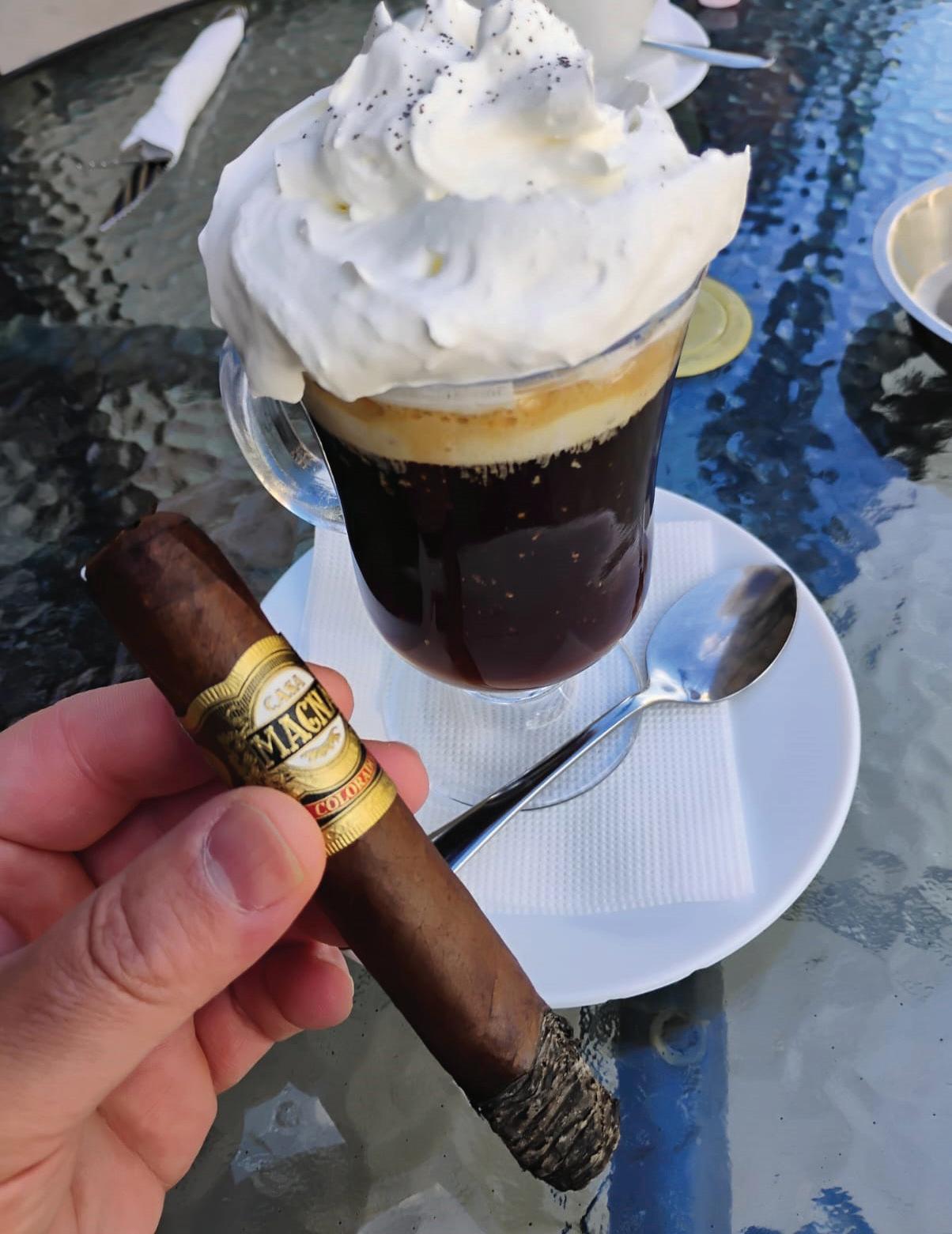
o nce there, before ordering food from the menu for the pairing, i lit a cigar that i took with me, a r obusto from Casa m agna Colorado (52 x 5 ½), n icaraguan, which i ’ve smoked before and have enjoyed its flavor and draw. w e left the house so quickly that i forgot to take a cigar cutter, even though i have approximately 8 of them spread throughout the house. s o i had to improvise the cut, like in the movies, biting off the tip with my teeth, giving it a bullet-like cut, which came out quite well.
Photos credit: @Cigarili
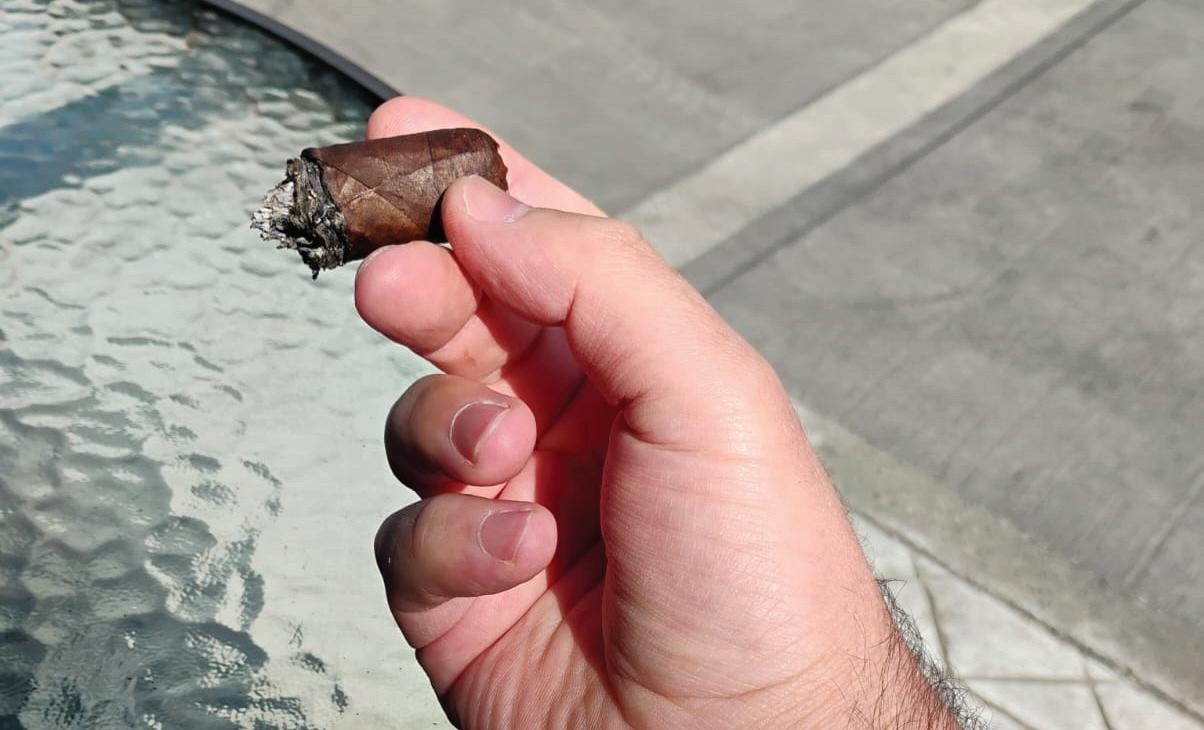
When the waitress arrived at our table, I asked for an Irish Coffee, but I asked for it to be made with rum. I didn’t have many options, so I chose Havana Añejo. For a drink like this one, I would not recommend spending money on a rum that is much older or more expensive. Most rums won’t make a worthwhile impact on coffee, unless you can get an Agricole or an Overproof, which would definitely be bolder and more noticeable.
As I mentioned earlier, I was doing the pairing during a short window of opportunity, despite the sporadic gust of cold wind. By my calculations, we only had 20-30 minutes before the sun would reach the table where we were sitting, and that is why I started smoking as soon as I sat down.
Pairings are always subjective and their enjoyment is tied to different factors. In this case, it came accompanied by a sense of relief, since I was finally able to smoke outside, without bothersome winds and with a rum! Even when compared to the ideal conditions, this pairing was not
bad at all. i do feel, however, that when they prepared my beverage, they added a bit too much rum, which increased the aromatic intensity. The cigar and the coffee combined well, without overpowering each other. The cigar’s medium-to-high body stood its ground and the pairing would not have been possible if it had been any milder. At the beginning, the cigar had its own coffee-like notes, unrelated to the drink, but at the end it was loaded with dry fruits and spices.
As i finished the drink and the cigar, the sun started to reach my hands, slowly warming up my body. i wanted to continue smoking, but the window of opportunity started to close as Joaquín started to awake, so it was time to return home.
i hope that those of you experiencing cold weather can also find time to enjoy a cigar with a warm rum drink. All it takes to be happy is around 30 minutes!
Philip i li Barake # gr CigarPairing