

5 From The e di T or 6-9 The Angel’s s h A re - r um r eviews
10-13 C oo K ing wi T h rum
14-17 T he rum mixologis T
18-19 T he rum universi TY® li B r A r Y
22-25 The rum his T ori A n
26-29 T he r um l AB or AT or Y
30-33 rum in T he news
34-49 T he swee T B usiness o F sug A r
50-57 The sug A r mill: origins A nd evolu T ion
58-67 go T rum ? T e A m in T erview
68-71 C ig A r A nd rum PA iring





Printed in the u s .A. A publication of r um r unner Press, i nc. Taylor, Texas 76574 - u s .A.
Tel/Fax +1 (855) rum -T i P s © 2025 by r um r unner Press, i nc. All rights reserved.
December 2025
e ditor and Publisher: luis@gotrum.com
e xecutive e ditor: margaret@gotrum.com
Cigar and r um: philip@gotrum.com
Angel’s s hare: paul@gotrum.com
r um h istorian: marco@gotrum.com
r um in the n ews: mike@gotrum.com
Cooking with r um: sue@gotrum.com
w ebmaster: web@gotrum.com
d irector of Photography: art@gotrum.com
i f you would like to submit news or press releases, please forward them to: news@gotrum.com
You can download the free electronic version (low-res) of this magazine, or purchase the high resolution printed version at:
WWW. got R u M.C o M

The printed version of “ g ot r um?” is produced with F s C-certified paper, which means it is from responsibly managed forests and verified recycled sources.
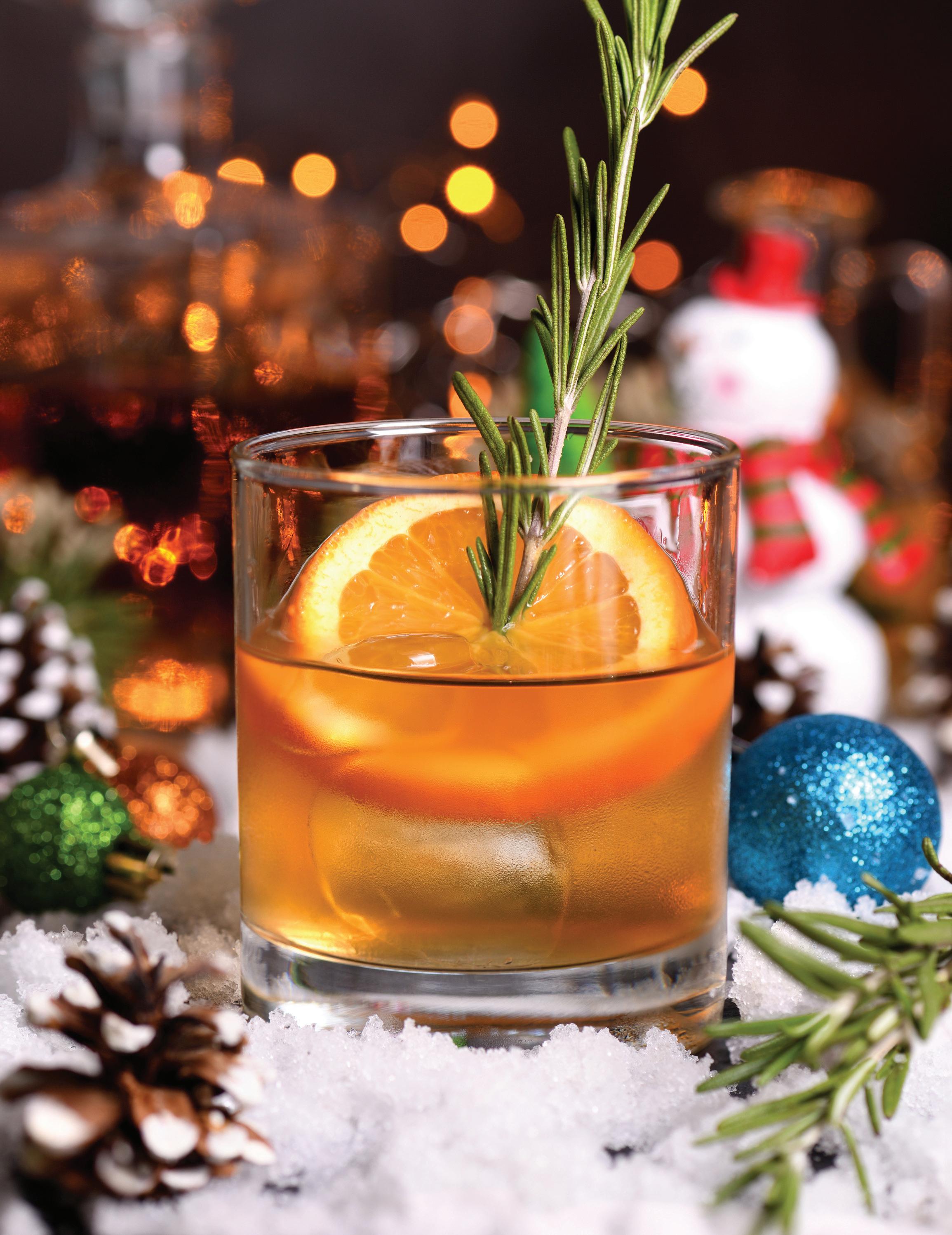
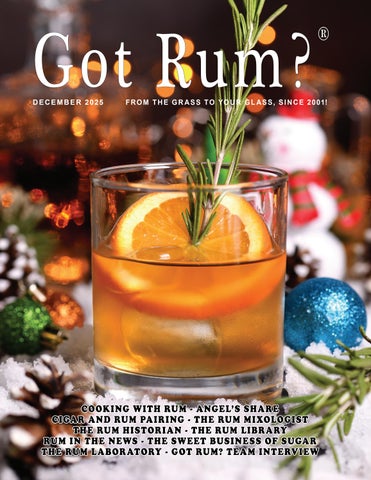
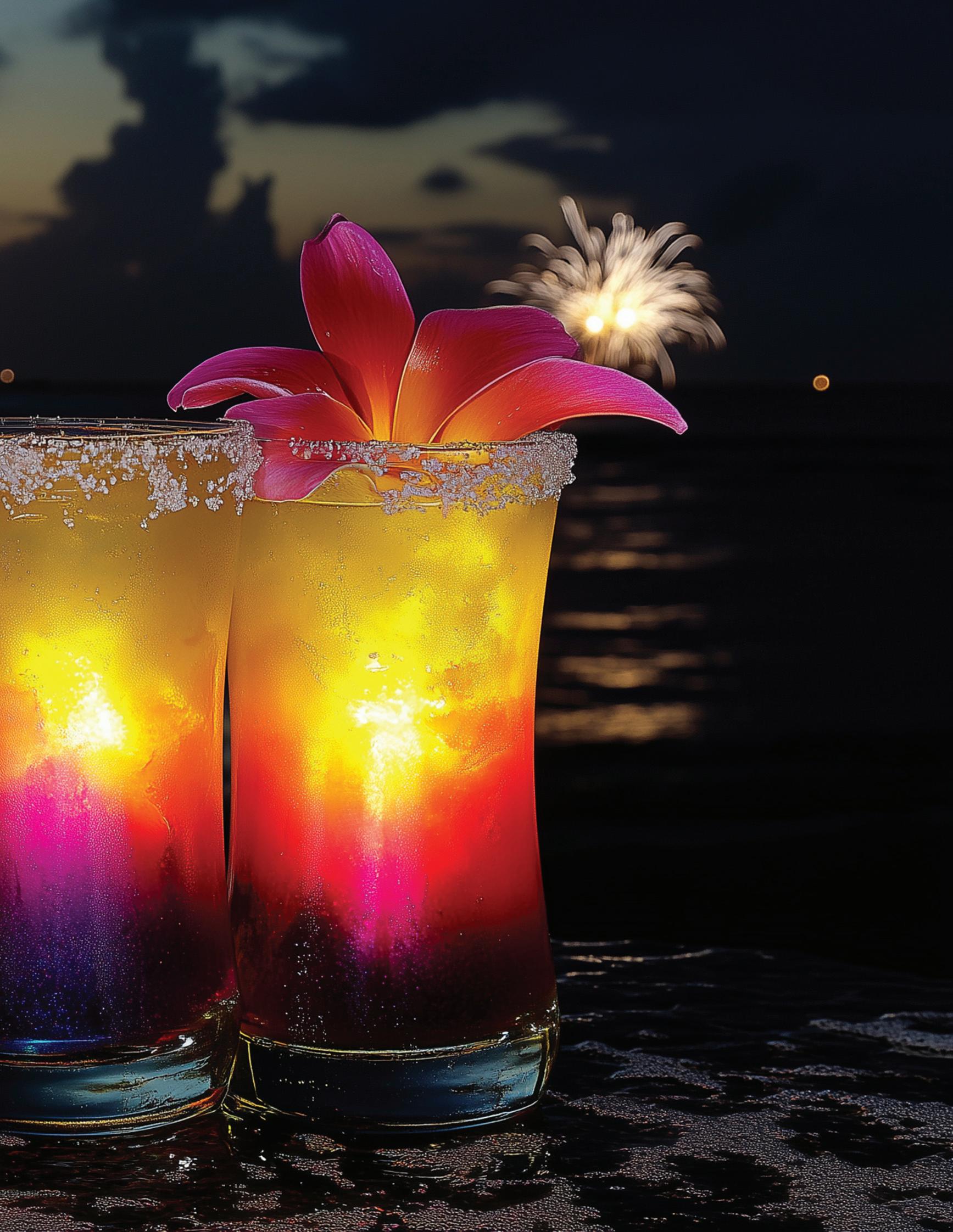
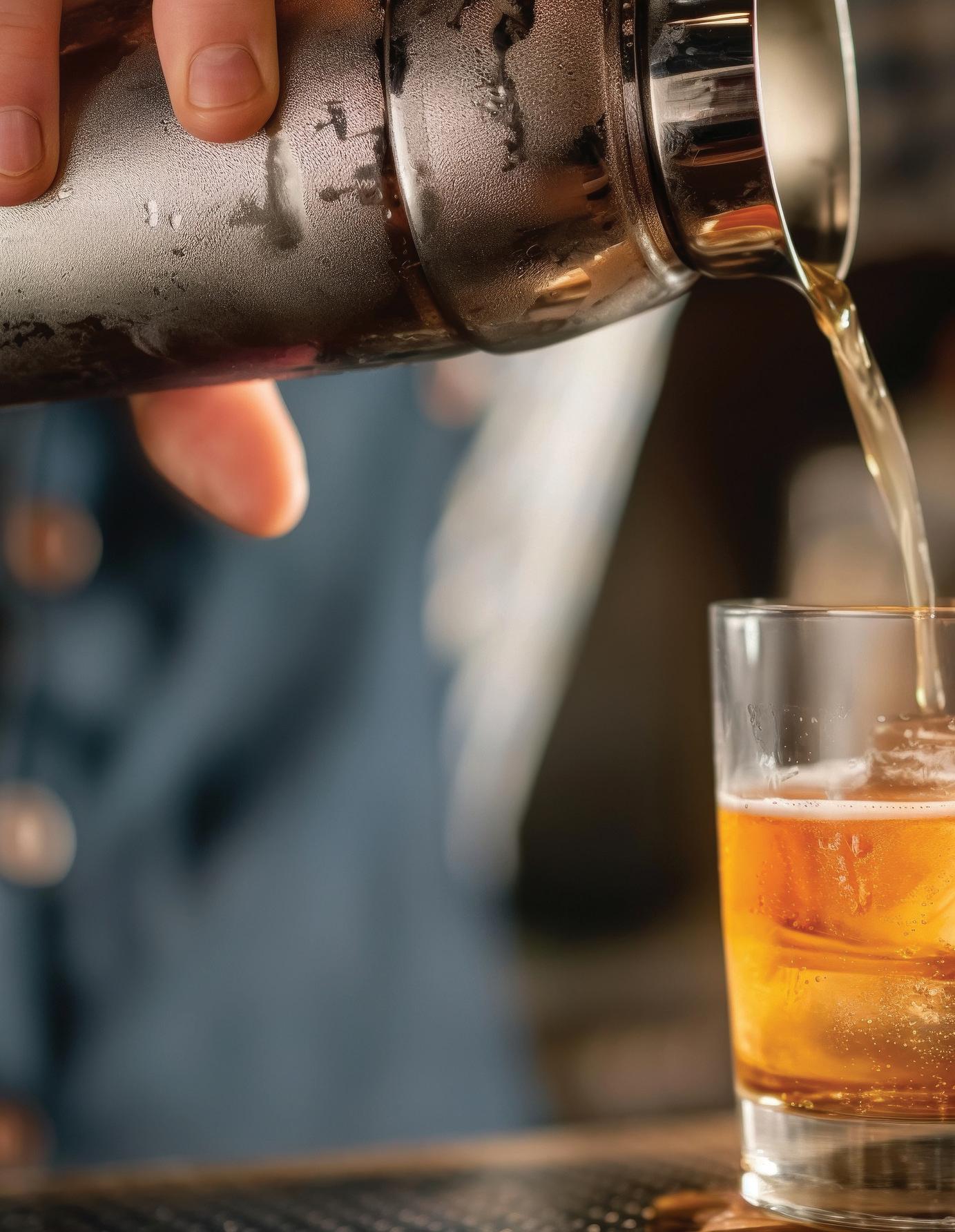
F ron T C over : m erry o ld Fashioned inside s P re A d : r adiant r um r eveling
i f you are a member of the distilled spirits industry in the us A, or if you have been keeping up with related headlines, then you already know that distillers and brand owners are facing numerous challenges:
• Consumer preferences are changing. s ome consumer groups are moving away from hard liquor and towards T h C, but changing legislature will impact the availability of these products in late 2026 and beyond.
• e xports of bottled products have sharply fallen because of tariffs and related political posturing.
• m any distilleries have been forced to close their doors and to liquidate their assets.
• Barrel brokers/investors are facing the reality that their inventories do not have the value they expected.
• The prices for glass bottles, metal cans, corks/stoppers for bottles and even cardboard have skyrocketed, due to tariffs and transportation increases.
i n August 2024, there were 3,069 active craft distilleries in the us A. i n August 2025, the number was 2,282, representing a casualty rate of 25%!
This is very bad news for the companies involved and for their employees, and the consequences reach far beyond the confines of their distilled spirits plants. e quipment suppliers are now facing overstock and increased production cost scenarios that will affect their cash flows and long-term survival as well.
i s there a silver lining hidden beyond these dark clouds? There is one indeed: many companies can still re-invent themselves, cater to the emerging consumer trends, follow the market into new areas. n ew players seeking to enter the industry are

also facing good news: there is an ample supply of used equipment available for a fraction of what it used to cost just 12 months before. There is also a large pool of skilled workers eager to continue their journey in this industry.
The past 12 months have been very challenging, but postponing the implementation of solutions to these challenges is likely to result in even larger obstacles to overcome: the time to plan and act is now! r each out to me if you need help defining or implementing a roadmap to survival.
Cheers!

l uis Ayala, Editor and Publisher

http://www.linkedin.com/in/rumconsultant
do you want to learn more about rum but don’t want to wait until the next issue of “got rum?”? Then join the “rum lovers unite!” group on linkedin for updates, previews, Q&A and exclusive material.

by Paul s enft


m y name is Paul s enft - r um r eviewer, Tasting host, Judge and w riter. m y exploration of r ums began by learning to craft Tiki cocktails for friends. i quickly learned that not all rums are created equally and that the uniqueness of the spirit can be as varied as the locales they are from. This inspired me to travel with my wife around the Caribbean, Central America, and u nited s tates visiting distilleries and learning about how each one creates their rums. i have also had the pleasure of learning from bartenders, brand ambassadors, and other enthusiasts from around the world; each one providing their own unique point of view, adding another chapter to the modern story of rum.
The desire to share this information led me to create www.RumJourney.com where i share my experiences and reviews in the hopes that i would inspire others in their own explorations. i t is my wish in the pages of “ g ot r um?” to be your host and provide you with my impressions of rums available in the world market. h opefully my tasting notes will inspire you to try the rums and make your own opinions. The world is full of good rums and the journey is always best experienced with others. Cheers!
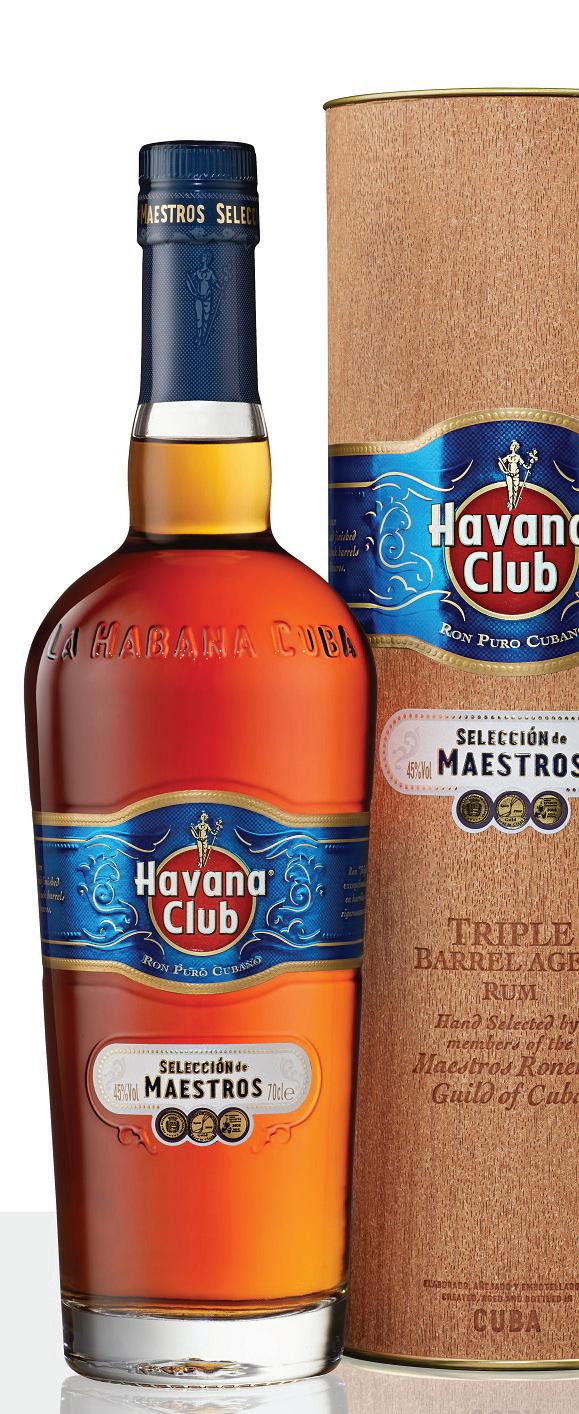
h avana Club s elección de m aestros
h avana Club rums, while not available for sale in the u nited s tates, can usually be found when traveling outside the country, and over the years a recurring question has been asked concerning if they are worth the suitcase space. The brand itself is polarizing due to political reasons, as ownership of the h avana Club brand is split between the Cuban government through the m inistry of Food under the name Cuba r on and Pernod r icard, each carrying a 50-50 stake in it.
All the rums used to create this product are molasses-based column still rums that have been produced at different distilleries around the island. The different m aestro r oneros for the distilleries select rums from their aging facilities to be included in this blend. The selected rums go through a triple aging process using used white oak bourbon barrels. After this aging process, the m aestro r oneros select the final rums that will be part of the blend. w hich is why the rum is fittingly called s elección de m aestros. n o age statement is provided, but the rums are blended and bottled at 45% AB v
a ppearance
The rum is sold with and without a brown tube that provides some details about the rum. The bottle is a tall custom 700 ml design with the words “ e l r on d e Cuba” embossed below the neck. The front and back labels provide a minimum amount of information about the rum and seem by design to want the consumer to focus on the golden hued burnt umber liquid.
The h avana Club branded plastic cap holds a synthetic cork and is secured to the bottle with a black security wrap with the words “ s elección de m aestros” wrapped around the neck. The liquid lightens slightly in the glass. After i swirled the liquid, a thin band formed that slowly thickened and released a single wave of equally slow legs before evaporating with only a few beads of liquid remaining around the glass.

The astringent punch of the ethanol leads the way, quickly followed by notes of caramel, roasted nuts (a combination of toasted almonds and pecans), raisins, lemon zest, and cardamom.
l ike the aroma, the rum’s flavor leads with an astringent punch of charred oak and alcohol. Additional sips reveal notes of raisins, brown sugar, and vanilla, and then a swirl of spices manifesting midpalate—cinnamon, nutmeg, and cardamom. As the palate is conditioned to the rum, the nuttiness from the aroma manifests as caramelized sugar pecans and toasted almonds and coconut, with rich cacao and dried tobacco leaf. This tobacco note gently transitions the rum into a charred oak mineral-rich finish that lingers for quite some time.
For many years this rum expression was considered the pinnacle of the h avana Club line. r ecently, the company has released other expressions that may make that consideration outdated, but so far, those rums appear to be limited outside the island. This is a rum that must be sipped slowly and savored as the flavors unfold on the palate. w hile the rum does not have a vintage or age statement, there are subtle changes to the flavor profile over the years as different rums are used in the blend. There have always been reports of small-level additive usage with this brand, with recent reports stating that up to 10 grams per liter have been detected. i do not believe the additives make the rum overly sweet and found it to be an enjoyable sipper that functioned well in a range of classic cocktails and shined in a few tropical drinks. To answer the opening question, yes, if you like what you read in this review, then h avana Club s elección de m aestros is worth the room in your suitcase.
T he A ngel’ s sh A re
by Paul s enft
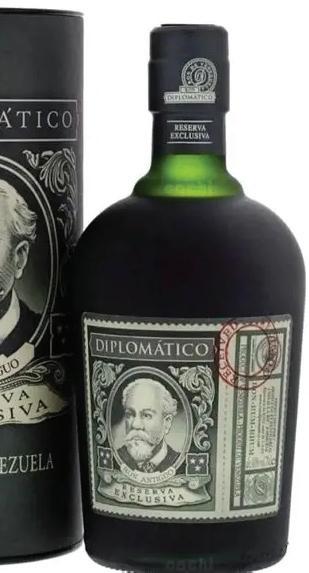
This rum was created as a tribute to the company’s 18th-century founder, d on Juancho n ieto m eléndez, who was known as a rum collector who enjoyed discovering interesting rums and curating quite a collection. i t was this search that eventually led him to founding d estilerias u nidas, s .A. r eleased in 2004, d iplomatico r eserva e xclusiva is the creation of m aster Blender Tito Cordero. To make this rum, the company fermented a combination of sugarcane juice and molasses. The rum is comprised of a blend of 20% column still and 80% pot still that is aged up to 12 years in used bourbon and malt whiskey casks at the distillery property in v enezuela. Before the blending process, the company adds cane sugar (29 grams per bottle) to the rum to amplify the flavors of the product. The final product is blended to 40% AB v and sold in the u nited s tates in 750 ml bottles. They state that they do not add any coloring agents to their rum.
The bottom heavy frosted green bottle conceals the color of the rum and is sealed with a plastic screw cap. The label provides the basic information about the rum and features a portrait of d an Juancho n ieto m eléndez. o ne thing of note is that there is no age or vintage information on the bottle.
i n the glass, the rum has a ruby-hued chestnut brown color. s wirling the liquid creates a medium band that releases a couple of waves of fast-moving legs and then releases a wave of slow-moving legs that take quite a bit of time to descend on the side of the glass.
The aroma leads with caramelized vanilla and is followed by a swirl of sweet prunes, random spices, milk chocolate, charred oak, acetone, and black cherry.
The first sip is a swirl of brown sugar, prunes, toffee, and the heat of alcohol. Additional sips reveal anise, candied orange, mocha latte, curry spice, astringent oak char, dried tobacco, and acetone. These flavors merge and linger in a sweet and spicy mineral-rich finish.
o ver the past decade, d iplomatico r eserva e xclusiva has become the flagship product of the d iplomatico line. i t is a solid sipper, especially for those who enjoy sweet rums, and it is quite versatile in a large range of cocktails. i t is not uncommon to spot it on a restaurant tasting menu and to see it used in a few of the cocktails. As other products in the brand portfolio have been updated and reformulated, this one has remained relatively unchanged. i would not recommend this product for rum enthusiasts that do not enjoy sweetened rums. h owever, over the years i have discovered quite a few bartenders and other imbibers who enjoy it, especially as an after-dinner sipping rum. For me, it was an affordable gateway into understanding the brand, and it is a fun one to share with whiskey enthusiasts or those consumers who are curious about trying different kinds of rums.

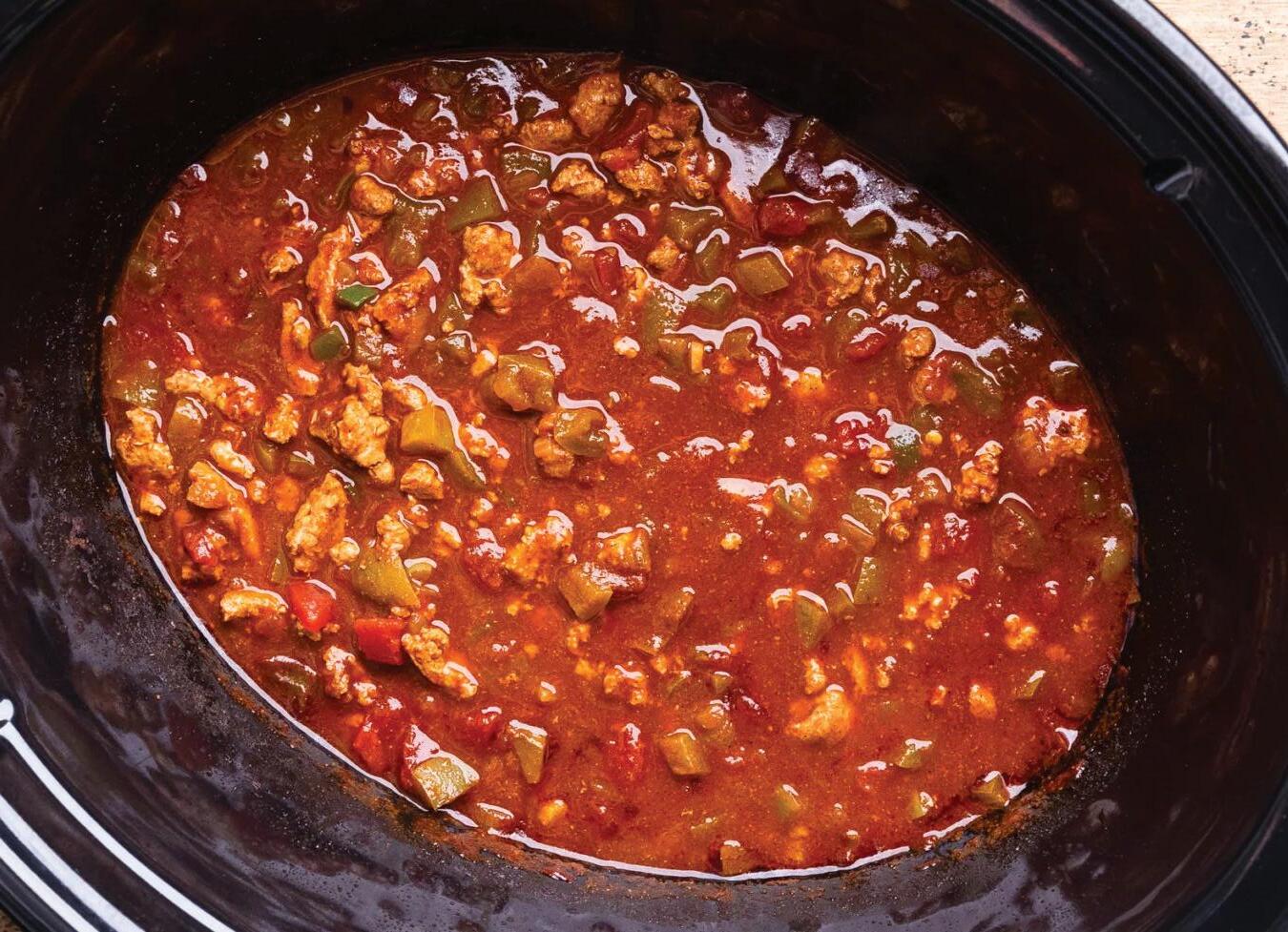
Bringing the Spirit of the Cane Into the Heart of the Kitchen!
by Chef Susan Whitley
i ngredients:

• 2 Tbsp. o live o il, divided
• 1 ½ lbs. g round Turkey
• 2 m edium w hite o nions, chopped
• 1 m edium r ed Bell Pepper, chopped
• 1 m edium g reen Bell Pepper, chopped
• 5 g arlic Cloves, minced
• 1 Jalapeño Pepper, finely chopped
Directions:
• 2 Cans (14 oz. each) Fire-roasted d iced Tomatoes
• 4 tsp. Chili Powder
• 1 tsp. g round Cumin
• 1 tsp. d ried o regano
• ½ tsp. s alt
• 1 ½ oz. d ark r um
• 2 Tbsp. Ketchup
1. h eat one tablespoon of olive oil in a large skillet over medium-high heat. Add ground turkey and cook for about 7-8 minutes breaking up the meat into smaller pieces. o nce cooked, place inside crockpot.
2. i n the same skillet, heat the remaining one tablespoon of olive oil. Add onions, bell peppers, garlic and jalapeño pepper. Cook until softened (about 4-5 minutes). s tir in the tomatoes, chili powder, cumin, oregano, salt, rum and ketchup and cook for about a minute. Place mixture into crockpot, mix with meat. Cover and cook on low for 6 hours.
Yield: 6 servings.




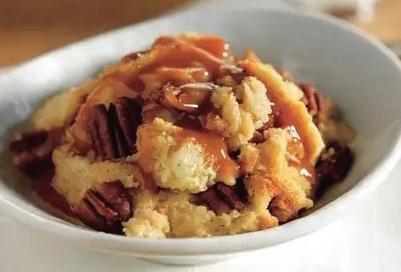
i ngredients:
• 2 Tbsp. u nsalted Butter, melted
• 3 ½ C. w hipping Cream
• 4 e ggs
• ½ C. Brown s ugar, packed
• 1/3 C. g old r um
• 2 tsp. v anilla
• 1 ½ lb. Brioche Bread, torn into pieces
• 1/3 C. Pecans, coarsely chopped
• Caramel or Butterscotch topping, optional
Directions:
1. Coat the inside of crockpot with melted butter.
2. i n a large bowl, combine cream, eggs, brown sugar, rum, and vanilla, stir well.
3. m ound a fourth of brioche pieces in the bottom of crockpot. l adle a fourth of the cream mixture over the brioche. s prinkle a third of the pecans over cream. r epeat these steps with the remaining brioche, cream mixture and pecans until all ingredients have been used up.
4. Cover crockpot with lid and cook on low for 3 to 3 ½ hours (or on high for 1 ½ to 2 hours). Cook custard until toothpick inserted into the center comes out clean.
5. s erve warm. o ptional: d rizzle with caramel or butterscotch topping.
Yield: 4-6 servings.


m ixology is the study and skill of inventing, preparing and serving cocktails and other mixed drinks. m ixologists are experts in this field, but mixologists’ knowledge goes beyond memorizing basic cocktail recipes: it includes historical information, basic chemistry behind flavor combinations and a capacity for combining common ingredients in new ways.
Join us, as we explore the essential collection of rum cocktail recipes that every mixologist needs to master.
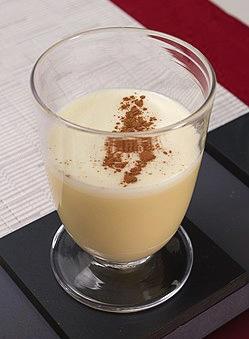
This m onth’s Cocktail: e asy r um e ggnog
a bout Rum Eggnog
r um eggnog is a delicious and satisfying holiday cocktail, but most traditional recipes can be a bit time-consuming. h ere is an easyto-follow, simplified version, for those who prefer to spend more time drinking eggnog and less time making it!
Easy Rum Eggnog
i ngredients:
• 1 1/2 ounces añejo rum
• 1 1/2 ounces ruby port
• 1/2 ounce simple syrup
• 1 large egg
• g rated nutmeg, for garnish
Directions :
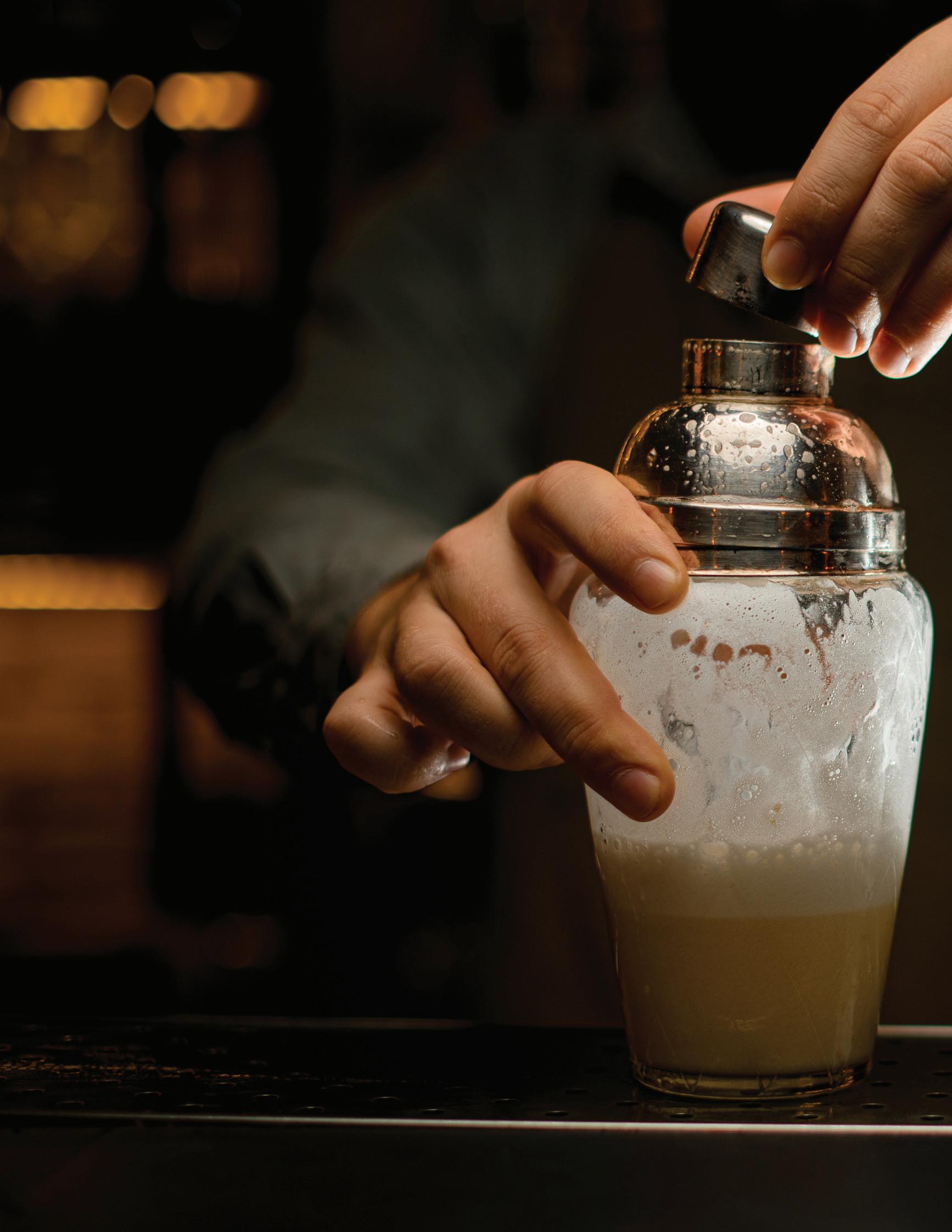
1. i n a cocktail shaker, combine the rum, ruby port, simple syrup, and egg.
2. d ry shake (without ice) to combine the ingredients.
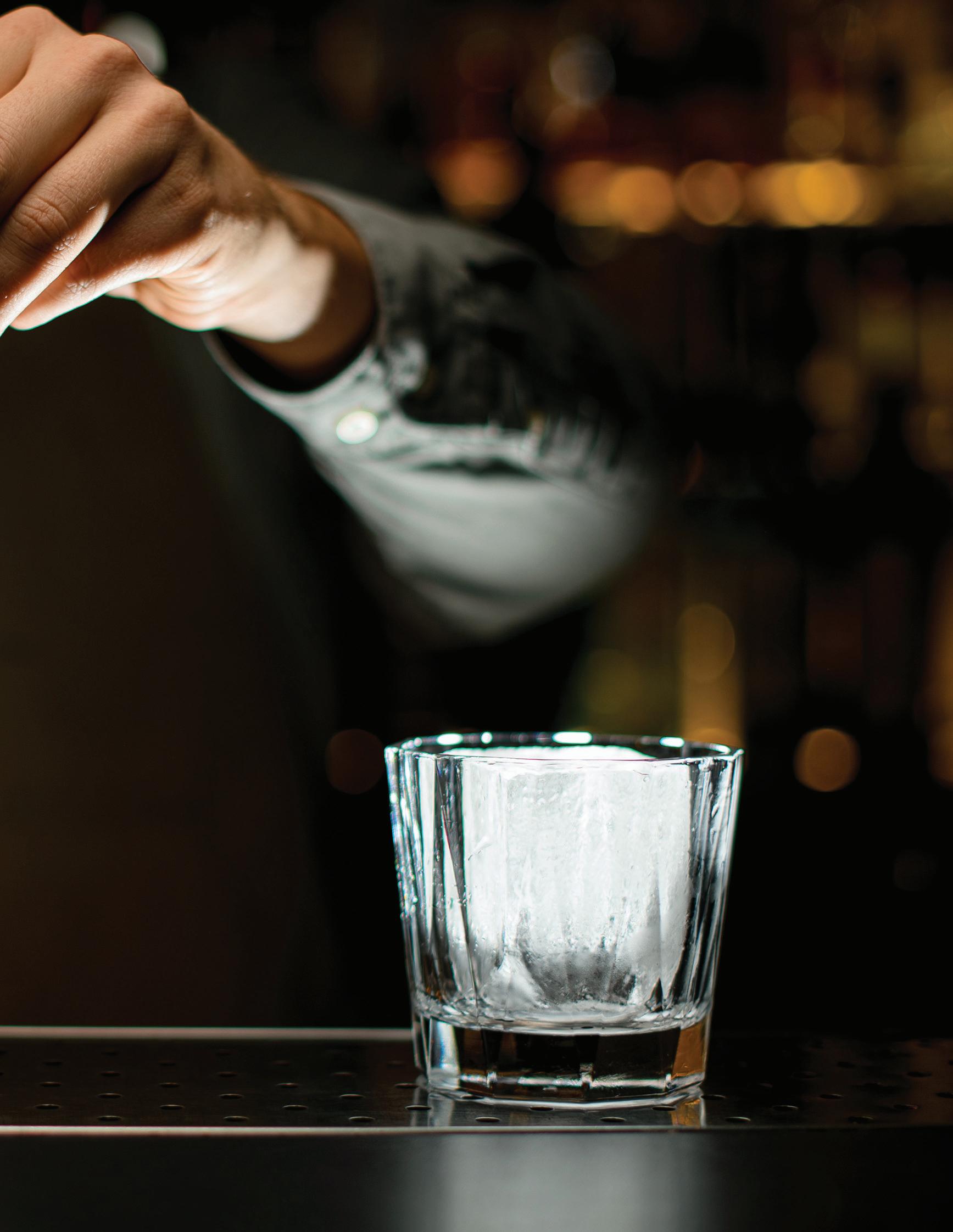
3. Add ice and shake vigorously a second time.
4. s train into a white wine glass and dust with nutmeg. s erve and enjoy.
Raw Egg Warning : Consuming raw and lightlycooked eggs poses a risk for food-borne illness. m ake sure your egg is fresh by placing the egg in a glass of water; if it sinks, it’s fresh and will be safe to drink. e ggs that float to the top are too old and should be discarded.


r eviews of books related to sugarcane, milling, fermentation, distillation, aging, blending and other topics related to the production or history of rum.
www. r um u niversity.com
t he a rt
(Publisher’s r eview)
From the creators of the bestselling and classic favorite The Art of m ixology cocktail book comes our holiday title, m aking s pirits Bright. Cheers to the s pirits of the Christmas s eason! This collection of delicious drink recipes features cozy oldies like e ggnog and m ulled w ine, but also new classics like Jingle Juice and Cinnamon Basil m ojitos. Bartenders of every level of experience will love this holiday handbook! s o whether you’re a new mixologist or a thoroughly seasoned s anta, this collection will get everyone rockin’ around the Christmas Tree! Beautiful photos of cocktails will inspire your imagination -- and techniques, barware, and ingredients are super easy to follow. d id someone ask for a mocktail? n o problem! r ecipes are easily converted to nonalcoholic choices. g reat holiday host and hostess gift!
e xplore the chemistry of cocktails and mocktails with The Art of m ixology. Become your own bartender and create new, delicious concoctions using the best of traditional and contemporary recipes. h ave fun and make yourself a drink!
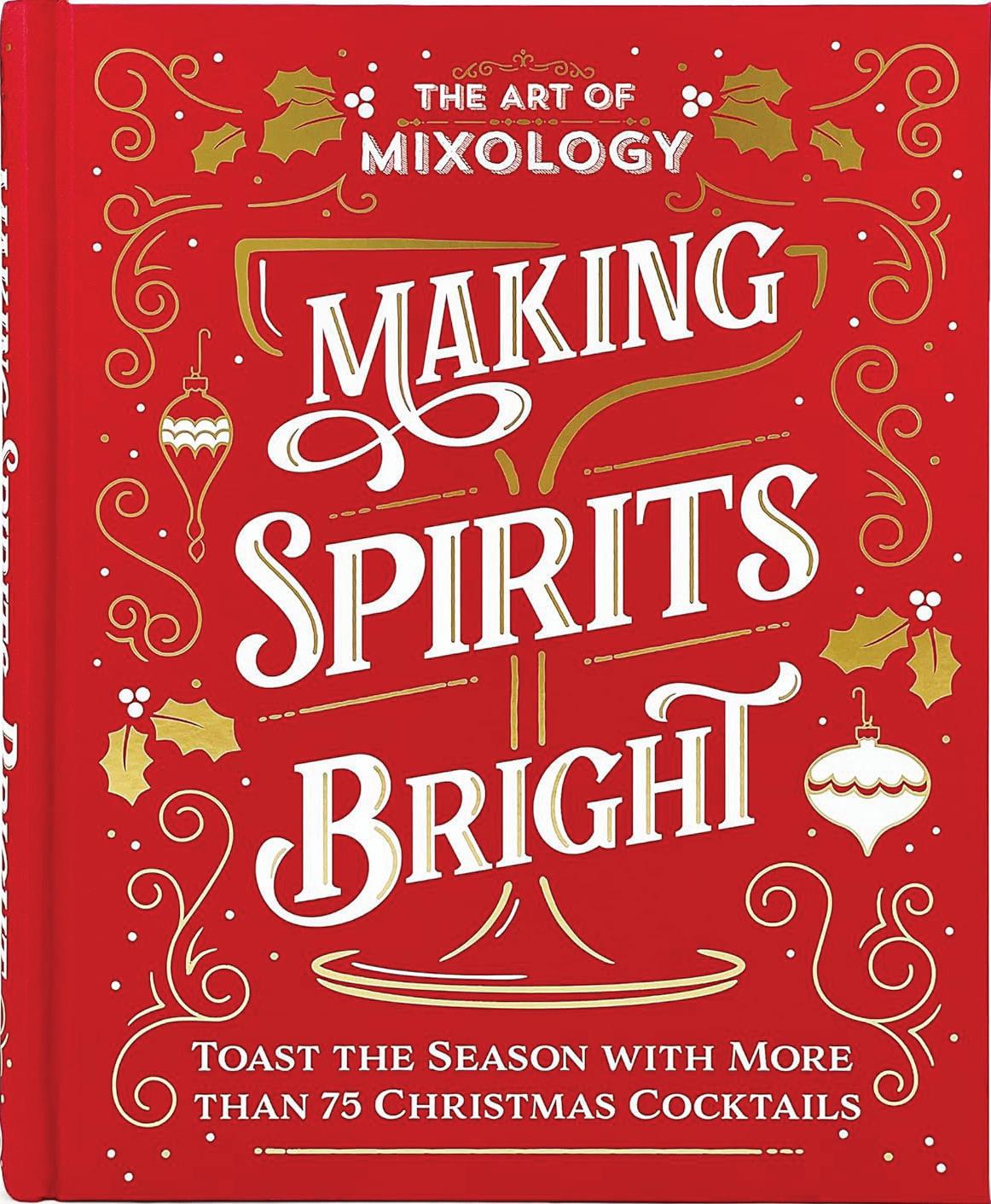
Collect all of the titles in our m ixology series - The o riginal m ixology Book, Bourbon & w hiskey, g in, r um, and now including w ord s earch i ntoxicating Puzzles, m ocktails, and The e ssential g uide to Cocktails.
C l A ssi C A nd C on T em P or A r Y
C o CKTA ils : Alcoholic and non-alcoholic drinks alike for the holiday season! i ncludes more than 75 Christmas cocktails to cheers the holiday season, with drinks like a m erry m ai Tai or a m istletoe m artini.
ACC ommod AT es A ll levels : This ultimate cocktail recipe book is made for beginners, experts, and everyone in between, featuring mixed drinks with a variety of alcohol favorites including whiskey, gin and vodka.

re C i P es & P ho T os : 192 pages full of beautiful images of cocktail recipes will inspire any bartender for the holidays. m ix everything from a traditional h ot Toddy to a fresh, modern Cinnamon Basil m ojito.
T e AC hes T he BA si C s : r ecipes are easy to follow for even the most novice mixologist.
m AK es A gre AT gi FT: m akes a great stocking stuffer or gift to the host during the holiday season.
Publisher: Cottage d oor Press
Publication date: July 3, 2023
l anguage: e nglish
Print length: 192 pages is B n -10: 1646388798 is B n -13: 978-1646388790

your o ne- s top s hop for a ged Rums in Bulk!
• Column- d istilled, Pot- d istilled or Blends
• h igh Congener ( i ncluding h igh e sters), l ow Congener or Blends
• Aged in American or French o ak Barrels
• Aged in r ye w hiskey, Bourbon, Tequila, Armagnac, Port, s herry and w ine Barrels
• s ingle Barrels and s econd Aging/Finish
• d istilled in the us A, Central America, s outh America or in the Caribbean
• o ver 150 m arks/ s tyles Available, plus Custom Blends
• l ow m inimums and Fast Turnaround, w orldwide s hipping www. r umCentral.com
by m arco Pierini
i was born in 1954 in a little town in Tuscany ( i taly) where i still live. i n my youth, i got a degree in Philosophy in Florence and i studied Political s cience in m adrid, but my real passion has always been h istory and through h istory i have always tried to understand the world, and men. l ife brought me to work in tourism, event organization and vocational training, then, already in my fifties i discovered rum and i fell in love with it.
i have visited distilleries, met rum people, attended rum Festivals and joined the r um Family. i have studied too, because r um is not only a great distillate, it’s a world. Produced in scores of countries, by thousands of companies, with an extraordinary variety of aromas and flavors, it is a fascinating field of studies. i began to understand something about sugarcane, fermentation, distillation, ageing and so on.
s oon, i discovered that rum has also a terrible and rich h istory, made of voyages and conquests, blood and sweat, imperial fleets and revolutions. i soon realized that this h istory deserved to be researched properly and i decided to devote myself to it with all my passion and with the help of the basic scholarly tools i had learnt during my old university years.
i n 2017 i published the book “A meri CA n rum – A s hort h istory of r um in e arly America”
i n 2019 i began to run a Blog: www. therumhistorian.com
i n 2020, with my son Claudio, i have published a new book “F ren C h rum – A h istory 1639-1902”.
i am currently doing new research on the h istory of Cuban r um.
C u BA n rum :
29. more ligh T on h A v A n A C lu B
Born in 1749, Johann w olfgang von g oethe was a g erman poet, playwright, novelist, and scientist whose influence shaped e uropean culture. h is early, huge and long-lasting success came with “ The Sorrows of Young Werther ” (1774), a novel that captured the spirit of r omanticism, emphasizing emotion and individualism and the importance of love in our lives. i n 1832, on his deathbed, his last words seem to have been: “more light”. s ince then, people have been debating whether it was simply a request to open the window, or a reference to his illuminist passion for the truth, or the desire to know, to know more.
Si parva licet , l a v izcaya, Arechabala and h avana Club are today too little known compared to their great importance in the history and even the present of rum. w e need to know more and fortunately now, at least in part, that is possible. r ecently i have read two works that shed more light on the history of Cuban rum in general and on Arechabala in particular.
i n 2023, m aría v ictoria Arechabala Fernández, a descendant of the family, and Antonío s antamaría g arcía, a renowned s panish h istorian, published
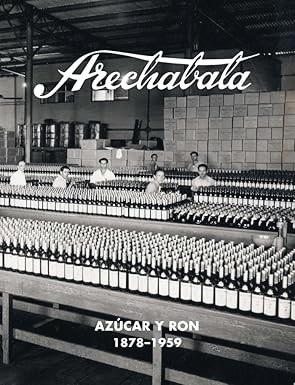
“ ARECHABALA Azúcar y Ron ”. i only found out last spring and, after the summer break during which i also have to work for a living, i have finally read it.
i t is a large volume, a beautiful object, full of family stories, period photos, rare documents, and a wealth of information, which sometimes differs from mainstream narratives. All the quotations in this article are taken from this book. The translation is mine, and i apologize in advance to the authors and our readers.
Also, the authors were kind enough to answer my questions and gave me the opportunity to finally read a book i had been searching for years, m anuel Bonera m iranda’s “ ORO BLANCO Una Historia Empresarial del Ron Cubano ”, 2.000. i want to publicly thank them here.
h aving said this, let’s start from the beginning, that is, from the very foundation of the company.
“They emerged in Cuba from the ranks of employees, entrepreneurs in areas where a large investment was not needed. This was
the case of José Arechabala, who in 1877 set up his own business after working four years for Julián de Zulueta and raising the capital necessary to establish his own business in Cárdenas. Arechabala was dedicated to the storage and trade of sugar and honey, an activity that he knew well ...”
The following year, in 1878, he bought a still “thanks to the payment facilities offered by its owners” who also originated from his native town, g ordojuela. This is another example of the importance of the networks of relations between immigrants that we talked about in the n ovember article. e vidently the business went well, because already in 1880, he managed to pay the entire debt and remain sole owner of his company. g rowth was rapid, profits increased and d on José invested heavily in modernizing and diversifying his company.
i n 1891 “the Arechabala factory possessed - as part of its machinery - two of the most modern columns existing in Cuba, an analyzer and a rectifier for alcohols. Thanks to an ingenious design, which used heat exchange physics, the fermentation is separated into its constituent vapors with the first apparatus and then selectively condensed in the second. The technology used in l a v izcaya made it possible to control the strength of the rums processed, since the spirit could be removed from the rectifier at various heights - the higher, the stronger the liquor - so that it was possible to achieve, whenever desired, a distillate with 95 percent alcohol per volume of liquid processed.”
i t produced around 70 pipas (a barrel of circa 470 liters) of rum and 2.500 gallons of alcohol per day.
i n this way, “ l a v izcaya completed its improvement process, which began in 1885 when the owner decided to convert it into a modern factory. Batch distillation in the pot still, which was the most traditional and ancient practice of obtaining alcohol and rum, was left behind forever, to be done by continuous distillation in a column. This technique had been introduced in Cuba in the second half of the nineteenth century and was the most widely used, effective
and economical method to obtain a strong and pure liquor. w ith the installation, in 1891, of the efficient alcohol rectifier, José Arechabala showed himself as an entrepreneur interested in the cuttingedge technological advances of his time, especially those coming from the u nited s tates.”
s o, now we know that young José Arechabala had started with a traditional pot still, and that only later, in 1891, thanks to his success and more resources at his disposal, did he buy modern columns of continuous distillation.
As his company grew, so did d on José’s personal prestige and social and political role. m eanwhile, Big h istory went on. r elations between s pain and Cuba were getting worse. i n the last years of the nineteenth century, the s panish tax burden on Cuba and in particular on its rum industry was constantly growing. The Cuban producers reacted with protests and petitions. d on José was now one of the leading figures of his town and had a leading role in trying to make the government of m adrid understand the reasons of the Cuban producers. i t was a decisive moment in the history of Cuba, in which perhaps they could still have avoided the break with s pain and to which i will probably dedicate a future article. For now, it is sufficient to say that his efforts were not successful and the gap between Cuba and s pain continued to widen until the outbreak of the second great w ar of i ndependence in 1895, which ended with the intervention of the u nited s tates in 1898. ( s ee 13. T ow A rds inde P enden C e : sug A r , w A rs A nd T he us , in the August 2023 issue).
As we know, the war was very harsh, but Cárdenas, l a v izcaya and the Arechabala family suffered relatively little from it and were ready to start again as soon as it ended. At the end of the war, Cuba had just under 2,000,000 inhabitants and its economy was in ruins. But things improved rapidly.
“... a great many s paniards went back to s pain during the w ar of i ndependence, taking their money with them, but only for a short period, since in 1900 they began to
return to Cuba, so that the number of the then ex-metropolitans coming back to the i sland soon exceeded the number of those who had fled because of the conflict. Peace treaty agreements guaranteed that there would be no expropriations ... The postwar reconstruction, in terms of restoring basic living conditions and producing sugar, Cubas’ main export, was largely due to the efforts of the population and to private capital, both insular and s panish.”
The Cuban economy recovered, and in a few years bounced back to the levels before the war and then did not cease to grow, also helped by the reconciliation between the fighters of the two sides. The producers of alcoholic beverages and rum played an important part in the recovery: in the early 1900s they accounted for about 15% of all industrial enterprises.
“The factories of Bacardí and Arechabala and others in s antiago and Cárdenas expanded and improved their technology, and the h avana rum firms formed an association to defend their interests and cooperate in manufacturing and marketing. Besides, thanks to cocktails like m ojito, Cuba l ibre and d aiquiri the demand for rum expanded to the well-off and female population.” ( s ee his T or Y o F C u BA n rum 16. T he ron ligero C u BA no in the February 2024 issue)
Arechabala won a silver medal in the Paris i nternational e xposition of 1900 and later bought also some sugar plantations, as far i know a unique case in the Cuban rum world. The company continued to grow and in 1921 it was transformed into a modern corporation, JA s A, that is, José Arechabala Sociedad Anonima .
As we know, the First w ord w ar (19141918) disrupted the e uropean sugar beet cultivation while the demand for sugar to manufacture alcohol for war purposes grew enormously, so the price of sugar skyrocketed. This situation gave Cuba a sudden and gigantic bonanza: the cultivation of sugarcane grew enormously, even at the expense of the forest heritage, and money, a lot of money, flowed into Cuba in the so called “ d ance of the m illions”. But then the
g ot Rum? December 2025 - 24
war ended, in a few years the sugar market returned to normal, prices collapsed and the island experienced a serious economic crisis. To give you an idea of the magnitude of the catastrophe, two figures are enough: the price of sugar fell in a few weeks from 22.5 to 4 cents a pound. A terrible blow for the whole island, and ruin for the many planters who had borrowed money to increase production in the fat cow years and for the banks that had financed them.
“The crisis caused by the sharp drop in the price of sugar constituted a real cataclysm ... Panic ensued and the banks declared bankruptcy one after another, a catastrophe to which only the American banks survived, because they had strong support from their parent companies. m ost of the indebted properties passed into the hands of these banks, including dozens of sugar plantations ... The crash of 1920 represented a terrible blow for the Cuban and also the s panish capitalists, since the latter still predominated in trade and certain manufactures. And above all, it came to show the fragile foundation of national prosperity.”
i n this dramatic picture, JA s A held up better than other companies for its financial strength, its diversification into many different sectors and also because the domestic market of distillates endured, also thanks to the influx of many thirsty American tourists on the run from Prohibition. ( s ee his T or Y o F C u BA n rum 21. un C le s A m ’ s B oo Z e C o P s in the August 2024’s issue)
i n 1923, d on José died and the following year another unexpected loss struck the company: his successor José Arechabala s ainz was murdered by a former worker who had been sacked, who then fled and committed suicide. i n the following years, the family remained owner, but no longer dealt with the day-to-day management of the company, many shareholders moved abroad and a new management took over.
According to the sources, it seems that in the 1920s the most important activities of the company were the refining, storage and export of both raw and refined sugar, and
the storage and export of molasses, whereas instead the production of rum was rather low.
n o wonder too. As we know, JA s A controlled the entire processing cycle of sugarcane and its derivatives. i t was therefore able to produce sugar, both raw and refined, molasses of various qualities, alcohol for industrial uses and rum. i n the 1920s sugar prices were erratic, constantly changing. For example, for decades Cuba exported only raw sugar to the u nited s tates, which was then refined locally, because there was a high duty on the import of refined sugar. Then, at a certain point in the 1920s, the import duty on raw sugar rose sharply, therefore JA s A focused on the sale of refined sugar instead. For what little i know, this trend still exists in the (few) companies that control the complete cycle of cane processing. i remember, for example, that during a beautiful trip to m auritius more than 10 years ago, some producers explained to me that from year to year they chose to make more sugar and less rum or the other way around, depending on the vagaries of the market.
h owever, in 1925 the new management of JA s A decided to focus again on rum. They invested a lot of money to improve the quantity and quality of fermentation and stored large quantities of rum for aging. e vidently, they were laying the ground for something new, and big. As we will see.
m ike Kunekta, who every month keeps us posted about the news in the world of rum and who i thank because he has repeatedly directed me to works i had not known before, asked me how far i would like to go on with the history of Cuban rum. w ell, i would like to reach the present day. A day that, i anticipate, sees great successes, but also great risks. There will therefore be many more articles, but from time to time i will interrupt the series to tell you about other aspects of the history of rum.
m arco Pierini

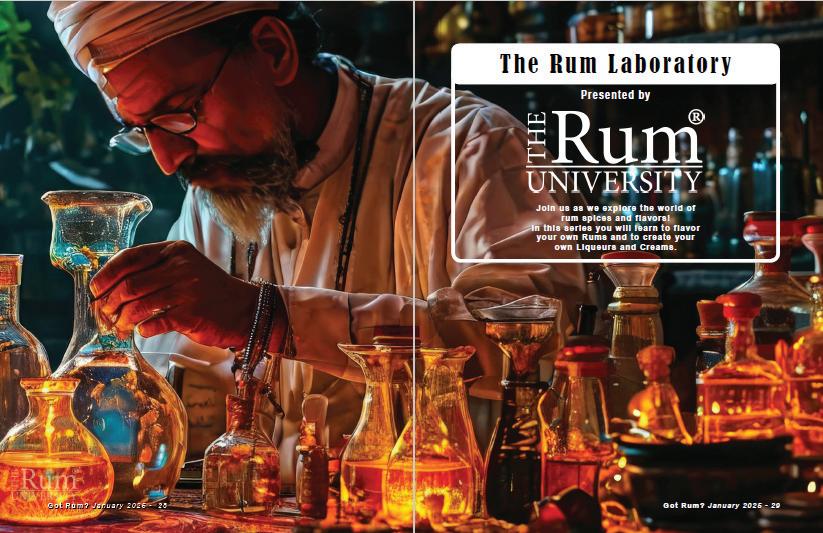
Presented
by
Join us as we explore the world of rum spices and flavors! i n this series you will learn to flavor your own Rums and to create your own l iqueurs and Creams.
g ot Rum? December 2025 - 27

i ngredients:
• 2 1/2 Cups w ater, d ivided
• 6 Tbs h eavy r oasted Coffee, Coarsely g round
• 3 Cups s ugar
• 2 Cinnamon s ticks
• 1 tsp Pure v anilla e xtract
• 2 1/2 Cups l ight r um at 40% AB v (80-Proof)
• 1 Cup h eavy (Pot s tilled) r um, preferably aged
Directions:
Combine the 1 1/2 cups of hot water and the coffee to make a strong brew, remove the coffee grounds (French Press or mesh filter) and set it aside. Combine remaining cup of water and the white sugar in a medium saucepan, stirring until all the sugar has dissolved. Bring the mixture to a boil over medium heat. r emove from the heat and allow it to cool.
Add the vanilla and coffee to the simple syrup, transfer to a 2-quart container and add the light and heavy rums, place the cinnamon sticks inside. Cover the container and let it rest in a dark, cool place for 4-6 weeks.

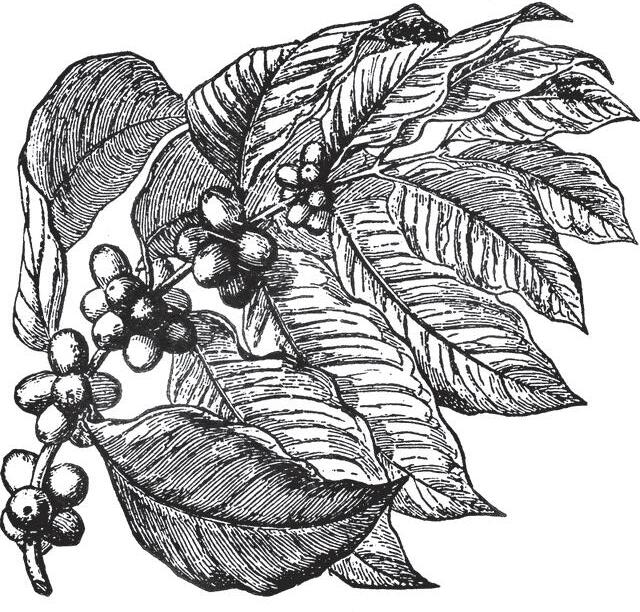

o ne study found just half a teaspoon of cinnamon per day can significantly reduce blood sugar levels, triglycerides, ldl cholesterol, and total cholesterol levels in people with type 2 diabetes. But for those who don’t have to worry so seriously about insulin levels, cinnamon has also been shown to have many other benefits:
Cinnamon can slow the speed at which the stomach empties following a meal, which can help control sharp rises and falls in blood sugar levels. s oftening these sugar spikes can theoretically reduce cravings.
Cinnamon can enhance the way antioxidants from other foods help the body defend itself, strengthening the immune system.
s ource: http://greatist.com/health/ try-cinnamon-your-coffee-instead-cream-and-sugar

by m ike Kunetka
These are the most recent and noteworthy headlines in the rum industry. i f you want us to share your news with our readers, please send me an email to: m ike@gotrum.com.
m ount g ay announced that its iconic m ount g ay s ilver is once again available in the us m eticulously crafted by m aster Blender Trudiann Branker, this exceptional product marks m ount g ay’s white rum entry into the on-trade market, honoring Barbados’ passion for premium white rum. This launch re-introduces m ount g ay s ilver to bartenders, providing them with the unparalleled opportunity to enhance their white rum cocktails. Celebrating Barbadian rum culture and over 320 years of rum-making expertise, s ilver proudly upholds m ount g ay’s traditional identity. i t is a blend of pot and columns still rums, distinguishing it from most other white rums in the category, which use column still only. w hile the column still component of the blend is unaged, the pot still portion is aged for two years in ex-American w hiskey casks. The secret to the crystal-clear liquid is double filtration, one of which consists in a filtration through charcoal, which removes the color and adds to the elegant flavor. “ m ount g ay s ilver is a classic i deeply cherish, rooted in the heart of Barbados and the Caribbean. i ’m thrilled to see our beloved white rum launch in the us on-trade,
empowering bartenders to elevate white rum cocktails and extending our authentic island craft to even broader horizons,” said Trudiann Branker, m ount g ay m aster Blender. m ount g ay s ilver is bottled at 40% AB v i t is available in key markets across the us in 1 l size. www.mountgayrum.com.
to P t E n stat E s fo R R u M sal E s
Park s treet, using consumption data from Beverage i nformation g roup, recently compiled a list of the top ten states for rum sales. The report shows a mix of traditional powerhouses and emerging markets dominating total volume, with Florida and California maintaining their commanding positions. The per capita rankings reveal intriguing regional preferences, with n orthern and coastal states demonstrating particularly strong individual consumption patterns that reflect diverse drinking cultures and seasonal tourism impacts. The top ten states ranked by total consumption are:
1. Florida: 2.6 million Cases
2. California: 2.0 million Cases
3. n ew York: 1.5 million Cases
4. n ew Jersey: 918k Cases
5. Texas: 883k Cases
6. i llinois: 865k Cases
7. m ichigan: 835k Cases
8. Pennsylvania: 833k Cases
9. w isconsin: 650k Cases
10. m innesota: 638k Cases
The per capita data reveal a fascinating pattern, with n orthern states unexpectedly dominating the rankings alongside predictable coastal leaders. The strong showing by u pper m idwest states like n orth d akota, m innesota, and w isconsin suggests that rum consumption transcends climate stereotypes, with regional drinking cultures and traditions playing significant roles beyond simple weather patterns. The top ten states ranked by per Capita consumption are:
1. n ew h ampshire: 232 cases per 1,000 residents
2. n orth d akota: 178 cases per 1,000 residents
3.Alaska: 165 cases per 1,000 residents
4. m innesota: 150 cases per 1,000 residents
5. w isconsin: 146 cases per 1,000 residents
6. m aine: 144 cases per 1,000 residents
7.Florida: 142 cases per 1,000 residents
8. n ew Jersey: 129 cases per 1,000 residents
9. h awaii: 124 cases per 1,000 residents
10. i owa: 120 cases per 1,000 residents https://www.parkstreet.com/, https://bevinfogroup.com/
d on Q has launched d ouble-Aged Pedro x iménez Cask Finish r um, an elegant new addition to its acclaimed s elección e xclusiva program. Crafted with precision and passion for discerning rum enthusiasts, this limited-edition release of only 2,000 bottles harmonizes the bold character of Puerto r ican rum with the refined complexity of e uropean cask-aging
tradition. This sipping rum begins its journey in American white oak ex-bourbon barrels, where it rests and matures for a minimum of seven years. After this initial aging, the rum is then finished for 11 additional months in Pedro x iménez sherry casks, imported directly from s pain, infusing the spirit with a rich, velvety complexity and signature notes of dried fruit and honeyed warmth. “At d estilería s errallés, we’re always seeking ways to honor tradition while embracing innovation,” says s ilvia s antiago, m aster Blender and s enior v ice President of m anufacturing at d estilería s errallés, i nc. “ w ith the Pedro x iménez d ouble Cask Finish, we’ve crafted an expression that reflects the depth and elegance possible when Puerto r ican rum is paired with the complexity of e uropean cask aging. This release is a testament to our team’s dedication, and i ’m proud to share this rich, beautifully finished rum with enthusiasts around the world.” https://donq.com/
Copalli o rganic r um has been awarded four distinguished accolades at the 2025 g lobal d rinks i ntel esg Awards, including the coveted Alexander s mith g rand Prix Award for esg s pirits Producer of the Year. The brand also received the awards for s ustainable s pirits Product of the Year, w ater Preservation Achievement of the Year, and g reenhouse g as r eduction Achievement of the Year. The awards represent the highest international recognition for sustainability in the spirits industry, judged by experts across business, science and environmental governance. “ i t’s an honor to be recognized by such a prestigious, global organization for our commitment to taking care of our people while creating an incredible product that celebrates and nurtures our planet,” says w il m aheia, Chief s ustainability o fficer at Copalli o rganic r um. Copalli o rganic r um’s focus on regenerative agriculture, water preservation practices, closed loop waste management, and regional conservation efforts creates a premium product while setting new industry standards for environmental responsibility. i n a world full of sustainability claims, Copalli o rganic r um relies on third-party experts and verifiers to ensure the highest standards are met. w inning across multiple categories positions Copalli o rganic r um not only as a producer of exceptional rum, but as a global benchmark for environmentally responsible distilling, proving that premium craftsmanship and sustainability can go hand-in-hand. www.copallirum.com.
C ha R l E s s . to B ias , foun DER of P uss ER’ s R u M
Charles Tobias, the founder of Pusser’s r um, passed away on o ctober 14th at the age of 91. Born in Canada, Charles earned an athletic scholarship
to the u niversity of s outhern California, where he graduated with dual degrees in aeronautical and mechanical engineering, After college, he enlisted in the u s m arine Corps. h e served two tours in v ietnam, The first was aboard an aircraft carrier, then in special operations flying T-28s ashore. d uring his second tour, he was shot down over the m ekong d elta and rescued by n avy se A l s. After his service, Charles returned to California and founded v eradyne, i nc. in s anta m onica, aiming to counter surface-to-air missile threats. h e secured a government contract to develop silicon transistors and radar-jamming technology, building v eradyne into a $100 million enterprise before merging with Fairchild s emiconductor.
Charles’s love for sailing took root after his time at sea in the m arines. Though his family never owned a boat, he purchased a small one and quickly fell in love with the water. h e began racing, upgrading vessels, and eventually set his sights on circumnavigating the globe. o ne day, stuck in traffic on his way to the bank, he called his assistant, canceled his meetings, and made the decision to set sail. h e embarked on a five-year voyage aboard m ar, a 57-foot wooden ketch built for icy waters, with 2¾-inch larch planking and 12 tons of lead in the keel. w hile docked in g ibraltar searching for a boat part, Charles boarded a British n avy warship. The captain gifted him a flagon of dark navy rum for the next leg of his journey. Though the daily tot had been discontinued, ships still carried rum for ceremonial occasions known as “ s plice the m ainbrace.”
o ver the next 15 days at sea, Charles and his crew finished the flagon and a new idea was born. d etermined to revive the legendary naval spirit, Charles approached the British r oyal n avy for permission to use their rum blend and the w hite e nsign. w ith support from g eneral Arthur B. h anson, he secured a meeting with s econd s ea l ord Admiral s ir g ordon Tait. After navigating the necessary channels, he was granted access to the original Admiralty blend, though the name “ r oyal n avy Pusser’s r um” was declined and replaced with “British n avy Pusser’s r um.” As a gesture of gratitude, Charles pledged ongoing support to the r oyal n avy s ailor’s Fund, known as the “Tot” Fund. o ver the years, the brand honored that promise, contributing more than €250,000 to the fund, which was later consolidated into The r oyal n avy and r oyal m arines Charities ( rnrm C). i n recognition of his charitable efforts, Charles was awarded an m B e ( m ember of the o rder of the British e mpire) in the Queen’s 2011 n ew Year h onors list. Charles partnered with Trinidad d istillers l td., working with master blender r obert w ong to source and blend the distillates to Admiralty specifications. h e founded Pusser’s l td. on Tortola in the British v irgin i slands, where the rum was blended and bottled, making the purser’s rum commercially available for the first time in history.
l a m aison & v elier issued the following update about the distillery at h ampden e state: i n o ctober, h urricane m elissa, the most powerful storm in recorded history, set its path directly over w estern Jamaica, including h ampden’s home in Trelawny Parish. i n good news, the team at h ampden e state is safe and unharmed. The full extent of the damage is still being assessed, but the impact on the staff, their families and community is immense. h omes have been destroyed and the infrastructure that connects the local community has been significantly affected. h ampden e state has established the Trelawny h urricane r elief Fund to raise money for the local community in order to stabilize families, repair damages to the local community spaces, schools and church. The Trelawny h urricane r elief Fund aims to help rebuild the lives of the people who are the heart and soul of this legendary estate. 100% of donations will go directly to providing immediate and long-term aid to employees, their families, and the surrounding community in Trelawny.
Funds will be used for:
• u rgent s upplies: Providing clean water, food, and medical supplies.
• r ebuilding h omes: s ecuring roofs, windows, and essential home repairs for team and community members who have been affected.
• Community s upport: Assisting with debris removal and the restoration of essential services like churches and schools in the local area. d onations in any amount are immensely helpful and will go to rebuilding the lives and homes of the people, families and communities who power this iconic piece of Jamaican heritage.
https://theafj.app.neoncrm.com/fundraiser/ employeesofhampden
i n an industry increasingly dominated by multinational giants, w orthy Park e state stands as a testament to what family ownership and complete control can achieve. The Jamaican distillery has won the iws C’s 2025 r um Producer Trophy, celebrating 284 years of rum production that began in 1741 on their estate in the island’s interior. i nternational w ine & s pirit Competition s pirits Judging Committee member, d awn d avies praised their unwavering approach: “ w orthy Park is a real deserved winner this year. They have consistently come to the table with great product. They are about quality. Their sustainability program, the cane-to-glass principle - it all comes through in the rum.” w hat sets w orthy Park apart is their complete vertical integration. As Jamaica’s last remaining single estate producer, they grow sugarcane, crush it, make sugar and molasses, then ferment, distil in double retort pot stills, age, blend and bottle entirely on-site. n o shortcuts, no outsourcing, just uncompromising control over every stage. Their 2025 portfolio
demonstrated remarkable range and consistency. w orthy Park 109 earned a g old o utstanding (98 points), whilst their 12-Year- o ld and o verproof expressions both secured g old medals (95 points each). Judge o livier w ard praised their consistent performance at this year’s awards, noting how they were at the top of the rum category. i nnovation hasn’t compromised tradition. They’re experimenting with cane juice distillates alongside traditional molasses bases - a rarity in Jamaican rum - whilst exploring diverse cask finishes from m adeira and Port to Calvados and Cognac. Their sustainability runs deeper than marketing: bagasse (crushed cane fibre) fuels their boilers, gravity feeds their water systems and vinasse (distillation waste) becomes field fertiliser. For an independent operation of 850 employees competing against global brands, this trophy validates their belief that authenticity and excellence can thrive without compromise. https://worthyparkestate.com/
At 135 years old, Flor de Caña stands as one of the oldest companies in Central America. h owever, the brand is far from standing still. To celebrate its birthday this year, the family-owned rum distillery has released what is said to be its most extraordinary creation and oldest release to date: Flor de Caña 35 Year r um. The expression reflects the brand’s dedication to sustainability, excellence and quality, and a legacy nurtured by five generations since 1890 – three of whom were directly involved in the creation of this rum. The third generation was responsible for its distillation; the fourth for its preservation; and, finally, the fifth and current for its introduction to the world. The rum was aged naturally and sustainably for 35 years in American white oak barrels in the family’s private reserve, benefiting from n icaragua’s unique volcanic terroir. The distillery’s base, resting between the majestic s an Cristóbal volcano and the Pacific o cean, is said to bestow a complex flavor profile and an exquisitely smooth finish on the rum. “Flor de Caña 35 Year r um embodies the essence, values, and artistry that have defined our brand for 135 years. m ore than a collector’s item, it is a rare treasure of time, crafted for those who value authenticity, legacy, and excellence,” said Tomás Cano, who has been Flor de Caña’s m aestro r onero for almost four decades. www.flordecana.com/35-year
The holiday season has always carried an undeniable connection to flavor, memory, and tradition, and this year, g oldbelly introduced a collaboration that aligned those ideas with a touch of island nostalgia. Partnering with g oslings r um, the renowned Bermudian spirits house, g oldbelly unveiled a trio of rum cakes that celebrated the essence of Bermuda while making it accessible to households across the country. The partnership
marked the first time g oslings brought its ruminfused baked goods to a nationwide audience, offering a new way to experience the brand’s heritage through texture, aroma, and culinary storytelling. For those who associate winter gatherings with indulgence, warmth, and sensory comfort, the collaboration arrived at the ideal moment, blending culinary craftsmanship with a spirit-steeped lineage that spans generations. g oldbelly has earned its reputation by connecting people with iconic regional foods, and g oslings r um carried a legacy firmly connected to Bermuda’s identity, making this partnership a natural alignment. g oldbelly will be offering three cakes:
• The s ignature d ark ‘n s tormy r um Cake - Among the releases, the d ark ‘n s tormy r um Cake emerged as the most emblematic, capturing the essence of Bermuda’s national cocktail.
• The r um s wizzle Cake and i ts Tropical h eritage - i f the d ark ‘n s tormy served as Bermuda’s national cocktail, the r um s wizzle stood as its festive counterpart, a vibrant, fruit-forward drink central to celebrations, gatherings, and beachfront leisure.
• The d ouble Chocolate r um Cake for i ndulgent Palates - For those seeking depth and richness, the d ouble Chocolate r um Cake stood apart as the most decadent offering in the collection. https://www.goldbelly.com/, https://goslings.com/
sa M a R oli
e very year-end, s amaroli unveils a new exceptional collection, placing poetry at the service of rum more than ever before. This year’s offering includes:
• s amaroli d iamond sxg 20 Year o ld - d istilled from molasses in a simple wooden still, using a traditional method specific to the d iamond distillery. Aged for 20 years and bottled in s cotland in 2024, this unique cask reveals all the depth and poetry of the d emerara style. i t is bottled at 51% AB v,
• s amaroli - Jamaica r um 2012 - d istilled in 2012 at h ampden e state in Jamaica, this rum comes from molasses that is naturally fermented before being distilled in a pot still. i t has been aged for 5 years in a tropical climate and then for 7 years in e urope, in ex-bourbon barrels, giving rise to a profile of great complexity. i t is bottled at 57% AB v.
• s amaroli - Trinidad r um 1999 - d istilled at Trinidad d istillers l imited (Fernandes style) from molasses, this rum has rested for 25 years in ex-bourbon casks, developing a complex and harmonious structure.
• s amaroli - Colombia r um – 2002 - m ade from sugarcane honey and distilled using a process combining column and iron, this rum has matured for 22 years in a tropical climate in ex-bourbon barrels. i t is bottled at 55% AB v https://samaroli.com/

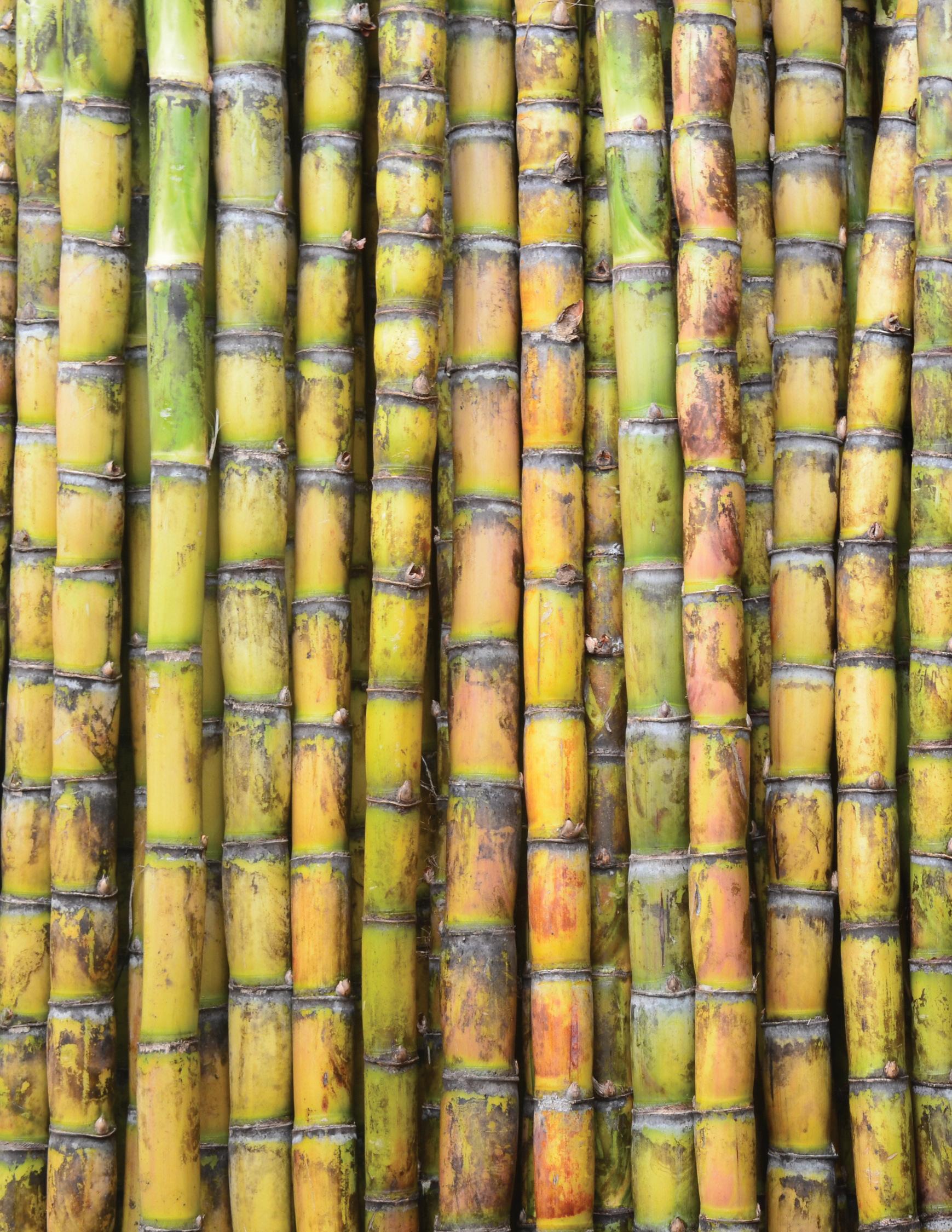

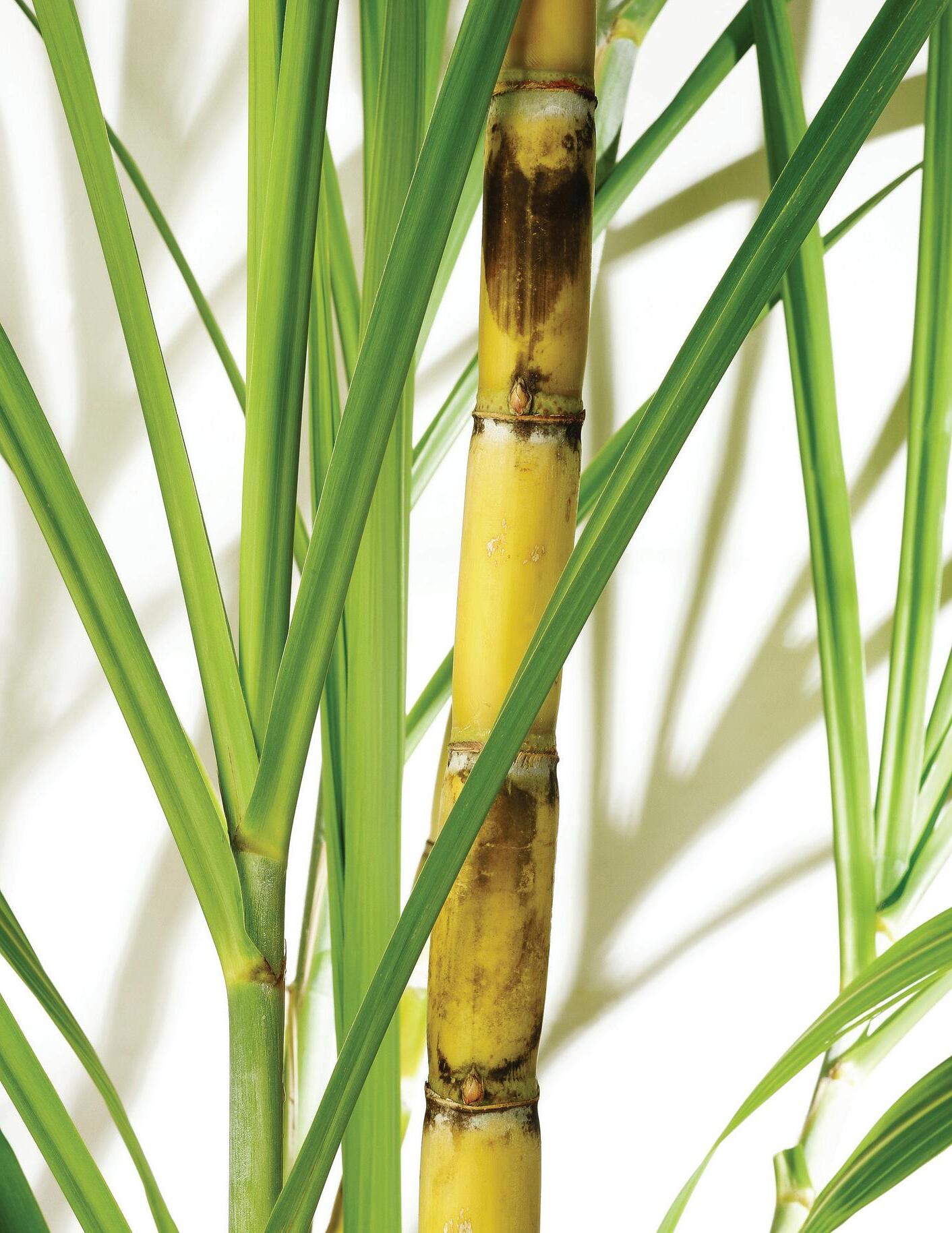
r egardless of distillation equipment, fermentation method, aging or blending techniques, all rum producers have one thing in common: sugarcane
w ithout sugarcane we would not have sugar mills, countless farmers would not have a profitable crop and we would not have rum!
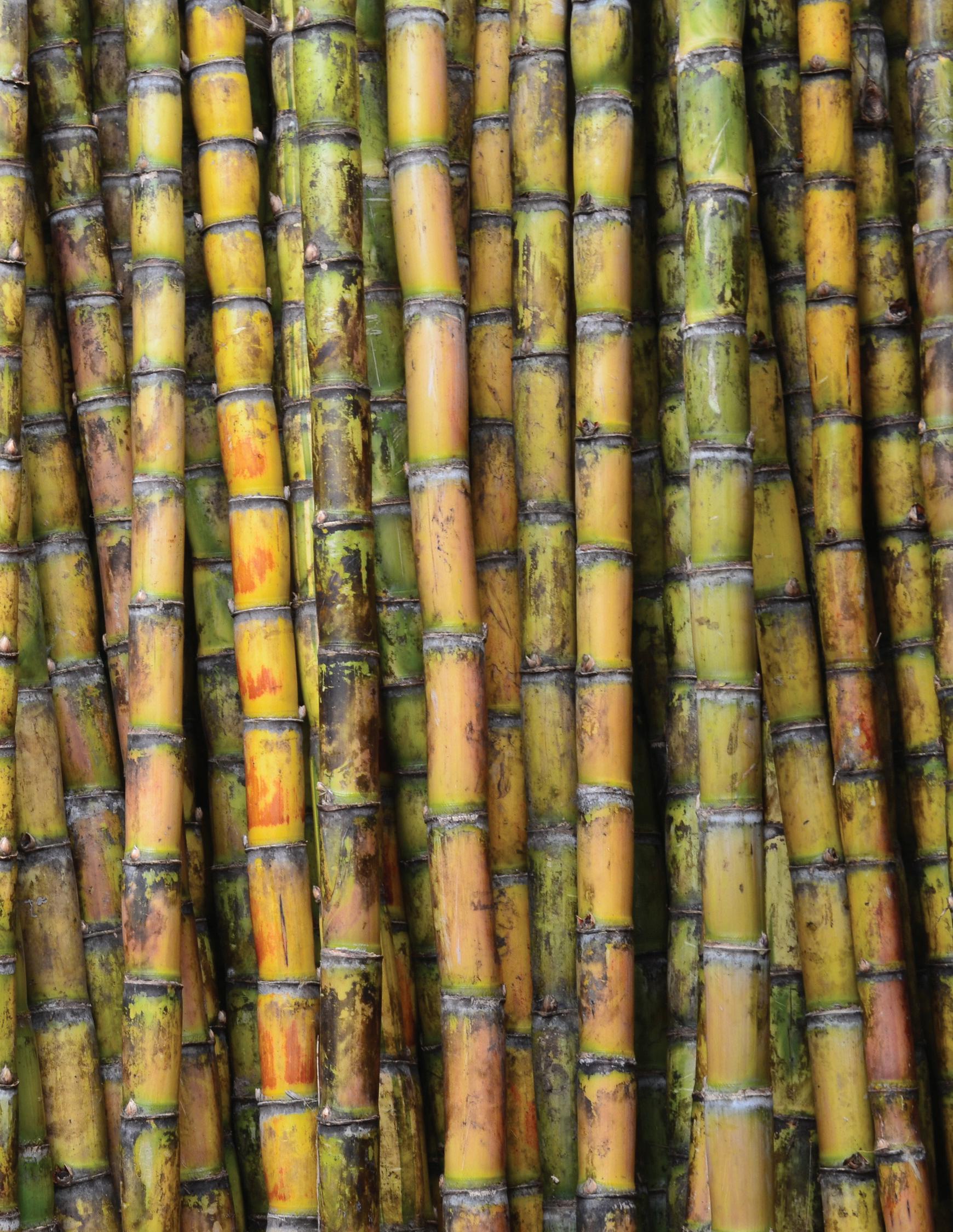

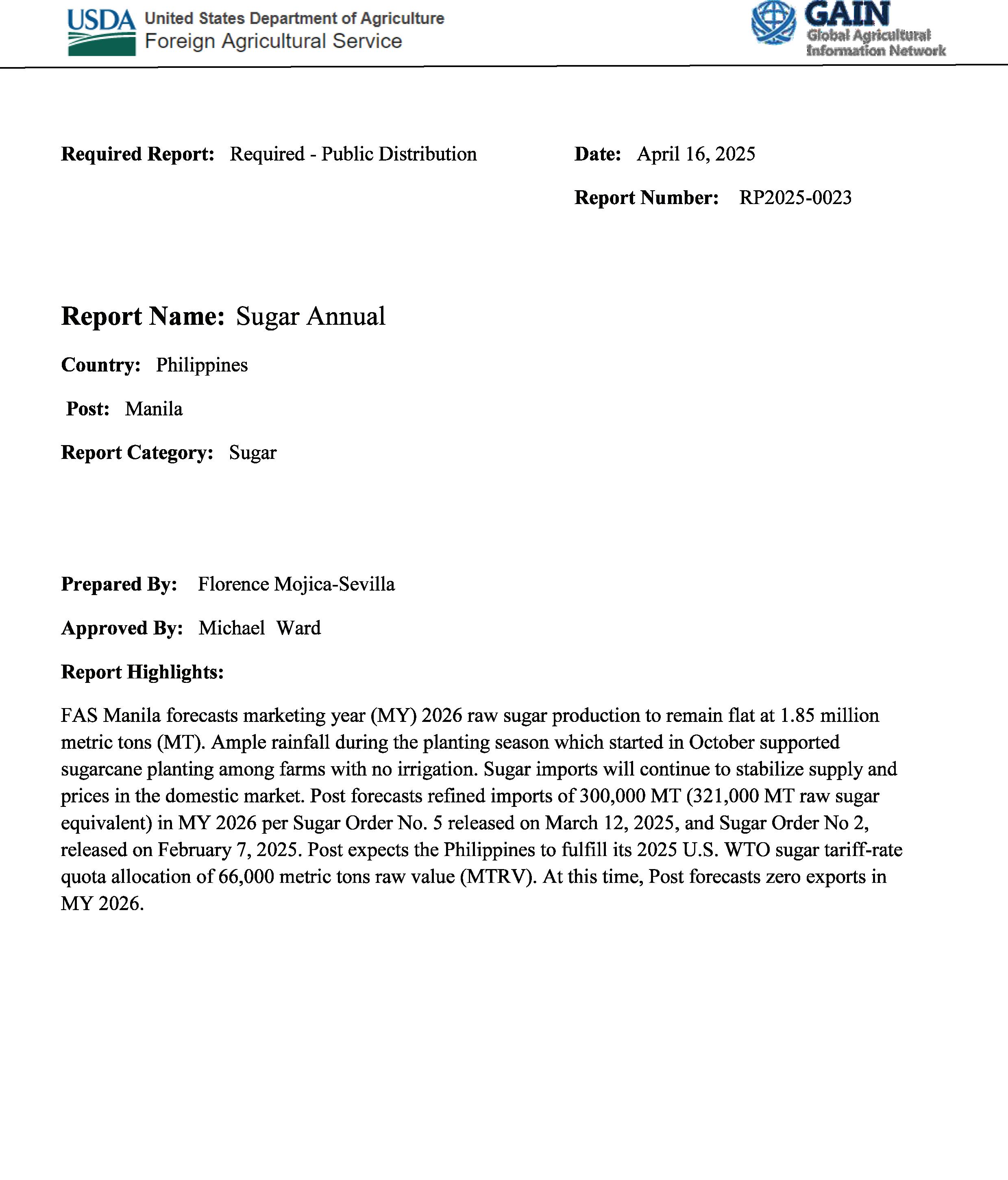
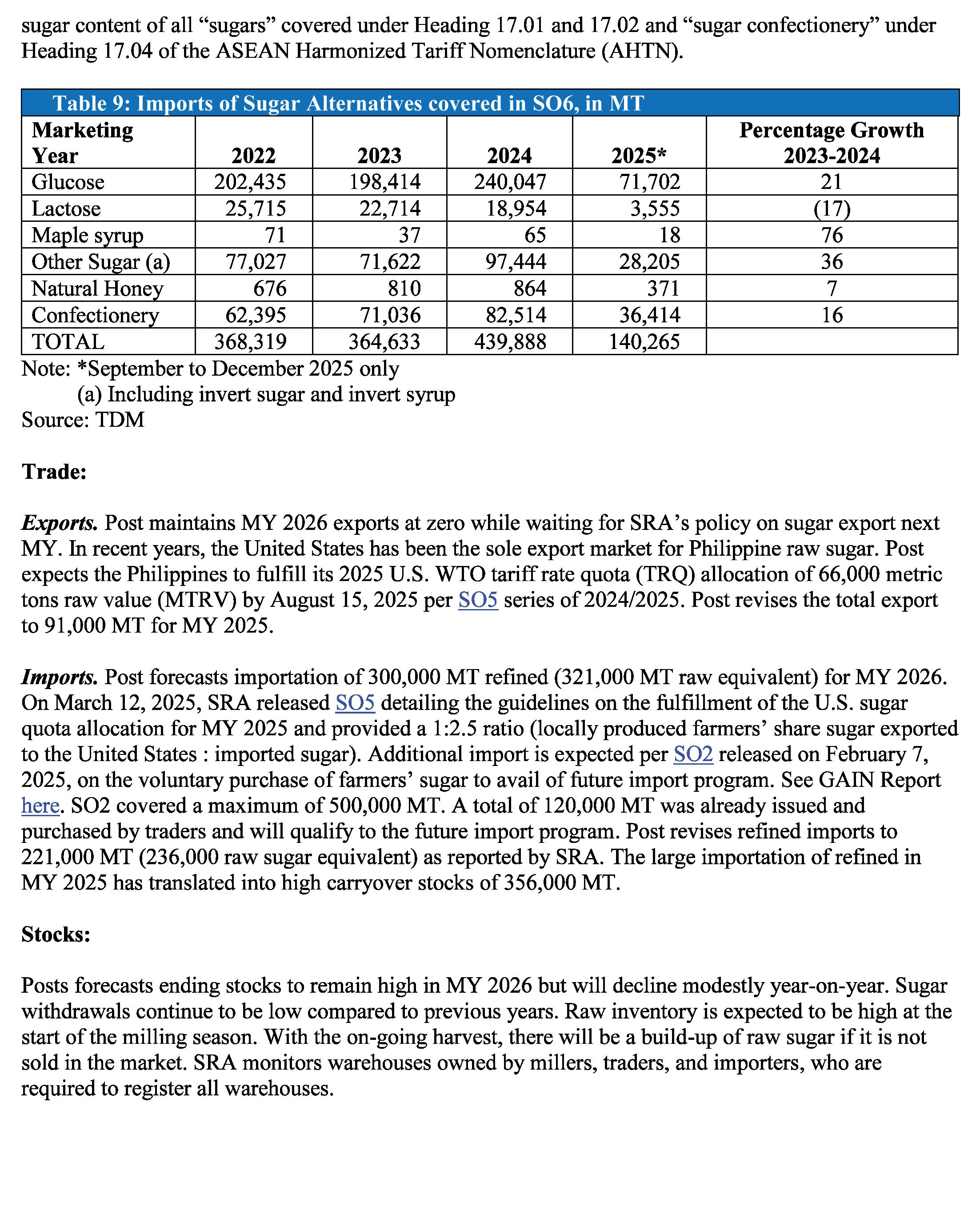
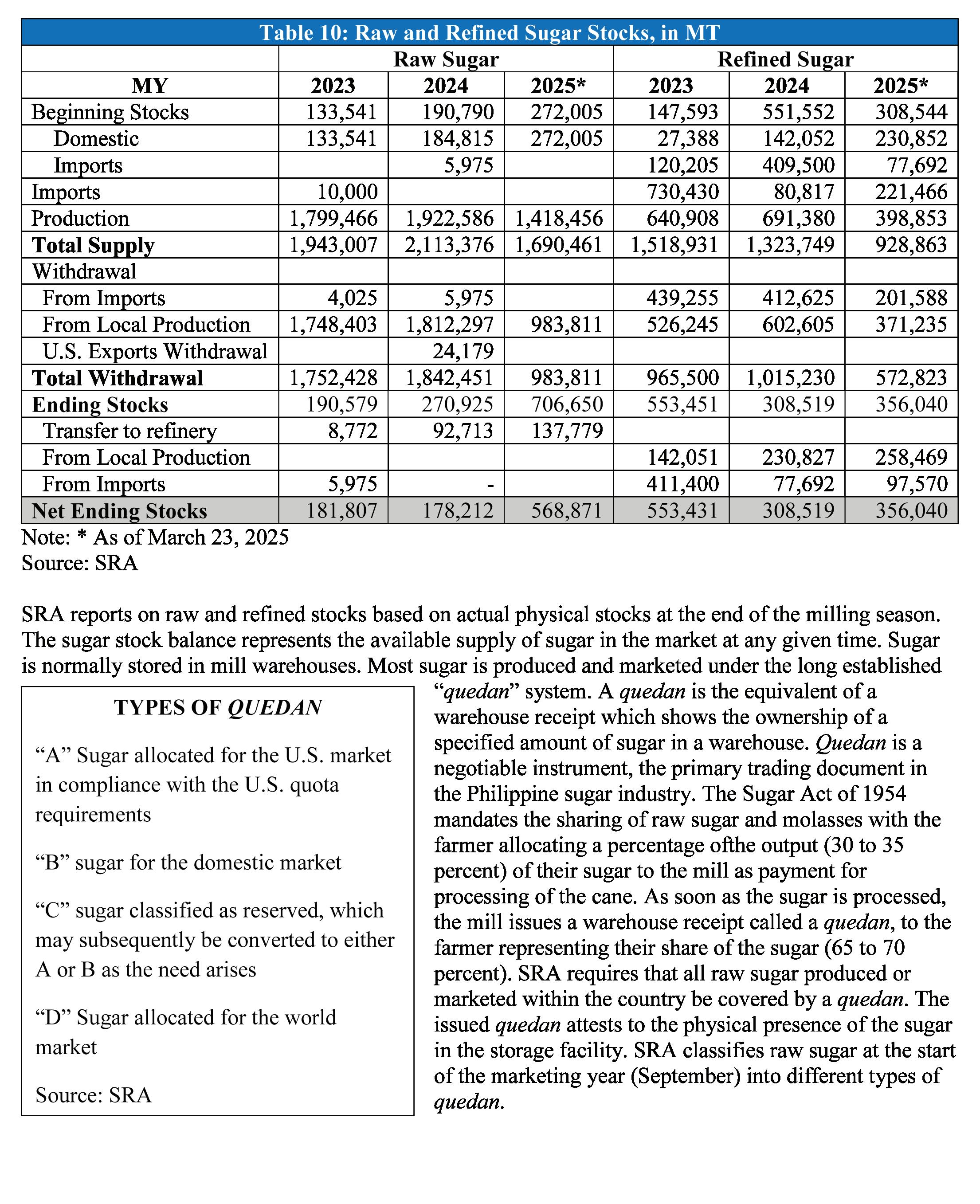
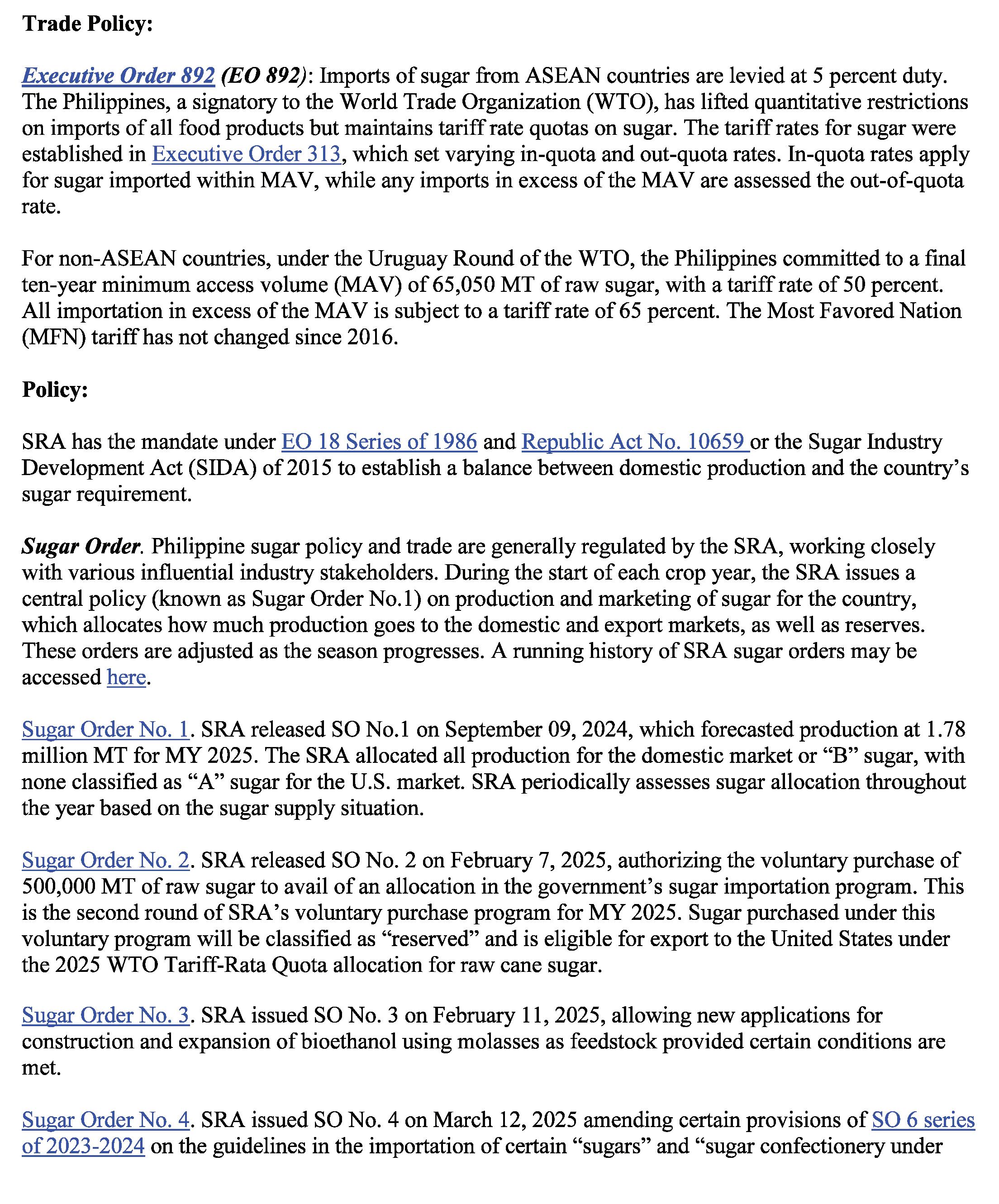
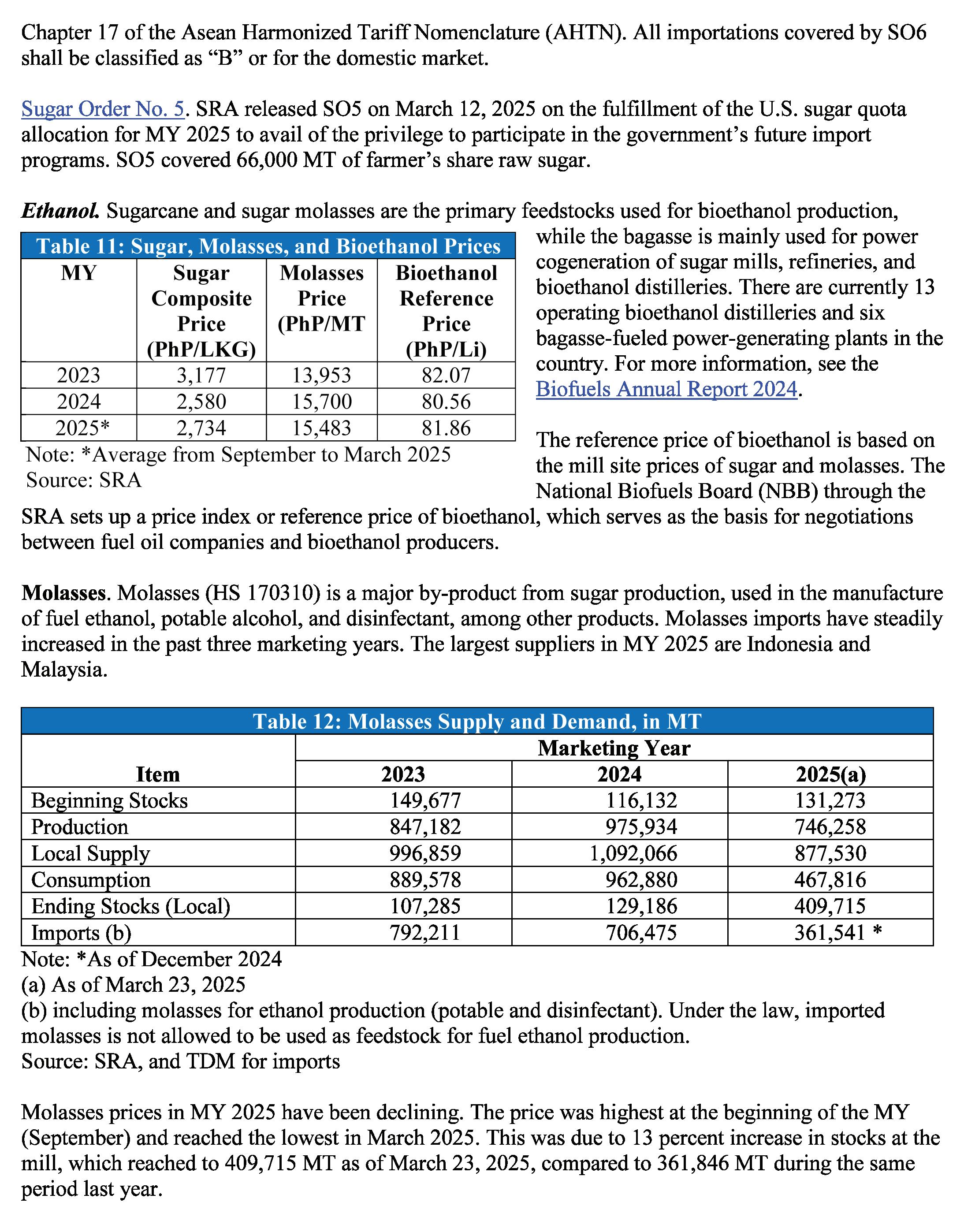


s ugarcane ( Saccharum officinarum ) is a perennial grass of the family Poaceae i t is primarily cultivated for its juice, from which alcohol (through fermentation and distillation) and sugar (through dehidration and refining) can be obtained. m ost of the world’s sugarcane is grown in subtropical and tropical areas.
i t is commonly accepted today that sugarcane originated in Papua, n ew g uinea, where it was initially domesticated. The plant was then taken to other lands by traders, where its sweet virtues quickly made it a sought-after commodity.
i t is also commonly accepted that around 10,000 years ago, the original inhabitants of Papua did not have tools to process the cane, meaning that they likely chewed it raw to extract the juice, which was consumed as-is ( n oël d eerr, The History of Sugar: Volume One ).
n ot much written history exists that documents the early extraction of the juice for the purpose of dehydration and formation of sugar crystals until the publication of De Materia Medica , a pharmacopoeia of medicinal plants and the medicines that can be obtained from them, which was written between the years 50 and 70 of the current era by Pedanius d ioscorides, a g reek physician in the r oman army. This is the oldest record documenting the existence of crystalized sugar, which was used at the time to “treat indigestion and stomach ailments.”
h ow did people manage to extract the dissolved sugar from the juice? The answers to this question are at the core of this series. s o join us, as we explore this fascinating topic!

m any of the cane mill designs we’ve seen throughout this series exist because their designers mastered the skills/technology required to produce them profitably. Affordable products are, after all, easier to sell than their more expensive counterparts. m achines that are easy to produce and easy to sell, however, are not always easy to maintain or capable of producing the highest yields possible.
The Blymyer i ron w orks Company, from Cincinnati o hio put it best in its 1892 company catalog:
“The office (purpose) of a cane mill being to press out the juice, it is all important that it press out the largest possible percentage thereof. Only a heavy mill of the best construction will do this. Mills with cast shafts, or unturned rolls, or with rolls in wooden frames, and two-roll mills, are all mere makeshifts, and will leave a large percentage of juice in the bagasse. Flexible mills, or those with rolls arranged to yield under pressure . . . are also wasteful of juice. The loss of juice by the best flexible mill over a good rigid mill is not less than 10% and in general, the loss is 20%-30%.”
As you can imagine from the above, the Blymyer mills were heavy and well-constructed. The horizontal placement of the three rollers meant that the top roller would naturally exert great pressure on the bottom rollers, to achieve the maximum yields.
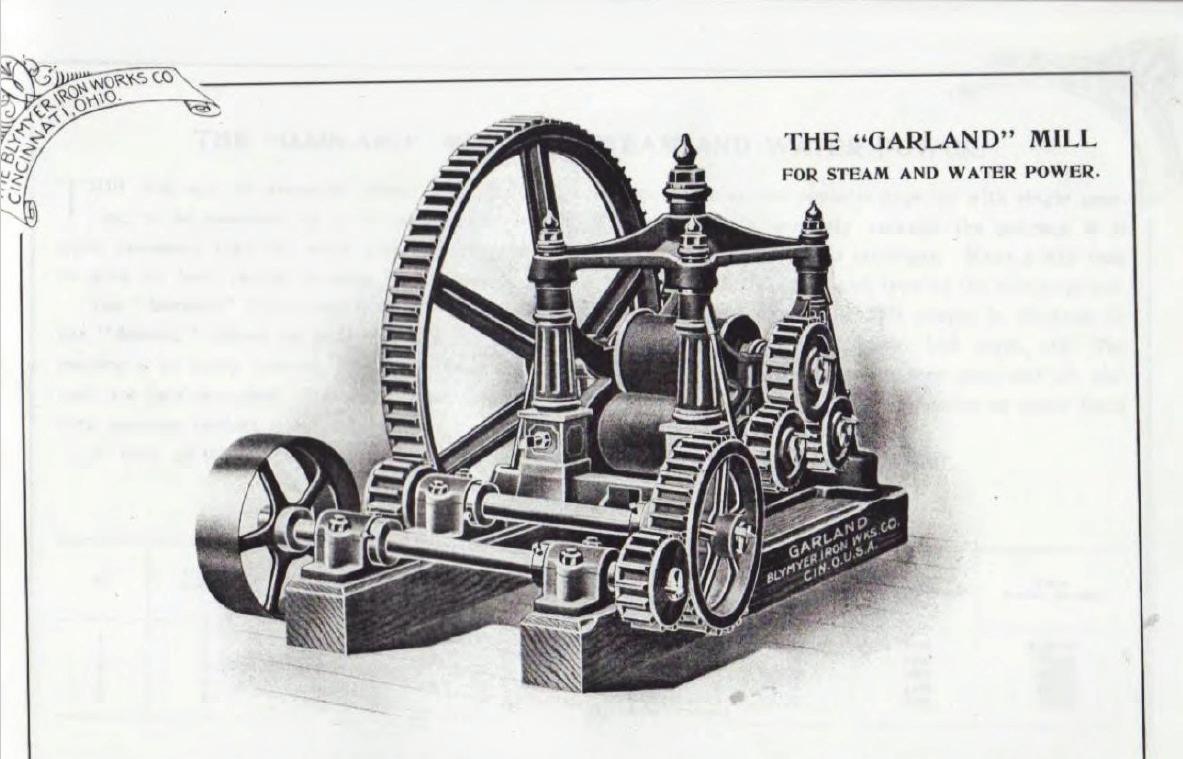
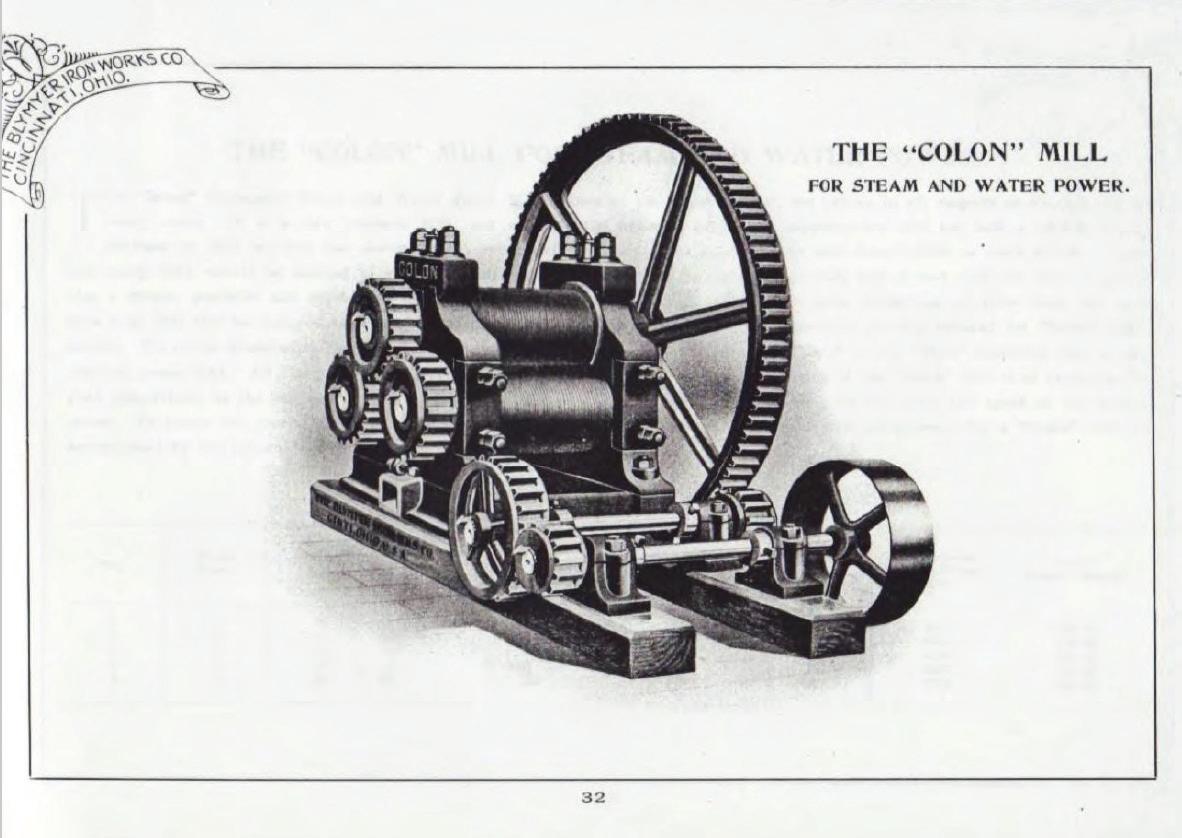
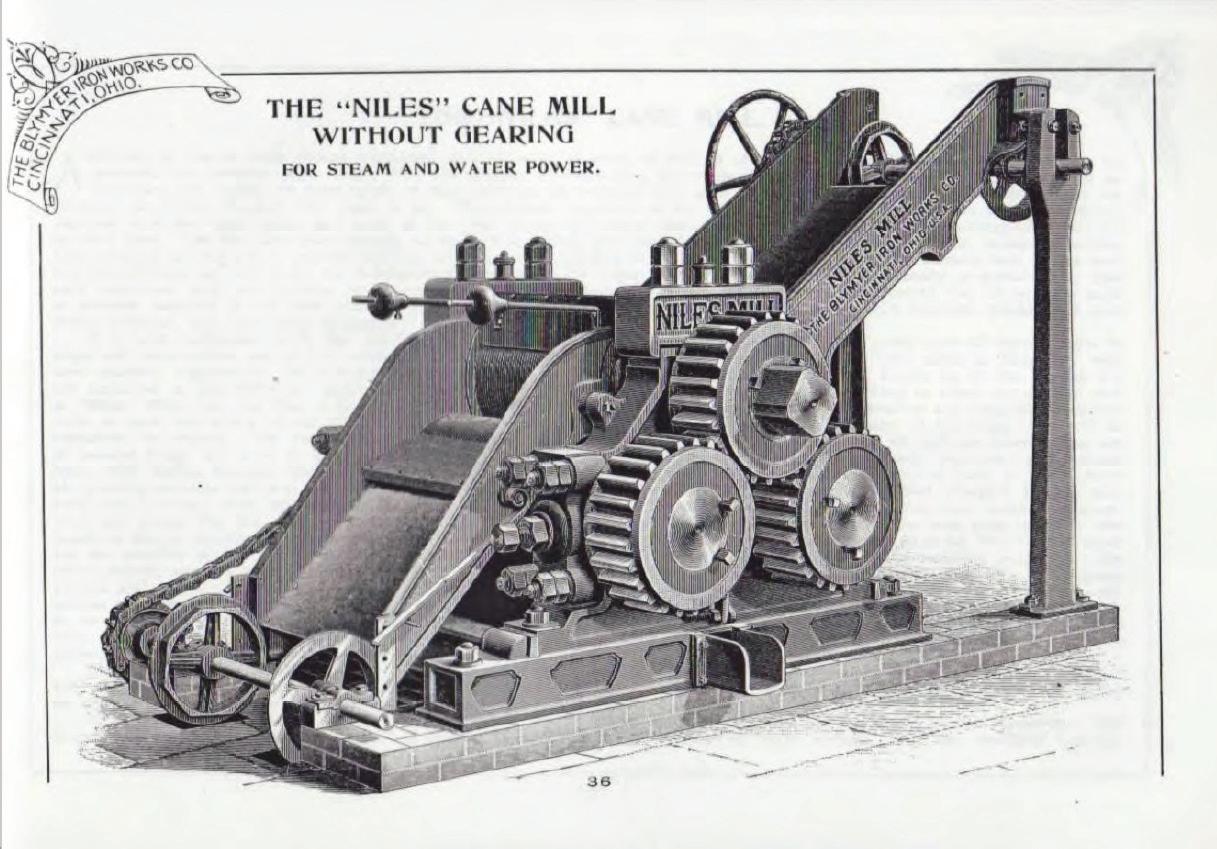
s hown on the opposite page and above are several of the horizontal threeroller mills produced by the Blymyer i ron w orks Co.
Testament to the efficiency of their approach can be seen around the world, in large-scale commercial/ industrial sugar mills that still employ this horizontal roller arrangement.
i n this series we’ve taken a journey through the evolution of the different sugarcane juice extraction implements. The sugar mill industry has been in decline for the past several decades, with fewer and fewer mills in operation remaining every year. w ill continuing closures affect the sugar market, driving up the price and, if so, will the potentially increased profit margins drive future investment in innovation?
Or have we seen the “end of the road” in terms of sugarcane mill technology? Will we see a return to smaller mills that can be operated to supply small communities or even households? Will we see a new generation of inventors design mills powered by renewable sources of energy?
Only time will tell. But one thing remains clear: as long as we have a desire for sugar and as long as we are able to grow the sweet grass, people will continue to explore ways to extract its nectar!
We hope that you enjoyed this series about the origins and evolution of the sugar mill!. Please stay tuned for more material from The Rum University®!
s ugar Mill s potlight
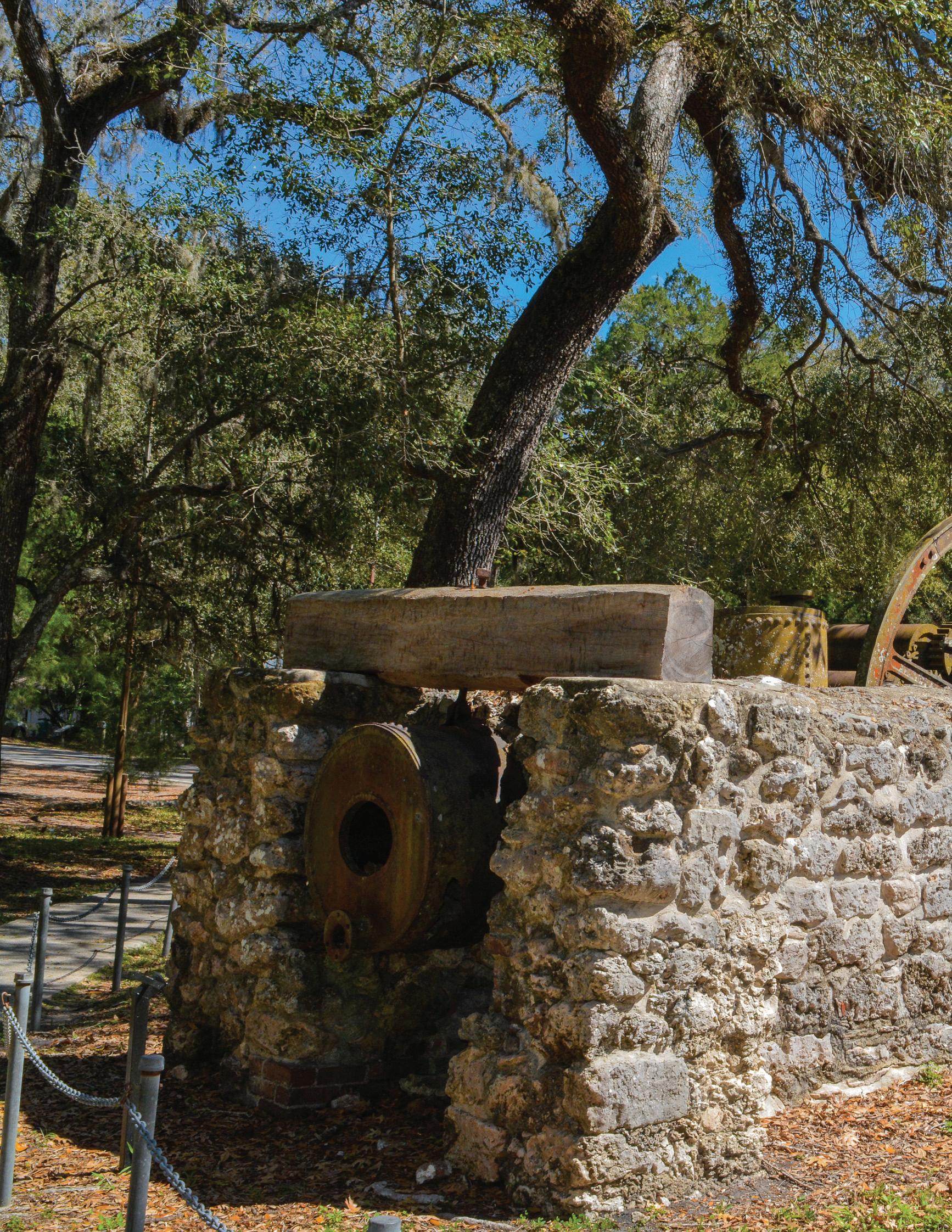
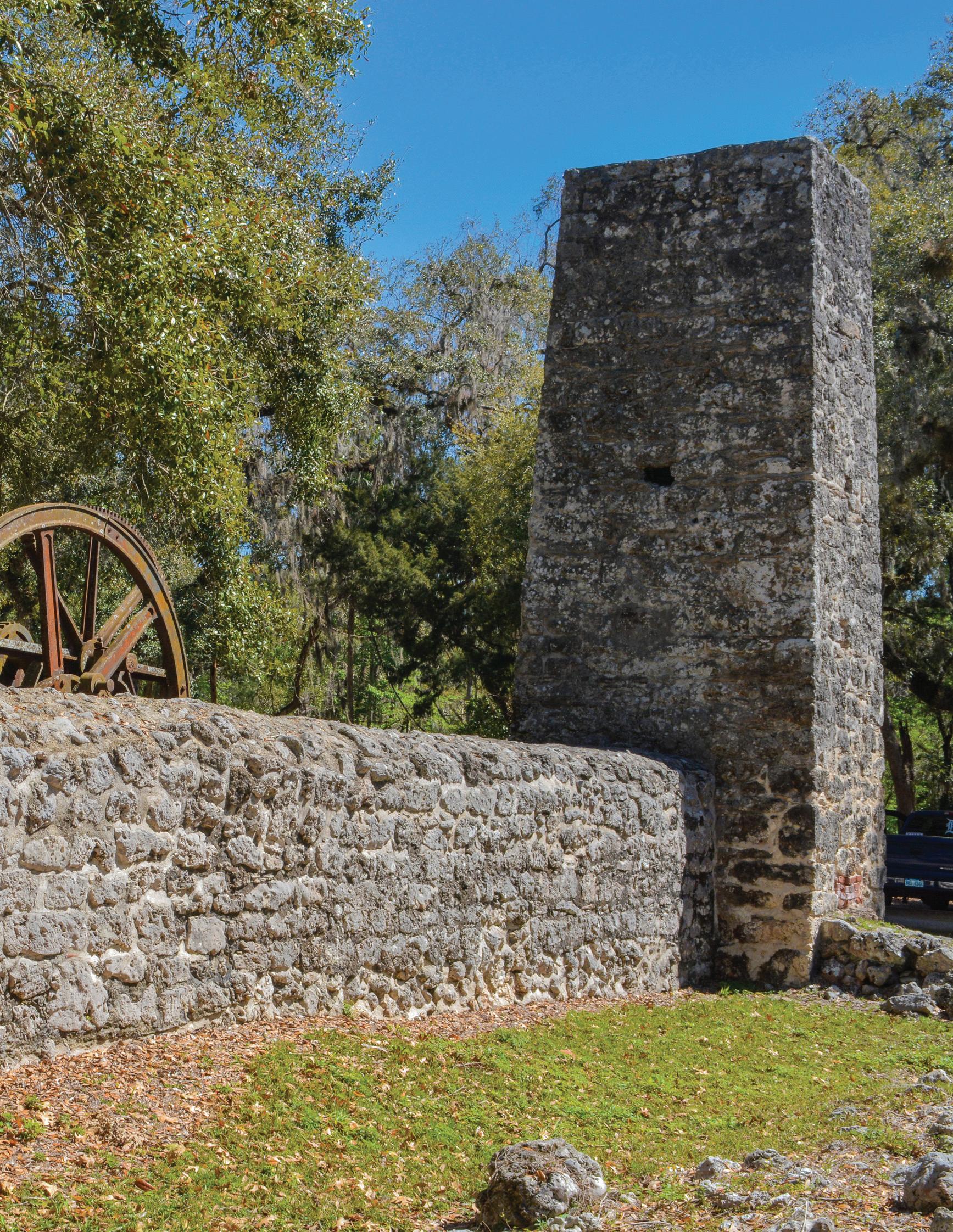
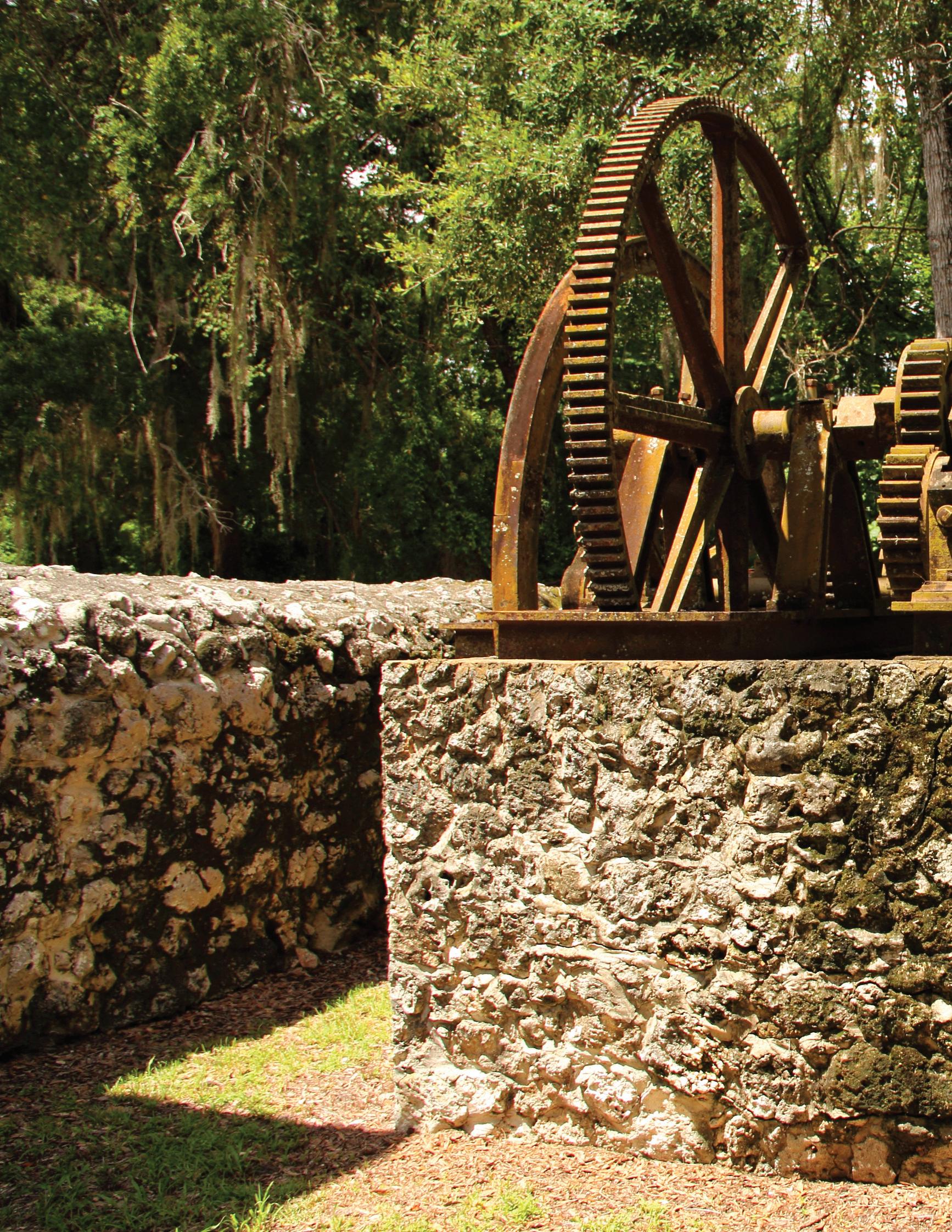
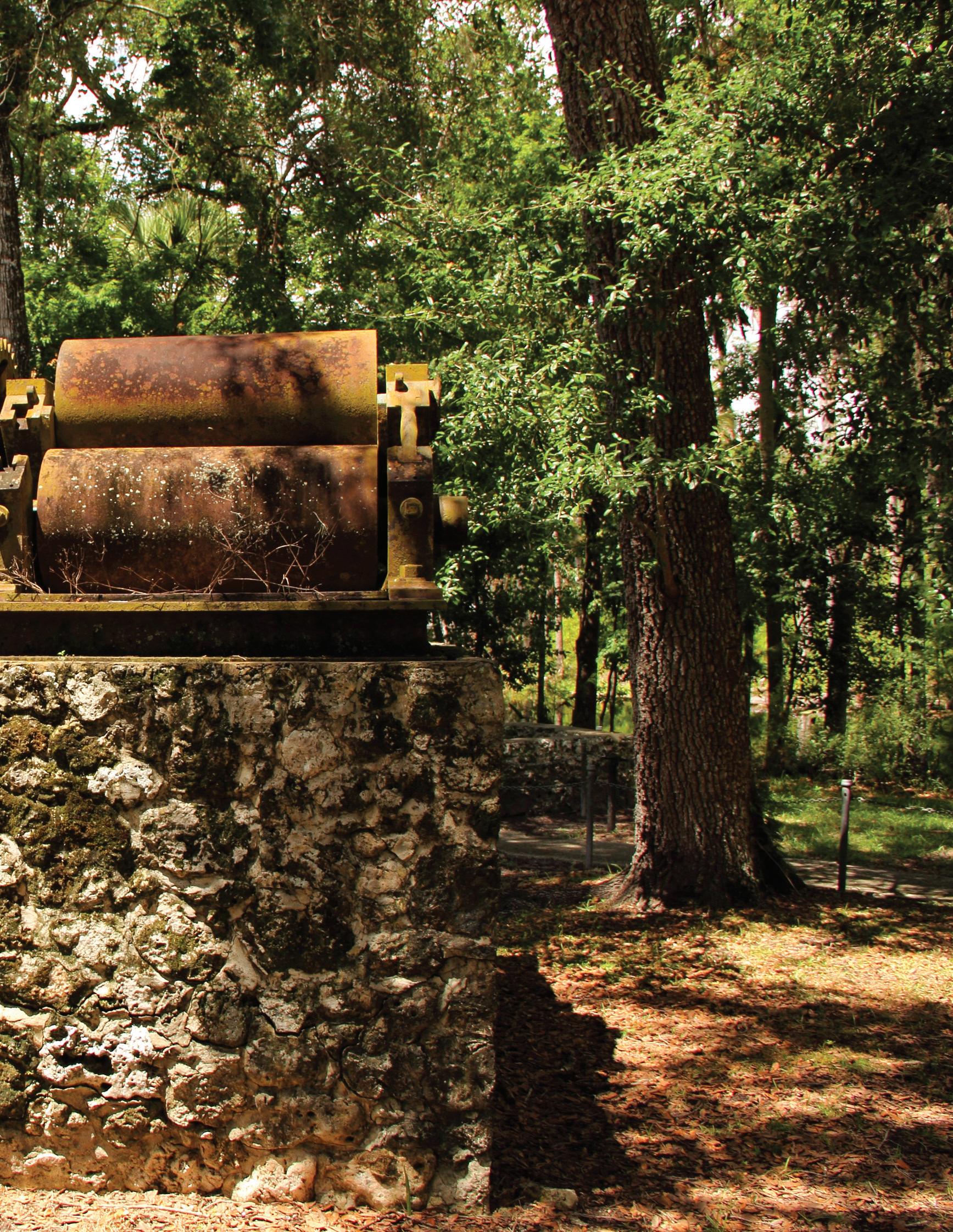
Yulee s ugar m ill r uins h istoric s tate Park. This site was once part of a thriving sugar plantation owned by d avid l evy Yulee. Yulee was a member of the Territorial l egislative Council, and he served in the u s h ouse of r epresentatives and s enate after Florida statehood.
The park contains remnants of the once thriving, 5,100-acre sugar plantation, including a 40-foot limestone masonry chimney, iron gears and a cane press. The steam-driven mill operated from 1851 to 1864 and served as a supplier of sugar products for s outhern troops during the Civil w ar.
The park is located approximately 3 miles west of the city of h omosassa s prings, Florida, us A.
“ go t R u M?” t E a M int ERV i EW
by m argaret Ayala

This issue is lovingly dedicated to our team of “ g ot r um?” collaborators, to r um Central’s o perations and Bottling teams, to all of our suppliers and, of course, our bulk rum and consulting clients!
The rum industry is A wesome because of all of you! l uis and i could not have made it this far without everyone’s help. w e are looking forward to another year of personal and professional growth, while we continue to serve the rum industry.

m argaret Ayala, Publisher
Putting together a monthly magazine is not an easy task. Thankfully for us at “ g ot r um?”, we have the world’s best contributing writers, who tirelessly produce content for us, month after month!
i t is easy, however, for readers to lose track of the people behind the stories, so each d ecember we reserve space for our contributors to share a bit of information about themselves, their achievements, goals and observations.
h ere is a quick update from l uis and me:
• “ g ot r um?” has been around for 24 years and we are grateful to have such a loyal readership. w e are always keen to hear which topics are most and

least interesting, so please continue to tell us about your interests/needs!
• As stated in l uis’ column on page 5, the alcohol beverage industry continues to have a rough time. w e are pleased to report, however, that we’ve actively helped several distilleries survive, through strategic planning and that we’re working with many more.
• i n response to our clients’ needs, r um Central has increased its role as a supplier of bulk spirits, offerings now include Tequila, Brandy, r um and v odka. g in and w hiskey will be added to our portfolio in 2026.
• i n 2025 we also completed a large investment to expand our finishing barrels options. w e now have Amburana, Brandy, Cognac, n aranja and Tokaji, in addition to our standard
finishing casks (Armagnac, Port, s herry, Tempranillo, etc.)
• r um Central’s co-packing services performed exceedingly well. w e gained numerous new brands, and we continue to offer strategic packing options to our clients.
• The r um u niversity’s new campus, at r um Central in Texas, has allowed us to expand our course offerings to distillery owners and operators, in addition to the classes we teach at m oonshine u niversity in Kentucky. s tay tuned for the 2026 Course s chedule!
i wish all a very happy holiday season and hope that 2026 brings us all better news about our beloved rum industry!
m argaret Ayala

by m argaret Ayala
1. o f all the rums you reviewed this year, is there a particular one that stood out, and why?
The h olmes Cay h eritage blend made such a positive impression that i am using it as one of my go-to house rums. i t is an easy sipper and is versatile in a wide range of cocktails, so i decided to keep the expression in stock.
2. h ave you added any rums to your “favorite” list this year (even if you didn’t review them for the magazine)?
d iplomático r um s elección d e Familia, which i reviewed last d ecember, has become a favorite of that brand’s portfolio. h amilton Breezeway r um became a go-to product for d aiquiris and Tiki/tropical cocktails.
3. h ave you noticed any consumer trends this year that are different from previous years?
There is a split happening among spirit consumers. w ith the challenges of the u s economy, i have seen the fatigue with high priced rums continue to grow. w ith everything costing more, consumers are being more savvy about their purchases and getting the most for their money. i have seen resentment grow toward brands releasing high-end products that cost more than a house or car payment.
4. Do you have rum-related travel plans or activities for next year?
i hope to visit some distilleries and attend a couple of festivals and conferences if my schedule permits them.
5. i s there anything else that you’d like to share with our readers?
i would like to extend my gratitude to the readers and hope they continue to enjoy the reviews and content of the magazine.
w ishing everyone happy holidays and a wonderful new year.
by m argaret Ayala

1. t his has been an exciting and wonderful year for you, moving to Punta a renas and becoming a Dad for the first time. Congratulations! h ow have you been doing settling into your new role?
Yes, it has been a year full of highs and lows! At the beginning of the year i accepted a challenge to open a new restaurant in Punta Arenas. i spent a whole year overseeing the construction and opening of the building. At the end, however, i made the controversial decision to leave the project, so that i could spend more time with my son, Joaquin, who will soon celebrate his 1 birthday. i am amazed by how much he changes on a daily basis and i just don’t want to miss any of it.
At the same time, i can devote more time to the main reason behind my decision to accept the restaurant challenge in the first place: to find the perfect location for a distillery in Patagonia, both for aging and for distilling. The focus will be on premium rums, aged for a very long time. The low temperature and dominant winds will play a key role in this special project.
g ot Rum? December 2025 - 62
i f everything turns out according to my plans, soon i will identify the third and final partner and we’ll be able to bring this majestic project to life, culminating in the southernmost distillery in the entire continent.
l astly, to smoke now i have to find the right time and place, days with little wind and when my paternal duties allow. At the end, i hope to be able to leave something behind for Joaquin, something that i managed to achieve in my short life.
2. a ny highlights you can share about the spirits and hospitality industry in Chile?
i can describe to you in more detail the area where i live now. i t is an excellent tourist destination, for at least 5 months each year. The main two destinations are: the first one is Torres del Paine Park and the second one, which is consistently becoming more popular, is as a launching point for Antarctic tourism.
Punta Arenas has positive and negative sides, as it relates to tourism: it is a beautiful city, the residents are primarily from this zone to the extent that they feel isolated from the rest of the country. o n the other hand, the city needs to be more receptive to the needs of the tourists, such as, having more restaurants along the s traight of m agellan coastline and having more businesses open on s undays. Addressing these points, plus having a few more tourist attractions, would make Punta Arenas a stronger, better prepared city. i f everything works out according to the plan, touring the distillery would be an obvious activity for all visitors.
3. t wo years ago there were many new cigar brands that were introduced into Chile, have they managed to stay in business? Do any of them stand out to you?
e xcept for the domestic brand that has its cigars made in the d ominican r epublic, with tobacco from different regions, there is another group of cigar lovers: Grupo
Zeron , that attracts consumers with some non-Cuban brands, such as Padrón, r ocky Patel, Arturo Fuente and Alec Bradley, among many. i t is a great opportunity to smoke cigars that would otherwise require travel to acquire them. The Casa del h abano in s antiago continues to be a solid, trustworthy source of h abanos. Another cigar-smoking friend of mine, Anabel, wants to import e P Carrillo and AJ Fernandez. i regularly ask her when they will be available, since i ’m anxious to try them.
All these things help the market, at least the market i ’m most comfortable with, which is the one comprised by cigar smokers.
4. o f all the Cigar & Rum Pairings that you have done for “ g ot Rum?” this year, is there one that stands out for you, one that you’ve repeated multiple times?
i ’d say that i have combined ideas drawn from the pairings, i regularly reach out for rums when making o ld Fashioned cocktails. This year i used this cocktail quite a bit, the truth is that i really enjoy the rum version more than the original American w hiskey one. As far as cigars, while it is true that i ’ve used several classic and Cuban brands, one that i keep going back to are the small Fuller “ n ápoles,” which have the ideal size when time and space are limited. They are perfect with a coffee (something that is in abundant supply in Punta Arenas) or with rum, either neat or mixed in rum-versions of classic cocktails. i ’d say that this is one of the most popular pairings i ’ve done this year, without a doubt.
5. i s there anything else that you’d like to share with your fans?
i hope that next year i can surprise everyone with good news about this crazy idea that started around 2015 and which i hope to put into action in 2026. i wish good health to all my readers and to their families and hope that the new year is filled with success and happiness.

by m argaret Ayala
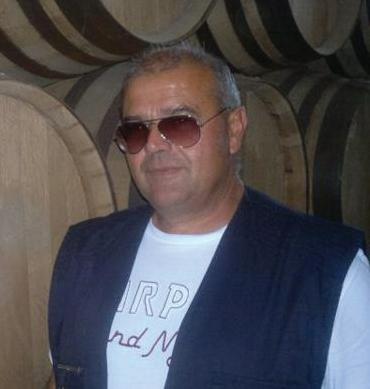
1. you took a few months off from publishing articles in the magazine to do rum research. Can you share any of your findings and future plans?
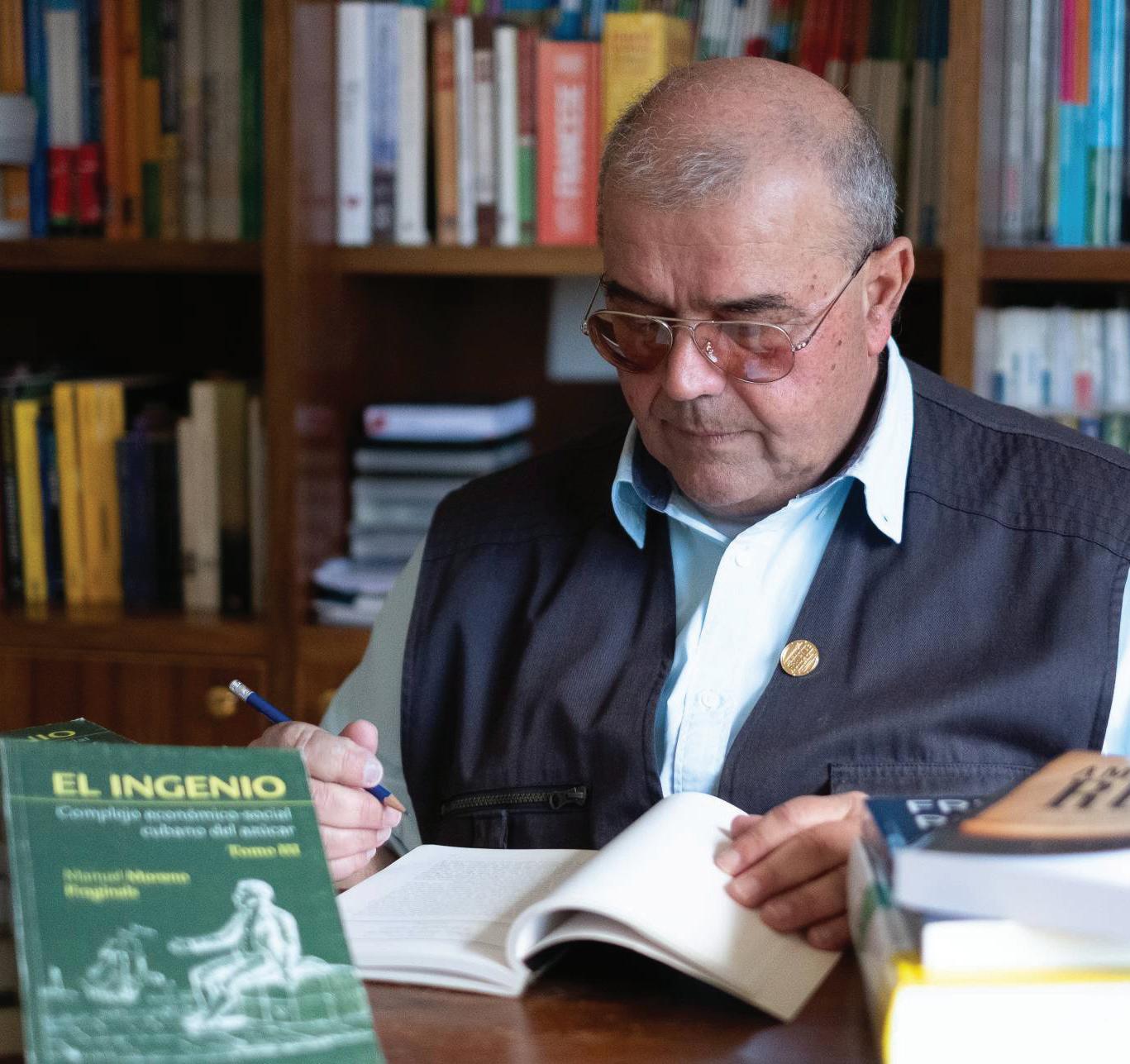
i would like to continue my series on the h istory of Cuban r um up to the present day. The problem is the sources. Cuba is going through a very, very, difficult situation and accessing reliable primary sources is difficult, almost impossible, at least for me. Fortunately, i found two books - m aría v ictoria Arechabala Fernández and Antonío s antamaría g arcía “ ARECHABALA Azúcar y Ron ”, and “ ORO BLANCO Una Historia
Empresarial del Ron Cubano ” by m anuel Bonera m iranda – that allowed me to write the articles i published in the last few issues and others that are yet to come. As for the future, we’ll see. i n any case, the history of Cuban rum is still ongoing, and i would like to devote many more articles to it. i n the meantime, however, i will intersperse the series with articles on other topics related to the history of rum.
2. Craft distilleries in the usa are struggling, many closed down this year and many more are likely to follow suit next year. h ow is the craft spirits industry in i taly, in general and the rum industry more specifically?
As far as i know, craft distillation in i taly is still a small-scale phenomenon, with limited production. h owever, there are many small distilleries producing typical i talian amari and other spirits, and i don’t think they are in crisis, quite the contrary. The novelty in recent years is that craft distilleries producing rum have sprung up and continue to do so. i n many cases, producers have replanted sugarcane, which was once widespread in s icily, and use the juice from their own cane. o thers buy the raw material in the market. s ee my article T he T r A velling rum his T ori A n si C ilY in m ay 2025 issue. There are also rumors of interest from major players in the sector. w ait and see.
3. r T d consumption has been on the rise in the us A, are you seeing the same trend in e urope this year?
i haven’t traveled much in years, i rarely go out in the evening, and i ’m no longer in touch with the market, if only because of my age. But no, i don’t think r T d consumption is growing significantly in i taly, and, from what little i know, not even in e urope.
4. i s there anything else that you’d like to share with our readers?
The history of rum in particular, and of spirits in general, has become my intellectual passion. i hope our readers enjoy reading my articles as much as i enjoy writing them.
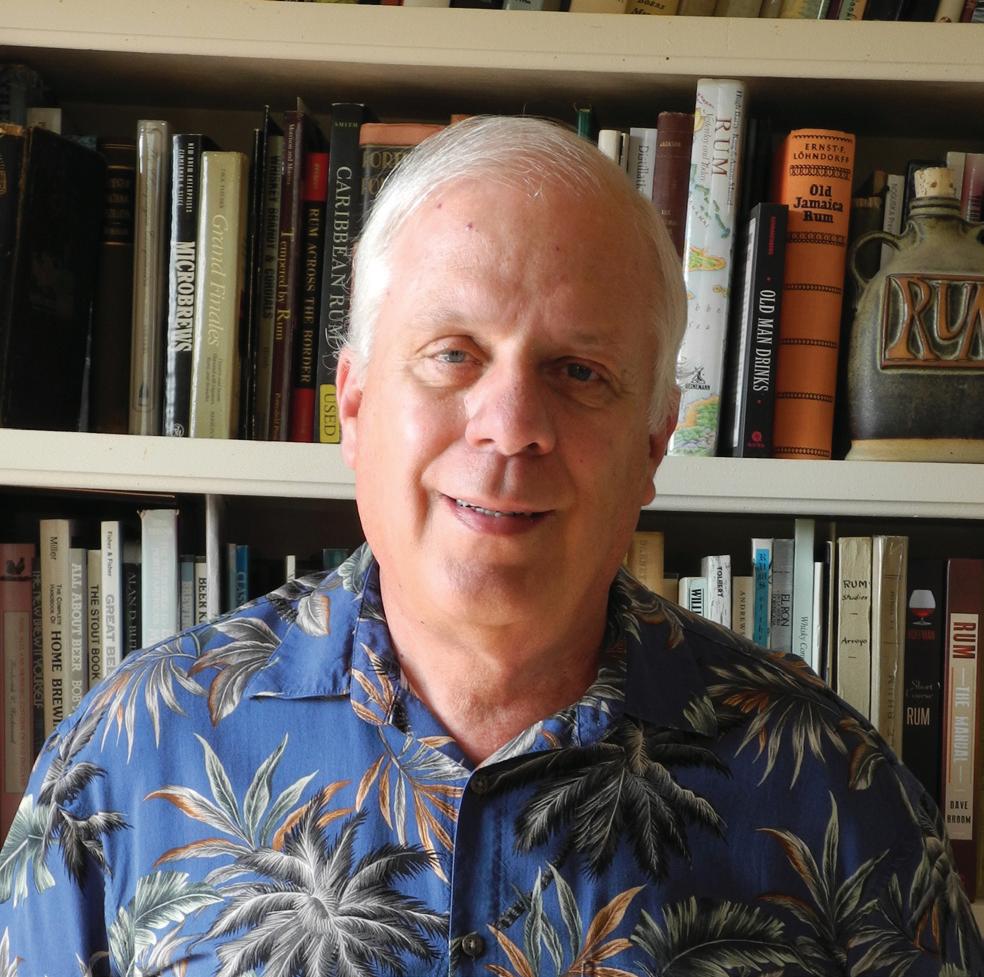
by m argaret Ayala
1. We have seen a lot of ups and downs in the spirits industry this year, too many operations have already failed and more will meet the same fate next year. i s there anything in particular that stands out for you?
i think 2025 was the perfect storm of elements battering the spirit industry. First, i think people are drinking less for a variety of reasons: health, personal finances, public pressure, etc. w hen people do consume, noalcohol beverages, low alcohol drinks and hard seltzers are often the popular choice. The growing legalization of cannabis products has also had an effect. The confusion surrounding tariffs certainly affected attitudes in some countries and distribution and sales in others. i n our rum world, sales of spiced rums, flavored rums and mass-marketed white rums are down, again as people drink less. o ur saving grace maybe the slow progress we are making in our attempts to ‘premiunize’ rum. w e now have producers, big and small, that are making great rums that are well crafted, artfully blended and longer aged. i ndependent bottlers offer us rums, rhums, rons, cachaças, aquardientes and clarins from countries we never suspected made great spirits. m y hope is that we do not price ourselves out of interest with the everyday consumer, like our cousins in the whiskey world.
2. t he holiday season is upon us and we are curious to know what holiday cocktail you have chosen for this year’s celebrations?
w e were lucky enough to have my brother and daughter join us in Arizona for Thanksgiving this year and the h oliday spirits were definitely flowing.
d uring the day, my daughter was making a drink she called a Rum & s pice Ember :
2 oz Appleton 8 r um
1 oz cinnamon syrup
½ oz fresh lemon juice
½ oz ginger liqueur
2 dashes nutmeg bitters
s hake all ingredients and pour into a rocks glass with a big ice cube
m y brother always enjoys a good Rum o ld f ashioned h ere is our version:
1 oz d enizen v atted d ark r um
1 oz s mith & Cross r um
½ oz 2x d emerara syrup
d ashes of orange and Angostura Bitters
s tirred and poured into a rocks glass
e ven though our nights here in Phoenix are pretty mild this time of year (50˚F), we wanted something warm to drink around the fire pit and came up with this concoction:
2 oz h amilton 86 r um
½ oz maple syrup
½ oz orange liqueur
A dash of bitters
All mixed in a mug and the filled with hot water, a cinnamon stick and an orange slice
3. y ou are an avid reader, are there any new books that you have enjoyed and would recommend as “must haves”?
i really enjoyed t he Rum n ever s ets; 300 years of Royal n avy and l ondon Dock Rum by m att Pietrek and Alexandre g abriel. The first part of the book is Pietrek’s well researched history of r oyal n avy rum and the blending process at the l ondon d ocks. The second part of the book describes how g abriel was able to define seven key elements in the manufacture of r oyal n avy r um, the roles they played and how he was able to incorporate those in his
facilities in the Caribbean and in e urope to create his version of a n aval rum.
r ight now, i am reading R u M: Empire in a g lass by drink historian Bill Johns. This is a big book, 446 pages. The publisher describes the book: This is not a tasting guide. It is a cultural reckoning in a glass. Equal parts history, anthropology, and sensory exploration, Rum: Empire in the Glass challenges readers to drink with memory—and to ask, every time they lift a glass: what was the cost of this sweetness?
n ext on the list is t he i nvention of Rum: Creating the Quintessential a tlantic Commodity by Jordan B. s mith. This 228 page book just came out in o ctober. Again, from the publisher: Based on extensive archival research in the Caribbean, North America, and Britain, The Invention of Rum narrates the seventeenth- and eighteenth-century history
of one of the Atlantic world’s most ubiquitous products. Smith casts this everyday item as both a crucial example of negotiation between Europeans, Africans, and Americans and a harbinger of modernity, connecting rum’s early history to the current global market.
In March of next year. Canada in the Age of Rum by Allan Greer will be published by McGillQueen’s University Press as part of their Studies in Early Canada series.
This will be followed in June by The World of Rum by Laurence Marot from Gelding Street Press.
4. Is there anything else that you’d like to share with our readers?
I hope your holidays are filled with family, good friends, good food and good spirits!

by Philip i li Barake


my name is Philip i li Barake, s ommelier by trade. As a result of working with selected restaurants and wine producers in Chile, i started developing a passion for distilled spirits and cigars. As part of my most recent job, i had the opportunity to visit many Central American countries, as well as, rum distilleries and tobacco growers.
But my passion for spirits and cigars did not end there; in 2010 i had the honor of representing Chile at the i nternational Cigar s ommelier Competition, where i won first place, becoming the first s outh American to ever achieve that feat.
n ow i face the challenge of impressing the readers of “ g ot r um?” with what is perhaps the toughest task for a s ommelier: discussing pairings while being well aware that there are as many individual preferences as there are rums and cigars in the world.
i believe a pairing is an experience that should not be limited to only two products;
it is something that can be incorporated into our lives. i hope to help our readers discover and appreciate the pleasure of trying new things (or experiencing known things in new ways).
Philip # gr CigarPairing


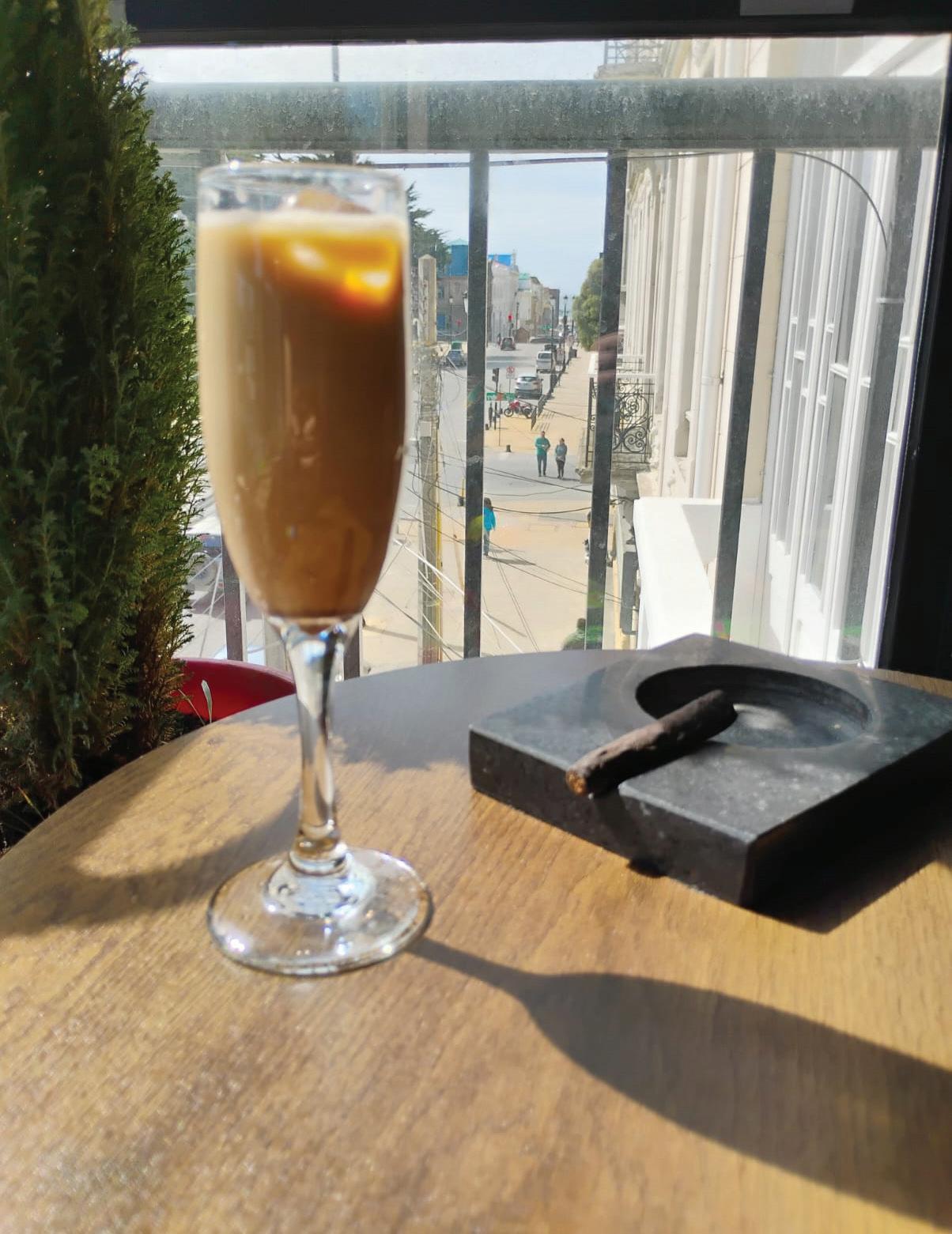
s ome time ago, i used a m onkey Tail for a pairing. This is a traditional drink for this time of the year in Chile and in some parts of Peru. According to one theory, the drink got its name because it was once sold in reused “Anis del m ono” glass bottles (a popular brand of anis, depicting a monkey on its front label), which is a bit hard to believe, since the bottle is quite large to fit inside the average refrigerator. Another theory is that the name comes from a former president, Pedro m ontt, who was known as “el mono m ontt” (the m ontt monkey), who is said to have drank something very similar.
There are several recipes, but they usually use grape aguardiente, plus other household ingredients like milk, coffee, cinnamon, clove, vanilla and nutmeg.
As you can imagine, these flavors are typically associated with those found in the s piced r um category, which is our inspiration for today’s m onkey Tail version.
h ere is the recipe i used, i tried to adhere to the spirit of the original recipe, but i adjusted it based on the rums i had available:
• 300 m l of m ilk (approximately 10 ounces)
• 60 m l r on r itual de Cuba, a low-congener s piced r um (approximately 2 ounces)
• 60 m l Bacardi Coconut-flavored r um
• 3 Tbsp. Brown s ugar
• 1 d ash v anilla e xtract
• 2 Tbsp. Coffee
• Cinnamon/Cloves are optional
Place all ingredients in a kettle and bring to a boil, stirring constantly. Boil for 3-5 minutes and strain it if needed (if you used cloves and cinnamon, for example) and allow it to cool. To finish the preparation, add 60 m l (2 ounces)
of White Rum, I selected JM Rhum Agricole Blanc instead of the original aguardiente , this will give the drink a strong rum character.
At serving time, add plenty of ice, but keep in mind that if you use crushed ice, the drink will become too diluted, which will alter its flavor. If that is the only type of ice you have available, then you’ll need to consume the drink quickly, like I did.
I did this pairing in the morning, it was a Breakfast Pairing, which reminded me of the movie Apocalypse Now and the scene where Colonel Kilgore (played by Robert Duvall) utters the iconic phrase, known by all movielovers, but which I’ve adapted for rum lovers: “ Do you smell that? Do you smell it, son? That’s the smell of a good cigar. I love the smell of tobacco, especially in the mornings .”
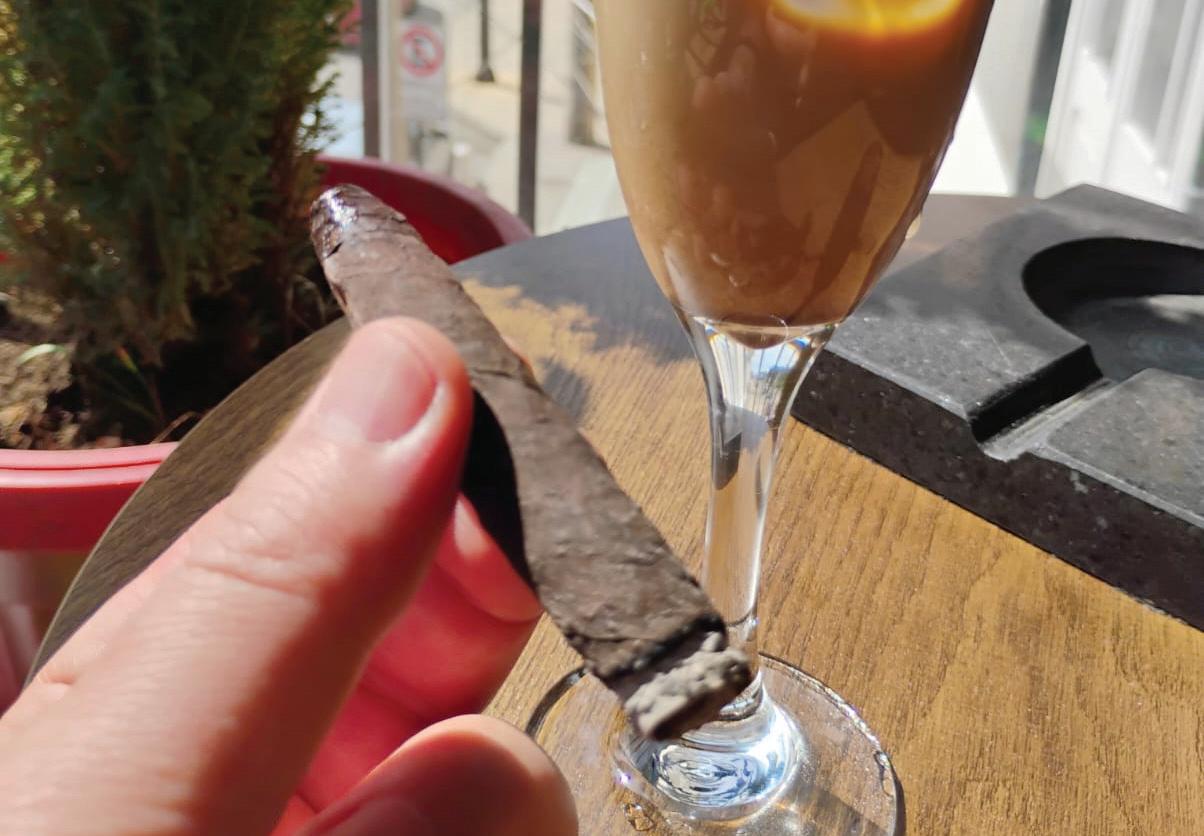
For the cigar, I could have reached out for a classic, even a Robusto would have been perfect for the pairing; as long as the cigar is not very intense, it will be fine. In my case,
i selected a n apoli, one of my “go to” cigars this year, especially for the brief smoking times i have, typically around 20 minutes, or enough time for a couple of m onkey Tails for the perfect breakfast. The cocktail’s flavors are very reminiscent of those found in barrelaged rums, but in a more subtle and sweet form, very easy to drink.
i hope that you can recreate this recipe at home, it is very versatile so that you can adapt it to fit your personal preferences. This particular recipe is one of many i tried and i liked it even more than many of the commercial products available in the local stores. i challenge you to make your own version and to share your feedback, describing the changes you made. i n the end, the goal is for all of us to be able enjoy what we like!
Cheers!
Philip i li Barake # gr CigarPairing