



Dear Neighbor,
As we end this year, I want to highlight the work of the Citizens Association of Georgetown (CAG). When stepping into the role of President, I made a commitment to action on issues that matter to Georgetown residents. I outlined key objectives at this year’s Annual Meeting, and I am proud to share that we have made major progress on each of them. Below are highlights of our action items in these eight key areas:
1. Historic Preservation remains a top priority particularly at this critical moment in our history. From the dismissal of the U.S. Commission of Fine Arts leadership to ongoing efforts by the city government to reduce public input, Georgetown’s historic preservation is increasingly at risk.
Met with the Old Georgetown Board (OGB) over five times
Provided comments regularly to the OGB on projects of significance
Represented at eight (8) zoning commission hearings
Commented on bills that included twenty-eight (28) proposed zoning changes by the city
Hosted historic preservation seminar with the Institute of Classical Architecture and Art
Planned a historic architecture walking tour highlighting architectural history
2. Public Spaces are for the public. That is why we are advocating that residents’ voices are heard on issues such as Streateries, extended sidewalks, parking, transportation, etc.
Met with the Georgetown Business Improvement District (BID) and the Advisory Neighborhood Commission (ANC)
Advocated on the DC Department of Transportation (DDOT) Streatery guidelines
Represented at the DC's Committee on Transportation and the Environment Public Oversight Roundtable regarding Streateries
Published responses and articles on these issues in the Georgetowner newspaper
Submitted six (6) letters to the City Council, Mayor, and DDOT Director
Drafting a plan on CAG’s position for the 2026 bicycle transportation plans
Submitted multiple 311 requests, including sidewalk repair fulfilled by the city
3. Public Safety is another top priority. That is why we have strengthened our robust block captain program, relations with the police department and community partners.
Met ten (10) times with the Metropolitan Police Department (MPD)
Strengthened relations with the Citizens Advisory Council
Attended BID and CAC public safety meetings
Engaged over seventy (70) block captains that cover ninety (90%) percent of the blocks
Adding new block captains with a goal of one hundred (100%) percent coverage
Hosted a block captain reception with ANC 2E
Commissioners in attendance
Established an advisory panel for block captain program
Distributed a new block captain manual
Outreach to encourage residents to turn on porch lights and register security cameras
4. Public Health is another word for our Rats and Trash Committee. From overflowing trash cans to sidewalk garbage piles, this is a feasting ground for rodents. With an energized committee, we are making meaning progress at dealing with the source of the problem.
Monitored and recorded two hundred and sixteen (216) trash violations
Inspected and remediated two (2) vacant lots
Reported and removed one (1) overflowing dumpster
Participated in three (3) rat observation walks with BID
Met with BID, businesses, and residents in problem areas and submitted proposed solutions
Negotiated solutions to deal with potential rodent and trash issues with new businesses
Worked with ANC, parks groups, and neighbors to address overflowing trash in parks
5. Alcohol Beverage Control committee addressed residents’ concerns with new businesses applying for liquor licenses.
Negotiated and protested nine (9) business liquor licenses with mutually agreeable terms
Represented at ANC 2E meetings and ABCA hearings
Met with residents and businesses for discussion potential issues and concerns
6. Events are one of our more popular committees that provide social opportunities through planned events. With an event nearly every month, we fostered community and connection.
Launched our popular new “Bar Takeover” series every month at local restaurants
Organized two (2) Concerts in the Park with hundreds in attendance
Co-Hosted a black history month program
Conducted our Annual Meeting with an increase in attendance and engagement
Celebrated supporters at our annual fundraiser
Planning a 250th Anniversary Celebration next year with community partners
7. Community Partnerships strengthen our impact and voice. We hosted over thirty (30) meetings with our community partners and stakeholders.
8. Technology is a way in which we connect more. That is why this year we have created a new website and platform that will digitally connect and engage more residents. In the new year, we will launch this exciting new platform. With a year-end gift, we will provide donors with early access in the new year. CAG has also increased our digital exposure with over 200,000 views and 200 new followers on Instagram, which has engaged new residents.
As I recap our year in review, I recognize this would not be possible without your support and involvement. On behalf of CAG’s leadership, we are deeply grateful to our loyal and generous donors, volunteers, and sponsors. Wishing you peace and joy this holiday season.
Warmly, Amy Titus
President, Citizens Association of Georgetown
Donate by check to the Citizens Association of Georgetown, 1058 30 Street NW, or online at www.cagtown.org/donate/ th

(202) 338-4834 www.georgetowner.com
“The Newspaper Whose Influence Far Exceeds Its Size” — Pierre Cardin
The GeorGeTowner is published in print monthly with an online newsletter supplement posted twice per week — On Mondays we highlight news and on Thursdays goings on about town. The opinions of our writers and columnists do not necessarily reflect the editorial and corporate opinions of The GeorGeTowner newspaper. The GeorGeTowner accepts no responsibility for unsolicited manuscripts or photographs and assumes no liability for products or services advertised herein. The GeorGeTowner reserves the right to edit, rewrite or refuse material and is not responsible for errors or omissions. Copyright 2025.
Please send submissions of opinions for consideration to:


SUBSCRIBE to our twice weekly online Georgetowner Newsletter — simply click or scan the code and enter your email address.
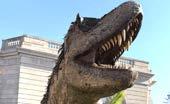


A DINO-MITE HOLIDAY BLOOMS AT THE U.S. BOTANIC GARDEN BY CELIA SHARPE
Have you ever wondered what life would be like if the dinosaurs had survived to live and roam around our modern world?
A FIRST LOOK AT D.C.’S 2026 CHERRY BLOSSOM SEASON BY MIA
PECH
On Thursday, November 20, the National Cherry Blossom Festival unveiled its plans for 2026 and revealed the year’s official artwork during a kickoff event at Washington Harbour inside Sequoia DC.
GU’S EATING SOCIETY: COMBINING CUISINE AND COMMUNITY BY ANNABEL TAYLOR
At Georgetown University’s Eating Society (GUES), college traditions and club culture meet culinary adventure.
FRESH TALK EXPLORES WOMEN’S AGENCY AND SUSTAINABILITY IN FASHION BY
KALYN TIPPETT
The National Museum of Women in the Arts hosted Fresh Talk: Agency in Fashion, a conversation spotlighting women’s leadership in one of the world’s most influential industries.



12th - 6:30 pm
13th - 6:30 pm 14th - 4:00 pm
19th - 6:30 pm 20th - 1:30 & 5:30 pm
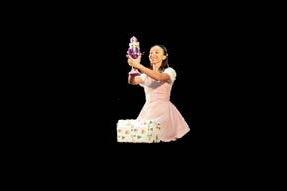
A cherished Petworth holiday tradition that brings together professional dancers and rising young talent in a magical retelling of Clara’s journey.
Buy Tickets Today! Use Code: GT-DREAM-10 for 10% off

This month’s meeting covered here with all the highlights and important community news.
Discover inspired holiday gifts handpicked by Georgetown’s beloved shopkeepers and boutiques—unique treasures and curated picks you won’t find anywhere else. COMING: This Thursday, Dec. 11 LOCAL GIFT GUIDE

Last month, The Georgetowner raised a question important to the Georgetown community: Are streateries beneficial or a terrible long-term idea? Our editorial, followed by a submission from Citizens Association of Georgetown President Amy Titus, prompted responses from readers. Here are their comments.
Limit the number of streateries. I approve ONLY if there are strict design standards AND permits are for three years only. I worry that there will be no enforcement. We are losing historic Georgetown. We need to insist on exceptions to citywide policies that will ruin the architectural fabric of our little town — the only preserved town of this size in the nation.
— Ruth Abrahams
Georgetown’s streets and sidewalks are too narrow for streateries, scooters and bikes, bike lanes, bus stops (not to mention pedestrians and parking). The parking pressure on residential side streets is at an all-time high. It’s time to put an end to the Georgetown BID’s and DDOT’s magical thinking that all can fit safely AND not sacrifice historic and visual integrity. Public space belongs to everyone — not just restaurants. The architecture, views and public
spaces that make Georgetown unique must be protected. Let’s protect Georgetown’s safety, accessibility and historic charm with commonsense planning, not cluttered streetscapes. It’s time to pull them up and go back to the drawing board before any “forever” permits are issued.
— Stefanie Elizabeth Scott
It’s been five years since the Covid19 pandemic emergency when temporary/ emergency streateries were erected. The time has come for these streateries to follow common-sense rules and regulations, similar to what other commercial owners and homeowners must follow: 1) OGB review should be mandatory; 2) The District should enforce its own proposed rules and not allow endless “exceptions”; 3) There should be NO “forever permits”; 4) Reasonable fees should apply in the public space; 5) Enforcement is crucial.
— Elizabeth Miller
Get rid of the streateries NOW! Reclaim public space for the people. Covid-era emergency programs should expire and Georgetown should be restored.
— J.A.
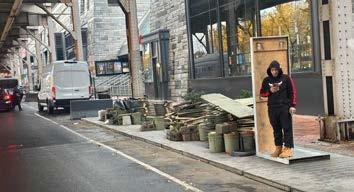
I am a designer that lives in Georgetown and there are many of us. Please get us all together who live in Georgetown and let us be on a committee that has input on design. We are here and we would do it for free. Don’t look a gift horse in the mouth. I have never seen anything more unattractive than the peeling paint cement blocks that you use for design, maybe in a thirdworld country. They are rat infested, ugly and you have created a land grab. Stop the insanity.
— Michele Evans
Georgetown is full of boomers who hate nothing more than young(er) people having fun. Streateries are a case in point: easily the best innovation in D.C. urbanism in decades, and all we hear are complaints about losing parking space for some a-hole’s Chevy Suburban.
— M.T.
Get rid of the streateries NOW! Some are barely used and all block too much parking. Delivery trucks hold up too much traffic because of the streateries and there is a lot of rodent activity under the platforms. Please get rid of them!!!!
— Frustrated Georgetown Resident



JANUARY 9 –11 ,2026
PREVIEWNIGHTPARTY: THURSDAY,JAN. 8

Worse traffic/unsafe traffic
Not enough parking
Dangerous driving and motorized biking due to less roadspace
Historic “feel” given over to tourist “feel”
More rats
More importance given to attracting tourists than to residents
Get rid of “temporary” streateries!!!!
— HOB
For those of us who live in Georgetown, thumbs down on streateries. Not enough room, crowded, junky, non-supervised and a rat attractor. No! No!
— AW
Georgetown needs aesthetic control over streateries to guarantee the character of this historic neighborhood, rather than a one-sizefits-all, citywide approach by a (semi-competent)
D.C. agency like the DDOT. That said, that control is better placed in the hands of the CAG or perhaps even BID (although the latter might have a conflict of interest problem). But definitely NOT the Old Georgetown Board, which is glacial
in its pace, inconsistent in its rulings, overly bureaucratic and costly to applicants, including any small businesses (i.e., restaurants), especially if an every-three-year review process is proposed. I do believe in regulating streateries, but the OGB is not the instrument to do it.
— Marc
Streateries would be wonderful if our streets were wide enough to accommodate them. The fact is that they are not. The widest street in Georgetown, M Street, has three lanes in each direction. When one lane is taken up by a streatery, the second lane by a truck making delivery to the restaurant that can’t use the curb lane because of the streatery and the third lane by cars waiting to make a left turn, the result is gridlock and we can’t get to and from our homes. Please end this madness!
— David
They really need to expand the streateries and make them permanent. Do we really want narrower sidewalks and more cars in Georgetown? I can’t understand the opposition.
— John Farr
BY KATE OCZYPOK
On Tuesday, Dec. 2, the District Council voted unanimously to reduce occupancy fees for streateries and allow additional design flexibility. The legislation went into effect immediately and will be in place for 90 days.
Before the emergency legislation, the District Department of Transportation determined that restaurants would have to pay a streatery permit fee of $260 and a rental fee of $20 per square foot, apart from additional costs. Many restaurants called the fees burdensome.
Per the Dec. 2 vote, the rental fee goes to $15 per square foot and DDOT has the ability to waive some design requirements. While lowering costs helps restaurants, residents have focused on streateries’ negative impacts on parking and neighborhood aesthetics.
A comment by “Marc” on a Georgetowner editorial and a letter from Citizens Association of Georgetown President Amy Titus reads: “Georgetown needs aesthetic control over
streateries to guarantee the character of this historic neighborhood, rather than a onesize-fits-all, citywide approach by a (semicompetent) D.C. agency like the DDOT.”
Another comment mentions that Georgetown’s streets are simply not wide enough for streateries.
On the other hand, some are all for the new legislation. A third comment reads: “They really need to expand the streateries and make them permanent. Do we really want narrower sidewalks and more cars in Georgetown? I can’t understand the opposition.”
New guidelines, which DDOT will begin enforcing on Jan. 15, will attempt to establish safety rules and provide for more aesthetically pleasing structures.
As of Dec. 1, 67 restaurants, out of an original 140 or so, had applied for streatery permits, according to DDOT. Nearly 40 streateries have already been demolished.



BY ROBERT DEVANEY
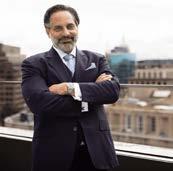
Georgetown University, the nation’s oldest Catholic and Jesuit institution of higher learning, founded in 1789, announced on Oct. 15 the selection of its 49th president.
The following, in part, is the university’s statement.
Georgetown’s board of directors has unanimously voted to name Eduardo M. Peñalver, the president of Seattle University, a Rhodes Scholar and former dean of Cornell Law School, as the 49th president of Georgetown University.
He will begin his new role on July 1, 2026.
Peñalver has served as the 22nd president of Seattle University, a Catholic, Jesuit institution, since 2021. He was the first layperson to lead the university since its founding in 1891.
Peñalver will succeed Interim President Robert M. Groves, who has led Georgetown for the past year after former President John J. DeGioia stepped down from his role in 2024 to recover from a stroke.
“We are pleased to welcome Eduardo Peñalver to Georgetown University,” said Thomas A. Reynolds, chair of the board of directors, who shared the news in a message to the Georgetown
community. “President Peñalver is an exceptional leader steeped in the Catholic and Jesuit tradition who brings a wealth of experience in higher education, a global mindset, a commitment to social justice and academic excellence and a bold vision for Georgetown’s future. We look forward to him joining our Georgetown community.”
Read the full story online.
BY MARK MARTINKOV
Washington, D.C., is closing out 2025 with some of the strongest crime declines the city has seen in over a decade. The improving landscape has direct implications for Georgetown, a community focused on sustaining a safe and stable environment.
D.C.’s crime trajectory in 2025 shows measurable, data-driven progress compared with 2024, according to MPD’s data through mid-December.
Violent crime declined 28 percent year over year, dropping from 3,259 incidents in 2024 to 2,336 in 2025. Homicides fell 30 percent, continuing a multiyear trend of reaching historic lows, and robberies fell 36 percent, while assaults with a dangerous weapon declined 10 percent.
Overall, crime dropped 17 percent, reflecting improvements across most major categories.
Property crime decreased 15 percent, with burglaries down 29 percent year over year. Theft from auto and motor vehicle theft
remain elevated relative to pre-pandemic norms, though both categories still recorded declines in 2025 (down 18 percent and 21 percent, respectively).
The breadth and consistency of these reductions reflect a meaningful improvement in public safety across the District.
Georgetown has long maintained lower violent crime levels than much of the District, and the citywide reductions recorded in 2025 reinforce that stability. Lower violent crime pressure citywide reduces spillover risks into Georgetown’s commercial and residential areas.
Predictable public safety conditions support property values, retail investment, tourism and the broader business environment. Commercial corridors including M Street, Wisconsin Avenue, Georgetown Park and the waterfront benefited from steady foot traffic and strengthened perceptions of safety.
Second District MPD, which oversees Georgetown, has been able to prioritize proactive engagement and community policing rather than crisis response.
Georgetown’s own civic infrastructure also plays a role. The Citizens Association of Georgetown’s Block Captain Program continues to serve as a well-established, hyperlocal communication and safety network. Block Captains help distribute timely public safety updates, report neighborhood concerns and maintain direct lines of communication with MPD and city agencies. Along with the Citizens Advisory Council, this volunteer-led structure reinforces day-today situational awareness and contributes to the neighborhood’s overall resilience.
Not all crime categories improved evenly. Auto-related offenses and retail theft continue to affect parts of the city, especially busy commercial zones. While these issues were less pronounced in Georgetown in

2025, they remain relevant areas for targeted enforcement and community awareness. The substantial reduction in violent crime gives MPD and neighborhood groups added bandwidth to address these quality-of-life concerns as priorities shift into 2026.
If current trends hold, 2026 begins with one of the strongest public safety foundations D.C. has seen in years. Georgetown enters the new year with low violent crime levels; a robust civic ecosystem, including programs like CAG’s Block Captain network; consistent MPD engagement within the Second District; and a public safety environment more predictable than at any time since before the pandemic.
For residents, businesses and visitors, 2025 provides something increasingly rare in major U.S. cities: sustained, measurable improvement in day-to-day safety. Georgetown, supported by engaged neighbors and strong institutional partnerships, remains one of the District’s most secure and well-organized urban communities.
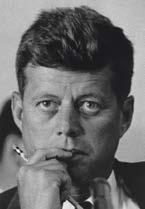
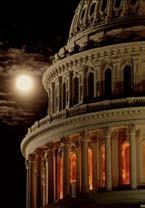
Georgetown and D.C. have been abuzz with news these past few weeks, promising epic changes in how our community and the District as a whole will be governed — and viewed by the world — as we prepare to celebrate the 250th anniversary of our historic republic.
Driven by historic elections, 2026 may well be a year of transformation. An initial move came on Nov. 25, two days before Thanksgiving, when D.C. Mayor Muriel Bowser announced definitively that she will not run for a fourth term, opening up what is likely to be the District’s most competitive mayoral race to date.
With no clear front-runner, the field of potential candidates, from what we’re seeing already, is expected to cover a wide political (if largely Democratic) and ethnic spectrum, representing a variety of interest groups. The jockeying for position will be exciting to follow. So why wait?
The Georgetowner has decided that now — in this very early stage of the mayoral race — is the time to lay out what we think are the 10 most desirable attributes of the District’s next mayor.
Robert F. Kennedy Memorial Stadium is no more. Opened in 1961, it was the home of baseball and football games, soccer matches, boxing and rock concerts. The location remains “the RFK site,” awaiting a new stadium for the Washington Commanders, once known as the Redskins.
The team’s original name is gone for good, but the “RFK” should stay put. Yes, build a new, state-of-the-art facility, but keep the same name: RFK Stadium.
Why? Not just for the words “Victory at RFK!” to ring out again.
Ideally, he or she will be ...
1. Born and raised in D.C., perhaps with a multigenerational history here;
2. A former student in District schools, whether public, charter or independent;
3. A pragmatist with a record of using public funds with care;
4. A multitasker who can be counted to arrive at and end events on time;
5. Known for honesty, for giving others due credit and for openly admitting when plans don’t work out (and explaining why);
6. A flexible negotiator, willing to meet publicly with all parties to an issue;
7. A firm decision-maker when the time comes, stopping the buck at the mayor’s desk;
8. People-oriented, as reflected in a personally chosen staff of open, patient spokespersons;
9. Comfortably self-confident; and
10. Able and willing to ask tough questions and demand facts and evidence.
That’s our list. How does it compare with yours?
District of Columbia Stadium was renamed for and dedicated to him the following year.
Though there are echoes of the tumultuous 1960s in America today, our current divisiveness does not compare. The decade saw the assassinations of Medgar Evers, JFK, Malcolm X, Martin Luther King Jr. and RFK; the Vietnam War buildup; widespread antiwar protests; and clashes over civil rights and women’s rights.
Yet, though 1968 was a heartbreaking year, there remained an American optimism.
“Keep the name: RFK Stadium. Some legacies should stand forever.”
Other names and logos should be welcomed elsewhere, but the stadium’s rededication to Robert Francis Kennedy Sr. will transmit a powerful message — beyond sports, entertainment and corporate branding — of the original audacity of hope.
It is worth noting that, along with his brother, President John F. Kennedy, Attorney General Robert F. Kennedy forced the integration of the Washington Redskins, the last NFL team to desegregate, in 1962.
Bobby Kennedy was assassinated in June of 1968, when he was a Democratic senator from New York and a candidate for president.
“Lessons from Bobby: Ten Reasons Robert F. Kennedy Still Matters” was published on Nov. 11, the centennial of RFK’s birth. Among the lessons listed by author Chris Matthews: “Heal the Divide,” “Have Some Guts,” “Admit Your Mistakes,” “Enforce the Law” and “Sacrifice.”
During his brief campaign for the presidency, RFK seemed to emanate love, wisdom and compassion, bringing people together with his optimistic vision for the country. Let the new stadium silently honor those virtues, both to renew the spirit of our nation’s capital and to inspire new generations of Americans.
The Council’s recent passage of an “emergency” bill to weaken DDOT’s new streatery rules raises serious concerns about process and fairness.
After 18 months of public rulemaking, the District Department of Transportation established permanent standards to ensure outdoor dining is safe, clean and attractive. DDOT also quite reasonably thinks restaurants should pay a fair price for using public space. Restaurants had ample opportunity to participate and the rules provided reasonable flexibility — but the Council rushed to change them under the very thin pretense of an “emergency.”
The Council’s claim that some restaurants may be harmed if forced to comply with DDOT’s rules falls far short of the usual standards for a true emergency, which require sudden, unforeseen circumstances posing immediate risk to public health, safety, welfare or economic well-being.
The process here is deeply troubling. Residents received little notice, while restaurant industry representatives dominated a last-minute roundtable. Georgetown — home to the city’s largest concentration of streateries — was invited only at the last minute. The “emergency” bill was introduced on the day
before Thanksgiving (the timing speaks for itself), when public scrutiny is low.
The bill itself raises additional concerns. It relies on a vague “undue risk” standard instead of clear safety requirements and broadly declares that the District should “promote streateries,” regardless of how they look or what residents think.
Outdoor dining is a valued part of our community, but the pandemic has been over for years and it is long past time to clean up the streateries and make them safer. The Council’s “emergency” law — driven by influence and last-minute lobbying — undermines public trust and sends the unmistakable message that political clout carries more weight than the community’s interests. If the mayor signs it, that message will be reinforced.
Georgetowners can now only hope that the Old Georgetown Board and the Commission of Fine Arts, the entities designated by Congress to protect the look and feel of public-space changes in Georgetown, insist that streatery standards respect the character and integrity of our historic neighborhood.
— Elizabeth Miller and Stefanie Scott, Georgetown Coalition for Public Spaces
OLD GEORGETOWN BOARD
Thursday, Dec. 11
The Old Georgetown Board–Commission of Fine Arts will meet at 9 a.m. at 401 F St. NW, Suite 312. Meeting documents are posted on the Monday afternoon prior to the meeting. Visit cfa.gov.
DUMBARTON CONCERTS: CYRUS CHESTNUT TRIO
Friday, Dec. 12
The Baltimore-born piano star returns to play Christmas jazz with his trio at 7:30 p.m., following a 6 p.m. Q&A with the DC Jazz Festival’s Sunny Sumter. In-person tickets are $60; $14 to livestream. Visit dumbartonconcerts.org.
FLORAL WORKSHOP & POP-UP
Saturday, Dec. 13
Anthropologie in Georgetown Park, 3222 M St. NW, is hosting a holiday floral event including a ticketed workshop from 11 a.m. to 12:30 p.m. and a pop-up of premade holiday floral arrangements for purchase from 12:30 to 5 p.m.
RSVP at ticketfairy.com/r/46964/2122426.
ORIGAMI WREATH WORKSHOP FOR KIDS
Sunday, Dec. 14
First-graders and older children are invited to join this holiday workshop at Washington Printmakers Gallery, 1675 Wisconsin Ave. NW, to create their own origami door wreaths with Michiko Okuma from 2 to 3 p.m. Registration is $28.32 on Eventbrite.
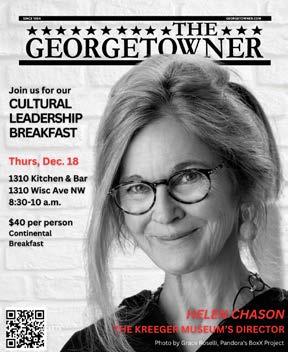
CULTURAL LEADERSHIP BREAKFAST: HELEN CHASON
Thursday, Dec. 18
The Georgetowner’s Cultural Leadership Breakfast Series presents a talk by Kreeger Museum Director Helen Chason. Doors open at 1310 Kitchen & Bar, 1310 Wisconsin Ave. NW, at 8:30 a.m. for a light buffet breakfast; the event ends at 10 a.m. Admission is $40, payable in advance at georgetowner.com or via Eventbrite.
HINCKLEY POTTERY HOLIDAY SHOW
Through Saturday, Jan. 31 Hinckley Pottery, 3132 Blues Alley NW, is hosting its first show in over five years. Ceramic work celebrating the legacy of master potter Jill Hinckley will be on display during studio hours, 5 to 10 p.m. Visit hinckleypottery.com.
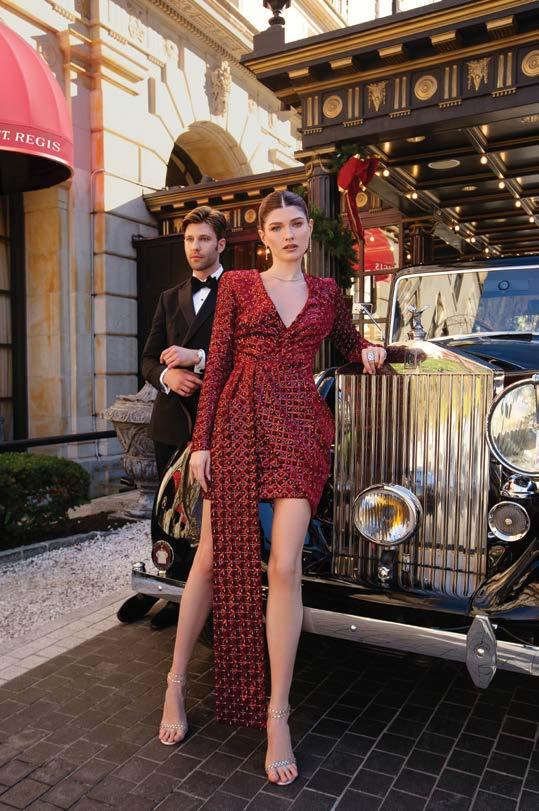
by
Production Assistant Vanessa Leung
Models
Alina Pershina, THE Artist Agency
Thomas Hanna, THE Artist Agency
Hair & Makeup, Stephanie Gonzalez, THE Artist Agency
Stylist, Johnetta Boone, THE Artist Agency
Jewlery Styling by Johnetta Boone & Nellie
Benhard of
1939
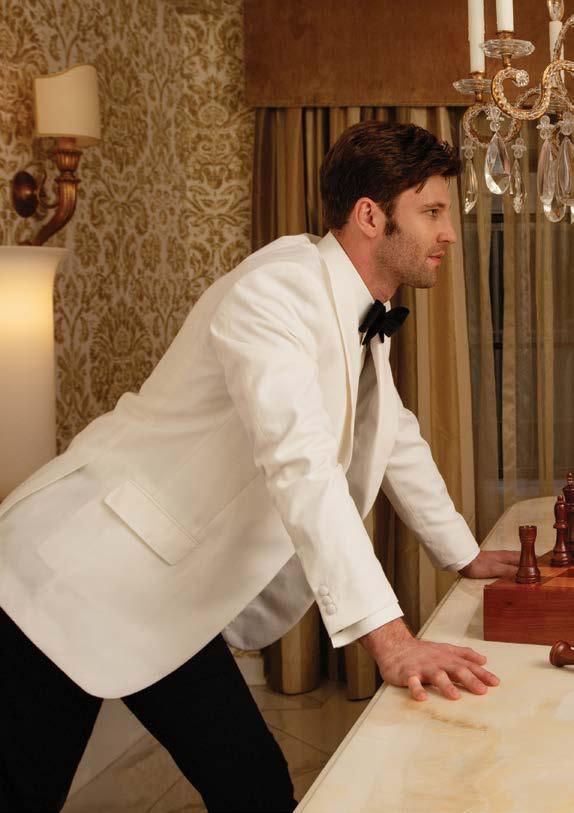


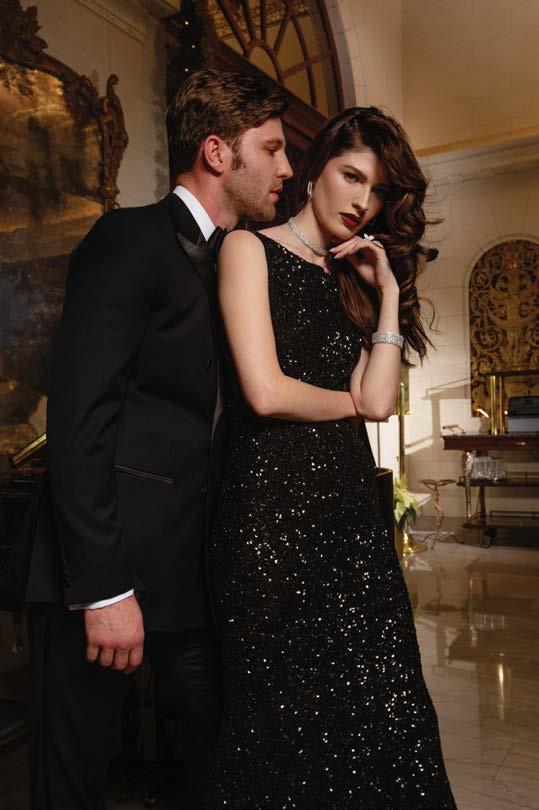
BY ROBERT DEVANEY
There’s been a flurry of openings lately. One veteran customer was impressed to observe the number of bags being carried by shoppers along Georgetown sidewalks on Black Friday.
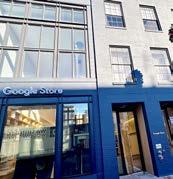
A brick-and-mortar Google Store opened on Dec. 5 at 3235 M St. NW. The Georgetown store is the ninth — and the first in Washington, D.C.
“The opening of the Google Georgetown store marks the latest step in our deep, twodecade commitment to Washington, D.C.,” said Google’s Karan Bhatia at the ribbon
Residential specialists inside and outside. Family owned and operated for over 30 years. We also offer glass, screen, and sash cord repair service • Ask about our no damage, low pressure Powerwashing.
(301) 656-WASH Chevy Chase, MD
Polishing, buffing, and waxing to preserve and protect your wood floors. Family owned and operated for 30 years. Licensed Bonded Insured.
(301) 656-9274 Chevy Chase, MD
cutting. “This new store showcases the future of innovation, allowing people to experience firsthand how Google devices like Pixel, Nest and Fitbit, and AI features like Gemini Live, deliver truly helpful experiences.”
The luxury menswear brand, which officially opened its Georgetown pop-up store last month, celebrated with a Dec. 4 party at which attendees received monogrammed pocket squares and nicely stocked swag bags. The Georgetown shop at 2922 M St. NW is its first-ever brick-and-mortar location.

Footwear company On opened at 1211 Wisconsin Ave. NW, formerly a pop-up for fashion brand Sézane and, before that, a Tory Burch store for years. Founded in 2010, On Holding AG is a Swiss athletic shoe and sportswear company with a widely misunderstood logo. Roger Federer is a top investor.
Newly renovated cottage on a private farm. 2 bdrm, 2 ba. Open floor plan with fireplace. All new appliances. Grounds keeping included. Located 3 miles from the town of Middleburg, Va. $3,400 per month. 1 year lease. References required.
(540)454-0680
Rarely available • Exclusive boutique • Elegant lifestyle • Lots of natural light! High ceilings! • 1,775 sq ft: windowed offices, conference room, balcony and fireplace • offices/conference room • full kitchen/bath.
TOURS BY APPOINTMENT
TEXT JAMES: 202-491-5300 jconnelly@summitcre.com
Five years after the crystal designer and manufacturer departed, Swarovski has returned to D.C. at 1234 Wisconsin Ave. NW, replacing one Austrian company, Wolford, with another. Before that, the space held a Zara.
IN: SPRINGBONE KITCHEN
Springbone Kitchen, we’re told, is “a health-focused, fast-casual brand known for its nutrient-dense, real-food offerings.” The restaurant opened on Dec. 5 at 1426 Wisconsin Ave. NW, its first location outside the New York-New Jersey area. Signature dishes include bone broth and gluten-free bowls made with grass-fed meats.
IN:
Lil Sweet Treat, founded by Elly Ross in New York, opened on Nov. 22 at 3285 M St. NW. Check out the high-end gummies from Sweden, Belgium, Spain, Germany and elsewhere, then choose your favorites and toss them in a bag to be weighed.

A 14th Street favorite, Salt & Sundry opened a holiday pop-up at 3144 Dumbarton St. NW. Billed as a “trendy oasis for artisanal pantry items, plus a curated array of barware, linens & cookbooks,” it sounds like a fun spot to reel in Christmas gifts.
After a little bit of musical chairs, Uniqlo, the Japanese casual-wear outfit (pun intended), is set to return to Georgetown at 3262 M St. NW, formerly the local address of J.Crew, which moved to 3077 M St. NW, a corner spot previously occupied by Brooks Brothers and Showfields.
Beloved by teenage girls, the Montrealbased Garage clothing retailer is opening a store in the former Club Monaco space at 3295 M St. NW, which housed the Rhino Bar and, earlier, Winston’s (both defunct).

The small grocery store Georgetown Pantry has closed at 1515 Wisconsin Ave. NW. Open just one year, Sweaty Betty, “a global activewear and lifestyle brand for women,” closed at 3251 M St. NW.
Special congratulations to our friends at Bacchus Wine Cellar on 25 years in business. Located at 1635 Wisconsin Ave. NW, Bacchus is owned by Bassam Al-Kahouaji, who fled Syria in the 1990s — and loves Georgetown.

BY KALYN TIPPETT
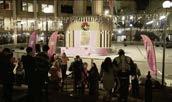
Georgetown introduced a new holiday tradition this month with the debut of the Georgetown Gingerbread House Competition, a
deliver hope and holiday cheer to families in need. Marine Toys for Tots distributes millions of toys every year to children across the country.
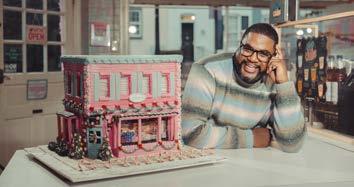
community initiative that brings together some of the neighborhood’s top culinary talent to raise funds for the Marine Toys for Tots Foundation.
Donations made through the competition directly support the foundation’s mission to
Inviting visitors to tour gingerbread houses at Georgetown’s most highly regarded hotels and restaurants, the inaugural event, sponsored by luxury real estate and media company SERHANT., runs the entire month of December.
It was conceived by Chris Itteilag, a founding member of SERHANT., to blend his passions for home, hospitality and holiday generosity.
“The event turns whimsical gingerbread houses into a force for good, raising funds for the Marine Toys for Tots Foundation and inspiring the joy and imagination that a single toy can spark in a child’s life,” said Itteilag.
Built from edible materials on 30-by-30-by30-inch frameworks, the delightful miniature structures are inspired by architectural themes such as real estate, design and craftsmanship.
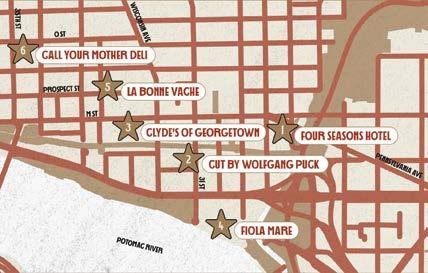
Each chef or culinary team created a unique design that reflects both Georgetown’s historic charm and the creativity that stems from the neighborhood’s dining scene. Participating businesses include the Four Seasons, CUT by Wolfgang Puck at the Rosewood, Clyde’s Restaurant Group, Call Your Mother, Fiola Mare and La Bonne Vache.
Throughout December, guests can stroll from location to location to view the displays and scan QR codes to vote for their favorites with a minimum $10 donation to Toys for Tots. Every dollar counts as a vote, also entering donors in drawings for prizes from the participating venues.
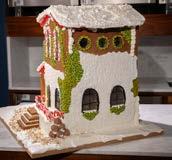
Three winners will be named at the end of the month. The Most Donations award will go to the entry that raises the most money, while a panel of community leaders and benefactors will select the winners for Most Joyful Design and Most Technically Sound.
“The Georgetown Gingerbread House Competition is a perfect example of bringing together incredible local businesses and talent to celebrate the season while giving back to those who need it most,” said SERHANT. founder and CEO Ryan Serhant.
More information, including photos and a complete list of participating venues, is available at georgetowngingerbread.com.
Dec. 13 @ 2PM and 7PM + Sunday, Dec. 14 @ 6PM
BY JODY KURASH
Every U.S. state has an official flag, motto and bird, even the District of Columbia, which isn’t even a state. (In case you’re wondering, D.C.’s official motto is “Justitia Omnibus” and its official fowl is the wood thrush.)
However, New Mexico is the only state with an official state question. I learned this bit of trivia while visiting the Land of Enchantment in October for the annual Balloon Fiesta.
It’s a seemingly simple inquiry: “Red or green?” Yet the puzzling part is there are three correct answers. The obvious responses are “green” and “red,” with the third option being ... “Christmas.”
Confused? The query refers to the state’s famous Hatch chile peppers, which come in both red and green varieties. It’s the decision diners make when choosing their preferred pepper to top authentic New Mexican dishes. For those who want both, “Christmas” is the answer.
Chile is a way of life in this Southwest haven. I was lucky enough to be traveling with an East Coast Albuquerquean transplant and native Navajo, Orlinda Janiors. “New Mexico chiles are locally grown and have a unique spicy flavor in varying degrees,” she explained. The term “Hatch” comes from the fact that these chiles are exclusively grown in New Mexico’s Hatch Valley.
“I love green chiles because they’re
different from any other kind of chile,” Orlinda added. “Plus you can put green chile on or in any dish. Delish.”
I quickly discovered this was true. Besides having an inside guide to the local food scene, I learned that even McDonald’s serves their burgers smothered in chile, and it’s a common pizza topping.
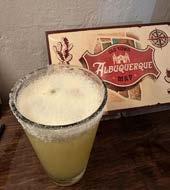
It’s no surprise that these colorful condiments have made their way into cocktails. On the pioneering end of this fusion is Left Turn Distilling, which forges both a red and a green Hatch chile vodka. Left Turn’s partner outlet, the Taproom bar in Albuquerque’s historic Old Town district, shakes up some decadent drinks.
We visited on a Saturday night, when the sounds of a honky-tonk band streamed through the outdoor garden as we sipped craft cocktails by a chimenea.
One of the Taproom’s most popular potables is the Brochacho, its name a slang term of endearment for a male friend or brother, blending the English “bro” and the Spanish “muchacho.” It’s made from pineapple juice, ginger beer, lime and your choice of either red or green chile vodka — with a red or green chile salt rim — requiring you to reply to the official state query. I decided to start with green, go to red and finish with the holiday option. My first impression was a spicy kick from the salt,

followed by a strong taste of pineapple, which imparted freshness. The ginger beer balanced the fruity sweetness and added some snap. At the end was an earthy, organic twang from the chile, becoming more pronounced with each sip.
While the “green” version was more subdued, the “red” wasn’t shy. I felt my sinuses open and I started to feel flush.
I loved the powerful “red” punch, but the Christmas version gave me a “Goldilocks” moment: it felt “just right.” I decided to pause after three to avoid becoming “boracho” (Spanish for drunk) from my Brochachos.
If you’d like to serve some New Mexico-style “Christmas” cocktails for your seasonal soirée, these spirits can be ordered online from Left Turn Distilling. Its name comes from the Bugs Bunny catchphrase: “I knew I should have taken that left turn at Albuquerque.”
The vodkas, infused with fresh roast green and red Hatch chiles sourced from a local farm, are called “La Luz,” a name derived from a hiking trail that ascends the Sandia Mountains overlooking Albuquerque. Orlinda brought a bottle of each back from our sojourn. I sure hope I get invited to her home for Christmas!
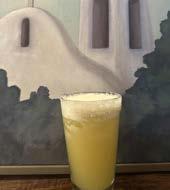
2 oz. La Luz Hatch chile vodka
2 oz. pineapple juice
½ oz. fresh lime juice (about half a lime)
4 oz. ginger beer
Garnish: Red or green chile salt (mix margarita salt with either red or green chile powder)
Combine ingredients in a shaker with ice. Pour into a pint glass with a salted rim. To make a “green” cocktail, use green chile vodka and salt. For a “red” drink, go with red. And for a special Xmas treat, use both.
BY LINDA ROTH
Jon Sybert and Jill Tyler plan to open Rye Bunny, a “fine-casual” restaurant, where their Tail Up Goat was at 1827 Adams Mill Road in Adams Morgan. Tail Up Goat’s bar manager, Nicholas Maher, is set to become GM as the bar morphs into an ordering area. Sybert staged at the original “fine-casual” restaurant, Birdie’s, in Austin. Rye Bunny is named after the couple’s dogs, Rye and Charlie (who hops like a bunny). An opening in the second quarter of 2026 is planned.
Ron Collins and Carolina Meurkens are slated to open their second Café Cino, an 1,100-square-foot coffee shop, at 600 Howard St. SE in Anacostia’s Bridge District next year. The original location, which opened in 2022, is at Dupont Circle inside PLNTR plant boutique. Ashok Bajaj will open Malabar Indian restaurant, with chef Vikram Sunderam helming the kitchen, where Rosedale used to be at 4465 Connecticut Ave. NW in Forest Hills. Malabar will seat 100 indoors with outdoor patio seating
for 30. A first-quarter 2026 opening is targeted. Just Opened: Bonne Vie Café & Bistro opened at 1604 U St. NW, where Baby Shank used to be, with the same owner, Aziz Safi, and concept designer, Raphael Francois, as Le DeSales Mixologist Camilo Poveda (Seven Reasons, Jane Jane) manages the bar ... Rose Previte opened Sook , an all-day café and wine bar, where Compass Rose used to be at 1346 T St. NW in Shaw … Taqueria Xochi opened at 300 Tingey St. SW in Navy Yard, its fourth location after the Square in downtown D.C., U Street NW and National Landing in Arlington Boston-based Life Alive Organic Cafe opened in Ballston at 818 N. Quincy St.
Linda Roth is the founder and CEO of Linda Roth Associates, a D.C.-based public relations and marketing firm that specializes in the food service and hospitality industries. Follow her at: @LindaRothPR, #LindaRothPR or lindarothpr.com.





Linden, Virginia • $750,000
37.59 wooded acres with gently rising terrain | Private, secluded


Paul MacMahon 703.609.1905
Brian MacMahon 703.609.1868


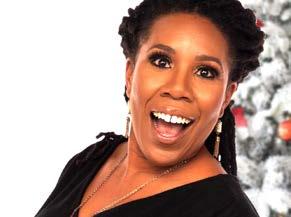
National Symphony Orchestra: A Holiday Pops! with Melinda Doolittle
Dec. 12 & 13 Concert Hall
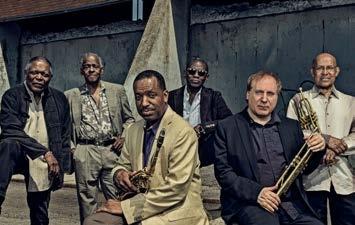
National Symphony Orchestra: Handel’s Messiah
Dec. 18-21, 2025 Concert Hall

BY RICHARD SELDEN
“It’s really easy to forget how far you’ve come,” Keegan Theatre Artistic Director Susan Marie Rhea told attendees at The Georgetowner’s Nov. 20 Cultural Leadership Breakfast, held at 1310 Kitchen & Bar.
The “you” apparently referred not only to the “small and mighty company,” turning 30 next year, but to herself. Her first role at Keegan — not long after the Silver Spring native returned to the Washington, D.C., area — was onstage, playing Kate in “The Taming of the Shrew” opposite founder Mark Rhea in 2000.
In those early years, performing in church basements and venues such as the Rosslyn Spectrum and Gunston Arts Center’s Theater Two, “we were all doing everything — it was thrilling.”
From 2005 to 2009, “we were straddling,” she recalled, with half the season at Arlington’s Theatre on the Run and half at 1742 Church St. NW, a former private-school gym east of Dupont Circle.
At the end of 2009, having become the Church Street theater’s resident company, Keegan’s first production was a revival of a certain rock musical based on “La bohème.”
“‘Rent’ blew up,” said Rhea. “It put us on the map.”
There was a snag, however. The theater had just one bathroom, downstairs, next to the boiler. Though an authentic touch for “Rent,” it made for drawn-out intermissions. A board member who lived next door would offer audience members the facilities in his home; others would head for 17th Street restaurants.
To relieve the situation, an anonymous donor pledged “upwards of $1 million,” the basis for a capital campaign. Keegan bought the building, closed it for a “harrowing” year and, as part of the theater’s renovation, excavated a new lower floor.
“Obviously, that changed everything,” said Rhea. The grand-reopening production, in the summer of 2015, was Tennessee Williams’s “Cat on a Hot Tin Roof.”
Presenting American classics like “Cat” had become a Keegan signature, not only in the District but in Ireland. Between 1999 and 2017, a Keegan troupe toured the Emerald Isle 14 times. Though the tradition ended due to growing demands on Church Street and the downturn in the Irish economy, “we miss it a lot,” said Rhea.
The connection continues with “An Irish Carol,” Keegan’s Dickens-inspired holiday show by Matthew J. Keenan, set in a Dublin pub. Now
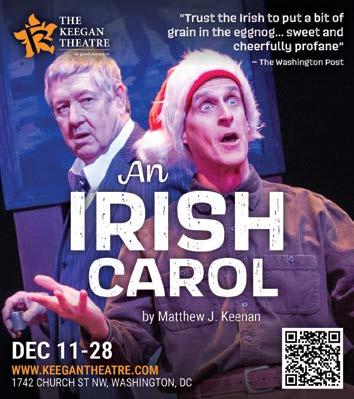

in its 15th year, the production has kept its lead actors, though after 10 years Rhea no longer portrays Anna (“I aged out of that play”).
Following “An Irish Carol” are two world-premiere commissions: “John Doe,” a comedy by Angelle Whavers about identity; and “Midiculous,” a theater piece for young
audiences by Drew Anderson and Dwayne Lawson-Brown, “Keegan’s dynamic hip-hop and spoken-word duo.”
Keegan’s philosophy, according to Rhea, is: Don’t add something to the play. The company’s twin touchstones are honesty and intimacy (“We cannot lie in a 122-seat theater”).
The company’s new-play development program, the Boiler Room Series, is named for the old Church Street boiler room. Prerenovation, “we’d sit down there with beers and we’d dream.” Besides, she added, “it was warmer down there.”
Other pillars: an education program serving all eight wards, the brainchild of Managing Director Alexis Hartwick, and Keegan Connects, the umbrella for talkbacks, panels, ticket discounts and other outreach.
Rhea has two 30th anniversary dreams. Number one: an additional space, perhaps a black box, a shop nearer the theater or an ed center. Number two, over the next five to 10 years: an endowment fund, so it’s not always the “wolf at the door.”
For the complete story, visit georgetowner. com. Kreeger Museum Director Helen Chason will speak at the Dec. 18 breakfast.
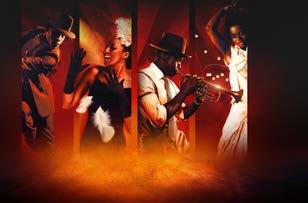


New in Washington, D.C.! Plan your visit to see the first major retrospective of acclaimed artist Truman Lowe. Featuring nearly 50 sculptures and drawings, the exhibition reflects on Lowe’s Hoocąk (Ho-Chunk) cultural traditions, memory, and relationships with water and place.
the Terra
for
Art and Ameriprise Financial. Additional support provided by John and Meryl Lavine, Greg and Cathy Tibbles, and Leslie A. Wheelock.
AmericanIndian.si.edu | @SmithsonianNMAI

Truman Lowe (Hoocąk, 1944–2019), Feather Canoe (detail), ca. 1993. National Museum of the American Indian 27/607


REVIEWED BY KITTY KELLEY
A master biographer tells her own poignant story.
Imagine Nancy Drew with a Phi Beta Kappa key and you’ll glimpse the phenomenon of Megan Marshall, who many cite as the patron saint of biographers. And biographers need such patronage because they’re frequently dismissed as the pesky stepchildren of historians.
With a degree from Harvard, Marshall, 71, is a professor emerita at Emerson College and winner of the 2014 Pulitzer Prize for Biography for “Margaret Fuller: A New American Life.” She also received the BIO Award, the highest honor given by Biographers International Organization.
Her other prize-winning works, which feature trailblazing women of the 19th century whose lives had been ignored, are “The Peabody Sisters: Three Women Who Ignited American Romanticism” (2005) and “Elizabeth Bishop: A Miracle for Breakfast” (2017).
Now comes Marshall’s memoir, “After Lives: On Biography and the Mysteries of the Human Heart,” a feminist manifesto of sorts and a sparkling jewel, especially for those who labor to understand humanity.
Marshall’s gem is not a flashy diamond but more a translucent opal that shimmers with layers of iridescent color. So read her elegant pages like you would sip a martini. Don’t gulp.
You’ll learn that writing a biography is like solving a mystery. You make a chronology of the life: you collect clues, read documents, visit gravesites, search libraries, follow leads and do innumerable interviews. After months, maybe years, you realize that you can’t know everything about a life, but you must find its essence. So you forge ahead, believing Ben Franklin’s dictum that energy and persistence conquer all. Soon you’ll learn, as Marshall writes, “there are memories that can’t be verified, questions that can’t be answered.”
When you feel overwhelmed and start to flail (all biographers do), you’ll find sustenance in remembering that Marshall spent 20 years researching and writing “The Peabody Sisters,” a finalist for the Pulitzer.
Not all biographers will be so honored, but at the end of your bountiful slog, the months that melt into years, you might well agree with President John F. Kennedy, who said: “What makes journalism so fascinating and biography so and experienced
interesting is the struggle to answer that single question: ‘What’s he like?’”
Marshall’s jewel, which she defines as “a cultural history of the self,” is faceted, offering eight essays that recall her life, professional and personal, including the upheavals of growing up with a mentally unstable father who suffered from manic depression and lost his way to alcoholism.
This forced her mother to go to work to support the family of three children and relinquish her dreams of becoming an artist. The saddest line in this book is Marshall’s recollection of her mother’s aborted career as a painter, noting the easel that “stayed folded up in the garage.”
Each of the essays in this miniature memoir explores portals to the past with lessons on pursuing the future. The most significant lesson is to never stop searching, never stop asking questions, which Marshall does throughout her pages. “Do the objects that survive from our childhoods … bear witness to our ongoing lives?” Yes, she writes: “As T.S. Eliot understood, things are what make fiction, poetry, drama, and the emotions they stir, feel real, true.”
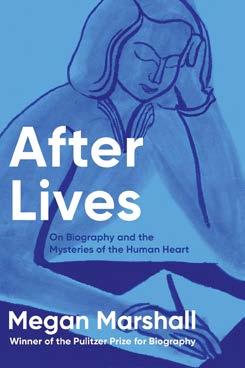
With probing insight, the professor recalls the women in her family — her grandmother, her mother, her aunt — and notes they were all left-handed and each was forced to forget life beyond the kitchen. Society ignored left-handed struggles for years; left-handed scissors were not invented until 1972, but by then Marshall, who writes with her right hand, decided, “I was done with left-handed women.”
Not really. With scholarly diligence, she then explores the malady of left-handedness and discovers controversial statistics, particularly about the life span of lefties, who appear to die six years earlier than their right-handed relatives. Acknowledging hers is a less-thanscientific study, the right-handed professor notes that “no writer on left-handedness disputes the long history of prejudice that may contribute to a shortened life span.”
She points out that the Anglo-Saxon root word for “left” — lyft — means “weak” or “broken,” adding dispiriting connotations: “One never studies to get a ‘left’ answer on a test or hopes to be found ‘in the left’ — even as one might be left out, left behind, or make a solitary dinner of leftovers. An idea that comes out of left field is unexpected, if not unwelcome, and a lefthanded compliment can hurt.”
In the longest essay, Marshall reflects on her friendship with high school classmate Jonathan Jackson, when she lived in Pasadena. The 17-year-old was killed in 1970 trying to free his brother, George Jackson, who was one of the so-called Soledad Brothers, three inmates charged with killing a guard at California’s Soledad State Prison. Jonathan’s guns belonged to the political activist Angela Davis, who was jailed, tried and acquitted in 1972 of any wrongdoing in the incident. Looking back on the murderous mayhem, Marshall asks: “What did it all amount to?” Instead of making thunderous proclamations, as some professors might, this one — described by Dwight Garner in the New York Times as among “the front rank of American biographers” — seeks answers. Through her writings, Megan Marshall has sought to “learn what I could from others: how to live, how not to live, what it means to live.” Now, she’s sharing that wisdom in this penetrating memoir.

Kitty Kelley is the author of seven number-one New York Times Best Seller biographies, including “Nancy Reagan,” “Jackie Oh!” and “Elizabeth Taylor: The Last Star.” She is on the board of the Independent and is a recipient of the PEN Oakland/Gary Webb Anti-Censorship Award. In 2023, she was honored with Biographers International Organization’s BIO Award, given annually to a writer who has made major contributions to the advancement of the art and craft of biography.
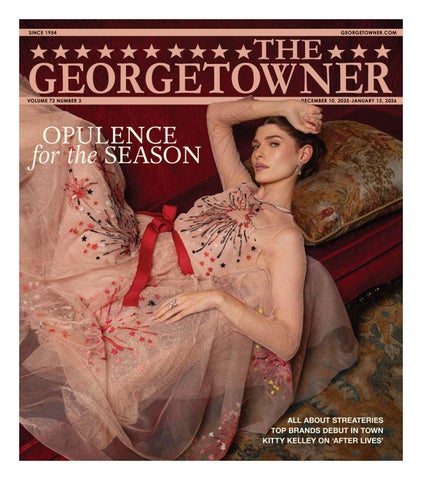
PRODUCTION TEAM
Photography by Mira Adwell
Production Assistant Vanessa Leung Models
Alina Pershina, THE Artist Agency
Thomas Hanna, THE Artist Agency
Hair & Makeup, Stephanie Gonzalez, THE Artist Agency
Stylist, Johnetta Boone, THE Artist Agency
Jewlery Styling by Johnetta Boone & Nellie Benhard of Boone and Sons
1939 Rolls Royce Wraith provided by Jim Larson
LOCATION
St. Regis Hotel, 923 16th St NW, Washington, DC
JEWELRY EXCLUSIVE
Boone & Sons Jewelers
COVER
Earrings 14K Diamond Drop earrings
$52,000
Necklace 18K Prong set diamond drop
necklace
$3,800
Necklace 18K prong set black rhodium
diamond tennis necklace: $23,500
Ring 18K Pave diamond flower ring
$5,000
PAGE 11
Earring 18K Illusion set baguette drop
$9,500
Ring 18K Diamond & Sapphire Pave
Band
$19,500
Bracelet 18K Illusion set baguette
bracelet $13,500
Necklace 18K Round diamond choker
tennis necklace $9,900
Necklace Top 14K diamond necklace
$3,000
Necklace Middle 14K diamond drop
necklace
$3,500
Necklace Bottom 18K Diamond tulip
tennis necklace
$9,500
Bracelets 14K prong set double row
flex tennis bracelet: $$10,500
14K prong set flex bangle
$2,000
14K prong set flex bangle
$4,500
14K prong set diamond stretch bangle
bracelet
$7,500
18K pave dia square bangle bangle
bracelet $12,000
Earrings 18K Pave diamond huggie
earrings $10,500
Ring 18K Multi row pave diamond
ring $5,000
PAGE 14

Necklace 18k Diamond lariat necklace
$14,000
Earrings 14K Diamond swirl stud
earrings $8,500
Bracelet 18K 11 Row prong set diamond
bracelet
$59,000
Ring 18K Pave diamond domed band:
$6,000
PAGE 15
Earrings 18K Diamond hoop earrings, $12,500
Necklace 18K Diamond choker
necklace, $55,000
Bracelet 18K 11 Row prong set diamond
bracelet
$59,000
Ring 18K Pave diamond flower ring
$5,000






WOODLEY
$4,250,000
2914 33rd Place, NW Washington, DC
Margot Wilson 202-549-2100
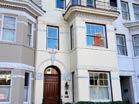
GEORGETOWN
$2,950,000
3070 Q Street NW, Washington, DC
Jean Hanan 202-494-8157

CLEVELAND PARK
$1,850,000
3506 35th Street, NW Washington, DC
Andrea Hatfield 202-487-4294
Tammy Gale 202-297-0169

LOGAN CIRCLE $1,175,000 1300 13th St NW #801 Washington, DC
Lenore G. Rubino 202-262-1261
Daniel Miller 202-669-6478
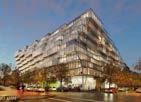
WEST END
$3,999,999 1111 24th Street, NW #83 Washington, DC
Chauvin & Co. 202-256-9595

GEORGETOWN/BURLEITH
$2,795,000
3622 S Street, NW Washington, DC
Lenore G. Rubino 202-262-1261

LOGAN CIRCLE
$1,799,000 1401 Church Street, NW #214 Washington, DC
Chauvin & Co. 202-256-9595

MT. PLEASANT
$775,000 2853 Ontario Rd #421 Washington, DC
Lenore G. Rubino 202-262-1261
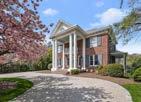
CHEVY CHASE
$3,850,000
4209 Bradley Lane Chevy Chase, MD
Heidi Hatfield 202-258-1919
Anne Hatfield Weir 202-255-2490

GEORGETOWN/HILLANDALE
$2,195,000
3930 Highwood Ct., NW Washington, DC
Lenore G. Rubino 202-262-1261

CHEVY CHASE $1,395,000 3609 Morrison St, NW Washington, DC
Heidi Hatfield 202-258-1919
Anne Hatfield Weir 202-255-2490
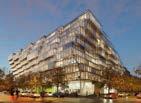
WEST END $699,000 1111 24th Street, NW #58 Washington, DC
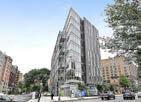
WEST END
$2,995,000 1117 22nd Street, NW #7D Washington, DC Chauvin & Co. 202-256-9595

WESLEY HEIGHTS $1,995,000 4438 Lowell Street, NW Washington, DC Margot Wilson 202-549-2100
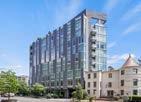
WEST END $1,270,000 1177 22nd Street, NW #4F Washington, DC Cailin Monahan 804-874-1847 The NTB Group
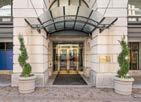
PENN QUARTER
$599,900 601 Pennsylvania Ave, NW #1407N Washington, DC Chauvin & Co. 202-256-9595 UNDER CONTRACT
Daniel Miller 202-669-6478
Chauvin & Co. 202-256-9595