LOCAL AUTHORITY NEWS is available FREE OF CHARGE and ON LINE to all Local and Central Government Bodies throughout Ireland. Published bi-monthly it is disseminated Local Authority CE's, Directors of Finance, Administration Officers, I.T. Professionals, County Director of Services, Senior Architects, Chief Quantity Surveyors, Webmasters, Principal Officers, All Department Heads, Senior Engineers, Water / Wastewater Plant Superintendents, Senior Parks Superintendents, Environmental Officers in all City and County Councils, Office of Public Works, District Councils, Road Design Offices, Libraries, Regional Authorities, Regional Waste Authorities, Transport Infrastructure Ireland, National Transport Authority, Irish Water, EPA, RSA, SEAI, LAWPO, Government Departments, National Parks & Wildlife Service, State-Sponsored and Development Bodies, Energy Agencies, Approved Housing Bodies, Local Authority Contractors receive the online version free.
12 HOW CO-OPERATIVE HOUSING IRELAND'S REIMAGINED RETROFIT BROUGHT WARMTH BACK TO TOWNSEND STREET DUBLIN 13 WINNERS OF THE IRISH PLANNING INSTITUTE’S 2025 PLANNING AWARDS ARE ANNOUNCED (UISCE ÉIREANN) 15 HOW WAVIN’S TREETANK CAN HELP IRISH COUNCILS DELIVER GREENER, HARDER-WORKING STREETS 17 EFFICIENT WATER MANAGEMENT FOR STORMWATER WITH HYBRID LINEAR DRAINAGE PRODUCTS. (EJ) 18
GALWAY COUNTY COUNCIL PROJECT WINS NATIONAL HOUSING AWARD 19 CORK COUNTY COUNCIL INTRODUCES CASHLESS PARKING SOLUTION IN PARTNERSHIP WITH PAYZONE 22
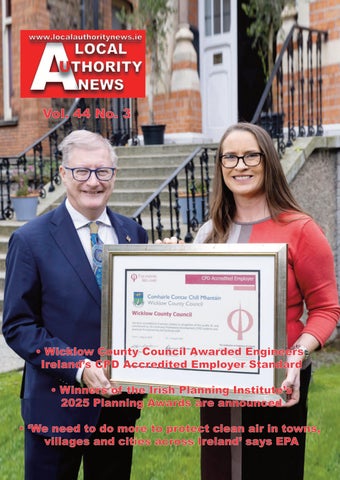
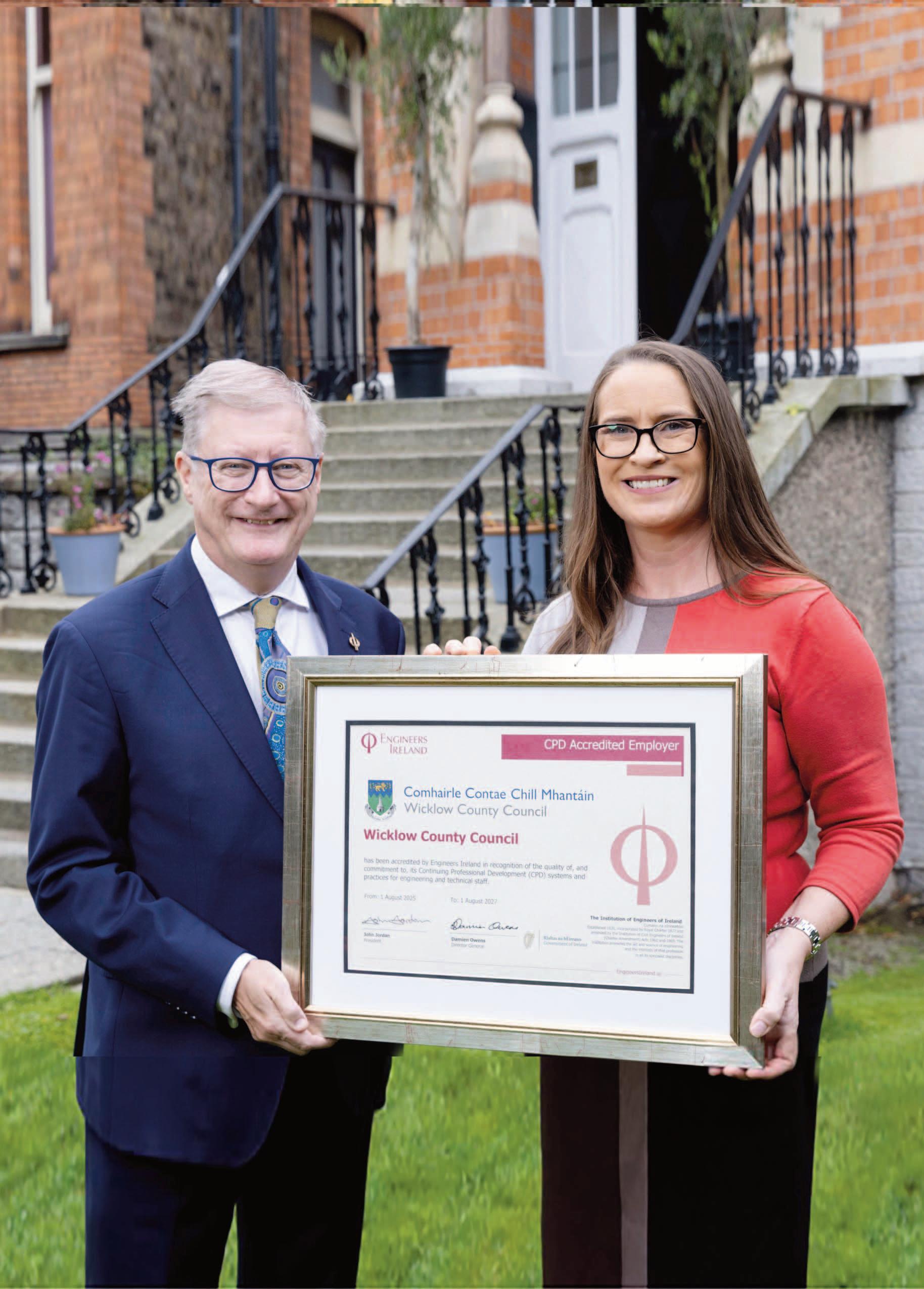
Wicklow County Council Awarded Engineers Ireland’s CPD Accredited Employer Standard
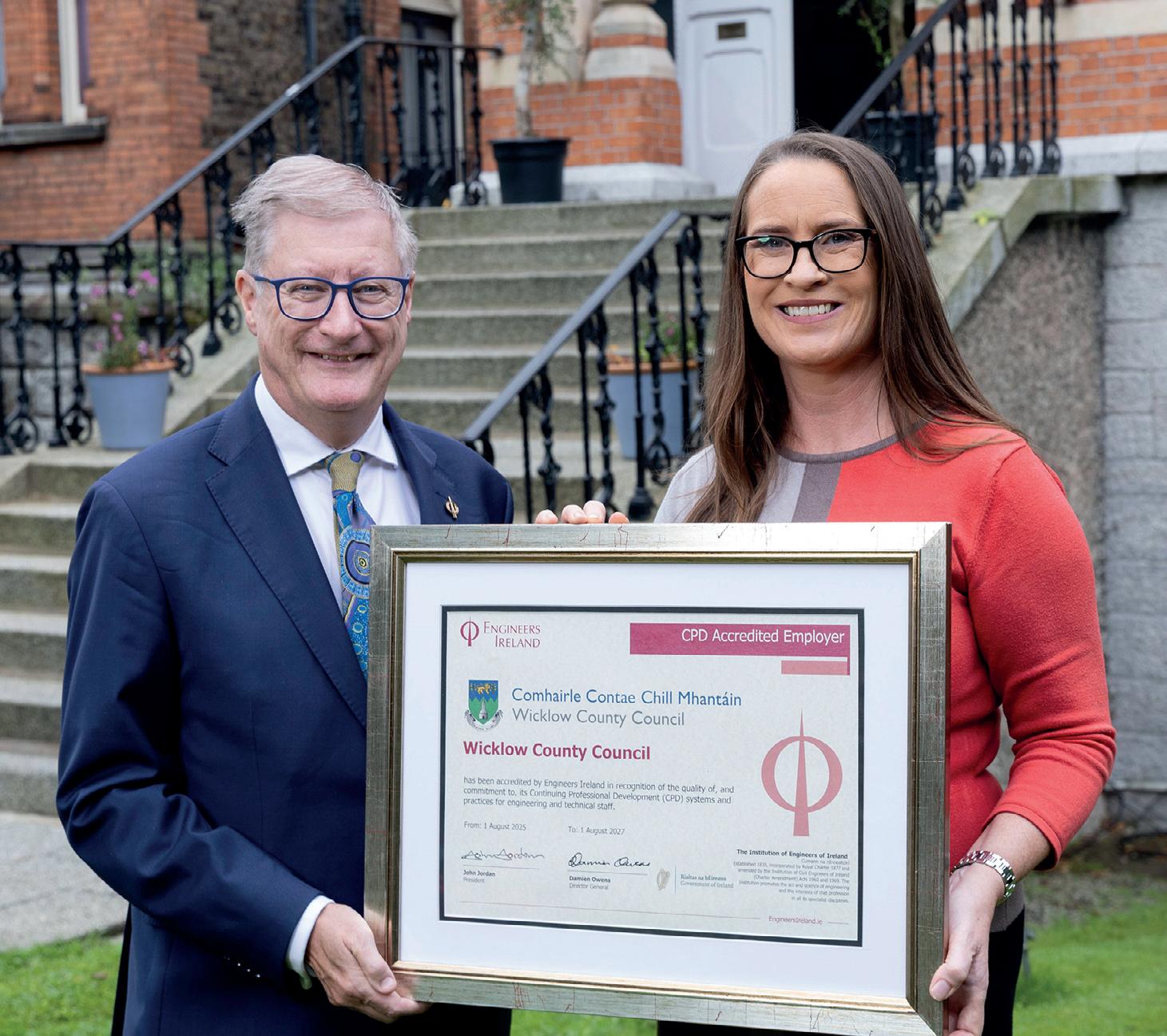
Wicklow County Council (WCC) has been awarded Engineers Ireland’s Continuing Professional Development (CPD) Accredited Employer Standard.
Employing over 900, more than 60 of whom are engineers, Wicklow County Council is responsible for the delivery of essential services and infrastructure, regulatory enforcement and roles in social inclusion, healthy place making, sustainable development, community participation, economic development and enterprise support. The organisation is the ninth out of 31 Local Authorities in Ireland to achieve this prestigious accolade.
The CPD Accredited Employer Standard is designed to help organisations improve the competence of their engineering professionals, developing employees who are agile and adaptable, creating a workforce that is encouraged to create and innovate, and develop new solutions. Organisations that have achieved the Standard find they are better placed to deal with change and disruption, while also being capable of attracting and retaining talent.
Recognising the importance of sustainable development for county Wicklow, Wicklow County Council demonstrated a strong commitment to continuing professional development by actively investing in training, upskilling initiatives, and supporting staff in achieving professional excellence.
Speaking, following the award of the Standard, Chief Executive of Wicklow County Council Emer O’Gorman stated: “We are delighted to receive the Continuing Professional Development Accredited Employer Standard from Engineers Ireland. This recognition demonstrates that Wicklow County Council is committed to the ongoing personal and professional development of our staff. Furthermore, this accreditation will show potential engineering and technical staff that Wicklow County Council is a progressive and attractive workplace. This achievement is a testament to the hard work of our Continuing Professional Development Committee and various collaborators throughout the organisation over the past 12 months.”
Councillor Melanie Corrigan, Cathaoirleach of Wicklow County Council, added: “This accreditation will significantly benefit the Council in delivering services to the citizens of the county by promoting CPD among our engineering and technical staff, thereby broadening their expertise and knowledge.”
Damien Owens, Director General of Engineers Ireland, added: “Thanks to its commitment to maintaining high professional standards and supporting the development of its engineering and technical staff, Wicklow County Council ensures that it stands amongst the leading organisations in Ireland in the continuing professional development of its people. It now joins over 170 organisations that have now been awarded the Engineers Ireland CPD Accredited Employer Standard.”
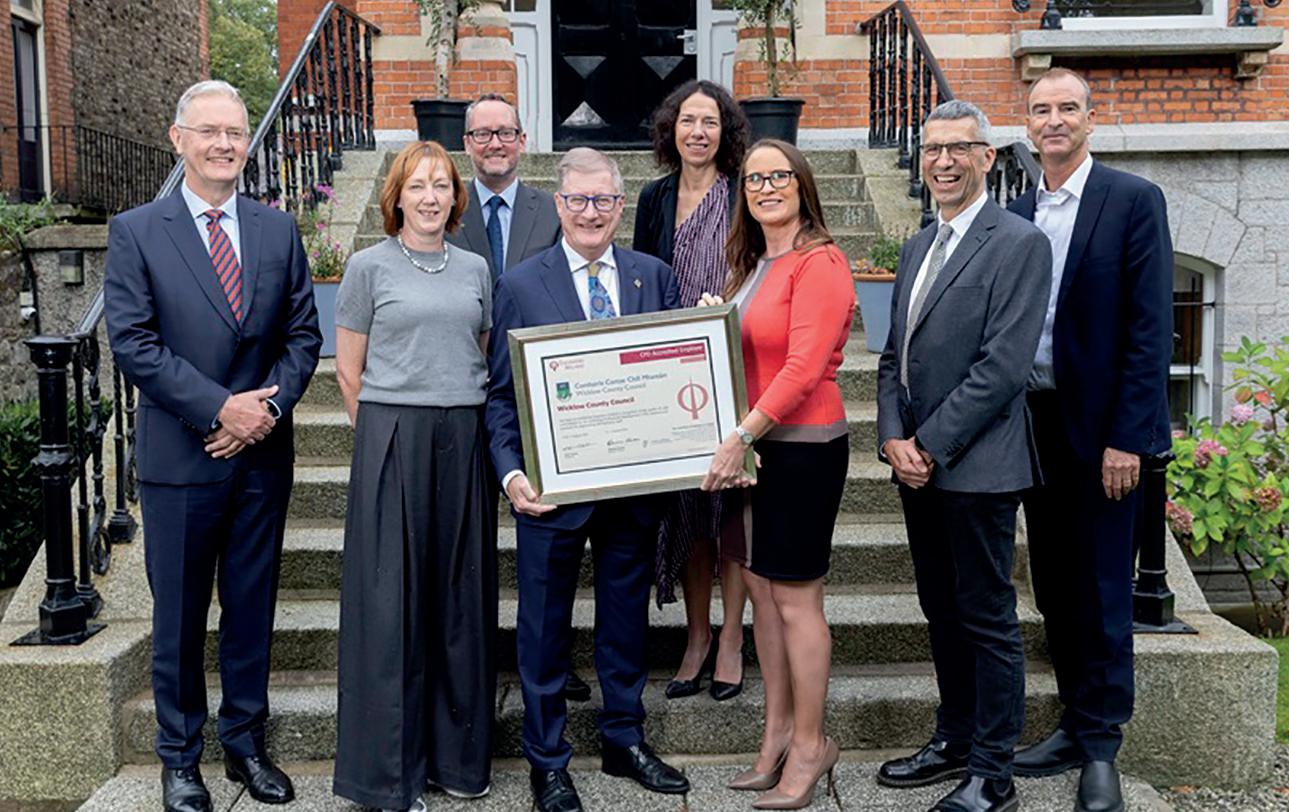
Damien Owens, Director General of Engineers Ireland, presenting Chief Executive of Wicklow County Council, Emer O’Gorman, with the Engineers Ireland CPD Accredited Employer Standard parchment.
Excellence in the community
Wicklow County Council (WCC) was recently awarded Engineers Ireland’s Continuing Professional Development (CPD) Accredited Employer Standard. We spoke with WCC Chief Executive Emer O’Gorman about the importance of the accreditation.
How important is CPD at Wicklow Co Council?
Continuing Professional Development (CPD) is extremely important. By establishing a cross-functional committee with representatives from all Directorates, we have ensured the necessary resources are available to the committee while accreditation was being sought. This approach ensures that each Directorate has representation, allowing them to play a role in the development of their technical personnel.
How important is it to be CPD Accredited by Engineers Ireland?
Receiving such a coveted award by Engineers Ireland enhances both our reputation and that of the local government sector. This recognition highlights the professionalism and expertise of our engineering and technician staff. It places Wicklow County Council among a select group of local authorities that have achieved this accreditation. This achievement demonstrates, to the wider engineering community and our citizens, the values that we uphold as we deliver a variety of services throughout the community. Accreditation by an external body is important to ensure our CPD policy has value, and the ongoing effort to maintain this accreditation ensures there is evolution of our system to remain useful and relevant.
Can you describe the benefits of the Standard for organisations in the public sector?
One of the main benefits of the Standard is that it supports our engineering staff with a clear pathway to achieving chartered titles, which benefits both the organisation and the individuals involved. In conjunction with this, the standard helps in the recruitment and retention of staff which has been a particular challenge that local authorities have faced in recent years. It informs our recruitment strategies and helps identify the key skills required for specific roles. It influences the performance management and development system fostering continual learning and professional growth among our engineering staff while promoting a culture of innovation.
Damien Owens, Director General of Engineers Ireland, presenting Chief Executive of Wicklow County Council, Emer O’Gorman, with the Engineers Ireland CPD Accredited Employer Standard parchment.
A key component of the standard is mentoring, and this again demonstrates the commitment to our staff and their career progression. Local Authorities provide essential services to their communities, and it is vital for us to demonstrate that our expertise and knowledge are continually maintained and enhanced through our work. It is also important for the wellbeing of our technical staff that their expertise and professionalism is recognised.
What advice would you give to other county councils or public sector organisations seeking to achieve accreditation to Engineers Ireland CPD Employer Standard?
Achieving accreditation should be a strategic priority for senior management, and a CPD committee should be provided with the necessary resources required to achieve the standards. In Wicklow County Council, we appointed a member of the management team with an engineering background to chair the committee. This provided an essential link between management and the committee and demonstrated to all engineering staff the commitment of the organisation to achieving the standard.
The benefits of a systematic knowledge support system such as Engineers Ireland CPD Accredited Employer are well documented. It offers Local Authorities the opportunity to tap into the educational and vocational expertise of the broader engineering community in Ireland. By achieving and maintaining this accreditation, Local Authorities can further demonstrate their commitment to their technical staff.
What is your message to engineers who might be interested in a career at Wicklow County Council?
I am very focused on ensuring that we provide our staff with the opportunities to develop their skill set and facilitate continuous learning and development. Wicklow County Council has consistently provided strong support for its technical staff. With the recent accreditation, our team can be reassured that their technical and professional knowledge will be maintained at the highest level. Additionally, this accreditation guarantees a structured format for learning and mentoring throughout their careers.
Our staff work diligently to provide the best possible service, within the limited resources available to a relatively small local authority. The support offered by Engineers Ireland is therefore invaluable. At Wicklow County Council, we recognise that our employees are our greatest asset. By promoting career satisfaction and progression through training and education, we create an environment that fosters innovation and critical thinking.
A career with Wicklow County Council enables employees to serve their community and improve the lives of county citizens. I personally can’t think of anything more rewarding.
Chief Executive of Wicklow County Council, Emer O’Gorman
WCC aiming to lead by example with Energy Efficiency Effort
Westmeath County Council aiming to lead by example with Energy Efficiency Efforts.
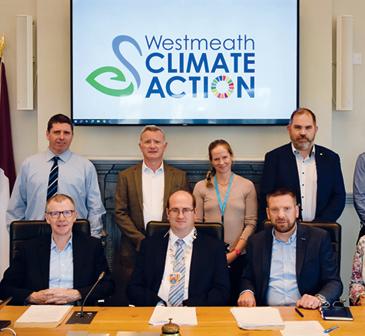
Front- L-R. Barry Kehoe, Chief Executive of WCC, Cllr. Paul Hogan, Leas-Cathaoirleach; Ian Carroll, Director, IN2 Engineering Design Partnership; Deirdre Reilly, Director of Service. Back L-R Ambrose Clarke, Senior Engineer, Environment, Climate Action and Rural Water; Padraig Mannix, Senior Project Manager, Rogerson Reddan and Associates; Ruth Holton, Climate Action Coordinator; Ciaran Duffy, Associate Director IN2 Engineering Design Partnership; Loughlin Kilcline, SEAI.
World Green Building Week 2025.
Westmeath County Council is taking significant steps to reduce its energy consumption and improve its carbon efficiency as a public service provider, a key goal of our Climate Action Plan 2024-2029.
To achieve these targets Westmeath County Council is delighted to announce that we have entered into the National Building Retrofit Programme for Local Authorities 2023-2025. This programme is 50% funded by the Government’s Climate Action Fund and is administered by the Sustainable Energy Authority of Ireland (SEAI). A critical step in this programme is to achieve significant energy reductions and sustainable efficiencies in buildings identified as our three largest energy users; Áras an Chontae Campus in Mullingar,
The Civic Centre in Athlone and Athlone Regional Sports Centre.
Contracts were signed on September 10th, 2025, with IN2 Engineering Design Partnership who will act as our consultants to deliver energy efficiency solutions. The contract signing took place during World Green Building Week 2025.
Westmeath County Council and IN2 Engineering Design partnership will be working closely with Rogerson Reddan & Associates, as project managers, and with the South East Energy Agency as our Energy Efficiency Design co-ordinators to progress these projects and to develop suitable energy solutions.
These projects will be a significant investment by Westmeath County Council in the future-proofing, climate resilience and energy efficiency of our public buildings. We remain grateful to the SEAI and our project partners for their support in this programme. It is hoped that insights and learning from these projects will aid and inform future retrofit and energy efficiency schemes in public buildings, and community buildings, throughout Westmeath.
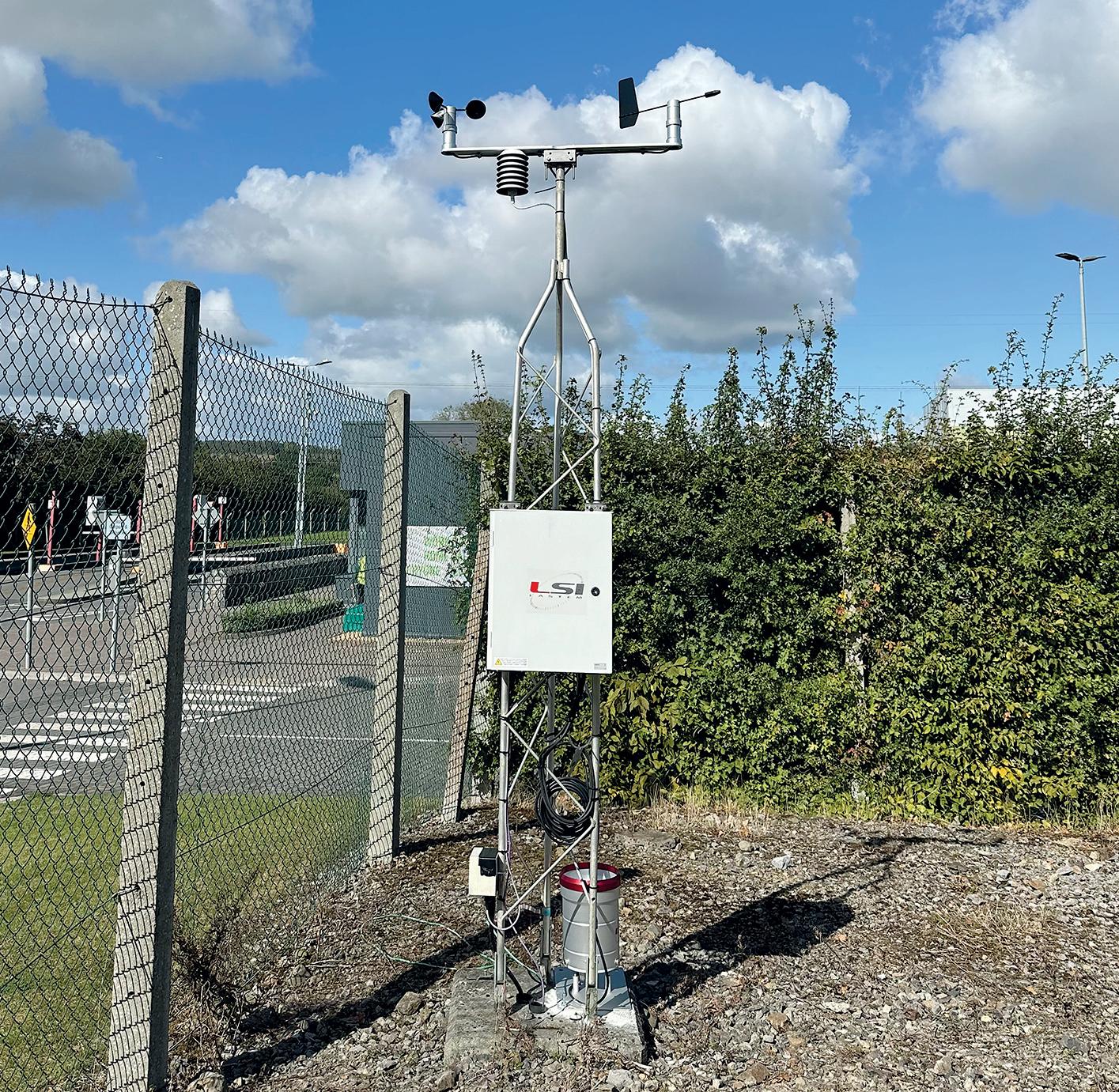
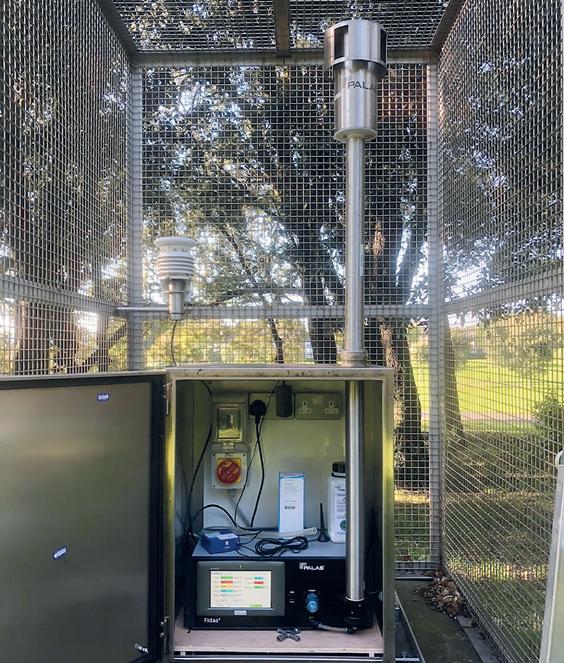
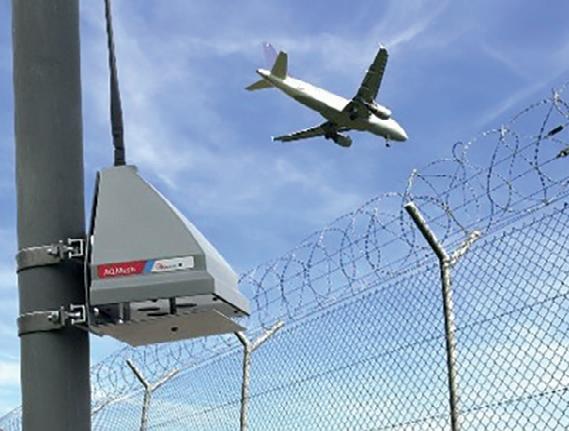
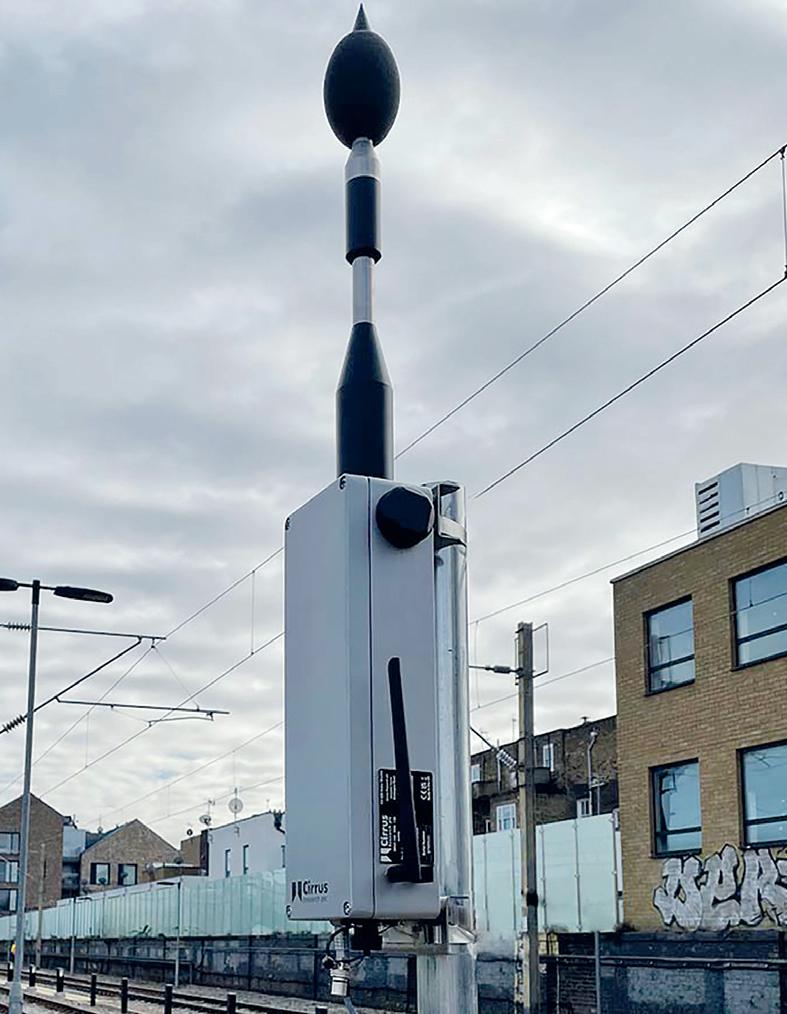
At EMS Environmental Monitoring Systems Ltd, we are proud to be Ireland’s trusted supplier of advanced air quality monitoring equipment. With a proven track record of excellence, EMS is a key provider to the Irish Environmental Protection Agency (EPA), local authorities, and leading industrial sectors across the country.
Our comprehensive range of air monitoring solutions is designed to meet the highest international standards, ensuring accurate, reliable data for environmental compliance, research, and public health protection. Whether you're monitoring urban pollution, industrial emissions, or ambient air quality, EMS delivers precision instruments tailored to your needs.
Backed by decades of expertise and a strong commitment to environmental education, EMS also supports academic institutions and research bodies, helping to foster the next generation of environmental scientists. Our team combines technical proficiency with a deep understanding of regulatory frameworks, making us the go-to partner for air quality solutions in Ireland. Choose EMS – where innovation meets integrity in environmental monitoring.
20 The Boulevard, Grange Rath Drogheda, Co Meath, A92 RY72 Ireland Tel: +353-18853954 • Email: info@emsys.ie • Website: www.emsys.ie
We need to do more to protect clean air in towns, villages and cities across Ireland’ says EPA
• Air quality in Ireland is generally good and was compliant with 2024 air quality standards, meeting all EU legal requirements.
• It will be more challenging for Ireland to meet new and more stringent air quality limits that will come into force from 2030.
• Clean air is essential for our health . Around 1,700 premature deaths occur in Ireland each year because of poor air quality.
The Environmental Protection Agency (EPA) has published its report, Air Quality in Ireland 2024, which is based on data from Ireland’s extensive air monitoring network of 115 stations. It reveals that while Ireland currently meets EU air quality standards, we are projected to fall short of the stricter air quality standards set for 2030 under the new Ambient Air Quality Directive.
The new EU Directive, part of the Zero Pollution Action Plan, aims to reduce premature deaths from air pollution by 55 per cent by 2030. Ireland faces significant challenges in meeting these targets, with projected compliance levels of only 93 per cent for fine particulates (PM2.5) and 78 per cent for nitrogen dioxide (NO2). Ireland also continues to fall well short of achieving the more stringent World Health Organization (WHO) health-based 2040 guidelines for several key pollutants.
The primary sources of air pollution in Ireland are solid fuel burning and traffic emissions. The European Environment Agency estimates that in Ireland, more than 1,700 premature deaths annually are attributable to air pollution, with links to cardiovascular and respiratory diseases, dementia, type 2 diabetes and neonatal mortality. Vulnerable groups, including children and older adults, are particularly at risk.
Pat Byrne, Director of the EPA’s Office of Radiation Protection and Environmental Monitoring, stated:
“Many of us have grown up with the comfort of an open fire and limited alternatives to travelling by car—but these familiar habits contribute to poor air quality. Supporting people to shift towards cleaner heating and more sustainable travel isn’t about giving something up—it’s about gaining healthier air and healthier lives.”
Air pollution in Ireland is not confined to cities ¬— towns and villages are also affected. The EPA website www.airquality.ie provides hourlyupdated information on air quality and a 3-day air quality forecast. Having these online tools can help us make choices to protect our health during periods of poor air quality.
Roni Hawe, EPA Programme Manager for Environmental Monitoring and Surveillance, added:
“Ireland is facing considerable challenges in its efforts to meet the more stringent air quality standards set for 2030, as well as the World Health Organization targets for 2040. Achieving these goals will require a decisive shift away from solid fuel burning, alongside the adoption of electric vehicles, efforts to reduce traffic and encouraging the use of public transport.”
To find out more about how we can improve air quality read the EPA’s How we can improve the air we breathe infographic or check out the Government of Ireland Clean Air publication, which highlights some simple steps we can all make and help reduce pollution from solid fuels.
The Air Quality in Ireland 2024 report is available on the EPA website
WHY SOCIAL HOUSING IS CHOOSING
THE S&P ENVIROVENT FILTERLESS FAN.
Recent changes in ventilation guidelines in TGDF and retrofit guidelines offered by SEAI, as well as an improving awareness of indoor air quality and the effects of mould and condensation on housing stock and overall health, are all elements which require the help of a simple and affordable solution to old style natural ventilation and on/off axial fans. The role of a responsible asset manager is surely to consider ventilation and indoor air quality as a long-term strategy which means choosing the right extract fan takes a bit more thought.
What does an asset manager need to consider when planning ahead?
• Value for money
• Environment characteristics
• Energy efficiency
• Longevity
• Ongoing maintenance charges
• Tenant usability
• Guarantee offered
When it comes to ventilation, the Filterless fan exceeds all of the above expectations. It offers the ultimate in product confidence with a 5-year warranty along with high efficiency extract rates up to 4 times the minimum regulation requirements on demand.
The Filterless fan requires no user intervention whatsoever. Continuously running on trickle, the unit controls high levels of humidity, quietly combating condensation. And when it comes to commissioning – there are no fiddly selection switches! What’s more, the Filterless fan’s smart self -setting technology monitors and responds to the humidity levels in the home automatically, (it has intelligent vapour tracking controls which enables it to do this.) This means that no user intervention is necessary.
Why Vapor tracking?
Well, Vapour tracking is very useful when it comes to everyday household activities such as drying laundry indoors, cooking, bathing and breathing! The Filterless fan is ideal for kitchens, bathrooms, WCs and utility rooms, and because of its tracking capabilities it is always monitoring the humidity levels and adjusting its speed on demand to keep relative humidity levels where they should be to prevent mould and condensation build up.
Water quality has improved in some areas but continues to decline overall
• Just over half (52 per cent) of our surface waters are in satisfactory ecological condition, which is a deterioration from the previous assessment for 2016-2021, where 54 per cent of surface waterbodies met their water quality objectives.
• Excess nutrients from agriculture, urban wastewater and other human activities remains the biggest challenge, followed by changes to physical habitat conditions.
• There is evidence that nutrient levels are reducing in areas where actions are being targeted, which is very welcome. The scale and pace of implementation needs to be increased.
• At the current level of progress, Ireland will fail to meet the EU and national goal of restoring all waters to good or better status by 2027.
The Environmental Protection Agency (EPA) has published our flagship Water Quality in Ireland Report 20192024, which provides the latest, 3-yearly assessment of the quality of Ireland’s rivers, lakes, estuaries, coastal waters, canals and groundwaters. This assessment includes multiple water quality parameters that are monitored and assessed to give an integrated picture of the condition of our waters.
The report shows that, despite improvements in some areas, water quality in Ireland is not as good as it should be and is continuing to decline overall:
• 52 per cent of rivers, lakes, estuaries and coastal waters are in a satisfactory ecological condition, which means in good or high ecological status. This is a decline since the 2016-2021 assessment when 54 per cent of surface waters were satisfactory.
• Transitional waters, including estuaries and coastal lagoons, are in the poorest condition of any waterbody type, with 70 per cent in an unsatisfactory condition, up from 64 per cent in the last assessment.
• 92 per cent of groundwaters are in good status. Canals are also in relatively good condition with 87 per cent achieving their water quality targets.
Commenting on the report, Dr Eimear Cotter, Director of the EPA’s Office of Evidence and Assessment, said: “Our rivers, lakes and estuaries are the lifeblood of our landscape and support our ecosystems, and our health and wellbeing. But they are struggling. They do not have the resilience to cope with the challenges they face, now and in the future. Surface water quality overall has been in decline since before the first of these assessments was carried out by the EPA in the late 2000s.
It is very disappointing to report that water quality is not improving despite the many actions that are underway, across all sectors. It’s clear the scale and pace of implementation needs to be increased and sustained.”
The main pressures impacting on water quality are excess nutrients coming mainly from agriculture, urban wastewater discharges, and damage to the physical condition of water habitats from activities such as land and river drainage, forestry and urban development.
The report highlights that there have been improvements in phosphorus levels in our surface waters in areas prioritised for action where the right measures are implemented in the right places to target interventions. There were also reductions in nitrogen levels in many river monitoring sites in recent years, which is welcome. Further reductions will be needed to reach levels that will support healthy ecosystems.
Dr Jenny Deakin, EPA Programme Manager added:
“The decreases in phosphorus levels in areas prioritised for action are very welcome. While further reductions will be needed as well as reduction in nitrate levels, this report shines a light on the progress that can be made when actions are targeted. It is essential that better information is collected by all stakeholders, on when and where the actions are being implemented on the ground, to provide better information on how the progress can be accelerated.”
Information about local water quality and the pressures impacting it is available at www.catchments.ie
The Importance of SCOP in Decarbonising Home Heating
Ireland continues to work towards an ambitious netzero carbon target making the decarbonisation of domestic heating become a central priority for local authorities. With over 680,000* homes in Ireland reliant on oil-fired central heating systems, transitioning these households to renewable solutions is a significant challenge, and success depends not only on deploying heat pumps but also on ensuring their efficiency. A key metric is the Seasonal Coefficient of Performance (SCOP) — the measure that determines how effectively a heat pump converts electricity into heat.
Barry Gorman, National Renewable Sales Manager at leading heating technology manufacturer, Grant, explains, “The SCOP expresses the ratio of heat output to electricity input. A SCOP of 4, for example, means that for every 1kW of electricity consumed, the heat pump produces 4kW of heat. Higher SCOP values therefore directly translate into lower energy consumption, reduced carbon emissions, and cost savings for households and public buildings.”
Why SCOP Matters for Local Authorities
Focusing on SCOP enables local government to meet environmental and financial objectives simultaneously:
• Reduced Energy Bills: High-SCOP values lower household running costs, supporting residents and council-owned buildings.
• Lower Operational Costs: Local heat networks and council-owned facilities benefit from long-term savings improving financial viability.
• Lower Carbon Emissions: Efficient systems consume less energy, helping authorities reach carbon reduction targets.
• Strategic Retrofitting: SCOP data can help guide authorities in prioritising properties and communities where heat pumps will deliver the most impact.
• Target Compliance: Local climate targets depend on deploying the most efficient technologies available.
The Grant Aerona R290: A High-SCOP Example
Designed for the Irish climate, the award-winning Grant Aerona R290 is a highly efficient air-to-water, air source heat pump which uses the natural refrigerant R290, thereby providing environmental responsibility with exceptional performance.
The Aerona R290 is available in five models with outputs from 4kW to 16kW. COP values range from 4.72 to 4.99, and models have a Seasonal COPs (SCOPs) of up to 4.88:1. These highly efficient COP & SCOP ratings ensure compliance with Part L of the Building Regulations for new build properties and developments, whilst supporting local authorities and housing providers with a robust, sustainable heating option to meet decarbonisation targets.
Heat pump efficiency is more than a technical metric, it is a tool for decision-making that can help local authorities deliver social, environmental, and economic benefits across communities. By prioritising high-COP & SCOP solutions such as the Grant Aerona R290, local authorities can align heating upgrades with climate objectives whilst delivering meaningful benefits for residents.
Visit www.grant.ie for more information on Grant’s range of innovative heating solutions. Follow Grant on Facebook and X @GrantIRL and Instagram @grant_irl and LinkedIn @GrantEngineeringULC. You can also subscribe to Grant on YouTube @GrantEngineeringIE.
*Sustainable Energy Authority Ireland (SEAI)
Grant Aerona R290 air to water air source heat pumps
Meath County Council Officially Opens New LDR4 Route in Navan
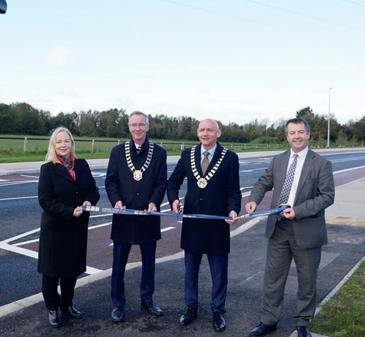
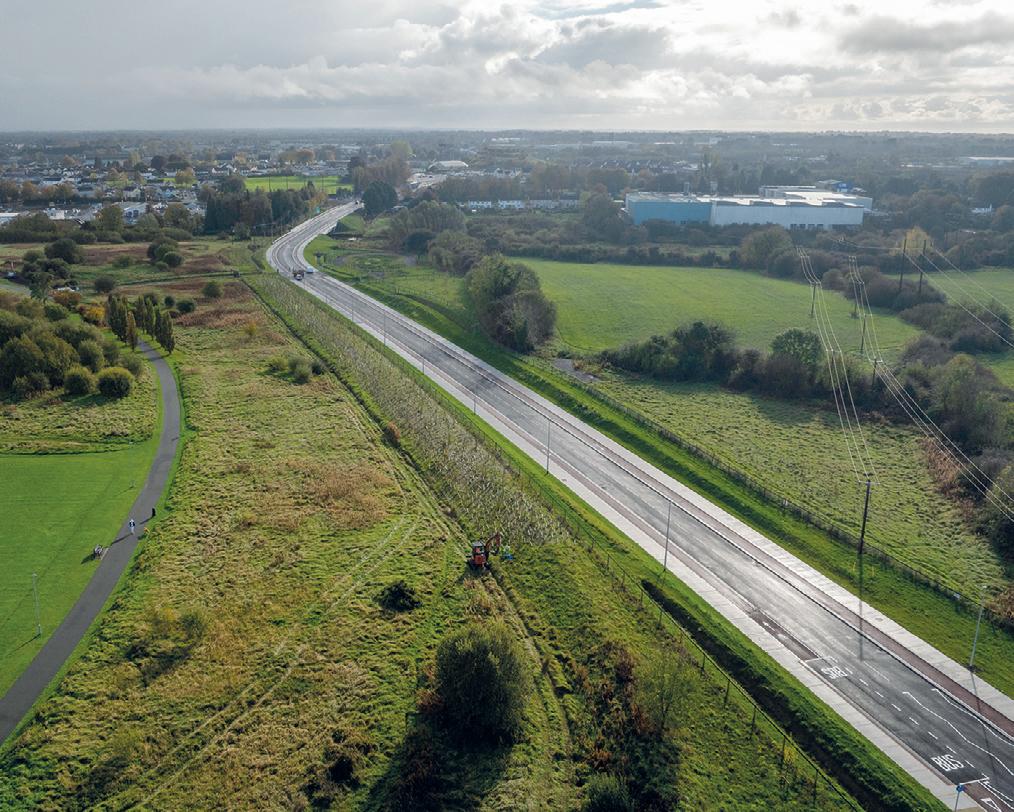
Meath County Council, in partnership with the National Transport Authority (NTA), officially opened the Local Distributor Road 4 (LDR4) road a new 1.2km route which is projected to reduce traffic congestion, improve road safety and boost connectivity for the people of Navan.
The LDR4 connects the N51/R147 Kells Road at the south of the River Blackwater in Abbeyland to the L3409 Ratholdron Road at the north, vastly improving the link from the north of Navan to the M3 Motorway, as well as significantly reducing traffic congestion in the centre of the town.
The delivery of the LDR4 includes a new bridge crossing over the River Blackwater, enhancing access to a number of areas of strategic importance in the north of Navan including the Clonmagadden area.
In addition to public lighting and service duct provision, the LDR4 consists of 3.25 metre wide traffic lanes with 2-metre-wide cycle tracks and 2.5metre-wide footpaths on either side, in addition to two new signalised junctions with pedestrian crossing facilities at the N51/R147 Kells Road and the L3409 Ratholdren Road.
The cyclist and pedestrian facilities also provide the additional benefit of safely linking the LDR4 to Blackwater Public Park and provides a suitable route for walkers/cyclists wishing to access the Boyne Valley to Lakelands County Greenway.
An Cathaoirleach of Meath County Council, Cllr Wayne Harding said: “Every element of this project is in complete alignment with the Council’s vision for a thriving and inclusive County, recognising fully that our expanding population needs robust infrastructure such as the LDR4.
“At Meath County Council, we want resilient and dynamic communities. Reducing congestion in our towns also reduces emissions, meaning less pollution, better air quality, a healthier environment, and an improved quality of life.”
Chief Executive of Meath County Council, Kieran Kehoe said: “Everything we do in Meath County Council comes down to just four words – our vision – Make Meath Even Better.
“By officially opening the LDR4, we are doing just that. I am delighted to see so many people using the route already this week and I know the LDR4 will have a positive effect on the quality of life of thousands of people in Navan in so many significant and impactful ways.”
Winners of the Irish Planning Institute’s 2025 Planning Awards are announced
• Thirteen winners were announced at the 2025 Planning Awards, with submissions from Dublin, Cork, Laois, Belfast, Carlow, Kildare and Tipperary recognised by the expert judging panel.
• Uisce Éireann took home the overall President’s award for its submission on the Arklow Wastewater Treatment Plant
The Irish Planning Institute (IPI), the all-island professional membership body for spatial planners, is delighted to announce the winners of the 2025 Irish Planning Awards.
After receiving a record 80 entries from all around the country, the expert judges selected a winner for each of the 13 award categories, while a further five entries were highly commended by the judging panel.
Uisce Éireann took home the overall President’s Award for its Arklow Wastewater Treatment Plant – a €139m project that was the winner of the Infrastructure category. Projects from Dublin, Cork, Laois, Belfast, Carlow, Kildare and Tipperary were also winners at the 2025 Planning Awards.
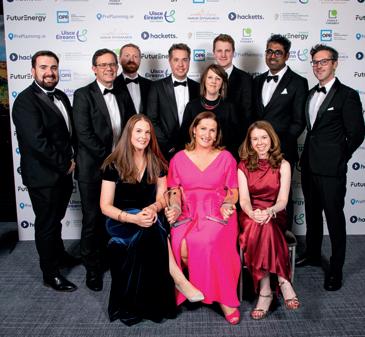
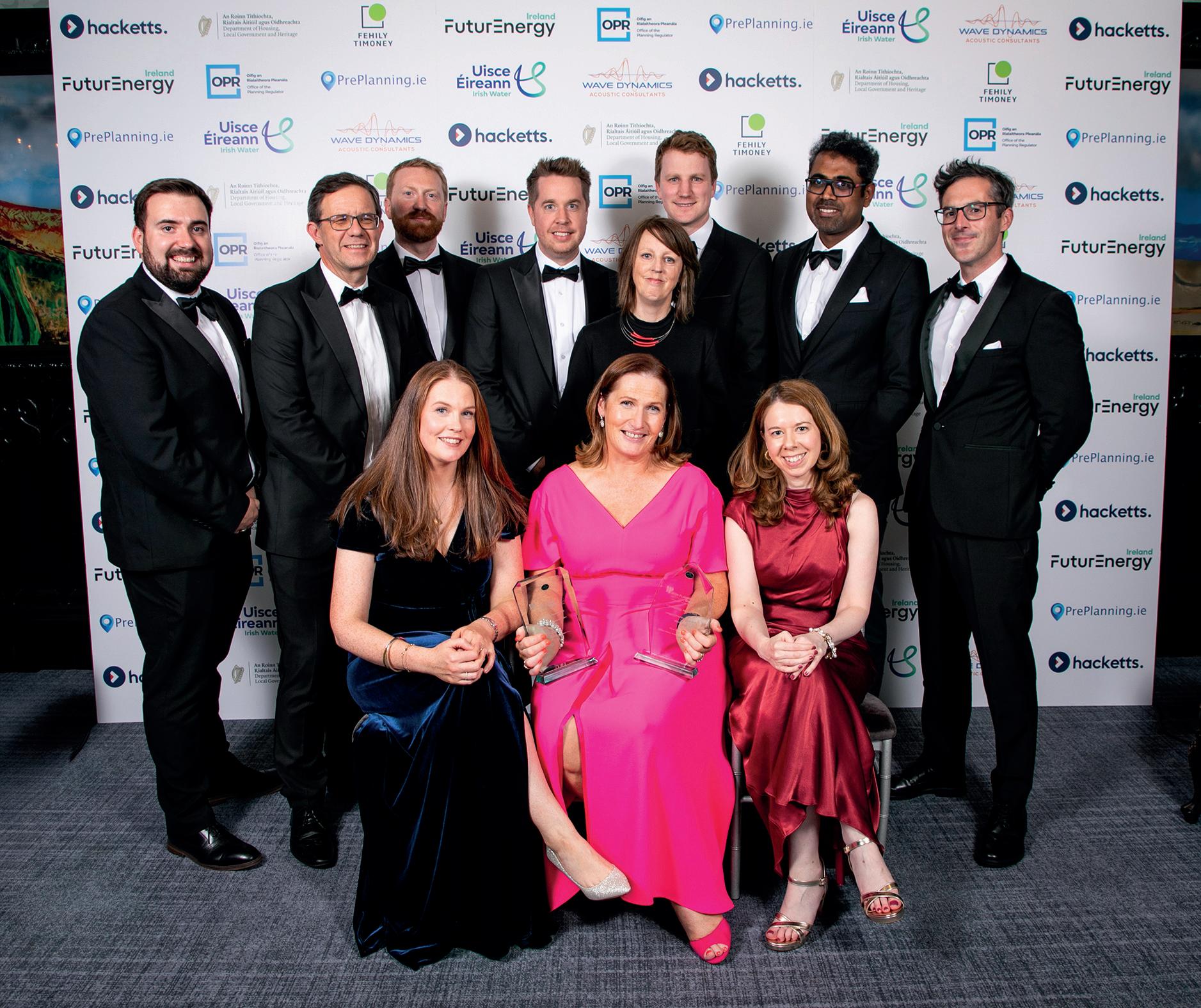
Winners of the Infrastructure and Presidents Award, the team from the Uisce Éireann Arklow Wastewater Treatment Plant
The biennial Irish Planning Awards recognise and celebrate outstanding achievements in the planning profession, including projects and plans at a local, county, regional and national level.
The awards aim to promote excellence in the field of planning, encourage sustainable development, foster positive engagement between communities and projects, support economic development through thoughtful planning and honour projects and practices that enhance the environment, conserve historical buildings or create cultural venues.
Most importantly, the Irish Planning Awards are designed to inspire innovation throughout the planning sector and reflect the level of planning achievement across the island of Ireland.
The 2025 Irish Planning Awards attracted a record 80 entries from all around the country. A panel of expert judges selected the winners from a shortlist of 55 nominees across 13 categories. The 13 category winners were:
• Plan Making: Community Places – Tullycarnet Place Shaping Plan 2025-2035
• Commercial Project: South Dublin County Council - Work IQ Innovation Centre
• Urban Regeneration – State Led: Tipperary County Council and the Department of Housing, Local Government and Heritage - Kickham Barracks Regeneration, Clonmel, Co. Tipperary
• Urban Regeneration – Private Led: Tom Phillips + Associates - Kennedy Quay Mixed Use Development, Cork South Docklands
• Heritage and Culture: Kildare County Council - The revival of Naas Town Centre – Reimagining the Potato Market
• Climate Action: Land Development Agency - The Land Development Agency Sustainable Development Strategy 2024-2028
• Biodiversity: SLR Consulting, Studio Aula and Haller Clarke - Derryounce Lakes & Trails 10 Year Plan 2024-2034
• Housing or Community: Land Development Agency - Bluebell Waterways
• Research and Innovation: Carlow County Council - Carlow Pre-Planning Enquiry Service: A Research Led Digital Innovation Supporting Early Career Planners and Improving Service Delivery
• Diversity and Inclusion: Action Ireland Trust in conjunction with Fingal County Council (FCC), Portmarnock Community School (PCS) and the Lesotho Town and Regional Planning Institute (LTRPI) - Planning for Diversity and Inclusion in Ireland and Lesotho
• Planning Consultancy and In-House Planning Teams: Brock McClure – We are Brock McClure
• Planning Authority: Kildare County Council - Kildare County Council Planning Authority: Challenging, Progressive, Dynamic.
The 2025 Planning Awards were sponsored by the Department of Housing, Local Government and Heritage, FuturEnergy Ireland, Uisce Éireann, Office of the Planning Regulator, Hacketts, Fehily Timoney and Company, and Wave Dynamics Acoustic Consultants. The climate action award was sponsored by FuturEnergy Ireland, while the research and innovation award was sponsored by the Office of the Planning Regulator.
Gavin Lawlor, President of the Irish Planning Institute, said:
“I want to congratulate all of our winners and nominees for the 2025 Planning Awards. The biennial awards are a fantastic occasion where we come together to celebrate the creativity and quality throughout the Irish planning sector.
“The quality of entries to the 2025 Planning Awards was a powerful reminder of the innovation, knowledge and expertise of our members in the Irish Planning Institute, who strive every year to deliver high quality projects and sustainable developments.”
How Wavin’s TreeTank Can Help Irish Councils Deliver Greener, Harder-Working Streets
Local authorities across Ireland are stepping up urban greening to meet climate, flood resilience and liveability goals. In line with these objectives, trees are recognised as a key component of sustainable drainage systems (SuDS). However, engineers often face a conflict between the need to compact the ground for roads and paths, and the need for an uncompacted growing medium that allows sufficient space for tree roots to thrive.
Ireland’s leading plumbing and drainage supplier, Wavin, offers a solution that tackles this challenge head-on. Wavin TreeTank is designed to help cities manage surface water more effectively and builds on Wavin’s established SuDS portfolio, which includes the recently launched AquaCell NG
How it works
Lightweight and fully modular, Wavin TreeTank is installed around a planting void filled with uncompacted soil and features built-in pipework for irrigation and ventilation. The system gives roots consistent access to water, air and nutrients while guiding growth away from roads, pavements and underground services. It helps trees establish faster, supports biodiversity and prevents costly damage to surrounding infrastructure, while keeping the soil loose, oxygen-rich and ideal for root growth.
Because the system is modular, designers can easily work around existing utilities or irregular footprints. Designed for versatility, Wavin TreeTank provides maximum design freedom during planning and installation, allowing optimal use of space and ensuring high resistance to vertical and horizontal loads. Its durable construction also ensures longevity, protecting root systems for many years.
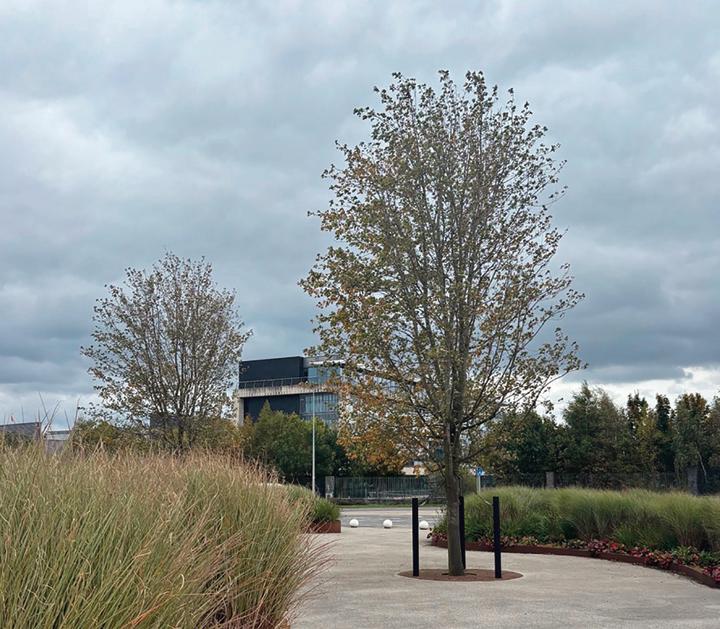
Wavin TreeTanks in action
Why it matters
As extreme weather places our cities and towns under increasing pressure - from intense rainfall to dry, hot summers like those experienced this year – coupled with ageing drainage networks across the country, nature-based solutions can play a key role in stormwater management. In addition, integrating trees into urban design contributes significantly to biodiversity and community well-being.
Wavin TreeTank supports these objectives by enabling councils to deliver greener, more resilient public spaces that perform better for people and the environment alike.
Proven across European cities, Wavin TreeTanks were installed at a site in South County Dublin in 2022. Since then, the trees have flourished, transforming the space into a visually striking, fast-developing landscape that demonstrates the system’s long-term value under Irish conditions.
To find out more, see the QR code or contact projects.ie@wavin.com
Efficient Water Management for Stormwater with Hybrid Linear Drainage products.
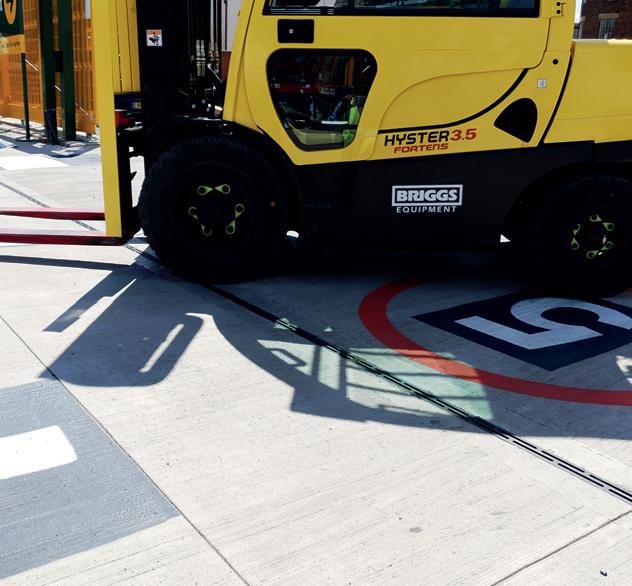
For environments where efficient water management is critical due to large surface areas to drain with intense traffic loads, a versatile hybrid linear slot drainage system is emerging as a viable alternative on the market.
This water management system is suitable for a broad spectrum of applications from industrial to public realm, car parks, and offers unique advantages and technical superiority over current offerings, such as:
• Superior Structural Integrity: Its twin wall conduit has a greater wall thickness (28mm minimum for the 150mm size) compared to other systems where wall thickness is minimal. This also eliminates the requirement for any further structural surround, ensuring long-term strength, stability and performance.
• Corrosion Resistance: Unlike alternative systems, the plastic conduit will not rust, providing a longer lifespan and reducing maintenance costs.
• Quick and Cost-Effective Installation: The lightweight design and interlocking sections allow for faster installation with reduced labour costs, minimizing disruption to operations.
• Enhanced Load Capacity: With options for D400 and F900 loading, the system can handle the heavy loads typical in port and airport environments.
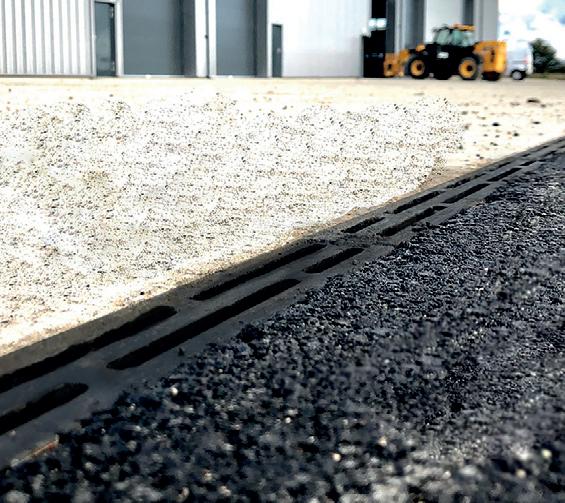
• Pedestrian Safety: The system features a pedestrian-friendly top with 2 x 10mm offset slots for better surface-level interception, a unique feature to our system.
• Environmental Sustainability: Made from 100% recycled HDPE, ensuring that no new plastic is produced for its manufacture. This system is fully recyclable at end of life, contributing to environmental sustainability and meeting stringent environmental regulations.
Called the SWARM AQUA® range and owned by EJ, it is designed to meet the demands of both small residential sites and large industrial plots. It offers real choice to Design Engineers who need to manage large volumes of surface water and cater for significant vehicular loads. Other attributes include:
• Variety of sizes and materials: Available in lengths of 2 meters and widths ranging from 150mm to 600mm, with cast ductile iron offset tops for added strength.
• Durability: The strong HDPE Twinwall body is made from 100% recycled material, offering a design life of over 60 years and resistance to most chemicals.
• Installation Efficiency: Shallow throat height reduces excavation and concrete requirements, while lightweight units and interlocking sections ensure quick and easy installation.
• Performance: Features such as twin offset 10mm openings for improved interception, a smooth bore for efficient water flow, and a steel throat section for added durability.
High-traffic environments demand more than standard drainage – they need strength, precision, and reliability. That is why the SWARM AQUA ® linear drainage system is engineered for maximum structural integrity, highcapacity drainage and superior load capacity, making it the go to choice for critical networks and intense traffic zones.
Decades of Expertise in Cost-Effective Water Drainage Solutions
With decades of experience, our Water Management team at EJ continues to lead the industry in providing innovative and reliable surface water drainage solutions. Our team offers technical support to help you select the most costeffective solution allowing for rainfall criteria for any given site. Using our proprietary AquaCALC® software, we effectively manage calculations for each project. This product range is designed to meet the diverse needs of various applications, ensuring long-term performance, sustainability, and costeffectiveness.
To learn more and find out about all of our Water Management products through a CPD-approved presentation or to view sample products, please contact the Business Development team in EJ on 057 9123100.
Galway County Council project wins national housing award
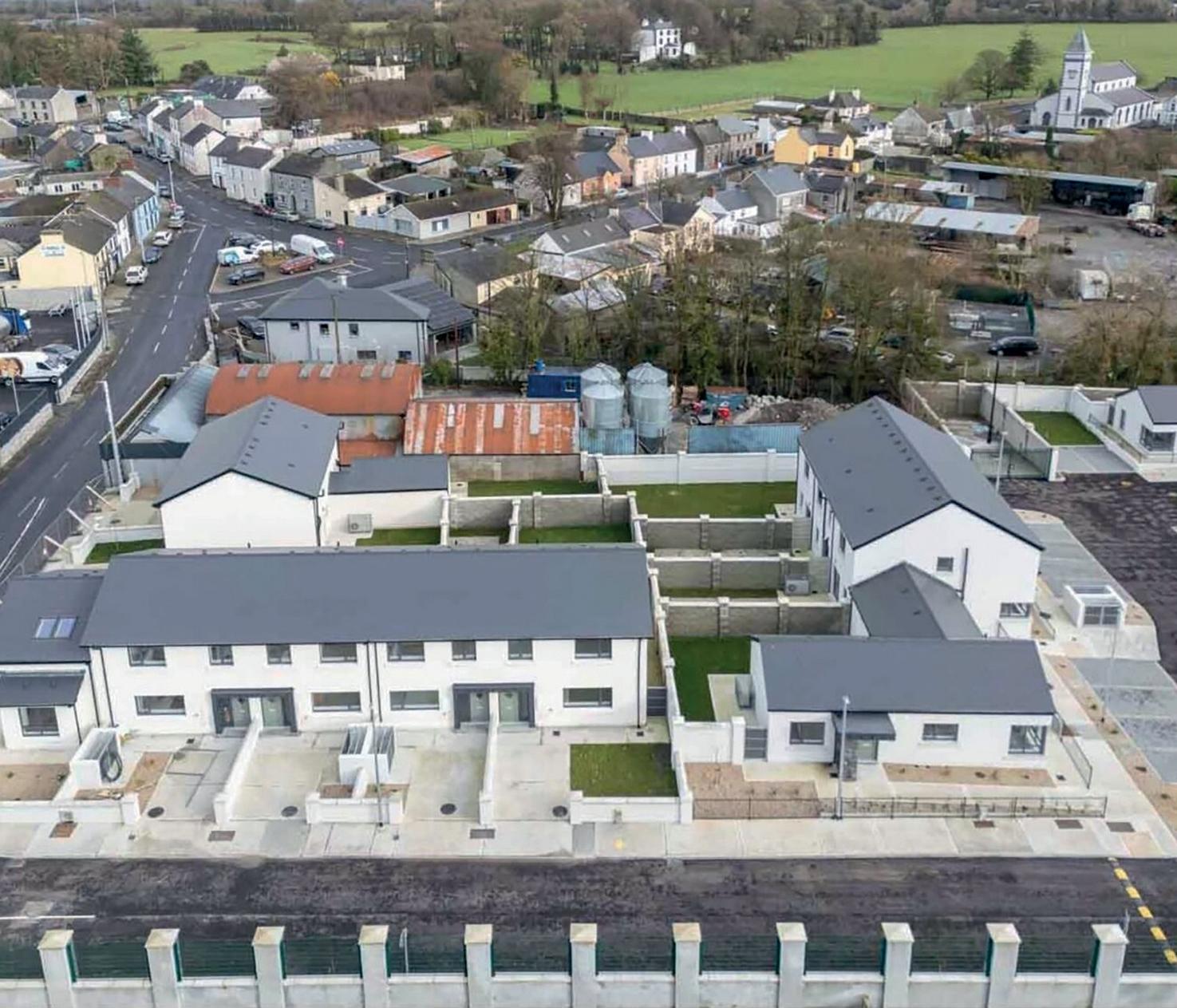
Galway County Council’s regeneration project at Tobar Mhuire in Ahascragh has been named a category winner of the ‘Building Communities’ category in the 2025 Community Housing Awards.
The awards, organised by the Irish Council for Social Housing (ICSH), recognise innovation and sustainability in public and community housing.
Led by Galway County Council and funded by the Department of Housing, Local Government and Heritage, the project involved demolishing 10 existing homes, building 12 new units and refurbishing six others, along with associated site works. The project design team included Vincent Hannon Architects and Tom McNamara & Partners, and the scheme was constructed by C&N Higgins Construction.
Cllr David Collins, Cathaoirleach of Galway County Council, said the award demonstrates the role of local authorities in supporting community renewal.
“Tobar Mhuire is an example of how regeneration can deliver lasting benefits for residents and rural towns across the county. I want to congratulate the council’s housing department and the project design team on their work and on receiving national recognition,” he added.
Liam Conneally, Chief Executive of Galway County Council, said the project reflects the council’s wider strategy to accelerate housing delivery through regeneration while larger infrastructure projects remain in development.
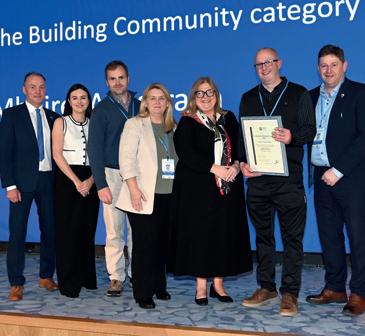
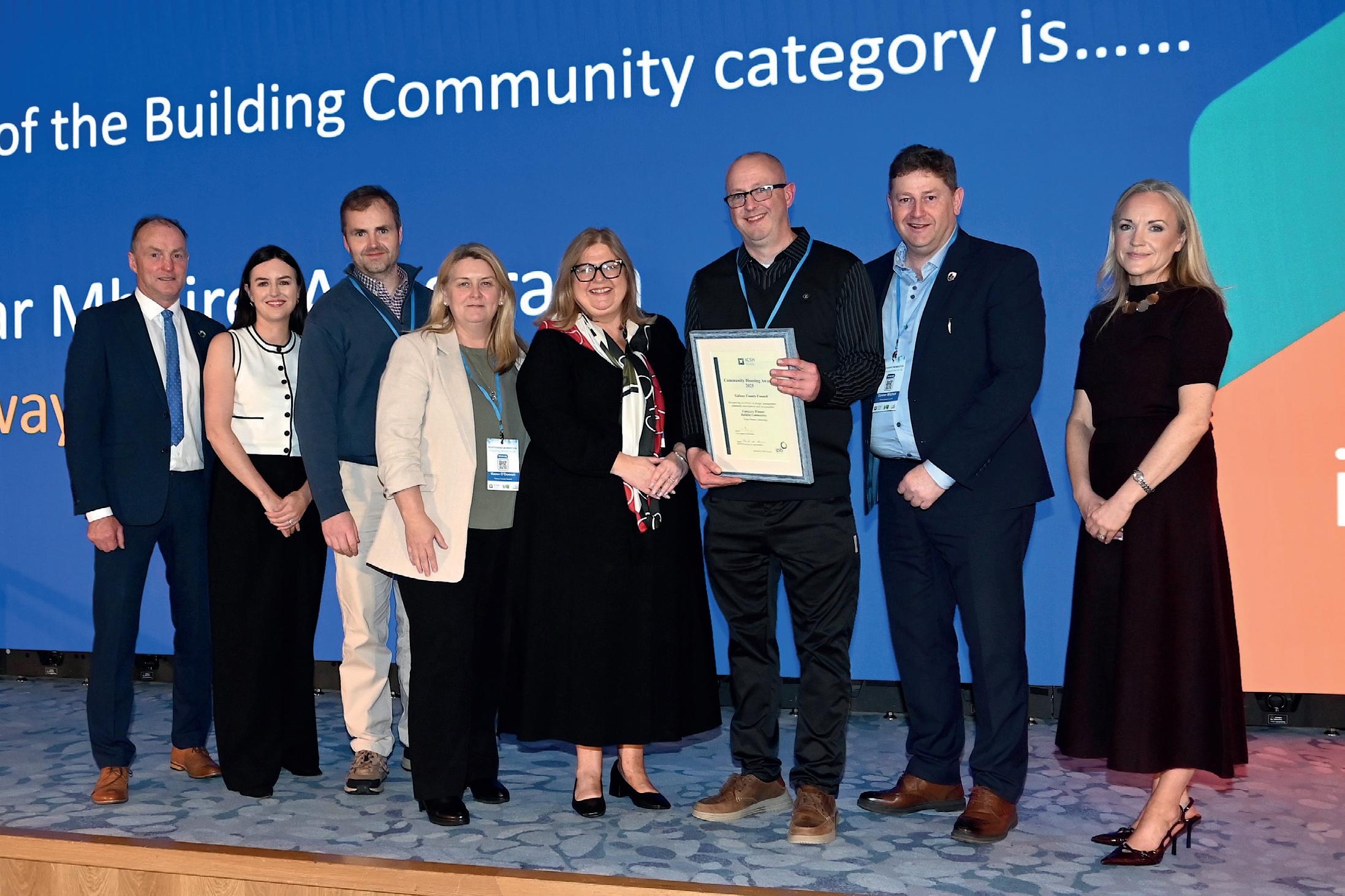
Pictured at the Ceremony at the Slieve Russell Hotel in Cavan are, from left, The Chairman of awards sponsor IPB Insurance John Hogan, Sharon Horan, Daithi Flood, Karen O’Donnell of Galway County Council, President of the ICSH Tina Fonaghy, Evan Mulvey, Damien Mitchell of Galway County Council, and Head of Underwriting Operations at IPB Insurance Alice Foley.
Photo: Justin Farrelly.
“The transformation at Tobar Mhuire has turned a 1970s estate with ageing facades and overgrown spaces into a modern, resident-focused neighbourhood,” he stated. “The project shows what can be achieved through good design and collaboration, meeting the highest standards in usability, management and sustainability.”
According to Damien Mitchell, Director of Housing with Galway County Council, “The Tobar Mhuire scheme is a strong example of how targeted regeneration can deliver highquality housing within existing communities. Funding support from the Department has been central to the project, and we look forward to exploring similar developments across County Galway alongside our ongoing programme of new builds.”
Margaret O’Brien, a tenant of Tobar Mhuire, said the transformation of the estate “is remarkable” and that what was once outdated housing is now a “vibrant, welcoming community.” She added that she feels “incredibly lucky” to be part of the newly developed estate.
Kevin Greene of Topline, a building provider and agricultural merchant business adjacent to Tobar Mhuire, praised the positive impact the development has had on Ahascragh’s housing landscape. He commended the local authority’s practical approach to housing support and its collaboration with local businesses in delivering the scheme.
“By encouraging local sourcing and supporting small enterprises, they have helped to strengthen the economic and social fabric of our area,” he said.
Now in its 10th year, the Community Housing Awards is sponsored by IPB Insurance, which describes the programme as a celebration of “social, affordable and sustainable community housing,” highlighting collaboration between local authorities, housing bodies and state agencies.
See www.icsh.ie for more
Tobar Mhuire in Ahascragh.
Photo: Galway County Council.
Cork County Council Introduces Cashless Parking Solution in Partnership with Payzone
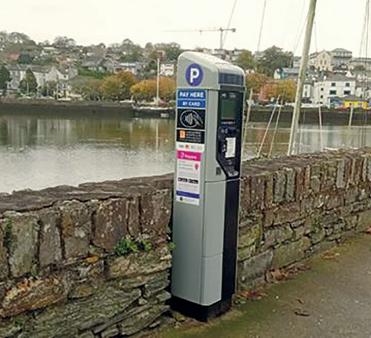
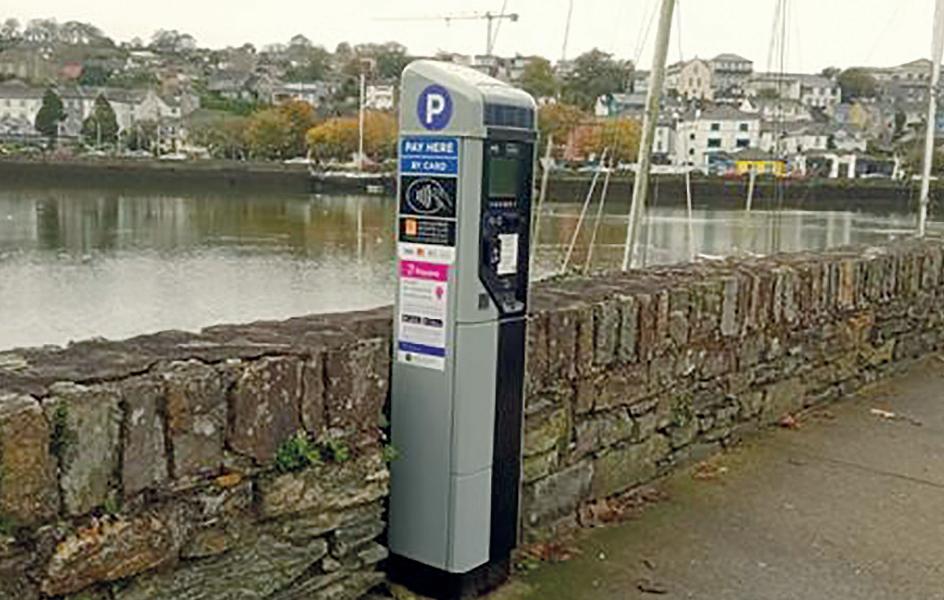
Cork County Council, in collaboration with Payzone, has launched a new cashless parking solution aimed at enhancing convenience for residents, commuters, and visitors across the county. This modernised system offers a range of mobile and digital payment options, supporting a more seamless and sustainable parking experience.
Following successful rollouts in Cobh, Youghal, and Fermoy, the service is now live in Kinsale, with further expansions planned for other towns in County Cork in the coming months. The new solution complements existing pay parking machines, many of which already accept both cash and card payments.
Payzone’s cashless parking system is designed to streamline the parking process, making it faster and more user-friendly. Whether you're a local resident, a daily commuter, or a visitor exploring the county, paying for parking has never been easier.
Payment options include:
• Mobile App: Download the Cork County eParking app or the Payzone app on Android or iOS.
• Online: Pay directly at www.countycorkparking.ie using a debit or credit card.
• In-store: Pay at any participating Payzone retail outlet.
The system offers flexibility to pay with or without an account, catering to a wide range of user preferences.
Mayor of the County of Cork, Cllr Mary Linehan Foley, welcomed the introduction of a new cashless parking solution in Kinsale, commenting,
This initiative represents a significant step forward in enhancing the accessibility and convenience of parking for residents and visitors alike. Cork County Council is committed to embracing innovative technologies that improve service delivery, and we look forward to extending this solution to other towns across the county in the near future.
The introduction of this cashless parking system is a significant step in enhancing the visitor experience in County Cork. Tourists can now enjoy the ease of finding and paying for parking, giving them more time to explore local attractions, dine in local eateries, and shop in unique stores. As Payzone operates across multiple counties in Ireland, visitors from other regions can use the same app to pay for parking, ensuring a consistent and convenient experience.
Aligned with Cork County Council’s commitment to sustainability, the new system reduces reliance on paper tickets and cash, encouraging the use of digital platforms. This supports broader goals around smart technologies, waste reduction, and eco-friendly living.
The cashless parking service is now available in all Council-operated parking spaces within the pay parking zone in Kinsale. Importantly, cash payments remain available via existing on-street parking meters. Please note that Cork County Council and Cork City Council operate separate parking systems, which are not interoperable.
For more information, visit www.payzoneparking.ie.
Investment in wastewater remains critical to protecting the environment and supporting growth
EPA report highlights areas where continued improvements are needed, and Uisce Éireann remains committed to addressing these through unprecedented capital investment programme
Over 85% of raw sewage discharges eliminated 92% of treatment plants compliant with Urban Wastewater Treatment Directive
Over €480 million invested in wastewater infrastructure last year
Uisce Éireann is making major strides in upgrading Ireland’s wastewater infrastructure, with record investment driving environmental protection and supporting sustainable development in communities across Ireland.
The EPA’s Urban Wastewater Treatment Report for 2024 recognises this progress, while also highlighting areas that still need attention. Uisce Éireann is tackling these challenges head-on through a multi-billion-euro capital investment programme—the largest of its kind in the State’s history.
Uisce Éireann acknowledges the EPA’s concerns regarding operational incidents. We recognise that many of these challenges stem from the legacy condition of our assets, which in many cases lack the resilience required of a modern wastewater network. This is primarily due to decades of under-investment and the ageing nature of much of Ireland’s wastewater infrastructure which comprises over 1,000 treatment plants, 2,200 pumping stations, and 26,000km of network.
To address this Uisce Éireann has implemented new organisational structures designed to strengthen operational oversight, improve incident response, and enhance long-term resilience. These changes ensure that we are better equipped to manage risks, respond to incidents, and deliver the high standards of service and environmental protection expected by the public and our regulators.
While issues can and do arise, Uisce Éireann acts quickly to fix them and prevent future problems. And in cases where bigger upgrades are needed, the investment is being made to build new plants or upgrade existing ones.
In 2024 alone, Uisce Éireann invested over €481.4 million in wastewater infrastructure. This is an increase of almost € 150m per year since 2020 and brings the total investment since then to over € 2 billion. This substantial investment reflects the utility’s commitment to environmental compliance and public health.
Key projects include the commissioning of new wastewater treatment plants and upgrades to existing facilities. In the past year, major works have been completed at Ringsend and Arklow, with large-scale projects in Athlone and Enfield due to be completed by the end of this year. These upgrades are vital to protect public health, safeguard the environment, and facilitate social and economic growth.
In 2024, 92% of Ireland’s treatment plants were fully compliant with the Urban Wastewater Treatment Directive. For those plants not currently achieving compliance, Uisce Éireann has a plan of action to address deficiencies and bring them up to the appropriate standard as quickly as possible.
This includes Ringsend Wastewater Treatment Plant which is the largest treatment plant in Ireland, dealing with 40% of the entire country’s wastewater load. An investment of €550m is ongoing to deliver, on a phased basis, the capacity to treat the wastewater for a population equivalent of 2.4 million while achieving the standards of the Urban Wastewater Treatment Directive.
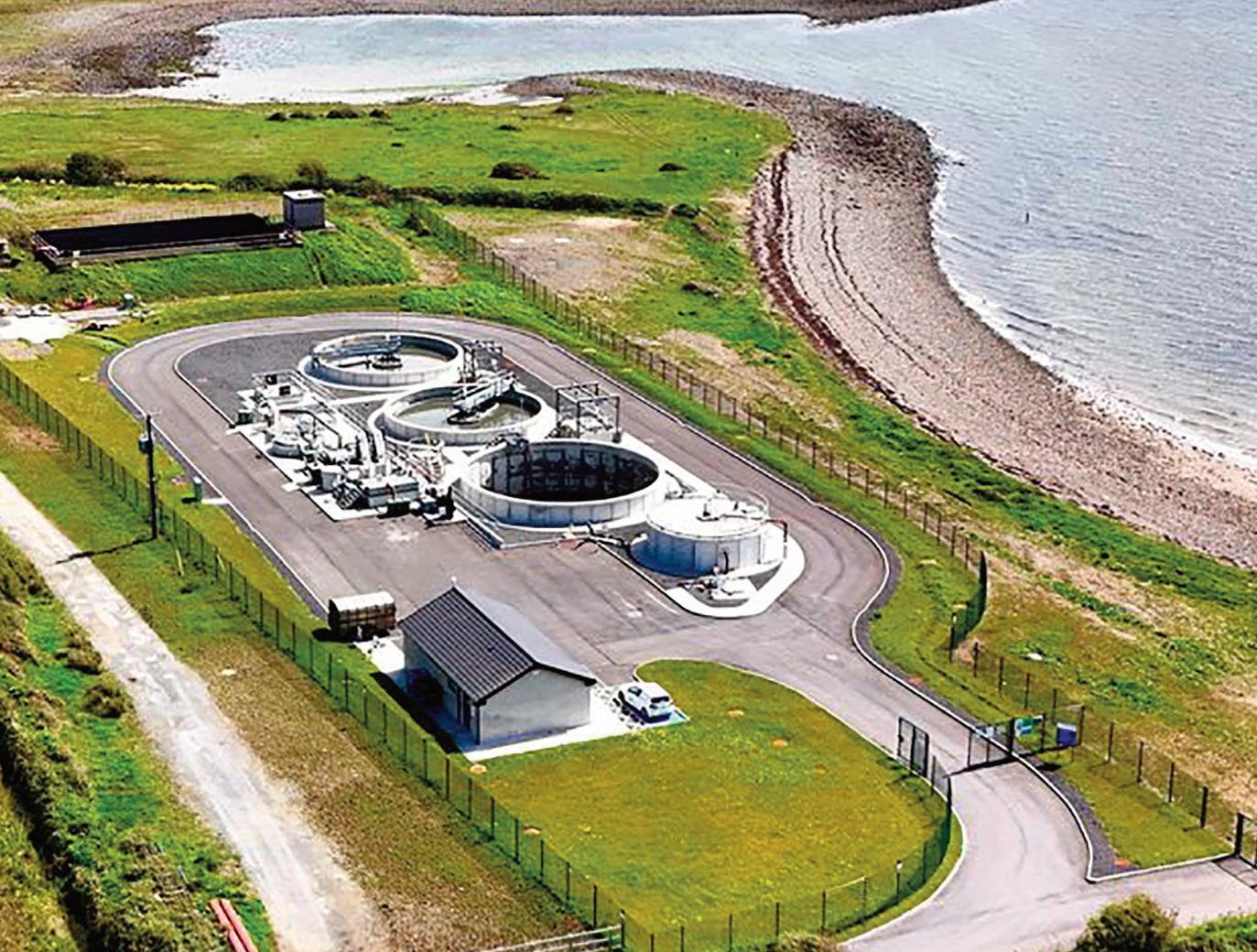
The utility is also making big strides in ending raw sewage discharges and improving compliance rates. Since 2014, new wastewater infrastructure has been built for 35 towns and villages across the country, ending the discharge of raw sewage into the environment. Over 85% of these raw sewage discharges have now been eliminated, equivalent to 128,000 people. This includes in Arklow Co Wicklow where a new wastewater treatment plant in the town was completed earlier this year, ending the decades-long practice of raw sewage discharge, and opening up potential for significant housing and development in the town in the years to come. However, some key projects in other areas have been stalled due to planning and legal challenges; for example Kilkee, Co. Clare where a much needed new sewerage scheme is currently subject to Judicial Review proceedings.
Overall the impact of urban wastewater on receiving waters has continued to reduce. Initially identified as the largest pressure, urban wastewater is now the fourth most significant pressure and its impact is continuing to reduce due to the improvements being made by Uisce Éireann.
Maria O'Dwyer, Uisce Éireann's Director of Infrastructure Delivery, said some of the issues highlighted in the EPA report underlined the scale of the work that still needs to be done to bring our wastewater network to the standard everyone would like to see.
“We are getting there but it will take many years and continued investment, as well as support from Government, our regulators, communities and our customers, to reach the standards we want to achieve,” she said.
“We know what needs to be done and have an ambitious plan in place to achieve it. Securing the necessary statutory consents for our projects has been a significant challenge, and we have encountered legal obstacles in several locations. For example the Greater Dublin Drainage Project, which is critical to meeting the rapidly growing wastewater needs of the Greater Dublin Area, has been stuck in the planning system for more than seven years and is currently subject to Judicial Review proceedings which risk delaying it further. Sustainable development cannot happen without appropriate water services infrastructure, and it is imperative that Uisce Éireann is given appropriate consideration in legislation at the plan, policy, and project levels to enable delivery of these essential projects.
“Like everyone else we would like to see faster progress in the delivery of essential wastewater infrastructure, but we remain committed to working closely with the Government and all relevant agencies to expedite these processes. Our goal is to ensure the timely delivery of projects that protect public health, enhance the environment and support sustainable development."
A multi-million euro upgrade of Limerick Wastewater Treatment Plant has commenced
Uisce Éireann has commenced a critical infrastructure upgrade at the Limerick Wastewater Treatment Plant in Bunlicky, Co. Limerick. The ‘Interim’ Sludge Project will modernise the facility’s sludge treatment capabilities. The Limerick Wastewater Treatment Plant has operated since 2003, processing both local and imported wastewater sludges. However, ageing infrastructure has prompted the need for intervention. The new project will replace deteriorating sludge storage tanks and introduce advanced systems to improve the handling and treatment of sludge imports.
Works will be carried out by the plant’s current operator, Ward and Burke Construction Ltd, on behalf of Uisce Éireann. This project involves the removal and reinstallation of three steel tanks, each equipped with fibreglass roofs and internal protective linings. To enhance operational efficiency, a new import screen, pump sump, and associated pipework will be installed to optimise the sludge intake process. Additionally, an odour extraction unit will be introduced to improve air quality around the facility, supporting a cleaner working environment.
Speaking on the upgrade, Angus Hall, of Uisce Éireann said: “The upgrade is expected to deliver multiple benefits. It will secure the continued acceptance of municipal sludges and reduce the risk of operational disruptions. The new import screen will also help protect vital equipment by filtering out debris before it enters the system.”
Angus continued “By replacing ageing infrastructure and introducing more efficient sludge handling processes, we’re ensuring that the Limerick Wastewater Treatment Plant continues to meet the needs of the community and the wider region. This investment by Uisce Éireann reflects our commitment to safety, sustainability, and operational excellence.”
Uisce Éireann remains committed to working closely with the community, local representatives, and stakeholders to minimise disruption and keep the public informed throughout the project, which is scheduled for completion in 2027.
Major wastewater network upgrade underway in Cookstown to enable essential housing
Uisce Éireann is investing 5 million to upgrade the wastewater network in Cookstown, Tallaght. This vital project will provide the required capacity to support the future potential development of up to 1,600 new homes. Works underway involve the installation of 650m of new sewer pipeline on the Belgard and Airton Roads.
This project is being delivered to support existing and future developments within the community. It will improve the capacity of the existing wastewater network in the area, while improving performance and reducing demands on the current network.
James Browne T.D., Minister for Housing, Local Government and Heritage, welcomed the commencement of this vital work in the Cookstown area.
“The commencement of this project is very welcome news for the Cookstown community. Improvements in the capacity of the wastewater network will bring tangible benefits and provide the required infrastructure to service existing and new developments in the area, including much-needed new housing.
“Continued investment in public water services is essential to facilitating housing delivery. That is why in the recent Budget we have increased Uisce Éireann’s funding by almost €500 million for 2026 – money that will accelerate the delivery of water infrastructure and support the development of new homes across the country.” Uisce Éireann’s Padraic Fitzgerald said, “This significant investment will not only address current capacity constraints but will also facilitate planned residential development, helping to unlock housing and economic potential in the area. Residents and businesses will benefit from a higher performing wastewater network, which will support sustainable growth and development and enable the community to thrive.”
GMC Utilities Group Ltd are delivering these works on behalf of Uisce Éireann, with completion of works expected in summer 2026.
To safely and efficiently deliver these works, localised traffic management will be in place at Belgard Road and Airton Road.
We understand that this type of work can be inconvenient to commuters and works crews will make every effort to minimise any disruption these necessary works cause.
Major wastewater project in Fethard passes halfway mark
Critical investment will facilitate growth and protect local environment
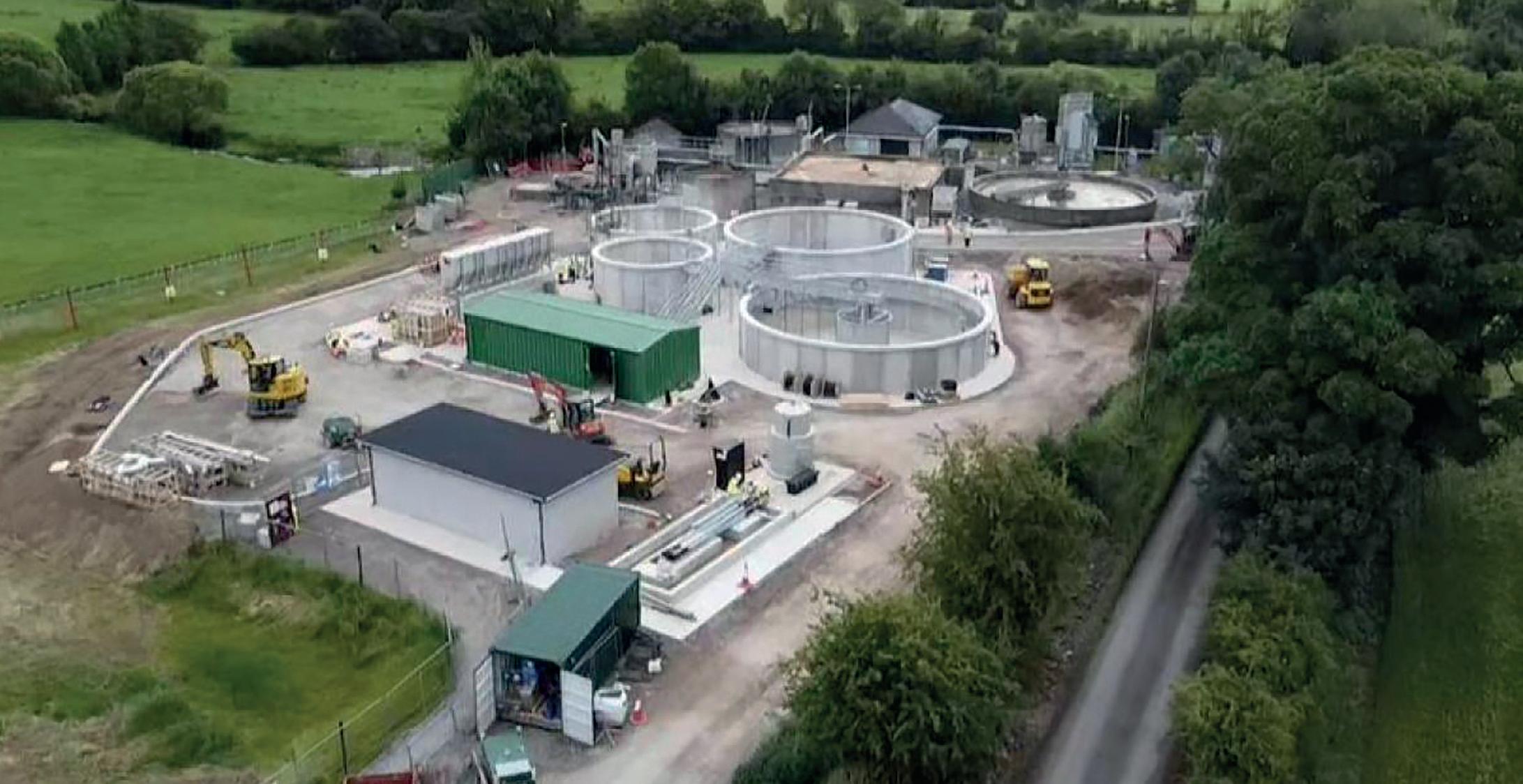
Uisce Éireann continues to make significant progress on the upgrade of Fethard Wastewater Treatment Plant. Over € 15 million is being invested in the town’s wastewater infrastructure to modernise and improve the performance and capacity of the plant, which will unlock future growth and development in the area.
The works will improve the quality of treated wastewater discharged into the Clashawley River and ensure compliance with wastewater regulations.
Commenting on the upgrade works, Angus Hall, Programme Manager with Uisce Éireann, said: “We've made great strides in the delivery of this significant plant upgrade that will deliver improved wastewater treatment for homes and businesses in Fethard and the surrounding areas, while also ensuring compliance with national and European wastewater regulations.
"This project reflects Uisce Éireann's continued commitment to the efficient delivery of critical infrastructure to support communities in Tipperary while safeguarding the local environment.”
The upgrade also includes many environmental benefits such as the planting of trees including, alder, downey birch, wild cherry, goats willow and rowan trees, native hedgerows such as of hawthorn, holly, blackthorn, and elder, as well as wildflower grasses, resulting in a net biodiversity gain for the site. The upgrade also includes new upgraded equipment that will improve the overall energy efficiency of the works.
To date, work has been completed on a new inlet works, treatment and dosing tanks, power substation, site buildings, as well as the underground pipework and pump systems at the plant.
The works are being carried out on behalf of Uisce Éireann by Murphy International Limited and are expected to be completed in 2026.
The Fethard project is part of Uisce Éireann’s ongoing multimillion euro investment in upgrading the wastewater infrastructure across County Tipperary, including recently completed projects in Newport, Ballina, and Cahir; planning received for a major upgrade in Nenagh, site investigations on the network in Thurles; and planning under review for Grangemockler and Kilsheelan, supporting much needed sustainable growth while ensuring regulatory compliance.
Green light for €49 million Uisce Éireann investment in Nenagh wastewater infrastructure
Transformative investment will meet the needs of north Tipperary town for the next 30 years
Uisce Éireann has been granted planning permission for a transformative €49 million upgrade to the Nenagh Wastewater Treatment Plant. This once-in-a-generation investment will provide the capacity to support the town’s future growth, safeguard the local environment, and protect the Nenagh River for decades to come.
With planning permission now secured, Uisce Éireann will move forward with finalising design and preparing for the construction phase of the project.
Esther White, Uisce Éireann Portfolio Manager, said: “We’re delighted to forge ahead with this muchneeded project for the community in Nenagh. This major investment will expand capacity at the wastewater treatment plant from 12,000 to 19,800 population equivalent (pe), ensuring the town and its environs have the vital wastewater infrastructure to grow and thrive.
“It will support to unlock the towns growth, which is key to the delivery of new homes and businesses, while also protecting the local environment and enhancing the area for everyone".
EPS will deliver this project on Uisce Éireann’s behalf.
The Nenagh project is part of Uisce Éireann’s ongoing multimillion euro investment in upgrading the wastewater infrastructure across County Tipperary, including recently completed projects in Newport, Ballina, and Cahir; ongoing upgrade at Fethard, site investigations on the network in Thurles; and planning under review for Grangemockler and Kilsheelan.
Uisce Éireann is responsible for delivering public drinking water and wastewater services for the people of Ireland. We are committed to enabling communities to thrive by continuously upgrading and developing critical infrastructure to support sustainable growth and development, providing safe drinking water, and enhancing the environment. To find out more visit the homepage