Health: A Political Choice - The Future of Health in a Fractured World
Health: A Political Choice
Edited by Ilona Kickbusch, Global Health Centre, Geneva and John Kirton, Global Governance Program, Toronto
The Future of Health in a Fractured World
2021
Hevolution, a global non-profit, launched to provide early-stage investments that extend healthy years of life for everyone.
August 2022
Hevolution’s $8.5M grant kick-started the New Investigator Awards to support early-career researchers with the American Federation for Aging Research (AFAR).
May 2023
Hevolution’s $115M grant for the Geroscience Research Opportunities Program funded international pre-clinical projects in aging biology.
November 2023
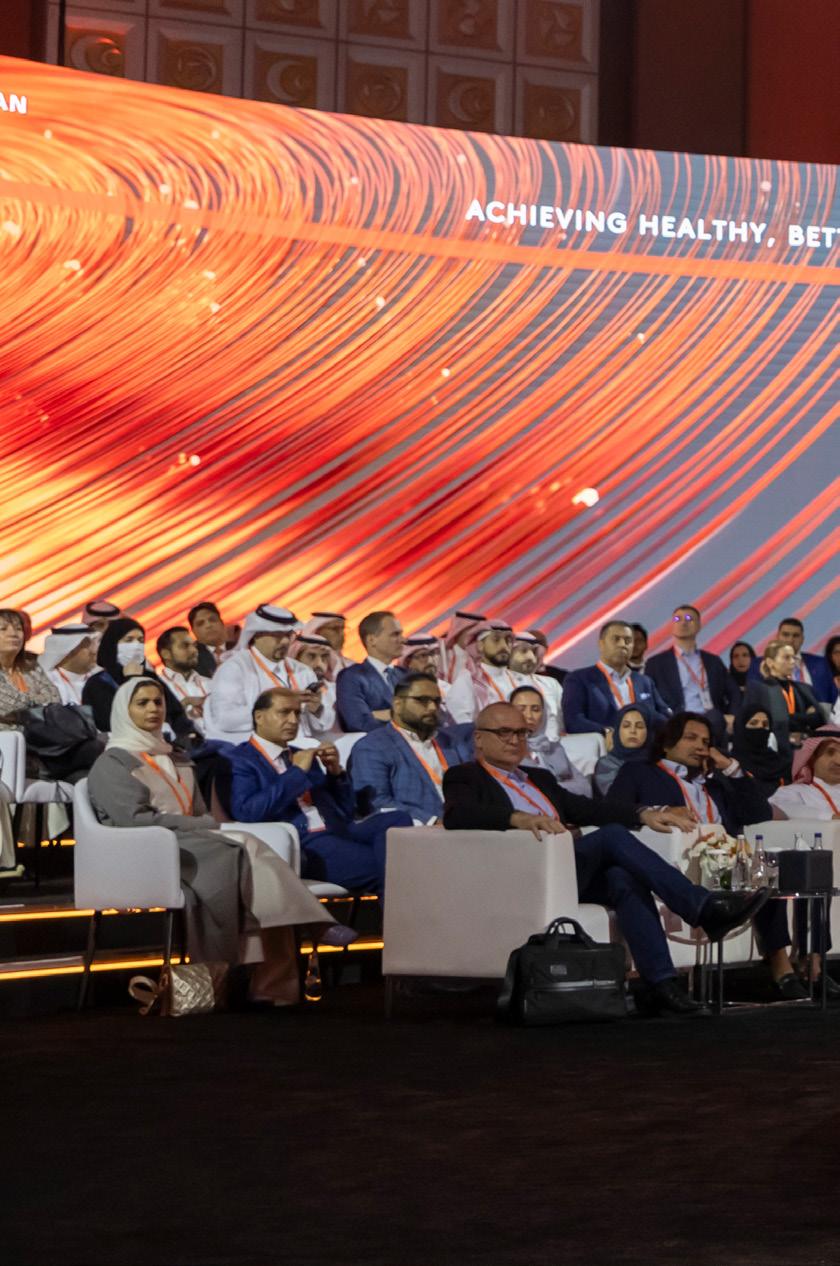
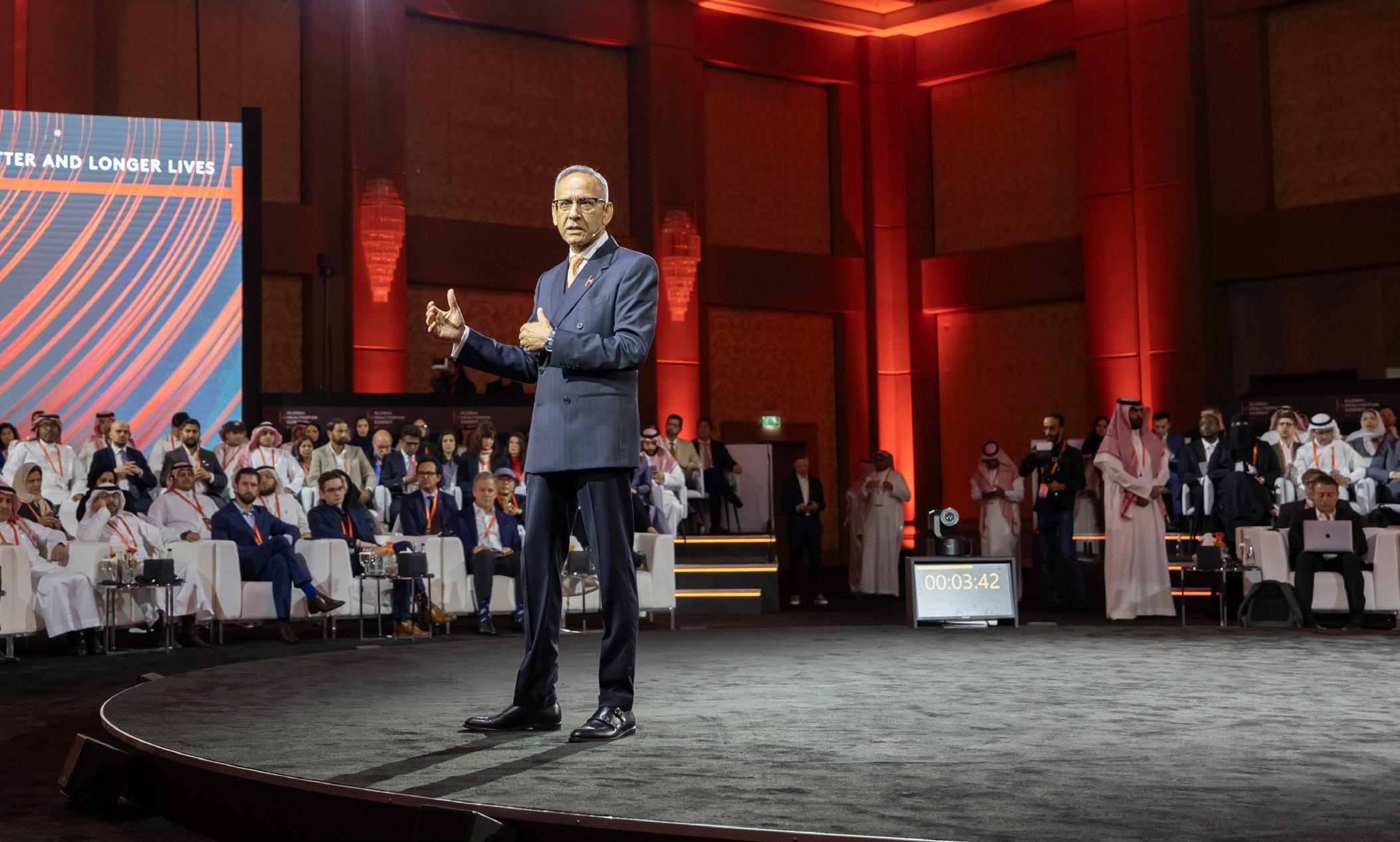
Inaugural Global Healthspan Summit (GHS), united 2500 global leaders in Riyadh, unveiling ~$100M in grants/ partnerships to propel the aging biology field.
December 2023
Hevolution makes first impact investmentAeovian to advance selective MTORC1 inhibitors to address age-related diseases.
There’s a wide gap between healthspan and lifespan.
Hevolution
Foundation
was founded to fill it.
April 2024
June 2024
July 2024
Hevolution makes two additional impact investments: Rubedo (to target pathologic senescent cells); and Tune (to support creating epi-editing drugs that target complex chronic diseases). Hevolution reached a milestone of $400M+ in funding, grants, and investments, supporting research institutions to advance breakthroughs in aging science.
Hevolution makes fourth impact investment: Vandria SA (developing novel therapeutics that target mitophagy).
February 2025
Hevolution hosts 2nd GHS in Riyadh, world’s largest, convening nearly 3,500 global leaders from over 74 countries.
Health: A Political Choice
A Global Governance Project
Publication
Published by: GT Media Group Ltd
CEO and Publisher: Khaled Algaay
Co-Editor: Ilona Kickbusch
Co-Editor: John Kirton
Editor: Madeline Koch
Managing Editor: Jacqueline McGhie
Consultant: Tom Kennedy
Contact:
LOCATION-CIRCLE White Collar Factory, 1 Old Street Yard, London EC1Y 8AF, United Kingdom Phone +44 207 9812579
Health: A Political Choice is an official publication of the Global Governance Project. The Global Governance Project is a joint initiative between GT Media Group Ltd, a publishing company based in London, the Global Governance Program, based at the University of Toronto, and the Global Health Centre at the Graduate Institute of International and Development Studies in Geneva. The Global Governance Project provides a vital function for private and public sector organisations in support of their governance responsibilities. As a project it publishes content on how we can all demonstrate better collective governance, via independent platforms, for the world’s largest intergovernmental organisations, governments, NGOs, multilateral and bilateral summits, and the private sector’s leadership.
1.1 From dependency to self-reliance: A new chapter in global health
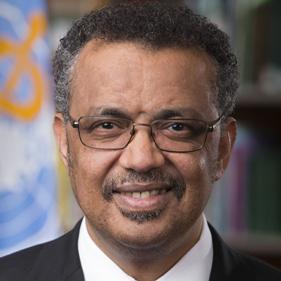
Tedros Adhanom Ghebreyesus director-general, World Health Organization
1.2 Health at the heart of a fairer future
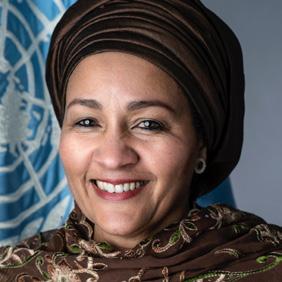
Amina J Mohammed, deputy secretary-general, United Nations
1.3 Reclaiming momentum – delivering health in a world of risk
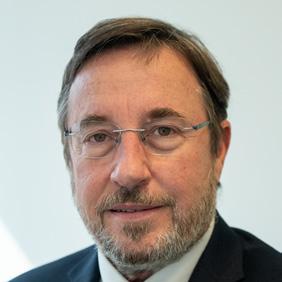
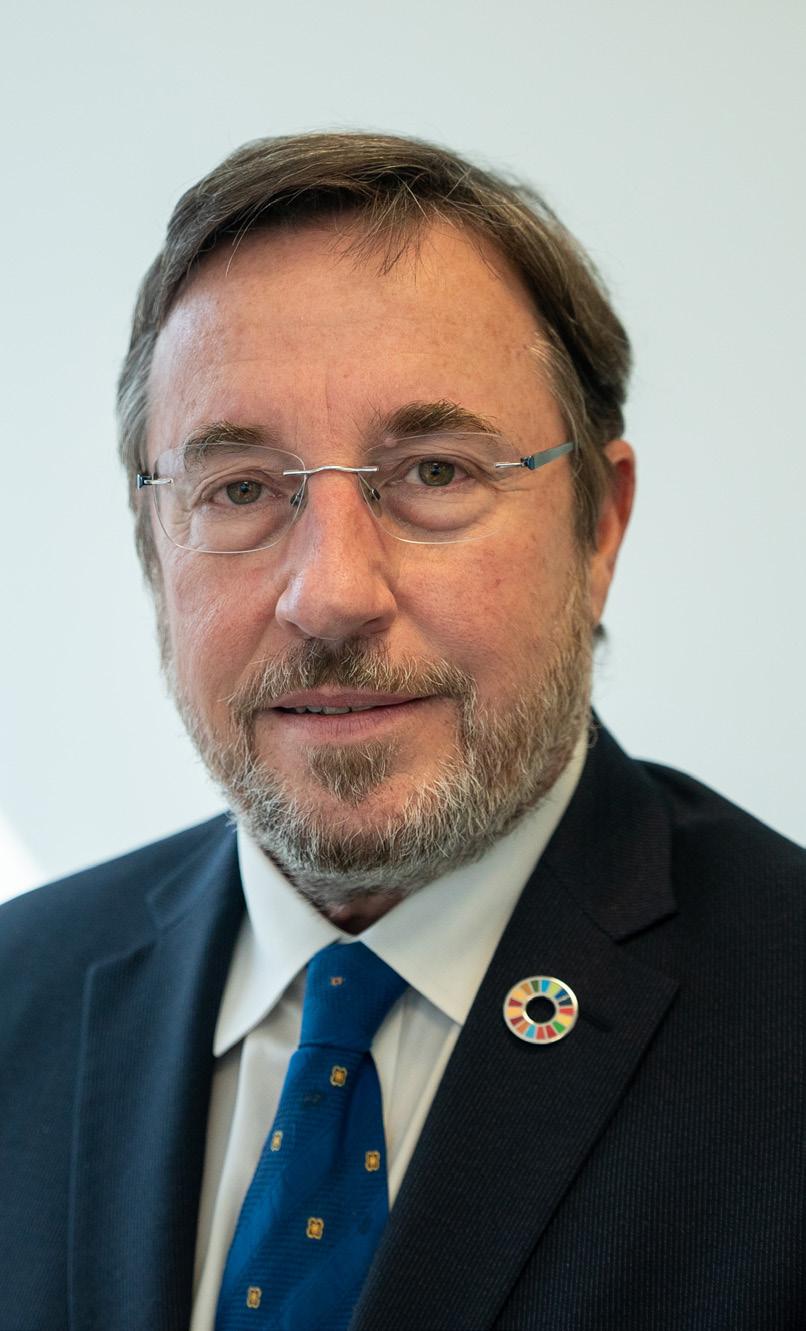
Achim Steiner, former administrator, United Nations Development Programme
1.4 Compounding threats, collective response: Why health must drive Europe’s future
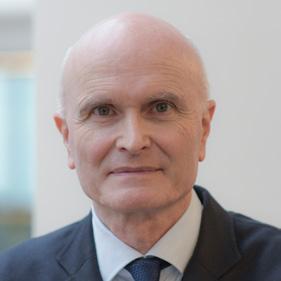
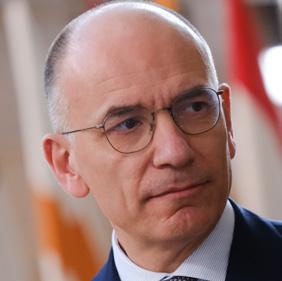
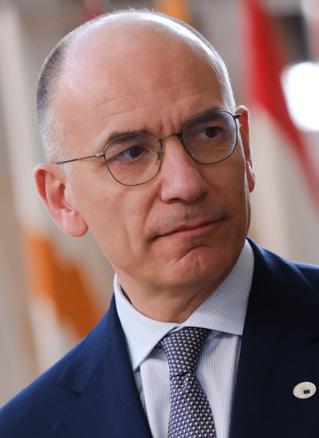
Enrico Letta, president, Jacques Delors Institute, and dean, IE School of Politics, Economics and Global Affairs, IE University The Future of Health in a Fractured World
PROMOTED CONTENT
Healthspan: A global imperative for humanity’s future
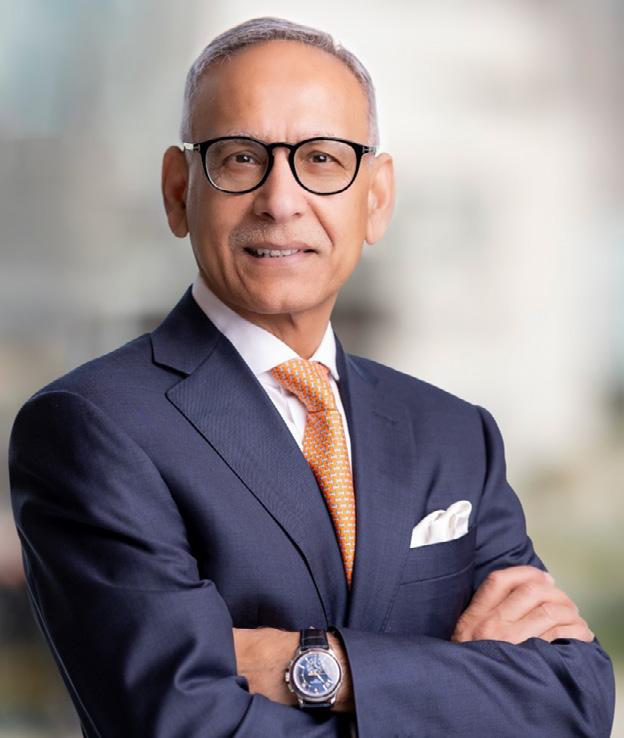
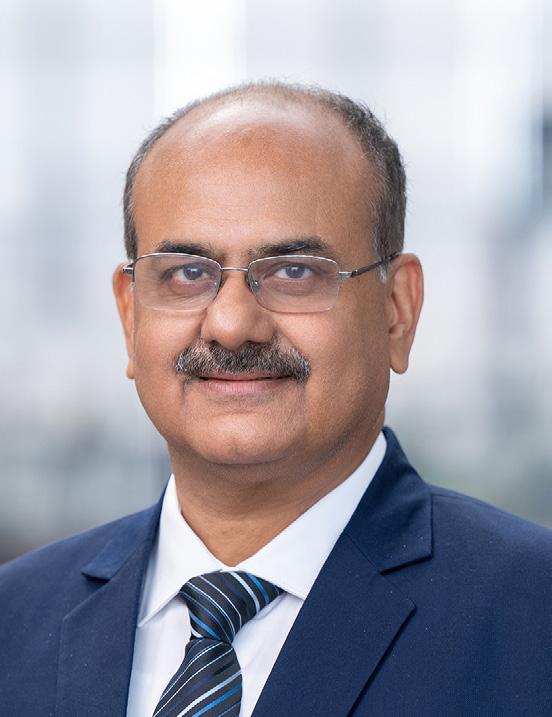
Mehmood Khan, CEO, Hevolution Foundation
SPOTLIGHT
Universal coverage at the heart of global health
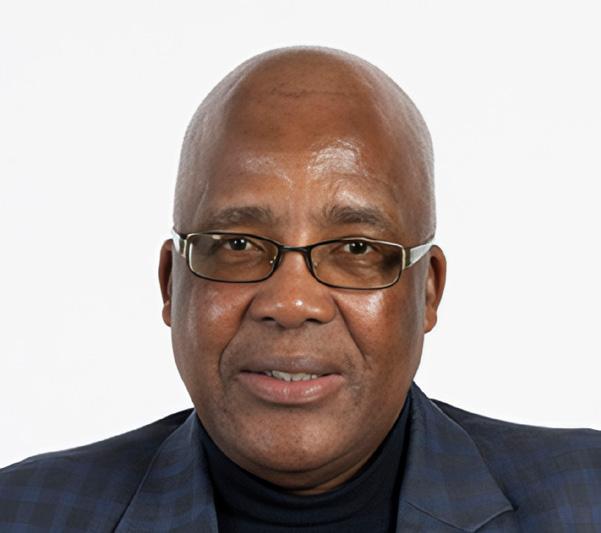
Interview with Pakishe Aaron Motsoaledi, minister of health, South Africa
2
EDITORS’ INTRODUCTIONS
2.1 Global health transformation 3x3x3
Ilona Kickbusch, founding director, Global Health Centre, Graduate Institute of International and Development Studies
2.2 Fostering a fine future for global health in a fractured world
John Kirton, director, Global Governance Program
PROMOTED CONTENT
The equity bias in cardiovascular care we can’t ignore Oliver Appelhans, Head of the European Specialty Business Unit at Daiichi Sankyo Europe
SPOTLIGHT
Protecting planetary boundaries
Interview with Johan Rockström, director, Potsdam Institute for Climate Impact Research, and Virchow Prize Laureate 2024
3
PLANETARY HEALTH & CLIMATE CHANGE
3.1 Better decisions with better data
Gordon G Liu, Peking University
BOYA Distinguished Professor of Economics and dean, and Bernhard Schwartländer, co-chair of the Governing Board and Distinguished Research Professor of Global Health, Peking University Institute for Global Health and Development
3.2 Bridging climate and health to heal a fractured world
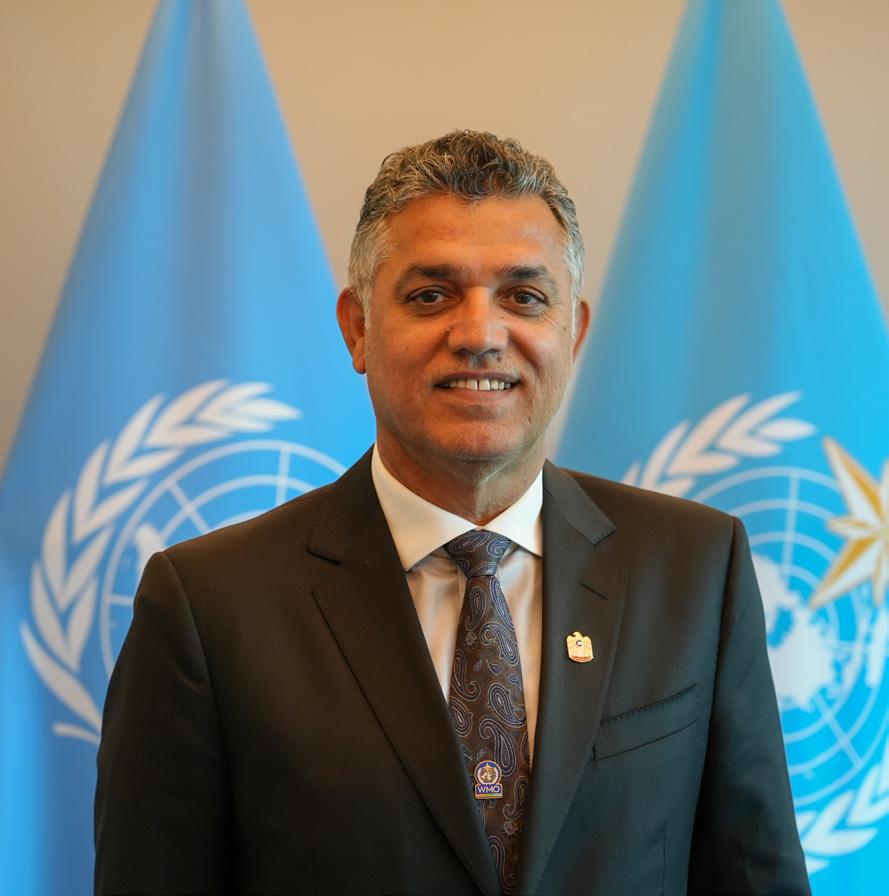
Abdulla Al Mandous, president, World Meteorological Organization, and director-general, National Center of Meteorology, United Arab Emirates
3.3 Integrating animal health into a fractured world: A One Health approach to climate resilience
Emmanuelle Soubeyran, director-general, World Organisation for Animal Health
3.4 Beyond political choice: A legal mandate for planetary health in a fractured world
Alexandra L Phelan, professor, Johns Hopkins Bloomberg School of Public Health, and senior scholar, Johns Hopkins Center for Health Security
3.5 A new playbook for global health: Investing in infrastructure for planetary health
Ajay Bhushan Pandey, vice president, Investment Solutions, and Erik Berglof, chief economist, Asian Infrastructure Investment Bank
3.6 Health as a political choice: From overshoot to well-being societies
Rüdiger Krech, director, Environment, Climate Change, Migration and One Health, a.i., World Health Organization
PROMOTED CONTENT
The unfinished agenda: Why NTD elimination remains a political choice
Kelly Zongo, Vincent Okungu and Carol Karutu, The End Fund
SPOTLIGHT
Reimagining the global health architecture: An African roadmap for shared security
Jean Kaseya, director-general, Africa Centres for Disease Control and Prevention
PANDEMICS
4.1 The Pandemic Agreement is a major achievement
Precious Matsoso and Roland Driece, former co-chairs, Intergovernmental Negotiating Body for a Pandemic Agreement
4.2 It’s time to leap to a new global health architecture
Sania Nishtar, chief executive officer, Gavi, the Vaccine Alliance
4.3 Building vaccine sovereignty: Africa’s path to resilient health security
Nicaise Ndembi, Africa Regional Office, International Vaccine Institute
4.4 Strengthening national public health institutes: Fiocruz’s perspective
Mario Santos Moreira, president, Oswaldo Cruz Foundation (Fiocruz), Paulo Marchiori Buss, former president, and João Miguel Estephanio
4.5 Licensing for equity: Why access to medicines needs a new global approach
Charles Gore, executive director, Medicines Patents Pool
4.6 UN HLM on Non-communicable Diseases and Mental Health – A case of same old, same old?
C James Hospedales, chair, executive committee, Defeat-NCD Partnership, and founder, EarthMedic and EarthNurse Foundation for Planetary Health
PROMOTED CONTENT
The Catalyst Effect: Unlocking innovation for global NCD care through cross-sector collaboration
Jon Fairest, head of Global Health Unit, Sanofi
SPOTLIGHT
From dialogue to direction: Enabling partnerships to drive the future of health
Balvir S Tomar, founder and chancellor, NIMS University
5
SCIENTIFIC INNOVATION, RESEARCH AND TECHNOLOGY
5.0 Introduction
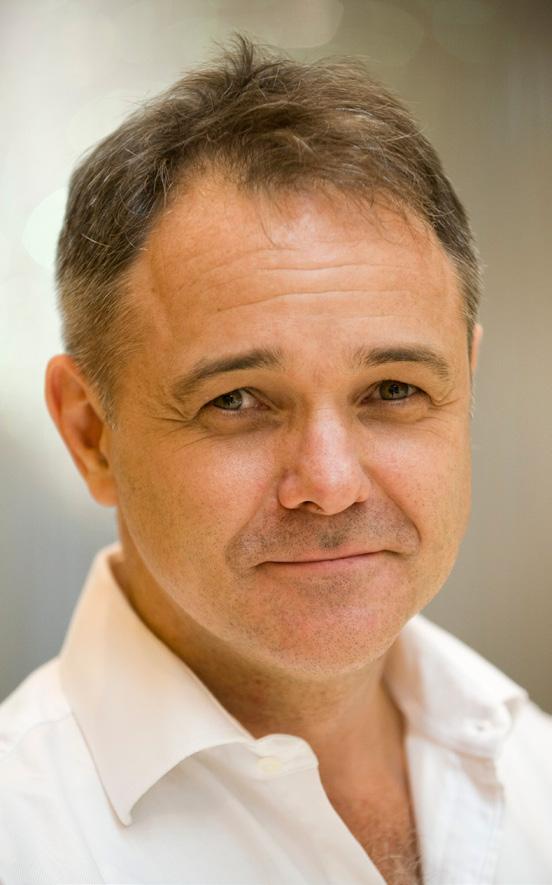
Jeremy Farrar, assistant director-general, Health Promotion, Disease Prevention and Care Division, World Health Organization
5.1 A shift in the centre of gravity and a shift in opportunity
Jeremy Farrar, assistant director-general, Fatima Serhan, executive officer, Health Promotion, Disease Prevention and Care Division, and Thidar Pyone, technical officer, Office of the Chief Scientist, World Health Organization
5.2 On being unapologetically pro-regulation
Bilal Mateen, chief AI officer, PATH
5.3 Poor, sick and unconnected: The paradox of digital health
Cesar Victora, professor emeritus of epidemiology, Federal University of Pelotas, Brazil
5.4 Science and solidarity: A new paradigm for global health
Yasmine Belkaid, president, Institut Pasteur, Mario Santos Moreira, president, Pasteur Network, and Rebecca Grais, executive director, Pasteur Network
5.5 The only way is forward together
Soumya Swaminathan, chair, MS Swaminathan Research Foundation, and Harkabir Singh Jandu
SPOTLIGHT
American anti-science activism is globalising
Peter Hotez, professor of paediatrics and molecular virology and microbiology; co-director, Texas Children’s Hospital Center for Vaccine Development; and dean, National School of Tropical Medicine, Baylor College of Medicine
6 INFORMATION INTEGRITY
6.1 Health in the age of disinformation: Protecting truth, protecting democracy
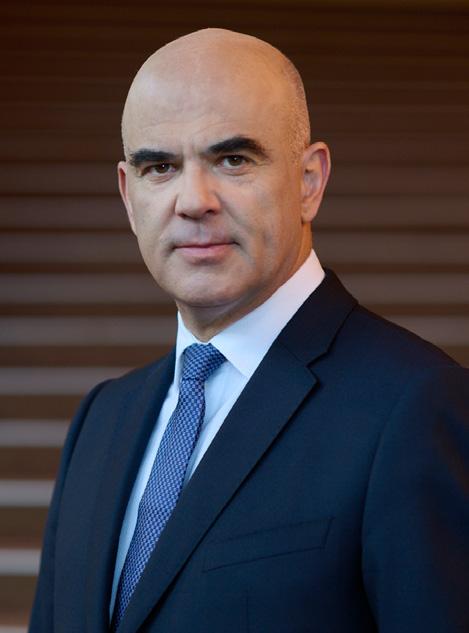
Alain Berset, secretary general, Council of Europe
6.2 The Health with Science Programme experience: Information integrity in the Global South
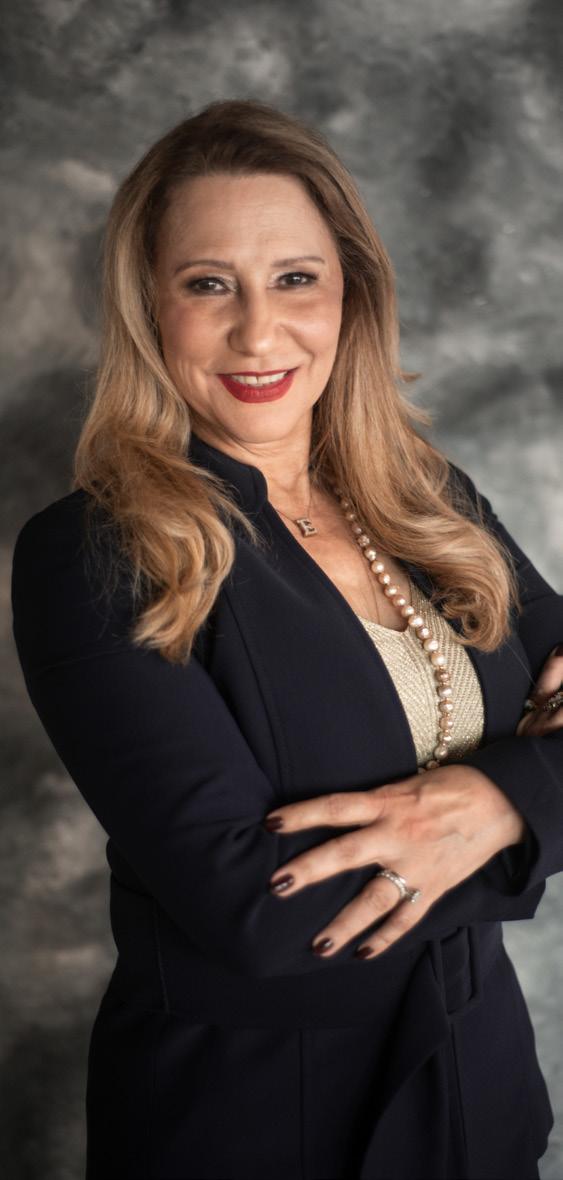
Ethel Leonor Maciel, former secretary of health and environmental surveillance, Brazil
6.3 Belief in science has eroded, but we can rebuild it
Aviva Philipp-Muller, Beedie School of Business, Simon Fraser University
6.4 Now more than ever: We need quality health information for all
Scott C Ratzan, co-chair, Nature Medicine Commission on Quality Health Information for All
6.5 The collaborative future of public health intelligence
Oliver Morgan, head, WHO Hub for Pandemic and Epidemic Intelligence, and Rithika Sangameshwaran, CPC Analytics
SPOTLIGHT
Health: A political choice
Interview with Dan Smith, former executive director, SIPRI
7
SECURITY FROM WAR, CONFLICT AND CRIME
7.1 Safeguarding the right to health in crisis
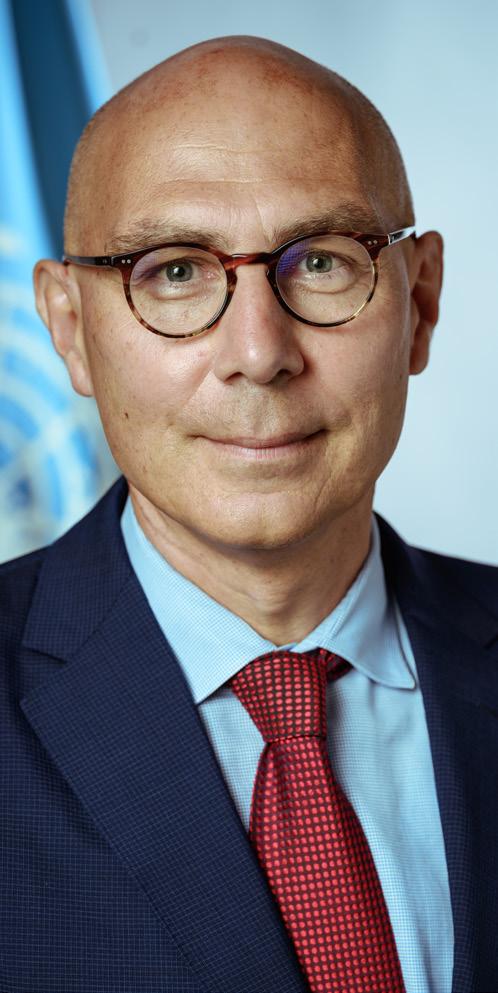
Volker Türk, United Nations High Commissioner for Human Rights
7.2 Health at the margins: Displacement and the global promise we must keep Filippo Grandi, United Nations High Commissioner for Refugees
7.3 Health and human security: Core to national and global stability
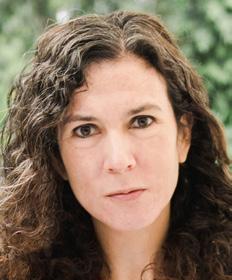
Esperanza Martinez, professor of practice, Australian National University, and commissioner, The Lancet Commission on Health, Conflict and Forced Displacement
7.4 Finding alignment in a multi-aligned world
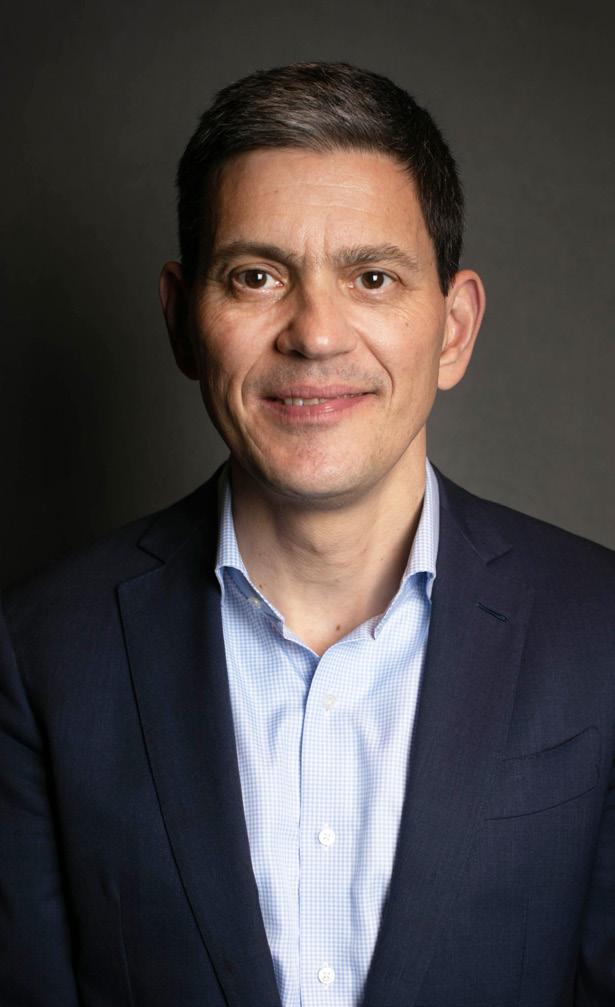
David Miliband, president and CEO, International Rescue Committee
7.5 The health and well-being of women and girls in a fractured world
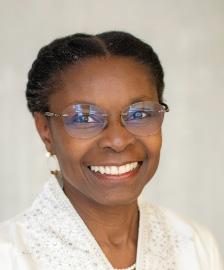
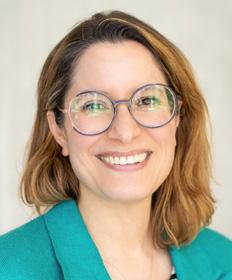
Pascale Allotey, Inka Weissbecker and Alanna Galati, Department of Sexual, Reproductive, Maternal, Child and Adolescent Health and Ageing, and Department of Non-communicable Diseases and Mental Health, World Health Organization
7.6 Strengthening biosecurity at the health and security interface
Greg Hinds, director, Counter-Terrorism, Interpol
SPOTLIGHT
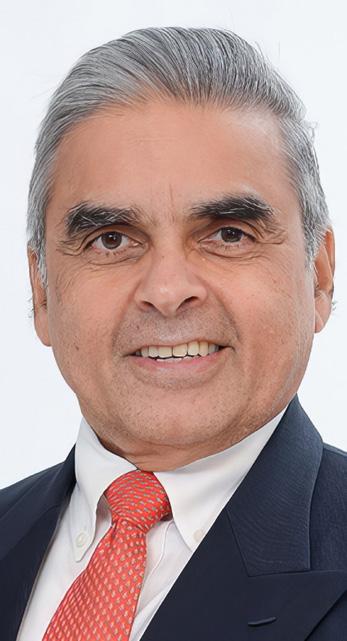
Passing the torch: From West to East
Kishore Mahbubani, distinguished fellow, Asia Research Institute, National University of Singapore
8
IMPROVING
GLOBAL HEALTH INSTITUTIONS AND INSTRUMENTS
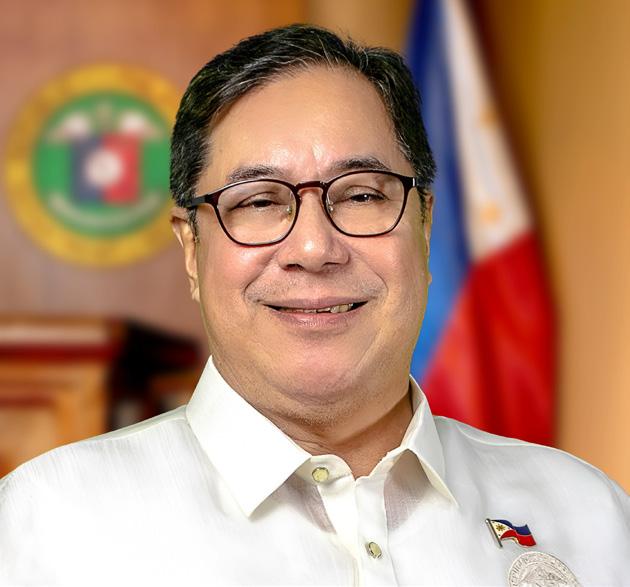
8.1 From crisis to consensus: The historic gavel of the Pandemic Agreement
Teodoro J Herbosa, secretary of health, the Philippines, and president, 78th World Health Assembly
8.2 Health and multilateralism: Brazil’s political choice in a fractured world
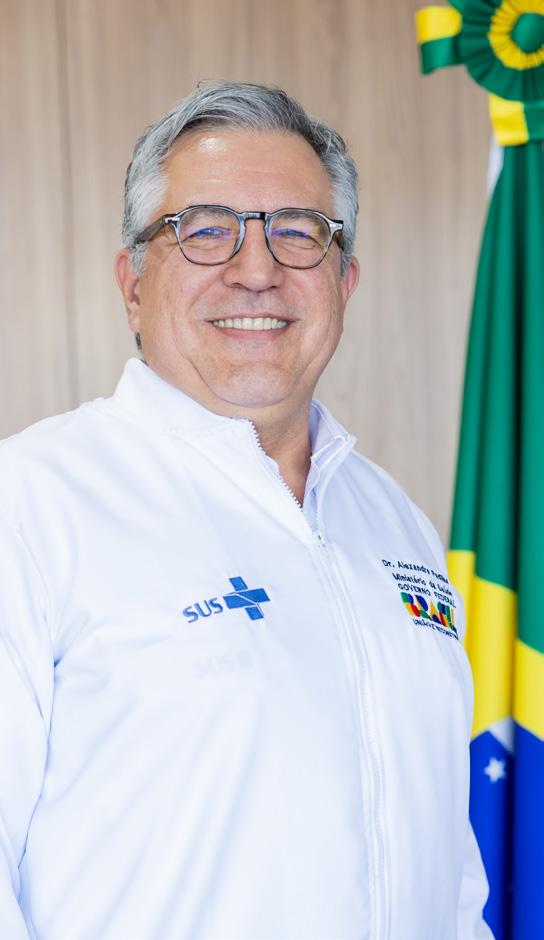
Alexandre Padilha, minister of health, Brazil
8.3 Promoting health, preventing illness
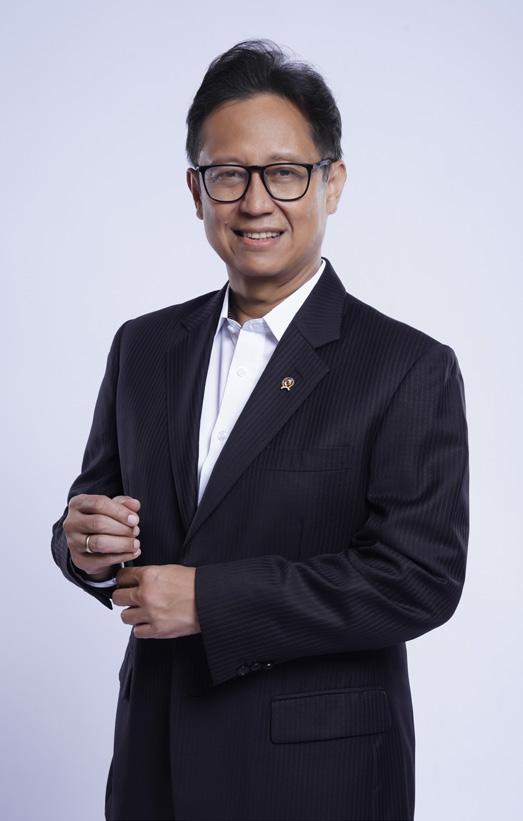
Interview with Budi Gunadi Sadikin, minister of health, Indonesia
8.4 China’s approach to global health governance and its adherence to multilateralism
Jin Jiyong, distinguished professor (Shanghai Oriental scholar), School of International Relations and Public Affairs, Shanghai International Studies University
8.5 From crisis to cohesion: A new mandate for health and multilateralism
Dinesh Arora, principal health specialist, Asian Development Bank
8.6 Catalysts for change: The evolving role of philanthropy in global health
Interview with Gabriel M Leung, executive director (charities and community), Hong Kong Jockey Club
8.7 Beyond traditional aid: Redirecting billionaire philanthropy to health outcomes
Raj Kumar, president and editor-in-chief, Devex
8.8 Dying too young: How worsening health and loss of trust in politics gives us the worst possible governments
Martin McKee, professor of European public health, London School of Hygiene and Tropical Medicine
Fragmenting consensus in a fragmenting world
As global power structures shift and trust in science erodes, multilateral cooperation and shared values face growing strain, threatening progress on urgent global health challenges. Rebuilding consensus means protecting academic freedom, improving science communication and reinforcing collective responsibility
The globalised world stands at a crossroads. International partnerships and multinational institutions are weakened, former allies are turning into competitors, and new alliances are emerging. This shift reflects a growing mismatch between the ever-evolving global distribution of power and the structures of our international systems and organisations.
Addressing this mismatch requires a deliberate renegotiation of multilateralism without undue delay, particularly where institutional rigidity prevents smooth adaptation to changing realities. However, the current moment of change is accompanied by an alarming breakdown of fundamental principles key to a sustainable and prosperous international community: shared humanitarian values, freedom of movement, free trade and strong multilateral organisations.
The disintegration of multilateral mechanisms goes hand in hand with the fragmentation of consensus on what constitutes facts, evidence, knowledge and who can provide them. Institutions once regarded as guardians of scientific integrity and evidence-informed recommendations are now under attack. If their basis in scientific evidence is replaced
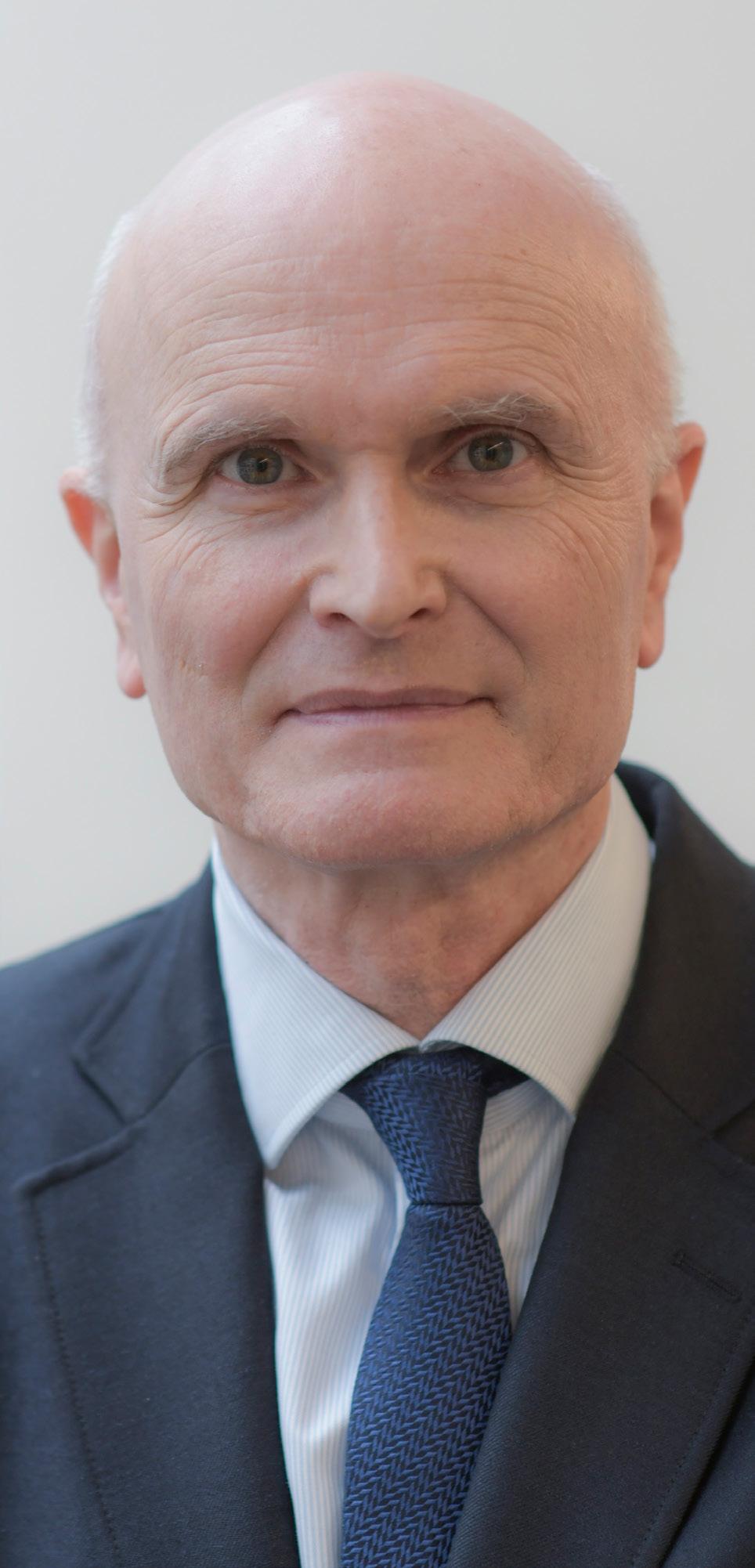
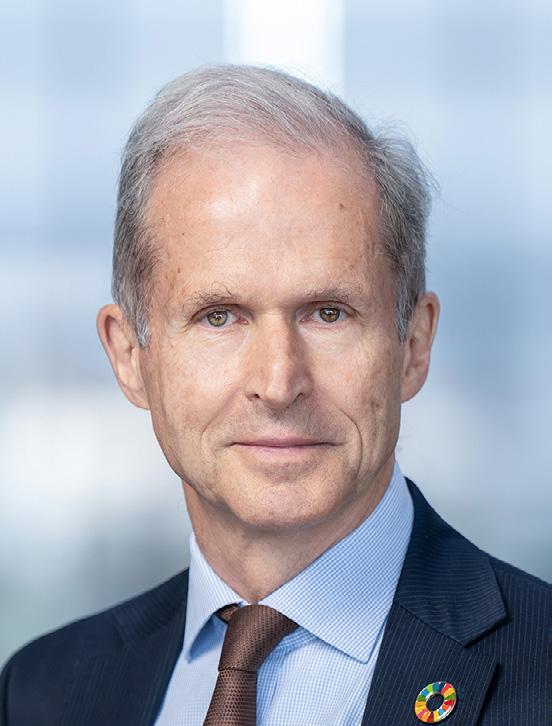
Axel R Pries president, World Health Summit
by ideology, they may even become sources of disinformation themselves.
TRUSTED INFORMATION AND TRUST IN SCIENCE
A further challenge to trustworthy and fact-checked information emerges from social media. Increasingly, the individual freedom of speech, even including misinformation and disinformation, is not balanced by proven and accepted information from academic and institutional bodies that follow strict requirements for the accuracy of information. The Covid-19 pandemic showed how such an environment can lead to the erosion of public trust. Personal experiences, worries and the lack of clear evidence created a platform for the spread of misinformation. This situation was exploited by malevolent actors who started disinformation campaigns motivated by commercial or political interests.
According to a Dutch proverb, ‘trust arrives on foot and leaves on horseback’. Without the willingness of politicians, health providers at all levels and the public to accept evidence provided by trusted sources on a solid factual basis jointly, global health suffers severe consequences. Consequently, people are falling victim to preventable diseases such as measles and campaigns against health insurance systems may leave millions without coverage. Preventing this and rebuilding trust require a joint effort by all players in international and national health systems, including academia, politics, the private sector and civil society.
SCIENCE AS A BASIS FOR CONSENSUS
Science can play a unifying role. While academic activities are strongly influenced by their societal environment, scientific insights need to become independent of a political and cultural context as they are repeatedly examined, tested, and discarded or validated, in the quest to gradually approximate a universal ‘truth’. Such insights are represented in natural laws, which are, for example, not only the basis for all wireless communication (a fact that is accepted universally) but also for the human-made global climate crisis (which is denied by many). No person or society can argue with natural laws, and this should provide a basic consensus on which to build trust. To prevent and manage global challenges – such as pandemics, conflict and the climate crisis
“Without the willingness of politicians, health providers at all levels and the public to accept evidence provided by trusted sources on a solid factual basis jointly, global health suffers severe consequences”
– societies and decision makers must thus understand and implement scientific evidence. To allow scientific insight to progress, policymakers and society must protect academic freedom as a public good.
ACADEMIC FREEDOM AND RESPONSIBILITY
Academic freedom is certainly not a licence for scientists to follow their own projects with public money without any responsibility for societal progress. It means freedom from ideological manipulation of results and their interpretation. History gives ample evidence that states that provide such academic freedom and reliable support for research are successful and more resilient to cope with unforeseen challenges. This requires sustained financial support for ambitious science projects as well as for societies and decision makers that translate scientific recommendations into action. In return, academia has the responsibility to improve research quality and uphold scientific protocols and standards. The scientific community relies on trust in its processes, its capacity for self-correction and the integrity of its practitioners.
SCIENCE COMMUNICATION
Academia and the media should become more invested in bidirectional communication with policymakers and civil society. The media plays a crucial role in making complex issues accessible and providing high-quality, trustworthy information for the public. Fact checking alone is not enough. What is needed is a cultural shift in the communication of scientific approaches and results – including uncertainties, possible mistakes and corrections. Scientists and journalists must work together to develop research communication that reaches beyond academic circles. People sometimes need reminders of the tangible benefits that science delivers for their daily lives. After all, humanity’s greatest achievements have always been built on trusted information and science.
SHARED RESPONSIBILITY FOR GLOBAL HEALTH
‘Building Trust for a Healthier World’ was the theme of last year’s World Health Summit. This year’s focus, ‘Taking Responsibility for Health in a Fragmenting World’, builds on that foundation. Both speak to our shared responsibility – as scientists, practitioners and citizens – to remain active and engaged for progress in an increasingly complex world. The World Health Summit is committed to fostering this process by providing the platform for generating and exchanging trustworthy information and by convening all who are engaged in assembling the fragments and laying stronger, more sustainable foundations for global health. ▪
Axel Radlach Pries became president of the World Health Summit in 2021. He was the dean of Charité from 2015 to 2022, having been head of the Charité Institute for Physiology from 2001. He has chaired the Council for Basic Cardiovascular Science and the Congress Programme Committee basic section in the European Society of Cardiology, was president of the Biomedical Alliance in Europe and CEO of the Berlin Institute of Health. He has received the Malpighi Award, the Poiseuille Gold Medal and the Silver Medal of the European Society of Cardiology.
From dependency to self-reliance: A new chapter in global health
In an increasingly fractured world, health remains a unifying force. The post-war vision of global cooperation is being tested, but it is far from broken. The new Pandemic Agreement marks a turning point in building more resilient, equitable and self-reliant health systems
In the aftermath of World War Two, the countries of the world came together in the recognition that the only alternative to global conflict was global cooperation. In 1945 they formed the United Nations and, in 1948, the World Health Organization. The WHO Constitution became the first instrument of international law to affirm that the highest attainable standard of health is a fundamental right of all people, without distinction. But it went further, saying that health is also fundamental to the attainment of peace and security. That conviction remains as relevant today as it was 77 years ago.
In these divided and divisive times, health is one of the few areas in which countries that are otherwise political and economic rivals can work together to build a common approach to common threats.
Exhibit A is the Pandemic Agreement, which WHO member states adopted at the World Health Assembly in May this year. After three and a half years of negotiation, the countries of the world showed that it is still possible for countries to work together, and to find common ground for a common purpose. The adoption of the Pandemic Agreement was truly historic. It showed that multilateralism is alive and well.
HEALTH AS COMMON GROUND IN A DIVIDED WORLD
The agreement came at an especially significant time. Around the world, dramatic reductions in aid are having severe impacts
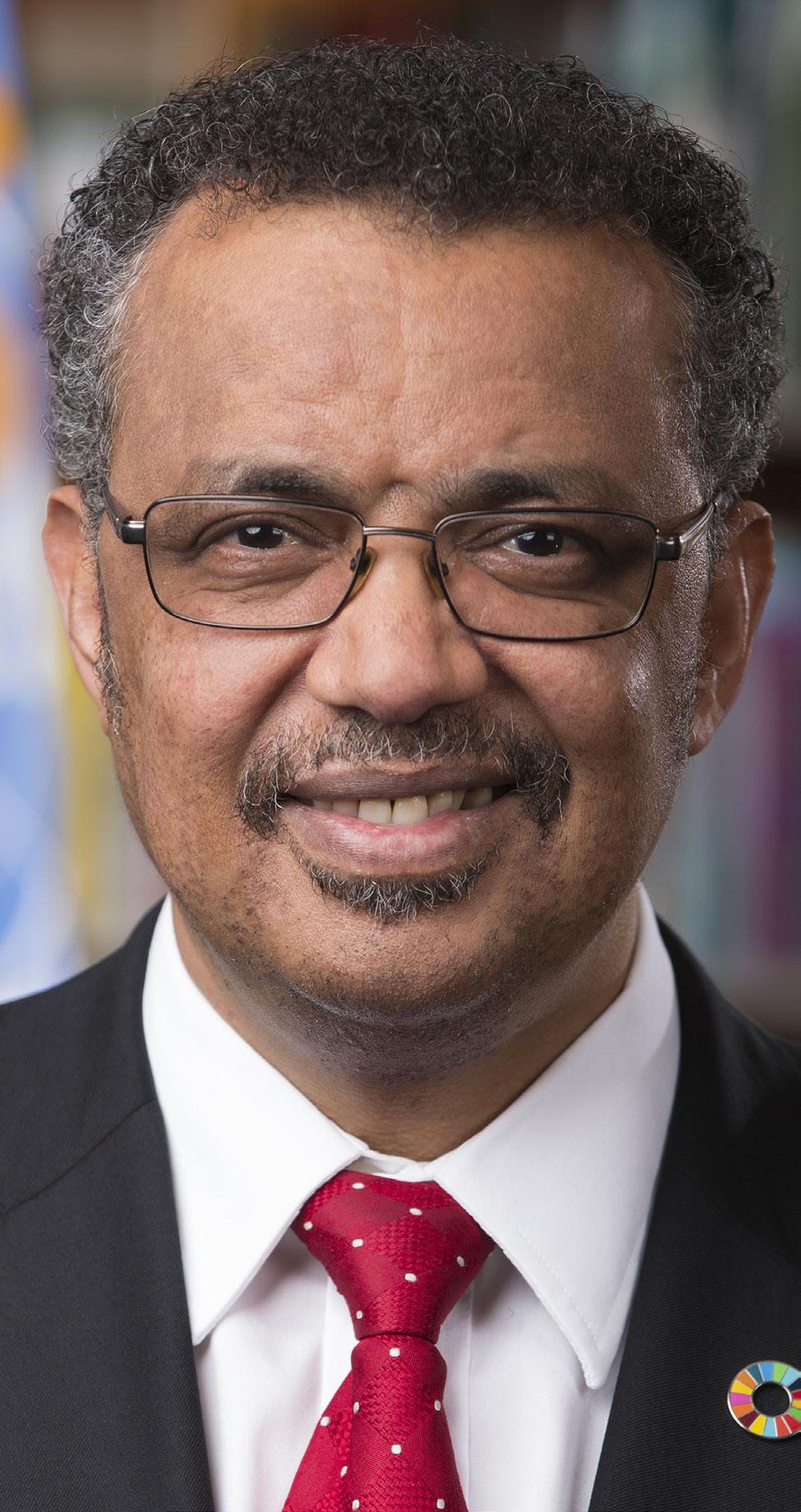
Tedros Adhanom Ghebreyesus director-general, World Health Organization
on health services in many developing countries, as billions of dollars in aid disappeared virtually overnight. We see disruptions affecting millions of people who are missing out on life-saving services and medicines, including vaccines; health facilities are being forced to close; and supply chains and information systems are breaking down.
Although this is an acute crisis now, it is a crisis long in the making. Many health systems around the world have long suffered from chronic underinvestment. As a result, out-of-pocket spending is the main source of health financing in many low-income countries and communities. At the same time, debt servicing costs restrict countries’ ability to invest in health. In fact, many countries spend more on debt interest payments than on education and health combined.
These conditions have contributed to a system of heavy aid dependency. Much aid does not flow through treasuries, but through parallel systems set up by donors. This makes forward planning and budgeting difficult or impossible. This has created a deep vulnerability that has now been exposed.
TURNING CRISIS INTO A CATALYST FOR CHANGE
At the same time, in every crisis there is an opportunity. Many leaders from developing countries have told me that they also see this current crisis as a chance to leave behind the era of aid dependency and transition towards sustainable self-reliance.
The WHO is supporting countries to make that transition by identifying tools to improve efficiency and generate new revenues and benefits for health from domestic sources,
including through pooled procurement, public health insurance, and ‘health taxes’ on tobacco, alcohol and sugary drinks. Since 2022, at least 116 countries have introduced or increased such taxes, and in July this year, the WHO launched the ‘3 by 35’ initiative, which aims to support countries to increase the real prices of these three health-harming products by at least 50% by 2035.
Let me close by highlighting three major priorities going forward.
First, the mindset of aid dependency has to stop. Now is the time for leadership from governments to shake off the yoke of aid dependency and chart the path to self-reliance by mobilising domestic resources to support primary health care as the foundation of universal health coverage.
Second, we need leadership from lenders, in the form of concessional lending, at fair terms.
And third, we need leadership from generous donors, to
“ In these divided and divisive times, health is one of the few areas in which countries that are otherwise political and economic rivals can work together to build a common approach to common threats”
TEDROS ADHANOM GHEBREYESUS
Tedros Adhanom Ghebreyesus was elected director-general of the World Health Organization in 2017 and re-elected in 2022. He was the first person from the WHO African Region to serve as WHO’s chief technical and administrative officer. He served as Ethiopia’s minister of foreign affairs from 2012 to 2016 and minister of health from 2005 to 2012. He was elected chair of the Global Fund to Fight AIDS, Tuberculosis and Malaria Board in 2009, and previously chaired the Roll Back Malaria Partnership Board, and co-chaired the Partnership for Maternal, Newborn and Child Health Board.
X-TWITTER @DrTedros who.int
help build capacity for health programmes so countries can run them themselves, rather than setting up parallel systems of salaries and operating costs. Self-reliance means national systems, national budgets and national priorities, in alignment with the Lusaka Agenda and the principles of ‘one plan, one budget, one report’.
The WHO stands ready to support all countries, and to work with all partners to turn this crisis into an opportunity. The choices we make now will shape the future of global health financing. Ultimately, health is not a cost to be contained. It is an investment to be nurtured –an investment in people, stability and economic growth, so that we can achieve Health for All and build a healthier, safer and fairer world. ▪
Health at the heart of a fairer future
From conflict to climate shocks, inequality to misinformation, the choices made today will decide whether universal health coverage is an unfulfilled promise or becomes a reality
Health is an inalienable right and the foundation of human dignity and global security. Yet in every corner of the world, millions are still denied their basic right to medical care and well-being. As 2025 draws to a close, we find ourselves at a crossroads. Climate shocks, violent conflict, economic instability, disinformation and widening inequalities are fragmenting societies and slowing progress towards the Sustainable Development Goals. The choices leaders make now will determine whether health becomes imperative for sustainable development or remains a casualty of systemic failure.
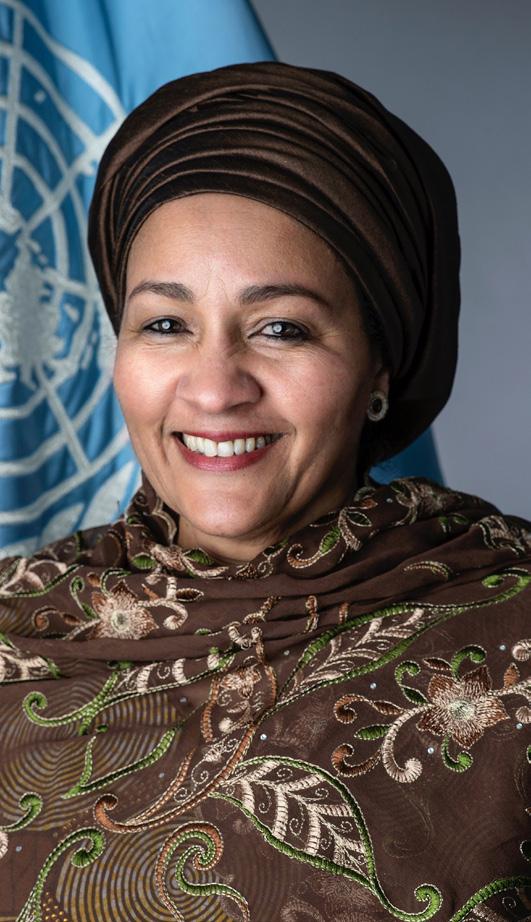
Amina J Mohammed, deputy secretary-general, United Nations
The evidence is clear. The climate emergency is driving food insecurity and spreading disease. Conflicts are destroying health infrastructure, displacing millions and leaving populations without access to vaccines and essential medicines.
Too often the world forgets that the head is attached to the body – with more than 300 million people in need
of humanitarian assistance we must elevate mental health and psychosocial care in humanitarian settings where the pressures are immense and the needs often overlooked and underfunded.
The Covid-19 pandemic revealed the fragility of even the strongest systems, and misinformation corroded trust in science and institutions. Immunisation programmes were disrupted, non-communicable diseases increased unchecked and preventable deaths in conflict zones mounted. These cascading crises show that health is both the mirror of our crises and the foundation of our future.
Yet there has been progress: since 2015, the world has seen a 14% decline in maternal mortality and a 16% drop in under-five mortality – clear signs that collective investment in health saves lives and moves us closer to achieving SDG 3.
This year has also brought pivotal developments. In May, World Health Organization member states adopted the Pandemic Agreement, a landmark in global health governance. After difficult negotiations, this showed that cooperation is possible when urgency is matched with solidarity. It must now be implemented with ambition and equity, ensuring that preparedness, response and access to tools are not determined by geography or income.
In July, governments gathered in Seville for the Fourth International Conference on Financing for Development, where they adopted the Sevilla Commitment. It reaffirms that closing the financing gap for the SDGs is inseparable from realising universal health coverage. The commitment calls for predictable financing, stronger domestic resource mobilisation and reforms to the international financial system so countries can build resilient health and social protection systems.
UNIVERSAL COVERAGE AS THE FOUNDATION OF
RESILIENCE
What is needed is solidarity-based investment, a reset of the global health financing system that works hand in hand with national governments –aligning behind their priorities and strengthening the resilience of their health systems to respond to critical challenges, ensuring no community is left behind.
At the heart of these global efforts lies the principle of universal health coverage, anchored in strong primary healthcare systems. Accessible, community-based and preventive primary health care is the most effective and equitable path forward. It ensures continuity of care, allows societies to respond swiftly to outbreaks while maintaining essential services and provides support for mental health. By linking health to food security, clean air and climate adaptation, primary health care helps communities withstand the pressures of a changing environment. Investing in such systems is not only a technical decision. It is a political choice that reflects whether leaders are willing to build inclusive, resilient and sustainable health systems that put people first.
But resilience depends on more than services. It requires trust. The pandemic exposed the dangers of disinformation, as falsehoods about vaccines and public health measures cost lives and deepened divides. Rebuilding confidence in science and institutions is therefore essential. This means strengthening inclusive governance, expanding health education and ensuring that communities have a voice in shaping the services they rely on. Women and young people must be central in this effort. Still, trust alone will not bridge the inequities that persist. Vast disparities remain in access to vaccines, diagnostics, digital tools and mental health care. In many low- and middle-income countries, funding cuts and debt burdens are weakening fragile systems. This inequity undermines not only development but also global security. No one is safe until everyone is safe.
THE TIME IS NOW
The urgency of this moment cannot be overstated. For women denied maternal care, for young people living with untreated mental health conditions and for families struggling to access basic medicines, the stakes are immediate and personal. For leaders, the stakes are generational. Choices made today will determine whether the coming decades are defined by repeated cycles of crisis, or by resilient systems that protect the most vulnerable and unlock human potential.
In an age when multilateralism is under strain, health must be our common ground. The future of health lies in our ability to choose cooperation over fragmentation, equity over exclusion and prevention over crisis. Leaders must recognise that investing in universal, people-centred systems is not only a moral imperative but also a strategic choice for peace, prosperity and planetary sustainability. Health is the thread that weaves together our shared aspirations for dignity, well-being and security. As this decisive year comes to an end, the world cannot afford hesitation. Health must be the political choice that unites us. It must be the promise we make to every woman denied care, to every young person demanding a future free of preventable disease, to every community caught in the crossfire of conflict or climate disaster. Health is not a privilege for the few. It is a right for all.
The upcoming World Social Summit in Doha and UN climate conference in Belém are moments to carry this promise forward. Both will test whether we are prepared to put solidarity at the heart of multilateralism and to treat health as the foundation of resilience, justice and peace. By placing health at the centre of sustainable development, and by empowering women and young people as agents of transformation, we can turn today’s fractures into the foundation of a fairer, safer and more resilient future. The moment to act is now. ▪
“ Cascading crises show that health is both the mirror of our crises and the foundation of our future”
AMINA
Amina J Mohammed is the deputy secretary-general of the United Nations and chair of the United Nations Sustainable Development Group. Previously she served as minister of environment of Nigeria. She first joined the UN in 2012 as special adviser to former secretary-general Ban Ki-moon with the responsibility for post-2015 development planning. In Nigeria, she served as an advocate focused on increasing access to education and other social services, and advised four successive presidents on poverty, public sector reform and sustainable development.
X-TWITTER @AminaJMohammed un.org/sg/en/dsg
J MOHAMMED
Reclaiming momentum – delivering health in a world of risk
Until recently, HIV was a death sentence, smallpox scarred lives and bacterial infections were often fatal. Breakthroughs such as vaccines, antibiotics and HIV treatment – alongside crucial investments beyond the health sector, from sanitation to urban planning –have transformed health, paving the way for broader development gains. Now, a new wave of innovation – from mRNA platforms to artificial intelligence –offers unprecedented promise. But any advances will only matter if every country is equipped to harness them. Yet, health progress is increasingly overshadowed by multiplying risks. Pandemic threats are rising. Diseases once in steady retreat – malaria, tuberculosis and cholera – are resurging. Antimicrobial resistance, mental health conditions and non-communicable diseases continue to grow. Climate shocks, conflict and ecosystem collapse push more people into crisis. Even hard-won gains in responding to HIV risk erosion in the face of declining funding and political will. The gravest threat is the erosion of what has made progress possible: sustained, deliberate global cooperation. To secure lasting gains and ensure health and opportunity for all, we must confront breakdowns in health systems and strengthen inclusive governance and systems to deliver for everyone, everywhere.
INNOVATION WITHOUT ACCESS IS NOT PROGRESS
Health systems have always reflected power. Your chances of living a healthy life are often shaped by who you are,
Achieving health and well-being for all requires long-term investment, global cooperation and effective governance. From pandemics to climate shocks, only resilient and equitable systems can deliver global health in an era of compounding crises
Achim Steiner, former administrator, United Nations Development Programme
where you live and what you can afford. Medicines and services that have worked well for decades – such as insulin and safe childbirth – remain beyond reach for millions. Now innovation is accelerating faster than ever, from long-acting HIV prevention to malaria and diagnostics powered by AI. Digital tools hold immense potential for telemedicine, research and development supply chains, and the delivery of services to the last mile. But access lags far behind. AI in health advances rapidly in some high-income settings, while many low-income countries struggle with inadequate infrastructure and biased tools. The Covid-19 pandemic underscored this hard truth: breakthroughs alone do not change outcomes. Systems capable of delivering them equitably at scale are essential.
To build resilience, life-saving tools must become public goods: resources or services accessible to everyone, regardless of income or location, and provided equitably without exclusion. This requires investing in public health systems, local manufacturing and digital public infrastructure, and ensuring technology improves lives, not just boosts profits. The collaboration between the Global Health Innovative Technology Fund and the Access and Delivery Partnership, led by the United Nations Development Programme and supported by Japan, shows how working across the innovation-to-access value chain can help health technologies reach those most in need. For example, through the World Health Organization’s prequalification of a paediatric medicine for schistosomiasis, millions of children in Africa could potentially receive a treatment that will free them from health impacts including anaemia, stunting and impaired cognitive development, which hamper education and productivity, and perpetuate poverty.
TRUST IS THE HIDDEN INFRASTRUCTURE
Trust is the foundation of public health. Without it, even the most advanced tools and systems cannot deliver. Covid-19 fractured this trust – unequal access, politicised responses and broken promises eroded public confidence. Disinformation has worsened vaccine hesitancy, fuelling the resurgence of preventable diseases including measles and polio. Emerging risks from AI, as highlighted in UNDP’s Human Development Report 2025, raise additional concerns: automated
medical advice risks diminishing trust in healthcare providers. AI holds promise for expanding access to knowledge, but also necessitates placing human knowledge at its core, alongside rigorous safeguards against misinformation.
Rebuilding trust requires more than fact checking. It demands delivery and equity. Consider the Global Fund ’s partnership model, which has saved over 65 million lives since 2002 by uniting governments, the private sector and civil society to fight AIDS, tuberculosis and malaria. Pulling back threatens to dismantle the very infrastructure and trust we have spent decades building. Instead, we must demonstrate that sustained, collective action delivers tangible results and saves lives.
ACHIM STEINER
Achim Steiner served as the administrator of the United Nations Development Programme from June 2017 to June 2025. He was also the vice-chair of the UN Sustainable Development Group, which unites 40 entities of the UN system that work to support sustainable development. Prior to joining UNDP, he was director of the Oxford Martin School and Professorial Fellow of Balliol College, University of Oxford. Mr Steiner led the United Nations Environment Programme (2006–2016) and was also director-general of the United Nations Office at Nairobi. He previously held other notable positions including director-general of the International Union for Conservation of Nature and secretary-general of the World Commission on Dams.
X-TWITTER @asteiner
Pandemics, conflicts and climate shocks are interconnected crises, yet our systems to address them remain fragmented and weak. A pandemic response without inclusive governance or social protection falters. In conflict zones, health care collapses without reliable energy or communication infrastructure. In climate emergencies, unprepared systems leave communities vulnerable. Health cannot remain siloed but must be integrated across systems shaping climate, nature and biodiversity outcomes, including One Health approaches and planetary health strategies. Indeed, some of the greatest returns still come from the basics: clean water, sanitation, air quality and adequate nutrition – the critical determinants of health.
Vast global resources exist but they are poorly aligned with the Sustainable Development Goals, including those on health. Moreover, as official aid continues its downward trajectory, we must link financing better to the SDGs and the Paris Agreement and unlock more innovative financing. That includes increasing domestic financing for health through domestic resource mobilisation and taxation and exploring innovative funding models and partnerships for more effective, sustainable financing. For instance, UNDP’s Tax for SDGs Initiative has supported Armenia to raise tobacco excise taxes, expecting to generate $130 million in additional revenue, which could be invested in achieving its health and development goals.
WHAT IT WILL TAKE
The past decade has radically transformed our world, intensifying the challenges in advancing the SDGs. Global health now includes new players such as technology companies and philanthropic actors, even as multilateralism remains in flux. Yet what is needed to achieve health and well-being for all remains unchanged: long-term investment, global cooperation, effective governance, and a focus on impact and those left behind. The adoption of the Pandemic Agreement by WHO members is driven by this objective: to make the world’s future pandemic response more effective and equitable. This leadership reminds us that advancing health equity requires collective, universal action.
To
build resilience, life-saving tools must become public goods: resources or services accessible to everyone, regardless of income or location, and provided equitably without exclusion”
Complexity may define our present, but it remains a diagnosis, not an incurable condition. By aligning the forces shaping health, strengthening inclusive governance and building resilient systems, we can realise a world where our collective immune system – of solidarity, innovation and action – can withstand any crisis and ensure well-being for all. ▪
Compounding threats, collective response: Why health must drive Europe’s future
As Europe confronts intertwined crises, from pandemics to climate change to antimicrobial resistance, health must move to the heart of integrated policymaking. A coherent, cross-border strategy is essential to protect lives, drive innovation and build a resilient European health agenda
Health can no longer be considered a peripheral issue in European policymaking. It must be assumed to be a central political choice. The Covid-19 pandemic made it clear that when health systems fail, societies and economies falter with them. Europe’s health sector is not only facing multiple risks, but it is facing risks that increasingly reinforce each other. Antimicrobial resistance threatens to undo decades of medical progress, making even routine procedures dangerous. The World Health Organization
Enrico Letta, president, Jacques Delors Institute, and dean, IE School of Politics, Economics and Global Affairs, IE University
Enrico Letta, Jacques Delors Institute, and dean, IE School of Politics, Economics and Global Affairs, IE University
continues to warn of an inevitable ‘disease X’, although its calls do not always receive the attention they deserve. Climate change amplifies these vulnerabilities by spreading vector-borne diseases and placing health infrastructure under severe strain. At the same time, Europe’s ageing populations, combined with a shrinking health workforce,
make it harder to absorb shocks and sustain services. The challenge is compounded by the digital transformation. New technologies such as artificial intelligence, genomics and telemedicine promise greater efficiency and innovation, but they also expose divides in access and raise concerns over data governance. Without trust and interoperability, digital health could deepen inequalities rather than reduce them.
A COMPREHENSIVE APPROACH
What links all these threats is the need for a coherent resilience strategy that works across borders.
Health cannot be treated as a silo; it must be embedded into Europe’s broader climate, industrial and digital agendas. This requires investment in prevention and vaccination, the development of climate-smart and digitally enabled health systems, and, above all, the political will to coordinate at the European level. Fragmented national responses can no longer match the scale of the risks.
The first priority is to ensure Europe’s capacity to prevent and respond to crises collectively, since preparedness is non-negotiable. Swift, unbureaucratic protocols and clear chains of command are essential when a new threat emerges. Antimicrobial resistance deserves particular attention. Stimulating antibiotics research requires a balance of push incentives for early discovery and pull incentives to make late-stage development commercially viable. Prevention is equally important. Vaccination campaigns, especially among children, the elderly and the frail, are among the most effective tools to reduce the burden of viral and bacterial infections that drive resistance.
A second priority is to restore a degree of strategic sovereignty in medicines and technologies. Europe’s dependence on external suppliers for active pharmaceutical ingredients has risen dramatically, with production inside the European Union having fallen from more than half two decades ago to less than a quarter today. This leaves patients vulnerable to shortages and weakens Europe’s innovation capacity. Targeted incentives for European production can reduce dependence without sliding into protectionism.
A third priority is to harness digital and data-driven innovation responsibly. The European Health Data Space has the potential to make patient data accessible across borders and to unlock vast research opportunities. Yet harmonised rules and safeguards are vital to ensure public trust. AI, telemedicine and robotics can improve efficiency and care delivery, but they must be deployed in ways that reduce inequalities rather than exacerbate them. Public investment and an innovation-friendly regulatory framework are essential to ensure equitable uptake.
Finally, the One Health approach must become central to European policy. With most emerging diseases originating in animals, health security requires better surveillance of zoonotic diseases, stronger coordination between human, veterinary and environmental authorities, and closer cooperation between agencies. Climate adaptation and biodiversity protection are therefore part of the same resilience agenda as pandemic preparedness.
SOLIDARITY IN ACTION
None of these priorities will be realised without decisive political choices. The
ENRICO LETTA
Enrico Letta served as prime minister of Italy from 2013 to 2014. He is currently the dean of the IE School of Politics, Economics and Global Affairs at IE University and president of the Jacques Delors Institute.
In September 2023 the European institutions tasked him with producing a Report on the Future of the Single Market. From 2015 to 2021, he was dean of the Paris School of International Affairs at Sciences Po Paris.
reality is that Europe still lacks a true single market for health. Marketing authorisations remain partly national, access to medicines is uneven and structural disparities persist in healthcare outcomes. Citizens expect the EU to deliver security in health, yet fragmentation undermines trust. Europe must deepen health integration, from harmonised clinical trials to interoperable digital health records, so that innovation benefits all citizens equally. Europe must also invest in prevention and resilience, blending EU and national funding to support screening centres, long-term care and climate-smart infrastructure, particularly in peripheral regions. This implies embedding solidarity at the core of the health agenda, avoiding a two-speed Europe in which smaller or poorer member states are left behind.
Inspiration can be drawn from Europe’s Beating Cancer Plan, which showed how political ambition, scientific innovation and strategic investment can be mobilised for a common cause. Similar determination is now required for antimicrobial resistance, mental health and neurodegenerative diseases. These challenges, if left unaddressed, could fragment societies and erode Europe’s resilience.
Europe’s healthcare sector is at a decisive moment. Compounding threats cannot be met with fragmented responses. They demand a coherent, cross-border strategy that strengthens resilience, restores self-sufficiency and deepens integration. By choosing to invest in resilience and solidarity, Europe will not only protect its citizens but also reinforce its strategic autonomy and unity. In a turbulent global environment, a stronger European Health Union is more than a public good. It is a cornerstone of Europe’s security, prosperity and credibility. ▪
Healthspan: A global imperative for humanityʼs future
Healthspan science has the potential to transform ageing from a burden into an opportunity for all
Dr Mehmood Khan, CEO, Hevolution Foundation
Around the world, people are living longer than ever before. However, too often those later years are marked by poor health and decline. Healthspan (the years lived in good health) offers a different future, one where quality of life keeps pace with length of life. Once little known, healthspan is now at the centre of global attention, uniting scientists, innovators, policymakers and the public in a shared ambition: to ensure that ageing well is possible for everyone, everywhere.
As populations around the world age at an unprecedented rate, the urgency of advancing healthspan science is undeniable. By 2050, the number of people over 60 is expected to more than double, surpassing 2 billion. Yet on average, humanity continues to lose nearly a decade of life to poor health in later years. This gap between lifespan and healthspan is exacting a staggering toll on individuals and families, healthcare systems and national economies.
FROM CONCEPT TO MOVEMENT
The Hevolution Foundation was established with a straightforward mission: to convene and catalyse the healthspan science field, extending healthy human lifespan for the benefit of all. In just three years, we have allocated over $400 million across research grants, partnerships and biotech investments
to accelerate the fields of healthspan and ageing biology globally. This makes us the largest philanthropic funder of healthspan science globally.
This work is part of a Kingdom of Saudi Arabia–led commitment to advancing healthspan as a global priority, reflecting the country's growing role in shaping solutions to humanity's most pressing health and economic challenges.
We have supported nearly 200 grants and 230 grantees, launched more than 25 partnerships, and made early investments in biotech companies with the potential to deliver transformative therapies. We fund New Investigator Awards to attract the brightest young scientists into the field. We are also proud to have funded Saudi Arabia's first generation of ageing scientists.
Beyond funding, Hevolution has convened the global conversation. Through the world's largest convening of its kind, the Global Healthspan Summit (held every other year since 2023, with participation from leaders in government, science, business and international non-profit organisations, as well as biotech and big pharma), we have opened new doors to global-scale collaboration.
HEALTHSPAN AS ECONOMIC POLICY
The case for healthspan is scientific and profoundly economic. Longer lives lived in poor health strain every aspect of society, from healthcare budgets to workforce productivity. Conversely, adding even a single year of good health to older populations would unlock trillions in economic value. Healthspan is not a niche concern, it is an economic imperative.
Our second Global Healthspan Report highlights that momentum is growing. Investments in the field more than
DR MEHMOOD KHAN
Dr Mehmood Khan is the CEO of Hevolution Foundation. Previously, he was the vice chairman and chief scientific officer of global research and development at PepsiCo and president of global R&D at Takeda Pharmaceuticals.
doubled in 2024 to $7.3 billion, and average deal sizes have risen by 77% since 2020. Public demand is also surging, with two-thirds of medical professionals reporting regular patient inquiries about healthspan interventions. But despite these encouraging signals, the field remains severely under-invested compared to the scale of the challenge.
THE PATH FORWARD
Realising the potential of healthspan will not happen by chance. It requires systemic action across research, investment, policy and public engagement. Governments must create the fiscal and regulatory space to accelerate progress. Investors must step in to fund the transition from lab to market. Policymakers must integrate healthspan into public health strategies with an emphasis on prevention and equity.
And crucially, advocacy must remain grounded in evidence. Too often, the broader ʻlongevityʼ conversation is clouded by exaggerated claims that risk undermining credibility. To maintain trust, the healthspan movement must speak with clarity, humility and rigour.
At Hevolution, our goal is to catalyse, not dominate, this field. In fact, true success will be evident when, five years from now, our $400 million allocation appears small in comparison to a
thriving global ecosystem of funders, innovators, and policymakers committed to advancing healthspan at scale.
CONCLUSION
Healthspan is about ensuring that the years people already live are healthier, more purposeful and more fulfilling. It is about creating societies where older adults can remain active and connected, while economies benefit from the contributions of healthier populations.
At Hevolution, our vision is to lead and help spark a global movement. True accomplishment will be when the collective investment, innovation and ambition of the world far surpass our own, making healthspan a universal priority embedded into science, health care, and policy.
The opportunity before us is extraordinary. Together, we can build a future where ageing well is not the privilege of a few but a shared reality for everyone, everywhere.
As a Kingdom of Saudi Arabia–led global initiative, Hevolution is proud to lead this effort, ensuring that Saudi leadership contributes to a healthier and more prosperous future for all humanity.▪
A change in deeply entrenched beliefs about ageing and health is urgently needed. Many still view ageing as an inevitable decline rather than a process that can be actively managed” “
A CALL TO ACTION
Healthspan is an economic imperative:
It is not just another item on the healthcare agenda, but the key to unlocking future economic prosperity. Delivering healthspan is not free, but it can provide significant returns. A more detailed and comprehensive evaluation of the benefits of healthspan is essential to convince policymakers and mobilise capital. It will also be important for developing countries to create the fiscal space necessary for investment.
Effective advocacy is needed for acceleration: A change in deeply entrenched beliefs about aging and health is urgently needed. Many still view ageing as an inevitable decline rather than a process that can be actively managed. By shifting the focus to societal and economic implications, we can foster a meaningful dialogue that recognises healthspan as a cornerstone of public health and economic policy, unlocking its full potential. This will require healthspan advocates to reach out to an entirely new set of stakeholders. In engaging this wider public, the evidencebased healthspan community faces a significant challenge. It must address the noise coming from those in the broader longevity space, which oversells the promises of what is still a very nascent field. Sticking to evidence-based information when advocating for healthspan is, therefore, crucial to the credibility of the movement.
Interview with Pakishe Aaron Motsoaledi, minister of health, South Africa
What are South Africa’s health priorities for its G20 presidency this year?
In our G20 presidency we have five priorities. The first is universal health coverage based on primary health care. Our overall presidency theme is solidarity, equity and sustainability. None of those can be met without universal health coverage, whereby people get good-quality health care free at the point of care and don’t suffer unduly. The second priority is pandemic preparedness and prevention, because we don’t want to repeat what happened during Covid. The third is human resources for health, which can be problematic especially in the Global South, whose doctors go to the Global North. The fourth is the scourge of non-communicable diseases, and number five is science innovation for economic development.
These five priorities affect each and every country. Let’s take NCDs – no country can claim they are not a problem – even countries in Africa that face constant challenges from infectious diseases. Nor can any claim human resources are not a problem: either the number of trained health workers or the number of those who want to work in public institutions, or in particular regions. On pandemic preparedness and prevention, simply, pandemics don’t know any borders. They can start in one area and spread throughout the whole world. No country can say it is not interested in that. Universal health coverage is about healthcare financing. Countries may have more money for health, like the United States, but their method of healthcare financing does not help them achieve better outcomes. There are poorer countries, like Cuba, with better outcomes in child and maternal mortality, even overall mortality. That relates to healthcare financing. That’s why every country should look at universal health coverage, where everybody is covered, regardless of their social or economic status.
Science innovation for economic growth also affects every country, especially in this era of artificial intelligence. How do we put that into health care, and how do we increase our research and development? How can innovations – that start from science and technology – help build the economy?
As South Africa holds this year’s G20 presidency, health minister Pakishe Aaron Motsoaledi makes the case for universal health coverage as the foundation of equity, security and progress
What are South Africa’s greatest successes in health care?
Our biggest achievement ever is increasing life expectancy from 54 years in 2010 to 66 years in 2024, because we put together the world’s biggest HIV counselling, testing and treatment campaign. We have also dramatically reduced maternal mortality: in 2010 there were 240 deaths per 100,000 live births; by March this year we have gone down to 109 per 100,000 live births. In 2004, 70,000 children were born HIV positive; we have reduced that to only 643. In 2010, when we planned this programme, there was an argument about how to finance it. Private health care, well funded through medical
Universal coverage at the heart of global health
aid or health insurance, takes care of only 14% of South Africa’s population, who are well to do and employed. The rest pay out of pocket. Some argued we needed to differentiate so people on medical aid pay for themselves. I argued that if you are fighting a huge pandemic and money is a factor, you will not win. Eventually we agreed that whether you are a billionaire or a pauper, employed or unemployed, a public servant or a gardener – if you test for HIV/AIDS it must be free; if you test positive you should receive antiretroviral treatment provided by the state. Let people be equal in fighting that disease. That’s where our success lay.
And that is why we believe that universal health coverage is very important, because we have seen it in action. If you treat people equally, they all come to access health care. We went to far rural areas and offered testing, and people came in large numbers, knowing that if they test positive they are given treatment.
Pakishe Aaron Motsoaledi was appointed South Africa’s minister of health in June 2024, having previously been health minister from 2014 to 2019. He was minister of home affairs from 2019 to 2024. He is also a member of the African National Congress National Executive Committee. He chaired the board of the Stop TB Partnership from 2013 to 2019. A medical practitioner, he practised in various hospitals in KwaZulu-Natal, Gauteng, Mpumalanga and Limpopo until 1994, before becoming a member of the Limpopo Legislature, leading several commissions and task teams, and a member of the ANC’s Provincial Executive Committee in Limpopo. health.gov.za
What are the particular health challenges for South Africa’s large youth population?
The biggest problem is HIV/AIDS, especially among young adolescent women who are affected more than their male counterparts. That is why we look forward to the new preventive drug lenacapavir. The second biggest problem is teenage pregnancy. And the third one is massive unemployment among youth, because it affects people’s health status, especially mental health.
What are the key political choices for health at the G20 Johannesburg Summit?
The biggest achievement that could ever be delivered for health is for countries to reach universal health coverage. That is an equaliser between rich and poor. You can deal even with pandemics when there is universal health coverage.
I have never met anyone who says they are against universal health coverage. In South Africa, six court cases are challenging the national health insurance programme, which is for the whole population. Each, in its affidavit, said it supports universal health coverage but not national health insurance. In other words, the concept is widely accepted but people define it differently. That is where the problem is. If we can agree that universal health coverage means everyone having access to good quality health care and should not experience financial hardship, then we understand exactly what universal health coverage is.
In South Africa, the people who oppose it believe there must be healthcare financing for those who are well to do and who have higher salaries, and other healthcare financing for the poor, unemployed, elderly and marginalised. That is not universal. I don’t know a medical or nursing textbook that says here are two people with diabetes: one is a domestic worker and should get this treatment, and the other is a billionaire and must get better treatment. Or this person is rich, so we treat their cancer like this, and that one is poor, so we treat it like that. Such textbooks do not exist. ▪
PAKISHE AARON MOTSOALEDI
EDITORS’ INTRODUCTIONS
Global health transformation 3x3x3
Three major crises – the Covid-19 pandemic, funding withdrawal and geopolitical power shifts – have exposed systemic weaknesses. WHO reform and a new 3x3x3 approach are urgently needed to redefine the future of health
Global health is undergoing a period of profound and irreversible transformation. Many of the proposals for improvement, innovation and change that are now debated at length should have been tackled head on 10 years ago. But organisations rarely move out of gridlock without a crisis.
THREE CRISES FOR GLOBAL HEALTH
Since 2020, global health has been hit by three consecutive crises. First, the Covid-19 pandemic exposed long-standing structural limitations and inequities in global health. Second, the United States abruptly withdrew financial and political support from global health efforts in early 2025, so the decades-long system of hegemony and financing of global health could no longer be maintained. And third, we have the hard reality of a major geopolitical powershift, along with growing deadly conflicts. The world is in a multipolar moment. Countries are testing and reshuffling alliances and dependencies as well as priorities and ideologies. One thing is clear: the Global South – a politically applied term for very different actors and interests – wants to define the future. Recent statements by the G20, the BRICS and the Shanghai Cooperation Organization make this very clear.
THREE SYSTEMIC ISSUES MUST BE ADDRESSED
These global health challenges will not be resolved by better managerial solutions like incremental, ‘more for less’ changes. Every crisis leaves a trail of destruction – real deaths of real people, most of them in the poorest countries. A Lancet HIV report suggests that anticipated international aid reductions may lead to 10.8 million additional new HIV infections by 2030 and 2.9 million HIV-related deaths in children and adults by 2030. And it also brings the death of institutions and organisations as well as accepted norms, rules and goals. A wide range of organisations in the global health ecosystem – which got very cosy, despite the funding competition – are affected.
Even the United Nations has said the Sustainable Development Goals are “disappearing in the rear-view
Ilona Kickbusch
founding director, Global Health Centre, Graduate Institute of International and Development Studies
mirror, as is the hope and rights of current and future generations” – the death of the SDGs.
Stopping the destruction requires addressing three key systemic issues – and understanding they cannot be solved overnight and are not for the faint of heart. First is the challenge of weakened global solidarity amid shrinking trust, reflected most prominently in the response to past and prospective pandemics but also in the hegemonic systems established for global development finance, leading to the death of development aid. The multipolar world is less controllable, and the agenda is being changed by the Global South, from money to the power of definition. This will play out in the negotiations on the Pathogen Access and Benefit Sharing System, still to be negotiated for the Pandemic Agreement to take the next step in acceptance and ratification.
The second big challenge is the lack of intersectoral and systemic action to address the consequences of the climate–health interface, in relation to resurging vector-borne diseases and their global spread and also to non-communicable diseases. Perhaps global health should be redefined as planetary health. Moving from silos to systems is essential.
This, of course, is hampered by the third challenge: the institutional fragility of international health organisations, starting with the World Health Organization, which is confronting a 20% cut in funding for 2026–2027. The WHO is at the core of the global health ecosystem and critical for coordinating health action at the international level. It is where the negotiations of how the three crisis and the three challenges intersect – and what systemic responses should be found in a difficult geopolitical climate.
THREE AREAS FOR STRATEGIC REFORM OF THE WHO
Amid this uncertainty, the legitimacy and leadership capacity of the WHO – and its future role as a central actor in the global health ecosystem – are at stake. There are deep concerns about its capacity to lead effectively when multilateralism is out of favour and new challenges loom. With two colleagues, I have recently suggested three areas of reforms. They will require significant political will by member states, a commodity in short supply.
1. Refocus the WHO on its core mandate. The WHO cannot be everything to everyone. Its future lies in concentrating on its constitutional mission. Its core functions are norm and standard setting based on sound science amidst escalating misinformation and disinformation, health intelligence and surveillance, pandemic preparedness and emergency coordination, and convening power. It must remain the forum for global health diplomacy and international dialogue on global health priorities. It must set bold new future-oriented health agendas, many – such as planetary health – based on a new systemic approach. The new way of working in health must be made manifest by a key organisational paradigm shift, as happened in 1978 when the Alma-Ata Declaration on primary health care was adopted.
2. Ensure the WHO’s financial independence. A shift to a funding model anchored in fully unearmarked assessed contributions is overdue. By 2030, 80% of the WHO’s budget should come from assessed contributions, reflecting each country’s economic capacity. That proposed target will become realistic and acceptable through focusing on the four core functions proposed above. Such a reform must be co-led by countries of the Global South, not only by traditional donor states. It is a political opportunity to reshape the WHO’s governance and agenda more equitably and representatively. It is especially the middle powers that should make use of this opportunity. China will emerge as the largest contributor if the US leaves, but next to the classic donor countries on the list of the first 20 contributors of assessed contributions, Brazil, India, Mexico, Korea, Saudi Arabia and Russia will be critical to move such reforms forward.
3. Strengthen WHO governance and accountability. WHO governance must align with the expectations of member states and the international community. The World Health Assembly must regain its authority as the primary global forum on health, as the world needs a platform for health policies across geopolitical divisions. But the Executive Board must also be revitalised and reformed. The WHA must initiate discussions on post-2030 global health priorities in the next two years, especially in the face of the death of the SDGs.
BUILDING A NEW SYSTEM BASED ON THE 3X3X3 DYNAMICS
We need to study the interface of the three crises with the three systemic challenges to be able to propose systemic and sustainable solutions that can be taken forward by a reformed and strengthened WHO. One thing is clear – it will need long-term as well as substantial commitments – it will need the interface with geopolitical powershifts and the emergence of new leaders in global health and development. ▪
“Amid this uncertainty, the legitimacy and leadership capacity of the WHO – and its future role as a central actor in the global health ecosystem – are at stake”
llona Kickbusch is the founding director of the Global Health Centre at the Graduate Institute of International and Development Studies in Geneva. She is a member of the Global Preparedness Monitoring Board and the WHO Council on the Economics of Health for All. She is co-chair of the World Health Summit Council. She previously had a distinguished career with the World Health Organization and Yale University, and has published widely on global health governance and global health diplomacy. She directs the Digital Transformations for Health Lab. She and John Kirton are co-editors of, most recently, Health: A Political Choice – Building Resilience and Trust X-TWITTER @IlonaKickbusch ilonakickbusch.com
ILONA KICKBUSCH
Fostering a fine future for global health in a fractured world
As global health threats intensify, the capacity to respond is faltering. Amid rising geopolitical divisions, new alliances, innovations and funding mechanisms offer a way forward
Throughout the world, people face exceptionally severe, persisting and rising threats to their health and well-being. Climate change, biodiversity loss and pollution breed chronic heat, drought and extreme weather events such as wildfires, floods, hurricanes and tsunamis that bring more death, disease and damage. Pandemics remain a persistent problem, as outbreaks of new Covid-19 variants, measles, avian influenza, mpox and Ebola can rapidly go global at any time. Misinformation and disinformation proliferate, making people stop protecting themselves through vaccines or long-proven basic health measures and generating fear and actions that do more harm. And increasing deadly conflicts within and between countries kill and wound innocent civilians and the healthcare workers who seek to save them.
But the needed global response now comes from a world whose supply of global governance is shrinking and increasingly fractured, even among those actors with the greatest capacity and responsibility to respond.
The United States, the world’s most powerful country, is withdrawing from the central multilateral organisations that counter climate change, pandemics, mis- and disinformation, and conflicts and that promote human rights, including the right to health for all. This badly
John Kirton
director,
Global Governance Program
erodes the capacity and effectiveness of the World Health Organization, UN Climate, the United Nations Security Council and the United Nations Human Rights Council. At the leaders’ level, this year’s UN high-level meetings on health and other major threats cover only a few of the critical health problems and their determinants. The HLMs address them in separated and sequential ways, rather than in a synergistic, simultaneous fashion, and struggle to get the heads of the world’s most important governments to attend. Nor has the gap been filled by the most powerful leaders of the world’s most powerful countries when they come together at their summits to define and deliver the solutions that they alone can produce.
FALLING SHORT ON HEALTH AS CRISES CONVERGE
The annual G7 summits of the world’s major democratic powers have long led in addressing conflict since their start in 1975, soon adding climate change in 1979, health in 1981 and information integrity later on. But at their most recent summit, in Kananaskis, Canada, in June 2025, G7 leaders addressed only some of these central threats. Their 149 commitments included 21 on climate-related wildfires, for second place among subjects. Those contained the summit’s only commitment related to health, as leaders promised to build on their “shared capacity to mitigate and respond to the impacts of wildfire exposure on human health and well-being”. Regional security secured eight commitments for sixth place; there were very few on mis- and disinformation, and none focused on health or pandemics. The bigger, broader, newer G20 at its most recent summit at Rio de Janeiro in November 2024, did somewhat better. Its leaders made 11 health commitments, to rank fifth among all subjects. They followed 28 on climate change in first place, 25 on development in second, 18 on international institutional reform in third and 17 on the natural environment in fourth; the five on regional security placed it eleventh. The health commitments broadly covered the WHO investment round, health systems, universal
JOHN KIRTON
John Kirton is the director of the Global Governance Program, which includes the Global Health Diplomacy Program, the G20 Research Group, the G7 Research Group and the BRICS Research Group, all based at Trinity College in the University of Toronto, where he is a professor emeritus of political science. He is co-author, most recently, of Reconfiguring the Global Governance of Climate Change, and co-editor of a series of G7 and G20 summit publications including G7 Canada: The 2025 Kananaskis Summit and G20 Brazil: The 2024 Rio Summit. He and Ilona Kickbusch are also co-editors of, most recently, Health: A Political Choice – Building Resilience and Trust.
X-TWITTER @jjkirton
www.g7g20.utoronto.ca
health coverage, the healthcare workforce, the health-related Sustainable Development Goals, the infectious diseases of AIDS, tuberculosis, malaria and polio, and the negotiations of the new Pandemic Agreement and Fund. But only the commitment on water, sanitation and hygiene linked health to climate change and biodiversity. And the many on climate change and conflicts made no explicit links to health, while mis- and disinformation were absent everywhere.
The BRICS, based on Brazil, Russia, India, China and South Africa and now expanded to include five smaller members, has also addressed health. Overall its leaders seek to reform the existing global system to build one that puts their priorities and influence at the centre – which could bring further fragmentation. At their most recent summit in Rio in July, leaders made only four commitments on health, for 17th place among subjects. These health commitments all related to strengthening the existing global health architecture, including securing the Pandemic Agreement. To be sure, their first focus was on climate change, where they made 44 commitments, but none explicitly were linked to health. Nor did any of the eight commitments on regional security, in sixth place.
FINDING HOPE IN INNOVATION, COOPERATION AND LOCAL ACTION
Yet amidst this growing gloom are several signs of hope, as individuals and institutions are inspired to respond more, in proven and innovative ways. Progress is being made on producing and implementing a pandemic accord and, painfully although now paused, on plastics. On financing, China, other donor countries, recipient countries and philanthropists are stepping up as the US steps back. The Green Climate Fund emphasises the health benefits of its project financing, as its new replenishment round is scheduled to start soon. And many actors are pioneering ways to address
the major threats in ways that improve people’s health and well-being.
This edition of Health: A Political Choice explores the impacts of these larger political, ecological, societal, technological and security trends on global health and its governance. It examines how key global health actors are searching for and finding the solutions that work – many of which are local, national or regional in scope. It reflects on the results of major initiatives from the UN, the WHO, and the summits of UN Climate, the G7, G20 and the BRICS.
It focuses on four major threats – climate change, pandemics, mis- and disinformation, and conflict – and the search for solutions from scientific, technological and global governance innovation. Distinguished contributors share approaches that have been most successful, describe the uphill battles to implement them and propose how to move forward. As always, this edition includes voices from government, international organisations, philanthropy, business, civil society, think tanks and academia. A special section, curated by Jeremy Farrar of the WHO, focuses on science, research, innovation and technology, all of which have moved to centre stage in global health, while wavering between cooperation and competition.
This edition also features several spotlights on issues that deserve particular attention: on planetary health, pandemics, mis- and disinformation, and human security.
After introductions by leading authorities from the global health and global governance worlds, it presents sections on:
• Planetary health and climate change
• Pandemics
• Scientific innovation, research and technology
• Health information integrity
• Security from war, conflict and crime
• Improving global health institutions and instruments. ▪
The equity bias in cardiovascular care we can’t ignore
Cardiovascular disease (CVD) remains the leading cause of death globally.1 To address this critical health challenge, we need scientific innovation and an inclusive, holistic approach that considers all those affected.
Oliver Appelhans, Head of the European Specialty Business Unit at Daiichi Sankyo Europe
This article was funded and written by Daiichi Sankyo Europe Document number UK/DSC/09/25/0005 and MED-EUNON-00132 Date of preparation September 2025
In the WHO European Region, CVD causes 37% of deaths among women and 31% among men, 2 contributing to 17.9 million deaths annually worldwide.1 Despite being the leading cause of death for women globally – accounting for 30% of deaths 3 – CVD continues to be perceived primarily as
a men’s disease. 4 This misperception leads to women being understudied, underdiagnosed and undertreated.5
DISPARITIES IN CARDIOVASCULAR CARE
Women may experience different CV symptoms than men. Our recent survey on public perception on cardiovascular care including over 8,500 Europeans revealed that over 50% of patients are not aware of gender differences in cardiovascular symptoms. However, two out of three male patients say they have been offered specific advice or support to talk about their risk of cardiovascular disease due to their age/health status, compared to only half of female patients.6 What is more, compared to men, women are more vulnerable to the indirect effects of socioeconomic challenges and political conflicts which could contribute to increased CVD risk.7
Historical underrepresentation of women in cardiovascular clinical trials has created significant gaps in understanding how CVD uniquely affects women.8 Medical education perpetuates these disparities by standardising risk factors to male patterns, overlooking women-specific risk factors such as menopause or pregnancy complications.9 The gap extends beyond patients to the cardiology profession itself. Women represent only 20% of cardiologists globally and hold less than 10% of leadership positions.10 The negative effect might even extend to patient outcomes – research from a US study suggests that following a CVD event, women may fare better when treated by female doctors.11
1 World Health Organization, Cardiovascular diseases (CVDs). Available at: https://www.who. int/news-room/fact-sheets/detail/cardiovasculardiseases-(cvds). Last accessed Aug. 2025
2 European Society of Cardiology EU27 Cardiovascular Realities 2025. Available at: https://www.flipsnack.com/escardio/eu-27cardiovascular-realities-2025/full-view.html. Last accessed Aug. 2025
3 World Heart Federation, CVD & Women Infographic. Available at: https://world-heartfederation.org/resource/cvd-women-infographic/ Last accessed Aug. 2025
4 Alshakarah A, et al. Awareness and Knowledge of Cardiovascular Diseases and Its Risk Factors Among Women of Reproductive Age: A Scoping Review. Cureus. 2023 Dec 2;15(12):e49839. doi: 10.7759/cureus.49839. PMID: 38164316; PMCID: PMC10758256.
OLIVER APPELHANS
Oliver Appelhans is head of the European Specialty Business Unit at Daiichi Sankyo Europe. He is a chemist by education and joined the company in 2007 after a successful previous career in the pharmaceutical industry. At Daiichi Sankyo, he has had numerous roles at both the German organisation and the European headquarters, including European launch lead, managing director of the German organisation and most recently he was head of commercial operations Europe and partner management.
5 The Lancet, Volume 397. The Lancet women and cardiovascular disease Commission: reducing the global burden by 2030. Vogel, Birgit et al., Issue 10292, 2385 - 2438
6 Daiichi Sankyo Europe CVD. A European Heart Health Survey: Public Perceptions on Cardiovascular Care. May 2025. Responses gathered from multiple choice survey across Austria, Belgium, Germany, Italy, Portugal, Spain from 3,674 patients and 4,906 members of the public. Available at: https://wecareforeveryheartbeat. com/wp-content/uploads/2025/07/Factsheet_ Public_Perceptions_on_CV_Care_Health_Care_ Professionals.pdf. Last accessed Aug. 2025
7 Vogel et al., The Lancet women and cardiovascular disease Commission.
8 Jin X, Chandramouli C, Allocco B, Gong E, Lam CSP, Yan LL. Women’s Participation in Cardiovascular Clinical Trials From 2010 to 2017. Circulation. 2020
INNOVATION AND COLLABORATION FOR CHANGE
At Daiichi Sankyo Europe, we are keenly aware of the challenges women face in in the CV landscape and are committed to focused attention and strategic, multi-stakeholder collaboration to drive meaningful change.
Our recent research efforts have shown that over half of the respondents believe partnerships between pharmaceutical companies and doctors are needed for disease awareness and preventing misinformation.12 Indeed, we are partnering with Women as One 10 to support female leaders in cardiology and provide professional opportunities to women cardiologists in scientific activities and clinical trials.13 We are also backing Global Heart Hub’s patient-driven research on CVD in women.14
A VISION FOR THE FUTURE
As the World Health Summit explores closing the gender health gap, we advocate for comprehensive national heart health plans. We support the European Alliance for Cardiovascular Health’s pioneering work to incorporate gender-specific targets into EU-wide cardiovascular strategies and call for an EU Cardiovascular Health Plan addressing gender disparity.15
Our aspiration is that scientific innovation fully values women as patients, healthcare providers and essential research participants, advancing cardiovascular medicine to really care for every heart. ▪
Feb 18;141(7):540-548. Available at https://doi. org/10.1161/CIRCULATIONAHA.119.043594. Last accessed Aug. 2025
9 Suman S, Pravalika J, Manjula P, Farooq U. Gender and CVD- Does It Really Matters? Curr Probl Cardiol. 2023 May;48(5):101604. Available at: https://doi.org/10.1016/j.cpcardiol.2023.101604 Last accessed Aug. 2025
10 Women as One. https://womenasone.org/. Last accessed Aug. 2025.
11 Greenwood BN, Carnahan S, Huang L. Patientphysician gender concordance and increased mortality among female heart attack patients. Proc Natl Acad Sci U S A. 2018 Aug 21;115(34):8569-8574. doi: 10.1073/pnas.1800097115. Epub 2018 Aug 6. PMID: 30082406; PMCID: PMC6112736. Last accessed Aug. 2025
12 Daiichi Sankyo Europe CVD. Available at: https:// wecareforeveryheartbeat.com/wp-content/
uploads/2025/07/Factsheet_Public_Perceptions_ on_CV_Care_General_Audience.pdf. Last accessed Aug. 2025
13 Daiichi Sankyo Europe. Investing in Women’s Hearts. Available at: https:// wecareforeveryheartbeat.com/campaign-investingin-womens-hearts/. Last accessed Aug. 2025
14 Global Heart Hub. Patient Driven research on CVD in Women, 2024. Available at: Women and Heart Report - Global Heart Hub. Last accessed Aug 2025
15 European Alliance for Cardiovascular Health. EACH Cardiovascular Health Plan for Europe. 13 May 2022. Available at: https:// www.cardiovascular-alliance.eu/wp-content/ uploads/2022/05/EACH-Plan-Final_130522.pdf Last accessed Aug. 2025
Protecting planetary boundaries
Earth’s life-support systems are under increasing pressure, with seven of nine planetary boundaries already breached. Urgent transformations in energy, food and global cooperation are essential to prevent irreversible harm to the planet
What are planetary boundaries?
The planetary boundaries framework defines the safe operating space for humanity on Earth. Scientists have identified nine critical Earth-system processes (see Figure), each tracked by quantitative control variables, that together regulate the planet’s stability and resilience. As a risk-based assessment, the safe boundary is at the lower end of scientific uncertainty. Crossing a boundary moves us from a safe green area to enter the yellow danger zone of uncertainty, and if you reach the upper range with a high certainty of causing permanent damage, you enter the red high-risk zone. Crossing a boundary does not mean immediate collapse, but it raises the risk of large-scale, abrupt and potentially irreversible changes of the Earth system.
Put simply, humans have become a large force on our planet. We’re hitting the ceiling even on hardwired biophysical processes that regulate the functioning of the whole Earth system. Earth is a biogeophysical system where large processes interact and self-regulate; but pushed too far, these processes can cross biophysically defined thresholds and shift the Earth system beyond conditions that can support humanity.
Which boundaries may have already been crossed?
We are in a planetary crisis, with seven of the nine planetary boundaries already breached; on all these seven boundaries we are moving in the wrong direction. The climate change boundary is in the red zone with accelerating warming. We’re in the red on biodiversity loss and land configuration boundaries. We are cutting down big rainforests and boreal and temperate forests that are shifting from carbon sinks to carbon sources. Blue and green water variables are outside their safe space. Nitrogen and phosphorus are in the deep red, causing dead zones in oceans, eutrophication and destabilised ecosystems. We’re still unable to fully quantify
the over 100,000 chemical compounds on the market, but scientific papers have concluded we’re overloading the Earth system with novel entities. The latest science shows that we have now also breached the ocean acidification boundary.
How are climate change and biodiversity loss harming human health?
We’ve transgressed the climate change boundary and warming is amplifying extreme heat, which affects humans’ capacity to cope with lethal heat waves and extreme impacts. Scientific evidence shows that if we approach 2°C of warming, life-threatening heat will affect up to 2 billion people in the tropical zone – and the International Court of Justice affirmed in its Advisory Opinion on the obligations of states in respect of climate change, that 1.5°C is the primary temperature limit to be held under the Paris Agreement. Heatwaves are already deadly: the 2003 heatwave in Europe caused the premature death of around 70,000 people.
On biodiversity and climate change, in the last 70 years, most of the pandemics and epidemics – including Covid-19, Ebola and SARS – have been viruses that crossed from animals to humans. The risk of these mutations increases with the unsustainable overexploitation of nature because of greater exposure between humans and nature and also the changing composition of wildlife species. More generalist species such as bats and rats reach higher densities and spread more quickly. Transgressing the biodiversity boundary will likely increase the risk of large pandemics. The freshwater boundary, which covers both green and blue water, has been breached. This affects food security, undermining stable yields of staple crops and raising the risk of malnutrition, particularly among vulnerable communities in developing countries and poor communities. Ill health will more likely result from unhealthy food, in this case from a lack of food, linked to the transgressions of the biodiversity, climate change and freshwater boundaries.
Interview with Johan Rockström, director, Potsdam Institute for Climate Impact Research, and Virchow Prize Laureate 2024
What available solutions must be implemented now?
We need to become stewards of the entire planet, with leadership at the planetary scale. We need more collective action and more trust between countries, not less. The trend
line is moving backwards towards a domestic, nationalistic, short-sighted focus, when we need more collective action to manage our global commons. The only way to keep the planet within its safe operating space is to recognise that the ocean, ice sheets, rainforests,
peatlands and permafrost are the global commons we all depend on, and we have to manage them collectively. Delivering on existing global agreements, including the Paris Agreement, is essential. Every boundary translates into a budget.
For the climate boundary, it’s 200 billion tonnes of carbon dioxide remaining to stay within a safe operating space. That means today we must reduce emissions by 10% annually.
Which transformations are most urgent?
Within these budgets, two transformations are required urgently: the energy transition and the food system transition. The food system is a dominant driver of overconsumption of freshwater, overuse of nitrogen and phosphorus, greenhouse gas emissions, land system change and biodiversity loss. We must move away from unsustainable, unhealthy, planet-damaging agricultural systems into regenerative, sustainable and healthy food systems. This is fully possible. We know how to produce food in ways to return within planetary boundaries.
Moreover, unhealthy food is one of the biggest global health issues. Between 10 and 11 million people die every year because of malnutrition, over-nutrition and non-communicable diseases related to unhealthy food. Moving towards healthy diets, which we can define scientifically, gives us win-win outcomes because planetary health and human health are closely interdependent.
What role do policy and economic incentives play in driving these transformations?
We can accelerate these solutions for both the energy and food system transitions. All the solutions exist. Technologically it’s straightforward: solar, wind, biomass, hydro, fuel cells, conservation tillage, circular nutrient fluxes, reduce biodiversity loss. It requires economic incentives – policy that discourages planet-damaging and planetary-boundary threatening actions and incentivises sustainable, healthy, within-planetary-boundary operating activities. It needs to be easy for citizens to make the right choices. That combination of the energy and food system transitions and smart economic policies is at the heart of planetary stewardship. Indeed, with the ICJ’s recent ruling on climate change, countries now have a clear duty to address the planetary crisis and can be held accountable. ▪
“ We need to become stewards of the entire planet, with leadership at the planetary scale. We need more collective action and more trust between countries”
JOHAN ROCKSTRÖM
Johan Rockström has been director of the Potsdam Institute for Climate Impact Research, professor in Earth system science at the University of Potsdam, professor of water systems and global sustainability at Stockholm University, and chief scientist at Conservation International since 2018. He is a 2024 Virchow Prize laureate. He was the founding executive director of the Stockholm Resilience Centre at Stockholm University from 2007 to 2018 as well as executive director of the Stockholm Environment Institute from 2004 to 2012. X-TWITTER @jrockstrom @PIK_climate www.pik-potsdam.de
Better decisions with better data
With innovation and global collaboration we can tackle the major challenges of our times
PLANETARY
Gordon G Liu, Peking University BOYA Distinguished Professor of Economics and dean, and Bernhard Schwartländer, co-chair of the Governing Board and Distinguished Research Professor of Global Health, Peking University Institute for Global Health and Development
Health is a political choice. But these choices must be grounded in science and reliable data. Over recent decades, research has shown how deeply intertwined human well-being is with the environment: climate change, biodiversity loss, pollution, land and water use, food security, socio-economic actions, and other interlinked threats. Together, these represent the full spectrum of human-driven pressures on Earth that shape
both ecological and human health. At a planetary scale, the health of people, animals and ecosystems is inseparable – bound together in complex, non-linear dynamics across societies, economies and nature. Planetary health science has advanced the thinking by identifying nine planetary boundaries that define the safe operating space for humanity. Several of these boundaries have already been transgressed, while others are under critical pressure. Many
pathways linking boundary transgressions to human health are well understood – through climate, water, food and disease – but further research is needed to uncover additional pathways quantify causal mechanisms, and assess distributional impacts across regions and populations. Only then can decision makers design effective interventions to optimise the trajectories forward. This research is extraordinarily complex. Because interactions are
nonlinear and global, they can only be understood in a unified framework – just as we all share one common planet.
A CRITICAL MOMENT
Planetary health science now stands at a turning point. We have abundant global data and unprecedented computing power, yet our analytical tools lag behind. Traditional frameworks – disciplinary models or isolated studies – are too narrow to capture the web of interconnections between societies, economies and the biosphere.
To address this gap, Peking University and international partners launched the Planetary Health Axis System in 2024, an artificial intelligence–driven platform designed as a ‘digital compass’ for sustainable development. PHAS systematically tracks the ecological footprint of human activity and assesses risks of crossing planetary boundaries. Built on four coordinate axes –human health, species health, environmental health and societal health – it integrates multidisciplinary science using AI for real-time global data analysis, currently monitoring some 48,000 key indicators.
PHAS also introduces a paradigm shift in planetary health economics. Conventional human development models rely heavily on the growth of gross domestic product as a primary measure of success. These models are important, but they fail to fully address the increasing costs vis-à-vis planetary health boundaries. Global policymakers need new tools and metrics that embed GDP within a broader planetary economy – one that integrates multiple dimensions of well-being and sustainability.
Beyond monitoring, PHAS provides visualisation, simulation and policy-lab functions. Governments and researchers can simulate interventions, explore scenarios and co-create solutions. Conceived as a global public good, PHAS seeks to guide humanity towards more optimised relationships between social and
economic progress and Earth’s natural systems. It helps frame the big questions:
• How will interconnected shocks – such as pandemics, climate extremes or conflicts – cascade across regions?
• What policy mixes yield the best outcomes for health and sustainability?
• Where are the hidden leverage points in the global system?
• How can human civilisation be charted within the safe operating zones of the planet?
A NEW DIGITAL COMPASS FOR PLANETARY HEALTH
The formal launch of PHAS at the World Health Summit in Berlin in October 2025 will showcase its core system and preliminary results. Early findings demonstrate that it can replicate existing science with greater precision, while also uncovering new causal pathways relevant for policy. After Berlin, engagement events are planned in China, India, Geneva and other global hubs.
PHAS is envisioned as a strategic platform for global collaboration, bringing together climate scientists, economists, epidemiologists, data scientists and others around a common modelling backbone. It is designed as a decentralised system, with regional hubs developing specialised modules connected to a shared core engine.
Planetary health – by definition – transcends borders. PHAS may have been initiated at Peking University, but it is designed as a global public good, harnessing expertise worldwide to confront planetary health as humanity’s greatest challenge since the industrial revolution. Health is a political choice – and one of the most important choices is to promote genuine global collaboration, creating the space for science to do its work. ▪
GORDON G LIU
Gordon G Liu is the Peking University BOYA Distinguished Professor of Economics and dean of the Peking University Institute for Global Health and Development, a fellow of the Chinese Academy of Medicine, and director of PKU China Center for Health Economic Research. He has served numerous distinguished roles in professional services, including the chair of the Academic Committee for PKU Educational Economics, co-organiser of the US-China Track II Dialogue on Health and associate editor for academic journals including Value in Health and Health Economics.
BERNHARD SCHWARTLÄNDER
Bernhard Schwartländer joined the Peking University Institute for Global Health and Development in March 2025 as co-chair of the Governing Board and Distinguished Research Professor of Global Health. In 2021–2025 he served as global health envoy of Germany’s Ministry of Foreign Affairs. Previously he served as assistant director-general and chef de cabinet at the World Health Organization, as well as WHO representative in China, and before that, held senior positions at UNAIDS, the Global Fund against AIDS, Tuberculosis and Malaria, Germany’s National AIDS Program and the Robert Koch Institute.
ghd.pku.edu.cn/English/
From deadly heatwaves to rising disease threats, the climate crisis is a health crisis. Now more than ever, data, science and collaboration must drive urgent, integrated action
Abdulla Al Mandous, president, World Meteorological Organization, and director-general, National Center of Meteorology, United Arab Emirates
As our world fractures under the weight of climate shocks, pandemics, conflict and disinformation, health is on the front line. Climate change is not only disrupting weather patterns; it is reshaping the very foundations of human well-being. As president of the World Meteorological Organization and director-general of the National Center of Meteorology of the United Arab Emirates, I see every day how the climate crisis is also a health crisis. Extreme weather events – heatwaves, floods, droughts, wildfires, sand and dust storms – are no longer rare anomalies. They are the new reality. Their health toll is staggering: rising heat-related mortality, worsening air pollution that already causes 7 million premature deaths annually, surges in vectorand water-borne diseases, food insecurity affecting nearly 300 million people, and profound mental health impacts from
Bridging climate and health to heal a fractured world
displacement and trauma. Health systems worldwide, already stretched, are struggling to absorb these cascading shocks.
HARNESSING DATA TO SAVE LIVES
Protecting human health and saving lives are central to the mission of the WMO. This year we commemorate 75 years as the United Nations agency for weather, water and climate. Throughout our existence we have provided science and data, and fostered early warning systems that empower government leaders and society to take informed action.
In this fractured world, the role of trusted science and early warnings is more critical than ever. The WMO and the World Health Organization, through our Joint Climate and Health Programme, are working to bridge climate and health systems so that forecasts and warnings translate into lives saved. From the UN Early Warnings for All initiative, aiming to equip every country with effective early warning systems by 2027, to the Global Heat Health Information Network that connects practitioners across regions, our goal is clear: protect communities by transforming data into action.
Recent advances show what is possible. Our joint programmes are expanding health-relevant climate services at the country level, supported by over 30 partners. New regional hubs are emerging in Southeast Asia, South Asia and Latin America to tackle the growing threat of extreme heat. Authoritative platforms such as ClimaHealth. info provide open access to tools and knowledge that support policymakers and practitioners alike.
Our recently released joint report, Climate Change and Workplace Heat Stress , on the growing global health challenges posed by extreme heat, highlights key measures to protect workers. It also warns of long-term economic impacts, noting that productivity drops by 2–3% for every degree above 20°C.
At the national level, partnerships between meteorological and health institutions are no longer optional; they are essential. When we align science, operations and policy across these critical sectors, we go from generating forecasts to delivering intelligence – intelligence that saves lives, protects health and economic systems, and informs investment.
BUILDING CLIMATE-RESILIENT HEALTH SYSTEMS
Yet profound challenges remain. Only 0.2% of climate adaptation finance currently reaches health systems. Data gaps, capacity disparities and siloed governance leave vulnerable communities exposed. Governance for extreme heat and air pollution remains fragmented, with limited cross-sectoral coordination or long-term strategies. In short, political choices – not technical barriers – stand in the way.
The choices before us are clear. Leaders must:
• Recognise that climate and health systems are interdependent – and design our institutions and financing around that reality.
• Shift from a reactive model to a preparedness model – investing in intelligence today to avoid losses tomorrow.
• Embed evidence-informed decision-making across both climate and health policy.
• Drastically increase investment in climate-resilient health systems.
• Break down silos between sectors to foster true integration.
• Empower vulnerable communities to be at the heart of surveillance, preparedness and response.
The theme of this year’s Health: A Political Choice issue, ‘The Future of Health in a Fractured World’, reminds us that fracture does not have to mean fragility. With foresight, trust in science and political will, fracture can become the force that galvanises collective resilience.
The window is narrow. The choices we make between now and 2030 will determine whether health systems crumble under climate stress or emerge stronger, more integrated and more equitable. The WMO is committed to ensuring that data, forecasts and early warnings continue to serve as a trusted foundation for this transformation.
By aligning climate and health action today, we can prevent tomorrow’s crises and build a healthier, more resilient world for all. ▪
“ With foresight, trust in science and political will, fracture can become the force that galvanises collective resilience”
ABDULLA AL MANDOUS
Abdulla Al Mandous was elected president of the World Meteorological Organization in 2023. He is also director general at the National Center of Meteorology of the United Arab Emirates and has been the UAE’s permanent representative to the WMO since 2008. He previously held several leadership positions spanning nearly two decades at various top governmental bodies responsible for atmospheric and seismographic monitoring and water resource management.
X-TWITTER @DrAAlMandous wmo.int
Integrating animal health into a fractured world: A One Health approach to climate resilience
Climate change is fracturing the delicate balance between human, animal and environmental health, yet animal health remains largely absent from global policy. It’s time to embed One Health principles into policy, funding and preparedness, as the backbone of climate resilience
THE FRAGILE INTERDEPENDENCE OF HEALTH AND CLIMATE
Climate change is not just melting glaciers – it is melting the boundaries between human, animal and environmental health. We must confront an overlooked truth: climate change is a health emergency that is fracturing ecosystems, economies and disease control systems. Yet animal health remains absent from high-level strategies.
That is why we need to address three key issues:
1. Animal health is essential for climate resilience but largely ignored in global policy.
2. Zoonotic diseases and food insecurity are accelerating due to climate instability.
3. Political choices through stronger One Health governance, equitable science and multisectoral collaboration can bridge gaps and ensure that animal health is embedded in national climate strategies.
Emmanuelle Soubeyran, director-general, World Organisation for Animal Health
ANIMAL HEALTH: THE MISSING LINK IN CLIMATE-HEALTH POLICY
Climate change is destabilising animal health systems, with ripple effects across global health:
● Zoonotic outbreaks such as Ebola and avian influenza are rising, fuelled by habitat disruption and the wildlife-livestock-human interface.
● Food insecurity is growing – heat stress and drought are decimating livestock and fisheries, which provide protein for over a billion people.
● Antimicrobial resistance is exacerbated by climate-induced disease outbreaks that lead to antibiotic overuse in animals and humans.
Despite these threats, only 11% of countries’ nationally determined contributions to meet the Paris Agreement targets mention livestock health, and veterinary voices are notably absent from climate negotiations.
This policy blind spot is already costing lives. Rift Valley fever outbreaks in East Africa, which surged after extreme rainfalls, have killed livestock and spilled into human populations. Meanwhile, melting permafrost may release ancient pathogens, and warming oceans are producing algal blooms that poison seafood supplies.
The 2021 United Nations Food Systems Summit emphasised that livestock supports 1.3 billion livelihoods globally. Yet animals are an afterthought in climate adaptation plans – reactive ‘outbreak firefighting’ persists, instead of a proactive preventive One Health approach that includes surveillance that integrates human, animal and environmental data.
The message is clear: separating animal health from climate action is not just short-sighted. It is dangerous.
CLOSING THE GAP: FROM RISK TO RESILIENCE
To bridge the gap between animal health and climate resilience, targeted, scalable strategies must replace siloed approaches. Innovative models are already showing the way.
In North Africa, the PROVNA project (under the World Organization for Animal Health) is pioneering climate-linked disease surveillance using remote sensing and earth observation data to inform risk-based Rift Valley fever surveillance. It demonstrates how early warnings can shield both animals and humans – when systems talk to each other.
However, such successes remain exceptions. More coordination is needed to scale up the use and reach of these early warning systems to human health sectors.
Key challenges that hinder the inclusion of animal health in climate strategies include:
● Institutional silos: Agriculture, health and environment ministries often operate in isolation.
● Data disconnects: Veterinary disease early warnings are rarely used by public health systems.
● Funding gaps: Less than 2% of climate adaptation finance targets animal health.
For less than the cost of a single outbreak, integrated early warning systems could be established across high-risk regions that would simultaneously protect livestock economies and human lives. Tools exist. What’s missing is political will.
INTEGRATING ANIMAL HEALTH INTO CLIMATE POLICY
Real progress requires bold governance, equitable investments and science-backed tools. Here’s how:
● Governance – institutionalising One Health: National One Health platforms could break silos – if supported by joint risk assessments, data sharing and funding integration. National task forces that link veterinarians, climate scientists and epidemiologists
are essential to coordinate planning and response to climate change.
● NDC reforms: Without explicit animal health measures in nationally determined contributions, climate strategies miss a major opportunity to cut emissions, safeguard livelihoods and prevent future pandemics. Reforms must ensure animal health is a core component of national climate action.
● Climate-smart veterinary systems: Invest in mobile labs, vaccines for heat-tolerant livestock diseases and community-based early warning systems.
● Equity and inclusion: Prioritise Global South–led innovation, such as flood-resilient poultry systems and Indigenous early warning practices.
● Science for policy: Develop indicators and expand climate-disease modelling tools to measure how animal health interventions reduce pandemic risk.
HEALING A FRACTURED WORLD
We now have an opportunity to elevate animal health within the climate-health agenda. Action points include:
● Urging animal health integration in climate-health declarations,
● Calling for piloting One Health–inclusive NDCs in high-risk countries, and
● Supporting mobilising veterinary networks for coordinated climate advocacy.
EMMANUELLE SOUBEYRAN
A fractured world cannot heal if animal health remains the broken piece. By embedding One Health into our climate strategies, we move from fragmented response to systemic resilience. When the UN climate conference meets in Brazil later this year, let’s ensure that animal health is no longer in the shadows, but at the heart of humanity’s survival pact with the planet.
A world that heals animals heals itself. ▪
Emmanuelle Soubeyran has been director general of the World Organisation for Animal Health since August 2024. She is a doctor of veterinary medicine with a speciality in veterinary public health, crisis management and One Health, experienced in addressing animal health issues at national and international levels. She has been at the forefront of managing significant health crises, including avian influenza and bluetongue, and has led the development of emergency response plans and preventive measures against influenza, African swine fever and zoonoses. From 2016 to 2021, she served as dean of the National Veterinary School of Lyon.
X-TWITTER @WOAH_DG woah.org
Beyond political choice: A legal mandate for planetary health in a fractured world
As political cooperation falls short, legal frameworks are emerging to uphold planetary health and human rights. From the ICJ’s climate ruling to the new Pandemic Agreement, international law offers a path to accountability, cooperation and justice
TAlexandra L Phelan, professor, Johns Hopkins Bloomberg School of Public Health, and senior scholar, Johns Hopkins Center for Health Security
he future state of our planet, and the health of all its living beings, depends on the political choices made by humanity, from the local to the global levels. Profound geopolitical tensions are hampering the international cooperation necessary to protect planetary health, exacerbated by countries –including but not only the United States – retreating from multilateralism, retreating from norms based on shared values of justice, equity and dignity, and retreating from evidence-informed policymaking. These political choices are a formula for instability through conflict, economic uncertainty and disruptions to the Earth’s natural systems. This instability has profound effects on human health, and the resulting fragmentation and isolation are fundamentally incompatible with the urgent cooperation needed to safeguard planetary health.
A planetary health approach to law and governance seeks to distil such cooperation through agreed rules, norms and practices, including in binding law such as treaties, in non-binding but politically persuasive declarations, and even through the interpretation of existing legal obligations, as occurred in the International Court of Justice’s Advisory Opinion on climate change issued this year.
The pervasive impacts of anthropogenic global environmental change on human health are not only scientific realities but also matters of global equity and justice, demanding reform. Infectious disease outbreaks, extreme weather events, heat and conflict are experienced disproportionately across the globe: within countries, systemic discrimination exacerbates environmental health impacts on marginalised populations; and between
countries, low- and middle-income countries bear the greatest health burdens while high-income countries continue to benefit from the exploitation of resources contributing to environmental harms. As stated in the report of The Rockefeller Foundation–Lancet Commission on planetary health, these disproportionate injustices are also not temporally constant, with the health of future generations “mortgaged … to realise economic and development gains in the present”.
A LEGAL FRAMEWORK FOR ACTION
Amidst the many planetary health challenges we face, the ICJ affirmed that climate change is “an existential problem of planetary proportions that imperils all forms of life”, underscoring the World Health Organization’s statement that it is the greatest threat to global health in the 21st century. In advising on the nature of legal obligations with respect to climate change, the ICJ identified international human rights law, including the rights to health and life, as well as the right to a clean, healthy and sustainable environment, noting their inextricable interdependence on each other and the state of the Earth’s climate and ecosystems. Although not legally binding, the impact of the ICJ advisory opinion is likely to be profound. By clarifying international legal obligations, it can empower civil society, advocates and communities to hold countries accountable to their international legal commitments. It has the potential to be highly persuasive in domestic litigation in several contexts, while providing momentum for political action at international forums such as the 30th Conference of Parties to the United Nations Framework Convention on Climate Change in Brazil in November 2025.
Developments in other global spaces have also reflected planetary health approaches that move away from traditionally siloed human health. At the 78th World Health Assembly this year, WHO member states adopted the Pandemic Agreement after more than three years of negotiations. This landmark treaty seeks to prevent, prepare for and respond to pandemics, and enshrines the principle of One Health – that human, animal and environmental health are interconnected – into a legally binding treaty for the first time. This interconnection is further realised through the express incorporation of obligations to take measures to identify and address the upstream drivers of infectious disease at the human, animal and environmental interfaces. The agreement also recognises the role of environmental and climatic factors in increasing the risk of pandemics, with parties endeavouring to include these considerations in national, regional and international policymaking.
CRITICAL CHALLENGES, CRUCIAL MILESTONES
The agreement has some time before taking legal effect, with opening the agreement for signature conditional on the successful negotiation of an annex for pathogen access and benefits sharing currently underway. Then, countries will be faced with the choice of whether to sign, ratify and become parties to this new legally binding instrument. That choice before political leaders will determine the health of all of us in the next pandemic.
These two 2025 global governance milestones have a clear message: health is a political choice. This is a significant shift from the traditional and
ALEXANDRA L PHELAN
Alexandra L Phelan is an associate professor at the Johns Hopkins Bloomberg School of Public Health, a faculty director (policy) at the Johns Hopkins Institute for Planetary Health and a senior scholar at the Johns Hopkins Center for Health Security, which she represents as a relevant stakeholder in the World Health Organization’s Pandemic Agreement negotiations. She researches, teaches and practises international law and environmental change impacts on global public health, in particular infectious diseases.
@alexandraphelan.bsky.social
siloed approaches to planetary health issues. It is a movement towards laws and policies that better reflect a complex but not unnavigable scientific reality.
However, critical challenges remain. These legal victories need to be translated into tangible action, with clear policy and budgetary commitments, particularly at the national level. Solidarity across countries will be integral to protecting civil society, healthcare and legal professionals, and scientists operating in oppressive settings. Pollyannaism and defeatism are equally destructive to demanding and achieving accountability for political choices that harm health. Planetary health reminds us to choose cooperation over fragmentation, long-term sustainability over short-term gains and evidence-informed action over disinformation.
Despite significant obstacles to leaders making planetary health choices in the future, good governance, the enforcement of laws and policy accountability are critical tools for advocates and professionals. It is precisely during its contravention that upholding the principle of the rule of law is most vital, and safeguarding health is the only viable political choice. ▪
The pervasive impacts of anthropogenic global environmental change on human health are not only scientific realities but also matters of global equity and justice, demanding reform” “
A new playbook for global health: Investing in infrastructure for planetary health
Focusing investments on the nexus between health, climate change and the natural environment could unlock billions of dollars in additional funding from development institutions, philanthropies and the private sector
In 2025, the world is seeing an avalanche of funding cuts for global health. Amid calls for increased sustainable health funding, we must also consider how we can invest available funding more effectively. This means leveraging finance for health outcomes currently isolated in other sectors and a deliberate political choice to break down silos and prioritise integrated governance.
Ajay Bhushan Pandey, vice president, Investment Solutions, and Erik Berglof, chief economist, Asian Infrastructure Investment Bank
The world is facing converging crises in climate change, environmental degradation and public health instability. These are inextricably linked, amplifying one another and undermining sustainable development progress. Already, 3.6 billion people face heightened health risks due to climate change, with the World Health Organization estimating that climate-intensified natural disasters could result in 15 million additional deaths by 2050. Low- and middle-income countries, which often have scant investments in climate- and health-related infrastructure, are at the greatest risk.
BEYOND FRAGMENTATION
Yet, global financing remains in silos. Funding models often neglect the root environmental determinants of health – clean air, safe water and functioning ecosystems.
Ajay Bhushan Pandey joined the Asian Infrastructure Investment Bank as vice president of investment solutions in April 2025. Previously he served within the Government of India, including as finance secretary; CEO of Aadhaar, India’s biometric identification system; and chair of the National Financial Reporting Authority.
Erik Berglof has been the Asian Infrastructure Investment Bank’s chief economist since 2020. He was previously director of the Institute of Global Affairs at the London School of Economics from 2015 to 2020, and chief economist of the European Bank for Reconstruction and Development from 2006 to 2015.
Nature and biodiversity loss risks are not sufficiently factored into creditworthiness and debt sustainability assessments, despite their significant impact on economic stability, including effects on gross domestic product, sovereign credit ratings and debt distress risks, particularly in vulnerable developing economies.
This fragmented approach is no longer tenable. With the macroeconomic pressures driving global health divestment and the demand for downstream health infrastructure unlikely to ease soon, a new playbook is required – one that leverages environmental funding for health gains.
In 2023, multilateral development banks financed $125 billion worth of climate projects – more than double than in 2019. Yet only 6% of adaptation funding and 0.5% of multilateral climate funding were allocated to projects explicitly focused on protecting or improving human health. By making the choice to consider health benefits as a core objective of investment, rather than a co-benefit, we could unlock billions in additional funding.
The opportunities for integrated investment are both vast and tangible. Air pollution offers a clear example: Exposure to fine particulate matter is a major driver of respiratory and cardiovascular diseases. Projects that replace coal-fired power with renewables or improve public transport do not just reduce emissions; they also improve health outcomes and ease the burden on healthcare systems. Similarly, heat-mitigating infrastructure, such as urban forests, cool cities and absorb carbon, and also reduce hospitalisations during heatwaves and improve mental well-being.
Nature-based infrastructure – such as mangroves, wetlands and forests –can also play a critical role in improving public health. Mangroves provide flood protection, filter water, store carbon, and support food security and livelihoods. They also provide immense economic value – estimated at $33,000 to $57,000 per hectare per year. Beyond immediate protection, this infrastructure is a critical form of preventive health. By shielding communities from the worst impacts of disasters, it safeguards against the secondary health crises – outbreaks of infectious disease, malnutrition and the collapse of health systems – that so often cause the greatest harm in the long term. However, these natural systems
are disappearing at alarming rates –from 1980 to 2000, approximately 25% of mangrove areas were lost globally – and financing remains negligible.
TAKING THE LEAD, INVESTING IN HEALTH
A shift in mindset is long overdue. This shift is not merely a technical challenge but a test of global leadership. Innovative financial instruments are key to implementing a new playbook. Blended finance mechanisms, which use public or philanthropic capital to de-risk investments and attract private capital, offer a way to fund projects in vulnerable regions. The Asian Infrastructure Investment Bank is already leading this charge, demonstrating how infrastructure investment can be a powerful vehicle for improving planetary health outcomes: success stories include the use of outcome-based loans linked to verifiable health and environmental metrics, and green bonds specifically earmarked for planetary health infrastructure. Furthermore, digital tools and data platforms now enable smarter cross-sectoral investment by providing transparent metrics on the combined health, economic and environmental returns of these projects.
MDBs are uniquely positioned to lead this transition by providing not just the capital but also the technical assistance and policy guidance required to scale these solutions. Their leadership is critical to standardising the regulatory frameworks via policy-based financing instruments and convincing both public and private actors of the viability of integrated investments. By working with governments to develop local financial systems and improve capacity to collect taxes, they can also help mobilise domestic resources, offsetting the loss in overseas development aid.
To build a resilient and equitable future, we must break down the silos between health and nature. This is the fundamental political choice before us. By integrating a planetary health approach into every infrastructure investment, across all sectors, we can relieve pressure on fragile healthcare systems, unlock new financing for ecosystem restoration and conservation, and deliver lasting benefits for both people and the planet. The World Health Summit offers a pivotal platform for MDBs and global leaders to commit to this new playbook and to turn political choice into meaningful action. ▪
AJAY BHUSHAN PANDEY
ERIK BERGLOF
Health as a political choice: From overshoot to well-being societies
Humanity is running an ecological deficit. Stabilisation without transformation is a slow-motion crisis that threatens both planetary and human health. Moving from overshoot economies to well-being societies requires political will, systemic reform and investment in health as a shared resource
This year, Earth Overshoot Day fell on 24 July 2025 – the date by which humanity had exhausted the ecological resources the planet can regenerate in the entire year.
According to the Global Footprint Network, we are using nature 80% faster than ecosystems can regenerate – equivalent to 1.8 Earths. The cumulative ‘ecological debt’ now equals roughly 22 years of Earth’s full biological productivity – damage that accumulates even if the date appears stable from year to year.
social justice is elegantly framed by Kate Raworth’s ‘doughnut’ model: a safe, just space for humanity bounded by an ecological ceiling (planetary boundaries) and a social foundation (life’s essentials, aligned with the Sustainable Development Goals). Economies should be designed to meet everyone’s needs without breaching Earth’s limits.
Rüdiger
Krech, director, Environment, Climate Change, Migration and
One
Health, a.i., World Health Organization
That steadiness should alarm rather than reassure: flat lines in a context of continued ecological debt mean the underlying risks grow each year. We are not on the right track. Stabilisation without structural change is a slow-motion crisis.
The challenge of living within planetary boundaries while ensuring
Translating that into action requires industrial-policy scale ambition. The final report of the World Health Organization Council on the Economics of Health for All, chaired by Mariana Mazzucato, calls for reframing health from a cost to an investment, governing innovation for the common good, building dynamic public-sector capabilities, and aligning finance and measurement with human and planetary well-being. This is not ‘market fixing’ but ‘market shaping’ for Health for All.
Taken together, Raworth’s doughnut provides the normative direction (the why and where), and Mazzucato’s Health for All agenda sets out the institutional mechanics (the how). The path away from ecological overshoot runs through politics, governance and purposeful investment – not merely through private preferences or incremental efficiency gains.
HEALTH AS A PRECIOUS RESOURCE
Many of the arguments to invest in people’s health and well-being are not new. Rudolf Virchow first articulated the link between poverty and tuberculosis in the mid-19th century, framing tuberculosis as a ‘social disease’ rooted in poor living conditions, malnutrition and inadequate sanitation rather than in purely biological causes. He famously declared that ‘medicine is a social science, and politics is nothing but medicine on a grand scale’. This perspective laid the foundation for social medicine and highlighted how structural inequalities drive disease patterns.
The evolution of global health policy reflects a growing recognition that health is deeply influenced by social, economic and environmental determinants. Four landmark frameworks illustrate this shift: The 1978 Alma-Ata Declaration on Primary Health Care affirmed health as a human right and positioned primary health care as central to achieving equity and Health for All. The 1986 Ottawa Charter for Health Promotion reframed health as a resource for everyday life and introduced strategies such as healthy public policy and supportive environments. The 2011 Rio Political Declaration on Social Determinants of Health reinforced the need for intersectoral action and governance to reduce health inequities across the life course. Finally, the 2021 Geneva Charter for Well-being called for creating well-being societies that prioritise human and planetary health, equity and sustainability, advocating for measures of progress beyond gross domestic product. Progress towards universal health coverage and resilience indisputably depends on political commitment at the highest levels, because the determinants and distribution of health are shaped by fiscal policy, regulation and social protection.
SYSTEMIC SOLUTIONS FOR INTERSECTING CRISES
Decades of health promotion experience in shaping people’s living environments, shaping policies in sectors that affect people’s health, and shaping governance models and incentive structures have taught us what works and what does not. But we need to adapt. Community engagement, empowerment and health literacy offer systemic solutions to intersecting crises: climate change, mis- and disinformation, migration, and the ever-present risk of new pandemics. This builds directly on the Ottawa Charter’s five action areas –building healthy public policy, creating supportive environments, strengthening community action,
RÜDIGER KRECH
Rüdiger Krech has been director a.i. of the Department of Environment, Climate Change, Migration and One Health at the World Health Organization since August 2025. From 2019 to 2025, he was the director of health promotion. He was previously director of universal health coverage and health systems. From 2009 to 2014, he was director of social determinants of health, human rights, ethics and equity. Before joining WHO, he worked at the German Agency for International Cooperation (GiZ) and at the WHO Regional Office for Europe in Copenhagen.
developing personal skills and reorienting health services – which remain the most practical architecture for whole-of-society action.
Some examples illustrate the practicality of a health promotion approach:
Health promotion helps translate climate science into community-owned action: co-producing heat-health plans, tailoring risk communication, and enabling low-carbon choices in schools, workplaces and cities. The WHO’s guidance on risk communication, community engagement and infodemic management shows that trusted relationships and two-way feedback loops are indispensable for sustained behaviour change – whether for heatwaves, air quality or vaccination in climate-exacerbated outbreaks.
The climate-health nexus is increasingly targeted by misinformation and disinformation, which erode trust and stall policy. Analyses document how deceptive narratives reduce uptake of protective measures and polarise debate. Health literacy – the capacity to access, understand, appraise and use information – therefore becomes a structural determinant of resilience. The WHO’s 2024 fact sheet calls for organisational health literacy so institutions – not just individuals – adapt to be understandable, navigable and trustworthy.
Climate change is amplifying migration and displacement, with profound health implications.
The WHO and partners have urged migrant-inclusive, climate-resilient health systems, integrating community engagement and mental health support, and embedding migrant health into national adaptation plans. Health promotion’s equity lens ensures that those most exposed are at the centre of the design of services and protections
Well-being societies counter overshoot economies by redefining progress away from endless GDP growth towards human and ecological flourishing. They prioritise health, equity and sustainability over consumption, ensuring economies operate within planetary boundaries. Instead of concentrating wealth and repairing harm after the fact, they focus on fair distribution, prevention and resilience. This shift creates systems designed to deliver good lives without exhausting resources, making well-being societies a sustainable alternative to growth-driven models. ▪
The unfinished agenda: Why NTD elimination remains a political choice
Eradicating Neglected Tropical Diseases is a public health imperative to prioritise equity, dignity and the right to health
Politics, health equity and the elimination of neglected tropical diseases (NTDs) are closely connected, highlighting how power dynamics, prioritisation and structural inequality influence both the burden of disease and the response to it. Health is always political, because decisions about whose needs are prioritised, how resources are allocated, and which communities are heard or ignored inevitably shape health outcomes. Nowhere is this clearer than in the global fight against neglected tropical diseases.
NTD elimination is also one of the most cost-effective public health investments in history – at just $0.50 per person, it delivers not only health benefits but also measurable economic, educational, and social gains. For governments, this means stronger human capital and national prosperity; for donors, some of the highest returns on investment in global health. Affecting the poorest and most marginalised populations – who in many countries also represent the majority of citizens and therefore a significant voting bloc – NTDs sit at the intersection of poverty, inequality, and fragile health systems. Their elimination is not simply a public health challenge – it is a political choice that reflects priorities, values, and commitments to equity.
THE UNFINISHED AGENDA OF NTDS
1.5 billion people remain at risk of NTDs such as lymphatic filariasis, river blindness, trachoma, and schistosomiasis each year. Far from being rare conditions, these diseases of poverty flourish where health systems are weakest and safe water and sanitation are out of reach. The communities most affected are
often those with the least political influence: rural farmers, women and girls burdened by caregiving, and displaced populations living in fragile settings. The persistence of NTDs is therefore not only a health failure – it is an indictment of global inequity.
This unfinished agenda is also a missed opportunity for governments to reduce poverty, increase school attendance, and strengthen workforce productivity – and for donors to achieve maximum impact with modest resources. In our work, we have seen how NTDs erode both human potential and community resilience. The disability and stigma associated with these diseases reinforce cycles of poverty, preventing children from attending school and adults from earning livelihoods. Addressing NTDs is not an optional extra; it is fundamental to building fairer and more sustainable societies.
CHOOSING EQUITY: HOW POLITICAL DECISIONS SHAPE HEALTH AND NTD ELIMINATION
NTD elimination is inseparable from the pursuit of health equity. By definition, equity demands that we prioritise those furthest from access – those with the least ability to demand or pay for services. Yet it is precisely these populations that are most vulnerable when resources tighten.
For just $0.50 per person, countries can deliver treatments that break cycles of poverty, improve school attendance, and expand workforce participation. Few other health investments yield such outsized returns. But as international aid plateaus and donor priorities shift, NTDs risk being deprioritised in favour of higher-profile health issues.
The choice to sustain or cut NTD funding is therefore not a technical decision – it is a political one. It reflects how governments and donors value the lives and dignity of those at the margins. In choosing to continue investing in NTDs, leaders make a powerful statement: that no life is too peripheral, too poor, or too voiceless to matter.
BEYOND AID: DOMESTIC OWNERSHIP AND INTEGRATION
International funding has been vital in driving down the burden of NTDs. Global partnerships and mass drug administration campaigns have achieved extraordinary results, preventing millions of cases of disability and averting untold suffering. Yet the future of NTD elimination cannot depend on aid alone.
With international resources dwindling, the spotlight now falls not only on national governments but also on a broader set of domestic actors. Domestic political leadership remains decisive, yet African philanthropists, businesses, and communities – including an expanding middle class increasingly willing to pay for services like deworming for their children – are also shaping the future of NTD elimination. For governments, sustaining NTD programs is not just about health – it is about building national competitiveness and ensuring that no community is left behind. For donors, continued support is a chance to amplify domestic progress and safeguard decades of investment.
Where countries have integrated NTD services into primary health care, mobilised diverse streams of domestic financing, and built accountability into
Kelly Zongo, Vincent Okungu and Carol Karutu
health planning, progress has proven both resilient and sustainable.
This transition is not merely about financial independence; it is about embedding equity within national systems. Community drug distributors and health workers trained in NTD programmes often deliver far more than medicines: they extend the reach of health systems, provide trusted advice, and connect families to essential services like maternal health, immunisation, and water and sanitation. Prioritising NTD elimination strengthens the very foundations of universal health coverage.
TANZANIA: CHOOSING EQUITY THROUGH DOMESTIC RESOURCE MOBILIZATION
Tanzania illustrates how political will can translate into concrete choices for sustaining NTD progress even when external support falters. When USAID froze funding in 2025, the Ministry of Health immediately mobilised domestic financing through the Comprehensive Council Health Plans and Medium-Term Expenditure Framework . For the 2025/2026 fiscal year, all 184 districts allocated funds for NTD interventions – a landmark demonstration of leadership. At the same time, the government integrated mass drug administration into other health campaigns such as immunisation and Vitamin A supplementation, and leveraged local community health workers to deliver treatment at lower cost.
KELLY ZONGO
These decisions were not inevitable. They were political choices that prioritised equity. By reallocating limited local resources, district medical officers and council planners signaled that even in an era of donor retrenchment, the poorest and most marginalised communities would not be abandoned. This act of domestic solidarity has allowed Tanzania to maintain momentum toward elimination – keeping trachoma down from 69 endemic councils in 2012 to just 7 in 2024, and lymphatic filariasis from 119 councils in 2015 to only 5 by 2024.
Tanzania’s experience demonstrates that resource mobilisation is not simply a technical fix. It is an expression of political resolve: to sustain equity-driven health commitments, to embed NTD services within national systems, and to protect the gains of decades of investment.
A TEST OF GLOBAL SOLIDARITY
The fight against NTDs is a microcosm of the broader test facing global health today: whether we are willing to act in solidarity with those most excluded.
The Sustainable Development Goals enshrine a promise to “leave no one behind”. But, achieving this vision depends on confronting precisely those conditions – like NTDs – that entrench inequities. Rising nationalism, shifting donor landscapes, and competing emergencies risk sidelining the diseases of poverty. Allowing this to happen would not only undermine decades of progress;
Dr Kelly Zongo, PhD, MPH: Dr. Kelly Zongo is a Senior Director at the END Fund. She is a passionate advocate for health equity, with two decades of experience leading programmes across four continents. Trained in medical anthropology and public health, she brings deep expertise in gender and social justice, recognised globally through awards, mentorship, and publications that amplify marginalised voices in global health.
CAROL KARUTU
Dr Carol Karutu, DrPH, MPH: Dr. Carol Karutu is the Vice President of Programs at the END Fund. She is a seasoned global health leader with over two decades of experience directing large-scale USAID and NGO programmes across Africa. She has advanced HIV, maternal health, and workforce development initiatives, and holds advanced public health degrees from Boston University and a science degree from Kenya.
VINCENT OKUNGU
Dr Okungu is a Senior Advisor (Health Financing) at the END Fund. He is a seasoned Health Economist specialising in domestic resource mobilisation across African health systems. With a strong background in health financing, policy analysis, strategic planning, and stakeholder engagement, he supports governments in designing and implementing sustainable financing mechanisms that strengthen health sector resilience and equity, focusing on neglected tropical diseases (NTDs). With a deep commitment to universal health coverage, his work spans fiscal space analysis, public financial management reforms, and the integration of NTD priorities into national budgeting processes. Okungu is adept at aligning donor transition strategies with country-led investment plans, ensuring continuity and accountability in service delivery. endfund.org
it would betray the spirit of equity at the heart of the SDGs.
International partners still have a critical role to play. Continued funding, innovative financing mechanisms and political visibility remain essential to sustain momentum. But donors must also recognise that NTD elimination is not peripheral – it is one of the most effective ways to deliver equity, justice, and measurable returns on global health investments.
CHOOSING EQUITY, CHOOSING NTD ELIMINATION
Eliminating NTDs is achievable within our lifetime. The medicines are available, the strategies are proven and the benefits –for individuals, economies, and societies –are undeniable. What remains uncertain is not the science, but the politics.
For governments, investing in NTD elimination means protecting citizens’ dignity, strengthening economies, and securing political legitimacy by serving the majority. For donors, it represents one of the best-value investments in global health, with extraordinary returns for a modest cost.
Governments and partners must make deliberate choices: to protect funding for the poorest, to integrate NTD services into national systems, and to frame their elimination as a cornerstone of health equity. This means developing universal health coverage programmes that explicitly include NTDs, investing in community-led approaches that amplify the voices of those most affected, and ensuring data are disaggregated by geography, gender, age, and income so that resources can be targeted where inequities are greatest.
These are not technical adjustments – they are political choices. By acting intentionally to improve the health of the so-called “bottom billion”, countries affirm that equity is central to health policy. The choice is stark: either accept persistent inequities, or act decisively to end diseases of poverty. In choosing NTD elimination, leaders choose fairness, resilience and a healthier, more equitable future – for their citizens, and for the world. ▪
The centre of gravity in global health must shift towards the regions – to Africa and elsewhere in the world – that have too often been considered passive recipients of aid rather than active architects of solutions.
Over the last two decades, global health initiatives saved millions of lives, and we honour those gains. But much of the investment was channelled vertically – highly effective against individual diseases, but insufficient for strengthening surveillance, laboratories, workforce, manufacturing and financing systems that keep countries safe between crises. The mandate of the Africa Centres for Disease Control and Prevention is to integrate those gains into resilient, country-owned systems, working with partners, not around them.
I write as someone confronting daily the hard realities of outbreaks that respect no borders, economies destabilised by health shocks and communities demanding ownership of their resilience. I have seen how fragile the current arrangements are – and how exposed they leave Africa. But I have also seen the promise we hold if we claim our rightful place in reshaping the global health order.
LESSONS FROM A BROKEN MODEL
Recent emergencies such as Covid-19, mpox, cholera, Ebola and Marburg have revealed inequities in a system built on donor dependency and power asymmetry. Africa was at the end of the queue for life-saving tools. During Covid-19, high-income countries secured over 70% of available vaccines within the first year; Africa received less than 3% by mid-2021, with similar inequities in diagnostics, oxygen and protective equipment. Africa has faced mpox outbreaks for decades, but global attention mobilised only when cases reached Europe and North America.
These crises also exposed fragile supply chains. Border closures, export bans and stockpiling left Africa unable to secure essential commodities. The rhetoric of ‘global solidarity’ gave way to vaccine nationalism, where access depended on purchasing power. Beyond inequitable access, the architecture itself was fragmented. Multiple overlapping initiatives with separate reporting requirements and vertical funding streams created duplication rather than coordination. Countries faced donor-driven agendas. Financing was reactive – surging during crises and disappearing when headlines faded –undermining sustainable systems.
This so-called global health system is neither global nor fit for purpose. It leaves Africa disproportionately exposed to preventable loss of life and economic devastation.
Reimagining the global health architecture: An African roadmap for shared security
Moving beyond an inequitable and broken global health system, Africa is reshaping health security through regional leadership, equity and innovation, as a resilient architecture emerges
AFRICA RISING: TAKING CHARGE OF ITS HEALTH FUTURE
Jean Kaseya, director-general, Africa Centres for Disease Control and Prevention
Africa has chosen to chart its own path. At the heart of this transformation is health sovereignty. Africa CDC is leading the scale-up of local manufacturing of vaccines, diagnostics and therapeutics, and the African Medicines Agency is being operationalised to ensure rigorous regulatory oversight across the continent. Scientific capacity is advancing rapidly. Africa’s
first continental Biosafety Level 3 laboratory is being established, and genomic sequencing has expanded to 44 countries, enabling real-time outbreak tracking. National public health institutes have nearly doubled to 25, with 19 more under development – anchoring preparedness and response in home-grown institutions. These systemic advances are reinforced by new tools for equity and sustainability. The African Pooled Procurement Mechanism ensures Africa will never again have to beg for life-saving tools. The Africa Epidemic Fund provides a sustainable financing base for preparedness and response. They are supported by investments in a skilled workforce and modern data systems.
Africa has also pioneered new ways of managing emergencies. Empowered by a strong political and technical mandate, Africa CDC declared mpox a Public Health Emergency of Continental Security. We established the Incident Management Support Team, co-led with the World Health Organization, with 25 countries and 29 partners under one plan, one budget, one framework and one implementation model. This platform now coordinates the multi-country cholera response.
A strong, self-reliant Africa makes the entire globe safer in today’s interconnected world.
FINANCING THAT MATCHES THE AMBITION
Ambition without financing is only a slogan. That is why Africa is blending stronger domestic resources and aligning external support with national plans and innovative finance to attract private investment.
Health is not a liability; it is an investment. Healthy populations are the foundation of productivity, stability and growth. Every dollar invested in health yields dividends in resilience and prosperity.
Our Africa Epidemic Fund, as a predictable, rapid-response instrument, will disburse quickly against clear triggers, publish who receives funds and why, and uphold fiduciary integrity through the African Union’s financial controls and independent audits. Regions must have existing funding – not rely on ad hoc charity.
A ROADMAP ROOTED IN REGIONS
Global declarations do not detect outbreaks in rural clinics, deploy rapid response teams or build trust with local leaders. It is the work of regional institutions like Africa CDC to make global promises become practical action. We translate commitments into capacity and ensure that no member state stands alone.
The Lusaka Agenda on sustainable financing, the African Vaccine Manufacturing Accelerator, the APPM and our continental preparedness plans are not aspirations – they are blueprints in action.
I envision a future with Africa’s health security woven into our economic and social transformation. Where investments in public health laboratories also mean jobs, innovation and trade. Where young African scientists, digital entrepreneurs and community health workers stand on an equal footing with their peers across the world.
The global health architecture must become a system of shared security. Every outbreak contained in Africa is an outbreak prevented for the world. Every innovation scaled on our continent strengthens global defences.
To achieve this, we need courage – from global partners to trust regional leadership and African governments to put health financing at the heart of sovereignty. It takes courage to accept that equity is not charity, but enlightened self-interest.
CHOOSING A STRONGER FUTURE
I know this future is possible because I have seen innovators creating diagnostics in record time, ministers rallying in unity and leaders committing to finance Africa CDC directly. Reimagining the global health architecture is not an academic exercise. It is survival and solidarity. For Africa, it means refusing to wait at the end of the queue for compassion. For the world, it means recognising that our destinies are inseparably linked.
“
Health is not a liability; it is an investment. Healthy populations are the foundation of productivity, stability and growth”
I extend an invitation for partnership. Let us build a system no longer fragmented and fragile, but federated, fair and fit for the future. Let us centre regional institutions as engines of resilience. Let us place Africa at the core of global health security. If we succeed, when the next pandemic arrives, history will remember that we built a foundation strong enough for all humanity to stand upon. ▪
JEAN KASEYA
Jean Kaseya is the first director-general of the Africa Centres for Disease Control and Prevention. A Congolese medical doctor with degrees in epidemiology and community health, he has over 25 years of experience in public health. Prior roles include nine years with UNICEF, two years with Gavi, the Vaccine Alliance, as well as work with the World Health Organization leading the development of the Meningitis A investment case and as a senior adviser for emergency response. He has also been senior adviser to the president of the Democratic Republic of Congo, head of routine immunisation with the National Expanded Programme on Immunization and chief medical officer. X-TWITTER @AfricaCDC africacdc.org
The Pandemic Agreement is a major achievement
Emerging from the lessons of Covid-19, the Pandemic Agreement marks a historic milestone in global health cooperation, laying the groundwork for a fairer, more coordinated response. Now, action is needed to turn this blueprint into lasting change
It is almost unbelievable to think that the Covid-19 pandemic ended only three years ago. It was a trigger for the landmark decision at the World Health Assembly to establish an intergovernmental process to negotiate a pandemic treaty. At record speed, World Health Organization member states agreed on the text in May 2025 – a strong response to the devastation brought by Covid-19. The Pandemic Agreement must become the catalyst for needed change and an important step to transform the global architecture. For a disaster that caused a broad economic downturn, increased poverty and hindered progress, this treaty is a necessary remedy –to take collective and coordinated actions through a multilateral system to advance a global health agenda that is responsive, inclusive and resilient, that will withstand shocks and disruptions, and
Precious Matsoso and Roland Driece, former co-chairs, Intergovernmental Negotiating Body for a Pandemic Agreement
that will improve our collective prevention, preparedness and response capabilities.
GAPS BETWEEN HIGH- AND LOW-INCOME COUNTRIES
The polarising pandemic was associated with inequities and inequalities that exposed glaring gaps, undermining efforts for responding effectively to outbreaks, epidemics and pandemics. An opportunity exists to address these shortcomings. The lack of coordination of various initiatives and the inability to harness them can be addressed by mechanisms proposed in the Pandemic Agreement. It outlines comprehensive measures that
take into account the diversity of global and regional actions and the unique circumstances of countries. The collaboration and cooperation that cut across regions through the loose structures that were created were useful cushions against the predominance of some regions over others. These informal but effective ways of facilitating collaboration among countries were crucial for success and need to be upheld.
The Pandemic Agreement reflects a growing momentum to address the gaps revealed by Covid-19 and those that continue to persist within and between countries. There is an urgent need to improve coordination, for instance in financing, supply chains and logistics, in the transition from today’s fragmentation towards a truly unified, equitable and effective global pandemic response architecture.
We need an integrated global pandemic response framework
that has accountability mechanisms that enable better cooperation, promote global solidarity and ensure equity. The Pandemic Agreement has specific provisions that deal with this – but we must put the building blocks in place.
CHOICES TO BE MADE
Countries and state parties must take responsibility for making the Pandemic Agreement a reality. The first milestone in this journey was the adoption of the treaty text. The next crucial step is to conclude the Pathogen Access and Benefit Sharing annex. This annex is aimed at the rapid and unimpeded sharing of pathogenic data and establishing a fair and equitable return for that sharing. It needs to show the true willingness of all parties to work together in fighting and preventing pandemics.
Legal instruments and national commitments must engage relevant government stakeholders, while also tapping into the capacities of civil society, the private sector and local
PRECIOUS MATSOSO
Precious Matsoso is the director of the Health Regulatory Science Platform at the University of the Witwatersrand and adjunct professor at the University of Sunway. She co-chaired the Intergovernmental Negotiating Body for the Pandemic Agreement and was on the Independent Panel for Pandemic Preparedness and Response. She was director-general of the South African National Department of Health. She chaired the World Health Organization’s Executive Board and the Independent Oversight and Advisory Committee for the WHO Health Emergencies Programme, and was a member of the United Nations HighLevel Panel on Access to Health Technologies.
communities. These are important elements that were considered during the inception phases of the negotiations that embraced principles of transparency, solidarity and accountability. Accountability processes should be non-punitive and grounded in principles of transparency, learning and continuous improvement. They are a firm foundation for future work.
WHAT ABOUT THE MONEY?
In an environment where there is uncertainty and budgets are shrinking, the coordination of financing mechanisms is crucial. Predictable financing is essential at both the domestic and the global level to support equitable pandemic preparedness and response capacities worldwide. Further coordination should occur across various humanitarian and development assistance actors for health initiatives with domestic health spending to maximise impact and build sustainable capacities. Governance and financing options at the country level cannot be viewed in isolation; they must be considered in the context of global and regional developments.
WHAT’S NEXT?
ROLAND DRIECE
Roland Driece is the director for international affairs at the Ministry of Health, Welfare and Sports in the Netherlands. He has a long career in international health policies and is and was – among other things – a bureau member of the World Health Organization Framework Convention on Tobacco Control, co-chair of the International Negotiating Body for the Pandemic Agreement, a member of the European Union Covid vaccines procurement team and a member of the EU-HERA Board.
With the pandemic a fading memory, a new generation of leaders should emerge, determined to prevent future health threats, perhaps first by building trust. Those who negotiated the Pandemic Agreement and the amendments to the International Health Regulations have invested their time, energy and effort to negotiate a future-proof legal instrument.
The intrinsic value in nurturing solidarity and dialogue is at the core of negotiations and respect for the sovereignty of countries, and this must continue in this transitional preparatory phase.
The adoption of the Pandemic Agreement is a true diplomatic achievement. Is it perfect? Probably not. But in this fragmented world we need a good dose of realism about what we collectively can achieve. Let us be content with what we are doing as a global health community, under very challenging circumstances. Let us finish the job and make the treaty the starting point of our collective endeavours in making the world safer from pandemics. ▪
Sania Nishtar, chief executive officer, Gavi, the Vaccine Alliance
Some of the topics on today’s health agendas may seem familiar, but the tone and tenor of the debate are different from those in years past. That difference reflects a simple but sobering fact: day by day, the foundations of global health are shifting beneath our feet.
Collectively, as stakeholders in global health, we face a moment of reckoning. Our global health architecture has helped us eradicate smallpox, halve childhood mortality and deliver so many other health gains. But the way this architecture has grown over the past decade – unplanned, often in response to crises – has given rise to fragmentation, duplication and, at times, unhealthy competition.
Amidst new geopolitical realities and an unprecedented retrenchment in funding, what had become perennial conversations about how to reform our global health architecture – in ways that allow us to protect and build on the gains secured to date – have taken on an urgent and existential quality. All this comes at a time of unprecedented and growing fragility in countries that are at the sharp end of escalating and intertwined threats to health: conflict, climate change, and the increasing and dynamic threat posed by infectious diseases, including pandemic threats.
This is the reality that confronts us all today. That same reality that confronted me in 2024, when I took the helm at Gavi, the Vaccine Alliance. It was clear to me then, as it is clear to all of us now, that for Gavi to succeed in its next five-year period, we needed to embrace bold and transformative change.
REDEFINING THE GLOBAL HEALTH ARCHITECTURE
Gavi, like all global health institutions, faces formidable challenges. In addition to preparing for the next five years and delivering the replenishment required to fund the execution of that five-year strategy,
It’s time to leap to a new global health architecture
As
the foundations of global health shift, the time has come to lead with purpose. Bold reform and country-first principles can help shape a more coherent global health
future
Gavi has also needed to put in place structural and cultural changes if it is to continue to operate impactfully in a rapidly changing world. And that is a world in which funding will be increasingly scarce – for countries, for Gavi and for our partners.
We, as Gavi and as global health stakeholders, need to embrace new opportunities: from the promise of new technologies to deliver efficiency and strengthen vaccine delivery, and the strong and growing commitment to immunisation by national governments in the countries that Gavi supports, to the promise of new vaccines themselves.
Thus the Gavi Leap was born: a comprehensive programme of change that over the past 12 months has transformed the Gavi secretariat according to four core principles.
These principles, I humbly believe, not only will guide Gavi to success over the next five years, but can also help to guide the orderly and urgent reform needed to create a more effective, more inclusive and more coherent global health architecture.
First, and most fundamental, the Gavi Leap is founded on the principle of country-centricity.
We have distilled the spirit of the Lusaka Agenda into concrete steps to reform every process, from grant windows and management cycles to technical support, monitoring and evaluation. We do this to ensure that we are aligned with the priorities of countries at the same time as reducing the bureaucratic burdens and opportunity costs that we place on them. Everything that Gavi does, and every one of the reforms we have
enacted through the Leap, stems from a ‘country-first’ mindset. This in turn gives rise to the further three Leap principles of supporting national self-reliance, focused mandates and finite lifespans.
A COUNTRY-CENTRIC APPROACH
The implications of these principles for a reformed global health architecture are clear. Institutions can only be truly country-centric if they are designed to empower and enable all countries to assume full responsibility for health programmes, including immunisation, within a strong and resilient national health system.
Achieving this requires a fundamental shift in mindset and in practice. Our point of reference as global health institutions should be centred in the communities we serve. A young mother from a remote community in a low-income country who comes to the primary healthcare facility could have her needs and priorities met through the combined and coordinated efforts of the various international organisations with a presence in her country, with services
SANIA NISHTAR
Sania Nishtar is the chief executive officer of Gavi, the Vaccine Alliance. A trained medical doctor and former senator in Pakistan, she served between 2018 and 2022 as special assistant to the prime minister. During this time, she founded a social protection programme and chaired the Council on Poverty Alleviation and the Benazir Income Support Program. In 2013, during Pakistan’s caretaker government, she served as a federal minister with responsibility for re-establishing the country’s Ministry of Health among other roles, winning acclaim for transparency and accountability during her time in office.
X-TWITTER @SaniaNishtar @GAVI gavi.org
integrated at the point of delivery. This would be good for her, good for national resilience and good for international organisations, which would be freed up to concentrate on what they do best: generating global public good and maximising the beneficial impact of the substantial investments we make collectively each year.
Success in this endeavour will depend on the political will of national governments, and also on building consensus among international organisations. We must come together as stakeholders and forge a pathway for more effective collaboration in countries, to minimise duplication and fragmentation and to make a ‘merger at the last mile’ for delivery.
In practice, a merger at the last mile means ensuring that collaboration and partnership among organisations moves from the ad hoc model that has thus far been the norm to a more formal, predictable, mandated and scalable model of operational integration in countries. ▪
Building vaccine sovereignty: Africa’s path to resilient health security
The Covid-19 pandemic exposed Africa’s overreliance on imported vaccines, making vaccine sovereignty a strategic necessity. Targeted investments, pooled procurement and regional specialisation can unlock sustainable production
Nicaise Ndembi, Africa Regional Office, International Vaccine Institute
The inequities exposed during the Covid-19 pandemic made one truth undeniable: global health security is inextricably linked to local manufacturing capacity. For Africa, a continent bearing a disproportionate burden of infectious diseases yet historically reliant on imported vaccines, establishing robust, sustainable vaccine production is a fundamental act of political and economic self-determination and a health imperative. This requires confronting the barriers to African vaccine sovereignty by building actionable pathways forward.
SUPPORTIVE ENVIRONMENTS CREATED BY GOVERNMENTS AND REGIONAL BODIES
Governments and regional entities such as the African Union, the Africa Centres for Disease Control and Prevention, the African Medicines Agency and the African Union Development Agency – New Partnership for Africa’s Development are central to establishing the ecosystem necessary for vaccine manufacturing, which requires a comprehensive, multidimensional approach. The Partnerships for African
Vaccine Manufacturing framework and Pharmaceutical Manufacturing Plan for Africa offer a valuable blueprint. However, realising its goals demands proportional commitments within national budgets. Such commitments include directing public funds towards critical infrastructure development, such as fill-and-finish facilities and upstream antigen production. These investments must be complemented by financial incentives for manufacturers, including tax breaks, grants and low-interest loans to mitigate risks for private sector participation.
Fragmented systems across 55 AU members cause delays and increase costs, making the accelerated operationalisation of the AMA imperative. The agency was established by treaty in 2019 to address these challenges by implementing harmonised regulatory practices continent-wide through frameworks such as the African Vaccine Regulatory Forum.
African manufacturers also require predictable demand to sustain operations, which underscores the importance of pooled procurement mechanisms. Without guaranteed purchase volumes, even advanced production facilities risk becoming underutilised and financially unviable, perpetuating a reliance on imports and leaving the continent vulnerable
to supply shocks. Pooled procurement is therefore essential: aggregating continental demand creates economies of scale, de-risks investment through multiyear contracts, strengthens negotiating leverage and allows efficient supply chain planning. The AU’s African Vaccine Acquisition Task Team offers a platform to realise this potential, but it remains underused. To transform it into a driver of local production, governments must mandate minimum purchase commitments, prioritise African suppliers and issue multiyear advanced purchase agreements covering priority vaccines. National policies must align, requiring public health agencies to source increasing shares from African manufacturers, adopt total cost-of-ownership approaches and ring-fence budgets to ensure stable funding. Although African-made vaccines may initially cost more, this premium is an investment in sovereignty, offsetting import tariffs, cold chain losses and price volatility. Predictable demand also enables manufacturers to invest in research and development for neglected diseases, adopt advanced platforms and build full production capacity, as exemplified by India’s Serum Institute.
Since the late 1980s, the World Health Organization has ensured the safety, quality and efficacy of
health products through the ‘prequalification’ process. This helps regulatory review and uptake in low-resource settings. New WHO policies, including parallel processes for recommendation guidelines and assessment, address inequities in accessing essential health products. Interim guidelines, especially for innovative products, can accelerate timelines but require significant efforts to meet high data and evidence standards, produce complete dossiers, and engage with prequalification consultations. As of mid-2024, 915 human medicinal products were prequalified by the WHO, including 759 medicines (82.95%) and 156 vaccines (17.05%). The majority of these products originated from India (61.42%), followed by China (5.7%) and the United States (2.9%).
Finally, the pursuit of vaccine sovereignty in Africa cannot be a fragmented every-country-foritself effort. Attempting to replicate end-to-end manufacturing across each of the 55 AU members is economically unviable, technically unsustainable and strategically short-sighted. Instead, deliberate regional collaboration and specialisation, guided by the AU and regional economic communities, is essential to transform fragmentation into collective strength. This requires implementing structured, enforceable frameworks that leverage comparative advantages across the continent. Specialisation is non-negotiable because it underpins economies of scale, cost efficiency and supply chain resilience. Vaccine production demands massive capital investment and concentration on specific components – such as Ghana, Senegal and Kenya focusing on fill-and-finish, South Africa on mRNA antigen production, Egypt on glass vials and Rwanda on adjuvants – thereby avoiding duplicating costly infrastructure. Concentrating expertise and resources reduces per-unit costs and attracts private investment.
Moreover, no single African country possesses all the elements for end-to-end production, from stable utilities and skilled labour to raw materials and logistics. Specialisation allows each country to contribute based on its existing capacities –for example, Nigeria’s gas reserves for bioreactor energy, Morocco’s production of pharmaceuticalgrade glass, Tanzania’s cassava for vaccine stabilisers or Djibouti’s ports for logistics hubs. Cross-border value chains can be established by legislating the tariff-free movement of vaccine inputs. By distributing production roles, African countries can create a networked continental supply chain capable of withstanding shocks such as trade disruptions or pandemics, preventing systemic collapse.
CHALLENGES, CONSTRAINTS AND THE WAY FORWARD
The cost of inaction is clear. Political and structural barriers remain significant, despite strong political will. Establishing facilities that comply with good
“ Governments and regional bodies must treat local vaccine manufacturing as a long-term security investment, ensuring sustained financing and workforce development”
NICAISE NDEMBI
manufacturing practices requires vast capital, advanced technologies and reliable infrastructure that remain scarce across much of the continent. Access to patented platforms such as mRNA is costly and often restricted, and shortages of specialised personnel – from bio-process engineers to regulatory experts – slow progress. Financing is another obstacle, as high set-up costs and limited production volumes undermine commercial viability without sustained public support. Competition from subsidised global suppliers weakens Africa’s bargaining power. Intellectual property restrictions and limited technology transfer further reinforce dependence on external actors. In addition, governments often favour symbolic ‘national factories’ over regional efficiency.
Overcoming these barriers demands bold, coordinated policy choices. Governments and regional bodies must treat local vaccine manufacturing as a long-term security investment, ensuring sustained financing and workforce development. Transparent, well-governed public-private partnerships can blend public guarantees with private efficiency, and strong African advocacy within global forums must push for equitable technology transfer, intellectual property reform and financing mechanisms that prioritise regional capacity. Furthermore, intellectual property sharing is critical, requiring AU-managed patent pools for essential components to ensure access to technology across specialized facilities. Strategic procurement policies should guarantee demand by allocating a growing share of vaccine purchases to African producers. ▪
Nicaise Ndembi serves as the deputy director-general and regional director of the International Vaccine Institute’s Africa Regional Office. He is a faculty member of the University of Maryland School of Medicine and the Kanazawa University School of Medicine. He established the Partnerships for Africa Vaccine Manufacturing and developed, with John Nkengasong, the Framework for Action on Vaccine Manufacturing in Africa. He was named to the 2025 TIME 100 Health list and the 100 Most Notable Peace Icons in Africa. X-TWITTER @IVIHeadquarters www.ivi.int
Strengthening national public health institutes: Fiocruz’s perspective
To advance global health security, countries must invest in local production and empower national public health institutes, drawing on science, innovation and cooperation to build better-prepared health systems
Mario
The Oswaldo Cruz Foundation (Fiocruz) is a state-owned science and technology organisation and a leading Brazilian pharmaceutical producer. It plays a central role in formulating and implementing health policies aimed at ensuring equitable access to health in all its dimensions. Grounded in the constitutional principle of health as a universal right and a state obligation, it seeks to strengthen Brazil’s public health system, which serves over 200 million people, and to foster access through innovation, services and production, an immense challenge in a country as uneven and vast as Brazil.
For 125 years, Fiocruz has transformed knowledge into life-saving action through education, surveillance, research, innovation, hospital services and the industrial production of vaccines, medicines, diagnostics and advanced therapies. This complex system of science and technology has built critical preparedness capacities thanks to hard learning during the Covid-19 pandemic. This has helped Brazil predict and respond to health emergencies and placed Fiocruz at the centre of global discussions on prevention, preparedness and response, in close coordination with Brazil’s Ministry of Health and the World Health Organization.
Two political choices stand out as particularly impactful for advancing global health security: establishing mechanisms to coordinate global efforts on local production and reinforcing the role of national public health institutes.
Fiocruz, as Brazil’s national public health institute, drawing on its institutional experience from national initiatives and international cooperation, is particularly well positioned to advance both agendas, under the WHO’s guidance and through collaboration with international organisations. This has enabled it to play a strategic role within Brazil’s presidencies of the G20 in 2024 and BRICS in 2025.
In the G20, Fiocruz is part of the Brazilian delegation to the Health Working Group. In 2024, Fiocruz contributed to Brazil’s efforts on the Global Alliance against
Santos Moreira, president, Oswaldo Cruz Foundation (Fiocruz), Paulo Marchiori Buss, former president, and João Miguel Estephanio
Hunger and Poverty and advocated for the Global Coalition for Local and Regional Production, Innovation and Equitable Access, for which Fiocruz was nominated as the secretariat. Fiocruz also hosted the first conference of the G20 national public health institutes, drawing attention to the vital role they play in translating political decisions into effective health policies.
As a think tank, Fiocruz coordinated two sub-taskforces on health within the Think 20, a G20 engagement group made up of a global network of think tanks, in close collaboration with the Institute of Applied Economic Research. Its researchers contributed over 10 policy briefs, providing evidence-based recommendations to G20 leaders on pressing health issues encompassing the social and environmental determinants of health.
In the BRICS, Fiocruz coordinates three initiatives delegated by the Ministry of Health: the Vaccine R&D Centre, the Network of Research on Public Health and Health Systems, and the conference of BRICS national public health institutes. The first two were highlighted in the leaders’ declaration at Rio in July, and the conference was acknowledged in the health ministers’ declaration in June in Brasilía.
BUILDING REGIONAL AND GLOBAL NETWORKS
These contributions reflect the foundation’s commitment to advancing global health equity through knowledge, innovation and diplomacy, and underscore the relevance of multilateral forums and, above all, the power of cooperation in shaping global responses.
To advance capacity for pandemic prevention, preparedness and response, Fiocruz manages several activities. At the national level, it has developed the ÆSOP (Alert-Early System of Outbreaks with Pandemic Potential), which combines mathematical modelling, machine learning and data science to integrate multiple sources of information and support epidemiological surveillance in making agile and evidence-based decisions. This open platform is the front line of Fiocruz’s performance along with the WHO Hub for Pandemic and Epidemic Intelligence in Berlin.
At the regional level, in partnership with the Pan American Health Organization, Fiocruz chairs the Strategic Advisory Group on Increasing Regional Innovation and Production Capacities for Medicines and Other Health Technologies. It also accesses manufacturing capacities for vaccines in
Latin America and the Caribbean, provides a Mercosur training programme that combines theoretical instruction with hands-on training, and manages six PAHO Collaborating Centres on primary health care, leptospirosis, teaching for the health technical workforce, human milk bank, global health and South-South cooperation, and pharmaceuticals policies.
Fiocruz also chairs three networks of national public health institutes – in Latin America and the Caribbean, in Ibero-America and in Portuguese-speaking countries – underscoring its commitment to build critical capabilities by strengthening these institutions regionally.
At the global level, Fiocruz coordinates the WHO Collaborative Open Research Consortium on Flavivirus and supports capacity building on genomic surveillance to Latin American, Caribbean and Portuguese-speaking countries. It also integrates the Leadership Committee of the International Pathogen Surveillance Network and hosts the WHO Hub for the development and production of vaccines using mRNA in Latin America. It participates in the Coalition for Epidemic Preparedness Innovations’ network of vaccine manufacturers in the Global South and chairs the Pasteur Network, an alliance of 32 institutes across 25 countries and five continents, fostering a dynamic and diverse community of knowledge and expertise, now also focused on pandemic preparedness.
Fiocruz also cooperates closely with Unitaid, the Drugs for Neglected Diseases initiative and the Special Programme for Research and Training in Tropical Diseases, and actively contributes to key pandemic preparedness initiatives such as the 100 Days Mission and the Global Therapeutics Development Coalition.
Through its international and regional partnerships, Fiocruz is strengthening surveillance, expanding production capabilities and developing the health workforce, integrating these efforts into a robust ecosystem aimed at reducing dependence on outdated technologies.
In a world marked by risks to multilateralism, strengthening local production and consolidating the role of national public health institutes are urgent imperatives. Fiocruz’s experience demonstrates the potential of combining science, innovation and cooperation to build better-prepared health systems committed to promoting a fairer and more sustainable world, where no one is left behind. ▪
MARIO SANTOS MOREIRA
Mario Santos Moreira has been president of the Oswaldo Cruz Foundation (Fiocruz) since 2023, having joined the foundation in 1994. He is president of the Pasteur Network and represents the Americas on its board, is a member of the steering committee of the International Pandemic Preparedness Secretariat and chairs the Strategic Advisory Group on Strengthening Regional Innovation and Manufacturing Capacities for Medicines and Other Health Technologies at the Pan American Health Organization. He is a member of the Emergency Advisory Group at the Africa Centres for Disease Control and Prevention and chair of the Assembly of the Paraná Institute of Molecular Biology.
X-TWITTER @ Mario_S_Moreira
PAULO MARCHIORI BUSS
Paulo Marchiori Buss is a paediatrician and professor emeritus of the Oswaldo Cruz Foundation (Fiocruz), director of the Collaborating Center for Global Health and South-South Cooperation of the Pan American Health Organization, and former president of Fiocruz. He has been with Fiocruz’s National School of Public Health since 1976 and served twice as director. He was vice president of the World Health Organization’s Executive Committee in 2010–2011 and represented Brazil at the World Health Assembly from 2005 to 2019 as well as at the Pan American Health Conference.
JOÃO MIGUEL ESTEPHANIO
João Miguel Estephanio is a PhD candidate in international relations at the University of Brasília and represents the Oswaldo Cruz Foundation (Fiocruz) as a member of Brazil’s delegations to the G20 Health Working Group and to BRICS. With nearly two decades of experience bridging the public and private health sectors, he focuses on global health diplomacy, publicprivate partnerships and the politics of innovation in health systems.
X-TWITTER @Fiocruz_en
Fiocruz.br
Licensing for equity: Why access to medicines needs a new global approach
As the world prepares for future pandemics and tackles non-communicable diseases, the voluntary licensing model must evolve to serve a broader range of health challenges and ensure access is equitable
Access to medicines in low- and middle-income countries has always been an issue but deaths from AIDS catapulted it into the global consciousness. The Covid-19 pandemic reinforced the pressing need for access to health products in LMICs, especially in Africa, and the consequences of its lack.
Charles Gore, executive director, Medicines
Patents Pool
Some pharmaceutical companies have tried different approaches to access: donations, tiered pricing, second brand, direct bilateral licensing and non-exclusive voluntary licensing. All have their pros and cons. One advantage of licensing to multiple generic manufacturers, through mechanisms such as the Medicines Patent Pool, is creating competition among the manufacturers, typically driving down prices.
Seeing the value of non-exclusive voluntary licensing, especially if the goal is to improve public health, Unitaid established MPP in 2010, to address inadequate access to affordable HIV medicines in LMICs. The model depended on persuading patent-owning pharmaceutical companies to ‘do the right thing’ and give MPP licences to the best new drugs, so it could sub-license them to generic companies to make high-quality, affordable versions and, where needed, develop new formulations to meet LMIC needs, such as fixed dose combinations and paediatric formulations. The importance of civil society, governments and key public health institutions such as the World Health Organization in bolstering that persuasion cannot be overestimated.
This success led MPP to expand into hepatitis C and tuberculosis in 2015 and then into essential medicines across health in 2018. However, whereas
voluntary licensing has become widely accepted as an access strategy for infectious diseases, it has not for non-communicable diseases: more than 50 billion doses of infectious disease medicines have been manufactured and delivered under licences from MPP, while few have for NCDs.
This is due to less advocacy for NCDs, an apparent split in how pharmaceutical companies think about infectious and non-communicable disease medicines, as well as a lack of precedent for the model, availability and affordability, the complexity of the new NCD drugs, and, since 2020 an extremely volatile public health environment.
A PROVEN MODEL
Indeed, given today’s pricing and tariff pressures, the pharmaceutical industry may be more concerned with income than access. It is therefore necessary to show that access and income are not mutually exclusive. In upper-middle-income countries, where originator companies have been unable to sell significant volumes at their lowest acceptable price, fixed royalties can provide a commercially attractive solution. At the same time, affordable prices are viable for governments, enabling them to purchase large quantities.
The 2020 MPP agreement with ViiV Healthcare is a fine example of a win-win-win solution, because, most importantly, people living with HIV in Azerbaijan, Belarus, Kazakhstan and Malaysia now have access to the best HIV treatment available. The size of royalties can financially incentivise pharmaceutical companies; so too does the timing. There is a long lag between when essential medicines are launched in the US and when they are launched in LMICs – an average of 4.5 years
for upper-middle-income countries, 6.9 years for lower-middle-income countries and 8 years for low-income countries. In some cases, it is very much longer. The 2024 Access to Medicines Index shows that 49% of the products analysed were not registered in any of the countries with the highest disease burden. Early licensing could therefore produce an income stream through royalties much earlier – or even where there will be none.
A report in 2024 funded by MPP, the Government of Canada and the World Intellectual Property Organization showed that other financial benefits from voluntary licensing for pharmaceutical companies included staff attraction and retention and market opening. The more that the pharmaceutical industry understands that voluntary licensing is not a give-away but rather a commercial opportunity, the more willing companies will be to consider it.
PREPARATION IS KEY
The Pandemic Agreement frequently references licensing and technology transfer as important mechanisms for addressing the next pandemic equitably. Optional benefits are also proposed in Article 12 on Pathogen Access and Benefit Sharing. Governments commit to including such access instruments in public funding agreements and to encouraging the private sector to do more licensing and technology transfer. Where the pharmaceutical industry cannot be persuaded of the financial benefits of so doing, companies may need to be incentivised. Governments could consider several options, including direct incentives, reimbursement packages that include access and regulatory incentives.
But technology transfer cannot happen overnight. For companies in LMICs to be able to receive technology during a pandemic, they need to be capacitated well in advance, and their facilities and staff need to be ‘kept warm’ by continuing to produce products. A good example of how multilateral technology transfer to LMICs can work is the WHO/MPP-led mRNA Technology Transfer Programme, which has set up mRNA capability in 15 LMICs and is currently moving to its second phase to ensure the facilities are indeed ready.
However, to believe that the entire onus of technology transfer and licensing should fall on governments or private entities in high-income countries is to perpetuate a dependency culture with its inherent dangers, as evidenced by the dislocations resulting from recent reductions
CHARLES GORE
Charles Gore has been executive director of the Medicines Patent Pool since 2018. He founded and ran the Hepatitis C Trust in the United Kingdom from 2000 to 2018. He helped create the European Liver Patients’ Association and was its first president in 2004. He was instrumental in launching the World Hepatitis Alliance, and was president from 2007 to 2017. He participates in several advisory bodies, including the World Health Organization Director-General’s Strategic and Technical Advisory Committee for Viral Hepatitis, and in WHO guideline development groups on testing and treating viral hepatitis.
X-TWITTER @CharlieGore medicinespatentpool.org
in official aid. The mRNA programme, for example, supports South-South research and development consortia, some involving entities from HICs and some of which do not. LMIC governments need to see licensing and technology transfer as a series of partnerships, including considering incentivising participation in licences and technology transfer, increasing expenditure on health as a proportion of gross domestic product and upskilling national regulatory authorities.
In particular, it is important that LMIC governments support these partnerships by buying the products produced. Licensing and technology transfer can provide affordable access, and contribute to health security and economic development. The key is to ensure the participation of all the key stakeholders – high-income governments, low- and middle-income governments, the pharmaceutical industry, the generics industry, and civil society and affected communities – in shaping the solutions. The fact that the different stakeholders have different goals does not mean this cannot be a win for everyone; it merely means that the solutions will require compromises. ▪
“
The more that the pharmaceutical industry understands that voluntary licensing is not a give-away but rather a commercial opportunity, the more willing companies will be to consider it”
UN HLM on Non-communicable Diseases and Mental Health –
A case of same old, same old?
ANon-communicable diseases are leading global killers, driven by powerful commercial and environmental forces. As world leaders reconvene on the issue, there is an urgent need for visionary action
Guyanese colleague recently suggested that non-communicable diseases should be called ‘preventable killer diseases’ to command more attention. Arguably, NCDs are a global pandemic, with a huge number of people harmed and the need for the highest-level cross-sector attention and collaboration, which is what September’s United Nations High Level Meeting on Non-communicable Diseases and Mental Health was intended to provide.
A pandemic is the simultaneous worldwide occurrence of a disease. Typically referring to infectious diseases, such as the Spanish flu or Covid-19, the term has been used in relation to cigarette smoking, obesity and gambling, given the global nature of these challenges and their health, social and economic impacts.
The main NCDs are cardiovascular disease including heart disease and
C James Hospedales, chair, executive committee, Defeat-NCD Partnership, and founder, EarthMedic and EarthNurse Foundation for Planetary Health
stroke, diabetes, cancer, chronic respiratory diseases such as asthma and mental ill health. NCDs kill 43 million people annually, 18 million of whom are in people under 70 years old. The major risk factors include tobacco use, harmful use of alcohol, poor quality diets, inadequate physical activity and air pollution.
These behavioural risks are determined by a range of social and environmental factors, including powerful transnational commercial determinants. Added to this is the overarching threat of climate change, with increasing heat and extreme weather and damage to health systems having undue impact on people with NCDs.
The political declaration of the fourth HLM on NCDs and mental health has reaffirmed Sustainable Development Goal 3’s target to reduce premature mortality from NCDs by one-third – adopted in 2015 by all UN members. But few countries are on track to achieving it and the question has to be asked – why?
THE STRUGGLE IS REAL
Human-caused climate change from burning fossil fuels with increasing heat, air pollution, destructive storms and extreme weather are among the main impediments. Lack of financing, political economy issues, poor coordination of efforts and serious conflicts of interest with health-harming industries are other barriers.
NCDs are preventable through medical care. They are also preventable through personal choice, although that is illusory considering the influence of commercial and environmental determinants. The health-harming industries of big tobacco, big alcohol, big food and big oil all follow a common playbook of denying, deflecting, delaying, funding bogus studies to undermine the science and buying policy makers in various ways.
WHAT RESULTS SHOULD THE HLM HAVE PRODUCED?
The HLM in September followed similar meetings in 2011, 2014 and 2018, catalysed by the first ever meeting of heads of government of the Caribbean on NCDs in 2007.
What results the HLM should and does produce are two different things. It should lead to a 30% reduction in premature mortality from NCDs by 2030. It produced the ‘same old’ lack of progress, even though the political declaration notes there are 1.3 billion tobacco users, 1.3 billion adults living with hypertension – a doubling since 1990, 800 million adults living with diabetes – a fourfold increase since 1990, and 41 million children under five being overweight or obese, while adult obesity has more than doubled since 1990.
Moreover, despite acknowledging the huge health impact and mental health burden of NCDs, the economic impact is understated, for example, as a major factor in bankrupting social security systems worldwide. Small island developing states get a special mention, given their vulnerability.
The value of lived experience of people with NCDs is recognised. However, the declaration is still largely stuck on risk factors and medical care, and many
“The health-harming industries of big tobacco, big alcohol, big food and big oil all follow a common playbook of denying, deflecting, delaying, funding bogus studies to undermine the science and buying policy makers in various ways”
C James Hospedales founded the EarthMedic and EarthNurse Foundation for Planetary Health to mobilise health professionals to address the climate crisis. He chairs the executive committee of the Defeat-NCD Partnership and is a climate and health adviser to the Healthy Caribbean Coalition. He was previously director of the Caribbean Public Health Agency, and coordinator of chronic disease prevention and control at the Pan American Health Organization. He played a key role in the 2007 CARICOM Heads of Government Summit on non-communicable diseases leading to the United Nations High Level meetings on Non-Communicable Diseases in 2012, 2014 and 2018.
X-TWITTER @earth_medic earthmedic.com
indicators are vague, as pointed out by the NCD Alliance. There is little reference to the social, commercial and environmental determinants of health. ‘Commercial’ is mentioned twice in passing, although the health-harming industries’ playbook drives both the NCD pandemic and climate change, putting profit before the health of people or planet. There is little mention of the huge role of ultra-processed foods (high in sugar, salt, fat or overall calories) propelling the obesity pandemic and produced by a handful of transnational companies.
‘Climate’ is mentioned once in the context of climate emergencies worsening NCDs, but heat, which is killing in ever increasing numbers, is never mentioned. Air pollution, which kills around 7 million people annually, is hardly mentioned, and its main cause, burning fossil fuels, is not mentioned at all. The impacts of climate-exacerbated floods and drought on food and nutrition security are not mentioned.
WHAT POLITICAL CHOICES ARE NEEDED NOW?
Political leaders need to grasp the big picture that NCDs are symptoms of the failure of our development paradigms. They need to see that NCDs are driven mostly by social and environmental causes, including access to health care, with climate change an overarching threat. They need courage and vision to tackle the commercial determinants directly, have health join forces with climate and environmental action, and adopt a true all-of-society approach with robust measures to address conflicts of interest.
Leaders need to see that climate action has significant health co-benefits – more plant-rich diets and alternative transportation such as biking and walking with facilitative urban greening are good for health and the planet.
Endorsing the Fossil Fuel Non-Proliferation Treaty, bolstered by the International Court of Justice advisory opinion on climate change, both pioneered with SIDS leadership, would also be steps in the right direction. This year’s G20 summit in Johannesburg, South Africa, and the UN climate conference in Belém, Brazil, should both also address this nexus between NCDs and climate change. ▪
C JAMES HOSPEDALES
The Catalyst Effect: Unlocking innovation for global NCD care through cross-sector
collaboration
Noncommunicable diseases are the silent crisis of our time – devastating lives and economies across developing regions. Yet the global response remains fragmented, underfunded, and overdue for reinvention
Noncommunicable diseases (NCDs)including diabetes, cardiovascular disease, cancer, and chronic respiratory conditions - account for the majority of global deaths. In 2021 alone, they claimed more than 43 million lives – three-quarters of all non-pandemicrelated deaths globally. Of these, 18 million were premature deaths occurring before the age of 70, with 82% of them in low- and middle-income countries (LMICs). Today, we are at a critical inflection point in addressing this growing challenge.
NCDs are projected to cost LMICs $7 trillion between 2011-2025, yet less than 2% of global health funding targets these conditions. This gap between disease burden and resource allocation represents one of the most significant blind spots in global health policy today. And solving it requires political will to reimagine how we fund, structure, and sustain care for chronic conditions in LMICs.
FINANCING: THE POLITICAL FAULT LINE
Despite the scale of the NCD crisis, global health financing remains misaligned. Traditional approaches to healthcare financing in LMICs have proven insufficient for the chronic, long-term nature of NCDs. Infectious disease programs benefit from vertical funding mechanisms with clear endpoints, while NCDs require sustained investment in health systems strengthening, continuous medication access,
Jon Fairest, head of Global Health Unit, Sanofi
Dr Yohana Mokiwa with a patient, Dar es Salaam, Tanzania
and ongoing patient support for sustainable impact. Compounding this challenge is the contraction of traditional global aid requiring us to explore innovative financing mechanisms that can provide sustainable, predictable funding streams.
IMPACT INVESTING: ALIGNING EXPECTATIONS AND OUTCOMES
Impact investing represents a crucial innovation in addressing the NCD financing gap. By bringing together investors seeking both financial and social returns with healthcare providers, communities, and local entrepreneurs, we can create sustainable funding models that outlast traditional aid cycles. The key to success lies in aligning expectations from the outset –establishing clear metrics that matter to all stakeholders and creating governance structures that ensure accountability.
But impact investing isn’t just about capital. It’s also about commitment. Mentoring and strategic guidance for investees can be just as important as funding. The investment of human capital and expertise helps entrepreneurs in LMICs build capabilities to scale their businesses and deliver local solutions for NCDs.
When expectations and outcomes are properly aligned, impact investments have the potential to transform healthcare delivery models, making them both financially viable and effective. This alignment supports improved health outcomes that drive economic returns, which in turn enable further investment in health systems.
THE POWER OF PARTNERSHIPS: BUILDING SYSTEMS, NOT JUST PROGRAMS
Overcoming the barriers to NCD care demands more than funding – it requires partnerships that are equitable, have a shared purpose and local ownership. These partnerships must go beyond transactional initiatives and become alliances that have the potential to strengthen health ecosystems.
For long-term impact, it is important that we go beyond government engagement and build partnerships with NGOs, community organisations, and local innovators. The needs of vulnerable communities are not one-size-fits-
JON FAIREST
Jon Fairest leads Sanofi’s Global Health Unit, a not-for-profit, sustainable social business model expanding access to 30 Sanofi medicines in 40 countries with the highest unmet needs. Since joining Sanofi in 2002, he has held various roles, including General Manager in multiple countries, Head of Africa Region, and Head of External Affairs for Eurasia, Middle East and Africa. X-TWITTER @sanofi impact.sanofi.com
“
For long-term impact it is important that we go beyond government engagement and build partnerships with NGOs, community organisations, and local innovators”
all. While there are commonalities, each region faces unique barriers. That’s why identifying the right partners is essential. This is the power of shared expertise – not as a top-down transfer, but as a horizontal exchange that strengthens local systems and accelerates innovation.
$7trn
Over the last three years I have seen this model in action. Sanofi’s Global Health Unit has mobilised over 112 capacity-building programmes in collaboration with 69 partners. We have continually taken stock of our initiatives – learning from challenges and evolving our approach.
<2%
What’s clear is that the most effective partnerships are those that begin with aligned expectations, embed local leadership from the outset, and have the backing of government stakeholders. That’s how we move from programmes to systems – and from short-term wins to lasting change.
THINKING HOLISTICALLY: ECOSYSTEM APPROACHES TO NCDS
It’s important to keep in mind that the future of NCD care in LMICs isn’t just about medication. The path to better health begins with knowledge. Patients need education to manage their conditions. Healthcare workers need training to provide appropriate care. Health systems need robust data to allocate resources and funding effectively. And communities need to be empowered to make informed choices within the constraints they face. Only by addressing these interconnected needs –education, training, data, and empowerment – can we build resilient ecosystems that truly transform NCD care in LMICs.
Today, NCDs are a test of our global health priorities – and right now, we’re failing. To close this gap, we must rethink how we invest – not just financially, but in human capital, local leadership, and long-term partnerships that can help build resilient health systems from the ground up.
NCDs are not just a health challenge. They are a test of our political courage, our strategic vision, and our commitment to equity. The time to act is now. ▪
the share of global health funding currently targeting NCDs
the projected cost of noncommunicable diseases (NCDs) to LMICs between 2011-2025
From dialogue to direction: Enabling partnerships to drive the future of health
The 2025 World Health Summit Regional Meeting in New Delhi marked a turning point for inclusive collaboration, elevating voices from the Global South to drive a new wave of health partnerships
Balvir S Tomar, founder and chancellor, NIMS University
In a world increasingly fractured by inequality, geopolitics and climate disruption, health has become both the mirror and the battleground of our collective challenges. In such a situation, the future of health cannot be imagined in isolation. It must be shaped together, through plural voices, shared leadership and grounded collaboration. It was with this vision and a deep sense of purpose that NIMS University Rajasthan hosted the World Health Summit Regional Meeting in New Delhi under the theme of ‘Scaling Access to Ensure Health Equity’ from 25 to 27 April 2025. This was the first WHS Regional Meeting ever held in India and in the broader South Asian region, and thus indicated a profound shift in shaping the global health narrative.
A GATHERING OF SCALE, DIVERSITY AND PURPOSE
With over 5,000 delegates, 950 speakers, 163 sessions and representation from 54 countries, this gathering became the largest and most diverse in the history of WHS regional meetings. Women made up half of the participants, and youth accounted for over a third, which reflected a structural commitment to inclusivity and to the belief that those who are most affected by health inequities must be at the heart of shaping solutions. The regional meeting brought together a spectrum of voices that are often underrepresented yet central to the real-world delivery of health. It provided an opportunity for policymakers, researchers, front-line health workers, civil society leaders, youth advocates and digital innovators to share a common space. Although the scale was the highlight of the event, the diversity of perspectives and the depth of purpose were at the core of the discussions.
SHIFTING THE NARRATIVE: GLOBAL SOUTH AS A CATALYST FOR HEALTH PARTNERSHIPS
Hosting the meeting in India held particular significance for the country and for the Global South. It highlighted the growing recognition that leadership in global health must draw from a wider range of experiences and perspectives. Resilience has often thrived in places that have had to navigate scarcity with ingenuity. In this sense, the regional
“
By convening diverse voices and fostering open, evidence-informed dialogue, we can build the trust and continuity that are needed to address complex health challenges”
BALVIR S TOMAR
Balvir S Tomar is founder and chancellor of NIMS University in Rajasthan. He is a paediatrician who specialised in paediatric liver disease and pioneered the treatment of Indian childhood cirrhosis. Having trained at Harvard University and King’s College London, he has received widespread recognition of his work in paediatrics and philanthropy. He founded NIMS University in 2008 in Jaipur, and is also chair of NIMS Global Group. www.nimsuniversity.org
meeting was as much about expanding who contributes to the conversation as it was about the ideas themselves. It affirmed South Asia’s role as an active contributor to shaping health solutions, grounded in both knowledge and experience.
More than a platform for ideas, the WHS Regional Meeting served as a point of ignition and catalysed new forms of collaboration that are guided by long-term vision and commitments. It brought together a critical mass of actors capable of shaping regional and cross-regional ecosystems of trust, exchange and mutual learning. Policy shifts and institutional changes take time, but an ecosystem was established at New Delhi for deeper engagement and a continuum of partnerships. The real strength of gatherings like these lies in that ongoing continuum, which creates a space in which shared problem-solving becomes possible.
What unfolded over the three days was a dialogue on access, equity and reimagining of the very architecture of global health engagement. The conversations ranged over many topics: the future of digital health, fragility of front-line systems, financing models
for universal care, artificial intelligence in health care, access to traditional medicine, gender and disability inclusion, and climate-resilient health systems. Yet, despite the breadth of the themes, the need for synergy among disciplines, sectors, knowledge systems and generations was a current that ran through every session. One of the key takeaways from the summit was that progress lies in weaving together the technical with the political, the global with the local and the scientific with the lived experience.
UNIVERSITIES AS CONVENERS OF CHANGE
In a fractured world, we as universities play a critical role by going beyond a space of inquiry and learning to one of convening impactful dialogues. Our collective strength is in bridging divides between science, policy and politics. By convening diverse voices and fostering open, evidence-informed dialogue, we can build the trust and continuity that are needed to address complex health challenges. However, such gatherings should not be considered as a destination but rather an inflection point for growth in collective action for the future of health. Through the NIMS Institute of Public Health and Governance, the NIMS-Marík Institute of Computing, AI, Robotics and Cybernetics, and our deepening partnerships across the academic and development sectors, NIMS University remains committed to advancing our role as both a platform and a participant in shaping a more inclusive, more resilient health future. The 2025 WHS Regional Meeting was just the beginning – what comes next will depend on our collective willingness to build on it with durable partnerships and an unwavering focus on justice, dignity and access for all. ▪
SCIENTIFIC INNOVATION, RESEARCH AND TECHNOLOGY
We are living in a golden age of science, with remarkable advances in every scientific field. These advances can and must play a central role in addressing the great challenges of the 21st century: inequality, climate change, pandemics, biodiversity loss, demographic shifts, antimicrobial resistance, food security, energy and water scarcity. It has been an honour and pleasure to bring together the diverse voices in this special section to explore these issues.
However, despite this golden age there is a growing danger that with science increasingly concentrated in a small number of wealthy countries, rather than being a lever to reduce inequality, science may instead exacerbate it. This concentration of scientific capacity compromises not only global equity but also our collective ability to address challenges that transcend borders. If ‘science is done somewhere else, not here, and not by me’ mistrust will grow, and we will fail to maximise the potential for science to address the collective challenges we face and ensure equitable progress, collective security and opportunity.
The choices that countries make today about science for health and economic growth will define the health of their communities, their economic growth and national resilience in the 21st century and our collective security. We can choose to concentrate scientific capacity in a few countries, allowing inequality to grow, or we can work together to ensure that every country has access nationally or regionally to the scientific foundation needed to protect its people’s health and build prosperity. The national paths forward require honest leadership to meet the challenges that countries face and equally honest investment that matches warm words to address those challenges through science. This is not just a moral imperative – it is the only pathway to a secure, prosperous and healthy future for all.
Can any country afford not to invest in science?
Jeremy Farrar
A shift in the centre of gravity and a shift in opportunity
Investment in trusted science ecosystems is now essential for health, resilience and prosperity. Building local ownership and global cooperation will shape a more equitable, secure and scientifically empowered future
Science has been central to improvements in clinical and public health and is increasingly crucial to a country’s economic growth, prosperity, resilience and security. Scientific advancements not only contribute to healthier populations, but science also drives sustainable growth by fostering innovation, creating jobs and boosting productivity.
This creates a virtuous circle. Building such a virtuous circle requires strategic decisions, investments and long-term commitment by governments. Science ecosystems encompass diverse elements: strong and inclusive education systems, research infrastructure, trusted career paths, peer review, regulation and the private sector. The structure and focus of a science ecosystem will be country-specific but there are many universal features of successful ecosystems.
T HE IMPERATIVE OF DOMESTIC INVESTMENT
Investing in science means financing
Jeremy Farrar, assistant director-general, Fatima Serhan, executive officer, Health Promotion, Disease Prevention and Care Division, and Thidar Pyone, technical officer, Office of the Chief Scientist, World Health Organization
that is secured and sustained over the long term. This can only be guaranteed using domestic resources. Reliance on external assistance can be unreliable and may create power imbalances; governments should ring-fence specific revenues for investments in science while offering incentives to attract international inward investment as well as private and international investment. These are long-term national investments, with commitments needed over many decades, independent of changes in individual administrations. Short-term, stop-start funding of science will waste limited resources and fail to build a sector that can contribute to health and economic growth.
National investment in science is required to improve not only health but also economic growth, and to address national and regional challenges, offering opportunities that secure long-term resilience and security. Robust, sustained science ecosystems also provide the best available scientific advice to be integrated permanently into all arms of government – critical for making evidence-informed policy and for facilitating equitable, faster access to knowledge and products and trust.
REBUILDING TRUST THROUGH LOCAL OWNERSHIP
Despite this scientific golden age, we also live in an era of growing suspicion of science, with mistrust and misinformation identified as one of the biggest global threats. Building back and strengthening trust in science are more essential than ever, and best achieved through local and regional support for science ecosystems that welcome international partnerships.
Investing in public engagement and understanding to inform the public about how science contributes to people’s lives would help counter the misinformation plague and underpin the necessary political support. When communities see science happening in their midst, by them and for them, and contributing to their prosperity and addressing challenges, they develop a stake in scientific advancement.
ADDRESSING GLOBAL HEALTH CHALLENGES
The Covid-19 pandemic demonstrated both the power of science and the dangers of scientific nationalism. Like every crisis, the pandemic amplified existing social divisions and inequalities. We saw how quickly scientific achievements could be undermined by unequal access and distribution. The same pattern risks repeating itself with other 21st-century health challenges.
Science for health must extend beyond the development of medicinal products and biotechnological solutions to cover the broad spectrum of health determinants, including environmental, behavioural and social determinants. A One Health approach is essential, with interdisciplinary research and cross-sectoral collaboration among the fields of human, animal and environmental health.
POLITICAL CHOICES AND FUTURE DIRECTIONS
What are the political choices that must now be made? Countries face fundamental decisions about how to organise and sustain science ecosystems with domestic resources and ownership. Three overarching questions demand attention:
1. How can countries best structure and finance their science and research ecosystems for maximum health and economic impact?
2. How can countries organise their scientific advice to government in ways that ensure that the best available evidence informs policy?
3. How can countries protect their populations from misinformation and provide information on the benefits of investing in science for human health and development?
The answers require moving beyond the traditional model of science as the
JEREMY FARRAR
Jeremy Farrar is the assistant directorgeneral of Health Promotion and Disease Prevention and Care at the World Health Organization, having been chief scientist between 2023 and 2025. Before joining the WHO, he was director of Wellcome from 2013 to 2023. Between 1996 and 2013 he was director of the Clinical Research Unit Hospital for Tropical Diseases in Ho Chi Minh City, Viet Nam. He is a fellow of the Academy of Medical Sciences UK, the National Academies USA, the European Molecular Biology Organization and a fellow of The Royal Society.
X-TWITTER @jeremyfarrar
FATIMA SERHAN
Fatima Serhan is the executive officer in the Health Promotion, Disease Prevention and Care Division of the World Health Organization. A biomedical scientist, she brings extensive experience in global health, research, strategy and policy. Previously, as executive officer to the WHO Chief Scientist, she advised senior management and led initiatives to strengthen scientific ecosystems. She has expertise in building scientific networks, vaccine-preventable disease surveillance and science–policy engagement to advance health equity worldwide.
THIDAR PYONE
Thidar Pyone is a technical officer in the World Health Organization’s Office of the Chief Scientist. A trilingual physician with a PhD in public health, she has led initiatives across the United Kingdom Health Security Agency, the London School of Tropical Medicine and international agencies, combining field, country and headquarters perspectives across Asia and Africa. She specialises in evidence synthesis, grant development, crossdivisional coordination, and evaluation of public health interventions and policies. who.int
preserve of wealthy countries, almost all of which have become rich because of decades of national investment in science and technology. Instead, we must recognise science and technology as essential infrastructure investments – as fundamental to sustainable economic growth and opportunity as roads, telecommunications or energy. This means establishing principles, transparent and trusted systems that underpin and protect sustained, efficient government support for science, including research, careers, innovation, regulation, manufacturing and employment.
Governments must determine priorities aligned with national and regional needs and strengths, and then focus inevitably limited resources in thoughtful, strategic ways. This will mean multiple choices: what and how to focus on; what areas of science to support; which sectors; which models of support – universities or dedicated institutes, multiple or a limited concentrated number; which career paths, incentives and training, in-country or internationally or both; whether to conduct peer reviews; what role for the government in direct funding decisions; and what kind of engagement with the private sector and philanthropy. So many models have been tried around the world, but none is perfect: each country needs to review and adapt them to its local context.
A CALL FOR GLOBAL COOPERATION
The effects of Covid-19 remind us that infectious diseases and pandemics are not the only global challenges we face. Climate change, demographic shifts, access to clean water, antimicrobial resistance, and the rise of non-communicable diseases and mental health – like the corona and influenza viruses – challenge every country and transcend borders. They will not be defeated by insular scientific nationalism or by blaming others. Doing so only leaves everyone more vulnerable.
Rather, these challenges can be solved by enhancing international cooperation while building strong domestic science ecosystems. The international institutions established after the Second World War grew out of enlightened self-interest. They require reform, and they are reforming – but they are needed today more than ever. ▪
On being unapologetically pro-regulation
To truly unlock the promise of AI for health, we must build robust regulatory systems that protect patients, build trust and strengthen oversight
History is littered with examples of poorly regulated medical innovation gone wrong, from early batches of tainted polio vaccines to the global roll-out of faulty metal-on-metal hip implants. These failures caused real harm, but they also catalysed real change – tighter vaccine regulation, stronger post-market surveillance and more rigorous standards.
regulatory ecosystem in Africa, one that is continent-wide and capable of operating independently. Underpinned by the African Medicines Agency, this system brings the technical muscle to evaluate and hold to account critical medical innovations, while ensuring that high-quality medicines, diagnostics, vaccines and other interventions reach the people who need them most.
This is not just a bureaucratic achievement; it is a pivotal step towards regulatory equity, opening up the enormous economic and scientific potential for Africa and African manufacturing. It challenges the implicit assumption that emerging economies must accept weaker safety standards as the price of access or rely on others for their regulatory approvals.
Bilal Mateen, chief AI officer, PATH
However, for much of the world, especially in Africa, those guardrails came slowly and remain fragmented. That is changing. After more than a decade of investment, we are approaching the emergence of a robust
That is why it is especially concerning to see a growing chorus questioning whether the same high standards should apply to artificial intelligence. To be pro-regulation of artificial intelligence in health has somehow become provocative. It must not be.
A PRO-INNOVATION REGULATORY ECOSYSTEM
The current push for ‘pro-innovation regulation’ suggests that oversight
and progress are opposing forces, as if ensuring safety means stifling creativity. That is a false and dangerous dichotomy. Regulation is not the enemy of innovation. In fact, effective regulation is an essential foundation for innovation.
A shrewd regulatory framework does not just provide clarity and certainty – it drives investment. Businesses and, more importantly, science thrive when rules are clear, fair and consistently enforced, which, at the same time, builds public trust. Far from being a drag, well-crafted oversight weeds out unsafe or ineffective solutions early and paves the way for high-quality innovations to succeed.
The problem we face in AI for health today is not overregulation but underpowered regulators. Many agencies tasked with protecting patients simply lack the expertise, funding, political backing or teeth to do their jobs. This leads to ineffective oversight, a lack of trust and an inability to nurture rapidly evolving science and research and development ecosystems. Ironically, supporting regulators is the fastest path to the pro-innovation regulatory ecosystem that so many desire.
PUTTING PEOPLE BEFORE PLATFORMS
Of course, some will still argue that a strong regulatory stance risks stifling bold ideas. But regulation is not about fetishising rules or bureaucratic box
BILAL MATEEN
Bilal Mateen is a physician by training and the inaugural chief artificial intelligence officer at PATH. He currently holds a professorial chair at the Centre for Excellence in Regulatory Science and Innovation in AI4Health in the United Kingdom, and serves as principal investigator on over a quarter of a billion dollars of digital health and AI research and development funding. Before joining PATH, he led the digital technology team at the Wellcome Trust and, most recently, served as executive director of the world’s largest market shaping initiative (Digital Square), tasked with supporting the digital transformation of health systems globally.
@path.org path.org
“
Choosing regulation is a deliberate act. It is a choice to prioritise human well-being over short-term techno-economic gains”
ticking. It is about protecting lives and preserving the integrity of health care. If a more robust regulatory regime for AI slows down or, worse still, halts some innovations, we must be mature enough to say that is okay. In truth, that is the point when pseudo-innovations offer little benefit or carry unacceptable risks. In a field laden with snake oil salesmen, a robust regulatory infrastructure and well-resourced regulators are our best defence.
In the current fractured global governance context, choosing regulation is a deliberate act. It is a choice to prioritise human well-being over short-term techno-economic gains. A choice to learn from past mistakes, rather than repeat them. Over time, that choice will save far more lives than the perceived bureaucracy costs. And although regulation may not be as attention-grabbing as a flashy new app, it is the foundation that allows real innovation to thrive in all countries and endure. It is what transforms potential into public good.
So, yes, I am unapologetically pro-regulation. If that makes some uncomfortable – those who would rather move fast and break things – so be it. Because in health, what breaks is not just a product or platform. It’s people. And no apology is needed for insisting they come first. ▪
Poor, sick and unconnected: The paradox of digital health
Digital health promises to transform healthcare access, but the poorest and most vulnerable risk being left behind. Unless digital and social exclusion is addressed, innovations could deepen, rather than reduce, health inequities
Cesar Victora, professor emeritus of epidemiology, Federal University of Pelotas, Brazil
There are high expectations for the public health impact of digital health in low- and middle- income countries. It is often assumed that widespread and growing access to mobile phones will allow mobile health interventions (mHealth) to reach families across the globe.
Such enthusiasm should be tempered by an understanding of health equity principles. Hart’s 1971 ‘inverse care law’ stated that the availability of quality medical care is often inversely proportional to the population’s need for it. In 2000, I came up with a corollary to this law – the inverse equity hypothesis – proposing that new health interventions, particularly those resulting from technological innovations, will tend to be initially adopted by and benefit the most advantaged populations, thereby increasing health inequalities, at least in the short term.
DIGITALLY DISCONNECTED, DECLINING OUTCOMES
My colleagues and I recently applied these principles to mHealth efforts aimed at reaching unvaccinated, or zero-dose, children. By analysing pooled data from recent national surveys in 70 LMICs, we found a clear link between a lack of immunisations and digital exclusion by
documenting stark disparities in mobile phone ownership based on wealth, residence and gender. Just over half (56%) of the mothers studied had their own phone, although a phone was present in 87% of the households.
Only 32% of mothers in the poorest wealth quintile owned a phone, compared to 86% in the wealthiest quintile. Digital exclusion was most pronounced among families with zero-dose children: 66% of mothers of unvaccinated children could not be reached through their own phones, compared to 40% of the mothers of vaccinated children. Household phones were unavailable in 27% of zero-dose households, compared to only 11% of the remaining homes. Our simulation analyses suggest that – even with an unrealistic 100% effective mHealth intervention using mothers’ phones – zero-dose prevalence in the 70 countries would only be reduced from 13% to 10%, thus being unable to reach most unvaccinated children.
The challenge goes beyond simple ownership. A phone in the hand does not guarantee connectivity. Lack of reliable network access, failure to pay phone bills and frequent number changes are common issues, particularly among low-income families. Furthermore, language barriers, illiteracy and a lack of formal schooling may also limit the impact of mHealth interventions, as they are often designed for literate, technologically adept users.
There are only four published studies on how to reach zero-dose children with mHealth, all with inconclusive results. The literature focuses on trials where reminder messages are sent to phone-owning families already engaged with the health system, aiming to reduce drop-out rates. Reaching zero-dose children is far more complex, as their families have weak or non-existent links to health services.
In short, poverty, lack of immunisations and lack of connectivity are different elements of multiple deprivations. This creates a paradox: although mHealth is a promising tool, its effectiveness is inherently limited by the very social
Cesar Victora is professor emeritus of epidemiology at the Federal University of Pelotas in Brazil. His extensive research has focused on maternal and child health, nutrition, and social inequalities. His findings on the protective effect of exclusive breastfeeding against infant mortality have influenced global health policies by the World Health Organization and UNICEF. Dr Victora received the Canada Gairdner Global Health Award in 2017 and the Richard Doll Prize in Epidemiology in 2021, and was elected to the Royal Society in 2024. Gavi, the Vaccine Alliance funded the analyses discussed in this article, but the opinions presented solely reflect the author’s views.
determinants that lead to a lack of access to services and poor health outcomes.
TOWARDS A TRULY INCLUSIVE DIGITAL HEALTH FUTURE
These insights highlight the need for evidence-based, multisectoral strategies. This requires moving past the broad assumption of widespread mobile access and instead conducting granular analyses to understand who is being left behind, and why. Equity considerations must be a core component of planning, not an afterthought.
Policymakers should focus not only on deploying technology but also on addressing the socio-economic factors that drive digital exclusion. This means supporting interventions outside the health sector, such as empowering women and removing economic barriers to phone ownership through social safety nets. For populations with low digital access, mHealth initiatives must be supplemented by traditional methods such as community outreach or mass media campaigns.
Community involvement is essential for understanding local barriers and finding effective solutions.
In most countries, the health sector is lagging behind other sectors of the economy in employing digital technologies. For instance, the banking, commerce and travel sectors have successfully used digital technologies for several years in almost all countries, and those sectors’ successful experiences will certainly help guide the implementation of mHealth. However, the equity dimensions of such initiatives have not been successfully explored, perhaps because they are not as important as they are for health, a field in which reaching the most vulnerable within a population is the main concern. Their success stories may be less relevant to health, as the populations most in need of health care (the poor and underserved) are often those with little money to spend, who consume little and who do not travel much.
“ Although mHealth is a promising tool, its effectiveness is inherently limited by the very social determinants that lead to a lack of access to services and poor health outcomes”
In conclusion, we need a more nuanced and equitable approach to digital health. By using data to understand the social and political determinants of both health and digital access, policymakers can create innovations that truly serve the most vulnerable populations, rather than inadvertently widening existing inequalities. ▪
CESAR VICTORA
Yasmine Belkaid, president, Institut Pasteur, Mario Santos Moreira, president, Pasteur Network, and Rebecca Grais, executive director, Pasteur Network
Science and solidarity: A new paradigm for global health
In a world fractured by crisis and mistrust, science remains one of the few truly global connective threads. Sustained and decentralised collaboration can deliver the equity and preparedness needed to shape health breakthroughs
In a fragmented world, scientific communities remain one of the strongest bridges across countries, continents and societies. Every major advance in global health – vaccines, treatments, preventive measures – has been built on decades of collaboration that spanned borders. And every future response, whether to epidemics of hygiene-related diseases or to the next pandemic, will depend on the trust and cooperation already in place among scientists worldwide.
The HIV/AIDS pandemic showed, with devastating clarity, how a slow-moving but relentless global health crisis could reshape societies, particularly in Africa, Asia and Latin America. Covid-19, by contrast, was the first acute global pandemic since 1918 –striking all countries at once, overwhelming systems simultaneously and disrupting every aspect of daily life. Together, HIV and Covid remind us that global threats take different forms, but they all demand the same foundation: science that is collaborative, inclusive and sustained over time.
A FRACTURED RESPONSE
Amid the devastation of Covid-19, there were moments of achievement: community resilience, decisive governments, regional leadership and, above all, extraordinary scientific cooperation that produced diagnostics and vaccines at record pace. Yet the same moment exposed unacceptable inequities. Access to health care, diagnostics and vaccines was deeply polarised, especially between the Global North and Global South. The world was reminded, once again, that while science can be global, solidarity is too often selective.
This could have been a turning point. The success of cooperative science, combined with the urgency of equity, might have laid the foundation for a new paradigm of shared responsibility. Instead, other forces prevailed. The narrative of collective success was quickly drowned out by ideological agendas and disinformation. What could have united us instead deepened mistrust – an assault on science and a further weakening of multilateral cooperation.
The reverberations are ongoing. Hyper-individualism surged, ‘survival of the fittest’ logic hardened and longstanding norms of cooperation came under strain. As climate change accelerates, old infections surge and new pathogens emerge, the pressing question is whether health systems are capable of protecting all populations and whether institutions will remain strong enough to act.
The answer lies in strengthening the connective tissue of science –networks, platforms, technologies and governance structures that allow collective action and embed equity.
The Pasteur Network offers one example.
This alliance of over 30 institutions spans five continents, linking public health institutes, universities and national laboratories – two-thirds of them in the Global South. It began with Louis Pasteur’s institute in Paris, and today it is multipolar, diverse and rooted in local realities. Each member is independently governed yet bound by shared scientific collaboration and a common mission: to improve health through science and service, grounded in solidarity.
Many member institutes sit in regions most exposed to emerging infectious diseases – in Africa, South America and Southeast Asia. They have led national and regional responses to crises such as Ebola in West Africa, plague in Madagascar and mpox in Central Africa. Their scientists are not peripheral to global health – they are central actors, generating solutions from the front lines.
During Covid-19, the value of these longstanding ties became clear. Members exchanged genomic data, protocols, reagents and strategies in real time – often more swiftly than formal multilateral channels. Local diagnostics were created, variant
surveillance launched and guidance adapted to each context. These successes were not imposed from above, but born of trust and enduring relationships.
BREAKTHROUGHS WITHOUT BORDERS
The impact of such a network cannot be captured only in publications or patents. Its value lies in resilience, readiness and contributions to public goods that benefit all. Structured, networked investments like this deliver exceptional returns – not only by averting crises, but also by generating local and regional innovation and fostering cooperation in a multipolar world.
A principle underpins this work: centres of excellence exist everywhere. Diversity is a strength, not a rhetorical flourish. Innovation is not confined to wealthy countries. Yet too often excellence in Africa, Asia or Latin America is underfunded and overlooked simply because it is less visible.
Reviving global solidarity requires building the architecture that enables it: networks, platforms, local and regional production capacity and inclusive governance. These structures also improve efficiency, by drawing on the unique strengths of each actor in a resource-constrained world.
If we want to accelerate innovation, we must support products and also the ecosystems that generate them –especially in historically underfunded regions. If we want to prepare for demographic and health transitions, we must enable systems to think and act collectively, across borders and disciplines. That requires long-term investment in mechanisms like the Pasteur Network that sustain trust, dialogue and knowledge flows across languages and cultures.
This is the infrastructure of 21st-century health: not walls, but bridges – and new ways to reward cooperation. The Pasteur Network collaborates with diverse partners from around the world, aiming to build more bridges and strengthen existing ones. Solidarity is not optional – it is a necessity. The breakthroughs of our century will not come from the myth of isolated genius, but from organised cooperation, grounded in trust, equity and shared commitment. ▪
YASMINE BELKAID
Yasmine Belkaid is president of the Institut Pasteur and head of its Metaorganism laboratory. She joined the US National Institute of Allergy and Infectious Diseases in 2005, and served as department chair of the Laboratory of Host Immunity and Microbiome, director of the trans-NIH Center for Human Immunology, and founder and director of the NIAID Microbiome programme until joining the Institut Pasteur in 2024. She is a member of the National Academy of Sciences, the American Academy of Arts and Sciences, the National Academy of Medicine, the French Academy of Sciences and Fellow of the Royal Society and recipient of numerous awards. @pasteur.fr pasteur.fr
MARIO SANTOS MOREIRA
Mario Santos Moreira is president of the board of the Pasteur Network and has been president of the Oswaldo Cruz Foundation (Fiocruz) since 2023, having joined the foundation in 1994. He represents the Americas on the board of the Pasteur Network, is a member of the steering committee of the International Pandemic Preparedness Secretariat and chairs the Strategic Advisory Group on Strengthening Regional Innovation and Manufacturing Capacities for Medicines and Other Health Technologies at the Pan American Health Organization. He is a member of the Emergency Advisory Group at the Africa Centres for Disease Control and Prevention and chair of the Assembly of the Paraná Institute of Molecular Biology.
X-TWITTER @Mario_S_Moreira fiocruz.br
REBECCA GRAIS
Rebecca Grais is the executive director of the Pasteur Network. She previously served as director of research at Epicentre, an epidemiology and research branch of Médecins Sans Frontières. Her work primarily focuses on the prevention of infectious diseases and emerging infections in low- and middle-income countries, with an emphasis on public health intervention studies and efficacy trials of new vaccines and therapeutics. She is a member of the Strategic Advisory Group of Experts at the World Health Organization and a board member of MSF France.
The only way is forward together
From pandemics and climate emergencies to eroding trust in science, health systems are under immense strain. Only by acting together, through ethical innovation and global cooperation, can we build a healthier, more resilient future
Soumya Swaminathan, chair, MS Swaminathan Research Foundation, and Harkabir Singh Jandu
Our world and global health are experiencing a debilitating polycrisis, with interconnected issues amplifying each other’s impact. The US decisions to withdraw from the World Health Organization and drastically reduce funding for USAID and the Centers for Disease Control and Prevention have escalated risks for much of global health, and domestic health security. Even before the Covid-19 pandemic, progress on the Sustainable Development Goals had slowed and now we risk not achieving any of the 17 SDGs by 2030. The polycrisis unfolding in the lives of hundreds of millions of the marginalised and people not previously considered high risk across the world will be exacerbated by the multifarious impacts of climate emergencies and conflicts.
Derailing life-saving services in neonatal care, HIV, tuberculosis and other diseases is unconscionable. Deteriorating core promotive and preventive public health issues including vaccination, nutrition, sexual and reproductive health and rights, comprehensive primary health care, and early interventions in non-communicable diseases may undo the gains made in improving lives and strengthening health systems.
Far more nefarious will be the loss of trust that millions of community workers, health professionals and the polity have painstakingly built through medicine, perseverance, sacrifice and grassroots wisdom. This loss is intertwined with decreasing faith in science and skyrocketing misinformation. Decreased reliance on evidence-based medicine, response to programmatic mobilisation and impetus in social discourse for public financing may soon amplify the polycrisis of our seemingly fractured world.
THE PROMISE
Fortunately, many interventions are ripe for strategically scaling up impacts in health outcomes. They are currently in various stages of implementation and already improving the lives of people. Collaborative research platforms enable scientists from diverse regions
to rapidly share data, methodologies and best practices, from tracking emerging pathogens to modelling climate-health linkages. Such platforms can democratise access to knowledge, empower those in low-resource settings, and foster equity in research priorities and participation. Working in solidarity, countries can overcome siloed research systems so advances benefit all populations equitably. This interconnectedness, however, must be complemented by robust governance frameworks that safeguard data privacy, equity and ethical research norms. The WHO’s mRNA Technology Transfer Programme is one such initiative that enables equitable regional pandemic preparedness through hub-based research and manufacturing collaborations for vaccines and monoclonal antibodies.
Artificial intelligence and digital health are advancing at unprecedented rates, in discovering drugs, predicting protein structures for disease, engaging in risk surveillance and improving access to diagnostics. Deploying these technologies responsibly, countries must institute robust AI governance frameworks that prioritise ethics, accountability and social inclusivity. Global public goods depend on transparency in AI operations, rigorous external oversight and conscientious management of sensitive data. AI through humansin-the-loop and communties-in-theloop must support – not supplant –human judgement. Digital health platforms – from telemedicine apps to wearable monitors – can revolutionise access, especially in remote or underserved regions. Digital health solutions should be tested in varied populations, ensuring they address unique environmental, genetic and social determinants of health. Solutions with offline functionality must cater to low-resource realities in many communities.
At the heart of health interventions lies human behaviour. The science of health is incomplete without an understanding of social and behavioural factors: how individuals and communities perceive risk, adopt innovation and respond to public messaging. Understanding gender roles, misinformation dynamics,
“ Working in solidarity, countries can overcome siloed research systems so advances benefit all populations equitably. This interconnectedness, however, must be complemented by robust governance frameworks”
local norms and socio-economic factors often means the difference between success and failure. This became paramount for the effectiveness of masking and social distancing during the Covid-19 pandemic. Integrating behavioural insights into every stage – from design and implementation to communication – is non-negotiable for building sustainable and equitable health outcomes.
Philanthropy can catalyse research focused on priorities, such as climate adaptation and disease elimination. Philanthropic investment aligned with local needs and partnerships enables scalable impacts and creates public goods tailored to community realities. Global health leaders may now have to take on the responsibility of expanding their peer group by galvanising potential donors – family, corporate, independent and start-up founder foundations – who align on specific objectives.
THE PATHWAY
These promising interventions will have to work with each other in prioritised ways on areas of need for on-the-ground change. Choices must now be made for the short term and perhaps the long term. The financing that the global health architecture will now access will have to be applied to prioritised areas. Pandemic preparedness will rank high in the set of priorities. Global health should also maintain the funding and the technical prowess to finish the job on diseases that have recently been eliminated or are on the cusp of being eliminated, such as polio, visceral leishmaniasis, yaws and guinea worm disease. Funding for research and development should continue for high-impact projects where medical breakthroughs are imminent. Frittering away billions, years of research and investment of cutting-edge talent because of funding shortages may risk future generations. Urgent action is needed on the industrial determinants of health for dampening the impacts of air pollution and ultra-processed food systems – both areas fundamentally driven by international cooperation and hence well suited for coordinated global action.
Global health must inculcate higher order strategic financing lessons from the ongoing polycrisis. More efficient and responsive structures must be considered for regional cooperation in supply security and equitable access to commodities. The Partnership for African Vaccine Manufacturing under the Africa Centres for Disease Control and Prevention aims to enable indigenous production of up to 60% of the continent’s vaccine demand by 2040. Regional consortia for capacity building, talent pooling, and clinical and implementation research should ensure that countries in the Global South are jointly learning and addressing challenges that do not respect political boundaries.
SOUMYA SWAMINATHAN
Soumya Swaminathan is chair of the MS Swaminathan Research Foundation. A paediatrician and researcher on tuberculosis and HIV, she was the World Health Organization’s first chief scientist from 2017 to 2023. She previously served as secretary to the Government of India for health research and director general of the Indian Council of Medical Research from 2015 to 2017. From 2009 to 2011, she was coordinator of the UNICEF/UNDP/ World Bank/WHO Special Programme for Research and Training in Tropical Diseases in Geneva. X-TWITTER @mssrf www.mssrf.org
HARKABIR SINGH JANDU
Harkabir Singh Jandu is a development sector professional with expertise in health systems. He has held leadership positions with the Clinton Health Access Initiative and BreakthroughT1D and managed his own enterprise.
The journey of securing global health must ultimately be anchored in science and clear and objective communication. Training the next generation in critical thinking and instilling a deep appreciation for evidence drive progress. Building a scientifically literate society that values evidence requires resolute political leadership at every level. Governments must boldly invest public finances into basic and translational research, incentivise cross-sector partnerships, and champion scalable innovations. ▪
American anti-science activism is globalising
In an increasingly fragile vaccine ecosystem, American anti-science activism is crossing borders, spreading misinformation, politicising public health and endangering vaccine programmes. Its rise, especially in Africa, Asia and Latin America, is a major threat to global health security
Peter Hotez, professor of paediatrics and molecular virology and microbiology; co-director, Texas Children’s Hospital Center for Vaccine Development; and dean, National School of Tropical Medicine, Baylor College of Medicine
Antivaccine sentiments can be traced back centuries to objections against Jenner’s original smallpox vaccine in the 1800s in England or, even earlier, to variolation in the founding American colonies and elsewhere. Today, in many countries, objections against vaccinations –especially compulsory immunisations
– remain. In 2010 The Vaccine Confidence Project was launched to document the unique national flavours of vaccine resistance across the globe. Each country or subregion continues to have its own version of antivaccine sentiments, but a different, darker version of antivaccine activism has arisen in the United States. This US brand targets multiple aspects of biomedicine, including pharmaceuticals and pandemic denialism. It has also merged with climate denialism to create a formidable anti-science movement, which has begun to globalise across the Western Hemisphere and into Europe. It even threatens low- and middle-income countries in Africa and elsewhere.
THREE PILLARS OF ANTIVACCINATION IN AMERICA: AUTISM, POLITICS AND PROFIT
In England, what began in the late 1990s with claims that vaccines cause autism, quickly gained a foothold in the US. My involvement in countering antivaccine claims stems from the dual nature of my professional and personal life: I’m a laboratory-based paediatrician scientist who develops new vaccines for neglected diseases and a dad of four adult kids, including Rachel, who has autism and intellectual
disabilities. I have often been asked by professional societies and US government agencies to engage with antivaccine activists or debunk their false assertions. After multiple discussions with these activists, including Robert F Kennedy Jr, I wrote a book entitled Vaccines Did Not Cause Rachel’s Autism. As a result of it and other public activities, I have become a frequent target, but it has also given me a unique perspective. I’ve watched American antivaccine activism grow into a political and financial enterprise.
The political element arose in my state of Texas in the 2010s when political action committees began funding antivaccine activists. Invoking libertarian ideals and health freedom rhetoric, they encouraged parents to request exemptions for childhood immunisations required for school entry. Today at least 100,000 Texas schoolchildren do not receive their full complement of vaccines. Later, during the Covid-19 pandemic, health freedom expanded as politicians, in their zeal to push back against Covid vaccine mandates, began to falsely discredit the effectiveness and safety of vaccines. These attitudes were amplified on Fox News and conservative news podcasts and social media. My 2023 book, The Deadly Rise of Anti-science,
“
With Robert Kennedy as secretary of the US Department of Health and Human Services, the antivaccine rhetoric has acquired an unprecedented platform, as he attempts to resurrect vaccine-autism links and discredit the measles-mumpsrubella vaccine or mRNA vaccines for Covid and future pandemic threats”
estimates that 200,000 Americans needlessly died in 2021–2022 because they refused Covid vaccines. The deaths disproportionately occurred in Republican Party–majority states, including approximately 40,000 deaths in Texas. As the pandemic wound down, antivaccine sentiments again spilled over to childhood immunisations, causing a large 2025 measles epidemic that has extended from Texas to three additional states. It has resulted in 100 hospitalisations and two deaths of unvaccinated schoolchildren.
The financial aspect stems from the wellness and influencer movement seeking to peddle generic medicines and supplements, which they could buy in bulk and repackage together with expensive telehealth visits. Their drugs of choice: low-cost antiparasitics such as ivermectin, hydroxychloroquine and fenbendazole. This has become a lucrative business empire.
AN ANTI-SCIENCE ECOSYSTEM
Now with Robert Kennedy as secretary of the US Department of Health and Human Services, the antivaccine rhetoric has acquired an unprecedented platform, as he attempts to resurrect vaccine-autism links and discredit the measlesmumps-rubella vaccine or mRNA vaccines for Covid and future pandemic threats. In his first few months, Mr Kennedy has consistently downplayed the MMR vaccine in favour of vitamins or (in a nod to the wellness industry) a cocktail of medicines – vitamin A, budesonide and clarithromycin. Many activists further claim pandemics are hoaxes or planned for personal gain by scientists or public health officials. The term ‘plandemic’ has entered the lexicon. Academic health centres and research universities are also under threat. The Trump administration has proposed a nearly 40% cut to the US National Institutes of Health budget, with some universities such as Harvard, Columbia and the University of California system threatened with additional sanctions. In my latest book, with Michael Mann, Science Under Siege, we compare the coordinated attacks against both biomedicine and climate science. Will this unique brand of American
Peter Hotez is professor of paediatrics and molecular virology and microbiology at Baylor College of Medicine, where he is also co-director of the Texas Children’s Hospital Center for Vaccine Development and dean of the National School of Tropical Medicine. He is also a senior fellow in disease and humanity at the Baker Institute of Public Policy of Rice University. He has led or co-led the development of vaccines for parasitic infections (hookworm, schistosomiasis, Chagas disease) and two low-cost Covid vaccines for global health, administered to 100 million children and adults in India and Indonesia.
X-TWITTER @PeterHotez peterhotez.org
anti-science, linked to extremist politics and wellness influencer products, globalise? American anti-science has already gone beyond US borders into Canada where measles outbreaks are also underway. In addition, the US government has indicated its intention to pull critical financial support for science-driven global health organisations, including the World Health Organizationand Gavi, the Vaccine Alliance. But documenting the spread of US
antivaccine–anti-science activism to LMICs in Africa, Asia and Latin America is not straightforward or easy to document, given that it mainly occurs through local media, WhatsApp and other personal device messaging. Reports on American antivaccine leaders pop up often on local news sites in LMICs, as do antivaccine films made in the US. It is not unusual to learn of LMIC government leaders repeating antivaccine and anti-science rhetoric from the US.
100k
The number of Texas school children who do not receive their full complement of vaccines
200k
Americans who needlessly died in 2021–2022 because they refused Covid vaccines
In 2023, the WHO sounded an alarm regarding the decline in MMR vaccination rates and the return of measles and other childhood illnesses. The concern is that this reflects the globalisation of what accelerated out of Texas a decade ago. For years, I would visit Latin American countries to address their medical societies. I would begin by congratulating their physician members on holding the line and preventing the contamination of US antivaccine activism south of the border. This is no longer the case. I am concerned that increasingly vaccination rates will decline in LMICs across the world. Our global vaccine ecosystem is fragile. ▪
PETER HOTEZ
Health in the age of disinformation: Protecting truth, protecting democracy
As falsehoods about vaccines and public health rapidly spread, the erosion of trust is a direct threat to both democracy and health systems. The Council of Europe is working to reinforce legal safeguards and restore public confidence, to defend both public health and the truth itself
Alain Berset, secretary general, Council of Europe
Adoctor in Austria takes his fight to the European Court of Human Rights, the legal arm of the Council of Europe. He claims his country violated his freedom of expression by disciplining him for statements on his medical practice website – a place patients turn to with trust – that vaccines never protect against disease and no illness has ever been eradicated by them. The Court disagrees, ruling that even in public health debates, freedom of expression has limits when lives are at risk – and that the sanction was necessary in a democratic society.
HEALTH PROTECTION, TRUST AND THE FABRIC OF DEMOCRACY
In a democracy, trust is not a luxury – it is the fabric that holds society together. And when it comes to health, it can mean the difference between lives saved and lives lost. Democracy, human rights and the rule of law guide the work of the Council of Europe. These values form the foundation of health protection as a human right, enshrined in our European Social Charter and reinforced through our court’s case law. They also underpin our proposed New Democratic Pact for Europe – a call to make democracy tangible in people’s daily lives by restoring trust, countering disinformation and ensuring equal access to rights, including the right to health. But disinformation erodes this foundation. We saw it during Covid-19: fear, isolation and online echo chambers helped falsehoods about the virus and its prevention spread faster than facts –
polarising societies, undermining science and weakening democratic debate.
A BROADER THREAT
Disinformation is not the only fracture line. Climate change is already claiming lives. Pandemics expose systemic weaknesses. And as seen in Gaza, health services are targeted in conflicts.
In this environment, health is a measure of democratic resilience – and when it is weakened, trust in both health systems and public institutions suffers.
Too often, the communities hit hardest by disinformation are those already facing barriers to care – whether through poverty, geography or discrimination. Closing these gaps is a democratic necessity. There is no room for double standards – not when some enjoy world-class health care while others are left behind.
Perhaps the fastest-moving challenge comes from emerging technologies such as artificial intelligence. AI holds enormous potential for diagnosis, treatment and prevention. Yet it also carries serious ethical risks – from bias in healthcare algorithms to the mass spread of AI-generated health disinformation, with direct implications for human rights and dignity.
A CONVENTION ON DISINFORMATION
Europe cannot surrender the public sphere to algorithms. That is why I have called for a new Council of Europe Convention on Disinformation and Foreign Influence – to draw clear boundaries between freedom of expression and the imperative for truth, and between legitimate critique and deliberate destabilisation.
A health dimension must be integral to this work. False claims about vaccines, medicines, reproductive health or environmental risks cost lives, deepen inequality and are often weaponised to polarise societies. Addressing health disinformation at this level would protect public health, and the democratic systems it sustains.
FROM PRINCIPLES TO ACTION
At the Council of Europe, we act on multiple fronts:
• The European Directorate for the Quality of Medicines and Health Care ensures the quality and safety of medicines through international standards and supports countries in pharmaceutical care, substances of human origin and consumer health.
• The MEDICRIME Convention –the first binding international instrument in the criminal law field on the counterfeiting of medical products and similar crimes involving threats to public health – helps states prevent, detect and punish the spread of falsified medicines and fraudulent treatments, including those sold online.
• The Convention on Human Rights and Biomedicine – the only international legally binding instrument on the protection of human rights in the biomedical field – contributes to building healthcare systems that are effective, high-quality, equitable and accessible for all.
• The European Court of Human Rights has improved the situation of vulnerable groups – from women subjected to forced sterilisation to people with mental health issues placed in institutions without their consent.
• During the Covid-19 pandemic, the Council of Europe supported governments in addressing erroneous and misleading information about vaccines, ensuring the public could access accurate information in timely and accessible ways.
• Because the natural environment significantly affects health, our conventions protect biodiversity and fight environmental degradation, safeguarding both physical and mental well-being.
These are only some examples of how the Council of Europe turns values into action across our 46 member states.
FORWARD TOGETHER
Health in the age of disinformation is a test of our democratic values.
In a fractured world, protecting health means protecting truth. And without truth, democracy itself is at risk.
The Council of Europe will continue to draw on its unique legal standards, expertise and institutional authority to meet this challenge – not as a single-issue fight, but as part of a broader mission to protect human dignity in all its forms. By protecting health together, we strengthen the very fabric of democracy –in Europe and beyond. ▪
“
False claims about vaccines, medicines, reproductive health or environmental risks cost lives, deepen inequality and are often weaponised to polarise societies”
ALAIN BERSET
Alain Berset became secretary general of the Council of Europe in September 2024. He was an elected minister in the Swiss government between 2012 and 2023 and held several ministerial positions including minister for public health throughout the Covid-19 pandemic. He also served twice as president of the Swiss Confederation. Prior to entering elected politics in 2003, he held academic roles in economics at the University of Neuchâtel and the Hamburg Institute of International Economics and worked as an independent communications and strategy consultant for associations, companies and nongovernmental organisations.
X-TWITTER @alain_berset | @coe coe.int
The Health with Science Programme experience: Information integrity in the Global South
Health disinformation in the Global South deepens inequity and threatens lives. By empowering communities and valuing local knowledge, Brazil’s Health with Science programme offers a community-first model for lasting health resilience
Information integrity is a fundamental pillar of public health. In the Global South, its importance becomes even more evident against a historical backdrop of structural inequality, systematic disinformation and the erasure of traditional community knowledge. Here, where the effects of social inequities manifest
themselves most starkly, ensuring access to high-quality scientific information is a matter of survival –and justice.
During the Covid-19 pandemic, we experienced what could be called a global infodemic. However, the impacts of disinformation were not homogeneous. In the Global South, the absence of robust public health communication policies, coupled with limited digital access, facilitated the spread of so-called fake news and hindered community engagement in evidence-based practices. And this is not accidental. Disinformation here
Ethel Leonor Maciel, former secretary of health and environmental surveillance, Brazil
is fuelled by political and economic interests that benefit from information disarray. Therefore, effective strategies to promote access to information and to produce and verify that information in the Global South must begin by recognising the centrality of communities. Science must stand with the people. This requires public policy that invests in scientific and media literacy, strengthens local knowledge production networks, and values traditional knowledge, which is often delegitimised by conventional science. Communication must use accessible language, be culturally relevant and be delivered in multiple formats – community radio, podcasts, booklets, social media and so on – that genuinely engage with local realities.
A COMMUNITY-DRIVEN APPROACH
Latin American experiences in facing Covid-19 demonstrated the strength of public health systems, such as Brazil’s public health system (SUS) and localised solidarity networks. Brazil’s use of community health agents offers a model for how information can circulate ethically, sensitively and in a decentralised manner, according to the needs of the people. These practices are valuable lessons for the world: we fight disinformation not only with technology, but also with bonds, trust and social participation. In 2023, the Brazilian government established the Committee for Combating Disinformation about the National Immunisation Programme and Public Health Policies. This committee includes the Secretariat of Social Communication of the Presidency of the Republic; the Office of the Attorney General; the Office of the Comptroller General; the Ministry of Science, Technology and Innovation; the Ministry of Justice and Public Security; and the Ministry of Health. This was Brazil’s first experience of interministerial integration. Collaboration focused on five actions:
1. Supporting the Ministry of Health in analysing and evaluating communication strategies regarding the National Immunisation Programme (PNI) and public health policies;
2. Promoting and supporting strategies to defend the PNI and public health policies against disinformation;
3. Forwarding to competent authorities any information regarding disinformation related to the PNI;
4. Assisting in gathering evidence to support legal measures against disinformation about the PNI, as well as proposing research and monitoring actions on public debate in digital spaces;
5. Proposing technical and methodological resources for creating public policies to combat disinformation about the PNI and other public health policies.
The Ministry of Health also launched Saúde com Ciência (Health with Science) in 2023, with the slogan: ‘Protect your health. Don’t share disinformation’. Using an integrated approach, Saúde com Ciência and the Committee to Combat Disinformation established five action pillars: strategic communication; training and capacity building; institutional cooperation; monitoring, analysis and research; and accountability.
The first pillar aims to create communication channels targeted at specific audiences, to deliver more focused content using widely known public figures, community radio stations and communicators from marginalised communities.
The second pillar focuses on training professionals from both formal and informal media to analyse scientific texts and actively combat disinformation. The third pillar involves the establishment of public-private partnerships and collaboration with civil society to analyse and disseminate information with integrity.
The fourth pillar involves the analysis of relevant sources and the establishment of agreements for scientific research on disinformation. The fifth pillar is dedicated to the legal investigation and accountability of individuals and companies that have spread disinformation constituting crimes against public health.
Ethel Leonor Maciel is an epidemiologist, nurse and full professor at the Federal University of Espírito Santo, where she has served as vicerector and rector. She was secretary of health and environmental surveillance at Brazil’s Ministry of Health from 2023 to 2025. An infectious disease specialist with a focus on tuberculosis, she chairs the World Health Organization’s Technical Advisory Group on tuberculosis (STAG-TB) and consults for the Pan American Health Organization’s Strategic Group for Disease Elimination Initiative in the Americas region. She is COP30’s special envoy for the health sector.
Ultimately, combating disinformation in the Global South is about recognising that knowledge production must serve life. We need open, democratic science committed to equity. Information with integrity saves lives – and health with science must be for everyone, especially those who have historically been left behind. ▪
ETHEL LEONOR MACIEL
Belief in science has eroded, but we can rebuild it
Public trust in science is fraying and, with it, the uptake of life-saving measures like vaccines. To rebuild trust, public health messaging must be proactive in countering disinformation and portraying scientists as compassionate and reliable experts
In the winter of 2025, measles, a disease that had been largely eliminated in North America for several decades, started to make a resurgence.
Despite the wide availability of a safe, effective and well-tolerated vaccine, millions of people chose not to vaccinate their children against this highly contagious and deadly disease.
Why might this be? After all, the science is incredibly clear. Surely if we just explain the logic to people, they will be eager to get themselves and their children vaccinated.
The problem with this solution is that the public has lost trust in scientists, with many people seeing them as tools of the elite, as part of a hated group or even as bumbling, incompetent fools. And so, convincing billions of people to follow public health recommendations is more complicated than simply conveying scientific findings. We must
instead understand why there is such widespread anti-science sentiment, so that we can develop the means to address it and improve the health of countless individuals and communities.
Some of the most prominent reasons for anti-science sentiment include lack of trust in scientists and other institutions, deeply entrenched values and beliefs that conflict with scientific findings, and a view that particular domains are incompatible with science. All these can lead to harmful societal consequences, such as individuals rejecting public health guidelines – refusing to get vaccinated and ignoring mask mandates; not engaging with preventive health measures such as wearing sunscreen or condoms or getting cancer screenings; and even spreading misinformation about the use of alternative treatments that range from ineffective to dangerous.
Aviva Philipp-Muller, Beedie School of Business, Simon Fraser University
BREAKDOWN IN TRUST OF SCIENTISTS AND OTHER INSTITUTIONS
Perhaps the most apparent source for anti-science sentiment is the breakdown of trust in scientific institutions over the last several years. Although scientists have historically been viewed as objective, trusted experts, this has shifted over the last decade. Scientists are generally stereotyped as cold and unfeeling, which reduces trust in them and their recommendations. This lack of trust in scientists has been coupled with a general distrust in public institutions, such as government and education. Those in political power have exacerbated this distrust in scientists by deliberately undermining their credibility, asserting that scientists have financial interests in health treatments and repeating false claims about critical treatments such as vaccines.
To combat this, scientists need to engage directly with the public, so they can reclaim how they (and their findings) are portrayed. Scientists ought to have a greater public presence so they can communicate that they are, in fact, selfless, warm people who are trying to develop the best treatments, technologies and practices to improve public health.
WHEN SCIENCE GOES AGAINST VALUES AND BELIEFS
Even if scientists are viewed as credible, their recommendations will be met with resistance if they are seen as contradicting cherished values, such as religious beliefs. Many religious individuals dismiss scientists as being biased against their religion’s values. Although not inherently contradictory, many religious people view scientists as being opposed to religion. Indeed, some scientific findings do brush up against some religious beliefs, such as creationism versus evolution. When people see their beliefs as stemming from moral conviction, they can be difficult to persuade.
Of course, science and religion are not inherently contradictory, but rather reflect two different approaches to acquiring knowledge. Science requires testing a hypothesis and obtaining evidence, whereas religion relies on faith. Importantly, most scientific findings are not sacrilegious. There is nothing heretical about vaccination, sunscreen or pain killers,
AVIVA PHILIPP-MULLER
Aviva Philipp-Muller is an assistant professor of marketing at the Beedie School of Business at Simon Fraser University. She has won several awards, including making SFU’s Top 20 Scholars list for 2024. Her research focuses on how helping consumers make decisions that better society. It has been published in leading academic journals, such as the Journal of Consumer Research, Psychological Science and the Proceedings of the National Academy of Sciences. She is a contributor to the Wall Street Journal
“
Scientists ought to have a greater public presence so they can communicate that they are, in fact, selfless, warm people who are trying to develop the best treatments, technologies and practices to improve public health”
be framed to align with cherished values, such as arguing that vaccination helps preserve the sanctity of life.
SCIENCE SEEN AS OVERREACHING
but nonetheless the perception that religion and science conflict persists. The remedy for this is to meet people where they are, so to speak, and tailor scientific messages to people’s values. Most public health messaging is one size fits all, a weak strategy when there is such wide variance in the reason for public health resistance. Public health messaging should instead
There are, of course, some instances of even the best communicator struggling because the use of science is seen as simply inappropriate. Conversely, many people have a bias towards natural treatments and products, preferring those over ‘synthetic’ (or scientifically formulated) options. Together, these contribute to perceptions of scientific overreach. For example, when science is used to clone celebrities’ dogs or develop elaborate cosmetic procedures, most people would agree this qualifies as overreach. There are also more mundane domains where people see science as incompatible. People see science as having no place in the making of indulgent foods or personal care products, and its use in these domains can make people uncomfortable. To address this discomfort, we can educate people about the need for science, even where it may seem incompatible. In one example, an intervention involving participants reading that baking requires chemistry was effective at increasing interest in scientifically formulated baked goods. Taken together, such findings suggest that by altering how scientists are portrayed and how findings and recommendations are communicated, we can work to rebuild trust in science to improve public health outcomes. ▪
In a time of digital manipulation and public mistrust, a new global framework must treat quality health information as essential infrastructure that saves lives
Now more than ever: We need quality health information for all
Information can save lives – or cost them. As public health challenges abound, this truth becomes increasingly undeniable. Intensified global attacks on vaccines, driven by proliferating unreliable health information that some at the World Health Organization term an infodemic, have spawned a global resurgence of measles and undercut the future promise of mRNA vaccine technology. Yet many scientists and health officials have been slow to recognise that quality health information itself can mitigate these public health crises. I was raised in a now distant era, when effectively
Scott C Ratzan, co-chair, Nature Medicine Commission on Quality Health Information for All
communicated science, data and evidence formed the bedrock of rational decision-making in pursuit of societal health and happiness. My training as a physician and my graduate education at Harvard’s Kennedy School of Government – first earning a master’s in public administration in the late 1980s and three decades later as a senior fellow – reinforced my absolute belief in the value of a health system guided by ethical principles and humanistic concern. Those experiences taught me the importance of investment in communication alongside multisectoral engagement bringing together government, the private sector, civil society, communities and academia to support health equity and progress.
WHEN THE PILLARS START TO CRACK
Today this seemingly logical concept of ethical health communication with multisectoral engagement faces unprecedented threats. In the United States and globally, we see deep and indiscriminate funding cuts to health-related initiatives once considered essential to global solidarity. Institutions such as the WHO, Gavi, the US Centers for Disease Control and Prevention, USAID and PEPFAR – pillars of international health progress – today face retrenchment or outright dismantling. The first seismic blow of 2025 was the
demise of USAID. For me, as a veteran of the agency who helped design the strategic architecture for global health communication – an effort advanced in 65 countries since 2001 – it was heartbreaking to watch this premier development agency disappear. USAID was not only a funding mechanism but also a driver of innovation in health communication, pioneering efforts in global health and sustainable development. Its loss epitomises the importance of the theme of both this publication and this year’s World Health Summit, both focused on global health in a fragmented world. Indeed, it has never been clearer that health is always a political choice, not merely a scientific or technical one, and communicating health information is genuinely a political act.
The rise of the ‘Make America Healthy Again’ initiative in the United States has been promoted as a populist alternative to do what decades of ‘Healthy People’ agendas could not. The reality is that
SCOTT C RATZAN
Scott C Ratzan is the founding editor-in-chief of the Journal of Health Communication: International Perspectives. He cochairs the Nature Medicine Commission on Quality Health Information for All and co-directs the Master’s Program in Health Communication for Social Change at CUNY Graduate School of Public Health and Health Policy in New York.
MAHA has exploited a rapidly changing political landscape to populate government health policy, implementation agencies and advisory bodies with scientific contrarians on an ideological mission. Wrapped in a flag of ‘medical freedom’, the initiative emphasises individual health decisions, while limiting the proper funding, infrastructure or information to support these choices.
The consequences are already visible. The US Preventive Services Task Force, long respected for its systematic evidence-based reviews, is now under siege. The CDC itself, once considered the gold standard for epidemiology and public health, has been disparaged by the US Secretary of Health and Human Services as a ‘cesspool of corruption’. This rhetoric has fostered hostility and increasing violence. The shooting at the CDC in August, motivated by anger over Covid vaccination policies, underscores the combustibility of political mistrust and misinformation.
THE FRONT LINE OF TRUTH
The global ripple effects are profound. The question facing us is urgent: what must we do?
First, we must recognise that safeguarding science and medicine is a global political imperative. Health professionals, researchers and institutions should be equipped not only with disciplinary expertise but also with people who embody skills in rhetoric, behavioural and social change communication, and advocacy – including the effective use of digital strategies.
Second, there must be renewed investment in health communication. Misinterpretation of evidence, data manipulation and the spread of falsehoods thrive in the absence of authoritative, accessible and trustworthy information. Universities, journals and professional societies must take responsibility for strengthening public trust, building communication capacity and advancing science beyond the bench and bedside in the digital milieu.
Recognising that access to information is emerging as a major determinant of health, the editors of Nature Medicine have established the new Commission on Quality Health Information for All that will develop a global framework to ensure equitable access to accurate, relevant and actionable health information. With my fellow co-chairs Heidi Larson, Lawrence Gostin and Carolina Batista, we will articulate a clear vision of a world where investment in quality information is acknowledged as essential to health, and where validated evidence guides both personal, community, national and global policy decision-making.
To achieve this, we must professionalise health communication as a distinct discipline that integrates political, cultural and social insights alongside evidence-based approaches. It requires harnessing digital tools, artificial intelligence and real-time strategic communication to advance health literacy. And it demands the training of a new generation of communicators who can operate effectively at the intersection of science, policy and society in the digital era.
The choice before us is stark. We can stand by as more than a century of scientific and public health progress is dismantled. Or we can unflinchingly affirm the core values of evidence, ethics, communication and global solidarity. Doing so will demand courage and coordinated action: the resolve to speak truth in the face of power. In today’s fractured world, quality health information is not an option. It is the front line of public health. ▪
The future of public health
intelligence
depends on collaboration between the World Health Organization and a growing ecosystem of non-state actors, digital platforms and open-source
Tracking infectious disease outbreaks is more complex than ever in today’s increasingly fragmented world shaped by geopolitical tensions, nationalist policies and uneven information sharing. The World Health Organization plays a central role in global public health intelligence: detecting outbreaks, issuing alerts and coordinating international responses. It operates under the International Health Regulations and relies on timely information sharing by member states. However, official channels are often slower than the pace of new outbreaks and emergencies. In a hyperconnected world, unofficial sources often report health threats earlier than national authorities or the WHO.
initiatives
Oliver Morgan, head, WHO Hub for Pandemic and Epidemic Intelligence, and Rithika Sangameshwaran, CPC Analytics
A SHARED RESPONSIBILITY
In recent crises, non-state actors, including digital platforms, open-source initiatives, non-governmental organisations and academic networks, often sounded the first alarms. These operate outside government structures and take on surveillance roles. They are not competitors to the WHO or national health authorities. Rather, they fill critical gaps, particularly in early detection, data innovation and open sharing.
One example is ProMED-mail, a volunteer-run listserv that pioneered
crowdsourced health surveillance via email, launched in 1994. By combining open-source reporting with expert editorial review, it played a crucial role in alerting the world to SARS in 2003 and later to Covid-19 in 2019. It built on earlier efforts such as the Global Public Health Intelligence Network, a Canadian platform from the late 1990s that also leveraged open data for outbreak detection
Launched in early 2020, Johns Hopkins University’s Covid-19 Dashboard quickly became a globally trusted source for tracking cases, deaths and vaccine roll-outs. Its intuitive interface and transparent methodology enabled policymakers, media and the public to navigate a fast-moving crisis with clarity. Similarly, Global.Health, developed through an academic collaboration during the 2022 mpox outbreak, introduced the first open-access case-tracking dashboard. The platform helped public health officials and researchers monitor the spread more
The collaborative future of public health intelligence
quickly than traditional systems, filling critical information gaps early in the outbreak.
CREDIBILITY IS KEY
These examples demonstrate how non-state actors bring speed, agility and technological innovation. But challenges remain: open-source signals are not always accurate and misinformation can cause confusion or panic. Ultimately, confirming and assessing public health events requires the presence of professionals. Remote analysis, however advanced, cannot replace on-the-ground verification and response.
This is where the WHO’s role as the authoritative source of verified global information remains essential. With its global mandate and convening power, it is uniquely positioned to validate signals, declare Public Health Emergencies of International Concern and coordinate cross-border responses. Its credibility provides the assurance needed to turn early warnings into effective,
OLIVER MORGAN
Oliver Morgan is head of the World Health Organization Hub for Pandemic and Epidemic Intelligence in Berlin, driving global efforts to improve detection of health threats through better data, analytics and decision making. He launched the Hub in 2021 and leads initiatives in public health intelligence, advanced analytics and genomic surveillance. Previously, he directed the WHO’s Health Emergency Information and Risk Assessment Department, where he led global surveillance, including for Covid-19. He also held leadership roles at the US Centers for Disease Control and Prevention and worked with the United Kingdom’s National Health Service and humanitarian organisations.
pandemichub.who.int
RITHIKA SANGAMESHWARAN
Rithika Sangameshwaran is a consultant at CPC Analytics who specialises in global health policy, public health intelligence and health systems. She currently supports the World Health Organization Hub for Pandemic and Epidemic Intelligence, contributing to technical projects on analytics and decision making. A former German Chancellor Fellow, she has worked with the WHO, Deutsche Gesellschaft für Internationale Zusammenarbeit and Germany’s Federal Ministry for Economic Cooperation and Development on global health governance and financing. Previously, she worked at the intersection of epidemiology and policy across India, fostering stronger links between national health priorities and global health strategies.
cpc-analytics.com
evidence-based action. Notably, the WHO has already begun adapting to this evolving surveillance ecosystem. Through initiatives such as the WHO Hub’s Epidemic Intelligence from Open Sources, it incorporates media reports, social platforms and expert input into its early warning workflows. Nearly 47% of acute public health events in Africa were detected through EIOS before official country notifications, underscoring the growing value of these complementary channels.
The future of outbreak detection and response does not lie in a single alarm bell, but in a networked, collaborative ecosystem. As global connectivity accelerates disease spread, embracing a new public health intelligence ecosystem where actors with complementary strengths work together is increasingly essential for effective preparedness and response. The WHO’s authority and ability to convene international cooperation are irreplaceable, but its impact is amplified by partnerships with non-state actors that bring innovation, speed and openness. In a world defined by fragmentation and uncertainty, no one actor can do it all. Strengthening collaboration, forging partnerships, and investing in technology and talent remain our best bet to protect people everywhere from the next major health threat. ▪
Health: A political choice
Conflict, climate change and pandemics are overlapping threats with shared roots and cascading consequences. As war fractures peace, health, security and environmental systems, global cooperation is essential
How have the threats to human security increased from the rising deadly conflicts in the world since 1989?
In 1990 there were about 50 armed conflicts in the world. By 2010 there were 30, and in 2025 there are over 60. So for two decades the global zone of peace expanded: fewer wars lasting less long, and the number of people killed was declining. In the second decade of this century, the
numbers of people killed in armed conflicts and refugees from armed conflicts doubled. However, data on people killed in war is notoriously unreliable. It is exaggerated on one side, played down on another side, there’s pure fiction on the third side, and ‘who gives a damn’ on the fourth side. So we’re really dealing with factoids and estimates. There are also the wounded and the injured. More people are injured in armed
Interview with Dan Smith, former executive director, SIPRI
conflict than are killed, and some injuries are life changing, involving amputations or severe damage to organs including the brain. Another category is the indirect effects of armed conflicts. Hospitals, food systems, and sanitation and sewage systems are destroyed. The general health of people suffers, so other infections take a toll, during the war and in its immediate aftermath. Indirect deaths after armed conflicts match or exceed the number of people who die directly. The same is true for combat deaths.
How much have these conflicts harmed the lives and health of people?
It’s extremely difficult to think of an armed conflict that doesn’t harm civilians. Cities are often a target, so you tend to get more civilian casualties. In some wars atrocities against civilians are a deliberate weapon to cause terror or force them to move, or because that ethnic or national group is seen by some of the parties as what the war is really about. There may be a war objective to kill or rape everyone of that ethnicity.
Women and children form a disproportionately large segment of the population in refugee camps. They’re actually the ones who have successfully run away. Disproportionately fewer men are in refugee camps because they stayed behind to protect their property, joined the fighters or have already been killed. There is an enormous impact on women and children, but that doesn’t mean men get away lightly.
When you consider the psychological and sociological impacts, people live with the imprint of violent conflict for decades after the fighting has stopped. That can be because you saw something horrible or experienced something utterly terrifying. But it can also be because your chances of having a normal childhood have all been blown apart by the war. If you are in eastern Congo you may keep your children – especially the girls –home because you don’t want them getting raped on the way to school. And the physical harm can have a psychological impact, and the psychological impact can also have a physiological impact in later life, even if peace returns.
What are the particular challenges facing us today?
In those countries where –through the democratic process – it is possible for ethics and morality and international law and care for other people to be understood as a necessary part of a well-functioning international society so that we can all live in peace and prosperity, it is essential
Our political thinking and political philosophy need to shift back to understanding that we live in communities, national societies and an international society where we do better if we all do well”
that politics starts to reorient itself back in that direction. Our political thinking and political philosophy need to shift back to understanding that we live in communities, national societies and an international society where we do better if we all do well. The environmental crisis including climate change, health issues such as the next pandemic, international crime and international terrorism, the technological revolution – these challenges can only be resolved by international cooperation.
Dan Smith was director of the Stockholm International Peace Research Institute from 2015 to August 2025. A consultant, he is managing director of the Steninge House Foundation. He was secretary general of International Alert in 2003–2015, and also taught peace and conflict studies at the University of Manchester’s Humanitarian and Conflict Response Institute from 2013 to 2017. He was director of the International Peace Research Institute from 1993 to 2001, and a member of the UN Peacebuilding Fund’s Advisory Group from 2007 through 2011 and chaired it in 2010–2011.
Many middle powers are indeed democratic. If they can develop a unity in their cooperation, they can push forward on different fronts. The collapse of the plastics treaty discussions in August is terrible in terms of the natural environment and human health because micro plastics are in every organ of the body, including our brains and mothers’ milk, and they interrupt photosynthesis in plants so there could be food security shortages. It’s also damaging to international security. But if we could move forward on the plastics treaty, that would contribute to restraining the ecological crisis unfolding before our eyes, and to human health, and also to peace. There’s a unity in the problems and therefore the solutions. You can’t disentangle them completely. Climate change exacerbates the risk of violent conflict, violent conflict is bad for human health, declining human health increases the risk of violent conflict, which is bad for the environment and makes climate change worse. The interconnection is always the key.
What key political choices must be made?
Many leaders act on the basis of what they see as the national interest. If you have problems that can only be resolved by cooperation, then the national interest is the same as the global interest. So the national interest is expressed by cooperating. If we were able to generate action along those lines – of course it takes time for the positive effects to feed through – we would move forward again on the environmental crisis, on human health because we would have better reaction times when the next pandemic emerges, and on security because we would have fewer issues dividing us and more ways to work together. We would get back to where we were before.
The real message of hope is that we did it before. There’s no reason why we can’t do it again. If we manage to reconstruct that cooperation, it will have all sorts of dividends: education will improve, there’ll be more law and order, the terrorism threat will go down, and public health will improve. ▪
DAN SMITH
SECURITY FROM WAR, CONFLICT AND CRIME
In a world fractured by conflict, pandemics and the climate emergency, and against a backdrop of corrosive misinformation and disinformation, the right to health is more essential than ever. This right, rooted in our shared commitments, cannot be put on pause in times of conflict and crisis. It is not a policy option, but a legal obligation and a moral compass.
The right to the highest attainable standard of physical and mental health, enshrined in international human rights law, applies to every individual, everywhere, without discrimination. Seen through this lens, the right to health is about dignity, equality and justice. And it is inseparable from the broader range of fundamental rights and freedoms – the right to life, to food, to water and sanitation, to information, and to participation in decisions that affect our lives.
This human rights lens is particularly important during today’s troubled times. Attacks on health care are not only violations of international humanitarian law; they are also egregious violations of the right to health and of related human rights.
Hospitals and healthcare workers are protected under international humanitarian law, but there has been an alarming rise in attacks against them in conflicts across the world. Data from my office, the United Nations High Commission for Human Rights, shows that civilian deaths in armed conflicts more than doubled between 2021 and 2024.
In Gaza , from 7 October 2023 to 11 June 2025, my office recorded 735 attacks on health care that killed 917 people and injured 1411, affected 125 health facilities, and damaged 34 hospitals. In Sudan, in May this year alone, six attacks led to 313 deaths and 74
Safeguarding the right to health in crisis
From Gaza to Sudan, attacks on health care are violations of international law and human dignity. Health is a human right, not a privilege, and there is an urgent need for accountability and a recommitment to protect health in conflict
Volker Türk, United Nations High Commissioner for Human Rights
injuries. In Ukraine, my office has recorded the destruction of hospitals, attacks on ambulances, and the torture and ill treatment of medical staff. The World Health Organization has documented 358 attacks so far this year, and nine in Russia. In the Democratic Republic of the Congo, hospital patients were abducted and held incommunicado earlier this year.
In a world driven by geopolitical division, some parties to conflict are treating health care as a legitimate target. Equally disturbing: perpetrators rarely face accountability. In some cases, disinformation has been used to justify strikes
on medical facilities. This is a dangerous normalisation of violations that should never be tolerated, and I urge governments to take immediate action to end it.
DELIVERING ON THE COMMITMENT TO PROTECT
The United Nations Security Council and all member states must urgently address these failures, and renew their commitment to uphold international humanitarian and human rights law, in keeping with Security Council Resolution 2286 (2016). States have an obligation to integrate the protection of health care into military planning, emergency preparedness and response, and to operationalise precautionary measures.
My office’s unique role is to bring the full force of international human rights law and humanitarian law to bear on these issues. We have stepped up our engagement on the protection of health care in conflict, precisely because this issue is so critical in today’s fractured world. We work to expose the direct and indirect consequences of attacks, which range from the destruction of facilities and killings of healthcare workers and patients to impacts on individuals, communities and societies. We advocate for accountability, for political engagement at the highest levels, and for sustained dialogue and international cooperation to close the gap between commitments and reality.
VOLKER TÜRK
Volker Türk assumed the role of United Nations high commissioner for human rights in 2022. He was previously the under-secretary-general for policy in the Executive Office of the United Nations Secretary-General. He was assistant secretary-general for strategic coordination from 2019 to 2021 and assistant high commissioner for protection in the Office of the United Nations High Commissioner for Refugees from 2015 to 2019. He also served UNHCR in Malaysia, Kosovo, Bosnia and Herzegovina, the Democratic Republic of the Congo and Kuwait.
X-TWITTER @volker_turk and @UNHumanRights www.ohchr.org
We can either allow health care in conflict to be targeted and eroded, or we can affirm at the highest levels that protecting health care is a legal obligation and a moral imperative – including in times of war”
In short, we stand with the brave doctors, nurses and other healthcare workers in war zones, who often put their own health and lives at risk to protect others.
The political choices before us are stark. We can either allow health care in conflict to be targeted and eroded, or we can affirm at the highest levels that protecting health care is a legal obligation and a moral imperative – including in times of war. We can either allow misinformation, disinformation and distrust to corrode global solidarity, or we can invest in human dignity, truth, participation and transparency as the lifeblood of resilient societies.
Protecting health care is not only about saving lives in the present. It is about preserving our common humanity and creating conditions for societies to recover, rebuild and thrive.
As the United Nations marks its 80th year, this must be a moment for recommitment and renewal. Our organisation was founded in response to the devastation of war, with a determination to build peace on foundations of dignity and rights. Today, that determination must be rekindled by strengthening the human rights pillar –which anchors our collective response to crises in law, in principle and in humanity.
This is how, together, we can turn towards renewal and ensure that the promise of health as a human right continues for generations to come. ▪
Amid displacement and division, access to health care is slipping further from the reach of millions. Refugees face exclusion, systemic neglect and climate-driven threats to their well-being. True global health security demands their meaningful inclusion –from the start
Health at the margins: Displacement and the global promise we must keep
Filippo Grandi, United Nations High Commissioner for Refugees
In a world fractured by conflict, political divides and eroding trust, the pursuit of health for all remains one of our most urgent and unifying imperatives. Health is not merely the absence of illness; it is the foundation of dignity, opportunity and hope. And yet, for millions of forcibly displaced people, it is often the first to be lost and the hardest to regain.
WHEN THE LIFELINE WEAKENS
Today, more people than ever before have been uprooted by war, persecution and disaster. Displacement is increasingly prolonged and systemic, reshaping the fabric of our societies. Refugees and stateless people often face the highest barriers to care, even as their needs become more urgent. Excluded from national health coverage, denied documentation and forced to navigate systems not designed for them, they pay a price that extends to the health of entire communities.
Extreme weather events further amplify existing health vulnerabilities. Of the more than 120 million forcibly displaced people globally, more than double a decade ago, some 90 million live in countries with high or extreme exposure to weather-related hazards. This has translated into rising outbreaks of cholera, dengue and malaria cases, malnutrition, and worsening mental health, overwhelming already overstretched health systems. We must also recognise that health is shaped by more than access to clinics. Refugees often live in overcrowded and underserved areas. They face food insecurity, barriers to education and employment, and legal uncertainty, despite having a protected status. These social determinants of health are as critical to address as clinical care.
At the same time, humanitarian support is in retreat and the impact on health is profound. Over 9 million refugees are affected by the over 35% funding cut to health programmes supported by the United Nations High Commission on Refugees. Behind these numbers are people: a mother giving birth without skilled care, a child missing vaccinations, a person living with HIV without treatment, someone with diabetes without insulin.
FILIPPO GRANDI
Filippo Grandi has been the United Nations High Commissioner for Refugees since 2016. He served as commissioner general of the United Nations Relief and Works Agency for Palestine Refugees from 2010 to 2014, having been deputy commissioner general since 2005. Previously, he served as deputy special representative of the UN Secretary General in Afghanistan, following a long career with non-governmental organisations and later with UNHCR in Africa, Asia, the Middle East and Geneva.
X-TWITTER @FilippoGrandi
www.unhcr.org
incomes and labour market participation when refugees are economically included. These gains are strongest when paired with investment in local health infrastructure and services, ensuring benefits are shared between displaced and host populations.
THE POLITICAL CHOICE FOR HEALTH SECURITY
UNHCR’s Global Public Health Strategy puts meaningful inclusion in national health systems at the core, promoting an ‘inclusion from the start’ approach, integrating development engagement early and building strong government leadership in health responses. This requires partnerships, with development actors, UN partners such as the World Health Organization, civil society, the private sector and communities, to align refugee health with national policies and plans.
FROM BREAKING POINT TO TURNING POINT
Refugee hosting countries, many of them low and middle income, shoulder this burden. Their health systems, already stretched, risk being pushed past the breaking point. Yet when host governments, the international community and partners work in concert, the result is not just burden sharing, but resilient, more sustainable health systems.
We see this in practice. In Zambia, refugees use the public health system, staffed and funded nationally. In Peru, they can enrol in public health insurance on the same terms as nationals. In Ethiopia, digital identification gives refugees access to national health and other essential services. These are not exceptions. They are scalable models of inclusion that serve both refugees and host populations. Refugees can also contribute directly. Far from being a drain, their economic participation can offset humanitarian costs. Inclusive policies, such as the right to work, recognition of qualifications and access to financial systems, unlock these benefits. When refugees’ skills are acknowledged and certified, they can support overstretched health systems as midwives, doctors and community health workers. World Bank and UNHCR analysis in countries from Uganda to Peru have documented the positive impacts on gross domestic product, household
The Covid-19 pandemic was a stark reminder of the dangers of exclusion. Despite global pledges to leave no one behind, many refugees were excluded from national vaccination, testing and treatment. Diseases recognise neither status nor borders: they affect everyone. This cannot happen again. Future health emergency preparedness and emergency response must include refugees from the outset in surveillance systems, health workforce planning, logistics and service delivery.
Misinformation makes the task harder. Refugees too often are scapegoated, falsely blamed for spreading disease or draining resources. These harmful narratives undermine trust and public health. They must be countered with facts, inclusive leadership and community engagement that builds cohesion.
The way forward is bold inclusion –shared systems, shared rights, shared futures. It means tackling the root causes of ill health as fiercely as the symptoms and joining humanitarian urgency with development endurance. It means funding not just to survive the next crisis, but to build the resilience that ends crises. Inclusion is not charity. It is our best investment in a healthier, safer world.
In a fractured world, health for all can unite us. It is where dignity, equal opportunity and our shared global health security meet, and where we must choose inclusion over indifference. ▪
Health and human security: Core to national and global stability
In a world of intersecting crises, health must be treated as critical infrastructure and a pillar of national security – protecting health systems is a strategic imperative for national resilience
Historically, health has been treated as a sectoral concern – important, but peripheral to the machinery of national and global security. Covid-19 shattered that illusion. The pandemic closed borders, disrupted economies, strained defence forces and exposed governance limits across every region. It proved decisively that health challenges are not isolated – they are systemic and profoundly strategic.
To place health in its rightful context, we must turn to the broader concept of human security. This framing situates health within the multiple dimensions that shape people’s safety, dignity and resilience – including economic, food, environmental, personal, and community and political security. In this view, health is not an isolated silo but part of an interdependent web of risks and protections.
Importantly, this is not about securitising health. Rather, it is about ensuring that health is understood as a foundation of societal stability – and, by extension, a core national interest. This framing matters because it enables better engagement across sectors. It allows health to be
Esperanza Martinez, professor of practice, Australian National University, and commissioner, The Lancet Commission on Health, Conflict and Forced Displacement
discussed in the same strategic space as defence, foreign affairs, finance, cyber and trade. It supports whole-of-government investment in the determinants of health and is, in essence, a more urgent and strategic way to reaffirm their critical role in an era of intersecting crises.
INTERCONNECTED THREATS
The accompanying diagram, developed by Tracy Smart, former surgeon general of the Australian Defence Force, makes this architecture of interconnected security dimensions visible and compelling.
ESPERANZA MARTINEZ
Esperanza Martinez is a medical doctor and public health expert with more than 20 years of experience in global health and humanitarian action. She is professor and head of health and human security at the Australian National University. She previously held senior leadership roles at the International Committee of the Red Cross in Geneva, where she led global health programmes and crisis responses. She also advises global health organisations and serves as a Lancet Commissioner on Health, Conflict and Forced Displacement.
These threats are not theoretical. The convergence of armed conflict, Covid-19 and the climate crisis – the three ‘Cs’ – has shown the world the urgency of this shift. In the early stages of the pandemic, naval deterrence capabilities in countries such as the United States and France were impaired when aircraft carriers were temporarily withdrawn from deployment due to major outbreaks onboard. Some governments, including Germany, moved to block or scrutinise foreign acquisition of strategic biotech firms. Basic personal protective equipment and medications became unavailable due to supply chain dependency and export restrictions. Later in the crisis, disinformation campaigns and cyberattacks targeting hospitals and research systems further eroded public trust in health authorities. Meanwhile, defence assets in many countries have been repeatedly called upon to manage climate-related disasters and disease outbreaks. This is not sustainable. In Australia, the Defence Strategic Review 2023 concluded that defence should not become the default national disaster response force. The implication is clear: using military assets to fill chronic gaps in civil systems is a sign of institutional strain. Health systems must be reimagined as critical national infrastructure requiring sustained investment – not fallback institutions activated only in times of crisis.
A CRITICAL INVESTMENT
Beyond the operational strain, health investments carry serious geopolitical weight. The early stages of the Covid-19 response were marked
Investing in health not only protects a common good, but is also a lever of soft power, influence and long-term positioning in global affairs”
supply contracts to expand diplomatic and economic influence across Latin America, Africa, Central Asia and the Middle East.
These dynamics underscored a strategic truth – that investing in health not only protects a common good, but is also a lever of soft power, influence and long-term positioning in global affairs.
by deep fractures in global solidarity. While some countries moved swiftly to secure their own supplies, many low- and middle-income countries were left waiting – triggering tensions over vaccine nationalism and hoarding. Multilateral efforts to share doses came too late for many, reinforcing distrust and widening global inequities. At the same time, China and Russia deployed vaccine aid strategically, using donations and
Security planners are increasingly aware that future threats to the national interest are as likely to be biological, environmental or societal as they are military. Antimicrobial resistance, food insecurity, cyberattacks, digital disinformation and armed conflict all sit at the nexus of health, governance and security. What does strategic investment in health look like in this environment? It means recognising public health infrastructure as critical infrastructure. It means integrating health risks into national security planning and cyber resilience strategies. It means financing systems not just to respond, but to anticipate, prevent and recover. And, above all, it means restoring and maintaining public trust – a vital asset that was deeply eroded during the pandemic, as fragmented coordination and inconsistent messaging undermined confidence in institutions. Without trust, no crisis response can succeed. In a fractured world, human security offers a useful compass. But its promise must be matched by political and financial commitment. Health is not a peripheral issue. It is one of the most reliable indicators of how secure a society truly is – and one of the most powerful tools we have to prevent conflict, rebuild trust and shape a more stable future. ▪
DEVELOPED BY PROF. TRACY SMART, ANU 2023
David Miliband, president and CEO, International Rescue Committee
We are no longer in a world defined by a singular global order or clear-cut ideological blocs. Instead, we are in a multi-aligned era –where states increasingly reject binary choices between great powers, pursuing pragmatic, issue-specific partnerships across geopolitical lines. India engages the West on trade while maintaining defence ties with Russia; African countries accept Chinese infrastructure investment while collaborating with the European Union on health security; Gulf states host US military bases while deepening economic ties with China. This strategic flexibility reflects a profound shift: national interests now drive diverse alignments, creating a world shaped less by alliances and more by fluid alignment.
Alongside this geopolitical revolution, two others are accelerating: the explosion of new technologies and the rise of global risks that transcend borders – pandemics, climate shocks, nuclear threats, mass displacement. These three revolutions – of power, technology and risk – are interwoven and exacerbate each other. Too often, they leave the world’s most vulnerable people worse off.
UNITING BEHIND HUMANITARIAN GOALS
In a more interconnected world with huge technological advances, global health should be a political choice for international alignment. Starting with interventions at the apex of need and cost-effectiveness can deliver shared benefits.
Here are three examples on which we can build.
Take acute malnutrition, the peak of the humanitarian crisis pyramid – 45 million children suffer globally, and it contributes to nearly half of all under-five deaths. Yet 80% of children in conflict zones receive no treatment at all. The reason? An outdated system requiring complex diagnostics, parallel supply chains and separate treatment protocols for moderate or severe cases.
Delivery is hardest where the need is greatest.
Finding alignment in a multi-aligned world
In
an era of shifting alliances and fractured geopolitics, global health offers common ground. To protect the world’s
most vulnerable, we must act together
The International Rescue Committee has piloted a simplified protocol treating both moderate and severe malnutrition with a single diagnostic tool, one treatment product and community-based distribution. In trials with more than 100,000 children, recovery rates reached 95% while costs fell 21%. If scaled, millions more children could be reached with the same resources.
Or consider immunisation. Since 1974, global coverage has grown dramatically – but plateaued at 85%. Eleven million children in conflict zones remain beyond the reach of public health systems and are 60 times more likely to die from preventable disease.
With a $57 million investment from Gavi, the Vaccine Alliance, a consortium led by IRC pioneered the REACH model, working with local humanitarian actors to negotiate access with non-state groups and vaccinate children wherever they are. Since the end of 2022, this programme has administered 19 million vaccine doses, including 682,000 zero-dose children. Access to target communities jumped from 16% to 96%, at a cost of $4 per dose.
Gavi itself is a case study in cooperation in a multi-aligned world. Its board brings together donor and recipient countries, industry representatives from China and India alongside officials from the United States and Pakistan, regional rivals and a Gulf state represented on the board by European technocrats. Even adversaries can align when benefits are mutual. The United Kingdom has made this point explicitly, justifying its Gavi pledges as both solidarity and an investment in its own health security and soft power. Now, the REACH model must be institutionalised and scaled through direct investment in front-line delivery. Finally, on sexual and reproductive health, the gap is stark: 130 million women and girls in humanitarian settings lack basic services, leading to 121 million unintended pregnancies per year – 60% ending in abortion. In 29 countries with UN humanitarian appeals, maternal mortality rates are among the highest in the world.
HOPE THROUGH EMPOWERMENT
Yet innovation offers breakthroughs. In rural South Sudan, IRC trained
women to self-administer injectable contraceptives such as Sayana Press. More than half were first-time users; a year later, 57% had continued to use it. In Somalia, a multiyear family planning programme saw per-user costs drop from $123 to $17. Self-managed contraception empowers women, lowers costs and saves lives. Scaling this model could prevent up to 30% of maternal deaths.
Across malnutrition, immunisation and reproductive health, the story is the same: proven, cost-effective solutions exist. What’s missing is political and financial will.
IRC is calling for three shifts in global health policy. First, a prioritisation drive: funding must follow both evidence of need and evidence of impact. Second, a cost-effectiveness drive: aid should be measured not by inputs but outcomes. Third, an alignment drive: major donors and multilateral agencies must reduce fragmentation, extend funding lifecycles and deliver at scale.
We must build more coalitions like Gavi on priority global health issues – coalitions that prioritise proven interventions while recognising self-interest as a legitimate driver of cooperation. We need to learn and build by doing; we cannot wait for the perfect or the comprehensive. These coalitions should focus on truly global challenges such as pandemic preparedness. That means asking hard questions: how do we get regional centres for disease control and development banks to adopt interoperable standards and financing? And how do we ensure humanitarian settings are prioritised for effectiveness, not only fairness?
In the longer term, multidimensional coalitions are needed for the issues that matter most, making humanitarian health more resilient to shifting geopolitics. This requires rebuilding the trust not only of recipients in conflict zones but also of taxpayers in donor countries.
The world may be fracturing geopolitically – but that is all the more reason to align morally and practically around the health of the most vulnerable. The humanitarian imperative, the economic case and the technological opportunity all point in the same direction.
In a multi-aligned world, it is time to find alignment in health. ▪
“ We need to learn and build by doing; we cannot wait for the perfect or the comprehensive”
David Miliband is president and CEO of the International Rescue Committee, a non-governmental organisation founded by Albert Einstein to help people whose lives have been shattered by conflict and disaster, including the climate crisis, to survive, recover, and regain control of their future. He oversees the agency’s operations in over 40 crisis-effected countries and its refugee resettlement and assistance programmes. He previously served as secretary of state for Foreign and Commonwealth Affairs of the United Kingdom. He is also the author of Rescue: Refugees and the Political Crisis of Our Time.
X-TWITTER @DMiliband | @RESCUEorg rescue.org
DAVID MILIBAND
The health and well-being of women and girls in a fractured world
We are living through a convergence of crises. Armed conflicts are escalating; disinformation is corroding trust; authoritarianism is shrinking democratic spaces. These crises collide with demographic shifts, the climate emergency and the looming threat of pandemics. The consequences for health and well-being are well documented. But the burden does not fall evenly: women and girls carry a disproportionate share of the costs. Evidence alone
In a world mired in conflict, disinformation and regression on rights, women and girls bear the brunt of failing health systems, with physical and mental well-being too often ignored or politicised. Evidence-based solutions exist – if the global community chooses to act
Pascale Allotey, Inka Weissbecker and Alanna Galati, Department of Sexual, Reproductive, Maternal, Child and Adolescent Health and Ageing, and Department of Non-communicable Diseases and Mental Health, World Health Organization
cannot move us forward. The step from knowledge to wisdom depends on political choice.
Fragile and humanitarian settings are sites where sexual and reproductive health and rights collapse. Over 600 million women and girls now live in conflict-affected regions, an increase of 50% in just a decade. Women of reproductive age in areas of high-intensity conflict face three times the risk of mortality compared to their peers in peaceful settings. The use of sexual violence as a weapon of war has surged: United Nations monitoring documented a 25% rise in cases of conflict-related sexual violence in 2024 alone, with more than 4,600 survivors identified. This is an underestimation of the reality on the ground. The assaults are rarely isolated acts; they often involve multiple perpetrators, and are carried out systematically to terrorise populations and fracture communities.
PASCALE ALLOTEY
Pascale Allotey is director of the World Health Organization’s Department of Sexual, Reproductive, Maternal, Child, Adolescent Health and Ageing, and leads the United Nations Special Programme for Human Reproduction. A globally respected nurse, midwife and public health expert, she brings over 30 years of academic and UN leadership advancing women’s health, sexual, reproductive and human rights, and equity. Her work bridges science, policy and implementation –supporting countries and partners to deliver inclusive, evidence-based health systems that uphold rights and improve outcomes across the life course.
X-TWITTER @pascaleallotey
INKA WEISSBECKER
Inka Weissbecker is a technical officer in the Department of Noncommunicable Diseases and Mental Health of the World Health Organization. She has led the development of global guidance such as the Mental Health and Psychosocial Support Minimum Service Package together with partners such as UNICEF, the UN Refugee Agency and the UN Population Fund. She has over 15 years of experience supporting mental health in humanitarian settings.
ALANNA GALATI
Alanna Galati is a scientist working on sexual, reproductive and human rights policy at the UNDP/ UNFPA/UNICEF/ WHO/World Bank Special Programme of Research, Development and Research Training in Human Reproduction and the Department of Sexual, Reproductive, Maternal, Child and Adolescent Health and Ageing of the World Health Organization. She previously held policy roles at USAID and the Guttmacher Institute. She spent a decade working in Europe, southeast Asia and Australia on sexual and reproductive health and rights. www.who.int/teams/sexual-andreproductive-health-and-research-(srh)
A HEAVY BURDEN
The health consequences are devastating. The World Health Organization estimates that six in ten preventable maternal deaths now occur in conflict settings, with maternal mortality rates often double those seen elsewhere. The collapse of health infrastructure, forced displacement and targeted attacks on facilities deprive women and adolescent girls of safe delivery services, contraception and emergency obstetric care. For many, even the most basic psychosocial support is absent.
The toll on women’s mental health is unsurprising but no less devastating. Survivors of conflict-related sexual violence experience some of the highest rates of post-traumatic stress disorder, depression, anxiety and social isolation. Women are two to three times more likely than men to develop PTSD after trauma, particularly when sexual violence is involved. Stigma deepens the injury, silencing survivors and pushing them to the margins of their communities.
In contexts such as South Sudan, Syria or Gaza, where formal mental health services are scarce or destroyed, mental health conditions often go untreated. The impact extends beyond individuals to families and to entire communities. The intergenerational consequences can be severe: maternal depression is linked to impaired infant development and poor educational attainment of children. Cycles of violence can extend beyond the conflict and fragile settings.
Beyond conflict zones, sexual and reproductive health and rights remain contested terrain. The demographic anxieties of ageing populations have triggered pronatalist policies pressuring women to reproduce, sometimes coercively. Such measures disregard evidence that women are more likely to have children when supported by social protections, gender-equitable labour markets and universal access to health care.
At the same time, a coordinated geopolitical backlash against gender equality, women’s rights and scientific authority has gained traction Anti-gender and anti-rights movements have reframed reproductive health as a threat. These campaigns weaponise the language of decolonisation, tradition and disinformation to undermine trust in evidence-based medicine, eroding decades of progress in women’s health.
The implications for mental health are
profound. When women’s choices are constrained, whether by armed actors, ideological movements or state policy, the result is compromised physical health, heightened stress, anxiety and diminished autonomy.
WOMEN-LED SOLUTIONS IN THE FACE OF ADVERSITY
There are, however, potential opportunities. Innovations in the humanitarian sector and decades of evidence through research on sexual and reproductive health and health systems demonstrate that continuity of care is possible. Mobile clinics, emergency sexual and reproductive health kits, and the training of community health workers have ensured life-saving interventions in the hardest-hit regions. Integrating mental health and psychosocial support into such services has proven both feasible and effective, addressing mental health alongside physical needs.
Scientific advances are also reshaping what is possible. Research at the intersection of biology and the social determinants of health is clarifying how gendered stressors interact with biological processes across the life course, from menarche to menopause. Advances in data science and digital health offer new means of pre-empting vulnerabilities and tailoring health promoting interventions that take account of context. Importantly, participatory research with women-led civil society in affected communities is strengthening the relevance and ownership of solutions. In this fractured ecosystem, global health leadership is indispensable. With its normative role and rights-based, evidence-driven agenda for women’s health and mental well-being, the WHO has unique legitimacy through generating and synthesising evidence, setting integrated standards across mental health, sexual and reproductive health and women’s health, supporting implementation and elevating women’s voices in policymaking. The WHO can lead with science and standards. But member states also have obligations under international human rights law and global health commitments to recognise that women are not a marginal constituency but half of every population. Women are central to both production and reproduction. Protecting their health, rights and mental well-being is therefore a political and economic imperative. ▪
Strengthening biosecurity at the health and security interface
The convergence of biology and technology presents both immense opportunity and unprecedented risk. Addressing the evolving biosecurity challenge requires coordinated action, as law enforcement and the health community forge stronger alliances and an integrated defence
As we stand at the precipice of a new era, where technological advancements are redefining the fabric of our world, we must acknowledge that the future is not what we predict, but what we prevent. The rapid evolution of life sciences and related technologies such as artificial intelligence, synthetic biology and quantum technology holds tremendous promise for transformative progress, but also poses unprecedented risks.
The intersection of new technologies with biological agents and toxins is particularly concerning. Advances in fields such as synthetic biology have made it easier to engineer and manipulate biological materials. Similarly, the increasing use of AI and machine learning can facilitate the development and dissemination of biological agents,
Greg Hinds, director, Counter-Terrorism, Interpol
making it more challenging to detect and prevent their misuse.
Biological agents and toxins occur naturally worldwide and may have legitimate uses in fields such as research, medicine, agriculture and industry. Some have the potential to improve human, animal and plant health, but others have significant impacts on global health, security and stability.
But what if non-state actors, including terrorist groups, were to deliberately exploit these biological agents and toxins as weapons? In an era of globalisation and increased geopolitical
GREG HINDS
Greg Hinds has served as Interpol’s Director for Counter-Terrorism since 2021, and is responsible for delivering its global Counter-Terrorism Strategy. Seconded from the Australian Federal Police, he brings more than 37 years of policing, law enforcement and peacekeeping experience at local, national and international levels. He has worked in challenging areas including three years as police commissioner in the United Nations Mission In Liberia (UNMIL), and in the Australian Federal Police in the commands of counter-terrorism, serious and organised crime, intelligence, aviation, protection operations and community policing. interpol.int
tensions, collaboration between the One Health community and the security sector is essential.
AN INTEGRATED APPROACH
Law enforcement must be empowered to further strengthen biosecurity, given its key role in the early identification of biological incident indicators and related investigations. This requires not only awareness of the potential threats, but also the ability to collaborate with the health sector. For instance, in the early stages of a response to an incident involving biological materials and toxins, law enforcement and the health sector use different tools to carry out risk assessments and determine the origins of the incident, such as forensic investigation and epidemiological surveillance. Without sharing intelligence and expertise, the work of each of these two sectors risks being ineffective.
Through its Bioterrorism Prevention Unit, Interpol has intensified efforts in recent years to enhance this collaboration at the health and security interface. With a cooperation agreement with the World Organisation for Animal Health in 2022, and a similar agreement expected to be signed with the World Health Organization this year, Interpol leverages the expertise of health partners to inform its activities and support multistakeholder cooperation against biological threats.
“
“In an era of globalisation and increased geopolitical tensions, collaboration between the One Health community and the security sector is essential”
ADAPTING TO THE EVOLVING THREAT
By working together, health and law enforcement complement each other’s actions, filling the critical awareness gap and staying ahead of the technological curve. To further enhance our collective ability to prevent and respond to ever evolving biological threats, Interpol has long supported integrating law enforcement perspectives into policy development and standard setting.
Interpol’s biannual Global Biosecurity Conference brings together key international stakeholders from health, academia and law enforcement to foster dialogue and collaboration across sectors. This exchange of ideas and expertise informs Interpol’s intelligence-driven approach and enables the organisation to adapt to the evolving biological threat landscape.
Interpol’s multiyear Global Biosecurity Enhancement Programme, including training and awareness-raising initiatives, helps to ensure that law enforcement agencies have the necessary skills and knowledge to respond effectively to biological incidents.
To inform capacity-building activities and keep its 196 member countries abreast of the evolution of the threat landscape, Interpol recently launched BioTracker, a crime analysis file that serves as an early-warning mechanism,
disseminating critical and accurate information on biological incidents. As the threat requires a networked response, member countries are joining data-sharing meetings to exchange information on the latest biological incidents, best practices, trends and response mechanisms. This information contributes to enhancing police readiness, interoperability and cooperation globally, as well as policy and legal frameworks.
Regular awareness-raising publications enable law enforcement agencies to better understand the risks and challenges related to preventing and responding to biological incidents. Interpol recently published a list of biological agents and toxins of concern for animal and human populations, which was shared with member countries and relevant partner organisations. The list importantly supports bio-preparedness efforts, as well as the establishment of adequate legal frameworks.
Interpol is committed to supporting its membership in staying ahead of the evolving biological threat landscape, using its convening power to ensure a coordinated, integrated and cohesive response. This response recognises the critical role of law enforcement and that relies on multistakeholder strategic partnerships to ultimately protect health, enhance security and maintain stability. ▪
As the West retreats from health leadership, greater cooperation between China and India could shape a new era of health governance rooted in a blend of innovation and deep medical traditions, redefining the future of global health cooperation
Passing the torch: From West to East
Covid-19 sent a metaphysical message to humanity. We have not grasped it. What was the message? In the past, when humanity lived in 193 separate countries, it was akin to us living in 193 separate boats. Hence, if Covid-19 were to hit one boat, the others would be safe. They were physically separated. Yet Covid-19 spread effortlessly to 193 countries, proving beyond a shadow of doubt that humanity now lives in 193 separate cabins on the same boat. Imagine sailing on a big cruise ship in the middle of the ocean. News breaks that a few cabins have been infected with a highly contagious disease. And it could spread through the air ducts. Can we take our cabin and leave the ship? No country could during Covid-19. Since humanity
Kishore Mahbubani, distinguished fellow, Asia Research Institute, National University of Singapore
is now sailing on the same ship, we have no choice but to come together to prevent any infectious disease from erupting anywhere on the ship, in either the first-class cabins or the third-class cabins.
Given this undeniable global condition of total interdependence, it is shocking that the world’s richest and most powerful country has decided to leave the World Health Organization, the only global body available to humanity to prevent and deal with infectious diseases. And there was no explosion of outrage in the American body politic, even though this move jeopardises Americans as much as it jeopardises the rest of humanity. This move, coming after the reluctance of the affluent western countries to share vaccines during the height of Covid, convinced the Global South that it could no longer rely on the West to help in a crisis.
Are there glimmers of hope? Fortunately, there are. In the first few months after Covid-19 vaccines
became available, western countries were reluctant to share vaccines with the Global South. As the United Nations described the situation , “as many high-income countries begin to contemplate post-vaccination life, the future in low-income countries appears quite bleak”. Both China and India stepped up and generously shared their vaccines. Prior to June 2021, when the G7 members finally pledged to share 870 million doses of vaccines, China, the European Union, India and Russia had provided the majority of global vaccine exports However, the EU doses had largely gone to developed countries such as Canada, Japan and the UK. By contrast, China, India and Russia’s exports went mainly to developing countries. Prime Minister Narendra Modi was conferred high honours by several African and Caribbean countries for India’s timely Covid aid.
A NEW DIRECTION FOR HEALTH LEADERSHIP
China and India can now build on their generous responses to Covid by taking the torch of global leadership on health issues from the West. As we move steadily into the Asian 21st century, it is inevitable that the world will expect more global leadership from Asia. Health is the easiest place for global cooperation and leadership, since all human beings share a common desire for good health. And there are at least three additional reasons why China and India should step up their leadership in global health. First, as a result of the spectacular success of western medicine in both extending and saving human lives, we have forgotten that China and India have also developed their own medical traditions over millennia: China with Traditional Chinese Medicine and India with Ayurveda. Indeed, these Chinese and Indian practices spread far and wide to Central Asia and Southeast Asia. Another little-known fact is that Chinese and Indian medicine (along with ancient Greek medicine) travelled to the West in medieval times (through the Islamic civilisation), thereby helping to spark the advent of modern western medicine during the Renaissance. As both Chinese and Indian civilisations are going to experience a massive cultural renaissance in the 21st century, they can carry out modern scientific research on their ancient medical knowledge and traditions and share this with the world.
“
Without focused measurement and decisive policies to build trust, resilient health systems will remain out of reach”
HARNESSING INNOVATION FOR ALL
The second reason is that both China and India, which are pharmaceutical giants, are also developing innovative new practices in public health at lower cost, which could be applicable to other developing countries. Their use of digital technologies and big data could enable leap-frogging initiatives that can advance public health in large populations that are distributed over wide geographical areas, including remote and rural settings, and far away from conventional healthcare facilities. In so doing, both will be joining other developing countries, such as Thailand, Saudi Arabia, Qatar and the United Arab Emirates, which have stepped up their health assistance significantly.
The third reason is a political one. Despite good bilateral relations on the surface, there is a significant lack of trust between China and Indian leaders, especially after the border clashes in Galwan in June 2020. Yet China and India, two of the greatest civilisations, have coexisted in peace through millennia. Coming together to strengthen global public health cooperation and deliver global public health goods will help to build bridges of trust between these two ancient civilisations.
The return of China and India as economic giants is perfectly natural, since they always were the two largest economies of the world from the year 1 to 1820. Yet with great power comes great responsibility. The best way for China and India to show great global responsibility is to cooperate and lead on global health. Then the rest of humanity, who are now sailing on the same ship, will breathe a huge sigh of relief that new global leaders are emerging to guide the small interdependent world that we have become. The torch of leadership will be slowly passed on, from West to East. ▪
KISHORE MAHBUBANI
Kishore Mahbubani is a distinguished fellow at the Asia Research Institute of the National University of Singapore, where he was the founding dean of the Lee Kuan Yew School of Public Policy from 2004 to 2017. His 33 years as a Singapore diplomat included serving in Cambodia during the civil war, two stints as ambassador to the United Nations and permanent secretary of the Ministry of Foreign Affairs. He has published many books, including The Asian 21st Century and his memoir, Living the Asian Century. X-TWITTER @mahbubani_k mahbubani.net
From crisis to consensus: The historic gavel of the Pandemic Agreement
The adoption of the Pandemic Agreement marks a turning point in global health diplomacy. To succeed, the agreement must move from symbolism to action, grounded in equity, inclusivity and accountability
Teodoro
J Herbosa, secretary of health, the Philippines, and president, 78th World Health Assembly
The adoption of the Pandemic Agreement was a historic milestone, a moment when political will converged with the lessons of Covid-19 to confront our fractured world with collective resolve.
In May 2025, as president of the 78th World Health Assembly, I had the honour of wielding the gavel that sealed this decision. That moment crowned three years of arduous negotiations. The sound of the gavel symbolised not only the agreement’s adoption, but also the world’s determination to never again face a pandemic as unprepared and divided as we were in 2020.
A HISTORIC CONSENSUS
The Pandemic Agreement represents nothing less than the world’s collective promise to do better: to detect threats faster, to respond more equitably and to recover more resiliently when the next pandemic strikes. It establishes mechanisms to ensure timely access to essential countermeasures, vaccines, diagnostics and therapeutics, so that no country is left behind when lives are at stake.
For the Philippines, this achievement is deeply personal. We carry the memory of raincoats turned into makeshift personal protective equipment, of hospital beds spilling into hallways and parking lots, of patients who never made it past hospital doors. We remember fear in families’ eyes, the exhaustion etched on health workers’ faces and the silence of lives lost too soon. Covid-19 exposed the inequities that
TEODORO J HERBOSA
“ The Pandemic Agreement represents nothing less than the world’s collective promise to do better: to detect threats faster, to respond more equitably and to recover more resiliently when the next pandemic strikes”
left the countries of the Global South struggling for access and support. But we also witnessed the strength of bayanihan, the Filipino tradition of solidarity and mutual support, which mirrors the very spirit that made this global agreement possible.
Yet the agreement, historic as it is, will not succeed on goodwill alone.
As I reminded my fellow ministers of health, three priorities must guide us moving forward. First, inclusivity: we must ensure that all voices shape the instruments and mechanisms that will govern future pandemic response. Second, equity: we must make certain that access to medical countermeasures is based not on wealth or power but on need. Technology transfer, regional manufacturing, innovative financing and fair allocation are essential. And third, accountability: we must build
trust through systems that hold us, and each other, to the commitments we have made.
These priorities will determine whether the agreement lives only on paper or delivers real protection for people everywhere.
STRONGER TOGETHER
When I brought down the gavel to mark the adoption of the Pandemic Agreement, the sound echoed far beyond the halls of the Palais des Nations in Geneva. It carried the weight of hard-won compromise and the promise of a safer future. It was more than a procedural act. It was a symbol of the world’s decision to turn division into dialogue, and uncertainty into unity.
At a time when multilateralism is tested, the adoption of the Pandemic Agreement proves that countries can still come together for the common good. It is a declaration that humanity, when united, is stronger than the crises that seek to divide us.
But this moment is not the end; it is the beginning. The work ahead – the negotiation of the Pathogen Access and Benefit Sharing annex, the signing of member states and implementation in every country – will test our resolve. Without the PABS annex, the agreement’s commitment to fairness remains incomplete. We must bring to this process the same spirit of consensus and urgency that made this historic adoption possible.
History will not remember the technicalities of negotiation. It will remember the choices we made. By finishing what we started, we can prove that global health governance is not just an aspiration but a reality. This is the political choice of our time. Let us have the courage to make it. ▪
Teodoro J Herbosa is secretary of health of the Philippines, and president of the 78th World Health Assembly. A trauma surgeon and emergency medicine physician, he chairs the Stop TB Partnership Board and the board of the World Health Organization Western Pacific Regional Office Medical Teams. He serves on the UN Health4Life Fund Steering Committee, UNAIDS Programme Coordinating Board and the Pandemic Fund’s governing board. He was under secretary at the Department of Health from 2010 to 2015, and was a member of the board of the World Association for Disaster and Emergency Medicine and special adviser to the National Task Force Against COVID-19.
www.doh.gov.ph
Health and multilateralism: Brazil’s political choice in a fractured world
Alexandre Padilha, minister of health, Brazil
In a world fractured by climate emergencies, pandemics, disinformation and multiple conflicts, humanity finds itself in a global emergency room. Our planet is a patient in critical condition: fractured, vulnerable and in urgent need of collective care. Health, in this context, has become both a front-line casualty and the medicine we must administer to rebuild trust and cooperation.
From leading multilateral reforms to addressing deep-rooted inequities, Brazil is making health a cornerstone of global cooperation to reconnect a divided world
From my first years as a physician in Brazil’s public health system to my current role, serving my country for the second time as minister of health, I have learned a simple truth: health is never only a technical matter. It is a political choice – one that reflects the values we uphold, the alliances we forge and the future we want to build. Brazil’s choice is clear: to defend multilateralism, to support the World Health Organization’s leadership in directing and coordinating international responses to global health issues, to strengthen global health governance, and to put equity at the heart of every policy. Our recent G20 and BRICS presidencies, our current Mercosur presidency, our active role in negotiating the Pandemic Agreement and the amendments to the International Health Regulations, and our preparations to host the UN climate conference in Belém and to make health a priority on the climate agenda have allowed us to translate that choice into concrete actions.
INNOVATION ANCHORED IN EQUITY
At the 78th World Health Assembly, we advanced a milestone of Brazil’s G20 presidency: the launch of the Global Coalition for Local and Regional Production, Innovation and Equitable Access. This coalition has a clear objective: to strengthen health production capacity, share technology, and expand access to medicines, vaccines and diagnostics. While its mandate focuses on neglected diseases and populations in vulnerable situations, these capacities could also be repurposed to address other diseases and health emergencies when needed.
In July, at the BRICS summit in Rio de Janeiro, we launched the Partnership for the Elimination of Socially Determined
Diseases. This initiative reflects Brazil’s conviction that the root causes of health inequities – poverty, exclusion and discrimination – must be addressed directly through cooperation, resource mobilisation and innovation. As President Lula da Silva reminded us in his speech at the summit: “In Brazil and around the world, income, education, gender, race, and place of birth determine who gets sick and who dies. Many of the diseases that kill thousands in our countries … would have already been eradicated if they affected the Global North.” This partnership, the Tuberculosis Research Network and the Vaccine R&D Center, among other initiatives, mobilise BRICS countries to act together, not only to treat these diseases, but also to dismantle the social and economic fractures that sustain them.
All these initiatives reflect a conviction that cooperation among countries can deliver tangible improvements to people’s lives. Innovation must walk together with equity. Production must be anchored in solidarity. No child and no family should be left behind because of where they were born.
A SHARED AGENDA FOR PEOPLE AND PLANET
As the current holder of the presidency of Mercosur, Brazil’s health priorities encompass strengthening immunisation coverage, promoting local and regional production, combating misinformation, advancing gender equality, and reinforcing health surveillance. In this regard, we have developed a robust agenda to advance these priorities.
That belief has also guided Brazil’s active engagement in the negotiation of the Pandemic Agreement and the amendments to the IHR, where we have consistently defended equitable access to health technologies, the strengthening of local production and technology transfer mechanisms, as well as the protection of the health workforce. Brazil also remains committed to advancing the ongoing negotiations of the Pathogen Access and Benefit Sharing System, which aims to facilitate rapid access, equitable sharing and benefit sharing related to pathogens with pandemic potential.
Yet, our political choice for multilateralism goes further. In November, Brazil will host the 30th Conference of the Parties of the United Nations Framework Convention on Climate Change in Belém. Recognising the profound impacts of the climate emergency on people’s health, Brazil –together with partners from governments,
“
The root causes of health inequities – poverty, exclusion and discrimination – must be addressed directly through cooperation, resource mobilisation and innovation”
civil society, international organisations and other stakeholders – is bringing forward the Belém Health Action Plan. Our ambition is to build together and share with the world a global reference document for strengthening climate-resilient health systems, rooted in the principles of climate justice and health equity. Hosting COP30 in the Amazon sends a powerful message: protecting the planet and protecting people’s health are inseparable goals.
From BRICS to G20, from the Pandemic Agreement to COP30, the rationale is the same: in a fragmented world, health can be a bridge. It can connect countries that disagree on many issues but still recognise that the well-being of their people depends on shared solutions. It can turn geopolitical competition into practical cooperation. Moreover, it can remind us that, despite our differences, we are bound by the same vulnerabilities and the same hopes.
As minister of health, I have learned that the success of global health is measured not only by the agreements we sign, but also by the lives we improve and the trust we build. The initiatives we launch must be designed to deliver concrete benefits for populations and to reinforce the multilateral system that makes such benefits possible.
A future with healthier people, animals and the environment will not be shaped by chance, but by political choices. Brazil has chosen to act with solidarity, to lead with equity and to invest in alliances that make a difference. This is the political choice that inspires our support for the WHO and that we have brought to the BRICS, G20, Mercosur and COP30. It is the choice we hope will inspire others, because only through inclusive, cooperative, and sustained multilateralism can we turn today’s fractured world into tomorrow’s cohesion, ensuring health as a right for all, not a privilege for the few. ▪
Alexandre Padilha was appointed Brazil’s minister of health in March 2025, having previously been health minister from 2011 to 2014 and minister of institutional relations from 2009 to 2010. An infectious disease physician and professor, in 2015 he served as secretary of government relations for São Paulo City Hall and then was municipal health secretary for São Paulo until 2016. He headed the Secretariat for Federative Affairs of the Presidency from 2005 to 2009. From 2004 to 2005, he served as national director of Indigenous health at the Ministry of Health.
X-TWITTER @padilhando
ALEXANDRE PADILHA
Promoting health, preventing illness
Indonesia is reimagining health care, shifting the focus from treating illness to promoting health, with bold reforms aimed at equity, preparedness and prevention
How has the Indonesian government reformed its health system?
When I joined the ministry in December 2020, the president gave me two tasks. The first was to save our people from the pandemic and the second was to reform the Indonesian healthcare system. In September 2022, we launched six pillars of healthcare reform: primary care, secondary care, healthcare resiliency, healthcare financing, healthcare human resources and healthcare technology. We also combined 11 antiquated laws into one single healthcare law in 2023, which laid the foundation for the whole reform.
What results have these reforms had so far?
The biggest killers in Indonesia are stroke, heart attack and cancer. Every year our databases register 300,000 deaths from stroke, 215,000 from heart attacks and 234,000 from cancer. Based on my experience during Covid, the actual number is usually three times higher – so the number of deaths from stroke is closer to 900,000. Three million Indonesians die every year from these non-communicable diseases.
If you manage stroke within two hours or a heart attack within six hours, the probability for the patient to live is very high. So we should have facilities in all 514 cities by 2037. When I started, only 44 cities had facilities for treating heart attacks. Can you imagine if you have a heart attack in Toronto and you have to go to Vancouver for treatment? Ridiculous! So with the grants and loans we have raised, we’ve increased the number of catheterisation laboratories from 44 in January 2023 to 129.
But we won’t see significantly increased numbers of lives affected yet because we don’t have enough
Sadikin, minister of health, Indonesia
Interview with Budi Gunadi
specialists. So I am sending young doctors and health workers with our fellowship programmes to study cardiac interventions abroad. And we’re reforming the national insurance system to cover the costs completely for patients.
What is the most important political choice you’ve made?
The average US life expectancy is 76 years, the average health per capita cost is $12,434. Cuba and Panama have about the same life expectancy but spend less than $1,400. Life expectancy in Japan, Korea and Singapore is around 84 years, and they spend under $4,400. They spend more to keep people healthy than to treat sick people. This is a political choice. From the government’s perspective, it’s better to be healthy than to have a modern hospital to treat people who become sick. The biggest political choice I’ve made is to move the budget, law and priorities towards promoting health and preventing illness, because it is a much better strategy for people and for the country.
Why did you and Sri Mulyani Indrawati launch the pandemic fund?
Having been a banker, I’ve seen many global financial crises. In just weeks, the World Bank and International Monetary Fund can disburse billions. In 2020 came the first global health crisis I’ve ever seen and Indonesia could not get the protective suits, equipment and vaccines that saved millions of lives. In a global financial crisis, money is the medicine. In a global health crisis, you cannot directly transform money into vaccines or medicine, because pharmaceutical and vaccine companies will be paid more by developed countries. So we need equal access to emergency medical countermeasures: vaccines, therapeutics, medicine and diagnostic tools.
During Indonesia’s G20 presidency in 2022 we proposed two mechanisms: the pandemic fund and the pandemic treaty. A company cannot by law protect its products only to sell them to the highest bidder: this is just not right. There should be a mechanism to reimburse companies fairly for their inventions and capital, but they should offer their
BUDI GUNADI SADIKIN
Budi Gunadi Sadikin became Indonesia’s health minister on 23 December 2020, having served as deputy minister of stateowned enterprises since 2019. He started his career in 1988 at IBM in Japan. He joined PT Bank Bali in 1999, and later ABN AMRO Bank Indonesia and Malaysia, PT Bank Danamon and Adira Quantum Multi Finance. In 2006, he became director of micro and retail banking of Bank Mandiri, then senior adviser to the Minister of State-Owned Enterprises from 2016 to 2017, and president of PT Indonesia Asahan Aluminium (Persero) from 2017 to 2019.
products to all 8 billion people in the world fairly. That is the concept of the pandemic fund.
The pandemic treaty is about access to medical countermeasures, and is finally getting approved. But I am afraid we’ve lost the essential component that during a pandemic, all the needed emergency medical countermeasures should become public goods, with the companies that own the patents reimbursed fairly.
What challenges remain?
The biggest challenge is the supply of healthcare professionals. Formerly, as a banker, if I gave a loan I checked if the company had a secure supply of raw materials. If not, it would not have enough cash to repay the loan. In the healthcare sector, the most critical resource is doctors. Indonesia can easily get money, but not doctors. No country has an excessive supply of doctors except Cuba. That increases the price significantly. We lack cardiologists and neurologists, and stroke and heart attacks kill more than one million people every year. That is why I want to import doctors, as happens in many industries without resources: we import from the Philippines or Malaysia. But the barrier to entry for physicians is extremely high and that becomes politically extremely sensitive.
As for shrinking international aid, Indonesia has received over $1 billion for the last 14 years for tuberculosis. To be honest, there has been little progress. Every country should have a very clear financial and healthcare pathway: for Indonesia for the first 10 years, live on grants; for the next 10 years, reduce grants to 50% and use concessional or low-interest loans; for the next 10 years live by commercial loans; then, finally, carry on by ourselves. That puts responsibility back onto the countries and their leaders. It’s a good signal to become more efficient and commit our own budget. Living forever on grants is not healthy.
What political choices are needed now, in Indonesia and abroad?
We have to spend more on programmes that save people, not more money on the programmes that potentially kill people. There are three types of war: war with nature – the biggest was the Yangtze River flood that killed four million. Second is war with people – World War Two cost more than 60 million lives. Third, with the most casualties, is war with pathogens. One billion people have died from infectious diseases in the last 300 years. The number of soldiers killed is much lower than the number of people who’ve died from stroke, cancer, heart disease or even infectious diseases. So why do our political leaders allocate resources to things that kill? We should spend much more on health care to protect our citizens’ lives. That is my plea, to all global leaders. It’s much better for humanity –all eight billion of us. ▪
China’s approach to global health governance and its adherence to multilateralism
From partnerships in Africa to reinforcing support for the WHO, China is positioning itself as a key player in global health. Amid geopolitical tensions and economic slowdowns, multilateralism remains essential to ensure lasting progress in building robust global health regimes
During this year’s World Health Assembly in Geneva, China pledged an additional $500 million to the World Health Organization over the next five years. This speaks volumes about its political commitment to global health governance. While politically committed to improving the well-being of its citizens, China increasingly positions itself as an important player in global health governance with its vision of building a global community of health for all.
China takes a two-pronged approach to global health governance. The first prong is bilateralism. In 1963, China sent medical teams to Algeria to help strengthen its broken medical system. Since then, China has normalised its collaboration with African countries by dispatching doctors and training local doctors. That cooperation has significantly promoted health governance in Africa. In the wake of the Ebola crisis in West Africa, China helped the African Union build the Africa Centres for Disease Control and Prevention to bolster the capacity of public health institutions in effectively coordinating disease prevention, surveillance and control on the continent. Africa CDC’s headquarters symbolises the China-Africa bilateral partnership in global health. That bilateral health cooperation
Jin Jiyong, distinguished professor (Shanghai Oriental scholar), School of International Relations and Public Affairs, Shanghai International Studies University
was further highlighted in the Beijing Action Plan (2025–2027), unveiled at the 2024 Forum on China-African Cooperation. China and Africa agreed to host the Health Silk Road Cooperation Conference and the China-Africa Ministerial Forum on Health Cooperation, institutionalise policy dialogue and technical exchanges on public health, establish the China-Africa Knowledge Exchange Center for Health Development Cooperation, and hold a dialogue between Chinese and African think tanks on health cooperation. Health care is clearly a pillar in the strategic partnership between China and Africa.
The Health Silk Road, an integral part of China’s Belt and Road Initiative, is another eminent embodiment of China’s bilateral efforts to promote global health governance. China has partnered with BRI countries in infectious disease prevention and control, public health emergency response, maternal and child health, chronic disease prevention and control,
and digital health care. China has been helping upgrade public health capacity through long-term talent cooperation programmes with more than 20 BRI countries since 2013. These efforts have significantly helped them respond to public health threats.
CHAMPIONING MULTILATERALISM IN GLOBAL HEALTH
The second prong is multilateralism in global health governance, which China staunchly supports and practices. It has repeatedly voiced its support for the WHO. Indeed, the Global Security Initiative, released in 2023, stipulates that China will “support the World Health Organization in playing a leading role in global governance in public health, and effectively coordinate and mobilize global resources to jointly respond to COVID-19 and other major global infectious diseases”. As the dominant member of the BRICS, China has reiterated its support for the WHO’s central coordinating role in implementing multilateral efforts to protect public health from infectious diseases and epidemics.
China has integrated global health governance into various multilateral organisations. China has motivated the Shanghai Cooperation Organization, of which it is a founding member, and hosted its health ministers’ meeting in April 2025 under the theme
of ‘Promoting sustainable health development and sharing a healthy future’. China’s proactive engagement in multilateral health regimes demonstrates its aspiration to be a leader in global health governance. However, China has encountered problems in achieving its aspiration. Geopolitically, it has faced fierce strategic competition from the United States in recent years. As such, China is likely to marginalise global health issues in its foreign policy in order to pursue other high-profile strategic priorities in the current competitive geopolitical environment. Financially, as its economy has slowed substantially, China has neither the capacity nor the intention to fill the vacuum left by the United States in the long run. Indeed, no specifics have been provided by the Chinese government about the additional $500 million pledged to the WHO. The pledge has not been covered by any domestic state-led media outlets. Geopolitical competition makes
JIN JIYONG
global health issues more politicised. This is detrimental to the coordination of multilateral organisations in global health governance. Therefore, a coordinated multilateral approach to global health crises is greatly needed now. With the US withdrawal from multilateral global organisations such as the WHO and UNESCO, and its disruptive cuts to health programmes abroad, how to achieve the most out of the reduced resources available in global health hinges on coordination among the multilateral players –including international organisations, global public partnerships and civil society organisations. Just as the economic and political reshuffling among powers has potentially irreversibly transformed global health politics, so too are global health regimes subject to fundamental reforms in their financing and governance structures. Multilateralism is the key to reforming global health regimes to meet global health crises successfully. ▪
Jin Jiyong is a distinguished professor (Shanghai Oriental Scholar) at the School of International Relations and Public Affairs at Shanghai International Studies University, whose research focuses on global health governance. He was awarded a Fox International Fellowship by Yale University. His book International Regimes in Global Health Governance was published by Routledge in 2021. His research papers appeared in peer-reviewed journals such as Global Public Health and World Economics and Politics
“How to achieve the most out of the reduced resources available in global health hinges on coordination among the multilateral players – including international organisations, global public partnerships and civil society organisations”
Rising geopolitical tensions, cascading climate crises and post-pandemic setbacks have exposed serious gaps in global health preparedness. In Asia and the Pacific, systemic vulnerabilities and deepening inequalities require a reimagined model of multilateral cooperation
From crisis to cohesion: A new mandate for health and multilateralism
The Covid-19 pandemic brought health systems to a standstill. Its aftershocks still reverberate around the world. Routine immunisation, non-communicable disease screening and per capita health spending remain below pre-pandemic levels. In 2024 alone, the world experienced 17 significant disease outbreaks including H5N1, Marburg virus and hMPV. New biological threats and the resurgence of communicable diseases expose persistent gaps in global pandemic preparedness.
Climate change, a defining issue of our times, is a threat multiplier for health systems. It rapidly accelerates disease transmission, increases disaster risks, intensifies nutritional challenges and displaces populations in low-resource settings. Over the next 25 years, climate change could cause over 15 million excess deaths in low- and middle-income countries. Economic losses due to climatic risks associated with health could exceed $20.8 trillion in LMICs.
Deepening political polarisation weakens the global cooperation essential for scientific progress and amplifies
Dinesh Arora, principal health specialist, Asian Development Bank
conflict. The number of geopolitical disturbances is at an all-time high, displacing over 122 million people and eroding access to essential health services. In 2023, false health claims amassed over 4 billion views across digital platforms, compromising vaccine uptake and fuelling health-related conspiracy theories. Exponential technological advances in artificial intelligence outpace public health governance systems, creating new ethical and equity dilemmas.
Health is no longer a downstream consideration; it is the front line of our security.
ASIA AND THE PACIFIC HEALTH AT A CROSSROADS
The Asia Pacific region faces a convergence of structural vulnerabilities that threaten its health gains, adding pressure on its economic growth and developmental future.
The most disaster-prone region in the world, Asia and the Pacific accounted for over 40% of global climate-related disasters over the past two decades. In 2022, the region experienced over 140 disasters that affected more than 64 million people and resulted in approximately $57 billion in economic damage. With rising sea levels in the Pacific, heatwaves in South Asia and typhoons in Southeast Asia, climate shocks drive unprecedented internal displacement, food insecurity and disease burdens.
The triple burden of disease – the unfinished agenda of maternal
and child health, the rising silent pandemic of non-communicable diseases and the re-emergence of communicable diseases – combined with the persistent challenge of malnutrition, unmet needs in early childhood development, growing concerns about mental well-being and threats of other emerging diseases, as well as the rising toll from trauma, injury and ageing populations, has placed countries across Asia and the Pacific under immense strain. Health systems face acute infrastructure gaps, critical workforce shortages and persistent inequities in service delivery, making it increasingly difficult to address the complex and evolving health needs of their people. Post-pandemic fiscal tightening has constrained health budgets, with debt-to-gross domestic product ratios exceeding 80% in parts of the region.
Rapid urbanisation further complicates these challenges. The lack of essential social determinants such as clean water and air, sanitation, and nutrition substantially increases the risk of infectious and non-communicable diseases. Health remains inadequately integrated into broader national development agendas – disconnected from economic, infrastructure and climate strategies. Fragmented governance and underfunded local systems further hinder integrated service delivery and community health resilience.
Steadfast political action and diversified financing streams are needed to safeguard Asia and the Pacific from emerging and systemic health shocks. To
Dinesh Arora is a principal health specialist at the Asian Development Bank, leading initiatives on health systems strengthening, vaccine manufacturing, medical insurance, digital health services, and climate mitigation and adaptation of health infrastructure across India, Bangladesh, Mongolia, China and the Philippines. A physician, he was the founding deputy CEO of India’s National Health Authority, and is also credited for revamping health services in Kerala, India, where he led quality accreditation, established key institutions and pioneered the worldʼs largest publicly funded health insurance scheme.
X-TWITTER @drdineshias
adb.org
fulfil its potential, the region must show urgency and deploy a whole-of-systems approach for health sector transformation.
DOING MORE WITH LESS
The region’s premier development and international financial institutions are leveraging their capital outlay, political convening strength and knowledge leadership to place health at the centre of Asia and the Pacific’s future agenda. There is an urgent need to navigate the fractured landscape by anchoring health as a driver of long-term security, economic growth and resilience.
For decades, health has remained disconnected from broader development agendas. International financial institutions must leverage their political convening and technical expertise to forge bridges of regional cooperation. Mainstreaming health with a whole-of-systems approach is essential to proactively shaping resilient, integrated and future-ready systems. It is important for IFIs to build long-term strategies and operational plans that embed health within broader economic, infrastructure and climate strategies. Aligning national cross-sectoral programming and global platforms such as the G20, United Nations climate conferences and the World Health Summit can elevate the health agenda in the region’s future pathway. The Multi-Bank Working Group on Health and Climate, led by the World Bank and co-led by the Asian Development Bank, is an excellent example of collaboration to align strategies, pool expertise and mobilise financing at scale. Beyond financing, it symbolises a shift toward collective stewardship of global public goods. It demonstrates that IFIs can transcend institutional silos to tackle cross-border challenges where no single institution can succeed alone.
In parallel, those institutions need to unlock innovative financial pathways to amplify health investments. They need to deploy blended finance initiatives, public-private partnerships and outcome-based financing tools to mobilise private capital for health. Recently, IFIs have committed billions in health-related financing across the Asia and Pacific region. This has included landmark support for vaccine access facilities, delivery of hundreds of millions of Covid-19 vaccines and mobilisation of large-scale response packages combining grants, loans and technical assistance. However, their mandate needs to broaden beyond investing in universal health coverage to mobilise capital for emerging areas including the climate-health nexus, mental health, nutrition, rapid urbanisation, demographic shifts, digitalisation and NCDs. IFIs’ ability to use their balance sheets for de-risking, technical assistance and policy-and-results-based disbursements can attract new actors and accelerate reform. This can create a virtuous cycle of facilitating investments that create regional cooperation for sustainable and scalable impact.
The G20 Pandemic Fund is a beacon of catalytic multilateralism funding in a fragmented world. Launched in 2022 with over $2 billion pooled from governments, philanthropies and multilateral development banks, it strengthens pandemic preparedness in LMICs. Every dollar awarded from the Pandemic Fund has generated an estimated $7 in additional financing. The fund demonstrates that countries can still unite on shared threats, offering hope and a template for collective action on global challenges.
In a region facing compounding shocks, IFIs need to transform their approach by developing integrated models of finance, policy and advocacy. Doing more with less is not just about efficiency. It is about redefining health as the essential lifeline in a fractured world. ▪
DINESH ARORA
Catalysts for change: The evolving role of philanthropy in global health
In an era of fiscal constraints and rising geopolitical tensions, philanthropic capital must play a catalytic role in advancing equitable, innovative and locally grounded global health solutions
Interview with Gabriel M Leung, executive director (charities and community), Hong Kong Jockey Club
How have philanthropic contributions been critical to ensuring equitable access to health? Philanthropic capital has been pivotal in global health as a key catalytic driver and lever. It cannot replace other forms of capital, mainly from the public purse. It is not a substitute for any inputs other than catalytic capital, or impact or innovation capital. When you spend from the public purse, your risk tolerance threshold is understandably much lower than if you spend foundation money. That’s by design, and that’s good. With private money, you can be as innovative and adventurous as you wish, but it by and large chases after what the market will bear and may return.
Therefore, philanthropic capital is a happy medium. It will be more important than ever, not because it will substitute for the other types of capital, but because, with shrinking budgets in many governments, if you have a better catalyst, even though your substrate may be
reduced in volume, you may get the same bang for your buck.
Many global health initiatives and organisations have been extremely dependent on public funds. Now the tide is receding, and it doesn’t look likely to change direction any time soon. That creates a financial imperative, precisely because of the fiscal pressures, for these global health agencies to reflect on how we might have a slightly different arrangement. Philanthropic capital is important, because it does not carry the same geopolitical considerations of nation-states and therefore, if done right, could become the lynchpin third party that is trusted by everybody. Again it will have that catalytical role, except this time it’s not money but sapiential authority. Many foundations are actually called trusts, especially in Europe and in many parts of Asia, and there’s a reason why: they are underpinned by trustworthiness, which is another form of non-financial capital that philanthropy brings to the table.
However, we should not allow might or heft to be the predominant factor of consideration in terms of philanthropy’s influence in setting the global health agenda. In other contexts, we often say might should not equal right. That’s how we should think about philanthropy as well. I can give many examples but, particularly, the polio agenda is dominated by one single foundation and I’m not sure even those in the field or sciences entirely agree with that position. And that’s where some of the nuanced frailties are.
How can philanthropies best contribute to knowledge creation and innovation?
Again the most important element is that philanthropies offer adventuresome or innovative capital, where you can afford to be wrong. In fact, if you’re right all the time you’re probably too risk averse. Direct grant making has been the main modus operandi of foundations. But with many shades of grey between 100% non-recoverable grants all the way to grants that make money (namely in the private equity world), there are many instruments – concessionary capital, first loss capital, impact capital generally, blended finance or pool funds – now starting to be exercised more. Foundations are starting to be braver in seeing whether such instruments could stretch their dollar to make the innovation and experimentation, whether of drugs or policies, even more animated.
What lessons can be learned from Asian philanthropic models?
Asia is often described as the economic engine for the coming decades, but it’s also where more than half of humanity lives. Given the distribution of that wealth, there is a lot of need as well. You can be a donor country and still not yet be through the entire development journey. There are also different developmental pathways
“
We should not allow might or heft to be the predominant factor of consideration in terms of philanthropy’s influence in setting the global health agenda”
GABRIEL M LEUNG
for the philanthropic sector. Some are mandated, such as India’s 2% corporate social responsibility law. Some are exhortations from the highest levels of government, as with China’s common prosperity slogan. Some are still trying to find where philanthropy fits best but have very long traditions of giving along religious lines. For instance, Islamic waqf and zakat are millennia old but need to mesh with modern financial hubs in the Middle East, Indonesia or Malaysia. These nuanced heterogeneities make Asian philanthropy or foundations so interesting.
In big financial hubs such as Hong Kong, Singapore and Dubai, a lot of things come together, whether it’s Islamic finance or family office wealth, with pool funds or blended instruments with private equity. It’s still in a period of experimentation and there is no clear equilibrium yet. That’s why it’s so exciting. Everyone knows they want to do more in philanthropy, and they also agree that they cannot, should not and do not want to follow western models.
What key political choices must be made now to maximise philanthropies’ contribution?
The political choices involve a dynamic mix of government, policy, general national politics, sub-national politics and geopolitics, and also the providers of services that we often commonly associate with philanthropic giving. In western countries, there is often a very vibrant non-governmental sector. In most of Asia, even when you see civil society, it’s in a very different form, and regulated differently and therefore behaves differently. Even in certain selected western countries, I dare say civil society is undergoing some very large changes, including among foundations, so for those of us who do this daily, there’s lots to learn, and a lot of adaptation, if we are to come out of this stronger. ▪
Gabriel Leung is executive director (charities and community) of the Hong Kong Jockey Club overseeing its Charities Trust, and also serves as a governor of Wellcome Trust. From 2013 to 2022, he was the longest-serving dean of medicine at the University of Hong Kong. Formerly, he was Hong Kong’s first under secretary for food and health and fifth director of the Chief Executive's Office in government. He is an elected member of the US National Academy of Medicine and currently serves as a member of the World Health Organization’s Strategic Advisory Group of Experts on Immunization. X-TWITTER @gmleunghku
Beyond traditional aid: Redirecting billionaire philanthropy to health outcomes
Raj Kumar, president and editor-in-chief, Devex
As governments retreat from global health commitments, the rising influence of the world’s billionaires marks a historic power shift from public to private hands. The challenge is to harness this wealth without compromising on oversight
While governments abandon their global health commitments at breakneck speed, the world’s billionaires are sitting on $16 trillion – enough money to fund the world’s health needs for the next four decades. This stark juxtaposition reveals the most profound shift in global power since the end of the Cold War: the transfer of life-and-death decisions from democratic cabinet rooms to private boardrooms.
The scale of this funding crisis is stark. The world needs $371 billion annually to hit the health targets of the Sustainable
Development Goals by 2030, yet public funding is collapsing under political pressure. The United Kingdom recently slashed its aid by 40%, Belgium and Finland by 25% , and USAID’s complete shutdown represents the largest contraction in development funding history. The US funding cuts alone could force 16.8 million pregnant women to lose essential services and leave 1 million malnourished children untreated annually, with another 12–18 million malaria cases going unaddressed each year
This widening chasm between shrinking public resources and surging private wealth creates both a crisis and an unprecedented opportunity.
THE SPEED ADVANTAGE OF PRIVATE CAPITAL
Private philanthropic capital operates in an entirely different universe of speed and risk tolerance. When Covid-19 struck, philanthropic investment through the Coalition for Epidemic Preparedness Innovations helped accelerate vaccine development to a 12–18 month timeline instead of a process that normally takes 15 years or more through traditional government channels. MacKenzie Scott, the former wife of Jeff Bezos, demonstrates this velocity in action: she deployed over $19 billion in health and social funding in just five years using a no-stringsattached approach that would be nearly impossible within government bureaucracies.
The speed advantage stems from a fundamental difference in mindset. Billionaires who built their fortunes believe they can solve complex problems with the same efficiency they brought to business. They tolerate higher risks and are not constrained by electoral cycles. While the International Organization for Migration is cutting more than 3,000 workers and the United Nations High Commission for Refugees has faced up to 6,000 layoffs this year while slashing hiring by 80% , philanthropists are doubling down. Bill Gates alone has pledged $200 billion with a 2045 sunset deadline Yet this represents only a fraction of what is possible when billionaires’ combined annual income approaches $2 trillion globally.
THE DEMOCRATIC DILEMMA
This concentration of power, however, does not come without risks. When individual billionaires determine research priorities and redirect entire health systems, essentially billions of lives are governed without democratic oversight. The Gates Foundation now outspends most governments and serves as the World Health Organization’s largest funder – concentrating global health decision-making in private hands to an unprecedented degree.
The distortions are already visible. Philanthropic priorities often favour glamorous disease eradication campaigns over building unglamorous health systems. Mental health and chronic diseases receive far less
Raj Kumar is a Washington-based social impact leader, journalist and author specialised in global development. He is the president and editor-in-chief of Devex, the independent news organisation, and the author of The Business of Changing the World, an influential book about the future of global aid and philanthropy.
X-TWITTER @raj_devex @devex devex.com
attention than infectious diseases that promise headline-worthy victories. Meanwhile, local organisations that consistently deliver better results at lower costs still receive only 1.2% of humanitarian assistance
Yet this democratic deficit does not negate the mathematical reality: if the world’s billionaires committed just over 2.3% of their wealth annually to health, it would generate the $371 billion needed to close the entire global health funding gap.
DESIGNING BETTER ENGAGEMENT
The key challenge here lies in harnessing private wealth while maintaining accountability and effectiveness. Three mechanisms could bridge this gap:
Health outcome bonds could structure giving as performance-based securities where philanthropists earn ‘returns’ in the form of measurable
health improvements rather than financial gains. Social impact bonds would pay out based on achieved mortality reductions, disease eliminations or quality-adjusted life years gained. This financial innovation appeals to investors’ comfort with structured products while ensuring resources flow only to effective interventions.
Innovation laboratory partnerships could pair billionaires with leading medical institutions to create dedicated research facilities focused on breakthrough health solutions. Rather than funding existing programmes, philanthropists could establish research centres targeting specific health challenges, from cancer immunotherapy to tropical disease vaccines. This satisfies the entrepreneurial desire to build something new while leveraging institutional scientific expertise.
Peer accountability circles could create small groups of billionaire philanthropists who collectively oversee each other’s health investments through structured peer review processes. Assessment meetings, shared evaluation criteria and mutual oversight would provide the strategic discussion billionaires value while ensuring rigorous accountability standards.
THE PATH FORWARD
We face an uncomfortable but unavoidable necessity. With ‘my country first’ politics dismantling international cooperation, billionaire philanthropy may represent our most viable mechanism for maintaining global health infrastructure.
The infrastructure already exists –it simply needs a strategic redesign to appeal to wealth creators who want both impact and recognition.
The choice before us is stark: robust democratic oversight would clearly be preferable, but can we afford to wait for ideal governance while millions face preventable death? This is not about choosing the perfect system –it is about choosing the most viable one. In our increasingly fractured world, billionaire philanthropy has evolved from a charitable nicety to a fundamental component of global health infrastructure. ▪
RAJ KUMAR
Martin McKee, professor of European public health, London School of Hygiene and Tropical Medicine
In August 1644, a clergyman, Paul Gosnold, used a previously unheard word in a sermon in Oxford. Referring to the events of the English Civil War that had begun two years earlier, he used the word ‘kakistocracy’ to describe rule by ‘Sanctimonious Incendiaries, who have fetched fire from heaven to set their Country in combustion [and] have pretended Religion to raise and maintaine a most wicked rebellion’. Derived from the Greek words for ‘worst’ and ‘rule’, it was rarely used, at least until the 21st century. Today kakistocracy is understood as government by the worst, least qualified or most unscrupulous citizens. The Economist named it the 2024 word of the year
How does an electorate that is better informed than ever before seem to keep voting for leaders who act against their interests? The answer is that they have lost trust in politics and, especially, in the ability of politicians to prevent them from dying too young.
POLITICISING HEALTH
Thomas Franks, in his 2004 book What’s the Matter with Kansas?, attributed the seismic shift in US voting patterns to how blue-collar workers, especially those suffering from deindustrialisation in the rust belt, felt left behind by the Democratic Party. Anne Case and Angus Deaton later coined the term ‘deaths of despair’ to describe the rising toll of deaths from drug overdose, alcohol and suicide that afflicted these communities. In 2021 Chris Whitty, England’s chief medical officer, highlighted the worsening health of communities ‘left behind’ by the loss of heavy industry and, in some coastal towns, domestic tourism.
It was, however, the first election of Donald Trump, in 2016, that led scholars to bring these strands together. Jacob Bor showed how Trump fared poorly in counties where life expectancy had increased between 2008 and 2014, but where it had stagnated or declined since 2008,
Dying too young: How worsening health and loss of trust in politics gives us the worst possible governments
Worsening health and rising inequality are fuelling disillusionment with politics, driving populism’s rise. As health declines and trust erodes, investing in health must be seen as an essential part of political infrastructure
the share of the vote going to what was now a very different Republican Party increased by 10 percentage points during this time.
In 2020, my colleagues and I found a similar association between health and votes for Brexit in the UK’s 2016 referendum. Our historical research showed an association between austerity and poor health and the rising vote share for the National Socialist Party in Weimar Germany, and between deaths from influenza in Italian cities in 1918 and votes for Mussolini in 1924. A particularly elegant study in 2024 by Nolan Kavanagh and Anil Menon, using the European Social Survey, showed how those in worse health were less likely to vote and, when they did, more likely to support populist right-wing parties. These findings are supported by an extensive body of other research , all finding essentially the same thing. Communities experiencing worsening health and feeling left behind by traditional politicians will search for hope elsewhere.
ADDRESSING THE POPULIST CHALLENGE
This is where the second part of the equation comes in. For radical populist parties to succeed, it is not enough for health to deteriorate. Additional elements are needed. First is a sense that traditional left-wing parties have abandoned the working class while their former protectors – the trade unions – have been weakened to the point of impotence. Second is the emergence of a charismatic individual who conveys a vision of a brighter and better world. It does not matter that their arguments are illogical and contradictory. Much research on cognition shows how partisan beliefs shape the interpretation of messages, even to the extent of preventing people from recognising clear contradictions in what their newfound heroes say. This evidence of a clear link between politics and health is unwelcome among some people. Some are in the health community, viewing the political sphere as something to avoid at all costs. At best, they see any engagement with politics as a distraction from their research. At worst, they view all politicians
as opportunistic, duplicitous and self-serving. Others, especially those populist politicians who benefit from ill health, reject the idea that those advocating for health should stray into politics at all, telling them to ‘stay in their lane’, especially when they challenge populist policies.
This explains the current attacks on universities and public health institutes in some countries. These house people who promote values such as diversity, equality and inclusion. Populist leaders reject these values that underpinned the enlightenment and the scientific progress that have contributed to sustained improvements in health over decades and saved so many lives in the Covid-19 pandemic. Worryingly, we are realising how fragile these institutions are when faced with such attacks. Institutions built up over decades can be destroyed in days.
Governments, rightly, now recognise the importance of preparing for a wide range of threats, including pandemics, extreme weather events and military action. Maybe it is time to ensure that our societies are also resilient to the threat posed by populism, an ideology that has, time and again, led to a kakistocracy. A necessary first step would be to invest seriously in those things that will improve the health of those who, over recent decades, have been left behind, creating societies that are inclusive, productive and, above all, resilient in the face of future threats. ▪
“ Communities experiencing worsening health and feeling left behind by traditional politicians will search for hope elsewhere”
Martin McKee is a professor of European public health at the London School of Hygiene and Tropical Medicine. He is also co-director of the European Observatory on Health Systems and Policies and past president of the European Public Health Association and British Medical Association. He trained in medicine and public health and has written extensively on health and health policy, with a particular focus on countries undergoing political and social transition.
TO FIND OUT MORE ABOUT OUR WORK TO FIND OUT MORE ABOUT OUR WORK
CHILDREN IN CRISIS
“We had no choice but to leave our home. The journey was long and difficult. We walked through the wilderness, seeing terrifying things along the way.”
- Amal*, an 8-year-old from Syria
Today’s children are growing up in the midst of conflict, poverty, and climate disasters. Their futures and rights are under threat. Now is the time for global leaders to act. Together, we can invest in a brighter future for every child.
*Name is changed to protect the child’s identity. | Photo credit: Delil Souleiman / Save the Children
Transforming Health. Empowering Lives.
Sanofi’s Global Health Unit is driving a bold vision: to reimagine healthcare for the world’s most underserved communities. Working in over 40 countries with the highest unmet medical needs, we’re delivering essential medicines at accessible prices, supporting health system strengthening, and empowering local changemakers. But we’re not just improving access - together with public and private partners we are helping to transform lives and build a healthier future for all.