FINDLAY GALLERIES
THREE CENTURIES IN ART

le Cirque and
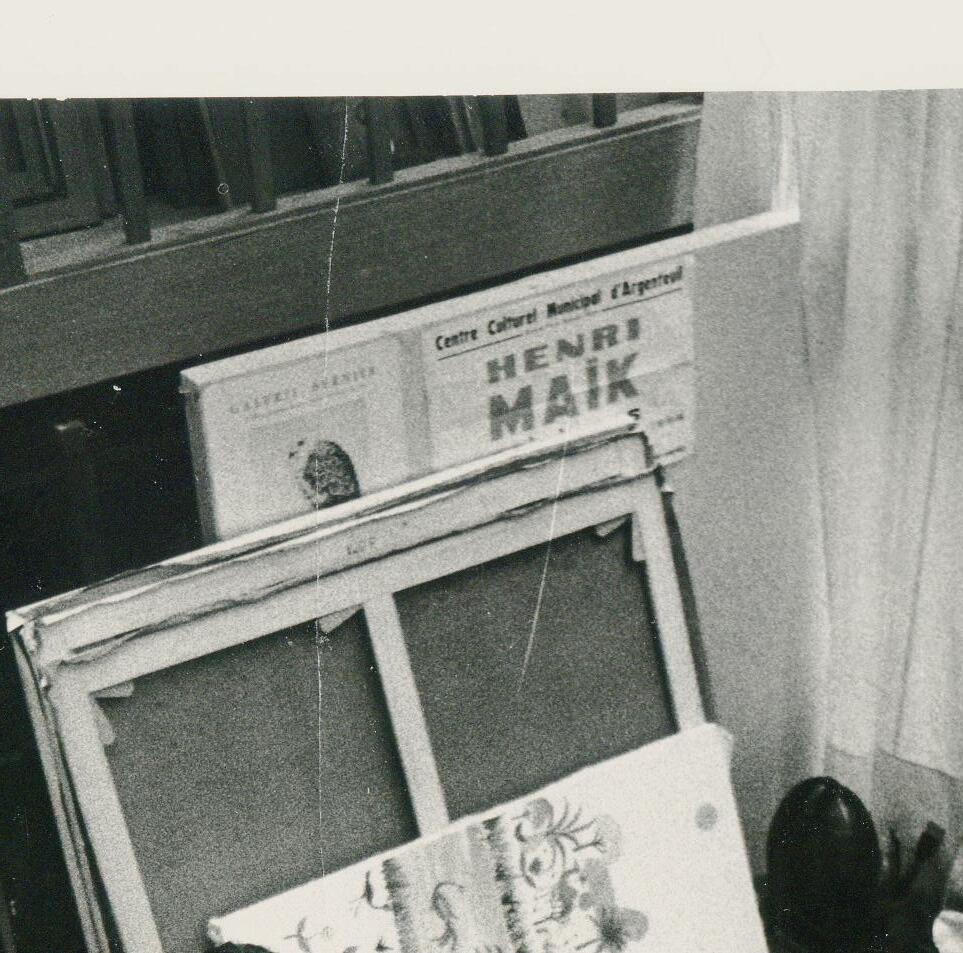
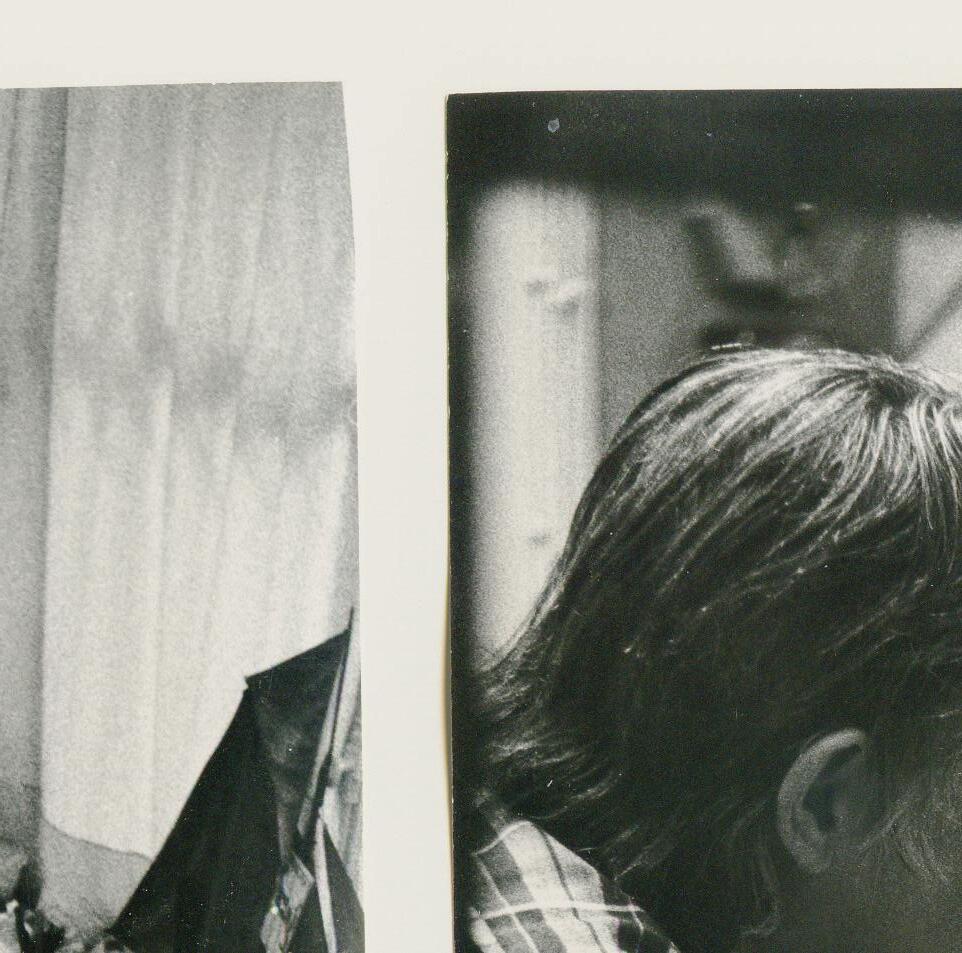
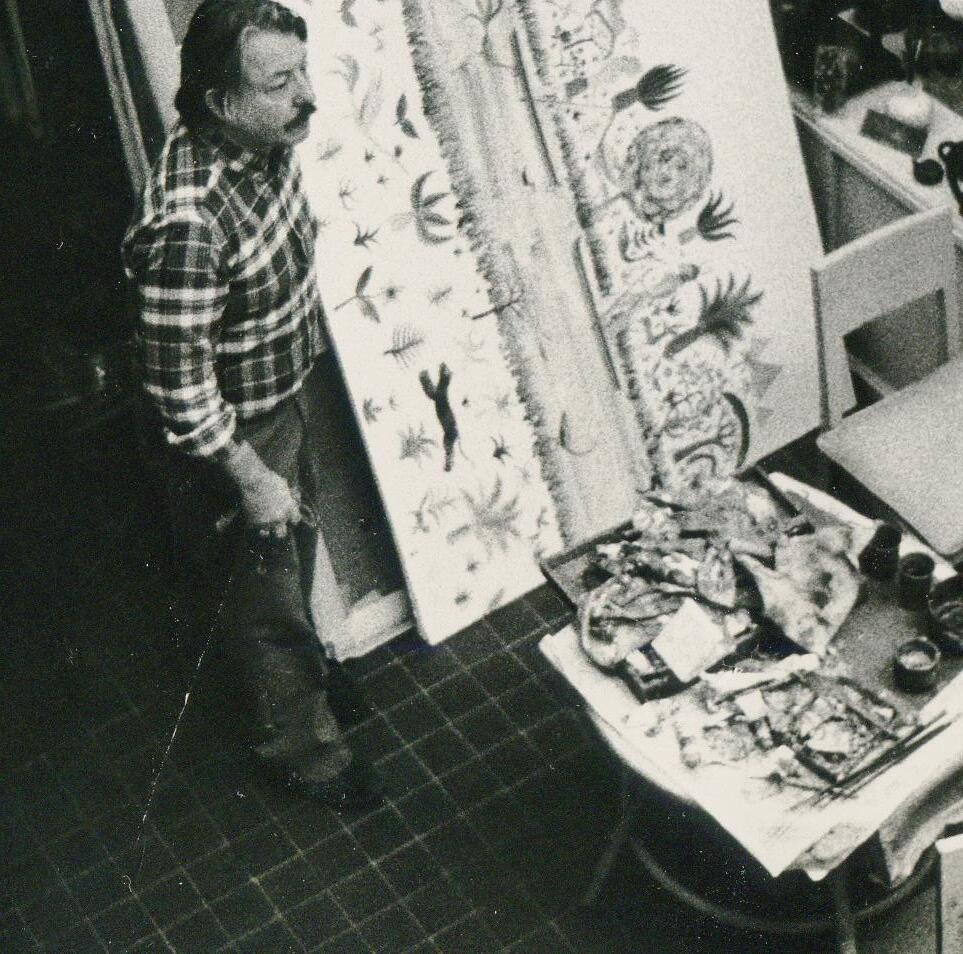
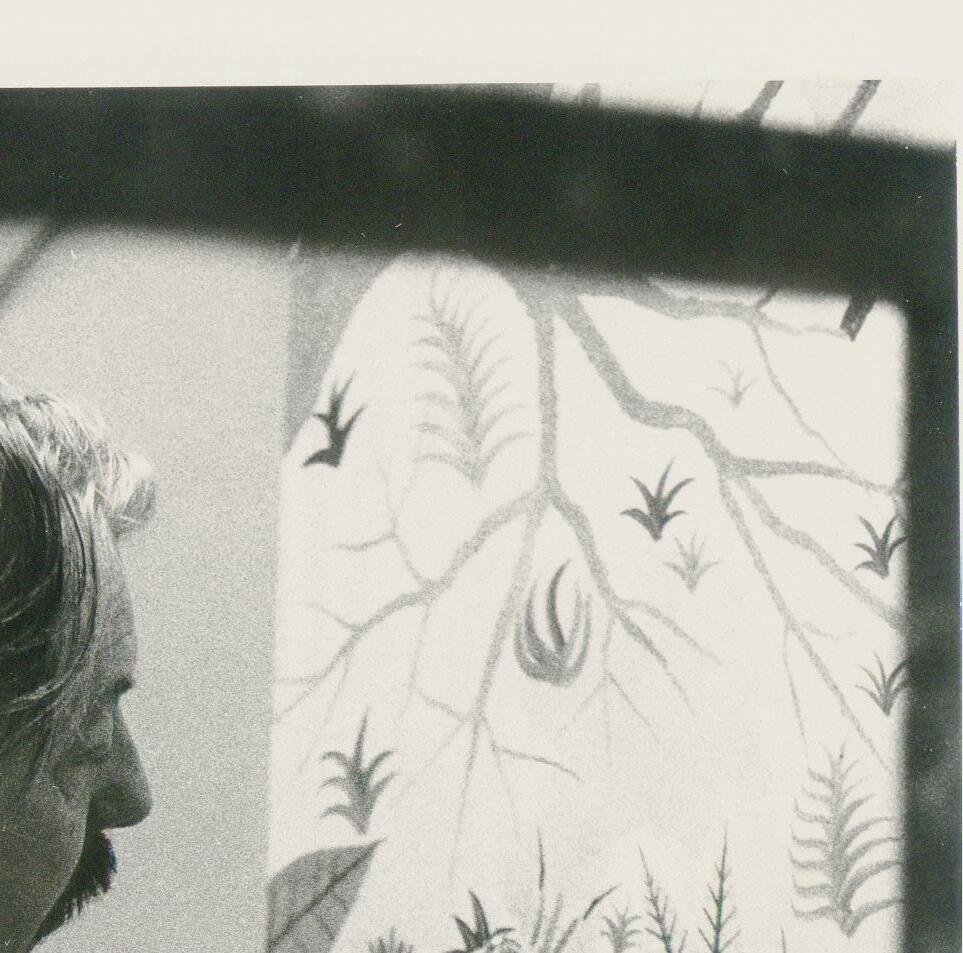
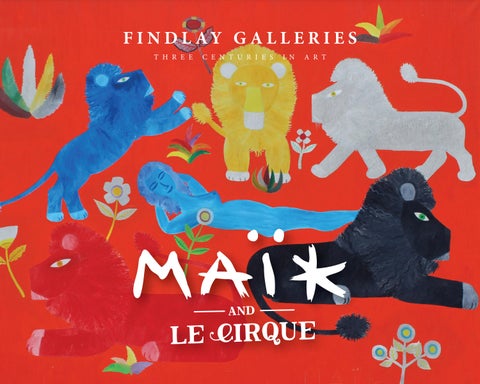
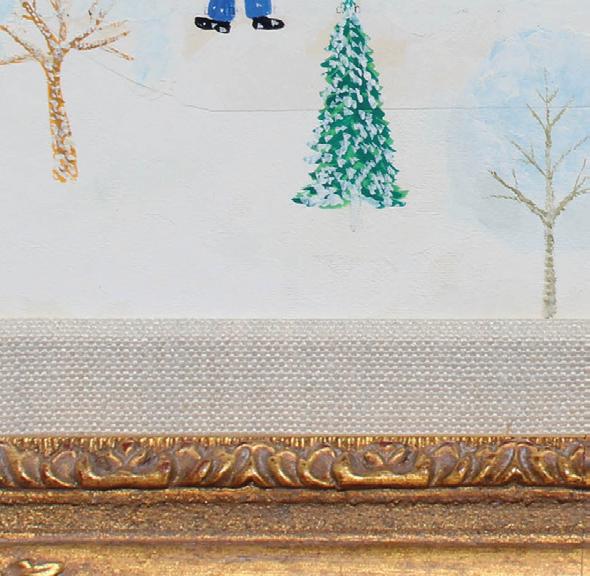
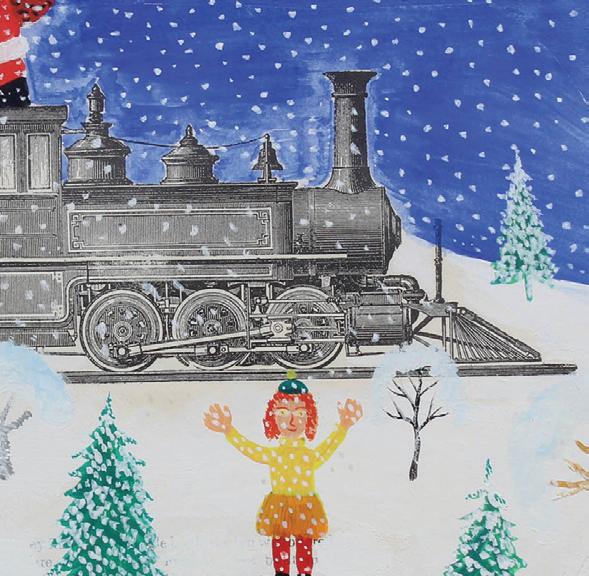
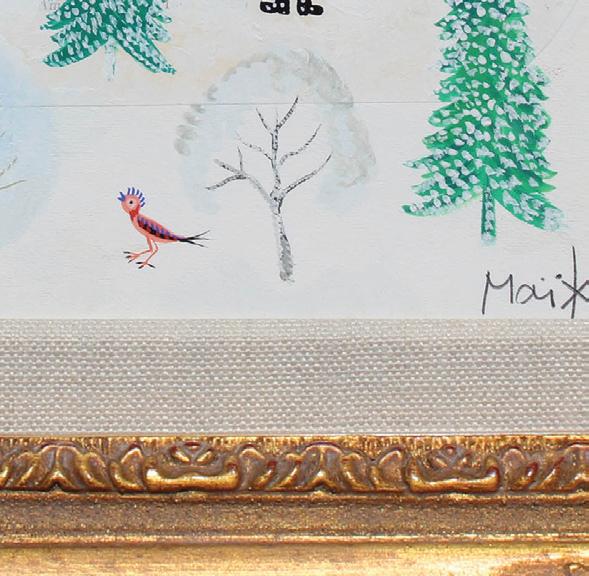
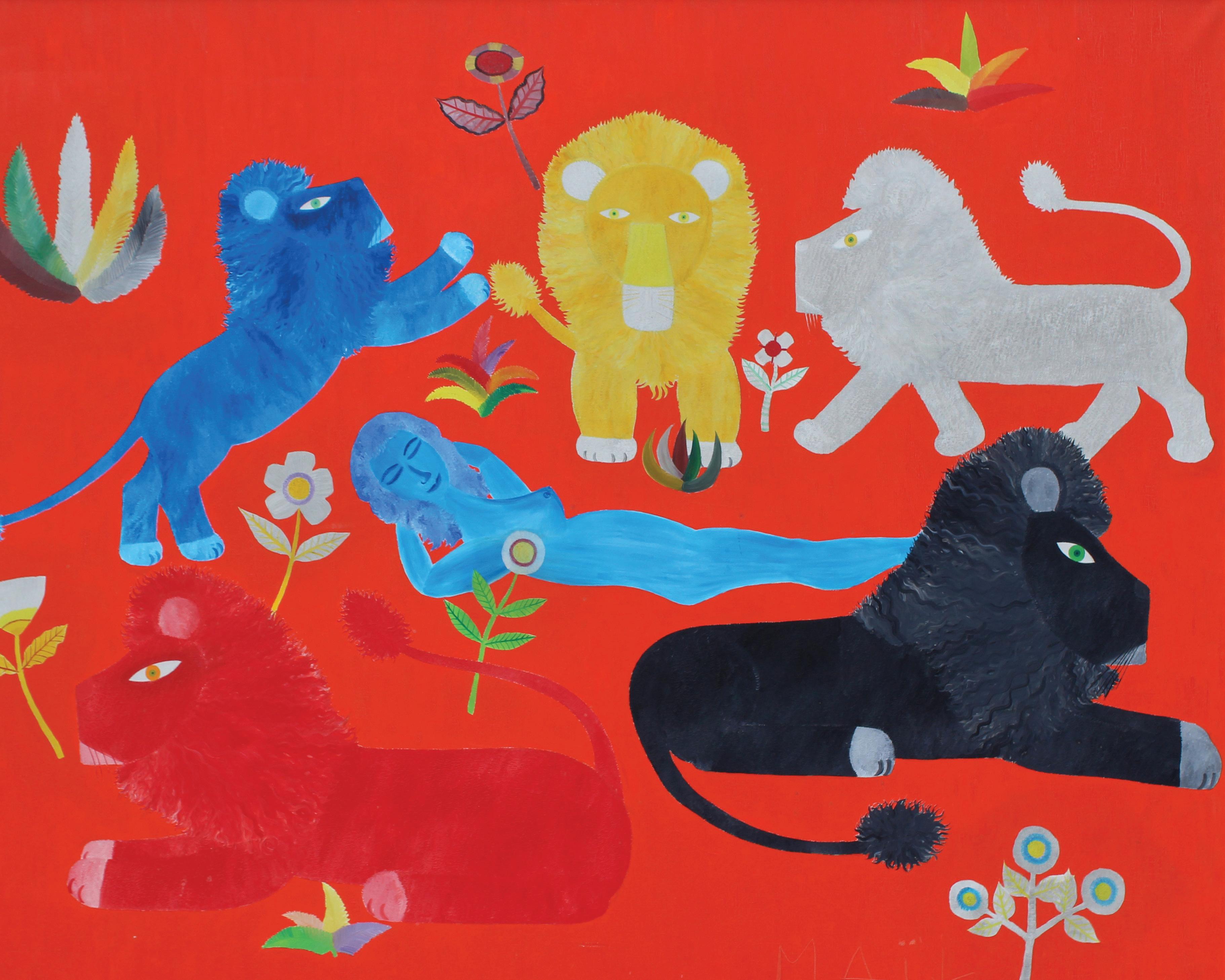
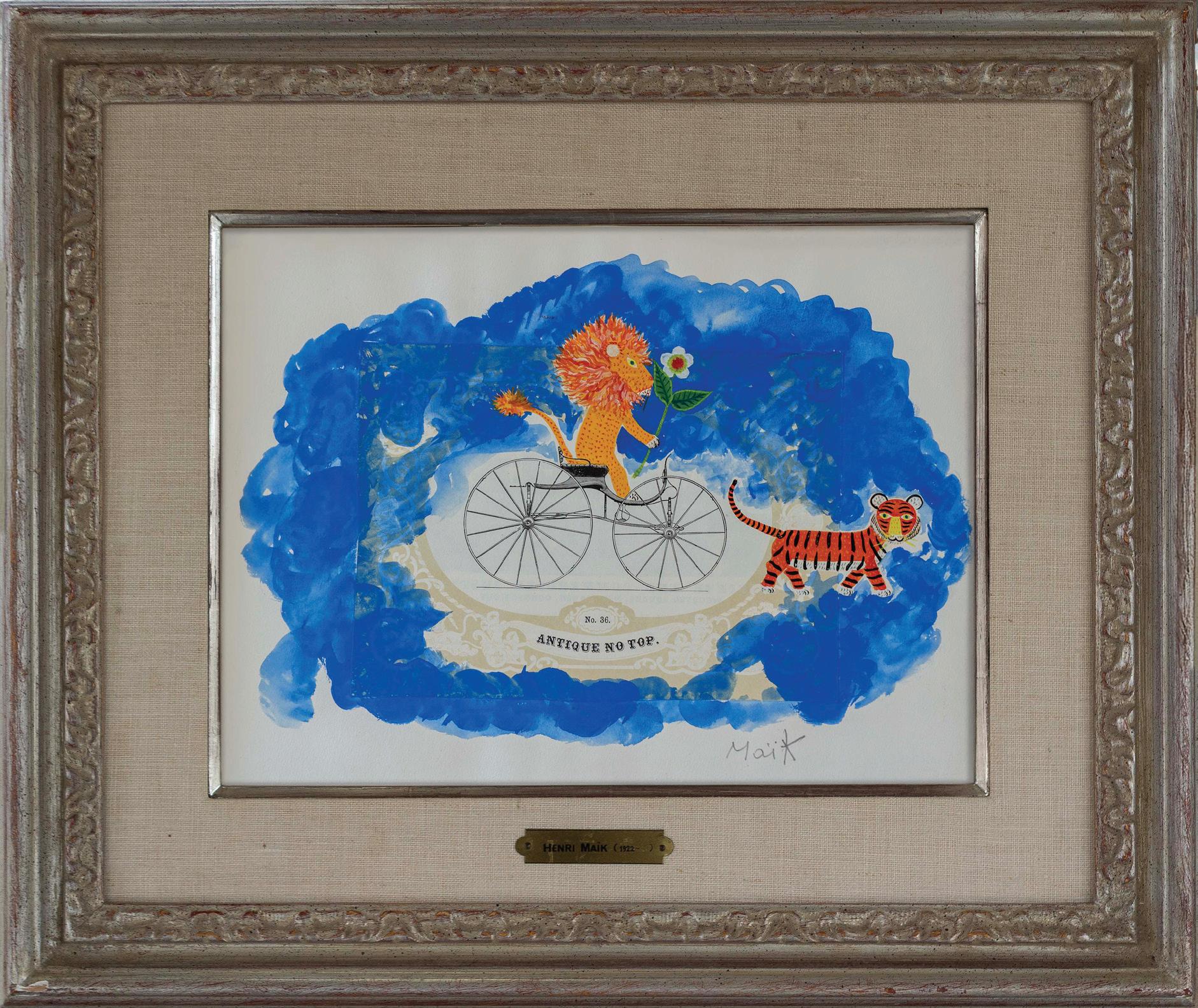
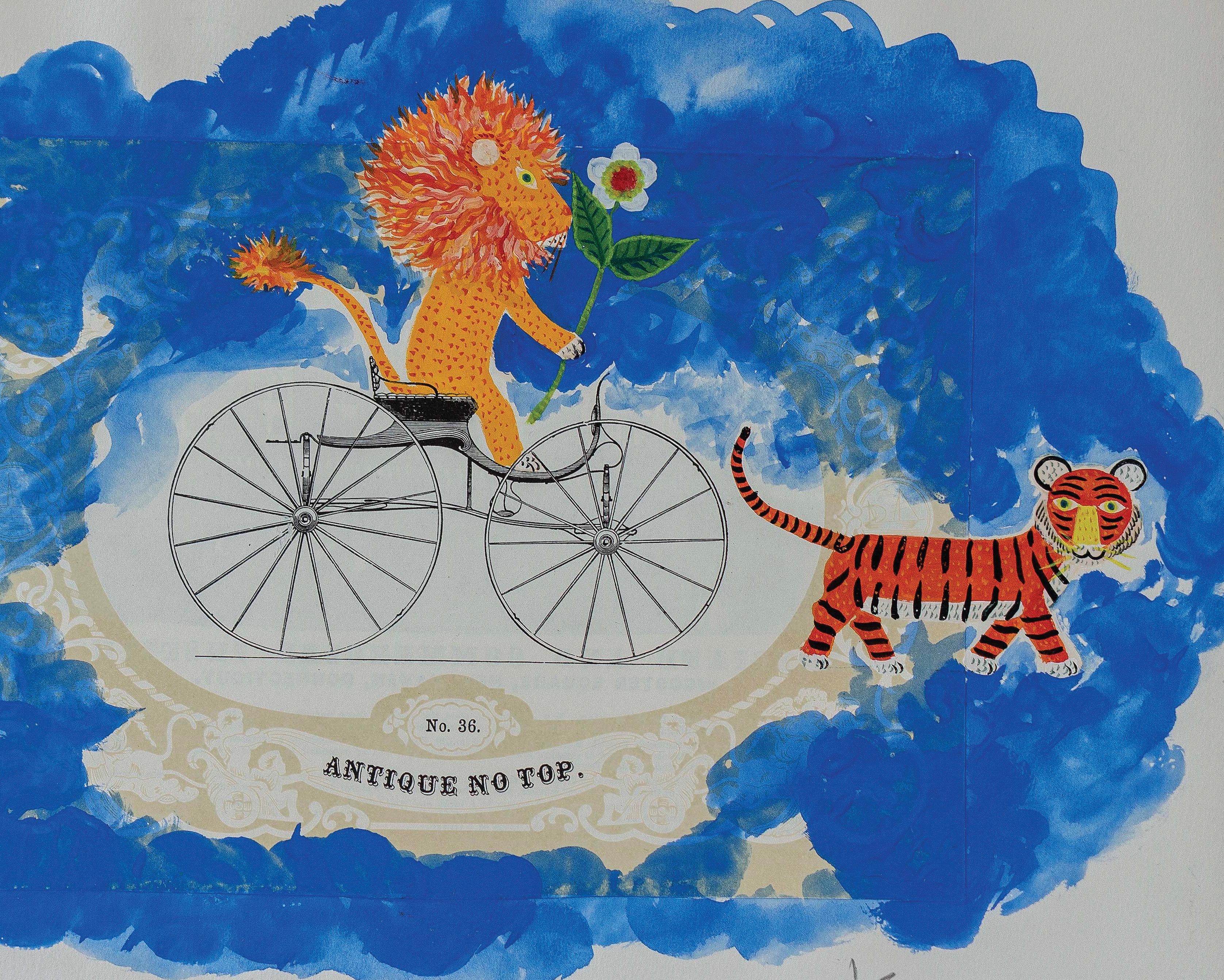
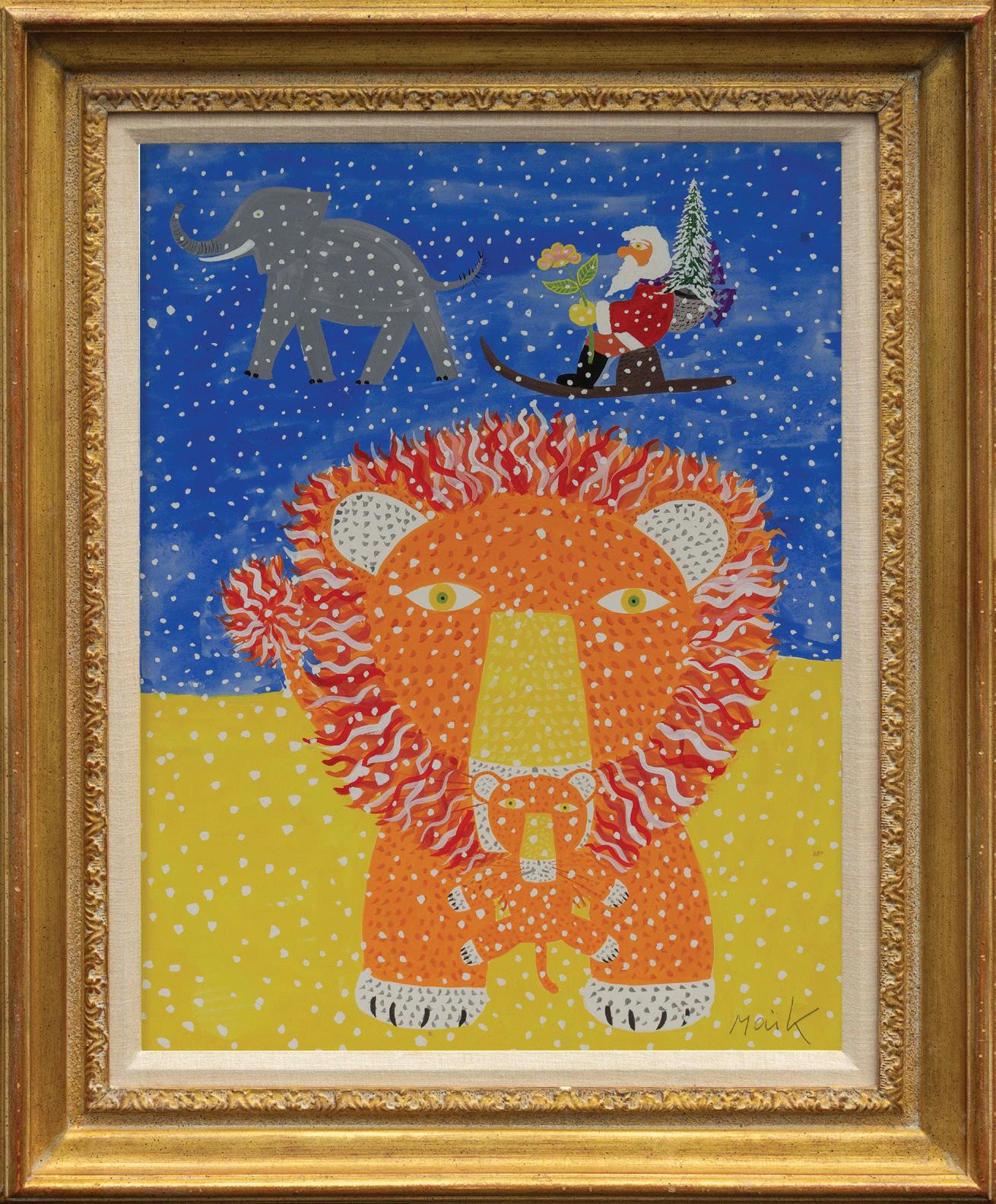
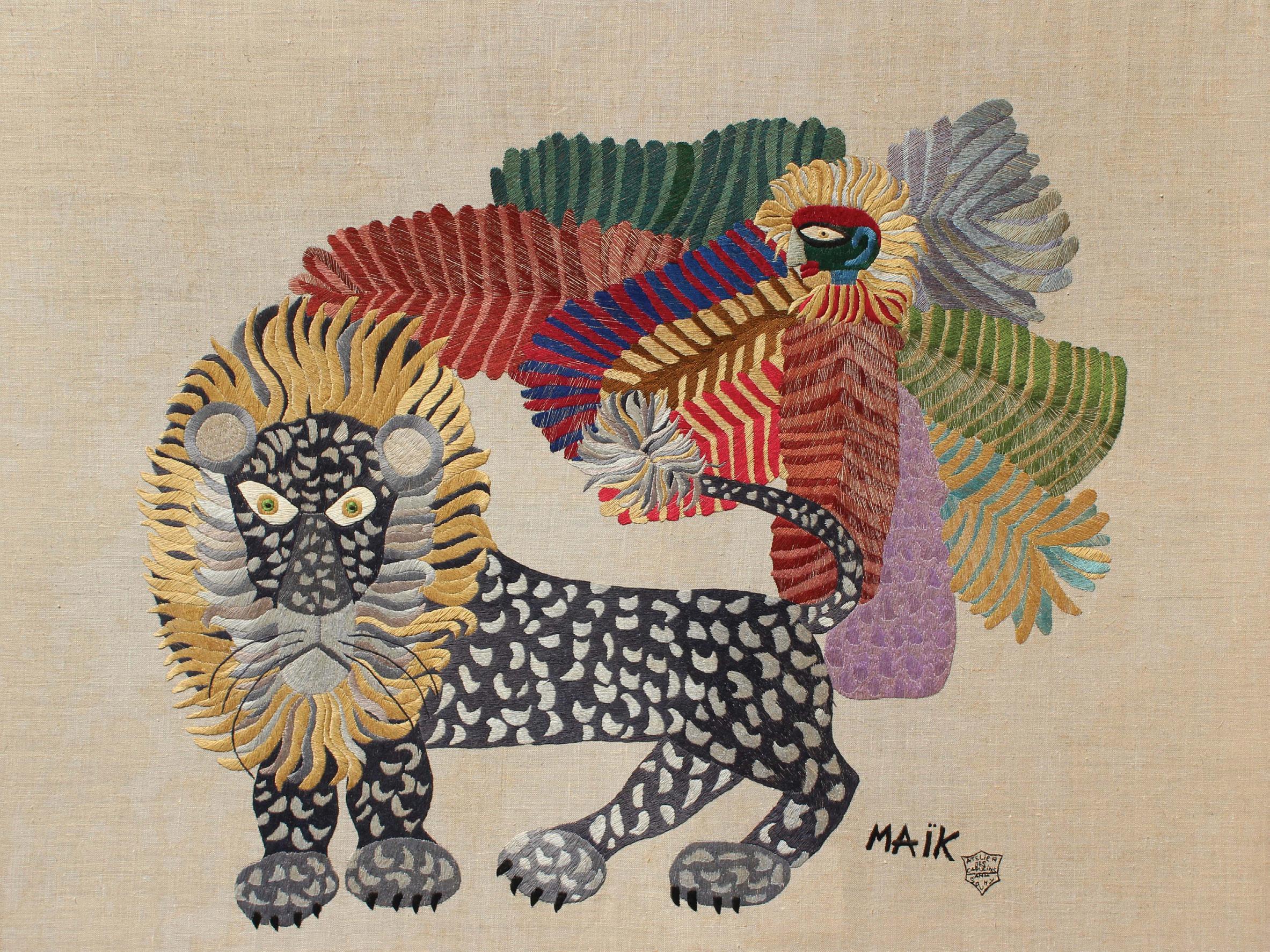
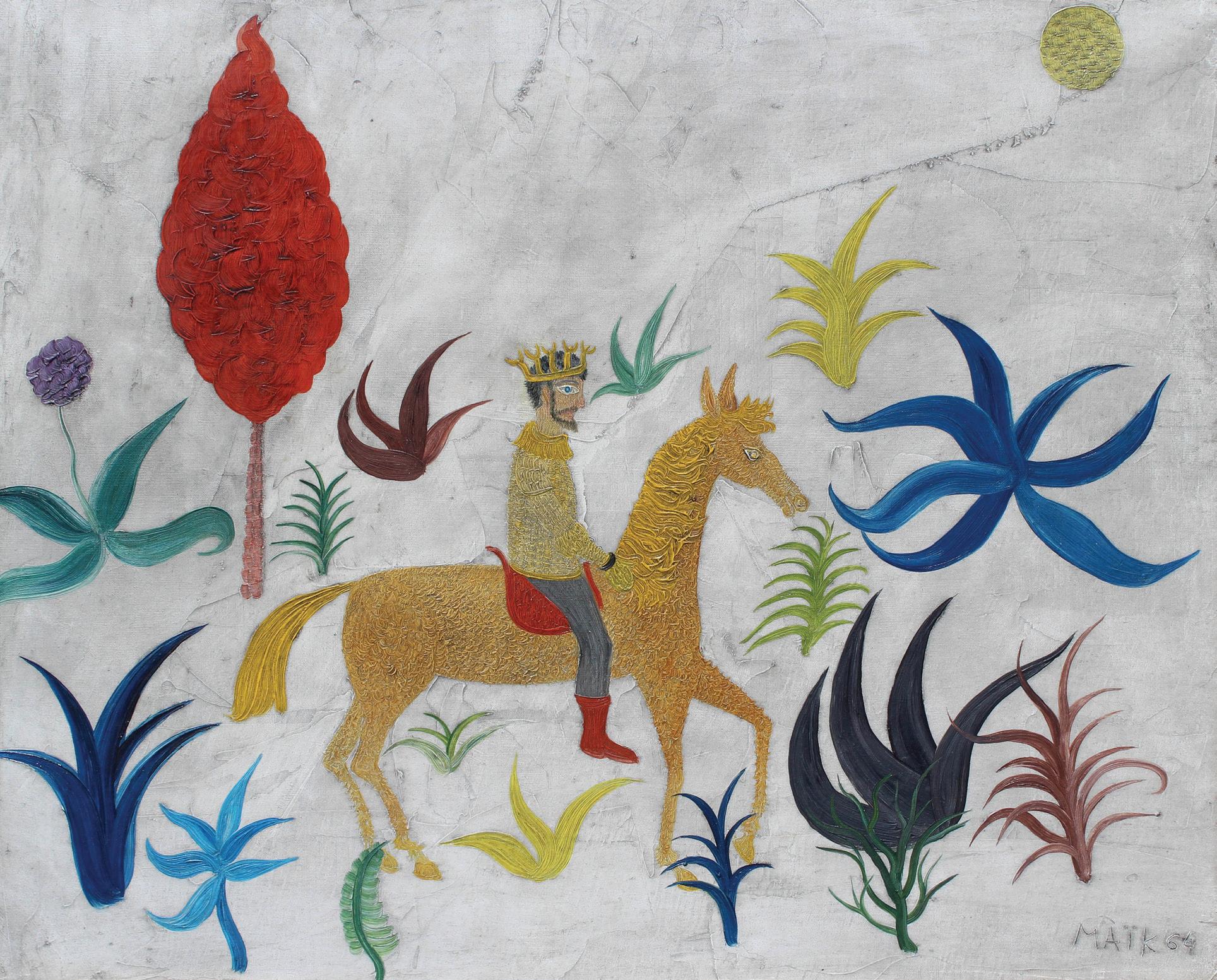
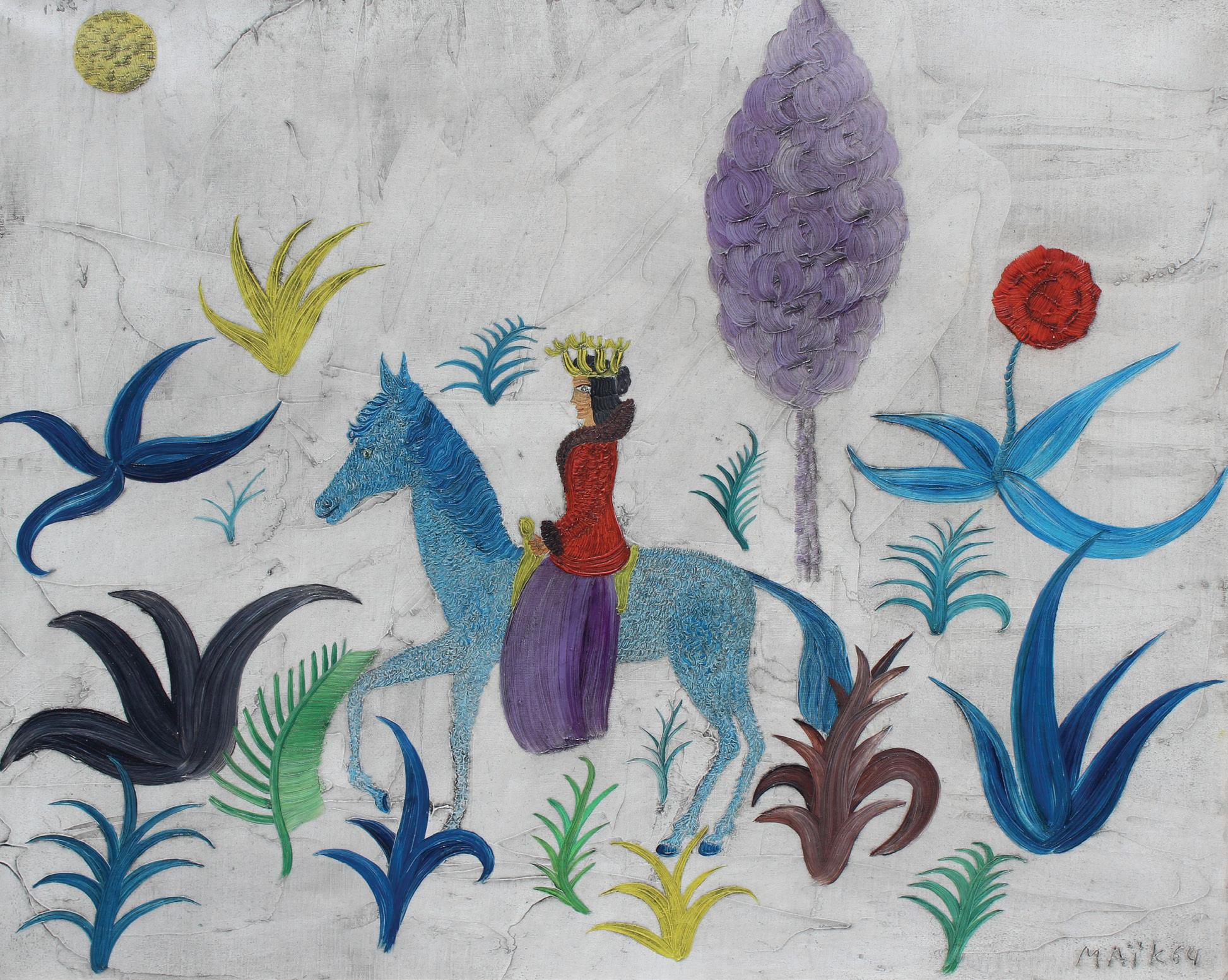
Findlay Galleries is delighted to present Maïk and Le Cirque, an exhibition that invites viewers into the luminous, imaginative world of Henri Maïk—one of the most distinctive voices in modern French painting. Maïk’s canvases, vibrant and dreamlike, offer a vision where nature and fantasy intertwine: exotic birds, gentle creatures, and patterned landscapes appear together in joyful harmony. His work captivates with its blend of innocence and artistic refinement, creating intimate realms that feel both welcoming and quietly enchanted.
Accompanying Maïk’s paintings is a selection of works exploring the circus as a realm of color, movement, and storytelling. These works echo the spectacle and rhythm of performance, providing a lively counterpoint to Maïk’s serene dreamscapes and enriching the exhibition’s celebration of imagination. Together, they reveal art’s enduring ability to transport us—whether into Maïk’s contemplative worlds or the dynamic moments beneath the big top.
Henri Maïk and Le Cirque affirms the power of creativity and vision, drawing viewers into spaces where narrative, wonder, and color converge, and where the extraordinary feels entirely within reach.

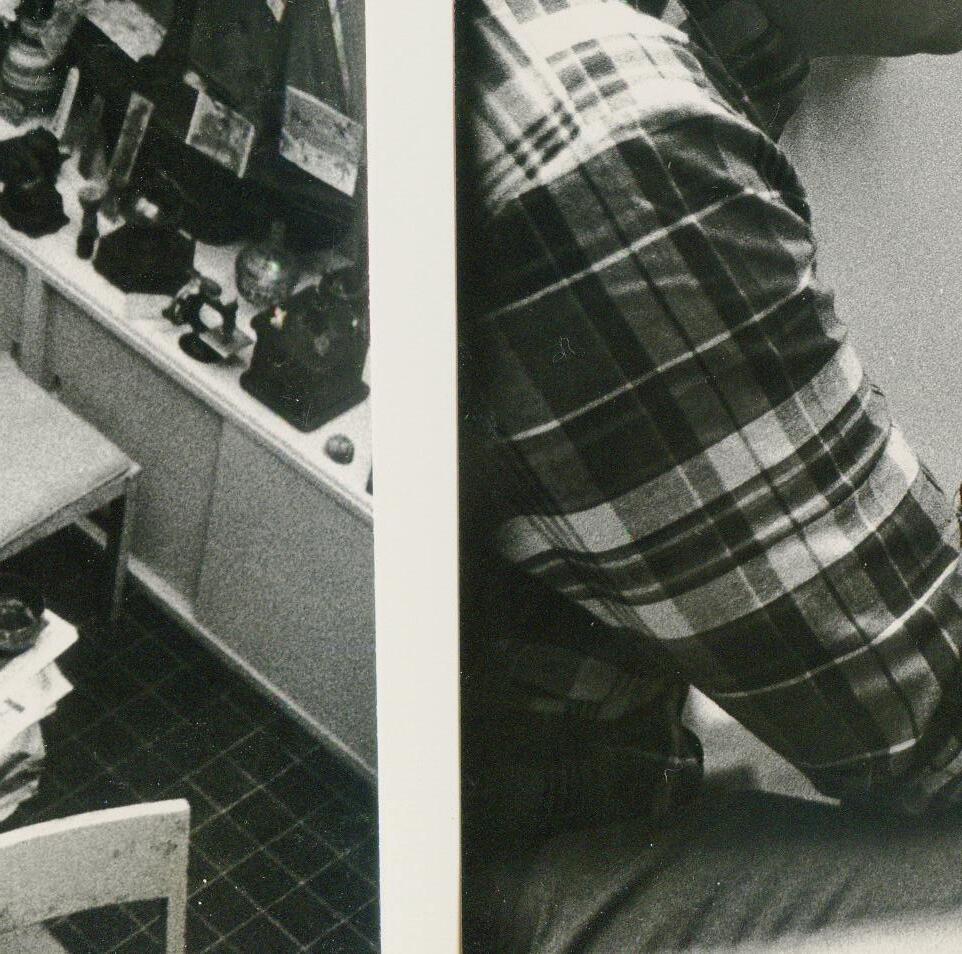
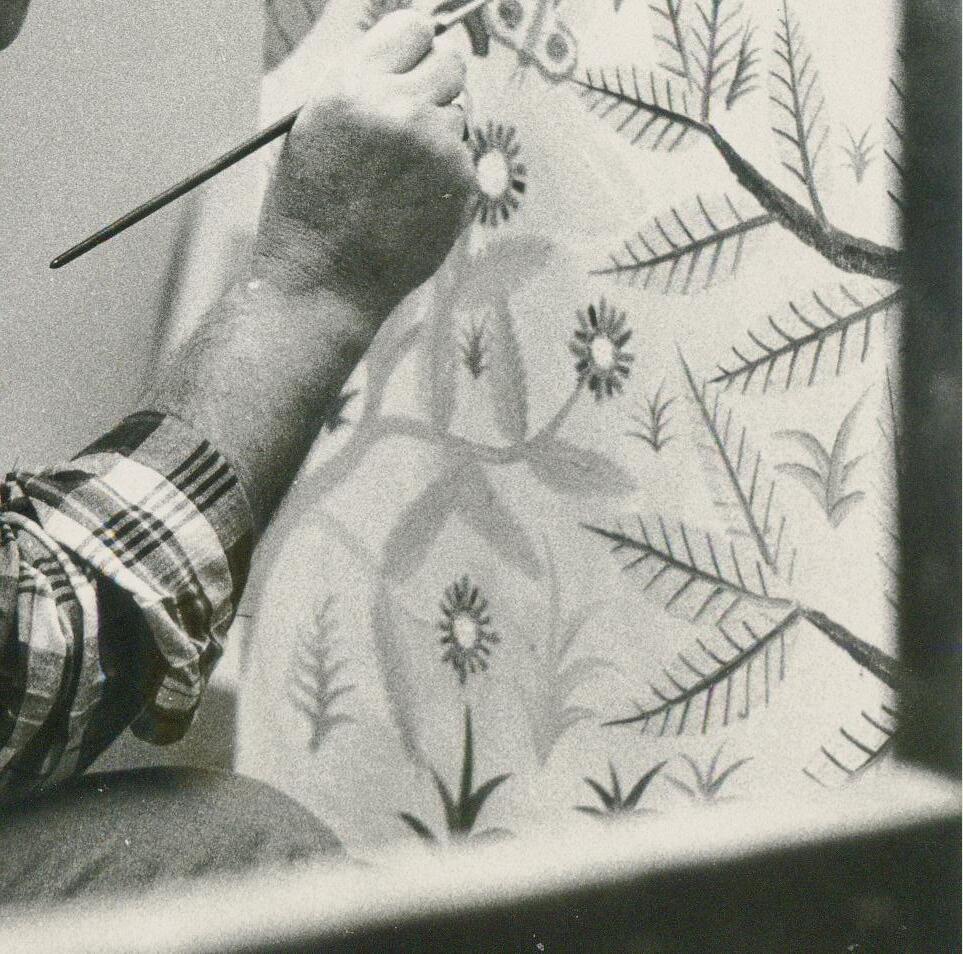
Henri Maïk stands at the heart of this exhibition, a painter whose vision transformed the ordinary into the extraordinary through sincerity, clarity, and imagination. Born in Paris in 1922, Maïk’s life unfolded across a striking range of experiences—naval service, wartime internment, labor in the forests of Normandy, and work as an actor—before he devoted himself to painting in the mid-1950s. From his first one-man show in 1960 and his early exhibitions with Wally Findlay Galleries, Maïk’s work revealed a fully formed universe: lyrical, optimistic, and imbued with quiet humor.
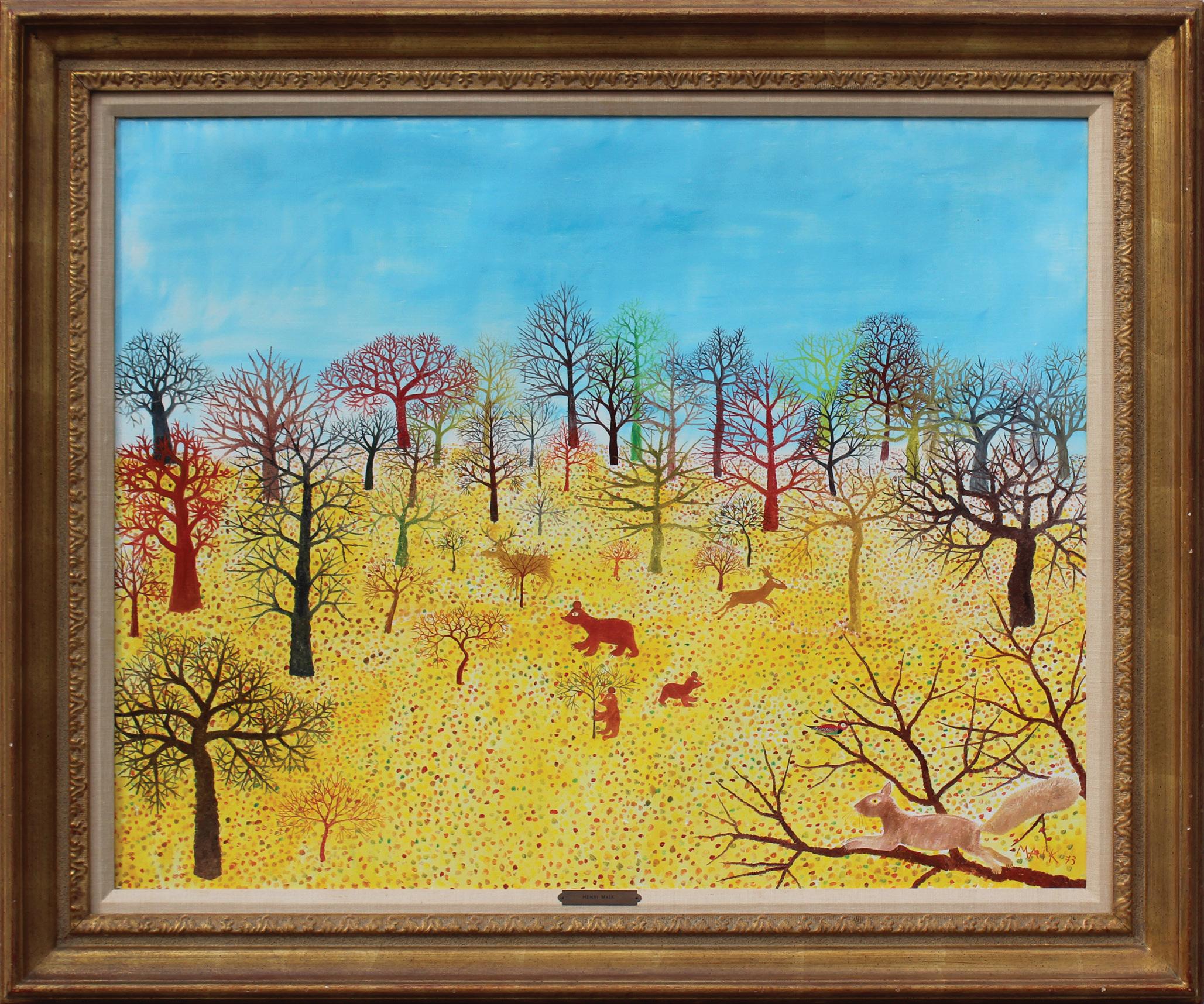
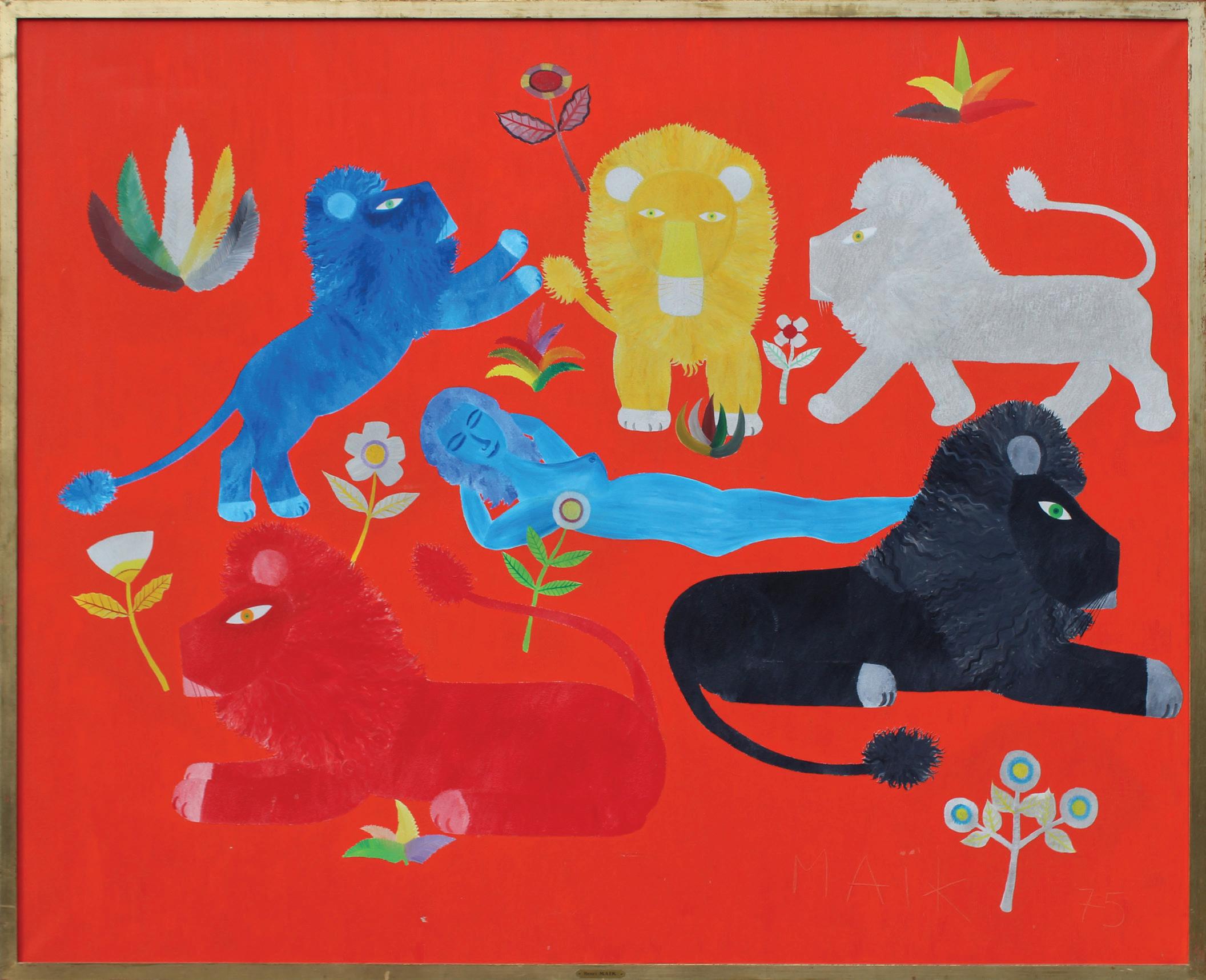
Although Maïk described himself as a “primitive” painter, his compositions are intentional and carefully structured. His worlds—filled with rare birds, animals, stylized flora, and rhythmic landscapes—are rendered with clarity rather than naïveté. Scale shifts, flattened perspectives, and symbolic meaning fold naturally into his visual language. What truly distinguishes Maïk’s work is its serene atmosphere, defined by balance and harmony. His creatures coexist peacefully, engaged in quiet narratives of play, rest, and companionship. Each painting becomes a small world into which the viewer is invited, led not by text but by color, pattern, and form.
The appeal of Maïk’s art lies in his ability to evoke the child within his viewers. His use of texture, distinctive paint application, and rich color creates surfaces that seem to pulse with life; his animals appear contemplative, and his landscapes offer sanctuary rather than wilderness. These qualities made his work highly sought-after in Paris during the 1960s and have continued to captivate collectors over the past six decades. Maïk’s art also became a cornerstone of Findlay Galleries’ program beginning in 1964.
Within Maïk and Le Cirque, Maïk’s paintings serve as the exhibition’s steady heartbeat—the source from which the surrounding visions unfold. While the circus-themed works celebrate performance and spectacle, Maïk offers a quieter form of enchantment: a world animated not by applause, but by wonder.
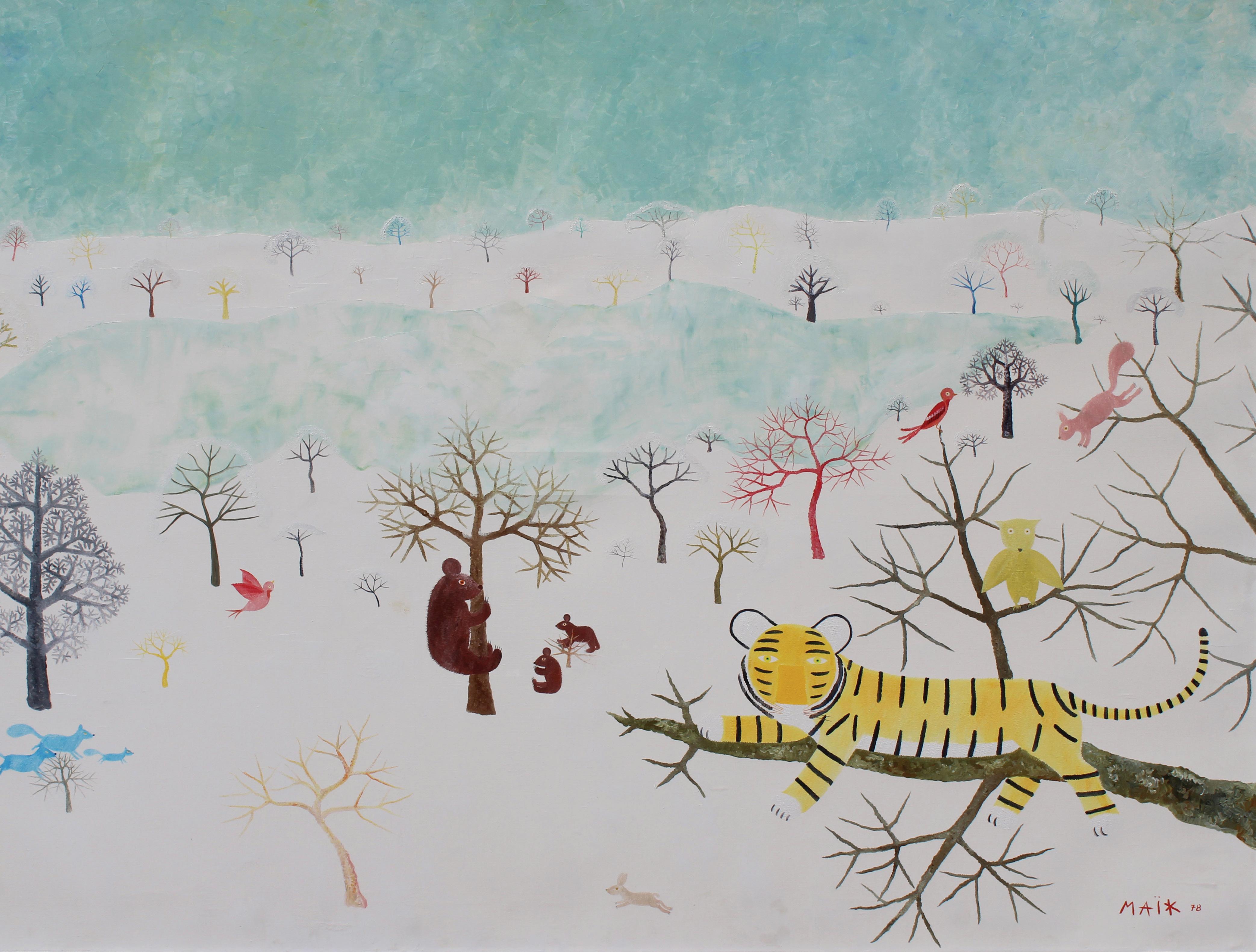
Henri Maïk (1922-1993)
Un jour de neige, 1978
oil on canvas
51 1/8 x 76 3/4 in.
FG© 140748




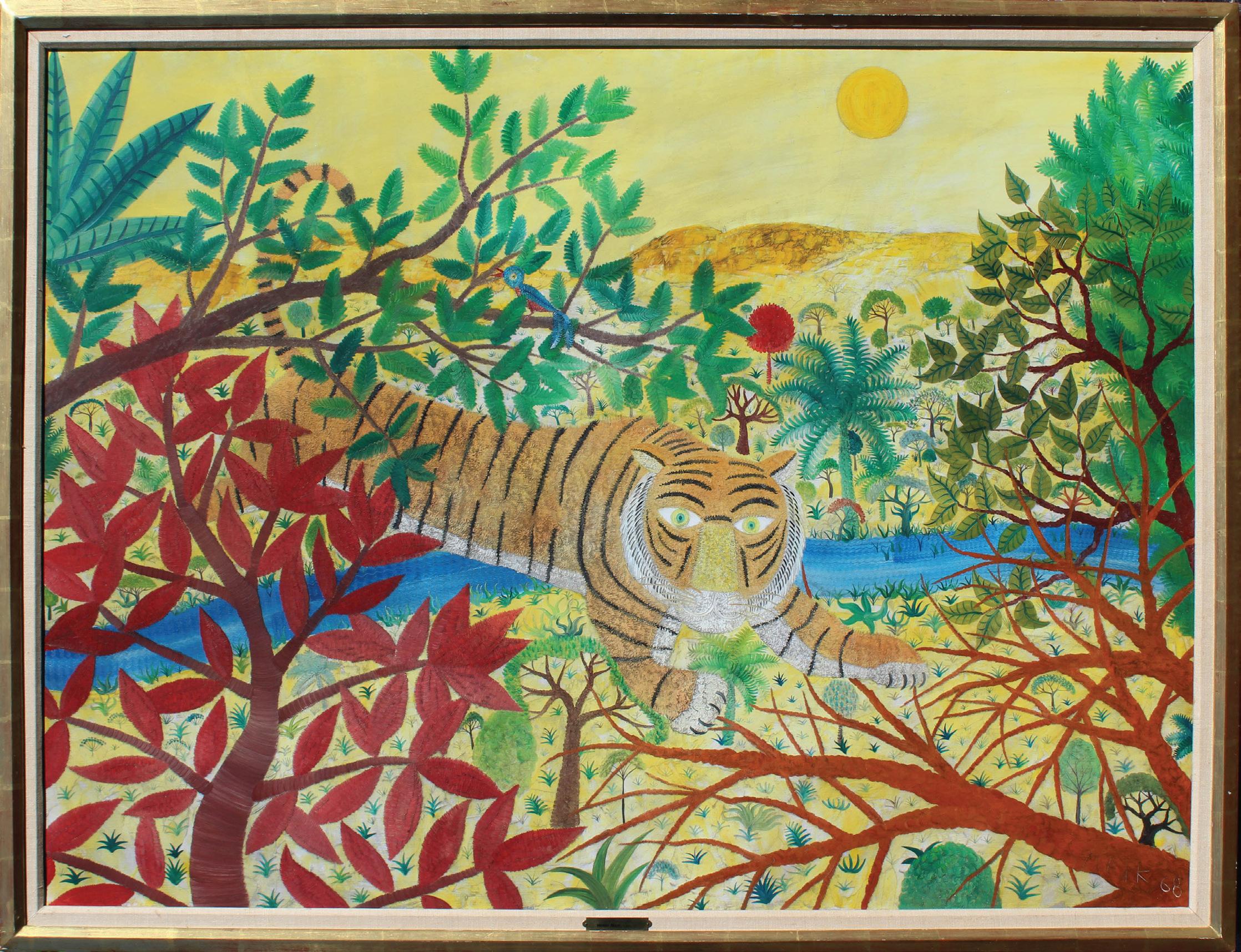





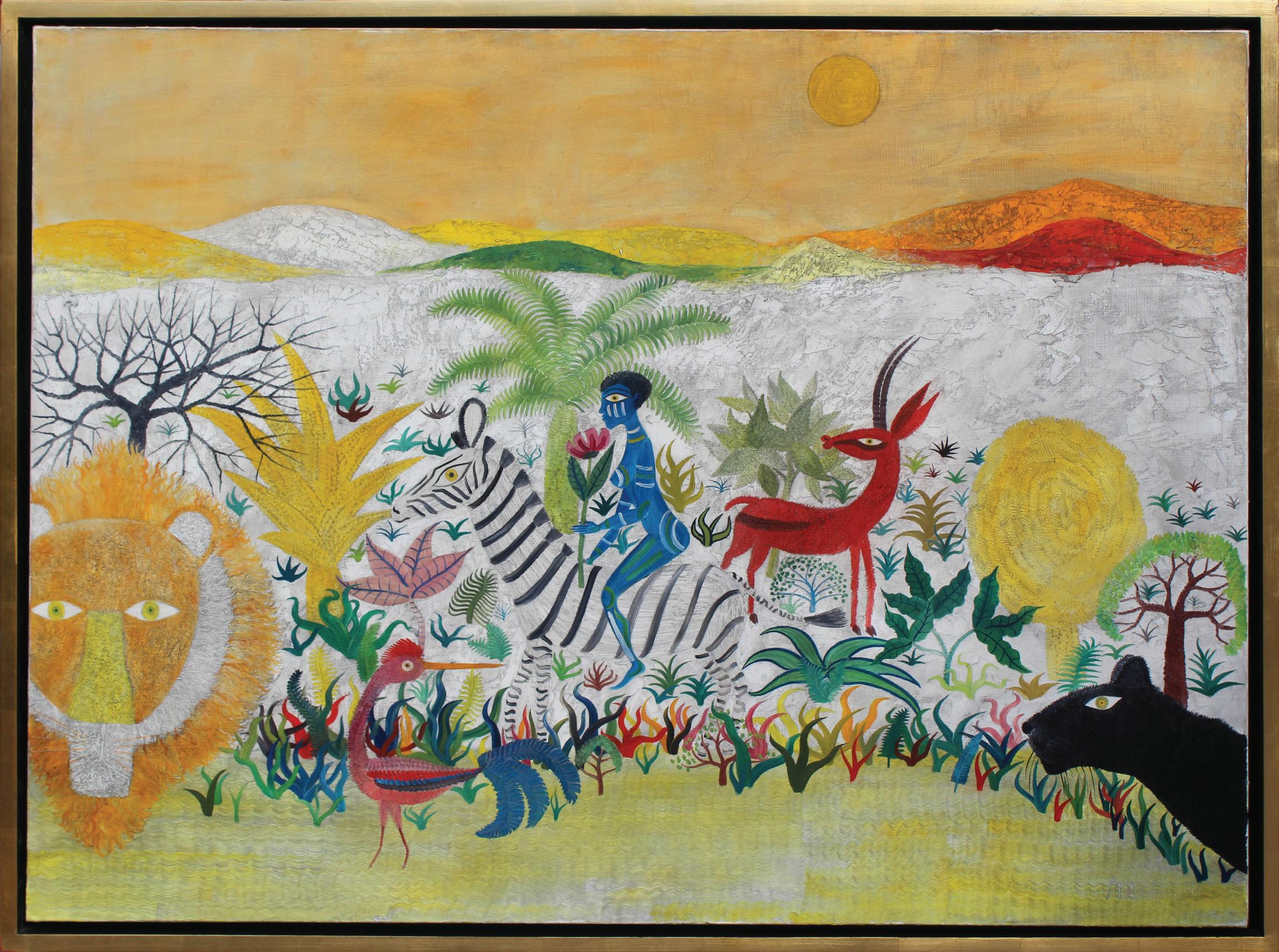

Henri Maïk (1922-1993) | Le parfum d’une fleur, 1969 oil on canvas | 38 3/16 x 51 3/16 in. | FG© 140869

Henri Maïk (1922-1993)
51 3/16 x 76 3/4 in.
FG© 141342



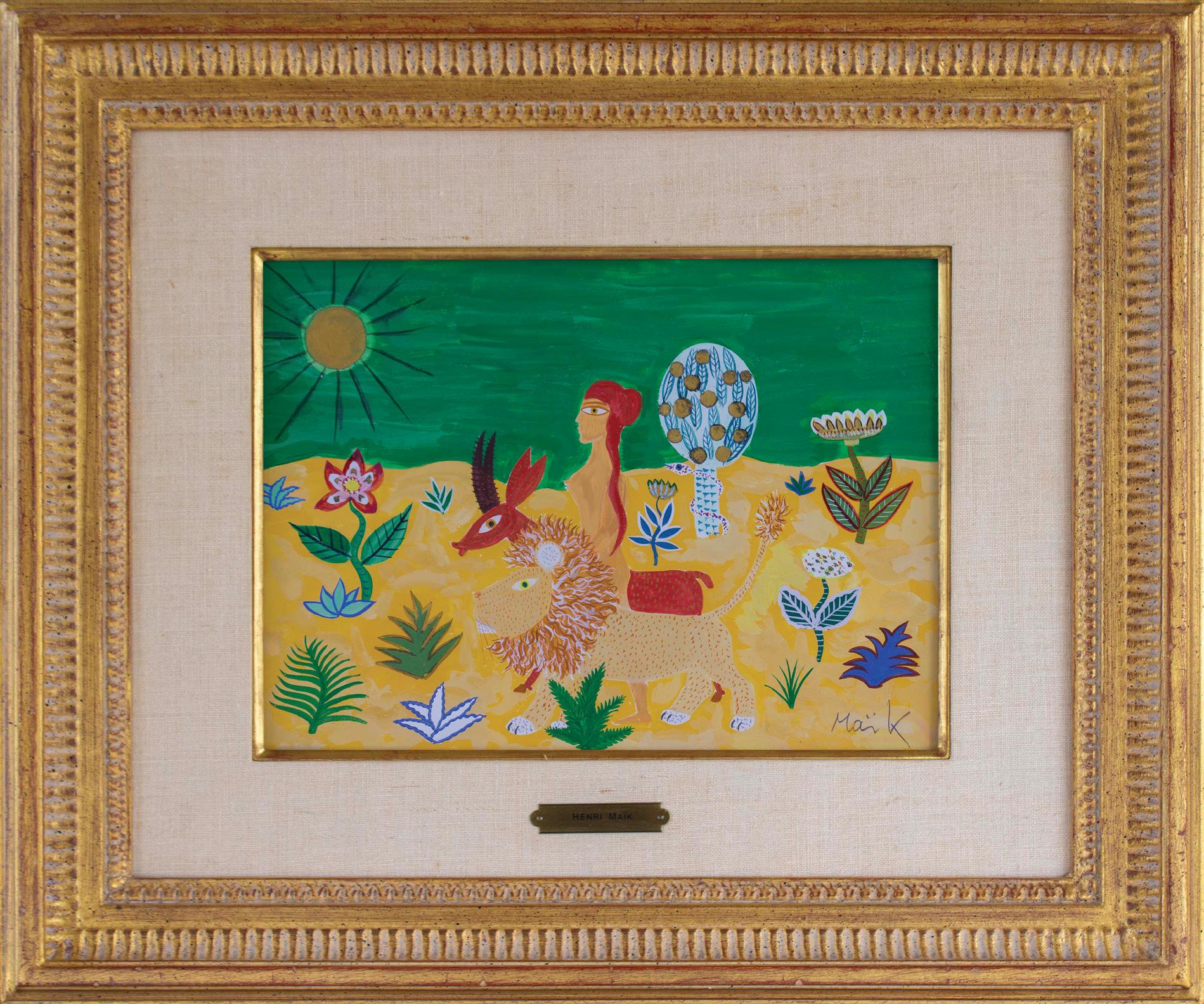



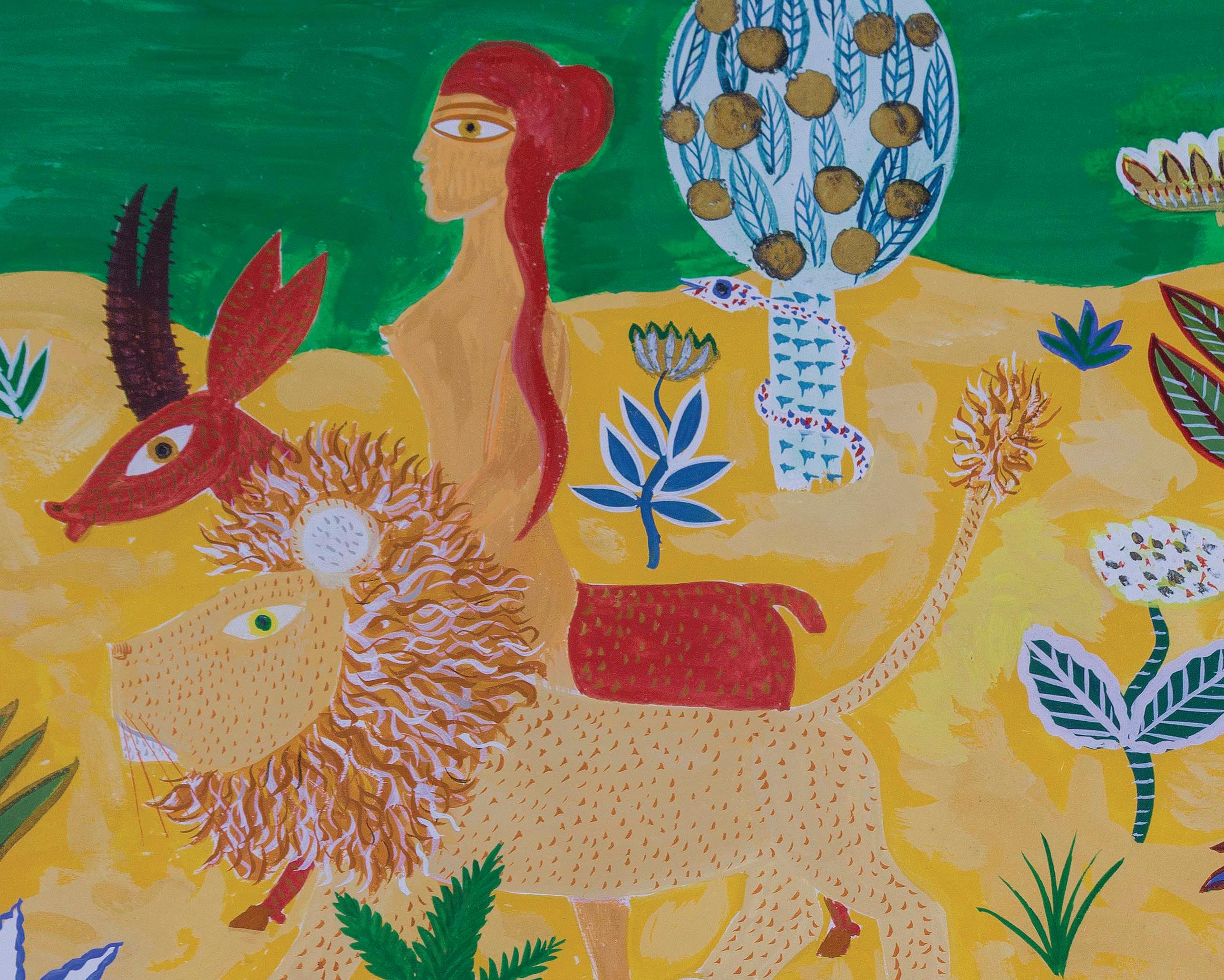
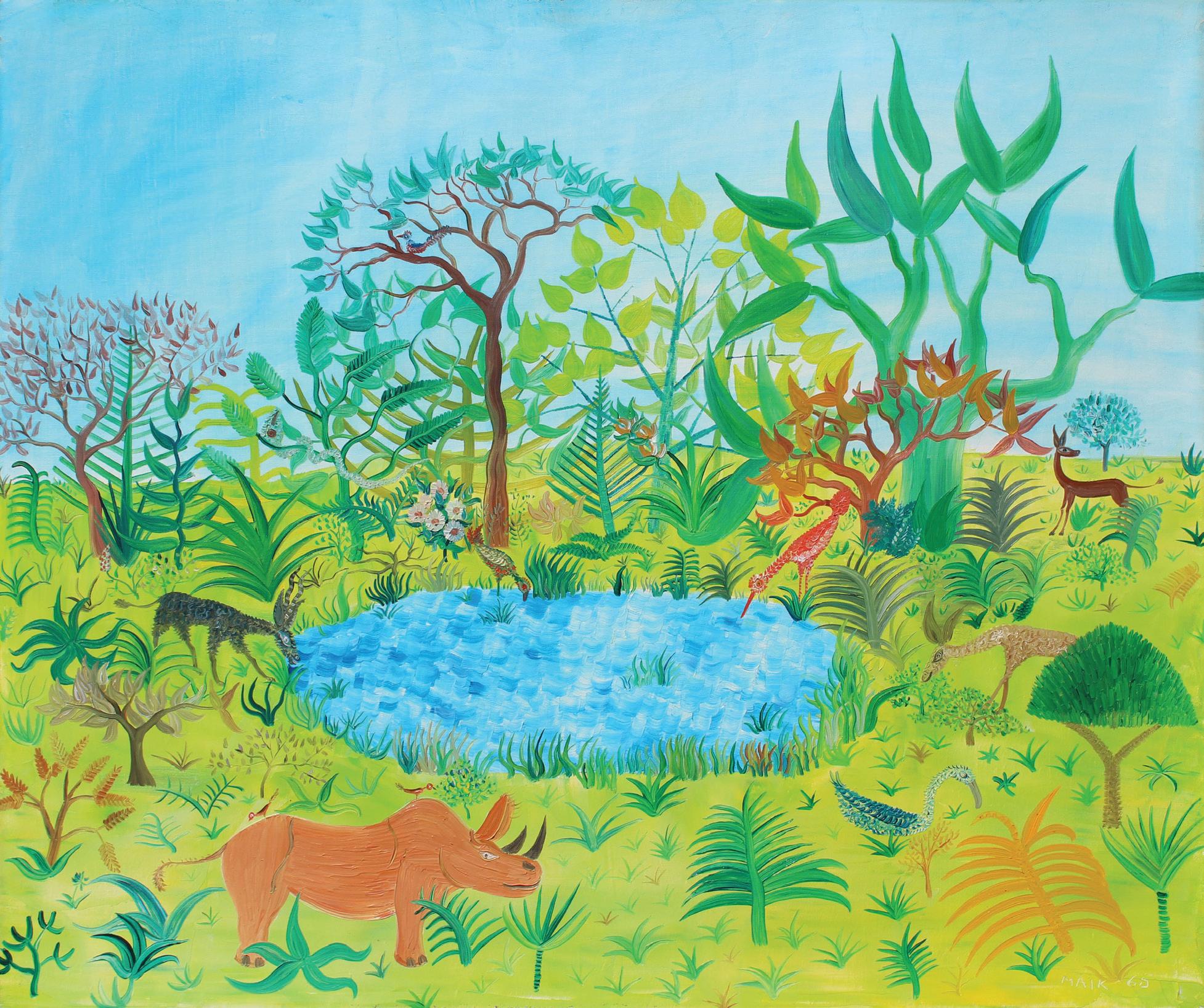
Henri Maïk (1922-1993) | La mare aux animaux, 1965 oil on canvas | 21 1/4 x 25 5/8 in. | FG© 140749












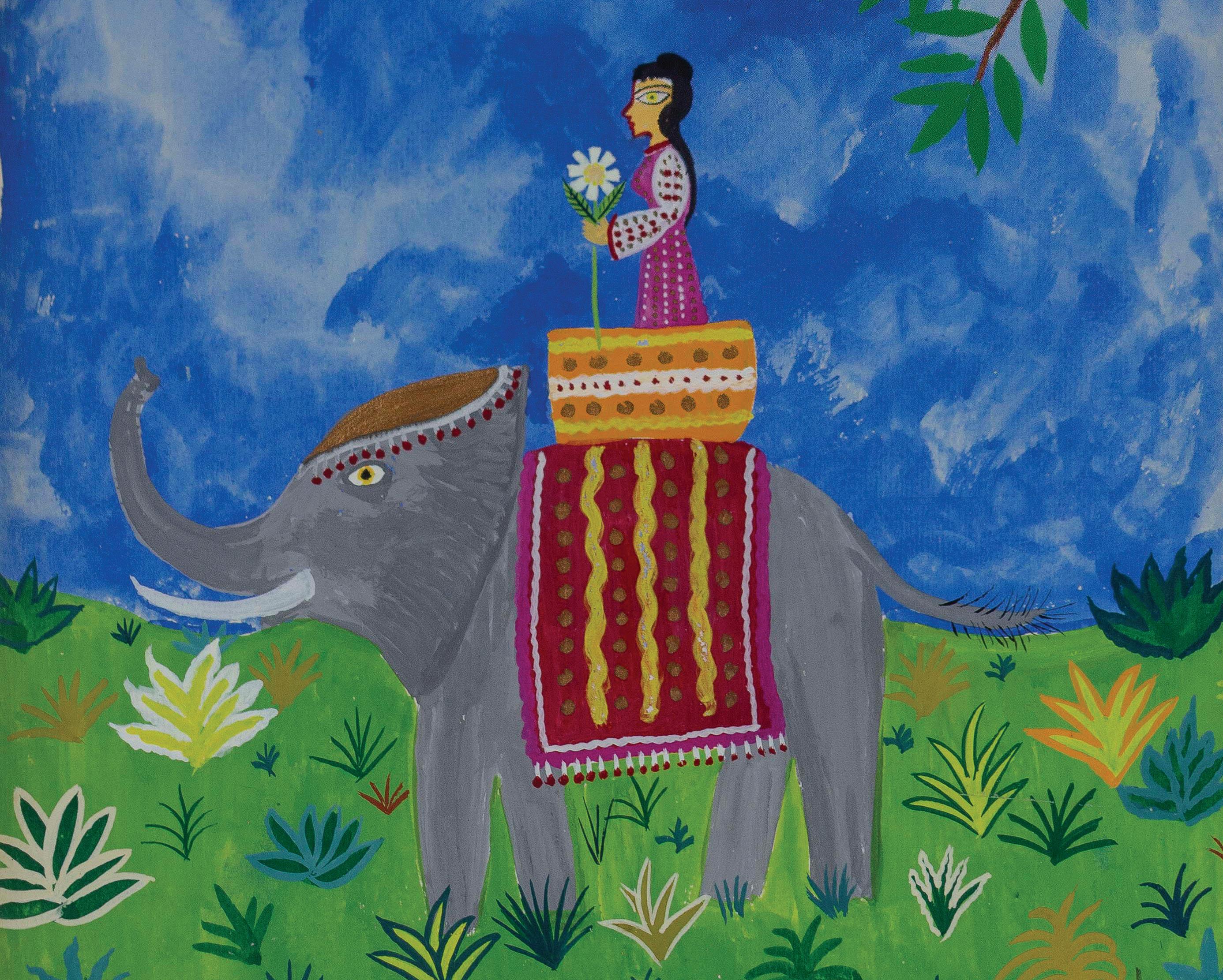
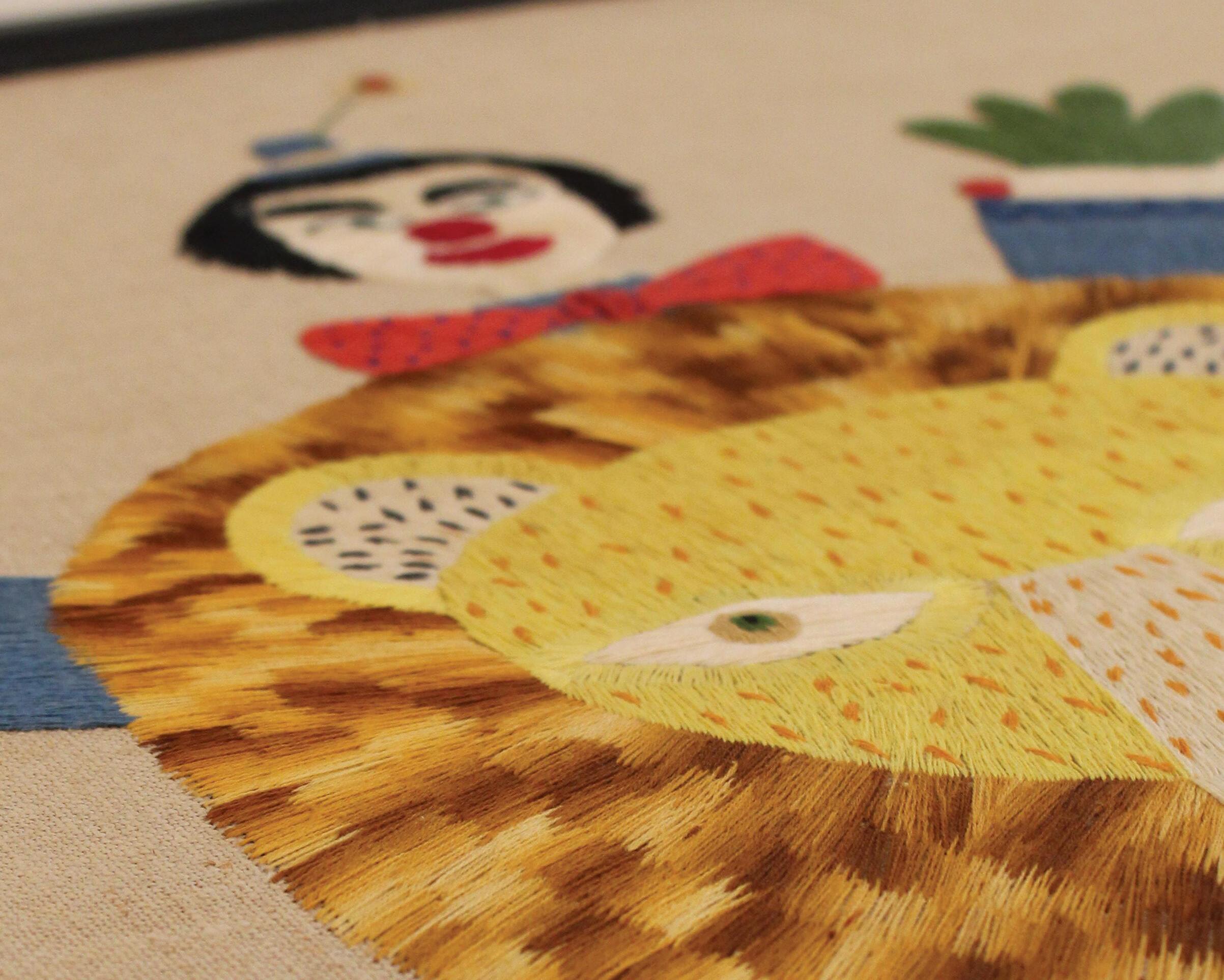
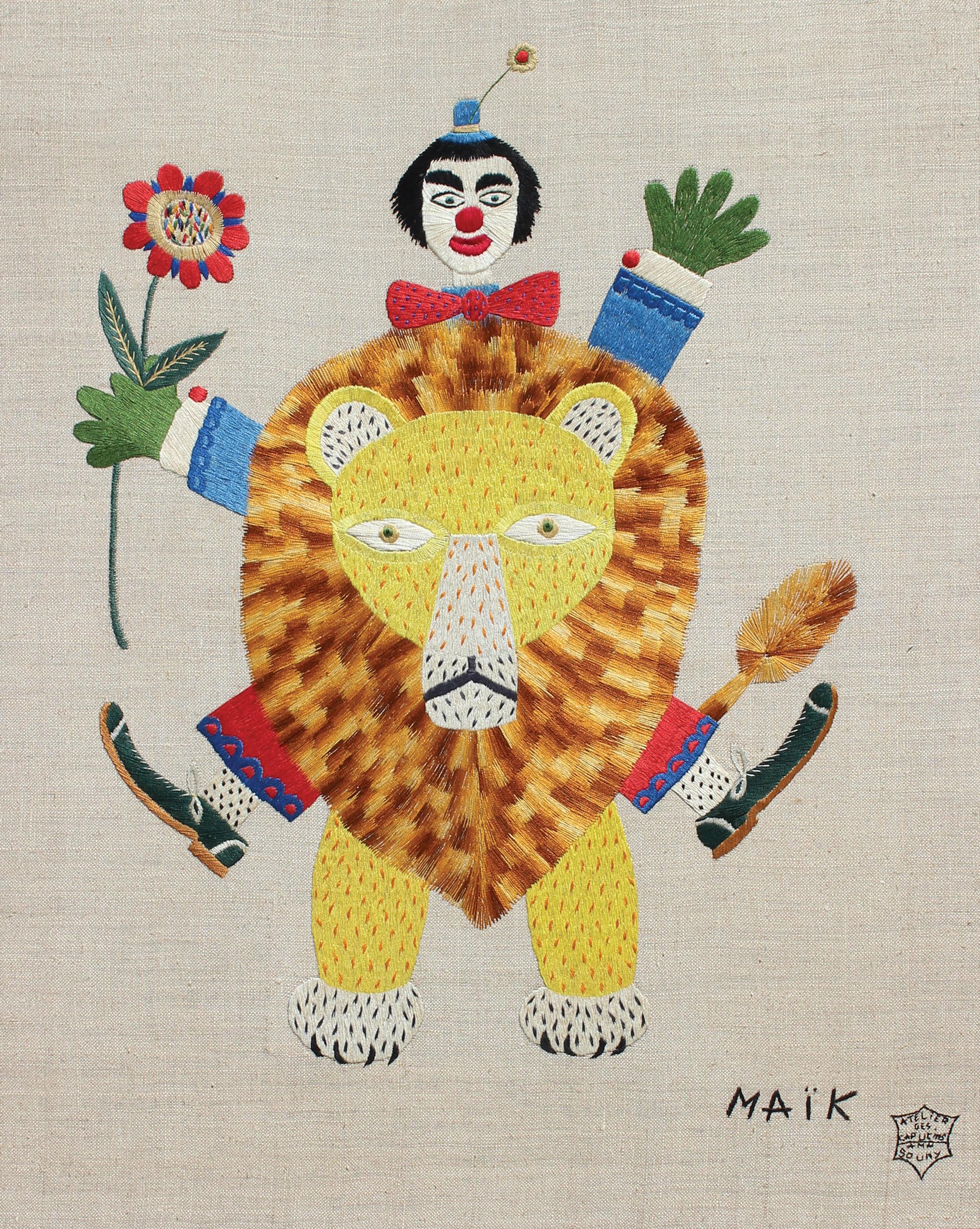
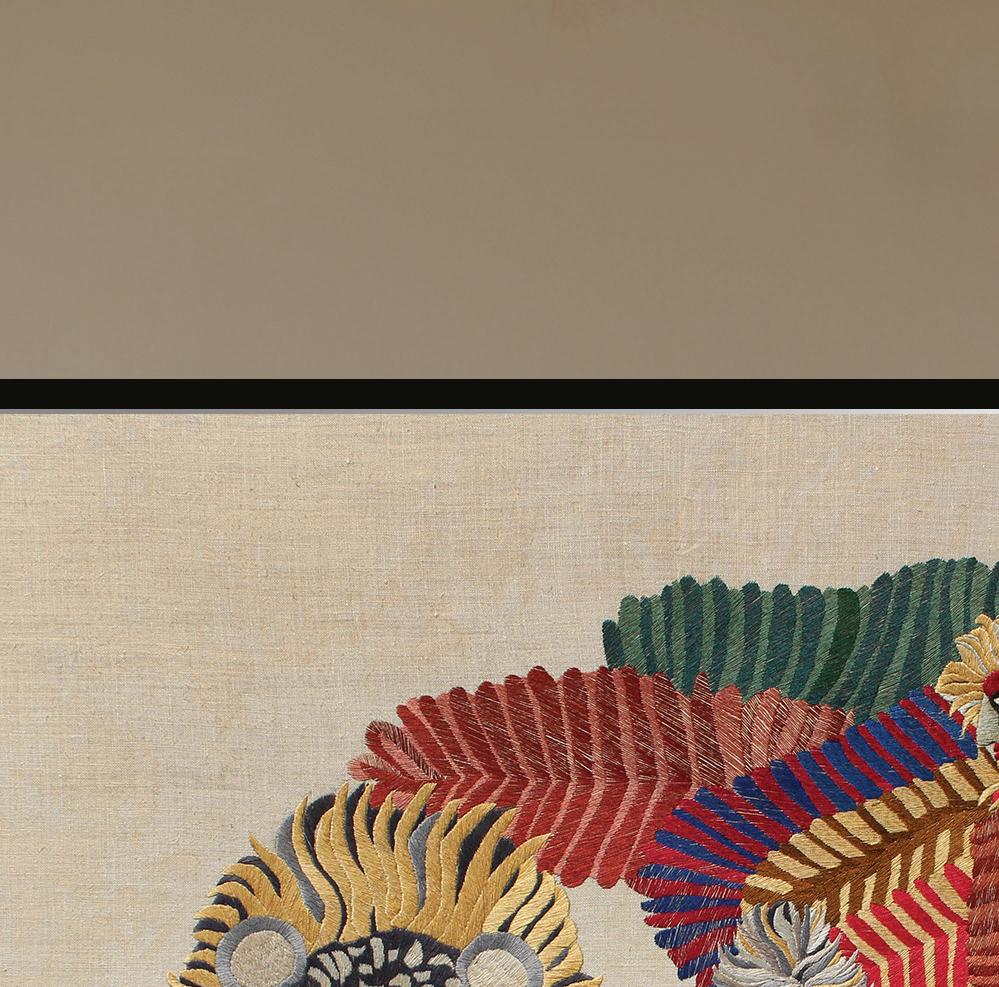
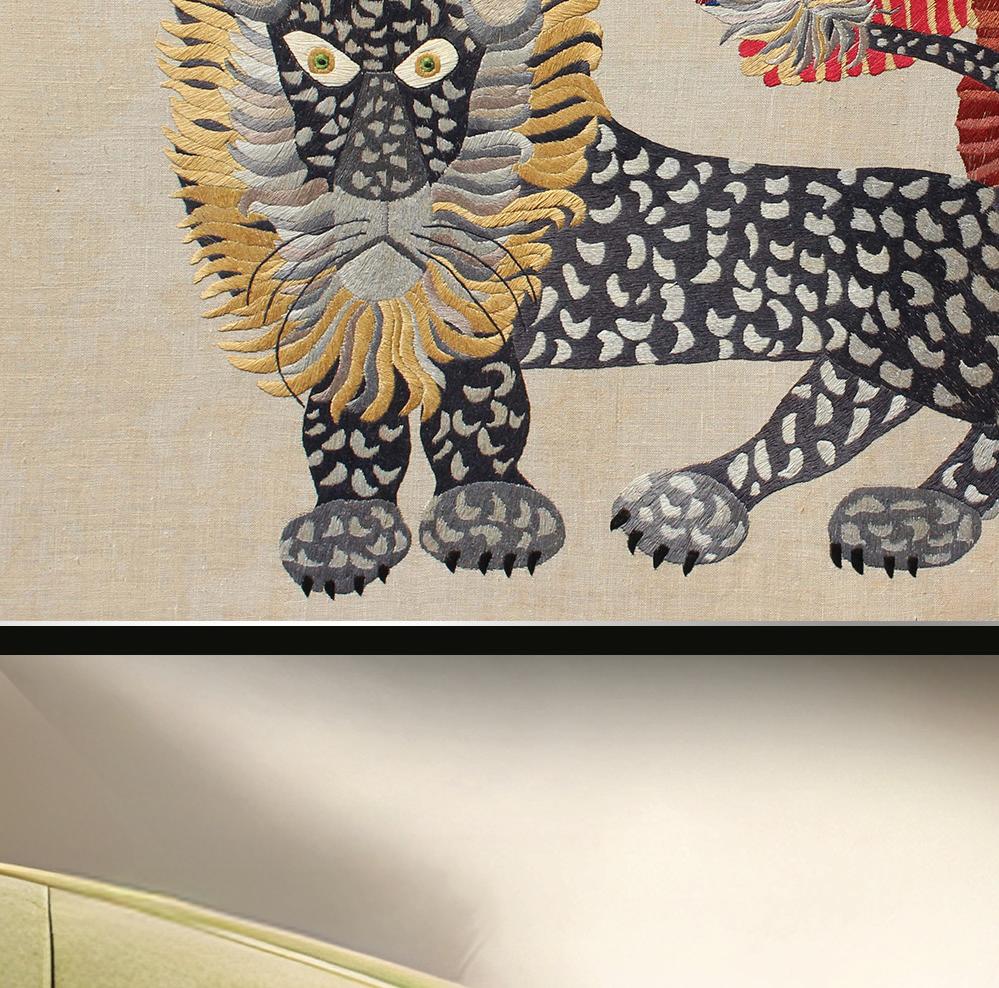
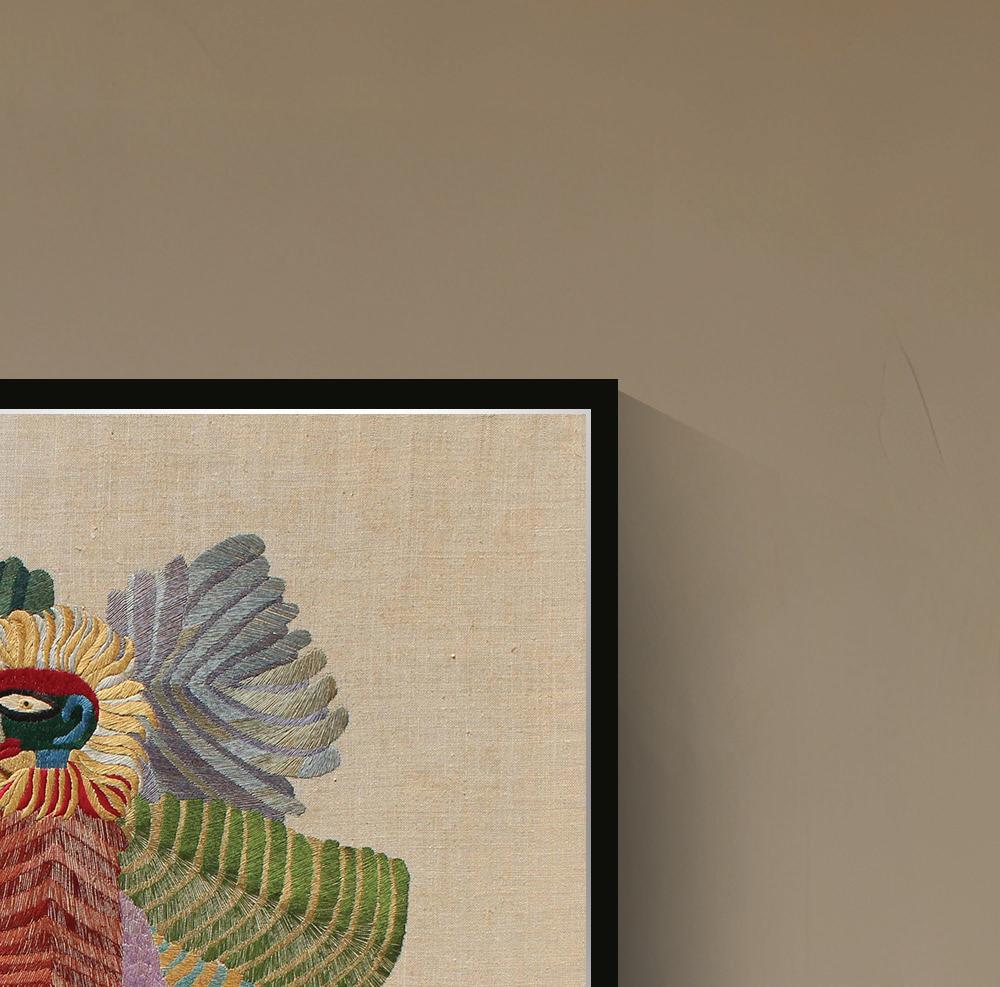
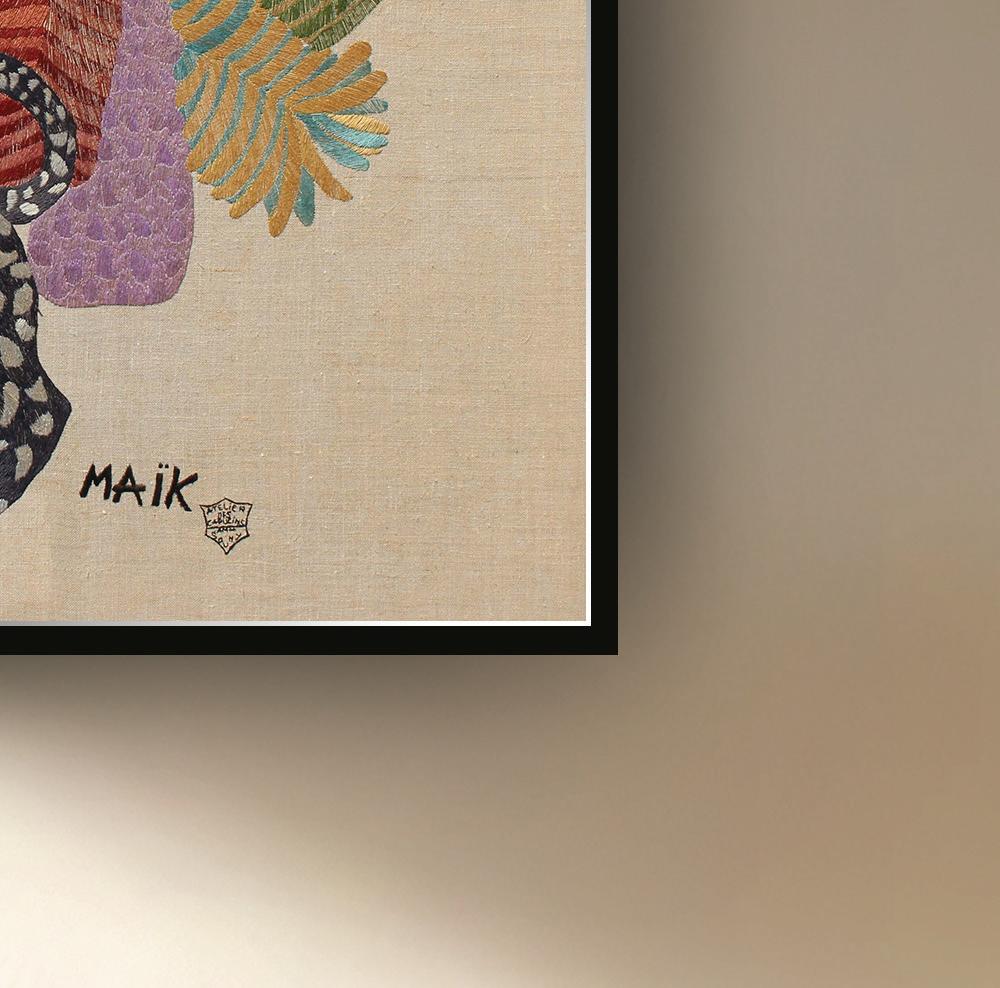
Henri Maïk (1922-1993)
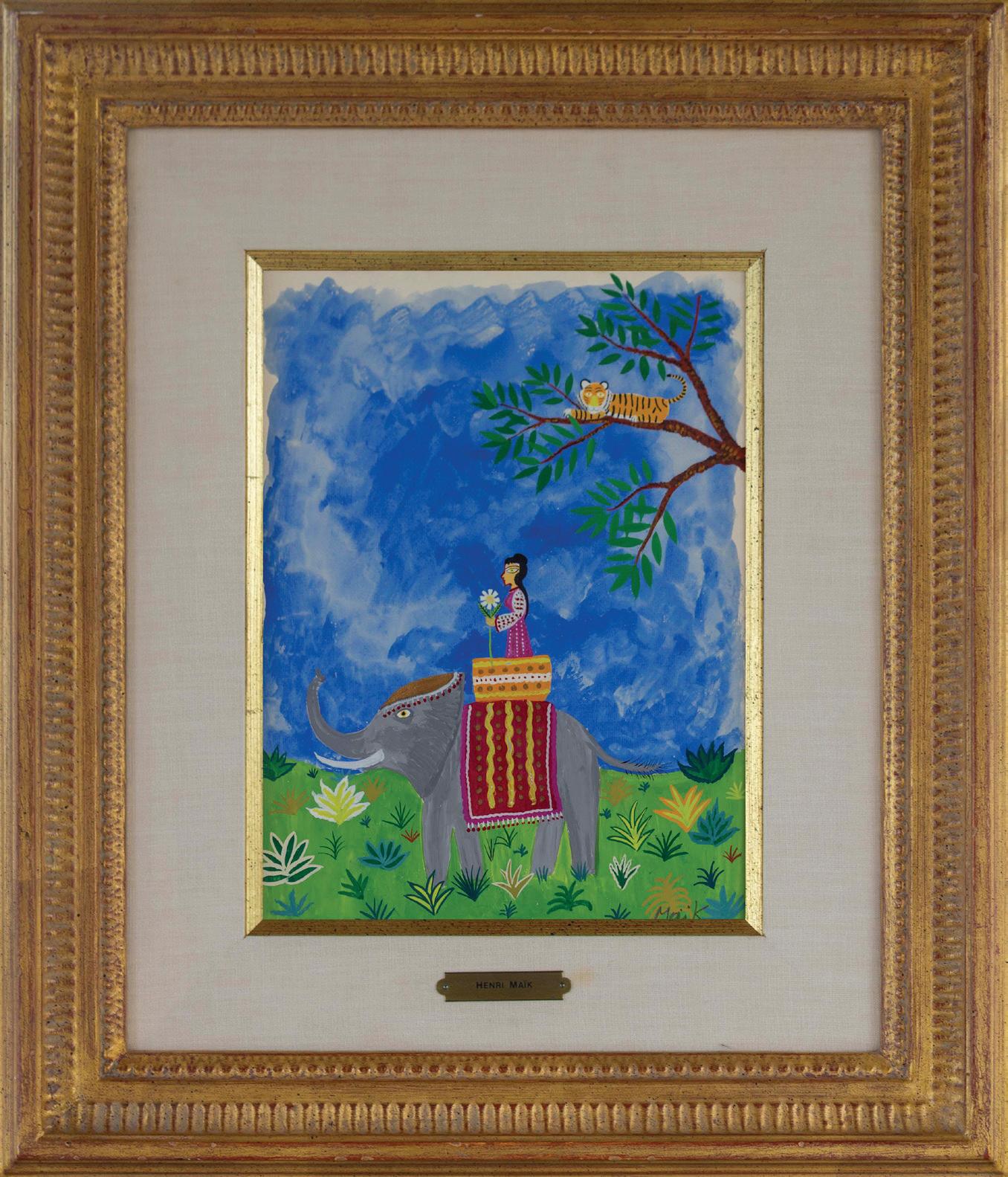
Pret pour le cirque, 1973
tapestry
25 9/16 x 21 1/4 in.
FG© 140212











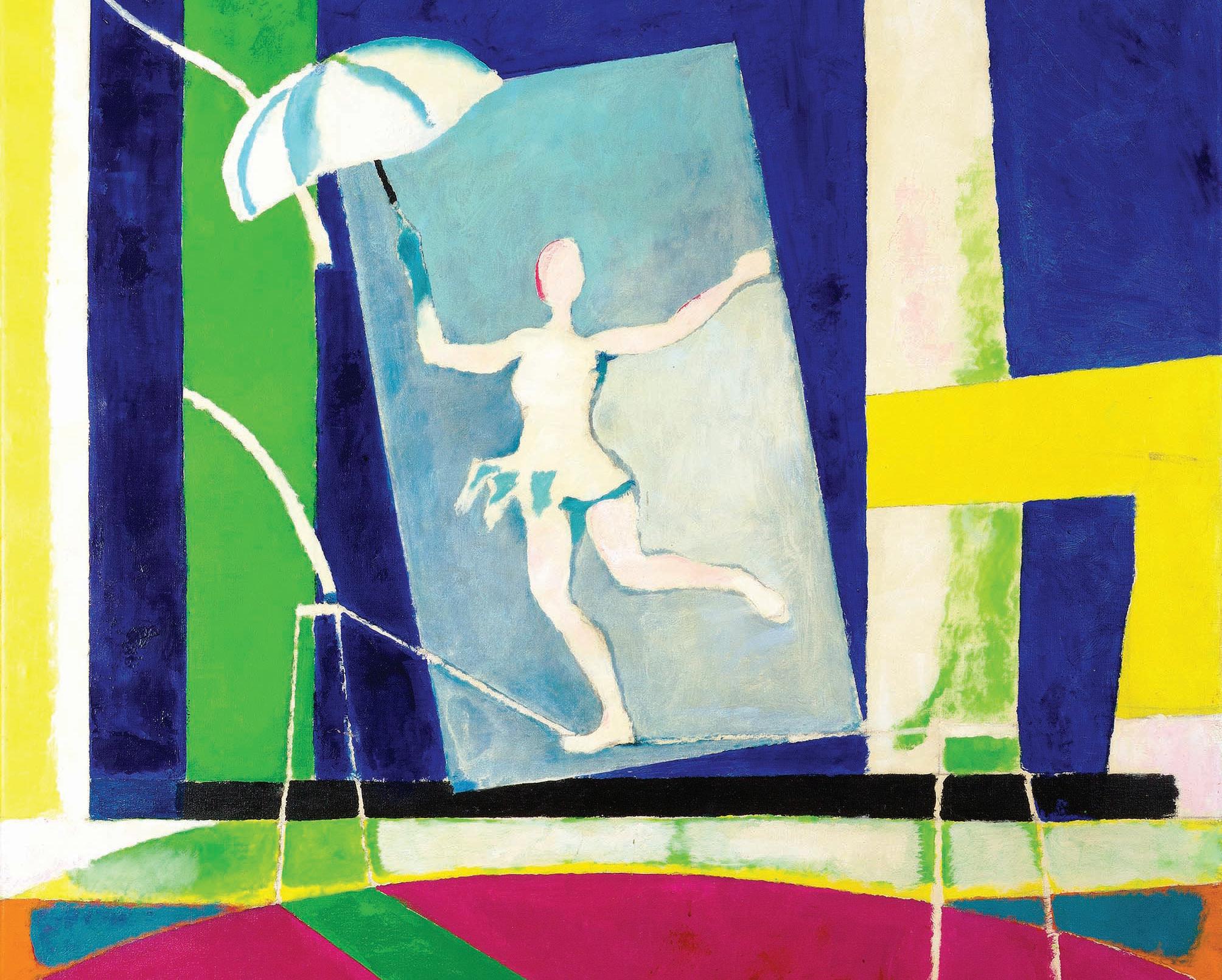
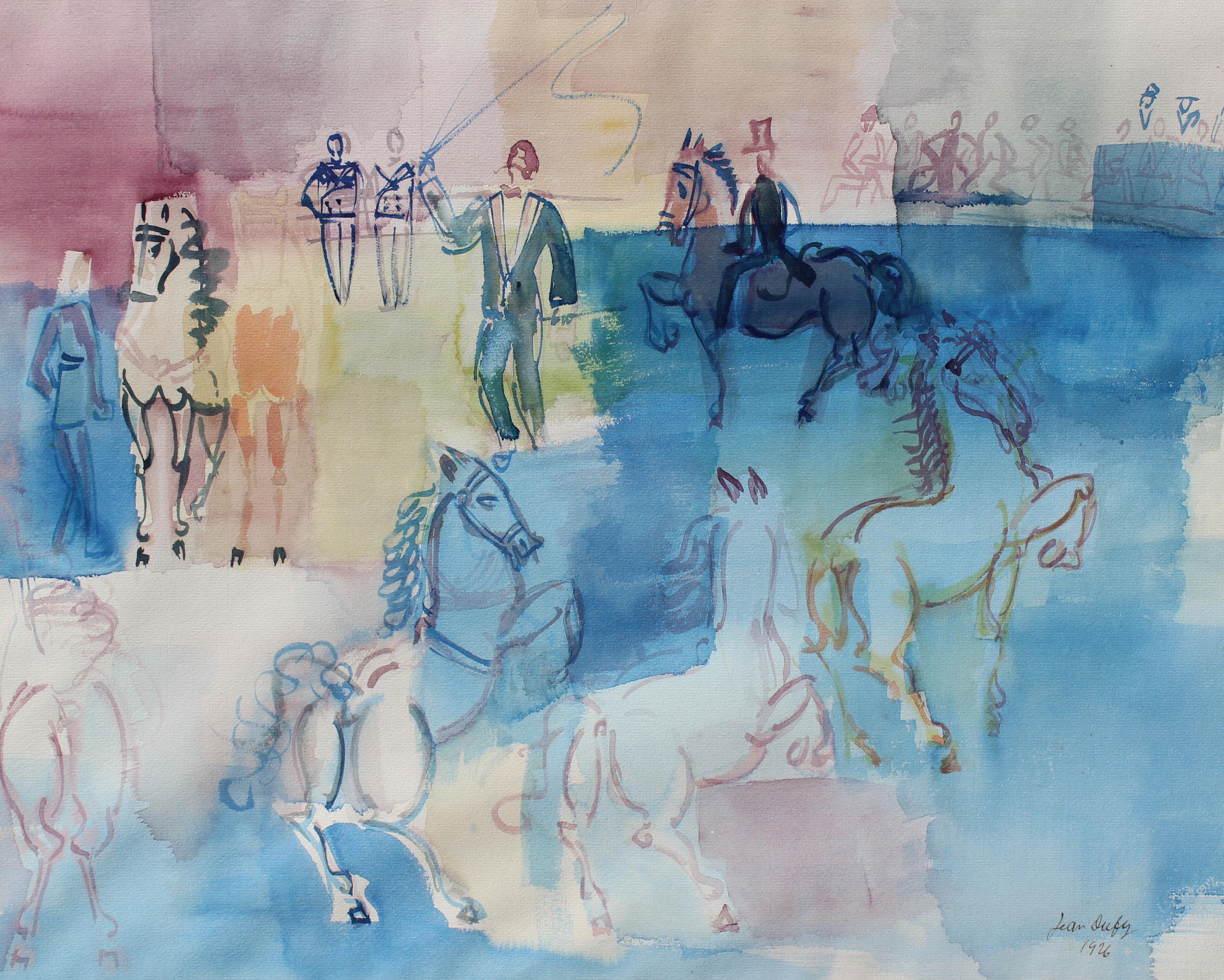
Framing Maïk’s luminous dreamscapes is a curated selection of works celebrating the spectacle of circus which broadens the exhibition’s exploration of imagination, performance, and visual narrative. Created by artists with diverse sensibilities—modernist, expressionist, lyrical, and theatrical—these works evoke the energy and enchantment that once defined the traveling circus. Together, they form a spirited contrast to Maïk’s contemplative world.
In these paintings, the circus becomes a stage where movement and color take center. Animals, musicians, bright costumes, and the drama of the ring are rendered through lively brushwork, dynamic compositions, and environment charged with anticipation. Each work captures a fleeting moment—vibrant, ephemeral, and alive. Rather than treating the circus solely as entertainment, the artists reveal it as a microcosm of emotion: tension and release, humor and pathos, courage and grace.
These works highlight not only individual performers but also the collective energy of the circus—the swell of music, the sweep of movement, and the interplay of light beneath the tent. They remind us that the circus was once a shared cultural ritual, a place where communities came together to experience wonder. Through their expressive treatment of form and atmosphere, these paintings provide a vivid counterpoint to Maïk’s serene worlds, enhancing the exhibition’s interplay between exuberance and calm.
Seen in dialogue with Maïk’s imaginative worlds, the circus-themed works deepen the exhibition’s central theme: the enduring human longing for enchantment. Whether through the excitement of performance or the stillness of reverie, each painting affirms the power of art to carry us—if only for a moment—beyond the everyday.
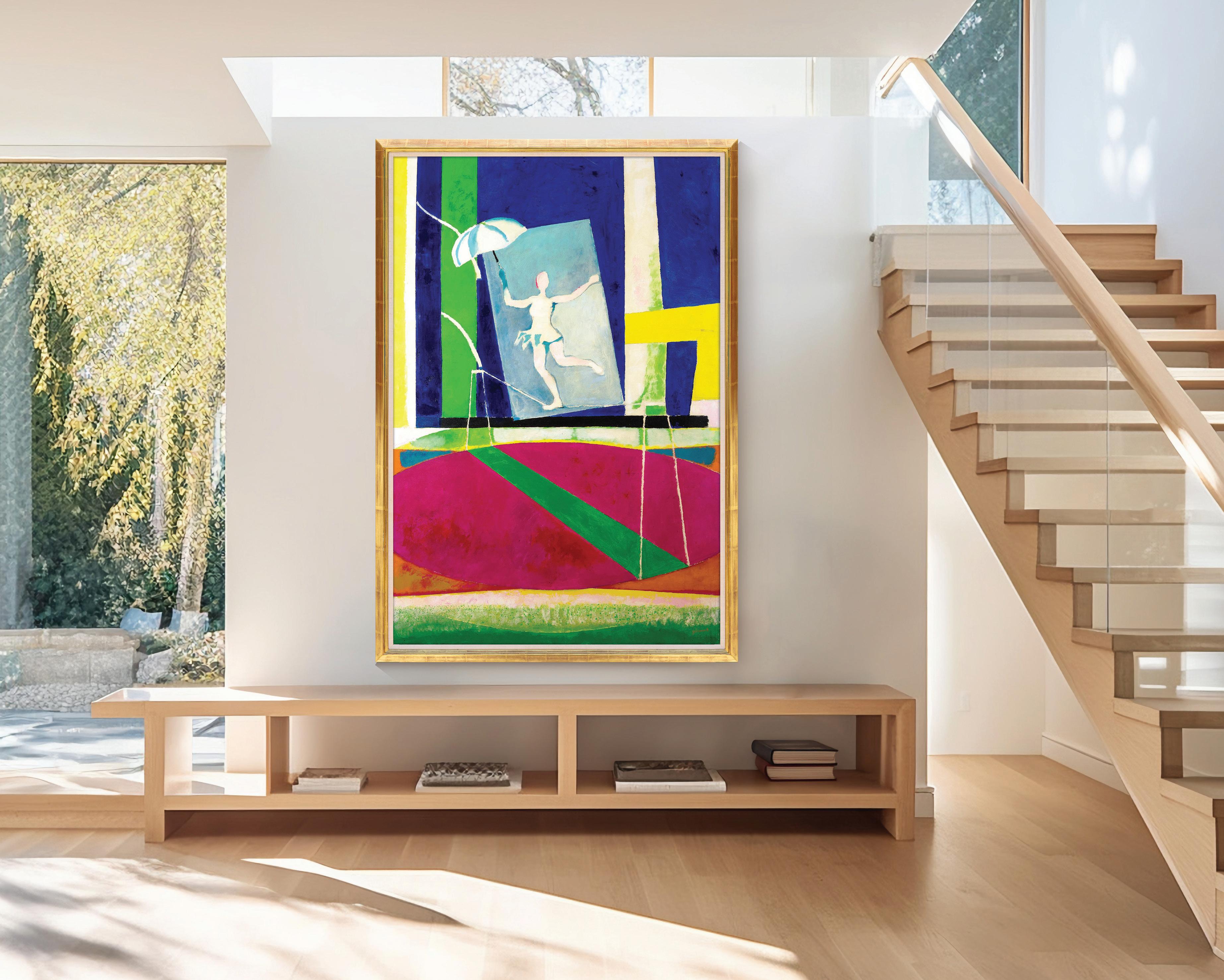
Paul Guiramand (1926-2007)
La Funambule, 1969
76 x 51 in.
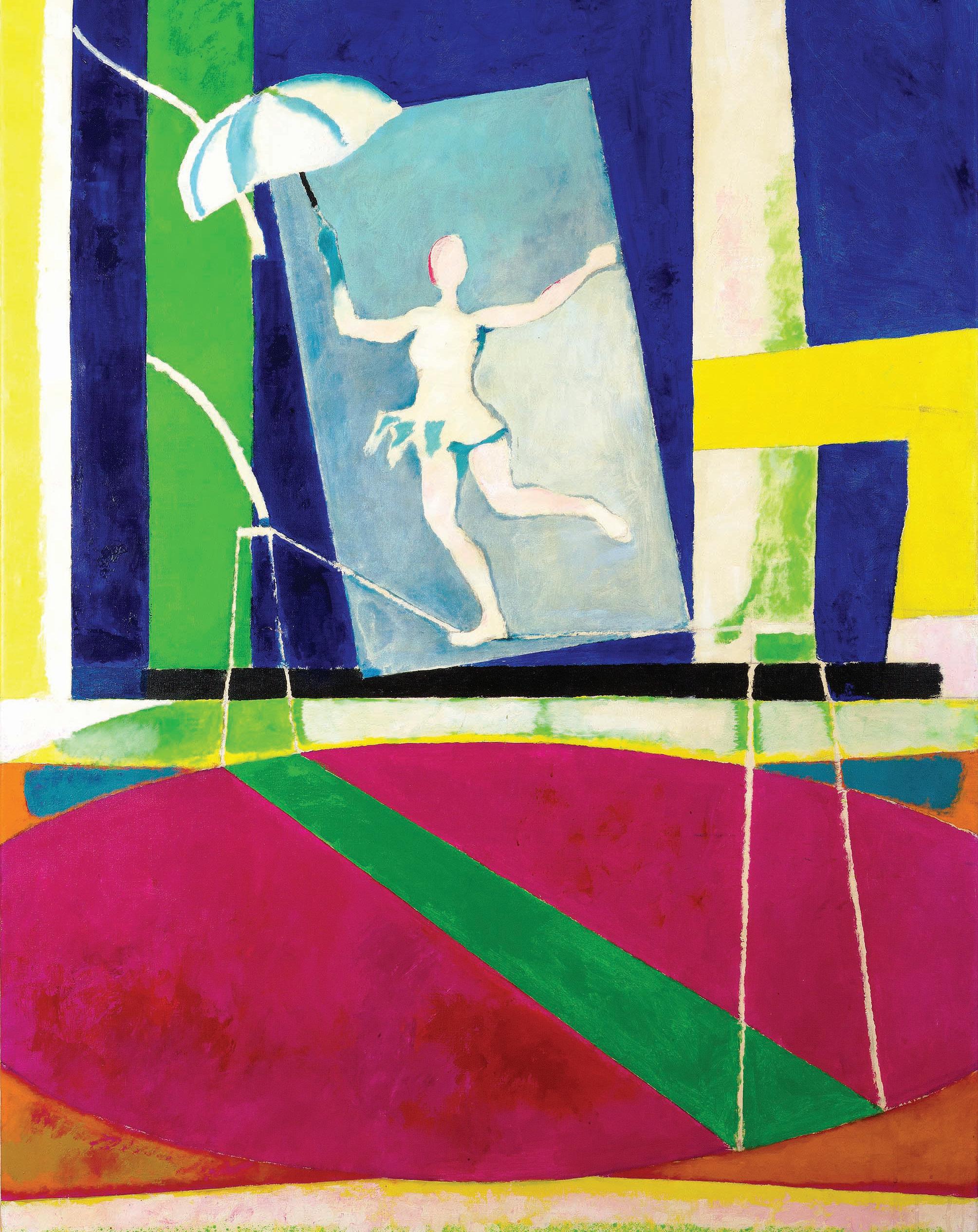

Nicola Simbari (1927-2012)
Numero Hongrois, 1976
oil on canvas
43 1/2 x 39 1/2 in.
FG© 140022
Gen Paul (1895-1975)
Toreador et son Amie, 1938 oil on canvas
18 1/8 x 14 15/16 in.
FG© 139650
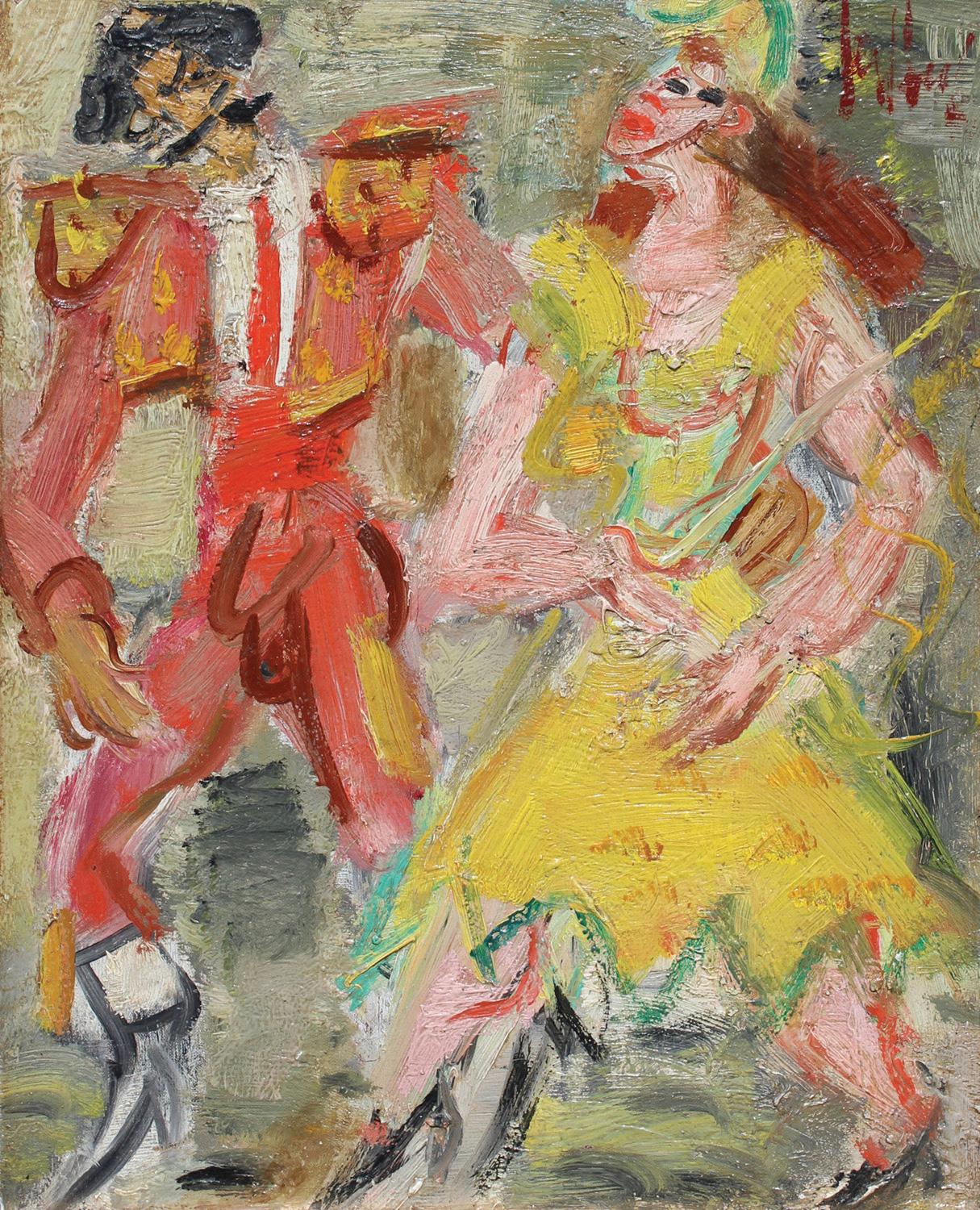




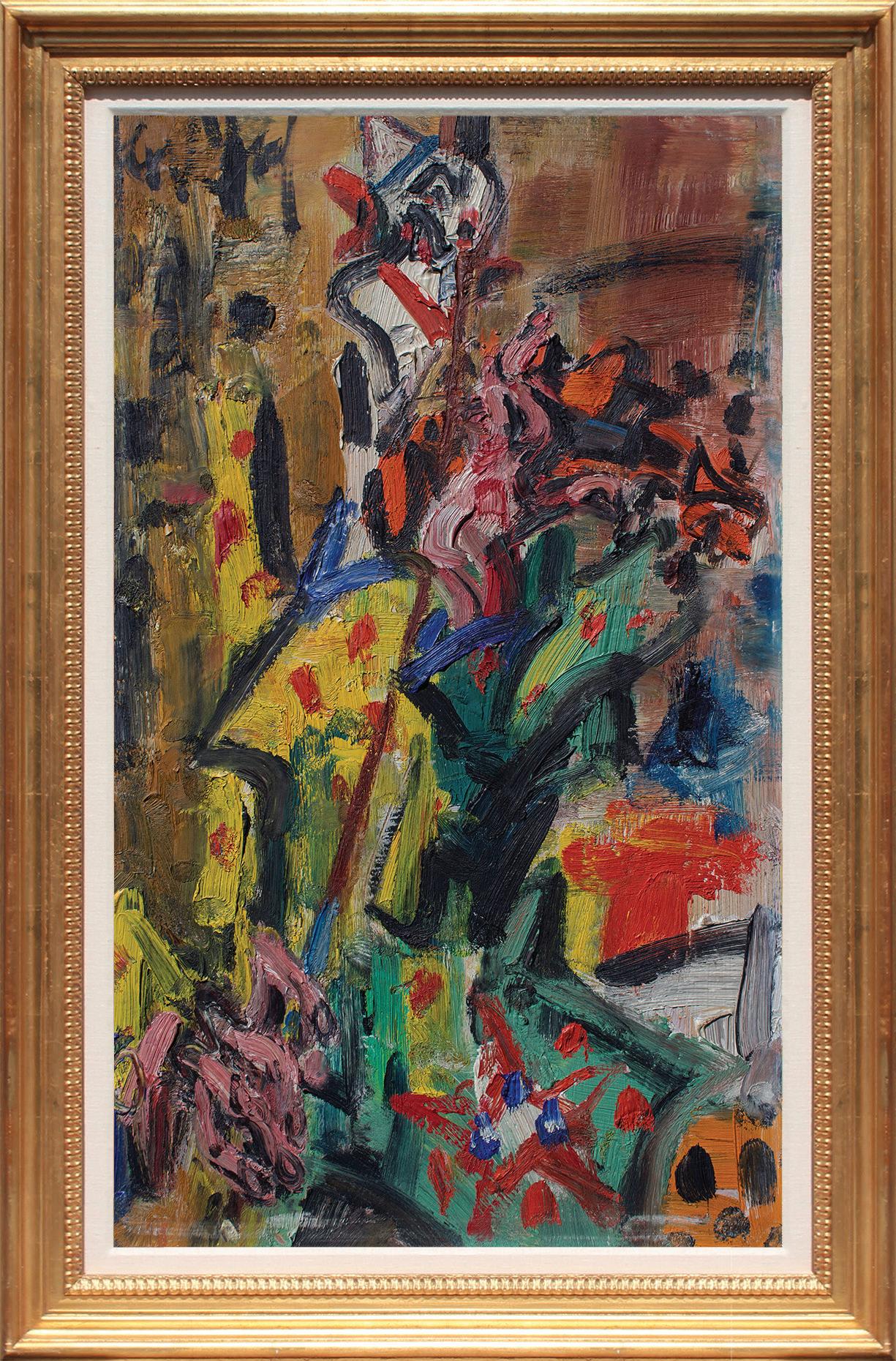

Gen Paul (1895-1975)
Clown avec violon oil on panel
21 5/8 x 13 in.
FG© 137480
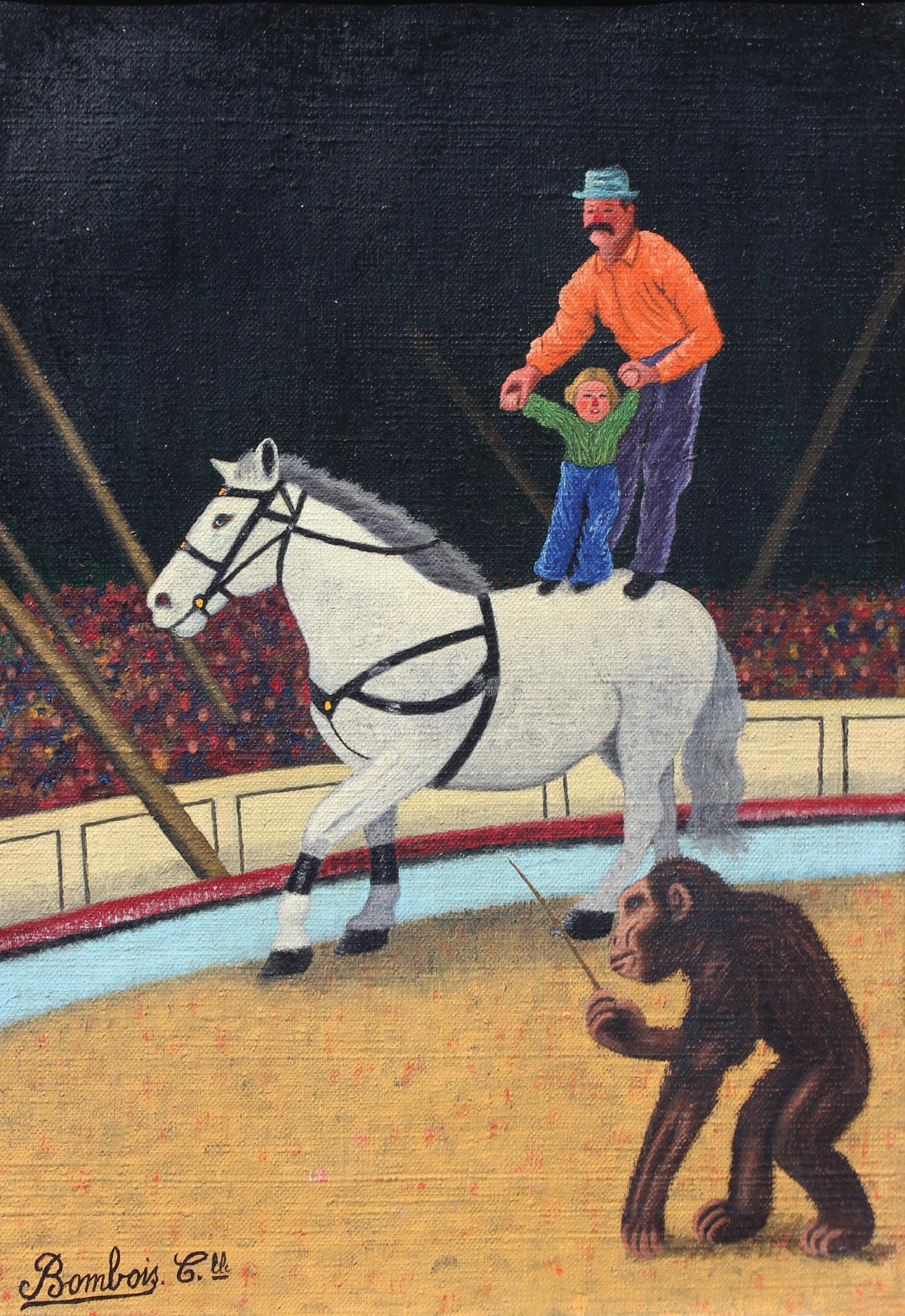
Camille Bombois (1922-1993)
13 x 9 7/16 in.
FG© 140807
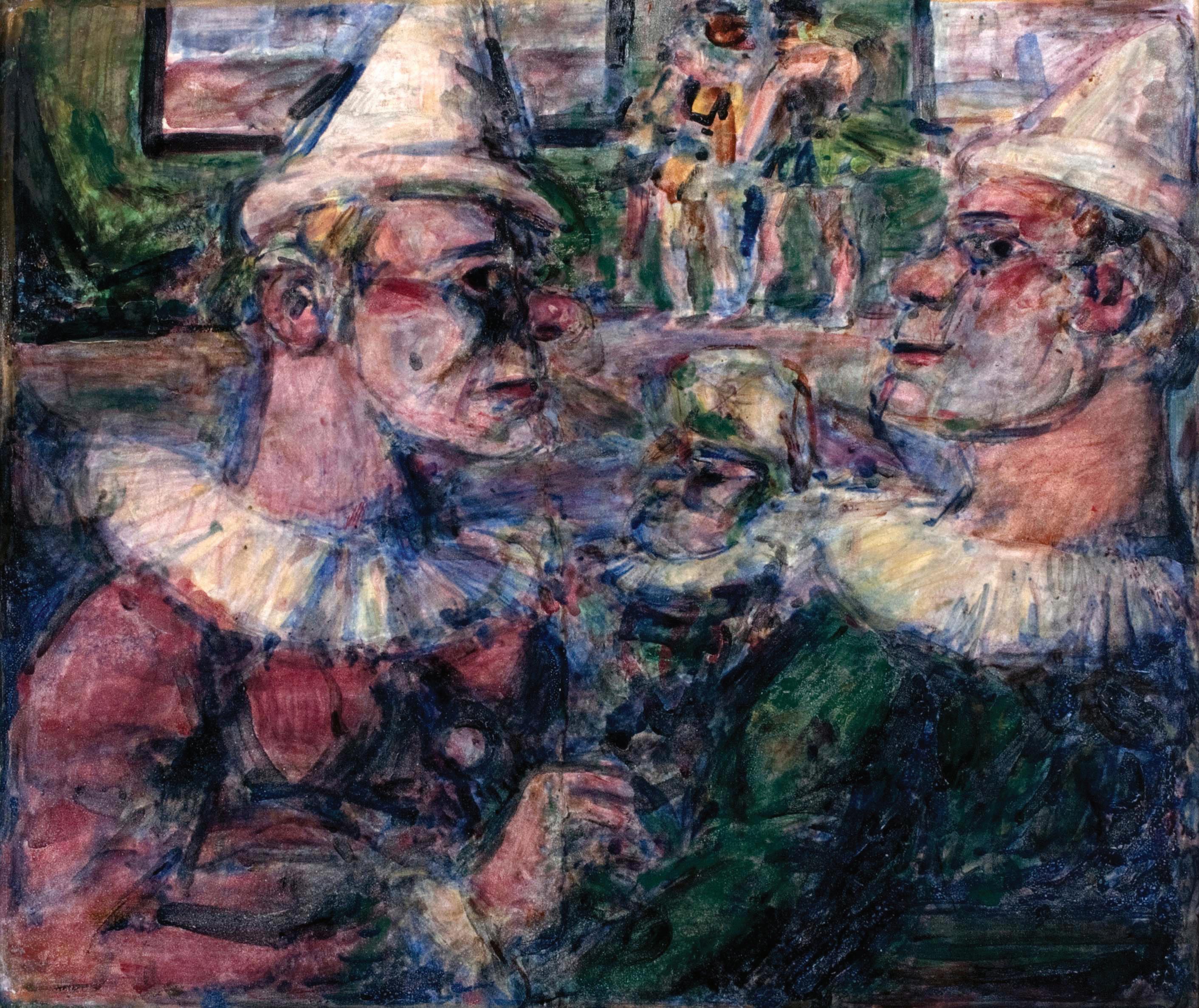
(1871-1958)
Deux Clowns
Executed 1907
Painted and Glazed Ceramic 20 1/8 by 24 in.
FG© 133470
Signed, dated twice and indistinctly inscribed ‘Georges Rouault 1907 André Metthey ceramicist Asnières’ (on the reverse)
Provenance
Ambroise Vollard, Paris. Edouard Jonas, Paris.
Alex and Rita K. Hillman, New York (acquired from the above, July 1950).
Alex Hillman Family Foundation (Gift from the above to the present owner, October 1968).
B. Dorival and I. Rouault, Rouault, L’oeuvre peint, MonteCarlo, 1988, vol. I, p. 340, no. C10 (illustrated).
E. Braun, et al., Manet to Matisse, The Hillman Family Collection, Seattle and London, 1994, p. 154, no. 57 (illustrated in color, p. 155; titled Clowns et cirque/Deux Clowns).
Exhibitions:
Brussels, Palais des Beaux Arts and The Hague, Municipal Museum, Georges Rouault Retrospective, 1952, no. 14.
Paris, Musée National d’Art Moderne, Georges Rouault, July-October 1952, no. 113.
New York, The Museum of Modern Art; The Cleveland Museum of Art and Los Angeles County Museum of Art, Rouault Retrospective Exhibition, 1953, p. 32.
New York, The Metropolitan Museum of Art, Summer Loan, 1963.
New York University, The Grey Art Gallery, Georges Rouault, April-May 1981.
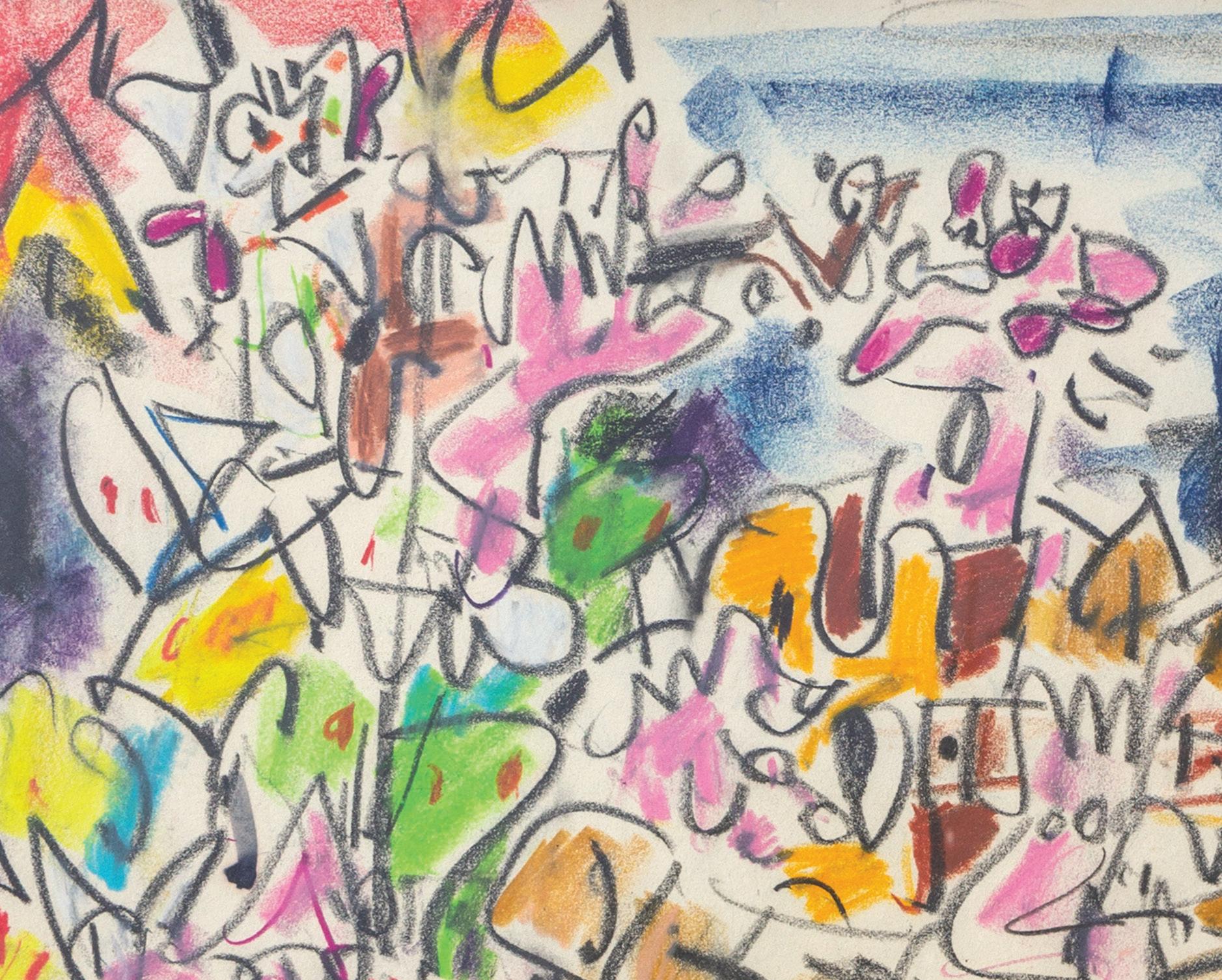
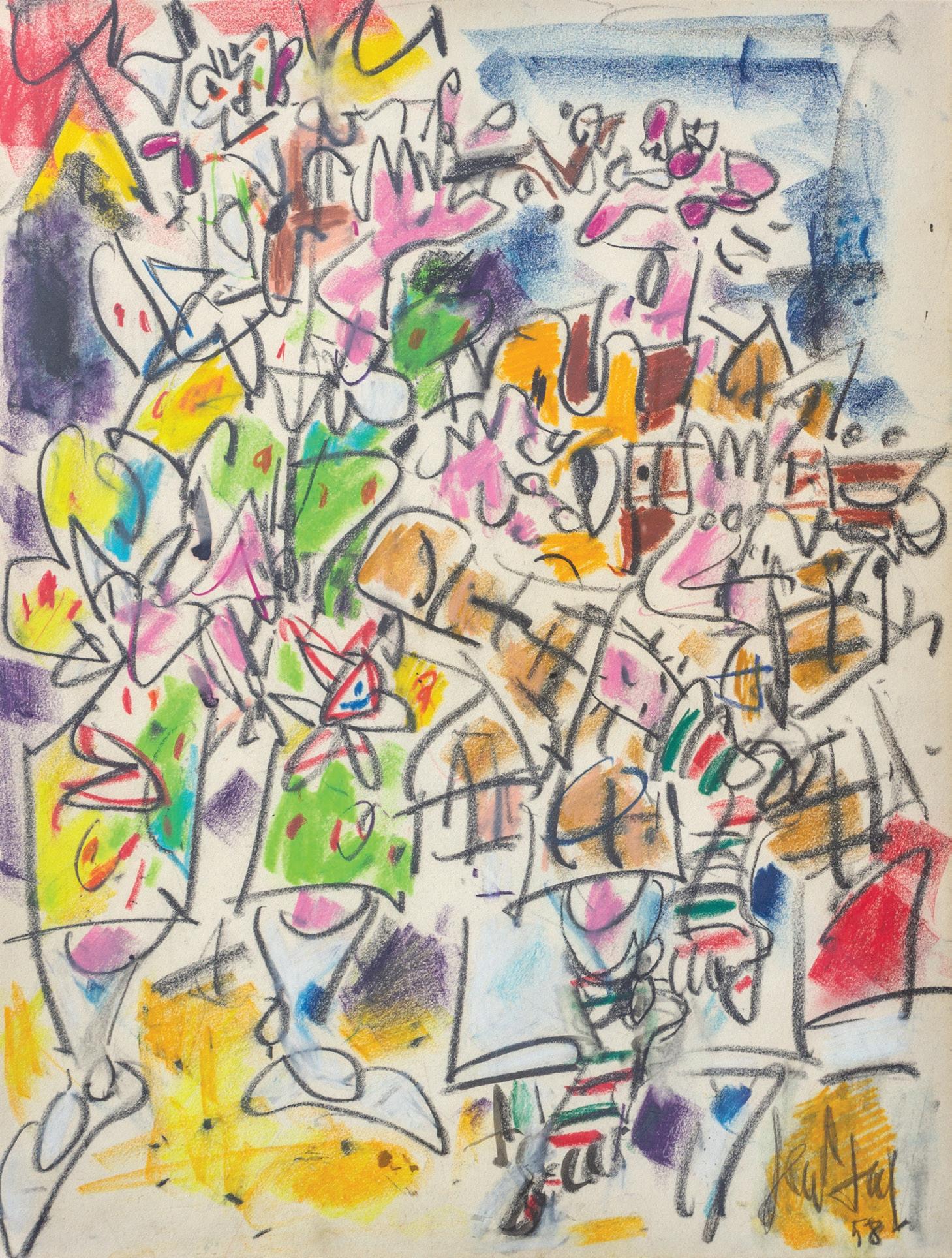
Gen Paul (1895-1975)
Clowns musiciens, 1958
pastel on paper
16 1/8 x 12 9/16 in.
FG© 137076