







State indemnity only goes so far. While it may cover negligence claims for NHS work, it won’t protect you for fee-paying services.
That’s where Medical Protection comes in. We close the gap with round-the-clock support from doctors trained in medical law. Your membership gives you access to expert support, including:
• Fee paying services and complex clinical work
• GMC investigations and disciplinary hearings
• Coroners’ inquests and criminal proceedings
• Patient complaints and media scrutiny
• On-demand CPD to sharpen your skills and manage risk
Since 1892, we’ve been protecting GPs with expertise, integrity and unwavering support.
Today, as the world’s leading medical defence organisation, more than 300,000 healthcare professionals worldwide trust us to stand by them – from legal challenges to reputation management, we’re with you every step of the way. Find






Welcome to Issue 31 of the Medico-Legal Magazine, produced by SpecialistInfo and publishing partner Iconic Media Solutions Ltd.
In this final issue of 2025, we focus on current issues in maternity care, which continues to lurch from one Trust scandal to another:
Lorin Lakasing, Consultant in Obstetrics and Fetal Medicine, presents her newly published book exploring why NHS maternity care is broken; and Nicola Witcombe, Independent Midwife, questions competence levels in midwifery training; and Dr Heidi Mounsey, Medico-legal Consultant for Medical Protection, advises medical professionals of the importance of seeking advice following a request from the coroner; and
Dr Russell Keenan, Paediatric Haematologist, introduces how he came to create the Expert Witness Gateway; and finally
Speed Medical’s Expert Liaison Team, present their strategy for preparing medical professionals to act as expert witnesses.
In our Expert Witness Directory we showcase more featured experts, who are available for instruction now.
Once again, the magazine will be circulated to up to 40,000 people in the industry, including doctors, insurance companies, law firms and medico-legal agencies. It has a dedicated website www.medicolegalmagazine.co.uk and a page on the Medico-Legal Section of the Specialistinfo.com website, where all the back issues can be viewed. Printed copies can be ordered from Iconic Media.
Specialistinfo maintains a database of contact details for up to 90,000 UK consultants and GPs, including approximately 11,000 consultants and GPs who undertake medico-legal work. We also provide Medico-Legal courses for expert witnesses and promote the members of the Faculty of Expert Witnesses (the FEW).
We welcome feedback from our readers, so please contact us with any suggestions for areas you would like to see covered in future issues or share your news and experiences with us.
Lisa Cheyne
Specialistinfo Medico-Legal Magazine
Understanding FND: Examworks UK's Approach 06
A case report from the Medical Protection files: The importance of seeking early advice following a request from the coroner By Dr Heidi Mounsey
Expert Witness Directory 08 10 12 15 21 22 29
Future-Proofing the Medico-Legal Supply Chain: A Strategic Approach from Speed Medical By Leanne Smith
Where did the idea for the Gateway come from? By Dr Russell Keenan
Competence, Culture and Consequence: Why Midwifery Safety Cannot Be Fixed by Focusing on Individuals Alone By Nicola Witcombe
Medico-Legal News By Lisa Cheyne
SpecialistInfo Medico-Legal Courses 2025 By Lisa Cheyne
Presented by:

SpecialistInfo t: +44 (0)1423 727 721 e: magazine@specialistinfo.com www.specialistinfo.com
Published by:

Iconic Media Solutions t: +44 (0) 20 3693 1940 e: info@iconicmediasolutions.co.uk www.iconicmediasolutions.co.uk
Medico-Legal Magazine is published by Iconic Media Solutions Ltd. Whilst every care has been taken in compiling this publication, and the statements contained herein are believed to be correct, the publishers do not accept any liability or responsibility for inaccuracies or omissions. Reproduction of any part of this publication is strictly forbidden. We do not endorse, nor is Iconic Media Solutions Ltd, nor SpecialistInfo affiliated with any company or organisation listed within.


ExamWorks UK is a leading provider of integrated health, injury and rehabilitation solutions. Operating as a group of specialist companies, we cover every stage of the rehabilitation journey. Under the ExamWorks UK umbrella, our portfolio includes case management and rehabilitation providers such as Enable Therapy Services, Rehab Direct and 3d Rehabilitation. Together, we deliver a wide spectrum of services, from Immediate Needs Assessments (INA) and diagnostic procedures (including MRI scans and medical consultations) to a comprehensive range of therapies, like physiotherapy and psychotherapy.
We are recognised for our expertise in managing longterm conditions (LTC) such as chronic pain and functional neurological disorders, areas in which we’ve built expert capability over more than three decades. Our interventions are designed to enhance individual resilience and promote overall wellbeing and recovery. Collectively, we offer an end-to-end solution for every stage of the case lifecycle.
Our tailored, efficient treatment pathways help individuals recover their health and restore their lifestyle following injury or trauma, supporting them in regaining their full potential.
Functional Neurological Disorder (FND) refers to neurological symptoms that are not caused by structural neurological disease. The symptoms can include seizures, weakness, tremors, sensory issues, or difficulties with movement or speech. These symptoms are real, often debilitating, and typically result from a complex interplay between psychological and neurological factors.
Studies from the British Psychological Society estimate that between 50,000 - 100,000 individuals are affected by FND in the UK1. The symptoms of FND can present in many forms but the main areas are; sensory, memory, fatigue, movement disorders and seizures. FND is not treated with traditional rehabilitation methods and often requires a multidisciplinary approach.
Functional Neurological Disorder is often misunderstood and can be frightening for those experiencing symptoms. Across the ExamWorks UK businesses, claimant care is at the heart of our approach and our teams of expert clinical case managers provide informed support, reassurance and their clinical insight to liaise with all litigation parties.
1. FND is poorly understood and can be frightening for those with a diagnosis.
2. FND is difficult to manage with many challenges, but not impossible!
3. Key prognostic indicator is acceptance of the diagnosis.
4. Consistent messaging and long-term reinforcement is crucial for a good outcome.
Functional Neurological Disorder (FND) can present some of the most complex challenges for insurers. Although trauma and psychological stress are not the sole cause of FND, these are the conditions that can cause FND to be triggered. FND can present in many different ways and can be difficult to diagnose. Without a direct and informed approach, this can cause prolonged and costly litigation.
At ExamWorks UK we offer a comprehensive service that focuses on the complex individual needs of a claimant and utilises a multidisciplinary team to focus on both physical and mental rehabilitation. This approach has been devised to enhance claimant engagement, management of symptoms and litigation outcomes.
Please contact Thom Soutter
Email: thom.soutter@examworks.co.uk
www.examworks.co.uk
1.[Bennett, K., Diamond, C., Hoeritzauer, I., et al. (2021) A practical review of functional neurological disorder (FND) for the general physician. Clinical Medicine 21(1), 28-36.]


By Dr Heidi Mounsey, Medicolegal Consultant at Medical Protection
Dr C had been contacted by the coroner to give evidence in an inquest concerning a patient who had died of metastatic bowel cancer. She had provided a statement some months ago without contacting Medical Protection, her medical defence organisation (MDO), for advice.
Dr C was subsequently called as a witness of fact to the inquest and had been halfway through giving her evidence when the coroner abruptly halted proceedings, and informed Dr C that her status was being changed from that of a witness of fact to an interested person. The coroner strongly advised Dr C to contact her MDO and announced an adjournment to allow her to do so.
On contacting Medical Protection for assistance, the medicolegal consultant considered it was necessary to instruct a solicitor, and arranged urgent representation for Dr C at the inquest. As the coroner had only adjourned the inquest for an hour, the solicitor contacted the coroner to ask for a longer period of time to obtain documents and
meet with Dr C and the medicolegal consultant. The coroner granted a further hour and stated that Dr C had come to the inquest woefully unprepared to give evidence and could not explain the rationale for any of her clinical decisions in relation to the management of the patient, hence the decision to grant her interested person status. The coroner considered the lack of preparation disrespectful to both herself and the bereaved family, and had informed Dr C of this before adjourning.
A Teams meeting was arranged and Dr C sent through her statement and relevant medical records. The statement was very brief and consisted of a small number of copied and pasted consultation records. On discussing the statement with Dr C, she said that the practice manager had written it on her behalf and she had simply signed it. From the questions asked by the medicolegal consultant about the patient’s consultations, it became clear that there had been a failure to follow NICE guidance and a number of opportunities to refer the patient for further investigations for possible bowel cancer, had
been missed. By the time the diagnosis was made, the patient already had metastases. Dr C accepted that the NICE guidance hadn’t been followed and that it would have been appropriate to refer to secondary care at a much earlier time.
The solicitor explained the purpose of an inquest to Dr C and the importance of a good initial written statement followed by appropriate preparation in the event of being called to give evidence. Dr C was not aware of the formality of the inquest process.
Dr C was advised how to approach the process of giving evidence and to outline what steps she would take in future in relation to a patient presenting in a similar manner. She and the solicitor then rejoined the inquest and proceedings resumed. Although the coroner expressed displeasure at Dr C’s lack of preparation, she accepted an apology and an explanation by the solicitor that Dr C had not appreciated the formality of the inquest process and would be much more prepared in future.
The coroner was critical of Dr C’s management of the patient, particularly the failure to recognise that a referral should have been made at an earlier stage, which meant that Dr C was required to selfrefer to the GMC in order to fulfil her obligations laid out in Good medical practice. The medicolegal consultant and solicitor assisted in drafting a selfreferral and warned Dr C that an investigation was likely to be opened.
The GMC subsequently commenced an investigation and this progressed to the Rule 7 stage, where formal allegations are put to the doctor. Dr C met with her Medical Protection team and a detailed response was drafted, setting out Dr C’s rationale for not referring the patient at an earlier time, but also making clear that she now appreciated further investigations should have been requested and what she would do in future if faced with a similar scenario.
Dr C also wrote a lengthy reflection for submission to the GMC. Testimonials were obtained from Dr C’s colleagues which set out that her clinical work was considered to be of a high standard
and there had never previously been any cause of concern. Her colleagues also set out that she was approachable, friendly, and cared deeply for her patients. In addition, an audit of Dr C’s recent consultations was conducted and showed no cause for concern.
The GMC considered the material provided and closed the case with no further action. They stated that Dr C’s response and reflection were comprehensive, heart-felt, and honest, and demonstrated learning from the incident. Because of this, they formed the opinion that there was limited risk of repetition and it would not be possible to demonstrate that Dr C’s current fitness to practice was impaired.
Dr C was grateful for the assistance provided by Medical Protection and, when asked for a statement by the coroner for an inquest into the death of a different patient, approached us immediately for advice.
• An inquest is a formal court process and requires careful preparation – it is preferable to contact Medical Protection, or your MDO, at an early stage in order for your statement to be reviewed and advice provided before submission to the coroner.
• Your statement should be written by you and not delegated to another member of staff to write on your behalf.
• When giving evidence, know your statement and the medical records well, and be prepared to answer questions in relation to your rationale behind your clinical decision making.
• If your management of patients has changed as a result of the case, it is appropriate to acknowledge this – the coroner will be seeking reassurance that the same situation is unlikely to arise again.
• Be aware that if you are criticised by the coroner, self-referral to the GMC is likely to be necessary to fulfil your obligations under Good medical practice.
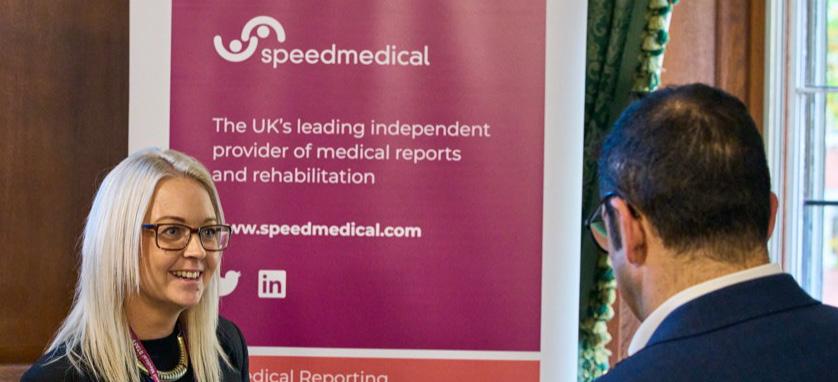
By Leanne Smith, Head of Supply, Speed Medical Examination Services Limited
In today’s rapidly evolving medico-legal landscape shaped by legal reform, clinical innovation, and shifting claimant expectations, long-term resilience in the expert supply chain is essential. At Speed Medical, we recognise that futureproofing our panel of over 5,000 medical experts demands a proactive, multi-faceted strategy built on agility, quality, and innovation.
With over two decades of experience supporting the personal injury and clinical negligence sectors, we know that consistency, credibility, and nationwide coverage are vital to delivering exceptional service. We are committed to ensuring our expert panel remains robust, responsive, and ready to meet the challenges of tomorrow.
The medico-legal sector is constantly evolving, from the introduction of the MedCo portal to evolving judicial expectations around expert evidence, the market is
constantly shifting. To stay ahead, we constantly monitor regulatory changes, legal precedents and claim data. These insights inform recruitment priorities, highlight specialism requirements, and help forecast future demand. This foresight ensure s our panel remains engaged, relevant, resilient and aligned with market needs.
Early engagement of our Expert Liaison Team is fundamental to delivering a seamless and efficient service. By involving liaison specialists at the outset of the sales and onboarding journey, we ensure that case requirements are fully understood, the most appropriate experts are identified, and potential challenges are addressed before they impact timelines. This proactive approach enhances accuracy in scheduling, strengthens client confidence, and supports the delivery of high-quality medico-legal
reports from the very first instruction. Integrating expert liaison early is not just operational best practice—it is a strategic enabler of consistency, responsiveness, and long-term resilience across the supply chain.
The strength of a medico-legal report lies in the expertise behind it. That’s why we’ve built an industryleading training platform to support new and experienced experts. Delivered by our skilled medical and legal tutors, the comprehensive modules cover, legislation, case law, report writing, legal instructions, court compliance, and the nuances of causation and prognosis giving medical experts the tools and confidence to complete independent expert witness work.
Our bespoke training supports our existing panel members, and creates opportunities for new medical experts, future proofing our Supply Chain.
We also actively recruit and onboard new experts, strengthening our panel’s capacity and diversity, reducing reliance on an aging expert base. By identifying qualified experts with an interest in medico-legal work and providing structured mentorship, we cultivate fresh perspectives and long-term resilience to our network.
Nationwide coverage means more than geography, it’s about having the right expert, in the right location, with the right experience. Our Expert Liaison Team plays a pivotal role in maintaining this balance. Through ongoing analysis and panel reviews, we ensure a comprehensive range of specialisms, spanning orthopaedics and psychiatry to niche disciplines like maxillofacial surgery and neuropsychology.
This team also ensures availability and responsiveness, both are critical in time-sensitive legal cases. By maintaining strong relationships with our experts, we can identify challenges early, offer support, and ensure continuity of service.
Panel oversight includes performance monitoring and quality assurance. We continually review report standards, turnaround times, and feedback from instructing parties. We work in partnership with our
panel, nurturing real relationships, with honest and open feedback. Where needed, we deliver additional support or training to uphold excellence across the board.
The medico-legal sector sits at the intersection of clinical practice and legal scrutiny. To maintain the highest standards, we work closely with our Clinical Advisory Board, a group of experienced medical and legal professionals.
This board provides essential oversight and guidance, helping us stay current with medical and legal developments and shaping our training programmes, especially in specialist areas like court attendance and cross-examination preparedness.
This collaborative model ensures our governance structures are robust, transparent, and aligned with best practice, offering more than administrative support, but a peer-informed framework for continuous improvement and compliance.
Futureproofing isn’t just about systems, it’s about people. We place high value on expert engagement, recognising that supported and valued experts deliver consistently exceptional work.
Our initiatives include regular feedback sessions, peer forums, CPD opportunities, satisfaction surveys, and performance reviews. Together these create a culture of respect, development, and collaboration, we retain top-tier clinical talent and ensure they’re equipped to deliver exceptional medico-legal services.
In an industry defined by constant change, futureproofing the medico-legal supply chain demands foresight, adaptability, and an unwavering commitment to quality. At Speed Medical, our strategic approach to panel development, training, and governance ensures our supply chain is responsive making us not only fit for today, but ready for tomorrow.

By Dr Russell Keenan, Consultant Paediatric Haematologist
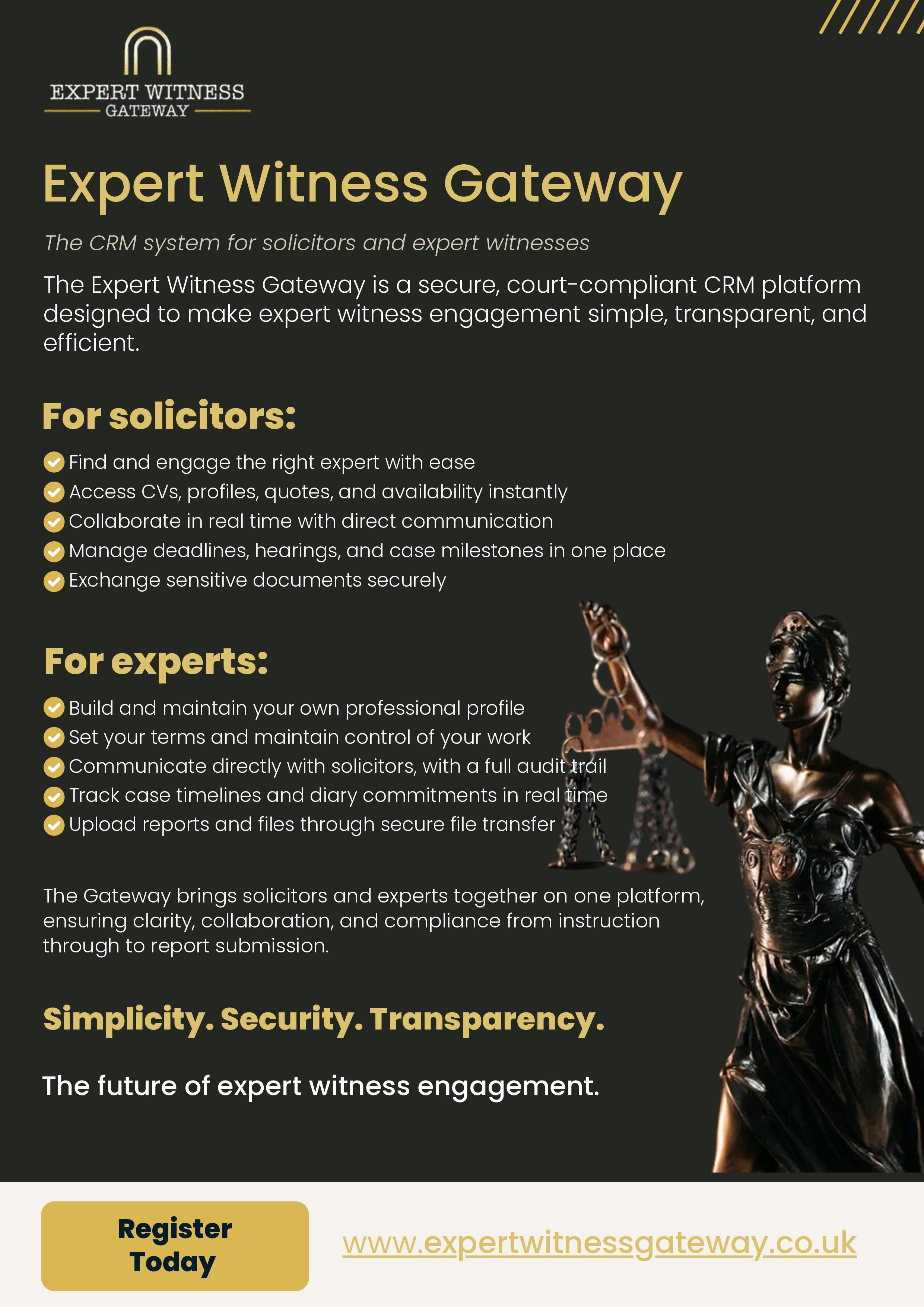
Dr Russell Keenan is a Consultant Paediatric Haematologist with over thirty years’ clinical experience and extensive medico-legal practice. A Cardiff University Bond Solon (CUBS) accredited expert, he has given evidence across family, civil, criminal and coroner jurisdictions. As Director of the Expert Witness Gateway, he helped shape the platform after years of frustration with inefficiencies and outdated instruction models.
RK: The aim was to transform the way solicitors work with experts and make the process simple and quick. We visualised a judge asking for a specialist expert report. The solicitor can advise the court within 1 minute the names of experts in that discipline that are available on the Gateway, the costs, current turnaround times, CV and provisionally instruct the expert at the click of a button.
The only caveat is that experts must first review case details to confirm no conflict of interest. Solicitors create a secure case workspace and select relevant specialties. Experts are automatically notified when instructed and see all court deadlines. Documents are uploaded once, with solicitors controlling expert access. All responses are timestamped and auditable, and built-in messaging keeps communication within the case. Additional parties can be added with readonly access, ensuring everyone views the same live record rather than separate threads.
RK: Experts maintain a profile reflecting their practice, supported by a simple calendar for court dates, conferences, and report deadlines. Automatic notifications help ensure timelines are met. Each case keeps all instructions, documents, and messages together with a full audit trail. Two-factor authentication provides state-of-the-art security.
When workloads rise, a “pause new instructions” toggle protects existing commitments without cutting communication
Getting paid has long been a headache for experts, especially with complex multi-party invoicing in Family Court cases. The Gateway automates invoicing and guarantees payment within 30 days. Income records are easily accessible and downloadable for accountants or can be copied directly into accounting software such as Xero, turning tax return preparation from hours into minutes.
Data protection and security are perennial concerns. What’s built in?
RK: Data security is state-of-the-art. Developing the Gateway shifted my view on balancing access with p rotection—recent Legal Aid chaos only reinforced this. Security comes first, even if it takes a few extra seconds. All data is encrypted in transit and at rest, with two-factor authentication, regular backups, and a defined incident-response plan. Built from the outset for UK GDPR and the Data Protection Act 2018, our aim is simple: keep data confidential, preserve integrity, and ensure availability when it matters mos t.
Multi-party and high-volume cases are especially messy. How does the Gateway help?
RK: Transparency and simple organisation. You can add parties with appropriate permissions so they see the same document index, instructions and timeline— but can’t inadvertently edit or fork the record. If a matter proceeds to court, exporting the chronology and key artefacts is simple. The platform ends discussions about who sent what, when, and which version applies. All communications are auditable.
What distinguishes this from “just another portal”?
RK: Two things set it apart. First, lived experience — it was built from years of real frustration with the failures everyone knows at 11 pm before a hearing. Second, real-time single-record working — any update to instructions, bundles, hearing dates or parties is instantly visible to all authorised users, with ale rts

and a time-stamped audit trail. No lost emails, no outdated copies. We’re not replacing professional judgement; we’re protecting it by keeping the live record accurate at every moment.
RK: We’re developing tools to streamline expert meetings. Solicitors can set a date range, and the Gateway checks experts’ calendars to suggest times when all are available. Once confirmed, the meeting is added automatically to each expert’s synced calendar, with notifications and reminders to prepare. Built-in video conferencing and real-time multilingual transcription make meetings seamless, and transcripts are instantly available for review and approval while details are still fresh.
Final thought for readers who feel the current model “just about works”?
RK: “Just about” is not good enough when the stakes are this high. The traditional model tolerates avoidable risk—lost messages, wrong versions, missed dates. All these challenges cause delay for the courts which adds to costs. The Expert Witness Gateway is simply a better way: one case, one record so one truth. It helps experts focus on evidence and solicitors on strategy, which is ultimately better for clients and the court.

By Nicola Witcombe — Independent Midwife, Hypnotherapist, Educator & Founder of Mobile Midwives CIC - Nicolawitcombe@outlook.com | www.mobilemidwives.co.uk
In maternity care, we talk constantly about competence — signing people off, assessing skills, meeting standards. But in reality, competence matters, yes, but it often tells us less about safety than we like to admit. Having worked across the NHS, in independent midwifery, as a lecturer for T Level nursing students, and now supporting midwives through Mobile Midwives, I’ve seen firsthand how training, culture and system pressures shape the care families receive.
Midwives are regularly judged as individuals. But they don’t operate in a vacuum — they practise within systems that are stretched, fragmented and inconsistent. When things go wrong, the system often fades into the background, while the person standing at the bedside is the one under scrutiny.
If we want to reduce negligence claims and improve outcomes, we must look beyond individual mistakes. We need to examine how midwives are trained, how they are supported once qualified,
the pressures that team working places on them, and the cultural divide between midwives and obstetricians that quietly undermines safety.
During a three year midwifery degree, many clinical skills are practiced and signed off repeatedly. Yet repetition alone doesn’t guarantee true, reflective competence. A student is often declared “competent” once a skill has been documented as observed and performed — but “see one, do one, sign off” equals exposure more than mastery.
That’s not a criticism of individual mentors or lecturers. Rather, it reveals a system under strain:
• Clinical placements are under resourced
• Students compete for the same limited learning opportunities
• Time pressure is constant
• Paperwork can sometimes take priority over indepth practical learning
Ticking a box on a competency form often records completion, not whether the student has built the sound clinical judgement and confidence to apply a skill safely in real-world contexts.
Preceptorship is supposed to be the bridge — a protected phase where newly qualified midwives consolidate their learning and grow into autonomous practice. But far too often, the moment they graduate, the safety net feels like it’s being removed. One day they’re protected; the next, they’re expected to function like a seasoned professional.
In negligence cases, you’ll often find a welldocumented trail of signatures. What’s missing is the full story behind them — the clinical reasoning, the thought process, the depth of judgement. That’s a risk many do not recognise.
There is significant variation across university programmes. While the curriculum may appear similar on paper, how and when content is delivered — the sequence, structure, and timing — can differ dramatically. In a Trust where I worked, we had students from three different universities, and I watched how their experiences diverged, not because of ability, but because of course design and timing.
Some students arrived on placement fresh from theory-heavy academic blocks; others were balancing study and clinical shifts week to week. Some got exposed to core skills early; others, not until deep into their course.
This misalignment between academic learning and clinical placement created real tension. There were occasions when students performed a skill — for example, abdominal palpation — before they had received the supporting theory. Midwives would sign off because the task had been performed, but the understanding was often shallower. When the theoretical instruction finally came, it sometimes felt disconnected from what the student had already done. What develops in such a scenario is a patchwork of experience — not a coherent, reflective competence.
Add to this the inconsistencies caused by geography and institutional reputation — differences in clinical partners, teaching staff, local practice cultures and a system under pressure to show academic progress. Many students end up spending more time chasing required sign-offs than refining their clinical judgement.
I once supported a student into a late-stage tripartite meeting just weeks before qualification — her clinical record revealed real concern. Initially, there was resistance; some colleagues suggested I was “too harsh.” But after a three-month extension and targeted support, she herself agreed she wasn’t ready. It’s deeply concerning that it can take a near-miss at such a late stage for genuine deficits to emerge.
Compounding this, newly qualified midwives (NQMs) are now struggling to secure posts due to funding issues. Delays between qualifying and starting work can lead to de-skilling — and unfair assumptions that NQMs are “behind,” when in reality they are simply waiting for employment. From a medico-legal perspective, this creates a new category of risk: the competent-but-out-ofpractice professional.
One of the most pervasive risks in maternity care isn’t inexperience — it’s exhaustion.
Experienced midwives are the backbone of service. They teach students; mentor newly qualified staff; manage emergencies; support families; and keep units running. But they, too, are stretched, often depleted before their shift begins. Their workload often includes:
• Supervising students and NQMs
• Covering staffing gaps
• Maintaining continuity during high-pressure shifts
• Bearing heavy emotional labour in a defensive, risk-averse culture
Burnout isn’t just “being tired.” It diminishes cognitive capacity, corrodes the ability to reflect, and reduces the bandwidth for thoughtful clinical decision making. When those who should be embedding safe practices are themselves overwhelmed, the whole system becomes fragile.
A core tension in maternity services lies in the differing worldviews of midwives and obstetricians.
Obstetricians are trained on a high-risk baseline. Their educational narrative emphasises accountability — “if something goes wrong, the buck stops here.” Their toolkit is surgical, instrument-based, and intervention-focused. Defensive practice is often not just a personal trait, but a structural necessity.
Midwives, by contrast, practise from a physiologyfirst, relational model. They support autonomy, nurture normal birth, and use positioning, hydration, reassurance, and biomechanics as tools to work with the body.
These two approaches don’t always align. I have seen obstetricians dismiss biomechanical or physiological strategies as “unscientific,” despite evidence of their value. At the same time, when midwives support women in making informed, noninterventive choices, it can be framed as “allowing unsafe decisions.”
This misalignment breeds miscommunication, fractured escalation pathways, and confusion — all of which show up in litigation, debriefs, and investigations, lurking in the background: confusion between teams, contradictory advice, poor communication, unclear responsibility.
There is a profound gap between what evidence supports and what professionals feel they must do.
Take continuous cardiotocography (CTG) monitoring. A Cochrane review of more than 37,000 women found that although CTG was associated with fewer neonatal seizures, it made no difference to mortality or long-term neurological outcomes.1 What it did increase, however, was Caesarean and instrumental birth rates. Yet CTG remains widespread2 — not always because it is clinically essential, but often because it provides documented “proof” that can be defended when things go wrong.
Then there’s guideline lag. Trusts may rely on outdated policies that take years to update. Midwives on the floor end up navigating the tension between emerging research, institutional rules, and the individual realities of their clients. Meanwhile, junior obstetricians may follow protocols inherited from senior consultants, even when those consultants have not kept up with the latest evidence.
A stark example is induction for suspected largefor-dates babies. When I qualified, NICE guideline CG70 (2008) explicitly stated: “Induction … should not be carried out simply because a healthcare professional suspects a baby is large for gestational age (macrosomic).”3 Despite this, in practice, many women continue to report being offered induction purely on that basis.
More recently, the Big Baby Trial (2025), published in The Lancet, found that 58–60% of babies flagged as “large” on ultrasound did not actually meet macrosomia thresholds.4 Even more, early induction did not significantly reduce the risk of shoulder dystocia in an intention-to-treat analysis. So why has this practice persisted? Part of it may be legal anxiety. For some consultants, intervening early feels safer. The system also appears to favour routine, risk-averse interventions — like early induction — even though those interventions themselves carry real risk, including postpartum haemorrhage or instrumental birth.
Negligence claims often imply a professional made a mistake. But harm isn’t always the result of poor care.
Consider a case of homebirth: a woman declined transfer but later sustained bladder damage from prolonged bladder distension. A complaint was raised about the delay in transfer. Compensation was awarded — not because the midwife was found negligent, but because an injury had occurred. The midwife judged to have met her legal and moral responsibilities in her care, in line with the Royal College of Midwives’ guidance on care outside of recommendations5,
which emphasises supporting informed choices while documenting discussions of risk.
Harm in maternity can be instantaneous or accumulate over time. In this case, delay at home was a factor. But it’s also possible that actions taken later, during an instrumental delivery, made a contribution. Obstetricians are often publicly praised for “saving the day” in dramatic births, and that praise can obscure the possibility that harm occurred under their care as well.
Supporting a woman’s choice outside routine guidance can create tension: midwives and obstetricians work from different statutory duties, and these frameworks do not always align, and that divergence — structural rather than personal — can place practitioners at odds even when everyone is acting safely and professionally.
If a less experienced midwife had been involved, the same scenario might have been used as evidence of poor judgement — even if her practice was technically appropriate. It highlights how risk and accountability are often linked to experience rather than the actual quality of care.
These narratives are entrenched:
• Midwives are seen as ineffective unless women fully comply
• Obstetricians are lauded for interventions, while potential harm during their involvement receives less scrutiny
• Physiological birth is portrayed as dangerous; intervention as inherently safe
• Insurance systems frequently pay out because harm occurred, not because care was negligent
Grasping the difference between harm and negligence — and recognising the structural tensions that underpin these scenarios — is essential if we are to fairly understand and improve maternity safety.
1. Reform Preceptorship & Assessment
Move away from simple “tick-box” sign-off. Use reflective journals to assess judgement, reasoning, and integration of care. Consider
pairing newly qualified midwives with a senior mentor, echoing the old Supervisor of Midwives model.
2. Strengthen Interdisciplinary Understanding
Build in structured time for midwives and obstetricians to understand each other’s risk frameworks, pressures, and priorities. Elevate midwifery insight in multi-disciplinary decisionmaking.
3. Embed Physiological Expertise into Safety Culture Physiology is not a “nice-to-have” — it matters for preventing emergencies. It should be equally valued as surgical or instrumental skill when evaluating what safe care means.
Safety in maternity care should never be framed as an “either/or” between midwives and obstetricians, normal birth and intervention, or autonomy and protection. Rather, it requires a candid understanding that individuals operate within systems that profoundly shape their decisions.
Harm often signals systemic strain — not individual failure. Cultural misunderstandings, stiff hierarchies, outdated guidance, and fractured training pathways are far more likely to produce risk than any single mistake.
To create better outcomes, fewer claims, and truly safer care, we must stop blaming individuals alone. Competence isn’t built by ticking boxes. It’s built by funding, supporting, mentoring, and valuing the full, complex role of midwives — within the system they must serve.
References:
[1] Cochrane Pregnancy and Childbirth Group. Continuous cardiotocography (CTG) for fetal assessment in labour. Cochrane Database of Systematic Reviews. 2017; CD006066.
[2] National Institute for Health and Care Excellence (NICE). Intrapartum care for healthy women and babies (CG190). 2014.
[3] National Institute for Health and Care Excellence (NICE). Induction of Labour (CG70). 2008.
[4] Gardosi J, Ewington LJ, Booth K, et al. Induction of labour versus standard care to prevent shoulder dystocia in fetuses suspected to be large for gestational age in the UK (the Big Baby trial). Lancet. 2025;405(10491):1743–1756.
[5] Royal College of Midwives. Care outside of guidance: supporting women’s informed choices. RCM Position Statement. 2024.







By Lisa Cheyne, Medico-Legal Manager, SpecialistInfo
A round-up of news in the industry of the fourth quarter of 2025
Have
your say on how the CQC assess and rate health and care services
You still have time to take part in the CQC consultation on proposals to improve how they assess health and care services, make judgements, and award ratings.
They want to hear from providers, professionals, and members of the public - about the changes they are proposing.
Proposed changes aim to address the concerns raised in external reviews of current ways of working
from Dr Penny Dash, Professor Sir Mike Richards, and the Care Provider Alliance. The changes aim to create a clearer, simpler, and more trusted framework, built through engagement, collaboration, and co design with those who deliver and use services.
The consultation closes at 5pm on 11 December.
Read more: https://www.cqc.org.uk/about-us/howwe-involve-you/consultations/better-regulationbetter-care
S p e c i a l i s t I n f o h a s b e e n p r o v i d i n g h i g h l y
a c c l a i m e d C P D a c c r e d i t e d M e d i c o - L e g a l C o u r s e s
S p e c i a l i s t I n f o h a s b e e n p r o v i d i n g h i g h l y
f o r d o c t o r s s i n c e 2 0 0 7 . I n 1 8 y e a r s w e h a v e
a c c l a i m e d C P D a c c r e d i t e d M e d i c o - L e g a l C o u r s e s
t r a i n e d o v e r 2 , 5 0 0 m e d i c a l p r o f e s s i o n a l s .
f o r d o c t o r s s i n c e 2 0 0 7 . I n 1 8 y e a r s w e h a v e
t r a i n e d o v e r 2 , 5 0 0 m e d i c a l p r o f e s s i o n a l s .
O u r t u t o r s a r e l e a d i n g p r a c t i s i n g B a r r i s t e r s ,
M e d i a t o r s & P e r s o n a l I n j u r y S o l i c i t o r s . W e
O u r t u t o r s a r e l e a d i n g p r a c t i s i n g B a r r i s t e r s ,
w o r k c l o s e l y w i t h t h e m t o d e v e l o p o u r c o u r s e
M e d i a t o r s & P e r s o n a l I n j u r y S o l i c i t o r s . W e
p r o g r a m m e a n d t o b u i l d o u r p a n e l o f e x p e r t s
w o r k c l o s e l y w i t h t h e m t o d e v e l o p o u r c o u r s e
( T h e F a c u l t y o f E x p e r t W i t n e s s e s – T h e F E W )
p r o g r a m m e a n d t o b u i l d o u r p a n e l o f e x p e r t s
( T h e F a c u l t y o f E x p e r t W i t n e s s e s – T h e F E W )
A n d r e a B a r n e s - S p e c i a l i s t P e r s o n a l I n j u r y &
C l i n i c a l N e g l i g e n c e B a r r i s t e r a n d M e d i a t o r
A n d r e a B a r n e s - S p e c i a l i s t P e r s o n a l I n j u r y &
( N o r m a n t o n C h a m b e r s )
C l i n i c a l N e g l i g e n c e B a r r i s t e r a n d M e d i a t o r
J o n a t h a n D i n g l e – M e d i a t o r , E d u c a t o r ;
( N o r m a n t o n C h a m b e r s )
C o u r s e a n d F a c u l t y D i r e c t o r a t T h e S o c i e t y
J o n a t h a n D i n g l e – M e d i a t o r , E d u c a t o r ;
o f M e d i a t o r s
C o u r s e a n d F a c u l t y D i r e c t o r a t T h e S o c i e t y
o f M e d i a t o r s
P l e a s e b e a w a r e : R u l e s f o r e x p e r t e v i d e n c e h a v e c h a n g e d s i n c e
2 0 2 0 a n d i t i s r e c o m m e n d e d t h a t a l l e x p e r t s b o o k a n u p d a t i n g

U P C O M I N G
U P C O M I N G
C O U R S E S
C O U R S E S
E X P E R T R E A C C R E D I T A T I O N
T u e s d a y 1 3 J a n u a r y t h
E X P E R T R E A C C R E D I T A T I O N
£ 3 9 5 + v a t M i d d l e T e m p l e , L o n d o n
T u e s d a y 1 3 J a n u a r y t h
£ 3 6 0 + v a t v i r t u a l c l a s s r o o m
£ 3 9 5 + v a t M i d d l e T e m p l e , L o n d o n
£ 3 6 0 + v a t v i r t u a l c l a s s r o o m
C O U R T R O O M S K I L L S
W e d n e s d a y 1 4 J a n u a r y t h
C O U R T R O O M S K I L L S
£ 4 4 0 + v a t M i d d l e T e m p l e , L o n d o n
W e d n e s d a y 1 4 J a n u a r y t h
£ 3 9 5 + v a t v i r t u a l c l a s s r o o m
P l e a s e b e a w a r e : R u l e s f o r e x p e r t e v i d e n c e h a v e c h a n g e d s i n c e
s e s s i o n t o e n s u r e t h e y a r e c o m p l i a n t .
2 0 2 0 a n d i t i s r e c o m m e n d e d t h a t a l l e x p e r t s b o o k a n u p d a t i n g
s e s s i o n t o e n s u r e t h e y a r e c o m p l i a n t
BOOK YOUR PLACE TODAY
£ 4 4 0 + v a t M i d d l e T e m p l e , L o n d o n
£ 3 9 5 + v a t v i r t u a l c l a s s r o o m
P E R S O N A L I N J U R Y
W e d n e s d a y 1 1 M a r c h t h
£ 3 9 5 + v a t M i d d l e T e m p l e , L o n d o n
£ 3 6 0 + v a t v i r t u a l c l a s s r o o m
BOOK YOUR PLACE TODAY
T o b o o k y o u r p l a c e , u s e t h e Q R c o d e o r v i s i t
w w w . s p e c i a l i s t i n f o . c o m / c o u r s e - c a l e n d a r
T o b o o k y o u r p l a c e , u s e t h e Q R c o d e o r v i s i t
o r y o u c a n e m a i l l i s a @ s p e c i a l i s t i n f o . c o m
w w w . s p e c i a l i s t i n f o . c o m / c o u r s e - c a l e n d a r
o r c a l l u s o n 0 1 4 2 3 7 8 7 9 8 4
o r y o u c a n e m a i l l i s a @ s p e c i a l i s t i n f o . c o m
o r c a l l u s o n 0 1 4 2 3 7 8 7 9 8 4
Scan the QR code to see our 2026 Course Calendar
Scan the QR code to see our 2026 Course Calendar
C L I N I C A L N E G L I G E N C E
T h u r s d a y 1 2 M a r c h t h
C L I N I C A L N E G L I G E N C E
£ 3 9 5 + v a t M i d d l e T e m p l e , L o n d o n
T h u r s d a y 1 2 M a r c h t h
£ 3 6 0 + v a t v i r t u a l c l a s s r o o m
£ 3 9 5 + v a t M i d d l e T e m p l e , L o n d o n
£ 3 6 0 + v a t v i r t u a l c l a s s r o o m
M E D I C O - L E G A L S E C R E T A R Y O N L I N E C O U R S E
W e d n e s d a y 1 5 A p r i l t h
£ 1 9 5 + v a t v i r t u a l c l a s s r o o m
W e d n e s d a y 1 5 A p r i l t h
1 9 5 + v a t v i r t u a l c l a s s r o o m M E D I C O - L E G A L S E C R E T A R Y
Letby case has highlighted again that medical testimony in criminal cases needs reform
Concerns about the use of medical expert evidence in UK criminal trials highlight the lack of formal regulation and the incentives within the adversarial system that can lead to "expert shopping". Any expert witness should be aware that their duty is to serve the Court and not to be partisan, and they must only give evidence in their own area of expertise. Historical cases, such as the wrongful conviction of Sally Clark, involving flawed expert statistical testimony from paediatrician Sir Roy Meadow, who incorrectly stated the odds of two children from the same family dying of Sudden Infant Death Syndrome were 1 in 73 million, demonstrate how the misuse of statistics and unreliable testimony have resulted in miscarriages of justice.
Suggested reforms include stricter admissibility criteria, a regulated register for experts, and the use of joint expert reports or multidisciplinary panels.
Read more: https://www.bmj.com/content/bmj/391/ bmj.r2260.full.pdf
If you are interested in becoming a medical expert witness, then SpecialistInfo run accredited CPD courses at all levels, which are recognised by law firms, insurance companies and medico-legal agencies. Training ensures full membership of the SpecialistInfo Faculty of Expert Witnesses panel (The FEW):
Read more: https://www.specialistinfo.com/coursecalendar-2026
Read more: https://www.specialistinfo.com/facultyof-expert-witnesses-panel


Doctors guilty of serious misconduct abroad are still able to work in the UK due to systemic failures in the vetting process, including inadequate international information sharing and a reliance on doctors to be honest about their past. A recent investigation by The Times found that at least 22 such doctors were working in the NHS with no record of their sanctions on their GMC licences.
Following the investigation, Health Secretary Wes Streeting ordered an urgent review of vetting procedures for foreign-qualified doctors, describing the findings as a "serious failure".
The GMC has committed to several actions including enhanced verification, improved International sharing, through its active membership in the Physician Information Exchange (PIE), an international resource for sharing information about disciplined doctors, and reviewing cases of concern.
The Professional Standards Authority (PSA) is also closely monitoring the GMC's actions and contacting other UK health regulators to ensure risks are managed and public safety is protected.
Read more: https://bit.ly/3Y0ApKZ
The proposed "Hillsborough Law" (Public Office (Accountability) Bill) is UK legislation introduced to Parliament on September 16, 2025, aimed at preventing state cover-ups in public tragedies and ensuring accountability for officials. Key provisions include a statutory duty of candour for public officials, criminal sanctions for misleading the public or obstructing investigations, and expanded legal aid for bereaved families.
In the recent Budget, Rachel Reeves pledged to exempt payments for the Infected Blood Compensation Scheme from inheritance tax, “regardless of the circumstances in which those payments are passed down.” She said that she had allocated funding for compensation after the scandal and accused the Tories of having failed to budget for it. “That is how we should be spending taxpayers’ money” on dealing with injustices, she said.
Read more: https://www.hempsons.co.uk/news-articles/thehillsborough-law-bill/
The General Medical Council's (GMC) 2025 workforce report has just been published, and highlights a critical period for the NHS, marked by increased departures of internationally qualified doctors and significant challenges in career advancement for both international and UK graduates. The report notes a record number of internationally qualified doctors leaving the UK in 2024 and a levelling off in new international recruits, while locally employed doctors often feel undervalued and lack development opportunities.
The Budget this November has not raised moral amongst resident doctors.
Tom Dolphin, chair of BMA council, said, “There has been no allocation given in this budget on restoring pay and ending disputes with doctors, a measure which would have not only prevented further disruption but kept doctors in the country, making the most of the skills we have already invested in. Four thousand doctors left the country to practise abroad last year. Without a financial plan to keep them, these budgets represent a penny-wise, pound-foolish attitude.”
Read more: https://www.gmc-uk.org/cdn/documents/ wfr25-report-251117_pdf-112967442.pdf

The case of Perrin v Walsh resulted in a substantial costs award for the claimant due to the defendant's surveillance evidence being tainted by "extremely poor" conduct, although the evidence was not excluded from trial. The judgment highlights the serious consequences for impropriety in evidence gathering.
The claimant suffered serious injuries in a motorbike accident and alleged ongoing symptoms. The defendant admitted liability but disputed the extent of her injuries and hired a surveillance company (TSG).
The surveillance company provided edited footage and witness statements asserting no footage of the claimant had been omitted, which was demonstrably
untrue. They also failed to retain original SD cards for forensic examination.
In ruling, HHJ Grimshaw found the conduct of the defendant's agents to be "extremely poor" and that false statements had been put before the court. However, because the evidence was highly probative and the claimant was unable to prove specific prejudice, the judge allowed the evidence to be used at trial, but with a strong warning to experts and the trial judge about the weight to be attached to it.
While the evidence was admitted, the defendant was ordered to pay 80% of the claimant's costs for the application, summarily assessed at £40,000. The case serves as a warning that courts will use costs sanctions to deter improper litigation conduct, even if the evidence itself is not excluded.
Read more: https://www.kingschambers.com/ fiona-ashworth-receives-substantial-cost-award-afterjudicial-warning-on-surveillance-evidence/
MA(Oxon) BM BCh FRCSEd (Gen. Surg)
Consultant Hepatopancreaticobiliary (HPB) & General Surgeon
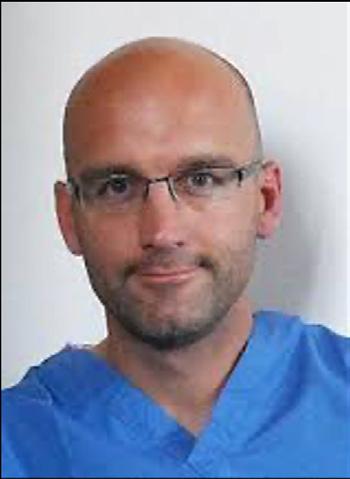
Mr Mark Duxbury is a Consultant Surgeon with an active NHS and private clinical practice in Glasgow, specialising in diseases of the liver, pancreas, biliary tree and gallbladder. He also has expertise in laparoscopic and complex hernia surgery.
Mr Duxbury has over 15 years’ medicolegal experience and accepts expert witness instructions for cases including:
• General, emergency and trauma surgery
• Gallstones and gallbladder disease
• Complex hernia surgery
• Gastrointestinal surgery
• Laparoscopic surgery
• Bile duct injury
• Complex biliary surgery
• Liver and pancreatic surgery for benign disease and cancer
He understands his duties to the court and can serve as a witness on behalf of claimants/pursuers, defendants/defenders, as a single joint expert and has mediation experience.
Mr Duxbury serves as an expert witness across the UK and Republic of Ireland. He understands the requirements of instructing solicitors, the restricted timescales for civil litigation, and the limitations of expertise. All reports represent an independent opinion on the standard of care and will contain a clear summary of the key background medical information and conclusions, as required.
On request, Mr Duxbury will provide a fee estimate and timescale for report preparation. Legal Aid cases, agency instructions, and fixed fee work are accepted.
Deferred payment can be arranged (by prior agreement only). Secure electronic systems are used. Where appropriate, reports are produced in accordance with current UK Civil Procedure Rules. Data are managed in accordance with GDPR.
www.MarkDuxbury.info/medicolegal
The Public Domain Documents Pilot is a two-year scheme launching on January 1, 2026, in specific commercial courts to increase transparency and public access to court documents. This initiative shifts the default position so that certain documents used in public hearings are automatically made available to the public, rather than requiring a separate application.
Courts Covered: The pilot will run in the Commercial Court, the London Circuit Commercial Court of the King's Bench Division, and the Financial List.
Documents Included: "Public Domain Documents" will include skeleton arguments, written submissions, witness statements (excluding exhibits), and expert reports (including annexes and appendices).
Timeline: The pilot is scheduled to operate from January 1, 2026, to December 31, 2027, with a review planned after the first six months.
This Pilot implements the Supreme Court decision in Cape v Dring and is likely a sign of future requirements across all civil courts.
The report you write for court may soon be available to anyone. This raises immediate concerns about professional practice, confidentiality, and expert safety.
Review Guidance: Read the Pilot Practice Direction and the accompanying Guidance Note, especially if working in the pilot courts.
Discuss with Instructing Parties: Coordinate with the instructing party about when the report will be used in a public hearing and how to handle confidential material.
Protect Personal Information: Do not include personal contact details (telephone number, email,
home address) in reports or joint statements beyond what is strictly required by procedural rules.
Be Aware of Scrutiny: Understand that expert reports may be subject to media attention or public scrutiny, and consider reviewing personal information on public profiles or social media.
Read more: https://www.ewi.org.uk/N ews/ ArtMID/1215/ArticleID/970/preview/true/Access-toPublic-Domain-Documents-Pilot-will-launch-on-the-1stJanuary-2026
The Mazur case (formally Mazur & Anor v Charles Russell Speechlys LLP [2025] EWHC 2341 (KB)) is a significant High Court judgment in England and Wales that clarifies who is legally entitled to conduct litigation. The ruling confirmed that an individual must be personally "authorised" under the Legal Services Act 2007 (LSA), and that this right is not automatically granted to non-authorised employees (such as paralegals, trainees, or certain legal executives) simply because they work for an authorised law firm or are supervised by a qualified solicitor.
Key Takeaways from the Judgment
• Supervision is Not a Substitute: A nonauthorised person cannot lawfully conduct litigation "under the supervision" of an authorised person. The employer's authorisation does not confer entitlement on the employee.
• Assisting an authorised person (e.g., drafting documents, gathering evidence, performing mechanical filing tasks) is permitted.
• Conducting litigation (e.g., issuing proceedings, filing formal statements of case, making strategic decisions, assuming responsibility for the case) is a reserved activity and can only be done by an authorised individual. The
key test is who "has assumed responsibility for the conduct of the litigation and exercises professional judgement in respect of it".
Potential Consequences for Firms that have relied on non-authorised staff to conduct litigation risk include inability to recover costs for work performed unlawfully and professional indemnity insurance issues.
The Mazur decision has been described as a "bombshell" and a "watershed moment" for the legal profession, particularly for firms that use high volumes of non-qualified staff in areas like debt recovery and personal injury. It has forced many firms to urgently review and restructure their working practices, policies, and supervision models to ensure compliance. An appeal is currently in progress. In the meantime, expert witnesses should question who is instructing them before accepting work from law firms.
Read more: https://www.criminalbar.com/wp-content/ uploads/2025/11/CBA-note-re-Mazur-judgment-v.3.pdf
An umbrella review published in the BMJ concludes that existing evidence does not definitively link maternal paracetamol use during pregnancy with autism or ADHD in offspring. The review suggests that observed associations in some studies are likely due to confounding factors, and current medical guidelines continue to recommend paracetamol as a safe option for pain relief in pregnancy, when used as directed.
Meanwhile, in the USA, the manufacturers of the painkiller Tylenol (acetaminophen; paracetamol in the UK) are being sued by Ken Paxton, attorney general of the US state of Texas over allegations that they hid unproven links between the drug and autism in children from pregnant women.

The move comes after unproven claims by the Trump administration of links between acetaminophen use in pregnancy and autism in children.
J&J and subsidiary Kenvue responded by stating, “Rigorous, independent research, endorsed by leading medical professionals and global health regulators, confirms that there is no proven link between taking acetaminophen and autism. We stand firmly with the global medical community that acknowledges the safety of acetaminophen and believe we will continue to be successful in litigation as these claims lack legal merit and scientific support.”
Read more: http://bit.ly/48GYgnN
https://bit.ly/bmj-link
By Dr Lorin Lakasing
Publication date: 21 October 2025
In Delivering the Truth, NHS consultant obstetrician Dr Lorin Lakasing offers a rare and uncompromising insider’s account of a maternity system that, she argues, is long overdue for honest scrutiny and meaningful reform. With three decades of clinical experience behind her, Lakasing is uniquely positioned to trace how the NHS maternity service reached its current, deeply troubled state and what it will take to rebuild it.
For more than twenty years, maternity scandals have repeatedly dominated headlines: avoidable harm to mothers and babies, exhausted and overstretched staff, and stark inequalities in the quality of care. Public inquiries arrive with regularity, each accompanied by promises of reform, yet the same failings return with grim predictability. Lakasing’s central question is the one many families, clinicians and policymakers have quietly wondered: Why does nothing really change?
The strength of this book lies in its clear, accessible unpacking of the forces at play behind the scenes. Lakasing argues that major stakeholders, from clinicians to regulators, have been unintentionally incentivised to pursue conflicting aims. The result is a system that struggles to function collaboratively, even when everyone ostensibly wants the same thing: safe, effective care for mothers and babies.
Lakasing writes with a steady optimism. Her account is grounded not only in critique but also in hope, offering readers a constructive vision for how maternity services could be transformed. She invites readers to move beyond the repetitive
cycle of scandal-investigate-recommend and instead understand the deeper structural issues that have prevented progress.
Readers will come away with a richer sense of the lived reality inside NHS maternity care - the pressures facing staff, the vulnerabilities of those giving birth, and the complexity of navigating a system under strain. More importantly, they will gain a clearer sense of what change might actually look like, and why it remains possible.
Delivering the Truth is an engaging, informed and timely contribution to one of the most pressing healthcare debates of our time. For parents, clinicians, policymakers or anyone invested in the future of the NHS, it offers both clarity and cautious hope.
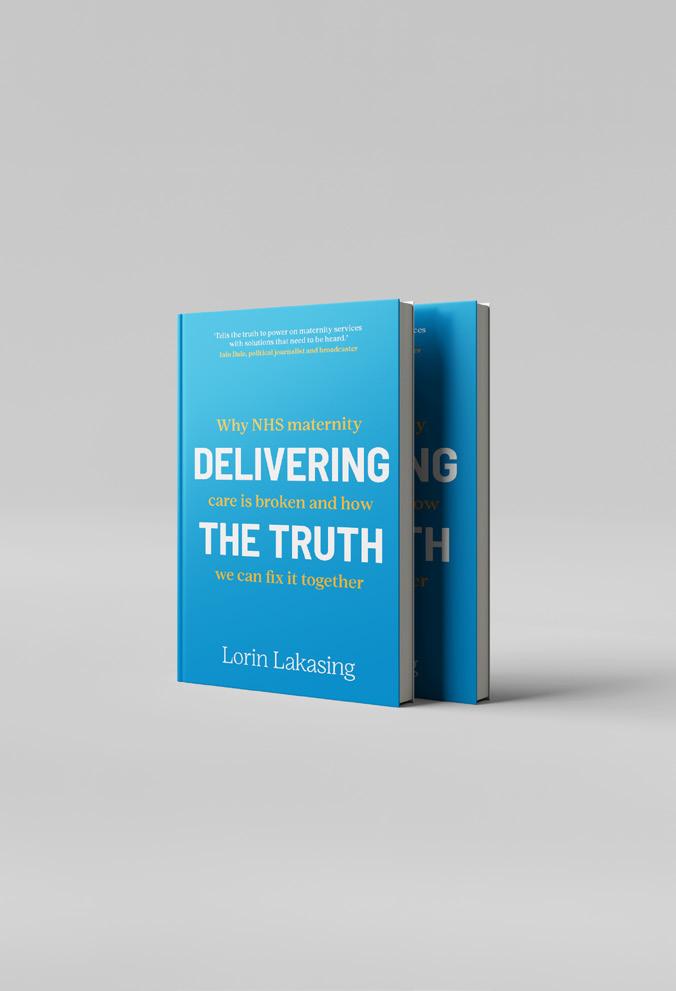
“Delivering the truth: Why NHS maternity care is broken and how we can fix it together”
BY LORIN LAKASING

Pre-order now or available from 21st October in all good bookshops, and on Amazon.
‘Tells the truth to power on maternity services with solutions that need to be heard.’ Iain Dale, political journalist and broadcaster


@UKMediationJ
@UKMediationJournal




Now in our sixth year, the UK Mediation Journal is the UK’s leading mediation publication, advocating the benefits of mediation in business. There is still an overwhelming need for effective conflict management solutions in the workplace and our publication is designed to equip business leaders and HR professionals with the skills and resources needed.

MB ChB BSc LMCC MD FRCPC FRCSCplas FRCSEd(Plast) MRCEM
Consultant Plastic & Reconstructive Surgeon | Senior Emergency Physician | Expert Witness
t: +44 7852 136 413
e: paul@paulbaguley.co.uk
w: www.paulbaguley.co.uk
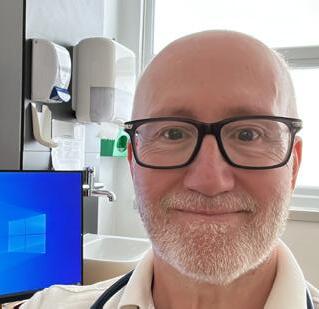
Mr Paul Baguley is a triple-qualified Consultant in Paediatric Medicine, Emergency Medicine, and Plastic & Reconstructive Surgery, with additional expertise in Paediatric Plastic Surgery. Over a forty-year career, he has combined frontline emergency practice with complex reconstructive and aesthetic surgery. As a Senior Physician in both adult and paediatric emergency medicine, he brings unique crossspecialty insight to medico-legal work. Mr Baguley provides
balanced, evidence-based expert reports on breach of duty, causation, and prognosis for claimant and defendant solicitors across the UK and Ireland.
Consulting at A Vita, 22 High Street, Yarm, TS15 9AE
MB BS MD FRCS (Eng) FRCS (CTH) LLB (Hons)
Consultant
Cardiothoracic Surgeon
t: +44 0208 383 2026
e: andrew.chukwuemeka@nhs.net
Acting for Claimants, Defendants and as a single joint expert, a Consultant Cardiothoracic Surgeon with Imperial College Healthcare NHS Trust, he is Medical Director at Hammersmith Hospital and was previously Clinical Director for Cardiac Sciences (Cardiology, Cardiothoracic and Vascular Surgery). His clinical interests include Chest Trauma, Aortic Surgery including Transcatheter Aortic Valve Implantation (TAVI), Heart Valve and Coronary Artery Bypass Surgery. Mr Chukwuemeka was the Royal College of Surgeons’ Regional Specialty Advisor and served on the Medical Technologies Committee at NICE. He serves on the NHSE - Clinical Reference Group for Cardiac Services, NHSE - London Clinical Senate Council and the Medicines and Healthcare products Regulatory Agency (MHRA).

Consultant Plastic Surgeon (GMC: 2702249)
t: +44 07515 094 348
e: info@clifton-plastic-surgery.co.uk
w: clifton-plastic-surgery.co.uk
• Consultant Plastic Surgeon since 1996 and has a broad experience having worked in the Army, the NHS and the
Private Sector.
Over 20 years of experience writing reports and receives about 300 instructions per year.
• Instructed by Claimants, Defendants, and as a Joint Expert.
• Aware of the Part 35 requirements of an Expert Witness and has obtained Part 1 of the Certificate of Medical Reporting (Bond Solon).
• Has experience appearing in court as an expert witness.
• Appointments are available in Bristol, London, Cardiff, Birmingham and Salisbury.
• All reports are produced within agreed timescales, usually 6 weeks, which can be expedited.

Respiratory Physician
t: +44 07961 231 45
e: mazhar.chaudri@nhs.net
Dr Mazhar Chaudri has been a Consultant Respiratory Physician at Russells Hall Hospital in Dudley, West Midlands since April 2004. He is the Trust lung cancer lead and Clinical Director of the Dudley Lung Cancer Screening programme. He is interested in interventional procedures such as bronchoscopy, endobronchial ultrasound, medical thoracoscopy and indwelling pleural catheter insertion and management. Dr Chaudri achieved the Cardiff University Bond Solon Expert Witness Certificate (CUBS) in 2018 and undertakes instructions as an expert witness, preparing medico-legal reports on various respiratory cases,
including clinical negligence, personal injury and occupational lung disease. He used to sit on the British Thoracic Society Specialist Advisory Group on Interventional Procedures and undertake lung cancer peer review for NHS England and NHS Improvement.
Podiatric Consultant and Gait Specialist
t: +44 0207 636 4465
e: clinic@gaitandposture.com w: www.gaitandposture.com

David Simon Costain is a Podiatric Consultant and Gait Specialist, based in Harley Street, London. He has over 45 years of experience in Podiatry and is the CEO of the Gait & Posture Centre.
He specialises in the analysis of gait related musculo-skeletal problems relating to foot and leg malfunction, dividing his time between his private practice and expert witness work. He focuses on Personal Injury cases where approximately 75% of his work is for the claimant, and 25% for the defendant.

BSc MBBS MD FRCR
Expert Radiology Witness
t: +44 07733 156 406
e: suprio.ganguly@nhs.net


t: +44 020 8152 4700
e: Pa@jonathan-dunne.com w: www.jonathan-dunne.com

Mr Jonathan Dunne is a Consultant Plastic Surgeon at Imperial College NHS Trust and holds the position of Clinical Lead for Skin Cancer. He is the Chief Investigator for international skin cancer research trials and has
published more than 60 scientific articles and several book chapters. Mr Dunne is uniquely trained in all aspects of facial plastic surgery including Mohs surgery, head and neck microvascular surgery and facial palsy. In addition, he has extensive experience in the management of burns, complex wounds and trauma, and is a trustee of the Malawi Burns Trust. He currently undertakes 50 reports per year.

Dr Suprio Ganguly has over 37 years' experience of radiology practice earned in five countries spanning three continents, traversing both military and civilian sectors. Dr Ganguly is on the GMC's Expert Witness and Associate Medical Performance Assessor panels. Dr Ganguly undertakes expert witness instructions, including the preparation of medico-legal reports and giving evidence in court in clinical negligence cases relating to Neuro, Chest, abdomen and pelvis, Gynaecology
EMAIL ME and obstetrics, Paediatric, Cancers, Trauma, and Emergency radiology. Dr Ganguly can act on behalf of either claimant or defendant or as a Single Joint Expert. He has provided expert witness evidence in the coroner's, judicial, and military courts.

T: +44 (0)20 8852 8522
E: eyes@dbcg.co.uk
Office: Docklands Business Centre, 10-16 Tiller Road, London E14 8PX
EYE-LAW CHAMBERS ® was founded in 2017 through the consolidation of leading medicolegal practices. Specialising exclusively in eye and vision-related medicolegal matters, the team offers high-quality CPR35-compliant expert opinion across issues involving causation, liability, condition, and prognosis. A corporate membership in The Academy of Experts since 2019, EYE-LAW CHAMBERS® acts as trusted expert medicolegal providers through its unwavering commitment to expertise, timeliness, and service. Based in London and
operating internationally, for civil and criminal courts and tribunals across the UK, Republic of Ireland, mainland Europe, Africa, and Asia, EYE-LAW CHAMBERS ® delivers comprehensive Expert reports within four weeks of instruction.
CONTACT US
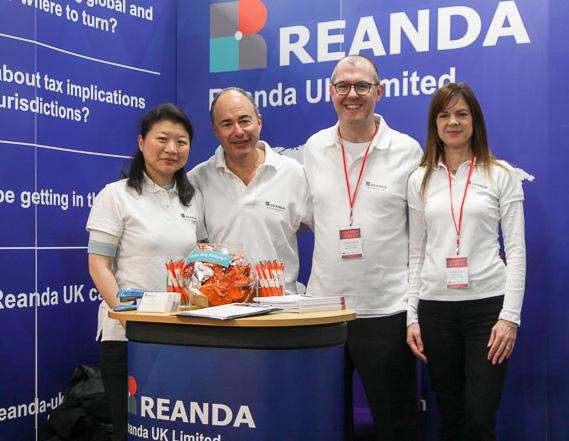

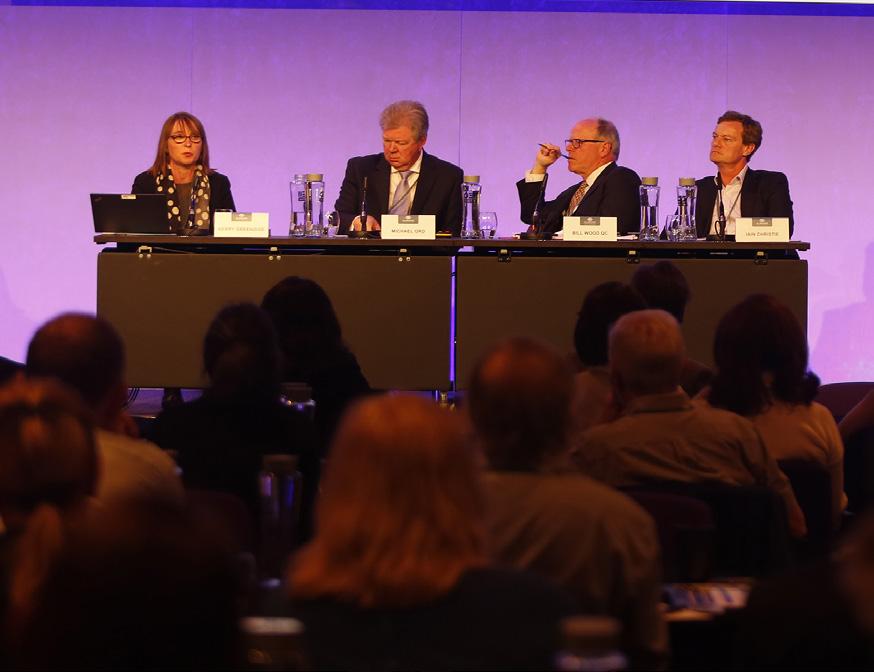

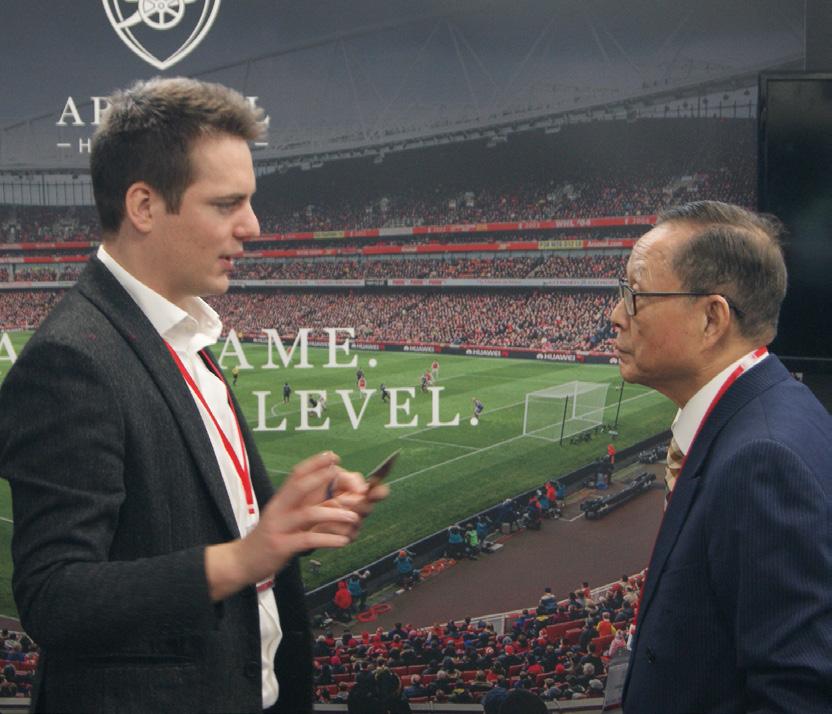
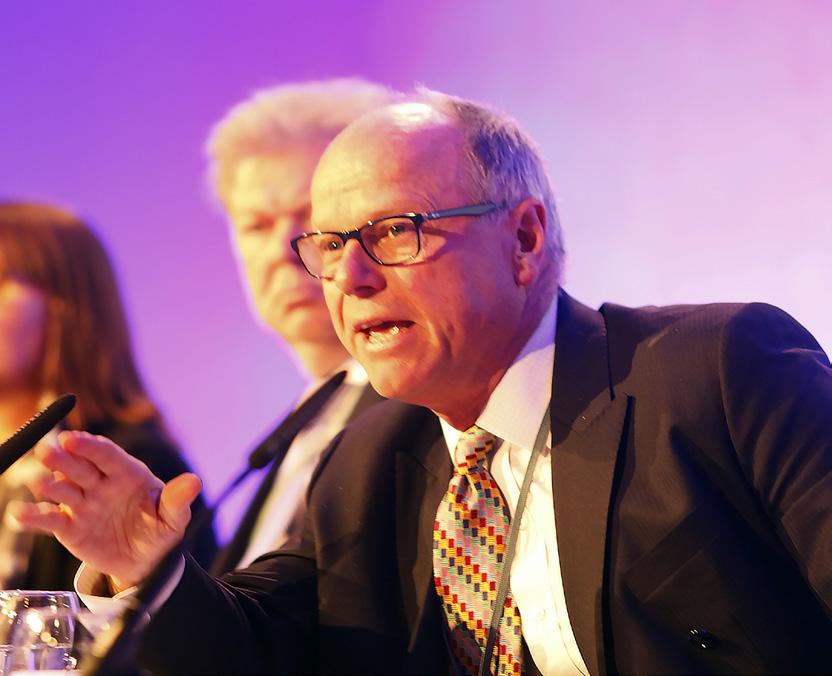
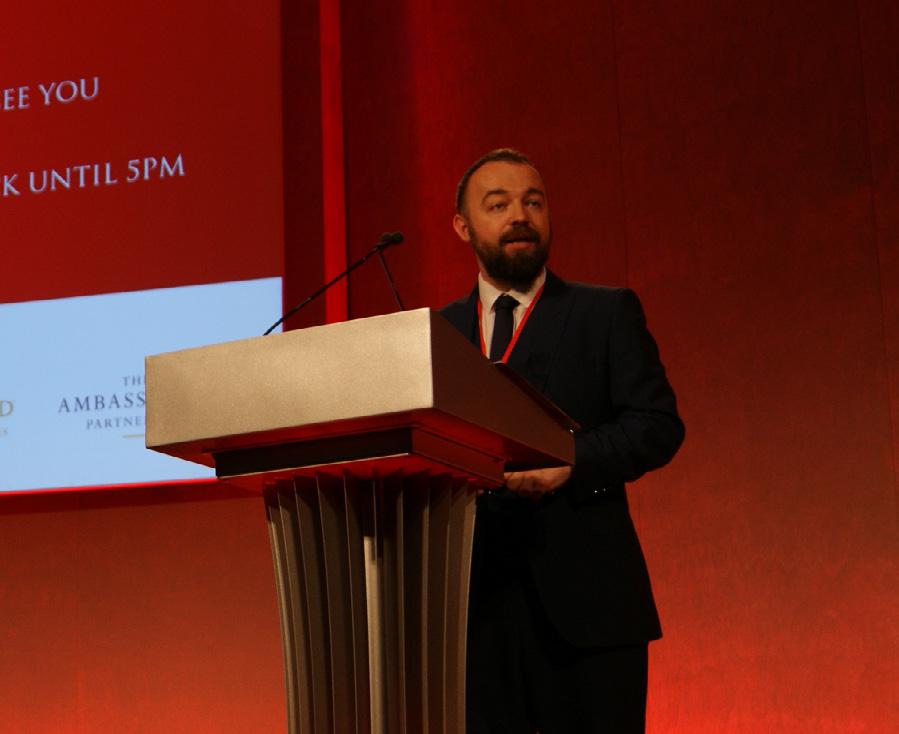
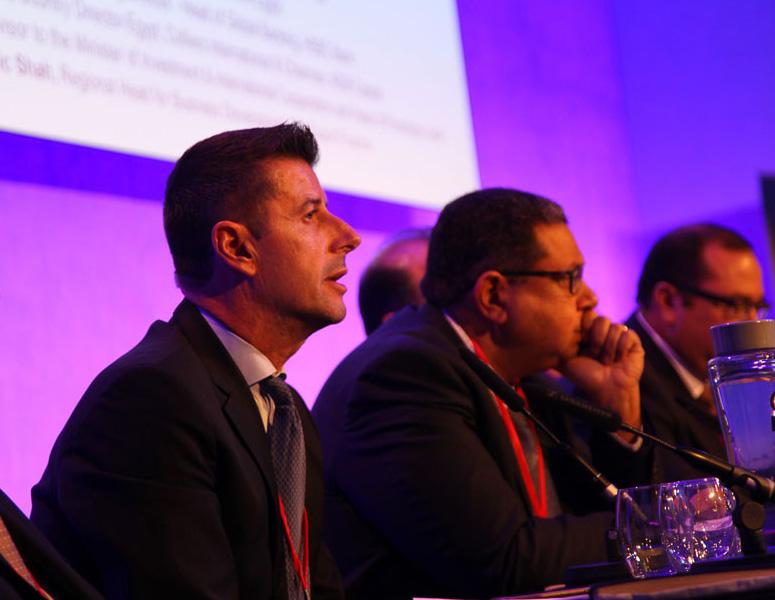



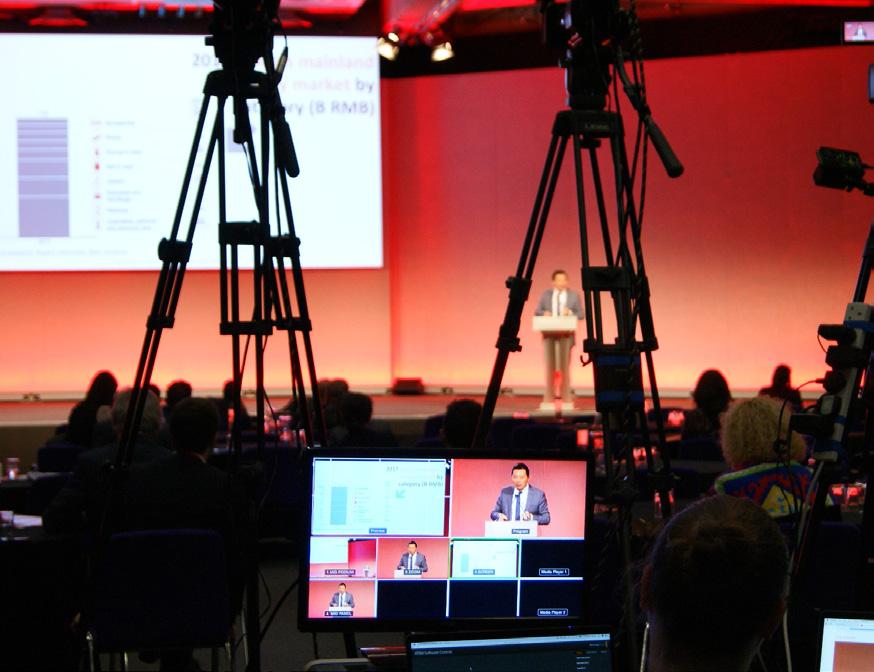
Our live events portfolio of conferences and exhibitions brings together leading Government officials, trade organisations, business leaders, industry experts, thought leaders and trade associations. Amassing the most relevant and high profile delegates, our events offer highly targeted environments to network and conduct business. Whether you would like to find out more information about scheduled events or would like to discuss event partnerships please get in touch.
MBChB, LL.B (Hons), FRCSEd (C-Th), PgCert (Medical Law)

e: vijayjoshi@doctors.net.uk
w: www.thoracicexpertwitness.co.uk
Mr Joshi is an award winning, US and UK trained Consultant Thoracic Surgeon (in practice since 2018). He takes instructions on cases related to lung / thoracic cancers, pleural and airway diseases, sarcoma and many other lung / chest related conditions. He has a
regular, ongoing trauma practice and can opine on both rib and sternal injury. Mr Joshi has been preparing reports since 2019 and has given evidence in Court. He is formally trained through Bond Solon and has CUBS certification. He takes instruction for both claimant and defense as well as a joint expert.
Consultant Plastic, Reconstructive and Hand Surgeon
t: +44 07360 750 011
e: mrkplastics2021@gmail.com
w: www.atulkhanna.co.uk/expert-witness
Mr Khanna is a substantive NHS Consultant in Plastic, Reconstructive and Hand Surgery at The Sandwell and West Birmingham NHS Trust and has been involved in medical legal work since 1998. In this period he has provided over 4000 medical reports. He has prepared a chapter for the Encyclopedia of Forensic & Legal Medicine entitled "Medical malpractice in Cosmetic and Plastic Surgery".
Areas of expertise:
• Hand surgery: Sequelae of hand injuries and surgery
• Soft tissue injury:
• Burns management: Sequelae of disability following burns injury, scarring and surgery
• Medical negligence in Cosmetic Surgery

MB ChB PhD MRCP MRCPath
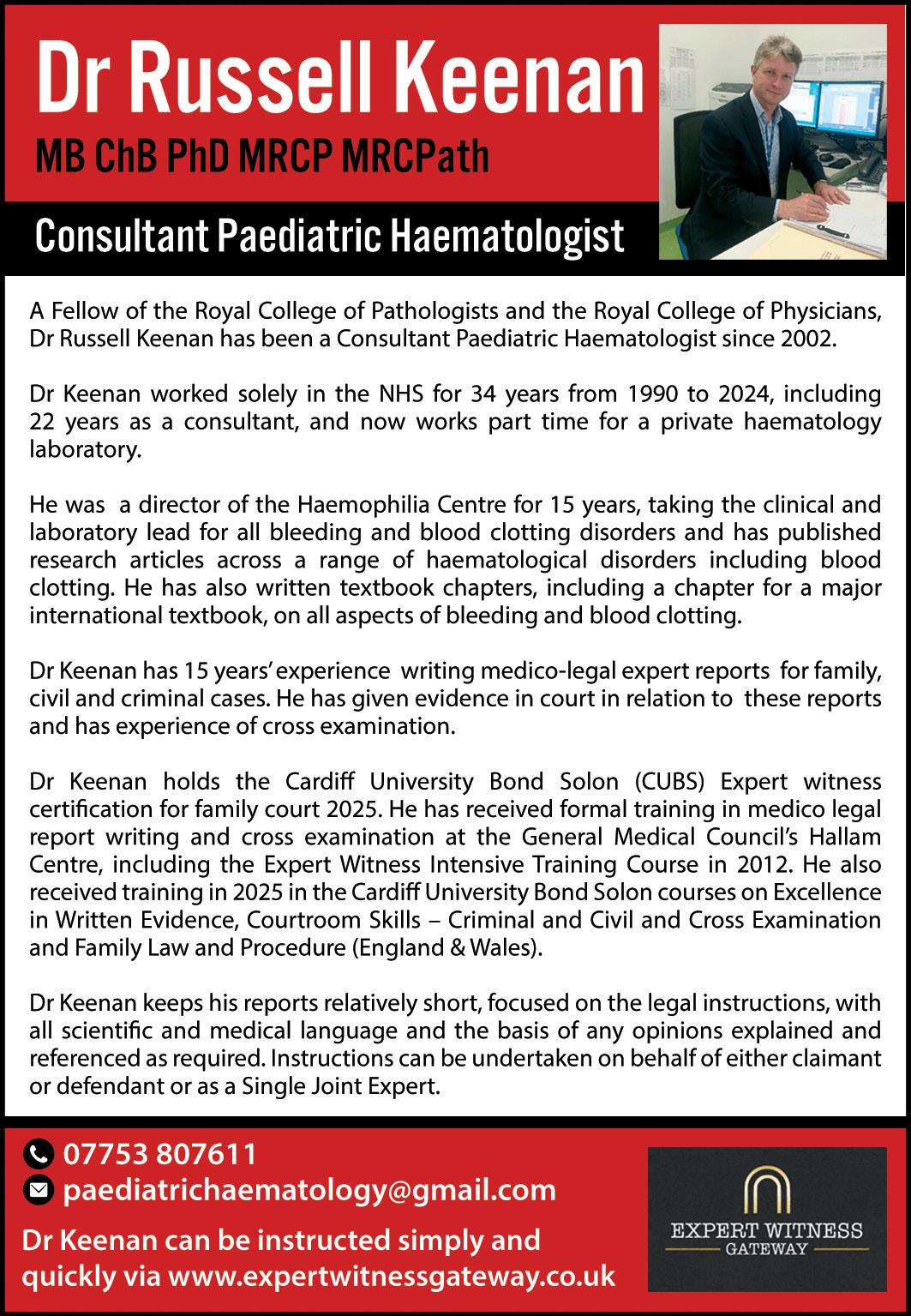
Consultant Paediatric Haematologist
t: +44 07802 456 804
w: www.dentalexpert.me
w: www.forma.co.uk
e: info@dentalexpert.me
Dr Raj Kumar has written over 500 reports in matters arising from patient and regulatory complaints, dental negligence and accidental injuries. Dr Kumar currently completes about 150 reports annually; 70:30 claimant defendant ratio. Clinical negligence, Condition and Prognosis, Road traffic accidents and Clinical Fraud are all covered. Dr Kumar has appeared in court hearings at least 5 times on behalf of claimants and defendants, including Regulatory matters. Dr Kumar qualified from Guys Hospital in 1989 with a
BDS. In 1990 he obtained his LDS RCS from the Royal College of Surgeons London. Dr Kumar holds a Masters degree in Advanced General Dentistry from the Royal College of Surgeons and a Masters in Implantology from the University of Madrid.
ME
t: +44 07596 852 737
w: www.medicolegalorthopaedics.com
w: www.upperlimbsurgery.net

e: appointments.shyamkumar@gmail.com
Mr Kumar is a Consultant Orthopaedic Surgeon, specialising in trauma and upper limb conditions, with a focus on medicolegal practice since 2011. He serves on the Orthopaedic trauma rota at the Royal Lancaster Infirmary. He holds an LLM in Medical Law & Ethics and is on the Medicolegal Committee of the British Orthopaedic Association. He is on the panel of performance assessors
Consultant Orthopaedic Surgeon for the General Medical Council and is an examiner for the FRCS (Tr& Orth) and Royal College of Surgeons. He provides concise medical reports for clinical negligence and personal injury cases, with clinics in Manchester, Lytham, Bolton and Lancaster.
All General Ophthalmology
w: www.damianlake.com
e: info@damianlake.com


Consultant OMFS H&N Surgeon
t: +44 0750 5402 640
e: kyzasp@icloud.com
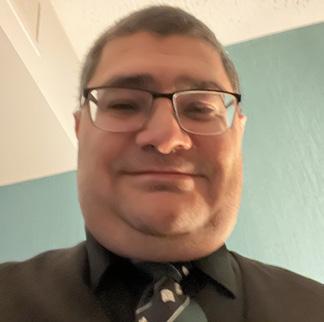
My name is Professor Panayiotis (Panos) Kyzas. I am a consultant in OMFS/Head and Neck Surgery with a clinical specialty interest in ablation and reconstruction of head and neck cancer and facial skin cancer. I am the Editor-InChief of the main UK scientific journal for my specialty, a pst
that commenced in 2024 for 5 years. I held the post of the chair for the OMFS Specialty Training Committee and the regional research advisor. I have acted as the national OMFS representative on the TIG H&N fellowship committee and the Quality Assurance Lead from 2019 to 2023. I have recently graduated my law degree with honours. I currently hold a Bronze National Clinical Excellence Award for my services to the NHS. I am the Chief Investigator of the MANTRA trial, a with multimillion pounds NIHR funding. In August 2023 I have been appointed as a visiting Professor in OMFS H&N Surgery at Edge Hill University.


Mr. Lake is a Consultant Ophthalmologist currently practising in Kent, Sussex and London. In 2008 Mr. Lake became a Consultant at the Queen Victoria NHS hospital, East Grinstead. He became Clinical Director of the service for five years, and responsible for the UK’s first Eye Bank. Mr. Lake has represented the hospital at National level at OTAG (Ocular Tissue Advisory Group to NHSBT) and as Chair of the OTTSG (Ocular Tissue and transplant Standards Group of the Royal College of Ophthalmology.) In 2022, Mr. Lake obtained a Masters degree (with merit) in Law from The University of Cardiff. In 2023, Mr. Lake founded The Sight Centre Group and opened clinics and hospitals in Tunbridge Wells, Kent, dedicated to excellence in eye care. He continues as the Medical Director and a practising Consultant. Mr. Lake has produced medico legal reports since 2008, with an approximate 50:50 split, Defendant: Claimant ratio.
Consultant Cardiothoracic Surgeon


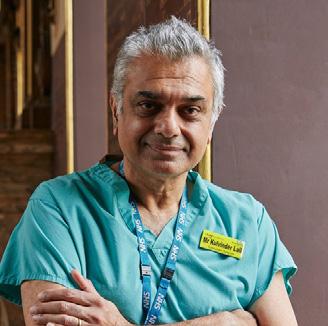
e: cardiothoraciclegal@icloud.com w: www.cardiothoracic-surgeon.co.uk
Kulvinder Lall is one of the top cardiothoracic surgeon’s in the UK, with particular expertise in aortic valve replacement, mitral valve repair, coronary artery bypass graft, and thoracic aortic aneurysm. Mr Lall is listed on the General Medical Council Specialist Register as a specialist in cardiothoracic surgery. Qualifying in 1989 from the University of London, he has trained in cardiothoracic surgery in London, Glasgow & Sydney. He was appointed to St Bartholomew’s Hospital as one of the youngest cardiac surgeons in the UK aged 36. As an NHS Surgeon he has performed in excess of 5,000 heart operations with outstanding results as measured by The Care Quality Commission & Department of Health.
As a leading cardiothoracic surgeon, he has published in over 15 peer reviewed worldwide journals and is actively involved in NHS research. He teaches extensively in China, Europe, Hong Kong and Israel, and was the first implanter of a stentless heart valve in Asia (Beijing 2010).

BSc (Hons), MSc, MBBCh, FRCP
t: +44 0800 433 2380
e: enquiries@drneilmo.com
w: www.drneilmo.com
Consultant Rheumatologist reports with a quick turnaround time. He has expertise in all areas of adult rheumatology, and maintains his clinical and medicolegal knowledge to deliver an up to date expert opinion. He is experienced with risk management within the NHS and has undergone training with NHS resolution.

Dr Neil Mo is a consultant rheumatologist and clinical lead in Swansea Bay University Health Board. He was previously a consultant in Charing Cross and Hammersmith Hospitals. He has received training in report writing and courtroom skills, and has produced over 300 medicolegal reports. He provides comprehensive, authoritative and well balanced
Senior Consultant Nephrologist
Professor of Medicine & Nephrology
t: +44(0)7900242651
e: Rhea2202@aol.com

Professor Mitra is a key opinion leader in Nephrology and Acute Medicine practising as a Full-time substantive Consultant for 22 yrs. He has been a Senior Consultant at The University Hospitals of Manchester, Manchester Royal Infirmary (NHS practice) and Spire Hospitals (Private practice) and has been involved in medical legal work since 2008. In this period, he has provided over 180 medical reports. He also serves as a CQC specialist advisor.
Areas of expertise:
• Chronic kidney disease
• Acute Kidney Injury
• Electrolyte disorders
• Hypertension
• Dialysis Medicine
• Kidney Transplantation Hypertension
• Multimorbidity and Complex Medical Care
• Medical technology usability and complications
• Safety breach and Quality Assurance
• Clinical Governance and Risk Mitigation
• Adherence to Guidance and specifications
MBChB FRCA LLM
Consultant Paediatric and Adult Anaesthetist
t: +44 07428 467 803
e: ddp.medicolegal@gmail.com
w: www.anaesthesiamedicalexpert.co.uk
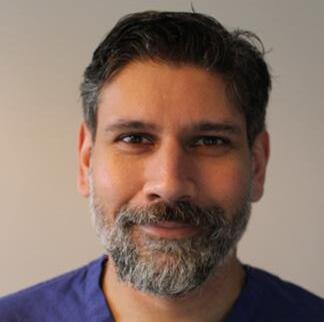
Dr David Newby is a substantive anaesthetic consultant at Ipswich Hospital. He is the lead anaesthestist for paediatric services and established and runs the consultant-led paediatric preoperative assessment clinic. His adult work
includes orthopaedic trauma and vascular surgery.
Areas of particular expertise:
• anaesthesia for children in the district general hospital
• paediatric preoperative assessment
• TIVA in children
In addition to: all aspects of adult perioperative care, including preoperative assessment
• high-risk surgery
• awareness under anaesthesia
• anaphylaxis
• shared-decision making
MA MD FRCP FRCR
t: +44 020 7631 1632 e: nplowman@doctorplowman.com w: www.drnickplowman.com

Dr P N Plowman is senior clinical oncologist to St Bartholomew's Hospital, London and has a paediatric interest and on the staff of Great Ormond Street Hospital. He has a long history of medicolegal work with around 50 new instructions each year. He has been an expert
in the Tobacco Litigation and the class action of 22,000 USA women claiming breast cancer caused by HRT. Most of his instructions are to do with delay to diagnosis of cancer or causation aspects of cancer treatments' complications.
EMAIL ME

Dr Ana Phelps MD, PhD, FRCP, RCPathME
t: +44 07970 627 996
e: ana.phelps@nhs.net
Substantive Consultant Geriatrician and resuscitation, coroner reports, ethical situations, inappropriate/ harmful testing and treatments, and breeches in communication. She can provide comprehensive case reviews and expert opinion on the quality of the care provided at the different stages of care.

Dr Phelps is a substantive Consultant Geriatrician at Buckinghamshire Healthcare NHS Trust. She is an experienced Medical Examiner, regularly reviewing hospital mortality cases and advising doctors on medical certification of cause of death and when to refer to a Coroner. Her expertise includes Orthogeriatrics, Frailty, Dementia, Peri-operative Medicine and complex cases in patients >65y. Her medico-legal practice includes medical negligence, second opinions, decisions on escalation

MBBCh FRCSI FRCS (ORL-HNS) FRCS
Consultant Otolaryngologist and Head & Nech Surgeon
t: +44 07802 974 000 e: sarwatsadek@doctors.org.uk
Mr Sarwat Sadek has been practising as an ENT Consultant for nearly 40 years and is currently Consultant Otolaryngologist and Head & Neck Surgeon at the Nuffield Hospital, Taunton.
Areas of interest:
• Military noise induced hearing loss
• Noise induced hearing loss
• Occupational rhinitis
• Facial & neck trauma
• Traumatic loss of sense of smell and taste
• Deafness, tinnitus and vertigo as a result of road traffic accidents

t: +44 7530 479177
e: stuartbporter@aol.com
Lecturer in Physiotherapy | Expert Witness | Author in relation to accepted professional and evidential standards. Dr Porter routinely analyses the adequacy of physical assessment, documentation, treatment protocols, patient consent, and continuity of care.

Dr Stuart Porter is a Chartered Physiotherapist and an Expert Witness with extensive experience. He is also an international textbook author. His medico-legal practice encompasses breach of duty, causation, and condition-and-prognosis matters within physiotherapy, rehabilitation, and wider neuro musculoskeletal healthcare in adults and children. He accepts instructions on behalf of both Claimants and Defendants, including legal aid rates, providing independent expert opinion in accordance with the Civil Procedure Rules (CPR Part 35) and associated Practice Directions. His reports address standards of physiotherapy practice, assault, negligence and criminal claims, the appropriateness of interventions
Consultant Trauma & Orthopaedic Surgeon
t: +44 0161 393 3059 e: nikhil.shah@consultantcare.com
Mr Nikhil Shah can act as an expert witness in personal injury and clinical negligence cases, taking instructions from either claimant or defendant or as a Single Joint Expert. He can provide medico legal reports for personal injury claims involving:
• Trips and slips Pelvic and acetabular fractures
• Low velocity impact cases
• Whiplash
• Long bone and articular fractures
• Ankle, knee and hip fractures, lower limb injuries
• Soft tissue injuries
Mr Shah can provide clinical negligence related reports in his specialist areas of expertise concerning:
• Primary and revision hip and knee replacements
• Pelvic and acetabular fractures
• Long bone and periarticular trauma

Lead Consultant in Emergency Medicine, Princess Elizabeth Hospital, Guernsey
t: +44 07839 755 001
e: thesens@msn.com
Medico Legal Expert since 1996

Experience as independent expert for claimant, defence & SJE.
Areas of interest:
• Clinical Negligence
• Personal Injury
• Hand Injury
• Resuscitation
• Trauma, Burns, Sedation & Acute Pain
• Musculoskeletal injuries
• CPR Part35 trained
• MEDCO accredited
• Up to date medico-legal CPD portfolio
• Reports vetted by solicitors
• Consultation Venues at: Chester (Cheshire, Northwest & North Wales), Guernsey & Jersey
Happy to provide pro-bono opinion Member of EWI, APIL, Law Society.

and Orthopaedics)
t: +44 07506 504 351
e: mrpaulwj@gmail.com
w: www.paulwj.com
Mr Whittingham-Jones is a consultant Hip and Knee surgeon with an NHS and private practice. He has
produced over 1000 reports since 2013. Reports are accurate, concise and well reasoned. He is always happy to talk through any issues with reports. Having a particular interest in breach of duty cases, he will provide full reports or desktop screening reports as required.

HELP WITH FINGERS|HANDS|WRISTS www.handsurgery.co.uk 0345 4505 007
t: +44 0345 4505 007
e: davidwarwick@handsurgery.co.uk
w: www.handsurgery.co.uk
Expert on injuries and conditions affecting the Hand & Wrist; Personal Injury & Medical Negligence; Claimant & Defendant; Unbiased, sympathetic, meticulous, punctual;
Over 5500 Pl & 800 Clin Neg Reports over 28 years
DM MD BM FRCS FRCS(Orth) Diploma of Immediate Medical Care European Diploma of Hand Surgery VISIT
Past Chair: British Orthopaedic Association Medicolegal Committee
Informal advice by telephone and email
Deferred fees on request Southampton, Winchester, Jersey


7TH MAY 2026, DE VERE GRAND CONNAUGHT ROOMS, LONDON, UK
The Medico-Legal Conference has now firmly established itself as the UK’s leading event bringing together medico-legal professionals, industry experts, and suppliers. Attend to experience our high level programme of speakers, interactive exhibition zone, and networking.
The conference is being held at De Vere Grand Connaught Rooms on Thursday 7th May 2026.
Benefits of Attending:
• Be updated on the latest medico-legal developments, reforms and issues
• Hear from lawyers involved in some of the most complex medico-legal cases
• Learn more from medics about the challenges facing the NHS from an expert witness point of view
• Gain insight into writing medico-legal reports and where experts go wrong
• Enjoy excellent networking opportunities, including a Champagne reception




The Medico-Legal Conference has now firmly established itself as the UK's leading event bringing together medico-legal professionals, industry experts, and suppliers. Attend to experience our high-level programme of speakers, interactive exhibition zone, and networking.
For more information and to book your place please visit:
The conference is being held at De Vere Grand Connaught Rooms on Thursday 7th May 2026.
•
Be nefits of Atte nding:
Book now and benefit from our 30% off offer
• Enjoy excellent networking opport unities, including a Champagne reception
Be nefits of Atte nding:
• Learn about the increasing role of mediation in settling medico-legal claims
some of the most recent high profile cases
•
•
•
•
•
•
• Be updated on the latest medico-le gal developments, reforms and i ssues
• Learn about the increasing role of mediation in settling medico-legal claims
• Be updated on the latest medico-le gal developments, reforms and i ssues
• ficulties
• Be updated on the latest medico-le gal developments, reforms and i ssues
Be nefits of Atte nding: 6 Hou r s C PD
• in some of the most recent high profile cases
Be nefits of Atte nding:
of speakers, interactive exhibition zone, and networking. The conference is being held at De Vere Grand Connaught Rooms on Thursday 7th May 2026.
• in some of the most recent high profile cases
• Enjoy excellent networking opport unities, including a Champagne reception
• in some of the most recent high profile cases
• Learn about the increasing role of mediation in settling medico-legal claims
E ss entia l fo r Do ct ors, L aw yer s and a ll t hos e in v ol ved i n the M ed ic o-L ega l Pr of
• Be updated on the latest medico-le gal developments, reforms and i ssues
• ficulties Enjoy excellent networking opport unities, including a Champagne reception
• Learn about the increasing role of mediation in settling medico-legal claims
• Be updated on the latest medico-le gal developments, reforms and i ssues
• ficulties
6 Hou r s C PD
• fic
• in some of the most recent high profile cases
• Learn about the increasing role of mediation in settling medico-legal claims
• ficulties
and benefit from our
6 Hou r s C PD
• Enjoy excellent networking opport unities, including a Champagne reception
• in some of the most recent high profile cases

• ficulties


• Enjoy excellent networking opport unities, including a Champagne reception
• Learn about the increasing role of mediation in settling medico-legal claims
E ss entia l fo r Do ct ors, L aw yer s and a ll t hos e in v ol ved i n the M ed ic o-L ega
• Enjoy excellent networking opport unities, including a Champagne reception


• Learn about the increasing role of mediation in settling medico-legal claims
• Enjoy excellent networking opport unities, including a Champagne reception
• ficulties
• ficulties
E ss entia l fo r Do ct ors, L aw yer s
• Enjoy excellent networking opport unities, including a Champagne reception
• Be updated on the latest medico-le gal developments,
• Enjoy excellent networking opport unities, including a Champagne reception
6 Hou r s C PD
For 25 years, we’ve helped law firms to build stronger cases by providing access to specialist medical experts for comprehensive medico-legal reports.

Why choose Premex+?
With over 7,000 experienced medical specialists, each hand-selected for their subject matter knowledge and medico-legal experience, we deliver professional medical reports for your complex cases.
What sets us apart:
Specialist team, with on average 5+ years of experience working on complex cases
Tailored solutions for each case
Secure data handling –ISO27001 certified
Extensive industry experience www.premexplus.co.uk