Establishing A Safer AEC Workplace
THE FLORIDA ENGINEER'S DUTY
Establishing A Safer AEC Workplace
From the Engineers tasked with designing our future, to those in the field inspecting our infrastucture, safety remains the industry's top priority.

The Fall 2025 issue of Engineering Florida is dedicated to one of the most essential priorities in our profession: safety. Whether it’s designing resilient infrastructure, protecting workers in the field, or safeguarding communities on Florida’s roadways, engineers have a direct role in shaping a safer future for us all.
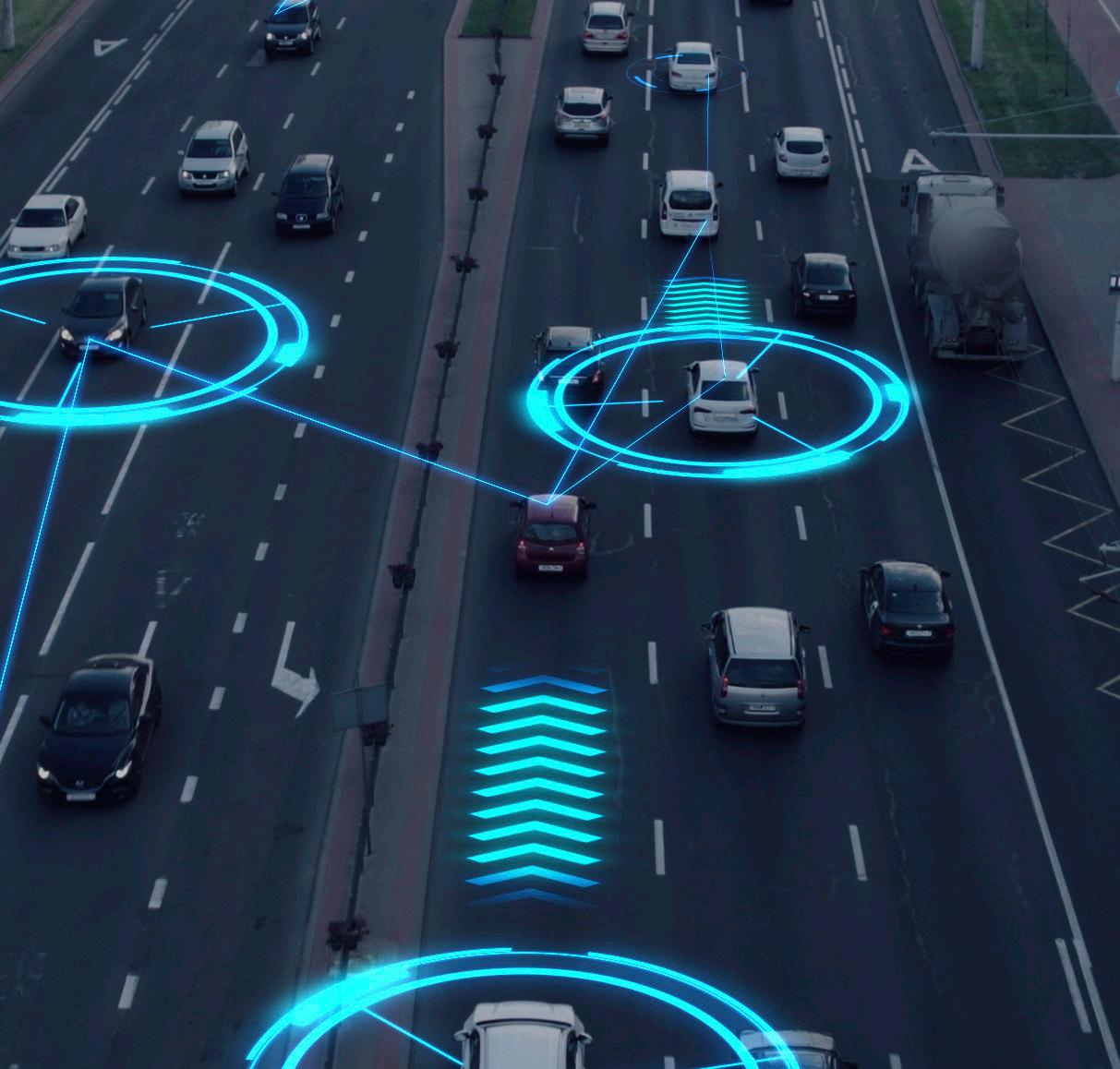
In this issue, we highlight FDOT’s Target Zero, a bold initiative aimed at eliminating traffic fatalities and serious injuries across our state. This feature ties directly into a broader conversation on pedestrian and cyclist safety, where innovative design strategies, technology, and public education efforts are being combined to reduce risks on Florida’s streets.
We also turn our focus to the built environment, exploring advances in structural engineering and recent building code updates that continue to raise the bar for resilience. Complementing this is our story on infrastructure inspection and monitoring using AI and VR, showing how emerging technologies are saving time and resources while lightening the load for engineers across the state. And because safety begins at the jobsite, we take a closer look at workplace safety practices that protect the engineers, contractors and laborers who bring our projects to life, spotlighting Haskell’s award-winning safety programs.
Our Market Spotlight takes you to Escambia County, where growth and investment are creating new
opportunities for firms while highlighting the importance of forward-looking planning. In our Education Update, we highlight the impactful work being done at the University of South Florida’s Center for Urban Transportation Research, where research and innovation are directly supporting the development of safer, more efficient transportation systems.
Beyond safety features, you’ll also find our Legislative Update, which looks back on the 2025 session. While lawmakers worked through a tighter budget, Florida remained committed to continued infrastructure investment, though political tensions highlighted just how challenging funding and policy negotiations have become. With committee weeks for the 2026 session set to begin this fall, now is the time for engineers, firms, and professional associations to engage, share expertise, and help shape funding priorities and policy proposals before bills are formally filed in January.
As always, we hope this issue of Engineering Florida provides both insights and inspiration as engineers continue to improve the safety, quality, and resilience of life across our state.
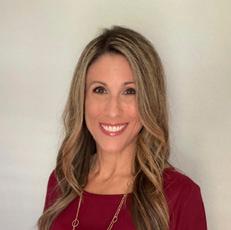
Stacey Butler Director of Marketing & Communications FES | ACEC Florida

Story: ESTABLISHING A SAFETY CULTURE
LAW & ETHICS: THE ENGINEER'S DUTY
16 12
AI IN FL OPENING POSSIBILITIES ACROSS THE STATE
FDOT
TARGET ZERO
28
32 ENSURING SAFETY NEW BUILDING CODES
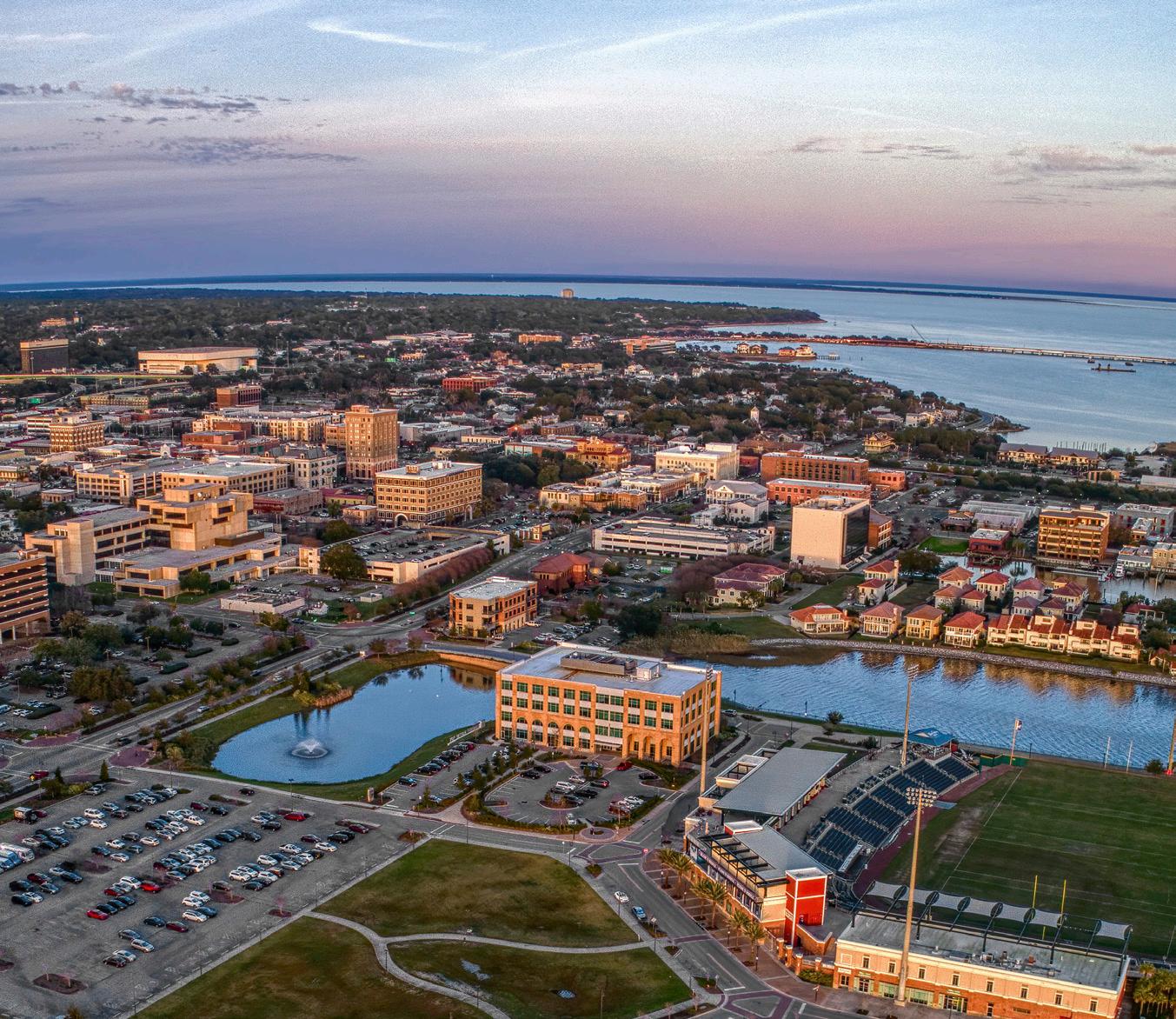
36 MARKET SPOTLIGHT ESCAMBIA COUNTY
42 EDUCATION UPDATE SAFER ROADS: CUTR’S DATADRIVEN APPROACH
Editor-in-Chief Stacey Butler
Managing Editor Joe VanHoose
Creative Direction
Hannah Groseclose
Contributors
Thomas Ehlers
Lindsey Ranayhossaini
Johnathan McGinty
Lauren Heighton
Jason Alphonso, PE, PMP Director and Regional Chair, ASHRAE Region XII
Rick V. Baldocchi, PE AVCON | ACEC Florida
Katie Batill-Bigler, CPSM Patel, Greene & Associates | SMPS
Stacey Butler, Director of Marketing & Communications FES | ACEC Florida
David Cowan, Jr, PE, ENV SP Baxter & Woodman, Inc. | FES
Charles W. Davis, Jr, Ph.D. Associate Professor at Embry-Riddle Aeronautical University | FES
Charmaine Emanuels Chen Moore & Associates | FES
David Fusco, PE, FRSE, LEED AP Thornton Tomasetti | FSEA
Sunserea Gates, PE VHB | ASHE
Lorelei Lamarre, Communications Coordinator FES | ACEC Florida
Jeff Littlejohn, PE Adams & Reese | ACEC Florida
Scott Martin, PE, LEED AP, DBIA Walter P. Moore | ACEC Florida
Jennifer Nix McGerald, CPSM RS&H | ACEC Florida
Edie Ousley, President Yellow Finch Strategies
Cherie Pinsky, Chief Operating Officer FES | ACEC Florida
Jignesh Vyas, PE Ardurra | ASCE
Tim Wineberg, PE Michael Baker International | FES



18 24 20 25
FES PINELLAS CHAPTER September Lunch & Learn CLEARWATER
ACEC FLORIDA Emerging Leaders Board Statewide Cleanup Event
ACEC FLORIDA | FES Stormwater Rule Seminar Series
WEBINAR STARTS AT NOON ET
SMPS
SMPS North Florida Harvest Among the Vines JACKSONVILLE

05 -08 22 22 10
ACEC 2025 ACEC Fall Conference SAN DIEGO
ASHRAE Central Florida 2025 Fall Clay Shoot SUMTERVILLE
ACEC FLORIDA | FES Stormwater Rule Seminar Series WEBINAR STARTS AT NOON ET
FES Pinellas | Tampa Chapters Board meeting and Officer Induction 24 24
FES TREASURE COAST CHAPTER 39th Annual Golf Tournament
CITY FLASCE 4th Student Success Conference
18 19 19 ACEC FLORIDA Transportation Committee Quarterly Meeting TAMPA ACEC FLORIDA Board of Directors Meeting TAMPA FES FES Board of Directors Meeting TAMPA

Jeff Littlejohn, P.E.
LEGISLATIVE CONSULTANT, ADAMS AND REESE, LLP
The 2025 Florida Legislative Session will be remembered as one of the longest and most contentious in recent years.
What began as a regular session on March 4, with the constitutional expectation of wrapping up by May 2, stretched nearly two extra months, finally concluding on June 26. Even before the regular session started, lawmakers convened a special session on Jan. 27 to address a handful of priority issues for the Governor, including immigration enforcement, condominium regulation, agricultural disaster relief, funding for the My Safe Florida Home program, and reforms to the citizen-petition process.
This unusual combination of a January special session and an extended regular session created a busy—and at times chaotic—legislative calendar. The delays were complicated by open disagreements among the House and Senate leaders and the Governor’s office over how to balance competing priorities: tax relief, cost-of-living reductions, and continued investment in Florida’s growing infrastructure and environmental needs.
For engineers and many of the clients we serve, the late resolution to the session was more than just political theater; it was a source of real uncertainty in project pipelines across the state.
The FY 2025–26 General Appropriations Act came in at approximately $114.8 billion after vetoes, a slight dip
from the $116.6 billion budget in FY 2024–25 (including the Governor’s line-item vetoes). Though modest in percentage terms, the reduction was symbolic of the Governor’s emphasis on fiscal restraint, even in the face of continued population growth and demand for new capital projects.
Transportation funding remained a cornerstone of the budget. The Florida Department of Transportation (FDOT) was appropriated about $15.1 billion, compared with $15.5 billion in FY 2024–25. While slightly reduced, this allocation still represents one of the largest shares of the budget, sustaining programs for roads, bridges, seaports, airports, spaceports and workforce development. For engineers engaged in both traditional highway construction and emerging transportation technologies, the sustained focus underscores the central role of mobility in Florida’s growth strategy.
Environmental and water-resource funding also remained strong. Roughly $1.5 billion was directed toward a slew of priorities, including $805 million specifically for Everglades restoration, $550 million for targeted water quality projects, $130 million for land acquisition through the Florida Forever program, $85 million for red tide and blue-green algae response, and $232 million for water-storage construction.
Even with the overall budget trimmed slightly from 2024, the Legislature signaled that water resource protection, coastal resilience and environmental restoration remain bipartisan priorities.
For observers inside the Capitol, the 2025 session was marked by open conflict between both legislative chambers and the executive branch. Disagreements over the size and scope of tax cuts slowed negotiations, with the House and Senate advancing competing visions before arriving at a compromise during the extended session.
For the engineering community, these delays mattered. Infrastructure planning depends on certainty in both funding levels and program direction. Local governments and private contractors alike had to weigh whether to advance projects without final appropriations in place.
The late adoption of the budget means that some grant applications and procurement timelines could be compressed in the months ahead, with engineers expected to help agencies and clients catch up to ensure projects remain on track.
Beyond the budget, several bills passed in 2025 that directly touch on engineering practice and project planning.
This legislation updates statewide emergency management requirements, from shelter retrofits to training programs overseen by the Division of Emergency Management. But perhaps its most significant provision is a set of restrictions on local land-use regulations.
Between Aug. 1, 2024, and Oct. 1, 2027, local governments are temporarily barred from adopting new development rules—such as development codes or land-use changes— that are deemed more restrictive. Going forward, a similar one-year freeze applies to any locality within 100 miles of a declared hurricane’s track.
This bill standardizes how credits in Florida’s wetland mitigation banking program are released, creating a uniform schedule for all credit releases from banks across the state. It also allows for the use of credits across watershed boundaries when in-area, in-kind credits are not available, applying multipliers based on proximity. Annual reporting requirements are established to track credit supply and demand, with agencies directed to provide the Legislature with a comprehensive statewide assessment.
For engineers working on development projects that require wetland mitigation, these changes introduce both predictability and new options for compliance.
Lawmakers approved a pair of major transportation reform bills that together amount to one of the most wide-ranging revisions to Florida’s transportation framework in recent years. The intent of these measures is clear: to align state law with rapidly changing transportation technologies and infrastructure needs.
The reforms touch everything from leadership and governance at FDOT, to the legal definitions that govern autonomous vehicles and micromobility devices, to the way seaports, airports and expressways operate.
Some of the changes are highly visible, like FDOT’s new directive to study the long-discussed widening of I-4 through Hillsborough and Polk Counties, or the repeal of Florida’s high-occupancy vehicle (HOV) lane statute. Others are more structural, such as the creation of a new Florida Transportation Research Institute, expanded reporting requirements on local surtax revenues, and revised oversight roles for the Florida Transportation Commission. Still others involve fine-tuned but significant adjustments to seaport, airport and expressway governance, as well as updated contracting and permitting standards.
The scope of these reforms means that engineers working in nearly every part of the transportation sector will see changes. Whether it’s planning roadway capacity, integrating micromobility into urban corridors, designing airport facilities or evaluating seaport expansion, the standards have shifted.
The new framework reflects the Legislature’s effort to prepare for rapid growth, emerging technologies and Florida’s continued role as a global hub for logistics and mobility.
With the 2025 session finally behind us, attention now turns to the next cycle. The 2026 Regular Session will begin in January, following the state’s even-numbered, early-year pattern. Committee weeks are scheduled to start this fall, creating opportunities for engineers, firms and professional associations to weigh in on funding priorities and policy proposals before bills are formally filed.
For Florida’s engineering community, the lesson of 2025 is clear: legislative dynamics—whether in the form of extended negotiations or sweeping new statutory provisions—directly affect the work of designing, building and maintaining the infrastructure that keeps the state moving forward. Staying engaged early and consistently is the surest way to prepare for what’s next.

Jennifer Nix McGerald, CPSM ASSOCIATE DIRECTOR, COMMUNICATIONS, RS&H
After the tragedy of the Surfside Condominium collapse in 2021, Florida's engineering community responded with unified resolve. The American Council of Engineering Companies of Florida (ACEC Florida) quickly mobilized, joining forces with state leaders and industry partners to make vital changes to our state's building safety standards – changes designed to protect Floridians today and for generations to come. The urgent need for reform led ACEC Florida and fellow engineering organizations to advocate for comprehensive legislation. New laws now mandate more frequent inspections of high-rise residential buildings, robust structural assessments and stricter code enforcement.
These updates are more than regulatory milestones; they are restoring confidence in Florida's built environment. Residents and property owners can be sure that their buildings meet elevated safety standards. ACEC Florida member firms continue to assess existing structures with advanced tools and proactive solutions, tackling the unique challenges of Florida's climate and coastal conditions with unwavering commitment.
Safety is not limited to buildings. ACEC Florida's vision encompasses Florida's roads, designing infrastructure that considers the needs of every user. Through collaboration with the Florida Department of Transportation (FDOT) on their Project Zero initiative, member organizations are working toward the ambitious goal of eliminating traffic fatalities and serious injuries. This partnership is pioneering "Complete Streets" principles, introducing protected bike lanes, improved crosswalks, better lighting and traffic calming measures that save lives.
Member firms are deploying proven strategies like roundabouts to reduce conflict points and pedestrian refuge islands for safer crossings. Smart technologies, such as adaptive signals, further enhance roadway safety. By treating every road user as a valued member of the community, ACEC Florida's member professionals are reshaping Florida's transportation landscape with innovation and care.
Florida's exposure to hurricanes, flooding and severe storms demands infrastructure that can withstand extreme events. ACEC Florida member firms have elevated resilience as a core value in project design. From storm-resistant buildings to hardened water and power facilities, member firms are employing advanced materials and flexible design strategies to maintain critical services during disasters.
Green infrastructure solutions are also a priority. Living shorelines buffer against erosion and support coastal ecosystems. Permeable pavements fight flooding while cleaning runoff. Urban forests lower temperatures and protect against storms.
Each innovation not only safeguards our communities but also uplifts environmental health, serving as a testament to ACEC Florida's commitment to holistic resilience.
Safety and resilience go hand in hand with quality of life. ACEC Florida organizations approach urban planning with a comprehensive vision: fostering communities that promote health, economic vitality and social well-being. Their projects inspire walkability, encourage connection through thoughtfully designed public spaces, and
support accessible green areas, all of which nurture mental well-being and bring people together.
Well-planned neighborhoods and robust infrastructure strengthen economic growth. ACEC Florida members actively promote equitable access, striving to make affordable housing, efficient transit and recreational amenities available for all. These efforts create vibrant, inclusive spaces where businesses and residents alike can thrive.
At the heart of ACEC Florida's mission is an unwavering commitment to the safety and well-being of all Floridians. This mission is not merely aspirational; it actively guides every initiative, partnership and innovation driven by member firms across the state.
ACEC Florida envisions a Florida where lives are protected, communities flourish and future generations inherit a landscape strengthened by thoughtful engineering and steadfast integrity.
This commitment is realized through a multifaceted approach. By collaborating closely with state leaders on legislative reforms, ACEC Florida has played a pivotal role in shaping and advancing policies that heighten building safety standards and enforce rigorous inspections across Florida's built environment. These reforms are critical safeguards, setting a foundation where public trust and confidence can thrive.
Beyond policy, ACEC Florida member organizations champion infrastructure resilience as a core value. Whether reinforcing buildings to withstand nature's extremes or designing roads that keep every traveler safe, their projects embody the belief that every life is worth protecting. Through proactive planning, advanced technology and the integration of resilient, sustainable practices, ACEC Florida is empowering communities to weather storms, adapt to change and emerge stronger.
Furthermore, ACEC Florida's mission radiates through efforts that enhance community well-being on every level. Initiatives centered on urban connectivity, green spaces and walkable neighborhoods are not only improving daily life, but they are also cultivating environments that support economic opportunity, mental health and social connection.
United by a vision that transcends mere compliance, ACEC Florida member firms stand as partners in progress, dedicated to building a Florida where everyone can live, work and grow with confidence. Their enduring mission is visible in every strengthened building code, every resilient bridge, and every thriving community, laying the groundwork for a safer, more prosperous tomorrow for generations to come.

WVeronica Bayó Clifford, Esq. OF COUNSEL FOR GROSSMAN, FURLOW & BAYÓ, LLC IN TALLAHASSEE
hen we talk about safety in engineering, the conversation often centers on new tools, stronger materials and smarter designs. But beneath all the innovations lies a truth as old as the profession itself: public safety ultimately depends on an engineer’s judgment and integrity.
Florida law makes this duty explicit. Section 471.033, Florida Statutes, authorizes discipline when a professional engineer engages in misconduct. Rule 61G15-19.001, Florida Administrative Code, spells out what that means, and several of its provisions come down to one simple expectation: an engineer must speak up when safety is at risk.
Misconduct includes signing or sealing documents outside one’s competence, failing to report violations of law or rule by another engineer, or neglecting to notify a client or employer when a project could endanger life, health or property. These obligations are not abstract ideals. They are legal duties tied directly to safety.
Every practicing engineer knows the tension between client loyalty and public duty. There is always pressure to serve the client, meet deadlines and keep projects moving. But what happens when a client insists on cutting corners that compromise safety?
Florida’s laws and rules make the answer clear: The public comes first.
The Board of Professional Engineers has repeatedly emphasized that an engineer’s duty to protect life, health and property overrides loyalty to a client or employer. The Board’s disciplinary records make this point vividly, and a recent case underscores the message.
In F.G. v. FEMC (2025), a Miami engineer signed and sealed fire protection system documents that were materially deficient, risking public safety in a commercial building. The Board imposed a fine, costs, probation, project reviews, and mandatory ethics coursework, making clear that such lapses are treated with the utmost seriousness.
Other cases offer similar lessons. In J.H. v. FEMC (2016), an engineer sealed structural and mechanical documents riddled with deficiencies, earning suspension and fines. In C.A. v. FEMC (2016), an engineer went so far as to replicate another engineer’s seal, an act that destroyed trust and led to suspension and mandatory ethics training. And in yet another example, J.B. v. FEMC (2017), an engineer falsely certified that unsafe porches and roofs met code, resulting in a two-year suspension and required ethics coursework. Though the facts differ, the theme is constant: whether through silence, acquiescence or intentional misconduct, each case created risk—and the Board responded by enforcing the principle that an engineer’s first client is the public.
The duty to speak up does not end at the job site. Engineers may encounter safety concerns during hurricane damage assessments, when reviewing traffic control plans, or while evaluating construction methods. When a condition poses imminent danger, the law expects disclosure, not quiet notation. Sometimes this means notifying a client in writing; at other times it means refusing to seal a document or even withdrawing from a project if concerns are ignored.
After a disaster, engineers play a key role in declaring structures unsafe. These calls are never easy, but they may be the only thing standing between families and tragedy.
This obligation is not merely legal; it is ethical. The National Society of Professional Engineers’ Code of Ethics begins with the mandate that engineers hold paramount the safety, health and welfare of the public. Florida’s laws echo that sentiment.
Living up to that standard often demands professional courage. Speaking up may mean resisting pressure from supervisors, clients or even government officials. It may mean risking contracts, jobs or relationships. But it also defines what it means to be a professional.

The authority to sign and seal documents exists because the public trusts engineers to exercise independent judgment, even when inconvenient or unpopular. That trust is fragile, and it depends on every licensee honoring their duty to protect safety.
Engineers advance safety through stronger standards, better designs and new technologies, but every innovation depends on professional responsibility. A resilient structure or sophisticated monitoring tool means little if warning signs are ignored. Technology may enhance safety, but ethics sustains it.
Florida’s engineers stand at the intersection of innovation, law, and ethics, and amid rapid change one responsibility remains constant: the duty to speak up when safety is at risk. It is both a legal mandate and a moral compass—and it is what ensures that Florida’s bridges, buildings, and roads are not only functional, but safe.


Vincent Spahr, P.E.
VICE-PRESIDENT, ASCE FLORIDA SECTION DISTRICT IV
Civil engineers play a vital role in designing and constructing the transportation network that connects homes, schools, businesses and every other destination in Florida and beyond.
For decades, we were laser focused on how to build new roads, wider roads, faster roads and longer roads to get Floridians and our many visitors where they needed to go in as short a time as we could. Sure, there have been parallel efforts to increase transit options and to expand our recreational trail networks, but new lane-miles have long been king, as evidenced by the vast federal and state transportation dollars dedicated to roadway construction.
The tragic side effect of such a transportation network that serves pedestrians and bicyclists within the same footprint as the two-ton vessels that shuttle us from place to place is that when the operators of those vehicles make a mistake – be it due to the sun, a distraction, or poor judgment –the results can be fatal. This tradeoff has long been viewed as an unfortunate inevitability of a convenient and efficient transportation network, but attitudes have been shifting in recent years to prioritize safety, not just as a peripheral detail in our transportation network design plans, but at the forefront of our planning and design efforts.
Nowhere is this shift more evident than in the Florida Department of Transportation’s Target Zero initiative and in the U.S. Department of Transportation’s Safe Streets and Roads for All (SS4A) grant program.
Target Zero is an FDOT initiative with the same goals as Vision Zero – namely, to eliminate fatalities and serious injuries on the transportation network – but with a focus
on drivers’ behaviors that have historically been linked to said crashes.
Like the SS4A program, Target Zero recognizes the Safe System Approach as a critical resource for improving safety on our state transportation network. Of particular importance to Target Zero are the Safe Road Users and Safe Speeds components.
Target Zero is addressing Safe Road Users and Safe Speeds through educational and enforcement campaigns aimed at behaviors such as distracted driving, aggressive driving, and seatbelt usage. FDOT utilizes focus groups to develop campaign materials and then shares resources with Community Traffic Safety Teams (CTSTs) throughout the state to encourage safer behaviors and discourage those that have statistically been found to lead to fatalities and serious injuries. FDOT has approached the dissemination of these materials in creative ways, including 15- and 30-second video snippets as well as “recipes for safe driving” printed alongside recipes for Florida favorites like sweet corn and ricotta fritters or strawberry and citrus shortcake.
The SS4A grant program was funded via the Infrastructure Investment and Jobs Act (IIJA) to the tune of $5 Billion from 2022 through 2026. The SS4A program supports the USDOT’s National Road Safety Strategy and encourages widespread implementation of the Safe System Approach in its goal to eliminate roadway fatalities and serious injuries.
SS4A grants are generally awarded to cities, counties, tribes and metropolitan planning organizations (MPOs)
Key tenets of the Safe System Approach are illustrated in the graphic below from USDOT. Paramount among them is an acknowledgment that humans make mistakes, but responsibility is shared and all who are involved in the planning, design, construction, and use of our transportation network have a role in reducing the incidence of fatal and serious injury crashes.

for projects in one (or more) of three classifications: development of Safety Action Plans, demonstration activities to assess the viability and effectiveness of safety countermeasures, and design and/or construction of safety countermeasures previously identified in a Safety Action Plan.
The grants require just a 20% local match, which can be funded through local budget line items as well as through
other contributions from other federal, state and local grants.
Of the $2.9 billion awarded throughout the United States over the past three fiscal years, nearly $200 million has been awarded to municipalities, tribes and MPOs within the state of Florida – approximately $98 million toward the development of Action Plans and demonstration activities and approximately $99 million toward the implementation of safety countermeasures. Only California and Texas were awarded more SS4A funds than Florida. More than 100 unique applicants throughout Florida have been awarded SS4A grants from the panhandle (Emerald Coast Regional Council) to the southernmost point of the continental U.S. (City of Key West).
The development of these Safety Action Plans and the implementation of safety countermeasures derived from their findings have been and will continue to be critical to maintaining a forward trend toward reducing the incidence of fatal and serious injury crashes on our roadway networks. The SS4A program has allowed local municipalities to engage in Vision Zero in a meaningful way, multiplying local investments five times over, and helping bring the commitment to Vision Zero to urban and rural communities alike.
Ultimately, civil engineers play a critical role in committing to the reduction of fatalities and serious injuries on our roadway networks. The dedication of federal and state dollars to that end will ensure that safety remains paramount as we continue to plan, design and build the transportation network that serves our communities throughout Florida.
BY THOMAS EHLERS, STAFF WRITER
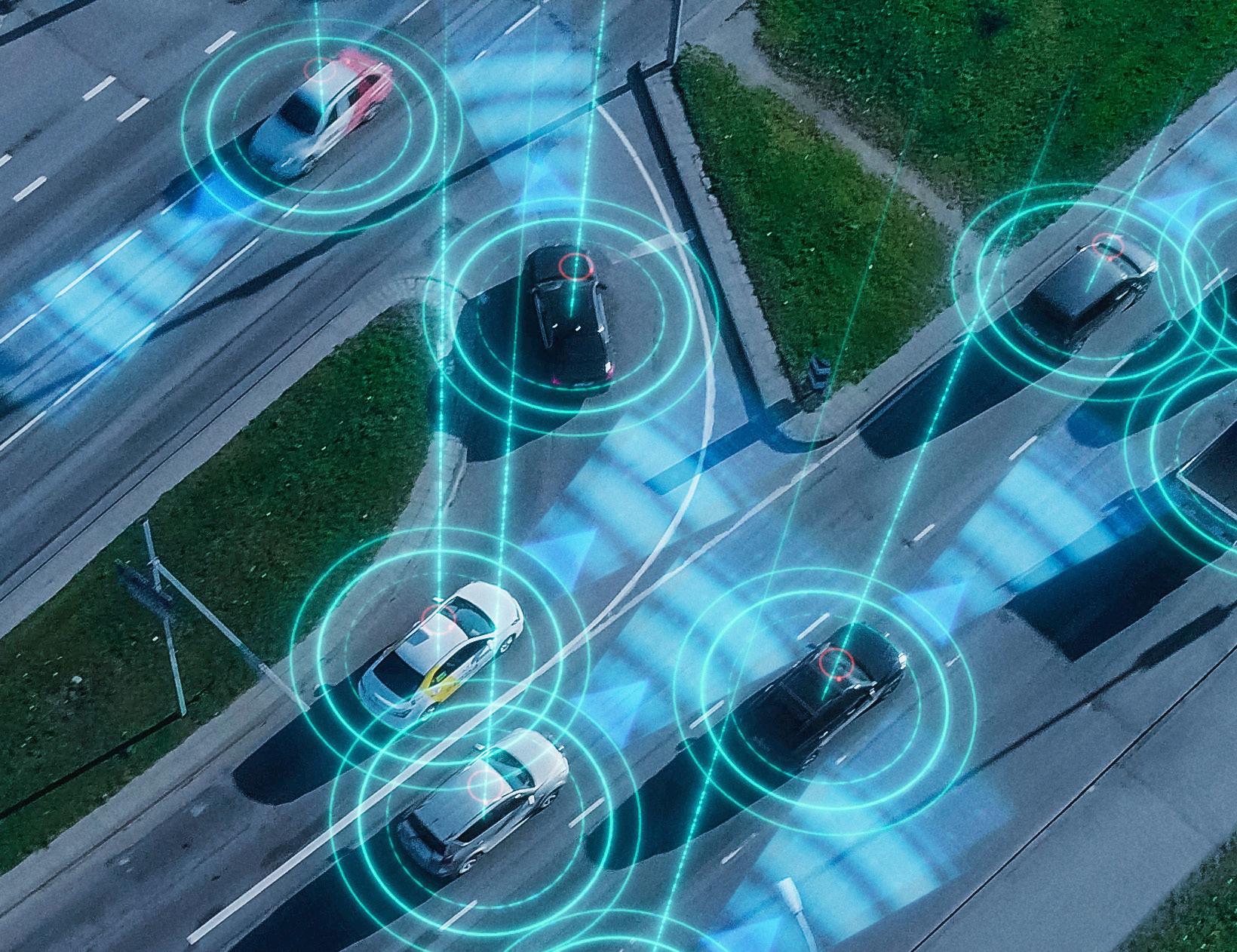
Artificial intelligence (AI) and virtual reality (VR) are no longer futuristic ideas; they are practical technologies used by engineers to impact communities and citizens across Florida. Across the state, engineering teams are integrating AI technology with a focus on creating safer roads for all road users.
In Central Florida, civil engineering firm Vanasse Hangen Brustlin partnered with Derq, a Dubai-based provider of AI analytics solutions for connected roads and vehicles, to deploy a system that provides real time transportation data to improve safety and operations for Osceola County.
The project was funded by a $500,000 Florida Department of Transportation (FDOT) Local Agency Program (LAP) grant, an FDOT program centered around technology deployment to enhance mobility and safety on the state’s highest-fatality roadways.
The pilot study – the first of its size for VHB – focused on nine intersections across Osceola County with the goal of providing real-time transportation data to inform improvements.

The project group had to overcome a few minor challenges during the rollout, one of which stemmed from the utilization of existing cameras at each location. Video angles, location and quality are paramount to the AI model operating properly, and while there were a few initial detection limitations, the system performed well with the existing cameras, testing at more than 95-percent accuracy across various performance measures.
While the pilot provided helpful insights at all nine intersections, the project made a considerable difference at County Road 532 and the Interstate 4 eastbound off ramp. Part of a diverging diamond interchange – where traffic is routed on the opposite side of the road – the AI model identified a problem area where off-ramp drivers weren’t properly identifying drivers on C.R. 532 or obeying the yield sign.
VHB identified and communicated these challenges, which both local and state officials can use to better improve the elements of the roadway. In addition, the state is able to revisit existing policies and build these findings into future plans in order to help avoid these issues in the future.
One of the real success stories here is just being able to get into the details of near-miss events ... which you typically wouldn't be able to do...
— FRANK GROSS VHB Project Manager and Safety Practice Leader

“Crash data is a really great indicator of safety problems, but there may only be a few crashes,” said VHB Project Manager and Safety Practice Leader Frank Gross. “There might not be enough crashes to show specific patterns.”
“I think one of the real success stories here is just being able to get into the details of nearmiss events and see the driver behavior, which you typically wouldn't be able to do on a large scale manually. If you went out in the field and you reviewed this for a couple of hours, you may not see exactly what you needed to.”
Additionally, the company was able to suggest safety improvements at other intersections, identifying needs for offset left turn lanes at junctions where drivers were using them to bypass traffic. The study also justified access management improvements to prevent drivers from jumping queues and identified a need for better pedestrian accommodations where models detected heavy mid-block crossings, which created a safety concern for drivers and pedestrians.

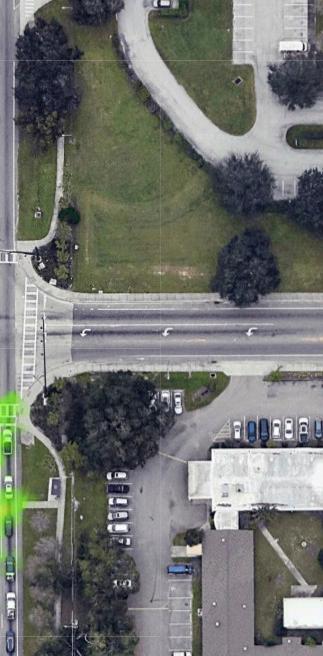
Above: Heatmap of near-miss events at a signalized intersection.
Right: Heatmap of pedestrian crossing movements at the same intersection, which shows a large proportion of midblock crossings on the left leg.
Below: Video capture saved from the AI analysis that captures a vehicle failing to yield at the end of an off-ramp. The driver on the crossroad narrowly avoids the crash by changing lanes.


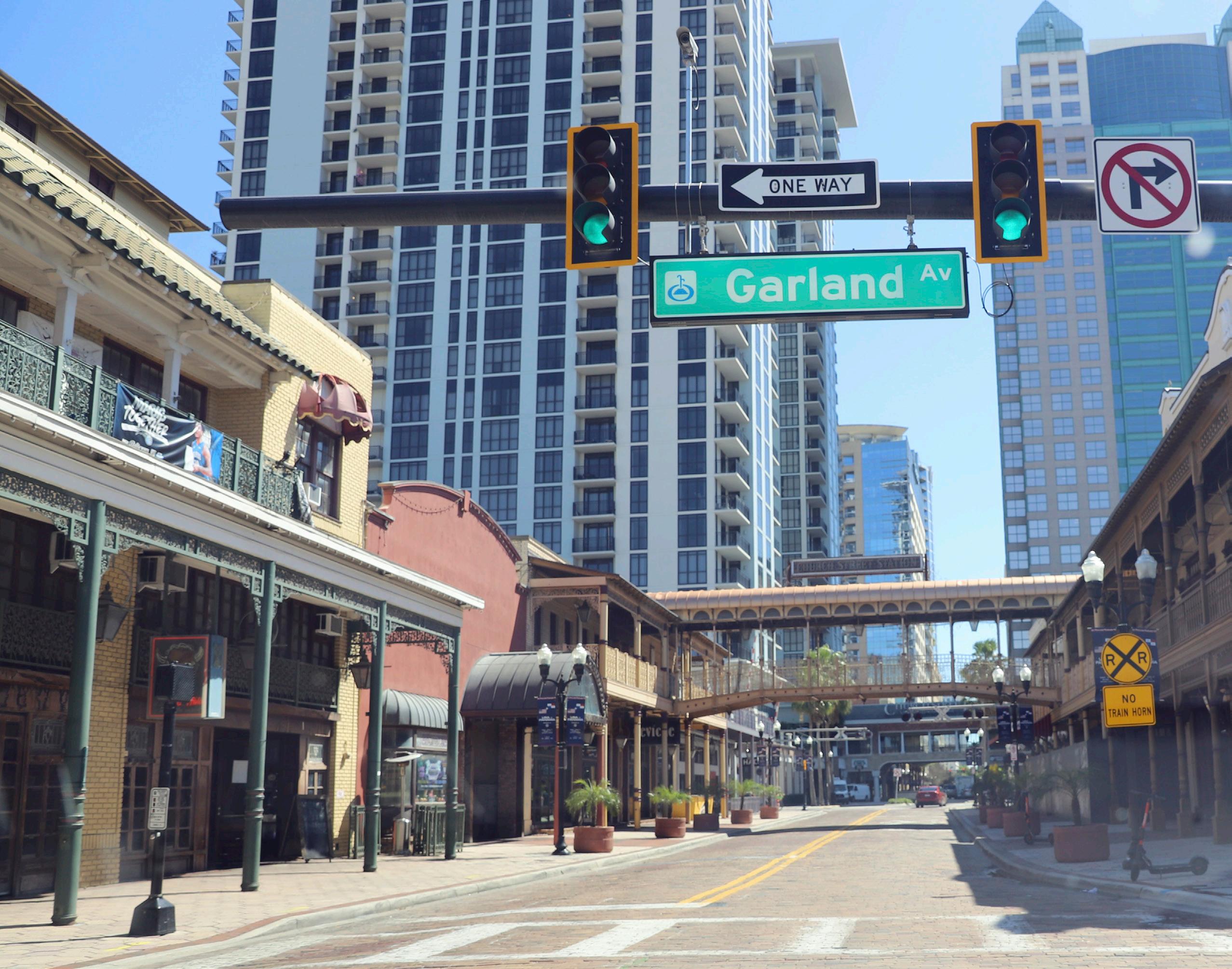
In Orlando, the Smart Orlando Downtown Advanced Traffic Operations (SODA TOP) project also showcases the use of AI in transportation. VHB conducted a comprehensive field assessment with the City of Orlando to document conditions at all project intersections to determine existing infrastructure and equipment compatibility.
In all, 24 intersections were used in the SODA TOP study where automated traffic signal performance measures (ATSPMs) were space programmed. Thirteen of these intersections received advanced traffic controller (ATC) upgrades, while 13 more intersections have roadside units (RSUs) for facilitating connected vehicle communications.
The project utilizes CURRUX Vision AI Processor technology for Passive Pedestrian Detection (PPD). Additionally, the AI system provides a range of additional capabilities, not all of which were deployed in this project, including vehicle detection and speed monitoring, turning movement counters, both vehicleto-vehicle and vehicle-topedestrian near-miss detection, red light violation detection and real-time signal timing recommendations.
The project’s AI system is integrated into additional strategic opportunities, including with FDOT District 5 and ATSPM application and SunGuide system. In addition, The AI system provides realtime performance monitoring and optimization capabilities, along with enhanced emergency vehicle preemption and CV capabilities for transit signal priority. This includes reducing manual intervention of signal timings during special events at heavily trafficked locations like Downtown’s Kia Center arena by automatically triggering pre-programmed signal timings at its busy intersections.
However, road projects are only one way that FDOT is using AI.
“FDOT sees significant opportunities for AI and VR technologies to enhance its mission in areas such as infrastructure maintenance, safety and traffic management,” said FDOT Communications Director Michael Williams. “AI allows for the efficient processing of vast amounts of data that our team then interprets for accuracy. FDOT remains committed to ensuring there is always a human decision-maker involved, with transparency and accountability at the center of its approach.”
FDOT remains committed to ensuring there is always a human decision-maker involved, with transparency and accountability at the center of its approach.
— MICHAEL WILLIAMS FDOT Communications Director
FDOT is blending AI technologies with geographic information system (GIS) mapping to enhance multiple avenues of operation. This fusion can allow the organization to identify and draw estimated moving area boundaries to improve operations, allowing calculations to be sped up and freeing team members to serve communities in other ways.
In addition, FDOT is utilizing the pair of technologies to modernize its asset inventory system, using them to inventory road sign locations and sign wording. The organization is hoping to compare the AI-aided results and manually collected data to develop a Digital Asset Management System.
VR technology is another emerging opportunity for the state. FDOT is exploring VR’s use in public meetings, where the public is able to engage in an immersive view of projects to visualize future improvements through VR goggles. VR technology also allows FDOT to analyze and identify utility conflicts, which saves resources and ensures transparency.
“This makes it easier to identify potential problems and reach consensus on solutions before construction begins, which reduces costly delays and misunderstandings later,” Williams said. “While these initiatives have been more limited so far, the Department continues to evaluate
VR’s potential to improve how it communicates plans and visualizes complex infrastructure scenarios for stakeholders.”
Across the state, AI is taking flight, literally, to save engineers time and resources.
T2D2 is an AI software company that is used by architects and engineers to perform exterior asset condition inspections. Launched in 2021, the company has grown substantially from its beginnings as an R&D arm of engineering firm Thornton Tomasetti and is currently used across the U.S. and globally.
“Our computer vision machine learning is a proprietary technology that takes inspection data – whether that is images from cameras or drones – and processes them within minutes and automatically generates reporting and other downstream workflow data,” said T2D2 CEO Jonathan Ehrlich. “We’ve been used for everything from the Miami-Dade County re-certification for condominium
requirements to mixed-use development planning, adaptive reuse and scope of work planning for different kinds of structures across the state.”
Users can upload photos of structures or tap into the company’s network of highly-certified drone pilots to have them capture imagery. The AI model – trained with a vast database of inspection images – identifies and tags conditions by analyzing each image. T2D2’s online portal keeps a record of each image uploaded, allowing users to monitor property deterioration over time and fix minor problems before they grow to larger, more costly issues.
“AI is revolutionizing the way that engineering services are provided," Ehrlich said. “We are a tool in the arsenal that is used for that purpose. We cut down on the time that it takes to perform those services. Our goal is to make our users faster, better and more comprehensive.”
A number of the company’s staffers sit on various committees, including some by the American Society for Testing and Materials (ASTM), and they have helped publish nationwide standards for drone inspection
practices. They are creating additional standards in-house, which are being used to guide future standards and grow the company’s network.
“There is ample opportunity for T2D2 to continue to be used by engineers throughout Florida," Ehrlich said. “That includes engineering service professionals but also in-house engineers who are tasked by owners and operators of facilities to provide for the stewardship of assets ongoing.”
Weather and ecological conditions in states like Florida can present heightened challenges, but AI technologies present new opportunities to increase the life span of structures and maximize the value for owners across the state – all while improving T2D2’s service.
“Risk reduction goes hand in hand with increased inspection,” Ehrlich said.
“Understanding that more inspection gives you better data, which leads to reduced risk and higher-quality outcomes, is a core tenant behind the software that T2D2 is able to provide.
“The more that large asset owners are aware of their facility conditions and the more that
they are committed to surveying, inspecting and adjusting their data, they’ll begin to establish a trend line over time to make sure they are making up front investments that will essentially ensure sustainable futures for those types of assets, whether those are coastal or inland.”
VR provides a number of prospective opportunities for asset inspection companies like T2D2. VR technology can create enhanced simulations, present a virtual collaborative inspection or even integrate elements of augmented reality (AR) into the space. Ehrlich spoke to the seemingly endless window of possibilities in the space.
“It’s only the first inning in terms of where AI has to add value in the engineering industry,” Ehrlich said. “We’re happy to be here starting from day one – we introduced AI products long before ChatGPT was a household term – and we’re super excited that the rest of the world is turning an eye to where AI can add value in their industry.
"There’s still a lot to be learned about the possibilities and where it can add value moving forward.”
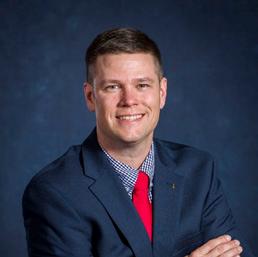
David Cowan Jr., P.E., ENV SP VICE PRESIDENT, FES REGION V
Florida Engineering Society engineers are the problemsolvers, builders and innovators who shape the world we live in. Civil engineers design and maintain the roads, bridges, and water and sewer systems that keep our communities connected and healthy. Mechanical engineers develop machinery, vehicles and manufacturing systems that drive our economy. Electrical engineers power our homes, businesses and cities through safe and reliable energy distribution.
Engineers also push the boundaries of human achievement by building spacecraft that carry us beyond earth by developing advanced computer systems and artificial intelligence. Every day, engineers solve problems that we could not even imagine a few days prior. Across every discipline, engineering is rooted in service to society, ensuring that people have safe, sustainable, and resilient infrastructure and technology.
Recently, I sat in an Order of the Engineer’s Ceremony and contemplated the oath that those engineers were taking, which is provided in part at the sidebar. I encourage you to read the entire ceremony available on their website: www.order-of-the-engineer.org/.
This promise summarizes in so many ways the role we as engineers play in the safety of the public and this precious earth we call home.
The practice of engineering has always carried with it an ethical duty. In the 19th century, Benjamin Wright, often called the “Father of American Civil Engineering,” exemplified this duty as he supervised the construction of the Erie Canal with integrity and accountability, ensuring that the work met the highest standards for public benefit.
As an engineer, I pledge to practice integrity and fair dealing, tolerance and respect; and to uphold devotion to the standards and the dignity of my profession, conscious always that my skill carries with it the obligation to serve humanity by making the best use of the earth’s precious wealth.
As an engineer, I shall participate in none but honest enterprises. When needed, my skill and knowledge shall be given without reservation for the public good. In the performance of duty and with deep fidelity to my profession, I shall give my utmost.
— FROM THE OBLIGATION OF AN ENGINEER
Wright was pressed upon by many political interests with respect to the path that the canal should take. The route selected was, by his determination, the most efficient and cost-effective, regardless of the financial benefit it would provide to the cities it passed through and ended at. Washington Roebling, chief engineer of the Brooklyn Bridge, faced immense technical and personal challenges but remained steadfast in ensuring the bridge foundation
was safe, even as his observation of the sub-aqueous construction caused decompression illness from his time in the caissons, a sacrifice we would not ask for or condone today.
These examples remind us that engineering is not just about technical excellence but also about responsibility to people. In the modern era, engineers making decisions in areas like autonomous vehicles, artificial intelligence, or renewable energy face similarly difficult challenges — needing to balance innovation with public safety, privacy, and environmental stewardship.
The essence of engineering ethics remains the same. We must make the right decision even when it is hard. Engineers in the future will look back at what we do and be the judge.
Professional organizations play a central role in encouraging ethical and responsible practice. Through codes of ethics, professional development opportunities and peer networks, these organizations remind engineers of their responsibility to act honorably and place the public welfare above personal or corporate interests. Licensure provides a pathway for engineers to be trained and tested so they can be trusted to protect the health, safety and welfare of the public.
Licensed engineers bear the duty of signing and sealing documents, remaining accountable for their work into the future. Just as doctors take responsibility for critical medical decisions, engineers in aerospace and aviation sign off on designs and modifications of systems where lives depend on flawless performance.
In power generation and distribution, rigorous quality control ensures reliability and safety on a massive scale, which becomes more relevant all the time with bad actors continuously testing this system. It is equally vital that experienced engineers mentor the next generation— passing on lessons, preventing past mistakes from recurring, and cultivating leaders who will raise the standard of practice even higher.
Every engineer carries a responsibility not just to their employer or client, but to the profession and society as a whole. Our work defines the safety, resilience and progress of the world around us. We must uphold ethical practice at all times, ensuring that public health and safety come before profit or convenience. Our reports, recommendations and designs should be based on fact, never swayed by bias or interests. A report prepared by an engineer should carry the same truth, whether it is read by a buyer, a seller, a government official or the public. By committing to integrity, mentoring future engineers, and holding ourselves accountable, we preserve the prestige of engineering and ensure that our profession continues to serve humanity with honor and safety.

Empower your employees, elevate your business
At Marsh McLennan Agency, we partner with HR professionals to simplify benefits management and deliver tailored health, wellness, and retirement solutions that attract and retain top talent. Our dedicated team provides hands-on guidance, compliance support, and strategic insights to help maximize your investment in your employees and build a stronger, healthier workforce. Trust a broker that’s as committed to your team’s success as you are.
Wieben, CLCS
Vice President
954.560.8556
Ashley.Wieben@MarshMMA.com

BY KURT CAYWOOD, EDITOR-IN-CHIEF, HASKELL AND JOE VAN HOOSE, MANAGING EDITOR
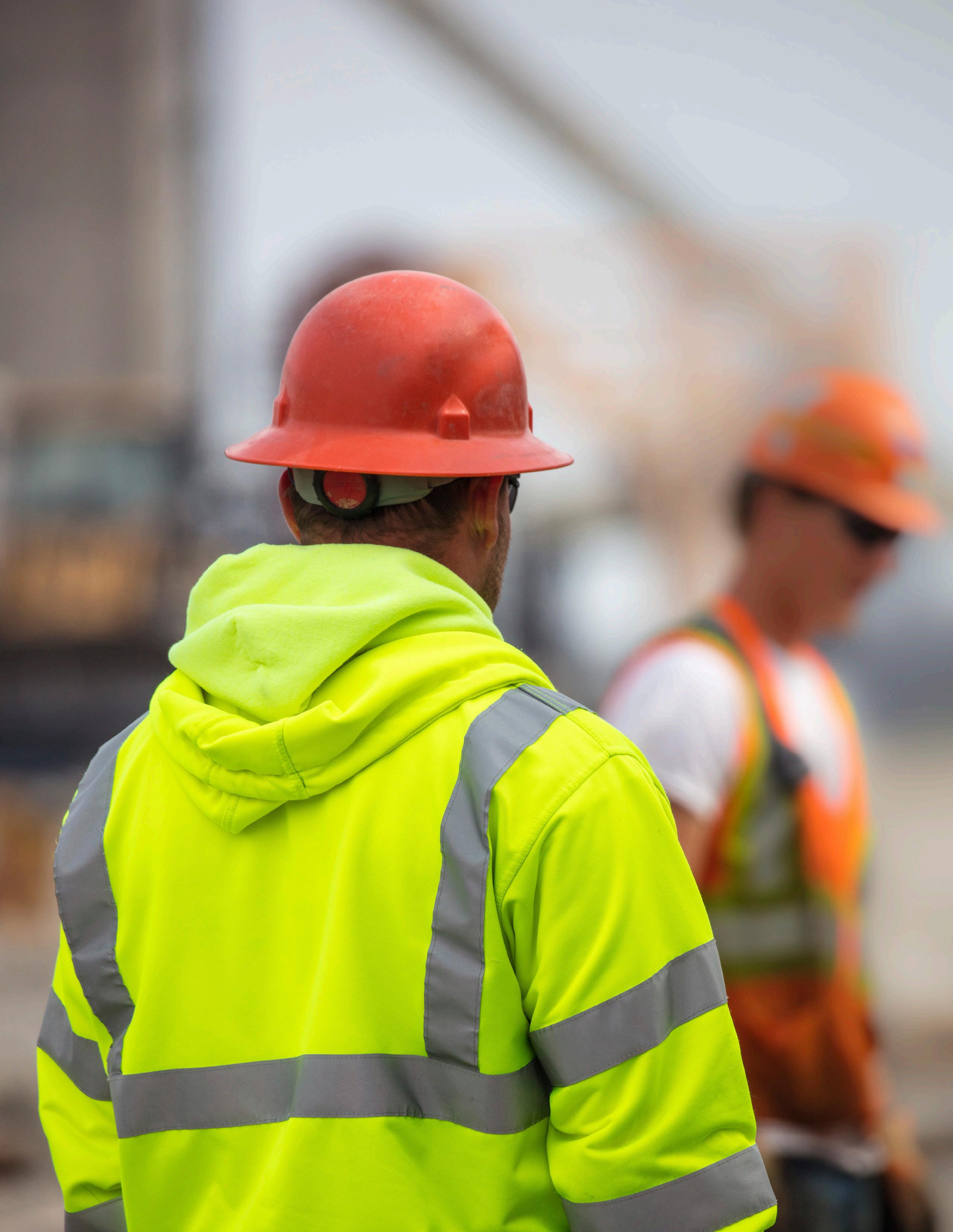

Safety has long been of paramount focus for architectural, engineering and construction firms. A plethora of workplace and worksite safety guidance is available at the national and industry level, and many firms have used these frameworks to develop their own.
But as prominent as safety is as an issue, workers in the AEC industry – and particularly the construction industry –continue to face dangers that can turn deadly. The Bureau of Labor Statistics (BLS) reported 1,075 fatal work injuries in the U.S. construction industry in 2023, the highest total since 2011 and capping off a five-year stretch of year-overyear increases.
Those numbers don’t tell the whole story, however. Analysis conducted by the American Road & Transportation Builders Association (ARTBA) shows that between 2011 and 2023, fatal injuries in the Highway, Street, and Bridge sector declined 15%, while fatal injuries for the rest of the construction sector increased 41%.
The AEC industry and its firms have developed innovative programs to create a culture of safety to continue to bring those numbers down. At Jacksonville-based Haskell, that culture shows up in daily rhythms of work and in the
investments that have made the company a recognized leader in construction safety.
Earlier this year, Haskell received the Associated Builders and Contractors’ National Safety Excellence Pinnacle Award for the fifth time. In 2024, the firm received the Construction Industry Safety Excellence Award from the Construction Users Roundtable.
“We’re pleased but never satisfied,” said Haskell Vice President of Safety and Quality Lance Simons. “We continue to improve and have an obligation, as a leading general contractor and builder, to make the industry better. We think there is room for continued improvement within Haskell and industry-wide to create the safest work environments and best craft experience.”
The Occupational Safety and Health Administration publishes a “Recommended Practices for Safety & Health Programs in Construction,” which provides a framework for employers to establish proactive safety programs on jobsites.
The guide contains seven core elements:
Management Leadership;
Worker Participation;
Hazard Identification and Assessment;
Hazard Prevention and Control; Education and Training;
Program Evaluation and Improvement; and Communication and Coordination for multiemployer worksites.
Additionally, OSHA’s “Fatal Four” focuses on tips to avert the leading causes of death in the construction industry –falls, stuck-by, electrocutions, and caught-in or -between incidents.
Several AEC industry organizations also provide resources for firms and professionals to ensure a safety culture.
The American Council of Engineering Companies (ACEC) provides a Design for Construction Safety review and Health and Safety Plan template to help member firms manage risks and ensure compliance with regulations. The templates are designed to identify site-specific hazards, safety measures, required safety equipment, mandatory staff competencies, and emergency response and preparedness information that may be required for many typical field work assignments.
Likewise, the American Society of Civil Engineers (ASCE) offers its members risk management resources, as well as publications that focus on best safety practices for construction sites.
Many AEC firms have created their own custom programs to ensure safety at the workplace and on the jobsite. The programs have only grown more robust as the industry moved through the COVID-19 pandemic and incorporated more focus on mental health and wellbeing.
Jacobs launched its BeyondZero approach to the health, safety and security of its employees in 2007 and has been expanding the program ever since. In 2016, the international firm grew its safety reach to include mental health and within five years had nearly 2,000 trained mental health champions.

In 2020, Jacobs expanded its mental health focus and developed a free mental health check-in tool called One Million Lives to help enhance users' understanding of their current state of mind and provide proactive strategies for personal mental health development. Available for free, the tool is accessible to everyone both inside and outside the organization.
For its efforts, the firm has been recognized in Mind's annual Workplace Wellbeing Index, receiving the Gold award for continued commitment and leadership in workplace wellness.
AECOM has instituted “Life-Preserving Principles” to help demonstrate the commitment of the firm to its own Safety for Life program. The nine principles range from mandating management and employee participation to a commitment to budgeting and staffing for safety initiatives. The ninth principle calls for employees to report to work each day fit for duty and not to pose a health and safety hazard to themselves or others.
Kimley-Horn requires employee training and firmwide compliance with its safety policies to reduce accidents and injuries in the work environment. In addition to the resources available in every office, the firm’s in-house SafetyNet, an internal website that puts safety information, tools, and resources within quick and easy reach of every employee.
Realizing that end users of their safety manual would be unlikely to read a book that could be hundreds of pages long, Haskell created its Code of Safe Practices in 2002, a 10-page document filled with simple language and practices everyone can understand.
“It’s in every contract and it sets the minimum expectation that everybody on a Haskell project, regardless of the size of the project, is going to follow,” Simons said. “These are the rules we’re going to play by. Now everybody has the opportunity to look across a Haskell jobsite, and everybody should look the same, act the same, and hold each other accountable.”
Haskell’s longstanding Take 5 program requires members of Haskell’s upper management to visit jobsites each quarter and talk with craftspeople about training, habits and real conditions. They ask questions about training, what to do if something goes wrong and how tasks can be done more safely.
“We’ve found a lot of ‘Aha’ moments where the craftspeople are like, ‘Wow, nobody’s ever asked my opinion on stuff before,’” Simons said.
The firm’s jobsite safety orientation program has also been nationally recognized, earning a Best Practice Award from Training magazine. Regardless of role, every new worker receives the same introduction on what behaviors are expected, how to speak up, and where to go with questions or concerns.
For those in the AEC industry, the pattern is clear, Simons said, who has more recommendations to ensure an allencompassing culture of safety.
“Put leaders in the field to listen and learn,” he said. “Coach proactively with short, frequent inspections that chase leading indicators. Make speaking up easy and visible. Invest where it’s worn. Teach in context. Then prove it with credible benchmarks that test and tune your system.”
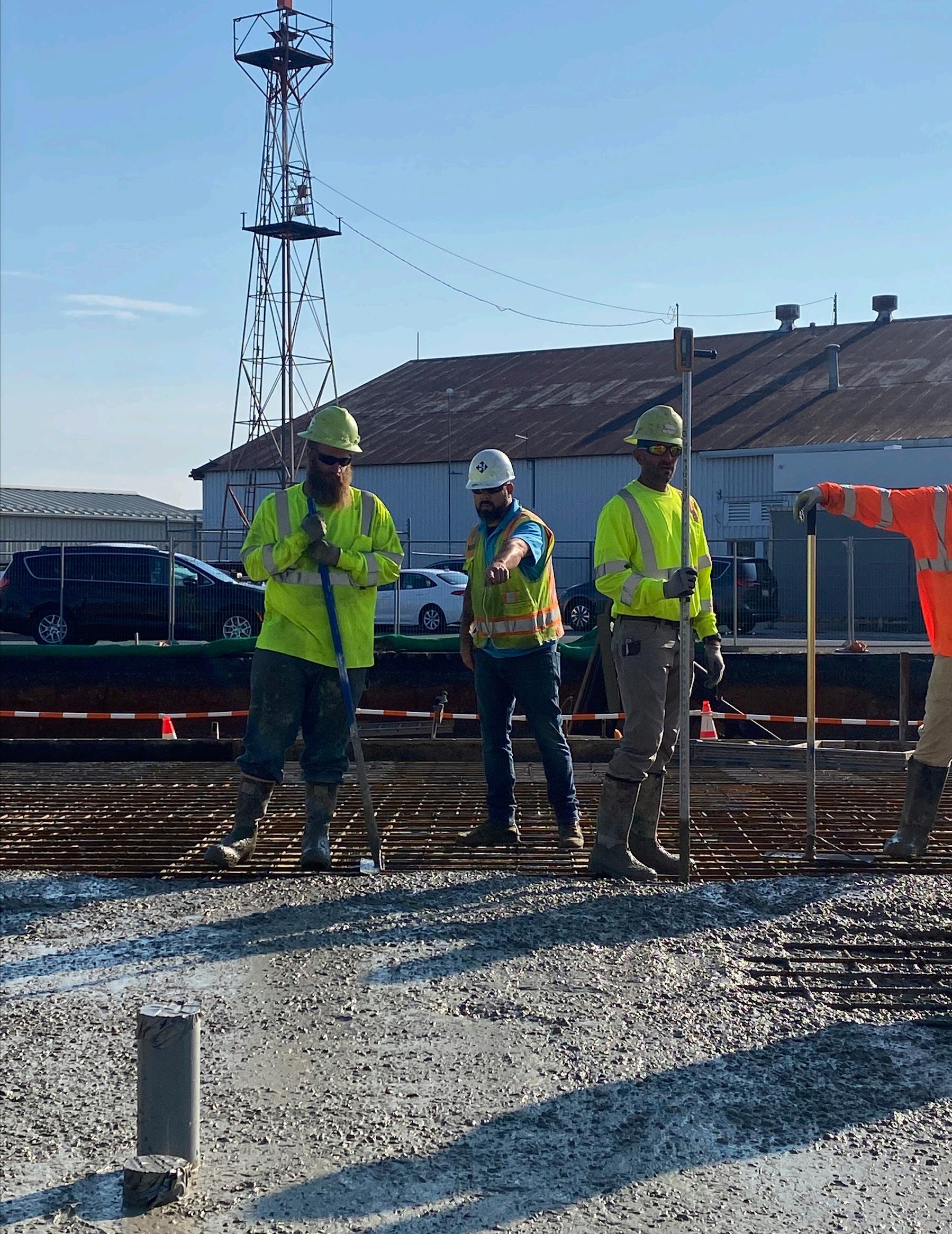
BY LINDSEY RANAYHOSSAINI, STAFF WRITER
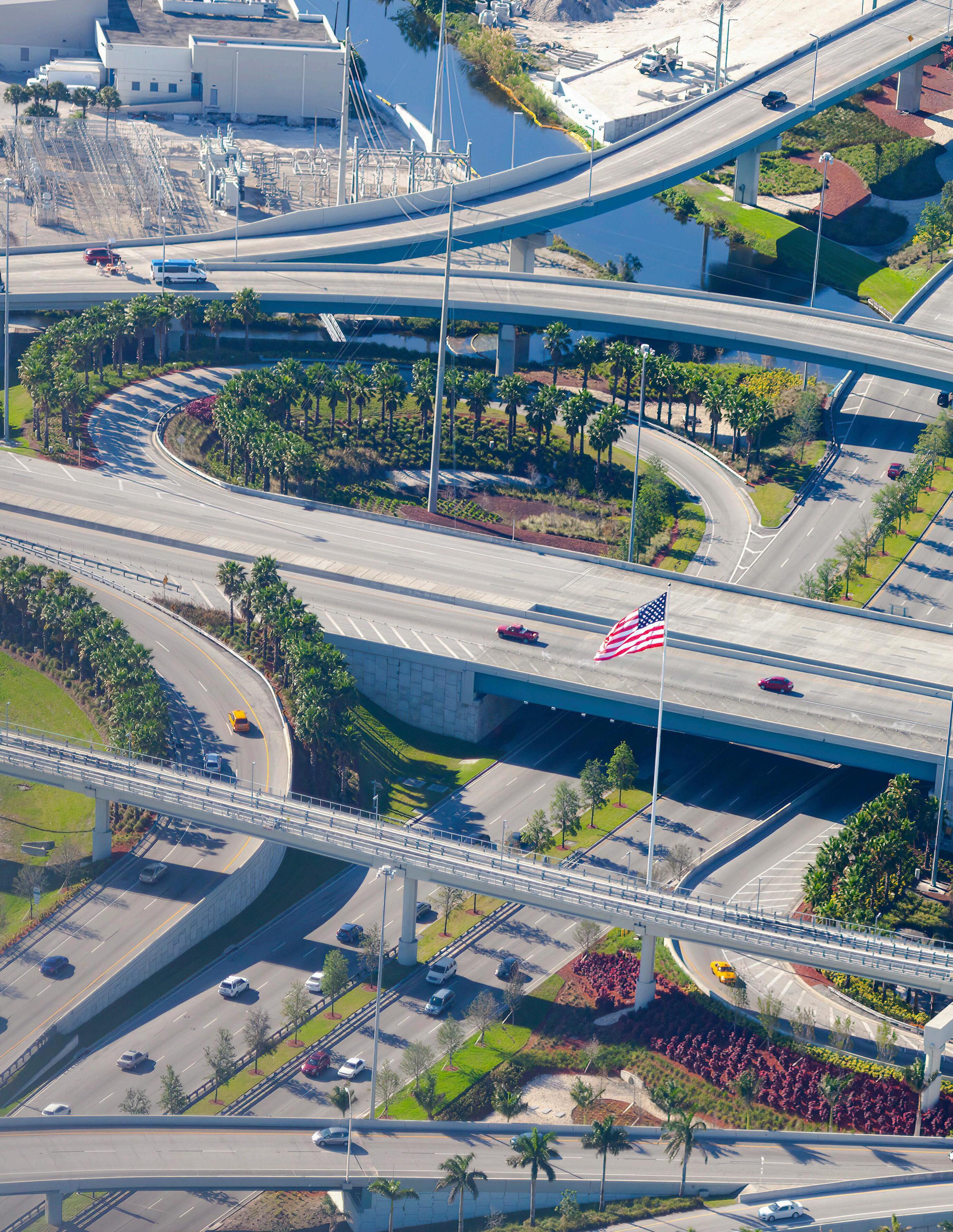
According to the 2021 Florida Strategic Highway Plan, there are eight daily fatalities and 49 serious injuries on Florida’s roads. In response to these numbers, characterized by the Florida Department of Transportation (FDOT) as unacceptable, the agency established Target Zero.
Target Zero is a statewide initiative that aims to reduce Florida’s number of roadway fatalities and injuries to zero. The initiative focuses on “connecting, interacting, and designing our transportation system to specifically relate to those (drivers) that are most involved in crashes that resulted in serious injuries and fatalities,” per FDOT’s website.
Through Target Zero, which FDOT classifies as a behavior change initiative, the agency has created a network of safety partners working toward its goals through both education and engineering solutions. Specifically, Target Zero employs the Safe System Approach (SSA), which encompasses safer roads, road users, speeds and vehicles, as well as post-crash care.
Engineering solutions that encourage safe driving are a critical component of Target Zero, and at their core are the FDOT Design Manual, FDOT Engineering Manual and other data-driven guidelines. And while the goal of Target Zero is to eliminate all traffic fatalities, pedestrians and cyclists are most vulnerable to fatal events.
Billy Hattaway, P.E., RSP1, senior advisor with EnglandThims & Miller (ETM), has served in numerous roles with FDOT and the City of Orlando throughout his 48-year career in transportation safety. Hattaway, who has championed FDOT’s Pedestrian and Bicycle Focused Safety and Complete Streets Implementation Initiative, pointed to engineering design guidelines as paramount in decreasing roadway fatalities.
“There's no way you can fix the streets if you don't deal with the adjacent land use,” Hattaway said. “So, if you've got land development patterns, like you typically have in a downtown that's very walkable, then people are going to behave pretty well in terms of their driving behavior. They'll tend to operate at low speed if you have on-street parking and other things that create, basically, some kind of friction so that the driver knows it's meant to be a lowspeed environment.”
Some of these hallmark pedestrian safeguards, however, aren’t native to Sunbelt States like Florida, which rapidly grew in the post-World War II era. Areas of the country that grew predominantly through suburban sprawl weren’t built with the pedestrian safeguards of the North’s urban centers, Hattaway said. Features of urban environments that protect pedestrians and cyclists like on-street parking, sidewalks and raised crosswalks, were not prioritized in this environment.
“Virtually 90-something percent of their growth has been suburban sprawl, where all the buildings are set back

from the roadways,” Hattaway said. “You know, there may or may not be sidewalks depending on the state you’re in, and it’s really just focused on moving cars, period.”
The consequences of suburban sprawl ultimately led to an environment that was, at its best, unconducive to pedestrian and cyclist safety.
Smart Growth America, an organization that aims to encourage the development of diverse housing and transportation options within existing neighborhoods, releases its annual report to encourage solutions for more inclusive roadways.
The State of Florida began actively working to change this after the release of the 2011 Dangerous by Design Report by Smart Growth America, which cited that four of the five most dangerous regions in the country for pedestrians were located in Florida. The Orlando metropolitan area was named the deadliest.
Making roads safer for pedestrians and drivers alike starts with engineering design, employing tools such as rectangular rapid-flashing beacons (RRFBs), pedestrian hybrid beacons (PHBs), signage, lane conversions and modern roundabouts. The best solutions are unique to each environment and depend on driver behavior data.
“It's going to be very different, depending on, again, the adjacent land development patterns, how fast people are already driving, and what kinds of volumes there are on that road,” Hattaway said.
One engineering solution that Hattaway cited as particularly effective were modern roundabouts, which have proven to significantly reduce both the number and severity of crashes. Unlike signalized intersections, drivers can proceed if there are no other vehicles at the intersection.
“I think they’re the most effective tool that we have and, to me,there's even more precedent for using them in Florida, because when you have hurricanes, or even tropical storms, your signals go out because of lack of power,” Hattaway said.
Though RRFBs and PHBs have proven effective in encouraging drivers to comply with the law, they can be a costly addition to an intersection.
Vince Dyer, program manager for Best Foot Forward for Pedestrian Safety, an organization that tracks the pedestrian yield rate at crosswalks throughout Florida, said that while data supports the efficacy of these beacons, one RRFB can cost up to $10,000. PHBs are significantly more expensive, costing as much as $50,000 in many cases.
Furthermore, many pedestrians don’t push the button to activate a beacon, nullifying the utility.
“We’re really focused on making sure that when we give recommendations, and we’re looking at those low-cost solutions, things that can go in right away that can make a difference,” Dyer said. “That way, if a beacon’s not pressed or, heaven forbid, a storm knocks it out, there’s still a fail-safe in the existing infrastructure with signage and markings.”
Flexible delineator posts near and leading up to crosswalks have proven particularly successful and can be just as effective as a beacon, Dyer said. The cost of installing these posts is about $1,000, including labor.
In Cape Canaveral, engineers completed a gateway treatment with delineator posts leading up to crosswalks, which increased the pedestrian yield rate from 48% to approximately 70%.
“That’s a similar bump that we would see with a flashing beacon,” Dyer said. “Sometimes the simplest solutions can go a long way.”
While engineering solutions lay the foundation in preventing driver negligence, drivers also need to be knowledgeable about traffic laws, Hattaway said. Though the laws change every two years, most people don’t read
the current driver’s handbook once they’ve received their learner’s permit. In the case of pedestrian safety, many Florida drivers are not aware that they’re required by law to yield to pedestrians. Hattaway mentioned that one strategy employed in the state is to have police officers in plain clothes cross intersections, presenting drivers who fail to yield with either a warning or a citation for violating the law.
Best Foot Forward utilizes a similar strategy to promote safer crosswalks for pedestrians, sending out staged pedestrians and posting signs at a safe stopping distance for drivers to yield. “They’re able to record whether drivers yield or don’t yield, and then we can track any changes from engineering, enforcement and education in the areas to see if there’s any change overall,” Dyer said. “Because we track hundreds of crosswalks, we’re also able to let our partners know what’s worked well in similar locations with similar stats.”
Recently, Best Foot Forward completed a summer back-to-school campaign, known as Operation Best Foot Forward, to encourage safety for bikers and pedestrians traveling to school. Similar to other endeavors, the campaign used plain-clothed police officers and other volunteers in crosswalks to test drivers’ knowledge of the law. With a focus on social, digital and broadcast media, the campaign invited reporters to spread the word.
“When I originally learned about the law, it was from the news,” Dyer said. “It was from seeing our organization, before I ever even worked here, that they were pulling over drivers not stopping for pedestrians. It was a real eye-opener for me because, like most drivers who get pulled over today, I figured the pedestrian had to wait for me.”
Since its beginnings in Central Florida, Best Foot Forward has expanded to six additional Florida counties – Volusia, Brevard, Polk, Flagler, Marion and Lake –with the support of FDOT.
“As part of this expansion, we are supporting their Target Zero Initiative,” Dyer said. “Volusia and Brevard were ranked in the top 12 on the list of deadliest places for pedestrians, so [FDOT] was very eager to get us into those two counties especially.”


NEW FLORIDA LAWS AND THE EVOLUTION OF THE STATE’S BUILDING CODE AIM TO KEEP RESIDENTS
BY JOE VANHOOSE, MANAGING EDITOR
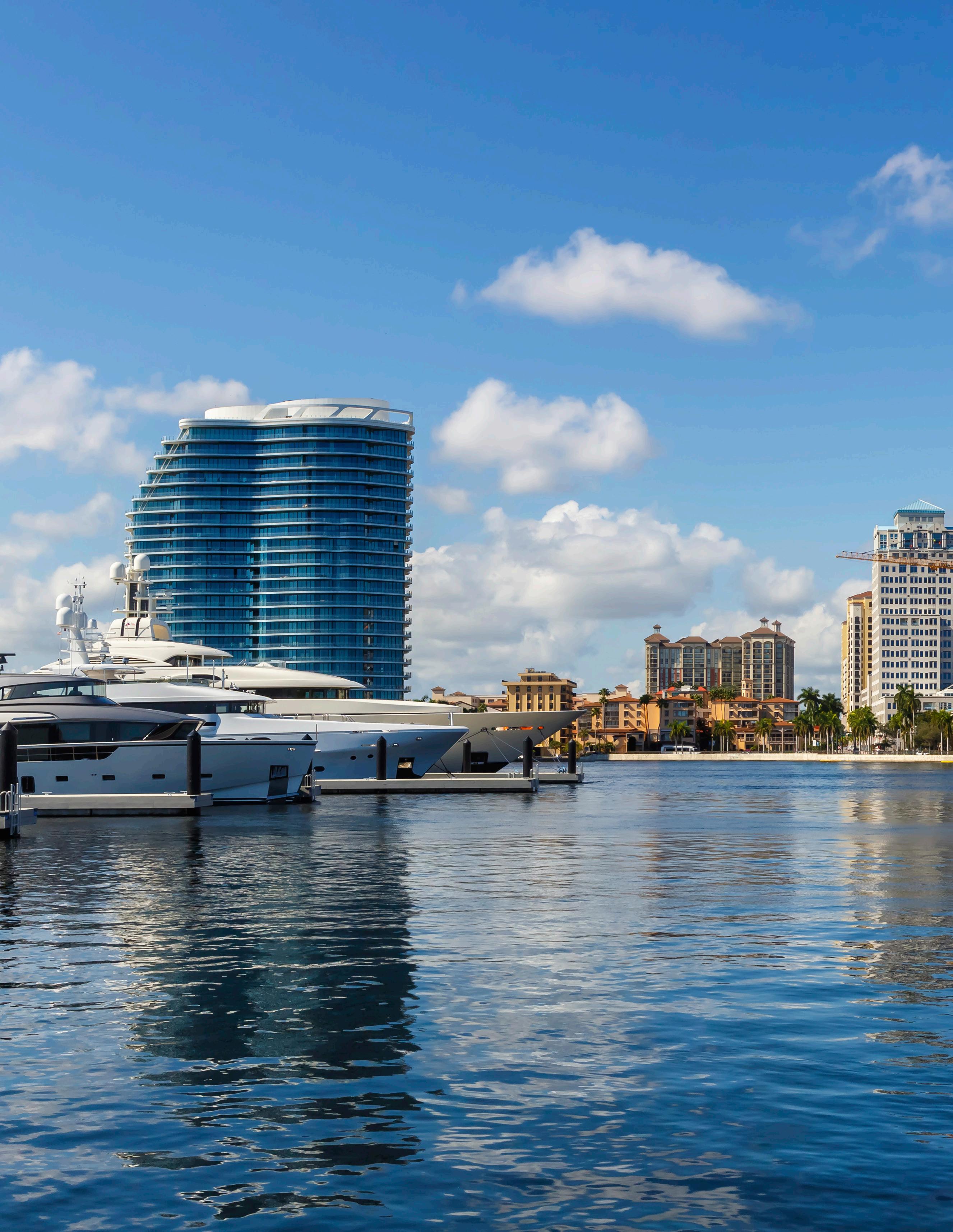
In March, Palm Beach County officials ordered the owner of the aging Ambassador Palm Beach Hotel and Residences to take appropriate steps and make emergency repairs to protect occupants of the building, noting that the building had deteriorated to the point of becoming a “lifesafety issue.”
The Ambassador, built in 1947 and later expanded, was scrutinized in 2024 when a state-mandated structural engineering report showed much of the building’s structure, including its balconies, common areas and parking deck, were in poor condition.
In the months since, temporary repairs have been made, the building will be unoccupied this fall, and the Ambassador will soon be razed for a new building to go up in its place.
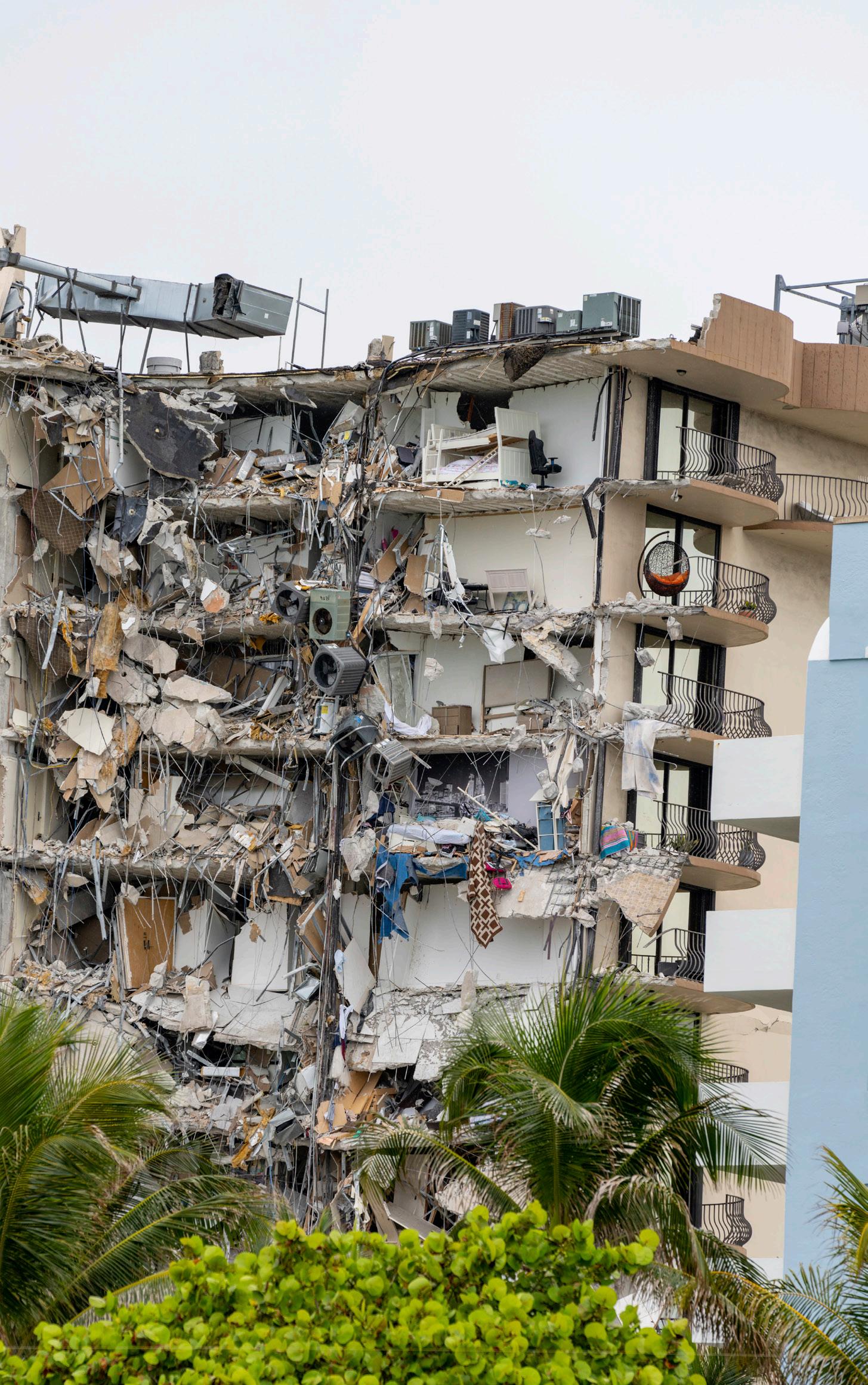
Many older condo and co-op buildings along Florida’s coastline have had to address exterior conditions because of their age and the battering they take in their beach environment. The work is mandated by a state law that aims to ensure the integrity of multi-family buildings in the wake of the deadly 2021 collapse of a beachfront condo in the town of Surfside in Miami-Dade County.
The work across the state has proven to be extensive for structural engineers and costly for many condo associations and owners. The condo safety law passed in 2022 has now been updated with new laws passed this summer, but safety remains the top priority.
After the Champlain Towers collapse in 2021 in Surfside, the Surfside Working Group was assembled to make consensus recommendations about how to ensure building safety. Together, engineers and building industry professionals from Florida Engineering Society (FES), American Council of Engineering Companies of Florida (ACEC Florida), American Society of Civil Engineers (ASCE), Florida Structural Engineers Association (FSEA), American Institute of Architects (AIA), Building Officials Association of Florida (BOAF) and International Concrete Repair Institute (ICRI), developed steps the building industry in Florida needed to take to prevent another collapse.
The work group’s consensus recommendations became the basis for Florida’s Condo Inspection law passed in 2022.
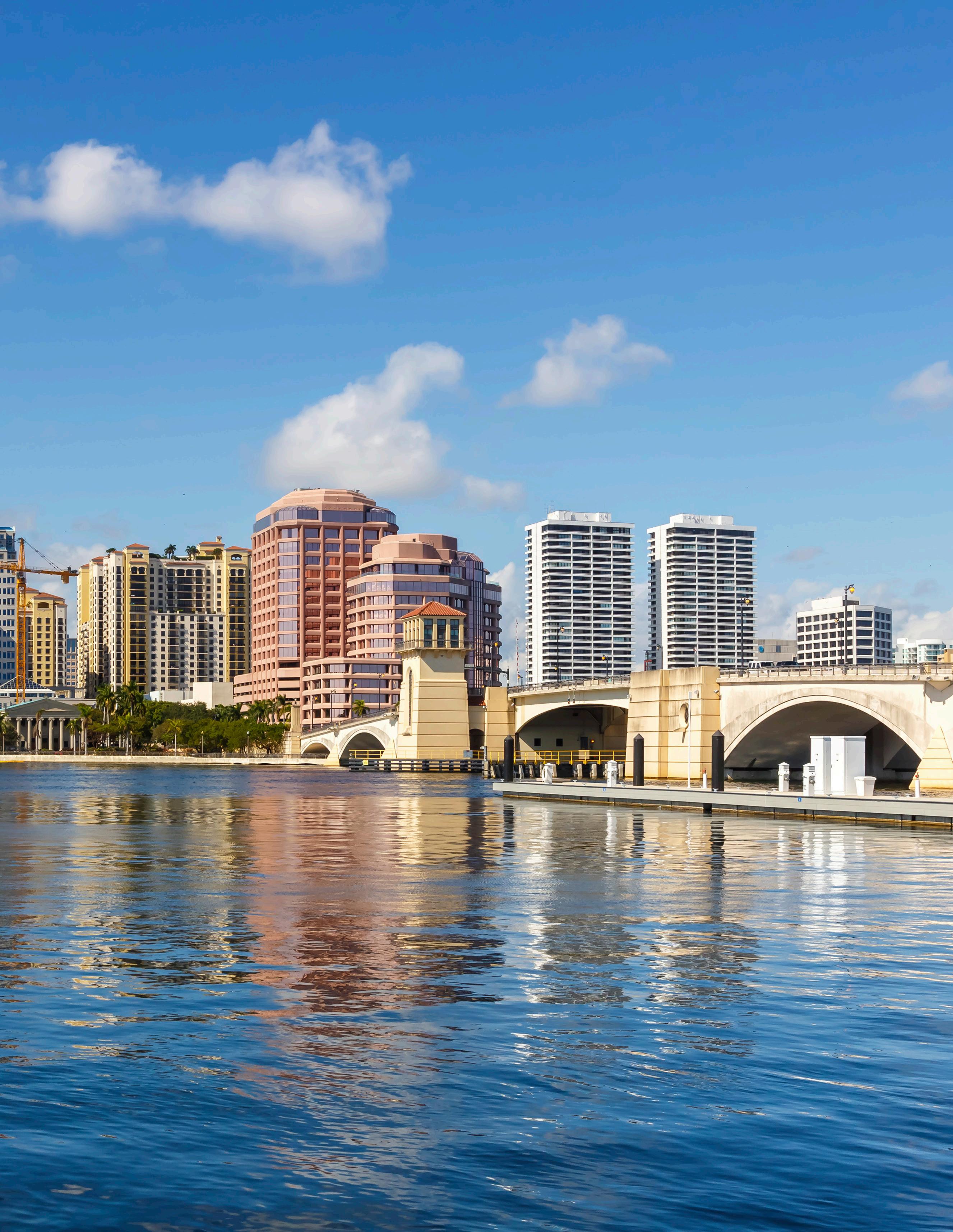
“The concern was that condos were degrading with no requirements to fix them,” said FSEA board member and past president David Fusco. “The reasoning for the new law was to make sure Champlain Towers doesn’t happen again.”
Passed in 2022, SB-4D provided building safety inspection requirements for condominium and cooperative association buildings, increased the rights of unit owners and prospective unit owners to access information regarding the condition of such buildings, and revised the requirements for associations to fund reserves for continued maintenance and repairs.
Additionally, the law required condominium and cooperative association buildings to have a “milestone inspection” of the structures’ integrity by an architect or
engineer when a building reaches 25 years of age within 3 miles of coastline or 30 years of age if located inland. Initially, if a milestone inspection was required and the building’s certificate of occupancy was issued before 1992, the building’s initial milestone inspection was required to be performed before the end of 2024.
“For structural engineers, it’s an avenue of work that is important, and it’s keeping our profession very busy,” Fusco said. “When you couple (the new requirements) with other stuff in Florida like the growth we’ve seen over the last four years, there are a lot of new buildings.”
The condo owners the 2022 law was meant to protect are faced with more issues now. Values on properties have dropped from their pandemic peak, and now many associations need to raise funds to complete milestone inspections and fix problems if necessary.
The reasoning for the new law was to make sure Champlain Towers doesn’t happen again.
— DAVID FUSCO FSEA board member and past President
An economics study by TD Bank Group in May showed that condo sales in Florida were down by more than a quarter from their 2018-19 level and 13% year over year, while median prices also continue to trail lower, having fallen about 8% from their peak. There are now close to 80,000 condos and townhomes for sale across the state – a number that’s up by about 20,000 or 35% from a year ago.
In June, Gov. Ron DeSantis signed HB 913 into law, making an overhaul of Florida's condominium-safety regulations with a focus on easing the financial burden on condo owners while maintaining key safety requirements.
HB 913 passed unanimously in both chambers of the Legislature in April. The new law extends the deadline for structural integrity reserve studies by one year and allows for a temporary pause in reserve funding for up to two years after a milestone inspection.
"There were a lot of folks that had a lot of concerns about how some of these assessments were being done, whether people could even afford to even stay in their units," DeSantis said at the signing.
He also signed HB 393, revising the My Safe Florida Condo Pilot Program to enhance its effectiveness in improving condominium safety, hardening the buildings, and reducing insurance premiums.
“Florida’s history with hurricanes and extreme weather underscores the urgent need for robust mitigation measures to protect residents and property,” said State Rep. Vicki Lopez (District 113) in her filing of HB 393.
The law limits eligibility to condominiums three stories or higher and ensures the program prioritizes buildings with significant structural and safety considerations. Lowering the grant approval threshold to a 75% supermajority vote empowers communities to access critical funding while maintaining fairness.
“These revisions collectively streamline the program, improve accessibility and prioritize impactful safety enhancements,” Lopez said. “With these updates, Florida can better protect its residents and build more resilient communities in the face of natural disasters.”
Bill Hughes, research director for the Kelley A. Bergstrom Real Estate Center at the University of Florida, believes the next challenges in light of the new laws will be the execution of the requirements, monitoring compliance and enforcing the rules – not small challenges, he said. Still, he believes the new laws are a good step forward.
“Most people do not participate in the policy making process until new rules are passed,” Hughes said. “Once (SB-4D) happened, many people were affected and became involved in policy review. Deadlines were too short, definitions were vague, and confusion was unanticipated.”

Resource limitations are at the heart of this challenge, Hughes said. Monitoring these recommendations is difficult enough. Added to the resource concerns is a list of unintended consequences that always follow new policy.
“Finding and compensating enough skilled people to accurately review and understand the structural safety of highrise buildings is an impossible task, particularly in just a few years,” Hughes said. “The new rules will produce a tremendous number of very complex reports and recommendations that did not exist prior to passing laws.”
Condos, hotels and all coastal buildings face persistent threats from hurricanes. The ways engineers have designed buildings in coastal zones has changed dramatically as well. The American Society of Civil Engineers (ASCE) has a standard for flood design called ASCE 24.
In Florida, the newest iteration of the Florida Building Code (FBC) will be adopted in 2026 and has much more stringent requirements in the velocity zones – coastal zones with expected wave action.
“In my time designing in Florida, the biggest changes I’ve seen are dealing with structures in coastal zones because a storm like (Hurricane) Helene only emphasizes the importance of elevating your structures, and Ian was the same way,” Fusco said. “Helene and Ian were big surge makers.”
Success in Florida’s building code can be seen in Port Charlotte, which was devastated by Hurricane Charley in 2004 and saw many structures rebuilt at a higher level in compliance with the 2002 FBC.
When Hurricane Ian struck the area in 2022, the results of those rebuilds stood out.
“Port Charlotte performed pretty well against Ian because it was decimated by Charley,” Fusco said. “They rebuilt to better standards than what Fort Myers Beach was built to some 50 years ago, and you can see that many structures in Fort Myers Beach collapsed.”
A study by the Insurance Institute for Business & Home Safety (IBHS) of Port Charlotte afterward concluded that the “modern Florida Building Code (FBC) and its system of adoption and enforcement have nearly eliminated structural damage. The structural performance for buildings built under the modern FBC was a resounding success, with only one building built under the modern FBC with any visible structural damage.”
The FBC is considered by IBHS over its last two cycles to be one of the best code systems to foster wind- and flood-resistant construction practices in the U.S. Hurricane Ian was the most significant test of the system of protections offered by the modern FBC and its enforcement since Charley, the agency notes.
IBHS used aerial imagery from NOAA and EagleView, along with street level imagery from the National Science Foundation’s Structural Extreme Events Reconnaissance (StEER) teams, to investigate the performance of residential and commercial construction in Hurricane Ian. Of the 230 multifamily structures assessed in the study, 57 were built under the modern FBC. None had any visible structural damage.
The next FBC update is due in 2026, and Fusco says the process of developing a new idea to implement into the code can take about six years. While Fusco doesn’t anticipate big changes, there can always be amendments made to existing code if a life safety issue is found.
Updates to the code come from “responding to events that have happened and trying to improve,” Fusco said. “As storms come through and structures get elevated in response, eventually, we’ll have more resilient structures.”

BY THOMAS EHLERS, STAFF WRITER
Situated in the Florida Department of Transportation (FDOT) District 3, Escambia County holds the highest level of pedestrian fatalities in the region, but a number of projects and initiatives are paving the way to a safer future in the state’s oldest county.
District 3 Traffic Safety Program Manager Michael J. Lewis and District 3 Public Information Director Ian Satter are two of the faces behind these efforts. The office sifts through incident reports in the area to help guide design for future projects focused on safety.
“It really is an alignment with the Target Zero idea that you’ll see branded all over FDOT’s information,” said Lewis. “What we do is look at where fatal and serious injury crashes are occurring – this is with vehicles as well as bicycles and pedestrians – and really get into the cause and effect of why crashes are occurring.”
Lighting has been a point of emphasis for District 3, as the district has installed corridor lighting in a number of projects. In addition, it aligned its work with statewide intersection initiatives around intersection patterns with marked crosswalks, which added lighting to ensure pedestrians in crosswalks were illuminated properly.
These projects ensure pedestrians are well-illuminated in the front to the drivers’ vantage point, preventing a silhouette effect that is often present when they are illuminated from behind. While data collection is ongoing, initial returns on these lighting projects point to a reduction in the number of pedestrian-related incidents at project sites.
District 3 also seeks out poor pedestrian conditions, including gaps in sidewalks, sidewalks that need refreshing or other potential hazards that could be built into a project.
The West Cervantes Street Project is a cornerstone of the District’s ongoing efforts to improve pedestrian safety. Completed in 2022, the $7 million project focused on a 2.2-mile section of the roadway from Dominguez Street to A Street, bringing lighted midblock crosswalks, ADAcompliant ramps and a wider multi-use path along the roadway.
Additionally, the project added new traffic signals at four intersections and enhanced existing signals with
upgraded pedestrian features. Construction on the raised center median allowed a low barrier and designated openings for pedestrians at selected locations, while FDOT milled and resurfaced the roadway where median and signal work were completed.
“We have not had any fatalities on that road,” Lewis said. “We look at that as one of the success stories.”
In May, FDOT completed a $9 million safety improvement project on U.S. 29 / S.R. 95, locally known as North Palafox Street. A 3.6-mile segment from Cervantes Street to Brent Lane was enhanced to improve traffic flow and increase safety.
Crews resurfaced a portion of the road, adding new signing and pavement markings while reconstructing a three-way intersection along the route. The project added sevenfoot bicycle lanes in each direction alongside six-foot shoulders, while adding crosswalks along three signalized intersections. Similar to the West Cervantes Street project, FDOT upgraded sidewalks and ramps to comply with ADA standards.
“When we have transportation projects, we have to look at the safety of all of our road users.” Satter said. “When you think of a road, a lot of people think of just vehicles. You have to remember we have to have facilities in place as well for pedestrians and bicyclists for areas that are highly trafficked. When you see words like bike lanes or crosswalks, all of that is looking at safety, which is our No. 1 priority.”
The S.R. 297/Pine Forest Road project will transform a 1.36-mile stretch of roadway from an existing three-lane rural thoroughfare into a four-lane divided urban highway, including the widening of Chellie Road to include 11-foot lanes with curbs and gutters. More importantly, the project includes a 10-foot-wide shared use path and a 6-foot-wide sidewalk for pedestrians.
Similarly, the S.R. 196 Multi-Use Path Design Project is centered around a 1.18-mile span of Bayfront Parkway from South Tarragona Street to North 14th Avenue and primarily focused on bike and foot traffic. The project will shift eastbound traffic lanes into the median in order to construct a 12-foot-wide multiuse path, while also constructing 1,700 feet of sidewalk on the north side of the roadway to complete pedestrian connectivity.
One current project is seeking sidewalk connectivity along Bayfront Parkway, one of Pensacola’s most iconic thoroughfares. The district is working through designs, and Lewis has been tasked with ideating the design of crosswalks across the parkway, building in the existing walkways along the street.
A Project Development and Environment (PD&E) study of Sorrento Road is underway, examining how to best widen the roadway from two lanes into four across a 5.6-mile span while adding a multi-use path from Innerarity Point Road to S.R. 173/Blue Angel Parkway.
Last year, the district identified a 2- to 3-mile gap in the sidewalk on Fairfield Drive where three pedestrian fatalities


occurred in a five-year window. While there weren’t enough funds to advance the project last year, a resurfacing project in the area was added to this year’s candidate list. The section, which sits between Lilian Highway and 65th Avenue, is sitting in the tentative work program and could be addressed within the next few years.
“In most cases, newer standards have safety elements built into them,” Lewis said. “Just by upgrading a roadway to current standards is a safety initiative.”
We are very active when it comes to ensuring that we have public enagagement at the core.
— IAN SATTER
District 3 Public
Information Officer
FDOT District 3 holds a number of meetings and hearings in addition to making project managers available for public input. It makes contact with any property owners within 300 feet of right-of-way lines, along with neighborhoods and businesses along work corridors.
In addition, the district uses a variety of means – from updated websites and social media pages to brochures and mailers – to ensure information is easily accessible and constantly updated for the public’s preference.
“We are very active when it comes to ensuring that we have public engagement at the core,” said Satter. “Communities are at the core of everything that we do. The work that we do affects their day-to-day lives, so public input is essential for us.”
Regular meetings are held among all districts to ensure idea, process and success story sharing. Local organizations, such as the Florida-Alabama Transportation Planning Organization, which includes Escambia County in its membership, provide guidance to state officials for future project ideas. On top of that, District 3 regularly communicates with community traffic safety teams (CTSTs) – entities written into the language of federal spending bills – at the county level to engage citizens at a closer level.
“That is a key component for us as far as working with our locals in the area to ensure that we are meeting the needs of the community whether they view something as a safety issue or a congestion issue,” Lewis said.
An outside-the-state lens is key for Escambia County for other reasons, too. Much like the rest of the state, the county has seen rapid population growth, and projects such as the U.S. 98 Widening are ongoing to combat the growth and maintain safety as it happens.
“We have some of the largest growing counties in the state and in the country,” Lewis said. “With that comes the challenges of making sure that we have the infrastructure to (grow), and understanding the different modes of transportation they are going to need.”
When it comes to the built environment, many professionals contribute to making projects succeed. But when it comes to protecting lives, one role stands above the rest: the structural engineer. From design and inspection to emergency response, structural engineers are the guardians of building safety.
A building often takes years, sometimes decades, to move from concept to completion. Hundreds of people shape the process: architects refine form and function, owners weigh cost and use, and contractors bring plans into the field. But through it all, the structural engineer carries a singular duty to make sure the building is safe for the people who will occupy it.
It’s the structural engineer who ensures that an architectural vision can survive hurricanes, earthquakes and the daily forces of gravity and wind. That means running the numbers, tracing load paths, checking materials and making sure every structural element meets the Florida Building Code.
It’s a constant balancing act, meeting the architect’s intent while guaranteeing that safety and performance are never compromised.
Our role doesn’t end when a ribbon is cut. Florida is home to aging high-rises, coastal condos and public buildings that need continual evaluation. Structural engineers conduct inspections and assessments to verify that older buildings remain safe, and we lead retrofit and restoration projects to extend their service life. But even routine evaluations aren’t the whole story. When disaster strikes, our role can become even more critical.
After a collapse, hurricane or tornado, emergency crews rely on our expertise to know where it’s safe to work and where it isn’t. Search and rescue teams often include structural engineers on the ground to evaluate stability, mark danger zones and, if needed, design controlled demolitions to open safe passage.
During the Champlain Towers South condominium collapse in Surfside, multiple structural engineers worked alongside emergency responders to guide life-or-death decisions about which parts of the building could be entered and how to navigate through hazardous debris.
Structural engineers hold a responsibility not unlike doctors. Just as physicians are bound to protect health, we are entrusted to protect safety. If we see danger in a building, whether in a cracked column, corroded connection or flawed design, we are obligated to report it. Few other professions carry such a direct ethical duty tied to human life.
We fight the forces of nature every day because lives depend on the structures we design and inspect. In Florida especially, where storms and coastal exposure test buildings year after year, that duty is always front and center.
Some structures can be built without a structural engineer’s input. But the consequences can be costly. At best, projects suffer from wasted materials or inefficient layouts. At worst, they fail.
Structural engineers know how buildings behave under real-world conditions. We design for strength and stability, but also for resilience and durability. We see what others may overlook: the load path through a joint, the risk in a corroded beam, the telltale crack that signals something bigger.
That’s why, when it comes to the safety of the built environment, our role is unique. Just as doctors preserve health and firefighters save lives, structural engineers safeguard the places where communities live, work and gather. Every building that withstands a hurricane, every bridge that carries generations of traffic, stands as proof of that guardianship and the trust society places in us.


BY SISINNIO CONCAS, PHD, PMP, CHANYOUNG LEE, PHD, PEI-SUNG LIN, PHD, PE, PTOE, FITE, AND SARAH PAYTON

As Florida continues to grow in population and economic activity, the state’s transportation network faces mounting challenges in ensuring the safety of all road users. From rising motorcyclist fatalities to increasing pedestrian risks at intersections, the need for innovative, research-based interventions has never been more urgent.
At the forefront of addressing these challenges is the Center for Urban Transportation Research (CUTR). Established by the Florida Legislature in 1988 and a part of the University of South Florida’s College of Engineering, CUTR has become a nationally and internationally recognized leader in multimodal transportation research, education, and technology transfer.
With more than $28 million in contracts and grants in Fiscal Year 2025 alone—many from the Florida Department of Transportation (FDOT) and the U.S. Department of Transportation (USDOT)—CUTR’s work is shaping the future of transportation safety across the state and the nation.
While overall traffic fatalities in the U.S. declined by 4.3% in 2023, motorcyclist fatalities continued to rise, reaching 6,339 deaths—a 1.9% increase from the previous year. According to CUTR’s Motorcycle Injury Prevention program, this trend is part of a broader, two-decade-long increase in motorcyclist deaths, which have surged by approximately

Pedestrian and bicycle safety remains a critical issue, particularly at night. Research conducted by CUTR’s Intelligent Transportation Systems (ITS), Traffic Operations & Safety program reveals that 75% to 78% of pedestrian fatalities in Florida occur at night or during dusk and dawn conditions. Close to 60% of all fatal bicycle crashes in Florida happen during those hours. Inadequate illumination, impaired driving, walking and biking, speeding or aggressive driving, distraction, and driver non-compliance at crosswalks are major contributing factors.

25% since 2019. In contrast, other traffic fatalities, including those involving pedestrians and bicyclists, rose by 13% over the same period.
This disproportionate rise in motorcyclist fatalities highlights the need for targeted safety interventions. CUTR’s research emphasizes the importance of helmet use, rider education, and improved data collection to better understand crash dynamics. The center also notes the growing concern around electric bicycles (e-bikes), which are often underreported in crash data but have seen a sharp increase in serious injuries in Florida.
From 2018 to 2023, intersections accounted for 64% of pedestrian crashes with injuries and 15% of those with serious injuries in Florida. Speeding, inadequate signal timing, driver non-compliance at crosswalks, and lack of pedestrian activation at crossings further exacerbate the problem.
To address these issues, CUTR has assisted FDOT in several initiatives via research and evaluations of implementations:
• Lighting Retrofits and Lighting Level
Evaluation: CUTR supported FDOT’s initiative in retrofitting more than 2,000 signalized intersections with improved lighting, assessing lighting levels against established standards, and evaluated the effectiveness of LED corridor lighting in reducing nighttime crashes.
Analyzing driver and pedestrian behavior at a signalized intersection using video analytics (Source : CUTR)
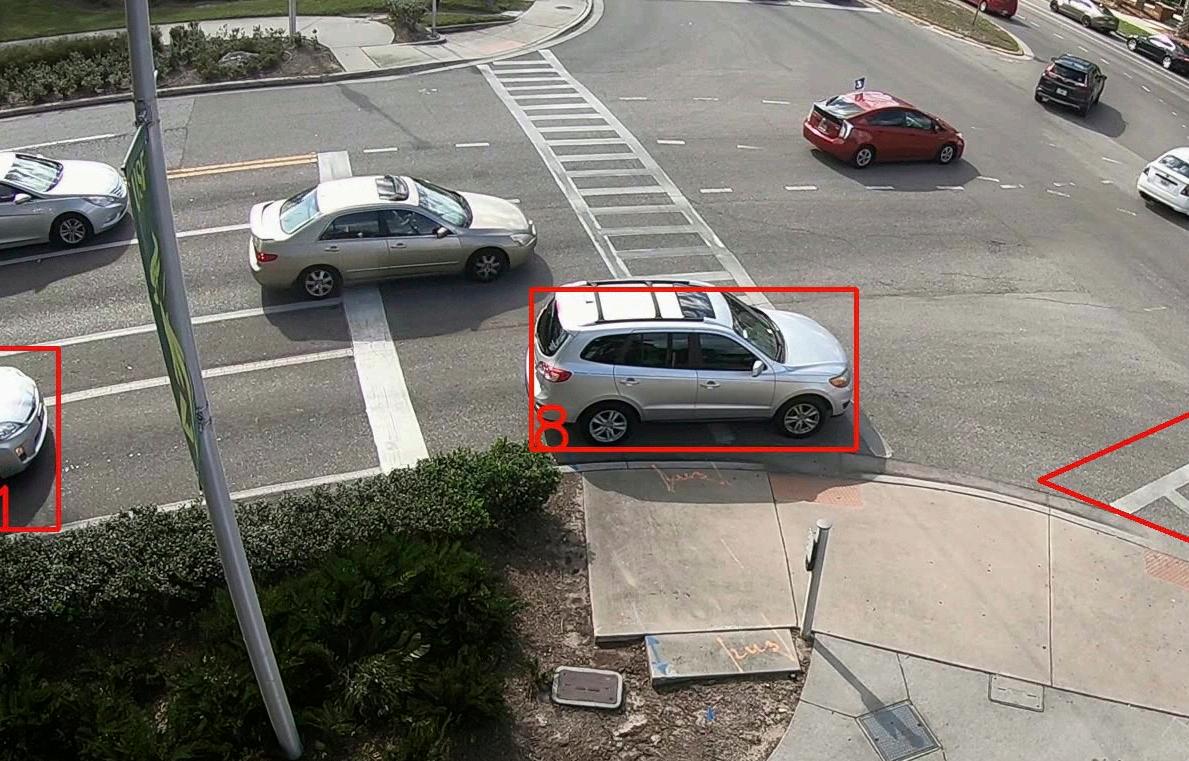
• Leading Pedestrian Intervals (LPIs): CUTR assisted FDOT in evaluating the effectiveness of implementing LPIs with and without No-Turn-on-Red blankout signs, through before-after studies and cross-sectional analysis on driver’s compliance behaviors and reduction of crash risks.
• Intersection Safety: CUTR assisted FDOT in conducting research and field studies in developing guidelines and a toolbox for reducing pedestrian crashes with turning vehicles at signalized intersections.
• Automated Pedestrian Detection (APD): APD systems can detect pedestrians in real time, triggering signal changes even when crosswalk buttons are not pressed. CUTR assisted FDOT in conducting an evaluation of using APD to improve pedestrian and bicyclist safety at signalized intersections and mid-block crossings. It provided recommendations for effective implementation and identified specific constraints associated with their use.
• Speed Management: CUTR’s research on using traffic signal progression as a tool for speed management has shown that better coordination with speed management can reduce pedestrian and bicycle crash frequency by 55% and severe crashes by 75%.
In addition, CUTR has evaluated the use of speed safety cameras in school zones, following a 2023 Florida law permitting automated enforcement. Early findings suggest these systems are effective in curbing speeding and enhancing student safety.
Signalized intersections are among the most complex and hazardous points in the transportation network. According to a recent CUTR study conducted by the AutonomousConnected Mobility Evaluation program, 26.3% of all crashes in Florida occur at intersections, and 32.2% of those result in injury or death. Vulnerable road users (VRUs)— including pedestrians and cyclists—are involved in nearly a quarter of fatal intersection crashes.
The study analyzed data from over 16,000 signalized intersections across Florida and found that most were designed primarily for motor vehicle throughout, often at the expense of VRU safety. The average delay per vehicle at Florida intersections was 20.4 seconds, higher than the national average, and daily delays contributed significantly to CO₂ emissions.

CUTR’s recommendations for improving signalized intersections include:
• Short-Term: Digitize existing infrastructure to enable consistent data collection and analysis.
• Medium-Term: Develop statewide protocols for intersection upgrades and promote open-data initiatives.
• Long-Term: Invest in modular, connectivity-ready systems that can adapt to emerging technologies such as vehicle-to-everything (V2X) communication and artificial intelligence.
The study also highlights the need for improved cybersecurity and interoperability in signal systems, noting that many legacy controllers are vulnerable to malicious interference and lack the capacity for over-the-air updates.
CUTR’s multidisciplinary team—comprising experts in engineering, planning, computer science, public health, and policy—employs a holistic approach to transportation safety. Their work is grounded in rigorous data analysis and real-world testing, ensuring that recommendations are both practical and effective.
Recent and ongoing FDOT-sponsored projects include:
• Development of Crash Modification Factors for Speed Management of Traffic Signal Progression (Completed in 2021)
• FDOT District 7-wide Lighting Level Measurement and Analysis (Completed in 2023)
• Evaluation of Innovative Pedestrian Detection Systems to Increase Safety (Completed in 2025)
• Guidelines and Toolbox for Reducing Pedestrian Crashes with Turning Vehicles at Signalized Intersections (Completed in 2025)
• Evaluation of Promising Countermeasures and Innovative Techniques on Speed Management to Improve Pedestrian and Bicycle Safety (Ongoing through January 2026)
• Innovative Signal Timing Design and Operation Strategies to Improve Nighttime Arterial Safety (Ongoing through June 2026)
• Root Cause Analysis, Dashboard Development, and Countermeasure Implementation Prioritization for Speeding and Aggressive Driving Crashes and Impaired Driving Crashes. (Ongoing through August 2026)
These projects not only inform FDOT’s safety strategies but also contribute to broader initiatives such as the Target Zero campaign, which aims to eliminate transportation-related fatalities and serious injuries across Florida.
Beyond infrastructure and technology, CUTR emphasizes the importance of education and outreach. Since 2009, the center has conducted numerous campaigns to promote safe behaviors among drivers, pedestrians, bicyclists, and motorcyclists.
By combining engineering solutions with behavioral interventions, CUTR supports a comprehensive approach to transportation safety—one that aligns with Florida’s vision of a safe and efficient transportation system that ensures the mobility of people and goods, enhances economic prosperity, and preserves the quality of our environment and communities.
As Florida navigates the challenges of rapid growth and evolving safety and mobility needs, the Center for Urban Transportation Research offers essential resources and research insights to guide safer streets and smarter investments. Through data-driven research, collaborative partnerships, and a commitment to innovation, CUTR continues to play a vital role in shaping the future of transportation safety in the Sunshine State.
SOCIETY FOR MARKETING
PROFESSIONAL SERVICES FLORIDA CHAPTERS
The Society of Marketing Professional Services (SMPS) plays a pivotal role in advancing safety within Florida's engineering practices and infrastructure. By fostering collaboration between marketing professionals and engineering firms, SMPS ensures that safety remains a cornerstone of infrastructure development, benefiting both residents and visitors.

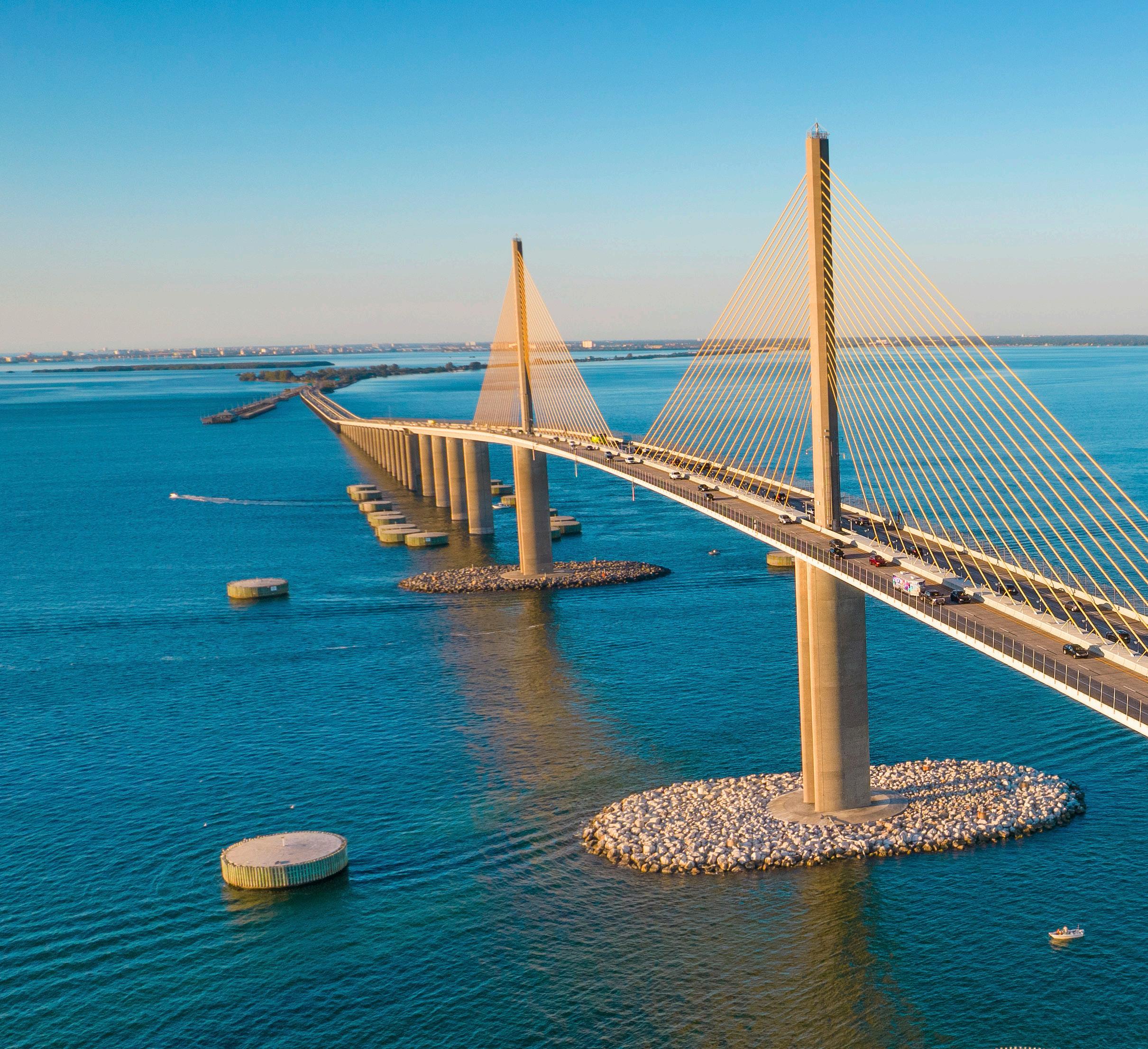
One of SMPS's key contributions is its emphasis on strategic partnerships. For instance, the American Council of Engineering Companies of Florida (ACEC Florida) has established successful partnering committees with local governments and state agencies, such as the Florida Department of Transportation (FDOT).
These committees focus on improving business practices, enhancing communication and addressing safety concerns in engineering projects. SMPS professionals amplify these efforts by crafting compelling narratives and campaigns that highlight the importance of safety in engineering, ensuring public awareness and support.
A notable example of these collaborations is the ACEC Florida Transportation Committee's work with FDOT. This partnership has led to the development of safer roads, bridges and intersections across Florida. By integrating marketing strategies, SMPS professionals have helped communicate the value of these projects to stakeholders, fostering trust and transparency.
These infrastructure investments have become even more crucial as Florida’s hurricane seasons intensify. More than ever, there is a growing demand for resilient infrastructure design, proactive maintenance, and emergency restoration capabilities.
SMPS prepares its members to anticipate and respond to agencies’ needs and expertly convey the abilities of their firms and technical staff. By fostering clear communication between clients and consultants, and then to the communities we serve, marketing professionals help bring the right people together when it is most needed.
Additionally, SMPS's focus on education and advocacy complements ACEC Florida’s initiatives. Through workshops, webinars and conferences, SMPS equips marketing professionals and technical staff responsible for business development and other related tasks with the tools to promote safety-focused engineering practices effectively. This alignment of marketing and engineering expertise ensures that safety remains a top priority in infrastructure projects.
SMPS's initiatives and collaborations significantly contribute to promoting safety within Florida's engineering sector. By bridging the gap between marketing and engineering, SMPS ensures that safety is not only a technical requirement but also a shared value embraced by all stakeholders.
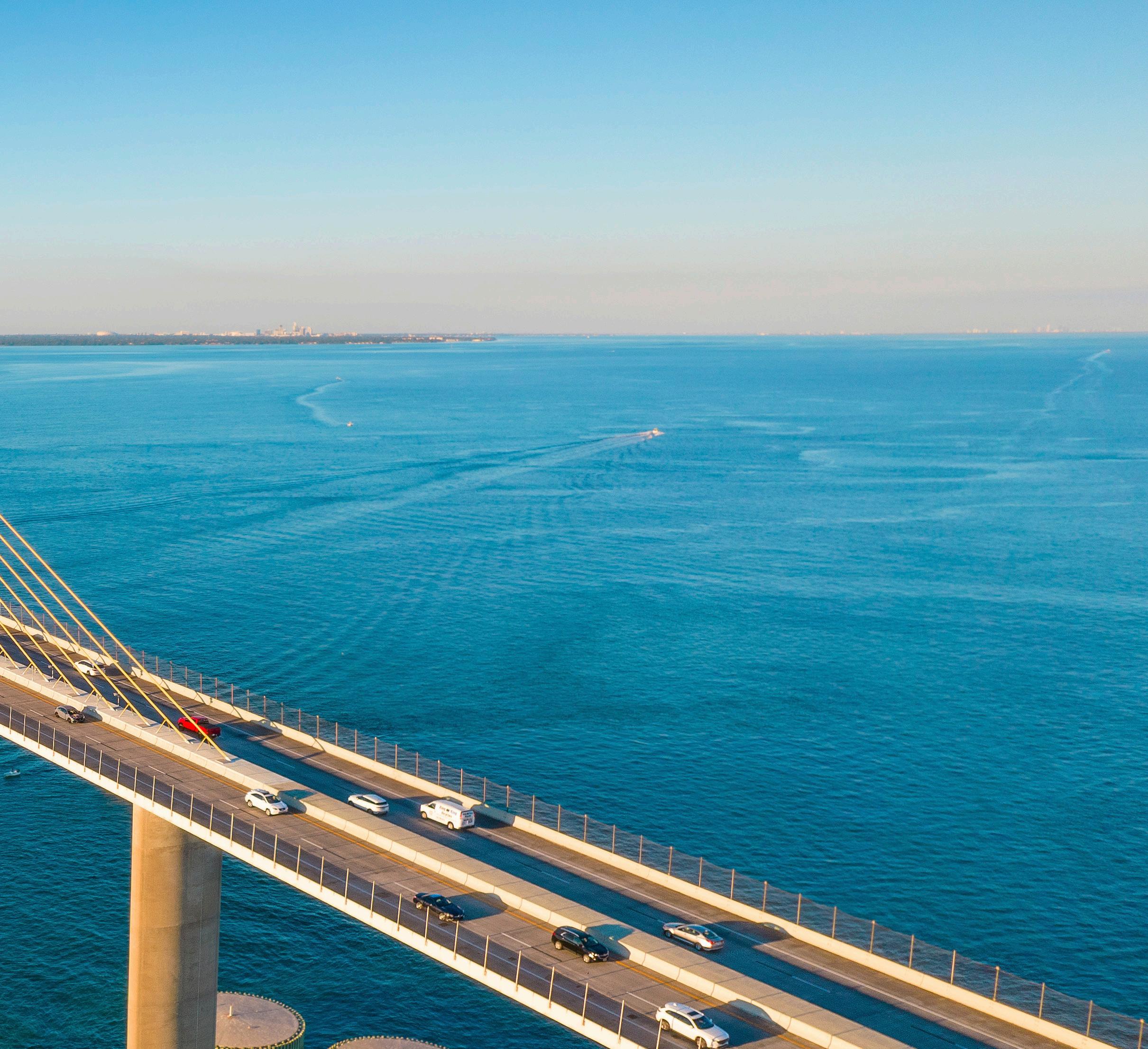
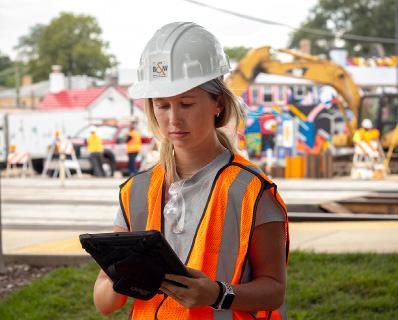
FES | ACEC FLORIDA ANNUAL CONFERENCE, JULY 30 - AUGUST 2, 2025, JW MARRIOTT MARCO ISLAND
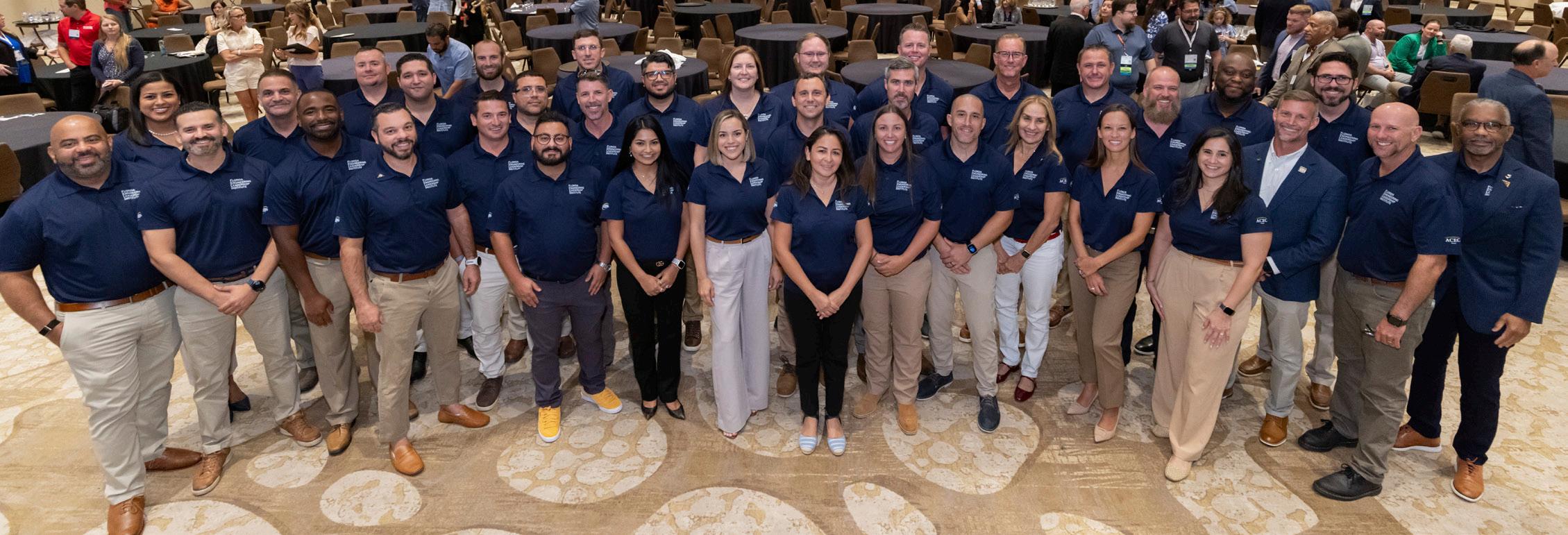
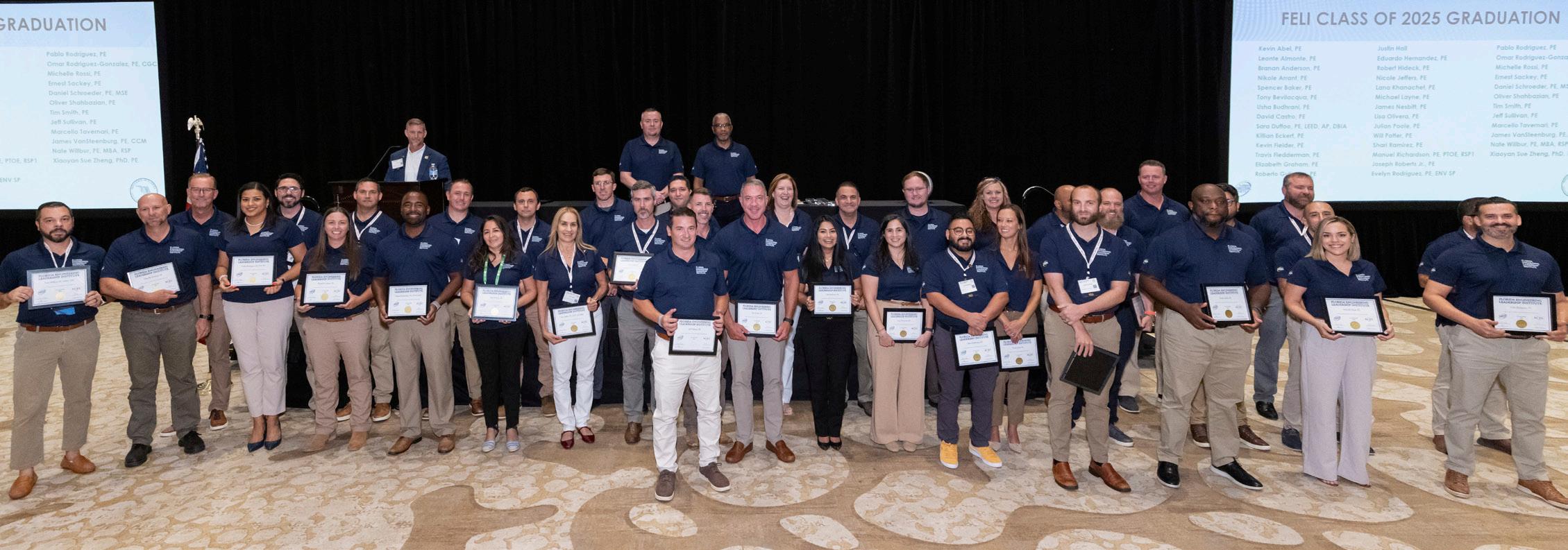

Are you looking to get your company in front of industry professionals, firm leaders, government officials, business leaders and potential clients from every part of Florida? If you are doing business anywhere in the engineering or consulting space in the Sunshine State, this is exactly the valuable audience you want to reach.

US POSTAL SERVICE STATEMENT OF OWNERSHIP MANAGEMENT AND CIRCULATION
Title of Publication................................................................................................... Engineering Florida
Publication No.................................................................................................................................277-720
Date of Filing ....................................................................................................................................... 2024
Frequency of Issue......................................................................................................................Quarterly No. of Issues Published Annually............................................................................................................4
Publisher .....................................................................................................Florida Engineering Society
Editor.......................................................................................................................................Stacey Butler
Owner ..........................................................................................................Florida Engineering Society
Engineering Florida, ISSN 0015-4032, is published quarterly as the official publication of the Florida Engineering Society. Copyright 2025. All rights reserved. FES members receive Engineering Florida as part of their membership benefits. Editorial matter, change of address, and correspondence regarding advertising should be mailed to: FES, P.O. Box 750, Tallahassee, FL 32302 or email fes@fleng.org.
Mailing Address of Office of Publication, General Business Office, Publisher: Allen Douglas, Owner:
Florida Engineering Society, P.O. Box 750, Tallahassee, FL 32302-0750
The purpose, function, and nonprofit status of this organization and the exempt status for federal income tax purposes has not changed during preceding 12 months.
• Award Winning Projects
○ Engineer Profiles
○ Deadlines:
— Content Due: Nov. 14
— Ads & Art Deadline: Nov. 21
— Print Deadline: Dec. 5

For questions or more information, please contact Engineering Florida Managing Editor: Joe VanHoose at joe@trestlecollective. com. To access the media kit, scan the qr code or visit fleng.org/ publications-resources/ engineeringflorida