Advert Space Director Emlyn Freeman emlynfreeman@littlegatepublishing.com
Project Director Andrew Richards andrew@littlegatepublishing.com
Commercial Manager James Hamilton james@littlegatepublishing.com
Lead Designer Adam Knights
Research Kristina Palmer-Holt
Editorial Research David Reilly
Corporate Director Anthony Letchumaman anthonyl@littlegatepublishing.com
Founder and CEO Stephen Warman stevewarman@littlegatepublishing.com
For enquiries or subscriptions contact info@littlegatepublishing.com +44 1603 296 100
ENDEAVOUR MAGAZINE is published by Littlegate Publishing LTD which is a Registered Company in the United Kingdom.
Company Registration: 404 2112 62
VAT registration number: 13572767
343 City Road 147 Queens Road London 79 Norwich EC1 V1LR NR1 3PN
Littlegate Publishing Ltd does not accept responsibility for omissions or errors. The points of view expressed in articles by attributing writers and/or in advertisements included in this magazine do not necessarily represent those of the publisher. Any resemblance to real persons, living or dead is purely coincidental. Whilst every effort is made to ensure the accuracy of the information contained within this magazine, no legal responsibility will be accepted by the publishers for loss arising from use of information published. All rights reserved. No part of this publication may be reproduced or stored in a retrievable system or transmitted in any form or by any means without the prior written consent of the publisher.
We kick off this edition with a great feature on BP Trinidad and Tobago, where we got to see how the Cypre and Ginger projects are being developed to enhance Trinidad and Tobago’s energy sector. We also highlight the vital sustainability operations undertaken by BP Trinidad and Tobago, including the first utility-scale solar project in the country. We’re glad to see IAL Engineering Services showing lead support for the feature here, alongside Advanced Cardiovascular Institute and Paria Ship Suppliers.
We then turn to another heavyweight in the energy sector with Shell, but specifically here its subsidiary in Nigeria, with Shell Nigeria Exploration and Production Company (SNEPCo). SNEPCo has long played a vital role in enhancing Nigeria’s energy sector across vital development blocks. We saw how SNEPCo expanded its interest in the Bonga field in 2025 to further develop its upstream portfolio in the country and provide another key investment into Nigeria’s energy sector. Here, we are excited to have Mantrac Nigeria, N.U.E Offshore Resources, KOA Oil & Gas, and Gambus Energy all showing vital support for the article.
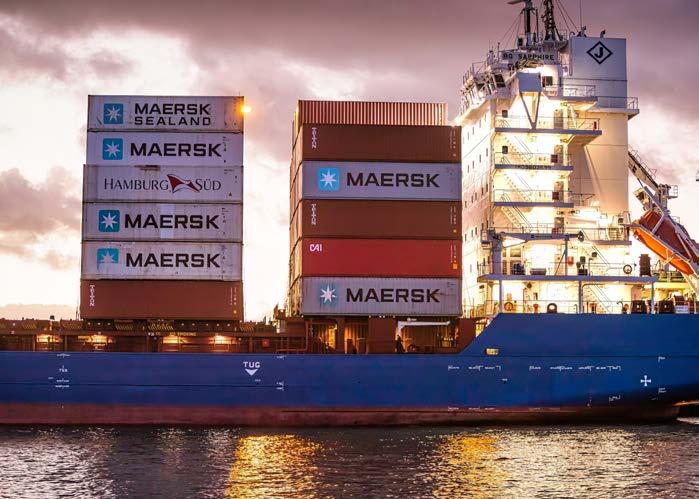
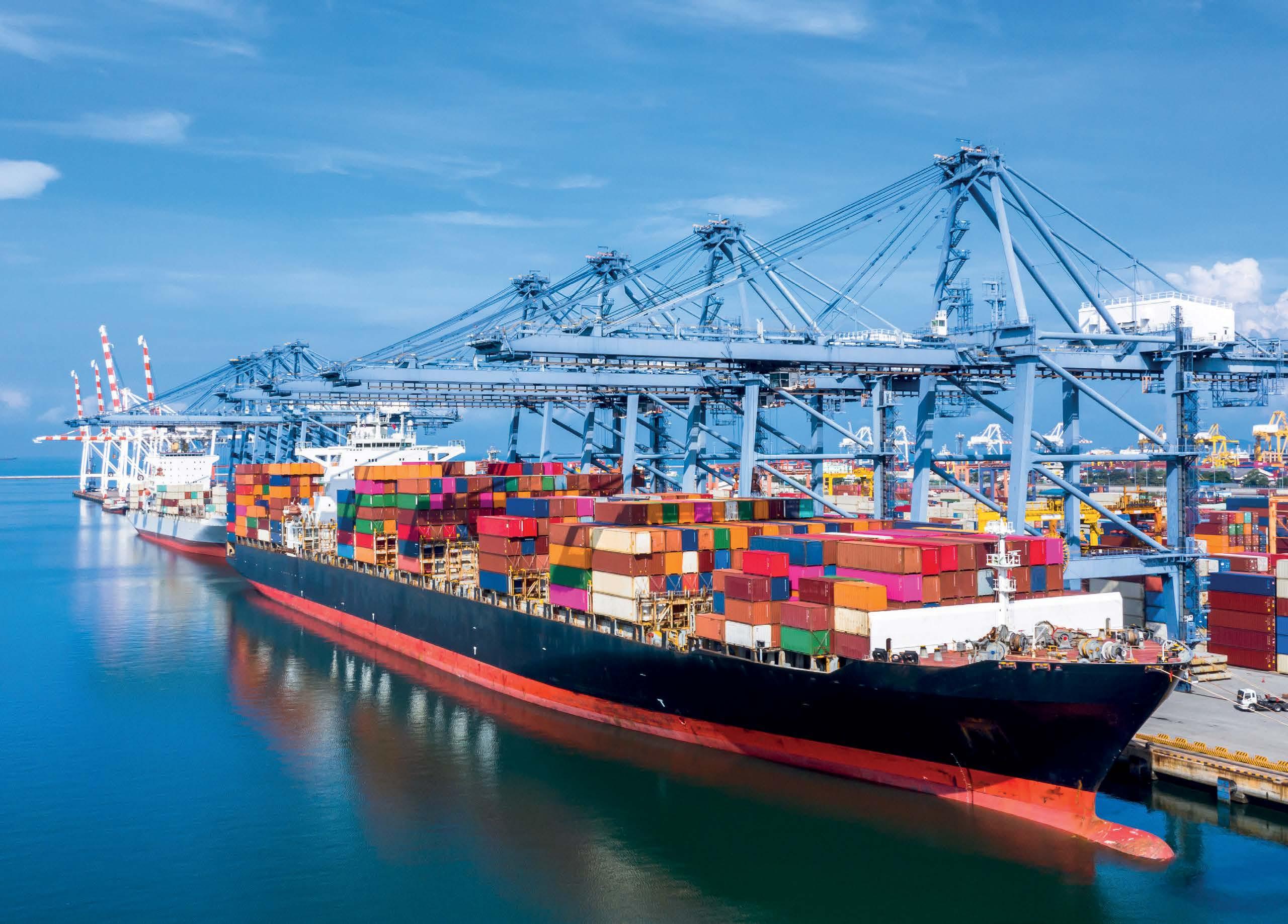
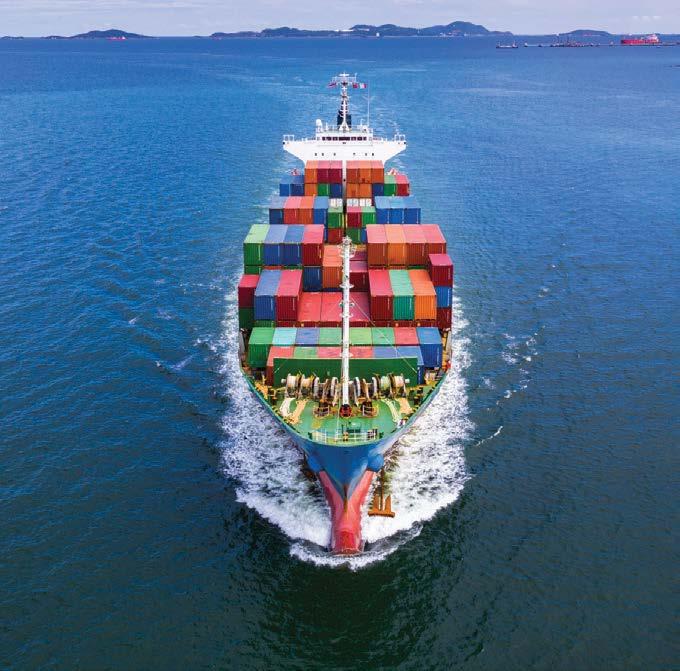
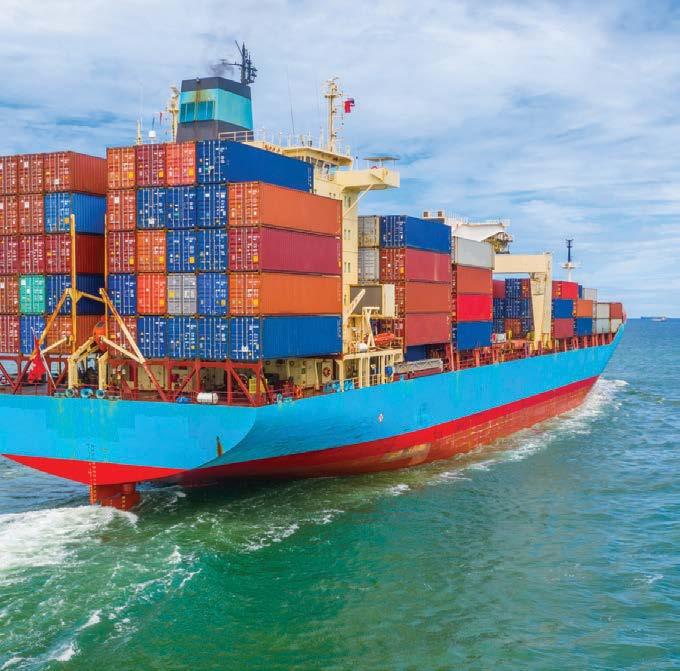
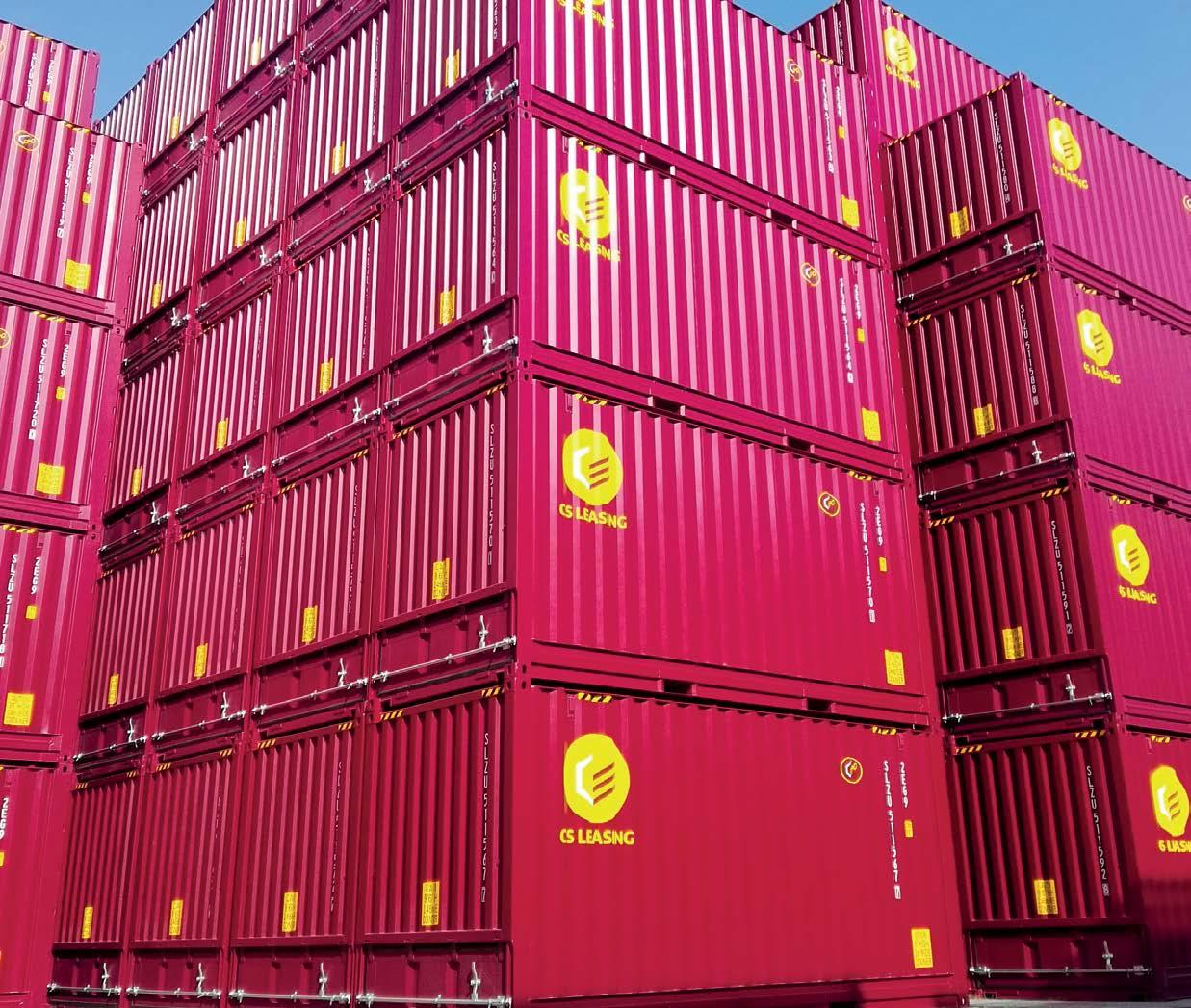
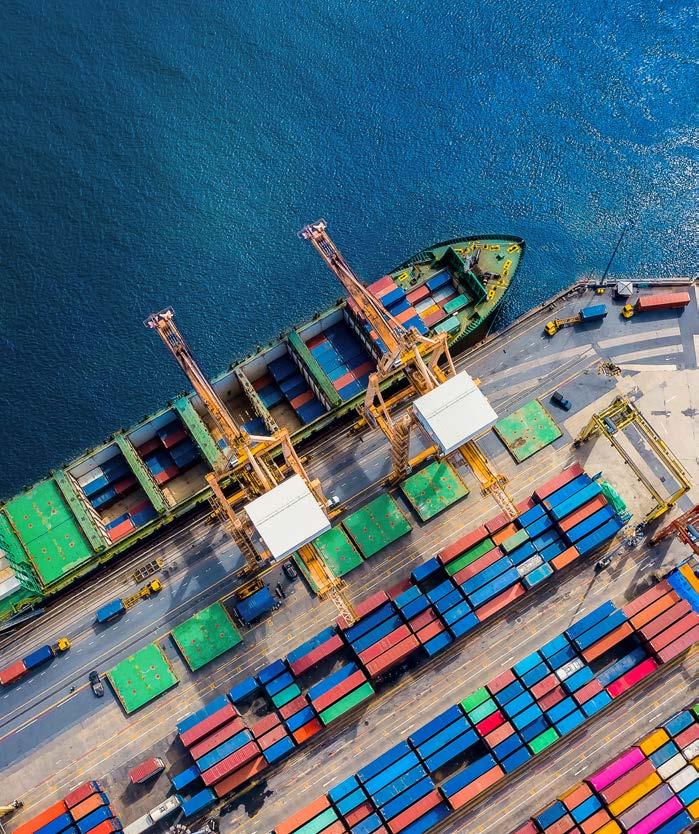
This month, we also have some great features on Maersk and its operations in both Africa and Australia. In Africa, we highlight some of Maersk’s vital shipping solutions, focusing on key ports such as the Port of Djibouti and the Port of Luanda to see how Maersk facilitates complete end-to-end shipping solutions. For this feature, we have Sogester S.A., MTI Logistics, and Gulf Agency Services (Djibouti) showing support. Then in Australia, we saw how Maersk’s operations span the entire coastline with vital operations covering key gateway ports in Sydney, Adelaide, and Brisbane – to name just a few! We thank Flinders Ports and CS Leasing for their support of this feature.
by Carley Fallows
African Businesses to the World
Asia/Oceania
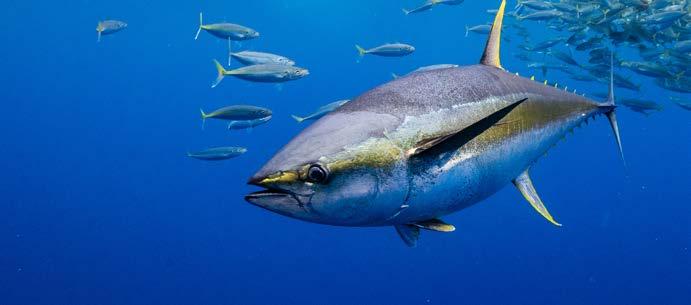
Record-Breaking Price for Bluefin Tuna at Toyosu Fish Market
The first auction at Toyosu Fish Market of the new year draws global attention, with many tourists visiting to experience the bidding taking place. The auction has received such attention that, every year, record bids are often recorded, as businesses look to purchase quality fish. Last year, the auction saw the first tuna go for a record 207 million yen, purchased by the Onodera Group, which is a food company that owns a sushi chain.
In 2026, the first bluefin tuna went for a recordbreaking 510.3 million yen, which is roughly £2.4 million. The winning bidder came from the Kiyomura Corp, which is the operator of a popular sushi chain which has outlets across Japan and abroad. The market fetches such high prices due to the quality of the fish, but also due to rarity and prestige. However, one of the most crucial reasons is that the first winning bids are also considered a symbol of luck. Therefore, many companies hope to achieve a winning bid, bringing luck to them and their business for the year ahead.
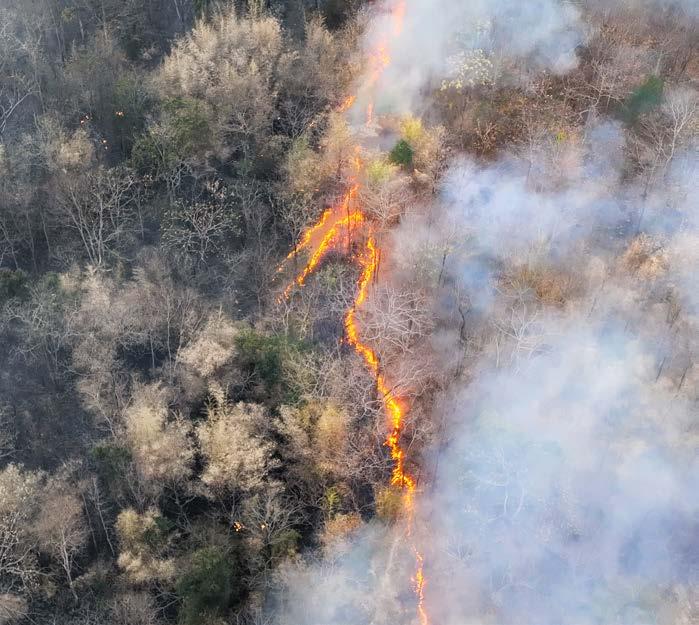
Wildfires across South-East Australia
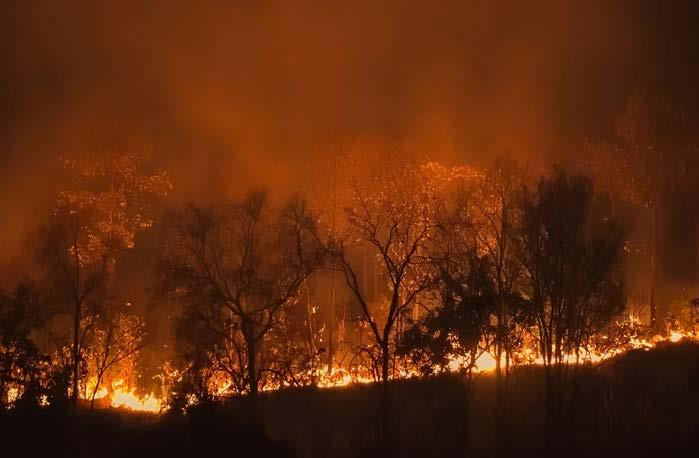
A state of emergency was declared in Victoria in Australia as a dozen of location across the SouthEast experienced intense wildfires. The fires covered large parts of the state of Victoria, with fires also seen across New South Wales. Within these areas, around 300 properties have been destroyed and 350,000 hectares of land have been burnt. So far, only one person has been confirmed dead.
The region has been experiencing very hot, dry but windy conditions, which are thought to have helped the spread of the fires, and could mean that they continue to burn for many weeks. Smoke from the fires has begun affecting the air quality across Victoria and in the city of Melbourne. The fires are thought to be some of the worst hit in the SouthEast of the country.
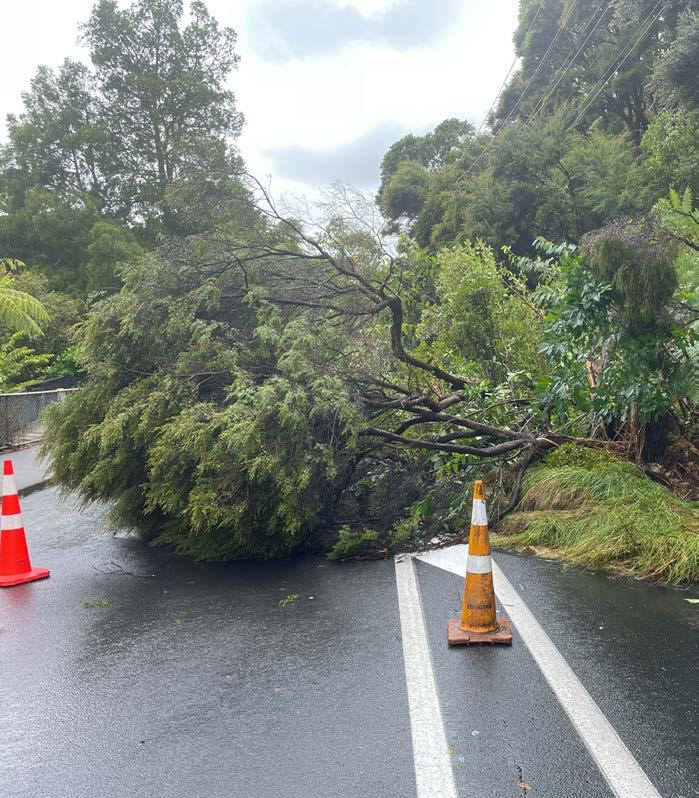
Heavy Rain Causes Landslides in New Zealand
Heavy rain across New Zealand’s North Island resulted in flooding and power outages. However, the heavy rain also resulted in landslides, which are thought to have occurred near a campsite on Mount Maunganui. So far, two deaths have been reported, but several are still missing, fearing they have been buried by the landslide. Rescue teams have been searching through rubble at the site of the landslide at the campsite on Mount Maunganui.
The campsite is a popular destination, with Mount Maunganui being a sacred Māori site. However, in recent years, the extinct volcano has been repeatedly hit by landslides. Following the incident, the surf club on another part of Mount Maunganui evacuated over fear of more landslides.
Africa
One of Africa’s largest tusker Elephants
Has Died
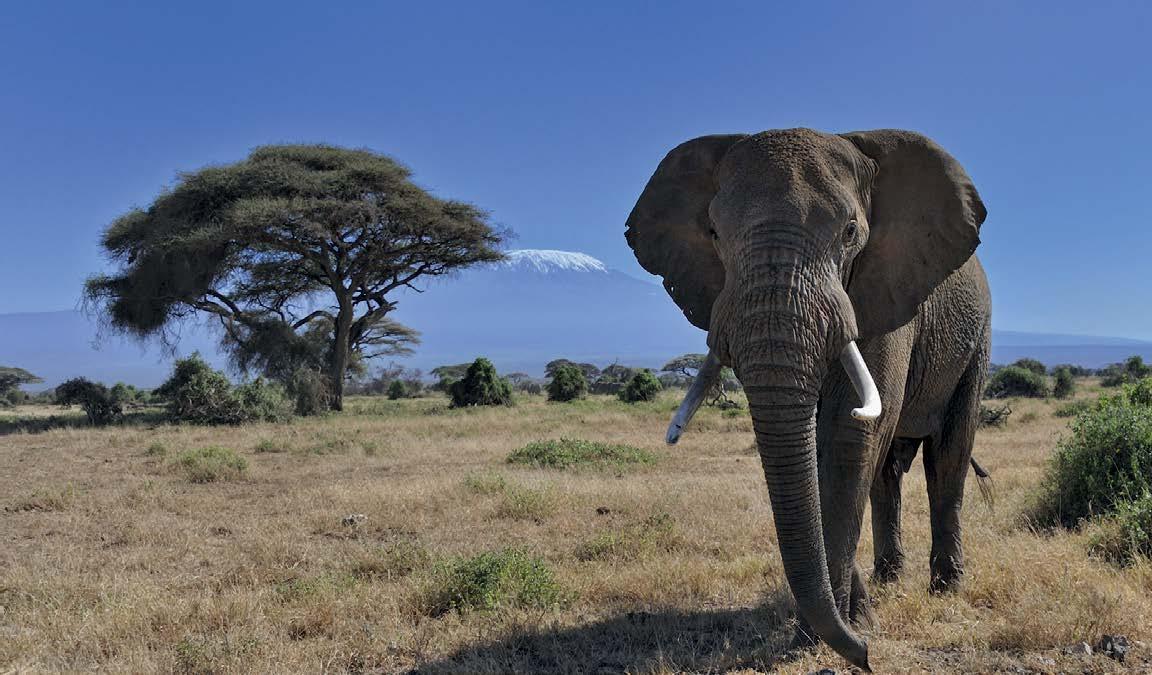
A bull elephant, fondly known as Craig, has died in the Amboseli National Park. Craig is thought have been one of Africa’s largest male tuskers, which is considered to be an elephant with exceptionally large tusks. His tusks weighed over 45kg, and so he was thought to be one of the last remaining super tuskers in Africa. Currently, it is believed that there are only a handful of such super tuskers left in Africa.
Due to his size and remarkable tusks, Craig was a major attraction at the national park, often described as being very patient, as he waited so visitors could photograph him. In 2025, over 2 million people visited Kenya, many of them seeking to see the wildlife in the country’s world-famous national parks. Thus, Craig was a key driver of tourism across the Amboseli National Park.
Mountain Gorilla Twins Born in the DRC
A rare birth of twin mountain gorillas has been reported in the Virunga National Park, in the Democratic Republic of Congo. Community trackers in the park discovered Mafuko, a 22-year-old mountain gorilla with two babies. The twins are both male and appear to be healthy. This is such a rarity for mountain gorillas, as it is thought that twin births account for as little as 1% of births for the animal. The last reported twin birth in the Virunga National Park was in 2020, and in 2016, Mafuko gave birth to another set of twins, but they did not survive more than a few days.
Currently, monitoring and protection measures are in place to help ensure the survival of the twins, especially during this critical period where they are the most vulnerable. Many infant mountain gorillas do not survive due to the dangerous environment where poachers and armed groups operate. Therefore, with the birth of Mafuko’s twin, vital observation and support operations will be provided to help protect the endangered species.
Senegal Claims the AFCON Title
The final of the African Cup of Nations saw Senegal and Morocco compete at the Prince Moulay Abdellah Stadium in Morocco. The final score of 1-0 to Senegal saw the team take the title from host Morocco. Both teams are among the highestranked teams in Africa. However, the game has been shrouded in controversy as the match saw players leave the pitch in protest at one point during the game. The controversy began as Senegal’s Ismaïla Sarr thought they had secured the win with a goal in the second minute of added time. However, the referee ruled out the goal, saying that a player had been fouled in the buildup. A few minutes later, Morocco were awarded a penalty that was deemed controversial and sent the match into chaos, seeing clashes between players, coaching staff and fans. In response to the penalty that was the result of a Video Assistant Referee (VAR) call, Senegal’s head coach ordered his players to leave the pitch in protest. Whilst some players left the pitch, other remains to continue the game. After a 14-minute delay, the match finally resumed, and Morocco missed the penalty, sending the game into extra time. In extra time, Senegal scored the winning goal and secured their place as the AFCON Champions 2025.
Americas
Affordable Ticket Options Announced for 2028 Olympics
With the 2028 Olympic Games just 2 years away, fans hoping to watch some of the events have been able to register for tickets. The registration process will allow fans enter into a random ticket draw which will cover all events across the game. If selected, fans will then be notified later this year, where they will be able to purchase a ticket. However, it has been announced that ticket prices will remain affordable, with around one-third of the tickets available for less than USD 100. According to LA officials, the affordability and accessibility of tickets were a priority for the Olympic Games, hoping to support fans from across the world to see their country represented at the game.
The prices also come following the men’s FIFA World Cup in 2026 ticket announcement, where the price of tickets received some backlash from fans for their unaffordability. Prices for the FIFA 2026 World Cup final are reported to be in the thousands, and potentially 7 times more expensive than the lowest price ticket at the 2022 World Cup in Qatar.
Deadly Wildfires in Chile
Large-scale forest fires have swept across Chile, leading to more than 50,000 people being evacuated in the Ñuble and Biobío regions. The fires are thought to have burnt through at least 8,500 hectares of land within the two regions and have resulted in the deaths of at least 18 people. The fires caused the country to declare a state of catastrophe, and the death toll is expected to increase. Around 250 homes are thought to have been destroyed, and evacuation efforts have been carried out in the cities of Penco and Lirquen.
The fires are thought to have been exacerbated by strong winds and high temperatures, which have made the fires spread quickly and have hampered efforts by firefighters to tackle the blazes. This is not the first time Chile has experienced devastating fires, as just two years ago, 120 people were killed in the Valparaíso region due to wildfires.
Major Winter Storms Hit the US
A large winter storm has hit the US, leading to extreme temperature drops and hazardous conditions. Heavy snow, sleet and freezing rain fell across several states in the country, with extreme weather reported from Texas to New York. The weather conditions are thought to be caused by a polar vortex, a ring of strong westerly wind that forms above the Arctic, containing very cold air. When these winds weaken and the vortex loops south, the cold air meets the warmer air, resulting in a storm, as the US is currently experiencing.
The storm has led to 11,000 flights being cancelled across the country, because flights cannot take off or land safely. In addition, more than 800,000 households have lost power due to a huge power outage caused by the storm. Many states have declared emergencies, with schools across the country closing. At least 7 people have been reported to have died as a result of the winter storm. The storm is expected to move eastwards, but cold weather could remain across a large part of the country.
International Freight Forwarder, Shipping Agency & Manning Provider
IGS Logistics specializes in international transportation, logistics services, and customs clearance, offering a comprehensive range of solutions to maximize efficiency and minimize costs. With a skilled team and a global network of partners, we provide tailored logistics services, including air and sea freight, customs brokerage, warehousing, and delivery. Our strong relationships with local suppliers and global carriers ensure the best quality and pricing for our clients. Trust IGS Logistics to meet your international trade needs with customized, transparent solutions.
• Logistics Activities • Flights & Charters • Ship Consignment • On & Off Shore
• Shipping agency and husbandry • Maning services
Middle East
Saudi Arabia Scales Back Neom Development
The Neom Project is a vast development containing ‘The Line’, a smart city run completely on renewable energy. The project was scheduled to be completed in 2030; however, Saudi Arabia has announced the project will be significantly scaled down after government concern over the costs and repeated delays in the project.
The development will be vital to the country’s 2030 plan, which seeks to diversify the country’s economy with this new real estate development. The Line was forecasted to cost around $500 billion, but reported plans now outline that the development will be significantly downsized. Construction of the city has been on hold since 2025, as a new and less costly approach was sought.
Food Shortages in Yemen
According to the International Rescue Committee (IRC), Yemen is moving into a new phase of food shortages. At present, more than half of the population is expected to face worsening hunger, as food shortages are expected to worsen in 2026. Around 18 million people are facing hunger, and the Integrated Food Security Phase Classification hunger-monitoring systems’ new projects indicate that an additional million people are at risk of lifethreatening hunger.
Yemen has experience year of war and mass displacement, which has resulted in limited accessibility to basic food and health resources, which are being exacerbated by a nationwide economic collapse. In addition, humanitarian assistance funding has been cut.
A New Rail Line for the UAE
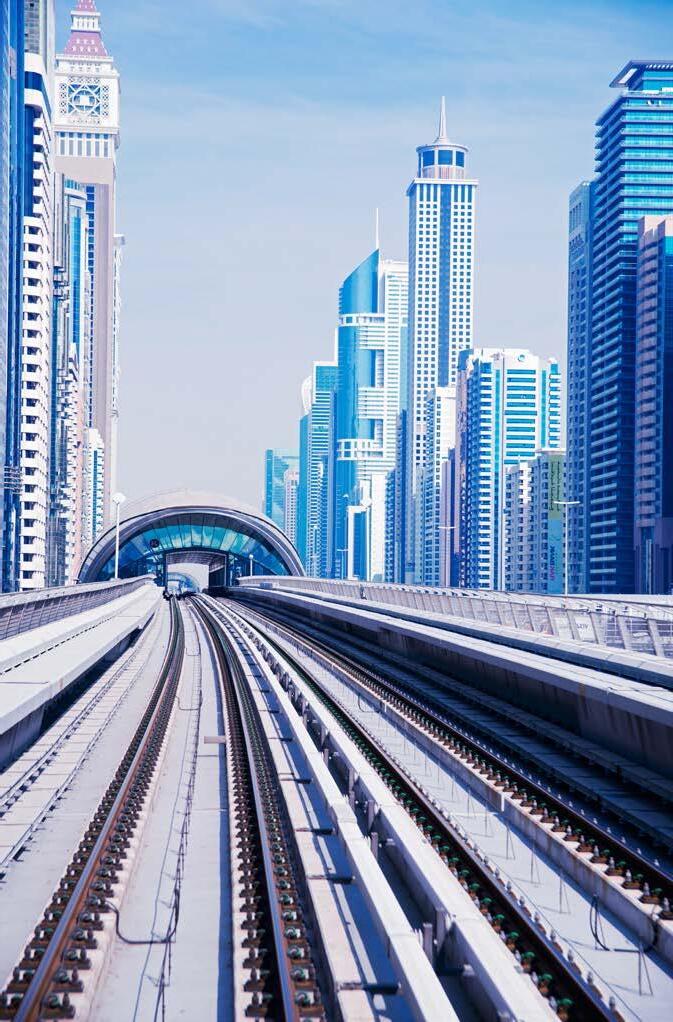
Etihad Rail and Oman Rail have come together as part of a joint venture to build and operate a vital network spanning from the Sohar Port in Oman to the UAE National Rail Network. The rail line will link trade, industry, manufacturing, production, logistics, population and all major export points across the United Arab Emirates to deliver the rail line as a catalyst for economic growth. The rail network expansion will span 900km, linking from Ghuwaifat to Fujairah on the eastern coast of the UAE, and in the process will deliver sustaining social development too.
The Rail line hopes to offer vital cutting-edge benefits, including cheaper, faster, safer and more reliable rail links, whilst also being supported by more environmentally sustainable services. The project recently shared the first look at the Abu Dhabi Station that features a contemporary design across its facilities. Etihad Rail also showed the first look at its commitment to sustainability and environmental protection with the development of the first-of-its-kind magnetic levitation trial in the Middle East, in partnership between Etihad Rail and IronLev.
Europe
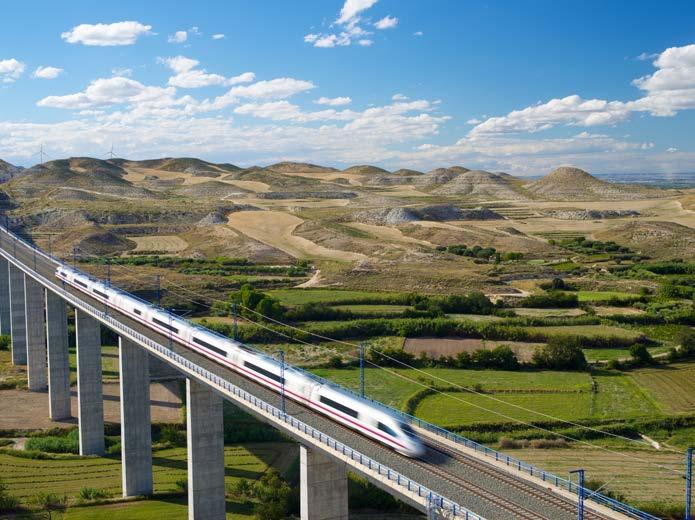
High Speed Rail Crash in Spain
A devastating train collision in Spain has led to 39 deaths and left dozens injured. The incident occurred when a carriage travelling on a Madridbound route derailed and crossed onto the opposite track. The carriage was then struck by an oncoming train heading to Adamuz. Collectively, there were 400 passengers and staff across both trains. The collision is considered the country’s worst rail crash in more than a decade.
The incident occurred at 7.45 pm local time, only an hour after the Madrid-bound train left Málaga. Due to the twisted wreckage, rescue teams found it difficult to recover people trapped inside the carriages. All rail services between Madrid and Andalusia were suspended after the incident, and three days of mourning were held across the country
UK to Rejoin Erasmus Scheme
The UK has announced that it will rejoin the Erasmus study scheme in 2027, following its departure from the scheme in 2020. The scheme allows students to study abroad at partner universities in Europe as part of their degree programme, without additional fees. This also allows other European students to study at UK universities. The government will pay £570 million to join the Erasmus+ scheme in 2027. However, the agreement only covers the 2027-2028 academic year, with future access dependent on new deals between the UK and the scheme.
The UK exited the scheme in 2020, following the post-Brexit trade deal reached with the EU. 2020 saw 9,900 students and trainees from the UK study across Europe, with 16,100 students coming to the UK. Since the UK left the scheme, Erasmus+ has expanded and now has double the budget and is hoping for a greater uptake from schools, adult learning and sports courses.
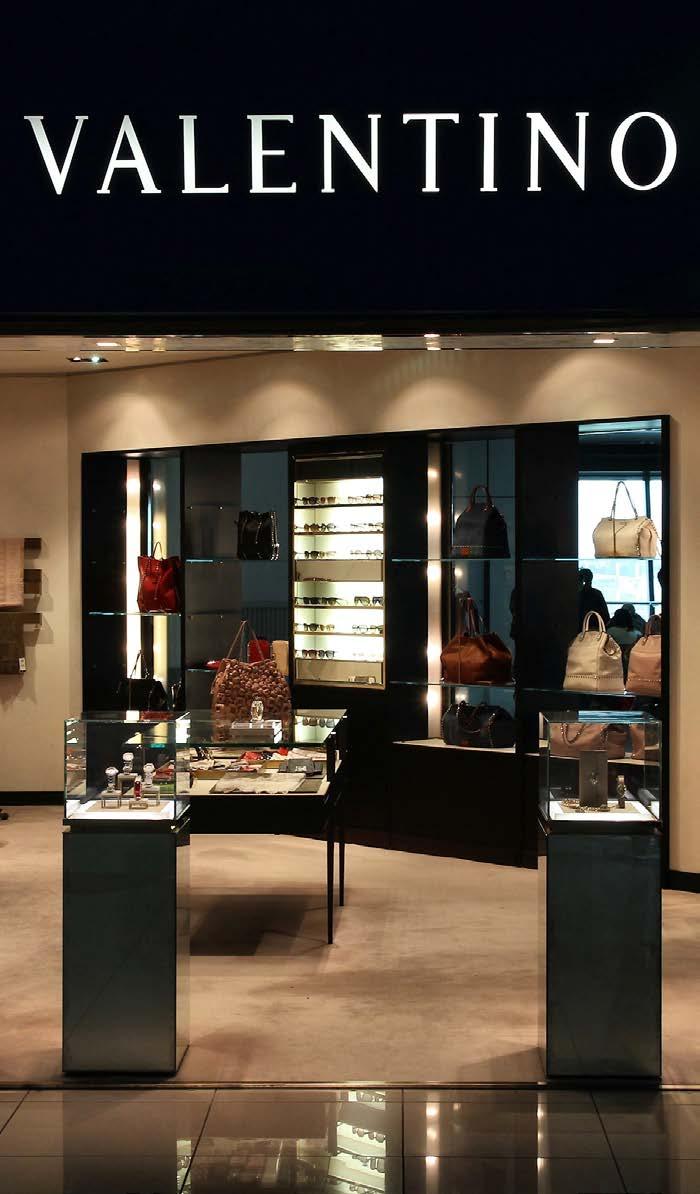
Fashion Designer Valentino Dies
Famed fashion designer Valentino Garavani has died at the age of 93. Garavani was most well-known for the Valentino fashion house, which he co-founded in 1960. The brand is one of the most popular fashion labels of the 20th century, with its designs worn by some of the most well-known celebrities. One of the most notable design features of the Valentino brand was ‘Valentino Red’, which was seen across its designs. This colour was also celebrated in Valentino’s last collection in 2008, where models wore dresses in the iconic red colour for the show’s finale.
Over the years, Valentino has dressed well-known figures, including Elizabeth Taylor, Julia Roberts, and was even the designer of Princess Madeline of Sweden’s wedding dress in June 2013. Across all of the designs, the Valentino was synonymous with luxury, wealth and opulence.
BP Trinidad and Tobago
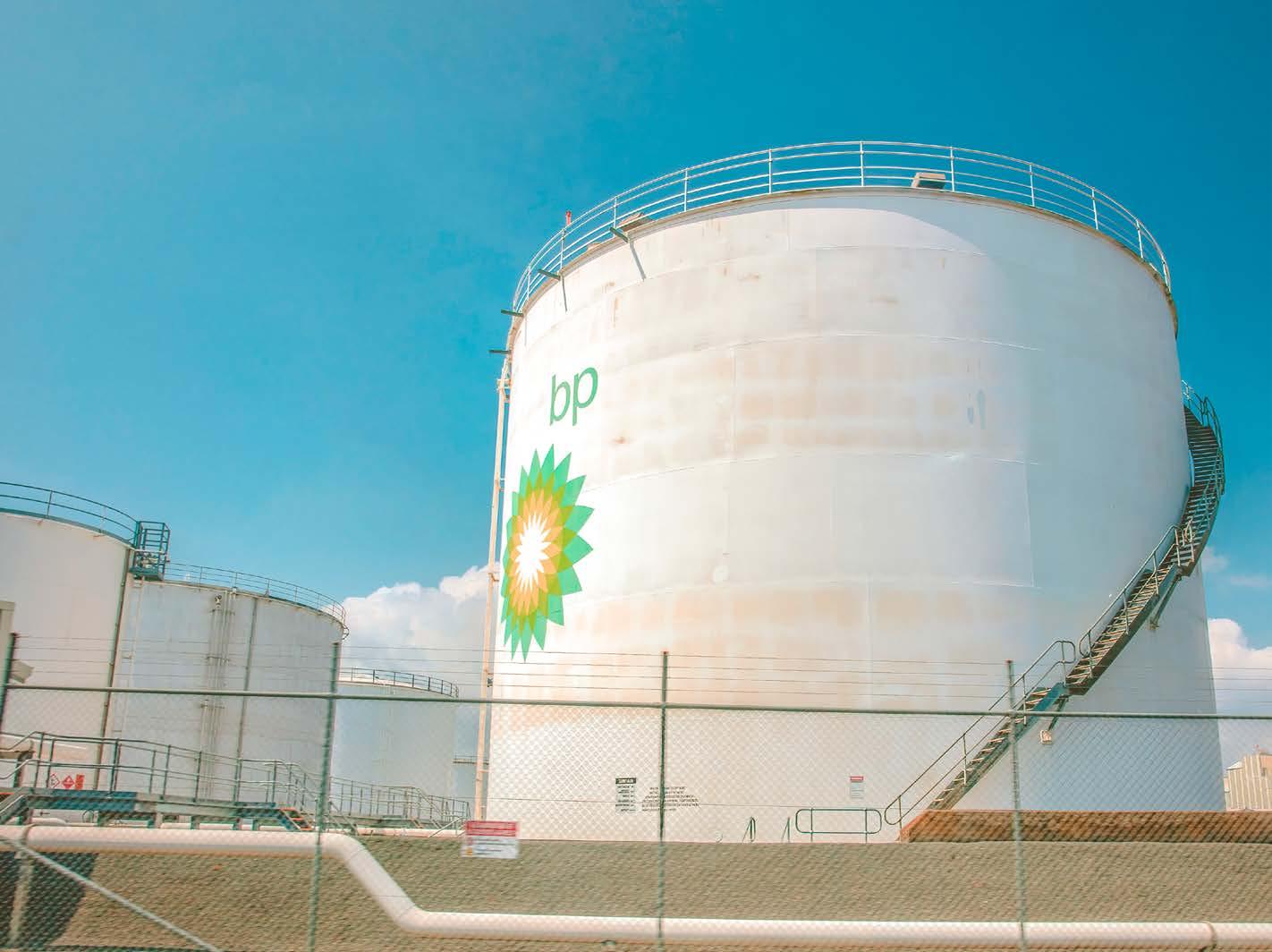
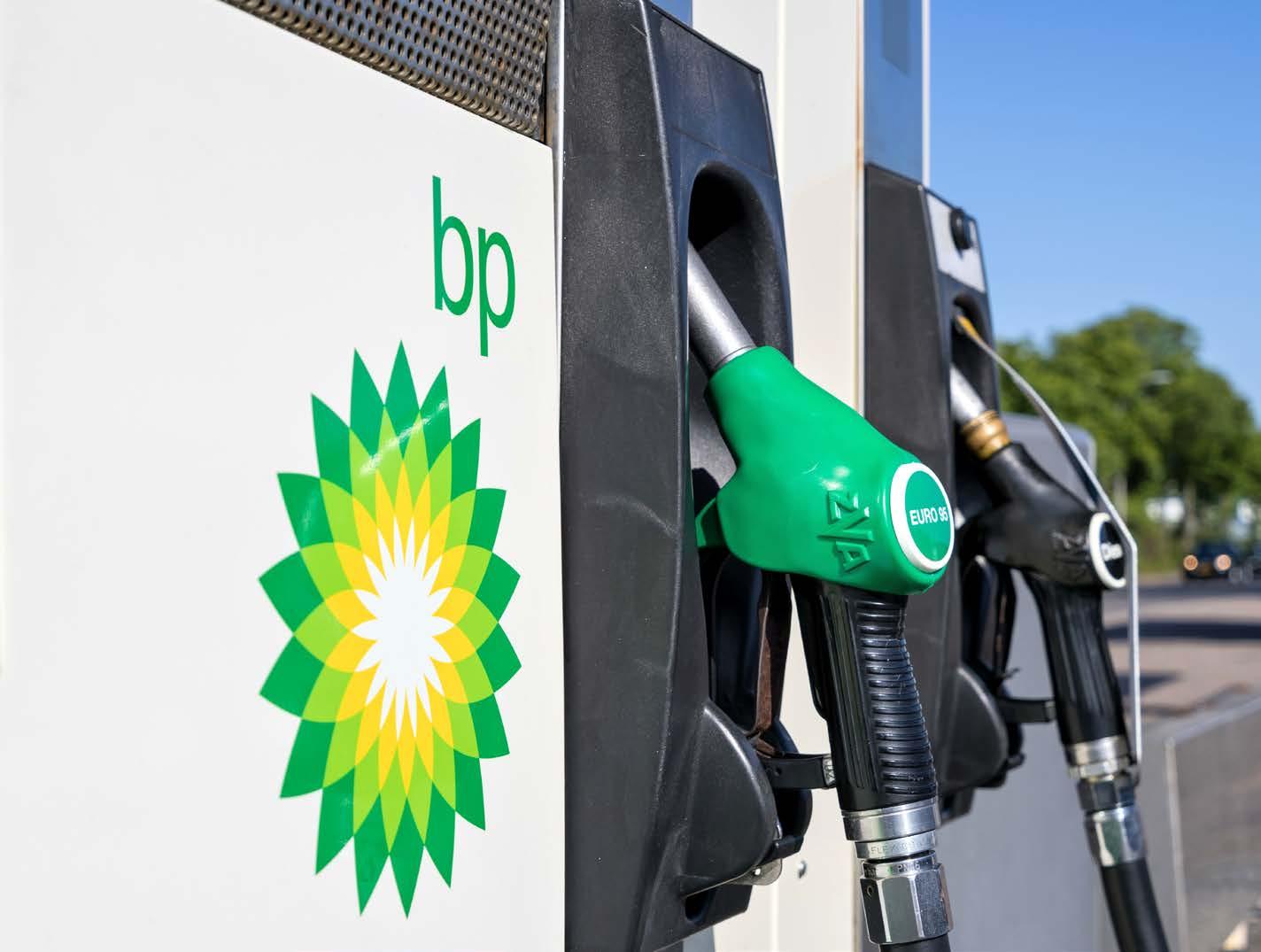
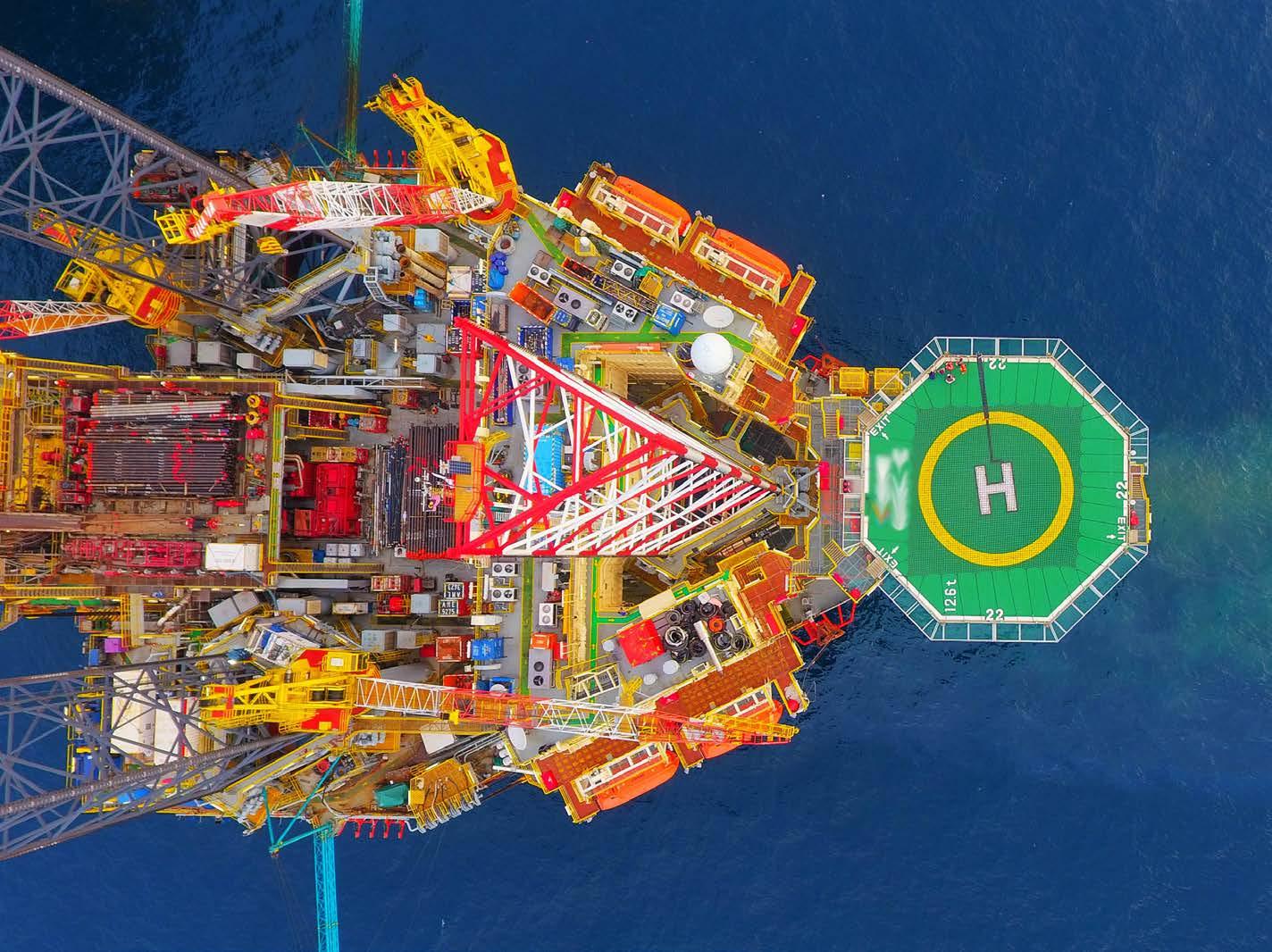
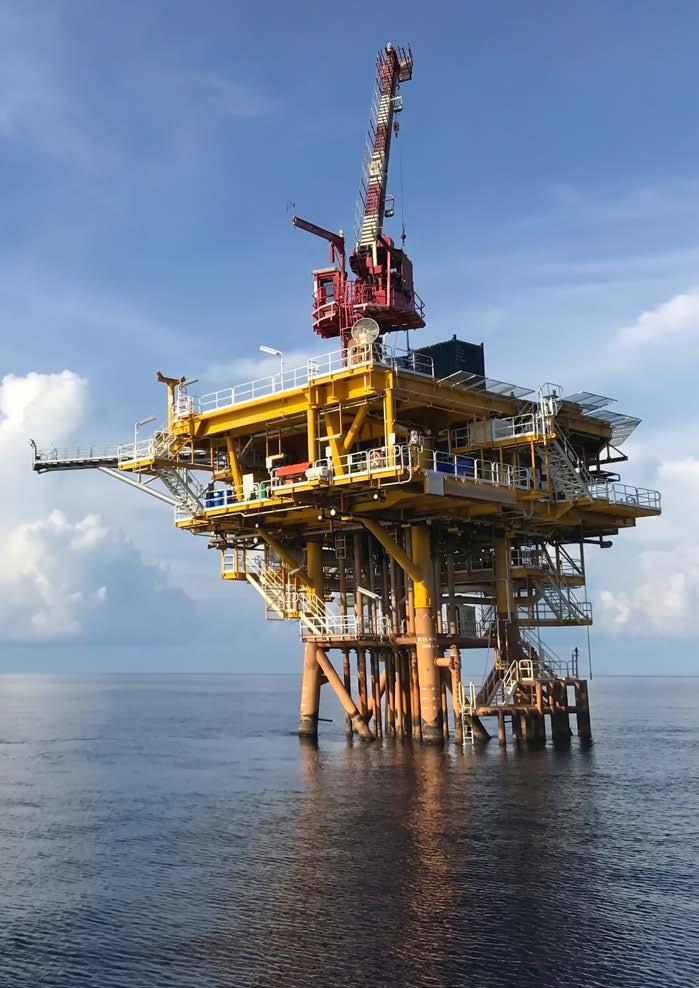
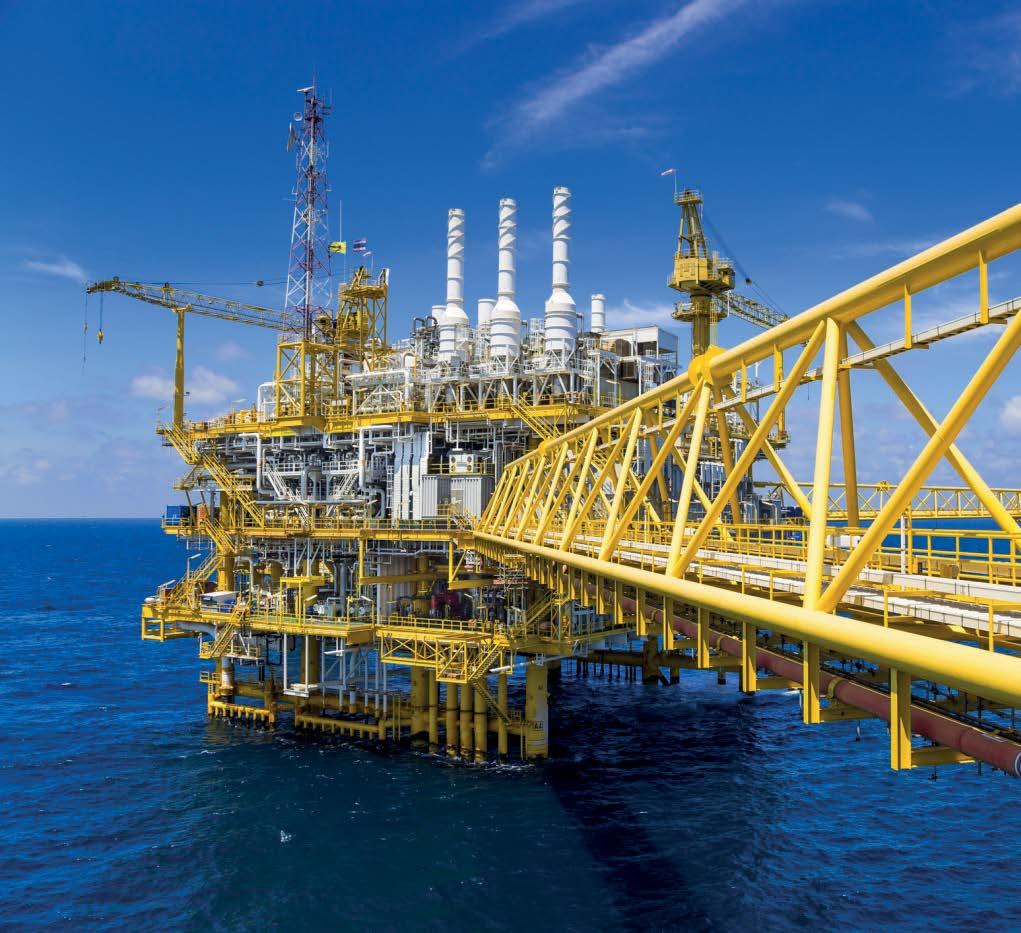
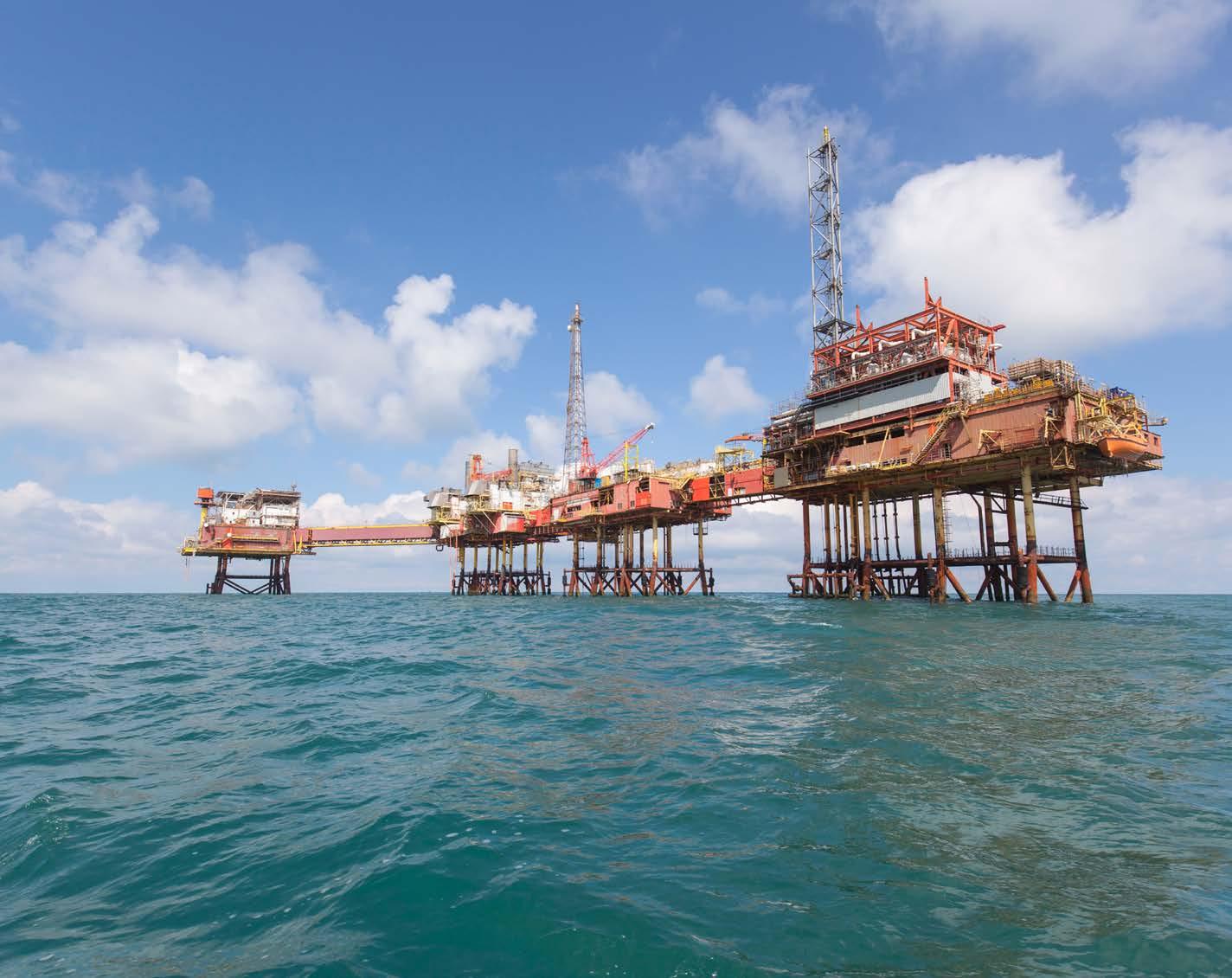
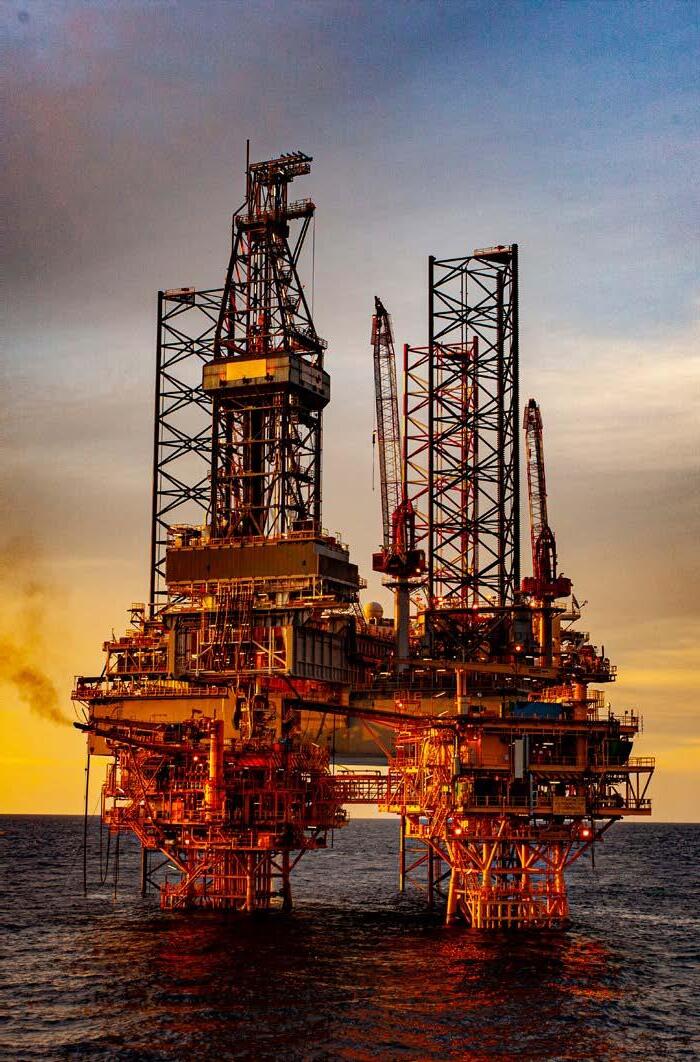
As the country’s largest hydrocarbon producer, BP Trinidad and Tobago (BPTT) operates 12 offshore platforms and three subsea installations across the region, which account for around half of the nation’s total gas production. Now 65 years since its first development in the country, BPTT has positioned itself as a key energy developer for the nation, championing the country’s natural gas production. Across its deep-water projects, BPTT is committed to ensuring that every development and new project works towards the future, supported by sustainability practices designed to improve people’s lives and care for the planet in the process.
Since 1960, BPTT has been a key part of Trinidad and Tobago’s energy story. From its very first wells to its gas development projects of today, the company has been committed to delivering vital hydrocarbon projects designed to enhance the country’s energy sector. Today, the majority of BPTT’s operations are largely located off the southeast coast of Trinidad, where the company has 12 offshore platforms, three subsea installations and two onshore processing facilities.
One of the most significant current projects carried out by BPTT is the Cypre Project, which is the third subsea development for the company in Trinidad and Tobago. The project encompasses 7 subsea wells and subsea trees, which are tied back into the company’s existing Juniper Platform’s infrastructure. The Juniper Platform is the 14th platform developed in Trinidad and was designed to develop the Corallita and Latana gas fields. However, the platform is now being utilised by BPTT to enhance its production at the current Cypre Project development by leveraging its existing infrastructure in the region. The Cypre Project is located 78km from the Trinidad coastline, and the Cypre gas field sits within the East Mayaro Block at depths of up to 80 metres.
FOOD SAFETY STARTS HERE
TRUSTED MARINE SUPPLY EXCELLENCE FOR OVER 70 YEARS
Paria Ship Suppliers Limited delivers reliable, highquality ship provisions on time—at the quayside or offshore. With strategic locations in Port of Spain and San Juan, exclusive global partnerships, and strict quality control standards, we ensure seamless supply chain solutions for shipping, offshore, and catering operations across Trinidad and Tobago.
At Paria Ship Suppliers Limited, we don’t just supply ships — we build long-term partnerships, supported by an experienced Sales and Quality Management team continually developing new markets and innovative solutions. Contact us today and Partner with Paria Ship Suppliers Limited today to keep your operations moving with confidence.
Quality. Reliability. Experience.
Our Vision
Making the most of our proven 40 years of excellence with diverse multi-sectoral expertise & experience to fulfil our Corporate Social Responsibility of care to nature and fellow mankind.
“To provide fundamental human rights services with excellence respecting the dignity of mankind”
Right to water
Proven success with excellence in delivery of 250 billion gallons of water to date and continuing
Right to sanitation
Proven success with excellence in environmentally sustainable technologies and solutions in our projects
Our Duty of Care of Nature
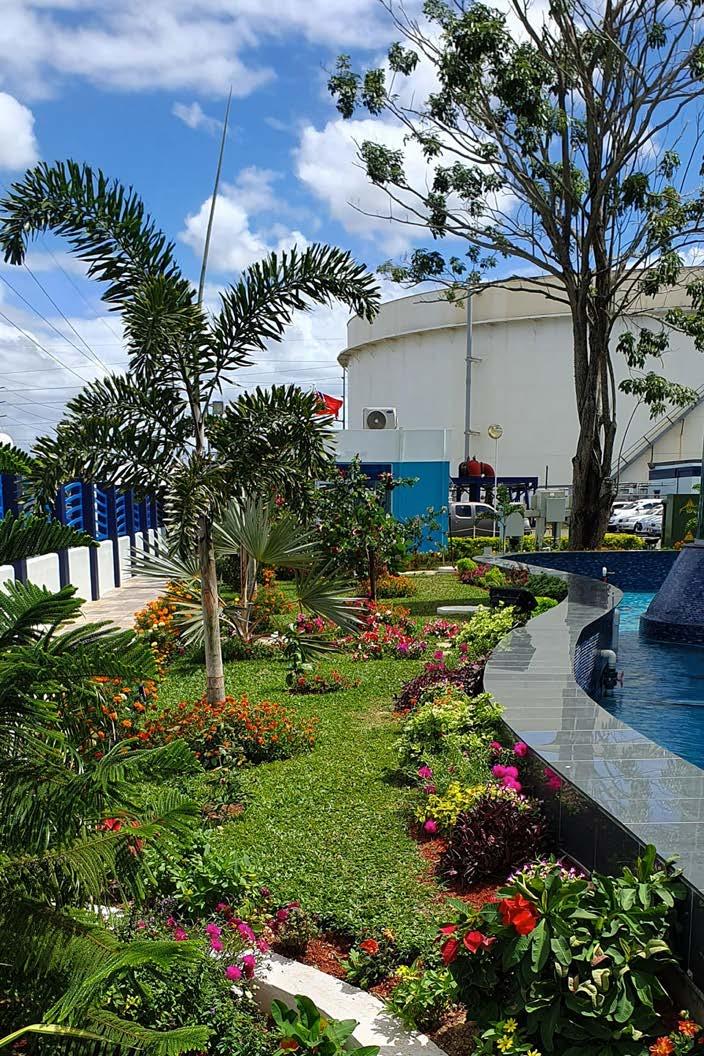
Desalcott epitomizes providing positive social value with philanthropic causes and pioneering environmental conservation. With R&D from design to current operations, Desalcott has the 4R approach (Reduce, Reuse, Recycle, Recover) as articulated by UNEP for water and energy conservation. Flora and fauna flourishes in Desalcott’s raw seawater, permeate, brine and sludge
The Desalination Company of Trinidad and Tobago Limited Corner Pacific Avenue & Maracaibo Drive, Point Lisas Industrial Estate, Trinidad & Tobago Phone: 868-636-3725 | E-mail: info@desalcott.com Website: https://desalcott.com
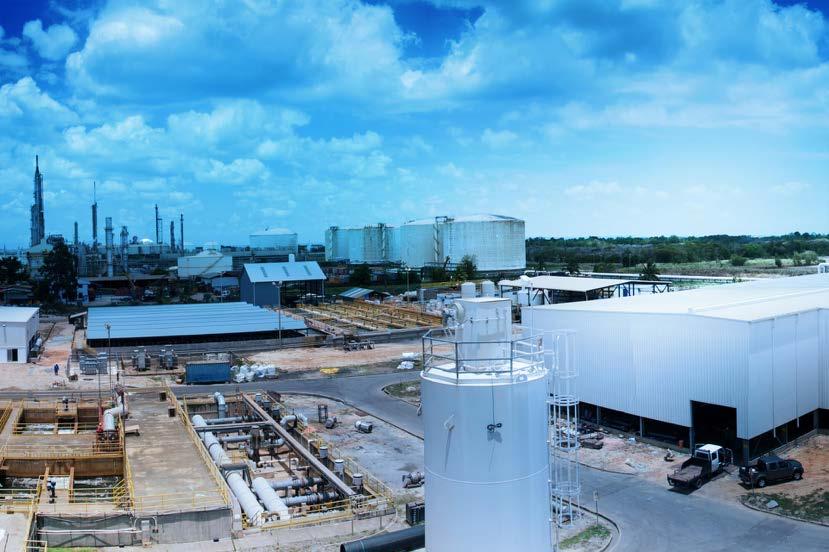
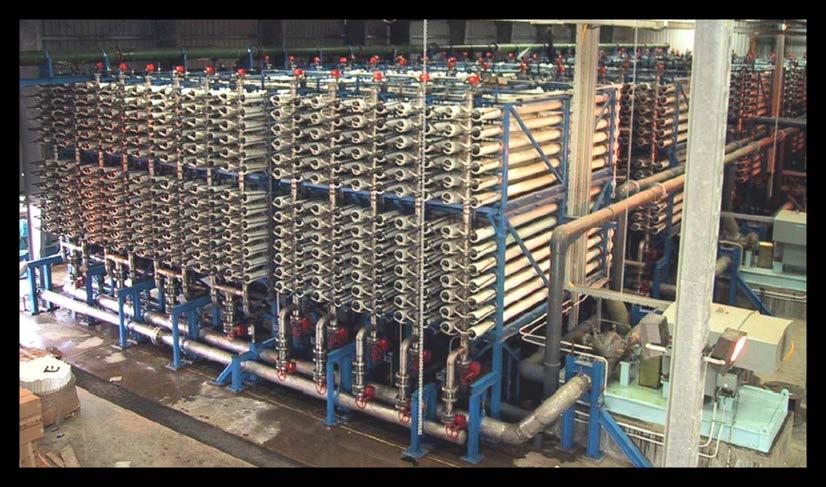
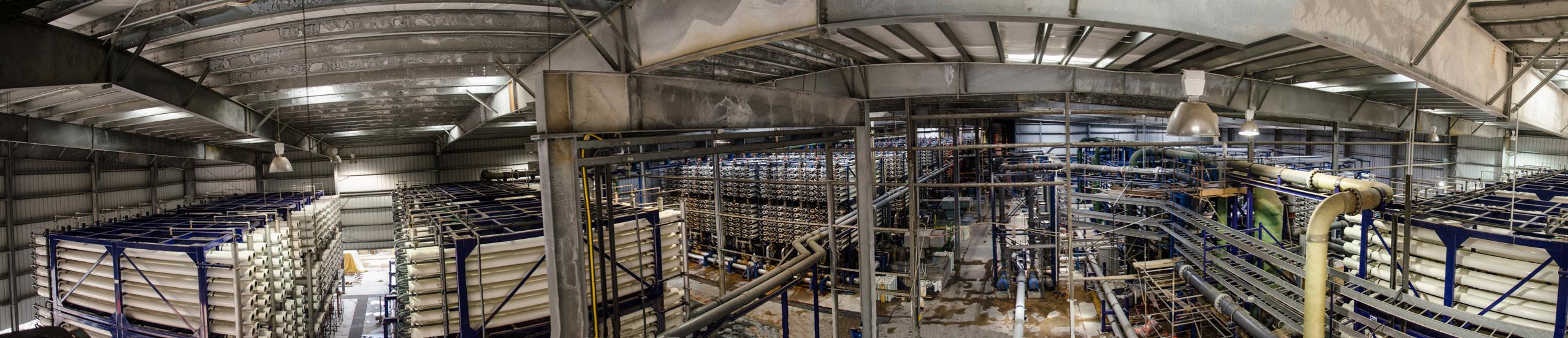
Desalcott desalinates sea water using a reverse osmosis process to provide WASA high quality potable water for industry at Point Lisas and for domestic and commercial use in the south of the country, overall comprising c.25% of the National water supply.
Desalcott is a member company within the Hafeez Karamath Group of Companies. Photographs of Desalcott’s Point Lisas plant and the surrounding area featured in a New York Times article on 15th May 2023 regarding climate change affecting Trinidad and Tobago.
BP Trinidad and Tobago
In November 2025, BPTT announced that it had safely completed its seven-well drilling program for Cypre, following the delivery of the project’s first gas 7 months earlier in April. First gas was achieved following the drilling of the initial 4 wells in 2024, and by the third quarter of 2025, BPTT had completed the drilling and completions programs for the final three Phase 2 subsea wells. Now that all the wells have been completed, the project is expected to produce approximately 45,000 barrels of oil equivalent per day at its peak.
David Campbell, BPTT President, outlined in the press release announcing the delivery of Cypre’s wells that “Completion of these wells and the gas delivered mark a safe and successful delivery for bp and Trinidad and Tobago. This achievement underscores our commitment to maximising production from the Columbus Basin and reflects a significant investment and BPTT’s continued dedication to the country’s energy sector.” Campbell’s comments highlight the valuable role that Cypre will play in the future of Trinidad and Tobago’s energy sector, as a vital project delivered with expertise to enhance the country’s energy potential.
However, Campbell continues, “This is the latest achievement in a year of strong delivery from BPTT, including the bp-operated Frangipani gas discovery and working with our joint venture partner EOG, to deliver first gas from the Mento major project. We
look forward to continuing our collaboration with the Government and other stakeholders to unlock Trinidad and Tobago’s energy future”. Campbell’s comments here allow us to understand the vast scope of BPTT’s operations across the country’s energy sector. With so many vital energy projects, BPTT is bringing vital investment into the country’s hydrocarbon market, supported by key partnerships across the global energy sector. A key partnership in Trinidad and Tobago, as highlighted by Campbell, is the Mento Project, which safely delivered first gas in May 2025. The project is part of a 50/50 joint venture between BPTTT and EOG Resources Trinidad Ltd (EOG), with EOG as the operator. Mento, which features a 12-slot attended facility, is one of BPTT’s top major projects in the country and is expected to start up worldwide production between 2025 and 2027. Once it reaches maximum production, Mento is expected to significantly add to the existing oil production already seen across BPTT’s upstream energy portfolio.
One of the other key developments currently in progress under BPTT is the Ginger Project. The Ginger Project, once completed, will be BPTT’s fourth subsea development, spanning 4 subsea wells and subsea trees, which will tie back to the existing Mahogany B Platform, and then flow onto Juniper. In 2025, BPTT completed the first well of the project, with drilling expected to continue in 2026. Alongside this, BPTT are progressing the fabrication
operations required for 2026 offshore topside and subsea construction to begin. First gas is expected in 2027 and will add to BPTT’s top 10 projects that it is delivering between 2025 and 2027. Once completed, the Ginger Project is expected to have the capacity to produce an average gas production of 62 thousand barrels of oil equivalent per day.
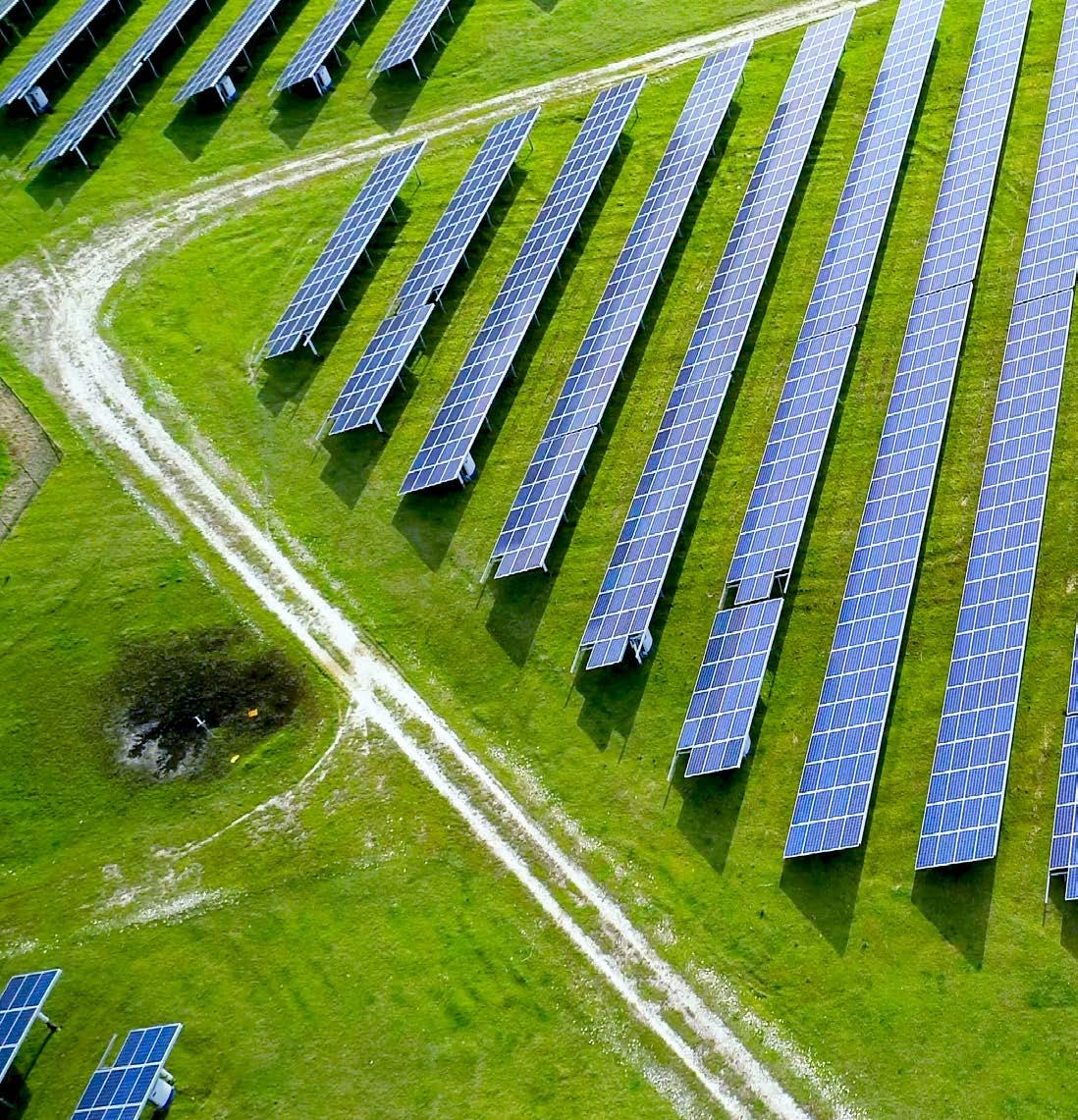
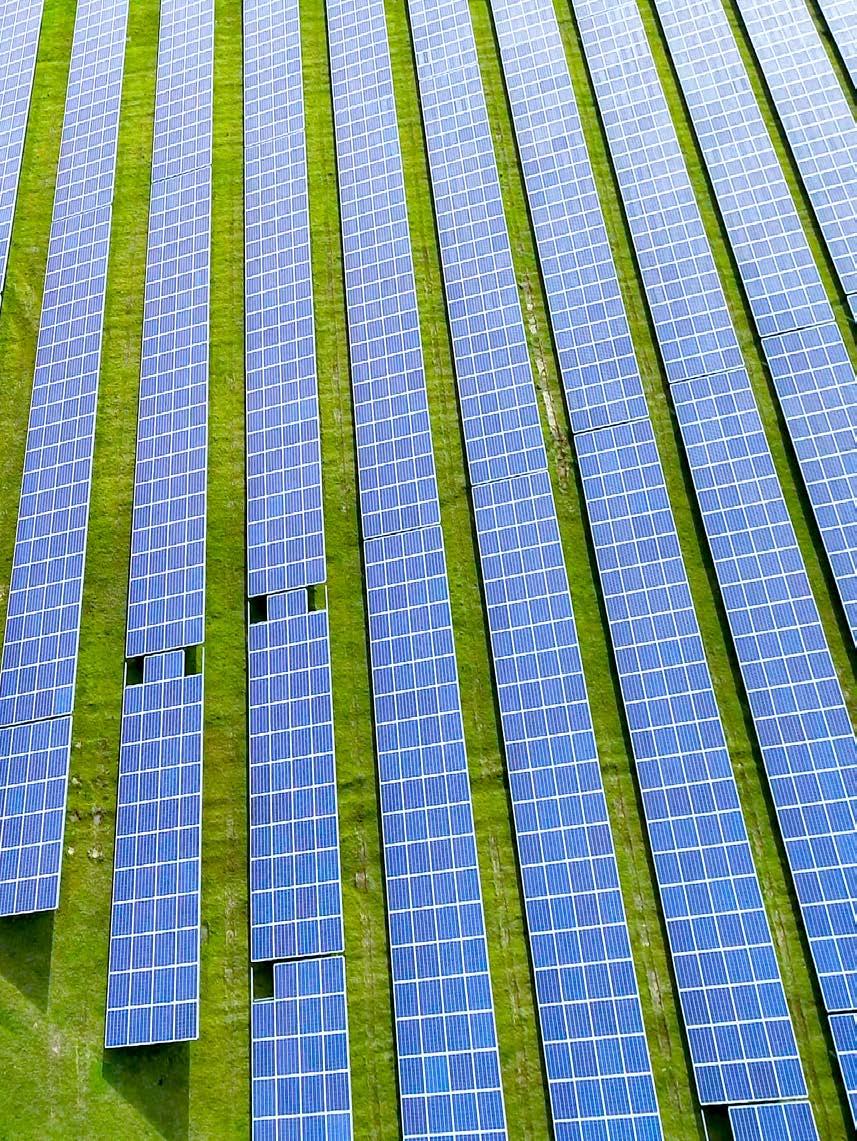
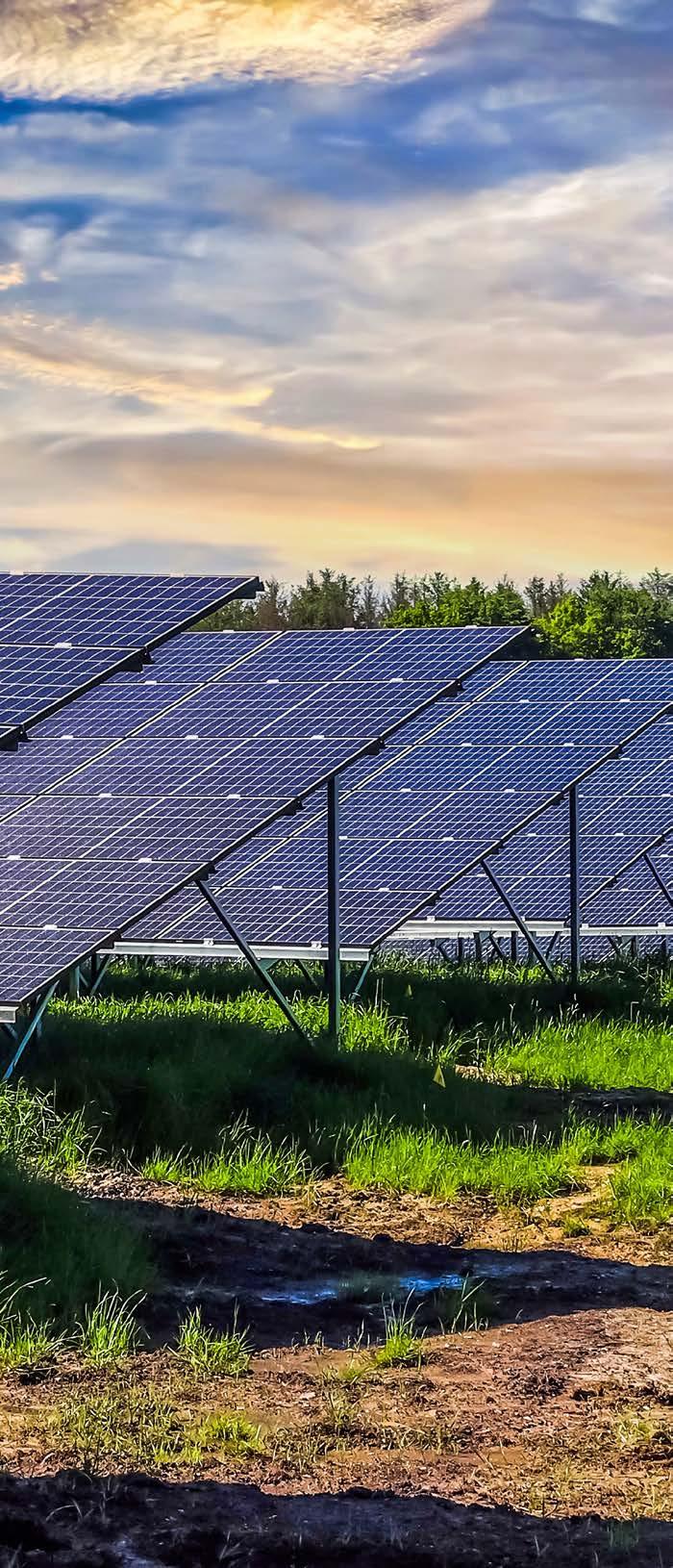
With such vital hydrocarbon developments offshore Trinidad and Tobago, BPTT remains committed to ensuring that its energy development is achieved alongside vital sustainability projects. One of the most significant sustainability projects for Trinidad and Tobago is a large-scale solar project, in partnership with Shell plc. The partnership will see two sites, Brechin Castle and Orange Grove, developed to create the country’s first utility-scale solar project. The project is planned to produce over 300,000 megawatt-hours (MWh) of electricity per year, which will be enough to power just over 40,000 homes and, in the process, will cut carbon emissions. The solar plants are currently being constructed by consortium partners BP Alternative
Vital Subsea Development Projects
Energy Trinidad and Tobago (BPATT) and Shell Renewables Caribbean (Shell). Once operational, the sites will provide up to 112 Megawatts Alternating Current (MWac). With such a vital development, BPTT is focused on ensuring that throughout its operations, it remains focused on delivering vital projects that meet the carbon reduction goals of the future, whilst delivering sustainable energy options for today.
As Trinidad and Tobago’s largest hydrocarbon producer, BPTT is delivering vital subsea energy developments that are making gas resources more readily available across the country. As we have seen from the Cypre and Ginger Projects, BPTT is set on enhancing its existing infrastructure to bring more gas resources online and support the continued development of Trinidad and Tobago’s energy development. However, all of these operations are underpinned by a firm commitment to sustainability that ensures that its projects, operations and developments are moving the energy sector towards a carbon-reduced future.
Shell Nigeria Exploration and Production Company
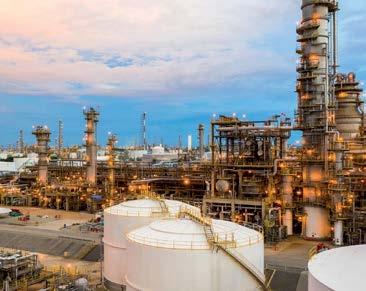
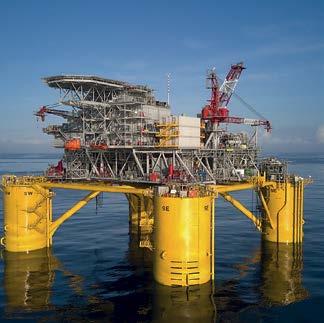
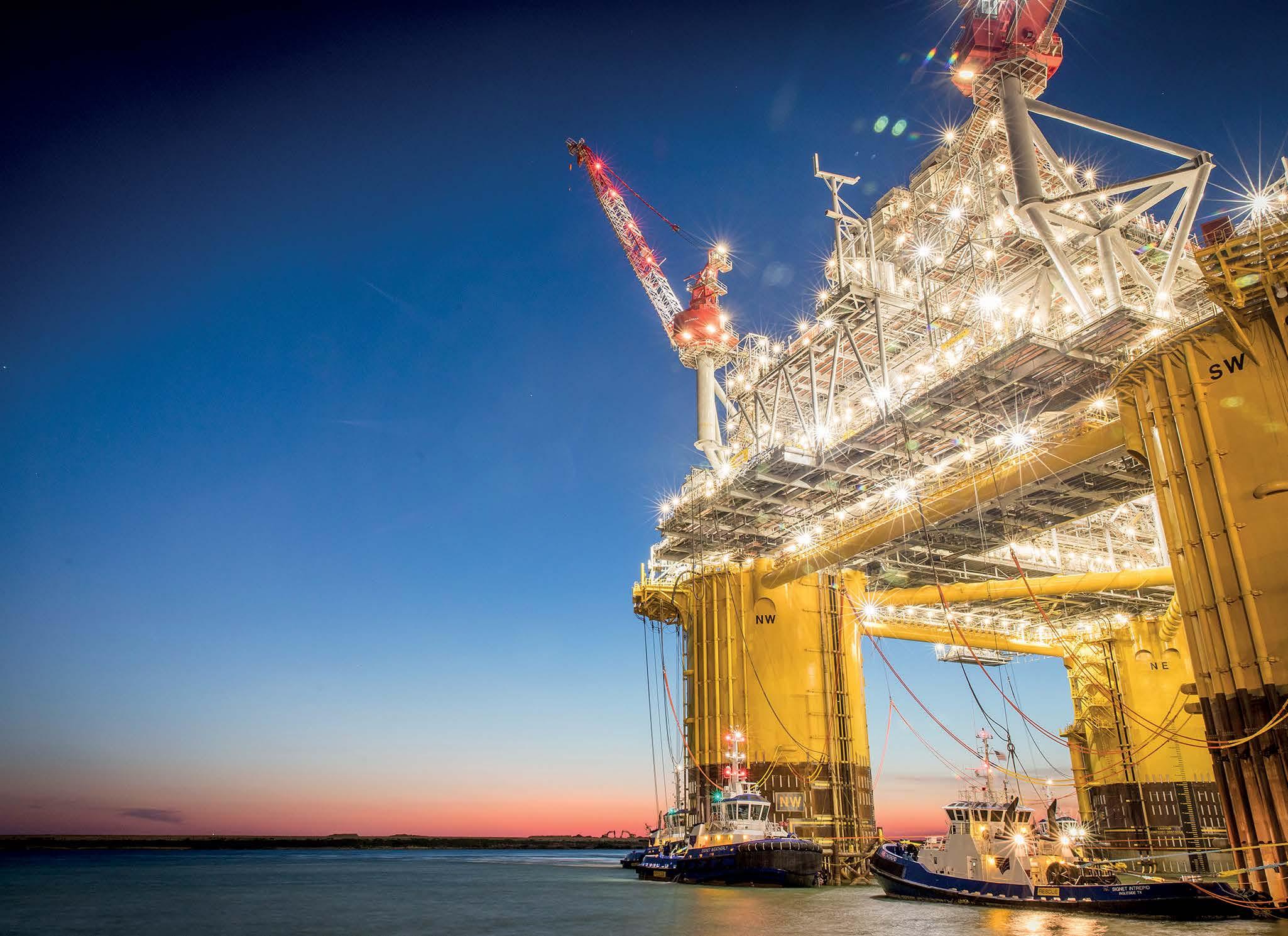
Home to major offshore oil and gas fields, Nigeria has long played a vital role in the global energy sector. With key oil-producing fields across Nigeria, including the Bonga, Agbami, Egina, Akpo and Erha fields, the country’s economy relies heavily on the energy sector. A key company that has been developing Nigeria’s energy sector is Shell plc, which has been present across the country’s entire energy chain for more than 50 years. Under its subsidiary, Shell Nigeria Exploration and Production Company (SNEPCo), Shell has been pioneering the country’s deep-water development at the Bonga field, which today, along with the Erha field, is responsible for nearly one-third of Nigeria’s deep-water production. Therefore, as a key player enhancing Nigeria’s deepwater development, SNEPCo is focused on unlocking the country’s energy potential for the future.
SNEPCo was formed in 1993 to transform Nigeria’s deepwater oil and gas resources, and so the company has spent the last 33 years focused on delivering vital exploration and production projects across Nigeria’s offshore energy sector. Today, SNEPCo has made significant discoveries towards the development of Nigeria’s offshore energy sector, producing oil and gas resources in depth of up to 2,500 metres. The bulk of SNEPCo’s operations centres on the Bonga and Erha fields. The Bonga field is operated by SNEPCo in partnership with Esso Exploration and Production Nigeria Ltd. (20%), Nigerian Agip Exploration Ltd. (12.5%) and TotalEnergies EP Nigeria Ltd. (12.5%), who work on behalf of the Nigerian National Petroleum Company Limited (NNPC). The deep-water development is located in OML 188, at water depths of more than 1000 metres. Production began at the Bonga Floating Production, Storage and Offloading (FPSO) facility in 2005, which Shell operates with a 55% interest, and has a capacity to deliver 225,000 barrels of oil per day.
Last year, we saw SNEPCo announce it was to increase its interest in the Bonga field following the signing of an agreement with TotalEnergies EP Nigeria Limited in May. The agreement outlines SNEPCo acquiring TotalEnergies’ 12.5% stake in the OML 118 Product Sharing Contract (OML 118 PSC)
mining lease offshore Nigeria that includes the Bonga field. Upon completion of the transaction, Shell’s interest in the OML 118 PSC block will rise from 55% to 67.5%. In the announcement outlining the agreement between TotalEnergies EP Nigeria and SNEPCo, Peter Costello, the President of Shell’s Upstream division, outlined that “Following our final investment decision on Bonga North last year, this acquisition brings another significant investment in Nigeria deep-water that contributes to sustained liquids production and growth in our Upstream portfolio.”
Costello’s comment highlights how vital the acquisition of more of the Bonga development is to help Shell enhance its role in Nigeria’s deepwater development sector. SNEPCo announced in November 2025 that the acquisition had been completed. For Shell, this investment contributes towards the company’s growing integrated gas and upstream production capabilities, which it is aiming to increase by 1% per year to 2030. In addition, it will also help sustain SNEPCo’s production of 1.4
Smart Solutions
Providing world class engineering services
Leaders in Oil & Gas Solutions since 2007
Engineering Automation Technology Limited is a Nigerian Oil & Gas Company, Incorporated in 2007 under the laws of the Federal Republic of Nigeria—a Project 100 Company of the Nigerian Content Development Monitoring Board (NCDMB). We utilize certified, qualified, and experienced personnel to provide quality services in the Oil & Gas industry.
Our mission is to analyze, monitor, and improve our client’s present and future needs for high-quality services and products with the goal of being a world class service provider.
Our Business portfolios are categorized under the following Strategic Business Units: • Asset Integrity Management • Engineering and Construction • Instrumentation & Controls
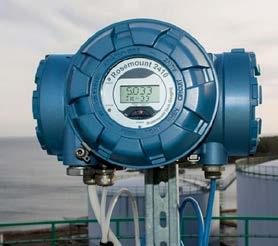
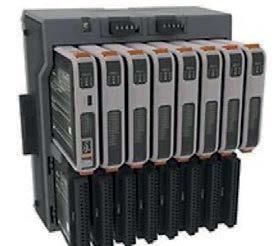
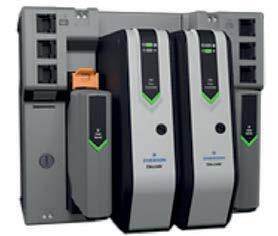
Engineering Automation Technology Limited is an official Local Business partner of Emerson Automation Solutions in Nigeria - a global OEM and solution provider for Metering Skid/Flow measurement application products, Instrumentation, and control safety systems (DCS & SIS) Valves of all ranges, transmitters, regulators, Process System and Solutions (PSS), Reliability Solutions (RS) and Energy & Transport System (ETS) amongst other automation solutions.
Through this partnership we have a dedicated team of professional and certified experts that can implement the latest innovations in industrial technology.
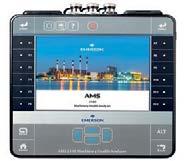
Emerson have solutions that improve efficiency, reliability and site safety, solutions for Pressure Measurement, Temperature Measurement, Level Measurement, Tank Gauging, Flow Measurement, Flame & Gas Detection, Corrosion and Erosion Monitoring, Systems and Software Solutions including SCADA, Flow Computers, Asset Management Devices, Wireless Vibration Monitors, Power and Water Solutions, Industrial Software etc.
Emerson FB 3000 Emerson DELTAV M SERIES
Emerson Roxar 2600
Emerson Rosemount
Emerson Rosemount
Emerson
Shell Nigeria Exploration and Production Company
ENGINEERED POWER FOR CRITICAL OPERATIONS
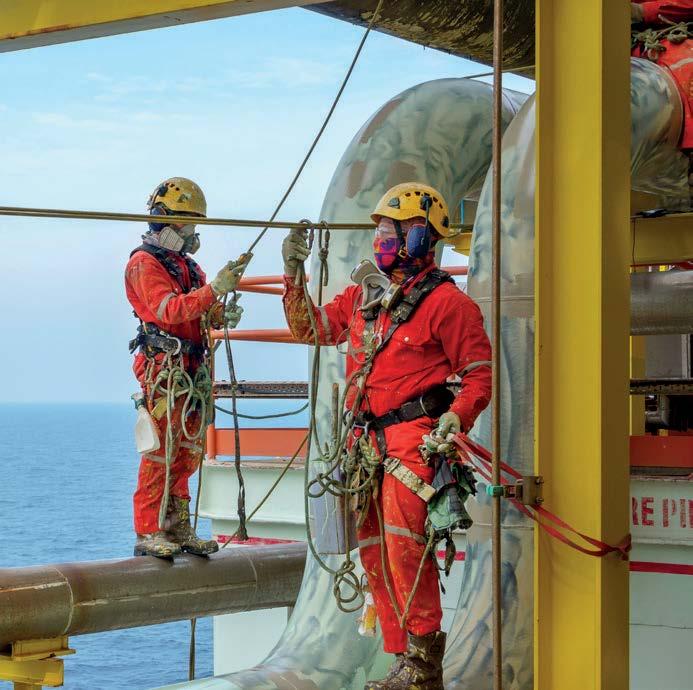
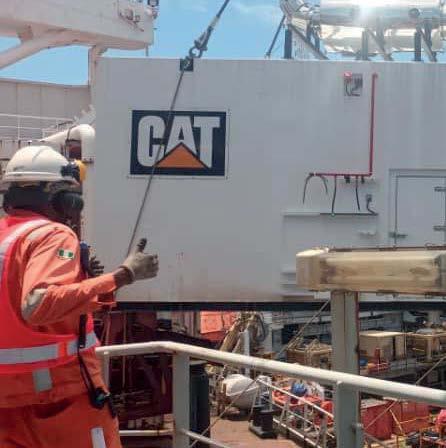
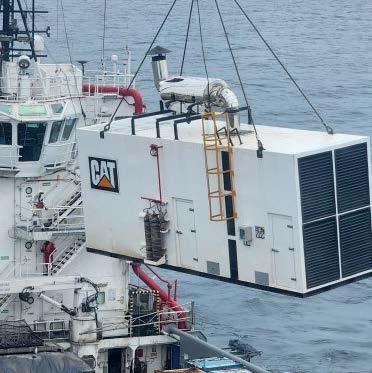
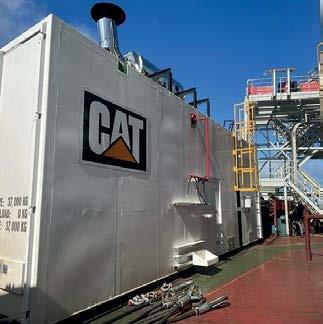
In production-critical environments where downtime is not an option, power reliability is essential. Mantrac Nigeria, the sole authorised Cat dealer representative in Nigeria, delivers OEM-backed power solutions engineered for offshore, oil & gas, and other critical applications.
Powered by Caterpillar’s global engineering expertise and strengthened by robust local capability, Mantrac Nigeria has been a longstanding and trusted partner to Shell Nigeria Exploration and Production Company (SNEPCO) for decades.
From the onset of SNEPCO’s operations to date, Caterpillar solutions supplied and supported by Mantrac have remained integral to the Bonga Field, one of Nigeria’s most complex deepwater offshore assets.
This enduring partnership underscores Mantrac’s reliability, technical depth, and consistent delivery of value across the lifecycle of critical offshore operations.
Mantrac Nigeria provides power solutions across diesel, gas, dual-fuel, and heavy fuel oil applications, supporting diverse operational requirements. Emergency engines and generator sets range from 20 to 3000kVA in stock, scalable up to 6,000kVA, alongside crane and fire pump engines rated from 150 bkW to 1,100 bkW, configured for offshore emergency and hazardous-location-certified applications.
Complemented by our CKD/CSD factory— underscoring our continued investment in local content and engineering capability— alongside our rental solutions and the recently launched Digital Service Centre (DSC) offering remote condition analysis, advanced diagnostics, and digital troubleshooting, Mantrac Nigeria remains a trusted and evolving partner, powering productivity with OEM confidence and engineered reliability.
0700 626 8722 | 0700 MANTRAC
SLateef@mantracnigeria.com mantracgroup.com
million barrels per day of liquids production, and in the process, position the country as a key hub for energy development.
In October 2025, SNEPCo and Sunlink Energies and Resources Limited announced a Final Investment Decision (FID) on the Hi Gas project offshore Nigeria. The HI Project is part of a joint venture held between Sunlink Energies and Resources Limited (60%) and SNEPCo (40%), and comprises a wellhead with four wells to be installed at the HI field location, along with a pipeline to transport the multiphase gas to the onshore Bonny Gas Processing Plant. Gas from the Bonny Gas Processing Plant will then be transported to Nigeria LNG, a joint venture between Shell (25.6%), NNPC (49%), TotalEnergies (15%) and ENI (10.4%), and the condensate to the Bonny Oil and Gas Export Terminal. Upon completion, the project would supply 350 million standard cubic feet of gas per day at peak production to Nigeria LNG. Nigeria LNG would then produce and export the liquefied natural gas (LNG) to global markets. Production is expected to begin before the end of the decade and will expand
MANTRAC NIGERIA
Powering progress, Empowering Nigeria
From offshore platforms to heavy-duty Petroleum & Marine operations, Mantrac Nigeria deliversreliable, high-performance power solutions engineered to keep production running without compromise. Backed by Caterpillar expertise, our systems are designed for safety, efficiency, and uninterrupted operations in the most demanding environments.
• Diesel | Gas | Dual-Fuel
• Rated 20 kVA to 3000 kVA in stock
• Emergency & critical power solutions
• Hazardous-location certified systems
• Local engineering & OEM-backed support
Shell Nigeria Exploration and Production Company
the Bonny Island terminal’s production capacity. This development is in line with Shell’s overall plans to grow its global LNG volumes by an average of 4-5% per year until 2030.
Speaking on the FID reached between SNEPCo and Sunlink Energies and Resources Limited, Peter Costello, Shell’s Upstream President, outlines, “Following recent investment decision related to the Bonga deep-water development, today’s announcement demonstrates our continued commitment to Nigeria’s energy sector, with a focus on Deepwater and Integrated Gas.” Costello continues, “This Upstream project will help Shell grow our leading Integrated Gas portfolio, while supporting Nigeria’s plans to become a more significant player in the global LNG market.” As we
can see from Costello’s comments, the project is a vital development for the future of Nigeria’s energy development, and adds yet another vital development to SNEPCo’s diverse asset portfolio spanning the country’s energy sector.
Alongside the Bonga development, SNEPCo also has key operations in the Erha field and the Erha North satellite fields. These fields, located roughly 97km offshore Nigeria at depths ranging between 1000m and 1200m, were the first deepwater offshore field development for Nigeria. The OML 133 Contract Areas containing the Erha Development is operated by Esso Exploration and Production Nigeria (EEPNL), who hold a 56.25% participating interest, with SNEPCo holding the remaining 43.7% share.
Meeting Energy Demands in Nigeria
The Erha field is estimated to hold 500 million barrels of combined recoverable oil reserves. Therefore, the exploration project spans three drill sites, comprising 30 subsea wells which are tied back to the Erha FPSO vessel. The FPSO has a designed storage capacity of 2.2 million barrels of crude oil, and its designed oil processing capacity is 210,000 barrels per day. In 2015, the Erha North Phase Two development project was completed, seeing the existing Erha North Subsea system and infrastructure expand, including the installation of associated subsea facilities, a new drilling centre and modifications to the existing FPSO unit. On completion, the Erha field’s capacity was expanded to produce a total of 90,000 barrels of oil a day. Therefore, SNEPCo’s developments across Erha and
its continued expansion now deliver vital combined oil reserves for Nigeria, supported by the company’s commitment to deepwater exploration projects. With oil and gas being so vital to Nigeria’s economy, SNEPCo is delivering key deep-water projects along Nigeria’s coastline. From the company’s continued development of the Bonga and Erha fields, SNEPCo have been delivering valuable resources for the development of the country, supported by Shell’s existing energy infrastructure in the country to make energy more accessible and reliable. With the recent expansion of its projects towards LNG development, SNEPCo can utilise its expertise in deepwater development to bring vital oil and gas resources to Nigeria’s energy market.
TotalEnergies Suriname
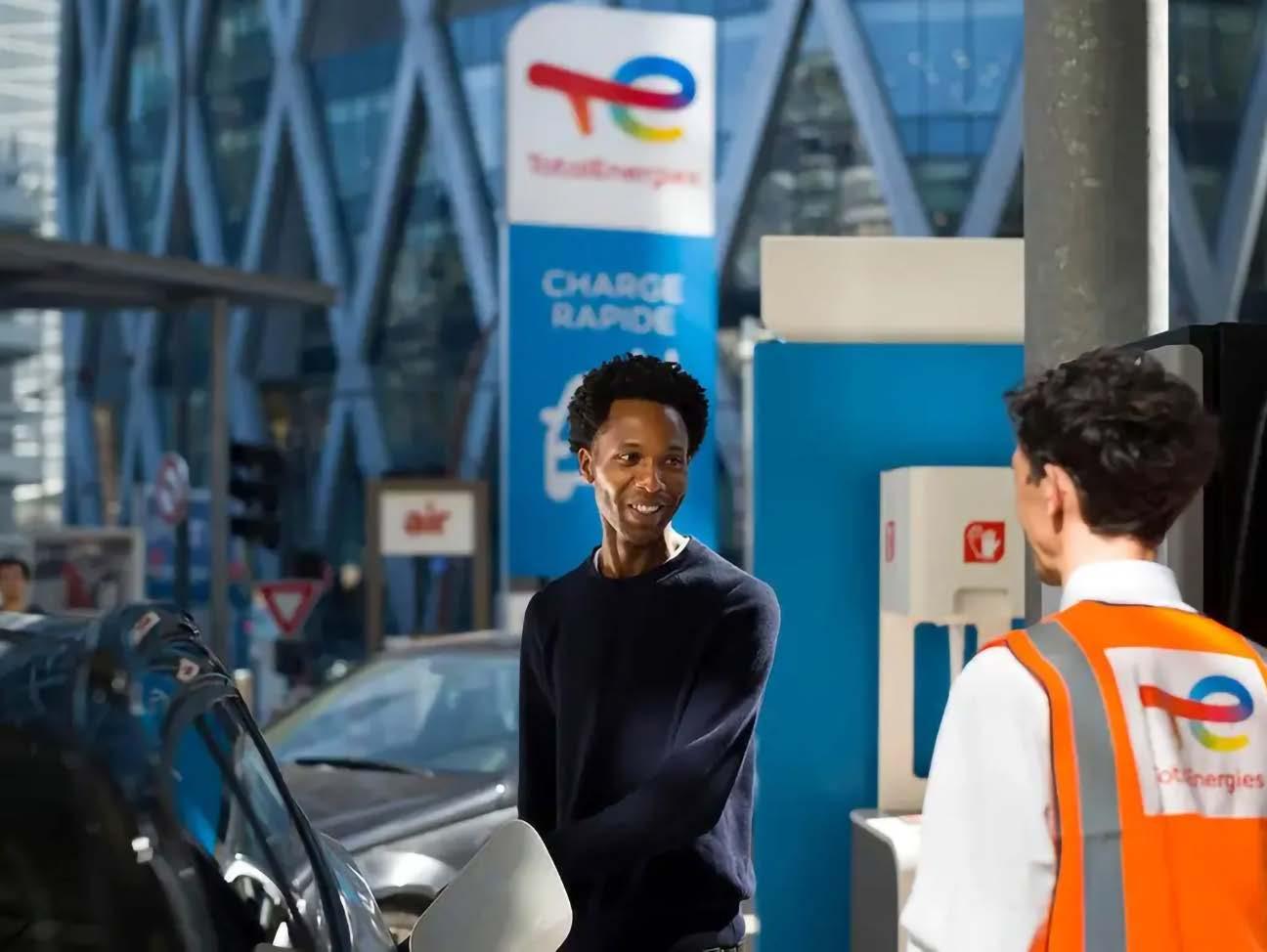
TotalEnergies is a key global energy company committed to delivering vital energy resources to the market, thereby enhancing global energy development and supporting the economic growth of each country’s energy sector. In recent years, we’ve seen the expansion of TotalEnergies’ operations in Suriname, where the company is delivering exciting energy exploration and production projects that are bringing key investment into the country for the long-term development of Suriname’s energy sector. However, across all of TotalEnergies’ operations, and especially those in Suriname, the company remains committed to developing these energy resources with sustainability and local responsibility in mind.
TotalEnergies’ operations in Suriname began in late 2019, when it signed its first agreement in the country for a 50% operated stake in one of the region’s most prolific oil-producing regions, the Guyana-Suriname Basin. The agreement covered Block 58, which today is the site of the GranMorgu project, a major deep-water offshore oil project that is operated by TotalEnergies. The GranMorgu project spans the Sapakara South and Krabdagu oil fields and has been a site of significant development under TotalEnergies in recent years. The project has a confirmed combined recoverable resource of close to 750 million barrels across the two oil fields, offering a vital energy development for Suriname. Block 58 is jointly owned by TotalEnergies and APA Corporation in an equal 50% partnership. However, following the FID for the project in 2024, Staatsolie Maatschappij Suriname N.V. (Staatsolie), Suriname’s state-owned national oil company, were given the option to enter the agreement with a 20% ownership.
The GranMorgu project will deliver new wells at depths of between 100 and 100 metres across Block 58. Oil production will be achieved through this system of subsea wells, which will ultimately be
TotalEnergies Suriname
connected to an FPSO (Floating Production Storage and Offloading Unit) also located off the Suriname Coast. Once completed, the project is expected to have an oil production capacity of 200,000 barrels of oil per day (b/d), and it will contribute significantly to the development of oil resources across Suriname. Production is expected to begin from the project in 2028, where the FPSO is designed to support future connections of satellite fields across the block to extend the duration of its production plateau.
The GranMorgu development represents a vital investment in Suriname’s energy sector, not just for its expected production rates, but due to the investment it brings to the local community. The total GranMorgu project will see a total of $10.5 billion invested, and a significant portion of this will be made locally, which will contribute to the local employment and economic development of Suriname. A key reason for this is that local companies, including logistics providers as well as the maintenance of the installation, will see between $1-1.5 billion invested in local content, creating over 60,000 direct, indirect and induced jobs across Suriname. Thus, the local community has long played a key role in the development of the project, and so throughout its development, TotalEnergies has remained committed to working with local stakeholders across Paramaribo and the
Smooth Sailing for Your Business
FROM SURINAME TO THE WORLD – RELIABLE LOGISTICS, SUSTAINABLE SOLUTIONS
Discover the gateway to Suriname’s thriving trade and commerce with N.V. Havenbeheer Suriname, the nation’s premier port management company. With over 50 years of expertise, we ensure the safe, efficient, and effective operation of Suriname’s National Port and Transport System, fostering international trade and logistics.
N.V. Havenbeheer Suriname, is committed to sustainable economic growth through innovative green practices. Our vision is to become your reliable carbon-neutral logistics partner, harmonizing prosperity with environmental stewardship.
Havenlaan Zuid 5, Paramaribo, Suriname
TotalEnergies Suriname
N.V. Havenbeheer Suriname/ Suriname Port Management Company
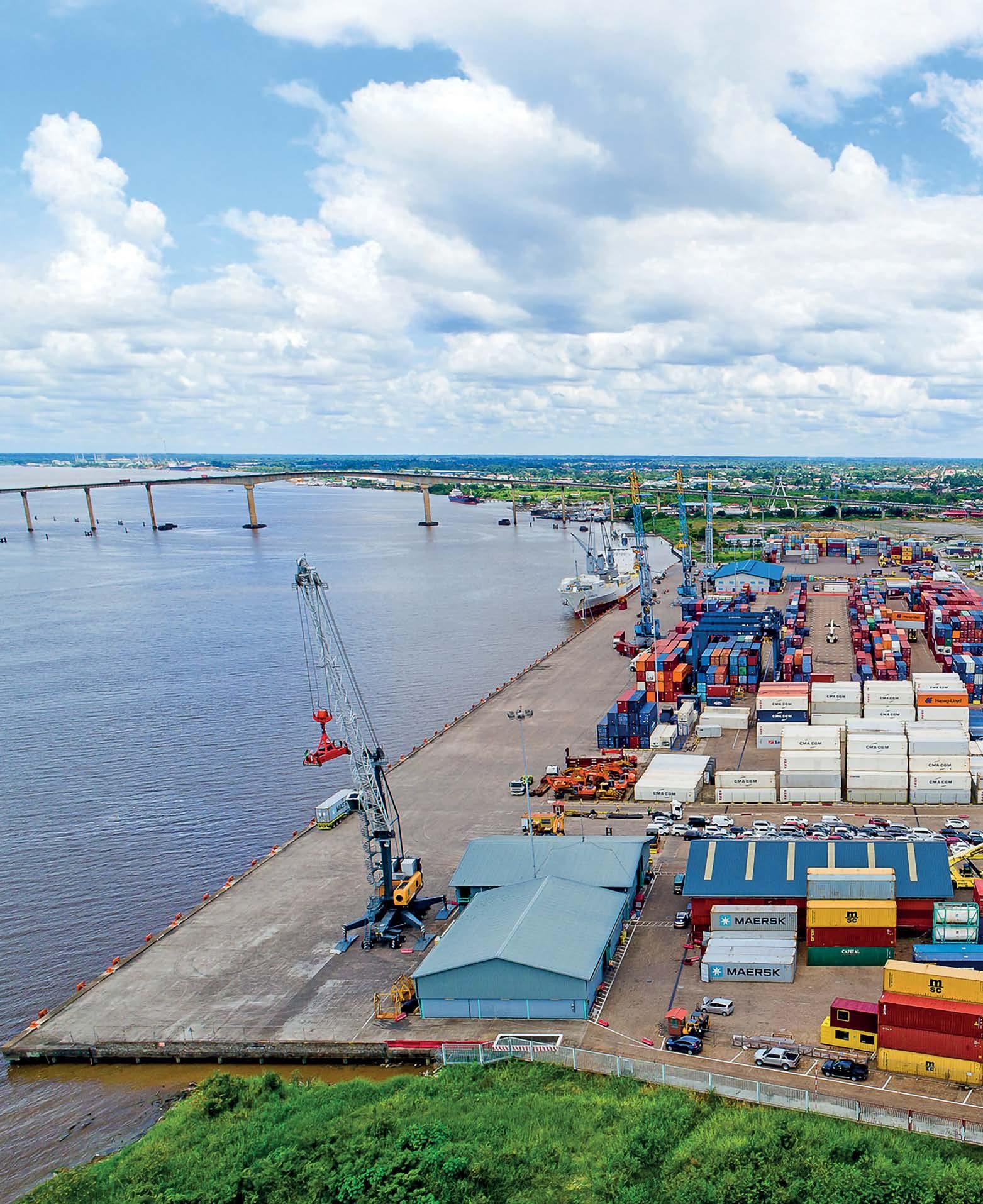
With the rapid emergence of the oil and gas industry in Suriname, the Dr. Jules Sedney Port of Paramaribo has been proactively advancing its facilities to meet the demands of the future. This commitment aligns with our slogan: “Accommodating Our Future.”
As part of our preparedness, we have successfully renewed our ISO 9001:2015, ISO 14001:2015, and ISO 45001:2018 certifications, along with our ISPS certification, reinforcing our dedication to quality, environmental responsibility, and occupational health safety and well-being of our dedicated personnel.
Moving forward, we continue to strengthen our internal organization while forging strategic partnerships that enhance the value of our services and position us as a key player in the region.
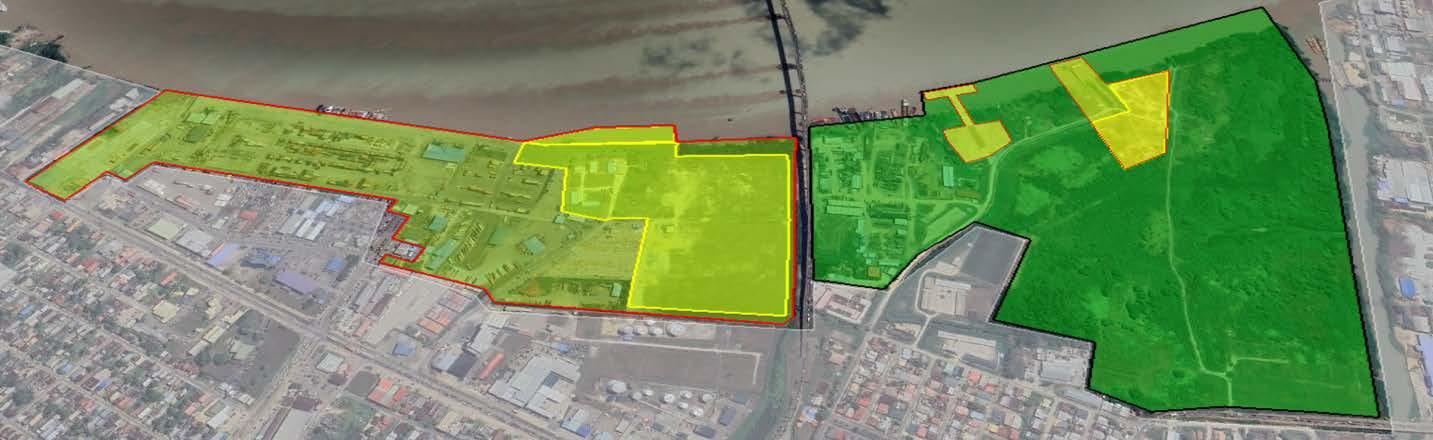
With Suriname’s economy on the rise and the increasing need for port expansion, we stand as the premier choice for those seeking to invest in a port with a robust, future-ready system of control and ample room for growth. At present a new construction project for the extension of the qua to the south has commenced with even more expansion possibilities.
Section
Quay length
Draft at LWS
Deck load
Storage area
Additional
Dr. Jules Sedney
Terminal (A) 660m
– 7,5m
– 10 T/m² 20ha
119 reefer plugs
Facilities available and to be established
Heavy load quays and aprons up to 20 T/m²
Berthing spaces
Open and sheltered storage area
Medical first aid facility
Chemical storage area
Technical & mechanical support facility
Logistic support facility
Training centre – in partnership with Port Of Antwerp Bruges International
Subjected to requirements 47 ha Multifunctional options
Services by Havenbeheer and 3rd parties
24/7 ISPS security
Logistic support
Hot works, Technical and Mechanical Support
Stevedoring & Lifting works
Waste management
Bunkering services (Fuel & Oils)
Sludge and waste water removal
Fresh water supply
Variety of supplies
Ship chandling Husbandry
coastal districts to maintain a dialogue surrounding the development project. This dialogue ensures that its development continues to positively impact local communities whilst enhancing the country’s overall energy development.
Alongside the project’s key local community development, TotalEnergies also remains focused on delivering the project in line with its sustainability strategy to create more low-emission and low-cost oil and gas projects. The GranMorgu project is well in line with these goals, due to its focus on minimising greenhouse gas emissions, with the final project’s Scope 1 and 2 emissions intensity planned to be less than 16kg Carbon Dioxide equivalent per barrel of oil equivalent (CO2e/boe). This will be achieved through the all-electric FPSO for the project, which will have zero routine flaring and full reinjection of associated gas into its reservoirs. In addition, the project will be optimised for power usage with a Waste Heat Recovery unit and an optimised water-
The Future of Suriname’s Energy Sector
cooling system for enhanced efficiency, as well as the installation of a methane detection and monitoring system. Collectively, these measures aim to help TotalEnergies deliver the GranMorgu project to enhance the region’s energy potential, support local content, whilst also limiting its overall impact on the environment.
Speaking on the FID reached in 2024, Patrick Pouyanné, Chairman and CEO of TotalEnergies, outlines, “Building on TotalEnergies’ pioneering spirit, this landmark project marks the first offshore development in the country and capitalises on our extensive expertise in deep offshore innovation. Launched only a year after the end of appraisal, GranMorgu fits with our strategy to accelerate time-to-market and develop low-cost and lowemission oil projects.” Pouyanné’s comments here highlight just how valuable this project will be for the future of Suriname’s energy sector, thanks to its focus on enhancing the country’s offshore
TotalEnergies Suriname
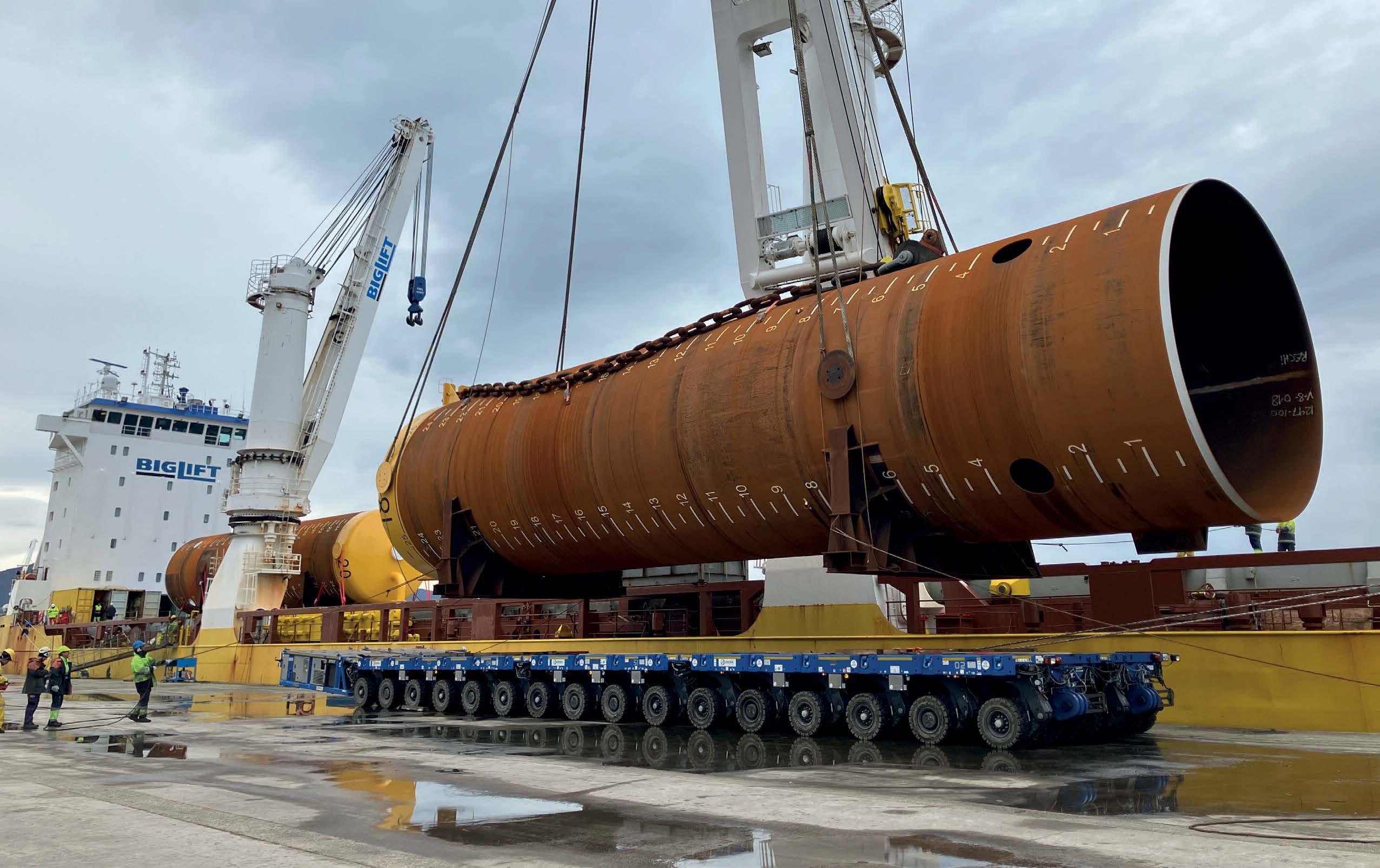
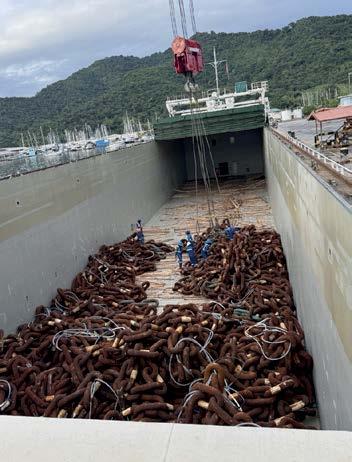
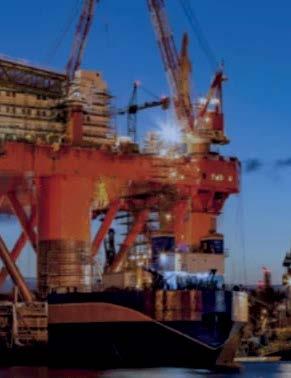
D.S. Belcon
D.S. Belcon is strategically positioned within the Southern Energy Triangle, operating in Trinidad, Suriname, and Guyana, offering integrated solutions excellence to the shipping industry and oil and gas sector.
Considering TotalEnergies’ recent commitment to the GranMorgu project, as a Port Agency and Logistics Company, D.S. Belcon (Suriname) N.V. stands ready to support this monumental initiative with comprehensive integrated logistics solutions. As Suriname embarks on this historic journey to develop the Sapakara and Krabdagu fields in Block 58, the need for reliable, efficient, and integrated logistics has never been more critical.
With a deep understanding of Suriname’s operational landscape, D.S. Belcon (Suriname) N.V’s commitment to excellence, safety, and sustainability remains at the forefront.
energy potential, whilst implementing measures to limit its environmental impact and support local development.
However, TotalEnergies’ operations in Suriname do not end there, because in 2025 the company announced it had signed an agreement to acquire the 25% interest held by Moeve in Block 53. Block 53 is located directly east of Block 58, where the GrandMorgu development is taking place. Following the acquisition, Block 53 is now held in a joint venture between APA Corporation (45% and operator), Petronas (30%) and TotalEnergies (25%). Block 53 contains the Baja-1 discovery, where over 34 metres of oil were encountered in the Campanian formation. This discovery is a significant downdip extension of the same deposit system as the Krabdagu discovery in Block 58. For TotalEnergies, the proximity of Block 53’s development to its existing GranMorgu infrastructure in Block 58 will allow TotalEnergies to utilise its existing networks to enhance the development of Block 53.
According to Javier Rielo, Senior Vice President Americas, Exploration and Production at TotalEnergies, “This acquisition brings new resources to the development of our low-cost and low-emission Gran Morgu project.” Rielo continues, “It also proves how TotalEnergies will
leverage GranMorgu infrastructure to develop profitably additional resources and extend its production plateau, strengthening the position of the Company in the offshore of Suriname.” As we can see from Rielo’s comments, the acquisition of 25% of the Block 53 development will help enhance TotalEnergies’ total portfolio across Suriname’s energy sector to deliver vital energy development that can strengthen the company’s energy delivery for the future.
Suriname represents a vital hub for energy development in South America, and with TotalEnergies providing vital oil and gas resource development projects, the country’s energy sector looks set to continue to grow in the coming years. However, each project delivered by TotalEnergies in Suriname is underpinned by local and environmental considerations to ensure that Suriname can produce the energy it needs now, whilst supporting the future of the country’s energy sector. With continued investment and acquisitions into the sector, we look forward to seeing how TotalEnergies will continue to enhance its network across Suriname, whilst leveraging its existing infrastructure to enhance the energy potential of the country for the future.
Round-The-Clock Logistic Solutions
Backed by decades of regional Oil & Gas experience, strong international partnerships, and a committed local workforce, D.S. Belcon supports complex exploration and development activities across Suriname, Guyana, and Trinidad and Tobago with precision, compliance, and local content expertise.
With offices strategically located near key port infrastructure, we deliver integrated logistics solutions that ensure efficient, safe movement of vessels, cargo, and personnel.
OUR SERVICES INCLUDE:
• Port Agency Services
• Project & Offshore Logistics
• Customs Brokerage
• Crew & Immigration Services
• Transportation & Freight Forwarding
As Suriname advances into the next phase of offshore development, we remain focused on delivering safe, reliable, and efficient logistics solutions - onshore and offshore.
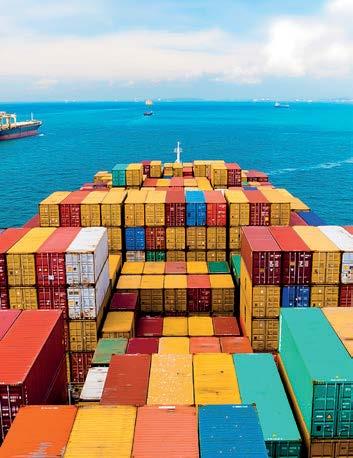
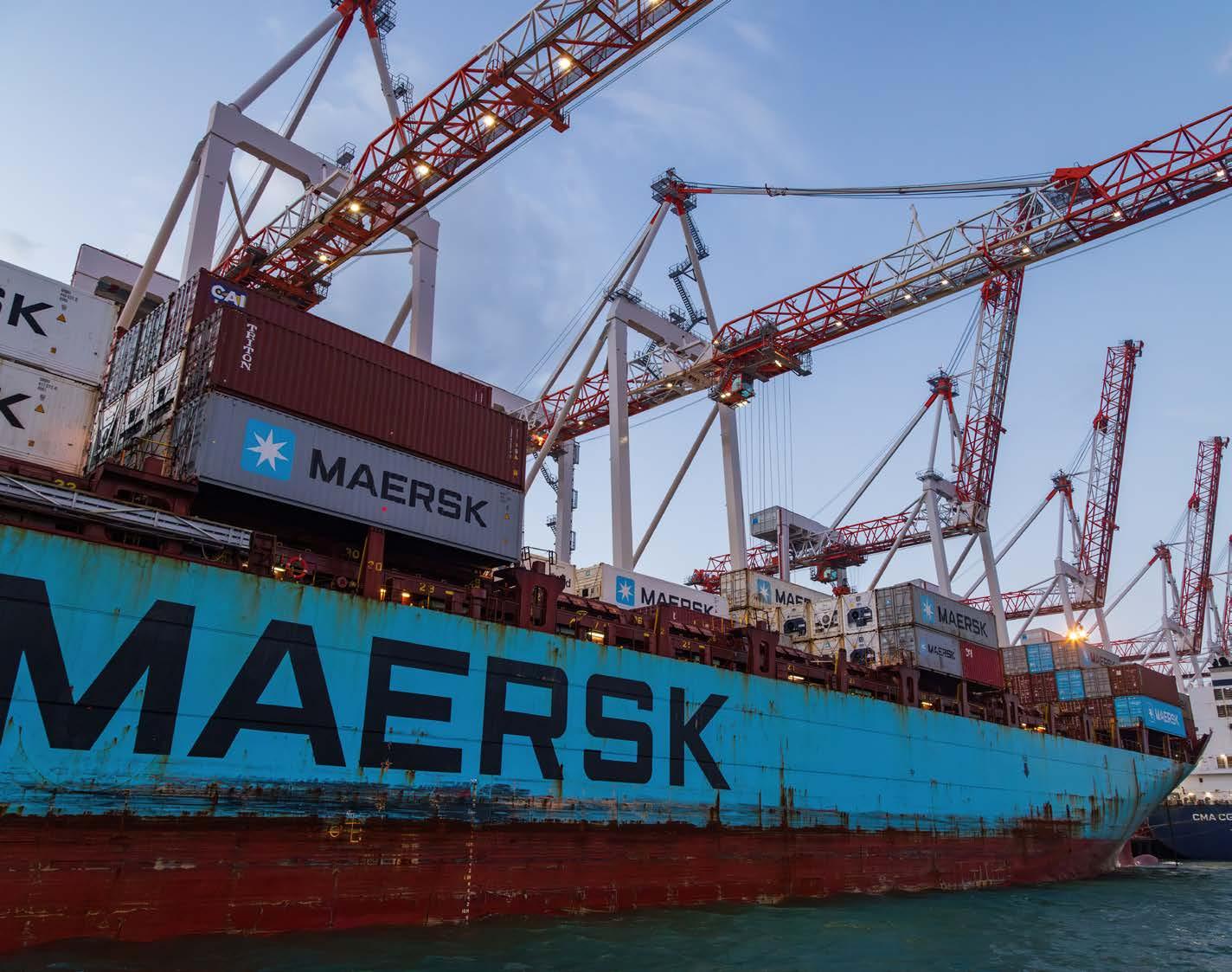
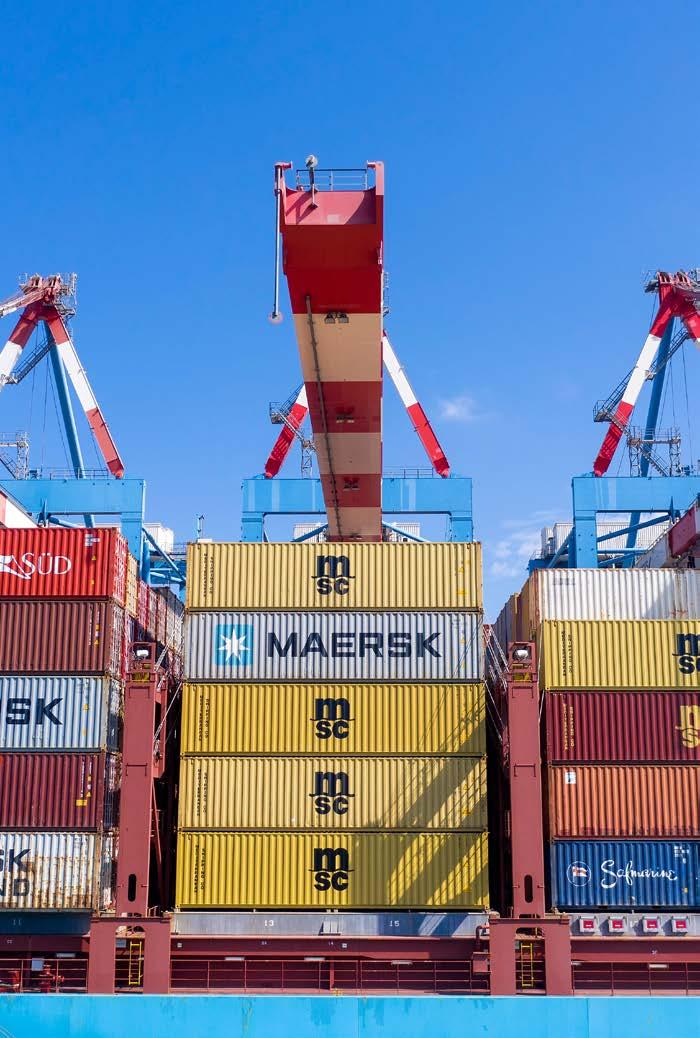
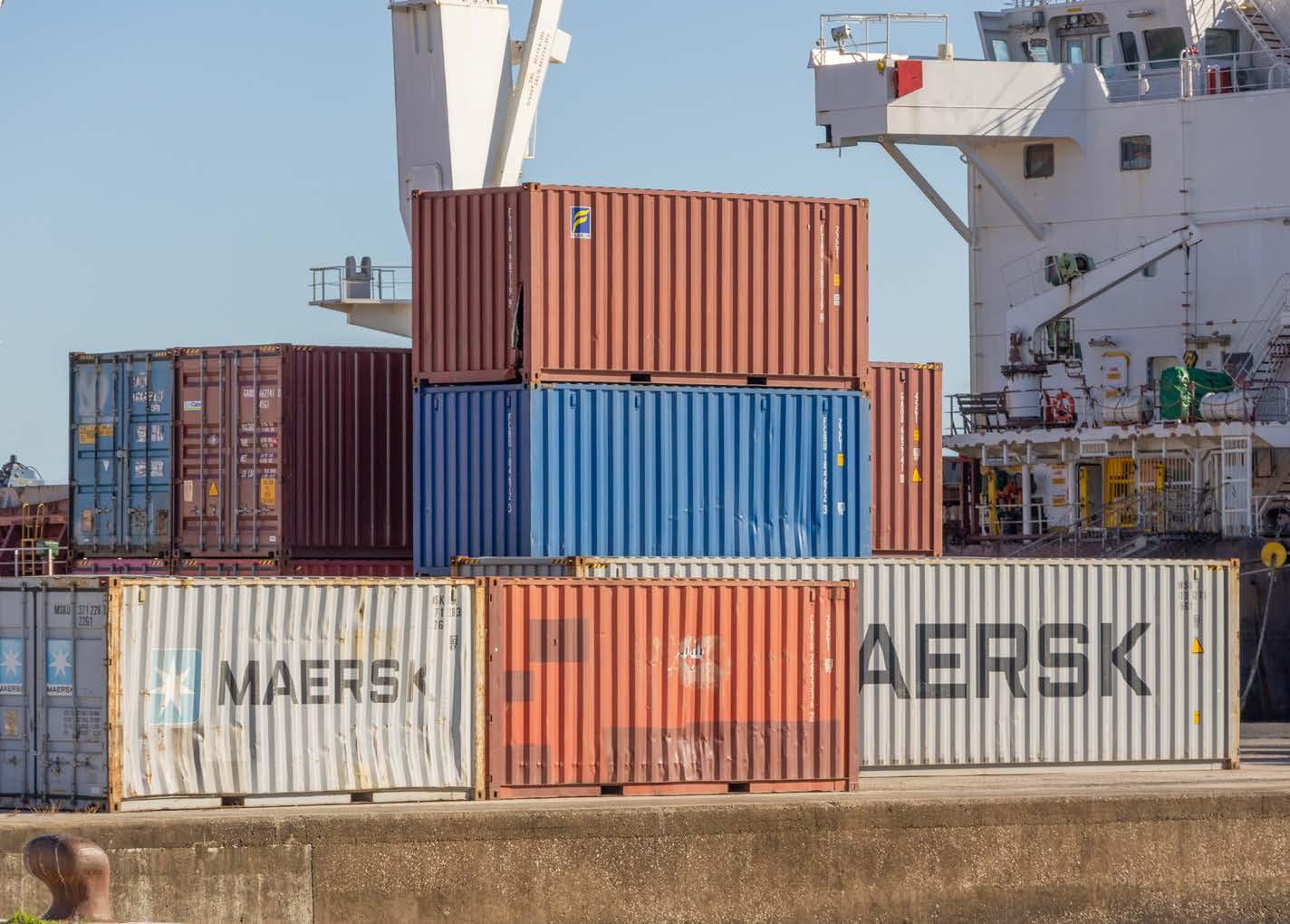
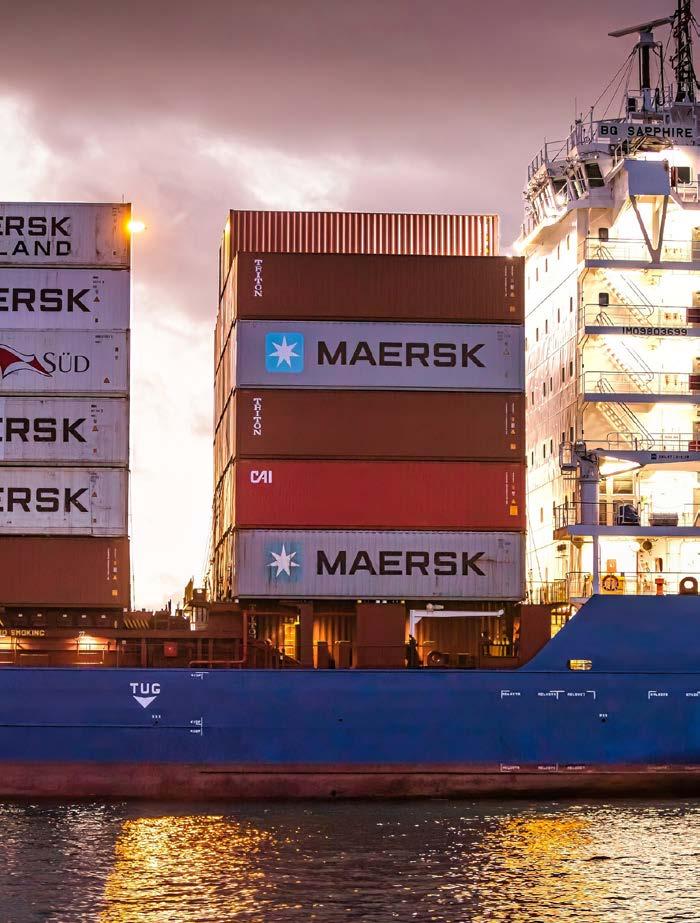
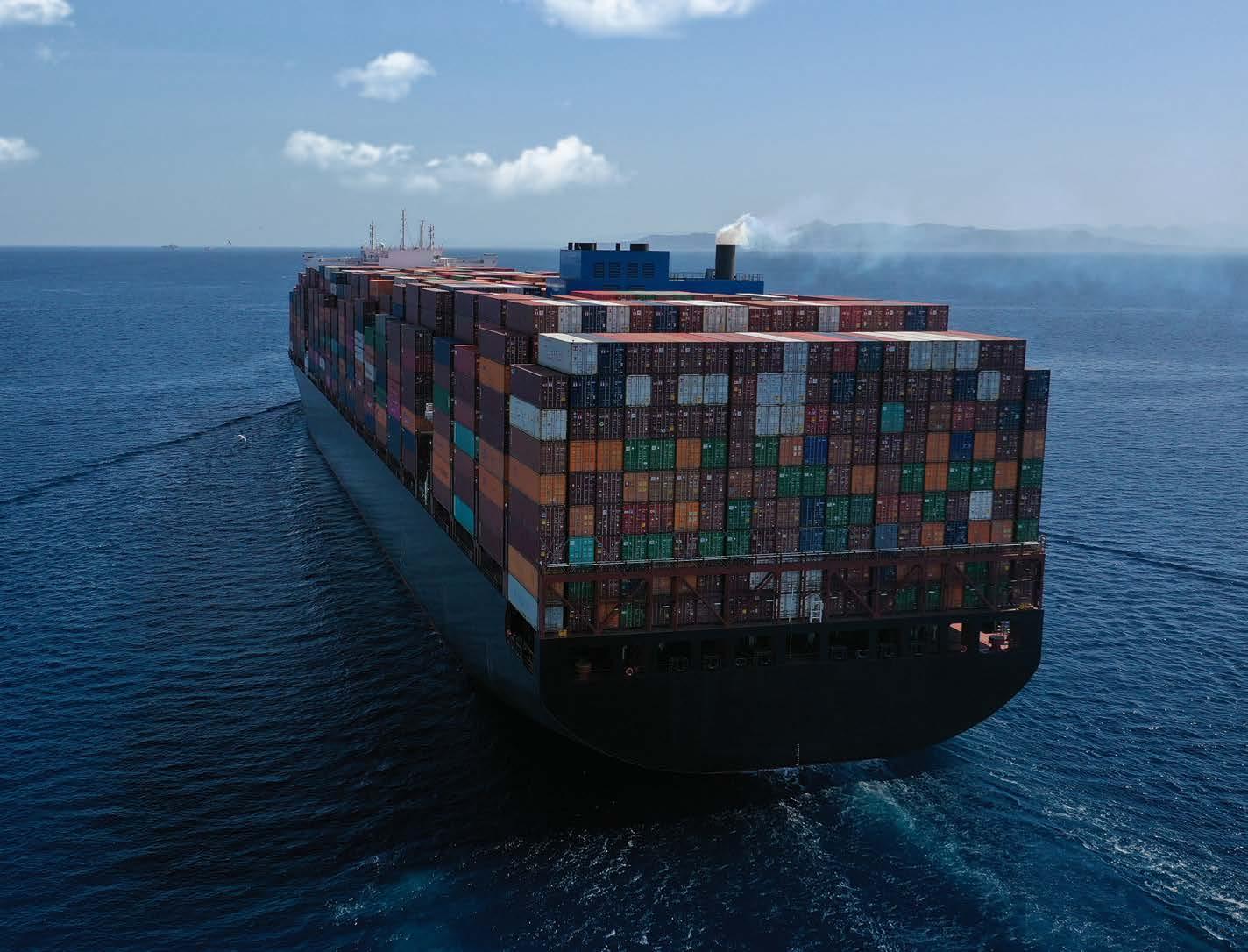
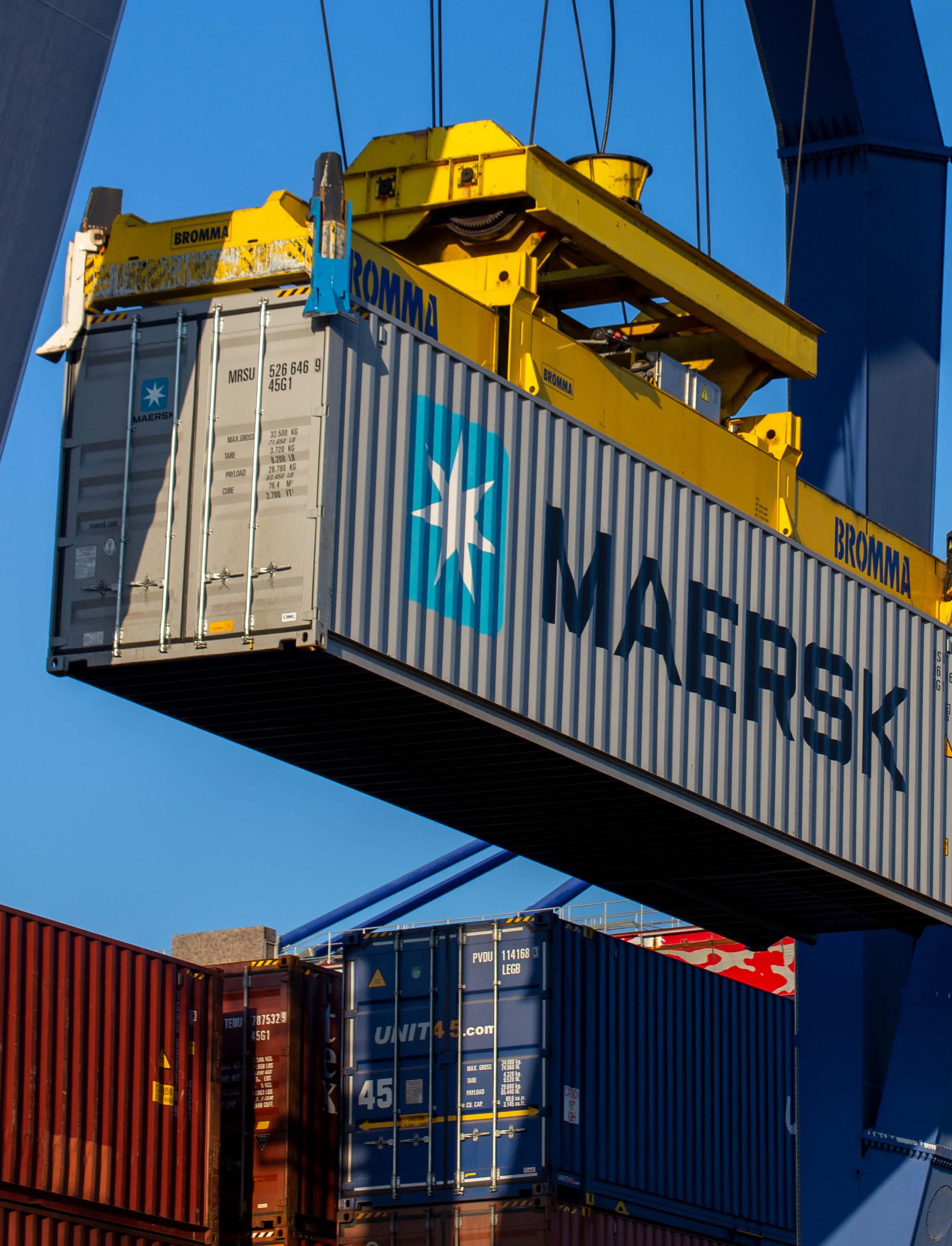
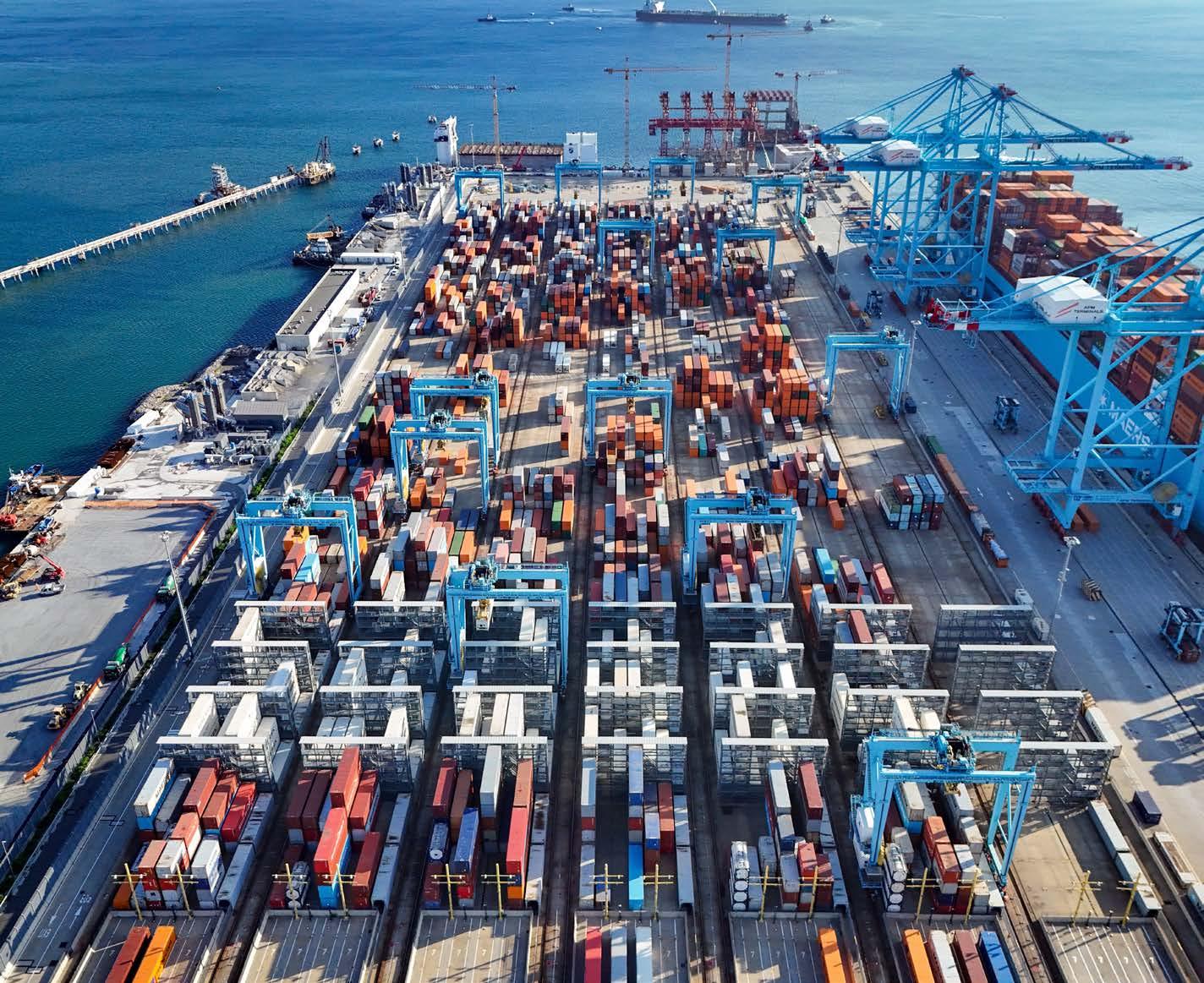
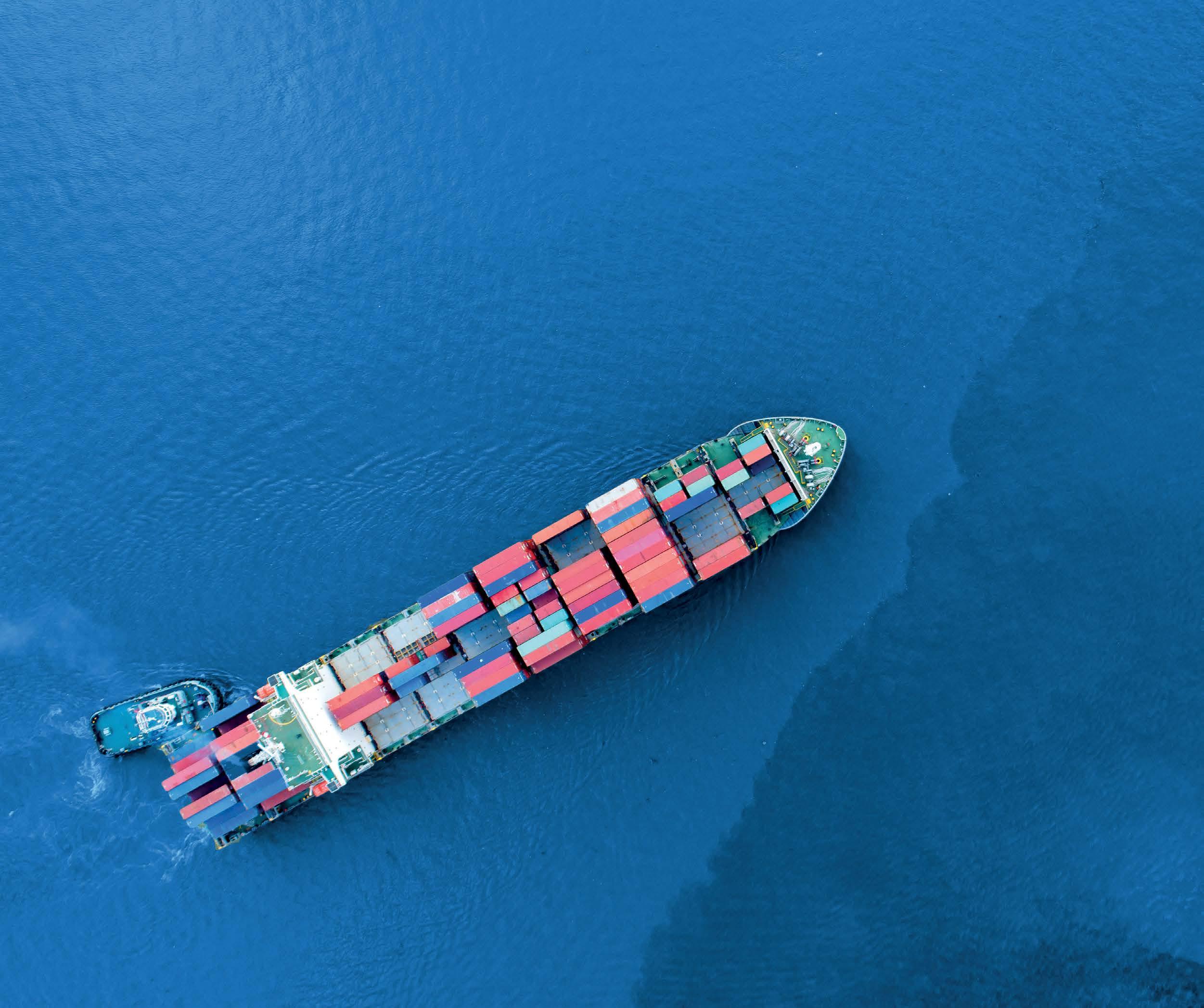
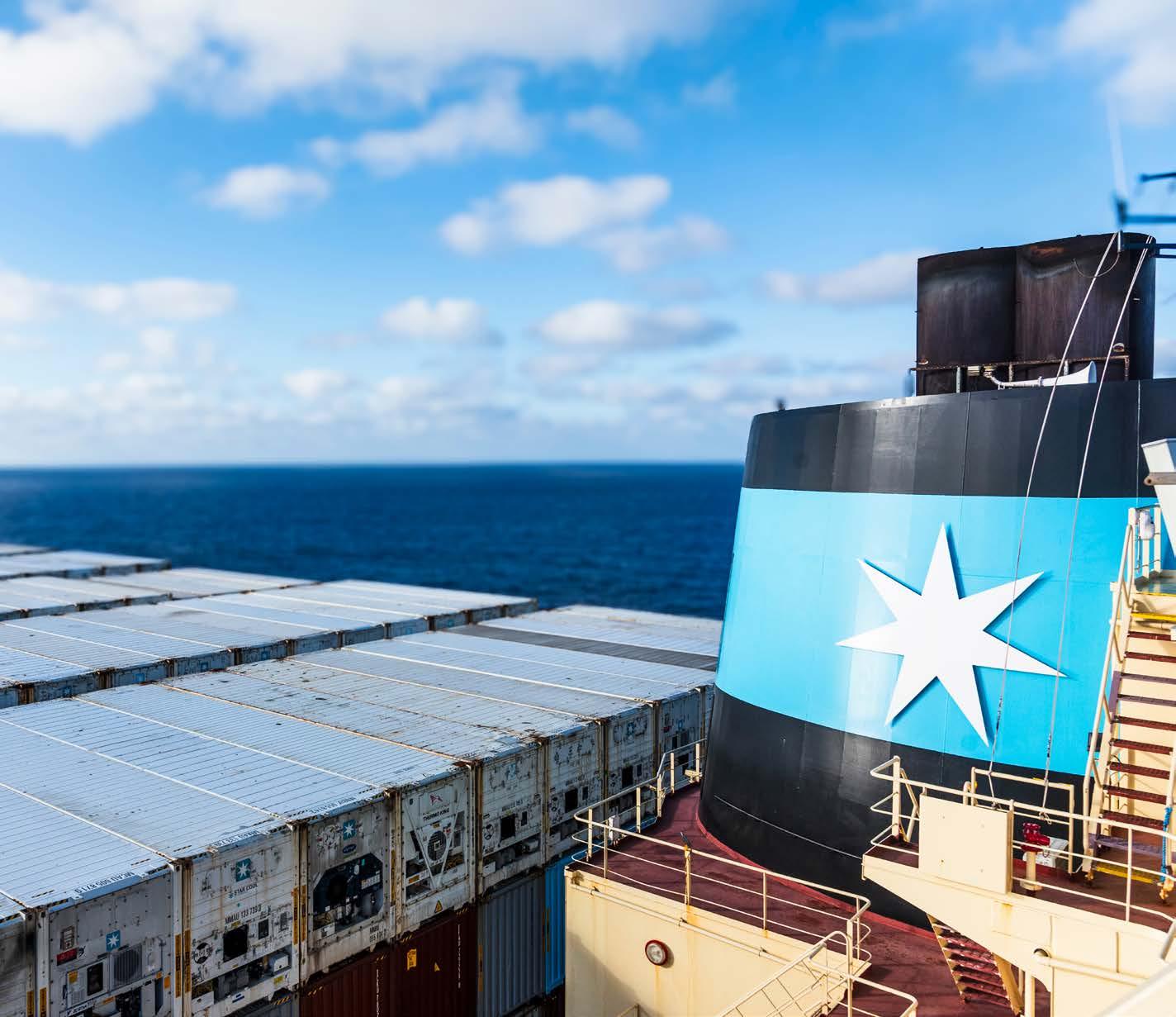
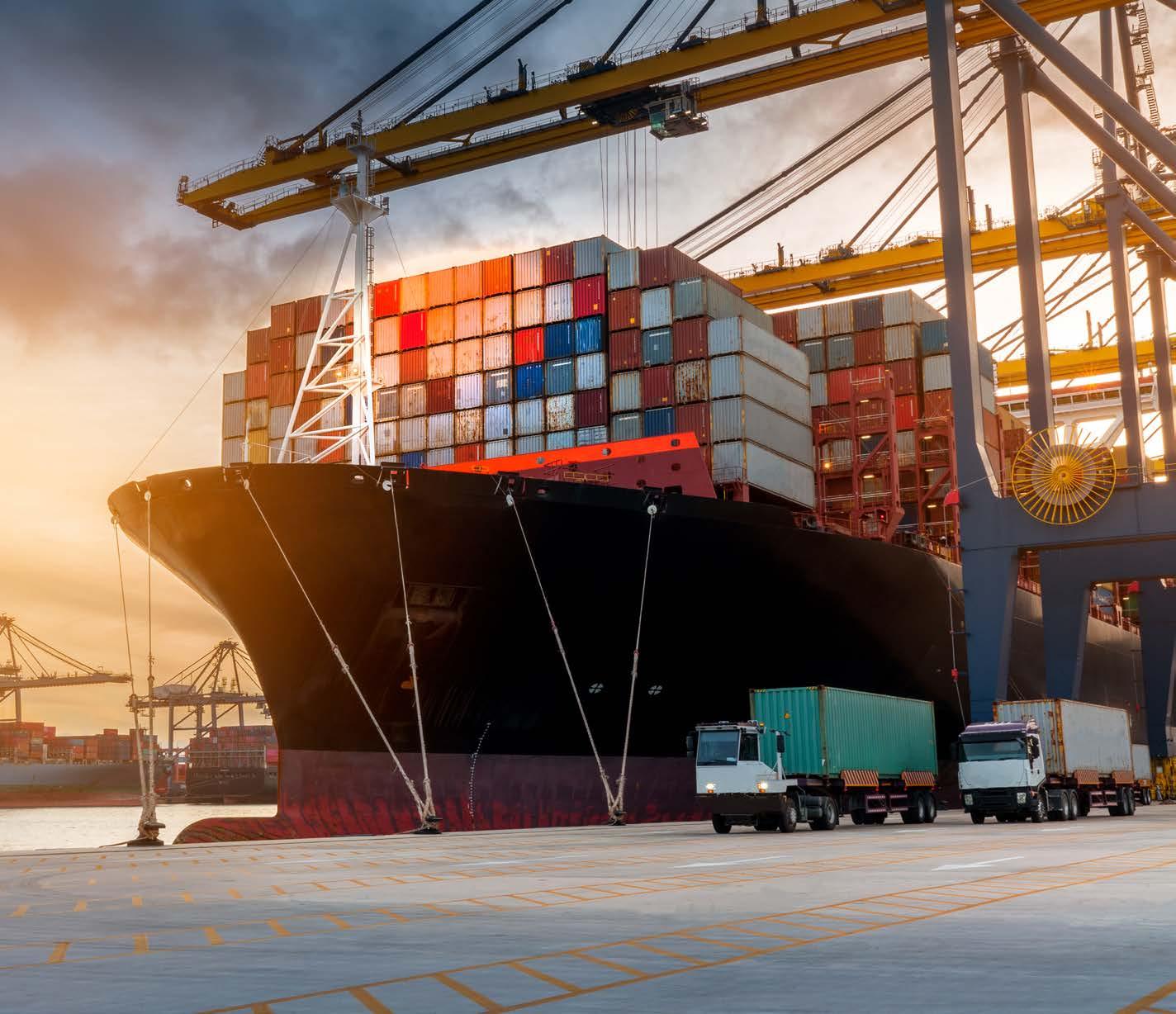
With more than a century of operations behind it, A.P. Møller – Mærsk (Maersk) is a leading international integrated logistics company connecting customers across the globe. With operations in more than 130 countries, Maersk operates one of the world’s largest container shipping networks, which moves 12 million containers every year to all corners of the globe. Across the globe, its operations are divided into key divisions, including Maersk’s India, Middle East and Africa (IMEA) international network. Within this division, we’re excited to look at some of the key services offered across Africa where Maersk is committed to helping customers across the continent enhance their supply chains with reliable and integrated logistics solutions.
Maersk has long been the partner of choice for customers around the world, thanks to its seamless movement of goods via its interconnected logistics networks, which combine vessel, plane, and truck transportation, with warehousing and port operations to help support the movement of cargo across the globe. This network has allowed Maersk to maintain its competitive role as a leading cargo logistics provider, where it utilises the local knowledge and logistics expertise of its global network to help facilitate more efficient, reliable and cost-effective shipping solutions. These operations can be seen in Africa, where Maersk delivers vast shipping and logistics operations spanning across the entire continent.
Africa has seen an expanding consumer base in recent years, which has been supported by the continent’s industrial capacity to help bring more unique opportunities and challenges to the region’s logistics networks. These challenges are what Maersk is all about: to deliver both simple and complex logistics solutions that can optimise its customers’ operations and help their businesses continue to grow. Across IMEA, Maersk brings
Maersk Africa
MTI Logistics
MTI Logistics
MTI Logistics is a global logistics and cargo transportation company headquartered in Djibouti, known as a major industry leader in the region. Established with strong expertise in logistics management, MTI offers a comprehensive suite of services tailored to both local and international clients, including freight forwarding by sea, air, and land, inland haulage, air cargo solutions, customs clearance, and warehousing & distribution.
MTI Logistics is a global logistics and cargo transportation company headquartered in Djibouti, known as a major industry leader in the region. Established with strong expertise in logistics management, MTI offers a comprehensive suite of services tailored to both local and international clients, including freight forwarding by sea, air, and land, inland haulage, air cargo solutions, customs clearance, and warehousing & distribution.
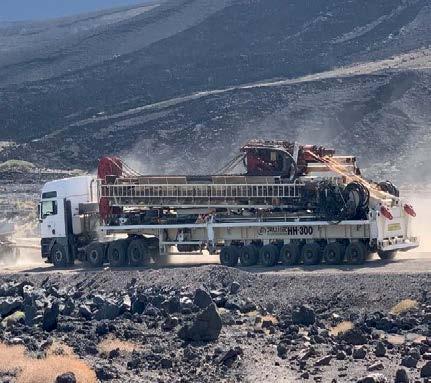
The company also handles specialized logistics projects, such as heavy lift and project cargo, relocation services, and integrated supply chain solutions, all supported by its experienced team and global network.
The company also handles specialized logistics projects, such as heavy lift and project cargo, relocation services, and integrated supply chain solutions, all supported by its experienced team and global network.
MTI is committed to efficient, reliable, and cost-effective logistics that ensure timely delivery and customer satisfaction across a wide range of industries.
MTI is committed to efficient, reliable, and cost-effective logistics that ensure timely delivery and customer satisfaction across a wide range of industries.
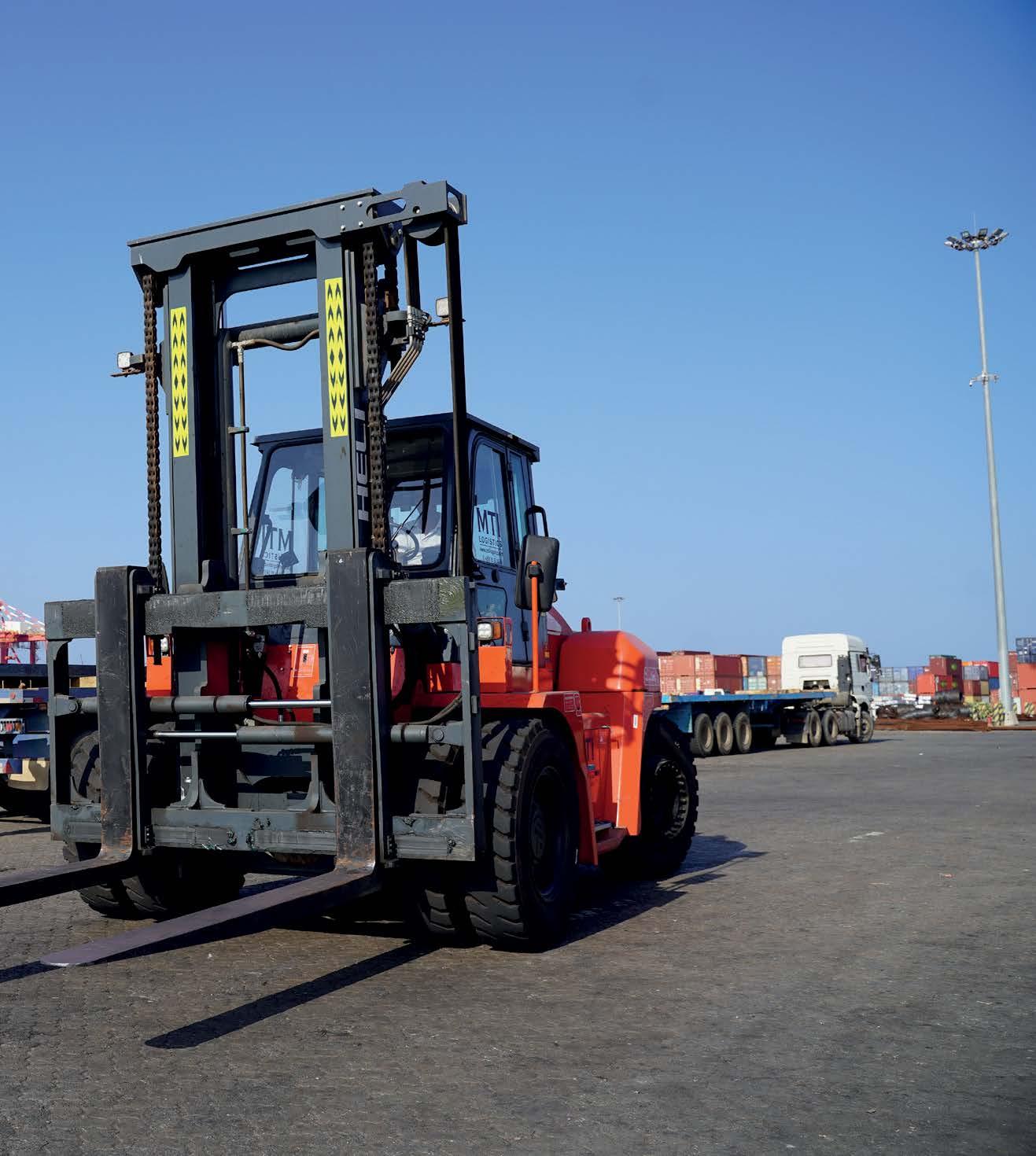
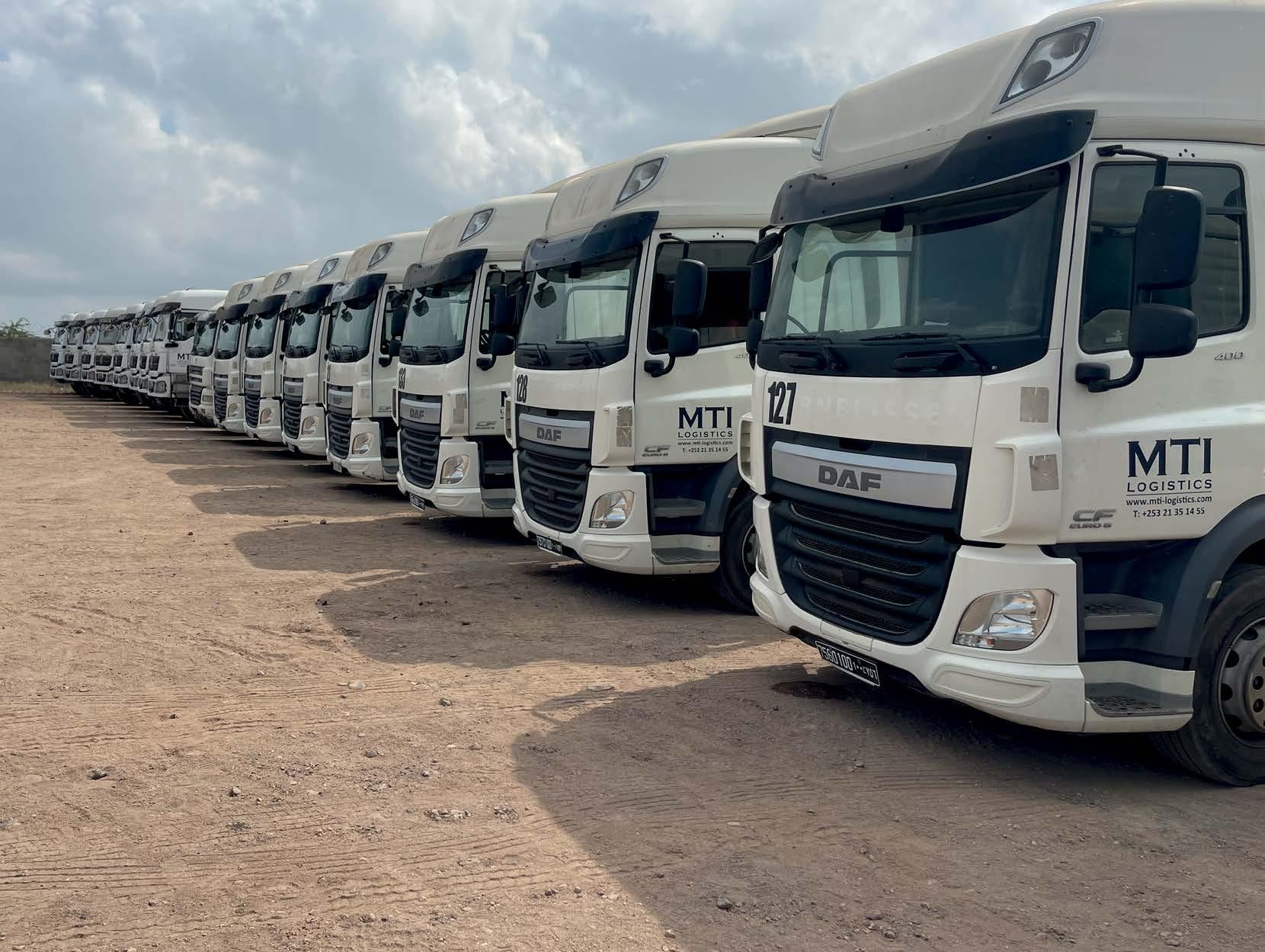
MTI boasts an extensive fleet of trucks and lifting equipment in Djibouti, setting the benchmark for quality and reliability.Our capabilities include: LTL & FTL Transportation • FlatBed Services
• OOG & Heavy Lift Transportation • Local Delivieries & Pichups
MTI boasts an extensive fleet of trucks and lifting equipment in Djibouti, setting the benchmark for quality and reliability.Our capabilities include: LTL & FTL Transportation • FlatBed Services • OOG & Heavy Lift Transportation • Local Delivieries & Pichups
mti-logistics.com
mti-logistics.com
together its local insight, dependable execution and agile logistics network to deliver the logistics needs of its customers every day.
A key country where Maersk’s logistics have been supporting global trade is in Angola, where Maersk has been connecting businesses to the world since 1998. Maersk’s logistics operations serve all main ports in Angola, with regular main line and feeder vessels, as well as vital inland shipping routes. Common exported commodities include oil, diamonds, LNG, coffee and fish. These cargoes, along with general cargo, are met with Maersk’s local experts to facilitate seamless movement of products out of the country, and along to its global network to connect such industries with their respective markets across the world. Alongside general cargo, Maersk also has specialised operations to handle standard, refrigerated and oversized goods travelling to and from Angola.
One of the most pivotal ports for Maersk’s operation in Angola is the Port of Luanda, which is the country’s main maritime hub responsible for export and import services to connect Angolan
Sogester
Over the past 18 years, Sogester has maintained a close partnership with Maersk Group, initially as a terminal partner and subsequently as a client. This relationship continues to this day, fostering a highly collaborative partnership between Sogester and Maersk Group, which is Sogester’s primary customer in terms of volume. Several services originating from North Europe, Africa West, and the Far East utilize Sogester’s terminal, and these services are operated with utmost attention to service quality, productivity, and safety.
The Sogester company is proactively preparing for the future of its customers. Studies and agreements are currently being made to upgrade the facility in Luanda to meet the evolving needs of the Lines. Surveys are ongoing, and agreements are being finalized with a construction company
to transform the current two quays into a single, elongated quay measuring 535 meters. This expansion will include four 24-outreach ship-to-shore cranes and at least four Mobile Harbours cranes with Liebherr 800 and 550 models (3/1).
The draft on the terminal will be dredged by the Port Authority based on the newly agreed 20+10 years concession agreement to -16 meters, enabling the port to accommodate the largest vessels in the future.
Complementarily, our operational system is fully integrated with financial and automatic gates, as well as reefer monitoring systems. These enhancements will provide Sogester with the necessary capabilities to manage the ongoing growth of vessels in the future.
www.sogester.co.ao/
Loading in Angola. Delivering to
Connecting African Businesses to the World
businesses to the world. Located in the centre of the most populous and economically dynamic region in Angola, the port provides ample space for cargo unloading, which can then be moved via the country’s railroads and highways to end markets.
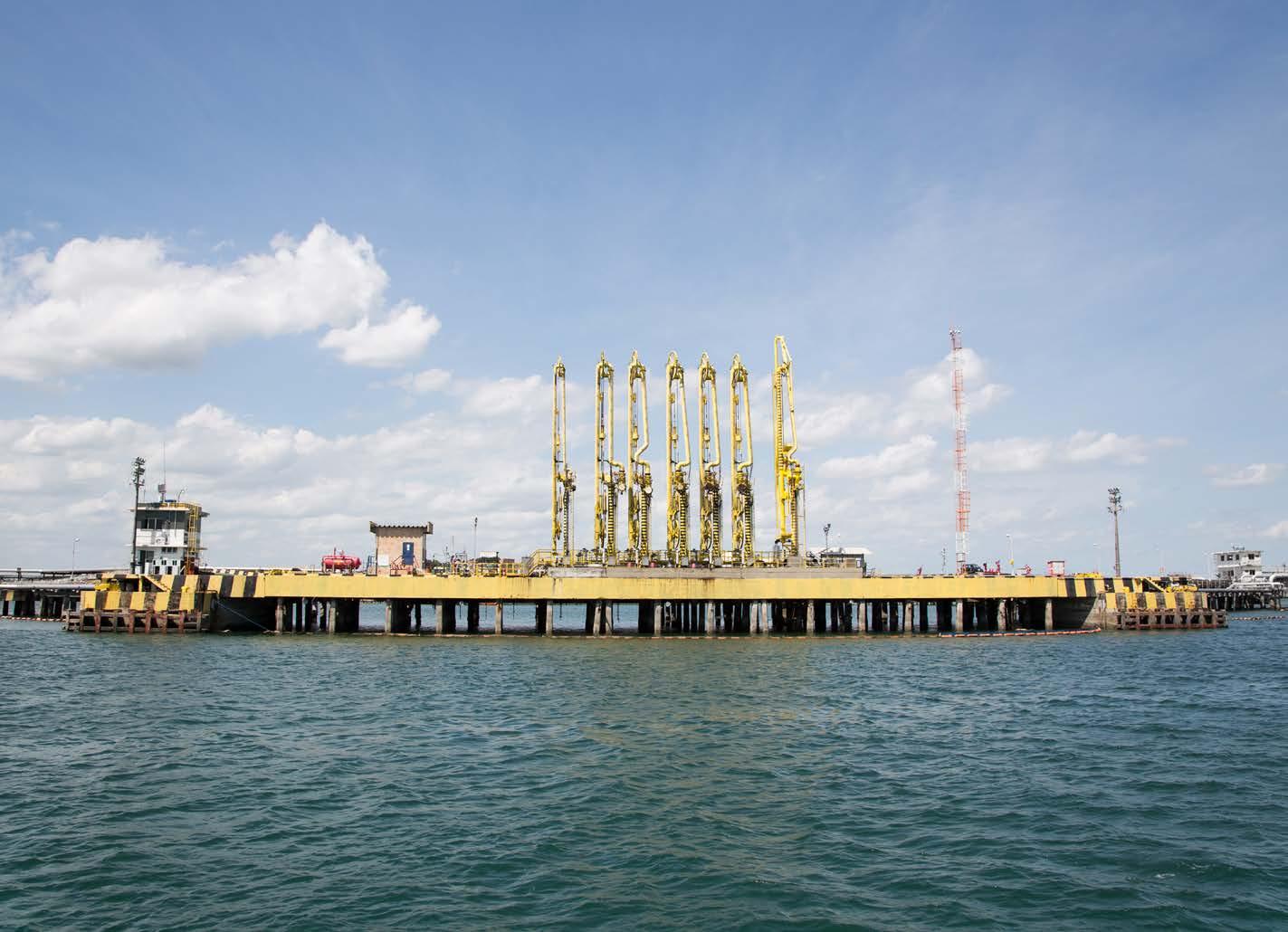
The Port is 2,728 meters long and is divided into seven terminals and a logistics platform intended to aid oil and gas extraction. Maersk facilitates trips to the Port of Luanda to help deliver vital export shipping routes that allow Angola to move its export cargoes across the world, often connecting with key markets, including those in China. Whilst Maersk had previously had a stake in the Port of Luanda terminal, it sold its stake a few years ago and now provides integrated shipping logistics from the port rather than operating the terminal itself.
In recent years, Angola has seen significant growth in its fast-moving consumer goods (FMCG) supply chains, which have largely been due to infrastructure upgrades, digital innovation and regional integration across the shipping and logistics space. With a growing and integrated network, Angola has seen increasing investment towards its logistics infrastructure with the development of a new cold storage, solar-powered refrigeration and reefer containers, as well as modernisation upgrades at the Luanda and Lobito
ports. Furthermore, the growth has been backed by government schemes that are promoting Angolanmade goods to reduce the country’s dependency on imports. Thus, with supply chains continuing to expand, the need for vital shipping operators such as Maersk is vital to help continue to fulfil the supply chain growth for the country, which in turn bring grater economic development for Angola.
Another key example of Maersk’s operations in Africa is in Djibouti, where the company has been facilitating shipping solutions since 2013. For Djibouti, Maersk offers vital cargo shipping via its three weekly services that operate to and from the Port of Djibouti. From here, Maersk connects the country with markets across the world via its global interconnected shipping network. Shipping operations are vital for Djibouti, as the country, and specifically the Port of Djibouti, is responsible for handling around 90% of neighbouring Ethiopia’s trade. Therefore, the port is not only valuable for supporting Djibouti’s global trade, but also the trade of Ethiopia via its port and shipping operations.
The Port of Djibouti spans 7 specialised facilities, which together form a major logistics hub for global trade. This 7-facility network allows the port to deliver focused logistics, transportations and trans-shipment services across East Africa. One
Maersk Africa
of the most significant aspects of this network is the Doraleh Container Terminal (DCT), which is regarded as one of Africa’s most advanced container terminals, equipped with modern facilities designed to offer world-class productivity. DCT has an annual capacity of 1.5 million shipping containers, and so provides essential handling operations for containerised cargo, as well as for bulk, oil and livestock cargo travelling through the port. Accompanying DCT is the Doraleh MultiPurpose Port, which then handles a range of cargo, including specialised bulk (grains, minerals and fertilisers), breakbulk, vehicles, and general cargo. Collectively, these port facilities provide Djibouti with the essential infrastructure for logistics and storage, serving as a crucial hub for the Horn of Africa. Therefore, with the Port of Djibouti and its specialised 7-facility infrastructure being so vital to the country’s shipping needs, Maersk’s operations are vital to supporting the country’s port into a thriving hub for both local and global shipping operations.
Both Angola and Djibouti sit within Maersk’s IMEA division, which has seen stable growth across its operations. In July, Maersk announced market
Amerga Building, 2nd Floor, Avenue Georges Clemenceau, Djibouti.
Connecting African Businesses to the World
updates for the IMEA region, where Africa has seen its trade environment continue to evolve. This is largely shaped by shifting demand patterns and infrastructure development in East Africa, where these developments are being supported by a key import network from the Far East, including China, Japan and South Korea. Then, in Western Africa, improved volumes have continued to show an upward trend, which has been supported by investment in infrastructure, which is meeting the rising demand for goods from consumers. Key countries leading this growth are Nigeria, Ghana and Senegal.
In fact, in Senegal, Maersk has developed an integrated logistics hub strategically located between the Port of Dakar and Dakar’s Industrial Area. The hub is the first of its kind for Senegal and will provide an integrated supply chain solution to meet the needs of Maersk’s customers. The warehouse will offer 5,100 square meters of indoor storage capacity, with an additional 500 square meters of outdoor storage space. This will help Maersk to handle a wide range of commodities, including fast-moving consumer goods, retail merchandise, lifestyle products and technology items. According to Thomas Theeuwes, Managing Director for Maersk
West Africa, “This investment in Dakar demonstrated our long-term commitment to Senegal and the broader West African region. By establishing this modern warehouse facility, we’re delivering on our promise to create seamless, integrated logistics solutions that enable our customers to optimise their supply chains and accelerate growth.”
Theeuwes’ comments here highlight Maersk’s key role not just in West Africa, but across the continent to enhance the existing infrastructure of countries across Africa, and facilitate key shipping routes to help support long term growth for each respective country, and enhance its global networks.
Across all of Maersk’s operations in Africa, the company remains committed to offering creative solutions to its customers, which can help move their goods from one destination to another through its reliable and interconnected network spanning ocean, rail, air and waterways. As we have seen in Angola, Djibouti and even more widely across Africa, Maersk brings together its global shipping network and local insight to deliver integrated shipping solutions that help customers strengthen their supply chains, supported by its reliable and efficient logistics solutions.
TotalEnergies Uganda
TotalEnergies has long played a valuable role across Africa, developing energy projects that deliver the vital energy needed for everyday life in the most sustainable way possible. With more than 100 years of operations behind the global company, TotalEnergies today delivers its expertise across more than 130 countries, with the goal of making energy more affordable, accessible and sustainable. In Africa, TotalEnergies’ operations are vast, with major projects spanning many countries. One of the most notable operations is in Uganda, where TotalEnergies plays a key part in the country’s energy development through the development of the East African Crude Oil Pipeline (EACOP) and the Tilenga Project.
Since 1995, TotalEnergies has been focused on developing Uganda’s energy landscape, with operations spanning downstream developments, including service stations, to upstream exploration and production. TotalEnergies’ downstream segment is led by TotalEnergies Marketing Uganda Ltd, which focuses on developing the company’s downstream sector to make everyday fuels more accessible across the country. However, from this focus on the downstream sector, TotalEnergies sought new developments upstream and so began vital exploration and production operations. Today, TotalEnergies’ exploration and production operations have vastly expanded, and the division is now home to two vital energy projects set to enhance Uganda’s energy sector for the future.
Across all of TotalEnergies’ operations in Uganda, the company is focused on positioning itself as the preferred oil company for its customers that is set on delivering sustainable shareholder value by providing high-quality petroleum products and services. In Uganda, TotalEnergies works alongside CNOOC Uganda and the Uganda National Oil Company (UNOC) to expand the country’s exploration and production segment, and in the process, deliver the vital energy resources needed across Uganda. These companies are part of a joint venture partnership, which sees TotalEnergies hold a 56.6% interest, with CNNOC and UNOC holding 28.33% and 15% respectively.
The first major project under the joint venture partnership is the Tilenga Project, which is a vital energy development set on delivering vital oil production in a way that is low in cost and low in emissions. The project is located in the Buliisa and Nwoya districts and is an expansive development spanning 6 oil fields, where over 400 wells will be drilled across 31 well pads. The central purpose of the joint venture is to oversee and develop the upstream sector of Uganda, making the most of oil deposits within the Lake Albert region. At peak production, the Tilenga project is expected to deliver 190,000 barrels of oil per day (bopd), delivering significant oil development for Uganda. At present, the Tilenga Project is still under construction, but it is expected to begin production this year.
The second key project is the East African Crude Oil Pipeline (EACOP), which works alongside the Tilenga Project to transfer oil from the project to
City Medicals excels in providing travel medicine, onsite and remote site medical services, medical fitness to work and routine medical checkups, onsite and mobile laboratory services, radiology and imaging, DNA testing and provision of medical equipment and supplies.
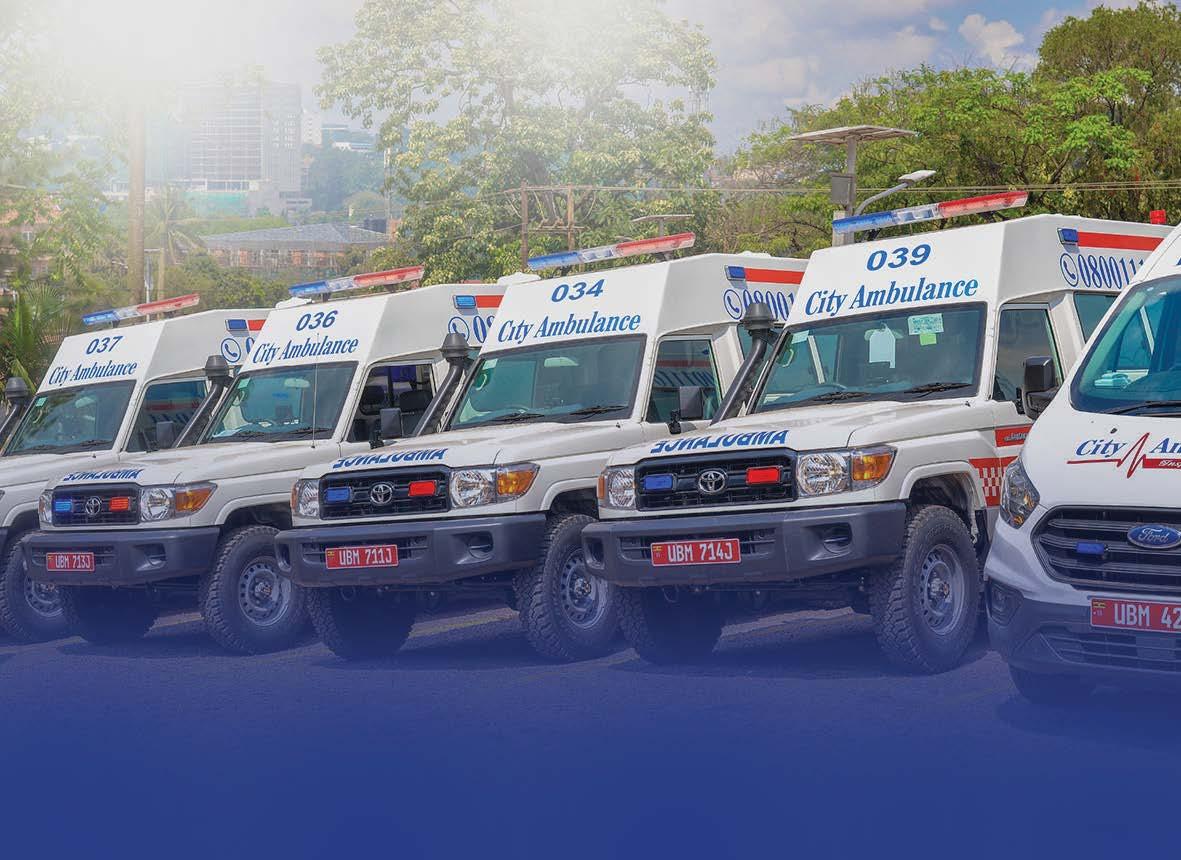
City Ambulance is a highly specialized Emergency Medical Service (EMS) provider that offers prompt, professional and affordable, basic and advanced life support services.
First incorporated in Uganda in 2012, The CityAmbulance brand has expanded across the EastAfrican region with presence in Uganda and Tanzania, and finalising setup in Zanzibar, and Malawi.
We have been serving the community for over 15 years, delivering high-quality care and transportation to patients in need. Our team of paramedics, EMTs, dispatchers, and support staff are trained and certified to handle any situation, from cardiac arrest to trauma injuries.
TotalEnergies Uganda
TotalEnergies downstream services. Collectively, these projects aim to help deliver a streamlined and well-connected upstream sector, which seamlessly connects via the pipeline’s midstream operations to TotalEnergies downstream services. EACOP is operated by EACOP Ltd., and shareholders TotalEnergies East African Midstream holds a 63% share, whilst UNOC (15%), CNOOC (8%) and the Tanzania Petroleum Development Corporation (TPDC) (15%) hold the remaining shares.
The pipeline is not only valuable for Uganda’s energy development, but also for neighbouring Tanzania, as the pipeline will connect the oil from the Tilenga Project to the Port of Tanga. At the port, the oil from the project will then be stored in terminals, and loaded onto the port’s jetty and distributed to end markets. Thus, the pipeline represents a vital investment in the region’s energy delivery, making oil from the Tilenga more readily accessible to end markets. Much like the Tilenga Project, the development of the EACOP is still in progress, with the pipeline expected to be ready for its first crude oil exports in late 2026.
Across the Tilenga and EACOP projects, around $2 billion has been invested in contracts with local firms, and the construction phase has created around 80,000 direct and indirect jobs alone. Thus, whilst the project is vital for the energy delivery of Uganda, the
development will bring continued economic benefits to those across Uganda and Tanzania, and will see significant growth of both countries’ economies in the process. Furthermore, to ensure the long-term success of the project within the local community, TotalEnergies continues to put Corporate Social Responsibility (CSR) at the heart of its operations. In doing so, TotalEnergies can ensure its operations protect the safety and security of people and its facilities, limit its environmental footprint and ensure that local stakeholders are kept in dialogue to make sure that developments are meeting and delivering economic and social development for shared value across the region.
In October, TotalEnergies Uganda highlighted its work within the local community through its partnership with World Vision Uganda. The partnership saw newly constructed and rehabilitated classrooms, staff houses and improved latrines handed over to the Kirama and Kisomere Primary Schools within the Buliisa District. The facilities are part of the company’s 2025 projects designed to support the local district and help deliver better learning outcomes and strengthen the region’s institutional capacity. At the ceremony, Phillipe Groueix, General Manager of TotalEnergies EP Uganda, outlined that “Today, as we hand over this infrastructure, we celebrate a vision in
Delivering Vital Energy Projects in Uganda
action where strategic partnerships and investment in education lay the foundation for resilient, informed, and empowered communities”.
Groueix continues, “By enhancing learning environments, empowering teachers and school managers, and providing essential resources, we are preparing them to participate in the development of their communities in the future. This initiative reflects our long-term commitment to creating shared value and supporting the holistic development of the Tilenga Project host communities.” As we can see from this vital partnership, TotalEnergies is focused on supporting local communities in areas such as youth inclusion and education, to support the continued development of those most impacted by its operations.
Speaking on TotalEnergies overall role in Uganda, Phillipe Groueix, outlines, “We are proud to be part of Uganda’s energy journey by supporting the development of not only oil and gas resources but also renewables in line with our multi-energy ambition. Our ambition is anchored on our desire to achieve together with society net zero emissions by
2050 and to foster sustainable development in the countries where we operate”. Grouiex’s comments highlight how TotalEnergies Uganda’s projects are founded on a commitment to deliver vital energy resources but in the most sustainable way possible, whilst supporting the local communities in which they operate at every step. It is this focus on sustainability that can be seen across all aspects of its operations, ensuring that Tilenga and EACOP are being developed in a transparent, socially and environmentally friendly manner.
Across TotalEnergies’ operations in Uganda, there is a vital focus on delivering key energy projects that will enhance the country’s energy potential and deliver vital economic and social impacts for the future. From key downstream operations to the vital developments in Uganda’s upstream sector, with the Tilenga and EACOP projects, TotalEnergies is focused on delivering low-cost and low-emission projects that are designed for the future, while protecting the planet for today. We look forward to seeing how the Tilenga Project and EACOP will develop over the coming years once they come online later this year.
Quality You Can Trust
Equip yourself with the best PPE
The Super Bowl: NFL’s Biggest Day of the Year
Written by Carley Fallows
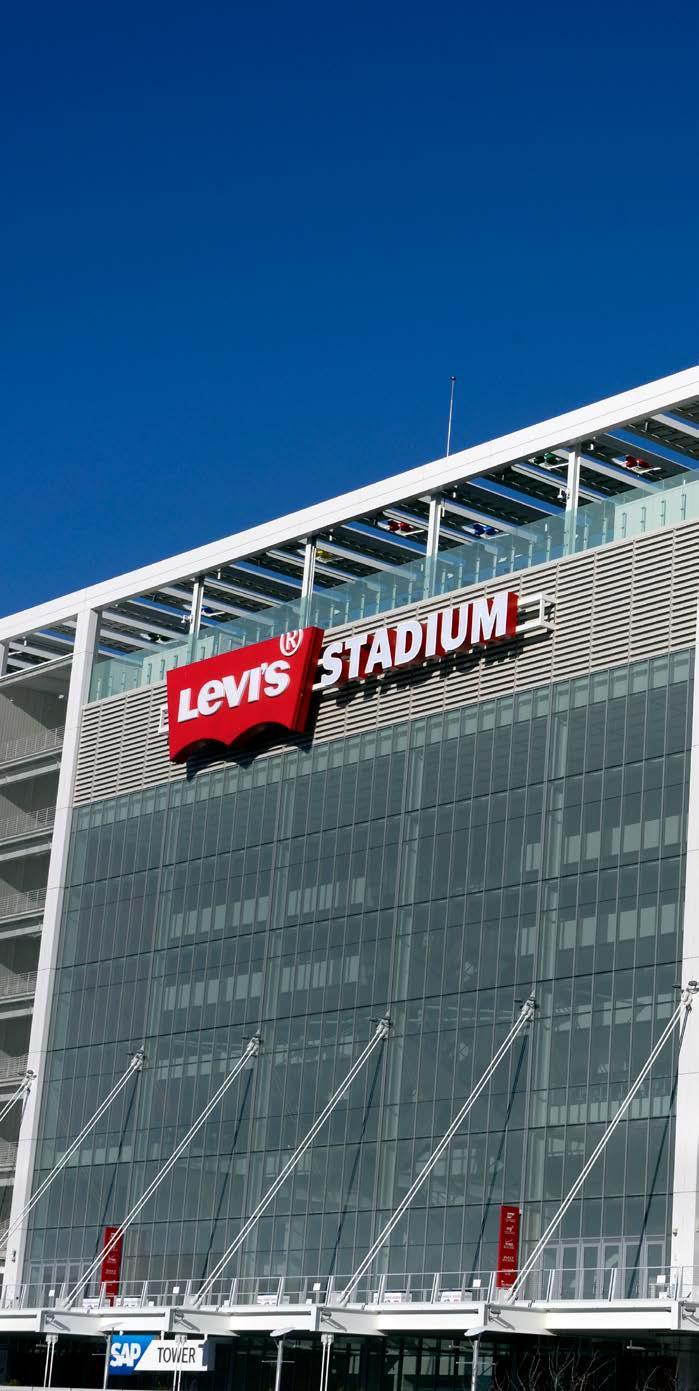
Every February, fans across the United States come together to watch the Super Bowl, an annual sporting event that takes over the social sphere with large gatherings and celebrations, as fans hope to see their team take home the title. The Super Bowl is the conclusion of the National Football League (NFL) season, which has seen teams from across the United States face off in American football matches since September, resulting in a playoff tournament, where the final two teams will face off at the Super Bowl. Today, the Super Bowl is one of the mostwatched television broadcasts in the United States every year, reaching a peak of viewership of 127.7 million fans last year alone. Thus, the Super Bowl has become a sort of sporting cultural moment which sees everyone in the family, from first-time watchers to seasoned fans, hoping their team will make it to the event and be crowned Super Bowl Champions
Despite its vast role across the American sporting sphere today, the Super Bowl is a fairly new competition, following the creation of the American Football League (AFL) in 1960. The AFL was formed by pro football franchises that were frustrated with the NFL’s unwillingness to expand, and so they formed an alternative league, which would bring a new wave of football to the country. This began a long rivalry between the NFL and AFL leagues, which propelled American football into one of the most popular spectator sports in the country. By 1996, the NFL Commissioner Pete Rozelle, and Lamar Hunt, owner of the AFL’s Kansas City Chiefs, reached a merger agreement which would see the two leagues formally joined together. This would see the AFL and NFL champions play each other at the end of the season, in what Lamar Hunt called the ‘Super Bowl’. This quickly was adopted as the moniker for the game, and in 1967, the inaugural Super Bowl game was held.
The first Super Bowl saw the Green Bay Packers and the Kansas City Chiefs play; however, the attention it brought was nowhere near what we see today across America. In fact, the first Super Bowl didn’t even sell out – something you couldn’t
even imagine with today’s stadiums selling out every year. The lack of buzz around the game was largely thought to be due to fans not being used to having to travel to neutral sites for such matches. However, it was Vince Lombardi, head coach of the Green Bay Packers at the time, who led the team to victory at the first two Super Bowl Competitions, which resulted in a rise in popularity for the new event, garnering millions of viewers for the competition, marking the Super Bowl as one of the most-watched sporting events in America at the time.
Today, the Super Bowl is the most-watched televised sporting event in America, which has transformed the event from a sporting competition into somewhat of a cultural moment, where fans from across the country gather to watch the match. Now, due to the event’s popularity, you can see a whole range of Super Bowl-themed anticipation from companies offering Super Bowl discounts to Super Bowl-themed snacks and drinks on social media.
In fact, the anticipation and widespread viewership of the sporting event have drawn attention from companies, film producers and just about anyone hoping to promote their products during the event. This is because the event offers direct market access to consumers watching the game, and so it offers brands a captive audience both at home and in the stadium to market to. Therefore, brands love to capitalise on the audience, and so the adverts during the Super Bowl, as well as trailers and announcements, have become some of the largest talking points aside from the sporting event itself. Today, you can see a whole plethora of adverts during the event, some of which cost millions for just a 30-second slot.
However, it is not just the adverts that draw additional attention to the event; the Super Bowl halftime performance is one of the most highly anticipated aspects of the event. Every year at halftime, the pitch is transformed into a stage where a popular artist will take to the stage, performing for the fans. The performance has seen
the likes of Rihanna and Kendrick Lamar take to the stage in recent years. However, the halftime show has also set the stage for musical greats such as Prince, Aerosmith, and Beyoncé – to name just a few! Every year, the artist performing the Half Time Show is one of the most anticipated aspects of the event, with speculations spanning the year before the act is announced. The upcoming halftime show performer for Super Bowl LX has been announced as Bad Bunny, the first Latino and Spanish-speaking singer to perform as a solo act.
The upcoming Super Bowl LX will be the 60th annual event, with the Seattle Seahawks playing against the New England Patriots. The event will take place at Levi’s Stadium in Santa Clara, California, home to the San Francisco 49ers. Across the entire Super Bowl phenomenon, one thing remains the same: fans love to watch their favourite teams win. Therefore, the Super Bowl is a fun annual event that invites celebration and gatherings with friends and families – regardless of whether your team makes it to the Super Bowl or not!
With an integrated network spanning the ports of Australia, A.P. Møller –Mærsk (Maersk) is now one of the leading shipping companies operating in the country to provide vital shipping and logistics solutions to Australian businesses. Maersk is able to deliver total coastal coverage for businesses both small and large, across the country, thanks to its operations spanning 5 key gateway ports along the Australian coastline. These ports are met with Maersk’s key shipping services that ensure customers across Australia can leverage Maersk’s worldwide network to enhance global trade and connectivity.
Maersk has been operating in Australia since 1993, offering a range of competitive services that ensure the country’s ports remain well-connected across the global shipping sector. In Australia, Maersk brings its expertise as a global integrated logistics company to provide Australian businesses with key supply chain solutions that ensure cargo is supported from its origin to end markets. Across Australia, Maersk provides integrated logistics services which ensure businesses can connect globally through both ocean and inland transportation solutions. These solutions are then supported by customs services and warehousing operations to help enhance service efficiency and keep cargo moving towards its end market.
To ensure that the businesses across Australia have access to Maersk’s vital shipping and logistics solutions, the company has key shipping services operating across 5 key gateways into the country, including Sydney, Melbourne, and Brisbane. In addition to these, Maersk owns warehouse services in Perth and Adelaide. Across these locations,
Maersk Australia
Maersk has key shipping services including the Greater Australian Connect (GAC), Eastern Australia Connect (EAC), and the Western Australia Connect (WAC). These shipping routes are designed to enhance the connectivity of cargo across the country and allow these networks to seamlessly join with Maersk’s international network.
Across its Australian network, Maersk operates 16 vessels which enable weekly services providing direct connection to and from Australia to support global trade. In 2023, Maersk added the Southeast Asia Connect service to its Australian network to bring even more connectivity across the region, connecting Australia with ports in Malaysia. Across all of these networks, Maersk is passionate about enhancing the connectivity of Australia’s shipping network to ensure commodities travelling to and from the country are facilitated by reliable and efficient shipping services designed to enhance global trade.
One of the key ports that Maersk calls at is the Port of Adelaide, located in the South of Australia. The port, just 14km north-west of Adelaide, is an essential link for Maersk’s Australian network,
offering a vital connection to the south of the country via the GAC route. The Port of Adelaide, overseen by Flinders Ports, handles key import and export logistics for the country, with customs brokerage services and warehouse facilities that help enhance Australia’s trade sector. Then on the east coast, Maersk calls at the Port of Brisbane, which has long been a cornerstone of Queensland’s economy. This port is home to one of Australia’s fastest-growing container ports and is the state’s largest multi-cargo port. With a wealth of cargo travelling through the port, Maersk operations to and from the port have long been vital to enhancing Queensland’s economy, keeping businesses and customers’ supply chains seamlessly moving in and out of the state.
The Port of Brisbane has long been key to Maersk’s shipping potential in Australia, and a key reason for this is because of its role in Maersk’s focus on sustainability in the development of its shipping fleet. A key example of this focus on sustainability was seen in October 2025, when Maersk introduced the Brisbane Maersk vessel. The vessel is the 4th Hermes-class series vessel introduced by Maersk into its fleet, and was made in partnership with HY Hyundai Heavy Industries and Everllence. Combining advanced technology and environmental responsibility, the vessel is leading
Over 30 Years of Australian Shipping Solutions
the way towards the sustainable development of the shipping industry. This is because the vessel is equipped with a dual-fuel engine, which is capable of running on bio and e-methanol fuel, making it a more sustainable vessel option. By introducing such a vessel, the Brisbane Maersk can enhance Maersk’s Australian network whilst also delivering on key decarbonisation efforts across its global shipping fleet.
Another key port serviced by Maersk is the Port of Fremantle. The Port of Fremantle is the largest and busiest cargo port in Western Australia. The port is split into two harbours: the Inner Harbour and the Outer Harbour. The Inner Harbour is responsible for almost all container trade in the west of the country, whilst the Outer Harbour is responsible for major bulk cargo as one of the key bulk cargo ports serving the country. Key bulk cargo moved through the Outer Harbour includes grain, petroleum, liquid petroleum gas, alumina, mineral sands, fertiliser, coal, sulphur and other bulk commodities. With such vital commodities being both imported and exported through the port, the Port of Fremantle
LOOKING
today is estimated to handle $3.6 million worth of trade every hour.
Maersk operations also span the Port of Melbourne, which is a hub for containerised, automotive and general cargo. The port serves businesses and customers across Victoria and the south-east of Australia. This port is vital to Australia’s overall trade, as more than a third of Australia’s total container trade is handled at the Port of Melbourne across the port’s 30 commercial berths. The port also includes several key container terminals, including Australia’s largest automotive trade terminal, which sees up to 1000 new motor vehicles pass through the terminal a day. Alongside this are multi-purpose and bulk terminals, which handle containerised, breakbulk, chemicals, grain, cement, and other liquid and dry bulk products.
Other key ports met with Maersk’s key shipping carrier services are Port Newcastle, Port Sydney and Port Townsville. Across these, Maersk operates as a major shipping carrier, connecting Australian businesses globally. Sydney is vital to Maersk’s operation in Australia because this is where the
Maersk Australia
division’s main office is located and is home to key ports for Maersk’s international network. The Sydney office works alongside Maersk’s office in Melbourne to enhance the shipping network of the country. For the ports of Sydney specifically, Maersk provide key international ocean freight services, supported by inland transportation, custom brokerage and local warehousing services to ensure seamless movement of cargo as it enters and exits the country via Sydney. Then, the Port of Townsville has been developing towards the future and is now Northern Australia’s largest container and automotive port. Handling more than 30 diverse commodities, the port is expected to continue to expand its cargo operations over the coming years.
One of the most vital developments for Maersk’s Australia division came in 2023, when the company opened 7 new facilities across the country designed to enhance Maersk’s omnichannel fulfilment capabilities. The facilities, which were implemented in 2024, have vastly expanded Maersk’s footprint in Australia, offering an enhanced logistical landscape
that the company can utilise to provide better service for its customers. Omnichannel capabilities ensure that Maersk has more availability and service, whilst reducing working capital and delivering better efficiency. Plus, omnichannel capabilities ensure that Maersk can utilise more renewable energy sources in its operations, to help improve the sustainability of its operations.
One of the key facilities is the Derrimut Facility in Melbourne, a modern logistics hub which utilises progressive AI to automate warehousing operations, whilst catering to e-commerce fulfilment needs and offering logistics solutions to different industries. Maersk’s Managing Director of Oceania, Kylie Fraser, outlines that “Our expansion throughout Australia is giving our customers a more efficient and sustainable service throughout the supply chain. Australia imports a high volume of consumer goods, and we are excited to be able to continue to efficiently deliver goods while growing our business and contributing significantly to regional economic growth”.
Over
As Faser highlighted in the press release for the new facilities, the expansion of Maersk’s facilities across Australia will enable it to better serve its customers and their shipping and logistics needs, whilst enhancing the sustainability of the entire process through modern and technologically advanced systems. Therefore, the new facilities will ensure Maersk can now offer exclusive offerings that will help reduce costs with more effective warehousing and reduce the amount of time it takes for cargo to reach end markets by placing goods close to their consumer markets.
Across Maersk’s Australian operation, there remains a key commitment to enhancing its network to facilitate seamless and more integrated logistics solutions that cover the entire coastline. From key port operations to vital shipping routes, Maersk has continually expanding its footprint across Australia, and therefore, it is no surprise that the company is now one of the leading shipping companies helping businesses across Australia reach global markets.
Airports Company South Africa
South Africa is a hub for trade and tourism development, and so the country’s airports remain a vital part in delivering transport, goods and economic growth to the region. Thus, to support the airline industry, a key driver of economic development, Airports Company South Africa SOC Ltd. (ACSA) was established to oversee, manage, and develop world-class airports in South Africa, bringing significant social and economic benefits to all sector stakeholders across the country. With the airline industry experiencing increasing demand in recent years, ACSA is poised to deliver vital redevelopment and expansion projects that will connect the airports across the country and promote South Africa as a hub for global connectivity.
ACSA was established in 1993 under the Airport Company Act, No.44, and is mandated to oversee the South African airline industry and aviation sector. As part of this role, ACSA is responsible for the acquisition, establishment and development of airports across the country. Then, ACSA focuses its operations on the provision, maintenance, management and operation of these airports to deliver them as vital hubs for tourism and trade development. The South African Government holds a 74.6% majority share in ACSA, to help shape the function and development of South Africa’s airports for the future.
Today, ACSA owns and operates all 9 of South Africa’s principal airports, which include Cape Town International Airport, O.R. Tambo International, King Shaka International, Bram Fischer International, Chief Dawid Stuurman International, Upington International, King Phalo Airport, George Airport and Kimberly Airport. Thus, with such a vital network of airports under its operation, ACSA has positioned itself as a leader in Africa’s aviation industry, on a mission to be the most sought-after partner in the world for the provision of airport management solutions by 2030.
One of the most significant airports under ACSA is the Cape Town International Airport (CTIA), which is the 3rd largest airport in the country. As the primary airport serving Cape Town, it has gained a reputation over the years as Africa’s premier international award-winning airport, due to its consistent delivery of excellent airport services. Annually, the airport sees a growing number of passengers travelling through CTIA, as more flight routes and direct connections are added to the existing 29 domestic and international airlines that arrive and depart from the airport. Connecting to airlines across the globe, CTIA can be used to access the Middle East, Europe and Asia from its hub at the southernmost tip of Africa.
CTIA is not just a dynamic airport for its growing passenger numbers, but for the significant impact it has on the local economy. With every plane that lands in South Africa, it brings with it a wealth of passengers primed to utilise the port’s facilities, as well as the restaurants, hotels, and retail locations across the capital. Thus, every flight boosts the local economy and, in the process, helps deliver
WHERE AIRPORT CONVENIENCE MEETS
ARRIVE IN CAPE TOWN AND UNWIND INSTANTLY AT AFRICA’S GREENEST HOTEL
Just minutes from Cape Town International, Hotel Verde offers seamless airport convenience without compromising on comfort or conscience. Stay in tranquil, contemporary rooms, enjoy complimentary airport shuttles and experience warm, attentive service from the moment you land.
Surrounded by indigenous wetlands, a jogging trail and a naturally filtered eco-pool, the hotel is a calm, green oasis — perfect for resetting before the city, winelands or your next journey. With sustainability at its core and a boutique wellness spa to complete the experience, Hotel Verde turns every arrival into a restorative, eco-luxury stay.
Hotel Verde – Africa’s Greenest Hotel.
Airports Company South Africa
more job opportunities across these sectors for the local community. Therefore, a key focus for ACSA is on increasing the number of flights coming to the airports, whilst also enhancing airport facilities, as this will help deliver the airport as a thriving hub of socio-economic development.
ACSA is involved in increasing the number of flights at CTIA and improving airline access as part of the Cape Town Air Access Initiative. This initiative is in partnership between 6 government entities, including the Western Cape Government, the City of Cape Town, Cape Town Tourism, Wesgro, Southern African Tourism and ACSA. The private sector partners in the initiatives provide funding towards the project, whilst also offering an advisory role to guide the direction of the initiative. The central operations of the initiative include the establishment of new routes, expanding existing routes, and retaining current routes for the airport. By focusing on developing and enhancing the existing flight routes leaving and arriving at CTIA, these governmental figures, alongside ACSA, are helping to deliver the airport as a thriving hub for aviation services across South Africa.
In 2025, ACSA announced that it would be commencing vital upgrades to CTIA, set to start in
2026. The upgrade, funded by ACSA, will see part of its R21.6 billion infrastructure fund allocated to the development of CTIA. According to Mark Maclean, ACSA Regional Manager, “ACSA has a massive investment programme for the next 5 years, and we require a significant portion of that. We will be building a new re-aligned runway, which is a big project, revamping and extending the domestic terminal and creating additional international and domestic contact stands while expanding the international terminal footprint.” In addition to
Enhancing the Infrastructure of Cape Town International Airport
this, the investment will be used to deliver security upgrades, including a full-body scanner, as well as expansions to its self-service boarding and immigration facilities. All of these are planned to be upgraded with technological improvements in mind, too. These developments are planned to commence in 2026 and are expected to be completed by 2029. As we can see from Maclean’s comments, these development plans will help to vastly increase the footprint of the airport and will be met with leading technological advancements to position CTIA as a leading and advanced airport serving South Africa. With multiple airports under its operations, ACSA draws on its wealth of experience across South African airports to deliver the vital infrastructure and development plans needed to position each airport as a vital destination for long-haul and shorthaul flights. With CTIA as a prime example, ACSA is committed to enhancing its infrastructure to deliver better airport experiences that help maintain its competitiveness in global markets. Through vital investments, ACSA is extending the network of South Africa’s airports, all whilst aligning the
company with the nation’s goals for transformation, sustainable growth and value creation. We look forward to seeing how ACSA’s development of its airports, including CTIA, will continue to improve each airport’s respective operations and work as part of the company’s cohesive approach to delivering success for South Africa’s trade and tourism markets.
A Major Global Energy Development
The Stabroek Block
Over the last few years, Guyana’s energy sector has seen a massive expansion as multiple offshore oil discoveries have been made across the country’s most prolific oilfield, the Stabroek Block. With such a rich resource deposit offshore the country’s coastline, many key players in the global energy sector have been set on enhancing the development of energy resources offshore Guyana, and in the process, cementing the country’s place as a top global energy producer. With now 900,000 barrels of oil per day being produced from the Stabroek Block, the site is home to a major global energy development delivering vital economic growth for Guyana in the process.
The Stabroek Block spans 6.6 million acres and is located roughly 120 miles offshore Guyana. Due to the size and rich deposits already discovered across the block, the oil field provides a wealth of exploration opportunities for oil and gas exploration. Today, Stabroek Block has become one of the world’s premier deepwater oil developments, contributing vastly to global energy development and securing Guyana’s place as a key hub for oil production. The Stabroek Block is operated by a joint venture consortium led by operator ExxonMobil (Esso Exploration and Production Guyana Limited) with a 45% interest in the block, alongside Chevron (Hess Guyana Exploration Ltd. with a 30% interest, and CNOOC (CNOOC Petroleum Guyana Limited) with the final 25% interest. Collectively, the consortium has committed around $60 billion towards developing key sanctioned offshore projects spanning the Stabroek Block, set on delivering vital oil and gas resources for Guyana.
The first major discovery within the Stabroek block was made in 2015, with the Liza-1 well, which became the first of many significant oil discoveries offshore Guyana. The Liza1 discovery encountered more than 295 feet (ft) of high-quality oil-bearing sandstone reservoirs, which were drilled to 17,825ft in 5,719ft of water. Following the development, the Liza Phase 1 Project began, including the development of an FPSO producing more than 120,000 barrels of oil per day with a storage capacity of up to 1.6 million barrels. Today, the project encompasses 4 drill centres, with 17 wells in total. These wells include 8 oilproducing wells, 6 water injection wells and three gas injection wells.
However, just 2 years later in 2017, the Liza Deep discovery was announced, with an appraisal well Liza-3, which identified an additional high-quality, deeper reservoir located directly below the Liza field. This deposit was estimated to contain between 100 and 150 million oil equivalent barrels. By 2022, ExxonMobil and partners in the Stabroek Block commenced the Liza Phase-2 Project, which, much like the initial project, encompassed the development of a second FPSO, Liza Unity, which began production in 2022. This development encompassed a total of 6 drill centres and 30 wells, 15 of which are oil-producing, 9 are for water injection, and the final 6 are for gas injection.
The Stabroek Block
One of the key contractors awarded a contract for the drilling of Liza-1 was Noble Drilling. Noble Drilling, a world-class offshore drilling company, was the primary drilling contractor for ExxonMobil in the Stabroek Block. Across the block, Noble Drilling has 4 ultra-deepwater drillships, including the Noble Bob Douglas, Noble Tom Madden, Noble Sam Croft and Noble Don Taylor, which are Gusto P-1000 design ultra-deepwater drillships that can operate at depths of up to 12,000ft. The rigs are equipped with the necessary advanced drilling system and subsea control technology to facilitate the drilling of ExxonMobil’s oil project across Liza-1 in Guyana. Alongside Noble Drilling, Saipem, a global leader in the energy engineering and construction sector, was also awarded key contracts for the Liza Phase 1 and Phase 2 developments. Saipem, which specialises in the delivery of engineering and construction operations for infrastructure developments spanning large energy projects both onshore and offshore, was awarded the contract for the total engineering, procurement, construction and installation (EPCI) of subsea
flowlines, umbilicals, and risers (SURF) for Liza Phase 1 and Phase 2. Following the completion of this vital development as part of the Liza project, Saipem established a long-term agreement with ExxonMobil under which Saipem went on to complete more complex EPCI and SURF projects across future developments, including the Payara, Yellowtail, Uaru, and Whiptail discoveries.
Saipem’s vital EPCI and SURF infrastructure connects vitally to the Liza Destiny and Liza Unity Floating Production Storage and Offloading (FPSO) facilities. These FPSO vessels were developed by SBM Offshore, deepwater ocean infrastructure experts, providing design, construction, installation and operations of offshore floating facilities. Thus, from the initial development of the Liza Destiny and Liza Unity for the Liza developments, SMB Offshore has continued to be a key partner to ExxonMobil and so has now been responsible for many of the vital FPSO projects across the entire Stabroek Block, including the Prosperity, One Guyana and Jaguar FPSOs.
In fact, the One Guyana FPSO represents one of the most vital developments for the entire Stabroek Block’s
A Major Global Energy Development
development. The One Guyana FPSO is the fourth and largest FPSO unit that SBM Offshore operates in Guyana and utilises the company’s industry-leading Fast4Ward® program, which incorporates a new build, multi-purpose built hull with standardised topside modules. Located at the Yellowtail development, the FPSO is vital to enhancing the total oil production of the Stabroek Block thanks to its initial annual average production of 250,000 barrels of oil per day, with an associated gas treatment capacity of 450 million cubic feet per day and water injection capacity of 300,000 barrels per day.
As we’ve mentioned, there are multiple other vital discoveries and projects ongoing across the Stabroek Block, as today the block is home to 7 key projects, as well as close to 30 different oil discoveries. Some of the most notable projects include Yellowtail, encompassing the One Guyana FPSO, and Whiptail. Yellowtail is the largest project to date within the Stabroek Block and will target 250,000 barrels of oil per day. The development encompasses 6 drill centres, which target Yellowtail and Redtail fields with 51 wells, 26 of which are for
Automated MPD Riser System
heart of the Victus™ Intelligent MPD System is the automated MPD riser system for offshore and deepwater applications. Its integrated, compact, and smart design reduces installation time from 2 days to 20 minutes, resulting in more than 80% faster rig up and rig down time.
The Stabroek Block
production, with 25 for water and gas injection. These developments are tied back to the FPSO One Guyana, set to greatly expand the oil production from Guyana for many years to come.
In November, ExxonMobil announced that production across the Stabroek Block had reached a new milestone, with 900,000 barrels of oil produced daily. This milestone was achieved just three months after the Yellowtail offshore project began, which has also reached its nameplate capacity of 250,000 barrels of oil per day. Speaking on this announcement, Alistair Routledge, President of ExxonMobil Guyana, outlined, “We continue to safely deliver industry-leading performance, providing the oil and gas the world still demands. Guyana’s story is one of continuous achievement because of the close collaboration with the Government of Guyana, our co-venturers, suppliers, contractors, and employees. Together, we are building a world-class energy sector that is delivering significant value for the people of Guyana.” Routledge’s comments here highlight just how valuable all of these key discoveries and the subsequent partnerships with key construction, engineering and development
companies are to help deliver such vital resources for Guyana. As we have seen with key partnerships with the likes of Noble Drilling, Saipem and SBM Offshore, the Stabroek Block is a vital hub for energy development that, in the process, is bringing significant investment to Guyana’s energy sector. With more than $60 billion already invested by the joint venture to develop the 7 government-sanctioned projects in Guyana’s offshore Stabroek Block, the region’s energy sector only continues to expand. This expansion is notably seen with the Whiptail and Uaru developments. The Whiptail project is located within the marine zone of Guyana, and comprises the Whiptail, Pinktail, and Tilapia oil fields. Here, through a multi-phase development, the project aims to deliver 33 to 72 drilling wells, which will feed back into an FPSO through a subsea infrastructure. Once completed, the project aims to see a peak production capacity of 250,000 barrels of oil equivalent per day (boepd) from the FPSO, a gas treatment capacity of 540 million metric cubic feet per day (mmscfd), and 300,000 boepd of water injection capacity. For this development, SBM Offshore has already been awarded the Front-End
Engineering and Design (FEED) contract for the FPSO Vessel alongside the operation and maintenance of the facility. Meanwhile, Stena DrillMAX will drill the Whiptail-1 well, and Noble Drilling’s Noble Don Taylor vessel will drill Whiptail-2.
In addition, the Uaru project is expected to commence production in 2026, following government and regulatory approvals in April 2023. The field is being developed with an estimated investment of £12.7 billion. Once in production, the development is expected to produce 250,000 barrels per day at peak production. Uaru and Whiptail represent the 5th and 6th projects in the Stabroek Block’s development and are each expected to greatly add to the Stabroek Block’s total production capacity once they become operational in 2026 and 2027, respectively.
The final and 7th project in the Stabroek Block will be Hammerhead, which will see an additional 150,000 barrels of oil per day for the block once it starts production in 2029. Currently, MODEC is in charge of the full EPCI scope for the FPSO, which will be deployed at the Hammerhead development. Saipem announced in September 2025 that it had received authorisation from ExxonMobil Guyana
A Major Global Energy Development
to proceed with the execution of EPCI activities for the development of SURF structures for the production facility and the gas export system. With the development of Hammerhead by Saipem, the company confirms its commitment to Guyana and strengthens its presence and relationships with the Stabroek Block’s joint-venture consortium owners. Thus, the Hammerhead development represents a vital future project for the Stabroek Block, which will continue to see the region’s energy potential expand over the coming years.
With such vital energy partnerships and discovery projects spanning the Stabroek Block, it’s clear to see that this is a key energy development not just for Guyana but for the global energy sector. With the entire block now producing 900,000 barrels of oil a day, and with more developments set to come online over the coming years, the Stabroek Block is one of the world’s most exciting developments for oil and gas resources. We look forward to seeing how the Stabroek Block will continue to expand and deliver vital energy resources for Guayana and, in the process, cement the country’s place as a hub for global energy development.
• 100% Guyanese female-owned Maritime and Oil & Gas Training Institution.
• ISO 9001:2015 Certified
successfully continues to train and certify numerous persons associated with the maritime industry of Guyana and around the Caribbean and has earned a reputation for “promoting excellence through maritime training” throughout the delivery of this vital service. On average, in excess of one hundred and fifty (150) participants spanning both the deck and engine room departments are certified each year.
• HSSE Certified
• Training Maritime Professionals since 1999
• Quality Training & International Certification Guaranteed
Kenya Tourism Board
Home to breathtaking views, rich culture and an extraordinary array of wildlife, Kenya is a highly sought-after tourist destination that saw over 2.4 million visitors arrive in the country in 2024. With such an influx of tourists every year, the tourism industry of Kenya contributes significantly to the local economy and thus is a vital contributor towards the country’s overall Gross Domestic Product (GDP). Therefore, with tourism playing such a vital role in the economy, the Kenya Tourism Board (KTB) was established to help develop, implement, and coordinate the national tourism strategy of the country, and deliver Kenya as the destination of choice for tourists all over the world.
KTB was established in 2011 as a state corporation regulated under the Tourism Act, with the central goal to market Kenya as the ideal all-year-round destination where you can experience the beauty of what the country has to offer. To achieve this, KTB is focused on overseeing and implementing the National Tourism Market Strategy of Kenya. This strategy is a multifaceted approach which is focused on developing the tourism industry, whilst also boosting the agricultural exports of Kenya and increasing the digital transformation of Kenya through e-commerce. In achieving this, KTB hopes to promote Kenya as a year-round, sustainable and highly sought-after tourist destination, bringing new and returning customers to the country every year.
KTB are vital to the development of the National Tourism Market Strategy, with its function dedicated to marketing Kenya on a local, national and international level as the premier destination of choice. To continually promote Kenya, KTB is focused on identifying tourism market needs
Plan Your Trip with Pollant Travels
We are trusted by clients and have a reputation in the industry for providing the best services. Pollant Travels and Expedition Ltd is a tour company that specializes in offering wildlife safari, adventure, cultural and beach holiday experiences in Africa.
Offering a single efficient platform where one may explore all available travel opportunities.” We strive to provide the highest level of client satisfaction by offering a variety of services at the most competitive costs. pollanttravels.com was founded with the goal of empowering travellers all around the globe.
provide the following services in East Africa;
Kenya Tourism Board
and trends, which it can then work alongside its stakeholders and governmental figures to deliver on. Across its entire operation, KTB is passionate about positioning Kenya as the most visited tourist destination in Africa.
A key facet of KTB’s operations is ‘Magical Kenya’, which is a slogan used for the country’s tourism marketing. This phase is designed to highlight the magical experience that Kenya has to offer across its diverse array of travel experiences beyond just safaris and beaches. It’s clear that for Kenya, one of the most significant avenues of tourism is wildlife tourism, driven by the national
For adventure, tourists can experience everything from mountain trekking to hot air balloons or waterbased sports in the Rift Valley. Then, for culture and heritage tourism, tourists can experience rich and immersive experiences that showcase the country’s diverse ethnic groups, historical landmarks and unique traditions. Ultimately, Kenya offers so many different and unique experiences, making it the perfect destination for all types of tourists, and this is something KTB are passionate about promoting across the global tourism market, whilst supporting the people who live and work across Kenya in the process.
One of the key roles of KTB is to work with key stakeholders across the tourism sector to help
Kenya Tourism Board
in Kenya, in order to promote many of the lesserknown destinations across the country. Through joint marketing campaigns, KTB and TOSK will be able to leverage traditional and digital platforms to attract domestic and international travellers. This partnership aims to open new opportunities for joint promotion and growth for the sector, as outlined by June Chepkemei, CEO of KTB, in the announcement: “This partnership formalises and solidifies our long-standing collaborative efforts. We have jointly undertaken numerous initiatives and programs, and we will continue to work together synergistically, as it is crucial for us to tap into the vast potential of Micro, Small, and Medium Enterprises (MSMEs) within the sector.”
Chepkemei continues, “Our tour operators are at the forefront of promoting Kenya as a destination therefore this pact creates a framework for us to work closely with TOSK, leveraging their expertise in identifying hidden gems across the country and beyond that, supporting upcoming entrepreneurs in the tourism sector.” These comments by Chepkemei highlight just how vital this partnership is to businesses
working across Kenya to deliver a greater influx of tourism to support local businesses economically, whilst recognising the sought-after beauty that Kenya has to offer. Furthermore, this partnership will continue to develop training and capacity-building programs to support TOSK members in order to enhance the service delivery and the growth of businesses. These will then be even better placed to serve the growing local and international tourism industries of Kenya for many years to come.
To promote tourism in Kenya, KTB also recently attended the annual Zambian Travel Expo (ZATEX). Every year, ZATEX brings together exhibitors from across both local and regional tourism sectors, as well as National Tourism Organisations (NTOs), government agencies, conservation groups, nongovernmental groups, investors and hosted buyers from across international markets to promote tourism within their respective countries. Many of these represent both small and medium-sized businesses that are at the heart of Africa’s tourism industry. For KTB, ZATEX provides the perfect setting for which it can deepen its collaboration
within Africa’s tourism ecosystem and highlight the ‘Magical Kenya’ spirit.
Commenting on KTB’s presence at ZATEX 2025, Chepkemei outlined, “We are aware of the immense potential that lies in leveraging collaboration and our participation in ZATEX is part of a continuing MOU made between Zambia and Kenya. We will continue to partner in ensuring that the private sector on both ends and partners national carriers Zambia Airways and Kenya Airways can close any gaps that can give both destinations more arrivals. The EXPOs are a perfect platform to build the bridges we need for our destinations.” Chepkemei’s comments here highlight just how valuable networking is for KTB to allow it to work together with other countries and tourism key figures to develop the tourism industry of Kenya alongside those across Africa in the process. This collaborative effort helps to strengthen marketing initiatives between countries and will hopefully be a fundamental step in helping KTB achieve 5 million tourists to Kenya by 2027.
As KTB looks towards the future, the tourism industry of Kenya looks set to vastly expand over the
Promoting Tourism in Kenya
coming years. With goals to reach 5 million visitors to the country by 2027, KTB is primed to enhance Kenya’s tourism industry through its networking, promotion and partnership operations. With so many different aspects drawing tourism from across the world, KTB exhibits the ‘Magical Kenya’ spirit, highlighting for every tourist across the world why Kenya is the destination of choice.
REDO SAS: Engineering with Technology and Innovation
RevexLiner®, flexible piping solutions, and high-performance composite systems
REDO SAS is a Colombian engineering company focused on the rehabilitation, protection, and life-extension of pipelines across various sectors. As a technology-driven company, we integrate cutting-edge innovations into our solutions, working in collaboration with university research centers Our flagship product, RevexLiner®, incorporates advanced nanotechnology, alongside Go-Wrap, to deliver enhanced performance. This combination of engineering and innovation allows us to offer efficient, reliable, and sustainable alternatives that minimize pipeline replacement and optimize execution timelines.
Sede UIS Guatiguara, Piedecuesta, Santander, Colombia
Tel +57 3186229794 Email: admin@redosas.ing www.redosas.com
RevexLiner®: Nanotechnology-Enhanced Flow Rehabilitation and Corrosion Mitigation for Pipeline Systems
RevexLiner® is REDO SAS’s nanotechnologyenhanced internal pipeline rehabilitation solution designed to restore hydraulic continuity and operational integrity in lines impacted by corrosion and wall-loss It provides a durable internal barrier that mitigates further corrosion, extends service life, and reduces the need for full replacement and extended shutdowns
Flexible RTP Pipe: Field Efficiency and Route Adaptability
As a complement to its rehabilitation solutions, REDO SAS deploys flexible RTP piping where a more efficient alternative to rigid pipe is required. The system enables faster sub-ducting installations, with fewer joints and improved adaptability to existing alignments This approach is particularly effective in projects with limited access, tight bend radius, and constraints on civil works, improving field productivity while reducing installation risk
Go-Wrap: A Nationally Developed Solution for External Pipeline Reinforcement
One of REDO SAS’s most recen applied reinforcement system f wrap was conceived as a tech service life without the need integrating academic expertise, adapt to different pipe diameters and varying levels of damage, making it an efficient alternative for asset integrity management in critical infrastructure.
One of REDO SAS’s most recent advancements is the development of Go-Wrap, Colombia’s first externally applied reinforcement system for pipelines affected by corrosion. This nanotechnology-enhanced composite wrap was conceived as a technical solution to structurally reinforce deteriorated pipelines, extending their service life without the need for replacement Go-Wrap represents a milestone in national innovation by integrating academic expertise, technological development, and industrial application. Its design allows it to adapt to different pipe diameters and varying levels of damage, making it an efficient alternative for asset integrity management in critical infrastructure.
Executed Projects and Applied Expertise
d through high-demand red in-service pipelines, d addressed complex rnational presence, 2025 cution such as: a 6" flowline from the etroecuador.
REDO SAS’s track record is demonstrated through high-demand projects where its technologies have restored in-service pipelines, optimized installation configurations, and addressed complex corrosion and integrity challenges. With international presence, 2025 has included key projects currently under execution such as:
The installation of an RevexLiner in a 6" flowline from the Gacela-H section to Gacela Station for Petroecuador. The supply and installation of flexible RTP piping and accessories for Ecopetrol’s Ceibas Project. Engineering design, technical specification, and installation services for liner rehabilitation of a 14" steel pipeline for Sierracol
xible RTP piping and ct.
ation, and installation 14" steel pipeline for
ty to deliver technically demanding hydraulic, ons
These deployments reflect REDO’s capability to deliver technically robust, field-proven solutions under demanding hydraulic, mechanical, chemical, and operational conditions
Witznitz Energy Park: One of Europe’s Largest Solar Projects
Written by Carley Fallows
Solar energy is a vital renewable energy source for the future, and so many companies across the world are developing energy fields and projects that can harness solar energy and turn it into power to fuel our everyday lives. One of the most significant projects of its kind in Europe is the Witznitz Energy Park in Germany, which has an installed capacity of 650 megawatts (MW), making it one of the largest solar installations in Europe
The Witznitz Energy Park, owned by Hansainvest Real Assets, is located in the Saxony Province of Western Germany, covering an area of 500 hectares. Across the site, which was previously used for mining, the park spans 11 million solar modules. This shift from mining to renewable energy reflects the global shift away from fossil fuels and towards renewable energy options. Thus, the park is a regeneration project focused on delivering vital sustainable energy for the future. Across its modules, the solar park has a generating capacity of 650MW, which enables it produce around 600 gigawatt-hours (GWh) of electricity annually. This output can supply around 200,000 households across Western Germany and significantly support the local energy independence of the region and enhance its grid reliability.
The Witnitz Energy Park was completed in 2024, following 2 years of construction, which employed 500 workers across the project. The park uses JinkoSolar Tiger Neo photovoltaic modules in an east-west alignment, which add to the park’s 3,500 Delta M125HV model inverters and 207 transformer stations. In fact, the facility has a pioneering dual innovation for solar power generation as it injects electricity directly at an extra-high voltage to maximise transmission efficiency and minimise
energy loss over long distances. Electricity produced from the Witznitz Energy Park will be fed into an overhead transmission line through a specially constructed transformer station, which includes two 110 kilovolt (kV) transformers and two 380kV transformers. This network ensures a stable and reliable transmission of energy, ready to feed into a wider energy network.
The Witznitz Energy Park owners, Hasainvest Real Assets, have secured a 15-year power purchase agreement with Shell Energy Europe, which will cover 600MW of the facility’s energy generation capacity. Plus, Shell Energy has committed to supplying 323MW of power from the Witznitz Energy Park to Microsoft. This will help Microsoft develop its sustainability goals, supported by the renewable energy produced from the solar park.
Overall, the Witznitz Energy Park highlights a vital development set on transitioning the world away from fossil fuels and toward renewable energy sources. With countries and businesses across the world on a mission to hit net zero carbon emissions by 2050, vital renewable energy projects such as the Witznitz Energy Park are going to play a key role in meeting these goals whilst maintaining a reliable, efficient and stable network of energy to power our everyday lives.
Tanzania has long been a hotspot for tourism across Africa, thanks to its diverse wildlife, breathtaking landscapes and historic towns. For this reason, over 2 million tourists ventured to Tanzania in 2024, a significant increase from previous years. In fact, the United Nations Tourism Body announced Tanzania as one of the fastest-growing African destinations for tourists in 2024. With tourism numbers rising across the country, it is no surprise that today the tourism sector is a key economic driver for Tanzania. Thus, to oversee such a vital and growing industry, the Tanzania Tourist Board was developed, with a central vision to deliver Tanzania as the leading and preferred tourist destination in Africa.
The Tanzania Tourist Board (TTB) was established in 1962 as a government organisation mandated to promote and develop all aspects of Tanzania’s tourism industry. In doing so, TTB aims to utilise modern and relevant tools to achieve a high level of socio-economic development in Tanzania, through the promotion, research and development of the country’s tourism sector. TTB’s central role focuses on the advertisement and promotion of Tanzania as a tourism destination of choice, and one of the ways it achieves this is through the development and marketing of the country’s diverse attractions to draw an increasing number of tourists across the world to experience the delights that Tanzania has to offer.
Furthermore, to ensure the entire tourism sector is up to date and remains competitive within global markets, TTB undertakes key research, experiments, and operations to improve the basis of the tourism industry in Tanzania, whilst also collecting all relevant information for the purpose of carrying out its functions and making Tanzania a leading tourism hub. Thus, TTB are passionate about understanding the importance and economic benefits of the tourism industry, especially amongst local stakeholders and governmental figures, to ensure that Tanzania continues to see the vast economic benefits the tourism industry provides for the country.
With such a pivotal role over Tanzania’s tourism sector, TTB is overseen by a Board of Directors who are appointed every three years. The chairman of the board is appointed by the President of the United Republic of Tanzania, whilst the directors are appointed by the Minister for Natural Resources and Tourism. Thus, with a governing body, TTB can ensure that decision-making and development initiatives are working towards the overarching mission to promote sustainable tourism both on a domestic and international level. By achieving this, TTB can help the tourism sector significantly and positively impact the social and economic development of Tanzania.
Tanzania is home to so many exciting attractions, landscapes and amenities that bring tourism from across the world. One of the most notable attractions to Tanzania is the country’s rich wildlife, and so the country’s national parks. A significant
national park is the Serengeti National Park, where the annual Great Migration of Wildebeest occurs, alongside safaris to spot the ‘Big 5’ animals, including lions, leopard, elephants and American buffalo. These safari tours as vastly popular, drawing tourists from across the world to encounter these animals up close and in their natural habitats. However, aside from wildlife, the landscape of Tanzania is vast, with Mount Kilimanjaro, the highest free-standing mountain in the world. Here, Mount Kilimanjaro alone brings vast numbers of tourists hoping to complete multi-day treks and day hikes to experience the impressive size and scenery that the volcano has to offer.
Aside from wildlife and hiking tourism, Tanzania is also home to some of the most spectacular beaches and idyllic islands in Africa. With the coast bordering the Indian Ocean, tourists can experience crystal clear waters, white sandy beaches and the tropical sun along the country’s coastline. Here, tourists can participate in diving and snorkelling adventures, explore the historic Stone Town, and catch a glimpse of untouched coral reefs at the Mafia Island Marine Park.
Tanzania is also home to rich cultures and traditions, with over 120 ethnic groups across the country. Each group offers their own unique customs,
music, dance and art that tourists can experience. From the Maasai people, known for their beadwork, story telling and dances, to the Chagga located on the slopes of Mount Kilimanjaro, known for their agricultural skills and traditional banana beer brewing, tourists can experience the wide variety of rich cultures across Tanzania, each of which has a deep connection to history, land and community.
In recent months, TTB highlighted its commitment to blue tourism in Tanzania. Blue tourism focuses
TANZANIA
JOURNEYS
Balloon Safaris
Kili Villa — where luxury, nature, and the spirit of Africa become one.
THE BEST START AND FINISH OF A SAFARI IN TANZANIA
Your Private Retreat in Tanzania
Experience the elegance and tranquility of Kili Villa, where timeless African beauty meets refined luxury. Set on a private wildlife estate just outside Arusha — the gateway to Tanzania’s most iconic national parks — our villas and lodge offer a serene beginning or end to your safari adventure.
Wake to the soft sounds of the bush and the sight of Mount Meru and Kilimanjaro on the horizon. Spend your days immersed in nature — ride on horseback through the estate, play a round on Tanzania’s only championship golf course, or unwind by the shimmering pool with a handcrafted cocktail in hand.
Each villa features spacious en suite bedrooms, complimentary Wi-Fi, and a private chef, ready to craft everything from fresh breakfasts to elegant dinners beneath the stars. Evenings unfold with sundowners by the fire, the scent of acacia wood in the air, and the distant call of the wild.
Located just 45 minutes from Arusha and Kilimanjaro International Airports, and only moments from Arusha National Park, Kili Villa offers effortless access to Tanzania’s wonders — yet feels a world away from it all.
For Reservation details visit www.kilivilla.com
Two
Hills, One Goal.
Rhotia Valley - where comfortable
TRAVEL DIFFERENTLY, TRAVEL BRILLIANTLY
Perched atop a scenic hill in rural Tanzania, Rhotia Valley Tented Lodge offers an intimate safari escape on the famous Northern Safari Circuit, in Rhotia, near Karatu. We’re perfectly located on the edge of the Ngorongoro Crater, just a short drive from Lake Manyara, Tarangire, and the legendary Serengeti National Park.
With only sixteen luxurious en-suite tented safari houses, the lodge blends comfort, charm, and adventure. Wake up to breathtaking views of the Ngorongoro forest, vibrant local villages, and the terraced fields of local farmers — a true taste of authentic Africa.
While living the safari adventure of a lifetime, you’re also making a real difference. A large portion of the profits from your stay go directly to our Children’s Home and two local schools in Rhotia, supporting orphaned children and their education.
By choosing Rhotia Valley Tented Lodge, you’re not just enjoying an unforgettable holiday — you’re changing lives.
Tanzania Tourist Board
Hatari Travel
Where the wild meets the mindful. Hatari Travel offers a distinctive, eco-conscious safari experience in northern Tanzania, between Mount Kilimanjaro and Mount Meru. Combining deep immersion in nature with locally inspired cuisine and design, its two main properties – Hatari Lodge, set on the edge of Arusha National Park, and Shu’mata Camp, a tented retreat in the Maasai Steppe – invite you to slow down and reconnect with the landscape through walking safaris, canoeing, and guided drives. Rooted in a philosophy of balance and respect, Hatari partners closely with local Maasai communities and sources food, furniture, and crafts from regional artisans and farmers. This commitment extends to their environmental ethos, ensuring that operations blend harmoniously with the surrounding wilderness.
Dining at Hatari reflects the same values: meals are crafted from local ingredients that celebrate the region’s natural bounty. The overall experience emphasizes mindfulness, authenticity, and connection – not just wildlife viewing, but being truly present in the wild.
Remote yet accessible, Hatari Travel embodies sustainable luxury for travelers seeking a meaningful, culturally grounded safari that nurtures both people and place.
Website: https://hatari.travel/
GET IN TUNE WITH
Between two majestic mountains, find your perfect pace. At Hatari.Travel, we merge deep immersion in untouched nature with cuisine drawn from the same source. A journey designed to slow you down, and profoundly renew you. Our two beautiful destinations in northern Tanzania combine safari history with contemporary comfort. Visit hatari.travel to plan your experience.
on the development and promotion of marine resources and ecotourism for the well-being of the country and the local communities in which this type of tourism interacts. In September, TTB participated in the National Blue Economy Stakeholders Forum, which has an overarching theme of ‘Our Ocean, Our Opportunity’. The forum brought together over 250 stakeholders across the sector, including various institutions and partners, focused on blue tourism and its role in strengthening the tourism value chain.
At the event, the Director General of TTB, Mr Abdilahi Ameir, TTB Marketing Officer delivered a presentation focused on blue tourism and its role in strengthening the tourism value chain in Tanzania. As part of his presentation, the Director General highlighted TTB’s commitment to implementing strategies to develop and promote blue tourism so that marine resources can fully contribute to the national economy and the well-being of local communities. The event not only provides essential networking opportunities for TTB to promote Tanzania’s tourism sector, but also solidifies the Board’s commitment to developing blue tourism that protects the long-term health of marine and coastal environments to see this sector continue to be a thriving aspect of the country’s overall tourism offerings.
TANZANIA
Best Destination in Africa
Tanzania Tourist Board
ZAGAS EXPLORER
“Not all wonders are lost” let the wonders of Africa touch your soul by visiting East Africa”.
Zagas Explorer is a world-class, eco-friendly tour company based in Zanzibar, Arusha, and Kampala, offering unforgettable travel experiences across East Africa. From gorilla trekking in Uganda and iconic safaris in Tanzania and Kenya to relaxing on Zanzibar’s white sandy beaches or climbing Mount Kilimanjaro, we bring Africa’s most breathtaking destinations to life.
We specialize in tailor-made journeys for honeymoons, weddings, safaris, family holidays, conferences, and adventure travel—designed to match your dreams, interests, and budget. With deep local knowledge and personally inspected accommodations, we handle every detail so you can focus on enjoying the real African adventure.
Travel with Zagas Explorer and discover the hidden beauty of East Africa with confidence and exceptional service. zagasexplorer.com
Discover
the
Beauty
of
East Africa with Zagas Explorer
Visit zagasexplorer.com today to book your trip of a lifetime!
EXPERIENCE ICONIC AND EXPERIENTIAL TRAVEL TO TOP DESTINATIONS IN EAST AFRICA.
Experience the very best of East Africa with Zagas Explorer, a world-class, eco-friendly tour company based in Zanzibar, Arusha, and Kampala. From gorilla trekking in Uganda and iconic safaris in Tanzania and Kenya to relaxing on Zanzibar’s white sandy beaches or climbing Mount Kilimanjaro, we create unforgettable journeys tailored just for you.
EXPERIENCE ICONIC AND EXPERIENTIAL TRAVEL TO TOP DESTINATIONS IN EAST AFRICA. TANZANIA | KENYA | RWANDA | UGANDA
Enhancing Tanzania’s Tourism Sector
Across TTB’s operations, there is a real focus on enhancing the existing facets of the country’s tourism sector to position the country as a highly sought-after destination for tourists both on a local and international level. From its promoting, researching, development and networking, TTB are providing the tourism industry with a reliable backbone that can help position the country as a destination of choice. Therefore, across every aspect of its operations, TTB is able to promote tourism across Tanzania, and in the process bring significant social, economic and environmental development for the country.
Where Adventure Takes Flight
A balloon safari with Serengeti Balloons Safaris is designed to fit with almost all safari itineraries to Serengeti, Ruaha and Tarangire National Parks. Every moment spent soaring with us is meticulously crafted to ensure it leaves you with cherished memories that will last a lifetime.
Rwanda Development Board
Rwanda is home to impressive landscapes and a diverse range of industries that contribute to the country’s economic development. Thus, Rwanda is seeking to become a dynamic hub for business, investment and innovation, helping to advance the country’s vision of becoming a high-income country by 2050. This development is supported by the Rwanda Development Board (RDB), which is seeking to fast-track Rwanda’s development through private sector growth. RDB is committed to providing the essential framework and support to enable such vital growth for Rwanda.
RDB is a government institution mandated to advance Rwanda’s economic development, largely through private sector growth. The Board operates under the supervision of the Office of the President and is governed by RDB’s board of directors, which is made up of global entrepreneurs and experts. Collectively, these support RDB in delivering Rwanda as a hub for economic development, whilst in the process cementing the role of RDB as a remarkable institution. Today, RDB is a one-stop shop for business and investment, focused on offering vital services such as business and investment registration, visa facilitation, EIA, tax incentive management, as well as investment promotion and negotiation, export and SEZ development, tourism and conservation, and private sector skills development. Agriculture, industry and services account for a significant portion of Rwanda’s economic development. In 2024, the country’s GDP grew by
8.9%, of which the industrial and services sectors played a key role. In fact, the services sector alone remained the largest contributor to the country’s GDP growth in 2024, accounting for 48% and including wholesale and retail trade, transport activities, as well as hotels, restaurants, information and communication services, financial services, public administration services, education services and health services.
Meanwhile, agriculture contributed 25% to the increase in GDP in 2024, spanning food crop production, which saw good harvests across both agricultural seasons. Then, the final contributing sector for the GDP increase was across the industry sector, which contributed 21%. In this sector, mining and quarrying saw an increase, along with construction and manufacturing operations. With such a vast array of sectors playing a key role in enhancing the country’s overall economic development, it’s no surprise that these are key sectors that RDB is focused on supporting for longterm growth for the country.
With investment being a central way to develop Rwanda’s economy, RDB’s Investment Marketing and Facilitation department is focused on showcasing the variety of investment opportunities across the country’s sectors. To achieve this, the division supports all aspects of investment, from finding potential investors to facilitating the meeting of investors. Alongside this, RDB attend and supports conferences, roadshows, and networking sessions that are vital to enhancing the overall increase of investment into the country. One of the division’s largest focuses is on prospective investors in the agriculture and agribusiness, construction and real estate, energy, finance, ICT, infrastructure, manufacturing, mining and tourism sectors. Thus, to further support RDB’s investment networking ability, the Board also has investment teams abroad, as well as in its offices in China, Canada and Turkey. Collectively, these all help to encourage global and local investment in Rwanda to deliver the country as a hub for economic growth.
One of the key sectors currently accelerating Rwanda’s development is the tourism sector. The tourism sector brings millions of visitors to the country every year to experience the stunning
Advancing Economic Development
& Chimpanzee Trekking
Rwanda Development Board
landscapes, national parks and welcoming culture. For RDB, an increase in tourism brings with it significant economic benefits that support people and businesses across the country. In addition, the tourism sector also allows RDB to promote investment into the country, and so through Visit Rwanda, the Board’s tourism-focused arm, it can promote the country’s excellent investment climate, robust and pro-business government, fastgrowing economy and vital access to key markets across East Africa.
In September 2025, Visit Rwanda announced a multi-year sponsorship agreement with the Los Angeles Rams, SoFi Stadium and Hollywood Park. The agreement will see Visit Rwanda sponsor both the LA Clippers and the Los Angeles Rams, which marks the first time an African tourism brand has established such a sponsorship across both the National Basketball Association (NBA) and the
National Football League (NFL) in the United States. The Visit Rwanda brand will be the exclusive jersey partner sponsor of the Clippers, as well as the coffee sponsor of the Intuit Dome. Furthermore, the Visit Rwanda brand will be the exclusive sponsor logo on all game and practice jerseys, both at home and on the road. As the official tourism sponsor of the Clippers, Visit Rwanda aims to help support the team’s effort to deliver youth development and promote basketball globally. Thus, the multi-year engagement will include community activations in both the Los Angeles area and in Rwanda, which will include court refurbishments and coaching clinics.
Commenting on the agreement, Jean-Guy Afrika, CEO of the Rwanda Development Board, outlined, “Sports connects people, uniting communities through shared values of excellence and aspiration. Through sponsorships with the LA Clippers and LA Rams, Rwanda and Los Angeles unite to promote
Advancing Economic Development
the spirit of the game.” Jean- Guy Afrika continues, “This engagement enables us to export Rwanda’s unrivalled natural beauty and extraordinary biodiversity to the people of Los Angeles as well as NBA and NFL fans everywhere.” As RDB’s CEO outlines, by partnering with such vital organisations such as the NBA and NFL, Visit Rwanda, and in the process the Rwandan Development Board, can encourage tourism to Rwanda to highlight its role both within the sports world, and then across the country, highlighting everything that the country has to offer.
This agreement comes following the eightseason partnership between Visit Rwanda and Arsenal football club, which is set to conclude in June 2026. The partnership between Visit Rwanda and Arsenal has contributed to the promotion of conservation and sustainable tourism, whilst inspiring millions of football supporters to discover
Rwanda as a highly sought-after tourism destination. In fact, visitor arrivals reached 1.3 million in 2024, with tourism revenues rising to USD $650 million, a 47% increase since the partnership began. However, in November, Visit Rwanda and Arsenal mutually agreed to conclude the partnership, which is part of Visit Rwanda’s broader strategy to diversify its global sports partnerships, and with this expand into new markets.
What we can see across RDB, and especially its Visit Rwanda tourism sector, is a keen focus on highlighting what Rwanda has to offer, to encourage both social and economic development, which in turn will hope to continue to draw investment into the country. With the country’s GDP continuing to rise as industries continue to expand, we look forward to seeing how RDB will continue to spearhead the country’s development towards its goal to become a high-income country by 2050.
Turks and Caicos Airports Authority
The Turks and Caicos Islands are an idyllic destination, seeing a great number of tourists descend onto its shores to experience the luxury resorts, impressive landscapes and local cuisine that the islands have on offer. Therefore, tourism remains one of the key drivers of economic development for the country. Thus, to help transport many of the tourists to the island, the aviation industry is vital to supporting the tourism sector and, in the process, the local economy. For this reason, the Turks and Caicos Airports Authority (TCIAA) was established to oversee the airports of the Islands and help them deliver them as world-class airports ready to deliver leading airport operations and development.
Established in 2006, TCIAA is the statutory body that controls and manages the 6 public airports within the Turks and Caicos Islands. Operating with a forward-looking and proactive approach, TCIAA oversees the planning, development, redevelopment, construction, administration, control and management of the port. Some of the key roles for the Authority are to maintain runways, taxiways and terminal buildings, provide Border Control Services, deliver air navigation and air traffic control services, whilst overseeing the safety and regulation of the airports in line with government legislation.
The hub for TCIAA’s operation is in Providenciales, where the Howard Hamilton International Airport, previously the Providenciales International Airport, operates. The airport is vital to TCIAA as it is where the bulk of the Islands’ regularly scheduled international flights arrive, and so is often seen as the ‘gateway’ to the Turks and Caicos Islands. Providenciales is the most well-known island in Turks and Caicos, with tourists arriving on the island to experience the hotels, restaurants and attractions, or, to then move to other Islands which do not cater to international flights. Regular flights to Providenciales include those from London, New York, Washington D.C., Miami, Toronto, Boston, Chicago, Dallas, Philadelphia and Atlanta.
One of the other central airports operated and managed by TCIAA is the JAGS McCartney International Airport in Grand Turk. The airport focuses on domestic flights, allowing locals and tourists alike to hop between the islands easily. These services are supported by airlines including interCaribbean and Caicos Express, which facilitate flights between Providenciales, South Caicos and Salt Cay. The other airports under TCIAA include the Norman B. Saunders Sr. International Airport in South Caicos for domestic flights, Clifford Gardiner International Airport in North Caicos, Eric Arthur Airport in Middle Caicos, and Henry Leon Wilson Airport in Salt Cay. Across these 6 airports, TCIAA supports and develops the region’s economy, the largest through tourism, with more than 200,000 tourists arriving at the islands annually.
Dwayne Gardiner, Executive Chairman, outlined in his chairman’s message on the Authority’s website that ‘We at the TCIAA understand the importance of the Authority and the six airports under its control as a catalyst for national development, particularly in the areas of tourism growth and international trade relations. Like many of our regional counterparts, air travel is directly connected to and predominantly
drives our community’s main sources of revenue. Therefore, in our management practices, we continue to strive to promote a culture of honesty, integrity, transparency, creativity, and excellence”. Gardiner’s message exemplifies how vital TCIAA is for national development across Turks and Caicos, and under its authority, the airports can deliver vital tourism and international trade relations that bring significant economic benefits to the region.
One of the most valuable parts of TCIAA’s operations is the development and redevelopment of the Islands’ airports to constantly meet the demand of passengers travelling through them. In May 2022, TCIAA outlined the Howard Hamilton International Airport Redevelopment Project to expand the infrastructure of the airport, to increase the terminal capacity and add new taxiways and a new passenger terminal building. The project was awarded to ALG Transport & Infrastructure Advisors PLC upon the culmination of an open tender exercise.
The development could see over 1.2-2 years the implementation of a new turn pad airside, an increase in the apron size to 282,000 square feet (sq. ft) and the expansion of the existing passenger terminals by 26,7000 sq. ft. This expansion hopes to increase the terminal capacity from 0.9 million passengers to 1.11.6 million passengers, as well as expand the surface area of the port to include a new car parking capacity and improve the overall access of the port. This vital development project at the largest airport in Turks
and Caicos provides the Authority with the ability to enhance the place of the airport as a key tourist destination with the necessary infrastructure and development to meet the needs of its passengers today and in the future.
In addition to the development of the Howard Hamilton International Airport Redevelopment, TCIAA is also working towards the construction of a new terminal at both the South and North Caicos airports, whilst revitalising the JAGS McCartney International and Salt Cay airports. Plus, TCIAA has been investing in the construction of a modern administration building, a new fire hall, an Air Traffic Control Tower and a Meteorological Facility on the Island of Providenciales. Collectively, these developments highlight TCIAA’s continued commitment to enhancing the airports of Turks and Caicos.
Across TCIAA’s operations, that is a keen awareness of just how vital the airports are to the development of Turks and Caicos. With many hundreds of thousands of tourists visiting the islands annually, it creates significant employment benefits for locals and, in turn, a vast influx of cash into the local economy. By ensuring that the airports are up to scratch, TCIAA encourages more international airlines to fly directly to the Islands, bringing vast tourism revenue. With vital development plans in the works, we look forward to seeing how TCIAA will continue to enhance the international and domestic interconnectivity of the airports across Turks and Caicos.
Port of Savannah
Believing that flexibility is essential for meeting the increasing demands of the global shipping industry, the Port of Savannah aims to facilitate flexible and faster-to-market services worldwide from its strategic location along the State of Georgia’s coastline. This prime positioning allows the port to offer weekly container services across global markets, strengthening its role as a major seaport on the East Coast of the United States (US). Managed by the Georgia Port Authority (GPA), the port has continuously expanded its capacity and now hosts the largest and fastestgrowing container terminal in North America.
The Port of Savannah delivers vital cargo and maritime services to shipping lines traversing the Gulf Coast, supported by the Port’s integrated interstate and railroad access that extends across the state of Georgia. For many US consumers and manufacturers, Georgia’s integrated interstate and railroad systems are vital to delivering goods and products across the country on time. Therefore, with the Port of Savannah located at the cross-section between these two vital transportation links, it is primed to support the efficient and seamless delivery of such goods to markets across the US and beyond. Therefore, with the continued support of both rail and interstate transportation links, the Port can continue to expand its shipping footprint to position it as a key port ready to deliver diversified cargo solutions to both US and global markets.
One of the central offerings at the Port of Savannah is the Garden City Terminal (GCT), which is the single
We Deliver Excellence
Just 15 miles from the Port of Savannah, O’Neill Logistics GA LLC operates a cutting-edge one million sq. ft. warehousing and distribution facility purpose- built for high-performance logistics.
We provide direct service to the ports and rails of NY/NJ, LA/LB, and Savannah, backed by robust in-house assets and technology: With additional facilities in Newark NJ, Monroe, NJ and Rancho Cucamonga, CA, we offer national reach with local expertise— delivering performance you can trust.”
More Than Warehousing —
We’re Your Port-to-Door
Partner
Whether you’re launching a national brand or scaling an established network, we provide:
• Full-Service Pier Drayage & Port Services
• Direct Service to Ports & Rails in Savannah, NY/NJ, LA/LB
• In-House Fleet, Systems, and Visibility Tools
We specialize in:
Apparel, Footwear, Consumer Goods, and Specialty Food
Ecommerce & Drop-Ship Fulfillment
RFID Technology & Omni-Channel Execution
Pick & Pack Replenishment / Case In – Case Out
Retail Distribution & Value-Added Services
Cross Docking & Transloading
Port of Savannah
largest and fastest growing container terminal in North America. GCT spans a 1,345-operator terminal set on providing quick and easy connections to global markets whilst facilitating seamless supply chains on both a local and international level. The facility encompasses 36 high-speed container cranes and 158 rubber-tired gantry cranes, which are served by Interstate 16 (I-16) travelling from east to west, and Interstate 95 (I-95) travelling from north to south. The interstate routes allow the port to play a pivotal role in delivering cargo along major transport routes travelling across the country. This is valuable as it means many manufacturing hubs in the Southeast and Midwest can be reached via the port in just a couple of days’ drive, and so the port’s interconnected nature with the country’s transport network makes it a clear choice for moving cargo from international markets and across the country. However, the connected nature of GCT does not end there, and in fact, the terminal is also served by a Class I railway service via CSX Transportation and Norfolk Southern Railroad. These rail network links provide a 2–5-day double-stack rail service that is
The Fastest-Growing Container Port in North America
available to inland destinations across the country, including Atlanta, Charlotte, Chicago, Dallas, Memphis and beyond to service growing markets across the US. CSX Transportation specifically serves the Chatham Intermodal Container Transfer Facility (ICTF), whilst Norfolk Southern Railroad calls at the James D. Masion ICTF. These facilities are owned and operated by the GPA, which is vital in overseeing the entire operation of the Port of Savannah from cargo arriving at the port to shipping it across the country via these vital road and railway routes.
Alongside GCT is the Garden City Terminal West (GCTW), which adds 100 acres of capacity to the Port of Savannah, providing space to store 20,000 containers at the terminal. The storage solutions are offered to importers who are looking for longterm storage solutions. GCTW is serviced by 15 new electric rubber-tire gantry cranes, which add over 1 million twenty-foot equivalent (TEUs) container units to the port’s existing capacity. The terminal provides a state-of-the-art gate which provides easy access for truck drivers to maximise efficiency
Port of Savannah
and convenience across the shipping of the port’s facilities.
GCTW is located adjacent to the docks at the Port of Savannah and the Mason Mega Rail Terminal. The Mason Mega Rail Terminal has been a longterm infrastructural investment in GCTW by GPA to help move cargo to key markets much faster. The rail link provides shipping to these markets in less than 3 days and thus supports the Port of Savannah as the largest intermodal facility in North America, servicing 42 trains a week with an annual capacity of 2 million TEUs. In 2024, the Mason Mega Rail Terminal achieved record volumes, moving 540,850 containers via its rail network, a figure that was up 5.7% from the previous year. Thus, through the fluidity and enhanced network provided by the Garden City Terminals and the Mason Mega Rail Terminal, the port’s infrastructure continues to provide the necessary shipping and logistical solutions to deliver the port’s facilities as a vital hub along the east coast of America.
In addition to the Garden City Terminal, there is the Ocean Terminal, which is one of the central developments for the port over the coming years. The current Ocean Terminal spans 5 berths, which are met with full transportation access across both interstate and railroads. The Terminal is located
just 2 miles from Interstate 516 and 10 miles from Interstate 95. Via these roads, cargo trucks can move the cargo from the Ocean Terminal and deliver it across the country efficiently. In addition to road access, the terminal also has integrated rail access via a Class I rail service on the terminal via the Norfolk Southern Railroad. This provides onterminal service and line-haul service thanks to Norfolk Southern Railroad and CSX Transportation, with on-dock rail access served directly to Berths 1, 2, 12 and 13.
However, as the Ocean Terminal looks towards the future, GPA are currently working on an improvement plan for the terminal. The plans outline the renovation of the berths and the container yard, which will allow the terminal to serve two large container ships simultaneously. The start of renovation work will commence in spring 2025, with the construction of a 1,325-foot berth. This berth will be followed by a second, which is planned for completion in June 2026 and will span 2,650 feet. By enhancing its berth capacity, the Terminal will be able to offer an annual capacity of 2 million TEUs.
In January, the Port of Savannah received four new electric ship-to-shore cranes, which were added to the fleet operating across the Ocean Terminal. With the addition of the new crane, the Terminal now
The Fastest-Growing Container Port in North America
operates 8 Super Post Panamax cranes, designed by Konecranes. These will be vital in helping the port in its development to service two vessels at the Terminals’ berths at once. The Terminal will remain open and operating during the renovation works. In the press release announcing the Ocean Terminal renovation plans, Ed McCarthy, Chief Operating Officer at GPA, outlined that “The completion of this project upgrade in 2028 will enable Ocean Terminal to accommodate the largest vessels serving the U.S. East Coast”. McCarthy continues, ‘Our goal is to ensure customers have the future berth capacity of their larger vessels’ first port of calls with the fastest U.S. inland connectivity to compete in world markets”. McCarthy’s comments highlight the growing role that Ocean Terminal, and in turn the Port of Savannah, will continue to play in delivering the port as a key hub for vessels traversing the East Coast of the US to help facilitate access to the nation’s markets.
Thus, in a further development of Ocean Terminal to enhance its interconnectivity, the GPA board have approved the development of a $29 million exit ramp from the terminal, which will enable direct access to local highway transit to Atlanta. Currently, the ramp is 70% complete and will help support the port’s continued interconnected
nature both within Georgia and across the US. We can see that the developments across the Port of Savannah have been largely successful, as in June, the port announced that it had achieved its third consecutive month handling over half a million TEUs. The announcement came as the port concluded May, having handled 500,900 TEUs of containers, which is a 2.2% capacity increase from the same period last year.
With vital expansion and investment from GPA, the Port of Savannah has continued to enhance its infrastructure and, in turn, see a vast increase in the port’s capacity. As the port continues to grow, supported by the rail and interstate networks across Georgia, and beyond across the nation, customers can choose to utilise the Port of Savannah as a key step in their supply chains, knowing all cargo will be moved reliably, securely and quickly thanks to its faster-to-market service record. Therefore, it is no surprise that the port is now the single largest container terminal in America. With investment and expansion planned over the coming years under the ownership and operation of GPA, we look forward to seeing how the port continues to enhance its offerings to see an increasing cargo capacity with each passing month.
MODEC Offshore Production Systems Pte Ltd.
MODEC has been operating as a leading provider of solutions to the floating offshore oil and gas market for more than 50 years. Across this vast history, MODEC has been on a mission to unlock the potential of the ocean and deliver vital resources that will benefit humanity. MODEC achieves this through its delivery of engineering, procurement, construction, and installation (EPCI) services to the offshore sector, supported by innovative technologies which work together to help meet the challenges of the energy sector across the globe. In recent years, Singapore has remained a valuable market for the company’s development, with MODEC Offshore Production Systems (Singapore) Pte Ltd. working to provide valuable support to energy developments across Singapore and the surrounding regions.
Since 1968, the global MODEC Group has been a leader in the floating solutions market for the offshore oil and gas industry. Many of these solutions include Floating Production Storage and Offloading (FPSO) or Floating Storage and Offloading (FSO) vessels, which are essential for supporting the delivery of energy to markets by enabling oil and gas companies worldwide to extract resources from wells and transfer them through pipelines to these vessels, where they can then be distributed across the local region. However, with most wells situated in deep offshore waters, they are often exposed to harsh conditions. Therefore, MODEC is dedicated to providing solutions that address the unique and challenging conditions of its clients’ deposits to supply vital energy, and with it, ensure customer satisfaction.
In Singapore, MODEC Offshore Production Systems is committed to providing EPCI services and, with it, the delivery of FPSOs and other floating production systems. MODEC Offshore Production Systems often works alongside Offshore Frontier Solutions Pte Ltd., a MODEC Group Company, to handle the EPCI aspects, whilst the wider MODEC group offers engineering support for oil and gas extraction and offshore exploration in Singapore. MODEC’s operations through these two subsidiaries bring vital offshore solutions to the energy sector in Singapore, and through this to the wider region.
In fact, in recent months, MODEC Offshore Production Systems announced that it was opening a new execution centre in Kuala Lumpur. The centre will be facilitated by Offshore Frontier Solutions, part of the MODEC Group, who will be responsible for supervising subcontracting detailed engineering activities, whilst overseeing the hull and module construction works. These will be completed at local shipyards, which will help manage offshore installation and commissioning activities. The centre will be the heart of MODEC’s Front-End Engineering Design (FEED), Pre-FEED execution, project proposals, research and development, as well as digital analytics. Through this execution centre, MODEC will be able to deliver innovative and efficient solutions for the benefit of its clients both in Malaysia and across the world.
The first project to be achieved by the Execution Centre will be the FPSO Gato do Mato project. The project will be delivered for Shell Brasil Petróleo Ltda, which awarded the development to MODEC in March. Whilst the final project will be located offshore Brazil, the development and construction of the FPSO will be facilitated by MODEC via the execution centre in Malaysia. Thus, the centre serves as a vital development hub in the heart of Kuala Lumpur, strategically positioned and supported by the necessary facilities to become a key driver of MODEC’s growth across the region. Through the leveraging of MODEC’s skilled workforce across the facility, the company is well-positioned to meet the evolving needs of its clients and the global energy industry.
The development of the Execution Centre in Kuala Lumpur adds to MODEC’s global capability centre, which it developed in Bengaluru in India. MODEC announced in October 2024 that Offshore Frontier Solutions has partnered with Toyo Engineering India Private Limited. The joint venture company, TOTO MODEC OFS India Private Limited (OFS India), will execute the FEED and detailed engineering and provide procurement support for the topsides of FPSO projects among its primary business activities. The Global Capability Centre opened officially in June 2025, and both the capability centre and execution centre highlight MODEC’s growing role across the region to enhance the delivery of energy solutions across the world.
INNOVATION BEHIND EVERY VALVE
Trusted Valve & Piping Solutions for FPSO Projects
Since 2006, Valves & Piping Asia (VPA) has been a leading supplier of highperformance valves, piping products, and engineered components for Offshore/ Onshore & FPSO applications. With a proven track record of over 40,000 valves on major Petrobras projects (FPSO P-Series) 2021-2025, VPA delivers certified, reliable solutions built to withstand extreme offshore conditions.
• API & ISO Certified • Up to 10,000 PSI & ANSI 2500
• Carbon Steel, Stainless Steel, Super Duplex & Inconel Options
• Strategic Partnerships with Top Chinese Manufacturers
MODEC Offshore Production Systems Pte Ltd.
This growing role was highlighted by Soichi Ide, President and CEO of Offshore Frontier Solutions,
“These strategic moves are part of the company’s expansion plan to continue to extend our capability and services to support our global clients. Besides enhancing our global footprint, OFS India and OFS Malaysia allow us to adapt quickly to changing business needs and market demands. They also provide access to a diverse pool of skilled professionals that we can tap into to boost our expertise and innovation”.
Ide’s comments bring into focus the vital and comprehensive role that MODEC can provide to the offshore energy industry, and through such vital developments across Malaysia and India, reinforced Singapore’s role as a leading energy solutions provider.
At present, the global MODEC Group currently has 20 FPSOs and FSOs in operation at offshore fields in places such as West Africa, Asia, Oceania, the Gulf Coast of Mexico, South America, Brazil and the North
Sea. Across these projects, MODEC delivers the best services possible through turnkey solutions that harness the energy potential across the world. By ensuring that its vessels are equipped to manage the often-harsh conditions, MODEC ensures that each project’s life cycle is maximised to deliver significant returns for the customer and the global energy industry in the process.
To remain ahead of its competition, MODEC continues to develop its FPSO and FSO solutions, and in recent years has developed two new types of hulls that are designed to optimise the future of offshore energy development. These vessels bring together MODEC’s best-in-class design and construction technology to deliver top-of-the-line FPSO and FSO projects that will see the next generation of energy production. One particular development of note is the M350™ and the MODEC NOAH™, which will help it take its energy development potential to the next level through their innovative hull designs. However, aside from its development of new hull designs, MODEC also has a key role in converting oil tankers into FPSOs and FSOs. The company has been redeveloping oil tankers for over 40 years and has built a strong reputation within the global market as a leading oil tanker conversion company.
In achieving its delivery of new and redeveloped FPSO and FSO vessels, MODEC relies on its network of shipbuilders and shipyards around the world to fully implement its EPCI works on its projects. Across its global network, MODEC has more than 6000 employees across 15 countries worldwide who help it to achieve its project visions. In addition to this, MODEC also relies on outsourced shipyards and companies that help it achieve its projects using local knowledge and expertise. Through this network, MODEC can maintain its competitive lowprice points and achieve greater flexibility across its operations by building and developing FPSO and FSO vessels utilising its connections on both a local and international scale.
What we can see across MODEC operations, both on a global scale and specifically in Singapore, is that the delivery of high-quality and innovative floating solutions is allowing the company to position itself as a leading offshore floating solutions provider for the oil and gas industry. Through the execution of facilities, cutting-edge technology and innovative FPSO/FSO vessels, MODEC is set on delivering a world where the oceans’ potential is harnessed to support humanity, aided by global subsidiaries that are vital in expanding its network across the world.
WHEN FIRE STRIKES, SECONDS MATTER
As the world moves towards a more sustainable future, renewable energy development has become a vital industry supporting the global shift towards net zero emissions. For Kenya, the focus on renewable energy is a key priority and so it has long been a leader in renewable energy adoption in Africa. Currently, 70% of Kenya’s electricity is generated from renewable energy sources including geothermal, hydro and wind. A key focus behind this widespread adoption is the goal for Kenya to deliver 100% renewable energy by 2030. For this reason, companies such as Lake Turkana Wind Power Ltd. (LTWP) are vital in driving towards this sustainable future. LTWP is a renewable energy company that is responsible for financing, constructing, owning, and operating wind power projects across Kenya. By facilitating vital infrastructure and investment throughout the country, LTWP can help deliver wind power to support the country and reduce Kenya’s dependency on diesel and heavy fuel alternatives.
LTWP was first established in 2006 to bring vital wind power generation to Kenya. In the years prior to the development, the Kenyan government had begun looking into development projects in Lake Turkana and so vast wind assessments were conducted. By 2007, environmental fieldwork was undertaken, and a Memorandum of Understanding (MOU) was signed between LTWP and Kenya Power in 2008 for the development of a wind power facility that could provide vital electricity to the country. Construction work began at the site in 2014, with the first shipment of 30 wind turbines online by September 2016, which delivered its first 50 megawatts (MW) of electricity. The project was delivered in 2017 with the inclusion of the Lake Turkana Wind Power Station which could produce 33% of the estimated 310MW of the wind turbine field’s expected output.
Today, LTWP, spans 365 wind turbines making it the largest wind farm in Africa with an installed capacity of 310.25 MW. The wind turbines used for the project are Vestas V52 models, which have a total capacity of 850 kilowatts (kW). To help support the delivery of power generation across the country, the wind farm, which covers 40,00 acres, is supported by an overhead 33kV electrical wire network, which takes the electricity generated from the turbines and delivers it to a substation. From the substation, power can then be transmitted through 400kV high voltage electric power lines to a substation in Suswa. These powerlines span 520 kilometres (km)
and help integrate wind power into the existing power network.
One of the key challenges facing Kenya in the delivery of power through renewable energy is the national grid having the vital infrastructure and flexibility to deal with multiple different types of renewable energy sources. Therefore, LTWP connecting directly with the country’s electrical network helps deliver more reliable energy for the country and allows Kenya greater diversification of its energy matrix. With the infrastructure to supply 17% of the country’s installed electricity capacity, LTWP is working towards a future where renewable energy sources can overtake diesel and heavy fuel alternatives.
The project generates 1,658,000 megawatthours (MWh) of electricity, which supplies clean power to around 1 million households across Kenya supported by Kenya Power which purchases the power produced at a fixed price over a 20-year period under its Power Purchase Agreement (PPA).
WE ARE PROUD TO BE ASSOCIATED WITH LAKE TURKANA WIND POWER
Lake Turkana Wind Power Ltd.
By working alongside the country’s central power delivery company, LTWP can deliver vital electrical power, supported by local electrical infrastructure to make green energy more accessible to people and businesses across Kenya.
LTWP is also passionate about working alongside other energy companies and co-developers in the region, to help deliver its vital renewable energy development across the country. By working with those across the country, LTWP is able to make wind-generated electricity more accessible, integrated and reliable across the country. Furthermore, to ensure the adoption of renewable energy options remains possible, LTWP is working to develop the road network in and around the wind farm site to help in the development, construction and maintenance of its turbines to ensure that the wind farm remains a reliable solution to powering the country now and for the future.
In 2023, LTWP generated 1,481 gigawatt hours of clean power that was delivered to the Kenyan national grid. This energy generated accounted for 11.04% of the country’s total electricity generation according to LTWP’s 2023 Sustainability Report, which highlights the vast role of LTWP in contributing towards Kenya’s renewable energy future. Today,
Kenya sources up to 91% of its energy from renewable sources, with 12% from wind power. Thus, LTWP continues to play a vast role in supporting this figure and helping meet the bold sustainability goals of the country.
Aside from its power generation, LTWP is also keenly concerned with improving the local livelihoods of the people surrounding its wind farm. To support local communities, LTWP has established the Winds of Change initiative that outlines its ongoing commitment to supporting local communities and delivering sustainable community development projects across the Laisamis Constituency where its project is located. This focus on community support ensures that whilst the company is helping deliver a more sustainable future, it is also giving back to the local community.
Across the wind farm in Marsabit County, LTWP is delivering vital power infrastructure to support Kenya’s shift towards renewable energy sources. With the project providing a significant amount of the country’s wind power output, LTWP remains a vital company delivering wind turbines, associated overhead grid collection systems and high voltage substations. With its vital work alongside key energy players and renewable energy developers in Kenya, including Kenya Power, LTWP can play a vital role in helping the country meet its sustainability goals. As LTWP looks towards the future, we look forward to seeing the pivotal role it will play in supporting the delivery of clean power for the country, whilst helping prevent the need for fossil fuel alternatives to deliver a greener Kenya for many years to come.