

























Design II - Social Public Library Portfolio Mireille Riad
2
3 Contents Torathna Handicrafts Hub Page 04 Haweya Publice Library Page 24













Most people started to rely more and more on technology that even most degrees are concentrating on using technology. Most handicrafts in Egypt strated to disappear due to the lack of practice. In addition, these practices are restricted with the families they would not allow for the seceret of the practice to be known by outsiders. However, that was not the case due the Ancient Egyptian Era. Moreover, the income that is provided through these practices is not in the stream of revenue for the economy and it is within the informal sector.


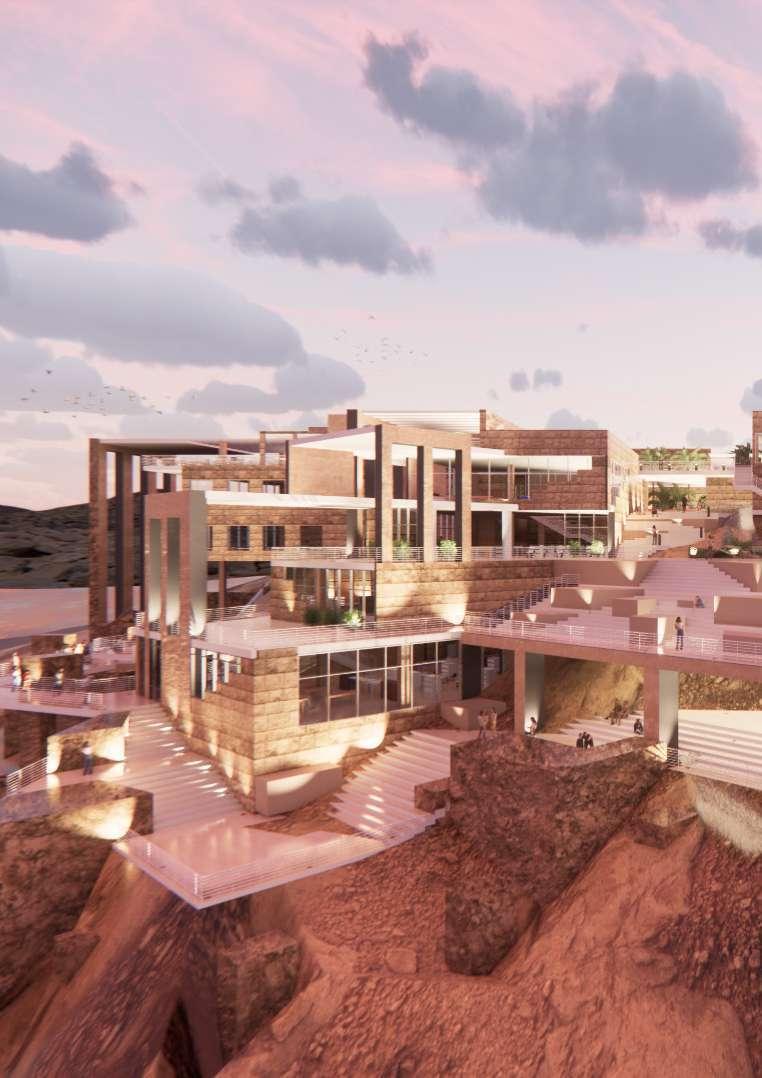
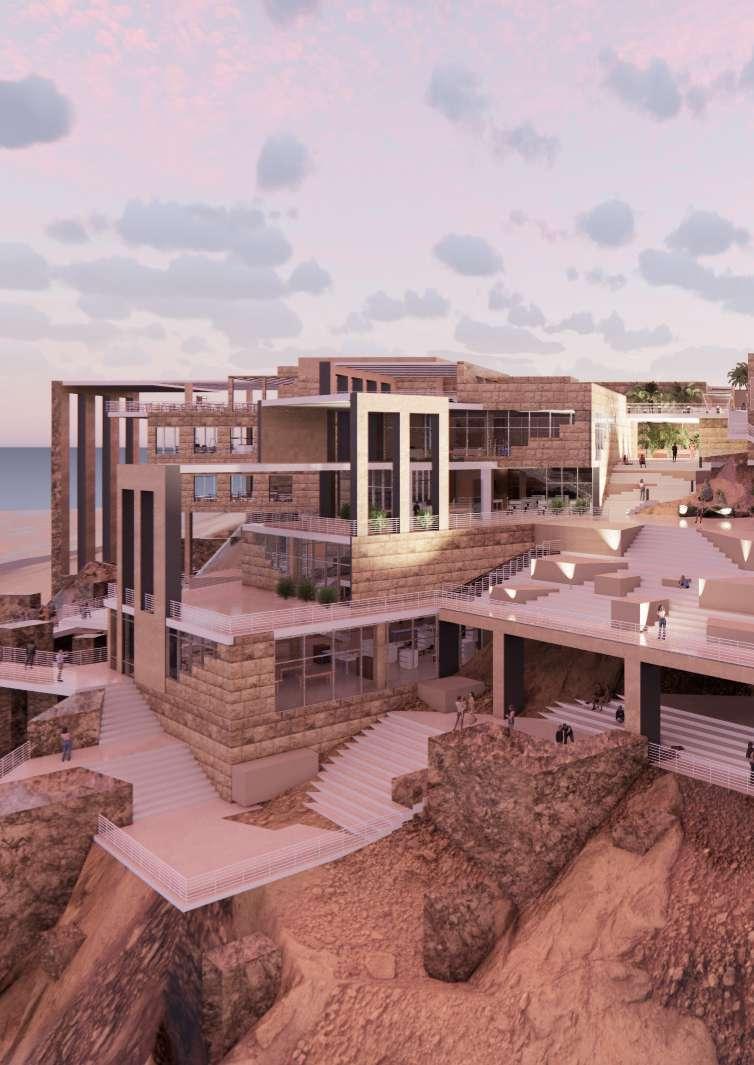
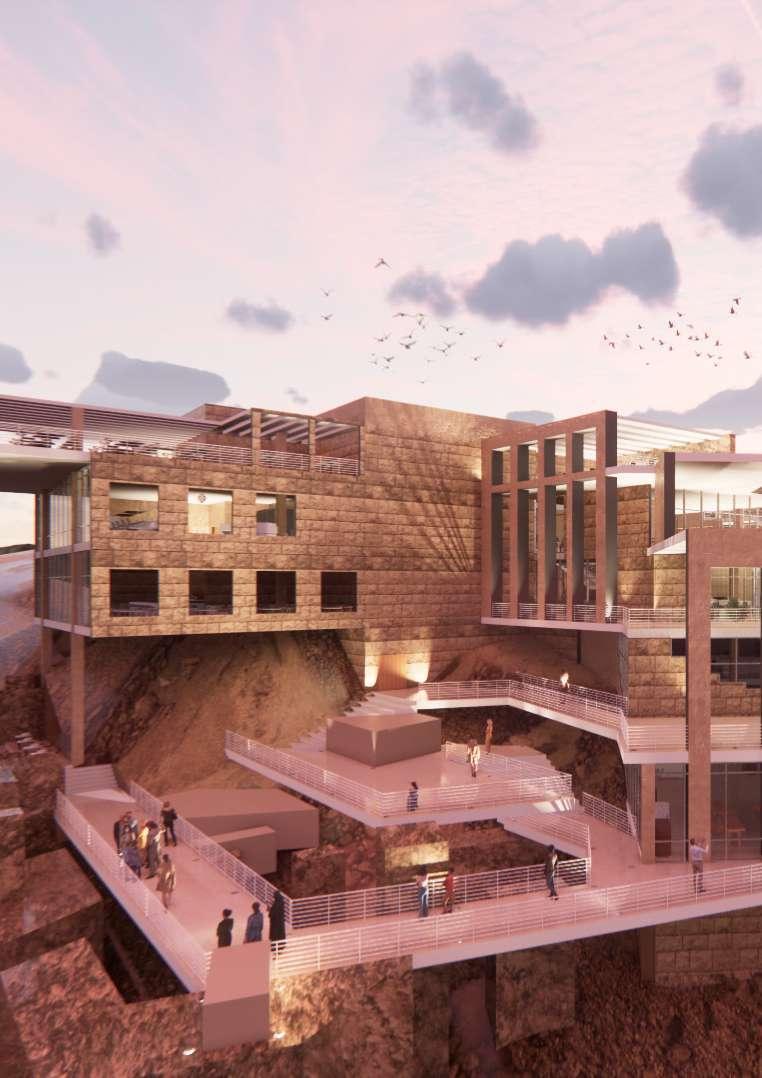
Revive craftsmanship through vocational training in order to keep the practice going and contribute to the economy’s GDP. The main aim is to provide a space for workers to work on their carfts while providing studios for people wanting to lear the crafts. Furthermore, there are multi-open spaces which hosts international workshops for knowledge exchange. Additionally, the hub provides museum for showcasing the products done in the studios whether for tourists, locals or potential investors. All of that with a steam of shops for helping in the revenue stream of the space for economical sustainability. This would help and support the Egyptian economy by ensuring that all these practices contribute to the economy’s GDP.




Handicrafts were products of elite and royal workshops. It showed rituals of daily life, ideology and religion



Craftsmenship skill is inherited from generation to generation in the working class. They form informal organizations (SMEs) however, they are at risk of becoming extinct









The government plans of focusing on keeping the practice, appreciate and give value. In order, to contribute in the economy’s GDP














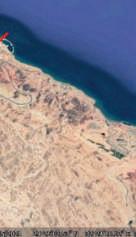
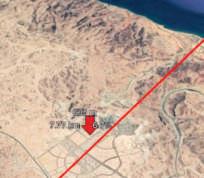
Project Site

Buildings
Main Roads
Secondary Streets
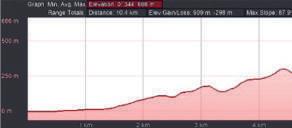
Mountain Topo
Pedestrian Streets
Pedestrian Streets
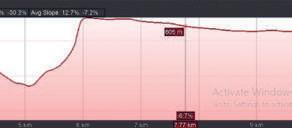
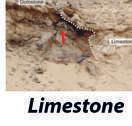
Topography
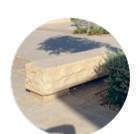
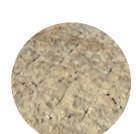

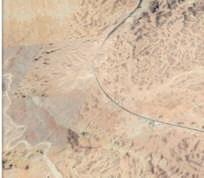





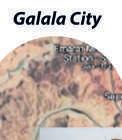
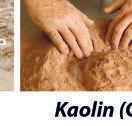



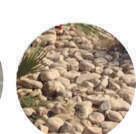

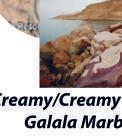

















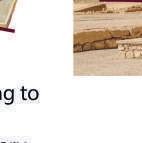
Create an experiential experience through “haptic architecture” of the crafting process of marble and pottery. In order to create an exhilerting experiece through the five sences making it an unforgettable experiece.
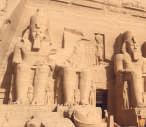
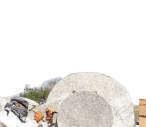
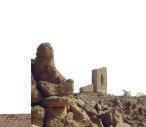

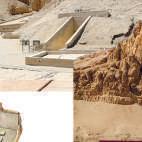
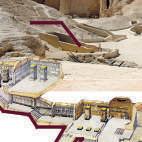
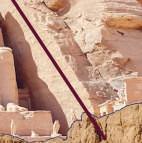
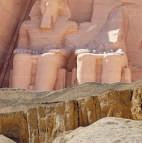
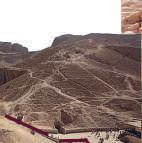
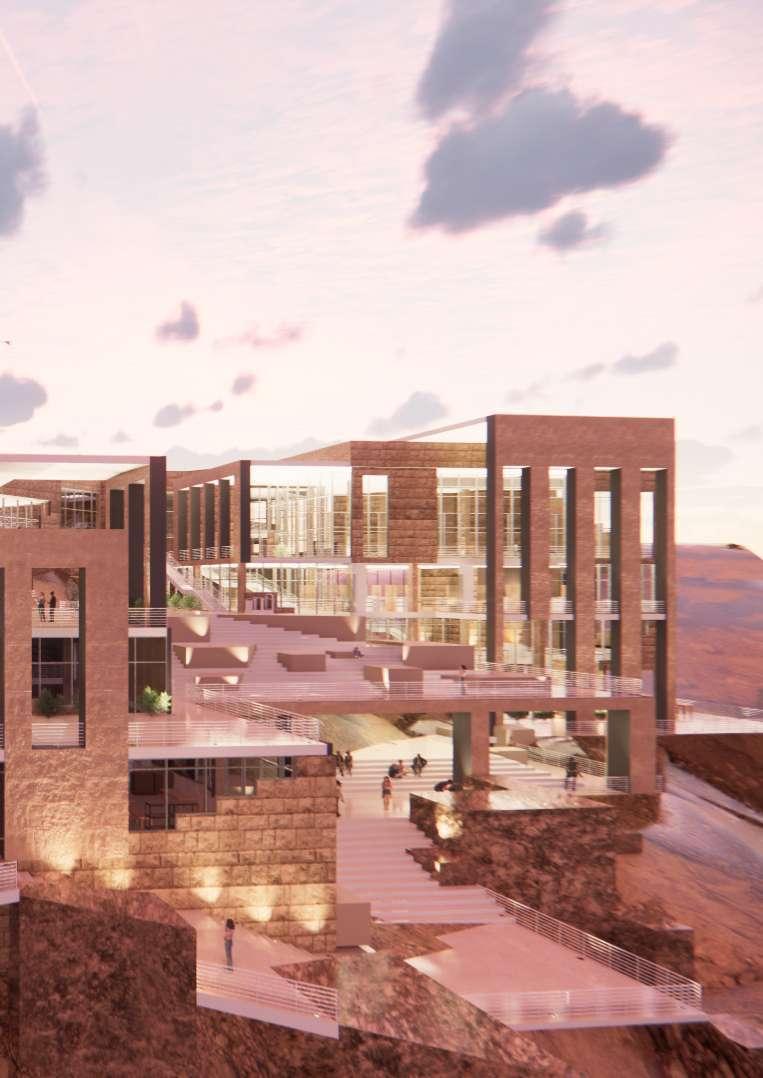
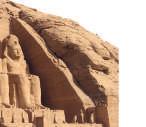
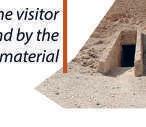
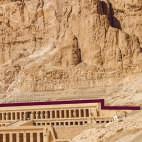
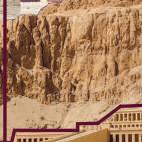
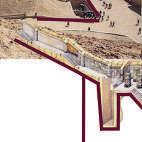
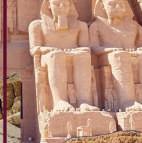
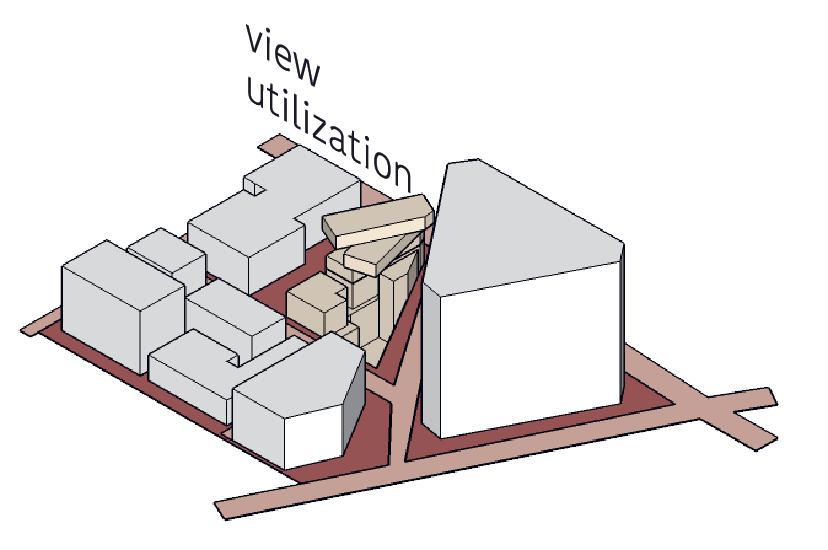
Initially, inspired by space and zones organization of Ancient Egyptian Tombs. The idea is showcasing the final product then showing the heart of the project. The object of the circulation is to attract visitors by the “appealing” part which is final product of the process. Afterwards, the visitors get to understand the procses which led to this final product. The heart of this project is the educational part which is also placed at the end of the spine to utilize the view of the tip of the plateau the project is on.



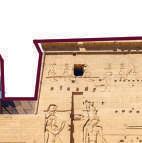
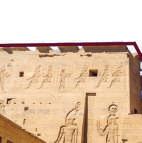







Contextual Drivers




































Environmental Driver













Social Drivers





























































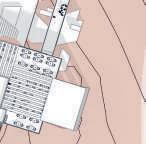
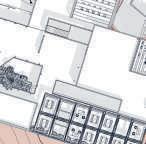
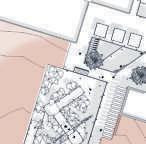









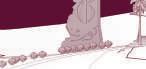
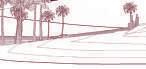
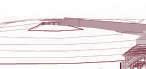
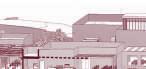
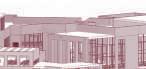





















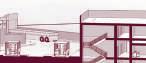



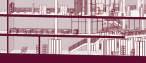



















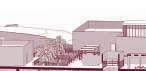
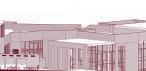
























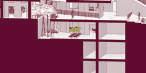
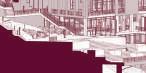

















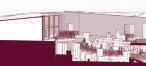
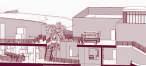
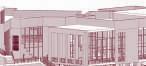














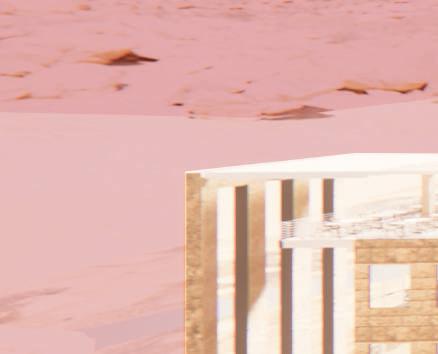
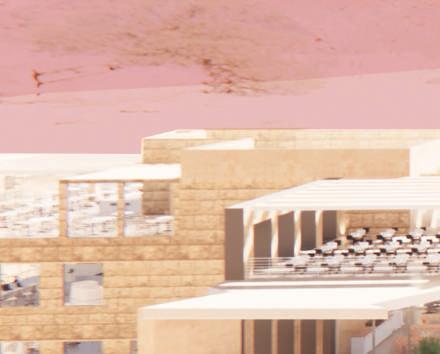
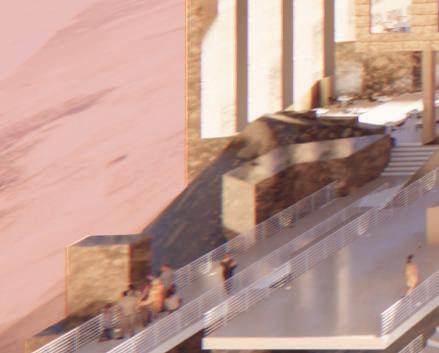










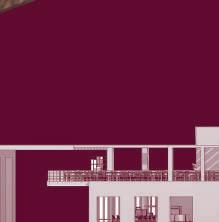
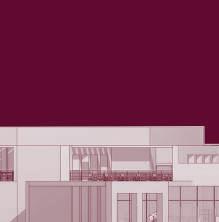
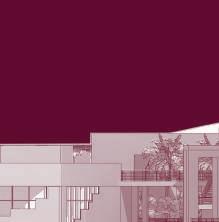
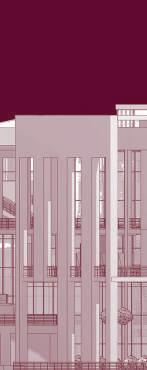

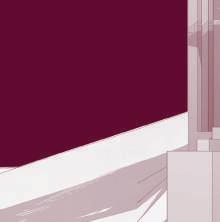
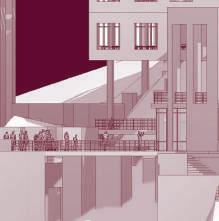
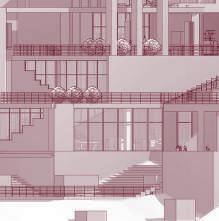
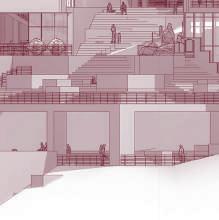


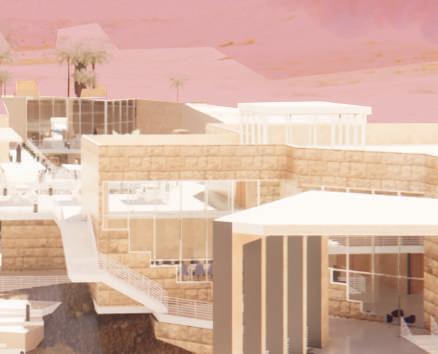
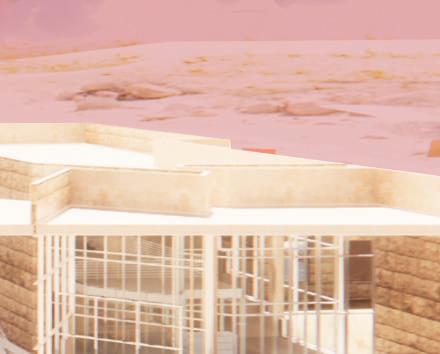
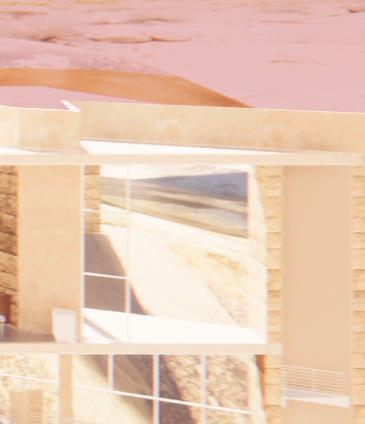
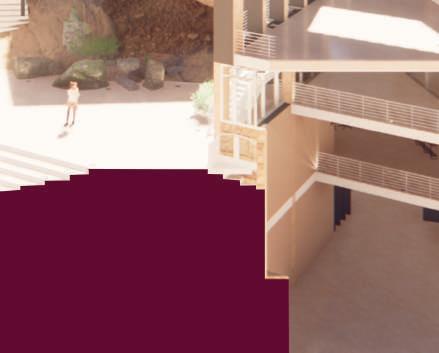



















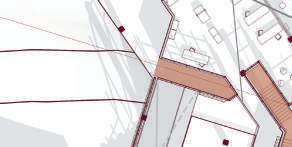



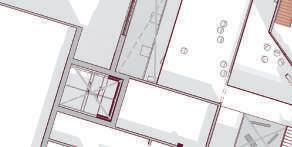


















Ramp view all the displays while allowing for contemplation at spots
Marble Displays abstract displays of marble around the ramp
Lighting to accentuate the displays and highlight features








Experiential Museum
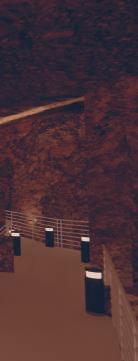
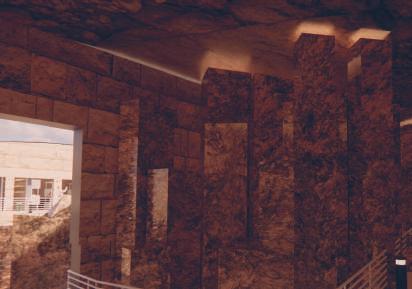
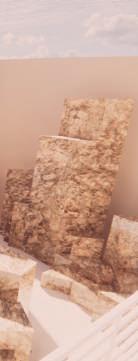
“haptic architecture” for memorable experience
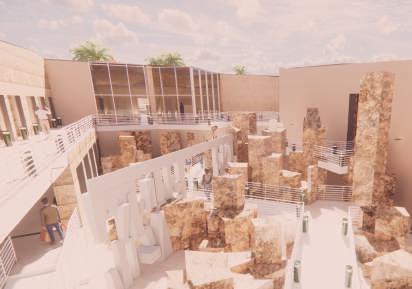
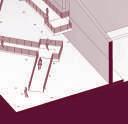


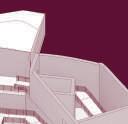
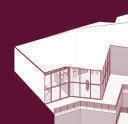
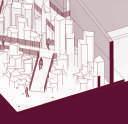

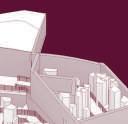
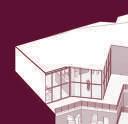
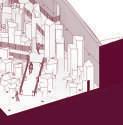
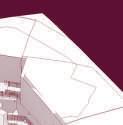
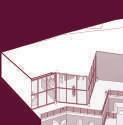













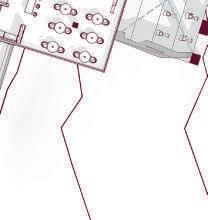
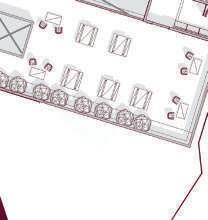
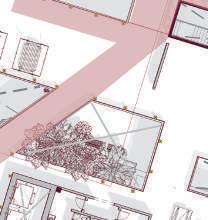
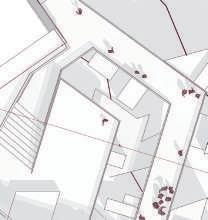
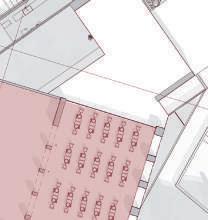
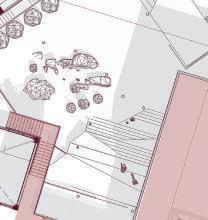
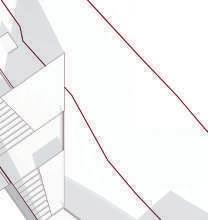
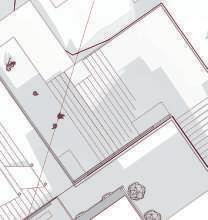
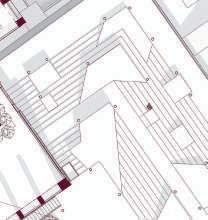





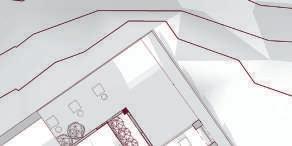


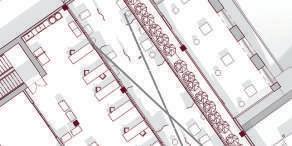
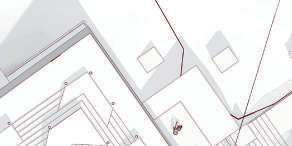

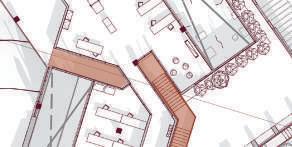
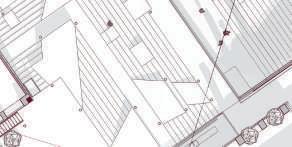

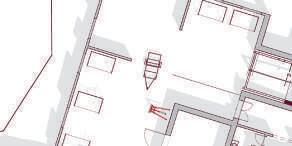
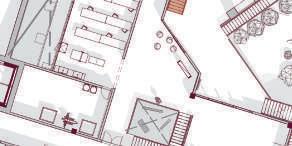
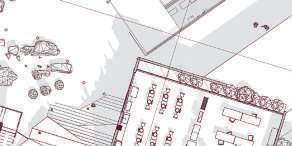
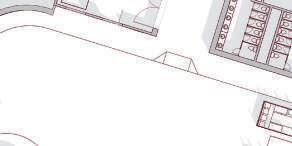
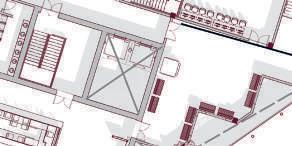
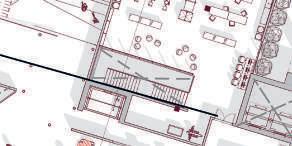

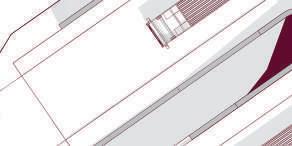
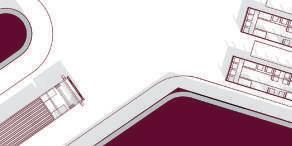
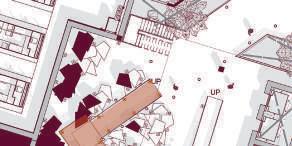
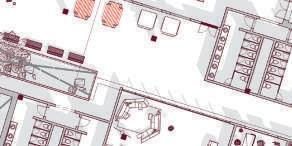

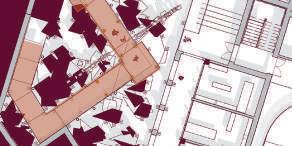
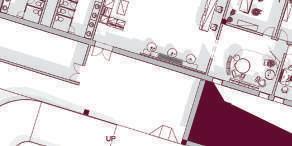


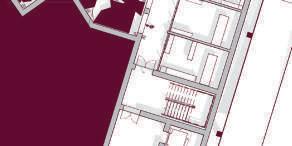
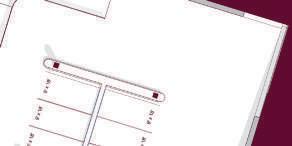


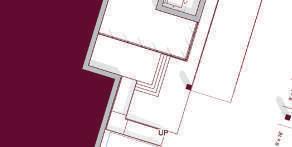








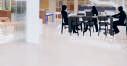
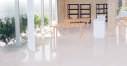
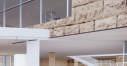
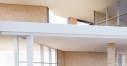


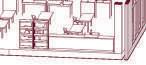
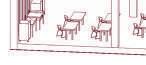
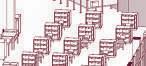
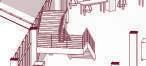

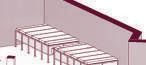
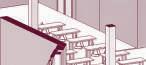





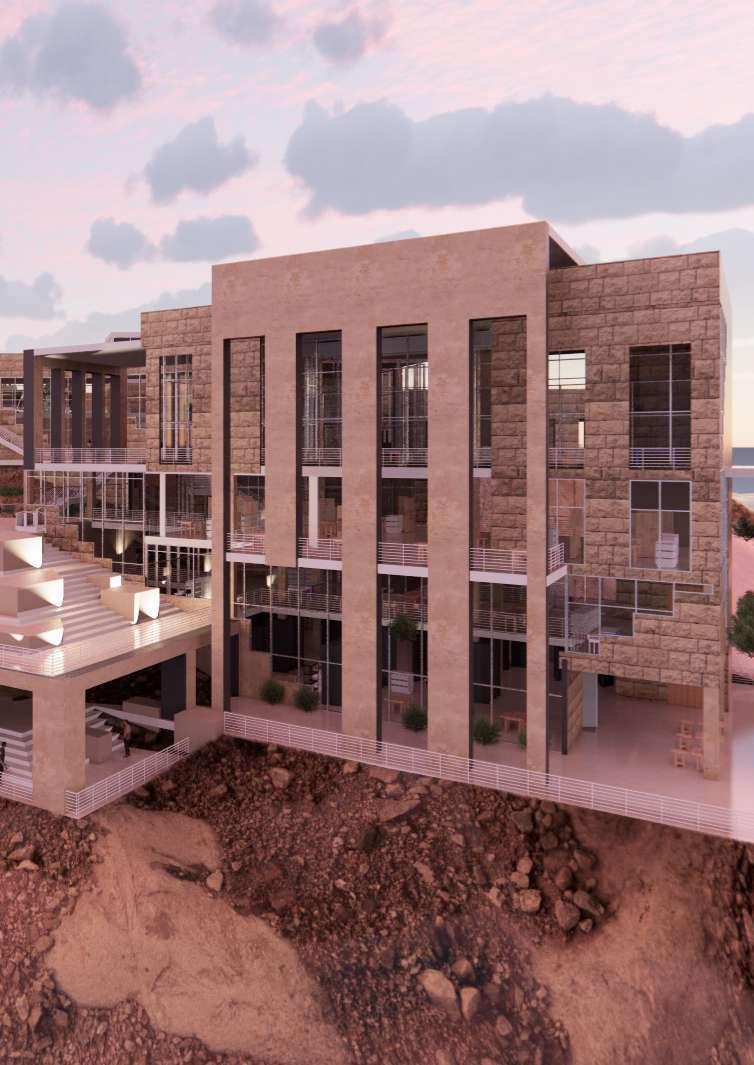
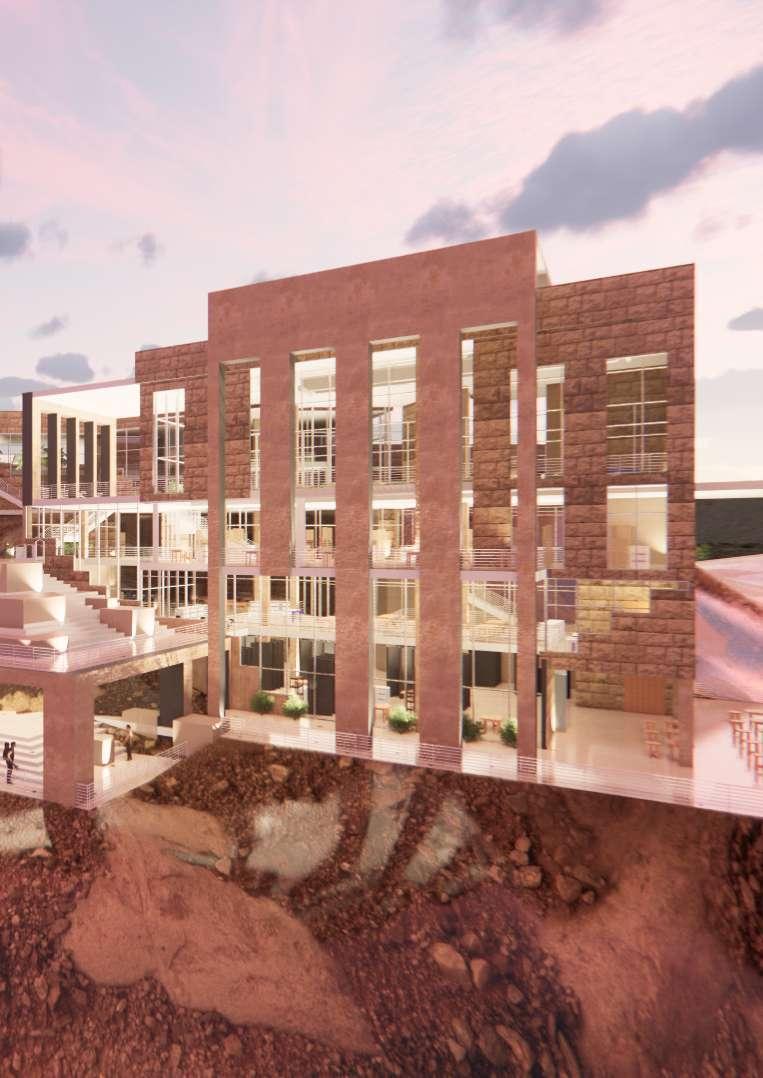
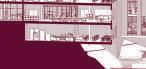
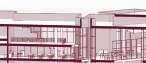
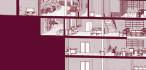
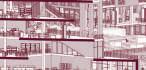
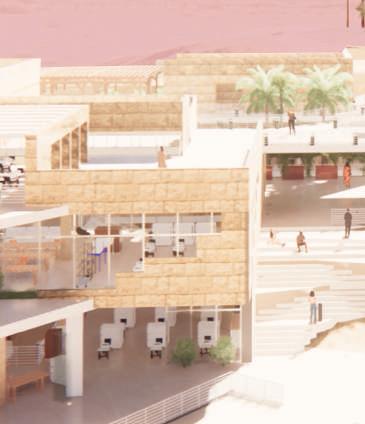
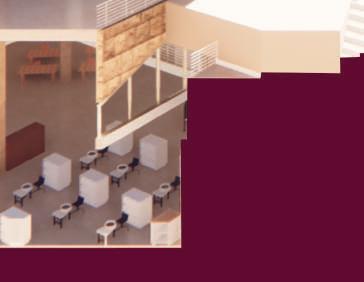
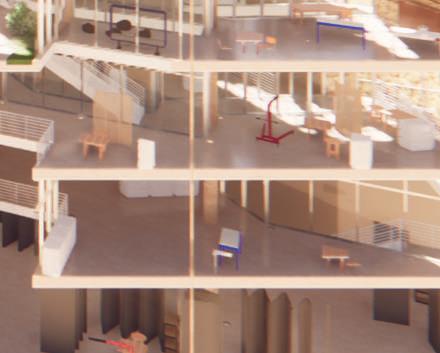
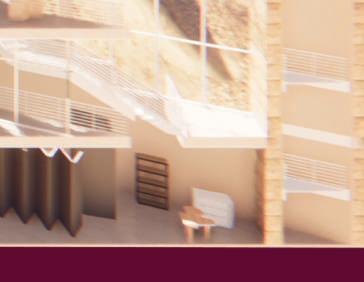
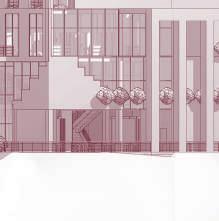
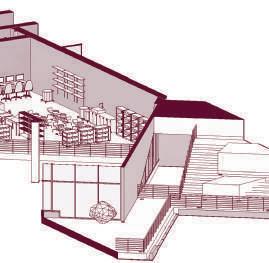
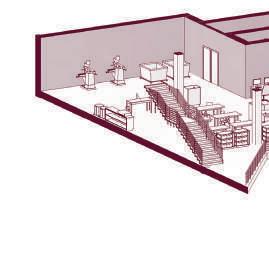
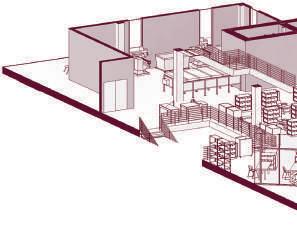
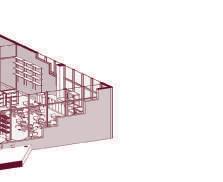
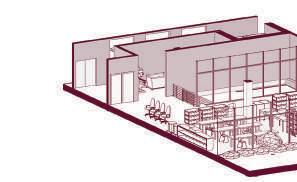
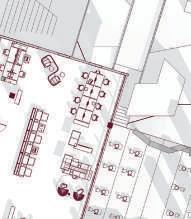
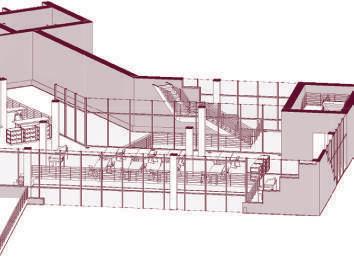
Educational Spaces - studios are sandwiched between workshops to allow for vertical visual connectivity. In addition, the space is open plan to allow for collabrative environment. It allows students to view the activties happening around and in other floors to influence their eductaional journey. Each floor is equipped with materials, equipments and storage for its users. The pottery section is euipped with glazing section for using di ernet techniques and exploring di erent mediums. Each desk has its storage cabinate for each user separately. Moreover, the spaces has separate areas for the process of using claying from the mixture to cutting the pieces until it is ready for shape making.



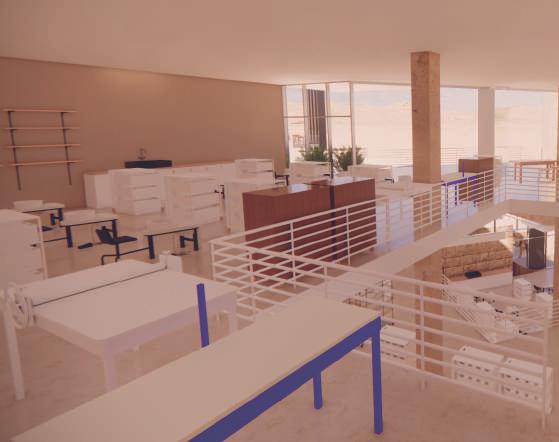


Adjustable panels for allowing flexibility of transitioning between WE-I space









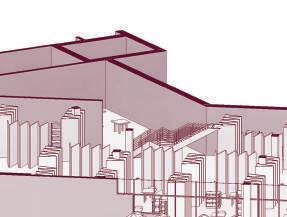
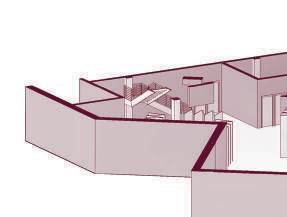

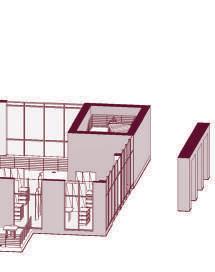
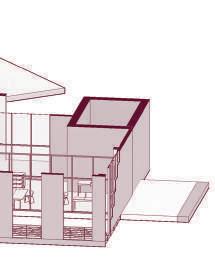
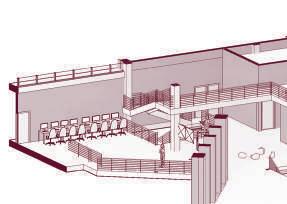
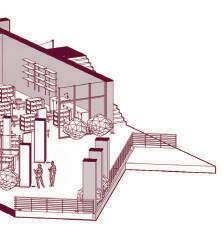
Concrete columns with ability to clad handicrafts on for display


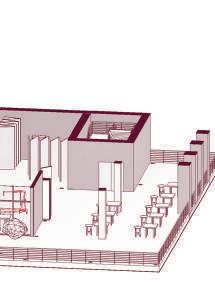
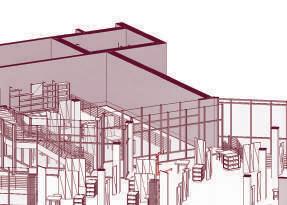
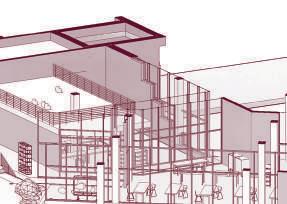
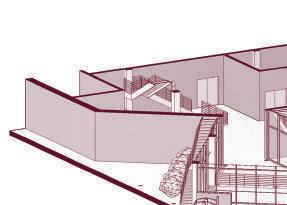
Tunnel allows visitors view the process without disturbing the workspace


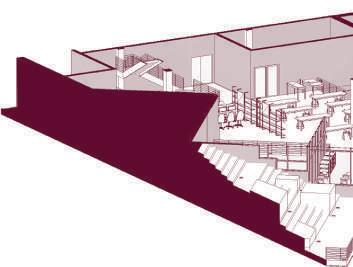
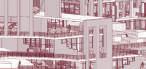
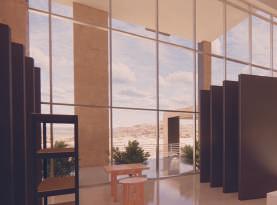
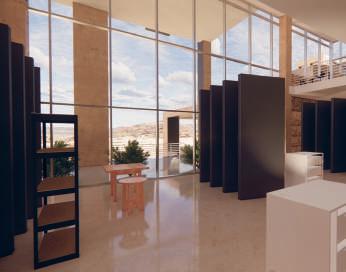
Space Relationship - studios are sandwiched between workshops to allow for vertical visual connectivity. It allows students to view the activties happening around and in other floors to influence their eductaional journey. In addition, the space is open plan to allow a collabrative environment with adjustable panels to allow for flexibility of space for the users. Furthermore the flat slab system alows for columns to be used as display areas for handicrafts. Each floor is fully equipped.


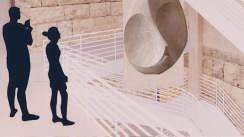
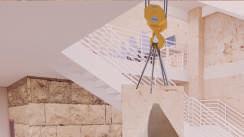


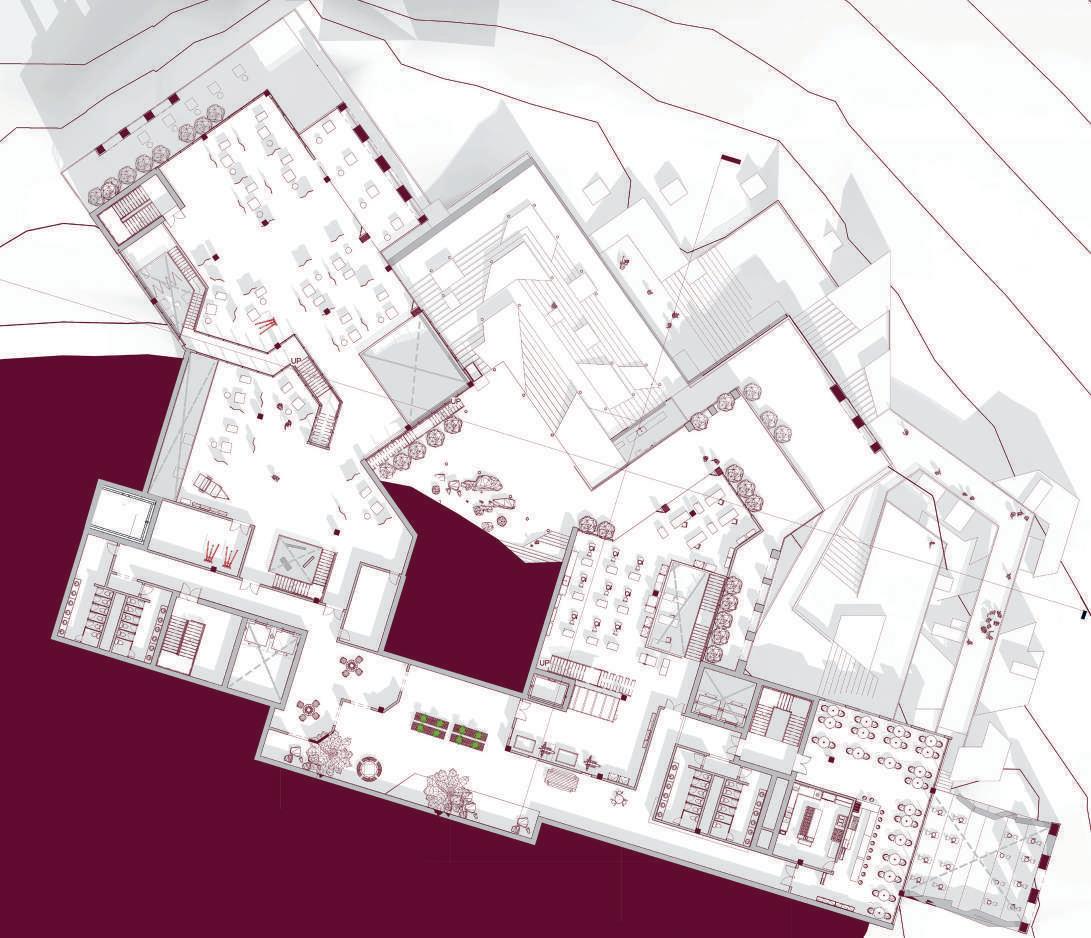


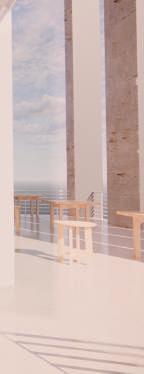
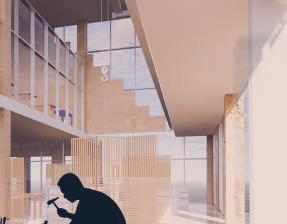
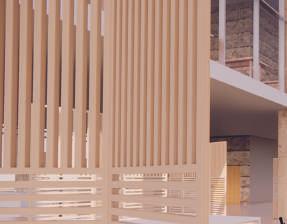


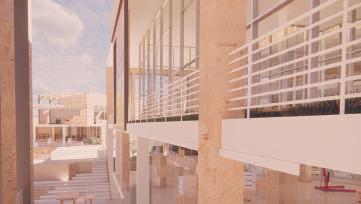
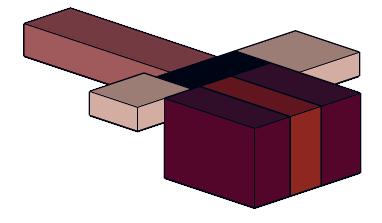

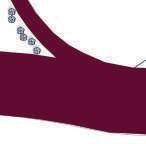
Division - unequally divided to serve according to functionality of the studion and materials with room for “bent axis” to give the anticipation of view for visitors

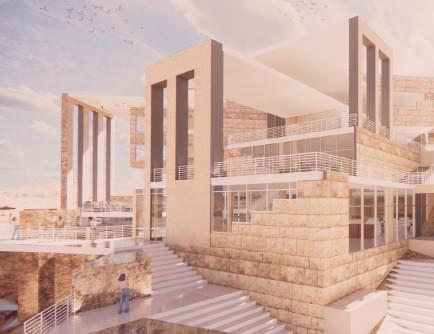
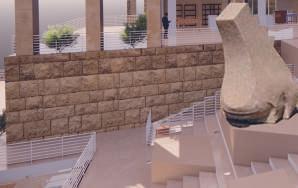
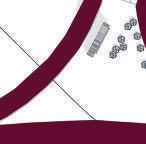
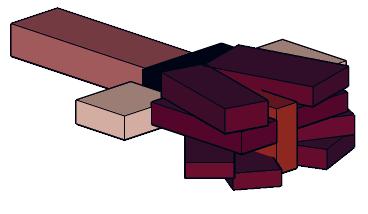
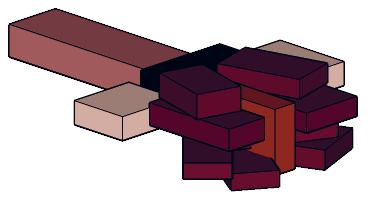
Rotation - creating a chaotic grid with floors to emphasis the creativity and functionality of space and taking advantage of the view at tip of plateau

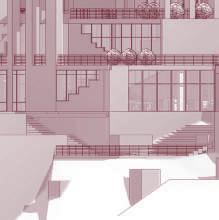
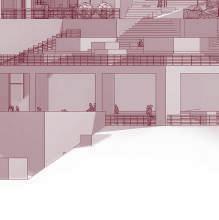
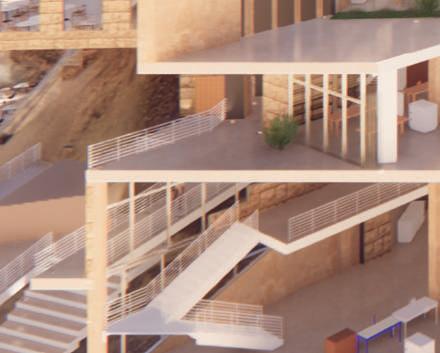
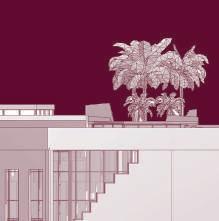
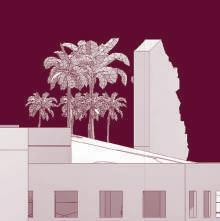
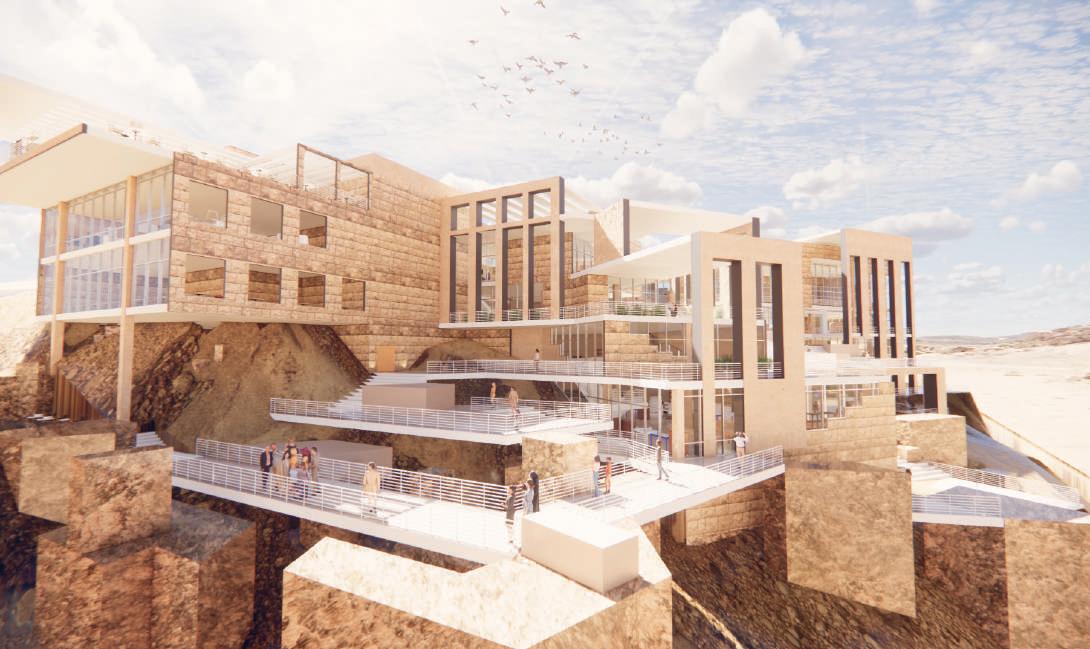
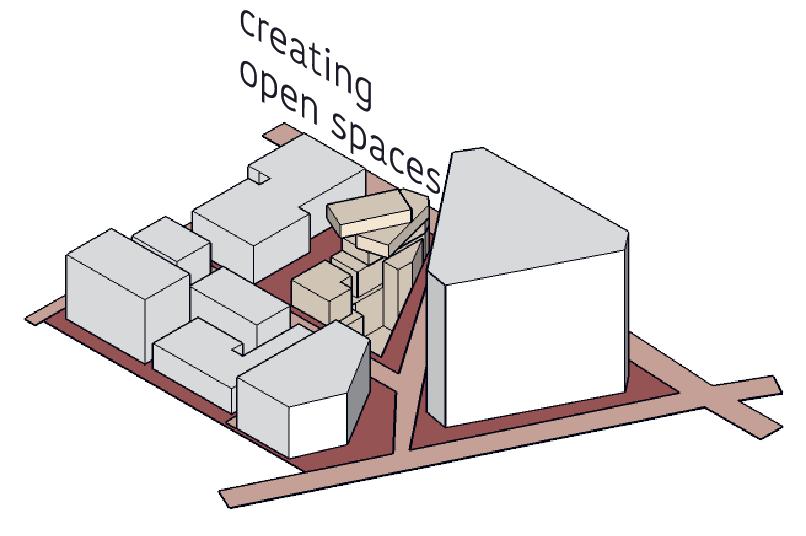
Creation - open outdoor spaces using roof of lower floors and playing with volumes to create di erent spaces and allow for selfshading for the open terraces
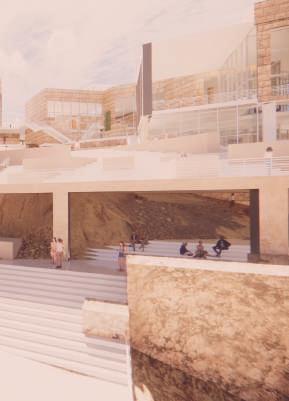
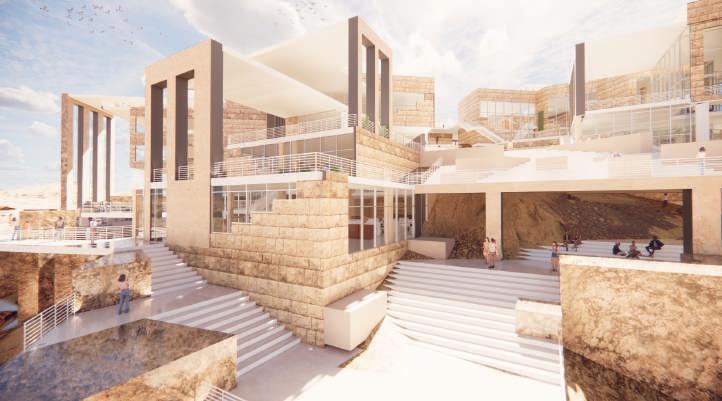
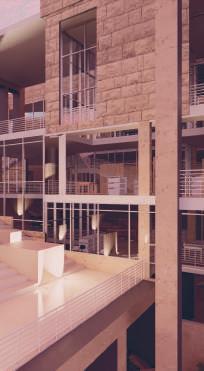
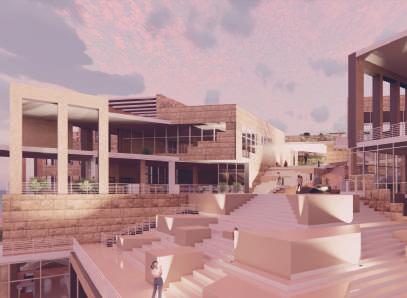
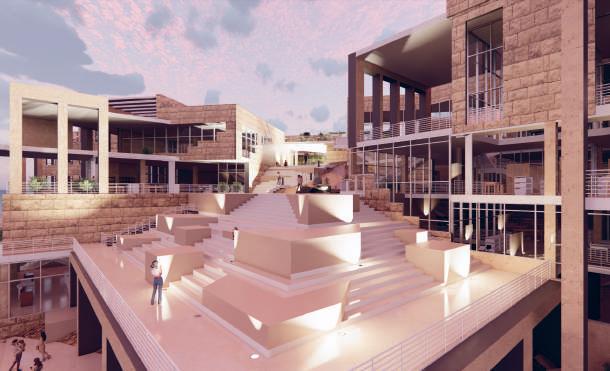

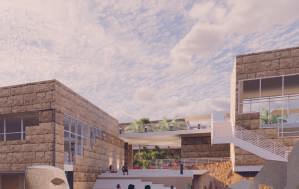
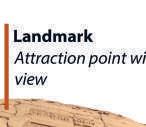
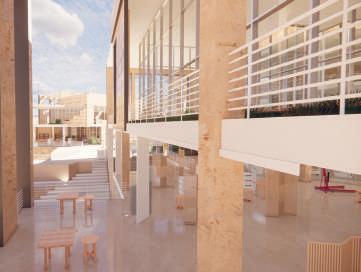
Open Spaces - serves as a main component to the building. It allows for variety of activities to take place such as exhibition, meeting social space for main users and visitors too. It is an extension for studio space to allow for di erent scenery for the students to get inspire from. In addition, it is an intermediate space for two di erent disciplines to meet and interact while surrounded by nature and handicrafts done and made for them. Not only are open spaces beneficial for social interaction and creativity but also, or mental health and environment as it allows more space to be naturaly ventilated and lit as well. It helps in creating spaces which are dynamic and breathable. As for night time, these open spaces with articulated well though of lighting system to highlight the buildings feature act as a landmark between the topography of the mountain. Hence, be spoted from meters far away and attract attention to spark visitor’s attention and invite them into the space.
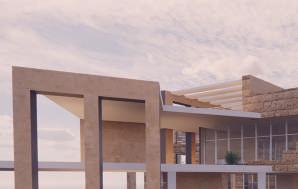

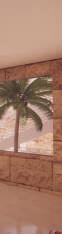
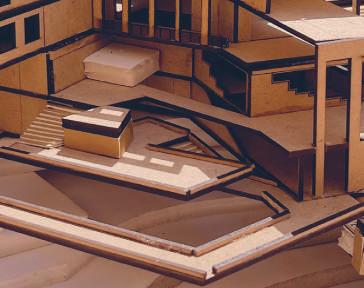


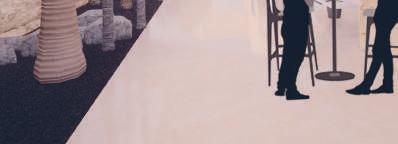
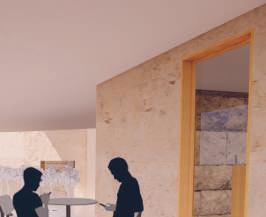
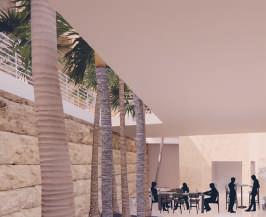
Outdoor Spacesserves social and environmental purposes. These spaces allow to improve mental and social health as it serves as nodes where interactions ocurre between user groups. In addition, it allows to benefit from natural daylight and ventilation in surrounding spaces.

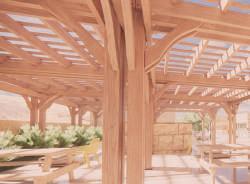
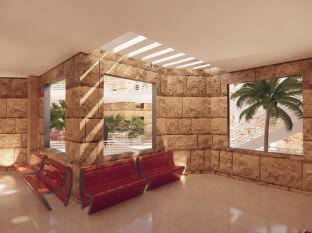
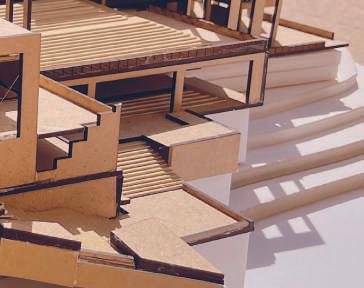
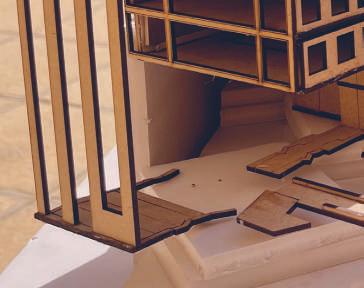
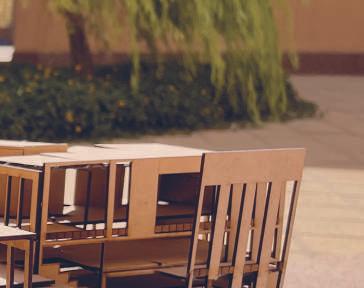
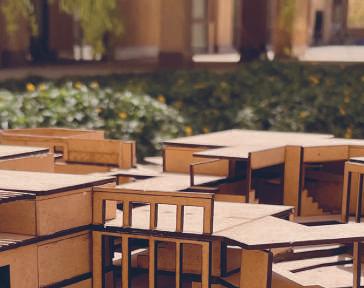
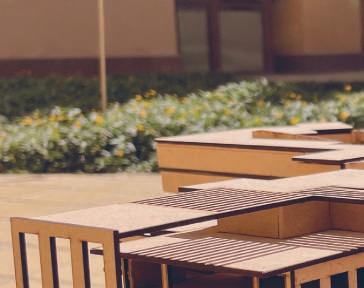
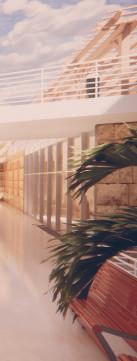
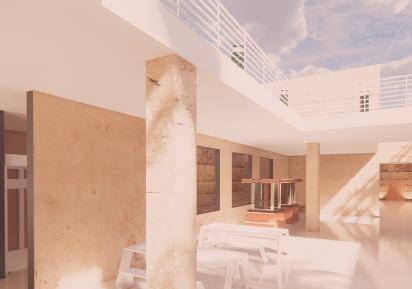
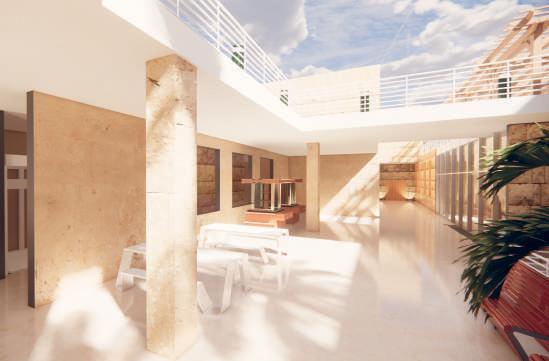
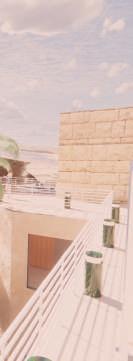
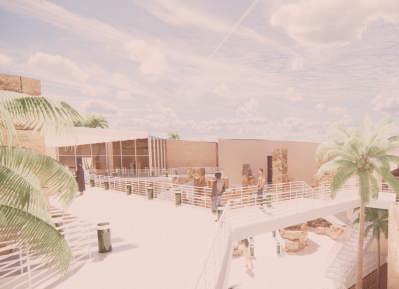
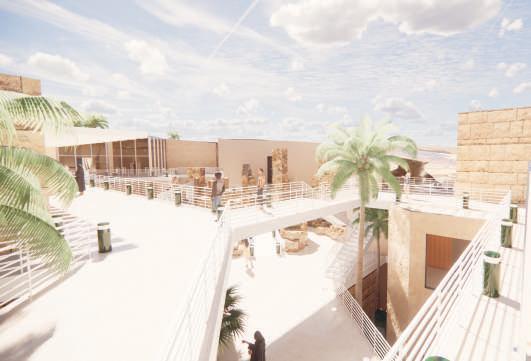



























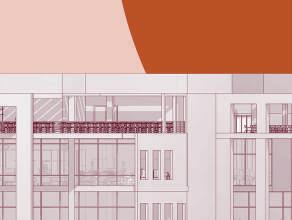
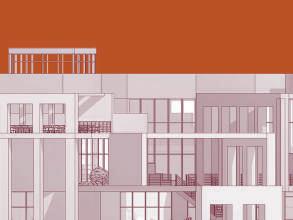
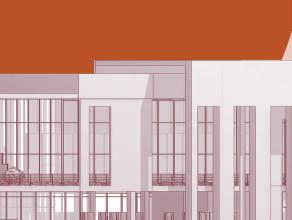

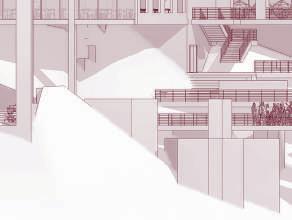
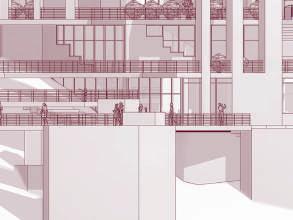
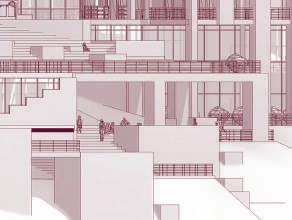
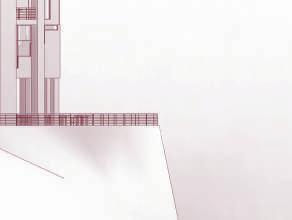




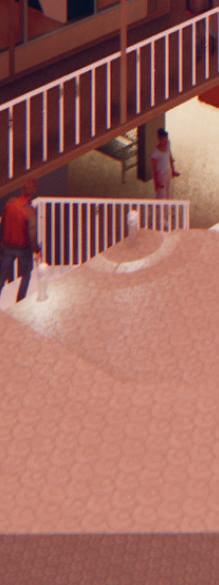
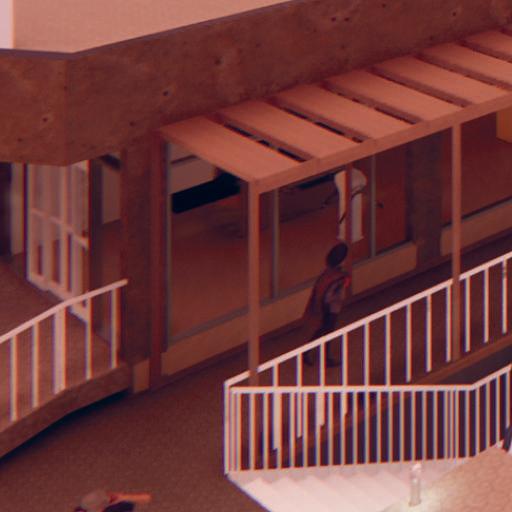
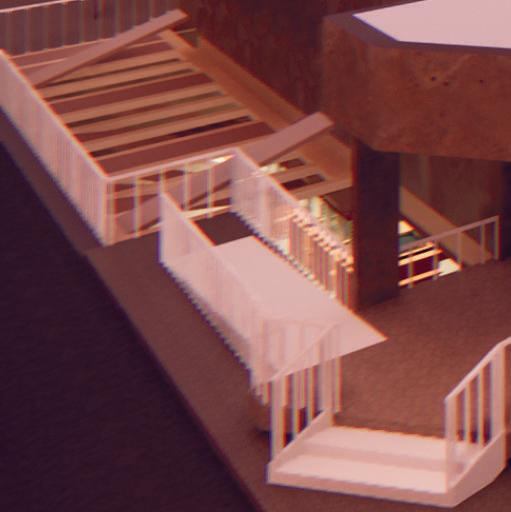
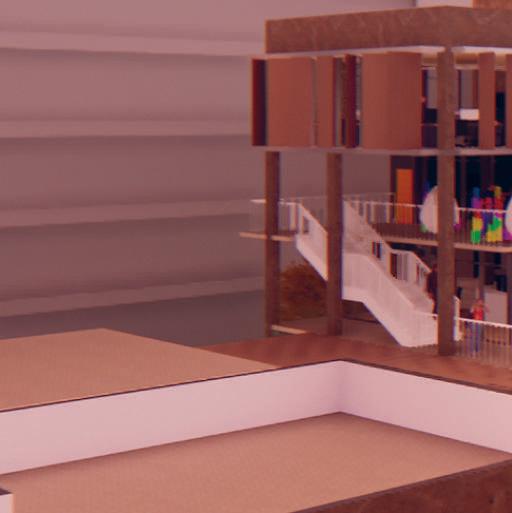
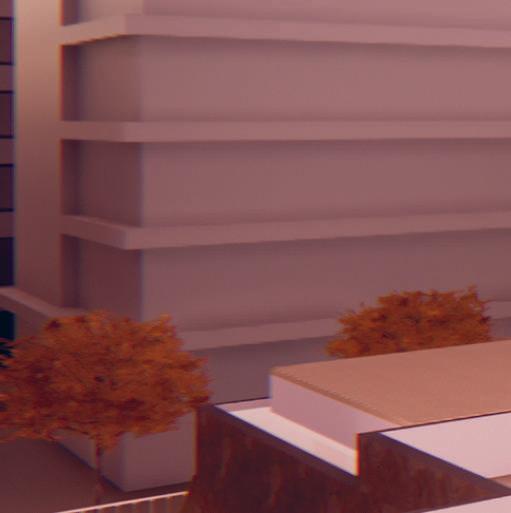

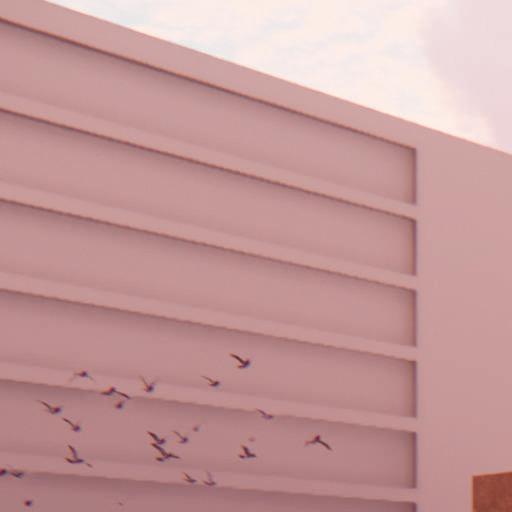
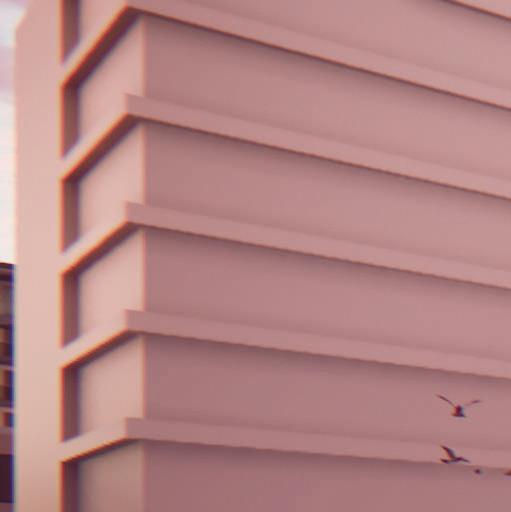
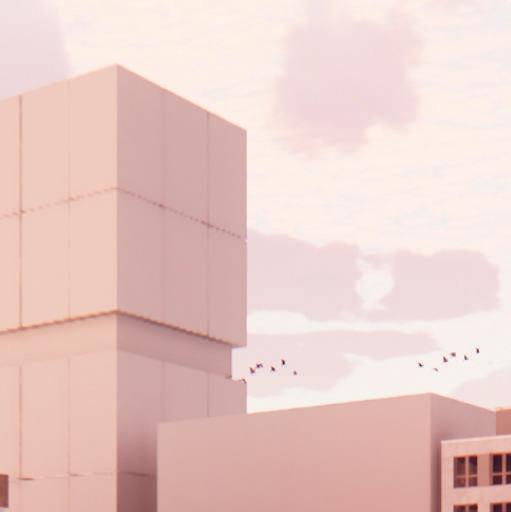
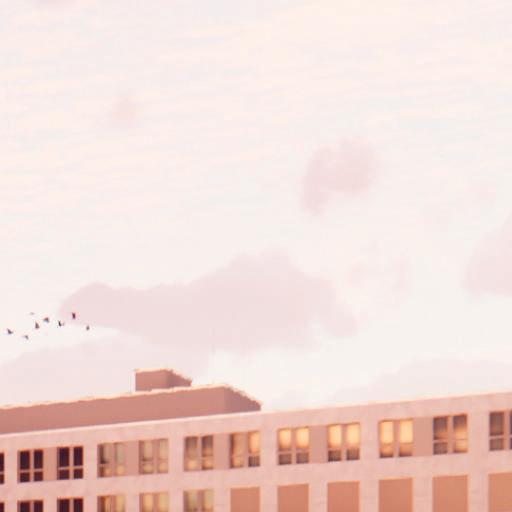

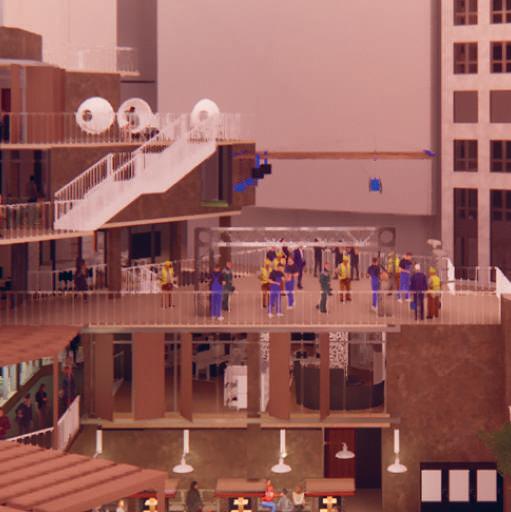
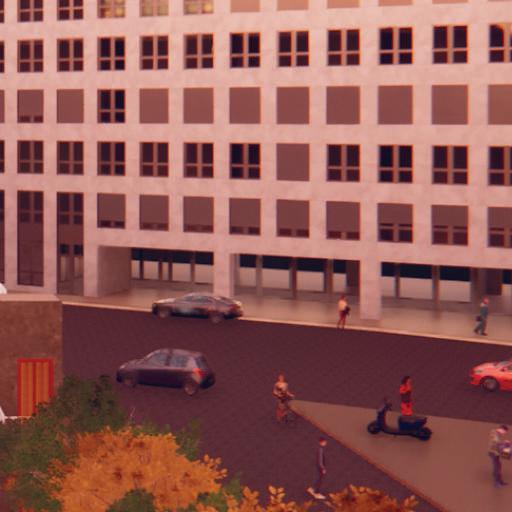
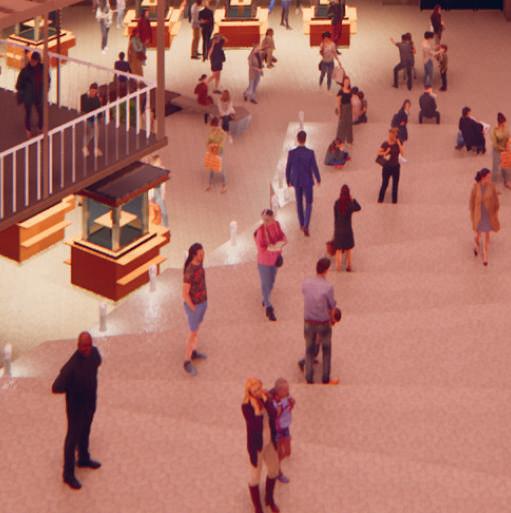
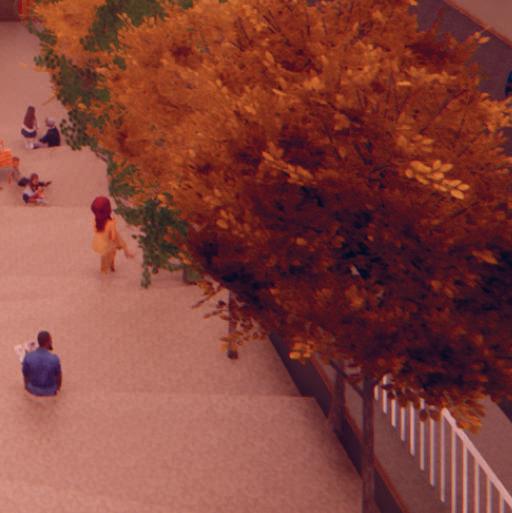
Egypt lacks public spaces. All the spaces requires charges in order for people to be able to use it. People either meet at restaurants or malls. Both requires people eating and casching out to serve the purpose of socializing they are aiming for. Furthermore, the percentage of public libraries in Cairo is below average. This might be correlated with the low ranking of Egypt in illiteracy.
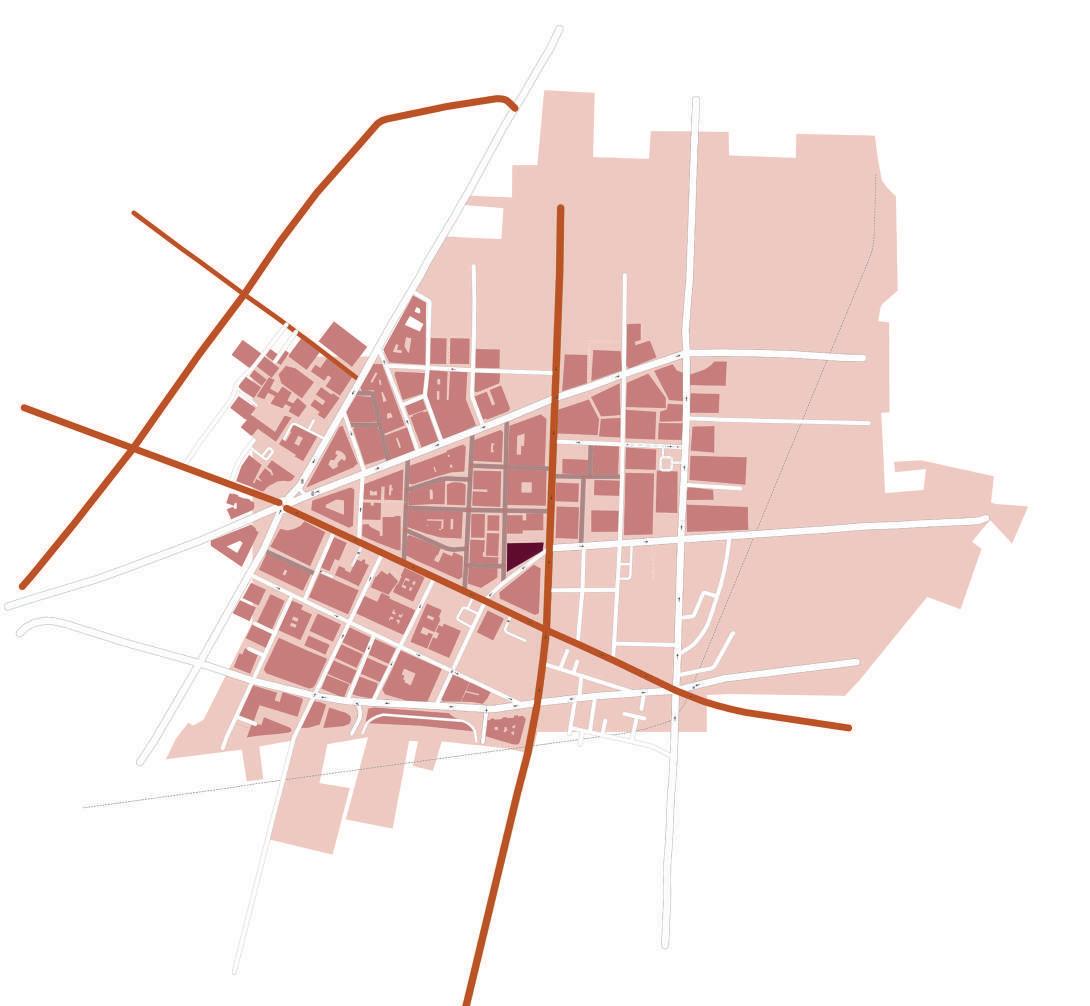
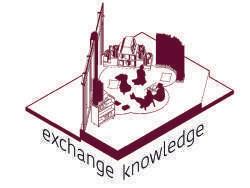
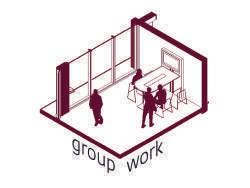
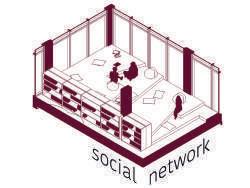
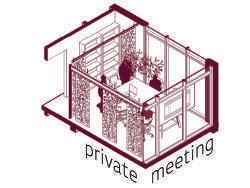
Therefore, the aim behind the library is to serve as a public space for socializing. Not only providing space for meeting and exchanging knowledge but also, an outdoor space for celebrating acheivements
Cirulation

Project Site
Buildings
Sideswalks
Main Roads
Secondary Roads
Pedestrian Streets
Underground Metro
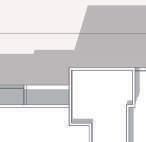
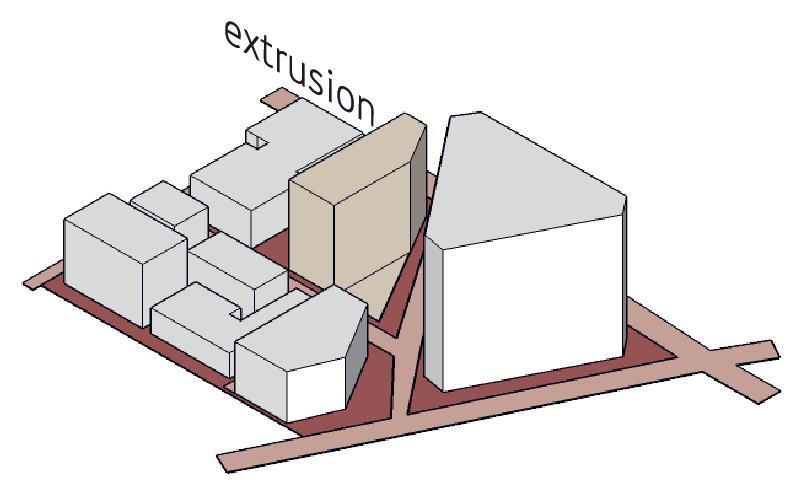
extruding on the North side to allow daylight inside the space due to hight of building infront
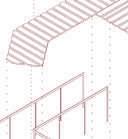
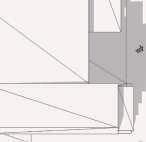
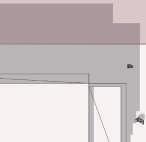
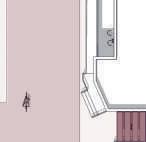
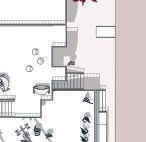
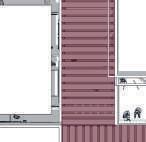
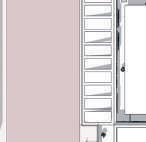
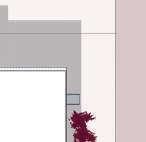
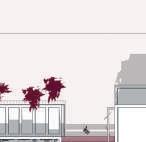
vegetation used to block noise from main street and provide shading at Southern side of open court
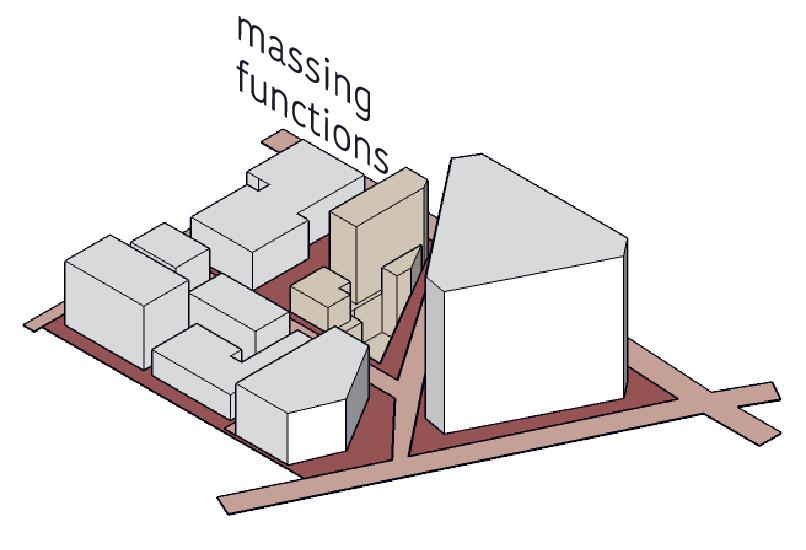
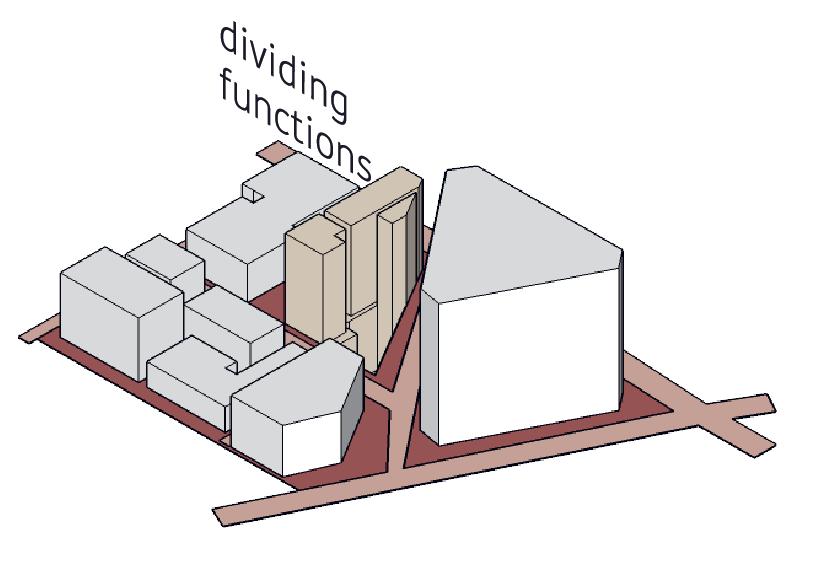
due to tra c and noise, functions were divided and placed according to avoidence of noise








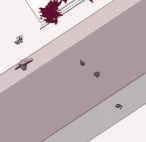
cirulation through the building using the spine used to invite people into the building
shading element supporting element pedestrian spine


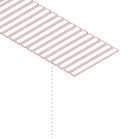
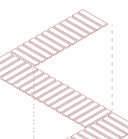









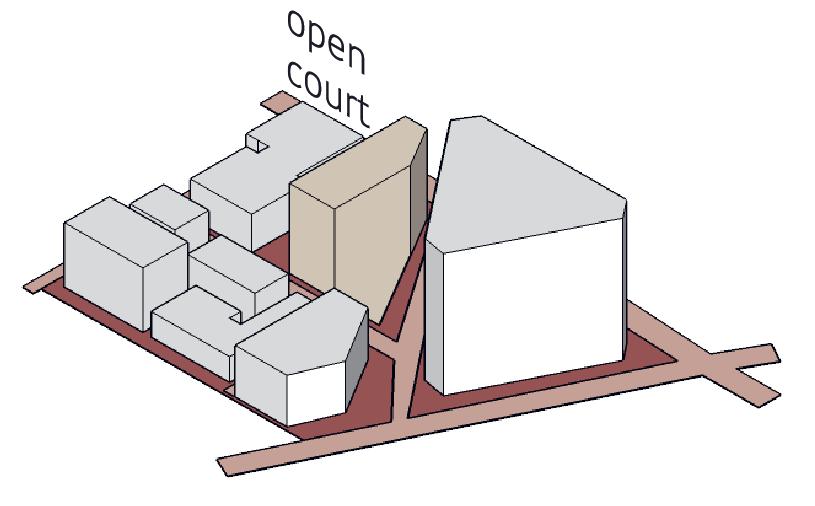
rotation of plans to allow space to benefit from the view of the open court and self shade
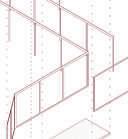
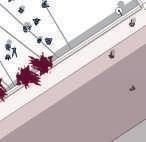
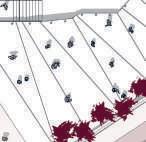
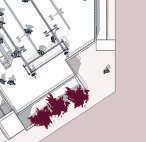
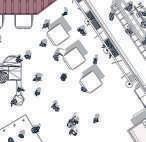
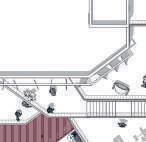
using open spaces below cantilivers of above floors for self-shading and exposure to direct sunlight

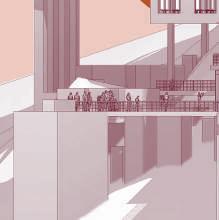
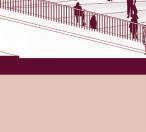
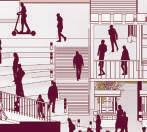
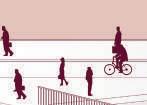
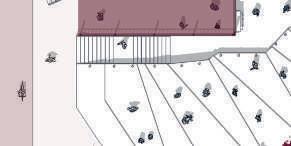
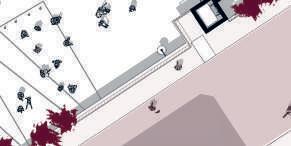
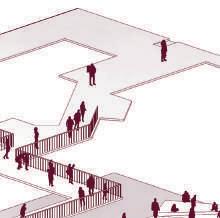
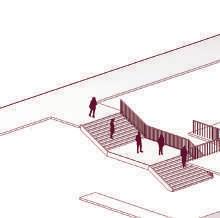
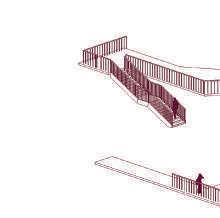
The Spine: a pedestrian route encouraging and inviting people into the building to view and engage with activities in the open court.

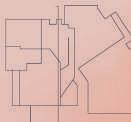
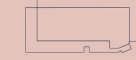
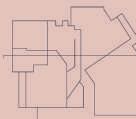
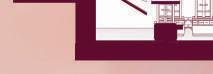

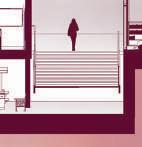
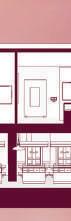

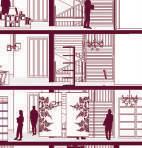
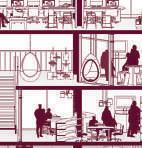



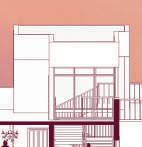




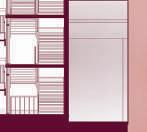
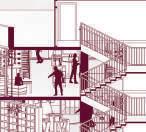
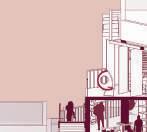










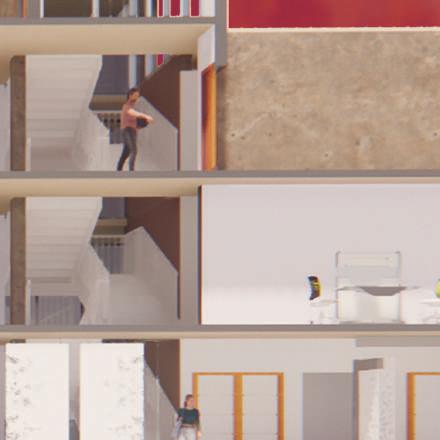
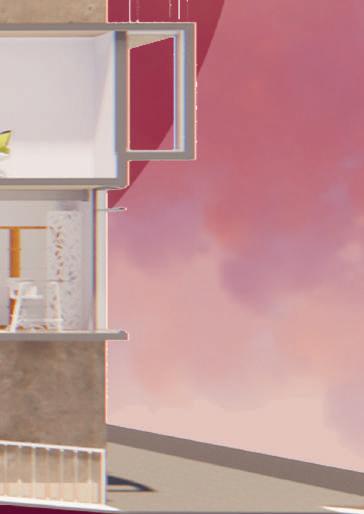
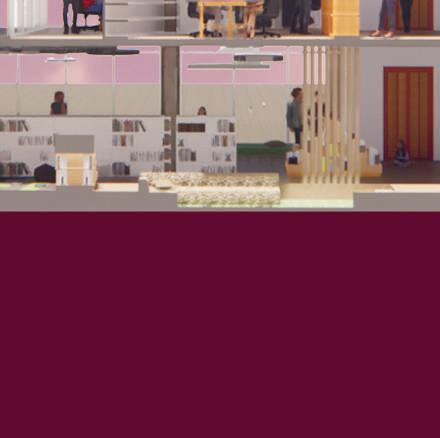
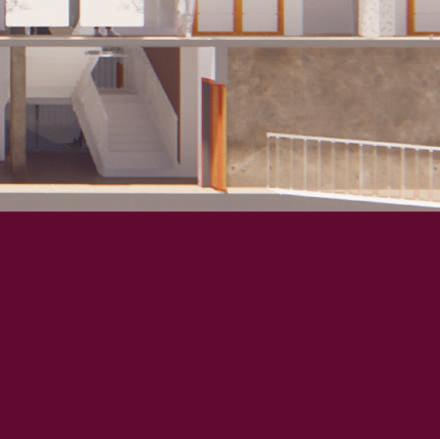











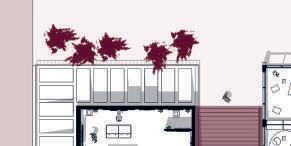
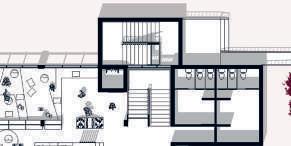


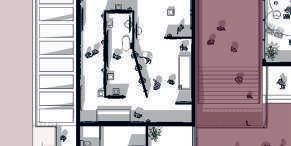
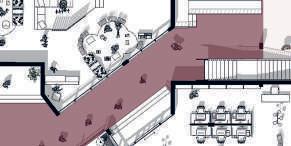


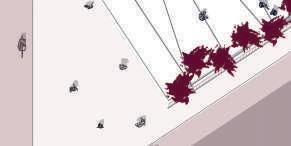
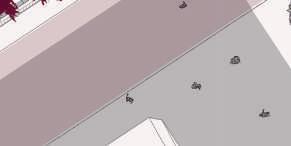



Rotating Louvers mechanical rotating louvers allows user to control light into the space and reflects light into the space to di use natural light
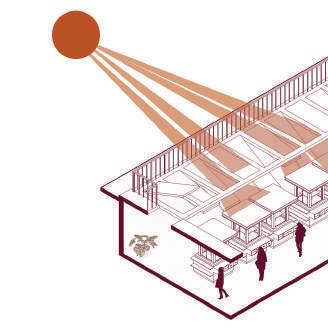

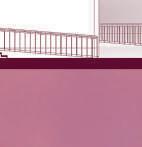
Museum Lightwell accenuates on specific parts and allows di used natural light into the space with out distorting focus and allows
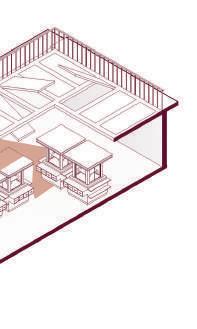
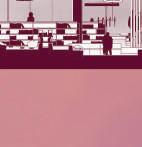
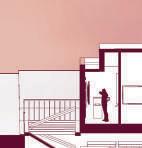
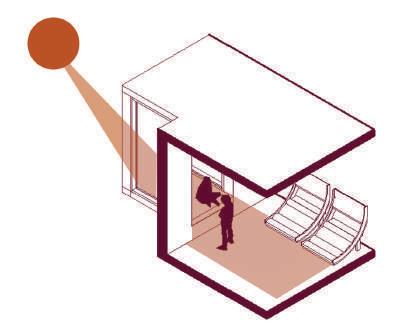
Window Seating allows indirect light into the space while having an I space for users to enjoy a sanctuary space of their own yet attached to the WE space
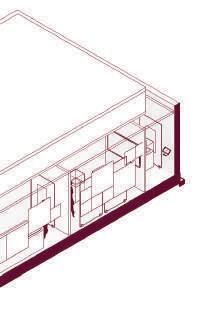
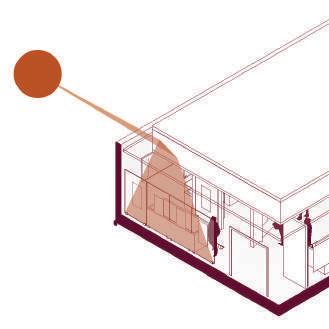
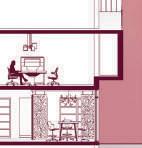
English Court mechanical louvers allows natural light according to prefrence and angle of the sun in order to allow di used natural light
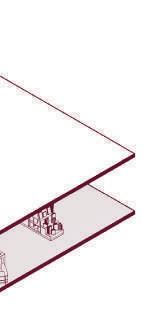
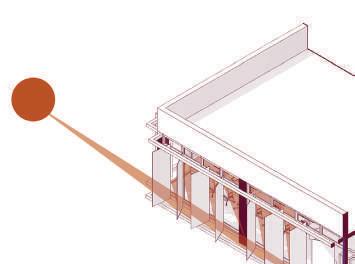
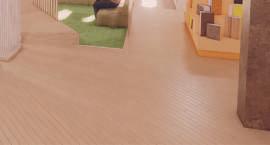
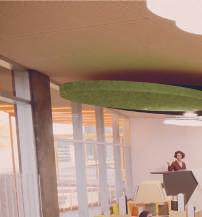
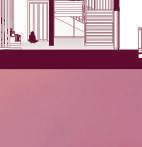
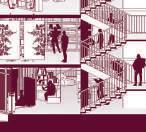
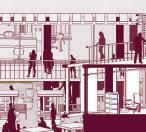
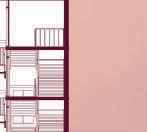
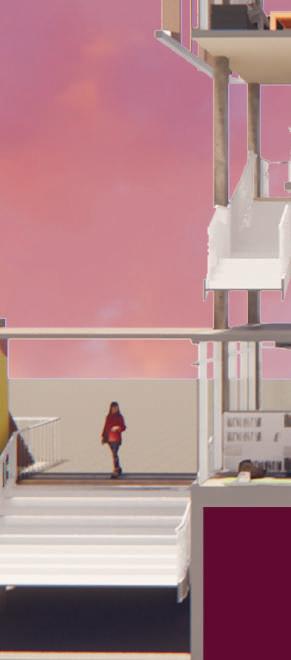
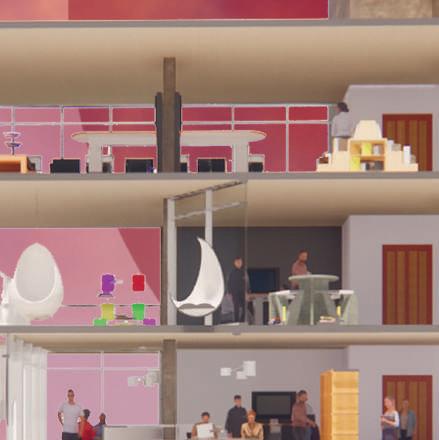
Highest Level allows vertical visual connectivity and a view of what is happening in other floors and courtyard
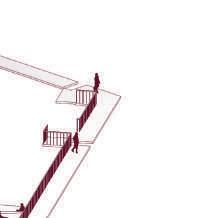

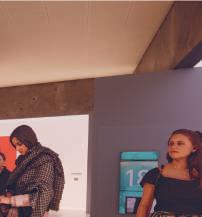
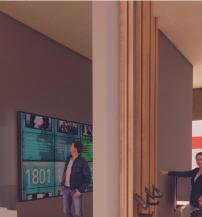

Intermediate Level


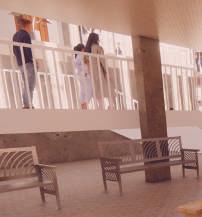
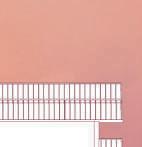
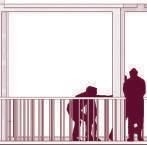
the fun level allows people to enjoy sitting in the shade while access the view to the courtyard and knowing what activities are taking place there
Ground Floor Level
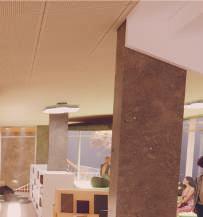
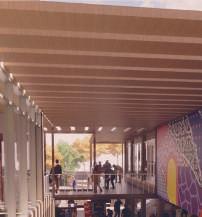
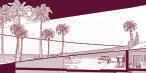
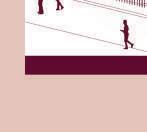
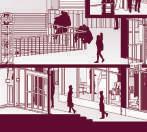
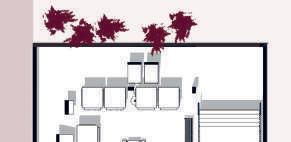
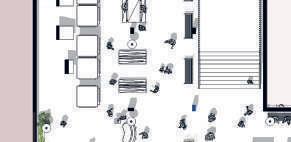
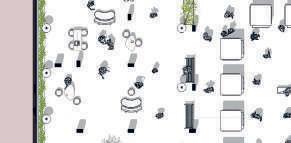
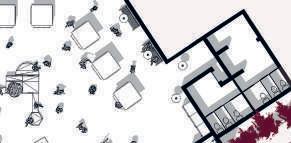
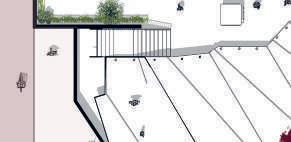
spine connecting both ends of the plot while overlooking the underground court which encourages people to navigate inside the building and explore activities happening in the negative level floor
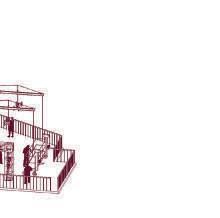
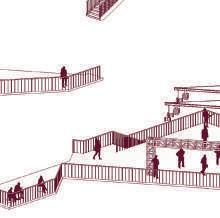
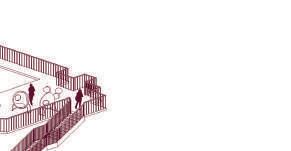
Stage Level (First Floor)
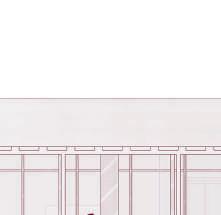
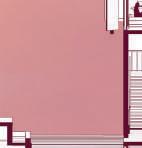
a multifunctional space for setting up the stage or outdoor seating for normal days while it being the best place during winter due to its great exposure to daylight due to its openess
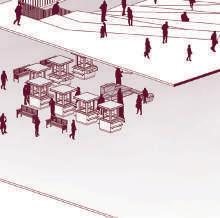
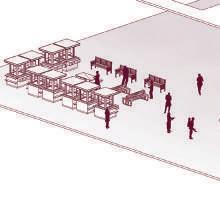
Courtyard (-1 Floor Level)
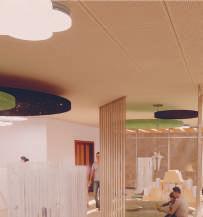
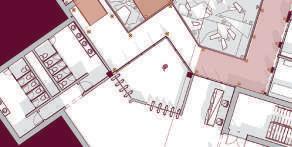
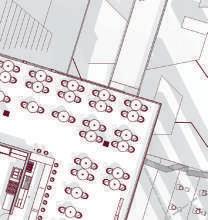
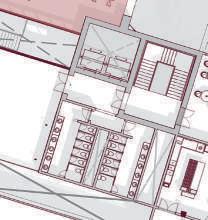
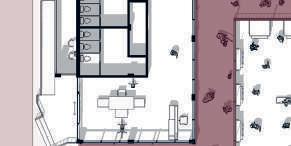
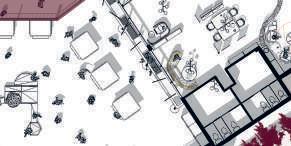
it is a multifunctional open space where event mainly take place and equipped with services such as foodcourt, vending machines and toilets