Ellie Keblusek
Architecture Portfolio
International Housing Studio
Multi-generational apartment housing
San Juan, Puerto Rico
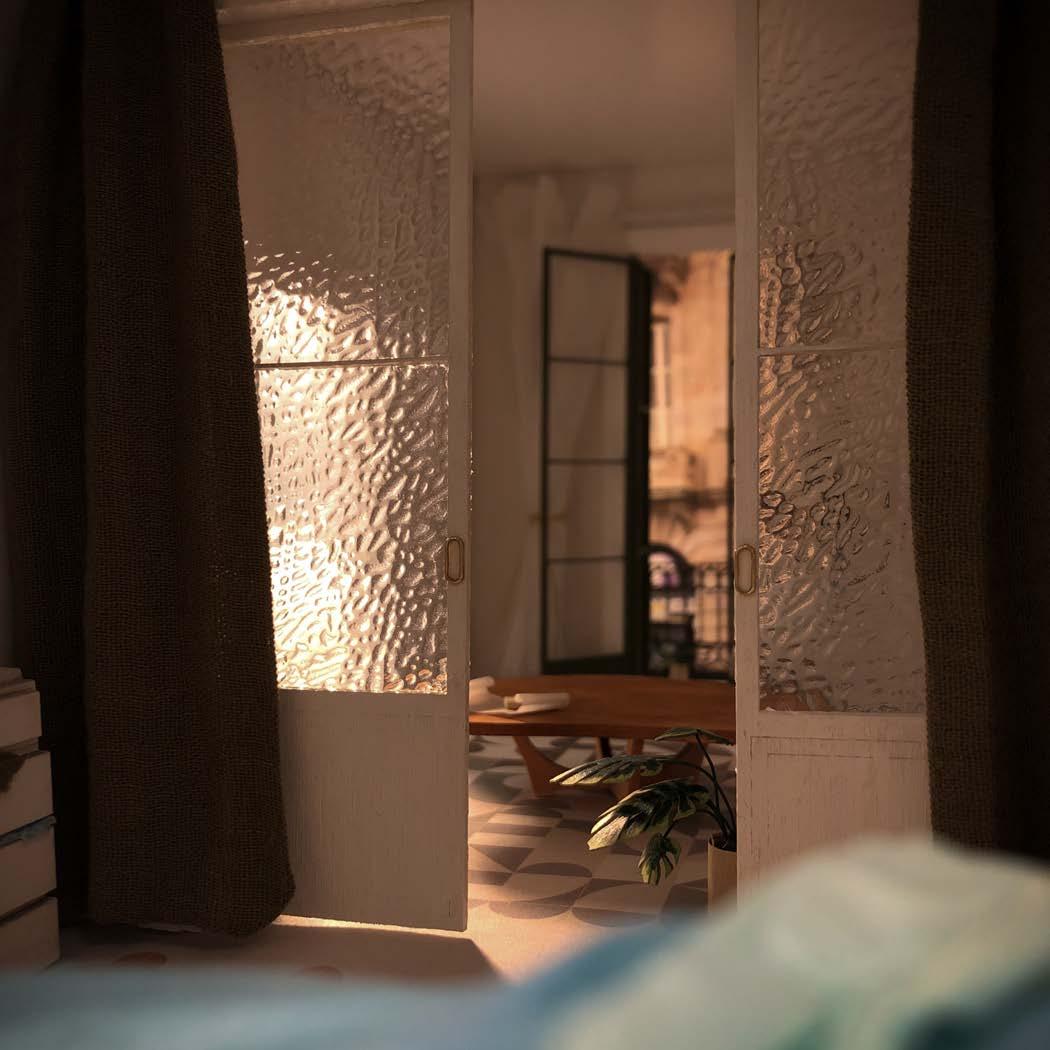
The site is located next to Parque Dr. José Narciso Gándara Cartagena in San Juan, Puerto Rico. This housing project is designed to create thermal comfort without the use of machines in the oppressive heat of the tropics. Therefore, it was essential to consider ventilation in all parts of the design and recognize shaded outdoor space as the most comfortable space to inhabit during the day. Multi-generational housing is culturally prominent in Puerto Rico; grandparents are often living with their children and their children’s children. There is a focus on family and community, but simultaneously, security concerns are widespread. My entrance into the project design was recognizing the kitchen as the primary social space while also recognizing it as a heat source in the tropics.
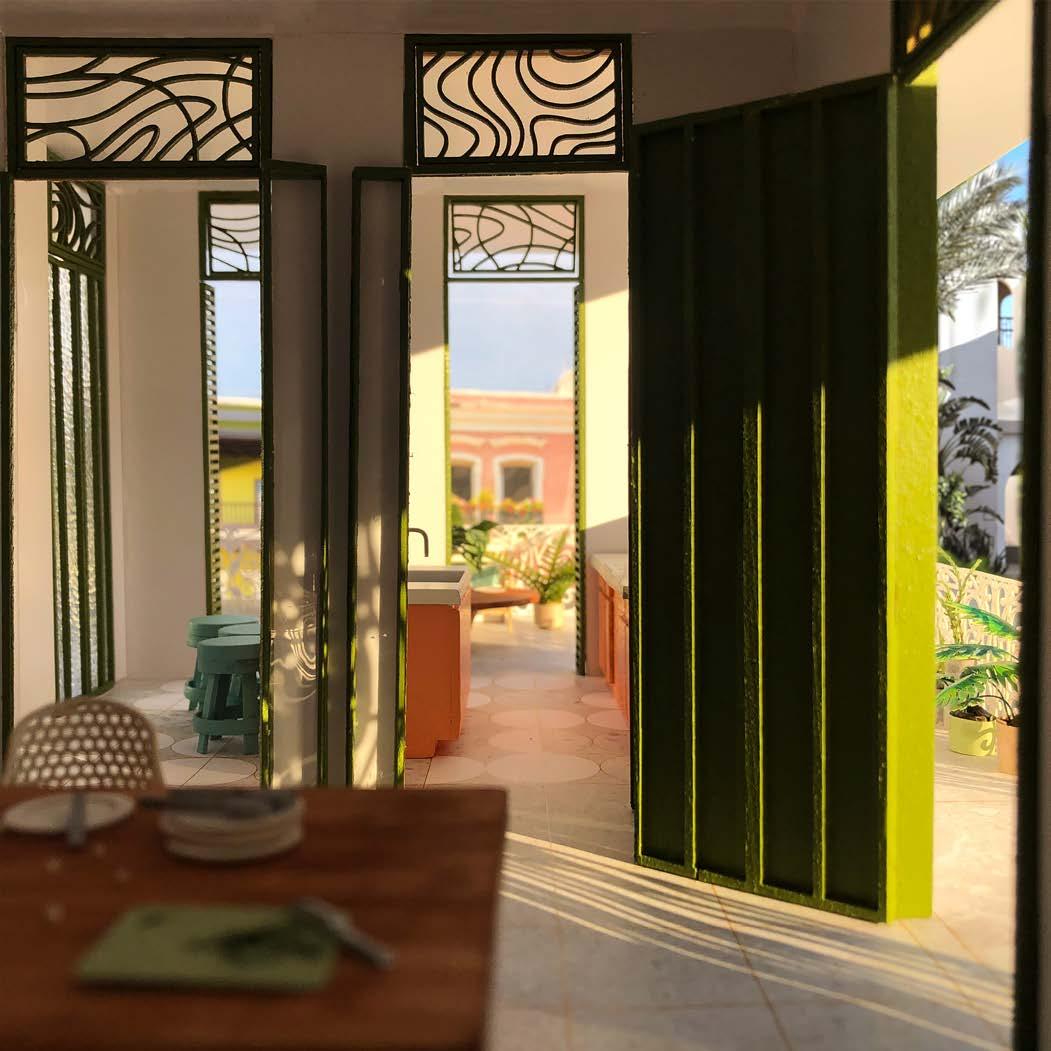
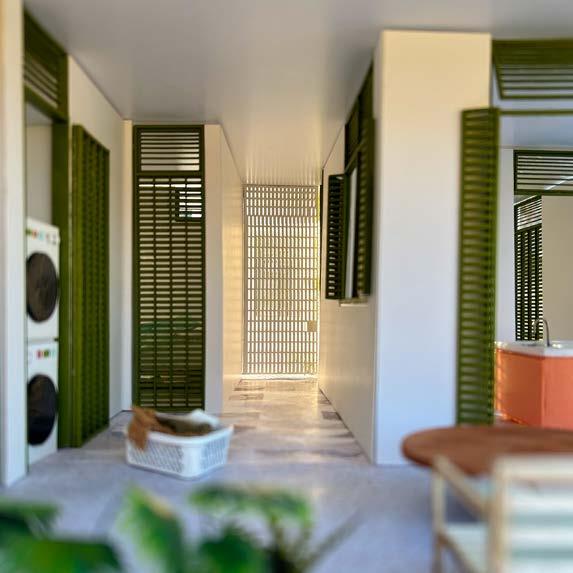
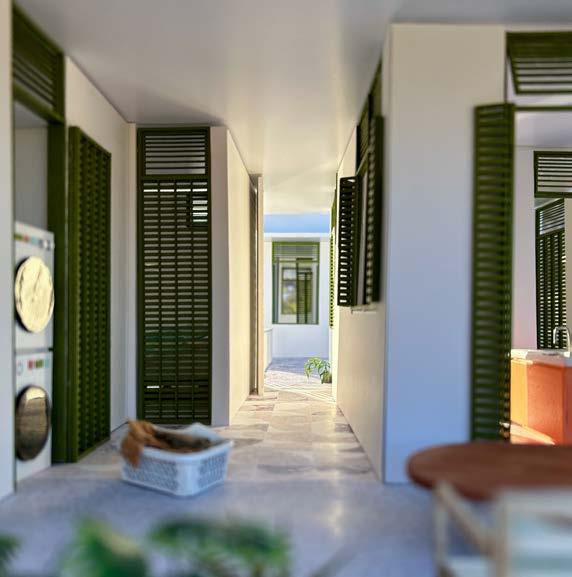
Each apartment has its own outdoor corridor and outdoor balcony. This allows for the kitchen to be fully shut off from the interior of the apartment and open to the outdoors, allowing the heat to escape into the outdoors while also allowing the kitchen to remain at the center of each apartment. When the exterior doors are open, the kitchen is essentially an outdoor covered space. My aim was to celebrate everyday activities like cooking, socializing, and laundry by giving them the shaded outdoor spaces created by the balcony and corridor. The outdoor corridor also allows for an internal separation within the apartment that the residence can allocate however they choose, it could be a grandparent’s suite, guest bedroom, kids realm, office; the architecture allows the residents to decide the function of every room in the apartment so that it fits their needs.
With a system of louvered doors, windows, and front gates, the residents are able to choose the level of privacy and security within their apartment. When they trust (and like) their neighbors, the front gate can be opened, allowing full access and visibility. If they are unsure about their neighbors, but want to get to know them better, they can have the gate closed with the louvers open for visibility and security. When they do not feel safe around their neighbors, everything can be closed and locked. The transom vents allows for ventilation regardless of chosen privacy level.
Fall 2023, International Housing Studio
Washington University in Saint Louis
Faculty: Monica Rivera
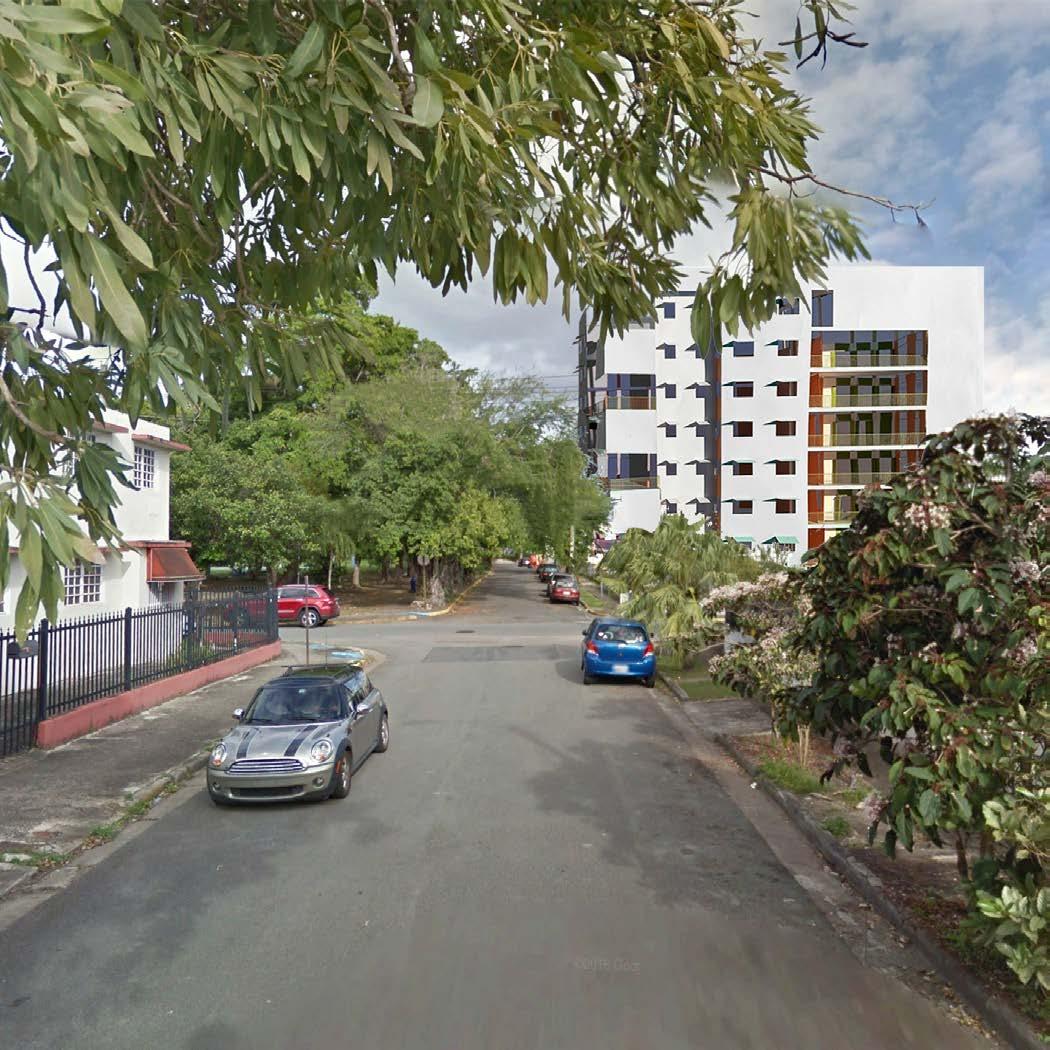
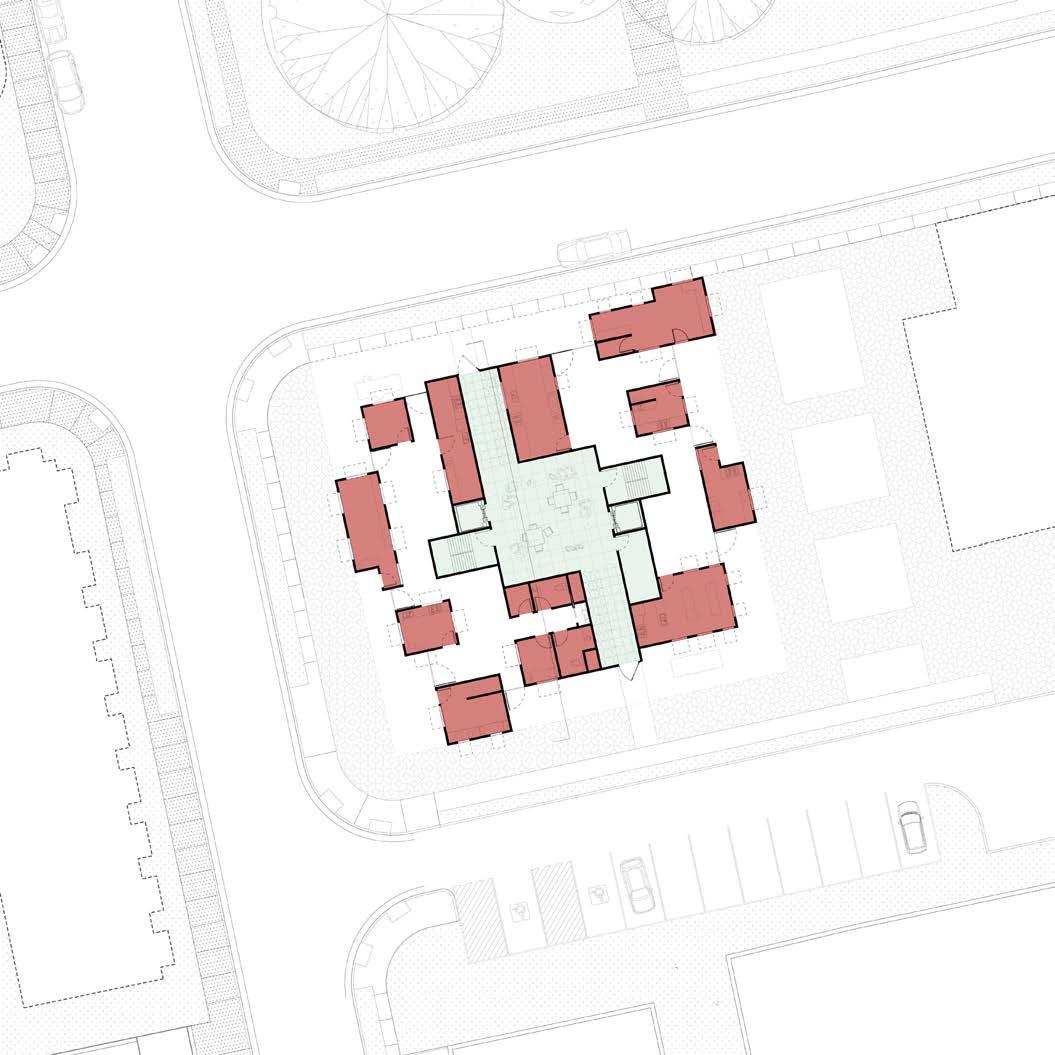
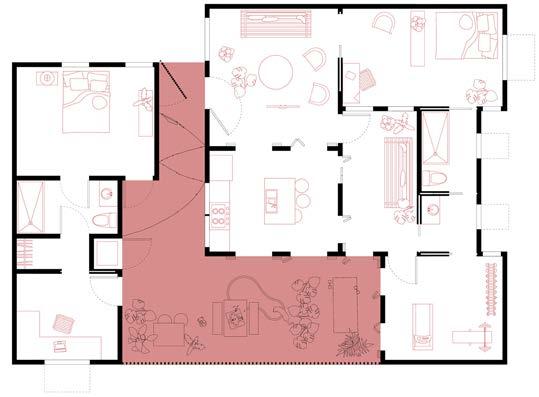
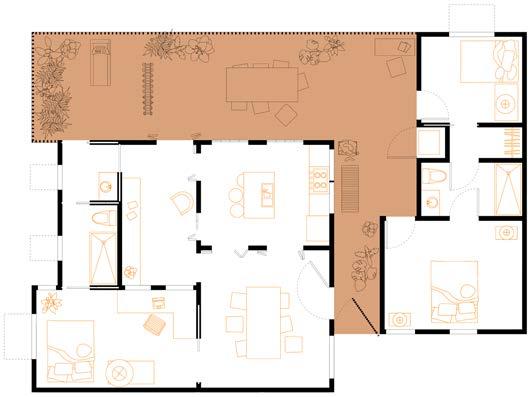
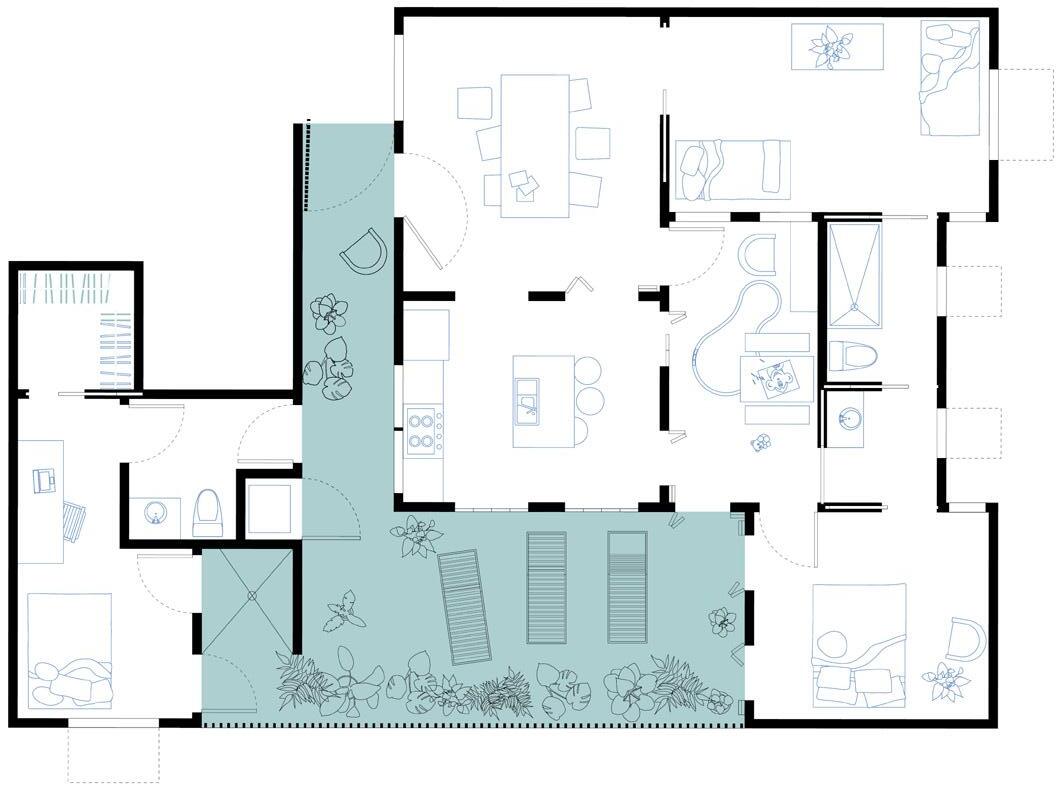
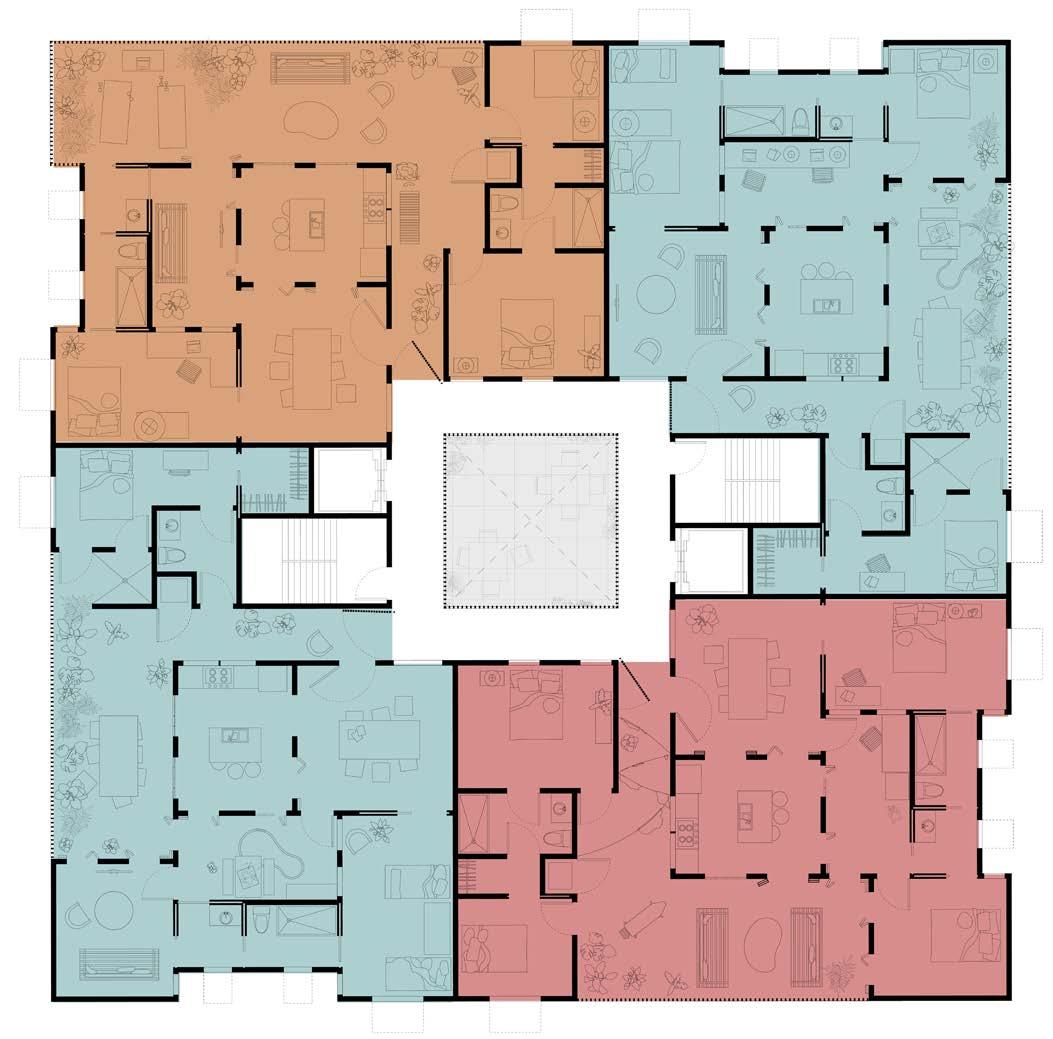
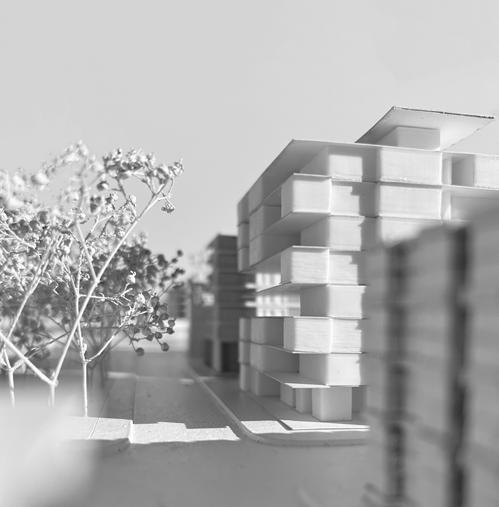
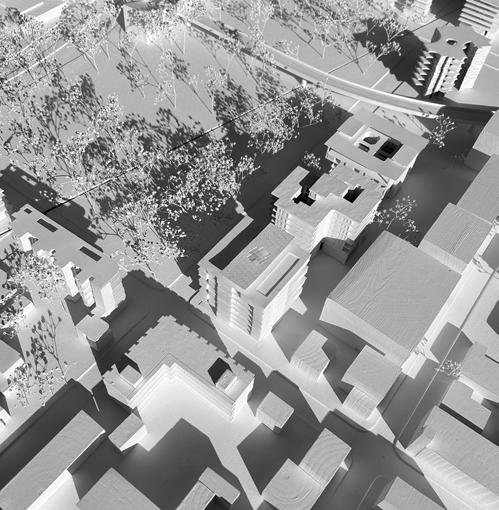
Aggregation Plan: 3 unit types, each room is designed to have a multitude of uses that can change to better adapt to the needs of each inhabitant.
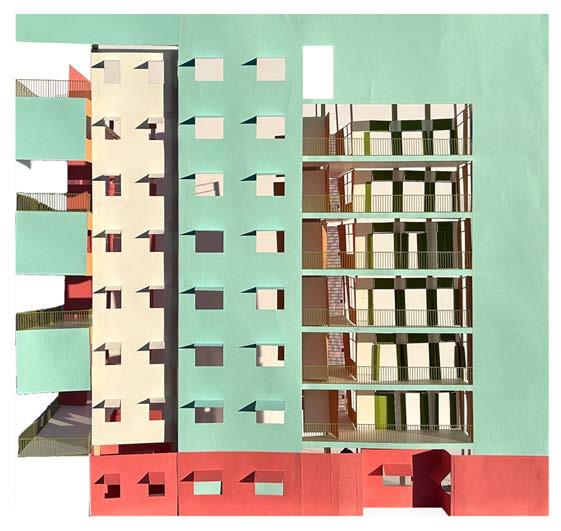
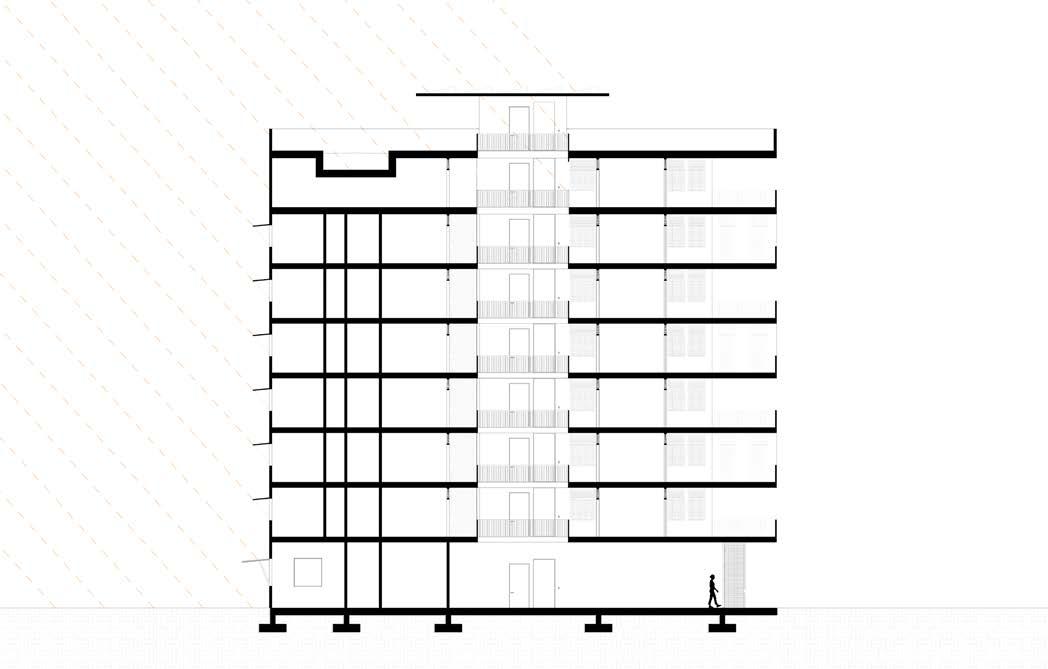
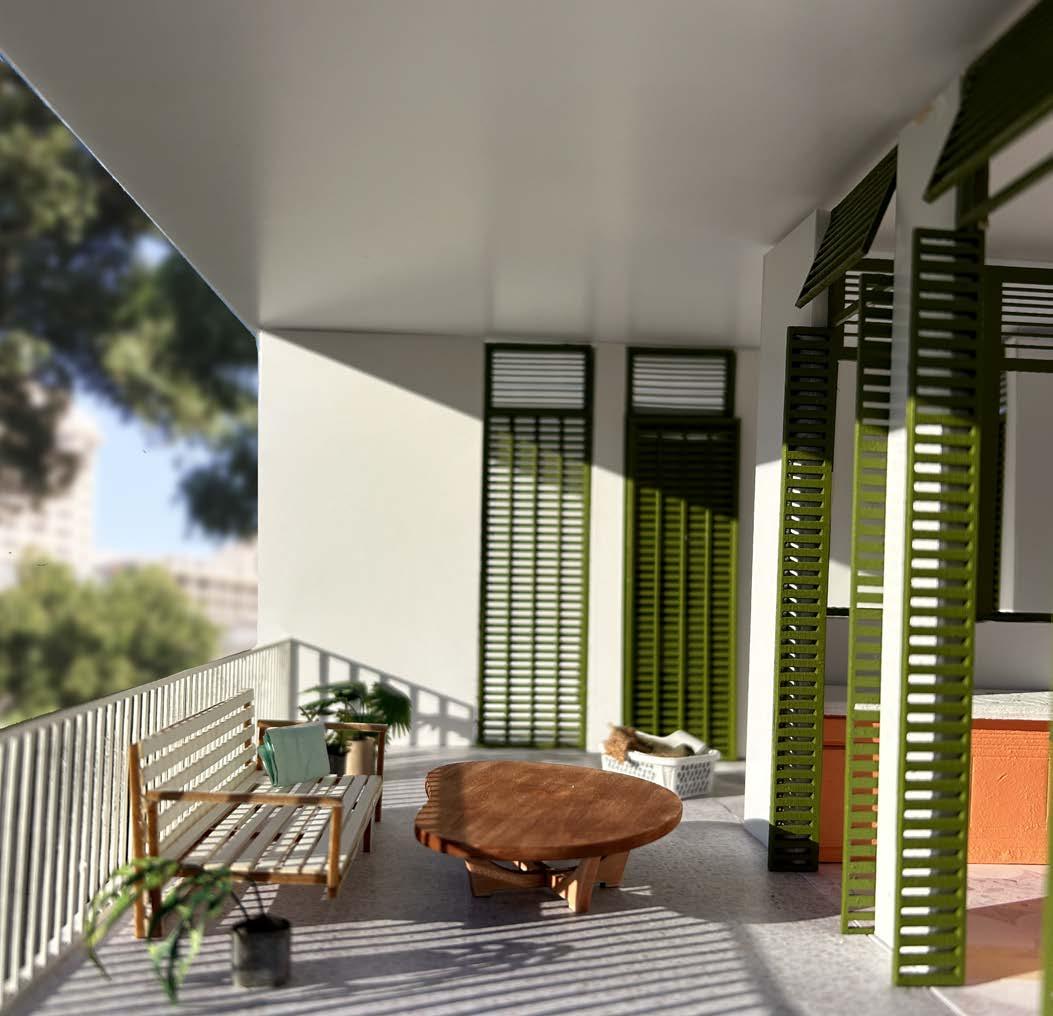
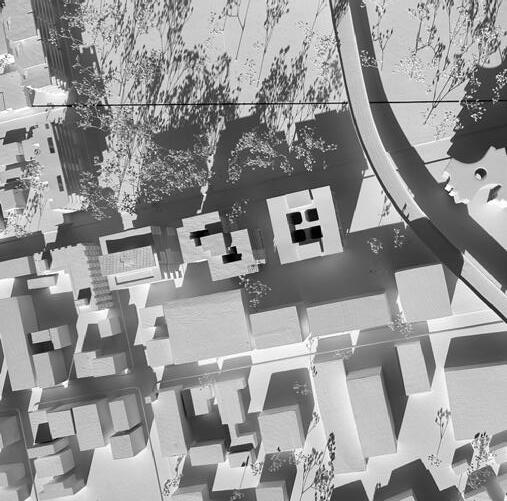
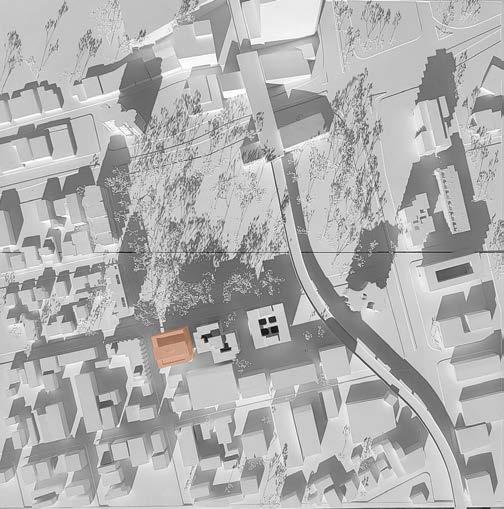
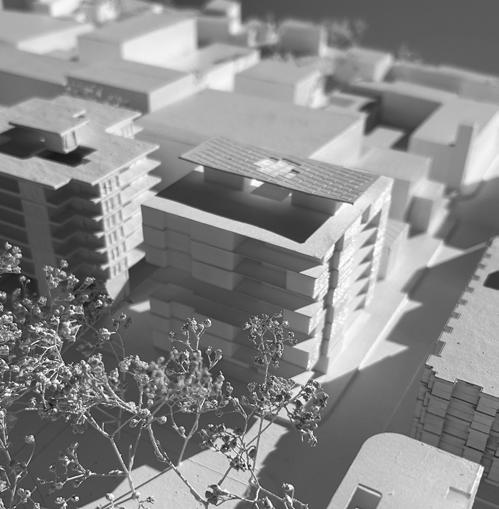
Visual Adjacencies
Artist residency and workshops
Soulard neighborhood, St. Louis, MO
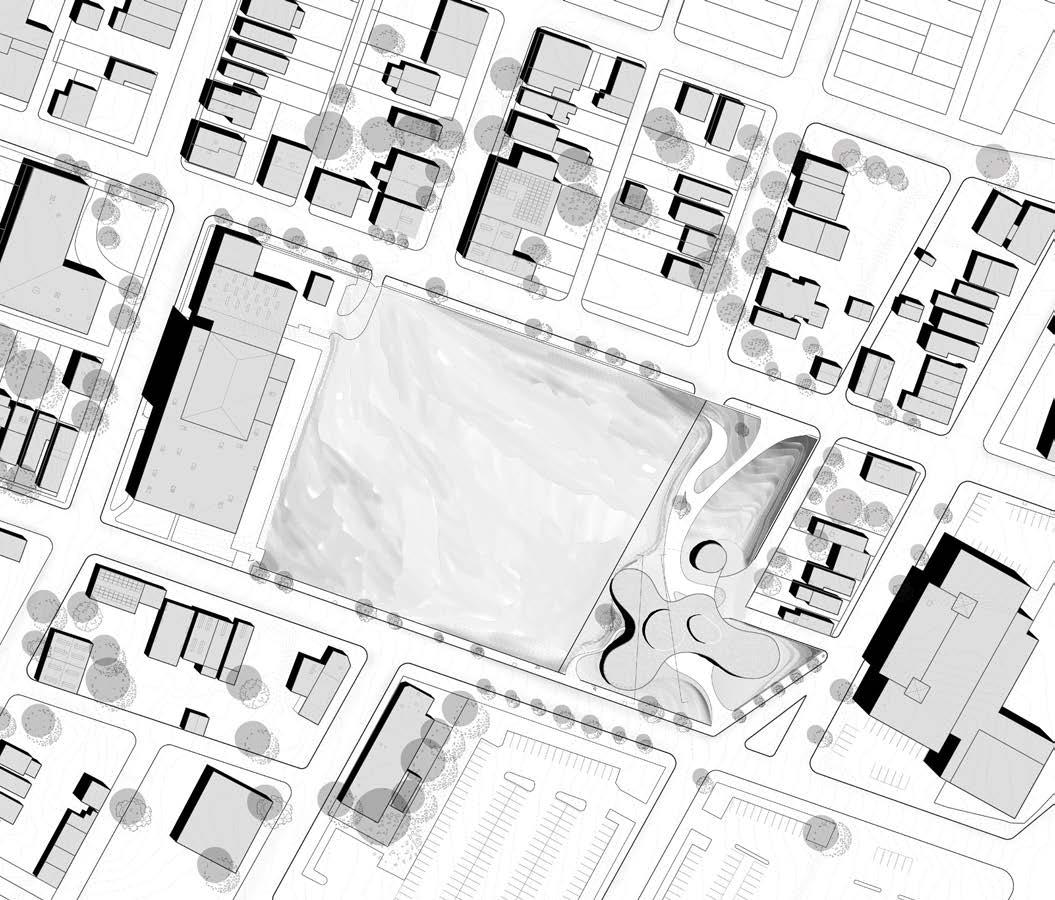
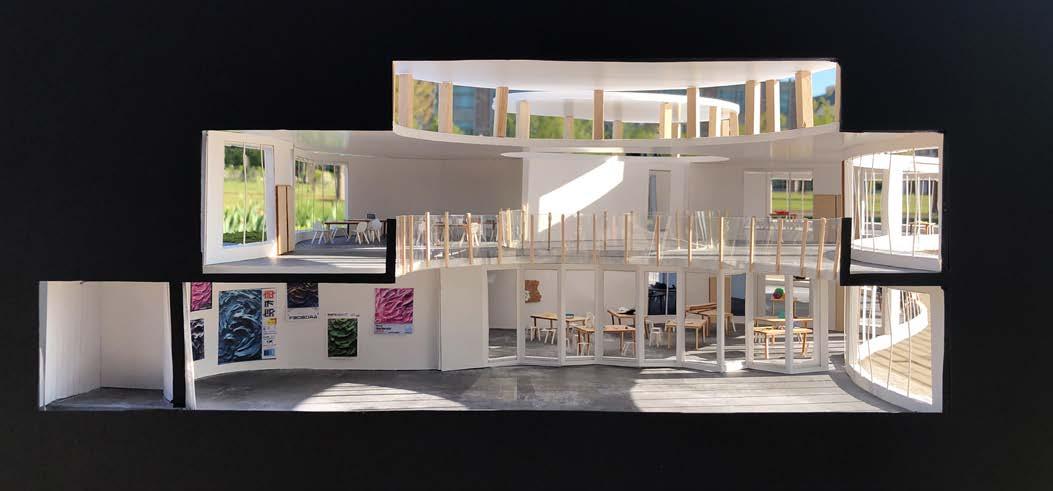
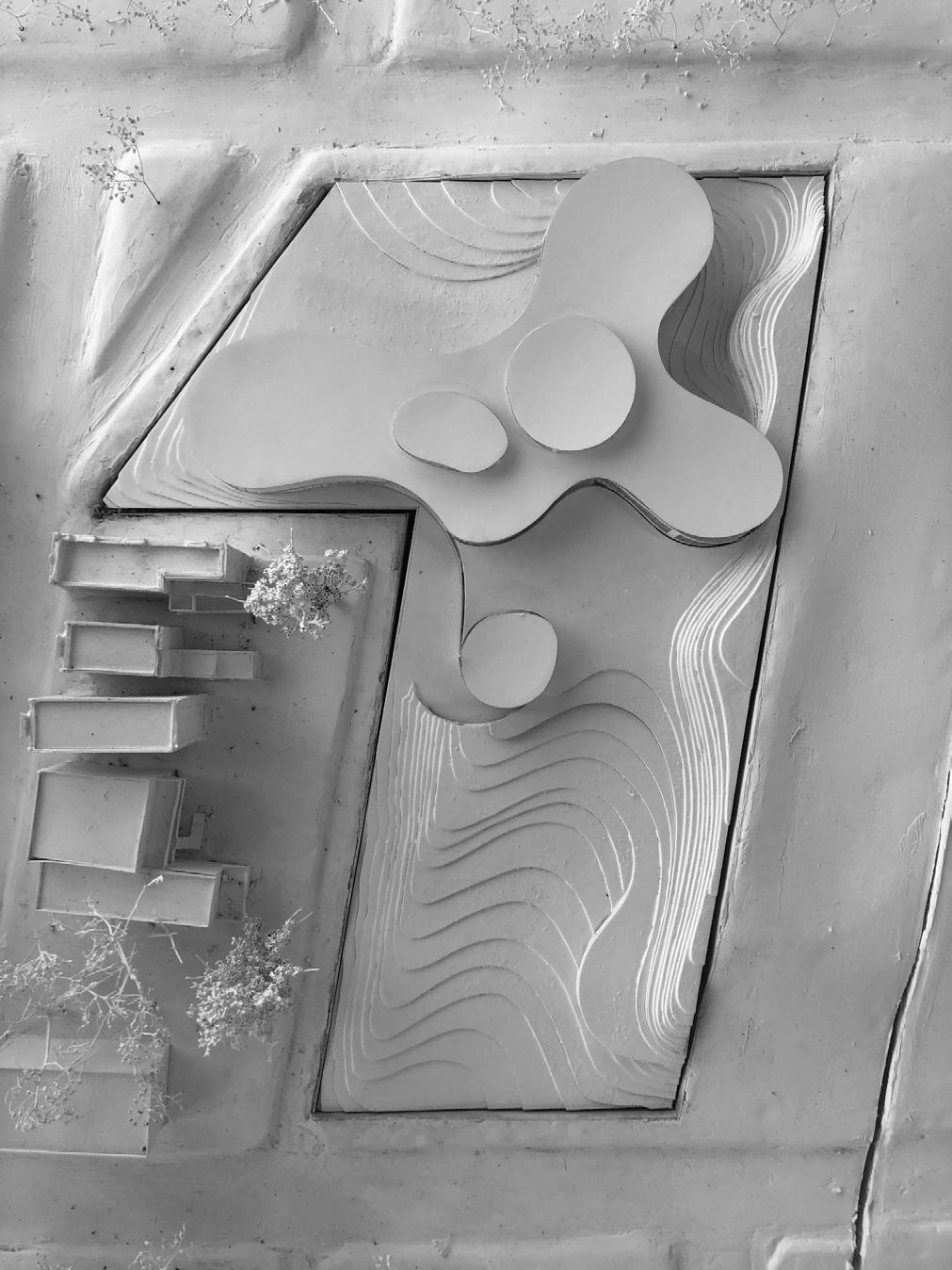
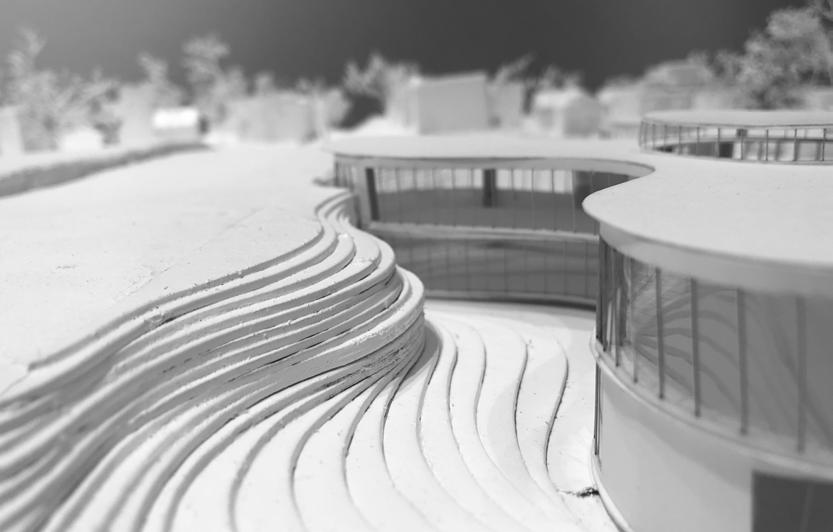
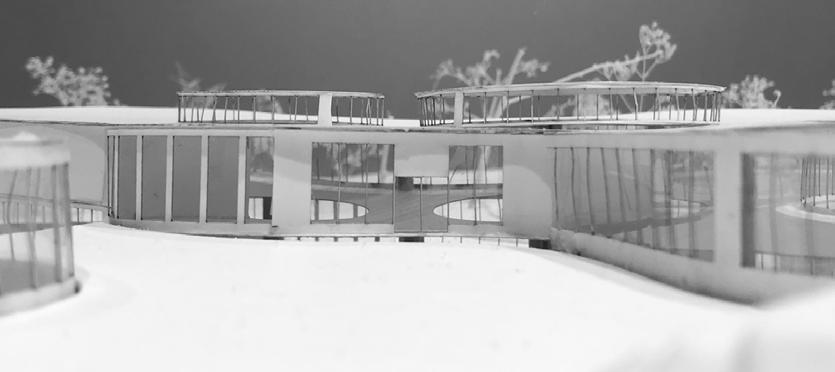
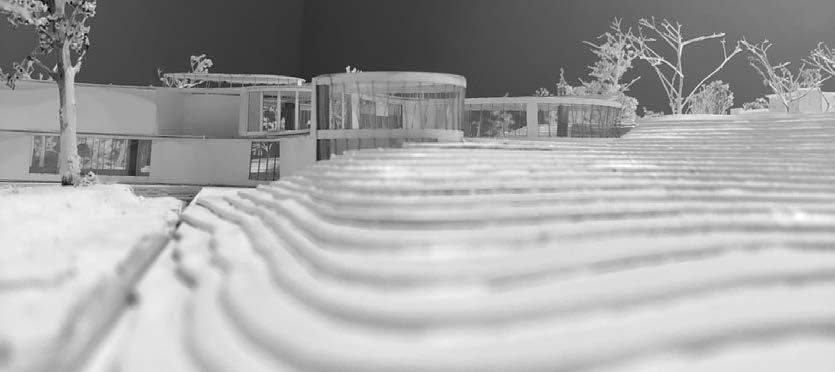
This workspace is a hub for creation, it is home to three visiting artists, and has community workshop spaces and galleries for any medium of art. This project is oriented and shaped in a way to allow for maximum visibility and accessibility of all workshops and public spaces in an attempt to constantly showcase all of the creative work being done within the space. The curves are the only solution that allow for the visual adjacencies between the workshops, allowing the users of the space to see the full range of activities available to them along with full visibility of the art exhibition and professional artists studios. The intention of these visual adjacencies was to provide the community with inspiration for the creation of their own projects, the target audience being the local Soulard residents who may be passing by, and the children from the Boys and Girls club directly west of the site. The shape of the project is intended to welcome visitors or residents from whichever side they are approaching and provide a view of the interior activity from every angle.
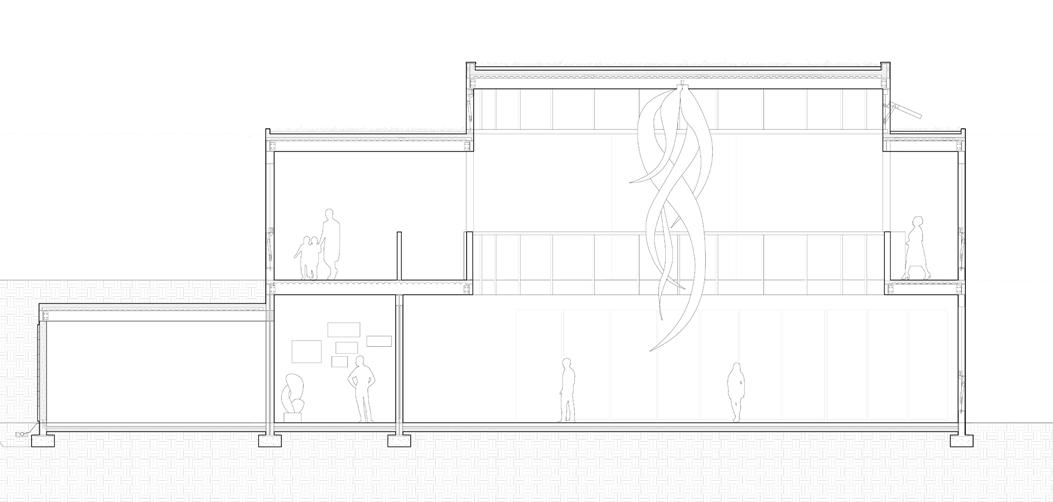
The south-western half of the first floor is a private residency for three visiting artists; they each have a private room with access to a communal living space. This private living space is connected to the three studio spaces in the northwest wing. These studios include a double height ceiling towards the north half of the space to allow for light and enable visitors of the space to be able to look down and see what the artists are doing from the northern public outdoor space.
The eastern half of the space is taken up by public workspaces including a wood shop, a ceramics workshop, a painting studio, a general purpose room for community events, and a shared workspace. In the center of the shared workspace, there is a double height atrium with a skylight that allows for full visibility of the work being done. The center of the project is also a double height atrium space with a skylight. The wood shop is the third north-eastern skylight which allows visitors to look down and see the activity below.
Spring 2023
Washington University in Saint Louis Faculty: Aaron Schump, Eugiene Bach, Anna Bach
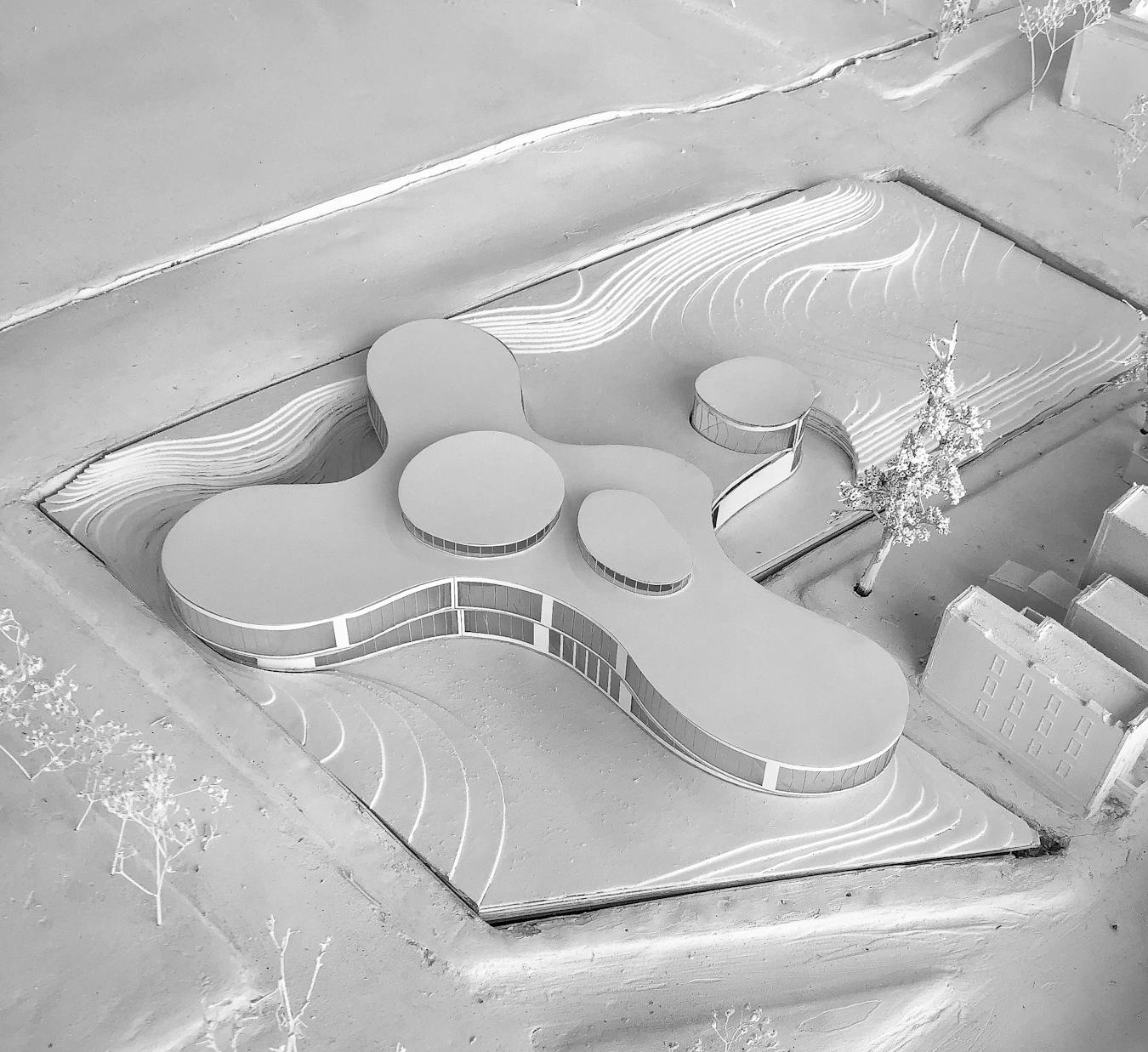
1/16 scale physical model within the site model. The image is facing the south entrance with access to the first floor. The grade change allows second floor access from the north entrance. The skylights follow the shape of the atrium spaces in the cafe lobby area and the communal workspace. These provide views to all the different art material workshops, the only workshop not visible through these atriums was the wood shop, so it gets its own pop up viewing area.
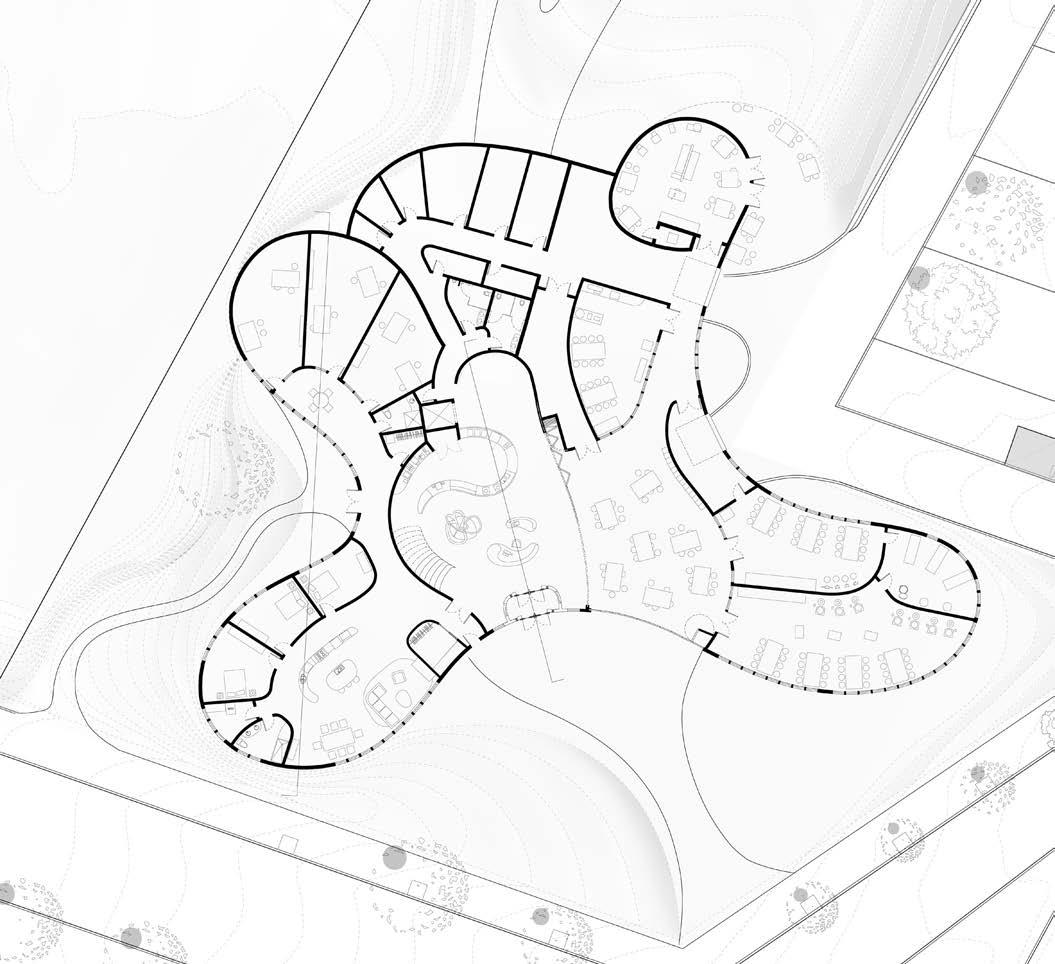
First Floor Plan: The private artist residency and studios are on the west half of the space, the public spaces including a communal work space, metal, wood, ceramics, and painting workshops are on the east half. There is a cafe in the center, easy access for the residents and the public.
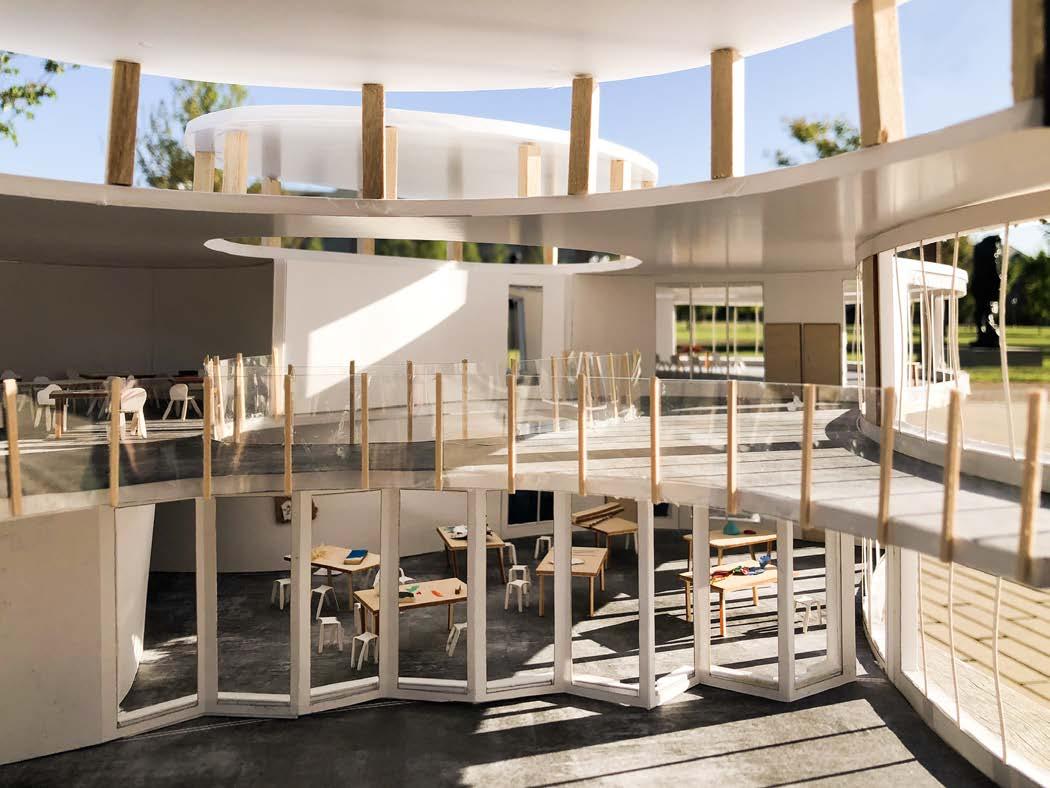
1/4 scale physical model of north-south section facing East. This is taken from the center atrium, looking towards the communal workspace. On the second floor, the multipurpose community room is visible as well as additional seating. The communal workshop atrium allows for visibility of the work being done from above. The retractable wall can be moved away for additional workspace or for special events.
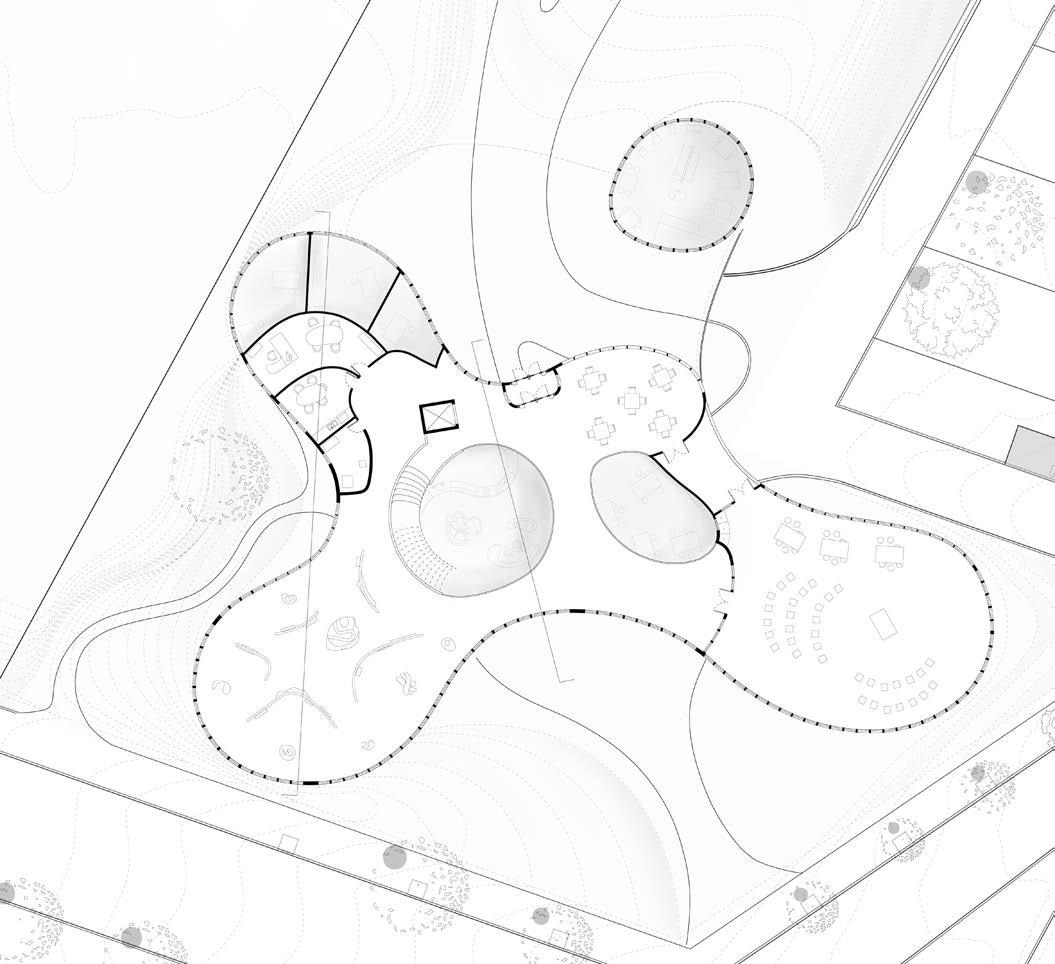

North - South Section facing west: Showcases the half underground double height artists studios. The upper windows allow light for the artist and views for the public to look down into the studio if the artist has chosen to keep the window unobstructed. This section also cuts through the second floor art gallery and the first floor private artists residence and their garden area.
Common Ground
Community Center
Los Angeles, CA
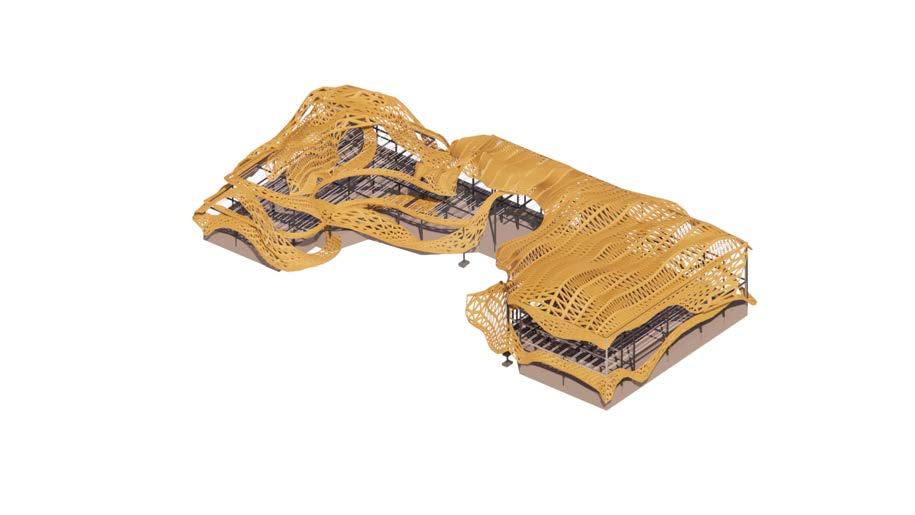
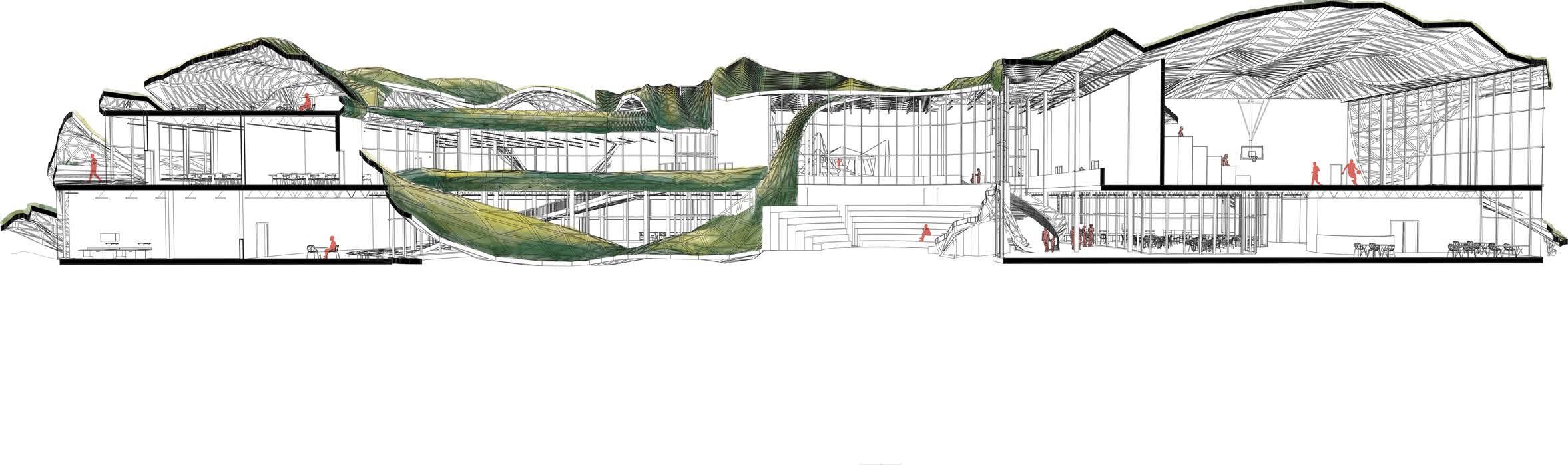
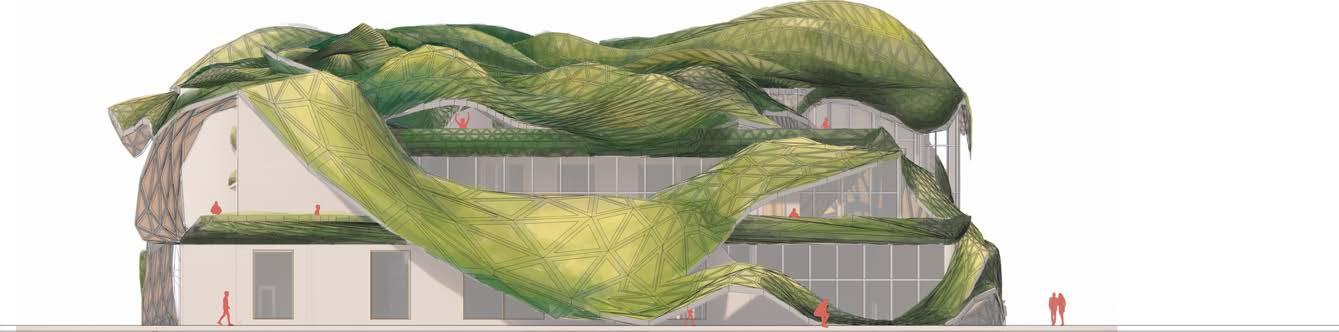
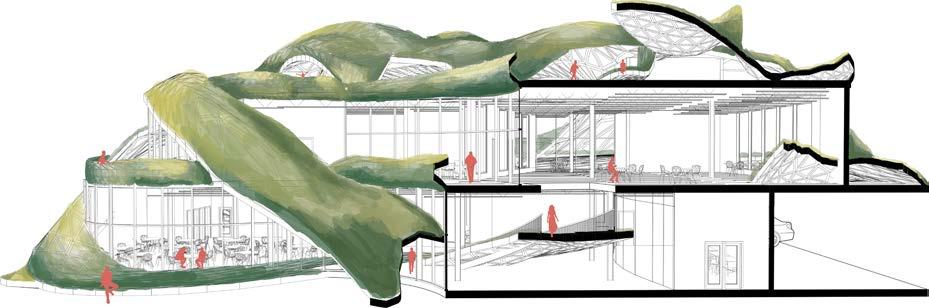
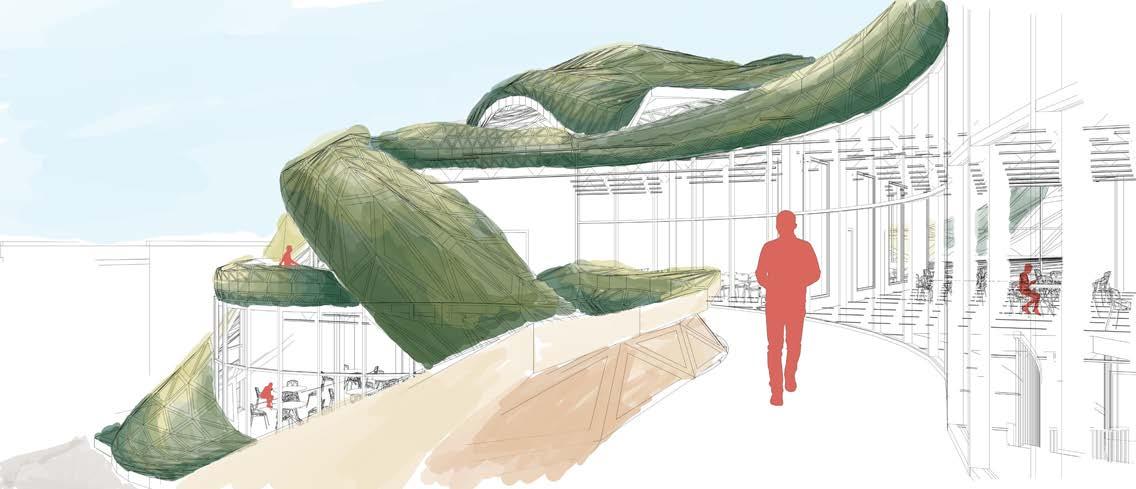
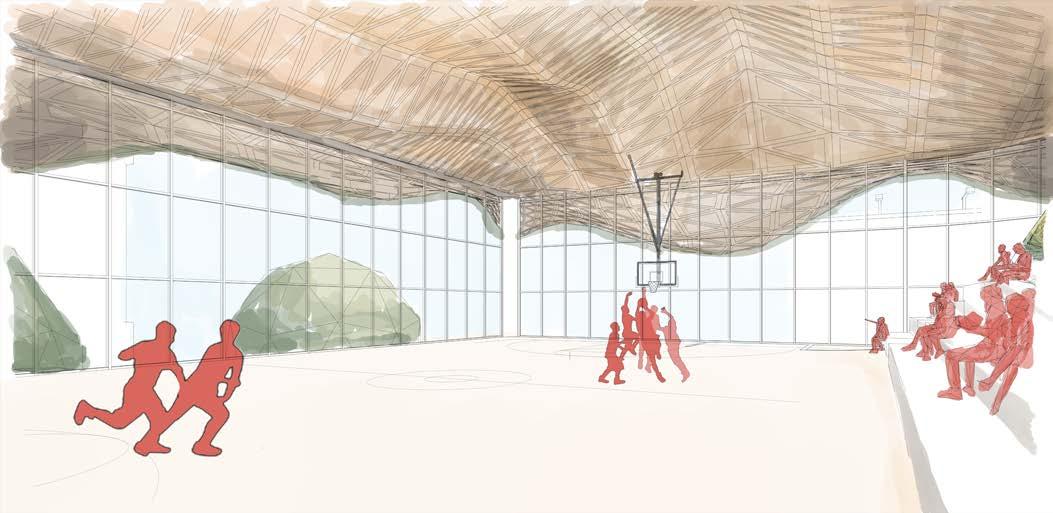
Common Ground is the result of several symbolic gestures with reference to the program of a community center and to the surrounding natural environment. The concept of community, a difficult concept to perceive and define, is represented through this “green ribbon”. The green ribbon is a wooden structure that functions as the roof, it weaves in and out of the building to support the stairs, to become seating, to be a shading device for the entrances, the sidewalk, and the second floor outdoor walking path; it does not have one definition. The green ribbon is one continuous mass that supports vegetation from the local Chaparral biome. When interacting with the green ribbon, users of the space are interacting with something that is connected to all parts of the community center. In elevation, it mimics the surrounding Los Angeles mountain ranges.
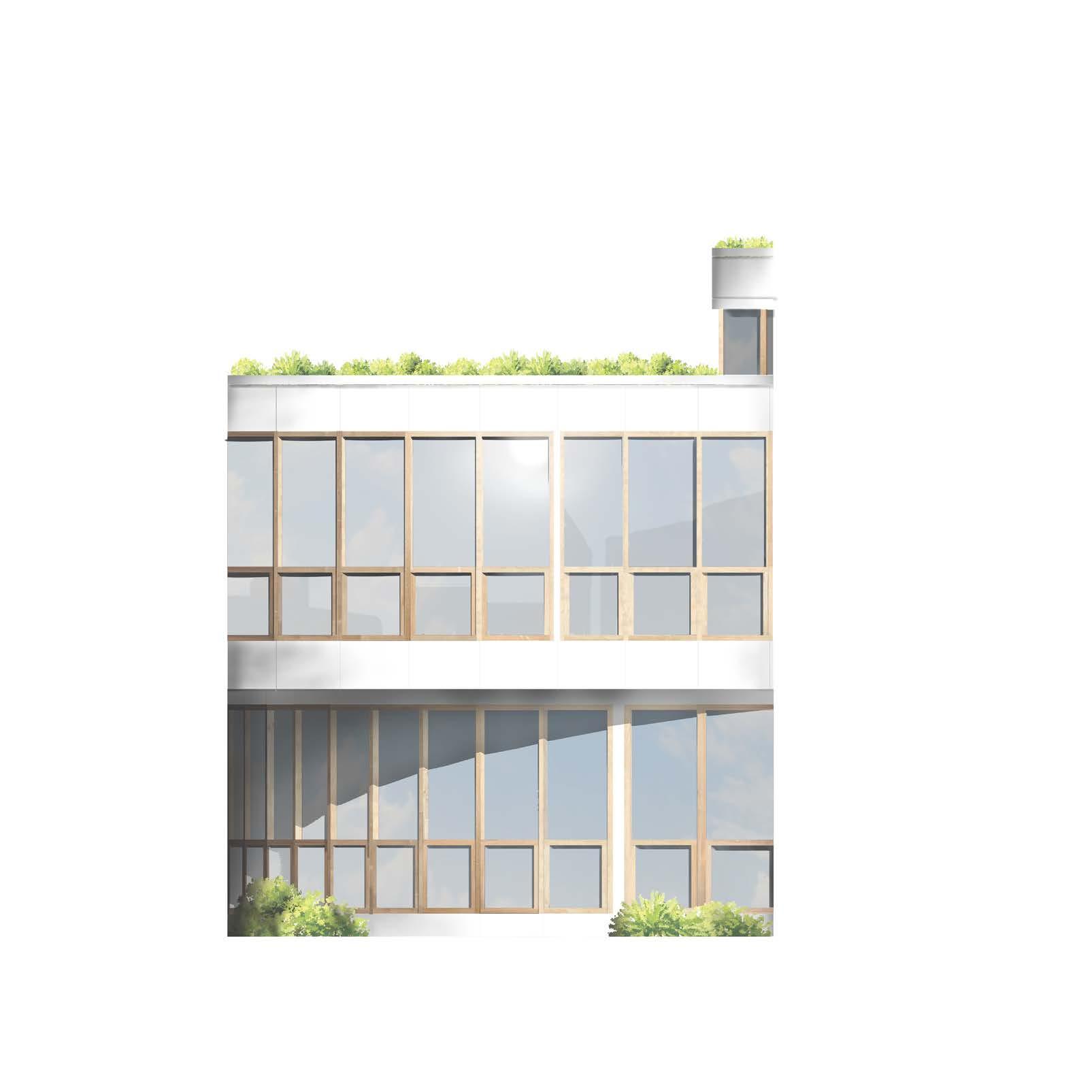
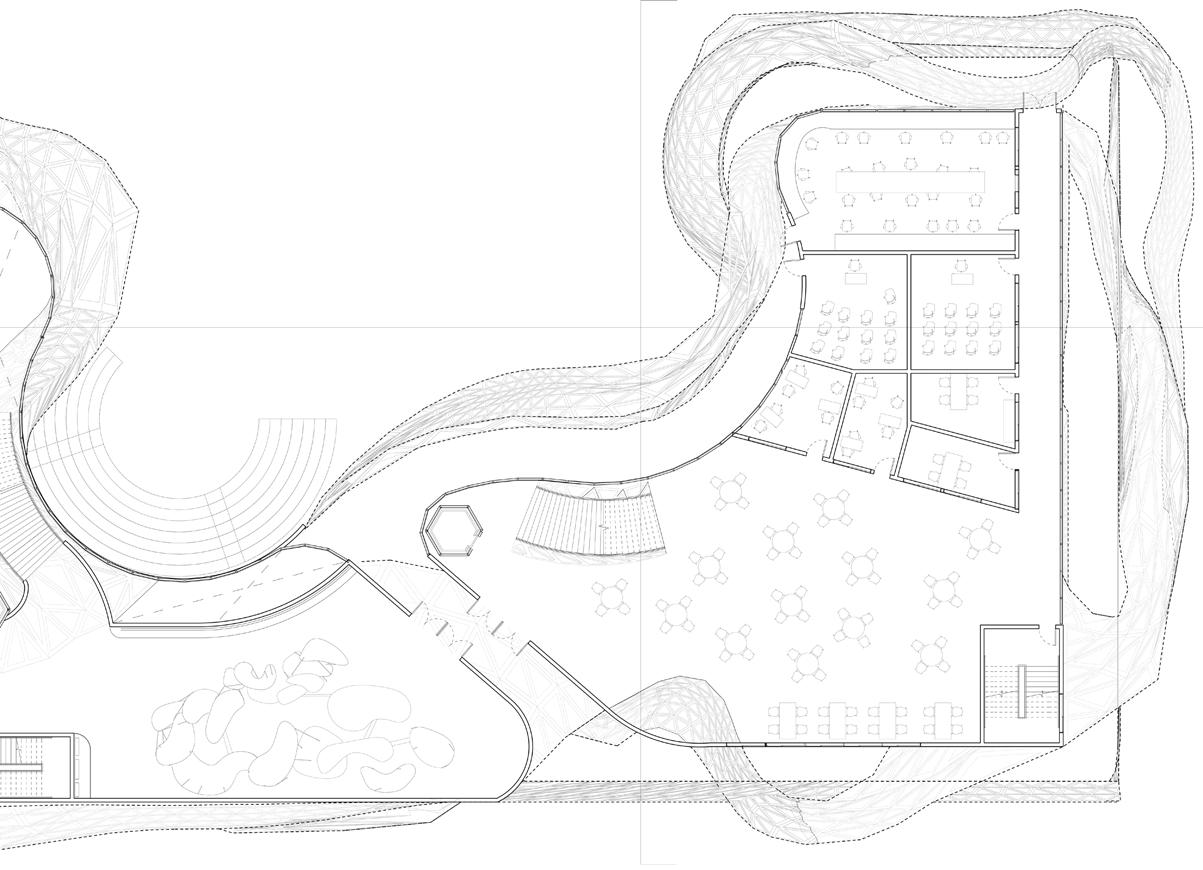
The second floor splits into two separate buildings, the more quiet program: computer lab, classrooms, work area, and the louder program: the kids play area, the basketball court, and the atrium to the first floor. The first floor has a cafe, an exhibition space, community kitchen, and community art studio. The green ribbon connects the two halves of the second floor to each other, to the first floor, and to the rest of the building. All community meeting areas and program are visible from the outside, creating a visual connection between potential users outside of the building and the users of the building within. The “U” shape of the footprint allows users within the space to see other users of the space on the other side of the building. The visual connections and physical connection of the green ribbon help the community see itself.
Fall 2021, Architecture Design and Performance
University of Illinois in Urbana Champaign
Faculty: Niloufar Emami
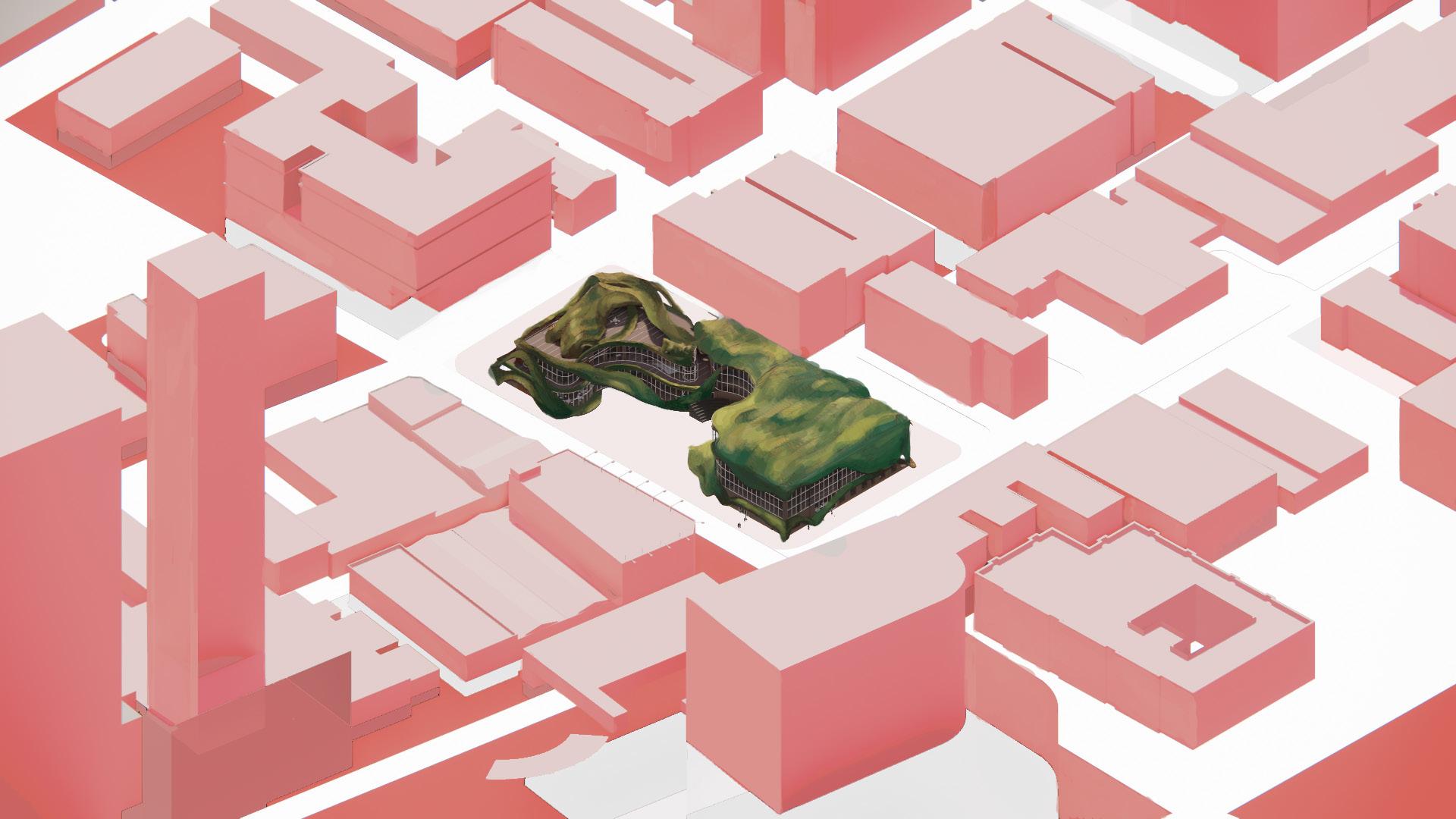
Structural system perspective: Steel and concrete construction, the green ribbon’s structure is a wooden triangle panel based system
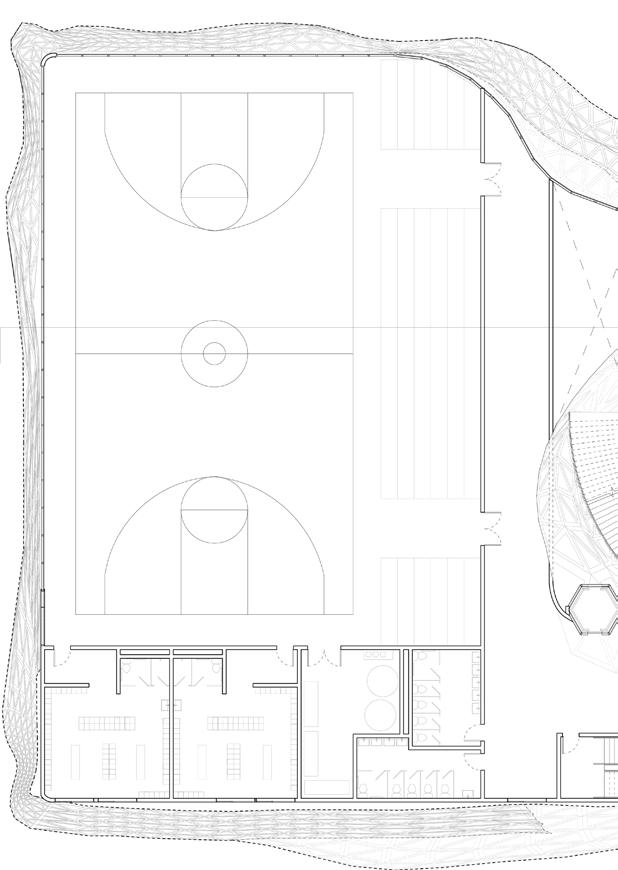
Second floor plan: An outdoor walking path separates the louder side of the program from the quiet side. The kids play area is a system of elevated curved surfaces that kids can climb through.

North elevation: Users of the space are interacting with the green ribbon in different ways.
A Glimpse of Color
Group project with Sam Scriba and Song Li
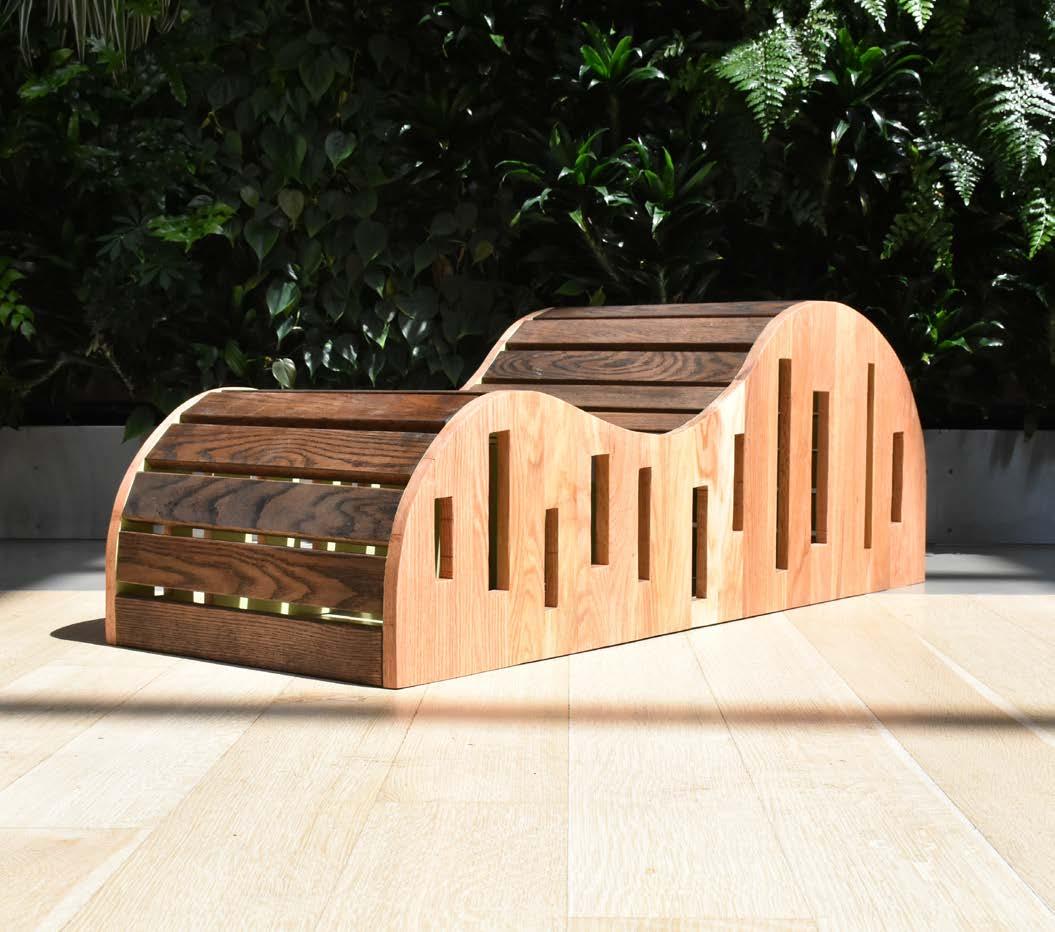
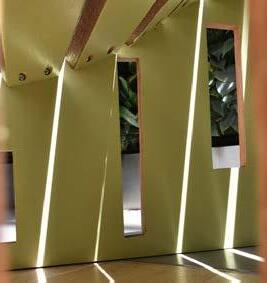
This project aimed at designing and building a two person bench. The inside of our bench is painted green while the outside is natural stained wood. The cutouts in the sides allow for the green color to be seen and for light to bounce within the bench. The curvy design allows for two people to sit. One person sits slightly higher than the other depending on how you sit; our idea was that a child could sit on this upper curve and be at eye level with an adult or older kid sitting on the lower curve.
We laminated 20 pieces of wood for each side. Each side has a different pattern of rectangular cuts that allow the green to show through. Once the pieces were laminated, we temporarily stuck the two sides together and used the band saw to make sure that the curves on each side were identical. For the slats, we used a darker stain and pocket screws to secure them to the side panels. All supporting drawings were hand drafted.
Fall 2022, Pre-semester studio
Washington University in Saint Louis Faculty: Ryan Abendroth, Amela Turnadizc
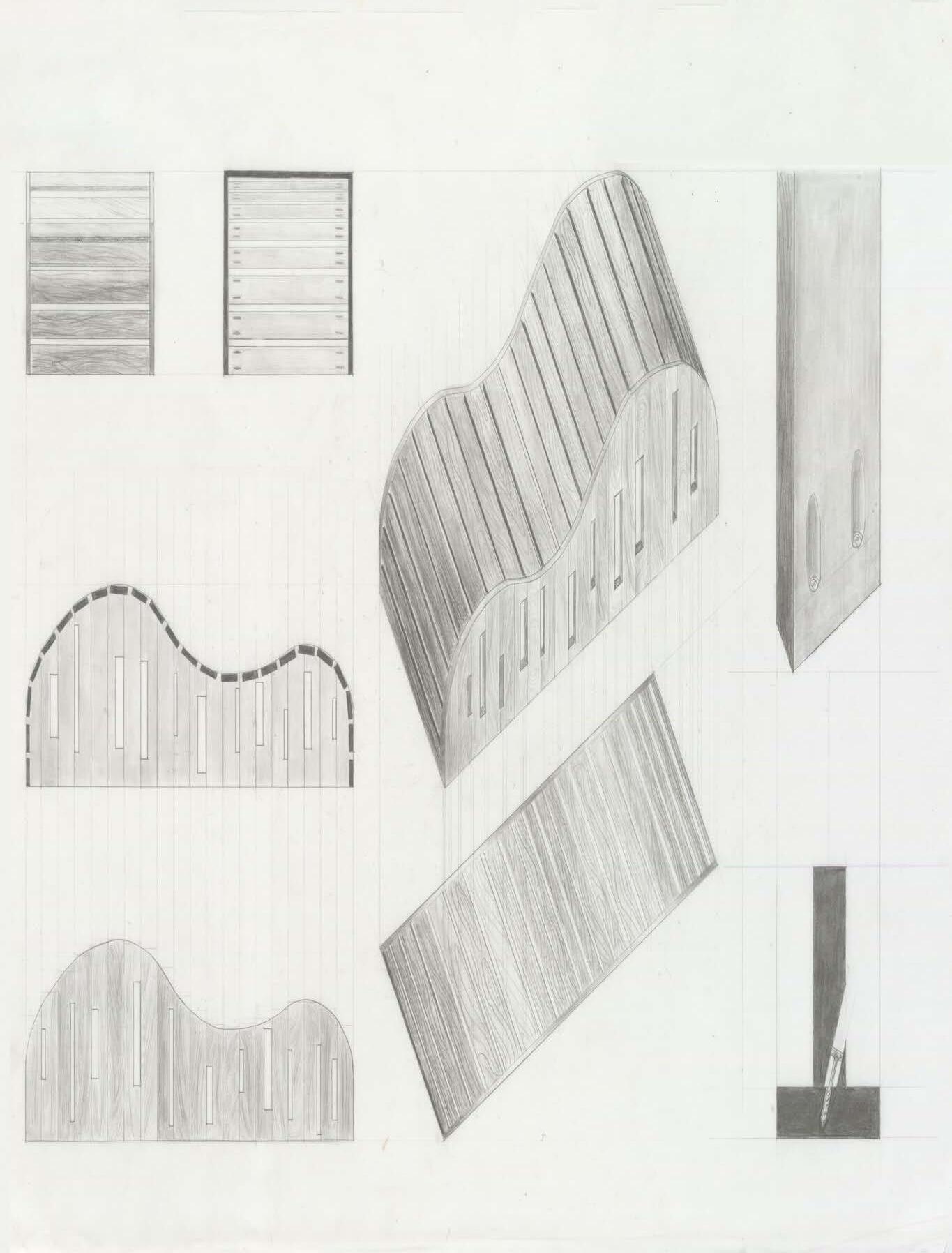
Shaded elevations and sections.
Hand Plane Drafting
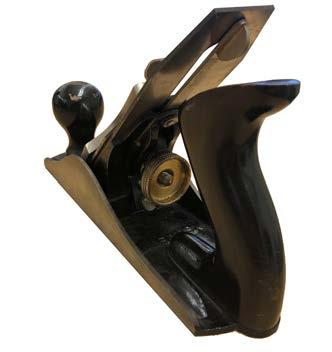
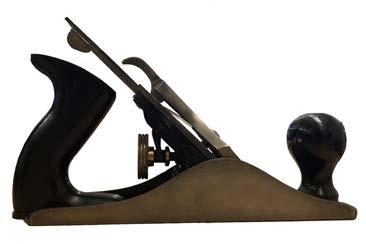
Hand drafting a hand plane
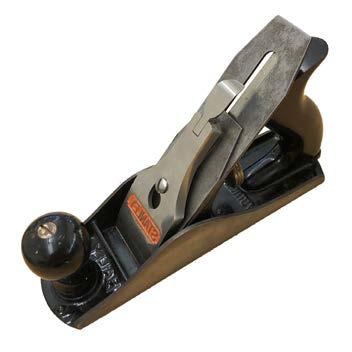
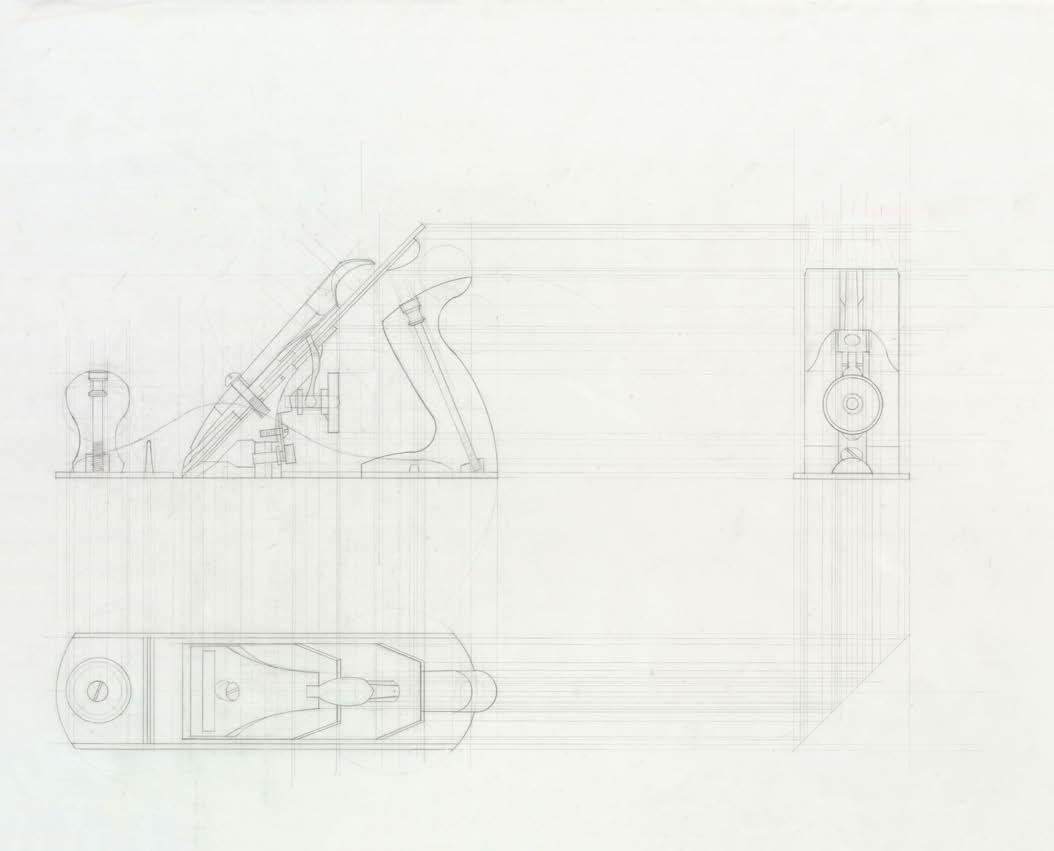
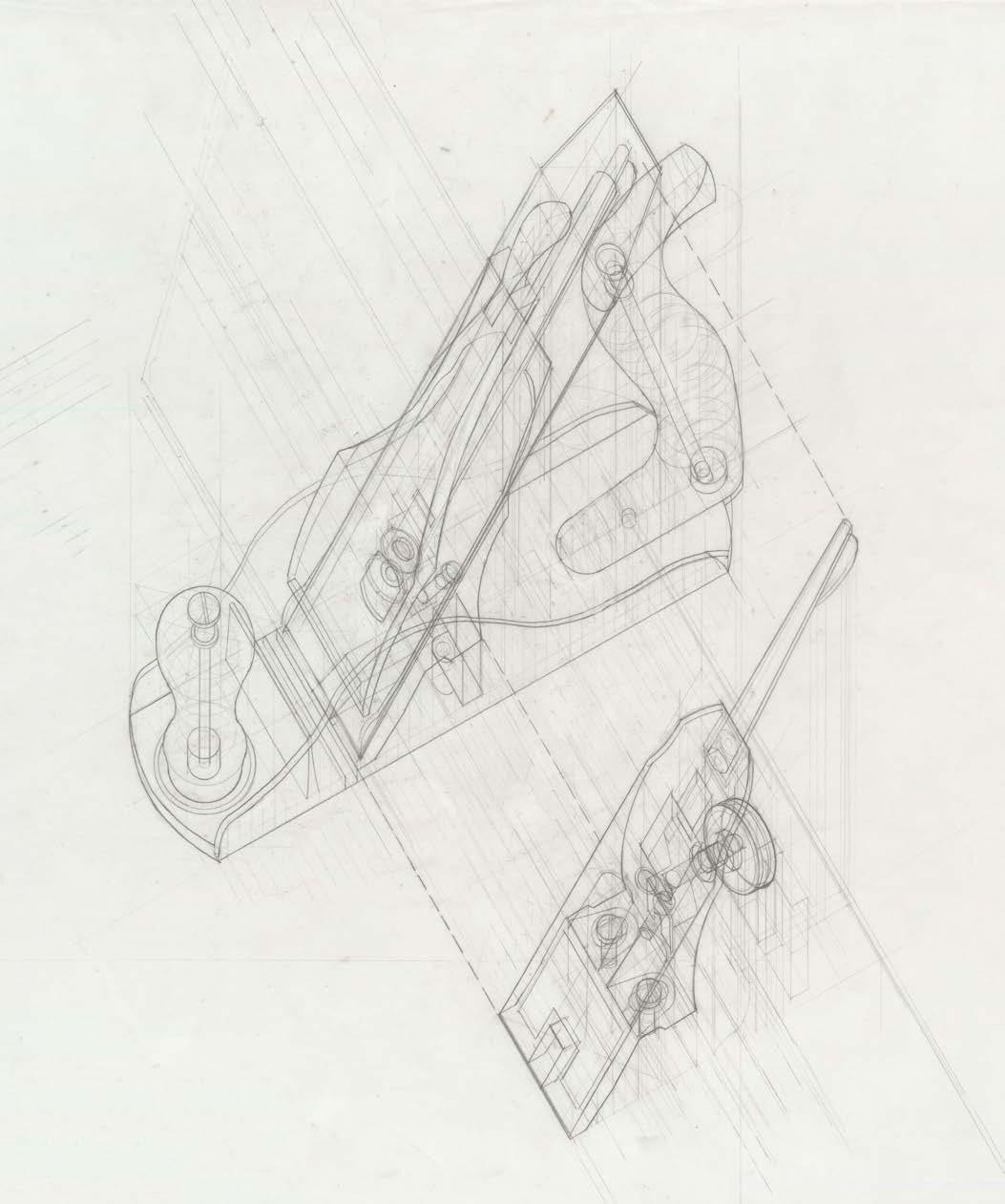
A hand plane is a tool invented by Leonard Baily in the mid 1860’s. It is a tool that, as it sounds, is used to hand plane wood. They can be fully disassembled and reassembled again which was convenient for this project because we had to draw the hand plan in x-ray mode: meaning that all interior workings of this hand plane had to be seen and accurately measured. There are no free hand lines in any of these drawings, everything was carefully measured and drafted at a 1 to 1 scale. The drafting lines are still visible, so the thought process and meticulous nature of this project can be directly seen.
In the drafted skeleton axonometric, I chose to separate part of the inner workings of the planar as to not overcrowd the line work to preserve the clarity of the drawing. This project took several weeks of carefully measuring each component of this hand plane, every curve and every bolt.
Fall 2022, Architectural Design
Washington University in Saint Louis
Faculty: Ryan Abendroth, Bruce Lindsey
Artist Studio 1/4 Scale Model
Partner project with Marlin Ma, modeling Studio Gordillo
Madrid, Spain
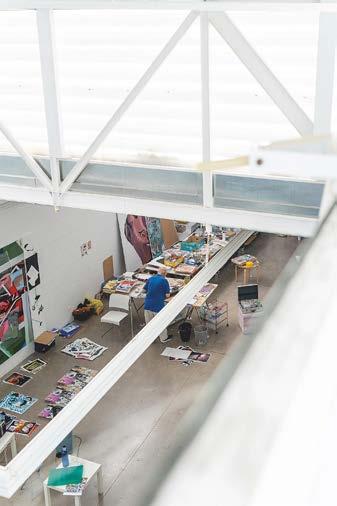
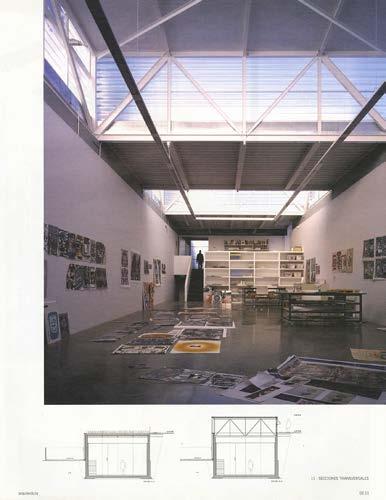
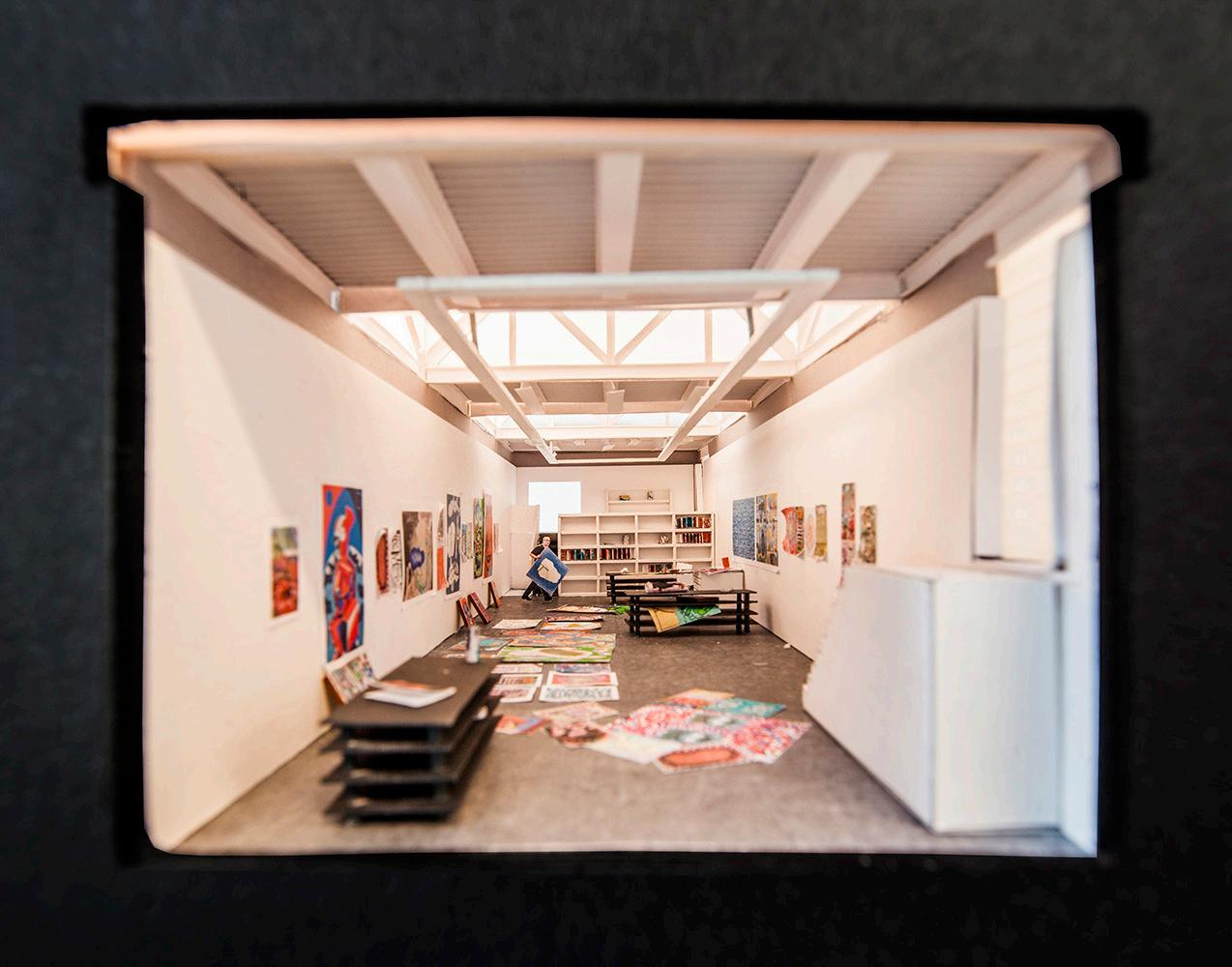
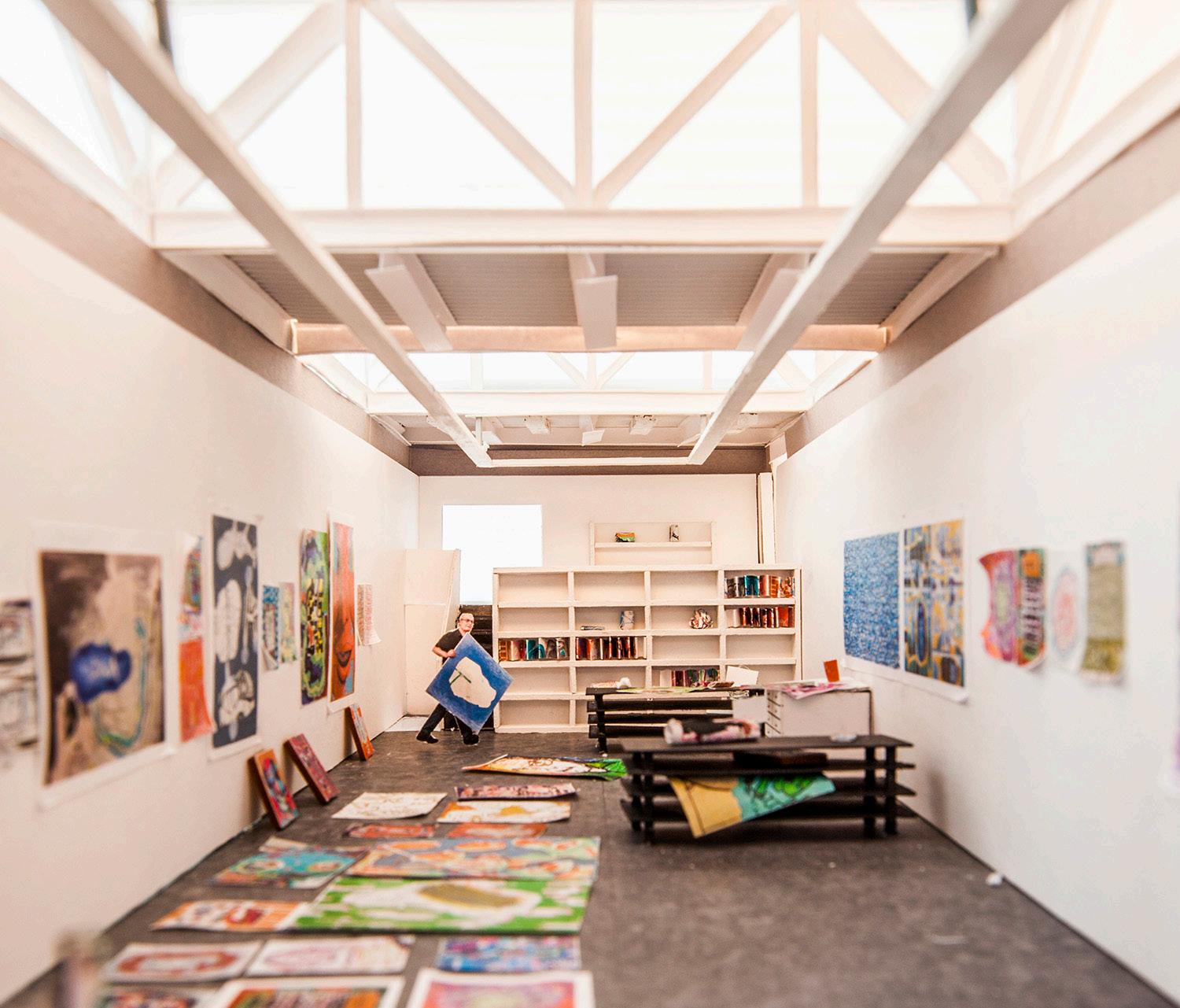
Luis Gordillo is an influential Spanish abstract painter. His studio space in Madrid, designed by Ábalos & Herreros, is partly underground, with skylights allowing natural light into the studio space. Their goal was to use light as a physical material through their use of a translucent polycarbonate for the skylights. The solid concrete walls reflect the light from the skylights achieving a “sober but sensual” atmosphere. They wanted to treat light as a physical material. This project served as a precedent project for my Visual Adjacencies project (page 14). This exercise was an introduction to modeling at a quarter scale and an introduction to the type of lighting and workspace that would be ideal for an artist.
I was responsible for the main structure of the model while my partner, Marlin, was responsible for the interior details: the posters, furniture, and stairs. To represent the translucent polycarbonate, I used coroplast, for the concrete I used foamcore with bristol for texture and color. The structural steel is folded bristol, the rectangle ceiling light is spray painted bass wood, the corrugated steel ceiling is spray painted textured cardboard. This model is currently on exhibition at Washington University in Saint Louis.
Spring 2023, Artist residency and workshops
Washington University in Saint Louis
Faculty: Aaron Schump, Eugiene Bach, Anna Bach
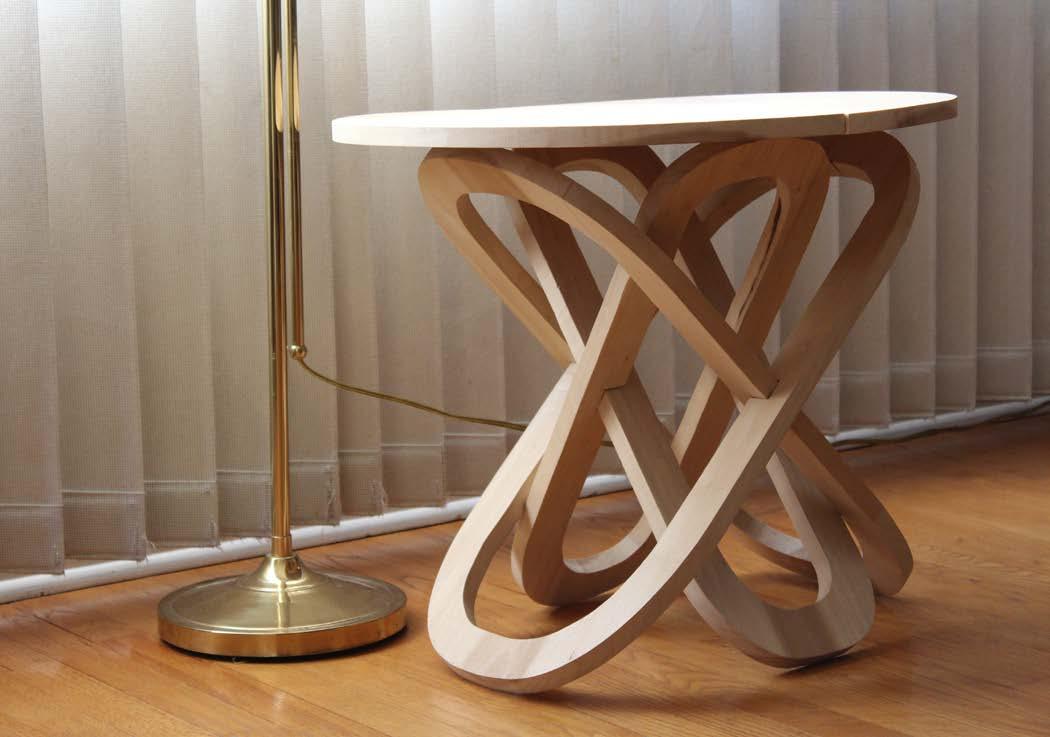
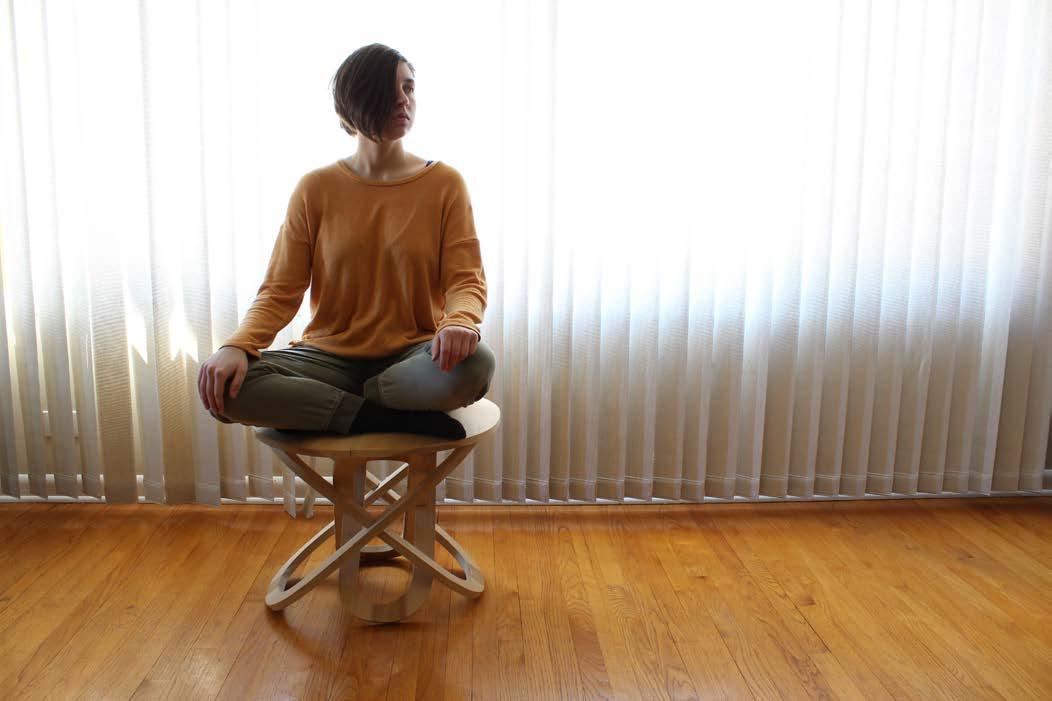
Object to enhance meditative sitting Structure in Balance
Meditation at its core, is about balance, both mental and physical, which led to my concept of a chair that is able to support itself only through balance. I created two sets of interlocking loops that balance on each other to support the top piece. One set of loops cannot stand upright without the other.
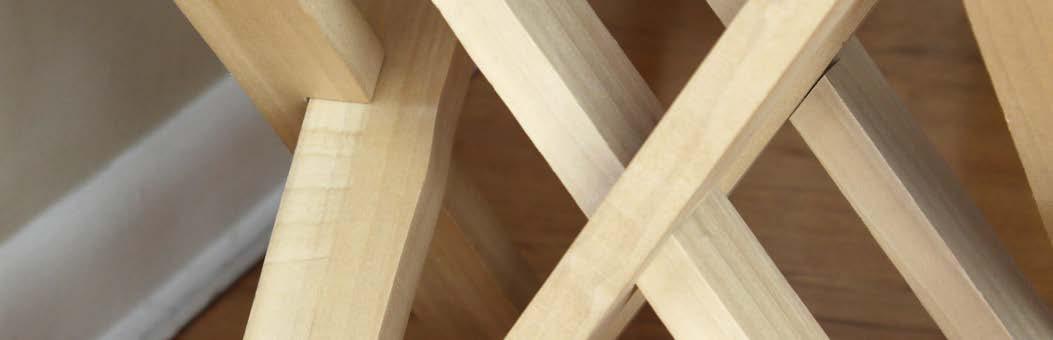
On two of the four loops, I cut straight through an upper corner. Through this cut, the wood was just flexible enough where I could slide the other loop in, then glue the cut shut. The two sets of loops rely on notch joints, one on each loop. One set of loops is slightly smaller than the other, this allows it to be able to fit inside of the other set to allow the two loops to balance. The angle of the notch joint so that the two loops would be able to perfectly balance on each other while being at the same level to support the top plate was determined through a lot of foamcore mini test models. I chiseled the exact shape of the top of the loops into the underside of the top plate so that it is able to sit on top of the loops and stay put.
I personally do not meditate enough to have an object whose sole purpose is for meditation, so I designed this chair to also function as a table. It currently resides at my parent’s house and is used as a plant display and a side table. I am happy to report it has acquired a few cup stains from its years of service as a side table. This project won the Illinois School of Architecture Jury Finalist Exemplary Object to Enhance Meditation Sitting award.
Fall 2019, Concepts and Theories Architectural Design
University of Illinois at Urbana - Champaign
Faculty: Lynne Dearborn, AnnaMarie Bliss
Education Washington University in Saint Louis, MO
Master of Architecture, Expected graduation May 2025
Selected Coursework:
International Housing Studio: Monica Rivera, Emiliano Lopez
Artist Residency and Workshops: Aaron Shcump, Anna Bach, Eugeni Bach
Construction cost estimating, Scheduling, Construction management: Steve Bannes, Guy Augenstein
University of Illinois in Urbana - Champaign
Bachelor of Science in Architectural Studies, May 2022
Minor in Business
Selected Coursework:
Architecture Design & Performance: Nilofar Emami
Designing for Human Well-being: Carl Lewis
Professional Experience Studio DVLP, St. Louis, MO, Summer 2024
Architectural Intern: Adaptive re-use residential and retail projects in St. Louis. Prepared marketing plans, construction documents, 3D modeled existing buildings and projected future design options. Given autonomy over design projects, coordinated with construction team and interior designers.
Selected projects:
Beatrice Apartments and Retail: Design discussions, 3D digital modeling, marketing plans, construction documents, elevations, sections, plans, site survey
Brunch Restaurant: Floorplan layout options, 3D digital model
Cottle Village Restaurant and Distillery: Lighting plan, 3D digital modeling, site survey
Dewberry Architects, Elmhurst, IL, Summer & Winter 2022, Spring & Summer 2023
Architectural Intern: Prepared bid sets, construction sets, Schematic design sets, details, site surveys, renderings, 3D digital models, research, sat in on client meetings, prepared presentation material for client meetings, participated in design discussions.
Selected projects:
Breybourne Cricket Stadium: 25,000 capacity : Design discussions, research, modeling, plans
Bone Marrow Transplant Expansion/ Renovation: Construction documents, layout options
NMBHI Mental Health Facility : Schematic design documents, Client Presentations
Additional Experience Washington University in Saint Louis, St. Louis, MO
Teaching Assistant: Structures II, Spring 2024
Teaching Assistant: Structures I, Fall 2023
University of Illinois at Urbana - Champaign
Production Assistant: Wide format file prep, printing, finishing, and billing. Posters, banners, signs, stickers, magnets.
Professional Organizations
Graduate Architecture Council: GAC, Spring 2024
Executive board social chair
American Institute of Architecture Students: AIAS, Fall 2021 - Spring 2022
Executive board financial committee member
Alpha Rho Chi: APX, Fall 2019 - Spring 2022
Executive board member - Formal Superintendent
Gargoyle Architecture Honor Society, Fall 2021- Spring 2022
Member - by invitation only, recognizes academic excellence and proficiency in Architecture
Women in Architecture, Fall 2019 - Spring 2022
Member
Awards Graduate School of Architecture Chair’s Scholarship : Merit based scholarship, 80% tuition
Nominated for the Illinois School of Architecture Earl Prize Illinois School of Architecture Jury Finalist Exemplary Object to Enhance Meditation Sitting College of Fine and Applied Art’s Deans List, Fall 2019, Spring 2020 & 2021 Illinois State Seal of Biliteracy in Spanish, Spring 2018
Skills Rhino, Revit, AutoCAD, Adobe Suite (Photoshop, Illustrator, InDesign, Lightroom), Microsoft Office Suite, Google Chrome Suite, Grasshopper, Ladybug, LunchBox, Rhino into Revit Plugin, Google Sketchup, 3D Studio Max, Enscape, Lumion
Keblusek