
The Wiley International Handbook on Psychopathic Disorders and the Law 1st Edition Alan
R. Felthous
Visit to download the full and correct content document: https://ebookmass.com/product/the-wiley-international-handbook-on-psychopathic-dis orders-and-the-law-1st-edition-alan-r-felthous/

More products digital (pdf, epub, mobi) instant download maybe you interests ...

The Wiley Handbook on What Works with Girls and Women in Conflict with the Law Shelley L. Brown
https://ebookmass.com/product/the-wiley-handbook-on-what-workswith-girls-and-women-in-conflict-with-the-law-shelley-l-brown/
The Wiley international handbook of mentoring: paradigms, practices, programs, and possibilities Irby
https://ebookmass.com/product/the-wiley-international-handbookof-mentoring-paradigms-practices-programs-and-possibilities-irby/
The Oxford Handbook of the Sources of International Law
Aspremont
https://ebookmass.com/product/the-oxford-handbook-of-the-sourcesof-international-law-aspremont/

The Oxford Handbook of International Law in Asia and the Pacific Simon Chesterman (Editor)
https://ebookmass.com/product/the-oxford-handbook-ofinternational-law-in-asia-and-the-pacific-simon-chestermaneditor/
The Handbook of Language and Speech Disorders 2nd Edition Jack S. Damico
https://ebookmass.com/product/the-handbook-of-language-andspeech-disorders-2nd-edition-jack-s-damico/

The Oxford Handbook of Jurisdiction in International Law Stephen Allen (Editor)
https://ebookmass.com/product/the-oxford-handbook-ofjurisdiction-in-international-law-stephen-allen-editor/

The Oxford Handbook of the International Law of Global Security Robin Geiß (Editor)
https://ebookmass.com/product/the-oxford-handbook-of-theinternational-law-of-global-security-robin-geis-editor/

The Function of Equity in International Law Catharine Titi
https://ebookmass.com/product/the-function-of-equity-ininternational-law-catharine-titi/
The Wiley Blackwell Handbook of Bullying: A Comprehensive and International Review of Research and Intervention, Vol. 1 1st Edition Peter K. Smith
https://ebookmass.com/product/the-wiley-blackwell-handbook-ofbullying-a-comprehensive-and-international-review-of-researchand-intervention-vol-1-1st-edition-peter-k-smith/
The Wiley International Handbook on Psychopathic Disorders and the Law, 2nd Edition
The Wiley International Handbook on Psychopathic Disorders and the Law, 2nd Edition
Volume I
Diagnosis and Treatment
Edited by Alan R. Felthous & Henning Saß
This second edition first published 2021
© 2021 John Wiley & Sons Ltd
Edition history: John Wiley & Sons Ltd (1e, 2007)
All rights reserved. No part of this publication may be reproduced, stored in a retrieval system, or transmitted, in any form or by any means, electronic, mechanical, photocopying, recording or otherwise, except as permitted by law. Advice on how to obtain permission to reuse material from this title is available at http://www.wiley.com/go/permissions.
The right of Alan R. Felthous and Henning Saß to be identified as the author of the editorial material in this work has been asserted in accordance with law.
Registered Offices
John Wiley & Sons, Inc., 111 River Street, Hoboken, NJ 07030, USA
John Wiley & Sons Ltd, The Atrium, Southern Gate, Chichester, West Sussex, PO19 8SQ, UK
Editorial Office
111 River Street, Hoboken, NJ 07030, USA
For details of our global editorial offices, customer services, and more information about Wiley products visit us at www.wiley.com.
Wiley also publishes its books in a variety of electronic formats and by print-on-demand. Some content that appears in standard print versions of this book may not be available in other formats.
Limit of Liability/Disclaimer of Warranty
While the publisher and authors have used their best efforts in preparing this work, they make no representations or warranties with respect to the accuracy or completeness of the contents of this work and specifically disclaim all warranties, including without limitation any implied warranties of merchantability or fitness for a particular purpose. No warranty may be created or extended by sales representatives, written sales materials or promotional statements for this work. The fact that an organization, website, or product is referred to in this work as a citation and/or potential source of further information does not mean that the publisher and authors endorse the information or services the organization, website, or product may provide or recommendations it may make. This work is sold with the understanding that the publisher is not engaged in rendering professional services. The advice and strategies contained herein may not be suitable for your situation. You should consult with a specialist where appropriate. Further, readers should be aware that websites listed in this work may have changed or disappeared between when this work was written and when it is read. Neither the publisher nor authors shall be liable for any loss of profit or any other commercial damages, including but not limited to special, incidental, consequential, or other damages.
Library of Congress Cataloging-in-Publication Data
Names: Felthous, Alan R., editor. | Saß, Henning, editor.
Title: The Wiley international handbook on psychopathic disorders and the law / edited by Alan R. Felthous & Henning Saß.
Other titles: International handbook of psychopathic disorders and the law.
Description: Second edition. | Hoboken, NJ : Wiley-Blackwell, [2021] | Includes bibliographical references and index. | Contents: volume 1. Diagnosis and treatment.
Identifiers: LCCN 2019044960 (print) | LCCN 2019044961 (ebook) | ISBN 9781119159285 (hardback) | ISBN 9781119159292 (paperback) | ISBN 9781119159308 (adobe pdf) | ISBN 9781119159315 (epub)
Subjects: LCSH: Antisocial personality disorders–Handbooks, manuals, etc. | Psychopaths–Legal status, laws, etc.–Handbooks, manuals, etc.
Classification: LCC RC555 .I58 2020 (print) | LCC RC555 (ebook) | DDC 616.85/82–dc23
LC record available at https://lccn.loc.gov/2019044960
LC ebook record available at https://lccn.loc.gov/2019044961
Cover Design: Wiley
Set in 9.5/12.5pt STIXTwoText by SPi Global, Pondicherry, India
Printed and bound by CPI Group (UK) Ltd, Croydon, CR0 4YY
To our spouses, Mary Louise Felthous and Isabel Saß
Contents
About the Editors xi
Notes on Contributors xiii
Preface to Volume I, Second Edition xxvii
Acknowledgments xxix
Introduction to Volume I 1
Alan R. Felthous and Henning Saß
Part I Conceptual History 7
1 History and Conceptual Development of Psychopathic Disorders 9
Henning Saß and Alan R. Felthous
Part II Assessment 33
2 Psychiatric Assessment 35
Paul Hoff and Sabine C. Herpertz
3 Personality Disorders and Psychopathy: Comorbidity and Common Processes 45
Casey M. Strickland, Emily R. Perkins, Robert F. Krueger, and Christopher J. Patrick
4 The PCL-R Assessment of Psychopathy 63
Robert D. Hare
5 Subtypes and Variations of Psychopathic Disorders 107 Andreas Mokros, Robert D. Hare, Craig S. Neumann, and Elmar Habermeyer
6 Risks of Diagnosing Psychopathic Disorders 145
Norbert Leygraf and Klaus Elsner
Part III Etiology and Pathogenesis 159
7 Familial Genetics of Psychopathic Disorders 161
David Goldman, Francesca Ducci, and Miri Gitik
8 Behavioral Genetics in Antisocial Spectrum Disorders with Par ticular Attention to Epigenetics 189
Tracy D. Gunter and Seth M. Judd
9 The Interaction Between Genes, Neurotransmitters, and Upbringing in Antisocial Conduct 221
Armon J. Tamatea and Grant Gillett
10 Neurotransmitter Function in Impulsive Aggression and Intermittent Explosive Disorder 249
Jennifer R. Fanning, Royce Lee, and Emil F. Coccaro
11 Functional and Structural Brain Imaging Research on Psychopathy 271
Yaling Yang and Adrian Raine
12 Neuroimaging Perspectives in Pathogenesis and Therapeutic Strategies 289
Jürgen L. Müller
13 Monoamine Oxidase A (MAO-A) Genetic Variants in Psychopathic Disorders and Their Impact on Brain Structure and Function 307
Nathan J. Kolla and Paul Benassi
14 Psychophysiological Correlates of Psychopathic Disorders 323
Rebecca J. Houston and Matthew S. Stanford
15 Electrophysiology 353
Sabine C. Herpertz and Katja Bertsch
16 Cognitive Correlates 369
Herta Flor and Jens Foell
17 Family Upbringing: Family Factors as Predictors for the Development of Antisocial Behavior and Psychopathy Dimensions 389
Maya K. Krischer, Kathrin Sevecke, and Gerd Lehmkuhl
18 Child Maltreatment and Psychopathy 403
Adriano Schimmenti, Felice F. Carabellese, and Vincenzo Caretti
19 Social Origins of Psychopathy 421
David P. Farrington and Henriette Bergstrøm
20 A Psychoanalytic View of the Psychopath 449
J. Reid Meloy and Jessica Yakeley
21 Women and Girls with Psychopathic Characteristics 465
Tonia L.G Nicholls, Ilvy Goossens, Candice L. Odgers, and David J. Cooke
22 The Role of ADHD in the Etiology and Outcome of Antisocial Behavior and Psychopathy 507
Georg G. von Polier, Beate Herpertz-Dahlmann, Kerstin Konrad, and Timo D. Vloet
23 Attention Deficit Hyperactivity Disorder and Psychopathy in Adults 533
Wolfgang Retz
24 Brain Trauma 545
Hannelore Ehrenreich, Henning Krampe, and Anna-Leena Sirén
25 Acquired Psychopathy and Its Assessment 579
Robert P. Granacher and Manish Fozdar
26 Successful and Unsuccessful Psychopathy: An Updated Neurobiological Model 591
Yu Gao, Robert A. Schug, Yonglin Huang, and Adrian Raine
27 Psychopathy in the Workplace 607
Cynthia Mathieu, Paul Babiak, and Robert D. Hare
28 Comorbidities of Antisocial Personality Disorder: Prevalence and Implications 645
Elena Carmen Nichita and Peter F. Buckley
29 The Paraphilic Disorders and Psychopathy 671
John M.W. Bradford, Philip Firestone, and Adekunle Garba Ahmed
30 Sexual Sadism and Psychopathy in Sexual Homicide 693
Heng Choon (Oliver) Chan
31 The Role of Psychopathy in Stalking 713
James R. P. Ogloff, Ryan G. Veal, Daniel E. Shea, and Troy McEwan
Part IV Intervention, Treatment, and Management 729
32 Treatment and Management of Oppositional Defiant Disorders and Conduct Disorders in Children and Adolescents 731
Manfred Doepfner, Anja Goertz-Dorten, Charlotte Hanisch and Hans-Christoph Steinhausen
33 Intervention, Treatment, and Management of ADHD 779
Timo D. Vloet, Georg G. von Polier, and Beate Herpertz-Dahlmann
34 The Pharmacotherapy of Impulsive Aggression in Psychopathic Disorders 805
Alan R. Felthous and Matthew S. Stanford
35 Psychotherapy of Psychopathic Disorders 835
Gwen Adshead and Gill McGauley
36 Comprehensive Outpatient Treatment and Management 865
Andreas Hill, Peer Briken, and Wolfgang Berner
37 Antisocial Disorders and Intimate Partner Violence: Treatment Considerations 903
L. Kevin Hamberger and Jennifer Langhinrichsen-Rohling
38 The Role of Psychopathic Traits in Workplace and School Violence 933
Jonathan Howard, Gene Wasyliw, and James L. Cavanaugh
39 Addressing the Associated Conditions of Drug and Alcohol Abuse 957
Falk Kiefer and Ulrich Frischknecht
40 Treatments for Adult Antisocial Syndromes 977
Stephen A . Thorne, William H. Reid, and Kyle M. Clayton
41 Social Policy Considerations on Psychopathic Disorders 993
Harald Dreßing, Hans Joachim Salize, and Peter Gass
Author Index 1009
Subject Index 1109
About the Editors
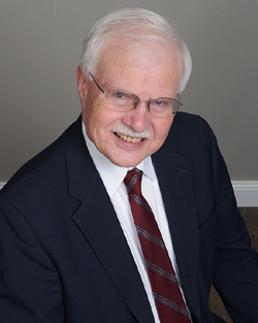
Alan R. Felthous, MD, is Professor and Director of Forensic Psychiatry in the Department of Neurology and Psychiatry, Saint Louis University School of Medicine, and Emeritus Professor of Clinical Psychiatry, Southern Illinois University. He received his Bachelor of Sciences degree at the University of Washington and his medical doctorate at the University of Louisville School of Medicine before interning at Roosevelt Hospital in New York City and completing a residency in psychiatry at McLean Hospital and Harvard Medical School. After 2 years as a staff psychiatrist at the Naval Regional Medical Center in Oakland, Dr. Felthous joined the staff at the Menninger Foundation in Topeka, Kansas. For nearly 15 years, he was Chief of the Forensic Services, the Department of Psychiatry and Behavioral Sciences at the University of Texas Medical Branch in Galveston, where he was the Marie B. Gale Centennial Professor of Psychiatry. Before coming to Saint Louis University, Dr. Felthous was Director of Forensic Psychiatry at Southern Illinois University School of Medicine and Medical Director of Chester Mental Health Center, the maximum security forensic hospital for the state of Illinois. Dr. Felthous was President of the American Academy of Psychiatry and the Law, the American Board of Forensic Psychiatry, the Association of Directors of Forensic Psychiatry Fellowships, and Vice President of the American Academy of Forensic Sciences. He is Senior Editor of Behavioral Sciences and the Law. His research, scholarly‚ and teaching interests focus on clinical aggression, the psychopathology of criminal behavior, legal requirements of clinicians in managing potentially violent patients, and jail and prison suicide.
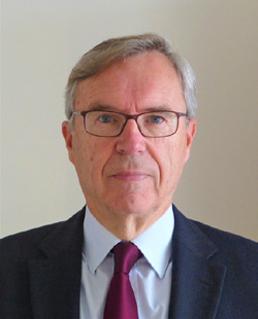
Henning Saß, MD, is Professor Emeritus of Psychiatry the University of Technology (RWTH) in Aachen/Aixla-Chapelle, Germany. He studied medicine at the universities of Kiel, Vienna‚ and Mainz. After passing the state examination in Kiel and receiving his medical doctorate in Mainz, he was a resident in the Department of Psychiatry at the University of Heidelberg. Having completed his training in clinical psychiatry and in psychotherapy, he concentrated on forensic psychiatry, general psychopathology, diagnostic research‚ and personality disorders. His habilitation on Psychopathie, Soziopathie, und Dissozialität (Psychopathy, Sociopathy, and Dissocial Behaviors) was published as a Springer monograph in 1987. He was in 1987 appointed Professor of Forensic Psychiatry at the LudwigMaximilians-University in Munich, after which he held the Chair of Psychiatry and Psychotherapy at the medical faculty of the University of Technology (RWTH) in Aachen (1990–2000). He was then the Medical Director and Chairman of the Board of Directors at the University Hospital in Aachen. Having retired from this position in 2011 his research interests remained focused on forensic psychiatry, especially in the field of personality disorders. During his academic career, he served as President of the German Society for Psychiatry, Psychotherapy, and Nervous Diseases (DGPPN) and of the Association of European Psychiatrists (AEP). He was editor or coeditor of several scientific journals and member of numerous boards of scientific organizations including the European Brain Council and the Research Council of the German Ministry for Science, Research, and Technology.
Notes on Contributors
Gwen Adshead, MBBS, MA, FRCPsych, MSt, is Consultant in Forensic Psychiatry and Psychological Therapy, Ravenswood House, Southern Health Foundation Trust, Hampshire, United Kingdom‚ and Central & North West London NHS Foundation Trust. She trained at St George’s Hospital and the Institute of Psychiatry. Dr. Adshead is a group analyst who was trained in mindfulness-based CBT and mentalization-based therapy. She has been a Visiting Professor at Yale and was Gresham Professor of Psychiatry 2014–2017. In 2013‚ she was awarded the President’s Medal for her work in psychiatric ethics.
Adekunle Garba Ahmed, MD, is an Associate Professor at the University of Ottawa, and was the Associate Chief [Forensic] at the Royal Ottawa Health Care Group. Dr. Ahmed also has a degree in Mental Health Law from the University of Toronto.
Paul Babiak, PhD, is an Industrial and Organizational Psychologist who coaches and consults with executives on issues related to corporate psychopathy. He is the author of Snakes in Suits: When Psychopaths Go to Work, with Dr. Robert D. Hare, as well as several scientific articles and book chapters on corporate psychopathy.
Henriette Bergstrøm, PhD, is a lecturer in the Psychology of Criminal Investigation in the Department of Criminology and Social Sciences at the University of Derby. Her research interests are in the fields of psychopathy and developmental and life course criminology.
Wolfgang Berner, MD, Prof. emer., is psychiatrist and psychotherapist (psychoanalytic psychotherapy), forensic psychiatrist, and sex researcher. From 1995 until 2010 he was director of the Institute for Sex Research and Forensic Psychiatry, University Medical Center Hamburg-Eppendorf (Germany); afterward he worked until 2018 in private practice in Hamburg.
Katja Bertsch, Priv-Doz, PhD, is head of the workgroup Personality Disorders at the Department of General Psychiatry at the University of Heidelberg. Her research focus is on neurobiological correlates of disturbed social cognition and interaction primarily in borderline and antisocial personality disorders and social anxiety using psychophysiology, neuroendocrinology, and brain imaging.
John M.W. Bradford, MBChB, DPM, FFPsych, MRCPsych, DABPN, DABPF, FRCPC, CM, is currently an Emeritus Professor at the University of Ottawa; Full Professor [Clinical] at McMaster University; Scientist at the Royal Institute of Mental Health Research; and a Forensic Psychiatrist at St. Joseph’s Healthcare in Hamilton, Ontario. Dr. Bradford has received multiple awards in forensic psychiatry both in the United States and Canada. He is a Member of the Order of Canada and a recipient of the Queen Elizabeth II Jubilee medal.
Peer Briken, MD, is psychiatrist and psychotherapist (psychodynamic psychotherapy), forensic psychiatrist, and sex researcher. Since 2010 he is Professor and Director of the Institute for Sex Research and Forensic Psychiatry, University Medical Center HamburgEppendorf (Germany); and since 2016 member of the Independent Commission of the Reappraisal of Sexual Abuse of Children in Germany.
Peter F. Buckley, MD, is Dean of the School of Medicine, Virginia Commonwealth University, and Executive Vice President of Medical Affairs, VCU Health System. A Professor of Psychiatry, Dr. Buckley’s expertise is in schizophrenia. Dr. Buckley has published over 500 original articles, book chapters, and abstracts. He is a member of the editorial boards of 10 psychiatric journals and has served as a reviewer for over 60 journals.
Felice F. Carabellese, MD, is Associate Professor of Forensic Psychiatry at University of Bari, Italy. He has written 150 scientific articles concerning forensic psychiatry and criminology. He is a fellow of the AAFS and a member of the AAPL and the IALMH. He is also in the Board of the Italian Society of Criminology.
Vincenzo Caretti, PsyD., is Professor of Psychodynamic Psychology and Psychotherapy at LUMSA University of Rome, Italy. He is also Director of Consorzio Universitario Humanitas, and Scientific Director of the “Cristo Re” Medical School in Psychosomatic Psychotherapy in Rome and the IIPP—Italian Institute of Psychoanalytic Psychotherapy in Palermo, Italy.
James L. Cavanaugh, Jr., MD, is the Founder of the Isaac Ray Center, Inc., and serves as the Chair of its Board of Directors. He has served as an expert consultant to such organizations as the U.S. Secret Service, the Federal Bureau of Investigation, U.S. Postal Inspection Service, the Chicago Police Department, and the Illinois State Police Department. In addition, Dr. Cavanaugh has played key roles in the evaluation of such high-profile criminal defendants as John Wayne Gacy and John W. Hinckley, Jr., among others.
Heng Choon (Oliver) Chan, PhD, is an Associate Professor of Criminology at City University of Hong Kong, Hong Kong, SAR. His research focuses on sexual homicide, offender profiling, sex offending, homicide, stalking behavior, and Asian criminology. He has published two sole-authored monographs on sexual homicide, A Global Casebook of Sexual Homicide (Springer Nature, 2019) and Understanding Sexual Homicide Offenders: An Integrated Approach (Palgrave Macmillan, 2015); and coedited two reference books,
otesoo ootributors xv
Psycho-Criminological Perspective of Criminal Justice in Asia: Research and Practices in Hong Kong, Singapore, and Beyond (Routledge, 2017) and Psycho-Criminological Approaches to Stalking Behavior: An International Perspective (John Wiley & Sons, 2020).
Emil F. Coccaro, MD, is the E.C. Manning Professor in the Department of Psychiatry and Behavioral Neuroscience at the University of Chicago. Dr. Coccaro received his MD at New York University and did his Psychiatry Residency at the Mt. Sinai Medical Center in New York City. Dr. Coccaro is the author of over 200 peer-reviewed publications in a variety of areas concerning human aggression.
David J. Cooke, PhD, DUniv, FBPsS, FRSE, is a Forensic Clinical Psychologist. He is a Visiting Professor at the University of Bergen, Norway. Professor Cooke is a Fellow of the British Psychological Society and the Royal Society of Edinburgh. He was President of the European Association of Psychology and Law.
Manfred Doepfner, PhD, Clinical Psychologist (Dipl.-Psych.), license in child and adolescent psychotherapy, supervisor in cognitive behavior therapy. Currently, Professor for Psychotherapy at the Department for Child and Adolescent Psychiatry, Psychosomatics and Psychotherapy, Medical Faculty of the University of Cologne, Germany. Head of the School for Child and Adolescent Cognitive Behavior Therapy (AKiP) and Head of the Institute of Child and Adolescent Psychotherapy of the Christoph-Dornier-Foundation for Clinical Psychology at the University of Cologne, Germany.
Anja Goertz-Dorten, PhD, is a Clinical Psychologist (Dipl.-Psych.), and Remedial Teacher (Dipl.-Heilpäd.), licensed in child and adolescent psychotherapy, supervisor in cognitive behavior therapy. Currently, Dr. Dörtz-Dorten is a postgraduate University Lecturer (Assistant Professor) for child and adolescent psychotherapy at the Department for Child and Adolescent Psychiatry, Psychosomatics and Psychotherapy, Medical Faculty of the University of Cologne, Germany. She is Head of the Department of Evaluation of the School for Child and Adolescent Cognitive Behavior Therapy (AKiP), and Head of the Institute of Child and Adolescent Psychotherapy of the Christoph-Dornier-Foundation for Clinical Psychology at the University of Cologne, Germany.
Harald Dreßing, MD, is Professor of Psychiatry and Head of the Department of Forensic Psychiatry at the Central Institute of Mental Health in Mannheim, Germany. He studied medicine at the University of Mainz.
Francesca Ducci, MD, PhD, received her Psychiatry training from University of Pisa, Italy‚ and continued her research training at the NIH with Dr. Goldman, where she focused on genetic risk factors associated with addiction and personality disorders. She is currently continuing her research work at King’s College London.
Hannelore Ehrenreich, MD, DVM, is Professor of Neurology and Psychiatry, and Adjunct Professor of Biology and Psychology, with teaching responsibilities at the University of Göttingen. She is head of Clinical Neuroscience at the Max Planck Institute
of Experimental Medicine, Göttingen, Germany. Her main research area of interest is translational neuroscience.
Dr. rer. medic. Klaus Elsner has been a Psychological Psychotherapist and Head of the Forensic Department II at LVR Hospital Viersen from 2010 to 2018 His main research fields are treatment of sexual deviant and personality disordered offenders.
Jennifer R. Fanning, PhD, is an Instructor in McLean Hospital/Harvard Medical School. Dr. Fanning received her PhD in Clinical Psychology at the University of Southern Mississippi and is currently the principal investigator of a K Award from the NIMH to study the relationship of trauma history with aggression in the context of a functional MRI study.
David P. Farrington, OBE, is Emeritus Professor of Psychological Criminology in the Institute of Criminology, Cambridge University. He has received the Stockholm Prize in Criminology, and he is Chair of the ASC Division of Developmental and Life-Course Criminology. His major research interest is in developmental criminology, and he is Director of the Cambridge Study in Delinquent Development, which is a prospective longitudinal survey of over 400 London males from age 8 to age 56. In addition to over 700 published journal articles and book chapters on criminological and psychological topics, he has published 100 books, monographs‚ and government reports.
Alan R. Felthous, MD, DFAPA, and FAAFS, is Professor and Director, Forensic Psychiatry Division, Department of Psychiatry, Saint Louis University School of Medicine, Saint Louis, Missouri. He is senior editor of Behavioral Sciences and the Law, and author of numerous professional publications on forensic and legal psychiatry. He is past president of the American Academy of Psychiatry and the Law, the American Board of Forensic Psychiatry, and the Association of Directors of Forensic Psychiatry Fellowships‚ and past vice president of the American Academy of Forensic Sciences. In 2017‚ AAPL presented Dr. Felthous with the Seymour Pollock Award for distinction in forensic psychiatry education and teaching.
Philip Firestone, MD, has retired as a Full Professor in the Department of Psychology at the University of Ottawa and had a cross appointment to the Division of Forensic Psychiatry in the Department of Psychiatry at the University of Ottawa. Dr. Firestone’s research interests covered such topics as ADHD and sexual offender recidivism.
Herta Flor, PhD, Clinical Psychologist (Dipl. Psych.), is Full Professor and Scientific Director of the Department of Clinical and Cognitive Neuroscience at the Central Institute of Mental Health, Medical Faculty Mannheim and Heidelberg University, Germany. Her research focuses on the role of neuronal plasticity, learning and memory in chronic pain, anxiety and personality disorders, substance abuse‚ and neuropsychological rehabilitation. She has received more than 50 research grants and numerous prestigious awards and is the author of more than 400 scholarly papers.
otesoo ootributors xvii
Jens Foell, PhD, received a PhD in Neuropsychology from the University of Heidelberg and is now a postdoctoral research fellow at Florida State University in Tallahassee, Florida. His main research methods focus on neuroimagining and psychophysiology, such as functional magnetic resonance imaging (fMRI) and electroencephalography (EEG).
Manish Fozdar, MD, DFAPA, is consulting Assistant Professor of Psychiatry and Behavioral Sciences, Duke University Medical Center; Adjunct Associate Professor, Campbell University, and Distinguished Fellow, American Psychiatric Association. His clinical practice consists of neuropsychiatry, behavioral neurology, medical psychiatry, forensic neuropsychiatry‚ and general psychiatry.
Ulrich Frischknecht, PhD, studied psychology at Marburg University, Germany‚ from 2002 to 2008. From 2009 to 2014‚ he was trained in psychotherapy and received his PhD in “addiction medicine” in 2016 from Heidelberg University, Germany. Since 2008 he has been working in the Department of Addictive Behavior and Addiction Medicine at the Central Institute of Mental Health Mannheim, Germany. Dr. Frischknecht currently co-heads the research group “Health Services Research in Substance Use Disorders” and collaborates in the Feuerlein-Center for Translational Substance Abuse Treatment.
Yu Gao, PhD, is an Associate Professor of Psychology at Brooklyn College and the Graduate Center of the City University of New York. Using psychophysiological methods and longitudinal designs, she focuses on the neurobiological and psychosocial etiology of psychopathic and autistic traits and/or antisocial behaviors in children, adolescents, and adults.
Peter Gass, MD, is Professor of Psychiatry and Head of a Research Group at the Central Institute of Mental Health in Mannheim, Germany. He studied medicine at the University of Heidelberg, University of Illinois‚ and Cornell University.
Grant Gillett, MBChB; MSc(Psychology); DPhil (Oxon); FRACS; FRSNZ, is a qualified neurosurgeon and practiced until 2006, was a fellow in philosophy at Oxford University, and is now a Professor of Medical Ethics at the Bioethics Centre of the Otago University Medical School, and a Fellow of the Royal society. He is author of The Mind and Its Discontents (2009), Subjectivity and Being Somebody: Human Identity and Neuroethics (2008), Bioethics in the Clinic: Hippocratic Reflections (2004), and over 300 articles in philosophy, bioethics, the philosophy of psychiatry‚ and neuroscience.
David Goldman, MD, a graduate of Yale University and University of Texas Medical Branch, Galveston, is Clinical Director and Chief of the Lab of Neurogenetics at NIAAA, NIH. There, he pioneered the identification of functional loci in addiction-related behaviors, including impulsivity. He is author of Our Genes, Our Choices.
Ilvy Goossens, MSc, is currently a graduate student in Clinical Forensic Psychology at Simon Fraser University, Burnaby, British Columbia. Her research interests include victim and offender perspectives in interpersonal violence, the well-being and safety of forensic
psychiatric populations, and special considerations in forensic psychiatric care (e.g., women, trauma).
Robert P. Granacher, Jr., MD, MBA, is Clinical Professor of Psychiatry at the University of Kentucky College of Medicine. He is a diplomate in behavioral neurology and neuropsychiatry. He serves on national committees of the American Academy of Psychiatry and Law and the American Neuropsychiatric Association. He has specialized in the neuropsychiatric treatment and forensic evaluation of complex neurobehavioral disorders for many years.
Tracy D. Gunter, MD, is Professor of Clinical Psychiatry at Indiana University School of Medicine. She is board certified in general and forensic psychiatry. In 2003, she joined the faculty of the University of Iowa and developed a research line on behavioral genetics in the genesis and maintenance of externalizing disorders in adult offenders. Since coming to Indiana University in 2012, she has authored papers on the use of behavioral genetics and epigenetics in legal issues.
Charlotte Hanisch, PhD, Clinical Psychologist (Dipl.-Psych.), license in child and adolescent psychotherapy, supervisor in cognitive behavior therapy. Currently, Professor for Psychology and Psychotherapy at the Department for Special Education, University of Cologne, Germany.
Robert D. Hare, PhD, is Emeritus Professor of Psychology, University of British Columbia, where he has taught and conducted research for more than four decades, and President of Darkstone Research Group Ltd., a forensic research and consulting firm. He has devoted most of his academic career to the investigation of psychopathy, its nature, assessment, and implications for mental health and criminal justice and has published extensively on the topic. He is the author of Without Conscience: The Disturbing World of the Psychopaths among Us, the Psychopathy Checklist-Revised (PCL-R), and co-author of its derivatives. His website is www.hare.org
Sabine C. Herpertz, MD, holds the Chair of Psychiatry and is Director of the Department of General Psychiatry at the University of Heidelberg, Germany. Her key aspects of research activities are borderline and antisocial personality disorder, emotion regulation and social cognition using functional and structural neuroimaging as well as psycho-endocrinology in addition to neuropsychology and experimental psychopathology.
Beate Herpertz-Dahlmann, MD, is Professor and Head of the Department of Child and Adolescent Psychiatry, Psychosomatics and Psychotherapy at the Rheinisch-Westfaelische Technische Hochschule (RWTH) Aachen University, Aachen, Germany. She is editor of the German Journal for Child and Adolescent Psychiatry and member of the expert council of the German Research Foundation (DFG). Her main research interests are neurobiology and treatment of eating disorders and disorders of early childhood.
Andreas Hill, MD, is Psychiatrist and Psychotherapist (Psychodynamic Psychotherapy), Forensic Psychiatrist, and Sex Researcher. From 2000 until 2008 he was Senior Psychiatrist
otesoo ootributors xix
at the Institute for Sex Research and Forensic Psychiatry, University Medical Center Hamburg-Eppendorf (Germany). Since 2009‚ he has been working in private practice in Hamburg, and since 2017 has in addition been working part time as Leading Psychiatrist at the Department for Forensic Psychiatry, Psychiatric University Hospital Zurich.
Paul Hoff, MD, PhD, is Professor and Head Physician and Deputy Medical Director at the Department of Psychiatry, Psychotherapy and Psychosomatics, Psychiatric University Hospital, University of Zurich, Switzerland. His scientific work focuses on psychopathology from an empirical and theoretical point of view, conceptual history of psychiatry, ethical dilemmas in medicine‚ and the identity of psychiatry as a clinical and scientific field.
Rebecca J. Houston, PhD, is an Assistant Professor of Psychology at the Rochester Institute of Technology, where she conducts research on biobehavioral mechanisms related to the development, characterization, and treatment of aggressive and impulsive behavior, particularly in the context of substance use disorders.
Jonathan Howard, MD, attended Rush Medical College and completed his residency in psychiatry and neurology at Rush University Medical Center. Prior to medical school, he was a licensed Class A detective in Illinois. and served in the U.S. Army as an airborne infantryman and scout. He is currently a staff psychiatrist at the Cook County Jail and practices forensic psychiatry. His research interests include violence risk assessment.
Yonglin Huang, MS, is a doctoral student in the Behavioral and Cognitive Neuroscience Program at the Graduate Center of the City University of New York. Her research interests include the etiology of psychopathic traits and antisocial behavior.
Seth M. Judd, MA, DO, is a Senior Psychiatrist Specialist (Forensic) at the Department of State Hospitals—Napa California. Dr. Judd completed his psychiatry residency at Indiana University School of Medicine in 2017 and forensic fellowship at the University of South Carolina School of Medicine in 2018. He is board certified in general psychiatry and board eligible in forensic psychiatry.
Falk Kiefer, MD, studied medicine at University of Erlangen-Nürnberg, Germany, from 1996 to 2003 and became Board-Certified Psychiatrist and Psychotherapist in 2003. In 2005‚ he became Professor and Deputy Head of the Clinic and Department of Addictive Behavior and Addiction Medicine at the Central Institute of Mental Health in Mannheim, Germany. Dr. Kiefer became Chair in Addiction Research at Heidelberg University, Germany in 2016 and Medical Director of the associated clinic and the Feuerlein Center for Translational Substance Use Treatment.
Nathan J. Kolla, MD, PhD, FRCPC, is a Forensic Psychiatrist and Clinician Scientist at the Centre for Addiction and Mental Health in Toronto, Canada, where he also heads the Violence Prevention Neurobiological Research Unit. In addition, he is Assistant Professor of Psychiatry, Criminology, and Psychological Clinical Science at the University of Toronto.
otesoo ootributors xx
Kerstin Konrad, PhD, Clincal Psychologist (Dipl.-Psych.) is Professor and Head of the Child Neuropsychology Section at the Department of Psychiatry, Psychosomatics and Psychotherapy of children and adolescents at the Rheinisch-Westfaelische Technische Hochschule (RWTH) Aachen University, Aachen, Germany. She also is Director at the JARA-Brain Institute II on Molecular Neuroscience and Neuroimaging at the Research Centre Juelich. Her research focuses on brain plasticity during typical and atypical development of children and adolescents.
Henning Krampe, PhD, is a Clinical Psychologist and Psychotherapist. He is working as a Clinical Scientist at the Department of Anesthesiology and Intensive Care Medicine, Charité—Universitätsmedizin Berlin, CCM and CVK, Berlin, Germany. His main research areas of interest are psychosocial factors and psychotherapy in surgical patients.
Maya K. Krischer, PhD, is a Psychoanalytic Child and Adolescent Psychotherapist, and Associated Professor of Clinical Psychology at the Department of Child and Adolescent Psychiatry and Psychotherapy of the University Clinic of Cologne. She is the Director of the Day Clinic program for adolescents with personality disorders and Leading Psychologist of the outpatient program for traumatized children and adolescents at the Department of Child and Adolescent Psychiatry. Her main areas of research are personality pathology in children and adolescents and psychodynamic psychotherapy for children and adolescents. She is a coeditor of the journal Persönlichkeisstörungen, Theorie und Therapie.
Robert F. Krueger, PhD, is Distinguished McKnight University Professor at the University of Minnesota. He attended the University of Wisconsin, Madison, and completed his clinical internship at Brown University. Professor Krueger’s interests lie at the intersection of research on psychopathology, personality, psychometrics, behavior genetics, and physical health. He has received many awards, including the Hoch Award from the American Psychopathological Association (APPA). He is currently Editor of the Journal of Personality Disorders
Jennifer Langhinrichsen-Rohling, PhD, is the Executive Director of the Gulf Coast Behavioral Health and Resiliency Center at the University of South Alabama. Dr. L-R is also a Psychology Professor, an Adjunct Professor in the Department of Psychiatry, a Licensed Clinical Psychologist, and a prolific scientist with over 140 peer-reviewed publications. Her ongoing mission is to promote wellness, resiliency, and strong relationships by facilitating behavioral health within primary care settings serving under-resourced and vulnerable populations along the Gulf Coast.
Royce Lee, MD, is an Associate Professor in the Department of Psychiatry and Behavioral Neuroscience at the University of Chicago. Dr. Lee received his MD at Northwestern University and did his Psychiatry Residency at Rush University Medical Center in Chicago. Dr. Lee is the Medical Director of the Clinical Neuroscience and Psychopharmacology Research Unit at the University of Chicago. Dr. Lee has published extensively on the biology of trauma and aggression.
Gerd Lehmkuhl, MD, Prof. emerit., is a Child and Adolescent Psychiatrist and Psychoanalyst, the former director of the Department of Psychiatry, Psychosomatics and Psychotherapy for children and adolescents of the University Clinic of Cologne. His main areas of research are ADHD in children and adolescents, psychotherapy for children and adolescents‚ and attachment problems in children. He was the coeditor of the Zeitschrift für Kinder- und Jugendpsychiatrie und -psychotherapie (Journal for Child and Adolescent Psychiatry and Psychotherapy).
Norbert Leygraf, MD, is a University Professor and Specialist in Neurology, Psychiatry and Psychotherapy, University of Duisburg-Essen, where he was Director of the Department of Forensic Psychiatry from 1991 to 2018. His main research fields are treatment of mentally ill offenders and prediction of violent behavior.
Cynthia Mathieu, PhD, is Professor of Organizational Behavior, Université du Québec à Trois-Rivières. She consults with organizations and teaches on topics relating to dark personalities in the workplace, employee selection, and leadership. She has published empirical research on leadership, narcissism, and psychopathy in the workplace.
Troy McEwan, DPsych (Clinical), is a Clinical and Forensic Psychologist and Senior Lecturer in the Centre for Forensic Behavioural Science at Swinburne University. Her research focuses on improving understanding, assessing‚ and treating people who engage in complex criminal behaviors, particularly focusing on stalking, deliberate fire setting, and family violence. She has authored more than 50 articles and has developed three risk assessment instruments for stalking and family violence.
Gill McGauley, MBBS, MD (Res), FRCPsych, was Professor of Forensic Psychotherapy and Medical Education, St George’s University of London and also Consultant Forensic Psychotherapist, Central and North West London NHS Foundation Trust, London. Professor McGauley trained at St. Thomas’ and St George’s Hospitals; and was an academic forensic psychotherapist for over 20 years. She published original research into the attachment histories of high-risk offenders with personality disorder; and was instrumental in setting up MBT groups in a women’s prison. She was a founder member of the International Association for Forensic Psychotherapy and its President in 2005.
J. Reid Meloy, PhD, is a board-certified Forensic Psychologist (ABPP) and Clinical Professor of Psychiatry at the University of California, San Diego, School of Medicine, and faculty member of the San Diego Psychoanalytic Center. He has authored or coauthored over 240 papers published in peer-reviewed psychiatric and psychological journals, and authored or edited 12 books. He has been consulting, researching and writing about personality disorder, psychopathy, stalking, narcissism, criminality, mental disorder, and targeted violence for the past 30 years.
Andreas Mokros, Dr. phil. habil., is Full Professor (Chair) of Personality Psychology, Assessment, and Consulting at the Fern Universität in Hagen (University of Hagen)—the only state-sponsored distance-learning university in Germany. His main research interests
are indirect assessment of forensically relevant disorders as well as the etiology and assessment of psychopathic personality traits.
Jürgen L. Müller, MD, is Professor for Forensic Psychiatry at the University of Göttingen. He is Head of the Department of Forensic Psychiatry at the Asklepios Clinic for Forensic Psychiatry. His research interests are the neurobiological underpinnings of psychopathy, neurophysiological methods such as functional and structural MRI, eyetracking techniques in paraphilia, and application of virtual realities in forensic psychiatry.
Craig S. Neumann, PhD, is Distinguished Research Professor of Psychology at the University of North Texas, Denton, Texas. His primary research focuses on the development, structure, and correlates of psychopathic traits. More generally, his research deals with developmental, neuropsychological, and structural aspects of personality disorders.
Elena Carmen Nichita, MD, is currently an Assistant Professor at SUNY Upstate School of Medicine in Syracuse, New York. She has held this position since 2011. Prior to this, she was an Assistant Professor at the Medical College of Georgia, from 2006 to 2011. She developed the forensic psychiatry fellowship program at the Medical College of Georgia, prior to relocating to Syracuse.
Tonia L.G. Nicholls, PhD, is a Professor, Department of Psychiatry, University of British Columbia, Adjunct Professor, Department of Psychology, Simon Fraser University, and Distinguished Scientist, BC Mental Health & Substance Use Services. She is particularly interested in research to inform the assessment and treatment of violence and the development and implementation of evidence-based practices.
Candice L. Odgers, PhD, is a Professor of Public Policy, Psychology and Neuroscience at Duke University. Her research focuses on how social inequalities and early adversity influence children’s future health. Professor Odgers is a Jacobs Foundation Advanced Research Fellow and the recipient of the Distinguished Contributions to Psychology in the Public Interest Award.
Christopher J. Patrick, PhD, is a Professor of Psychology at Florida State University. He is author of over 280 published works and Editor of the Handbook of Psychopathy. He is a past President of the Society for Psychophysiological Research and the Society for Scientific Study of Psychopathy (SSSP), and a recipient of SSSP’s Lifetime Contributions Award.
Emily R. Perkins, MS, is a Graduate Student in the Clinical Neuroscience Lab at Florida State University under Dr. Christopher Patrick. She graduated magna cum laude from Georgetown University in 2014. Her research focuses on the neural correlates of psychopathic traits across development utilizing event-related potentials and neuroimaging. She is particularly interested in the interface between biobehavioral traits of callousness and disinhibition in predicting conduct problems.
Georg G. von Polier, MD, is Senior Physician and Member of the Executive Committee in the Department of Child and Adolescent Psychiatry, Psychosomatics and Psychotherapy in at the Rheinisch-Westfaelische Technische Hochschule (RWTH) Aachen University, Aachen, Germany. In his research, Dr. von Polier works closely with Prof. Kerstin Konrad at the Neuropsychology Section of this clinic. He specializes in the neurobiological underpinnings of conduct disorder and attention-deficit hyperactivity disorder (ADHD) employing neuroendocrinology measures and neuroimaging techniques.
Adrian Raine, DPhil, is the Richard Perry University Professor of Criminology, Psychiatry, and Psychology at the University of Pennsylvania. His research focuses on the etiology and prevention of antisocial, criminal, and psychopathic behavior in children and adults. His latest book, The Anatomy of Violence (2013, Pantheon and Penguin), reviews the brain basis for violence. He is past President of the Academy of Experimental Criminology, and received an honorary degree from the University of York (United Kingdom).
William H. Reid, MD, MPH, is a Private Forensic Psychiatrist based in Horseshoe Bay, Texas; Clinical Professor of Psychiatry at Dell Medical School of the University of Texas, Austin and Texas Tech University Health Science Center, Lubbock, Adjunct Professor at Texas A&M College of Medicine, and a past president of the American Academy of Psychiatry and the Law. He recently published A Dark Night in Aurora (New York: Skyhorse), a study of James Holmes and the 2012 Colorado cinema shootings.
Hans Joachim Salize, PhD, is Head of the Mental Health Services Research group at the Central Institute of Mental Health in Mannheim, Germany. Dr. Salize was trained as a sociologist at the University of Frankfurt/Main and has been engaged in psychiatric services research for more than 25 years.
Henning Saß, MD, Prof. emeritus, was trained at the Department of Psychiatry, Medical Faculty of the Heidelberg University. He held the chair of Forensic Psychiatry at the University of Munich and the chair of Psychiatry at the University of Technology, RWTH Aachen. He was president of the German Society for Psychiatry (DGPPN) and of the European Psychiatric Association (EPA). His publishing activities were in the fields of diagnostic research, personality disorders, and general psychopathology in the sense of Jaspers. Currently his main activities are forensic psychiatric reports in Criminal and Civil Law.
Adriano Schimmenti, PhD, DClinPsy, is Professor of Psychopathology at UKE-Kore University of Enna, Italy. Professor Schimmenti is also editor for an Italian book series on psychotraumatology, Deputy Director of the Italian Society of Psychological Assessment (SIPDC), and Research Director of the Specialization School in Clinical Psychology at the University of Turin.
Robert A. Schug, PhD, is an Associate Professor of Criminology, Criminal Justice, and Forensic Psychology at California State University, Long Beach. A neurocriminologist and clinical psychologist, his research focuses on using advanced neuroscience techniques to
understand the relationship between extreme forms of psychopathology (schizophrenia, psychopathy) and antisocial, criminal, and violent behavior (including serial murder and other forms of multiple homicide) from a biopsychosocial perspective. He is author of the book Mental Illness and Crime (Sage, 2015).
Kathrin Sevecke, MD, is a Child and Adolescent Psychiatrist and Psychotherapist, Systemic Family Therapist‚ and Professor and Director of the Department of Child and Adolescent Psychiatry at the University Hospital Innsbruck and the Hospital Hall in Tirol. Dr. Sevecke is a forensic expert in childhood and adolescence, and her main areas of research are personality pathology in children and adolescents, impulse control disorders, forensic psychiatry, eating disorders‚ and attachment representation in adolescence. Sevecke is also coeditor of Praxis der Kinderpsychologie und Kinderpsychiatrie (The Clinical Practice of Child Psychology and Child Psychiatry).
Daniel E. Shea, DPsych (Clinical), is a Clinical and Forensic Psychologist who works as a lecturer for the Centre for Forensic Behavioural Science at Swinburne University and as a psychologist at Forensicare. Dr. Shea’s research focuses on the areas of risk assessment, violence‚ and recidivism‚ and he has conducted research to develop and validate risk models for stalking, physical violence, intimate partner‚ and other family violence.
Anna-Leena Sirén, MD, PhD, is Professor of Experimental Neurosurgery at the University of Würzburg, Germany. Professor Sirén’s main research area of interest is the pathophysiology of traumatic brain injury and neurodegenerative disease.
Matthew S. Stanford, PhD, is CEO of the Hope and Healing Center & Institute in Houston, Texas, and Adjunct Professor in the Menninger Department of Psychiatry and Behavioral Sciences at Baylor College of Medicine and the Department of Psychology at the University of Houston. A fellow of the Association for Psychological Science, Dr. Stanford is the author of over 100 peer-reviewed journal articles in psychiatry, psychology, and neuroscience.
Hans-Christoph Steinhausen, MD, PhD, DMSc, is a Certified Child and Adolescent Psychiatrist, Clinical Psychologist, and Behavior Therapist. Currently, he is a Professor Emeritus at the Universities of Zurich, Switzerland, and the University of Aalborg, Denmark, and Professor at the Department of Clinical Psychology and Epidemiology, University of Basel, Switzerland.
Casey M. Strickland, MS, is a Doctoral Candidate in clinical psychology at Florida State University, where she is studying under Dr. Christopher Patrick. She attended Trinity University and is currently completing her clinical internship at the Michael E. DeBakey VA Medical Center in Houston, Texas. Ms. Strickland is interested in dimensional conceptualizations of psychological disorders. She is also interested in the ways neurobehavioral traits interact with psychopathology, especially personality psychopathology.
Armon J. Tamatea, PhD, is a Clinical Psychologist and Senior Lecturer in Psychology who was a Senior Research Advisor for the Department of Corrections (New Zealand) before being appointed at the University of Waikato. Dr. Tamatea has worked extensively in
the assessment and treatment of violent and sexual offenders and contributed to the design and implementation of an experimental prison-based rehabilitation program for high-risk psychopathic offenders. His research interests include psychopathy, gang communities, and exploring culturally informed approaches to offender management.
Stephen A. Thorne, PhD, is a Licensed Psychologist in private practice in Austin, Texas, where he performs forensic evaluations in civil and criminal courts. Dr. Thorne has also coauthored journal articles and book chapters addressing forensic issues, served as a consultant for multiple local, state‚ and federal agencies, supervised doctoral students seeking training in forensic psychology, and taught graduate-level courses in group therapy and psychological assessment.
Ryan G. Veal, BPsych, is a Candidate in the Doctor of Psychology (Clinical and Forensic Psychology) program at the Centre for Forensic Behavioural Science at Swinburne University, Melbourne, Australia. He has a Bachelor of Psychological Studies (Honors) and is conducting his doctoral research on psychopathy in prisoners.
Timo D. Vloet, MD, is Assistant Medical Director at the University Hospital of Wuerzburg, Center of Mental Health, Department of Child and Adolescent Psychiatry, Psychosomatics and Psychotherapy. Dr. Vloet’s habilitation thesis examined the neurobiology of conduct disorder using neuroimaging, neuropsychological‚ and psychophysiological approaches. Further main research interests are the neurobiological underpinnings of attention-deficit hyperactivity disorder (ADHD) and neuropsychological studies investigating neurocognitive correlates of children with ADHD and different comorbidities.
Gene Wasyliw, PhD, attended the University of Illinois, Chicago‚ where he earned his PhD in clinical psychology. Dr. Wasyliw has authored countless articles spanning the breadth and width of forensic psychology and has testified in hundreds of civil and criminal forensic cases. Dr. Wasyliw obtained his doctorate in clinical psychology from the University of Illinois, Chicago‚ and holds a faculty appointment as Assistant Professor in the Departments of Psychiatry and Psychology at Rush Medical College.
Jessica Yakeley, PhD, is a Consultant Psychiatrist in Forensic Psychotherapy and Director of the Portman Clinic, and Director of Medical Education, Tavistock and Portman NHS Foundation Trust, London. Dr. Yakeley is a Fellow of the British Psychoanalytic Society and Editor of the journal Psychoanalytic Psychotherapy. Her fields of interest and research include antisocial personality disorder, violence, paraphilias, and psychodynamic methods of teaching about the doctor patient relationship. She has published over 80 papers and chapters, and 5 books.
Yaling Yang, PhD, is Assistant Professor of Pediatrics in the Department of Pediatrics of the Children’s Hospital of Los Angeles at the USC Keck School of Medicine. She is a leading researcher in the neurobiology of psychopathy. Her research interests also include disruptive social behaviors, neurobiological impacts of environmental adversities, and brain development.
Preface to Volume I, Second Edition
In 2008‚ we were delighted to have been honored with the Manfred Guttmacher Award by the American Psychiatric Association and the American Academy of Psychiatry and the Law for the best recent publication in forensic psychiatry. For this honor‚ we are in debt to our outstanding contributors to the First Edition of the International Handbook on Psychopathic Disorders and the Law. The Preface to Volume I, First Edition, remains as an essential introduction to Volume I, Second Edition, and so is not repeated here.
Recognizing the steady progress of science in understanding psychopathic disorders and substantial relevant policy changes in various countries, others inquired about a second edition more than 5 years ago. Now‚ well over a decade after publication of the First Edition‚ the need for an updated revision that considers recent scientific developments and legislative changes regarding problems associated with psychopathic disorder has become clear. After further intensive discussion, we initiated the project of confirming the commitment of the authors who provided valuable contributions to the First Edition and selecting additional topics and authors to enhance its value as a current encyclopedic resource on the scientific, clinical, legal, ethical, and public policy aspects of psychopathic disorders. This Second Edition then is not only an updated revision of the First Edition, it includes new critical topics on both scientific and of public policy, and is more internationally representative.
Contributing to the advancing science and changing public policies are investigators, scholars, and practitioners from the following countries: Australia, Austria, Canada, China (Hong Kong), France, Germany, Italy, Japan, New Zealand, Russia, South Africa, Spain, Switzerland, the United Kingdom (England and Wales), and the United States.
Topics of science and research that have been added to this First Volume of the Second Edition include personality disorders and psychopathy vis-à-vis the DSM-5, recently investigated subtypes of psychopathic disorders, behavioral genetics and epigenetics, the interaction of gene and neurotransmitters on antisocial conduct, the role of neurotransmitters on impulsive aggression and impulsive aggression, the role of monoamine oxidase A (MOA-A) gene variants on brain structure and function and psychopathic disorders, a neurobiological model for successful and unsuccessful psychopathy, a psychological model for corporate psychopathy, psychopathic terrorists, psychopathy in sadistic sexual homicide, the role of psychopathy in stalking, child maltreatment and psychopathy, the pharmacotherapy of impulsive aggression, treatment considerations for antisocial disorders and domestic violence, the role of psychopathic traits in workplace and school violence, and
Preface to Volume I, Second Edition
associated conditions of alcohol and drug abuse. This volume includes the substantial contribution to the world knowledge from productive researchers and scholars not included in the First Edition. Moreover, some of the updated chapters have substantial new contributions, for example, the new findings from the continuing longitudinal research by Farrington.
We anticipate that Volume I will be an especially useful resource for investigators, clinicians, and educators who deal with psychopathic disorder.
Alan R. Felthous Henning Saß
Acknowledgments
Sincerest thanks go to Felecia Rucker‚ who was a key organizing force from the work’s inception of the First Edition through the publication of this Second Edition. She essentially organized the project, corresponded with authors, tracked their progress, made corrections‚ and sent the final products to John Wiley. At the University of Technology (RWTH) in Aachen, Annika Martens gave valuable technical support to Henning Saß.
We express our heartfelt appreciation to our spouses, Mary Felthous and Isabel Saß, PhD, for their unwavering support and for allowing us the time to pursue this project.
Finally, we thank our many outstanding authors for their excellent contributions. We thank them as well for their patience, their responsiveness, and their understanding whenever our communication with them was imperfect.
Introduction to Volume I
Alan R. Felthous and Henning Saß
The amount of harm and suffering caused by individuals with psychopathic disorders must be incalculable. Beyond the obvious grief, fear‚ and rage their acts engender in others, those afflicted pay a high price themselves for this disorder in terms of limited vocational success, empty or missing relationships, restricted freedom when subjected to criminal sentencing‚ and a life devoid of meaning. The economic cost to a society must take into account, among others, the costs to the criminal justice system and correctional systems exacted by the acts of those with psychopathic disorders. A substantial proportion of imprisoned offenders have psychopathic disorders and antisocial personality disorder (ASPD; DSM-5, American Psychiatric Association, 2013) in particular. Those with psychopathy à la Hare comprise a much smaller percentage of offenders, but are extraordinarily disposed to recidivism. Sociologist Marvin Wolfgang (Wolfgang, Figlio, & Sellin, 1972) observed that a very small percentage of offenders are responsible for an exceptionally large share of serious crimes. If society could arrive at an effective approach for dealing with this hard core of extremely antisocial individuals, this alone would take a big bite out of crime. Yet, satisfying solutions to the problems secondary to the disorders themselves, though pressing, remain disturbingly elusive. If psychopathic disorders are to be understood, if effective treatment and management approaches are to be discovered, and if sound laws and public policies are to be formulated and implemented, we believe the solution will come from interdisciplinary and international collaboration. It is with the interest in moving this collaborative process forward that this International Handbook was conceived and developed. Our knowledge of psychopathic disorders will have little meaning and practical value unless it can be applied through effective legislation. Conversely, public policies will continue to fall short of their goals unless they are informed by the best, most current scientific knowledge and understanding of psychopathic disorders. Therefore, in this work, we have attempted to comprehensively address clinical and scientific aspects of psychopathic disorders on the one hand and legal and public policy issues on the other. Because this comprehensive approach to psychopathic disorders results in a much more extensive treatment of the topic than either realm alone, it is divided into two volumes. The reader can conveniently make good use of one
The Wiley International Handbook on Psychopathic Disorders and the Law: Volume I Diagnosis and Treatment, Second Edition. Edited by Alan R. Felthous and Henning Saß. © 2021 John Wiley & Sons Ltd. Published 2021 by John Wiley & Sons Ltd.
volume and not the other as reading and referencing needs demand. This division of the work into two separate volumes is not thematically pure and absolute; some chapters in the first volume touch on public policy issues, and some in the second volume mention clinical issues. For the best contemporary understanding and most comprehensive reference of psychopathic disorders, the editors recommend the two volumes as a companion set.
The reader will immediately recognize that we have not selected a single disorder to focus exclusively upon. Neither have we expanded this work to explicitly include all antisocial or criminal behaviors regardless whether a disorder exists. We have selected the term “psychopathic disorders” to include both taxonomical and dimensional approaches, and to include diagnostic conditions characterized by antisocial behaviors. Authors were free to address primarily ASPD or psychopathy or other related “antisocial” disturbances, although most confined their discussion to the ASPD–psychopathy spectrum.
What precisely is meant by psychopathic disorders, and by the major disorders themselves, is defined in the first part. We trace the history and development of the central diagnostic concepts. In so doing, specific defects and manifestations of psychopathy and related conditions are identified. Although this discussion is complete and describes the conditions to be discussed in the two volumes, we have allowed and even encouraged contributors to define the condition(s) that they address. By so doing, the authors clarify what they mean by diagnostic terms that, despite uniform nomenclature, can be understood somewhat differently by author or reader.
Part II, Diagnosis and Assessment, concerns the clinical evaluation of psychopathic disorders. This section will be particularly useful for clinicians who conduct diagnostic assessments. Professionals who deal with psychopathically disturbed individuals will also benefit from knowing how such disorders are evaluated and diagnosed. Moreover, an appreciation as to how these disorders are recognized should result in an improved understanding of their nature.
A basic psychiatric or psychological assessment is most frequently required and often sufficient. In practice, other specialized or more focused assessments such as for clinical violence or for assessment of risk in general, are abbreviated or expanded, depending upon the circumstances of individual cases. Following Hoff and Herpertz’s introduction to assessment, Strickland, Perkins, Krueger, and Patrick further introduce the DSM-5 (American Psychiatric Association, 2013) as well as considerations of comorbidities. Hare thoroughly updates the assessment of psychopathy, after which Mokros, Hare, Neumann, and Habermeyer address the subtypes of psychopathic disorders. The risks of diagnosing psychopathic disorders are thoughtfully considered by Leygraf and Elsner.
Part III addresses research into the nature of psychopathic disorders, the findings and conclusions of which should guide clinical practices and development of public policy. Like other mental disorders, the causes and progression of psychopathic disorders are complex and multidimensional. Investigations of stars and subatomic particles require different principles and technologies, but knowledge of both is needed to understand the universe. Likewise, the study of “experience,” “mind,” and “body,” though causally inseparable, requires different disciplines with their different theories, technologies‚ and languages. The best understanding of the origin of psychopathic disorders will eventually result from not only in-depth knowledge in relevant fields but also from a meaningful integration of the disparate contributions within a unified field theory that thus far does not exist.
A human being with his or her predispositions, including the predisposition to develop a psychopathic disorder, begins with the genome. The relationships between genes and psychology, behavior‚ and mental disorder are established through study of familial inheritance patterns and techniques of molecular genetics. Genes give rise to molecules, which determine the structures and functions of the brain. Beyond familial and molecular genetics, behavioral epigenetics will likely contribute to our understanding of gene–environment interactions in the development of the dimensions of psychopathic disorders (Gunter, 2015; Gunter, Vaughn, & Philbert, 2010; Taylor, van den Bree, Williams, & Moffitt, 2014). Tamatea and Gillett offer caveats against overinterpreting gene–neurotransmitter–antisocial conduct research, and Fanning, Lee, and Coccaro summarize the state of knowledge on the relationship between neurotransmitters and aggressive/antisocial behaviors. Neurotransmitters, psychophysiology, electrophysiology, and cognitive findings also pertain to the neurobiology of psychopathic disorders.
Neuroimaging, with its contributions and limitations, is identifying structural and functional deviations that pertain to psychopathic disorders. Neuroimaging technologies have been used in U.S. trials to support an association between psychopathy and brain abnormalities for sentence mitigation (Edersheim & Wei, 2018). Here‚ Yang and Raine, and Müller‚ respectively‚ provide updated summaries of progress in investigating psychopathy using neuroimaging. Kolla and Benassi report on studies examining the relationship between monoamine oxidase A, genetic variants‚ and brain structure and function in psychopathic disorders.
Neurophysiology in turn results in the electrical activity of the brain, but electrophysiological anomalies of psychopathy are evident in the body as well. A form of subtle but significant neurophysiological defect is manifested in attention deficit hyperactivity disorder (ADHD), the course of which can affect the development of a psychopathic disorder beyond symptoms limited to ADHD alone. “Pathological synergy,” or interaction between psychopathic and other comorbid disorders, certainly complicates and sometimes frustrates treatment efforts, but may also contribute to the understanding of the pathogenesis of psychopathic disorders as well.
Recent studies that examined both genetic factors and environmental or experiential factors have helped to elucidate how they might interact to exacerbate or protect against the possible development of psychopathic disorders. Spheres of study on the experiential contributions include patterns of family upbringing, child maltreatment‚ and sociological factors in general. The psychoanalytic view examines the psychology, not just the behavior, of relationships as they relate to the individual, and in this edition, potential associations with neuroimaging findings in individuals with psychopathy. Although women are much less likely to have a psychopathic disorder, some do. The gender discrepancy and gender nonspecificity could suggest a role for gender in etiology. Here‚ findings of psychopathy in women are summarized. Poor educational performance correlates with later development of psychopathic disorders. Academic underachievement is regarded as an early manifestation of a conduct or future psychopathic disorder; however, if specific clinical (e.g., ADHD) or educational needs are identified and addressed, such measures may provide hope for mitigation or prevention. Brain trauma and other neurocognitive impairments can result in psychopathic features. Some with psychopathy are not found in prison but in the workplace (Babiak, Neumann, & Hare, 2010; Gao & Raine, 2010). These more “successful” psychopaths are examined from neurobiological and psychological perspectives‚ respectively.
Comorbidities with psychopathy disorders include other common mental disorders and paraphilic disorders. An unusual but associated abnormal behavior is sadistic sexual homicide, whereas stalking, a troublesome behavior criminalized only in recent decades (Choi & Nair, 2017; Meloy & Felthous, 2011), is less likely to co-occur with psychopathy. Most important and challenging is the development of an integrated approach to understanding psychopathic disorders.
An integrated approach to understanding the etiology of psychopathy will logically allow for integrated approaches to interventions, treatment‚ and management addressed in Part IV. A common assumption is that those with psychopathic disorders are untreatable. Moreover, there is little expressed hope for developing effective treatment in the future. Today’s view is that the mentally ill should be treated within the mental health system‚ and the psychopathically disordered should be dealt with within the criminal justice system. Without a better approach for the psychopathically disordered‚ this seems to be a reasonable position. However, it is an oversimplification.
An important purpose of the criminal justice system is reform or rehabilitation, to improve the offender’s likelihood of succeeding in the community without reoffending. Rehabilitation requires various remedial measures‚ including sometimes treatment. Though not typically considered in the abstract, professionals who provide clinical services “on the front line” in both mental health and correctional settings are distressingly aware that the “mad or sad” and “bad” dichotomy has many exceptions. Many, though not most, among those who are mentally ill also have a psychopathic disorder‚ and many with psychopathic disorders have one or more comorbid disorders. In fact, it is the comorbidity that can render their condition so difficult to treat or rehabilitate effectively, but the attempt must be made.
In impulse disorders‚ in general, an important etiological question is whether an impulse is incapable of being resisted or simply not resisted. Thus, for purposes of treatment and rehabilitation, the co-occurrence of a sexual paraphilia and a psychopathic disorder can render the paraphilia especially difficult to treat, but treat to rehabilitate one must try. Perhaps more effective, in part because it can be started early, is the treatment of ADHD in childhood, which has the potential of lessening the severity of a premorbid psychopathic disorder. Also to be treated in childhood and adolescence are oppositional defiant disorder and conduct disorder.
Today‚ no psychopharmacologic agent has been developed to restore the psychopath’s core defect in emotional experience. Pharmacotherapy can be an option, however, for bringing aggressive behavior under control, at least behavior that is impulsive or secondary in part to a co-occurring mental disorder for which efficacious medication exists.
Some clinicians provide psychotherapy for individuals with personality and psychopathic disorders: Adshead and McGauley describe their method and specific considerations for psychopathically disturbed individuals. Hill and colleagues describe a comprehensive approach to outpatient treatment and management. Treatment interventions for individuals presenting with antisocial disorder and domestic violence are explained by Hamberger and Langhinrichsen-Rohling. Between outpatient psychotherapy and imprisonment, residential and activity programs have been developed that provide some support, structure and rehabilitation for individuals in the community who have shown significant antisocial behavior. Also new to this issue is the discussion of the contribution of psychopathic traits to violence