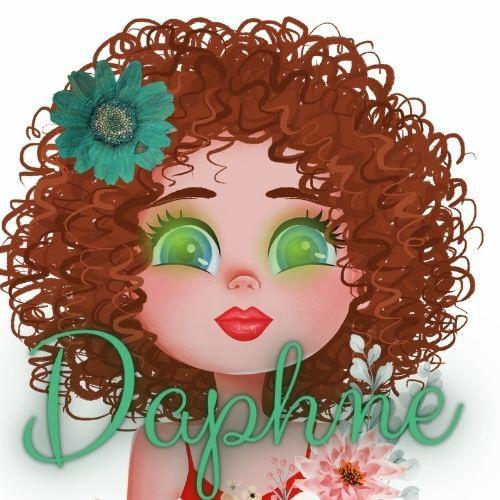
Ifhewantedthoseotherwomen,sobeit I’llneverfightfortheattentionofaman,notwhenmyworthdemandsmore No matterhowmuchIwantedhim,Ideservedbetter,andsodidmyson.Iwasmorethanjustafleetingfling,morethana challenge;IwasDaphne,andIrefusedtosettleforanythinglessthanforever
Butitwasn’tlongbeforeIwasbackoutthere,leaningagainstthecoolwoodofthebar,mygazeinevitablysearchingfor her Daphne withthosewildcurlsIitchedtorunmyfingersthrough,herlaughterthatsoundedabovetherockmusic,lighting upthedarkestcornersofTheDevil’sDen.Shewaslikealivewire,sparkinglifewherevershestood.
Icouldn’targue;thewomenwerejustshadows WithoutthesparkleofDaphne,thequicksilverofherlaughter,theywere dullandunappealing.Hewasright.Inaseaoffacesandeagereyes,Iwasadrift,thinkingonlyoftheonewhowouldn’thave me
Another random document with no related content on Scribd:
ei tahdo työtä tehdä, hän olkoon myös syömättä.» Ei — Jumalan valtakunnassa tehdään työtä, tavattoman paljon työtä, ja siihen työhön tulee myös sinun ottaa osaa.
Sanoihan Jeesus kerran eräälle miehelle: »Mene tekemään työtä minun viinimäessäni». Ja opetuslapsilleen hän sanoi: »Ensin Jerusalemissa, sitten Samariassa ja sitten maailman ääriin.»
Työtä siis tehdään ja työnteko jakaantuu itsekunkin lahjojen ja kutsumuksen mukaan. Perheenisä tekee työtä perheensä keskuudessa kasvattamalla lapsistaan jumalaapelkääviä, kunnon ihmisiä. Pappi tekee työtä virassaan, opettaja kutsumuksessaan.
Maanviljelijä tekee työtä pellollaan ja tiedemies työhuoneessaan. Työn arvo riippuu mielenlaadusta, millä sitä tehdään. Siinä tulee ennenkaikkea kysymykseen uskollisuus. Jumala katselee taivaastaan, palveleeko ihminen työllään lähimmäistään t.s. häntä. Tästä mielenlaadusta johtuu se hyvän olon tunne, joka ilmaantuu vanhurskautena, rauhana ja ilona Pyhässä Hengessä.
Kun siis olemme tulleet Jumalan valtakuntaan ja siinä ruvenneet tekemään työtä, pääsemme kerran taivaaseen. Monestihan meidät kyllä epätoivo valtaa. Mutta — »joka loppuun asti vahvana pysyy, hän tulee autuaaksi.»
Taivaassakaan emme saa jouten olla. Ei siellä yksinomaan lauleta ja kiitetä. Ei, vaan sielläkin tehdään työtä, eletään täydellistä elämää rakkaudessa.
Tällainen on päämäärä, rakas kuulijani. Sitä kohti pyri Herrasi ja Vapahtajasi avulla. Amen.
OPETUSLAPSENA OLEMISEN VAARA JA IHANUUS.
6. Pääsiäisen jälk. sunnuntai. — Luukk. 12, 4—12.
I.
Vapahtaja oli ollut aterialla erään fariseuksen luona ja siellä joutunut nuhtelemaan fariseuksia ja lainoppineita heidän ulkokultaisuudestaan. Vapahtajan puhe oli herättänyt ankaran vihan myrskyn ja saanut suuren väkijoukon kokoontumaan talon edustalle.
Silloin hän puhuu ne sanat, jotka tänään ovat tekstinämme.
Hän puhuu opetuslapsena olemisen vaarasta ja ihanuudesta.
On vaarallista olla Kristuksen opetuslapsi. Vapahtaja sanoo, että maailmassa tulee olemaan vihamielisiä voimia, jotka suuntautuvat opetuslapsia vastaan. Ne ovat ihmiset.
Mutta — niitä ei tule peljätä, koska he pystyvät korkeintaan vain tappamaan ruumiin. On yksi, jota tulee peljätä vielä enemmän: häntä, jolla on valta, jonkun tapettuaan, syöstä hänet helvettiin, t.s. Jumalaa.
Tämä pelko oli apostoleilla ja on ollut kaikilla Jumalan valituilla. En uskalla mennä sanomaan, missä määrin he ovat peljänneet nimenomaan iankaikkista kadotusta — minkälainen käsitys heillä siitä on ollut. Mutta joka tapauksessa he ovat peljänneet Jumalan vanhurskautta ja tämä pelko on antanut heille sen merkillisen vakavuuden, jota maailma on aina ihmetellyt.
He ovat joutuneet esivallan ja valtamiesten eteen vastaamaan. Lukemattomia kertoja. Mutta aina he ovat löytäneet oikeat sanat, niinkuin Pietari ja Johannes korkean raadin edessä, Paavali kuningas Agripan edessä ja Luther Wormsin valtiopäivillä.
Pitääkö Vapahtajan sana vieläkin paikkansa? Eikö maailma ole sentään jonkun verran muuttunut? Eihän nykyajan kristityitä julkisesti vainota.
Ei se on kyllä totta. Mutta vaaroja tuottaa opetuslapsena oleminen vieläkin.
Suurin vaara on siinä, että nykyjään näyttää niin helpolta kristittynä oleminen. Opetuslapset joutuvat monessa asiassa mukautumaan. Ja tämä mukautuminen voi helposti johtaa kieltämiseen. Siinä on vaara, joka jokaisen Kristuksen seuraajan on otettava huomioon.
II.
Mutta — jos opetuslapsena oleminen tuottaa vaaroja, tuottaa se myös onnea ja iloa. Vapahtaja vakuuttaa, että taivaallinen Isä pitää heistä huolen kuten varpusista. »Eikö viittä varpusta myydä kahteen ropoon? Eikä Jumala ole yhtäkään niistä unohtanut.»
Voidaanko ottaa juuri vaatimattomampaa esimerkkiä. Varpunen… kuka meistä ei tuntisi sääliä, nähdessään varpusen talvipakkasessa höyheniään pöyhöttelevän. Kuinka se voi tulla toimeen, kun meitä, joilla on paksut turkit, vilu puistattaa? Mistä se saa elatuksensa, kun kaikki on jäässä?
Jumala pitää siitä murheen.
Varpunen saarnaa siis meille uskosta. Katsopas minua… täällä minä vain istun ja tirskutan. Kylmä on… mutta hyvin sentään tulen toimeen. Ja sinä … ihminen, epäilet. Ettekö te sentään ole suurempiarvoiset kuin me?
III.
Voimme siis olla vain kahdessa eri suhteessa Vapahtajaan. Joko tunnustamme hänet tai kiellämme.
Meidän ei suinkaan tarvitse olla julkisia jumalankieltäjiä. Voimme olla kirkon uskollisia poikia ja tyttäriä ja kuitenkin kuulua kieltäjiin.
Taikka — voimme olla jumalankieltäjiä ja kuitenkin kuulua tunnustajiin.
Se on sydän, sisällinen ihminen, joka tässä ratkaisee.
Vaikka suun tunnustus onkin tärkeä, on elämä vielä tärkeämpi.
»Sydämen uskolla me autuaiksi tulemme.» Ja tätä sydämen uskoa voi olla sellaisellakin, joka näyttää olevan Kristuksen julkinen vihollinen.
Minulla on eräs ystävä, joka väittää olevansa kirkon vihamies. Hän ei ole vuosikymmeniin avannut yhdenkään temppelin ovea eikä sano
avaavansa. Hänen mieliharrastuksensa on kielteisen kirjallisuuden lukeminen ja hyvin mielellään hän juttelee näistä asioista.
Mutta — hänen elämänsä on hänen oppinsa täydellinen vastakohta. Harvoin olen tavannut siinä määrin epäitsekästä ihmistä, kuin on tämä ystäväni. Häneen jos kehenkään voi luottaa. Hän on harvinaisen auttavainen ja helläsydäminen; hän antaisi viimeisen leipäpalansa tarvitsevalle.
Kumpaan ryhmään hänet asettaisin: Vapahtajan ystävienkö vai vihollisten joukkoon?
Minä asetan hänet Kristuksen tunnustajien puolelle. Hän on sitä kaikesta kielteisyydestään huolimatta.
Varmasti Jumala katselee asioita toisin kuin me. Hän näkee uskoa siinä, missä me näemme vain uskottomuutta ja päinvastoin. Sillä onhan hän vanhurskas ja lahjomaton. Amen.
PYHÄ HENKI.
Helluntai. — Joh. 14, 15—21.
Ei ole helppoa puhua Pyhästä Hengestä. Liikumme silloin Jumalan salaisuuksissa. Mutta kun Jumalan sana puhuu siitä paljon ja päivän evankeliumi erikoisesti, on minun tänään siis saarnattava siitä.
Mitä opimme päivän tekstistä?
Opimme ensiksikin, että voi olla Kristuksen opetuslapsi, vaikka ei vielä olisikaan saanut kokea Hengen vaikutusta sydämessään.
Opetuslapsethan saivat Pyhän Hengen vasta helluntaina. Mutta sitä ennen he olivat jo olleet Vapahtajan vaikutuksen alaisina. Jos joku heistä olisi kuollut ennen helluntaita, hän aivan vannaan olisi tullut autuaaksi. Jos siis joku meistä on huolissaan siitä, ettei ole tuntenut hengen asumista sydämessään, olkoon huoleti: Herra tuntee omansa.
Toiseksi opimme, että kehitys hengellisessä elämässä kulkee omaa suuntaansa. Ja se kehitys on tavallisesti sellainen, että ihminen
vähitellen rupeaa tuntemaan hengen läheisyyden, ja että tämä henki sitten ottaa asuntonsa hänessä: ihminen täytetään hengellä.
Erämaan matkaajille — 11
Opetuslapset olivat nyt siinä tilassa. »Te tunnette hänet», sanoo Vapahtaja, — »sillä hän pysyy teidän tykönänne». Helluntaina toteutui sitten tämä sana: »ja on teissä oleva».
Jotta siis ihminen tulisi täytetyksi hengellä, on hänen ensin koettava hengen läheisyyttä.
Kolmanneksi opimme sen, kuinka ihminen joutuu kokemaan hengen läheisyyttä. Se tapahtuu siten, että ihminen oppii rakastamaan Vapahtajaa ja pitämään hänen käskynsä. Hänessä ilmaantuu siten Jumalan hengen työ.
Rakastamaan Vapahtajaa, sanoimme. Kuinka se käy päinsä?
Siten, että opitaan rakastamaan hänen elämäänsä sellaisena kuin Uusi Testamentti sen meille esittää — hänen sanojaan, hänen antamaansa esikuvaa. Siten, että opitaan ihailemaan sitä nöyryyttä, uskon lujuutta ja puhtautta, joka hänessä ilmenee, — eikä ainoastaan ihailemaan, vaan toteuttamaan sitä omassa elämässä. Silloin saadaan kokea hengen läheisyyttä.
Sitä voivat toisinaan kokea sellaisetkin ihmiset, jotka eivät Jumalasta välitä, kun he taistelevat esim. jonkun jalon aatteen puolesta. Vaikka toiselta puolen on vähän vaikea ajatella ihmistä, joka ei välittäisi Jumalasta, ja kuitenkin taistelee jalon aatteen puolesta.
Neljänneksi opimme, ettei Jumalan henki ole määrätty meitä vain lähentelemään, vaan valloittamaan sydämemme. Ja väkirynnäköllä.
Se tapahtuu sinä hetkenä, jolloin meidän henkinen maailmamme avautuu
Jumalan hengelle.
Puhutaan kahden ihmisen henkisestä sukulaisuudesta. Mitä sillä tarkoitetaan? Sitä, että näiden ihmisten sielut ovat avautuneet toisilleen: he ymmärtävät toisensa täydellisesti. Kehittyneemmän ihmisen hengenelämä vaikuttaa aina voimakkaammin sellaiseen, joka on alemmalla kehitysasteella. Sen todistaa todeksi elämä.
Jumala on täydellinen henki. Hänen henkensä voi siis aina vaikuttaa meihin niinkuin alemmalla kehitysasteella oleviin. Ja kun se sen tekee, tapahtuu se voimalla, — suurella, valtavalla voimalla, niin että se ottaa haltuunsa koko meidän olentomme, henkemme ja ruumiimme.
Mutta tämä asia jää hämäräksi, jollemme ota tähän yhteyteen Jeesusta
Kristusta. Me voimme nim. kysyä, missä on Jumala ja hänen henkensä.
Se on Jeesuksessa Kristuksessa.
Jumala tuntee Kristuksen ja Kristus tuntee Jumalan. Hän tuntee myös meidät. Hän on siis porras, joka yhdistää meidät Jumalaan ja hänen henkeensä.
Sanoimme jo äsken, että ainoa edellytys hengen läheisyyden kokemiseen on tulla hengen täyttämäksi, oppia rakastamaan
Vapahtajaa ja pitämään hänen käskyjään. Nyt ehkä käsitämme, kuinka »johdot» tässä kohden juoksevat.
Yksi seikka on meidän kuitenkin aina muistettava: älkäämme koskaan rakentako tunteille. Tunteet haihtuvat. Lämmintä vuodenaikaa seuraa syksy ja kylmä, pimeä talvi. Älä silloin joudu epätoivoon, jollet sydämessäsi tunnekaan suvisten helluntaituulten leyhyntää. Tottele vain Kristusta, ole hänen käskyillensä kuuliainen. Hän on kerta kaikkiaan antanut sanansa, johon voit luottaa: »Minä olen ilmaiseva itseni hänelle». Tulee jälleen kevät, hengen suloinen, lämmittävä kevät, jolloin saat iloita Jumalan armoauringon loisteesta ja kiittää häntä.
Hengen läsnäolo ei aina ilmaannu riemun ja autuuden tuntemuksena. Se voi myös ilmetä murheen ja ahdistuksen tunteina.
Henki vei kerran Jeesuksenkin korpeen perkeleen kiusattavaksi. — Mutta sekä ilon hetkien että murheen ja alakuloisuuden hetkien tarkoituksena on vetää meitä vain lähemmäksi Jumalaa, henkien Isää. Amen.
HYVÄ SANOMA.
2. Helluntaipäivä.— Joh. 3, 16—21.
I.
Tuntuu niin hyvältä tänä vuoden aikana, jolloin luonto täällä Lapissakin julistaa kevään hyvää sanomaa, puhua siitä hyvästä sanomasta, joka tuo maailmalle pelastuksen.
Niin on Jumala maailmaa rakastanut, että hän antoi ainoan poikansa, jotta kuka ikinä uskoo häneen, ei hukkuisi, vaan saisi iankaikkisenelämän.
Ihmiskunta oli elänyt kuin pimeää, raskasta talvikautta ennen Vapahtajan tuloa. Olihan kyllä kevään enteitäkin näkynyt. Vanhan Testamentin profeetat, varsinkin Sakaria ja Malakia, olivat olleet sellaisia kevään ennustajia Israelin kansan keskuudessa. Samoin oli pakanamaailmassa esiintynyt jaloja miettiä, joiden sana toisinaan oli voimakkaasti liikuttanut ihmisten sydämiä. Mutta heidän vaikutuksensa oli ollut lauhan suvipäivän kaltaista, joka keskellä talvea toisinaan saapuu, sulattaen hiukan hangen pintaa.
Sen ohimentyä on pakkanen tavallisesti entistä ankarampi.
Ei ollut ihme, että ihmiskunta oli vähitellen menettänyt toivonsa. Koittaako enää koskaan kevät kärsivälle maailmalle?
Rooman valtakunta oli ennen Vapahtajan tuloa lopullisesti asettunut sille kannalle, että odotus oli turhaa. Pakanauskonnot olivat menettäneet merkityksensä. Vanhoja jumalia pilkattiin. Ei kannattanut uskoa mihinkään. Pilatuksen kysymys: »Mikä on totuus?» ilmaisee selvästi roomalaisen maailman toivottomuuden.
Mutta kevät oli tulossa. Pienessä Juudanmaassa syntyi merkillinen mies, joka sanoi: »Minä olen ylösnousemus ja elämä.» »Minä olen maailman valkeus!»
Ja niinkuin toukomettinen surinallaan ilmaisee, että kevät on tullut, niin rupesi ylt'ympäri Rooman valtakuntaa kaikumaan: »Jumala on rakastanut maailmaa! Hän on lähettänyt poikansa!»
Merkillinen julistus, ihmeellinen oppi. Se ei asettanut minkäänlaisia rajoja eri kansallisuuksille, ei mitään määrättyjä valmistustöitä ihmisille, niinkuin pakanauskonnot, vaan se kuulutti yksinkertaisesti: »Kuka ikinä häneen uskoo, se ei huku, vaan saa iankaikkisen elämän.»
Se oli hyvä sanoma, joka kiiri yli vanhan maailman kuin lämpöaalto yli talven kahleissa huokaavan maan. Syntyi liikettä, syntyi elämää. Routa suli mielestä, talven valta oli murrettu. Oli tullut kevät, Jumalan valtakunnan ihana kevätaika.
Tiedämme, että vuosisatoja sitten saapui tämä hengen kevät rakkaaseen Suomeemmekin, saapui tosin sotajoukkojen ja aseiden
kera. Mutta kaikkialla, missä se kohtasi otollista maaperää, sen siunaukselliset vaikutukset tulivat näkyviin. Kristinusko kasvoi kuin kuusi keväisen mäen rinteellä ja aloitti Suomen kansa uutta tuon kuusen suojassa elämäänsä.
II.
Mutta nyt emme tahdo kauemmin viipyä menneissä tapahtumissa. On vain virkistävää todeta, miten hyvä sanoma Jeesuksesta Kristuksesta on lentänyt kuin muuttolintu maasta toiseen ja pesiytynyt lopuksi meidänkin kaukaisille rannoillemme. Se on ollut Hengen kultaista aikaa ja näin helluntaina on paikallaan muistaa sekin.
Mutta nyt tarkastelemme näitä kotiseudun oloja. Täälläkin on vallinnut hengen kevät aikoinaan, kun Laestadius, Lapin apostoli, saarnasi näillä main. Hyvä sanoma Jeesuksesta Kristuksesta lensi yli näiden tunturiseutujen ja sytytti sydämet kaikkialla palamaan. Ihmiset heräsivät syntiunestaan ja tekivät parannuksen. Tuo vanha sana: »ei hukkumaan, vaan iankaikkisen elämän saamaan» vapisutti sydämiä voimallaan kautta koko Lapinmaan ja yhtenä miehenä ylistettiin täällä silloin Jumalaa.
Missä on se hyvä sanoma nyt? Laestadius ja vanhimmat ovat kuolleet. Heidän äänensä on iäksi vaiennut. Onko hyvä sanoma mennyt heidän mukanaan hautaan?
Jumalan kiitos, ei ole. Se on vielä jäljellä, se voidaan vielä kuulla. Toukomettisen ääni ei ole vaiennut. Joka helluntai se liitelee yli Lapinkin ja sen rakas, tuttu ääni kuullaan yhä uudestaan: »Niin on Jumala maailmaa rakastanut, että hän antoi ainoan poikansa.»
Onko täällä sydämiä, jotka iloitsevat tästä äänestä? Onko sydämiä, joille tämä hyvä sanoma on kuin vesi kuivalle maalle? Me odotamme näin keväisin lämmintä sadetta, joka pehmittäisi maan. Me tarkastelemme huolestuneina taivasta, eikö näkyisi millään ilman suunnalla pilveä, joka toisi tullessaan siunatun sateen. Ja, oi, mikä riemu, kun näemme pilven nousevan etelästä, lämpimän ilman suunnalta! Silloin iloitaan mataloissa tunturitaloissa.
Rakkaat ystävät! Tässä lähettää Jumala meille hengellisen sateen.
Tämä on se taivaan vihma, joka käy yli maan, pehmittääkseen kovettuneita sydämiä: Jumalan pelastuksen evankeliumi, hyvä sanoma Jeesuksesta Kristuksesta. Antakaamme sen sattua sydämiimme.
Tämä maailma on kuin meri, myrskyä, kuolemaa ja tuhoa tuottava meri. Voimme sanoa niin, jollemme pyri asioita kaunistelemaan. Päivän evankeliumi tuo eteemme kuvan kirkkaasta päivästä, joka seuraa myrskyn ja pimeyden jälkeen. Se päivä on niin sanomattoman ihana ja rauhaisa, loppumattoman pitkä ja onnellinen, että sydämen valtaa ilo sitä katsellessa.
Kuulkaamme siis vielä kerran niitä suloisia sanoja, jotka tämän päivän meille tuovat: »Niin on Jumala maailmaa rakastanut, että hän antoi ainoan Poikansa, jotta, kuka ikänä häneen uskoo, ei hukkuisi, vaan saisi iankaikkisen elämän».
Kiitos olkoon Jumalalle hyvästä sanomasta! Amen.
*** END OF THE PROJECT GUTENBERG EBOOK ERÄMAAN MATKAAJILLE ***
Updated editions will replace the previous one—the old editions will be renamed.
Creating the works from print editions not protected by U.S. copyright law means that no one owns a United States copyright in these works, so the Foundation (and you!) can copy and distribute it in the United States without permission and without paying copyright royalties. Special rules, set forth in the General Terms of Use part of this license, apply to copying and distributing Project Gutenberg™ electronic works to protect the PROJECT GUTENBERG™ concept and trademark. Project Gutenberg is a registered trademark, and may not be used if you charge for an eBook, except by following the terms of the trademark license, including paying royalties for use of the Project Gutenberg trademark. If you do not charge anything for copies of this eBook, complying with the trademark license is very easy. You may use this eBook for nearly any purpose such as creation of derivative works, reports, performances and research. Project Gutenberg eBooks may be modified and printed and given away—you may do practically ANYTHING in the United States with eBooks not protected by U.S. copyright law. Redistribution is subject to the trademark license, especially commercial redistribution.
START: FULL LICENSE
THE FULL PROJECT GUTENBERG LICENSE
PLEASE READ THIS BEFORE YOU DISTRIBUTE OR USE THIS WORK
To protect the Project Gutenberg™ mission of promoting the free distribution of electronic works, by using or distributing this work (or any other work associated in any way with the phrase “Project Gutenberg”), you agree to comply with all the terms of the Full Project Gutenberg™ License available with this file or online at www.gutenberg.org/license.
Section 1. General Terms of Use and Redistributing Project Gutenberg™ electronic works
1.A. By reading or using any part of this Project Gutenberg™ electronic work, you indicate that you have read, understand, agree to and accept all the terms of this license and intellectual property (trademark/copyright) agreement. If you do not agree to abide by all the terms of this agreement, you must cease using and return or destroy all copies of Project Gutenberg™ electronic works in your possession. If you paid a fee for obtaining a copy of or access to a Project Gutenberg™ electronic work and you do not agree to be bound by the terms of this agreement, you may obtain a refund from the person or entity to whom you paid the fee as set forth in paragraph 1.E.8.
1.B. “Project Gutenberg” is a registered trademark. It may only be used on or associated in any way with an electronic work by people who agree to be bound by the terms of this agreement. There are a few things that you can do with most Project Gutenberg™ electronic works even without complying with the full terms of this agreement. See paragraph 1.C below. There are a lot of things you can do with Project Gutenberg™ electronic works if you follow the terms of this agreement and help preserve free future access to Project Gutenberg™ electronic works. See paragraph 1.E below.
1.C. The Project Gutenberg Literary Archive Foundation (“the Foundation” or PGLAF), owns a compilation copyright in the collection of Project Gutenberg™ electronic works. Nearly all the individual works in the collection are in the public domain in the United States. If an individual work is unprotected by copyright law in the United States and you are located in the United States, we do not claim a right to prevent you from copying, distributing, performing, displaying or creating derivative works based on the work as long as all references to Project Gutenberg are removed. Of course, we hope that you will support the Project Gutenberg™ mission of promoting free access to electronic works by freely sharing Project Gutenberg™ works in compliance with the terms of this agreement for keeping the Project Gutenberg™ name associated with the work. You can easily comply with the terms of this agreement by keeping this work in the same format with its attached full Project Gutenberg™ License when you share it without charge with others.
1.D. The copyright laws of the place where you are located also govern what you can do with this work. Copyright laws in most countries are in a constant state of change. If you are outside the United States, check the laws of your country in addition to the terms of this agreement before downloading, copying, displaying, performing, distributing or creating derivative works based on this work or any other Project Gutenberg™ work. The Foundation makes no representations concerning the copyright status of any work in any country other than the United States.
1.E. Unless you have removed all references to Project Gutenberg:
1.E.1. The following sentence, with active links to, or other immediate access to, the full Project Gutenberg™ License must appear prominently whenever any copy of a Project Gutenberg™ work (any work on which the phrase “Project Gutenberg” appears, or with which the phrase “Project Gutenberg” is associated) is accessed, displayed, performed, viewed, copied or distributed:
This eBook is for the use of anyone anywhere in the United States and most other parts of the world at no cost and with almost no restrictions whatsoever. You may copy it, give it away or re-use it under the terms of the Project Gutenberg License included with this eBook or online at www.gutenberg.org. If you are not located in the United States, you will have to check the laws of the country where you are located before using this eBook.
1.E.2. If an individual Project Gutenberg™ electronic work is derived from texts not protected by U.S. copyright law (does not contain a notice indicating that it is posted with permission of the copyright holder), the work can be copied and distributed to anyone in the United States without paying any fees or charges. If you are redistributing or providing access to a work with the phrase “Project Gutenberg” associated with or appearing on the work, you must comply either with the requirements of paragraphs 1.E.1 through 1.E.7 or obtain permission for the use of the work and the Project Gutenberg™ trademark as set forth in paragraphs 1.E.8 or 1.E.9.
1.E.3. If an individual Project Gutenberg™ electronic work is posted with the permission of the copyright holder, your use and distribution must comply with both paragraphs 1.E.1 through 1.E.7 and any additional terms imposed by the copyright holder. Additional terms will be linked to the Project Gutenberg™ License for all works posted with the permission of the copyright holder found at the beginning of this work.
1.E.4. Do not unlink or detach or remove the full Project Gutenberg™ License terms from this work, or any files containing a part of this work or any other work associated with Project Gutenberg™.
1.E.5. Do not copy, display, perform, distribute or redistribute this electronic work, or any part of this electronic work, without prominently displaying the sentence set forth in paragraph 1.E.1
with active links or immediate access to the full terms of the Project Gutenberg™ License.
1.E.6. You may convert to and distribute this work in any binary, compressed, marked up, nonproprietary or proprietary form, including any word processing or hypertext form. However, if you provide access to or distribute copies of a Project Gutenberg™ work in a format other than “Plain Vanilla ASCII” or other format used in the official version posted on the official Project Gutenberg™ website (www.gutenberg.org), you must, at no additional cost, fee or expense to the user, provide a copy, a means of exporting a copy, or a means of obtaining a copy upon request, of the work in its original “Plain Vanilla ASCII” or other form. Any alternate format must include the full Project Gutenberg™ License as specified in paragraph 1.E.1.
1.E.7. Do not charge a fee for access to, viewing, displaying, performing, copying or distributing any Project Gutenberg™ works unless you comply with paragraph 1.E.8 or 1.E.9.
1.E.8. You may charge a reasonable fee for copies of or providing access to or distributing Project Gutenberg™ electronic works provided that:
• You pay a royalty fee of 20% of the gross profits you derive from the use of Project Gutenberg™ works calculated using the method you already use to calculate your applicable taxes. The fee is owed to the owner of the Project Gutenberg™ trademark, but he has agreed to donate royalties under this paragraph to the Project Gutenberg Literary Archive Foundation. Royalty payments must be paid within 60 days following each date on which you prepare (or are legally required to prepare) your periodic tax returns. Royalty payments should be clearly marked as such and sent to the Project Gutenberg Literary Archive Foundation at the address specified in Section 4, “Information
about donations to the Project Gutenberg Literary Archive Foundation.”
• You provide a full refund of any money paid by a user who notifies you in writing (or by e-mail) within 30 days of receipt that s/he does not agree to the terms of the full Project Gutenberg™ License. You must require such a user to return or destroy all copies of the works possessed in a physical medium and discontinue all use of and all access to other copies of Project Gutenberg™ works.
• You provide, in accordance with paragraph 1.F.3, a full refund of any money paid for a work or a replacement copy, if a defect in the electronic work is discovered and reported to you within 90 days of receipt of the work.
• You comply with all other terms of this agreement for free distribution of Project Gutenberg™ works.
1.E.9. If you wish to charge a fee or distribute a Project Gutenberg™ electronic work or group of works on different terms than are set forth in this agreement, you must obtain permission in writing from the Project Gutenberg Literary Archive Foundation, the manager of the Project Gutenberg™ trademark. Contact the Foundation as set forth in Section 3 below.
1.F.
1.F.1. Project Gutenberg volunteers and employees expend considerable effort to identify, do copyright research on, transcribe and proofread works not protected by U.S. copyright law in creating the Project Gutenberg™ collection. Despite these efforts, Project Gutenberg™ electronic works, and the medium on which they may be stored, may contain “Defects,” such as, but not limited to, incomplete, inaccurate or corrupt data, transcription errors, a copyright or other intellectual property infringement, a defective or
damaged disk or other medium, a computer virus, or computer codes that damage or cannot be read by your equipment.
1.F.2. LIMITED WARRANTY, DISCLAIMER OF DAMAGES - Except for the “Right of Replacement or Refund” described in paragraph 1.F.3, the Project Gutenberg Literary Archive Foundation, the owner of the Project Gutenberg™ trademark, and any other party distributing a Project Gutenberg™ electronic work under this agreement, disclaim all liability to you for damages, costs and expenses, including legal fees. YOU AGREE THAT YOU HAVE NO REMEDIES FOR NEGLIGENCE, STRICT LIABILITY, BREACH OF WARRANTY OR BREACH OF CONTRACT EXCEPT THOSE PROVIDED IN PARAGRAPH
1.F.3. YOU AGREE THAT THE FOUNDATION, THE TRADEMARK OWNER, AND ANY DISTRIBUTOR UNDER THIS AGREEMENT WILL NOT BE LIABLE TO YOU FOR ACTUAL, DIRECT, INDIRECT, CONSEQUENTIAL, PUNITIVE OR INCIDENTAL DAMAGES EVEN IF YOU GIVE NOTICE OF THE POSSIBILITY OF SUCH DAMAGE.
1.F.3. LIMITED RIGHT OF REPLACEMENT OR REFUND - If you discover a defect in this electronic work within 90 days of receiving it, you can receive a refund of the money (if any) you paid for it by sending a written explanation to the person you received the work from. If you received the work on a physical medium, you must return the medium with your written explanation. The person or entity that provided you with the defective work may elect to provide a replacement copy in lieu of a refund. If you received the work electronically, the person or entity providing it to you may choose to give you a second opportunity to receive the work electronically in lieu of a refund. If the second copy is also defective, you may demand a refund in writing without further opportunities to fix the problem.
1.F.4. Except for the limited right of replacement or refund set forth in paragraph 1.F.3, this work is provided to you ‘AS-IS’, WITH NO OTHER WARRANTIES OF ANY KIND, EXPRESS OR IMPLIED,
INCLUDING BUT NOT LIMITED TO WARRANTIES OF MERCHANTABILITY OR FITNESS FOR ANY PURPOSE.
1.F.5. Some states do not allow disclaimers of certain implied warranties or the exclusion or limitation of certain types of damages. If any disclaimer or limitation set forth in this agreement violates the law of the state applicable to this agreement, the agreement shall be interpreted to make the maximum disclaimer or limitation permitted by the applicable state law. The invalidity or unenforceability of any provision of this agreement shall not void the remaining provisions.
1.F.6. INDEMNITY - You agree to indemnify and hold the Foundation, the trademark owner, any agent or employee of the Foundation, anyone providing copies of Project Gutenberg™ electronic works in accordance with this agreement, and any volunteers associated with the production, promotion and distribution of Project Gutenberg™ electronic works, harmless from all liability, costs and expenses, including legal fees, that arise directly or indirectly from any of the following which you do or cause to occur: (a) distribution of this or any Project Gutenberg™ work, (b) alteration, modification, or additions or deletions to any Project Gutenberg™ work, and (c) any Defect you cause.
Section 2. Information about the Mission of Project Gutenberg™
Project Gutenberg™ is synonymous with the free distribution of electronic works in formats readable by the widest variety of computers including obsolete, old, middle-aged and new computers. It exists because of the efforts of hundreds of volunteers and donations from people in all walks of life.
Volunteers and financial support to provide volunteers with the assistance they need are critical to reaching Project Gutenberg™’s goals and ensuring that the Project Gutenberg™ collection will
remain freely available for generations to come. In 2001, the Project Gutenberg Literary Archive Foundation was created to provide a secure and permanent future for Project Gutenberg™ and future generations. To learn more about the Project Gutenberg Literary Archive Foundation and how your efforts and donations can help, see Sections 3 and 4 and the Foundation information page at www.gutenberg.org.
Section 3. Information about the Project Gutenberg Literary Archive Foundation
The Project Gutenberg Literary Archive Foundation is a non-profit 501(c)(3) educational corporation organized under the laws of the state of Mississippi and granted tax exempt status by the Internal Revenue Service. The Foundation’s EIN or federal tax identification number is 64-6221541. Contributions to the Project Gutenberg Literary Archive Foundation are tax deductible to the full extent permitted by U.S. federal laws and your state’s laws.
The Foundation’s business office is located at 809 North 1500 West, Salt Lake City, UT 84116, (801) 596-1887. Email contact links and up to date contact information can be found at the Foundation’s website and official page at www.gutenberg.org/contact
Section 4. Information about Donations to the Project Gutenberg Literary Archive Foundation
Project Gutenberg™ depends upon and cannot survive without widespread public support and donations to carry out its mission of increasing the number of public domain and licensed works that can be freely distributed in machine-readable form accessible by the widest array of equipment including outdated equipment. Many
small donations ($1 to $5,000) are particularly important to maintaining tax exempt status with the IRS.
The Foundation is committed to complying with the laws regulating charities and charitable donations in all 50 states of the United States. Compliance requirements are not uniform and it takes a considerable effort, much paperwork and many fees to meet and keep up with these requirements. We do not solicit donations in locations where we have not received written confirmation of compliance. To SEND DONATIONS or determine the status of compliance for any particular state visit www.gutenberg.org/donate.
While we cannot and do not solicit contributions from states where we have not met the solicitation requirements, we know of no prohibition against accepting unsolicited donations from donors in such states who approach us with offers to donate.
International donations are gratefully accepted, but we cannot make any statements concerning tax treatment of donations received from outside the United States. U.S. laws alone swamp our small staff.
Please check the Project Gutenberg web pages for current donation methods and addresses. Donations are accepted in a number of other ways including checks, online payments and credit card donations. To donate, please visit: www.gutenberg.org/donate.
Section 5. General Information About Project Gutenberg™ electronic works
Professor Michael S. Hart was the originator of the Project Gutenberg™ concept of a library of electronic works that could be freely shared with anyone. For forty years, he produced and distributed Project Gutenberg™ eBooks with only a loose network of volunteer support.
Project Gutenberg™ eBooks are often created from several printed editions, all of which are confirmed as not protected by copyright in the U.S. unless a copyright notice is included. Thus, we do not necessarily keep eBooks in compliance with any particular paper edition.
Most people start at our website which has the main PG search facility: www.gutenberg.org.
This website includes information about Project Gutenberg™, including how to make donations to the Project Gutenberg Literary Archive Foundation, how to help produce our new eBooks, and how to subscribe to our email newsletter to hear about new eBooks.