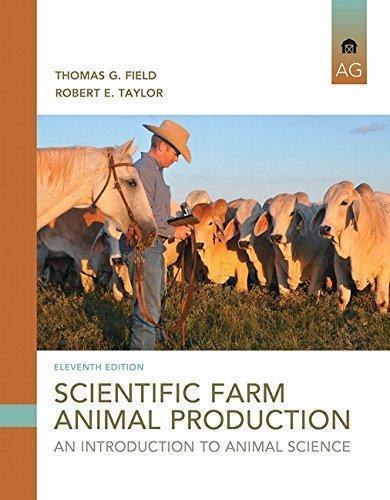
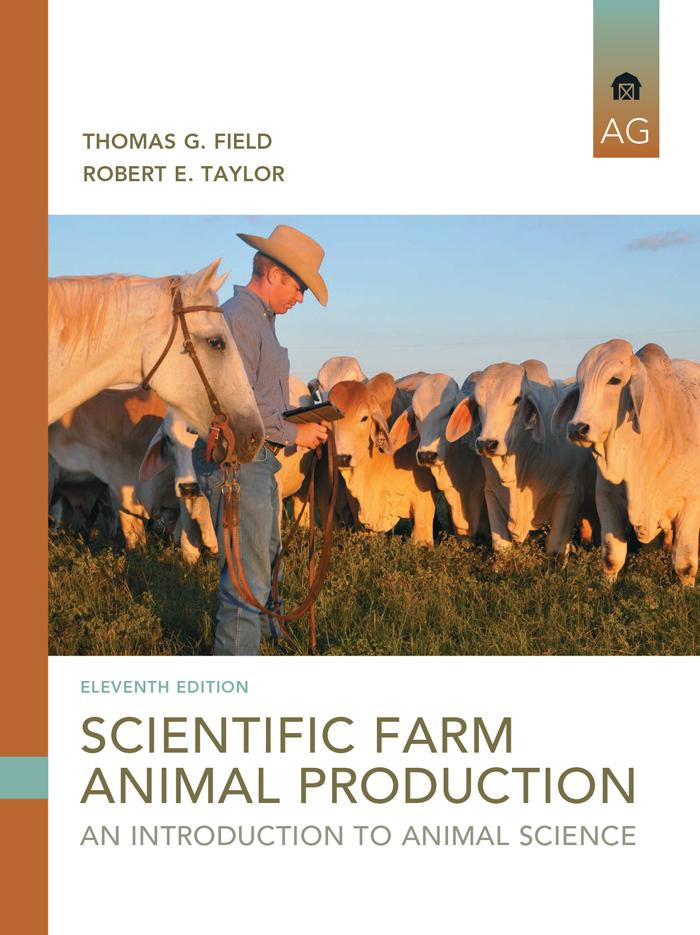
Scientific Farm Animal Production: An Introduction (11th Edition ) 11th Edition
https://ebookmass.com/product/scientific-farmanimal-production-an-introduction-11thedition-11th-edition/
Download more ebook from https://ebookmass.com
More products digital (pdf, epub, mobi) instant download maybe you interests ...
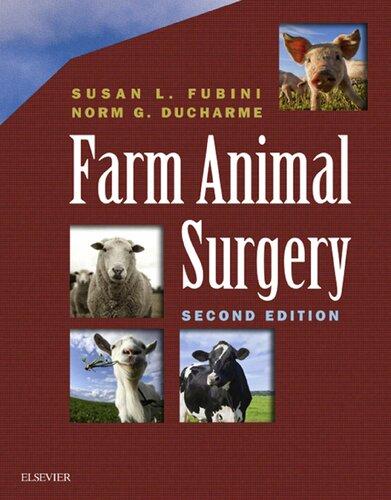
Farm Animal Surgery 2nd Edition Susan L. Fubini
https://ebookmass.com/product/farm-animal-surgery-2nd-editionsusan-l-fubini/
Scientific Epistemology: An Introduction Hilary Kornblith
https://ebookmass.com/product/scientific-epistemology-anintroduction-hilary-kornblith/
Electronic Media: An Introduction 11th Edition, (Ebook PDF)
https://ebookmass.com/product/electronic-media-anintroduction-11th-edition-ebook-pdf/
An Introduction to Language 11th Edition Victoria Fromkin
https://ebookmass.com/product/an-introduction-to-language-11thedition-victoria-fromkin/
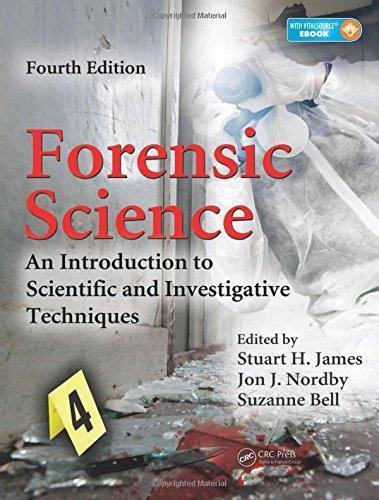
Forensic Science: An Introduction to Scientific and Investigative
https://ebookmass.com/product/forensic-science-an-introductionto-scientific-and-investigative/
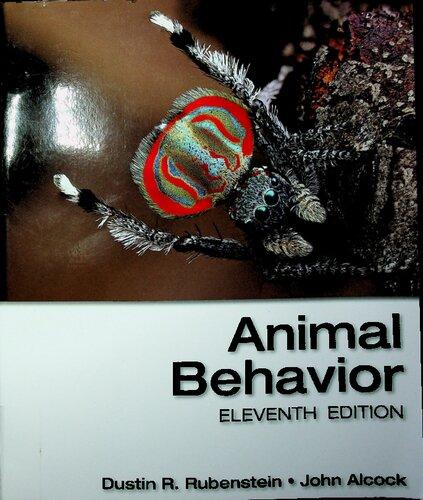
Animal Behavior 11th Edition John Alcock
https://ebookmass.com/product/animal-behavior-11th-edition-johnalcock/
American Public Policy: An Introduction 11th Edition, (Ebook PDF)
https://ebookmass.com/product/american-public-policy-anintroduction-11th-edition-ebook-pdf/
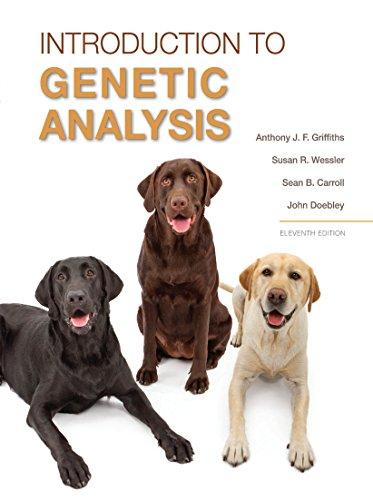
An Introduction to Genetic Analysis 11th Edition, (Ebook PDF)
https://ebookmass.com/product/an-introduction-to-geneticanalysis-11th-edition-ebook-pdf/
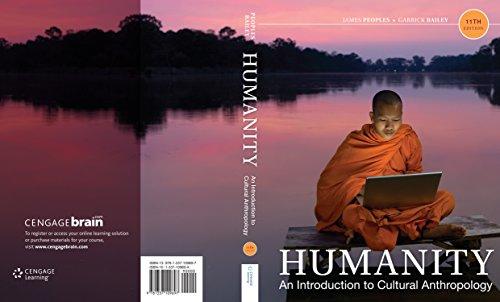
Humanity: An Introduction to Cultural Anthropology 11th Edition – Ebook PDF Version
https://ebookmass.com/product/humanity-an-introduction-tocultural-anthropology-11th-edition-ebook-pdf-version/
Preface xvii
About the Author xix
1
animal contributions to human needs 1
Contributions To Food Needs 1
Contributions to Clothing and Other Nonfood Products 12
Contributions to Work and Power Needs 13
Animals for Companionship, Recreation, and Creativity 15
Additional Animal Contributions 15
Chapter Summary 15
Key Words 16
Review Questions 16
Selected References 16
2 an overview of the livestock and Poultry industries 17
U.S. Animal Industries: An Overview 17
Cash Receipts 17
World Trade 17
Commodity Prices 18
Biological Differences in Meeting Market Demand 20
Beef Industry 20
Global Perspective 20
United States 23
Cattle Production 23
Cattle Feeding 26
The Dairy Cattle Industry 28
Global Perspective 28
United States 30
The Horse Industry 31
Global Perspective 31
United States 32
The Poultry Industry 33
Global Perspective 33
United States 34
The Sheep and Goat Industry 38
Global Perspective 38
United States 39
Purebred Breeder 41
Commercial Market Lamb Producers 42
Commercial Feedlot Operator 42
The Swine Industry 42
Global Perspective 42
United States 42
Other Animal Industries 44
Aquaculture 44
Bison 45
Elk 46
Ostrich and Emu Farming and Ranching 46
Llama and Alpaca Production 46
Chapter Summary 47
Key Words 47
Review Questions 47
Selected References 48
3 red meat Products 49
Production 49
Processing 49
Kosher and Muslim Meats 52
Composition 53
Physical Composition 53
Chemical Composition 54
Nutritional Considerations 55 Nutritive Value 55
Consumption 57
Demand 59
Marketing 59
Chapter Summary 63
Key Words 63
Review Questions 64
Selected References 64
4
Poultry and egg Products 65
Poultry Meat and Egg Production 65
Composition 66
Meat 66
Eggs 67
Poultry Products 68
Meat 68
Eggs 69
Feathers and Down 70
Other Products and By-Products 70
Nutrition Considerations 70
Nutritive Value of Poultry Meat 70
Nutritive Value of Eggs 70
Consumption 72
Meat 72
Eggs 72
Marketing 73
Chapter Summary 76
Key Words 76
Review Questions 77
Selected References 77
5
milk and milk Products 78
Milk Production 78
Milk Composition 79
Milk Fat 81
Carbohydrates 82
Proteins 82
Vitamins 82
Minerals 82
Milk Products in the United States 82
Fluid Milk 83
Evaporated and Condensed Milk 85
Dry Milk 85
Fermented Dairy Products 85
Cream 86
Butter 86
Cheese 87
Ice Cream 89
Eggnog 89
Imitation Dairy Products 89
Health Considerations 90
Nutritive Value of Milk 90
Wholesomeness 91
Milk Processing 91
Milk Intolerance 92
Consumption 92
Marketing 92 World 92
United States 93
Prices 93
Chapter Summary 94
Key Words 94
Review Questions 95
Selected References 95
6 Wool and mohair 96
Growth of Hair, Wool, and Mohair 96
Factors Affecting the Value of Wool 99
Classes and Grades of Wool 101
Production of Wool and Mohair 102
Wool Marketing 106
Uses of Wool and Mohair 106
Chapter Summary 108
Key Words 108
Review Questions 108
Selected References 108
7
By-Products of meat animals 109
Edible By-Products 109
Inedible By-Products 110
The Rendering Industry 113
Rendering of Red Meat Animal By-Products 114
Rendering of Poultry By-Products 114
Disposing of Dead Livestock 115
Chapter Summary 117
Key Words 117
Review Questions 117
Selected References 117
8 market classes and Grades of livestock, Poultry, and eggs 118
Market Classes and Grades of Red Meat Animals 118
Slaughter Cattle 118
Feeder Cattle 123
Slaughter Swine 124
Slaughter Sheep 126
Feeder Lamb Grades 128
Goat Grades 128
Market Classes and Grades of Poultry Products 129
Poultry Meat 129
Eggs 130
Chapter Summary 133
Key Words 133
Review Questions 133
Selected References 134
9
visual evaluation of market animals 135
External Body Parts 136
Location of the Wholesale Cuts in the Live Animal 136
Visual Assessment of Livestock Carcass
Composition 137
Chapter Summary 145
Key Words 146
Review Questions 146
Selected References 146
10
reproduction 147
Terminology For Anatomical Positioning 147
Female Organs of Reproduction and their Functions 147
Ovaries 149
The Oviducts 151
The Uterus 151
The Vagina 152
The Clitoris 152
Reproduction in Poultry Females 152
Male Organs of Reproduction and Their Functions 154
Testicles 155
The Epididymis 157
The Scrotum 157
The Vas Deferens 158
The Urethra 159
Accessory Sex Glands 159
The Penis 159
Reproduction in Male Poultry 159
Hormonal Control of Testicular and Ovarian Function 160
Testicular Function 160
Ovarian Function 160
Estrous Cycle 162
Seasonal Effects on Reproduction 163
Pregnancy 164
Parturition 166
Chapter Summary 169
Key Words 169
Review Questions 169
Selected References 170
11 artificial insemination, estrous Synchronization, and embryo transfer 171
Semen Collecting and Processing 172
Insemination of the Female 174
Detecting Estrus 175
Proper Insemination 176
Estrous Synchronization 177
Prostaglandin 178
MGA and Prostaglandin 179
Controlled Internal Drug Release (CIDR) 179
Synchronization with Natural Service 180
P.G. 600 180
Embryo Transfer 180
Cloning 182
Sexed Semen 184
Chapter Summary 184
Key Words 184
Review Questions 184
Selected References 185
12 Genetics 186
Mitosis and Meiosis 186
Production of Gametes 186
Spermatogenesis 188
Oogenesis 189
Fertilization 189
DNA and RNA 190
Genes and Chromosomes 192
Principles of Inheritance 192
Simple Inheritance 193
Multiple Gene Pairs 195
Gene Interactions 197
Allelic Interactions 197
Interactions Between Genes and the Environment 199
Biotechnology 200
Applications 200
Future Expectations and Concerns 202
Chapter Summary 203
Key Words 203
Review Questions 204
Selected References 204
13
Genetic change through Selection 205
Importance of Genetics to the Livestock Industry 205
Structure of the Breeding Industry 205
Breeds 206
Continuous Variation and Many Pairs of Genes 207
Selection 211
Selection Differential 212
Heritability 212
Generation Interval 213
Predicting Genetic Change 214
Genetic Change for Multiple Trait Selection 214
Evidence of Genetic Change 215
Selection Methods 218
Basis for Selection 220
Predicted Differences or Expected Progeny Differences 220
Chapter Summary 221
Key Words 222
Review Questions 222
Selected References 222
14
mating Systems 223
Inbreeding 223
Intensive Inbreeding 225
Linebreeding 227
Outbreeding 229
Species Cross 229
Crossbreeding 230
Outcrossing 232
Grading Up 233
Forming New Lines or Breeds 234
Chapter Summary 234
Key Words 234
Review Questions 235
Selected References 235
15
nutrients and their functions 236
Nutrients 236
Water 236
Carbohydrates 237
Fats 238
Proteins 239
Minerals 240
Vitamins 241
Proximate Analysis of Feeds 241
Digestibility of Feeds 242
Energy Evaluation of Feeds 243
Maintenance and Production 244 Measurement of Energy 245
Feeds and Feed Composition 246
Classification of Feeds 246
Nutrient Composition of Feeds 247
By-Product Feeds 247
Chapter Summary 250
Key Words 250
Review Questions 250
Selected References 251
16 digestion and absorption of feed 252
Carnivorous, Omnivorous, and Herbivorous Animals 252
Digestive Tract of Monogastric Animals 253
Stomach Compartments of Ruminant Animals 255
Digestion in Monogastric (Nonruminant) Animals 256
Digestion in Ruminant Animals 258
Energy Pathways 259
Protein Pathways 259
Chapter Summary 261
Key Words 261
Review Questions 261
Selected References 261
17
Providing nutrients for Body functions 262
Nutrient Requirements For Body Maintenance 262
Body Size and Maintenance 262
Nutrient Requirements For Growth 263
Nutrient Requirements For Finishing 265
Nutrient Requirements For Reproduction 265
Nutrient Requirements For Lactation 266
Nutrient Requirements For Egg Laying 267
Nutrient Requirements For Wool Production 267
Nutrient Requirements For Work 267
Ration Formulation 268
Nutrient Requirements of Ruminants 268
Diet Modification to Minimize Nitrogen and Phosphorus Excretion 273
Chapter Summary 273
Key Words 274
Review Questions 274
Selected References 274
18
Growth and development 275
Prenatal (Livestock) 275
Birth (Livestock) 276
Poultry 277
Embryonic Development 277
Basic Anatomy and Physiology 278
Skeletal System 278
Muscle System 279
Circulatory System 280
Endocrine System 283
Growth Curves 283
Carcass Composition 284
Effects of Frame Size 286
Effect of Gender 286
Effect of Muscling 288
Age and Teeth Relationship 289
Measurements of Growth 290
Chapter Summary 291
Key Words 291
Review Questions 292
Selected References 292
19 lactation 293
Mammary Gland Structure 293
Mammary Gland Development and Function 294
Development 294
Milk Secretion 295
Maintenance of Lactation 296
Factors Affecting Milk Production 296
Milk Composition 299
Species Differences 299
Colostrum 300
Chapter Summary 300
Key Words 300
Review Questions 301
Selected References 301
20 adaptation to the environment 302
Relationship Between Animals and the Environment 303
Adjusting to Environmental Changes 303
Temperature Zones of Comfort and Stress 304
Relationship of Intake and Maintenance during Stress 307
Managing the Thermal Environment 310
Mitigating Heat Stress 311
Adjusting Rations for Weather Changes 311
Inability of Animals to Cope with Climatic Stress 312
Chapter Summary 314
Key Words 314
Review Questions 314
Selected References 314
21 animal health 316
Immune Function 316
Prevention 317
The Role of the Veterinarian 317 Sanitation 317
Sound Nutritional Management 318
Record Keeping 318
Facilities 318
Source of Livestock 318
Biosecurity 319
Use of Biologicals and Pharmaceuticals 319
Stress 322
Personnel Training 323
Detecting Unhealthy Animals 323
Visual Observation 323
Vital Signs 323
Major Diseases of Farm Animals 324
Quality Assurance 329
Chapter Summary 331
Key Words 331
Review Questions 332
Selected References 332
22
animal Behavior 333
Stockmanship 333
Animal Behavior 333
Systems of Animal Behavior 334
Sexual Behavior 335
Caregiving Behavior 337
Care-Soliciting Behavior 337
Agonistic Behavior 338
Interaction with Other Animals 338
Interactions with Humans 339
Behavior during Handling and Restraint 340
Ingestive Behavior 342
Eliminative Behavior 343
Shelter-Seeking Behavior 343
Investigative Behavior 343
Allelomimetic Behavior 344
Additional Behaviors 344
Communication 344
Maladaptive or Abnormal Behavior 345
Chapter Summary 346
Key Words 346
Review Questions 346
Selected References 346
23 issues in animal agriculture 347
Feeding 9 Billion People by 2050 349
Sustainability 349
Valid Comparisons and Assessing Risk 350
Environmental Management Issues 352
Land Use 353
Conversion of Agricultural Land 353
Federal Lands 354
Waste Management 356
Air Quality 357
Water Utilization and Quality 358
Animal Well-Being 359
Public Health 363
Diet and Health 363
Dietary Guidelines 367
Food Safety 369
Microorganisms 371
Residues 372
Quality Assurance 373
Production Technologies 374
Organic and Natural Products 376 Issues and Opportunities 377
Chapter Summary 377
Key Words 377
Review Questions 378
Selected References 378
24 Beef cattle Breeds and Breeding 380
Genetic Variation 381
Major U.S. Beef Breeds 382
Improving Beef Cattle Through Breeding Methods 386
Traits and Their Measurement 386
Reproductive Performance 386
Weaning Weight 386
Postweaning Growth 387
Feed Efficiency 387
Carcass Merit 388
Longevity 388
Conformation 388
Genetic Defects 389
Bull Selection 389
Breeding Values 389
Sire Summaries 390
Selecting Replacement Heifers 392
Cow Selection 394
Crossbreeding Programs for Commercial Producers 396
Chapter Summary 399
Key Words 400
Review Questions 400
Selected References 400
25
feeding and managing Beef cattle 401
Cow–Calf Management 401
Costs and Returns 403
Management for Optimum Calf Crop Percentages 405
Management for Optimum Weaning Weights 408
Management Of annual Cow Costs 409
Stocker-Yearling Production 413
Types of Cattle Feeding Operations 415
Feedlot Cattle Management 416
Facilities Investment 416
Cost of Feeder Cattle 417
Feed Costs 417
Nonfeed Costs 418
Marketing 418
Costs and Returns 420
Environmental Management 420
Chapter Summary 422
Key Words 422
Review Questions 423
Selected References 423
26
dairy cattle Breeds and Breeding 424
Characteristics of Breeds 424
Registration Numbers 424
Dairy Type 425
Improving Milk Production 428
Selection of Dairy Cows 428
Breeding Dairy Cattle 430
Sire Selection 432
Chapter Summary 433
Key Words 433
Review Questions 434
Selected References 434
27
feeding and managing dairy cattle 435
Nutrition of Lactating Cows 435
Adjusting for Heat Stress 439
Nutrition of Dry Cows 439
Nutrition of Replacement Heifers 440
Management of Bulls 440
Calving Operations 441
Milking and Housing Facilities For Dairy Cows 441
Waste Management 442
Milking Operations 443
Controlling Diseases 445
Costs And Returns 449
Chapter Summary 451
Key Words 451
Review Questions 451
Selected References 451
28
Swine Breeds and Breeding 452
Characteristics of Swine Breeds 452
Traits and Their Measurements 452
Sow Productivity 453
Growth 454
Feed Efficiency 456
Carcass Traits 457
Structural Soundness 457
Effective Use of Performance Records 458
Selecting Replacement Females 461
Boar Selection 462
Crossbreeding For Commercial Swine Producers 462
Chapter Summary 465
Key Words 465
Review Questions 466
Selected References 466
29 feeding and managing Swine 467
Production Management 468
Boar Management 468
Management of Breeding Females 469
Pregnancy Detection 470
Management of the Sow during Farrowing and Lactation 471
Induced Farrowing 472
Baby Pig Management from Birth to Weaning 473
Feeding and Management from Weaning to Market 478
Management of Purchased Feeder Pigs 482
Marketing Decisions 482
Costs and Returns 483
Environmental Management 484
Management for Swine Well-Being 486
Chapter Summary 487
Key Words 487
Review Questions 488
Selected References 488
30
Sheep and Goat Breeds and Breeding 489
Major U.S. Sheep Breeds 489
Characteristics 490
Composite Breeds 490
Major Goat Breeds 493
Breeding Sheep and Goats 494
Sheep Reproduction 497
Goat Reproduction 499
Other Factors Affecting Reproduction of Sheep 499
The Breeding Season 500
Genetic Improvement in Commercial Sheep Production 501
Terminal Crossing 502
Three-Breed Terminal Crossbreeding 502
Chapter Summary 503
Key Words 503
Review Questions 504
Selected References 504
31
feeding and managing Sheep and Goats 505
Production Requirements for Farm Flocks 505
Pastures 505
Corrals and Chutes 505
Shelters 506
Lambing Equipment 507
Feeding Equipment 507
Types of Farm Flock Producers 507
Purebred Breeder 507
Commercial Market Lamb Producers 508
Commercial Feeder Lamb Producers 509
Commercial Feedlot Operator 509
Feeding Ewes, Rams, and Lambs 510
Management of Farm Flocks 513
Handling Sheep 513
Lambing Operations 514
Castrating and Docking 514
Shearing 514
Facilities for Production of Range Sheep 515
Managing Range Sheep 516
The Winter Headquarters 516
The Spring–Fall Range 517
Summer Grazing 517
Managing Goats 518
Fencing 518
Dehorning 519
Hoof Trimming 519
Identification 519
Castration 519
Shearing 519
Milking 519
Time of Breeding 520
Time of Kidding 520
Feeding 523
Controlling Diseases and Parasites 525
Determining The Age of Sheep by Their Teeth 527
Costs and Returns 527
Chapter Summary 529
Key Words 529
Review Questions 529
Selected References 530
32 horse Breeds and Breeding 531
Horses and Humans 531
Breeds of Horses 531
Popularity of Breeds 534
Breeding Program 534
Selection 534
Conformation of the Horse 535
Purchasing the Horse 535
Body Parts 536
Unsoundness and Blemishes of Horses 538
Gaits of Horses 540
Ease of Riding and Way of Going 541
Abnormalities in Way of Going 541
Determining The Age of a Horse by its Teeth 542
Chapter Summary 544
Key Words 544
Review Questions 544
Selected References 545
33
feeding and managing horses 546
Feeds and Feeding 546
Managing Horses 552
Reproduction 552
Breeding Season 553
Foaling Time 554
Weaning the Foal 555
Castration 555
Identification 555
Care of Hardworking Animals 556
Housing and Equipment 556
Controlling Diseases and Parasites 557
Chapter Summary 561
Key Words 561
Review Questions 561
Selected References 562
34 Poultry Breeding, feeding, and management 563
Breeds and Breeding 563
Characteristics of Breeds 563
Breeding Poultry 565
Feeding and Management 571
Incubation Management 571
Managing Young Poultry 575
Housing for Broilers 575
Managing 10- to 20-Week-Old Poultry 577
Management of Laying Hens 578
Housing Poultry 581
Feeds and Feeding 583
Issues Management 585
Environmental Impact 585
Animal Welfare 586
Costs and Returns 588
Chapter Summary 593
Key Words 593
Review Questions 593
Selected References 593
Glossary 595
Index 621
This page intentionally left blank
About the Author
Dr. Thomas G. Field serves as the director of the Engler Agribusiness Entrepreneurship Program and holder of the Engler Chair in Agribusiness Entrepreneurship at the University of Nebraska—Lincoln.
He is also a noted agricultural author and a frequent speaker at agricultural events in the United States and abroad. He has consulted with a number of agricultural enterprises and organizations, and has served on numerous boards related to education, agriculture, and athletics. He is the co-owner of Field Land and Cattle Company, LLC in Colorado.
Dr. Field was raised on a Colorado cow–calf and seedstock enterprise. He managed a seedstock herd of cattle after completing his B.S. degree. A competitive horseman as a youth, he has had practical experience with seedstock cattle, commercial cow–calf production, stockers, and horses. He has a B.S., M.S., and Ph.D. in animal science from Colorado State University.
Dr. Field has received teaching awards from the USDA National Excellence in Teaching program, the National Association of Colleges and Teachers of Agriculture, the American Society of Animal Sciences, Colorado State University, and the University of Nebraska.
He is married to Laura and father to Justin, Sean, Trae, Kate, and Coleman.
This page intentionally left blank
Another random document with no related content on Scribd:
HEDVIG. You mustn’t know now; for mother’s to give it me in bed to-morrow morning.
HJALMAR. Ah! All this companionship from which I am shut out!
HEDVIG (quickly). No, you can see if you like it. It’s a big letter. (Takingtheletterfromhercloakpocket.)
HJALMAR. A letter, too?
HEDVIG. Yes, it’s only a letter. I suppose the other’s coming later. But fancy a letter! I’ve never had a letter before. And there’s “Miss” on the outside. (Reads.) “Miss Hedvig Ekdal.” Fancy—that’s me.
HJALMAR. Let me see that letter.
HEDVIG (holdingitouttohim). There, you can see.
HJALMAR. It is Mr. Werle’s hand.
GINA. Are you sure of that, Ekdal?
HJALMAR. See for yourself.
GINA. Oh! Do you think I understand anything about it?
HJALMAR. Hedvig, may I open the letter—and read it?
HEDVIG. Yes, of course you may, if you like.
GINA. No, not to-night, Ekdal; why it’s for to-morrow.
HEDVIG (in a low tone). Oh! do let him read it! It’s sure to be something nice, and then father’ll be glad and he’ll be in good spirits again.
HJALMAR. Then I may open it.
HEDVIG. Yes, please do, father. It’ll be such fun to know what it is.
HJALMAR. Good. (He opens the letter , takes out a paper, reads it throughandseemsconfused.) What is this!——
GINA. What’s in it, then?
HEDVIG. Oh, yes, father—tell us!
HJALMAR. Be silent. (Reads it through again; he turns pale but mastershimself.) It’s a deed of gift, Hedvig.
HEDVIG. Fancy! What is it I’m to have?
HJALMAR. Read it yourself. (HEDVIG goes to the lamp and reads a moment.)
HJALMAR (inalowvoice,clenchinghishands). The eyes! the eyes! —and now this letter!
HEDVIG (leaves off reading). Yes, but I think this is meant for grandfather.
HJALMAR (taking the letter from her). You Gina—can you understand this?
GINA. Why, I don’t know anything on earth about it—just tell us.
HJALMAR. Mr. Werle writes to Hedvig that her old grandfather need no longer trouble himself with copying, but that for the future he’s to draw a hundred crowns a month at the office.
GREGERS. Aha!
HEDVIG. A hundred crowns, mother! I read that.
GINA. That’ll come in very well for grandfather.
HJALMAR. ——A hundred crowns as long as he may need it—that means, of course, until he has closed his eyes in death.
GINA. Well, then he’s provided for, poor old fellow.
HJALMAR. But there’s more follows. You didn’t read this, Hedvig. Afterwards it’s to revert to you.
HEDVIG. To me! All of it?
HJALMAR. He writes that the same sum is assured to you for your whole life. Do you hear that, Gina?
GINA. Yes, I hear well enough.
HEDVIG. Fancy I’m to have all that money! (Shakinghim.) Father, father, aren’t you glad——
HJALMAR (evasively). Glad! (Walkingabouttheroom.) Ah! what an out-look!—what a perspective unrolls itself before me! It is Hedvig, it is she whom he endows so richly!
GINA. Why, it’s Hedvig’s birthday——
HEDVIG. And it’ll be yours all the same, father! You know that I shall give all the money to you and mother.
HJALMAR. To mother; yes. That’s it.
GREGERS. Hjalmar, this is a snare he is laying for you.
HJALMAR. Do you think this is another snare?
GREGERS. When he was here this morning he said, “Hjalmar Ekdal is not the man you take him for.”
HJALMAR. Not the man!
GREGERS. “You will see that,” he said.
HJALMAR. You were to see that I would allow myself to be bought with money——
HEDVIG. But, mother, what’s the matter?
GINA. Go and take off your things.
HEDVIG goesoutalmostcrying,atthekitchendoor.
GREGERS. Yes, Hjalmar—now we shall see who is right—he or I.
HJALMAR (slowly tears thepaper across, and lays bothpieces on thetable). Here is my answer.
GREGERS. I expected it.
HJALMAR (goingup toGINA whostandsby theoven, andspeaking ina lowtone). And now no more deceit. If the connection between you and him was quite at an end, when you—came to care for me, as you call it—why did he make it possible for us to marry?
GINA. I suppose he thought he’d be free of the house.
HJALMAR. Only that? Wasn’t he afraid of a certain result?
GINA. I don’t understand what you mean.
HJALMAR. I want to know if—your child has the right to live under my roof.
GINA (drawingherselfup,hereyesflashing). And you ask that?
HJALMAR. You must answer me this one question: Is Hedvig my child, or——? Well!
GINA (looksathimwithcolddefiance). I don’t know.
HJALMAR (shuddersslightly). You don’t know!
GINA. How should Iknow? Such a woman as I?
HJALMAR (quietlyturning from her). Then I have nothing more to do in this house.
GREGERS. Think what you’re doing, Hjalmar.
HJALMAR (takingup his overcoat). There’s nothing for a man like me to think about here.
GREGERS. Yes, here there is so much to be thought over. You three must remain together, if you are to reach the great height of selfsacrificing forgiveness.
HJALMAR. I will not. Never, never! My hat! (Takes his hat.) My home has fallen into ruins about me (burstingintotears). Gregers, I have no child!
HEDVIG (who has opened the kitchen door). What do you say? (Goinguptohim.) Father, father!
GINA. There now!
HJALMAR. Do not come near me, Hedvig. Stand away. I can not bear to see you. Ah! the eyes! Good-bye.
Goestowardsthedoor
.
HEDVIG (holdinghimfastandcryingout). No, no! No, no! Don’t go away from me!
GINA (callsout). Look at the child, Ekdal! Look at the child!
HJALMAR. I will not. I can not. I must away; away from all this.
He tears himself away from HEDVIG and goes out at the entrancedoor.
HEDVIG (withdespairinglook). He is going from us mother! He is going from us! He will never come back again!
GINA. If only you’ll not cry, Hedvig, father’ll come again!
HEDVIG (throwsherselfsobbinguponthesofa). No, no, he’ll never come home to us any more.
GREGERS. You believe that I meant it all for the best, Mrs. Ekdal?
GINA. Yes, I do almost, but God forgive you, all the same.
HEDVIG (lyingon thesofa). Oh! I feel as if it would kill me! What have I done to him? Mother, you must bring him home again!
GINA. Yes, yes, yes; only be quiet, and I’ll go out and look for him. (Puts on her out-door things.) Perhaps he’s gone to Relling’s. But you mustn’t lie there and howl. Will you promise me that?
HEDVIG (cryingconvulsively). Yes, I’ll stop, if only father will come home again.
GREGERS (toGINA whoisgoingout). Wouldn’t it be better after all that you let him first fight out to the end his bitter fight?
GINA. Oh! he can do that afterwards. First and foremost we must quiet the child.
Shegoesoutattheentrance-door .
HEDVIG (sitting up and drying her eyes). Now you must tell me what it’s all about. Why won’t father have anything more to do with me?
GREGERS. You mustn’t ask about that till you’re a big girl and grown up.
HEDVIG (sobbing). But I can’t go on being so terribly miserable till I’m big and grown up—I know what it is—perhaps I’m not father’s real child.
GREGERS (uneasily). How could that be?
HEDVIG. Why, mother may have found me. And now, perhaps, father has got to know it; for I’ve read about such things.
GREGERS. Well, but if it were so——
HEDVIG. Yes, I think he might love me just as much for all that. And even more. Why the wild duck, too, was sent us for a present, and yet I care so much for her.
GREGERS (tryingtochangethesubject). Yes, the wild duck, that’s true! Let’s talk a little about the wild duck, Hedvig.
HEDVIG. The poor wild duck. He can’t bear to see her either. Only think, he wanted to wring her neck!
GREGERS. Oh! he’ll not do that I’m sure.
HEDVIG. No, but he said so. And I think it was so horrid of father, because I say my prayers for the wild duck every night and beg she may be preserved from death, and all that is evil.
GREGERS (looking at her). Do you always say your prayers at night?
HEDVIG. Oh, yes.
GREGERS. Who taught you to do that?
HEDVIG. I myself; it was once when father was so ill, and had leeches on his throat, and then he said he was wrestling with death.
GREGERS. Well?
HEDVIG. So I prayed for him after I had gone to bed. And ever since I’ve gone on with it.
GREGERS. And now you pray for the wild duck, too?
HEDVIG. I thought it would be best to put the wild duck in too, for she was so sickly at first.
GREGERS. Do you pray in the morning, too?
HEDVIG. No, I don’t do that.
GREGERS. Why not in the morning as well?
HEDVIG. Oh! it’s light in the morning, and there’s nothing to be afraid of.
GREGERS. And the wild duck that you’re so very fond of—your father wanted to wring its neck?
HEDVIG. No, he said it would be best for him if he did, but that he would spare her for my sake; and that was very good of father.
GREGERS (coming a little closer). But if you were to sacrifice the wild duck of your own free will for his sake?
HEDVIG (rising). The wild duck!
GREGERS. If you now freely sacrificed for him the best thing you know and possess on earth?
HEDVIG. Do you think that would help?
GREGERS. Try it, Hedvig.
HEDVIG (inalowvoiceandbrighteningeyes). Yes, I will try.
GREGERS. And do you think you’ve enough strength of mind?
HEDVIG. I will ask grandfather to shoot her for me.
GREGERS. Yes, do so. But not a word of all this to your mother!
HEDVIG. Why not?
GREGERS. She does not understand us.
HEDVIG. The wild duck? I’ll try it early to-morrow.
GINA comesinattheentrancedoor.
HEDVIG (goinguptoher). Did you meet him, mother?
GINA. No, but I heard that he’d gone into Relling’s and taken him along with him.
GREGERS. Are you sure of that?
GINA. Yes, the porter’s wife told me. Molvik went with them too, she said.
GREGERS. And this at a time when he needs so sorely to wrestle in solitude!
GINA (taking off her things). Yes, men folk are so different. Heaven knows where Relling has dragged him to. I ran over to Mrs. Ericksen’s; but they weren’t there.
HEDVIG (struggling with her tears). Oh! if he should never come home any more!
GREGERS. He willcome home again. I will bear him a message tomorrow, and you will see how he’ll come. Sleep peacefully on that, Hedvig. Good night.
Hegoesoutattheentrancedoor .
HEDVIG (throwingherselfsobbingonGINA’S neck). Mother, mother! GINA (patting heron theback andsighing). Ah, yes! Relling was right. That is what comes of crazy people going about and presenting intricate claims.
ACT V.
[HJALMAR EKDAL’S studio. Cold gray morning light. Wet snow on the greatpanesofthesky-light.GINA, inanapronandbib, witha broom and duster in her hand comes from the kitchen and goes towards the door of the sitting-room. At the same time HEDVIG comesinhurriedlyattheentrance-door.]
GINA (stopping). Well?
HEDVIG. Oh, mother, I almost believe he’s down at Relling’s——
GINA. There, you see!
HEDVIG. For the porter’s wife said she could hear that Relling had two people with him when he came home in the night.
GINA. That’s just what I thought.
HEDVIG. But that’s no good if he won’t come up to us.
GINA. At any rate I’ll go down and speak to him.
OLD EKDAL in dressing-gown and slippers, and with a lighted pipe comesinbythedoorofhisroom.
EKDAL. I say, Hjalmar—— Isn’t Hjalmar at home?
GINA. No, he’s gone out.
EKDAL. So early? And in such a heavy snow-storm? Well, well, give me a hand, please, I can go the morning rounds alone.
Hepushes aside the door of the loft, HEDVIG helpshim; hegoes in, sheclosesthedoorafterhim.
HEDVIG (inalowvoice). Oh, think, mother, when poor grandfather hears that father is going away from us.
GINA. Oh, nonsense! Grandfather mustn’t hear anything about it. It’s a mercy he wasn’t at home yesterday during all that hullaballoo.
HEDVIG. Yes, but——
GREGERS comesinattheentrancedoor.
GREGERS. Well? Have you found any trace of him?
GINA. They say he’s down at Relling’s.
GREGERS. At Relling’s! Has he really been out with those creatures?
GINA. He has like enough.
GREGERS. Yes, but he—so in need of solitude and of thorough selfexamination.
GINA. Yes, you may well say that.
RELLING comesinfromthepassage.
HEDVIG (goinguptohim). Is father with you?
GINA (atthesametime). Is he there?
RELLING. Yes, of course he is.
HEDVIG. And you never told us!
RELLING. Yes, I’m a brute—but I had to get the other brute quiet first—the dæmonic one, of course—and then I fell so sound asleep that
GINA. What does Ekdal say to-day?
RELLING. He doesn’t say anything whatever.
HEDVIG. Doesn’t he say anything?
RELLING. Not a blessed word.
GREGERS. No, no; I can well understand that.
GINA. But what’s he doing then?
RELLING. He’s lying on the sofa, snoring.
GINA. Really? Yes, Ekdal’s a great one to snore.
HEDVIG. Is he asleep? Can he sleep?
RELLING. Well, it looks like it.
GREGERS. Very natural after the spiritual strife that has torn him
GINA. And especially as he’s not accustomed to knocking about at night.
HEDVIG. Perhaps it’s as well, mother, that father is able to sleep.
GINA. I think so, too. But now it’s not worth while for us to go and wake him too soon. Thank you, anyhow, Relling. I must first tidy up the rooms and then—— Come and help me, Hedvig.
GINA andHEDVIG gointothesitting-room.
GREGERS (turning to RELLING). Can you explain to me the spiritual turmoil now going on in Hjalmar Ekdal?
RELLING. Upon my soul I’ve not noticed any spiritual turmoil going on in him.
GREGERS. What! At such a juncture, when a new foundation is being laid for his whole life. Now, can you imagine that a man of Hjalmar’s individuality——
RELLING. Oh! Individuality—he! If he ever had any tendencies to the abnormal developments that you call individuality, they were extirpated, root and branch, while he was yet a boy; I can assure you of that.
GREGERS. That would be strange after the loving care with which he was brought up.
RELLING. You mean by those two affected, hysterical maiden aunts?
GREGERS. I may tell you they were women who never lost sight of the claims of the ideal—ah! you’ll gibe at me again, I suppose?
RELLING. No, I’m in no humor for that. Moreover, I know it all, for he has poured forth any amount of rhetoric about his “two spiritualmothers.” But I don’t think he has much to thank them for. It is Ekdal’s misfortune that in his circle he has always been taken for a shining light——
GREGERS. And isn’t he one? In depth of soul I mean.
RELLING. I’ve never noticed anything of the sort. That his father should have believed this—well and good; for the old lieutenant has been a blockhead all his life.
GREGERS. All his life he has been a man with a child-like mind— thatis what you can not understand.
RELLING. Tut, tut! But as soon as the dear, sweet Hjalmar went to college, his fellow students instantly took him for the coming man. He was good looking, the rascal—red and white—just the sort of thing to delight a school girl—and as he had that mobile temperament and that sympathetic voice, and was so clever at declaiming the verses and ideas of others——
GREGERS (indignantly). Is it of Hjalmar Ekdal you are speaking like this?
RELLING. Yes, with your permission; that’s how the idol before which you lie prostrate, looks from within.
GREGERS. Yet I don’t think I am altogether blind either.
RELLING. Oh! you’re not so very far from it. For you are a sick man too, you see.
GREGERS. There you are right.
RELLING. Exactly. You are suffering from a complicated complaint. First, there’s that troublesome virtue-fever; and what’s worse, you’re always working yourself up into a delirium of hero-worship. You must always have something to admire outside yourself.
GREGERS. Yes, indeed, I must seek it outside myself.
RELLING. But you make such woeful blunders about the mighty paragons you think you see and hear about you. Here you’ve been visiting a farmer’s cottage again with your claims of the ideal; but the people in this house aren’t solvent.
GREGERS. If you haven’t a better opinion of Hjalmar Ekdal than that, what pleasure can you find in being so constantly in his company?
RELLING. Good heavens, I’m ashamed to say I’m supposed to be a sort of a kind of doctor, and so I must look after the poor diseased folk living in the same house.
GREGERS. Indeed! Is Hjalmar Ekdal diseased, too?
RELLING. Most people are, unfortunately.
GREGERS. And what remedy are you applying to Hjalmar?
RELLING. My usual one. I take care to keep up his life-lie.
GREGERS. The life—lie? Did I hear correctly?
RELLING. Yes, I said life-lie. For the life-lie is the stimulating principle, you see.
GREGERS. May I ask with what sort of a life-lie Hjalmar is infected?
RELLING. No, thanks, I don’t betray such secrets to quacks. You’d be quite capable of muddling him up even more for me. But the method is infallible. I’ve applied it to Molvik, too. I’ve made him “dæmonic.” That’s the phantasy I’ve had to put into hishead.
GREGERS. Then he’s not dæmonic?
RELLING. What the devil does it mean to be dæmonic? That’s only the gammon I invented to keep him going. If I’d not done that the poor, inoffensive fellow would have succumbed to self-contempt and despair many a long year ago. And then the old lieutenant! But he really hit upon his own cure.
GREGERS. Lieutenant Ekdal? What of him?
RELLING. Yes, think of it, he, the bear-hunter, goes into that gloomy loft and hunts rabbits! There’s not a sportsman on earth happier than that old man, when he’s bustling about in there with all that rubbish. The four or five withered Christmas trees that he stored up there are to him the same as the whole of the great, fresh Hojdal forest; the cock and the hens are to him game perched on the top of fir trees, and the rabbits hopping about the floor of the loft, they are the bears he grapples with, he, the hardy old hunter.
GREGERS. Unfortunate old Lieutenant Ekdal, yes. He certainly has had to modify the ideals of his youth.
RELLING. But, by the way, Mr. Werle, junior—don’t use that foreign word “ideals.” We’ve as good a word, “lies.”
GREGERS. Do you think the two things are akin, then?
RELLING. Yes, much as typhus and putrescent fever are.
GREGERS. Doctor Relling, I shall not rest content until I have rescued Hjalmar from your clutches!
RELLING. That would be worst for him. If you take away the average man’s life-lie you take away his happiness at the same time. (To HEDVIG, who comes in from the sitting-room.) Well, little mother of the wild duck. I’m going down now to see if our father’s still lying there pondering on that wonderful invention.
Hegoesoutattheentrancedoor .
GREGERS (approaching HEDVIG). I can see from your face that it’s not yet done.
HEDVIG. What? Oh! that about the wild duck. No.
GREGERS. I suppose your strength of mind failed you when it came to the point.
HEDVIG. No, it’s not that exactly. But when I woke up early this morning and thought over what we’d talked about, it seemed to me that it was so strange.
GREGERS. Strange?
HEDVIG. Yes, I don’t know—— Yesterday evening, directly after, I thought there was something so beautiful about it; but after I’d been to sleep and thought it over again, there seemed to be nothing in it.
GREGERS. Ah no! I suppose you couldn’t have grown up here without some falling off.
HEDVIG. That doesn’t matter, if only father would come up, I
GREGERS. Ah! If only your eyes had been really opened to that which makes life of value—if you had the real, joyous, brave spirit of sacrifice you would soon see that he would come up to you—— But I still have faith in you, Hedvig.
Hegoes outattheentrance door . HEDVIG walksabouttheroom; she isgoingintothekitchenwhenthere isa knockatthedoorof theloft. HEDVIG goesandopensitalittle, OLD EKDAL comesout, shepushesthedoortoagain.
EKDAL. H’m. There’s not much fun in going the morning rounds alone.
HEDVIG. Didn’t you want to go hunting, grandfather?
EKDAL. Not the weather to-day for hunting. So dark there; you can hardly see your hand before your face.
HEDVIG. Haven’t you ever felt inclined to shoot at something besides the rabbits.
EKDAL. Aren’t the rabbits good enough, eh?
HEDVIG. Yes, but the wild duck?
EKDAL. Ha, ha! Are you afraid I shall shoot your wild duck? Not for the world, never.
HEDVIG. No, I suppose you couldn’t; for they say it’s very difficult to shoot wild ducks.
EKDAL. Couldn’t? Should think I could.
HEDVIG. How would you set about it, grandfather—I don’t mean with mywild duck, but with another one?
EKDAL. Would take care to shoot it under the breast, you know, for that’s the safest. And then you must shoot againstthe feathers, you see, not withthe feathers.
HEDVIG. And then they die, grandfather?
EKDAL. Yes, of course, if you shoot properly. Well, now I must go in and get myself up. H’m—you understand—h’m. (Hegoes intohis room.)
HEDVIG waits for a moment,glancesat thedoorofthesitting-room; goesbacktothebook-case,standsontip-toe,takesdownthe double-barreledpistolfromtheshelfandlooksatit. GINA with broom and duster comes in from the sitting-room. HEDVIG hurriedlyandunnoticedputsawaythepistol.
GINA. Don’t stand there rummaging among your father’s things, Hedvig.
HEDVIG (goingawayfromthebook-case). I was only tidying it up.
GINA. You’d better go into the kitchen and see if the coffee’s keeping hot; I’ll take the breakfast tray with me when I go down to him.
HEDVIG goes out; GINA beginssweepinganddustingthestudio. After a while the entrance-door is open hesitatingly, and HJALMAR
EKDAL looks in. He has on his overcoat, but no hat, he is unwashed, and his hair is tumbled and disheveled; his eyes aredullandlusterless.
GINA (stands still with the broom in her hand and looks at him). Ah! Ekdal, so you’ve come after all?
HJALMAR (comes inandanswers ina hollowvoice). I have come— only to depart at once.
GINA. Yes, yes, so I suppose. But, good Lord! what a sight you do look!
HJALMAR. A sight?
GINA. And your good winter-coat, too! Well, that’s done for.
HEDVIG (at the kitchen door). Mother, hadn’t I better—— (She sees HJALMAR, cries out with delight, and runs towards him.) Oh! Father, father!
HJALMAR (turns from her , and waives her off.) Away, away, away! (ToGINA.) Take her away from me, I say!
GINA (inalowvoice). Go into the sitting-room, Hedvig.
HEDVIG goesinsilently.
HJALMAR (busy pulling out the table-drawer). I must have my books—where are my books?
GINA. What books?
HJALMAR. My scientific works, of course—the technical periodicals, that I need for my invention.
GINA (searching in the book-case). Are these the ones without any covers?
HJALMAR. Of course they are.
GINA (puttingaheapofmagazineson thetable). Hadn’t I better tell Hedvig to cut them for you?
HJALMAR. They need not be cut for me.
Ashortpause.
GINA. Then you’re still determined to leave us, Ekdal?
HJALMAR (runningoverthebooks). Surely that’s self understood.
GINA. Very well.
HJALMAR (fiercely). For I can’t stop here to have my heart pierced every hour of the day!
GINA. God forgive you, for thinking so poorly of me.
HJALMAR. Prove——
GINA. I think it’s for youto prove.
HJALMAR. After a past such as yours? There are certain demands— I am tempted to call them ideal demands——
GINA. But about grandfather? What’s to become of him, poor old fellow?
HJALMAR. I know my duty; the helpless old man goes with me. I will go into the town and make arrangements—— H’m (hesitatingly). Has anyone found my hat on the stairs?
GINA. No. Have you lost it?
HJALMAR. Of course I had it when I came home last night; there’s no doubt about that; but I can’t find it this morning.
GINA. Good Lord! Where didyou go with those two ragamuffins?
HJALMAR. Ah! don’t question me on trivial matters. Do you think I am in the mood to remember details?
GINA. So long as you’ve not taken cold, Ekdal—— Shegoesintothekitchen.
HJALMAR (speaking to himself in a low bitter voice whilst he empties the drawer). You’re a scamp, Relling! A rogue! Ah! shameless tempter! If only I could get some one to kill you!
He lays on one side a number of old letters, comes upon the torn paper ofthe day before, takes itup and looks at thepieces. HeputsthemdownhurriedlywhenGINA comesin.
GINA (putting a breakfast tray on the table). Here’s some hot coffee, if you should want it. And there’s some bread and butter too, and some salt meat.
HJALMAR (glancingatthetray). Salt meat! Never beneath this roof! It is true I’ve partaken of no solid food for four and twenty hours, but no matter. My memoranda! The notes of my autobiography. Where’s my diary and my important papers? (Heopens thedoorof thesitting-room,butdrawsback.) She is there too!
GINA. Well, good Lord, the child must be somewhere.
HJALMAR. Go out.
Hestandsaside.HEDVIG frightenedcomesintothestudio.
HJALMAR (with his hand on the door handle to GINA). During the last moments I am spending in what was once my home I wished to be spared from interlopers.
Hegoesintotheroom.
HEDVIG (springing to her mother says in a low trembling voice). Does he mean me?
GINA. Stop in the kitchen, Hedvig; or no, you’d better go to your own room. (Speaking to HJALMAR as she goes in to him.) Wait a moment, Ekdal, don’t upset those drawers, I know where all the things are.
HEDVIG (standsstillforamoment,frightenedandirresolute,biting her lips to keep back her tears, then she clenches her hands convulsivelyandsaysinalowvoice). The wild duck!
Shestealstothebook-case, andtakes thepistolfrom theshelf, just opensthedooroftheloft,slipsinandclosesthedoorbehind her . HJALMAR andGINA begindiscussingwithinthesitting-room.
HJALMAR (comes in with several note books and loose papers, which he puts down on the table). Ah! what’s the good of the portmanteau! There are a thousand things I’ve must drag about with me.
GINA (following him with a portmanteau). Why don’t you leave the rest for a while, and take a shirt and a pair of drawers with you.
HJALMAR. Phew!—these wearisome preparations!
Hetakesoffhisovercoatandthrowsitonthesofa.
GINA. And the coffee’s getting cold, too.
HJALMAR. H’m. (Takesamouthful—abstractedly,andthenanother.)
GINA (dustingthebacksofthechairs). The most difficult thing will be to find such a large loft for the rabbits.
HJALMAR. What! Must I drag all the rabbits about with me, too?
GINA. Yes, grandfather can’t do without the rabbits, I’m sure.
HJALMAR. He will have to get used to that. I have to renounce higher things in life than rabbits.
GINA (dusting the book-case). Shall I put the flute into the portmanteau for you?
HJALMAR. No. No flute for me. But give me the pistol.
GINA. Do you want to take the pigstol?
HJALMAR. Yes. My loaded pistol.
GINA (looking for it). It’s gone. He must have taken it in there with him.
HJALMAR. Is he in the loft.
GINA. Of course he’s in the loft.
HJALMAR. H’m—the lonely old man.
Hetakes apiece ofbreadandbutter , eats it, anddrinksthecup of coffee.
GINA. If only we’d not let that room, you might have moved in there.
HJALMAR. I should remain under the same roof as——! Never, never!
GINA. But couldn’t you stop for a day or two in the sitting-room? You’d have it all to yourself.
HJALMAR. Never within these walls!
GINA. Well, then, down stairs at Relling and Molvik’s?
HJALMAR. Don’t mention those creatures’ names. The mere thought of them takes away my appetite. Ah, no! I must go from house to house seeking shelter for father and myself.
GINA. But you’ve no hat, Ekdal, you’ve lost it.
HJALMAR. Oh! those two miscreants, so rich in all vices! I must get a hat somehow. (Takes another piece of bread and butter.) Something must be done, for I can’t afford to risk my life. (Helooks forsomethingonthetray.)
GINA. What are you looking for.
HJALMAR. Butter.
GINA. I’ll get you some directly. Shegoesintothekitchen.
HJALMAR (callsafterher). Oh! it doesn’t matter; dry bread will do just as well.
GINA (bringinginabutter-dish). Here you are; it’s quite fresh. Shepours himoutanothercup ofcoffee, hesitsdownon thesofa, spreads more butter on his bread, and eats and drinks for a whileinsilence.
HJALMAR. Could I—without being worried by anyone—no matter whom—could I stop for a day or two in the sitting-room?
GINA. Yes, you could very well, if you would.
HJALMAR. For I can’t see any possibility of getting all father’s things away at once.
GINA. And besides you must tell him first that you won’t go on living with us.
HJALMAR (pushing the cup of coffee from him). That too! I shall have to go into all this complicated business—I must reflect; I must have breathing space; I can not bear all these burdens in one day.
GINA. Especially in such awful weather as it is outside.
HJALMAR (putting away the letter from WERLE). I see the paper’s still lying here.
GINA. Yes, I’ve not touched it.
HJALMAR. The rag doesn’t concern me——
GINA. I’m sure Idon’t intend making any use of it.
HJALMAR. ——but all the same there’s no need to throw it away ——in all the confusion of my moving it might so easily be——
GINA. I’ll take good care of it, Ekdal.
HJALMAR. The deed of gift belongs first and foremost to father; and it is for him to say if he intends to make use of it.
GINA (sighing). Yes, poor old father
HJALMAR. For safety’s sake—— Where’s the gum?
GINA (goingtothebook-case). Here’s the gum-pot.
HJALMAR. And the brush?
GINA. Here’s the brush. (Shebringshimthem.)
HJALMAR (takingup a pair ofscissors). Just a bit of paper for the back. (Cuts and gums.) Far be it from me to lay hands upon the
property of others—and least of all upon that of a penniless old man. No, nor upon that of anyone else. That’s it. Let it lie there for a while. And when it’s dry put it away. I never want to set eyes on that document again. Never!
GREGERS WERLE comesinfromthepassage.
GREGERS (somewhat astonished). What are you sitting here, Hjalmar?
HJALMAR (risinghurriedly). I had sunk down from exhaustion.
GREGERS. You’ve had breakfast too, I see.
HJALMAR. Corporal needs make themselves felt at times.
GREGERS. What have you decided to do?
HJALMAR. For a man like me, there is but one way. I am busy just getting my most important papers together. But, of course, you know that takes time.
GINA (somewhat impatiently). Am I to get the room ready for you, or am I to pack the portmanteau?
HJALMAR (witha vexedside-glanceat GREGERS). Pack and get the room ready!——
GINA (taking up the portmanteau). All right, then I’ll put in the shirt and the other things.
Shegoesintothesitting-roomandshutsthedoorafterher .
GREGERS (after a shortpause). I never thought it would end like this. Is it really necessary for you to leave house and home?
HJALMAR (walkingaboutuneasily). What would you have me do? I was not made to bear unhappiness, Gregers. I must have comfort, and security, and peace about me.
GREGERS. But can’t you have that? Only try it. Now, it seems to me, there is firm ground here to build upon—and begin from the beginning. And remember you’ve the invention to live for.
HJALMAR. Don’t speak of the invention. Perhaps there’s nothing much in it.
GREGERS. How so?
HJALMAR. Why, good heavens! What do you really want me to invent? Other men have invented pretty well everything already. It is becoming more difficult every day——
GREGERS. And you, who have worked so hard at it
HJALMAR. It was that debauchee Relling, who made me take it up.
GREGERS. Relling?
HJALMAR. Yes, it was he who first called my attention to my aptitude for making some remarkable discovery in photography.
GREGERS. Aha! it was Relling!
HJALMAR. Ah! I have been so intensely happy over this. Not so much for the invention or for myself, but because Hedvig believed in it—with all the strength and might of a child’s mind. That is to say I was fool enough to persuade myself she believed in it.
GREGERS. Can you really believe that Hedvig would be false to you?
HJALMAR. Now I know what it all means. It is Hedvig who stands in my way. She will blot out the sun from my whole life.
GREGERS. Hedvig! Do you mean Hedvig? How could she blot it out for you?
HJALMAR (without answering). I have loved that child beyond all words. I was happy beyond all words whenever I returned to my poor home, and she with her sweet little short-sighted eyes flew to meet me. Confiding fool that I was! I cared for her beyond all words, and, poet-like, I lulled myself in the delusion that she also cared for me beyond all words.
GREGERS. And you say thatwas only a delusion?
HJALMAR. How can I tell? I can’t get anything out of Gina. And besides, she lacks all sense of the ideal side of these complications. But I feel impelled to open my heart to you, Gregers. There is that terrible doubt—perhaps Hedvig has never really and truly loved me.
GREGERS. You may yet have proof of that. (Listening.) What is that? The wild duck screaming?
HJALMAR. The wild duck’s quacking. Father’s in the loft.
GREGERS. It is he! (Hiseyes brighten withpleasure.) I say again you may yet have proof that poor, misunderstood Hedvig loves you!
HJALMAR. Ah! what proof can she give me! I dare not believe in any protestations from that quarter.
GREGERS. Hedvig certainly does not know what deceit is.
HJALMAR. Ah! Gregers, that’s just what is not so certain. Who knows what Gina and that Mrs. Sorby may have sat many a time here whispering and tattling about? And Hedvig keeps her ears open, I can tell you. Perhaps, the deed of gift wasn’t so unexpected after all. I fancy I noticed something of the sort.
GREGERS. What has taken possession of you?
HJALMAR. My eyes have been opened. Watch, and you’ll see that the deed of gift is but a beginning. Mrs. Sorby has always done a great deal for Hedvig; and now it’s in her power to do what she likes for the child. They can take her from me at any time and hour they choose.
GREGERS. Not for all the world would Hedvig go away from you.
HJALMAR. Don’t be so sure of that. Suppose they stood there with their hands full, beckoning her—— Ah! I, who have loved her beyond all words! I, who would have found my greatest joy in taking her tenderly by the hand and guiding her as one guides a child frightened at the darkness, through some wild desolate space! Now I feel the gnawing certainty—the poor photographer in his attichome has never been anything wholly and completely to her. She has only been cunning enough to keep on good terms with him until the right time should come.
GREGERS. You don’t believe this yourself, Hjalmar.
HJALMAR. That’s the terrible part of it, that I don’t know what to believe—that I never shall know. But can you really doubt that it must be as I say? Ha, ha!—You rely too much upon the claims of the ideal, my good Gregers! If only the others came, with hands overflowing and cried to the child “leave him, here with us life awaits you.”
GREGERS (quickly). Well, what then?
HJALMAR. If then I asked her: “Hedvig, are you willing to forego that life for me?” (Laughs mockingly.) No, thank you—you’d soon hear the answer.
Apistolshotisheardintheloft.
GREGERS (loudlyandgladly). Hjalmar!
HJALMAR. There! Now he must needs go hunting.
GINA (comingin). Oh! Ekdal, I think grandfather’s a-firing away in the loft by himself.
HJALMAR. I’ll look in.
GREGERS (eagerly and moved). One moment! Do you know what that was?
HJALMAR. Of course I do.
GREGERS. No, you do not. But I know it. It was the proof!
HJALMAR. What proof?
GREGERS. It was a child’s sacrifice. She has got your father to shoot the wild duck.
HJALMAR. Shoot the wild duck!
GINA. Well, I never!
HJALMAR. But what for?
GREGERS. She wanted to sacrifice for you the best thing she had on earth; for then she thought you might learn to love her again.
HJALMAR (softlyandwithemotion). Ah! the child!
GINA. What things she does get hold of.
GREGERS. She only wanted to win back your love, Hjalmar; she felt she could not live with out it.
GINA (strugglingwithhertears). Now you see yourself, Ekdal.
HJALMAR. Gina, where is she?
GINA (sniffling). Poor child, I suppose she’s sitting out in the kitchen.
HJALMAR (goes to the kitchen door andopens it). Hedvig—come! Come in to me! (Lookingin.) No, she’s not here.
GINA. Then she’s sitting in her little room.
HJALMAR (outside). No, she’s not here either. (Coming in.) She must have gone out.
GINA. Yes, you know you wouldn’t have her about the house.
HJALMAR. Ah! if only she will return home soon—that I may really tell her—— Now all shall be well, Gregers, for I believe now we can start life afresh.
GREGERS (quietly). I knew it; I knew the regeneration would come through the child.
OLD EKDAL comes infrom thedoorofhisroom; heisinfulluniform, andisbusybucklingonhissword.
HJALMAR (astonished). Father! Are you there?
GINA. Have you been shooting in your room?
EKDAL (reproachfully, approaching). So you go hunting by yourself, Hjalmar?
HJALMAR (anxiously and confused). So it wasn’t you shooting in the loft?
EKDAL. I shooting? H’m!
GREGERS (criesouttoHJALMAR). She has shot the wild duck herself!
HJALMAR. What is that! (Herushestothedooroftheloft,pushesit aside,looksinandcriesout.) Hedvig!
GINA (runningtothedoor). Good God! What is it!
HJALMAR (goingin). She is lying on the floor!
GREGERS. Hedvig lying on the floor! (GoingintoHJALMAR.)
GINA (atthesametime). Hedvig! (Goesintotheloft.) No, no, no!
EKDAL. Ha, ha! So she’s going in for shooting too?
HJALMAR, GINA andGREGERS carry HEDVIG intothestudio, herrighthand hangs down, holding the pistol, tightly clasped between her fingers.
HJALMAR (distracted). The pistol has gone off. She has wounded herself. Call for help! Help!
GINA (running into the passage and calling). Relling! Relling! Doctor Relling! Hurry up here as fast as you can!
HJALMAR andGREGERS layHEDVIG onthesofa.
EKDAL (quietly). The woods avenge themselves.
HJALMAR (on his knees by her). She’ll come round directly. She’ll come round directly; yes, yes, yes.
GINA (whohas come inagain). Where has she wounded herself? I can’t see anything——
RELLING enters hurriedly, and immediately after him MOLVIK, who is withoutwaistcoatandcollar,andhashiscoatopen.
RELLING. What’s the matter?
GINA. They say Hedvig has shot herself.
HJALMAR. Come here and help.
RELLING. Shot herself!
Hemovesasidethetableandbeginstoexamineher .
HJALMAR (lyingon thefloorlooksanxiouslyathim). Surely it’s not dangerous? Eh, Relling! She’s hardly bleeding at all. Surely it’s not dangerous?
RELLING. How did this happen?
HJALMAR. Ah! how should I know.
GINA. She wanted to shoot the wild duck.
RELLING. The wild duck.
HJALMAR. The pistol must have gone off.
RELLING. H’m. I see.
EKDAL. The woods avenge themselves. But I’m not afraid for all that.
Hegoesintotheloft,andclosesitbehindhim.
HJALMAR. Well, Relling—why don’t you speak?
RELLING. She’s shot in the breast.
HJALMAR. Yes, but she’ll come round.
RELLING. Surely you see that Hedvig is dead.
GINA (burstingintotears). Oh! the child, the child!
GREGERS (hoarsely). In the depths of the ocean——
HJALMAR (springingup). No, no, she mustlive! Ah! For God’s sake, Relling—only one moment—only till I shall have told her how I loved her beyond all words all the time.
RELLING. She’s shot through the breast. Bleeding inwardly. She must have died on the spot.
HJALMAR. And I, who drove her from me like a wild animal! And scared, she crept into the loft and died for love of me. (Sobbing.)
Never to be able to make that good again! Never to be able to tell her!—— (Clenching his hands and crying out.) Oh! Thou who art above!—If Thou artthere! Why hast Thou done this to me!
GINA. Hush, hush! you must not say such wicked things. We had no right to keep her, I suppose.
MOLVIK. The child is not dead; she sleepeth.
RELLING. Bosh!
HJALMAR (quietingdown, hegoes to the sofa and looks at HEDVIG withfoldedarms). There she lies so stiff and still.
RELLING (tryingto take thepistolfrom herhand). She’s holding it so tight, so tight.
GINA. No, no, Relling; don’t break her fingers, let the pigstol be.
HJALMAR. She shall take it with her.
GINA. Yes, leave it here. But the child shall not lie here to be made a show of. She shall go by herself into her own little room. Help me with her, Ekdal.
HJALMAR andGINA takeupHEDVIG betweenthem.
HJALMAR (as theyarecarryingher). Oh! Gina, Gina. Can you bear it!
GINA. One of us must help the other. For she belongs to both of us now, I know.
MOLVIK (stretching out his arms andmurmuring). Praised be the Lord; to earth shalt thou return, to earth shalt thou return——
RELLING (whispers). Hold your row, man, you’re drunk.
HJALMAR andGINA carryoutthedeadbodyatthekitchendoor; RELLING closesitafterthem; MOLVIK slinksoutthroughthepassage.
RELLING (goesuptoGREGERS). Nothing’ll ever make me believe that shot was an accident.
GREGERS (who has been standing horror stricken shuddering convulsively). No one can say how this terrible thing happened.
RELLING. The powder has singed her dress. She must have put the pistol straight to her breast and fired.
GREGERS. Hedvig has not died in vain. Did you see how grief set free all that is noble in him?
RELLING. Most people are ennobled when they stand sorrowing by the dead. But how long do you suppose this fine feeling will last with him?
GREGERS. It will last and grow all his life through!
RELLING. In three-quarters of a year little Hedvig will be nothing more to him than an excellent theme for declamation.
GREGERS. And you dare to say this of Hjalmar Ekdal?
RELLING. We’ll talk about it again when the first grass has withered upon her grave. Then you’ll hear him perorating about “the father’s heart bereft too soon of it’s child,” then you’ll see him steeping himself in emotion and in self-admiration, and self-pity. Wait and see!
GREGERS. If you are right, and I am wrong, then life is not worth living.
RELLING. Ah! life might be pleasant enough all the same, if only we could be left in peace by those blessed duns who come worrying us poor folk about the claims of the ideal.
GREGERS (looking in front of him). At any rate I am glad that my destiny is what it is.
RELLING. I beg your pardon—what is your destiny?
GREGERS (going). To be the thirteenth at table.
RELLING. Devil a doubt of that!
Transcriber’s Note
Punctuation and other obvious typographic inaccuracies were silently corrected.
Archaic and variable spelling has been preserved. Variations in hyphenation and compound words have been preserved. Table of Contents not in the original and added for reader convenience. Footnotes have been numbered consecutively and moved near the related content.
New original cover art included with this eBook is granted to the public domain.
Corrections
p. 5: PETERSEN to PETTERSEN
p. 5: wrapped to rapped
p. 6: bring to bringing
p. 7: Hodjal to Hojdal
p. 7: Eriksen’s to Ericksen’s
p. 10: works to Works
p. 12: married? to married.
p. 13: works to Works
p. 31: knone to krone
p. 34: EKDEL to EKDAL
p. 34: Hedvig to Ekdal
p. 57: loose to lose
p. 70: times to time
p. 74: goal to gaol
p. 81: Yes to Yes,
p. 91: rubbish? to rubbish!
p. 91: Petterson to Pettersen
p. 93: Hedvik to Hedvig
p. 97: think to think.
p. 103: myself to myself.
p. 103: me I to me. I
p. 103: child He to child. He
p. 105: her) to her.)
p. 106: fo to of
p. 112: mean to mean.
p. 119: RELLING to RELLING.
p. 120: Morever to Moreover
p. 122: HJALMER to HJALMAR
p. 122: wild-duck to wild duck
p. 124: rumaging to rummaging
p. 130: you’v’e to you’ve
p. 130: Dry to dry
p. 131: HJALMAR to HJALMAR.
p. 19, 30, 39, 53, 63, 73a, 73b, 81, 98, 107, 113 : musn’t to mustn’t
*** END OF THE PROJECT GUTENBERG EBOOK THE WILD DUCK
Updated editions will replace the previous one—the old editions will be renamed.
Creating the works from print editions not protected by U.S. copyright law means that no one owns a United States copyright in these works, so the Foundation (and you!) can copy and distribute it in the United States without permission and without paying copyright royalties. Special rules, set forth in the General Terms of Use part of this license, apply to copying and distributing Project Gutenberg™ electronic works to protect the PROJECT GUTENBERG™ concept and trademark. Project Gutenberg is a registered trademark, and may not be used if you charge for an eBook, except by following the terms of the trademark license, including paying royalties for use of the Project Gutenberg trademark. If you do not charge anything for copies of this eBook, complying with the trademark license is very easy. You may use this eBook for nearly any purpose such as creation of derivative works, reports, performances and research. Project Gutenberg eBooks may be modified and printed and given away—you may do practically ANYTHING in the United States with eBooks not protected by U.S. copyright law. Redistribution is subject to the trademark license, especially commercial redistribution.
START: FULL LICENSE