





Welcome to this year’s special Leavers Edition of the Sixth Form magazine!
We’re delighted to celebrate the successes of our Year 13 students and to give you a glimpse into the exciting journeys that lie beyond EHS. This edition reflects not only the achievements of our leavers but also the personal growth, resilience, and ambition they have shown throughout their time in EHS Sixth.
Our tutorial programme in Years 12 and 13 is designed to support you academically and personally, equipping you with the confidence, skills, and knowledge you’ll need as you take your next steps. From UCAS applications to mock interviews and beyond, our aim is to help every student discover and pursue their own unique pathway.
You’ll have regular opportunities to discuss your aspirations with your tutors and Heads of Year, who will guide and support you throughout your Sixth Form journey. You’ll also work closely with our dedicated Futures Team, Dr Rajp and Mrs Coley, who coordinate an exciting programme of talks, workshops, and guest speakers covering university life, apprenticeships, and a wide range of careers.
In this edition, we hear from some of our recent alumne as they reflect on their first experiences of university life, from managing new routines to making lifelong friends, and share their advice for the next generation of EHS leavers.
We hope you enjoy reading their stories and celebrating everything that makes our Sixth Form community so special.
Mr Skilbeck and Mrs Smith Assistant Heads of Years 12 & 13
“From UCAS applications to mock interviews and beyond, our aim is to help every student discover and pursue their own unique pathway.”
Starting Year 12 might make leaving Sixth Form feel like it’s far off, but it’s never too early to start thinking about what comes next. Once you’ve finished your A-Levels, you’ll have lots of options for your future and your career. Here are some pathways you can explore:
A degree is a qualification you get from a university or college to show you’ve completed a course or reached a certain level of academic achievement. When you pursue a degree, you get to dive deep into a subject you’re passionate about over three or four years. It gives you the knowledge and skills needed for specific careers and can help set you up for a job you’ll love.
• Think about what you enjoy – Could your favourite subjects or hobbies turn into a career?
• Explore job sites and look at graduate career options. This will give you a sense of what jobs are out there and what qualifications they need.
• Set your career goals – What jobs are you aiming for? Check what qualifications or skills are needed.
• Check UCAS subject guides (see link in resources on page 12). They’ll help you see what you can study and where these subjects can lead you.
To find courses by subject, check out the UCAS website.
Deadline for applications to Oxford and Cambridge universities and for most medicine, veterinary and dentistry courses.
Deadline for most other undergraduate university applications. Reply to offers if you have received your decisions by 13 May 2026.
UCAS Extra opens for applicants who received no offers, or who rejected all their offers.
Applications received after 6pm will automatically be entered into Clearing. Clearing 2026 opens.
Final date for 2026 UCAS undergraduate applications.
Choosing where to go to university is one of the biggest decisions you’ll make, and the location you pick can shape your whole experience. From the feel of the town or city, to how easy it is to get home, to whether you want to experience life abroad, there’s plenty to think about.
Every university sits within its own unique community; a buzzing city centre, a relaxed coastal town, or a leafy campus on the edge of a village. Before you decide, take time to properly explore the places that you’re considering.
A great place to start is the UCAS location guides, which give an overview of what different towns and cities offer, from nightlife and culture to green spaces and affordability.
Search ‘UCAS location guides’ online to compare towns and cities. Look into:
• What the town or city is known for
• The local culture, nightlife, and food scene
• Green spaces, gyms, theatres, shops, and things to do
• The student population – is it a ‘student city’ or more mixed?
• Accommodation options and prices
If possible, visit in person. Campus tours are great, but walking around the wider area gives you a real feel for what day-today life would be like.
Ask yourself how often you plan to travel home.
• If you know you’ll want to visit regularly, you may prefer somewhere closer, or a location with fast train links or an airport nearby.
• If you feel ready for independence and want to explore somewhere completely new, going further afield can be exciting. There’s no right answer, but be honest with yourself. The balance of independence versus support looks different for everyone.
Universities in different areas vary hugely in price. Think about:
• Rent for student housing
• Travel costs (buses, trains, trams, etc.)
• General cost of food and socialising
• Part-time job opportunities
A place that’s vibrant but unaffordable can make student life stressful, so keep practicalities in mind.
Location isn’t just about geography, it’s also about how the university is set up. Campus universities are mostly self-contained, with facilities in one place. They can feel like a friendly bubble, great for first-year students wanting an easy transition. City universities blend into the town or city itself. They offer independence, culture, and lots to explore – perfect if you love busy environments.
Do your homework – studying overseas can be life-changing, but there’s more to think about.
Research:
• Visa requirements
• Healthcare and insurance
• The teaching style and academic year (they differ!)
• Cost of living and tuition
• The culture and language
• Safety and travel
• Working rights for students
There’s no single perfect location – just the one that fits you best. The more you explore, the clearer your decision will become. Think about where you’ll feel comfortable, motivated, safe, and excited to spend the next three or four years. This is your journey, so choose a place where you’ll thrive.
It’s tempting to choose the same university as your friends, especially when it feels like everyone is making big decisions at once. But your choice should be led entirely by:
• the course you want to study
• the way you like to learn
• the environment where you’ll thrive You’ll make new friends wherever you go, and you can always visit each other’s universities for weekends away, societies’ events, or nights out. Choosing what you need now will set you up for the best experience in the long run.



Meet our 2024–25 Leadership Team, three EHS alumnae who finished their exams last summer and have now taken their first big step into university life. They’ve shared their journeys, the lessons they learned at EHS, and their honest advice for anyone dreaming of uni in the future.



Ruby Gayle
A Levels: French, Mathematics, Spanish Now at: University of Warwick studying Modern Foreign Languages
Tyra Jambwa
A Levels: Business Studies, Psychology, Sociology Now at: Bristol UWE studying Accounting and Finance
Amy Sargeant
A Levels: Business Studies, English Literature, Sociology Also completed: EPQ Now at: University of Liverpool studying International Relations
Their Sixth Form Survival Guide
These girls led the school and lived through the deadlines, exam stress, and planner chaos, so their advice is worth hearing!
• Get organised early – future you will be grateful.
• Sleep before exams; don’t try late-night cram sessions.
• Get involved in everything, even if it means wearing a silly costume.
• Celebrate the small wins.
• Don’t overwork yourself – rest is part of success.
UCAS Tips
• Start early…earlier than you think.
• Talk to your subject teachers; they know what makes a strong application.
• Let your friends read your personal statement – they remember things you forget.
Taking the Leap: The Move to University
Starting university can feel overwhelming –new people, new spaces, new responsibilities. But all three students agree: EHS prepared them more than they realised.
Finance talks in Sixth Form, years of extracurriculars and learning about wellbeing all helped them feel confident stepping into the real world. “EHS definitely set us up to flourish at university,” they said. And now?
“We’re enjoying this new chapter and we’re grateful for everything EHS gave us.”
Lots of love
The Leadership Team 2024–25 xxx









We asked the girls what those first few weeks are really like –and what they wish someone had told them!
Ruby: “Talk to as many people as you can and say yes to things you wouldn’t normally do. Everyone’s in the same boat. Don’t panic if you haven’t found a close friendship group straight away – it takes time.”
Amy: “The first time I went to something on my own I was terrified, but within minutes I’d met someone I now see every day. A simple ‘Can I sit here?’ goes a long way!”
Tyra: “Joining a society is the easiest way to make friends – you already have something in common. A small compliment in the hallway can even start a friendship. And don’t stress if you don’t find ‘your people’ immediately.”
Ruby: “Use small breaks in your timetable to get work done so your evenings and weekends stay free.”
Amy: “If I go home, the ‘quick nap’ trap is real. Staying on campus keeps me motivated. Library + friends + coffee = productivity.”
Tyra: “Get a cute planner and write down deadlines and fun plans. It keeps you organised and excited about your week. You have no parents telling you not to go out – so stay strict with yourself!”
Ruby: “Set a weekly budget and track it – the first weeks are pricey, but you can adjust after.”
Amy: “Stick to your budget, even when it’s tempting not to. Reviewing receipts is boring but effective.”
Tyra: “Please don’t blow your maintenance loan in Freshers’ Week. Spread it out over the term. And don’t rush into getting a job – wait to see what your workload is really like.”
These alumnae were sitting exactly where you are now just a couple of years ago, and their message is simple: You can absolutely do this. Sixth Form will challenge you, but it also prepares you for independence, friendships, opportunities, and the exciting next chapter waiting after Year 13.

A-Level Results Day at Edgbaston High School was a morning filled with excitement, nerves, happy tears, and plenty of celebration. For many girls, this moment marked the end of a journey that started years ago, some even back in Nursery and Reception.
The biggest reason to celebrate? 91% of EHS students secured a place at their first-choice university. That’s what A-Levels here are all about – giving girls the platform, confidence, and support to get where they want to go and do what they love.
There were also fantastic results across the board, with 75.5% of all grades at A-B.*
But it’s not just the grades that matter, it’s the progress made along the way. EHS consistently achieves strong Value Added Scores, showing just how much our students grow academically during their time here.
The morning was emotional for staff and students alike – the end of an era, but also the start of something new. As envelopes were opened and hugs were shared, there was a real sense of pride and possibility.
These girls are ready for their next steps, wherever they may lead, and everyone at EHS couldn’t be prouder.





This example follows a recent EHS A-Level student through her Year 7 to Sixth Form experience.
This student joined Edgbaston High School in Year 7 and chose to study two STEM and one humanities subject at A-Level.
Academic Growth
Her Value Added progress was exceptional:
• +1.2 grades above prediction in one STEM subject
• +1.4 grades above prediction in her second STEM subject
• +1.7 grades above prediction in her Humanities subject
How it Happened
She credits her success to:
• Regular one-to-one guidance and targeted feedback
• Teachers offering extra help before school, after school and during free periods
• A supportive environment where she felt encouraged to keep stretching herself
Alongside her academics, she represented Warwickshire CCC and Central Sparks EPP in cricket. EHS helped her balance elite sport with A-Level study through flexibility and careful time management support.
She achieved beyond her own expectations — and is now studying Chemical Engineering at a prestigious university.
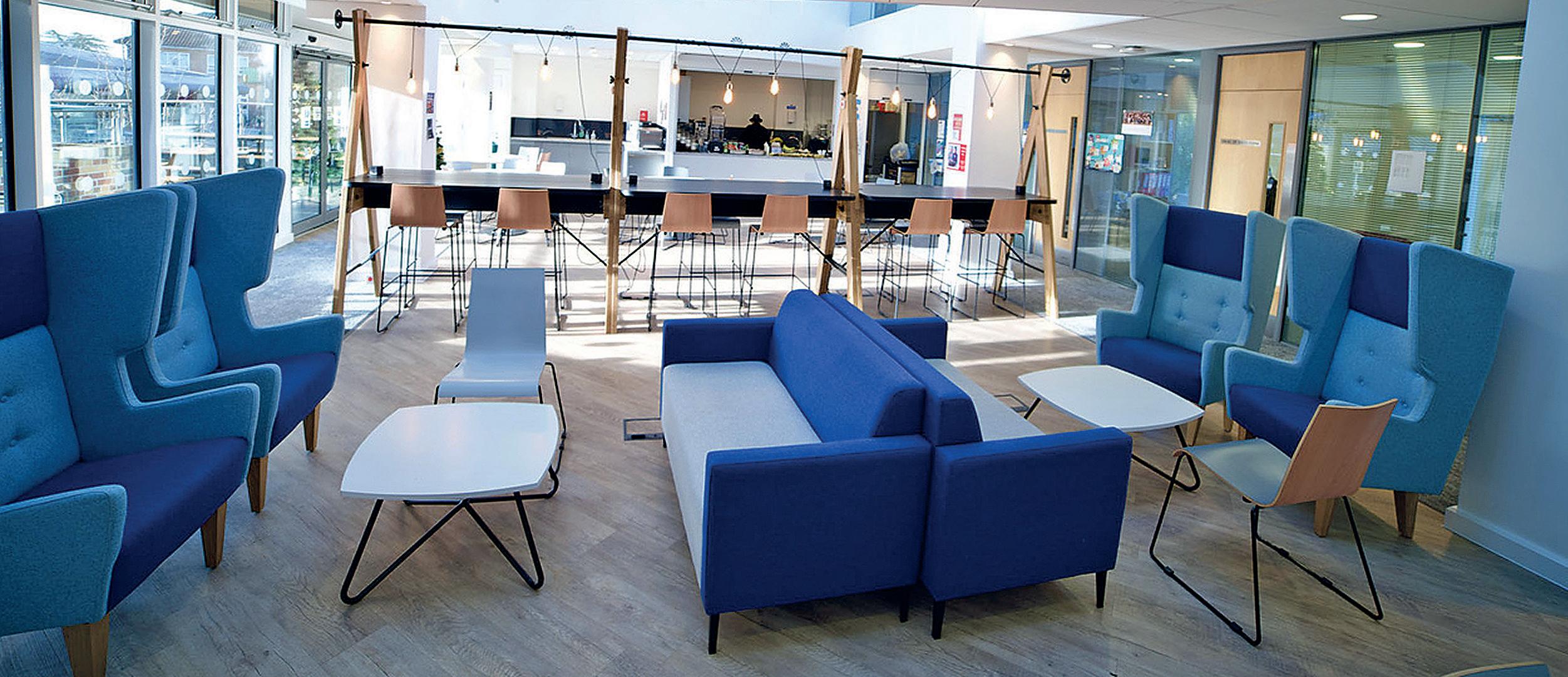
Thinking about your next move after GCSEs? The Sixth Form Centre at EHS gives you the perfect mix of independence, support, and impressive spaces.
A space that feels your age
The centre has its own common room, café, ICT suite, study areas and even a sun terrace. It was fully refurbished recently, so everything feels modern, calm and designed to help you focus — or relax.
Study your way
Prefer a quiet corner? Want to work with friends? There are different seating zones so you can choose what suits you. It’s your space to study, chat, plan and get things done.
A taste of uni life — with support
The Sixth Form Centre is designed to bridge the gap between school and university. You’ll feel more grown-up and independent, but still have the guidance you need to succeed.
Want to see it for yourself?
You can always book a tour to see the Sixth Form Centre for real, but if you want a quick sneak peek, our Sixth Formers have made a short video just for you. Scan the QR code below to check it out.


Letʼs get your future started!
If you want a Sixth Form where you can work hard, feel confident and enjoy your time, the EHS Sixth Form Centre is ready for you.

Check out the link to our A-Level ‘This or That’ Leavers reel: https://www.instagram.com/reel/DNxokMTIZPd/?utm_source=ig_web_copy_ link&igsh=MzRlODBiNWFlZA==
UCAS Course Search: Find a Course https://digital.ucas.com/coursedisplay/ results/courses?


UCAS Degree Information: What to Study https://www.ucas.com/applying/you-apply/what-andwhere-study/how-choose-right-undergraduate-course-you
UCAS Subject Guides: A-Z of Degree Courses https://www.ucas.com/explore/search/subject-guides?

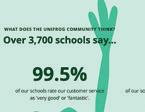
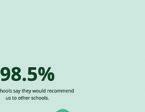
Compare Universities and more: Unifrog Website https://www.unifrog.org
Virtual Work Experience: Springpod Website https://www.springpod.com

Online Open Courses: MOOCs https://www.mooc.org
Careers Information, Advice and Guidance: National Careers Service Website https://nationalcareers.service.gov.uk/




















EHS Social Media
For details of events and workshops follow @ehscareers
To see what our Laurels are up to and to get involved, follow @ehs_laurels