Many individuals spend their lives with less than adequate neurotransmitter production, causing them to settle for mediocrity in their lives. They may have mood swings, feel overly emotional, deal with brain fog and poor memory or lack motivation to do the things they need to do.
These problems can be corrected and improved with natural health strategies and specific supplementation. This document will help you with that. If you haven’t taken the full neurotransmitter quiz than that would be best to do before you begin in order to discover which neurotransmitter deficiencies, you may be dealing with.
In some cases, you will notice you are scoring out high in multiple areas. If this is the case, focus on the areas where you are weakest first and see how you respond. Often times you will notice that all the major symptoms will begin to improve as you focus on one major area.
Give Yourself a Score:
Before starting, it would be a good idea to rate your symptoms on a scale of 1-10 with one being minor and 10 being the worst possible so you can gouge how you are responding over time.
If you have trouble with anxiety, it may be a 6/10 in the beginning and after 30 days, you notice a 20% improvement so you rank it at a 4/10. This sort of assessment will help you understand and appreciate your improvement.
Table of Contents:
Serotonin Strengthening Program
Acetylcholine Strengthening Program
Dopamine Strengthening Program
GABA Strengthening Program
Endorphin Strengthening Program
***You can find all supplement recommendations at our Store Page here
*These statements have not been evaluated by the Food and Drug Administration. These products are not intended to diagnose, treat, cure or prevent any disease. If you are pregnant, nursing, taking medication, or have a medical condition, consult your physician before doing any of these health strategies.
*This information is based on Peer Reviewed published studies and all references can be found on DrJockers.com
Neurotransmitter Questionnaire:
The goal of this quiz is to see if your body is struggling produce one or more of the major neurotransmitters involved in healthy brain function.
We have broken this into 5 sections:
Steps to Take with These Results:
Fill this out as accurately as possible and add up your points to see your score
What To Do With Your Results:
Step 1: Figure out what your top 1 or 2 weak areas are and locate those on the Neurotransmitter strengthening protocols E-guide. Read through the areas where you are weakest and begin following the strategies discussed in the booklet.
Step 2: All of these conditions are related to adrenal fatigue, so be sure to read through the adrenal fatigue guide and begin following the helpful strategies to improve adrenal function.
Step 3: Retake the test every 4-6 weeks and compare to your original test to see how you are improving and any additional areas to focus on.
3. Do you enjoy staying up late at night on a regular basis?
Never Sometimes Often All the Time
4. Do you have light sleep or wake up often at night?
Never Sometimes Often All the Time
5. Do you get PMS or deal with menopausal moodiness (anger, sadness, depression, tears)? (If you are a woman of course). For men, do you experience moodiness?
Never Sometimes Often All the Time
6. Do you have low self-esteem or lack confidence often?
Never Sometimes Often All the Time
7. Do you easily get self-critical or feel guilty about things in your life?
Never Sometimes Often All the Time
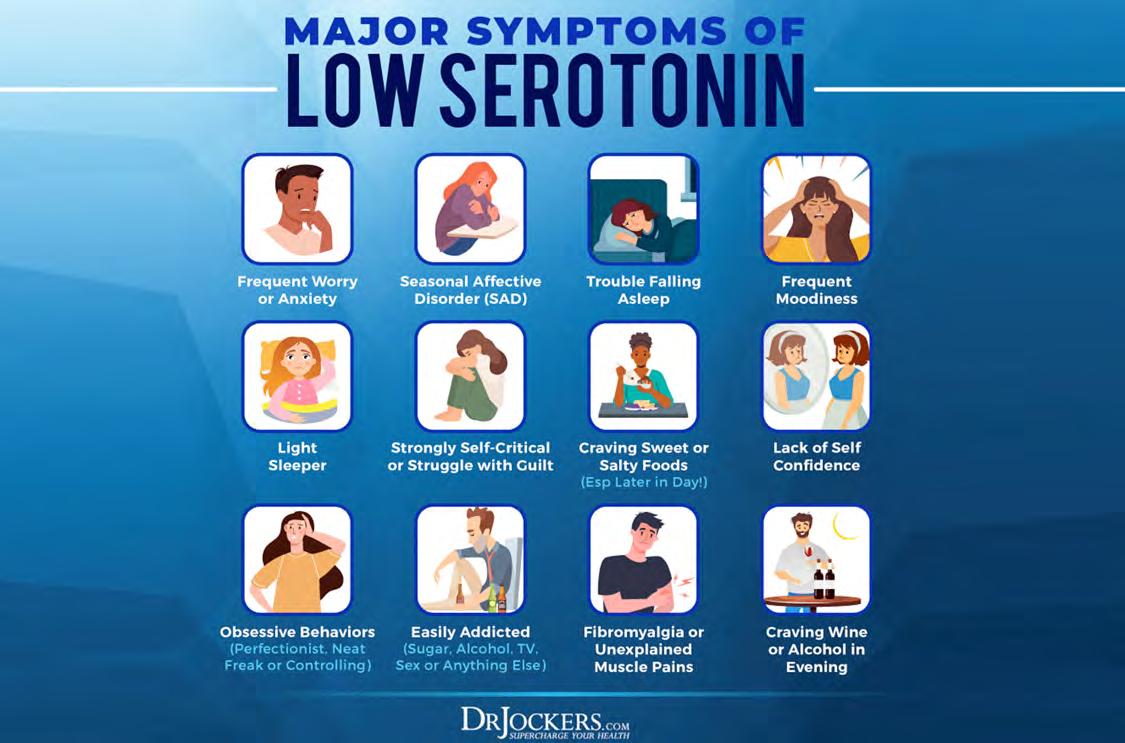
8. Do you crave sweet or starchy snacks or wine in the afternoons, evenings or late at night?
Never Sometimes Often All the Time
9. Have you been diagnosed with fibromyalgia or suffer with unexplained muscle pain or TMJ (jaw tension and pain associated with grining the jaw)?
Never Sometimes Often All the Time
10. Does your behavior ever get obsessive? Hard to be flexible with your plans, you are a perfectionist in your work or a neatfreak, or a control freak?
Never Sometimes Often All the Time
11. Do you find yourself easily addicted to work, a TV show or a video game, a food, sugar, alcohol, smoking, sex or anything else?
Never Sometimes Often All the Time
12. Do you find yourself being irritable, impatient, edgy or angry more than you should?
Never Sometimes Often All the Time
Total Score:
If you score a 20 or above, you are probably experiencing symptoms of low serotonin. Serotonin is an inhibitory neurotransmitter and depletion of such can cause poor sleep, depression and anxiety.
Memory Problems
1. Do you have trouble remembering words, phrases or names?
Never Sometimes Often All the Time
2. Do you struggle with constipation?
Never Sometimes Often All the Time
3. Do you feel like your brain is running slower than it used too?
Never Sometimes Often All the Time
4. Do you struggle with brain fog?
Never Sometimes Often All the Time
5. Do you regularly forget where you have placed things (like your keys)?
Never Sometimes Often All the Time
6. Do you find yourself making a lot of simple mistakes in your daily tasks?
Never Sometimes Often All the Time
7. Do you have difficulty remembering lists, directions or instructions?
Never Sometimes Often All the Time
8. Do you feel like you lack creativity or imagination?
Never Sometimes Often All the Time
9. Do you have difficulty finding the right words before you speak?
Never Sometimes Often All the Time
10. Do you feel disoriented at all throughout the day?
Total Score:
Never Sometimes Often All the Time
If your score is 18 or above you may have problems with acetylcholine deficiency. Acetylcholine is an excitatory neurotransmitter that is involved with learning, memory, imagination, creativity and cognitive acceleration.
Bored with Life
1. Is your drive, enthusiasm and motivation in life lacking?
Never Sometimes Often All the Time
2. Do you often feel depressed, flat, bored or apathetic?
Never Sometimes Often All the Time
3. Do you feel like you lack physical or mental energy on a regular basis?
Never Sometimes Often All the Time
4. Do you feel chronically tired, no matter how well you slept the night before?
Never Sometimes Often All the Time
5. Is it challenging to focus or concentrate on things?
Never Sometimes Often All the Time
6. Are you easily cold or do you notice you have cold hands or feet?
Never Sometimes Often All the Time
7. Do you feel like you need stimulants like coffee and caffeine on a regular basis?
Never Sometimes Often All the Time
8. Do you feel like you are struggling to perform at your best in your career or daily tasks?
Never Sometimes Often All the Time
9. Are you lacking interest in sex?
Never Sometimes Often All the Time
10. Are you struggling to finish projects or tasks you have started?
Total Score:
Never Sometimes Often All the Time
If your score is 18 or above than you are probably experiencing symptoms of low dopamine, epinephrine and norepinephrine. These are excitatory neurotransmitters that give us drive, ambition and passion when they are in balance.
Stressed Out Mind
1. Do you regularly feel overworked or like you are falling behind with your daily tasks?
Never Sometimes Often All the Time
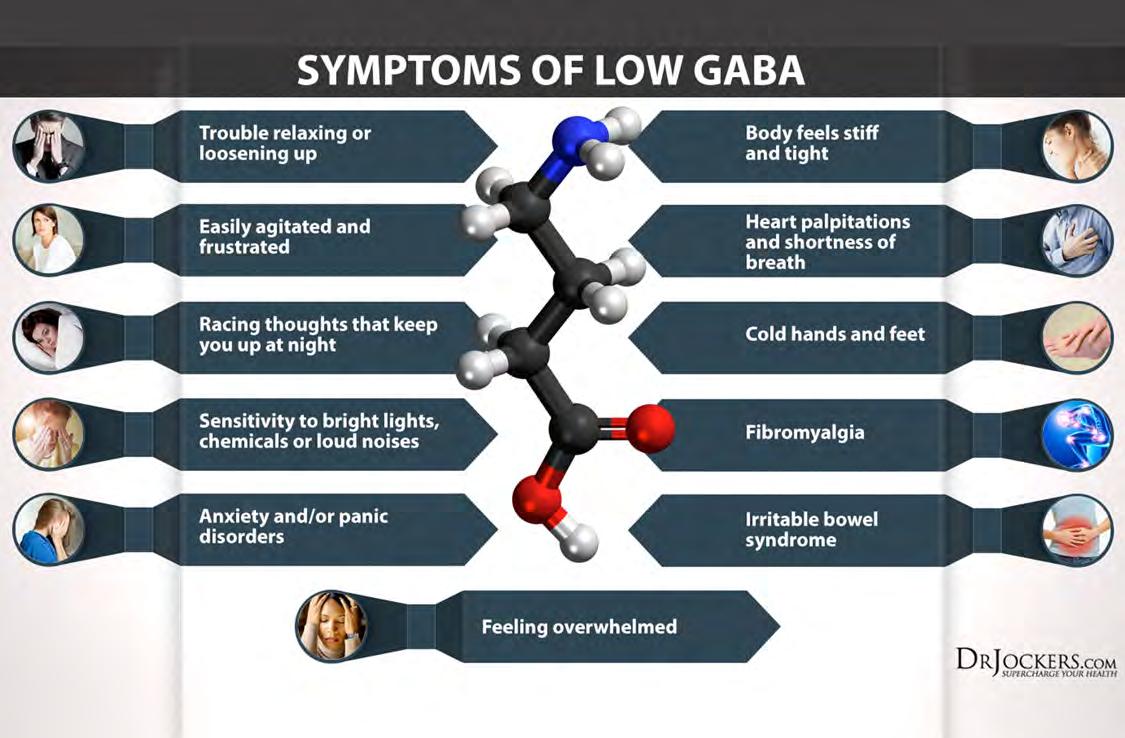
2. Do you have trouble relaxing or loosening up?
Never Sometimes Often All the Time
3. Is your body stiff and tight and take time to loosen up?
Never Sometimes Often All the Time
4. Are you easily upset and frustrated when under stress?
Never Sometimes Often All the Time
5. Are you sensitive to bright light, chemical fumes or loud noises?
Never Sometimes Often All the Time
6. Do you feel significantly worse if you skip meals or go a long time without eating?
Never Sometimes Often All the Time
7. Do you feel overwhelmed or as though you just can’t get it all done?
Never Sometimes Often All the Time
8. Do you have trouble shutting off your mind, especially at night when trying to sleep?
Never Sometimes Often All the Time
9. Do you struggle with anxiety?
Never Sometimes Often All the Time
10. Do you have a tendency to say things you wish you had not?
Total Score:
Never Sometimes Often All the Time
If your score is 15 or more than you are probably experiencing symptoms associated with GABA deficiency and adrenal fatigue. GABA is an inhibitory neurotransmitter that calms the mind and helps to bring peace and relaxation to both the mind and body.
Sensitive and Hurting
1. Do you people tell you that you are too sensitive?
Never Sometimes Often All the Time
2. Do you tend to avoid dealing with painful issues?
Never Sometimes Often All the Time
3. Do you struggle to get losses, or grieving over deaths of friends or family?
Never Sometimes Often All the Time
4. Do you suffer from chronic back pain or headaches?
Never Sometimes Often All the Time
5. Taking pain killing medications doesn’t seem to offer any relief?
Never Sometimes Often All the Time
6. Do you have a tendency to tear up easily?
Never Sometimes Often All the Time
7. Do you crave pleasure and comfort foods like chocolate, bread, wine, etc?
Never Sometimes Often All the Time
8. Do you feel like you don’t have any fun in your life?
Never Sometimes Often All the Time
9. Do you feel super sensitive to pain? Light touch, light, sounds, etc. cause an aggravation of symptoms?
Never Sometimes Often All the Time
10. Nobody seems to understand the amount of emotional pain you are carrying around?
Total Score:
Never Sometimes Often All the Time
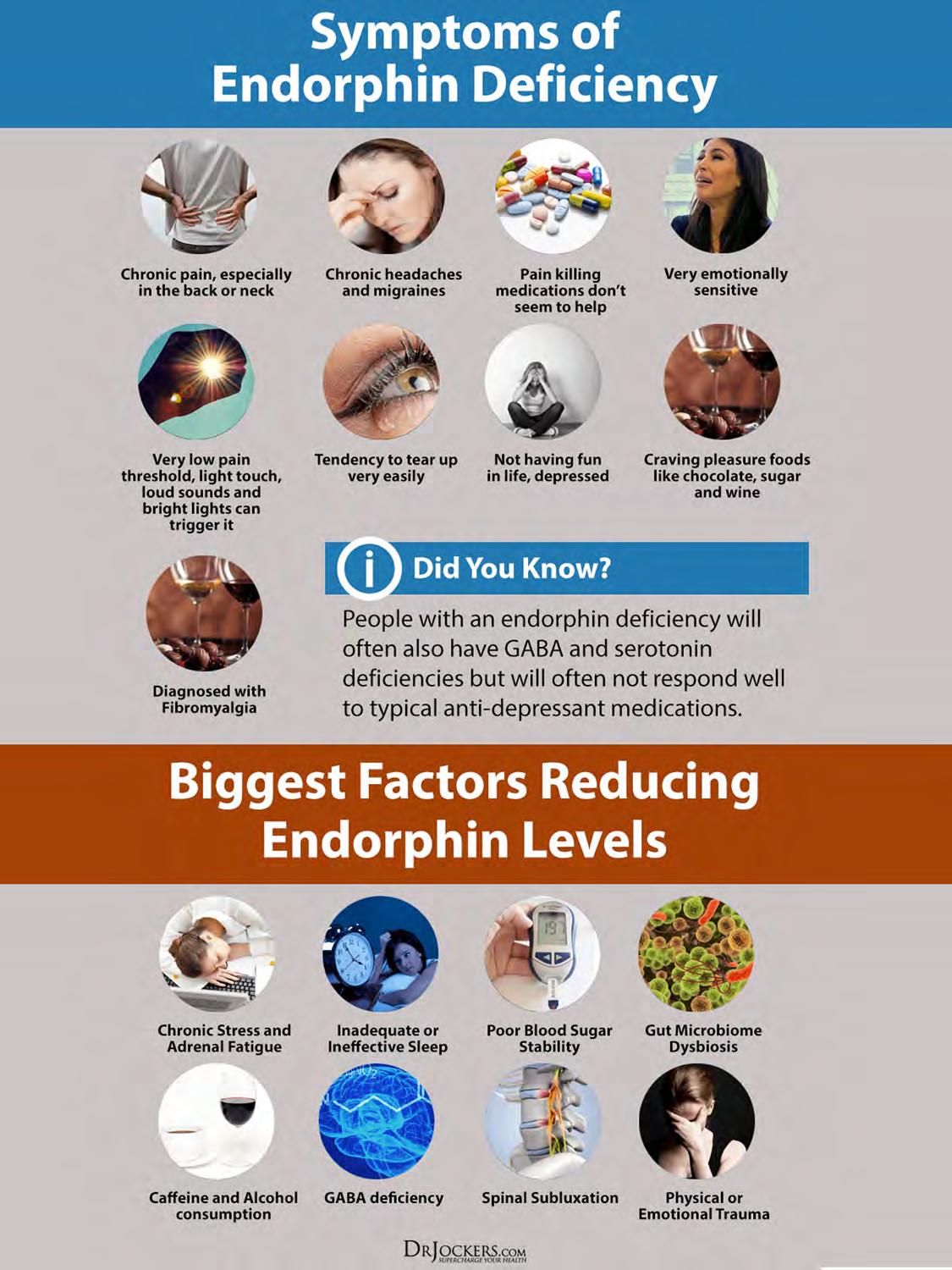
If your score is 15 or more you are probably experiencing symptoms associated with a loss of endorphins. Endorphins are feel good molecules your body produces that block pain receptors and give a sense of joy and euphoria.
Serotonin Strengthening Program
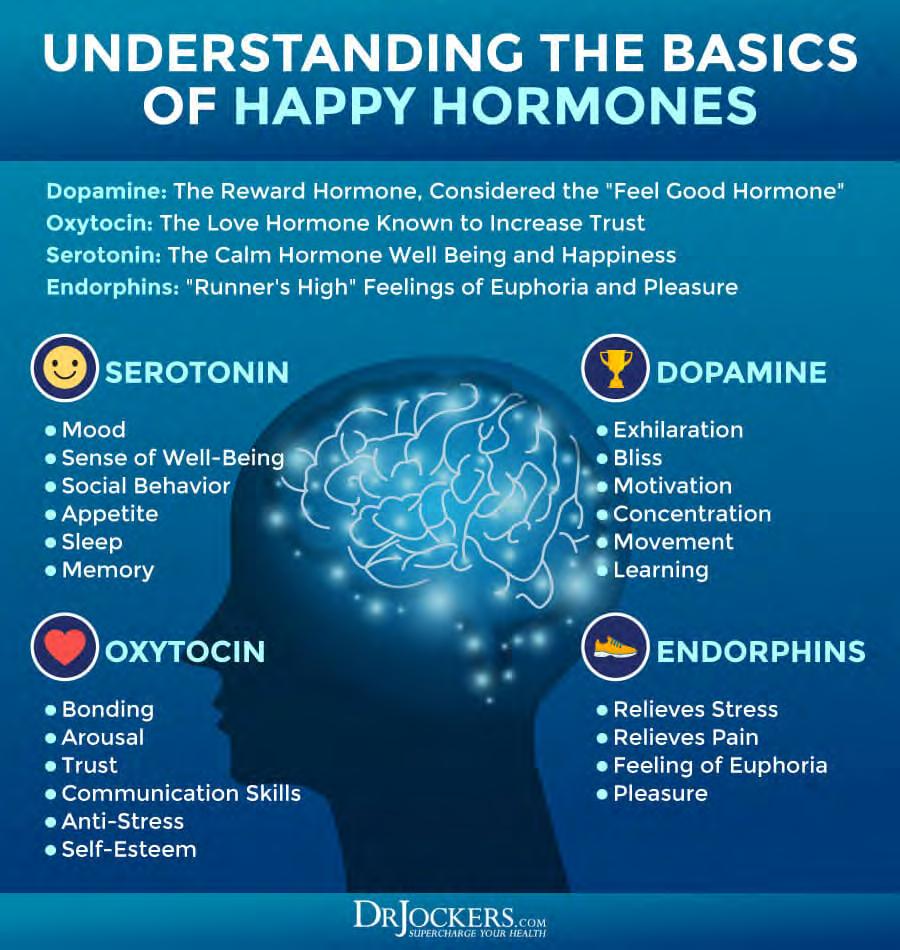
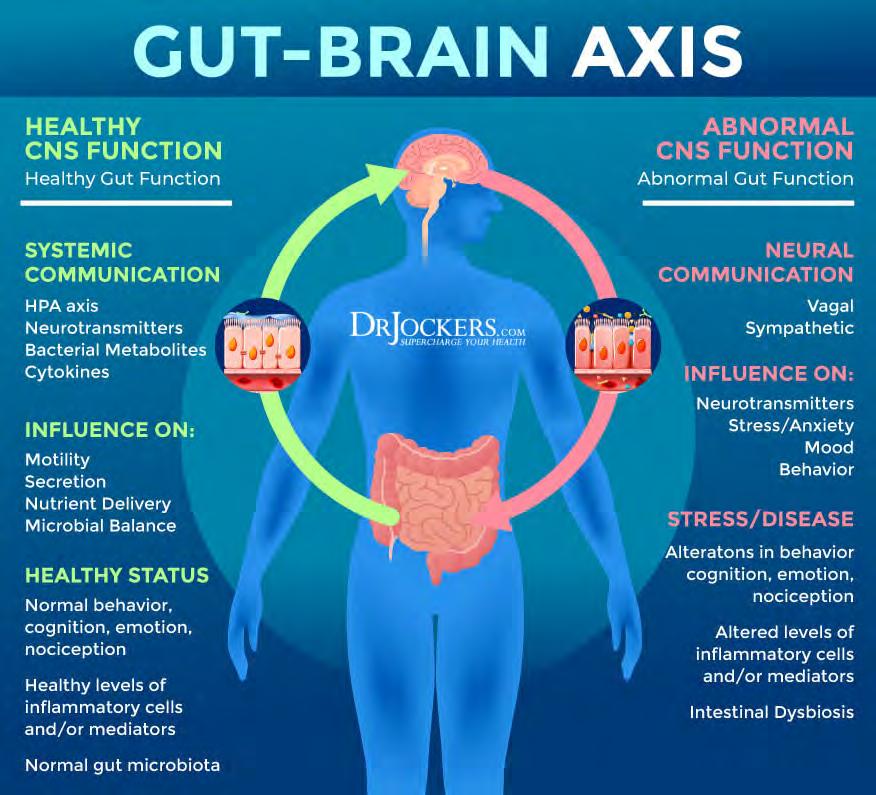
It is all too common in our society to deal with a serotonin deficiency. Serotonin helps us to feel good. It has been called by many the “happy molecule” for its role in helping to create a positive mood.
Serotonin is also an inhibitory neurotransmitter that helps us with impulse control and pain relief. It also is a precursor to the sleep hormone melatonin and plays a very important role in good sleep. Although serotonin plays a very important role in the brain, 95% of the serotonin in the body is produced in the intestines, which are called the second brain.
Many experts consider serotonin more of a hormone than a neurotransmitter because its effects impact the entire body. Low serotonin levels have been shown to increase the risk of heart disease, Alzheimer’s, and dementia.
In addition, low serotonin can increase the severity of other health problems such as migraine headaches, asthma, and fibromyalgia. When its production in the gut drops, it can be a major contributor to the development of irritable bowel syndrome.
Which Neurotransmitter is to Blame?
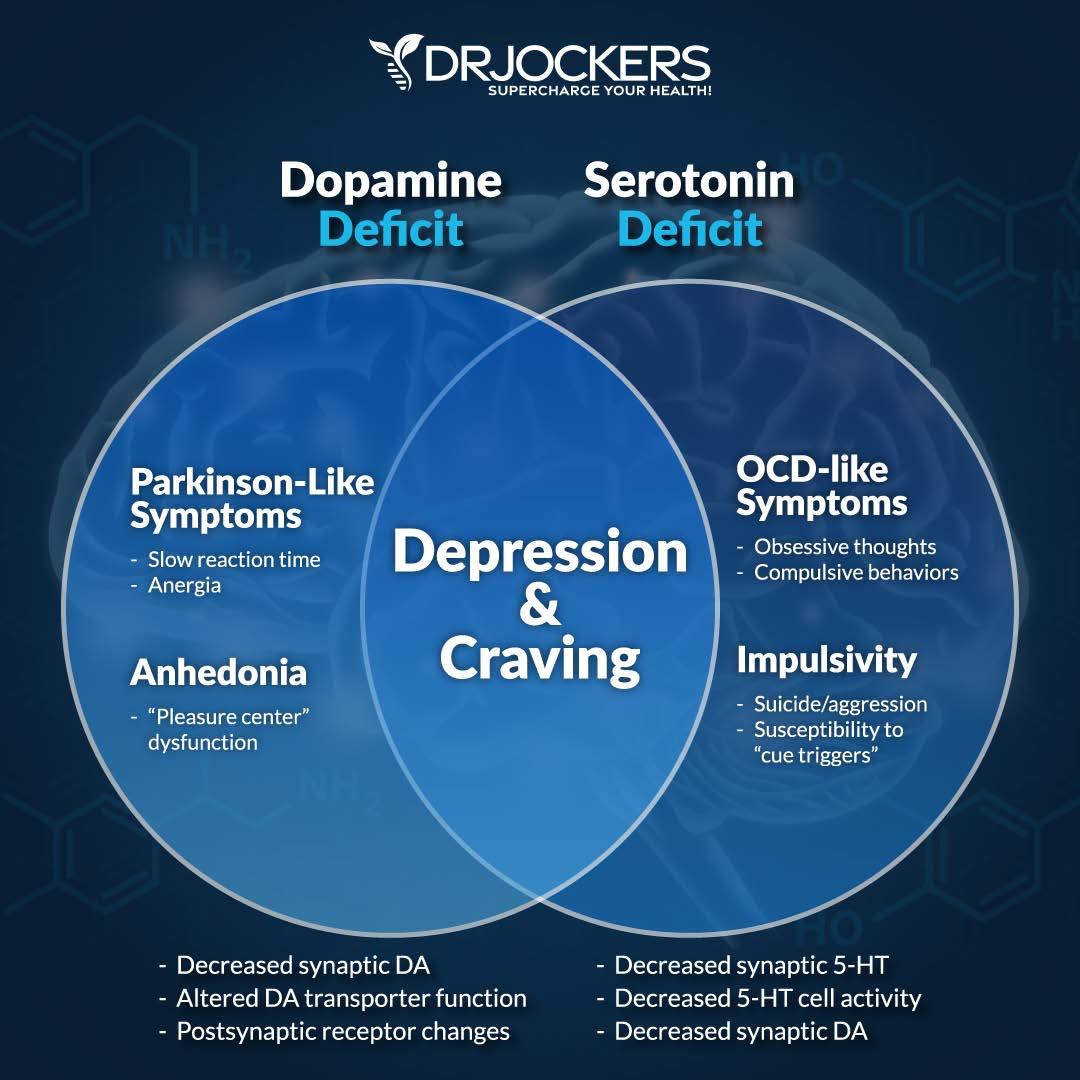
Both serotonin and the neurotransmitter dopamine as well as endorphins play a role in mood and overall sense of well-being. When dopamine is low, the individual will have slower movements and low overall drive toward goals. They can also develop Parkinson’s like symptoms. When individuals are not producing endorphins, they will have chronic pain and lack of pleasure in anything they do. Individuals with low endorphins will also have trouble controlling their emotions and will tear up very quickly.
When an individual is deficient in both dopamine and serotonin, they will often experience a combination of depression, slowness of movement, lack of drive, compulsive behaviors, and cravings. These individuals will commonly turn to sugar, smoking, drugs, sex and other vice’s in order to cope with stress. Individuals with fibromyalgia are often marked by a deficiency in dopamine, serotonin and endorphins.
Serotonin Facts
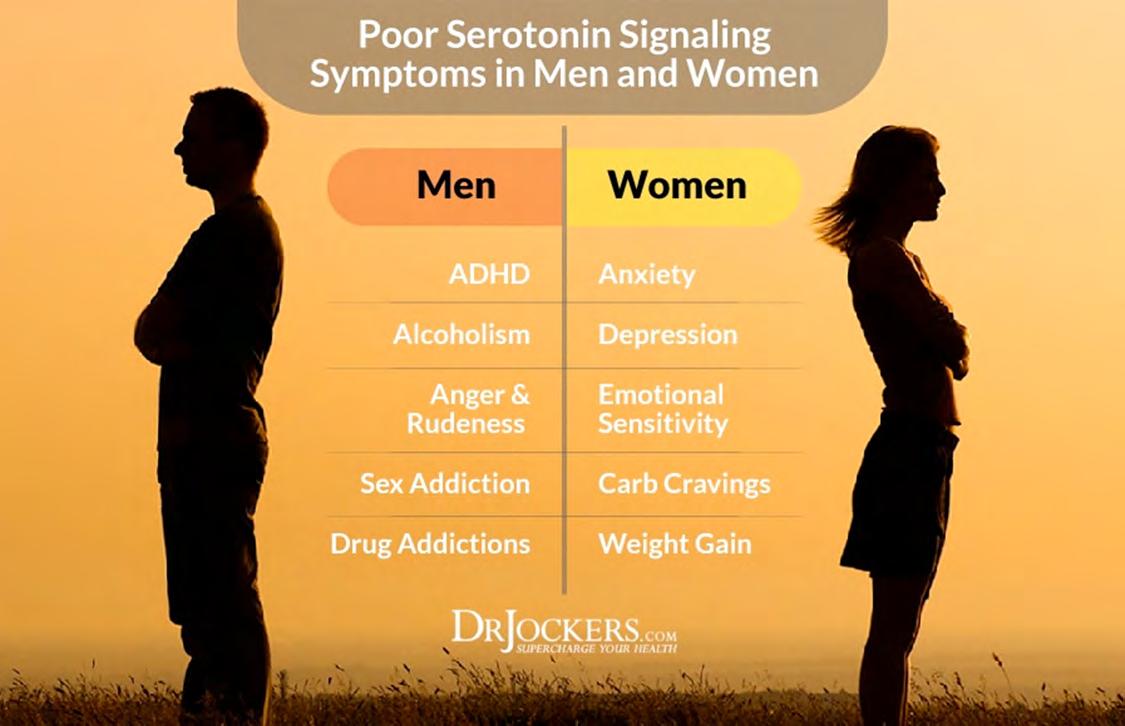
Although poor serotonin signaling symptoms are wide ranging with lots of cross over between sexes, they are twice as likely to impact males and females in the following ways.
Women: More twice as likely to experience anxiety, depression or other mood disorders than men. Women may also experience more carb cravings, binge eating and weight gain.
Men: More likely to experience problems with ADHD, addictions (such as alcoholism, sex and pornography, smoking, or food addictions) and trouble with impulse control that can express itself with uncontrollable anger, rudeness, or other socially unacceptable behaviors.
Response to Melatonin: Serotonin is the precursor to the sleep hormone melatonin. Individuals who struggle with insomnia but see improvement when they take melatonin are most likely deficient in serotonin.
Taking a melatonin supplement can be extremely helpful, but the long-term solution is to improve natural serotonin production as described further in this document.
Response to Anti-Depressants:
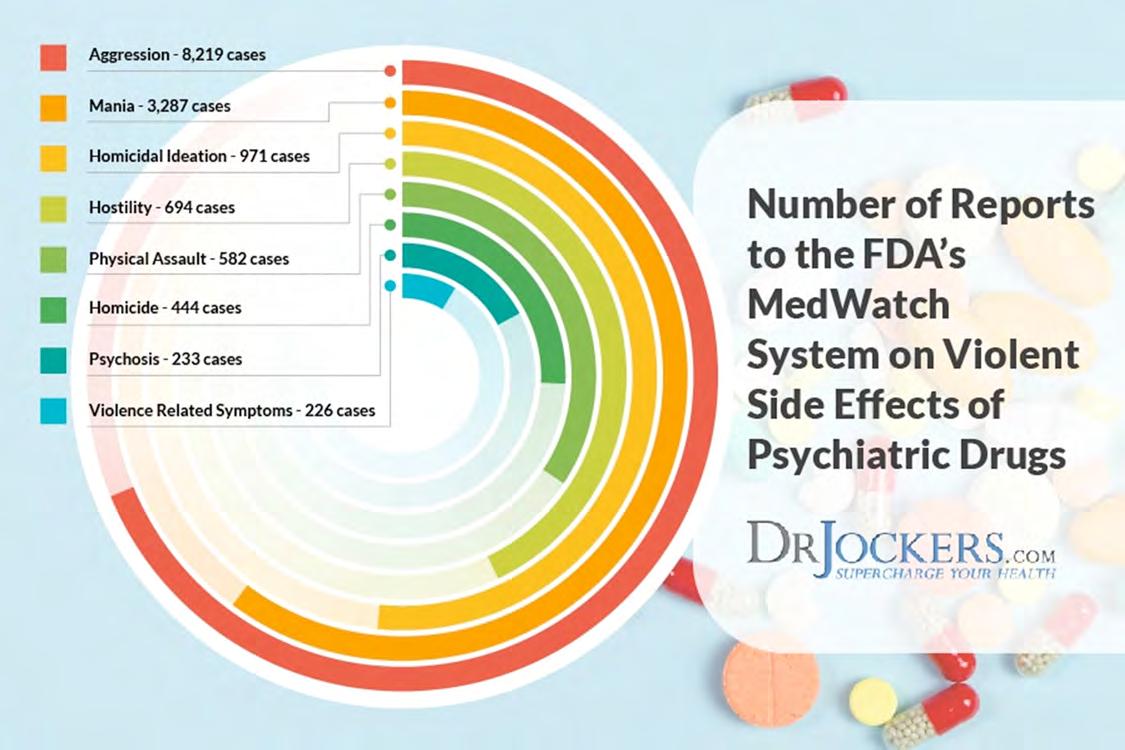
The response to anti-depressants is often good as most of these are selective serotonin reuptake inhibitors which act to increase serotonin activity in the brain. This NEVER gets to the cause of the low serotonin but can improve symptoms for a period of time. When clients tell me they started on an SSRI and saw improvement in their symptoms, I begin to consider low serotonin production and utilization efficiency as a major factor in their health condition.
Individuals who struggle with low serotonin and normalized levels of other major neurotransmitters should respond favorably when trying SSRI’s. Individuals who don’t respond to SSRI’s typically have issues with low dopamine and endorphins.
I do want to strongly caution against using SSRIs as a long-term health strategy as these have tremendous side effects and can be addictive and hard to wean off of.
Natural Strategies to Boost Serotonin Levels:
1. Healthy Sun Exposure: The sunlight stimulates serotonin production. The best time for this is in the morning and around the middle of the day.
2. Get in the Dirt: Microbes in the soil have been shown to increase serotonin levels. This is why gardening is one of the best hobbies for your mood. Going to the beach and getting in the sand works great too!
3. Regular Exercise: Get moving! Walking, running and resistance training all help to boost up serotonin levels. Exercise beats anti-depressant meds in every clinical trial.
4. Cultivate Gratitude: Focusing on positive thoughts has been shown to increase the brain’s serotonin levels. Decide to stay upbeat in spite of your circumstances.
5. Prayer and Meditation: Focused breathing, empathy and the ability to control your thoughts through meditation and prayer will help you make life so much more enjoyable.
Testing For Serotonin Deficiency
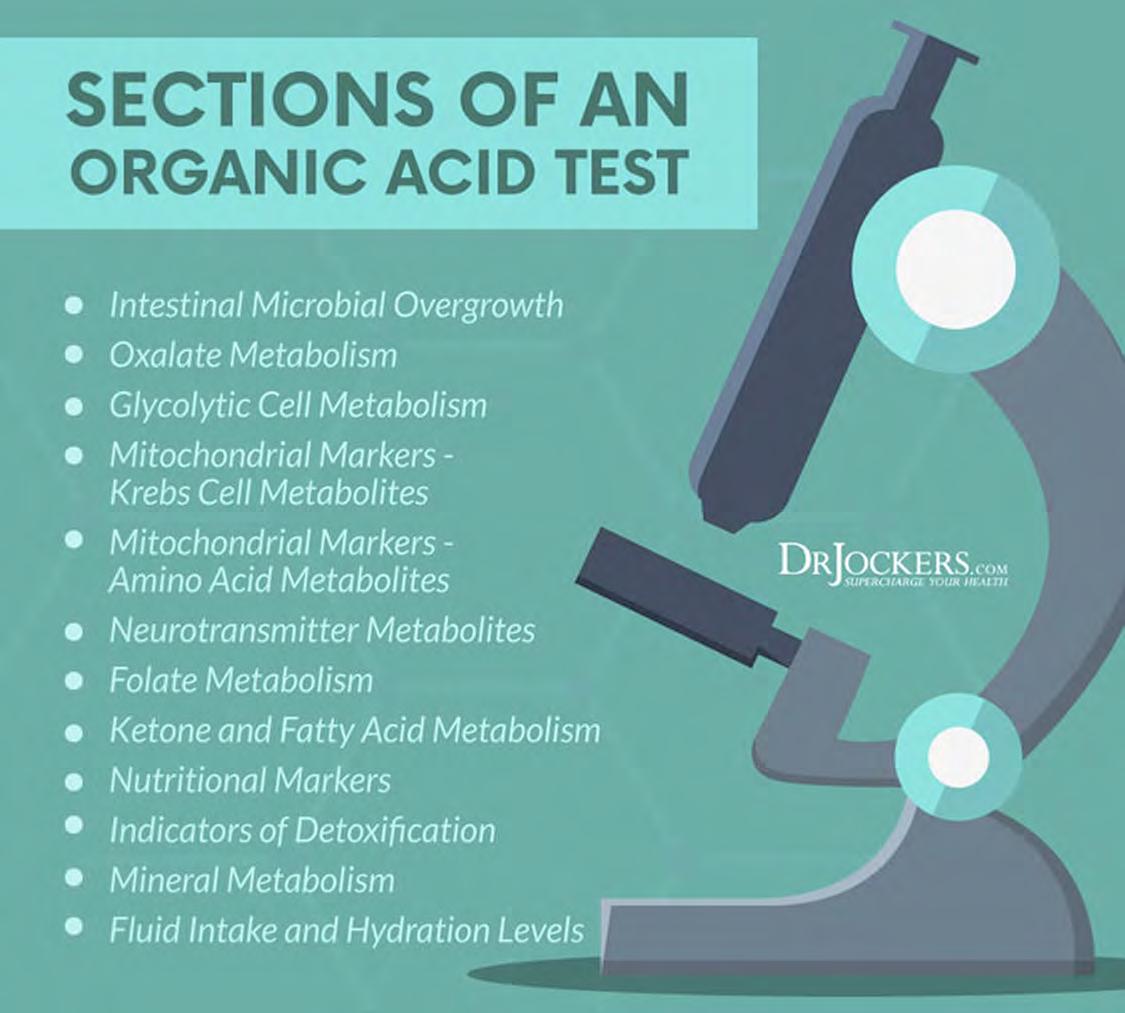
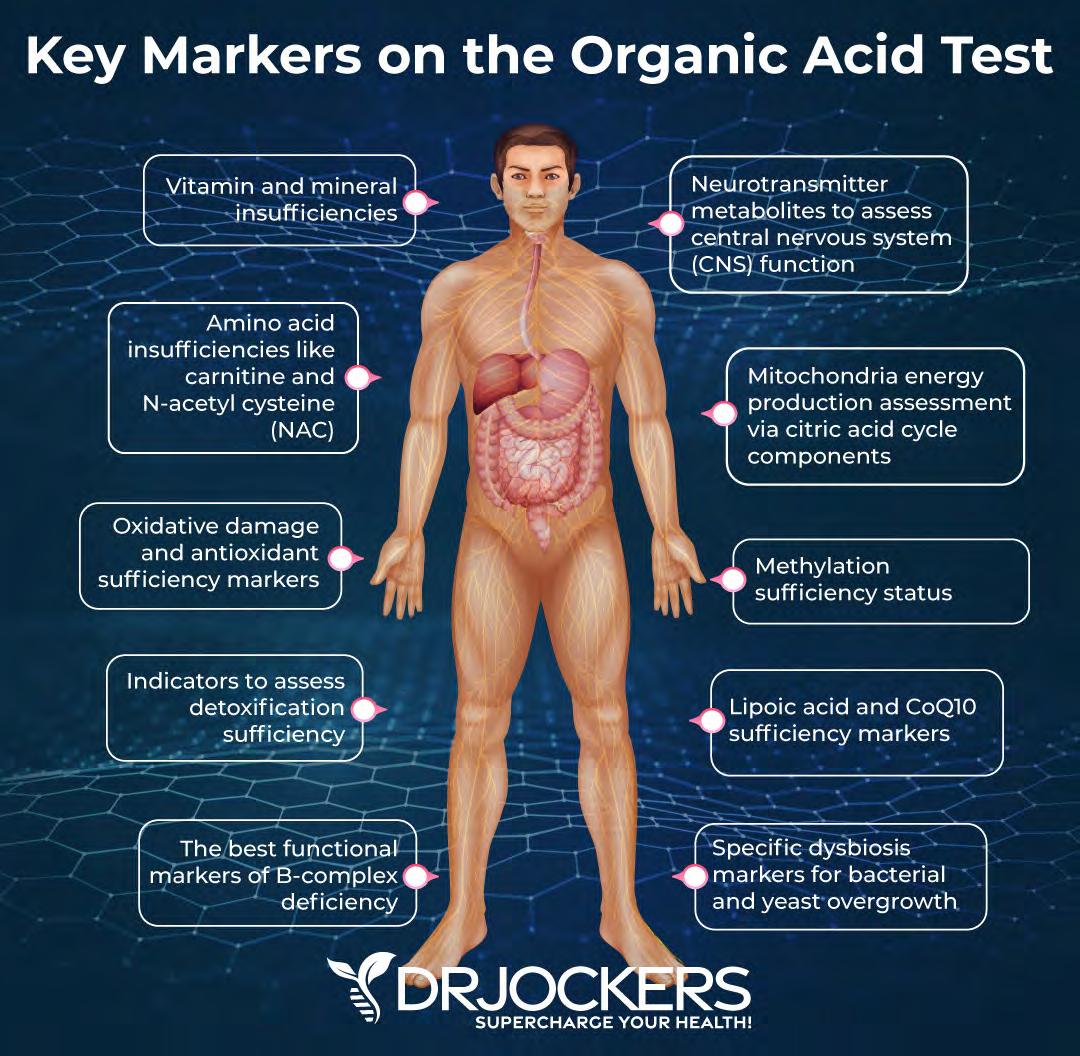
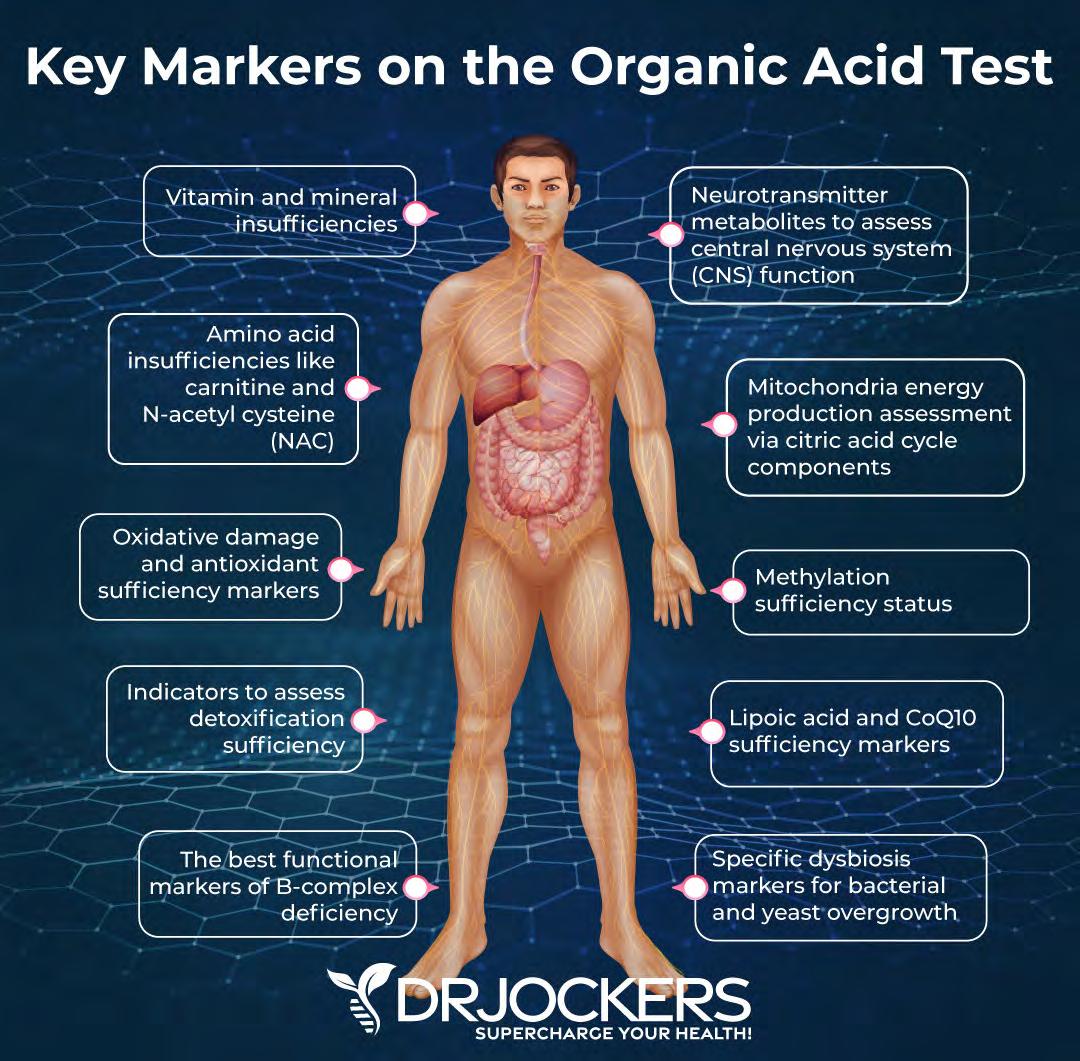
The way that I and many functional health practitioners look at serotonin levels is through symptom questionnaires and an organic acid test. If a client is demonstrating many of the symptoms listed above that are associated with low serotonin than the organic acid test would be warranted. The organic acid test is a urine test that will look at a biomarker called 5-HIAA (5-Hydroxyindoleacetic Acid). This is the metabolite of the neurotransmitter serotonin. High levels can result with serotonin supplements (5-HTP) and low levels can indicate a need for more serotonin production.
Normal levels are between 2-6 mg/24 hours with ideal ranges between 1.1-3.3 mg. You can find this test here
Best Serotonin Boosting Foods:
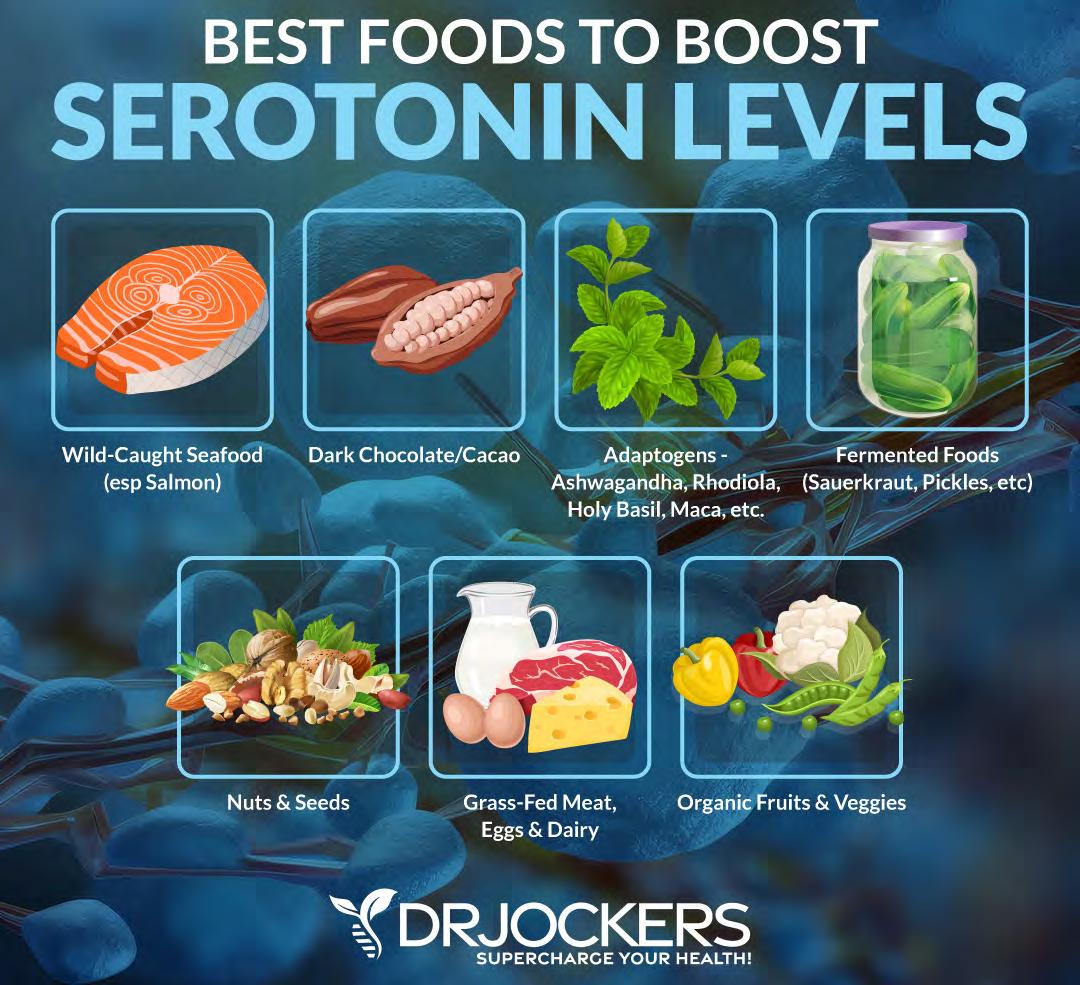
There is a lot of information on the web about foods that boost serotonin, however, we want to avoid foods that are high in carbohydrates that throw off our blood sugar. The best foods for optimizing serotonin levels include:
1. Wild caught, cold-water, fatty fish like salmon
2. Organic green tea
3. Turmeric
4. Fermented foods like sauerkraut, pickles and kimchi
5. Dark chocolate
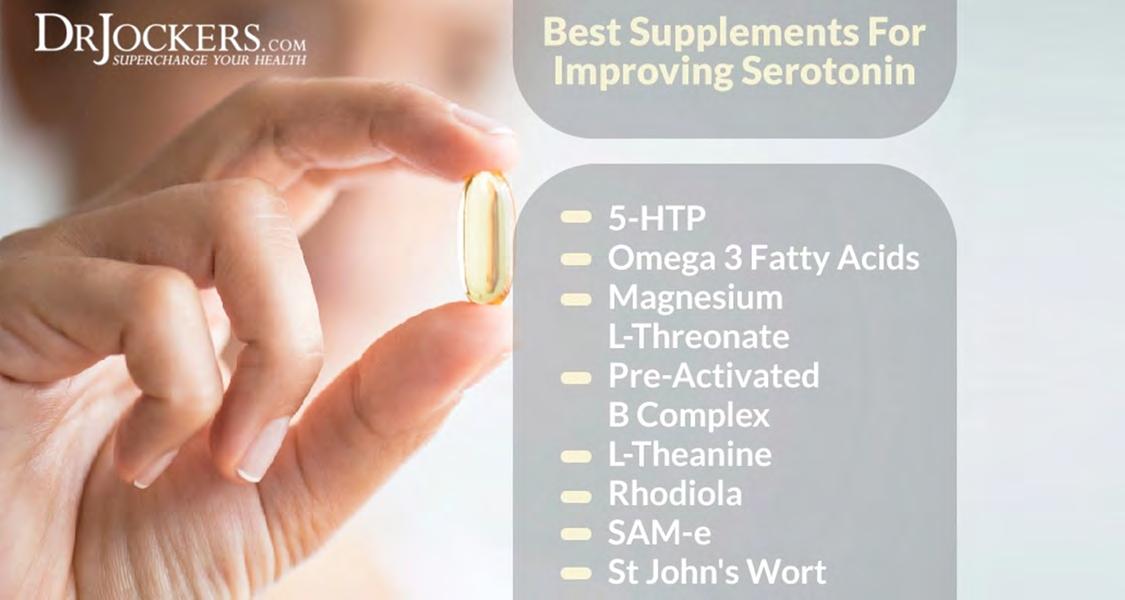
Best Supplements For Boosting Serotonin Levels:
There are many herbs that naturally boost serotonin, but
1. 5-HTP: This is the best molecule for boosting serotonin levels naturally. It is easy for the body to convert 5-HTP into serotonin.
2. Omega 3 Fatty Acids: These are anti-inflammatory and have a positive effect on boosting serotonin levels. The best choice is a purified fish oil that is high in the fatty acids EPA and DHA.
3. Magnesium: This helps to modulate stress hormone levels in the brain, which can have a direct impact on serotonin levels. The best choice is a magnesium that crosses the blood barrier. The best is magnesium malate, glycinate and threonate. We recommend Brain Calm Magnesium
4. B Complex: Getting a pre-activated form of B vitamins can be extremely effective. We recommend B Strong.
5. L-Theanine: L-Theanine is a naturally occurring, biologically active, free-form amino acid that provides relaxation support by supporting serotonin levels.
6. Rhodiola: This adaptogenic herb acts as a monoamine oxidase inhibitor in that it blocks the enzymes in the body that break down serotonin. This keeps more serotonin acting in the brain and body. Begin with 100 mg – 1x per day and if you feel good than go up to 100-200 mg – 2x per day.
7. SAM-e: The supplement (S-adenosyl methionine) is commonly purchased at health food stores as a means to treat depression. This can be dangerous! Before taking SAM-e, you should know whether you have unique single nucleotide polymorphisms leading to under or overmethylation. Undermethylators will have lower SAM-e levels and will benefit from supplementing while overmethylators can cause more harm. Be sure you are working with a physician trained in proper SAM-e supplementation if you plan on using.
8. St Johns Wort: St John’s wort acts to block the reuptake of serotonin and increases the amount of serotonin receptors. Proper dosage: 300 mg – 3x daily
Dr Jockers Recommendations for Serotonin Production:
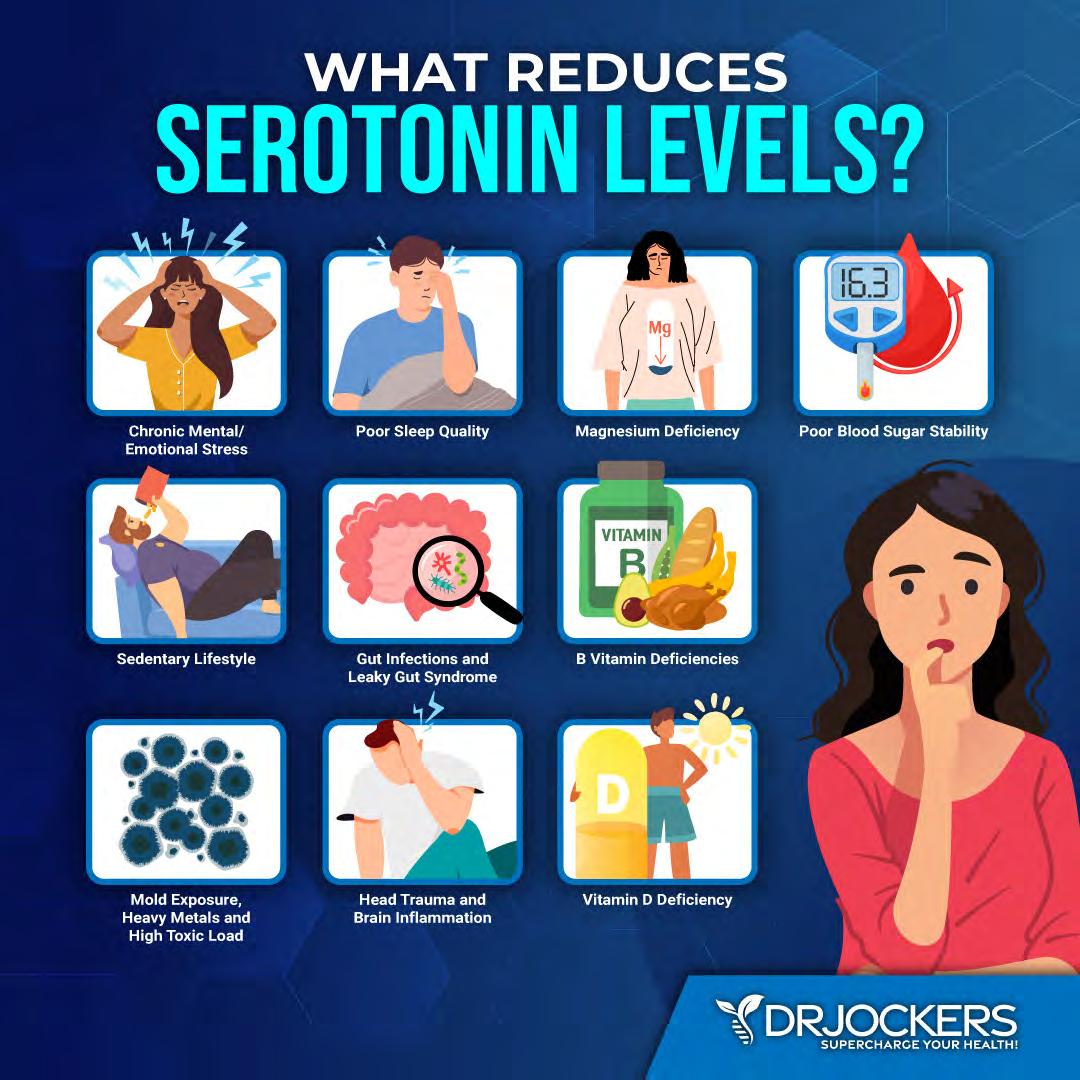
The most common neurotransmitter deficiency I find is a lack of serotonin production. I think this has to do with the level of stress we are under and the epidemic of leaky gut syndrome.
I follow a number of the strategies, including healing the gut, balancing blood sugar and reducing stress.
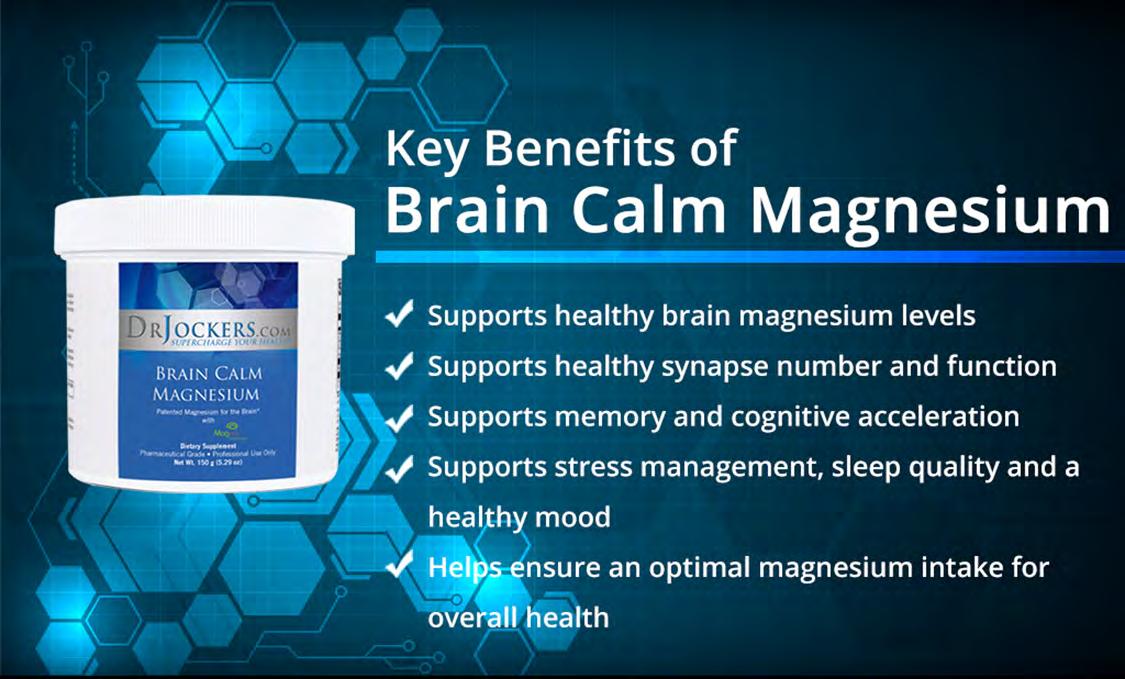
Brain Calm Magnesium: This is a specific form of magnesium is the only form of magnesium proven in animal studies to cross the blood-brain barrier. Boosting the brain’s magnesium level is vital to healthy cognition, which includes long- and short-term memory, learning, stress management and sleep.
Normal Dosage: 1 scoop – 1x daily
Advanced Dosage: 2 scoop – 2-3x daily
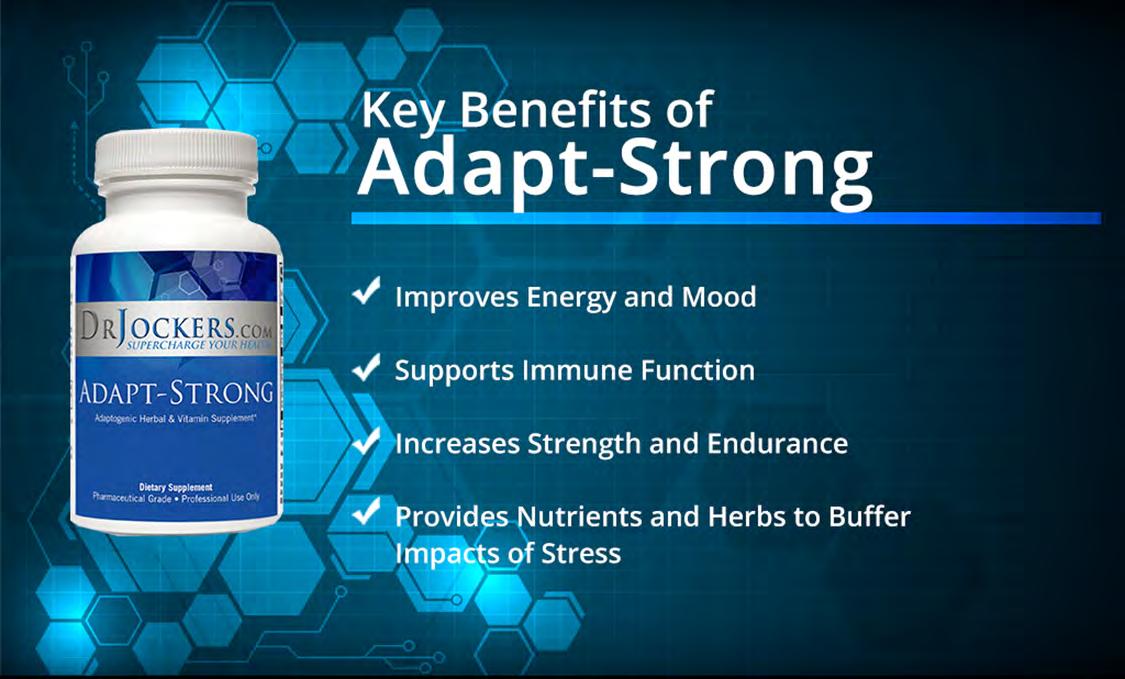
Adapt-Strong: This formula provides clinical dosages of vitamin B6, rhodiola and cordyceps. This formula provides useful support for both hyper and hypofunction of the adrenals. Hyperfunction is when the adrenals are overproducing hormones, such as cortisol, and hypofunction is the opposite, when the adrenals are under producing.
Normal Dosage: Take 1 cap – 2x daily
Advanced Dosage: Take 2 caps – 2x daily
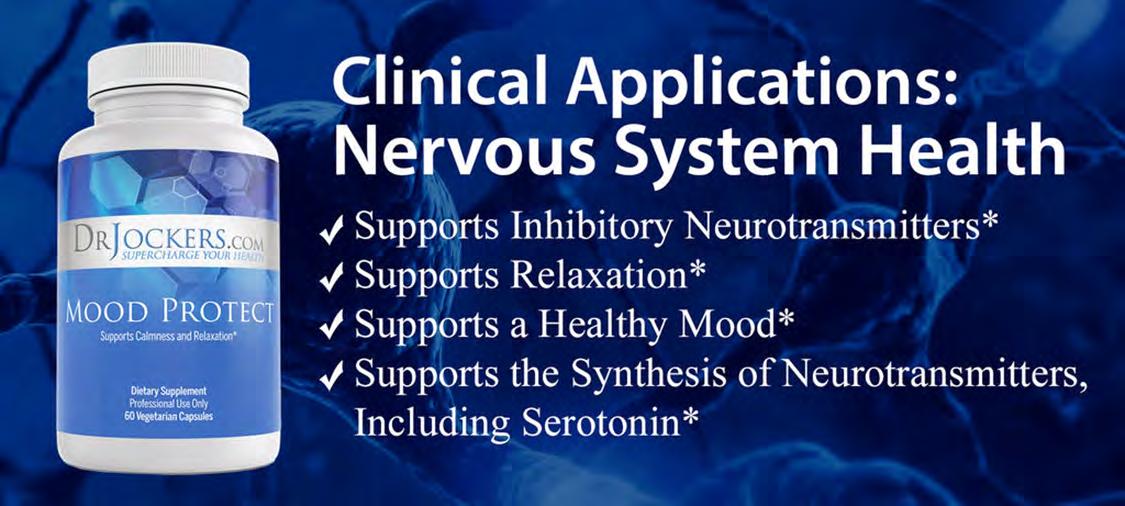
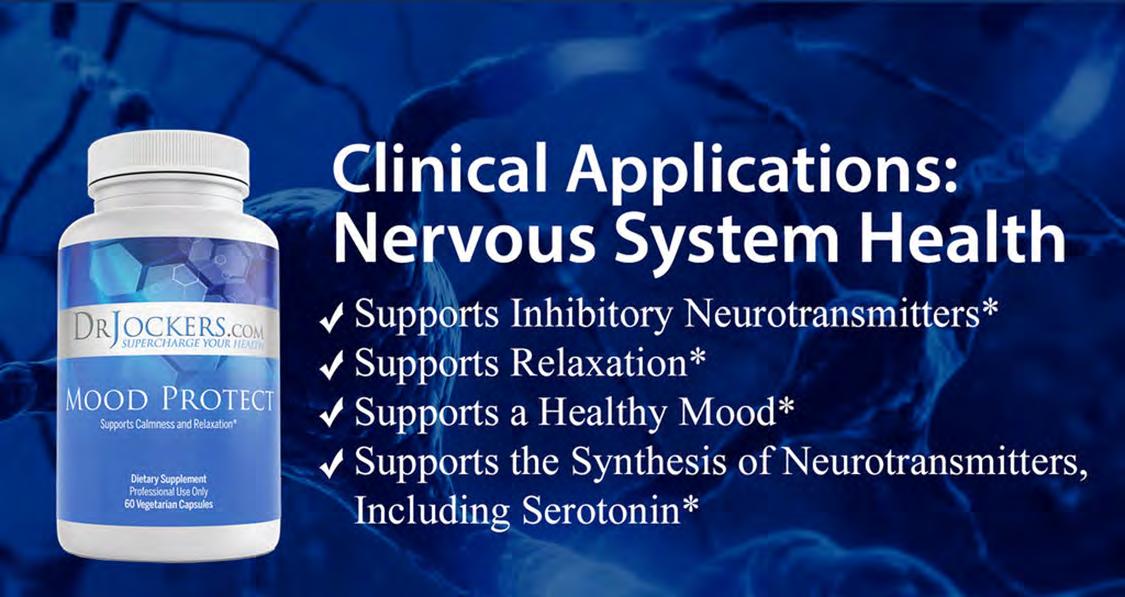
Mood Protect: Combination of herbs, nutrients and compounds that promote serotonin and GABA production to ease anxiety and improve overall mood and sleep. This product has clinical dosages of GABA, taurine, L-theanine and 5-HTP. This also contains small amounts of zinc, B6 and magnesium to improve natural serotonin production.
Normal Dosage: Take 1 cap – 2 times daily (away from meals)
Advanced Dosage: Take 2 caps – 2 times daily (away from meals)
Acetylcholine Strengthening Program:
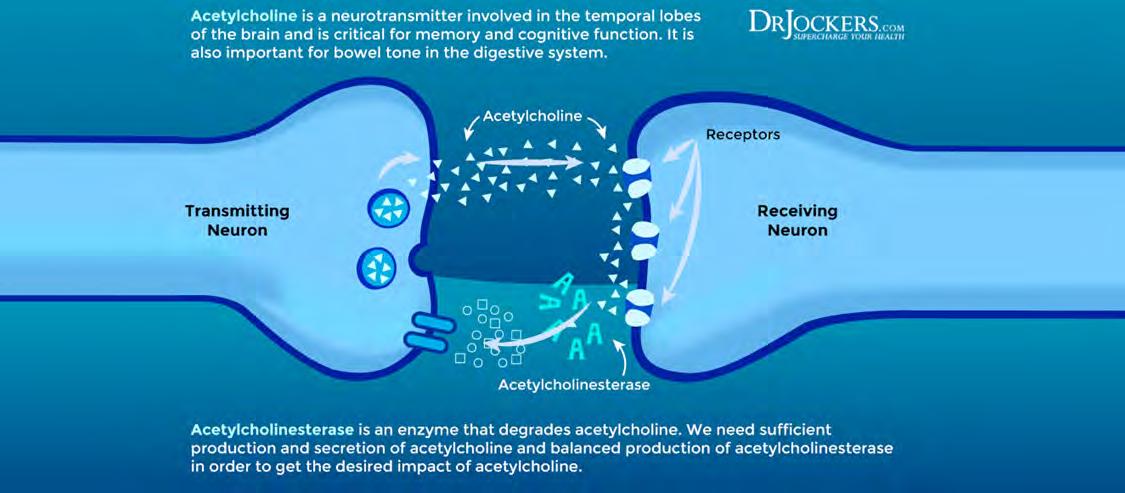
If you are having trouble with your memory, you may very well have weak acetylcholine production. This neurotransmitter is found throughout the brain, but in particular, it is in the hippocampus and temporal lobes of the brain where memories are stored. Additionally, it is an important activator of gut motility.
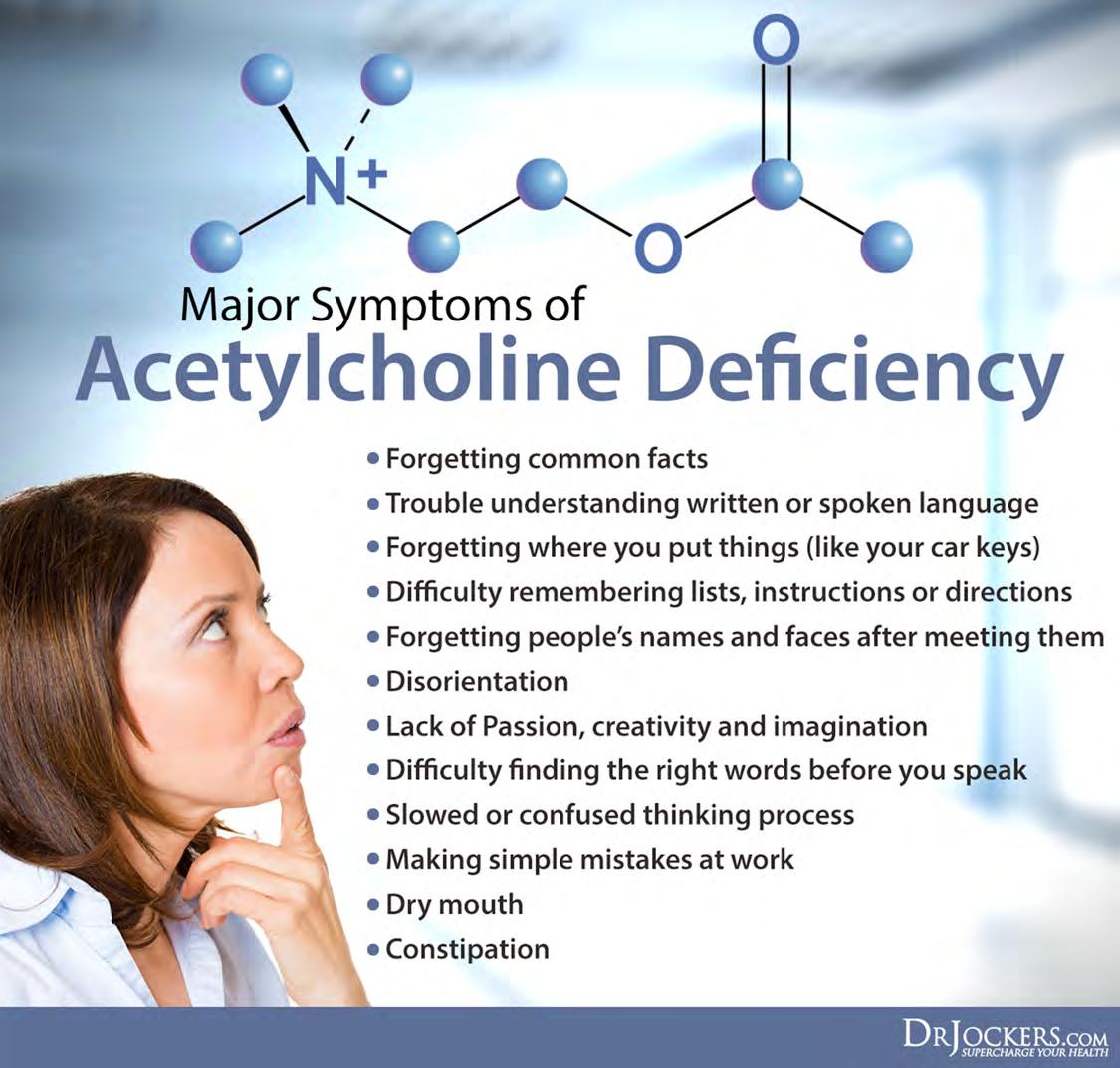
Often times, low acetylcholine levels will manifest in both memory issues and sluggish digestive function. Here are the major symptoms and helpful strategies to naturally boost up your acetylcholine levels.
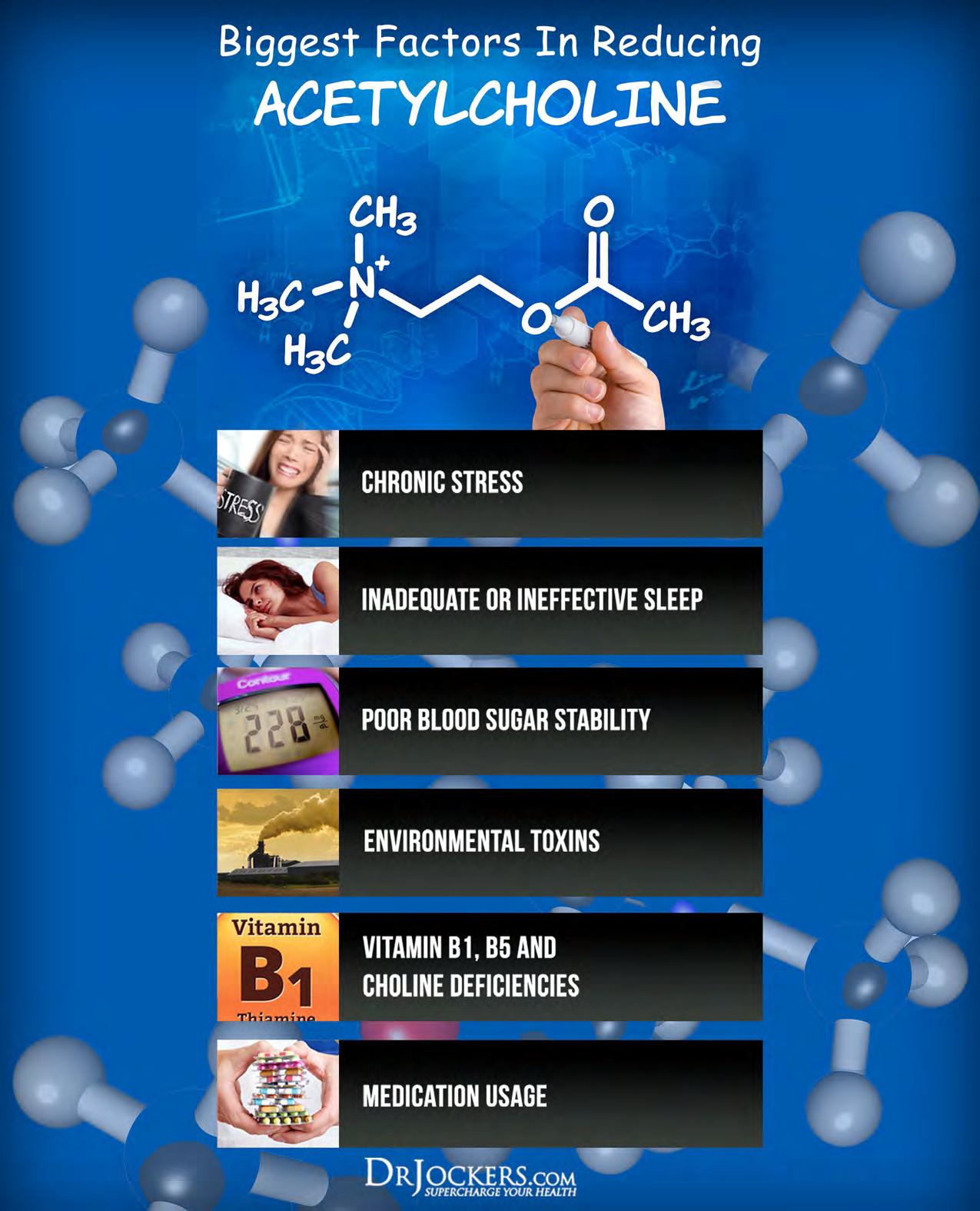
Biggest Factors in Reducing Acetylcholine
There are many factors that can block your hippocampus and temporal lobes from producing and utilizing the right amount of acetylcholine for good short term and longterm memory formation. The vast majority of these factors can be reduced through healthy lifestyle pursuits.
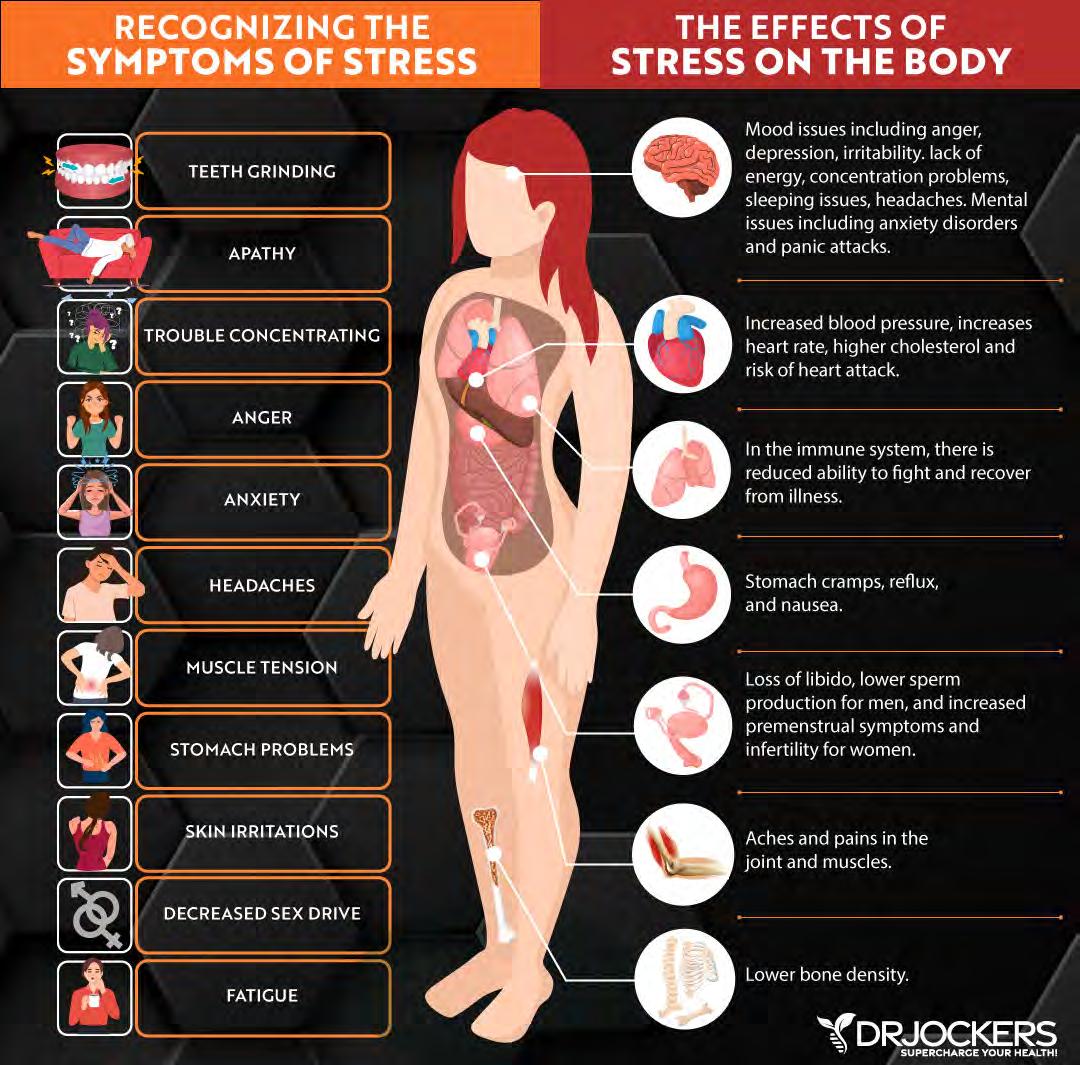
Our society is chronically stressed, toxic and sleeps and eats poorly which results in brain inflammation and nutrient deficiencies. In this section, I go over the main things that are destroying your memory that you can do something about!
2.Inadequate or Ineffective Sleep
Poor sleep with increase excitatory stress hormone activity in the brain and create the same physiological changes in genetic expression as described in the chronic stress section above.
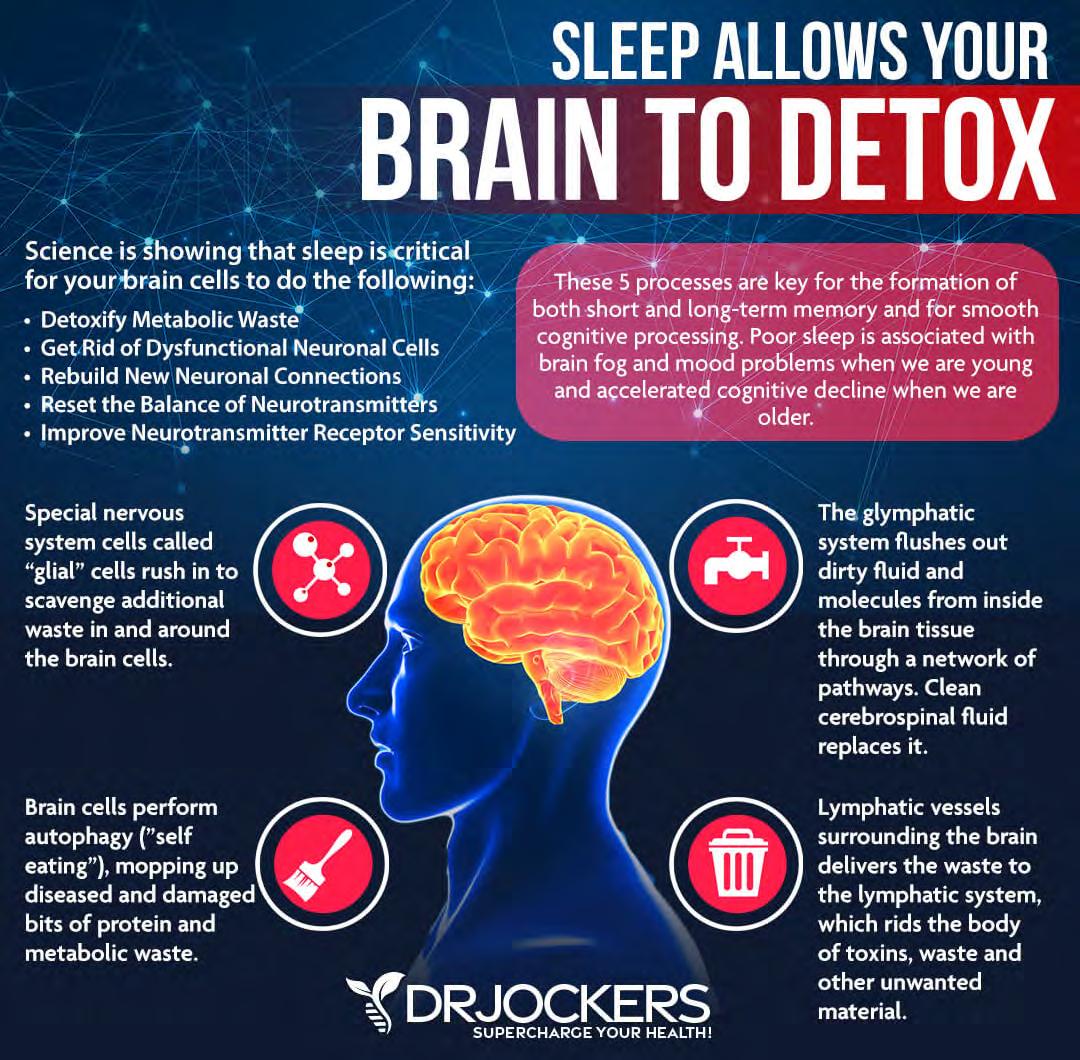
Sleep is essential for the regulation of neurotransmitter levels and the overall cleansing and detoxification of the brain. While you sleep, the brain’s lymphatic system, called the glymphatic system as the main cells are “glial cells,” become active and work to scrub the brain, flushing electrolytes and recycling old neurotransmitters and regenerating brain tissue centers for the formation of new neurotransmitters.
3.Poor Blood Sugar Stability and Memory
The brain depends upon steady level of sugar or ketones in the blood in order to function effectively. When sugar levels get too high, the sugar molecules bind to proteins in the body and create advanced glycolytic enzymes (AGE’s). These AGE’s damage tissue, in particular nerve tissue, and you see this commonly in individuals with uncontrolled diabetes where they develop dementia, optic neuritis and peripheral neuropathy because the AGE’s destroy the nerves in the brain, eyes and extremities.
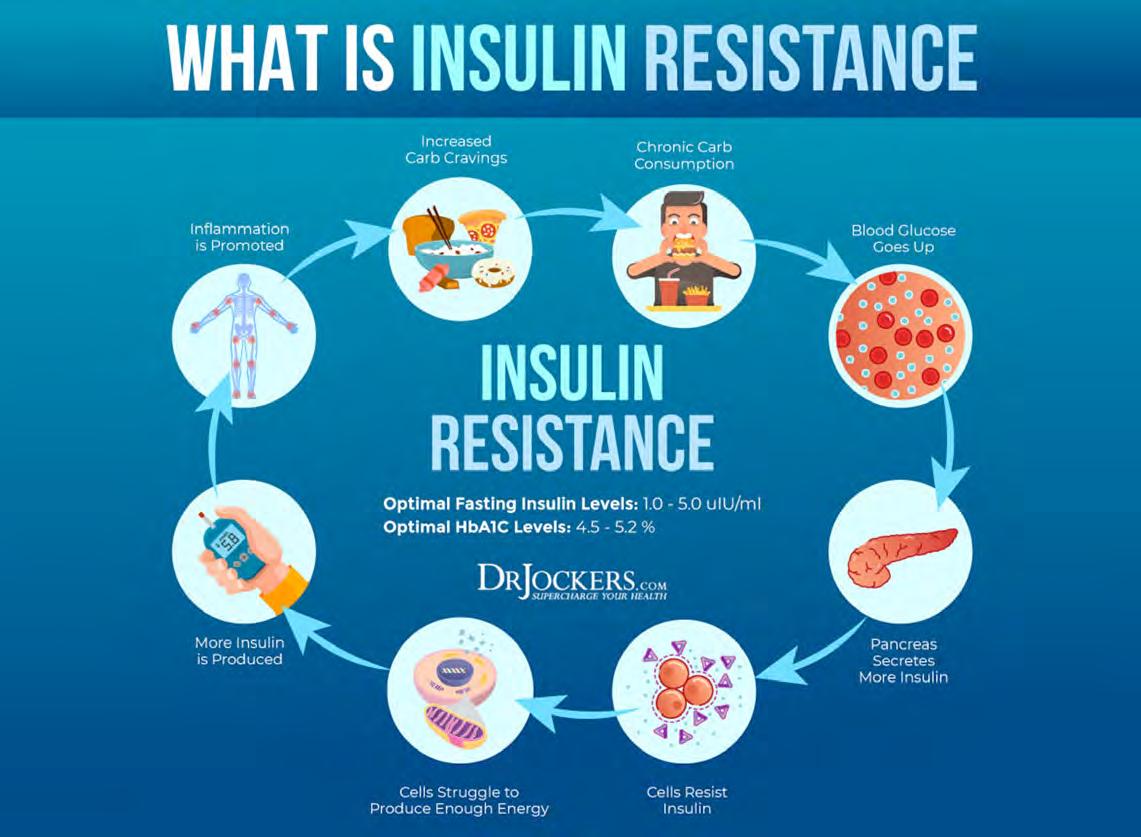
Alzheimer’s and dementia are now considered type III diabetes because of the impact of high blood sugar and insulin resistance on the brain. The hormone insulin itself helps with the development of the neurons and the production of acetylcholine itself. When the cells are inflamed and unable to respond to insulin, called insulin resistance, then they will produce inadequate levels of acetylcholine, leading to brain fog and slow thinking for younger individuals and full-blown cognitive impairment for older individuals.
4. Environmental Toxins and Memory
Toxins in the environment include heavy metals, pesticides, herbicides, disinfectant byproducts, smoke, electromagnetic frequencies, and many others. These toxins increase inflammatory processes in the brain and disrupt neurotransmitter function.
Do your best to avoid exposure to these by avoiding vaccines, amalgam fillings, processed foods, conventional meat products, conventional cleaning and hygiene products and keep your cell phone away from your head as much as possible.
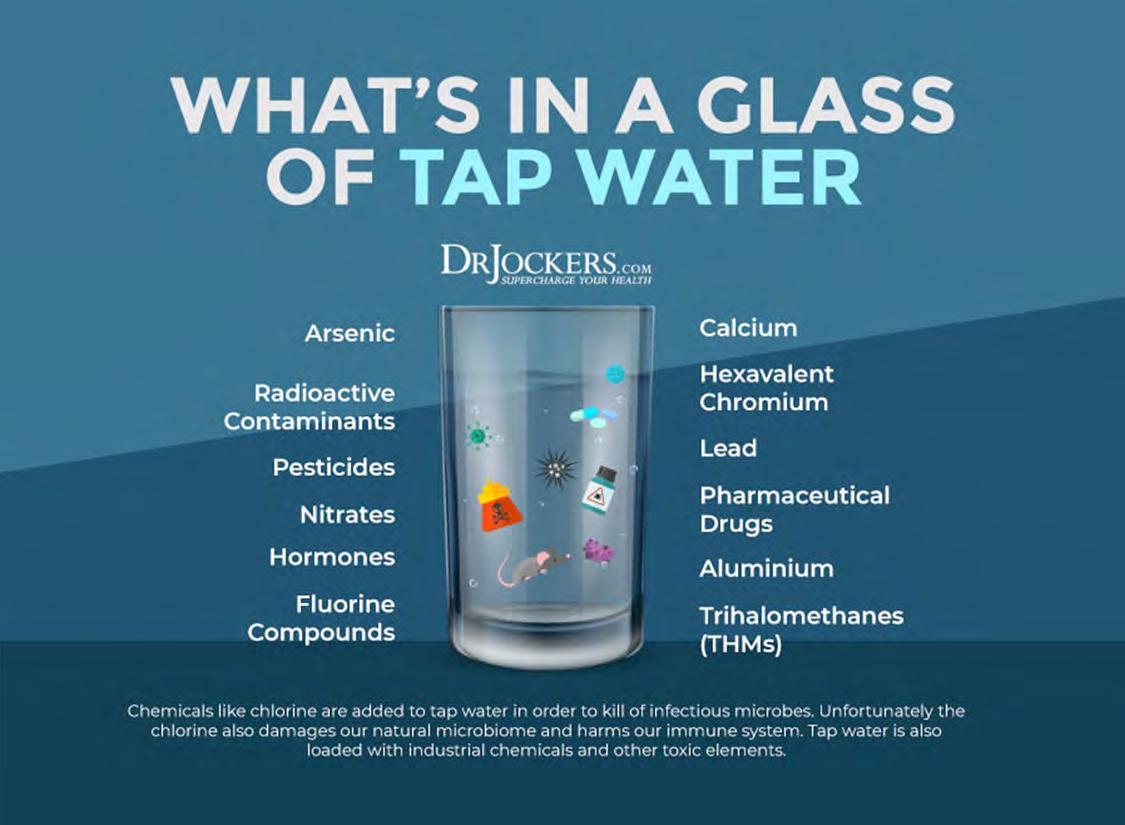
Get a good water filter and shower filter, buy organic as much as possible (both meat and produce…but especially meat which has way more toxic material in the conventionally raised animals). Get organic hygiene products and use natural cleaning agents.
5. Vitamin B1, B5 and Choline Deficiencies
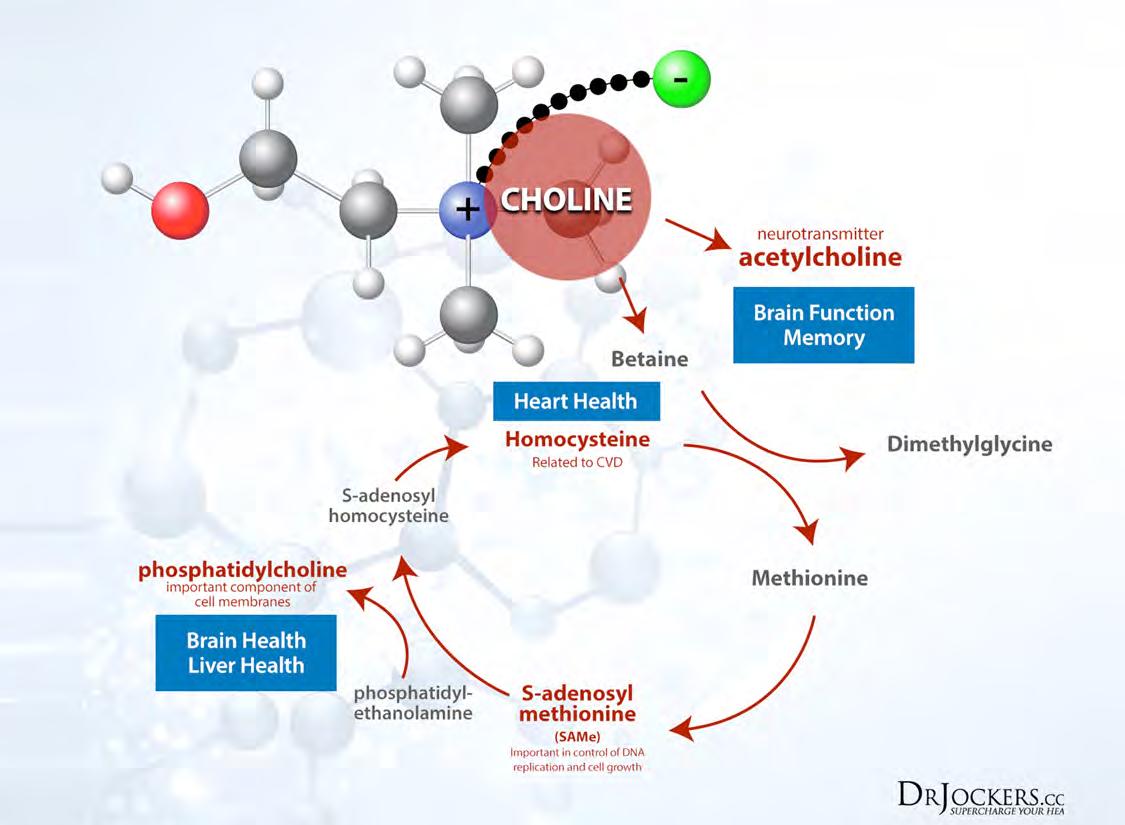
The critical co-factors involved with the production of acetylcholine include vitamin B1 (thiamine), B5 (pantothenic acid) and choline. These nutrients can be depleted in the body due to poor dietary intake or a high intake of sugar and processed foods as well as malabsorption.
In addition, chronic stress increases the utilization of these nutrients and if they aren’t adequately replenished than you will end up with a deficiency. Additionally, acetyl-Lcarnitine is critical for moving the acetylcholine out of the mitochondria and into the neuronal ending where it can be used.
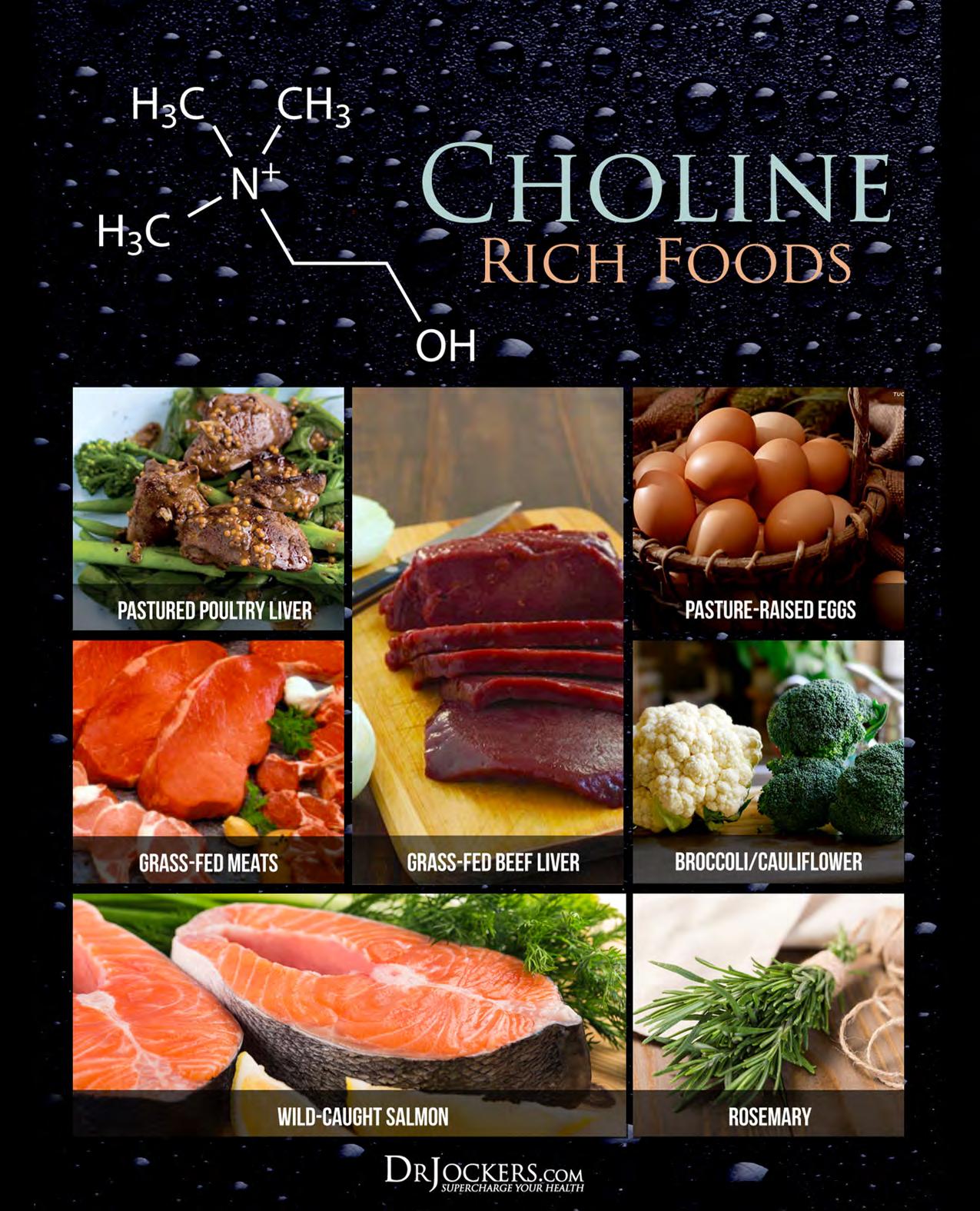
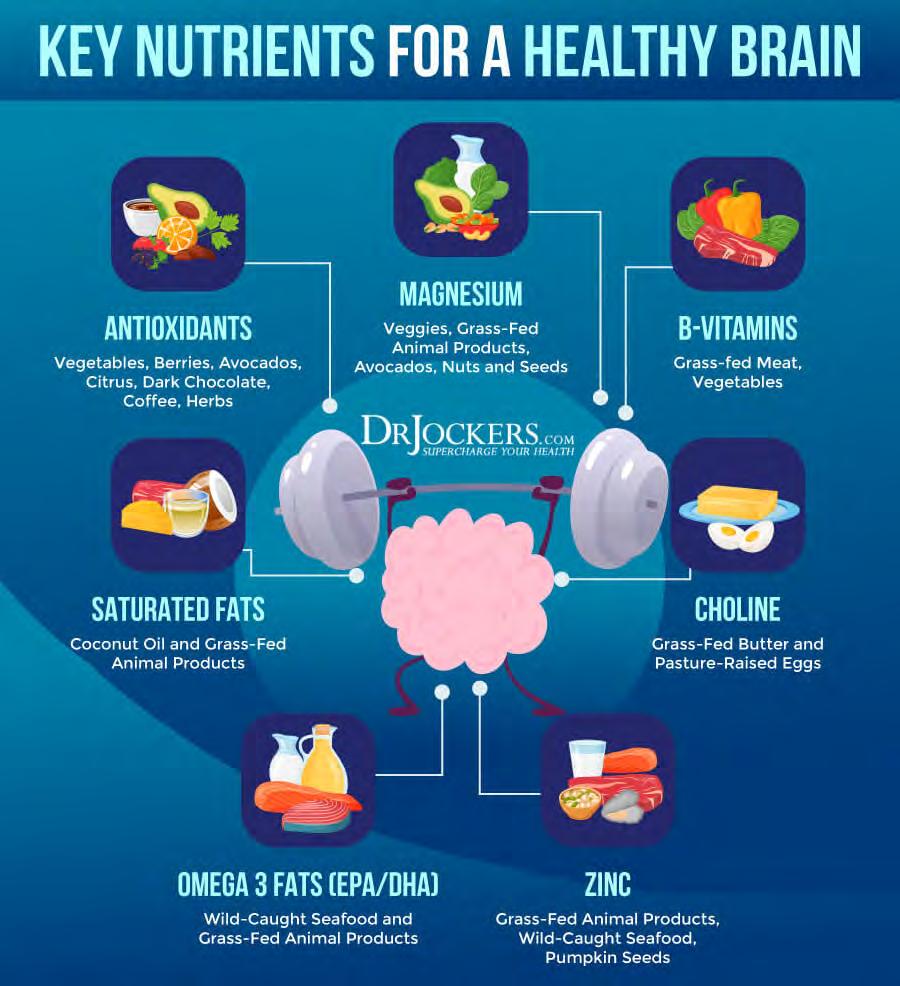
The best food sources of these nutrients include grass-fed beef liver, pastured poultry liver, pasture-raised egg yolk, wild-caught salmon and grass-fed beef. Vegans or individuals with low stomach acid and malabsorption are the most at risk for deficiencies in these nutrients.
6. Medication Usage
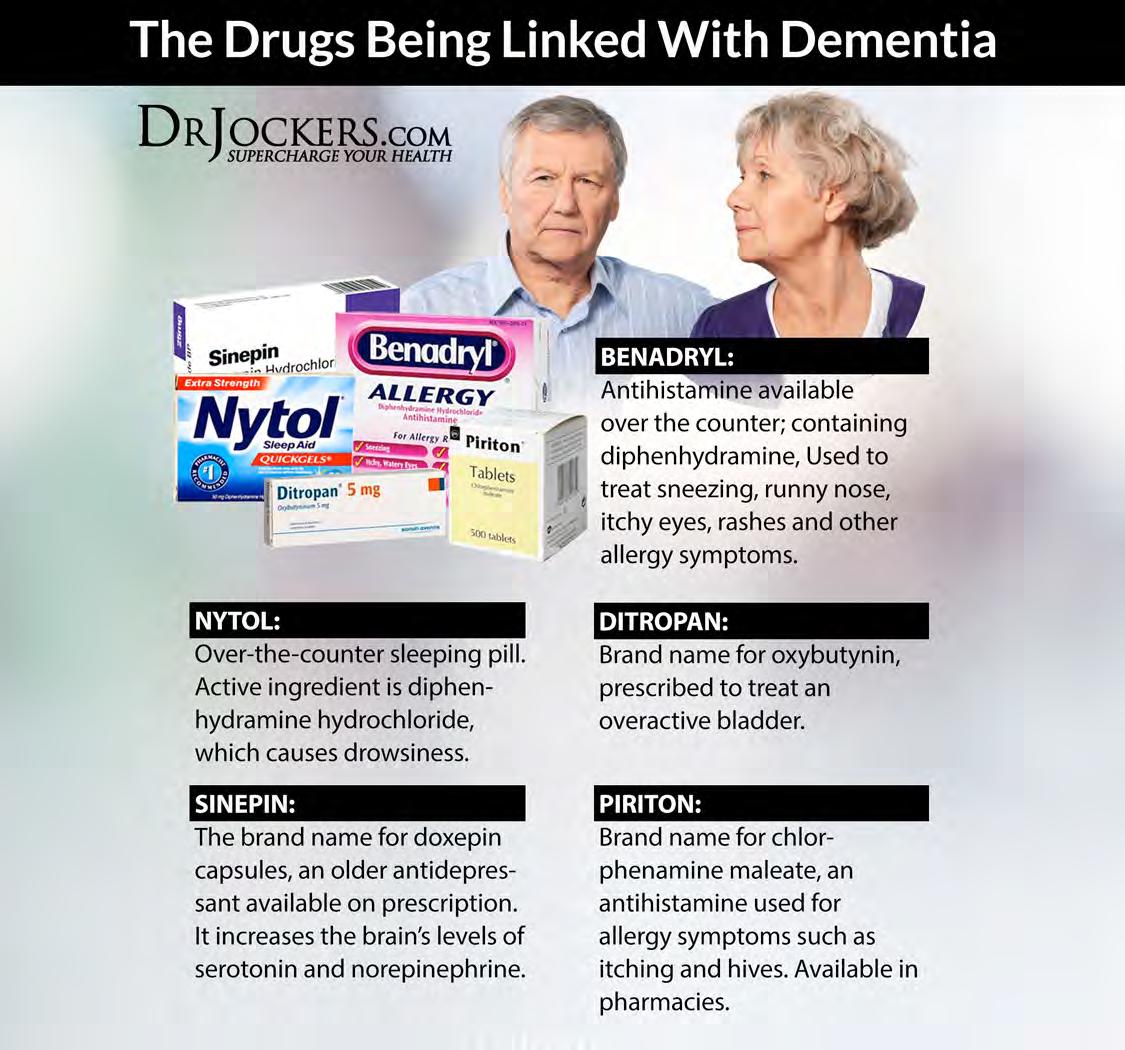
Medications will often interfere with brain neurotransmitter levels, and this is especially the case with acetylcholine. Many drugs have what is called an anticholinergic effect on the body. These drugs destroy acetylcholine levels. This includes the majority of the medications that begin with “anti” such as antibiotics, antihistamines and anti-depressants.
In addition, non-steroidal anti-inflammatory drugs (NSAID’s) like Tylenol and acid reflux deplete acetylcholine levels as well. Other drugs that have a negative impact would be birth control pills, corticosteroids like prednisone and proton pump inhibiting or acid blocking medications.
Lifestyle Strategies to Improve Memory
Now that we know what causes a reduced production and/or sensitivity to acetylcholine in the hippocampus and temporal lobes of the brain, we can do something about it!! This section is all about how to take back control of our lifestyle and dramatically improve memory.
These strategies are foundational to having a healthy brain that is clear and super sharp.
Incorporate these strategies and you will see a huge difference in your energy, cognitive processing speed, ideas and creativity and overall performance.
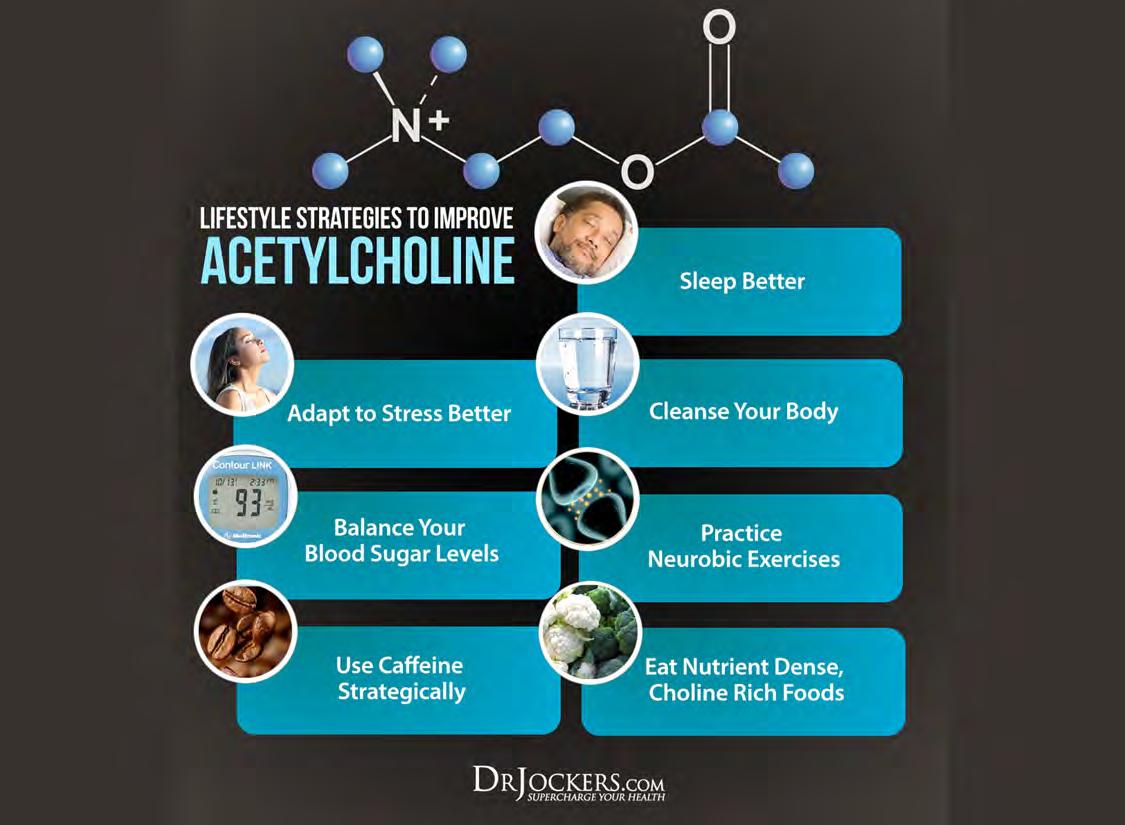
Lifestyle Strategies to Improve Acetylcholine:
1. Adapt to Stress Better: I recommend that you practice prayer, meditation, breathwork, muscle relaxation strategies, and gratitude. Try journaling to release negative thoughts and spot negative thought patterns. Spend time in nature and get regular sun exposure. Seek support and uplifting activities with friends and family. Have some dedicated me-time as well.
2. Sleep Better: It is key for you to prioritize sleep if you are going to improve your acetylcholine levels. Develop a relaxing bedtime routine that works for you. Avoid heavy food, sugar, alcohol, stress, and electronics in the evening. Try relaxing activities, such as journaling, reading, listening to music, coloring, crossword puzzles, and calm family time instead. Follow a regular sleep schedule that supports your body’s circadian rhythms. Invest in a supportive bed and comfortable bedding and pillows. Add some eye masks and blackout curtains to ensure sleep-supporting darkness. Make sure to sleep 7 to 9 hours a night.
3. Balance Your Blood Sugar Levels: Follow a blood sugar stabilizing diet that is high in healthy fats such as extra virgin olive oil, avocados, coconut oil and grass-fed butter. You also want to prioritize protein from grass-fed meat, wild-caught fish and pastureraised eggs and colorful fruits and vegetables. Following this diet will help maintain healthy blood sugar levels that will improve overall neurotransmitter production and utilization.
4. Cleanse Your Body: Drink clean, filtered water and follow our super hydrating principles to flush your body of toxic debris. Practice intermittent fasting, dry skin brushing and infrared sauna throughout the day for more effective cleansing.
5. Avoid Anticholinergic Drugs: These drugs destroy acetylcholine levels. This includes the majority of the medications that begin with “anti” such as antibiotics, antihistamines and anti-depressants. In addition, NSAID’s like Tylenol and acid reflux medications deplete acetylcholine levels as well.
6. Reduce Caffeine Intake: Caffeine increases the amount of acetylcholine usage. Best to use caffeine strategically for high performance, but not as an everyday tool.
7. Best Foods to Eat For Choline: These foods are rich in choline, which is the major precursor to acetylcholine. Additionally, they contain omega 3 fatty acids, saturated fats, zinc and B12, which are all essential nutrients for healthy acetylcholine levels.
Best Supplements For Acetylcholine:
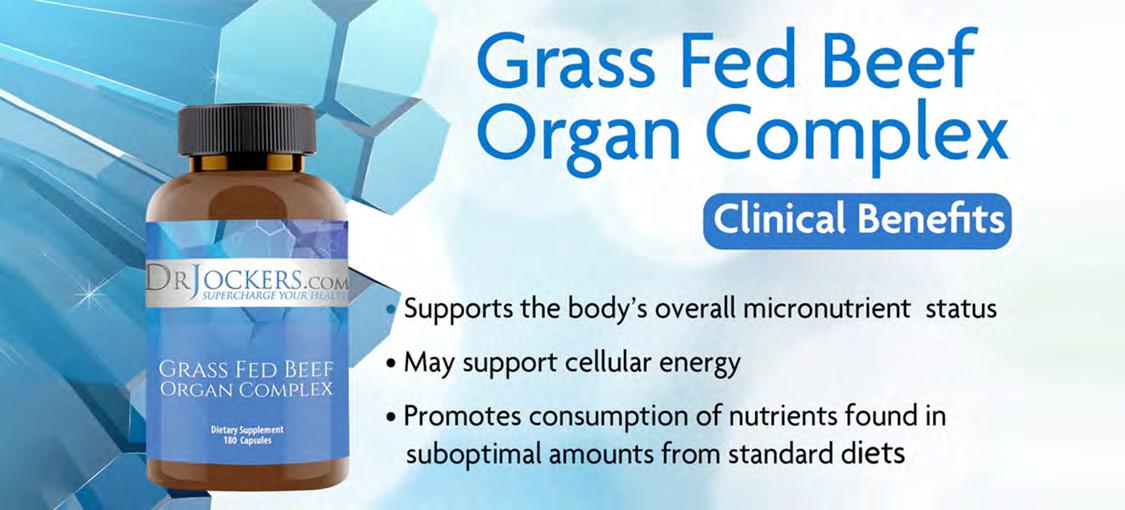
1. Grass-Fed Organ Complex: This is a natural source of choline, B vitamins, L-carnitine and carnosine that support acetylcholine production and improve memory and cognitive processing. Most people are not eating organ meats so taking a freeze-dried capsule form is an easy and powerful way to get these key nutrients.
2. Choline Bitartrate: This is the most basic form of choline and it will boost up acetylcholine levels. Recommended dosage is 50-100 mg, 1-2x daily
3. Huperzine A: This molecule is made from the firmoss plant and quickly penetrates the blood barrier. It is most known for its inhibition of acetylcholinesterases, which increases acetylcholine at the synapse.
Dr Jockers Tips:
I begin with all the basics and in particular, will focus on balancing blood sugar levels, improving stress adaptation and sleep patterns.
We will also focus on getting high quality nutrients from pasture-raised eggs, wild caught salmon and grass-fed meats. We will also use high quality fish oil supplements, which improve all around neurotransmitter production.
Pasture-raised eggs are by far the best source with over 500 mg per serving. Here are the supplements I use:
Grass Fed Beef Organ Complex is a unique combination of freeze-dried bovine organs sourced from 100% grass-fed and finished New Zealand cattle.
This product is formulated with a targeted blend of five different bovine organs, including the liver, heart, pancreas, kidney, and spleen, which may help support nutrient status in the body.
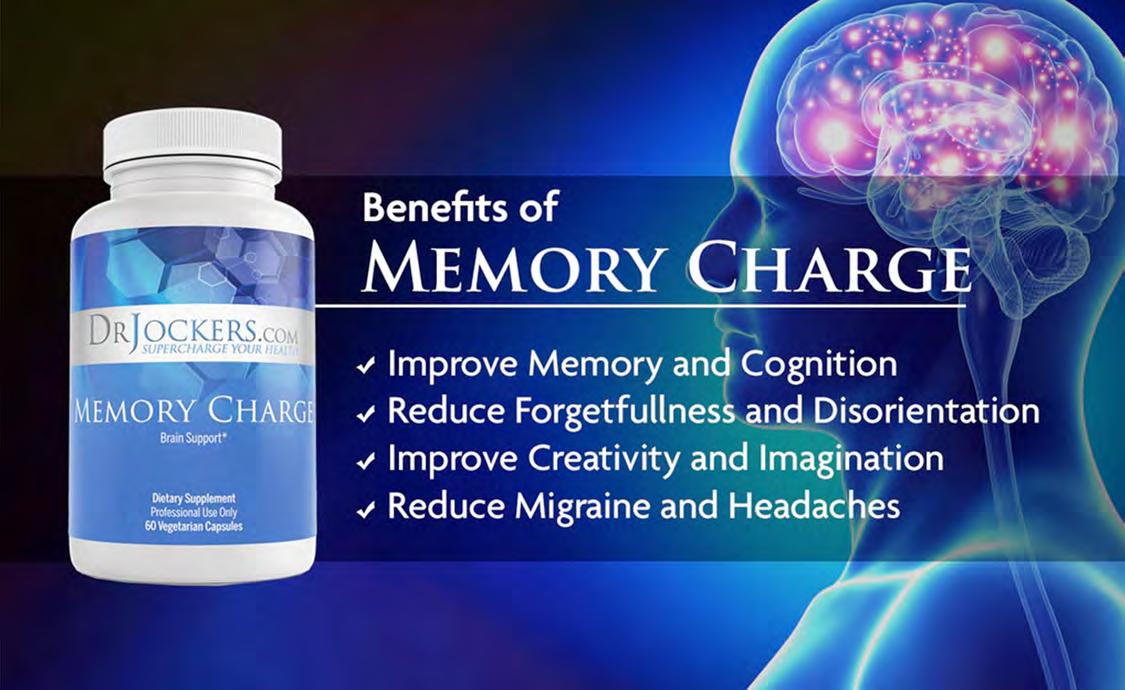
Memory Charge: This is a supplement full of herbs and nutrients that enhance blood flow to the brain. It also contains 100 mg of high potency huperzine A to boost acetylcholine levels in the synapse and enhance memory and cognitive acceleration.
Normal Protocol: Take 1 cap – 2x daily with or without food
Advanced Protocol: Take 2 caps – 2x daily with or without food
Common Question:
Q: Can I take the Grass-fed Organ Complex and the Memory Charge together?
A: Yes, these can be taken together without any issues.
Dopamine Strengthening Program:
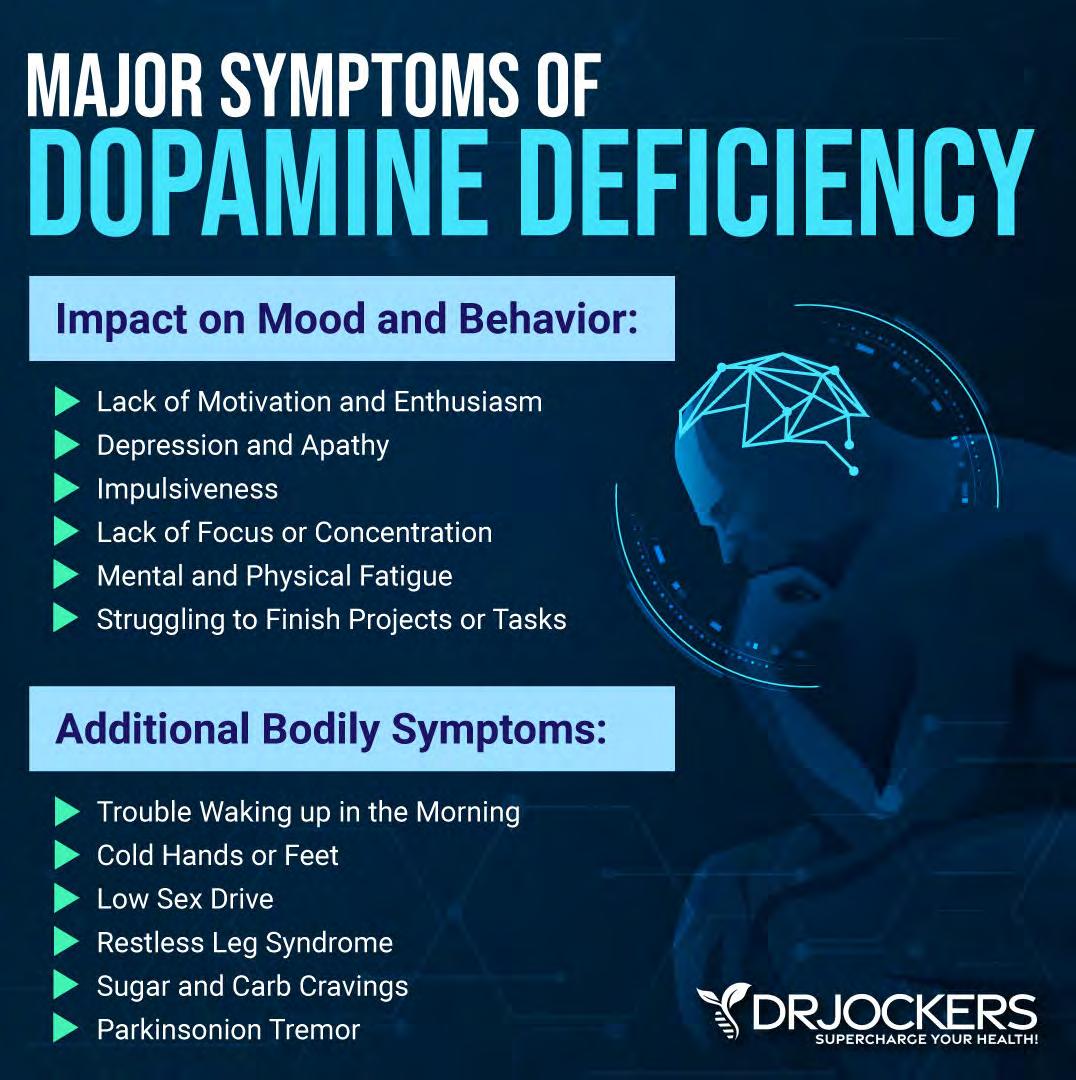
Dopamine has been called the “motivation molecule,” as it helps provide the drive and focus needed to get stuff done. Dopamine is also involved with the “pleasure system” of the brain and functions to create a feeling of enjoyment and a sense of reward in order to motivate performance.
People that suffer with low dopamine often experience hopelessness, worthlessness and struggle to handle stress. These individuals will often isolate themselves from others and have self-destructive thoughts and behaviors.
Being easily distracted and having trouble focusing and finishing tasks can be signs of early dopamine deficiencies. Long-term, poor dopamine signaling can result in hand tremors, slowness of movement and pre-Parkinson’s symptoms.
Dopamine’s Activity in the Brain
Dopamine is a neurotransmitter that that plays a key role in the reward-motivation behavior mechanisms. Any sort of reward, such as getting food, sex, making money, earning praise, etc. increases dopamine and the feeling of pleasure. Most addictive drugs increase dopamine activity in the brain.
Dopamine is also involved heavily in the following:
• Reward and pleasure centers.
• Attention and Learning
• Sleep and Overall Mood
• Behavior and Cognition
• Movement and emotional responses.
• Enabling us not only to see rewards, but to take action to move toward them.
• Voluntary movement, motivation and reward.
• Inhibition of prolactin production (involved in lactation).
Dopamine depletion is classically represented in Parkinson’s disease. Other issues involving low dopamine include schizophrenia, autism, and attention deficit hyperactivity disorder (ADHD) and drug abuse. Low dopamine levels that occur when trying to get off of heroin, cocaine, cigarettes, sex and sugar addictions are why it can be so difficult.
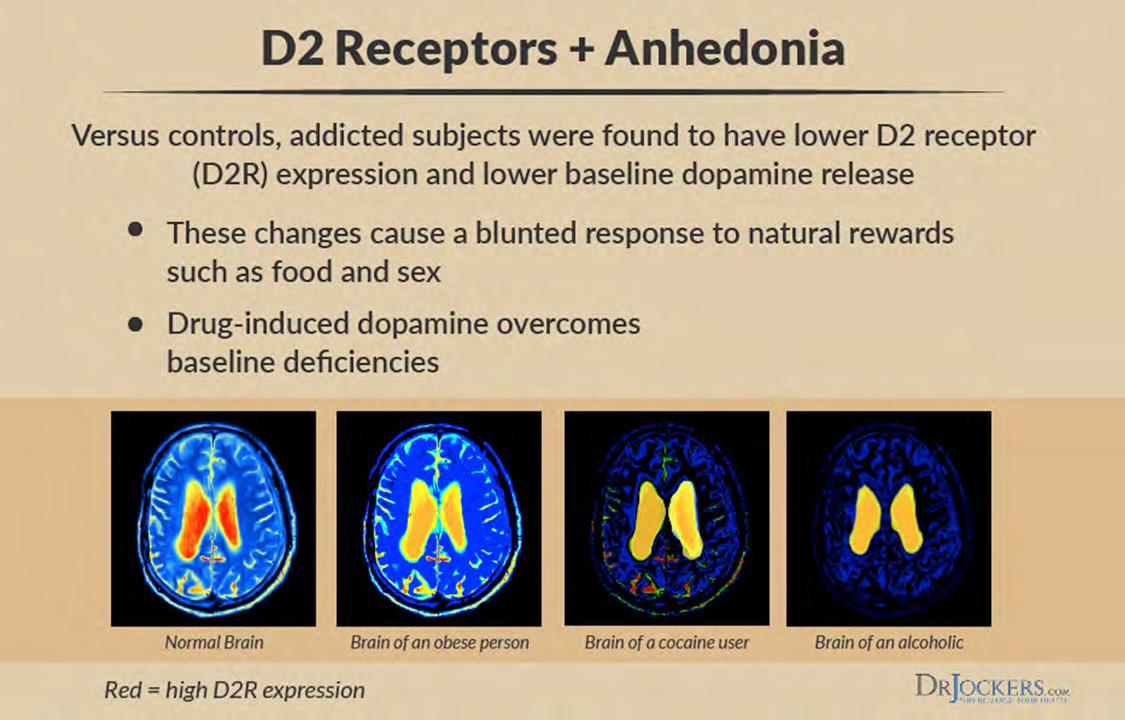
Individuals with these addictions display downregulation (reduced production) of dopamine receptors in the region of the brain called the nucleus accumbens. This process has a genetic component but is produced by the continual usage of the drug or stimulus. The more severe the addiction is the more blunting of dopamine receptors is present.
Dopamine also plays an important part in morning wakefulness as it inhibits norepinephrine’s melatonin producing effects and shuts off melatonin production in the morning when the brain needs to awaken.
Individuals with low dopamine also display increased levels of impulsiveness. A 2012 study using 23 adults were given a hypothetical choice between receiving a smaller amount of money immediately or a significantly larger amount at a later time.
The individuals who made the impulsive choice for immediate money in the initial part of the study, later demonstrated less impulsivity and chose to wait for the larger sum after taking a drug that blocks a dopamine degrading enzyme (so they had more dopa in their brain)
Dopamine Metabolism:
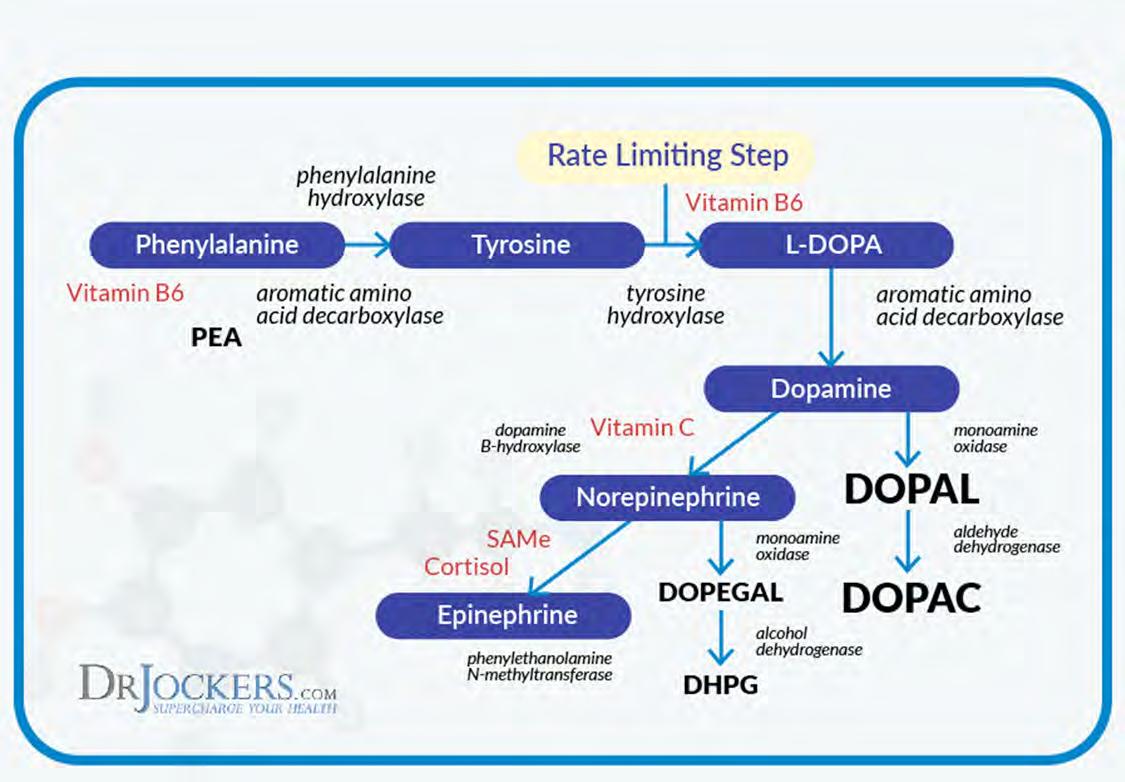
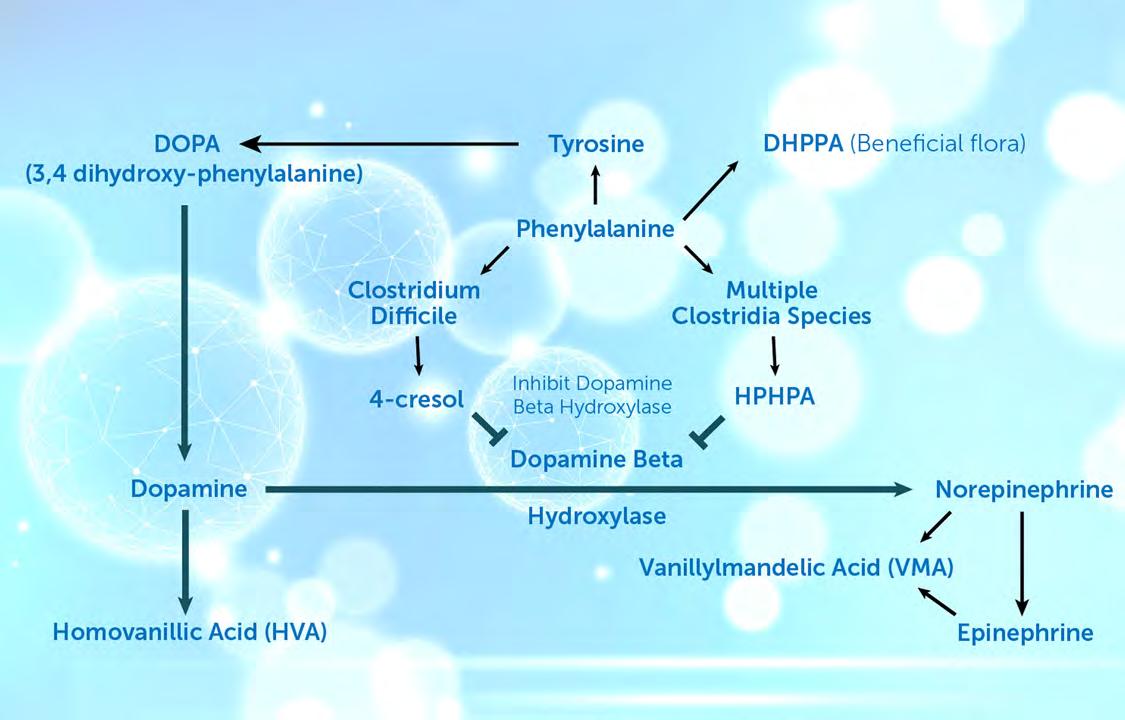
The precursor amino acids to dopamine are L-phenylalanine and L-tyrosine. These are converted to L-DOPA and eventually dopamine with tetrahydrobiopterin, oxygen, iron and the active form of B6 (pyridoxal-5-phosphate) as the cofactors.
Dopamine is also used itself as a precursor to make the neurotransmitters norepinephrine (Nr) and epinephrine (Epi). Dop is converted to norepinephrine by the enzyme dopamine-B hydroxylase with vitamin C as the cofactor.
Nr is converted into Epi by the enzyme phenylethanolamine N-methyltransferase with SaMe as the cofactor. If any of these amino acids or cofactors are low, it will limit the synthesis of these key neurotransmitters.
This conversion of dop to Nr and Epi is very important for a healthy response to stress. Without it, one is more likely to develop addictive behaviors as they have too much dopa interacting in their system, which can lead to burnout of the receptors.
Problems with Dopamine Metabolism
One could have issues with 4 major aspects of dopamine metabolism as discussed below.
1) Too Little Production:
It is possible to have too little or too much dopamine production. This is often due to the level of stress the individual is under. In phase I, alarm response to stress, we produce more dopamine and other catecholamines.
In phase II adrenal fatigue, stress hormones begin to plummet. In phase III, when we have adrenal exhaustion, we produce too little because the cells are burned out. Our dopamine secreting cells can be overwhelmed with stimulus to produce dopamine and begin to shut down, effectively reducing our ability to produce stress hormones on demand.
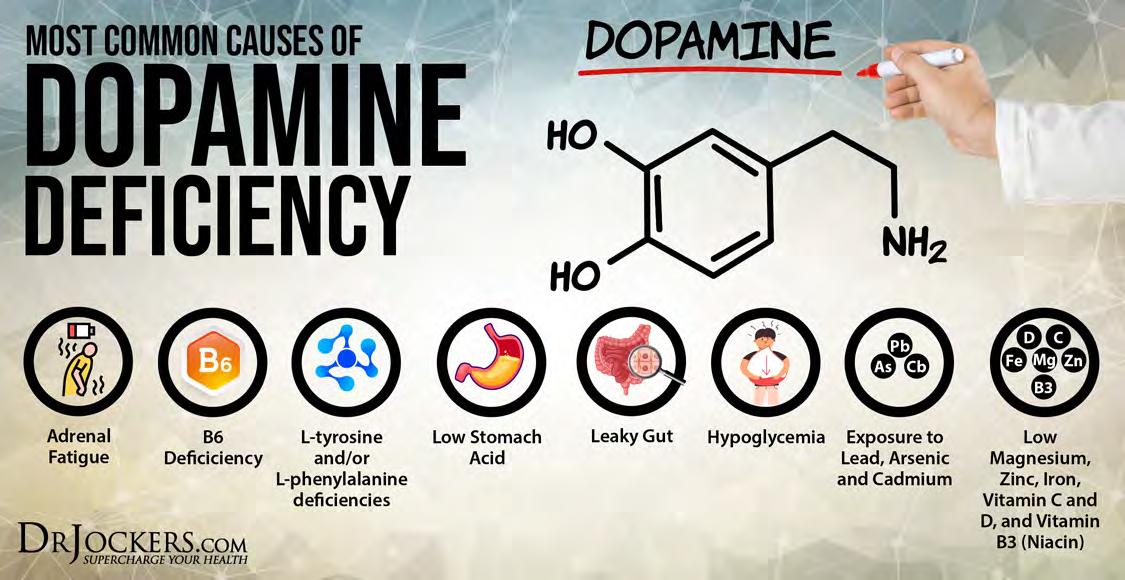
In addition, when too little precursors such as phenylalanine and tyrosine are available due to low protein diets or more commonly low stomach acid and/or leaky gut than we can have an inability to produce enough dopa. In addition, low conversion factors, such as a B6 deficiency can create an inability to produce enough dopa. Also, poor sleep, hypothyroidism and hypoglycemia will lead to poor dopamine repletion and symptoms of low dopamine. Additionally, single nucleotide polymorphisms (SNPs) in some of the critical enzymes involved in dopamine synthesis can result in too little dopamine production. In particular, the ones involved include Tyrosine hydroxylase (TH) and DOPA decarboxylase (DDC)
2) Increased Dopamine Breakdown:
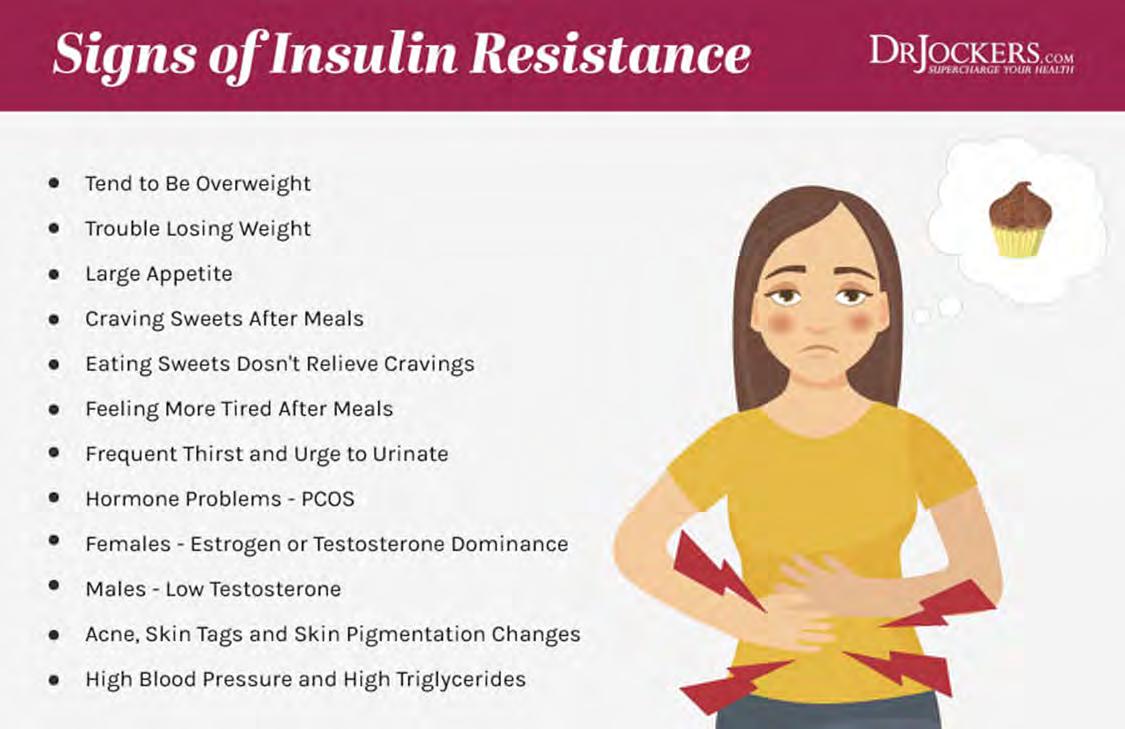
There are some conditions that increase the breakdown of dopamine. Blood sugar instability and insulin resistance has been shown to increase dopamine turnover mechanisms.
Additionally, there are certain genetic single nucleotide polymorphisms (SNPs) that increase dopamine, Nr and Epi turnover. The most common one of these is Catechol-Omethyltransferase (COMT) and Monoamine oxidase (MAO-A and MAO-B) which all speed up the activity of dopamine regulating enzymes.
3) Dopamine Transporter Problems:
The major issue here is with dopamine B-hydroxylase which converts dopamine to Nr. This can be blocked by toxic metabolites produced by C Diff bacterial overgrowth. Many individuals with addiction problems, ADHD and autism etc. have C Diff overgrowth that is compromising their ability to form a healthy Dopamine-Nr conversion.
Another issue would be vitamin C and/or copper deficiencies since these compounds are necessary cofactors that work with Dopamine B-hydroxylase to convert dopamine to Nr.
4) Down Regulated Dopamine Receptors:
When dopamine is elevated for long periods than it can cause a down regulation in dopamine receptors. This can be due to addictions which overstimulate dopamine production and overwhelm the dopamine receptor sites.
Think of the example of loud music. If you aren’t used to hearing loud music, then you are very sensitive to the sound. However, if you are used to the loud music, then you habituate it and it no longer hear it in the same way. This happens with the cells of our body.
Cells have a sensitive threshold with stress hormones. Too much stress hormone activity will overexcite the cells to death. So, when we continually flood the cell receptors with these stress hormones, they reduce their production of receptor sites so as to not overexcite the cell.
Addictions lead to down regulated dopamine receptors, and this is why it can be very challenging to get over addictions. The worse the severity of the addiction, the more down regulated the dopamine receptors are.
Finally, SNPs to dopamine receptors such as DRD2 gene mutations can also cause poor dopamine signaling in the brain. Magnesium can help improve dopamine receptor activity.
Testing For Low Dopamine Levels:
The metabolite homovanillic acid (HVA) is a breakdown product of dopamine metabolism by MAO and COMT. When this is found in high amounts in the urine it is a sign of elevated dopamine turnover, which is typically due to adrenal fatigue and/or high firing MAO and COMT pathways.
Additionally, this can take place with C Difficile overgrowth, where the C Diff binds to dopamine beta hydroxalase and impairs conversion from dopamine to norepinphrine as explained above.
In dopamine-secreting neurons, dopa is metabolized into HVA, which can be measured in the urine organic acid test. In neurons in the peripheral and regions of the central nervous system, and in the adrenal gland, dopamine is converted to norepinephrine by dopamine-beta-hydroxylase.
Dopamine-beta-hydroxylase requires vitamin C (ascorbic acid) and copper as cofactors. In the adrenal gland, norepinephrine is further converted to epinephrine. Both epinephrine and norepinephrine may then be metabolized into vanillylmandelic acid (VMA).
When HVA levels are very low it is an underproduction of dopa, typically due to adrenal fatigue and/or a deficiency in L-phenylalanine, L-tyrosine and/or vitamin B6. When HVA is high and VMA is low, it is a sign of poor conversion from dopamine to norepinephrine and epinephrine. This could be due to low vitamin C or copper or due to C Diff overgrowth.
Best Foods for Boosting Dopamine Levels
1. Organic coffee
2. Raw cacao or minimally processed dark chocolate
3. Organic green tea
4. Avocado
5. Green Leafy Vegetables
6. Beets
7. Nuts & Seeds
Be careful to not overdo the coffee or dark chocolate as they can be addictive and can lead to adrenal fatigue and neurotransmitter receptor down regulation if using them too much. I would limit consumption to 1 tsp of cacao powder or 2-4 oz of a dark chocolate bar and no more than 8oz of organic coffee daily. In addition, be sure to consume vitamin C rich foods such as citrus fruits and green veggies throughout the day or take extra vitamin C supplementation to make sure we are converting dopa to Nr.
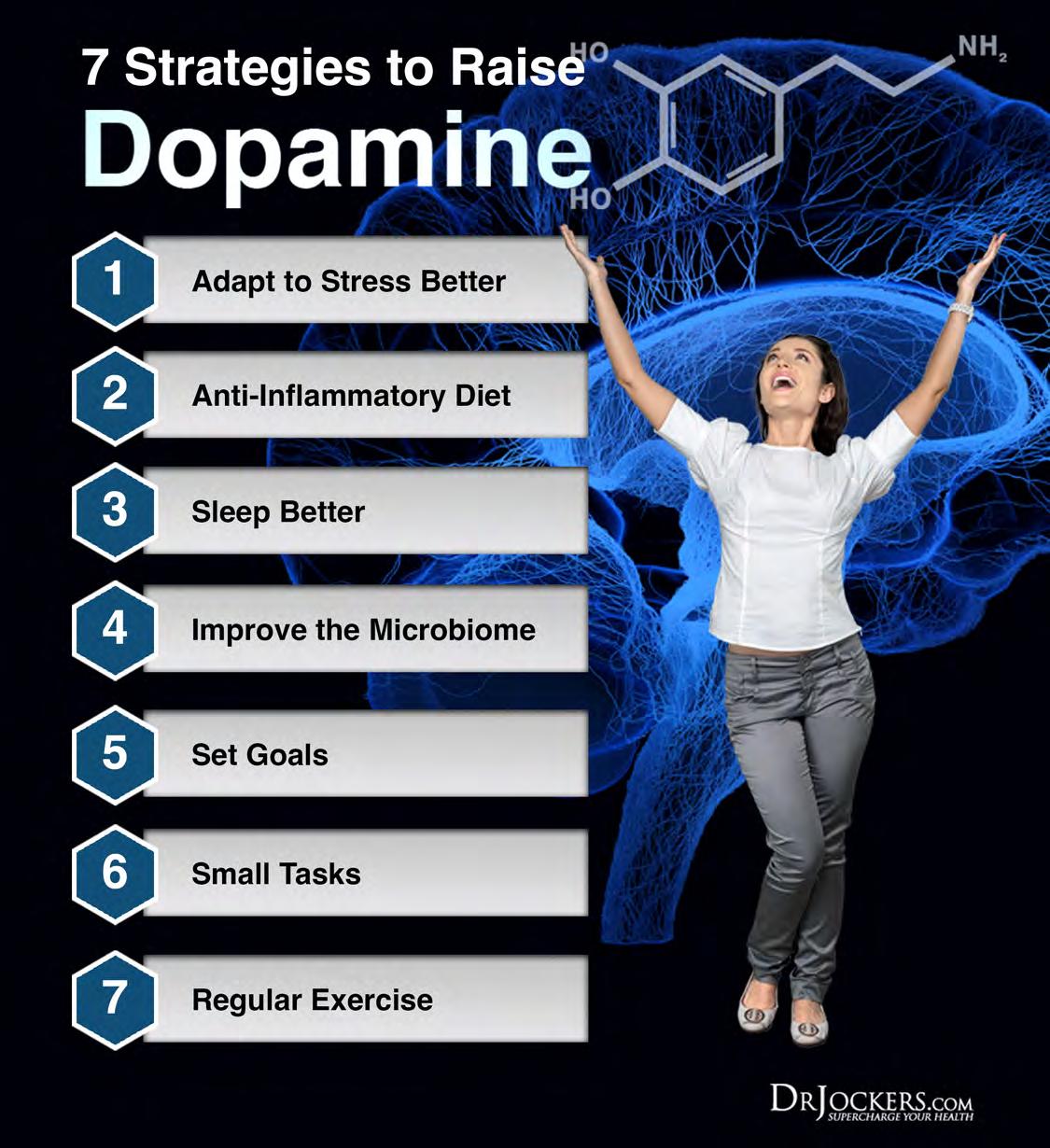
7 Strategies to Raise Dopamine:
In order for the body to manufacture dopa, we need good stomach acid and digestive function to break down proteins into amino acids so we can absorb L-tyrosine and L-phenylalanine. In addition, we need proper amounts of iron, copper, zinc, vitamin B6 and magnesium. If we are deficient in these nutrients, we will not be able to produce adequate amounts of neurotransmitters.
1. Adapt to Stress Better: Chronic stress will deplete your dopamine levels. Find things to be grateful for, practice deep breathing, listen to enjoyable music, get regular sun exposure, find ways to laugh and find other stress management strategies to help reduce stress and become more resilient.
2. Anti-Inflammatory Diet: Be sure to follow an anti-inflammatory nutrition plan using real and organic foods in order to provide the right nutrients to support healthy neurotransmitter function.
3. Sleep Better: It is key for you to prioritize sleep if you are going to improve your dopa levels. Sleep improves neurotransmitter production and receptor activity. When we sleep, our brain flushes out the neurotransmitters, repairs receptor sites and regenerates neurotransmitters to be used the next day.
4. Improve the Microbiome: Consume fermented foods, anti-microbial and carminative herbs such as garlic, onions, oregano, basil, thyme, peppermint, ginger, etc. to help improve the overall constitution of the gut microbes. Remember, C Difficile overgrowth is a major player in poor dopamine metabolism, so the better you take care of your gut microbiome the more you will reduce C Diff and improve neurotransmitter metabolism.
5. Set Goals: Making healthy goals in relation to your career, relationships, spiritual and emotional growth and physical health can all improve dopamine levels. I recommend making goals that challenge you but are accomplishable. The act of challenging yourself and accomplishing the goal will do wonders for your neurotransmitter metabolism. If you are a creative individual, try creating something that interests you. This could be a painting, writing a poem or an article, building something with your hands, making a meal, etc.
6. Small Tasks: One of the best ways to boost dopa if you are deficient is giving yourself very small, but important tasks to do. This may as simple as taking the trash out or making your bed. Accomplishing small, but important tasks will help to stimulate better neurotransmitter release and give you some momentum for larger tasks.
7. Regular Exercise: Regular movement is good for all neurotransmitters. Individuals with adrenal fatigue and low dopamine should be doing low-intensity movement such as walking or yoga and doing lots of deep breathing. If you are in good condition but are looking to boost up your dopa levels for high performance, than I recommend high intensity resistance training and interval sprints which will give a significant boost to dopa production and utilization.
Best Dopamine Boosting Supplements:
L-Tyrosine: This amino acid is a precursor to dopamine. For boosting tyrosine, take dosages between 500-2500 mg on an empty stomach.
DL-Phenylalanine: This dosage can be between 1 – 2 grams on an empty stomach.
Vitamin B6: Best dosage is between 50-100 mg taken with or without meals.
Rhodiola: Best to be taken 1-2 times in a dosage of 100-200 mg each time.
Cordyceps: Best to be taken 1-2 times in a dosage of 400-800 mg each time.
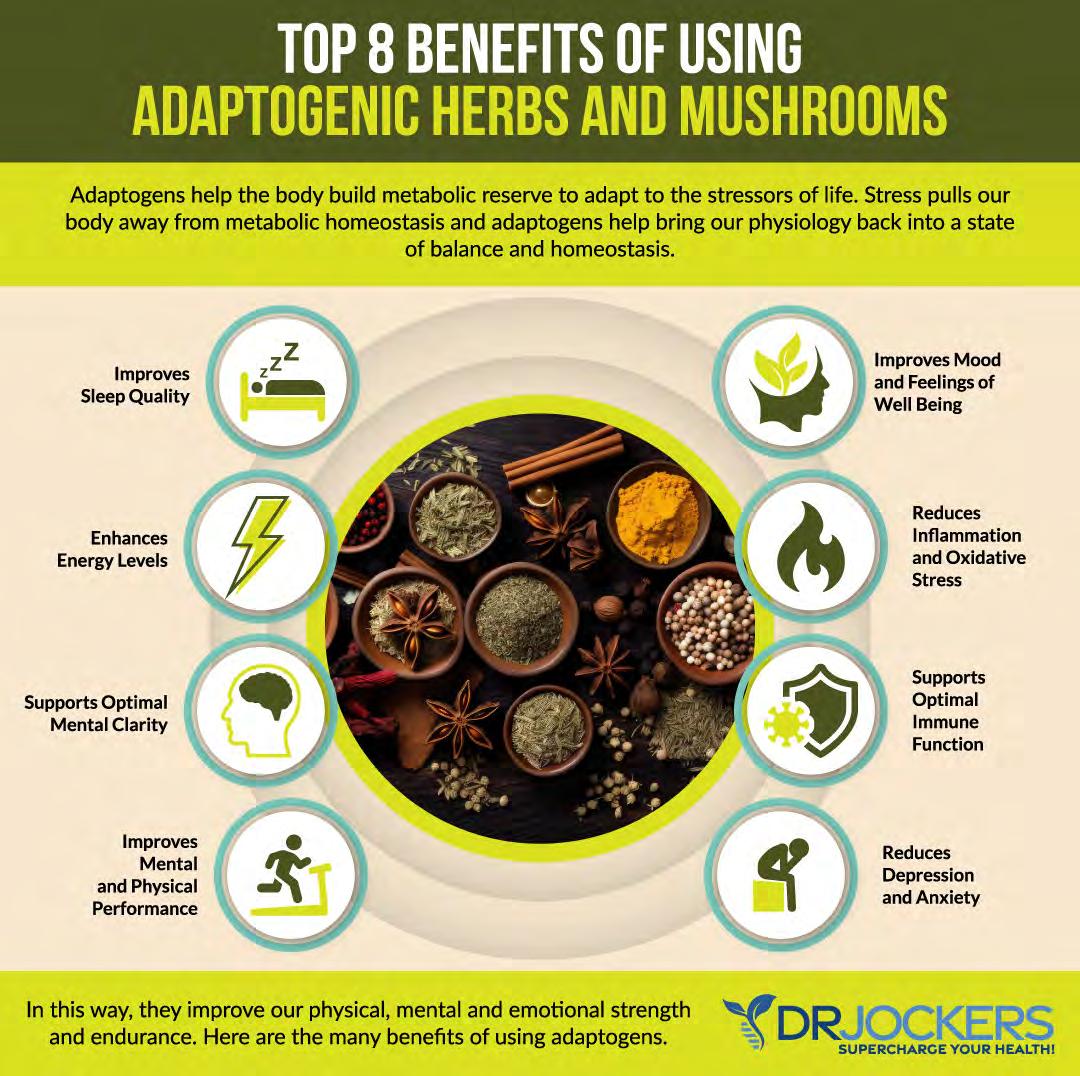
Both rhodiola and cordyceps are called adaptogenic herbs. Adaptogenic herbs help to buffer the negative effects of stress and allow our body to accurately adapt to stress. They are able to help increase catecholamines (Dopamine, Nr, Epi) when they are low, but also lower them if they are shooting up too high.
This is very important because we don’t want to overshoot our catecholamine production or we risk burning out the adrenals and causing dopa receptor dysfunction. Rhodiola and cordyceps have the strongest effect on modulating dopa levels. Some other great adaptogens include ashwagandha, ginseng, holy basil and reishi mushroom among others.
These should be used in addition to amino acids (L-tyrosine and DL-phenylalanine) when working with dopamine levels.
Dr Jockers Strategy:
For individuals with low dopamine, I focus on blood sugar stability, stress reduction and adaption strategies and look to improve thyroid if it is a problem. If I see elevated C Difficile on lab testing, we will use anti-microbials and probiotics to reduce the levels.
We do a low-carb diet but will use dark chocolate, organic coffee, nuts, and seeds so long as they aren’t dealing with an autoimmune disease. I use both of the following supplements to help individuals with low dopa.
I will also typically include Brain Calm Magnesium, which crosses the blood brain
barrier and improves overall receptor function and plays a huge role in modulating stress hormone production and allowing it to be used most effectively.
Adapt-Strong: This formula provides clinical dosages of vitamin B6, rhodiola and cordyceps. This formula provides useful support for both hyper and hypofunction of the adrenals. Hyperfunction is when the adrenals are overproducing hormones, such as cortisol, and hypofunction is the opposite, when the adrenals are under producing.
Normal Dosage: Take 1 cap – 2x daily
Advanced Dosage: Take 2 caps – 2x daily
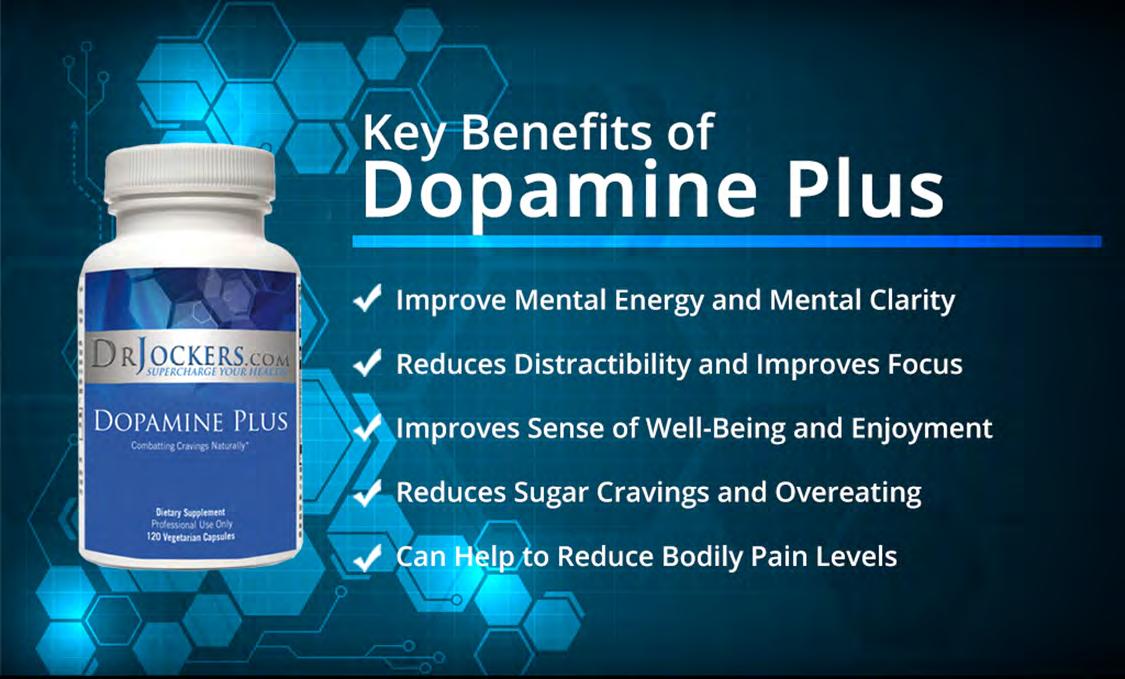
Dopamine Plus: This formula contains clinical dosages of L-tyrosine, DL Phenylalanine, vitamin C and B6 and it contains 5-HTP which helps keep the dopamine:serotonin balance in order. This product helps improve focus, concentration and reduces cravings for sugar or other addictive behaviors.
Normal Dosage: Take 2 caps – 2x daily away from meals
Advanced Dosage: Take 4 caps – 2x daily away from meals
Common Question:
Can I Take the Adapt Strong with the Dopamine Plus?
A: Yes, the only overlapping nutrient is B6 and based on my experience and research this water-soluble nutrients is very low in most people with lower dopamine symptoms and if you were to get too much, your body would urinate it out.
What is the best dosage to begin with of these supplements?
A: Begin with the normal dosage and if you don’t notice anything or begin feeling good, you can experiment and go up to the advanced dosage. If you feel poorly on the normal dosage, take 3 days off and then take ½ of the normal dosage and see how you do.
GABA Strengthening Program
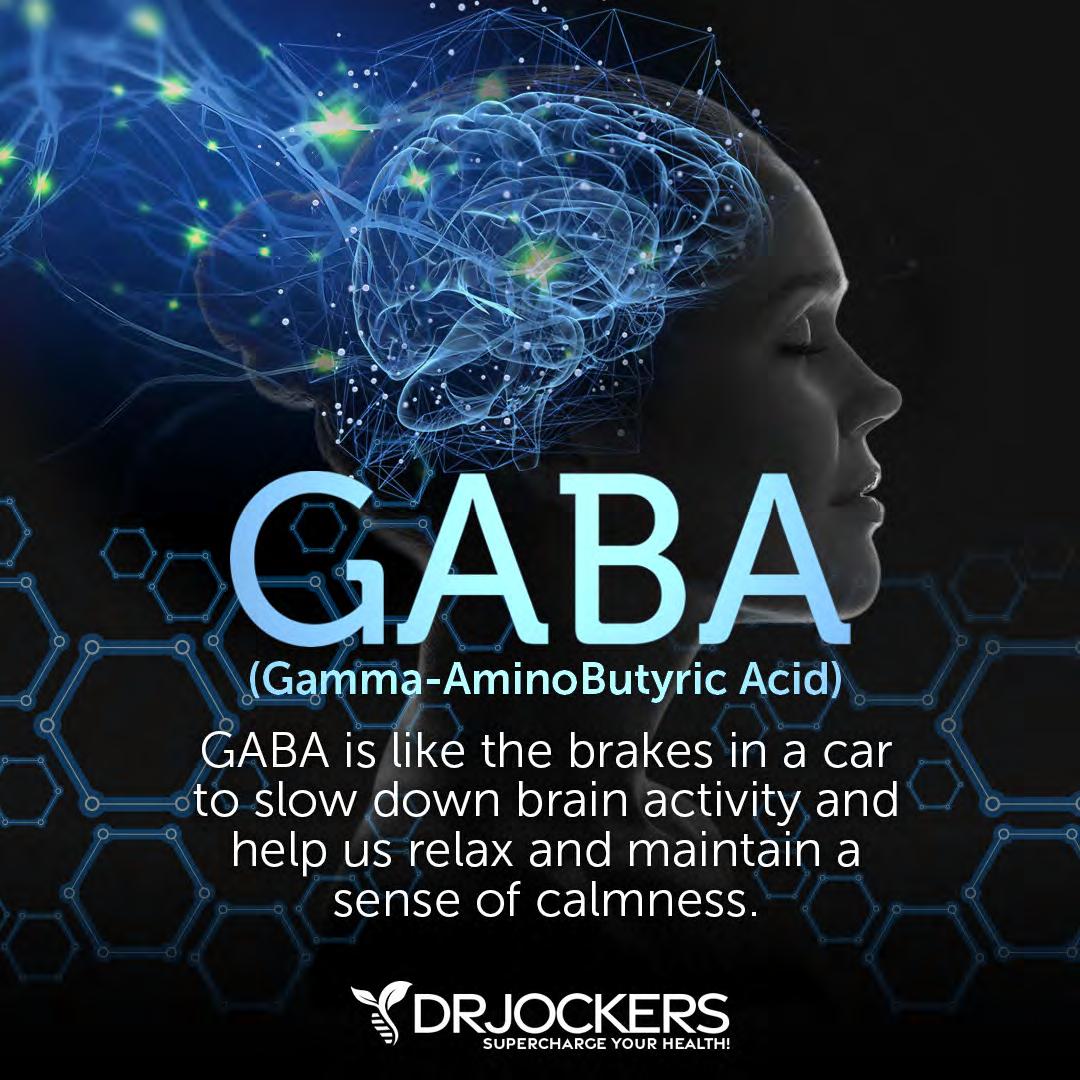
GABA (Gamma-AminoButyric Acid) is an inhibitory neurotransmitter that has a calming and relaxing effect in the brain. It acts like the brakes in a car, to where it slows down and/or stops brain activity on an as-needed basis to help us function better.
When we are low in GABA, our brain continues to hit the gas, overstimulating us with activity. Our gut microbiome plays an important role with GABA production and helps to convert glutamine and glutamic acid into GABA. A disordered microbiome is a major cause of low GABA production.
GABA’s Activity in the Brain
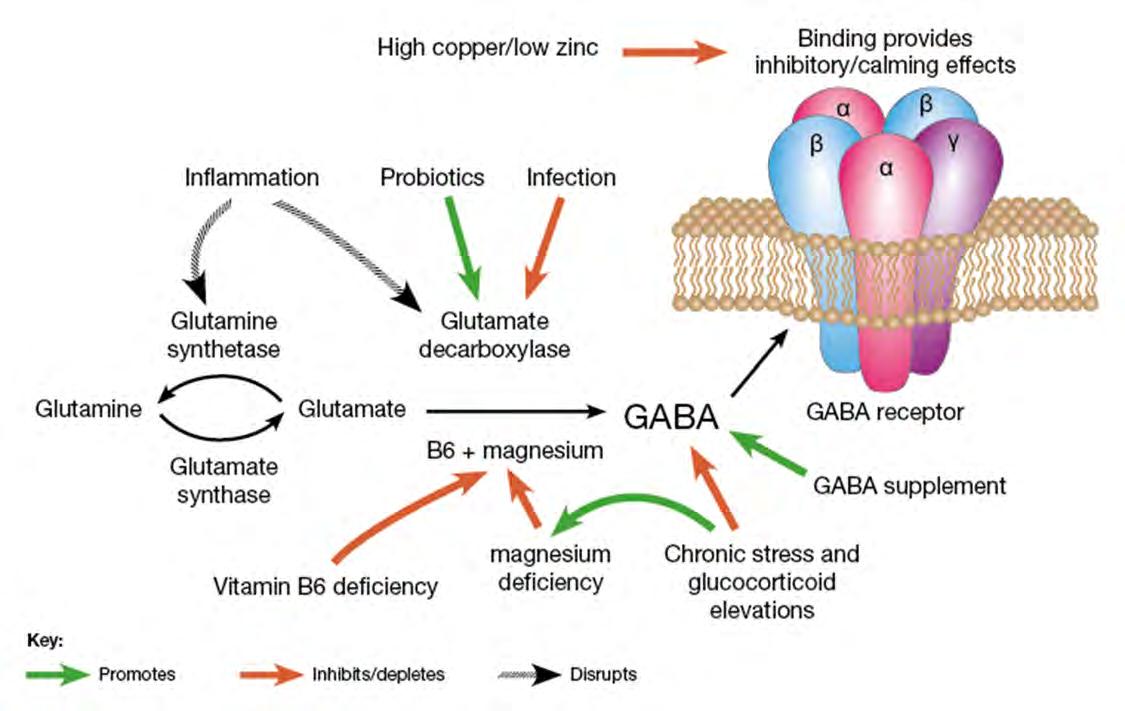
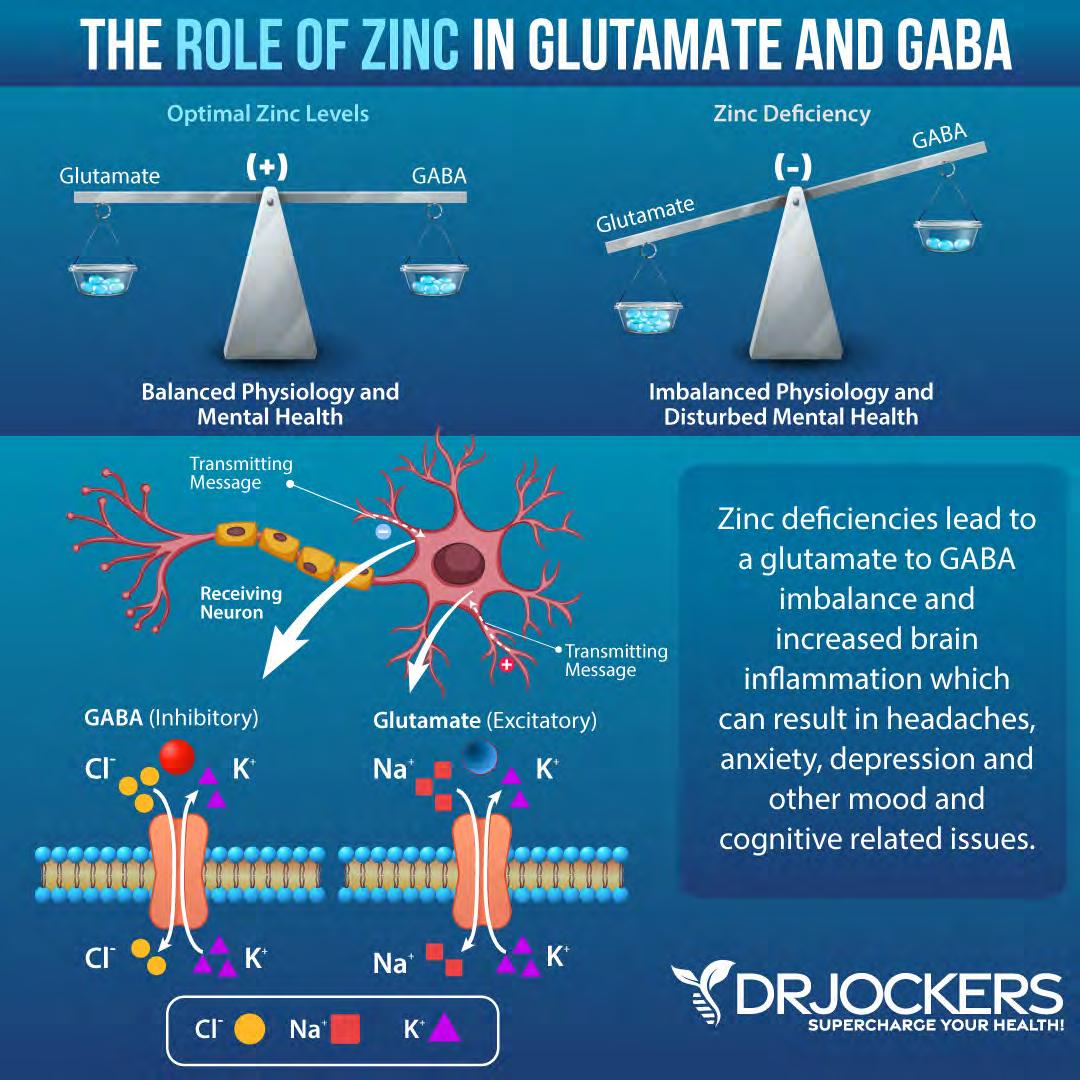
GABA receptors are spread out throughout the brain, and they are ligand-activated chloride channels that when activated, allow the negatively charged chloride ions across the cell membrane and into the cell where they reduce cellular activity. In addition, they help to shunt the positive charged potassium ions across the cell membrane and out of the cell in order to inhibit activity and take the nervous system away from threshold.
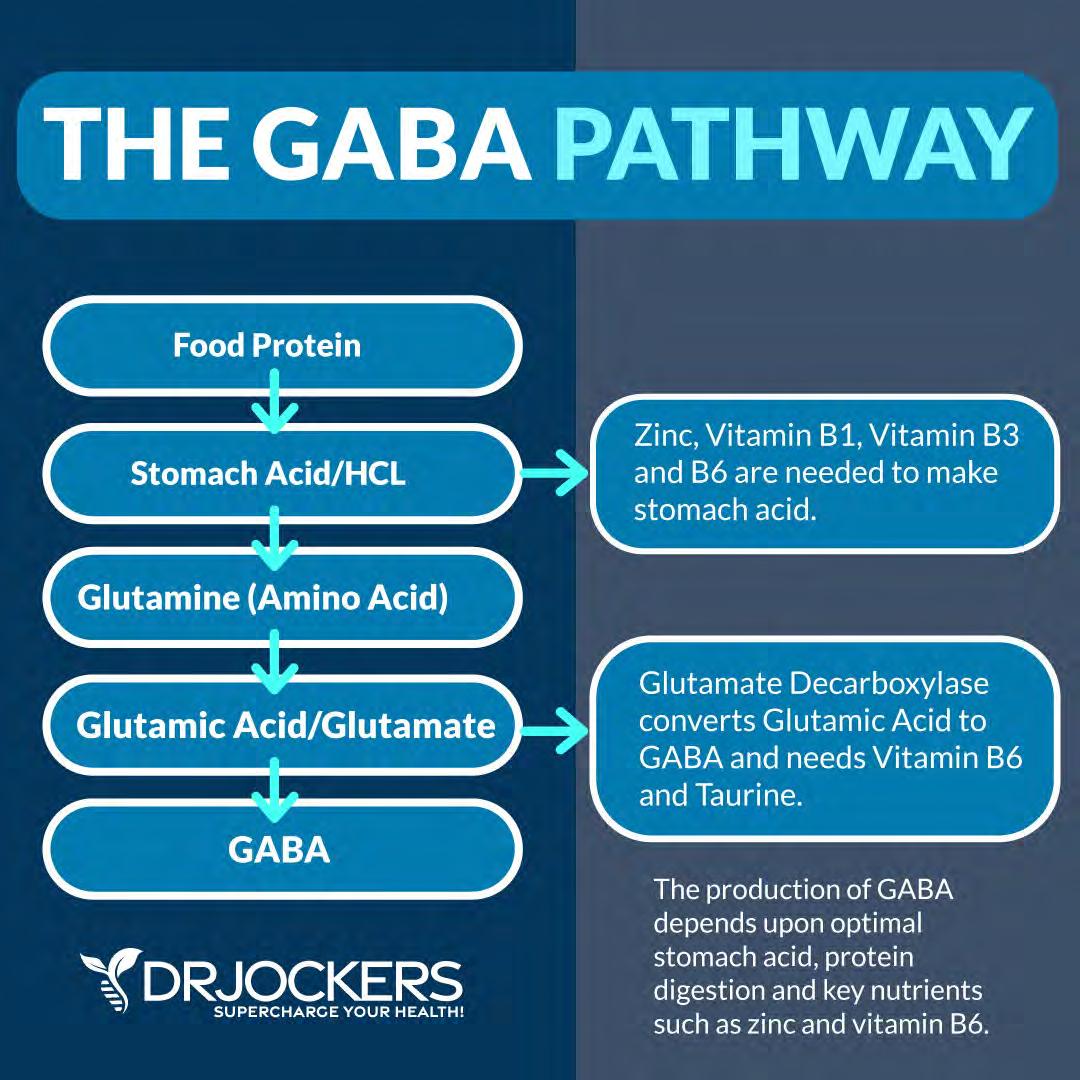
GABA is synthesized from the amino acid glutamate with the enzyme glutamate decarboxylase (GAD) and pyridoxal phosphate (which is the activated form of vitamin B6) as the key cofactor. This process converts glutamate, which is the principle excitatory neurotransmitter in the brain, to the principle inhibitory neurotransmitter GABA. In most regions of the brain, GABA is too large a molecule to cross the blood brain barrier (BBB). However, there are certain areas that have a permeable barrier, such as the
periventricular nucleus of the hypothalamus, which sits in the 3rd ventricle of the brain. GABA has been shown to influence brain activity through this region and help to modulate the amount of human growth hormone release.
GABA is also an important part of the synthesis of the sleep hormone melatonin. It has a key role in the conversion of serotonin into N-Acetylserotonin, which then converts to melatonin for inducing sleep. Melatonin also plays a huge role in the body’s immune function.
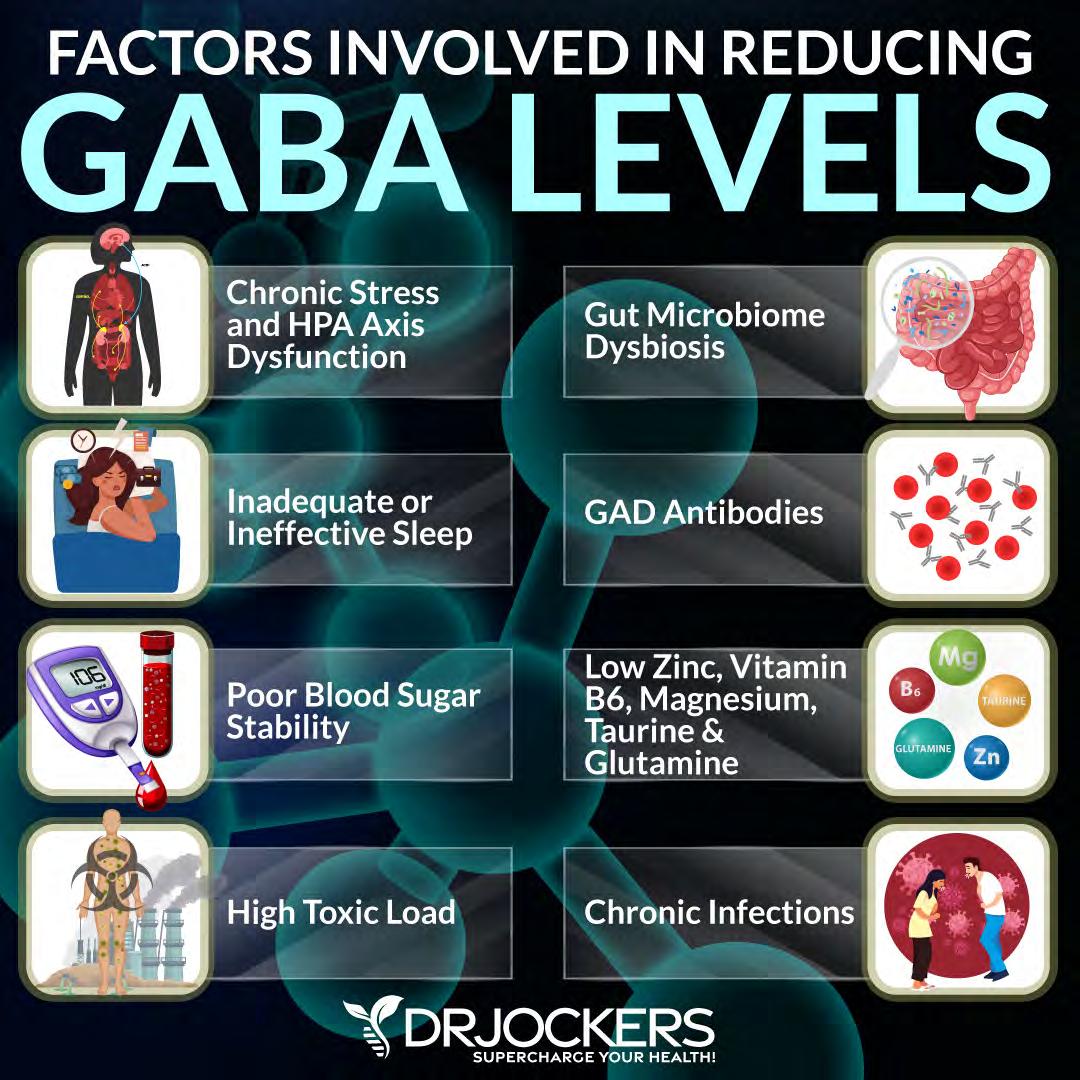
Factors Involved in Reducing GABA Levels
People with low GABA will often see a worsening of these symptoms when they skip a meal or attempt to fast. If you are noticing this, it may be a sign of low GABA levels.
There are some common factors involved in reducing GABA levels. Here are the ones to consider.
Chronic Stress and Adrenal Fatigue
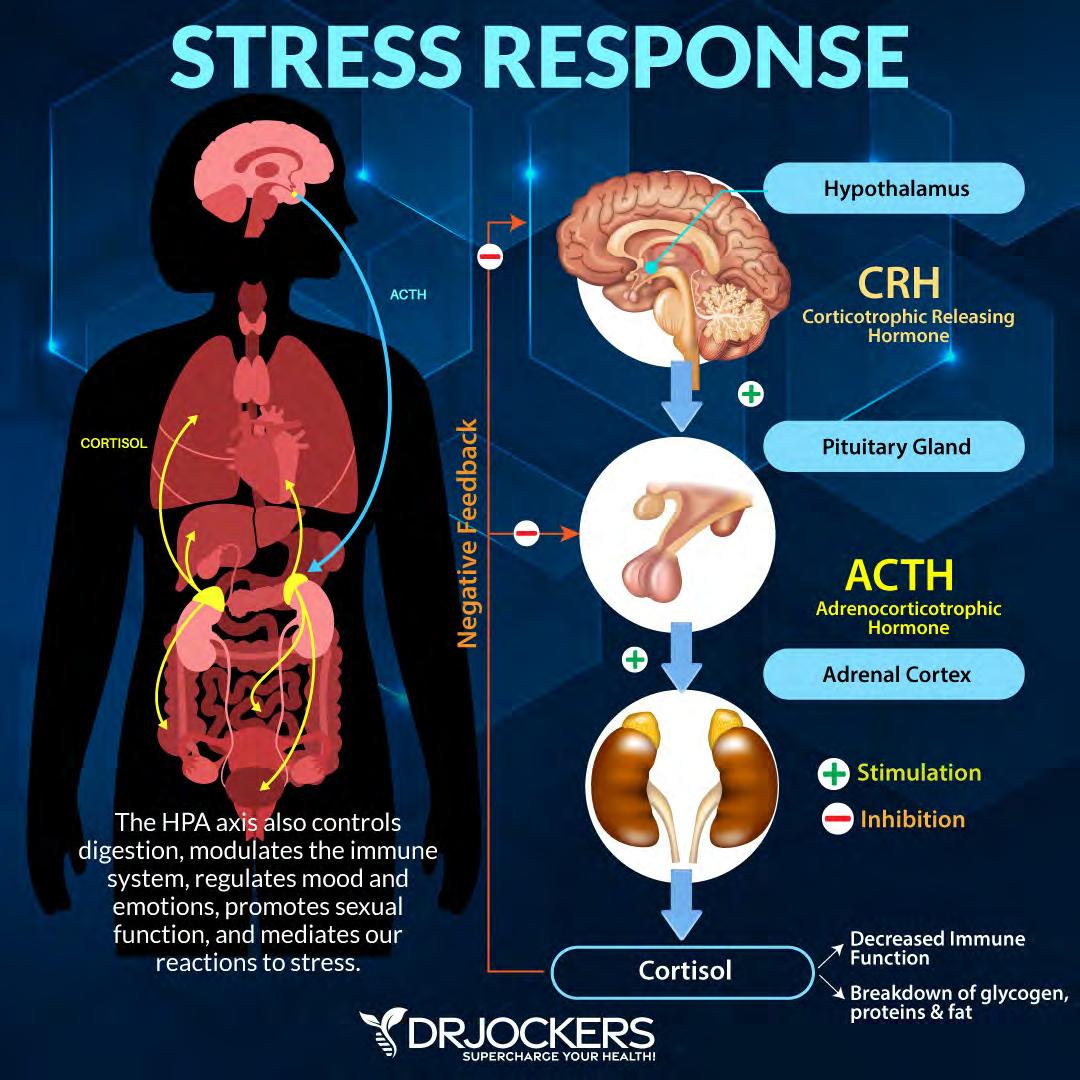
Chronic stress will increase the levels of cortisol, norepinephrine and epinephrine in the brain and body. This also shunts the body into producing more excitatory glutamate and reduces GABA production.
Too much glutamate in the brain causes over-excitation of the brain cells. In addition, the increase in stress hormones ramps up cellular activity and causes excessive production of free radicals which damage brain cells and further reduce normal GABA production.
Overtime, when an individual is in a long-term, highly stressful condition, they rewire their brain cells and have a functional deficit in GABA production. This is where lifestyle intervention and GABA supplementation strategies done over a period of time, are so helpful in rewiring the brain to produce and use GABA effectively again.
Inadequate or Ineffective Sleep
Lack of quality sleep is a chronic stressor on the body and increases stress hormone production. This causes the same mechanisms as what was described right above. The question is, what came first, was it stress and low GABA and melatonin that caused the poor sleep or was it the poor sleep that caused chronic stress and low GABA and melatonin. In either case, it is a true vicious cycle where several poor nights of sleep in a row can lead to a rewiring in the brain and a functional deficit in GABA production. This is another case where using lifestyle intervention and supplementation strategies over a period of time is so extremely helpful for rewiring the brain to produce and use GABA effectively again.
Poor Blood Sugar Stability
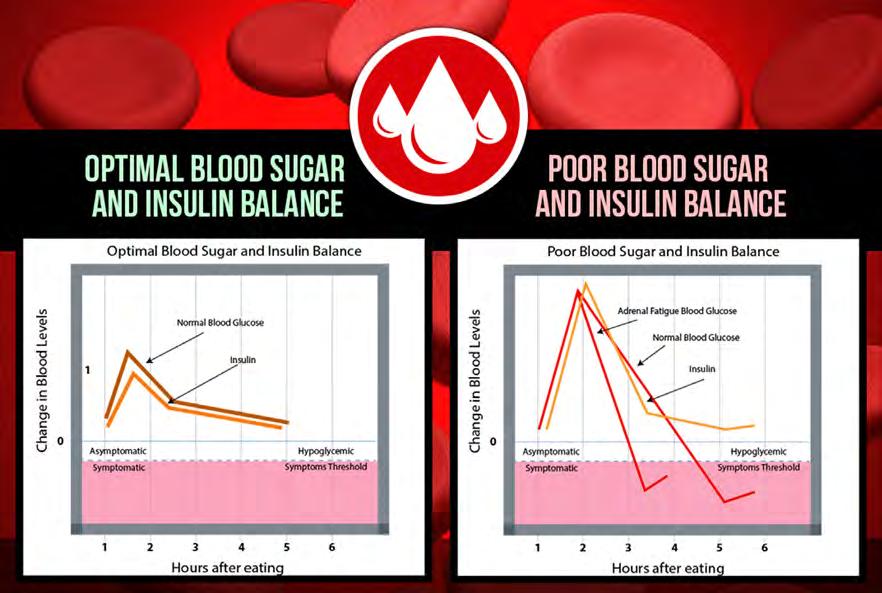
Blood sugar dysregulation is a significant stressor in the brain and disrupts the blood brain barrier, which is designed to protect the brain from oxidative stress, infectious microbes, toxic debris and chronic inflammation. Hypoglycemia or low blood sugar causes a partial starvation of the brain tissue, which increases stress hormones and opens up the BBB for more nutrients to cross over. This also allows more toxins and free radicals to effect brain tissue causing elevated stress hormones and glutamate release.
Additionally, high blood sugar causes insulin resistance in the brain and a functional starvation where there is enough glucose, but we cannot get it into the brain to be used. In this case, it leads to opening the BBB and excessive oxidative damage to the brain with elevated stress hormones and glutamate release.
Gut Microbiome Dysbiosis
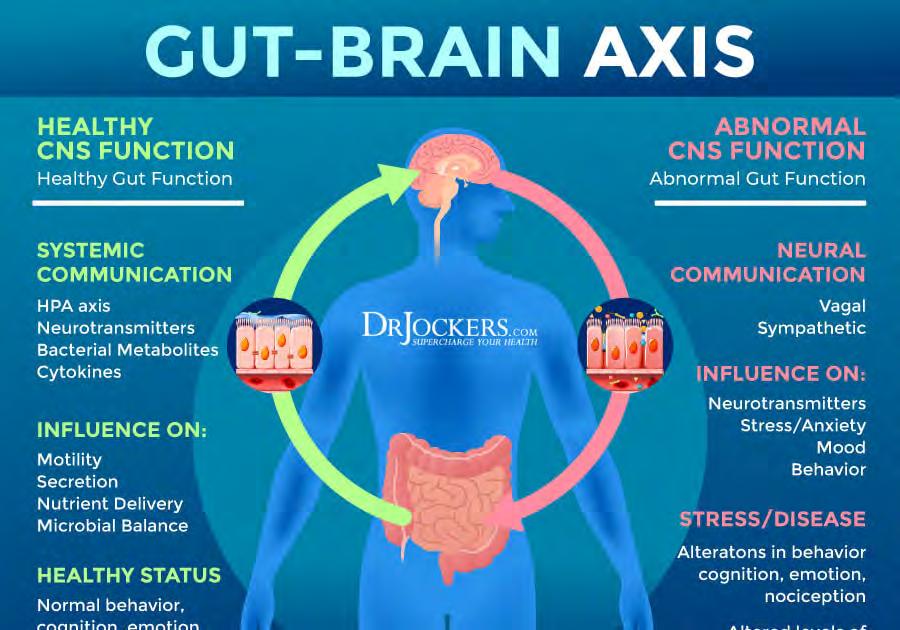
There is a growing body of research linking the gut microbiome to neurological health. Research has shown that breakdown of the intestinal lining along with low levels of good microbial inhabitants such as lactobacillus and Bifidobacterium are linked with lower GABA levels, increased brain excitability and neurological inflammation.
These microbes are essential for B6 absorption and activation, which is the critical cofactor in the conversion from the excitatory neurotransmitter glutamate into GABA. Without adequate activated B6, we end up with glutamate excitotoxicity and increased risk of anxiety, seizures, depression, dementia, and Alzheimer’s.
GAD Antibodies
In an earlier section we discussed how the body converts glutamine to GABA using the glutamic acid decarboxylase enzyme and the activated form of vitamin B6. Some individuals have elevated antibodies (autoimmunity) to the GAD enzyme. This is especially common in individuals with epilepsy and other seizure disorders.
Other research has found this condition in individuals with cerebellar ataxia, stiff man syndrome, type I diabetes, drug-resistant epilepsy, balance problems and more. In these cases, following protocols to reduce inflammation and autoimmunity are especially helpful. In addition, these individuals may need large doses of supplemental GABA.
The amino acid L-glutamine is the most abundant amino acid in the body, and it is the precursor to GABA production. Glutamine is first converted to glutamic acid or glutamate, which is key for a good attention span, brain energy, learning ability and memory.
This is important but we need an even percentage of the glutamic acid to then be converted into GABA or we risk over exciting our neuronal cells. The next step in converting glutamate to GABA is dependent upon the activated form of vitamin B6 (pyridoxal-5-phosphate P5P).
Additionally, the amino acid taurine increases the communication and productivity of P5P and promotes the production of GABA. There are studies that have shown that a deficiency of taurine can result in anxiety.
Zinc enhances the release of GABA by working to help activate P5P and stimulate the activity of GAD. Both B6 and zinc are also essential to the production and utilization of other neurotransmitters such as serotonin, dopamine, norepinephrine, epinephrine, and histamine.
Magnesium is important for binding and activating GABA receptors. Without adequate magnesium, we are unable to effectively activate GABA receptors and utilize it effectively. Magnesium deficiency is extremely common with over 80% of women and 70% of men suffering with this and thus supplementation for most will dramatically impact GABA activity.
Testing For GABA Deficiency
The way that I and many functional health practitioners look at GABA levels is through symptom questionnaire’s and an organic acid test. If a client is demonstrating many of the symptoms listed above that are associated with low GABA than the organic acid test would be warranted. The organic acid test is a urine test that will look at a biomarker of B6 called pyrodixic. Low levels can indicate that there isn’t enough B6 to successfully convert glutamate to GABA. We may also see very high or very low levels of homovanillic (HVA), which is a dopamine biomarker and vanillymandelic (VMA), a biomarker of adrenaline.
When these are very high it is a sign of heightened stress hormone production which would favor the production of glutamate over GABA. When these levels are very low, it may indicate an overwhelmed hypothalamic-pituitary – adrenal axis. You can find the organic acid test here
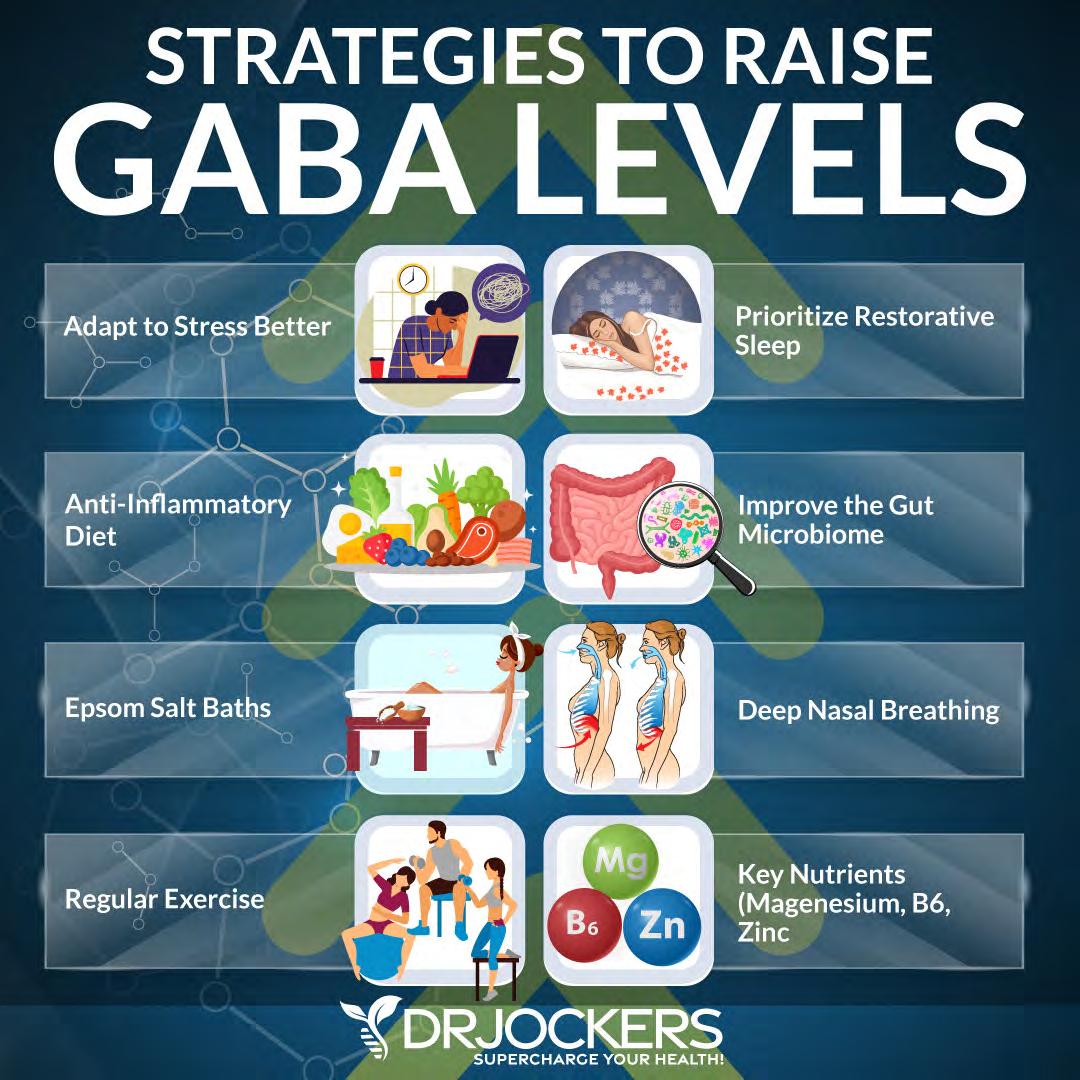
Strategies to Raise GABA:
In order for the body to manufacture GABA, there needs to be an abundant amount of the amino acid L-glutamine present. Glutamine is then converted into another amino acid called glutamic acid and then into GABA.
This whole process depends upon the activity of zinc, magnesium, vitamin B6 and taurine. If we are deficient in these nutrients we will not be able to produce adequate amounts of GABA.
1. Adapt to Stress Better: Chronic stress will deplete your GABA levels. Find things to be grateful for, practice deep breathing, listen to enjoyable music, get regular sun exposure, find ways to laugh and find other stress management strategies to help reduce stress and become more resilient.
2. Anti-Inflammatory Diet: Be sure to follow an anti-inflammatory nutrition plan using real and organic foods in order to provide the right nutrients to support healthy neurotransmitter function. Getting enough quality protein from pasture-raised meats and eggs and wild caught fish as well as healthy fats from extra virgin olive oil, avocados and grass-fed butter is very important. You also want to get enough fiber and polyphenols from colorful fruits and vegetables.
3. Sleep Better: It is key for you to prioritize sleep if you are going to improve your GABA levels. Sleep improves neurotransmitter production and receptor activity. When we sleep, our brain flushes out the neurotransmitters, repairs receptor sites and regenerates neurotransmitters to be used the next day.
4. Improve the Microbiome: Consume fermented foods and anti-microbial herbs such as garlic, onions, oregano, basil, thyme, peppermint, ginger, etc. to help improve the overall constitution of the gut microbes.
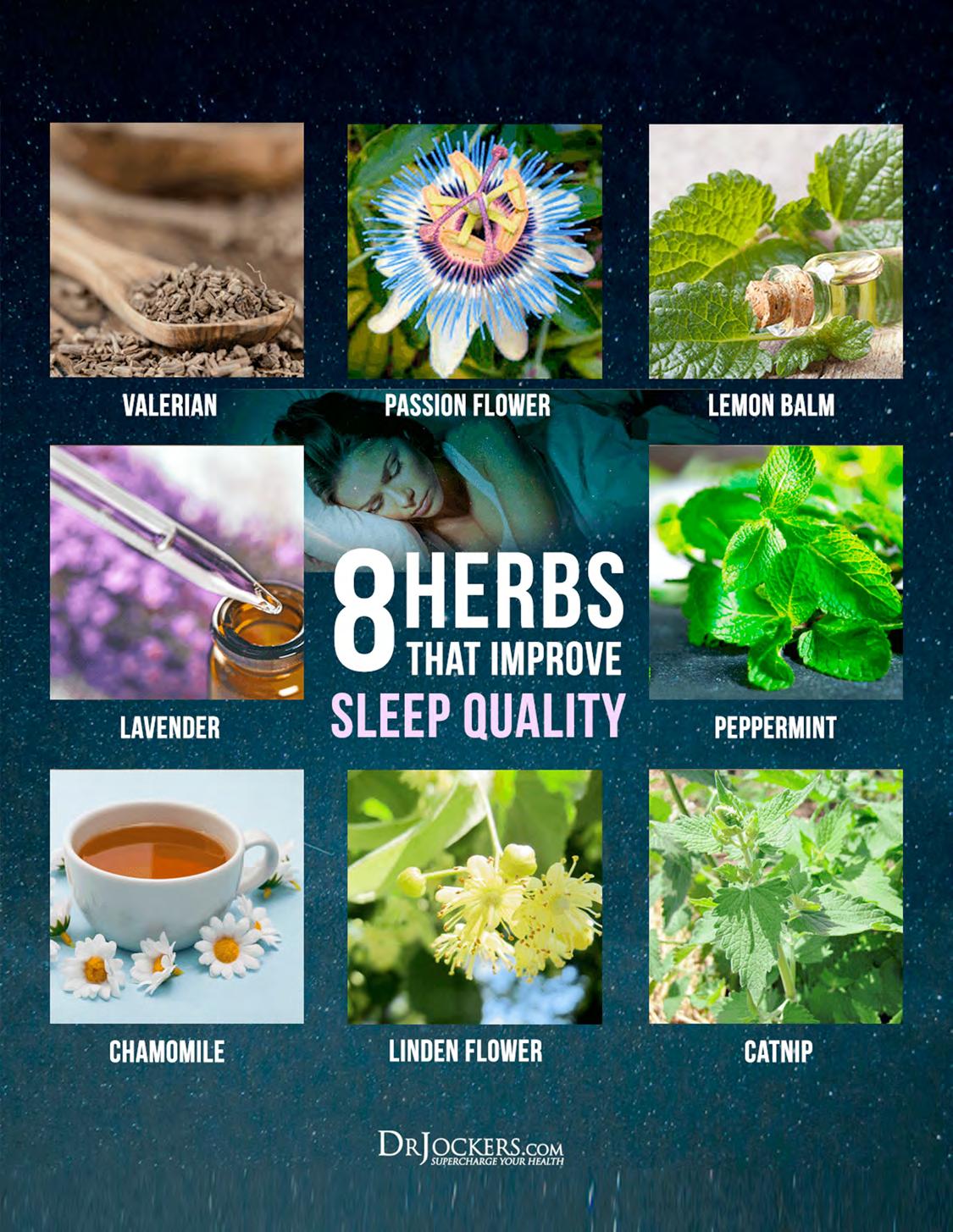
5. Take Epsom Salt Baths with Essential Oils: Epsom salt baths can provide magnesium into the blood stream that acts to relax the body. Adding in essential oils such as valerian, kava, chamomile, lavender, lemon balm and passionflower can be extremely supportive for healthy GABA levels.
6. Deep Breathing: Taking time to focus on breathing can be very supportive for GABA levels. Try taking 3 minutes every hour and focus on doing deep breathing with a 5-10 second inhalation and a 5-10 second exhalation.
7. Regular Exercise: Regular movement is good for all neurotransmitters. Individuals with low GABA should be doing low-intensity movement such as walking and doing lots of deep breathing. Practicing yoga can be extremely supportive of GABA levels.
Best Foods to Boost GABA Levels:
Healthy microbes such as lactobacillus strains produce GABA naturally as a byproduct of metabolizing the amino acids L-glutamine and glutamic acid. Fermented foods that are rich in these lactobacillus microbes are rich in GABA. They are truly the only dietary source of GABA. You may see other lists online, but those are foods that are richer in
1. Sauerkraut
2. Kimchi
3. Grass-fed cow or goat kefir or yogurt
4. Coconut Water Kefir
5. Beet Kvass
6. Coconut milk yogurt
7. Kombucha
8. Pickles
9. Pickled Ginger
10. Miso, Natto or Tempeh
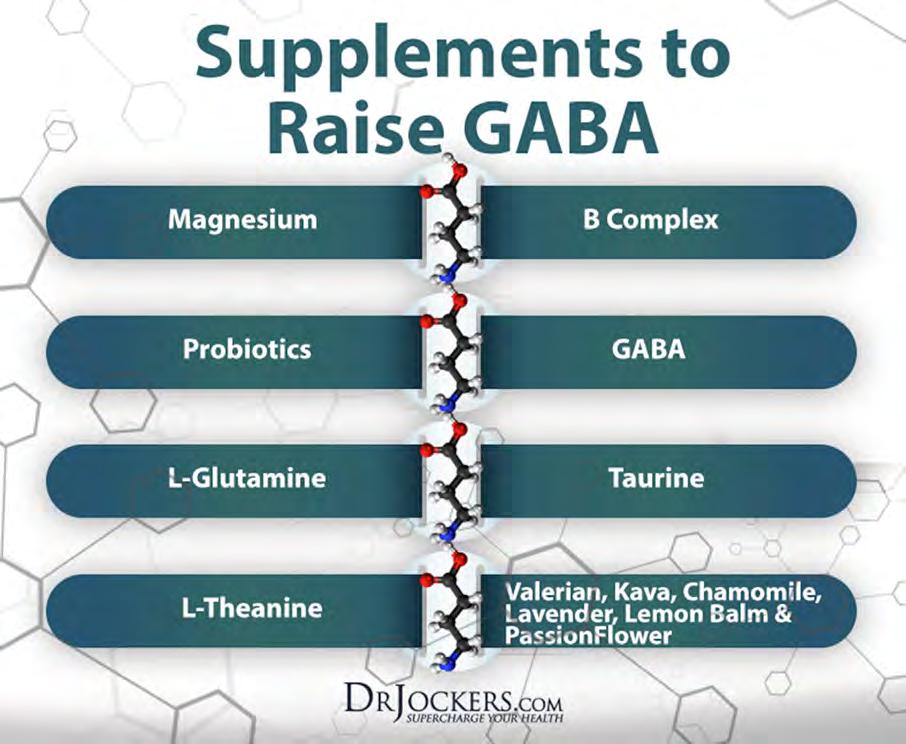
Supplements to Raise GABA Levels:
Magnesium: Supplemental magnesium helps to raise GABA levels. By far, the most effective form for this is called Magnesium L-threonate. I recommend doing 1-2 grams –1-2 times daily.
B Complex: B6 deficiencies can cause low levels of GABA. I will typically recommend a full B complex supplement with activated forms of B vitamins to maintain.
Probiotics: In particular, supplementing with probiotics that contain a variety of lactobacillus and Bifidobacterium strains help to raise up GABA levels. I recommend taking 30-100 billion CFU’s daily.
GABA: Taking supplemental GABA can be very effective. It is thought to be too large to cross the blood brain barrier, however, most people with low GABA have a disrupted BBB and respond very well to supplemental GABA. I recommend doing 100-200 mg 1-2x daily.
L-Glutamine: Supplementing with L-glutamine can be very effective for supporting GABA levels. I recommend starting with 4-5 grams to see how your body is tolerating it and gradually going up to 10-12 grams for boosting GABA levels.
If you notice an increase in irritability, headaches or anxiety, you may be deficient in B6 and/or zinc. Try adding those in while reducing L-glutamine levels for a while and then try L-glutamine again.
Taurine: This is an amino acid precursor to GABA and has a similar structure but is smaller. In the brain, it helps to activate GABA receptors. I use 300-600mg, 1-2 times daily.
L-Theanine: is a naturally occurring, biologically active, free-form amino acid that provides relaxation support. L-theanine improves GABA production and induces a state of relaxation of the mind without inducing drowsiness. I recommend 50-100 mg, 1-2 times daily.
Valerian, Kava, Chamomile, Lavender, Lemon Balm & Passionflower: These herbs help to improve GABA production and utilization in the brain. You can drink herbal teas with these or use the essential oils on your body, in an Epsom Salt bath and in a diffuser so you can breathe in these supportive compounds.
Dr Jockers Strategy:
I follow a number of the strategies, including healing the gut, balancing blood sugar and reducing stress. My main supplements I use to improve GABA levels are Brain Calm magnesium and Mood protect. For many individuals, they need a fast-acting form of GABA to reduce anxiety, panic attacks and high stress and tension. In these cases, we use the GABA Calm chewables.
Yes, you can take these supplements together without any problems. If you are on anxiety or depression medications, it is always advisable to discuss taking any supplements with your physician before starting.
Brain Calm Magnesium: This is a specific form of magnesium is the only form of magnesium proven in animal studies to cross the blood-brain barrier. Boosting the brain’s magnesium level is vital to healthy cognition, which includes long- and short-term memory, learning, stress management and sleep.
Normal Dosage: 1 scoop – 1x daily
Advanced Dosage: 2 scoop – 2-3x daily
Mood Protect: Combination of herbs, nutrients and compounds that promote serotonin and GABA production to ease anxiety and improve overall mood and sleep. This product has clinical dosages of GABA, taurine, L-theanine and 5-HTP. This also contains small amounts of zinc, B6 and magnesium to improve natural GABA production.
Normal Dosage: Take 1 cap – 2 times daily (away from meals)
Advanced Dosage: Take 2 caps – 2 times daily (away from meals)
GABA Calm: This is an easy to use chewable form of GABA to help calm the brain and the body. This product is very good for helping to reduce tension, irritability, and anxious thoughts and to improve sleep quality. It acts quickly and effectively to calm the nervous system.
The quick release of GABA helps to create an optimal balance between the “excitatory” neurotransmitter glutamine and the calming effects of GABA. While GABA is naturally synthesized from glutamate, some people may benefit from supplemental amounts to oppose “fight or flight” feelings.
Many of our clients and followers prefer this fast-acting GABA for moments when they feel more anxiety, tension or trouble focusing. Others notice that it improves their sleep. This is also a great form for young children dealing with anxiety and sleep problems because it is a chewable form and doesn’t require swallowing a pill.
Endorphin Strengthening Program
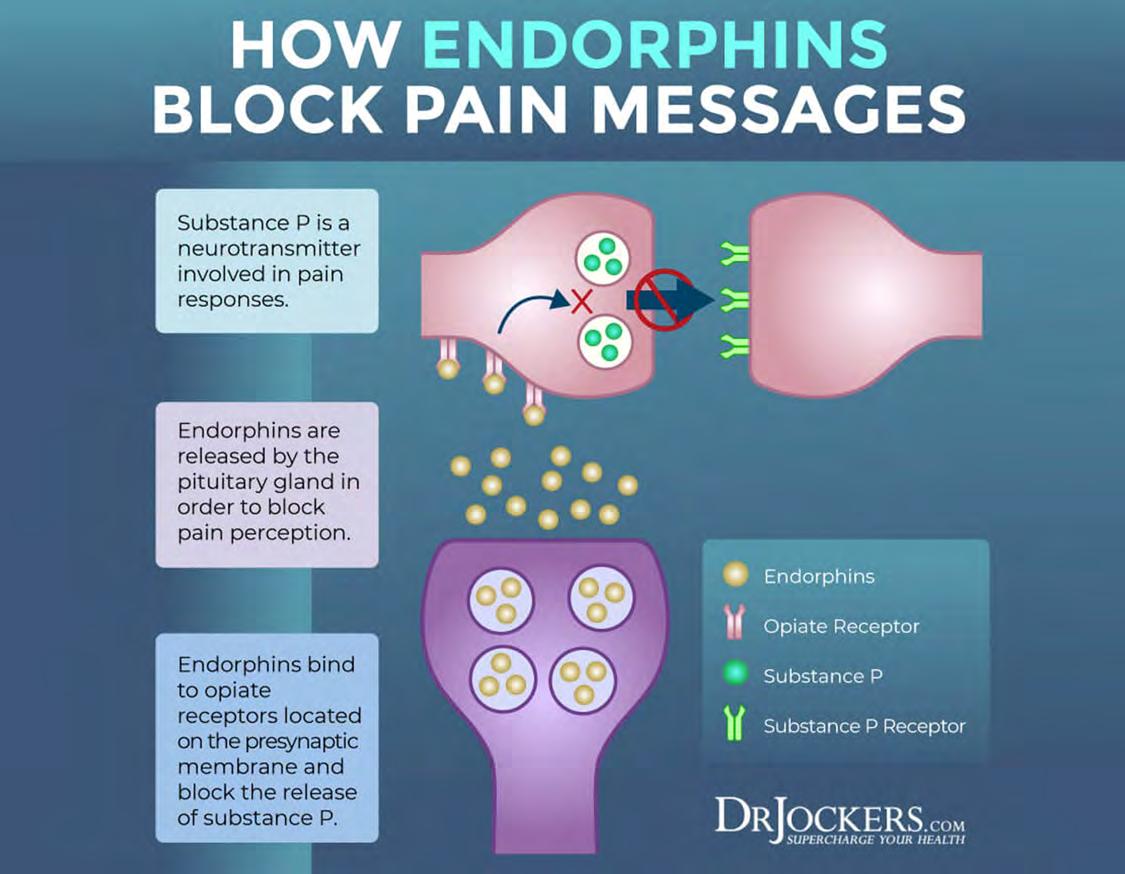
Endorphins are feel good neurochemicals that give us a state of euphoria and provide a mechanism of pain relief. These molecules interact with the opioid receptors where they block pain receptors.
Endorphins are an amazing part of our bodies survival mechanisms. They are what allows human beings to perform at very high levels when they are in extreme situations. They allowed our ancestors to survive very hostile circumstances by blocking pain long-enough for them to escape whatever threat they were under.
In today’s world, we think about how an athlete is able to play with a serious injury and not feel the effects until long after the game has finished. We also think about the classical runner’s high or feeling of euphoria while running long distances. This is endorphins at work.
What is an Endorphin?
Let’s breakdown the word endorphin to discover the original meaning. Endo refers to the term endogenous, meaning that these molecules are produced within the body. Morphine refers to the morphine like characteristics of the molecule. There are a number of different endorphin compounds such as α-endorphin, β-endorphin, γ-endorphin, σ-endorphin, α-neo-endorphin, and β-neo-endorphin. The main function of endorphin molecules is to inhibit the transmission of pain signals in the nervous system. The secondary role they have is to produce a feeling of euphoria that is very similar to what we experience when using other opioids.
These homemade opioid molecules were first discovered in 1974. The original researchers called them enkephalins, but they were later termed endorphins. In scientific circles, these terms are often used interchangeably.
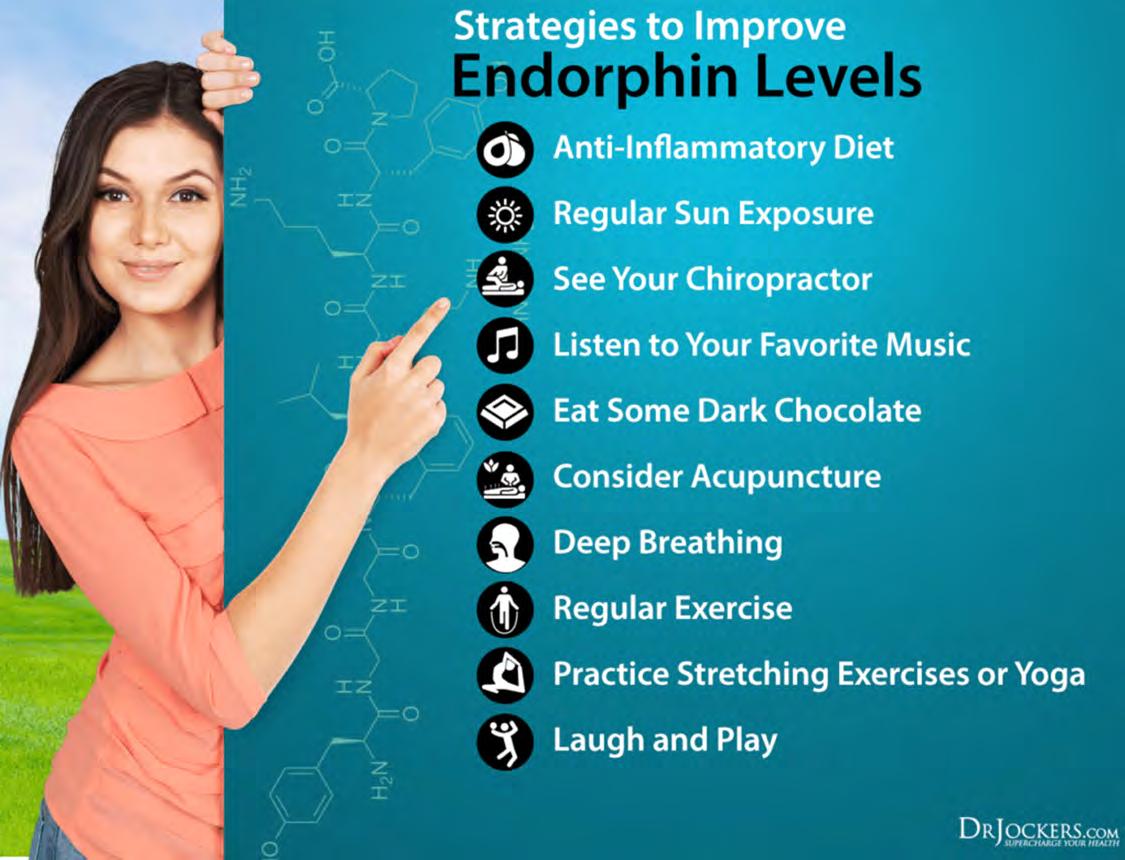
Strategies to Improve Endorphin Levels:
1. Anti-Inflammatory Diet: Be sure to follow an anti-inflammatory nutrition plan in order to provide the right nutrients to support healthy neurotransmitter function. In particular, consuming foods rich in good fats such as coconut, avocados, grass-fed butter and olives can be helpful. Getting a lot of phytonutrients from fruits, vegetables and herbs is important as well.
2. Regular Sun Exposure: The sun’s rays not only help to boost vitamin D levels, but also stimulates the production of these feel good endorphins. Look for opportunities to get in the sun more regularly. Additionally, going barefoot on grass, dirt, or sand will ground your body and stimulate a larger endorphin release!
3. See Your Chiropractor: The upper cervical spine is very important for endorphin production. If you have a subluxation, where spinal misalignment is interfering with the nerve impulses in this region than it can lower your endorphins. A trained chiropractor can help reduce subluxation and improve endorphin production.
4. Listen to Your Favorite Music: Listening to music can boost endorphins, which is why we often feel so good when we listen to music we enjoy. If you do have endorphin deficiency, I would caution against loud, aggressive or highly stimulating music until you are healthier, as it could cause your adrenals to crash.
5. Eat Some Dark Chocolate: Chocolate has a chemical called l-phenylalanine which prevents the breakdown of endorphins, so it’s a bit like sustained release endorphins, except it doesn’t last forever. Be sure to get organic and sugar and artificial sweetener free.
6. Consider Acupuncture: Acupuncture has been shown to stimulate bursts of endorphins which is why the needles don’t cause pain to the individual. The endorphin release from acupuncture is so good when done correctly that many people opt to use this instead of other anesthetics for surgeries.
7. Deep Breathing: Taking time to focus on breathing stimulates endorphin production. Try taking 3 minutes every hour and focus on doing deep breathing with a 5-10 second inhalation and a 5-10 second exhalation.
8. Regular Exercise: Regular movement is good for all neurotransmitters but especially for endorphin release. High intensity exercise, such as heavy weight training with short rest periods, circuit training, sprinting or interval training all stimulate abundant amounts of endorphins,
9. Practice Yoga: Individuals with an endorphin deficiency will often not be able to adapt and recover from high intensity exercise. Fortunately, they can still move positions and apply deep breathing with a regular yoga practice.
10. Laugh and Play: The average child laughs 300 times per day while adults laugh a paltry five times. Be like a child and find ways to laugh and add more play into your life. Both of these release endorphins and improve your body’s ability to make endorphins.
Supplements to Raise Endorphin Levels:
DL Phenylalanine: This amino acid acts to block enzymes that break down endorphins which allows them to stay in the circulation longer. This compound has been used to increase alertness, reduce addictive behaviors and suppress appetites. I recommend 1-2 grams, 1-2 times daily away from meals.
Phenylalanine should not be used by anyone with phenylketonuria, malignant melanoma, extremely high blood pressure, hyperthyroidism and chronic migraines.
When taking high doses of DL Phenylalanine, it is important to provide a balance of amino acids to support GABA, dopamine, and serotonin production.
Dr Jockers Recommendations:
Most people with low endorphins are also low in all the other neurotransmitters. We focus on applying a healthy diet, stress management techniques and any necessary protocols for supporting other low neurotransmitters.
The major supplement I use for this is:
Dopamine Plus: This formula contains clinical dosages of L-tyrosine, DL Phenylalanine, vitamin C and B6 and it contains 5-HTP which helps keep the dopamine:serotonin balance in order.
Normal Dosage: Take 2 caps – 2x daily away from meals
Advanced Dosage: Take 4 caps – 2x daily away from meals
**You can take the dopamine plus with other supplements we have discussed with various neurotransmitter deficiencies.
Additional Supplements to Use to Help Improve Endorphins:
Adapt-Strong: This formula provides clinical dosages of vitamin B6, rhodiola and cordyceps. This formula provides useful support for both hyper and hypofunction of the adrenals. Hyperfunction is when the adrenals are overproducing hormones, such as cortisol, and hypofunction is the opposite, when the adrenals are under producing.
Normal Dosage: Take 1 cap – 2x daily
Advanced Dosage: Take 2 caps – 2x daily
Brain Calm Magnesium: This is a specific form of magnesium is the only form of magnesium proven in animal studies to cross the blood-brain barrier. Boosting the brain’s magnesium level is vital to healthy cognition, which includes long- and short-term memory, learning, stress management and sleep.
Normal Dosage: 1 scoop – 1x daily
Advanced Dosage: 2 scoop – 2-3x daily
About Dr. David Jockers DNM, DC, MS
Dr. David Jockers is a doctor of natural medicine, a functional nutritionist and corrective care chiropractor. He runs one of the most popular natural health websites in DrJockers.com which has gotten over 1 million monthly visitors and his work has been seen on popular media such as the Dr Oz show and Hallmark Home and Family.
Dr Jockers is the author of the best-selling book “The Keto Metabolic Breakthrough” by Victory Belt publishing and “The Fasting Transformation.” He is a world-renowned expert in the areas of ketosis, fasting, brain health and functional nutrition. He is also the host of the popular Dr Jockers Functional Nutrition podcast.
Dr Jockers lives in Canton, Georgia with his wife Angel and his twin boys David & Joshua and his daughters Joyful and Shine.