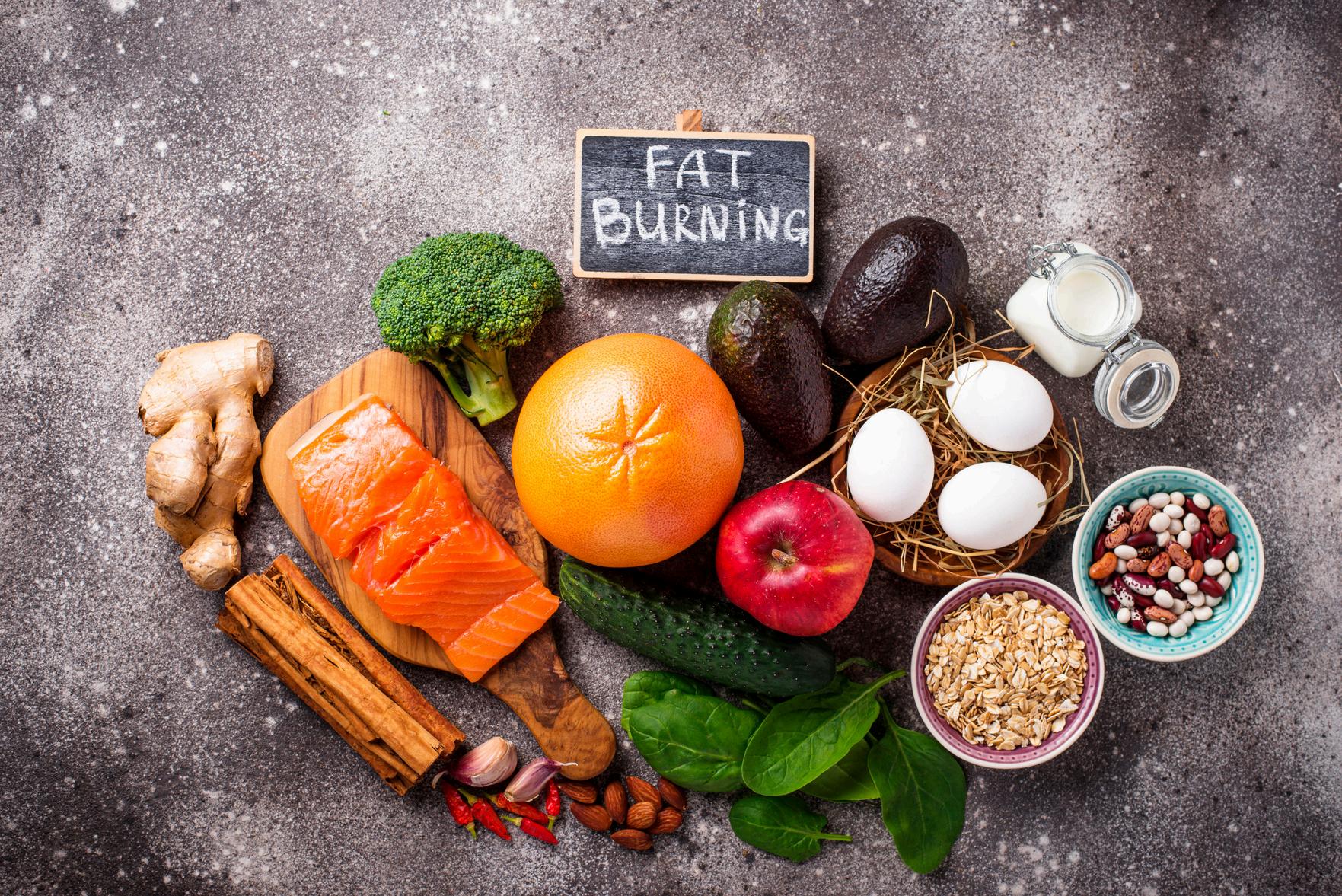






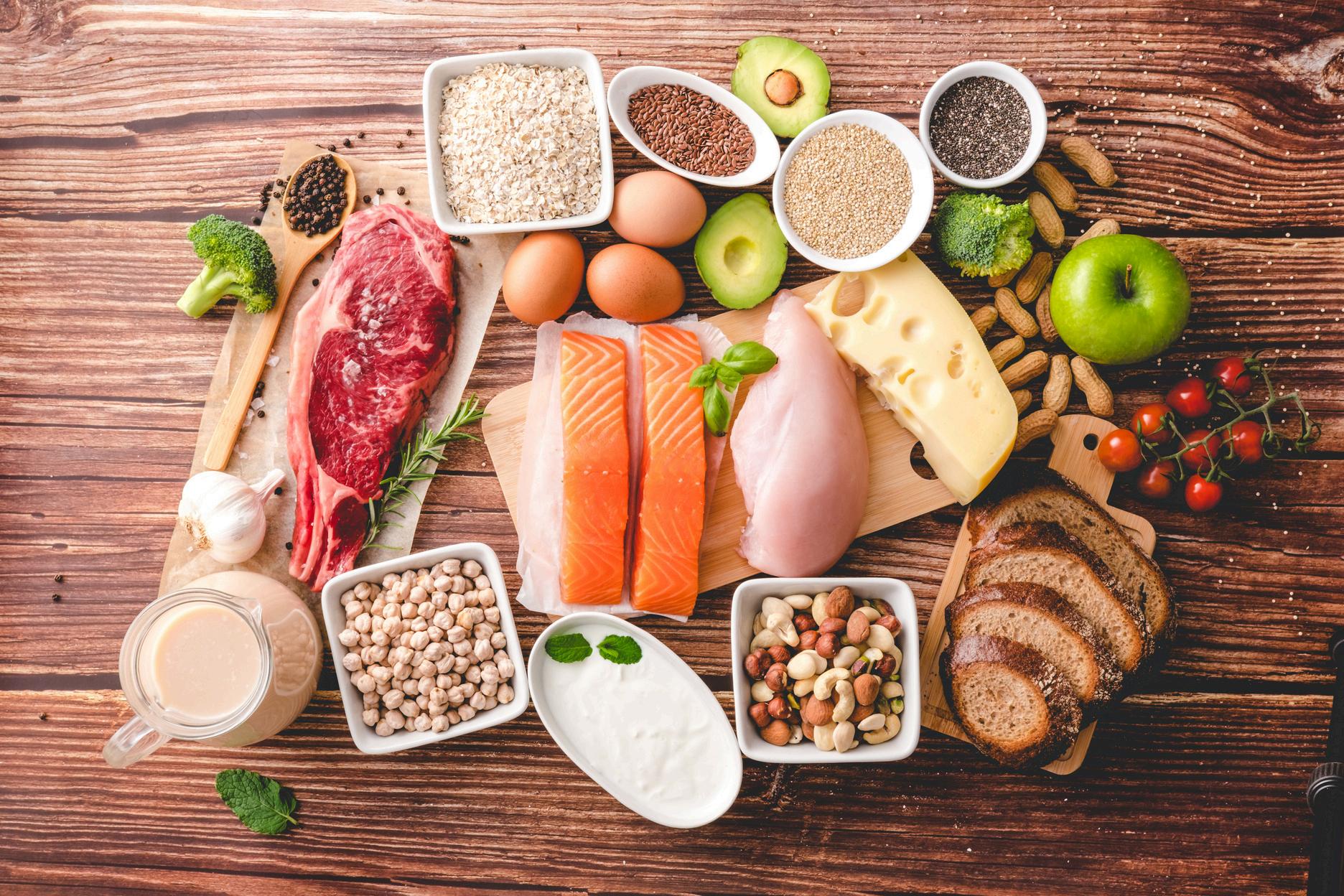
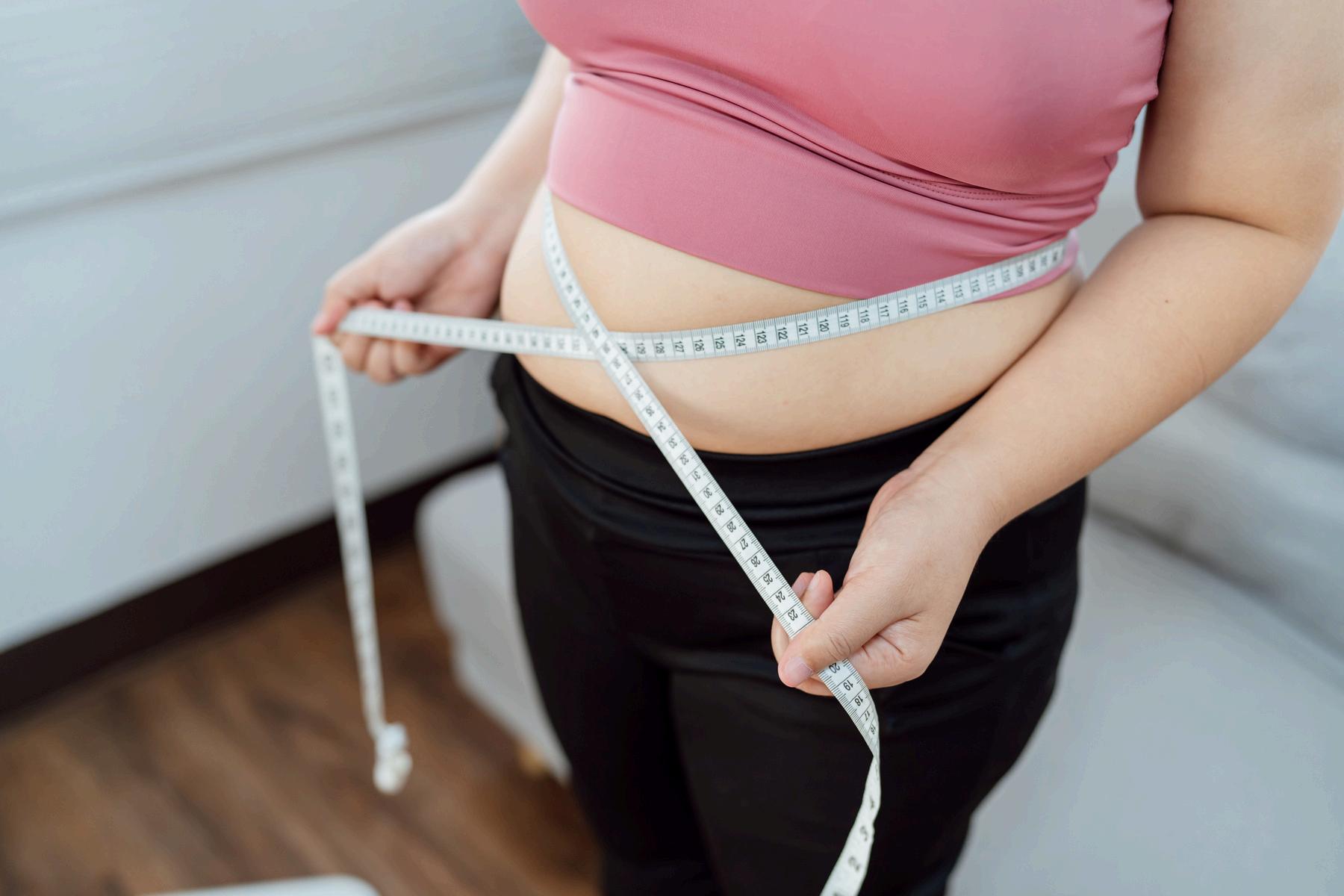
If you can pinch an inch around your waist, feel your clothes getting tighter, or notice your belly protruding more than it used to, you're not just carrying extra weight, you're harboring one of the most dangerous types of fat that exists.
Visceral fat, the fat that wraps around your vital organs, is silently wreaking havoc on your metabolism, flooding your system with inflammatory compounds, and dramatically increasing your risk of heart disease, diabetes, dementia, and cancer.
This fat doesn’t just make your pants too tight. It's metabolically active tissue that acts like a toxic factory inside your body, pumping out harmful chemicals 24 hours a day, disrupting your hormones, sabotaging your energy levels, and accelerating aging at the cellular level.
The medical establishment will tell you that losing this dangerous fat requires months or years of calorie restriction and hours of cardio. They'll hand you a generic meal plan, tell you to "eat less and move more," and send you on your way with little hope of lasting success.
They're wrong.
What if I told you that your body is designed to burn visceral fat efficiently, and that you can unlock this natural fat-burning potential in just days, not months?
What if the solution isn't about eating less, but about eating strategically?
What if gentle walking could be more powerful than intense cardio for targeting organ fat?


Our ancestors never struggled with chronic visceral fat accumulation the way we do today.
They naturally cycled between periods of abundance and scarcity, efficiently burning stored fat during leaner times.
Their daily activities, natural light exposure, whole food diets, and stress patterns all worked together to maintain optimal metabolic function.

You have the same fat-burning capabilities they did. Modern life has simply disrupted these natural processes.
Constant eating, artificial light, processed foods, chronic stress, and sedentary lifestyles have interfered with your body's natural metabolic rhythms and shifted you toward fat storage mode.
Unfortunately, conventional healthcare hasn't caught up to this reality.
Most weight loss approaches focus on calories in versus calories out, ignoring the complex hormonal, metabolic, and cellular processes that actually control fat burning
That's why most diets fail and people regain lost weight plus more.

Instead of forcing your body into some extreme state, it focuses on seven key areas that all work together to get your natural fat-burning systems firing on all cylinders.
Each strategy targets a different aspect of your metabolism, working together to create the optimal environment for visceral fat burning.
You don't need to master all seven at once. Start with what feels manageable and build from there.
Precise Walking Routine - Discover the specific approach that activates your lymphatic system and triggers fat-burning hormones without joint stress.
Strategic Strength Training - Learn exercises that stimulate maximum muscle activation in minimum time, creating metabolic afterburn that continues for hours.
Meal Planning Mastery - Understand why eating fewer, larger meals dramatically outperforms frequent small meals for visceral fat loss.
Metabolic Food Choices - Learn about foods that act like "diesel fuel" for your cells, and why the order you eat matters more than total calories.
Targeted Sun Exposure - Understand how specific light exposure charges your metabolic battery at the cellular level.
Sleep Optimization - Discover how to maximize your most powerful fatburning hormones through strategic sleep timing.
Smart Supplementation - Focus on nutrients that directly support visceral fat burning without wasting money on ineffective products.
Stress Management - Create the hormonal environment necessary for sustained fat loss through simple daily practices.
People following this protocol don't just lose visceral fat, they report increased energy, better mental clarity, improved sleep, reduced inflammation, and vitality they haven't felt in years.
You're not fighting constant hunger, forcing grueling workouts, or depending on willpower.
Instead, you're creating conditions where healthy choices feel natural and your body actively wants to burn stored fat.
The visceral fat around your organs isn't going anywhere on its own.
But in the following pages, you'll discover tools that may help you address it systematically, using your body's own natural processes to support fat burning
These seven strategies have helped many people achieve their health goals, and they may help you too… if you implement them consistently.
To win the war against stubborn belly fat, you need to understand exactly what you're fighting.
Most people think all fat is the same, but this couldn't be further from the truth.
Your body contains two distinctly different types of fat: subcutaneous and visceral. One protects you, while the other is quietly destroying your health from the inside out.
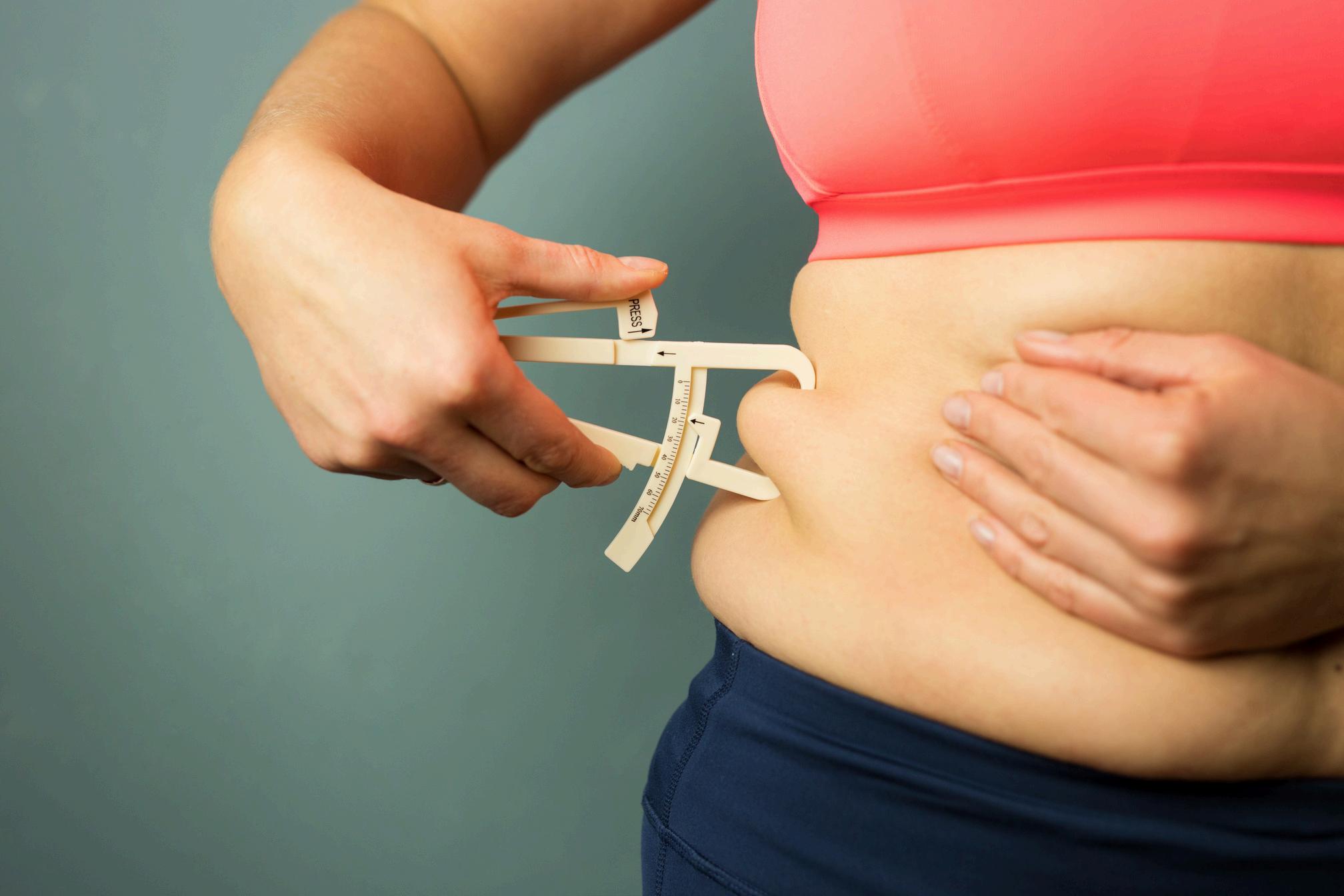
Subcutaneous fat is the fat you can see and pinch between your fingers. It sits just beneath your skin and actually provides several benefits to your body.
This fat layer helps
Cushions your organs from external impact, and Serves as a readily available energy reserve.
While you may not love how it looks, subcutaneous fat is relatively benign from a health perspective.
Visceral fat is completely different. It's a gel-like substance that wraps around and infiltrates your vital organs inside your abdomen
Unlike the fat you can pinch, visceral fat surrounds your liver, pancreas, kidneys, and other critical organs.
You can't see it directly, but you can certainly feel its effects.
Think of visceral fat as scar tissue that serves no beneficial purpose in modern life.
While our ancestors needed this fat as an energy reserve during times of famine, today it has become a metabolic nightmare that drives chronic disease.
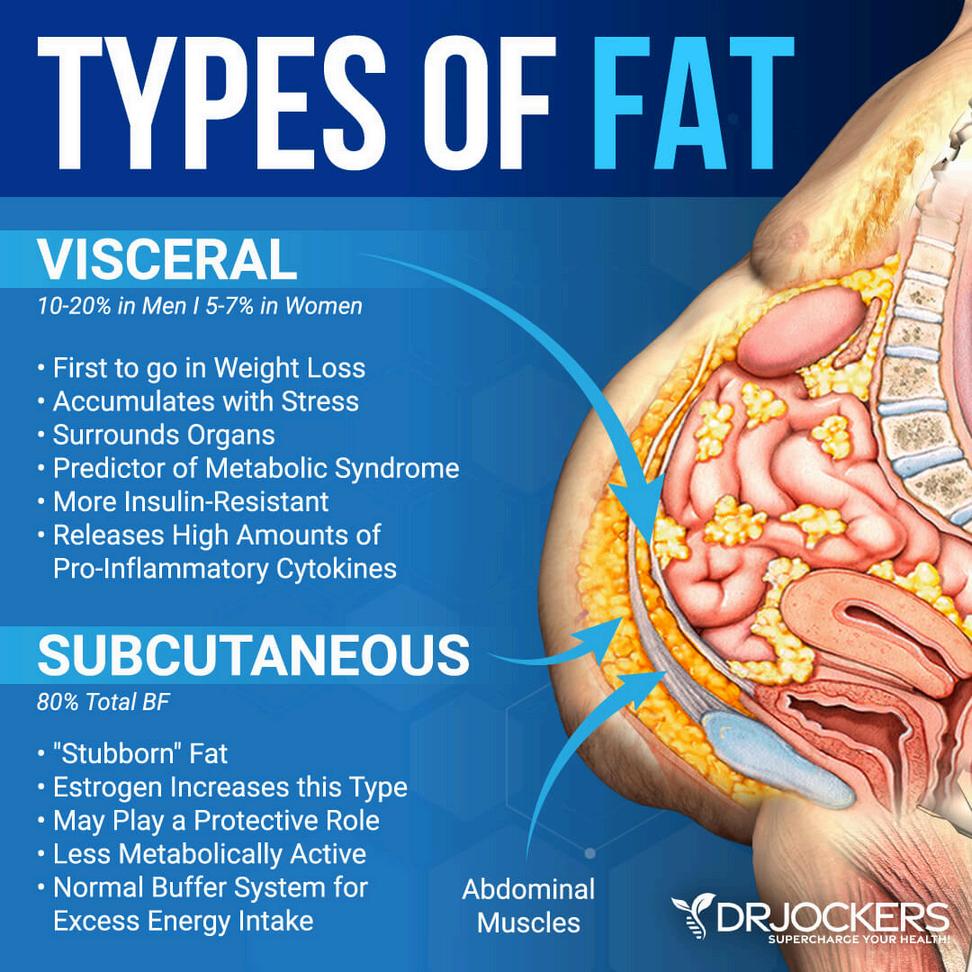
Vsceral fat is metabolically active. Unlike subcutaneous fat that mostly sits there passively, visceral fat is constantly producing inflammatory compounds that wreak havoc throughout your body.
A 2016 study published in Nature Communications found that visceral fat may be more concerning for health than subcutaneous fat, with research suggesting associations between visceral fat and increased mortality and chronic disease risk.
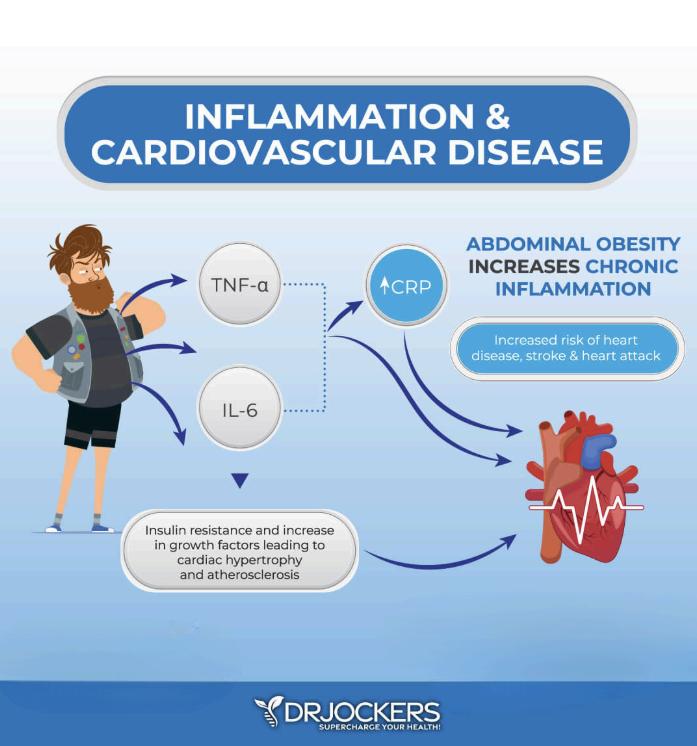
Specifically, this fat tissue releases inflammatory cytokines including:
Interleukin-6 (IL-6) - A pro-inflammatory compound that triggers immune system overactivity.
Tumor Necrosis Factor Alpha (TNF-α) - Another inflammatory mediator that disrupts normal cellular function.
These inflammatory compounds then stimulate your liver to produce C-reactive protein (CRP), a key marker that indicates systemic inflammation throughout your body.
When your CRP levels are elevated, your risk skyrockets for
Heart disease and stroke
Dementia and brain degenerative conditions
Cancer
Diabetes and metabolic dysfunction
Autoimmune disorders
Chronic fatigue and brain fog

Visceral fat may not only contribute to health issues, but could also potentially influence your brain's appetite control system, which may make weight management more difficult through willpower alone.
According to research published in the International Journal of Obesity, visceral fat disrupts your brain's sensitivity to interoceptive feedback, the signals that tell you when you're full and satisfied.
Your brain literally loses its ability to accurately read hunger and satiety cues (1)

With disrupted brain signals, your appetite control system becomes biologically hijacked. This creates nearly irresistible cravings for sugar and refined carbohydrates.
When you eat more sugar and processed foods in response to these artificial cravings, you create more visceral fat, which produces more inflammatory compounds.
More visceral fat means more inflammation, which further disrupts your brain's satiety signals, leading to stronger cravings and more overeating. The cycle becomes selfperpetuating and progressively worse.
This is why people who struggle with belly fat often feel like they're fighting an impossible battle.
They're not weak or lacking discipline. They're fighting against a biological system that's been compromised by visceral fat itself.
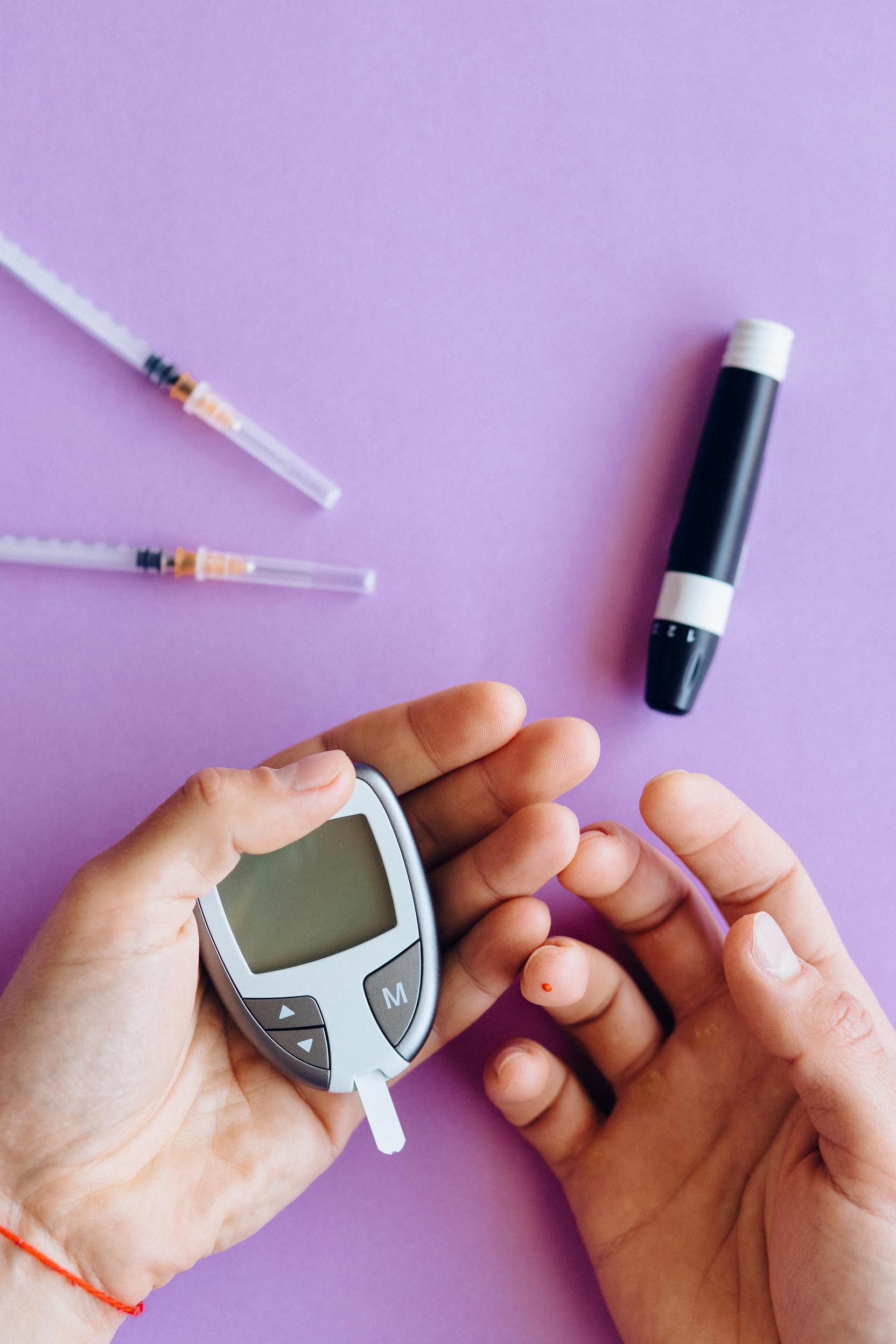
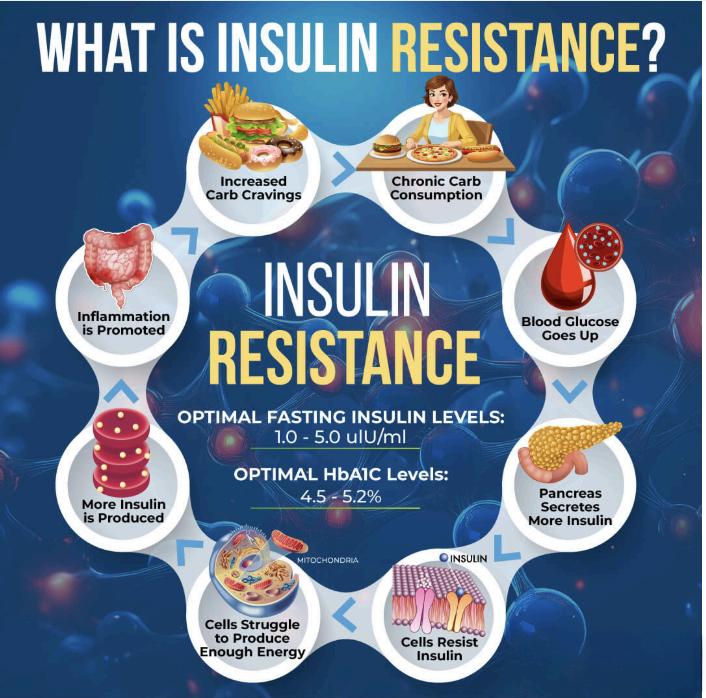
One of the most dangerous aspects of visceral fat accumulation is its direct role in developing insulin resistance, the precursor to type 2 diabetes and metabolic syndrome.
Insulin is a hormone produced by your pancreas that helps your cells absorb and use glucose for energy.
When visceral fat builds up around your organs, it may interfere with this process in several ways:
1.Inflammatory compounds disrupt insulin signaling. The cytokines produced by visceral fat make your cells less responsive to insulin's signals.
2. Your pancreas works overtime. When cells don't respond properly t insulin, your pancreas produces more and more insulin to try to maintain normal blood sugar levels
3. A dangerous cycle emerges. High insulin levels promote more fa storage, particularly visceral fat storage, creating a downward spira
Even worse, visceral fat can contribute to insulin resistance even in people who don't have diabetes or prior blood sugar issues.
A 2010 study published in the Journal of Nutritional Science and Vitaminology found that visceral fat can be used as a predictor of insulin resistance even in non-diabetic individuals.
This is why improving adipose tissue function and reducing visceral fat is critical for decreasing insulin resistance.
Visceral fat causes way more problems than just blood sugar issues The inflammation it creates throughout your body has been linked to many serious health conditions:
Cardiovascular Disease
Increased risk of heart attack and stroke
High blood pressure
Elevated cholesterol and triglycerides
Metabolic Disorders
Type 2 diabetes
Metabolic syndrome
Non-alcoholic fatty liver disease
Cancer Risk
Increased risk of multiple cancer types
Particularly colorectal, breast, and liver cancers
Neurological Issues
Dementia and Alzheimer's disease
Depression and anxiety
Brain fog and cognitive decline
Hormonal Disruption
Sexual dysfunction
Sleep disorders
Thyroid dysfunction
Other Chronic Conditions
Arthritis and joint pain
Sleep apnea
Chronic fatigue
But here's the good news: visceral fat, despite its dangers, is actually easier to lose than subcutaneous fat when you use the right approach.
Unlike the fat you can pinch, which can be stubborn and slow to respond, visceral fat is metabolically active and responsive to targeted interventions.
The key is understanding that you can't spot-reduce visceral fat through endless crunches or restrict it away through severe calorie cutting.
Instead, you need to address the root causes:
The inflammatory cycle
The insulin resistance
The mitochondrial dysfunction
The disrupted appetite signals
Understanding visceral fat's impact on your health is just the first step.
The real question now is: how much visceral fat do you actually have?
You can't address what you can't measure.
That's why the next chapter focuses on simple assessment tools you can use at home to determine your current visceral fat levels.
Getting this baseline measurement is crucial it shows you exactly where you're starting and becomes your benchmark for tracking real progress as you move forward.

When it comes to visceral fat, accurate assessment is your first step toward transformation.
While the only way to measure visceral fat with complete precision is through expensive MRI or CT scans, there are several reliable methods you can use at home to determine your risk level and track your progress over the next seven days.
In this chapter, you'll learn simple, scientifically-validated techniques that cost nothing but provide invaluable insight into your current health status.
More importantly, you'll establish baseline measurements that will allow you to track your progress as you implement the 7-day protocol.
Before we get into specific measurements, let's start with a visual assessment that can provide immediate insight into your visceral fat status. Look at yourself in the mirror and honestly evaluate the following indicators:
Primary Visual Indicators of Dangerous Visceral Fat:
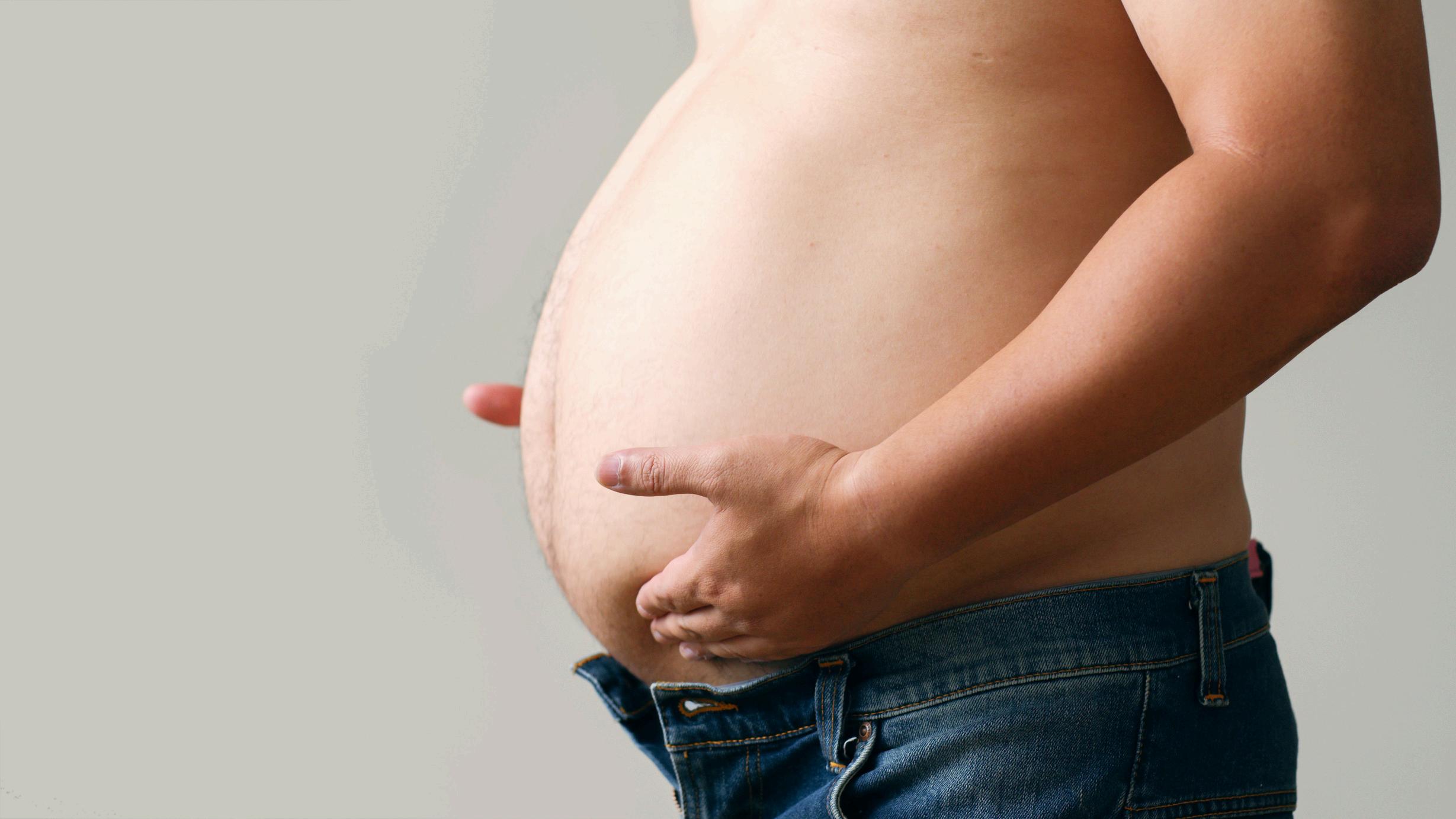
1. Protruding Belly
Your belly extends outward, creating a rounded or "beer belly" appearance The belly feels firm rather than soft when you press on it
You can't see your feet when looking down while standing straight
Your belt size has increased over recent months or years
Your waist measures larger than your hips
Clothing feels tight around your midsection
You've had to buy larger pants despite maintaining similar weight
Your waist appears disproportionately large compared to your overall body size
Dimpled skin appearance, particularly on thighs, buttocks, or arms
Skin appears uneven or "cottage cheese-like" when pinched
More noticeable when standing or in certain lighting
Apple shape: Weight concentrated around the midsection
Pear shape: Weight concentrated in hips and thighs (lower visceral fat risk)
Apple-shaped individuals have significantly higher visceral fat risk
Frequent bloating after meals
Difficulty breathing when bending over
Back pain, particularly lower back
Feeling "thick" through the middle despite normal limbs
Clothes fitting differently around the waist vs other areas
If you recognize multiple indicators from this visual assessment, you're likely dealing with significant visceral fat accumulation.
Don't let this discourage you.
Understanding your baseline is the first step toward progress, and visceral fat responds more quickly to targeted interventions than other types of body fat.
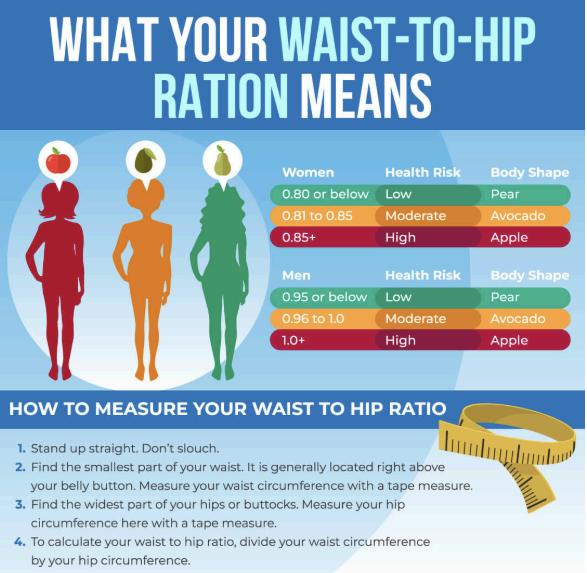
The waist-to-hip ratio is one of the most reliable home measurements for assessing visceral fat risk.
This simple calculation has been validated by the World Health Organization and numerous scientific studies as an accurate predictor of metabolic health risks.
Step 1: Measure Your Waist
Circumference
Use a flexible tape measure (cloth or plastic, not metal)
Stand straight with feet together, don't slouch
Find the smallest part of your waist, typically just above your belly button
If you can't identify the smallest point, measure at the midpoint between your lowest rib and the top of your hip bone
Wrap the tape measure around your waist, ensuring it's parallel to the floor
The tape should be snug but not cutting into your skin
Take the measurement at the end of a normal exhale
Record this number in inches or centimeters
Step 2: Measure Your Hip Circumference
Find the widest part of your hips and buttocks
This is typically at the level of your hip bones (greater trochanters)
Wrap the tape measure around the widest part of your hips
Ensure the tape is parallel to the floor and snug but not tight
Take the measurement and record this number
Step 3: Calculate Your Ratio
Divide your waist circumference by your hip circumference
Example: Waist = 36 inches, Hips = 40 inches
WHR = 36 ÷ 40 = 0.90

Low Risk: WHR below 0.80
Moderate Risk: WHR 0.80 - 0.84
High Risk: WHR 0.85 and above
Low Risk: WHR below 0.90
Moderate Risk: WHR 0 90 - 0 99
High Risk: WHR 1.00 and above
According to the World Health Organization and research published in the International Journal of Obesity and Related Metabolic Disorders, a WHR of 0.85 or higher for women and 0.90 or higher for men indicates abdominal obesity and significantly increases the risk of diabetes, heart disease, and other metabolic complications. (2)
While the waist-to-hip ratio is the gold standard, the waist-to-height ratio provides additional valuable information about your health risks.
How to Calculate Your Waist-to-Height Ratio:
Step 1: Use the same waist measurement from above
Step 2: Measure your height in the same units (inches or centimeters)
Step 3: Divide your waist circumference by your height
Example: Waist = 36 inches, Height = 70 inches
Waist-to-Height Ratio = 36 ÷ 70 = 0.51
Healthy: Below 0.50
Increased Risk: 0.50 - 0.60
High Risk: Above 0.60
The simple rule of thumb: your waist should be less than half your height.
If your waist measurement exceeds half your height, you're at increased risk for metabolic complications related to visceral fat.
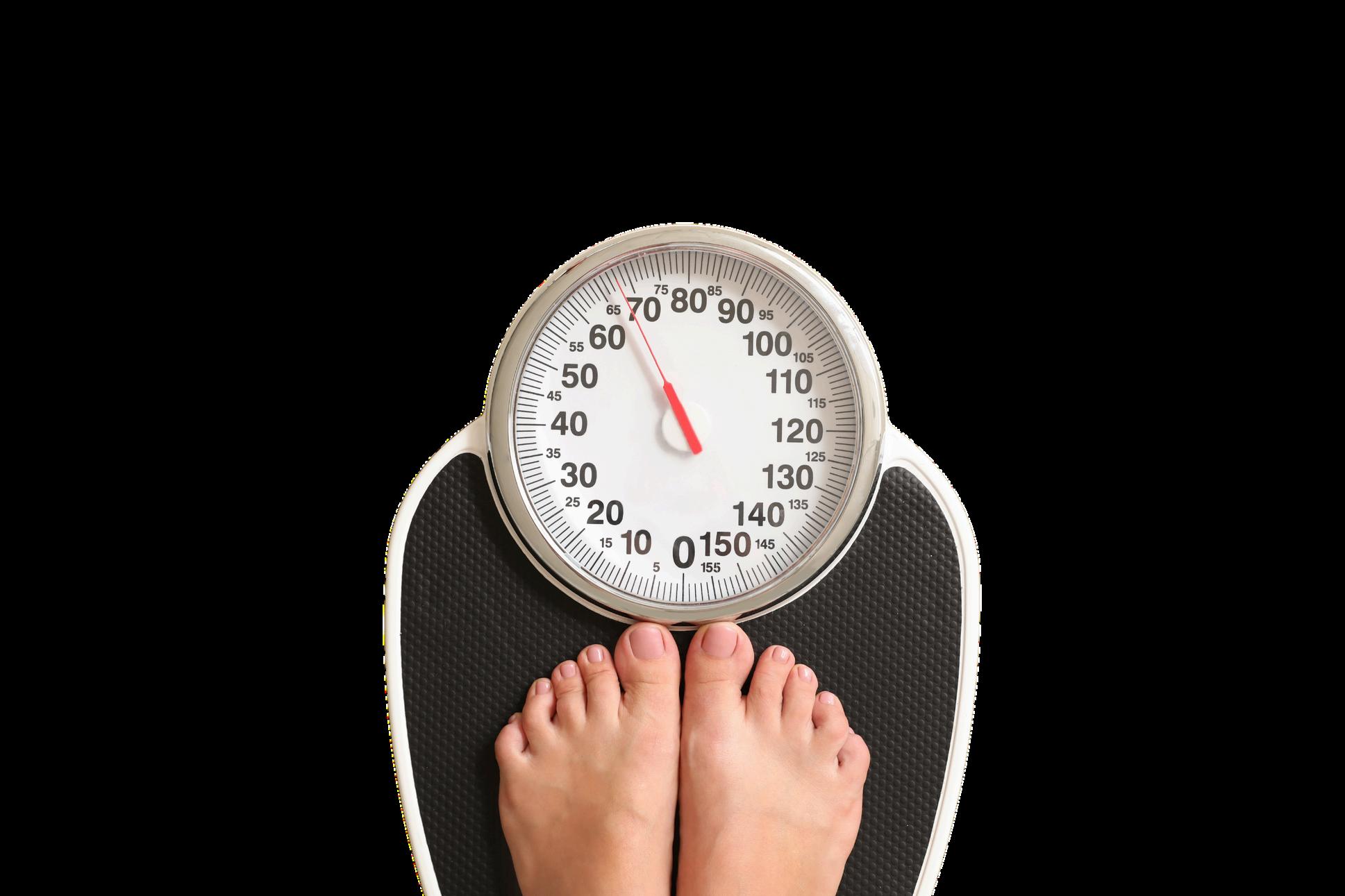
While measurements provide objective data, your body gives you additional clues about visceral fat accumulation:
Frequent energy crashes, especially after meals
Difficulty losing weight despite diet and exercise efforts
Slow metabolism and feeling cold frequently
Needing caffeine to function normally

Intense cravings for sugar and refined carbohydrates
Difficulty feeling satisfied after meals
Tendency to overeat, especially in the evening
Feeling hungry shortly after eating
Sleep and Recovery:
Poor sleep quality or sleep apnea
Waking up tired despite adequate sleep hours
Snoring or breathing difficulties during sleep
Difficulty recovering from exercise or stress
Hormonal Indicators:
Irregular menstrual cycles (women)
Decreased libido or sexual dysfunction
Mood swings and irritability
Difficulty handling stress
Digestive Issues:
Frequent bloating and digestive discomfort
Constipation or irregular bowel movements
Heartburn or acid reflux
Feeling heavy or sluggish after meals
Now that you understand the assessment methods, it's time to establish your baseline measurements. This data will serve as your starting point and allow you to track meaningful progress over the next seven days.
Your Assessment Checklist:
Date:
Basic Measurements:
Weight: lbs/kg
Waist Circumference: inches/cm
Hip Circumference: inches/cm
Height: inches/cm
Calculated Ratios:
Waist-to-Hip Ratio:
Waist-to-Height Ratio:
Risk Assessment:
WHR Risk Level: Low / Moderate / High
WtHR Risk Level: Healthy / Increased / High
Overall Risk Category:
Visual Assessment (Check all that apply):
☐ Protruding, firm belly
☐ Waist larger than hips
☐ Cellulite present
☐ Apple body shape
☐ Difficulty seeing feet when standing
☐ Clothing tight around waist
Symptoms Assessment (Rate 1-5, where 5 is severe):
Energy crashes after meals:
Sugar/carb cravings:
Difficulty losing weight:
Poor sleep quality:
Frequent bloating:
Mood swings/irritability:
Overall fatigue:
Progress Photos (Optional but Recommended):
Take front, side, and back photos in form-fitting clothing
Use the same lighting and location for future comparisons
Store these privately for your personal tracking

While home measurements are highly effective for most people, certain situations warrant professional medical assessment:
Consider a professional evaluation if:
Your WHR indicates high risk (≥0.85 for women, ≥0.90 for men)
You have multiple symptoms of metabolic dysfunction
You have a family history of diabetes, heart disease, or metabolic syndrome
You're taking medications that affect metabolism
You have existing health conditions that complicate interpretation
You want precise body composition analysis
If Your Assessment Indicates Low Risk: You're in a good position, but that doesn't mean you can't benefit from the 7-day protocol. Many people in the "low risk" category still experience energy improvements, better sleep, and enhanced mental clarity when they optimize their visceral fat levels and metabolic function.
If Your Assessment Indicates Moderate Risk: This is the perfect time to implement targeted interventions before progressing to high-risk status. The 7-day fat burning quickstart guide can be particularly effective at this stage, often producing dramatic improvements in both measurements and symptoms
If Your Assessment Indicates High Risk: Don't panic, but do take this seriously. High visceral fat levels significantly increase your risk for chronic diseases, but the good news is that visceral fat responds more quickly to lifestyle interventions than other types of body fat. You may see meaningful improvements in your measurements and symptoms within the first few days of implementing the protocol.
Now that you've completed your baseline assessment, you have a clear picture of your starting point.
Whether your results indicate low, moderate, or high risk, the seven-day protocol you're about to learn has been specifically designed to target visceral fat from multiple angles.
Remember: the numbers don't define you, but they do inform your path forward.
No matter your current situation, the next seven days can mark the turning point where your body shifts from storing visceral fat to burning it.

You now understand what visceral fat is, why it's so dangerous, and how to assess your current risk level. It's time to take action with the complete 7-day protocol that will transform your body's ability to burn dangerous visceral fat
This isn't a collection of random tips you've heard before.
This is a scientifically-designed system where each strategy works synergistically with the others, creating a compound effect that's far more powerful than any single intervention alone.
Each strategy targets different root causes of visceral fat while amplifying the effectiveness of the other strategies.
Over the next seven days, you'll implement seven evidence-based strategies that address visceral fat from every angle: metabolic, hormonal, cellular, and lifestyle
When combined, these strategies create the perfect internal environment for your body to access and burn stored visceral fat as fuel.
The beauty of this guide is its simplicity.
You don't need expensive equipment, complicated meal plans, or hours of daily commitment.
What you need is consistency and the understanding that each strategy is working together to create rapid, sustainable results.
People following similar approaches often experience increased energy, improved mental clarity, better sleep, reduced cravings, and positive changes in body composition.
More importantly, you'll have established new habits that support long-term visceral fat burning and optimal health.
Let's dive into each strategy, starting with the foundation of the entire protocol.


Walking is the foundation of this entire protocol, and for good reason.
While it may seem too simple to be effective, walking provides multiple benefits that create the perfect environment for visceral fat burning while supporting every other strategy in this system.
Most people drastically underestimate the power of walking.
They think they need high-intensity cardio or complicated exercise routines to burn fat effectively.
The truth is, walking, when done correctly and consistently, is one of the most powerful tools for targeting visceral fat specifically.
Walking works on multiple levels simultaneously:
Calorie Burning: While you're walking, you're obviously burning calories. But unlike high-intensity exercise that can spike stress hormones and potentially increase fat storage, walking burns calories in a way that supports fat loss rather than hindering it.
Research shows that moderate-intensity walking specifically targets abdominal fat more effectively than high-intensity exercise in overweight individuals.
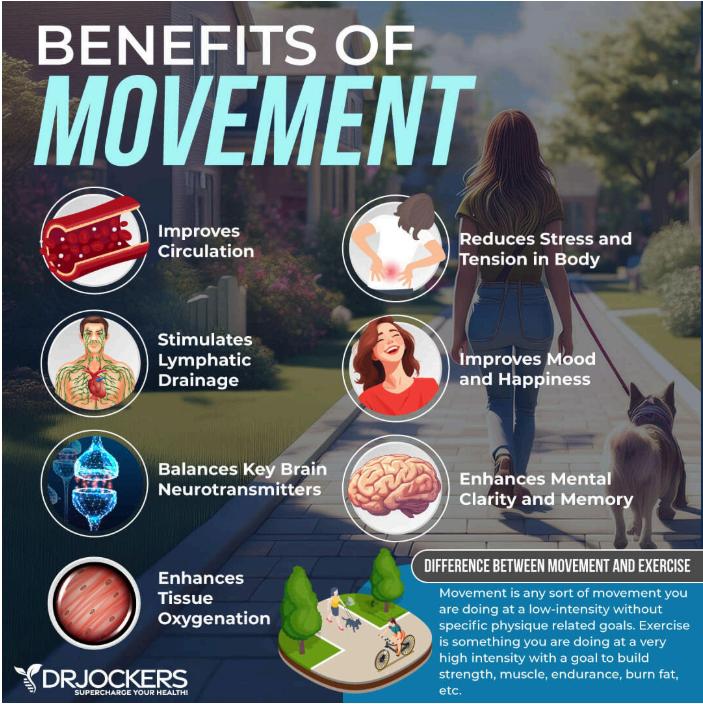
Lymphatic System Activation: Your lymphatic system is your body's drainage network, responsible for removing waste products and toxins from your cells. Unlike your cardiovascular system, the lymphatic system doesn't have a pump, it relies on muscle movement to circulate lymphatic fluid.
Walking provides the perfect rhythmic muscle contractions to move lymphatic fluid throughout your body, enhancing detoxification and reducing inflammation.
Scientists have demonstrated that moderate exercis,e like walking significantly improves lymphatic drainage and reduces inflammatory markers throughout the body.

Improved Circulation: Walking increases blood flow throughout your body, delivering oxygen and nutrients to your cells more efficiently.
Better circulation means better cellular function, which translates to improved fat-burning capacity. Regular walking improves blood vessel function and can increase blood flow to tissues.
Enhanced Oxygenation: The rhythmic breathing that naturally occurs during walking oxygenates your blood and tissues. Well-oxygenated cells function optimally, particularly your mitochondria, the cellular powerhouses responsible for fat burning. Moderate aerobic exercise, like walking, enhances how efficiently your mitochondria use oxygen and burn fat for fuel.
This combination of effects makes walking uniquely powerful for visceral fat loss.
You're not just burning calories during the walk — you're improving your body's ability to burn fat more efficiently for hours afterward while reducing the inflammation that can interfere with fat burning.

Here's where walking becomes even more powerful for visceral fat burning: horizon gazing.
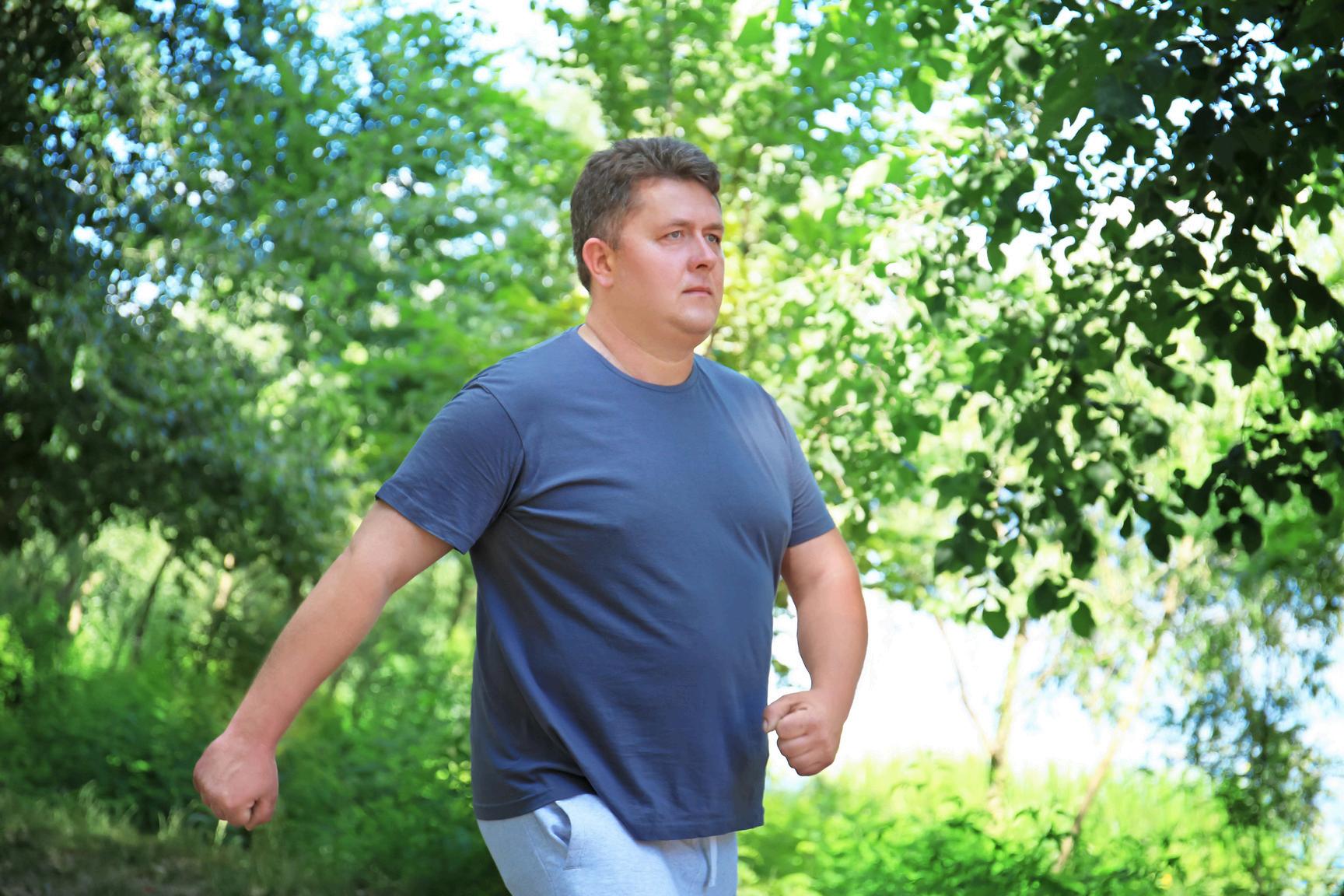
This simple technique involves looking far out at the horizon while you walk, particularly when walking outdoors in nature.
When you focus your gaze on the distant horizon, something remarkable happens in your nervous system. This visual pattern triggers your parasympathetic nervous system, your "rest and digest" mode, which has profound effects on your stress hormones.
Research shows that viewing natural landscapes at distance significantly activates the parasympathetic nervous system within minutes
Cortisol Reduction: Horizon gazing actively lowers cortisol, your primary stress hormone. High cortisol levels promote visceral fat storage, particularly around your organs. By reducing cortisol through horizon gazing, you're creating the optimal hormonal environment for fat burning.
Study published in Frontiers in Psychology have shown that nature exposure with distant viewing can reduce cortisol levels by an average of 21% compared to urban environments. (3)
Stress Hormone Balance: Beyond cortisol, horizon gazing helps balance other stress hormones that interfere with fat metabolism. This puts your body in a relaxed, healing state where cellular repair and fat burning can occur optimally.
Natural environment exposure reduces multiple stress biomarkers including adrenaline and norepinephrine, creating the ideal internal conditions for visceral fat loss.
Mood Enhancement: Taking in the beauty of nature while horizon gazing naturally improves your mood and motivation. It triggers the release of endorphins and other feel-good neurotransmitters that support healthy behaviors and reduce stress eating.
Even brief nature exposure increases serotonin and dopamine production while reducing markers associated with depression and anxiety.
The combination of gentle physical movement, stress hormone reduction, and mood enhancement makes horizon gazing during walks one of the most effective natural strategies for creating the hormonal environment necessary for visceral fat burning.
You're essentially using your visual system to hack your stress response and optimize your body for fat loss.
Timing: Within 30-60 minutes of waking up
Duration: 20 minutes
Location: Outdoors if possible, facing east toward the sunrise
Focus: Practice horizon gazing while allowing your mind to wake up naturally
Midday Walk:
Timing: Between 11 AM - 1
PM (ideal for sun exposure)
Duration: 20 minutes
Location: Outdoors with maximum sun exposure when possible
Focus: Horizon gazing combined with deep, rhythmic breathing
Benefits: Breaks up prolonged sitting, provides natural energy boost, and maximizes vitamin D production
Evening Walk:
Timing: 2-3 hours before bedtime
Location: Outdoors if safe, or indoors if necessary
Focus: Stress reduction and relaxation through horizon gazing
Benefits: Processes daily stress, improves sleep quality, and activates recovery hormones



However, not everyone can commit to three 20-minute outdoor walks daily.
Weather gets in the way, work schedules are crazy, mobility can be an issue, or you might be living in an area where outdoor walking just isn't practical.
That doesn't mean you're out of luck.
You can still get the movement, circulation boost, and stress reduction your body needs you just need to adapt the approach to fit your situation.
Here are some practical ways to modify your walking routine while still supporting your visceral fat-burning goals:
Use treadmills, walk in place, or take stairs Focus on a distant wall point to simulate horizon gazing and open windows for fresh air when possible.
Even 5-10 minutes provides benefits. Use walking aids if needed, or try seated marching if walking isn't possible. Any movement counts.

Break walks into smaller segments, walk during phone calls, park farther away, or take stairs to incorporate more movement throughout your day.
Seek out parks or tree-lined streets, look toward the end of long streets or at the sky between buildings, and consider quieter morning or evening hours
Focus on daily progress, not perfect execution. Adapt these recommendations to fit your specific situation while maintaining regular movement.
Your daily walking routine is the foundation that makes every other strategy in this protocol more effective.
It's simple, sustainable, and incredibly powerful when done consistently.
As you'll discover, this "simple" strategy creates the perfect internal environment for rapid visceral fat burning while supporting your overall health and well-being

If walking is the foundation of this protocol, then strength training is the engine that drives rapid visceral fat burning.
You don't need to spend hours in the gym doing isolation exercises that target single muscles. All you need are compound movements that stimulate the maximum amount of muscle mass in the minimum amount of time.
These exercises create a metabolic firestorm that forces your body to burn through that stored visceral fat for fuel.
Most people approach strength training completely wrong when their goal is fat loss.
They focus on isolation exercises like bicep curls, leg extensions, or tricep kickbacks exercises that work single muscles and create minimal metabolic demand.
While these exercises have their place in bodybuilding, they're ineffective for visceral fat burning because they don't create enough energy demand to force your body to access stored fat reserves.
Compound exercises are different.
They work multiple muscle groups simultaneously, create massive metabolic demand, and trigger hormonal responses that specifically target visceral fat.
When done correctly, a 20-30 minute compound strength training session can elevate your metabolism for up to 24 hours after your workout, a phenomenon known as excess post-exercise oxygen consumption (EPOC). (4)


Maximum Muscle Stimulation: Compound exercises recruit multiple muscle groups in a single movement, creating far greater muscle activation than isolation exercises.
Enhanced Mitochondrial Function: When you stimulate large amounts of muscle tissue simultaneously, you create a massive demand for energy production. This forces your mitochondria, the cellular powerhouses responsible for fat burning, to work at maximum capacity.
Superior Fat Oxidation: The large muscle mass recruitment of compound exercises specifically enhances your body's ability to burn fat for fuel
Hormonal Optimization: Compound movements trigger the release of powerful fat-burning hormones including growth hormone, testosterone, and IGF-1.
EPOC Enhancement: The metabolic demand created by compound exercises results in prolonged calorie burning long after your workout ends, meaning you continue burning calories at an elevated rate for hours after exercising.
Training Schedule:
Frequency: 3-4 days per week
Duration: 20-30 minutes per session
Rest Days: Alternate muscle groups with at least one full rest day between training the same muscle groups
Sample Schedule: Upper body (Monday), Lower body (Tuesday), Rest (Wednesday), Upper body (Thursday), Lower body (Friday), Rest (Weekend)
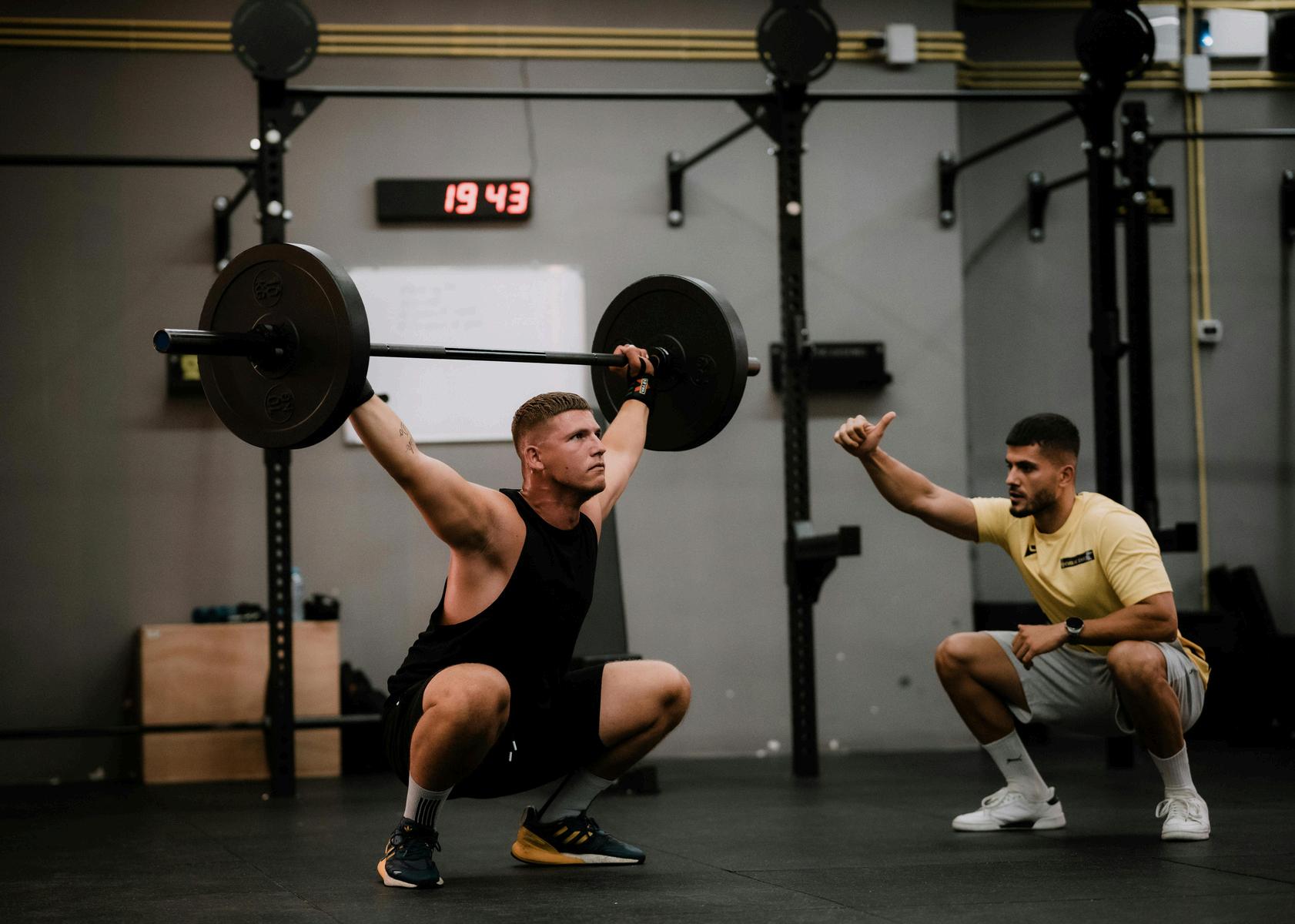
Upper body training for visceral fat burning works best when you pair press movements with pull movements. This combination helps balance your muscle development while maximizing the metabolic benefits.
Press Exercises (Choose 1-2 per session):
Push-ups (Beginner to Advanced):
Beginner: Modified push-ups from knees or against a wall
Intermediate: Standard pushups from toes
Advanced: Decline push-ups with feet elevated or weighted push-ups
Benefits: Push-ups were shown to activate the chest, shoulders, triceps, and core simultaneously while improving cardiovascular fitness
Bench Press or Dumbbell
Press:
Equipment needed: Bench and weights or dumbbells
Technique: Focus on controlled movement with full range of motion
Benefits: Stimulates the entire upper body pushing chain while building functional strength


Overhead Press:
Variations: Military press, dumbbell press, or resistance band press
Technique: Press weight directly overhead while maintaining core stability
Benefits: Overhead pressing was found to activate more total muscle mass than any other upper body exercise

Pull Exercises (Choose 1-2 per session):
Bent-Over Rows:
Equipment: Dumbbells, barbells, or resistance bands
Technique: Hinge at hips, maintain straight back, pull weight to chest
Benefits: Targets the entire posterior chain while improving posture and spinal health
Beginner: Assisted pull-ups or lat pulldown machine
Advanced: Full bodyweight pullups or weighted variations
Benefits: Pull-up variations activate more muscle fibers than any other pulling exercise



Seated or Cable Rows:
Equipment: Cable machine or resistance bands
Technique: Pull handles to chest while squeezing shoulder blades together
Benefits: Excellent for those learning proper pulling mechanics
Lower body compound exercises are particularly effective for visceral fat burning because your legs contain the largest muscle groups in your body. The greater the muscle mass involved, the higher the metabolic demand and fat-burning potential.
Bodyweight Squats (Beginner):
Perfect starting point requiring no equipment
Goblet Squats (Intermediate): Hold a dumbbell or kettlebell at chest level
Barbell Back Squats (Advanced):
Maximum loading potential for experienced lifters
Benefits: Squats activate over 200 muscles simultaneously and create the highest metabolic demand of any single exercise. (5)

Bodyweight Deadlifts
(Beginner): Focus on hip hinge movement pattern
Dumbbell Deadlifts
(Intermediate): Add external load while learning proper form
Barbell Deadlifts
(Advanced): The gold standard for total-body strength
Benefits: Deadlifts activate more total muscle mass than any other single exercise, leading to maximum calorie burn and hormonal response.
Bodyweight Lunges
(Beginner): Forward, reverse, or lateral variations
Weighted Lunges
(Intermediate): Hold dumbbells or use a barbell
Walking Lunges
(Advanced): Dynamic movement for additional challenge
Benefits: Lunges were shown to improve functional movement patterns while creating significant metabolic stress.

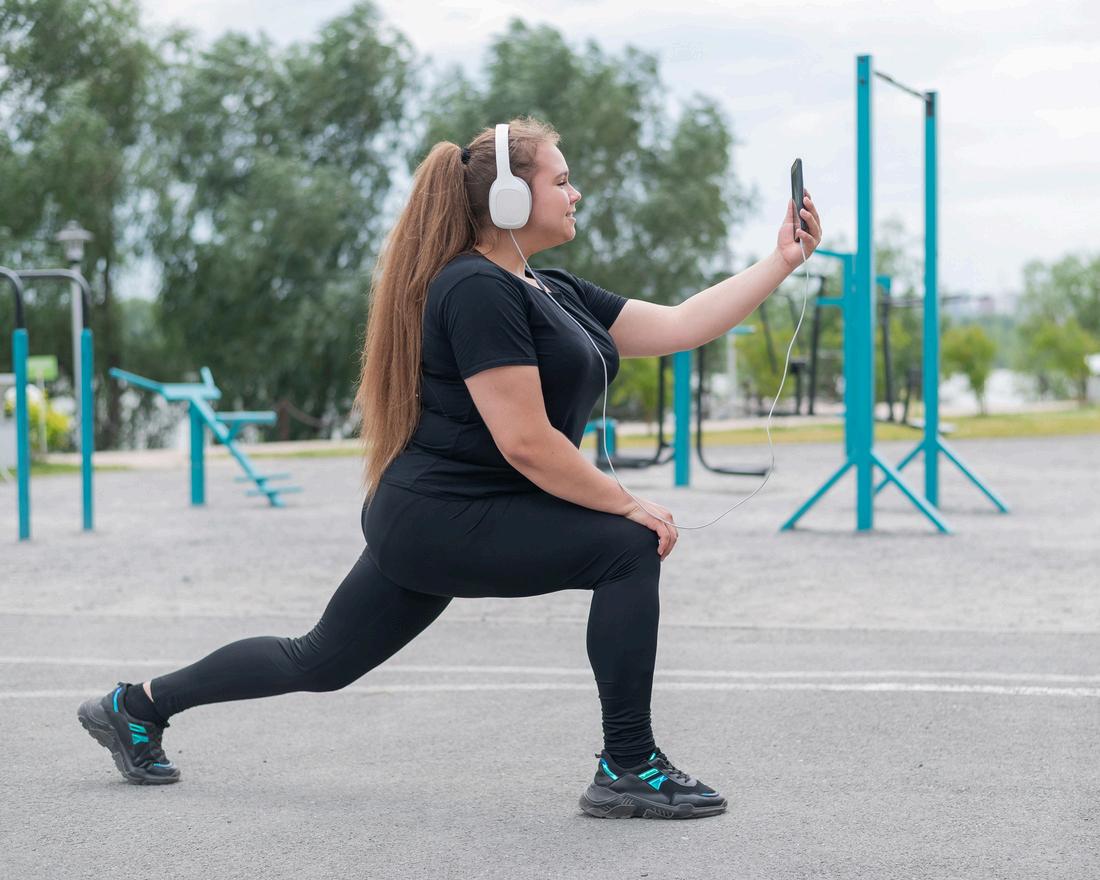
1.Warm-up: 3-5 minutes light movement
2.Push-ups: 3 sets of 8-15 reps (modify as needed)
3.Bent-over Rows: 3 sets of 8-12 reps
4.Overhead Press: 2 sets of 6-10 reps
5.Pull-ups/Lat Pulldowns: 2 sets of 5-12 reps
6.Cool-down: 3-5 minutes stretching
1.Warm-up: 3-5 minutes light movement
2.Squats: 3 sets of 10-20 reps (bodyweight to weighted)
3 Deadlifts: 3 sets of 6-12 reps (bodyweight to weighted)
4.Lunges: 2 sets of 8-12 per leg
5.Cool-down: 3-5 minutes stretching


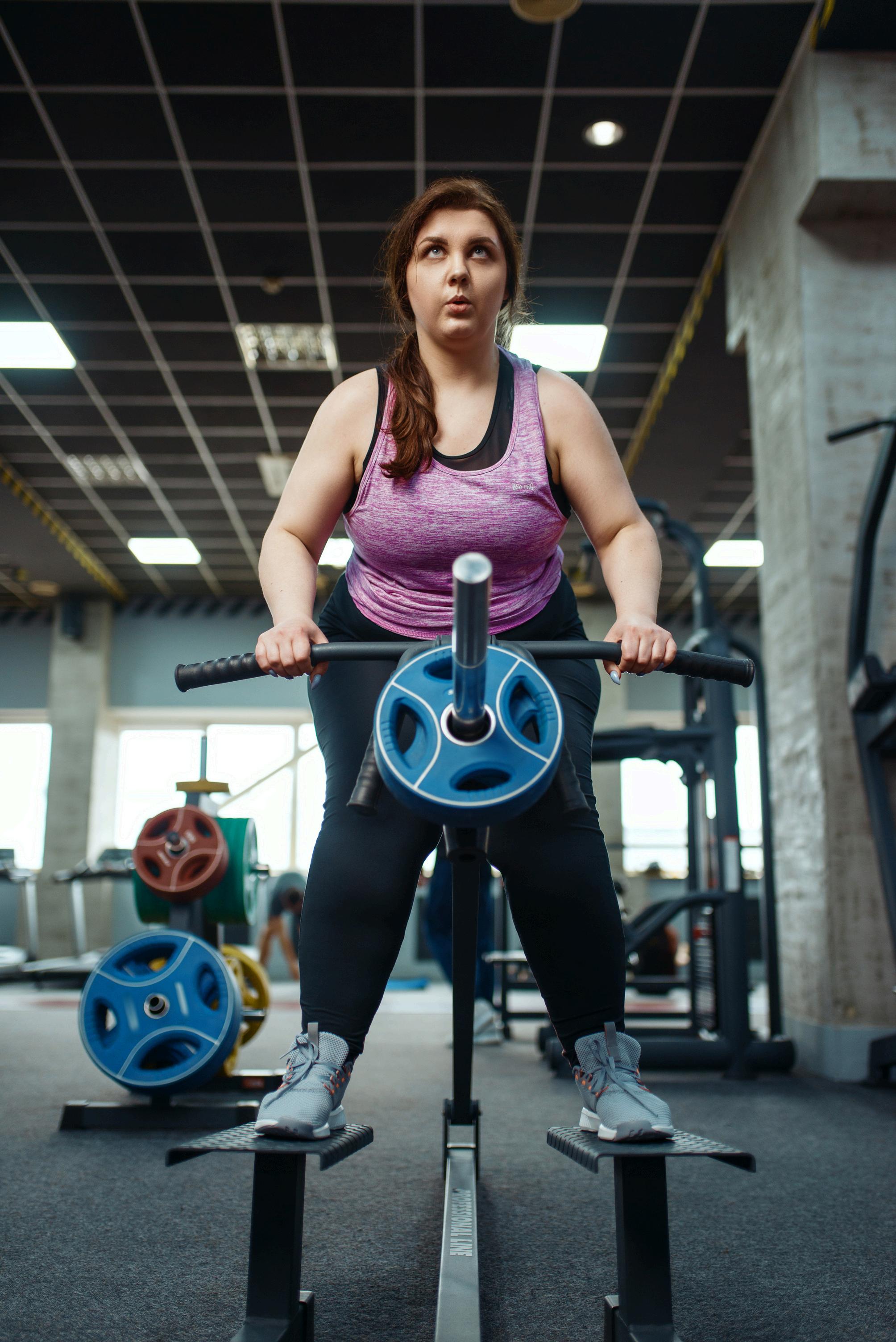
Your body is incredibly smart. It adapts quickly to any exercise you do consistently.
This means that if you keep doing the exact same strength training routine week after week, your body will get efficient at it and you'll stop seeing the fat-burning benefits you want.
Progressive overload, gradually increasing the challenge over time, is essential for continued fat burning benefits.
This doesn't mean you need to become a powerlifter, but you do need to consistently challenge your muscles in new ways.
Research confirms that progressive overload is necessary to maintain the metabolic benefits of resistance training.
Your muscles need to feel like they're working harder than they're used to in order to keep stimulating the mitochondrial growth and fat-burning processes we're after.
Here are ways to progress:
Add Repetitions: Increase reps before adding weight
Add Sets: Progress from 2 to 3 to 4 sets as you adapt
Add Weight: Once you can complete all sets and reps easily, increase resistance
Improve Form: Better technique allows for greater muscle activation
Decrease Rest: Shorter rest periods between sets increase metabolic demand
Your strength training sessions should complement, not interfere with, your daily walking routine
When you combine resistance training with your walks, your body becomes much more effective at burning fat than if you just did one or the other.
It's like they work together as a team.
The walking keeps your body in that fat-burning mode throughout the day, while the strength training builds lean muscle that keeps your metabolism fired up even when you're sitting on the couch.

Your exercise routine creates the metabolic demand, but your nutrition provides the fuel and building blocks your body needs to burn visceral fat effectively.
Strategic timing, optimal macronutrient ratios, and specific foods may help enhance your body's fat-burning capacity.
When you eat the right foods at the right times, you prevent those blood sugar spikes that signal your body to store more visceral fat, and instead keep your metabolism in that sweet spot where it's constantly burning through stored fat for energy.
Most people approach nutrition for fat loss completely backwards.
They focus on eating less rather than eating strategically. They count calories instead of optimizing hormones. They skip meals instead of timing them for maximum metabolic benefit.
This approach often leads to muscle loss, metabolic slowdown, and increased visceral fat storage, the exact opposite of what they're trying to achieve. Strategic meal planning works differently.
It's designed to provide your body with exactly what it needs, when it needs it, to support the increased metabolic demands created by your walking and strength training while maintaining stable blood sugar levels that prevent visceral fat accumulation.
Eating two meals daily instead of three or more provides several metabolic advantages for visceral fat burning.
In a study published in Metabolism (2019), researchers found that eating two meals per day resulted in greater weight loss and improved insulin sensitivity compared to eating six smaller meals, even when total calories were identical. (6)
Longer periods between meals allow your body to deplete glycogen stores and switch to fat burning
In fact, extending the time between meals increases fat oxidation and specifically targets visceral adipose tissue. (7)
Fewer meals means fewer insulin spikes throughout the day.
This has been supported by a study published in Diabetes & Metabolism Journal, where researchers found that two-meal eating patterns improved insulin sensitivity in the test subjects compared to traditional three-meal patterns, directly reducing the hormonal signals that promote visceral fat storage. (8)
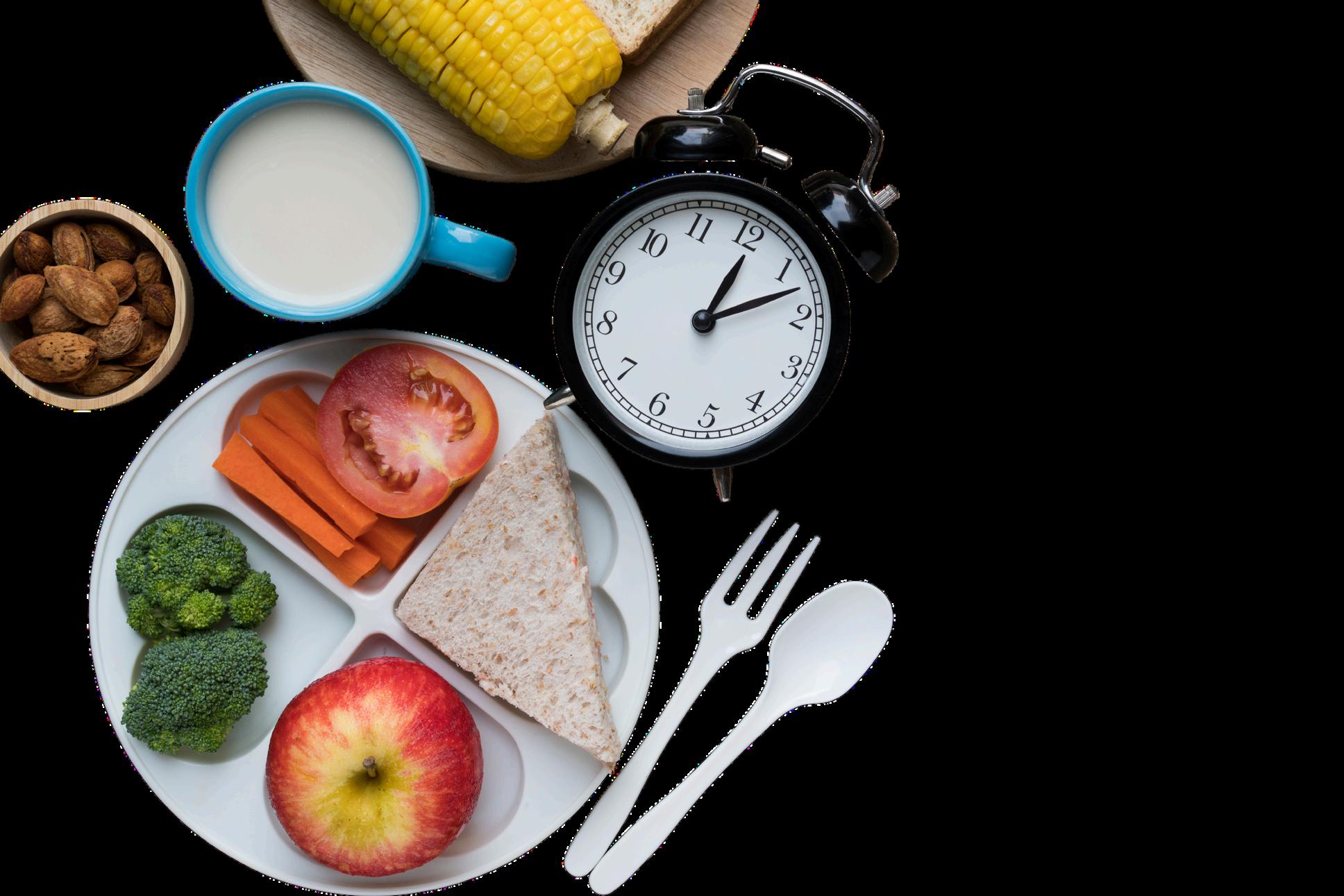
Meal 1: 8:00-2:00 PM (0-8 hours after waking)
Meal 2: 2:00-6:00 PM (4-6 hours after first meal)
Fasting Window: 16-18 hours between last meal and first meal the next day
However, while the two-meal framework provides optimal metabolic benefits, some people may struggle with consuming 800-1000 calories in a single meal.
This is particularly common for people who have had their gallbladder removed, those with sensitive digestive systems, or individuals who experience bloating with larger meals.
If you fall into this category, you can still achieve excellent results by eating three smaller meals within the same 6-8 hour eating window.
Each meal should contain 30-50 grams of protein along with proportional amounts of healthy fats and vegetables.
Meal 1: 10:00 AM (30-40g protein)
Meal 2: 1:00 PM (30-40g protein)
Meal 3: 4:00 PM (30-40g protein)
Fasting Window: Still maintains 16-18 hours between last meal and first meal
This approach maintains the metabolic advantages of time-restricted eating while accommodating digestive limitations.
Just make sure you're getting adequate protein at each meal to maintain satiety and preserve muscle mass during the extended fasting period.

Each meal should contain at least 50 grams of high-quality protein, which translates to approximately 8-10 ounces of meat depending on the source.
Consuming 50+ grams of protein per meal maximally stimulates muscle protein synthesis while providing superior satiety compared to smaller, more frequent protein doses.
High-protein meals also trigger the release of satiety hormones including GLP-1, PYY, and CCK while suppressing ghrelin (the hunger hormone). (9) It can help reduce subsequent food cravings and decreased overall caloric intake without conscious effort.
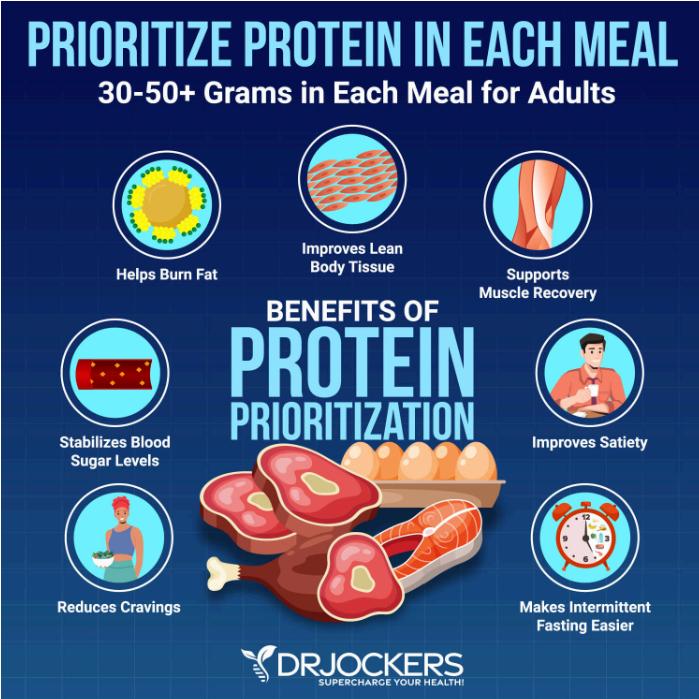
Protein also has the highest thermic effect of all macronutrients, meaning your body burns significant calories just digesting and processing it.
This can help boost your body’s metabolic rate by 20-30% for 3-4 hours post-meal, contributing significantly to overall energy expenditure. (10)
Optimal Protein Sources:
Grass-fed beef: 7 grams protein per ounce
Pasture-raised chicken: 8 grams protein per ounce
Wild-caught fish: 6-8 grams protein per ounce
Pasture-raised eggs: 6 grams protein per egg
Organ meats: 7-9 grams protein per ounce
Before you sit down to eat your meals, I also recommend implementing one simple step that can dramatically enhance your body's ability to digest food and burn fat.
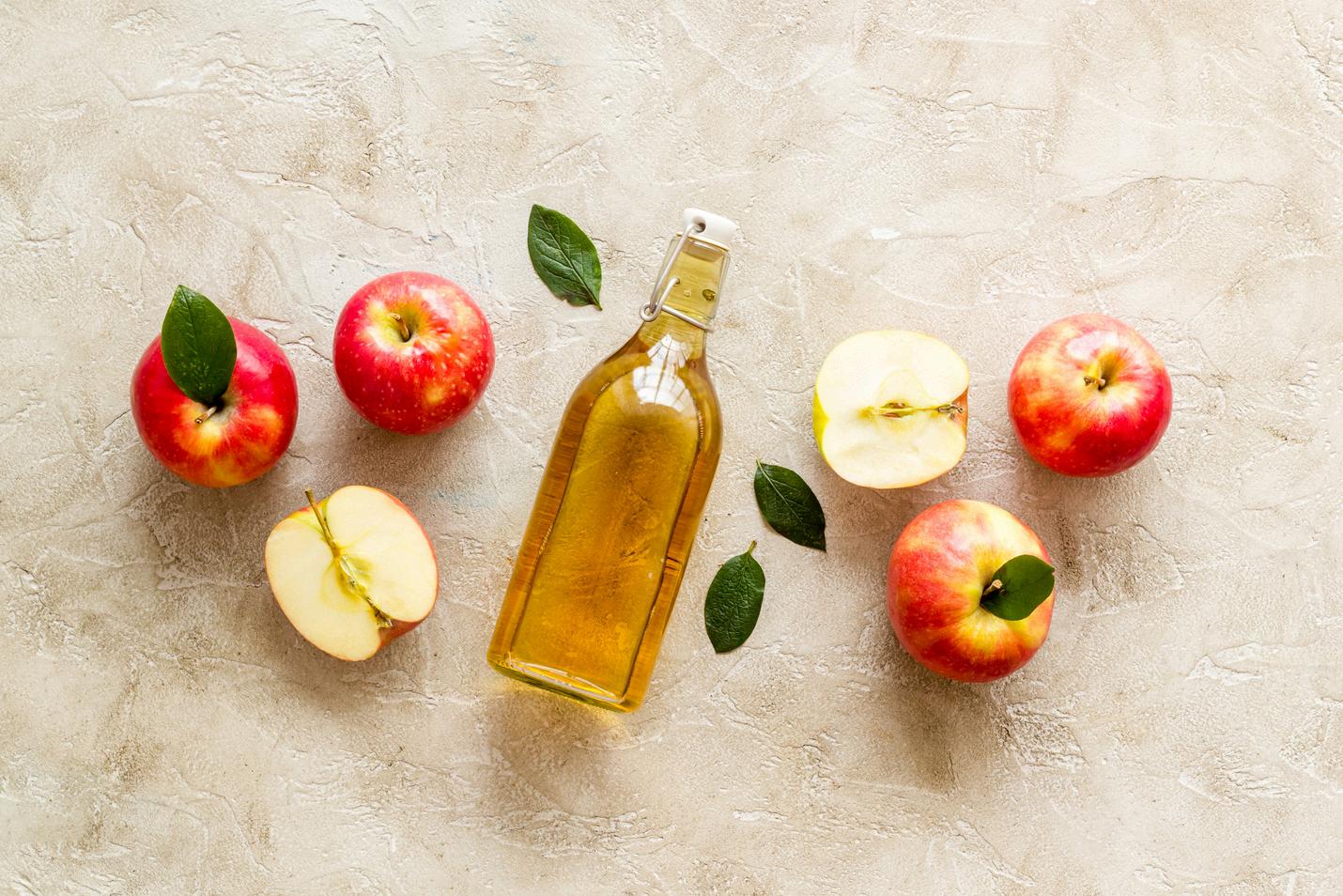
This involves consuming 1 tablespoon of apple cider vinegar mixed in 4-6 ounces of water about 15-20 minutes before eating to maximize the physiological benefits.
This pre-meal routine should become as automatic as setting your fork and knife on the table.
Simply mix the apple cider vinegar into water and drink it while you're preparing your meal or setting the table.
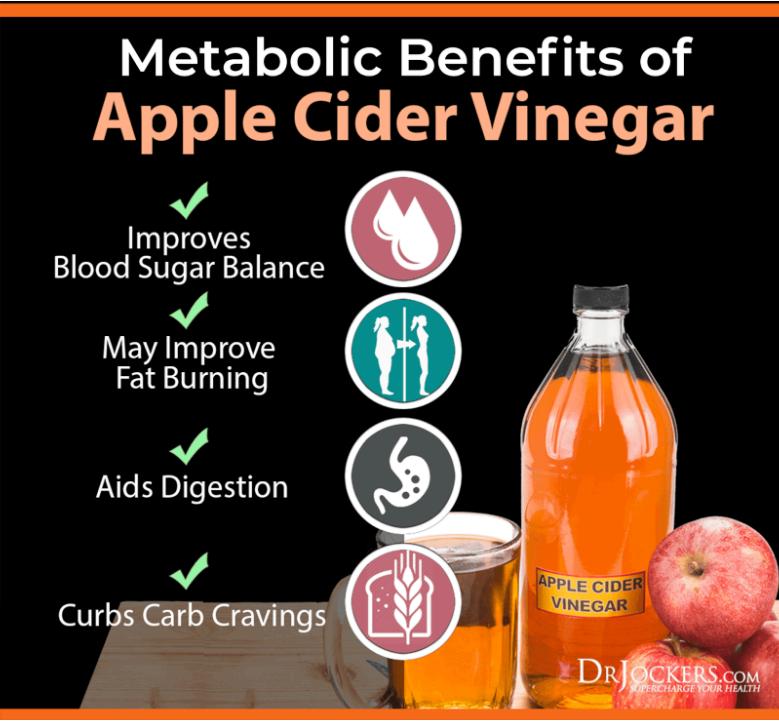
This one simple habit kickstarts your digestion and puts your metabolism into fat-burning mode before you even take your first bite:
Gut Health and Digestive Support: Apple cider vinegar supports your digestive system by helping stimulate the production of stomach acid, bile, and digestive enzymes. Research suggests that consuming apple cider vinegar before meals can enhance digestive enzyme production and improve how well your body absorbs nutrients.
Blood Sugar Stabilization: The acetic acid in apple cider vinegar significantly blunts post-meal blood sugar spikes. Researchers found that 1 tablespoon of apple cider vinegar before meals reduced post-meal glucose spikes and improved insulin sensitivity. (11)
Mitochondrial Fuel: Acetic acid, the main active component of apple cider vinegar, serves as "diesel fuel" for your mitochondria, directly enhancing cellular energy production and fat oxidation. Research demonstrated that acetic acid supplementation increased mitochondrial biogenesis and enhanced fat burning capacity at the cellular level. (12)
Fat Loss Support: Multiple studies confirm apple cider vinegar's direct fat-burning effects. Participants who consumed apple cider vinegar daily for 12 weeks lost significantly more visceral fat compared to the control group, with an average reduction of 1.1 pounds of belly fat. (13)
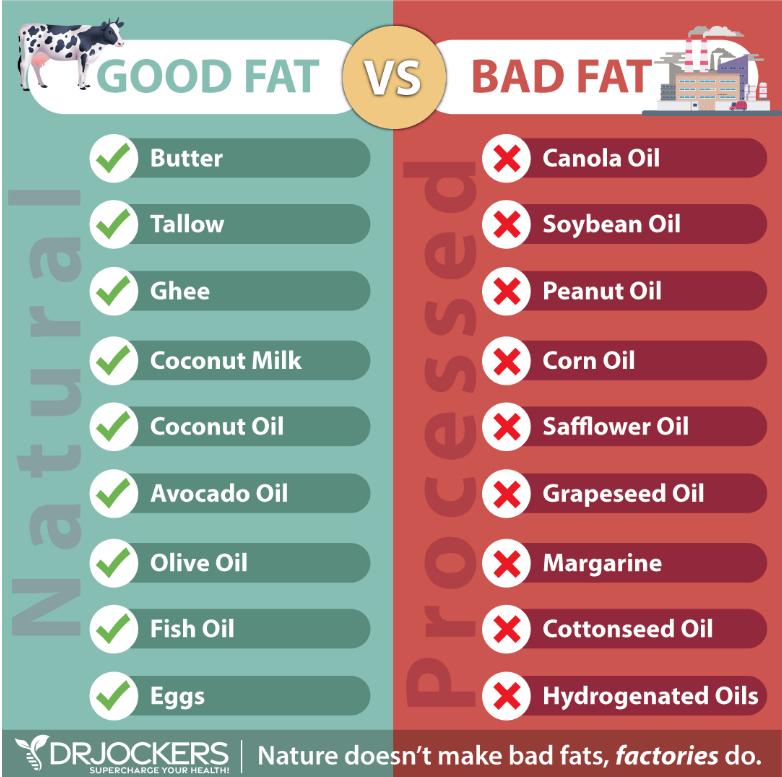
Now, here's something that might surprise you: you actually need to eat fat to burn fat effectively. Each meal should contain 15-20 grams of healthy fats to support hormone production, nutrient absorption, and cellular function.
When you include adequate healthy fats with your meals, your body can absorb fat-soluble vitamins more effectively. (14)
Grass-fed butter: Contains CLA and vitamin K2 for metabolic support
Extra virgin olive oil: Rich in monounsaturated fats and antioxidants
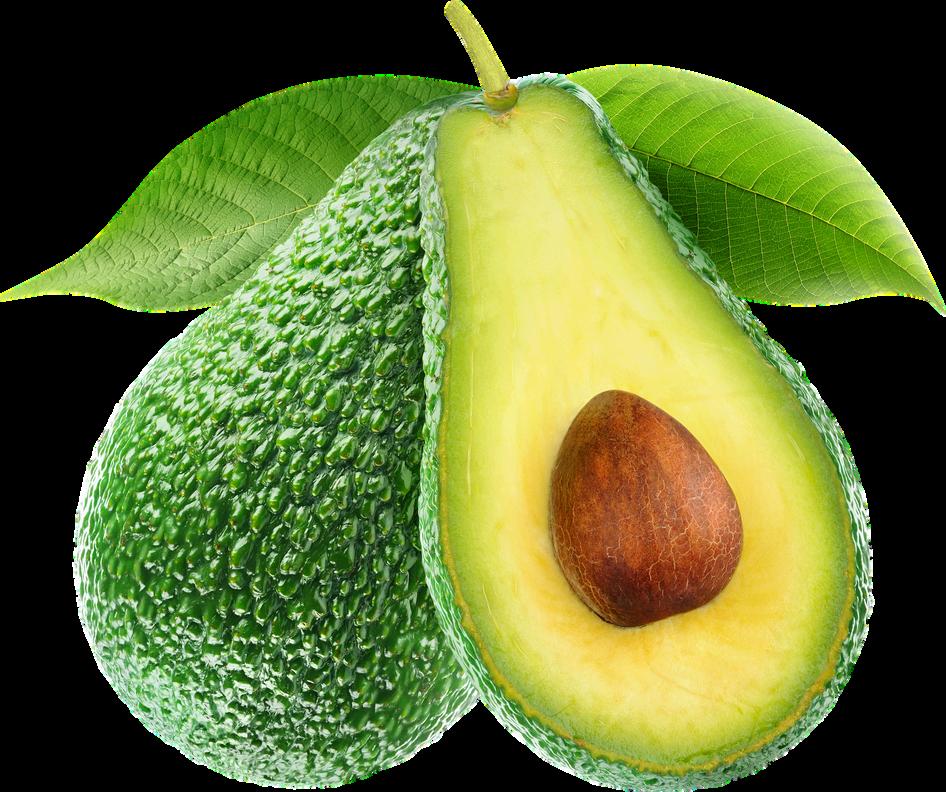
Avocado and avocado oil: Provides oleic acid for inflammation reduction
Coconut oil: Contains MCTs for immediate energy and ketone production
Nuts and seeds: Provide essential fatty acids and minerals
Adequate fat intake is crucial for hormone production, particularly testosterone and growth hormone, both essential for fat burning and muscle preservation
A study published in Nature found that a diet containing 40% of calories from fat was superior for increasing both testosterone and estrogen concentrations compared to a diet with only 20% fat content. (15)
This hormonal support may help your body's ability to burn visceral fat while preserving lean muscle mass.

Here's where we add the nutrition powerhouses that are going to fuel your body with everything it needs to function optimally.
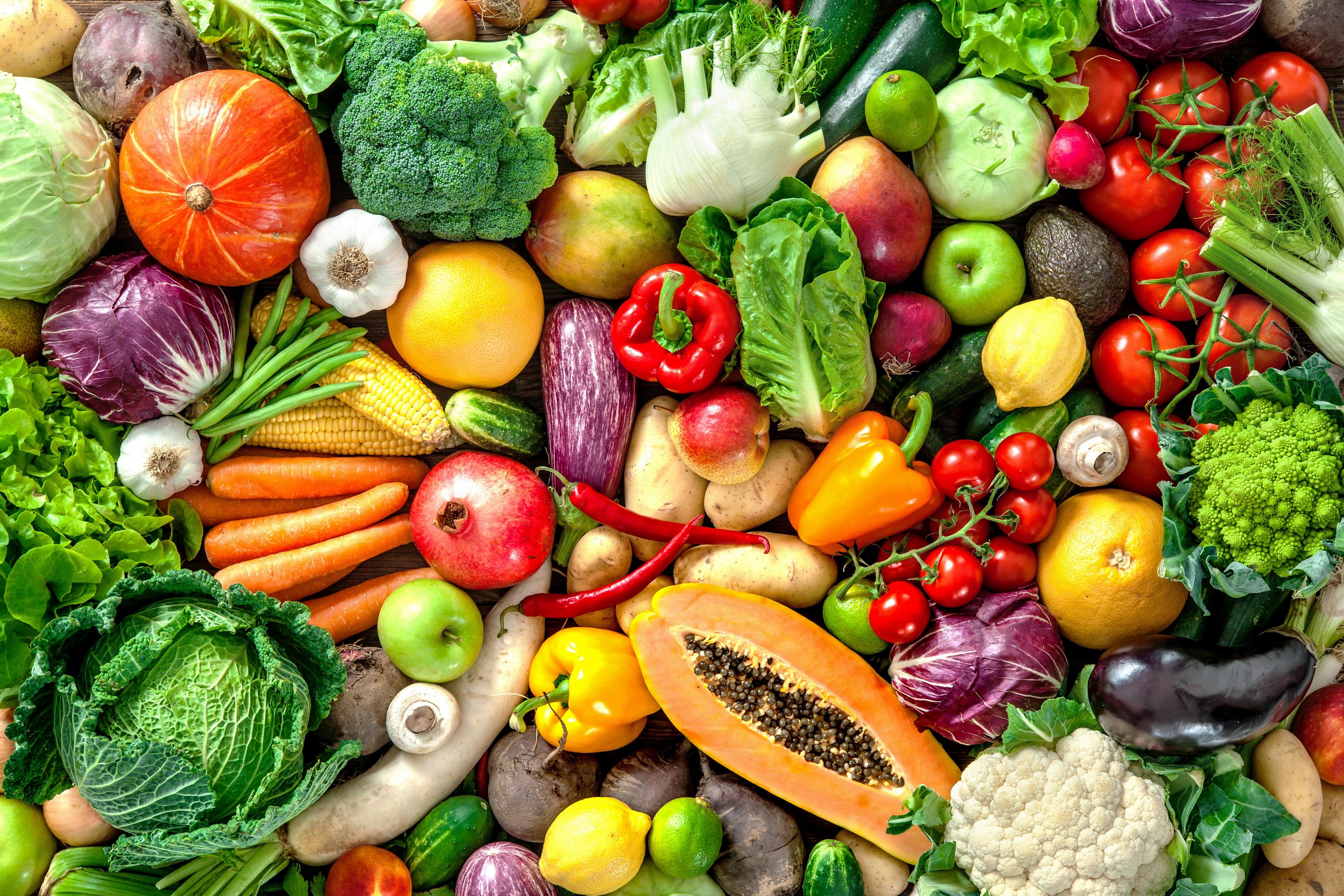
Each meal should include a variety of colorful, non-starchy vegetables to provide essential micronutrients, antioxidants, and fiber.
When you eat meals rich in colorful vegetables, you're providing your body with superior micronutrient profiles that support optimal metabolic function.
Leafy greens: Spinach, kale, arugula, Swiss chard
Cruciferous vegetables: Broccoli, cauliflower, Brussels sprouts, cabbage
Colorful options: Bell peppers, carrots, beets, purple cabbage
Fiber-rich choices: Artichokes, asparagus, green beans
The fiber in vegetables slows carbohydrate absorption and helps maintain stable blood sugar levels.
Consuming vegetables with meals reduced post-meal glucose spikes even when total carbohydrates remained constant. (16)
Here's a simple trick that can make a huge difference: eat your vegetables and protein before you eat any carbohydrates.
When you eat your fiber and protein first, you're essentially creating a buffer that prevents those rapid blood sugar spikes that signal your body to store fat.
People who eat vegetables before carbohydrates have better blood sugar control and improved long-term glycemic management.
Not to mention that vegetables are packed with micronutrients that nourish your body at the cellular level and naturally reduce those cravings that derail your progress.
When your body gets the nutrients it needs, it stops sending those hunger signals that make you reach for processed foods.

Your liver plays a crucial role in breaking down fats and eliminating toxins that can interfere with your metabolism.
One of the most effective ways to support this process is by including bitter-tasting foods in your meals to stimulate bile production, which is essential for fat digestion and detoxification.
Scientists found that bitter compounds increase bile production and improve fat digestion.
Arugula: Bitter greens that stimulate digestive enzymes
Ginger: Enhances gastric motility and reduces inflammation
Radishes: Support liver detoxification pathways
Parsley and cilantro: Natural heavy metal detoxifiers
Lemon and lime: Provide citric acid for digestive support
Onions and garlic: Sulfur compounds for liver support
These foods help eliminate toxins that interfere with metabolism and hormone function.
When you regularly consume bitter herbs, you're improving your liver's detoxification capacity and reducing inflammatory markers throughout your body.
This means your hormones can function properly, your metabolism runs more efficiently, and your body becomes much better at burning stored visceral fat.
The good news is that you don't need to eat huge amounts just incorporating some of these foods into each meal will make a significant difference in how your body processes nutrients and eliminates waste.

What you drink can be just as important as what you eat when it comes to burning visceral fat.
The right beverages can actually activate specific pathways in your cells that directly enhance fat burning
Morning Coffee: Start your day with 1-2 cups of organic coffee to enhance fat burning. Coffee contains chlorogenic acid and caffeic acid, which activate the AMPK pathway in your cells. These compounds increase fat oxidation and specifically target visceral adipose tissue.
Green Tea: If coffee isn't your thing, green tea provides similar AMPK activation through different mechanisms and has been shown to increase fat burning while enhancing the effects of exercise on visceral fat reduction.
The key is drinking these beverages in the morning when your body is already primed for fat burning from the overnight fast. This timing amplifies their metabolic effects and helps set your fat-burning tone for the entire day.
Don't forget about proper hydration throughout the day.
Drink at least 64 ounces of pure water daily, with an additional 8 ounces for every 25 pounds of body weight above 150 pounds. Proper hydration is essential for optimal metabolism and fat burning
When you're d holds onto sto

Just as important as what you eat is what you don't eat. Certain foods can completely sabotage your visceral fat-burning efforts by triggering hormonal responses that promote fat storage.
Eliminate Refined Carbohydrates: Avoid processed starches and sugars including bread, pasta, rice, potatoes, and all forms of sugar and artificial sweeteners. People who eliminate these refined carbohydrates see meaningful reductions in visceral fat and improved insulin sensitivity.
Avoid "Naked Carbs": Never eat carbohydrates alone without protein and fat, this is what we call eating "naked carbs." When you eat carbs by themselves, they cause rapid blood sugar spikes that trigger insulin release and promote fat storage. Always pair any carbohydrates with protein and healthy fats to slow absorption and prevent these metabolic disruptions.
Limit Fruit Intake: While fruits contain valuable nutrients, they also contain natural sugars that can interfere with fat burning. This doesn't mean you can't have fruit, but limit it to small portions of low-glycemic options like berries, and always consume them with protein and fat.
Think of an apple with almond butter, or berries mixed into a protein-rich meal rather than eating fruit by itself as a snack.
The goal isn't to deprive yourself forever, but to eliminate the foods that actively work against your fat-burning goals during this focused period of visceral fat reduction.
For individuals seeking rapid visceral fat reduction, a 7-day Protein Sparing Modified Fast (PSMF) can provide accelerated results when implemented correctly.
This approach was originally developed in the 1970s for severely obese patients and has been extensively researched for its effectiveness in targeting visceral adipose tissue.
Research published in Contemporary Clinical Trials Communications (2019) demonstrated that PSMF protocols result in preferential visceral fat loss while preserving lean muscle mass for severely obese patients under medical supervision, while a 2023 study published in Nutrients showed significant improvements in body composition and insulin sensitivity
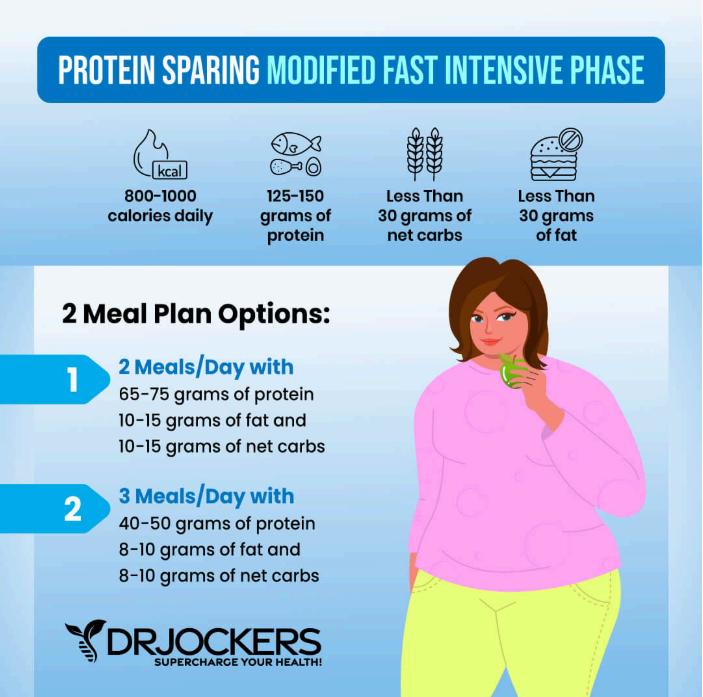
The PSMF involves consuming 800-1000 calories daily, distributed across 2-3 meals within a 6-8 hour eating window.
Each meal contains:
50-75 grams of lean protein
10-15 grams of healthy fats
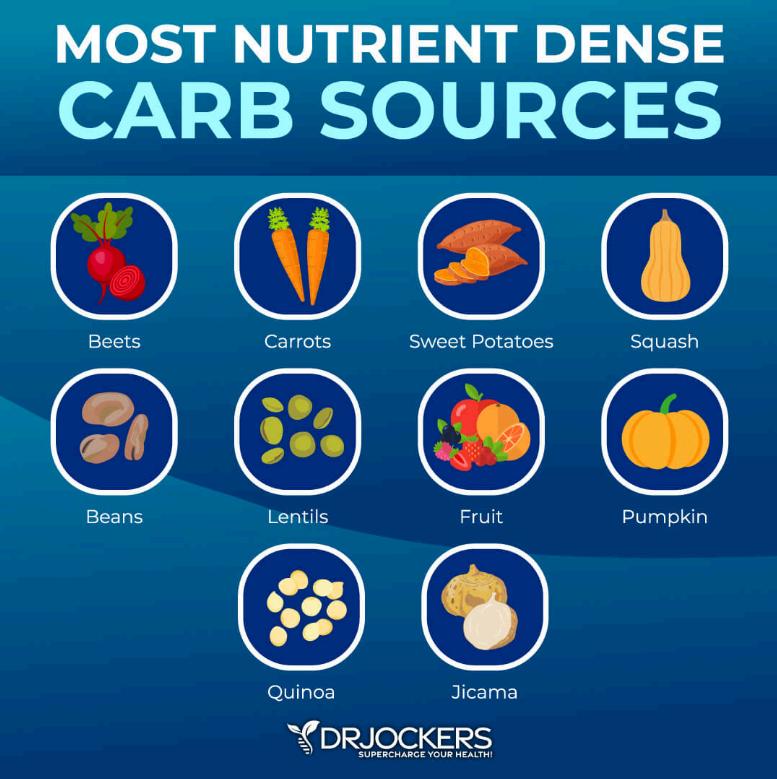
10-15 grams of carbohydrates from non-starchy vegetables.
Now, let me show you exactly what this looks like in practice. I've put together complete meal plans that take all these principles and turn them into actual meals you can prepare and enjoy.
These plans give you around 2000 calories daily with the right balance of protein, fats, and carbs to keep your body burning visceral fat consistently.
Pre-meal: 1 tbsp apple cider vinegar in 4-6 oz water
6 oz grass-fed ground beef (80/20) - 42g protein, 22g fat
2 cups spinach sautéed in 1 tbsp olive oil - 4g protein, 14g fat
1 medium baked sweet potato - 2g protein, minimal fat
1 cup mixed berries - 1g protein, minimal fat
1/4 avocado - 1g protein, 8g fat
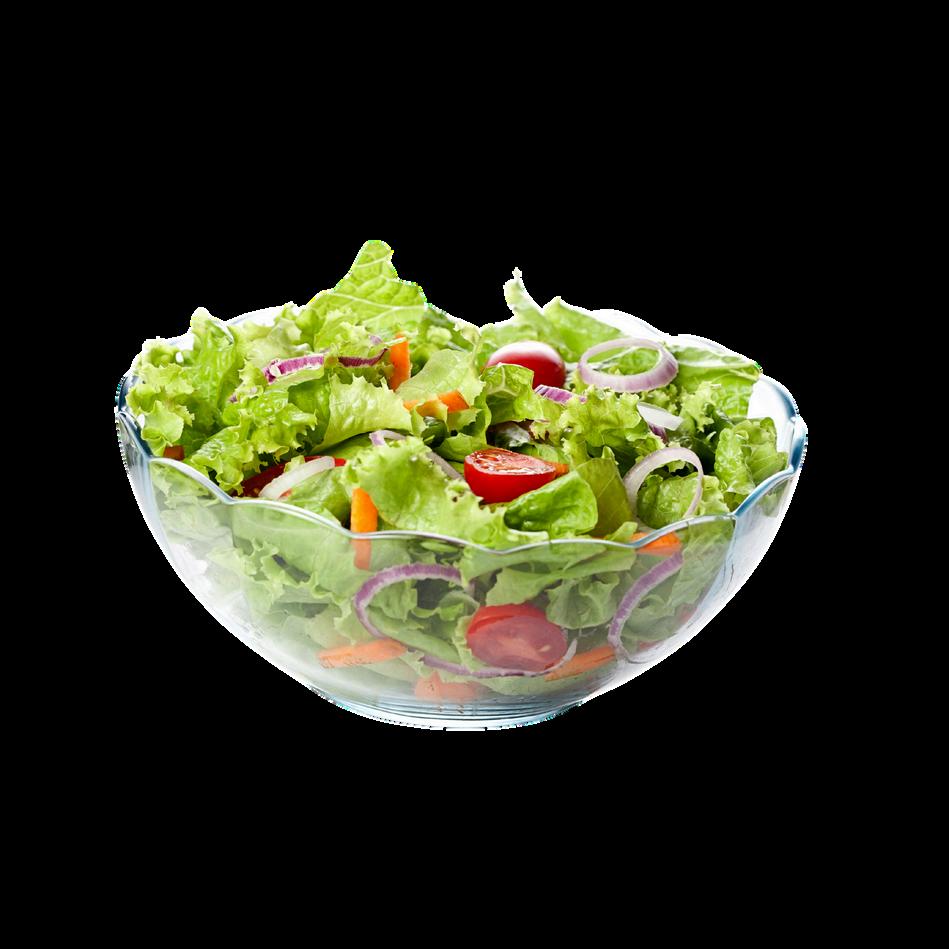
Mixed greens salad with lemon dressing
Total: 50g protein, 44g healthy fats

Meal 2 (5:00 PM) - 1000 calories
Pre-meal: 1 tbsp apple cider vinegar in 4-6 oz water
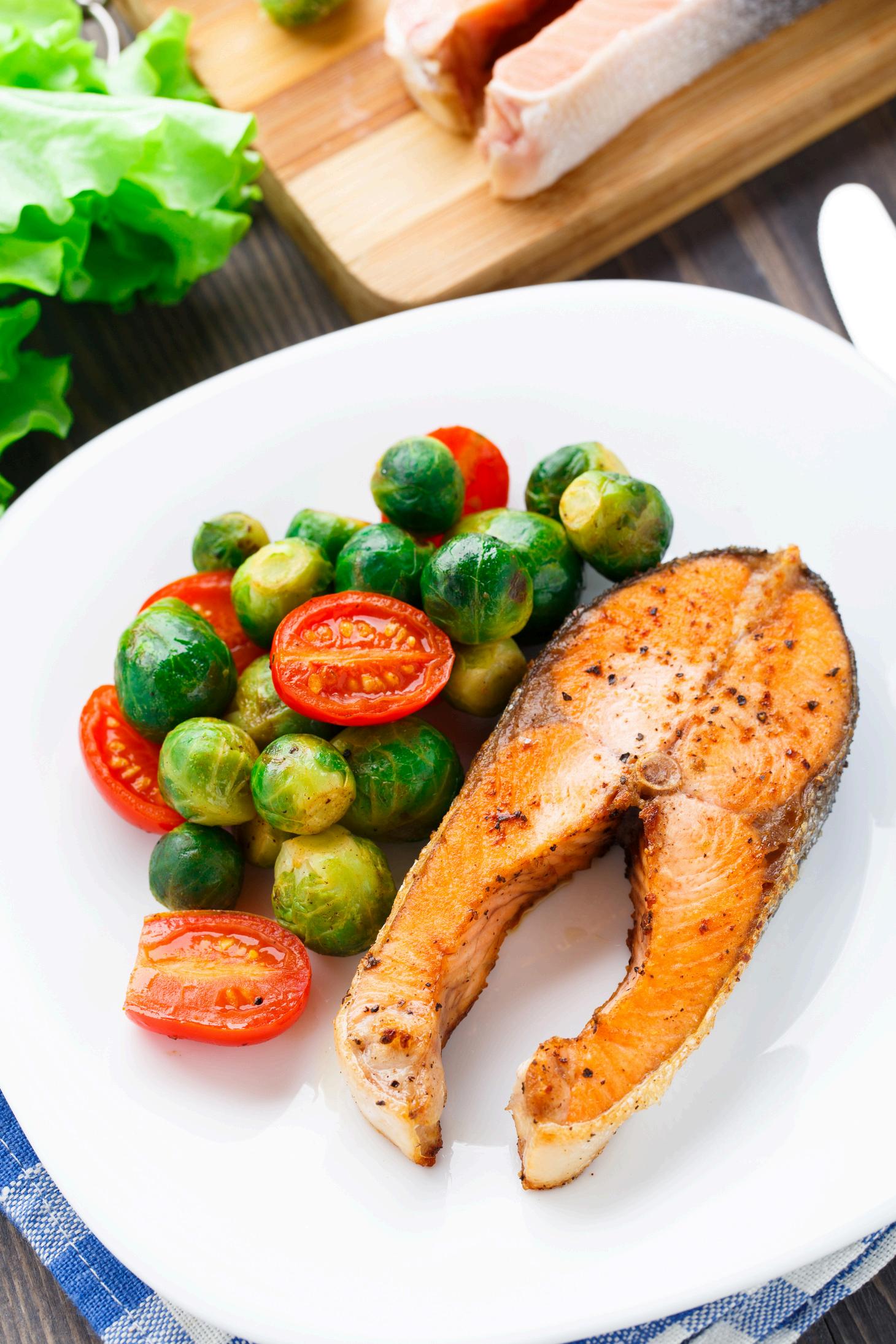
7 oz wild-caught salmon - 49g protein, 14g fat
1 cup Brussels sprouts roasted in 1 tbsp grass-fed butter - 4g protein, 12g fat
1 cup jasmine rice - 4g protein, 1g fat
2 tbsp raw almonds - 4g protein, 9g fat
Fresh parsley and cilantro for bitter herb support
Total: 61g protein, 36g healthy fats
For those who prefer smaller, more frequent meals within the 8-hour eating window:
Breakfast (10:00 AM)
665 calories
Pre-meal: Apple cider vinegar
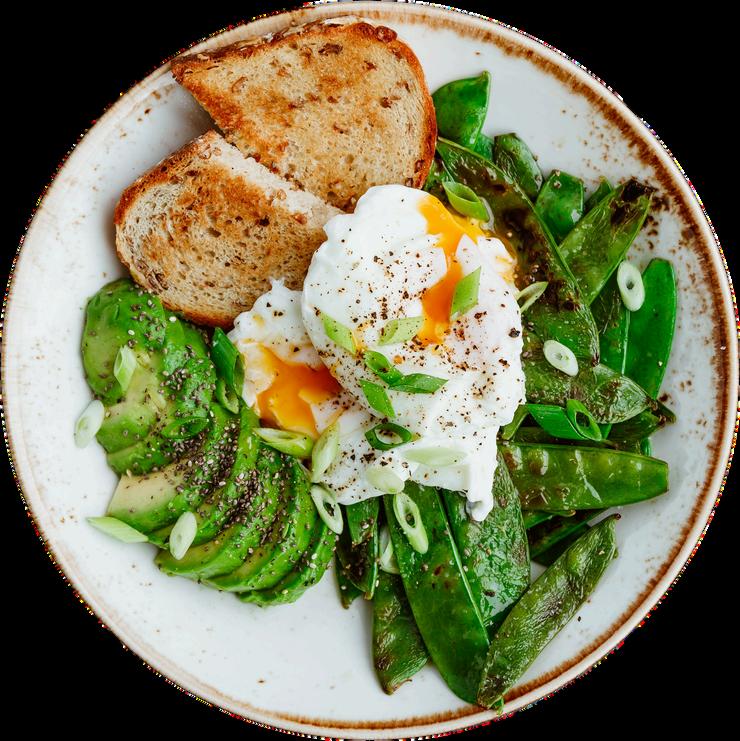
3 whole eggs + 2 egg whites
scrambled in 1 tbsp grass-fed butter - 26g protein, 24g fat
1 slice ezekiel bread with 1 tbsp almond butter - 8g protein, 10g fat
1 cup mixed berries - 1g protein, minimal fat
Handful of spinach cooked with eggs - 2g protein, minimal fat
Total: 37g protein, 34g healthy
fats
Lunch (1:00 PM)
665 calories
Pre-meal: Apple cider vinegar
5 oz grilled chicken breast35g protein, 4g fat
Large mixed greens salad with arugula and 2 tbsp olive oil
dressing - 2g protein, 28g fat
1/2 cup quinoa - 4g protein, 2g fat
1/4 cup pumpkin seeds - 5g protein, 8g fat
Total: 46g protein, 42g healthy fats
Dinner (6:00 PM)
665 calories
Pre-meal: Apple cider vinegar
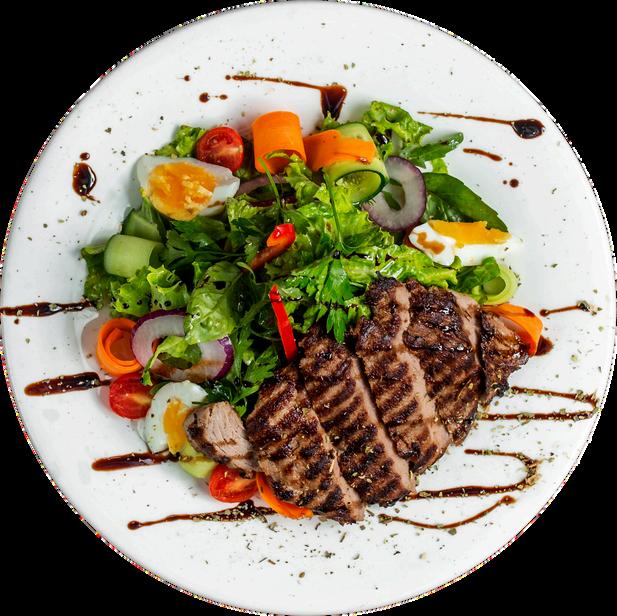
5 oz grass-fed sirloin steak35g protein, 8g fat
1 medium baked sweet potato with 1 tbsp grass-fed butter - 2g protein, 12g fat
1 cup steamed broccoli with garlic - 3g protein, minimal fat
2 tbsp raw walnuts - 4g protein, 18g fat
Total: 44g protein, 38g healthy fats
This protocol should only be followed for 7-14 days maximum without medical supervision. It's contraindicated for pregnant women, breastfeeding mothers, athletes in training, and individuals with eating disorder histories
The rapid weight loss includes both water weight and visceral fat reduction.
After completing the 7-day protocol, transition to the standard two-meal framework described above to maintain results and establish sustainable long-term eating patterns.
Your strategic meal planning provides the nutritional foundation that supports and amplifies the benefits of your walking routine and strength training.
When combined, these three strategies create a powerful metabolic environment that specifically targets visceral fat while preserving lean muscle mass and optimizing overall health.
supercharging your body's ability to burn visceral fat for fuel.
Most people think of sun exposure only in terms of vitamin D production or getting a tan.
While these are benefits, the most powerful fat-burning effect of sunlight happens through a process called photobiomodulation, the ability of specific light wavelengths to directly enhance mitochondrial function and energy production.
Think of it like charging your cell phone. Your phone needs to be plugged in regularly to maintain the energy it needs to function all day. Your mitochondria work the same way.
They need to be "charged" by specific light wavelengths to maintain optimal energy production and fat-burning capacity.

Think of your mitochondria as tiny solar panels inside every cell of your body.
Just like solar panels convert sunlight into electricity, your mitochondria can actually use specific wavelengths of light to dramatically boost their energy production and fat-burning capacity.
This process is called photobiomodulation red and near-infrared light from the sun interacts with light-sensitive molecules inside your mitochondria, significantly boosting cellular energy production.
This happens through a molecule called cytochrome c oxidase in your mitochondria.
When it absorbs specific wavelengths of light, it may help optimize your cells' primary energy production system, potentially supporting your cellular powerhouses. This light exposure may help support the creation of new mitochondria and fat burning processes.
What makes this so powerful for visceral fat loss is that photobiomodulation directly enhances your cells' ability to use fat for fuel, rather than just indirectly supporting the process.
Scientists found that red light therapy help increase fat breakdown and enhances the burning of fatty acids within your mitochondria.
This is why getting sun exposure during the day isn't just about vitamin D. You're literally charging your cellular batteries and optimizing your body's fat-burning systems at the most fundamental level.
Red Light (630-700 nm): This visible light wavelength, which you can see at sunrise and sunset, penetrates tissue and may help energize mitochondria. Red light exposure, particularly around 660 nm, may support cellular energy production and help enhance fat metabolism processes.
Near-Infrared Light (700-1000 nm): This invisible wavelength, which you feel as heat from the sun, penetrates even deeper into tissues and may have the most significant mitochondrial effects. Near-infrared light exposure may help support mitochondrial function and potentially enhance fat oxidation at the cellular level.
Full Spectrum Benefits: While red and near-infrared wavelengths may be most beneficial for mitochondrial function, the full spectrum of sunlight provides additional potential benefits. Research suggests that broad-spectrum light exposure may help optimize circadian rhythms, hormone production, and overall metabolic function more effectively than isolated wavelengths.

While photobiomodulation may help charge your mitochondria, the vitamin D produced by UVB exposure may act as a powerful metabolic hormone throughout your body.
This goes far beyond just building strong bones.
When your vitamin D levels are in the optimal range (40-60 ng/mL), research suggests your metabolic rate may increase and your body may become better at burning fat.
Vitamin D may also help improve insulin sensitivity. People with optimal levels tend to have better insulin function and may be less likely to accumulate visceral fat around their organs.
There's another potential benefit during fat loss: vitamin D may help preserve your muscle mass.
When people lose weight with adequate vitamin D levels, they may preserve more lean muscle compared to those who are deficient.
This could be important because muscle tissue is your most metabolically active tissue, the more you preserve, the better your body may burn fat even at rest.
Sun exposure, especially in the morning, acts as your body's master clock
It helps synchronize your circadian rhythm and may optimize the daily pattern of fat burning, with peak fat oxidation occurring during your natural overnight fasting period.
When you get proper light exposure during the day, something interesting happens at night, your body may produce significantly more melatonin, leading to better sleep quality and enhanced fat burning while you sleep.
This creates a beneficial cycle where good daytime light exposure improves nighttime recovery and fat-burning processes.
Sun exposure also influences the production of numerous hormones involved in fat burning, including growth hormone, cortisol, and thyroid hormones.

Regular sun exposure helps optimize the daily rhythm of these hormones, creating favorable conditions for visceral fat burning throughout the entire 24-hour cycle.
This is why getting sunlight isn't just about feeling good, you're helping to program your body's internal clock to maximize fat burning around the clock.
When you combine the mitochondrial benefits from photobiomodulation with the hormonal optimization from vitamin D and circadian rhythm regulation, you create a foundation that amplifies every other strategy in this protocol.
Your sun exposure strategy provides the cellular energy foundation that makes all other strategies more effective.
By supporting your mitochondrial function and helping synchronize your body's natural rhythms, you create optimal conditions for visceral fat burning while supporting overall health and vitality.

from your daily activities
Yet sleep is the strategy most people neglect, unknowingly sabotaging all their other efforts.
The timing of your sleep is just as important as the duration.
There's an old saying that "every hour of sleep before midnight is equivalent to three hours of regenerative capacity after midnight," and modern science has proven this wisdom to be remarkably accurate.
The earlier you get to bed, the more growth hormone and melatonin your body produces—two hormones that are absolutely essential for visceral fat burning.
When you sleep matters just as much as how much you sleep.
Your body operates on natural rhythms that evolution has perfected over millions of years, and these internal cycles determine when you're burning fat versus storing it.
The difference between going to bed at 10 PM versus midnight isn't just about getting more hours of sleep, it's about maximizing the production of the most powerful fat-burning and anti-aging hormones your body produces.
Growth Hormone: Growth hormone is your body's quintessential antiaging hormone, and it plays a crucial role in burning fat while preserving lean muscle and bone tissue.

In a study published in the International Journal of Environmental Research and Public Health, researchers found that growth hormone levels peak during the first half of the night, with the highest concentrations occurring between 10 PM and 2 AM.
Participants who went to bed by 10 PM had higher growth hormone levels compared to those who went to bed after midnight. (17)
This timing reflects how your body was naturally designed to function.
When you go to bed early, you're essentially maximizing your body's most powerful fat-burning and muscle-building hormone.

Growth hormone doesn't just help you burn fat; it also repairs tissues, strengthens bones, improves skin quality, enhances cognitive function, and literally reverses many aspects of aging at the cellular level.
This is why people who prioritize early sleep often look and feel years younger than their actual age.
Enhanced Fat Oxidation: Growth hormone directly stimulates lipolysis, the breakdown of stored fat for energy. Individuals with optimal growth hormone production during sleep burn more fat during overnight hours and maintain higher metabolic rates throughout the following day.
This means that while you're sleeping, your body is actively breaking down visceral fat and converting it to energy for cellular repair and maintenance.
People with optimal growth hormone production wake up leaner than when they went to sleep, and their metabolism stays elevated well into the next day. This creates a compound effect where good sleep makes the following day's fat burning more effective, which then supports better sleep the next night.
Muscle Preservation: Unlike other weight loss approaches that often result in muscle loss, adequate growth hormone production preserves and even builds lean muscle tissue during fat loss. Scientists found that individuals with optimal sleep timing maintained more muscle mass during weight loss compared to poor sleepers.
This is crucial because muscle tissue is your most metabolically active tissue - each pound of muscle burns calories even when you're sitting still.
When you preserve muscle during fat loss, you're maintaining a higher metabolic rate that makes it easier to keep the weight off longterm.
Additionally, maintaining muscle mass keeps you strong, functional, and resilient as you age.
Growth hormone also stimulates the production of other anabolic hormones and growth factors that support muscle protein synthesis, joint health, and overall physical performance.
The beauty of this system is that it's completely natural and automatic when you align your sleep schedule with your body's hormonal rhythms.
You're not taking supplements or doing anything artificial, you're simply working with your body's existing systems to optimize fat burning and muscle preservation simultaneously.

Most people think of melatonin as just the sleep hormone, but it's actually one of your mitochondria's best friends.
Melatonin is produced directly inside your mitochondria, where it acts like a protective shield, reducing oxidative stress and enhancing cellular energy production.
This directly supports your fat-burning capacity at the cellular level.
But melatonin's benefits extend beyond just protecting your mitochondria. When your body produces adequate melatonin, it dramatically reduces systemic inflammation throughout your body, the kind of inflammation that interferes with fat burning and keeps you trapped in fat-storage mode.
People with optimal melatonin levels have lower inflammatory markers and significantly better insulin sensitivity.
The sleep benefits are profound too.
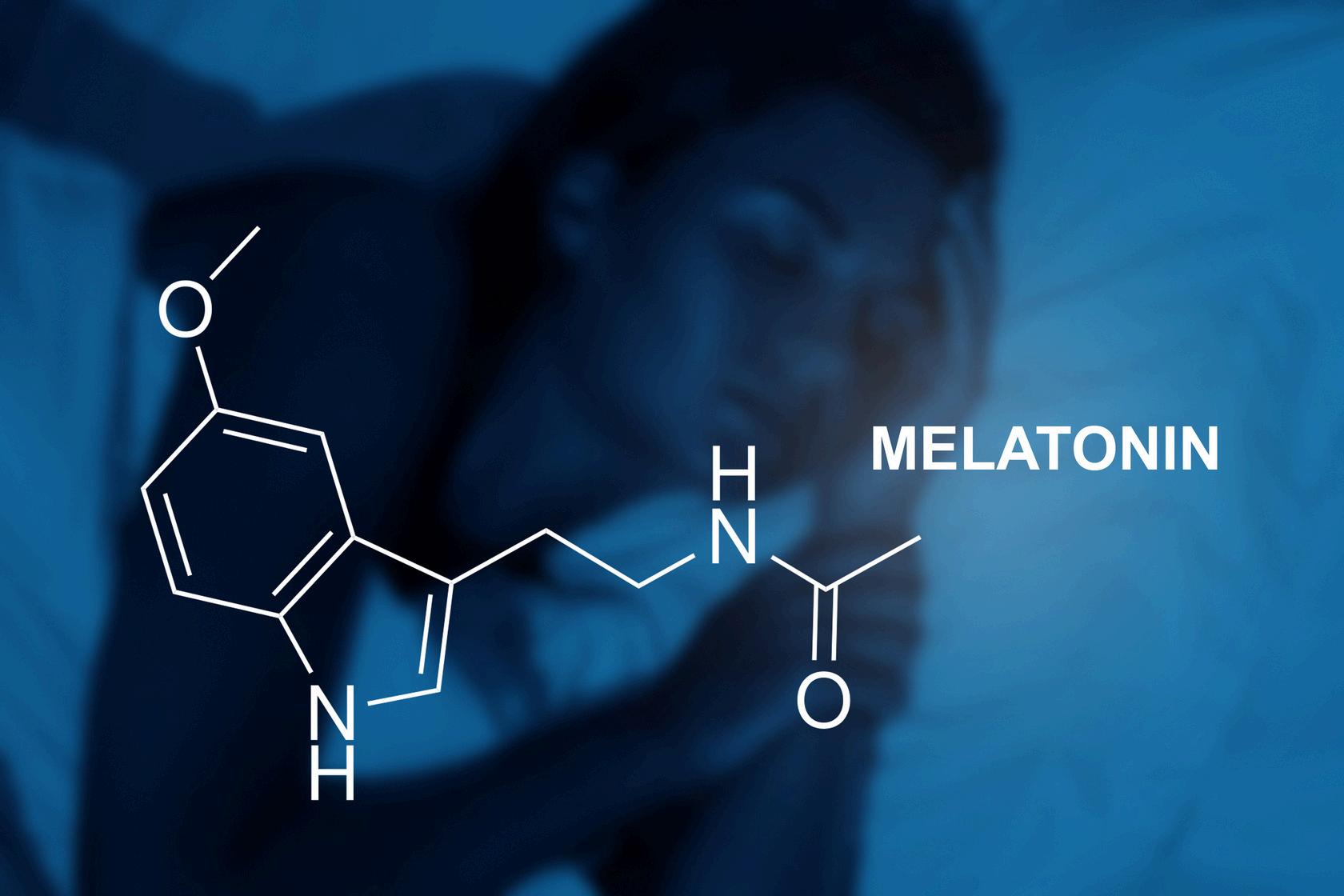
Melatonin doesn't just help you fall asleep, it optimizes your sleep architecture, which is the natural progression through different sleep stages your body needs for metabolic recovery.
When you go to bed early and your body produces adequate melatonin, you get more deep and REM sleep. Both of these sleep stages are crucial for the hormonal processes that drive overnight fat burning
This is why the timing of your sleep matters so much.
When you align your sleep schedule with your body's natural melatonin production, you're not just getting better rest, you're optimizing the cellular and hormonal processes that make visceral fat burning possible.

Melatonin doesn't just help you fall asleep, it optimizes your sleep architecture, which is the natural progression through different sleep stages your body needs for metabolic recovery.
When you go to bed early and your body produces adequate melatonin, you get more deep and REM sleep. Both of these sleep stages are crucial for the hormonal processes that drive overnight fat burning.
This is why the timing of your sleep matters so much.
When you align your sleep schedule with your body's natural melatonin production, you're not just getting better rest, you're optimizing the cellular and hormonal processes that make visceral fat burning possible.

n Activities:
ks (not backlit
estorative yoga reathing exercises e practice
m salts
s in dim lighting music or nature our system and can significantly
Your bedroom should be a sanctuary optimized for deep, restorative sleep and maximum hormone production.
Maintain bedroom temperature between 65-68°F (18-20°C)
Cooler temperatures enhance deep sleep and improve overnight fat burning
Your body naturally drops core temperature during sleep - a cool room facilitates this process
Use blackout curtains or heavy drapes
Cover LED lights on electronic devices with tape
Consider a comfortable eye mask for complete darkness
Even small amounts of light can reduce melatonin production
Ensure fresh air circulation in your bedroom
Open windows when weather permits
Consider an air purifier if needed
Good air quality increases deep sleep and enhances next-day cognitive performance
Use earplugs if necessary to block disruptive sounds
Consider a white noise machine or fan for consistent background sound
Even low-level noise during sleep can increase cortisol and reduce growth hormone
Address any sources of intermittent noise like creaking floors or rattling vents
Your sleep optimization strategy is the foundation that allows all other strategies to work at peak efficiency.
Without adequate sleep, your body cannot produce the hormones necessary for efficient fat burning, regardless of how perfectly you execute your walking, strength training, meal planning, and sun exposure routines.
By prioritizing early bedtime and creating optimal sleep conditions, you unlock your body's natural fat-burning potential and accelerate your visceral fat loss results.

These aren't magic pills that replace proper nutrition and exercise, they're precision tools that optimize the biochemical processes driving fat loss.
It's important to understand that supplements work best when they support an already solid foundation.
You don't need supplements to succeed with this protocol, but the right ones can significantly enhance your results by addressing specific metabolic bottlenecks and supporting the increased demands you've placed on your liver, mitochondria, and blood sugar regulation systems.

Berberine has been used in traditional Chinese medicine for over 2,500 years, extracted from plants like Oregon grape, goldenseal, and tree turmeric.
What makes berberine remarkable is that it's one of the few natural compounds that can rival prescription medications for blood sugar control and fat loss but without the side effects.
In fact, some studies show berberine performing as well as metformin, the most commonly prescribed diabetes medication.
Benefits:
Powerful Insulin Sensitivity: Dramatically improves your body's ability to use insulin effectively, reducing HbA1c levels by up to 2.0% and significantly improving insulin sensitivity. (18)
Direct Fat Burning Activation: Activates AMPK (the same cellular pathway triggered by exercise), leading to increased fat burning and reduced visceral fat accumulation at the cellular level
Body Fat Reduction: In a 12week study published in Phytomedicine with people who had obesity, participants taking 500mg of berberine three times per day lost about 5 pounds on average and reduced their body fat by 3.6% while maintaining lean muscle mass. (19)
Mitochondrial Enhancement:
Improves mitochondrial function and creates new mitochondria, increasing cellular energy production and enhancing fat oxidation capacity.
Metabolic Synergy: Works synergistically with your strategic meal planning by blunting blood sugar spikes and keeping your body in fat-burning mode between meals
Berberine essentially acts as metabolic insurance, ensuring that your body stays in fat-burning mode even if your meals aren't perfectly timed or if life throws you a curveball.
It's one of the most powerful tools available for maintaining stable blood sugar and supporting visceral fat loss.


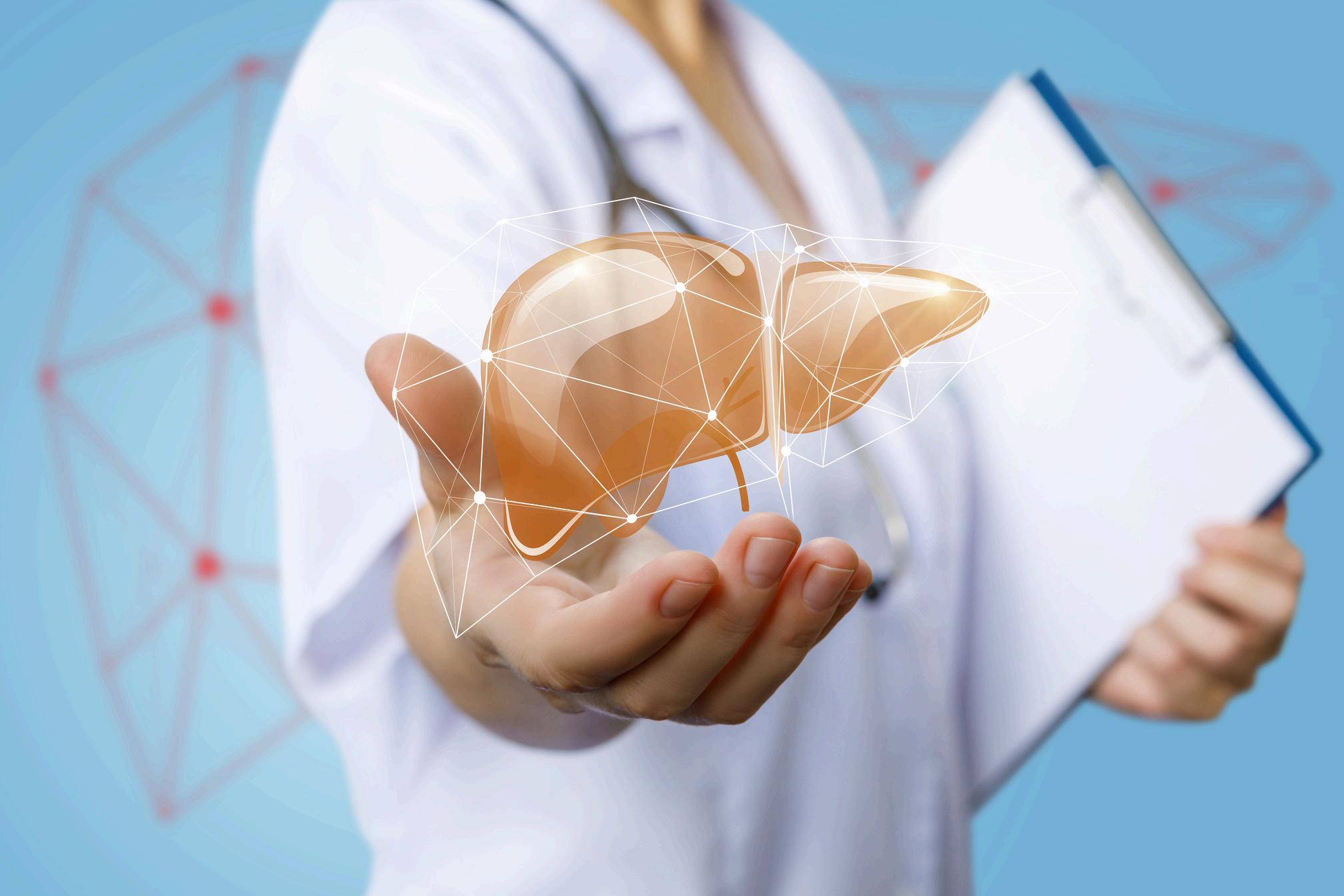
Milk thistle has been revered as a liver protector for over 2,000 years, with ancient Greek physician Dioscorides documenting its use for liver ailments in the first century.
The plant gets its name from the white veins running through its leaves, which legend says came from drops of the Virgin Mary's milk.
But beyond folklore, milk thistle contains silymarin, one of the most extensively studied compounds for liver protection and regeneration.
Your liver is your body's primary fat-processing plant, and the increased metabolic demands from this protocol require optimal liver function to achieve maximum results.
Benefits:
Liver Protection and Regeneration: Protects liver cells from oxidative damage and supports liver regeneration, improving liver function markers and enhancing the liver's ability to process fats.
Enhanced Fat Metabolism: Optimizes bile production, which is essential for breaking down and absorbing the healthy fats in your strategic meal plan.
Powerful Detoxification Support: Supports both Phase I and Phase II liver detoxification pathways, helping eliminate toxins that interfere with metabolism and hormone function while reducing inflammatory markers by.
Improves gut barrier function and reduces intestinal inflammation, supporting the digestive benefits of your apple cider vinegar protocol and bitter herbs.
Helps your liver efficiently process the increased metabolic waste products generated when your body shifts into active fat-burning mode. This occurs primarily through the antioxidant and regenerative properties of silymarin, which supports the liver's ability to handle the increased workload during enhanced fat metabolism.
Think of milk thistle as your liver's personal bodyguard and efficiency expert.
While your body ramps up fat burning during this protocol, milk thistle ensures your liver can handle the increased workload while staying healthy and functioning optimally.

N-Acetylcysteine might be one of the most underappreciated compounds for metabolic health.
Originally developed as a mucolytic agent to break up mucus in the lungs, NAC was later discovered to be a potent precursor to glutathione, your body's master antioxidant.
What makes NAC particularly valuable for this protocol is its unique ability to specifically protect your mitochondria from the oxidative stress that naturally increases when your body ramps up fat burning.
Think of NAC as protection for your cellular powerhouses, ensuring they can handle the increased metabolic demands without becoming damaged in the process.

Benefits:
Mitochondrial Defense: Provides powerful antioxidant protection specifically for mitochondria, reducing oxidative stress and improving cellular energy production.
Enhanced Fat Oxidation: Protects mitochondrial function to directly support fat burning capacity, increasing fat oxidation and improving your body's ability to switch between burning carbohydrates and fats.
Master Antioxidant Support: Serves as a building block for glutathione production, increasing cellular glutathione levels and significantly improving metabolic markers.
Blood Sugar and Insulin Support: May help stabilize blood sugar levels by reducing inflammation in fat cells and improving insulin resistance, creating more favorable conditions for sustained fat burning.
Exercise Performance Enhancement: Reduces exercise-induced oxidative stress and improves recovery between strength training sessions, helping you get more benefit from your workouts.
NAC essentially acts as a protective shield for your mitochondria while your body increases its fat-burning capacity.
This protection ensures that your cellular energy production stays optimal throughout the protocol, supporting sustained energy levels and efficient fat oxidation.
Even with the best meal planning, it can be challenging to get optimal levels of every micronutrient your body needs for efficient fat burning. A high-quality multivitamin helps fill these gaps and supports the metabolic processes we're trying to optimize.
Here's what to look for in a multivitamin that supports visceral fat burning:
Chromium for Blood Sugar Support: Chromium may help support insulin sensitivity and glucose metabolism. Research suggests that chromium supplementation can help improve how your muscles take up glucose. Look for 200-400mcg of chromium picolinate, which tends to be well-absorbed. (20)
Zinc for Hormone Support: Zinc plays important roles in testosterone production, thyroid hormone function, and insulin sensitivity. Adequate zinc levels may help support fat burning and muscle preservation during weight loss. Look for 15-25mg of zinc glycinate or picolinate.
Magnesium for Cellular Energy: Magnesium is involved in over 300 enzymatic reactions in your body, including those responsible for cellular energy production and fat metabolism. Magnesium supplementation may help support insulin sensitivity and fat burning processes. Look for 200-400mg of magnesium glycinate or malate.
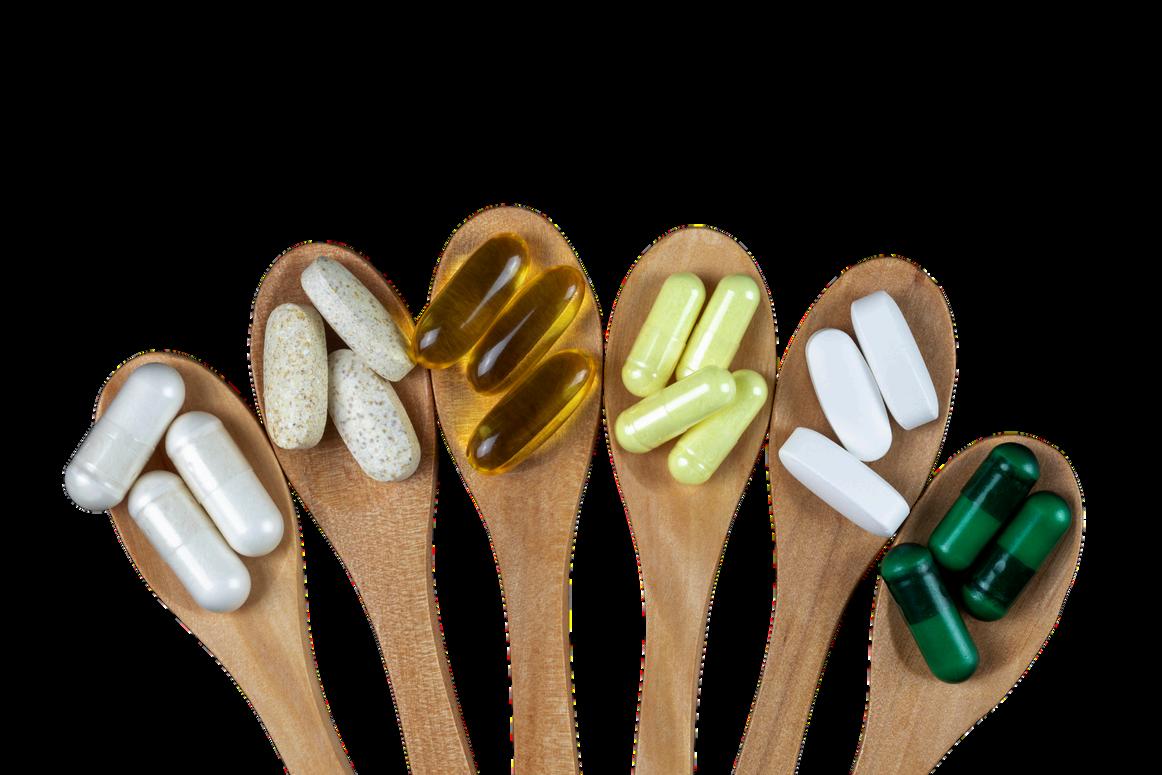
B Vitamins for Metabolic Support: B vitamins serve as essential cofactors in fat and carbohydrate metabolism. Adequate B vitamin status may support optimal mitochondrial function and energy production. Choose a multivitamin with the full spectrum of B vitamins in their active forms.
Fat-Soluble Vitamins for Hormone Balance: Vitamins A, D, E, and K2 may support hormone production and overall metabolic health.
These nutrients work together to support healthy body composition and hormone balance.
Your supplement strategy provides additional support that may help optimize all the other strategies in this guide.
By supporting blood sugar control, liver function, mitochondrial protection, and micronutrient needs, these supplements may help ensure your body can better respond to the metabolic benefits created by your walking, strength training, meal planning, sun exposure, and sleep optimization efforts.

When stress takes over, your body shifts into survival mode and stops prioritizing fat burning.
Here’s what chronically high cortisol (your primary stress hormone) does:
Promotes fat storage around your organs (visceral fat).
Slows metabolism.
Increases cravings for high-calorie foods.
Breaks down muscle tissue.
In other words, stress can cancel out all your hard work and even cause weight gain despite doing “everything right.”
That’s why stress management isn’t optional. It’s essential.
Not just for mental peace (though that matters too), but because your hormones need balance before your body can truly burn fat.
Chronic stress elevates cortisol, which creates a perfect storm for visceral fat accumulation.
Research shows that individuals with chronically elevated cortisol levels have more visceral fat and significantly impaired fat oxidation compared to those with normal cortisol patterns.

Here's how chronic stress sabotages your fat-burning efforts on multiple levels:
When you're chronically stressed, your mitochondria, those cellular powerhouses we've been working to optimize, shift from energy production into defense mode. This reduces fat-burning capacity while promoting energy storage as visceral fat rather than using it for cellular functions.
Stress hormones also contribute to insulin resistance, further impairing glucose metabolism and increasing fat storage around organs. This creates a vicious cycle where stress makes it harder to burn fat while making it easier to store it.
Finally, stress interferes with your sleep optimization efforts by suppressing growth hormone and melatonin production. Chronically stressed individuals have lower growth hormone levels and significantly impaired overnight fat burning, undermining the metabolic benefits you get from proper sleep timing.
Fortunately, you don't need to eliminate all stress from your life to see dramatic improvements.
You just need to give your body the tools to handle stress more effectively and activate your natural relaxation response.
The three simple strategies that follow can significantly reduce cortisol levels, support better sleep, and create the internal environment your body needs to burn visceral fat efficiently.

Laughter is one of the most powerful natural stress reducers available to you.
Just 15 minutes of genuine laughter can reduce cortisol levels and maintain these benefits for up to 24 hours
When you laugh, your body releases endorphins, natural feel-good chemicals that counteract stress hormones and significantly improve mood and stress resilience.
Even better, laughter can help burn energy.
In a study published in the International Journal of Obesity, researchers measured the metabolic response of 55 healthy adults using a whole-room calorimeter.
They found that 15 minutes of genuine laughter increased energy expenditure by about 210 calories. (21)


That may sound small, but when combined with the hormonal reset from laughter, it creates a powerful daily habit for reducing stress and supporting fat loss.
Adding more laughter to your life doesn't require anything complicated:
Laugh at yourself - Learn to find humor in your own mistakes and imperfections rather than getting stressed about them.
Watch comedies - Make funny movies, TV shows, or comedy specials part of your evening routine.
Share laughter with family - Make family time include humor, jokes, and playful interactions.
Find daily opportunities - Look for humorous moments in everyday situations like traffic jams or minor inconveniences.
People who regularly engage in self-directed humor have lower stress levels and better emotional regulation. The stress-reducing effects of laughter extend to immune function, which is closely linked to metabolic health.
Laughter therapy increases natural killer cell activity and reduces inflammatory markers that interfere with fat burning. (22)
The people in your life have a direct impact on your stress hormones and your ability to burn visceral fat.
This might sound strange, but the quality of your relationships literally affects your cortisol levels, insulin sensitivity, and metabolic function.
Individuals with strong social support networks have significantly lower cortisol levels and better stress recovery compared to those with poor social connections.
This includes your workplace relationships.
Since you spend significant time at work, positive coworker relationships are crucial for maintaining lower stress levels and better metabolic health markers.
However, your closest relationships have the most profound impact.
People in supportive marriages have dramatically better metabolic profiles compared to those in high-conflict relationships. (23)
This doesn't mean your relationships need to be perfect, but chronic conflict and tension create the exact hormonal environment that promotes visceral fat storage.
Here are simple ways to strengthen the relationships that matter most:
Practice active listening - Focus on truly hearing and understanding others rather than just waiting for your turn to speak.
Express appreciation regularly - Acknowledge and thank people for their contributions, both big and small.
Address conflicts constructively - Learn healthy ways to address disagreements without letting them escalate into chronic stress sources
Prioritize quality time - Make meaningful time with important people, free from distractions like phones or work concerns.

Address conflicts constructively - Learn healthy ways to address disagreements without letting them escalate into chronic stress sources.
Prioritize quality time - Make meaningful time with important people, free from distractions like phones or work concerns.
The beautiful thing about improving your relationships is that it creates an upward spiral.
When you feel more supported and connected, your stress levels drop, which makes you more pleasant to be around, which strengthens your relationships even further.
This positive cycle directly supports your body's ability to burn visceral fat while making your life more enjoyable and fulfilling.
Remember, you don't need to fix every relationship in your life, but nurturing the important ones creates a powerful foundation for both metabolic health and overall well-being.

Gratitude is a neurological tool that can help support better stress resilience and metabolic function.
When researchers study people who practice regular gratitude, they find changes in brain structure and function that may support overall health.
Regular gratitude practice can increase activity in the hypothalamus (which regulates stress hormones) and strengthen neural pathways associated with emotional regulation (24)
Over time, this may help your brain become better at managing stress, creating more favorable conditions for visceral fat loss.
People who practice daily gratitude tend to have lower cortisol levels, better stress recovery, and improved insulin sensitivity. (25)
Gratitude also supports your sleep optimization by promoting relaxation before bedtime. This creates a beneficial cycle where better gratitude leads to better sleep, which supports better hormone production.


The most effective gratitude practices are simple:
Daily gratitude list - Each evening, write down 3-5 specific things you're genuinely grateful for from that day.
Gratitude for challenges - Practice finding something to be grateful for even in difficult situations.
Express gratitude to others - Regularly tell people in your life why you're grateful for them.
Health and body gratitude - Be grateful for your body's ability to heal and adapt.
When you combine gratitude with laughter and positive relationships, you create a foundation of emotional resilience that supports all the other strategies in this 7-day fat burning quickstart guide.
Rather than letting stress accumulate over time, you're giving yourself daily opportunities to decompress and generate those feel-good emotions that keep stress levels manageable.
Your stress management strategy completes this comprehensive approach to visceral fat burning by creating supportive conditions for all other strategies to work more effectively
By cultivating laughter, positive relationships, and gratitude, you're building habits that support sustainable health improvements that extend well beyond this initial protocol.
When you combine all seven strategies —the walking, strength training, strategic meal planning, sun exposure, sleep optimization, supplements, and stress management something really powerful happens.
You help your body target visceral fat while building habits that support better health, more energy, and improved quality of life.
The walking routine awakens your lymphatic system and activates fatburning hormones without the stress of intense exercise.
The strength training builds metabolically active muscle that burns calories around the clock.
Your strategic meal planning provides the exact nutrients your body needs while eliminating the foods that trigger fat storage.
Sun exposure charges your mitochondrial batteries and optimizes the hormones that control fat burning.
Sleep optimization maximizes your body's most powerful anti-aging and fat-burning hormones.
Targeted supplements fill the nutritional gaps and enhance your cellular energy production.
Stress management creates the psychological and physiological environment where all these strategies can work synergistically.
The best part? Each strategy builds on and amplifies the others.
Your morning walk enhances your sleep quality. Better sleep increases growth hormone, which makes your strength training more effective.
Strategic meal timing supports your circadian rhythm, which optimizes sun exposure benefits. Stress management improves your food choices and exercise enjoyment.
Start with the strategies that feel most manageable, then gradually incorporate the others as they become natural habits.
Your body wants to burn visceral fat; you're simply creating the conditions that allow it to do what it's designed to do.
The dangerous visceral fat that has been silently damaging your health doesn't stand a chance against this comprehensive approach.
More importantly, you're building a foundation for lifelong health, energy, and vitality.
Your transformation starts with your next choice.
Will you take that first walk, prepare your first strategically timed meal, or start your evening wind-down routine tonight?
The path forward is clear, the tools are in your hands, and your body is ready to respond.
The only thing standing between you and the healthiest version of yourself is action.

1. Contreras-Rodríguez O, Cano M, Vilar-López R, Rio-Valle JS, VerdejoRomán J, Navas JF, Martín-Pérez C, Fernández-Aranda F, Menchón JM, Soriano-Mas C, Verdejo-García A. Visceral adiposity and insular networks: associations with food craving. Int J Obes (Lond). 2019 Mar;43(3):503-511. doi: 10 1038/s41366-018-0173-3 Epub 2018 Aug 17 PMID: 30120426
2. World Health Organization. Waist circumference and waist-hip ratio: report of a WHO expert consultation, Geneva, 8–11 December 2008. Geneva: World Health Organization; 2011. Available from: https://iris.who.int/bitstream/handle/10665/44583/9789241501491 eng.pdf (accessed 2025-09-03).
3. Hunter, M. R., Gillespie, B. W., & Chen, S. Y. (2019). Urban Nature Experiences Reduce Stress in the Context of Daily Life Based on Salivary Biomarkers. Frontiers in Psychology, 10, 413490.
4. Greer BK, O'Brien J, Hornbuckle LM, Panton LB. EPOC Comparison Between Resistance Training and High-Intensity Interval Training in Aerobically Fit Women. Int J Exerc Sci. 2021 Aug 1;14(2):1027-1035. doi: 10.70252/ODIN6912. PMID: 34567357; PMCID: PMC8439678.
5. (IJRPR article). International Journal of Research Publication and Reviews. 2023;4(3):[page numbers]. Available from: https://ijrpr.com/uploads/V4ISSUE3/IJRPR10514.pdf (accessed 2025-09-03).
6. Ezpeleta, M., Cienfuegos, S., Lin, S., Pavlou, V., Gabel, K., TussingHumphreys, L., & Varady, K. A. (2024). Time-restricted eating: Watching the clock to treat obesity. Cell Metabolism, 36(2), 301-314. https://doi.org/10.1016/j.cmet.2023.12.004
7 Andriessen, C , Doligkeit, D , Moonen-Kornips, E , Mensink, M , Hesselink, M. K., Hoeks, J., & Schrauwen, P. (2023). The impact of prolonged fasting on 24h energy metabolism and its 24h rhythmicity in healthy, lean males: A randomized cross-over trial. Clinical Nutrition, 42(12), 2353-2362. https://doi.org/10.1016/j.clnu.2023.10.010
8. Ryu, E., Lee, J. H., Park, B., Heo, J., & Kwon, J. (2024). Impact of Meal Frequency on Insulin Resistance in Middle-Aged and Older Adults: A Prospective Cohort Study. Diabetes & Metabolism Journal, 49(2), 311. https://doi.org/10.4093/dmj.2024.0407
9. Keogh, J. M., Henning, E., Trowse, V. M., Dhillo, W. S., Ghatei, M. A., & Farooqi, I. S. (2013). High Protein Intake Stimulates Postprandial GLP1 and PYY Release. Obesity (Silver Spring, Md.), 21(8), 1602. https://doi.org/10.1002/oby.20154
10 Gibson, M J , Dawson, J A , Wijayatunga, N N , Ironuma, B , Chatindiara, I., Ovalle, F., Allison, D. B., & Dhurandhar, E. J. (2019). A randomized crossover trial to determine the effect of a protein vs. Carbohydrate preload on energy balance in ad libitum settings. Nutrition Journal, 18, 69. https://doi.org/10.1186/s12937-019-0497-4
11. Mitrou, P., Petsiou, E., Papakonstantinou, E., Maratou, E., Lambadiari, V., Dimitriadis, P., Spanoudi, F., Raptis, S. A., & Dimitriadis, G. (2015). Vinegar Consumption Increases Insulin-Stimulated Glucose Uptake by the Forearm Muscle in Humans with Type 2 Diabetes. Journal of Diabetes Research, 2015, 175204. https://doi.org/10.1155/2015/175204
12. Santos HO, de Moraes WMAM, da Silva GAR, Prestes J, Schoenfeld BJ. Vinegar (acetic acid) intake on glucose metabolism: a narrative review Clin Nutr ESPEN. 2019 Aug;32:1–7. doi:10.1016/j.clnesp.2019.05.008. PMID: 31221273
13. Khezri, S. S., Saidpour, A., Hosseinzadeh, N., & Amiri, Z. (2018). Beneficial effects of Apple Cider Vinegar on weight management, Visceral Adiposity Index and lipid profile in overweight or obese subjects receiving restricted calorie diet: A randomized clinical trial. Journal of Functional Foods, 43, 95102. https://doi.org/10.1016/j.jff.2018.02.003
14. NHS. Different types of fat [Internet]. London: NHS; [updated YYYY]. Available from: https://www nhs uk/live-well/eat-well/food-types/differentfats-nutrition/ (accessed 2025-09-03).
15. Zamir A, Ben-Zeev T, Hoffman JR. Manipulation of Dietary Intake on Changes in Circulating Testosterone Concentrations. Nutrients. 2021 Sep 25;13(10):3375. doi: 10.3390/nu13103375. PMID: 34684376; PMCID: PMC8538516.
16. Imai S, Fukui M, Kajiyama S. Effect of eating vegetables before carbohydrates on glucose excursions in patients with type 2 diabetes. J Clin Biochem Nutr. 2014 Jan;54(1):7-11. doi: 10.3164/jcbn.13-67. Epub 2013 Dec 27. PMID: 24426184; PMCID: PMC3882489.
17 Pałka T, Pajor P, Tyka AK, Pilch W, Cebula A, Teległów A, Strzała M, Maciejczyk M. Time-of-Day Effects on Anaerobic Power and Concentration of Selected Hormones in Blind Men. Int J Environ Res Public Health. 2021 Sep 4;18(17):9353. doi: 10.3390/ijerph18179353. PMID: 34501943; PMCID: PMC8431504.
18. Yin J, Xing H, Ye J. Efficacy of berberine in patients with type 2 diabetes mellitus. Metabolism. 2008 May;57(5):712-7. doi: 10.1016/j.metabol.2008.01.013. PMID: 18442638; PMCID: PMC2410097.
19. Hu, Y., Ehli, E. A., Kittelsrud, J., Ronan, P. J., Munger, K., Downey, T., Bohlen, K., Callahan, L., Munson, V., Jahnke, M., Marshall, L. L., Nelson, K., Huizenga, P., Hansen, R., Soundy, T. J., & Davies, G. E. (2012). Lipidlowering effect of berberine in human subjects and rats Phytomedicine, 19(10), 861-867. https://doi.org/10.1016/j.phymed.2012.05.009
20. Havel PJ. A scientific review: the role of chromium in insulin resistance. Diabetes Educ. 2004;Suppl:2-14. PMID: 15208835.
21. Buchowski MS, Majchrzak KM, Blomquist K, Chen KY, Byrne DW, Bachorowski JA. Energy expenditure of genuine laughter. Int J Obes (Lond). 2007 Jan;31(1):131-7. doi: 10.1038/sj.ijo.0803353. Epub 2006 May 2. Erratum in: Int J Obes (Lond). 2014 Dec;38(12):1582. PMID: 16652129; PMCID: PMC3518926.
22. Peters, E. M., Schedlowski, M., Watzl, C., & Gimsa, U. (2021). To stress or not to stress: Brain-behavior-immune interaction may weaken or promote the immune response to SARS-CoV-2. Neurobiology of Stress, 14, 100296. https://doi.org/10.1016/j.ynstr.2021.100296
23. Nikolic Turnic T, Jakovljevic V, Strizhkova Z, Polukhin N, Ryaboy D, Kartashova M, Korenkova M, Kolchina V, Reshetnikov V. The Association between Marital Status and Obesity: A Systematic Review and MetaAnalysis. Diseases. 2024; 12(7):146. https://doi.org/10.3390/diseases12070146
24. Nikolic Turnic T, Jakovljevic V, Strizhkova Z, Polukhin N, Ryaboy D, Kartashova M, Korenkova M, Kolchina V, Reshetnikov V. The Association between Marital Status and Obesity: A Systematic Review and MetaAnalysis Diseases 2024;12(7):146 doi:10 3390/diseases12070146
Available from: https://www.mdpi.com/2079-9721/12/7/146
25. Makhmur S, Rath S. Effectiveness of Gratitude Therapy in Diabetes Management: A Qualitative Study. Health Psychol Res. 2023 Oct 12;11:88400. doi: 10.52965/001c.88400. PMID: 37841339; PMCID: PMC10575901.
Dr. David Jockers is a doctor of natural medicine. He runs one of the most popular natural health websites in DrJockers.com which has gotten over 1 million monthly visitors and his work has been seen on popular media such as the Dr Oz show and Hallmark Home and Family.
Dr Jockers is the author of the best-selling book “The Keto Metabolic Breakthrough” by Victory Belt publishing and “The Fasting Transformation.” He is a world-renowned expert in the area of functional nutrition, fat burning, fasting, brain health and inflammation. He is also the host of the popular Dr Jockers Functional Nutrition podcast.
Dr Jockers lives in Canton, Georgia with his wife Angel and his twin boys David & Joshua and his daughter Joyful.