9087686986 kiyorndlabs@gmailcom wwwkiyorndlabcom


9087686986 kiyorndlabs@gmailcom wwwkiyorndlabcom
In the realm of material sciences and engineering, plastic flexural testing laboratories stand as critical checkpoints for assessing the mechanical properties of polymer-based materials. These laboratories specialize in conducting flexural or bending tests, which are essential for determining the behavior of plastic materials under load. Given the ubiquity of plastics in a myriad of applications—from consumer electronics and packaging to automotive parts and construction materials—the insights gained from flexural testing are invaluable. This article explores the role of plastic flexural testing laboratories, the intricacies of the testing process, and the profound impact of their work on enhancing product development, safety, and regulatory compliance.
Flexural testing, at its essence, evaluates a material's strength and flexibility by subjecting it to bending until it fractures or reaches a specific level of deformation. This type of testing provides critical data points such as flexural strength (the maximum stress a material can withstand before yielding) and flexural modulus (a measure of material stiness during bending). For plastics, these parameters are vital for understanding how they will perform in
real-world applications, particularly in scenarios where the material is expected to bear load or stress without failing.
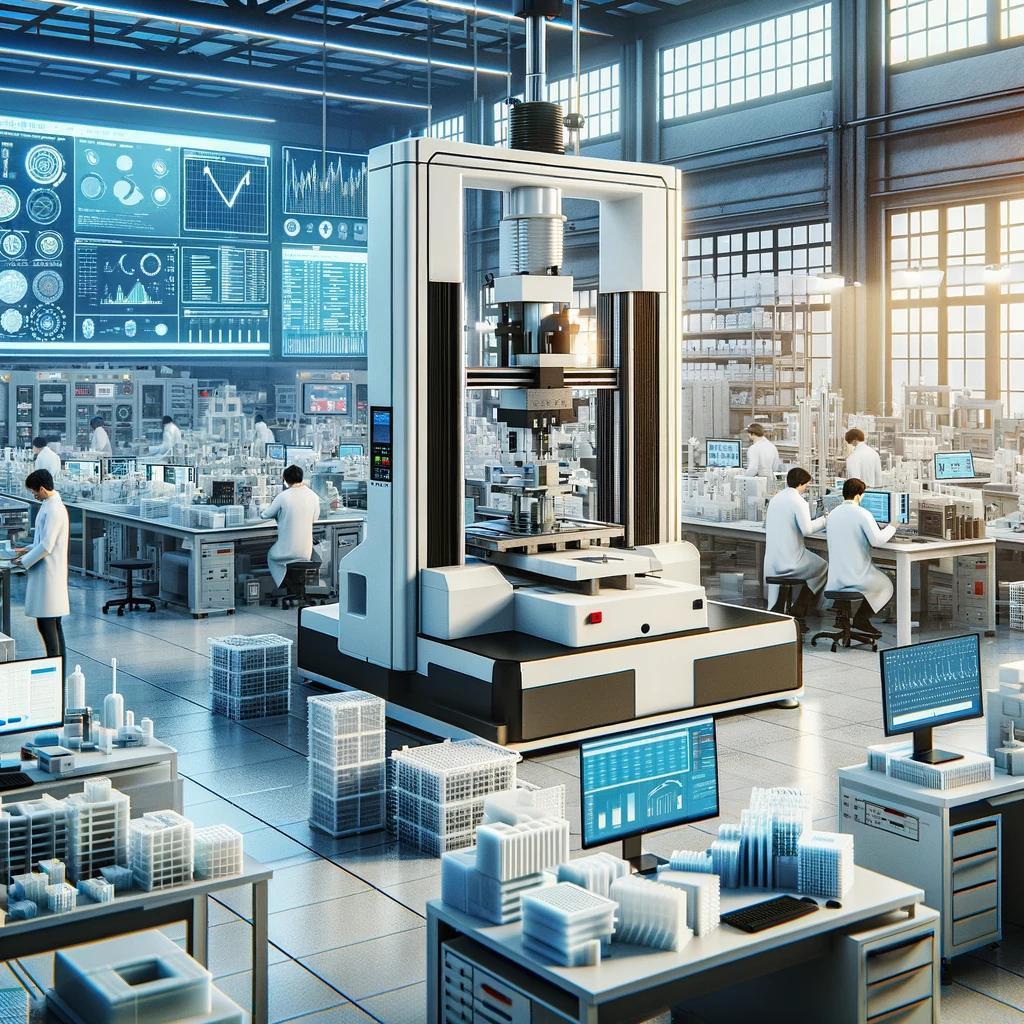
The operation within a plastic flexural testing laboratory is marked by a series of standardized steps, designed to ensure accuracy and repeatability:
Specimen Preparation: Samples are prepared according to strict dimensions outlined in international standards, such as ASTM D790 or ISO 178. This standardization is crucial for consistency across tests and comparability of results.
Testing Setup: Prepared specimens are placed on a flexural testing machine, where two supports hold the specimen while a load is applied at one or more points along its length. The distance between supports and the speed at which the load is applied are set based on specific test protocols.
Data Collection: As the load is applied, the testing machine records the force exerted and the corresponding deformation of the specimen until failure. This data is then used to calculate the flexural strength and modulus
Analysis and Reporting: The gathered data undergoes analysis to extract meaningful insights about the material's performance under bending stress. These insights are compiled into reports, providing manufacturers and engineers with the information needed to make informed decisions about material selection and product design.
Plastic flexural testing laboratories have a far-reaching impact on various sectors:
Product Development: By understanding the flexural properties of plastics, designers and engineers can make more informed choices about materials, leading to products that are not only innovative but also robust and reliable.
Safety and Compliance: Flexural testing ensures that products meet rigorous safety standards and comply with industry regulations, helping manufacturers avoid costly recalls and maintain consumer trust
Material Innovation: Testing laboratories often work closely with material scientists to develop new polymers and composites with enhanced flexural properties, driving forward the frontiers of material science
Sustainability: In an era focusing on environmental sustainability, flexural testing is also applied to assess the performance of recycled plastics and biodegradable materials, supporting the industry's eorts to reduce its environmental footprint
Plastic flexural testing laboratories are indispensable in ensuring the reliability, safety, and performance of plastic materials and products. Through meticulous testing and analysis, these laboratories provide the foundational knowledge necessary for advancing product development and material innovation. As the demands on plastic materials continue to evolve, the role of flexural testing laboratories will remain crucial, underpinning the success of industries reliant on polymer-based materials
For more details about Plastic Flexural testing laboratory in Chennai, Plastic Flexural testing laboratory