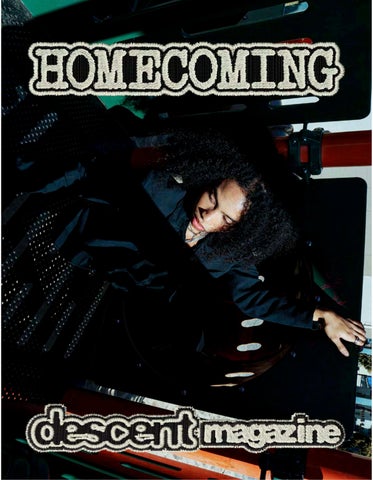
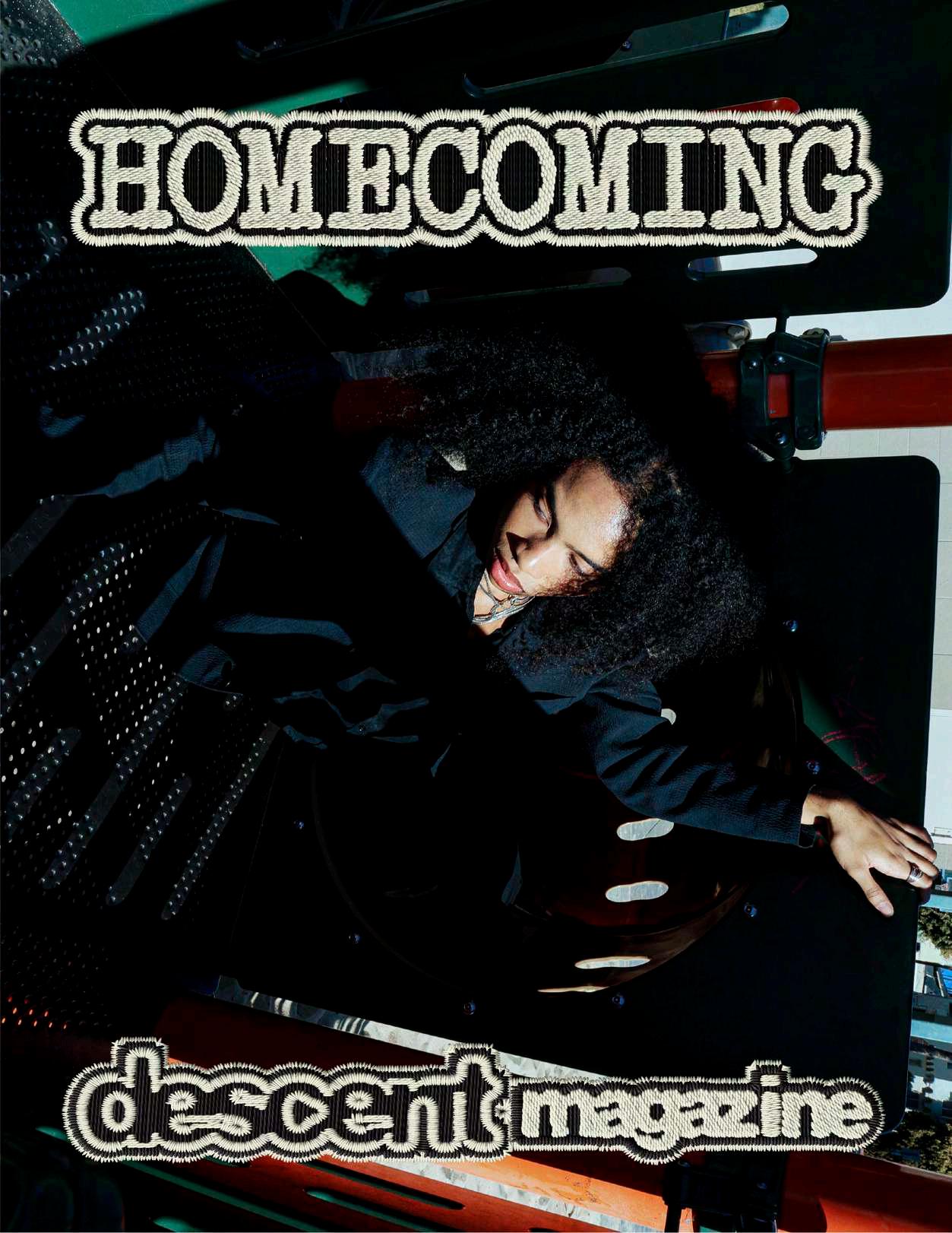
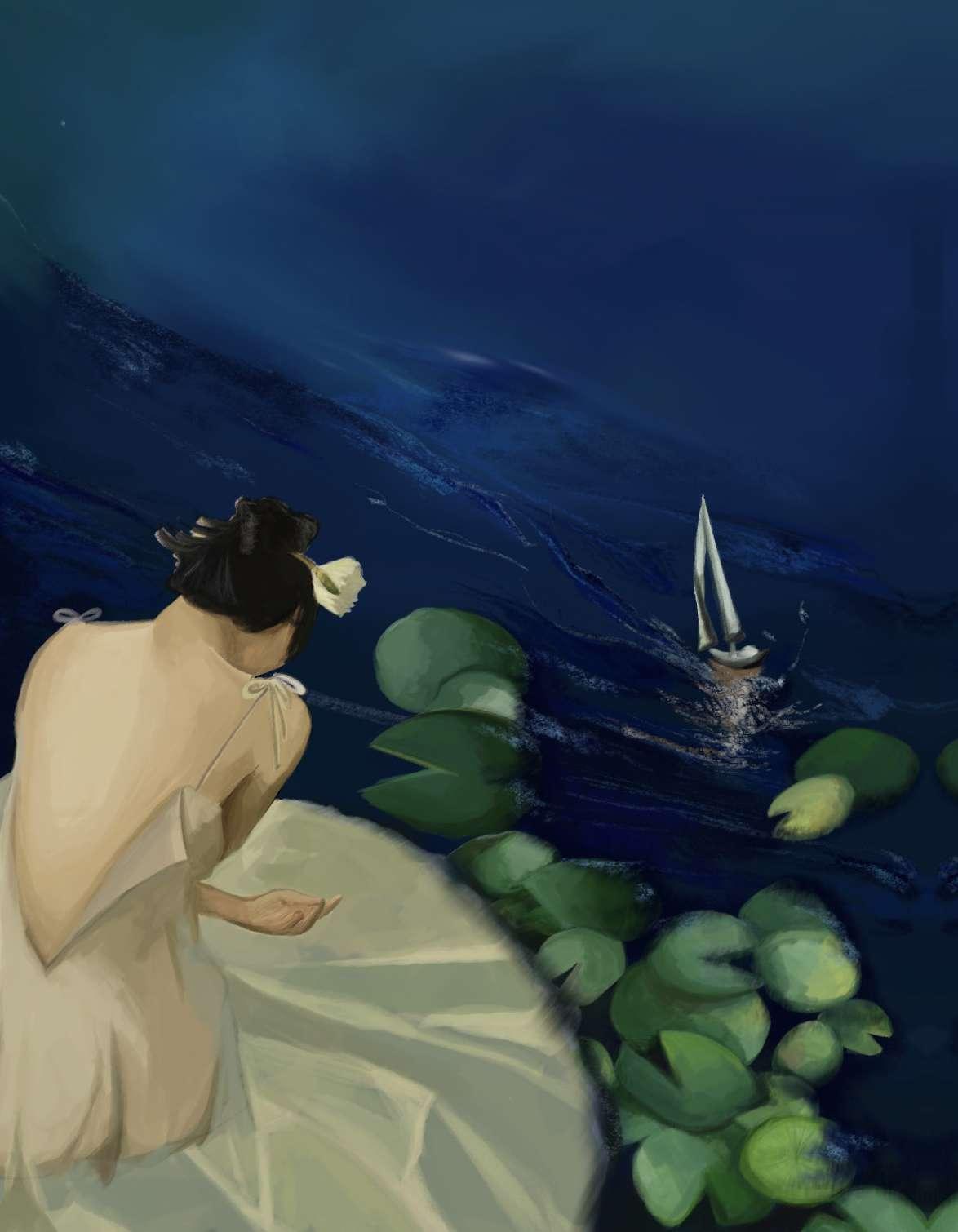
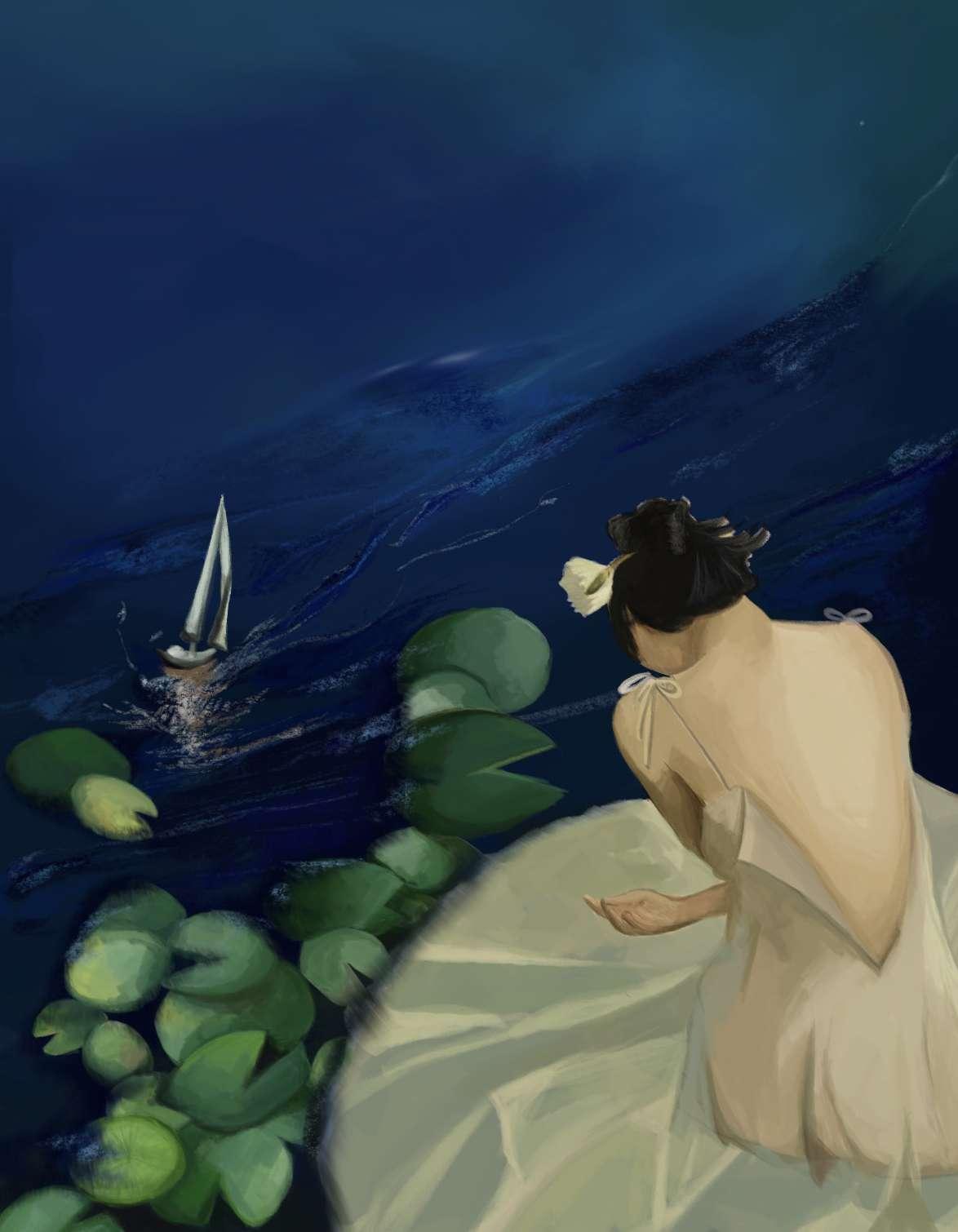
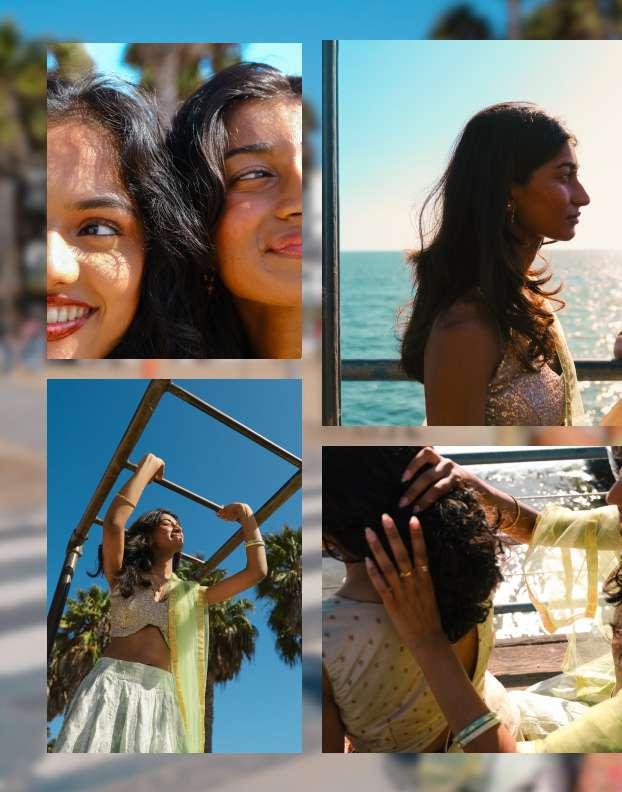
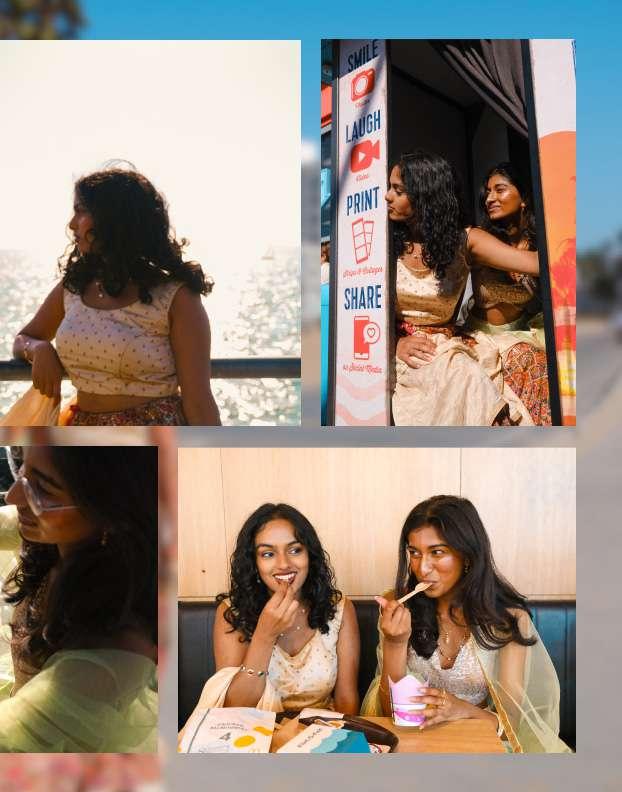
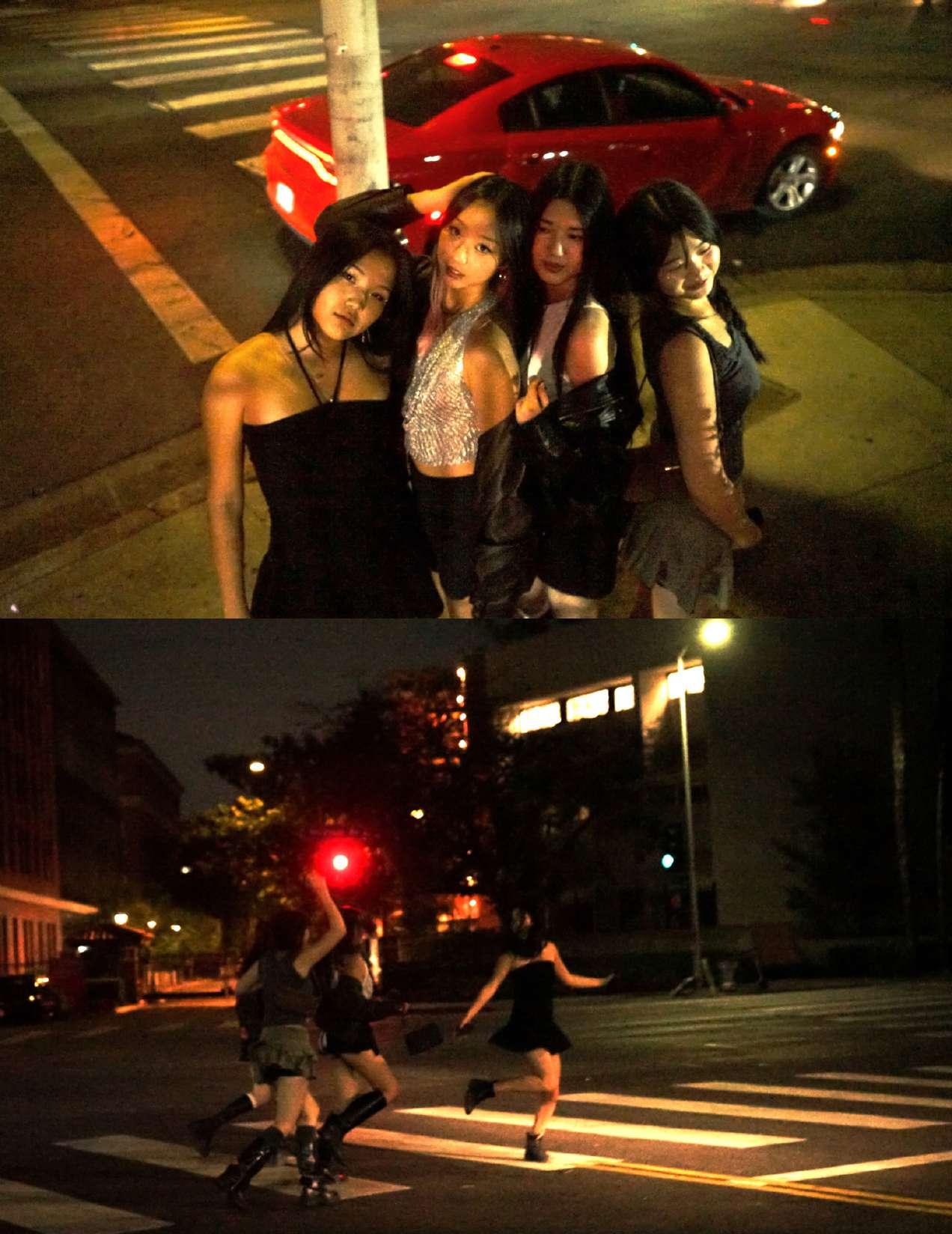
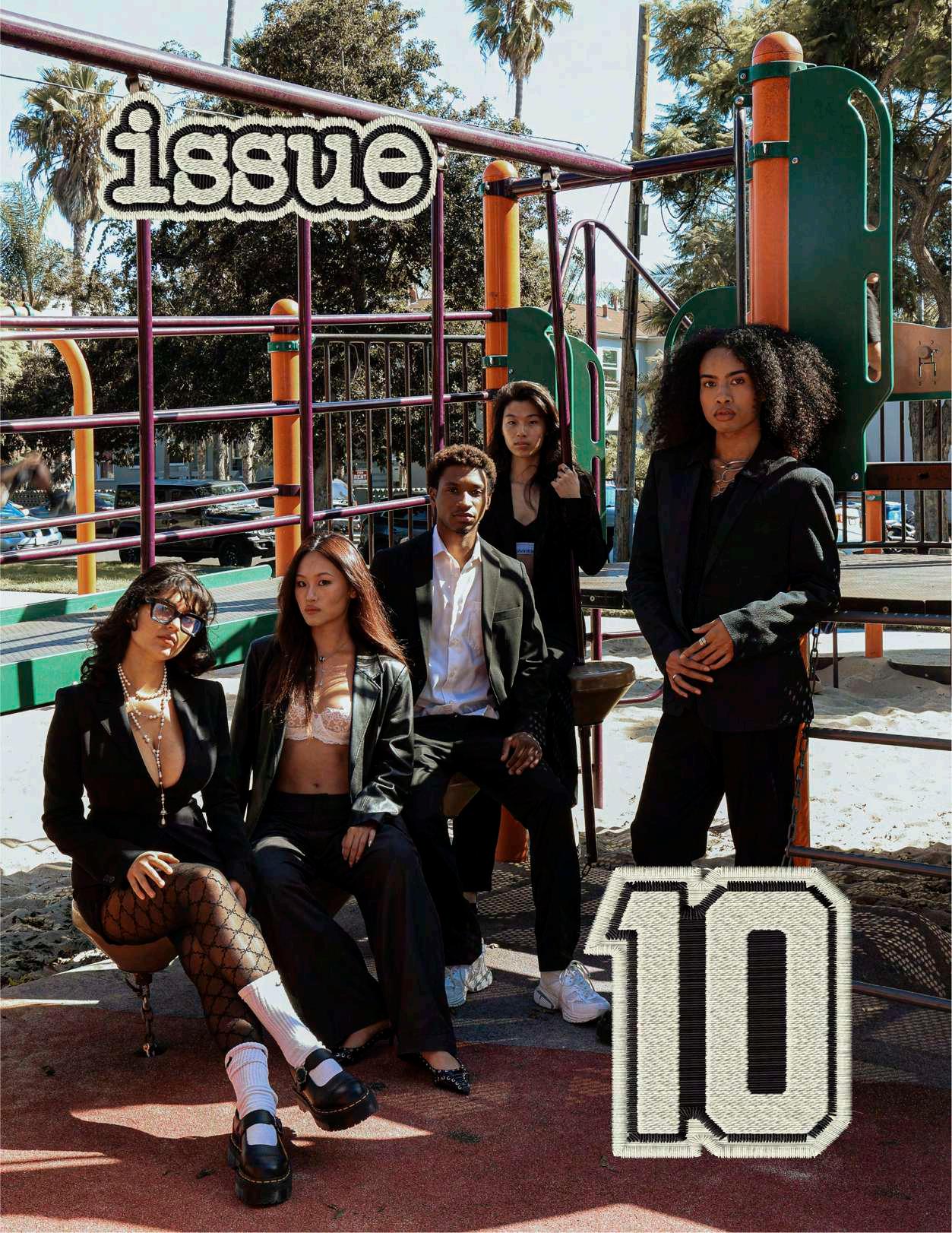
Thank you for reading our tenth edition of Descent Magazine! In so many semesters, this community has grown into something greater than the sum of its parts. In this issue, we’re offering new meanings to the word homecoming, from the glitterless afterparty to smoky circles. You’ll find stubborn, island-separated accents and whiteout poetry. Homecoming is love and regret, normalcy and loneliness.
Descent was pitched over five years ago during a time of global transformation and reckoning. What started as an act of courage — to write, to create, and to descend into our own stories — has become a home for countless voices searching for belonging. Through time, we have returned again and again to the heart of what we stand for: finding light in reflection and community in creation. This issue is a reminder that we continue to arrive to ourselves and to one another.
From changing our branding to reimagining our mission statement, our team has introduced a new era to Descent. Still, our heart still remains with empowering APIDA creatives. We are so proud of the work from our designers, multimedia creatives, writers, administration, and social media creatives. This magazine would not be complete without your creativity and voices.
We would also like to show our gratitude to our partners — Kaya Press and APASA — for their belief in and support of our organization.
Enjoy your Homecoming.
Yours,
Stella Vu Co-Editor-in-Chief of Design
Sammie Yen Editor-in-Chief of Writing
Jasmine Wan Director of Multi-Media and Arts
Bella Murray Co-Editor-in-Chief of Design
Bella
Anya
Cici
Grace
Grace
Lynn
Stella
Cici
ARCHITECTURE
Writing: Fiorela Echano
Design: Bella Murray
I remember the first gift wrapped around me tight, a velvet shell embracing me softly, the gentle promise
And I remember what was said when it was given to me: the body a temple
the mind a fortress
this is an eternal home
Yet I have known great empires to fall, the crumbling of a perimeter so weak weight-bearing beams snap like midnight
Sometimes walls last centuries, reinforced clay holding up a city, the earnest might of a structure wanting to stay
Sometimes walls last seconds, fault-lined glass holding up a heart, the shattered fate of a vessel dying to exist
One day, I woke up a beetle with a taste for rotting fruit, the room became
Homecoming
so small I climbed up and up, accepted reversal I sat at the top of my own reflection, looking down for a memory of my childhood home, a tightrope
Leading me back to the photo album of a birth, a still of the moment a soul merged with its frame, my destined origination
Now I stand at the beginning, trying to remember how
to recourse a neural pathway to refurbish an interior to forgive a cellular error to love an anatomy
written by sisi li
latent floor plans
you locate the Unchangeable Things first— throw pillows, ikea coffee table, chipped red vase born from your eighth grade art class. what is a lighthouse without a sea? don’t blame the messenger. you’re growing used to cutting ties over corners, shivering over sweating.
in the mouth of memory, static washes the kitchen amber & bruised. your best impression of beijing lies in grocery lists. cù, làjiāoyóu, suāncài. Ma asks for more hot water; you pour holding your breath, fingers pinking. name a knife more beautiful than Certainty. heaven is a rock & Hell is the floating.
there’s you & then there’s you, flickering in the bathtub. so what if you want to be Tangible for once? plane windows condense years into distance. you try to swagger mahjong like Ba & live off diet coke. your calls limit themselves to birthdays, emergencies, eleven pm on a monday night.
Who Are You Kidding? the garage won’t close itself. all roads lead to more roads, swear it on the cement. between thunderclaps & gossiping aunts, there’s no space left in legacy to become a pillar, only its flag. or you are erupting into magnolias. all this just to be buried in incense.
because in the room Before this one, you were taught to accept fruit with both hands.
because in the room Before this one, you were taught to love your country. /
A F R A I D . . . spearmint gum, hand cream, tylenol tucked in the drawer, behind the sewing kit. rinse & repeat— there are crueler fates than yours. say Yes. say Yes, But. say Yes, But this is an awful way to be lonely.
protection: the first promise of a house. pretend it is sunday & everything is bracing to exhale. most of all, you want to be Not Afraid. you know the door ends
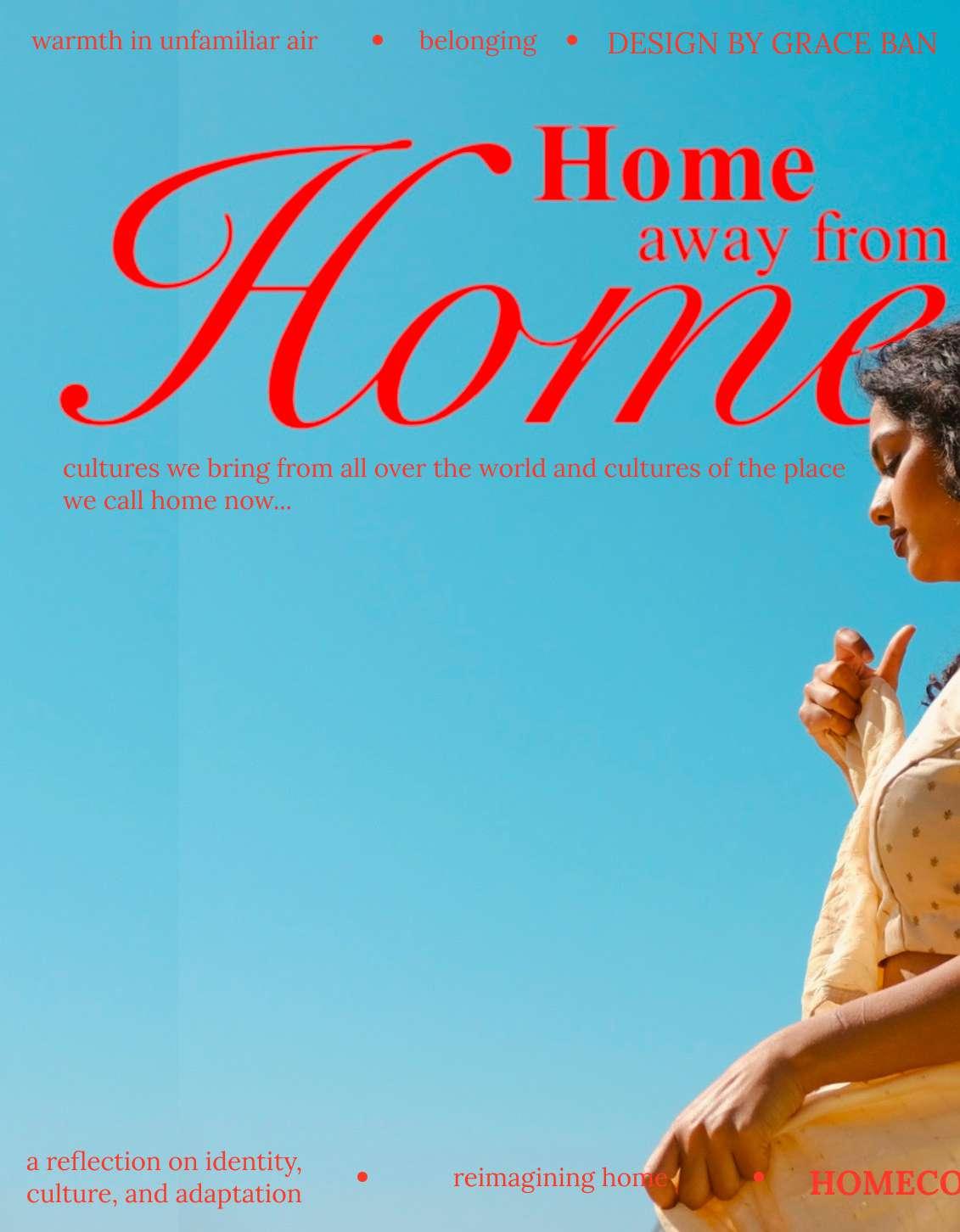
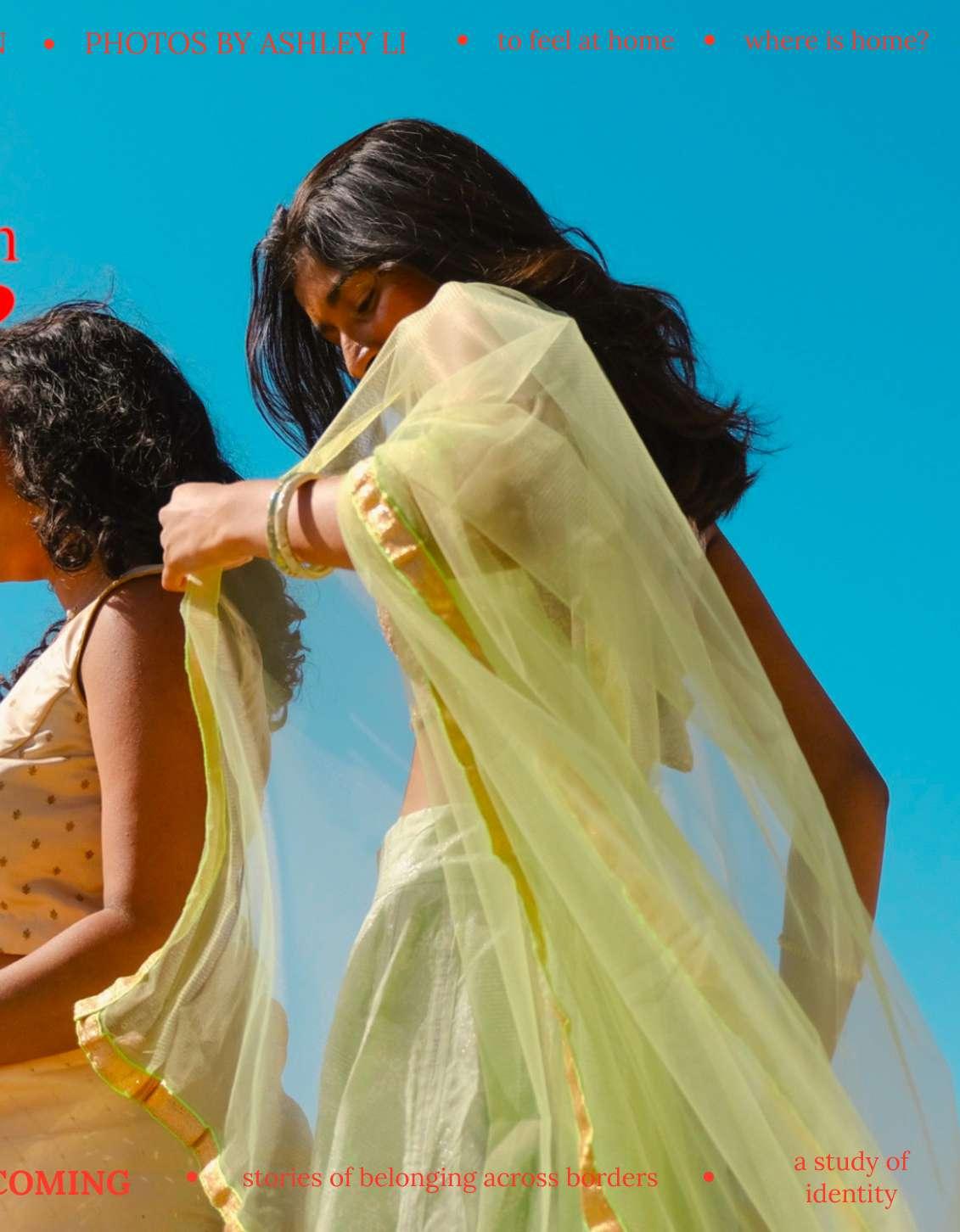
home away from home
Alumni Park
I stand beneath the sycamore and magnolia trees in Alumni Park. The fountain gurgles and there is the rarity of a November blue sky. The bushes are in their embarrassing state of freshly cut, the new roses and weeds growing in the dried soil that surrounds the center fountain. I would call it a beautiful day, other than the fact that my fingertips are almost blue with cold. They peek out from the sides of my sweater, thrifted. I am not used to the California weather yet, and neither are my parents. My mother stands beside me, my father looking up at the sky. When she is cold, she wraps a scarf around her head, the edges of her mouth downturned in discomfort. My father repeatedly blows air from his mouth, a circle forming as he mutters “Oh, man”.
“This is where I come to write sometimes, Ma.” I say. We are standing in the grass, the dew from the morning leaving the tips of my shoes wet. My parents have come to this country with sandals and socks, not realising that the status quo of thick toed sneakers has a purpose. “It is very nice here,” she responds. “But don’t stay out here too long. You will catch a cold.” I smile with my eyes, but my mouth mimics a sound of disapproval. “I know. You don’t have to worry about me.” It is her natural state, after all. Anxiety comes to her as naturally as graying hair, although she has tried her best to hide both. My father crosses his arms, a pink sweater barely hiding the three layers of clothes beneath. “You should sit inside when you study. It is good to have proper back support.”
I look back at the both of them, drawing closer to one another out of cold. “But it’s so beautiful outside. You should see what it looks like when the sun is setting. It’s too early for that now.”
“It is like when you used to sit under the big banyan tree outside our house.” My mother smiles at the memory, pleased that I chose to be outside when reading or writing. I have not sat under the banyan tree in three years now, the benches overrun with small children and barking dogs. Alumni Park on a Sunday seems more peaceful by comparison. I agree with her regardless. I say it reminds me of Bangalore.
7th Street Metro Station
“Ma, don’t stare at anyone.” I remind my mother that here, it is impolite to maintain eye contact unless you are going to start a conversation with them. We sit on the metro, my mother by the window, my father by the aisle and me standing closely by them. The stance feels protective in a way, and I am shocked that I could feel so old so quickly. I am a tour guide, a wayfinder, an explorer, cutting through the urban jungle with my scythe fashioned from a student metro card, ensuring those behind me are safe from the city’s constant threats. My mother clutches onto my father’s hand, the veins of her hands bulging the way they do when she speeds on the highway. She is nervous. My father seems lost, choosing to close his eyes and meditate instead of noticing the people coming into the train. He has not changed in the last few years.
WRITTEN BY SHRISTUTI SRIRAPU
DESIGNED BY CICI FANG
In our city, the Metro is almost sterile: bleached and wiped every train ride. Security lines the entrance, and the Metro zips over the city instead of next to the cars on the roads. Now, the LA metro seems almost normal to me, what with its passengers bringing bicycles onto the train and the person in the front of the car resting a boom box on his knee. When we reach, we are underground. “It does not smell nice here,” my father says. “It always smells like this.” I respond without noticing. The sickly sweet smell mixed with smoke and stagnant salty air is as natural as breathing to me. The last time I was in Banglore, the smell of the monsoon almost drowned me. The cloying scent of mud and water seemed to pull me into the tree branches, but now the smell of LA plants me firmly onto its graffited sidewalks.
I am tempted to walk hand-in-hand with my mother and father, the way I did when I was a child. But it is not them that must flank me on both sides, protect me from those walking by. It is my turn to place sure-footed steps down the crosswalk. They are wide-eyed, innocent in the face of this new world.
I brave the short walk that will take us to the public library. I am determined to show them the safest world of my new residence, one where a Sunday afternoon is spent poring over textbooks in the children’s section of the library. Not one the end of my Saturday night is signalled by sirens and someone crying on my shoulder.
We stand at the foot of the library and their eyes travel upwards. “Are you safe here?” My mother finally breaks the silence. I would love to answer her, ensuring that she knows every step I take is one of caution and calculation. I would like to tell her that my heart does not race faster than the train wheels when I sit by myself after dark. I would like to tell her that my friends constantly surround me, love and support pouring out of the broken sidewalk whenever I leave the house. I would like to lie about how this city has made me feel the loneliest I have ever felt. How the silence that comes with 85° afternoons usually end with tears and an empty stomach and nights spent walking with no destination. I would like to say I am very safe and never scared. So I tell her exactly that.
My parent’s favorite conversation starter is “Have you been eating enough?” Although my knobbly arms are capable of pushing myself over a turnstile I am not supposed to cross, I must assure them constantly that my stomach is as full as my heart. We stand in Grand Central Market on a Saturday afternoon, the busiest I have ever seen the food court. They stick out like sore thumbs in the sea of people, ethnic clothes and furrowed eyebrows signalling their foreignity in the same way mine did two years ago. The path to Grand Central was littered with screaming cars and gothic architecture,buildings that my father alerted were very old and tall. I appreciate his observations of the world. They are often simple, obvious truths. They become anchors in my tendency to poeticise, his sentences deadweights in my dreams.
CoconutLimeSherbetflavor~
Grand Central Market
I hand them two cups from McConnell’s. My father licks the spoon of the coffee ice cream while my mother bites down on the Earl Grey and Shortbread flavor. I hold a cup of Lemon and Marionberries. My father was shocked to see my choice, expecting me to reach for the Coconut Lime Sherbet flavor. In a year, he knows me less. We had spent every evening after piano class in the nearest ice cream shop, where the Indian heat would force me to respite in the cooling flavor of tender coconut.
Now, I prefer sour flavors. I prefer the thick salt of butter over the taste of ghee, the tang of pico de gallo over mint chutney and the crisp of empanadas over samosas. Now, comfort food brings me back to a late night besides the taco stand instead of my mother’s cheesy pasta. My mother bites the inside of her cheeks and raises her eyebrows to let me know that she enjoys her food. My father offers me his cup. It is a gesture I know well, one colored with sacrifice. My father’s basal instinct is to give me whatever he enjoys, a reflex understanding that if something makes him happy, it would make him happier to see me have it. I shake my head and hold the extra spoon laden with the lemon ice cream out to him. I will watch him enjoy my happiness instead.
Now, I prefer sour flavors.
I prefer the thick salt of butter over the taste of ghee
the tang of pico degallo over mint chutney the crisp of empanadas over samosas
My parents stand in my room and my mother asks me why I have four stuffed animals at the cleanly broken cusp of adulthood. I say that they are gifts, not that I bought them from the thrift store out of pity for whichever young adult had decided that there was no space left for their childhood. My new room has no space for mine. Instead, I formed a new identity at the beginning of the semester. A young woman who puts up posters with art deco posters and collages instead of a girl with too many k-pop posters and Harry Potter fanart. My room is tasteful, no longer exploding with color and mismatched identifiers like my childhood bedroom. It has personality, but not too much. Much like me.
My mother says I have become quiet; to her, the greatest marker of my sadness. When I was a child, my silence was the first indicator that something was wrong. Now that I know a semblance of self-reliance, it has become a sign of peace. I have found peace in my Twin XL mattress, my plain bedsheets still smelling of store bleach. I sit on the bed under my fake leaves on the wall and stare out my bedroom window. I ignore them as they watch me from beside my bedside shelf. The tree outside my apartment shelters me from the buzz of the road and gently rustles with the same melody as the rain did back home. When I dream, I dream because of the gentle lull of their pines and not the heart-shaped dream catcher I owned in Bangalore.
I look back at my parents and they stare at me through glass. They lean forward, as if they are almost here. The picture of them is a beautiful one, one where they are younger and not worried about me. My mother has fewer wrinkles, and my fathers beard is still completely black. I imagine they are looking back at me through the many baby pictures in our home. I imagine them reaching through the frame, setting foot in streets of L.A beside me, their hands touching my cheekbones and chin, shocked at my new hollowed bone structure. It is difficult to see my maturity over pixels and data bytes. Now, they are at home, their home. Their home that has an empty room and a lot more silence that they say they enjoy. I am silent now that I am alone in my own home. There are 9000 miles between us and the empty chasm of a space that we do not share anymore. I have stayed in one place and have somehow grown farther away from them. I keep them, their kindness, their faces, and the memories I have not shared with them yet in a place of hope. Hope that one day, the glass will break and I will hear their voices alongside the sycamore trees rustling. That one day, we all will be in a home together, and it will be mine.
You are six when you fall from your bike and scrape the skin, elbow to wrist. You’d surrendered to the giddy momentum that comes with a beautiful day and pedaled until the sky spun down and around, running on air until you weren’t—the ground was so excited to embrace you. When you pull away, it looks as though you forgot about the cherry popsicle in your hands and left it to melt down your arms, bright with artificiality, sticky and exacerbated by the warm body of memory. You’re not sure. It could’ve been fruit punch, paint. Blood. There was a lot of it —maybe too much. You did have a penchant for overexaggeration.
“Acting lessons? You?” Ivy, who sits one cubicle over, has expressively penciled eyebrows. They soared when you admitted a younger you spent weekends sweating under stage lights, ink lines drying first on script paper then on your tongue, salt. “Well if you dreamed of Hollywood, you made it to LA at least.”
“We’re making spreadsheets in the City of Angels.”
“So we are.” Her chair swivels back around. Against the rain drops of clacking keys, she says: “Lunch break. You should take it.”
The theory is that food should make you rejuvenated enough to slog through the rest of the day, to push the hands until it hits five pm. This theory breaks apart with the plastic fork that you jab too hard into the lid of your Maruchan™ cup noodles.
It’s good that it’s replaceable. You can hardly tell the difference and that’s sort of the point when you’ve bought into the delightfully monotonous paradigm of mass manufacturing. It gave you the plastic that you twirl, idly, through the tepid MSG-choked bath of your cup noodles. It gave you the old microwave that rattles in circles and does its best to bring enriched wheat flour and rehydrated vegetable confetti just within the borders of edibility. It gave you a spreadsheet to make in a place where angels sling on tinsel wings from Party City, searching for magic after the hours of nine-to-five. The entire thing is a blended slurry coating your tongue with the taste of banality.
Your mother would have a fit if she knew what you were eating.
Close your eyes. Here is how the day continues: red runs down your arms and drips onto your bike as you wheel it across two streets. Your dog greets you from the top of your driveway. Her paws are still like little white socks and the box in your backyard is still empty. She tilts her head and wonders what took you so long. Lunch is almost ready.
The doorknob is smooth under your hand, the brass turning without a key. The door sweeps aside a pair of familiar dollar store house slippers; the dog’s tail sweeps across your leg as she leaps through and disappears into the next room. There is always another room. Today it is the kitchen, and you drip blood or fruit punch or tears as you stand at the threshold looking in. Your mother is busy at the stove. She drags the spatula around the rim, then thwok-thwok-thwok taps ingredients back into the sizzling pan—a wrist rolling worn circles, a motion you can hear. She turns her head and calls for the carrots, and you are older, shoulder to shoulder now, scraping cubes from the cutting board to watch them tumble into a bed of eggs and sausage.
A touch on your arm. Xiăo xīn, the oil is hot. Let ma handle it.
Fried rice is for when the past needs to be eaten, grain by grain. Your mother remakes yesterday’s rice into something new and when you sit at the table, on your tongue there’s salt and more. Tastes like five spice. Tastes like the softness of eyes creased by crow’s feet, the realization that your line of sight has soared from your parents’ chests to their temples. The ache in your gut tempts you to lick the bowls clean, but each time you do, your overindulgence catches your lip in the chipped edge you forgot. Dàn chăo fàn tastes a little more like iron each time you remember it wrong. Trying to make it makes it worse: your hands can’t crack eggs the way your mother can, never a clean br e ak, never easy.
Probably something to blame on the caffeine addiction that came with the ID badge of your evil twin and the company quarter-zip you’ll be buried in. Coffee cups drained of lattes stain your teeth but at least you’ll be environmentally conscious in 100% recycled polyester fleece. Keep your chin up, dear. Smile! If you think about it, onboarding is a rite, just like any recipe. Sodium. Linoleum. Fluorescence so sour it hurts.
God, this kitchen really is emptied of everything—everything but the eggshells you’ve learned to walk on.
Ivy wanders past your hunched form with an empty coffee mug. She’s someone’s “Best Mom Ever,” so says the charmingly uneven letters painted next to a couple dripping acrylic hearts.
“Good morning. Ready for another day?”
Eternity’s measured in bites. Good morning, good evening, good night. Blink and you’ll miss the meal, blink again and everything tastes the same. Microplastics curdle in your gut; neither your stomach nor your heart are satisfied. If you can’t find the answer to your hunger in the pizzas in the freezer or the pack of Pop Tarts in the pantry, maybe it’s time to look behind you to see what you’ve been missing.
But do it on your break. It’s time to go back to work.
Company time is a strange time and flows according to its own rules. You’ve started to think of it like decomposition, a mechanism to close the loop and begin your day again. You know about decomposition. When spring came to your neighborhood, so too did the roadkill. You remember crying over the squirrels and the frogs until your mother wondered aloud about the possibility of a paradise built just for them after life.
Even if it’s a delusion, it’s comforting, and so you indulge. You’re good at that. Tear open a dream saved from middle school, when you gorged yourself on the mythos of pantheons with golden apples and eternal feasts. Hall of heroes. Hall of ghosts. The bridge between lingering and passing is constructed from the sort of spider’s thread that could save a sinner, clasped hands over a stomach groaning O lord, forgive me for this gluttony.
Recorded in your search history: how much incense does it take to bury a body that’s still seized by memory. How many offerings does it take to give this want away. Wretched and wicked soul, suffering eternal torment in a purgatory of your own making. Whose fault is it that you’re so bad at mourning the past? You could never cleave the heart from the animal on your cutting board, too afraid it’d startle awake and scream to life, because nothing really dies—not fully.
(Decomposition, remember?)
Here’s the thing: to live with someone is to attend all 10,000 of their funerals. You’re sitting vigil for you, yourself, the childhood in the casket that tilts their chin to look at you better, shaded by the peach trees your grandfather planted under a decade-past sky. Summer wears scent like a silk scarf; the perfume of ripening fruit patterns the wind. Someone’s humming/warbling bird/radio fuzz, Teresa Teng singing of a full-moon heart. How fortunate, to pick these blessings. The basket is heavy with the bounty this life gave you.
The screen door clatters shut as you step into another room, the next one that is always there, and today it is the kitchen. Dirt streaks your arms with comet trails and when your mother takes the weight from your hands, kisses your temple, she says you smell like sunshine. Your dog snuffles a little but cannot agree nor disagree; either way, will you feed her a slice of peach? Will you return to this table? Your father stands with a paring knife and an endless mountain of fruit beside him. He places a cut platter—apples/aorta/oranges, jeweled pomegranates, vessels of tart sweetness, thick and vacuous—down at your elbow with fingers stained in the colors of the heart. Pear skin pleats itself between his brows as he looks you up and down.
Have you eaten yet?
The fridge is filled with microwaveable meals and yogurt cups. A half-pint of ice cream saved for a rainy day. The silence that is only diluted with alcohol and digital distractions.
No, I haven’t eaten since I left. Please, please call me home for dinner.
Hiraeth
Hiraeth (n)
/ `hir īTH/
Designed by Hoonbin Yoo
Written by Caroline Li
1. An intranslatable Welsh term; longing for a home one can never return to 2. Homesickness for a place that never existed.
I have never noticed the veins on my grandpa’s hands until today. They spill like green rivers down the slopes of his arms and into the deltas of his wrists. His arms are white and muscleless. I compare them to the swell of my own, and see that his skin is like mine, except it sits in a film over the meat and pleats in the crooks of the body’s geometry.
He centers a coin over the eye of his callus with exacting precision. There’s a quick movement, then a blur of copper spinning on hardwood. The coin darts, quivers, and I laugh and clap my hands accordingly.
My grandpa’s coin collection is his pride and joy. There are coins from Afghan and England, Korea and l’Ile de Reunion. He collects these coins, and he buys with them amusement for us children. One fall, I remember giving him a sheet of stickers. He’d smiled, and I recalled the time he taught me how to remove the pistil from a hibiscus flower in order to eat it. Even then the white had already begun colonizing the black of his hair; it was like he was turning into those black-and-white pictures of him in real time. I find the stickers when we are clearing out his room. They are unopened.
I feed the cats, because Mom doesn’t trust that Dad will. She’s been in China for the past week and will stay there for another ten, accepting documents and condolences alike. Before that, she and my oldest brother went roadtripping from California to Chicago.
It’s a straight shot on the I-80,” my brother had said, shrugging. I can’t imagine driving that long: how sticky, to sit in a car suffused with sweat and the sickly sweetness of Cherry Bomb car freshener.
The cats like it most when Mom cares for them. This is surprising to her—she remarks how she never seemed to get that from my brothers and I. I stay silent despite the question that arises like bile in my throat: How is a child supposed to return something she was never given?
This is why I come home to feed the cats. I suppose it is also that I miss them, and in a strange way, when I am with them, I miss her too. Not so much the person she is, but her impression, which persists like a bone-deep itch in her absence. I rip open a Churu, and she is whispering to me that when she is gone, there will still be the cats. In fact there will only be the cats.
Antistrophe (n) /an`tistrefē/
1. The second segment of an ancient Greek choral ode
2. A return from east to west; to turn back
You ask me for poems
So I throw you dog bones
And pray that The smell Will scare you off.
Without trying to be poetic I, Watch my reflection in Your eyes
Become pure and monstrous
Howl confusedly
Scratching at stones and flesh and sky
Wondering and hoping to leave A mark, A measure, of life.
I don’t write poetry
Except about you
Perhaps poetry truly is flesh for skeletons of Resentment, sighing hate.
When you looked at me, (which you so rarely did), I felt burned
Not as if by radiant sun but Exposed naked
I’ve never met a bigger nudist Than you Indecent exposure
May warm your hearth —-Do as you please with those other countrymen of yours—But do not ask from me poems, do not ask from me anything more than some sordid. jealousy.
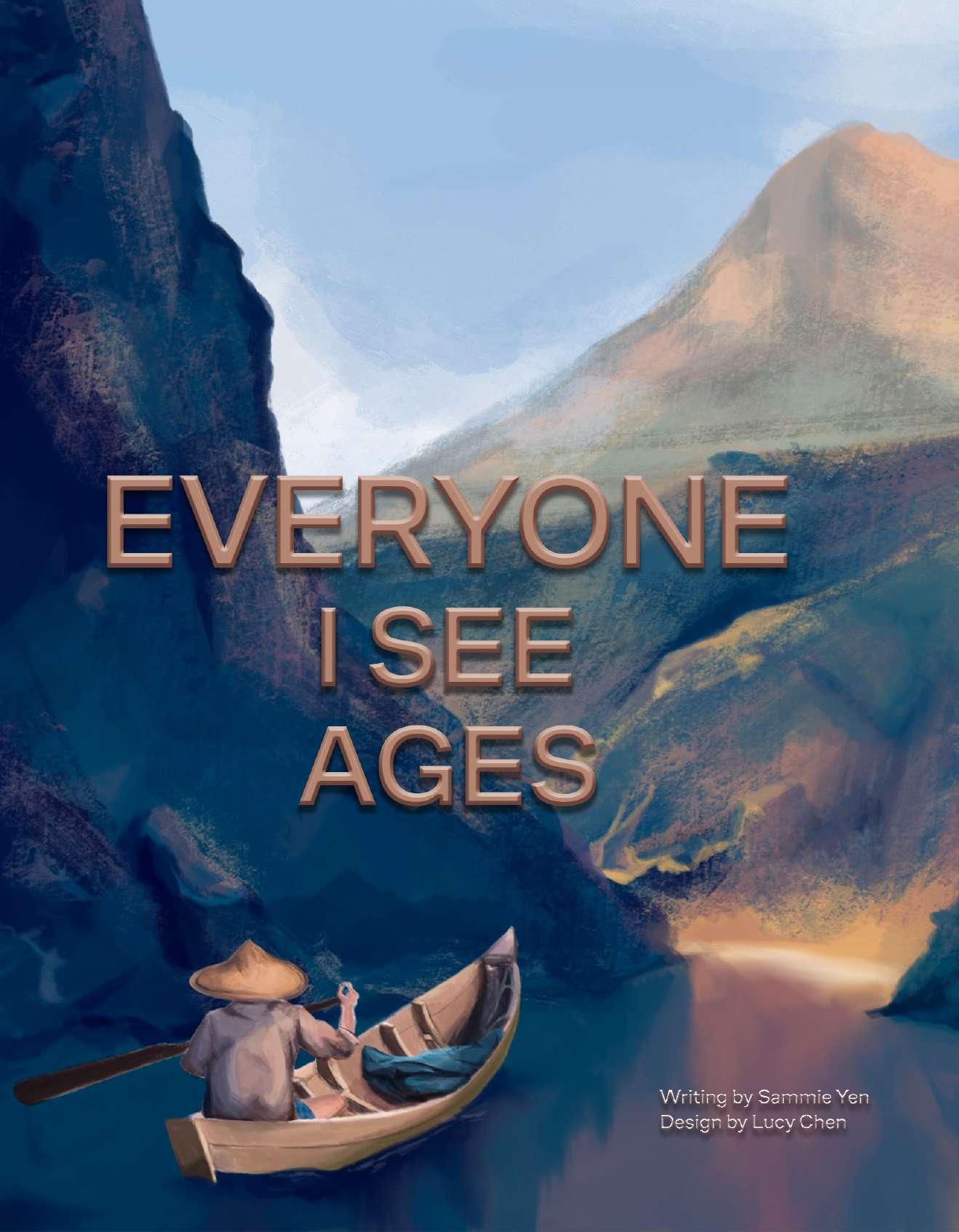
everyone I love, know, see
orange apologies
she cut fruit,
so I did two years later. she’s older (therefore wiser) her regret for her red anger enveloped her, sticking to her slippers on hardwood floor
putting the concession in front of my blurry eyes she left, giving me time to pay my check I was not hungry yet her slippers had not fwap-fwaped! down the hallway my hands found the peeled orange I accepted the taste of citrus love. she was silent
so I too must be silent, sitting criss-cross applesauce with my best friend in the sandbox. her hurt leaks, like sticky ice cream, from stormy eyes. But I am holding a peeled mandarin slice her hurt is nothing an orange cannot patch up the air is thick with a mutual waiting, and I yearn for her to take it, just take it, take the orange from my palm and in only seconds, we can be on the playground swing set, laughing and screaming and beautifully forgetting. You should have said it. she stalks off. my fingers turn over the single, sandy piece, squeezing until it screams out a dutiful line of juice I savor the word in my mouth but Sorry doesn’t taste like a diced mango or like a strawberry without the stem
The word is a spiky exhale,
The word is a spiky exhale, and I feel I am riding my bike for the first time over cracked pavement. I fall and stumble over the crevices of, Sorry, I’m sorry, I am sorry. I want to practice the word until I can glide without hands, glide without a helmet, glide without the fear of landing in a crash of gears and asphalt and flesh I practice saying the word, this world that I had never been in. I say it to her, to my best friend, with an orange slice in hand. Already, the levers in my body shift and groan, and the pedals start to move. She takes it, chews thoughtfully. I choose to linger, silence. She smiles, takes my hand. We go to the swing set, starting to laugh and scream and not forget, but float fiercely above the wood chips.
a blazer
he spit fire and the world angered his soul and i envy his words they curl like serpents on tongue in cheek i want my anger to drip down my face to stain my soul in the way his cologne-drenched entitlement attracted compliments that complement his skin don’t you understand me they see you they see a statue they see me they see a bust i just wanna be the topic i want people to look at me like that to talk to me and look at me to i i i just wanna be like like you you you what if my words were red fire what if i hit you over with chipped polished gel words i bet you wouldn’t like it no you think you’re better than me, you think you know everything you think you think you can hurt me you’re just hurting yourself
you can hurt me you’re just hurting yourself i should hurt you i should i can’t i i won’t
the woman at the train station
I wait alone.
At least, I think I’m alone, until I see a woman sitting down next to me. She smooths over the wrinkles of her gray skirt, then the wrinkles under her brown eyes. Crow’s feet, my mother had told me when I was just a child. The lines are just as beautiful as the birds.
Hers deepened with every joke I made and song I ever sang.
The woman at the bus stop fascinates me, but it might be because my phone died twenty minutes ago and there’s no music blasting in my ears and no book was able to fit into my purse. But it might be because she looks kind. And kind of perfect.
Her papery hands look like they know how to roll homemade pineapple cake dough. Like they’ve folded patterned origami in perfect cranes, perfect swans. They look like they’ve never froze against the hands of another, never picked up the phone just to put it back down. They look like they’ve endured warm summers, cold winters, rainy summers, and sunny winters. They might have caressed the face of a lover.
The glowing veins underneath her skin run over knuckles, palms, fingers An intricate railroad of boxcars and carriages.
I wonder about her route home, if she has to transfer trains twice. She takes the train home, just like me and my cousin and her ex-boyfriend and his professor. I wonder what is home for her. Maybe she isn’t going home. Maybe she wants to feed the birds at the park. Her fingers clench the handles of a Thank You! plastic bag possibly stuffed with bread crusts and peanut butter sandwiches. She’s a kind human to help those poor birds.
I pretend it’s bread crumbs in my purse.
I watch her as the fuzzy intercom announces the train’s arrival. The woman stands up, starting to walk to the edge of the platform.
Then she trips.
It all happened so fast that for a moment, I think it was only my imagination. She stands upright again, a bit of scarlet coloring her cheeks. The woman looks around the empty station, maybe hoping that nobody saw that slipup, and maybe she could forget that happened.
She looks into my eyes and sees me.
You saw me, her eyes say. So you saw that?
Yeah, mine say. I did.
The moment is suspended in the air. She doesn’t talk. I don’t respond.
Her eyes soften. Those papery hands reach up and clutch her heart. The corners of her mouth turn upward, and everything comes all together at once.
We board the train together.
Design by Molyka Duong
I. refle(x)tion
我 / wǒ
man is an animal / foaming at the mouth / spume spills from its snout / a shard of shriveled parch[ed] / –ment sneering in the face / of a / stranger. / this stranger. / I can’t seem to estrange her / frame its snarling nose bridge / as a sign of raw danger / trust / this man-made quadrate is meant to / constrain her; / believe thick glass means / it / is deranged. I see something infantile about the way it seethes—straining platysmal bands from its neck, peeling cracked lips back from flat teeth—that makes me think that its display of rage is meant to shroud something more naked, more porous, more supple. Just look in its eyes. Pupils wide and obsidian, irises steeped in dark roast, flecks from fluorescent lightbulbs flickering off and on in its cornea like splintered bones surfacing tar. In these, I see a whelp masquerading as alpha, an orphan. I see the stray gray kitten I nearly kicked off the sidewalk this morning whilst sprinting down the street; I see that scant beast hissing, shoulders bristling, claws scrawling streaks of saliva on graphite, caught in its anguished attempt to wrench itself free from stone searing its soft paws and the scrutiny of this stranger whose neon feet it perceives as a threat. Its reflex is twofold, a dare and a plea: Keep watching; stop gawking. Go, leave me; don’t leave, please. I’m starving. Please, stranger. Feed me. So I stop. And I stare. And I see / albumen drip / from its lips, / swollen, / vermillion; / frothed milk cling / to the strings / spooling out / from its maw; / the thickest strand / a slow stream / from a salmon / siphon / : / a curled tongue / , / its tip wet / with erection / . / and I trace this strand / down / — / the divot of its chin, / down / — / uromeres in its neck, watch it drag / — / itself / down / and burrow deep / into cleavage / . / then I see
fingernails slash my cheeks / in its attempt to / missionary; lick the / cum from my / lips stinging / red from withdrawal. / I watch / soft claws scrawl / up / parallel / lines / damp palms clutching / these / lines / these / sides / of this / glass septum / segregating twin / eyes / I / see twin / I’s / between / these / lines; / I / need / to crack glass / and breach these / lines / so that / I / can find / out / if / I / know you, / and if your / eyes / know mine— / Stranger. Please. I need to know. Because I know that time can turn someone you know into someone [you] [k]new. And I want to trust you, trust that this is you, that you did not leave me on that sidewalk and simply forget. Because, stranger, I know your eyes. I know because they are my mother’s. I still remember the last time I saw her from that sidewalk. I remember seeing her limbs splayed across asphalt at my feet; I remember benzene seeping into the veins of that street; I remember onyx burning my throat, slate singeing the air, molten tissue bleaching gravel blood-red. She was staring straight through me then, eyes open wide like two white porcelain bowls brimming with 芝麻糊 / zhī ma hú, pupils slowly dilating like sesamol, spreading. She held both bowls before me. One was mine; the other was supposed to be hers: an offering. 吃吧 Her eyes said. Please, eat. She knew I was starved, so I obliged. I devoured her body with my eyes and learned that what first tastes sweet can later taste bitter. And I remember that scent. Like metal, like steel, it stole her from me and left me on that street with her absence. Stranger, look here. Look into these eyes. What you see before you is her abscess. This is all her body left on that sidewalk after black leather boots and blue latex hands hoisted her off with their fleet of red sirens, then black limousines. Tell me, stranger. Do you recognize this residual flesh? Stranger— no —Mother. Mother, please. Tell me now. I want to know. Mother, do you remember? Mother, now —
can you see me?
II. in (ta)ndem
Hunger is a harmony we both know. Its touch embroiders taut skin, each blue vein a backstitch which flows down my limbs; cornflower ink drains down the crooks of my arms which you trace with your thumbs, and I shudder. Somehow, your touch reminds me of what it means to be fresh meat, how it feels to lean against a cleaver and invite it to cut. Last night, these hands split raw lamb between us, our palms painted sienna from marinating in cumin and fennel and weep as you crimped strips of sinew into skewers. Last night, I learned that 羊肉 / yáng ròu could mourn itself long after slaughter. I learned how to squeeze tears from red flesh in my fists like an infant clutching my mother’s ring finger again as if she never left, as if her skull didn’t crack and her brain didn’t bleed and her eyes could still see the last time I went home to meet her. Somehow, you make it easier to abrade the edges off harsh living, to pretend that at least in this moment, my mouth isn’t my own to feed. But Time says that she is gone now. Time says: old child, it is dawn now—you have to feed your own mouth, fill your own stomach, peel your own fruit in this future. Last night, I began learning from you. You taught me that cumin smells like sweat, that spoilage makes crude loins wet, that the best cuts of lamb to skewer are its shoulders. Our hands: two pairs of vultures hovered over your sink weeping blood which we knew wasn’t ours—
—她, 她; 她, 她
—Tā, tā; tā, tā
Palpebrae fall shut and I feel—the blade of your index slice my back like cold steel, from the nape of my neck down my spine. Gooseflesh traces this line, a chalk-white tail trailing behind your finger till it imprints in a dent in my skin, a crater just shy of a thin-lipped crevasse. Its tip lingers there like a question, as if this dent is a foreign entry on me you’ve forgotten even though we both know that your hands have read my midriff countless times—from hip to hip, my waist and dips, my belly from cover to cover. And I want to draw you closer, to quench your query with my parched lips on yours and your tongue wanting more and my eyes locked into your eyes. I want my lips to tell you how this dimple was engraved in my dorsal side the day I broke my mother’s water. I want my palms to remind you that touch is a tête à tête between one’s son and another’s daughter, how to unclench bairn fists so that you don’t end up clinging to nothing but phantom fumes of dead meat in this pitiless September air. So I open my eyes and embrace you, first with my arms then my mouth, mucosa mimicking a newborn’s maw: wanting, wanting, wanting. Mother, I want you. I want to curl against the crook of your breast and latch onto your swollen nipple. I want to arrest its sweet ivory sweat with my tongue, press my ear against your trembling lung, hear my heartbeat in your tepid sternum:
—她, 她; 她, 他; 他, 他
—Tā, tā; tā, tā; tā, tā
But still. Your chest is so still. Your womb is a room I can no longer fill—my first home, enclosed in a casket. Mother. I have come to know hunger. It is the hollow refrain which drains my pain from knowing you are here no longer. It has taught me what it means to want another, to sink sharp teeth into merlot and shred adipose, cartilage, tendon. Now my mouth knows. It knows to suck marrow from ox bones, shrink sharp cries to low moans, make me long to come home in the second throat of this body who I’ve learned to call my confidante, my other—
他; 他, 他
—Tā, tā; tā, tā
Our ribcages rise and fall. Skin to skin, vis-à-vis, two ventricles vying to fill our own cells, two hollow selves, twin blastocysts probing bare skin for shelter. This body, my body, remembers— Last night, standing shoulder to shoulder, silverskin tethered round our wrists, our fists dripping young blood, growing softer. I remember how your breath hitched at the sight of this slaughter even though I told you that this was not a human child; this was a slain ewe’s child; it was not murdered by you; it was killed by the butcher even if it looks like we just slew her. But still, you cradled this afterbirth in your hands like its mother—fingers stubbornly flaccid, as if you had been the ewe who birthed this placenta, chorion and amnion—your burnt eyes brimming with plasma from a labor long gone. That night as I skewered my strips, you sous vided yours, sealing sliced lamb in a plastic sac so your ovis aries infant could feel at home one last time before it became part of you, the pseudo ewe, the counterfeit motherturned-predator. But maybe you really didn’t know. Maybe you thought that the meat would find its way to your womb from your throat. Maybe you believed consuming your young would insulate it from cold, protect it from the butcher who sheared its hide, prevent it from falling too ill to fight against another threat, a father-turned-predator. Or maybe it was merely pure hunger. The silicone sac sagged in your hand, its sheer membrane sunken, shedding water:
III. reflect, skin
is a surface / like glass / eyes crimped at the edges / like glass / I chip finger tips / like glass / shards. I
see your / eyes, wide through / glass / size -ing me up / through / glass / want -ing to ask / who you are.
Dear Stranger—
I think I know you.
And I think that you know me too, the ewe who ate her own abscess, the kitten starved on the street. I know you have a crease carved into your lower back, blue veins trickling down the insides of your forearms and thighs, a shard of shattered glass in each of your eyes from the last time you saw my mother’s limbs lunging towards you on that sidewalk, her blood splotching fissured concrete. When my hands claw my cheeks, you try to maul yours; when my lips split and bleed, you wince because yours do, and I stare at you, our mouths salivating. Stranger, I want to free you. I want to remind you of our mother, make my body your shelter, show you how you’ve always been home—
If home is where the heart is, then we have never left.
Yes, we’ve never left—this body is yours, is mine, is 我, is I.
After all, man has always been an animal.
when i was thirteen i saw bella dance with
writing by addison lee design by raina paeper
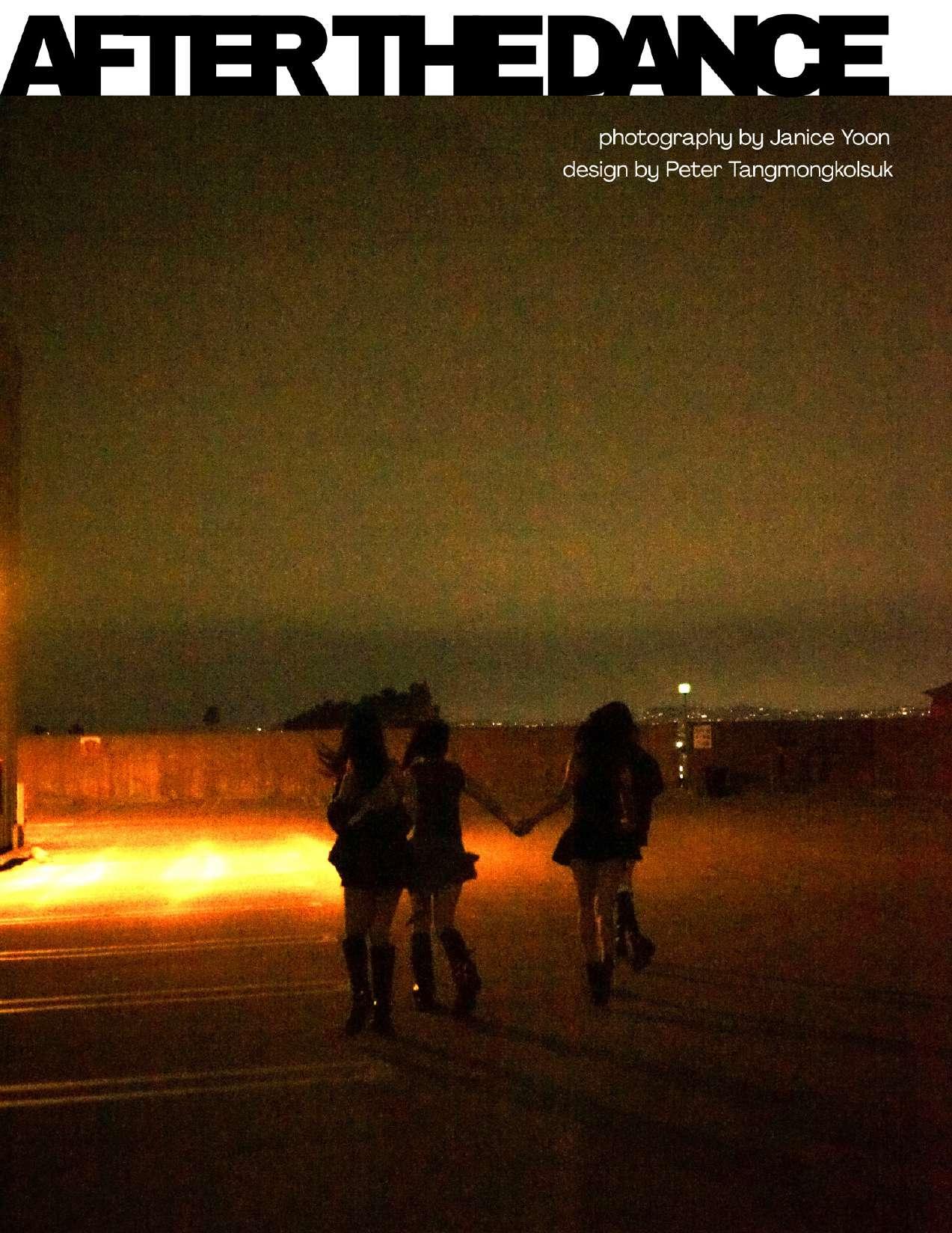
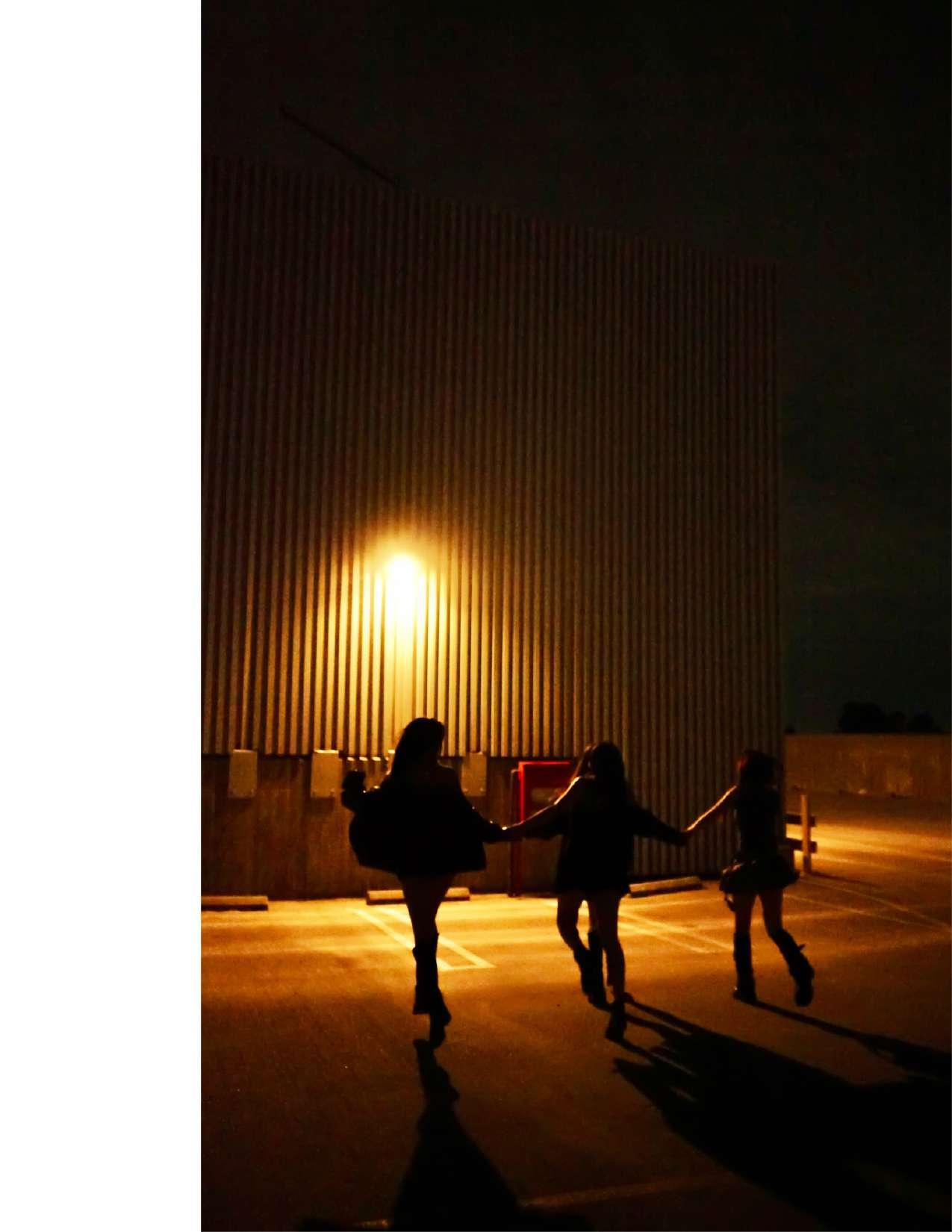
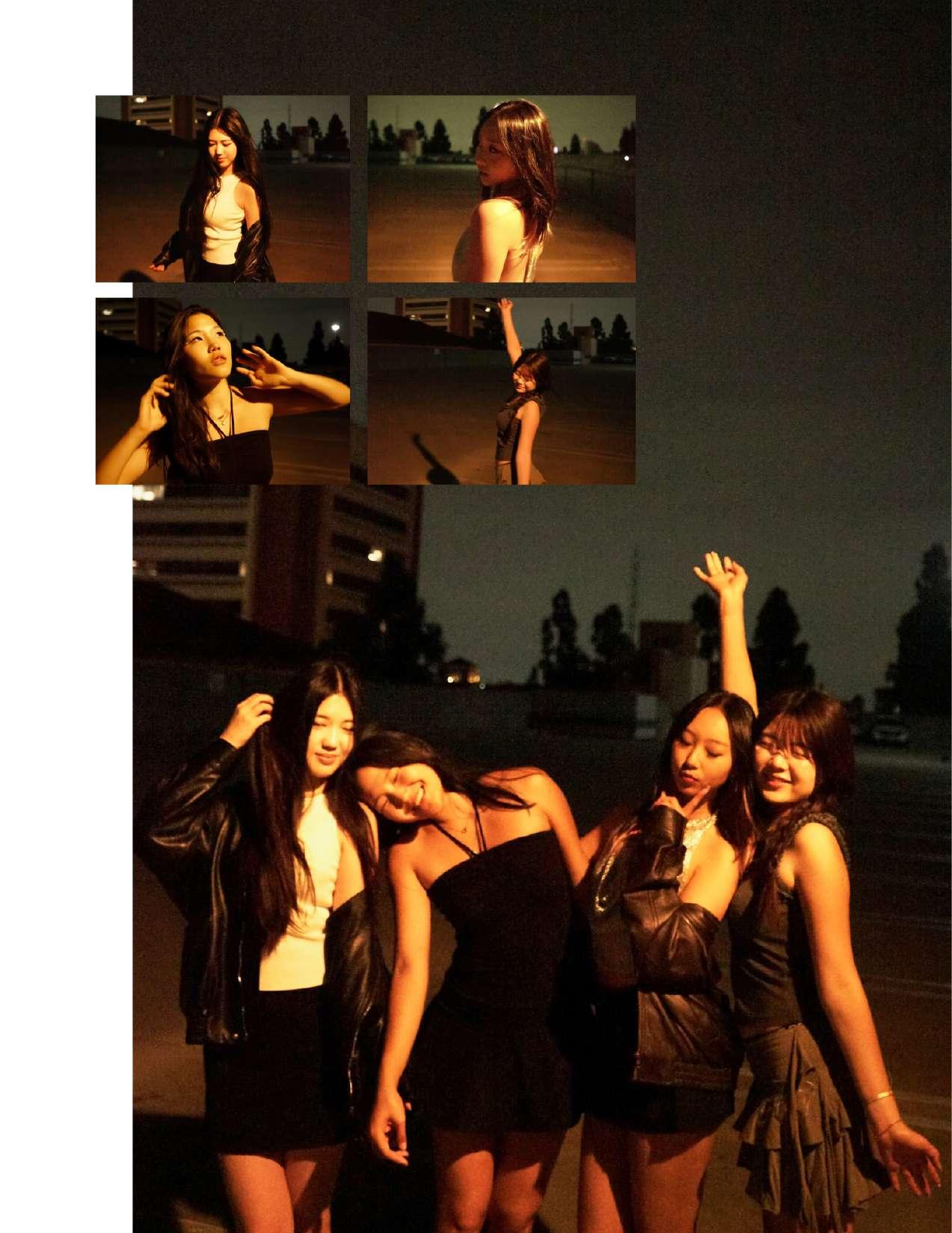
when i was thirteen i saw bella dance with edward under a well-lit gazebo and dreamt of this night and now i’m holding onto the straps of my high heels running barefoot across the parking lot to your car and you’re behind me and i’ve taken my hair out of the braided updo i spent hours on and i don’t look back but i laugh just loud enough for you to hear while i’m thinking about the next thing i’ll say that will make you laugh and stare at my lips for just a little longer the backs of my thighs stick to your cold leather seats and my stomach flips when your hand glides over the area just under my dress’s hemline but the rest of the car ride is silent and i watch the tree shaped air freshener swing back and forth a clock counting the moments until I’m home and your hand lifts to pull the parking brake and my heart stops palpitating but i can’t look at you so instead lock eyes with the two windows at the front of my home.
They gaze back at me and the door, an ugly shade of burnt brown, smiles back.
I’m home
Let me walk you to the door
i don’t argue with you and wobble as i get out your face looks different under the porch light with the angles of your cheekbones more daunting and your eyebrows are thicker over the heavy folds of your eyelids and i’m still thinking about what to say calculating all the different outcomes and if I want to have a first kiss
to tell Eomma about.
How are you feeling?
i smile and nod dry lips cracking and i lean back on my heels because of the blisters burning on the balls of my feet and then i take a step back out of the light so that you can’t see the way my eyeliner has smudged or the bird’s nest tangled in my hair and i don’t want my fly aways to catch the light or the missing petals on the corsage you spent money on for me to be apparent
I’m going to go inside now
My fingers unlock
the door the same way they have every day since I moved here during the third grade
you tried once but didn’t pull the door forward enough before twisting the knob so now you just watch me carefully and smile one last time before i close the door on you
I toss my heels on the ground and slide my feet into a pair of brown, floral printed house slippers from Eomma’s last trip to Kim’s Home Store. The hallways are dark but it’s not the same unsettling feeling as when the high school turns off its lights.
Eomma just goes to sleep early.
I hear the engine of your car grumble awake right as Appa walks out from the living room wearing a bright orange Dick’s shirt and the cotton pajama pants with tiny pizzas I chose for him two Christmas ago. Maybe you’d find him funny but this year, I have my eye on a pair of checkered pants with little bears and cherries on it.
“You’re still awake?”
“I was just about to go to bed,” His reply is the same as it always has been for the past three dances. He turns on the stairway light so that I don’t trip. I’m right under the lightbulb but I don’t shrink or curl or shrivel under its brightness.
When I change out of my dress, the sweat on my skin is dried up and I don’t feel as warm as I did when I was with you. My face doesn’t feel like I have a relentless fever or like an incandescent spotlight has locked onto my stage character. Every swipe of makeup remover is an exhale I’ve been holding onto and the oversized Miffy shirt softly clings onto my shoulders. The tight satin dress is now on the floor instead of wrapped around every curve of my torso. It felt good when you and everyone called me pretty but after a while my stomach hurt from the feeling of squeezing my organs into something miniscule.
I’m back in the same cluttered mess of picture frames and tiny golden pig figurines I was in when Eomma and I crammed on my twin sized bed to watch those old romance movies. I don’t feel the blisters or the sweat anymore and my mind has stopped racing to overcompensate for the fact that you were my first homecoming date. My limbs sink into the yellow blanket Eomma had in college, warning me I could never get it dirty but then cleaning out the period stains for me.
As I close my eyes, the thick smell of fresh rice and gomtang still hangs in the air. A pang hits my stomach.
you asked if i was hungry before driving me back home but i refused your offer and sat in the car a swelling pit in my stomach having not eaten since the three eggs i scrambled during breakfast gagging because i never really liked eggs but i never lied to you about my hunger i just never realized it was there
Now I want food, I want the dinner Eomma and Appa ate With – out me while I was spinning in circles under a haze of neon lights and cheap paper lanterns.
e
Design by Lynn Wee
Writing by Raghav Sinha
T hrough oureyes
Siddarth
This had to be the worst feeling in the world. I didn’t know that fear could be deadly until now. Time to stretch. A crowd of people in gis surrounded bright red mats placed in diamond shapes. Foam helmets, blue and red chestplates, lay haphazardly across the convention center like shoes on my family’s porch when guests come over. My thoughts
fiddling with the Velcro on my crappy, old shin guards. Forgetting who I was and remembering again and again: this endless cycle painted my past and determined my future. Standing in a train every day just trying to get to class, women hid their purses from my sight. The fear in passengers, neighbors, and strangers was covered under a blank, empty stare.
Check-in was fast. Stretches and warming up were easy. Sitting was the hard part. I fiddled with my red belt, trying to ignore the anxiety pouring out like a waterfall. I remember Baba telling me to use meditation in times like this. So I closed my eyes and took a deep breath in. My mind drifted. My eyes opened. I was in fifth-grade gym class, gasping for air. “HEY CHINESE! COME ON! Isn’t your dad Jeremy Lin?” a voice shouted. Every day, I was met with some more subtle racism. I winced; their words stung. Empty stares and stifled giggles in every class echoed in my mind like bats in a dark cave.
I barely heard the announcement. I heard every other word. Then, the words “sparring,” “red,” and “first” rang over the intercom. The next moments were a blur of putting on my sparring gear while hands shook and walking up to the designated sparring mat.
I saw an Indian guy about my age wearing red gear approach the opposite end of the mat. Instantly, I knew he would be my opponent. He walked up to the center of the mat, and I followed suit. The referee stood between us. My mind went silent, and moments of my training flashed before me. I felt like I was both dying and alive at the same time. I felt a cold shiver, and my heartbeat fluttered as I forced myself to listen to the referee’s short speech about the rules.
Siddarth
crushing; it pushed me down and stole the energy from my body. But I felt my spirit burning a little stronger with each step back. Anything that landed on that chestplate was fair game. Rage flooded me.
Daniel
HH..GA!!! My body shook as I ducked and pushed and punched and kicked. Every second stretched out to the furthest point my mind could fathom. Every kick slowed down until I could stop it. But it wasn’t enough. I needed to win. If that meant killing him in this fight, I was ready. I was tired of tragedy plaguing my life and feeling pathetic. If I can’t win this fight, let me die.
His next block led to a counterkick. I tried to push him, but he was fast. A spinning heel kick, flying at me. I saw it— time to react.
I looked at him, then back at the referee. “Welcome, Siddarth Khanna and Daniel Lin. The rules for today’s fight are no…” the referee stated, his voice failing to overcome the clamor of the crowd and the thoughts in my mind. I looked back at my opponent pensively once more. Daniel Lin. From what I gathered, he was Chinese, about my height and build.
He seemed equal to me in strength and agility–pairing us together made sense. The referee finished his short speech and stuck his hand out. He asked both of us if we were ready. I lied and said yes. Then, before I knew it, he moved his hand away, and the match started.
Immediately, I started attacking. Three front kicks, a side kick, a back kick… each of them blocked and parried. Then, I was on defense, blocking and parrying, the thud of each kick against my arms. The weight of each kick was
Daniel Siddarth
His head ducked and dodged. I felt the ground beneath me fall away, as if I were floating. It was just me and my opponent. I took a deep breath to retain my focus once again. I couldn’t afford to panic and lose my breath. I had to be confident to win. His knee quickly lifted up once more. In a snap, his foot was slammed right where I was previously standing. I was quick, but I had to be faster. I needed to counter-kick. I quickly threw a side kick; my leg jutting out and splitting the distance. Then, when I thought I was ready, a roundhouse kick sent me flying back.
His foot slammed square into my jaw. Shock and screams consumed the moment. Each muscle in my jaw burned, and each bone rang. My face got knocked to the side, and my body shook backward. Beads of my sweat flew from my face and spilled onto the mat. All my senses went numb for a moment. All of it felt derealized– like I was watching myself through a TV with a poor signal. “Are you ok? I’m going to count to ten. One…” a voice muttered through the haze.
“...two nurses in room five, please!” a voice on the intercom muttered. It was 2023, two years ago. I was standing over the hospital bed of my late father. He died of a heart attack. I stood next to his motionless body. Ma and Di were crying next to me. His lifeless hand lay flat on mine. It was still warm. I was out of tears. My heart felt like I had punched a hole in it. Walking out of that hospital without him was tough. Learning to live without him was even tougher. All he wanted was for me to see my full potential. I need to win this fight for my father.
“...ten. Stand here. Now, fight!” The referee’s voice echoed back into focus.
He seemed to be ready after that ten-count. The next one will put him out for sure. Sweat poured down my face. The mat below us was a battleground. My right ear was ringing. I attacked. I swung my right leg in front of me, driving it at his chestplate. He curled his arms to his chest and prepared to block. My focus was as narrow as a razor. I didn’t care that I was out of breath and couldn’t smell. I needed to strike again. The weight of my shin bounced back at me with each of his blocks. Time slowed, the chants around us fading in the distance. All I could feel was the air around me and the muffled agony of the bruises covering my body that I happily ignored. He was ready to attack. I could feel it. Disheveled, I covered my face and protected my head. His spinning back kick struck me full force right below my elbows. My liver. I fell to the floor, gasping for breath. A familiar pain quickly enveloped me, spreading from my gut to my chest to my head. It made me remember.
“Stand up and come over here,” my father shouted at me. I was nine years old. Anxiety felt like a net pulling me back with each step. The hairs on my neck stood stiff. “What the hell is this?” his voice grew louder. I turned the corner to see him standing in our kitchen holding my report card with one hand, with a bewildered look on his face. I froze in fear, scared to speak. In this house, perfection wasn’t appreciated; it was expected. He walked towards me– his right hand balled into a fist. Fear had me gasping for air.
I coughed on the mat and stood up. Ready to fight again. Failure was never an option. I had to win. Winning was my purpose. The referee stood between us. “Fight!” he shouted.
HFAAAHHH!!! Nobody could stop me from winning this tournament. An even larger crowd began swarming around our mat like hungry sharks. Their chants around us meant nothing. I was a machine with one goal, and I fought ruthlessly. His blocks went to kicks. Each kick was like sharp nails wrapped around a baseball bat and swung full force. My forearms rang as I blocked his attacks. I wouldn’t care if they snapped. To me, there wasn’t a score nor a time. I was trying to kill him, and he was trying to kill me. The desperation in our kicks was clear. Every kick was powered by the hope that it would be the one to end the fight. Energy from the depths of our souls gathered into this fight. Our lives brought us here– against each other, and only one of us would walk out.
This is who I was; this is what I wanted to be. I felt animalistic. I was both an animal and a human. I looked like I completely lost my mind, yet in reality, I found it. His eyes filled with animosity: hostility like the blood leaking from my gi. I have to keep aiming for his head.
Daniel
My blood boiled, but my energy felt infinite. I was never tired. I could see the fire in his eyes. A stare different from the blank ones in the subway; this one had animosity: hunger like my mind begging burning shins for another kick. I felt each bruise and welt eaten alive by my will. The pain quickly disappeared, and I felt powerful. I never felt more alive. I knew he felt the same. These moments would replay in our heads for the rest of our lives. Every time we wait for the train, stare at the clock in class, play with our lunch, search for a purpose… this fight will replay itself over and over and over. We looked insane, but we didn’t care. We fought with every ounce of passion we had.
Two spinning hook kicks. His heel flew inches away from my face as he spun like a top. I had to keep moving. I couldn’t stand still. Then, his foot landed on the mat, and he stood with his side facing me. The air stood still for a moment between us. I brought my knee up and watched him turn once more for a heel kick. This was my chance, I’m aiming for his head.
Siddarth
Daniel Siddarth
I struck him in the chin. Before I could see what I did, something collided with the side of my face. I collapsed as though a brick had hit me. The side of my face throbbed with pain. The gasps, shouts, chants, and mutters around me blurred into silence. The air felt heavy. He wins, but I’ll walk away with something far greater. Everything went black.
My body fell to the ground. He wins. But these moments were worth more than enough.
“DRAW!” the referee shouted, as my eyes closed and everything went dark. The crowd’s gasps faded into silence.
Written by Leilani Mate
I ran into a boy I’d known some years ago in the parking lot of our old school.
Hey, you, I said. We had exchanged a few meaningful words in those years we knew each other, so the greeting felt appropriate. I was probably in love with him then, but from fourteen to eighteen it is likely that I was a bit in love with every boy I knew.
He said, You? What are you doing here?
I said I don’t know. I never liked telling him many details about anything, which is maybe why our teenage love never came to be.
I walked into the front office and asked to pick up my high school diploma. The receptionist told me I was four years and seventeen days late. O.K. I said. I wasn’t good with time. I knew that some moments ago I attended this school, and since then those moments multiplied or subtracted or divided in a way I didn’t understand.
The boy I knew came up to me in the office. You know, he said. I realize now that you were mostly wrong about everything in Mrs. Brenson’s history class.
Maybe, I said. But I was busy with calculus,
Designed by Stella Vu
then I joined the student council, then everyone was thinking about college. But yes. I was often wrong in history.
The receptionist handed me my diploma. It was a decorated rectangular thing, shiny with newness and important Gothic letters. She gave it like she was getting rid of me, like in those four years and seventeen days I was stupidly helpless and now no longer her responsibility.
I remember you had all these big life thoughts, the boy I knew said.
I didn’t deny it. In those years I talked incessantly about moving far away and making something new of myself.
That was when we still took the bus, I said.
What does that have to do with anything? He asked.
If you remember, between the stops on Fourth and Meadow, there was that beige house with the big columns, I reminded him. It was so nice and so big and the yard had a fountain. And when we were on the bus it looked like the house was running away.
All I wanted then was a car, he said.
At least one of us got what we wanted, I added with a sort of humor.
I did, he said, humorless. You know I work for the Golds now. Wealth management. I’m doing quite well and I’m planning to buy a new car this month. My younger brother will get the old car and I won’t have to come here again. A pretty nice life, right? Maybe you wanted too far.
The boy I knew and was probably in love with had this habit of quiet comparison, the kind that made you want to vomit all over but left you only with a bitter tongue. He went back out into the parking lot, where he waited for the brother who would inherit his car and his ambition.
I looked down at my new old diploma. I thought about what the boy I knew had said. Yes, I had wanted nice far things you could only see through a school bus window. But mostly I want to be different.
I want to be right about history. I want to be in love with one boy and share meaningful words and details about everything. I want to be like my new old diploma; shiny and decorated and maybe four years and seventeen days late but important. I want to make something new and old of myself, multiplying and subtracting and dividing the parts until I understand it all.
I had wanted to leave my hometown on a plane, not a bus. Though, as it turns out, neither gets you far enough to avoid parking lots and receptionist offices, which really were everywhere.
I loaded the diploma into the passenger seat of my car, where it would watch the streets and the houses run away and come
back, as I did every once in a while. But I had it now and it was mine; a record of my bitter small life and the moments and boys I knew, but mostly don’t anymore. So I drove away, feeling staunchly accomplished and likely tardy for the next item I’d lately neglected.
writing by Simone Wesley design by Peter Tangmongkolsuk
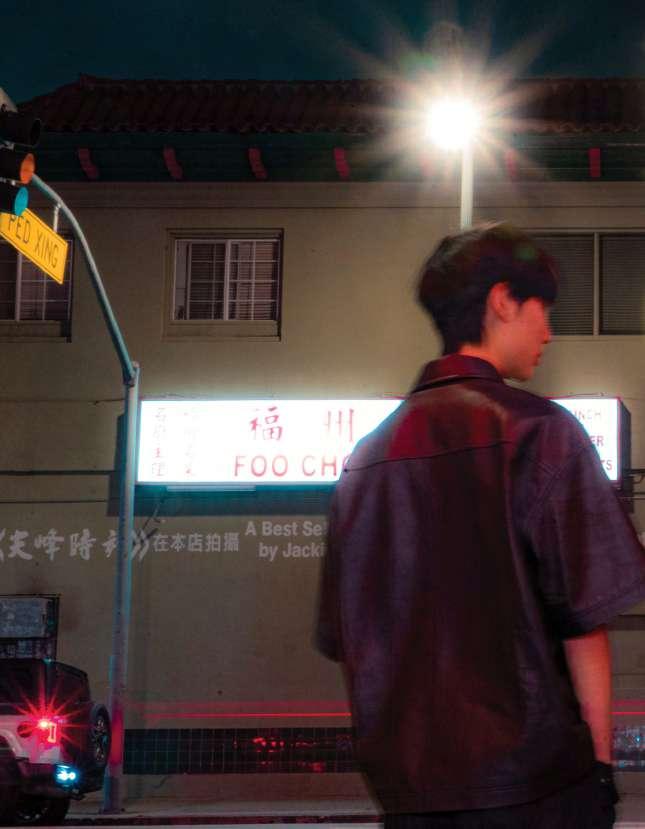
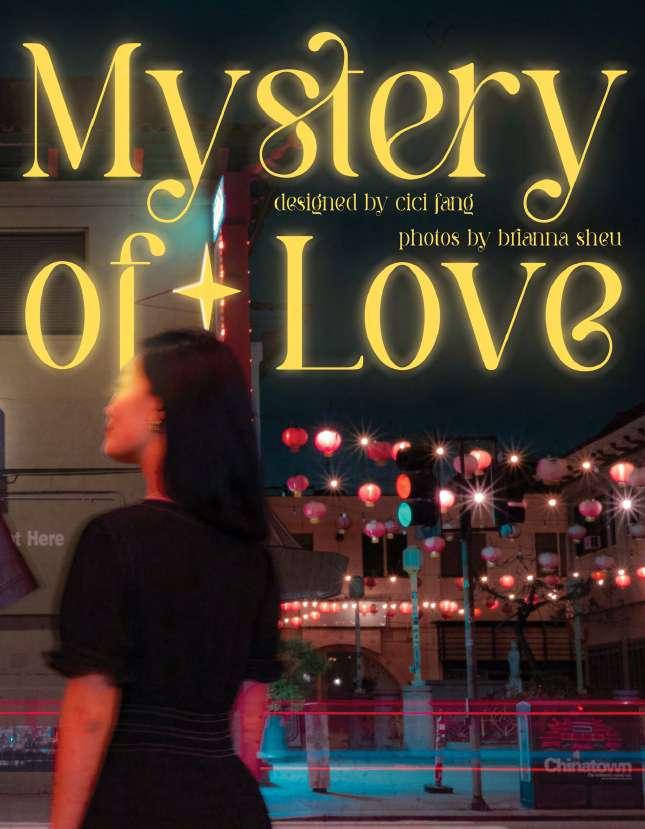
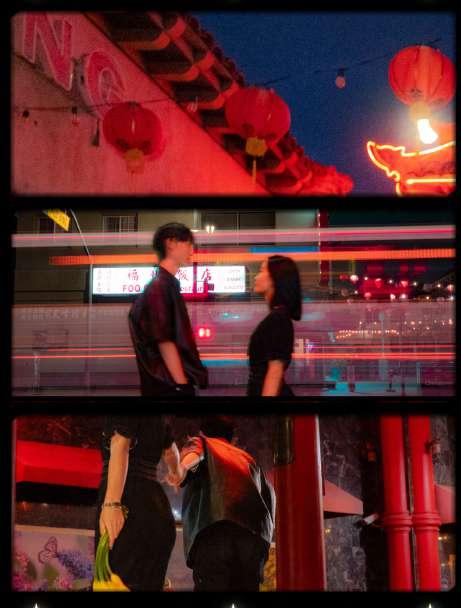
THRESHOLD
Designedby HoonbinYoo
Photographedby JasmineWan
Hero’s Journey
Design by Lynn Wee
Illustration by Erika Novitskyb
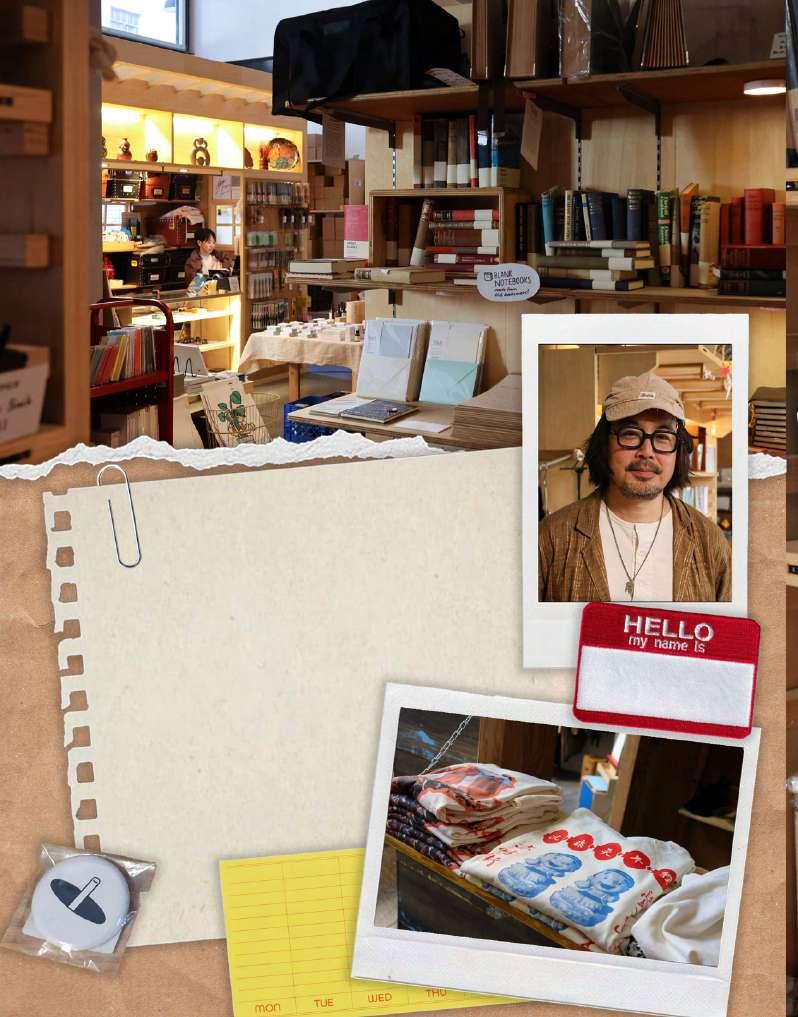
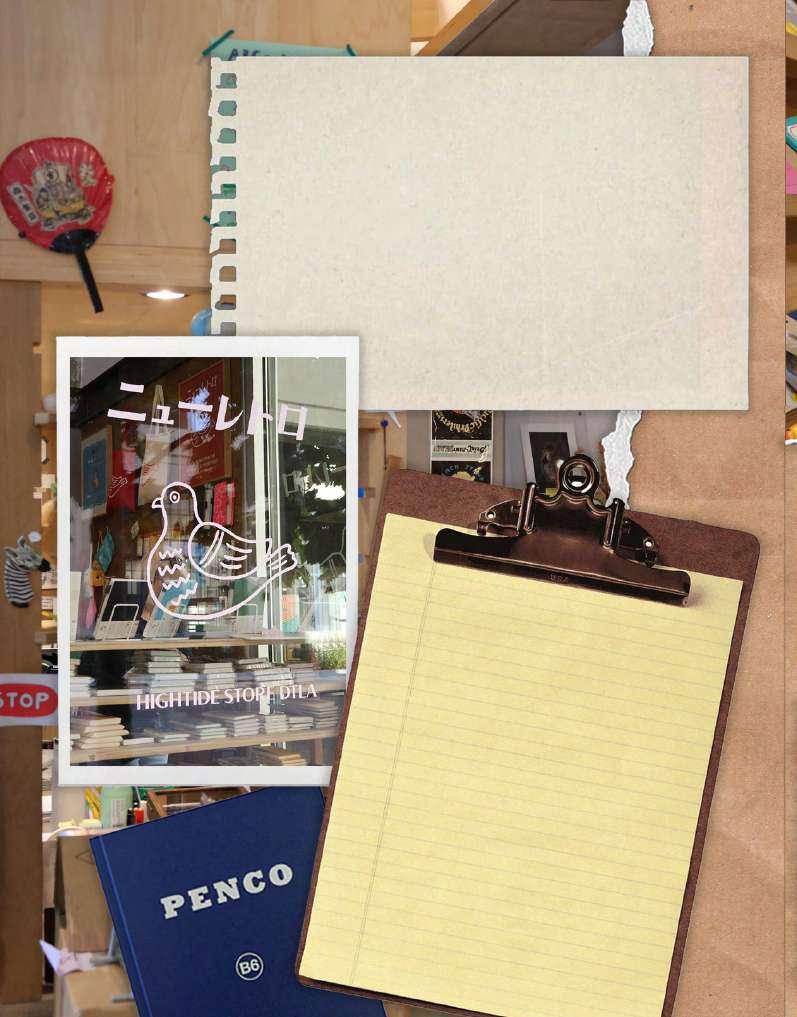
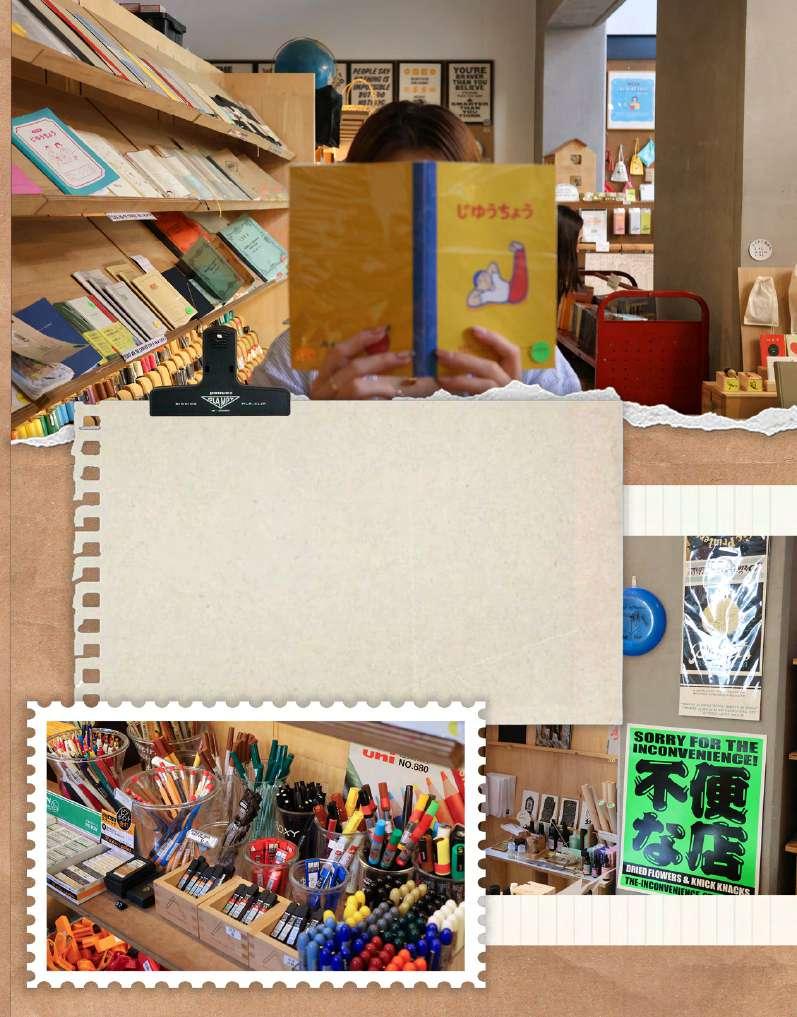
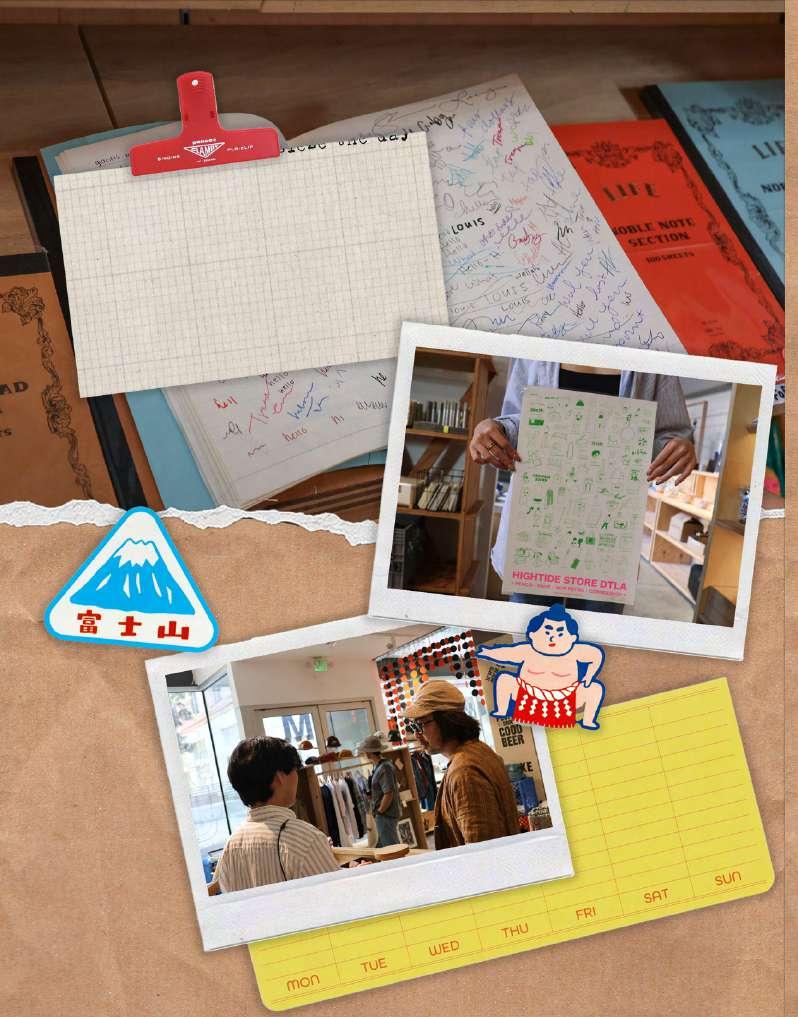
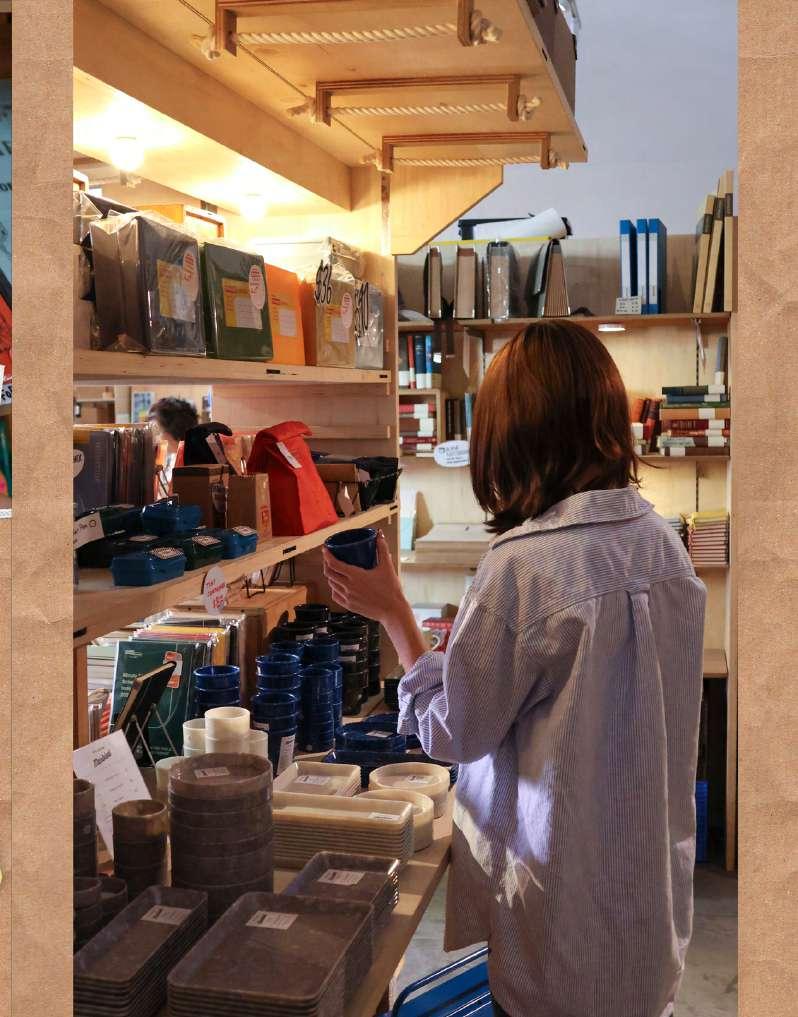
The smell of paper and fresh pen ink lingers in the air at Hightide store DTLA, a quiet corner of Los Angeles that feels more like a memory than a retail space. For founder Yuichi Munehiro, stationary has never been just stationary. It’s a physical manifestation of memories: a way to carry time, childhood nostalgia, and identity in something as mundane as a planner or a pen.
Born from the nostalgic spirit of Japan’s neighborhood bunbogu-ya—small stationary shops where children gather after school to prepare for classes— Hightide started as an idea, a way to elevate everyday tools and bring Japanese stationary culture to a new audience. The small shop has since travelled across oceans to both coasts of the US, Los Angeles and New York, but at its core, it remains rooted in feelings of familiarity and warmth backed by expertly crafted Japanese design.
In this conversation, Munehiro reflects on his journey from his hometown of Fukuoka, Japan to Los Angeles, the challenges of preserving cultural identity abroad, and what it means to build a brand that feels like “home” no matter which part of the world you’re in.
Yuichi Munehiro
From Fukuoka to L.A. Where it all Began
For Yuichi Munehiro, stationary didn’t begin as a career, it started as a cherished memory. Growing up in Fukuoka, his mom would give him a small allowance each month and he’d head straight to his neighborhood bunbogu-ya to see what would catch his eye. He recalls being drawn to “stationary pens from Europe and the States” as well as American-style three-hole notebooks—items Munehiro was drawn to because he could feel their “foreign taste” through their look, feel, and unfamiliar charm. Even at this early stage of life, stationary wasn’t just a simple school supply; it was something that connected him to worlds outside his own. That childhood curiosity eventually led him to join Hightide in 2000, then temporarily move to the Japanese planner brand Hobonichi before returning with a deeper sense of what stationery could mean to people. In 2018, he moved to Los Angeles to build Hightide USA—turning those early shop visits into a shared space where others could feel this same sense of excitement through stationary.
When Munehiro came to L.A. to open Hightide USA, he quickly realized that he wasn’t just opening a store—he was introducing a new way of thinking about stationery. In Japan, stationery shops are a part of daily life, organized to have a more home-like, human feel compared to the U.S., where most people see pens and notebooks as just functional tools. After visiting big office supply chains, he noticed the demand for stationery here was much smaller—but that also meant there was the opportunity to build something new.
His goal became clear: to not just sell stationary, but to create a culture around it in America while preserving Hightide’s Japanese identity. As Munehiro puts it, in the U.S., “a pen is just something that writes,” whereas in Japan, people often choose stationery because they are drawn to the design or inspired by it. So, bringing Hightide to L.A. meant finding a way for people to connect with stationary in a more emotional way.
Design with Feeling
For Munehiro, Hightide’s design approach is rooted in the belief that even in the current digital world, humans still innately crave the feeling of making something by hand. Writing is more than just putting words on paper—it’s a physical act that carries texture, and rhythm. “Digital is convenient,” he says, “but people have a desire to produce by hand. Writing has an emotion that connects to our identity.”
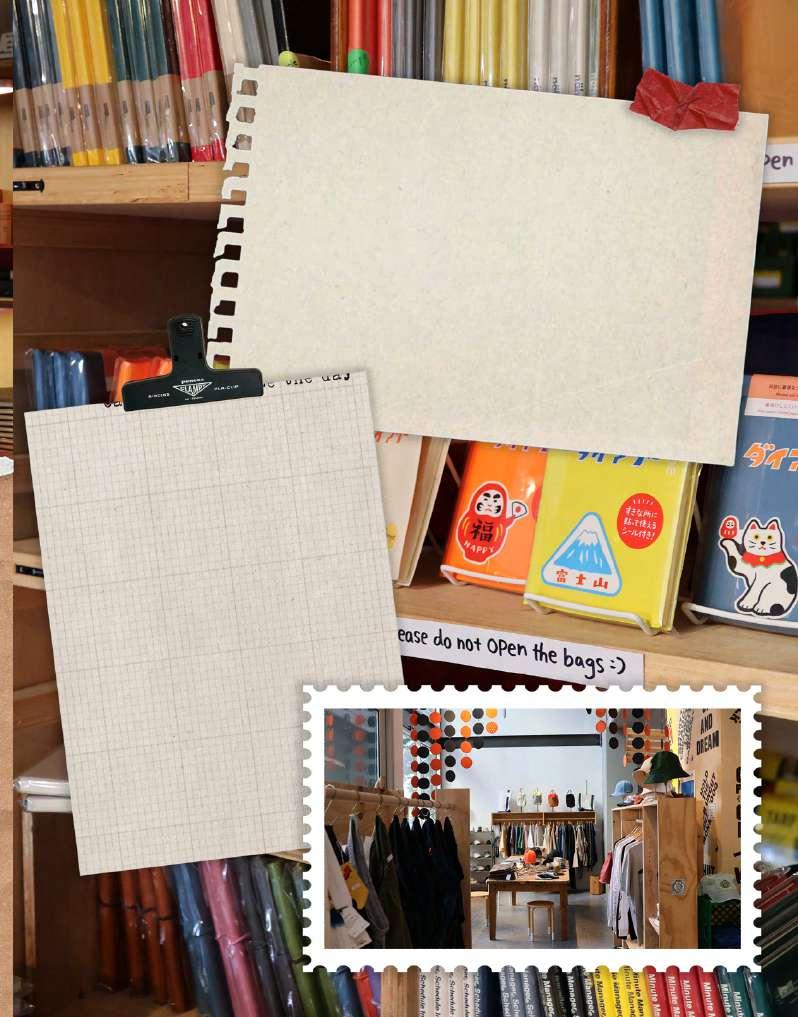
That same lens guides how he curates products for Hightide’s U.S. stores. Many items come from makers he knows personally, including old friends from his hometown in Fukuoka that specialize in a crafted item, or brands that share Hightide’s quiet, crafted sensibility. He’s always searching for what he calls “hidden gems”—objects that might seem ordinary at first but carry a unique charm.
Everything on the shelves in Hightide is there because it adds to the store’s philosophy, not just because it sells. Hightide is built on the idea that stationery should be both functional and moving—and that the right object can remind someone of a more intentional way of living.
Redefining Home
After spending several years in Los Angeles, Munehiro’s idea of “home” has changed. He currently feels most at home in his Pasadena apartment, even though a piece of him will always cherish his life prior in Japan. When he returns to his home country now, he mentioned “sometimes feeling like a foreigner”—proof of how living abroad has undoubtedly reshaped his identity over time. Hightide, in many ways, reflects this feeling. It’s a Japanese brand at its roots, shaped by the quiet nostalgia of bunbogu-ya culture, but it now exists across cultures—speaking emotionally to people in Los Angeles, Brooklyn and soon Manhattan. Rather than trying to recreate Japan abroad, Munehiro builds spaces that feel like home through atmosphere, and familiarity. For him, home isn’t just a physical place you stay in—it’s a feeling you carry and recreate wherever you go.
What’s Next for Hightide
Looking ahead, Munehiro sees Hightide continuing to grow, but never at the expense of what makes it meaningful. For him, stationery should always exist in the space between function and emotion—useful, but also capable of sparking a feeling. Even as digital culture evolves and trends shift faster than ever, he believes there will always be a need for physical spaces where people can pause, pick something up, and feel unexpectedly inspired.
That’s why the in-store experience remains essential to Hightide’s future. Munehiro wants every location to feel like a place of discovery—where someone might come in for a notebook but leave having found something they’re even more drawn to. With a new Manhattan location on the way, his focus isn’t just expansion, but creating more opportunities for people across the nation to slow down and enjoy in person moments in an increasingly digital world.