28 Kentucky Farm Bureau Selects Katie Pratt as the Winner of its 2025 Communications Award
30 The Green Leap: National Senior Collegiate Livestock Judging Contest Moves to Freedom Hall
32 KCA Convention Information
34 U.S. Pork Exports Steady in September with Value Record for Mexico; Beef Exports Lowest Since
One of my most popular newsletters to date was number 110, sent in June of 2024. It was extremely short and to the point about my truck with 200,000+ miles. The more miles we can get out of a truck without having to replace it, the lower the cost per mile. The more calves we can get out of a cow, the less per pound it costs us to produce our product. While the editorial had more words to it, that was the gist. I say all this to say I am sad that I no longer drive that truck. It runs just fine still. In fact, I would prefer to still drive it. However, I have been advised it is time to let it go. It is headed to a new home with a 16-year-old for their first vehicle. My mechanics didn’t tell me that it was on the verge of blowing up. It doesn’t leak oil. In fact, my mechanics are shocked at how well a 12-year-old truck has been maintained.
I am switching trucks because my accountant told me I need to sell the truck. While the miles I roll up on it going up and down interstate are incredibly cheap, I was told to sell it while it is still has decent value and get something to last me the next 250,000. Like many in the cattle industry in 2025, the tax implications made it crazy not to make a purchase before the end of the year. I was advised to pocket that money and get my next truck, destined for a quarter-million miles, at 0% interest for 60 months. I am not sure there was a less enthusiastic person driving a new F-150 during the holiday season. While the technological updates have grown on me in the first 1,000 miles, I am disgruntled that I was forced out of the first new vehicle I ever bought, which never gave me the first bit of trouble, not because of mechanical issues, but because of the tax code. I feel like I was forced to take a 12-year-old cow to market, not because she quit doing her job, but simply because she was 12.
Despite a bit of turbulence and uncertainty towards the end of the year, there is no disputing that 2025 was kind to the cattle producer. I am sure we were not the only ones with money to spend before the calendar turned, and many with mud on their boots headed to their local Ford dealership for an upgrade. With my mother being a CPA, we got an early notice that we needed to pull the trigger on a few things we may need. I think the accountants are going to drive many decisions moving forward, not just on the purchasing side.
What does 2026 look like? I don’t have an itch for investment in depreciating assets. I would say many of you reading this are like we are, and want to buy it new, then wear it into the ground. I think 2025 was the year that accountants drove the cattleman to their local equipment dealerships to make some long-overdue purchases. I believe 2026 will be the year that they drive heifer retention.
While a year-end spending spree can be a little fun, at a certain point, you are buying stuff you don’t really need. We have some fencing and infrastructure projects earmarked for 2026, but if you ask me to go out and do some more spending, it would take a little brainstorming. I think those of you who sold your entire calf crop were in for a surprise if you didn’t meet with your accountant early. You either had a big tax bill or a happy salesman when he saw you walk up the week after Christmas. I think those in that position will feel differently when it comes time to consider your calf marketing options for 2026. Those expensive heifers don’t look so high to keep when you start giving Uncle Sam a good chunk of that record-breaking calf check back and have nothing you really want to buy. Much like my recent financial decision was driven by the tax code, I think the long-awaited herd expansion will be driven by the same thing.
Joe K. Lowe II
EXECUTIVE COMMITTEE
OFFICERS:
President
RANDY WARNER Sharpsburg
President Elect
ALLAN BRYANT Eminence
Vice President
DANIEL HAYDEN Whitesville
Treasurer
KEN ADAMS Upton
Past President
JEFF PETTIT Sebree
KCA Program Chairman
ADAM CHUNGLO Harrodsburg
KBC Chairman
RYAN MILLER Campbellsville
KBN Chairman*
ALLAN BRYANT
Beef Solutions Chairman*
DANIEL HAYDEN *ex officio
REGIONAL DIRECTORS:
REGION 1
Wayne Zoglmann, John Mark Brown, Dale Gold, Greg Roberson, Gary Woodall, Coleman Ladd, Susan Zoglmann, Bill Plemmons, Kenton Howard, Steve Dunning, Conner Williams
REGION 2
Phyllis Gentry, Joe Lowe, Allison Nissley, Rayetta Boone, Robbie Hatfield, Chris Imbruglio, Maggie Webb, Andy Joe Moore, Adam Thomas, AJ Mitchell, Isaac Thompson, Kenneth Green, Trent Jones, Josh Morris, Joe Mike Moore, Amy Cecil
REGION 3
Amanda Hall, Nathan Lawson, Allen Phillips, Irvin Kupper, John David Yount, Lincoln Clifford, Abbey Biddle, Ben Tinsley, Crystal Harrod, Kyle Bush, Michelle Simon, Craig Retzlaff
REGION 4
Amy White, Brad Reynolds, Chad Anglin, Phillip Stamm, Danielle Harmon, Brandy Graves, Jodi Purvis, Mike Ravencraft, Ronnie Lowe, Logan Carter, Jason Crowe, Rob Amburgey
REGION 5
Phillip Reese, John Settles, Natalie Wesley, Doris Hamilton, Freddy Harris, Brent Williams, Anne Bays, Tommy Glasscock, Josh Wethington, Arch Sebastian, Terry Mattingly Executive Committee members
KCA PAST PRESIDENTS:
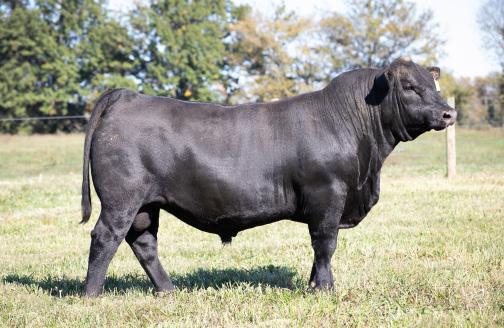
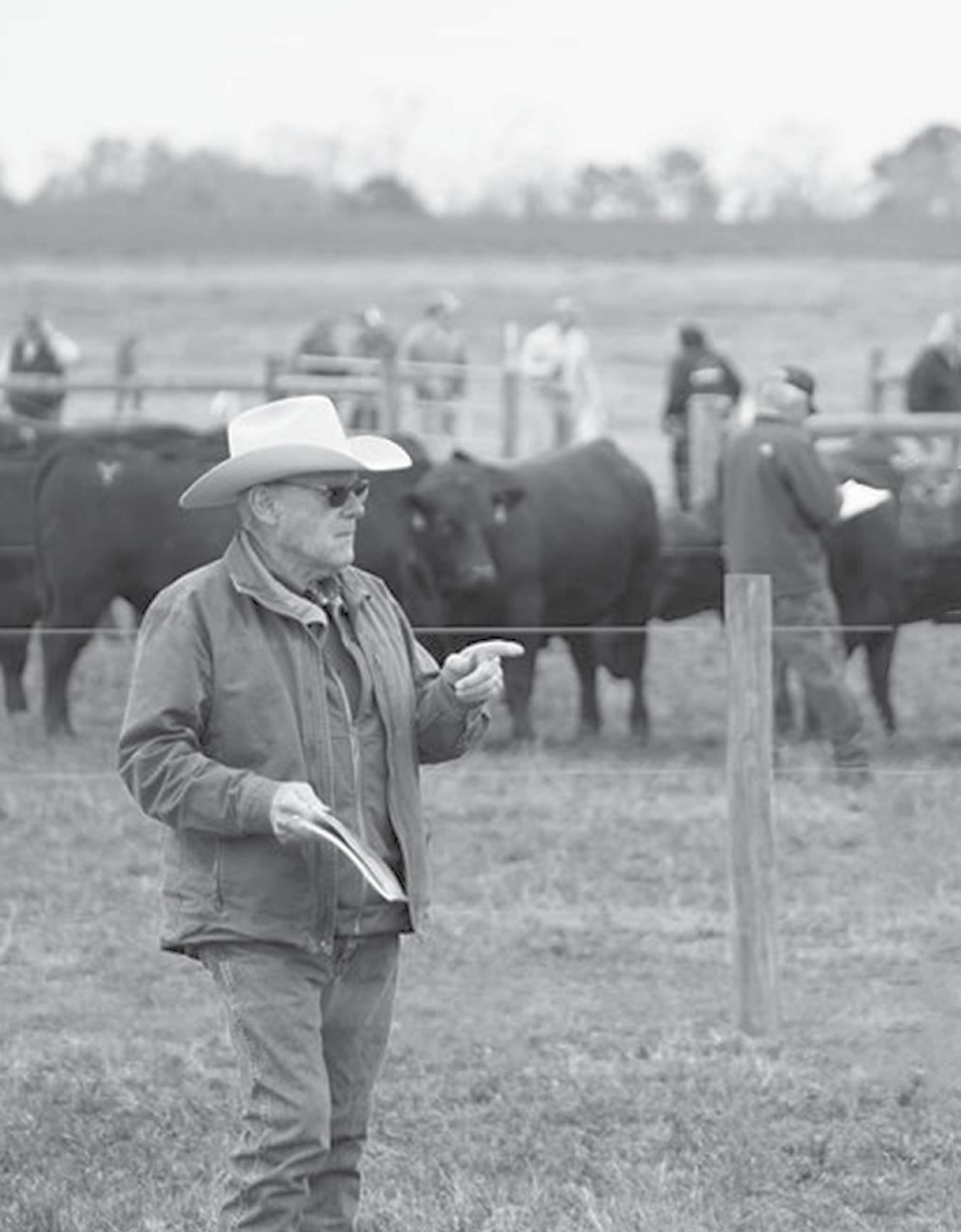
WHITE FARM Bull & Commercial Female Sale
KBC Director of Communications
Todd Brown Graphic Designer
Bradon Burks KBC Director of Education
Rachel Cain Membership and Communications Coordinator
Amelia Carter KBC Director of Industry Relations
Danny Coy Video Production Specialist
Jake Harrod KBN Program Coordinator
Dan Miller KBN Industry Coordinator
Debby Nichols National Advertising Sales, LAN
Katie Pratt Communications Manager
Alex Scott MS, RD, LD KBC Southeast Regional Director of Nutrition
Becky Thompson Director of Kentucky Beef Network
Kelly Tucker KCA Collections & Compliance
Nikki Whitaker Director of Operations & Policy
President's Thoughts
Randy Warner KCA President
Happy New Year everyone. I hope you are well and had a great Christmas. I want to start my last column by saying this has been my extreme pleasure and honor to serve as your president of the greatest organization in Kentucky. It’s kept me extremely busy, but I wouldn’t trade it for anything. To update you on happenings around the office, we have finalized the plan for the Livestock Innovation Center and will hopefully have an artist drawing to unveil at the KCA Convention on Jan 15-16. It has been a long process to get here, but we believe this state-of-the-art facility will leave a lasting impact on not only Kentucky cattlemen, but all other livestock groups. It has been an eyeopening experience for me personally to start from an idea to see it all come to fruition.
Speaking of the convention, that’s been on the front burner at the office, and I don’t think we appreciate the staff enough for what they go through to put on a top-notch convention. It takes an insane amount of time to make sure we have a site. They start lining up speakers in July. They also plan all the meals and solicit sponsors and trade show vendors. So, to Becky, Dan and the whole team Thank You from the bottom of my heart for taking on the challenge. You do a fantastic job.
I also want to invite everyone to attend convention this year. You will enjoy the programs, and visiting Owensboro and all it has to offer is well worth anyone’s time. We have some great speakers lined for the Beef Efficiency Conference, who can give you some ideas to take back and possibly implement on your operation. Also new this year, we have made it possible for our trade show sponsors to host Barn Talks, which gives them a platform to reach multiple people about their products and how they may help you. On Friday, we will have a convention luncheon in place of the banquet.
We hope the change gives people the opportunity to attend and also be able to travel home earlier than in years past.
As for happenings around the farm, it has been an interesting fall leading up to weaning all the calves and seeing a year’s worth of work standing in front of you. Each year, we have to decide whether to change things or continue what we are doing. This year, we decided that we will continue on with the status quo. All the calves looked good and were healthy and pretty solid. Of course, Noah and Audra took the credit for that because I was gone so much. I couldn’t argue with them because truthfully, they had a lot to do with it.
You know something else about fall herd work around here pertains to trying to pick out our next group of heifers to keep and breed. It used to be just me and Tammy arguing about whether to keep this one or not, but now I’ve Noah and Audra, which makes for a quite entertaining conversation, if you know what I mean. Adding fuel to the fire is that this time Noah and Audra are expecting. I had to hear that the baby “Penelope” (that’s what I’m naming it whether it’s a boy or a girl) needs a heifer to which I had to put my foot down and say wait till it can pick one of its own, so that’s what I’ll hear from now until the baby is here.
I hope that by the time we sell calves this month the markets have finally stabilized. As I’m writing this column in November, everyone knows how they took a dive but we’re starting to firm some. It would be great if they go up.
Since I’m writing this column right about Thanksgiving, I want to give you my list of things I’m thankful for. The first and foremost would be my wife, Tammy. I would not be able to do half the things I did this year without her. The second thing would be for Noah and Audra for taking the reins and responsibility for running things without a hitch except for a few Noah tear ups. By the way, he’s been working an enormous amount of overtime, so he hasn’t had the chance to tear up anything. Next, would be my brother, Mike, for taking care of the cattle while both of us or Noah were working. I’m thankful for the entire staff at KCA for without their support none of what I accomplished this year would have been possible. I’m also thankful for all of our KCA members and their families for believing in our organization and giving me the honor to represent you on a national and world stage. I hope I didn’t let you down. Lastly, but certainly not least, I am thankful that the Lord gave me the health and spirit to do the things I have done. If not for his help and guidance, I certainly could not have accomplished any of this.
With that, we are coming to a close on this chapter as here in a few weeks I’ll get to introduce you to our new president Allan Bryant and with that my tenure as your president comes to an end. It has been an honor of a lifetime to serve all of you. If any of you need to reach me about anything, I’m always here and available to talk. Thank You and God Bless.
Kentucky Cattlemen’s Association President
Commissioner's Corner
Jonathan Shell Agriculture Commissioner
2025 was an eventful year at the Kentucky Department of Agriculture. Here’s a few of our accomplishments over the past 12 months that I’m particularly proud of:
Two agriculture education weeks
In March, KDA launched the inaugural All in For Ag Education Week to foster appreciation for agriculture and agricultural-related fields by engaging students at an early age. Broadening access to ag education helps students understand where their food, fuel and fiber come from.
The spring went so well that the department fully redesigned an encore for the fall, reaching an entirely new group of schools. Participation among the state’s counties increased 21% from March (63%) to September (84%).
I led a group of ag officials to nearly 30 Kentucky schools during both weeks. I was joined at times by Lt. Gov. Jacqueline Coleman, state Education Commissioner Robbie Fletcher, and/or members of their offices, along with various community partners.
The week included ready-to-use lesson plans that align with state education standards and foster community involvement to create hands-on learning opportunities about the diverse world of agriculture for students. From lesson plans to field trips to an all-agriculture expert panel that was broadcast statewide, resources were prepared for all students, from kindergarten through 12th grade.
KDA’s State Fair exhibit earns top honor
KDA’s interactive agricultural exhibit at the 2024 Kentucky State Fair earned the fair a first-place award from the International Association of Fairs and Expositions in the agricultural category of Newly Established/Evolving Program.
AgLand, located in the South Wing of the Kentucky Exposition Center during the State Fair, brought together more than an acre of agriculture exhibits highlighting Kentucky’s farm and field heritage, including the future of farming and agribusiness. The exhibit featured obstacle courses, coloring walls, learning centers and free Kentucky Proud popcorn.
In addition to the AgLand award, the Largest Pumpkin and Watermelon Contest also won a third-place award in the Agricultural Exhibitor Events and Incentives category.
Food is Medicine partnership
The Food is Medicine Initiative is a collaborative effort between the KDA and Kentucky Hospital Association. It aims to improve health outcomes in the state by integrating healthy, locally grown and produced foods into healthcare settings. It recognizes that high-quality nourishment is essential for well-being. Richer nourishment can result in healthier lifestyles, improved health and long-term positive results for individuals and communities.
An example of Food is Medicine is taking place in Russell Springs. Last March, Russell County Hospital began incorporating Kentucky Proud premium, all-natural beef from nearby Dry Branch Stock Farm into the food service meals served by the hospital to patients, staff and visitors.
Kentucky Proud participates in national farmers’ market
KDA and two Kentucky Proud vendors, Bluegrass Kettle Masters and Whiskey Ridge Farm, were among more than 50 that helped commemorate the 250th anniversary of the founding of our nation.
Kentucky was one of 27 states that participated in the weeklong Great American Farmers’ Market in August on the National Mall in Washington, D.C.
Commissioner Shell hosts Appalachia Proud Summit
I had the privilege of hosting agriculture commissioners and leaders from five other states — Ohio, Tennessee, Virginia, West Virginia and Georgia — for the Commissioners’ Appalachia Proud Summit this past November in Louisville.
We also welcomed participants from 10 states, all coming together to share strategies for strengthening rural economies, advancing multi-state agricultural initiatives and building momentum for our region’s farmers.
KOAP
Silver Anniversary
Our Kentucky Office of Agricultural Policy (KOAP) celebrated its 25th year. It was created when the 2000 General Assembly passed House Bill 611.
During the first 11 months of 2025, KOAP invested more than $51.1 million into Kentucky agriculture. The Kentucky Agricultural Development Board (KADB) made nearly $23.9 million in state and county grants, and the Kentucky Agricultural Finance Corp. (KAFC) loaned just under $27.3 million.
In a quarter century, KADB has made nearly $800 million in strategic investments, while KAFC possesses almost $200 million in assets.
Kentucky Proud Livestock Classic
Kentucky Proud hosted its first-ever members only livestock show in September in Liberty, to celebrate the hard work and dedication of young people across the state who raise and show livestock and highlight our Kentucky-bred animals.
Turnout for the first Kentucky Proud Livestock Classic exceeded our expectations. Totals were 352 entries, 158 exhibitors and 123 breeders at the Casey County Ag Expo Center.
Agriculture Economic Development Board
One of my catchphrases is “agriculture is economic development.” KDA put those words into action by establishing the Kentucky Agriculture Economic Development Board in July through Senate Bill 28 with $5 million in general funds. It is headed by new director Hunter Jones.
Saturday January 17, 2026 1:00 PM
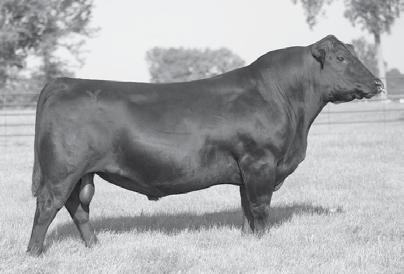
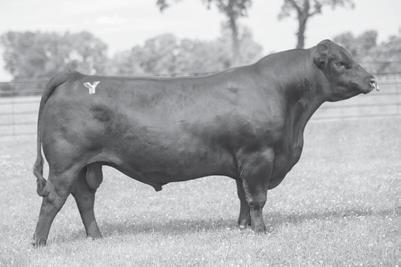
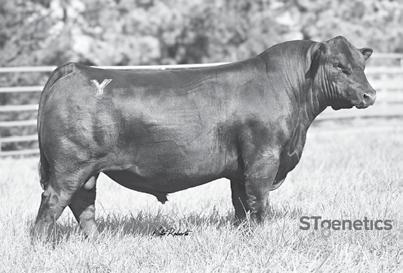
Oesterling Incentive 84 Reg #21215150
Oesterling Big Country 224 Reg. #21215112
Oesterling Heat Seeker 44 Reg. #21216070
Oesterling Satisfaction 374 Reg. #21215121
Kraye Big Country 0179 - Connealy Commerce
Connely Craftsmen - S Armstrrong
Ellingson Prolific - RL Justice
Connely Bud Murphy - SITZ Incentive
Schaack Satisfaction - S Architect 9501
Woodhill Comstock - Baldridge Heat Seeker H925
Oesterling Prolific 274 Reg. #21215116
Oesterling Prolific 334 Reg. #21251715 -12 Month Guarentee on Bulls -Free Wintering Availible -Genomically Enhanced EDPs -Free Delivery Availible -Performance Tested Videos availible leading up to the sale -Sires Included-
Thoughts From Dave
Dave Maples Executive Vice President
A couple of months back, I heard that the National Senior Collegiate Livestock Judging Contest at the North American International Livestock Exposition in Louisville was going to take place in Freedom Hall on the green shavings. I’m sure a good many of you are saying, ‘So what?’ But if you were ever on a livestock judging team or if you judged at the North American, this move is a big deal. My question was why have we waited so long to move it?
Livestock judging was a big deal in my early life. I, along with my brother and sister, started judging in 4-H. I was around 9 years old when I marked my first card and gave a set of reasons. I judged throughout my youth all the way to the end of my judging career in Louisville, on one of Dr. Gordon Jones’ WKU teams. My entire career was judging what I would call farm animals. We started off only judging cattle and swine. Sheep were added to the contest by the time I was in college.
I have to tell you this story. When I was at WKU, Dr. Jones had us judging in Wooster, Ohio in a contest. I did really well in the sheep division−I think I was the top individual in the sheep division− but what I remember was when I finished giving my reasons to the “northern” official, he ask me “Son, do you have chewing gum in your mouth?” For once, I was quick to answer, “No sir. I am from Elkmont, Alabama,” and I slowed my speech even more as I said Alabama. He said, okay, and I got a score of 49 out of 50.
I had not been back to the contest in Louisville until this year, and it was very nice to see how professionally the contest was conducted and to watch from the booth at how professional and serious the students were as they moved around the different classes. The reason I was there is because judging was important to me personally and moving to Freedom Hall was a big move, so Katie Pratt and I went over. Katie did an article on the contest and interviewed several people. You can read Katie’s work in this issue.
While we were there, a meeting was going on across the arena with past animal science faculty and former judging team coaches about how to modernize the contest, and from what I picked up outside the meeting,
there was a larger conversation about how to modernize animal science programs and curriculum across the country.
As I was talking to Murray State University Coach Jason P’Pool, he made the statement that the student that comes in to the judging programs now is not the same student that was on the teams that he and I were on at WKU. Back then, they were farm kids that had been on 4-H teams. Now days, not so much. I use the skills that I learned in the judging program every day when I look at my cattle, but I use data in making selection decisions more often.
Our industry has changed over the years and so should our animal science programs as well as our livestock judging contests.
YON SALUDA
BARREN COUNTY NEWS
submitted by Carol Spiegl
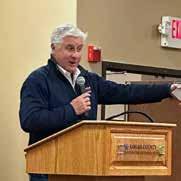
The Barren County Cattlemen's Association held its monthly meeting on Nov. 20. The meeting and ribeye sandwich meal was sponsored by Wright Implement/John Deere and Farm Credit. Wright Implement informed the membership of all their promotions and specials. They were so kind to bring John Deere hats and winter toboggans for every member! A very special Thank You to Wright Implement! Farm Credit introduced Spencer Guinn as their speaker. Spencer is with the Kentucky Center for Agricultural and Rural Development. Spencer provided a presentation on the growing crisis of farming and the importance of succession family estate planning to ensure passing the family farm to the next generation. A big thank you to Farm Credit for the wonderful door prizes.
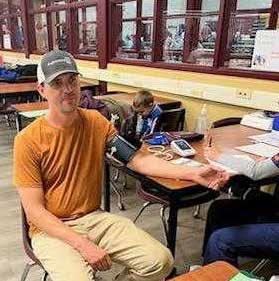
The Kentucky Partnership for Farm Family and Health Safety provided free health screenings and education. Free flu vaccine, tetanus shot, skin cancer, blood pressure, hearing and blood glucose screenings were available to everyone.
LOGAN COUNTY NEWS
submitted by John Walpole
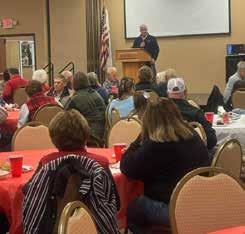
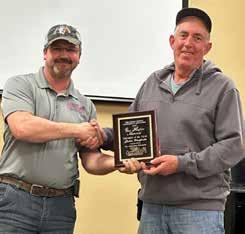
Logan County Cattlemen had their fourth quarterly meeting Dec. 6. Dave Maples, Kentucky Cattlemen’s Association executive vice president, was the speaker, and John Walpole was honored as the 2025 Member of the Year.
The association also hosted their first Steer Weigh-in on Dec. 6 and received 50 steers from 35 families. These steers will hopefully be a young cattle producer’s entry into the Logan County Cattlemen’s Association’s Steer Show, Sale and Carcass Contest, which is held on the Tuesday after Memorial Day. The steers must weigh at least 1,000 pounds to enter the show.
Submit your County Cattlemen's Association news to Katie Pratt kpratt@kycattle.org
Submissions are due by the 10th of the month prior to publication.
FRANKLIN COUNTY NEWS
submitted by Crystal Harrod
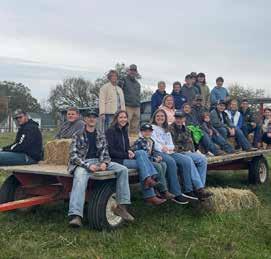
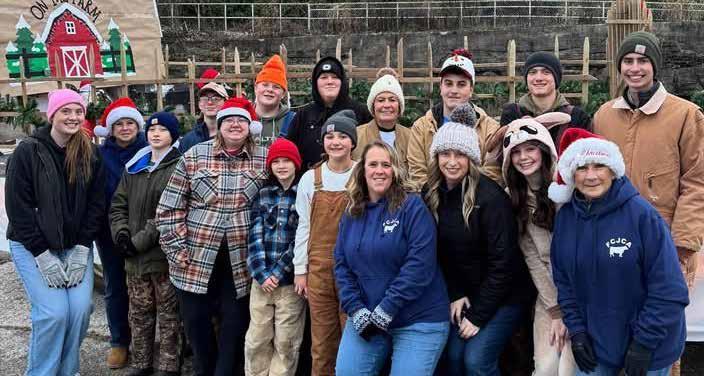
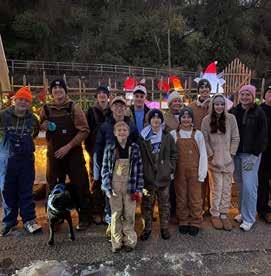
The Franklin County Junior Cattlemen have been busy this fall, from our annual bonfire to getting ready for the Christmas parade. We decided to skip the traditional Christmas story books and go with a hidden gem - Christmas on the Farm! And wow, what a crew!! These kids and their families bring so much heart, dedication and love to everything they do.
METCALFE COUNTY NEWS
submitted by Moe Hensley
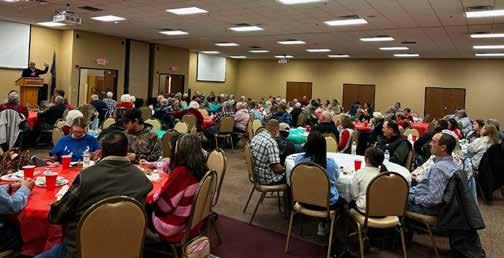
The Metcalfe County Cattlemen met on Thursday, Dec. 11 at the Metcalfe County Extension office. A larger-than-usual crowd was on hand for our Christmas meeting. Routine business was followed by a meal prepped by the Cooking Crew, with a variety of wonderful desserts to choose from.
Burkmann Feeds of Edmonton was the sponsor for the night with Russell Hernandez and Riley Wisdom on hand to answer any questions. Russell also spoke to the audience and wanted to thank all the customers and the community that have supported them in the past and stated that they look forward to serving you for many years to come.
Charles Townsend, DVM, staff vet for Burkmann, was also in attendance and gave a short, but to the point, PowerPoint on the New World screwworm. He hit on what to look for, prevention tips and ways to treat it. You can learn more about this pest by visiting the USDA website at www.aphis.
Linda London, with Bale Insurance Group, also did a presentation on insuring your cattle with Livestock Risk Protection or LRP. LRP provides protection against declining livestock prices if the price, as specified in the policy, drops below the producer’s selected coverage price. Contact Linda if you would like to know more about this insurance.
After a nice lot of door prizes were given away, donated by some very generous businesses, the meeting was adjourned. By the time this is published, we will have already been through several cold snaps and some nasty weather. But don't be discouraged, sunshine, warm weather and hay season are right around the corner. “Optimism is the faith that leads to achievement. Nothing can be done without hope and confidence.” -Helen Keller
Resilience at Princeton: Beef Research Ongoing as Rebuild Continues
Katie Pratt Kentucky Cattlemen's Association
PRINCETON, KY−It was four years in December when an EF-4 tornado ripped through the University of Kentucky Research and Education Center in Princeton. While the rebuild continues, research at the center, including at the UK Beef Unit, never stopped.
“The tornado and its aftermath have slowed things down a bit,” said Katie VanValin, UK beef extension specialist stationed at the center. “We are still here conducting research, but we are doing things differently than they have been done in the past.”
After the tornado hit, the center staff’s immediate efforts focused on locating cattle and assessing the herd’s health. About a week later and after mending some of the fencing, cattle groups that are part of a long-term selenium study were sorted back into their groups.
The selenium study was started by UK researchers Roy Burris and James Matthews more than a decade ago. The amount of selenium farmers can use as supplement is regulated by the Food and Drug Administration, yet deficiencies are common in Kentucky cattle. The research project compares the effectiveness of sodium selenite, the usual form of a selenium given to cattle, to a 50-50 mix of sodium selenite and selenium yeast. Due to length of this study, there are generations of cattle at the farm who are offspring of the original cattle in the project.
“There is evidence that genetic changes may occur in these cattle, so it’s something we want to continue to study,” said VanValin, who now oversees the Princeton herd.
Earlier in the day of when the tornado hit, cattle had been artificially inseminated as part of a study VanValin was
a part of that looked at the effectiveness of two rounds of AI using sex-sorted semen.
Due to the tornado destroying their facilities, the cattle in that study at the farm never received the second round of AI. That study continued but with fewer data points as Princeton was only one of multiple locations participating.
New research projects are also taking shape at the farm. Ron Trotta, also an UK assistant professor, and VanValin are in the first year of a multiple-year project looking at unique solutions to battle fescue toxicosis in cattle.
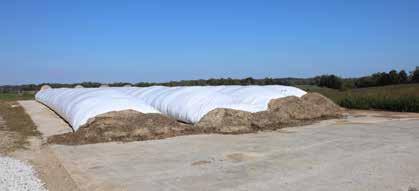
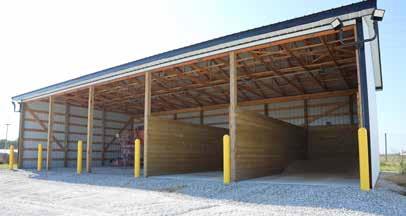
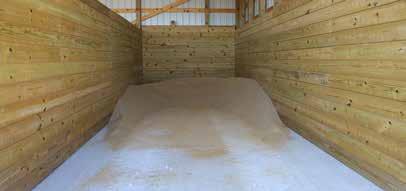
Research continues even though the tornado destroyed much of the center’s beef facilities. Those are continuing to be built back. The center's staff has already replaced 9 miles of fencing. They also have replaced their dry feed storage area. This storage area
now includes commodity bays and an additional equipment storage area. They also received a pad and silage bagger to store their silage. This pad replaces silos that were destroyed.
Additionally, the Beef Unit will now have two new cattle handling facilities and research feeding barn. While still in construction, the facilities will include a small workroom that will al-
low the beef specialists to hosts meetings and small field days, and provide real-world and hands-on training opportunities for producers.
Building a Livestock Judging Legacy in Kentucky
Katie Pratt Kentucky Cattlemen's Association
LOUISVILLE, KY− In Kentucky, livestock judging and the P’Pool family of Western Kentucky are synonymous with each other. They are now on their second generation of highly competitive livestock judgers.
Brothers Jason and Jodie P’Pool and their sister Julie of Trigg County began participating in livestock judging when they were 4-H’ers, eventually earning spots on the Kentucky 4-H State Livestock Judging Gold Team. Julie was on the state 4-H Livestock Judging Silver Team. Jason and Jodie then went on to judge at Western Kentucky University. Now, Jason P’Pool is an instructor at Murray State University and coach of their livestock judging team.
Both Jodie and Jason’s daughters, Faith and Lilly, recently competed in the National Collegiate Livestock Judging Contest at the North American International Livestock Exposition in Louisville.
“It’s in our blood,” said Jason P’Pool. “I’m so proud that our kids want to be involved. I have never pressured them to do it.”
Faith P’Pool, Jason’s daughter and current Murray State University junior, said she was drawn to livestock judging at a young age as she traveled with her father to different competitions when he worked for Kentucky 4-H.
“I always looked up to the kids that were on 4-H livestock judging teams.
I thought they were so cool, and I knew early on that’s what I wanted to do,” Faith P’Pool said.
Her dad encouraged her to give her first set of reasons for fun when she was 5 years old.
“I have been blessed to have parents that are super supportive of my livestock judging, especially dad,” Faith said. “He believed in me when I didn’t always believe in myself. I can’t imagine not being able to do 4-H or livestock judging.”
Jason’s career took his family to Alabama where he coached the Auburn University Livestock Judging Team for a time. It was there that Faith continued her 4-H career, eventually judging for Alabama’s State 4-H Livestock Judging Team, which was coached by Grace Gullat. It took her to NAILE for the first time.
“It was one of the most fun times in my life,” Faith said.
As a member of Murray State University’s team, Faith has competed at all of the major competitions this year including NAILE for a second time in November.
“I am so blessed because not everybody gets to be here on the green shavings, Faith said of her time judging at the national competition in Louisville. “I get cold chills just thinking about it.”
Lilly P’Pool, Jodie’s daughter and University of Arkansas senior, began
participating in 4-H livestock judging in middle school on a team coached by Zach Bartenslager. Lilly got into livestock judging because she was looking to win the goat species point buckle at Kentucky livestock expos. Strong finishes in livestock judging, skillathon, showmanship and actual livestock showing were all required for a species points buckle. She won it twice at the Murray State Expo.
Since there was not a 4-H livestock judging team in her native Trigg County, she joined Kevin Laurent’s team in neighboring Caldwell County. Lilly P’Pool was selected for the top 12 in Kentucky 4-H Livestock Judging twice and participated in the Kentucky 4-H Livestock Judging Team her senior year of high school and judged at the North American International Livestock Exposition in Louisville for the first time.
Livestock judging was a big deciding factor in her college choice.
“Livestock judging is a huge part of who I am, and it’s been a huge part of my family,” Lilly P’Pool said. “Uncle J and my dad have always been very encouraging. I’ve always looked up to my dad, and growing up, he helped me train for competitions, gave me advice and helped me learn the fundamentals.”
At the time she was applying for colleges, none in Kentucky offered an opportunity to participate in livestock judging. Students only have one year
Faith P'Pool
Jason P'Pool
Lilly P'Pool
Photos by Caroline Arison, CVA
Livestock
Photography
of eligibility in livestock judging at the state 4-H, junior college and major university levels. She chose to start at a junior college as it would give her a year of eligibility in that realm before transitioning to a larger university, where she would have a second year of eligibility. Junior colleges and universities do not compete against each other in livestock judging.
Lilly P’Pool was recruited by Craig Beckmier at Lincoln Land Community College in Springfield, Illinois. While there, she judged at NAILE for a second time.
As she transitioned to a major university, she was recruited by Brian Coots at the University of Arkansas.
“It’s kind of cool that I was recruited by him because he went to Western Kentucky University and knew my dad,” Lilly P’Pool said.
This past November was her third time judging at NAILE. The University of Arkansas was ranked No. 7 in the nation in the Collegiate Livestock Judging Power Rankings going into the event, having won Top Notch and the Southeastern Livestock Exposition contests.
“It’s an exciting experience to be here and be on the green shavings,” she said. “It’s always special when you get to come home. It’s been a wonderful journey. It’s sad to see my college career come to an end, but I’m excited for the future.”
P’Pool will graduate in May with a degree in animal sciences. She will cherish the friendships she has made in livestock judging and will use skills she has learned as she transitions into the workforce.
“Livestock judging teaches you a lot of things including how to make a decision and defend that decision,” Lilly P’Pool said. “It has really developed me in a professional way that I can apply to my future career.”
Even though Faith and Lilly’s collegiate livestock judging careers have come to a close, the P’Pool family will continue to have strong ties to livestock judging. Jason will continue to coach at Murray State and his son Jayden, who is a freshman at Murray State hopes to join the Livestock Judging Team in the future.
Herefords are known as the efficiency experts for a reason. Herefords boost pregnancy rates by 7% and add $30 per head in feedyard profitability in a crossbreeding system. And Hereford genetics bring unrivaled hybrid vigor, longevity and disposition.
4-H Meats Evaluation Team Caps Off Successful Year
Submitted by Alison Smith
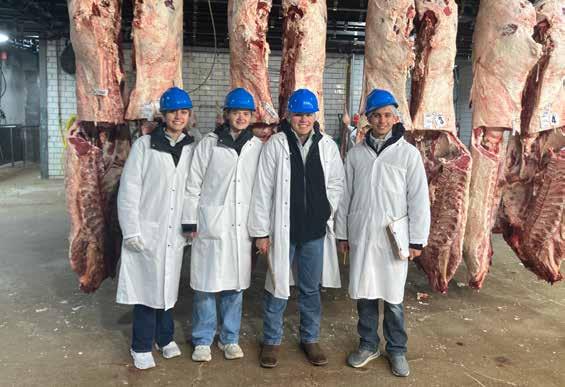
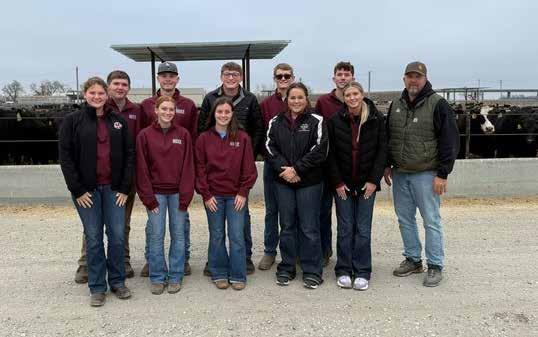
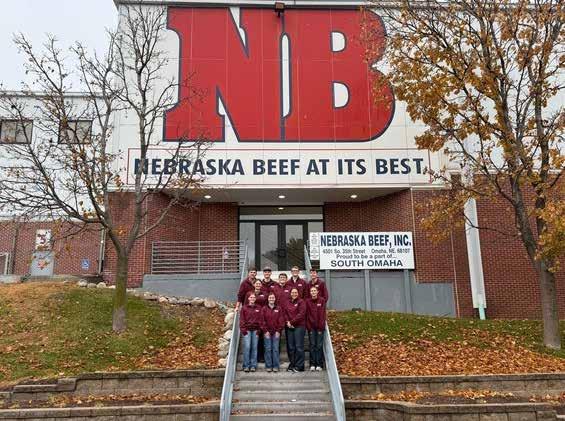
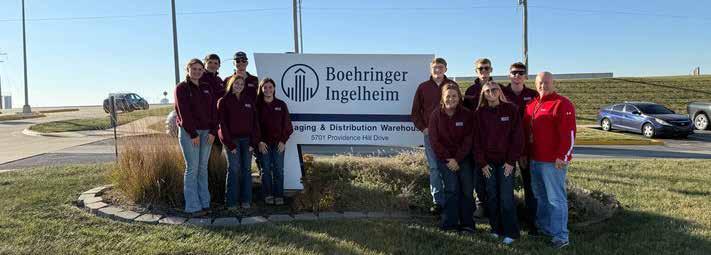
The KY 4-H State Meats Evaluation team consisting of Samantha Brown, Jordan McIntosh, Creighton Smith, and Sophia Smith, all of Scott Co. 4-H, participated in the 2025 National 4-H Meats Evaluation and Identification Contest in Manhattan, Kansas on Oct. 21. The contested featured 64 individuals representing 17 teams from across the nation. Overall, the team placed seventh with individuals placing as follows: Samantha Brown16th; Creighton Smith- 28th; Sophia Smith- 30th; and Jordan McIntosh- 34th. Samantha Brown received a perfect score in Retail Identification allowing her to place sixth individually in that category. The team received sixth in retail identification, seventh in total judging, eighth in Pork Judging and Retail Cut Judging, and 10th in Beef Judging and Oral Reasons.
The team also participated in the Nebraska Beef Youth Meats Judging Contest. The team placed 10th out of 22 teams. The team received fifth in placings. Individually, Creighton Smith received fourth in placings and seventh in questions.
Allison Charolais
Allison Charolais
Charolais Breeder Since 1962
Allison Charolais
Charolais Breeder Since 1962 •
Charolais Breeder Since 1962
The team would like to thank the Kentucky 4-H Foundation and the Scott Co. 4-H Council for their support and opportunity to represent the state. Additionally, this opportunity would not be possible without the support of Scott County Farm Bureau Federation, Scott Co. Beef Improvement Association, Southern States of Georgetown, Darling Industries, Rood and Riddle, Central Bank, Home Grown Direct, LLC, Arrowhead Creek Farm, Smith Farm, Kentucky Cattlemen’s Association as well as individuals: Steve Schureman, Les Chapman, James Lyons and Bonnie Wynn. CHAROLAIS
Bulls Available
Bulls Available
Bulls Available
Ø Bull calves out of HCR Answer 2042 and HCR SPIRIT 4007.
Ø Bull calves out of HCR Answer 2042 and HCR SPIRIT 4007.
Ø Bull calves out of HCR Answer 2042 and HCR SPIRIT 4007.
Ø Bred for calving ease and growth.
Ø Bred for calving ease and growth.
& HEIFERS
Ø Bulls for both purebred and commercial breeders.
Ø Bulls for both purebred and commercial breeders.
CHAROLAIS BULLS & HEIFERS
Ø Bred for calving ease and growth.
Ø Yearlings and two-year-olds available.
Ø Yearlings and two-year-olds available.
Ø Bred heifers to calve in fall available.
Ø Bulls for both purebred and commercial breeders.
Ø Bred heifers to calve in fall available.
Ø Yearlings and two-year-olds available.
John Allison, Owner 545 Eminence Road New Castle, KY 40050 502-220-3170
John Allison, Owner 545 Eminence Road New Castle, KY 40050 502-220-3170
John Allison 545 Eminence Road New Castle, KY 40050 (502) 220-3170
David Carter, Farm Manager 502-706-0075
John Allison, Owner 545 Eminence Road New Castle, KY 40050 502-220-3170
Ø Bred heifers to calve in fall available.
John Allison, Owner 545 Eminence Road New Castle, KY 40050 (502) 220-3170
Carter, Farm Manager 502-706-0075
4-H Meats Evaluation team members Sophia Smith, Samantha Brown, Jordan McIntosh, and Creighton Smith.
North Missouri Bull Sale North Missouri Bull Sale
February 28, 2026
Kingsville Livestock, Kingsville, MO
Selling 125 BLACK Balancer & Gelbvieh Bulls! All 18 months old!
Kentucky 4-H teams had good showings in various competitions at the North American International Livestock Exposition held in November in Louisville.
National 4-H Livestock Quiz Bowl
Kentucky’s Livestock Quiz Bowl Team included Creighton Smith and Sophia Smith of Scott County, Cate Noe of Henry County and Pollyanna Vaske of Boone County. They competed in the national contest Tuesday, Nov. 18. A total of 19 teams and 84 individuals participated in academic-team-like rounds testing youth on their cattle, swine, sheep, meat goat and livestock industry issues knowledge. The team was the Reserve Champion Team with Creighton Smith placing fifth and Sophia Smith placing eighth individually, which qualified them as All-Americans.
National 4-H Livestock Skillathon
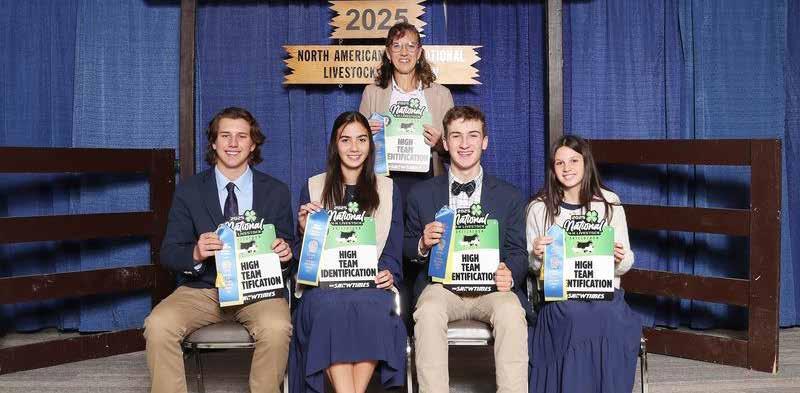
Kentucky’s team for the National 4-H Livestock Skillathon was Sarah Vanzant, Stockton Stivers, Ella Were and Hayden Westfall, all from
Woodford County. They competed in individual and team exercises on all things cattle, swine, sheep and goats. The team received first place in Identification and was eighth in the nation overall out of 25 teams. Sarah Vanzant was the top individual in Identification and first All-American, individually. Stockton Stivers placed second individually in Identification and was ninth Overall All-American.
4-H Livestock Judging
The Kentucky 4-H State Livestock Judging Team consisting of Colton Kearns from Boone County, Klaber Wolfe from Pendleton County, Daniel Laurent of Caldwell County and Clayton Laytart of Harrison County represented Kentucky at NAILE. While competing at the North American for a Kentucky 4-Her is always special, this year's livestock judging experience was nothing shy of surreal and historical. Unlike recent years where the 4-H livestock judging contest would take place on the hallow ground of
the East Wing, this year's National 4-H Livestock Judging Contest took place in nostalgic Broadbent Arena, a welcome change of scenery courtesy of the staff of the North American. The team, coached by Wyatt Banks, placed eighth in Swine and rounded out the day with a hard-fought 19th place finish out of a field of 33 of the best teams in the nation. This rounded out the Kentucky 4-H Livestock Judging Team's fall competition run, not to mention that competing North American marks the last National 4-H Contest these young men will compete in. And while their Louisville performance will not show record of it, it should be noted that across four national 4-H contests this fall, along a route that ranged from North Carolina to Nebraska, this battle-hardened group of young men was never out of the top five overall as a team. A testament to their determination, comradery and discipline to represent themselves, their counties and their state with unwavering commitment.
Kentucky 4-H Skillathon Team included from left Hayden Westfall, Sarah Vanzant, Stockton Stivers and Ella Werre. They were coached by Theresa Vanzant. Sarah Vanzant was the high overall individual in the competition
Kentucky 4-H would like to thank Farm Credit of Mid-America for sponsoring the KY 4-H Livestock Quiz Bowl, Skillathon and Judging Teams allowing them to participate in the national contests. We would also like to thank North American International Livestock Exposition and American Foods Group, Livestockjudging.com, Merck Animal Health, The Show Times, Inc. for sponsoring the National 4-H Livestock Quiz Bowl and Skillathon contests.
The Kentucky 4-H State Livestock Judging Team would like to extend their appreciation to all of those who have followed their journey throughout the fall, as well as all of the livestock providers who let them work out on their livestock. The judging team would also like to give a huge thank you to The Kentucky Cattlemen's Association for proudly putting their name on this year's sponsorship jacket, an item worn by all eight of the 2025 Kentucky 4-H State Livestock Judging Team members.
STRONG.
TRUE BLUE NUTRITION FOR ANY CONDITION.
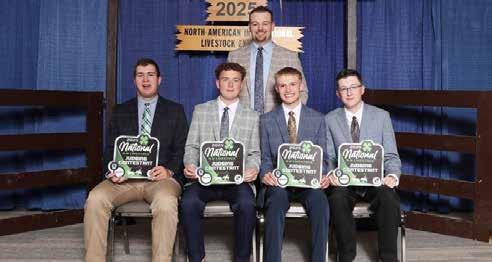
The Kentucky 4-H Livestock Judging Team members included from left Daniel Laurent, Colton Kearns, Klaber Wolfe and Clayton Laytart. They were coached by Wyatt Banks.
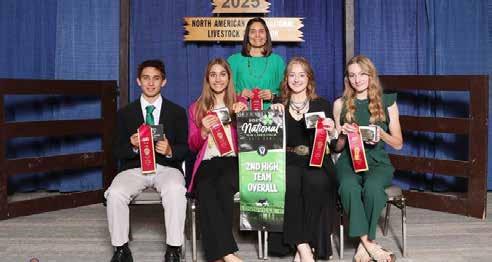
Kentucky 4-H Livestock Quiz Bowl Team members included from left Creighton Smith, Sophia Smith, Cate Noe and Pollyanna Vaske. The team, coached by Allison Smith, was the reserve champion team.
LOUISVILLE, KY (Dec. 4, 2025) – Cattle farmer Cody Burke of Franklin County won first place in the final round of Kentucky Farm Bureau’s (KFB) 2025 Discussion Meet, a debate-styled competition for young farmers that relies on an individual’s skill in reasoning and logical discussion of issues. The topic was: “How can Farm Bureau help promote responsible growth in communities while mitigating the loss of farms, ranches and the agrarian way of life?”
Burke, who is also a facilitator with the Kentucky Beef Network, participated with three other entrants in the final event, winning a Kubota RTV sponsored by Southern Farm Bureau Life. He will represent Kentucky in the national competition at the 2026 American Farm Bureau Federation convention in January and will be vying for prizes, including a new Ford truck.
Runner-up in the state Discussion Meet was Megan Wetenkamp of Henry County, who received $1,000. The other finalists in the state-level contest were Jacob Mattingly of Meade County and Molly Sullivan of Taylor County. They each received $250.
KFB’s Discussion Meet tests entrants on their basic knowledge of critical farm issues and their ability to respond in a panel-type discussion.
THE PARTNER PRODUCERS COUNT ON ALL YEAR LONG.
Kentucky cattle country runs on strong relationships. At UPI’s local markets, you’ll find a team that knows your herd, understands your goals, and works to get you the best return— every auction, every season.
View the full auction calendar for UPI’s Bowling Green, Harned and Owenton markets by scanning the code or visiting uproducers.com/events-calendar
Cody Burke of Franklin County was named the winner of Kentucky Farm Bureau’s 2025 Discussion Meet at the organization’s 106th Annual Meeting.
Revisiting Blackleg: FAQs about the Disease and Its Prevention with Vaccine in Cattle
Michelle Arnold DVM, UK VDL
What is “blackleg?” This is a rapidly fatal disease of cattle, typically seen in calves 6-12 months of age on pasture, caused by the bacterium Clostridium chauvoei. In a majority of cases, affected calves are simply found dead in the pasture with no disease symptoms. Blackleg usually affects calves in good nutritional condition (the “fattest and slickest”) within a group. As the bacterium grows, it emits toxins (poisons) that kill the muscle cells, typically in the hindquarters (thigh muscles) and heart, leading to toxemia and death. There is no effective treatment but vaccination of calves with a 7-way clostridial bacterin-toxoid has proven very effective for prevention of clinical illness and death due to blackleg.
How do cattle get infected? Although blackleg is one of the oldest and most widely recognized causes of death, the way the disease works is still not fully understood. Cattle ingest (eat or drink) the Clostridium chauvoei spores which are then absorbed through the intestines and into the bloodstream where they get distributed to multiple tissues, including skeletal and heart muscles. Once there, the white blood cells called “macrophages” engulf the spores and the organism can survive months to years within these tissues without affecting the animal. However, when the oxygen level drops within the muscle tissue, for example due to injury and bruising, the spores will germinate and the vegetative bacteria will grow and produce deadly toxins.
What does a calf with blackleg look like? Most animals will die within 12-24 hours of the onset of disease, so early symptoms of depression, fever, a loss of appetite, lameness or muscle swelling prior to dying are often missed. The swollen muscle starts out hot and painful but quickly becomes cold and insensitive
as the muscle dies. The bacterium also produces gas that builds up under the skin, causing the skin to feel similar to “bubble wrap” and makes a crackling, rattling sound known as “crepitation” when pushing the skin down over the affected area.
Where are Clostridium chauvoei spores found in the environment? Spores are found in both soil and water, as well as in the digestive tract of living and dead animals. Spore-contaminated soil from carcasses and feces of infected animals is thought to be the main source of infection for animals. The bacterium Clostridium chauvoei is a Gram-positive, anaerobic, spore-forming rod that survives for long periods in the soil. Clostridial organisms are “anaerobes” which means they live and grow where there is no oxygen. In order to survive where there is oxygen, they exist in a “spore” form. A “spore” is a protective form of the bacteria that allows it to survive unfavorable
conditions and enables its spread. Spores are very resistant to environmental factors and disinfectants that normally kill bacteria. Older studies confirmed the blackleg organism can survive as a spore at least 11 years in soil. Spores can only germinate and grow, known as changing to the “vegetative state”, when there is little oxygen present. This vegetative bacterial form produces the toxins (poisons), mainly C. chauvoei toxin A (toxin A or CctA), considered to be responsible for the destruction of both skeletal and cardiac (heart) muscle cells and subsequent death. Why is the disease called “blackleg?” Although the disease affects both skeletal muscle and cardiac (heart) muscle and is frequently found in both the leg and the heart, the thigh (hindquarters) is the most common site. Blackleg may also be found in the front legs, along the back (lumbar area), brisket, neck, diaphragm, and tongue or may be
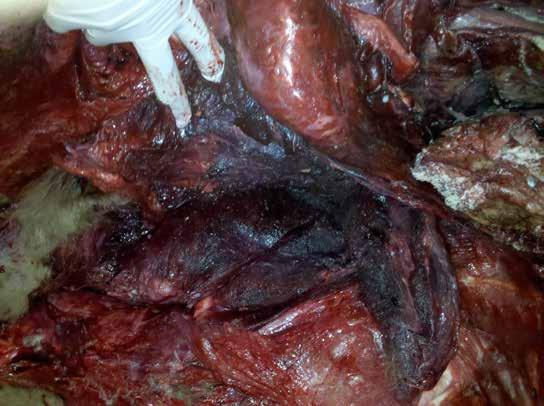
Figure 1: Photo of hindlimb muscle affected with blackleg. Note the red to black discoloration. Photo courtesy of UKVDL.
present in multiple muscle types in the affected calf. The toxin produced by the bacteria causes muscle necrosis (death), resulting in dark red to black discoloration of the affected muscle (see Figure 1). When cut, the affected muscle has a characteristic odor of rancid butter. Diagnosis is typically made at necropsy and the bacterial cause can be confirmed with several different tests.
Does blackleg only occur in calves on pasture? Blackleg is most frequently diagnosed in calves 6-12 months of age on pasture. However, it can occur in very young calves (1-2 months of age) or even in adult cattle if not vaccinated or if they were only vaccinated as calves. It most often affects pastured cattle because they consume spores present in the soil. However, it can occur in housed cattle when feed is contaminated with soil that contains spores. A very large outbreak in Norway where 72 housed cattle died within 12 days was traced to round bale silage with heavy soil contamination.
If there is no history of blackleg on the farm, does that mean there will never be a case there? Blackleg is, in a word, unpredictable. Occurrence of the disease is worldwide, although it tends to be localized, even to certain farms or to certain pastures. It may suddenly appear on farms where it was never known to exist or has been absent for decades.
Is blackleg associated with a certain weather pattern or season? Most cases occur during or after periods of high rainfall or after movement of soil, such as when building or cleaning out a pond. Flooding may spread the spores in pastures and water saturated soil is thought to have less oxygen which may induce germination of the spores and bacterial multiplication. Soil excavation brings more spores to the soil surface. Blackleg cases are diagnosed throughout the year in Kentucky.
Is blackleg vaccine considered a killed or live vaccine? Neither! Clostridial vaccines are usually labeled as “toxoids” or “bacterin-toxoids” because the antibodies produced by the vaccine primarily target the deadly toxin produced by the growing bacteria rather than the bacteria alone.
Are the available vaccines effective? Vaccination against C. chauvoei is inexpensive and nearly 100% effective in preventing blackleg if given prior to exposure and according to label directions. It is important to understand that blackleg vaccine given to a calf at birth is essentially worthless because newborns cannot mount an effective immune response. However, good quality colostrum from the dam will usually protect the calf from disease up to 3 months until vaccination is effective. Most blackleg vaccines require a two-shot series administered 3-4 weeks apart followed by an annual booster.
Do adult cattle need a blackleg vaccine? This is a common question since cases of blackleg decrease dramatically after 24 months of age, but they still occur. Since the spores lie dormant in an animal for years, the potential remains for disease development in poorly vaccinated adults. One benefit is certain, annual vaccination of adult cows will improve the antibodies produced and delivered in colostrum so longer, stronger protection is provided to her calves at birth.
Why are blackleg vaccines called 7- or 8-way vaccines and is one better than the other? There are several diseases in cattle caused by different Clostridial species so the “antigens” are all typically included in the blackleg vaccine (Figure 2). Clostridium chauvoei is the causative agent for blackleg while Cl. novyi is the agent in Black Disease (infectious hepatitis), Cl. septicum in malignant edema, Cl. sordelli in gas gangrene and Cl. perfringens Types C and D in various types of enterotoxemia. An 8-way vaccine contains an additional agent, Cl. haemolyticum, that causes “Red Water” disease in cattle but is not found in Kentucky and considered unnecessary for cattle here. One important Clostridial disease, tetanus, is due to Cl. tetani but it is found in very few blackleg vaccines. Covexin 8 and Calvary 9 (Merck) are examples of blackleg vaccines that contain a tetanus toxoid.
What about the blackleg vaccines combined with other agents such as pinkeye? Blackleg vaccines are found in many different combination products including with pinkeye (Moraxella bovis), with “somnus” (Histophilus somni), and Zoetis makes a combination blackleg and “pasteurella” vaccine called “One Shot Ultra 7”. All these vaccines are considered effective if used according to label directions, meaning a primary dose and booster is given at the right time to induce protective immunity.
In summary, blackleg vaccine is exceptionally important for all Kentucky cattle. Consult your veterinarian for a tailored vaccination protocol to best protect your herd.
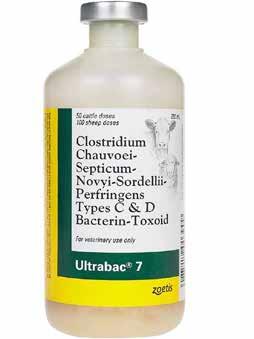
Figure 2: Make sure the vaccine has Clostridium chauvoei on the label for blackleg protection. This picture is for example only and should not be considered a product endorsement by the University of Kentucky.
Investments that Matter…Soil Fertility
Chris Teutsch UK Research and Education Center, Princeton
Cash flow on many livestock operations in the commonwealth is pretty good right now. It is tempting to spend money on something that is shiny and bright! Before you do that, make sure to ask yourself the question “Is that investment going to help me remain profitable when the cattle prices drop?” If the answer is yes, then it is a good investment. If the answer is no or maybe or I really want it to be, then it may not be a good investment. When you are answering this question, always keep in mind that the single largest portion of the cow-calf budget is winter feed (~50% of the total costs). My point is that some of the best investments may not be shiny and bright.
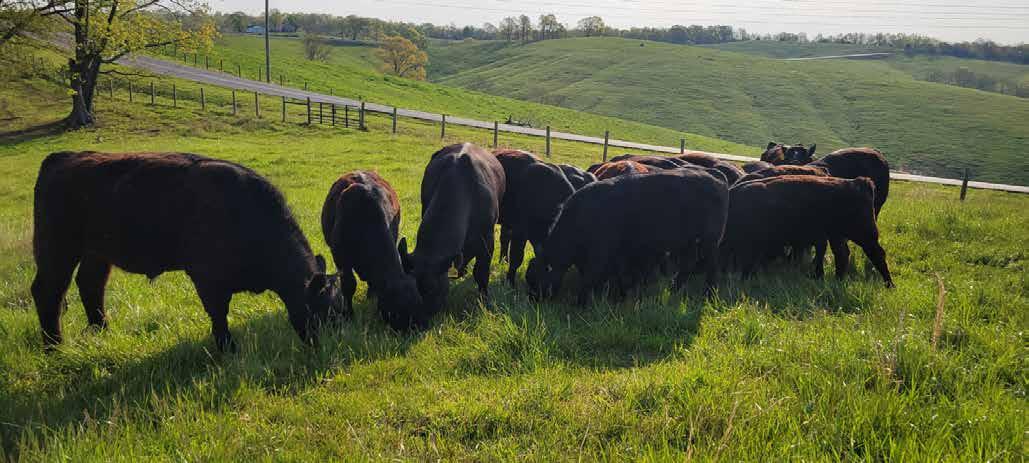
A perfect example of an investment that is not all that shiny and bright is fertilizer and lime for pastures. In order for pastures to be productive, you need a base level of soil fertility. This requires that you make an initial investment in lime fertilizer. The good news is that once you reach that base level of soil fertility, well-managed grazing systems remove very few nutrients, making them one of the most sustainable forms of agricultural production.
Adequate soil fertility in grassland ecosystems is key to increasing pasture production and decreasing the amount of conserved forage (hay) that is fed. This can be accomplished by building and maintaining strong nutrient cycles in our pastures. In this article, I want
to talk about some basic principles of pasture fertilization and what you need to understand in order to get started building stronger nutrient cycles.
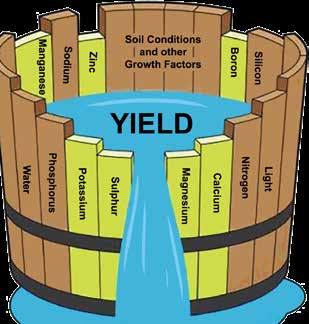
Single nutrients can limit overall pasture production. This is called “Liebig’s Law of the Minimum.” This principle says that plant growth can be no greater than that allowed by the most limiting of essential plant growth factors. In plain English, this means that whatever soil nutrient is the most deficient will hold back overall pasture production, even if the other nutrients are sufficient. This is best illustrated by a barrel model in which each stave represents a different nutrient (Figure 1). No matter how much of the other nutrients that we add to the barrel, the barrel can never fill up (maximum yield) until we fix the lowest stave. The point that I want to make is that fertility programs for pastures need to be balanced and focus on identifying and supplying nutrients that are deficient.
Grazing animals removing only small quantities of nutrients. Over 80% of the nutrients consumed by livestock are recycled in the form of dung and urine. One cow-calf pair will remove approximately 7 lbs. phosphate and 1 lb. potash per year. If we are stocked at 2 acres per cow-calf unit then our nutrient removal would be 3.5 lbs. phosphate and 0.5 lb. potash per acre per year. It is important to realize that there are other pathways that nutrients are lost
from pastures, so even with the limited nutrient removal by grazing livestock, limited fertilizer applications may be needed over time.
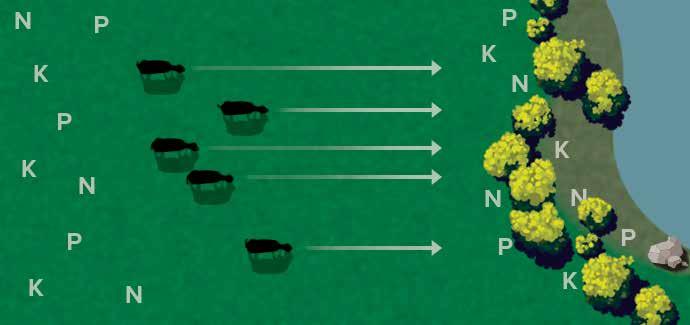
Grazing animals will redistribute nutrients in pastures. Overtime, grazing animals can move nutrients from one area of the pasture to another through urine and dung deposition. This problem is the worst in large, continuously grazed pastures where animals graze but then come back to shade and water areas, where they urinate and defecate, thereby increasing the nutrient concentrations in these areas (Figure 2). We can improve nutrient distribution in grazing systems by investing in infrastructure that helps us better manage grazing…water and fencing. Stay tuned for more details on these two items in the next several months.
Hay and silage remove large quantities of nutrients. In contrast to grazing, making hay or silage removes large quantities of nutrients. These nutrients must be replaced to maintain soil fertility and stand health and productivity. Each ton of hay that is removed from a field takes with it approximately 15 lbs. of phosphate and 50 lbs. potash. In a good year, a tall fescue-clover mix may yield 4 tons per acre and remove 60 lbs. of phosphate and 200 lbs. of potash (Table 1).
Hay can be a source of nutrients. Since hay contains significant quantities of
Figure 1: Liebig’s barrel illustrates that yield can be no greater than that allowed by the most limiting of plant growth factors.
Figure 2: In a large, continuously stocked pasture, grazing livestock will move nutrients from grazing areas and concentrate them around shade, water and feeding areas
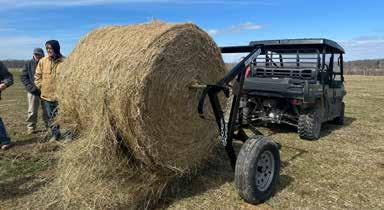
N, P, K, Ca, Mg and other nutrients, it has the potential to bring these nutrients into grazing systems. In order to realize the value of these nutrients, hay feeding points need to be evenly distributed across the landscape. Otherwise, we tend to concentrate nutrients in small areas of pastures. So, think about investments that might help you accomplish this task. Maybe things like a hay unroller, or poly hay rings that are durable and easy to move, or mobile hay feeding wagons (Figure 3). We will talk more about hay feeding strategies as a means for building soil fertility in the next several months.
Soil testing provides a starting point. It is difficult to manage something if we don’t measure it. We cannot look at a soil and tell how much lime and fertilizer is needed. Applying fertilizer and lime without a soil test is simply guessing and could lead to an over or under application of nutrients. An over application of fertilizer is bad for your wallet and the environment. An under application of nutrients could lead to lower production and poor stand persistence. Regular soil testing needs to be a part of your grazing system. In most cases, pastures should be soil tested every two to three years to help you track your progress. If you have not measured organic matter, I would suggest that you add it your soil test. Increasing
organic matter levels is good indication that your management is moving in the right direction.
It is very important to remember that building stronger a nutrient cycle in your pastures is not something that happens overnight, but rather it is a slow and gradual process that can take years. This process starts with figuring out where you are at and where you need to go. Improving soil fertility is not new and shiny but it is a long-term strategy that will help you reduce winter feeding costs and ensure that you are profitable not at the top of the cattle cycle but also at the bottom!
Last thing, I know that after reading this article everyone is dying to learn more about how to build and maintain strong nutrient cycles in grazing systems. GOOD NEWS… this year’s Forages at the KCA session will feature our brand-new University of Kentucky soil fertility specialist, Ricardo Riberio, who will be discuss nutrient cycling in grassland ecosystems and UK agricultural economist Greg Halich who will focus on a hay feeding strategy called bale grazing as a means of improving soil fertility. Make sure you do not miss this session!
FEATURED VIDEO
This month’s featured video is “Bale grazing for biological fertility and healthier pastures” by Greg Halich. This presentation was given as part of the 2024 Heart of America Grazing Conference held on Oct. 15-17 in Elizabethtown. You can view it at https:// tinyurl.com/bdfnxnsf.
FEATURED UPCOMING EVENTS
Forages at KCA: Owensboro Convention Center Jan. 16 from 8 to 10 a.m. Central Topic: Nutrient cycling in grassland ecosystems…getting off the fertilizer train! More information available www.kycattle.org/ kca-convention.
2025 Alfalfa and Stored Forage Conference Logan County Extension Office, Russellville Feb. 24 from 8 a.m. to 3:30 p.m. Central. More information available at forages.ca.uky.edu/ and clicking on “UPCOMING EVENTS”.
FEATURED PUBLICATION
This month’s featured publication is: “Soil Testing Hayfields and Pastures” by Chris D. Teutsch and Edwin L. Ritchey. It can be accessed at https://tinyurl. com/szjd4zjm or visiting your local extension office.
FENCING TIP
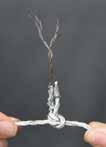
Join polywire correctly. If you use polywire, you will eventually have to repair breaks or join rolls. It is important to have good conductivity. Simply tying a knot is NOT sufficient. To ensure good conductivity, separate 2 inches of the metal strands from the poly material by melting plastic away with a lighter or match. Then, tie the polywire together so that the exposed ends match up and twist them together. This will optimize conductivity and ensure maximum animal control
FORAGE MANAGEMENT TIPS
• Remove animals from wet pastures to limit pugging and soil compaction.
• Feed best quality hay to livestock groups with the highest nutritional requirements. Supplement poor quality hay as needed.
• Feed hay on your poorest pastures to improve soil fertility and organic matter.
• Move feeding points around the pasture to improve nutrient distribution.
• Consider bale grazing to improve nutrient distribution. See this month’s featured video.
• Buy clover seed early since supplies will likely be tight this spring. Store seed in a cool, dry place until frost seeding begins in February.
• Inspect and repair seeding equipment.
• Consider purchasing a GPS guidance system for improving your frost seeding precision.
Table 1. Approximate nutrient removal in pounds per acre for several commonly grown hay types at specified yield levels. Data from Ball et al., 2007, Brown, 1996, Robinson, 1996, and NRCS Animal Waste Management, NEH-651, 1999.
Figure 3: Investments in equipment are not necessarily bad, BUT that equipment must help you increase profitability. In this photo, a small and relatively inexpensive hay roller that can be used behind a UTV could help to better distribute nutrients contained in hay thereby capitalizing
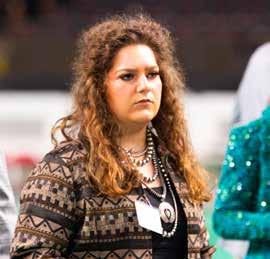
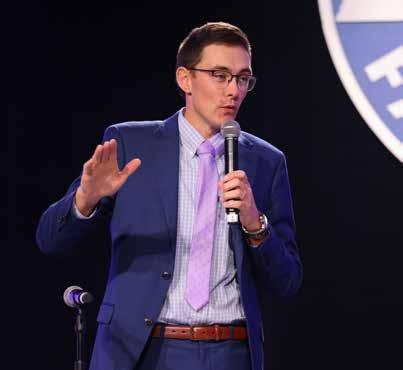
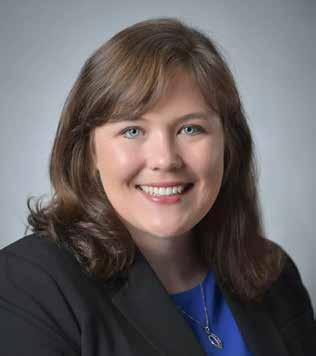
Kentucky Farm Bureau Selects Katie Pratt as the Winner of its 2025 Communications Award
LOUISVILLE, KY (Nov. 4, 2025) — Kentucky Farm Bureau (KFB) has named Katie Pratt, communications manager for the Kentucky Cattlemen’s Association, as the recipient of its 2025 Communications Award. This annual award honors a professional journalist whose work has contributed to a better public understanding and appreciation of Kentucky agriculture, farming families and rural communities.
In her role, Pratt oversees storytelling, photography and editorial production for Cow Country News, the Kentucky Cattlemen’s Association’s monthly membership magazine. Through her
by Kentucky Farm Bureau News
RANDOLPH FARM
articles and photos, she helps producers stay informed about industry trends, production methods and association initiatives. She also edits and collaborates with regular columnists to ensure clear, consistent communication.
Pratt also works closely with the Kentucky Beef Council, Kentucky Beef Network and Kentucky Cattlemen’s Foundation to share timely updates and extend agricultural stories to a broader statewide audience through media and Extension Office channels.
She was recognized during the Kentucky Farm Bureau Annual Meeting on December 5 at Galt House Hotel in Louisville.
January Cow Sales
BG Campbellsville
Friday, January 2, 2026 7:00 PM
BG South—Stanford Friday, January 16, 2026—6:30 PM
BG Lexington
Wednesday, January 28, 2026 6:30 PM
7 locations across the Commonwealth!
Blue Grass Albany
Jeffrey Cyphers, Manager
Cattle Sales Wednesday 9:30 AM CST
1274 Hwy 90 W ,Albany, KY 42602 606-387-4681
Blue Grass Campbellsville
Ronnie Choate, Manager
Cattle Sales Wednesday & Saturday 10:00 AM
Cow Sales 1st Friday 7:00 PM
265 Airport Road, Campbellsville, KY 42719 270-465-4051
Blue Grass East Mt. Sterling
Mike Havens, Manager
Cattle Sales Wednesday 9:00 AM
3025 Owingsville Road, Mt. Sterling, KY 40353
859-498-9625
Farmers Stockyards—Flemingsburg
Corey Story, Manager
Cattle Sales Tuesday 10:00 AM
Cattle & Small Animal Sales Saturday 11:00 AM
255 Helena Road, Flemingsburg, KY 41041 606-845-2421
Blue Grass Lexington
Jeremy Shryock, Manager
Cattle Sales Monday & Tuesday 9:00 AM
Cow Sales 4th Wednesday 6:30 PM
*Cow Sales 3rd Wednesday Nov & Dec 4561 Iron Works Pike, Lexington, KY 40588 859-255-7701
Blue Grass Richmond
Jim Dause, Manager
Cattle Sales Friday 9:00 AM
Hog, Goat & Sheep Sales 2nd & 4th Monday 1:00 PM (Animals in Barn by Noon) 348 K Street, Richmond, KY 40475 859-623-1280
Livestock judging has helped many industry leaders with their career paths.
Corinne Fetter grew up judging livestock, first in 4-H in her native Mason County. She then went on to make Kentucky 4-H State Livestock Judging Team in high school and the University of Kentucky Livestock Judging Team. During her time at UK, Fetter placed in the top 10 overall at the National Collegiate Livestock Championships. As Kentucky Venues executive director for expositions, she is in charge of running the show.
“Livestock judging has meant everything for my career,” she said. “I got to compete against some of the future top agribusiness professionals in the nation, and I learned a lot about making and defending a decision and being resilient and bouncing back. You are not always going to win.”
Warren Beeler, Kentucky’s deputy commissioner of agriculture, echoed the importance of livestock judging on his career. Beeler judged dairy in FFA and then became a member of the livestock judging team at Western Kentucky University.
“I use what I learned in livestock judging every day,” said Beeler, who has judged livestock in 43 states, Mexico and Canada, and also is an adjunct instructor of animal science at Western Kentucky University. While WKU does not have a livestock judging team, Beeler incorporates livestock selection into his classes.
P’Pool also credits livestock judging with helping him carve his career path. Besides his current position at Murray State, P’Pool has coached livestock judging teams for Kentucky 4-H and Auburn.
“I was shy and timid in high school when I started livestock judging,” he said. “I wouldn’t be sitting where I am today if I hadn’t been involved in it.”
The Green Leap: National Senior Collegiate Livestock Judging Contest Moves to Freedom Hall
Katie Pratt Kentucky Cattlemen's Association
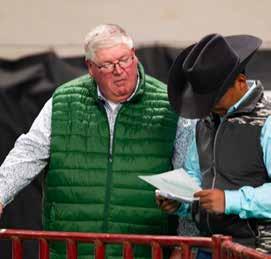
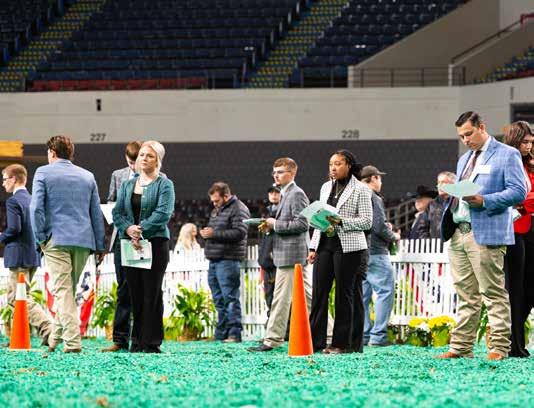
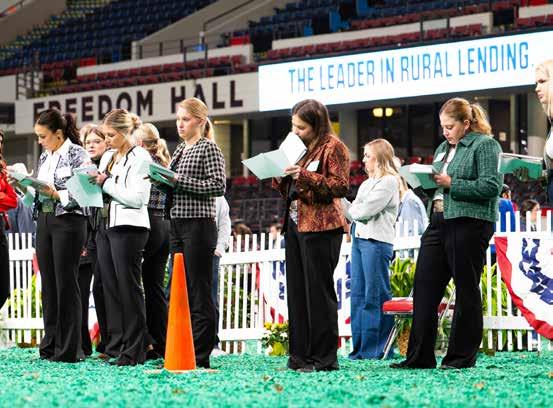
LOUISVILLE, KY− The green shavings at Freedom Hall are an iconic symbol of success and accomplishment for young people in the livestock world. In November, the nation’s top senior collegiate livestock judging teams got to step foot on those shavings and experience the atmosphere for the first time as part of the National Collegiate Livestock Judging Championships held during the North American International Livestock Exposition.
The first National Collegiate Livestock Judging Competition was first held 120 years ago in Chicago. Since the contest moved to Louisville from Chicago in 1976, it always had been held in the East Hall of the Kentucky Exposition Center, but cramped quarters and sharing the space with the national livestock judging competitions for 4-H and junior college students caused event organizers to work toward a better
location for the contests. As the senior collegiate competition moved to Freedom Hall in November, the 4-H and the junior college shows moved to Broadbent Arena.
“By moving the senior contest to Freedom Hall on the green shavings, we were trying to give it the prestige it deserves,” said Corinne Fetter, executive director of expositions for Kentucky Venues. “It also gives us more space for the livestock and allows the contestants to see the livestock better.”
Livestock judging teaches young people how to select quality production livestock. Competitors view and rank 12 classes of livestock. Livestock classes include beef cattle, sheep, swine and goats. They then give judges oral reasons as to why they placed the animals the way they did. Contestants are scored based on class placement and their ability to defend their placing decisions. At each level,
students have one year of eligibility of livestock judging. The season starts in the spring and culminates at the North American contest in November. Throughout the year, collegiate teams are given points and ranked based on how they perform at contests across the nation.
“Being on a college’s livestock judging team should be the culmination of any intensive animal science program,” said Dr. Gordon Jones, a member of the contest’s advisory committee and former longtime livestock judging coach at Western Kentucky University. “It should be a reflection of a university’s animal sciences educational program.”
In November, 25 teams from across the country and 118 contestants vied for high team and high individual placings. Oklahoma State University won its 24th national championship and also had the high individual score. OSU’s 24 national championships are the most of any university.
Richard Coffey is chair of the Department of Animal and Food Sciences at Oklahoma State. He traveled with the team to Louisville.
“This is the one that you want to win, and this is the one these students are shooting for when they start in the
spring,” he said. “Freedom Hall and its green shavings are a really great environment and a cool place to have the livestock contest.”
Kentucky’s Team at Nationals
Murray State University had Kentucky’s lone livestock judging team at the national contest. This was the first time in at least 30 years the university competed at the national competition.
To be in Freedom Hall adds another level of prestige and history to the contest,” said Jason P’Pool, Murray State’s coach. “It’s a win for the livestock judging programs across the nation.”
Jason P’Pool is an instructor of animal science at Murray State University. He hopes to revitalize the university’s livestock judging program. The team competed at several national contests in 2025 with team member Laken White of Caldwell County placing just out of the Top 10 at Cattlemen’s Congress in Oklahoma City .
He said while livestock judging is a competition, it’s a great way to help students become career-ready.
“Nothing is better than livestock judging in helping students develop soft skills that employers want,” he said.
The Future of Livestock Judging
Years ago, visual livestock inspection was the only way to select for livestock and that’s the method livestock judging students continue to use. But now in the industry, data drives much of the selection process. An advisory committee has been formed to help update the livestock judging contest.
“Livestock observation needs to combine modern science with visual observation,” said Jones.
“While we now have data to help make our selections visual observation is still important to identifying structural problems in an animal.”
Beeler said different breeds are now trying to incorporate both data and visual animal inspections into their contests.
“Angus has a contest that looks at both the genotype and phenotype of an animal,” Beeler said. “I could see us doing something similar in livestock judging where the students rank the animals based off the data and then do a visual inspection and rank them again. I think that’s where we might be going.”
Another goal is to get more teams involved. While the number of teams that competed in 2025 was the highest since COVID, the contest is mostly comprised of schools from the Midwest. One of the advisory committee’s goals is attract universities back to the contest.
“All universities should have a team because it teaches decision making and then defending those decisions. We are really training students to be the boss.”
Jones said he hopes changes in livestock judging make larger impact than just the contest.
“I hope the discussions we are having about livestock judging help revitalize animal science educational programs across the country,” he said.
Photo by Caroline Arison, CVA Livestock Photography
WEDNESDAY, JANUARY 14
12:00-5:00 Trade Show Move-In Exhibition Hall
1:00-3:00 KCA Oversight Committee Meeting Riverwalk- Hampton Inn
3:00-4:30 KCA Foundation Meeting Riverwalk- Hampton Inn
4:30-6:00 KCA Executive Committee Meeting Riverwalk- Hampton Inn
6:00 KCA Leadership Dinner (Invitation Only) Miller House
6:00 KCA Beef Efficiency Conference Guests Dinner (Invitation Only) Miller House
THURSDAY, JANUARY 15
7:00-6:00 Registration Hours Registration Booth
8:00-11:00 Trade Show Move-In Exhibition Hall
9:00-12:00 Beef Efficiency Conference: Connecting Genetics and Management to Influence Beef Efficiency West Ballroom B-D
What is the Ideal Cow? – Dr. Daniel Shike University of Illinois Urbana-Champaign
Strategic Decision Making in an Evolving Beef Cattle
Industry – Dr. Trey Patterson Padlock Ranch
A New Era: Red Meat Yield – Dr. Dale Woerner Texas Tech University
11:00 Trade Show Opens (exclusive Trade Show hours 12:00-2:00 & 4:30-6:30) Exhibition Hall
12:00 Lunch in Trade Show sponsored by Kentucky Beef Council Exhibition Hall
12:20-2:30 Women's Session (Ticket Required) West Ballroom E
1:00-2:00 Barn Talk Session 1 Exhibition Hall
2:00-4:00 Opening General Session West Ballroom B-D
Welcome 2025 Kentucky Cattlemen’s Association
Convention – Randy Warner 2025 KCA President Kentucky Beef Council Highlights & Awards – Ryan Miller, KBC Chairman
Kentucky Department of Agriculture Update –Commissioner Jonathan Shell, Kentucky Department of Agriculture
Putting U.S. Beef on the World’s Table – John Hinners, US Meat Export Federation
6:30-8:00 County President & Past KCA President’s Breakfast (Invitation Only) West Ballroom E
8:00 Trade Show Opens (exclusive Trade Show hours 10-12)
8:00-10:00 Forages at KCA Nutrient Cycling in Grassland Ecosystems…Getting Off the Fertilizer Train West Ballroom A
Welcome – Chris Teutsch University of Kentucky
Nutrient Cycling in Grassland Ecosystems – Ricardo Riberio University of Kentucky
Bale Grazing: Making it Work in Kentucky – Greg Halich University of Kentucky
Optimizing Production in Grassland Ecosystems –Chris Teutsch University of Kentucky
8:30-9:00 KJCA Board of Directors Meeting (2025 KJCA Board Members Only) Meeting Room 231 KJCA
9:00-10:00 Who is the KJCA? Riverview Room KJCA
10:00-10:45 Trade Show Scavenger Hunt Exhibition Hall KJCA
10:00-11:00 Barn Talks Session 2
10:45-12:00 Alumni Town Hall Riverview Room KJCA
12:00 Trade Show Closes Exhibition Hall
12:00-2:30 Foundation Luncheon (Ticket Required) East Ballroom B-D
Welcome – Dr. David Williams KCA Foundation President Meal
Recognition of Special Guests & Leadership Development Program Class
Recognition of 2026 KCA Convention Sponsors –Adam Chunglo KCA Association Chairman 2026 KCA Hall of Fame Inductions • Heifer Initiative Award • KJCA Program Highlights • KJCA Outgoing President Recognition • Kentucky Cattlemen’s Association Foundation Auction
2:30-3:30 Jeopardy Tournament Riverview Room KJCA
2:45-3:45 Regional Meetings West Ballrooms
3:00-4:00 Board of Directors Elections Meeting Room 231 KJCA
4:00-5:30 Closing Business Session East Ballroom B-D
Welcome – Randy Warner 2025 KCA President 2025 Financial Review – Ken Adams KCA Treasurer
A Year in Review and 2026 Outlook – Dave Maples
KCA Executive Vice President
KJCA Incoming Officer Recognition • Regional Meeting & Nominating Committee Reports • Recognition of 2025 KCA President • Installation of 2026 KCA President
Hampton Inn
$149
270-685-2005
Special Code: KentuckyCattlemen
Available Through 12/19/2025
Home 2 Suites
$134
270-645-5001
Available Through 12/16/2025
Holiday Inn
$134
270-683-1111x 0
Holiday Inn
Special Code: KCA
$134
Available Through 12/23/2025
270-683-1111x 0
Special Code: KCA
Available Through 12/23/2025
Hampton Inn
$149
270-685-2005
Hampton Inn
Special Code: KentuckyCattlemen
$149
Available Through 12/19/2025
270-685-2005
Special Code: KentuckyCattlemen
Available Through 12/19/2025
Home 2 Suites
$134
Home 2 Suites
270-645-5001
Available Through 12/16/2025
$134
270-645-5001
Available Through 12/16/2025
U.S. Pork Exports Steady in September with Value Record for Mexico; Beef Exports Lowest Since Mid-2020
U.S. Pork Exports Steady in September with Value Record for Mexico; Beef Exports Lowest Since Mid-2020
USDA has released red meat export data for September, which was delayed due to the recent government shutdown. As compiled by USMEF, September data showed a fairly steady performance for U.S. pork exports, matching year-ago value while down slightly in volume. But September beef exports were the lowest in more than five years, with shipments to China effectively halted and exports to other Asian markets also trending lower year-over-year.
“We are encouraged by the robust and resilient global demand for U.S. pork – especially in Mexico, but also in a broad range of international markets,” said USMEF President and CEO Dan Halstrom. “The situation is obviously much more challenging on the beef side, primarily due to the ongoing impasse with the Chinese government, which continues to ignore its commitments under the U.S.-China Phase One Agreement. U.S. industry losses continue to mount as a result of this lockout, and relief simply cannot come soon enough.”
The Office of the U.S. Trade Representative (USTR) is conducting a Section 301 investigation of China’s implementation of the U.S.-China Economic and Trade Agreement, popularly known as the Phase One Agreement. USMEF submitted comments to USTR detailing China’s failure to meet its Phase One commitments on red meat trade.
Value record for Mexico led strong September performance for U.S. pork
Pork exports totaled 233,816 metric tons (mt) in September, down 2% from a year ago. Export value was
steady at $683.9 million, highlighted by the highest value on record for Mexico (nearly $260 million). The value of pork muscle cut exports trended higher in September ($586.2 million, up 1%), but pork variety meat exports declined, due in part to China’s retaliatory tariffs. Excluding China, September pork and pork variety meat exports were 4% above last year.
Through the first three quarters of the year, pork exports were 3% below the record pace of 2024 in both volume (2.16 million mt) and value ($6.16 billion), and down just 1% when excluding China. Exports to leading market Mexico, which have already topped $2 billion in value in 2025, and to Central America, are poised to reach new annual highs. JanuarySeptember shipments also increased year-over-year to Colombia, the Caribbean, Hong Kong and Vietnam. Few bright spots in a difficult month for U.S. beef exports
September beef exports were just 80,835 mt, down 22% from a year ago and the lowest since June 2020. Export value was $660.9 million, also down 22% and the lowest since February 2021. Even when excluding China, beef export volume fell 11% year-over-year, due in part to lower production.
January-September beef exports totaled 856,023 mt, down 11% from a year ago (and down 4% when excluding China). Export value was down 10% to $7.03 billion. Exports trended higher to leading value market Korea and to Central and South America, Hong Kong, the Philippines, the Dominican Republic, the Bahamas and Africa. But these gains were more than offset by the steep decline to China and lower shipments to Japan, Mexico, Canada and Taiwan.
September lamb exports above year-ago, but lowest of 2025
September exports of U.S. lamb muscle cuts totaled 130 mt, up 67% from last year’s low volume but the smallest in 12 months. Export value was $807,000, up 64% but also the lowest since last September. Led by growth in Mexico, the Caribbean and Canada, January-September exports increased 47% from a year ago to 2,179 mt, valued at $11.7 million (up 31%). Exports also increased to Costa Rica and Panama.
A detailed summary of the JanuarySeptember export results for U.S. pork, beef and lamb, including market-specific highlights, is available from the USMEF website.
MEMBERSHIP
Taylor County Cattlemen's Association
Members
2025-26 MEMBERSHIP APPLICATION
* MEMBERSHIP YEAR 10/1/25– 9/30/26
NAME SPOUSE NAME FARM NAME
*Payments of KCA membership dues are tax deductible for most members as an ordinary and necessary business expense. However, charitable contributions of gifts to KCA are not tax deductible for Federal Income Tax purposes. Due to new IRS regulations, $2.24 of your dues would not be deductible. Approximately $12 of your dues will go towards the monthly publication Cow Country.
PLEASE CHECK THE MEMBERSHIP(S) YOU WOULD LIKE TO JOIN:
KCA MEMBERSHIP ($30/YR) NEW RENEWAL
Membership dues are $30 unless otherwise listed below
KCA COUPLE MEMBERSHIP
To add your spouse, please add $15 to your KCA Membership
KENTUCKY JUNIOR CATTLEMEN’S ASSOCIATION ($10/YR) NEW RENEWAL
I WOULD LIKE ADDITIONAL INFORMATION ON THE YOUNG PRODUCER’S COUNCIL
TOTAL MEMBERSHIP:
$ KCA
$ KJCA
TOTAL CONTRIBUTIONS:
$ CATTLEMEN’S FOUNDATION DONATION (voluntary)
TOTAL AMOUNT ENCLOSED:
$ ALL DONATIONS TO KCF ARE TAX DEDUCTIBLE
COUNTY DUES
Dues are $30 except for the counties listed below.
Allen...............................$40
Anderson........................$25
Boyle ..............................$35
Bullitt..............................$20
Butler..............................$25
Franklin ..........................$25
Louisville Area ................$20 (Jefferson, & Spencer) Magoffin .........................$20 Menifee ..........................$25
IF YOU WOULD ALSO LIKE TO JOIN THE NATIONAL CATTLEMEN’S BEEF ASSOCIATION The NCBA is now a State Marketing Partner with the KCA. You can pay your dues to both organizations with one check, at the same time.
Van NYBLS participant, Laurel County
On Monday, Nov. 17, young leaders from across Kentucky met in Louisville not fully knowing what the week ahead in Nebraska would look like. All of us had gone through a competitive application process and were one of 10 the Kentucky Beef Checkoff chose to sponsor for the Nebraska Youth Beef Leadership Symposium. That alone made the week feel special before it even began.
Early Tuesday morning, we flew from Louisville to Atlanta and then on to Kansas City, where our whirlwind tour officially started. From that moment, it felt like we were constantly moving, but in the best way. Every day brought new places, new conversations and new pieces of the beef industry that most people never get to see. Most nights we ended up in a different hotel, but traveling together made it feel like a big road trip with a purpose.
One of the most memorable stops for me was at BioZyme in Saint Joseph, Missouri. Hearing how much work goes into creating nutrition products and seeing the passion behind it made me appreciate the science side of the cattle industry. Another personal favorite that occurred later in on our journey was the American Angus Association. That visit stood out for a completely different reason. They talked a lot about the value they place on their members and how deeply they care about supporting young people in agriculture. It was one of those moments that made you feel like you had a place in this industry if you wanted one.
Another of the many stops that left an impact was Weber Feedyards. Walking through a real working feedyard and talking with the people who run it showed us the responsibility and care that goes into managing cattle every single day. It made all the things we learn in the classroom feel real.
After days of traveling, we finally made it to Lincoln, Nebraska for the symposium, which took place from Friday, Nov. 21 through Sunday, Nov. 23. Those three days were packed with learning. We worked on product development, marketing skills, career exploration and spent time getting to know students not only from Nebraska, but six different states. It felt like the perfect ending to a week that had already opened our eyes to the beef industry.
After an unforgettable week with once-in-alifetime experiences, we flew back home on Sunday with flights from Omaha to Atlanta and then back to Louisville. By the time we landed that next morning, we were tired but grateful. The week gave us a deeper understanding of the beef industry and also helped us grow as leaders. It was an experience that not only changed my perspective and made me step into a completely different environment, but one that will stay with me for years and years to come.
Austin
Ashlyn Davis Pulaski County
Clara Belle Bishop Nelson County
Holland Kelsay Barren County
Jonna Ford Monroe County
Shelby Howard Lincoln County
Andrew Mattingly Marion County
Austin Van Laurel County
Brody Hearn Owen County
Cyrus Bivens LaRue County
Joseph Tabor Todd County
Things to Look Forward to in 2026
Jake Harrod Program Coordinator, Kentucky Beef Network
As I sit here writing this article, I am both planning for the exciting things coming in 2026 and reflecting on the success of the December value-added sales the Kentucky Beef Network helps with. We had a strong turnout at each sale, and the prices and the overall quality of cattle were very encouraging. These sales are designed to help farmers market cattle in large, uniform groups, gain premiums that reflect good management and continue building the reputation of Kentucky cattle. For producers who may not have many calves to sell, these sales create opportunities to receive better prices and benefits than they often could on their own.
Each sale follows a set of guidelines that every participant must meet. These include specific health protocols, feeding practices and requirements for ownership and weaning. These practices are not just rules someone came up with. They truly add value to the calves. When buyers see calves that are well-weaned, healthy, accustomed to eating and coming from a reputation they trust, it gives them confidence. All these factors work together to create a higher quality product that buyers are willing to pay more for. When you then combine many of these calves into uniform loads, that value increases even further.
of the easiest ways to improve your farm’s revenue. Even simple steps like vaccinating or weaning can make a noticeable difference. But if you want to get the most value possible, I encourage you to look into the full set of guidelines used in the value-added programs. If you would like to learn more about the value-
impact and give producers great opportunities.
One of these is our Beyond the Bluegrass program. This industry tour is designed to help our state’s emerging leaders and producers learn more about what happens in the beef industry after cattle leave the farm. We will visit farms, feedlots, research facilities, packing plants and other key stops. In April 2026, the tour will take us to Nebraska, and we already have some great locations on our list. Signups will be opening soon. If you are interested in going or would like more information, please contact myself at jharrod@kycattle. org, Amelia Carter at acarter@kycattle.org or Rachel Cain at rcain@ kycattle.org.
added opportunities we offer or are interested in participating in one of these sales, please visit our website at www.kybeefnetwork.com or visit our Facebook page @Kentucky Beef Network.
Adding value to your calves is one
As we look ahead, I am excited for everything we have coming up in 2026. There are several programs and events that will have a big
Another exciting update is that the Kentucky Beef Network and the Kentucky Junior Cattlemen’s Association will once again partner to host the KJCA Cattle Working Contest in 2026. It has been great watching our junior members work hard and grow through this contest. They work as a team to process three head of cattle using Beef Quality Care and Assurance guidelines, complete a processing plan and solve a team problem. We are also proud to share that Kentucky will host the 2026 National Youth Cattle Working Contest!!
Ben Lloyd Whitesville, KY (270) 993-1074 benlloyd0223@gmail.com
Charles Embry Cave City, KY (270) 646-5939 dale.embry@yahoo.com
Cody Burke Frankfort, KY (606) 748-4641 cody.burke2019@gmail.com
Jacob Settles Springfield, KY (859) 805-0724 jacob.settles4@yahoo.com
Samantha Stamm Wallingford, KY (606) 748-7772 sastamm14@outlook.com
Ron Shrout Winchester, KY (859) 397-5151 shroutron@aol.com
Eden Shale Update
Dan Miller Industry Coordinator, Kentucky Beef Network
We recently hosted our first-ever trial of spraying a woodland invasive species using a drone. This project is a partnership with the University of Kentucky Department of Forestry and Natural Resources, Kentucky Division of Forestry, Kentucky Department of Fish and Wildlife and the Kentucky Beef Network.
The goal of this field trial is to determine if bush honeysuckle can be successfully eliminated using a foliar herbicide application applied with a drone flown above the entire forest canopy. The basic theory is that, when applied at the correct time, the bush honeysuckle can be eliminated with little/no effects on the desired hardwood species.
To accomplish this goal, precise timing of the application must be managed. The target window is very tight. Application cannot occur until the hardwood trees have dropped all their leaves. This opens up the canopy to allow the herbicide to fall to the leaves of the target species, which remain on bush honeysuckle for an additional 10-14 days. The herbicide application must be completed during this short window while the bush honeysuckle leaves are still present.
At Eden Shale Farm, Nov. 17 presented the ideal conditions to conduct the application. The hardwood leaves had fallen; the weather was clear, and the wind was less than 5 mph. For this trial, we sprayed a total of 10 acres of forest that contained bush honeysuckle− 8 acres were of continuous woods that were highly infected and 2 acres were next to the field day barn and will be used as a visible example and teaching location.
SkyFarm Drones professionally completed the flight as they have experience in all kinds of aerial applications. They used a large drone that measured 12 feet across that carried 5 gallons of herbicide. The
two-man crew of SkyFarm Drones completed the application of the 8 acres of woods in one hour. This was a massive reduction in time versus treating the site by hand from the ground.
We are excited to watch the results of this trial next spring to see how well the application controls the bush honeysuckle. This is another
great example of our public-private partnership working to create realworld solutions for farmers and landowners across Kentucky. I want to say thank you to both the agencies and people involved in this stateof-the-art field trial. Stay tuned for future educational opportunities at Eden Shale Farm featuring this demonstration.
WHO IS RESPONSIBLE FOR REMITTING THE CHECKOFF ASSESSMENT?
BUYER
Generally the Buyer is responsible for collecting the Beef Checkoff assessment from the Seller
SELLER
However, both the Buyer and the Seller are responsible for seeing that the Checkoff is collected and paid. or pays $2 to
QUALIFIED STATE BEEF COUNCIL 50¢
Cattlemen’s Beef Board invests in national Checkoff programs, while Kentucky Beef Council invests in state programs.
If you are a producer from one of these seven states - Alaska, Connecticut, Maine, Maryland, Massachusetts, New Hampshire, and Rhode Island - you will remit directly to the Cattlemen’s Beef Board. If you have any questions regarding who is responsible for remitting the Checkoff assessment or how to remit payment, please contact your State Beef Council or the Cattlemen’s Beef Board at (303) 867-6304.
3 Exceptions to Beef Checkoff Collection: 1. Non-producer status: If a person (or company) owns cattle for 10 days or less, purchases the cattle to facilitate the transfer of ownership to a third party, and certifies that any Checkoff dollars due from the previous owner have been collected, then that person qualifies as a “Non-Producer” and the Checkoff assessment is not due when qualified cattle are resold. 2. Organic Exemption: In the 2002 Farm Bill, Congress created a process exemptiing organic producers from paying Checkoff program assessments. 3. Pre-Payment: Producers can also choose to “prepay” the Checkoff assessment when shipping cattle out of state for feeding and still retain ownership on the cattle. This allows the producer to direct half of the $1-per-head national Checkoff assessment to the beef council in the state where the cattle were raised, rather than the state where the cattle will be fed. Note: To claim any of these exemptions, the person selling the cattle must provide the proper ‘document’ to show that the Checkoff assessment is not due at the time of sale. Thus, the rule of thumb for all cattle sales is that the person paying the producer should collect either a “Dollar or a Document.”
LIVESTOCK MARKET - When cattle are sold through a livestock market or video market, the Market collects and remits the Beef Checkoff assessment.
CATTLE DEALER/ORDER BUYER - When cattle are sold to a Cattle Dealer or Order Buyer, the Dealer/Order Buyer collects and remits the Beef Checkoff assessment.
ANOTHER PRODUCER - Both the Buyer and the Seller are responsible for making sure that the Beef Checkoff assessment is collected and remitted. For clarity and consistency, we encourage the Seller to take on this compliance responsibility.
VEAL GROWER - When dairy calves are sold to a Veal Grower, both the Buyer and the Seller are responsible for making sure that the Beef Checkoff assessment is collected and remitted. For clarity and consistency, we encourage the Seller to take on this compliance responsibility.
CATTLE SHOWS AND FAIRS - When producers sell their animals at fairs or cattle shows (4H/FFA shows, Purebred cattle shows, etc.), the Organization that runs the sale collects and remits the Beef Checkoff assessment.
FEEDLOT - When cattle are sold directy to a feedlot, the Feedlot collects and remits the Beef Checkoff assessment.
PACKING PLANT - When cattle are sold to a packing plant, the Packing Plant collects and remits the Beef Checkoff assessment.
DIRECT-TO-CONSUMER BEEF SALES - When producers market their cattle as beef, the Producer is responsible for remitting the Beef Checkoff assessment.
The U.S. Department of Agriculture (USDA) prohibits discrimination in all its programs and activities on the basis of race, color, national origin, age, disability, and where applicable, sex, marital status, familial status, parental status, religion, sexual orientation, genetic information, political beliefs, reprisal, or because all or part of an individual’s income is derived from any public assistance program. (Not all prohibited bases apply to all programs.) Persons with disabilities who require alternative means for communication of program information (Braille, large print, audiotape, etc.) should contact USDA’s TARGET Center at (202) 720-2600 (voice and TDD). To file a complaint of discrimination, write to USDA, Director, Office of Civil Rights, 1400 Independence Avenue, S.W., Washington, D.C. 20250-9410 or call (800) 795-3272 (voice)
Kentucky Hereford Association
Toby & Debby Dulworth 2492 S. Kirkman Road LaCenter, KY 42056 (270) 224-2993 • dogwood@brtc.net Herefords that thrive on forages. www.dogwoodherefords.com
“Breeding Polled Herefords for over 58 Years” Breeding cattle for sale at all times. 1999 Walnut Hill Rd. Lexington, KY 40515 (859) 271-9086 cell (859)533-3790
Shawn, Melissa, Devin & Dylan Gibson (270) 337-3072 or (270) 692-5304 Dennis & Emily 270/337-2128 or 270/402-4338
Jimmy Gilles 5160 Lee Rudy Road Owensboro, KY 42301 (270) 929-5370 jcgilles86@gmail.com
RANDOLPH FARM
JOHNSON FARMS ANGUS
Gil, Mary, Corbin, Caroline, and Catherine Cowles 500 Rockfield Richpond Road Rockfield, KY 42274 (270) 843-9021 • Fax (270) 843-9005
HERITAGE FARM
Gil, Mary, Corbin, Caroline, and Catherine Cowles 500 Rockfield Richpond Road Rockfield, KY 42274 (270) 843-9021 • Fax (270) 843-9005 Located 7 miles west of Bowling Green, 1/2
Tom McGinnis 1024 Hinkle Lane • Shelbyville, KY (502) 633-1634, home • (502) 633-5100, work (502) 655-0164, cell
Located 7 miles west of Bowling Green, 1/2 mile off Hwy 68/80
Mary Jayne and Victoria Cannon 4619 Cherry Grove Rd Flemingsburg, KY 41041 606-748-5420 www.cannonangusfarm.com
Angus Bulls & Females Slaughters, KY
6550 Highway 330 Owenton, KY 40359
Carter Randolph: (513) 543-4343
Keith: (270) 635-0723
Nick Sarky: (513) 262-9846
Reese: (270) 635-1137
patty@randolphfarmoperations.com
Bulls Available
TAMME VALLEY FARM
SMITHLAND ANGUS FARM 5202 East Hwy 80, Russell Springs, KY 42642 Charles “Bud” & Pam Smith: (270) 866-3898 Henry & Melissa Smith: (270) 866-2311
Jacob Tamme, Owner-Operator (859) 583-7134 jacob.tamme@gmail.com www.tammevalley.com & Find us on Facebook!
KENTUCKY ANGUS ASSOCIATION MEMBERSHIP APPLICATION
Return to: Shayna Gibson 1535 Fallen Timber Road New Castle, KY 40050 • Annual Dues $35
Kentucky Junior Angus Association 2026 Membership Application
Kentucky Angus Association 2026 Membership Application
DOB (MM/DD/YY) AGE (AS OF 01/26) PARENT/GUARDIAN
YES, I give persmission for my child’s photo to be used on the website and in Angus publications.
PARENT/GUARDIAN SIGNATURE
Annual dues are $20 • Lifetime Membership $100
Make check payable to KJAA and remit form and payment to:
Shayna Gibson • 1535 Fallen Timber Road • New Castle, KY 40050
Membership due by April 1, 2026
Annual dues are $35
Make check payable to KJAA and remit form and payment to:
Shayna Gibson • 1535 Fallen Timber Road • New Castle, KY 40050
Membership due by April 1, 2026
Are you eager to boost your farm sales and enhance your business presence?
The Kentucky Angus Association provides an excellent opportunity with business card-size advertisements featured in Cow Country News. Don’t miss out on this chance to get your name out there! If you want to learn more, reach out to Shayna at 502-338-6486 or kyangusassociation@gmail.com.
SIMMENTAL
KEVIN AND RACHEL BARRON
Crestwood, Ky
(502) 905-5851
rkbarron812@gmail.com
SWAIN SELECT SIMMENTAL 12113 Green Valley Dr. Louisville, KY 40243 swainselect.com swainselect@gmail.com facebook.com/swainselectsimmental
Fred & Phyllis: 502-599-4560 Chi & Angie: 502-287-2116
JUDY AND RONDAL DAWSON 1156 Buzzard Roost Road Shelbyville, KY 40065 502-593-5136 • jrdawson22@outlook.com
JEROD METZGER • 270-779-6260
ROCKING P LIVESTOCK 8308 Orangeburg Road Maysville, KY 41056
BRIAN & HEATHER SWAIN 3906 Pottertown Road Murray, KY 42071 • 270-293-4440
wksbswain@murray-ky.net
SIMMENTAL AND SIMANGUS BULLS FOR SALE
1939 Huntertown Road
Versailles, KY 40383
BULLS FOR SALE
Chris Allen 859-351-4486
callenuky@hotmail.com
Dr. Henry Allen 859-229-0755
Simmental calves are champions of the scale.
They reliably outperform straightbred calves in the feedyard — with better growth, better structure and fewer health problems.
They add pounds without sacrificing marbling, and they come with the IGS Feeder Profit Calculator, which factors genetics, health and management into true value.
Want low-risk, high-potential calves with earning capability?
406-587-4531 • simmental.org
BRET AND LAURA JACKSON 859.533.3718 or 859.707.7200
BRET & LAURA JACKSON Paris, Kentucky (859) 533-3718 (859) 707-7200
Barry, Beth & Ben Racke • Brad Racke 7416 Tippenhauer Rd. • Cold Spring, KY 41076
Eddie Reynolds 277 Old Bee Lick Rd. Crab Orchard, KY 40419
Call Carrie Derossett for more information. (270) 404-0828
Phone (859) 635-3832 • Barry cell (859) 991-1992
606-379-2281(H) 606-305-1972(C) Bulls & Females for sale
BRIAN W. DYER, DVM
Owner/Manager
GELBVIEH/BALANCERS
PLEASANT MEADOWS FARM
Entry and room information available at www.gelbvieh.org (Juniors/Regional Shows/AGJA Eastern Regional)
Gary & Pat Tilghman
2050 Glasgow Road Burkesville, KY 42717
Brad cell (859) 393-3677 • Ben cell (859) 393-3730 Fax (859) 635-3832 • bar4@twc.com FULL CIRCLE FARMS
Registered Gelbvieh Cattle
Lindsey Tilghman Jones Family
HEDGESPETH LIVESTOCK GELBVIEH/BALANCER CATTLE-COMMERCIAL HEIFERS 543 Pleasant Run Church Road • Campbellsville, KY 42718 sam.hedgespeth@gmail.com • Sam-270.299.5449 Seth-270.932.1615 Dan-606.686.1679 Andrew-270.405.1990
BEE LICK GELBVIEHS
PADON FARMS
Eddie Reynolds 277 Old Bee Lick Rd. Crab Orchard, KY 40419
606-379-2281(H) 606-305-1972(C) Bulls & Females for sale
GELBVIEH BULLS & FEMALES FOR SALE 1012 Shelby Road • Salem, KY 42078 Thad Padon (270) 836-5518
BRAY’S GELBVIEH CATTLE
Niles & Betty K Bray 1568 Bray Ridge Road Bedford, KY 40006 (502) 255-3584
Frank McAninch 1341 Iven Godby Road Liberty, KY 42539 606-787-0120 richhillfarm@windstream.net
SALERS THE BALANCED BREED
CLASSIFIEDS
REGISTERED RED ANGUS HEIFERS & BULLS FOR SALE
* FREE DELIVERY * FOUR WINDS FARM N ew Castle, Kentucky (502)
PERFORMANCE TESTED PUREBRED ANGUS BULLS FOR SALE Call 270-202-7186 for more info or check out www.oakhollowangus.com for current availability.
POLLED HERFORD BULLS FOR SALE
19–20-month-old Polled Hereford bulls. Good selection. Low birthweight, medium frame. Free Delivery Available. JMS Polled Herefords, Knifley, KY Danny 270-566-2694 Trent 270-566-2000
RED FULLBLOOD LIMOUSIN BLACK PUREBRED LIMOUSIN For sale year-round at farms. Cows, bulls, heifers and semen. A C H Holdings, Bowling Green, KY Stephen Haynes 270-799-8685
DIAMOND J SALERS
Donald Johnson • 11660 N. Hwy 1247 • Eubank, KY 42564 606-379-1558
DIAMOND J SALERS
WILLIS FARMS
Donald Johnson • 11660 N. Hwy 1247 • Eubank, KY 42564 606-305-8747
Danny Willis • 964 Johnson Rd • Frankfort, KY 40601 • 502-803-5011 drwc21@aol.com • Purebred + Optimizer Breeding bulls & Heifers for sale.
DEL-SU FARM
WILLIS FARMS
Howard & Sue Edwards • 420 Rose Rd • Somerset, KY 42501 606-679-1675 • Jeriah Privett • 606-416-1154
Danny Willis • 964 Johnson Rd • Frankfort, KY 40601 502-803-5011 • drwc21@aol.com
KNOB LICK FARM - BULLS & HEIFERS FOR SALE Larry Cox • Tina Cox-Lynch • Amanda Cox Gibson • 1315 Knob Lick Road • Irvine, KY 40336 • 606-723-3077 • 606-975-1716
BREEDING AGE HEREFORD BULLS FOR SALE AT ALL TIMES Over 60 years of Line 1 Hereford Genetics. Groups of open and bred heifers available for sale at all times. Chambliss Hereford Farms. 270-668-7126
RED ANGUS, SIMANGUS, CHAROLAIS, ANGUS FOR SALE Red Hill Farms, Lafayette, TN, 615-666-3098 Bart, Sarah and Ty Jones
Gordon and Susan Jones, 270-991-2663
Visit us online - www.RedHillFarms.net
Contact us for cattle and semen availability. Annual Production Sales:
More Than a Bull Sale – 3rd Saturday in March
Maternal Monday – 3rd Monday in May
Bulls & Females of Fall Sale – Last Saturday in October
HOT JANUARY DEALS
Esch no till 5607-5610-5612 in stock
3245-3954 Meyer manure spreaders
Manure spreaders-15 in stock
Tye7 ft $15,000
John Deere 4230-$25,000
Farmco feeders- tmr feeders
Artex-200-350-600 -in stock
15 ft plant right - no till drill- new
Silage wagons- stock up for spring
Roto Grinder 760-$15,000
20’ft gooseneck- red-6.8 in width
Call Charlie 859-608-9745
REGISTERED ANGUS BULLS Bulls 2 years old in February. Semen checked, DNA tested, CAIP eligible, birth weights and EPDs. Calving Ease & Growth, BQA. 15 Bred Heifers, due to calve beginning in late January. Metropolis, IL, 618638-7693, www.bremerbrothers.com
HEIFERS AND BULLS FOR SALE Angus and Lim-Flex Bulls. Yearlings to 2-year-old. Heifers are open and CAIP eligible, some AI-sired Delivery available. Call or text 270-589-7999
REGISTERED ANGUS BULLS FOR SALE Yearlings and 2-Year-Old +. Soundness Exams & EPDs Available. Randolph Farm, Owenton, KY (513) 262-9846 www.randolphfarmky.com
$15 FOR FIVE LINES OR GET A BOX THIS SIZE FOR $105
CALL KATIE PRATT (859) 278-0899
Revisiting Genomic Testing Commercial Heifers
Darrh Bullock Professor, University of Kentucky
It has been a while since we discussed the topic of genomically testing commercial heifers, so I thought this would be a good time to revisit it. As you may recall, in my last writing on the topic, I was concerned about the return on investment of the technology; in other words, would the value gained from testing be more than the cost of the test. At that time, many of my colleagues and I felt that unless you were retaining ownership all the way through to marketing carcasses, it was not cost effective. So, for most Kentucky producers, who sell calves at weaning or after backgrounding, the value was not likely there. At that time, I also stated that I thought over time, as the technology improved and the price came down that we would get to the point that it would become a practical practice for commercial producers. I think we are near that point, and with a little strategy I think it can be an economical tool.
I have never questioned whether the technology works; genomics is a well-tested, proven means of determining genetically superior animals for various traits. When used properly, we can improve the cow herd by genomically testing heifers and making selection decisions based on the results! That is an important point; the test is useless and a waste of money if you don’t base your selection decision on the results. The maternal index of genomic testing should be the key focus for commercial cow-calf producers selling calves at weaning or after backgrounding and are keeping back replacement heifers. Those marketing calves as finished animals would want to select based on a total or more complete index. These indexes put the appropriate economic weight on each trait, so the ranking of the index values indicates which heifer should make you the most money over her lifetime. If you then start looking at individual
trait values within the index and alter your selection decisions based on this information you are actually increasing your risk of making a selection mistake and keeping a less valuable heifer! My point is, if you pay the money and take the time to test your heifers, then trust the results and make your decision based on the appropriate index value, not individual trait values.
Now that I hope we are clear on how to properly use the test results, my next piece of advice is to not test all your heifers, which may be different than the advice you get from others. I am a geneticist, so obviously I think genetics are important; but there are other considerations that likely have a greater impact on a heifer’s lifetime success than genetics. It is my belief, and it is supported by our reproductive physiologist, Dr. Les Anderson, that the age of the heifer is one of the most important factors to consider when making your selection decision. Early born heifers have a much better chance of getting bred earlier in the season than later born heifers. This is critical because heifers that breed earlier in the season have an extended recovery period before being exposed for rebreeding. Rebreeding after having her first calf is the most critical time in a female’s life for lifetime productivity, and this is typically the group with the highest open rate. Therefore, our advice is to only consider heifers that are born in the first 30 days of the calving season as replacements. This means market all heifers born after 30 days and do not test them! As a sidenote, this is our recommendation regardless of whether you genomically test your heifers or not, and it also gives you the opportunity to implant those heifers with a growth promotant to get some additional gains.
The strategy recommended for genomically testing commercial heifers is:
1. Remember the process really starts when we are locating the bull that will sire the heifers that we will one day want to test. This would be a bull that balances structural correctness, good docility, good Calving Ease Maternal EPD, high Weaning or Yearling Weight EPD (depending on your marketing endpoint), good Docility EPD, moderate Milk EPD and moderate Mature Weight EPD (if MW is not available use Carcass Weight EPD).
2. Record when heifers are born. Do not consider any heifers born later than 30 days in the calving season for replacements.
3. Eliminate any of the remaining heifers with structural issues from consideration.
4. If there are any heifers that you will likely keep, regardless of their genomic test results, then do not test them, it would be a waste of money. Conversely, if there are any heifers that you are not likely to keep, regardless of their genomic test results, then do not test them.
5. Test the remaining heifers.
6. When you receive the results, rank the heifers based on the index value that represents your management and market the best. For most Kentucky producers, that is likely the maternal index, where calves are sold at weaning or after backgrounding and replacement heifers are retained. If you plan to market carcasses, then use the total index.
7. Select the top heifers based on this ranking without considering individual trait results (keep 20% more than you will need to account for some open heifers).
Remember, just like EPDs are not a perfect science, neither are these
genomics tests. You will likely keep some heifers that do not perform to your standards, but the genomic test reduces that risk and speeds genetic progress when used properly.
Many producers ask about testing their entire herd. My recommendation would be that it is likely a waste of money, unless you plan to make management decisions based on the results. Think about it, if
your best cow turns out to have a low genomic score, are you going to cull her? Should you? Probably not, which means you just wasted your money. One last thing to consider is that there is CAIP cost-share money for genomic testing, so if you qualify for CAIP, this may be a consideration for using the money. I am happy to hear that so many beef producers are concerned about the genetics of their
herd and willing to invest to make improvements. However, we need to make sure it is a smart investment and that we get the biggest bang for our buck. By using good strategy and the results of the test to make selection decisions, genetic improvement can be made to the herd while increasing opportunity for profitability through genomic testing commercial heifers.
Spring-Calving Cow Herd
• Study the performance of last year's calf crop and plan for improvement. Plan your breeding program and consider a better herd sire(s). Select herd sires which will allow you to meet your goals and be willing to pay for superior animals.
• Consider vaccinating the cows to help prevent calf scours.
• Keep replacement heifers gaining to increase the probability of puberty occurring before the start of the spring breeding season.
• Start cows on the high magnesium mineral supplement soon. Consider protein supplementation if hay is less than 10% crude protein. If cows are thin, begin energy (grain) supplementation now. Cows must
ready, including obstetrical equipment, record forms or booklets, eartags, scales for obtaining birthweights, etc. Prepare a calving area where assistance can be provided easily if needed. Purchase ear tags for calves and number them ahead of time if possible. Plan for enough labor to watch/ assist during the calving period.
• Move early calving heifers and cows to pastures that are relatively small and easily accessible to facilities in case calving assistance is needed. Keep them in good condition but don't overfeed them at this time. Increase their nutrient intake after they calve.
Fall-calving herds
• Provide clean windbreaks and shelter for young calves.
General
• Feed hay in areas where mud is less of a problem. Consider preparing a feeding area with gravel over geotextile fabric or maybe a concrete feeding pad. Bale grazing is an option for producers to help control mud while spreading nutrients across pastures.
• Increase feed as the temperature drops, especially when the weather is extremely cold and damp. When temperature drops to 15 degrees F, cattle need access to windbreaks.
• Provide water at all times. Cattle need 5 to 11 gallons per head daily, even in the coldest weather. Be aware of frozen pond hazards. Keep ice "broken" so that cattle won't walk out on the pond trying to get water. Automatic waterers, even the “frost-
Jameson 4563 |Reg# 21216133
• High marbling, high growth Basin Jameson 1076 son.
• Top 1% WW, 2% YW with top set of indexes: Top 1% $C, $B, 2% $G, $W, 3% $F, 20% $M.
• Dam is building an impressive progeny record with calving interval of 3/363 and progeny ratios of WW 2/113, YW 2/108, IMF 2/109, RE 2/112.
BV Commerce 4583 |Reg# 21213641
• Calving ease son of the popular STgenetics sire, Connealy Commerce.
• Top 25% $C, $B, $G, $W.
• Outstanding donor dam maintains a calving interval of 11/391 with progeny ratios of WW 9/105, YW 9/107, IMF 29/110, RE 29/103.
BV Winchester 4620 |Reg# 21217220
• Poss Winchester son out of one of the best cows we’ve owned. 4620 shows a top set of indexes: top 2% $C, $B, $F, 10% $G, 20% $W and EPDs in the top 10% WW, YW, CW, Marb, RE.
• Donor Dam 6571 shows progeny ratios of WW 5/113, YW 5/109, IMF 43/102, RE 43/102.
BV Crossfire 4637 |Reg# 21218392
• Calving ease son of the popular ABS sire, 2BarC Crossfire 1003.
• 4637 Shows top 10% $G, 15% $C, $M, and 20% $B.
• Dam maintains a calving interval of 3/369 with weaning ratios of 2/105.