
A TRIBUTE TO OUR FELLOW CHANGEMAKERS
Time flies when you are serving your community!
As Community First marks our 30th anniversary as our area’s only local, non-profit health plan, we are sharing the spotlight by celebrating other local organizations and individuals with 30 or more years of service, “30 over 30.” We honor those who share our mission of making a positive, profound impact on the people in our community.
Through collaboration, partnerships, sponsorships, events, and mutual respect, these organizations and Community First have worked together to uplift our neighbors in need. Did you know that each is a valuable resource for our Members, their families, and our community as a whole that can make a difference in your life or in the life of a loved one NOW?
These groups have consistently shown passion and commitment in their quest to improve the lives of the people living in Atascosa, Bandera, Bexar, Comal, Guadalupe, Kendall, Medina, and Wilson counties. They provide support for underserved children, new moms, senior citizens, disabled individuals, LGBTQ+ community members, among others.
If you know someone in need, they can contact these organizations to see what services, education, and other support they can offer.
READ MORE ABOUT THE “30 OVER 30” ORGANIZATIONS & INDIVIDUALS RECOGNIZED!
30 Over 30 also recognizes the significant contribution of individuals who have committed many years of service to our community. We honor them for their commitment, compassion, vision, and tireless contributions to promoting better health outcomes.




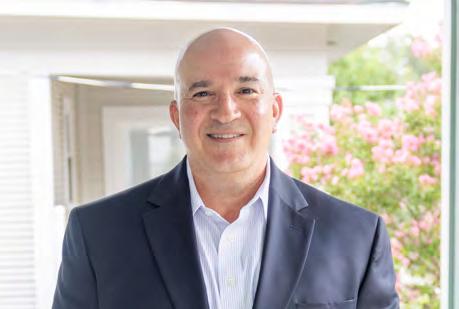

Charles Kight, former President and CEO of Community First, and now principal of Charles Kight and Associates
George B. Hernandez, President and CEO of University Health (retired)
Dr. Glen Medellin, pediatrician specializing in palliative medicine and founder of Comprehensive Care Clinic at University Health
Mary Helen Gonzalez, Executive Director of Member Services at Community First
Rene Escobedo, Attorney at Law, and Vice Chair and longest-running board member at Community First
Ashley Green & Veronica Simpkins, co-founders and co-executive directors of Latched Support
30 over 30 is our way of honoring organizations and individuals who share in our mission. We are proud to celebrate these changemakers and look forward to continuing this work together for the next 30 years and beyond.
- Theresa Rodriguez Scepanski Community First President & CEO
Community First recognizes the following organizations with 30 or more years of service to our community.













RESOURCES








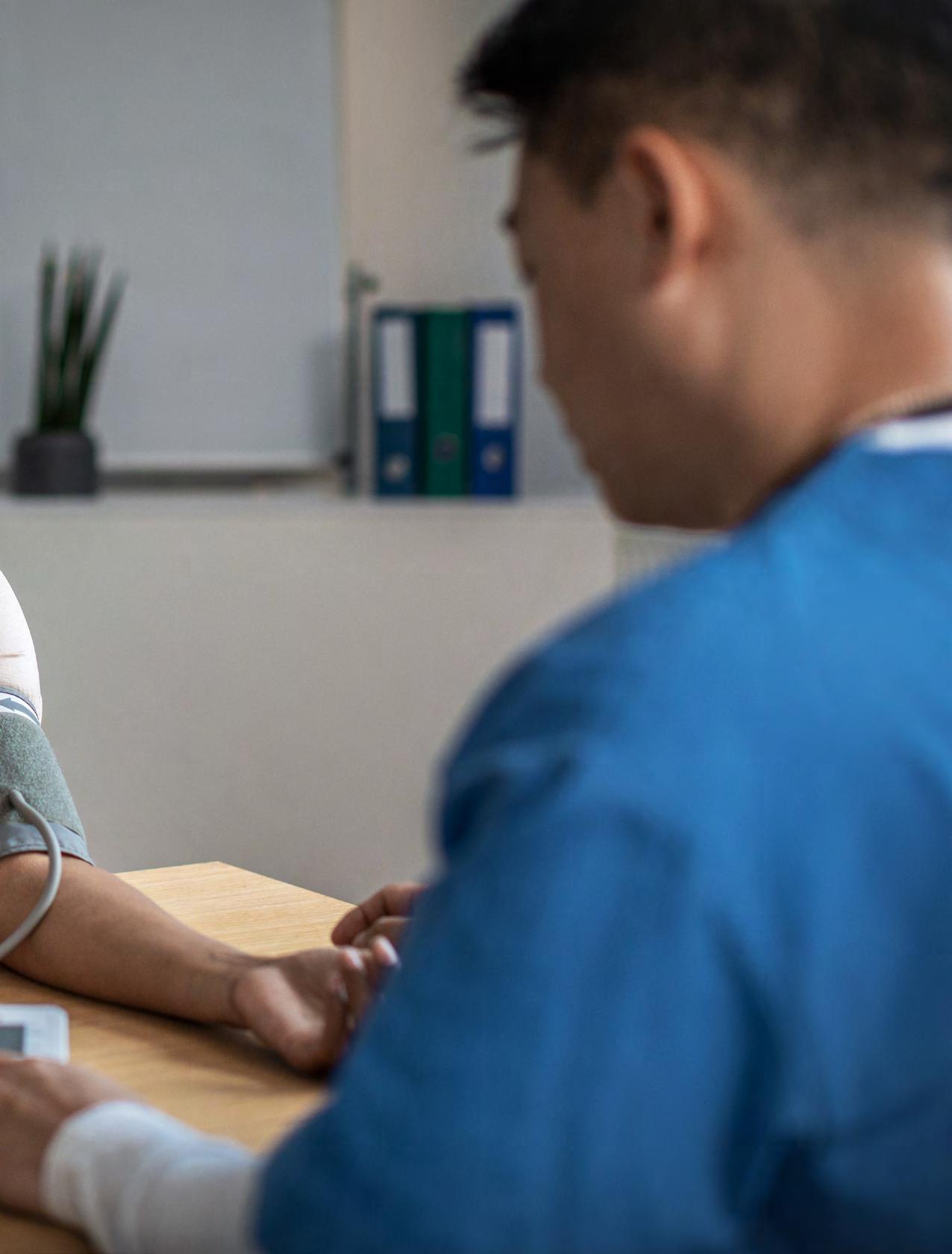
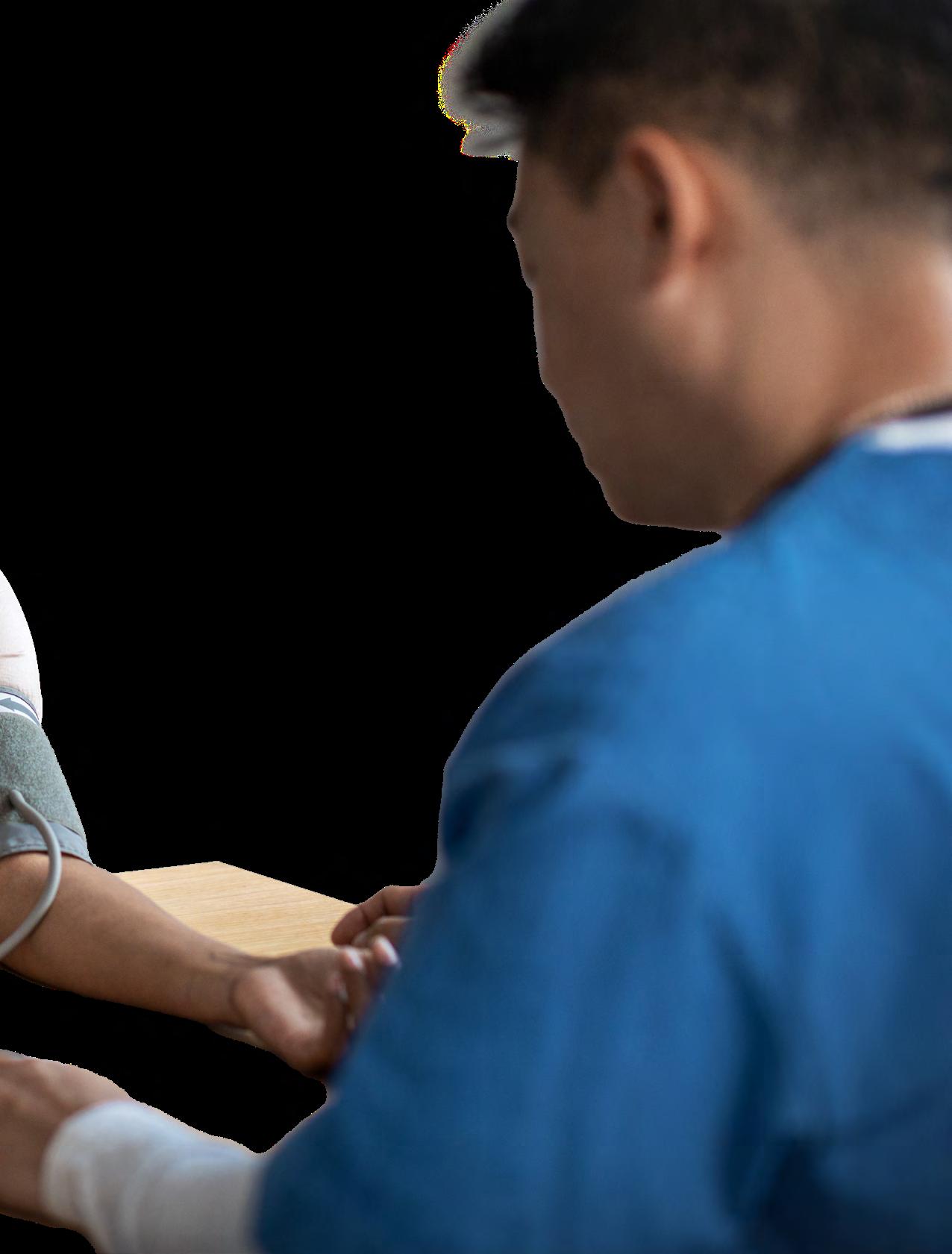
IT’S TIME TO SCHEDULE YOUR YEARLY HEALTH CHECKUP!
An important way to keep your family healthy is by staying up to date with health checkups. These checkups, also called physical exams or well visits, consist of the following:
• Head-to-toe exam
• Lab tests
• Hearing and vision screenings
• Developmental tests
• Any necessary vaccines to prevent illnesses like measles, whooping cough, and other serious diseases



Health checkups begin at birth and are on a set, specific schedule until age 3. If you have Medicaid or CHIP, these checkups are called Texas Health Steps or CHIP Well-Child Checkups. After age 3, it is important to see your primary care provider (PCP) once a year on or near your birthday.
As a valued Community First Member, your yearly health checkup is 100 percent covered by your plan, meaning it costs you nothing. These visits are a great chance to ask questions about you or your family’s health while establishing a relationship with your PCP built on openness and trust.
Remember, the best medicine is preventive medicine!
Here are a few more reasons why you should schedule your yearly health checkup:
• Review changes that have happened in your health and identify risk factors.
• Check your vitals, including blood pressure and heart rate.
• Check your cholesterol and blood sugar.
• Review and renew prescriptions.
• Screen for cancer, diabetes, or thyroid issues.
To learn more about pediatric and adult preventive care, visit CommunityFirstHealthPlans.com/ Wellness-Checks. Here you will find:
• A list of covered health screenings
• Telemedicine options
• What to expect during your checkup
• How to prepare for your checkup
• A checkup checklist including the top five questions to ask your doctor
• A list of recommended immunizations by age
Still have questions? Email healthyhelp@cfhp.com or call 210-358-6055 to speak with a Community First Health Educator.

Flu shots are provided at no cost to Community First Members and are recommended for adults, children, and babies who are 6 months or older. The flu shot is safe and effective for most people, including pregnant women.
Important Information for Parents

The flu shot is the best way to protect yourself and your loved ones from the flu.




Children ages 6 months to 8 years getting vaccinated for the first time, or who have only previously received one dose of flu vaccine, or whose flu vaccination history is unknown, should get TWO doses of the flu vaccine this season. Your child’s health care provider can tell you if your child needs two doses.
Some Community First Members may be eligible to earn gift card rewards for getting their flu shot, including:
• Pregnant CHIP Perinate, STAR, STAR+PLUS, and STAR Kids Members ($30 gift card)
• CHIP, STAR, STAR+PLUS, and STAR Kids Members who participate in Asthma Matters: Asthma Management Program ($10 gift card)
• CHIP and STAR Members ages 6-24 months who get the full series of the flu vaccine and complete the Community First Health Assessment ($25 gift card)

Community First Members have several options for getting an annual flu shot, including:
• Your primary care provider’s office.
• A pharmacy in network with Community First.
If you have questions about the flu shot, please contact your primary care provider. Community First also has many helpful flu resources available to you, including:
• Flu Website: A website dedicated to sharing credible flu shot updates and references, flu shot locations, and local flu shot drive-thru events: CommunityFirstHealthPlans.com/Flu
• Member Services Department: Call 1-800-434-2347 to speak with a Member Services representative for help finding a network pharmacy.
• Health Educators: Call 210-358-6055 to speak with a trusted Health Educator about flu shot incentives and rewards.
Limitations and restrictions apply. For eligibility requirements, please call 210-358-6055 or email healthyhelp@cfhp.com.


• Email Assistance: Email healthyhelp@cfhp.com with questions or to ask for support.






Our nurses are bilingual and can help you in English or Spanish or arrange for translation services. Experienced nurses are ready and waiting to help. Call any time, day or night, 24/7, 365 days a year.
Examples of questions the Nurse Advice Line can help answer:
“My foot is swollen. What should I do?”
“My daughter has a fever. Do I need to go to urgent care or the ER?”
“A bee stung my son on the arm. What medicine can I give him?”
For life or limb-threatening emergencies, always call 911. For mental health emergencies or suicidal thoughts, call 988 to speak with a trained counselor on the National 24/7 Suicide & Crisis Lifeline.
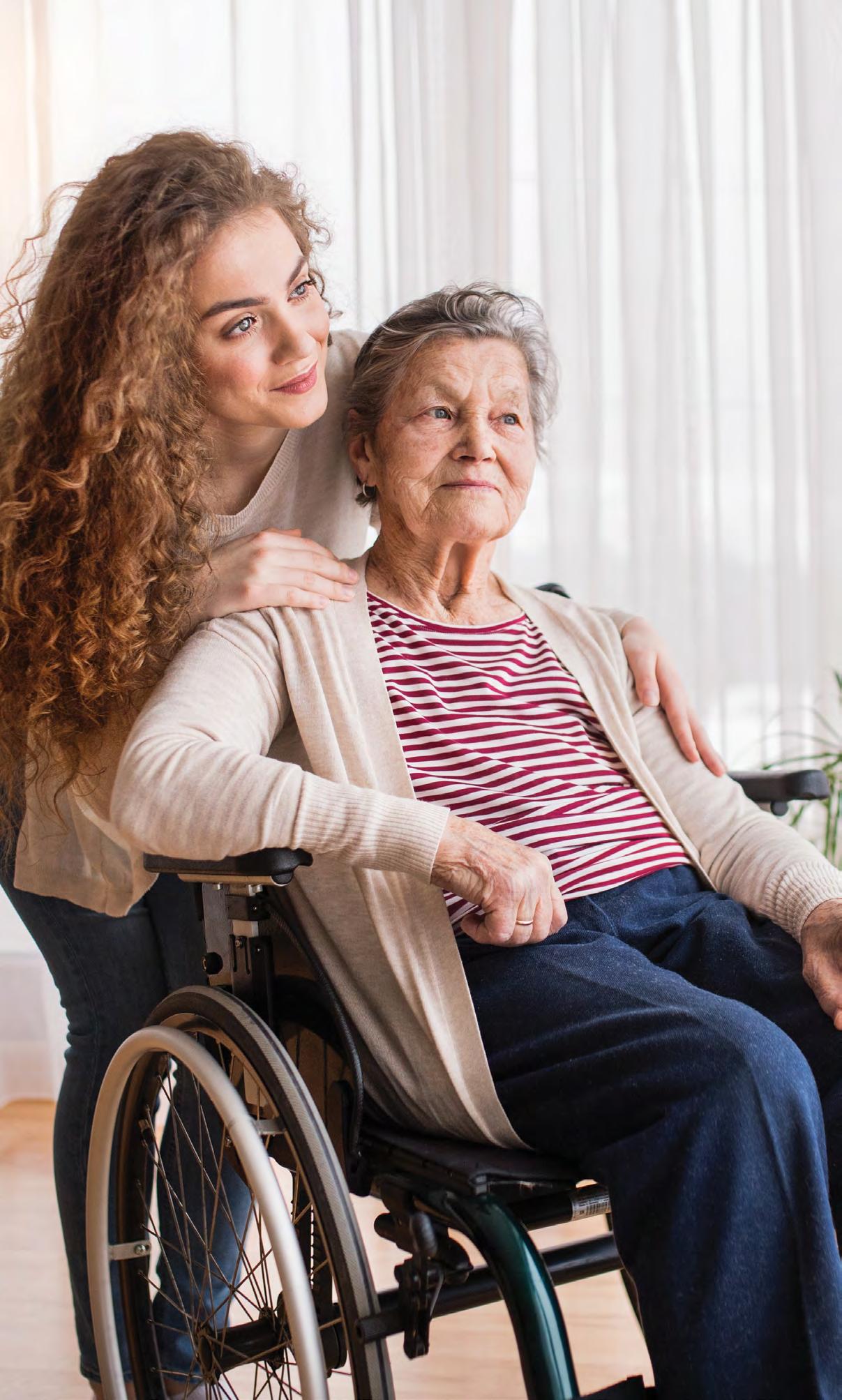

CASE MANAGEMENT SERVICES
Case Management services help patients move smoothly through the health care system. Community First Case Managers work closely with patients, their family members, their caregivers, and their health care team to improve their health and quality of life and take control of their own health and well-being.
Community First Case Management services are available to ALL Community First Members at no cost. Our Case Management teams look at each Member’s mental, social, and physical well-being and provide help and guidance from experienced professionals, including:
• Nursing
• Social work
• Home health care
• Mental health care
Case Management teams also provide the Member with resources to help them get the best care possible, connecting them to the right providers in the right setting at the right time.
Members who need Case Management have access to a full Case Management team and their own dedicated Case Manager. Case Managers are the first point of contact for Members. The relationship between Member and Case Manager is built on trust, mutual respect, and good communication.
Depending on the Member’s needs, the Case Manager may also work with the Member’s doctors, caregivers, family, and other health care team members. The team talks with each other and works together to improve the Member’s overall health.
If you would like to learn more about Case Management services, call Community First Population Health Management at 210-358-6050 or email chelp@cfhp.com.
EXTRA CARE FOR YOU AND YOUR BABY
Every pregnancy is different. If yours is becoming harder or more stressful than expected, Community First offers a special program called Complex Pregnancy Case Management, available for any Member who is experiencing a complicated or high-need pregnancy.
When you join, you’ll be assigned your own nurse case manager.
They will listen, answer your questions, and help you with things like:
• Making doctor appointments.
• Getting a ride to your visits.
• Finding helpful programs in your community.
You’ll also have a team of people — your nurse, your doctor, and other helpers — all working together to take care of you and your baby.
You don’t have to go through a complicated pregnancy alone.
Community First Members enrolled in pregnancy case management have reported feeling more calm, confident, and cared for during their pregnancy. Community First can help you prepare for your baby’s arrival, explain treatment options, and provide a listening ear. We are here for you.
We’re here to make sure you feel supported and cared for every step of the way. If you’re pregnant and want extra help, call our Case Management team at 210-358-6050 and select option 1 or email chelp@cfhp.com

A guide by your side—supporting you and your baby with answers, resources, and care.
UNDERSTANDING UTILIZATION MANAGEMENT
Utilization Management (UM) is a process that evaluates the treatments, services, and procedures provided to our Members on a case-by-case basis.
When Community First receives a service request from your Provider, we use current medical evidence and clinical criteria to make a decision. We consider your best interests and apply criteria fairly and consistently. Community First then approves or denies services based on whether they are medically necessary and covered by the plan. If you wish to review the criteria used in making a decision, it is available upon request.
Service Review
A service review for authorization will happen before you receive care. Our experienced clinical staff reviews all requests. Physician staff members review requests for services that do not meet standard guidelines and criteria for coverage and medical necessity.
Whenever you receive emergency care without prior authorization (for emergency services), Community First will conduct a service review before processing a claim. Please note that a service review after receiving emergency services does not guarantee payment of claim.
Generally, your provider will ask for prior authorization from Community First before you receive care. You have a responsibility to follow Community First’s rules for receiving care.
Out-of-Network Care
Requests for out-of-network services involve an evaluation of whether the necessary and covered services can be provided on time by a network provider. Community First does not cover out-ofnetwork care without prior approval.
Hospital Care
Community First also reviews the care our Members receive while in the hospital. We help the hospital staff in making sure our Members have a smooth transition home or to their next care setting.
Appeals
You, your representative, or a provider acting on your behalf may appeal a decision denying a request for services. You can file an appeal through the Community First appeals process.
More Information
To obtain more information about UM criteria used to make decisions about your health care, contact Population Health Management. Call 210-358-6050 and press “3” for authorizations, Monday through Friday from 8 a.m. to 5 p.m.
You are also welcome to contact us if you have questions about the processing of a request for services. Any communications or calls received after business hours will be addressed the next business day. If our staff contacts you about a service issue, they will provide you with their full name and title at Community First.
Please note that Community First does not provide financial incentives (rewards) to physicians or employees (who conduct utilization reviews) for issuing denials of coverage, that result in underutilization, or creating barriers to care or service.
WHERE TO FIND FREE FOOD NOW

NOBODY SHOULD GO HUNGRY.
Did you know that there are several ways for families to get free food if they are in need? Here are some places and organizations providing free food in the San Antonio area and nearby.
YEAR-ROUND FREE FOOD RESOURCES
• Community First Food Pantries: Community First has installed more than 50 free food pantries, open to anyone, in and around San Antonio at local churches, schools, and community organizations. They are easy to access, most are located outdoors, and are available 24/7*. Anyone is welcome to take what they need when they need it, with no sign-up or registration needed.
To find a Community First food pantry near you, use the food pantry map on our website, CommunityFirstHealthPlans.com/Food-Pantry.
*Some food pantries are located indoors and open during the organization’s hours of operation.
• San Antonio Food Bank: The San Antonio Food Bank’s website SAFoodBank.org/Help has a list of locations and food distribution events, as well as a link to help you find and apply for benefits for which you may be eligible. Enter your zip code to find nearby pantries and upcoming distribution events. You can also call 210-337-3663 or 210-431-8326 for more information.
• 211: Anyone can call 211, toll-free, or visit 211Texas.org to ask where to find food, other community resources, and social services. Press option “1” to get help finding food pantries and meal sites.
• FindHelp.org: FindHelp.org helps people find food and other support. Visitors can search for help by entering a zip code anywhere in the country. No email address or application is required; the website is free, anonymous, and available for anyone to use at any time.
• FreeFood.org: FreeFood.org lists food pantries and places to find free food across the country. You can search first by state and then by city or town. The website is free to use and does not require any signin or personal information.
• Women, Infants, and Children Program (WIC): WIC provides healthy food boxes and virtual or in-person nutrition information for pregnant or breastfeeding women and families with children through age 5. Learn more and apply for WIC assistance on their website at TexasWIC.org.
• San Antonio Meals on Wheels: Meals on Wheels San Antonio delivers fresh, hot meals to seniors and people with disabilities and pet food for their pets. They can deliver meals to homebound individuals in Atascosa, Bexar, Comal, Edwards, Frio, Guadalupe, Karnes, Uvalde, and Wilson counties. Sign up to get meals on their website at mowsatx.org.
• Catholic Charities San Antonio: Catholic Charities San Antonio offers the St. Stephen’s CARE Center, set up like a supermarket, so families can choose what they want. You’ll need a form of ID with your current address, proof of address, and a Social Security card or birth certificate of the person in the household who needs the assistance. Find out more at CCGCC. org/St-Stephens-Care-Center-Food-Pantry or call 210-226-6178 for hours.
• St. Vincent de Paul Society: St. Vincent de Paul offers food assistance, clothing, and other resources. Visit SVDSPA.org for ways to get help and a list of resources by county, or call 210-223-1200.
• The Salvation Army San Antonio: The Salvation Army provides free food through pantries, meals, and other social services. Visit Salvationarmysanantonio.org/sanantonio/social-services/ to learn more or call 210-352-2020.
• Feeding America: Feeding America is a national organization that contributes to food banks. They have a food finder by zip code on their website, FeedingAmerica.org, which includes helpful information and links to other types of support.
• Mutual Aid Groups: Mutual aid groups are voluntary, community-based networks of neighbors helping neighbors. Mutual aid means there is no government or corporate involvement. Find a mutual aid group near you at MutualAidHub.org. You can also search for mutual aid groups on social media platforms in your area, such as community gardens or a Buy Nothing group.
NAMI Basics
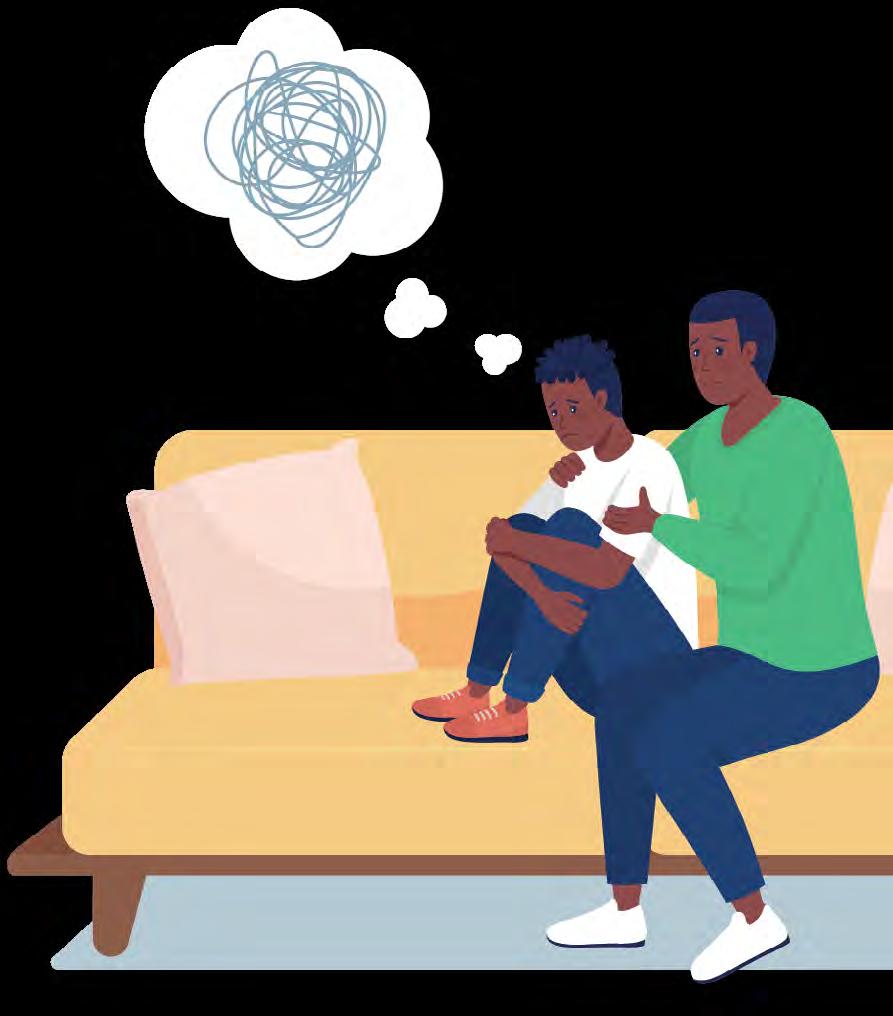
Education and support for parents and caregivers of children and teens with mental illness
What is NAMI Basics?
National Alliance on Mental Illness (NAMI) Basics is a free, six-week course for parents/guardians, caregivers and other family members who care for youth 17 years and younger who have either been diagnosed with a mental health condition or who are experiencing symptoms but have not yet been diagnosed.
NAMI Basics Class Topics
I. Mental Health Conditions Are No One’s Fault IV. Communication Skills & Crisis Prevention
II. Brain Biology & Getting A Diagnosis V. Navigating Mental Health, School, & Juvenile Systems
III. Treatment VI. Advocacy, Self-Care, & Evaluation
The parent/caregiver of Community First STAR, STAR Kids, STAR+PLUS, or CHIP Member who attends NAMI Basics may be eligible to receive rewards for participating, including a $50 gift card (one gift card per eligible Member). Limitations and restrictions apply.
At NAMI Basics, you’ll find out that you’re not alone. Recovery is a journey and there is hope. The group setting of NAMI Basics provides mutual support and shared positive impact — you can experience compassion and reinforcement from people who understand your situation.
About NAMI Greater San Antonio: NAMI provides advocacy, education, support, and public awareness so that all individuals and families affected by mental illness can build better lives.
Community First Members can register for NAMI Basics by scanning the QR code or online at CommunityFirsthealthPlans.com/NAMI-Basics-Education-Program-Form. Call 210-358-6055 or email healthyhelp@cfhp.com for help.
If you are not a Community First Member and would like to register, contact NAMI Greater San Antonio at 210-256-2421.
Mental Health Care:
When and How You Need It
Accessing mental (behavioral) health care when you need it, or when your child needs it, is super important. The sooner you can get help, the better. All Community First Members have direct access to mental health care and substance use disorder resources. This means you do not need a referral from your primary care provider (PCP) to get these services.
Emergency Mental Health Care
• Call the Community First 24/7 Behavioral Health Hotline toll-free if you have an urgent problem.
• STAR Kids and STAR+PLUS: 1-844-541-2347
• All other health plans: 1-877-221-2226
• Call or text the national 988 Suicide & Crisis Lifeline for a suicidal or urgent mental health crisis for yourself or a loved one, or go to the nearest emergency room. This call/text is toll-free.
• Go directly to a psychiatric hospital for a crisis assessment if there are no medical concerns.
• Call 911 for emergency services if someone is becoming violent or their life is in immediate danger.
• Make an appointment directly with a behavioral health provider. You can find a list of providers on the Community First Member Portal or on our website at CommunityFirstHealthPlans.com/Find-Provider. You can also call your Service Coordinator or Case Manager directly, or Member Services for help making an appointment.
• Talk about your mental health concerns with your PCP. They can help you find a doctor and additional resources if needed.
Virtual Mental Health Care
Sometimes it can be difficult to get a ride to your appointment or find a time or date that works for you. Many of our providers offer telehealth services, including counseling and psychiatric care. When you call to schedule an appointment, ask if they offer telehealth.
• Community First STAR, STAR Kids, STAR+PLUS and Medicare Advantage and D-SNP (HMO) Members can also get no-cost transportation to health care appointments. Schedule online at Saferidehealth.com/member-health-plan/community-first-healthplans or call 855-932-2335.
We take mental health seriously and can help you get mental health care when you need it.
Understanding Substance Use Disorders
Millions of Americans have a substance use disorder, and it remains an important health issue in our country. With effective treatment, recovery is possible.
There are many mistaken beliefs about substance use disorders, addiction, and mental health issues. If you or someone you love is struggling, it’s important to understand that it is not a character flaw or sign of failure.
Substance use disorders are treatable, long-lasting diseases that can affect anyone - regardless of race, gender, income level, or social class. In 2022, more than one in six Americans aged 12 and older reported experiencing a substance use disorder.
There is hope for recovery and a brighter future.
What is a substance use disorder?
According to the Centers for Disease Control and Prevention (CDC) a substance use disorder (SUD) is a chronic, but treatable, condition. It happens when someone keeps using drugs or alcohol even though it causes serious problems in their life. It can affect how a person thinks, feels, and behaves. The National Institute of Mental Health (NIH) also states that people with mental health disorders are at a higher risk of developing substance use problems like:
• Anxiety
• Depression
• Attention-deficit/hyperactivity disorder (ADHD)
• Bipolar disorder
• Schizophrenia
What treatment options are available?
Overcoming a SUD is not as simple as resisting the temptation to take drugs or alcohol. Doctors use evidence-based guidelines to choose the right treatment options, like medication, counseling, and rehabilitation. Community First Members can get help for a SUD without a referral for the following:
• Outpatient SUD treatment services like:
» Assessment
» Detoxification Services
» Counseling
» Medication-assisted therapy
• Residential SUD treatment services like:
» Detoxification
» Inpatient treatment (including room and board)
Follow-up care is also a very important part of treatment. Community First offers eligible Members no-cost transportation to and from the doctor or pharmacy to help Members stay on track with their recovery. Limitations and restrictions apply.
SUD Harm Reduction Strategy
Naloxone (NARCAN) is used to prevent opioid overdose and can reverse or reduce the effects of opioids. Naloxone comes in many forms, including IV, intramuscular (injection directly into the muscle), and nasal spray.
It is a covered medication for all Community First Members with a valid prescription, and also available for purchase over-the-counter at retail pharmacies without a prescription. In addition, authorized pharmacists in Texas may use a standing order to dispense Naloxone. Naloxone Texas, a statewide initiative aimed at ending the state’s opioid epidemic, also distributes Naloxone for free to organizations and individuals across Texas.
If you or a loved one is at risk of an opioid overdose, it is a good idea to keep Naloxone handy. If you suspect someone is experiencing an opioid overdose, it is important to call 911 immediately. Opioid overdose is a medical emergency and requires treatment, the sooner the better.
Some signs of opioid overdose include:
• Pinpoint pupils
• Slowed and shallow breathing
• Pale and clammy skin
• Purple/blue lips and fingernails
• Vomiting or gurgling noises
SUD Prevention
There is no guaranteed way to predict if someone will experience a SUD. However, there are some things that you can do to help prevent it.
Evaluate Risk Factors
• Know your family history of SUDs, mental illness, and addiction.
• Be aware of your risk factors, like mental health issues and substance use among peers or family members.
Focus On Your Health
• Practice meditation and self-care to manage stress.
• Eat a healthy, well-balanced diet.
• Try to get 7-8 hours of sleep a night.
• Find positive outlets like exercise, volunteering, reading, or a new hobby
Find Support
• Find a community of support, like Alcoholics Anonymous or Narcotics Anonymous meetings, Rise Recovery, or Be Well, Texas.
• Seek individual or group counseling.
• Join Healthy Mind: Behavioral Health Management, a no-cost Community First Health & Wellness Program that offers Members helpful information, resources, and tools.
• Reach out to the Community First Behavioral Health Department at WeCare@cfhp.com for assistance navigating treatment options and other resources.
Get Help
• Call the Community First 24/7 Behavioral Health & Substance Use Hotline:
• STAR Kids and STAR+PLUS: 1-844-541-2347
• All other plans: 1-877-221-2226
• Call, text, or chat with the 988 Suicide & Crisis 24/7 Lifeline for yourself or a loved one, or chat online at 988lifeline.org
Sources: https://www.nimh.nih.gov/health/topics/substanceuse-and-mental-health.
https://www.cdc.gov/overdose-prevention/treatment/ index.html
http://naloxonetexas.com/

Depression is common in new moms.
Having a baby can be a stressful experience, no matter how much you love your child or have looked forward to becoming a parent. Considering the loss of sleep, intense new responsibilities, and having no time for yourself, it’s no surprise that many new moms feel like they’re on an emotional rollercoaster. In fact, mild depression and mood swings are so common in new mothers that it has its own name: The Baby Blues.
Is it the baby blues or postpartum depression?
The majority of women experience at least some symptoms of the baby blues immediately after childbirth. The sudden change in hormones after delivery, plus stress, isolation, no sleep, and fatigue, can cause strong feelings, even sadness. You may feel more tearful, unprepared, and emotionally fragile than normal. Generally, these feelings start in the first couple of days after delivery, peak after one week, and then begin to fade by the end of the second week postpartum.
The baby blues are perfectly normal, but if your symptoms don’t go away after a few weeks or get worse, you may be suffering from postpartum depression. You may need to ask for help, and that is perfectly normal. You are not alone. Help is available.
Signs and symptoms of postpartum depression
In the beginning, postpartum depression can look like normal baby blues. In fact, postpartum depression and the baby blues share many symptoms, including mood swings, excessive crying, sadness, insomnia, and irritability. The difference is that with postpartum depression, the symptoms are more severe and may even include suicidal thoughts or the inability to care for your baby. Unlike the baby blues, postpartum depression is a serious problem—one that you shouldn’t ignore. Here are a few signs and symptoms of postpartum depression to be aware of:
• You avoid your partner or push them away.
• You feel unable to emotionally connect with or feel close to your baby.
• Your anxiety is out of control, which prevents you
from eating well or sleeping, even when your baby is asleep.
• You experience powerful feelings of guilt or worthlessness, begin to be preoccupied with thoughts of dying, or even wish you were not alive.
If you think you may have postpartum depression, or if your partner or family members are worried that you do, contact your OB/GYN or another health care professional as soon as possible and make an appointment to see them. DO NOT WAIT until your postpartum checkup. The sooner you call, the sooner you can get help.
For an urgent problem related to postpartum depression, call immediately for free help, 24/7:
• National Suicide and Crisis Lifeline 988
• Community First Behavioral Health Hotline 1-877-221-2226
Case Management
Community First offers Case Management services to help Members suffering from postpartum depression and other complex and chronic conditions. Case Management services include:
• Help getting the care you need quickly
• Help coordinating care between doctors and other health care providers
• Help understanding your condition and treatment
As a reminder, Community First Members can make an appointment with any network Behavioral Health Services Provider without a referral.
If you would like to learn more about Case Management or need help finding a provider, call 210-358-6050.
MEMBER HANDBOOK
Community First provides all Members with a printed copy of their health plan’s Member Handbook in both English and Spanish. Each Member Handbook contains detailed information about how your specific health plan works. Your Member Handbook, along with a New Member Guide and other important information, is mailed to you shortly after you join Community First.
If you did not receive a Member Handbook or need a new printed copy, call Member Services toll-free at 1-800-434-2347 to request one, and we’ll mail you one at no charge within five business days. You can also view your plan’s Member Handbook online. Just visit CommunityFirstHealthPlans.com/Members and select your plan name.
It can be scary when you or your child experience a mental health crisis. If you or your child received help at an emergency department (ED) during a mental health crisis, you may not know what to do next. It is very important to follow up with your primary care provider (PCP), pediatrician, or behavioral health specialist to review any prescribed or recommended medications, learn about additional resources, and for continuity of care.
WHY IS A FOLLOW-UP VISIT IMPORTANT?
People who receive follow-up care after a behavioral health-related emergency department visit have fewer repeat visits, improved physical and mental function, and increased compliance with their care plan.
WHEN SHOULD I GO IN FOR A FOLLOW-UP VISIT?
The sooner you complete your follow-up visit, the better. Two follow-up visits are recommended: one within 7 days and another one within 30 days. However, it’s best to see your provider within the first 7 days after your ED visit, then follow the recommendations of your provider.
WHAT COUNTS AS A FOLLOW-UP VISIT?
There are many ways to get support, further treatment, and care after a mental health emergency.
• Outpatient office-based care
• Mental health outpatient office-based care
• Intensive outpatient
• Partial hospitalization
• Community mental health center
• Electroconvulsive therapy
• Telehealth
• Telephone
• Online assessment (e-visit or virtual check-in)
• Residential treatment
• Peer support services
Follow-up visits can be completed by any qualified provider as long as the claim includes a mental health diagnosis and the provider is licensed to bill the appropriate codes.
FOLLOW-UP VISIT TIPS
• If you have an established PCP or behavioral health provider, schedule an in-person or telehealth visit within 7 days of your emergency department visit to talk about your need for medications or additional resources.
• Contact Member Services for help choosing a provider and making an appointment.
• If you have a Community First Case Manager or Service Coordinator, they can also help you schedule an appointment and remove obstacles to keeping your appointment, including transportation. You can also contact the Community First Behavioral Health Team at WeCare@CFHP.com for assistance navigating treatment options and other resources.
• When scheduling your follow-up visit, tell the provider’s office that you went to the emergency department. They often reserve special appointment availability for Members who have recently been in the emergency department.
• Be sure to take your hospital discharge paperwork to your appointment.
WHERE TO GET HELP 24/7/365
If you or your child is thinking about suicide or self-harm, having a mental health crisis, a substance use crisis, or any other kind of emotional distress, get help right away.
• Call or text the National Suicide and Crisis Lifeline at 988
• Call the Community First Behavioral Health Crisis Hot Line
» STAR KIDS and STAR+PLUS 1-844-541-2347
» All other lines of business 1-877-221-2226
Consider saving these numbers in your phone.
Go to 988lifeline.org for more information or to chat online.
FREE COMMUNICATIONS AND LANGUAGE SERVICES
Community First provides free aids and services to people with disabilities, such as qualified sign language interpreters and written information in other formats (i.e., large print, audio, accessible electronic formats), to help you communicate effectively with our organization. Community First also offers free language services, including qualified interpreters and information written in other languages, to people whose primary language is not English.
Community First works to make sure that all Members receive the same quality care. If you are in need of these services, please contact Community First Member Services at 1-800-434-2347. All aids and services are free of charge.
HAVING A MENTAL HEALTH CRISIS? HERE’S
WHAT TO DO.
If you or someone you care about is having a tough time with their feelings, it can be hard to know what to do. This guide will help you know what a mental health crisis is, how to help someone, and where to find support. Remember, it’s okay to ask for help. There are many ways to get help for a mental health crisis – and there’s no wrong way. You know yourself or your child best so seek the help or support that will work best for you.
• Hearing voices that tell them to hurt themselves or others.
• Feeling like they need help right away, even if others don’t see it.
• Anything that YOU think is a mental health crisis and needs some kind of immediate intervention or additional support.
HOW CAN I HELP SOMEONE IN A CRISIS?
It can be scary to help someone in a crisis, but you can make a big difference. Here are some steps you can take:
YOU KNOW YOURSELF AND YOUR CHILD BEST, SO SEEK THE HELP OR SUPPORT THAT WILL WORK BEST FOR YOU.
WHAT IS A MENTAL HEALTH CRISIS?
A mental health crisis is when someone is in immediate danger of hurting themselves or someone else and needs help right away. Here are some signs to look for:
• Thinking or talking about suicide or wanting to end their life.
• Thinking or talking about hurting someone else.
• Taking actions to end one’s life or hurting someone else.
• Hurting themselves in a way that needs medical help.
1. Ask Questions: Don’t be afraid to ask if they are thinking about suicide. You might say:
» “Are you thinking about suicide?”
» “When was the last time you thought about ending your life?”
2. Be Supportive: Respond with empathy and validate their feelings. You could say:
» “You’re not alone. I’m here for you.”
» “I can’t imagine how hard this is, but I care about you and want to help.”
3. Check Their Safety: Make sure they are in a safe place. If there are any dangerous things around, like firearms, sharp objects, or medications, try to remove them.
4. Find Help: If you’re unsure how to help, find someone who can. You can:
» Call a school counselor.
» Call 988 together.
» Take them to a mental health hospital.
HOW CAN I GET HELP?
If you are having a mental health crisis, or if someone you care about is, there are many ways to find help. Here’s what you can do:
• Call or Text 988: This is the Suicide & Crisis Lifeline. Using the 988 Lifeline is free. When you call, text, or chat the 988 Lifeline, your conversation is confidential. The 988 Lifeline provides judgment-free care. Connecting with someone can help save a life. Learn more at 988LifeLine.org/get-help/what-to-expect. They are there to help you.
• Call Your Mental Health Provider: You might be able to see your mental health provider soon, but it’s good to have a backup plan in case you can’t get an appointment right away.
• Call Community First: We have a crisis hotline that’s open all the time.
» For STAR Kids/STAR+PLUS Members –1-844-541-2347
» For all other Community First Members –1-877-221-2226
• Get Help Where You Are: You can call your local Mental Health Authority (LMHA) for help that will come to you:
» Bexar County: 210-223-7233
» Guadalupe County: 800-841-1255
» Atascosa and Wilson Counties: 800-543-5750
» Bandera, Comal, Kendall, and Medina Counties: 877-466-0660
• Go to a Mental Health Hospital: If you need to talk to someone right away, you can go to a psychiatric facility. Here are a few in our area:
» Clarity Child Guidance Center (for kids and teens up to age 17) 210-582-6412
» San Antonio Behavioral Healthcare (for teens and adults) 210-541-5300
» Laurel Ridge Treatment Center (for teens and adults) 210-491-9400
IT CAN BE SCARY TO HELP SOMEONE IN A CRISIS, BUT YOU CAN MAKE A BIG DIFFERENCE.
• Call 911: If you feel like you’re in immediate danger, call 911 and let them know it’s a mental health crisis. Ask for a mental health officer if possible.
• Go to the ER: If there are medical issues or a medication overdose, you need to go to the emergency room for medical care first. After you are stabilized, the emergency room will transfer you to a psychiatric facility for assessment and treatment. But remember, you don’t need to go to the ER for a mental health crisis without medical needs. It’s one of many choices you have.
Remember, it’s okay to not be okay! Community First cares about you and your mental health. Please reach out for help when you need it!
Sources: What to Do In a Crisis | NAMI, Suicide Prevention National Institute of Mental Health (NIMH), Suicide Prevention Resource Center, Home #BeThe1To
SERVICE COORDINATION FOR STAR KIDS AND STAR+PLUS MEMBERS :
ONE PLAN. ONE TEAM. JUST FOR YOU.
When life feels complicated, managing your health can feel even harder. Service Coordination makes it a lot easier. It’s a special benefit included with your Community First STAR Kids or STAR+PLUS Medicaid plan at no cost.
WHAT IS A SERVICE COORDINATOR?
A Service Coordinator is like a helper or guide for your health care. Their job is to make sure you get the services and support you need. They don’t replace your doctor, but they work with you, your family, and your doctors to make a plan that’s right for you.
HOW CAN A SERVICE COORDINATOR HELP?
• Talk with you to understand your needs.
• Connect you with the right services, doctors, and resources.
• Work with your Primary Care Provider (PCP) and other doctors to keep your care organized.
• Help you find community resources for things that may not be covered by your health plan.
• Teach you and your family how to manage your own care.
• Assess your needs by completing a Screening and Assessment Instrument (SAI) annually.
• Develop an Individualized Service Plan (ISP) with short- and long-term goals.
• Assist with transition planning to STAR+PLUS.
EXAMPLES OF SUPPORT:
Getting care – Setting up doctor visits, finding the right specialists, or helping after a hospital stay.
Emotional support – Connecting you with counseling, stress support, or other helpful programs.
Daily living help – In-home care, personal assistance, or finding the right long-term support.
Community resources – Food programs, housing help, transportation, or utility assistance.
Family and school needs – Support for kids with special needs, help with school changes, or young adults moving into adult care.
Managing ongoing conditions – Extra support if you’re living with diabetes, asthma, or other long-term health challenges.
THERE’S MORE WE CAN HELP WITH!
If you have not been assigned a Service Coordinator, need help reaching them, or would like more information about Service Coordination, just call 1-855-607-7827.
We’re available Monday through Friday, 8:00 a.m. to 5:00 p.m.
Free interpreter services are available for those who do not speak English.
DO I HAVE PREDIABETES?
Prediabetes is a yellow flag! It means you have a higher-than-normal blood sugar level, but not high enough to be considered type 2 diabetes yet. In San Antonio, about 1 in 3 of residents are affected by prediabetes, and 80% may not know it.
Recognizing if you have prediabetes is important for preventing type 2 diabetes.
SYMPTOMS & RISK FACTORS
Prediabetes symptoms are not usually obvious. Some symptoms you should be aware of include:
• Increased hunger
• Increased fatigue
• Dark patches on skin (neck, armpits, groin)
Some people are more likely to be diagnosed with prediabetes, based on risk factors out of your control, like age and ethnicity.
• Age 45 or older
• Family history of diabetes
• Gestational diabetes (diabetes during pregnancy)
• Being African American, Hispanic, American Indian, or Alaska Native
And some risk factors are in your control, like if you exercise or use tobacco.
• Overweight or unhealthy eating habits
• Smoking
• Inactive lifestyle
• Heavy alcohol consumption
• High cholesterol and blood pressure
TYPE 2 DIABETES PREVENTION
If you are prediabetic or think you may be, you CAN avoid type 2 diabetes through making changes in your lifestyle and sometimes, through medication. Early detection and management are key.
STEPS TO TAKE
1. SEE YOUR DOCTOR: To diagnose prediabetes, your doctor may recommend a hemoglobin A1C test (A1C), a common blood test that measures your average blood sugar levels for the past 2 to 3 months. If your A1C is between 5.7 and 6.4, doctors call this “prediabetes.”
2. MAKE LIFESTYLE CHANGES: The most important things you can do are to eat a healthier diet and get more physical activity. Be active for 30 minutes a day. Activities like walking, gardening, and dancing can all help improve your health. Quit smoking and drink less alcohol. Ask your doctor about different programs your health insurance may cover, including nutrition counseling.
3. MONITOR PROGRESS: Track symptoms and get A1C tests as recommended by your doctor to see how well your blood sugar levels are being managed.
MEMBER SUPPORT
Community First Members can access no-cost programs and support that can help you manage your blood sugar, lose weight, and get healthy, including:
Diabetes in Control: Diabetes Management Program: Community First Members who have prediabetes or diabetes are encouraged to join this free health and wellness program where they can learn about diabetes management, and earn gift cards* for completing education and A1C tests. Diabetes Garage Workshop Series: Male Community First Members can earn a toolbox with diabetes supplies for attending this free education series in partnership with San Antonio MetroHealth.
YMCA Diabetes Prevention Program: Community First Members can earn a free, four-month, family YMCA membership for completing this free program for adults at risk of developing type 2 diabetes. *Limitations and restrictions apply. If you have risk factors, make an appointment with your primary care provider. Even if you don’t have symptoms, you should still see your doctor annually for a wellness checkup. Need help? Contact a Community First Health Educator at 210-358-6055 or email healthyhelp@cfhp.com
COMMUNITY FIRST QUALITY
IMPROVEMENT PROGRAM EVALUATION
The National Committee for Quality Assurance (NCQA) defines the Quality Improvement Plan (QIP) as “a comprehensive document, or a set of interconnected documents, that describes, in plain language, the QI program’s governance, the scope, measurable objectives, structure and responsibilities.” Every year in January, Community First Health Plans, Inc. and Community First Insurance Plans (Community First) develops a quality plan. At the end of the year, Community First takes time to review the results of the plan. The evaluation helps to identify successes and look for improvement opportunities. It also helps Community First develop quality activities for the following year. This helps Community First move towards our goal of continuous improvement, problem resolution and delivery of the highest quality health care and services, in a safe manner.
HIGHLIGHTS OF THIS YEAR’S QIP EVALUATION INCLUDE:
• Community First significantly broadened its communication channels with Members by launching a new SMS platform, enabling timely and convenient text-based updates, reminders, and alerts. In addition, enhancements to the Member Portal improved user experience, allowing Members to more easily access information. These efforts reflect Community First’s ongoing commitment to accessibility, transparency, and Member engagement.
• The organization implemented a company-wide Health Equity strategy aimed at identifying and addressing health disparities across the communities it serves. This comprehensive approach involves analyzing data to uncover gaps in care, developing targeted programs to support underserved populations, and ensuring that policies, practices, and partnerships reflect a commitment to equitable health outcomes. By integrating equity into every level of decision-making, the strategy promotes inclusive access to healthcare services, cultural competency among staff, and long-term improvements in community well-being.
• The annual Consumer Assessment of Healthcare Providers and Systems (CAHPS®) Member satisfaction surveys revealed Members are satisfied with Community First.
» Medicaid Child respondents rated Overall Satisfaction with the Health Plan at the 75th percentile nationally, Health Care at the 95th percentile nationally, and the Overall Rating of Personal Doctor at the 67th percentile nationally.
» Medicaid Adult respondents rated Overall Satisfaction with the Health Plan at the 75th percentile nationally, Health Care at the 95th percentile nationally, and the Overall Rating of Personal Doctor at the 75th percentile nationally.
» Commercial Adults respondents rated Overall Satisfaction with the Health Plan at the 75th percentile nationally, Health Care at the 50th percentile nationally, and the Overall Rating of Personal Doctor at the 75th percentile nationally.
• The Qualified Health Plan (QHP) Enrollee Experience Survey for the Marketplace/Exchange line of business survey results indicated that Members are satisfied with Community First.
» Marketplace/Exchange respondents rated Overall Satisfaction with the Health Plan, Specialist Seen Most Often, and Health Care at the 99th percentile and the overall rating of Personal Doctor at the 97th percentile compared to Press Ganey Book of Business (BoB).
OPPORTUNITIES IDENTIFIED AND KEY GOALS FOR THE FUTURE INCLUDE:
• Submit the application for the NCQA Health Equity and Health Equity Plus Accreditation.
• Continue to grow membership to include Medicare Advantage (HMO) and Marketplace Exclusive Provider Organization (EPO) lines of business.
You can learn more details about Community First performance on measures of clinical care and Member satisfaction by viewing the Measurement Year 2024 Healthcare Effectiveness Data and Information Set (HEDIS®), 2025 Consumer Assessment of Healthcare Providers and Systems (CAHPS), and QHP summary in this newsletter.
“ The QIP helps Community First move toward our goal of continuous improvement, problem resolution, and delivery of the highest-quality health care and services in a safe manner. ”
2024 MEMBER
2025 MEMBER SATISFACTION
SURVEY: The Results Are In!
SURVEY: The Results Are In!
The Consumer Assessment of Healthcare Providers and Systems (CAHPS) is a survey of the Member experience. It measures satisfaction with care through a rating of four main categories: Health Plan; Healthcare Provided; Personal Doctor; and Specialist Care. These measures capture information which cannot be gathered through claims and medical record reviews. The Qualified Health Plan (QHP) Enrollee Experience Survey for the Marketplace/Exchange line of business includes all the questions in the core CAHPS® Medicaid Adults survey, plus additional questions added to collect needed data specific to this population.
The Community First goal for the 2025 survey was to reach and maintain the 90th percentile or higher as defined in NCQA’s current Quality Compass by incrementally moving the rate to the next percentile each year until the goal is reached (e.g., from the 25th percentile to the 33rd percentile).
The table below provides a summary of the areas of strength in Member satisfaction:
The goal for Community First is to continue to improve in its delivery of quality care and service in a safe manner. We welcome recommendations from our Members, physicians, and other providers.
HEALTHCARE EFFECTIVENESS DATA AND INFORMATION SET (HEDIS®)
Effectiveness of Care Measures
Effectiveness of Care measures focus on the quality of care Members received in the previous year. Measures are compiled using claims and medical record information.
The chart below lists key areas where Community First scored in the 50th to 90th percentile of
the National Committee of Quality Assurance (NCQA) when compared to all the health plans in the United States that submitted HEDIS data in Measurement Year 2024. Quality measures for the Medicaid and CHIP membership focused on well child and adolescent visits and prenatal care. Some of the HEDIS measures were also used in the administration of the physician incentive program.
Community First Measurement Year 2024 HEDIS Effectiveness of Care Strengths STAR, STAR KIDS, and CHIP
for Upper Respiratory Infection (URI) (Total)
After Hospitalization for Mental Illness (Total – 7 Day Follow-Up)
Assessment and Counseling for Nutrition and Physical Activity for Children/ Adolescents (WCC) BMI percentile (Total)
Community First Measurement Year 2024 HEDIS Effectiveness of Care Strengths Commercial
Community First Measurement Year 2024 HEDIS Effectiveness of Care Strengths Marketplace
First Measurement Year 2024 HEDIS
DIRECT ACCESS TO CARE
As a valued Community First Member, you have direct access to certain specialists. This means that a referral from your PCP or prior authorization from Community First as a condition to receiving services from in-network specialists is not required. This allows you to save valuable time and get the care you need more quickly.
Community First Members have direct access to the following:
Women’s Health specialists, including, but not limited to:
• Gynecologist
• OB/GYN
• Certified Nurse Midwife
Routine and preventive health care services, including, but not limited to:
• Prenatal care
• Breast exams
Behavioral health care services, including, but not limited to:
• Outpatient behavioral health services, including first assessments and individual, family, or group counseling
When it comes to your overall health and well-being, your primary care provider (PCP) should always be your first point of contact. However, you may need to see a specialist to treat more complex or chronic medical conditions.
If you have special health care needs or use LongTerm Support Services (LTSS), you also have direct access to specialists as appropriate for your condition and identified needs. Community First works with Members to identify those with special health care needs.
Please Note: Direct access to a specialist does not prevent Community First from asking for or requiring notifications from specialists for data collection purposes. University Community Care Plan Members do not need a referral to see any in-network specialist.
For a list of health care services that may require prior authorization from Community First, please review your plan documents located at CommunityFirstHealthPlans.com/Members. Just click on your health plan name and select Member Resources from the drop-down menu.
You can also call Member Services if you have any questions about direct access, referrals, or prior authorization. We are here to help.

Women are often the caretakers in families, caring for the needs of others before caring for themselves. Making time to go to the doctor’s office can be difficult for women, and often harder for moms. Remember this: you can’t pour from an empty cup! You need to be physically, mentally, and emotionally healthy before you can take care of anyone else.
Community First has worked to remove obstacles so that women can get the care they need. We’ve created programs to provide women the health education, screenings, and pregnancy support needed to keep going strong. Now is the time to make yourself and your health care a top priority — because you are worth it.
Pregnancy Support
Community First is dedicated to helping expecting mothers experience a healthy pregnancy, promoting full-term deliveries, and providing support for highrisk pregnancies. Pregnant women with underlying conditions have a higher risk of complications. We offer caring pregnancy support to give both mom and baby a healthy start.
We invite Members to join our no-cost Healthy Expectations Maternity Program, which includes:
• Personal guidance
• Nurse support to manage pregnancy risks
• Prenatal and postpartum education
• Education on preterm labor
• Information about labor, delivery, and postpartum care
• Breastfeeding support
• Tips for newborn care
Breast Health Support
The American Cancer Society reports that breast cancer is the second most common cancer in American women, after skin cancer. There is about a 1 in 8 chance a woman in the United States will develop breast cancer. Here are a few ways for you to minimize your risk of breast cancer:
Routine Mammograms
• Preventive screenings reduce women’s breast cancer risk by an estimated 15%.
• Women ages 40 to 54 should get a mammogram every year.
• Community First covers routine mammograms and once-a-year health checkups.
Exercise
• Exercising regularly can reduce your risk of breast cancer and all cancers.
• Moderate exercise increases lymph circulation, improves white blood cell status, reduces stress hormones, and improves metabolism.
• Exercise can also increase longevity, improve mood, and improve sleep quality.
Nutrition
Proper nourishment is another major ingredient in women’s health. When enough time and energy are dedicated to dietary lifestyle, it can greatly improve health, reduce cancer-risk, and benefit overall wellbeing.
Sources
Cancer.org/Cancer/Breast-Cancer/About/ How-Common-Is-Breast-Cancer.html
Cancer.gov/About-Cancer/CausesPrevention/Risk/Diet
SECOND OPINIONS
As a valued Community First Member, you have the right to a second opinion from a qualified health care professional. If an appropriate professional is not available in-network, the organization will arrange for you to obtain a second opinion out-of-network at no more cost to you than if the service was obtained in-network.
MEMBER TIP SHEET
There are many treatments available for behavioral health conditions. Knowing where to start can be difficult. It’s important to work with your child’s doctor to find the right treatment. Community First can also help connect you to care.
PSYCHOSOCIAL CARE
Behavioral health professionals recommend psychosocial care as the first-line of treatment option for children and teens diagnosed with conditions such as attention-deficit/hyperactivity disorder (ADHD) and disruptive and aggressive behavior. Psychosocial care can include:
• Behavioral interventions
• Psychological therapies
• Skills training
• Other treatments
ANTIPSYCHOTIC MEDICATIONS
The decision to start antipsychotic medication to treat your child’s behavioral health condition should be made with your child’s doctor. Together, you should review and carefully consider the possible risks and benefits of medication. Psychosocial care, like therapy, should keep going as a part of your child’s treatment plan.
If your child is prescribed antipsychotic medication, it’s important to give them as prescribed, in the safest and most effective manner for your child. Medications like Abilify (aripiprazole), Zyprexa
(olanzapine), and Risperdal (risperidone), can have potentially serious side effects. According to the Centers for Medicare & Medicaid Services (CMS), more than 75% of children and teens on Medicaid are taking antipsychotic medications in a way that is not FDA approved.
TIPS FOR PARENTS WITH CHILDREN TAKING OR CONSIDERING ANTIPSYCHOTIC MEDICATIONS
• Find a counselor for your child. Make sure your child feels safe with and trusts their counselor. If you need help finding a counselor, ask your child’s doctor or call Community First Member Services. You do not need a referral to see a behavioral health specialist, like a counselor.
• Teach your child different ways to manage their condition. Encourage good self-care like getting enough sleep, eating healthy food like fruits and vegetables, and being active. Work with your child on various ways to manage strong feelings (like deep breathing, playing with a pet), or doing something creative they enjoy (like making art or music). Set a good example for your child by working with their counselor or taking parenting classes.
• Schedule an appointment within 15 days of your child starting a new prescription to monitor for side effects. Talk to your child’s doctor about any side effects that you or your child notice. This is extra important if your child is taking multiple antipsychotics at once.
» Watch your child for signs of excessive or new drowsiness, dizziness when moving, blurred vision, rapid heartbeat, sensitivity to the sun, skin rashes, and menstrual problems for girls.
» Work closely with your doctor to routinely monitor your child’s weight, blood sugar level, and lipid level.
» Be aware that prescribing information for all atypical antipsychotics warns against their use in pediatric patients with a history of seizure disorders. This is because these medications may lower your child’s seizure threshold.
• Get regular lab work to monitor side effects. Your child’s doctor will likely recommend regular lab work to set up a baseline and review metabolic indicators to make sure appropriate management of side effects. It’s important to take your child to complete the lab work. Some antipsychotic medications can increase the risk of significant weight gain, metabolic changes, and other possible side effects. You should also discuss the implications for future physical health concerns, including obesity and diabetes.
WHEN TO GET HELP RIGHT AWAY
If your child is talking about suicide, self-harm, violence against others, or experiencing a mental health crisis, a substance use crisis, or any other kind of emotional distress, get help immediately.
• Call the National Suicide and Crisis Lifeline at 988.
• Call the Community First Behavioral: Health Crisis Line 24 hours a day, 7 days a week:
» STAR+PLUS/STAR Kids: 1-844-541-2347.
» All Other Community First Members: 1-877-221-2226.
Help is available 24 hours a day, 7 days a week, 365 days a year at no cost. Consider saving these important numbers in your phone. You can also text 988 or go to 988lifeline.org for more information or to connect with a trained professional who can help.
MORE RESOURCES
• National Alliance on Mental Illness (NAMI) Teen and Young Adult Resource Directory
• National Institute of Mental Health (NIMH) Mental Health Information
• Bexar County Behavioral Health Resource Directory
• Family Service Mental Wellness and Behavioral Health
Sources
CMS Atypical Antipsychotic Medications: Use in Pediatric Patients




YOUR PRESCRIPTION DRUG BENEFITS


Your prescription drug benefits depend on your health care plan. Navitus Health Solutions is the Pharmacy Benefit Manager (PBM) for Community First. Navitus is responsible for delivering your pharmacy benefits.
Your Benefits
All Community First Members can review pharmacy benefits by logging into the Community First Member Portal.
Click on “My Health Plan” at the top right of your screen, then click on “Pharmacy Benefits.”
You can find the following information on the Community First Member Portal:
• A list of covered medications (also known as a formulary) and other information, including:
» Drug tiers (how prescription drugs are divided into different levels of cost) and quantity limits (the highest amount of prescription drug that can be given to you by your drugstore in a period of time)
• Prior authorization forms and clinical criteria used for certain medications
• Information on how to ask for a formulary exception (a type of coverage determination)
• A list of network and specialty drugstores

How can I best manage my medications?
Maintain a list of your prescriptions and any overthe-counter medications you are taking, including vitamins, supplements, and herbal remedies. Take this list to all visits and review with your Provider at least once a year. Keeping an updated medication list is an easy way to ensure your health and safety.
Where can I find more information?
Community First Medicaid Members can review the Preferred Drug List (PDL) at TXVendorDrug.com. The PDL is published every January and July and includes preferred covered medications and requirements for non-preferred medications (specialty medications not included in the formulary).
Community First Member Services can also answer questions about prescription drug benefits for all Community First Members. Call 1-800-434-2347 for more information.
MEDICARE ABCs
The ABCs may be as easy as 1, 2, 3, but the ABCs of Medicare can be confusing! Especially for someone new to Medicare health plans. Here are the ins and outs of what you need to know about those Medicare ABCs!
PART A
PART B
WHAT IS MEDICARE?
Before we get into the different parts of Medicare, let’s define what Medicare is and who qualifies.
Medicare is a federal public health insurance program for people 65 and older or those with specific medical conditions. Medicare plans cover most medical needs, but there are differences in coverage between Original Medicare, Medicare Advantage Plans, and Medicare Supplemental “Medigap” insurance policies.
You are eligible for Medicare coverage if you are:
• 65 years or older.
• Under 65 with permanent kidney failure on dialysis or needing a transplant
• Under 65, permanently disabled, and have collected Social Security disability benefits for 24 months before applying.
MEDICARE ABCs
Medicare programs offer coverage for different types of medical services and care. These are broken into parts, labeled by letters, the ABCs of Medicare, and they include:
• Part A covers inpatient hospital and skilled nursing facility visits and stays, and some limited home health care options. Most people do not pay for Part A. If you don’t sign up for Part A when you’re first eligible for Medicare (usually when you turn 65), you might pay a penalty.
• Part B covers medical care, such as visits to see your primary care provider (PCP) or a specialist. It also covers most home health care options. Together, Part A and Part B
make up what is sometimes called Original Medicare. There is a premium for Part B coverage. The amount can change year to year. You might pay a penalty if you don’t sign up for Part B when you’re first eligible for Medicare.
• Part C, also known as a Medicare Advantage plan, includes Part A and Part B coverage through a private insurance company. Monthly premiums vary based on which plan you join. The amount can change each year. Medicare Advantage plans often include Part D coverage for prescription drugs and extra benefits like dental, hearing, and vision coverage, and more. You must continue to pay your Part B premium to stay in a Medicare Advantage plan.
• Part D covers your prescription drugs. Part D usually comes with Medicare Advantage plans, but not with Original Medicare. If you don’t sign up for Part D, you may have to pay a penalty. Part D monthly premiums and deductibles depend on the plan you choose. Your actual costs vary depending on the medicines you take, if they are on your plan’s list of covered drugs, and which pharmacy you use.
• Medicare Supplemental Insurance (Medigap) is for people who have Medicare and want more coverage. Private insurance companies offer supplemental plans to fill in the gaps in care, such as Part D coverage. Premiums depend on the policy you buy. You must keep paying your Part B premium to keep supplemental insurance.
WHEN TO ENROLL
There are different times during the year when you can sign up for Medicare, join a Medicare Advantage Plan, or switch Medicare Advantage Plans. These include:
• Initial Enrollment: If you are about to turn 65 and are signing up for Medicare for the first time, initial enrollment begins three months before your 65th birthday and goes through three months after your 65th birthday.
• Open Enrollment: During this annual enrollment period, from October 15 - December 7, you can:
- Join, drop, or change to another Medicare Advantage Plan.
- Switch your coverage from Original Medicare to a Medicare Advantage Plan.
Community First offers Medicare Advantage HMO Plans with $0 monthly premiums plus extra benefits. Learn more about our plans at CommunityFirstMedicare.com or call 1-833434-2347 to speak with a licensed broker.
CONQUERING COLD AND FLU SEASON
Staying Healthy and Avoiding Antibiotics
LET’S TALK ABOUT OUR LEAST FAVORITE SEASON
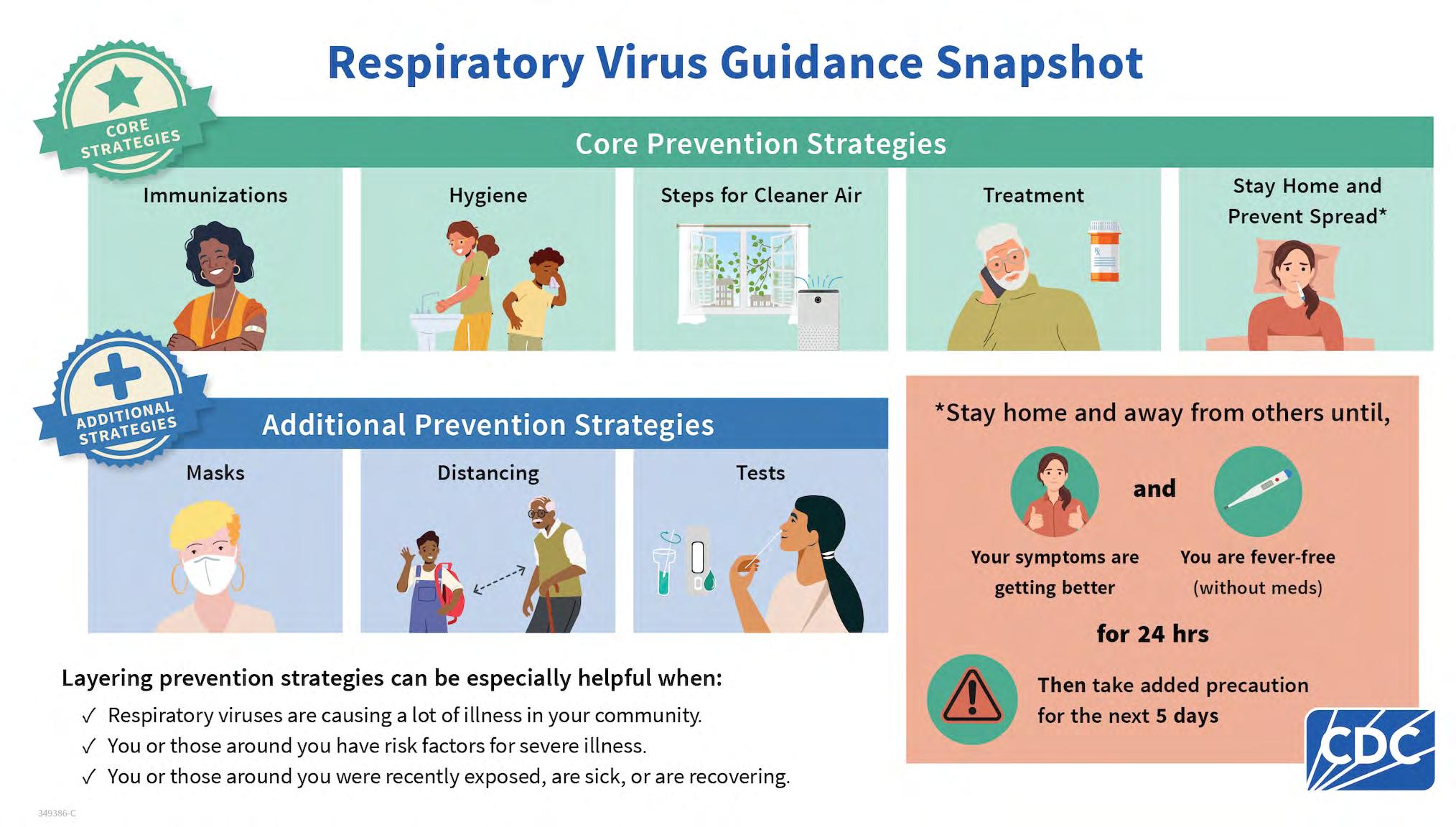
As the weather cools down and cold and flu season officially arrives, it’s important to protect yourself and your family from getting sick with things like common chest and throat infections. Here are some simple ways to stay healthy, straight from the Centers for Disease Control and Prevention (CDC).
KEEP THOSE HANDS CLEAN
• Use Soap and Water: Wash your hands often with soap and water for at least 20 seconds. This helps get rid of germs that can make you sick.
• Use Hand Sanitizer: If you can’t wash your hands, use hand sanitizer with at least 60% alcohol.
• Don’t Touch Your Face: Try not to touch your eyes, nose, or mouth, especially when your hands aren’t clean.
STRENGTHEN
YOUR BODY
• Exercise: Being active helps keep your body strong and healthy.
• Eat Healthy Foods: Eat lots of fruits, vegetables, and whole grains to keep your immune system strong.
• Get Enough Sleep: Aim for 7–9 hours of sleep each night.
• Drink Water: Staying hydrated is important for your health.
ROLL UP YOUR SLEEVES AND GET VACCINATED
• Get Your Flu Shot: The flu vaccine is the best way to protect yourself from the flu. Make sure to get one every year.
• Get an Updated COVID Shot: Getting vaccinated prevents severe illness and potentially lowers your chances of developing Long COVID.
• Get Your Respiratory Syncytial Virus (RSV) Shot: To prevent severe RSV disease, the CDC recommends either pregnant mothers or adults who are 60 and above get vaccinated.
STOP THE SPREAD OF GERMS
• Get Tested: If you’re not feeling well, get tested for common chest or throat infections like COVID-19, RSV, Flu (Influenza), and Strep to get appropriate treatment from a doctor.
• Stay Home if You’re Sick: If you’re not feeling well, it’s best to stay home so you don’t spread germs to others.
• Stay Away From Sick People: Try to avoid close contact with people who are sick.
• Wear a Mask: Wearing a mask can help block germs, helping you breathe in fewer germs and spread fewer germs to others.
SANITIZE YOUR LIVING SPACE
• Disinfect Surfaces: Kill germs by wiping down things that you touch a lot, like doorknobs and light switches.
WHY YOU SHOULDN’T ASK FOR ANTIBIOTICS
If you have a bacterial infection—like strep throat— your doctor might prescribe antibiotics. But for colds and the flu, they won’t help. Antibiotics don’t work on viruses, only on bacteria. Here’s why you shouldn’t ask for antibiotics if you have a cold or the flu:
• Antibiotic Resistance: If you use antibiotics too much, the medicine might stop working against bacteria. This makes it harder to treat bacterial infections in the future.
• Side Effects: Taking antibiotics when you don’t need them can cause problems like an upset stomach or allergic reactions.
WHEN YOU SHOULD SEE A DOCTOR
If you come down with a chest or throat infection, rest, drink water, and use over-the-counter medicine. But if you have trouble breathing, chest pain, or a high fever that won’t go away, see a doctor right away.
By following these tips, you can stay healthy, beat the cold and flu season, and avoid taking antibiotics. This way, antibiotics will work when they’re really needed.
This information is based on advice from the Centers for Disease Control and Prevention (CDC) and research on how to prevent common chest or throat infections, and when antibiotics are needed.
1. CDC updates and simplifies respiratory virus recommendations (2024) Centers for Disease Control and Prevention. Available at: CDC.gov/Media/Releases/2024/p0301-Respiratory-Virus (Accessed: 30 Aug 2024).
2. Respiratory virus guidance (2024) Centers for Disease Control and Prevention. Available at: CDC.gov/Respiratory-Viruses/Guidance/ Index.html (Accessed: 30 Aug 2024).
Did you know that Community First has a family of dedicated programs designed to help improve your health, manage a chronic condition, or experience a healthy pregnancy…all at no cost?
On the following page, you will find a list of our current Health & Wellness Programs and the program goals of each. We want to provide you the added support, resources, and guidance you need to feel better, live healthier, and enjoy your life to the fullest.
Asthma Matters
Asthma Management Program
• Education about the causes or triggers of asthma
• Tips to achieve normal or near-normal lung function
• Advice on how to participate in physical activity without symptoms
• Ways to decrease the frequency and severity of flare-ups
Qualifying Members may be able to get an asthma kit, pillow cover, mattress protector, a $10 gift card for completing asthma education, a $10 gift card for receiving a flu shot, and up to $80 in gift cards for completing home visits with San Antonio Kids BREATHE ($35 for the first visit, $10 for the second visit, and $35 for the third visit).*
Diabetes in Control
Diabetes Management Program
• Diabetes education, self-management, and healthy cooking classes
• Individual and group fitness classes
• Tips to better talk with Providers
• Referral to YMCA Diabetes Prevention Program (including a complimentary four-month YMCA membership*)
• Diabetes Garage for Men Classes
Qualifying Members may be able to get up to $60 in gift cards for Members with diabetes participating in the Diabetes in Control: Diabetes Management Program (includes a $20 gift card for completing the Community First diabetes assessment, a $10 gift card for completing diabetes educations, a $10 gift card for receiving a dilated eye exam, and a $10 gift card once every six months for submitting A1C results).*
Healthy Expectations Maternity Program
• Prenatal and postpartum education
• Information about labor and delivery
• Breastfeeding education
• Tips for newborn care
• One-on-one contact with a Health Educator
• In-person Fourth Trimester Classes
• In-person or virtual Mommy & Me Baby Shower
Qualifying Members may be able to get a total of $150 in gift cards ($30 each for the following: Completing
the Community First Health Assessment, agreeing to receive health education text messages, attending all required pre- and postnatal checkups, receiving a flu shot during pregnancy, and attending a Mommy & Me Baby Shower.) There is also a $30 reimbursement for birthing classes.*
Healthy Mind
Behavioral Health Program
• Help determining the type of behavioral health assistance needed
• Information to help choose the right professional counselor or doctor
Caregivers or parents of qualifying Members with a mental health condition may be eligible to receive a $50 gift card for completing NAMI Basics, a class series on mental health.*
Healthy Living
Lifestyle Management Program
• One-on-one contact with a Health Educator
• Educational materials
• Case Management for high-risk Members
• Referral to YMCA Y Weight Loss Program
Healthy Heart
Blood Pressure Management Program
• One-on-one contact with a Health Educator
• Educational materials
• Case Management for high-risk Members
How to Join
Find the right Health & Wellness Program for you by taking our online Health Assessment.
1. Visit our website CommunityFirstHealthPlans. com/Health-and-Wellness-Programs or log in to the Member Portal.
2. Contact one of our Health Educators for help at 210-358-6055 or email healthyhelp@cfhp.com.
Other Important Information
• All Health & Wellness Programs are provided at no cost.
• You can opt out of a Health & Wellness Program at any time.
Community First strives to give the best quality services to our Members. If you have any questions about our Health and Wellness Programs, please contact Population Health Management at 210-358-6055 or email healthyhelp@cfhp.com.
* Limitations and restrictions apply. For eligibility requirements, please call 210-358-6055 or email healthyhelp@cfhp.com.
MEMBER TIP SHEET
If you have diabetes, it’s possible to experience a diabetes emergency, despite being careful and doing everything right. High or low blood sugar levels can lead to an emergency situation. Below are some symptoms to look out for and what to do if you notice any of them.
Who can be affected?
Those who need insulin or take other diabetes medicines that can cause low blood sugar
Any person who has diabetes
How fast does it happen? Rapidly, over minutes or hours Slowly, over hours or days
• Fatigue, shakiness
• Headache
• Hunger
• Cold, clammy skin; sweating
What are the symptoms?
What should you do?
• Sudden double vision or blurred vision
• Pounding heart, confusion, irritability; person may appear drunk
• Loss of consciousness
• If the person loses consciousness, call 911. If the person is conscious, have the person eat or drink something that contains sugar. If symptoms don’t improve, call the doctor immediately.
• If you’ve been taught how to give glucagon to a person who is having a low blood sugar emergency, do so. Always make sure the glucagon has not expired.
• Frequent urination
• Intense thirst
• Blurred vision
• Signs of ketoacidosis, such as: rapid breathing; fruity-smelling breath; hot, flushed, dry skin; restlessness or drowsiness; loss of appetite; belly pain or vomiting; confusion
• Loss of consciousness
If there are signs of ketoacidosis, call the doctor immediately. If the person loses consciousness, call 911.
If you are unsure about the cause of the diabetic emergency in a person who uses medicine, have the person eat or drink something that contains sugar, like glucose tablets, hard candy, honey or sugar dissolved in water, fruit juice, or a soft drink with sugar. Do not give an unconscious person anything to eat or drink. Note: Symptoms may vary. If you have diabetes, ask your doctor what your safe blood sugar range is.
LOW BLOOD SUGAR (HYPOGLYCEMIA)
HIGH BLOOD SUGAR (HYPERGLYCEMIA)
DIABETES COMPLICATIONS
When you have diabetes, you are at risk of developing other health problems, called complications. This is especially true if your blood sugar levels stay high. Over time, high blood sugar can damage many parts of your body. It can lead to a variety of problems, including problems with your:
• Eyes. High blood sugar levels may cause temporary blurred vision. Blurred vision, floaters, or flashes of light may be a sign of diabetic retinopathy, which can lead to severe vision loss. Having diabetes also puts you at risk for cataracts and glaucoma.
• Heart and blood vessels. High blood sugar damages the lining of blood vessels. This is called hardening of the arteries, or atherosclerosis. It can lead to stroke, heart attack, peripheral arterial disease, or heart failure.
• Nerves. High blood sugar levels can damage nerves throughout your body. This damage is called diabetic neuropathy. There are different types of neuropathy. They may be caused by damage to nerves that sense things like pain or touch or that control things like your heartbeat, digestion, or blood pressure. Nerve damage can be painful, especially in the feet.
• Feet and skin. You may have less feeling in your feet. This means that you can injure your feet and not know it. Common infections from blisters, ingrown toenails, small cuts, or other problems can quickly become more serious when you have diabetes.
• Kidneys. High blood sugar can damage tiny blood vessels in your kidneys that help filter waste from your blood. This kidney damage is called diabetic kidney disease (sometimes called diabetic nephropathy). You may not have any symptoms until the damage is severe. Then you may notice swelling in your feet or legs or all over your body.
INFECTIONS RELATED TO DIABETES
High blood sugar from diabetes can affect the body’s immune system. The immune system is the body’s natural defense system that helps fight infections. People with high blood sugar from diabetes can be more severely affected by common infections, such as influenza and pneumonia. They also are more likely to be infected with unusual organisms, such as Gram-negative bacteria or fungi.
PREVENTION
You can help prevent or delay complications by keeping your blood sugar in a target range. You also need regular medical checkups to look for early signs of complications. If complications are treated early, the damage may be stopped, slowed, or possibly reversed.
LONG-TERM HEALTH PROBLEMS
DIABETIC RETINOPATHY
Diabetes can damage the small blood vessels in the retina, which is the part of the eye that sends images to your brain. This is called retinopathy, and it can lead to poor vision or blindness.
Retinopathy does not usually cause symptoms at first. When you do have symptoms, they can include blurred or distorted vision or having a hard time reading. You may have floaters, which are shadows or dark objects that “float” across your vision. You may see flashes of light. Because you may not have symptoms until retinopathy is severe, see your eye doctor on a regular basis. The sooner you know about it, the easier it is to treat it, and the more likely you are to prevent vision loss. Diabetic retinopathy has no cure, but controlling diabetes can help stop it from getting worse. If your retina is not badly hurt, laser treatment or surgery can help prevent more vision loss.
DIABETIC NEUROPATHY
Over time, high blood sugar from diabetes can damage your nerves. This is called diabetic neuropathy. It can affect the following nerves:
• The nerves that give you the sense of touch, heat, and position, mainly those in your feet and legs. The longer the nerve is, the more likely it is to be damaged by diabetes. This can lead to serious foot problems, such as sores, infection, and bone and joint deformities. It is the most common form of neuropathy. Symptoms include:
» Tingling, tightness, or burning, shooting, or stabbing pain in the feet, hands, or other parts of the body.
» Numbness or less feeling, most often in the feet.
» Weakness and loss of balance and coordination.
• The part of the nervous system that you do not control. This includes the nerves that control your heart rate, blood pressure, body temperature, vision, digestion, and other functions. If these nerves are damaged, you may:
» Notice digestion problems like bloating, heartburn, or diarrhea.
» Sweat a lot at night or while eating certain foods. You may also sweat only a little, especially in your feet and legs.
» Not know when you have to urinate.
» Have sexual problems.
» Feel dizzy and weak when you stand up or sit up.
» Not know your blood sugar is low.
• One nerve or group of nerves. This can cause muscle weakness and pain, mainly in the wrist, thigh, or foot. It may also affect the nerves of the
Experts do not fully know how diabetes affects the heart. Many things can lead to heart disease, MEMBER
back and chest and those that control the eye muscles. This rare form usually happens suddenly. You may:
» Have pain or weakness in one part of your body, such as a wrist, thigh, or foot.
» Have pain in and around one of your eyes, difficulty moving your eyes, and double vision.
There is no cure for diabetic neuropathy, but you can keep it from getting worse by keeping your blood sugar within a target range. Your doctor may suggest medicine or physical therapy for pain. Take good care of your feet to help avoid foot infections.
DIABETIC KIDNEY DISEASE
Diabetic kidney disease is kidney damage caused by having high blood sugar for a long time. This affects how the kidneys filter fluids, and it lets protein that should stay in the blood pass into the urine. If not treated, this can lead to kidney failure. To help find it early, your doctor may do tests that check how well your kidneys are filtering your blood and how much protein is in your urine.
You have no symptoms at first. A little bit of protein in the urine is the first sign of kidney damage. When your kidneys work poorly, your blood pressure may go up and you may have swelling, at first in your feet and legs. Medicine that lowers blood pressure and protects the kidneys can help. To prevent kidney damage or keep it from getting worse, eat healthy foods, exercise, limit alcohol, don’t smoke, and keep your blood sugar within a target range. Also, talk to your doctor or dietitian about how much protein is best for you.
HEART DISEASE
including high blood sugar, insulin resistance, high cholesterol, and high blood pressure. But genetics and lifestyle may also affect a person’s risk. For example, if you smoke, you are at a higher risk for heart and blood vessel disease than someone who does not smoke. To help prevent or delay heart disease, take the medicine your doctor suggests, exercise, don’t smoke, control your blood pressure, and eat healthy.
REDUCE YOUR RISK
The most important thing you can do is keep your blood sugar under control. To do this, take your insulin or other diabetes medicines as your doctor tells you, check your blood sugar level often, follow your diet for diabetes, exercise, and see your doctor on a regular basis. Seeing your doctor is very important because you may have no symptoms from these problems. The earlier you can treat them, the more likely you can avoid complications and prevent the problem from getting worse.
NO-COST DIABETES EDUCATION & SUPPORT
You CAN be successful in managing your diabetes. Community First is here to help. Our Diabetes in Control: Diabetes Management Program is a no-cost Health & Wellness program exclusively for Community First Members. This program helps you learn more about diabetes and empowers you to take control of your health. Join this nocost program today, and you may be able to get Value-Added Services like gift card incentives, a complimentary 4-month YMCA membership, home visits, and more.*
*Limitations and restrictions apply. For eligibility requirements, please call 210-358-6055 or email healthyhelp@cfhp.com
TO JOIN
• Visit: CommunityFirstHealthPlans.com/ Health-and-Wellness-Programs
• Call: 210-358-6055
• Email: healthyhelp@cfhp.com
Community First Case Management services are also available to Members at no cost. Diabetes does not have to control your life. People who take an active role in learning about diabetes are the most successful in preventing or delaying diabetes complications. You can do it. We can help.
Source ©2007-2023 Healthwise, Incorporated. Current as of: February 28, 2023; Author: Healthwise Staff; Clinical Review Board: All Healthwise education is reviewed by a team that includes physicians, nurses, advanced practitioners, registered dietitians, and other health care professionals. Healthwise disclaims any liability for use of this information, which does not replace medical advice.
MEMBER TIP SHEET
What is cervical cancer?
Cervical cancer is a disease where abnormal cells grow on the cervix. The cervix is located at the bottom part of the uterus; it opens into the vagina.
What causes cervical cancer?
Human papillomavirus (HPV) is the main cause of cervical cancer. HPV can pass from one person to another during sex. Most people get HPV, but it usually goes away on its own. If it doesn’t go away, it can cause cancer. Anyone with a cervix can get cervical cancer, but you may be more likely to get it if:
• You become sexually active at an early age
• You have many sexual partners
• You smoke
• You have a weakened immune system
• You are overweight or obese
• You have a family history of cervical cancer
What can I do to protect myself/my child?
• Get vaccinated. Both girls and boys ages 11 to 12 should get vaccinated against HPV. They can receive their first HPV vaccine as early as age 9. Talk with your child’s Provider to learn more about HPV and how many doses of vaccine they should receive. The HPV vaccine is available to Members of Community First at no cost.
• Get a Pap test. Pap tests (Pap smears) are recommended every three years for women ages 21 to 29 and are covered under your Community First health plan. Women age 30 and older can consider Pap testing every five years if the procedure is combined with testing for HPV.
• Get an HPV test. HPV tests are recommended every five years for women ages 30 to 65. Sometimes you’ll get an HPV test at the same time as a Pap test — this is called co-testing.
CERVICAL CANCER SCREENING: GET THE RIGHT TEST AT THE RIGHT TIME
Why is screening so important?
Screening tests can find abnormal cells that can be treated before they become cancer. The Pap test looks for precancers - cell changes on the cervix that might become cervical cancer if they are not treated appropriately. The HPV test looks for the virus (human papillomavirus) that can cause these cell changes.
When should I/my child get their first Pap test?
Start at the age of 21. If the test is normal, repeat it every three years. At age 30, if test results are normal, get a Pap test every three years and both a Pap and HPV test every five years. You no longer need to get screened if you are over 65 or your cervix was removed during surgery.
MORE INFORMATION
How do I schedule an appointment?
If you need help making an appointment or finding a doctor, call 210-358-6055 or email healthyhelp@ cfhp.com. You can also find an OB/GYN in our network and call them directly. Log into the Community First Member Portal or use our online Provider Directory at CommunityFirstMedicaid.com
Do I need a referral?
You do not need a referral to see an OB/GYN or to get a cervical cancer screening.
Can I get a ride to my appointment?
Community First offers non-emergency medical transportation at no cost to Medicaid Members. Learn how to book a ride to and from your cervical cancer screening.
Am I eligible for a gift card reward after I get my cervical cancer screening?
Community First STAR Members who get screening for cervical cancer and join our Healthy Living: Lifestyle Management Program will receive a $25 gift card. Limitations and restrictions apply. Learn more about this reward and other Value-Added Services you may be eligible for.
Where can I learn more about women’s health services covered by my plan and how to get care?
Community First is committed to the health and well-being of all women and girls in our community. Learn more about your access to a wide range of quality health services focused on the unique health care needs of women for every stage of life.
Betty’s Co. provides Community First Members with women’s health care services in boutique mobile clinics in the San Antonio-area. This includes cervical cancer screenings. Find out more or call 210-572-4931.
VACCINES FOR Preteens and Teens

What Parents & Caregivers Need to Know
Vaccines are often associated with childhood, but did you know that vaccines are actually recommended throughout life, even into adulthood?
Protection provided by childhood vaccines wears off, so preteens and teens need additional vaccines that will extend that protection, preventing serious, sometimes deadly diseases like meningitis and HPV cancers.
The four recommended vaccines detailed on the next page provide that needed protection and are covered at no cost to Community First Members.
Vaccine Safety
The United States’ long-standing vaccine safety system makes sure that vaccines are as safe as possible. Currently, the United States has the safest vaccine supply in its history. Millions of children safely receive vaccines each year.
Vaccine Side Effects
The most common side effects are typically very mild, such as pain or swelling at the injection site. Serious side effects are rare. Tell your child’s doctor or nurse if your child has any serious allergies, including allergies to yeast, latex, or eggs before they receive any vaccines.
Community First rewards STAR, STAR Kids, and CHIP Members ages 9-13 with a $25 gift card after getting their recommended Tdap, Meningococcal, and HPV vaccine series.
Meningococcal Shot (MenACWY)
Provides Protection Against:
• Bacteria that causes meningococcal disease.
• Infections of the lining of the brain and spinal cord, as well as bloodstream infections.
• Long-term disabilities that often come with surviving meningococcal disease.
How many doses are needed?
• Two doses of the meningococcal shot are recommended for preteens and teens.
• All preteens should receive the first dose between 11 and 12 years old (by their 13th birthday) and their second dose at 16 years old.
What else do I need to know?
Teens may also get a MenB shot, preferably at ages 16-18 years. Multiple doses are needed for best protection. To learn more, talk to your child’s doctor.
HPV Shot (Human Papillomavirus)
Provides Protection Against:
• Infections that can lead to six types of cancer.
• Abnormal cells that can lead to cancer (precancers) and the lasting effects of testing and treatment for these precancers.
How many doses are needed?
• The CDC recommends two doses of the HPV shot for adolescents ages 11 to 12 years. If the second dose is given less than five months after the first dose, a third dose is needed.
• If the first dose is given after the 15th birthday, three doses of the HPV shot should be given over a six-month period.
What else do I need to know?
HPV is considered the most common sexually transmitted infection in the United States and the cause of almost all cervical cancers in women. Nearly 4 out of every 10 cases of cancer caused by HPV happen among men. The HPV vaccination can prevent over 90% of HPV cancers.
Tetanus, Diphtheria, and Whooping Cough Shot (Tdap)
Provides Protection Against:
• Tetanus, diphtheria, and whooping cough (pertussis).
• Painful muscle stiffness from tetanus.
• Development of a thick coating in the back of the nose or throat from diphtheria that can make it hard to breathe or swallow.
• Violent coughing fits from whooping cough.
How many doses are needed?
One dose of the Tdap booster shot is recommended. What else do I need to know?
There are two vaccines that help protect children against tetanus, diphtheria, and whooping cough: DTaP and Tdap. These shots do not offer lifetime protection. Booster shots are needed to keep up protection.
Influenza (Flu)
Provides Protection Against:
• Serious illness and hospitalization among children.
• High risk of developing serious complications.
How many doses are needed?
One dose of the flu shot is recommended every year in the fall/winter.
What else do I need to know?
Even if your preteen or teen is healthy, they can still get very sick from the flu and spread it to others. Flu season can begin as early as September and extend through May. It takes about two weeks after getting a vaccine to build protection against the flu.
Diseases that Vaccines Prevent | Childhood Vaccines | CDC Sources
About Vaccines for your Children | Childhood Vaccines | CDC
Non-Discrimination Notice Aviso sobre no discriminación
Community First Health Plans, Inc. and Community First Insurance Plans (Community First) comply with applicable federal civil rights laws and do not discriminate on the basis of race, color, national origin, age, disability, sex, gender identity, or sexual orientation. Community First does not exclude people or treat them differently because of race, color, national origin, age, disability, sex, gender identity, or sexual orientation.
Community First provides free aids and services to people with disabilities to communicate effectively with our organization, such as:
Qualified sign language interpreters
Written information in other formats (large print, audio, accessible electronic formats, and other formats)
Community First also provides free language services to people whose primary language is not English, such as:
Qualified interpreters
Information written in other languages
If you need these services, please contact Community First Member Services at the number on the back of your Member ID card or 1-800-434-2347. If you’re deaf or hard of hearing, please call 711.
If you feel that Community First failed to provide these services or discriminated in another way on the basis of race, color, national origin, age, disability, sex, gender identity, or sexual orientation, you can file a complaint with Community First by phone, fax, or email at:
Community First Compliance Coordinator
Phone: 210-227-2347 | TTY: 711
Fax: 210-358-6014
Email: DL_CFHP_Regulatory@cfhp.com
If you need help filing a complaint, Community First is available to help you. If you wish to file a complaint regarding claims, eligibility, or authorization, please contact Community First Member Services at 1-800-434-2347.
You can also file a civil rights complaint with the U.S. Department of Health and Human Services, Office for Civil Rights, electronically through the Office for Civil Rights Complaint Portal, available at: https://ocrportal.hhs.gov/ocr/portal/lobby.jsf.
You may also file a complaint by mail or phone at:
U.S. Department of Health and Human Services 200 Independence Avenue, SW Room 509F, HHH Building Washington, D.C. 20201
Phone: 1-800-368-1019 | TTY: 1-800-537-7697
Complaint forms are available at: https://www.hhs.gov/civil-rights/filing-a-complaint/complaintprocess/index.html
Community First Health Plans, Inc. (Community First) y Community First Insurance Plans cumplen con las leyes federales de derechos civiles aplicables y no discriminan por motivos de raza, color, nacionalidad, edad, discapacidad, sexo, identidad de género, u orientación sexual. Community First no excluye o trata de manera diferente a las personas debido a su raza, color, nacionalidad, edad, discapacidad, sexo, identidad de género, u orientación sexual.
Community First proporciona asistencia y servicios gratuitos a personas con discapacidades para comunicarse efectivamente con nuestra organización, como:
Intérpretes calificados de lenguaje de señas Información escrita en otros formatos (letra grande, audio, formatos electrónicos accesibles, y otros formatos)
Community First también ofrece servicios gratuitos lingüísticos a personas cuyo idioma principal no es el inglés, como:
Intérpretes calificados Información escrita en otros idiomas
Si usted necesita recibir estos servicios, comuníquese al Departamento de Servicios para Miembros de Community First al 1-800-434-2347. TTY (para personas con problemas auditivos) al 711.
Si usted cree que Community First no proporcionó servicios lingüísticos gratuitos o se siente que fue discriminado/a de otra manera por motivos de su raza, color, nacionalidad, edad, discapacidad, sexo, identidad de género, u orientación sexual, usted puede comunicarse con Community First por teléfono, fax, o correo electrónico a:
Community First Compliance Coordinator
Teléfono: 210-227-2347 | Línea de TTY gratuita: 711 Fax: 210-358-6014
Correo electrónico: DL_CFHP_Regulatory@cfhp.com
Si usted necesita ayuda para presentar una queja, Community First está disponible para ayudarlo. Si usted desea presentar una queja sobre reclamos, elegibilidad o autorización, comuníquese con Servicios para Miembros de Community First llamando al 1-800-434-2347.
Usted también puede presentar una queja de derechos civiles ante el departamento de salud y servicios humanos de los Estados Unidos de manera electrónica a través del portal de quejas de derechos civiles, disponible en: https://ocrportal.hhs.gov/ocr/portal/lobby.jsf También puede presentar una queja por correo o por teléfono al: U.S. Department of Health and Human Services
200 Independence Avenue, SW, Room 509F, HHH Building Washington, D.C. 20201
Teléfono: 1-800-368-1019 | Línea de TTY gratuita: 1-800-537-7697
Los formularios de queja están disponibles en:
https://www.hhs.gov/civil-rights/filing-a-complaint/complaintprocess/index.html
Language Assistance
ENGLISH: ATTENTION: Free language assistance services are available to you. Call 1-800-434-2347 (TTY: 711).
SPANISH: ATENCIÓN: Si habla español, usted tiene a su disposición servicios gratuitos de asistencia lingüística. Llame al 1-800-434-2347 (TTY: 711).
VIETNAMESE: CHÚ Ý: Nếu bạn nói Tiếng Việt, có các dịch vụ hỗ trợ ngôn ngữ miễn phí dành cho bạn. Gọi số 1-800-434-2347 (TTY: 711).
CHINESE::注意:如果您使用繁體中文,您可以免費獲得語言援助服務.請致電 1-800-434-2347 (TTY: 711).
KOREAN: 주의: 한국어를 사용하시는 경우, 언어 지원 서비스를 무료로 이용하실 수 있습니다. 1-800-434-2347 (TTY: 711)번으로 전화해 주십시오.
ARABIC: رق م 1-800-434-2347
(TTY: 711)
TAGALOG: PAUNAWA: Kung nagsasalita ka ng Tagalog, maaari kang gumamit ng mga serbisyo ng tulong sa wika nang walang bayad. Tumawag sa 1-800-434-2347 (TTY: 711).
FRENCH: ATTENTION: Si vous parlez français, des services d’aide linguistique vous sont proposés gratuitement. Appelez le 1-800-434-2347 (ATS: 711).
HINDI
PERSIAN
(TTY: 711)
(TTY: 711)
GERMAN: Wenn Sie Deutsch sprechen, stehen Ihnen kostenlos sprachliche Hilfsdienstleistungen zur Verfügung. Rufnummer: 1-800-434-2347 (TTY: 711).
GUJARATI
RUSSIAN:
(TTY: 711)
1-800-434-2347 (телетайп: 711).
JAPANESE:注意事項:日本語を話される場合,無料の言語支援をご利用いただけます. 1-800-434-2347 (TTY:711)まで、お電話にてご連絡ください.
LAOTIAN: ໂປດຊາບ:
1-800-434-2347 (TTY: 711).
As we celebrate our 30th anniversary, we honor our deep-rooted commitment to the health and well-being of our local community. Thank you for your trust and for allowing us to serve you and your loved ones all these years. Together we look forward to building a healthier future for all of us.