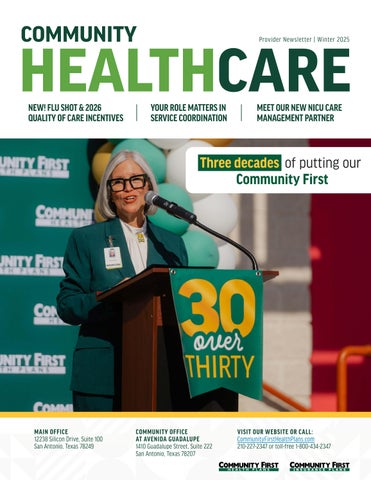
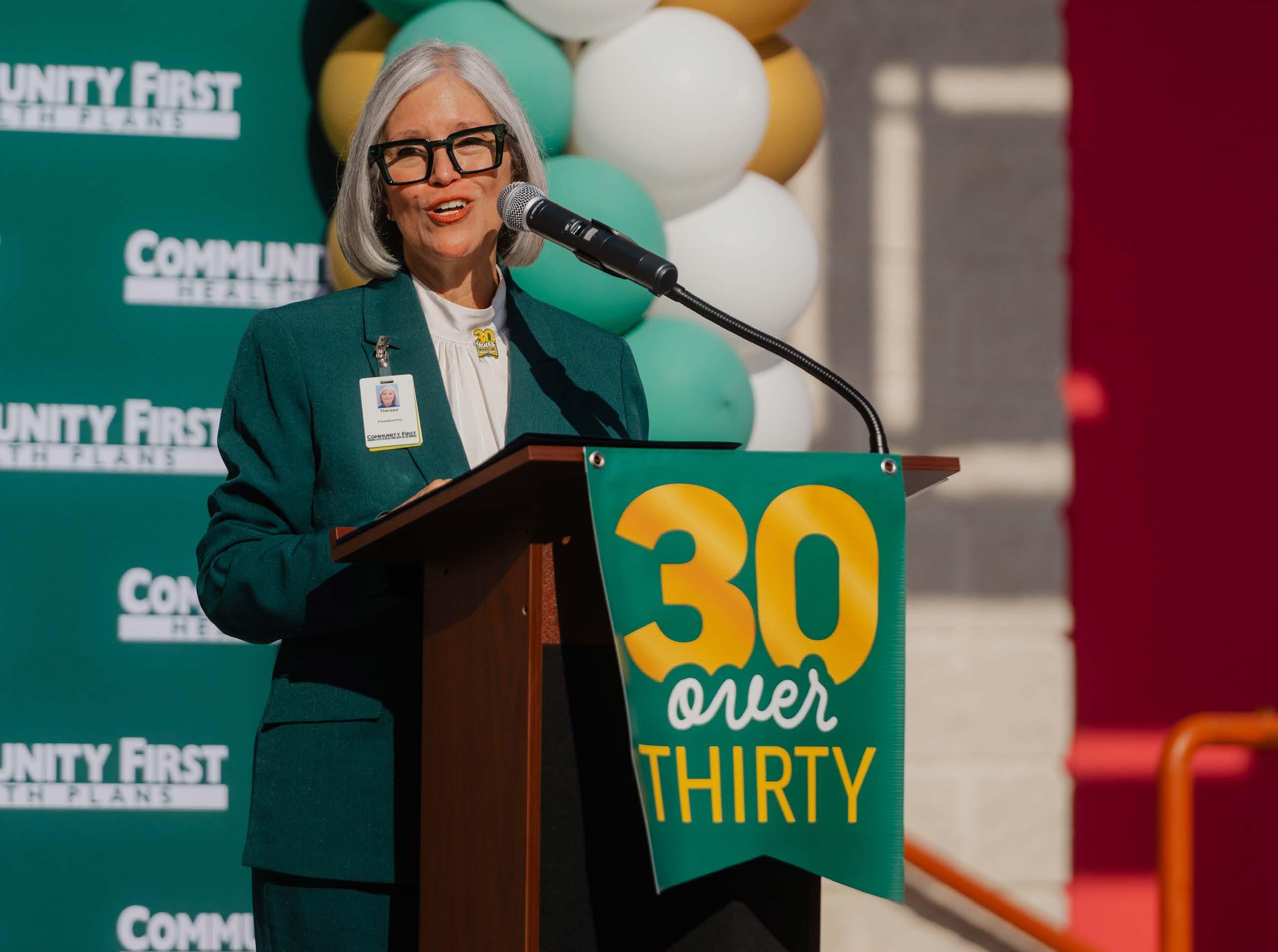
REFLECTING ON 30 YEARS OF SERVICE AND COLLABORATION
Time flies when you are serving your community! This year, Community First marks its 30th anniversary as our area's only local, non-profit health plan! We are reflecting on all we have accomplished and all we hope to accomplish in the future. Our Provider Network is an integral part of our work in the community. Together, we can achieve great things, leading to better health outcomes in our local population.
To mark our 30th anniversary as our area's only local, nonprofit health plan, we are shining the light on other local organizations and individuals, including many in the health care space, with 30 or more years of service, "30 over 30."
Through collaboration, partnerships, sponsorships, events, and mutual respect, these organizations and Community First have worked together to uplift our neighbors in need. Did you know that each is a valuable resource for our Members, your patients, their families, and our community as a whole that can make a difference in their life or in the life of a loved one NOW?
These groups have consistently shown passion and commitment in their quest to improve the lives of the people living in Atascosa, Bandera, Bexar, Comal, Guadalupe, Kendall, Medina, and Wilson counties. They provide support for underserved children, new moms, senior citizens, and disabled individuals, among others.
If you have patients in need of extra help, particularly to overcome or improve non-medical drivers of health (NMDOH), please educate them about and refer them to these organizations to seek services, education, and other support.
30 Over 30 also recognizes the significant contribution of individuals who have committed many years of service to our community. We honor them for their commitment, compassion, vision, and tireless contributions to promoting better health outcomes.




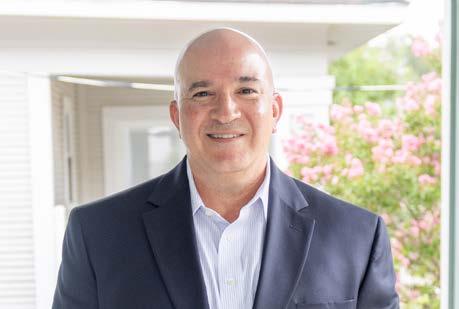
Charles Kight, former President and CEO of Community First, and now principal of Charles Kight and Associates
George B. Hernandez, President and CEO of University Health (retired)
Dr. Glen Medellin, pediatrician specializing in palliative medicine and founder of Comprehensive Care Clinic at University Health
Mary Helen Gonzalez, Executive Director of Member Services at Community First
Rene Escobedo, Attorney at Law, and Vice Chair and longest-running board member at Community First
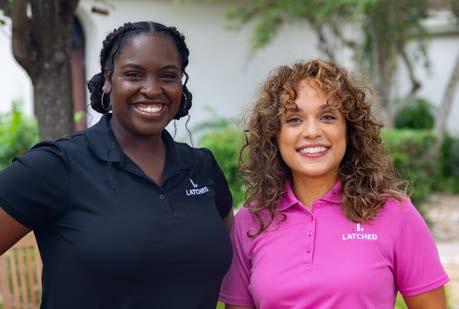
Ashley Green & Veronica Simpkins, co-founders and co-executive directors of Latched Support
30 over 30 is our way of honoring organizations and individuals who share in our mission. We are proud to celebrate these changemakers and look forward to continuing this work together for the next 30 years and beyond.
- Theresa Rodriguez Scepanski Community First President & CEO
Community First recognizes the following organizations with 30 or more years of service to our community.









RESOURCES FOR:













Thank YOU for being part of the work we do to improve the health and well-being of our Members, patients, and neighbors. We look forward to another 30 years and a bright future, continuing our work together.
CLINICAL PRACTICE GUIDELINES UPDATED
The scientific sources for which Medical, Behavioral, and Preventive Health Guidelines followed by Community First have been updated.
Clinical Guidelines are based on up-to-date scientific knowledge and are able to be followed in daily medical practice.
Read Community First’s Clinical Practice Guidelines to review all adopted guidelines, including the scientific source upon which each guideline is based.
To request a paper copy of the Clinical Guidelines, fill out the Education Request Form and mail to:
Community First Health Plans
Attn: Provider Relations Department 12238 Silicon Drive, Suite 100 San Antonio, Texas 78249
You may also fax the Education Request Form to 210-358-6199 or call 210-358-6055 to speak with a Community First Health Educator.
NEW ADOPTED/UPDATED CLINICAL PRACTICE GUIDELINES
> Anxiety
> Asthma
> Attention Deficit Hyperactivity Disorder
> Bipolar Disorder
> Bronchiolitis
> Cardiovascular Disease
> Chronic Obstructive Pulmonary Disease
> Depression
> Diabetes
> Eating Disorder
> Hepatitis C Virus Infection
> HIV
> Hypertension
> Immunization
> Obesity Management
> Prenatal Care/Postpartum
> Stroke
Case Management Services
Case Management is a key component of Community First’s Population Health Management strategy. The Case Management (CM) Program provides comprehensive, personalized Case Management services and goal setting for Members who require a wide variety of resources to manage their health and improve their quality of life.
Community First embraces a holistic approach to managing quality of life by treating every Member as a whole. Using this approach, our interdisciplinary Case Management team relies on experienced professionals from diverse backgrounds including social work, nursing, mental health, home care, and home health. The team provides the Member with resources that can help them get the best care possible by utilizing the right Providers, in the right setting, and in the right time frame.
Community First Case Managers serve as the Member’s primary point of contact. The relationship between the Member and Case Manager must be built on trust to foster mutual respect, and to establish a rapport that facilitates communication among the family, caregivers, and other health care team members.
Our Case Management teams are committed to working with Members, their family, doctors, and other Providers on their health care team, to improve the Member’s overall health and wellness and to obtain all needed services.
Case Management is free, voluntary, and available to any Community First Member.
If you would like to refer a patient who may benefit from Case Management, please email the Community First Case Management referral form to chelp@cfhp.com. A Case Manager will contact the Member to discuss their individual health care needs.
If you would like to learn more about Case Management, please call Community First Population Health Management at 210-358-6050.
A PRESCRIPTION FOR WELLNESS
Our Health & Wellness programs were designed to provide guidance to our Members so that they can achieve better health outcomes. A referral to our programs helps us complement your efforts as a caring, engaged Provider. Please review our family of programs.
Asthma Matters
Asthma Management Program
> Education about the causes or triggers of asthma
> Tips to achieve normal or near-normal lung function
> Advice on how to participate in physical activity without symptoms
> Ways to decrease the frequency and severity of flare-ups
Qualifying Members may be eligible for an asthma kit, pillow cover, mattress protector, $10 gift card for completing asthma education, a $10 gift card for receiving a flu shot, and up to $80 in gift cards for completing home visits with San Antonio Kids BREATHE ($35 for the first visit, $10 for the second visit, and $35 for the third visit).*
Diabetes in Control
Diabetes Management Program
> Diabetes education classes
> Information on how to control blood sugar
> Tips for talking to Providers
> Blood sugar testing and supplies
> One-on-one access to a Health Educator
> Referral to YMCA Diabetes Prevention Program including a complimentary four-month YMCA membership
> Diabetes Garage for Men Classes
Qualifying Members may be eligible for up to $60 in gift cards for Members with diabetes participating in the Diabetes in Control: Diabetes Management Program (includes a $20 gift card for completing the Community First diabetes assessment, a $10 gift card for completing diabetes educations, a $10 gift card for receiving a dilated eye exam, and a $10 gift card once every six months for submitting A1C results).*
Healthy Expectations Maternity Program
> One-on-one access to a Health Educator
> Prenatal and postpartum education
> Home visits for high-risk pregnancies
> Mommy & Me baby shower with gifts
> In-person fourth trimester classes
Qualifying Members may be eligible for a total of $150 in gift cards ($30 each for the following: Community First Health Assessment, agreeing to receive health education text messages, attending all required pre- and postnatal checkups, receiving a flu shot during pregnancy, and attending a Mommy & Me Baby Shower). There is also a $30 reimbursement for birthing classes.*
Healthy Mind
Behavioral Health Program
> Help determining the type of behavioral health assistance needed
> Information to help choose the right professional counselor or doctor
> Case Management for high-risk Members
> NAMI Basics six-week class for caregivers of Members ages 0-18 with a mental health condition.
Caregivers or parents of qualifying Members with a mental health condition may be eligible to receive a $50 gift card for completing NAMI Basics, a class series on mental health.*
Healthy Living
Lifestyle Management Program
> One-on-one contact with a Health Educator
> Referral to YMCA Weight Loss Program, including a complimentary 4-month YMCA membership
> Case Management for high-risk Members
> Access to Zumba and other fitness classes at no cost
Healthy Heart
Blood Pressure Management Program
> One-on-one contact with a Health Educator
> Case Management for high-risk Members
Refer a Patient
If you have a patient who could benefit from participating in one or more of our Health & Wellness Programs, we encourage you to contact Population Health Management at 210-358-6055 or email healthyhelp@cfhp.com
You can also advise the patient to:
> Take our online Health Assessment available on our website at CommunityFirstHealthPlans.com/Healthand-Wellness-Programs, or
> Email healthyhelp@cfhp.com, or
> Call 210-358-6055 to speak with a Health Educator.
All Health & Wellness Programs are provided at no cost, and Members can opt out of a program at any time.
Community First strives to provide the best quality services to our Members. A referral to our family of Health & Wellness programs helps us complement your efforts as a caring, engaged Provider.
* Limitations and restrictions apply. For eligibility requirements, please call 210-358-6055 or email healthyhelp@cfhp.com.
PAPER CLAIMS MAILING ADDRESS
Providers have the right to appeal the denial of a claim by Community First. Providers are encouraged to fill out and submit a Claim Appeal Form electronically. To do so, log into the Community First Provider Portal, click on the “Office Management” tab, and complete the “Community First Claim Appeal Form.”
If you prefer to submit your appeal by mail, send the completed form and a copy of the EOP, along with any information related to the appeal, to our paper claims mailing address at:
Community First Health Plans
P.O. Box 240969 Apple Valley, MN 55124
Please note: Appeals submitted without the Claim Appeal Form or with inaccurate or incomplete information will be rejected. The Provider will receive a rejection notification. If you have any questions, please contact Provider Services at 210-358-6030 or ProviderRelations@cfhp.com.
DENIALS OF COVERAGE
Community First does not provide financial incentives (rewards) to physicians or employees who conduct Utilization Management (UM) activities for issuing decisions that deny, limit, or discontinue medical necessary covered services. Denials are based on the lack of medical necessity or the lack of a covered benefit.
Information on UM criteria utilized to make a decision can be provided to Member or authorized representative on an individual basis. Requests may be made by contacting Population Health Management (PHM) at 210-358-6050, Monday through Friday, from 8 a.m. to 5 p.m. and pressing “3,” when prompted, for authorization to request this information.
Community First’s UM staff is also available Monday through Friday, from 8 a.m. to 5 p.m. at 1-800-434-2347 to assist you with any questions you may have regarding the processing of a request for services. Calls received after hours are handled by an on-call nurse through our 24/7 Nurse Advice Line.
Should a Community First staff member attempt to contact you regarding any issues for services, they will provide you with their full name and title.
Members who need language assistance or TTY services to discuss concerns regarding UM or any concern involving medical and or behavioral health services should call 1-800-434-2347 (TTY 711), and we will be happy to provide assistance.
FOLLOW-UP AFTER EMERGENCY DEPARTMENT
VISIT FOR MENTAL ILLNESS (FUM) WITHIN 7 DAYS


Why is the FUM HEDIS® Measure important?
Evidence suggests that individuals who receive follow-up care within 7 days after a behavioral health-related Emergency Department (ED) visit have fewer repeat ED visits, improved physical and mental function, and increased compliance with their care plan. Providers should encourage follow-up care after ED visits.
What does the FUM Measure assess?
The FUM Measure assesses the percentage of emergency department (ED) visits for Members six years of age and older with a principal diagnosis of mental illness or any diagnosis of intentional self-harm who had a follow-up visit for mental illness within 7 days of the ED visit.
When does a Member “pass” the measure?
A Member “passes” the measure by attending a mental health follow-up visit with any practitioner (to include PCPs, Pediatricians, and Mental Health Providers) within 7 days after an ED visit for mental illness or intentional self-harm, including visits that occur on the same date as the ED visit.
Which services qualify to meet this measure?
Follow-up visits can be completed by any qualified Provider as long as the claim includes a mental health diagnosis and the Provider is licensed to bill the appropriate codes, such as:
> Outpatient office-based care
> Community mental health center
> Mental health outpatient officebased care
> Electroconvulsive therapy
> Intensive outpatient
> Telehealth
> Partial hospitalization
> Telephone
> Residential treatment
> Online assessment (Telehealth or virtual check-in)
> Peer support services
FOLLOW-UP AFTER EMERGENCY DEPARTMENT VISIT FOR MENTAL
Best Practice Recommendations
> Offer telehealth and phone visits.
> Submit claims in a timely manner.
> Use appropriate documentation and correct coding.
> Educate staff on local resources to assist with barriers such as transportation needs.
> Coordinate care between Behavioral Health and Primary Care Providers by sharing progress notes and updates.
> Make reminder calls to Members before scheduled appointments and after any missed appointments to reschedule.
> Review medications with patients to ensure they understand the purpose, appropriate frequency, and method of administration for each prescribed medication.
> Ensure flexibility when scheduling appointments for patients who were recently seen in the ED to allow
Unspecified Visits 90791 90792 90832 90833 90834
90836 90837 90838 90839 90840
90845 90847 90849 90853 90875
90876 99221 99222 99223 99231
99232 99233 99238 99239 99252
99253 99254 99255
BH Outpatient
98000 98001 98002 98003 98004
98005 98006 98007 98960 98961
98962 99078 99202 99203 99204
99205 99211 99202 99203 99204
99205 99211 99212 99213 99214
99215 99242 99243 99244 99245
99341 99342 99344 99345 99347
99348 99349 99350 99381 99382
99383 99384 99385 99386 99387
99391 99392 99393 99394 99395
99396 99397 99401 99402 99403
99404 99411 99412 99483 99492
99493 99494 99510
G0155 G0176
G0177 G0409
G0463 G0512
H0002 H0004
H0031 H0034
H0036 H0037 H0039 H0040 H2000 H2010 H2011 H2013 H2014 H2015 H2016 H2017 H2018 H2019 H2020 T1015 G0560
G0410 G0411
H0035 H2001
H2012 S0201
S9480 S9484
S9485
0510 0513 0515
0516 0517 0519
0520 0521 0522
0523 0526 0527
0528 0529 0900
0902 0903 0904
0911 0914 0915
0916 0917 0919
0982 0983
0905 0907 0912 0913
Health
Online Assessments 98016 98980 98981 99458 98970 98971 98972 99421 99422 99423 99457
Telephone Visits
98008 98009 98010 98011 98012 98013 98014 98015 98966 98967 98968 99441 99442 99443
Peer Support Services N/A
G0071 G2010 G2012 G2250 G2251 G2252 N/A N/A
G0140 G0177 H0024 H0025 H0038 H0039
H0040 H0046 H2014 H2023
S9445 T1012 T1016 T1017 N/A N/A Residential Behavioral Health Treatment N/A
Collaborative Care Management 99492 99493 99494
H0017 H0018 H0019 T2048 N/A N/A
Community First Resources
Follow-up care is essential to providing high-quality care and avoiding repeat ED visits. Community First offers case management services and our Healthy Mind: Behavioral Health Program to positively impact patient health. Eligible patients can also book free transportation to and from their follow-up appointment and all medical visits.
SECOND OPINIONS
Community First Members have the right to seek a second opinion from a qualified health care professional. We encourage our network of Providers to make Members aware of this option and comfortable with their decision to get a second opinion, especially with complex conditions or specialized procedures. If an appropriate Provider or specialist is not available in the Community First network, Community First will arrange for the Member to obtain a second opinion out-of-network at no additional cost than if the service was obtained in-network.
FOLLOW-UP AFTER HOSPITALIZATION FOR MENTAL ILLNESS (FUH) WITHIN 7 AND 30 DAYS
Why is the FUH HEDIS® Measure important?
Evidence suggests that individuals who receive follow-up care after a psychiatric hospitalization experience a reduction in readmission rates to inpatient facilities. Additionally, delivering consistent continuity of care can lead to better mental health outcomes and facilitate a patient's return to their baseline functioning in a less-restrictive care setting.
What does the FUH Measure assess?
The FUH measure assesses the percentage of discharges for Members ages six and above who were hospitalized for treatment of a mental health or intentional self-harm diagnosis and who had a follow-up visit with a mental health provider within seven days of their discharge, but no later than 30 days from the discharge date.
What population is included in the measure?
Members hospitalized with a primary diagnosis of mental illness or intentional self-harm. This measure applies to Members ages six and up across the Commercial. Medicaid, and Medicare lines of business.
When does a Member "pass" the measure?
Providers should document the date of the first follow-up visit that is at least one calendar day after discharge.
This measure calculates two rates for the first follow-up visit:
> Within 7 days
> Within 30 days
If the first follow-up visit is within seven days after discharge, then both rates are counted for this measure.
A follow-up visit is with a mental health provider, or with any practitioner for any diagnosis of a mental health disorder.
Which services qualify to meet the measure?
Follow-up claims, including claims for any of the following services, qualify to meet this measure:
> Outpatient visit with a mental health provider
> Medication management with a Psychiatrist/APN/PA with a mental health license or certificate
> Community support team (CST)
> Psychosocial rehabilitation (PSR)
> Intensive outpatient program (IOP)
> Partial hospitalization (PH)
> Opioid treatment/SA non-medical community residential treatment
> Targeted case management (TCM)
> Behavioral health day treatment
> Electroconvulsive therapy (ECT)
Best Practice Recommendations
Inpatient Providers
> Mental health and/or substance use assessments, screenings, treatment planning
> Community-based wrap-around and/or day treatment services
> Telehealth or telephone visit with a mental health provider
> Psychiatric collaborative care management
> Peer support services (PSS)
> Initiate discharge planning upon admission, maintaining its continuous and tailored progression.
> Schedule the patient's post-discharge appointment in advance.
> Engage the patient and family in all stages of discharge planning.
> Ensure Members have adequate access to prescribed medications.
> Attempt to address and mitigate barriers hindering post-discharge appointment attendance.
> Develop local referral sources of outpatient providers who can provide aftercare to patients within seven days of discharge.
> Ensure the prompt transmission of the Member's discharge documentation to both the outpatient provider and Community First within 24 hours.
> Invite care coordinators to meet Members to facilitate the process or aftercare planning.
Outpatient Providers
> Offer telehealth and phone visits.
> Ensure flexibility when scheduling appointments for patients who are being discharged from acute care to allow for appointments to be scheduled within seven days of discharge.
> Make reminder calls to Members before appointments and after a missed appointment to reschedule.
> Review medications with patients to ensure they understand the purpose, appropriate frequency, and method of administration.
> Educate staff on local resources to assist with barriers such as transportation needs.
> Establish communication pathways with inpatient discharge coordinators at local facilities.
> Coordinate care between behavioral health and primary care physicians by sharing progress notes and updates.
> Use complete and accurate value set codes.
> Submit claims in a timely manner.
FOLLOW-UP AFTER HOSPITALIZATION FOR MENTAL ILLNESS (FUH) WITHIN
Unspecified Visits 90791 90792 90832 90833 90834 90836
90837 90838 90839 90840 90845 90847
90849 90853 90875 90876 99221 99222
99223 99231 99232 99233 99238 99239
99252 99253 99254 99255
BH Outpatient
98000 98001 98002 98003 98004 98005
98006 98007 98960 98961 98962 99078
99202 99203 99204 99205 99211 99212
99213 99214 99215 99242 99243 99244
99245 99341 99342 99344 99345 99347
99348 99349 99350 99381 99382 99383
99384 99385 99386 99387 99391 99392
99393 99394 99395 99396 99397 99401
99402 99403 99404 99411 99412 99483
99492 99493 99494 99510
Partial Hospitalization or Intensive Outpatient N/A
Visits 98008 98009 98010 98011 98012 98013 98014 98015 98966 98967 98968 99441 99442 99443
G0155 G0176 G0177 G0409
G0463 G0512
G0560 H0002 H0004 H0031
H0034 H0036 H0037 H0039 H0040 H2000 H2010 H2011 H2013 H2014 H2015 H2016 H2017 H2018 H2019 H2020 T1015
G0410 G0411 H0035 H2001 H2012 S0201 S9480 S9484 S9485
0510 0513 0515 0516 0517 0519 0520 0521 0522 0523 0526 0527 0528 0529
0900 0902 0903 0904 0911 0914 0915 0916 0917 0919 0982 0983
G0140 G0177
H0024 H0025
H0038 H0039
H0040 H0046
H2014 H2023
S9445 T1012
T1016 T1017
0905 0907 0911 0912 0913 0914 0915 0916 0917 0919 1001
CHILD PSYCHIATRY ACCESS NETWORK & PERINATAL PSYCHIATRY ACCESS NETWORK COVERAGE
Texas Child Psychiatry Access Network (CPAN) and Perinatal Psychiatry Access Network (PeriPAN) are free, simple, trusted resources that Texas health care clinicians can call on and count on. Mental health is complex. Call for a rapid peer consultation and get the support you need.
CPAN and PeriPAN child and reproductive psychiatrists and mental health experts help you expand your capacity to meet the standard of mental health care for your patients. They provide real-time, no-cost, evidence-based support, including one-time patient-psychiatrist direct consults when indicated.
Why CPAN?
» One in five children has a diagnosable mental, behavioral, or developmental disorder, and many more children and youth have persistent mental health
Why PeriPAN?
» One in five perinatal women has a mental health condition. Mental health needs are the leading underlying cause of pregnancy-related death in the U.S.
Why CPAN and PeriPAN?
> Texas children, youth, and perinatal patients are experiencing unprecedented mental health challenges and are facing a shortage of psychiatrists and other mental health clinicians.
> Health clinicians report feeling more confident treating their patients’ mental health needs after consulting with CPAN/PeriPAN.
> Access programs, like CPAN and PeriPAN, improve mental health outcomes.
How it Works.
> Call 888-901-2726 Monday-Friday, 8 a.m. to 5 p.m. and speak directly to a mental health expert within 5 minutes and a psychiatrist within 30 minutes.
> Leave a message anytime to schedule a convenient call-back time.
> Enrolled Providers can text using your CPAN/PeriPAN team’s unique texting number.
It was just a joy to be able to call my local PeriPAN hub and get a call back from a psychiatrist within 15 minutes. I collaborated with that psychiatrist for the betterment of my patient. It was just easy to use and so
Martin Hechanova, MD, OB/GYN
NO CALL IS TOO SMALL. PSYCHIATRY EXPERTS ARE HERE TO SUPPORT YOU.
How do CPAN and PeriPAN help?
> Provide the real-time support and mental health expertise you need to treat your patient.
> Vet and compile lists of local referrals and resources individualized to your patient in one business day.
> When needed, psychiatrists provide one-time direct patient consults at no cost to you or the patient or family.
> Offer free CMEs, ethics credits, and collaborative learning opportunities.
> Your time consulting with CPAN or PeriPAN may be billable via time or complexity-based coding and if outside the global window.
“
CPAN is an incredible partner. As a pediatrician, knowing that I have a strong referral base and quick access to peer consultation is invaluable.
The Child Psychiatry Access Network, CPAN, can enhance child and youth mental health care at your practice and save you time.
The Perinatal Psychiatry Access Network, PeriPAN, can enhance your capacity to provide the perinatal mental health standard of care your patients need.
There is no cost to you or your patients for these evidencebased, clinician-to-clinician programs.
For more information, call 888-901-2726, email COSH@bcm.edu, or go to TXCPAN.org and TXPeriPAN.org
Angela Moemeka, MD, MBA, Pediatrician
NON-EMERGENCY MEDICAL TRANSPORTATION

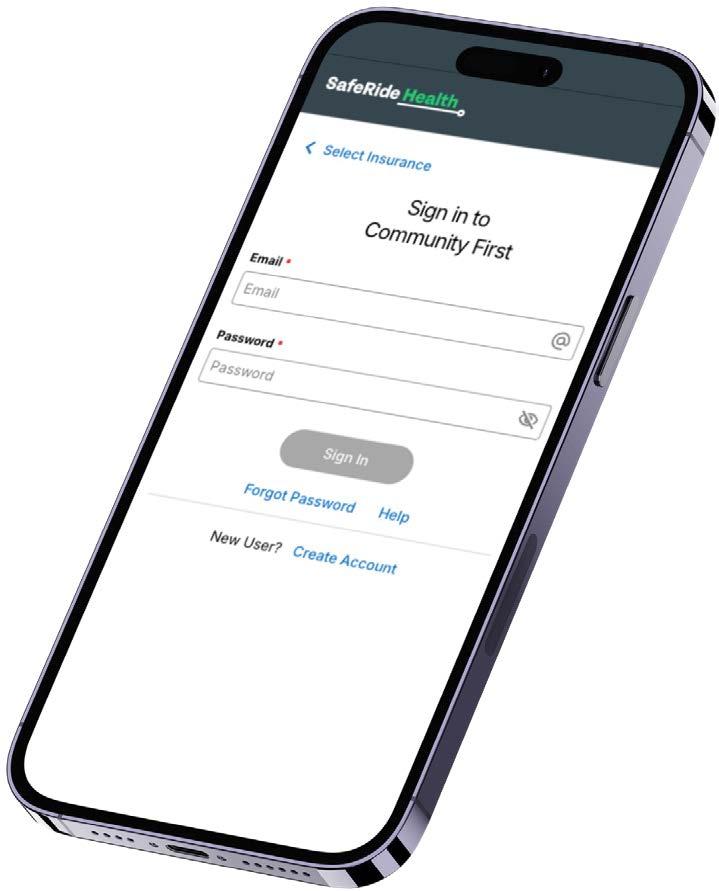
Providers can help Community First STAR, STAR Kids, STAR+PLUS and Medicare Advantage Members schedule non-emergency medical transportation (NEMT) through our transportation partner, SafeRide Health.
A Healthier Member Is Our Goal.
Schedule both routine and life-sustaining appointments for Community First patients through SafeRide. Here's how:
CALL SAFERIDE DIRECTLY
1-855-932-2335
Monday through Friday, from 8:00 a.m. to 6:00 p.m.
Call at least 48 hours before the Member's appointment.

Call 855-932-2335 to schedule rides for Members today! Ensure that Members have the right ride at the right time for an optimal transportation experience.
Discharge reservations/assistance available Monday through Friday, 4 a.m. to 8 p.m.
Trips do NOT include ambulance trips.
Available
Ride Modalities:
• Ambulatory, door-to-door, NEMT for Members who can walk while supported by a device and need assistance
• Wheelchair van for Members who rely on a wheelchair and need to remain in it during transport
When you call, please be ready to provide:
• Member's Medicaid or Medicare ID number
• Name, DOB, height/weight
• Appointment address, date, and time
• Additional passengers
• Medically necessary modality

D-SNP MODEL OF CARE (MOC) TRAINING
IMPORTANT: PROVIDERS MUST COMPLETE
The Centers for Medicare & Medicaid Services (CMS) requires all Providers who care for Community First Medicare Advantage D-SNP (HMO) Members to complete annual Model of Care (MOC) training and attest to its completion.
To meet the requirement, Community First Providers must complete our self-paced SNP MOC training course by December 31, 2025.
1. Complete Community First MOC Training online or on the Community First Provider Portal
2. Submit Your Attestation. Complete the attestation form confirming you've reviewed and understand the MOC key components and your Provider responsibilities. If attesting for a provider group, please also attach a list of providers and NPI numbers.
We thank you for your continued partnership and commitment to providing the best possible care. If you have questions or need assistance, please contact Community First at DL_governmentprograms@cfhp.com.

USE OF FIRST-LINE PSYCHOSOCIAL CARE FOR CHILDREN AND ADOLESCENTS ON ANTIPSYCHOTICS (APP)
Community First is committed to working with our Providers to improve the quality of care for our Members. This Provider Tip Sheet provides information about a Healthcare Effectiveness Data and Information Set (HEDIS®) measure concerning the importance of utilizing psychosocial interventions for children and adolescents (1-17 years of age) before considering antipsychotic medications.
Our goal is to ensure that safer first-line psychosocial interventions are utilized, and that children and adolescents do not unnecessarily incur the risks associated with antipsychotic medications.
HEDIS® Measure Description
The percentage of children and adolescents ages 1-17 who had a new prescription for an antipsychotic medication and had documentation of psychosocial care as their first-line treatment.
HEDIS® Best Practices
Psychosocial care, which includes behavioral interventions, psychological therapies, and skills training – among others – is the recommended first-line treatment option for children and adolescents diagnosed with non-psychotic conditions such as attention-deficit disorder and disruptive behaviors.
When prescribed, antipsychotic medications should be part of a comprehensive, multi-modal plan for coordinated treatment that includes psychosocial care.
Best practices for this population include the following actions:
> Schedule telehealth appointments for patients who have a new prescription for an antipsychotic medication and document psychosocial care as first-line treatment.
> Regularly review the ongoing need for continued therapy with antipsychotic medication.
> Monitor the patient closely for side effects.
> Establish a baseline and continuously monitor metabolic indices to ensure appropriate management of side effects.
> Educate and inform parents/guardians of the increased side effect burden of multiple concurrent antipsychotics on children’s health and the implications for future physical health concerns, including obesity and diabetes.
Exclusions
Exclude patients for whom first-line antipsychotic medications may be clinically appropriate, including those with at least one acute inpatient encounter or two outpatient encounters during the measurement year with a diagnosis of:
> Schizophrenia
> Schizoaffective disorder
> Bipolar disorder
> Psychotic disorder
> Autism
> Other developmental disorders
> Patients in hospice or using hospice services anytime during the measurement year










Appropriate Testing for Pharyngitis (CWP) & Avoidance of
Antibiotic Treatment for Acute Bronchitis/Bronchiolitis (AAB)
Community First is dedicated to improving the quality of care for our Members by providing essential information about two important Healthcare Effectiveness Data and Information Set (HEDIS®) measures: the avoidance of antibiotic treatment for acute bronchitis and acute bronchiolitis, and appropriate testing for pharyngitis.
AVOIDANCE OF ANTIBIOTIC TREATMENT FOR ACUTE BRONCHITIS/BRONCHIOLITIS (AAB).
Our goal is to ensure safer antibiotic use to reduce the incidence of antibiotic resistance. Current guidelines recommend against antibiotic treatment for acute bronchitis in adults who are otherwise healthy, while also recognizing antibiotics may be necessary in certain Members with an appropriate diagnosis to support antibiotic use.
HEDIS® MEASURE DESCRIPTION
The percentage of episodes for Members ages three months and older with a diagnosis of acute bronchitis/bronchiolitis that did not result in an antibiotic dispensing event.
BEST PRACTICES
At least 90% of acute bronchitis episodes are viral, hence, antibiotics may be unnecessary and result in adverse effects and contribute to antimicrobial resistance. A prospective observational study showed no difference in outcomes when antibiotics were prescribed
to patients with green or yellow sputum, indicating that this is not a useful indicator of bacterial infection.1 Multiple Cochrane reviews showed no benefit to using antibiotics for acute bronchitis in otherwise healthy individuals and those with delayed or no antibiotic treatment.2,3
Strategies to assist can include4,5:
• Address patient concerns in a compassionate manner.
• Discuss expected course of illness and cough duration (2 to 3 weeks).
• Describe the infection as a viral illness rather than bacterial or a “chest cold”.
• Explain that antibiotics do not improve symptoms and can lead to adverse effects and antibiotic resistance.
• Discuss the treatment plan and supportive therapy like over-the-counter medications.
APPROPRIATE TESTING FOR PHARYNGITIS (CWP)
Our goal is to ensure proper testing and treatment of pharyngitis to prevent the spread of sickness, while reducing the unnecessary use of antibiotics that can lead to adverse clinical outcomes such as Clostridium difficile infections and antibiotic resistance.
HEDIS® MEASURE DESCRIPTION
The percentage of episodes for Members three years and older where the Member was diagnosed with pharyngitis, dispensed an antibiotic, and received a group A streptococcus (strep) test for the episode.
BEST PRACTICES
The most common bacterial cause of acute pharyngitis is Group A streptococcal (GAS), which is responsible for 5-15% of sore throat visits in adults and 20-30% in children.6,7 Therefore, accurate diagnostic testing via rapid antigen detection test (RADT) and/ or culture should be performed since most
clinical features do not discriminate between GAS and viral pharyngitis.6 Common respiratory virus causes include adenovirus, rhinovirus, and respiratory syncytial virus.7 Appropriate antimicrobial therapy is imperative as well to prevent the progression to more severe complications and transmission to close contacts of the patient.
1. Butler, C.C. et al. (2011) ‘Antibiotic prescribing for discoloured sputum in acute cough/lower respiratory tract infection’, European Respiratory Journal, 38(1), pp. 119–125. doi:10.1183/09031936.00133910.
2. Smith, S.M. et al. (2014) ‘Antibiotics for acute bronchitis’, Cochrane Database of Systematic Reviews [Preprint]. doi:10.1002/14651858.cd000245.pub3.
3. Spurling, G.K. et al. (2013) ‘Delayed antibiotics for respiratory infections’, Cochrane Database of Systematic Reviews [Preprint]. doi:10.1002/14651858.cd004417.pub4.
4. Kinkade S. et al. (2016) ‘Acute bronchitis.’ Am Fam Physician. 94(7), pp. 560–565. PMID: 27929206.
5. Albert R.H. (2010) ‘Diagnosis and treatment of acute bronchitis.” Am Fam Physician. 82(11), pp. 1345–50. PMID: 21121518.
6. Shulman, S.T. et al. (2012) ‘Clinical practice guideline for the diagnosis and management of Group A streptococcal pharyngitis: 2012 update by the Infectious Diseases Society of America’, Clinical Infectious Diseases, 55(10). doi:10.1093/cid/cis629.
7. Clinical guidance for Group A streptococcal pharyngitis (2022) Centers for Disease Control and Prevention. Available at: https://www.cdc.gov/group-a-strep/hcp/ clinical-guidance/strep-throat.html (Accessed: 30 August 2024).
STAR KIDS & STAR+PLUS ANNUAL ASSESSMENTS
YOUR ENCOURAGEMENT AND SUPPORT MAKE SERVICE COORDINATION EFFECTIVE & POSSIBLE
At Community First, we tell our Members that our Service Coordinators are helpers and guides whose job it is to make sure that they get the services and support they need. We emphasize that Service Coordinators do not replace their doctor, but rather work with them, their family, and their health care team to create an individual plan for their health and well-being. This level of support is only possible when STAR+PLUS and STAR Kids Members complete their annual assessment with their assigned Service Coordinator.
WE NEED YOUR SUPPORT
By encouraging STAR+PLUS and STAR Kids Members to complete their annual assessment with their Service Coordinator, we can:
• Prevent gaps in care.
• Reduce unplanned hospital visits.
• Build stronger, more personalized care plans.
KEY INFORMATION
The annual assessment is a tool that:
• Is completed once a year, or when there is a significant change in health, caregiver support, or daily functioning.
• Requires participation of both the Member and their Legally Authorized Representative (LAR).
• Must be completed in the Member’s home and may take up to four hours (excluding STAR+PLUS Level 3 Members).
STAR KIDS SCREENING AND ASSESSMENT INSTRUMENT (SAI)
For STAR Kids, the annual assessment is called the Texas STAR Kids Screening and Assessment Instrument (SAI). It asks questions about the child’s health (physical and mental), daily activities, home life, and personal preferences and goals. This assessment is important because it:
• Decides if a child qualifies for Long-Term Services and Supports (LTSS).
• Helps make sure the right services are in place.
• Prevents gaps in care and unnecessary hospital visits.
• Strengthens care plans created by Providers.
WHY IT MATTERS FOR ALL PATIENTS
Every assessment will lead to an Individual Service Plan (ISP), which:
• Outlines services that support health and independence.
• Connects Members with community resources and long-term supports.
• Reflects the goals that matter most to the individual and their family.
HOW TO PREPARE
Assisting Members with the following information ahead of time ensures the assessment is complete and effective:
• Medication lists
• Treatment history and diagnoses
• Information on current doctors, specialists, and services
• Dates of wellness exams or recent hospital visits
• Any school or special education documents that may help
AFTER THE ASSESSMENT
The Service Coordinator will review the completed plan with the Member and their LAR. Families can request changes, and final documents will be shared with Providers through the Community First Provider Portal.
Together, we can build more STABILITY, INDEPENDENCE, and CONFIDENCE for every Member. Your partnership makes this possible, and it makes a real difference.
Community First Announces Partnership with


Community First is happy to announce a partnership with Progeny Health, a company which specializes in Neonatal Care Management Services. This is an exciting opportunity. ProgenyHealth’s care management program will enhance services to our STAR Members and support our mission to make a lasting difference in our Members’ lives by improving their health and well-being.
Under the agreement that began October 1, 2025, ProgenyHealth’s Neonatologists, Pediatricians, and Neonatal Nurse Care Managers now work closely with Community First STAR Members, as well as attending physicians and nurses, to promote healthy outcomes for Community First premature and medically complex newborns.
The benefits of this partnership to you:
• The support of a team who understands the complexity and stress of managing infants in the NICU and will work with you to achieve the best possible outcomes.
• A collaborative and proactive approach to care management that supports timely and safe discharge to home.
• A company that believes in sharing best practices and works with NICUs nationwide to improve the health outcomes of our next generation.
Families will have a dedicated case manager who will give support and education to STAR Members in the program, and access to an “on-call” staff member available 24/7. For our hospitals, ProgenyHealth will serve as a liaison for Community First, providing inpatient review services and assisting with the discharge planning process to ensure a smooth transition to the home setting.
Your process for notifying Community First of infants admitted to a NICU or special care nursery remains the same. Community First will notify ProgenyHealth of admissions, and their clinical staff will contact your designated staff to perform utilization management and discharge planning throughout the inpatient stay.
If you wish to learn more about ProgenyHealth’s programs and services, visit progenyhealth.com. Thank you for your partnership in caring for Community First Members.
Resources:
ProgenyHealth Neonatal Care Management – FAQ
ProgenyHealth NICU Care Management – Flyer
The Results Are In! Community First Puts Our Members First
The National Committee for Quality Assurance (NCQA) defines the Quality Improvement Plan (QIP) as “a comprehensive document, or a set of interconnected documents, that describes, in plain language, the QI program’s governance, the scope, measurable objectives, structure and responsibilities.” The annual evaluation of the Community First Health Plans, Inc. and Community First Insurance Plans (Community First) Quality Improvement Plan (QIP) revealed improvement in key areas. The annual evaluation results help in identifying quality activities for the following year. This helps Community First move toward our goal of continuous and comprehensive pursuit of opportunities for improvement, problem resolution and delivery of the highest quality health care and services, in a safe manner.
Highlights of this year’s QIP evaluation include:
> Community First significantly broadened its communication channels with Members by launching a new SMS platform, enabling timely and convenient text-based updates, reminders, and alerts. In addition, enhancements to the Member Portal improved user experience, allowing Members to more easily access information. These efforts reflect Community First’s ongoing commitment to accessibility, transparency, and Member engagement.
> The organization implemented a company-wide Health Equity strategy aimed at identifying and addressing health disparities across the communities it serves. This comprehensive approach involves analyzing data to uncover gaps in care, developing targeted programs to support underserved populations, and ensuring
that policies, practices, and partnerships reflect a commitment to equitable health outcomes. By integrating equity into every level of decisionmaking, the strategy promotes inclusive access to healthcare services, cultural competency among staff, and long-term improvements in community well-being.
> The annual Consumer Assessment of Healthcare Providers and Systems (CAHPS®) Member satisfaction surveys revealed Members are satisfied with Community First.
• Medicaid Child respondents rated Overall Satisfaction with the Health Plan at the 75th percentile nationally, Health Care at the 95th percentile nationally, and the Overall Rating of Personal Doctor at the 67th percentile nationally.
• Medicaid Adult respondents rated Overall Satisfaction with the Health Plan at the 75th percentile nationally, Health Care at the 95th percentile nationally, and the Overall Rating of Personal Doctor at the 75th percentile nationally.
• Commercial Adults respondents rated Overall Satisfaction with the Health Plan at the 75th percentile nationally, Health Care at the 50th percentile nationally, and the Overall Rating of Personal Doctor at the 75th percentile nationally.
> The Qualified Health Plan (QHP) Enrollee Experience Survey for the Marketplace/Exchange line of business survey results indicated that Members are satisfied with Community First.
• Marketplace/Exchange respondents rated Overall Satisfaction with the Health Plan, Specialist Seen Most Often, and Health Care at the 99th percentile. Overall Rating of Personal Doctor was rated at the 97th percentile compared to Press Ganey Book of Business (BoB).
> Providers surveyed indicated satisfaction with Community First above the 70th percentile in:
• Overall Satisfaction with Community First
• How does Community First compare to three other health plans in the service delivery area
• Health Plan Call Center Staff
• Utilization and Quality Management Opportunities identified and key goals for the future include:
> Submit the application for the NCQA Health Equity and Health Equity Plus Accreditation.
> Continue to grow membership to include Medicare Advantage (HMO) and Marketplace Exclusive Provider Organization (EPO) lines of business.
You can learn more details about Community First's performance on measures of clinical care and Member satisfaction by viewing the Measurement Year 2024 Healthcare Effectiveness Data and Information Set (HEDIS)®, 2025 Consumer Assessment of Healthcare Providers and Systems (CAHPS), and QHP summary in this newsletter.
Effectiveness of Care: Healthcare Effectiveness Data and Information Set (HEDIS®)
Healthcare Effectiveness Data and Information Set (HEDIS) is a tool used by more than 90 percent of American’s health plans to assess performance on a comprehensive set of standardized performance measures of important health care interventions and outcomes. The measures are designed to assist purchasers and consumers in comparing the performance of different health plans.
The current HEDIS set addresses preventive services, chronic disease management, behavioral health care, appropriateness/overuse of services and value (i.e., diabetes, asthma, heart disease, behavioral health and patient satisfaction). HEDIS measures include, but are not limited to:
> Childhood and adolescent immunizations
> Prenatal and postpartum care
> Follow-up care for children prescribed ADHD medication – initiation phase
> Follow-up after hospitalization for mental illness within 7 days
> Appropriate treatment for children with upper respiratory infection
> Controlling high blood pressure for patients with diabetes
> Eye exam for patients with diabetes
> Controlling high blood pressure
> Breast and cervical cancer screening
Physicians are increasingly participating in performance measurement activities, especially in the context of pay-for-performance initiatives that are taking shape across the country. As such, Community First focused on quality-of-care metrics for the STAR, CHIP and STAR Kids programs which were closely aligned to State quality metrics, such as immunizations for children, prenatal and postpartum care, follow up after hospitalization for mental illness within 7 days, and follow up care for children prescribed ADHD medication – initiation phase.
Healthcare Effectiveness Data and Information Set (HEDIS)
Effectiveness of Care Measures
Effectiveness of Care measures focus on the quality of care Members received in the previous year. Measures are compiled using claims and medical record information.
The chart below lists key areas where Community First scored in the 50th to 90th percentile of the National Committee of Quality Assurance (NCQA) when compared to all the health plans in the United States that submitted HEDIS data in Measurement Year 2024. Quality measures for the Medicaid and CHIP membership focused on well-child and adolescent visits and prenatal care. Some of these HEDIS measures were also used in the administration of the physician incentive program.
Community First Measurement Year 2024 HEDIS® Effectiveness of Care Strengths STAR, STAR Kids, CHIP
(URI) (Total)
7
Weight Assessment and Counseling for Nutrition and Physical Activity for Children/Adolescents (WCC) BMI percentile (Total)
Community First Measurement Year 2024
HEDIS® Effectiveness of Care Strengths Commercial
(URI) (Total)
Community First Measurement Year 2024
HEDIS® Effectiveness of Care Strengths Marketplace
Community First Measurement Year 2024
HEDIS® Effectiveness of Care Strengths Medicare
Community First 2025 CAHPS and QHP/Enrollee Survey – Member Satisfaction
The Consumer Assessment of Healthcare Providers and Systems (CAHPS) is a survey of the Member experience. It measures satisfaction with care through a rating of four main categories: Health Plan; Healthcare Provided; Personal Doctor; and Specialist Care. These measures capture information which cannot be gathered through claims and medical record reviews. The Qualified Health Plan (QHP) Enrollee Experience Survey for the Marketplace/Exchange line of business includes all the questions in the core CAHPS® Medicaid Adults survey, plus additional questions added to collect needed data specific to this population.
The Community First goal for the 2025 survey was to reach and maintain the 90th percentile or higher as defined in NCQA’s current Quality Compass by incrementally moving the rate to the next percentile each year until the goal is reached (e.g., from the 25th percentile to the 33rd percentile). The table below provides a summary of the area of strength in Member satisfaction:

The goal for Community First is to continue to improve in its delivery of quality care and service, in a safe manner. We welcome recommendations from our Members, Physicians and other Providers.
2025 CAHPS and QHP/Enrollee Survey Member Satisfaction
Protecting Your Youngest Patients from the Flu
Primary Care Providers: We Need Your Assistance
Community First is offering PCPs $50 for Medicaid patients who receives the 1st and 2nd dose of the influenza vaccine before age 2. This incentive, effective August 1, 2025, aims to support your practice while ensuring your youngest patients are protected.
Influenza is a serious illness that can lead to hospitalization, complications, or even death in young children. Community First is seeking your support to ensure that all eligible children aged 6 to 24 months receive two doses of the flu vaccine for their safety during flu season.
Influenza Vaccine for Children
• Who’s eligible?
Medicaid enrolled children aged 6 months to 24 months who need the 1st and/or 2nd dose of the influenza vaccine effective August 1, 2025.
How to Participate & Claim Your Incentive
• Schedule Appointments & Administer Doses
Schedule flu vaccination appointments for children aged 6 to 24 months for both doses.
• Submit Claims
After the 2nd dose is administered, submit your claim for the financial incentive of $50.
• Coding Claims
» CPT Code for Influenza Vaccine (for children 6 months through 24 months)
Influenza Vaccine Procedure CPT Code 90655, 90656, 90657, 90658, 90660, 90661, 90672, 90674, 90685, 90686, 90687, 90688, 90689, 90756
ICD-10 Code Z23
Use appropriate modifiers based on TMHP guidelines.
» To support accurate HEDIS reporting and ensure appropriate flu vaccine exclusions, please report the following:
Condition: Anaphylaxis due to the influenza vaccine
SNOMED CT Code: 471361000124100
— Time: Must occur on or before the child’s 2nd birthday
• Get Paid!
Once your 2nd dose claim is adjudicated, you’ll receive $50 per patient who receives both doses of the vaccine before age 2 on a quarterly basis.
Effective Approaches for Vaccine Compliance
Use EHR alerts and send reminders for due/overdue vaccines
Follow up on missed appointments
Reach out to high-risk or underserved patients that qualify for the vaccine within the age range
Review vaccine status at every visit (sick or well) and offer vaccines whenever possible
Address hesitancy with clear, culturally appropriate information
Train staff to answer vaccine questions confidently
Track clinic immunization rates and share with staff
Let’s
work together to keep kids healthy during flu season!
Community First can provide your practice access to a list of patients that have gaps in care for influenza. For more information, please contact Viji Ulaganathan at vulaganathan@cfhp.com or Gabriella Kouremetis at gkouremetis@cfhp.com
Questions? Call Provider Services at 210-358-6030.
To support performance improvement, Provider Tip Sheets for HEDIS and PPE measures are available. These resources include coding guidance, documentation tips, and best practices to help close care gaps and improve measure compliance. Scan the QR code or log in to the Community First Provider Portal to access these valuable tools and support materials.
2026 MEDICAID & CHIP PROVIDER INCENTIVE PROGRAMS
Community First is committed to improving the health of our Members by supporting access to high-quality, cost-effective health care. As such, Community First will continue to provide value-based performance incentives for Medicaid and CHIP Providers to improve quality and close care gaps for our Members.
Medicaid/CHIP PCP Incentive Program
Below is a description of Community First’s Incentive/Level 2 Alternative Payment Program beginning January 1, 2026 for Primary Care Providers (PCPs).
The Medicaid and CHIP programs afford Providers/Groups the potential to earn an additional $4.00 (CHIP), $5.00 (STAR), $15.00 (STAR Kids), and $8.00 (STAR+PLUS), per Member per month (pmpm), respectively.**
Participation Eligibility
Participation eligibility is evaluated on a quarterly basis:
• CHIP Program: PCPs (or PCP Group) in good standing who have a CHIP panel size of 100 or more and Member satisfaction*
• STAR Program: PCPs (or PCP Group) in good standing who have a STAR panel size of 100 or more and Member satisfaction*
• STAR Kids Program: PCPs (or PCP Group) in good standing who have a STAR Kids panel size of 100 or more and Member satisfaction*
• STAR+PLUS Program: PCPs (or PCP Group) in good standing who have a STAR+PLUS panel size of 100 or more and Member satisfaction*
Program Description
In addition to the above-stated “Participation Eligibility,” incentive rewards for each line of business are based on an accumulation of points on individual line of business metrics. There are four (4) metrics for CHIP, five (5) metrics for STAR, four (4) metrics for STAR Kids, and five (5) metrics for STAR+PLUS.
Financial rewards will be distributed quarterly through this program, with payments commencing 90 days after the close of each quarter.
Please note: When calculating points earned for the Community First quality incentive, metrics with low volume will be marked as non-applicable for that quarter. In addition, if the performance in any given quarter led to an accumulation of negative points, this will be adjusted against the overall quarterly points accumulation. This may result in a reduction or no incentive payouts.
2026 MEDICAID & CHIP PROVIDER INCENTIVE PROGRAMS
Incentive Program Measures
1. ADD: Follow up on ADHD Medication - Initiation
2. APP: Use of First-Line Psychosocial Care
3. CBP: Controlling High Blood Pressure
4. CCS-E: Cervical Cancer Screening
5. CIS: Childhood Immunization - Combo 10
6. IMA: Immunization for Adolescents
7. PCMH: Patient Centered Medical Home
8. PPA: Potentially Preventable Admissions
9. PPR: Potentially Preventable Readmissions
10. PPV: Potentially Preventable Visits
11. URI: Appropriate Treatment for Children with Upper Respiratory Infection
Medicaid Prenatal and Postpartum Provider Incentive Program
Below is a description of Community First’s Incentive/Level 2 Alternative Payment Program beginning January 1, 2026 for prenatal and postpartum care Providers based on HEDIS® technical specifications and the provision of services.
Prenatal/postpartum care Providers can be awarded up to $70.00 per STAR Member in addition to regular fees for service reimbursement.**
Timeliness of Prenatal Care -
$30.00 per Initial Visit Only
Providers that provide timely initial prenatal care visits as defined by HEDIS® (Initial prenatal care visit as a Member of this health plan in the first trimester, on the enrollment start date or within 42 days of enrollment in the Health Plan) to STAR Members will receive $30.00 in addition to the contracted fee for service payment for rendered services. A valid claim must include appropriate CPT/ICD-10 Codes and any necessary modifiers. In addition, the qualifying 10-digit Provider NPI and taxonomy of the rendering Provider must be on the claim.
Postpartum Care -
$40.00 per STAR Member
Providers that provide postpartum care as defined by HEDIS® (postpartum visit on or between 7 and 84 days after delivery) will receive $40.00 for Community First STAR postpartum Members with verified eligibility on the service date in addition to the contracted payment for services rendered. A valid claim must include appropriate CPT/ICD-10 Codes and any necessary modifiers. The rendering Provider’s qualifying taxonomy and 10-digit NPI must be on the claim.
2026 MEDICAID & CHIP PROVIDER INCENTIVE PROGRAMS
Medicaid Mental Health Care Providers Incentive Program
Below is a description of Community First’s Incentive/Level 2 Alternative Payment Program beginning January 1, 2026 for Mental Health Care Providers and other qualifying Providers based on HEDIS® technical specifications and the provision of services.
Mental Health Care Providers and other qualifying Providers*** can be awarded up to $100.00 for each 7-day Follow-Up After Hospitalization for Mental Illness (FUH) for STAR, STAR Kids and STAR+PLUS Members, in addition to regular fees for service reimbursement.
Follow-Up After Hospitalization for Mental Illness (FUH)
Providers that provide 7-day Follow-Up After Hospitalization for Mental Illness (FUH) care as defined by HEDIS® (Follow-Up After Hospitalization for Mental Illness within 7 days after discharge but excluding on the date of discharge) will receive $100.00 for STAR, STAR Kids, and STAR+PLUS Members with verified eligibility on the date of service in addition to the contracted payment for
rendered services.** A valid claim must include appropriate CPT/ICD-10 Codes and any necessary modifiers. The rendering Provider’s qualifying taxonomy and 10-digit NPI must be on the claim. Your efforts toward this measure reduce readmission rates and enhance mental health outcomes. Thank you for prioritizing patient care during a vulnerable time in your patient's life.
We encourage you to participate in all Community First Incentive Programs. If you have any questions about these programs, please contact Narkunan Kesavaram at nkesavaram@cfhp.com or 210-358-6268.
Please note: The Community First Provider Incentive program is designed to align with the state’s P4Q Metrics and quality metrics. If there is an extraordinary circumstance (i.e., pandemic, changes to the P4Q metrics by HHSC, etc.), Community First reserves the right to update the Provider Incentive Program.
*Member satisfaction will be evaluated quarterly and assessed through the number of times a PCP switch occurs due to a Member’s “dissatisfaction with the PCP and/or office staff.” This rate will be no more than five (5) Members per 1,000 Member months during the previous rolling twelve (12) month period.
** Financial rewards will be distributed quarterly through this program, with payments commencing 90 days after the close of each quarter.
*** Follow-up visit must meet FUH HEDIS technical specifications.

COMMUNITY FIRST PROVIDER PORTAL
HOW OUR PORTAL STREAMLINES CLAIMS MANAGEMENT & MORE
Create an account or log in now to begin using the benefits and features of the Community First Provider Portal, a secure resource designed to simplify prior authorization processes, claims management, and increase collaboration and care coordination.
Provider Portal Features:
• Submit claims and claim appeal requests
• Search claims, check status, and view the EOP
• Confirm membership and verify coverage
• Submit authorization requests
• View authorization approvals, denials, and other documents
• Receive Community First and HHSC news alerts
• View the SK-SAI (STAR Kids Screening and Assessment Instrument) for STAR Kids patients
• View the SK-ISP (STAR Kids Individual Service Plan) for STAR Kids patients to stay informed of identified needs
Questions? Portal users can find step-by-step guides and register for additional portal training under the Quick Access menu.
Scan the QR code to log in or register for a free account.
NOTES:
NOTES:
Non-Discrimination Notice Aviso sobre no discriminación
Community First Health Plans, Inc. and Community First Insurance Plans (Community First) comply with applicable federal civil rights laws and do not discriminate on the basis of race, color, national origin, age, disability, sex, gender identity, or sexual orientation. Community First does not exclude people or treat them differently because of race, color, national origin, age, disability, sex, gender identity, or sexual orientation.
Community First provides free aids and services to people with disabilities to communicate effectively with our organization, such as:
Qualified sign language interpreters
Written information in other formats (large print, audio, accessible electronic formats, and other formats)
Community First also provides free language services to people whose primary language is not English, such as:
Qualified interpreters
Information written in other languages
If you need these services, please contact Community First Member Services at the number on the back of your Member ID card or 1-800-434-2347. If you’re deaf or hard of hearing, please call 711.
If you feel that Community First failed to provide these services or discriminated in another way on the basis of race, color, national origin, age, disability, sex, gender identity, or sexual orientation, you can file a complaint with Community First by phone, fax, or email at:
Community First Compliance Coordinator
Phone: 210-227-2347 | TTY: 711
Fax: 210-358-6014
Email: DL_CFHP_Regulatory@cfhp.com
If you need help filing a complaint, Community First is available to help you. If you wish to file a complaint regarding claims, eligibility, or authorization, please contact Community First Member Services at 1-800-434-2347.
You can also file a civil rights complaint with the U.S. Department of Health and Human Services, Office for Civil Rights, electronically through the Office for Civil Rights Complaint Portal, available at: https://ocrportal.hhs.gov/ocr/portal/lobby.jsf.
You may also file a complaint by mail or phone at:
U.S. Department of Health and Human Services 200 Independence Avenue, SW Room 509F, HHH Building Washington, D.C. 20201
Phone: 1-800-368-1019 | TTY: 1-800-537-7697
Complaint forms are available at: https://www.hhs.gov/civil-rights/filing-a-complaint/complaintprocess/index.html
Community First Health Plans, Inc. (Community First) y Community First Insurance Plans cumplen con las leyes federales de derechos civiles aplicables y no discriminan por motivos de raza, color, nacionalidad, edad, discapacidad, sexo, identidad de género, u orientación sexual. Community First no excluye o trata de manera diferente a las personas debido a su raza, color, nacionalidad, edad, discapacidad, sexo, identidad de género, u orientación sexual.
Community First proporciona asistencia y servicios gratuitos a personas con discapacidades para comunicarse efectivamente con nuestra organización, como:
Intérpretes calificados de lenguaje de señas Información escrita en otros formatos (letra grande, audio, formatos electrónicos accesibles, y otros formatos)
Community First también ofrece servicios gratuitos lingüísticos a personas cuyo idioma principal no es el inglés, como:
Intérpretes calificados Información escrita en otros idiomas
Si usted necesita recibir estos servicios, comuníquese al Departamento de Servicios para Miembros de Community First al 1-800-434-2347. TTY (para personas con problemas auditivos) al 711.
Si usted cree que Community First no proporcionó servicios lingüísticos gratuitos o se siente que fue discriminado/a de otra manera por motivos de su raza, color, nacionalidad, edad, discapacidad, sexo, identidad de género, u orientación sexual, usted puede comunicarse con Community First por teléfono, fax, o correo electrónico a:
Community First Compliance Coordinator
Teléfono: 210-227-2347 | Línea de TTY gratuita: 711 Fax: 210-358-6014
Correo electrónico: DL_CFHP_Regulatory@cfhp.com
Si usted necesita ayuda para presentar una queja, Community First está disponible para ayudarlo. Si usted desea presentar una queja sobre reclamos, elegibilidad o autorización, comuníquese con Servicios para Miembros de Community First llamando al 1-800-434-2347.
Usted también puede presentar una queja de derechos civiles ante el departamento de salud y servicios humanos de los Estados Unidos de manera electrónica a través del portal de quejas de derechos civiles, disponible en: https://ocrportal.hhs.gov/ocr/portal/lobby.jsf También puede presentar una queja por correo o por teléfono al: U.S. Department of Health and Human Services
200 Independence Avenue, SW, Room 509F, HHH Building Washington, D.C. 20201
Teléfono: 1-800-368-1019 | Línea de TTY gratuita: 1-800-537-7697
Los formularios de queja están disponibles en:
https://www.hhs.gov/civil-rights/filing-a-complaint/complaintprocess/index.html
Language Assistance
ENGLISH: ATTENTION: Free language assistance services are available to you. Call 1-800-434-2347 (TTY: 711).
SPANISH: ATENCIÓN: Si habla español, usted tiene a su disposición servicios gratuitos de asistencia lingüística. Llame al 1-800-434-2347 (TTY: 711).
VIETNAMESE: CHÚ Ý: Nếu bạn nói Tiếng Việt, có các dịch vụ hỗ trợ ngôn ngữ miễn phí dành cho bạn. Gọi số 1-800-434-2347 (TTY: 711).
CHINESE::注意:如果您使用繁體中文,您可以免費獲得語言援助服務.請致電 1-800-434-2347 (TTY: 711).
KOREAN: 주의: 한국어를 사용하시는 경우, 언어 지원 서비스를 무료로 이용하실 수 있습니다. 1-800-434-2347 (TTY: 711)번으로 전화해 주십시오.
ARABIC: رق م 1-800-434-2347
(TTY: 711)
TAGALOG: PAUNAWA: Kung nagsasalita ka ng Tagalog, maaari kang gumamit ng mga serbisyo ng tulong sa wika nang walang bayad. Tumawag sa 1-800-434-2347 (TTY: 711).
FRENCH: ATTENTION: Si vous parlez français, des services d’aide linguistique vous sont proposés gratuitement. Appelez le 1-800-434-2347 (ATS: 711).
HINDI
PERSIAN
(TTY: 711)
(TTY: 711)
GERMAN: Wenn Sie Deutsch sprechen, stehen Ihnen kostenlos sprachliche Hilfsdienstleistungen zur Verfügung. Rufnummer: 1-800-434-2347 (TTY: 711).
GUJARATI
RUSSIAN:
(TTY: 711)
1-800-434-2347 (телетайп: 711).
JAPANESE:注意事項:日本語を話される場合,無料の言語支援をご利用いただけます. 1-800-434-2347 (TTY:711)まで、お電話にてご連絡ください.
LAOTIAN: ໂປດຊາບ:
1-800-434-2347 (TTY: 711).
As we celebrate our 30th anniversary, we honor our deep-rooted commitment to the health and well-being of our local community. Thank you for your partnership and for being a trusted partner in care.
Together we look forward to building a healthier future for all of us.