Columbia University
IN THE CITY OF NEW YORK
IN THE CITY OF NEW YORK
This is a place unlike any other.
A major research university on a historic campus in the City of New York. Where a renowned curriculum is fueled by an incredibly diverse community. It’s a place for the dreamers. For the changemakers. For the risk-takers. For those who seek to connect deeply and collaborate fully with others who are yearning to learn what’s next and what’s new.
Those who delight in discovery and the joy of asking, “Why?”
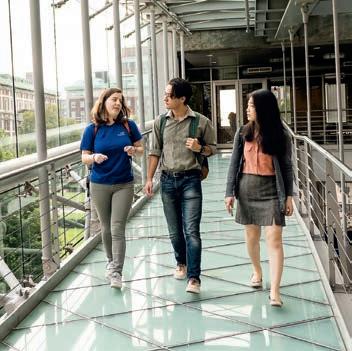
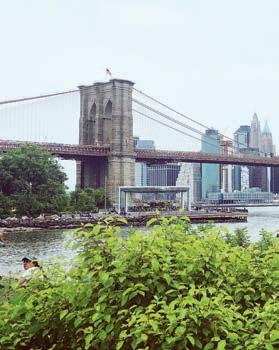
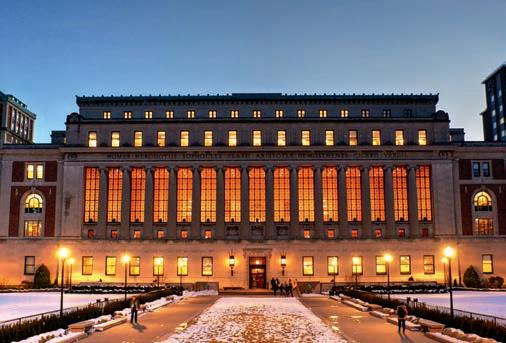
It’s where a groundbreaking Core Curriculum provides an unparalleled foundation for inquiry. Where a belief in Engineering for Humanity guides scientific advances that improve our collective vision. Where the Columbia College journey connects individuals to society, scholarship to leadership and ideas to action. Forever questing. Forever questioning. Forever curious.
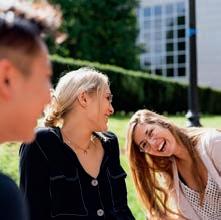
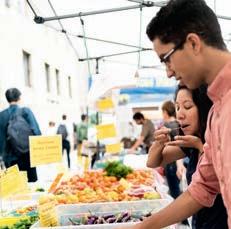
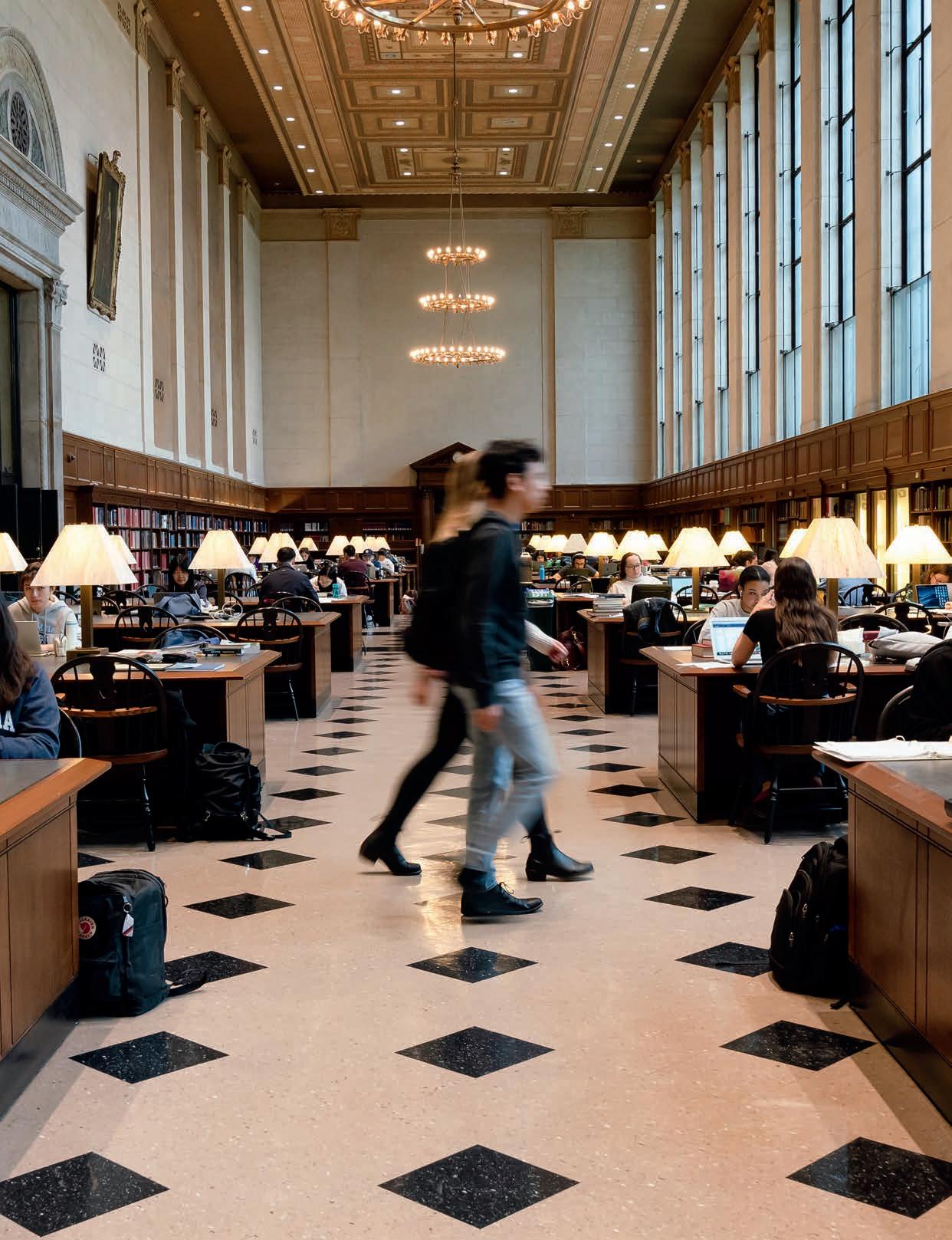
This is a place for the curious, and one thing is for certain: wondering and wandering go hand in hand. From your Core seminar to the Senior Design Expo. From volunteering at a youth literacy program to conducting research at Columbia University Irving Medical Center to studying abroad in Berlin. From the George Washington Bridge to Washington Heights to Washington, DC. A Columbia education is a foundation for learning, achieving and becoming that can take you to amazing places. How far will you go? Whose lives will you touch? We can’t wait to find out.
“Columbia Blue brought me to the intersection of artificial intelligence and human biology at Memorial Sloan Kettering Cancer Center, where I work with biologists and computer scientists to integrate computer vision models into cancer research.”
JAMES w. Dublin, CA
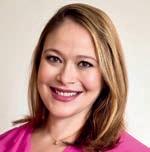
“At Columbia, I discovered my love and my passion for the theater. The Varsity Show was probably the most formative experience that I had at Columbia — the arts were a great way of bringing people together.”
Rita Pietropinto-Kitt (CC’93, SOA’96) Actor
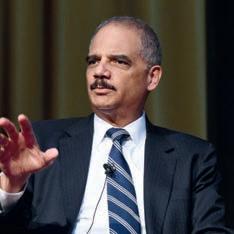
“Columbia taught me to think. To question. To care. It took me to Washington, DC, and a public-service career where I became the 82nd Attorney General of the United States.”
Eric H. Holder Jr. (CC’73, LAW ’76) 82nd Attorney General of the United States
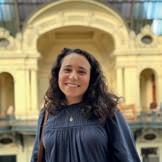
“Last summer, the Columbia Global Centers Santiago connected me with Servicio Jesuita a Migrantes Chile. I was able to learn more about the experiences of migrants in Chile and their place in the rewrite of the Chilean Constitution.”
Astrid L. Eden Prairie, MN
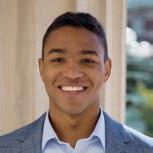
“In the space of two weeks, I was able to hear Angela Davis speak about prison reform and former Mayor Michael Nutter discuss his years of public service. I've been able to connect with so many incredible people because of Columbia.”
MARTIN H. Hockessin, DE
ia“In Professor Eugene Wu’s computer s cience lab, I’m researching how to automatically visualize changing animated or interactive data. I’m running user studies, submitting papers to conferences and doing work that will contribute to the academic community.”
JAKE F. New York, NY
“I am working in London this summer as a securities analyst at Goldman Sachs. Columbia has taught me quantitative skills and equipped me with a global outlook and appreciation for traveling the world as a means to educate myself and enrich my soul.”
Sophie B. Montreal, Canada
“I had the unbelievable chance to meet and conduct research with Nobel Laureate Joseph Stiglitz. Through his research mentorship, he taught me how to be a scientist. Through his outspokenness on inequity, he taught me how to stand up for what’s right.”
Elif M. Constanța, Romania
“Engineering is foundational — but engineering thinking alone is not sufficient. Columbia helped me connect my analytic skills to a broader set of cultural, aesthetic and ethical understandings. Effectively tying those together is one of the characteristics that sets Columbia engineers apart.”
SHAWn edwards (SEAS’9o,’95) Chief Technology Officer, Bloomberg
“When you pull into the subway station at 116th and Broadway, the sign says Columbia, the walls are light blue, and you get off and think, ‘This stop is mine.’”
Liz V. Scarsdale, NY Art History, English
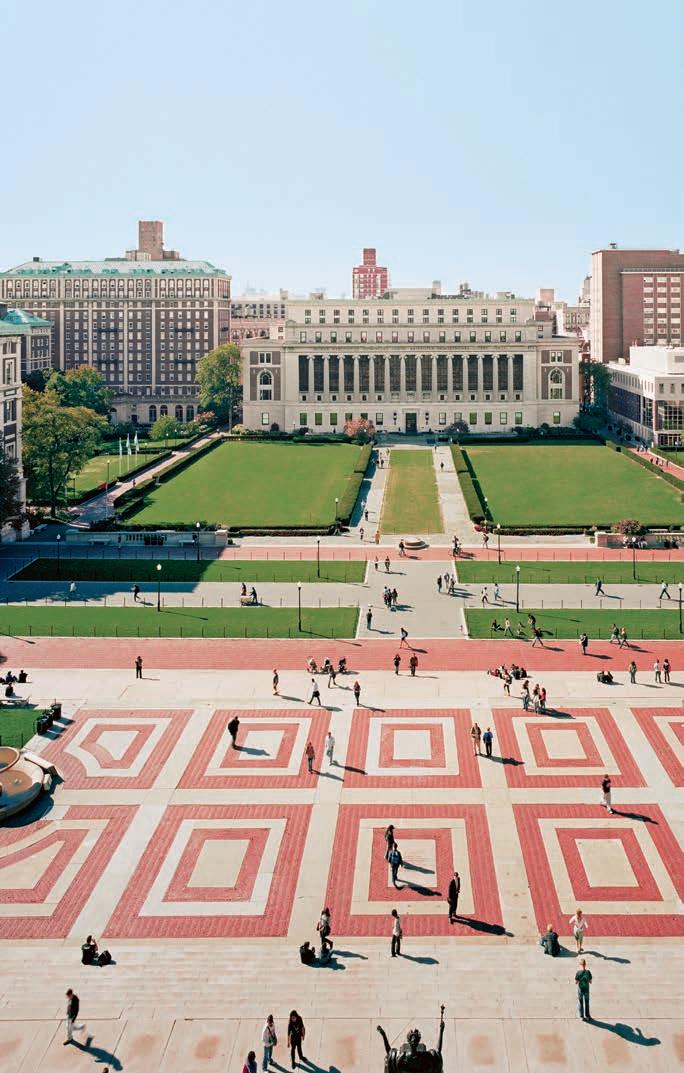
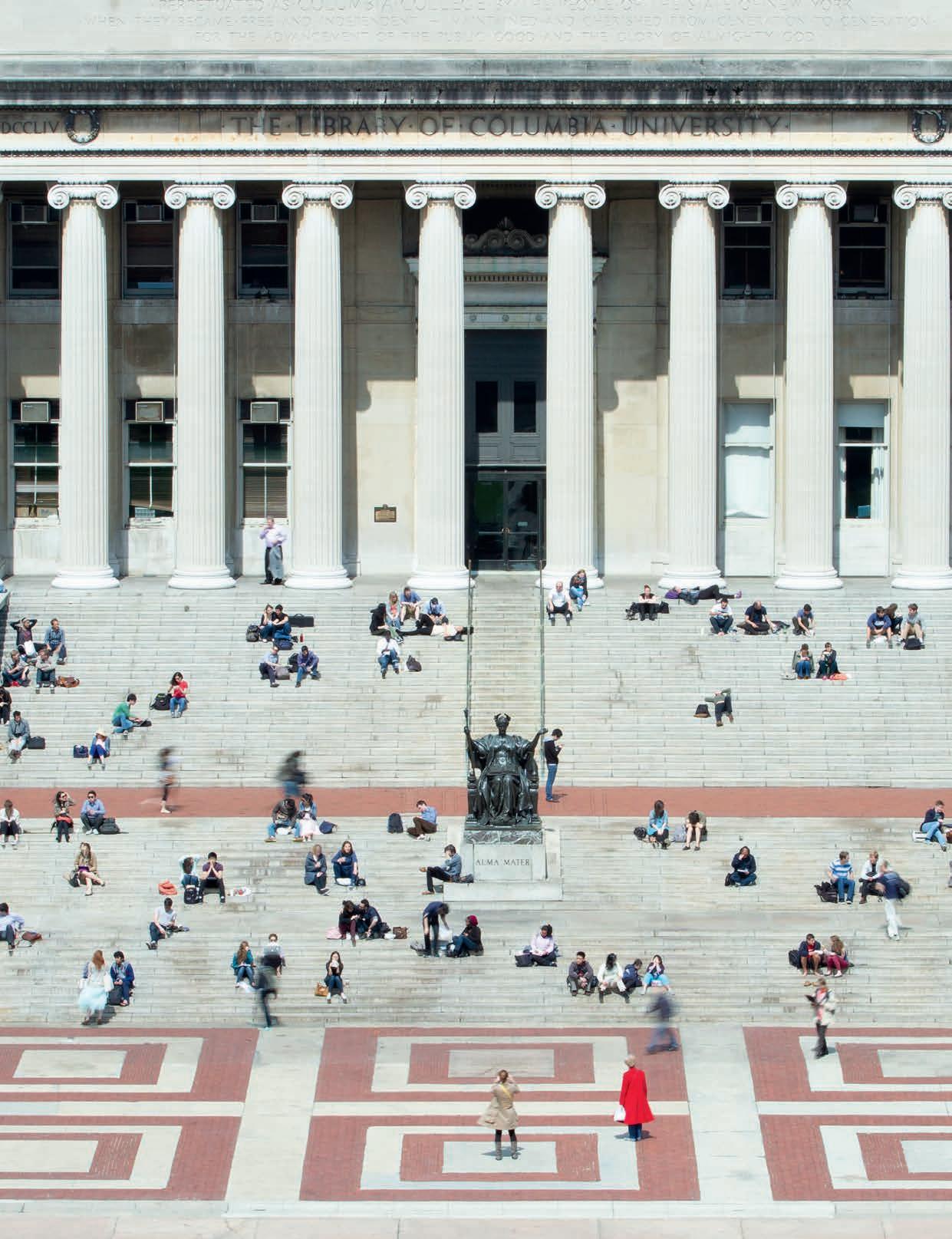
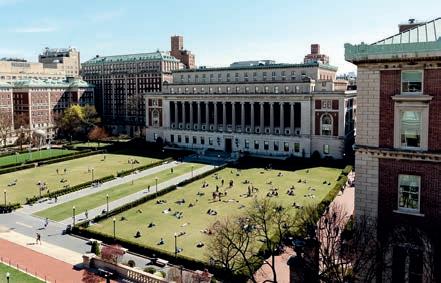
Between Broadway and Amsterdam, from 114th to 120th Streets, Columbia students find a place in which to find themselves. Nestled in the neighborhood of Morningside Heights, bordered by three parks, they discover an intimate campus that they can truly call home — both during their time here and long after they leave.
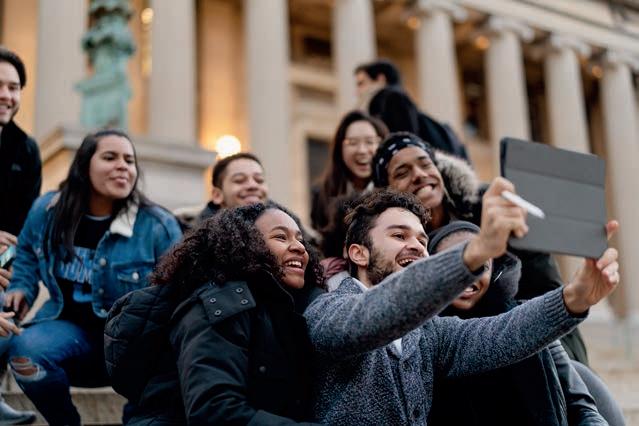
From brownstones and traditional residence halls to special living communities for students who share common interests, Columbia undergraduates make the most of the largest residential campus in Manhattan. Guaranteed housing for all four years provides ample time and opportunity to pursue passions, forge friendships and coalesce into a community that immediately feels like family — and to build a sense of belonging in the streets just beyond our gates.
50+
RESTAURANTS AND CAF É S IN MORNINGSIDE HEIGHTS
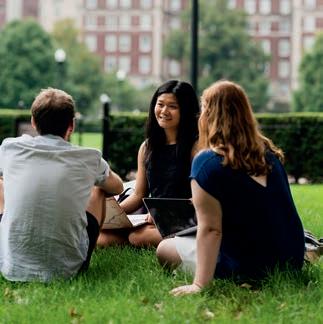
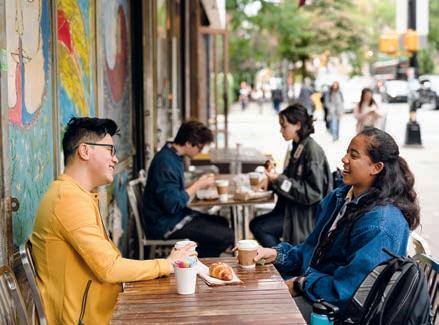
Full of green spaces, coffee shops, eclectic restaurants and great hangouts, Morningside Heights is a character-rich and culturally diverse environment with a friendly face on every corner — where in no time at all, “I’m here” gives way to “I’m home.” It’s a place where Columbia students become part of something larger, and where the rest of the world is only a short subway ride away.
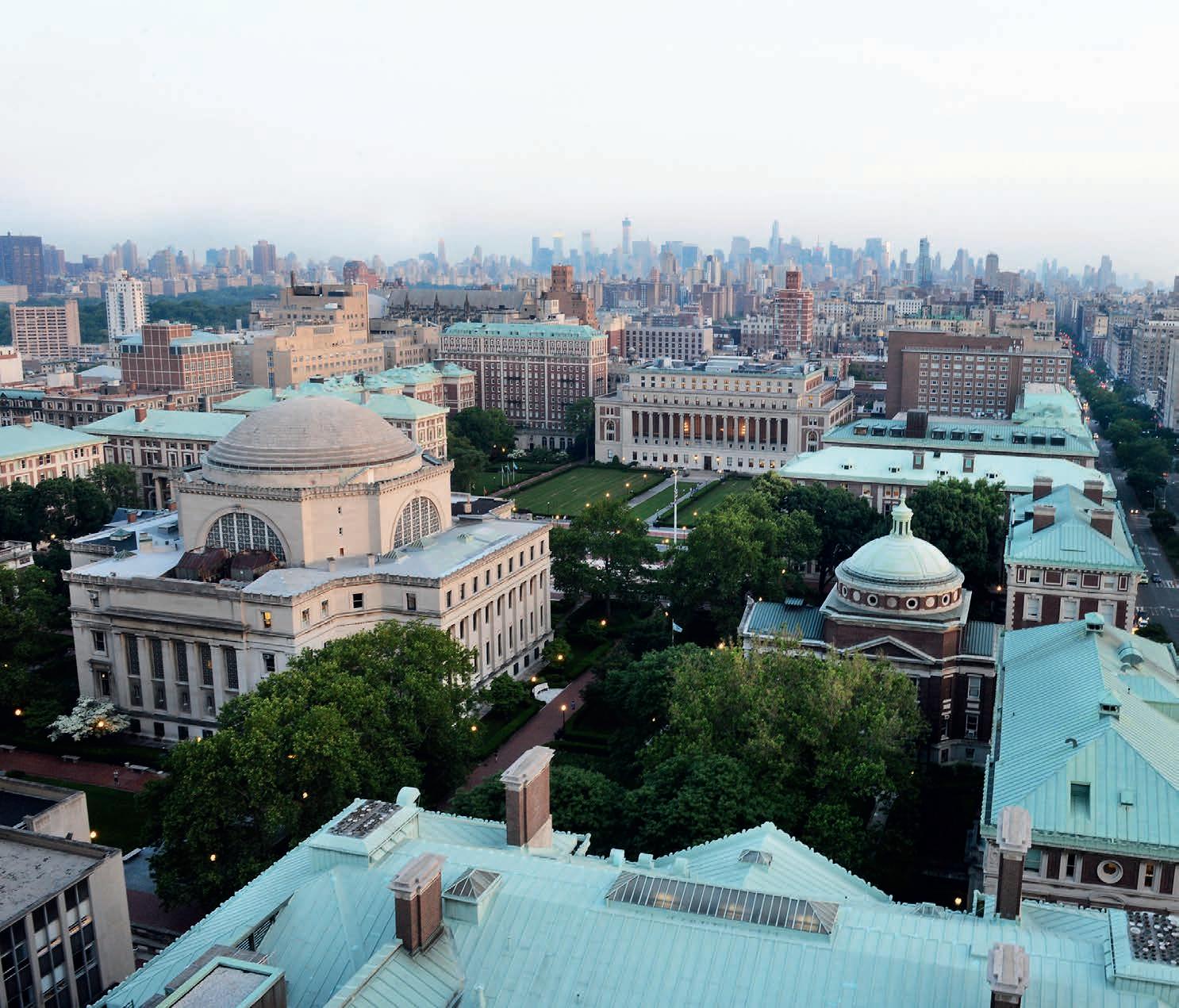
“Living as a student in New York has given me a greater sense of independence. I’ve grown not only as a student and a critical thinker, but as an adult, as well.”
Nkima S. Conyers, GA Neuroscience and Behavior
4
YEARS OF GUARANTEED HOUSING
A RENOWNED RESEARCH UNIVERSITY
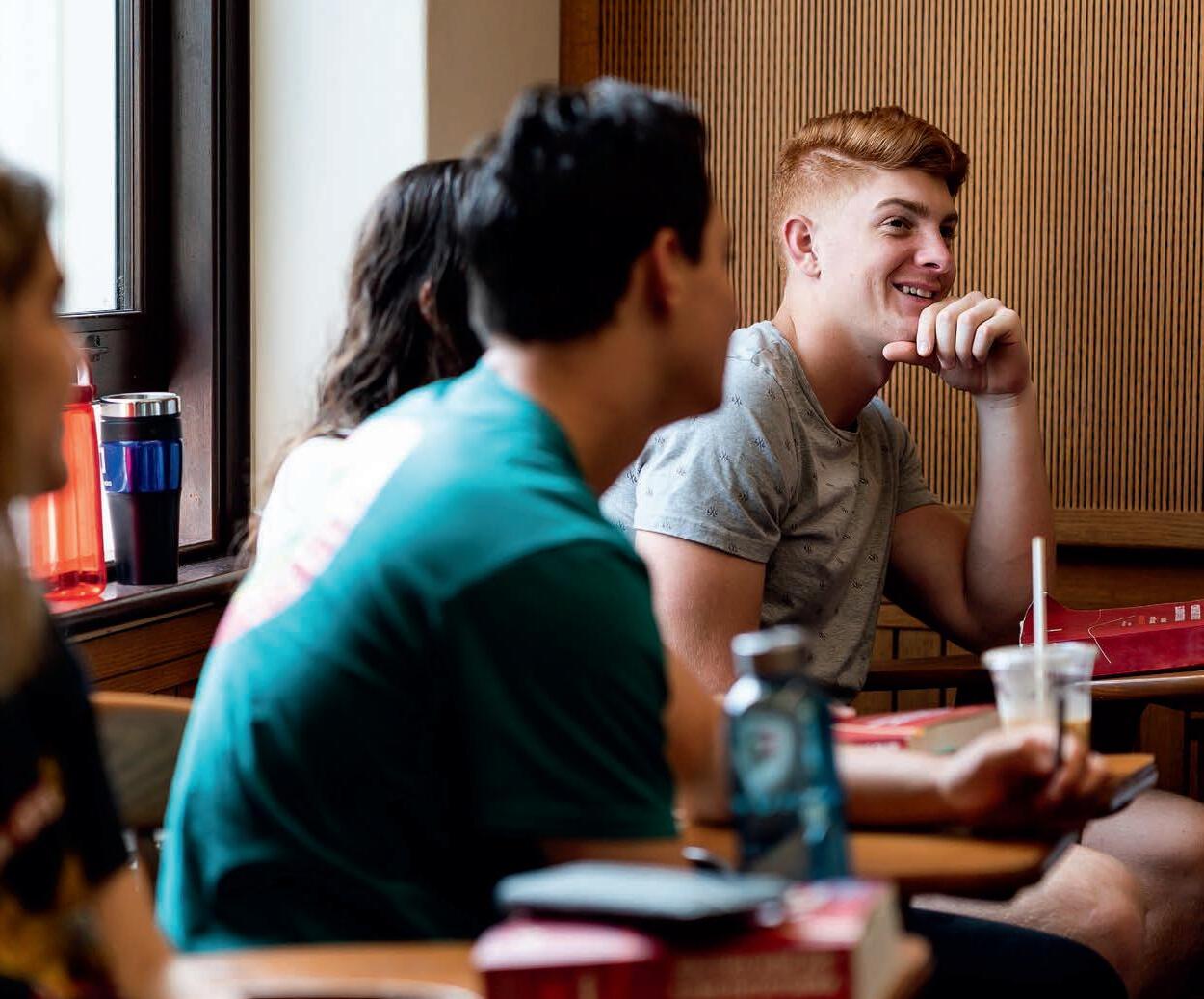
Columbia has been a place of deep intellectual curiosity and wide-ranging academic inquiry since 1754. Across departments, schools, centers and institutes, Columbians at every level are driven by an abiding passion for discovery and work in the service of improving human understanding and the advancement of our global society.
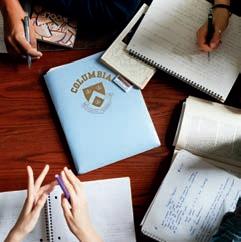
“As students of Columbia, we have a unique opportunity to work with worldclass professors and professionals alongside intelligent peers, all of whom challenge us every day. And we can use everything we learn and gain to make the world a better place for all.”
Ethan R. Naperville, IL Civil Engineering, Computer Science
18
GRADUATE AND PROFESSIONAL SCHOOLS
When students apply to either Columbia College or The Fu Foundation School of Engineering and Applied Science (Columbia Engineering), they join an intimate community of talented and motivated learners and become integral components of the University ecosystem that thrives around them. Working closely with outstanding faculty who are deeply invested in their learning, students of both schools gain an unparalleled education that serves as a foundation for greatness.
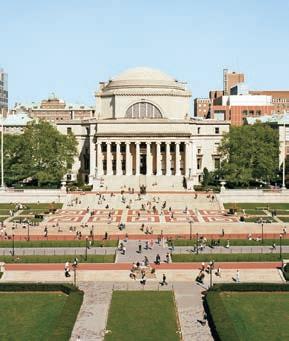
On College Walk, at the heart of campus, students stand in the center of 18 world-renowned graduate and professional schools, and often find themselves amid the same halls and classrooms that have been home to many of the giants of our time.
From the law school of Ruth Bader Ginsburg to the business school of Warren Buffett to the School of Journalism where the Pulitzer Prize was born, Columbia’s graduate institutions are home to a wide range of academic opportunities — many of which are designated specifically for Columbia undergraduates.
Whether through the Core Curriculum that has informed our community’s discourse for a century or in exciting endeavors like the Eric H. Holder Jr. Initiative for Civil and Political Rights, the Columbia Startup Lab or the Zuckerman Mind Brain Behavior Institute, Columbians are called to grapple with timeless questions. They form personal and meaningful relationships with ideas and ideals. Above all, they strive to know — not only for the sake of knowing, but also in an attempt to cast a light on our collective pathway forward.
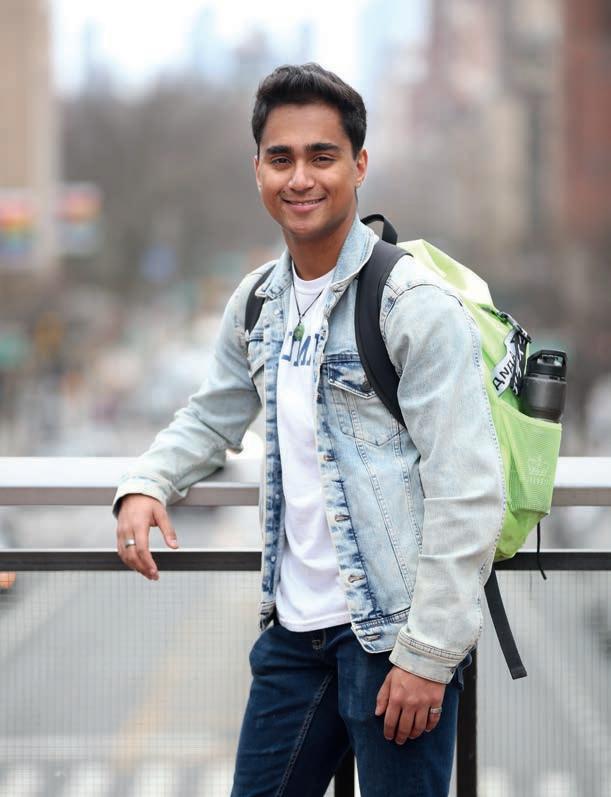
“I couldn’t have received the Rhodes without the opportunities I had at Columbia to pursue a truly interdisciplinary education.”
Anish G. Rhodes Scholar Mumbai,
India
Comparative Literature and Society
FACULTY IN THE NATIONAL ACADEMY OF ENGINEERING, ACADEMY OF SCIENCE AND AMERICAN ACADEMY OF ARTS AND SCIENCES
6:1
STUDENT-TOFACULTY RATIO
NEW YORK CULTURE and OPPORTUNITIES
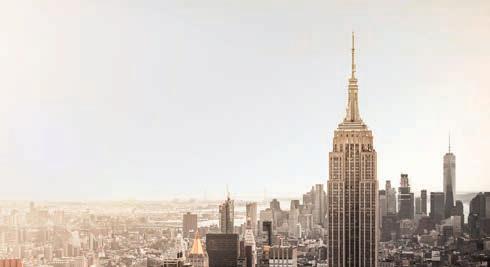
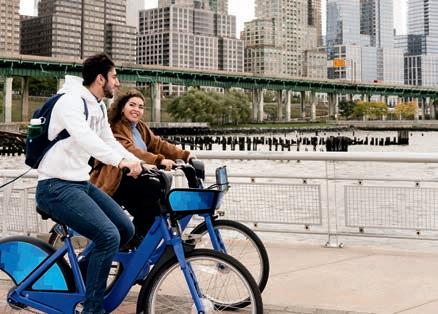
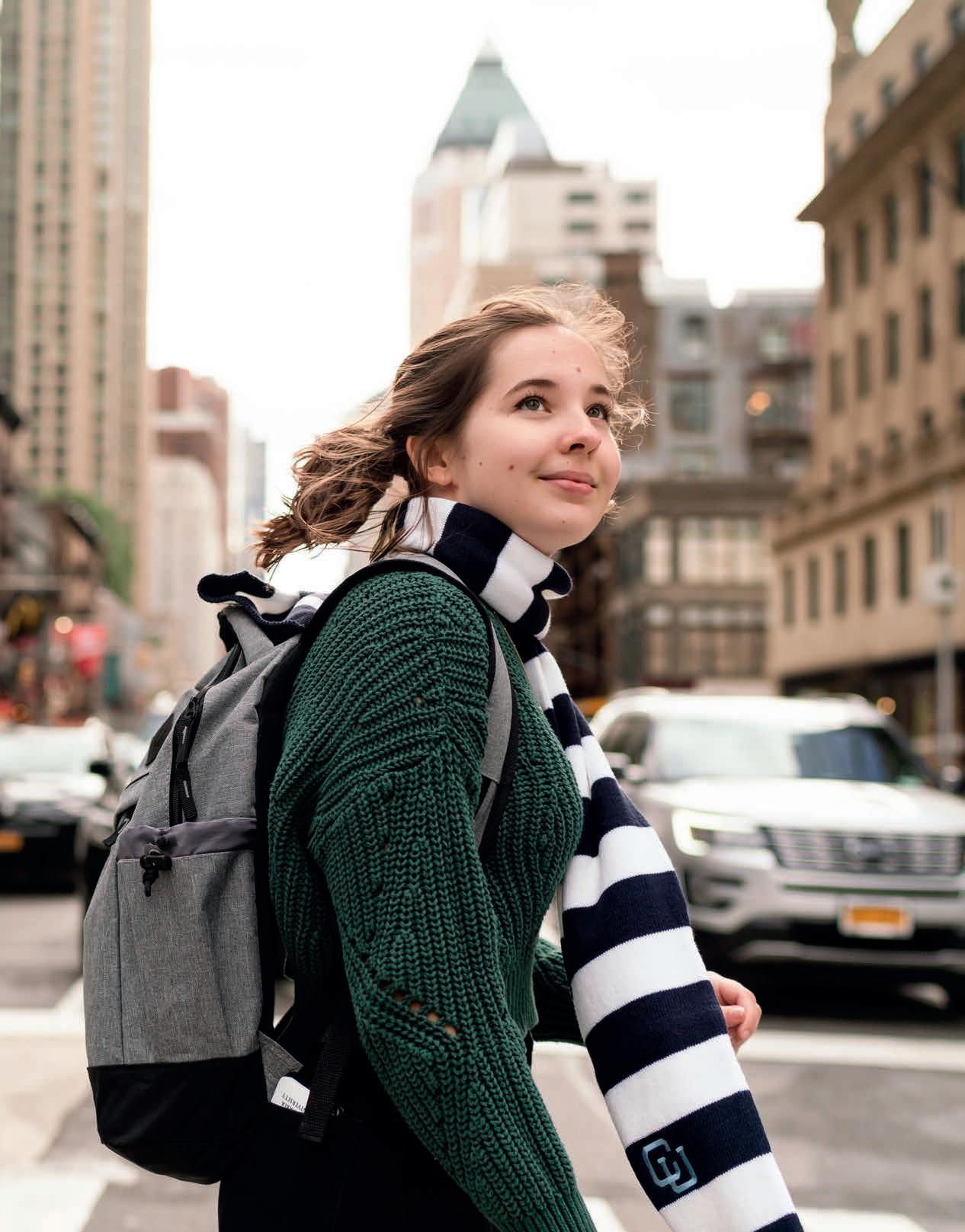
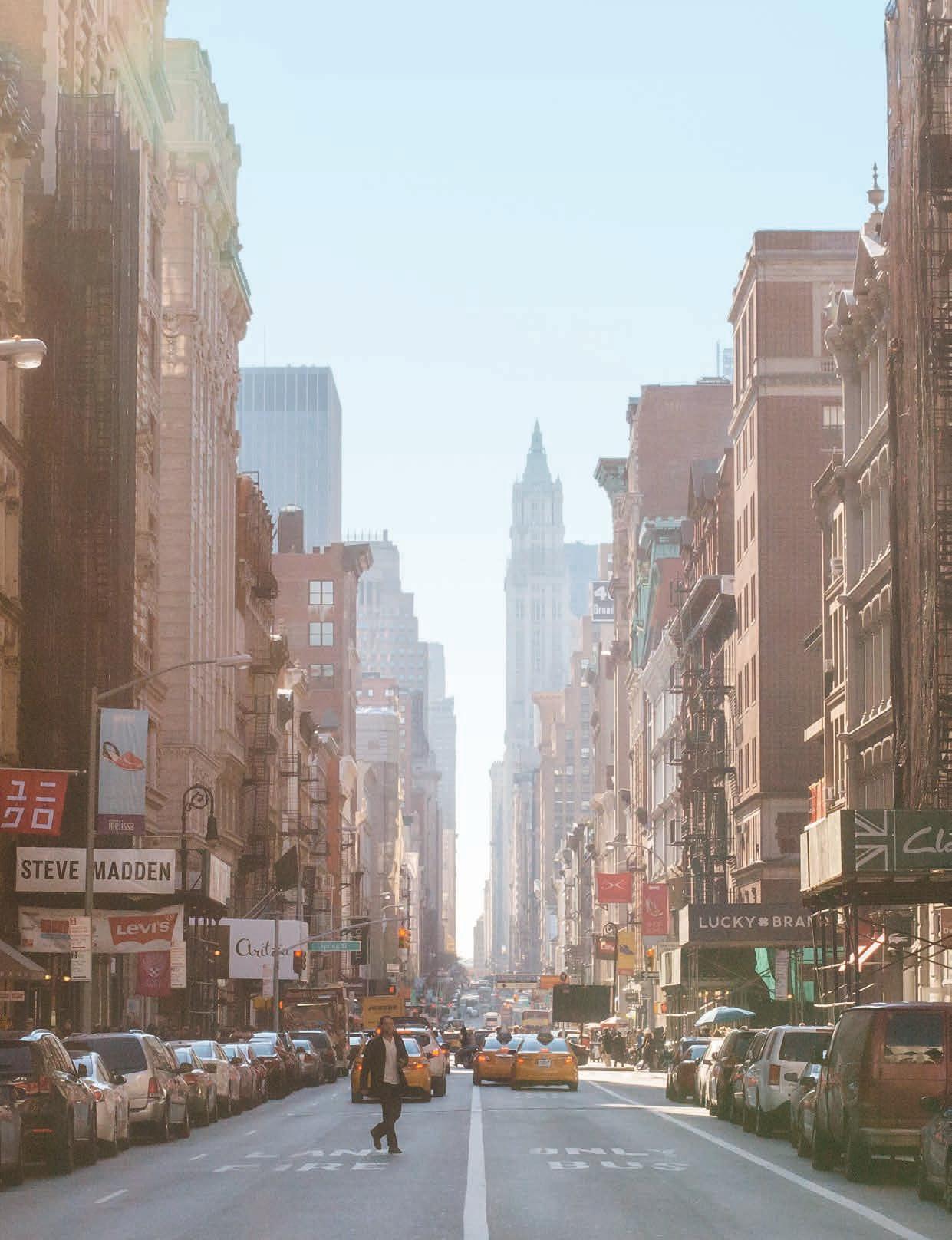
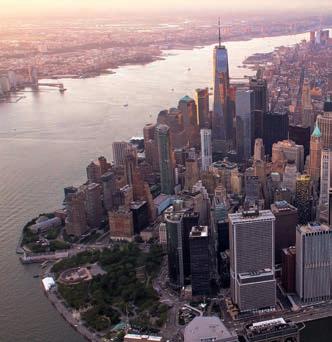
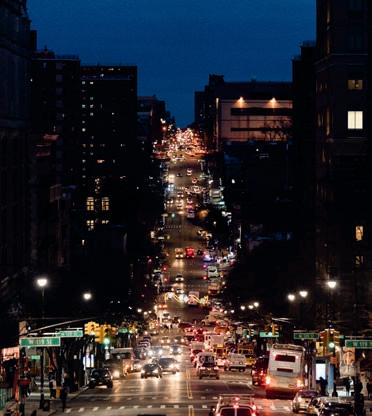
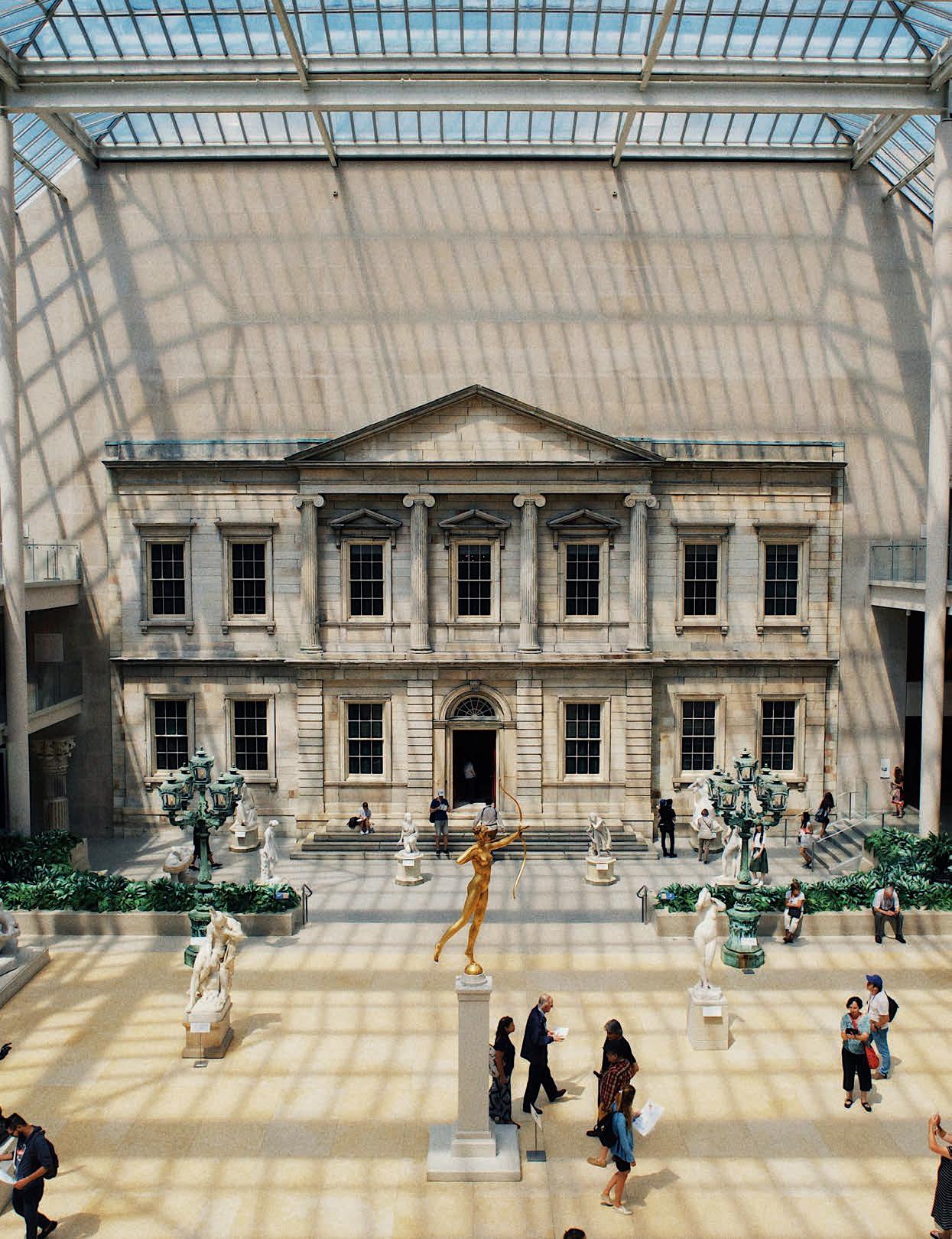
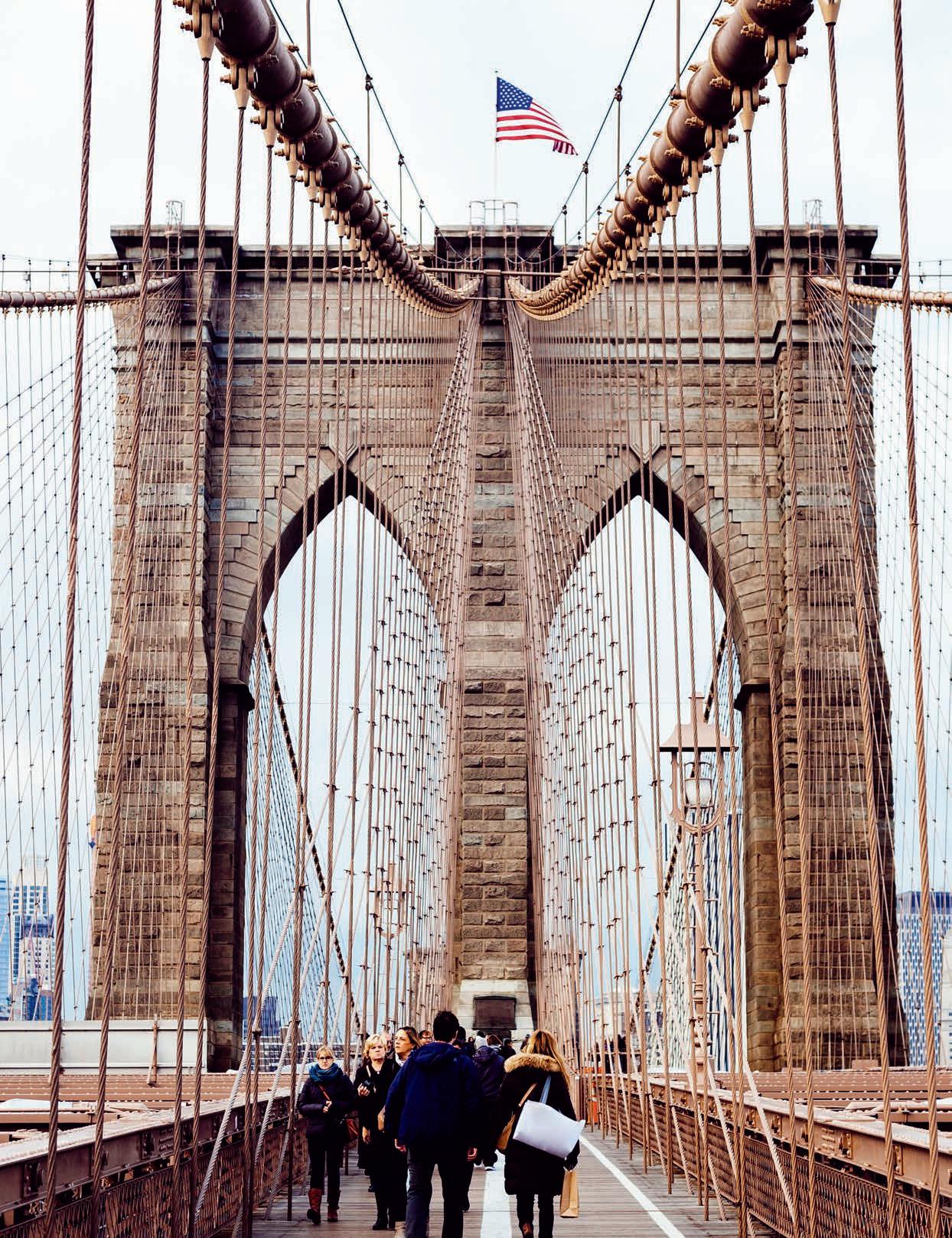
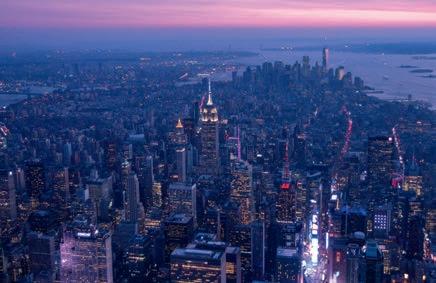
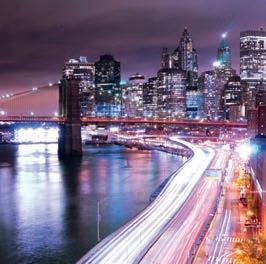
New York is a city that defies description. A place where languages, cultures and ideas combine to create something wholly unique. It’s Wall Street and Silicon Alley. It’s The Met and MoMA. The Brooklyn Bridge and Washington Square Park. SoHo, the Village, TriBeCa, Midtown, Harlem, Chinatown and Little Italy. It’s the 1, the 7, the A and the Q. By ferry. By taxi. By bike share. By crosstown bus. It’s high finance and high fashion. World-class hospitals, world-shaping technology and world-changing ideas. It’s literary, culinary, contemporary and classic. It’s big, bold Broadway stages and a cup of coffee sipped while tucked away in some quiet corner with a book and a friend.
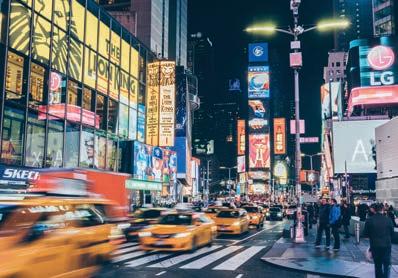
“Canvassing for a campaign in the Bronx, I learned about cultural competency and understanding the ways different cultures express themselves. This is a very important skill — we need to recognize that our diversity is our strength.”
Mark T. Edinburg, TX Operations Research
As a Columbia student, you can make the most of New York City’s incredible resources. A city that was itself a technological marvel is now a technology megahub that’s redefining industries and reimagining the future — a living lab where your classroom learning becomes real-world reality. Where you can find your focus, or focus on giving back through a wide range of civic engagement and service-learning opportunities, in Morningside Heights and throughout the five boroughs.
Most of all, it’s a city of discovery, where virtually every subway stop is alive with more museums, theaters, galleries, restaurants, cafés, clubs and performance venues than you could ask for — and offers you the chance to glimpse into a new world and gain a new perspective on yourself.
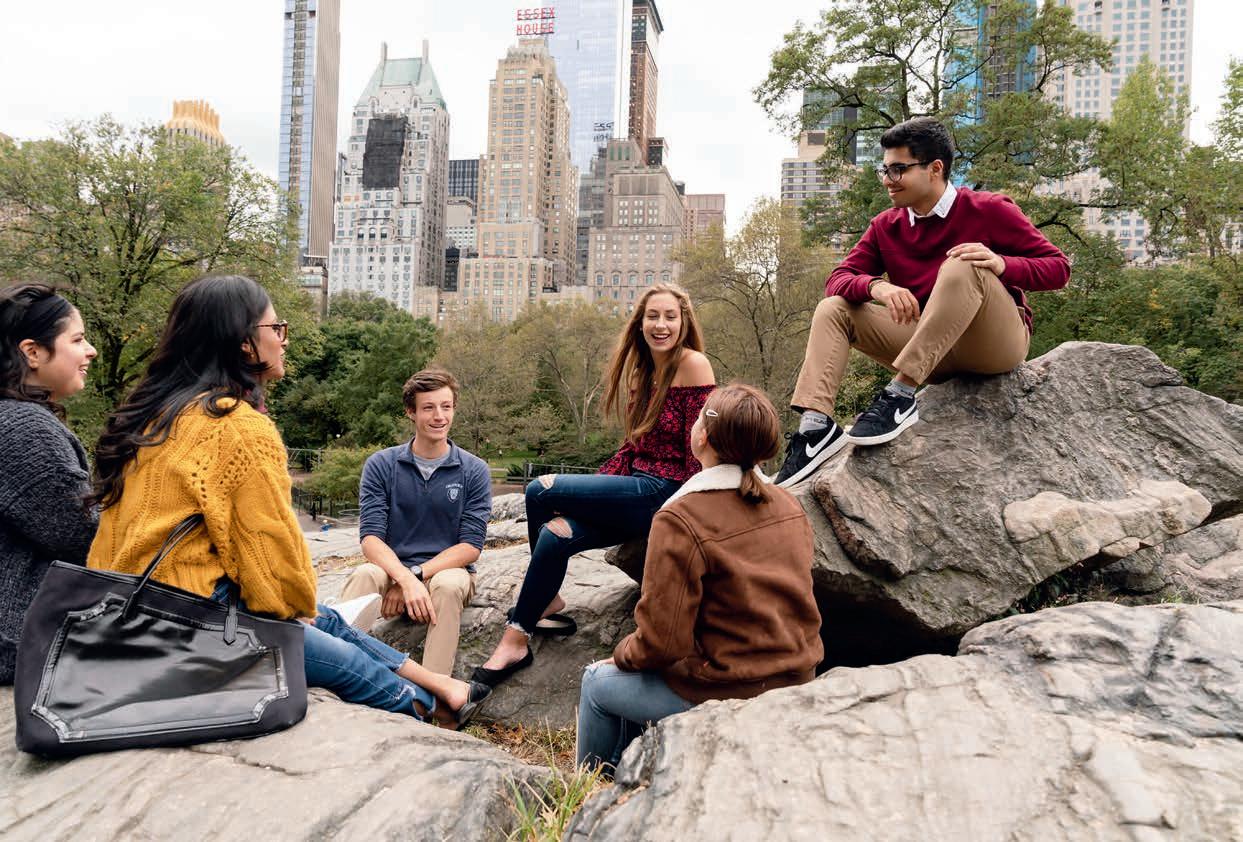
“Being
surrounded by people both so similar to and so different from myself has only enriched my understanding of myself and the role that I hope to play in the world.”
Bunmi F. Powder Springs, GA Biomedical Engineering, Hispanic Studies
1,500+
MILES OF BIKE LANES ACROSS NEW YORK CITY
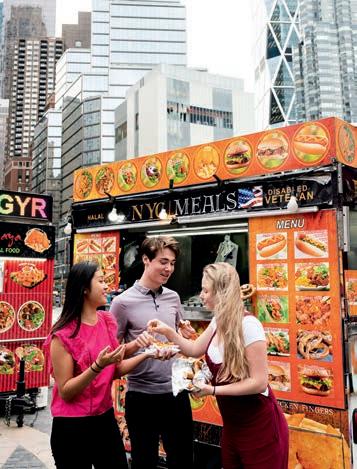
20,000 STREET FOOD VENDORS AND MORE THAN 25,OOO RESTAURANTS TO SUIT EVERY APPETITE
GLOBAL ENGAGEMENT
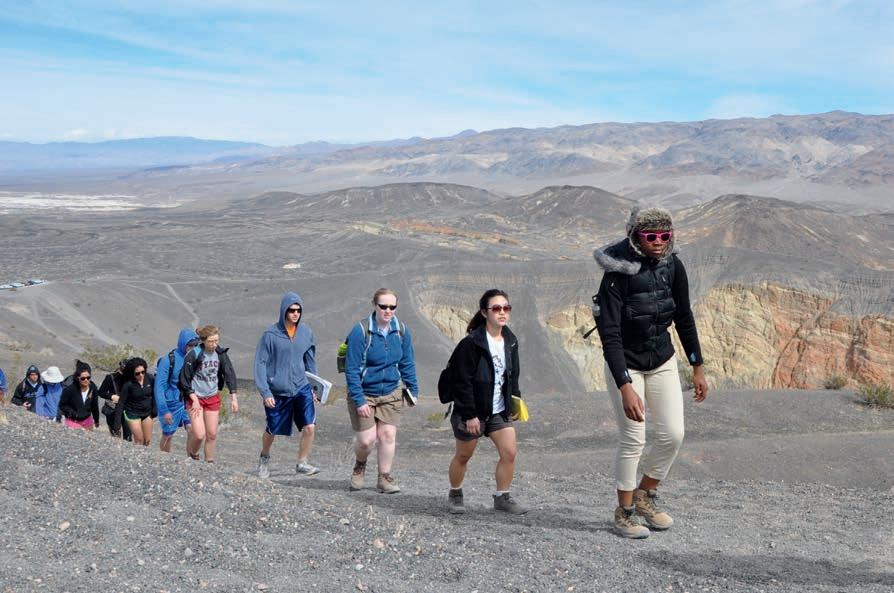
In an increasingly interconnected world, cross-cultural understanding and global engagement are more critical than ever. With nearly a dozen global centers, Columbia’s reach is extended to every corner of the world, bringing our undergraduates countless opportunities to experience an exhilarating array of locations and unfamiliar ways of life.
From the Columbia Global Collaboratory that offers a forum for learning about global issues from international experts to one of the most active Engineers Without Borders chapters in the nation — and more than 100 study abroad programs spanning six continents and 40 countries — Columbia undergraduates travel pathways that lead from our campus to everywhere else. Along the way, they’ll join fieldleading, trail-blazing faculty and the broader Columbia community in research and classwork that advances the principles of mutual respect, greater understanding and common humanity.
100+
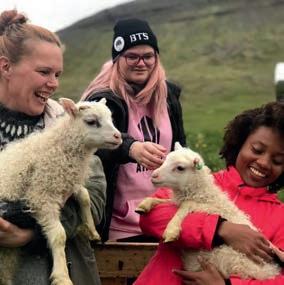
STUDY ABROAD PROGRAMS IN MORE THAN 1OO DESTINATIONS
50+
LANGUAGES TAUGHT
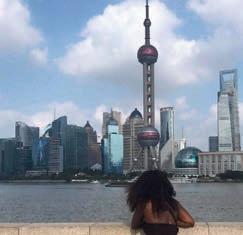
With one of the largest international populations of any university in the world, Columbia is truly a global campus — and a reflection of the city it calls home. Columbia students explore diverse international works through a series of Global Core courses, and develop important cultural, historical and geographical perspectives by engaging in on-campus programs and events.
Each fall, when prestigious leaders from around the world travel to New York City for United Nations Week, the renowned World Leaders Forum brings them to Columbia for lively debates, intellectual discourse and exploration of important global challenges. Past speakers include António Guterres, Sanna Marin and Paul Kagame.
The Obama Foundation Scholars Program, with support from Columbia World Projects, brings together young and promising
leaders who have demonstrated a commitment to finding solutions to challenges in their communities, regions and countries.
Living and learning in one of the world’s premier international cities, and taking advantage of the many opportunities provided through the Center for Undergraduate Global Engagement, Columbia College and Columbia Engineering students become part of a rich tapestry of profoundly global experiences.
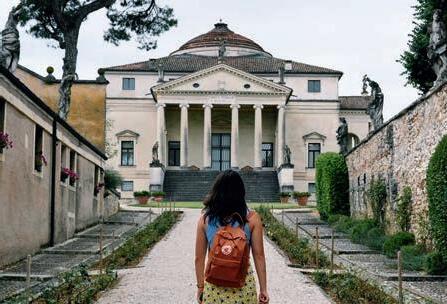
COUNTRIES REPRESENTED ON CAMPUS
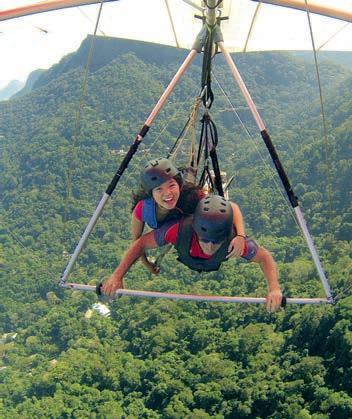
SOME OF OUR DISTINGUISHED ALUMNI
From the Broadway stage to the political stage; biotech startups to the Baseball Hall of Fame; Nobel Prize ceremonies, big city newsrooms and the halls of academia — a Columbia education empowers graduates to pursue great things and have a worldchanging impact. Where will Columbia Blue take you?
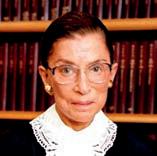
Ruth Bader Ginsburg
United States Supreme Court Justice LAW’59 Law
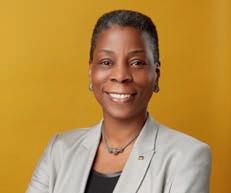
Ursula Burns
Former Xerox CEO and CEO of VEON SEAS’82
Mechanical Engineering
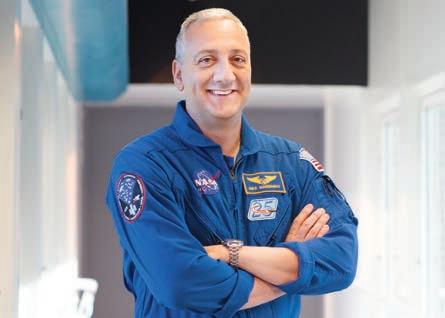
SEAS’84
Industrial Engineering
Judy Joo
Celebrity chef SEAS’97
Industrial Engineering and Operations Research
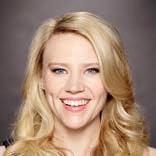
Kate McKinnon comedian known for her work
Saturday Night Live CC’o6 Theater
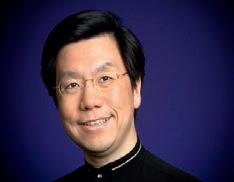
Kai-Fu Lee
Founder and CEO of Innovation Works and founding president of Google China CC’83
Computer Science
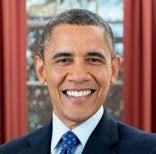
Barack Obama
44th President of the United States CC’83
Political Science and International Relations
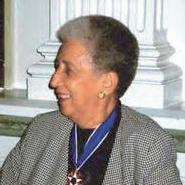
Antonia Pantoja
Founder of ASPIRA and Presidential Freedom Medal recipient SW’54 Social Work
Richard Axel
Nobel Prize–winning molecular biologist CC’67 Literature
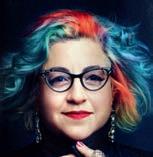
Jenji Kohan Award-winning television writer and producer CC’91
English Language and Literature
ARTS and LETTERS
Isaac Asimov, author
Emanuel Ax, Grammy Award–winning classical pianist
Chris Baio, Rostam Batmanglij, Ezra Koenig, Chris Tomson, founding members of indie rock band
Vampire Weekend
Béla Bartók, Grammy Award–winning composer
Kathryn Bigelow, film director; first woman to win Best Director Academy Award
Santiago Calatrava, architect
Wendy Carlos, Grammy Award–winning classical composer
Brian Dennehy, Tony Award– and Emmy Award–winning actor
Peter Farrelly, Oscarwinning filmmaker
Erik Feig, producer
Dede Gardner, Oscar–and Emmy Award–winning film producer
Allen Ginsberg, poet
Maggie Gyllenhaal, Golden Globe Award–winning actor
Katori Hall, playwright
Oscar Hammerstein II, lyricist
Lorenz Hart, lyricist
Utada Hikaru, musician
Langston Hughes, poet
Zora Neale Hurston, author
Jim Jarmusch, filmmaker
Jack Kerouac, Beat poet
Tom Kitt, Pulitzer Prize, Grammy and Emmywinning composer for TV and film
Tony Kushner, Pulitzer Prize–winning playwright
Ursula K. Le Guin, author
Federico García Lorca, poet
Terrence McNally, Tony Award–winning playwright
Nico Muhly, composer
Sharon Olds, Pulitzer Prize-winning poet
Richard Rodgers, EGOT and Pulitzer Prize–winning composer
Ricardo Scofidio, architect
Upton Sinclair, writer
Jenny Slate, actor
Robert A.M. Stern, architect
Twyla Tharp, Tony Award-winning choreographer
Christine Wang, architect
ACADEMICS and THEORISTS
William Theodore de Bary, East Asian literary scholar
Jacques Barzun, historian
Joseph Campbell, scholar of mythology
John Dewey, philosopher; educator
Eric Foner, Pulitzer Prize-winning historian
Milton Friedman, economist
Ellen V. Futter, former president of the American Museum of Natural History
Jane Jacobs, urban theorist
Edward Kasner, mathematician who coined the term “googol”
Donald Keene, renowned Japanese scholar
Jelena Kovačević, former dean of NYU Tandon School of Engineering
Anthony W. Marx, president and CEO of the New York Public Library; former president of Amherst College
Robert C. Merton, Nobel Laureate for Economics
Alvin Roth, Nobel Laureate for Economics
William Schuman, former president of the Juilliard School of Music; first president of Lincoln Center
Howard Zinn, historian
BUSINESS and ENTREPRENEURISM
Armen Avanessians, Former CIO of Goldman Sachs
Asset Management’s Quantitative Investment Strategies team
Warren Buffett, Former CEO of Berkshire Hathaway
William Campbell, former CEO of Intuit
Philippe Dauman, former chairman of Viacom
James P. Gorman, Chairman of the Walt Disney Company
the City of New York
Ben Horowitz, co-founder and general partner of Andreessen Horowitz LLC
John Kluge, entrepreneur
Randy Lerner, former Cleveland Browns owner; CEO of MBNA Bank
Jon Oringer, founder and CEO of Shutterstock
Eric Poirier, CEO of Addepar
Louis Rossetto, founder of Wired Magazine
Robert J. Stevens, former chairman, president and CEO of Lockheed Martin
S. Robson Walton, former chairman of Wal-Mart board of directors
Marco Zappacosta, cofounder and CEO of Thumbtack
MEDIA and PUBLISHING
Daniel Alarcón, writer
Roone Arledge Jr., sports broadcasting pioneer; former president and chairman of ABC News
Robert Bakish, Former CEO of Paramount Global
Dean Baquet, Pulitzer Prize-winning journalist
Marcus Brauchli, cofounder and managing partner, of North Base Media and former executive editor of The Washington Post
Rocco Commisso, founder, chairman and CEO of Mediacom Communications Corporation
Jamal Dajani, Peabody Award–winning journalist and producer Poppy Harlow, journalist and former anchor with CNN
Sara Just, executive producer and senior vice president of PBS NewsHour
Jodi Kantor, Pulitzer Prize–winning New York Times journalist and author
Christopher Kimball, chef, editor, publisher and TV personality
Joseph Lelyveld, former executive editor of The New York Times
Anita Lo, celebrity chef and author
Janice Min, former chief creative officer and co-president of entertainment group, Guggenheim Media
(The Hollywood Reporter-Billboard Media Group)
Joseph Pulitzer, publisher
George Stephanopoulos, chief anchor and chief political correspondent for ABC News
Elizabeth Trotta, former NY Bureau chief of The Washington Times; contributor for Fox News
POLITICS and ADVOCACY
Bella Abzug, congresswoman and leader of the Women’s Movement
Rolando Acosta, Former Presiding Justice of the New York State Supreme Court
Shirley Chisholm, first African American woman elected to Congress
Eric Garcetti, mayor of Los Angeles
Neil Gorsuch, associate justice of the Supreme Court of the United States
Alan Greenspan, former chairman of the Board of Governors of the Federal Reserve System
Judd Gregg, former senator and governor of New Hampshire
Alexander Hamilton, Founding Father of the United States
Eric Holder Jr., first African American attorney general of the United States
Ben Jealous, former President and CEO of the NAACP
Li Lu, leader of the Tiananmen Square protests of 1989
James Meredith, Civil Rights Movement figure
Jerrold Nadler, congressman and chairman of the House Judiciary Committee
David Paterson, former governor of New York
Paul Robeson, civil rights and human rights activist; singer Pixley ka Isaka Seme, founder of the African National Congress
Faye Wattleton, former president of the Center for the Advancement of
Women
PRESIDENTS
Dwight D. Eisenhower
Barack Obama
Franklin D. Roosevelt
Theodore Roosevelt
SCIENCE and TECHNOLOGY
James F. Albaugh, former executive vice president of the Boeing Company and CEO of Boeing Commercial Airplanes
Edwin Armstrong, electrical engineer and inventor of FM radio
Arthur Ashkin, scientist and Nobel Laureate
Jamey Barbas, Project Director for the Governor Mario M. Cuomo Bridge – New York State Thruway Authority
Peter DiMaggio, lead engineer for construction on US Embassies in Moscow, Berlin and Baghdad
Amelia Earhart, aviator
Elmer Gaden, father of biochemical engineering who pioneered the mass production of penicillin
Stephen Jay Gould, paleontologist and evolutionary biologist
Herman Hollerith, founder of ComputingTabulating Recording Company, a precursor of IBM
Gregory H. Johnson, retired Air Force colonel and NASA astronaut
Robert Millikan, Nobel Laureate for Physics
James Scapa, founder, Chairman and CEO of Altair Engineering, Inc.
Harvey Seeley Mudd, engineer; founder of Harvey Mudd College
William Barclay Parsons, chief engineer of the first line of the NYC subway; Founder of Parsons Brinckerhoff civil engineering firm
Michael Pupin, physicist and inventor of the Pupin coil; founding member of NACA, which later became NASA
Hyman Rickover, US Navy admiral and inventor of the nuclear submarine
Lanny Smoot, Disney Imagineer and National Inventors Hall of Fame inductee
Eugene H. Trinh, biochemist and first Vietnamese American astronaut in space
George Yancopoulos, founder, president and chief scientific officer, Regeneron Pharmaceuticals, Inc.
SPORTS
Lou Gehrig, National Baseball Hall of Famer
Vitas Gerulaitis, tennis champion
Sandy Koufax, National Baseball Hall of Famer
Katie Meili, Olympic bronze-medal swimmer
William Milligan Sloane, founder of US Olympic Committee
Nzingha Prescod, Olympic fencer
Erinn Smart, Olympic fencer
Cristina Teuscher, Olympic gold-medal swimmer
100+
PULITZER PRIZE WINNERS
5 FOUNDING FATHERS OF THE UNITED STATES
34 PRESIDENTS AND PRIME MINISTERS
87
COLUMBIA NOBEL LAUREATES
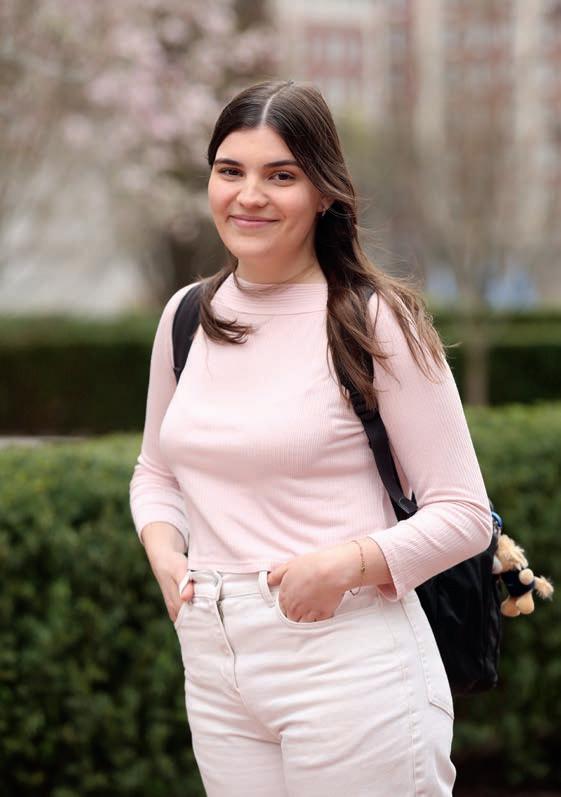
MAJOR
Applied Math and Computer Science
WHAT I LOVE ABOUT NYC
On any given day, I can go off campus and see a show, head to a food market, or check out a new neighborhood.
CLUBS AND ACTIVITIES
Society of Women Engineers, Society for Industrial and Applied Mathematics, Engineering Recruitment Committee
FAVORITE COLUMBIA TRADITION
Columbia Dining events are always incredibly fun. In the Battle of the Dining Halls, chefs at each of the five dining halls create a recipe inspired by a NYC borough. This year, Chef Robert Irvine was the celebrity judge!
MEMORABLE ACADEMIC EXPERIENCE
In my University Writing course, we focused on questions around the societal effects of data collection and emerging technologies. This first-year course gave me the human context that is now so important to consider when I am learning about technological advancements in my upper-level computer science courses.
REFLECTIONS
I am constantly surprised by how collaborative and supportive my peers are. When I’m struggling to understand a concept or a problem, friends are more than happy to explain it to me, and I do the same for them as well. It’s nice to know my peers are rooting for my success!
HOMETOWN Tuxedo, NY
MAJOR
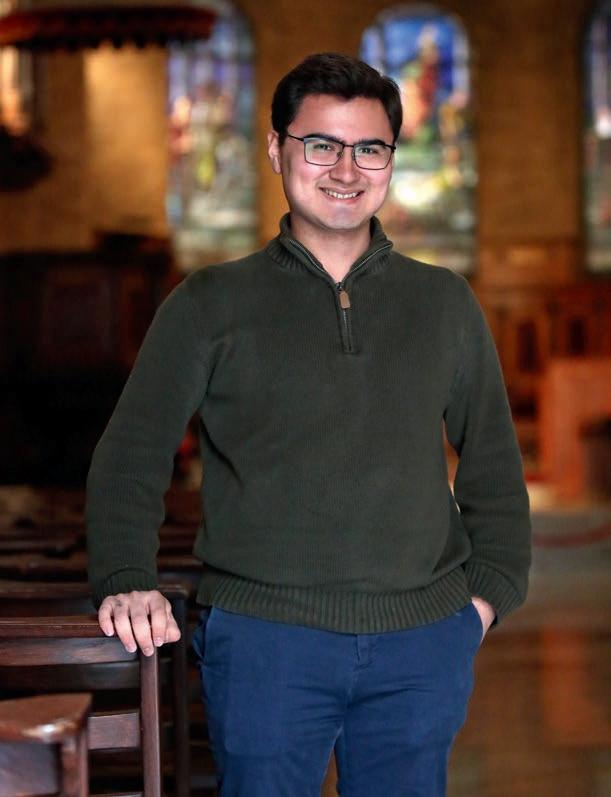
Economics and History
FAVORITE SPOT ON CAMPUS
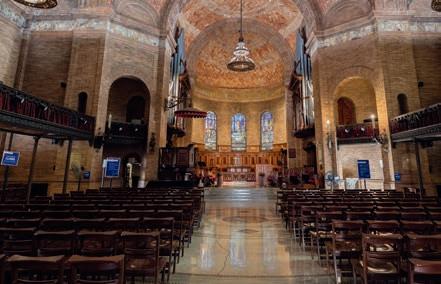
St. Paul’s Chapel is where the Catholic Ministry would gather to celebrate Mass and host community dinners within its beautiful architecture. The majestic organ, intricate Guastavino tile-work, and Gothic style have always made St. Paul’s Chapel a memorable experience.
WHAT I LOVE ABOUT NYC
I take the subway anywhere in the city when I have spare time. When you leave Columbia’s campus, there is still a lot to learn from the city itself.
CLUBS AND ACTIVITIES
Catholic Ministry, International Relations Council & Association, Columbia Undergraduate Law Review, Student Governing Board, Columbia Christian Witness
MEMORABLE ACADEMIC EXPERIENCE
I found myself wanting a more philosophical approach to balance the emphasis on mathematics and statistics in my economics coursework. I discovered a specialization within the history department pertaining to economic history, which has enabled me to experience the subject as both a philosophical discipline and a social science.
REFLECTIONS
Columbia’s Core Curriculum showed me the ‘scaffolding’ on which much of our modern civilization rests. I have learned to respect and cherish how profound, enriching, and old our history of ideas is.
HOMETOWN Laredo, TX
by recent COLUMBIA
COLLEGE STUDENTS
James Joyce
Money and Banking
Another Earth
Austen and the Enlightenment Mind
Jazz EnsembleHybrid Ensemble
Henry James and Edith Wharton
Topics in American Studies: Journals, Democracy and the Digital Age
Gender Economics
Trees
Sexuality and Citizenship
Venturing to Change the World Music Theory III
Elementary Swahili I
Geochemistry for a Habitable Planet
Physical Education: Squash
The Anthropology of War
History of Cinema II
1930–1960
Natural Language Processing
Advanced Poetry Workshop
Intensive
Elementary Italian Revolution In/On Caribbean Islands Metaphysics
Physical Education: Basketball
Introduction to Statistical Reasoning Readings in Persian Texts
The Architect's
Library-Laboratory
Arts of Japan
Computer Approaches
Blockbuster
Gender and Wars
Directed Readings in Latin American Literature
Cognition: Memory and Stress
Introduction to Kanbun
Elementary Stochastic Projects
Machine Learning
Organizing
Innovation
Probability Theory
Bildungsroman in the 19th Century Major Debates Study of Africa
String Theory
Readings: Humor in Jewish Literature
Ancient Greek and Roman Medicine
Introduction to African American Studies
Voting and American Politics
The Built Environment
Third-Year
Conversational
Latin American
Civilization I
Friendship from Antiquity to the Present
Brain Evolution
Piano Instruction
In the City of New York
Design Futures:
New York
University Writing: Readings in Human Rights
Scope and Methods
Discussion
Feminist Futures
Ancient Greek History
800–146 BC
Third-Year Chinese N I
Theory of Interest
Feminism & Politics of Anger
Life at the End of Life
Fundamentals of Music
NineteenthCentury Art
Conflicts: Race, Region, Religion State Making South Asia
Leadership in Organizations
Biochemistry
Physical Education: Beginning Swimming
Ethics
Senior Thesis
Black Urban Life
Gender and Wars:
Perspectives
Violin Instruction
University Writing: Readings in Law and Justice
Physical Education: Wellness
Narrative and Human Rights
Thinking and Decision Making
University Writing: Contemporary Essays
University Writing: Readings in American Studies
Frontiers of Science
Elementary Persian I Creativity and the Good Life
Jazz Trumpet
Instruction
Calculus II
First-Year Science Research
Literary Texts and Critical Methods
Hispanic Cultures I
Analysis and
Optimization
Stalinist Civilization
Philosophy
Neanderthal
Alterities
Second-Year
Arabic II
Harlem Renaissance
American Urban Politics
The Ancient Empires
Political Transitions in Southeast Asia
Fourth-Year
Japanese II
General Physics II
Laboratory
Islamic Law
Design Using C++ Introduction to Composition
Chamber Ensemble
Sōseki and World Literature
Nonparametric Statistics
Seminar in Comparative Politics
Solid Earth
Dynamics
The Second World War Governing the Global Economy
Comprehensive
Intermediate
Portuguese
Environmental Science Seminar
The Global Threat of Antimicrobial Resistance
Philosophy of Music
Immigrant New York: The Changing American City
Programming
Languages: Python
Topics in Music and Society
Dante’s Divina
Commedia 2
A History of China in 27 Objects
Poetry (Hesiod)
Masterpieces of Western Art
Genes and Development
Colloquium on Major Texts
Industrial Organization
Lattices and Boolean Algebra
Calculus III
European Intellectual History
Behavioral Neuroscience
Intermediate Conversation
French Colloquium on Major Texts: East Asia
French
Dante’s Divina Commedia I
Computing in Finance
Religion and the Movies
War and Society since 1945
Computer Networks Health and Healing in Africa
Physical Education: Recreational Games
World Cinema: Latin America
Supervised Individual Research
First-Year Russian I
Intercollegiate
American Fiction
Intermediate Microeconomics
Spanish for Heritage Speakers
Queer Cinema
The Woman in the Mirror
Introductory
Sea Level Change
Senior Project Seminar
Experimental Film and Video Computer Science Theory
Stockholm Syndrome
Life in the Universe
Computing in Context
Introduction to Experimental Physics
Physical Education:
Cardio Fitness
Physical Education: Iyengar Yoga
Intercollegiate
Intercollegiate
Athletics: Soccer
Accelerated
Intermediate French University Writing: Readings in Gender and Sexuality
University Writing: Readings in Film and Performing Arts University Writing: For International Students
Intensive General Chemistry
Introduction to Electrical Engineering Intermediate Catalan II
Narratives and Realities: Inside the Israeli-Palestinian Conflict
Undergraduate Writing: Readings in Medical Humanities Politics, Justice and Human Rights in Southeast Asia
European Catastrophe, 1914–1945 Advanced Microeconomics
Visionary Medicine: Racial Justice, Health and Speculative Fiction
Contemporary Central Asia: States The Historical Jesus and the Origin of Christianity
Honors Complex Variables
Writing Across Media
Inequality Within and Between Nations
War in Germany
1618–2018
Topics in International Politics
Cognitive Neuroscience
Introduction to Linguistics
Elementary Polish I Beginning Poetry Workshop
Third-Year German and Composition
Introduction to Public Health
Dramaturgy
Film and Censorship
Acting Lab Solo Performance
Odd Women in Victorian England
Intermediate Latin I
Strange Voices in Latin America
Viola Instruction
Physical Education: Pilates and Sculpting What Happened Was
Physical Education: Judo
Poems of the Instant Earth Resources and Sustainable Development Film and Media Theory
Medicine and Western Civilization Business Chinese I Global Urbanism
Korean Popular Cinema
Independent Clinical Research
In-Depth Biological Research
Hellenism and the Topographic The Interpretation of Culture
Second-Year
Japanese I
Third-Year Modern
Hebrew I
Gender and Sexuality in Africa
Spoken Arabic I
Athletics: Women’s Softball
Human Origins and Evolution On Precarity
Music in Contemporary Native America
Environmental Policy Governance
The United States in the Era of the Civil War and Reconstruction
Cello Instruction
Rumor and Racial Conflict
Romantic Poetry
Visual Neuroscience
Introduction to Statistics
Introduction to American Politics
Reason and Politics
The Social World
Homelessness in New York City
Elementary Latin I
First-Year
Chinese W
Ear Training I
Dinosaurs and the History of Life
Chinese A Blackness and Frenchness: A Radical Genealogy Challenges of Sustainable Development
Ordinary
Differential Equations
Provocative Acts
Laboratory in Screenwriting
Topics in Narrative
Banned: Dangerous Art
Culture and Mental Health
Topics in Israeli Cinema
European Catastrophe
Writing About Disability
Intermediate Conversational
German
Intermediate German II
Contemporary Biology Laboratory
Rethinking Middle East Politics
Subcitizenship
Hobbes’s Political
French Lyric Poetry
Embedded Systems
The Iranian Revolution
Intermediate Spanish II
Elementary Hindi-Urdu II
Approaches to East Asian Studies
Third-Year
Korean N II
New/Old Forms of Political Protest
Elementary Armenian II
Democratization
Galaxies and Cosmology
The Romans and Their Empire
Second-Year Chinese W II
Undergraduate
Thesis
History of Christianity Finding Happiness: Readings in ArabIslamic Texts
Arts of China, Japan and Korea
Analysis of
Political Data
Athletics: Women’s Soccer
Economic and
Financial Methods of Sustainable Development
Experimental Psychology: Social and Personality (Lab)
Sociology of Work and Gender
Vvedenie v russkuiu
literaturu:
Scary Stories
Critical Theory: A
Global Perspective
Economics, Law and Public Policy
Analysis of Algorithms I
Fourth-Year
Japanese
Myths & Monsters
The ’30s Metropole and Colony Modernism in the City
Intensive Organic Chemistry for First-Years
Calculus II
Indigenous Peoples of New York and New England
Elementary Korean Elementary Italian II Elementary Modern Greek I Displacement in the Middle East and Eastern Europe
Greek Poetry Selections II: Hesiod Descriptive Grammar: Hungarian Molecular Biology Accelerated Physics II
Spanish for Heritage Speakers
Elementary French II
Programming
Languages: C# and .Net
Language & Power
Acting Lab
Introductory Biology II: Cell Biology, Development and Physiology
US-Latino Cultural Production
Introduction to Machining
Introduction to Modern Analysis I Second–Year Chinese II
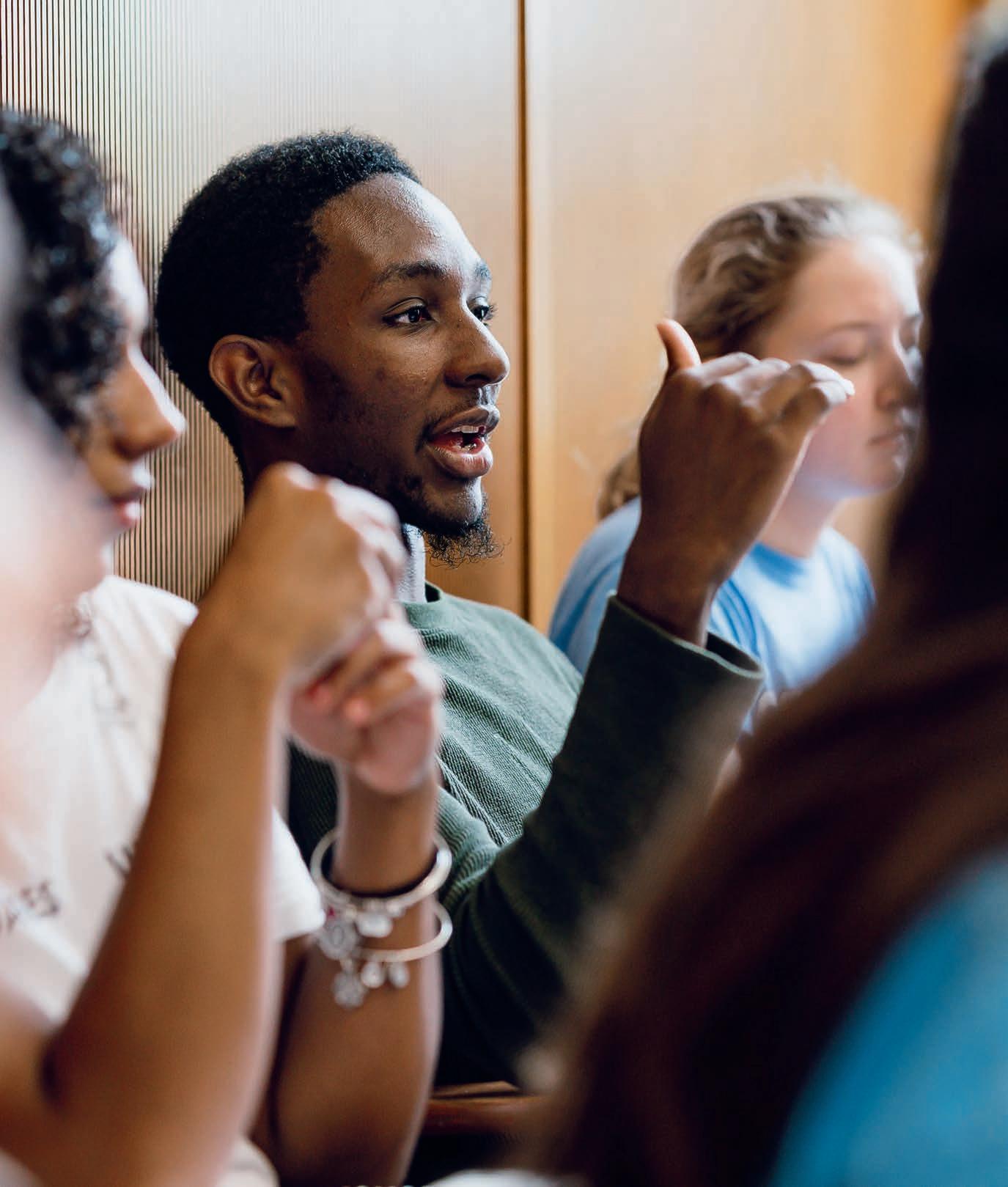
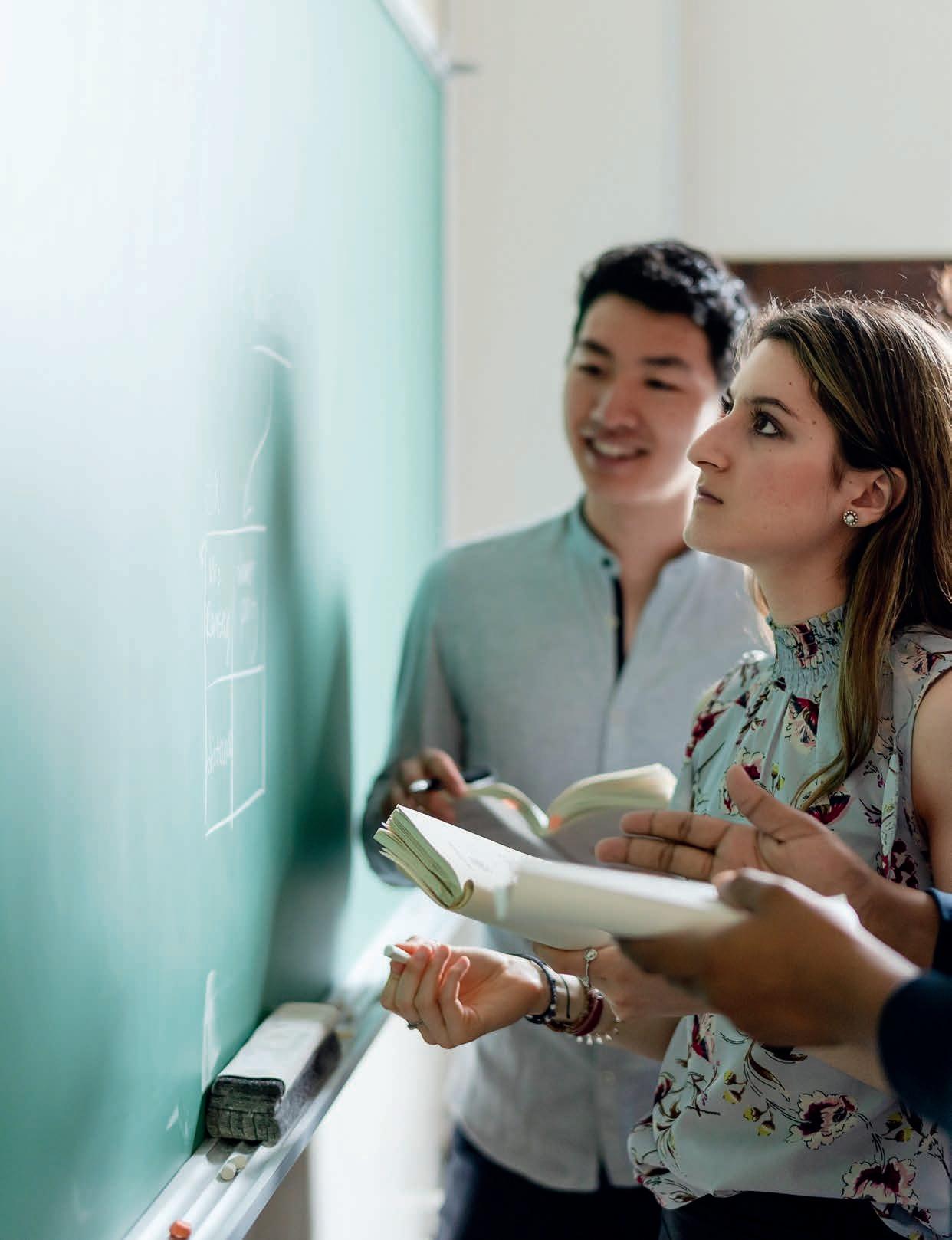
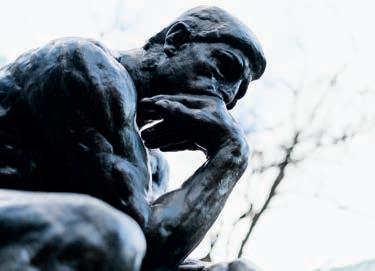
A renowned liberal arts college within a world-class research university in the great city of New York, Columbia College is home to a vibrant community of undergraduates, an endless array of engaging ideas and a sweeping sense of possibility. It’s a place of big-picture questions, high hopes and ideals, and chances to imagine — and be part of — something greater.
COLUMBIA COLLEGE
From its unparalleled Core Curriculum, exceptional research facilities and extensive global programming to its small class sizes and intimate learning environments, the educational experience of Columbia College is marked by countless opportunities for personal and intellectual growth. Guided by renowned faculty who are dedicated to the craft of teaching and mentorship, students explore new horizons of knowledge, understanding and impact.
12+
CONSERVATORYCALIBER ARTS MAJORS AND PROGRAMS
270+ YEARS OF TRADITION, EXPLORATION AND EXCELLENCE
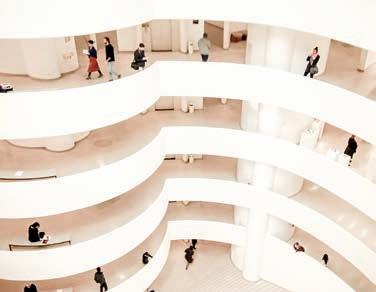
“I came to Columbia because I fell in love with the way that a traditional liberal arts education mixed with the contemporary and STEM fields.”
Tristan D. Craig, AK Architecture, French
Our students select from more than 100 majors and minors — including a range of interdisciplinary options and joint programs, as well as hundreds of academic and research opportunities through the University’s affiliated graduate schools, centers and institutes. They acquire a broad base of knowledge, achieve mastery of their chosen discipline and many complete a thesis or significant research project.
Engaging closely with a community of peers and faculty mentors inside and outside the classroom, students make the most of integrated academic, pre-professional, career and residential advising. Through the Odyssey Mentoring Program, they connect with
54,000+
the greater Columbia community, establishing a sounding board of alumni counselors for advice and networking. Through the Core Curriculum, they encounter challenging ideas that encourage them to be not only critical thinkers who are ready to question and debate, but also active citizens who are engaged in their communities.
Through it all, Columbia College students discover what they’re capable of achieving. Mindful, inquisitive and driven to better themselves and the world around them, they embrace a mindset of reflection and continual growth. They pursue their passions with vigor, purpose and an eye toward a better future.
Learn more about Columbia College
columbia college areas of study
African American and Diaspora Studies
American Studies
Ancient Studies
Anthropology
Applied Mathematics
Archaeology
Architecture
Art History
Astronomy
Astrophysics
Biochemistry
Biology
Biophysics
Business Management
Catalan
Chemical Physics
Chemistry
Classical Studies
Classics
Climate and Sustainability
Climate System Science
Cognitive Science
Comparative Literature and Society
Computer Science
Computer Science —
Mathematics
Creative Writing
Dance
Data Science
Drama and Theatre Arts
Earth and Space
Earth Science
East Asian Studies
Economics
Economics — Mathematics
Economics — Philosophy
Economics — Political Science
Economics — Statistics
Education Studies
English
Environmental Biology
Environmental Chemistry
Environmental Science
Ethnicity and Race Studies
Evolutionary Biology of the Human Species
Film and Media Studies
Financial Economics
French and Francophone Studies
German Literature and Cultural History
Hellenic Studies
Hispanic Studies
History
Human Rights
Information Science
Italian
Jewish Studies
Latin American and Caribbean Studies
Linguistics
Mathematics
Mathematics–Statistics
Medical Humanities
Medieval and
Renaissance Studies
Middle Eastern, South Asian and African Studies
Music
Neuroscience and Behavior
Philosophy
Physics
Political Science
Political Science–Statistics
Portuguese
Psychology
Public Health
Regional Studies
Religion
Russian Language, Literature and Culture
Slavic Studies
Sociology
Statistics
Sustainable Development
Urban Studies
Urban Teaching
Visual Arts
Women’s and
Gender Studies
Yiddish Studies
For 100 years, the Core Curriculum has been the defining element of a Columbia education. It’s a communal learning experience that cultivates community-wide discourse and deliberate contemplation around classic works, contemporary issues and humanity’s most enduring questions.
“At the Prado Museum in Spain, I saw a painting we had discussed in Art Hum: Goya’s Third of May. I remembered the history of the painting from class, but was also reminded of how battles are represented
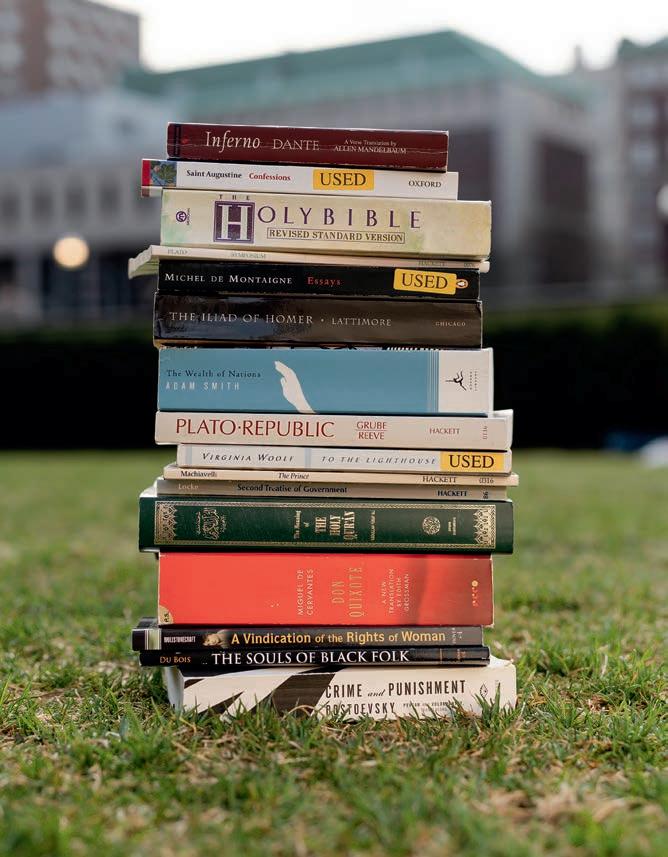
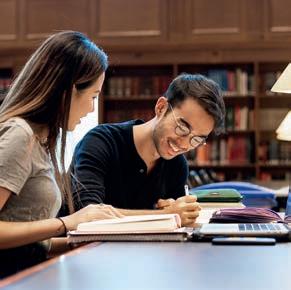
Academically expansive and personally transformative, the Core transcends disciplines, introducing cornerstone ideas and theories from across literature, philosophy, history, science and the arts. In most Core classes, students engage with primary works that contain some of the most significant thoughts, images and sounds by thinkers and artists from Homer to Toni Morrison, from Plato to Ibn Arabi, from Puccini to Andy Warhol, from the authors of Gregorian Chants to Kaija Saariaho. By exploring together what these works mean to them as individuals, students grapple with what it means to be human, in all of its joys and challenges.
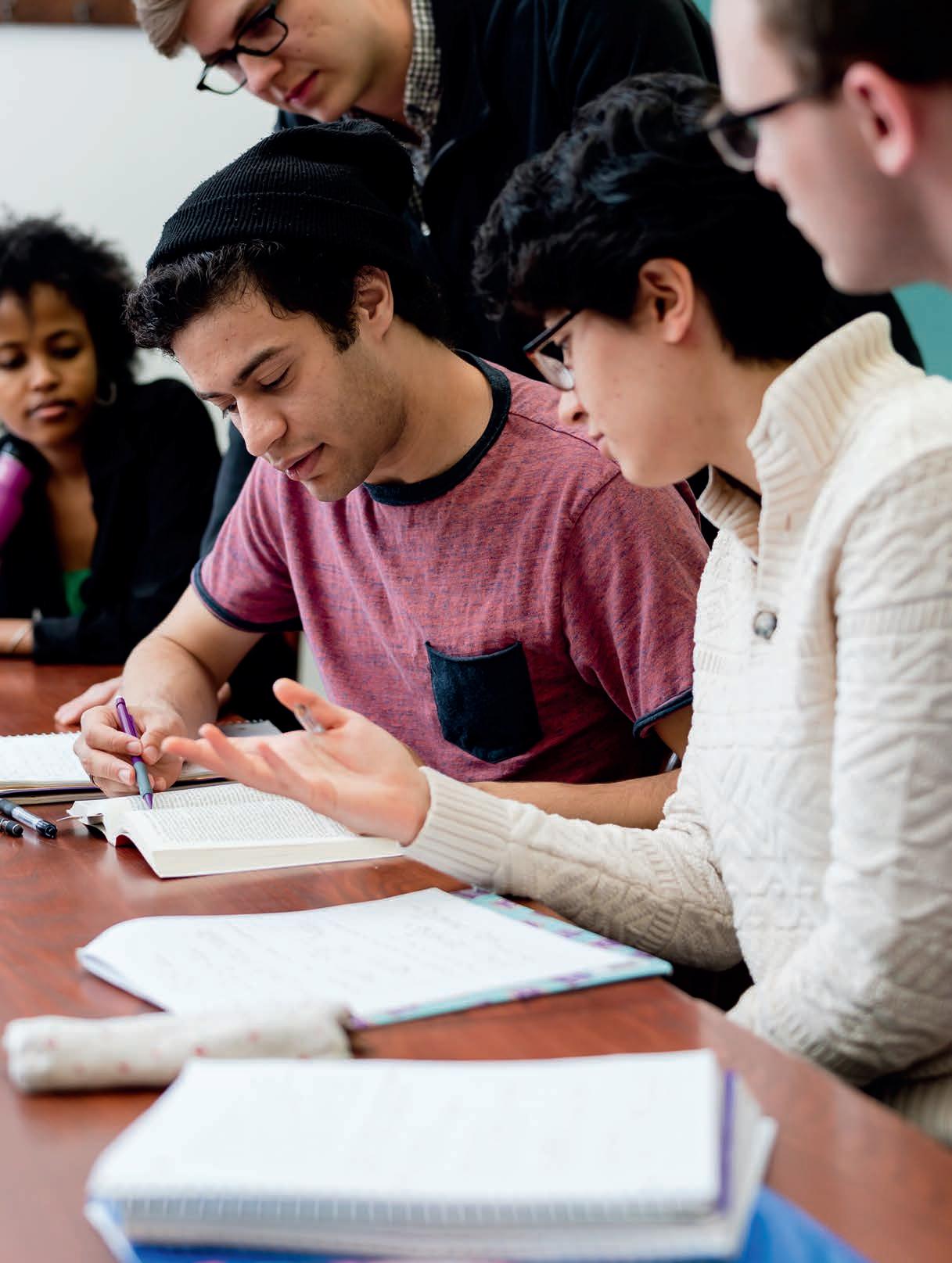
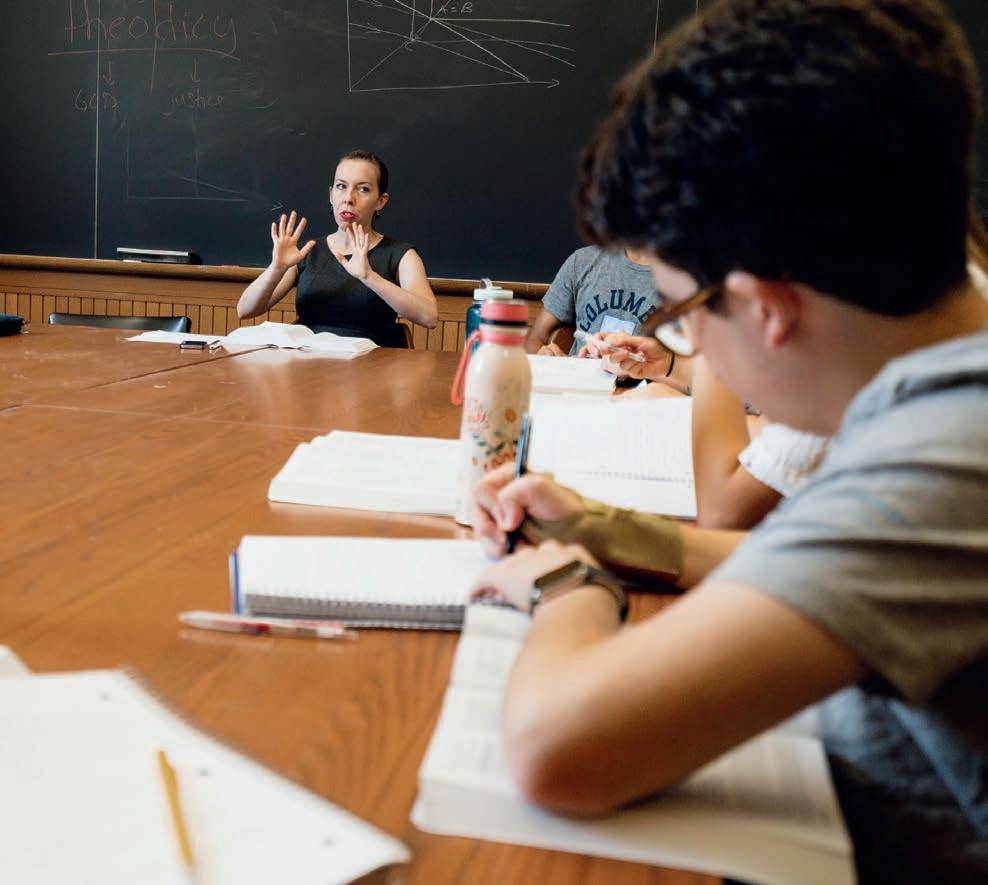
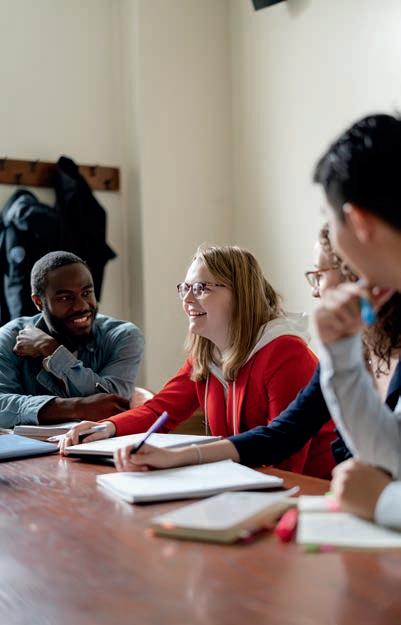
Taught from a common syllabus in small, discussion-style seminars, the Core cultivates an intentional consciousness and willingness to explore new ideas, values and beliefs. It’s a learning environment where students are challenged to engage meaningfully with friends and classmates who hold different opinions. They form an intimate intellectual community that spans disciplines and interests and fosters deep, enduring friendships. Together, they learn to adapt and respond to new information and revelations that can — and often do — alter and expand their worldview.
Through these encounters, students develop intellectual tools and habits of mind they’ll use long after they leave college, solving multidimensional problems and finding profound answers to questions that may at times seem unanswerable. They’ll carry these lessons with them into the world, where they will join a greater conversation that binds Columbia’s present students to its past and future generations. It’s a timeless dialogue and an approach to thinking and living that seeks to elevate society for all, and is more vital now than ever before.
Columbia College Core
Curriculum
Contemporary
Civilization
Literature Humanities
University Writing
Art Humanities
Music Humanities
Frontiers of Science
Core Electives
Global Core
Foreign Language
Science
Physical Education
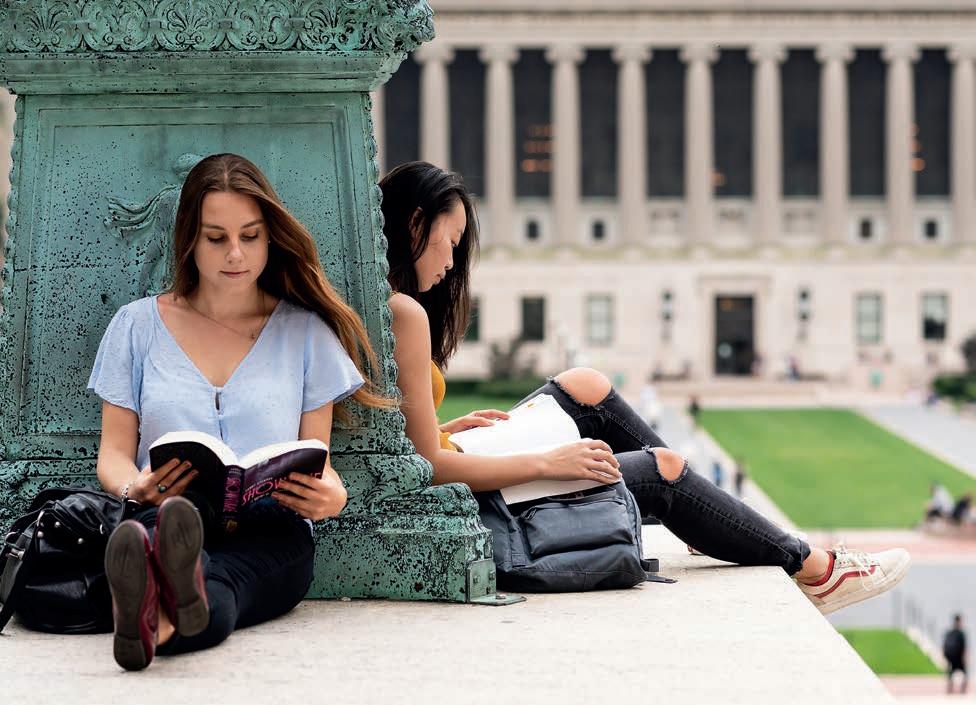
At the heart of the Columbia experience is a conscious and considered process of becoming — not just scholars, intellectuals and professionals, but also individuals. We believe elements of personal character transcend disciplines and occupations. As an institution, we seek to cultivate in our students a holistic and multifaceted sense of self where academic excellence, community stewardship and personal well-being are integrally connected and mutually enriching.
The transformative habits of mind that define the Columbia College journey are centered around 13 competencies students can use to better understand their academic, social and intellectual experience in the context of their own growth as an individual. Neither requirements nor restrictions, these competencies serve as landmarks that can help you find your way on the path to becoming who you’re meant to be.
Identify interests that support your creativity and enhance your ability to think flexibly. Imagine original knowledge, solutions, creations and works.
Consider what is gained through collective commitment toward a shared goal. Develop strategies for fostering engagement and taking initiative in pursuit of discovery.
Evaluate your relationship to technology and society’s vast informational landscape. Know your tools, manage them carefully and deploy them masterfully. Oral Communication
Speak deliberately — with precision, passion and clarity. Trust your ability to articulate complex ideas and perspectives. Above all, express yourself.
Balance the spheres of your life. Acknowledge success, learn from failure and form sustainable strategies for preserving physical, mental and emotional well-being.
Understand your values, and imagine the impact of your words and actions. Seek experiences that reflect those values; act in concert with your community.
Pursue new knowledge. Engage effectively and resourcefully with existing theory; indulge in healthy criticism of your own approach; discover opportunities in the unknown.
Practice stewardship within your community. Be inclusive. Recognize and celebrate differences in values and identity. Broaden your perspectives and your horizons.
See the whole equation. Become fluent in the interpretation and analysis of data. Find solutions through a multiplicity of pathways.
Construct a working view of the world. Immerse yourself in the unfamiliar, and build connections across continents and cultures.
Strive for understanding. Build a broad foundation, advance the proficiency of your interests, and aspire to mastery of many disciplines.
Harness the written word. Explore forms, media and rhetoric. Find your voice, and train it to tell your story.
Understand how you analyze information and ideas. Think critically about the world. Apply lenses across subjects and disciplines.
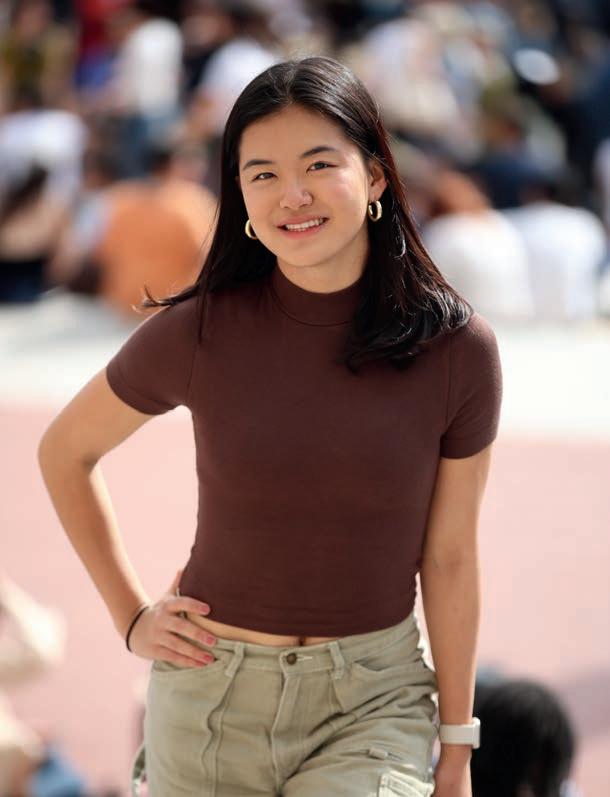
MAJOR
Dance, History
WHAT I LOVE ABOUT NYC
I love watching dance performances at the Joyce Theater in Chelsea, going on food treks in Flushing, and exploring Brooklyn during springtime for the cherry blossoms and cafes.
CLUBS AND ACTIVITIES
CU Generation Hip-Hop Dance Team, Columbia Daily Spectator, Columbia Journal of History, Undergraduate Recruitment Committee
FAVORITE COLUMBIA TRADITION
I love going to the Hungarian Pastry Shop early in the morning to have a cup of Viennese coffee with a warmed-up croissant. There's no wifi, so I'll write in my journal or read a book for class. Sometimes I bump into professors reading the morning newspaper and am able to strike up a conversation.
MEMORABLE ACADEMIC EXPERIENCE
Siobhan Burke’s course Dance Criticism has been a highlight of my Columbia experience. Professor Burke, a professional dance critic writing for the New York Times, gave us the opportunity to watch and write about live dance performances in the city. It opened my eyes to new opportunities in life.
REFLECTIONS
I learned at Columbia that college is not just four years. It is an enriching experience that will form a version of me, a forever learner, that I can carry with me for the rest of my life.
HOMETOWN Shanghai, China
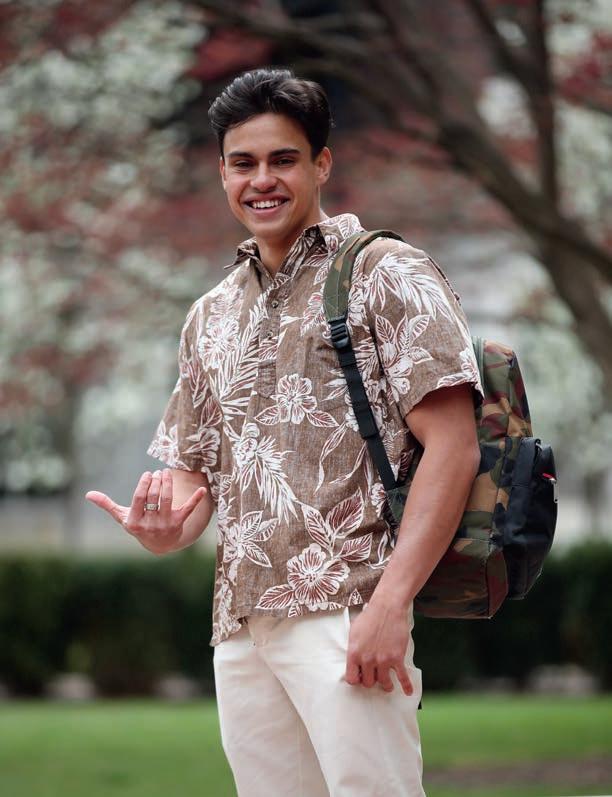
MAJOR Psychology
FAVORITE SPOT ON CAMPUS
I love studying at the top floor of the International Affairs Building and taking in the city skyline. The view reminds me of the hard work that got me where I am and the limitless opportunities at my doorstep.
CLUBS AND ACTIVITIES
Mālama Hawai’i Club, Charles Drew Pre-Med Society, Indigehouse, Take Columbia Home Ambassador
FAVORITE COLUMBIA TRADITION
My favorite Columbia custom is sitting on the Lawns on a warm, sunny spring day—strumming my Ukulele, playing volleyball with my friends, or just simply observing other people entranced in complex conversations or intense spike ball games.
MEMORABLE ACADEMIC EXPERIENCE
Frontiers of Science is one of the most interesting and academically rewarding classes I have taken at Columbia. It was amazing to learn about different emerging fields of scientific research. I learned about relativity from Professor Brian Greene!
REFLECTIONS
Spontaneous conversations and interactions at Columbia make my day. Whether discussing quantum computing or the meaning of life, I learned that unanimously right answers are hard to come by. It’s so valuable to have multiple perspectives in conversation with each other.
HOMETOWN Kauai, HI
Get more of the insider’s view
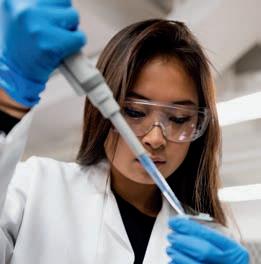
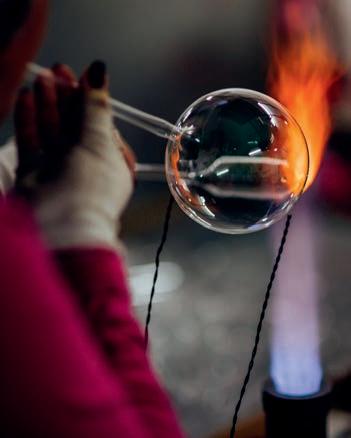
Investigating structure dynamics in supercooled liquids, David Reichman, Centennial Professor of Chemistry, works to de-mystify “the deepest and most interesting unsolved problem in solid state theory” — the question of how and why glass forms into a solid.
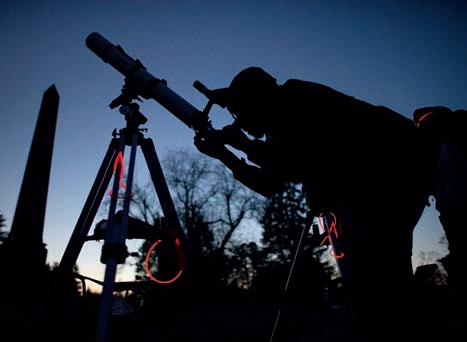
Students and faculty in our Department of Astronomy bring an appreciation for the celestial to the masses through public lectures, guided stargazing nights, sci-fi film screenings and even a bit of sidewalk astronomy in the heart of the city.
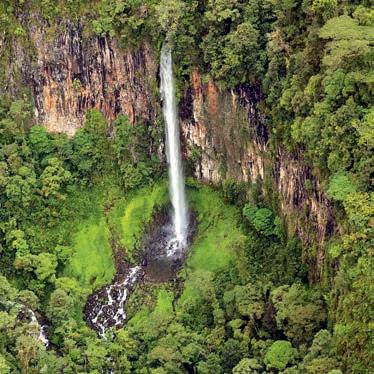
Professor of Anthropology Paige West’s work with indigenous peoples in Papua New Guinea examines how conservation efforts designed to protect natural ecosystems can negatively impact traditions and culture.
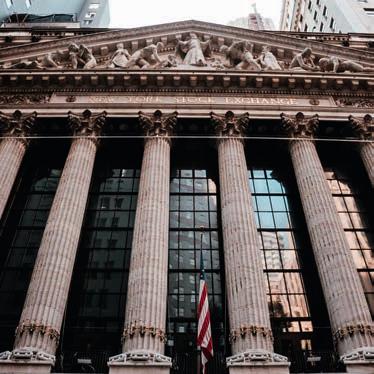
One of Foreign Policy magazine’s leading global thinkers, Kathryn and Shelby Cullom Professor of History Adam Tooze’s recent research and writing looks at the global financial crises of the last decade through the lenses of economics, business, history and politics.
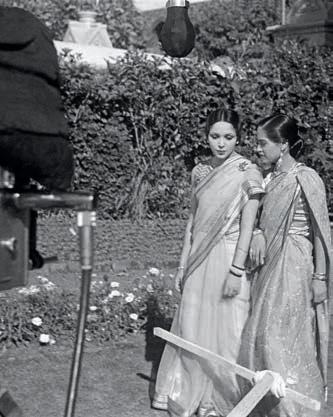
A former fellow at Columbia’s Institute for Ideas and Imagination, Assistant Professor of Film and Media Debashree Mukherjee investigates the material relations between cinema’s bodies, machines, aesthetics and environments as they intersect with practices of modernity and freedom in late colonial India.
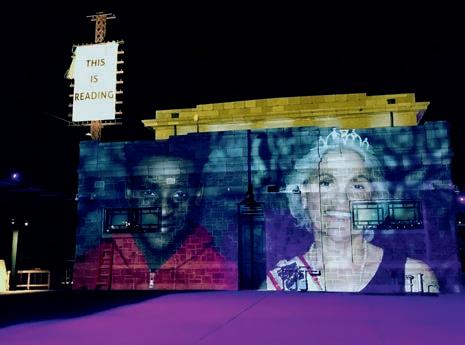
A two-time Pulitzer Prize winner, Professor Lynn Nottage has earned critical acclaim as a playwright whose powerful, intimate work unapologetically confronts race, class, inequality and poverty.
A sampling of courses taken by
recent Columbia
Engineering
students
The Art of Engineering
Applied Data
Science
Introduction to Human Space Flight Research to Revenue
Advanced Microeconomics
Experiments in Physics
Hispanic Cultures
I: Islamic Spain
Through the
Colonial Period
Introduction to Computing for Engineers and Applied Scientists
Computer Science
Theory
Stochastic Models
Intermediate Microeconomics
Multivariable Calculus for Engineers and Applied Scientists
General Chemistry
Laboratory
Mechanics
Ordinary Differential Equations
Digital Systems
Laboratory
Organic Chemistry Laboratory II (Synthesis)
Undergraduate Research Project
Think Bigger
Introduction to the Design and Analysis of Efficient Algorithms
Introduction to Cryptography
Production ad
Inventory Planning
Applied Machine
Learning
Pharmaceutical Industry for Engineers
Foundations of Optimization
Visionary Medicine: Racial Justice, Health and Speculative Fiction Projects in Mechanical Engineering
Embedded System Design
Intermediate Spanish II
University Writing: Readings in MedicalHumanities
Behavioral Biology of Living Primates
Programming Language (Python)
Solid Earth Dynamics
Nonparametric Statistics
Applied Electromagnetism
Molecular Biology
Industrial Organization Analysis and Optimization Topics in Music and Society
Vvedenie v russkuiu
literaturu: Scary Stories
Biomedical Engineering Laboratory
University Writing: Contemporary Essays
General Chemistry I (Lecture)
Narrative and Human Rights
Masterpieces of Western Literature and Philosophy I
Computer Graphics and Design
Introduction to Modern Analysis I
Behavioral Neuroscience
Principles and Applications of Modern DNA
Sequencing
American Urban Politics
Introduction to Machining
Undergraduate Projects in Computer Science
Data: Past, Present and Future
Undergraduate Research in Earth and Environmental Engineering
Analysis of Chemical Engineering
Signal and Systems
Introduction to Quantum Mechanics
Masterpieces of Western Art Linear Algebra
Ceramics and Composites
Arts of China, Japan and Korea Projects in Computer Science
Biomedical Engineering II
Physical Education: Iyengar Yoga Colloquium on Major Texts
Elementary Yiddish I Millennium:
Apocalypse and Utopia
The Historical Jesus and the Origin of Christianity
The Romans and Their Empire Earth’s Oceans & Atmosphere
Physical Education Strength Training
Ancient SciencesMedieval
Islamic World
Experimental Mechanics of Materials
Theaters of the Real
A History of China in 27 Objects
Introduction to Statistics for Ecology and Evolutionary Biology
Third-Year
Korean I/II
Intermediate Conversation
the City of New York
Computational
Neuroscience: Circuits in the Brain Energy, Minerals and Materials Systems
Classical Control Systems
Biomedical Engineering Design
University Writing: Readings in Gender and Sexuality
Accelerated Physics II
Intensive Organic Chemistry II (Lecture)
Introductory Statistics for Behavioral Scientists
Masterpieces of Western Music Fundamentals of Global Health
Structural Analysis
The Science of Psychology
Introduction to Databases
Deep Learning
Elementary Italian II
Fiction, Film, & Modern Vietnam
Colloquium on Major Texts: Middle East and South Asia
Observational
Astronomy
Management and Development of Water Systems
Senior Thesis: Performance
Planetary Dynamics and Physics of the Solar System
Energy Harvesting System-on-Chip Platforms
Dynamics and Vibrations
Electronic Circuits
Laboratory
Topics in Music and Society
Another Earth
Buddhism and Neuroscience
Earth and Environmental Engineering Lab I
Republicanism: Plato to Pettit
Beginning Fiction Workshop
The Evolution of Human Growth and Development
Intro to Plasma physics
Physical Education: Basketball
First-Year
Vietnamese II
General Physics II Laboratory
Physical Education: Scuba
Third-Year
Chinese W II
Physical Education: Soccer
Undergraduate Thesis
Oboe Instruction
Classical Latin Prose
Statistical inference
Introduction to Experimental Physics Laboratory
Intermediate Latin II
Stars, Galaxies and Cosmology
Virology
Solid Mechanics
Computer-Aided
Structural Design
Artificial Intelligence Analysis of Algorithms I
Contemporary
Islamic Civilization
Seminar in Biopharmaceutical
Development & Regulation
Physical Education: Indoor Rowing
Magic and Monsters in Yiddish Literature
Tissue Engineering
Topics in Global Thought: Youth in an Interconnected
World
Public Economics
Conducting Music
Plato and Confucius: Comparative Ancient Philosophies
Introduction to Personality
Introduction to Chemical Oceanography
Circuit Analysis
Undergraduate
Research in Applied
Mathematics
Vietnam in the World
Late 20th C. Ethnic
American Literature
Honors Tutorial in Mechanical Engineering
Physical Education: Pilates/Sculpt
Time Series Analysis
Elementary Cantonese II
Essential Data
Structures in C/C++
Ethics of Sustainable Development
Introduction to Knot Theory
African Civilization
Fourier Analysis
Physics II: Thermodynamics, Electricity and Magnetism
University Writing: Readings in Law and Justice
Introduction to Applied Mathematics
Introduction to East Asian Civilizations: China
Chinese Religious Traditions
Ancient History of Egypt —
Discussion
University Writing: Readings in American Studies
Jazz Piano
Instruction
The Art of Structural Design
University Writing: Readings in Data and Society
A Better Planet by Design
Carbon Capture
Calculus II
University Writings: Readings in Human Rights
Hydrosystems
Engineering
Introduction to Film and Media Studies
Repression & Representation: Memory Art, Film and Literature in Post-Dictatorial Latin America
Anonymity and Privacy
Robotic
Manipulation
Language, Brain, and Mind
Computational Genomics Dance in Film
French II Global Language Justice and the Digital Sphere: Theory and Practice
Supply Chain
Analytics Acting Lab
Third-Year
Japanese I & II
Elementary Korean Elementary HindiUrdu II Air-Sea Interaction
Contemporary Biology Laboratory Projects in Biomedical Engineering Projects in Electrical Engineering Literature and Cultures of Struggle in South Africa
Intermediate Catalan I
Intermediate German II
University Writings: Readings in Film and Performance Arts
Project Management for Construction
Introductory Biology II: Cell Biology, Development & Physiology
The Romans and Their Empire 754
BCE–641 CE
Intensive General Chemistry
Laboratory
The Black Radical Tradition in America
Thinking and Decision Making
Latin American Civilization II Earth’s
Environmental System: The Climate System
Natural Language Processing Crossroads in Bioethics
Advanced Optimization
Money and Banking
Introduction to Probability and Statistics
Introduction to Econometrics
Mechanical Engineering Laboratory II
Computer Graphics
Partial Differential Equations
Internet Technology, Economics and Policy
Fundamentals of Computer Systems
Applied Statistical Computing
Soil Mechanics
Linear Regression Models
Corporate Finance
Bayesian Statistics
Game Theory
Collegium Musicum
Sociology of Education
Complex Variables
Daily Life in
Medieval Europe
Foundations of Data Science
International Trade Symbolic Logic (Y)our Longer Life
Modern Japan: Images and Words
Hindi for Heritage Speakers II
Dev Tech (Using Linux)
Independent Studies in Civil Engineering for Seniors
Networking Laboratory
Computational Aspects of Robotics
Accounting and Finance
Europe’s
Commercial Revolution
Physical Education: Skiing/ Snowboarding
The Social World Computing in Context
Elementary Spanish II
Operating Systems I Design Using C++ Electromagnetics
Data Structures in Java
Rethinking Middle Eastern Politics
Sustainable Manufacturing
The Mongols in History
Berlin/Istanbul: Migration, Culture, Values
New and Old Forms of Political Protest
Colloquium on Major Texts: East Asia
State Politics
Neurogenetics
Printmaking: Print in Motion
Palestinian and Israeli Politics and Society
South Asia: Empire and the Aftermath
Mechanics: Fundamentals and Applications
Ear Training I
Music of East and Southeast Asia
Elementary German I
Physical Education: Hiking (Beginner)
Make It Strange
East Asian Cinema
Beginning Poetry
Workshop
Genes and Development
US Foreign Relations, 1890–1990
Russian Linguistics, Habits and Activity
Structural Design
Third-Year
Conversation
French
Genetics
Intermediate
Portuguese I
Columbia University
Jazz Ensemble
THE Fu Foundation School of Engineering and Applied Science
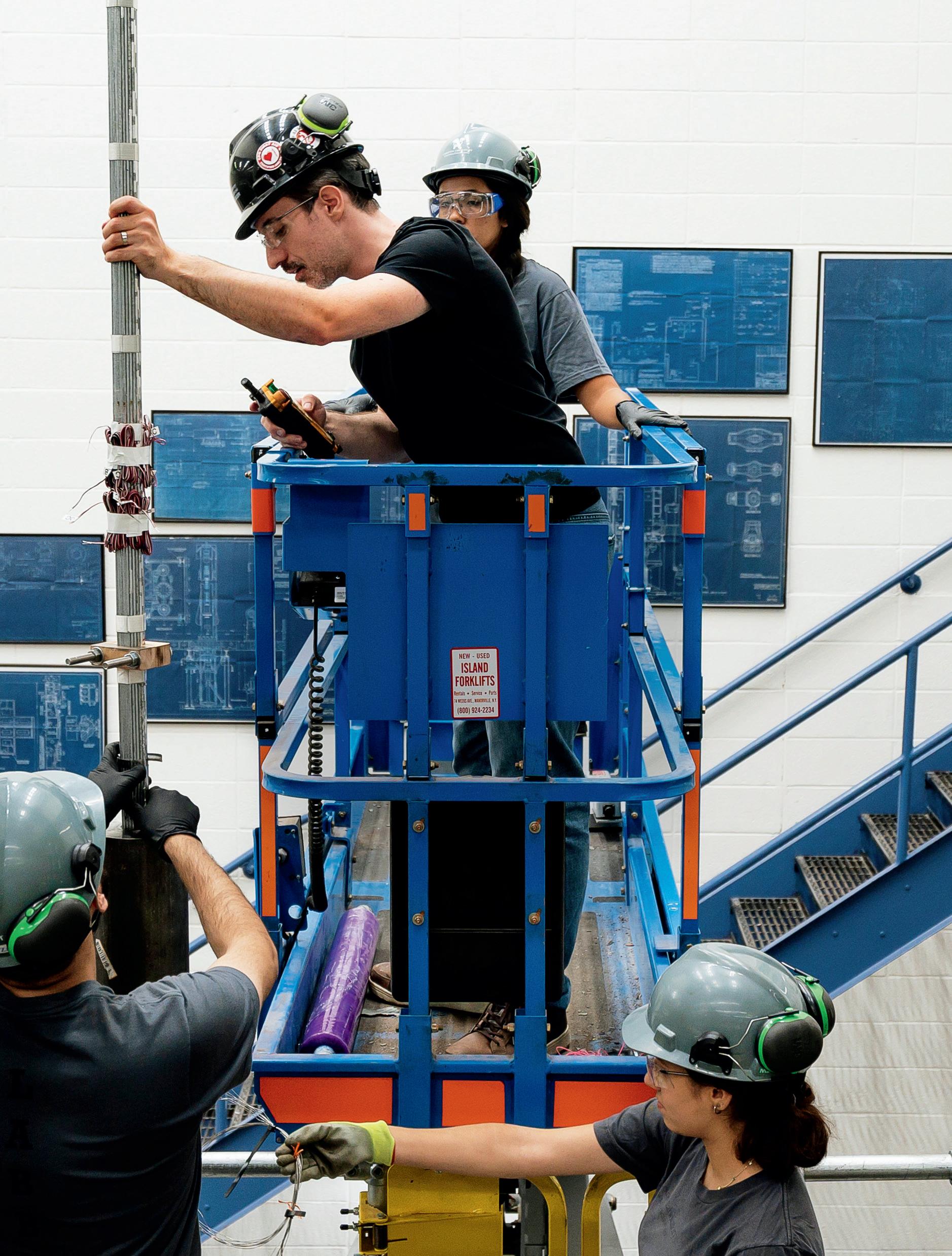
Since 1864, Columbia Engineering students and faculty have made remarkable contributions to technological and social progress as we have pushed the frontiers of knowledge and discovery to meet the needs of our global society. Today, Columbia engineers are a force for the future, working to create a more sustainable, healthy, connected, secure and creative humanity.
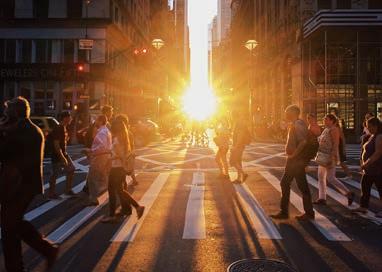
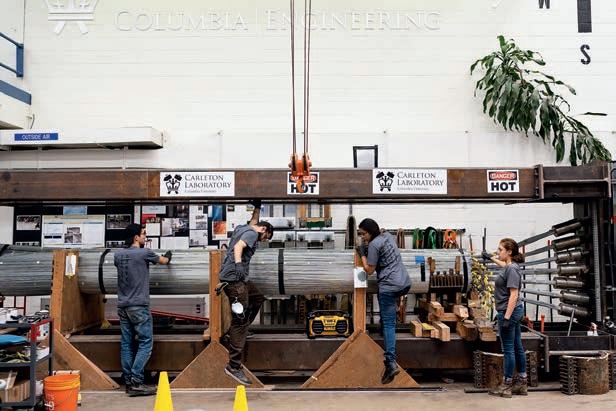
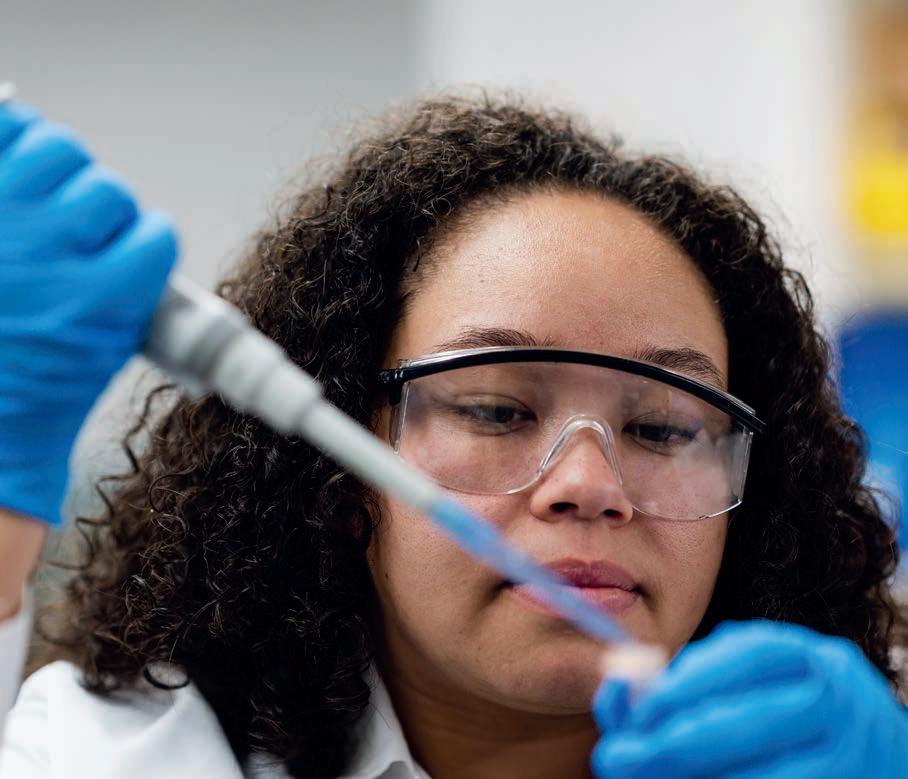
Through an undergraduate course of study that features an engineering foundation with a liberal arts core and leverages the extensive resources of a major research university, Columbia Engineering students become leaders and innovators, prepared to confront complex issues with groundbreaking solutions to the grand challenges of our time.
30+ UNDERGRADS PRESENTED AT THE ANNUAL ENGINEERING RESEARCH SYMPOSIUM
250+ FULL-TIME FACULTY IN NINE DEPARTMENTS
“From leading a world-class solar fuels research project to performing with the Columbia University Orchestra at Lincoln Center, the wealth of possibilities available at Columbia Engineering played a pivotal role in setting my career vision.”
Amar B. Marshall Scholar Hong Kong Chemical Engineering
Centered in the cultural and financial hub of a city that has emerged as a world-renowned center for high-tech research and development, we offer students a unique educational opportunity. Developing a powerful engineering foundation from within 16 areas of study, undergraduates form close working relationships with a diverse faculty that represents the brightest minds in engineering and applied science from across the country and around the world.
Our students and faculty push research frontiers, engage in interdisciplinary collaborations, and blaze new and distinctive pathways toward tangible, realworld impact that will shape the course of the 21st century.
Columbia engineers pursue a deep liberal arts foundation side by side with their Columbia College peers through the Core Curriculum. Their education is further enriched by over 20 liberal arts minors as well as 16 engineering minors.
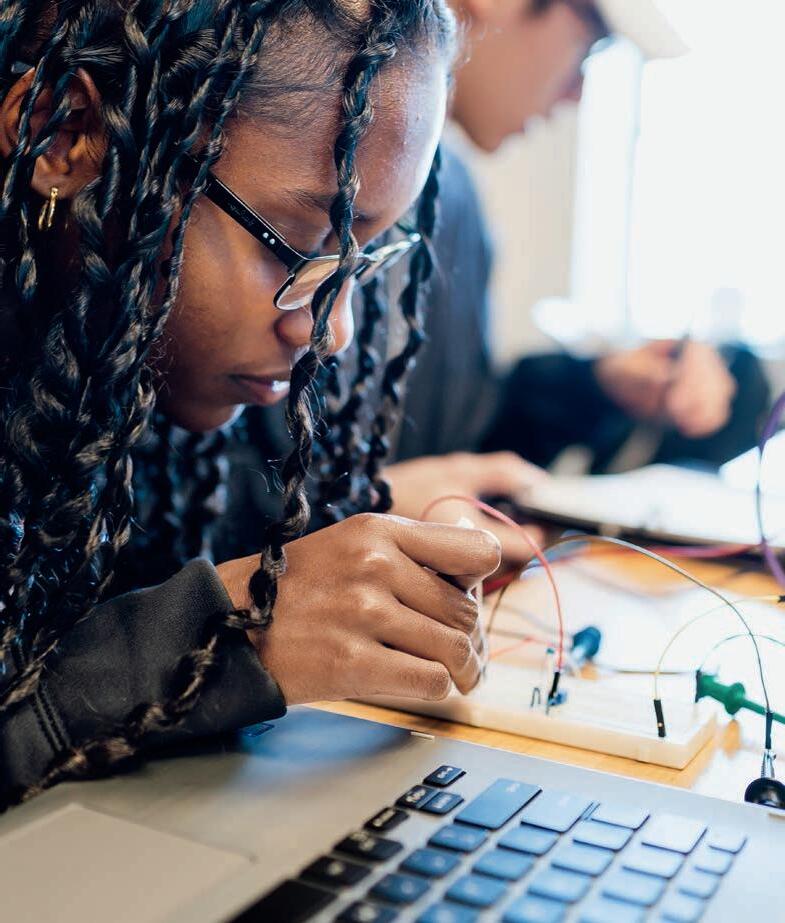
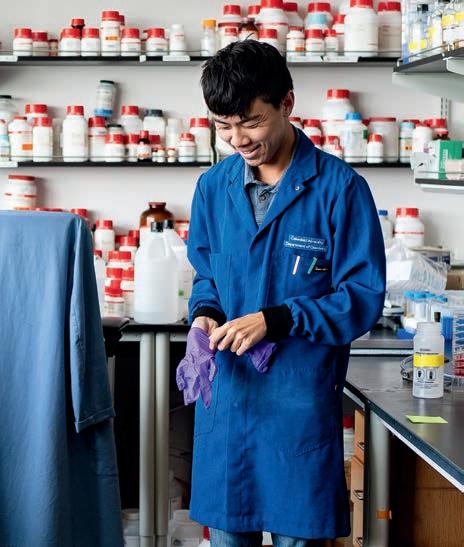
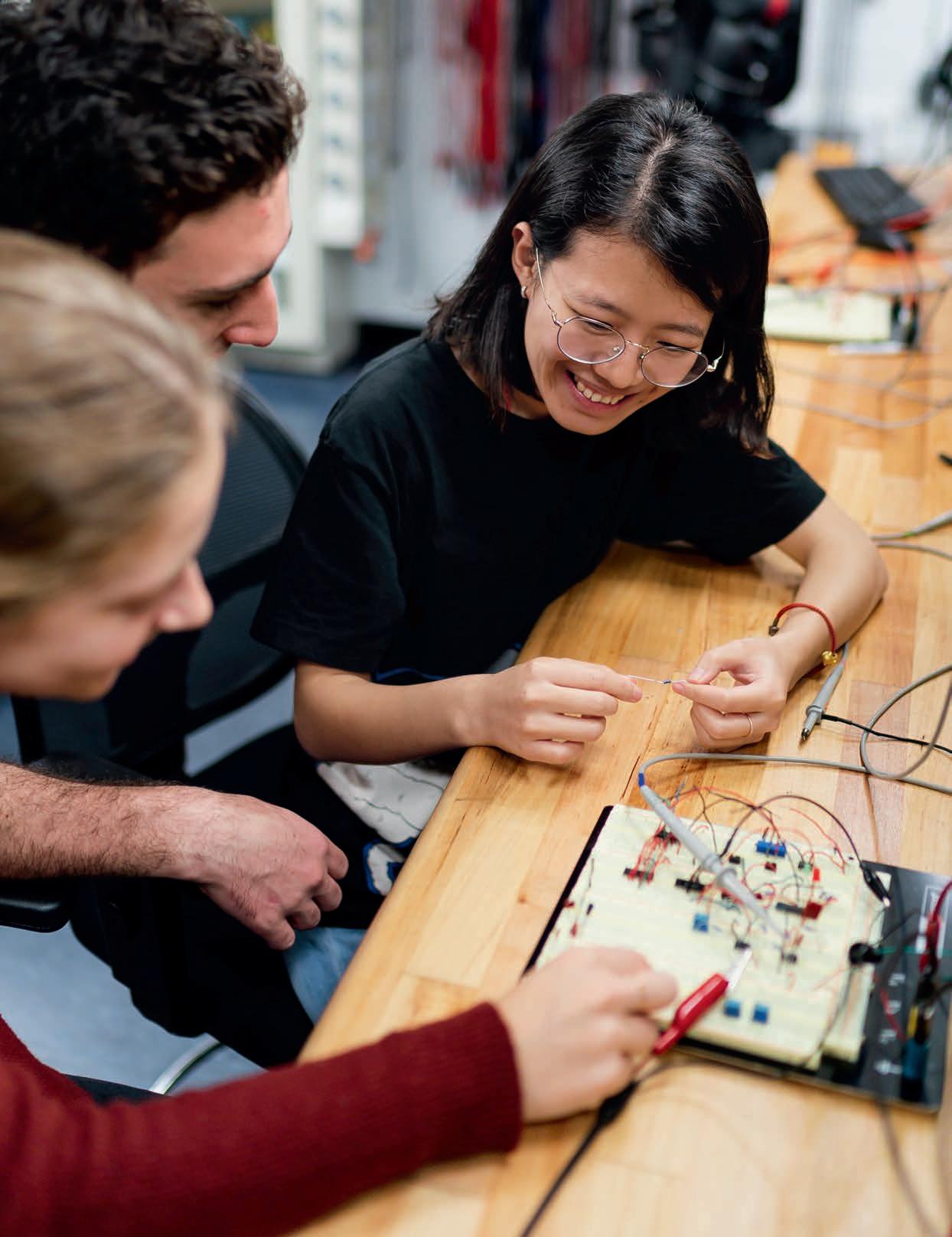
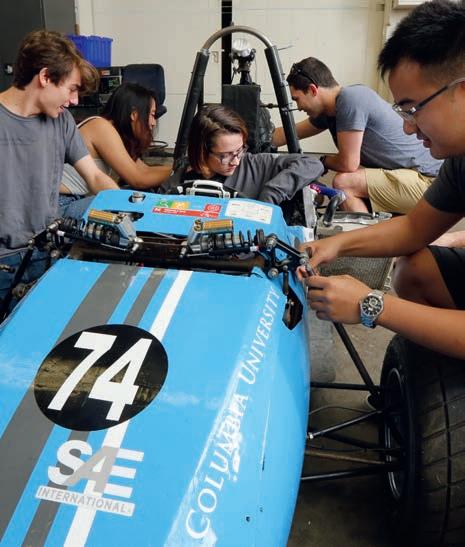
Both in and out of the classroom, Columbia Engineering is a handson environment with an emphasis on engaged learning, discovery and innovation. It’s a rich creative landscape where free thinkers flourish, bold ideas thrive and possibilities become realities.
Learn more about Columbia Engineering
STARTUPS LAUNCHED BY ALUMNI THROUGH THE COLUMBIA STARTUP LAB
Analytics
Applied Mathematics
Applied Physics
Biomedical Engineering
Chemical Engineering
Civil Engineering
Computer Engineering
Computer Science
Earth and Environmental
Engineering
Electrical Engineering
Engineering
Management Systems
Financial Engineering
Industrial Engineering
Materials Science
Mechanical Engineering
Mining Engineering
Operations Research
Aerospace Engineering
Applied Mathematics
Applied Physics
Biomedical Engineering
Chemical Engineering
Civil Engineering
Computer Science
Earth and Environmental
Engineering
Electrical Engineering
Engineering Mechanics
Entrepreneurship and Innovation
Industrial Engineering
Materials Science and Engineering
Mechanical Engineering
Operations Research
Sustainable Engineering
Anthropology
Architecture
Art History
Dance
East Asian Studies
Economics
English and
Comparative Literature
Ethnicity and Race Studies
Film and Media Studies
French and Francophone Studies
German
Greek
Hispanic Studies
History
Latin
Linguistics
Middle Eastern, South Asian and African Studies
Music
Philosophy
Political Science
Psychology
Religion
Sociology
Statistics
The Art of Engineering
Chemistry/Biology
Computer Science
Mathematics
Physics
Technical Electives
Non-Technical Electives
Literature Humanities, Contemporary Civilization or Global Core
Art Humanities or Music Humanities
University Writing
Economics
ENGINEERING FOR HUMANITY
From New York’s first subway and FM radio to DNA sequencing platforms, sophisticated climate modeling and advanced bioreactors, Columbia Engineering innovations have revolutionized industries and advanced society.
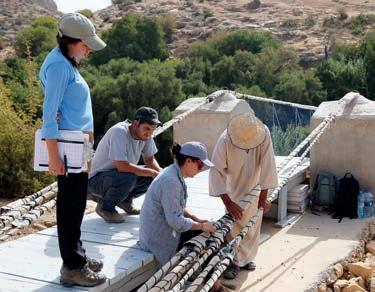
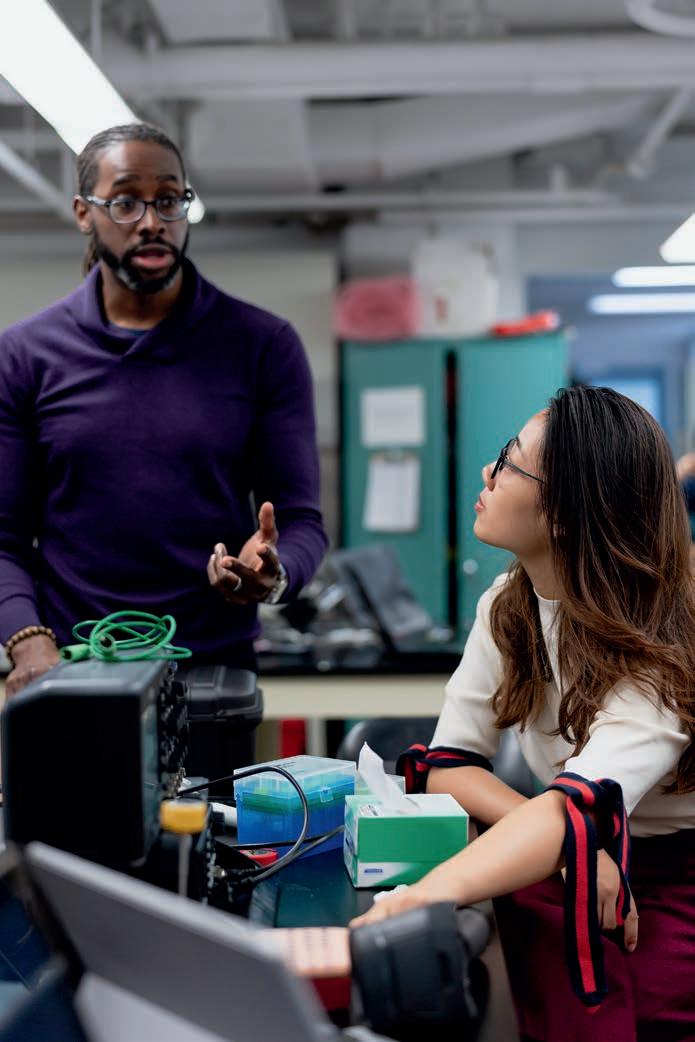
Today, Columbia Engineering continues to bring our engineering impact to the service of humanity, and we are dedicated to the pursuit of engineering that fosters a more sustainable, healthy, secure, connected and creative world.
Preserving our planet while advancing the quality of life for people around the globe is one of the most urgent challenges facing society. New and interdisciplinary ways of thinking are required to accelerate essential breakthroughs, from mitigating and reversing climate change to providing water and energy for a rapidly expanding population.
The global life expectancy of our species has doubled since 1900. As health and wellness practices become more personalized, precise, interactive and holistic for both individual patients and entire populations, technical advances will be critical to optimize care and ensure medical resources for underserved communities.
From economies to power grids, complex systems underpin our global society. To enhance production and function, and to manage the inherent risks, we must better understand, model, design, predict, control and optimize the dynamics and behavior of such systems — both natural and human engineered.
Technology is enabling an exponential increase in connectivity, as well as an explosion of data into all spheres of life. Harnessing that potential to improve the human experience requires progress in many areas — including new algorithms for data security and verification and new methods to ensure transparency, ethics and equity.
“I came to Columbia so I could be an engineer who also was aware of social institutions and histories that shaped the world today. This enhances my knowledge of the world, and makes me a more ethical engineer who can…truly make the world a better place for all.”
Aryn D. Hurst, TX
Computer Science, Entrepreneurship and Innovation, and Sociology
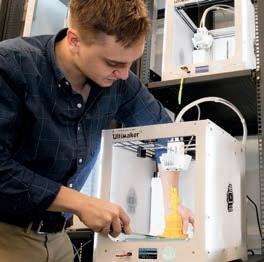
Engineering is an essentially creative field, marked by an emphasis on immersion and exploration. What’s more, the tools and techniques we discover propel creativity and ingenuity in other fields. As we develop makerspaces and promote connections across backgrounds and disciplines, we create an environment where innovation flourishes.
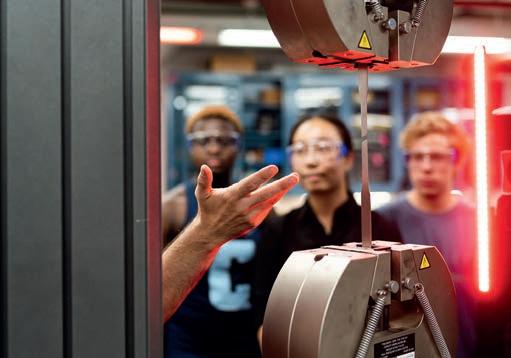
Learn more about our research
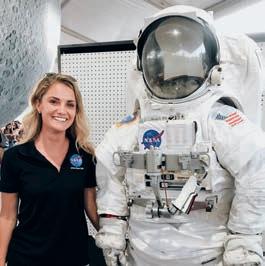
GAINING EXPERIENCE
The Columbia Engineering experience combines the technical acumen students acquire through Columbia’s Engineering Commons with the broad humanist and liberal arts exposure of the renowned Columbia Core Curriculum.
The result is an active, roll-up-your-sleeves culture of imagining, creating and solving. It’s made possible by a diverse, energetic and intellectually curious student body focused on a better future — and enabled by ready access to world-class facilities, ample resources and field-leading faculty.
This foundational and inspirational class guides the transition from high school student to successful collegiate engineer. Students gain practical research experience with the Common Project. Think creatively and collaboratively at Friday group lectures. Engage in half-semester research in the department of their choosing.
Where do students go when they want to build something that has form and mass in the real world, something they can hold in their hands? Columbia’s 3,000 sq. ft. MakerSpace offers a wide variety of tools — from 3D printers to laser cutters and CNC tools for digital fabrication — for projects, hobbies, building prototypes or tinkering with a new idea.
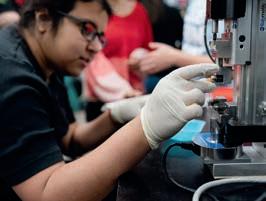
An interdisciplinary community within Columbia University dedicated to supporting and developing research efforts in nanoscience and technology, as well as quantum science and technology. A Clean Room provides a comprehensive suite of tools for microfabrication and nanofabrication.
Working closely across disciplines with resources like Columbia's Data Science Institute, faculty are shepherding a new wave of AI technologies. These advances have the potential to permeate and transform every field—from medicine and finance to materials discovery, social interactions and free speech.
Columbia Engineering students are more than engineers — they’re visionaries with the power to discover solutions, advance progress and find answers to the world’s greatest challenges.
Columbia Design Challenges encourage students from across the University to devise interdisciplinary solutions to urgent societal needs. From fighting Ebola and building sustainable workspaces in India to increasing access to clean water in Rio de Janeiro and generating innovative technology for New York City’s participation in the 2020 Census, our students work on real problems to help find real solutions.
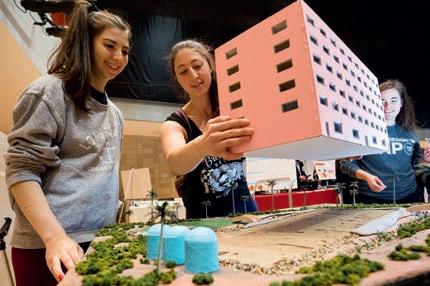
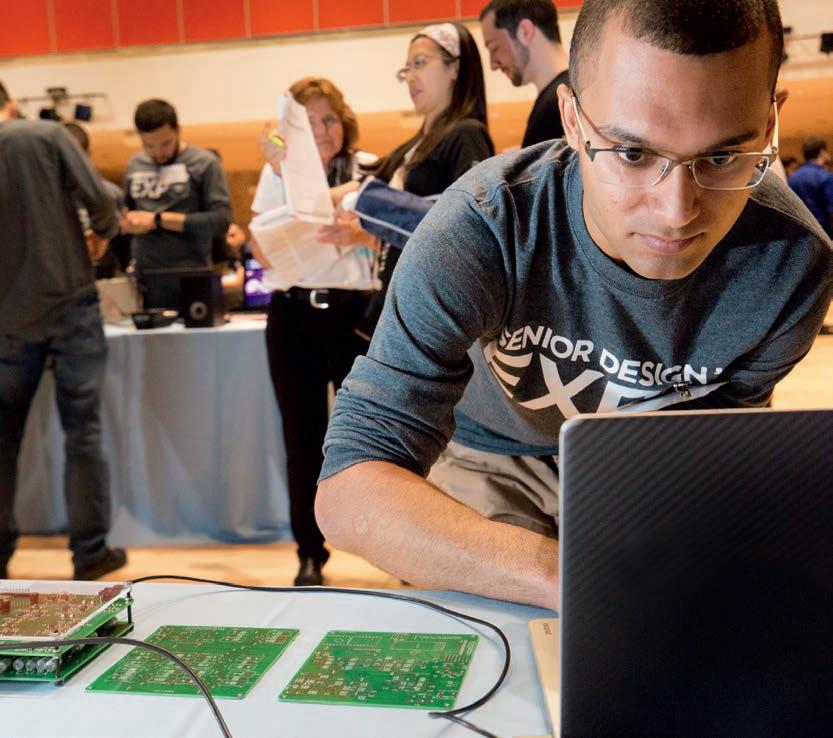
The annual Senior Design Expo showcases the collaborative projects of seniors with their peers, applying their knowledge to solve an engineering challenge while researching, designing and producing an original prototype. Recent projects include needle-less vaccinations, vertical farming pollinators, methane-reducing hydroelectric dams and space junk retrieval systems.
The Columbia engineers who pioneered inventions like X-ray technology and the mass-production of antibiotics worked at the very cutting edge of technology in their lifetime. Today, we’re doing the same.
Multidisciplinary research brings together bioengineers, clinicians and systems biology scientists to create innovative procedures and therapies that can help the human body heal itself, whether that means recovering from heart attacks, improving brain function or fighting cancer with bacteria.
Charting an urgent pathway toward a clean energy future with a world-class research team spanning multiple departments. Electro-chemical reactions are the driving force behind next-generation batteries, future fuel, carbon capture and conversion, and the decarbonization of manufacturing industries.
MAJOR
Chemical Engineering and Biomedical Engineering
FAVORITE SPOT ON CAMPUS
I always cross Law Bridge (also known as Revson Plaza) when I'm leaving and returning to my residence hall, and I like taking a break to admire the view or doing some work when the weather is nice. It maintains Columbia's campus environment while feeling close to the city.
CLUBS AND ACTIVITIES
Tour Guide, Triathlon Club, ChemE Car Club, Bach Society, Navy ROTC
FAVORITE COLUMBIA TRADITION
Bacchanal is a spring showcase of music. Campus is never more alive, with massive throngs of students watching student performers and famous artists on the same stage. I love the social energy and the opportunity to see notable musicians for free
MEMORABLE ACADEMIC EXPERIENCE
The Makerspace has been the ultimate creative outlet for me throughout my time at Columbia. Through the plethora of free tools and materials available—from laser cutters and waterjets to sewing and embroidery machines—I developed a passion for hands-on engineering and a better understanding of how goods are manufactured.
REFLECTIONS
There is ALWAYS something happening! Whether it be a pop-up merch giveaway on campus, a trip to a fully-booked Columbia-only Coney Island (rides and all), or a free Broadway show, there are constantly opportunities to build community with my peers and engage with the limitless activities happening in New York City. Being able to study for exams, toss a frisbee on-campus, and bike to Times Square all in one afternoon can only happen at Columbia.
HOMETOWN
Olympia, WA
MAJOR
Biomedical Engineering
FAVORITE SPOT ON CAMPUS
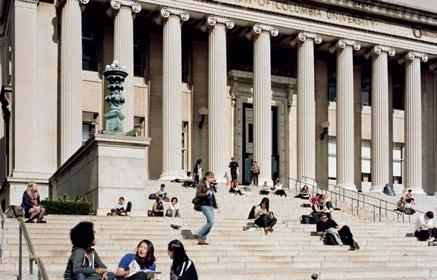
On the steps in front of Low — it’s a really cool place to just chill and be outside.
WHAT I LOVE ABOUT NYC
The proximity of everything. Great food around you at all times.
CLUBS AND ACTIVITIES
I’ve been on the varsity women’s soccer team, and I wouldn’t trade anything for that experience.
FAVORITE COLUMBIA TRADITION
There’s this dance group called Raw Elementz at Columbia. It’s not an exaggeration to say some of my favorite memories are their performances on the steps of Lerner.
REFLECTIONS
I love the vibe of the athletic community here. We’re super supportive of each other. You see them for hours on end every day, so even in the short time you’ve been together, you feel like you’ve known them forever. That’s definitely been a highlight.
HOMETOWN
Silver Springs, Maryland
Professor of Earth and Environmental Engineering
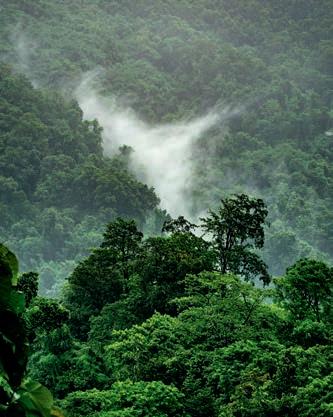
Pierre Gentine is accelerating a more effective climate response with investigations into the global water cycle that increase our ability to make predictions about the future of droughts, flooding and extreme weather.
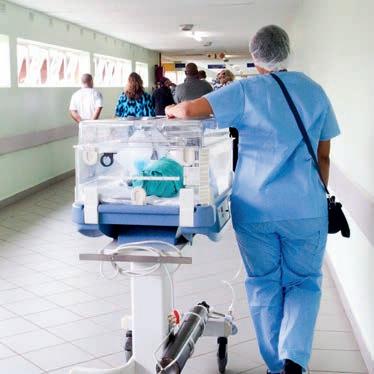
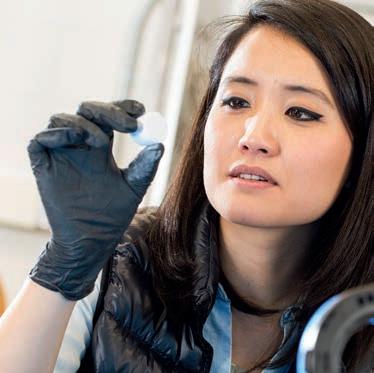
Applying her expert knowledge of structures to the human body, Associate Professor of Mechanical Engineering Kristin Myers is developing instruments that prevent preterm birth — sparing families deep emotional and financial costs, and making this leading cause of infant mortality a thing of the past.
For years, science focused on killing bacteria. Now researchers like Associate Professor of Biomedical Engineering Tal Danino are reframing this complex, invisible world and genetically programming bacteria to diagnose disease and even heal the human body.
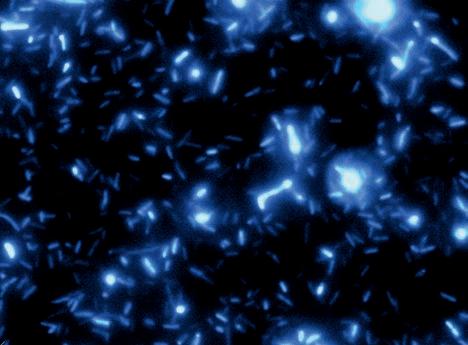
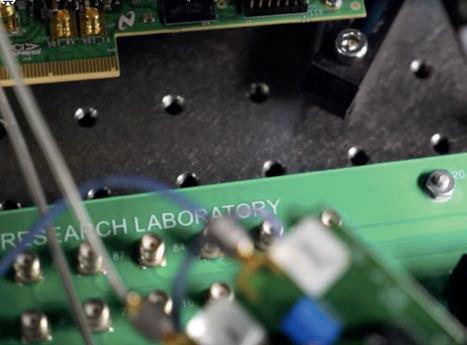
Professors Keren Bergman and Michal Lipson of Electrical Engineering together with Professor Alexexander Gaeta of Applied Physics are working to replace electrons with photons from the nanoscale to the microscale for networks that will connect us faster without taxing energy resources.
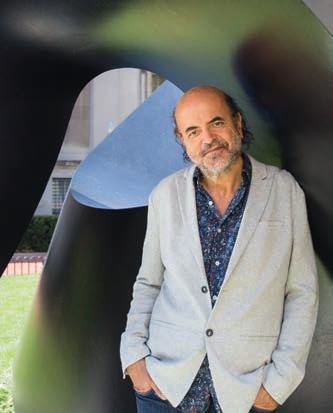
A pioneer in algorithms, Christos Papadimitriou, Professor of Computer Science, is turning his focus to the mystery of the human brain to understand the sources of cognition, intelligence, language and stories.
Enhancing materials like concrete to better protect the environment, Associate Professor of Civil Engineering and Engineering Mechanics Shiho Kawashima’s innovations in the field of rheology create stronger, longer-lasting infrastructure — staving off disasters like gas leaks and oil spills.
A Capella
Clefhangers
Chinese A Cappella
Gospel Choir
Jubilation!
Kingsmen
Metrotones
Nonsequitur
Notes and Keys
SHARP
Uptown Vocal
Academic
American Institute of Aeronautics and Astronautics Application Development
Initiative
Chandler Society for Undergraduate Chemistry
Data Science Society
Columbia History Association
International Relations Council and Association
Mandarin Debate Society
Mock Trial
Neuroscience Society
Society of Physics
Students
Columbia Space Initiative
Undergraduate Mathematics Society
Biomedical Engineering Society
Computer Security Club
Formula Racing
Robotics Club
Environmental Biology Society
Rock Climbing
Rugby Sailing
Shotokan Karate
Ski & Snowboard
Soccer
Table Tennis
Tae Kwon Do Tennis
Triathlon
Ultimate Volleyball
Water Polo
Women's Wrestling
Cultural
Afghan Student Alliance
African Students Association
Alianza
Argentine Student Association
Asian American Alliance
Black Students Organization
Brazilian Society
Caribbean Students Association
ChicanX Caucus
Chilean Student Association
Pakistani Student Association
Peruvian Student Association
Polish Student Society
Saudi Student Association
Singapore Students Association
Student
Organization of Latines
Taiwanese
American Students
Association
Thai Club
The Nordic Society
Ukrainian Club
Venezuelan Student Association
Vietnamese Students Association
Dance
Columbia Ballet
Collaborative
Ballroom Dance Club
Columbia Barnard Tango Bhangra
First-Generation and/or Low-Income Network
Intercultural Resource Center
JQ
MilVets of Columbia
Mixed Heritage Society
Neurodivergent at Columbia
Proud Colors
Women's History Month
Journals, Publications and Media
Bwog
Columbia Daily Spectator
Columbia
Economics Review
Columbia Journal of History
Columbia Journal of Literary Criticism
Columbia Political Review
Columbia Science Review
Columbia
Politics, Activism and Advocacy
Active Minds
Alexander Hamilton Society
American Enterprise Institute
One for the World Recovery Coalition
Students for Global Health Equity and Medicine
Amnesty International
College Democrats
College Republicans
Vegan Society
Young Democratic Socialists of America
ColumbiaVotes
Criminal Justice Coalition
Doctors Without Borders
EcoReps
GendeRevolution
Planned Parenthood
Generation POLIS
Columbia University
EMS
Music Industry Club
Women in Law and Politics
Columbia Venture
Partners
Institute of Electronics and Electrical Engineers
Korean International
Society for Academics and Career
National Society of
Black Engineers
Society of Hispanic Professional Engineers
Society of Women Engineers
Religious and Spiritual Adventist Christian Fellowship
Baha'i Club
Canterbury
Episcopal Society
Chabad Student Network
Girls Who Code @
Columbia Hearts for the Homeless International
Housing Equity Project
Job Road
New York Small Claims Advisory Service
Sharsheret
Students for Health Education, Access, and Literacy
The Food Pantry at Columbia Youth For Debate
Special Interest
AI at Columbia
Chess Club
Columbia ESports
Minecraft Club
Poker Club
Columbia Culinary Society
Columbia Gardening Club
Gourmand Club
Chinese Students Club
Colombians at Columbia
Columbia European Society
French Cultural Society
Hellenic Society
Indonesian Society
Iranian Students Association
Columbia China Dance
Lion Dance Swing Dance Club CU Raqs Sharqi Ijoya
Onyx Dance Troupe Orchesis
Raas
Raw Elementz
Run Columbia Sabor
Taal
Undergraduate Journal of Global Health
Undergraduate Law Review
Undergraduate Medical Review
Double Exposure
Continents
Federalist Paper
Gadfly
Hoot Magazine
Iggrot Ha'Ari
Quarto
Scientists and Engineers for a Better Society
Students for Sanctuary Students
Supporting Israel
Preprofessional
American Institute of Chemical Engineers
American Medical Students Association
Christians on Campus Bhagavad Gita
Association
Columbia Catholic Ministry
Chinese Bible Study Group
Hillel
Hindu Students Organization
Orthodox Student Association
Buddhist Association
Engineering Recruitment Committee
Global Recruitment Committee
Model Congress
Political Science
Students Association
Quiz Bowl
Student Union for Sustainable Development
Yiddish Club
Club and Intramural Sports
5v5 Basketball League
Aikido
Archery
Badminton
Brazilian Jiu Jitsu
Cheerleading
Columbia Wushu
Cycling
Dodgeball Tournament
Figure Skating
Goju-Ryu Karate
Hiking
Kendo
Men's Ice Hockey
Men's Lacrosse
Road Runners
Somali Student Association
Turkish Students Association
Albanian Society
Armenian Society
Boricuas
Palestinian Student Society
Ethiopian and Eritrean Student Association
Grupo Quisqueyano
Haitian Students Association
Hong Kong Students and Scholars Society
Indian Student Association
Japanese Student Association
Korean Students Association
Lebanese Society Liga Filipina
Mālama Hawai'i
Muslim Afro
Niyyah Students Association
Myanmar Association
Native American Council
Fraternity and Sorority Life
Alpha Chi Omega
Alpha Delta Phi
Alpha Epsilon Pi
Alpha Kappa Alpha
Alpha Omicron Pi
Alpha Phi Alpha
Beta Theta Pi
Delta Gamma
Delta Sigma Phi
Delta Sigma Theta
Gamma Phi Beta
Kappa Alpha Theta
Kappa Delta Rho
Kappa Phi Lambda
Lambda Phi Epsilon
Lambda Pi Chi
Phi Gamma Delta
Phi Iota Alpha
Sigma Chi
Sigma Delta Tau
Sigma Lambda
Gamma
Sigma Nu
Sigma Phi Epsilon
Zeta Beta Tau
Zeta Phi Beta
Identity-Based
Queer Alliance
Student Disability Network
Association of Latino Professionals for America
Gosh Yarn It
Multicultural Recruitment Committee
Nightline
Quest Scholars Network
Rural Recruitment Committee
Science Fiction Society
Latter-Day Saint
Student Association
who you truly are.
Sign Language Club
que(e)ry collective
RATROCK Magazine
The Columbia Review
WKCR Yearbook
Music
Arab Music Ensemble
Bacchanal
Bach Society
Bluegrass Ensemble
Chinese Orchestra
Columbia Pops
Columbia Orchestra
Columbia Raaga
Wind Ensemble
CU Pep Band
CU Records
CU Taiko
Japanese Gagaku/ Hogaku Ensemble
Klezmer Ensemble
Latin American Music Ensemble
Louis Armstrong
Jazz Performance
Program
Postcrypt Coffee House
Black Pre-Law Society and Journal
Charles Drew PreMedical Society
ColorStack
Architecture Society
American Society of Mechanical Engineers
Art Market Society
Association for Women in Mathematics
Corporate Law and Business Association
Financial Investment Group
Columbia Marketing Club
Multicultural Business Association
Columbia Organization of Rising Entrepreneurs
Columbia Pre-Law Society
Columbia Quant Group
Columbia Consulting Club
Columbia Black PreProfessional Society
Falun Dafa Club
Kesher
Korean Christian
Student Association
Muslim Students
Association
Yavneh
Zen Buddhism
Service and Community Engagement
African Development Group
AfterHours Tutoring
America Reads
Artists Reaching Out
Asian Youth Program
Design For America
Camp Kesem
Challah for Hunger
CityStep
Columbia Public Health Club
Red Cross
Science Olympiad
UNICEF Club
Community Impact
Engineers Without Borders
Smash Bros. Club
Undergraduate Recruitment Committee
Student Government and Advisory Boards
Activities Board at Columbia
Columbia College
Student Council
Engineering Student Council
Residence Hall
Leadership Organization
Theatre and Film
Barnard
Columbia Ancient Drama Group
Black Theatre
Ensemble
Blue Glaze Theatre
Musical Theatre Society
CU Sketch Show
Ferris Reel Film Society
Kings Crown
Shakespeare Troupe
LateNite Theatre
Third Wheel Improv
Varsity Show
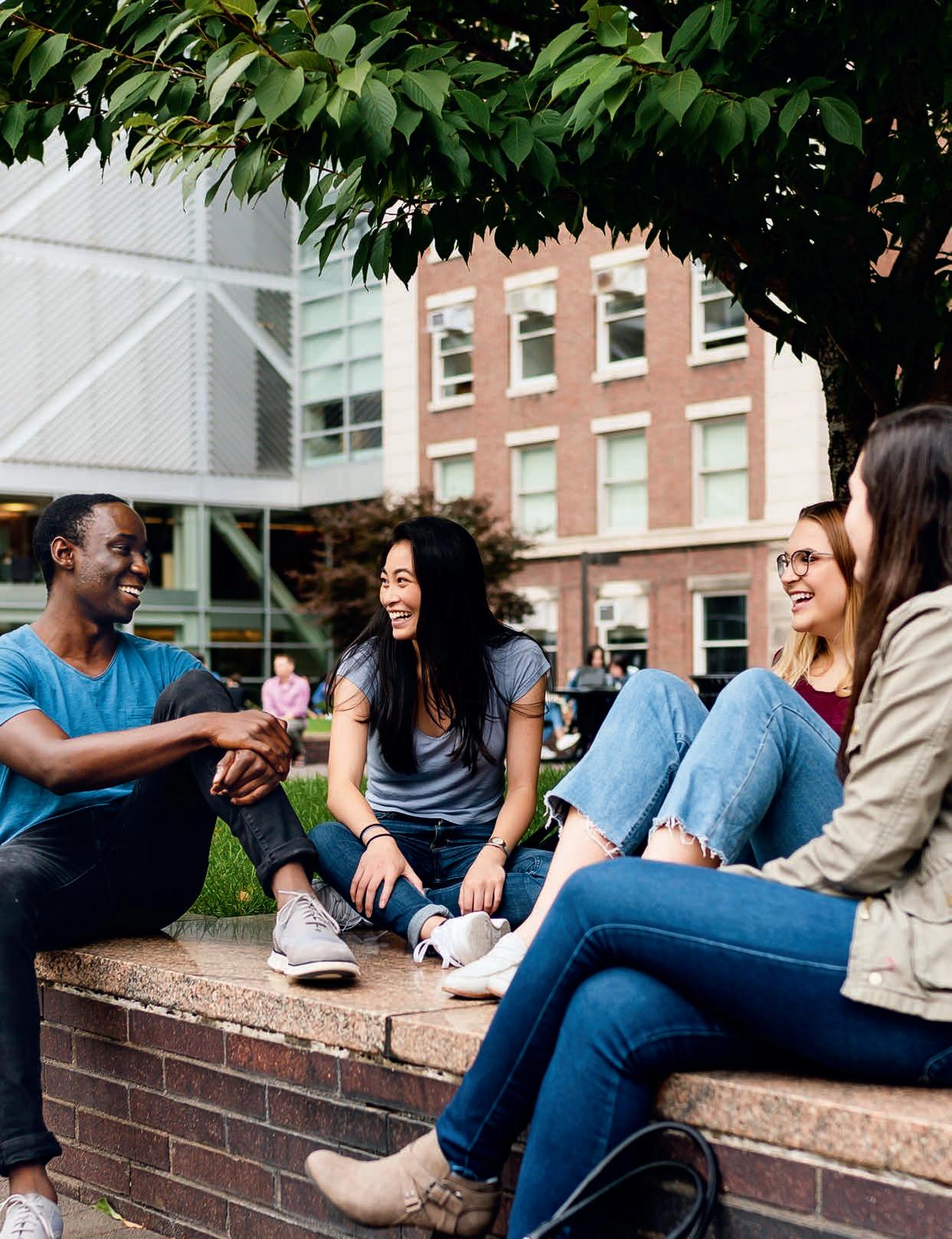
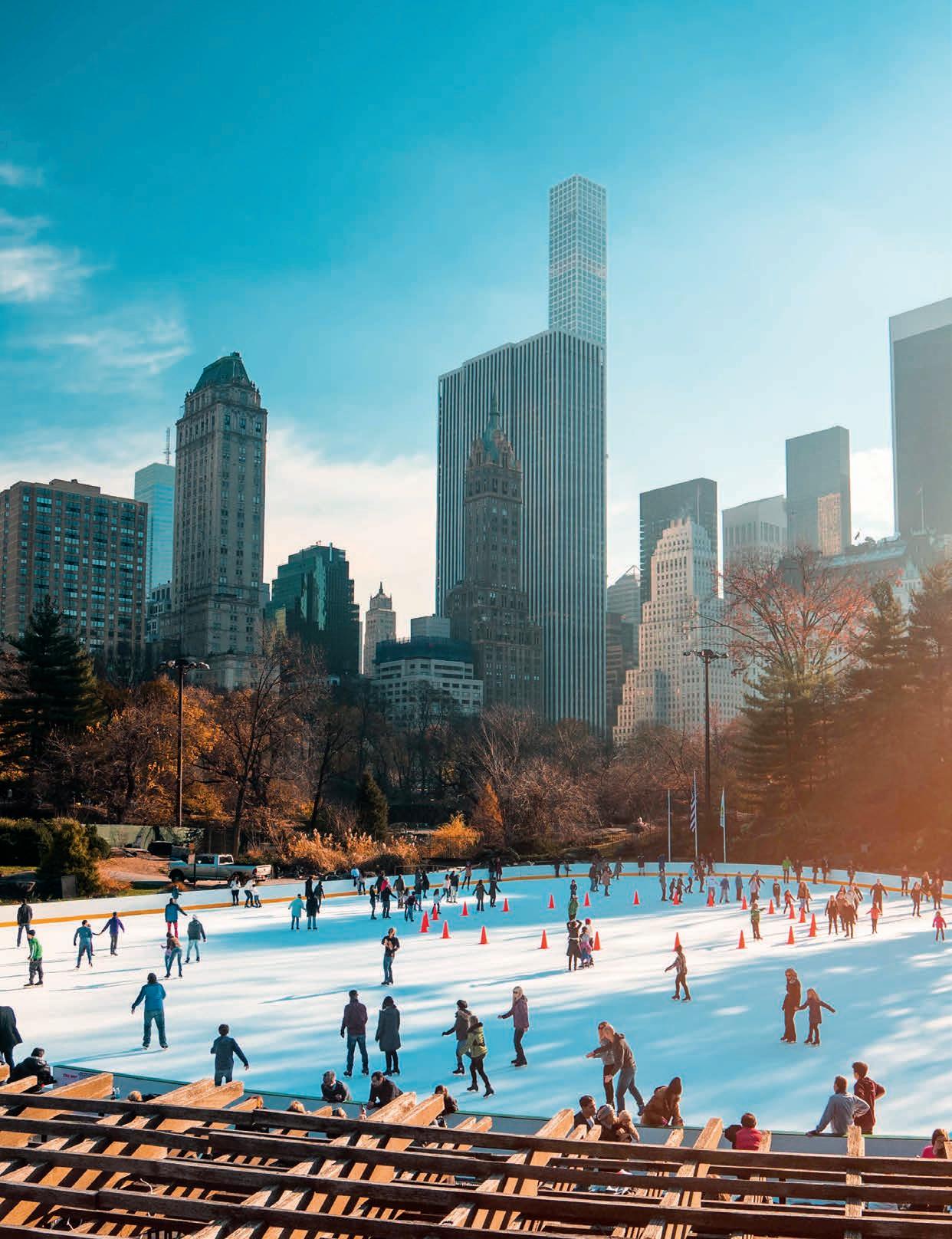
COLUMBIA STUDENT LIFE
Columbia College and Columbia Engineering form a community of bright, curious individuals living and learning together in a truly one-of-a-kind city. Our students come together from every background and every corner of the world to engage and explore, to seek new adventures and perspectives, to build connections and lifelong friendships, and to pursue a better world.
This community draws inspiration from a city and a neighborhood always in motion and a campus alive with opportunity. Students tap into energy and ideas inspired by more than 500 student clubs and organizations — everything from intramural athletics and philosophy journals to investment clubs and culinary societies. They find people who share their passions and beliefs, and discover in themselves a new sense of purpose and identity.
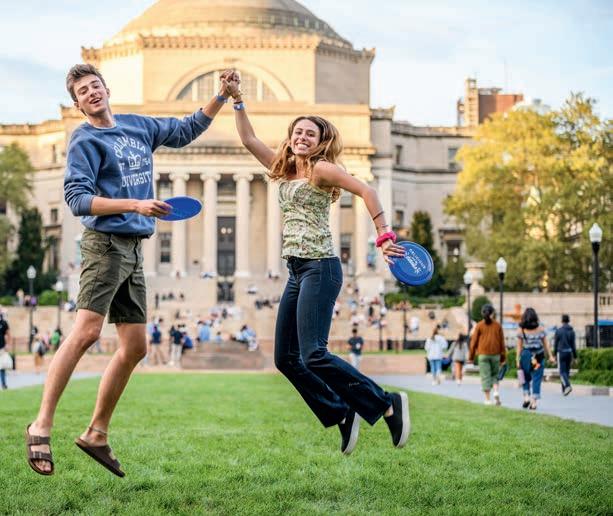
“I have found friendship and support from my fellow Native students within Native American Council. Regardless of your identity, there is a community for you on campus. ”
Abigail
POLITICS, SOCIAL
H. Norman, OK Anthropology
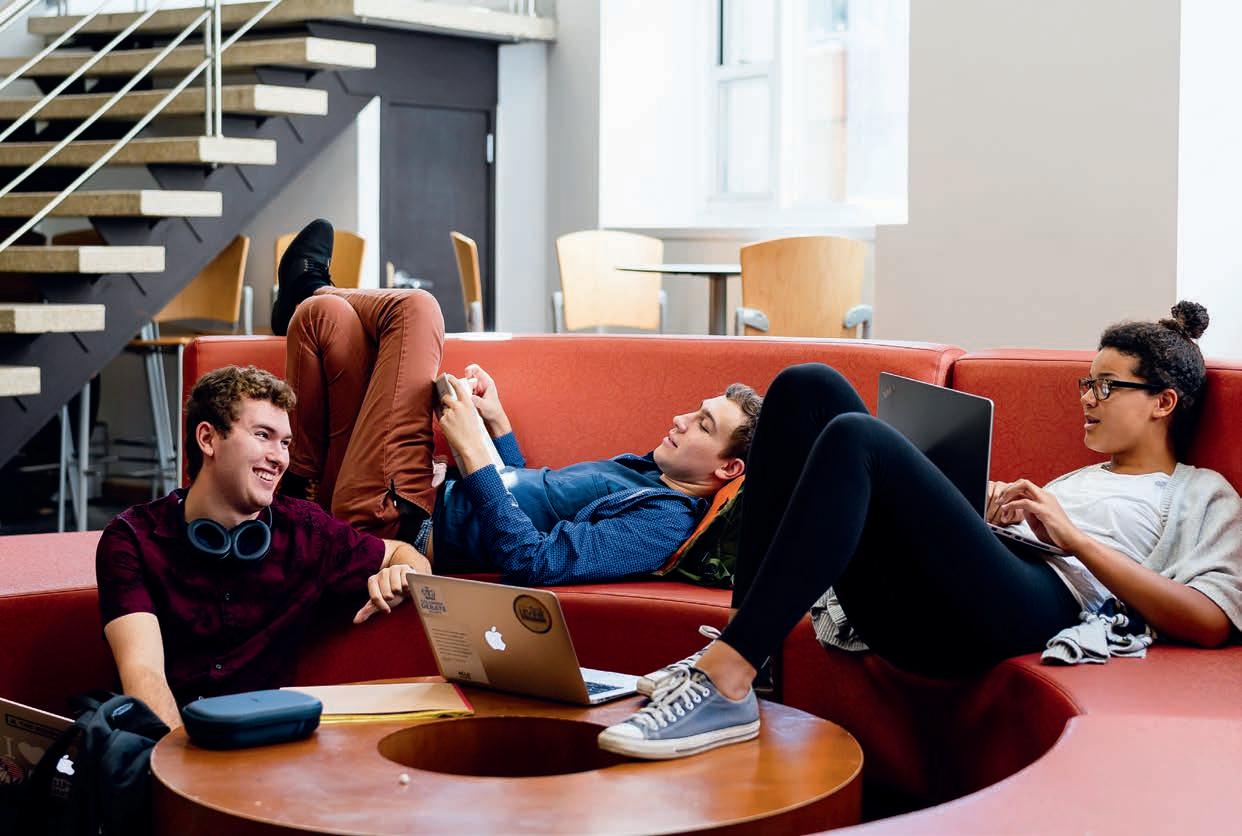
MUSIC- AND PERFORMANCEBASED GROUPS
500+
CLUBS AND ORGANIZATIONS
“You can be whoever you want to be at Columbia, and there will always be social and institutional resources to get you there!”
Sabrina
Jade S. Fremont, CA Data Science
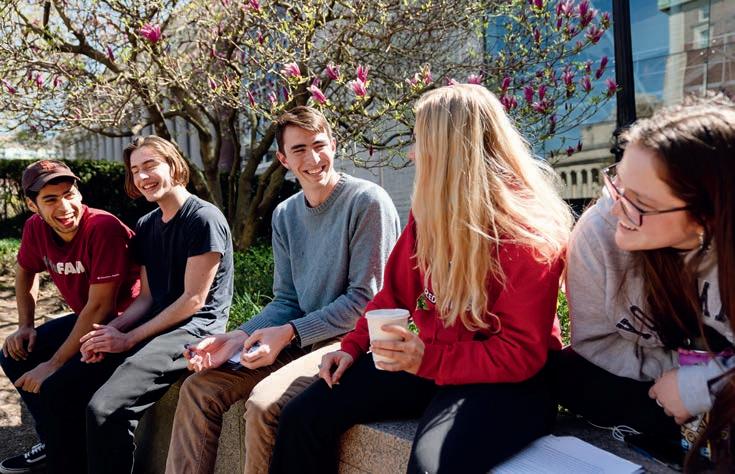
“I can meet people from across the world in my classes, dorms, and clubs. I have learned a lot about different cultures and have become much more open-minded.”
Irene B. Zhoushan, China Computer Science
and Economics
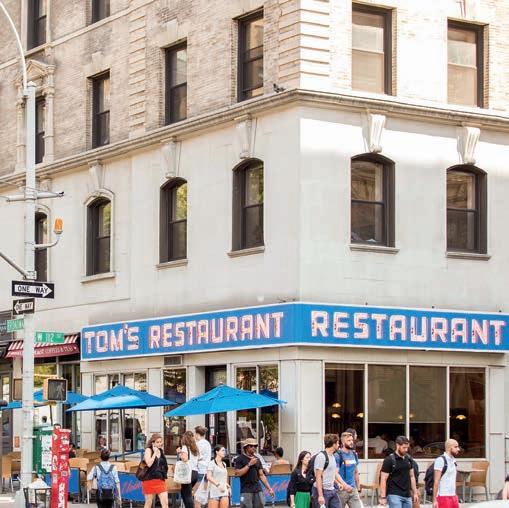
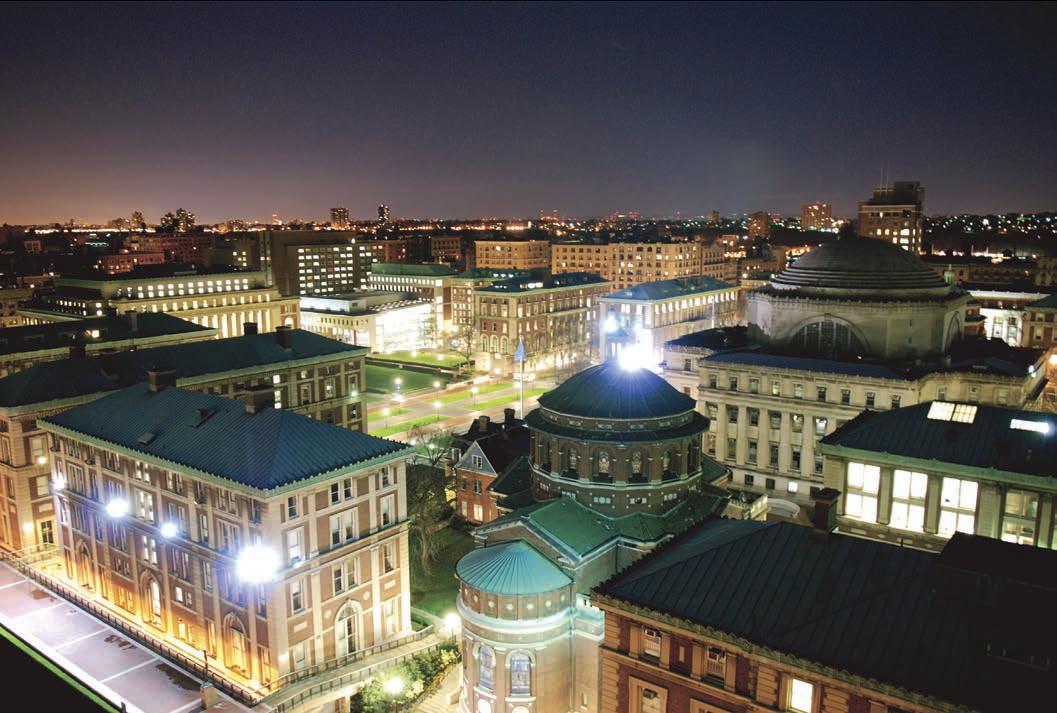
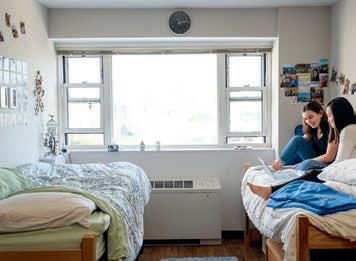
900+
STUDENTS VOLUNTEER THROUGH COMMUNITY IMPACT EACH YEAR
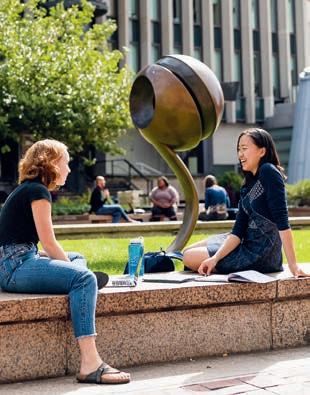
“Every dorm has a floor lounge, complete with a TV and lounge chairs, open 24 hours. It’s the go-to spot for my friends, and we have floor bonding activities every week so it’s easy to meet people.”
Anthony A. San Diego, CA Computer Science
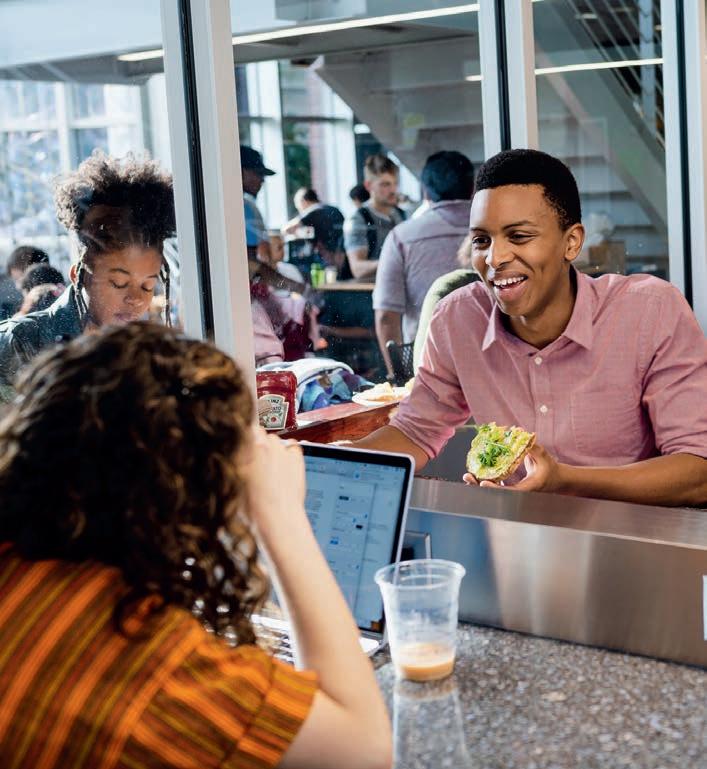
12+ on-campus dining halls and cafés
Blue Java Café
Café East
Ferris Booth Commons
John Jay Dining Hall
JJ’s Place
Fac Shack Food Truck
Faculty House
Chef Mike's Sub Shop
150+
ON-CAMPUS RESIDENT ADVISERS
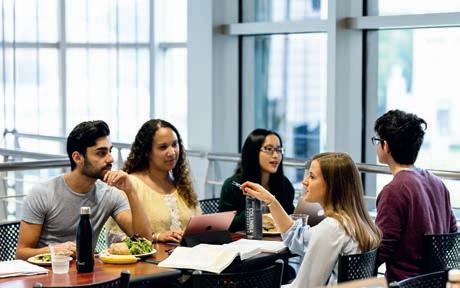
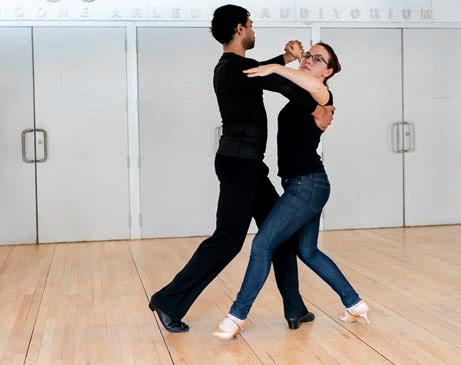
VARSITY SPORTS
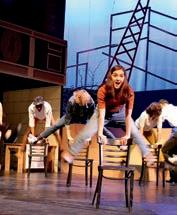
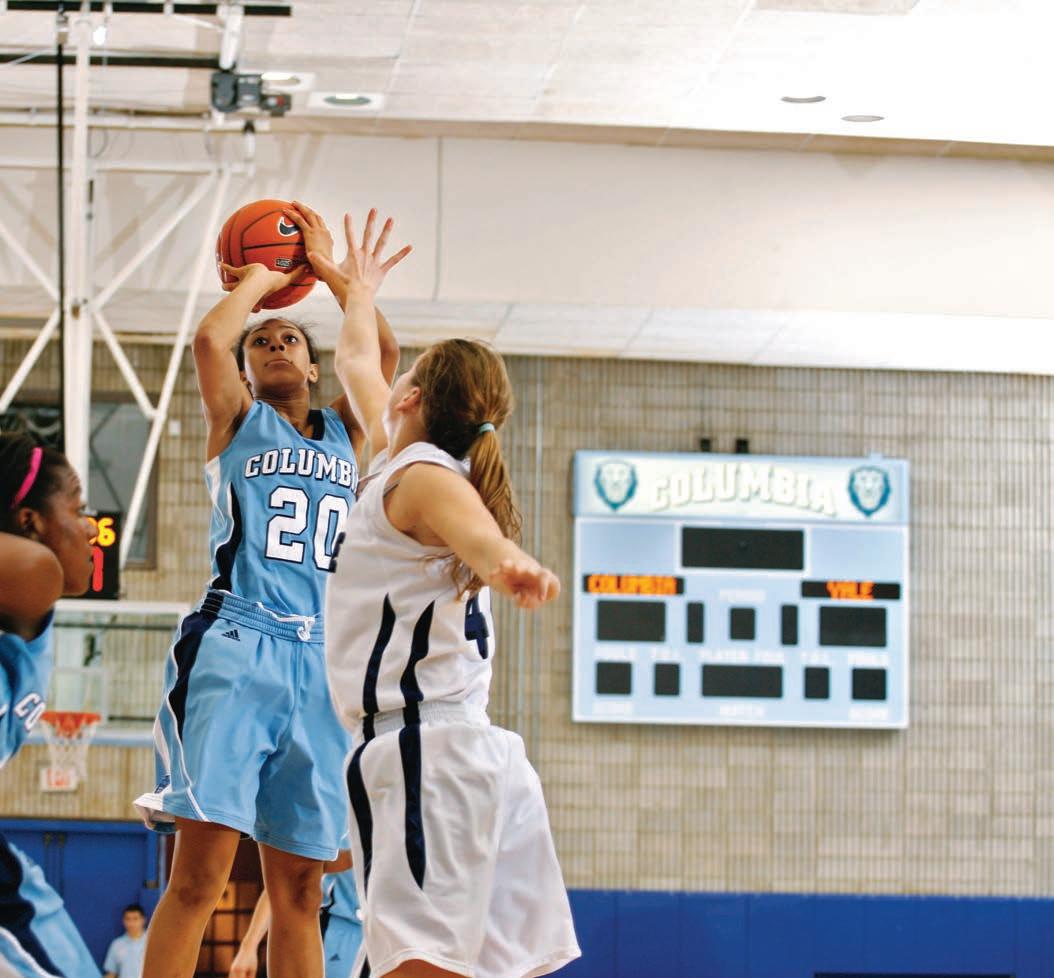
“It was only after I came to Columbia and met students from all over the world that I began to understand what it means to live in such a cosmopolitan community.”
ALAN B. Tijuana, Mexico English
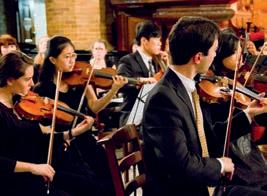
CULTURAL AND IDENTITY BASED ORGANIZATIONS
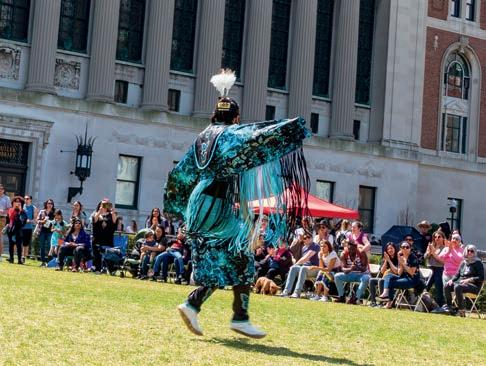
JOURNALS, PUBLICATIONS AND MEDIA GROUPS
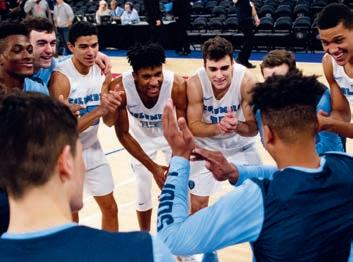
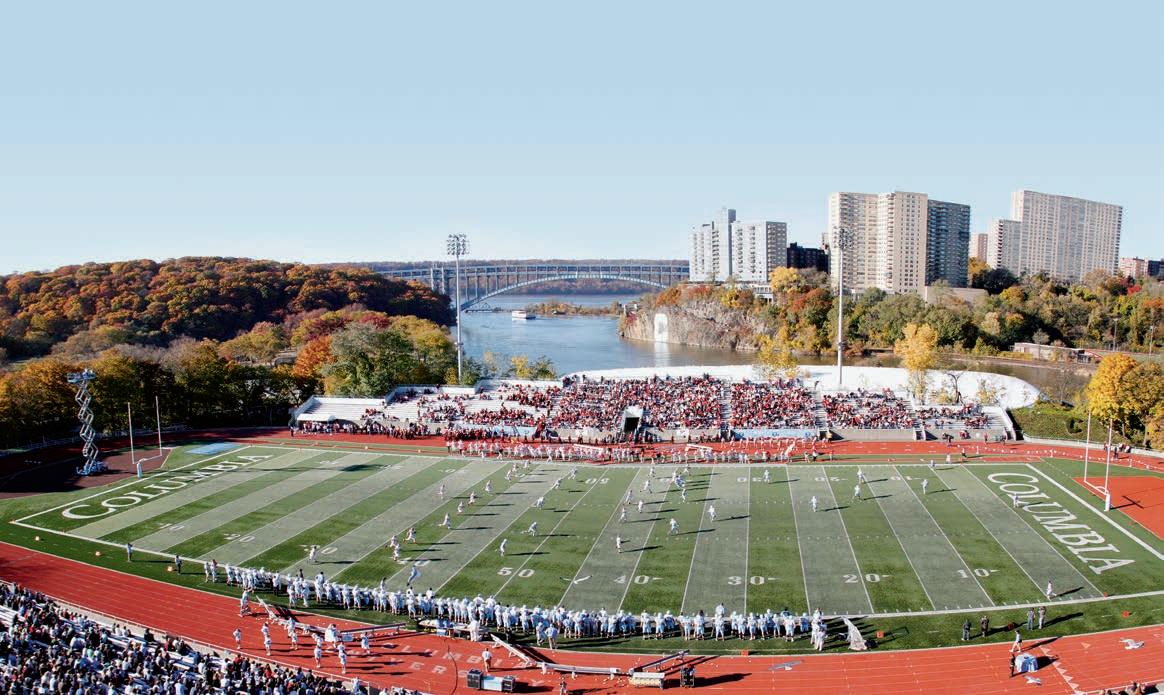
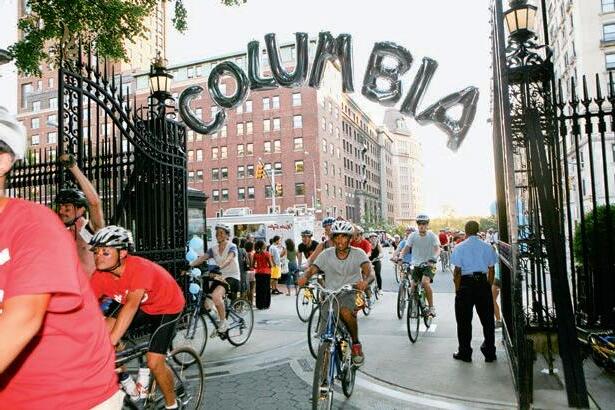
“I love Columbia sporting events. I’m a part of the WKCR sports department, so we travel to games to broadcast…seeing the fans that show up in support of the Lions is always a ton of fun.”
Brian O. Norfolk, MA Mathematics–Statistics and Sociology
48 CLUB AND INTRAMURAL SPORTS
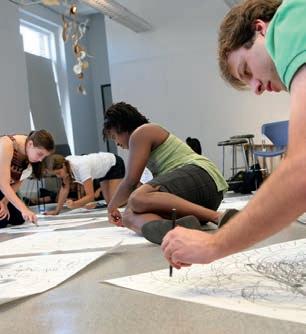
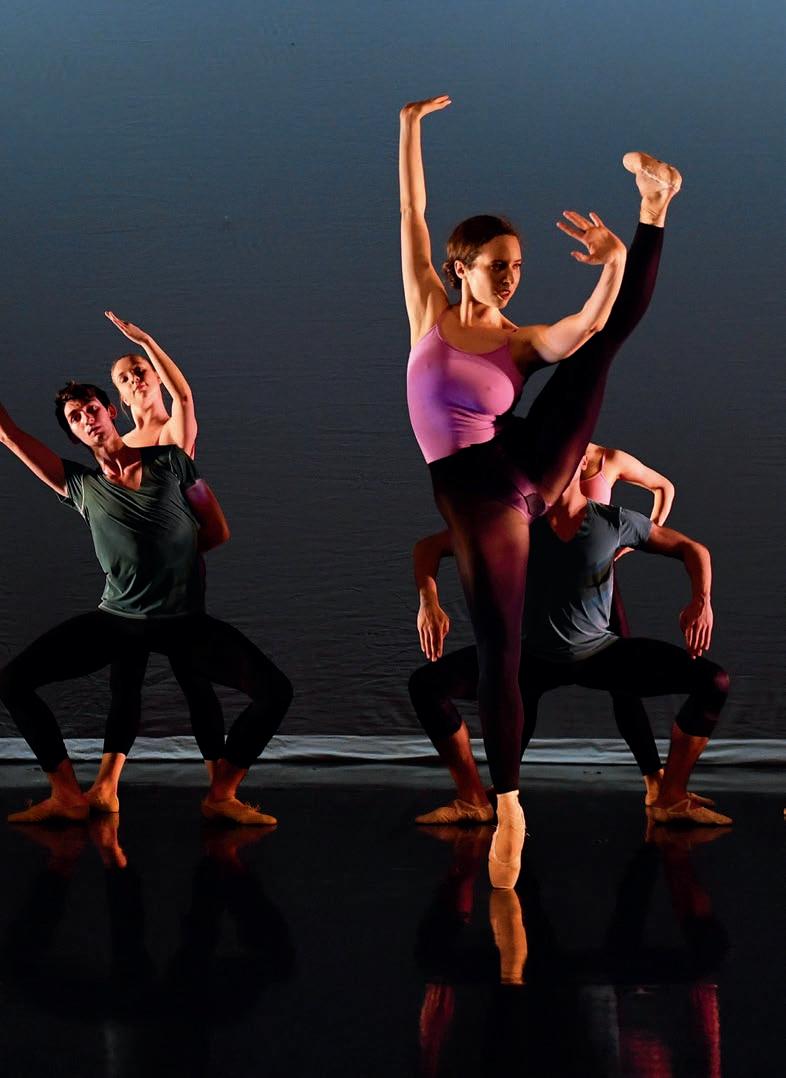
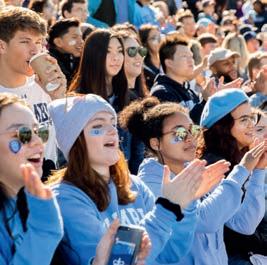
35 RELIGIOUS/ SPIRITUAL CAMPUS ORGANIZATIONS
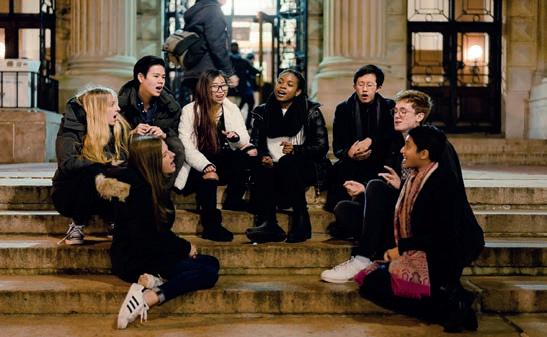
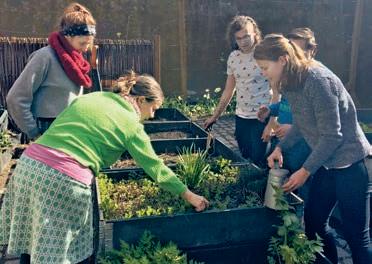
“Fifty years from now, this is the kind of thing we’ll remember: sitting in the hallway with a bunch of friends, talking about books until two in the morning.”
Tom S. Benicia, CA History
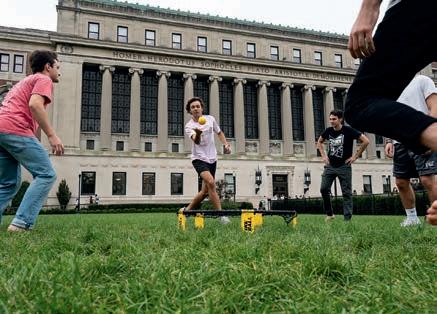
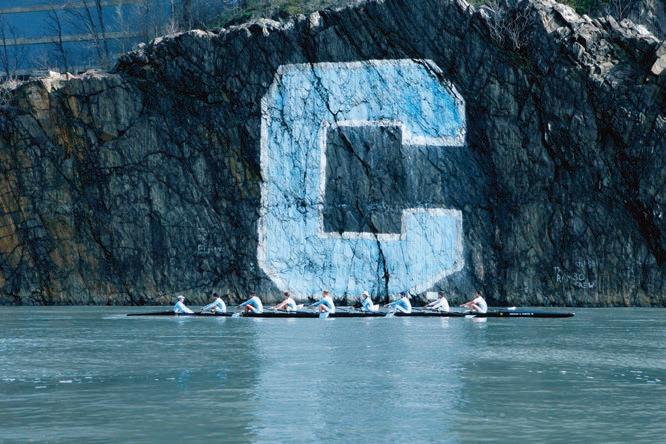
700+
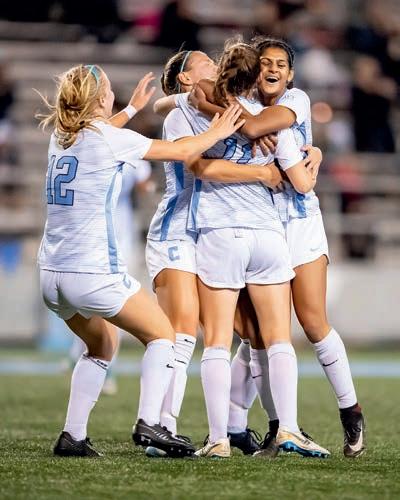
“In a place miles and miles away from home, it’s surprisingly easy to find your second home.”
Mikha D. Manila, Philippines
Biomedical Engineering
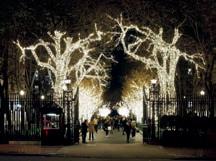
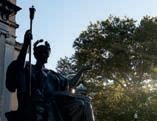
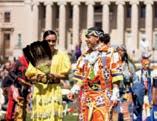
1 Every October, thousands of Columbia alumni from every corner of the world return to Morningside Heights to celebrate Homecoming — a weekend full of fall festivities that culminates in a football game between the Lions and an Ivy League rival.
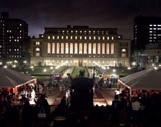
the owl hidden on the statue of Alma Mater in Low Plaza will become the class valedictorian.
3 Columbia’s oldest performing arts tradition, the Varsity Show has entertained students and faculty alike since 1894, with sold-out performances that satirize life at Columbia.
2 In early December, students and alumni gather on College Walk for this dazzling and moving celebration of tradition, holiday spirit and the Columbia community.
4 Legend holds that the first member of the incoming class to find
5 Every spring, Columbia’s Hindu Students Organization hosts Holi, the Festival of Colors, where students of all faiths celebrate the end of winter.
6 Students come together for an extravagant one-night-
only performance art festival in Columbia’s steel-and-glass student center, Lerner Hall, where dance, music and comedy groups showcase their talents on the building’s crisscrossing ramps.
7 An annual event where Indigenous Peoples and their friends unite to celebrate and honor their identities through dance, song and socialization.
8 At the first snowfall of each year, the students converge on Low Plaza for a friendly, free-forall snowball fight under the watchful eye of Alma Mater.
9 Sponsored by the Chinese Students Club each fall, Night Market features food, art and performances that run the gamut from lion dance to a cappella, to sketch comedy.
10 Held each fall on the South Lawn, the RHLO Send Off brings together undergraduates from Columbia College, Columbia Engineering and Barnard College for games, refreshments and even some inflatables.
11 As the school year winds down, Columbia’s top-ranked Dining
Services pulls out all the stops for Surf, Turf & Earth, featuring lobster tails, steak and literally boatloads of shrimp. Students are advised to come hungry!
12 In April, the Bacchanal Spring Concert is a chance to enjoy music festival vibes with friends from across the undergraduate community. Recent
headliners include AlunaGeorge, Ty Dolla $ign and Columbia alums Vampire Weekend.
13 The night before Finals Week, students step away from their studies to gather at midnight on the South Lawns to scream out their stresses in a festive, supportive crowd.
14 For 20+ years, the King’s Crown Shakespeare Troupe has given free, outdoor performances all around Columbia’s Morningside Heights campus.
15 This event series hosts world leaders from countries and international organizations to engage in discussions and Q&As
related to the major issues of our time. Over 300 dignitaries from over 85 countries have visited since 2003.
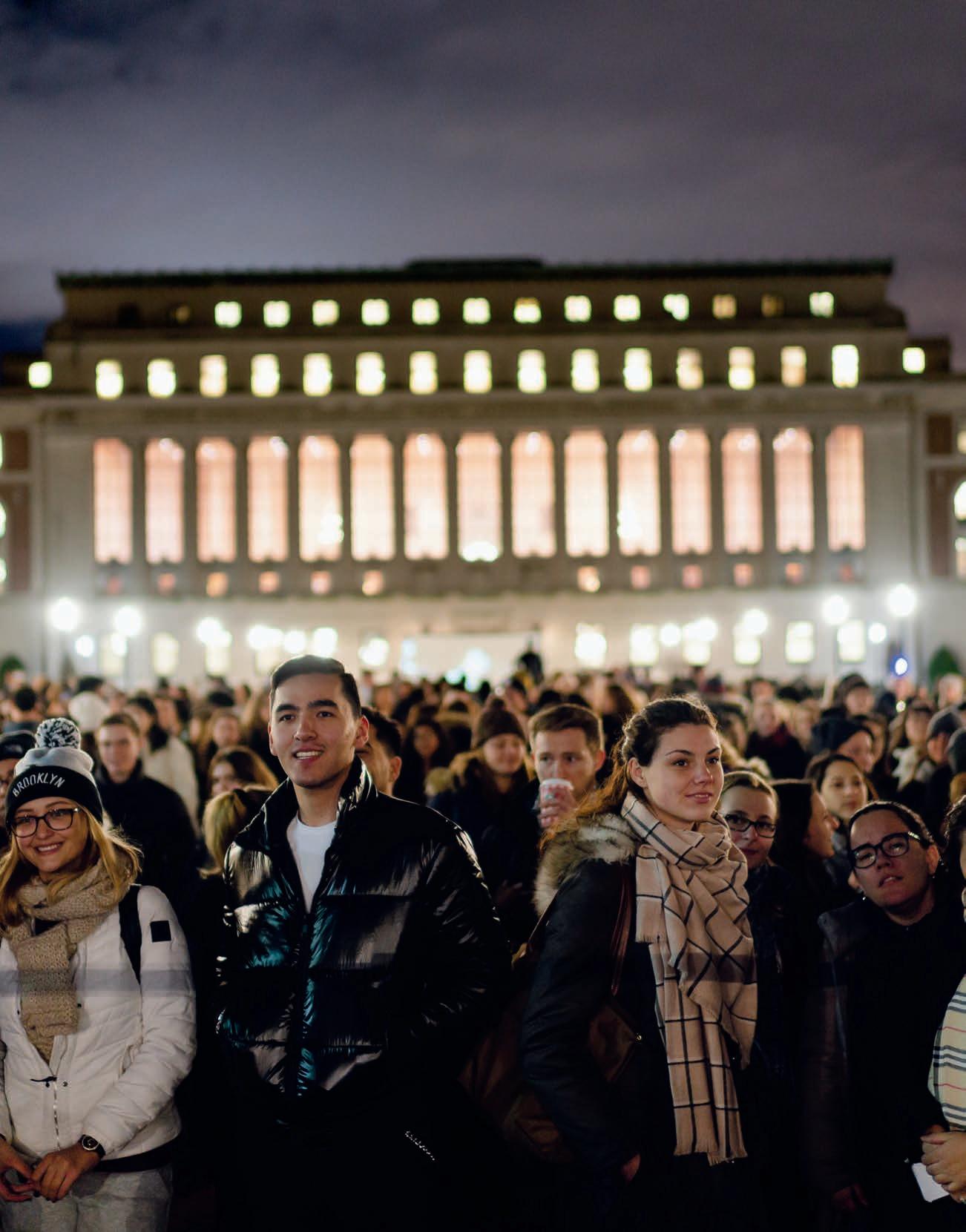
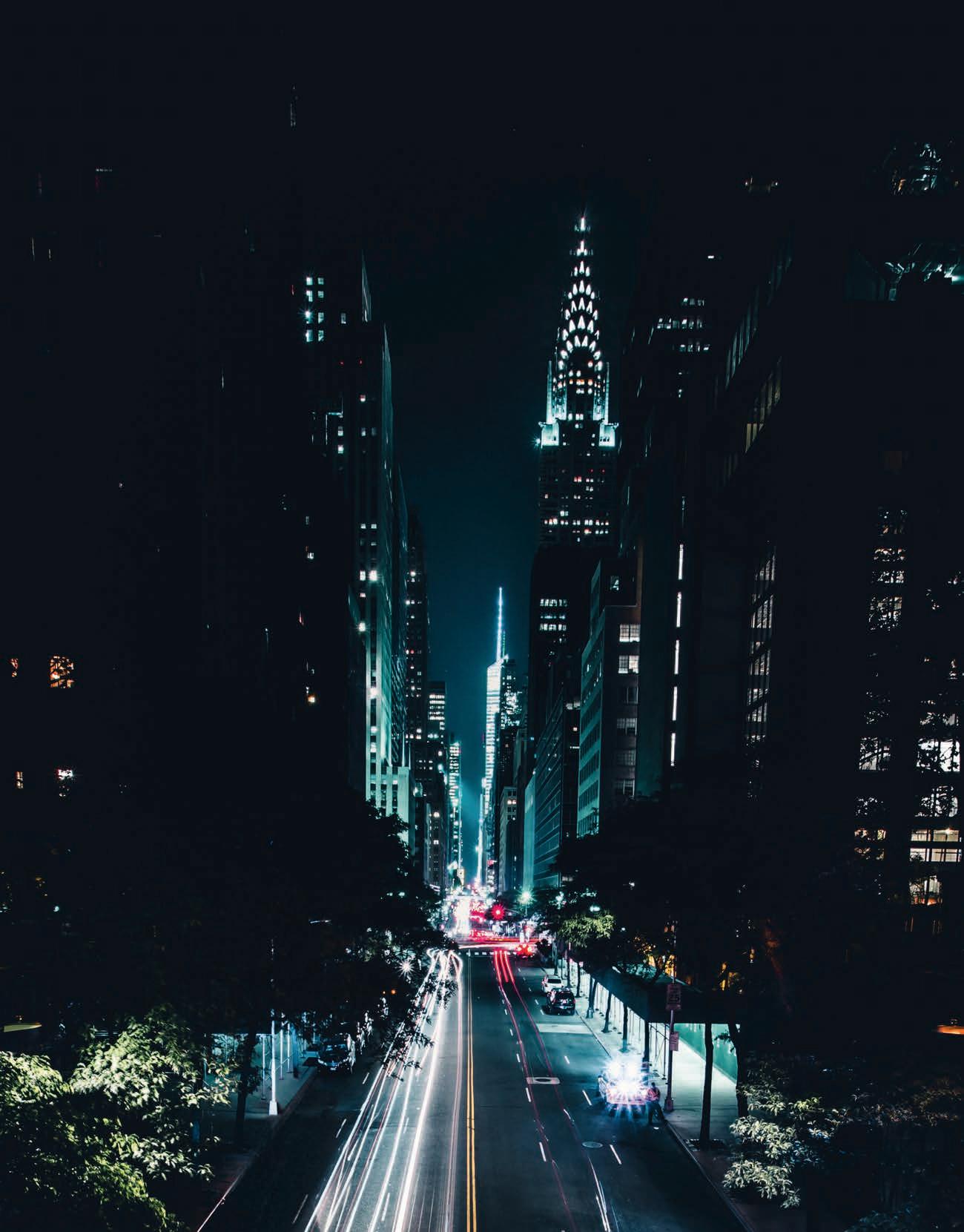
Having a broad representation of perspectives — in our residence halls, our labs and classrooms, and across our campus — is critical to our culture. The more voices we hear, the more we learn and the better we understand. So, we seek out intellectually curious minds from all walks of life and socioeconomic backgrounds across the country and around the world, who will contribute to, and profit from, the Core Curriculum and the total Columbia experience.
What matters most to us is your ability to thrive at Columbia, not your ability to pay for it. We are committed to making Columbia’s opportunities accessible for all our students. If cost is a concern for your family, we encourage you to apply for financial aid.
Columbia typically awards over $240 million in scholarships and grants. In fact, we offer some of the most generous financial aid of any college in the United States, and students are often surprised by how much they receive. In many instances, Columbia is actually more affordable than public colleges and universities.
We are need-blind for US citizens, eligible non-citizens and undocumented students, which means you are considered for admission without regard for your ability to pay for your education. Foreign citizens applying for aid are reviewed in a more need-aware process, but many of our foreign citizens receive significant financial aid.
Columbia covers 100 percent of your demonstrated need for all four years that you are here. And tuition is free for students coming from families with annual incomes of less than $150,000.
If your family’s annual income is less than $66,000, your parents are not expected to contribute to the cost of attendance. Almost 50 percent of first-year financial aid recipients have a parent contribution under $5,000.
Financial aid packages consist of work study, as well as grants, which are need-based scholarships that do not have to be paid back. There are no loans included in your financial aid package, and you can graduate debt-free.
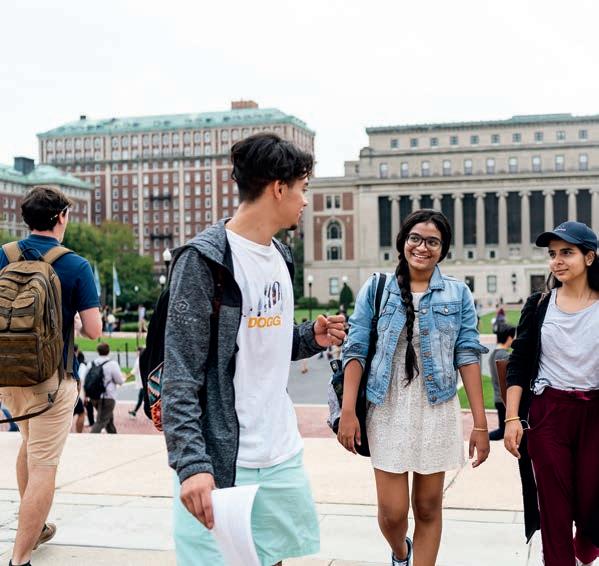
We have a range of programs in place to help you enjoy your time at Columbia and make the most of the opportunities you’ll find here — among them research funding, financial support for studying abroad and the chance to win tickets for cultural events through our beloved Urban NY lottery.
We can’t wait to find out.
Our website provides extensive information about Columbia College and Columbia Engineering admissions processes, including the criteria we use to select students, recommended secondary school preparation and details on our testing policy.
Information sessions, student panels and Q&A sessions are a chance to ask our admissions team about all things Columbia: academics, residential life, extracurricular activities, advising, admissions requirements, financial aid, New York City and more. We also offer student-led campus tours that provide a guide’s personal anecdotes and experiences as a member of the undergraduate community. Programs and tours are offered inperson and virtually.
Go to undergrad. admissions.columbia. edu/visit to see a full list of our offerings and to register. Events aren’t offered during University holidays, so please visit the website before making travel arrangements.
You are invited to apply to Columbia College or Columbia Engineering, but we ask that you only apply to one. Apply by using either the Common Application or the Coalition Application powered by Scoir. To allow our Committee on Admissions to get to know you better, we also ask applicants to complete a series of Columbia-specific questions. Columbia is test-optional. Our complete application requirements are online: undergrad.admissions. columbia.edu/apply
Admissions application due Early Decision — November 1
Regular Decision — January 1
Financial aid application due Early Decision — November 15
Regular Decision — February 15
Decisions released Early Decision — Mid-December
Regular Decision — By April 1
Columbia University is committed to fostering a learning, living, and working environment free from Discrimination and Discriminatory Harassment on the basis of an individual’s actual or perceived membership in, or association with, a Protected Class, and to taking appropriate action to address such Prohibited Conduct. These commitments extend to all of the University’s programs and activities, including all academic, extracurricular, and University-sponsored activities.
Photography: Yoon S. Byun
With additional photography from: John Abbott; African Students Association; Eileen Barroso; Jenna Bascom; Angyalosi Beata/ Shutterstock; Diane Bondareff; Kevin Chiu; Hannah Cho; Columbia Athletics/Mike McLaughlin; Columbia Athletics/ Steven Ryan; Columbia Engineering Without Borders; Columbia University Bach Society; Danino Lab/Columbia Engineering; Rob Davidson/ Miller Theater at Columbia University; Michael Edmonson; Anna Enger; Isabel Epstein; © Evgeniefimenko | Dreamstime.com; Adriana Fratz; , Bruce Gilbert; Maryam K. Hassam; Chris Haston/NBC; Clara He; Ben Hider; Stan Honda; Timothy Lee Photographers; David Leventi; Native American Council of Columbia University; Office of University Life; Ewoma Ogbaudu; Eduardo Patino; Sirin Saman; Matthew Septimus; Char Smullyan; Pete Souza; Colin Sullivan; Steve Petteway; Daniel Yeow
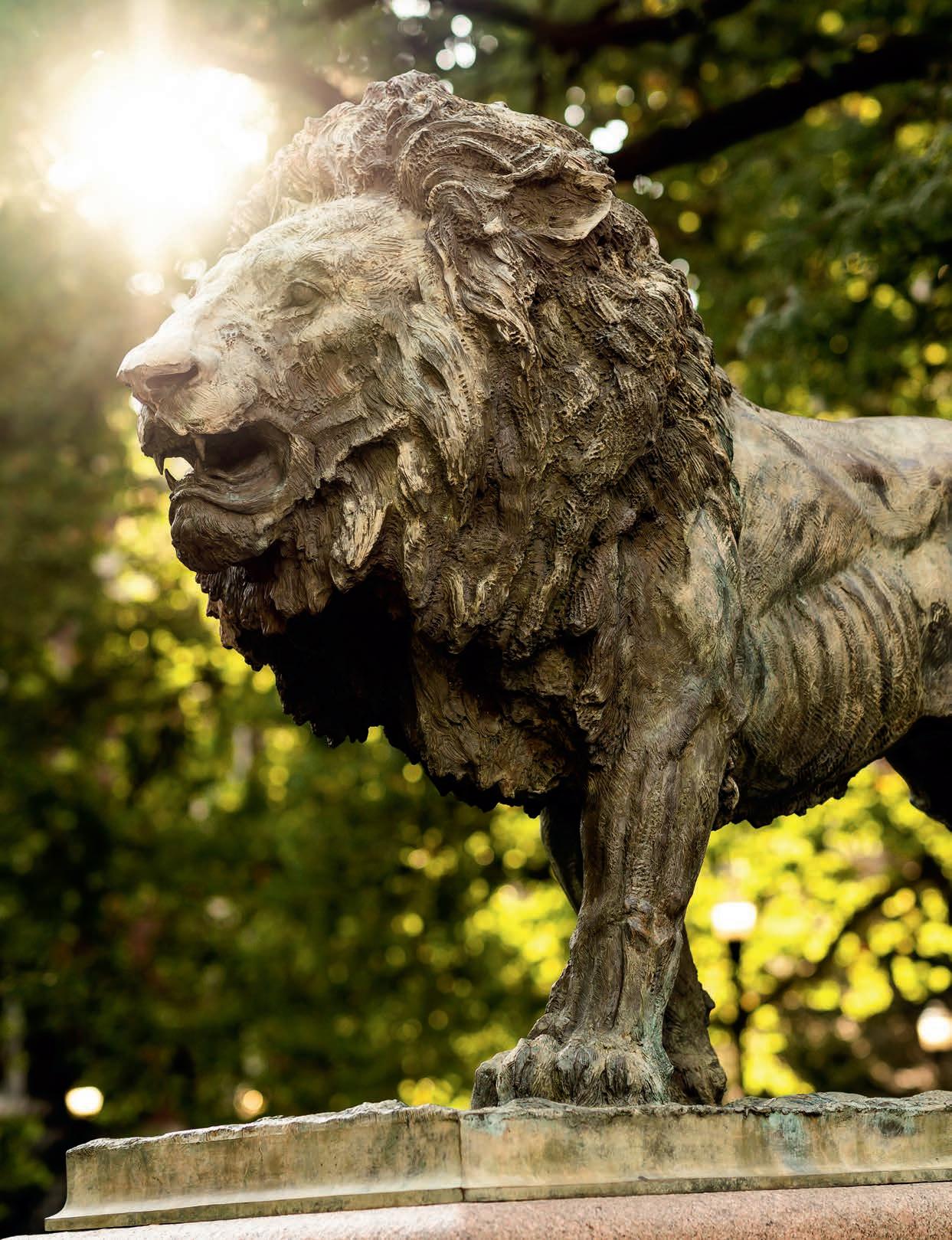
Learn how to apply or simply stay in touch undergrad.admissions.
columbia.edu
@columbiaadmissions
Apply to Columbia
The paper used in this book has been analyzed for its forest impact, and the equivalent number of trees will be replanted in forests designated for conservation and restoration.