Jake Rose
Illustrations by Various Artists

A celebration of the beauty and diversity of America’s Cities COLORING
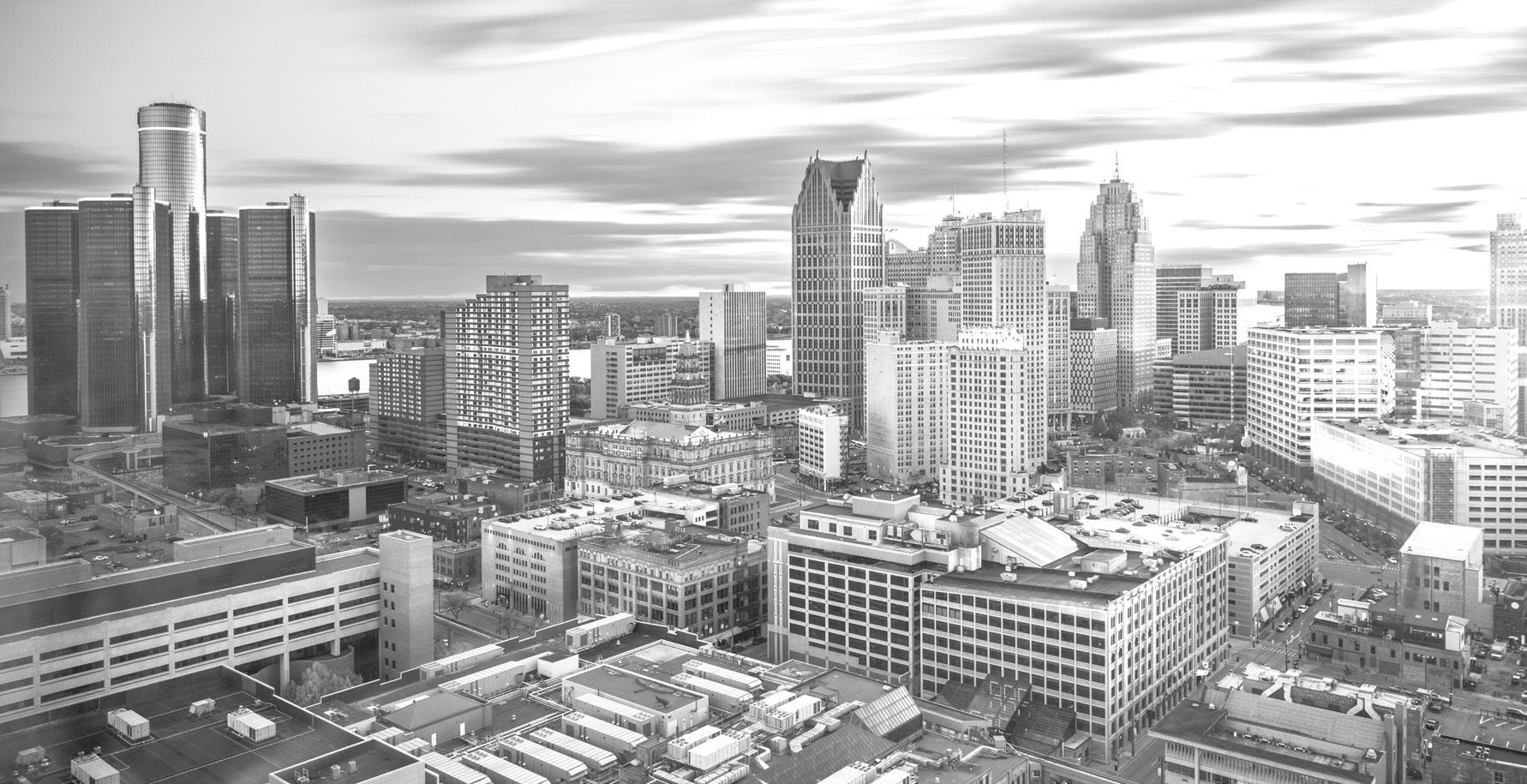
Welcome to Detroit – where Midwestern grit, energy, and innovation blooms on every street corner!
A bustling metropolis located near the Great Lakes, Detroit thrives with an industrial spirit. This 'Motor City' is best known for its numerous business enterprises such as Michigan Central, the GM Renaissance Center, and Eastern Market. However, D-Town also features a vast array of fantastic musical establishments like the Fox Theatre, the Detroit Symphony Orchestra, the Motown Museum, and Baker's Keyboard Lounge.
America's Comeback City has plenty to offer for residents and visitors alike. Architectural enthusiasts can check out the gorgeous interiors of the Fisher Building, the Guardian Building's Art Deco aesthetics, or the massive Beaux-Arts Detroit Institute of Fine Arts. Tourists can explore Detroit's wilder side through the Belle Isle Aquarium, the Detroit Zoo, and the Anna Scripps Whitcomb Observatory. Travelers can relax by catching the Tigers play at Comerica Park or blissfully ice skate on Campus Martinus Park. In Detroit, experiences within this mechanical wonderland beckons you with hums and roars of a brighter tomorrow.














Detroit is a dynamic, diverse city with an intriguing history. It's a place of fascinating people and intriguing places, fascinating trends and outstanding events, world-changing inventions and groundbreaking music. Long known as the automobile capital of the world, Detroit is also famous for its distinctive Motown music sound from the 1960s. Detroit played a key role in the industrialization of America throughout the 20th century and is ready to transform itself as technologies develop into the 21st century. Established by Antoine de la Mothe Cadillac in 1701 and incorporated as a city in 1815, Detroit became the Motor City thanks to the efforts of Henry Ford and the moving assembly line, which helped to put the world on wheels. Founded by Berry Gordy Jr., Motown introduced the world to Marvin Gaye, Stevie Wonder, Michael Jackson, and Diana Ross. Today, Detroit is reaping the rewards of decades of work put into revitalization. They encourage you to come and examine the region's rich history, learn more about its bright future, and enjoy its exciting present.
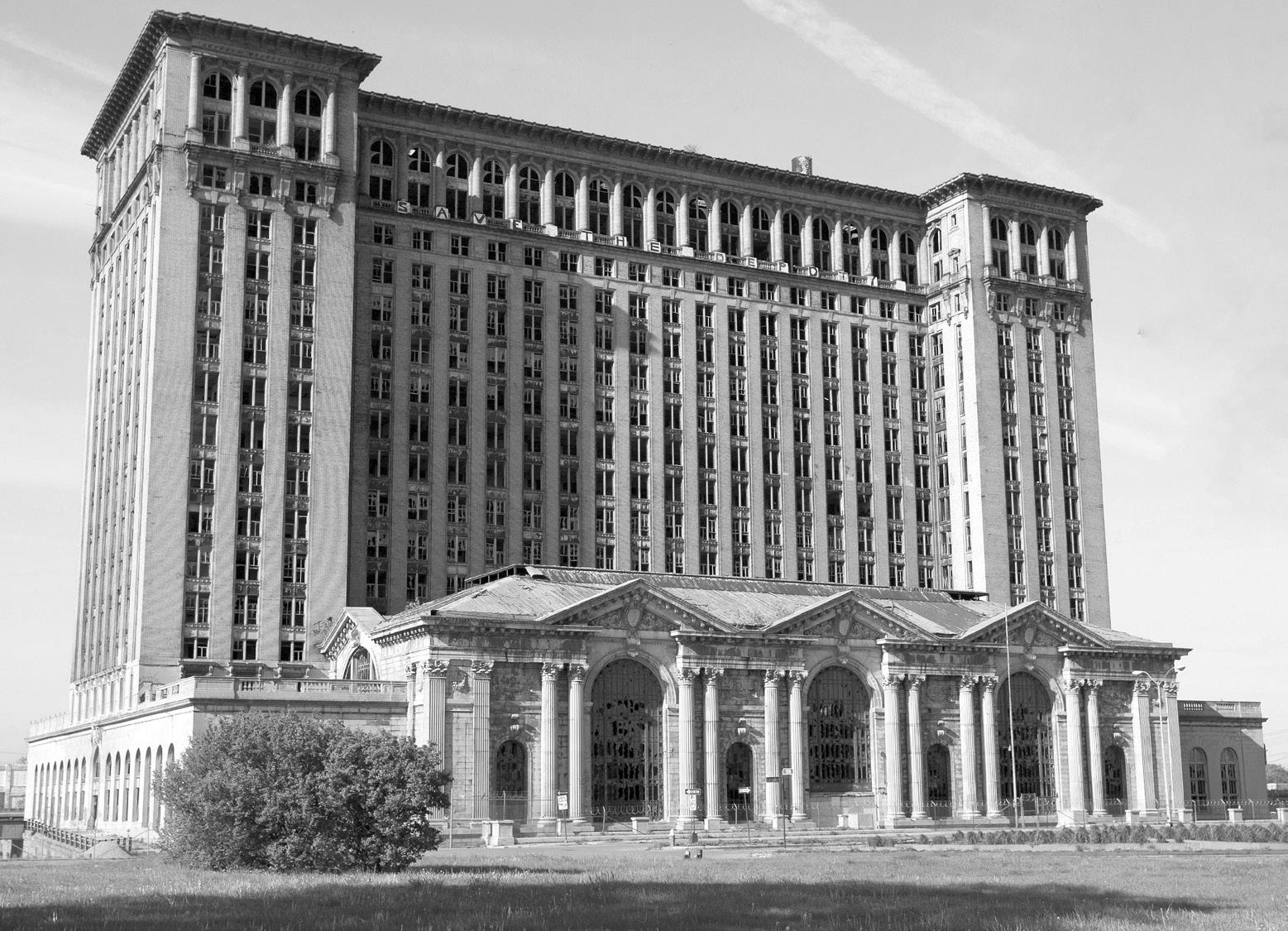
Nothing symbolizes Detroit's rise, fall, and rebound like Michigan Central Station. Designed by Whitney Warren, Charles Wetmore, Charles Reed, and Allen Stem and opened in 1913, Michigan Central Station was Detroit’s primary railway depot for 75 years. Once the tallest railroad station in the world at 232 feet, the structure consisted of a three-story depot and an 18-story tower. The MCS’s waiting room was the main highlight, with Beaux-Arts-styled marble floors, high vaulted ceilings, and bronze chandeliers. In 1975, the station was added to the National Register of Historic Places. While the station dodged demolition after it closed in 1988, it stood for decades as a sad monument to Detroit's decline. Thankfully, Ford saved this architectural marvel in 2018 when they bought the depot and renovated it as the anchor for Michigan Central, a campus focused on developing self-driving and electric vehicles. Reopened in 2024, Michigan Central has now become a beacon of innovation and a symbol of Detroit’s commitment to leading the way in mobility for the modern age.
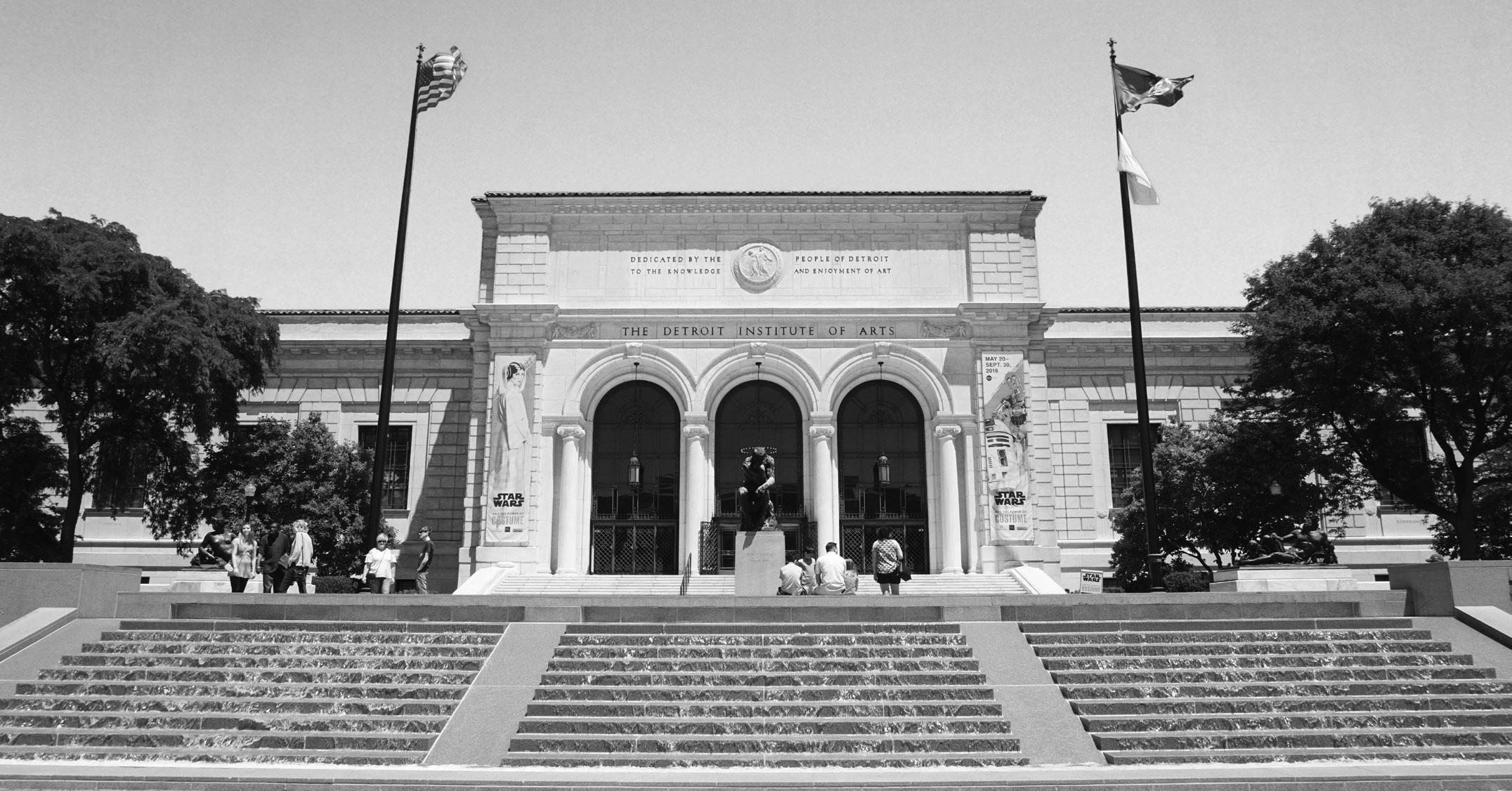
The Detroit Institute of Arts strives to be Detroit’s town square, a gathering place for everybody, and create experiences that help visitors find personal meaning with the art, individually, and with each other. The DIA's collection is among the top six in the United States, with over 65,000 diverse works that include American, European, Modern, Contemporary, Graphic, African, Asian, Native American, Oceanic, Islamic, and Ancient art. Founded in 1885, the museum was originally located on Jefferson Avenue, but due to its expanding collection, moved to its current site on Woodward Avenue in 1927. Designed by Paul Cret, this Beaux-Arts "temple of art" includes over 140 galleries, an auditorium, a lecture hall, an art reference library, and a conservation department. The foundation was laid by William Valentiner, who acquired many important works that established the framework of today's collections. Among his notable acquisitions are Diego Rivera's Detroit Industry fresco cycle and Vincent van Gogh's SelfPortrait.
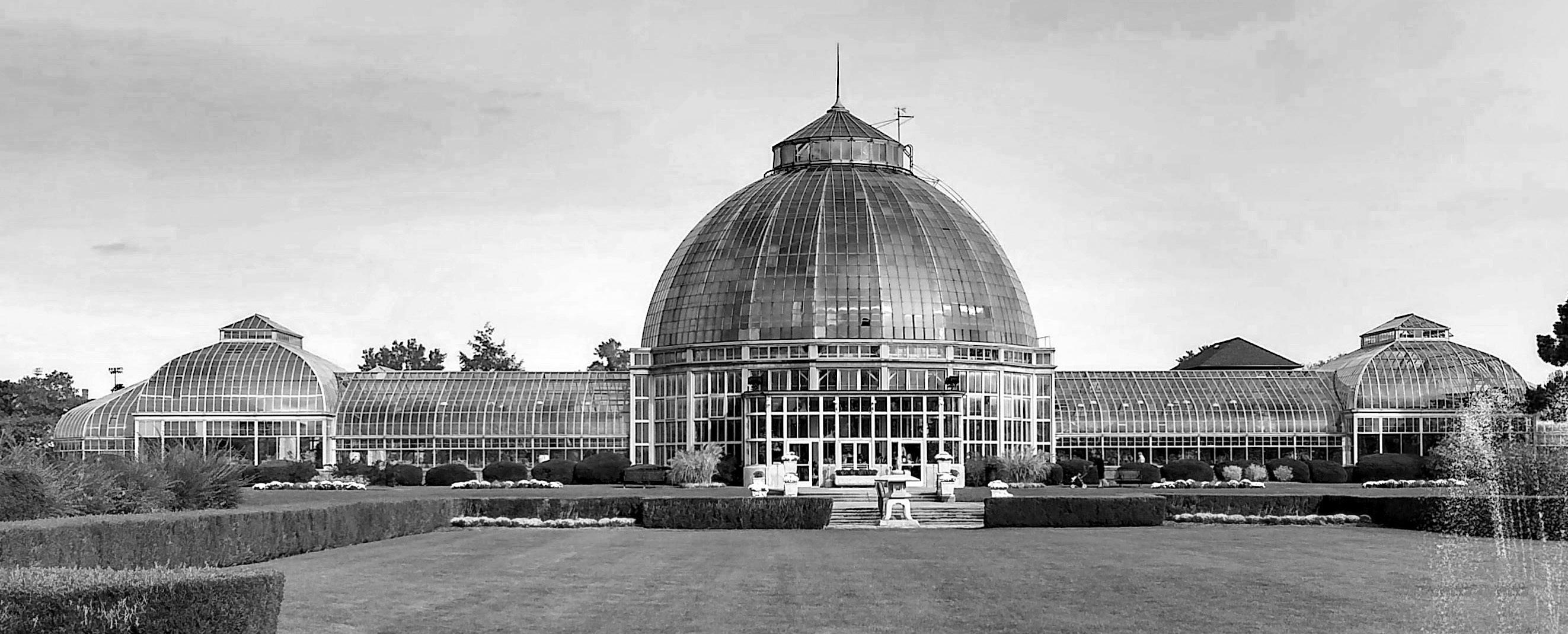
Designed by Albert Kahn and opened in 1904, Anna Scripps Whitcomb Conservatory is the oldest continually-running conservatory in the United States. Featuring an exotic and rare collection of plants from around the world, the Conservatory is divided into five sections: the Palm House (includes tropical trees and palms), the Tropical House (houses plants that provide food), the Cactus House (home to succulents and cacti), a Fernery that provides cooler conditions and more humidity, and the Show House (has changing displays of flowers).
Named in honor of Anna Scripps Whitcomb, who donated her orchid collection to Detroit, the Conservatory also includes the Lily Pond, the formal garden, the Levi Barbour Memorial Fountain, a Japanese Tohro, and the Peacock Sundial. Through its esteemed history, the Conservatory has undergone fantastic horticultural changes, which in turn has allowed generations of Detroiters to become immersed in nature.
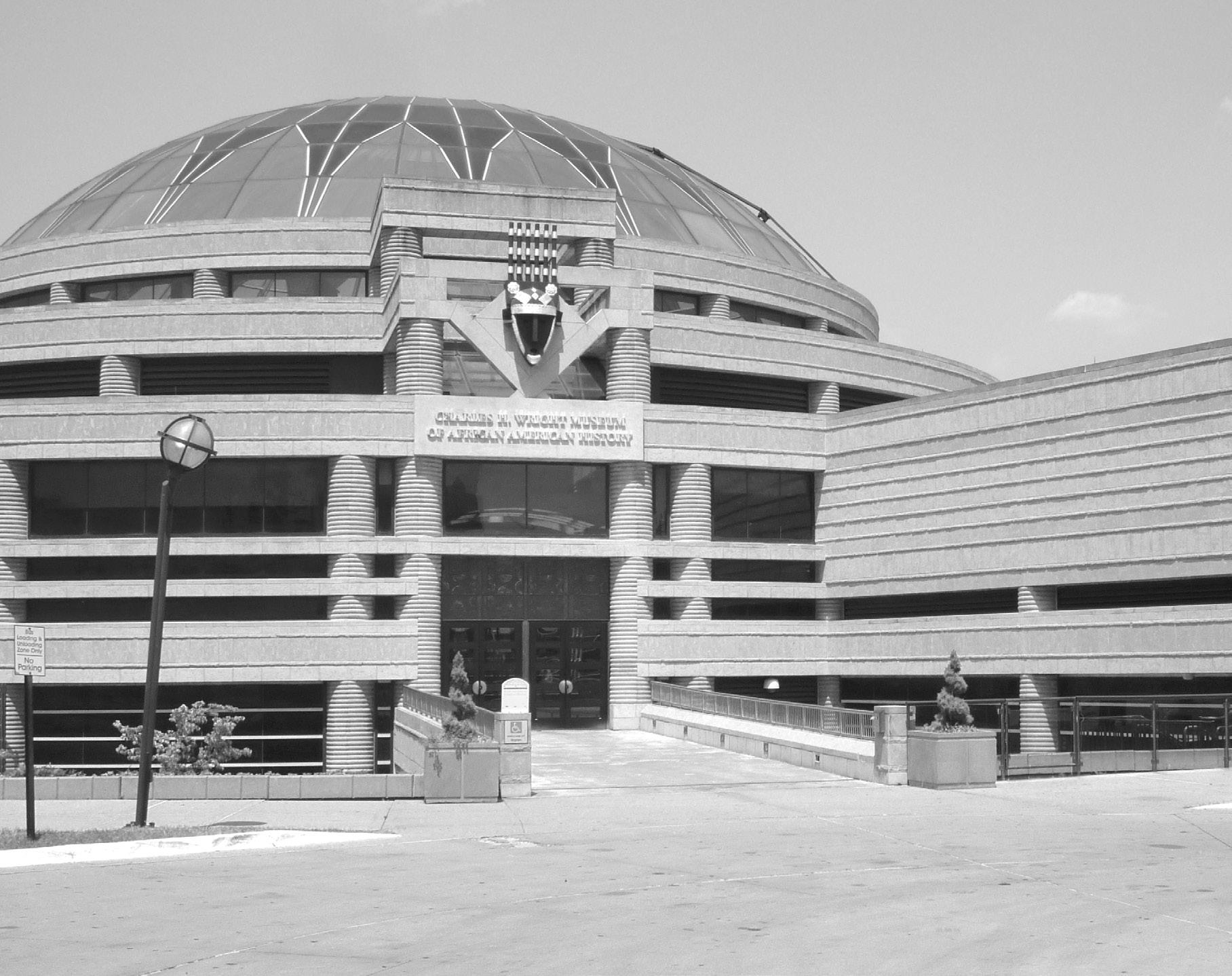
The Charles H. Wright Museum of African American History was founded in 1965 and is in the heart of Midtown Detroit’s Cultural Center. The Wright Museum’s mission is to open minds and change lives through the exploration and celebration of African American history and culture. And Still We Rise: Our Journey Through African American History and Culture — the museum’s 22,000 square foot, immersive core exhibit — is one of the largest, single exhibitions surveying the history of African Americans. The Wright Museum houses over 35,000 artifacts and archival materials and offers more than 300 public programs and events annually.
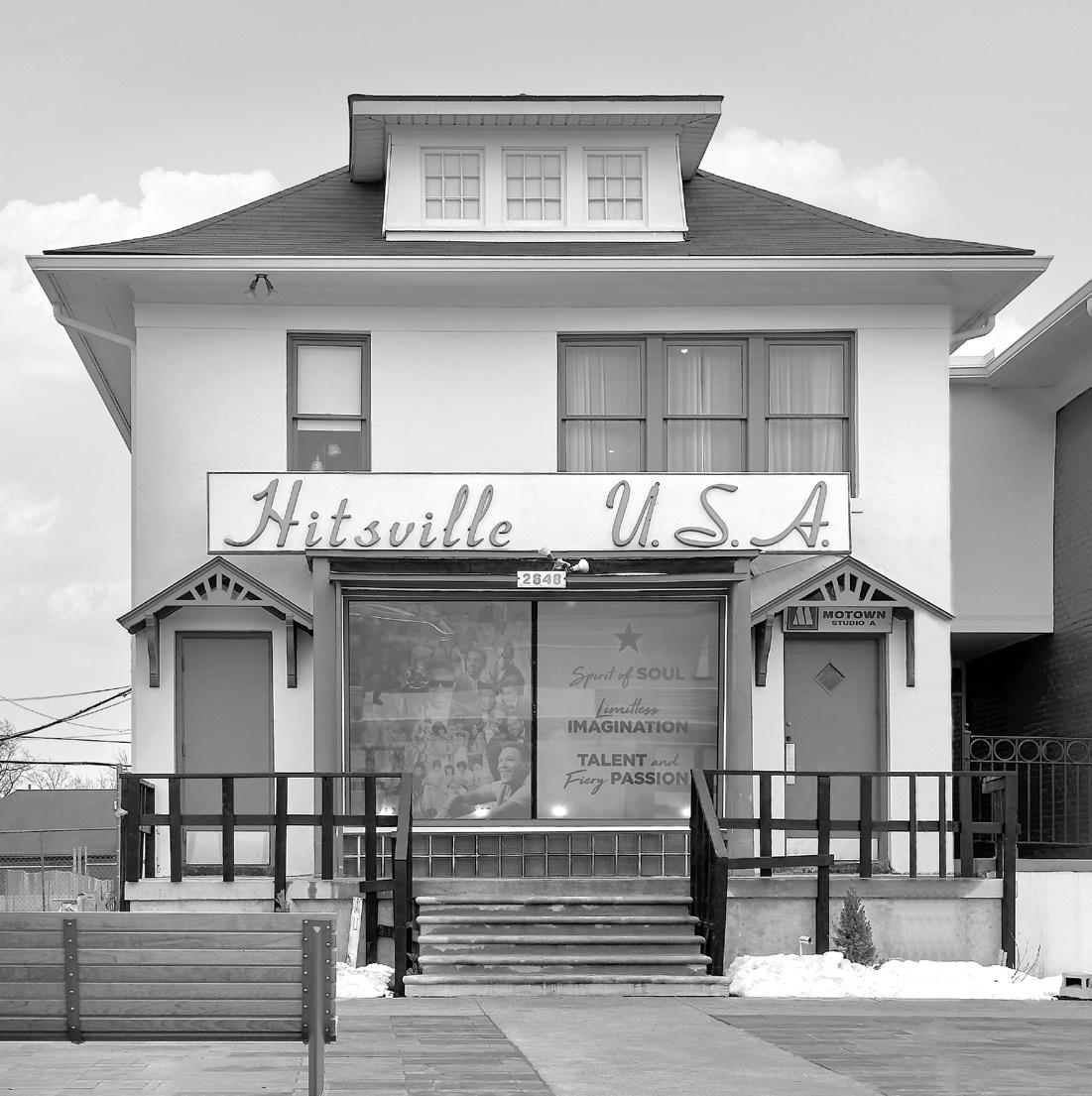
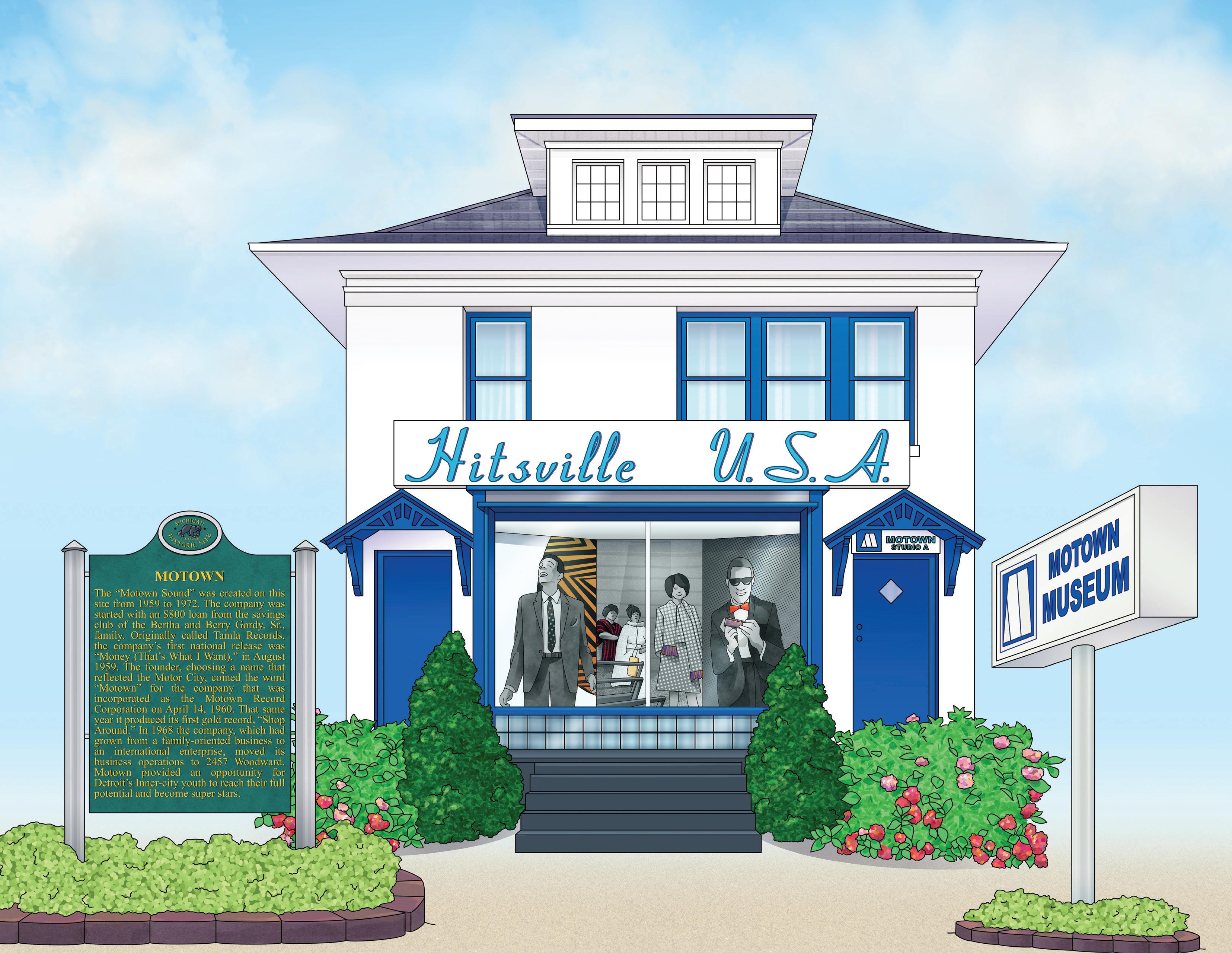
Motown Museum is the ongoing heartbeat of Motown– a destination for music and history fans that celebrates the story of Motown from its humble beginnings to its emergence as the Sound of Young America. Built in 1959 by Berry Gordy as Hitsville U.S.A. – the original headquarters and music recording studio for Motown Records, the Museum itself was founded by Esther Gordy Edwards in 1985. Home to a vast array of artifacts, photographs, costumes, and other memorabilia, the Museum preserves, promotes, and celebrates Motown as a platform for others to flourish so that all generations will come to know, be inspired, and be transformed by the legacy, sound, and cultural and social impact of Motown. Its presence is a testimony to Motown’s legacy and the charisma, talent, and staying power of the music and those who made it. Their facility is a national treasure, and a unique civic and cultural resource devoted to documenting Motown’s history and passing on the seeds of inspiration and creativity to ensure the next generation of artists and entrepreneurs flourish.
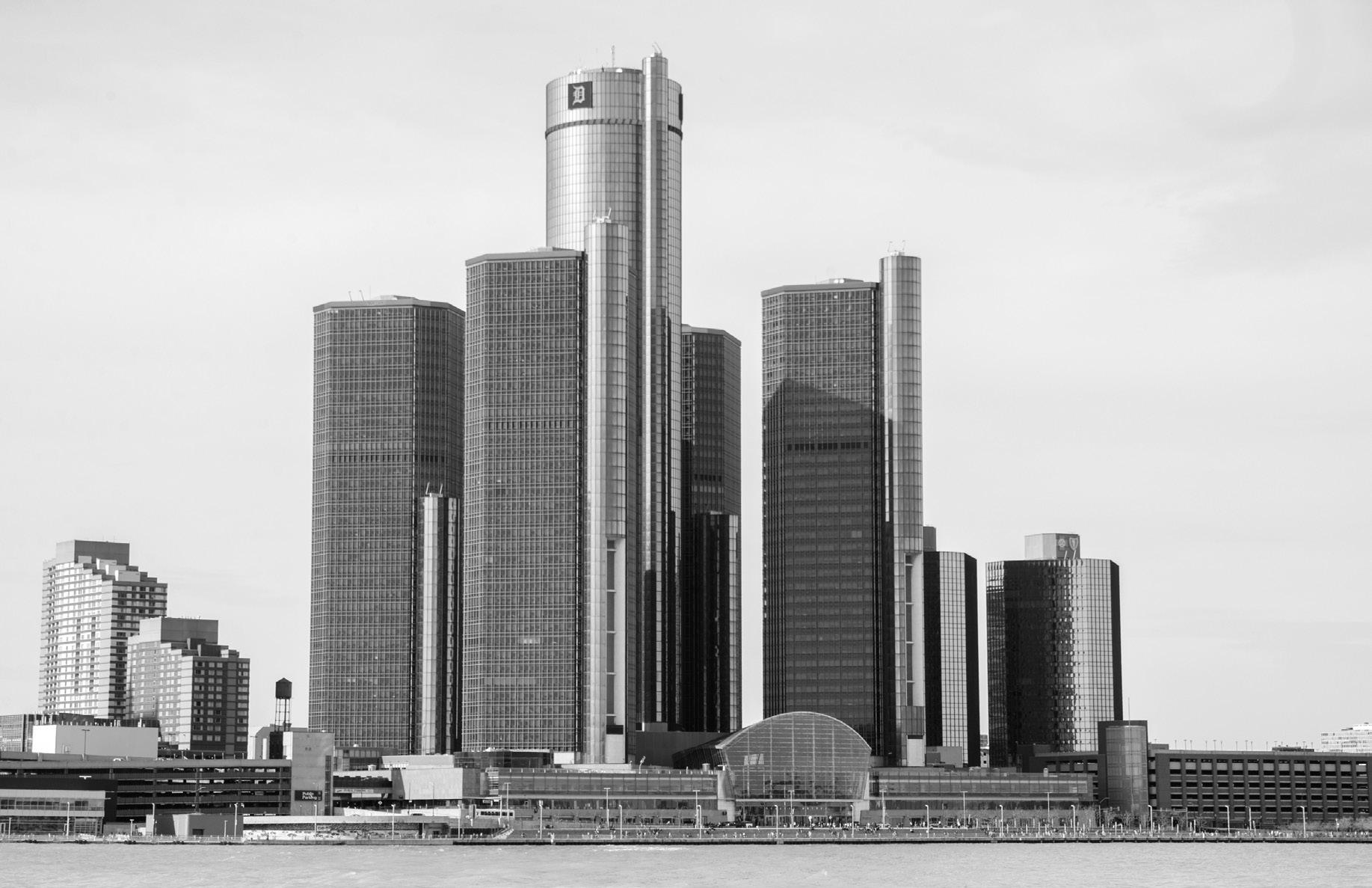
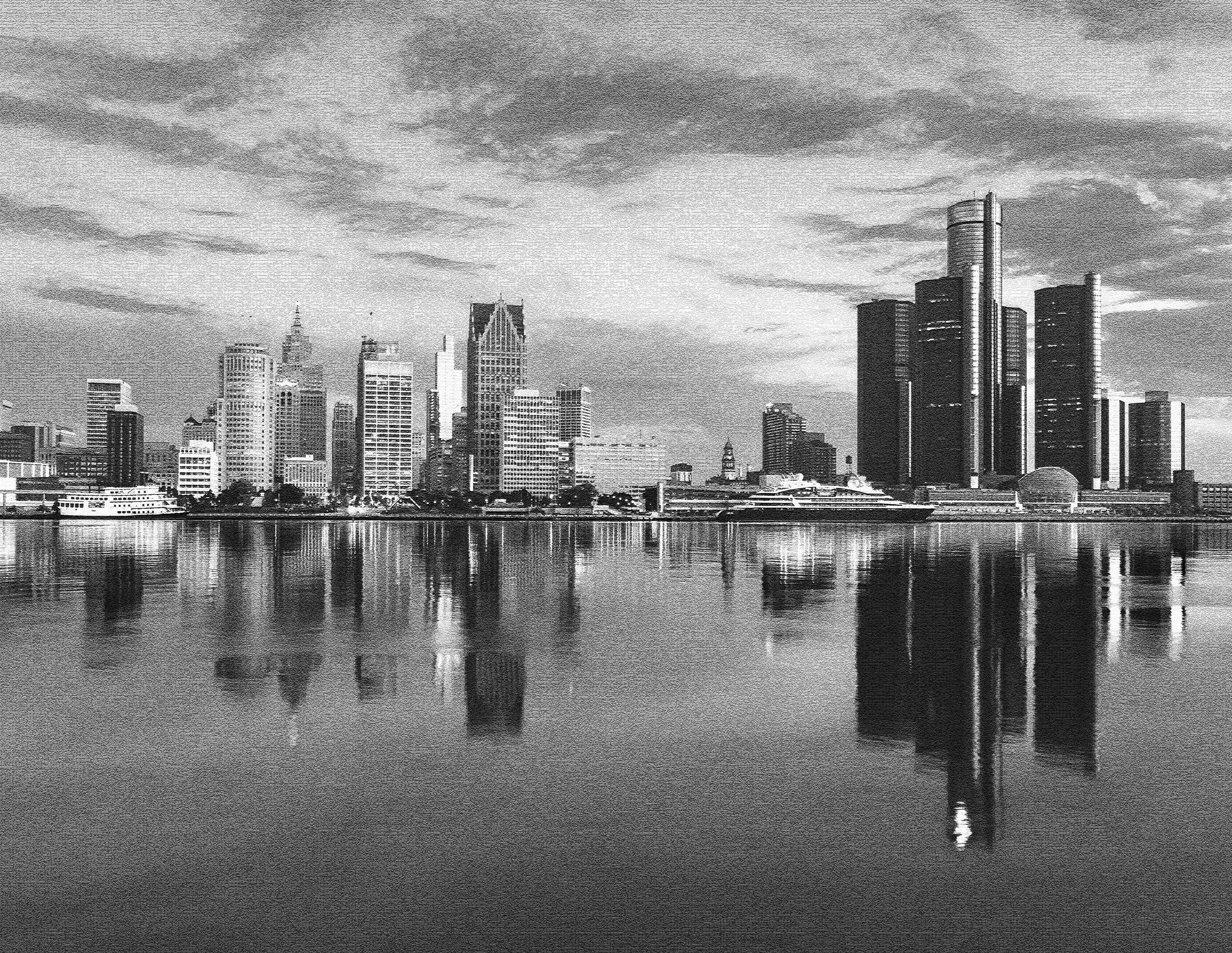
Built by Ford, bought by General Motors, and reenvisioned by Bedrock, the Renaissance Center has been the most iconic piece of Detroit’s skyline for nearly half a century. Made up of seven connected glass buildings, the RenCen has been both Detroit’s and Michigan’s tallest building for nearly fifty years. Conceptualized in 1971 by Henry Ford II, designed by John Portman in 1973, and completed in 1977, the RenCen magnificently loomed over the Motor City and showed that Detroit was still a modern, thriving city. Yet the RenCen felt isolated from downtown instead of unifying a struggling city. That changed when General Motors bought the towers in 1996. GM then had Skidmore, Owings & Merrill redesign the RenCen by adding a food court, a plaza, and a raised walkway. The renovation was completed in 2004, finally making the building open for all Detroiters. Alas, the COVID pandemic and work-fromhome decimated the RenCen. By 2024, GM had moved out of the RenCen and partnered with Bedrock to revamp the complex. This work by Bedrock will certainly lead the RenCen toward a brighter future for itself, Detroit, and Michigan.
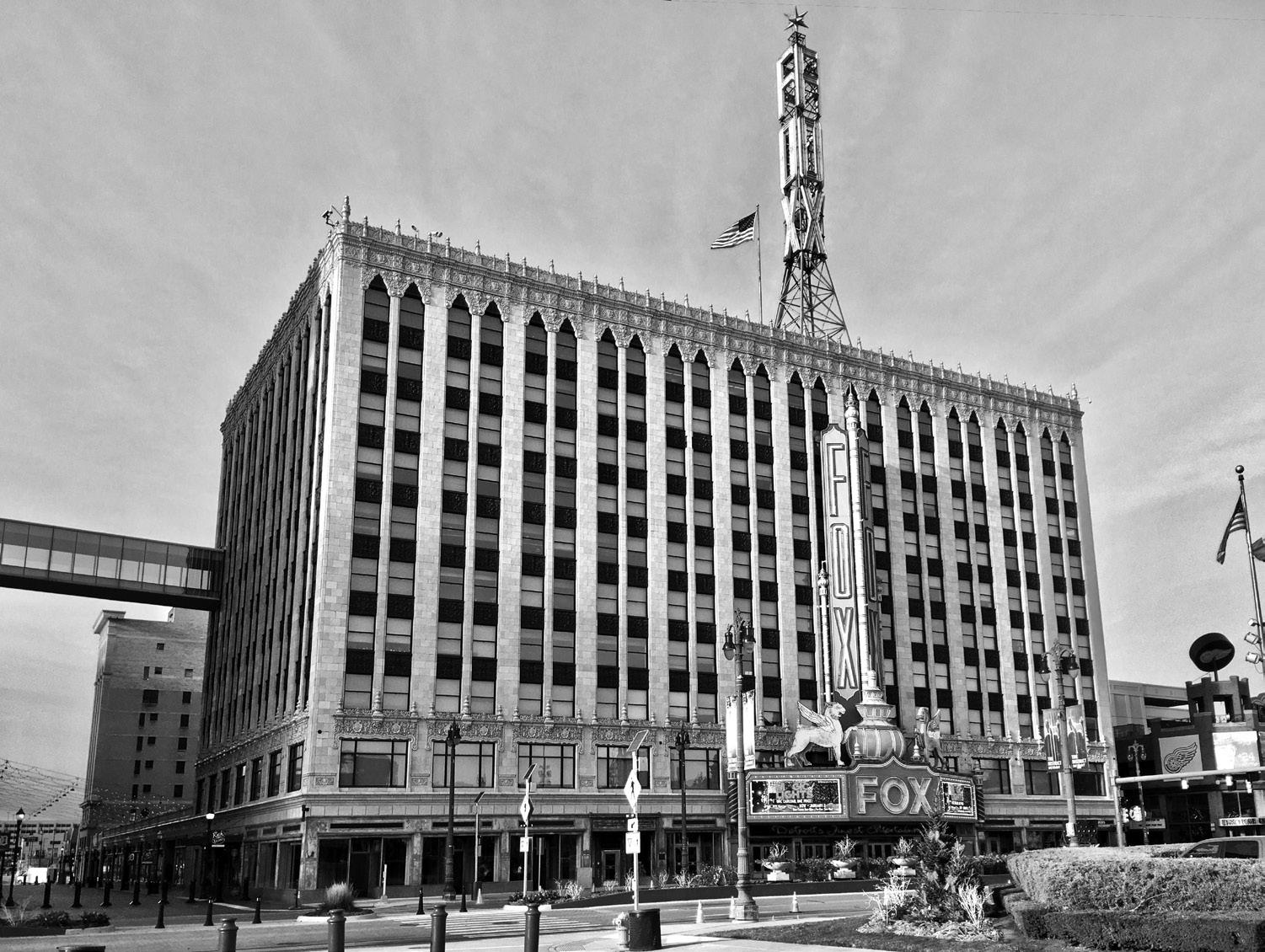
Designed by C. Howard Crane and completed in 1928, Detroit’s Fox Theatre is considered to be the most magnificent Temple of Amusement in the World. After entering through a bank of brass doors and an outer foyer, guests pass into an ornate lobby, decorated with butterflies, lions, and peacocks. Throughout the interior, its decorations feature Egyptian, Indian, and Oriental motifs. The Fox Theatre was the first to include escalators and elevators for patrons and the first in the world to have built-in equipment for presenting talking movies. Between featured films, the Fox’s troupe of chorus girls entertained the audience. Live shows ranged from the Benny Goodman Big Band to Berry Gordy’s Motown Revue. The Fox remained open through the 1970s. Mike and Marian Ilitch bought the Fox in 1987 and renovated the theater. The theatre was designated a National Historic Landmark in 1989. In 2006, Atanas Ilitch Holdings built the Fox Theatre tower sign, featuring LED lights and 18-foot letters spelling “FOX”. Today, Detroit’s Fox Theatre ranks as one of America's most magnificent entertainment destinations.
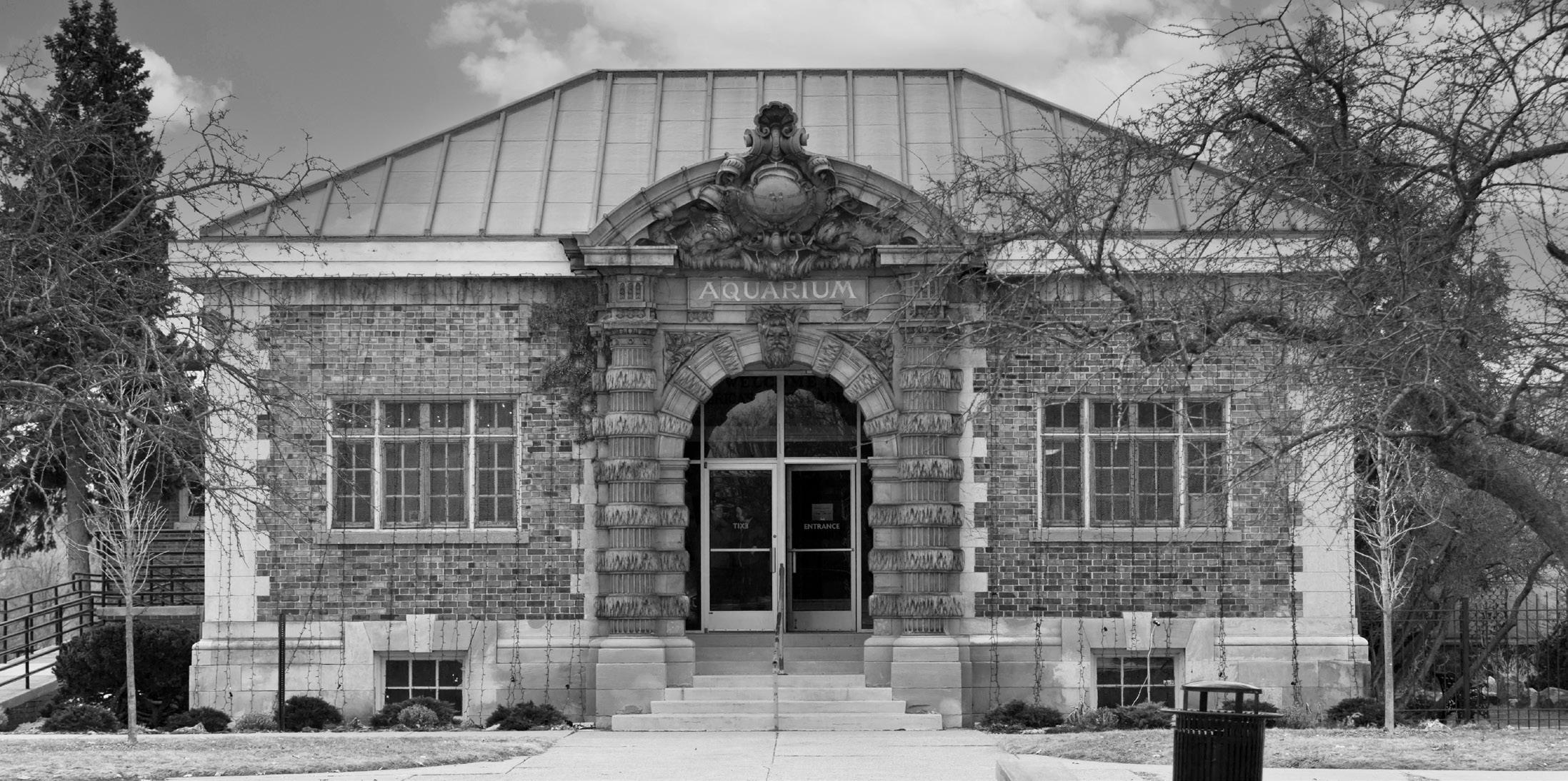
Designed by Albert Kahn and George Mason and opened in 1904, the Belle Isle Aquarium is the oldest operating aquarium in the United States. When its opened, the Beaux Arts-style aquarium was seen as one of the world’s best aquatic facilities. Its equipment allowed it to keep both seawater and freshwater marine life in the tanks. The interior was outfitted with seagreen tiles to give visitors the feeling that they were in an underwater cavern. The front of the building features a Baroque entrance with carvings of dolphins and a grotesque of Neptune, the Roman god of water. When it was renovated in 1955, the aquarium had about 3,600 fish on display, making it the largest collection of fish put on display in North America. However, due to declining attendance, the aquarium closed in 2005, leaving Michigan without a public aquarium. But thanks to the efforts of the Friends of the Belle Isle Aquarium, the landmark would reopen in 2012. Now owned and operated by the Belle Isle Conservatory free of charge, the aquarium enchants generations of Detroiters both young and young at heart.

A street, a vision, and an inspiration – The Heidelberg Project is a must-see if you visit Detroit! One of the Motor City’s most visited cultural destinations, it’s an urban outdoor art environment and a community organization that improves the lives of people and neighborhoods through art. The project began in 1986 when Tyree Guyton began beautifying Heidelberg Street. From the refuse he collected, Guyton transformed the street into a massive art environment. Guyton not only transformed vacant houses and lots, but he also integrated the street, sidewalks, and trees into his magnum opus – the Heidelberg Project. The HP inspires people to appreciate and use artistic expression to enrich their lives and to improve the community’s health. Guyton’s “medicine for the people” has made residents educate themselves about art and has provided a space where the community can come together to create and interact with people from around the world. Nearly 40 years of renewing the human spirit has created a mosaic of joy for everyone to enjoy.
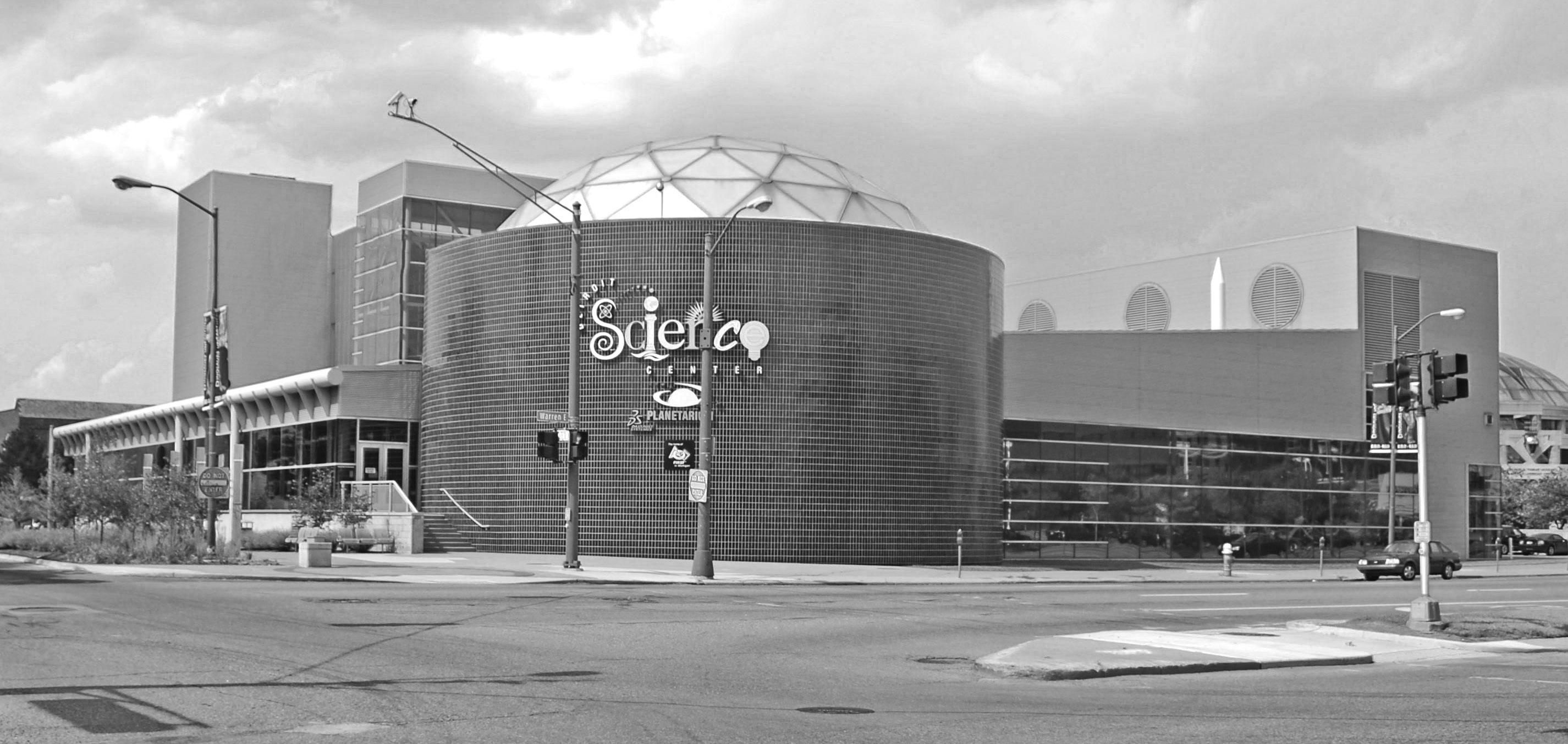
The Michigan Science Center is a STEM engagement hub where discovery, learning, and interactive participation meet. With live shows, an IMAX Dome, a 4D theater, a Planetarium, an exhibit hall, and over 220 interactive exhibits, the Mi-Sci has plenty to offer to curious minds of all ages by inspiring them to explore and appreciate the sciences in a dynamic learning environment. Founded in 1970 by Dexter Ferry as the Detroit Science Center, William Kessler & Associates designed its current location in 1978. A crucial feature was the IMAX Dome Theatre, which had a tilted hemisphere where IMAX films were projected over its surface. During the 2000s, the Detroit Science Center expanded with new exhibits, a Science Stage, the Sparks Theater, a new Planetarium, the Toyota Engineering 4D Theater, and the University Prep Science and Math Charter School. While the Detroit Science Center closed in 2011, the Center reemerged in 2012 as the Michigan Science Center. Since then, MiSci has hosted exhibits like (Human) Bodies, A Dinosaur Named Sue, 1001 Inventions, and Depth, each of which has brought scientific fun and learning to the Motor City’s youth.
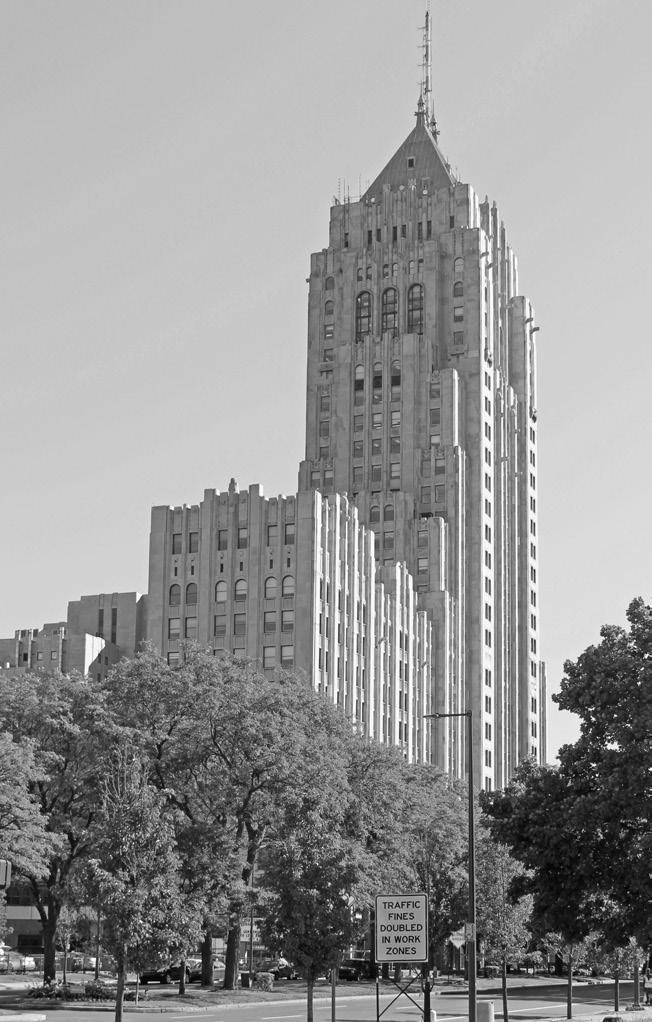
More than a historic landmark, the Fisher Building is a beacon in the heart of Detroit honoring the city and its people. Designed by Albert Kahn for the Fisher Body Corporation and completed in 1928, The Fisher Building is a magnificent building that celebrates the city of Detroit. The Fisher Building’s marble-clad façade, hand-painted, barrel-vaulted ceiling, mosaics, and bronze detailing have earned it recognition as “Detroit's Largest Art Object.” One of the most recognizable sights on Detroit’s skyline, the building is also known as “The Golden Tower” for its green terra cotta tiles that turn gold at night. The Fisher Building was designated a National Historic Landmark in 1989 for having some of the finest craftsmanship in any Art Deco-style building constructed in the U.S. in the 1920s. Since buying the Fisher Building in 2015, the Platform has been reactivating the Fisher Brothers' vision of a premiere destination for office, retail, and entertainment. Through restoration, activation, and occupancy, The Platform has renewed the building’s iconic status and has made “Detroit’s Largest Art Object” serve as a beacon for the Motor City.
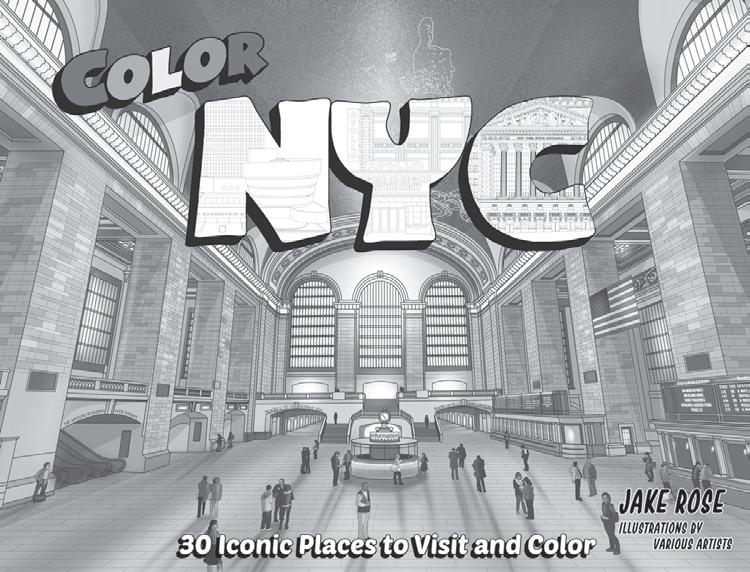
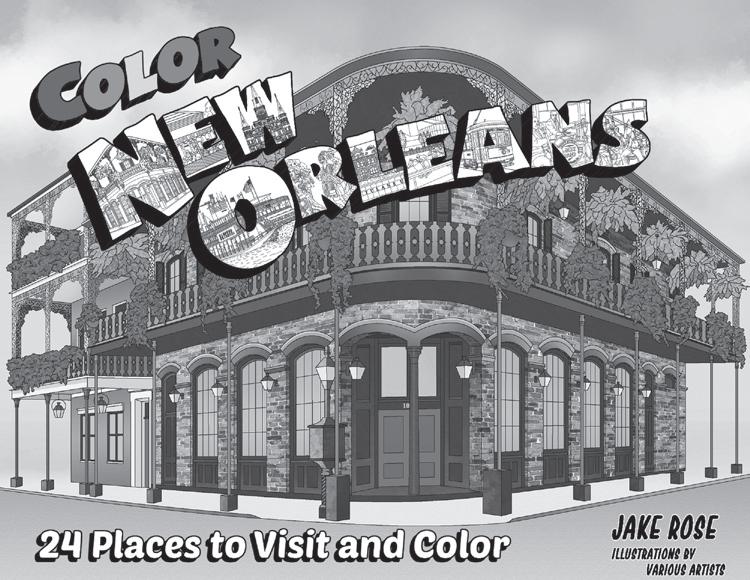







With a degree in history, Jake Rose pursues his passion for architecture, photography, and most importantly, historic landmarks.
Jake honors Detroit's unique historical institutions in his signature style. Collaborating with artists around the world, beautiful line drawings are created, each accompanied by a rich detailed history.
The newest edition in the “Color Our Town” series, “Color Detroit” celebrates the multitude of the city’s most noted attractions.
Visit Jake at ColorOurTown.com, and on Instagram and Facebook @colorourtown
Thank you, Jake Rose