FY 2024-2025 FY 2024-2025


Concord will be a vibrant and sustainable community where innovation, inclusion, and partnerships provide opportunities for all to thrive.

FY 2024-2025 FY 2024-2025
Concord will be a vibrant and sustainable community where innovation, inclusion, and partnerships provide opportunities for all to thrive.
The City of Concord enhances the quality of life by providing excellent service, planning for the future, and collaborating with our community. Values Accountability Communication Teamwork
A C T
We take ownership of our actions.
We inform and engage coworkers and the community.
We work collaboratively to provide excellent service.
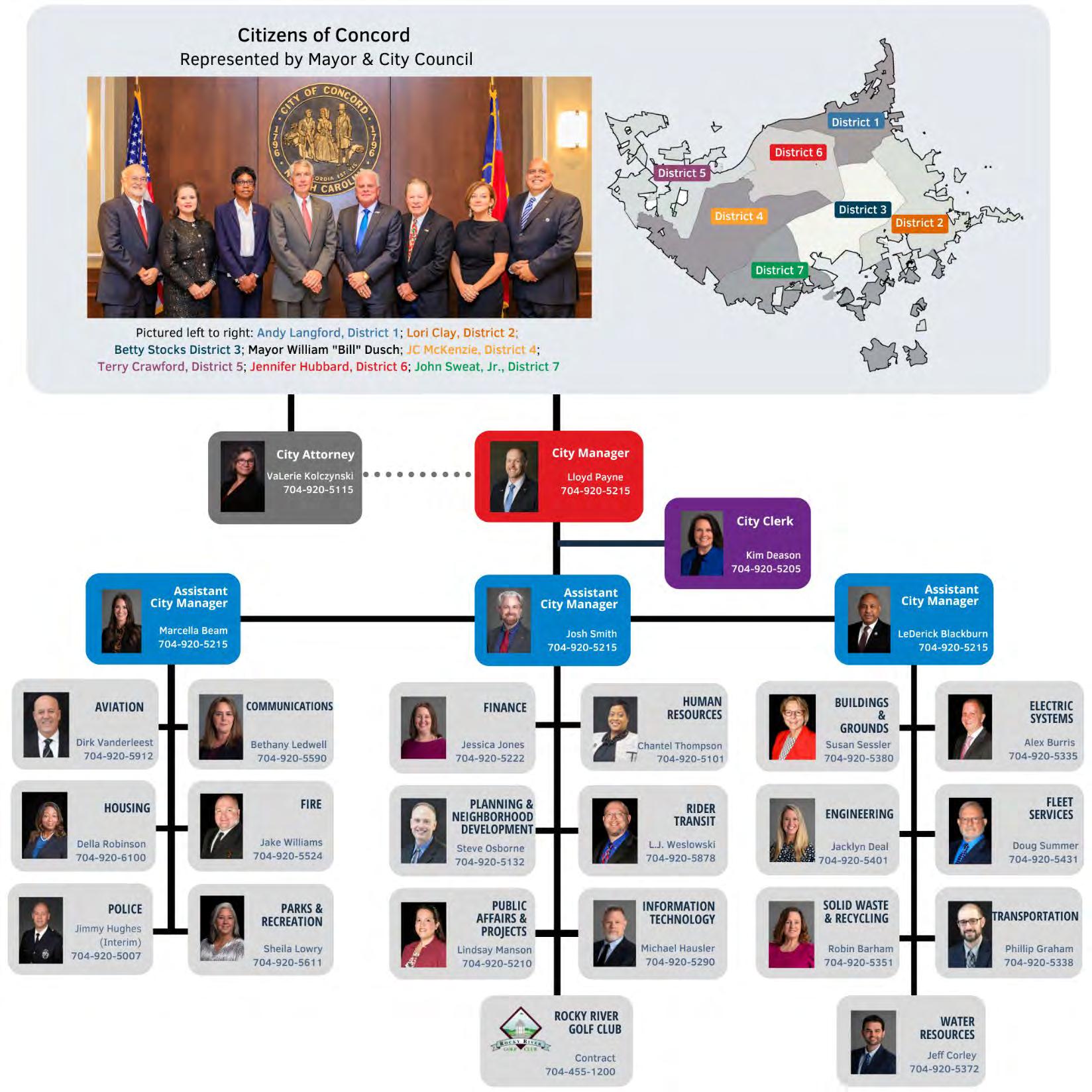
Organizational Chart
A display of the City’s organizational structure along with City Council districts.
City Manager’s Budget Message
A message from the City Manager to Council describing the contents of the budget
Provides a summary of the budget calendar, budget process, and other important information
Strategic Plan, Mission, Vision, and Values
A summary of the City’s new strategic plan, mission, vision, and values.
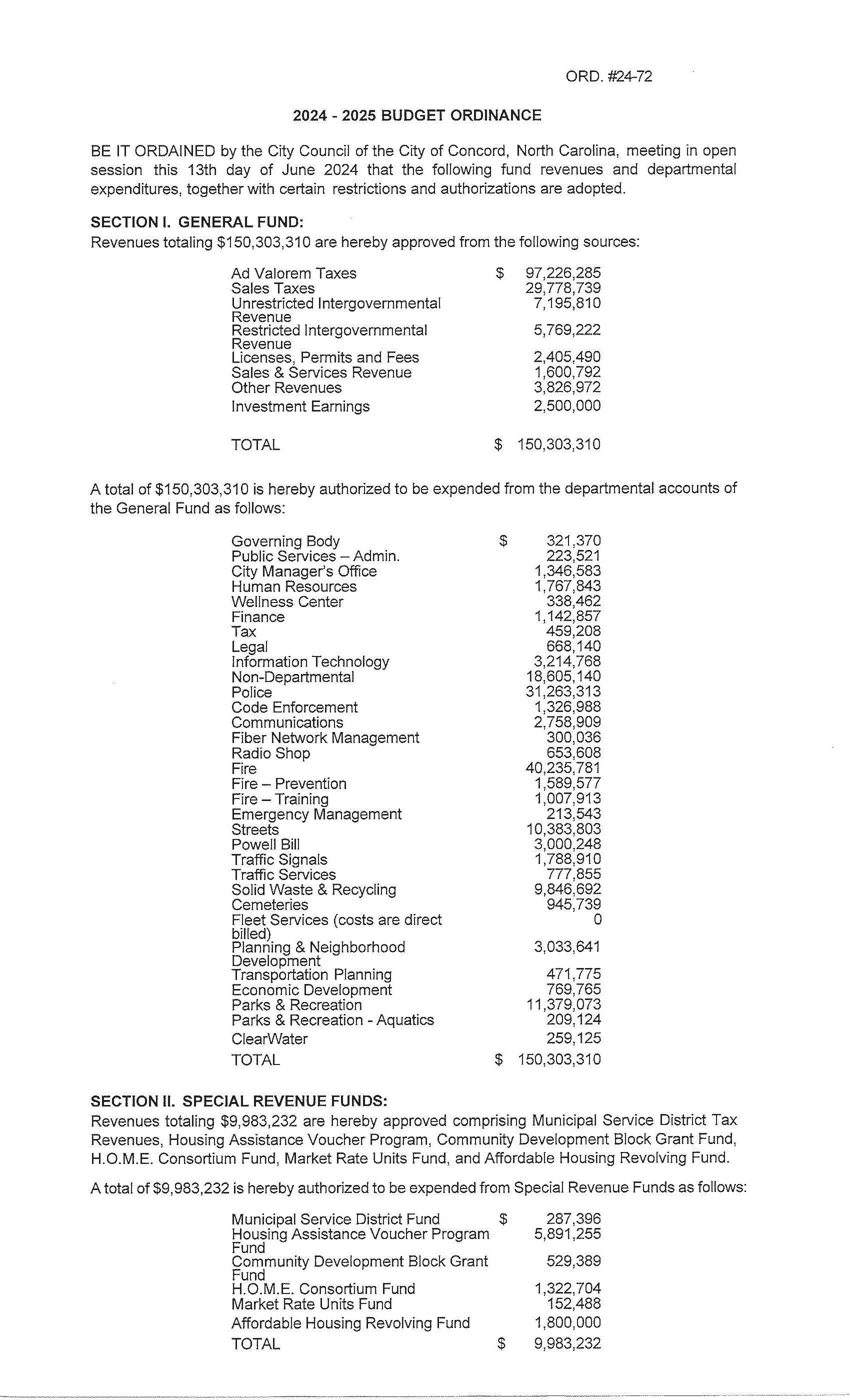
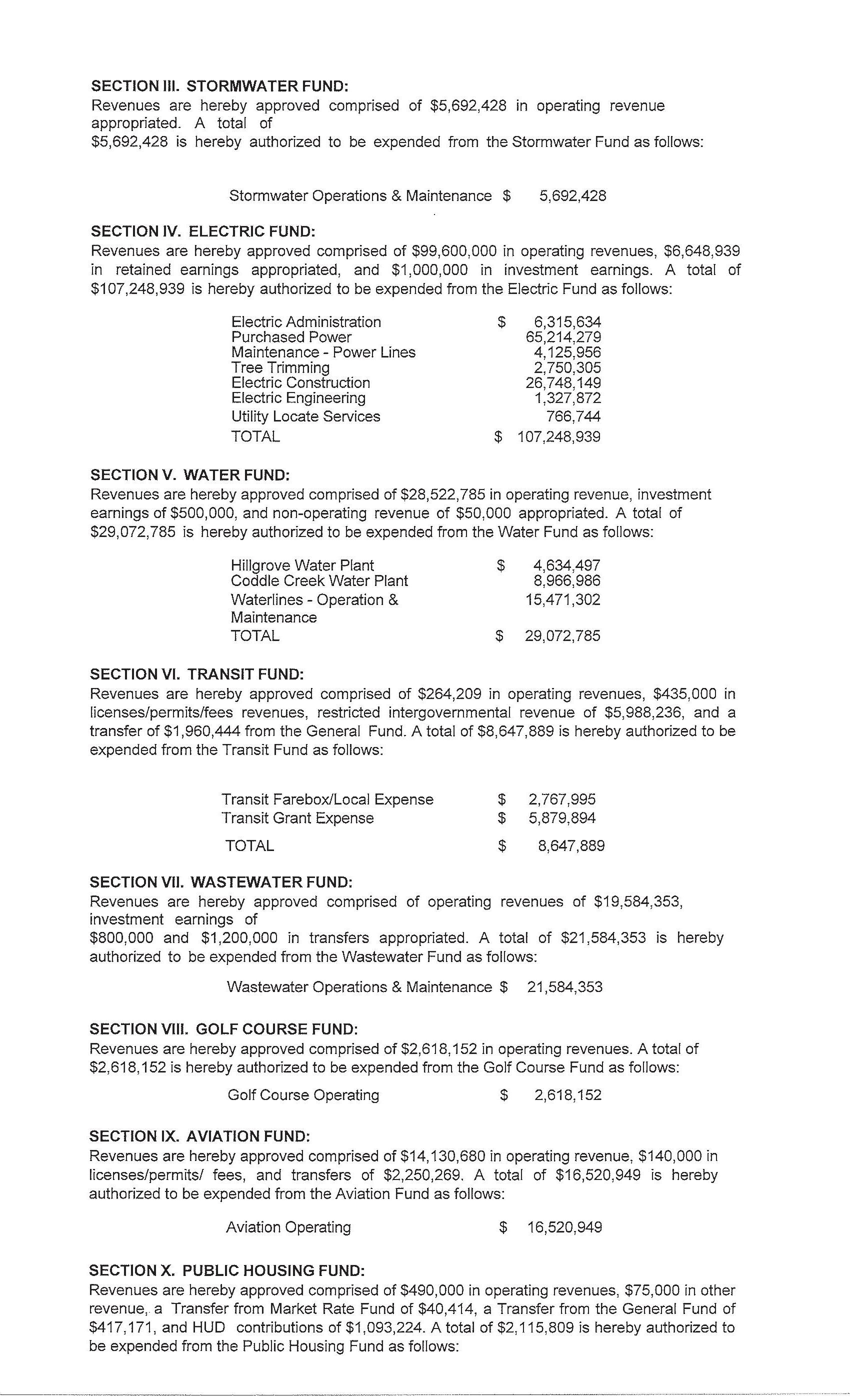
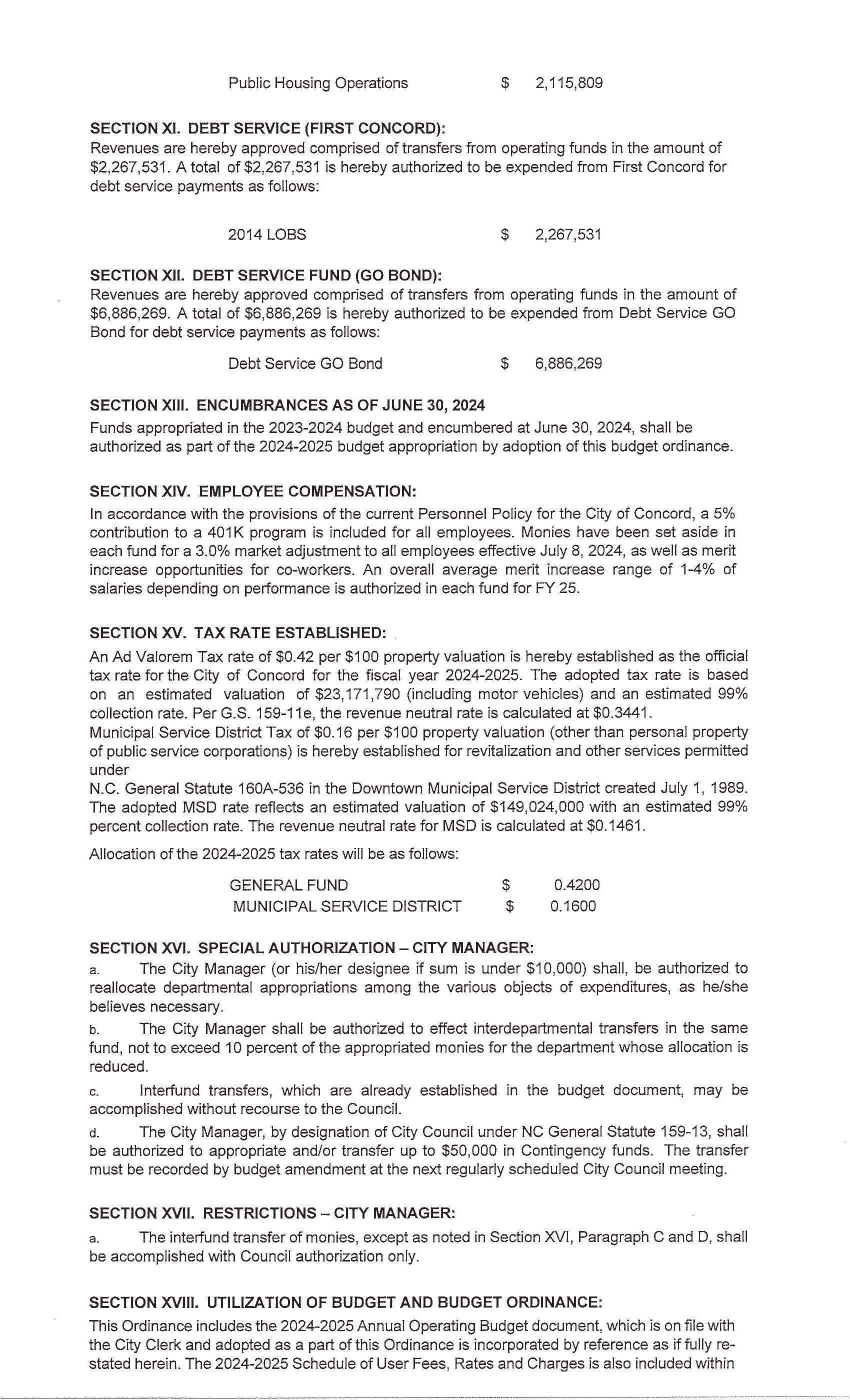
The adopted ordinances for the City’s operating budget
The Mayor and City Council serve part-time and are elected at-large on a non-partisan basis to four-year terms. Under the council-manager form of government, City Council acts as the legislative body in establishing policy and drives the City's Mission. The Mayor serves as the presiding officer at City Council meetings and is the official head of the City for ceremonial purposes. City Council appoints the City Attorney and a professional City Manager who serves as the Council's chief advisor, handles day-to-day City operations, and is responsible for all City personnel, except for the City Attorney. The City Manager provides functional supervision of the Legal Department.
May 30, 2024
The Honorable William C. “Bill” Dusch, Mayor Members of the City Council Concord, North Carolina
Dear Mayor Dusch and Members of the City Council:
I am pleased to present the Fiscal Year (FY) 2024-2025 Annual Budget for your review and consideration. This proposed budget represents the goals and priorities expressed by you at our annual planning session and budget workshops. Staff have worked hard to align your goals with the recommended projects and operational items. Budgetary decisions were made with fiscal stewardship at the forefront
The proposed annual budget was prepared in accordance with North Carolina General Statutes Chapter 159, Article 3, The Local Government Budget and Fiscal Control Act. All funds within the proposed budget are balanced, and all revenues and expenditures are identified for FY 2025. I want to offer a special thanks to our Assistant City Managers, Finance Director, Budget & Performance Manager, Senior Budget Analysts, and Department Directors for their commitment to developing a budget that provides excellent service to our citizens.
North Carolina counties are required by law to reassess property values within their boundaries at least every eight years, though many choose to do this in four-year cycles. This process is commonly known as “revaluation”. During revaluation, counties review all real estate parcels and determine their current market value. With that data in hand, counties and cities must then calculate a tax rate that would result in the same property tax revenues as the prior year This tax rate is then adjusted to account for growth that has occurred since the previous revaluation. This calculation results in what is known as the “revenue-neutral rate”.
Although the revenue-neutral rate generates the same amount of property tax revenue in total, it does not necessarily mean that an individual property owner’s tax contribution will remain the same. The value of Concord’s tax base is the sum of all the property values within the City. Properties may have remained the same, increased, or decreased in value An individual’s tax bill depends on a combination of the recommended tax rate and the property’s new value.
Per the Cabarrus County tax collector’s office, the City’s updated assessed property values are $23,171,790,000 which is a 46.28% increase over the previous year. One cent of the property tax rate equates to $2,295,423 after the City’s collection rate of 99% is applied.
The City-wide budget totals $353,849,526 for all funds, including utilities and special revenue funds. This is an overall budget increase of 9.02% over the FY 2024 adopted budget. The recommended General Fund budget for FY 2025 is $150,303,310 with a tax rate of 42¢ per $100 of valuation, which is a decrease of 6¢ from the current tax rate. Reducing the rate to 42¢ returns the City to the property tax rate that was in place from 2008 to 2012. The revenue neutral tax rate, using the formula provided by G.S. 159-11(e) and accounting for normal growth is calculated at 34.41¢ for FY 2024-25.
I am recommending the use of $387,288 from the City’s General Capital Reserve Fund toward construction of the initial phase of the Clarke Creek Greenway: Cox Mill Loop. The anticipated General Fund Balance will continue to meet Council’s goal of maintaining a Fund Balance target between 30% and 35% of expenditures
No residential or commercial base rate increases are anticipated for Water, Stormwater, or Wastewater funds, despite an increase in our wastewater treatment cost from the Water and Sewer Authority of Cabarrus County (WSACC). The City has funded year one of debt service for WSACC plant improvements, totaling over $2.4 million in additional costs to Wastewater. Both Water and Wastewater are in the process of reviewing rates and more information will be available in the coming fiscal year.
Concord Electric continues to follow the recommendations from their recent rates and charges analysis. Through this study and ongoing expert consultation, rates and charges will be adjusted to better match rates with the cost of providing service. Following these consultants’ recommendations, the recommended fee changes will work together with a reduced purchase power adjustment (PPA) to build on a rate structure that can handle both the consistent and volatile needs within the Electric industry.
Per Council’s direction, the FY 2025 budget focuses on providing essential services, funding vital infrastructure projects, and providing the quality of life for which our community is recognized. My recommended budget was developed with this in mind. What follows is a discussion of important considerations in the budget development process.
My FY 2025 directive to departments was to create a plan that funded essential City operations and honored the commitments made by City Council to residents, the community, and our employees Budget requests were constrained by the need to limit personnel additions, hold-the-line in operational costs, and reduce capital requests where possible. The goal of the annual budget development was to remain as close to a revenue neutral tax rate as possible while funding Council’s priorities These priorities included a commitment to competitive compensation, repayment of the Ronnie Long settlement, and continuing to provide dedicated funding for Parks & Recreation, Affordable Housing, and Transportation. The costs associated with meeting these commitments and funding essential operations drive the recommended tax rate.
The high level of excellent service Concord provides would not be possible without our dedicated staff. In Fall 2023, the City hired Guerrilla HR to conduct a comprehensive market pricing study to refine the City’s compensation strategy and address internal equity as well as external competitiveness. Additionally, the study addressed pay compression by adding a fixed percentage increase based on the years of service that employees had in their current position. The adoption of a new salary grade structure study by Council in November 2023 was a significant investment in Team Concord, with an 18.2% overall increase in salary and benefits for City employees when compared to the FY 2024 Adopted Budget. This investment will help the City attract and retain employees at all levels, keeping Concord an employer of choice.
Last year, the City reached a $22 million settlement with Ronnie Long, following his wrongful conviction in 1976. The City recognized its responsibility to correct this injustice. Concord’s portion of this settlement was $9,350,000. The City used fund balance from the General Fund to cover the cost. The Local Government Commission (LGC), a division of the State Treasurer’s Office, recommends a fund balance level of 44.63% for governments of our size. We are working towards meeting this goal and replenishing our fund balance with a dedicated contribution amount over the next four years. City staff will continue to monitor fund balance and adhere to strategies that encourage conservative usage. Concord strives to use fund balance only when absolutely necessary and does not use this funding source lightly.
Since FY 2021, City Council has appropriated 2.5¢ of the property tax rate for the Transportation Improvement Fund, 1¢ for Parks & Recreation projects, and 1¢ for Affordable Housing construction, allowing the City to focus our efforts in these crucial areas. To build upon the progress that we have made and to demonstrate our continued commitment to these priorities, I am recommending an increase in funding for each priority Furthermore, I am proposing to transition the funding for these priorities from amounts that are based on the value of 1¢ of the property tax rate to a fixed dollar figure. Providing a fixed amount of funding will ensure a stable source of revenue that will help the City plan and budget for projects in the years to come
Transportation
Council continues to place a priority on dedicated funding for the maintenance of City-owned streets. The FY 2025 budget designates $4,400,000 for projects within the Transportation Improvement Fund. The primary focus of these dedicated monies is to fund roadway projects and will be supplemented by dollars generated from local vehicle license fees. A portion of this funding is further set aside for the replacement of concrete streets. The proposed budget also includes $3,000,248 million for street resurfacing.
Staff works closely with the North Carolina Department of Transportation to reduce traffic and congestion concerns. The City maintains over 300 miles of sidewalk and more than 350 center lane miles of roads. There are still areas throughout the City where sidewalks are needed to enhance the connectivity and walkability.
Our current motor vehicle tax is $30, and State Statutes dictate how the revenue generated must be used. The $30 tax is broken up as follows: $5 to Transit, $5 for sidewalk extensions, and $20 to supplement the cost of road resurfacing. Major projects in this proposal include:
• Funding toward resurfacing of Lake Concord Road
• Bridge Repairs along Weddington Road and White Street
• Design funding for a roundabout at Weddington Road and Rock Hill Church Road
Parks & Recreation
Ensuring our Parks & Recreation department has the resources it needs to make progress towards the goal of 30 miles of greenway by 2030 remains an important Council priority. The FY 2025 budget sets aside $1,800,000 for Parks & Recreation projects. This year, the City began work on Phase I of the $60 million Parks & Recreation general obligation
bond projects that Concord residents voted to approve in November 2022. Work is well underway on the renovation of Dorton Park, with an expected reopening date of Fall 2024. The initial round of bonds was issued in September 2023 and the first set of debt service payments will begin with the FY 2025 budget. In the coming year, staff will continue to focus on the initial phase of bond projects, while also:
• Funding construction of the first phase of the Clarke Creek Greenway: Cox Mill Loop
• Completing parking improvements to address stormwater-related flooding in the parking lot of the Logan Multipurpose Center
The gap in housing affordability continues to grow and Council prioritizes the creation of affordable housing options. The FY 2025 budget will continue to dedicate funding for affordable housing and partner with WeBuild Concord and other private organizations. This year, I am proposing to appropriate $1,800,000 to Affordable Housing, which is an increase of $216,000 over the amount appropriated in the FY 2024 adopted budget. Concord will also continue to support the operations of our Public Housing department beyond their federal funding allotments to ensure the department has the necessary resources to provide quality housing. Through the Community Development Block Grant (CDBG) and HOME programs, the City was able to construct two affordable homes that were sold to qualified buyers in 2023. CDBG funds will also be used for the McGill Reuse project, which will assist low and middle-income entrepreneurs to build successful food and beverage-based business to help address the food desert needs within our Gibson Village Community.
Budget development for FY 2025 was driven by staffing needs associated with our continued growth, inflationary cost pressures, and a slowdown in sales tax revenues Over the past year, local governments across the state have seen sales tax revenues normalize after several years of above average growth. Our organization is monitoring sales tax revenues to ensure our projections are reliable. For now, staff will continue to project minimal growth. Economic challenges, like continued higher interest rates, supply chain issues, and increased costs for goods continue to impact our community.
As a result, residents and local governments alike continue to pay much more for goods and services than before. Vehicle prices are an illustrative example of this issue Two years ago, the City’s average cost for a Ford Interceptor (Police car) was $37,000. The cost of the same vehicle this year is $49,000, an increase of 32%. Not only are prices increasing, but wait times continue to be extended. Fire trucks and specialized equipment that we used to get in 18 months continue to have 3-year wait times. The City is still learning to create a budgetary environment that allows departments to plan orders years in advance of receiving their equipment while also meeting current needs in the interim.
Our community is growing with new residents and as a corporate destination Concord continues to receive national recognition for our excellent quality of life. USA Today HOMEFRONT ranked Concord as the second-best city to move in N.C. based on our excellent public schools, nearby attractions, and low crime rate. Smart Asset marks Concord as the 15th fastest growing city in the U.S.
Eli Lilly broke ground on their new $2 billion state-of-the-art manufacturing campus in June 2022 and construction work is being completed at record speed Active solicitation continues at The Grounds, as we partner with Cabarrus EDC to attract valuable, job-creating projects to the site. Exciting things are happening in Downtown Concord as well! The Downtown branding has been updated to reflect the new residential developments in the NOVI projects, corporate offices, and retail tenants. The streetscape will be completed later this calendar year and the City is looking forward to hosting future events in our revitalized space While the City continues to grow, we remain focused on keeping our community affordable with a well-maintained Water, Electric, and Transportation infrastructure.
Maintaining our Water Infrastructure
Funding is proposed in our CIP to continue implementing our utilities’ Master Plans. The City will use a mix of funding sources to pay for these projects – including reserve and operating revenues. There are no other proposed changes to water, stormwater, and sewer rates for this year but rate studies are underway for all water groups. Below is a list of anticipated capital projects for Water and Stormwater.
Water Projects
• Begin funding an AMI (automated meter infrastructure) System replacement
• Fund construction of water infrastructure replacements due to the Union Cemetery Road realignment
• Fund easements and construction of the Old Charlotte Road Water Line replacement
Stormwater Projects
• Farmwood Boulevard Culvert Replacement
Concord Electric Systems takes pride in being one of North Carolina’s public power communities and has been in operation for 120 years. Concord Electric Systems recently earned the American Public Power Association’s Safety Award for Excellence, Diamond level for safe operating practices in 2023. This award is the highest level of recognition for utilities with 110,000 – 249,000 worker-hours of annual worker exposure. As a City, we are committed to ensuring our team members are prepared for their demanding workload and can return home safely to their families. Work continues to ensure that r ates and charges are adjusted to better match rates with the cost of providing service. The department currently has over 80 employees who operate more than 1,700 miles of distribution lines and 21 substations and deliveries - serving over 34,000 residential and commercial customers. To continue providing an exceptional level of service, we must invest in our electrical infrastructure. Electric capital projects funded for FY 2025 are:
• 100kV Interconnect Between Delivery #4 and Substation E
• Delivery #1 Replacement
• Begin funding an AMI (automated meter infrastructure) System replacement
• Construction of a new Electric Substation N
• Delivery #3 Replacement of Metering, Main, and Circuit Breakers
• 100kV Tie Line from George Liles Parkway to Substation O
The Concord-Kannapolis Rider Transit System is primarily funded with federal dollars and provides a vital transportation option for many in our community. As the lead agency, Concord is the responsible party for federal transit funds in Cabarrus County, Rowan County, and Salisbury. City staff will continue discussions with partner agencies in Kannapolis and Cabarrus County on the future of the County’s transit systems. In the coming year, Rider will work to improve passenger experience, operator satisfaction, and enhance safety. The FY 2025 budget includes funding to operate the Cabarrus County Reentry Program, which provides transportation to individuals transitioning from incarceration to employment. Rider will also update their ADA Transition Plan, continue a micro transit pilot, replace CCTV at the Transit Center, and complete Phase 1 of the bus stop amenity plan. This budget also includes funding to cover the cost of both the paratransit and fixed route service as a part of the TransDev contract.
With one year of full solid waste service provision under our belts, our Team is looking to improve processes and create efficiencies in the year to come. One way we are doing this is by right-sizing the City’s limb collection process. Implementing yard waste collection limits will increase departmental productivity and allows customers who need more than 6 CY (cubic yards) a process to retain those additional services. The Solid Waste Department will also monitor collection routes for optimalization opportunities throughout the year. As always, the City will report any route or service changes online and through the CARTology app. CARTology is an app that provides detail on recyclable items, personalized collections schedules, and push notifications for any service changes or updates. A small increase to the solid waste fee has been proposed to help cover costs associated with providing service.
Last year, Concord brought Information Technology (IT) in-house after working with a contractor to provide this service since the 1990s. Throughout FY 2024, the IT department has worked diligently to modernize the City’s technology and network infrastructure. In the coming year, IT staff will facilitate the transition of several key software programs to cloudbased servers As more of the City’s work shifts to the virtual world, we are continuing our investment in cyber security resources that will help protect our network from bad actors that can compromise our ability to provide essential services. These technological advancements and services will allow us to meet our citizens’ expectations of what excellent customer service is. Information Technology projects include:
• Network Firewall Enhancements at City Facilities
• Fleet Management Software Enhancements
• Partnering with Government Finance Officers Association on a Finance/HR ERP System Replacement
The safety of Concord residents is a priority for the City. In FY 2025, the City will begin the design process for a new Fire Station on Flowes Store Road. The new Station 13 will provide fire service to several areas that are outside of the response capabilities of existing fire stations. Improving response times will help us maintain our ISO 1 rating, keeping insurance rates for citizens and businesses low. The budget includes funds to further expand the residential Knox Box pilot program A Knox Box is a reinforced steel key box registered with Concord Fire that allows firefighters to quickly unlock a home or business in the event of an emergency, eliminating property damage to doors and windows resulting from forcing entry The Knox Box system has been used by Concord Fire in commercial settings since 1987 and was recently expanded to provide elderly and non- ambulatory residents with this service at no cost. The FY 2025 budget
also contains funding to order a new fire truck for Station 13 in addition to replacing two existing fire trucks and replacing 24 police cars.
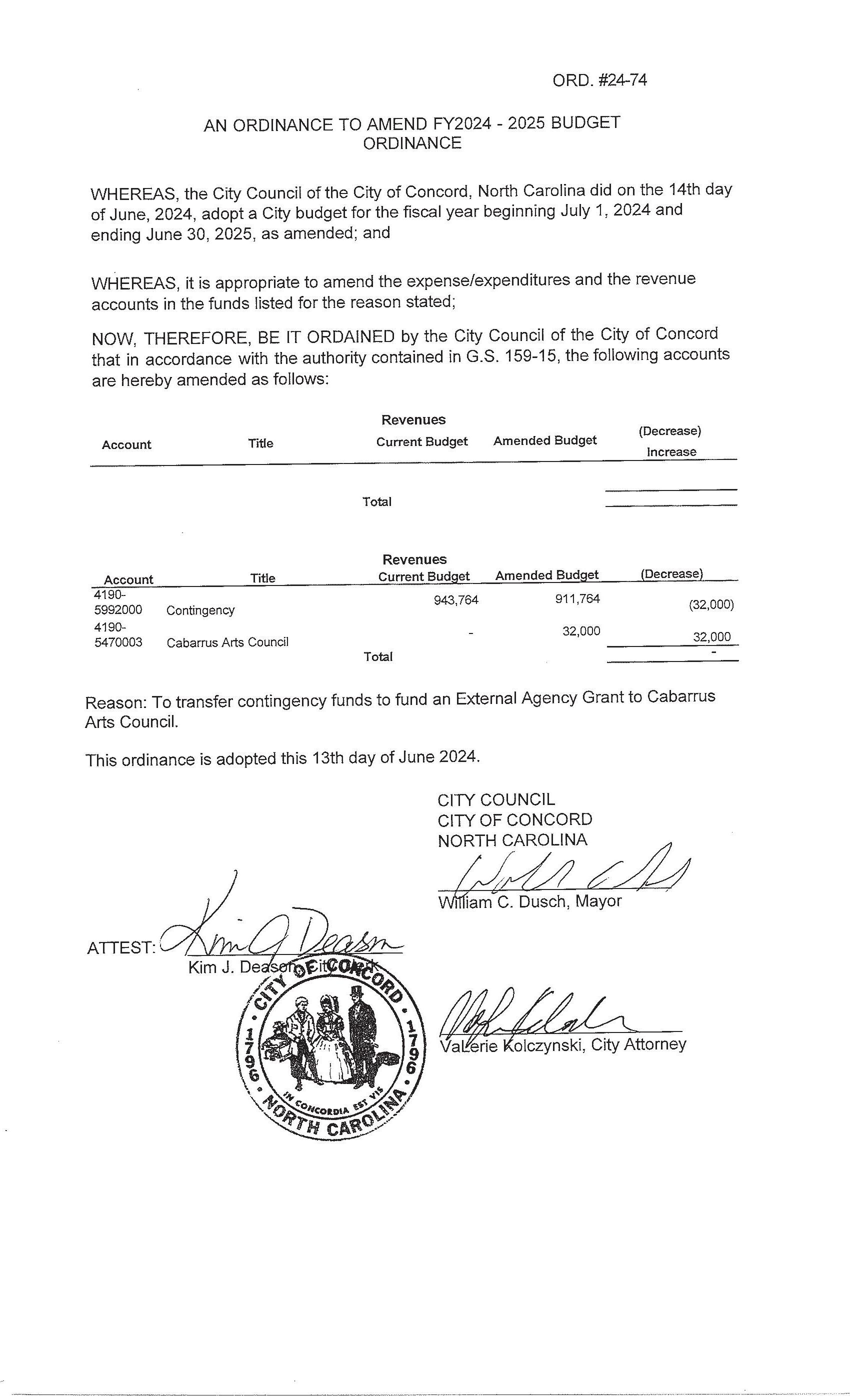
Our non-profit partners in the community fill a crucial role in ensuring a safety net is available for those in need and provide services that help enhance the quality of life in our City. Funding provided to these agencies through tax dollars, utility revenues, or Community Development Block Grant funds (CDBG) allows us to focus on our core mission of providing municipal services. Requests for general and utility fund grants must meet a municipal public purpose to be considered for the award. CDBG grant recipients must meet federal eligibility guidelines, including 501(c)(3) status and 70% of funding must assist low/moderate-income citizens. All non-profits receiving funds from the City must sign an agreement and are accountable for how they spend these public monies. To comply with regulations provided by the state in N.C.G.S. § 14-234.3, the City updated the budget adoption process for external agencies. Grant funds comprising $98,500 from the General Fund with $32,000 being adopted separately for the Cabarrus Arts Council, are recommended by City Council. CDBG monies totaling $75,000, and $33,125 from utility funds are also included in this budget.
Throughout FY 2024, City Council and the Staff Leadership Team worked closely with the Centralina Regional Council to develop a new Strategic Plan. The Strategic Plan identifies City Council’s vision for Concord, updates our Mission Statement, outlines Goals, and specifies key actions to achieve those goals. The planning process included Council work sessions, meetings with department directors, staff engagement, and a community survey to gather input from residents. The Plan was adopted by Council in May 2024 and includes six Goals that will guide our capital planning processes and the development of future budgets over the next three to five years. In the coming year, staff will begin the work of implementing the Plan in our budget formulation and decision making. Our departments will create metrics to meaningfully report on our progress. This was a time-intensive process, and I am very appreciative of everyone who provided their insights.
Our employees are our most important resource, and they are vital to the City’s successful delivery of the high level of service we are committed to providing for our citizens. In October, the City worked with ETC Institute, a national market research firm, to gather feedback from Concord residents about their experiences living in Concord and their perception of City services and employees. The results from the survey show that overall, Concord residents are highly satisfied with the quality of customer service and with the quality of City services Eighty-four percent of survey respondents reported satisfaction with the overall quality of customer service they received from City employees and 82% were satisfied with the overall quality of City services. When compared to national benchmarks, Concord ranks significantly higher than other cities around the nation
In addition to surveying our residents, the City also worked to gather feedback from our employees. This past fall, the City conducted an employee engagement survey in partnership with the University of North Carolina School of Government to hear from employees about their experience working for the City. The results of the survey were shared in March and will be reviewed by leaders, managers, and employees throughout the organization over the coming months to look for ways to implement employee feedback
Employee compensation and benefits were some of the major themes that emerged in the responses to the employee engagement survey. In addition to the increases implemented with adoption of the compensation study, a 3% cost of living adjustment will be provided to all employees effective July 2024 In addition, I am proposing merit increases to range from 1% to 4%, depending upon performance. Through the career development program, employees are provided with an opportunity to enhance their skill sets in the coming year – benefiting themselves and the City. I am proposing employees receive a 1.5% salary increase upon completion of their annual career development requirements.
Concord is self-insured for the medical insurance available to employees and their dependents. Coworkers can select from three health insurance plans, and for the fourth year in a row, no premium increases are recommended for employees. Wellness efforts are a priority, both for the benefit of our coworkers and as a cost reduction measure Employees can receive a reduction in insurance premiums if they visit their dentist for an annual cleaning appointment, complete a Health Risk Assessment, and certify they do not use tobacco or attend a tobacco cessation program. The City offers a Wellness Center for basic, routine medical services for those enrolled in a City insurance plan. It provides a convenient, no-cost access point for basic medical care. In addition, coworkers can select from multiple health/wellnessoriented training courses offered throughout the year
The City’s required contribution levels to the North Carolina Local Government Employees Retirement System will increase again in FY 2025. The contribution rate for general employees is now 13.6%, while the rate for law enforcement officers is 15.1%. By State mandate, the City contributes 5% to 401(k) accounts for sworn law enforcement officers. This year, the City will complete a 3-year commitment by increasing the 401(k) contribution by 0.5% once again to bring the total 401(k) contribution for non-sworn coworkers to 5%. This contribution increase is effective on July 1, 2024. This budget includes funding for 3 additional full-time staff positions and 8 position reclassifications for FY 2025. Start dates are noted below. A total of 1,222 full-time and 42 part-time positions are recommended for funding.
General Fund (2 full-time)
• IT: Server Engineer (October 2024)
• Planning & Neighborhood Development: Community Development Technician (July 2024) Other Funds (1)
• Electric: Electric Systems Technician I (October 2024) Reclasses & Moves
• Human Resources:
o HR Technician to HR Generalist
o HR Analyst I to HR Analyst II
o HR Analyst I to HR Analyst (Learning & Development) from City Manager’s Office to HR
• Emergency Management:
o Emergency Management Coordinator to Fire Division Chief from City Manager’s Office to Fire
• Billing: Utility Billing Specialist I to Utility Billing Specialist II
• Engineering: CAD Technician to CAD Supervisor
• Buildings & Grounds:
o Grounds Maintenance Worker I to Grounds Maintenance Worker II
o Grounds Maintenance Worker to Tree Specialist
o Administrative Assistant to Executive Assistant Conclusion
In the coming year, the City will work to ensure our programmatic and fiscal decisions meet the goals set forth by City Council. My proposed budget continues to balance the exceptional quality of life in our City while meeting the needs of our departments to provide excellent service for our residents. Staff worked closely with me to develop a budget that meets these goals. My aim is to ensure we are correctly positioned and have the resources available to handle our growth responsibly. It takes a team to provide the high level of service our residents deserve, and this budget provides Team Concord with the resources to do this each and every day.
Respectfully submitted,
Lloyd Wm. Payne, Jr., ICMA-CM City Manager
The items below summarize City Council changes to the City Manager’s Recommended Budget, budget process changes, staffing additions in the budget, and any budget document changes/additions from the prior fiscal year
City Council Changes to the City Manager’s Recommended Budget
City Council made no changes to the City Manager’s Recommended Budget.
Budget Unit 6122, ClearWater, was added to the General Fund to track expenditures related to managing ClearWater Artist Studios This expense has been previously accounted for in other General Fund groups such as Planning and most recently in Parks & Recreation, but now management would like to track expenses separate of other groups.
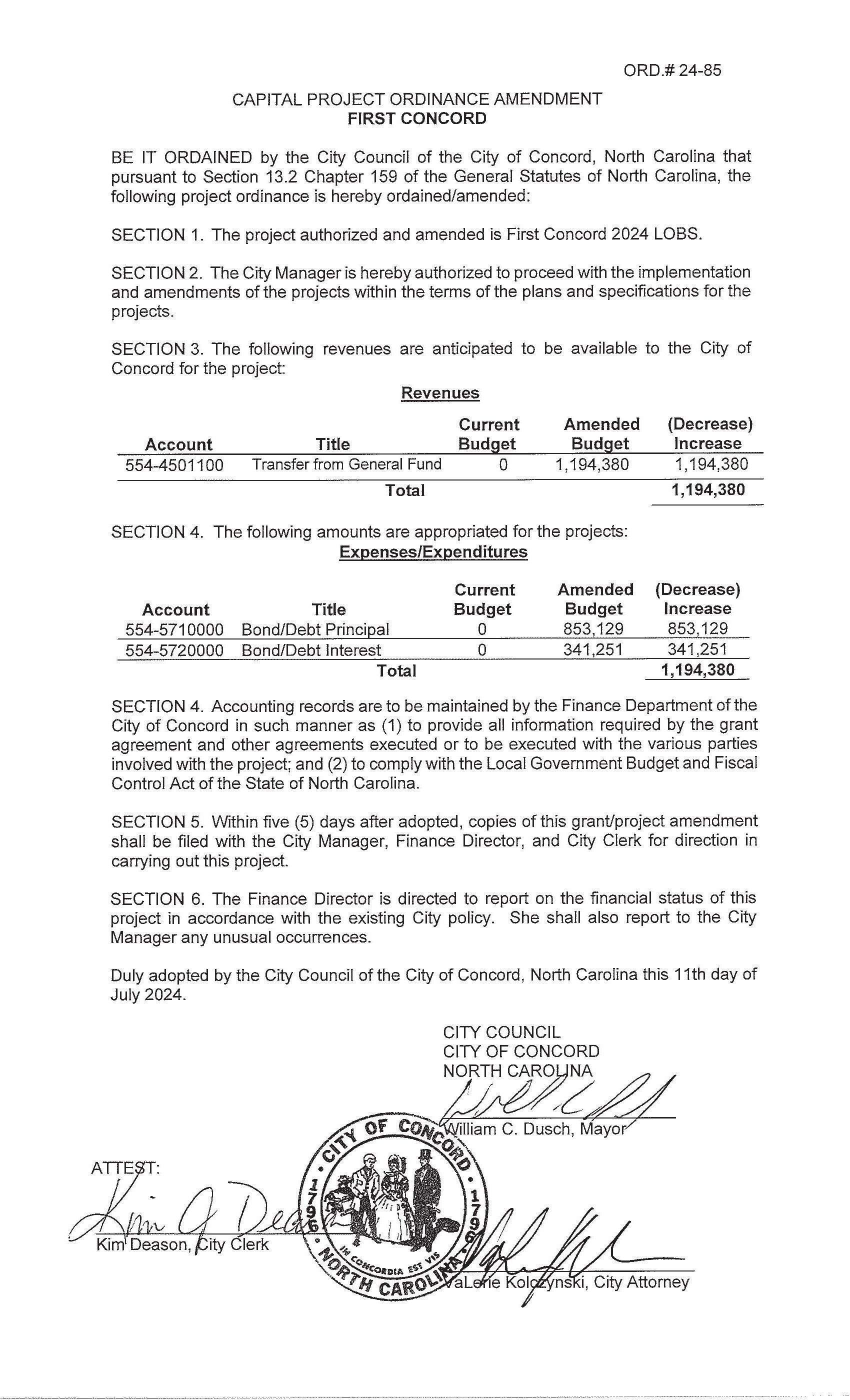
Two new Debt Funds were adopted, one related to the 2024 Limited Obligation Bonds that were issued to pay for Fire Station 6 and David District substation (Fund 554 and Budget Unit 5540). The other is a general Debt Service fund that was created to begin accumulating resources to cover voter approved General Obligation Bonds for Parks & Recreation Projects (Fund 560 and Budget Unit 5600).
The Transportation CIP titled ‘Major Corridor Resurfacing – Lake Concord’ was changed to ‘Major Corridor Resurfacing’ since Lake Concord Rd. will no longer be the first road resurfaced as part of this project. This change does not impact the work needed to be completed but allows Transportation to focus on the roads with great need first.
We have also included new pages related to Water, Wastewater, and Stormwater on potential future projects. These are capital projects that could potentially happen in the future depending on external factors. Due to these projects being contingent on external unknowns, they were removed from the formal CIP listing and made available as a supplemental table within the CIP section.
Over the last 18 months, Concord has been developing a new Strategic Plan. While full Strategic Plan rollout and implementation will happen after budget adoption, staff felt it was important to add information about the new Strategic Plan into the budget book. An overview of the Strategic Plan has been added to the introduction section of the budget book.
City staff have made edits to the City Debt section to help with understandability and clarity. Changes to this section include providing a condensed summary of outstanding debt including interest which collapses outstanding debt by type and by 5-year stretch. This chart intends to graphically show the changes in debt the City currently has as time progresses. Detailed information on each debt and a table on outstanding debt by type per fiscal year is provided later in the section.
The City continues to include a second-year budget to assist departments with forecasting expenditures and assessing future demands on their revenue. Planning year budgets have been tentatively balanced across all funds.
With the construction of Concord’s new Strategic Plan, departments were asked to evaluate their performance measures to ensure that reported measures were accurate, relevant, and could coincide within Strategic Plan goals. These new measures will have actuals starting next fiscal year and will be marked as a ‘New Measure’ in reporting.
A total of 3 full-time positions were added to the FY 2024-25 budget. All new positions are funded assuming October 1st start dates unless specifically noted otherwise.
Information Technology: As the City had its first year of providing information technology services in-house, staff determined there was an additional need for another position to help manage the City’s server farm. To address this issue, Information Technology will add 1 Server Engineer. The City’s salary and benefits cost for starting up this position are $110,123.
Planning & Neighborhood Development: A Community Development Technician will be added to assist participants in the rehabilitation and down payment assistance programs. This position will be partially funded with HOME funds. Salary, benefits, and supplies for this position are $67,479. This position will start in July 2024.
Electric: One new Electric Systems Technician I will be added to increase efficiency within electric system maintenance Salary, benefits, and related equipment will be $58,366
Reclassifications/Moves: The City continues to adjust personnel to meet the evolving needs of the organization. This budget includes funding to reclassify positions in Human Resources, Emergency Management, Billing, Engineering and Buildings & Grounds The estimated cost for these changes is budgeted at $87,640
Reclassifications:
The FY 2024-25 Budget Document continues to build on the improvements made in prior years to enhance its userfriendliness. Based on feedback from last year, staff has kept the Capital Improvement Plan (CIP) in the adopted budget book Informational pages are re-worked to include additional illustrative graphics. Redesigned departmental pages and performance measurement charts. For the online version of the book, Return to Index buttons have been added and page formatting was adjusted to assist the reader with navigation and readability. Online readers can also use not only the linked Table of Contents, but the linked section divider pages. There are also web addresses (URLs) embedded into the document for some of the external resources discussed in the book. Other minor structure changes were made to improve the flow of the document.
The budget outlines the City's plan for achieving the goals, objectives, and service delivery levels desired by the Mayor and City Council. More specifically, the budget is a financial plan consisting of an estimate of proposed expenditures, the proposed means of financing, and the goals and objectives of the expenditures for a fiscal year (July 1 to June 30). The major components of the budget document include:
Introduction: The introduction’s largest component is the City Manager’s Message – an executive summary of the recommended budget from the City Manager to the Mayor and City Council. It discusses the major budget items, changes, and the City’s financial condition. Other components of the introduction include a summary of the City’s budget process and calendar, an organizational chart, a discussion of what is new or has changed, a brief history of the City, the City Profile, Strategic Plan updates, and the budget ordinance.
Budget Summary: The Budget Summary section begins with an outline of the City’s fund matrix and budget unit structure. This section is then followed by discussion of major revenue assumptions, trends, fund balance and net position. After fund balance and net position is an overview of the City’s debt obligations and a five-year forecast of the General Fund. Following the General Fund forecast are tables and charts that outline the City’s revenue and expenditure plan by fund, function, and department The Budget Summary also includes a personnel summary, background on the City’s performance measurement, and a listing of funded External Agencies.
General Fund (Fund 100): The General Fund accounts for resources traditionally associated with government that are not required legally or by sound financial management to be accounted for in another fund. It is the City’s main operating fund. This section contains a summary of the General Fund, summaries of the General Fund’s five functions (General Government, Public Safety, Public Works, Economic Development, and Recreation & Culture), and a detailed breakdown of each department.
Special Revenue Funds: Funds that are used or required to account for specific revenues that are legally restricted to expenditures for particular purposes. This section follows the layout of the General Fund. For Concord, Special Revenue Funds include:
Municipal Service District Fund (Fund 201): This fund accounts for taxes levied on behalf of the downtown service district and used to fund the Downtown Development budget unit for use in the promotion and improvement of the City’s downtown area.
Housing Assistance Fund – Section 8 (Fund 210): This fund is used to account for federal grants received to provide housing assistance payments for low-income families.
Community Development Block Grant Fund (Fund 310): The CDBG fund accounts for federal grants under the Community Development Block Grant program.
Home Consortium Fund (Fund 320): This fund accounts for federal grants received to expand the supply of decent, affordable housing for low and very low-income families with emphasis on rental housing, build state and local capacity to carry out affordable housing programs, and provide for coordinated assistance to participants and the development of affordable low-income housing.
Market Rate Units (Fund 350): This fund accounts for revenues received to maintain housing stock above quality requirements to serve low-income families for whom conventional housing in unaffordable.
Revolving Housing Fund (Fund 370): This fund accounts for dedicated revenues to serve low-income families for whom conventional housing in unaffordable.
Enterprise Funds: These funds account for operations that are financed and operated in a manner similar to private business enterprises, where the intent of the City Council is that the costs of providing goods or services to the general public on a continuing basis be financed or recovered primarily through user charges. For the City of Concord, those funds include:
Stormwater Fund (Fund 600): The Stormwater Fund accounts for monies associated with operating the City’s EPA Phase II Stormwater management program. The program’s purpose is to reduce erosion and run-off pollution associated with rain events.
Electric Fund (Fund 610): The Electric Fund accounts for all monies associated with operating the City’s electric distribution system.
Water Fund (Fund 620): This fund accounts for all monies associated with operating the City’s water treatment and distribution system.
Transit Fund (Fund 630): This fund accounts for all monies associated with operating the Rider - Concord/Kannapolis Area Transit System fixed-route public transit system.
Wastewater Fund (Fund 640): Wastewater Fund monies are designated for use in maintaining and construction of the City’s wastewater collection system.
Golf Course Fund (Fund 650): This fund accounts for monies used in operation of the City’s municipal golf course.
Aviation Fund (Fund 680): This fund accounts for monies associated with the operation of the City’s regional airport.
Public Housing Fund (Fund 690): This fund is used to account for the operations of the City’s public housing department.
Internal Services Fund (Fund 800): This fund accounts for the financing of goods or services provided by one department or agency to other departments or agencies, or to other governmental units, on a cost reimbursement basis.
Capital Improvement Plan (CIP): The CIP section includes the full CIP book. The CIP book includes all capital improvement projects approved in the budget process, all listed projects by fund, a summary of first-year projects, adopted budget ordinance, operating impacts and other supplemental information
Supplemental Information: This section contains supplemental information regarding the City’s Debt Management & Reserve policies, the types of debt financing used by the City of Concord, a summary of the City’s current debt structure. a listing of Authorized Positions, salary grades, and a glossary.
On the next page is a guide for how to read and interpret some of the most common charts within this document. These charts help provide guidance on what specific columns reference as well as general information regarding what specific categories mean.
Use the call-out boxes below to learn more about the data contained in a Fund Summary Table.
Recently ended fiscal year budget with amendments
Actuals from recently ended fiscal year budget as of a specific date.
Council adopted budget for the upcoming year.
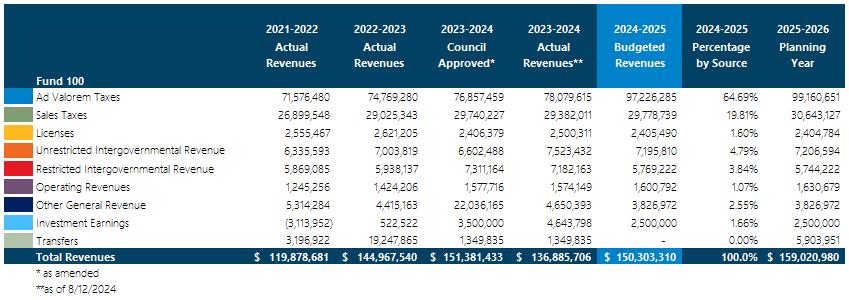
Prior year actual data from audit.
Percent of how much each type represents out of the total. Revenue
Use the call-out boxes below to learn more about the data contained in a Budget by Category Table.
Includes salaries, FICA costs, employee insurance, 401k, retirement costs, career development & workers comp.
Includes all items not associated with personnel, capital items, transfers, or debt service. Operations can include things like utilities, dues, phone, supplies, etc.
Planned revenues for the fiscal year after next. These are not adopted by Council.
Includes capital items such as land, vehicles, equipment, etc.
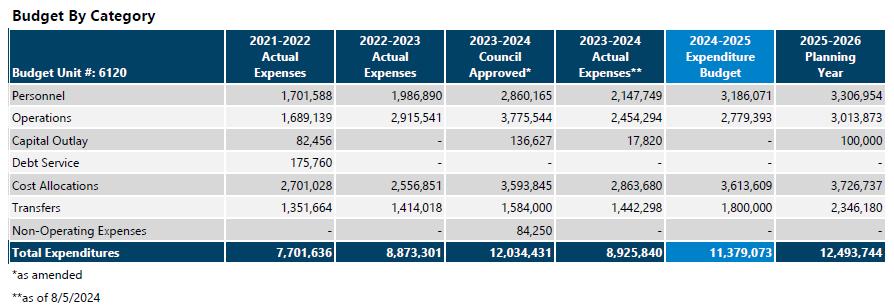
Includes annual debt service payments for capital items.
Includes funds being moved out of a budget unit to cover capital improvement projects, payments to other funds, etc.
Includes costs for internal services like Information Technology, Customer Care, Buildings & Grounds, Engineering and more that are allocated out to departments.
The annual budget document outlines policy direction and serves citizens by providing an understanding of the City's operating fiscal programs. It reflects the City's commitment to maintaining necessary services, improving the quality of service, and keeping the impact of taxes to citizens at a minimum.
The City operates under an annual budget ordinance adopted by the City Council in accordance with the provisions of N.C.G.S. 159 – known as the Local Government Budget and Fiscal Control Act. The City Manager is required to submit a balanced budget by June 1, and the Council must adopt the budget by July 1. The fiscal year encompasses the period between July 1 and June 30.
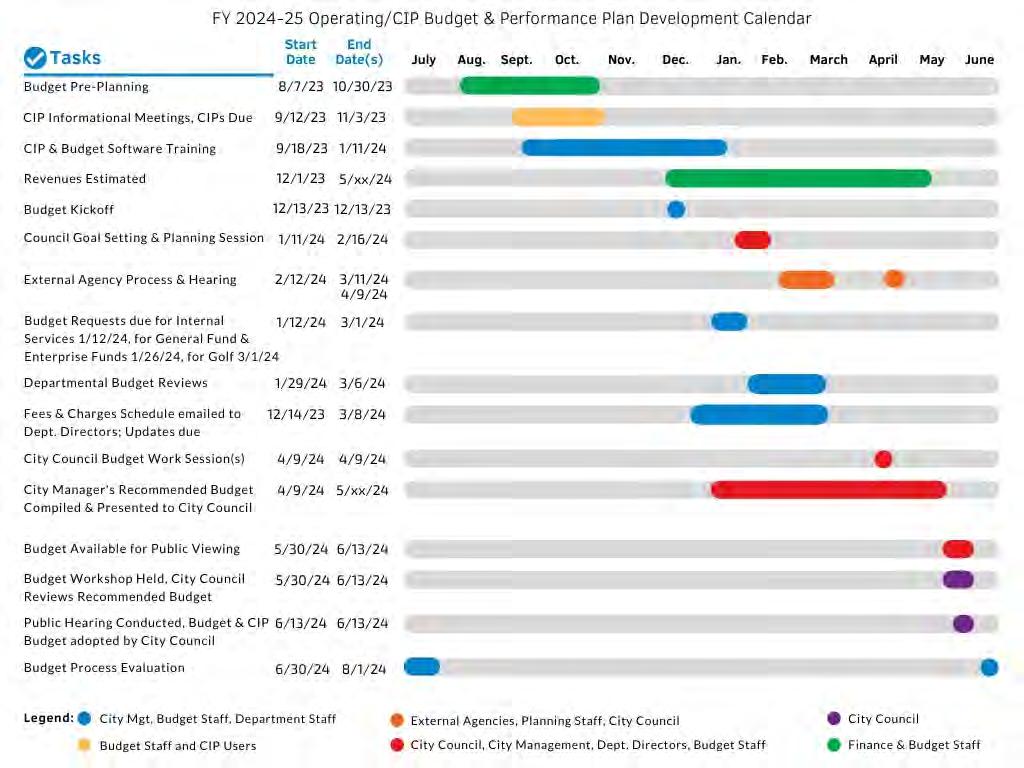
Procedures: The City's budget process begins in the fall, at which time CIP instructions are explained and distributed to departments. All departments receive their operating budget forms and instructions in December Department Directors are responsible for estimating departmental expenditures. The Finance Director in conjunction with appropriate Department Directors determines revenues. When budgeting expenditures, the basic requirements are to request sufficient funding to adequately operate the department and to request funding at the lowest reasonable level to achieve departmental goals and objectives. Departmental requests are submitted to Budget Staff, then organized and analyzed.
The budget reflects the service priorities of the City Council and Citizens of Concord. The service needs of the community are determined by public hearings and feedback through the Mayor and City Council. The Assistant City Managers and Budget Staff then conduct a comprehensive review of service needs versus departmental budget requests. After final service priorities are established and decided upon, a balanced funding plan is formulated with the City Manager. Through careful assessment of funding requirements and financing methods, a proposed budget document is organized into final format and submitted to the Mayor and City Council for their consideration at the April City Council work session.
The Mayor and City Council review the proposed budget, including departmental performance objectives, thoroughly with the City Manager and Budget Staff. A copy of the proposed budget with recommended changes is filed with the City Clerk for public inspection in May. A public hearing is scheduled prior to the formal adoption of the budget in June. Adoption of the budget by the City Council establishes the legal authority to incur expenditures in the ensuing fiscal year. All annual appropriations lapse at fiscal year-end
Budget Transfers & Amendments: The budget begins July 1, but changes to revenues and expenditures can occur throughout the fiscal year. Using a budget transfer, monies are transferred within the departmental budget, from one line-item revenue or expenditure to another line-item. This process requires the approval of the City Manager (or his/her designee if sum is under $10,000). The City Manager may authorize any amount of money to be shifted within a budget unit. The City Manager is also authorized to effect interdepartmental transfers within the same fund, not to exceed 10% of the appropriated monies for the department whose allocation is reduced.
A budget amendment usually involves larger sums of money and results in a significant change to the department’s overall revenue and/or expenditure level. Budget amendments require City Council approval. Budget transfers and amendments must adhere to balanced budget requirements and impose no additional tax levy liability on citizens. Below is a chart that walks through the different levels of control in changing the budget throughout the year.
Departmental changes for various expenditures less than $10,000. May include changes between line-items within a departmental budget.
Departmental changes for various expenditures above $10,000. May include changes between line-items within a departmental budget.
Interdepartmental transfers within the same fund (moving monies from one department to another) less than 10% of appropriated monies from the transferring department
Interdepartmental transfers within the same fund above 10% of appropriated monies from the transferring department.
Contingency Funds Transfer
All Other Transfers
Approval from the City Manager or approved designee.
Approval from the City Manager.
Approval from the City Manager.
Approval from City Council.
The City Manager can appropriate and/or transfer up to $50,000 in contingency funds. The transfer must be recorded by a budget amendment at the next regularly scheduled City Council meeting.
Approval from City Council.
Encumbrances: All monies at fiscal year-end lapse and spending authority ceases unless specific services or goods are encumbered. Encumbrances are a financial commitment or earmark for services, contracts, or goods that have not been delivered by the end of the fiscal year. Encumbered monies are carried over into the new fiscal year’s budget. Outstanding encumbrances at fiscal year-end do not constitute expenditures or liabilities.
Basis of Budgeting and Accounting: In accordance with the North Carolina Budget and Fiscal Control Act, the budget is developed and adopted under the modified accrual basis of accounting. Under this format, revenues are recognized when measurable and available and obligations of the City are budgeted as expenditures. During the fiscal year, budgets are monitored and accounted for using the modified accrual basis. At fiscal year-end, the City’s Annual Comprehensive Financial Report (ACFR) is prepared using Generally Accepted Accounting Principles, or GAAP.
All governmental funds are reported using the modified accrual basis of accounting. Although the ACFR reports all proprietary funds using the full accrual basis of accounting, whereby revenues are recognized when earned and expenses recognized in the period incurred, for simplicity, the budget document reports all proprietary funds’ prior year actuals using the modified accrual method

As of June 30, 2024 unless otherwise noted
Whether you want to attend one of NASCAR’s biggest events, go on a shopping spree, or take in the beauty of the Historic District, Concord has something for everyone. Beyond its exceptional quality of life, the city offers an accessible public infrastructure that links businesses and residents alike to all of North Carolina, and the rest of the world. Concord is part of the Charlotte-Gastonia-Concord Metropolitan Statistical Area (“MSA”), which has a 2023 population of 2,805,115. Concord was the 7th fastest growing city in the country.
Population: 110,886
City Land Area: 64.4 square miles
Date of Incorporation: 1796
PopulationbyRace
White:56.2%Black:21.9%Hispanic:13.9% Asian,AIAN,NHPI,Other,2ormoreRaces:10.4%
Age (Birth-17):25.3% (18+):62.4% (65+):12.3%
MedianAge:37.7
MedianHouseholdIncome:$77,573
NumberofHouseholds
2000:22,485
2010:32,130
2023:40,772
HomeownershipRate:62.2%
PovertyRate:7.7%
EducationalAttainment:
HighSchoolorhigher:94.3%
Bachelor'sDegreeorhigher:41.6%
AverageCommuteTime:24.8minutes
InformationfromtheU.S.Census

Public Schools in City Limits: 20
Exceptional Children's Preschool: 1
Higher Education
Rowan-Cabarrus Community College Cabarrus College of Health Sciences
Median Home Sales Price April 2024: $386,895
Fair Market Rent (FMR) of 1BR Apartment: $1,183
FMR of 2BR Apartment: $1,330
FMR of 3BR Apartment: $1,653
Public Housing Units: 174
Housing Choice Voucher Units: 550
LABOR MARKET (APRIL 2024)
Civilian Labor Force: 53,540
Employed Residents: 51,721
Unemployed Residents: 1,819
Unemployment Rate: 3.4%
Property Tax Rate per $100 Valuation: 42¢
Cabarrus Co. Property Tax Rate per $100: 60¢
Sales Tax: 7.0%
Fitch: AAA/AA+
Standard and Poor: AAA/AA+
Moody's: Aaa/Aa1


DesignatedPriorityFunding:
$1.8MforAffordableHousing
$1.8MforParks&Recreation
$4.4MforCity-ownedstreets
Highlights:
Investsincompetitivecoworkercompensation
Funds1,221full-timeand42part-timepositions
Adds3newpositionsinIT,Planning,&Electric
CreatesaDebtServiceFundforParksGOBonds
FundstheinitialphaseoftheClarkeCreek Greenway:CoxMillLoop
FundsdesignofFireStation#13
Beginsfundingautomatedmeterreplacementsin WaterandElectricforimprovedefficiency
Includescrucialinfrastructureprojectssuchasa newElectricSubstationN,replacementofthe OldCharlotteRoadwaterline,&replacementof theFarmwoodBoulevardculvert
Rates&Charges:
ElectricPurchasedPoweradjustmentreduction
NoWater,Stormwater,orSewerrateincreases SolidWasteFeeincreasesto$4.00permonth
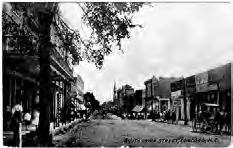
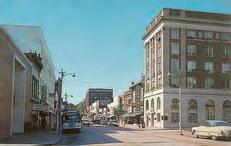
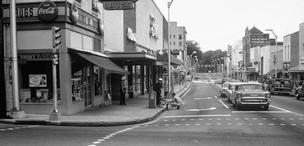
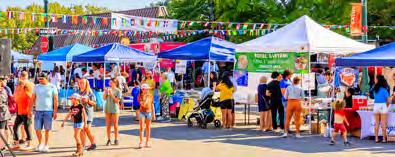
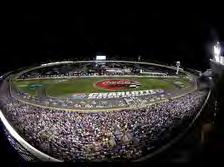
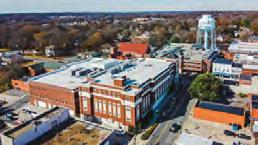
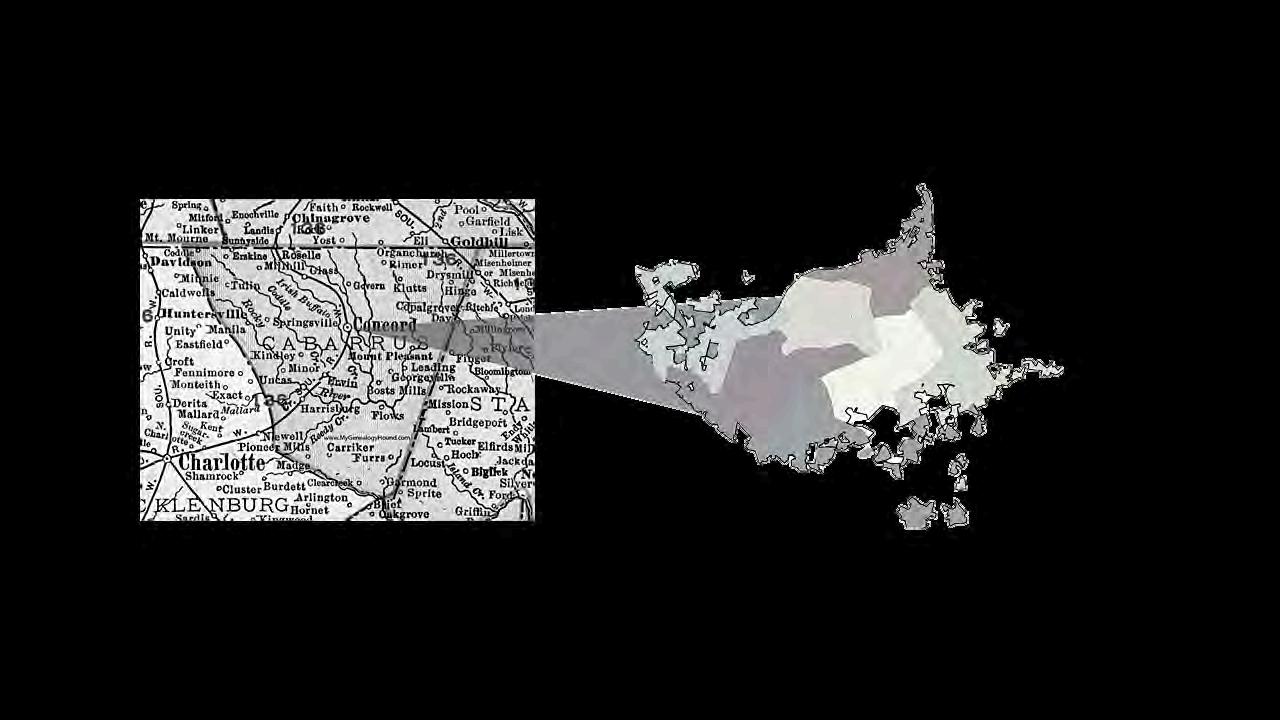
Concord's history dates back more than 200 years. In the late 1700s, the German and Scotch-Irish settlements in the area disagreed over exactly where the County seat of the newly formed County of Cabarrus should be located. Eventually, a compromise was reached, and the new city was founded in 1796 on a 26-acre site purchased by John Means and Leonard Barbrick for $62.30. To reflect the spirit in which the issue was settled, the city was named Concord, meaning "harmony," and the main thoroughfare through downtown was labeled “Union Street”.
Concord emerged as a major textile center for the county in the late 1800s when John Odell, James Cannon, and Warren Coleman established mills. Although much of the City’s heritage centers on the textile industry, recent decades have witnessed an entrepreneurial spirit that has flourished the current economy with diversity and vitality. Home to Charlotte Motor Speedway, major industries now include automotive racing, coffee, healthcare, manufacturing, educational institutions, retail sales, and food distribution.
In addition to increased economic diversity, significant population growth (27,347 in 1990, 55,977 in 2000, 79,066 in 2010, and 105,240 in 2020) has fueled Concord’s economic vitality and influence as a key economic component of the Southeastern U.S.
Concord continues looking toward the future with plans visioning far ahead to the year 2050. The ideals of sustainability guide these plans, as the growth of residential, commercial, and industrial areas drive the need for improved infrastructural, recreational, and public safety systems.
Citizens enjoy a multitude of options for dining, shopping, and entertainment and have easy access to travel options if a trip is required. Concord is located conveniently along the I-85 corridor just minutes from Charlotte. I-85 provides access to I-485, allowing connectivity to the I-77 corridor as well. U.S. routes 29 and 601, along with NC routes 49 and 73 serve drivers in, around, and out of town. The City is home to Concord-Padgett Regional Airport and within a half-hour drive to Charlotte-Douglas International Airport.
When you look at Concord today, the wonderful mixture of progress, heritage, and the perfect blend of business, industry, and residential life, you can see that Concord still embodies the meaning of its name - "harmony."

The Strategic Plan is a planning tool that prioritizes the goals and objectives of the City Council. This plan will guide the City and its departments in funding decisions for each year. Concord’s first Strategic Plan was adopted by City Council in April 2019 and guided decision-making and capital planning processes during FY 2020-2023. In August 2023, the City began working with the Centralina Regional Council to create a new Strategic Plan. The development phase of the new Strategic Plan included engagement sessions with City Council, City leadership, input sessions with staff throughout the organization, and a community input survey. In April 2024, City Council adopted the goals of the Strategic Plan and directed staff to weave them into existing budgeting and capital planning processes for the FY 2025-2026 budget.
Throughout FY 2024-2025, staff will develop a series of performance measures at the department level that will allow the City to quantify the progress that is made towards each goal. These performance measures could be employee retention numbers or the response times of emergency responders (Police and Fire). At the end of each fiscal year, the City will produce a report that will provide performance results alongside detailed updates for the projects and initiatives identified within each goal.
The Strategic Plan is broken into six distinct goals:
The City of Concord will recruit and retain a highly talented, diverse workforce, and responsibly steward its resources.
The City of Concord will encourage economic vitality through business expansion, job creation, and diverse housing development.
The City of Concord will invest in services, programs, and infrastructure that improve safety and enhance mobility.
The City of Concord will be a leader in innovative and sustainable practices to maintain high-quality infrastructure.
The City of Concord will be a regional destination known for its distinctive parks and attractions, strong neighborhoods, and vibrant downtown.
The City of Concord will actively engage with internal and external stakeholders to accomplish its mission inclusively and effectively.


The City of Concord will recruit and retain a highly talented, diverse workforce and responsibly steward its resources.
Strategies:
Develop and adhere to existing recruitment and retention policies to ensure a highly talented team.
Provide robust learning and growth opportunities by leveraging internal resources to promote career development.
Ensure the financial stability of the City.
Forecast long-range operational costs for all programs and future capital needs.
Provide sustainable, streamlined, and agile information technology services.
Achieve, maintain, and exceed industry standards and certifications.
The City of Concord will encourage economic vitality through business expansion, job creation, and diverse housing development.
Strategies:
Support business expansion and job creation initiatives.
Expand housing choices.
Promote mixed-use developments that enhance economic development.
The City of Concord will invest in services, programs, and infrastructure that improve safety and enhance mobility.
Strategies:
Enhance community safety through collaboration and technology.
Actively evaluate, plan, and invest in future mobility needs.
Improve mobility and connectivity for all.
The City of Concord will be a leader in innovative and sustainable practices to maintain high-quality infrastructure.
Strategies:
Improve existing practices and develop new methods for resource conservation. Implement industry best practices in design and operational procedures.
Monitor growth and maintain capacity of utilities and City facilities.
Evaluate the utilization of renewable energy.
The City of Concord will be a regional destination known for its distinctive parks and attractions, strong neighborhoods, and vibrant downtown.
Strategies:
Invest in being a destination for unique attractions.
Enhance the City’s park system.
Cultivate the Partnership for Stronger Neighborhoods Program.
The City of Concord will actively engage with internal and external stakeholders to accomplish its mission inclusively and effectively.
Strategies:
Build collaborations with regional stakeholders and media relationships. Use technology to enhance communication with residents and employees.
Unify internal communications to strengthen public messaging.
Provide opportunities for community input.
Engage the public through educational programming and events.
Engage in regional, state, and federal partnerships.
A display of the relationship between the City’s funds and budget units.
A discussion of revenue sources
A summary of any outstanding debt with interest the City has by type.
An overview of the General Fund’s five-year financial forecast.
A look at the total revenues and expenditures for all funds
Fund Balances & Net Position
Summary of Fund Balances and Net
Position
Personnel Summary
Position Counts by budget unit and fund type
Performance Measurement
A summary of Concord’s performance measurement effors.
External Agency Funding Summary
A look at the adopted funding for non-profits
The appropriated funds matrix shows the relationship between the City’s funds and budget units. Differences between funds occur when funds have specific revenue sources (monies coming in) or expenditures (monies going out) that require individual reporting. Some funds must be self-sufficient while others are supported through grants, federal funding, or other revenues. For example, the General Fund is predominantly supported through property tax and sales tax dollars with services available for all citizens. Enterprise funds, such as the Electric Fund, are supported through rates and charges with services only available to users. All funds are required to be balanced.
The chart below shows all active budget units and funds. For more information about different fund types, please visit the City’s Financial Archive: concordnc.gov/Departments/Finance/Financial-Archive
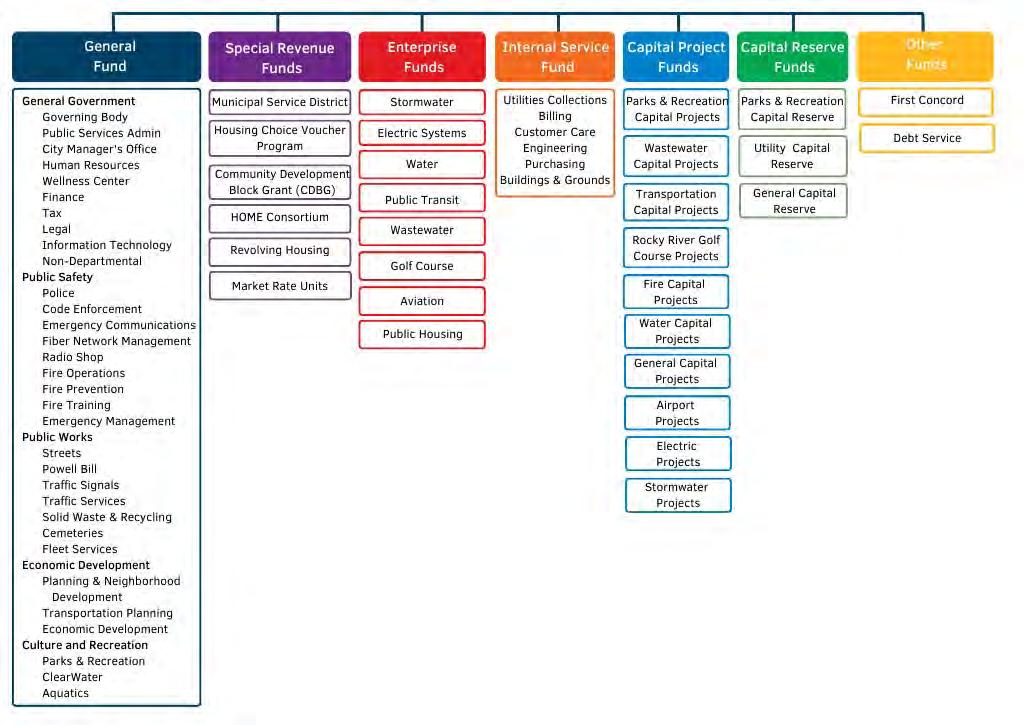
Below is the organizational structure the City uses to account for revenues and expenditures of City operations. Revenues are accounted at the fund level with a three-digit code (100: General Fund). Expenditures are accounted at the budget unit level with a four-digit code (e.g. Tax – 4140, Aquatics – 6121, Engineering – 4230, etc.).
100: General Fund
Governing Body – 4110
Public Services Admin. – 4115
City Manager’s Office – 4120
Human Resources – 4125
Wellness Center – 4126
Finance – 4130
Tax – 4140
Legal – 4150
Information Technology - 4160
Non-Departmental – 4190
Police – 4310
Code Enforcement – 4312
Emergency Communications – 4315
Fiber Network Management – 4320
Radio Shop – 4330
Fire Operations – 4340
Fire Prevention – 4341
Fire Training – 4342
Emergency Management – 4343
Streets – 4510
Powell Bill – 4511
Traffic Signals – 4513
Traffic Services – 4514
Solid Waste & Recycling – 4520
Cemeteries – 4540
Fleet Services – 4550
Planning & Neighborhood Development – 4910
Transportation Planning – 4915
Economic Development – 4920
Parks & Recreation – 6120
Aquatics – 6121
ClearWater – 6122
Special Revenue Funds
201: Municipal Service District – 5000
210: Section 8 Voucher Program Admin. – 1500
Housing Assistance Payments – 1501
310: Community Development Block Grant Admin. – 3122
Projects – 3123
320: Home Consortium Admin. – 3219
Projects – 3220
350: Market Rate Units – 3500
370: Revolving Housing – 3700
First Concord/Debt Service Funds
552: 2014 LOBS – 6990
554: 2024 LOBS – 5540
560: Debt Service – 5600
Enterprise Funds
600: Stormwater – 7100
610: Electric Systems
Electric Administration – 7200
Purchased Power – 7210
Powerlines Maintenance – 7220
Tree Trimming – 7230
Electric Construction – 7240
Electric Engineering Services – 7250
Utility Locate Services – 7260
620: Water Resources
Hillgrove Water Treatment Plant – 7330
Coddle Creek Water Treatment Plant – 7331
Waterlines Operations & Maintenance – 7340
630: Public Transit
Rider Transit Farebox/Local Expense – 7650
Transit Grant Expense – 7690
640: Wastewater Resources – 7420
650: Golf Course – 7501
680: Aviation – 4530
690: Public Housing – 1000
800: Internal Services Fund
Utilities Collections – 4200
Billing – 4215
Customer Care – 4220
Engineering – 4230
Purchasing – 4250
Buildings & Grounds – 4270
Capital Project Funds
420: Parks & Recreation – 8300
421: Wastewater – 8402
423: Transportation – 8600
426: Fire – 8670
429: Water – 8700
430: General
BOC Admin. – 8800
General Projects - 8804
451: Airport – 6300
473: Electric – 6949
474: Stormwater – 7103
475: Rocky River Golf Course – 7550
Capital Reserve Funds
280: Parks & Recreation – 8100
282: Utility – 8120
285: General Projects – 8150
The current General Fund budget for the 2025 fiscal year totals $150,303,310 compared to the original adopted budget of $126,885,078 for FY 2024. Factoring out transfers, financing proceeds, and appropriations from fund balance (nonoperating revenue); there is a revenue increase of $23,418,232 (18.46%) when compared to the original adopted current budget. The increase in revenues for the City’s General Fund budget proposal is a result of increasing revenues received from ad valorem taxes as well as increased fees The City’s current tax rate of 48¢ per $100 will change with this budget proposal
The tax rate should produce approximately $97.2 million in ad valorem revenue The 2025 budgeted revenue from the Local Option sales tax source is flat when compared to current year budgeted collections North Carolina has experienced a slowdown in the last year in sales tax revenue growth. The City continues to estimate all other revenue sources conservatively for FY 2025. Staff utilized information provided by the North Carolina League of Municipalities, historical and statistical trends, and other local factors. This budget was prepared under the assumption that the City of Concord will receive all its State shared revenues in the upcoming fiscal year
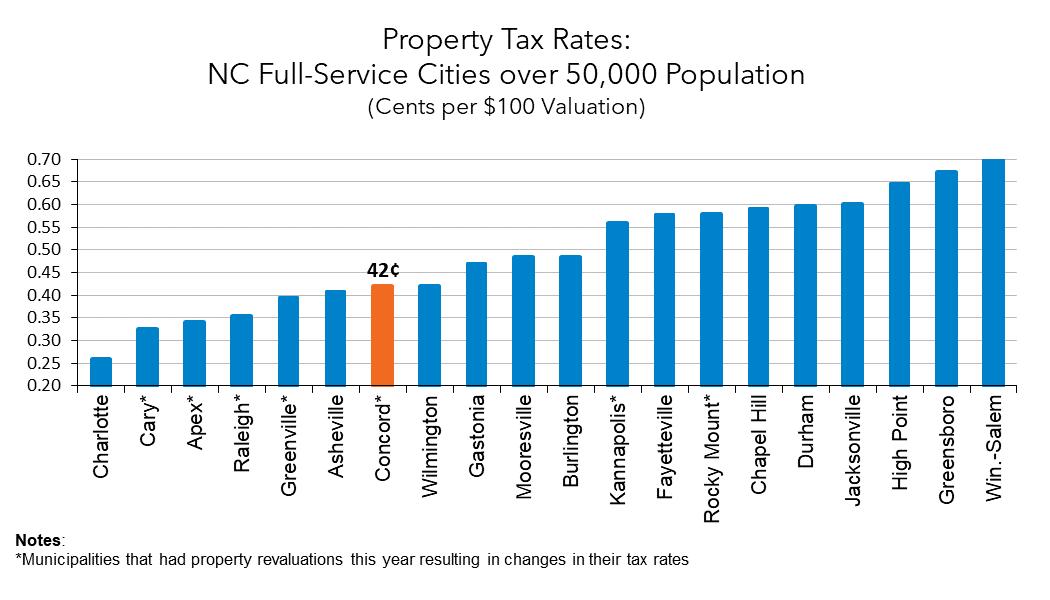
The budget is balanced with a property tax rate of 42¢ per $100 valuation. This rate will yield $97,226,285 in total current and prior year ad valorem tax revenue based on an average real and personal property collection rate of 99% The City’s updated assessed value used in this budget preparation represents a 46.28% increase in property values for a total valuation of $23,171,790,000 (including motor vehicles). One cent on the City’s tax rate produces $2,295,423 in revenue, after the City’s estimated collection rate is applied. This rate compares favorably to other medium to large size cities in the graph below.
Sales Taxes: The State of North Carolina collects sales taxes and distributes them to the local units. Local sales taxes levied by the County comprise 2.25% of the total 7.0% sales tax paid on retail sales in North Carolina. The local sales tax portion consists of a 1¢ tax that was first levied in 1971, a ½¢ tax levied in 1983, a ½¢ tax levied in 1986 and a ½¢ that was levied in 2003. In 2009, the State also took control of the ½¢ of the Article 44 local option sales tax and now reimburses the City through hold-harmless payments.
Local option sales taxes, telecommunications sales taxes and video programming sales taxes are estimated to be $29,778,739 for fiscal year 2025. Sales tax allocations for municipalities in Cabarrus County are based on proportional property tax levies. The City is projected to receive 20% of the County allocation. This total revenue source is expected
to increase less than 1% when compared to the current year’s budgeted collections Sales tax distribution growth was strong throughout the COVID-19 pandemic and is now leveling out as revenues are coming in very close to the original budgeted amount for the current year. It is anticipated that sales tax distributions will remain flat in the upcoming fiscal year.
As State and local tax rates change, the net proceeds on which the municipal distribution is based also changes keeping municipality’s revenue share neutral. The projected budget for the telecommunications sales tax included in FY 2025 is $237,327 which represents a 23.1% increase when compared to FY 2024 estimated collections.
The N.C. Department of Revenue distributes part of the state sales tax collected on video programming and telecommunication services to counties and cities. Local governments receive 23.6% of the sales tax collections from video programming service, an additional 7.7% of the existing telecommunications sales tax and 37.1% of sales tax collections on satellite television service. The estimated video programming sales tax included in the FY 2025 budget proposal is $543,781 which represents 2.5% decrease in this revenue source when compared to FY 2024 estimated collections.
The general sales tax rate is applied to the sales of electricity Forty-four percent of the proceeds from the sales tax are returned to cities and towns. That percentage was chosen with the intent that it would be sufficient to hold municipalities harmless from the amount they were currently receiving in utility franchise tax distributions. The amount of electricity franchise tax municipalities received in Fiscal Year 201314 serves as a baseline for the amount received going forward. The City has projected Utility Franchise Tax in FY 2025 to be $5,319,473 which is 10.4% higher when compared to estimated collections in FY 2024
The general sales tax rate is applied to the sale of piped natural gas, and 20% of the proceeds from the sales tax are returned to cities and towns. Like the electricity sales tax, that percentage was chosen with the intention that it would be sufficient to hold municipalities harmless from the amount they were currently receiving in piped natural gas distributions. The amount of piped natural gas excise tax municipalities received in Fiscal Year 2013-14 is intended to serve as a baseline for the amount they are to receive going forward. The FY 2024 proposed budget of $539,185 is a 17 1% increase when compared to estimated collections for FY 2024
Powell Bill Street Allocation: Current law states that Powell Bill revenues will be determined by an appropriation of funds by the General Assembly. There is no set formula that determines the total amount of Powell Bill funds received each year. Of the funds available each year, 25% is distributed to cities based on local street miles and 75% based on population. The use of these funds is restricted to maintaining, repairing, constructing, reconstructing, or widening any public street or thoroughfare within the City limits. Bridges, drainage, curb and gutter and other necessary appurtenances are also approved uses of these funds, but legislation passed in 2015 specifies that the funds should be primarily for resurfacing streets. These funds are expected to provide $3,346,146 for FY 2025, which represents a 12 3% increase when compared to current year estimates. This revenue source will increase as the City’s population increases and the miles of City streets grow. The State’s allocation per street mile has currently remained consistent.
Fund Balance: The City’s unassigned General Fund balance was $61,254,521 as of June 30, 2023. It is anticipated that the City will meet our target goal of a 30-35% minimum General Fund unassigned fund balance at June 30, 2024 Our ability to maintain a healthy fund balance in previous fiscal years was attributable to the economic vibrancy present in the City of Concord and increases in available cash for investments, collection percentage of property taxes, and conservative estimates on revenues. The proposed budget for FY 2025 does not include an appropriation from fund balance
The City maintains a General Fund Reserve to prepare for future projects. Each year, the City follows the Council’s Reserve Funds financial policy to determine available resources to allocate to the Capital Reserve Fund. These funds are designated for use based on the City’s Capital Improvement Plan that is presented to Council each year. The funds may also be applied to designated capital outlay in the City’s operating budget.
The recommended budget appropriates $387,288 from the General Capital Reserve fund balance for one-time capital projects. Although these reserves (approximately $12 million on June 30, 2024) now reside in a separate fund from the General Fund and are no longer included in the City’s General Fund Balance, the amounts are still available for projects and capital designated by the City Council.
The Municipal Service District tax rate will change to 16¢ per $100 assessed valuation. Also included in the Special
Revenue Fund is the budget request for Community Development Block Grant Funds, the HOME Consortium, Affordable Housing Revolving fund, the Market Rate Units fund, and the Section 8 Housing Vouchers program. The special revenue funds total is $9,983,232.
The Enterprise Funds will generate $193,501,304 in revenues. Projections for FY 2025 were based on final collection estimates for FY 2024 and anticipated growth in the customer base
Stormwater: The Stormwater Fund is comprised of $5,692,428 in operating revenues. No fee increases are proposed for the Stormwater program. Rate revenue for FY 2025 is expected to increase 1.4% when compared to FY 2024 yearend estimates Increases in rate revenue correlate with anticipated customer base growth in the City.
Electric Fund: The Electric Fund is comprised of $99,600,000 in operating revenues, $6,648,939 in retained earnings appropriated, and $1,000,000 in investment earnings. Electric revenues are estimated using the City’s rate model. Electric base rates are being adjusted based on a cost-of-service study. Rates & charges are projected to decrease 5.5% over FY 2024 estimates based on the planned decrease to the PPA The budget is based on a planned decrease to the PPA and a base rate increase.
Water Fund: The Water Fund is comprised of $28,522,785 in operating revenue, $500,000 in investment earnings, and non-operating revenue of $50,000. The FY 2025 budget proposal does not include a water rate increase The rate revenue projections for FY 2025 are conservative with 1% growth when compared to FY 2024 year-end estimates
Wastewater Funds: The Wastewater Fund is comprised of operating revenue of $19,584,353, a transfer from Capital projects of $1,200,000, and investment earnings of $800,000. There are no wastewater rate increases in the FY 2025 budget. Wastewater revenues are expected to increase 1% when compared to FY 2024 year-end estimates.
Public Transit: The Public Transit budget is comprised of $264,209 in operating revenue, $5,988,236 in restricted intergovernmental revenue, $435,000 from $5 (of $30) in motor vehicle taxes, and $1,960,444 in transfers.
Golf Course: The Golf Course Fund anticipates earned revenue for FY 2025 to increase over FY 2024 due to a continued a dramatic increase in leisure activities as a legacy of COVID-19. Total revenues are estimated at $2,618,152, which is an increase of 5.6% over what was budgeted in FY 2024
Aviation: The Aviation budget is comprised of $14,130,680 in operating revenue, $140,000 in fees, a transfer of grant funds from their capital project fund of $876,776, a transfer from retained earnings of $81,566, and a transfer of $1,291,927 from the General Fund, which represents payment in lieu of property tax for aircraft based at ConcordPadgett Regional Airport. Aviation revenues for the current fiscal year are expected to be lower due to the sole carrier decreasing the number of flights Projections for FY 2025 were developed assuming the number of flights remains low in the coming year.
Public Housing: The Public Housing budget is comprised of $1,658,224 in housing revenues and $457,585 in transfers from the General Fund and Market Rate Units fund.
The Internal Services Fund – comprised of Customer Care, Utilities Collections, Billing, Engineering, Buildings & Grounds, and Purchasing – totals $16,344,944. All costs within this fund are allocated among the Electric, Water, Wastewater, Stormwater, Aviation, Downtown Development, Public Housing, and General Funds based on percentages derived from a cost allocation method.
All rates, fees, and charges are listed in the Schedule of Fees and Charges
One measure of a city'sfinancial strength is the level of its unassignedfund balance. Amounts shown as fund balance for Governmental Funds represent a running total of moniesover the years that remain unspent after all budgetedexpenditures have been made. The North Carolina Local Government Commission recommends that units retainan amount of available fund balance in the general fund of at least 8% of the appropriations of the fund oronemonthof operating expenditures. City Council has a financial policy requiring a fund balance between 30%-35% of its general fund operating budget to avoid cash flow interruptions, generateinvestmentincome, eliminate the need for short-term borrowing, and have a reserve available in case of sudden emergencies
$96,000,000
$88,000,000
$80,000,000
$72,000,000
$64,000,000
Fund Balance
In accordance with GASB, the City reports net position (total assets and deferred outflows of resources less total liabilities and deferred inflows of resources) in Proprietary Funds as opposed to retained earnings (accumulated earnings of funds after all budget business expenses have been made).
In North Carolina, the Local Government Commission in the State Treasurer’s Office oversees local government bonded debt and assists cities and counties in all areas of fiscal management. This agency conducts bond sales and ensures that local units have sufficient fiscal capacity to repay debt. The City is subject to the Local Government Bond Act of North Carolina, which limits the amount of net bonded debt the City may have outstanding to 8% of the appraised value of property subject to taxation.
Like most municipalities, the City of Concord uses debt to finance long-term capital projects, and it is our policy that the financing period shall not exceed the useful life of the project. General obligation bonds are collateralized by the full faith, credit, and taxing power of the City. The revenues generated by the debt-financed asset or by the operating system of which that asset is a part are used to secure Revenue Bonds. Installment purchase contracts and Certificates of Participation (COPS) are secured by a security interest in the asset. Principal and interest requirements are provided by appropriation in the year in which they are due.
General Obligation Bonds (GOBS) are payable from the proceeds on an annual property tax, levied within the limitations of the law. The payment of General Obligation Bonds is guaranteed by the full faith and credit of the City. GOBS must be authorized by a citizen vote.
Limited Obligation Bonds (LOBS) are payable from the proceeds on an annual property tax, levied within the limitations of the law. The payment of Limited Obligation Bonds is guaranteed by the asset being borrowed against.
Certificates of Participation (COPS) do not require voter approval and are securities created as part of a lease-purchase agreement. The lender, the holder of the certificate, owns a right to participate in periodic lease payments (interest and return on principal) as they are paid. The City of Concord currently does not have any outstanding COPS.
Installment Financing purchases do not require voter approval and are used to purchase equipment or items in which payments are spread over a period of time, usually 3-7 years. The purchased equipment or item services as collateral and is not guaranteed by the full faith and credit of the City.
Revenue Bonds are bonds payable from specific sources of non-tax revenue such as special assessments, water/sewer fees, or electric fees.
General Obligation onds rinci al
Installment inancing rinci al
Limited Obligation onds rinci al tilit evenue onds rinci al
The Cit of Concord holds GO ond ratings of Aa from Mood ’s Investor Service, AAA from itch I CA, and AAA from Standard & Poors. All debt ratings indicate a strong financial position with moderate debt levels and above average amortization.
In FY 24, Debt Service payments (principal and interest) on Revenue Bonds comprise 39% of all debt service requirements. Funds received from this method of financing were originally borrowed for public utility projects and the construction of the Alfred M. Brown Operations Center. The City of Concord holds Revenue Bond ratings of Aa from Mood ’s Investor Service, AA from Fitch IBCA, and A+ from Standard & Poors. All debt ratings indicate a strong financial position with moderate debt levels and above average amortization.
Debt Service payments (principal and interest) on installment notes/purchase contracts, Limited Obligation Bonds and Certificates of Participation comprise 57% of debt service payments for FY 24. Funds received from this method of financing were originally borrowed for city hall construction, transportation projects, parks and recreations projects, fire facilities, a downtown parking facility, aviation projects and a municipal golf course. Debt Service payments (principal and interest) on General Obligation Bonds comprised 3% of debt service payments for FY 24. Funds received from General Obligation Bonds were borrowed for multiple parks and recreation projects.
2014 A – Limited Obligation Bonds* ($29,340,000): Building of a new City Hall and refinancing 2005 Certificates of Participation related to refinancing the City golf course, the police headquarters, and communications equipment. The payments are annual with FY 2025’s rinci al a ment being $ ,635,000 plus interest. Final payment for this debt is on June 30th, 2034; interest is from 3-5%. Currently Callable
2017 Installment Financing Refunding* ($3,809,040): Refinancing installment financing contract from 2007. Original financing was for land purchase at the Concord-Padgett Regional Airport, construction of a Fire Station 9 at Ivey Cline Road and Poplar Tent Rd., and construction of a new taxiway, hangar, and fuel farm improvements at the Concord-Padgett Regional Airport. Financing is split 58.3% to the Aviation Fund and 41.7% to the General Fund. Payments including interest range from $289,788 to $714,532 through June 30th, 2028; interest is fixed at 2.040%. Currently Callable
2021 Installment Financing ($6,200,000): inancing for the clearing/grading of ire Station ’s site and construction of the fire station. Payments are secured by the building being built. The payments are semi-annual installments of $620,000 plus interest through June 30th, 2031; interest is fixed at 1.43%. Currently Callable
2023 General Obligation Parks & Recreation Bonds ($42,000,000): In November 2022, voters approved up to $60 million in Parks & Recreation bonds to fund multiple park and greenway projects throughout the City. The City will issue the remaining bonds later to coincide with project timelines. Bonds are backed by the taxing authority of the City. Currently, total annual payments including interest range from 2,142,000 to $4,063,500; interest is from 4-5%. Callable 9/01/2033
*Payments made by both Governmental departments and Business departments. Please note that Governmental types are those payable by the General Fund and Business types are those payable by Enterprise Funds.
2012 Utilities Systems Revenue Refunding Bond ($17,635,000): Revenue bond refunding for series 2002A and to pay bond issuing costs. Funds from original bonds were used for Water and Electric capital projects. Bonds are split 79% to the Water Fund and 21% to the Electric Fund. Total annual payments including interest range from $1,215,000 to $1,390,000 through December 1, 2028; interest rates range from 3-5%. Currently Callable
2015 Installment Financing ($5,759,000): Installment Financing for the construction of a parking deck at the ConcordPadgett Regional Airport. Payments range from $489,461 to $490,281 through June 30, 2030; interest is fixed at 2.42%. Currently Callable
2016 Utilities Systems Revenue Refunding Bond ($19,085,000): Revenue bond refunding for series 2008 and to pay bond issuing costs. Original bonds were used for Water, Sewer, and Electric capital projects. Bonds are split 47.4% to the Water
Fund, 37.67% to the Electric Fund, and 14.93% to the Wastewater Fund. Total annual payments including interest range from $1,629,750 to $1,633,225 through December 1, 2035; interest rates range from 4-5%. Callable 6/01/2026 2024 Utilities Systems Revenue Bond ($22,000,000): Revenue bonds were issued for Water capital projects. Total annual payments including interest range from $1,661,500 to $1,666,275 through December 1, 2043; interest rates range from 35%. Non-Callable
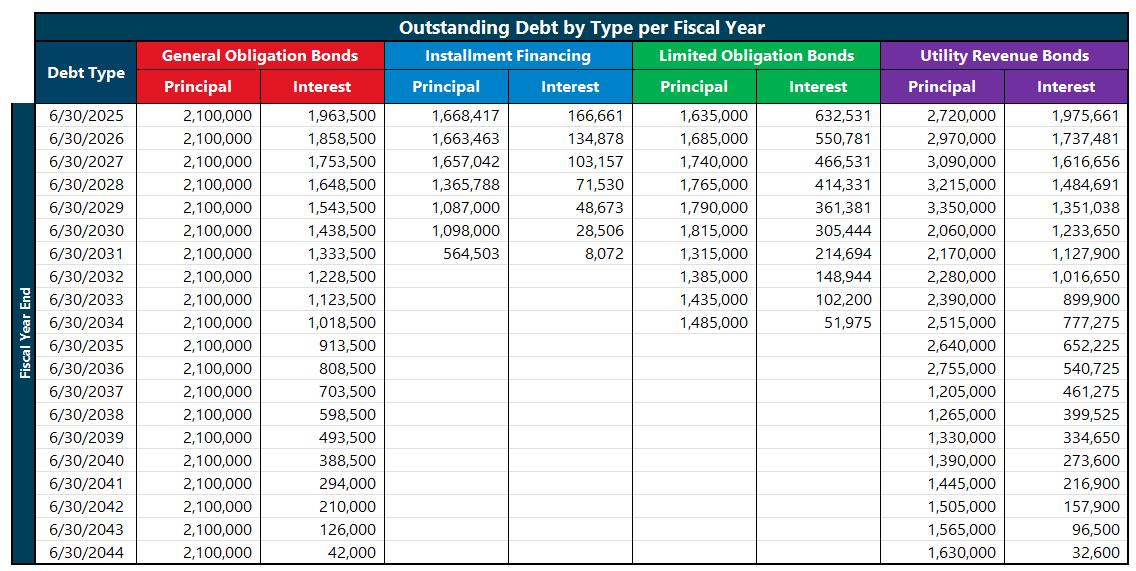
Computation of Legal Debt Margin as of June 30, 2024* Total Assessed Value: $14,759,533,748 Debt Limit: 8% of total assessed value (mandated by N.C.G.S. 159-88 (c))
Less: Amount of debt incurred For Business-Type Purposes
6,828,976 Total Net Debt Applicable to Limit:
60,325,237 Legal Debt Margin: $1,120,437,463 Debt Percentage of Assessed Value: 0.41% *Estimated unaudited information.
The City of Concord maintains a five-year financial forecast for planning purposes, which is a long-range financial plan that guides the budget development process. All numbers on the chart below are ESTIMATES (even the adopted budget) and should be treated as such. These estimates help the City predict future needs and spending by departments, and is created by looking at current economic conditions, input from departments, and trends calculated from previous years’ audited financials.
The City takes a very conservative approach to projecting revenues for the future to limit the City’s risk of financial stress and allow for flexibility to engage with unexpected opportunities throughout the year. The City also works with external partners such as the County to obtain information about the total assessed property values in the City and the City’s sales tax allocations.
City departments are required to submit a forecasting form annually with realistic depictions of their personnel, operating, and capital needs for the next 5 years. These forms are vetted by leadership and priorities are ranked based on the strategic plan and Council’s goals and priorities. Many of the items on the forms are not funded in the year they are anticipated or are not funded at all, but they give a picture of what it would cost to fund all items requested by departments.
$180,000,000.00
$160,000,000.00
$140,000,000.00
$120,000,000.00
$100,000,000.00
$80,000,000.00
$60,000,000.00
$40,000,000.00
$20,000,000.00
$-


Expenditures
Economic Conditions
Key Considerations
Forecasting in general gives the City estimates to help predict costs and needs; however, forecasting in the current economic climate has presented new challenges. With inflation continuing, costs for items ranging from every day office supplies to capital projects have increased. The City works diligently to estimate to the best of its ability what costs could look like over the next five years.
As one of the fastest growing communities in North Carolina, there are many factors to consider when forecasting financials and many questions that must be asked: Will this growth sustain over the next five-years? When will new revenues be actualized from new industries that have located in our community? And how do we continue to provide low-cost services to citizens?
Noted above, revenues continue to be projected conservatively, so we do not overestimate community growth. This keeps us in a positive financial situation if growth does not continue at the same rate and allows us to deal with unexpected costs more effectively and efficiently. Growth is also incorporated in the forecasted expenditures. The forms that departments submit help the City understand what is necessary to continue providing the same level of service in five-years as citizens receive today based on the growth they are seeing.
Many items that make it into the budget and the 5-year financial forecast are related to customer service. From bringing SolidWaste services in-house to an online chat feature for our City’s Customer Service department, the City strives to provide excellent service to all of its citizens. The City makes sure to forecast the expenses for these items before they make it into the budget to make sure they would be cost-effective.
Other items that are included in the forecast are all estimates for current and proposed debt; capital items related to the City’s vehicle and equipment replacement schedule; all current contracts, licenses, and fees that are expected to continue; and personnel increases over time that are included in the annual budgets.
$400,000,000




$350,000,000
$300,000,000
$250,000,000


$375,000,000
$350,000,000








$325,000,000
$300,000,000
$275,000,000
$250,000,000
$225,000,000
$200,000,000
$175,000,000







Personnel counts arecalculated using the full-time-equivalent(FTE) method for all full-time and permanent part-time city employees. Seasonalandtemporary positions are not included. To calculateFTE, thehoursworked by a position are converted into a percentage of a fullyear's number of hours. For most city positions, 1 FTE equals 2,080 hours per year per position (based on a 40 hour work week and a 52 week work year). If a position works 1,040 hoursper year, this translatesinto .5 FTE. In the case of Police Officer positions, 1 FTE equals 2,229.84 hoursper year. A Firefighter FTE equals 2,920.96 hours per year.
The tables below show five years of summary data for FTE by Fund and Budget Unit.
Information on employees per capita reflects how many employees are part of Team Concord in relationship to the overall population of Concord. This information helps demonstrate the City's ongoing commitment to excellent service delivery and conservative growth.


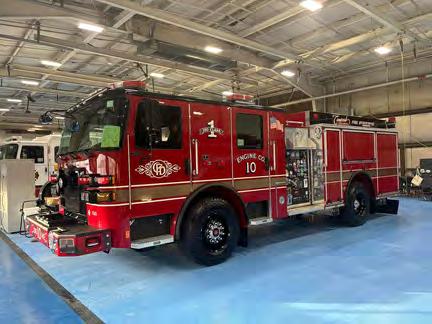
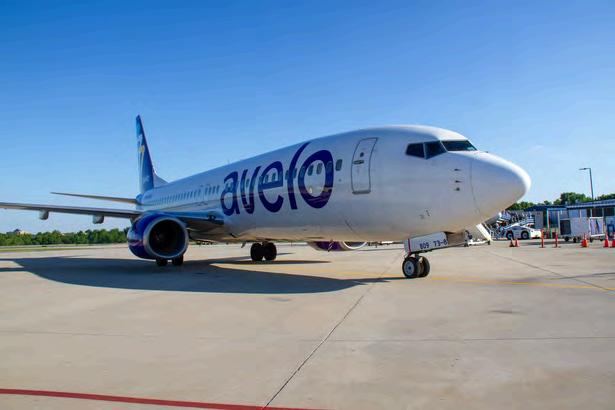
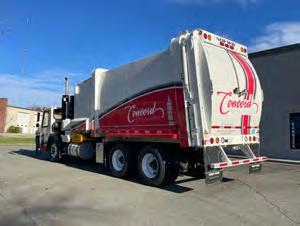
Benchmarking 2.0 Service Areas:
Asphalt Maintenance & Repair
Building Plan Review & Permits

Central Human Resources
Emergency Communications
Fire Services
Fleet Maintenance
Parks
Police
Recycling
Wastewater
Water
Concord is deeply committed to providing cost-effective and quality services to our residents. The City monitors its performance using a performance measurement program. Performance measurement involves the regular collection of quantifiable information regarding the results of City services. The City’s collected metrics help demonstrate what kind of job we are doing and the effects our efforts are having in our community. In addition to the City’s performance measurement program, benchmarking data is used to manage for results, improve productivity, and ensure Strategic Plan Goals are met. Performance information is a tool for use by residents, City Council, City management, department directors, supervisors, and frontline employees.
Why do local governments measure performance? There are many reasons, which include [1]:
To improve accountability
To enhance city planning and budgeting
To improve operational practices
To conduct performance evaluations/management by objectives/performance appraisals
To assist decision-making regarding resource allocation, and
To enhance management decisions and contract monitoring
Since 2001, the City has maintained an aggressive effort to incorporate the use of performance measures in all departments. Most City departments monitor their performance through a series of semi-annual measures. Performance measures are tied to each department’s major service areas and associated performance goals. Throughout the past fiscal year, Budget staff met with leaders throughout the organization to refine their performance measures and to remove old measures that were not useful anymore. We have noted the new performance measures on individual departmental pages and the Performance Summary Tables later in this document.
In 1999, Concord joined the North Carolina Benchmarking Project - coordinated by the UNC School of Government. The Project’s measures are standardized so city services can be compared across participating municipalities. The Project was recently updated and renamed "Benchmarking 2.0". Benchmarking 2.0 streamlined the amount of data collected and shifted its focus on sharing of best practices across member cities.
This budget document does not attempt to list all performance measures associated with the NC Benchmarking Project. However, many participating departments in the project do include benchmarking measures in their Performance Summary tables. Additional Project information can be obtained by contacting the Budget Department or the UNC School of Government.
[1]Ammons, David N. (2001). Municipal Benchmarks: Assessing Local Performance and Establishing Community Standards (2nd ed.). Thousand Oaks, CA: Sage Publications.
The City of Concord grants funding to non-governmental, or “External Agencies,” that contribute to the City’s cultural, social, and economic vitality. External Agency funding requests are considered by the City Council under the auspices of the Public Purpose Clause of the North Carolina State Constitution (Article V, Sec. 2(7)). Further guidance by North Carolina Supreme Court case law allows the City Council to choose to fund activities that 1) are within the appropriate scope of governmental involvement and reasonably related to community needs and 2) benefit the public, as opposed to special interests or persons. Agencies with an * at the beginning of their names have been recommended separately from the budget ordinance in accordance with N.C.G.S. Section 14 article 234.
Academic Learning Center
Bethpage United Presbyterian Church (AYA House)
Big Brothers, Big Sisters of Cabarrus County
Boys & Girls Club of Cabarrus County
*Cabarrus Arts Council, Inc
Cabarrus Victims Assistance Network (CVAN)
Conflict Resolution Center - Teen Court
El Puente Hispano
Fulltime Funkytown
Habitat for Humanity - Cabarrus County
Hellfighters Concord
Historic Cabarrus, Inc
Midway's Opportunity House
Multi-cultural Student Union
NC Firefighters Cancer Alliance
Present Age Ministries
Prosperity Unlimited
Olympics - Cabarrus County
Sub-total
Learning Center
Bethpage United Presbyterian Church (AYA House) Sub-total
Cabarrus Cooperative Christian Ministries
Cabarrus Health Alliance
Cabarrus Meals on Wheels
Coltrane LIFE Center
Community Free Clinic
Conflict Resolution Center - Teen Court
El Puente Hispano
Gibson Village Community Development Corporation
Habitat for Humanity - Cabarrus County
Hope Haven
Multicultural Community Student Union
Midway's Opportunity House
Prosperity Unlimited, Inc
Army
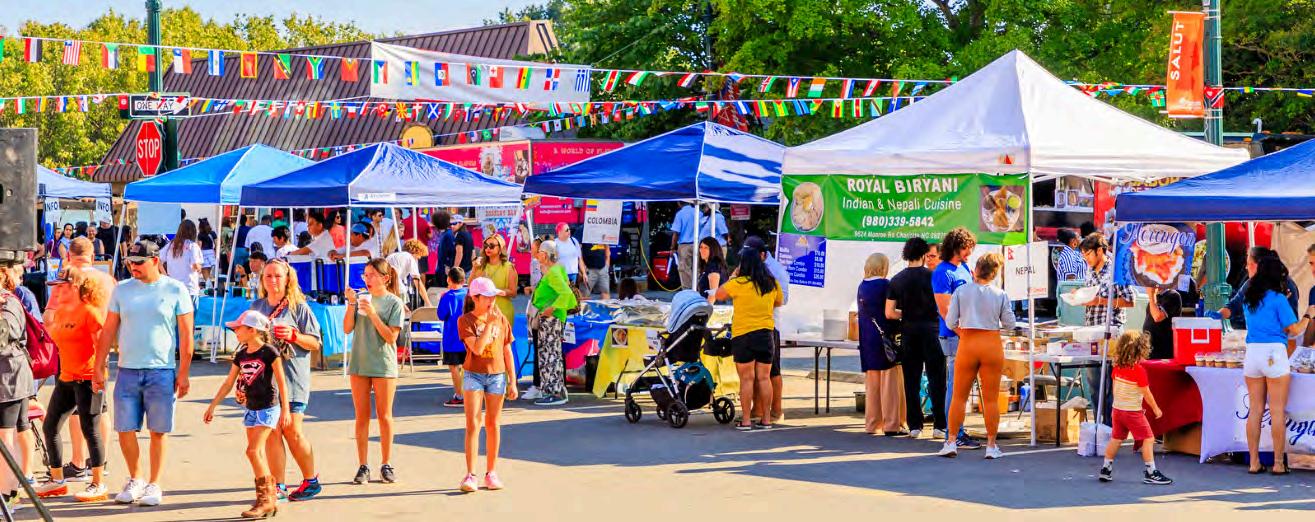
The support functions for the City, assisting other departments in their daily operations
The safety and security functions within the City.
The infrastructure function within the City, providing services residents and City departments.

The business and residential development function within the City.
The recreational services and park facility functions in the City


*asamended **asofAugust12,2024





asamended
of8/12/2024

Mission
The City of Concord partners with our community to deliver excellent service, and plans for the future while preserving, protecting, and enhancing the quality of life.
Major Services Provided
• Legislative governance
• Set policy for government operations and establish goals and objectives guided by those policies
• Seek economic development through partnerships with other governments and private interests
• Set budget guidelines and adopt financial plans to provide services and retain financial stability of the City
FY 23-24 Major Accomplishments
• Support the Concord United Committee to promote diversity, equity, and inclusion within the City.
• Worked with staff and the Centralina Regional Council to develop the City's Strategic Plan.
& Strategy Enhancements
• Maintain a healthy fund balance and capital reserves while meeting necessary expenses on a pay-as-you-go basis.
• Provide funding and support for goals and strategies of the newly developed City of Concord Strategic Plan.
• Support the Concord United Committee to promote diversity, equity, and inclusion within the City.
• Continue to work with staff to develop and implement the City of Concord Strategic Plan.
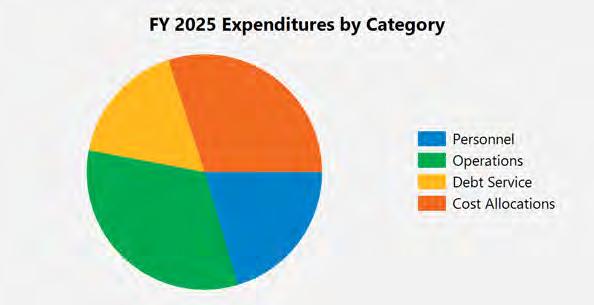
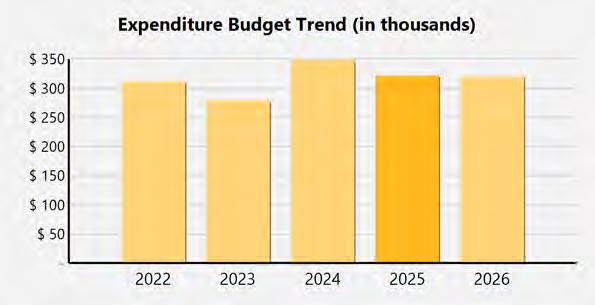
of 8/12/2024
Mission
Provides effective leadership, coordinates services, and promotes new initiatives for the infrastructure/development departments with the desire to support and achieve the goals of the Mayor, City Council, and the City Manager. Major Services Provided
• Support and direction for City utility, infrastructure, and engineering departments
• Promote a safe work environment for all public works employees
FY 23-24 Major Accomplishments
• Replaced the front gate at the Alfred M. Brown Operations Center (BOC) and installed a new hydraulic operator.
• Replaced HVAC units at the BOC Administration and Operations buildings.
• Completed renovations of an employee break area in the BOC Administration building.
• Completed parking lot repairs at the BOC and established an ongoing maintenance program for the parking lot.
• Began construction of a new shed and field restroom at the BOC.
• Began construction of a new Fleet facility and Solid Waste laydown yard.
FY 24-25 Budget Highlights
• Complete construction of the new Fleet facility.
• Complete construction of the new shed and a field restroom at the BOC.
• Replace HVAC units at the BOC Administration and Warehouse buildings.
• Begin precast panel re-caulking on all concrete buildings located at the BOC.
• Upgrade computers and kiosks available to employees at the BOC.
FY 25-26 Planning Year Goals
• Continue precast panel re-caulking on all concrete buildings located at the BOC.
• Replace HVAC units at the BOC Administration and Warehouse buildings.
• Continue the maintenance program for parking lots at the BOC.
Program & Strategy Enhancements
• Continue to implement personnel expansions to increase efficiency, improve operational safety, and bring supervisor to subordinate ratios into nationally recommended span of control.
• Focus on personnel development and mentorship to plan for future growth, succession planning, and employee development.


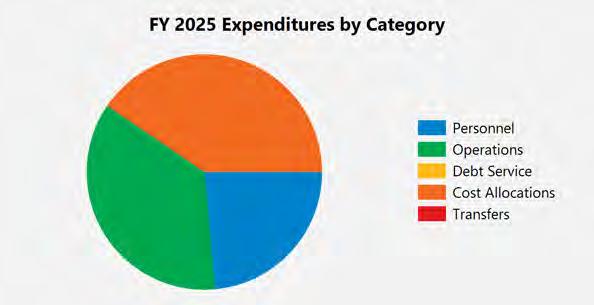
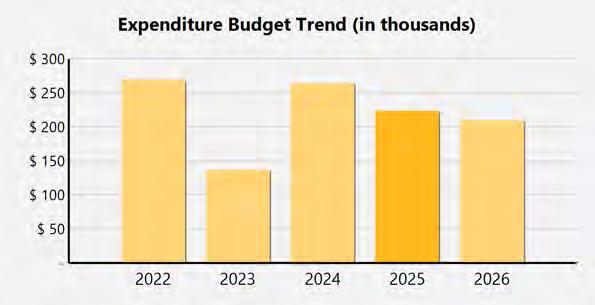
of 8/12/2024
Mission
Plan and deliver City services to all citizens in the most efficient, economical, and effective manner. Keep our citizens informed and aware of City government.
Major Services Provided
• Present reports and recommendations in assistance to the Mayor and City Council
• Manage the delivery of City services through coordination and direction of all City Departments
• Assure public notices and City Council meetings follow all procedures, statutes, and ordinances
• Maintain complete and accurate records of the proceedings of City Council meetings
• Provide a comprehensive public affairs program in support of Council action and departmental activities
• Worked with the Centralina Council of Governments for the rewriting of the City's Strategic Plan.
• Continued social media efforts to inform citizens and business owners of downtown Streetscape updates.
• Provided monthly updates regarding the downtown Streetscape and Parks and Recreation Bond information to the Mayor and Council at public City Council meetings, which are live streamed on the City's YouTube channel.
• Continue social media communication efforts for the public on all social media outlets.
• Continue DEI efforts for City staff.
• Expand the Partnership for Stronger Neighborhoods Program by engaging inactive neighborhoods and recruiting new neighborhoods into the program.
• Use the newly-developed Strategic Plan to inform capital planning processes and the development of future budgets.
• Continue DEI efforts within the workplace and community.
• Conduct a survey to gather feedback from residents on many areas related to living in Concord and their perceptions of many key City services.
• Continue monthly staff and functional meetings to review progress with departmental goals and responsibilities.
• Partner with leadership and the Customer Service Advancement Team on best practices to increase customer satisfaction among citizens and customers.
• Work with City departments to foster more sustainable, environmentally friendly, and conservation-minded practices.
• Support the diversity, inclusion, and equity trainings/efforts within the City.
and Ordinances,
City Council
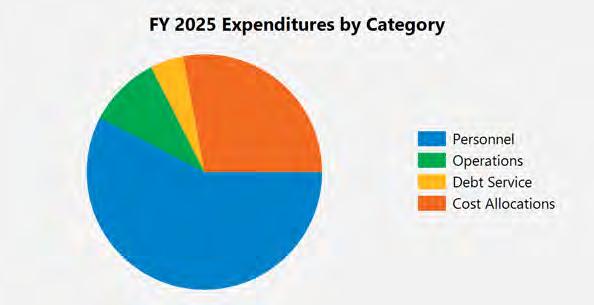
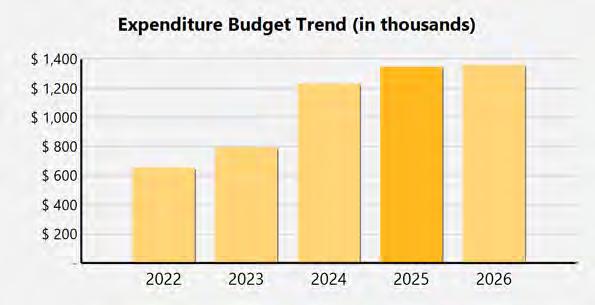
of 8/12/2024
Fund: 100 - General Fund | Functional Area: General Government | Budget Unit: 4125 - Human Resources
Mission
Perform with the highest level of confidentiality, professionalism, and integrity with a primary focus on decreasing liability and helping to make the City of Concord a preferred employer. Major areas of expertise include policy development, federal and state employment law compliance, employee relations, general liability insurance management, benefits administration, recruitment, worker’s compensation, position management, compensation, safety and risk management, performance management, and occupational health and wellness. Vision
The Human Resources Department will be a preferred partner to stakeholders by using automation to build a diverse talent pipeline and provide robust training and development promoting an inclusive and engaging work environment.
Major Services Provided
• Federal and State Employment Law Compliance
• Benefits Administration
• Employee Relations
• Worker’s Compensation
• Recruitment & Retention
• Safety & Training
FY 23-24 Major Accomplishments
• Administered a comprehensive market study in partnership with Guerilla HR, which resulted in a complete overhaul to the City's compensation structure.
• Implemented a Paid Parental Bonding Leave Policy to enhance existing paid leave policies.
• Established a Teleworking Policy to create consistent guidelines for remote work arrangements across the organization. The Teleworking Policy provides employees with increased flexibility while maintaining efficient and effective delivery of services.
• Created a Learning & Development Analyst position to address organizational training needs and to ensure adequate learning and development service delivery.
• Continue to provide a competitive compensation plan and a robust employee benefits package to attract and retain top talent.
• Continue to assess and identify risks that could impede the reputation, safety, security, or financial success of the organization.
• Continue to audit policies and practices from the lens of employment law compliancy and best practice methodology. Continue to manage and oversee the City-wide internship program.
• Enhance the exit interview process to better utilize exit interview information to reduce turnover and increase retention.
• Look for ways to improve interviewing and candidate selection processes to remain in alignment with the City’s diversity and inclusion efforts.
• Explore HRIS (Human Resource Information System) options to eliminate data duplication, streamline applicant tracking, onboarding and performance management data with a centralized system.
• Audit policies and practices from the lens of employment law compliancy and best practice methodology. Enhance the exit interview process.
• Look for ways to improve interviewing and candidate selection processes to remain in alignment with the City’s diversity and inclusion efforts.
• Manage and oversee the City-wide internship program. Explore opportunities to attract and retain top talent.
• Implement a City-wide supervisor prep program to promote upward mobility within the City and enhance career development opportunities.
& Recruitment
Ensure clear and objective development and administration of policies to ensure compliance with federal and state employment regulations, for the well-being of the City and its coworkers. # of HR related trainings attended by staff
Provide promotion, leadership, and monitoring for the City’ s commitment to provide excellent and continuously improving customer service.
Encourage and provide a thorough and streamlined grievance process to review issues fairly and expediently
Provide strong position descriptions to attract qualified employees to ensure appropriate staffing levels
and awareness Citywide for the benefit of employee health and safety and insurance
completing Journey Through Concord training within 1 year
Average # of days from open-to-fill for full-time job vacancies
*Journey Through Concord was not offered in FY 22 due to COVID-19.
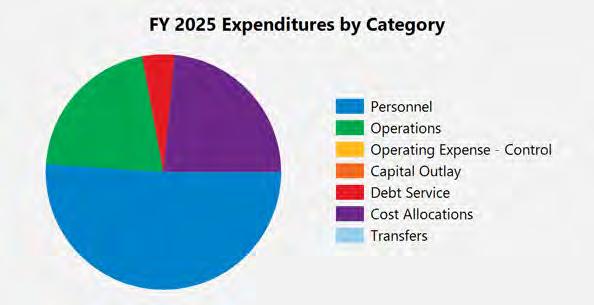

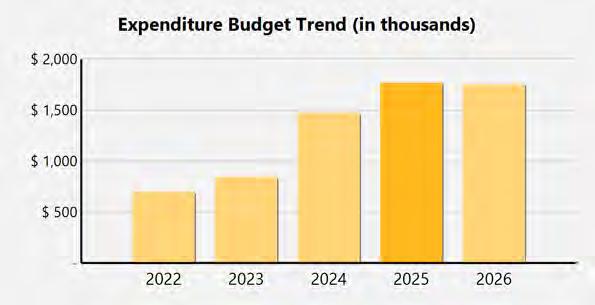


Mission
Create an environment dedicated to improving the health and wellness of our coworkers by diagnosing and treating illness/injuries and providing opportunities for employees to learn the skills they need in order to optimize their health and well-being. The Wellness Center is committed to providing easily accessible and confidential services and consistently providing all customers with professionalism, expertise, and high-quality customer service in the administration of services.
Major Services Provided
• Drug Testing
• Immunizations
• Workers’ Compensation Services
• Illness prevention and risk-reduction counseling
• Treatment of chronic and acute episodic injuries, illnesses, and accidents
FY 23-24 Major Accomplishments
• Developed and promoted additional wellness initiatives to engage coworkers and potentially reduce health care costs through the following services: Nutrition, Weight Loss, Diabetes Management, Breast Cancer Awareness, Heart Health, Cancer Prevention, Stress Management, & Wellness Visits.
FY 24-25 Budget Highlights
• Continue to utilize medical plan data to customize wellness programing and training to improve employee health and wellbeing.
Program & Strategy Enhancements
• Develop and promote additional wellness initiatives to engage coworkers and potentially reduce health care costs through the following services: Nutrition, Weight Loss, Diabetes Management, Breast Cancer Awareness, Heart Health, Cancer Prevention, Stress Management, & Wellness Visits.
• Provide comprehensive physical examinations for to meet annual requirements for applicable positions and pre-employment for positions Performance Summary
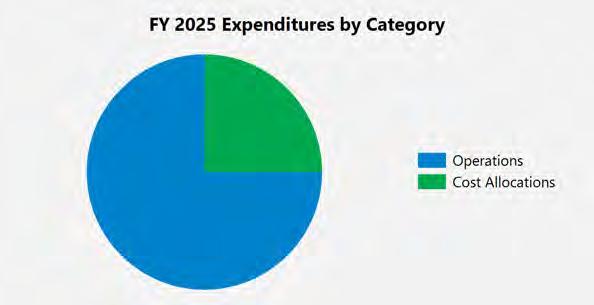
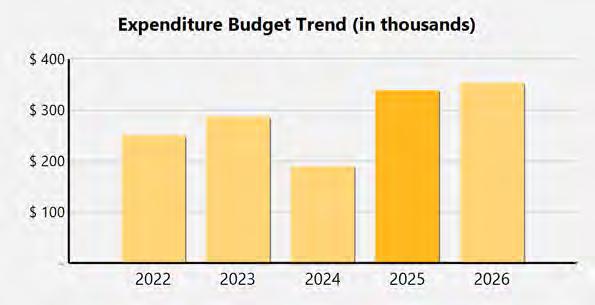
of 8/12/2024
Fund: 100 - General Fund | Functional Area: General Government | Budget Unit: 4130 - Finance
Mission
Provide sound and innovative financial management in the areas of financial record keeping, accounting, payroll, accounts payable, and budgeting to the Mayor and City Council, City Management, City departments, regulatory agencies, vendors, and U.S. financial markets with the desire to conduct ourselves according to the highest professional standards of financial planning and reporting.
Core Values
Fairness | Honesty | Trust | Dedicated Service
Major Services Provided
• Accounts Payable
• Payroll
• Accounting & Grants
• Budgeting & Performance Measurement
• Investments & Debt Management
• Transparency
FY 23-24 Major Accomplishments
• Completed the implementation of software for the Annual Financial Statement and produced the first statements utilizing the software.
• Finalized a contract for banking services following a Request for Proposals (RFP).
• Awarded the Triple Crown by the Government Finance Officers Association for receiving the Certificate of Achievement in Financial Reporting, the Popular Annual Financial Report, and Excellence in Budgeting Awards.
FY 24-25 Budget Highlights
• Review responses from RFP for an Enterprise Resource Planning (ERP) system in conjunction with Human Resources and move forward with implementation.
• Update processes to comply with new requirements from the Governmental Accounting Standards Board (GASB) regarding compensated absences.
• Work to implement the Strategic Plan into the FY 2026 budget and capital planning processes.
FY 25-26 Planning Year Goals
• Practice good stewardship and accountability in managing the City of Concord’s financial resources.
• Continue transparent financial reporting through the budget and audit process.
• Explore options for electronic refunds for Customer Care and Parks & Recreation.
Program & Strategy Enhancements
• Grants continues to maintain compliance in monitoring and reporting.
• Budget seeks to innovate and streamline processes to make them more efficient and effective.
• Accounts Payable reviews monthly on-time payment reports to identify problems and causes for late payments.
• Payroll reviews monthly payroll accuracy reports to reduce or eliminate potential for error on future payroll processes.
• Accounting reviews Generally Accepted Accounting Principles & updates procedures to ensure the City is 100% in compliance with the highest standards.
Budget & Performance
Provide accurate financial information in a timely manner to the City Council, department directors, and external agencies to comply with local, state, and federal laws, and governmental accounting and regulatory requirements.
Provide accurate and timely issuance of payments to vendors to maximize the City’ s cash flow position.
of invoices paid late due to department-related delay
Provide timely and accurate budget and performance information to the Mayor/City Council, management, department directors, external agencies, and the public to maintain effective use of City resources.
Provide accurate and timely payments to City employees to comply with the City’ s compensation plan.
# of Civic Ed presentations given to 3rd grade students on the City's budget
# of 3rd grade students that attend a Civic Ed presentation on the City's budget
% of off-cycle payroll checks (Inverse of Payroll Accuracy Rate)
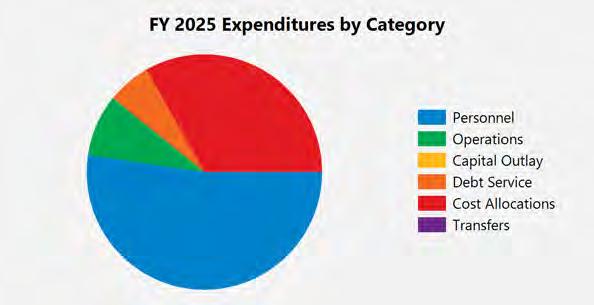

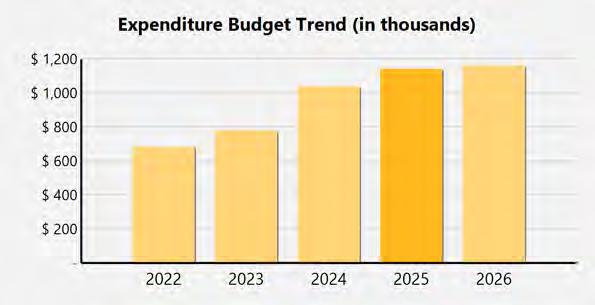
amended **as of 8/12/2024
Fund: 100 - General Fund | Functional Area: General Government | Budget Unit: 4140 - Tax
Mission
Provide accurate and timely vehicle, heavy equipment, and beer/wine tax and license billings; processing of payments; and enforcement of collections to provide the City with the resources for the delivery of quality public services and assist Council in ensuring a fair and equitable tax rate.
Major Services Provided
• Bill and Collect: Beer/Wine License Tax, Vehicle Rental Tax, and Heavy Equipment Rental Tax
• Cemetery Record Maintenance
Major Accomplishments and Performance Goals
• Ensure communication is shared with funeral homes explaining the burial process and required documents.
• Provide an online cemetery portal for customer use.
&
Budget Charts
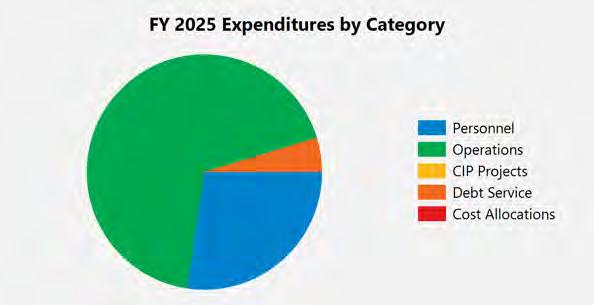

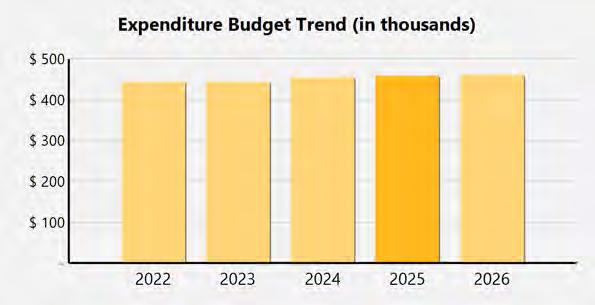
amended **as of 8/12/2024
Fund: 100 - General Fund | Functional Area: General Government | Budget Unit: 4150 - Legal
Mission
Provide efficient and effective in-house legal counsel to all City departments, the City Manager’s Office, the Mayor, City Council, Planning and Zoning Commission, Zoning Board of Adjustment, and the Historic Commission with the desire to reduce the City’s potential liabilities and damages.
Major Services Provided
• Real Property - Research and acquire real property; handle disposition of surplus properties
• Contracts - Research and write contracts, deeds, leases, releases, and other legal documents; review and certify as to form and legal acceptability of contracts prepared by others
• Litigation - Research and prepare documents necessary for the defense of lawsuits against the City or its employees brought against them for conduct while in the line of duty
• City Code/Ordinances - Research and draft new ordinances and changes to City Code
• Education - Review legal periodicals/recent court decisions to advise City Management and staff of legal implications and potential impact on policies and procedures. Train staff and elected officials in proper legal procedures and changing laws
• Advise Policy Makers - Provide legal counsel to Policy Makers, City Council, City Manager, Department Heads, City staff, Historic Preservation Commission, Planning & Zoning Commission, and Zoning Board of Adjustment
• Represent the City in litigation matters, including code enforcement, personnel, workers compensation, civil rights cases, eminent domain, collections, contracts, and bankruptcies.
• Negotiated and drafted contracts.
• Researched and assembled responses to subpoenas and public records requests.
• Searched titles for code enforcement, subdivision, and utility projects; negotiated and acquired properties for parks, utilities and infrastructures.
• Drafted code amendments and new code sections.
• Reviewed and drafted various City policy and technical documents.
• Demonstrate a strong commitment to providing quality, responsive services.
• Identify the goals and objectives of City Council.
• Provide high quality, cost-effective legal advice and services to City Council, and City departments.
• Seek justice and enhance public safety through the effective enforcement of law.
• Staff to attend continuing education classes.
• Keep City staff, elected officials, and appointed officers informed and trained on legal procedures and changing laws.
• Efficient review of contracts in a timely manner.
• Scan historic documents for general use.
• Cross-train staff for efficiency when absences occur.
• Updating CDO and COD to conform to changes in GIS to shorten and make them more user-friendly.
Efficiently review, amend, and execute contracts in order to ensure that the City’s interests are properly addressed, and that goods and services are procured in a timely manner.
Train staff, elected officials, and appointed officers in proper legal procedures and changing laws to reduce or eliminate potential liability to ensure compliance with all applicable local, state, and federal laws/regulations
Check ownership and liens on all titles for acquisition, litigation and code enforcement purposes in order to ensure that the City obtains clear property titles, and in order to name the proper parties in litigation and code enforcement actions.
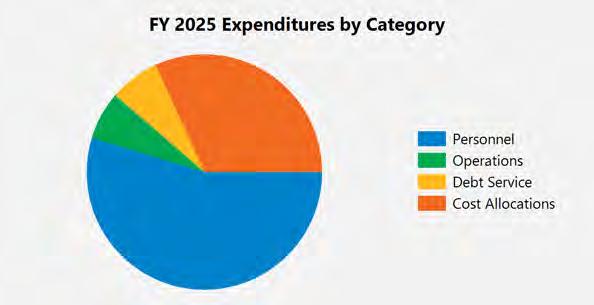
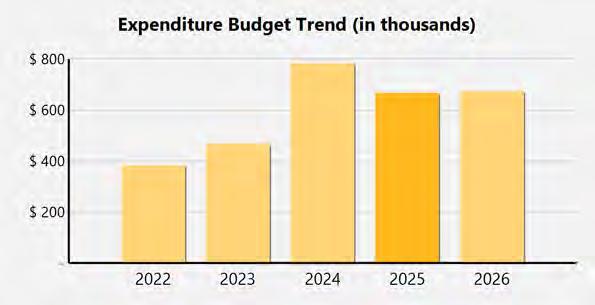
Fund: 100 - General Fund | Functional Area: General Government | Budget Unit: 4160 - Information Technology
Mission
Our mission is to provide leadership, technology, and process solutions that foster city government business and functional requirements. To provide leadership in IT and GIS procurement of hardware, software, and services to maximize value. To enhance communications, collaboration, and the flow of information. To provide the public, access to city services and information in an efficient manner.
Vision
Our vision is to implement technology that allows city departments to function more efficiently, while providing for the security and integrity of city systems and data.
Major Services Provided
• Network infrastructure design, installation, and maintenance
• Cybersecurity and network firewall maintenance
• Core IT infrastructure upgrades
• IT Support Service Desk
• Computer hardware and software procurement, installation, and maintenance
• Technology project management and consulting
FY 23-24 Major Accomplishments
• The Information Technology Department was made into an in-house department after many years of contracting IT services out to a 3rd party vendor. The transition took place on July 1, 2023.
• Replaced City Hall network firewalls and increased the network bandwidth from 1GB to 10GB connections.
• Implemented an IT support service desk that gives City staff a single point of contact for service requests, incident management, and transparent communications with IT technical support staff.
FY 24-25 Budget Highlights
• Centralizing the IT procurement processes across all departments to ensure hardware and software standardization for the City.
• Funding a new full-time Server Engineer position to support the server and network infrastructure at the Brown Operations Center. This position would support the Transportation Department's physical and virtual network infrastructure, which includes specialized traffic signal system services, CCTV camera systems, and camera archivers.
• Migrate databases and software to cloud-based services.
• Continued infrastructure evaluations and upgrades.
• Physical server and services consolidation to virtual technologies.
• Upgrade back-up strategies to further disaster and data recovery capabilities.
• Consolidate GIS technology services for all City departments. This allows us to consolidate our data, standardize our software and licensing requirements, and eliminate unnecessary department specific expenditures supporting stand alone systems.
• Provide preventive maintenance programs to ensure high network availability, including capital replacements of network switches and physical servers nearing end of life.
• Continue with cybersecurity enhancements and training.
• Allocate staff resources to meet increasing demand for service requests.
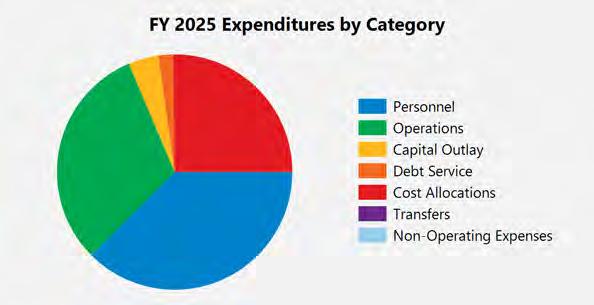

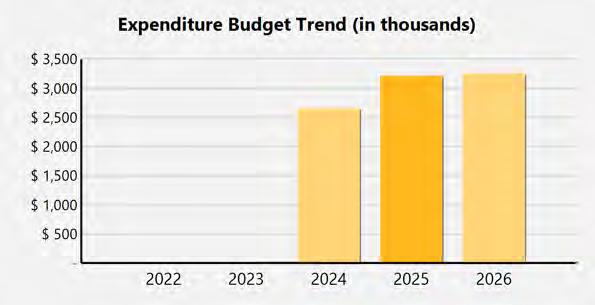
The Non-Departmental budget unit includes expenses that are unable to or are not required to be assigned to a specific General Fund City department.
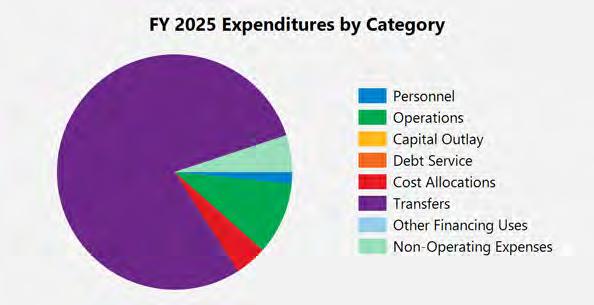
Major Services Provided Budget By Category
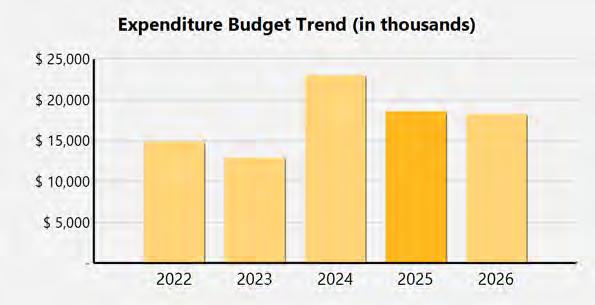








Fund: 100 - General Fund | Functional Area: Public Safety | Budget Unit: 4310 - Police
Mission
In partnership with the community, we will reduce the levels of crime, fear, and disorder through evidence-based community policing strategies. We embrace transparency and accountability, provide exceptional service, and are committed to a culture of excellence. Core Values
Competence | Courage | Integrity | Leadership | Respect | Restraint
Major Services Provided
• Evidence-based community policing, including:
oGeographically assigned patrol
oCriminal and forensic investigations
oCommunity outreach and education
oAirport security and customer service
oTactical and strategic planning
oCommunity engagement
FY 23-24 Major Accomplishments
• Completed Phase One of archiving physical records into digital form.
• Implemented psychological wellness exams for officers assigned to crime scene, sex crimes, and crimes against children specialties.
• Reclassified a position for a specialized Detective position that works with the National Integrated Ballistics Information Network to compare bullets and ammunition casings used in violent crimes and to work on cases involving internet crimes against children.
FY 24-25 Budget Highlights
• Replace SWAT Team ballistic vests that were nearing expiration.
• Increase recruiting capabilities through the use of videos and social media.
• Purchase 24 Ford Explorer Interceptors to replace aging patrol vehicles.
FY 25-26 Planning Year Goals
• Add two new Park Patrol Officers for increased presence in parks and greenways.
• Add a Lieutenant and two Sergeants to be assigned to the Public Safety Training Facility.
• Add four Patrol Officers to increase staffing in the Center City patrol area when the new Streetscape is completed.
Program & Strategy Enhancements
• Continue utilization of data performance indicators at the city, district, and team levels.
• Evidence-based community policing philosophy with emphasis on partnerships, problem-solving, transparency and accountability, and customer service.
• Continue to expand capacity of digital forensic investigators and crime scene investigators.
• Expand training beyond the classroom environment to provide staff with more relevant hands-on experiences.
• Continue to host Youth Police Academy and Crime & Safety Sessions and use social media to enhance community engagement.
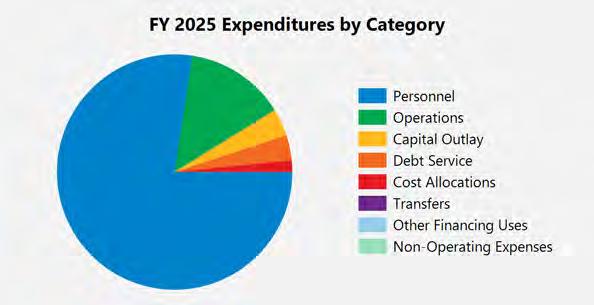

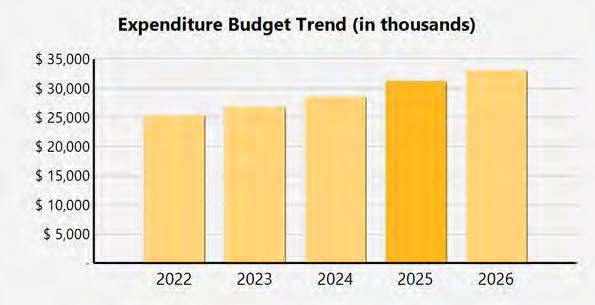
Fund: 100 - General Fund | Functional Area: Public Safety | Budget Unit: 4312 - Code Enforcement Mission
Maximize the quality of life for the citizens of the City and its visitors by protecting property and the natural, historic, and economic environment. Code Enforcement combats crime and the fear of crime while upholding the law fairly, firmly, and respectfully. This is accomplished with teamwork, building community partnerships, solving problems, and being accountable to those we serve. We will do this with integrity, common sense, sound judgment, and respect for cultural diversity and high ethical standards.
Major Services Provided
• Enforcement of codes related to disorder issues
• Enforcement of established zoning codes
• Enforcement of minimum housing codes
FY 23-24 Major Accomplishments
• Completed construction of a standalone office for the Code Enforcement Manager.
• Implemented Verizon GPS software on each Code Enforcement vehicle to give each officer access to their own travel patterns within their assigned zone and to provide data as to what areas need additional patrols or attention. The self-accountability tool is designed to reduce customer complaints on Code Enforcement issues and increase efficiency.
• Replaced outdated computer tablets.
FY 24-25 Budget Highlights
• Continue to fund Axon body camera program for Code Enforcement.
• Continue to fund Verizon GPS software for accountability purposes.
• Continue education towards maintaining existing certifications with North Carolina Housing Code Officials, (NCACO), North Carolina Association of Zoning Officials (NCAZO), North Carolina Building Level 1 Standard Certification, and maintaining up to date knowledge on issues related to Code Enforcement.
FY 25-26 Planning Year Goals
• Continue to review and revise performance measures to ensure we are measuring the appropriate measures that make the division more efficient.
• Continue to fund Axon body camera program for Code Enforcement.
• Continue to fund Verizon GPS software for accountability purposes.
Program & Strategy Enhancements
• Continued improvement in consistency and efficiency of daily operations while being able to track stats and work trends.
• Review processes to continue improvement or determine if they are as efficient and effective as allowed by law.
• Code Enforcement will continue to focus on the division’s statistics to direct where an emphasis of enforcement is needed the most and use targeted enforcement or education and compliance efforts in those areas, placing a greater emphasis on minimum housing standards.
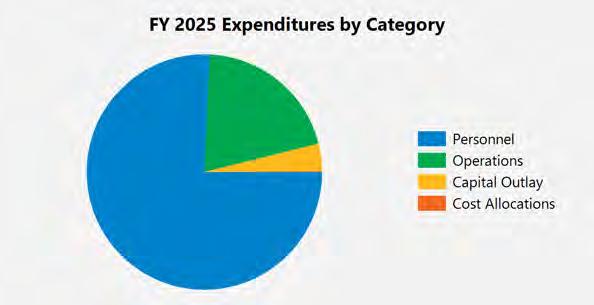

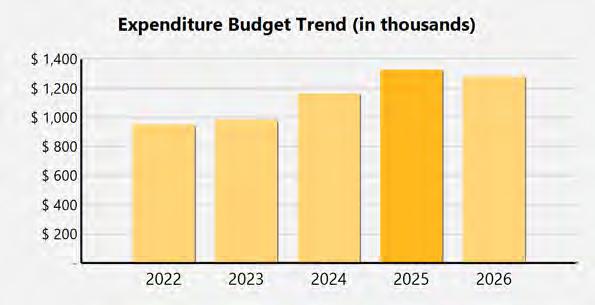
Fund: 100 - General Fund | Functional Area: Public Safety | Budget Unit: 4315 - Emergency Communications
Mission
Provide, through partnerships with other departments, a high level of customer service to citizens in their time of need by quick and efficient handling of calls and providing information to responding departments.
Major Services Provided
• Call-taking
• Dispatching
• Alarm Billing
• Dispatching calls for the Town of Harrisburg
FY 23-24 Major Accomplishments
• Created and filled a new Administrative Assistant position.
• Upgraded console monitors and replaced console chairs.
• Implemented new Enhanced 911 location services for increased accuracy.
• Replaced Domain Controllers and completed CAD server migration.
FY 24-25 Budget Highlights
• Identify recruitment and retention strategies to help alleviate current staffing challenges.
• Work with Finance to identify new False Alarm Reduction record management and billing software.
• Upgrade 911 recording services.
FY 25-26 Planning Year Goals
• Fund the design and construction of the new Emergency Communications & Emergency Operations Facility.
• Replace current MCC7500 radio consoles with new AXS Dispatch consoles.
• Compete the TDMA radio system upgrade with Cabarrus County and the City of Kannapolis.
Program & Strategy Enhancements
• Continue to focus on staff recruitment and retention.
• Continue monitoring industry trends in emerging technology, best practices and training.
• Continue monitoring and analyzing fire dispatch practices to improve response times and to provide a high level of customer service to responders.
• Work closely with Police on changing response procedures and districting within the department.
• Continue analyzing procedures and practices within the False Alarm Reduction Program with a focus on customer service, public education, and program success.
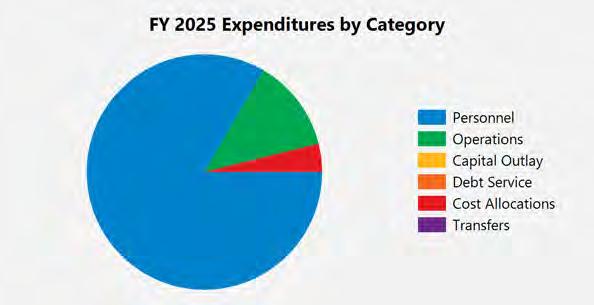

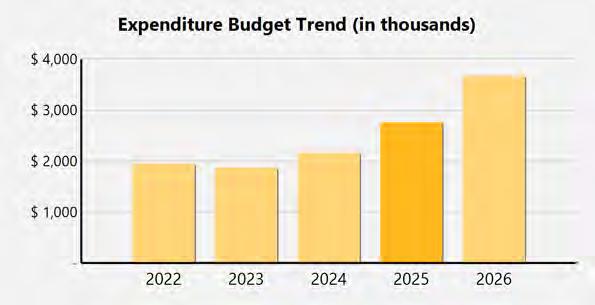
Fund: 100 - General Fund | Functional Area: Public Safety | Budget Unit: 4320 - Fiber Network Management
Mission
Provide reliable and cost-effective service through partnerships with other governmental entities and departments, by maintaining GIS mapping and asset management of the City’s existing fiber optic network infrastructure along with the planning and design of new fiber expansions for growth and diversity.
Major Services Provided
• Fiber Network Management and Planning
• Internet Connectivity Through Fiber Optics
• Intranet Connectivity Through Fiber Optics
FY 23-24 Major Accomplishments
• Started the Fiber Network Inventory and Asset Management project. This project is expected to be completed in FY2025.
• Signed an annual contract with a fiber contractor to assist with fiber infrastructure maintenance and new fiber installations.
• Purchased a new bucket truck and new fiber optic test gear to streamline troubleshooting and to improve in-house fiber maintenance.
FY 24-25 Budget Highlights
• Provide a new fiber path at Concord Padgett Regional Airport to supply the Fire Station #6 & David District Offices as well as to provide additional redundancy.
• Work with Parks & Recreation to supply fiber to their future bond project locations.
• Complete Highway 29 fiber move and enhancement.
• Continue to identify City facilities in need of new or enhanced redundant fiber network paths.
FY 25-26 Planning Year Goals
• Identify areas within the fiber network to add additional redundancy.
• Add a full-time Fiber Technician to assist with the maintenance of the City's growing fiber optic network.
• Expand the fiber network to include a new fiber path from Highway 29 & Davidson Dr. to Highway 73 & International Dr.
Program & Strategy Enhancements
• Continue to ensure connectivity to all City facilities with fiber optics.
• Work with other City departments when developing plans for future fiber network connectivity needs.
• Monitor inventory and future projects to allow cost effective procurement of materials.
• Continue to identify areas of potential cost savings by working with internal departments on fiber splicing and installation projects.
• Work with the IT department to develop automatic route redundancy within the network.

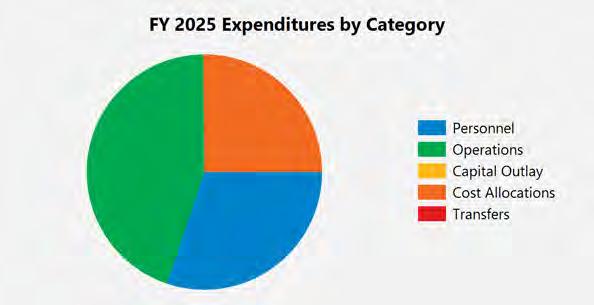
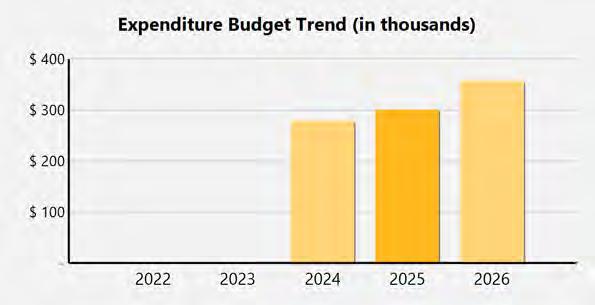
Fund: 100 - General Fund | Functional Area: Public Safety | Budget Unit: 4330 - Radio Shop Mission
Provide, through partnerships with other governmental entities and departments, reliable and cost-effective maintenance to the communications infrastructure that links our citizens, employees, and services together. Major Services Provided
• Maintain the City's Telephone System
• Maintain the City's Radio System
• Install Vehicle Electronics & Lighting
• Network Data Installation
FY 23-24 Major Accomplishments
• Continued replacement of 5300 series IP telephones with upgraded 6900 series IP telephones.
• Established an additional radio cache for event use by non-public safety staff.
• Continued annual radio maintenance for Police, Fire & Transit.
• Completed replacement of all the XTS/XTL model radios for Police.
• Began interior fiber splicing and completed several data network projects throughout the City.
FY 24-25 Budget Highlights
• Identify and transition the City's current fax service to a new IP-based service.
• Work with internal departments to ensure compliance with upcoming TDMA radio system upgrades.
• Upgrade the current DVS Encore recording server to provide enhanced service for internal departments.
• Continue to identify ways to streamline communication and Radio Shop services for internal departments.
• Provide data installation for newly-constructed City facilities and for multiple upcoming Parks & Recreation bond projects.
FY 25-26 Planning Year Goals
• Planning and design for the Radio Shop move to the current Fleet Services facility.
• Streamline ordering of emergency lighting and equipment for non-public safety vehicles.
• Continue to monitor data infrastructure needs within the City and identify potential new systems and/or upgrades as a solution.
Program & Strategy Enhancements
• Annual tuning of radios to identify deficiencies and reduce equipment downtime.
• Continued analysis of connectivity within City facilities to increase efficiency while reducing dependency and fiscal obligations to outside telecommunications vendors.
• Enhance the current radio infrastructure to create a more robust system to ensure adequate radio signal strength to cover the expanding west side of the city to benefit both public safety and public works personnel.
• Expand fiber optic capabilities to include troubleshooting and internal/external splicing that improves response times and reduces cost.
• Continued focus on coworkers career development and teambuilding.
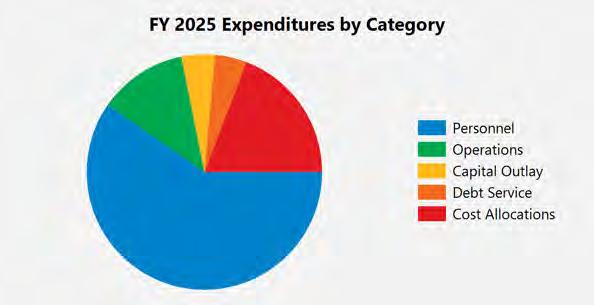
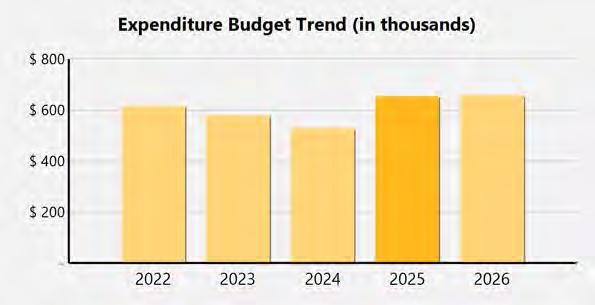
Fund: 100 - General Fund | Functional Area: Public Safety | Budget Unit: 4340 - Fire
Mission
Support high performance living for our customers and shareholders through preparation, prevention, education, and emergency responses. Vision
To meet the growing needs of our city, we will continuously improve our personnel, resources and capabilities through our strategic initiatives.
Major Services Provided
• Fire, Rescue, and Medical Assistance Response
• Special Operations
oHazardous Materials
oUrban Search and Rescue
oAircraft Rescue-Firefighting Protection
FY 23-24 Major Accomplishments
• Enhanced deployment through implementing Ladder 10.
• Introduced an innovative hiring process for lateral firefighters by condensing recruit training for certified firefighters from 7-8 months to 3-4 weeks.
• Created a joint training program with the Concord Police Department for mass-violence events.
FY 24-25 Budget Highlights
• Replacing Hazardous Materials detection equipment with a new hand-held chemical identifier, called HazMatID.
• Replacing aging communications and breathing equipment for Confined Space Rescue.
• Begin the design of the new Fire Station #13 on Flowes Store Road.
FY 25-26 Planning Year Goals
• Continue progress towards the FY18 Staffing Study.
• Construction of the new Fire Station #6 at Concord-Padgett Regional Airport.
Program & Strategy Enhancements
• Plan for future growth through fulfilling strategic plan initiatives and reporting KPIs and benchmarks to internal/external customers.
• Complete the comprehensive strategic plan and master plan for the department.
• Focus on personnel development and mentorship to plan for future growth and development of employees.
Performance Summary
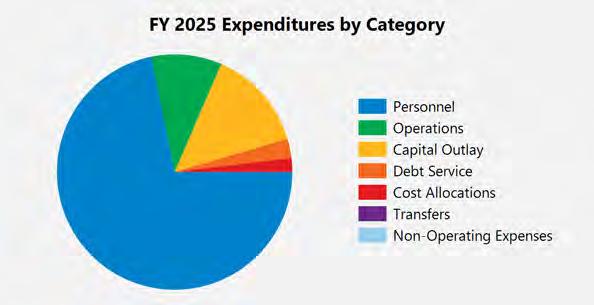
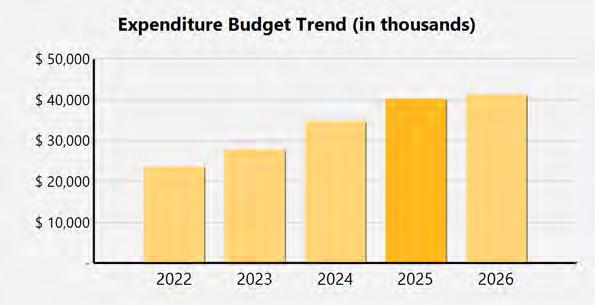
Fund: 100 - General Fund | Functional Area: Public Safety | Budget Unit: 4341 - Fire Prevention
Mission
Regulate and inspect the construction of new buildings and inspection of existing buildings for compliance with the State of North Carolina Building Codes and ISO Inspection Schedules. Furthermore, State laws mandate fire origin and cause be determined to protect the public from crimes, hazardous materials releases, and improperly designed equipment and/or appliances.
Major Services Provided
• Fire Inspections
• Fire Investigations
• Plan Review
• Fire and Life Safety Education
• Fire Code Enforcement
FY 23-24 Major Accomplishments
• Adopted the Insurance Services Office (ISO) inspection schedule.
• Hired two new Assistant Fire Marshals.
• Created a residential Knox Box program that provides seniors and non-ambulatory persons with a key box that emergency personnel can access in order to gain entry to a home without forcing entry.
FY 24-25 Budget Highlights
• Adoption of the 2024 Fire and Building Code standards.
• Maintain a strong presence in fire education programs, inspections and investigations.
• Expanding the residential Knox Box program by providing more seniors and non-ambulatory persons with a key box.
FY 25-26 Planning Year Goals
• Hire 2 Assistant Fire Marshals for Phase 2 of the staffing plan implemented in FY24.
• Move towards 100% completion of conducting fire inspections on all commercial occupancies annually.
Program & Strategy Enhancements
• Participate in the departments comprehensive strategic planning and master planning processes to identify more efficient and effective methods for division roles and responsibilities.
• Continue to evaluate performance measurements, workload analysis, and impacts of growth and development regarding occupancy/inspector ratios and fire prevention and education programs delivered in the City.
• Explore opportunities to partner with NGOs to expand fire education delivery within the City.
Education
Existing Construction
To provide educational programs to the community that stress total life safety in order to aid in the prevention of accidents and injuries.
% of fires where juveniles are involved in ignition
% of residential fires where the dwelling has no working smoke alarms
Completion of annual inspections based on ISO schedule
Provide and maintain a fire inspection and code enforcement program that meets all local, state, and federal requirements to reduce the potential for future fires.
New Construction
Fire Training
To provide and maintain a fire inspection and code enforcement program that meets all local, state, and federal requirements in order to reduce the potential for future fires.
To provide and maintain a work environment that meets and exceeds all safety standards to include station safety, incident safety, employee health, apparatus, and equipment safety in order to ensure optimal physical fitness of Fire personnel. To provide comprehensive continuing education, recruit training, and specialized training to ensure personnel are prepared for incident response.
Completion of periodic inspections based on NC Fire Code schedule
% of fire code violations cleared within 90 days
% of 1st submittals being reviewed within 14 days
% of plans being approved with no more than two submittals
% of Specialty Technicians per Shift (A,B,C)
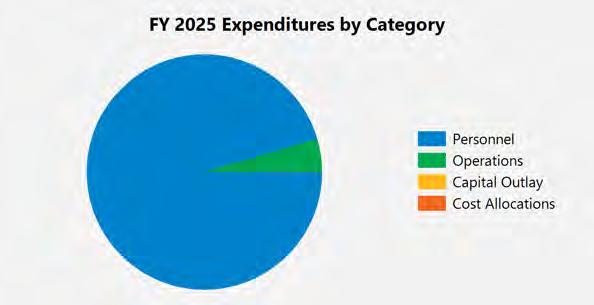

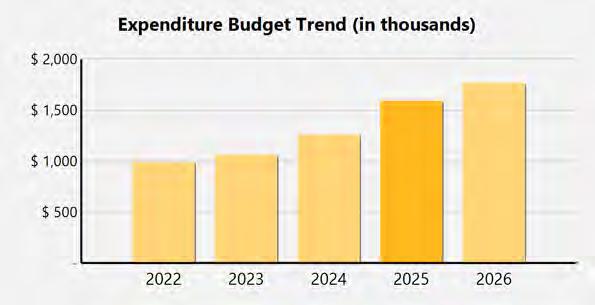
*as amended **as of 8/12/2024
Fund: 100 - General Fund | Functional Area: Public Safety | Budget Unit: 4342 - Fire Training Mission
Provide all initial recruit training and certification; Fire, Rescue and EMS continuing education training and recertification. The division also facilitates specialty training such as collapse/trench rescue training, Confined Space, Haz-Mat, Technical Rescue, Emergency Vehicle Driving, Driver operator training, Incident Command training and Emergency Medical Technician training.
Major Services Provided
• Manage Department Safety Program
• Manage, Deliver, and Facilitate the Departments Training, Recruitment, and Developmental Programs (Continuing Education, Recruit Training Program, Specialized Training, Licensing, and Vital Records)
FY 23-24 Major Accomplishments
• Facilitated two recruit classes, for a total of 20 people.
• Implemented a new in-house training program for aspiring emergency vehicle drivers. The training program has been successful with a 98% pass rate.
• Conducted department-wide performance evaluations.
FY 24-25 Budget Highlights
• Maintain training programs and courses focused on Insurance Services Office (ISO), OSHA and industry best practices.
• Increased funding to provide virtual training software used throughout the Fire Department.
FY 25-26 Planning Year Goals
• Implement a new Training Captain for Professional Development Standards.
• Focus on personal and professional development programs.
Program & Strategy Enhancements
• Continue to monitor and evaluate program enhancements.
• Increased efforts toward safety training to curtail accidents and reduce injuries.
• Increased emphasis on wellness activities to increase number of personnel reaching an acceptable level of fitness.
• Deliver more company evaluations to improve deficiencies through the NIST critical fire ground tasks analysis and annual Company evaluations testing.
Performance Summary
Fire Training
To provide and maintain a work environment that meets and exceeds all safety standards to include station safety, incident safety, employee health, apparatus, and equipment safety in order to ensure optimal physical fitness of Fire personnel. To provide comprehensive continuing education, recruit training, and specialized training to ensure personnel are prepared for incident response.
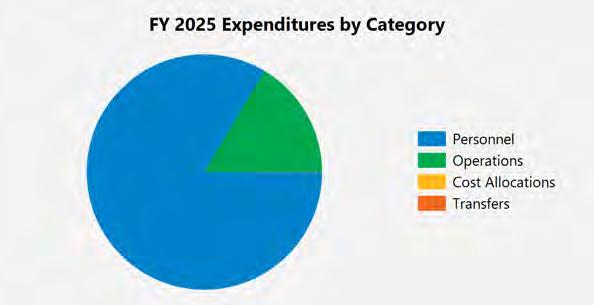
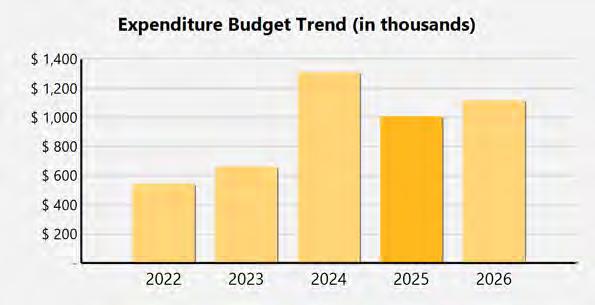
Fund: 100 - General Fund | Functional Area: Public Safety | Budget Unit: 4343 - Emergency Management
Mission
Lead the planning and coordination of homeland security and emergency management efforts to ensure that the City of Concord is prepared to prevent, protect against, respond to, mitigate, and recover from risks and hazards that affect our community. Major Services Provided
• Emergency Management function for the City, including preparedness, response, recovery, and mitigation
• Coordination of a joint Public Safety response during large scale incidents and planned events
• Environmental response, inspection, and follow-up
• Emergency Management Education
• Risk Assessments for critical infrastructure facilities
FY 23-24 Major Accomplishments
• Purchased deployable road barriers and trailers to utilize during special events and emergency situations.
• Contracted with outside instructors to teach several Incident Command System (ICS) and FEMA Incident Management Team (IMT) courses for City employees.
• Implemented SARTOPO mapping software to aid in search, rescue, and emergency management operations.
FY 24-25 Budget Highlights
• Transitioning the internal AlertUS sytem to a cloud based server, to eliminate technician overhead, maintenance, continuous updating, server replacements, OS upgrades, and staff time addressing related issues.
• Continue contracting with outside instructors to provide additional ICS and IMT trainings for City staff.
• Replace expiring bleeding control kits that have been distributed throughout the City and to provide for additional kits that have been requested by departments.
• Replace two outdated computers located in both Emergency Operations Center (EOC) locations.
• Install open door alarms in identified secure areas to deter individuals from propping doors open, when they should be left closed to prevent unauthorized access to secure areas.
FY 25-26 Planning Year Goals
• Continue to implement WebEOC City-wide and train applicable staff.
• Continue to schedule IMT-related courses for City staff and fully implement the Concord IMT.
• Identify ways to increase capacity through collaboration and expand preparedness and planning efforts for staff and the community.
Program & Strategy Enhancements
• Increase awareness to the public on community preparedness, resiliency, and emergency management.
• Ensure that the City of Concord’s overall emergency management objectives are addressed and maintain positive relations with State and Federal agencies by attending seminars, workshops, and other training opportunities.
• Ensure a common operating picture during emergencies to facilitate informed decision making and response.
• Coordinate and integrate all activities necessary to build, sustain, and improve the City’s capability to mitigate against, prepare for, respond to, and recover from threatened or actual natural disasters, acts of terrorism, or other man-made disasters.
• Establish a standardized planning system that delineates the structure, plans, processes, and personnel needed to execute the City’ s preparedness planning activities.
Promote public protective actions and domestic preparedness through a comprehensive and effective emergency management program to mitigate against, prepare for, respond to, and quickly recover from the multihazards that may impact the residents of the City of Concord.
of emergency drills at City facilities
% of responsible parties billed within a 20 day window of a Hazmat incident
% of annual risk assessments conducted on required critical infrastructures within City limits
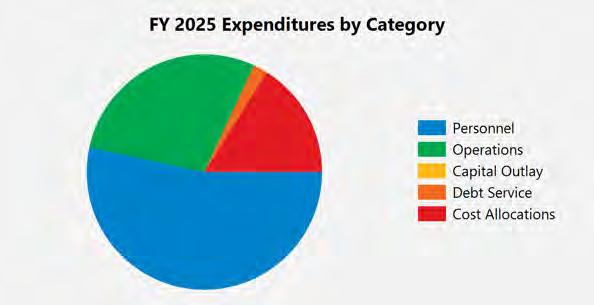
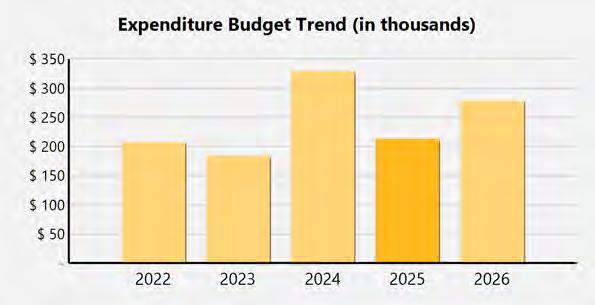






Fund: 100 - General Fund | Functional Area: Public Works | Budget Unit: 4510 - Streets
Mission
Manage, inspect, perform maintenance, and enhance the safety and serviceability of the City of Concord’s Street, Bike, and Pedestrian systems for the benefit and welfare of the traveling public.
Major Services Provided
• Roadway Maintenance
• Minor Construction or Enhancement Projects
• Emergency Response and Inclement Weather Mitigation
• Traffic Engineering, Technical Support, Contract, and Customer Service
• Infrastructure Inspection, Quality Assurance, and Asset Management
FY 23-24 Major Accomplishments
• Completed the Lincoln Street bridge replacement design and began construction phase.
• Resurfaced 20.6 lane miles in conjunction with the Powell Bill funds for the continuation of the Streets Preservation program.
• Began construction on Spring Street to replace the concrete road structure with standard asphalt sections.
FY 24-25 Budget Highlights
• Start the construction phase for Cedar, Crowell, Glenn and Elm streets' sidewalk projects as part of the Pedestrian Improvement Plan (PIP)
• Complete a full pavement evaluation using vehicles equipped with LiDAR (Light Detection and Ranging) equipment to rate the conditions of City's road to determine their Pavement Condition Index.
• Utilize an engineering firm to perform bi-annual City bridge inspections to ensure the structural integrity.
• Purchase automated external defibrillator devices for the crew trucks for emergency preparedness.
FY 25-26 Planning Year Goals
• Identify and design additional PIP projects to continue growing the City's sidewalk network.
• Evaluate and perform maintenance on City road's to enhance the durability, safety. and increase the average pavement rating.
• Continue to participate in funding of sidewalk and multi-use paths along NCDOT roadway projects.
Program & Strategy Enhancements
• Explore new methods for improved operational procedures to achieve higher benefit-cost ratios for all programs, services, and activities performed.
• Evaluate performance and effectiveness of operations using asset-resource management software.
• Participate in UNC School of Government’s Benchmarking Project.
• Utilize data from consulting firm for Pavement Evaluation and Maintenance Budget Optimization to increase the effectiveness of current maintenance practices and ensure the best value is obtained for every dollar spent.
• Continue to work on Sidewalk Inventory and Prioritization Project to identify key connections and gaps in the network to budget and plan projects that create a more complete pedestrian network throughout the City.
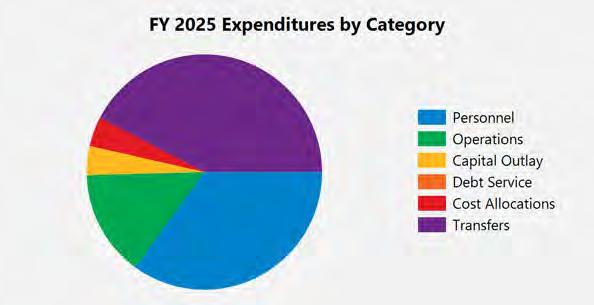
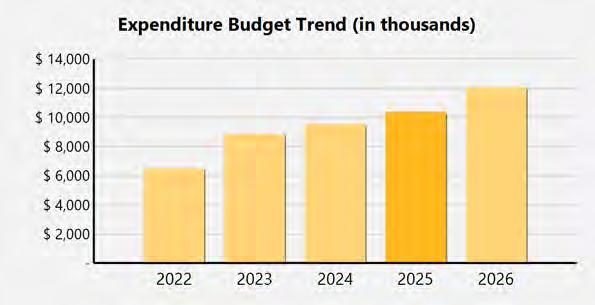
Fund: 100 - General Fund | Functional Area: Public Works | Budget Unit: 4511 - Powell Bill
Mission
Maintain and enhance the City of Concord’s Street, Bike, and Pedestrian systems for the benefit and welfare of the traveling public through the restricted local use of state-shared motor vehicle fuel taxes.
Major Services Provided
• Powell Bill Eligible Roadway Maintenance
• Minor Construction or Enhancement Projects
• Emergency Response and Inclement Weather Mitigation
• Traffic Engineering, Technical Support, Contract and Customer Service
• Infrastructure Inspection, Quality Assurance and Asset Management
FY 23-24 Major Accomplishments
• Expended Powell Bill funds to resurface 20.6 eligible lane miles within the City as part of the Streets Preservation program.
• Accepted 6.19 lane miles for a total 383.74 in the Local system.
• Developed a new state reporting strategy in collaboration with Finance.
FY 24-25 Budget Highlights
• Examine eligible streets to determine areas of improvements that can be constructed with available funding.
FY 25-26 Planning Year Goals
• Focus on reducing the current street repaving cycle by maximizing the number of lane miles resurfaced and/or preserved with available Powell Bill funds.
Program & Strategy Enhancements
• Explore new methods to improve operational procedures to achieve higher benefit-cost ratios for all programs, services, and activities performed under Powell Bill line items.
• Use asset-resource management software to evaluate and maximize effectiveness and efficiency of Powell Bill operations.
• Monitor and quickly identify potential expenditure problems and improve management of assets through the use of quarterly budget and work plan review meetings.
• Participate in the UNC School of Government’s Benchmarking Project to measure service profiles against other NC cities of comparable population size.
Maintenance & Enhancement
Provide regular bridge maintenance on City bridges for the traveling public to keep this infrastructure in acceptable condition.
Provide maintenance of City street rights-of-way for citizens and the traveling public to provide clean, visually appealing, and safe roadways.
Provide maintenance and small construction enhancements on all streets within the City of Concord to benefit citizens and the traveling public in order to facilitate the movement of people, goods, and services at a safe, acceptable, and costeffective level of service.
% of mowing routes completed as scheduled during the mowing season
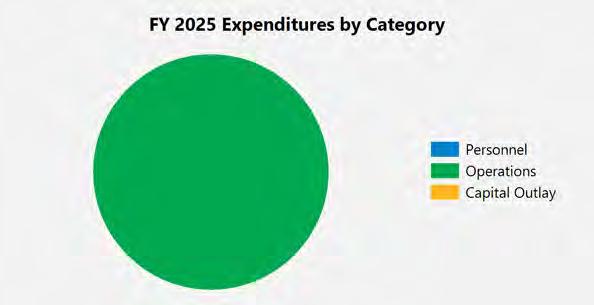

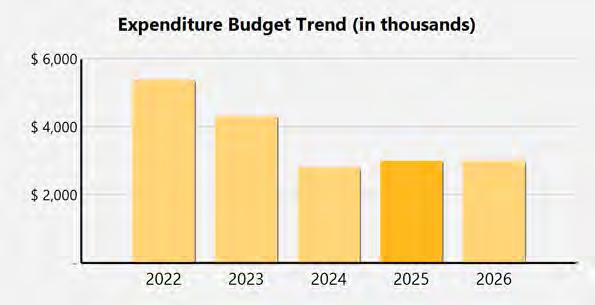
Fund: 100 - General Fund | Functional Area: Public Works | Budget Unit: 4513 - Traffic Signals
Mission
Maintain, optimize, and enhance traffic control signals, intersection control beacons, and school zone flashers owned by the City of Concord and the NCDOT for the benefit and welfare of the traveling public. Additionally, the Signal Division assists in maintenance of the City’s fiber optic communications and camera network.
Major Services Provided
• Maintain 176 Traffic Control Signals, 6 Intersection Control Beacons, 22 School Zone Flashers, and 106 Intersection Pedestrian Signals
• Maintain and operate 85 PTZ Traffic Cameras and 89 Security Cameras
• Signal diagnostic and optimization services
• Maintenance of 102+ miles of the City’s fiber optic network
• Emergency response and resolution of service area signal problems
• Purchased equipment to protect the traffic signals server and mitigate lag time between loss of power and start up time of generator.
• Added a Utility Locator position dedicated to performing mandated fiber locate tickets.
• Acquired an electric vehicle to reduce emissions from idling during emergency responses and signal timing runs.
• Engage with an engineering consultant to begin upgrading our Advanced Traffic Management software to meet NCDOT's requirements.
• Complete the upgrade signal detection system for the remaining signals from the outdated system to be cost effective.
• Purchase a trailer to stock with cones and other safety equipment in the even of a traffic signal outage to prepare a safe work zone.
• Continue funding to supplement NCDOT requirements for regular and routine signal maintenance on City and NCDOT area signals.
• Provide regularly scheduled maintenance service on signals systems to enhance the traveling public on City streets.
• Electrify the buckets and line trucks to reduce and/or eliminate idling emissions.
• Expand integrated signal communication and traffic management software to improve efficiency of operations at the Traffic Management Center.
• Explore new methods to improve operational procedures to achieve higher benefit cost ratios for all programs, services, and activities.
• Focus on advancing skill level by continuing education and attending training opportunities through NCDOT and ISMA courses.
• Plan for additional staff and equipment required for maintenance of projected Traffic Signal growth due to planned City, NCDOT and development projects from 163 current Traffic Signals to an estimated 170 in the next 5 years and 200 in the next 10 years.
• Monitor and identify potential expenditure problems and improve management of assets using quarterly budget and work plan review meetings.
Provide regular, scheduled maintenance service on noncoordinated system signals to the traveling public to meet or exceed NCDOT Schedule C standards.
Provide regular, scheduled optimization service on eight area coordinated system signals to the traveling public to meet or exceed NCDOT Schedule D standards.
Provide programmed maintenance and emergency service to signals, beacons and flashers in order to ensure public confidence in the Concord area’s signalized traffic control system.
% of NCDOT traffic signals receiving preventative maintenance (Schedule C) each year
% of NCDOT traffic signals that receive timing optimization (Schedule D) each year
% on-site response to malfunctioning traffic signals made within 2 hours
% of repairs to traffic signal indication failures within 24 hours
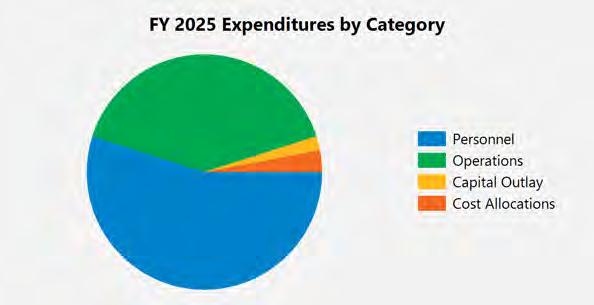
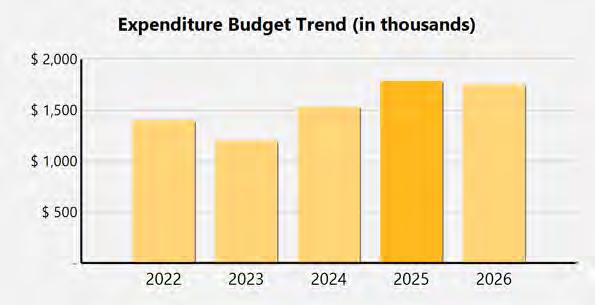
of 8/12/2024
Fund: 100 - General Fund | Functional Area: Public Works | Budget Unit: 4514 - Traffic Services
Mission
Maintain, evaluate, and enhance traffic control signs, pavement markings, and traffic safety measures on the City of Concord’s Street, Bike, and Pedestrian Systems for the benefit and welfare of the traveling public.
Major Services Provided
• Maintenance of Traffic Control Signage and Pavement Markings
• Traffic Services Technical Assistance as related to Work Zone, Detour Routing, and Special Events signage
• Emergency response and resolution of service area signage problems
• Design and Install Custom Signs and Decals for Internal Customers and for Recognized Neighborhoods
FY 23-24 Major Accomplishments
• Increased safety and reduced congestion to surrounding roadways by collaborating with two schools to reconfigure car rider pickup.
• Added two crosswalks with pedestrian signals to Branchview Dr. NE and Cabarrus Avenue E. intersection to provide a more safe crossing.
• Installed 275 street signs and 86 street blades across the City.
FY 24-25 Budget Highlights
• Purchase a Automatic Flagger Device to improve the safety of workers and reduce the workforce needed to perform work zone safety measures.
• Acquire a new plotter to expand the capability and efficiency of making intricate decals and signs for internal and external requests.
• Coordinate with other departments to support traffic and pedestrian control associated with special events and City activities.
FY 25-26 Planning Year Goals
• Explore new methods to improve operational procedures to achieve cost savings for all programs, services, and activities.
• Identify and perform in-house striping throughout the City as needed.
• Continue maintaining Regulatory and Warning sign maintenance programs.
Program & Strategy Enhancements
• Explore new methods to improve operational procedures to achieve cost savings for all programs. services, and activities.
• Use asset-resource management programs to provide prompt replacement of deficient or missing regulatory and warning signs and to evaluate performance effectiveness.
• Monitor and identify potential expenditure problems and improve management of assets using quarterly budget and work plan review meetings.
Custom Signs & Decals
Provide custom sign and decal services to internal customers and Recognized Neighborhoods to support emergency vehicle identification and recognition goals.
Provide signing of Zoning Public Hearing Notices for Concord Development Services Department to meet time posting requirements under the NC General Statues.
% of internal sign requests completed within 2 weeks
% of rezoning/special use notice postings completed within the work order timeframe
% of STOP sign knock downs responded to within 1 hour
Traffic Control Signage & Pavement Markings
Traffic Services Technical Assistance
Maintain and provide traffic control signs and pavement markings for the traveling public to promote safety and the orderly movement of traffic.
Provide technical assistance to internal customers to support their work operations where temporary traffic control set-ups or pavement markings are warranted.
% of in-field work orders for regulatory or warning sign replacements made within 72 hours
1 week
% of small-scale pavement markings completed within 6 months
% of on-call assistance for utility emergencies or incident operations made within 2 hours
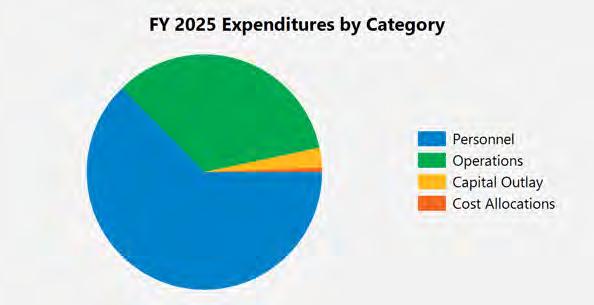
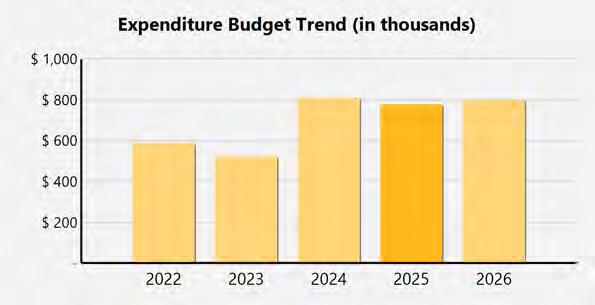
*as amended **as of 8/12/2024
Fund: 100 - General Fund | Functional Area: Public Works | Budget Unit: 4520 - Solid Waste & Recycling Mission
Provide residential garbage, recycling, and yard waste collection/disposal. Solid Waste & Recycling also provides residential and businesses with waste reduction and recycling opportunities to protect, preserve, and enhance public health, safety, and the physical environment. Major Services Provided
• Residential Garbage, Bulky, and Recycling Collection
• Yard Waste Collection
• White Goods, Metal, Tires, Electronic Waste and Building Material Collection Small Business Garbage and Recycling Collection Cart Management Activities
FY 23-24 Major Accomplishments
• Implemented garbage and recycling collection, along with bulk waste collection in 2022, to fully complete the transition to City-provided services.
• Redesigned the Solid Waste Resource Guide with a new look and addressed changes made to the collection process for affected commodities.
• Addition of one yard waste/bulk route for limbs and bulk waste, adding a knuckleboom truck and two employees. This addition was due to added collection points, stops made, and increased tonnage.
FY 24-25 Budget Highlights
• Begin onboarding and training a second Compliance Inspector position through reallocation of existing resources in order to meet increased workload in the compliance and contamination areas. With all services in-house, the second position will help to ensure guidelines are followed and educational materials are distributed to those who need it the most.
• Continue to use Rubicon data to address areas throughout the City where recycling contamination is highest, along with low set out rates, in order to improve overall service delivery and cleanliness of our waste streams. As a result, education and outreach opportunities will be expanded, more neighborhood-based, and translated to multiple languages.
• Place restrictions on yard waste limb piles to 6 cubic yards (CY) or less at no cost to the resident. Limb piles over 6 CY will incur a collection and disposal fee based on size.
• Explore opportunities to replace the outdated Mobile 311 system with a similar product to locate and direct collection of daily yard waste and bulk waste.
• Replace the outdated Mobile 311 system with another application that will continue its functionality in locating and directing yard waste and bulk waste collection, without losing the variety of data captured.
• Ensure all education and outreach materials are translated to Spanish and Hindi and posted for easy access.
Program & Strategy Enhancements
• Monitor the new collection routes for efficiency and effectiveness as designed.
• Promote recycling participation using CARTology, website enhancements, social media, direct mail, neighborhood, and other practical outreach measures to grow recycling participation and collect "clean" annual tons of recyclables.
• Utilize data driven decision making in all aspects of waste collection and resource allocation.
Outreach & Education
Residential Garbage/Bulky/ Recycling Collection
Provide residents and businesses with outreach and education on garbage, bulky, and recycling collection.
of collection points that are signed up for CARTology app
Average # of carts that are tagged for excessive contamination N/A
# of carts that are tagged 5 or more times in a year
Provide residential garbage, bulky, and recycling collection to City residents to maintain a safe and healthy living environment for present and future generations to live, grow, and work. # of complaints per 1,000 collection points (Garbage, Recycling, & Bulky)
Tons of garbage collected per 1,000 population
Average # of pounds of recyclables collected per household in curbside recycling
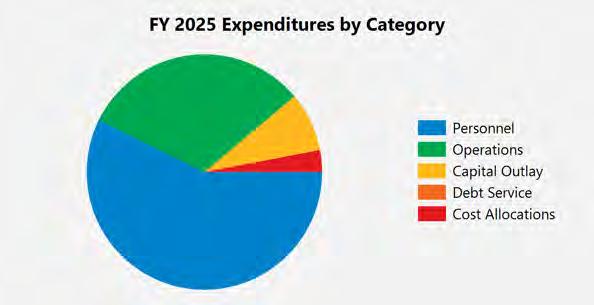
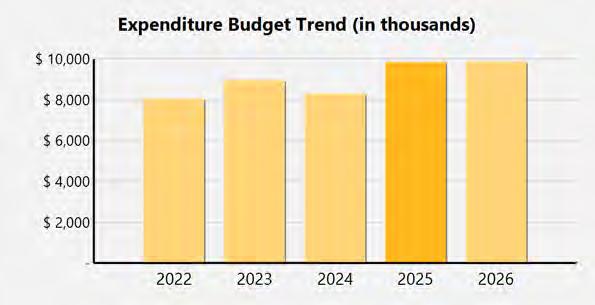
amended
of 8/12/2024
Provide
FY 23-24 Major Accomplishments
• Established wayfinding at Oakwood, Rutherford Memorial Park, and West Concord Cemeteries.
• Responded to citizens’ request for an area to be established at Rutherford Memorial Park Cemetery for the in- ground burial of cremains. This improvement provides another burial option for citizens.
• Rebuilt the gazebo at West Concord Cemetery to keep the structure safe and accessible.
FY 24-25 Budget Highlights
• Expand the existing columbarium at Oakwood Cemetery.
• Construct the approved expansion at Rutherford Memorial Park Cemetery.
• Determine if "wayfinding" signage at cemeteries has been helpful to the public.
• Provide learning and professional development opportunities for staff.
FY 25-26 Planning Year Goals
• Continue to develop staff skills, focusing on customer service.
• Continue to correct erosion in cemeteries.
• Continue beautification efforts at all three cemeteries enhancing these city assets for the use of the citizens of Concord
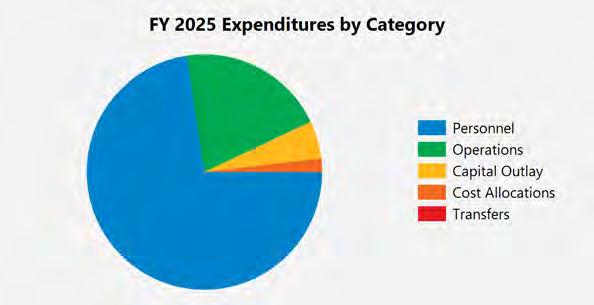

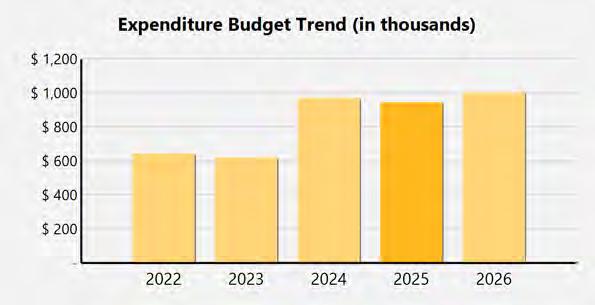
of 8/12/2024
Fund: 100 - General Fund | Functional Area: Public Works | Budget Unit: 4550 - Fleet Services
Mission
Provide City departments with the most timely and cost-effective vehicle/equipment maintenance, repair, and fueling services. Our focus is to maintain a competitive advantage by providing the best value to our customers, which will in turn allow for a greater level of service to Concord citizens.
Vision
Fleet Services seeks to provide the most efficient management of city assets and resources in an environmentally responsible manner. We fully recognize if we are not customer driven, our vehicles won't be either. Major Services Provided
• Vehicle / Equipment Maintenance
• Fueling Services
• Vehicle / Equipment Specifications / Purchasing
• Vehicle / Equipment Disposal
• CDL and other driver training
• Successfully maintained the new fleet of refuse trucks without causing disruption to service or hiring additional staff.
• Added a variety of in-house trainings to cover city policy requirements with plans to bring CDL training in-house by the end of the fiscal year.
• Crossed trained additional staff to support the increased work volume needed by Concord Fire. Fire Leadership has noticed and complimented on the progress we have made to eliminate the work backlog.
• Maintenance increase is driven by higher parts cost, refuse truck tire usage and damage to fire trucks from motorists.
• Continue to monitor the new Fleet building's construction. Currently, the project is in-line with budget and on schedule.
• Complete the planning and transition to the new Fleet building.
• Finalize bringing CDL training and licensure 100% in-house by becoming a state recognized third party CDL tester.
• Have all customer provided items for new Fleet building ordered or delivered before end of fiscal year.
• Encourage participation in team career development by using additional means of training and certification.
• Further empower team leadership to make independent decisions that support departmental goals.
• Continue to fine tune the parameters for vehicle replacement to increase useful life from those vehicles where appropriate.
Performance Summary

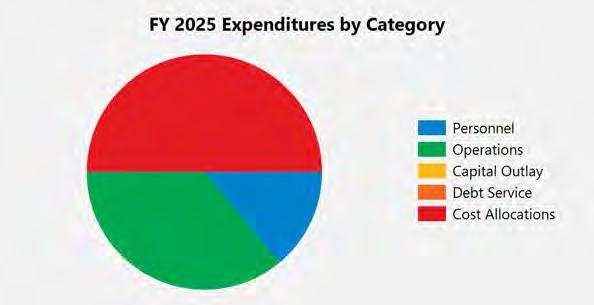
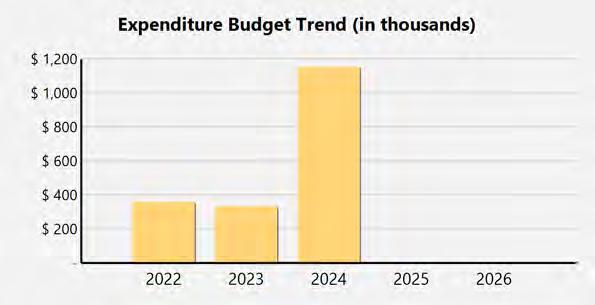


Fund: 100 - General Fund | Functional Area: Economic Development | Budget Unit: 4910 - Planning & Neighborhood Development
Mission
Provide courteous, effective, and accurate planning, development, and inspection services to City of Concord residents and development community to build a thriving, prosperous, and safe community that enhances the quality of life for all residents of the City of Concord. Core Values
The Planning Department will actively engage with internal and external stakeholders to inclusively and effectively accomplish its mission of strengthening communication and partnerships within the community.
Major Services Provided
•Development Plan Review and Permitting
•Public Hearings: Planning & Zoning Commission, Board of Adjustment, and the Historic Preservation Commission
•Downtown Development
•CDBG/HOME Program
•Long-range planning in partnership with citizens
•Coordinate Economic Development in partnership with Economic Development Corp.
•Small Area and Corridor Plans
FY 23-24 Major Accomplishments
• Worked on four area and corridor plans as recommended by the 2030 Land Use Plan and City Council.
• Continued community development and affordable housing efforts by constructing two affordable homes for sale, renovation of numerous existing housing units, working with the developer of the Coleman Mill redevelopment, pursuing the purchase of land for affordable housing, and partnering with the Housing Department on the redevelopment of the public housing properties.
• Improved the Accela permitting system through continuous collaboration with Cabarrus County and by developing user guides to simplify the submission process for customers.
FY 24-25 Budget Highlights
• Continue to work on major economic development and downtown projects including Eli Lilly and Red Bull/Rauch and complete Union Streetscape improvements.
• Continue historic preservation efforts including work on the Logan Community Historic designation study and work with the Historic Preservation Commission and a joint citizen/commission committee to conduct a wholesale rewrite of the Historic Handbook and Guidelines.
FY 25-26 Planning Year Goals
• Complete the Bruton Smith/Concord Mills Small Area Plan (The Boulevards).
• Conduct weekly staff meetings to discuss all upcoming projects including those that appear before various boards and commissions regarding design, site plan layout, and other issues.
• Improve coordination with other departments to ensure that projects stay on track and problems are identified and solved early.
Program & Strategy Enhancements
• Explore options to market the City’s mission statement and identity to department employees.
• Continue to evaluate, improve and refine the plan review process to make it more efficient and customer friendly.
• Continue to improve Accela in conjunction with Cabarrus County.
Provide an accurate and timely review for the development community to ensure that requirements of the ordinance are met and quality development in the City is achieved. # of plans submitted through Accela
Permitting
Ensure that land in the City is subdivided in a manner that provides for quality of life and orderly growth, and that natural resources are protected.
% of approved single family residential attached units that receive a permit
of permitted two, three, or four family residential
of multi-family residential units approved and permitted
of commercial building permits approved
Provide accurate and timely issuance of development permits to developers and citizen to ensure compliance with local ordinances. % of approved single family residential units that receive a permit
of industrial building permits issued
# of sign permits issued
# of Certificates of Compliance that are issued on the first inspection
# of new lots recorded by the Cabarrus County Register of DeedsPreliminary Subdivision Plats
# of lots approvedPreliminary Subdivision Plats
Zoning Cases & Public Hearing
# of Certificates of Appropriateness issued in Historic Districts
# Special Use Permits approved
Provide due process for the community so that zoning requests are processed in accordance with state and local laws; and that complete, factual, and accurate information is provided to City boards so that board members can make well-educated decisions pertaining to zoning and development. # of non-statutory text amendments to the Concord Development Ordinance approved
of variances brought to the Board of Adjustment
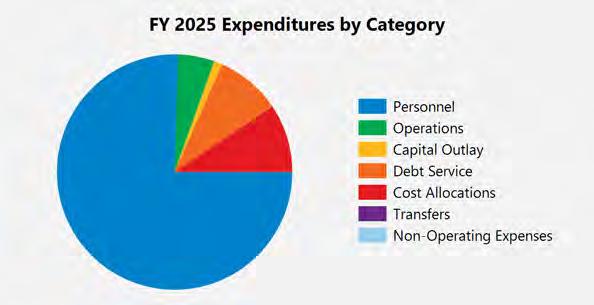

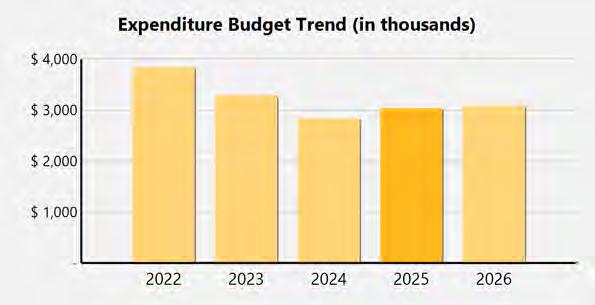
Fund: 100 - General Fund | Functional Area: Economic Development | Budget Unit: 4915 - Transportation Planning
Mission
Transportation Planning is accomplished through local urban design efforts and a cooperative partnership with the Cabarrus-Rowan Metropolitan Planning Organization (CRMPO). CRMPO plans for regional transportation needs including highway, transit, air, bicycle, and pedestrian facilities within both Cabarrus and Rowan counties as well as connections to the greater Metrolina Area. Concord is the lead agency and Transportation Department staff serves as members and alternates to the CRMPO’s Technical Coordinating Committee.
Major Services Provided
•Support for local urban design efforts
•MPO transportation planning
•Regional coordination on transportation issues in the Charlotte metro area
FY 23-24 Major Accomplishments
• Assisted in the latest update of the NCDOT's Comprehensive Transportation Plan (CTP) for the CRMPO in coordination with the City's latest revisions.
• Participated in the Regional Model maintenance, including updates to socioeconomic base year data and changes to the Model network (s).
• Continued to work with City infrastructure departments, consulting engineers, the CRMPO, and contracted agents to complete construction of local approved projects on the STIP.
FY 24-25 Budget Highlights
• Continue to assist in the latest update of the NCDOT's CTP for the CRMPO in coordination with the City's latest revision of its CTP.
• Continue participation in the Regional Model maintenance, including updates to socioeconomic base year data and changes to the Model network(s).
• Continue to work with City infrastructure departments, consulting engineers, the CRMPO and contracted agents to complete construction of local approved projects on the STIP.
FY 25-26 Planning Year Goals
• Partner with the CRMPO members to secure grant funding for future transportation projects.
• Work with City infrastructure departments, consulting engineers, the CRMPO and contracted agents to complete construction of local approved projects on the STIP.
• Identify special studies for potential improvements on corridors for regional transportation needs including highway, transit, air, bicycle, and pedestrian facilities within the city.
Program & Strategy Enhancements
• Improve communication efforts between the City and fellow jurisdictions within the CRMPO.
• Support efforts and interagency communications for ranking STIP Projects using data driven criteria.
• Coordinate and work within the CRMPO and with the NCDOT on the State's CTP and the Regional Model for the metropolitan area.
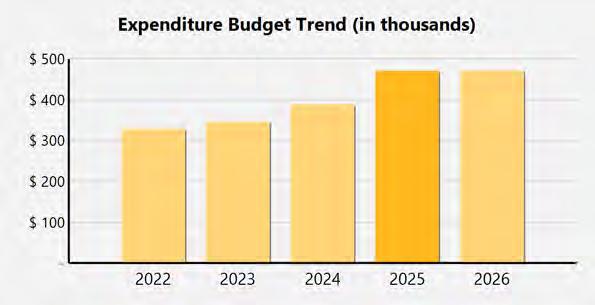
Budget By Category
of 8/12/2024
Fund: 100 - General Fund | Functional Area: Economic Development | Budget Unit: 4920 - Economic Development
Mission
Administer local, state, and federal funds to stabilize neighborhoods, improve infrastructure, and create jobs through economic development opportunities.
Core Values
The economic development team will promote a connected city by working with the Economic Development Corporation to implement the new strategic plan and actively recruit new business to the Concord area.
Major Services Provided
•Recruit, retain, and help expand businesses
•Facilitate redevelopment to assist developers through complex renovation/reuse projects
FY 23-24 Major Accomplishments
• Facilitated permitting and construction for economic development projects such as: Red Bull, Ball, Rauch, Eli Lilly, Kroger/Ocado, Hendrick/GM Performance, Novi Buildings, Philip Morris Building, and the Nascar Building. Actively participated with the Economic Development Corporation (EDC) in recruiting a significant number of projects to Concord.
• Worked on Streetscape mitigation plans and assisted with design solutions on Market Street. Actively recruited new businesses like Benny’s Pizza and Hawthorne’s to downtown. Worked to identify and capture top tenants for the spaces that will be coming online.
• Participated in developing the sewer policy with an emphasis on preserving allocations for economic development.
• Continue coordinated economic development efforts with Cabarrus EDC and Downtown Development staff.
• Updated the downtown façade grant program.
• Facilitate the permitting and construction of economic development projects.
• Worked with local non-profits so they could find less expensive office rentals to complete their work.
• Researched and created a policy for funding outdoor dining furniture for the new Union Streetscape.
FY 25-26 Planning Year Goals
• Continue engagement with the Cabarrus Center’s entrepreneurship council to promote small business growth in Concord.
• Continue to work with non-profits in the community so they can rent an inexpensive office space to complete their work.
• Develop a City-wide restaurant and retail recruitment plan. Celebrate and market the opening of Union Streetscape.
Program & Strategy Enhancements
• Work with Cabarrus EDC on implementing the new Strategic Plan and actively recruit new businesses.
• Engage economic development partners on cost-sharing opportunities and sponsorships.
• Review economic development incentive programs in the context of changing the economic development environment and update as needed.
• Continue support for City-wide economic development recruitment, expansion, and construction and coordinated marketing strategy with Cabarrus EDC that emphasizes quality of life.
• Maintain strong communication among departments and partners to achieve quick and effective responses for economic development projects.
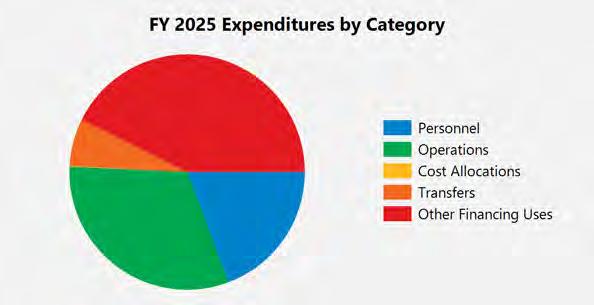


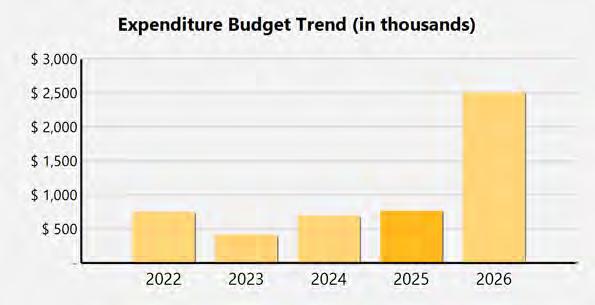







Fund: 100 - General Fund | Functional Area: Recreation & Culture | Budget Unit: 6120 - Parks & Recreation Mission
Provide recreation services, parks, and facilities that enrich the lives of all residents and promote the opportunity for a healthy lifestyle. Major Services Provided
• Facility & Greenway Development
• Festivals, Events, and Programs
• Athletics
• Recreation Center Operations and Programming
• Facility Operations
• Customer Service
FY 23-24 Major Accomplishments
• Developed Spanish Leisure Times to improve citizen access to programs offered.
• Continue to manage GO bond funding for the 9 park projects. Dorton Park is currently under construction.
• Replaced a bus to accommodate wheelchair access. Added AED's to fields for access for an emergency.
FY 24-25 Budget Highlights
• Begin construction on 3 bond projects (Dorton Park, Caldwell Park, J.E. Jim Ramseur Park)
• Updated Trail and Park Pedestrian Counters on Greenway.
• Improve registration and reservation access for the department
FY 25-26 Planning Year Goals
• Improve reservation point of contact for citizens to improve customer service
• Develop operational manual for new splash pads
• Provide greenway connectivity from Wilkerson to the McEachern Greenway
Program & Strategy Enhancements
• Continue to manage GO funding for 5 park renovations and 4 new park development. Providing citizen update meeting throughout the process.
• Be proactive in customer service and outreach to the public through (social media, website updates, and updated face-to-face meetings)
• Emphasize connectivity following the recommendations of the adopted Open Space Connectivity Analysis and programming following the recommendations of the adopted Comprehensive Master Plan.
Recreation Center Operations & Programming
Operate recreation centers that are positive destination points for the residents of Concord. Market the recreation centers by providing programs and activities that are popular with the communities served.
# of youth and teens participating in recreation center programs
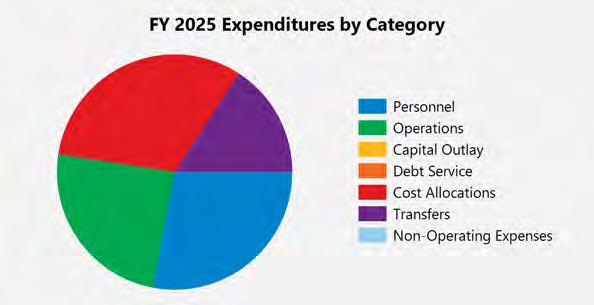
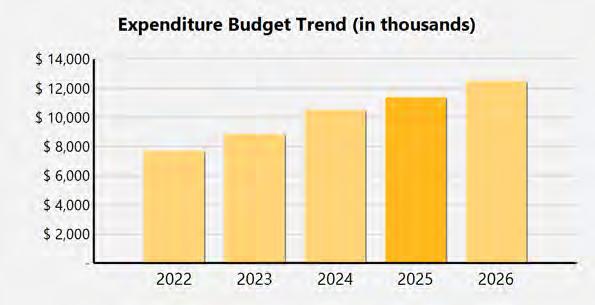
Fund: 100 - General Fund | Functional Area: Recreation & Culture | Budget Unit: 6121 - Parks & Rec Aquatics
Mission
Provide recreation services, parks, and facilities that enrich the lives of all residents and promote the opportunity for a healthy lifestyle. Major Services Provided
• Aquatic Facility Operations
• Customer Service
FY 23-24 Major Accomplishments
• Replaced aging Deck Chairs
• Improved ADA Exits for the McInnis Aquatic Center
FY 24-25 Budget Highlights
• Planning to update Chlorinators
• Will proposed updates to the Pool Fee Structure
• Scheduled replacement for 4 Picnic Tables
• Begin construction on one bond project (Aquatics Center)
• Renovation to pool as part of the GO Bond adding a water feature and a zero entry to pool
FY 25-26 Planning Year Goals
• Improve process for pool reservations
Program & Strategy Enhancements
• Focus on customer satisfaction including discussion of complaint resolution.
• Update Operations Manual for improved customer service.
• Improve process for pool memberships, financial documentation with collection of fees and facility forms.
• Continue to collect customer satisfaction surveys bi-weekly.
Performance Summary
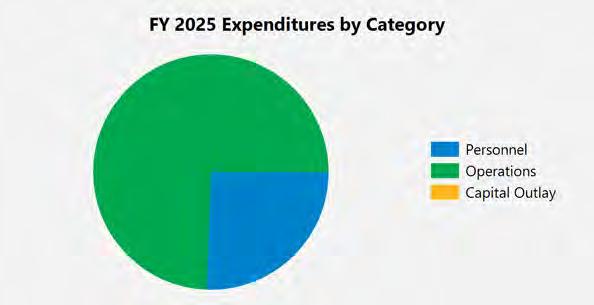

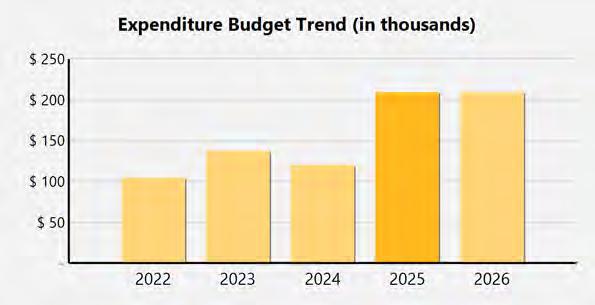
Fund: 100 - General Fund | Functional Area: Recreation & Culture | Budget Unit: 6122 - ClearWater
Mission
ClearWater Arts Center & Studios enables inspiration, creative expression and community connections through providing access to topnotch artists, their teaching and their works; as well as affordable space for working artists to build their practice and community, and for the community to hold private or public events and to gather.
Vision
For public art to be a unifying feature that strengthens Concord's overall identity, uplifts authentic community stories and resources, and add beauty and meaning to public places and facilities.
Major Services Provided
Art Exhibits
Special Events
Facility Operations
Ceramic and Art Programming and Classes
23-24 Major Accomplishments
• Opened the new ClearWater Ceramic Center.
• Appointment of the first Public Art Commission Membership, approved by City Council.
Program & Strategy Enhancement
Performance Summary
Budget Charts
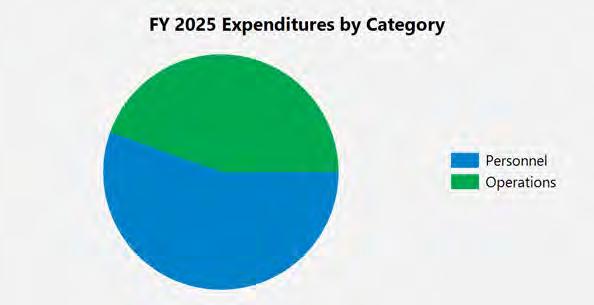
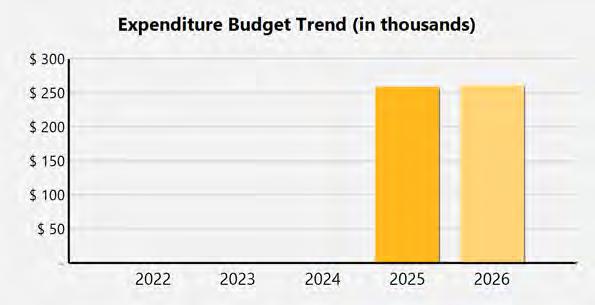
Consortium







Fund: 201 - Municipal Service District | Budget Unit: 5000 - Downtown Development Mission
Enhance the economic, social, and aesthetic values of Historic Downtown Concord through business development, business recruitment, and design by leveraging public and private partnerships. Vision
Located at the intersection of high performance living and historic charm, Downtown Concord features and affordable urban lifestyle within the historic fabric of the center city. It is a goldmine of walkability and connectivity within Cabarrus County. Core Values
The City of Concord will be a regional destination known for its unique neighborhoods, attractions and vibrant downtown. Major Services Provided
• Enhance Historic Downtown Concord
• Business development, recruitment, and design
• Leverage public and private partnerships
• Market and promote Downtown Concord
FY 23-24 Major Accomplishments
• Hosted quarterly Art Walks in partnership with Cabarrus Arts Council and continued communication with downtown stakeholders regarding Streetscape and other new construction projects.
• Hosted several downtown Concord events in FY23 including: Christmas in July, Small Business Saturdays, Social Saturdays, First Fridays, and the Streetlight 5K.
• Developed a mitigation strategy for businesses impacted by the Streetscape and new construction projects.
• Engaged businesses and facilitated applications for façade grant projects (e.g. Lofts at 14th, Press and Porter, 2Gals, Goldberry Books, etc.) and marketed projects including Union Streetscape, new construction, renovations, events, business updates, and announcements.
• Secured tenants for vacant spaces downtown (i.e. Hawthorne’s Pizza, Benny’s Pizza).
FY 24-25 Budget Highlights
• Begin a branding and marketing initiative that incorporates the new Downtown environment.
• Recruiting new businesses for retail space in new construction and redevelopment projects. Working with the private sector on future projects for Downtown.
• Focusing on driving more businesses downtown during the Streetscape mitigation.
• Increasing visibility by posting event updates and Streetscape mitigation information to the Downtown Concord webpage and through social media.
• Begin new public-private partnerships for upcoming residential and commercial projects and continue the façade grants program.
• Celebrate and promote Downtown as major events or projects are completed.
• Partner with Cabarrus Arts Council to increase the number of performances and attendance, drawing more visitors to Downtown.
Program & Strategy Enhancements
• Reinstate monthly mixers with business owners and increase sponsorship for events and programming.
• Continue education and training through the North Carolina Main Street Program.
• Increase volunteerism for events and programs and increase community engagement in downtown projects.
• Work with community partners to implement new downtown events.
• Recruitment of restaurant and retail tenants.
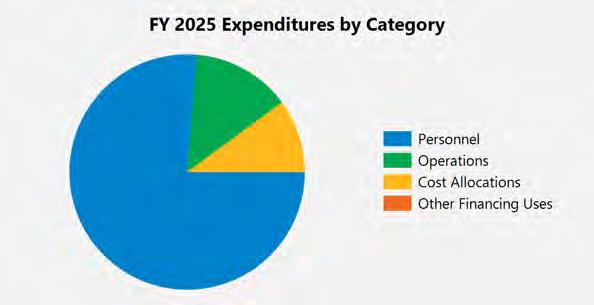
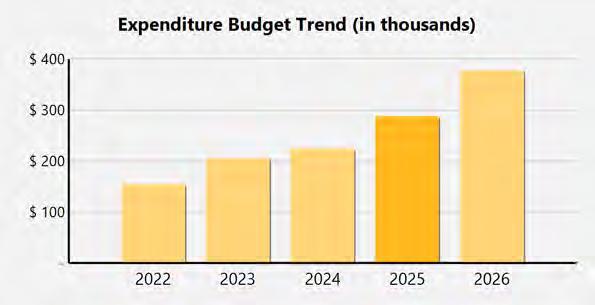






Fund: 210 - Voucher Program | Budget Unit: 1500 - HCV Admin & 1501 - HCV HAP
Mission
The City of Concord’s Housing Department serves low-income families for whom conventional housing is unaffordable. Our mission is to provide these families with decent, safe, and sanitary housing while supporting their efforts to achieve economic independence and selfsufficiency.
Major Services Provided
• Decent, Safe, and Sanitary Housing
• Family Self-Sufficiency (FSS)
• Education
FY 23-24 Major Accomplishments
• Completed workshops for new and existing landlords.
• Worked with Douglas Development on the Project-Based Vouchers (PBV) contract renewal for Logan Villas.
• Continued to lease up specialty vouchers for the Emergency Housing Vouchers program, Veterans Affairs Supportive Housing program, and the Family Unification Program.
FY 24-25 Budget Highlights
• Implement new marketing efforts to recruit new landlords for Housing Choice Vouchers (HCV) program.
• Explore new voucher opportunities as made available by the U.S. Department of Housing and Urban Development (HUD) and improve voucher utilization rates.
• Review payment standards to increase lease up success.
• Seek funding opportunities specific to HCV programs.
FY 25-26 Planning Year Goals
• Continue to creatively recruit new landlords and partner with WeBuild and other non-profits and private developers to expand market rate rental units and units participating in the HCV program.
• Work to improve voucher utilization rates.
• Add a new Housing Specialist position improve departmental efficiency and compliance.
Program & Strategy Enhancements
• Continue to provide education on policies and procedures through annual Landlord workshops.
• Promote fair housing and encourage participation in the Housing Choice Vouchers program and its services.
• Attain and maintain a high level of standards and professionalism in day-to-day management of all program components.
• Provide decent, safe & sanitary housing in good repair to comply with program uniform physical condition standards for very low/lowincome families.
• Provide opportunity for very low-income/low-income families of all races, ethnicities, national origins, religions, ethnic backgrounds & disabilities.
Decent, Safe, & Sanitary Housing
Provide high quality housing to residents/clients to obtain a safe & enjoyable living environment.
% Utilization of Units Under Lease based on Voucher Funding (not total # of vouchers)
Family SelfSufficiency Provide Family Self-Sufficiency support resources to our housing residents to promote the goal of homeownership.
of Family SelfSufficiency (FSS)
Tracking
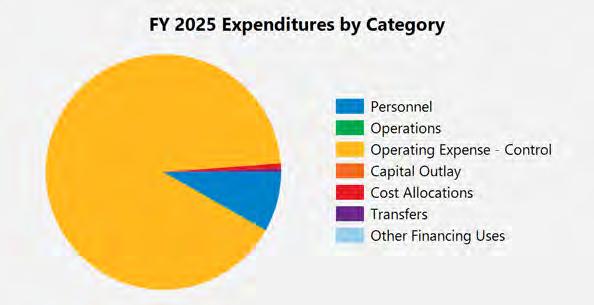
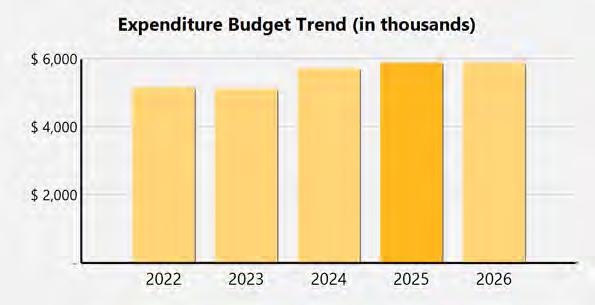
of 8/13/2024
of 8/13/2024






Fund: 310 - Community Development Block Grant | Budget Unit: 3122 - CDBG Admin 24/25 & 3123 - CDBG Projects 2024
Mission
The CDBG program for the City of Concord provides individual citizens, neighborhoods, non-profit organizations and other government agencies with neighborhood revitalization assistance, housing rehabilitation, new home construction, job creation, infrastructure improvements, code enforcement, and blight clearance to enhance the vitality, safety, and attractiveness of Concord's neighborhoods. Core Values
Communication, Teamwork, and Transparency
Major Services Provided
• Emergency Repair Program and Substantial Repair Program Assisting Low and Moderate-Income (LMI) Homeowners
• Provide funding for infrastructure needs (i.e. sidewalks, road repairs) in LMI neighborhoods
• Identify and partner on Community Development efforts in LMI communities
• CDBG Admin and Sub-Recipient Program Management
1.301.30 1.00
FY 23-24 Major Accomplishments
• Staff began work on the McGill reuse project, which will assist LMI entrepreneurs to build the foundation of their own successful food and beverage-based business and will help address the food desert needs within the Gibson Village Community.
• Staff hosted 12 housing education classes for the community, including Spanish only options for the Hispanic community. These classes are designed to help residents, non-profits, and partners understand their rights to fair housing, as renters/landlords/property owners, and educate about services provided through Concord's federal funds.
• Staff completed a full update to the CDBG manual to ensure compliance with HUD and better details of services provided to residents.
• Staff worked with the Parks & Recreation department to fully transfer ClearWater operations to Parks & Recreation. Staff continues to assist with designs for various park upgrades and new construction throughout Concord and with greenway additions to ensure safe walkability for residents in the Logan and Gibson neighborhoods.
• Staff is also working with the Parks & Recreation, Transportation, Engineering, and Electric departments to ensure their efforts are incorporated into the design for the McGill project.
• Staff continues working with CMO staff on marketing and partnership options within the community such as the SoilSHOP event and educational outreach to underserved residents.
FY 24-25 Budget Highlights
• Staff will continue to work with the Transportation department to complete the sidewalk project on Old Charlotte Road and on the reconstruction of the Lincoln Street Bridge. Staff will engage with the community to provide updates and to respond to questions about these projects.
• Continue work on both the McGill reuse project and the next phase of work at ClearWater with Parks & Recreation department.
• Address community engagement and education needs for LMI residents of Concord.
• Continue to address the length of time residents who are seeking rehabilitation assistance are on the waiting list.
• Continue partnering with Cabarrus County and Habitat for Humanity to address client needs when the needs of the community exceed funding limits.
• Work to identify new community development efforts which can revitalize LMI communities or open opportunities for LMI residents in Concord.
• Begin site work and construction for the McGill Reuse campus. Also continue work with Parks & Recreation for the next phase of work at ClearWater.
• Partner with other City departments and WeBuild to address infrastructure needs, community engagement, housing opportunities, and education opportunities for LMI residents.
• Seek grant opportunities for future Community Development activities.
• Work to increase citizen knowledge of community development efforts through workshops and/or presentations such as Fair Housing, Heir Property, and rehab education. Also partner with other groups to educate about area needs, individual housing rights, and service contacts.
• Work to increase the number of contractors on the bid list to help maintain a waiting list of 5 or fewer clients.
• Seek education options for staff, which will benefit personal growth within CDBG related programs.
• Work with subrecipients to educate on the regulations of the CDBG program, thus ensuring compliance. Continue education/training for CDBG subrecipients to ensure compliance.
• Hold monthly meetings with Habitat, Cabarrus County, Independent Living, and others to better assist residents needing home rehab.
• Encourage the partnerships with the Housing Department, Habitat Cabarrus, Cabarrus Health Alliance and other agencies to work towards goals of more affordable housing, greater access to food, and elimination of barriers to benefit residents throughout Concord.
Provide on-going technical assistance, on-site monitoring visits and program support to CDBG sub-recipients to achieve full regulatory compliance through effective program administration.
Provide timely assistance to low and moderate-income homeowners with emergency repairs to achieve program objectives and expend grant funds in a timely manner.
of households assisted with emergency needs
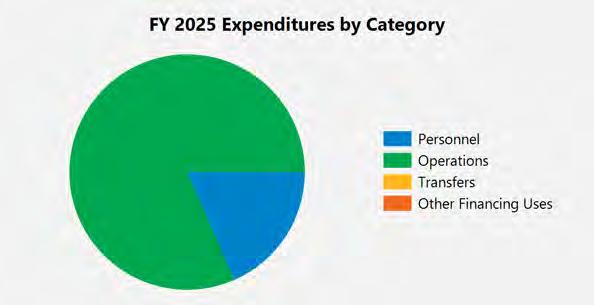

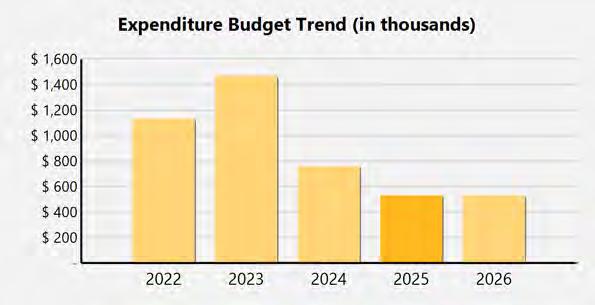
of 8/12/2024
Note: CDBG budgets are 'project' budgets and remain in use over multiple fiscal years
amended **as of 8/12/2024
Note: CDBG budgets are 'project' budgets and remain in use over multiple fiscal years





Fund: 320 - Home Grant | Budget Unit: 3219 - HOME Admin 2024 & 3220 - HOME Projects 2024 Mission
Provide low and moderate-income citizens with major housing rehabilitation, new home construction, and homebuyer assistance to improve their quality of life and enhance the vitality, safety, and attractiveness of neighborhoods. Core Values
Communication, Teamwork, and Transparency Major Services Provided
• Lead Agency Administration of the Cabarrus/Iredell/Rowan HOME Consortium
• Down Payment Assistance to Low and Moderate-Income (LMI) Homebuyers
• New Construction of Affordable Housing Units
• Renovation of existing homes
FY 23-24 Major Accomplishments
• Completed construction on 2 new homes and began the process of building 2 more homes. There are currently 6 substantial rehabilitation projections in various stages of progress.
• Staff continued efforts with the repositioning of Wilkinson Homes.
• Staff hosted 12 education classes for the community, including Spanish only options for the Hispanic community, to help residents, nonprofits, and partners understand their rights to fair housing, as renters/landlords/property owners, and to educate them about services provided through Concord's federal funds.
• Staff completed full updates to the HOME and HOME Consortium manual to ensure compliance with HUD and better details of services provided to residents.
• Hosted the second annual Contractor meeting that included current contractors, contractors seeking to better understand the process of working with the City, vendors, and City staff. The meeting resulted in 4 new contractors that were added to the City's bid list and 5 additional contractors that expressed interest.
• Staff hosted the annual Lender and Realtor meetings with the goal of bringing attention to construction job opportunities and the Down Payment Assistance program available through Community Development.
FY 24-25 Budget Highlights
• Continue working with the Housing Department and the consultant to complete the repositioning of the public housing units. This will be a multi-year, multi-funded, high-impact project for Housing.
• Work to provide all educational opportunities in both English and Spanish to meet the needs of LMI residents within Concord.
• Staff will continue to address the length of time that residents are held on the waiting list for rehabilitation assistance.
• Continuing educational opportunities and assistance to HOME members to ensure HOME-ARP compliance for prospective projects in all jurisdictions.
• Continuing to seek partnerships with developers and grant options for affordable housing options within the City.
• Continue working on the repositioning of the public housing units.
• Continue to address residents on the waiting list to limit time on the list. Continue partnering with Cabarrus County and Habitat to address client needs when work amount exceeds funding limits.
• Seek grant opportunities for future Community Development activities.
• Work to increase citizen knowledge of community development work thought workshops, presentations, and other trainings opportunities to educate about area needs, individual housing rights, how to navigate the application process, and how to report issues.
• Work to increase the number of contractors on the bid list to help maintain a waiting list of five (5) or fewer clients.
• Seek education options for staff, which will benefit personal growth within RAD, HOME and HOME-ARP related programs.
• Seek partnerships with developers and grant options for affordable housing options within the City.
• Hold monthly meetings with Habitat, Cabarrus County, Independent Living, and others to better assist residents needing home rehab.
• Encourage the partnerships with the Housing Department, WeBuild, Habitat Cabarrus, and other agencies to work towards goals of; more affordable housing and elimination of barriers to residents throughout Concord.
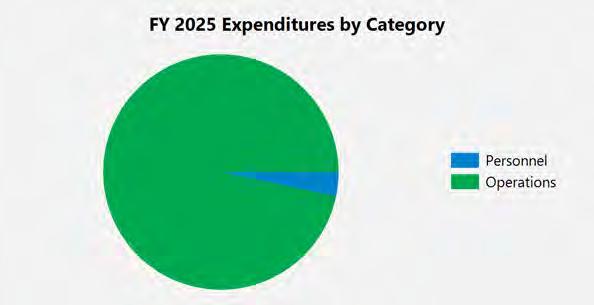
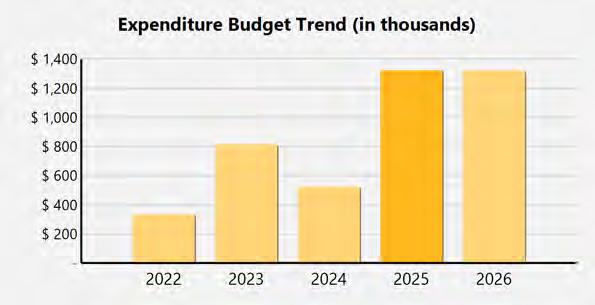





Fund: 350 - Market Rate Units Fund | Budget Unit: 3500 - Market Rate Units
Mission
The City of Concord’s Housing Department serves low-income families for whom conventional housing is unaffordable. Housing will promote fair housing and the opportunity for families of all races, ethnicities, national origins, religions, ethnic backgrounds, and with all types of disabilities, to participate in the public housing program and its services. Our mission is to provide these families with decent, safe, and sanitary housing while supporting their efforts to achieve economic independence and self-sufficiency.
Major Services Provided
• Decent, Safe, and Sanitary Housing for our Citizens
• Affordable Housing
• Property Maintenance and Grounds
Major Accomplishments and Performance Goals
• Maintain housing stock above quality requirements.
• Continue to explore new funding through grant opportunities being made available locally, statewide, & nationally.
• Provide decent, safe, & sanitary housing in good repair – in compliance with program uniform physical condition.
• Attain & maintain a high level of standards and professionalism in day-to-day management of all program components.
• Increase the stock of Market Rate Units by exploring new opportunities & developing innovative ways to encourage more units.
Provide accurate financial information, in a timely manner, to the City and HUD to comply with local/state/ federal laws, governmental accounting, & regulatory requirements.
Budget Charts
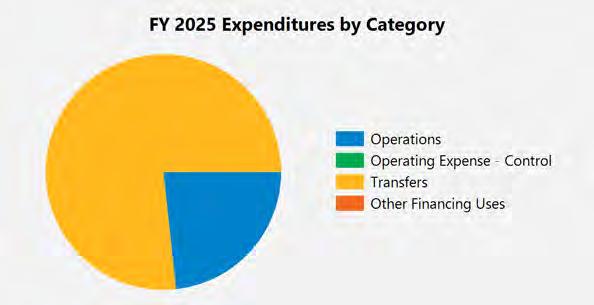


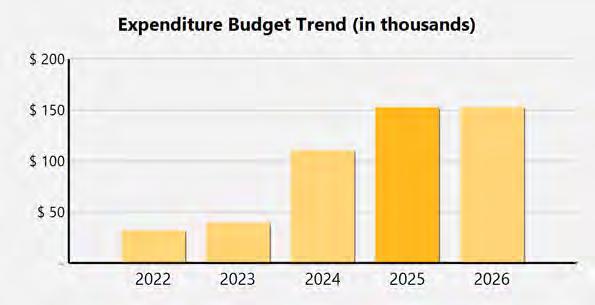
*as amended **as of 8/12/2024









of8/12/2024 Note:FY2023-2024actualrevenuesandexpendituresdisplayasnegativevaluesduetoaccountingcleanup.
Fund: 370 - Revolving Housing Fund | Budget Unit: 3700 - Revolving Housing Projects Fund Mission
Major Services Provided
• Revolving funds related to Affordable Housing within the City
• Supported through dedicated priority funding allocated by City Council
24-25 Budget Highlights
• Prior to FY 2025, the allocation to the Revolving Housing Projects Fund was based on the value of 1¢ of the property tax rate. In FY 2025, the allocation was increased and was changed to a fixed dollar amount. This change gives City Council greater flexibility to adjust the amount allocated to this fund each year.
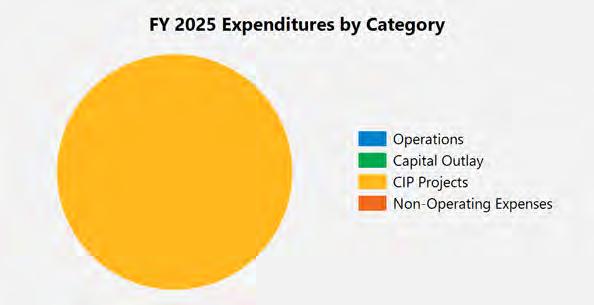

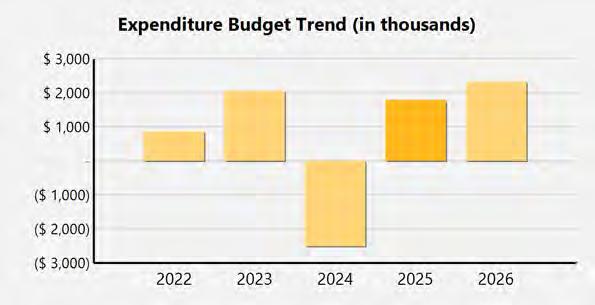
of 8/12/2024
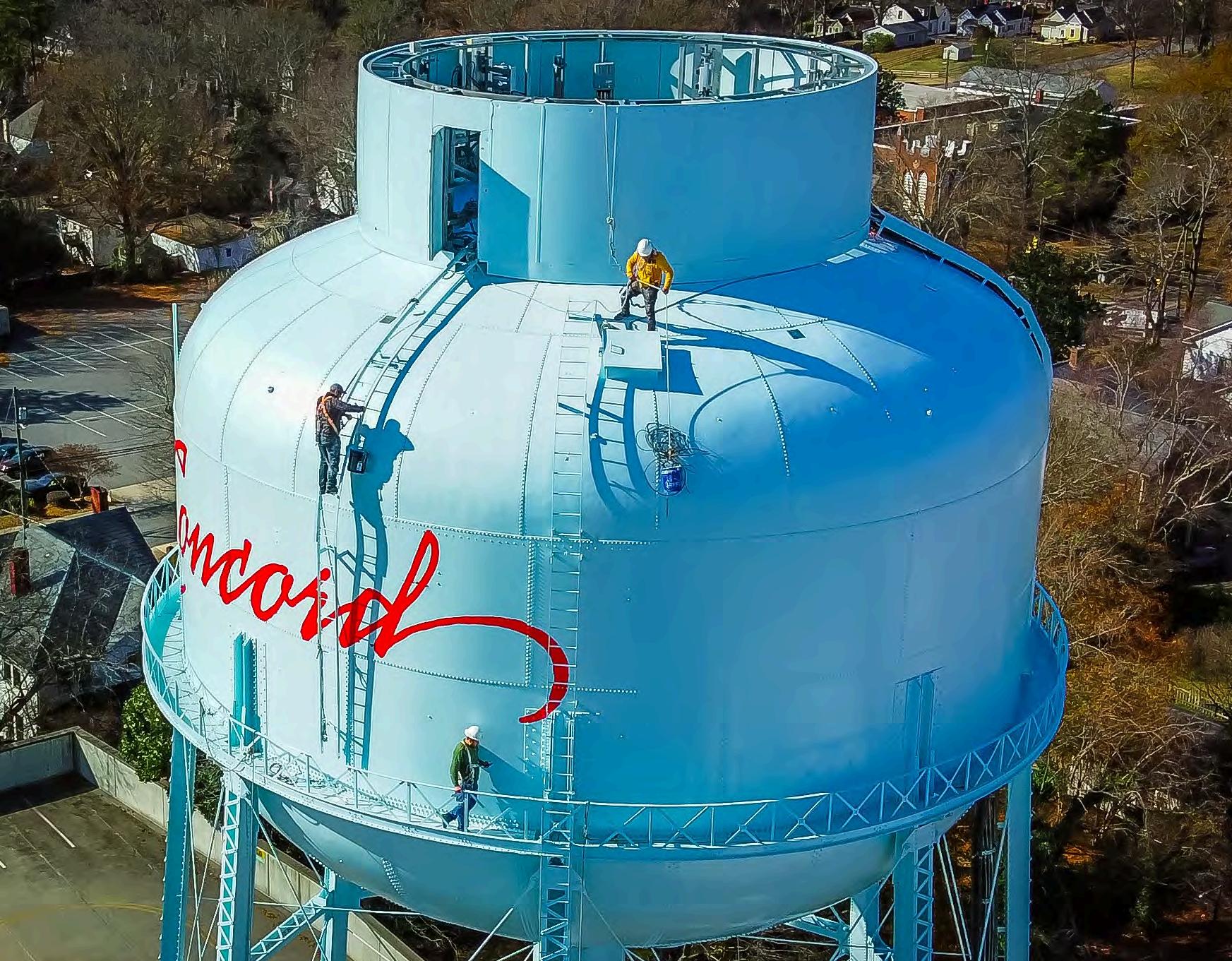


Fund: 600 - Stormwater Fund | Budget Unit: 7100 - Stormwater Oper & Maint
Mission
Provide timely response to customer inquiries concerning drainage, water quality, and stormwater utility; maintain the existing stormwater infrastructure within City maintained rights-of-way and easements; implement the National Pollutant Discharge Elimination System (NPDES) Phase II Stormwater Permit requirements; and ensure new development meets or exceeds development standards in an effort to reduce potential losses to property owners during flooding rains and to reduce pollutants entering streams and lakes.
Major Services Provided
• Respond to customer inquiries related to drainage and stormwater quality in a timely manner
• Maintain drainage system within City maintained rights-of-way
• Maintain compliance with the City’s NPDES Phase II Stormwater Permit
• Assist in development plan review to ensure compliance with City ordinances that address floodplain protection, water quality, and water quantity from stormwater runoff
• Provide scheduled street sweeping within City limits to enhance water quality
FY 23-24 Major Accomplishments
• Completed the Country Club Dr. Culvert replacement project. This project was necessary due to ongoing maintenance issues with the old culvert. This project constructed a new and larger concrete box culvert underneath Country Club Dr. to assure a successful long term investment for the community.
• Completed the Mall North (LePhilip) Culvert replacement and began design of the Farmwood Culvert replacement project. The Mall North project completes and very important project identified in the Stormwater Master Plan. The project replaced a small aging metal pipe with a new and larger concrete box culvert. The Farmwood project was also identified in the Master Plan. This project will replace three existing metal pipes with larger capacity concrete box culverts.
• Began the Main St. Culvert rehabilitation project. Upon inspection, the Main St culvert was beginning to show signs of failure. The road was closed and the design of the project began immediately.
FY 24-25 Budget Highlights
• Bid and begin the Farmwood Culvert replacement project. In FY25, the construction of this Master Plan culvert project will begin.
• Complete the Main St. Culvert rehabilitation project. In FY25, the construction of this culvert project will be completed.
FY 25-26 Planning Year Goals
• Complete the Farmwood Culvert replacement project. The Farmwood project was identified in the Master Plan. This project will replace three existing metal pipes with larger capacity concrete box culverts.
• Begin the Miramar Culvert replacement project. This replacement is identified in the Master Plan. The project will be built concurrently with the adjacent greenway extension project to assure the project are complementary of each other.
Program & Strategy
• Monitor potential regulatory changes to NPDES Stormwater Permit.
• Leverage GIS capabilities & deploy new technology to help identify issues or solutions, improve database accuracy, & enhance customer service.
• Coordinate with Engineering staff to collect GIS data for newly installed stormwater infrastructure.
• Develop/design projects recommended by the stormwater master planning & related studies.
• Evaluate the ditch maintenance program to maximize efficiencies and develop educational programs related to the Utility Credit & Adjustment Manual.
Customer Service
Maintain NPDES Phase II Compliance
Respond to inquiries within 2 working days and schedule meetings with customers or initiate investigations to evaluate customer concerns and identify necessary corrective actions.
Implement required NPDES Phase II Stormwater program elements to reduce pollution and erosion caused by stormwater runoff.
Average # of days to respond or investigate service requests
Complete established sweeping routes on schedule to reduce pollution from streets reaching streams and degrading water quality.
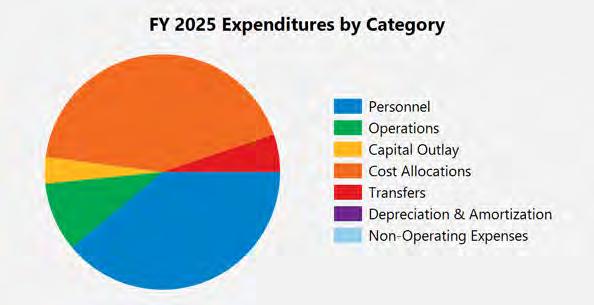

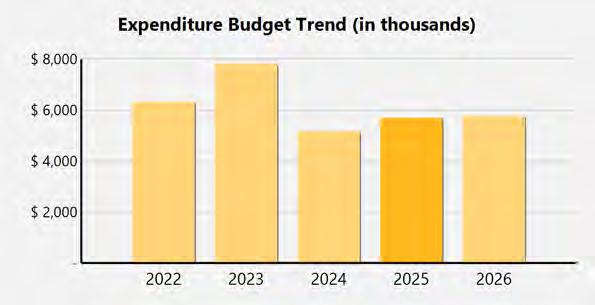
8/12/2024








Fund: 610 - Electric Systems Fund | Budget Unit: 7200 - Electric Systems Administration
Mission
Ensure that the City of Concord’s Electric System Department operates in a manner that provides a reliable source of electric power to the City’s customers in a fiscally responsible manner that is safe for employees, customers, and the general public.
Major Services Provided
• Safety
• Electric System Management
FY 23-24 Major Accomplishments
• Completed transition into new operations center building and installed fire extinguisher and safety placards throughout the new building in conjunction with Fire and Buildings & Grounds departments.
• Completed Arc Flash study to ensure Electric Department employee safety.
• Developed renewable energy profiles to support advancement in technology.
FY 24-25 Budget Highlights
• Continue development of a robust natural gas hedging strategy.
• Continue development of renewable energy profiles to support advancement in technology.
FY 25-26 Planning Year Goals
• Continue efforts to ensure safe and efficient work practices are employed.
Program & Strategy Enhancements
• Continuous efforts will be made to ensure proper selection of legal and engineering consultants.
• Bi-monthly staff meetings to ensure clear understanding of departmental objectives and individual roles.
• Hold regular departmental safety meetings to ensure personnel are trained and understand expectations for safe working practices.
• Staff will monitor the power supply contract to ensure all the obligations are met and power takeoff remains successful.
Performance Summary Major
Budget Charts
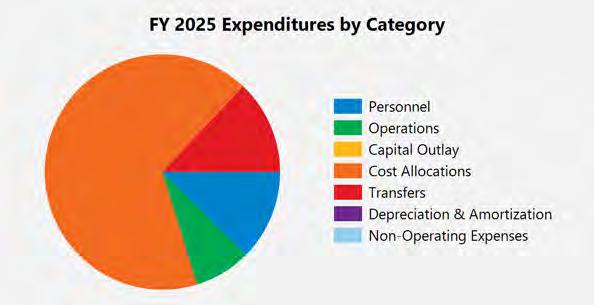

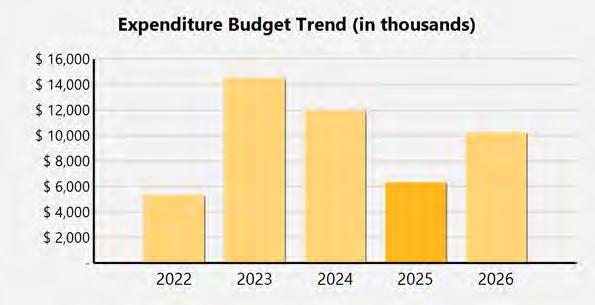
Fund: 610 - Electric Systems Fund | Budget Unit: 7210 - Purchased Power
Mission
Maintain a dependable, reliable, and affordable source of electricity for resale to customers of the City of Concord’s Electric System.
Major Services Provided
• Purchase Wholesale Power
• Monitor current contracts for the City’s purchase of wholesale power to ensure economic and operational integrity, reliability, and fair/equitable cost distribution
• Closely analyze monthly wholesale power bills for accuracy
• Analyze anticipated electric system peaks and determine load ratio share calculations for annual billing projections
• Explore opportunities for renewable resource inclusion
Major Accomplishments
• Research programs to enhance demand management and employ as applicable to help reduce capacity charges.
• Closely monitor purchase power contracts to reduce costs and for adherence to terms and conditions.
• Closely monitor pre-pay natural gas contracts for potential opportunities to reduce fuel costs and research options for supply hedging.
Budget Charts
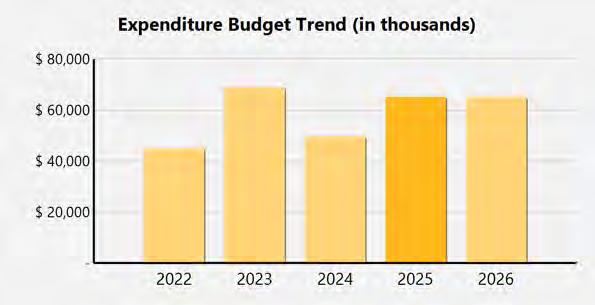
Fund: 610 - Electric Systems Fund | Budget Unit: 7220 - Maintenance Powerlines
Mission
Ensure that the City’s electric customers receive safe and reliable electric service by maintaining, measuring, and monitoring the City’s power grid.
Major Services Provided
• System Monitoring
• Electric Equipment Maintenance
• Testing/Installation
FY 23-24 Major Accomplishments
• Completed Delivery 4 construction project.
• Completion of Substation Q project.
• Proposed change out of circuit breakers for Substation L to improve system reliability.
FY 24-25 Budget Highlights
• Anticipate completion of the transmission loop to Substation E.
• Anticipate completion of the 100kV transmission line from Delivery 3 to Delivery 4.
• Anticipated completion of Substation W .
• Anticipated completion of Substation V.
FY 25-26 Planning Year Goals
• Continue to improve back-haul communication for Advanced Metering Infrastructure.
• Property acquisition for Substations R and S.
Program & Strategy Enhancements
• Maintain a routine of preventive maintenance & emergency repair programs for effective power lines, substations, power delivery stations, electric metering, & SCADA.
• Staff will continue to evaluate outage data to improve system reliability.
• Career development training will continue to enhance the skill set of internal employees.
• The SCADA department will work with GIS to update and ensure a viable and reliable mapping database.
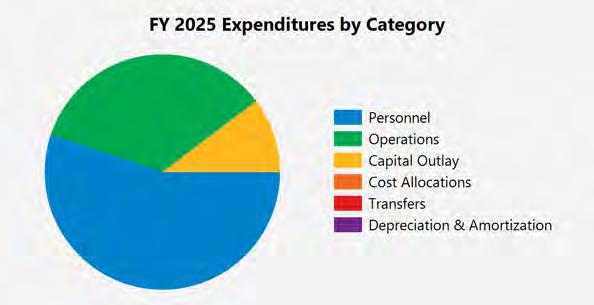
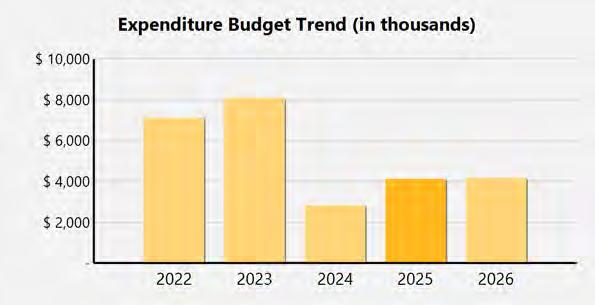
Fund: 610 - Electric Systems Fund | Budget Unit: 7230 - Tree Trimming
Mission
Maintain tree clearance and plant growth in power line rights-of-way and easements in a manner that provides more reliable electric service to the City’s electric customers.
Major Services Provided
• Line Clearance Tree Trimming
• Educate citizens on proper practices for right-of-way clearance
Major Accomplishments and Performance Goals
• Utilize both contract labor and internal resources to reach industry benchmark of 33% by year end.
• Use contract labor during peak growth times to enhance levels of service.
• Train and educate new crew members to enhance skills and safety.
• Find training opportunities to enhance the service provided to customers by increasing the proficiency.
Performance Summary
Tree Trimming
and timely response to customer tree maintenance to minimize potential or further damage to electrical infrastructure and property.
Charts
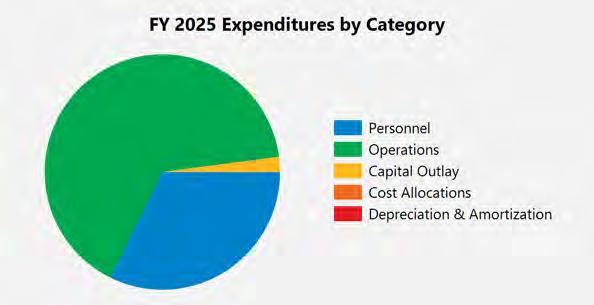
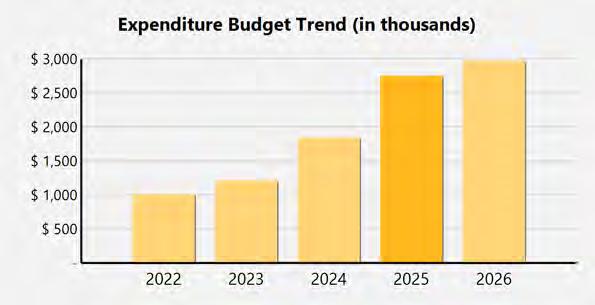
**as of 8/12/2024
Fund: 610 - Electric Systems Fund | Budget Unit: 7240 - Electric Construction
Mission
Extend, construct, and install major overhead and underground electric facilities for current and future City of Concord electric customers to meet the needs for electric system capacity.
Major Services Provided
• Underground Utility Construction
• Overhead Utility Construction
23-24
• Continued installation of services throughout the construction phases for Eli Lilly. Electric Construction also worked on completing Substation V.
• Installed underground wire and streetlights on the west side of George Liles Parkway and installed underground fiber from Fire Station 9 to Derita Road.
• Relocated overhead facilities on Concord Parkway and McGill Ave. for NCDOT bridge construction. Electric Construction also relocated overhead and underground facilities at the intersection of Poplar Tent Rd. and Eva Dr. for a different NCDOT project.
FY 24-25 Budget Highlights
• Maintain a routine maintenance and repair program for transmission and distribution lines.
• Continue developing, training, and progressive promotion of employees.
Program & Strategy Enhancements
• Maintain truck/equipment replacement schedule to ensure maximum fleet availability and responsiveness to customer needs.
• Utilize contract labor as a means of providing high levels of service in periods of increased service demand.
• Regularly inspect wooden poles on the system to protect against disruptions in the system.
• Provide career development training to increase the knowledge and performance of employees.
Performance Summary

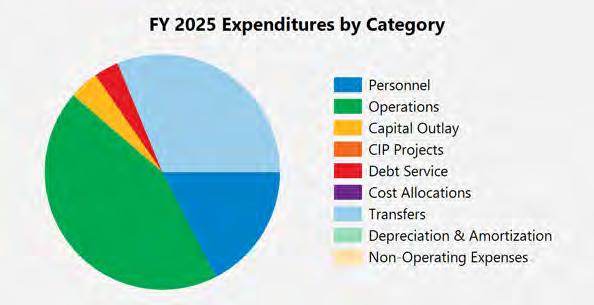
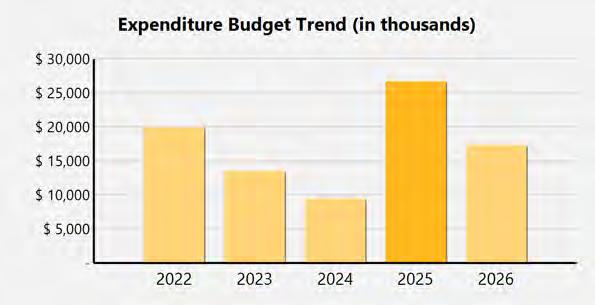
of 8/12/2024
Fund: 610 - Electric Systems Fund | Budget Unit: 7250 - Electric Engineering Services
Mission
Provide the highest level of service to both internal and external customers of the City’s electric grid, through engineering and design of new and existing electric services, along with documenting City assets through GIS mapping technology.
Major Services Provided
• Electric engineering and design services
• Compliance with NESC, NEC, and other industry codes
• GIS mapping services
FY 23-24 Major Accomplishments
• Worked towards a paperless work system.
• Maintained an ARC GIS Field Map application to collect data for pole inspections.
• Evaluated Milsoft Fieldsyte software for replacing the Partner software.
FY 24-25 Budget Highlights
• Continue maintenance of the data in the electric GIS system database by completing the system wide inventory of assets and refine database maintenance techniques while striving to provide the highest level of integrity possible.
• Update annual labor and material cost in the Partner Software to provide financial reporting from the staking software to carefully track installed assets and develop NCDOT cost tracking.
• Research and develop a method for tracking after-hours map changes to be corrected within the GIS system.
• Manage the Electric Heat Pump Rebate program.
Program & Strategy Enhancements
• Find training opportunities by using cost-effective training courses.
• Refine database maintenance techniques while striving to provide the highest level of integrity possible.
• Manage the Electric Heat Pump Rebate program.
• Manage our Key Accounts program to maintain the relationship between the Electric Systems and Key Accounts.
• Update staking software with updated labor and material costs.
Performance Summary
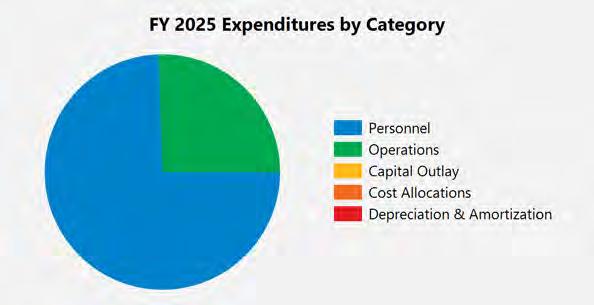
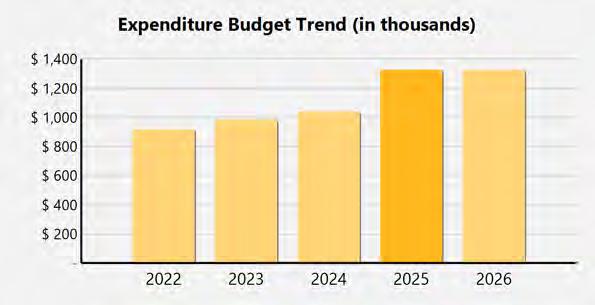
amended **as of 8/12/2024
Fund: 610 - Electric Systems Fund | Budget Unit: 7260 - Utility Locator Service
Mission
Ensure that Electric utilities are accurately located in adequate time to comply with the N.C. Underground Damage Prevention Act.
Major Services Provided
• Utility Location services for Electric infrastructure assets.
• All underground utilities are located upon request to prevent possible damage and service interruptions.
FY 23-24 Major Accomplishments
• Utilized City crews and contract locators to keep ticket response times low.
• Stayed up to date on new technology to allow the City to provide better, more accurate service to our customers.
• Replaced the existing Ticket Management System (TMS) with a new software program (Thinking Hats Technologies) for managing daily NC811 tickets.
FY 24-25 Budget Highlights
• Continue to invest in new technology to make our locating department more efficient and accurate.
• Keeping ahead of locates for the Google project.
FY 25-26 Planning Year Goals
• Review and analyze technology investments made for any efficiencies.
Program & Strategy Enhancements
• Staff is researching available techniques, programs, & technical support to stay current with standard practices to protect the City
utility investment.
• Continue to train assigned personnel to handle locating tasks accurately and more efficiently.
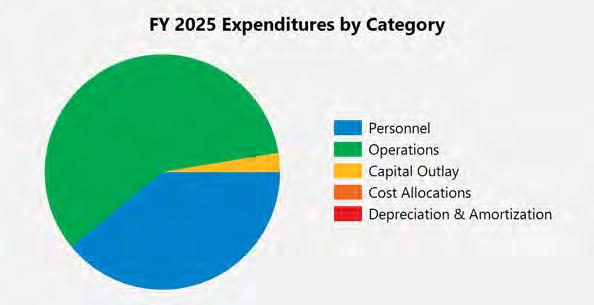
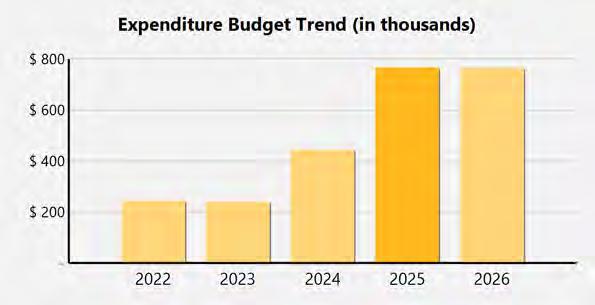
of 8/12/2024





Fund: 620 - Water Resources Fund | Budget Unit: 7330 - Hillgrove Water Treatment Plant
Mission
Provide safe, sufficient drinking water at the most economical rate, meeting all state and federal regulations for customers of the City of Concord, Cabarrus County, and our neighboring municipalities Harrisburg, Kannapolis, and Midland.
Major Services Provided
• Water Treatment and Analysis
FY 23-24 Major Accomplishments
• Bid out and began construction of the sedimentation basin repair and Granular Activated Carbon (GAC) project. This project will provide a renovation of the sedimentation basins by repairing structural elements, the installation of plate settlers, and improved underground piping to provide operational efficiencies and improved water quality. The GAC will provide additional organic compound removal resulting in increased water quality and decreased disinfection by-products within the distribution system.
• Continued to make strategic maintenance improvements to assure plant reliability.
FY 24-25 Budget Highlights
• Complete substantial progress on the sedimentation basin repairs and Granular Activated Carbon (GAC) project. While not expected to be 100% complete, the construction will be well underway by the end of the FY25 budget year.
• Completion of the roof replacement project at the Hillgrove plant to assure the longevity of the facility and to protect internal components from weather.
FY 25-26 Planning Year Goals
• Complete and get certification for sedimentation basin repairs and GAC project. In addition to the completion of construction, the new GAC facility will be operational. This process will include intensive staff training as well as data collection to assure its effectiveness.
Program & Strategy Enhancements
• Attend training sessions to obtain knowledge on new regulations and treatment processes.
• Attend training on OSHA safety programs.
• Plan for upgrades and technology enhancements to address future regulations and provide high quality water for years to come.
Performance Summary
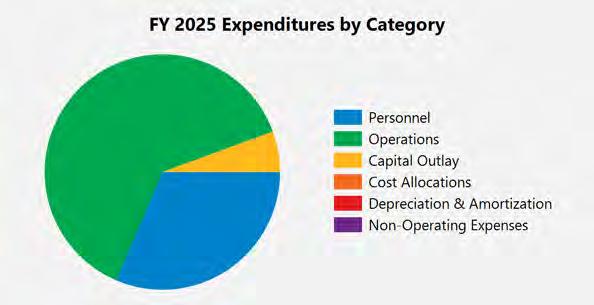
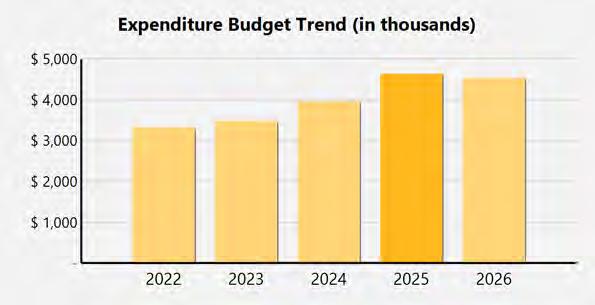
amended
of 8/12/2024
Fund: 620 - Water Resources Fund | Budget Unit: 7331 - Coddle Creek Water Treatment Plant
Mission
Provide safe, sufficient drinking water at the most economical rate, meeting all state and federal regulations for customers of the City of Concord, Cabarrus County, and our neighboring municipalities Harrisburg, Kannapolis, and Midland.
Major Services Provided
• Water Treatment and Analysis
FY 23-24 Major Accomplishments
• Bid out and began construction of the Chlorine Room Rehab project. This project will provide a complete renovation of the Chlorine Room to assure proper storage and dosing of Chlorine into plant processes.
• Completed the Charlotte Water interconnect at Hwy 73. This connection will allow the Coddle Creek pressure zone to be supplemented by purchased water from Charlotte Water as needed.
• Continued to make strategic maintenance and operations improvements to assure plant reliability.
FY 24-25 Budget Highlights
• Begin multi-year replacement of valves and actuators to assure plant reliability. These items are critical in the avoidance of plant downtime and potential customer interruption.
• Complete final series of chemical pump panel replacements and replace chemical feed pumps in an effort to continue the modernization of legacy plant equipment that is no longer manufactured.
FY 25-26 Planning Year Goals
• Completion of the replacement of valves and actuators project to assure plant reliability. These items are critical in the avoidance of plant downtime and potential customer interruption.
Program & Strategy Enhancements
• Attend training sessions to obtain knowledge on new regulations and treatment processes.
• Network with our peers in the industry, state, and regulatory personnel.
• Plan for upgrades and technology enhancements to address future regulations and provide high quality water for years to come.
• Work to meet more stringent voluntary programs such as the Area Wide Optimization Program (AWOP).
Performance Summary
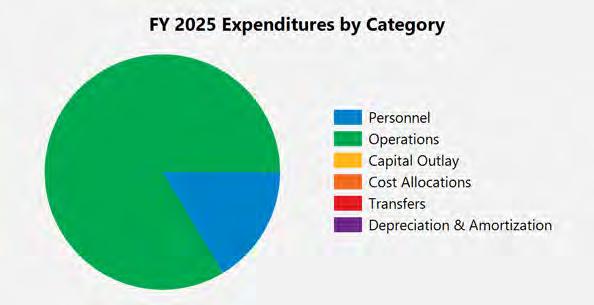
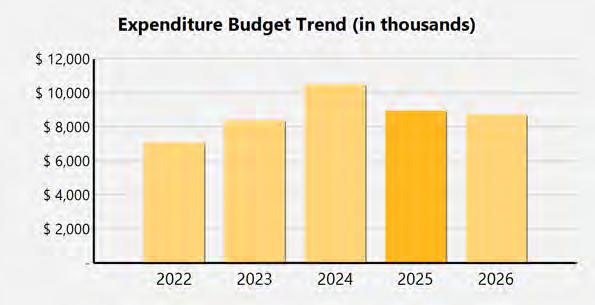
amended
of 8/12/2024
Fund: 620 - Water Resources Fund | Budget Unit: 7340 - Waterlines Operations & Maintenance
Mission
Provide quality drinking water, accountability, respect, continuous improvement, and trust to our customers including the planning of longrange water needs to meet future growth and demands on our water distribution system.
Major Services Provided
• Maintenance
• New Construction
• Water Quality
• Water Meters
FY 23-24 Major Accomplishments
• Began design work on the Poplar Tent Area pump station project and Old Charlotte Rd. water line replacement project. The pump station will allow water to be pumped from West to East inside the distribution system to provide backup supply and redundancy to large areas of the system. The Old Charlotte Rd water line replacement will replace a section of water line that has had several large water main breaks in recent years.
• Worked with consultants on the Automated Metering Infrastructure (AMI) project. The consultant phase of the AMI project will assure the City's approach is well thought out and will provide specialized assistance in project design, vendor selection, and implementation.
• Added new Utility Locate Supervisor to complete the Water Resources locate team. This addition allows for a well organized and managed approach to utility locating in the Water Resources department.
FY 24-25
• Begin construction on the Poplar Tent area pump station project.
• Bid and begin deployment of Automated Metering Infrastructure (AMI) metering project. FY 2025 will see the field deployment of the new AMI system begin.
• Complete construction of the Old Charlotte Rd. waterline replacement. The Old Charlotte Rd. water line replacement will replace a section of water line that has has several large water main breaks in recent years.
• Continue deployment of AMI metering project. For FY 2026, significant progress will be made on the deployment of the new AMI system.
• Substantial completion of the Poplar Tent area pump station project. This pump station will allow water to be pumped from West to East inside the distribution system to provide backup supply and redundancy to large areas of the system. For FY 2026, construction will be well underway on this important project.
• Perform leak detection of 10% of the existing water system to facilitate repair of small leaks before they become major water main breaks.
• Reduce water quality complaints by replacing older water mains and installing automatic flushing devices on dead end mains.
• Monitor potential regulatory changes to water distribution and treatment permits and enhance the current water quality procedures.
• Leverage GIS capabilities in the field/office to help identify issues and solutions as well as improve database accuracy. Deploy new GIS technology.
• Program system changes and develop/design projects recommended by the water master plan and related studies.
Provide
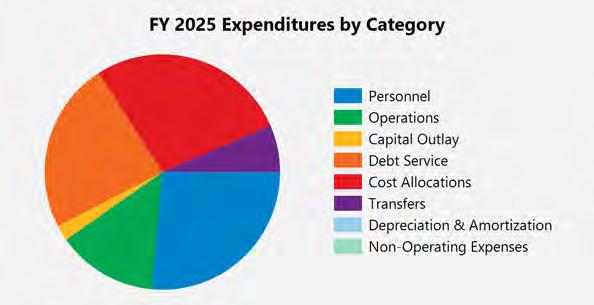
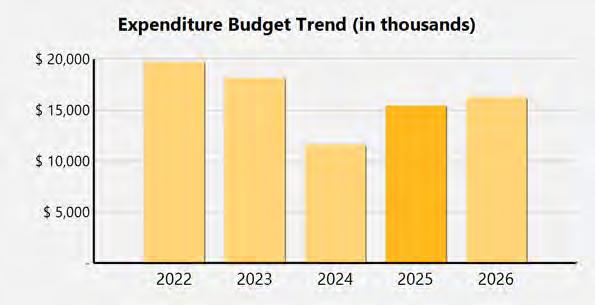

Unit
*asamended **asof8/12/2024
Note:FY2023-2024actualrevenuesandexpendituresdisplayasnegativevaluesduetoprojectcleanupwithinthefund.

Fund: 630 - Public Transit Fund | Budget Unit: 7650 - Transit Farebox/Local Expense & 7690 - Transit Grant Expense
Mission
Provide safe, dependable, and user-friendly transportation services to the citizens of Concord and Kannapolis with the desire to operate at the highest level of rider satisfaction.
Vision
To continue to improve and enhance our delivery of service to the community, advance the major components of our Long Range Plan, improve, expand and create new regional mobility connections, make public transit more competitive with other modes of travel, while expanding the portfolio of mobility options we provide. Safety First, Service Second, Schedule Third
Major Services Provided
• Fixed-route bus service
• Door-to-door Paratransit service to Concord and Kannapolis
• Utilized federal aid to replace all fixed route fleet with 8 new diesel hybrids that were put into service in FY 2024 to improve passenger experience, improve operator satisfaction, and improve safety. Staff also researched and found a contract available to that uses federal funds to purchase 3 replacement Transit Vans.
• Refinished the metal skeleton of the busway canopy, the translucent panels of the canopy system, began to repair damage to the concrete busway underway, renovate the Transit Center restrooms, and powerwashed all concrete on busway.
• Improved efficiency of Complementary ADA Paratransit with use of new software launched in February 2023. ADA Paratransit services had an increase in ridership of over 23% and has an annual projected savings of $150,000 which will pay for the new software over the life of the contract.
• Improve passenger experience, improve operator satisfaction, and improve safety by replacing Light Transit Vehicles (LTVs) that have exceeded their useful life, replacing CAD/AVL system due to end of 5 year contract, continue microtransit pilot to serve passengers who are affected by the Lincoln Street bridge closer, and replace CCTV for Rider Transit Center.
• Continue to improve ridership and experience with completion phase one of bus stop amenity plan and begin land acquisition in phase two as appropriate and replacement of pole lights at 60 bus stops, adding 20 additional pole lights and replacement of batteries in other lights at shelters. Replacing the remainder of the bus stop signs for improved branding and readability.
• Significant reduction in cost of wireless data cards due to staff's research in finding and discontinuing cards no longer needed or in use. Continued staff education and training including North Carolina Public Transportation Association Conference and Roadeo that will take place in Cherokee, NC. Successful completion of Triennial Review.
• Collaboration with ReEntry Program of Cabarrus County to provide transportation to work or to work training for members of the program. Purchase of 2 new non-federally funded vehicles to allow for continuous expansion of transportation needs and more individuals join the program and become successful in finding employment.
• Intended Application for 5310 program to resume transportation to the Salisbury VA for the aging and disabled population and the general public as requested. There is no connection on public transit since the termination of the Rowan Express in December of 2022. Cabarrus County Transportation Service no longer provides these trips to persons eligible for their service either. Complete updated Long Range Transportation Master Plan.
• Continue to work towards consolidation of Rider and CCTS and implementation of the Cabarrus County Long Range Public Transportation Master Plan. Continually analyze and implement new service option(s) to fully leverage economic development and employment opportunities (vanpool, micro/on demand transit, additional Fixed Route service).
• Complete the design study and cost estimate for a new Rider Transit Operations, Training and Maintenance facility. Scoping of the project will depend on the decisions related on whether of not consolidate Rider Transit and CCTS. Once a design and cost estimate is developed, seek Federal funding opportunities to fund the construction of the new facility.
• Continue work on approval for a High Capacity Transit and Transit Oriented Development Study. Actively participate in the implementation of the CONNECT Beyond Regional Transit Plan while preparing for the first 5 year update to the Cabarrus County Long Range Public Transportation Master Plan.
• Investigate, implement, monitor and manage technological options to improve passenger experience and system performance.
• Ongoing monitoring of development, cost, and utilization of the ADA Paratransit program.
• Implementation of Long-Range Transit Plan recommendations specifically transit system consolidation process.
• Research the Bipartisan Infrastructure Bill while seeking new ways to effectively utilize the increased level of transit.
• Oversight and management of our Service Provider contractor to ensure the delivery of safe, customer focused, and efficient service delivery to our customers.
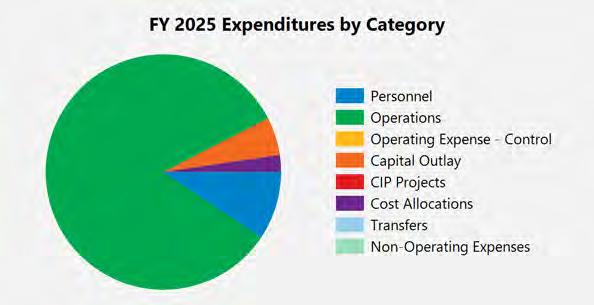

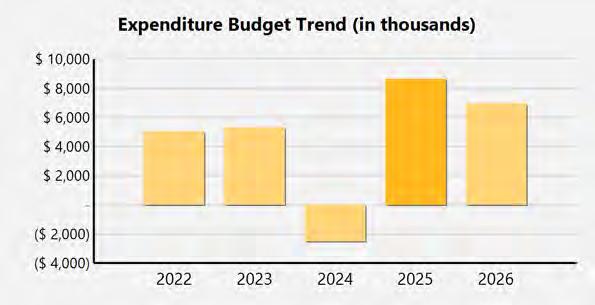



Fund: 640 - Wastewater Resources Fund | Budget Unit: 7420 - Wastewaterlines Operations & Maintenance
Mission
Provide efficient and timely sanitary sewer collection service to residential, commercial, and industrial customers, while building the integrity of our system to enhance water quality and protect the environment for future generations. Major Services Provided
• Sanitary Sewer Collection Service
• Lining & Manhole Rehabilitation
• Inflow/infiltration Testing & Flow Monitoring
• Fats, Oils, & Grease (FOG) Program
FY 23-24 Major Accomplishments
• Continue substantial investment in trenchless rehabilitation to assist in reduced maintenance cost and Inflow and Infiltration (I&I) reduction. Cure in place lining will continue to be extensively utilized as an effective structural repair and I&I reduction method.
FY 24-25 Budget Highlights
• Continue substantial investment in trenchless rehabilitation to assist in reduced maintenance cost and Inflow and Infiltration (I&I) reduction. Cure in place lining will continue to be extensively utilized as an effective structural repair and I&I reduction method.
• The Wastewater department will partner with the Water and Sewer Authority of Cabarrus County (WSACC) on their systemwide Inflow and Infiltration (I&I) study. This process will systematically meter sewer flows during normal conditions and rain events to detect high priority areas for I&I reduction.
• Continue substantial investment in trenchless rehabilitation to assist in reduced maintenance cost and Inflow and Infiltration (I&I) reduction. Cure in place lining will continue to be extensively utilized as an effective structural repair and I&I reduction method.
• Upon the completion of the WSACC I&I study, the department will begin to target the areas identified from the study for Inflow and Infiltration (I&I) reduction efforts.
• Identify and resolve inflow and infiltration issues through field-testing and sewer flow monitoring. This includes adding various existing sewer lines that have these issues to the lining projects. Perform lining and manhole rehabilitation programs to address the oldest or most defective system areas.
• Evaluate projects from the sewer master planning effort based on results from field inflow/infiltration testing and sewer flow monitoring. Deploy new GIS technology in the field to enhance the overall customer service and efficiency of the department.
• Coordinate with Engineering Department staff in collecting GIS data for newly installed wastewater infrastructure. Program system changes and develop/design projects recommended by the wastewater master plan and related studies.
• Enhance right-of-way maintenance program through new equipment and procedures, including updated GIS mapping.
• Revamp the Fats, Oils, and Greases (FOG) Program by completing more in-depth inspections performed by System Protection and Wastewater personnel, and then integrate the field results within the GIS system.
Emergency Response Calls
Manage & Maintain the Sewer System
Provide timely response to all emergency calls (line or service blockages) to quickly correct system disruptions and potential damage to the system and personal property.
Provide quality and costefficient management and maintenance of the City’ s sewer system to maximize resources and ensure the health and safety of the community.
% of high-priority lines inspected
% of fats, oils, & grease (FOG) devices inspected
# of reportable Sanitary Sewer Overflows (SSOs)
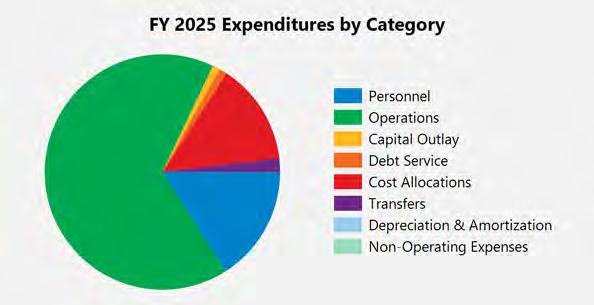

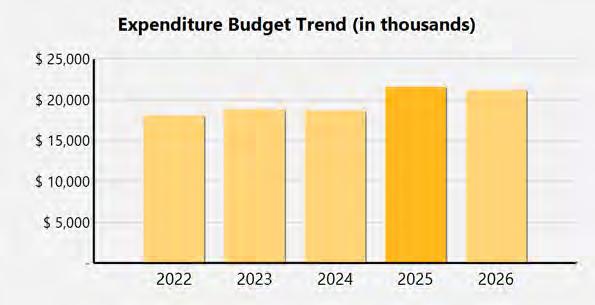
*asamended **asof8/12/2024

*asamended **asof8/12/2024

Fund: 650 - Golf Course Fund | Budget Unit: 7501 - Rocky River Golf Club
Mission
The Golf Course is committed to excellence in offering a full-service quality golf facility and consistently providing high quality course conditions and customer service.
Major Services Provided
• Full-Service Golf Facility:
oBar and grill, banquet facilities, and associated catering services
oPractice range with putting green and target greens
oComplete instructional programs by PGA professionals through clinics and individual golf lessons
oRetail merchandising of golf-related apparel and equipment
oMaintenance of Clubhouse landscaping and irrigation
FY 23-24 Major Accomplishments
• Pump House Replacement Project - Replaced entire pump house structure to provide better support and security to the heart of the property’s irrigation system. The new structure guards against flooding, utilizes solar powered exhaust fans for climate control, and possesses two roof hatches to ease with future repair and replacement.
• Parking Lot Concrete Project - The Golf Maintenance Team worked with the City’s Transportation Department to add concrete to all parking lot medians and Clubhouse entrance sidewalk. This greatly improved aesthetics while also making both areas low maintenance.
• Bag Drop - Engineering and Building & Grounds departments assisted with repairing the existing bag drop structure to provide longevity and avoid the cost of a replacement.
FY 24-25 Budget Highlights
• 5.6% increase in total revenue.
• 8.5% increase in Pro Shop revenue.
• Decreased Food & Beverage revenue in anticipation of Clubhouse construction and renovation.
• Purchase a new skid steer to assist with golf course maintenance.
FY 25-26 Planning Year Goals
• Continue to evaluate market/comp set in order to appropriately structure fees.
• Leverage Food & Beverage operations and facilities for "non-golf" revenue.
• Focus on outing and event operations to steadily increase the average daily rate of revenue.
Program & Strategy Enhancements
• Continue to host local high school teams and promote the game to new players.
• Emphasis on player/community development and engagement through clinics, leagues, event marketing, and junior golf.
• Increase F&B revenue capture and enhance overall operations.
• Leverage growing customer database and social media presence to keep consumers up-to-date on Rocky River GC content and services.
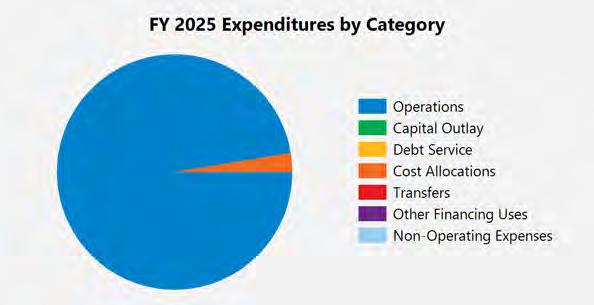
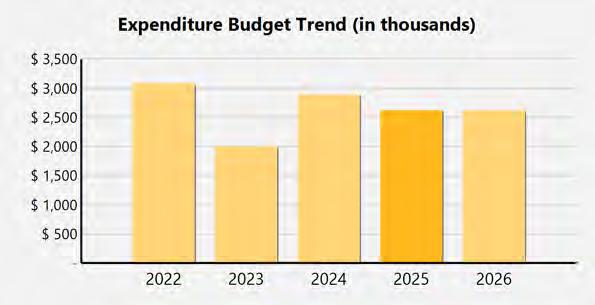



asamended **asof8/12/2024

Fund: 680 - Aviation Fund | Budget Unit: 4530 - Aviation Operations
Mission
The Aviation Department’s mission is to provide services in a safe and secure manner that exceed expectations for the corporate, business, and general aviation communities with the desire to increase and support economic development in the City of Concord and the region. Major Services Provided
• Airport Management, Operation, Development, Community Outreach, and Marketing
• Airport Facility Maintenance, Safety, and Security
• Aviation Fixed Base Operation (Aircraft Fueling & Line Services, Hangar Rental, etc.)
• Continued working with Federal Aviation Administration and NC Department of Transportation-Aviation to identify eligible projects
FY 23-24 Major Accomplishments
• Hosted the American Association of Airport Executives (AAAE) General Aviation conference.
• Earned the International Standard for Business Aircraft Handling (ISBAH) Stage 3 Certification, which is the highest level of certification and is only held by 28 Fixed Base Operators (FBOs) worldwide.
• Completed the North Apron expansion and was awarded an earmark for the North Apron roadway extension.
FY 24-25 Budget Highlights
• Design and begin construction of the new Corporate Hangar.
• Conduct a rent study to determine the market value of rents for hangars, office space, tiedowns, and ground space.
• Complete the Hangar Taxilane Rehabilitation project.
• Complete the paving of the North and South gravel lots, which are now used for long-term parking.
• Replace furniture in the FBO conference room, the FBO lobby, and tables and chairs used for events at the FBO.
FY 25-26 Planning Year Goals
• Develop a PFC (passenger facility charge) program. Funds generated from PFCs are applied to eligible projects to help pay for projects that are needed for the improvement or expansion of commercial service.
• Expand the commercial airline complex, which includes the parking deck.
• Continue making improvements to aging buildings and upgrading airfield infrastructure.
Program & Strategy Enhancements
• Working towards the GA complex through land acquisitions
• ISBAH Stage 3 certification.
• Implementing an airport strategic business plan and airport/FBO branding.
• Runway widening project.
• Continuing on updating airport rules and regulations along with the minimum standards.
Management & Development
Operate and develop the City’ s Airport in the most fiscally responsible way to ensure aeronautical and facility needs are met to support growth and the related economic development of the City, County, and region.
Provide outstanding aviation services, amenities, and customer service to visiting aviation users and based customers, realizing that the Concord Regional Airport is the first and last impression many people get of our City and community. % of airfield inspections completed
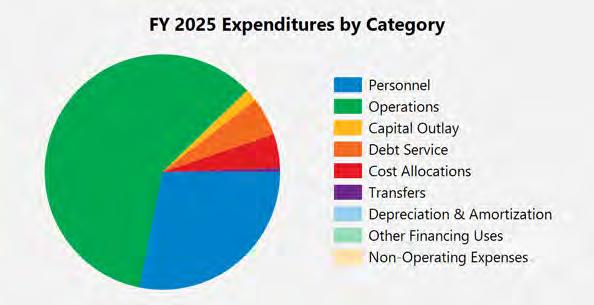

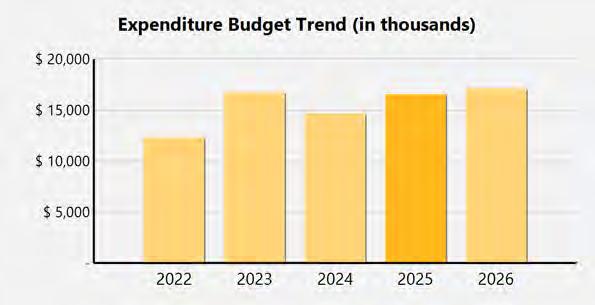
Fund690
*asamended **asof8/12/2024 $$500 $1,000 $1,500 $2,000





BudgetUnit
*asamended **asof8/12/2024 $$500 $1,000 $1,500 $2,000 $2,500

Fund: 690 - Public Housing Fund | Budget Unit: 1000 - Public Housing Operations
Mission
The City of Concord’s Housing Department serves low-income families for whom conventional housing is unaffordable. Our mission is to provide these families with decent, safe, and sanitary housing while supporting their efforts to achieve economic independence and selfsufficiency.
Major Services Provided
• Decent, Safe, and Sanitary Housing for our Residents
• Administer the Family Self-Sufficiency program
FY 23-24 Major Accomplishments
• Maintained housing stock in accordance with U.S. Department of Housing & Urban Development (HUD) standards. Applied for and was awarded the Family Self-Sufficiency (FSS) grant for another year.
• Continued to promote self-sufficiency through educational programming, credit repair, resident programming and participation activities. Installed additional security using grant funds in the Mary Chapman and Logan Homes communities. Continued to manage market rate rentals owned by the City; added 4 units on Vance Street and 1 unit on Allison Street to our portfolio.
• Worked with the Fire Department and City Manager's Office on a new Firefighter Affordable Housing Program.
FY 24-25 Budget Highlights
• Begin the repositioning study using Selenium Consulting Partners to determine options for repositioning Public Housing units.
• Enhance programming efforts through engagement with the Resident Services Coordinator and Resident Council.
• Remediate tree issues that impact Real Estate Assessment Center (REAC) scores and continue to invest in appliance and HVAC replacements.
FY 25-26 Planning Year Goals
• Seek additional grant opportunities to support Housing’s mission (Jobs Plus, ROSS).
• Continue the repositioning process while seeking HUD approval and securing financing options.
• Create a new position to assist with administrative and compliance responsibilities.
Program & Strategy Enhancements
• Promote fair housing.
• Attain and maintain a high level of standards and professionalism in day-to-day management of all program components.
• Provide opportunity for very low-income/low-income families of all races, ethnicities, national origins, religions, ethnic backgrounds & disabilities.
• Provide decent, safe, & sanitary housing in good repair to comply with program uniform physical condition standards for very low/lowincome families.
Accounting
Decent, Safe, & Sanitary Housing
Provide accurate financial information, in a timely manner, to Housing & Urban Development to comply with local/state/federal laws, governmental accounting, & regulatory requirements.
Family SelfSufficiency
Provide high quality housing to residents/clients to obtain a safe & enjoyable living environment.
% of Tenant Accounts Collected by Due Date
Public Image
Provide Family Self-Sufficiency support resources to our housing residents to promote the ultimate goal of homeownership.
Continue to improve our public image through enhanced communication, coordination & accountability with outside agencies, among the staff & with our residents
% of Maintenance Requests completed within 5 days of request
# of FSS participants under program
Task Tracking
Continue Task Tracking/Management by objectives, which incorporates appropriate elements of PHAS, SEMPA, MASS, & similar measures.
of participants recertified under program
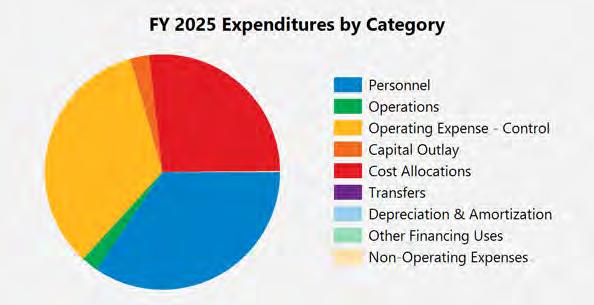
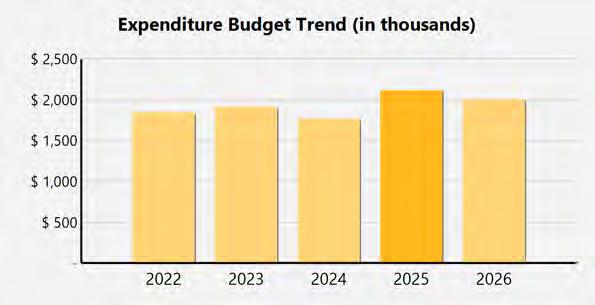
of 8/13/2024
Utilities Collections
Billing
Customer Care
Engineering
Purchasing
Buildings & Grounds






Fund: 800 - Internal Service Fund | Budget Unit: 4200 - Utilities Collections
Mission
Provide timely and accurate posting of utility payments for the citizens of Concord with the desire to uphold the highest level of customer service.
Major Services Provided
• Timely & Accurate Utility Payment Processing
FY 23-24 Major Accomplishments
• Changed lockbox providers to Central Depository bank to expedite funding.
• Implemented Smart Safe for cash collections to allow for instant provisional credit at the bank.
• Began the transition process to a new online payment provider that will provide enhanced interactive voice response (IVR) services.
FY 24-25 Budget Highlights
• Replace an aging document scanner for remittance processing.
FY 25-26 Planning Year Goals
• Implement enhanced features on payment kiosks to better assist customers during use.
Program & Strategy Enhancements
• Transition to SilverBlaze customer portal software to replace eCare.
• Research and/or modify online payment options for better access, more efficiency, and increased ease of use.
• Continue to address PCI compliance standards by creating separate payment portals on the City's website.
Performance Summary
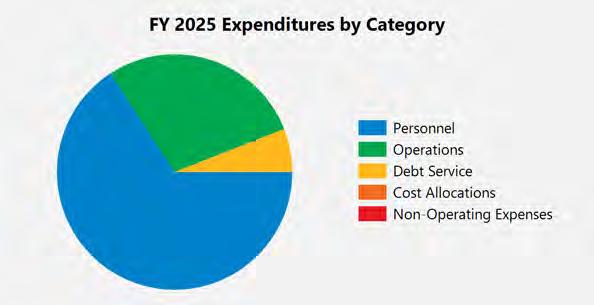

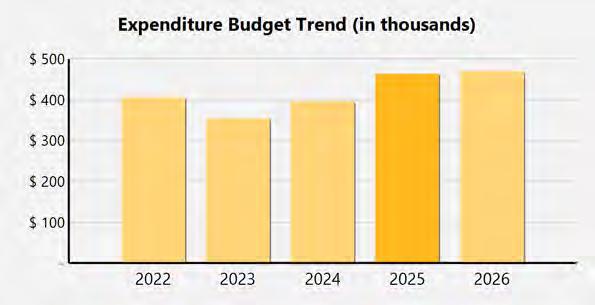
of 8/12/2024
Fund: 800 - Internal Service Fund | Budget Unit: 4215 - Billing
Mission
Provide accurate and on-time monthly meter readings and utility billing statements for all Residential, Commercial, Industrial, Institutional, and Municipal utility customers serviced by the City of Concord. The Billing Department exemplifies the highest level of customer service to both our external and internal customers.
Vision
To be unsurpassed in providing excellent service reliability and billing accuracy.
Major Services Provided
• Utility Billing Services
• Meter Reading Services for Electric, Water, and Wastewater
• Residential Electric and Water meter installs
• Residential, commercial, and industrial move order completion
FY 23-24 Major Accomplishments
• Manually read approximately 15,000 AMR (automatic meter reading)/AMI (advanced metering infrastructure) combined monthly meter counts while maintaining a 100% performance goal of completion by bill date.
• Electronic bill enrollment increased to 19.7%. 95 new customers enrolled in Budget Billing.
• Increased AMR meter reading efficiency with Itron FCS software installation.
FY 24-25 Budget Highlights
• Streamline billing processes by utilization of AMI functions. Reporting accuracy of the Smart Metering system will eliminate several current manual processes.
• Realign and continue to reassign duties and responsibilities of the Billing department as the Smart Metering system implementation continues to progress.
FY 25-26 Planning Year Goals
• Increase the frequency of billing statement processing to allow due date flexibility to optimize customer options.
• Review and implement bill cycle initialization automation processes once AMI system is merged with CIS system.
• Continue promoting products and services offered by City of Concord to enhance customer billing experience such as E-billing, preauthorized payment, Budget billing and real-time monitoring.
Program & Strategy Enhancements
• The combined manual & automated process to exchange water meters to AMI is still in progress with continued efforts towards 100% automated process.
• Work closely with both Water and Electric departments as we continue with meter installation.
• Attend trainings & meetings about our utility software to gain current updates, which will help us better serve our utility customers.
• Remain focused on the integrity and quality of the information delivered in the bills as we work through the AMI deployment.
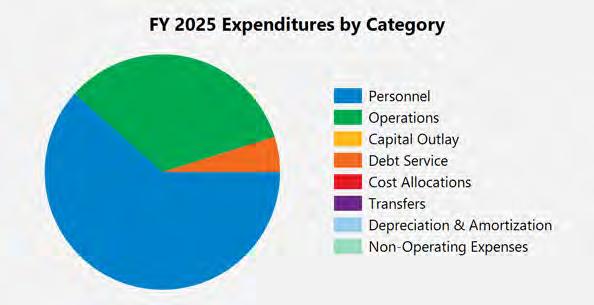
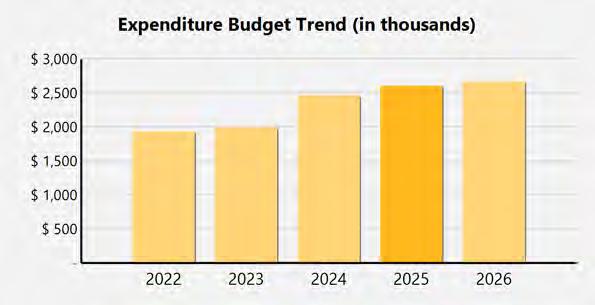
Fund: 800 - Internal Service Fund | Budget Unit: 4220 - Customer Care
Mission
Provide quality service to City departments and utility customers. By providing timely and accurate information on existing and new accounts, we will continue to establish quality work, good communication, and trusting relationships. Major Services Provided
• Process Service Requests:
oConnect/Disconnect Utility Services
oInstall Electric and Water Meters
oDisconnect Unpaid Accounts/Reconnect after Payment Received
oLeak Adjustments: Research, Calculate, and Advise Customer
• Research Customer Inquiries:
oIssue Service Order/Contact Customer when Completed
FY 23-24 Major Accomplishments
• Reclassified a Customer Care Specialist position to a Customer Care Specialist II position for a total of 5 Specialist II positions. Customer Care Specialist II's are multi-media phone and live web chat agents with additional duties.
• Learned new processes to assist live Web Chat customers with questions for several other City departments. Agents are now able to assist citizens with questions about rates and availability for room rentals, Parks & Recreation summer programs, team sports, finding Police department accident reports, and providing current flight information with Allegiant Air via Concord-Padgett Regional Airport.
• After bringing Solid Waste services in-house, Customer Care implemented new software that allows staff to see the location of trucks, addresses that have been serviced, and other pertinent information to respond to customer inquiries. Trained all Customer Care staff on the new processes and changes resulting from the Solid Waste Department's transition in-house.
FY 24-25 Budget Highlights
• Replace six desktops to laptops with docking stations and soft headsets for staff to use for emergencies and/or remote capabilities.
• Installation of a customer self-service workstation in the Customer Care lobby to ensure convenience to citizens who may not have have access to apply for utility service from home.
• Add MiCollab license/software for the availability of 10 employees to train and learn to answer phone calls and live web chat from a remote location.
FY 25-26 Planning Year Goals
• Develop an digital training manual that can be easily accessed and updated as changes in policy and procedures occur so Customer Care staff can stay current with changing information.
• Complete desktop replacement with laptops and docking stations to allow more Customer Care staff to be prepared for emergencies and or telework.
• Continue to add MiCollab license and training as needed.
Program & Strategy Enhancements
• Continue to incorporate Customer Service training.
• Monitor and provide coaching/feedback to staff to ensure quality and improved service levels.
• Dedicated staff to be trained as multimedia Customer Care agents.
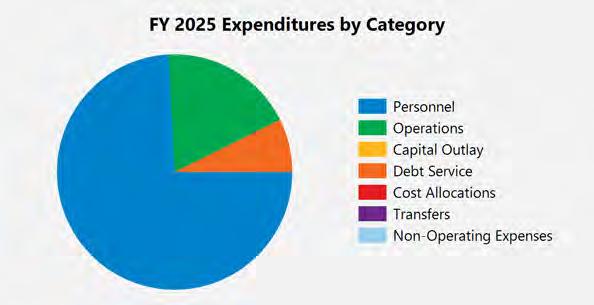
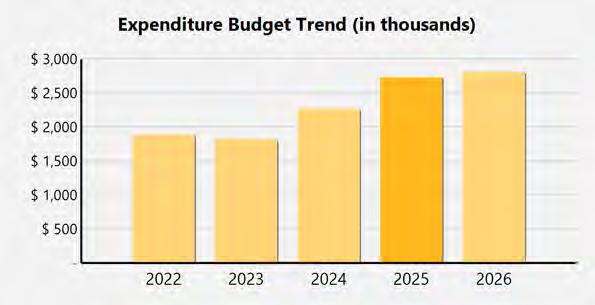
Fund: 800 - Internal Service Fund | Budget Unit: 4230 - Engineering Mission
Provide quality, innovative, and cost–effective engineering consulting services in a timely manner to the various departments of the City for the preservation and continuous enhancement of the safety, health, and quality of life of our citizens, businesses, and guests. Major Services Provided
• Design
• Construction Inspection
FY 23-24 Major Accomplishments
• Monitored the construction of 52,798 feet of water distribution system extension with an estimated value of $16 million; 35,404 feet of wastewater collection system extension for an estimated value of $5.1 million; and 6.19 miles of new roads, for an estimated value of $53.3 million.
• Designed, inspected, and managed the Country Club Culvert Replacement, which came in ahead of schedule and under budget.
• Created a new module in our Project Management Software for Customer Care. Their staff can now see live status updates on water meter installation and other project information.
• Reclassify a CAD Technician position to CAD Supervisor.
• Purchase a survey grade drone to perform aerial surveys that we are presently contracting out. This will save the city money by doing the work in-house and will allow us to perform surveys more efficiently.
• Request a new CAD Technician position for the survey branch of the department. This position will be dedicated to drafting plats for the two registered professional land surveyors (PLS) that we have on staff. At the present time the PLS’s are spending a large portion of their time drafting when they should be doing calculations and researching properties.
• Planning to request a new Staff Engineering Position to assist the Engineering Manager in reviewing plats, rezoning, stormwater calculations, and subdivision compliance with city, state, and federal regulations.
• Work on Engineering office renovations. We have received complaints from our staff that our workspace is dark and lacks natural light. The proposed renovation will bring more light into the building and create more open space.
• Surveying Performance Summary
• Make improvements to the Civil 3D template so the software can be used more efficiently by the Design & Survey divisions.
• Continue making improvements to the Project Management Software (Project Tracker) to include a new module for the materials and submittals forms to improve efficiency and reduce paperwork.
• Also add a new module Project Tracker to make the pay application process completely electronic.
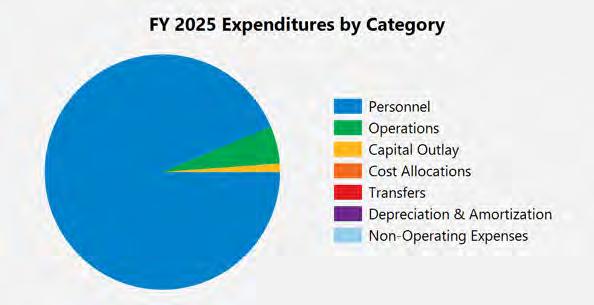
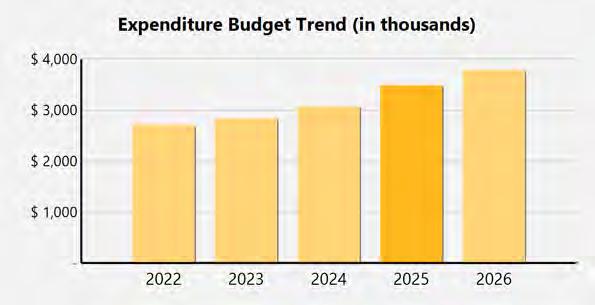
Fund: 800 - Internal Service Fund | Budget Unit: 4250 - Purchasing
Mission
To effectively and efficiently provide the highest level of support to all City Departments through policy guidance, process assistance, product accuracy, availability, and the safe receipt and storage of the materials delivered for daily operations.
Major Services Provided
• Vendor Record Maintenance
• Purchase Order Processing
• Monitor, Order, Receive, Stock, and Process Utility Material and PPE Requests
• Receive and Store City UPS, FedEx, and Freight Deliveries
• Process USPS Mail Citywide
• Review and Advertise Invitations for Bids
• Process Non-Wheeled City Surplus Property
• Administer the City Uniform Rental and Copier Leasing Contracts
Major Accomplishments and Performance Goals
• Continue to identify surplus property and stagnant inventory.
• Continue to streamline purchase order process for maximum efficiency.
• Monitor the uniform and copier service contracts for improving internal customer service.
• Assist City Departments with Purchasing Policy and N.C. General Statute compliance.
• Establish processes that encourage participation from a broad and diverse vendor pool.
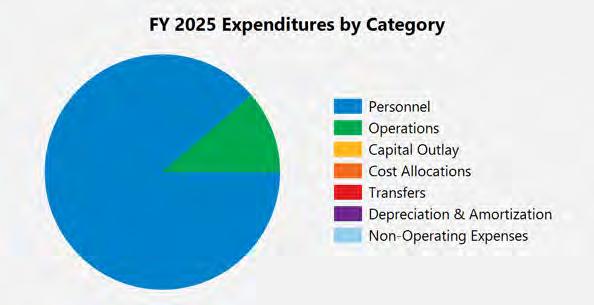
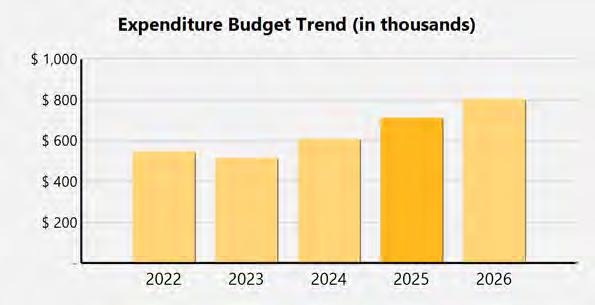
Fund: 800 - Internal Service Fund | Budget Unit: 4270 - Buildings & Grounds Maintenance
Mission
Maintain City-owned buildings, parks, and greenways to the highest standards with the goal of delivering the best possible facilities for use by the Public and City employees.
Major Services Provided
• Building Maintenance
• Custodial Services
• Grounds Maintenance
• Urban Forestry
FY 23-24 Major Accomplishments
• Developed a project tracker to track special projects worked on by the Buildings Division. The system organizes detailed information that can be referenced as projects progress to completion.
• Custodial Services established and filled the first Crew Supervisor position in the division. This position provides support and supervision in the field, giving the Manager the opportunity to focus on administrative and managerial duties not previously possible.
• Planted 50 Milkweed plants this Spring. These native plants provide a needed food source to the declining Monarch Butterfly population and is an annual goal for the Grounds Division.
FY 24-25 Budget Highlights
• Restructure the Grounds Division in response to the growth in Parks and Recreation from the voter approved bond projects.
• Update the Building & Grounds work-order system allowing for a better flow of information and data. These improvements will be of use to the Department and to Finance and will improve customer service.
• Provide learning and professional development opportunities for staff across divisions.
FY 25-26 Planning Year Goals
• Measure effectiveness of Grounds Restructuring.
• Measure effectiveness of improved work-order system.
Program & Strategy Enhancements
• Encourage staff to participate in career development.
• Identify and present topics specific to the work of each division to increase skill and trade knowledge.
Building Maintenance
Grounds Maintenance
Provide timely responses to and completion of routine and emergency maintenance calls to ensure safe and productive working environments. Provide quality custodial services to City employees/customers to provide a clean and safe working environment.
% of City employees rating satisfaction with custodial services as “ very good” or “good”
Provide professional turf care and timely mowing service to the various departments and citizens to meet aesthetic and performance expectations of recreational turf areas. Provide the highest level of public park facility maintenance to meet or exceed expectations of visitors.
Have well-maintained forest space in our communities, City facilities, parks, and greenways that will allow residents to enjoy all the benefits that trees provide and will create attractive venues to improve business traffic and increase property value.
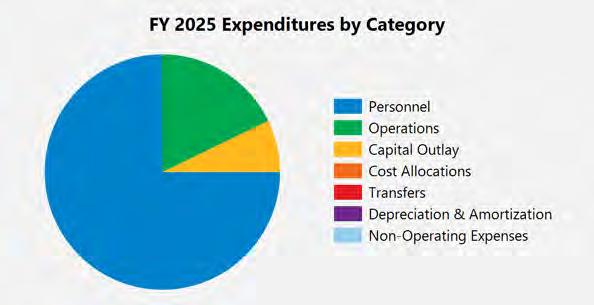
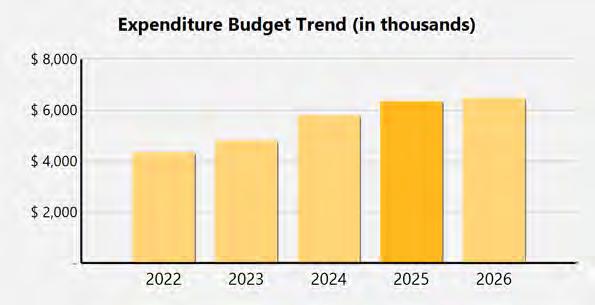


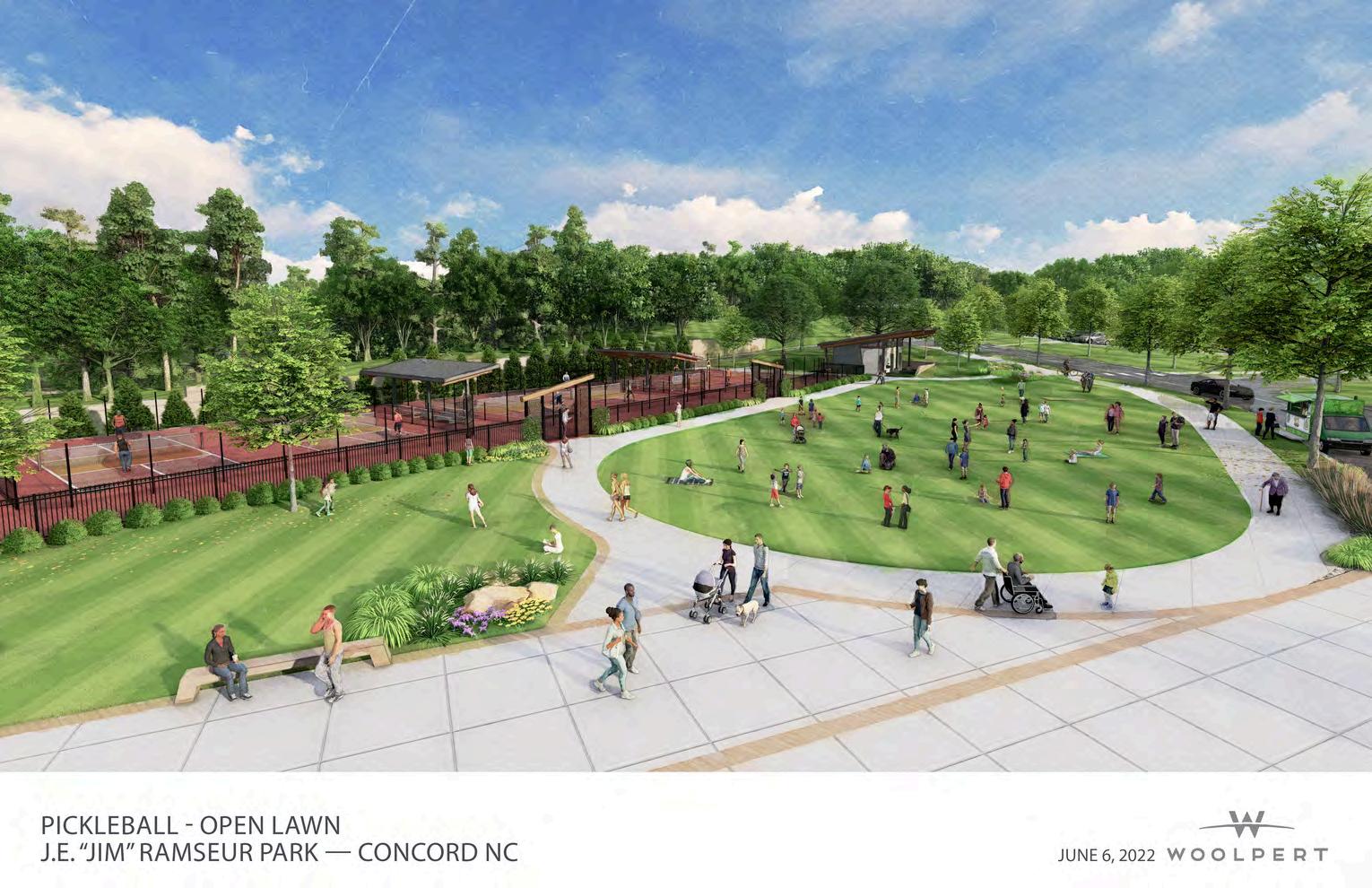
The Capital Improvement Plan (CIP) outlines the City’s plan for achieving the goals, objectives, and service delivery levels desired by the Mayor and City Council. The purpose of this plan is to forecast and match projected revenues and major capital needs over a five-year period. Capital planning is an important management tool that strengthens the linkages between community infrastructure needs and the financial capacity of the City.
The City defines CIP activity as any project expenditure of major value that occurs irregularly, results in the acquisition of a fixed asset, and has a useful life greater than one (1) year. As a rule of thumb, items included in the CIP are those which involve:
• acquisition, renovation, and/or construction of a single fixed asset greater than $100,000 – excluding vehicle or equipment purchases,
• any land purchases not associated with another CIP project, or
• capital road maintenance or construction greater than $100,000 – excluding recurring or routine maintenance projects
The CIP is updated annually to ensure that it addresses new and changing priorities within the City.
Overview: Consists primarily of the Manager’s Message – an executive summary of the CIP from the City Manager to the Mayor and City Council. It discusses the major factors impacting the CIP and provides a summary of firstyear projects and funding sources. The overview also includes the How to Read Individual Project Pages, organizational and financial summary charts, and the CIP Ordinance.
Operating Impacts and Year 1 Projects: Begins with a discussion of capital project impacts on operating budgets and includes summary of the City’s capital improvement projects that were approved for funding in the first fiscal year of the CIP. For each of these capital projects, the CIP includes an expenditure description, a justification of the expenditure and how it addresses a City goal, proposed funding levels and sources, and, if applicable, an estimate of the five-year impact of ongoing personnel and operating costs
Detailed CIP Project Information: Includes a summary of the City’s capital improvement projects approved in the budget. For each capital expenditure, the CIP includes an expenditure description, a justification of the expenditure and how it addresses a City goal, proposed funding levels and sources, and, if applicable, an estimate of ongoing operating costs.
Section 1(b):
Includes the total cost of the CIP, which is the expected cost of the project plus the appropriations to date, annual project costs, and the type of project.
Section 2(b):
This section explains what has already been done and what would happen if the project were to be delayed.
Section 3:
This section details the costs that can be capitalized with the project the specific use of the funds, and which year(s) they will affect
Section 5:
This section details how the specific project will be paid for. Just like the operating budget, the revenues must match all expenditures.
Section 1(a):
Includes the CIP title, budget unit associated with the project (ex. If the project is a transportation project the budget unit would be 8600), functional area, and the priority rank, which shows the importance of a particular project.
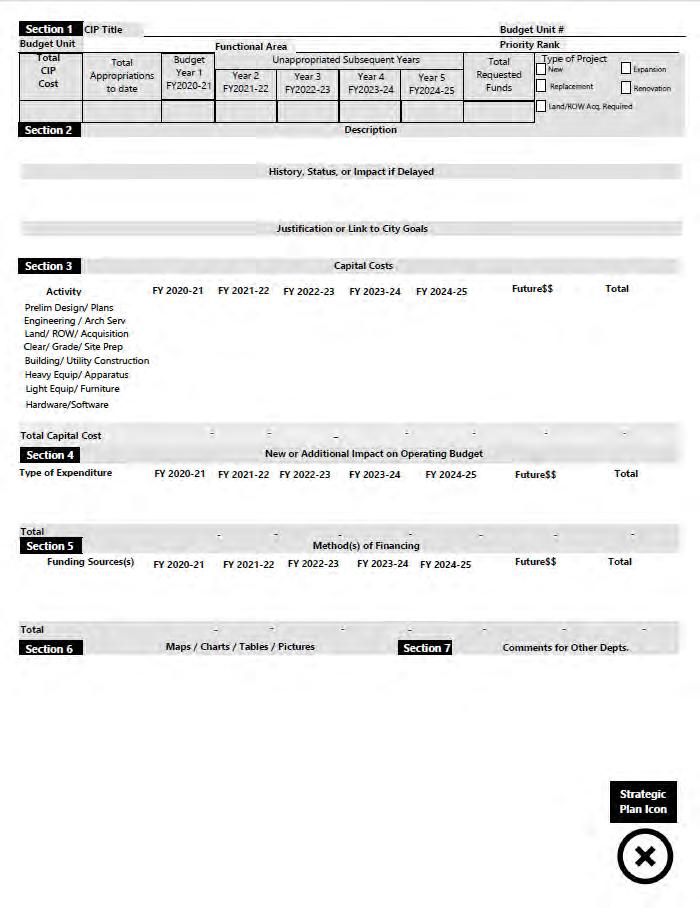
Section 6:
If a department has provided any visuals about the project, they will be here.
Section 2(a):
This section allows departments to describe the project in detail.
Section 2(c):
This section explains the importance of the project, why it is being requested, and how it fits into the City’s goals
Section 4:
This section outlines any known operating impacts a project might have and which year(s) they will affect.
Section 7:
If this project involves working with other departments or has implications on another department, a department will indicate it here.
The capital improvement plan is simply that – a plan. As such, projects are subject to change based on new or shifting service needs, financing opportunities, emergency needs, or other directives established by the Mayor and City Council. City priorities may change, therefore projects included in outward planning years are not guaranteed for funding.
The purpose of the capital improvement plan (CIP) is to forecast and match major capital needs with projected revenues over a five-year period. Capital planning is an important management tool that strengthens the linkages between community infrastructure needs and the financial capacity of the City.
The City defines a CIP project as an expenditure of major value that recurs irregularly, results in the acquisition of a fixed asset, and has a useful life greater than one year. Projects included in the CIP are those which involve:
• acquisition, renovation, and/or construction of a single fixed asset greater than $100,000 – excluding vehicle or equipment purchases,
• any land purchases not associated with another CIP project, or
• capital road maintenance or construction greater than $100,000 – excluding recurring or routine maintenance projects
The CIP is updated annually as part of the budget process. After departments submit their CIP requests to the Budget team, the City’s capital project review committee evaluates the proposed projects based on Strategic Plan alignment, infrastructure needs, financial capacity, and potential impact on operating budgets.
Next, the committee recommends the selection and timing of capital projects in future fiscal years to the City Manager. First-year projects are incorporated into the City Manager’s recommended annual operating budget. Projects for which funding and expenditures cross multiple fiscal years are included in a separate Capital Project ordinance, which is approved by City Council when the budget is adopted in June. The Mayor and City Council are also presented the future, unappropriated, planning years for their consideration, review, and endorsement so that staff can proceed with planning and evaluation of potential capital projects.
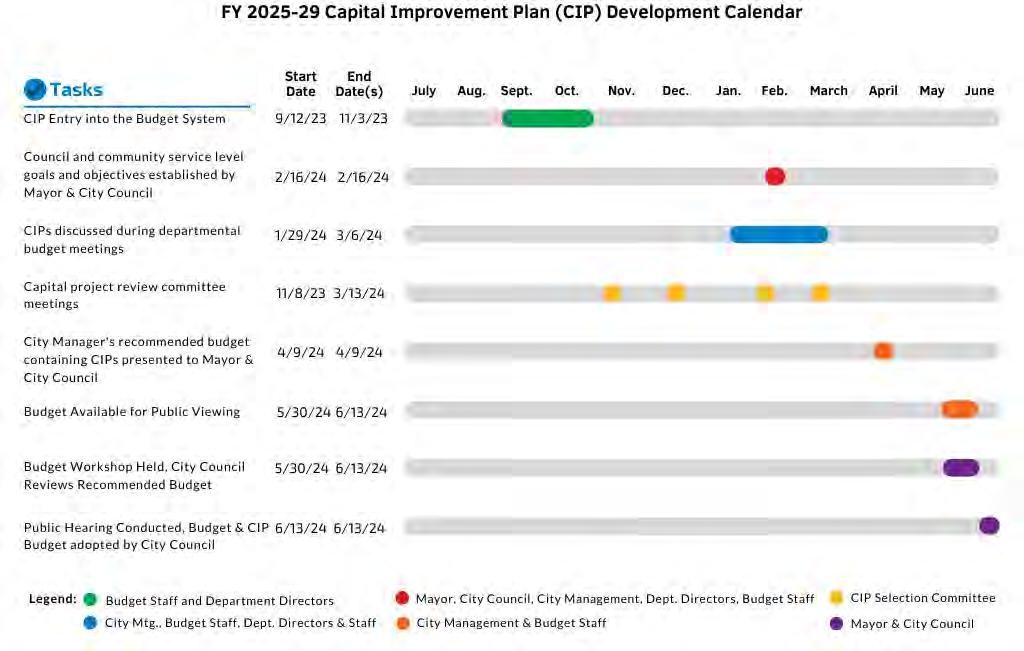
May 30, 2024
The Honorable William C. “Bill” Dusch, Mayor Members of the City Council Concord, North Carolina
Dear Mayor Dusch and Members of the City Council:
I’m pleased to present you with the Capital Improvement Plan (CIP) for the fiscal years 2025-2029. The CIP serves as a long-range planning tool to help the City match revenues with major capital (items or projects with a cost over $100,000) needs over a five-year period. Projects in the CIP are derived from Council’s priorities, citizen requests, master planning efforts, and departmental recommendations. This CIP book is provided with my recommended budget.
Fiscal year (FY) 2025 projects are included in the operating budget for City Council approval Subsequent fiscal year projects are unfunded and presented for planning purposes only. Capital projects are prioritized so that available funds are allocated based on need, Council priority, and their impact on service provision. FY 2025 includes funding for a variety of City projects that help enhance our community and maintain our infrastructure
Greenways: While work continues on the voter approved GO Bond projects, the City is also moving forward with greenway construction to meet City Council’s goal of 30 miles by 2030. Construction will begin on the Clarke Creek Greenway: Cox Mill Loop in FY 2025.
Facility Improvements and Expansions: As Concord continues to grow, it is crucial that we continue to maintain our existing facilities and construct new ones. This CIP funds necessary parking lot repairs at the Logan Multipurpose Center. Design will begin on a new Fire Station #13, located in the Flowes Store Road area. Concord-Padgett Regional Airport will increase capacity for plane storage through the construction of a new Community Hangar.
Streets: Our Transportation department continues to actively identify projects throughout the City to improve roadway conditions and reduce congestion. For FY 2025, Transportation will continue funding resurfacing and patch work in the Lake Concord Road corridor. Working on this corridor now will save the City from having to spend money on more costly, extensive repairs in the future. Transportation will also perform repairs to the Weddington Road Bridge and begin design work for both the White Street Bridge and a roundabout at Weddington Road and Rock Hill Church Road.
Utilities: Reliable infrastructure is an important tenet of the City’s CIP. In FY 2025, the Water and Electric departments will begin funding the replacement of our Automated Metering Infrastructure ( AMI). AMI is metering technology that will allow for live meter reading updates and connectivity across both systems. The City’s Water department will finish funding the Union Cemetery Road Realignment project and begin a waterline replacement on Old Charlotte Road. The CIP also includes multiple Electric projects from the construction of Substation N to other delivery or circuit replacements.
A total of $25,305,875 in capital projects has been identified for FY 2025 A list of all first-year projects and their primary funding sources (in parenthesis) can be found below. Project costs listed below include both the amounts listed in the Capital Project Ordinance as well as the operating expenses included with each project. Additional project details are available on the following pages of this document.
Parks & Recreation Capital Projects Fund
• Clarke Creek Greenway Development – Cox Mill Loop: $3,050,845 (CMAQ, P&R Reserve, General Capital Reserve)
• Parking Improvements at the Logan Multipurpose Center: $230,029 (Future Projects Reserves)
Fire Station Projects Fund
• Fire Station 13: $300,000 (Financing Proceeds)
Transportation Capital Projects Fund
• Major Corridor Resurfacing – Lake Concord: $1,300,000 (Designated Transportation Reserve)
• Weddington Bridge Repair: $130,000 (Designated Transportation Reserve)
• White Street Bridge: $100,000 (Designated Transportation Reserve)
• Weddington at Rock Hill Church Roundabout: $100,000 (Designated Transportation Reserve)
Electric Projects Fund
• 100kV Interconnect Between Delivery #4 and Sub E: $2,000,000 (Transfer from Electric)
• Delivery #1 Replacement: $300,000 (Transfer from Electric)
• AMI System Replacement: $500,000 (Transfer from Electric)
• Substation N: $4,500,000 (Transfer from Electric)
• Delivery #3 Replacement of Metering, Main, and Circuit Breakers: $850,000 (Transfer from Electric)
• 100 kV Tie Line – George Liles to Sub O: $200,000 (Transfer from Electric)
Stormwater Projects Fund
• Farmwood Boulevard Culvert Replacement: $1,500,000 (Future Projects Reserves)
Water Projects Fund
• AMI System Replacement: $6,000,000 (Future Projects Reserves)
• Union Cemetery Road Realignment: $100,000 (Future Projects Reserves)
• Old Charlotte Road Waterline Replacement: $1,000,000 (Utility Capital Reserve)
Aviation Capital Projects Fund
• Mistywood Land Acquisition: $1,965,000 (Transfer from Aviation, Future Grants)
• Vehicle Gates #1-6 Rehabilitation: $180,000 (Transfer from Aviation, Future Grants)
• Community Hangar: $1,000,000 (Future Grants)
Pay-as-you-go: Whenever possible, pay-as-you-go (“Transfer from - Fund”) is the preferred method for funding CIP projects.
Designated Transportation Reserve: City Council has designated $4,400,000 of the revenue generated by the property tax to be set aside for Transportation Projects. Of this allocation, a portion is earmarked for concrete street replacement.
Capital Reserve Funds: These funds have been set aside for use in funding capital projects. Currently, the City uses three separate Capital Reserve Funds: General Capital Reserve, Utility Capital Reserve, and Parks & Recreation (P&R) Capital Reserve.
Future Projects Reserves: In some instances, capital projects are completed at a lower cost than originally budgeted. Any remaining funding from such projects can be reallocated to new capital projects within the same fund.
Financing Proceeds: The City has the ability to take out debt for capital assets and projects. The main way debt is issued to the City is through bonds. The City follows a strict policy on when to take out debt. However, it is sometimes a necessary tool to finance capital projects.
Grant/Future Grant Funds: The City continues to aggressively pursue state and federal grant funding and has been successful in many of these efforts. Examples of grant funding include NCDOT reimbursements, Congestion Mitigation and Air Quality (CMAQ) grants, and Parks & Recreation Trust Fund (PARTF) grants.
Conclusion
The following pages of this document provide additional detail on the projects listed above as well as t hose in future planning years. This document is considered a “living” document that serves as a planning guide and is continuously adjusted as projects change and new needs arise.
Respectfully submitted,
Lloyd Wm. Payne, Jr. ICMA-CM City Manager







The Water Resources department is currently evaluating potential future capital needs. The following projects have not been assigned to a future fiscal year, but may be added back to the CIP if dictated by external factors. Projects below are sorted by Fund and include estimated costs.
Miami Church Road 12"/24" Parallel Water Line Extension - US Highway 601 to Cold Springs Road
Cold Springs Road 12" Water Line Extension - Miami Church Road to NC Highway 49
George Liles Pkwy Phase 4Roberta Road to NC Highway 49
Poplar Tent Road Widening - Derita Road to NC Highway 73
US Highway 601 24" Water Line Extension - Zion Church Road to Miami Church Road
NC Highway 3 Widening - Dale Earnhardt Boulevard to US Highway 601
Rocky River Tributary Outfall To Near Pitts School Road (RR 3)
Rocky River Tributary Outfall to Near Odell School Road (RR2)
Coddle Creek Tributary Outfall Near Concord Parkway S. (US Highway 29)CC 3
Coddle Creek Tributary Outfall To Near Union Cemetery Road (CC 6)
This project consists of providing a new 12"/24" parallel water line along Miami Church Road from US Highway 601 to Cold Springs Road as part of a water system improvement. To further enhance system pressure and enable greater volumes of water to be distributed throughout our system more efficiently as outlined in the completed Water Master Plan.
This project consists of providing a new 12" water line along Cold Springs Road from Miami Church Road to NC Highway 49 as part of a water system improvement. To further enhance system pressure and enable greater volumes of water to be distributed throughout our system more efficiently as outlined in the completed Water Master Plan.
This project consists of providing water infrastructure replacements and/or relocations as necessary due to the widening of George Liles Pkwy from Roberta Road to NC Highway 49 as described in the proposed NCDOT project (TIP No. R-2246). These water infrastructure replacements and/or relocations within the project area will further enhance/improve the overall hydraulics of the water system and provide continued service to existing water customers.
This project is for providing water infrastructure replacements and/or relocations as necessary due to the widening of Poplar Tent Road from Derita Road to NC Highway 73 as described in the proposed NCDOT project (TIP No. U-6029). These water infrastructure replacements and/or relocations within the project area described above will further enhance/improve the overall hydraulics of the water system and provide continued service to existing water customers.
This project consists of providing a new 24" water line along US Highway 601 from Zion Church Road to Miami Church Road as part of a water system improvement. This new water line will further enhance system pressure and enable greater volumes of water to be distributed throughout our system more efficiently as outlined in the completed Water Master Plan.
This project is for providing water infrastructure replacements and/or relocations as necessary due to the widening of NC Highway 3 from Dale Earnhardt Boulevard to US Highway 601 as described in the proposed NCDOT project (TIP No. U-5773). These water infrastructure replacements and/or relocations within the project area will further enhance/improve the overall hydraulics of the water system and provide continued service to existing water customers.
This project will be to install 6,400 LF of 15" for future growth. The proposed gravity sewer line is called for in the Sewer Master Plan and will expland the sewer service area.
This project will include approximately 6,700' of 15" diameter gravity sewer line in the Rocky River Basin near Odell School Road. The proposed gravity sewer outfall line is called for in the recently completed Sewer Master Plan and will provide sewer service to future anticipated development within the drainage basin.
This project will include the replacement of approximately 4,700' of 12" diameter gravity sewer line in the Coddle Creek Basin with a 24" diameter gravity sewer line. The proposed gravity sewer replacement outfall line is called for in the recently completed Sewer Master Plan and will provide sewer service to future anticipated development within the drainage basin. This project will replace existing infrastructure that does not appear to have sufficient capacity to accommodate future projected wastewater flows near the George W. Liles Parkway area North of Concord Parkway South.
This project will include installing 4,600 LF of 12" diameter sewer line in the Coddle Creek Basin for future growth. The proposed gravity sewer lines was called for in the Sewer Master Plan and will provide sewer service for future growth.
Dylan Place Culvert ReplacementUpper The Dylan Place culvert replacement and upsizing is to reduce flooding risk to neighborhood homes and replace aging infrastructure. This project was identified in the Irish Buffalo Creek Master Plan.
Kerr Street Culvert Replacement
Bridlewood Drive Culvert Replacement
Miramar Culvert ReplacementsPalaside Drive & Grandview Drive
Morris Glen Drive Culvert Replacement
Spring Street Culvert Replacement
Guy Avenue/Franklin Avenue Culvert Replacements
Glenwood Drive Culvert Replacement
This culvert replacement and upsizing under Kerr Street is to reduce flooding risk to neighborhood homes and replace aging infrastructure. This project was identified in the Irish Buffalo Creek Master Plan.
This culvert replacement and upsizing under Bridlewood Drive is to reduce flooding risk to neighborhood homes and replace aging infrastructure. This project is identified in the Cold Water Creek Master Plan.
These culvert replacements and upsizings under Palaside Drive and Grandview Drive are to reduce flooding risk to neighborhood homes and replace aging infrastructure. These projects are identified in the Three Mile Branch Master Plan.
This culvert replacement and upsizing under Morris Glen Drive is to reduce flooding risk to neighborhood homes and replace aging infrastructure. This project is identified in the Rocky River Master Plan through the completed 2016 Stormwater Drainage Study.
This culvert replacement and upsizing under Spring Street is to reduce flooding risk to neighborhood homes and replace aging infrastructure. This project is identified in the Irish Buffalo Creek Master Plan.
This culvert replacements and upsizings under Guy Avenue and Franklin Avenue are to reduce flooding risk to neighborhood homes and replace aging infrastructure. This project is identified in the Irish Buffalo Creek Master Plan.
This culvert replacement and upsizing under Glenwood Drive is to reduce flooding risk to neighborhood homes and replace aging infrastructure. This project is identified in the Irish Buffalo Creek Master Plan.
$7,800,000
$10,805,000
$1,500,000
$2,500,000
$4,183,000
$2,750,000
$5,750,000
$5,750,000
$4,500,000
$2,250,000
$1,149,000
$1,275,000
$2,040,000
$2,245,000
$811,000
$822,000
$1,871,000
$1,488,000
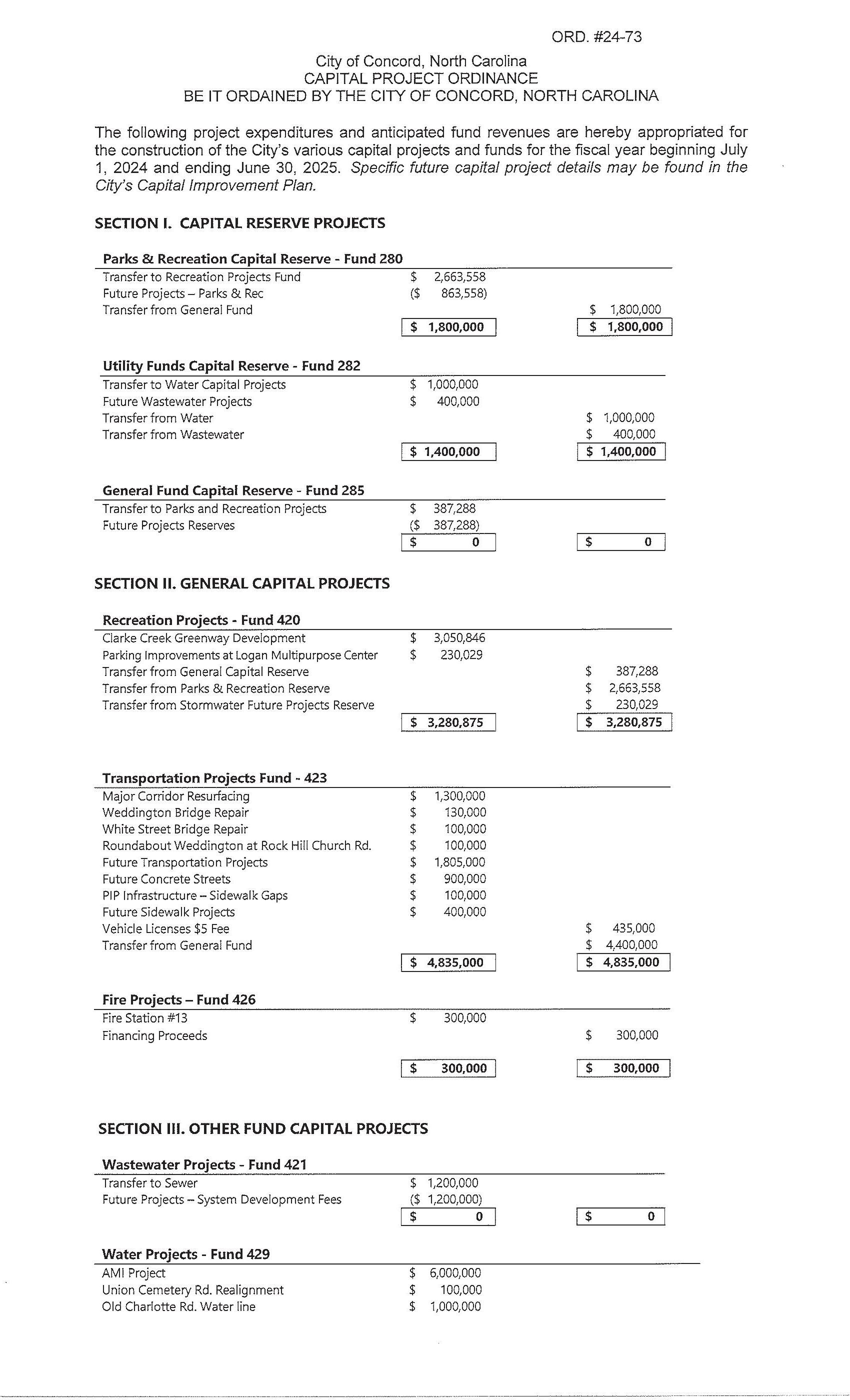
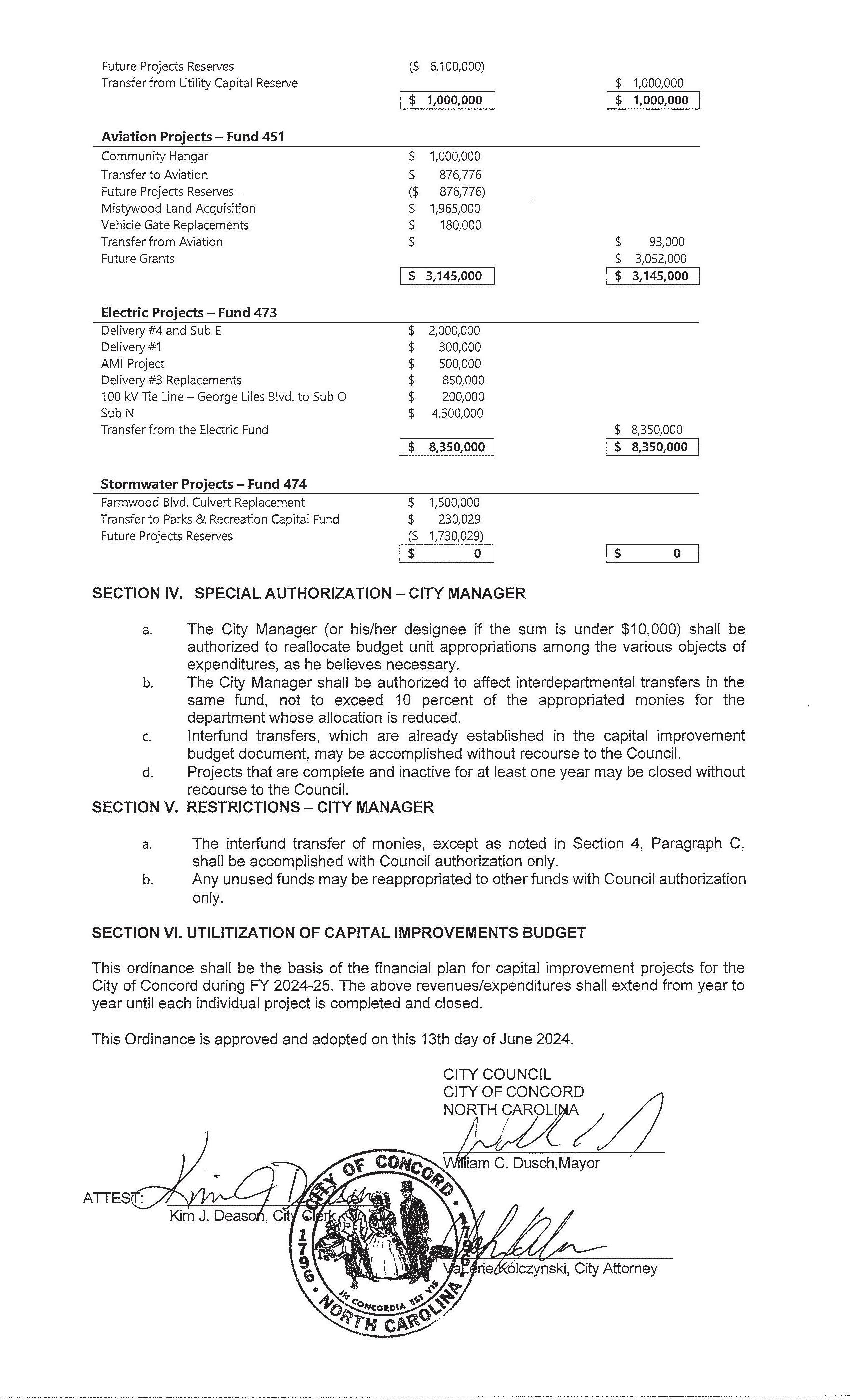
Operating Impacts
The costs associated with Capital Projects in this Plan.
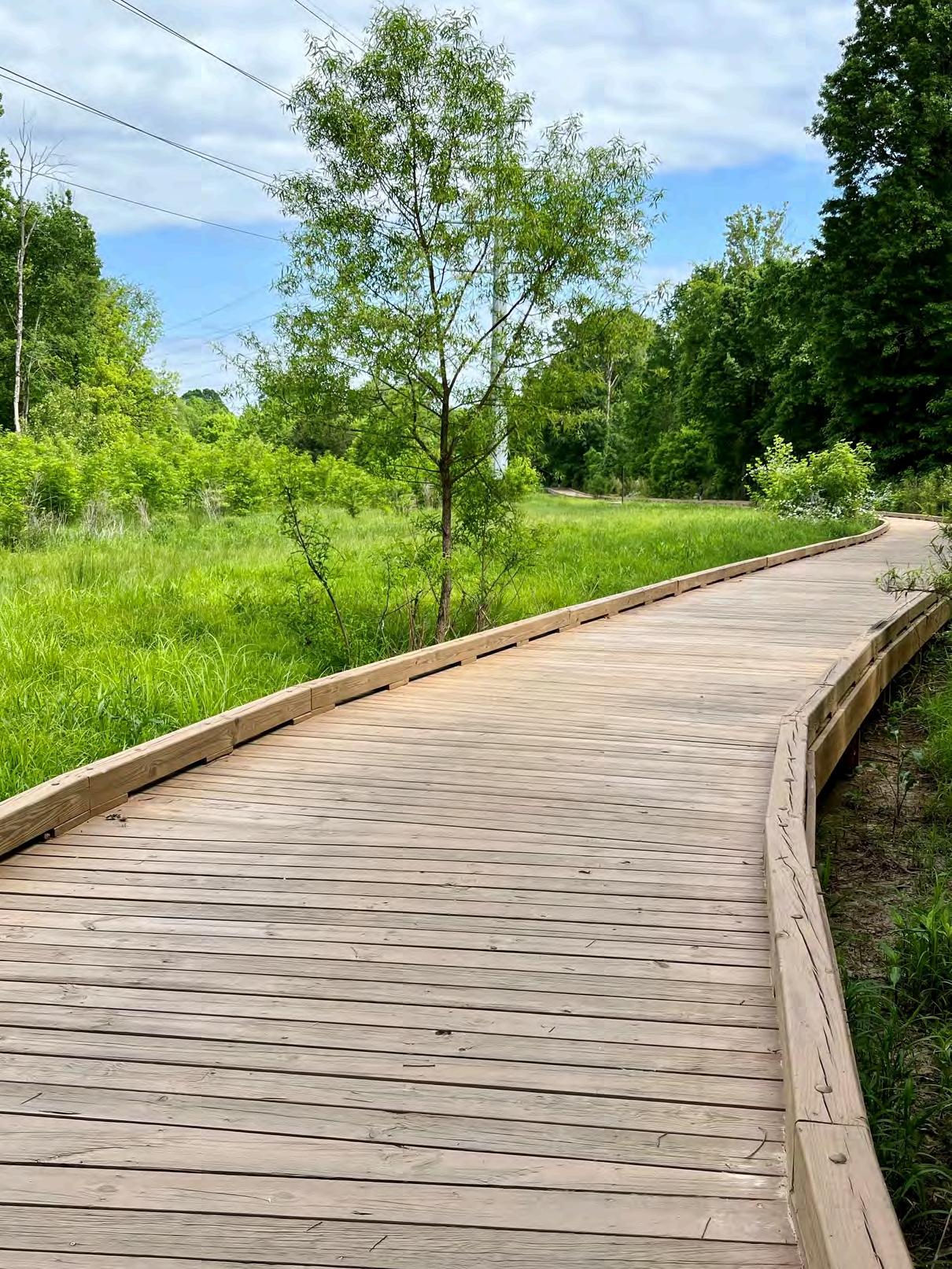
First Year Project Detail
Learn more about the Projects that are funded in the first year of the Plan
Capital Projects are significant, non-recurring, multi-year projects with an overall cost greater than $100,000. These projects may come with ongoing operating costs for their maintenance or to keep them running (examples below).
Similar to an iceberg, Capital Projects may have additional expenses are not easily seen – like the underside of an iceberg. Within the CIP, staff tries to anticipate and estimate operating impacts of Capital Projects so they do not come as a surprise when they are needed.
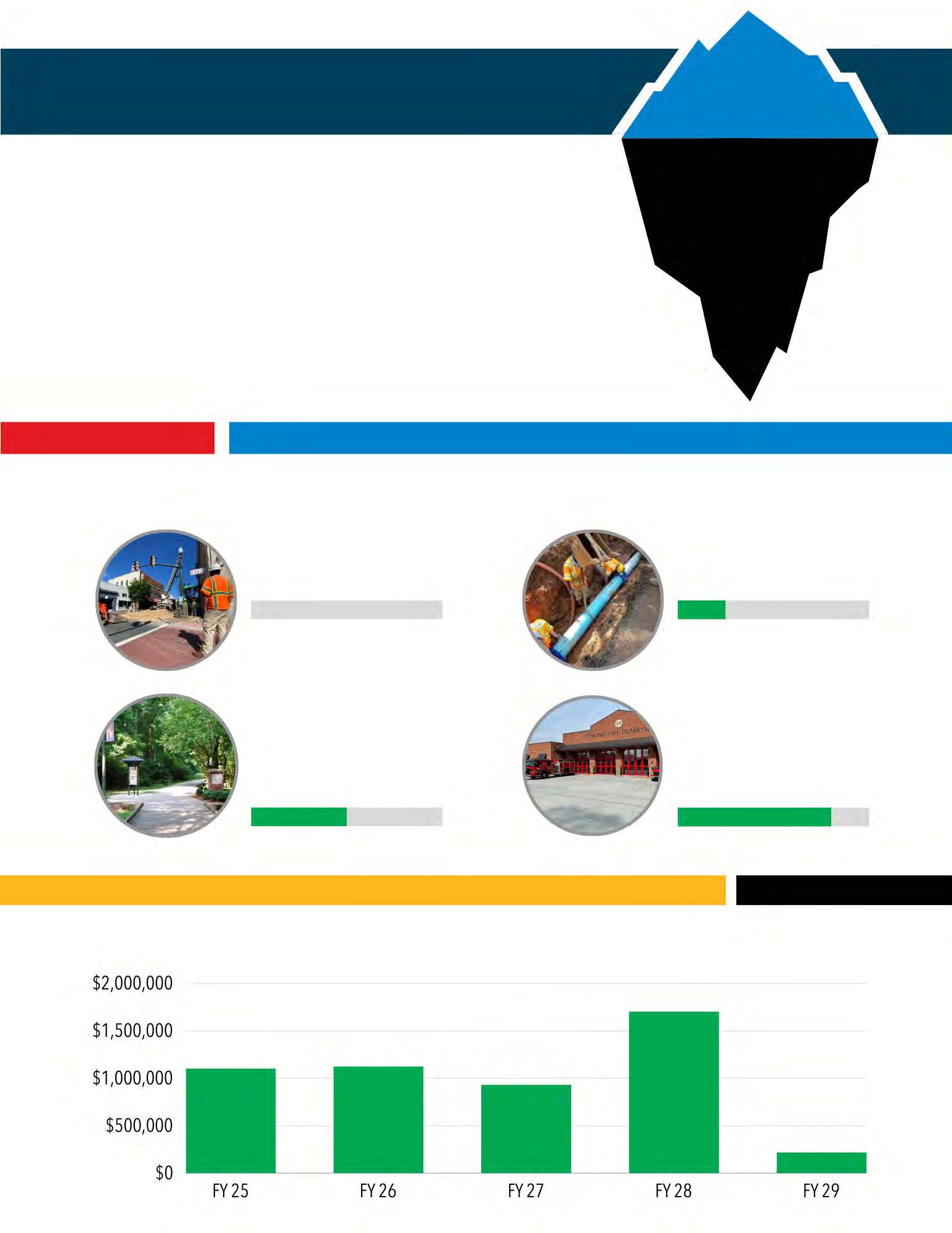
Initial Capital Expense
Ongoing Operating Expenses (e.g. personnel, maintenance, equipment, utilities)
Capital improvement project revenues are budgeted at the fund level and associated direct expenses are budgeted in capital project budget units. Projects may also have indirect one-time or continuing impacts on operating expenses or revenues. The examples below highlight direct and indirect impacts for many projects. However, this is not a comprehensive list. Other projects may have impacts that cannot be anticipated at this time.
A portion of funding for FY 2025 capital improvement projects comes from transfers from operating budgets. Revenues are generated through sources such as user fees and/or utility rates. The following amounts will be transferred from Operating funds to Capital Project funds:
Electric Fund:
$ 8,350,000
Aviation Fund: $ 93,000
Debt financing proceeds allow for the full cost of a project to be absorbed over multiple years instead of in one year. This debt service has a significant operating impact that can come from capital projects. For FY 25, there is a new debt financing for Fire Station 13 (Flowes Store Road), with an expected interest payment in the budget and principal and interest payments in the future.
Direct Impacts: Additional Operating Impacts for First Year CIPs General Fund Parks
There are multiple factors to consider when determining operational impacts for adding a new park or updating existing parks facilities These factors include the addition of City-owned property, buildings/shelters, miles of greenways within the parks, maintenance/upkeep, and potential staffing needs. In general, adding or expanding parks and their amenities will increase operational costs.
J.E. "Jim" Ramseur Park Development: The J.E. “Jim” Ramseur Park will be 28.6 acres and located in the Northwest portion of Concord. Included in this project are many amenities that will have some type of operational impact, such as a splash pad, pickleball courts, and event space. Operational costs included in this project are for miscellaneous park supplies, ongoing/recurring maintenance, and utilities. Total budgeted operational costs for FY 25 are $53,269
Fire Station 13 (Flowes Store Rd.): This project will add a Fire Station to the Flowes Store Road area to address growth in and keep response times low. With the lead time on fire engines over 36 months, the City has to purchase the fire truck well before opening the fire station. FY 25’s operating impacts include the cost of a fire engine for $1,050,000. Personnel staffing is not anticipated until FY 27 totaling $323,465 with full year costs of $1.3 million in subsequent years. Along with personnel, there are other equipment and staffing items planned in FY 27.
When reviewing CIPs, the City also considers the impact of projects on our Buildings & Grounds (B&G) team. They are responsible for providing services to all departments at some capacity, and the need for their services increases as departments grow. For example, as Parks & Recreation increases park acreage and greenway mileage, B&G must increase staffing to maintain these assets. As other departments add facility space, they will continue to evaluate the need for custodians, supplies, and maintenance costs. Changes to utility usage are also evaluated as new projects come online.
FY 25 Expenditures by Fund
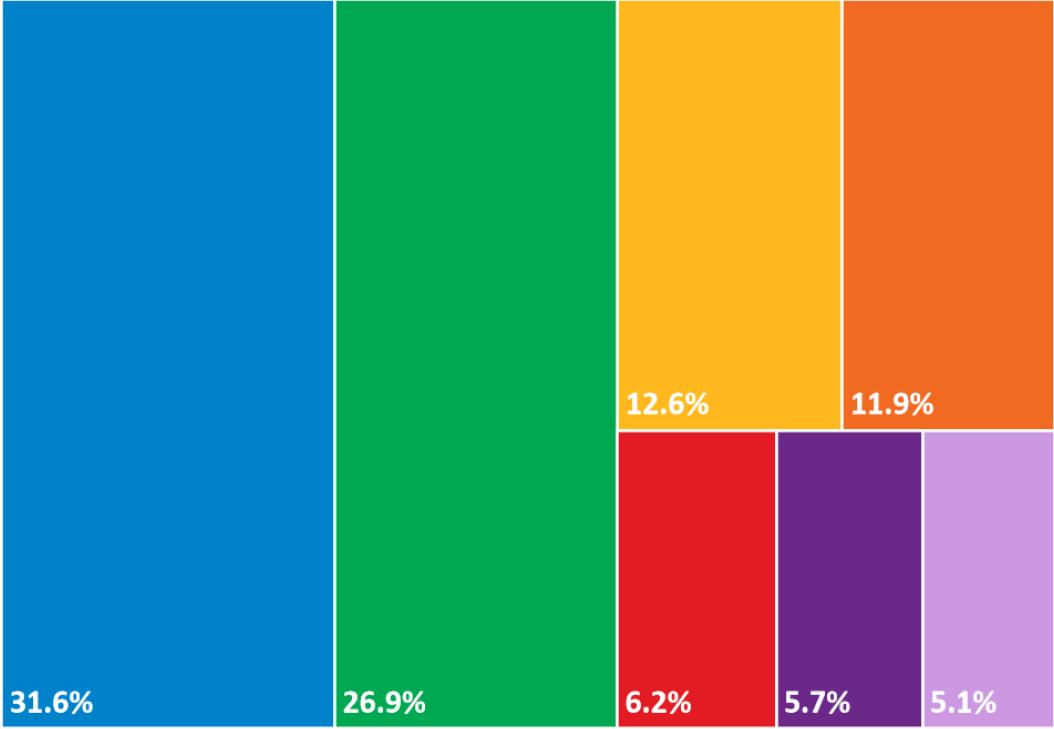
The boxes below provide summary detail for CIP projects scheduled for funding in year 1, or FY 2025, of the CIP. For additional description and cost information, please see each project's individual page.
Department:
Project Title:
Project Description
This project further develops the J.E. "Jim" Ramseur Park in Northwest Concord, located at 1252 Cox Mill Road, to serve City recreational needs. The master plan was adopted in August 2021 and the firm Woolpert is completing design of the 28.6 acre park. Overall this project consists of a wide range of park amenities and will be completed in multiple phases with greenway connectivity to Clarke Creek Greenway.
Phase I: Consists of playgrounds, a splash pad, pickle ball courts, dog park, shelters, open/event space, and other needs based on the results from the public survey. Within the park, additional amenities such as the controlled adjacent fields will help provide programming needs and expand the park.
Future Phases: May consist of a recreation center with gymnasiums, classrooms, fitness opportunities, and multi-purpose space.
Parking Improvements at Logan Multi-Purpose Center
Total Capital Cost:
Total Operating Cost:
Funding Source(s):
Total Capital Cost:
Total Operating Cost:
$ 53,269 $72,802,587 $2,779,856
Funding Source(s):
Total Capital Cost:
Total Operating Cost:
Clarke Creek Greenway Development, Cox Mill Loop
This project is to develop parking at the city owned property on Booker and Lincoln, extending the existing lot. Additional funding is being requested based on current cost estimates. The acquisition of property and design has taken longer than anticipated. The project began in 2021 and now anticipated completion based on funding FY25. $230,029 $ 3,050,846
This project includes acquisition of site control, design and construction of the Clarke Creek Greenway, as part of the Cox Mill Loop. The full Loop includes Phases A, B & C of the greenway; coupled with connections to current and future multi-use path/side path along Cox Mill Road that will be constructed as part of private development, City sidewalk project(s), and/or future NCDOT expansion project(s).
Phase A: 10-ft wide asphalt greenway trail running parallel to Clarke Creek from Falling Leaf Drive to Aragorn Lane in the Highland Creek neighborhood, including two direct neighborhood connectors to the neighborhoods via Aragon Lane and Elrond Drive. The project connects this mainline trail across Clarke Creek with two pedestrian boardwalk and bridge structures that connect to the Allen Mills neighborhood and the future J.E. ‘Jim’ Ramseur Park. The project totals 1.5 miles and includes: paved trail/boardwalk: $4,700,000; and two prefabricated truss bridges: $1,200,000.
Current Cost estimate for construction: $5.9 million ($3.9 Million per mile)
Phase B: 10-ft wide asphalt greenway trail connecting Phase A to Falling Leaf Drive and Millstream Ridge Drive, as well as a connection from Allen Mills neighborhood to Poplar Tent Road. The project includes a trailhead parking area on Cox Mill Road. The project totals 2.54 miles of greenway that will be paved trail and boardwalk. Current Cost estimate for construction: $6.9 million ($2.76 million per mile)
Phase C: 10-ft wide asphalt greenway replacing the existing trail along the Christenbury neighborhood, connecting Phase B parking trailhead to the phase A and B trail. The project totals 1.32 miles that will include: paved trail/boardwalk: $2,150,000; and two prefab truss bridges: $400,000
Current Cost estimate for construction: $2.55 million ($1.93 million per mile)
Total Capital Cost:
Total Operating Cost:
Funding Source(s):
This project consists of providing water infrastructure replacements and/or relocations as necessary due to the realignment of Union Cemetery Road as described in the proposed NCDOT project (TIP No. U-5956).
This project is for installation of a new advanced metering infrastructure (AMI) system which will improve communication up-time, significantly increase data availability for operations, increase the efficiency of billing reads, and reduce the amount of manual meter reads required.
In the FAA approved Master Plan, along with the Airport Layout Plan, updated in 2019, 9 parcels were identified to acquire in support of the proposed new GA complex. Discussions with the FAA have shown that we can use the BIL grant funding to cover 90% of the land acquisition, which we plan to use across FY24-FY28.
project is for installation of a new Smartgrid metering infrastructure which will improve communication methods, increase the amount of data collected and improve billing
final phase of upgrades of Delivery 3 equipment will provide new 100kV circuit breakers and switches, as well as a main circuit breaker with upgraded metering equipment for protection of the delivery
and metering equipment, strengthening Concord's electric infrastructure..
This project will provide an additional 100kV/12.4kV distribution substation to handle growing capacity needs in the City's Northeast service area and enhance the integrity of the current and future electric service to our customers.
This project will close a loop
interconnection between Delivery #4 and Substation E on Rock Hill Church Road. This tie line will provide an alternative route of electric power to substations E, J, and K. The total project distance is 2.5 miles.
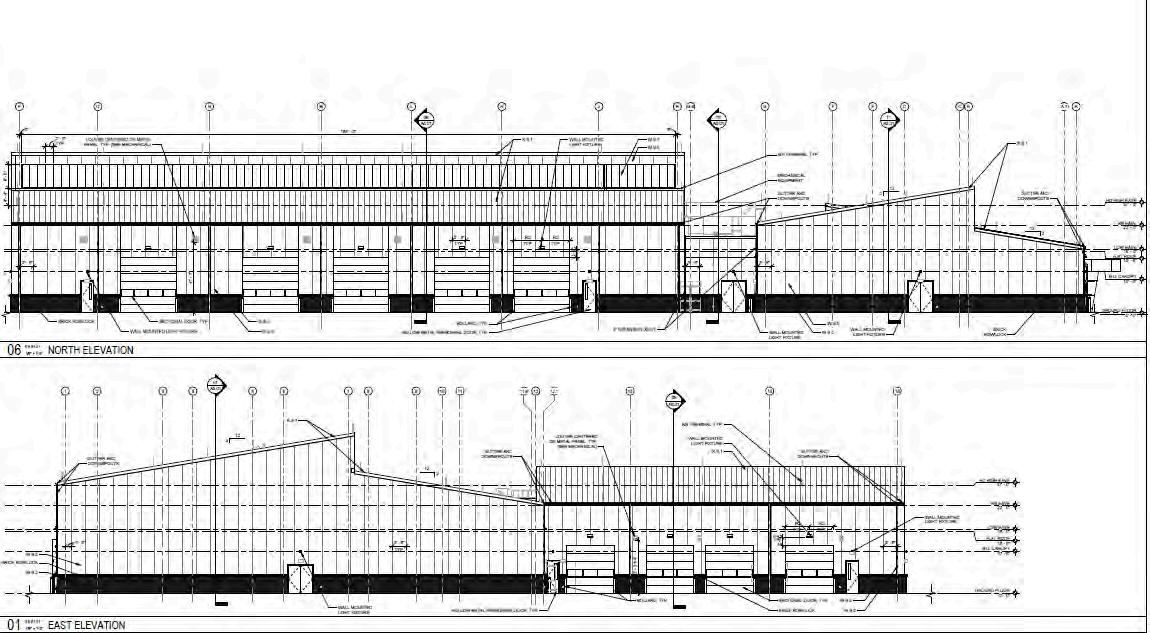
SECTION CONTENTS
Parks & Recreation Projects
Wastewater Projects
Transportation Projects
Fire Station Projects
Water Projects
General Capital Projects
Aviation Projects
Electric Projects
Stormwater Projects
Rocky River Golf Course Projects
CK Rider Transit Projects
Parks & Recreation Capital Projects are accounted for using this fund. It is comprised of the Parks & Recreation Capital Projects, Hector H. Henry II Greenway, McEachern Greenway, and Parks budget units. Beginning in FY 21, City Council set aside dedicated funding for Parks & Recreation land or right-of-way (ROW) needs.
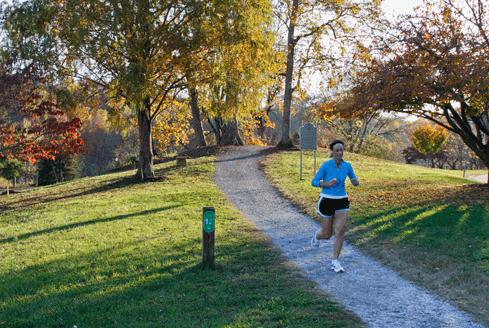
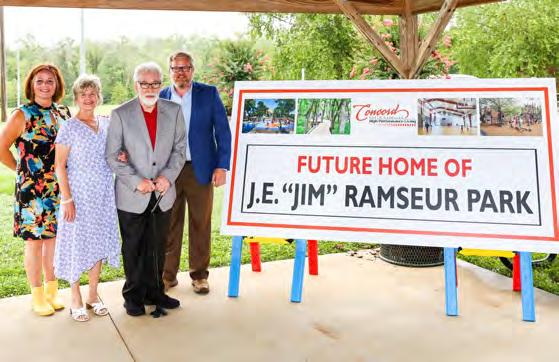
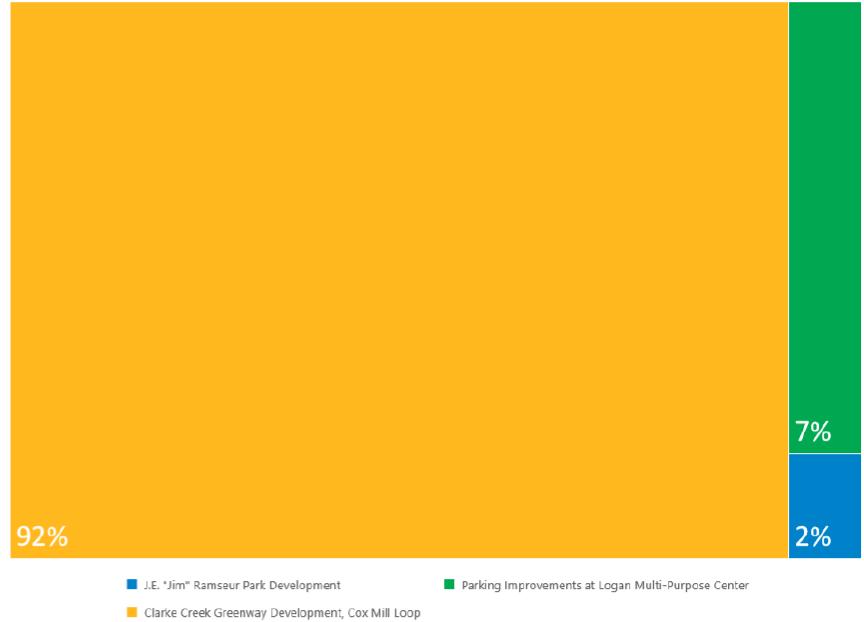
Fiscal Year 2024-25 through 2028-29 Capital Improvement Plan
This project completes the McEachern Greenway in two phases by connecting to Lake Concord at Atrium Health. The City of Concord has site control from exiting greenway to Miramar. P&R has contracted with TELICS to assist with the acquisition of the nine (9) parcels needed to make the greenway connection for Phase II. TELICS will analyze fee simple vs. easement/donation for everything between the creek and the road to assist with site control. The design for this greenway will be completed internally by Engineering for cost savings.
Phase I: A pedestrian bridge will be constructed to access the Branchview side of Three Mile Branch. Additionally, the design and construction of approximately 1 mile of greenway at $3.7 million per mile for the greenway alignment and the cost of a pedestrian steel bridge and culvert at Miramar for a pedestrian crossing. The location is near where the current greenway ends behind the Shell Station to Miramar with an at grade crossing at Brookwood and a new culvert at Miramar. This project timeline matches a CIP for Water Resources for the culvert replacement at Miramar for pedestrian access. The culvert replacement will be critical for pedestrian access/connectivity to Beverly Hills Park. The CIP timing for the Miramar culvert and the greenway will need to happen at the same time. Currently planned for FY25.
Phase II: This will include the design and construction of the greenway from Miramar to David Phillips Activity Center (DPAC), approximately1 mile at $1.7 million per mile. This connection is planned through the neighborhood.
Phase III: The connectivity to the Senior Center with a culvert when NCDOT widens Highway 3. The the connection from DPAC to Hospital on Lake Concord. History, Status, or Impact if Delayed
The McEachern Greenway is identified in the Parks & Recreation Master Plan to extend from Les Myers Park to Atrium Health including neighborhood connectivity for Beverly Hills. A portion of the McEachern Greenway corridor from McGee Park to the McCachern Ave. are part of the Carolina Thread Trail. This will be future connectivity to the Irish Buffalo Creek Greenway.
This project aligns with Council Goals, the Comprehensive Master Plan, Open Space Connectivity Analysis (OSCA), and Land Use Plan. Once completed, the McEachern Greenway to Hospital phase will provide an additional 2.0 miles of greenway and provide connectivity from Les Myers Park to the Hospital. The completion of this project would provide a total of 7.2 miles of greenway including the Downtown Loop. This greenway is identified in the Parks & Recreation Master Plan as a priority greenway corridor because it creates connectivity to the Hospital campus, Carolina Mall, DPAC, local schools, McGee Park, Les Myers Park, Downtown, Senior Center, Beverly Hills Park and future Wilson Street Park. There are approximately 2,492 households within a quarter-mile of this greenway trail system.
North Carolina
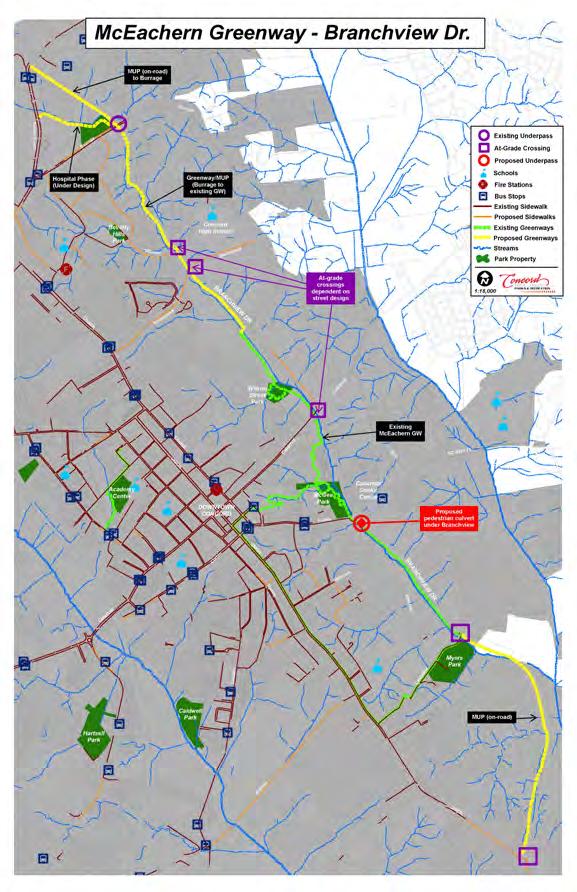
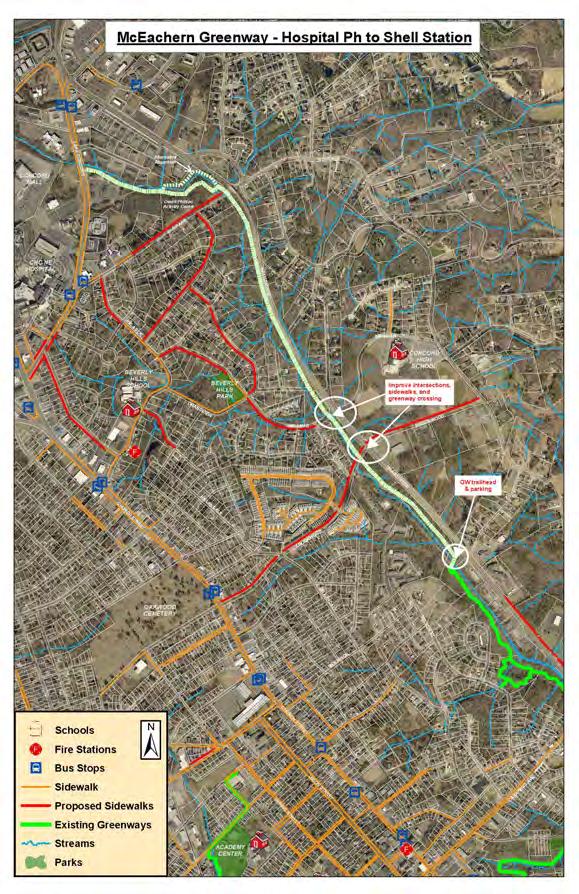
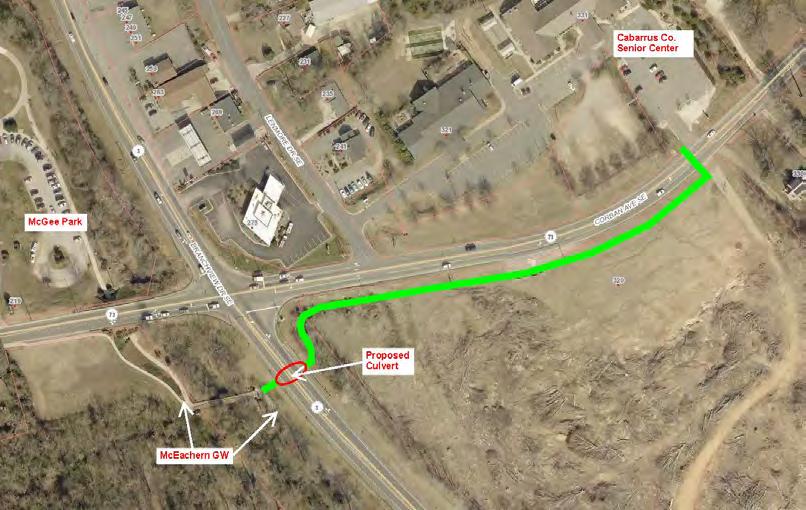
City of Concord, North Carolina
This project includes acquisition of site control, design and construction of the Clarke Creek Greenway, as part of the Cox Mill Loop. The full Loop includes Phases I, II & III of the greenway; coupled with connections to current and future multi-use path/side path along Cox Mill Road that will be constructed as part of private development, City sidewalk project(s), and/or future NCDOT expansion project(s).
Phase I: 10-ft wide asphalt greenway trail running parallel to Clarke Creek from Falling Leaf Drive to Aragorn Lane in the Highland Creek neighborhood, including two direct neighborhood connectors to the neighborhoods via Aragon Lane and Elrond Drive. The project connects this mainline trail across Clarke Creek with two pedestrian boardwalk and bridge structures that connect to the Allen Mills neighborhood and the future J.E. ‘Jim’ Ramseur Park. The project totals 1.5 miles and includes: paved trail/boardwalk: $4,700,000; and two prefabricated truss bridges for $1,200,000.
Phase II: 10-ft wide asphalt greenway trail connecting Phase I to Falling Leaf Drive and Millstream Ridge Drive, as well as a connection from Allen Mills neighborhood to Poplar Tent Road. The project includes a trailhead parking area on Cox Mill Road. The project totals2.54 miles of greenway that will be paved trail and boardwalk.
Phase III: 10-ft wide asphalt greenway replacing the existing trail along the Christenbury neighborhood, connecting Phase II parking trailhead to the Phase I and II trail. The project totals 1.32 miles that will include: paved trail/boardwalk: $2,150,000; and two prefabricated truss bridges: $400,000.
The Comprehensive Parks & Recreation Master Plan and the Open Space Connectivity Analysis (OSCA) identifies the northwestern/western area of Concord as the highest priority for greenway/recreational need. The citizens of Concord and Council support greenways, trails and connectivity. Phase I of the Clarke Creek Greenway is partially-funded by a federal Congestion Mitigation & Air Quality (CMAQ) grant, which requires construction in FY 2025; delays in construction would lead to loss of federal funds currently allocated. Delay in development of Phases II & III will lead to increased construction cost and make acquisition of property more difficult.
Continue greenway development to address bicycle and pedestrian needs identified in the Parks & Recreation Master Plan and the OSCA. This project creates connectivity to Cox Mill elementary and high schools, Carolina International School, several neighborhoods; and provides cross-connectivity from the Clarke Creek basin and greenway system to the Rocky River (Hector Henry II) greenway system. All of this connectivity will provide transportation and recreational opportunities throughout the entire northwestern part of Concord. This project would provide greenway alignment to the 5,000+ households within walking distance of this greenway. The 2030 Future Land Use Plan (LUP) has multiple goal areas that are reflected in this project such as Goals 2, 5.5, and 6.2.
City of Concord, North Carolina
Fiscal Year 2024-25 through 2028-29
Capital Improvement Plan
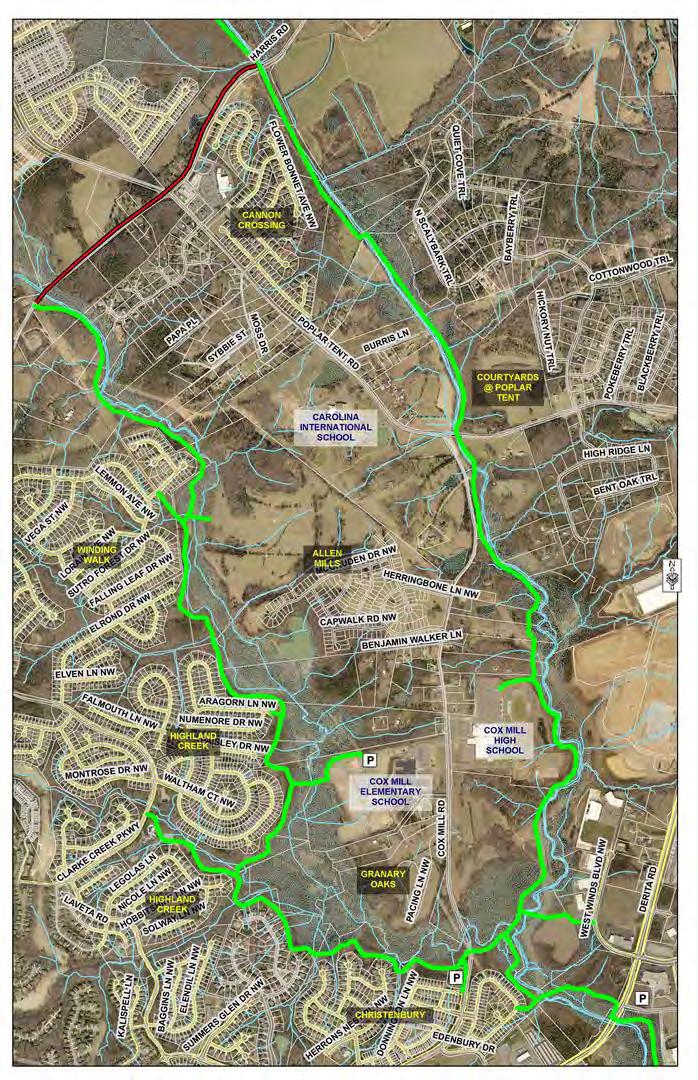
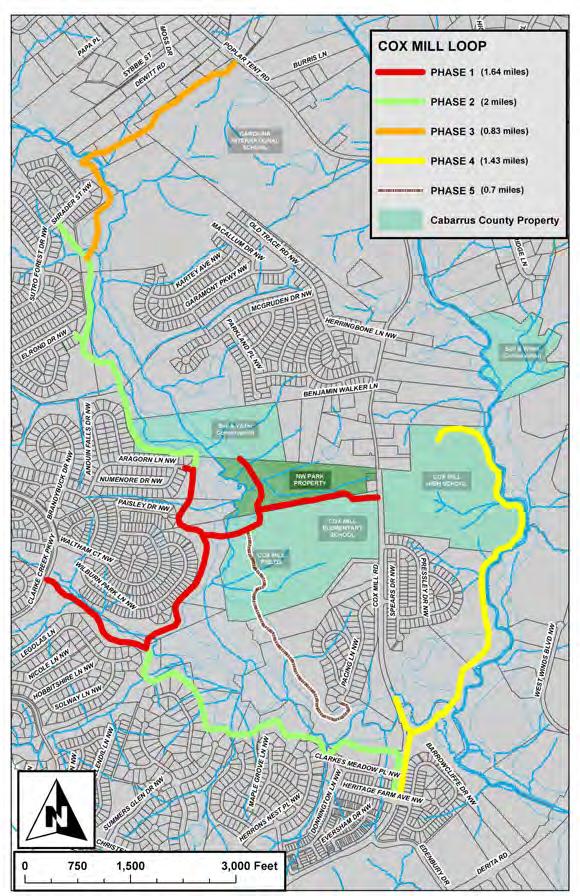
This project creates a parking at the City-owned property on Booker and Lincoln, extending the existing lot at the Logan Multi-Purpose Center. The project began in 2021 and now anticipated completion based on funding FY25. With property acquisition and design taking longer than anticipated, additional funding is being requested based on updated cost estimates.
The existing parking lot at Logan does not meet the needs of the center. In FY21 $242,000 was given to the project. The acquisition of property and design took longer than anticipated. We did have cost savings from the design is being completed in-house.
The current parking lot has 30 spaces and 2 handicap spaces, which is not enough parking to handle the existing programming at the Logan Multi-Purpose Center.
Section 2 Description
This project includes renovations and development of the park property around Hartsell Recreation Center. Renovations include an open space at upper parking lot, the lower parking lot, the ball field complex, and the adjacent Hartsell Park. The project will look at connectivity within the Silver Hill Community and surrounding neighborhoods as well as accessibility between Hartsell Park and the Hartsell Recreation Center complex. We plan to develop the complex and park according to recommendations from the master plan.
Phase I: The redevelopment of the open space in front of recreation center including upper and lower parking lots.
Phase II: The renovation of the ball field complex including buildings and storage area.
Phase III: Renovations to Hartsell Park restroom building and park.
History, Status, or Impact if Delayed
Hartsell Recreation Center was renovated in 2017. The next step in the project will be based on the master plan and include redevelopment and renovations to the grounds and adjacent park. This is consistent with Department Goals to operate safe facilities and maintain existing facilities that may be dated.
The Comprehensive Parks and Recreation Master Plan identified the need to master plan existing facilities to address safety, accessibility, and amenities.
Section 2
Description
This project consists of the renovations for Dorton Park according to the September 2020 Master Plan adopted by Council. Recommendations include a parking lot expansion, new playground, improvements to existing trails, and connectivity through the Coddle Creek Greenway. This project will also provide additional space for B&G equipment to service Dorton Park, George Liles Greenway, Weddington Road Bark Park, and Hector H. Henry Greenway - Riverwalk. The NCDOT Poplar Tent widening may impact the parking improvements for this project and the phasing timeline.
Phase I: Currently underway competition anticipated FY 25.
Phase II - Expanded parking as well as upgrades to B&G building access and parking lot planned for FY 26.
History, Status, or Impact if Delayed
A lack of parking and the current layout hinder programming and trailhead greenway parking.
Justification or Link to City Goals
The Dorton Park Master Plan was adopted by City Council on September 10, 2020. This project aligns with the Park Master Plan, the Comprehensive Master Plan, Land Use Plan Goal 11, Council Strategic Plan for Recreation and Culture, and the Open Space Connectivity Analysis as part of the Coddle Creek Greenway. Re-development will address safety, accessibility, and amenities.
City of Concord, North Carolina
Fiscal Year 2024-25 through 2028-29
The design for the Coddle Creek Greenway will be completed by Engineering, and then the development will be done in three phases.
Phase I: Includes greenway within Dorton Park along Coddle Creek, connectivity downstream to Poplar Crossing, and a bridge connection to the multi-use path along the south side of Poplar Tent Road (Poplar Tent Road widening), approximately .75 miles at $1.7 million per mile plus bridge costs. The project then extends the trail to Weddington Road and provides a multi-use path along Weddington Road to George Liles Pkwy, work is approximately1.45 miles at $1.7 million per mile as identified in the Open Space Connectivity Analysis (OSCA).
Phase II: Extends the trail from Weddington Road to Concord Parkway/Concord Farms Road along Coddle Creek. Total of1.75 miles at $3.1 million per mile. Total$5,425,000 FY 35
Phase III: Extends the trail from Dorton Park to Kannapolis (Afton Ridge) along Coddle Creek. Total of .60 miles at $3.1 million per mile. Total$1,860,000.
History, Status, or Impact if Delayed
The development of these phases is contingent upon acquisition of trail easements. This greenway trail would connect Western Concord residential areas, retail areas, schools, and recreational facilities in a multi-modal transportation network as identified in the Comprehensive Parks and Recreation Master Plan and the OSCA.
This project begins development of a greenway and sidewalk loop in Western Concord. This project addresses bicycle and pedestrian needs identified as priorities in the Comprehensive Parks and Recreation Master Plan and creates connectivity in the west side of the City as identified in the OSCA.
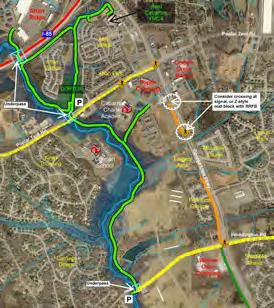
Fiscal Year 2024-25 through 2028-29 Capital Improvement Plan
This project will explore the creation of a new "Gibson Village Park" concept and includes master plan based development and redevelopment for the Academy Recreation Center, Academy Complex (including existing park and City facilities), McInnis Aquatic Center, Historic Webb Field, McAllister Field, Gibson Field, Village Greenway corridor, and Kerr Street open space. The plan will explore alternatives and cost estimates for park amenities with a major focus on connectivity within the neighborhood. We plan to develop the above properties using master plan recommendations; identify connectivity opportunities; and develop new programming for athletics and cultural arts. This would include evaluating whether to add turf to the multi-purpose Webb Field. Adding turf to the field would allow for increased usage without limiting play.
Phase I: Includes properties on Kerr Street like the open space beside Clearwater Art Studios and at the corner of Kerr & Cedar Street. We will develop this property based on the adopted master plan for a pump track, skate park, open art event space, and restrooms. The property at the corner of Kerr and Academy includes the development of community space.
Phase II: Includes the renovations to the existing Webb Field, McAllister Field and surrounding buildings and Gibson Field according to the master plan developing into a neighborhood park.
Phase III: Renovations to the existing McInnis Aquatic Center.
Phase IV: Renovations at Academy Recreation Center.
The Academy Recreation Center facilities including Webb Field, McInnis Aquatic Center, McAllister Field, and Gibson Field are dated. All buildings need to be evaluated for renovation, removal, or replacement. This work will serve to make the facilities ADA compliant, allow us the opportunity to preserve the Gibson Ball Field history, and improve connectivity within the neighborhood.
Residents who lived in Gibson Village during the "glory days" of the Tobacco League may be able to contribute to archiving the history of the place. Outreach to the senior residents of Gibson Village would be one way to start that process.
The revitalization of the existing facility will create connectivity with a signature park close to Downtown that incorporates a new vision of existing facilities into an overall park concept. The Comprehensive Parks & Recreation Master Plan identifies the need to master plan existing facilities to address amenities, safety, and accessibility based on community input. This project is also consistent with Department Goals to operate safe facilities and maintain existing facilities. Additionally, the OSCA addresses connectivity within the City and is a Council goal for recreation and culture. It will address the bicycle and pedestrian needs in the Gibson Village Community as well as connectivity with recreation facilities to the community, retail, future Irish Buffalo Creek Greenway, Village Greenway, McEachern Greenway, Downtown and Clearwater Artist Studio.
Consider adding turf to the existing Webb field (turning 100-years old 2024) will provide player safety, reduce maintenance, add longevity, and provide the ability to add programming opportunities. Currently, the Cabarrus County school system and CVB are investing in turf to attract and increase usage while reducing maintenance. We plan on exploring funding opportunities with CVB and Cabarrus County for retrofitting Webb field to attract additional use. Currently, the school system estimates the cost savings to be $20,000 on each field annually.
This project will expand the footprint of Clearwater Art Studios to add pump track, skate park and community open space to future art garden event area.
Section 4 New or Additional Impact on Operating Budget
City of Concord, North Carolina
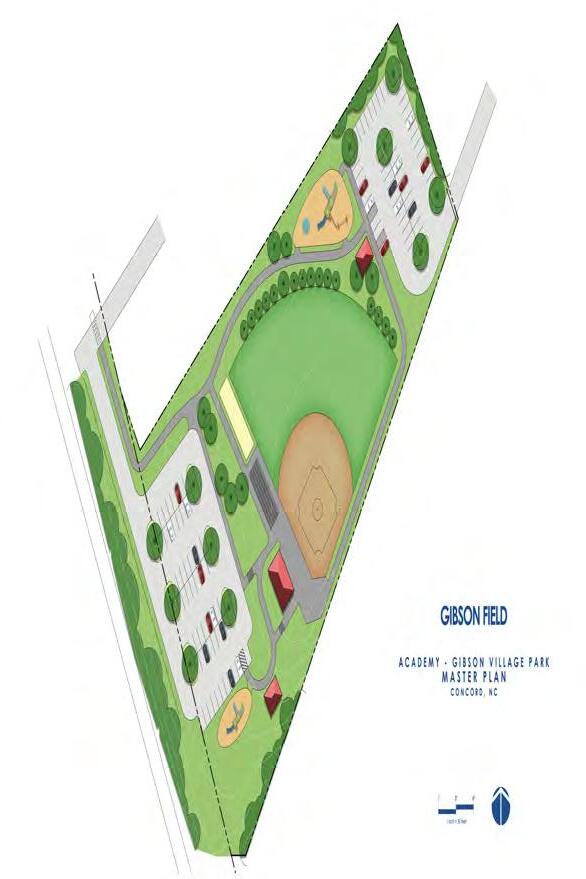
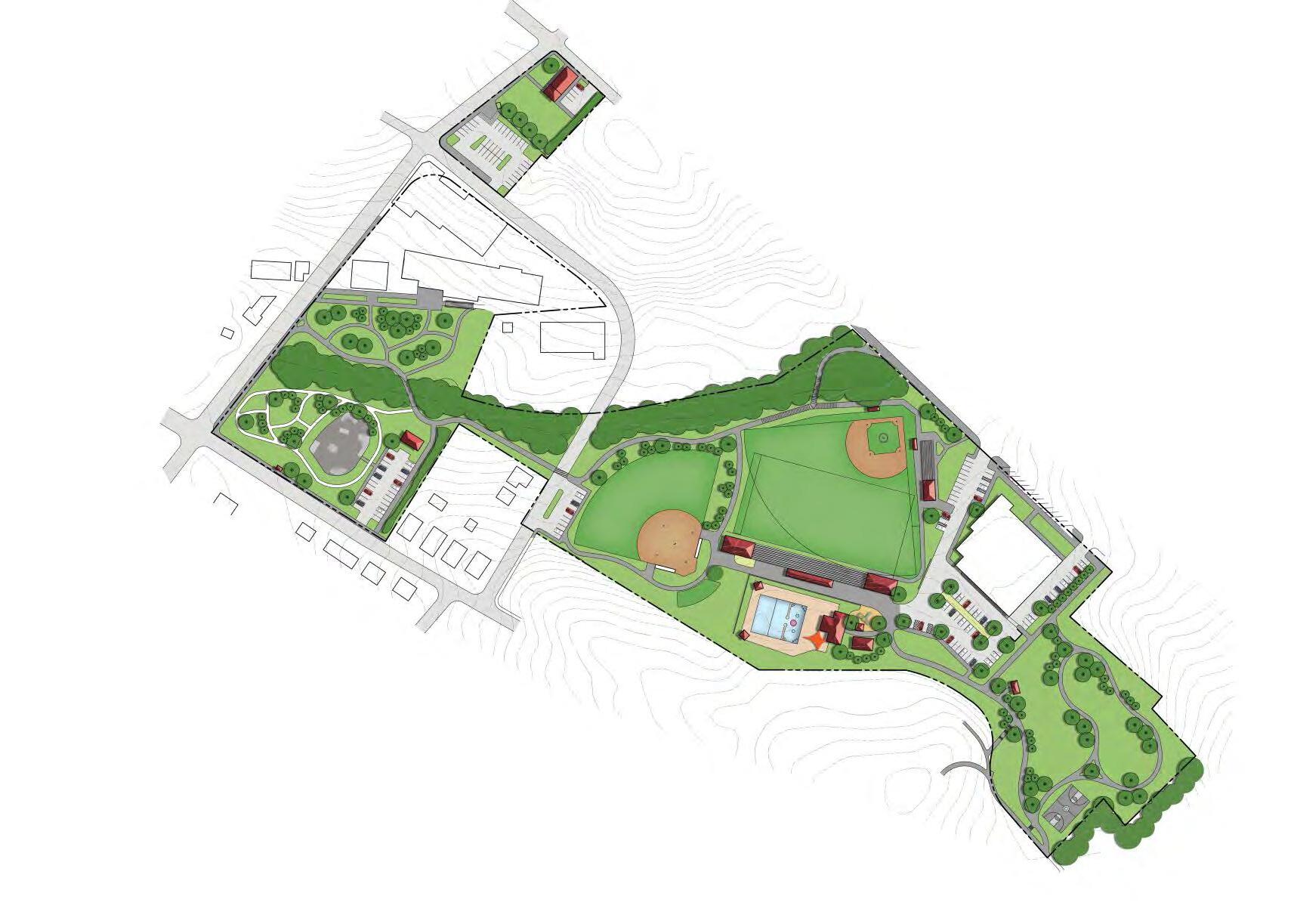
This project consists of completing the Wilson Street Park according to the adopted master plan. The master plan was adopted July 2020. This site provides a unique neighborhood park experience along an urban and heavily used greenway. It also supports the council goal to expand programming on the greenways and cultural arts programming. History,
A delay will prevent or inhibit full programming capabilities for the park and greenway. Justification
This project will provide connectivity to the McEachern Greenway and additional space for an outdoor classroom, nature and folklore-themed playground elements, pollinator garden, trail improvements, bridge crossings, tunnels, fairy door path, labyrinth maze, and educational signage. A delay will prevent or inhibit full programming capabilities for the park and greenway.
3
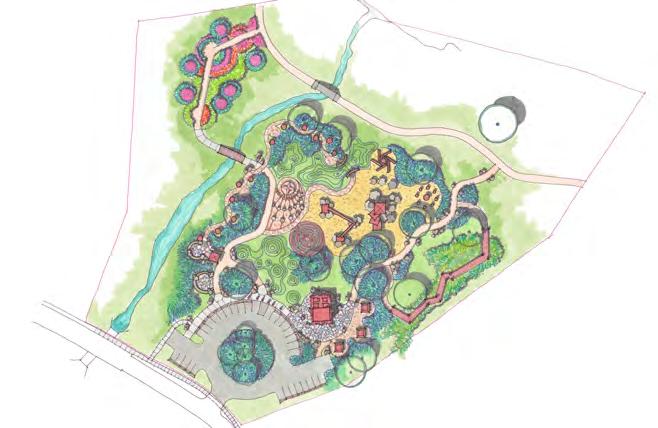
Fiscal Year 2024-25 through 2028-29 Capital Improvement Plan
The greenway project will be developed in several phases. Cost estimates per mile based on consultant preliminary design study (2023) and approved Open Space Connectivity Analysis.
Phase I – Marvin Caldwell Park to Transport Place: 10-ft wide asphalt greenway trail beginning at Marvin Caldwell Park that runs north through City of Concord-owned property and unused street right-of-way near Irish Buffalo Creek before becoming an overland connector facility to reach the City-owned property on Transport Place. Multi-use side path facility types have been identified for Corban Avenue, Powder Street, and Cabarrus Avenue. This phase totals approximately1.00 mile. This section provides non-motor vehicle connectivity for residents between Caldwell Park and downtown; and greenway connectivity using the existing network between the Brown Mill Mountain Bike Trail park and Caldwell Park.
Current Cost estimate for construction: (Near Term Overland Connector)
(A)2023 Baseline Cost Estimate = $1,206,000
(B)Escalated Construction Cost Estimate to Build Year2028 = $1,540,000
(C)Estimated Construction Engineering + Inspection (CEI) Costs = $185,000
(D=B+C) Total Estimated Construction Phase Cost =$1,725,000
(E)Estimated Design Cost = $134,000
(F)Additional Project Contingency = $177,000
(G=D+E+F) Total Project Budget Estimate =$1,936,000
Phase II – Marvin Caldwell Park to Warren Coleman Boulevard (US 601): 10-ft wide asphalt greenway trail beginning at Marvin Caldwell Park that runs south on the northeast side of Irish Buffalo Creek and provides grade-separated crossings underneath the roadway bridges at Lincoln Street, Wilshire Avenue, and Warren Coleman Boulevard (US-601) totaling 0.91 miles. At-grade connector trails provided at each of the bridge underpasses tie to the overland pedestrian street network. This section adds connectivity from Caldwell Park and the Logan and Silver Hill residential communities to US 601; and non-vehicular connectivity from the Alfred Brown Center to the downtown core of Concord. Current Cost estimate for construction:
(A)2023 Baseline Cost Estimate = $2,504,000
(B)Escalated Construction Cost Estimate to Build Year2028 = $3,200,000
(C)Estimated Construction Engineering + Inspection (CEI) Costs = $384,000
(D=B+C) Total Estimated Construction Phase Cost =$3,584,000
(E)Estimated Design Cost = $279,000
(F)Additional Project Contingency = $160,000 (G=D+E+F) Total Project Budget Estimate =$4,023,000
Phase II – Transport Place to McGill Avenue at Gibson Depot Mill (Stricker Branch) and from Stricker Branch to US29 (Irish Buffalo Creek 10-ft wide asphalt greenway trail from proposed Transport Place trailhead parking lot with restrooms north along Irish Buffalo Creek to Gibson Depot Mill at McGill Avenue along Stricker Branch (1.3 miles) at $1.7 million per mile ($2.21 million); and from Stricker Branch confluence along Irish Buffalo Creek to US 29 including (.95 miles) at $3.5 million per mile ($3.33 million) and dependent upon NCDOT bridge replacement project B-5808. Total Estimated Cost$5,540,000.
Phase IV – US 29 to Vietnam Veterans Park (Kannapolis)
10-ft. wide greenway will extend north approximately 2.35 miles along Irish Buffalo Creek from US 29 to Vietnam Veterans Park in Kannapolis. Not only will this phase provide connectivity to neighborhood development (some currently underway may provide trailhead parking and restroom facilities), but it will connect Kannapolis to Concord for non-motorized transportation system users. This trail is estimated to cost approximately $2.4 million/mile ($5.64 million); and may be separated into two sub-phases: US 29 to NC 73 (Davidson Hwy) and NC 73 to Vietnam Veterans Park.
History, Status, or Impact if Delayed
The development of these phases is contingent upon land acquisition, the renovation of Caldwell Park as a connector between phases, and on NCDOT and City transportation projects. This greenway system will connect neighborhoods, parks and recreational facilities in a multi-modal transportation network as identified in the Comprehensive Parks & Recreation Master Plan and Open Space Connectivity Analysis (OSCA).
Justification or Link to City Goals
This project aligns with the Parks & Recreation Master Plan, OSCA, and 2030 Future Land Use Plan (LUP). The development of the Irish Buffalo Creek Greenway will address bicycle & pedestrian needs prioritized in the P&R Master Plan, creating connectivity among Concord neighborhoods via a primary section of the Carolina Thread Trail network, and between the cities of Concord and Kannapolis. Additionally, it creates connectivity and non-motor vehicle access to daily needs for underserved residents of the Gibson Village, Logan, Silver Hill neighborhoods. LUP Goal 2 notes that the City should enhance mobility for all modes of transportation between the places where people live, work, shop and play. LUP Objective 5.5 calls for the City to’coordinate the expansion and development of greenways…(and) secure and improve greenways as vital transportation improvements through the development and capital improvements processes…”.
Section 3
Fiscal Year 2024-25 through 2028-29 Capital Improvement Plan
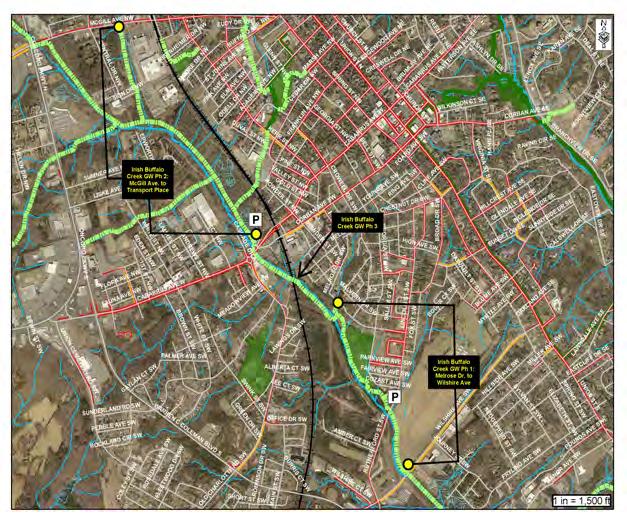
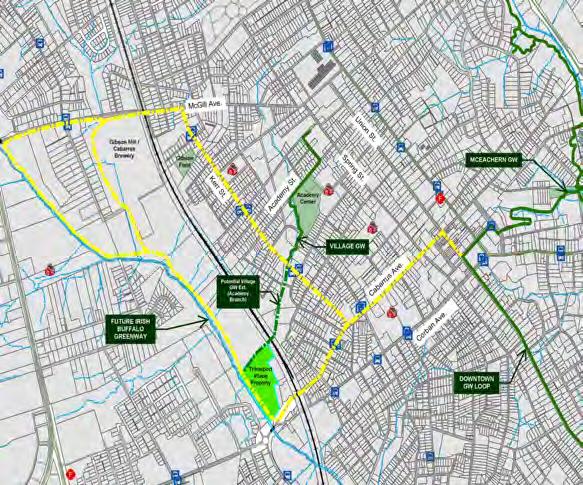
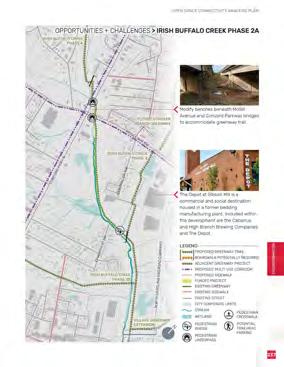
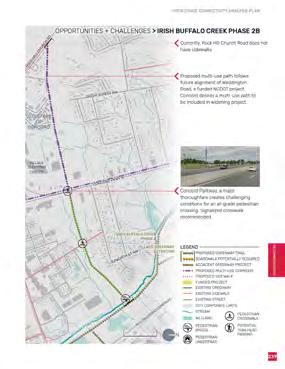
Wastewater Capital Projects Fund serves as the fund for Wastewater capital projects. This fund is comprised of Wastewater Projects budget unit.
This project will include the replacement of approximately 2,040' of 12" diameter gravity sewer line in the Rocky River Basin with a 15" diameter gravity sewer line.
The proposed gravity sewer replacement outfall line is called for in the recently completed Sewer Master Plan and will provide sewer service to future anticipated development within the drainage basin. This project will replace existing infrastructure that does not appear to have sufficient capacity to accommodate future projected wastewater flows near the Charlotte Motor Speedway area.
Specified transportation projects are funded by the City’s dedicated Transportation Fund. $4.4M of the ad valorem tax rate and other specified revenues are designated by the City Council towards improving roadway capacity and safety on area streets and extending pedestrian infrastructure. The fund is composed of the Streets budget unit.
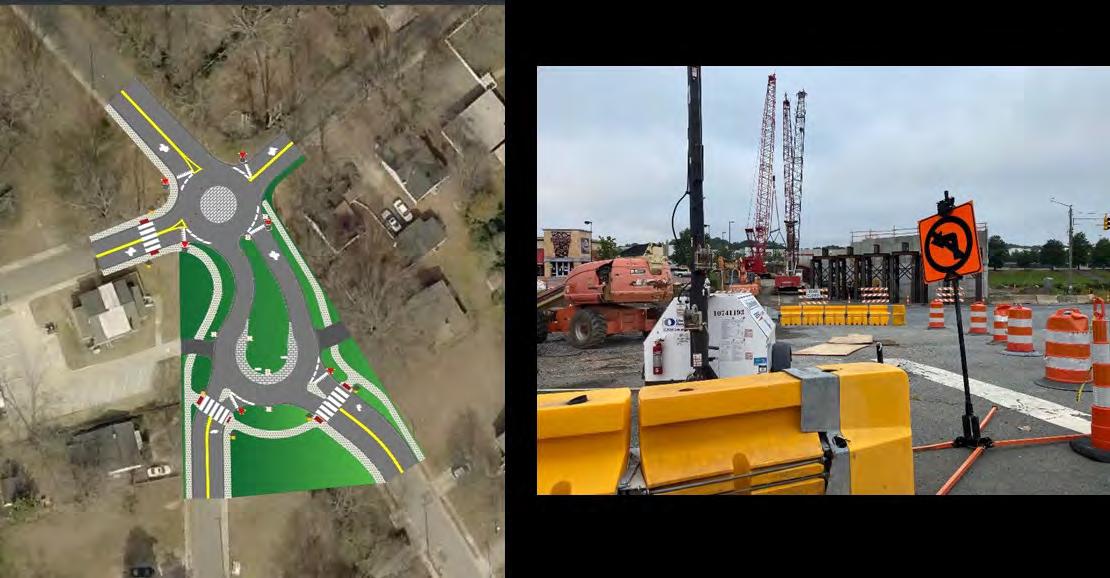
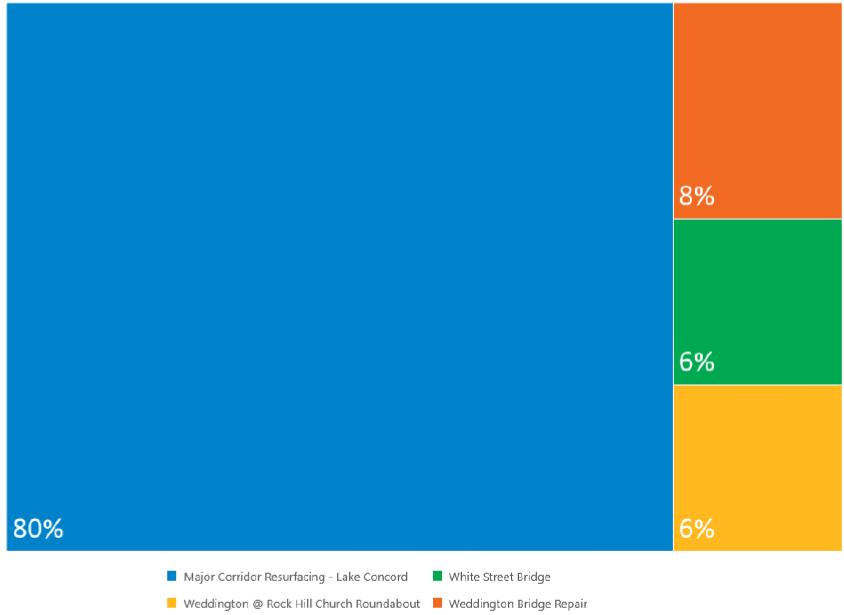
This is the first CIP in a series which consists of the necessary repairs, patching, and resurfacing of major corridor city streets throughout Concord. These streets include Lake Concord Rd., NE, McGill Ave., NW, Union St., and Weddington Rd.(from Bruton Smith Blvd. to Pitts School Rd.) This particular portion is focused on Lake Concord Rd., NE from NC 3 to Church St.
Delaying patching and/or routine resurfacing can lead to more extensive repairs needed which can be exponentially more expensive.
These major corridors have been identified to be in need of resurfacing and/or other extensive maintenance in the very near future. Most of these streets are a larger cross section and more costly to resurface than the typical streets throughout the City. The estimated cost to resurface Lake Concord Rd. from NC 3 to Church St. including some anticipated patching, and the needed re-striping is $1,300,000. This amount represents just under 50% of the annual resurfacing budget and would greatly reduce the areas that would be able to be addressed if included in a typical contract.
Priority maintenance repair of bridge joints on Weddington Road bridge over Rocky River.
The need for repairs to the joints on the Weddington Road Bridge was identified in the latest bi-annual bridge inspections. While this repair is not immediately safety critical, it is still necessary to ensure that the issues are addressed and do not lead to further issues which would further compromise the bridge. We are also required to address any issues identified by the inspections. After seeking out quotes to have the repairs performed, it turns out to be a much more expensive repair than was anticipated and has led to the need for this CIP.
Replacement or potential repair of the bridge on White St. pending in-depth inspection and recommendation from consultant engineers. History, Status, or Impact if Delayed
The White Street bridge is a non-NHS (National Highway System) bridge because it has a span of less than 20'. Due to this status, the bridge is not eligible or included in the agreement with NCDOT which contracts the bi-annual inspection of bridges within the city. Transportation staff have identified some deterioration of the bridge which will likely warrant that the structure be replaced. An inspection is being arranged and will be followed by a recommendation of replacement or repair along with an associated more accurate estimate. $500,000 is a very rough, general estimate for replacement if that does indeed end up being the best option.
This project realigns Concord Farms Rd. to connect with Windswept Rd. and establishes a 4-lane divided typical section with bike lanes, sidewalk, enhanced plantings, lighting, and signage to promote development opportunities in line with the Small Area Plan. History, Status, or Impact if Delayed
The Concord Farms Rd. realignment will provide safer access to US 29 at a signalized intersection. The project will be designed as a median divided facility with sidewalk and bicycle accommodations. This corridor is currently a largely undeveloped, agricultural area in the geographic center of Concord. The project will provide better access for economic development.
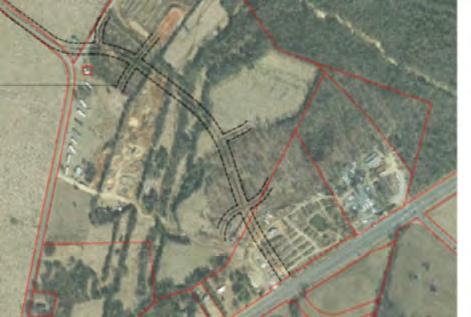
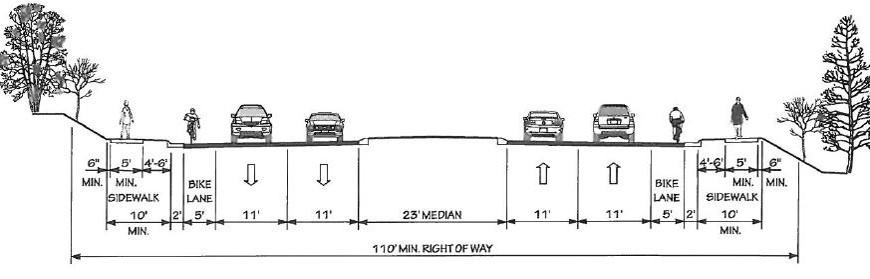
Project consists of engineering, right-of-way acquisition, and construction of a roundabout at the intersection of Weddington Road and Rock Hill Church Road. History, Status, or Impact if Delayed
Given the awkward geometry of the existing intersection of Weddington Road and Rock Hill Church Road it has long been a potential candidate for a roundabout. A recent study by NCDOT has confirmed that converting the intersection to a roundabout would increase the efficiency and safety of the intersection. Staff will be applying for various grants to help fund the rough estimate of $3,000,000 for the total cost of the project. Given that estimate, the City's 20% would be approximately $600,000. If the project is confirmed as an NCDOT Spot safety project then NCDOT may provide up to $400,000 towards the local match which would bring the City's estimated responsibility to $200,000.
NCDOT performed a study which determined that a single lane roundabout is the best option to improve the efficiency and safety of this intersection. Section 3
Fire projects are accounted for using this fund. This fund is comprised of Fire Projects budget unit.
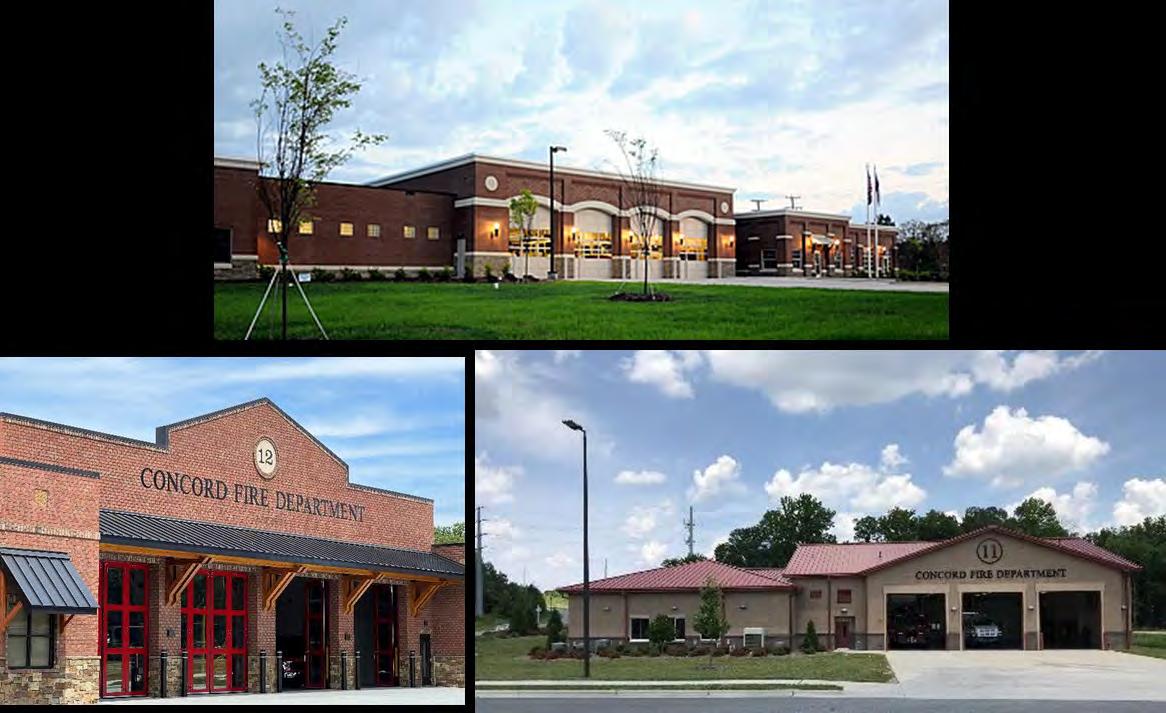

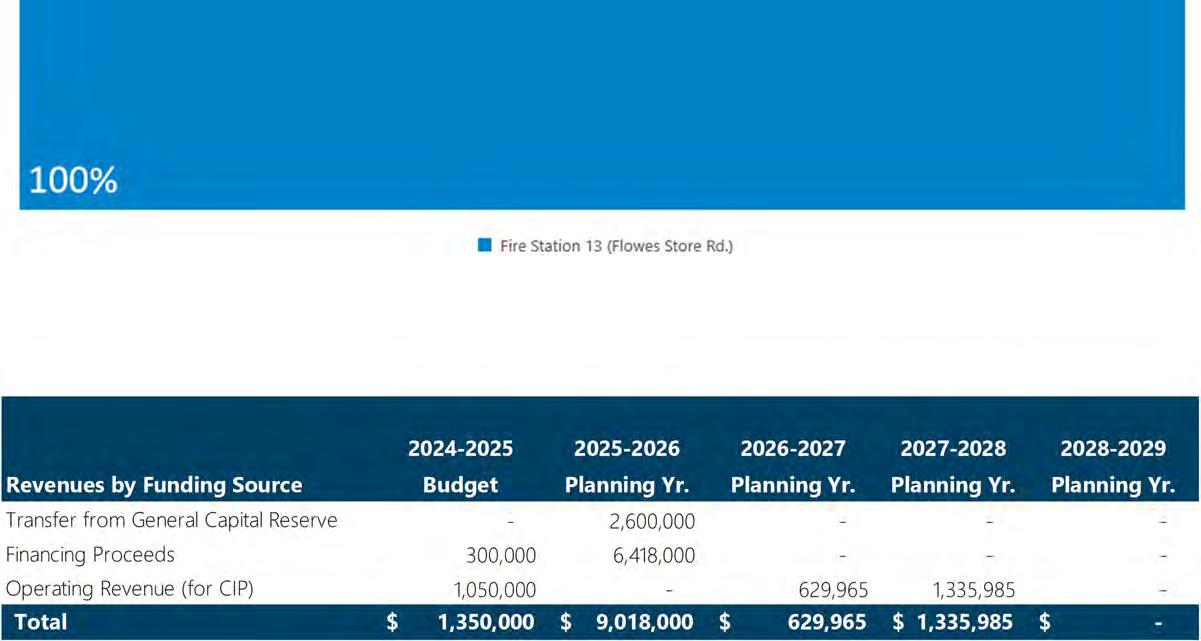

Fiscal Year 2024-25 through 2028-29 Capital Improvement Plan
As this area continues to grow, a station will be needed to deliver emergency services. The department worked with Legal and Planning to secure property that was suitable for a new fire station in future years. The City has approved annexation in this area and there are several larger subdivisions that are outside the response capabilities of existing fire stations. To deliver emergency services, as well as maintain ISO ratings, a new fire station will need to be constructed and staffed.
This project falls within the Strategic Goal to support public safety facility, equipment, and personnel needs to meet service demands.
Fire Captain x3 (includes benefits @ $110,534.67 per position) NEW GRADE (April start
Engineer x3 (includes benefits @ $87,745.97 per position) NEW GRADE APRIL START
Fighter x6 (includes benefits @ $69,088 per position) NEW GRADE APRIL
Fire Lieutenant x3 (includes benefits @ $94,765.67 per position) NEW GRADE (April start date)
Section 5 Method(s) of Financing
City of Concord, North Carolina
Fiscal Year 2024-25 through 2028-29 Capital Improvement Plan
Section 6 Maps / Charts / Tables / Pictures
Section 7 Comments for Other Depts.
This will involve the following departments: Engineering, Buildings & Grounds, Legal, City Manager's Office, and Electric.
City of Concord, North Carolina
Fiscal Year 2024-25 through 2028-29
Current Self Contained Breathing Apparatus (SCBA) equipment is at the end of its life cycle.
At the end of the manufacturer's life cycle, which coincides with the replacement schedule, the SCBAs will no longer be covered under warranty and any issues with the SCBAs will not be covered. Therefore, a great expense will be incurred by the department to replace damaged equipment from normal use as well as other issues, such as electronic components, that can cost thousands of dollars per unit to repair. With new units, a new 10-15 year manufacture warranty is provided which can save the department tens of thousands of dollars over the lifespan of the equipment.
Self Contained Breathing Apparatus (SCBA), also known as air packs, are critical equipment that firefighters use when battling fires and other immediately dangerous to life and health (IDLH) environments. SCBAs have a life span and are bench tested on an annual basis. Additionally, the National Fire Protection Agency (NFPA) conducts updates to standards on roughly a five year cycle. These updates require the current SCBAs to be updated to meet the new standards for things such as alarm limits, universal fittings (for interoperability with other agencies) and other items. At the time of replacement, the current SCBAs will be roughly 15 years old and three versions of NFPA behind the standard.
Water projects are accounted for using this fund. It is comprised of the Water Projects budget unit.


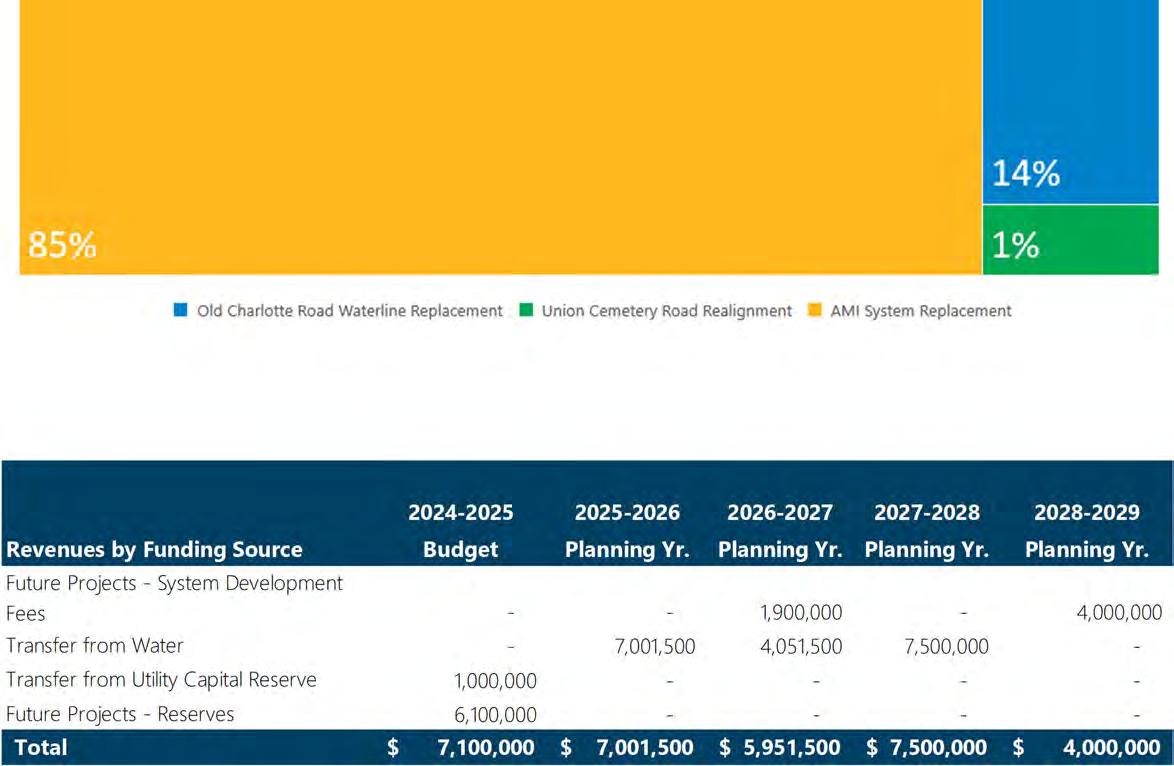

The South/West Water Capacity Project include a group of projects that were recommended in the Water Master Plan. This group of projects will assist with redundancy and capacity management between water treatment plants, as well as allowing a higher volume of water to be provided to Harrisburg and Midland as needed. This group of projects includes: 1) a 5 million gallon per day (MGD) pump station in the vicinity of the intersection of Stough Rd and Hwy 49, 2) upsizing the current 8” water main along Stough Rd (future George Liles Pkwy) to a 24” water main, 3) installing a new 16” cross-country water main between Stough Rd and Rocky River Rd, 4) upsizing the current 12” water main along Rocky River Road to a 16” water main, and 5) extension of a 24” water main along Hwy 49 from Zion Church Rd to the area of Stough Rd.
History, Status, or Impact if Delayed
To further enhance system pressure and enable greater volumes of water to be distributed throughout our system more efficiently as outlined in the completed Water Master Plan.
Section 2
City of Concord, North Carolina
Fiscal Year 2024-25 through 2028-29 Capital Improvement Plan
Description
This project is for installation of a new advanced metering infrastructure (AMI) system which will improve communication up-time, significantly increase data availability for operations, increase the efficiency of billing reads, and reduce the amount of manual meter reads required. History, Status, or Impact if Delayed
The existing Water AMI meters rely on the electric meters in areas to be data transfer points. As Electric undertakes the upgrade to their Smartgrid system, the entirety of the remaining operable water AMI system will become inoperable when they switch to a new system. The Water AMI system must be on the same track as the Electric changes or it will decrease the level of service of the existing Water AMI system. Justification or Link to City Goals
The current AMI system’s effectiveness is less than ideal, and there are a significant number of meters that need to be replaced. This new system will be innovative and will increase productivity and transparency when fully implemented.
Section 4 New or Additional Impact on Operating Budget
Section 5 Method(s) of Financing
Section 6 Maps / Charts / Tables / Pictures
City of Concord, North Carolina
This project consists of providing water infrastructure replacements and/or relocations as necessary due to the realignment of Union Cemetery Road as described in the proposed NCDOT project (TIP No. U-5956).
These water infrastructure replacements and/or relocations within the project area described above will further enhance/improve the overall hydraulics of the water system and provide continued service to existing water customers.
City of Concord, North Carolina
This project consists of providing water infrastructure replacements and/or relocations as necessary due to the widening of Poplar Tent Road from East of I-85 to George Liles Boulevard as described in the proposed NCDOT project (TIP No. U-3415).
Status, or Impact if Delayed
These water infrastructure replacements and/or relocations within the project area will further enhance/improve the overall hydraulics of the water system and provide continued service to existing water customers.
Replacement of approximately 2,000 feet of 12" waterline
Because of repeated maintenance needs, we have identified this section of waterline to be replaced.
General Fund Capital Projects that are not Parks & Recreation or Fire projects are accounted for using this fund. This fund is comprised of the General Projects and the Brown Operations Complex Projects budget units.
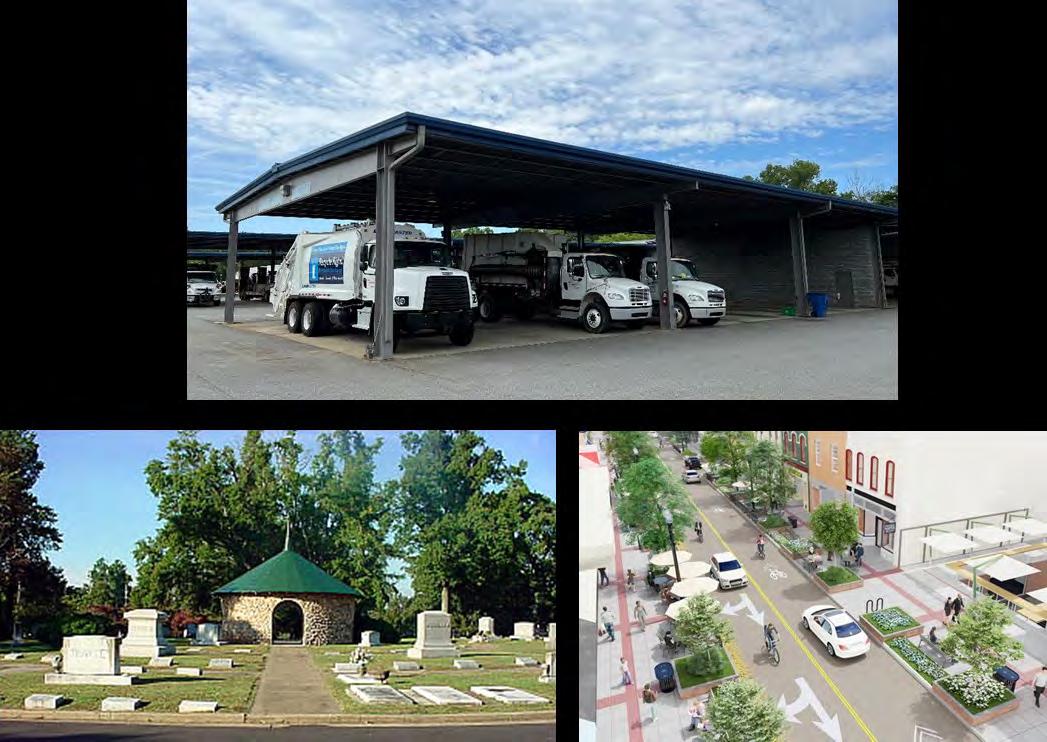
Remove old fueling station and expand Brown Operations Center parking.
Justification or Link to City Goals
Additional parking (55 spaces) will allow for future employee growth and accommodate visitors for training at the BOC.
This project will provide more fiber redundancy for Concord-Padgett Regional Airport, Fire stations 5, 7 and 9. It will also provide fiber redundancy for several Water, Electric and Signals circuits out on this end of the city and provide more available fiber. This will be a new 4 mile fiber run on existing City of Concord electric poles. History,
This will provide a redundant path for several City facilities on the western side of Concord and will also give more fiber availability overall.
This project meets the City Council goal to strengthen the City's fiber infrastructure and ensure all City facilities have fiber capability. This is needed to be able to add redundancy to various City facilities on the western side of the city. This will help prevent outages in the event of a damaged or cut fiber on this side of the city
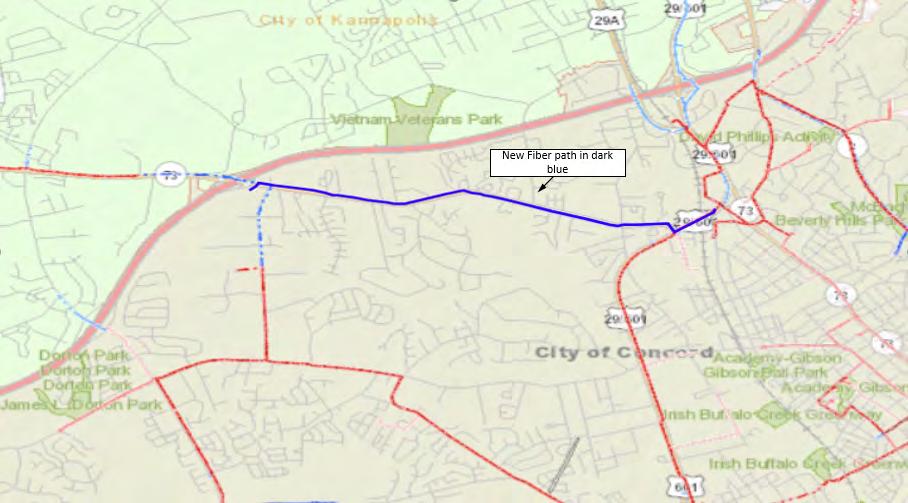
Section
Fiscal Year 2024-25 through 2028-29
Description
The City of Concord, Cabarrus County, and the City of Kannapolis will need to transition the Cabarrus radio frequency tower equipment from its current FDMA system to a TDMA system as other UASI systems and the VIPER state system also make the transition to TDMA. The upgrade from FDMA to TDMA will double the amount of frequency usage per channel. As with many other technologies, radio system technology is being used in more advanced ways than just transmitting voice. Data is now regularly pushed through the radio system back into CAD and other systems providing real-time information. The ability to double the amount of voice and data traffic pushed through the radio system will help eliminate system busyness
The project will be split 40/40/20 with Concord and Cabarrus County each carrying 40% of the cost and Kannapolis carrying the remaining 20%. The timing of the transition will have to be coordinated between all three agencies. VIPER and City of Charlotte are aiming toward a July 2025 upgrade for their systems. Cabarrus agencies agree to monitor these projects and their timeline over the coming year and will adjust the Cabarrus timeline if needed. Current estimates provided to Cabarrus from Motorola estimate a cost of $1.8 million to complete the Cabarrus upgrade.
History, Status, or Impact if
Failure to upgrade the radio system to TDMA could cause radio system busies for users and require agencies to limit the amount of data allowed to cross through the radio system thus not allowing them to utilize available industry technology. The project will need to be coordinated with Cabarrus and Kannapolis. All three agencies agree to monitor the City of Charlotte and their transition to TDMA before moving forward with any Cabarrus system upgrade.
Support the projected Public Safety facility, equipment, and personal needs to meet service demands.
City of Concord Communications currently has six MCC7500 dispatch radio consoles in operation. This model is no longer available for purchase and will be end of support as of December 21, 2028; however, UASI will continue to support this model up until the release of the ASTRO25 system release A2026.x which is scheduled for December 1, 2026. Once the Cabarrus network is upgraded with the new release, MCC7500s will no longer be supported on the UASI system. Concord Communications will need to replace these radio consoles with AXS Dispatch Consoles. History, Status, or Impact if Delayed
If replacement radios are not purchased, current console radios will be inoperable once the 2026 system upgrade is completed. If a new 911 Center is constructed, this CIP will be removed.
Support the projected Public Safety facility, equipment, and personal needs to meet service demands.
Fiscal Year 2024-25 through 2028-29 Capital Improvement Plan
Description
The construction of a new Fleet facility is scheduled to be completed late summer of 2025, at which time the current fleet facility will undergo renovation in preparation for the Radio Shop relocation. The renovation will include updating and configuring the administrative office area to add additional individual offices, communal spaces and adding HVAC to the bay area along with warehouse storage to house fiber reels, fiber supplies and vehicle installation components.
Radio Shop is currently operating out of a single, one-sided bay for vehicle builds. The bay will hold two smaller SUV or pick-up type vehicles, or a single large vehicle, such as bucket truck, fire truck or large service truck. Staff will have two drive through bays at the new location along with several one-sided bays. Renovation will include creating a tech room, storage rooms and individual office for Communications staff to include Communications Shop Manager, Network Manager, Administrative Assistant, and Communications/Network Technicians. Fiber Network supplies will be moved from the warehouse to the new location to free up warehouse space and allow for better inventory distribution and control.
Justification or Link to City Goals
Support the projected Public Safety facility, equipment, and personal needs to meet service demands.
Section 6 Maps / Charts / Tables / Pictures
Section 7
Utilities will stay connected but transferred to the Radio Shop.
Aviation projects are accounted for using this fund. It is comprised of the Airport Projects budget unit.



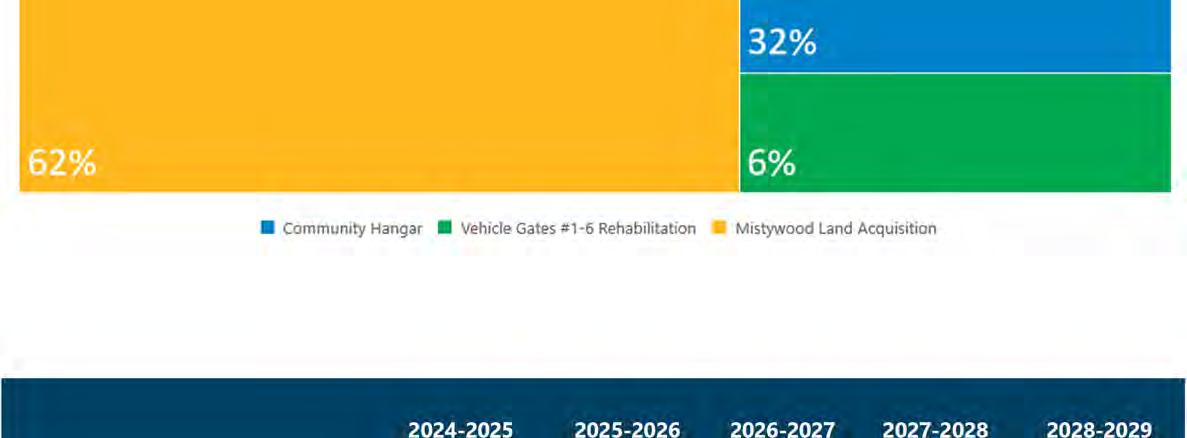



In the FAA approved Master Plan, along with the Airport Layout Plan, updated in 2019, 9 parcels were identified to acquire in support of the proposed new General Aviation (GA) complex. Discussions with the FAA have shown that we can use grant funding from the Bipartisan Infrastructure Law to cover 90% of the land acquisition, which we plan to use across FY24-FY28.
History, Status, or Impact if Delayed
This project would provide the land for the GA complex, Myint Lane Airport Access Road, and Myint Lane Airport Apron Development.
or Link to City Goals
This project is to accommodate commercial traffic by expanding the existing runway from 100' to 150' wide. History, Status, or Impact if Delayed
The design for this project was previously funded in FY2022.
Justification or Link to City Goals
FAA guidance advises a runway width of 150' for the type of aircraft operating out of Concord-Padgett Regional Airport.
City of Concord, North Carolina
Fiscal Year 2024-25 through 2028-29
This project renovates the current Fire Station #6 after the new station is built so that it can house an airport operations/security center with space for offices. History, Status, or Impact if Delayed
The current space for the safety/security office and badging office has been expanded already, but the need for more space will continue to grow as operations continue to increase at the airport. This project is contingent on Fire constructing the new Fire Station #6. Justification or Link to City Goals
The current Fire Station #6 is being relocated to a new building, which will leave the current building empty. We would like to use this space to house an airport operations/security center. A centralized operations/security center would allow staff to better monitor airport activities and enhance security.
City of Concord, North Carolina
This rehabilitation will include all new mechanisms, gates, in-ground loops, signage and repaving at 6 vehicle gates located on the General Aviation (GA) side of the airport.
A majority of these gates have been repaired from damages by vehicles (buses and heavy trucks). Pavement has suffered under construction vehicles accessing the airside through many of these gates as well. Justification or Link to City Goals
Years of vehicle traffic, including construction traffic, have taken their toll on these gates, including the asphalt and the loops. Numerous repairs have been made over time, but the condition of the gates and pavement are making these repairs more difficult.
Upgrades are needed to address the aging fire suppression system at the airport, including the installation of a new fire suppression system in a hangar that does not currently have fire suppression.
The fire suppression systems were initially installed with the construction of the hangars. As the hangars age, this system needs to be upgraded.
The fire suppression system is aging and there are needed repairs and upgrades to make it function more effectively and efficiently. Additionally, fire suppression is needed in a hangar that does not currently have it, per the fire inspector.
This project is to build a new community hangar around 35,000 square feet in size.
Status, or Impact if Delayed
In the spring of 2023, construction began on the North Apron expansion project which has expanded the ramp north past Hendrick Motorsports. There is also another project, the North Apron Access Road, that will provide streetside access to the hangar.
Justification or Link to City Goals
One of the City goals is to increase the number of based aircraft and this would allow more aircraft to come to the Airport. More aircraft would also increase the tax base revenue. Additionally, there is a lengthy wait list for hangar space at the airport, in addition to a few different companies that are interested in more hangar and office space.
Rehabilitate the apron where the tiedowns are located along with the ramp in front of the Hendrick Motorsports hangar. Additionally, this project would rehabilitate the ramp on the south end in front of the corporate hangars.
With the pending completion of the hangar taxilane rehab project, all other non-movement surface areas (ramp areas) have been rehabilitated in the last few years. This pavement is the last section that needs rehabilitation.
When the ramp rehabilitation and strengthening project was completed a few years ago, it did not include the tiedowns and the ramp on the south end of the airport. Thus, these areas are older and in need of rehabilitation.
Section 4
This project is for phased fiber implementation at Concord-Padgett Regional Airport. The Airport has experienced fiber outages before and needs additional fiber capacity for redundancy and disaster recovery. Based on recommendations from consultants, this project would be conducted in three phases:
Phase I: Additional fiber to the current Fire Station #6 (future operations/security building), Aviation's maintenance shed, and the virtual tower project. This provides for the immediate service needs for City personnel and upcoming projects.
Phase II: Corporate hangars would have a fiber connection. This works in connection with other mid-range Aviation CIPs meant to promote economic development at the Airport.
Phase III: Far north portion of the Airport. This works in conjunction with other long-range Aviation CIPs meant to promote economic development and revenue growth.
Additionally, fiber from the Commercial Service Terminal to the old Gate#7 located on Zephyr Place. There would also be an Aiphone, IP cameras and card reader access. This would allow this gate to be closed at night to provide enhanced security for the commercial terminal and parking deck.
Lastly, add natural gas lines to the Airport to replace propane usage.
Last year, a consultant put together a preliminary master fiber plan for the Aviation Department's fiber needs. This was based on looking at the current Airport and future CIPs. The consultants emphasized the need for a second, alternate fiber path to the Airport for disaster recovery.
The Airport has experienced fiber outages before and they disrupt operations. Since existing fiber connections are inadequate for current Airport needs, any anticipated growth within the Airport will continue to exacerbate these issues.
Adding natural gas lines will allow the Airport to move away from propane usage, thereby reducing costs to the Airport.
This project would renovate and expand the existing Fixed Base Operation (FBO) General Aviation Passenger Terminal Building to provide additional space
The terminal building is becoming outdated and its capacity exceeds design when NASCAR teams depart for races each week. Our FBO is a gateway into the community for general aviation and businesses essential to economic development for our area. While other projects have been placed on a higher priority, the need to expand and rehabilitate the FBO building remains a strategic goal for the Airport.
The FBO terminal building is at full capacity. More office space is needed for both the Aviation department and existing tenants as the Airport continues to grow.
This project involves expanding the passenger processing and baggage screening building (Commercial Service Terminal) in the airport's South Development Area (SDA). The facility will be large enough to handle passengers for four large aircraft and is anticipated to be constructed in conjunction with other South Development Area projects.
This is proposed in conjunction with two other projects that will assist the Airport with numerous problems created by the increase in large aircraft operations (charter and scheduled service). The Passenger Terminal building provides a secure indoor area for required security screening and streamlines the boarding process.
This project has been added to the Airport Layout Plan and will meet the Aviation Department's goals for customer service, safety, and revenue generation. An environmental assessment (EA) was completed as the first step in this phase in 2020. Section 3
This project would complete the South Development Area build out by filling in the remaining unused area and constructing an aircraft apron that would connect the South Development Area Phase I Apron to the existing south ramp of the main terminal ramp at Concord-Padgett Regional Airport. History, Status, or Impact if Delayed
This capital project was included in the 5-year Transportation Improvement Program (TIP) submitted to the State of North Carolina DOT Aviation Division. The project would help with efficiency, allow growth, and keep space available for airline operations that are separate from general aviation operations, which is a DHS-TSA security requirement.
This project would help with the expansion of scheduled airline and large aircraft charter operations by expanding the designated ramp area available for these activities. An environmental assessment (EA) was completed as the first step in this phase in 2021.
City of Concord, North Carolina
This project adds additional parking for the increase in flights and demand for parking. This project would be in conjunction with Phase 2 of the Commercial Terminal.
This is proposed in conjunction with two other projects that will assist the Airport with numerous problems created by the increase in large aircraft operationsboth charter and scheduled service.
This project has been added to the Airport Layout Plan and will meet the Aviation Department's goals for customer service, safety, and revenue generation.
of Concord, North Carolina
This rental car facility would be used by the onsite car rental companies for their use for rental operations, including storing and cleaning cars.
The current rental lot is exceeding the capacity it was designed for. Both rental car tenants struggle with moving vehicles around to accommodate passengers. A larger area for them to operate in would help them better organize their operation and continue their growth.
Since the Commercial Services terminal was opened, the airport started collecting rental car facility fees to be used towards the addition of a rental car facility for their operations.
Engineered Materials Arresting Systems (EMAS) is crushable material that is placed at the end of a runway that is designed to absorb the forward momentum of an aircraft that overshoots the runway. Runway 20 does not meet the current FAA standard for Runway Safety Area and the EMAS would meet the requirement. The FAA has requested this situation be evaluated.
With larger aircraft now using the airport, the FAA is mandating an increased runway safety area. The FAA would fund the project at 90% funding level as a safety priority project.
Safety and economic development are the primary goals from the FAA for this project. Runway 20 currently only has 600' of safety area beyond the runway pavement end and the FAA requires at least 1,000'. An EMAS is an efficient way of providing 1,000' of overrun area without actually having the entire area available. Having the EMAS would give the airport additional runway length for takeoffs to the south.
This project creates a second access point from the end of Myint Lane to the new North Myint Hangar Area Development. This project is a starting point for the Airport Perimeter Service Road that is in the Airport Master Plan.
This project has been included in the CIP since Taxiway "G" was constructed. The access road would be to the proposed General Aviation Complex and provide access to a future fuel farm area that the City will use to service the North Myint Hangar Area and other developments along the new North Taxiway. Justification or Link to City
With the completion of the new North Taxiway, access to development along that area is needed. Property around the south and east sides of Myint Lane is currently owned by the City and constructing an access road would allow that area to be opened up for private and small aircraft hangar development.
This project is for the development of a public aircraft apron and hangar sites that connect to the new North Taxiway. The ramp areas may be eligible for FAA grant funding.
With the North Taxiway now complete, this project would help meet the need for additional sites for small aircraft hangars at the airport and help utilize the new taxiway.
With the City's major investment in the North Taxiway project, development is needed that would access the taxiway and generate additional revenues for the airport. This project will provide sites for small hangars of about 5,000 square feet or T-hangars for smaller general aviation aircraft. A self-service AVGAS fueling area may also be provided.
This project consists of constructing an internal service road from the north apron to the North Myint Access Road. History, Status, or Impact if Delayed
If unable to construct this roadway, airport fuel trucks and other vehicles would need to travel taxiways, which is a safety issue with the FAA. The road would also provide a secondary access to the airport improving safety and emergency response. This roadway may be eligible for federal funding assistance. Justification or Link to City Goals
Safety and customer service are primary reasons why this road is needed. The road will allow internal access from the main airport area to the new hangar development area adjacent to Taxiway "G". It would also allow vehicles to avoid going near an active runway or a taxiway, which can be dangerous and create potential conflicts with aircraft.
This project consists of some land acquisition on the northwest side of the airport, planning, engineering and, ultimately, the construction of a General Aviation (GA) complex. The GA T-hangars, flight schools, etc. would be relocated to this complex.
This GA complex has been identified in the Airport Master Plan. This project is in connection with the Mistywood Land Acquisition Project.
Relocating the T-hangar customers would make way for more room for corporate hangars in the T-hangar's current location. Relocating flight schools also frees up more space for corporate customers. Having one area for the smaller GA traffic allows the corporate side of the airport to continue to grow, while also giving the smaller GA traffic more room for growth.
Description
This project would construct permanent concrete helipads at Concord-Padgett Regional Airport to replace helipads lost due to expansion projects. Helipad locations would be determined after a space analysis is completed and would be constructed when funding becomes available.
History, Status, or Impact if Delayed
Helipads are needed for current and future helicopter traffic growth. This project replaces helipads that were lost as a result of recent construction projects. The Airport is currently using several mobile pads called dollies, but they do not work for larger helicopters.
Justification
Safety and economic development are the primary reasons for this project. With the recent completion of the North Apron Expansion and South Development area, the Airport lost an existing helipad and areas where helicopters would park at the airport. For safety reasons, it is critical to have a designated area for helicopter activity that is obstacle free and away from other aircraft. During race operations, the Airport sees several hundred helicopter operations and does not have sufficient landing areas for these aircraft.
This project consists of constructing a connecting road between Aviation Blvd. and Zephyr Pl.
This road will be near the current south gravel lot and will provide easier access to that lot in the event of overflow parking operations, which usually occur in the summer months and around the holidays.
Adding a direct connection from Aviation Blvd. to Zephyr Pl. will help traffic flow going to the commercial service terminal from clogging up on Roush Pl., where there are other businesses that receive delivery trucks several times during the day.
Electric projects are accounted for using this fund. It is comprised of the Electric Projects budget unit.
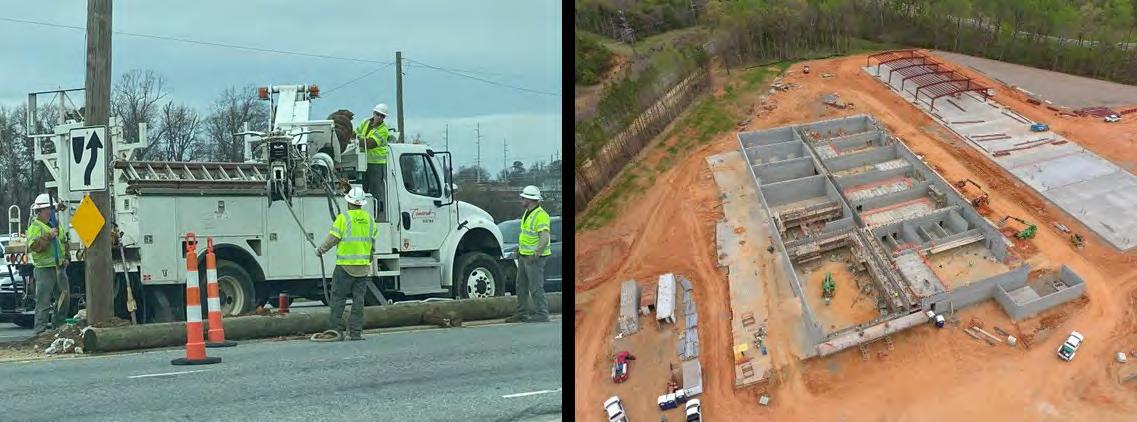
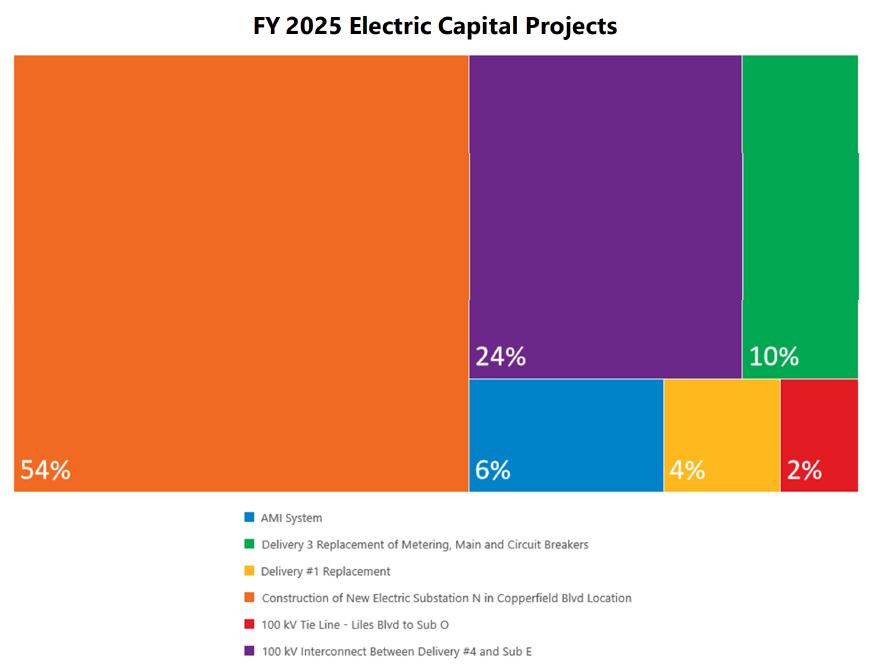

This project provides an interconnection between Delivery #4 and Substation E on Rock Hill Church Road. This tie line will provide an alternative route of electric power to substations E, J, and K. The total project distance is 2.5 miles. History, Status, or Impact if Delayed
Substations J, K, and E are currently fed from a radial 100kV transmission line from Delivery #3. When Delivery #4 is complete, an interconnect line to Substation E will increase reliability by creating a loop feed for these substations and provide tying capability on the 100kV transmission system.
Justification or Link to City Goals
This project will utilize the new Delivery #4 to improve reliability and tying capacity on the 100kV transmission system.
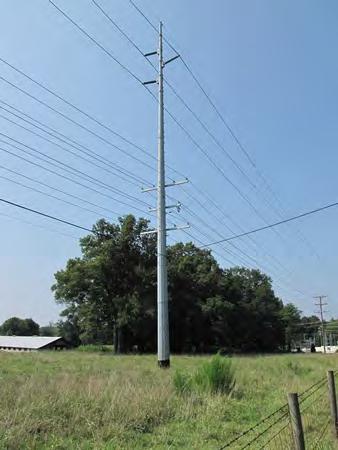
This project will update the connection point between Duke Energy and the City of Concord at Delivery #1 with new protective, monitoring and metering equipment, strengthening Concord's electric infrastructure. History, Status, or
During this project, relay package, breakers, and the control house have been upgraded. With the completion of Concord Delivery #4, we can now take Concord Delivery #1 off line and finish the project by adding a main breaker.
This project will replace an existing station that was built 45 years ago and has reached its end of expected life. This new station will provide greater reliability as well as additional loading capabilities.
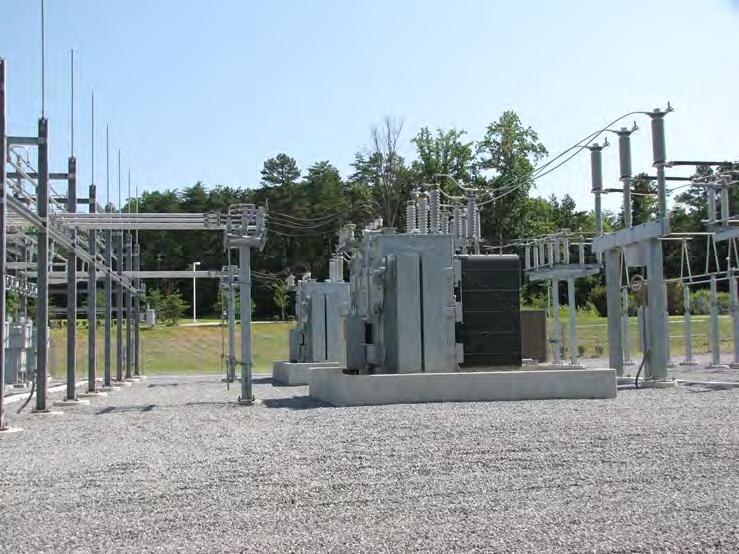
This project is for the installation of a new Smartgrid metering infrastructure, which will improve meter communication methods, increase the amount of data collected, and improve billing efficiency. History,
Many meters on the grid will be reaching the end of life expectancy soon. Aging meters must be replaced to prevent meter failures and potential loss of revenue.
The current Smartgrid system is nearing end of life and needs replacement. Replacement with meters that have better communication and provide the ability to record more data will deliver a more efficient AMI (Advanced Metering Infrastructure) system. More granular meter data is needed for future rate updates including Plug-In Electric Vehicle (PEV) rates.
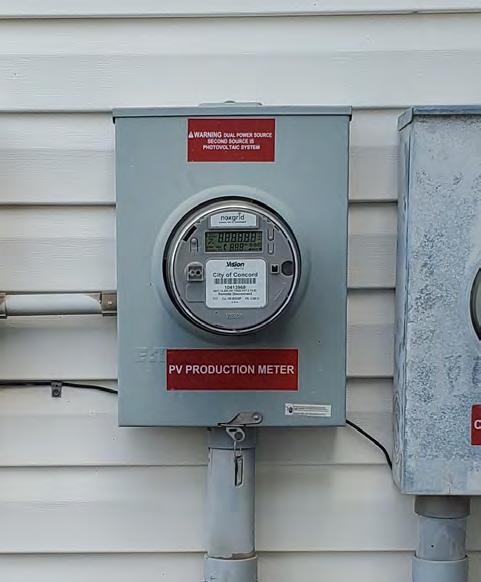
This project will provide an additional 100kV/12.4kV distribution substation to handle growing capacity needs in the City's northeast service area and enhance the integrity of the current and future electric service to our customers.
Another substation is required to address growth in the northeast section of the City's electric service area. Development in the N\northeast service area is pushing the capacity of existing Substation F to its service limit. The new substation will relieve the loading on Sub F and address future growth expected in the area. It will also provide additional reliability within the system as it will have a unique feed from Duke allowing for more switching capabilities if Delivery #1 or Delivery #2 is offline.
This is a component in a ten year plan to update and improve our electric infrastructure. The northeastern portion of the City's service area is now growing at an accelerated pace and a new substation is needed to meet the demand expected. Delaying this project will limit the City's ability to serve new customers.
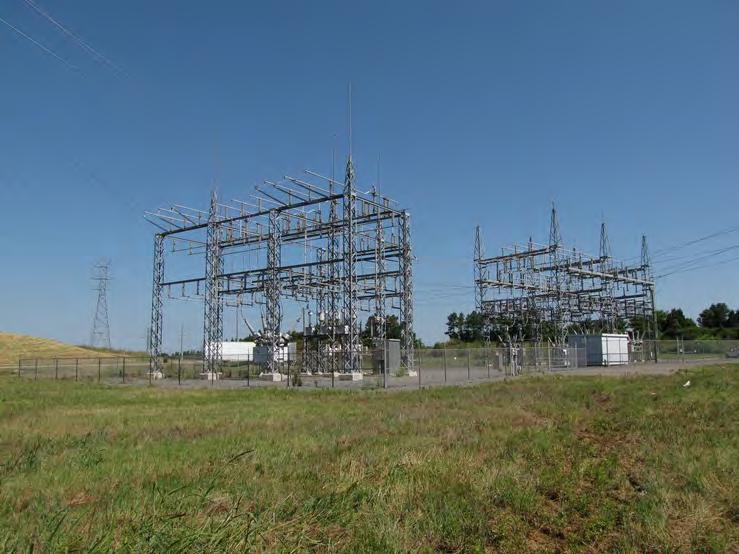
The final phase of upgrades of Delivery #3 equipment will provide new 100kV circuit breakers and switches, as well as a main circuit breaker with upgraded metering equipment for protection of the delivery bus and breakers.
The control house and some protection devices have been upgraded at this delivery point in recent years. With the commissioning of Delivery #4, the circuit breakers, switches and main circuit breaker can now be replaced/installed at Delivery #3 to strengthen the power delivery system.
This project is a part of a ten-year plan to upgrade and improve electric system infrastructure and modernize the electric grid in Concord. The delay of this project jeopardizes the reliability of the electric grid on the entire western side of the system including eight substations and one 100kV feed to the Eli Lilly manufacturing plant.
This project will provide an additional 44kV/12.4kV distribution substation to handle growing capacity needs in the City's southern service area and enhance the integrity of the current and future electric service to our customers. History, Status, or
The southern portion of the City’s service area is now growing and has the potential to grow extremely quickly as there are large tracts of undeveloped land for sale in the area. A new substation is needed to meet the demand expected. Delaying this project will severely limit the City’s ability to serve new customers in this area.
Project was funded in prior years, but funds were moved to build Substation T. This CIP replaces funds moved so that Substation S can be built.
This project is required to address growth in the southern section of the City's electric service area. Development in the southern service area is pushing the capacity of existing Substation D. The new substation will relieve the loading on Sub D and address the future load growth expected in the area. It will eliminate voltage issues in the area and will also provide additional reliability on the system as it will provide tying capability with three existing substations.
Section 3
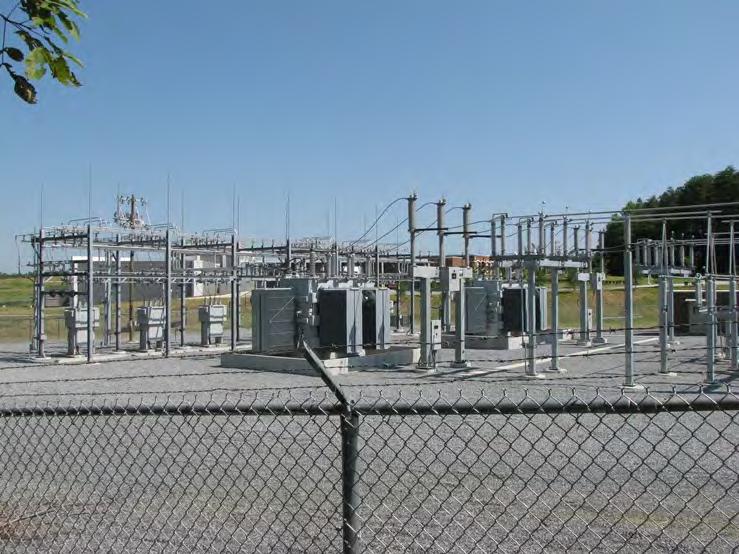
This project will close a loop feed from Sub O to the 100kV line at the intersection of George Liles Blvd. and Poplar Tent Road. Total project distance is 2.5 miles. The tie line will provide an alternate route of electric power to all substations on the western side of the City's service area. History, Status, or Impact if Delayed
This is a component of a 10-year plan to improve the City's electric system infrastructure. Canceling or delaying this project could result in longer wait times for power restoration for our customers during major outages.
This tie line will provide an alternate route for the power supply to substations on the western side of the City's electric service area during major power outages and/or system maintenance. Without the tie line, substations on Weddington Rd., in the International Business Park, Ivey Cline Rd., and Rock Hill Church Rd. are served via one radial feed transmission circuit with no alternate power sources. Section 3
This project will provide an additional 100kV/12.4kV distribution substation to handle growing capacity needs in the City's western service area and enhance the integrity of current and future electric service for our customers.
This project is required to address the load growth in the western section of the City's electric service area. Development surrounding Concord-Padgett Regional Airport and in the I-85 corridor is pushing the capacity of existing Substation O. The new substation will relieve the loading on Sub O and address future growth expected in the area. It will also provide additional reliability on the system by tying capability with three existing substations and offering more switching capacity to backup Substation K in the industrial park on International Dr.
Justification or Link to City Goals
The western portion of the City’s service area is growing at an accelerated rate and a new substation is needed to meet the expected demand. Delaying this project will limit the City’s ability to serve new customers in this area.
Section 2 Description
This project will provide an additional 44kV/12.4kV distribution substation to handle growing capacity needs in the City's eastern service area and enhance the integrity of the current and future electric service to our customers.
History, Status, or Impact if Delayed
Development of the area surrounding Cabarrus Arena including the NC HWY 49 corridor and the Cold Springs Rd. area will require more capacity than currently available from Substation G and Substation P. The new substation will address the future growth expected as the Arena becomes a focal point for commercial and residential growth. It will also provide additional reliability on the system as it will provide tying capability with Substation G and Substation P offering more switching capacity and alternate power sources on the distribution system.
Justification or Link to City Goals
The eastern portion of the City’s service area is expected to grow substantially in the next few years. A new substation is needed to meet the expected demand. Delaying this project will limit the City’s ability to serve new customers in this area.
This project will provide an offsite secondary electric control center to be used if the Electric Systems Operation Center is inoperable for any reason.
As a part of City goals to ensure business continuity, this remote control site will provide Electric Systems staff a facility in which to control and monitor the electric grid if the primary control center is offline.
This project is part of Electric Systems' business continuity plan to provide uninterrupted electric service in the event of a major disaster.
Stormwater projects are accounted for using this fund. It is comprised of the Stormwater Master Plan, Stream Restoration Projects, and Stormwater Projects budget units.
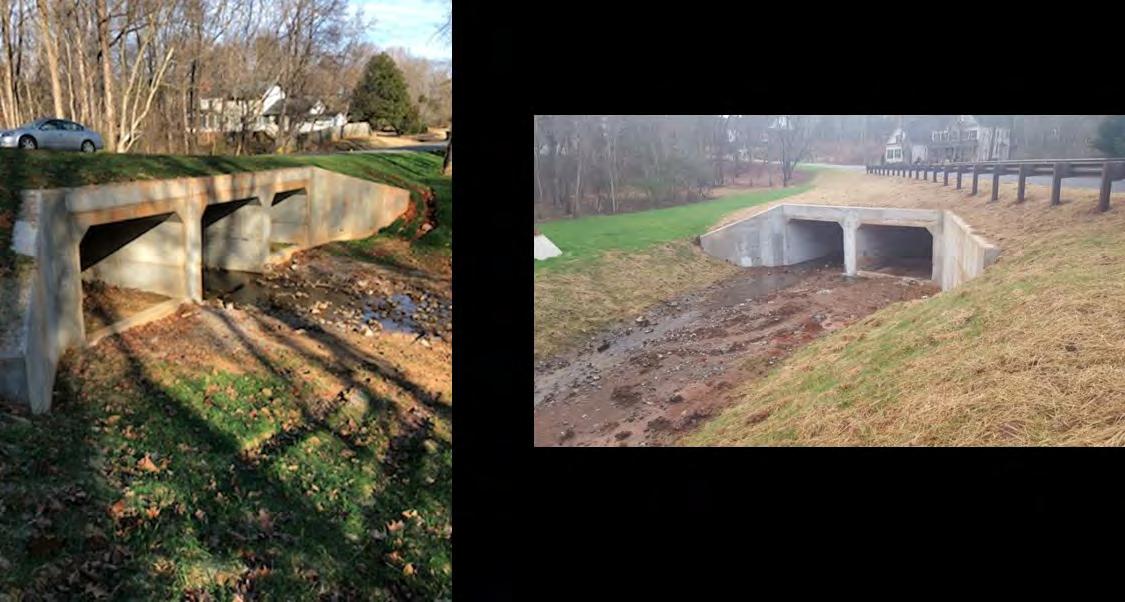





City of Concord, North Carolina Fiscal Year 2024-25 through 2028-29
This culvert replacement and upsizing under Farmwood Boulevard is to reduce flooding risk to neighborhood homes and to replace aging infrastructure. History, Status, or Impact if Delayed Justification or Link to City Goals This project is identified in the Coddle Creek Master Plan.
Fiscal Year 2024-25 through 2028-29 Capital Improvement Plan
This culvert replacement and upsizing under Miramar Drive is to reduce flooding risk to neighborhood homes and replace aging infrastructure. History, Status, or Impact if Delayed
or Link to City Goals This project is identified in the Three Mile Branch Master Plan.
Note - this project is tied to the McEachern Greenway - Hospital Phase CIP. Both projects must be in the same year.
The Stormwater Department is going through a process to inventory and evaluate the condition of all culverts larger than 36 inches. From this process, there will be culvert replacement projects that need to be completed. Once specific projects are identified from the condition assessment, the department will move forward with creating specific CIP projects.
Over the last few years, there have been several emergency culvert projects. This process should identify future problems before they get to the point of being emergencies.
Rocky River Golf Course projects are accounted for using this fund. It is comprised of the Golf Course budget unit.

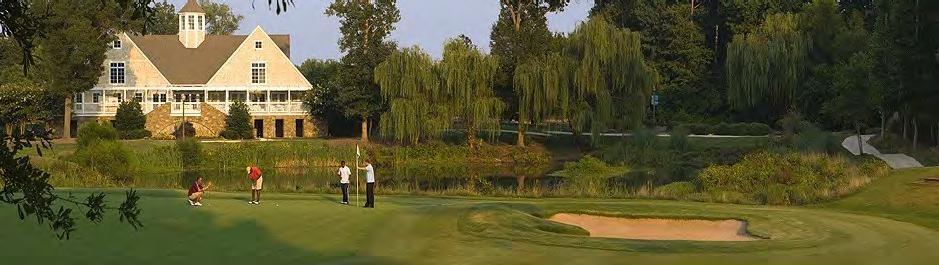
City of Concord, North Carolina Fiscal Year 2024-25 through 2028-29 Capital Improvement Plan
Reshape 2 bunkers into 1 at hole #12 and the renovation of bunkers across the course by installing Capillary Concrete bunker liners. History, Status, or Impact if Delayed
Transit projects are accounted for using this fund. It is comprised of the Transit Farebox/Local and the Transit Grant Expense budget units.
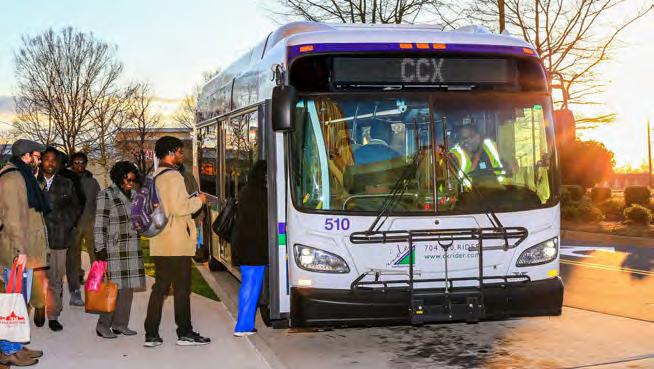
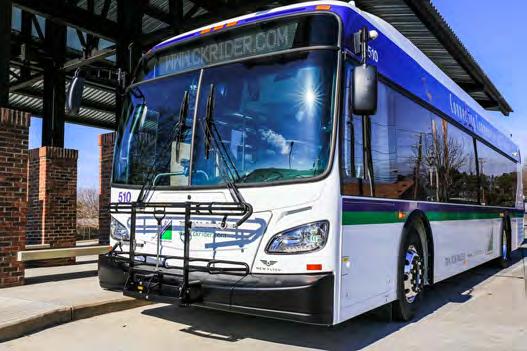
City of Concord, North Carolina
through
Transit has a contract for a Bus Stops Amenities Plan which helps determine where the most strategic locations are for placing bus stop amenities and what kinds of amenities should be placed. This funding will continue previous work in implementing new bus stop amenities such as shelters and seating. History, Status, or Impact if Delayed
Justification or Link to City Goals
Policies
The City’s policies for debt management, reserves, and capital projects
Position Information
A detailed listing of authorized City positions by budget unit and fund
Glossary
An alphabetical list of terms and abbreviations found in this document with definitions
The City of Concord (City) maintains conservative financial policies to assure strong financial health One of the keys to sound financial management is the development of a debt policy, which includes methods for determining debt affordability. This need is recognized by bond rating agencies, and development of a debt policy is a recommended practice by the Government Finance Officers Association.
The objectives of a debt policy are as follows:
• establish conditions for the use of debt vs. pay-as-you-go, by providing guidelines for consistency in decision making;
• create policies that minimize the City’s debt service and issuance costs;
• retain a high credit rating and maintaining full and complete financial disclosure and reporting;
• demonstrates a commitment to long term financial planning;
• aids in development of capital budgets, taking into account financial and economic resources as well as infrastructure needs.
• A formal CIP is essential to intelligent planning of debt issuance and management and therefore, commits the City to developing and maintaining a long-term plan that identifies and prioritizes potential capital investments, their costs and benefits, and potential funding sources for each item. The City will prepare and update annually a five-year CIP for consideration and adoption by City Council as part of the City’s budget process. First-year projects are incorporated in the City Manager’s recommended annual budget that is presented to City Council for adoption. The CIP will include possible debt issuance to fund future projects. The Finance Department is responsible for coordinating and analyzing the debt requirements, including timing of debt, analysis of outstanding debt, debt limitations and compliance, forecast of future debt obligations, and current revenue requirements.
• The CIP is updated annually as part of the City’s regular budget process. After departments submit their CIP requests to the Finance Department, the City’s Capital Project Selection Committee reviews and evaluates the proposed projects based on Mayor and City Council service priorities, infrastructure needs, the financial capacity of the City, and the impact the projects could have on the City’s operating budget.
• Debt financing will be considered in conjunction with the approval by the City Council of the CIP. Additionally, debt financing will be considered for large capital items that normally do not go through the CIP process but are included in departmental requests and not considered operating expenditures.
Management responsibility for the City’s debt program is hereby delegated to the Finance Director, who will establish procedures for the operation of the debt program consistent with the Debt Policy and in full compliance with the North Carolina General Statutes, Local Government Finance Act It will be the sole responsibility of the Finance Director to issue debt on behalf of the City. The Finance Director may assign another employee to assist in the duties of debt issuance, debt payments, and other debt-related activities. The City Manager will direct the Finance Director in all debt issuance, and the City Council will approve all debt agreements. Where applicable, debt issuances will be approved by the North Carolina Local Government Commission.
The City will provide on-going disclosure information to established national information repositories and maintain compliance with disclosure standards. When applicable, the City will receive an opinion acceptable to market from a law firm that any financing transactions complies with applicable law, and all agreements in connection with any financing are legal, valid, and binding obligations of the City.
• Evaluation of Market Conditions: High interest rates increase total debt issuance costs, so the City may consider debt issuance rather than pay-as-you-go when interest rates are lower. It is important that all market conditions are considered before issuance of debt; therefore, this policy allows for flexibility when recommendations are made to the City Manager. Low interest rates are not always the supporting factor for issuing debt.
• Debt should only be incurred for financing capital assets/projects that, because of their long-term nature or because of budgetary restraints, cannot be acquired from current budgeted resources.
• Limitations on Debt Issuance: The City will evaluate the financial ratios as explained in the section titled, Debt AffordabilityLimits on Debt Issued & Outstanding. The legal debt margin will also be reviewed before any new debt is proposed.
• City Council Authority: Staff will follow all N.C. General Statutes regarding debt issuance. All debt issuance will be approved by City Council and all proceeds from debt issuance for the City of Concord shall be appropriated by City Council.
• Permissible Debt Instruments: The City will follow the N.C. General Statues in regards to what type of debt a municipality is allowed to issue.
• Pay-As-You-Go Alternative: Staff will use an objective, analytical approach to determine if the City will benefit from pay-asyou-go vs. debt financing. This process involves comparisons of generally accepted standards of affordability to current City values.
• The City will follow all requirements set in the Fiscal Policy - Reserve Funds Policy when determining resources available for
debt service and pay-as-you-go recommendations.
• When the North Carolina Local Government Commission (LGC) is required to approve the debt issuance, a complete application should be filed four weeks prior to the LGC meeting date (first Tuesday of every month). When applicable, a letter should be submitted to the LGC Joint Legislative Committee in advance to ensure the debt issuance will be supported by the committee.
If a credit rating is necessary for an issuance, the purpose of the debt issuance will support an investment grade credit rating. The City will comply with all applicable U.S. Internal Revenue Service and U.S. Treasury arbitrage requirements for bonded indebtedness. The City will maintain a system of record keeping and reporting to meet arbitrage rebate compliance requirements. Bond issues should be planned to minimize the frequency of issuance, thereby ensuring the lowest possible costs of issuance. When determining the size of a bond issue, consideration should be given to the need for construction, debt service, and capitalized interest funds. Construction fund draw schedules shall be prepared, and projection of conservative earnings on unspent bond funds should be made in conjunction with planning of the City’s CIP. The decision to use bond proceeds to pay interest during construction for revenue-producing projects shall be made on a case by case basis and shall be based on an evaluation of the opportunity cost of funds and the availability of other sources of funds to pay interest costs. General obligation bonds will be amortized on a level principal basis to the extent practical, and revenue bonds will be amortized on a level debt service basis to the extent practical considering the forecasted available pledged revenues.
• The City will not issue long-term debt for operations.
• Debt will not be issued with a longer amortization period than the life of the asset it is financing.
• Debt structures that result in significant principal payments at the back end of the debt life, instead of equalized over the life of the debt, should be avoided.
• Variable rate debt will not be issued without proper analysis and evaluation to determine that the issuance is in the best interest of the City.
• Debt will not be issued when the limits on debt are exceeded or when the legal debt margin is not met.
• The City will not enter into any debt agreement that is not approved by the N.C. General Statutes.
The use of current resources and accumulated reserves to purchase capital items or to fund capital projects/improvements is used to keep the debt burden of the City low and because the net benefits derived from the asset are likely to be greater in the early years of the asset’s life. The City also maintains a reserve fund so that capital project items may be funded with cash upon recommendation of the City Manager and City Council approval. The City’s conservative financial policies enable the City to minimize the use of debt by increasing the use of cash to fund projects over time. The following should be evaluated when a recommendation for Pay-As-YouGo is being considered.
• The City will strive to fund at least 10% of the project costs in the current year CIP with cash when the following apply:
• The asset/project life is less than 10 years.
• The amount of the asset/project is less than $5,000,000.
• The Fiscal Policy – Reserve Funds Policy is maintained.
The City of Concord has authority, subject to review and approval by the Local Government Commission, to select and retain the financial consultants, underwriters, and bond attorneys to be associated with the bond issue, and selection is made in accordance with G.S. 159-123(e).
• Bond Counsel – When applicable, debt issued by the City will include a written opinion by bond counsel affirming that the City is authorized to issue the proposed debt. The opinion shall include confirmation that the City has met all city and state constitutional and statutory requirements necessary for issuance, a determination of the proposed debt’s federal income tax status, and any other components necessary for the proposed debt.
• Financial Advisor – A Financial Advisor(s) may be used to assist in the issuance of the City’s debt. The Financial Advisor will provide the City with objective advice and analysis on debt issuance. This includes, but is not limited to, monitoring market opportunities, structuring and pricing debt, and preparing official statements of disclosure.
• Underwriters – An Underwriter(s) will be used for all debt issued in a negotiated or private placement sale method. The Underwriter is responsible for purchasing negotiated or private placement debt and reselling the debt to investors.
Debt financing can include general obligation bonds, revenue bonds, certificates of participation, limited obligation bonds, lease/purchase agreements, special obligation bonds, or any other financing instrument allowed under North Carolina statutes. The N.C. General Statutes, Chapter 159, Article 4. Local Government Bond Act establishes the authority to borrow money. The Statutes further define the types of debt allowable, the purpose and the limitations of each.
Debt Capacity-General Fund & Governmental Fund Types- the City considers the following factors:
• Annual debt service should not exceed 15% of operating expenditures
This ratio reflects the City’s budgetary flexibility to change spending and respond to economic downturns
• Net general obligation debt per capita will not exceed $1,000. All debt per capita will not exceed $3,000. This ratio measures the burden of debt placed on the size of the population supporting the debt and is used to measure an issuer’s ability to repay the debt.
• Total net bonded debt should not exceed 2% of assessed value. This ratio measures debt levels against property tax base. The tax base generates the revenue that will be the main source to repay the debt. Although the legal debt margin has a statuary limit of 8%, the City’s target is 2%.
• The City will compare the measures above with other units of government with an electric system and that are similar in size.
• No more than 60% of the five-year CIP will be funded from long-term debt.
• Variable rate debt may not exceed 20% of the City’s total debt portfolio (includes all debt).
• The City will include a review of direct and overlapping debt in analyzing the financial condition of the City in regards to debt issuance. This analysis is included in the City’s Annal Comprehensive Financial Report (Statistical Section) each year.
Legal Debt Margin - Per the N.C. General Statutes, the City’s net bonded debt outstanding may not exceed 8% of the appraised value of property subject to taxation.
Debt Capacity-Enterprise Funds - There are no specific debt limits for the City’s enterprise funds as utility rates are set as needed to fully cover total costs and debt service. The City will annually calculate debt coverage as required by the revenue bond rate covenant Normal coverage is at least 1.2, but the revenue bond covenants should be reviewed to ensure coverage levels are satisfied. The standard ratio is calculated by dividing net available revenues by principal and interest requirements for the year. This measure shows the extent to which revenues are available to cover annual debt service requirements after operating costs have been paid.
The City will refund debt when it is in the best financial interest of the City to do so.
Debt Service Savings When a refunding is undertaken to generate interest rate cost savings, the minimum aggregate present value savings will be 3% of the refunded bond principal amount. The present value savings will be net of all costs related to the financing. Restructuring Refundings for restructuring purposes will be limited to restructuring to alleviate debt service during difficult budgetary years, achieve cost savings, mitigate irregular debt service payments, release reserve funds, or remove unduly restrictive bond covenants.
Arbitrage The City shall take all necessary steps to optimize escrows and to avoid negative arbitrage in its refundings. Any resulting positive arbitrage will be rebated as necessary according to Federal guidelines.
• The debt ratios outlined above will be computed annually and reported in the Comprehensive Annual Financial Report, along with a computation of net tax-supported debt per capita.
• The City will maintain communication with bond rating agencies to keep them abreast of its financial condition by providing them the City’s Comprehensive Annual Financial Report, Annual budget, and Capital Improvement Plan. The City will seek to obtain the highest credit ratings on its debt issues.
• The City will comply with all of its undertakings in accordance with Securities and Exchange Commission Rule 15c2 -21. NOTE: ALL NUMBERS FOR EVALUATION WILL BE OBTAINED FROM THE MOST CURRENT AUDITED FINANCIAL DOCUMENTS OF THE CITY.
Advance Refunding. A refinancing transaction in which new (refunding) bonds are issued to repay (refund) outstanding bonds prior to the first call date. The proceeds of the refunding bonds are deposited in an escrow account, invested in government securities, and used to pay debt service (interest, principal and premium, if any) on the refunded bonds through the applicable call date. For accounting purposes, refunding obligations are not considered a part of an issuer’s debt.
Arbitrage. The difference between the interest paid on the tax-exempt securities and the interest earned by investing the security proceeds in higher-yielding taxable securities. IRS regulations govern arbitrage on the proceeds from issuance of municipal securities. Bond Anticipation Notes (BANs). Notes, which are paid from the proceeds of the issuance of long-term bonds. Typically issued for capital projects.
Call Provisions. The terms of the bond giving the issuer the right to redeem all or a portion of a bond prior to its stated date of maturity at a specific price, usually at or above par.
Capitalized Interest. A portion of the proceeds of a bond issue, which is set aside to pay interest on the same bond issue for a specific period of time. Interest is commonly capitalized for the construction period of the project.
Competitive Sale. A sale/auction of securities by an issuer in which underwriters or syndicates of underwriters submit sealed bids to purchase the securities. Contrast to a negotiated sale.
Continuing Disclosure. The principle that accurate and complete information material to the transaction which potential investors would be likely to consider material in making investment decisions with respect to the securities be made available on an ongoing basis.
Debt. Any obligations of the City for the payment of money issued pursuant to the North Carolina General Statutes, Local Government Bond Act.
Debt Service Reserve Fund. The fund in which moneys are placed, which may be used to pay debt service if pledged revenues are insufficient to satisfy the debt service requirements.
Escrow. A fund established to hold moneys pledged and to be used to pay debt service on an outstanding issue.
Expenses. Compensates senior managers for out-of-pocket expenses including: underwriter’s counsel, DTC charges, travel, syndicate expenses, dealer fees, overtime expenses, communication expenses, computer time, and postage.
General Obligations. Bonds issued by the City secured by the City’s pledge of its full faith and credit and unlimited taxing power. Legal Debt Margin. The amount of federal obligation bonds and certain other interest bearing obligations (other than revenue bonds) that the City may have outstanding expressed as a percentage of the assessed value of real estate in the City as shown on the last preceding assessment for taxes.
Negotiated Sale. A method of sale in which the issuer chooses one underwriter to negotiate terms pursuant to which such underwriter will purchase and market the bonds.
Option Value. Option valuation is a methodology for evaluating the efficiency of a refunding. Option valuation calculates the maximum theoretical value of refunding a bond, then expresses the current refunding savings as a percentage of the maximum theoretical savings.
Operating Expenditures. Operating expenditures are the basic expenditures that are needed for operations. Capital, transfers, and other non-operating items are not included in operating expenditures.
Overlapping Debt The percentage of county’s assessed value that is located in the city limits is used to compute overlapping debt. Pay-As-You-Go. An issuer elects to finance a project with existing cash flow as opposed to issuing debt obligations.
Present Value. The current value of a future cash flow.
Private Placement. The original placement of an issue with one or more investors as opposed to being publicly offered or sold. Rebate. A requirement imposed by Tax Reform Act of 1986 whereby the issuer of tax-exempt bonds must pay the IRS an amount equal to its profit earned from investment of tax-exempt bond proceeds at rates exceeding the tax-exempt borrowing rate. The taxexempt borrowing rate (or “bond yield”) is calculated pursuant to the IRS code together with all income earned on the accumulated profit pending payment.
Refunding. A transaction in which the City refinances an outstanding issue by issuing new (refunding) bonds and using the proceeds to immediately retire the old (refunded) bonds. Revenue Bonds. Bonds issued by the City secured by a specific revenue pledge of rates, rents, or fees.
Tax-Supported Debt. Debt that is expected to be repaid from the general fund tax revenues of the City. This includes general obligation bonds, appropriation-supported bonds, and in certain circumstances, moral obligation bonds. For the purpose of this Debt Policy, net tax-supported debt includes general obligation debt for the City, and any moral obligation bonds for which the City has deposited funds to a debt service reserve fund as requested to replenish such reserve fund. Underwriter. A dealer that purchases new issues of municipal securities from the Issuer and resells them to investors. Underwriter’s Discount. The difference between the price at which bonds are bought by the Underwriter from the Issuer and the price at which they are reoffered to investors.
Policy approved 8/1/2014 by City Manager and submitted to City Council for approval on 9/11/2014. In the future the policy will be reviewed and approved as part of the City’s budget document each year.
*Last revised 5/13/2022
Reserve funds will be established and maintained to ensure the continued delivery of City services. The City desires to maintain a prudent level of financial reserves to guard its citizens against service disruption in the event of unexpected temporary revenue shortfalls or unpredicted one-time expenditures. The reserves have been accumulated to provide stability and flexibility, to respond to unexpected adversity and/or opportunities, and to stabilize fluctuations in operations’ cash flows and rates. Capital Reserve Funds are used to accumulate funds over time that will be used to complete capital projects, acquire major capital assets and support economic development projects.
Based upon GASB Statement 54, there may be up to five separate categories of fund balance, based on the extent to which the City is bound to honor constraints on the specific purposes for which amounts can be spent: nonspendable fund balance, restricted fund balance, committed fund balance, assigned fund balance, and unassigned fund balance. The total of the last three categories, which include only resources without a constraint on spending or for which the constraint on spending is imposed by the government itself, is termed unrestricted fund balance.
The City will maintain adequate reserves of General Fund balance to: Insulate General Fund programs and current service levels from large and unanticipated one-time expenditure requirements, revenue reductions due to a change in state or federal legislation, adverse litigation or any similar unforeseen action.
• Temporarily insulate General Fund programs and current service levels from slower revenue growth that typically occurs during an economic recession.
• Maintain stable tax rates.
• Aid in long term financial and capital planning.
• Support economic development opportunities.
• Ensure creditworthiness or positive economic conditions to ensure the City maintains a high favorable bond rating
The City recommends the following General Fund balance levels:
• The City will maintain an unassigned General Fund balance minimum between 30% and 35% of General Fund expenditures, which includes transfers.
• Unrestricted fund balance in the General Fund should be at a minimum no less than 90 days of regular general fund operating expenditures. Operating expenditures would not include capital outlay or transfers.
• The City will maintain a five-year forecast to monitor projected fund balance levels.
• Per the North Carolina Local Government Commission’s recommendations, the City will compare their unassigned General Fund Balance to the average unassigned General Fund Balance numbers for electric cities with our population average. This amount can be found on the annual Cash, Taxes and Fund Balance Available statistical reports published by the Department of State Treasurer’s office. The benchmark will be to not fall below 40% of our city group average.
The City recommends the following uses of General Fund balance reserves:
• Any amount greater than the unassigned General Fund balance target is deemed available for transfer to the capital reserve account for future projects listed in the City’s Capital Improvement Plan, acquisition of major capital assets or to support future economic development projects. The City will evaluate each year to determine the amount available for transfer to the capital reserve fund. The City is not required to transfer the entire amount to the reserve fund. Staff will evaluate current economic conditions, the City’s forecast for the operating fund, the Capital Improvement Plan and any other relevant factors to determine an acceptable amount to be transferred. The City may elect to transfer no funds to the reserve. Any transfer to the capital reserve will be approved by City Council. The transfer will be determined after the previous year audit is complete and final numbers are available for review.
• Reserves should only be used for specific circumstances: responding to extreme events or emergencies, unanticipated onetime expenditure requirements, to offset unanticipated revenue fluctuations occurring within a fiscal year, and one-time outlays that the City Manager may recommend to City Council.
• All fund balance appropriations will be approved by City Council.
• These policies will be evaluated each year during the budget process to determine if amendments to the policy are needed.
The City’s plan to replenish fund balance levels that fall below the policy guidelines:
• The City will strive to replenish fund balance levels within 3 years.
• The following will be used to replenish reserve levels when available: non-recurring revenues, surplus of year-end revenues that exceed year-end expenditures, and departmental expenditure budget cuts.
Enterprise funds distinguish between current and non-current assets and liabilities. The measure of working capital (i.e., current assets less current liabilities) indicates the relatively liquid portion of total enterprise fund capital, which constitutes a margin for meeting obligations. Working capital is a measure of available margin or buffer in enterprise funds. Enterprise funds should strive to maintain working capital equal to no less than 90 days of operating expenses.
The measure of liquidity helps to assess the ability of the City to sustain a strong financial position. The ratio of unrestricted cash and shortterm investments to current liabilities will be used to calculate the liquidity position in Enterprise Funds.
The City will maintain adequate reserves in Enterprise Funds to:
• Ensure stable services and fees.
• Aid in long term financial and capital planning.
• Ensure creditworthiness or positive economic conditions to ensure the City maintains a high favorable bond rating.
• Insulate Enterprise Fund operations and current service levels from large and unanticipated one-time expenditure requirements, a revenue reduction due to a change in state or federal legislation, adverse litigation, or any similar unforeseen action.
• Temporarily insulate the Enterprise Fund operations and current service levels from slower revenue growth that typically occurs during an economic recession.
The City recommends the following Enterprise Fund reserve levels:
• The City will maintain a liquidity ratio of more than one to one.
• The City will maintain 90-days’ worth of annual operating expenses.
• The City will maintain rate models to adequately forecast financial condition.
The City recommends the following uses of Enterprise Funds reserves:
• Any amount greater than the working capital target is deemed available for transfer to the capital reserve account for future projects listed in the City’s Capital Improvement Plan, large capital asset purchases and economic development projects. The City will evaluate each year to determine the amount for transfer to the capital reserve fund. Staff will evaluate current economic conditions, the City’s forecast, and any other relevant factor to determine an acceptable amount to be transferred. The City may elect to transfer no funds to the reserve. Any transfer to the capital reserve will be approved by City Council. The transfer will be determined after the previous year audit is complete and final numbers are available for review.
• Reserves should only be used for specific circumstances: responding to extreme events or emergencies, unanticipated onetime expenditure requirements, to offset unanticipated revenue fluctuations occurring within a fiscal year, and one-time outlays that the City Manager may recommend to City Council.
• Funds will not be available for reserve transfers if working capital targets are not met in the operating fund.
• All retained earnings appropriations will be approved by City Council.
• These policies will be evaluated each year during the budget process to determine if amendments to the policy are needed.
The City’s plan to replenish reserve levels that fall below the policy guidelines:
• The City will strive to replenish reserve levels within 3 years.
• The following will be used to replenish reserve levels when available: non-recurring revenues, surplus of year-end revenues that exceed year-end expenditures, rate adjustments, and departmental expenditure budget cuts.
The capital project reserve fund shall be established to maintain and accumulate funds from transfers from the projects related operating fund. These funds shall be maintained to protect the existing assets of the City and ensure public access to City facilities and information while promoting community wide economic development. Capital Project Reserves shall only be used to pay for non-routine and onetime expenditures/expenses, such as land, buildings, construction, large capital outlay, technology improvements, etc. Normally, the following guidelines may be applied to determine if an expenditure/expense is classified as a capital reserve item.
Construction & Maintenance – 10-year life
Capital Asset or Vehicle – 10-year life
Technology Improvements – 5-year life.
The City will maintain adequate capital project reserves to:
• Accumulate funds to acquire large capital assets and to fund various capital projects.
• Allow continued capital improvements during an economic recession or periods of revenue declines.
• Allow for funding of preliminary activities associated with large projects, such as engineering/planning activities.
• Aid in long term capital planning.
• Fund economic development opportunities.
The City recommends the following capital project reserve levels:
• If a capital reserve fund is funded, the City will set a goal to maintain capital reserves of at least 5% of the operating revenue in each operating fund that is associated with the capital project reserve fund. This will be calculated by using the most recent audited financial report.
• The City will maintain a five year operating forecast/rate models to monitor projected reserve levels and to project future capital project funding needs.
• Reserve levels may fall below the recommended target with City Manager recommendation. This situation could arise if the City has an unexpected project that will benefit the community. The project would require City Council approval.
The City recommends the following uses of capital project reserves:
• Acquisition of a major capital asset that recurs irregularly with an estimated useful life of greater than one year. Normally, a major value is defined as greater than $100,000.
• Major improvement that increases the value of a capital asset $100,000, excluding reoccurring or routine maintenance projects.
• Funding for large infrastructure projects that exceed $100,000.
• Economic development activities.
• Funding capital projects that will require longer than one year to complete. (Projects are approved by City Council.)
• The City Manager may recommend an item to City Council that may be classified as a project and funded from these reserves upon Council approval.
• All reserve appropriations will be approved by City Council.
• These policies will be evaluated each year during the budget process to determine if amendments to the policy are needed.
The City’s plan to replenish capital project reserve levels that fall below the policy guidelines:
• The City will strive to replenish capital reserve levels within 3 years.
• Capital reserves are funded by transfers from their related operating funds. Surpluses above the reserve targets in each fund will be used to replenish reserve levels in the capital reserve fund.
Policy approved 6/17/2014 by City Manager and submitted to City Council for approval on 9/11/2014. In the future the policy will be reviewed and approved as part of the City’s budget document each year.
Long-range capital planning is an important management tool which strengthens the linkages between community infrastructure needs and the financial capacity of the City. The purpose of the capital improvement plan (CIP) is to forecast and match projected revenues and major capital needs over a five (5)-year period.
A. All proposals for capital investment shall go through the capital planning process.
B. Definition of appropriate capital items for inclusion on the CIP:
1. Definition of a CIP-eligible capital expenditure:
Expenditure of major value that recurs irregularly, results in the acquisition of a fixed asset, and has a useful life greater than one (1) year.
2. Eligible capital expenditures include:
(a) The acquisition, renovation, and/or construction of a single fixed asset greater than $100,000 –excluding vehicles or equipment, OR
(b) Any land purchases not associated with or included in another CIP project, OR
(c) Capital road maintenance or construction greater than $100,000 – excluding recurring or routine maintenance projects.
C. The capital project selection committee shall make the final determination as to which projects are included for consideration as part of the annual CIP.
D. Difference between departmental capital outlay items and capital projects:
1. Departmental capital items shall not be submitted as part of the CIP. Departmental capital items include:
(a) equipment/tools, furniture, office equipment such as computers, minor remodeling, or other construction projects that are more than $5,000 and less than $100,000. Such items should be included in the “Capital Outlay” section of the operating budget request.
(b) all vehicles/rolling stock/machinery.
E. Inclusion of expenditures for maintenance, operations and/or staffing in the CIP:
1. All operating, maintenance, and personnel budget expenditures associated with the Capital Project shall be included and noted in the annual operating and planning year budgets For reporting and future expenditure forecasting purposes, the estimated additional expenditures on operating, maintenance, and personnel during the 5-Year CIP period shall be included on all requests.
A. Departments are responsible for identifying, documenting, and justifying CIP requests. Departments shall obtain project cost estimates and work with Finance to identify appropriate revenue sources for the project.
B. Requesting departments will evaluate and rank proposed CIPs based on City Council priority, merit, and/or need.
C. Projects should be foreseen at least 2 years ahead of the time of need to allow for planning of long-term financing strategies or methods.
A. The City Manager, in conjunction with the Finance Director and Budget & Performance Manager, shall be responsible for coordinating the CIP process and submission of the CIP to the Mayor and City Council.
B. A capital project selection committee will evaluate and recommend proposed projects to the City Manager. This committee is comprised of: City Manager, Deputy/Assistant City Managers, Director of Planning & Neighborhood Development, Finance Director, Director of Engineering, Budget & Performance Manager, and Senior/Budget Analysts.
D.Council review, recommendation, and adoption of CIP:
1. The City Manager’s Recommended CIP shall be submitted to the Mayor and City Council for their review and recommendation during the beginning stages of the annual budget process
2. A Capital Projects Ordinance will be adopted by City Council with the annual budget establishing necessary project fund structures for CIP expenditures at the beginning of the fiscal year.
NOTE: Governing Body recommendation of the CIP does not authorize funding for any of the projects in the plan, but the recommendation by the Governing Body shall provide the City Manager direction to proceed with formulating the annual CIP Ordinance and inclusion of first-year CIP costs in the Recommended Budget.
A. Debt will be considered for capital projects under the following circumstances:
1. The capital item is a long-living (useful life greater than one (1) year) asset.
2. The asset has a useful life expectancy that equals or exceeds the length of the debt financing period.
B. The following types or combination of financing may be considered under the following circumstances:
1. Debt methods :
(a) General Obligation Bonds (G.O. Bonds) – The capital item is used for a public facility or equipment that is a public good and that has no revenue-producing capability (e.g. streets, parks, or municipal buildings/structures). G.O. Bonds are only used for major General Fund projects.
(b) 2/3 General Obligation Bonds – Without voter approval, G.O. Bonds may be issued annually on 2/3 of net G.O. debt reduction (principal retirement) in the prior year.
(c) Revenue Bonds – The capital item is used for a non-public good in which a revenue stream is associated with the capital item (e.g. airport, water, wastewater, and electric system capital items).
(d) Special Obligation Bonds (S.O. Bonds) – S.O. Bonds may be used for solid waste management projects, which can include equipment or facilities for construction of incinerators, land for recycling facilities, drainage collection and treatment systems for landfills, land and liners for landfills, monitoring wells, recycling equipment and facilities, and volume reduction equipment; can also be used for water/sewer projects.
(e) Special Assessments – The capital item benefits only immediately adjacent property. Adjacent property owners pay the special assessments after the improvement is completed and its cost is known. Therefore, special assessments are not a method of capital financing but rather, a method of eventually paying for the improvements for which they are levied. Other sources of funds are needed to finance the improvements for which the assessments are later levied.
(f) Property Secured Debt – The capital item can be secured as collateral itself. Includes lease or installment purchase transactions and certificates of participation (COPS) or limited obligation bonds (LOBS).
2. Non - debt methods (Also referred to as Pay - as - you - go, or Pay - Go)
(a) Current revenues – The capital item can be acquired through existing revenues.
(b) Capital reserves – The capital item can be funded from City Council designated taxes or revenue streams that are set aside in a separate fund.
(c) Capital recovery, facility, or impact fees – Capital items may be financed from charges to benefiting property owners for major infrastructure or facilities that benefit that property. Charges can be levied and collected before infrastructure is built.
(d) Fund Balance – The capital item can be funded with unassigned operating or capital fund balances.
(e) Future Projects Reserves – The capital item can be funded from revenues that were set aside in a separate capital fund and result from previous capital projects of that type coming in under budgeted costs.
(f) Future Grants - Funding of the capital item will come from grant(s) anticipated to be awarded to the City.
(g) Grants – Funding of the capital item was secured upon receipt of a governmental grant.
(h) Gifts – The capital item may be purchased or acquired with restricted or non-restricted donations by citizens or corporations.
C. Debt Limits
1. The City shall not exceed N.C.G.S. 159-55(c) limiting the amount of net bonded debt outstanding to 8% of appraised value of property subject to taxation, and
2. Annual G.O Bond debt service payments (principal and interest) shall not exceed 15% of the City’s General Fund operating budget.
D. Over or Underestimated Projects
1. In the case of a capital project that is under or overestimated, projects will be evaluated on a case-by-case basis.
Last year, the City began a comprehensive market rate study. Based on recommendations from that study, a new compensation plan and pay structure was created. This new structure was adopted by Council and made effective January 8, 2024 Please note that some grades are listed twice because the hours worked per year is different for some of the positions within the same salary grade.
*Denotes that this portion of a salary grade is structured with 2080 hours per year
**Denotes that this portion of a salary grade is structured with 2920.96 hours per year
Accrual Basis of Accounting (or Full Accrual): Accounting method for proprietary funds that recognizes revenues in the accounting period in which they are earned and become measurable. Expenses are recognized in the period incurred, if measurable.
Ad Valorem Tax: A tax levied in proportion to the value of real property.
Amortization: Paying the principal amount of a debt issue through periodic payments either directly to bondholders or to a sinking fund for later payment to bondholders. Amortization payments include interest and any payment on principal.
Appropriation: Expenditure authority created by the City Council.
Assessed Value: The value of real estate or personal property as determined by tax assessors and used as a basis for levying taxes. (Note: the County establishes Property values.)
Assigned Fund Balance: Monies over the years that remain unspent after all budgeted expenditures have been made, but which are reserved for specific purposes.
Audit: An annual systematic review of an organization’s financial accounts by an independent body.
Authorized Bond: Bonds that have been legally approved but may or may not have been sold.
Balanced Budget: Occurs when planned expenditures equal anticipated revenues. North Carolina state law requires the annual operating budget to be balanced.
Base Budget: Those resources necessary to meet an established and existing service level.
Basis of Accounting: The accounting method that determines when, for accounting purposes, expenditures, expenses, and revenues are recognized. The two bases of governmental accounting include accrual (or full accrual) and modified accrual.
Benchmarking: The systematic process of searching for best practices, innovative ideas and highly effective operating procedures that lead to superior performance The process of identifying the best-in-class and duplicating or surpassing their performance.
Bond: A written promise to pay a specific amount of money with interest within a specific time period, usually long-term.
Bond Rating: A grade indicating a governmental unit’s investment qualities. Generally, the higher the bond rating, the less risk investors assume resulting in a more favorable interest rate and lower cost of financing capital projects for the governmental unit. The three main bond-rating agencies include: Standard and Poor’s, Moody’s, and Fitch.
Budget: The budget translates organizational intentions into actions, allocating resources in support of organizational goals, objectives, and desired service levels.
Budget Amendment: A legal procedure used by the City staff and the City Council to revise a budget appropriation.
Budget Document: A formal document outlining the City’s financial plan for a fiscal year.
Budget Message: A written overview of the proposed budget from the City Manager to the Mayor and City Council that discusses the major budget items and changes and the City’s present and future financial condition.
Budget Ordinance: The official enactment by the City Council to establish legal authority for City officials to obligate and expend resources.
Budget Unit: An organizational budget / operating unit within each City department or division (e.g. Tree Trimming is a budget unit within the Electric Systems department).
Capital Improvement Program (CIP): A multi-year plan (5 years for the City) for the construction or acquisition of major capital items (over $100,000). The plan usually outlines spending needs, the financing source or sources expected, and the impact of the CIP on future annual operating budgets.
Capital Outlay: An expenditure expected to have a useful life greater than one year or a total value of $5,000 or more resulting in the acquisition of or addition to a fixed asset. Examples of capital outlay expenditures include vehicles, mowing equipment, and buildings. The portion of the budget pertaining to the purchase of capital outlay items.
Capital Project: A capital improvement that usually requires a major initial investment over $100,000, and a significant and continuing financial commitment in the form of operating costs.
Capital Project Ordinance: The official enactment by the City Council to establish legal authority for City officials to obligate and expend resources for capital.
Certificates of Participation (COPS): A security created as a part of a lease-purchase agreement. The lender, the holder of the certificate, owns a right to participate in periodic lease payments (interest and return of principal) as they are paid.
City Council: A seven-member governing board elected within districts for four-year terms by the citizens of Concord.
City Manager: An individual appointed at the discretion of the Mayor and City Council to serve as the chief administrative officer of the City.
Committed Fund Balance: Used for specific purpose pursuant to constraints imposed by formal action of the government's highest level of decision-making authority
Community Development Block Grant (CDBG): An entitlement grant from the U.S. Department of Housing and Urban Development (HUD) to assist low- and moderateincome persons of the City in targeted neighborhoods. This fund is required by federal regulations to account for the use of these funds.
Cost Allocations: Portion of the budget pertaining to payments made to other departments for costs involved in supporting a primary service.
Debt Service: The portion of the budget pertaining to payment of principal and interest requirements on outstanding debts.
Debt Service Funds: Funds used for the accumulation and disbursement of financial resources that will be used to make principal and interest payments on general long-term debt.
Deficit: The amount by which expenditures exceed revenues during an accounting period.
Department: A major administrative division of the City that has overall management responsibility for an operation within a function.
Depreciation: The process of estimating and recording the lost usefulness, expired useful life, or diminution of service from a fixed asset that cannot or will not be restored by repair and must be replaced. The cost of the fixed asset’s lost usefulness is the depreciation or the cost to the reserve to replace the item at the end of its useful life.
Effectiveness Measure: A performance measure identifying quality or extent to which an organization is obtaining its objectives (ex. percentage of yard waste/leaf collection points serviced on time).
Efficiency Measure: A performance measure identifying inputs used per unit of output, or unit costs (ex. cost per ton of yard waste/leaves collected).
Encumbrance: A financial commitment or earmark for services, contracts, or goods that have not yet been delivered by a specified time frame, usually the end of the fiscal year.
Enterprise Fund: A fund that accounts for a governmental activity supported wholly or partially with user fees or charges and operated using business principles.
Expenditures: The measurement focus of governmental fund accounting identifying financial resources expended during a period for operations, capital outlay, and long-term debt principal retirement and interest. Except for long-term debt principal retirement expenditures, expenditures reflect the cost incurred to acquire goods and services.
Expenses: The measurement focus of proprietary fund accounting identifying costs expired during a period, including depreciation and other allocations as in business accounting. Expenses reflect the cost of goods or services used.
External Agency: A non-governmental agency, usually of nonprofit legal status, which may request public funds for use on programs benefiting social, cultural, or economic needs of the City.
Fiscal Policy: The financial plan embracing the general goals and acceptable procedures for managing the City’s financial resources.
Fiscal Year: A 12-month period of time, from July 1 through June 30, to which the annual budget applies.
Fixed Asset: An asset of long-term character. For budgetary purposes, a fixed asset is defined as an item costing $5,000 or more with an expected life of more than one year.
Fringe Benefits: For budgeting purposes, fringe benefits include employer payments for social security, retirement, group health insurance, life insurance, dental insurance, workers compensation, and travel allowances.
Fiduciary Funds: Funds used to separate, control, and track financial resources in which the government oversees as a third party, or on behalf of, another public entity. The four fiduciary fund types include: 1) Agency Fund, 2) Pension Trust, 3) Expendable Trust, and 4) Non-Expendable Trust.
Full Cost Accounting: Type of accounting concerned with accumulating both direct and indirect costs for financial reporting and decision-making purposes. By using this accounting technique, the City is able to assess the complete total cost of providing a service and its associated benefits.
Full-time Equivalent (FTE): An FTE converts the hours worked by a position into a percentage of a full year’s number of hours. Generally, one FTE equals 2080 hours per year per permanent position (based on a 40hr. work week and a 52-week work year; does not include temporary part-time staff).
Function: A group of related programs crossing organizational (departmental) boundaries and aimed at accomplishing a similar broad goal or major service. Examples of functions within the City of Concord include Public Safety, Cultural and Recreational, and General Government.
Fund: A fiscal and accounting entity that has a self-balancing set of accounts recording cash and other financial resources, as well as related liabilities and residual equity. These are segregated to carry on specific activities or objectives in accordance with special regulations, restrictions or limitations as established by State and Federal governments.
Fund Balance: Amounts shown as fund balance represent a running total of monies over the years that remain unspent after all budgeted expenditures have been made. Fund balance includes reserve or “rainy day” monies. North Carolina General Statutes require general fund balance reserves of at least 8% of General Fund expenditures at the end of the fiscal year. The City Council requires the City to maintain a minimum 30-35% General Fund’s fund balance reserve.
Funding Sources: Identifies fund(s) that will provide money for project expenditures.
Goal: A broad policy statement outlining the general direction or intent of an organizational unit’s major activities within a medium-range time period, usually 3-5 years.
Generally Accepted Accounting Principles (GAAP): Uniform minimum standards and guidelines for financial accounting and reporting. GAAP encompasses the conventions, rules, and procedures necessary to define accepted accounting practices.
General Obligation Bonds (GO Bonds): Bonds issued by a government that are backed by the full faith and credit of its taxing authority.
General Fund: A governmental fund used to account for all financial resources of the City, except those required to be accounted for in another fund. Revenues to support the General Fund are derived from sources such as property tax, sales tax, franchise fees, and service fees.
Governmental Funds: Funds used to separate, control, and track financial resources of general government operations. The four governmental fund types include: 1) General Fund, 2) Special Revenue Funds, 3) Capital Projects Funds, and 4) Debt Service Funds.
Grant: A contribution by a government or other organization to support a particular function.
Indirect Cost: The component of the total cost for a service that is provided by and budgeted within another department or division. Indirect costs are budgeted to better reflect the true total cost for such services such as those provided by the Administrative Departments.
Intergovernmental Revenues: Revenues from other governments (State, Federal, or local) that can be in the form of grants, shared revenues, or entitlements.
Internal Service Fund: This fund is used to account for the financing of goods or services provided by one department or agency to other departments or agencies of the governmental unit on a cost-reimbursement, or cost allocation, basis.
Lease/Installment-Purchase Financing: A method of purchasing equipment in which payments are spread over a period of time, usually 3-7 years. The purchased equipment serves as collateral.
Line-Item: A budgetary account representing a specific object of expenditure.
Mayor: An individual elected at-large for four-year terms to serve as chair the City’s governing body and the City’s leader.
Mission: A broad statement outlining a department’s purpose for existing.
Modified Accrual Basis of Accounting: Accounting method for governmental funds that recognizes revenues in the accounting period in which they become available and measurable. Measurable expenditures are recognized in the period the fund liability is incurred, except for unmatured interest on (and principal of) general long-term debt, which should be recognized when due.
Objective: Outcome-based statements that specify - in measurable terms - what will be accomplished within the budget year.
Operating Budget: A financial plan for the provision of direct services and support functions.
Operations: The portion of the budget pertaining to the daily operations that provides basic governmental services. The operating portion of the budget contains appropriations for such expenditures as supplies, utilities, materials, and travel.
Ordinance: A formal legislative enactment by the City Council that has the full force and effect of law within the boundaries of local, State, and Federal law.
Pay-As-You-Go (or Pay-Go): Financial policy of a government unit that finances capital outlays from current revenues rather than from borrowing.
Performance Based Budget: A budget wherein expenditures, planning, and management decisions are based primarily upon measurable performance of activities.
Performance Measure: An indicator designed to determine whether a service objective has been met. It assesses the effectiveness of achieving the objective or how well the objective has been accomplished.
Performance Measurement: The regular collection of quantifiable information regarding the results of City services. It includes an assessment of the kind of job we are doing and includes the effects our efforts are having in our community
Personnel Services: Salaries and wages paid to employees for full-time, part-time, and temporary work including overtime and similar compensation. Also included in this account group are fringe benefits paid for employees.
Policy: A direction that must be followed to advance toward a goal. The direction can be a course of action or a guiding principle.
Powell Bill Funds: Funding from state-shared gasoline taxes that are restricted for use on maintenance of local streets and roads.
Productivity Measure: A performance measure combining efficiency and effectiveness measures into a single factor (ex. cost per ton of on-time yard waste/leaf collection)
Program: A well-defined portion of the operating plan for which a distinct set of goals and outcomes may be developed.
Proprietary Funds: Funds used to separate, control, and track financial resources of business-type activities carried out by a government. The two proprietary fund types include: 1) Enterprise Funds and 2) Internal Service Fund.
Reappraisal: The process of revaluing a jurisdiction’s real property to adjust the tax value to the market value. By North Carolina law, a revaluation must be conducted at a minimum of every eight years.
Reserve: An account designated for a portion of the fund balance that is to be used for a specific purpose.
Retained Earnings: Amounts shown as retained earnings represent accumulated earnings of proprietary funds after all budgeted business expenses have been made.
Revenue: Funds the City receives as income. It includes tax payments, fees for services, grants, fines, forfeitures, and interest income.
Revenue Bonds: Bonds issued by a government that are backed by a specific revenue source – such as special assessments, water/sewer fees, and electric fees.
Special Revenue Fund: A fund used to account for the proceeds from specific revenue sources that are restricted or committed to expenditure for specified purposes other than debt service or capital projects.
Surplus: The amount by which revenues exceed expenditures.
Taxes: Compulsory charges levied by a government for the purpose of financing services performed for the common benefit of the people. This term does not include specific charges made against persons or property for current or permanent benefit, such as special assessments. This term, also, does not refer to user charges for enterprise type services (i.e. water, wastewater, electricity) or special or enhanced services
or products benefiting a single party. See also “User Fee/Charge.”
Tax Levy: The product when the tax rate per one-hundred dollars valuation is multiplied by the total taxable valuation, or tax base.
Unassigned Fund Balance/Undesignated Retained
Earnings: The portion of a fund’s unspent monies, or reserves, that is not restricted for a specific purpose and is available for general appropriation.
User Fee/Charge: The payment for direct receipt of a service by the party benefiting from the service.
Working Capital: The result of Current Assets minus Current Liabilities, which is considered a good measure of both an organization’s efficiency and its financial health.
Workload Measure: A performance measure identifying how much or how many products or services were produced.
BOC = Alfred M. Brown Operations Center
CDBG = Community Development Block Grant
CDO = Concord Development Ordinance
CHDO = Community Housing Development Organization
COD = Code of Ordinances
CIP = Capital Improvement Plan
COPS = Certificates of Participation
FAA = Federal Aviation Administration
FTE = Full-time Equivalent
FY = Fiscal Year
GAAP = Generally Accepted Accounting Principles
GASB = Governmental Accounting Standards Board
GFOA = Government Finance Officers Association
GO Bonds = General Obligation Bonds
HCV = Housing Choice Vouchers
LMI = Low and Moderate Income as defined by HUD.
MPO = Metropolitan Planning Organization
NCGS = North Carolina General Statute
OSCA = Open Space Connectivity Analysis
PIP = Pedestrian Improvement Plan
PM = Performance Measurement
ROW = Right-of-Way
UDO = Unified Development Ordinance
WSACC = Water & Sewer Authority of Cabarrus County
WTP = Water Treatment Plant