Rachel Lim, Grace Chen, Nicolas Rivarola, Catherine Phung, Kevin Xu
Operations
Megan Burgess
Rachel Monahan
Head of engineering
Dennis Leon
Head of legal & compliance
Ralph Timpani
Managing director
Toby Ellis
Citro acknowledges the Traditional Owners of Country throughout Australia and pay our respects to Elders past and present
This guide is published by Citrus Innovations Pty Ltd, 50 Bridge Street, Sydney, NSW 2000 ABN 25 667 285 654
joincitro.com.au
Phone 1300 869 596
Editor’s letter
Travel has a sneaky way of expanding our minds while shrinking our bank accounts. But here’s the thing: seeing more of the world (or more of our own beautiful Australia) doesn’t have to mean draining our savings. With the right insider tips, you can go further, stay longer and do more – all while keeping a healthy little buffer in the bank for when you get home.
I’ve pulled together 20 of my favourite travel hacks to help you squeeze every last drop of joy from your next trip without simultaneously squeezing your budget dry.
All are useful, some are delightfully quirky, and a couple might just make you say, “Why on earth have I never done that before?”
One thing is for sure, every one of these tips has been tried and tested by me – because I’ve always preferred to spend my spare dollars on a memorable experience than on an overpriced airport sandwich.
So, pack your bags (lightly) and let’s get you travelling more, for less.
Warmly,
Bronwyn Mandile Managing Editor, Citro
The art of the one-way trick
Return fares aren’t always the bargain they once were. These days, often booking two separate one-way tickets – even on different airlines – can save you some serious money and open up your routing options.
It’s especially handy if you ’ re visiting multiple destinations or want to mix and match airlines to take advantage of their cheapest fares.
For example, you might fly from Sydney to Tokyo on a full-service airline during a sale, then return on a budget carrier for a fraction of the price. Better still, you can use frequent flyer points to fly in and pay to fly out, stretching your travel budget even further.
Okay, so there is a little catch: if you ’ re self-transferring – meaning you ’ ve booked separate tickets with no baggage or delay protection –leave plenty of buffer time between flights.
If your first leg is late and you miss the second, the other airline isn’t obliged to help nor even care.
Always double-check visa rules and baggage allowances, too, as these can vary between carriers.
Reverse-engineer your holiday
Instead of deciding where you want to go, then searching for a deal, try searching for the deal first.
Start with a list of cheap flights or discounted packages and let the bargains choose your destination.
This “deal-first” approach means you might end up somewhere you’d never considered – like swapping Paris for Porto or Cairns for Coffs Harbour – and often for a fraction of the price.
Tools like Aldi Holidays, Webjet, TripADeal, lastminute.com.au or Jetstar’s Friday Fare Frenzy make it easy. Treat it as part travel planning, part game show prize reveal.
Sleep on a train, not in a hotel
You’ll wake up in a new city, skip a night’s accommodation cost, and rack up a travel story to dine out on.
Overnight trains and sleeper coaches aren’t just for backpackers and period dramas. They can be comfortable, scenic, and much cheaper than a night in a hotel plus transport to your next destination.
In Australia, think the XPT: SydneyMelbourne, Sydney to Brisbane, Casino to Sydney. There’s also Spirti of Queensland running from Cairns to Brisbane, SPirt of the OUtback heading from Brisbane to Longreach, The Overland from Melbourne to Adelaide or the popular BrisbaneCairns Spirit of Queensland.
In Europe, consider the Caledonian sleeper which departs from London to various destinations in Scotland, the Intercités de Nuit from Paris, the Reunification Express in Vietnam or any of the sleek Nightjet or European Sleeper trains across Europe.
It’s a fun way to travel as well as being a budget saver. Bring snacks, a scarf for warmth and your smug smile when you remember you just saved $200 on a hotel bill.
Get a sweetener on the boring stuff
The least sexy parts of travel – flights, accommodation, insurance, airport parking, car hire – can quietly chew through hundreds.
That’s why they’re prime cashback territory. Book them through Citro Rewards to get a little something back into your pocket - think of it as a sweet travel hangover cure.
You can book your flights through Expedia or Flight Centre; your insurance via Butter or Freely; find accommodation with Booking.com, Radisson Hotels, Holiday Inn or Stayz; then add on some truly memorable experiences through Travello or Klook. Add on an incountry e-SIM card via Airalo and car hire with Euopcar or Hertz and you ’ re good to go.
These are just a sample of the amazing travel brands Citro Rewards can earn you cashback with. Take a look here.
Bonus: you ’ re more likely to remember to book these “extras” in advance if you know you ’ re getting money back and early bookings almost always cost less.
Get the ‘city card’ maths right
A little planning can be the difference between a savvy save and paying for perks you never use.
Many big cities sell tourist passes that bundle transport with free or discounted entry to attractions. They can be amazing value, but only if you actually use them.
Before you buy, make a list of what you actually want to see, add up the separate entry fees and see if the pass really saves money.
If it doesn’t, just buy tickets individually and spend the difference on something more memorable, like a long lunch or an extra day trip.
Go where the locals go
Tourist hotspots come with tourist prices, but local favourites often give you the same vibe for much less.
Here are a few options around Australia:
» NSW: swap Byron Bay for Lennox Head, Ballina or Yamba; or swap Katoomba for the quieter village of Blackheath.
» Queensland: trade Noosa for Rainbow Beach or Bargara; and skip the Gold Coast’s main strip for Burleigh Heads or swap to Maroochydore on the Sunshine Coast.
» South Australia: enjoy the wines of the Clare Valley instead of the Barossa and watch the sunsets over the water at Henley Beach instead of Glenelg.
» Tasmania: try Friendly Beaches instead of Wineglass Bay and in Cradle Mountain avoid the main lodge area and dig in at Mount Field National Park instead.
» Victoria: swap the dramatic limestone coast of the Twelve Apostles for the Bay of Islands Coastal Park; or ski Mount Stirling instead of Mount Buller.
» Western Australia: for turquoise waters for less, consider Esperance instead of Broome; and sip wine in the Denmark region instead of Margaret River.
Swap queues and crowds for real connection, everyday culture and the kind of landscapes that stop you in your tracks.
Beyond Australia there are options galore. Find them by doing a bit of detective work before you book –search “[destination] hidden gems ” or “where locals go in [destination]”. ‘blog’ to the end of your search can often pull up lesser-visited sites that have some great intel. Remember to read past the first page of Google –the best alternatives often hide in the second or third click.
Here are some international swaps to get you started:
» Bali: Seminyak and Kuta can be crowded, so try chilled Amed.
» Croatia: Dubrovnik is just as fabulous as Split or Korčula. Or try Mljet for wild beauty or Vas or Hvar for idyllic island life.
» Fiji: Trade Denarau for the Yasawa Islands or Kadavu Island.
» France: Swap the crowds of Nice for the charm of Menton, or skip Versailles for the less crowded Château de Chantilly.
» Italy: Skip the hordes in Cinque Terre and head to Liguria’s lesserknown Camogli or Levanto.
» Japan: Trade Kyoto’s packed temples for Kanazawa’s gardens and geisha districts.
» Thailand: Leave bustling Phuket for laid-back Koh Lanta, Trang or Koh Yao Noi.
» US: Forget Honolulu’s high prices and try Hilo on Big Island.
Make layovers work for you
Long layovers aren’t always a curse and you can bet you’ll likely save money if you take one on.
Some cities – like Singapore, Doha and Istanbul – offer free or cheap city tours to transiting passengers. Others have day rooms, spa packages or unlimited lounge access for a flat fee.
If you ’ ve got a particularly long layover you can do a day trip on your own as well. Keep your passport and sense of adventure handy and go for it.
You’ll get to tick another destination off your list instead of spending a wasted day in an airport seat.
Form a ‘gear gang’
Big-ticket travel gear doesn’t need to be purchased for every trip.
Instead, start a “ gear gang ” with friends or family and share the stuff that would otherwise gather dust between holidays. You’ll save money, storage space and do your bit for the environment all at the same time. Here’s the kind of thing to add to your kit:
Camping equipment
Car storage and towbar
Snorkels and flippers
Hiking poles
Power banks
Universal adaptors
Travel pillows
Suitcases and large backpacks
Luggage scales
You might set up a simple shared spreadsheet or WhatsApp group to track who has what and when.
Maybe one family buys the rooftop cargo box, another grabs the big esky, and someone else picks up the tent or snorkel sets.
It keeps things fair, avoids lastminute “who’s got the camp chairs?” dramas, and means no one household is stuck storing everything. Everyone chips in for purchases and you rotate the kit. Each trip, you divvy up the gear depending on who’s heading where.
Embrace the shoulder season
Everyone knows travelling outside peak season is cheaper, but the real magic happens in the shoulder season.
You’ll still get great weather, restaurants and attractions will be open, and flights and hotels can be dramatically cheaper.
Take Italy, for example – wander through Rome in May or September and you’ll skip the sweltering heat of summer. And while Italy’s tourist attractions are never not crowded, visiting out of season will definitely give you a bit more wiggle room.
Here are a few more shoulderseason gems:
Greece in April or October
Skip the scorching heat and overflowing ferries of July and August. You’ll also find locals more relaxed once the summer crowds thin out.
Japan in November
Cherry blossom season in March and April gets all the Instagram love, but November is equally magical. The autumn foliage sets temples and gardens ablaze with red and gold and you’ll sidestep the worst of the tourist crush.
Queenstown in March
New Zealand’s adventure capital is buzzing in both summer and snow season, but March offers some inbetween calm. The days are still perfect for hiking and accommodation and activities are generally easier (and cheaper) to book, too
Ah, the shoulder season – that glorious window just before or after the crowds descend.
Stack your discounts like a pro
Why settle for one saving when you can have two (or three)?
The trick is to layer them. Start with a sale fare or hotel deal, add a promo code, and then click through to buy through Citro Rewards for cashback on top.
For example, you might snag 10% off on Booking.com accommodation, then get another 3% back in cashback – and suddenly your daily breakfast is basically paid for
The golden rule: always click through from Citro Rewards, so the tracking picks up your purchase and your bonus savings don’t vanish into the digital ether. Here are some of the businesses that partner with Citro Rewards:
Expedia
Trip Advisor
Stayz
Wotif
Air New Zealand
Hertz
Singapore Airlines
Radisson Hotels
Airalo
Flight Centre
Virgin Australia
Luxury Escapes
Freely
Holiday Inn
Stacking works for flights, hotels, tours and even car hire if you ’ re careful with the order you book things.
Book the big stuff last-minute
While it may sound risky, for certain trips and tours, leaving things to the last minute can give you serious discounts.
Cruise lines slash prices on cabins they haven’t filled, tour companies offer standby rates and luxury hotels quietly release unsold rooms at a fraction of their usual price.
The trick is staying flexible – you need to be ready to go where the deal is, not necessarily where you might have set your heart on. This one works best when there are many places accessible from your hub that you ’ ve set your heart on!
So keep a shortlist of places you’d be happy to visit, then sign up for last-minute deal alerts through airline newsletters, travel apps like Skyscanner and Hopper and specialist sites such as Luxury Escapes, TripADeal and Cruise Guru.
Even following your favourite airlines and hotels on social media can tip you off to flash sales. Then pack a “ go bag” so you can pounce when a bargain pops up.
Learn the ‘hub and spoke’ trick
While it may well be quicker, flying direct to your destination isn’t always the cheapest way to get there.
While it may well be quicker, flying direct to your destination isn’t always the cheapest way to get there. It’s often smarter to fly to a major hub city, then hop on a lowcost local carrier, train or bus to get to your final stop.
For example, instead of booking a Sydney-Santorini flight, fly SydneyAthens on a sale fare, then grab a budget flight to the island with a carrier like Ryanair. You can save hundreds and nmaybe even enjoy a bonus night in the hub city.
Just make sure you leave enough buffer time between flights in case of delays – missing a self-booked connection can wipe out your savings faster than you can say “non-refundable.”
You may spend a little extra time in transit, but your wallet will thank you.
Sleep in surprising places
These stays are often cheaper and more personal, with a bonus peek into a life you’d never normally see.
Hotels and Airbnb aren’t the only accommodation options. University dorms rent out empty rooms for cheap during semester breaks, monasteries sometimes welcome travellers for a small donation, and farm stays will let you swap chores for a free bed.
These stays are often cheaper and more personal, with a bonus peek into a life you’d never normally see. Imagine breakfasting with nuns in Tuscany, hanging with the uni crowd in São Paulo or tending sheep in the Scottish Highlands before dinner…
Finding a spot takes a bit of insider knowledge, but it’s completely doable. For university rooms, check websites like University Rooms (which lists campuses worldwide) or contact the uni’s housing department directly.
Many monasteries are listed on specialist booking sites like Monastery Stays or Monasteries, while others advertise through local tourism boards For farm stays, look at Farmstay Australia, WWOOF (Willing Workers on Organic Farms), or country-specific sites where you can exchange light work for food and lodging. Even Airbnb has hidden gems if you filter by “farm stay” or “unique stays”.
As with any accommodation, read lots of recent reviews and study the photos carefully to make sure the “rustic charm” on offer is the kind you can actually live with.
Get creative with your baggage allowance
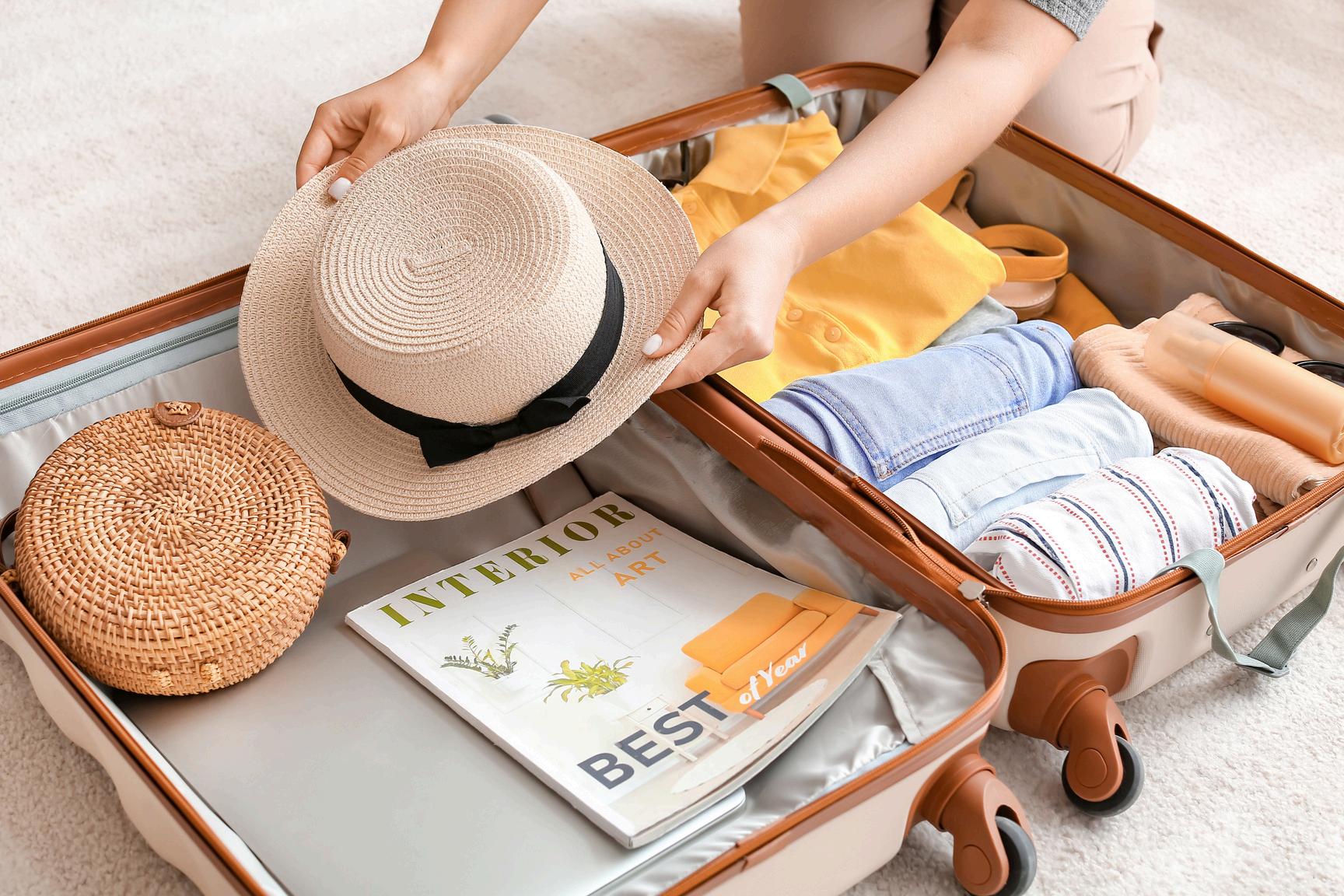
Most airlines charge a fortune for extra checked luggage, but they don’t always charge for “personal items” like a handbag, camera bag or small backpack.
One way to get around that is to layer up your outfit for the plane to ‘ wear ’ your kilos rather than pack them. It’s basically the oldest backpacker trick in the book.
Pack these strategically with heavier items like shoes, chargers, or toiletries to keep your main bag underweight – just make sure you stay under the kilogram limit for your personal items when you do it.
You can always change once you ’ re on the plane (if you ’ re suitably athletic… plane bathrooms are tiny, right?).
In some cases, you can pool luggage allowances when travelling with a partner or group – one big shared suitcase plus two “maxed out” personal items can be far cheaper than paying for an extra checked bag.
Don your heaviest shoes and puffiest parka, and wear your jeans on board, not your leggings.
Master the art of the split stay
Bonus: you get to explore different parts of your destination without paying for expensive taxis.
Instead of booking one hotel for your entire holiday, consider splitting your stay between two or more properties.
Start with a budget-friendly base for most of your trip, then finish with a few nights of luxury when you ’ re more likely to linger and enjoy it.
You’ll still get the indulgence without paying for it every night and it can make a holiday feel like two in one.
This works especially well in cities with distinct neighbourhoods: think a week in a lively, affordable district, then a weekend in a high-end, central hotel with rooftop views
Get cashback on your holiday highlights
It’s like your holiday is secretly paying you back while you ’ re having fun.
The best moments of a trip aren’t usually the flights or the hotel, they’re the sunset cruises, theme park rides and wine tours that turn into stories you tell for years.
The good news is, you can book many of these through Citro Rewards and get cashback, which means your must-do experiences and events come with a little refund bonus.
A snorkelling tour that nets you extra cash for gelato afterwards? Yes, please.
So always check Citro Rewards before booking activities – it’s the easiest way to keep the sparkle without the splurge.
Play the long game with loyalty points
Points programs aren’t just for frequent flyers in suits.
If you collect with one airline (and its partners) over years, you can turn everyday spending into free flights or upgrades.
It’s a slow burn, but when you finally swap points for a business-class seat or that dream trip, you’ll feel like you ’ ve beaten the system.
The secret is consistency: credit cards that earn points, supermarket tie-ins and even hotel stays can all feed the same points pot.
Make your everyday shopping work harder for you! Try these strategies:
Bonus tip: If you shop through Citro Rewards using the credit card you collect points with, you can get cashback AND points. Result!
Borrow a local’s commute
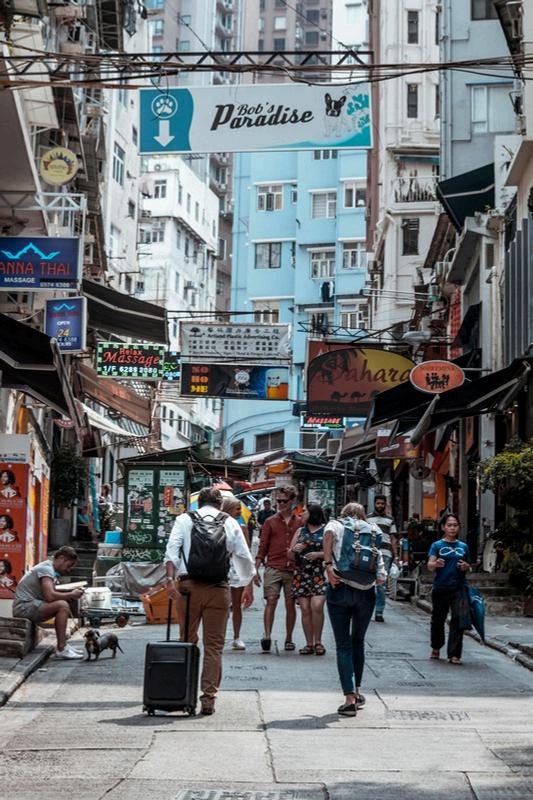
Nix the pricey tourist shuttles or hop-on-hop-off buses and jump on the same buses, trains, ferries and trams locals use to get to work and school.
In many cities, a weekly or multi-day travel card costs less than a couple of taxi rides and covers unlimited trips for the week– meaning you can zip all over town without watching your budget.
It’s not just about saving money, though. Public transport shows you the city from a different angle as you pass through areas you might never have visited. You’ll get to overhear everyday conversations and watch life unfold beyojnd the tourist bubble.
If you ’ re up for a chat, most people are generally only too happy to share their restaurant tips, shortcuts or hidden-gem recoommendations.
Bonus!
Before your go, check the city’s public transport website for passes or apps that make buying tickets easy. In places like London and Singapore (not to meniton Melbourne and Sydney), you can tap your credit card or phone directly at the gates,
In others, you might need a reloadable card (think Hong Kong’s Octopus, San Fransisco’s Clipper or Singapore’s EZ-Link). You can generally pick these up at transit hubs and convenience stores.
Either way, for the price of a few coffees, you’ll have your ticket to explore like a local and come home with a much richer sense of the places you visit.
Taking public transport is an interesting way to experience what everyday life is like.
Book activities through the back door
Tour booking sites and hotel concierges are fine if you ’ re happy to pay full tourist prices, but they’re not the only way to fill your days.
Local councils, community centres, neighbourhood noticeboards and even Facebook groups are goldmines for free or low-cost events.
Activities like guided bushwalks, volunteer opportunities with the locals or pop-up events that are blink and you’ll miss them.
You might learn the city’s history from someone whose family has lived there for generations, or get insider restaurant and location tips that don’t appear on TripAdvisor.
So, search like a local: type “what’s on [city]” into Google; check the “events” tab on Facebook; or wander into the local library or council office to see what people have pinned to the noticeboard.
Not only will planning your activities like this save you money, you’ll travel home with a story we bet no one else on your flight will have.
These sorts of activities are often more personal, with smaller groups and a chance to actually chat to locals instead of being herded with a dozen other tourists.
Travel where your dollar is stronger
Exchange rates can make or break your travel budget, so pick destinations where the Aussie dollar stretches further.
Right now, that might mean swapping Europe for Scandinavia, or the US for Japan, China, India or Indonesia.
A better exchange rate means you get to enjoy more meals out, upgrade your accommodation and stay longer for the same spend.
The smartest move is checking currency trends before you lock anything in. Sites like XE, Wise and the RBA’s own currency charts let you see whether a destination is getting more or less expensive for Australians. Look for long-term patterns rather than day-to-day blips so you get a sense of where your dollar will stretch.
It also pays to watch airfares and accommodation costs in places with favourable exchange rates because sometimes the real savings come from a combination of currency and lower baseline prices. If the numbers look good, go there.
This way , you let the market do some of the heavy lifting for you and suddenly your travel budget is looking bigger and brighter.
Let’s go!
We hope you’ve picked up a few new tricks from this guide.
Preferably the kind that makes you feel just a little smug when you ’ re boarding the plane, checking into your stay or snapping up an unmissable day tour for less.
Whether it’s stacking discounts, finding the locals’ secret spots, or remembering to click through Citro Rewards before you book, every small win adds up to a bigger, better trip.
So here’s to your next adventure –may it be memorable, joyful and hopefully a lot more affordable.