Living Life by Accepting Death So Stop Being Afraid of Death
By John Gins
Dedication
This book is for my grandchildren.
May you live with courage, gratitude, and love
Never fearing death, but always embracing life.
The content of this book is for general informational purposes only. It is not meant to be used to replace the services of your physician or other healthcare providers, nor should it be used to diagnose or treat any medical condition. The advice and strategies contained in the book may not be suitable for all readers. Please consult your healthcare provider for any questions that you may have about your own medical situation. Neither the author, publisher, nor any of their employees or representatives guarantees the accuracy of information in this book or its usefulness to a particular reader, nor are they responsible for any damage or negative consequence that may result from any treatment, action taken, or inaction by any person reading or following the information in this book.
Preface
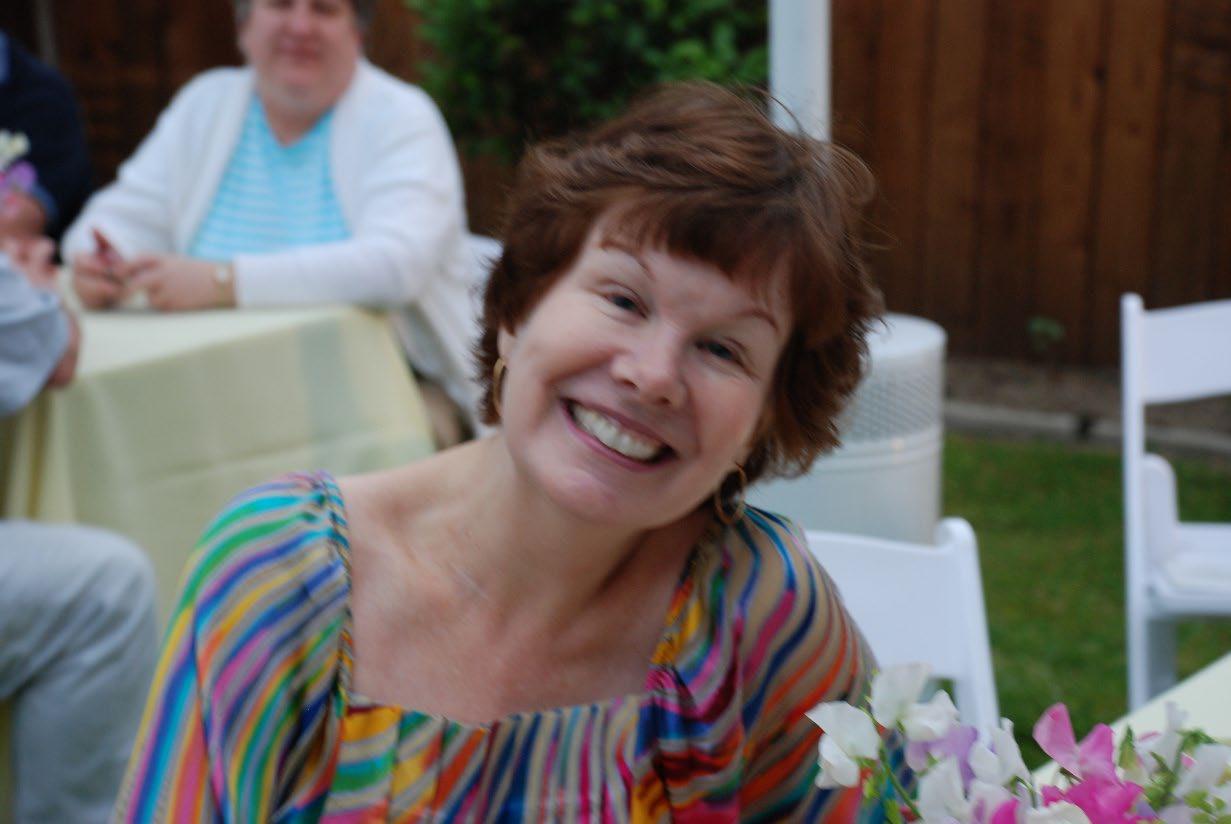
My wife, Marjorie, died in May 2012 from complications caused by stage four kidney cancer.
One of the reasons I am writing this book is because of what I witnessed in those final months how Margie prepared to die, how friends, family, and visitors reacted as she was dying. I am also writing about the incredible insights that I received; each was unique, sometimes comforting, and sometimes difficult to accept. It has taken me years to understand.
Another reason is deeply personal: I needed to write about my own journey how I survived her death, and how I have lived in the thirteen years since.
This book is also about the transitions we all face in life, those inflection points that change us forever. It contains s tories and reflections on dying well and living better
I want to acknowledge those who helped me along the way:
• Marjorie Copple Gins , my first wife, taught me how to die without fear.
• Amy Knierim , my daughter, and her husband, Justin , who supported me in word and deed during Margie's struggle.
• Eric Gins , who supplied me with companionship and support during the early stages of grief.
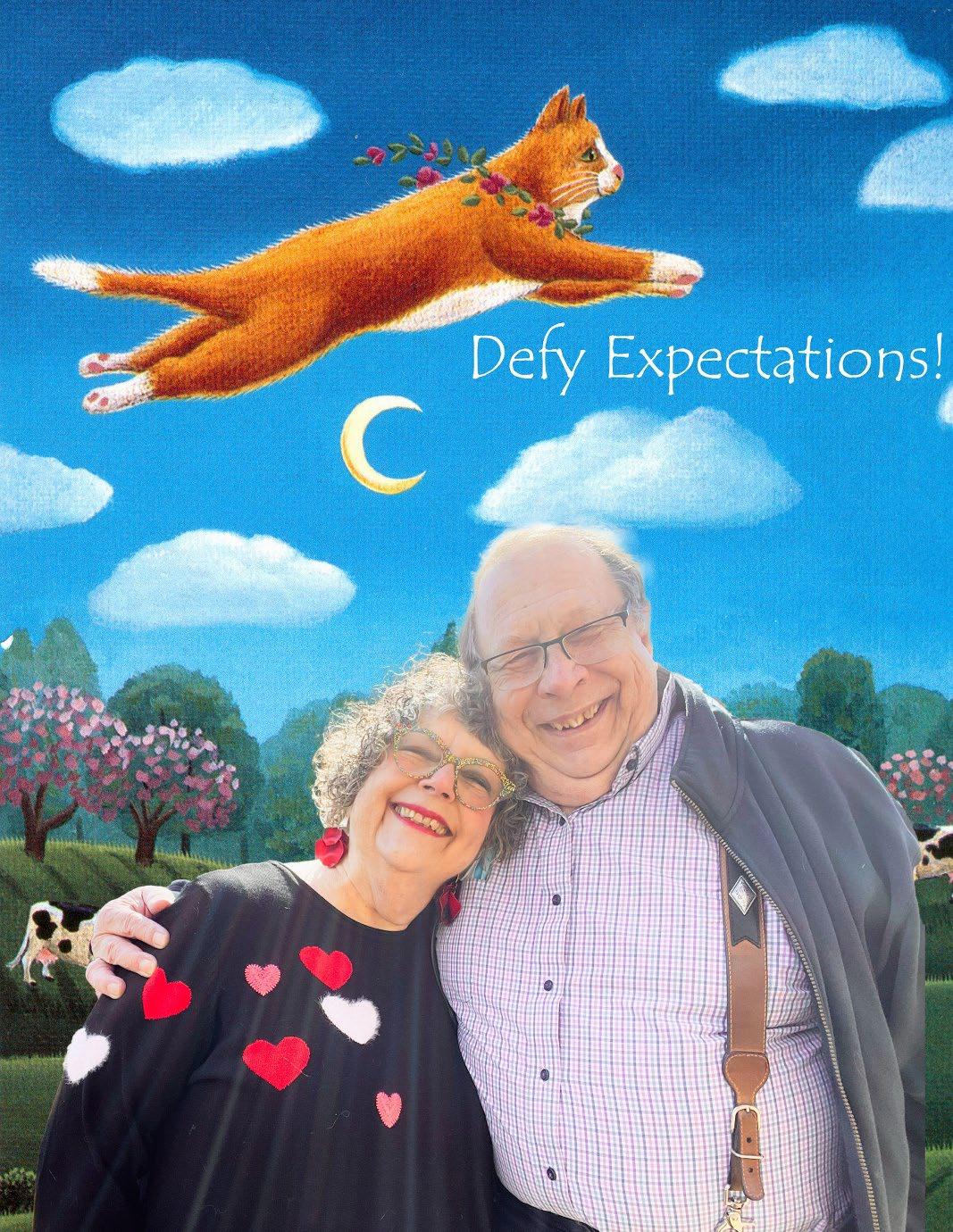
• Cheryl Meyer , my wife in this new chapter of my life, who sustained and supported me through this project.
• Theresa Scha e fer , my sister, who had the honesty to tell me to start over when my early writing faltered.
• Paul Gins , my brother, taught me how families can prepare for the death of a loved one.
• Patrick Gins , my brother, shared both his grief journey and his own experience of dying.
• Mary Haueisen , my sister, keeps me grounded and has shown me that we are all on the same journey.
• The Tao Fellowship , for opening me to new ways of understanding life and death.
• Steven Kim , who suggested the title of this book and reminded me that "Nature is not binary or sequential" that contradictions are, in fact, illusions.
This book is for my grandchildren, and for anyone ready to stop being afraid of death.
Introduction
I live on top of a sandstone bluff in an area known as the White Hills, located in northcentral Arizona. This land was once an ancient beach, and for me it has become a metaphor for life itself timeless, raw, and beautiful.
Living here for the past two years has helped me slow down, relax, and build a life that I can genuinely enjoy.
This book is my story. It is based on memory, on feeling, and on the reflections that have stayed with me. Like any story, it carries omissions, exaggerations, and the inevitable distortions of time but that is always the prerogative of the storyteller.
During the first seven years, I wrote down what I felt was important to share. Along the way, I also studied death and dying, but more importantly, I studied life and living. This book combines both my personal experiences and the insights I've gathered. Over the past three years, I have worked to make the study a reality. My perspectives have shifted over time, and this book reflects that shift.
At its heart, this is a story about gratitude
For e word
In recent days, I have been listening to the tributes given to Arizona Senator John McCain. Because of the circumstances of his life and death, he has, in many ways, come to exemplify the message of this book. He lived a fearless life.
I invite you to think of this work not as a history, but as a story. Stories are meant to be experienced, not dissected. I hope you will read this with an open mind, not just for the facts, but for the meaning behind them.
Enjoy the journey.
John Gins
August 30, 2018
Village of Oak Creek, Sedona, Arizona
I have finally finished this book. It has been a long journey.
September 23, 2025 Rimrock, Arizona
While reviewing this book, I came across the following quote: "The elimination of the fear of death transforms the individual's way of being in the world." Stanislav Grof
What would our world be like if we all lived without fear of death?
September 28, 2025
Prologue
We all know that death lies in our future. Yet how we respond to that knowledge is profoundly personal.
For me, the response was not avoidance, but engagement. I wanted to understand death. To face it, to feel it, and to learn what it means to live with its constant presence.
The seed for this book was planted in 2012, when my wife of forty-two years, Margie, died. Six years later, during a retreat, I revisited that idea as I spoke about my reactions to her journey toward death. Now, as the fourteenth anniversary of her passing approaches, the call has become clear: It is time to proclaim Stop being afraid of death.
Chapter 1 — Awakening to Rebirth
I woke up in a hospital bed, surrounded by the familiar smell of antiseptic and the constant hum of machines. Somewhere in the room, voices drifted in and out Cheryl's, Amy's but I was too weak to follow the words. I drifted back into sleep.
When I woke again, I became aware of the tubes and bottles attached to my body. Cheryl explained that I had been rushed to the emergency department and suffered multiple "code blues." Internal bleeding from my left kidney had nearly killed me. I slipped in and out of consciousness, unable to grasp time or place.
At one point, I asked a nurse why I was still alive. I had filed a DNR Do Not Resuscitate at that hospital. My wife of forty-two years, Margie, had died only eighteen months earlier. I believed that I was ready to follow her. The nurse said she wasn't sure about the DNR, but she smiled and told me that Margie had been an angel on Cheryl's shoulder, urging her to act.
I had thought I was ready to die. But that moment forced me to ask: Am I also ready to live?
The answer, I realized, was yes. I accepted my rebirth.
Chapter 2 — Embracing My Life
Ten years after that hospital bed resolution, I was at a conference listening to Anita Moorjani speak about her profound near-death experience. Her story lodged itself in me not as a doctrine, but as a living example that life can change course in an instant and still contain meaning afterward.
After the hospital, the small, mundane acts of self-care took on new weight. I became more aware of my body and of how my habits rippled outward to everyone around me. I accepted a new responsibility: to care for this body so it could carry me forward.
That responsibility showed up in practical ways. I took steps to rid myself of recurring kidney stones. I sought cardiology help and, when needed, had a second stent placed in my heart. I learned the quiet virtues of routine appointments kept, medications managed, food chosen with intention. Those choices were not about punishing the past or fleeing death. They were about to say yes to the gift of more days.
The changes were small and steady. I walked more. I paid attention to sleep. I let gratitude be the lens through which I viewed my mornings. The more I took care of my health, the less I feared the unknown. Not because the future had become certain, but because I had reclaimed some conscious involvement with the present.
The rebirth I felt after that near-miss in the hospital had another consequence: it moved me toward expression. The joy I felt the morning after the second stent was placed was so bright that I spent the day reorganizing this book and starting another manuscript, which is more autobiographical in nature. It was an act of gratitude putting words around the life that had been generously extended to me.
On a quieter level, this time also revealed relationships reshaped by loss and by love. I learned, without glamour, how to receive support. I accepted help from friends and family, and I let myself be guided by caregivers who knew what to do before I could ask for it. Those small acts of receiving became as important as the acts of giving that had defined much of my earlier life.
There is a humility in recognizing we are not entirely self-made. We are sustained by family, by strangers who show compassion, by the structures of medical care and community that hold us when we wobble. That realization fragile yet freeing helped me transition from merely surviving to truly living.
The rebirth had not erased grief. It had not simplified the work of mourning. But it had opened a path forward: one where I could honor Margie's life by sharing how I learned how to live the life I am living.
Chapter 3 — Circumstances Around Margie 's Death
In late 2006, Margie began to experience unusual physical symptoms with no clear explanation. By the following March, she returned early from a conference, uneasy about her health. We began seeing specialists, suspecting a thyroid issue because of her family history.
In May 2007, just weeks before our daughter Amy's first marriage to Jason Vine, the diagnosis arrived like a hammer: Stage 4 Clear Cell Renal Cancer. The doctor advised her to get her affairs in order and told her she had six months to live, two years with treatment.
Despite the weight of those words, Amy's wedding was a joyful day. Margie was radiant, surrounded by family and friends, and determined to celebrate the occasion.
Afterward, she began a new drug designed to cut off the blood supply feeding the cancer. It nearly killed her. The rapid die-off of cancer cells created toxins that triggered congestive heart failure. Margie, however, had always been disciplined with her health and resilient in spirit. With the guidance of her oncologist, she navigated her way through, slowly eliminating toxins from her body and recovering gradually.
For four more years, we carved out a normal existence. We took cruises, celebrated birthdays, and she even considered returning to her therapy practice.
During this time, we explored the possibility of surgery to remove the main mass of the cancer. Ultimately, it was determined that the risks outweighed the potential benefits. During her illness, Margie experienced multiple rounds of brain metastases. She endured brain radiation treatments, which required taking steroids to reduce internal swelling in her skull.
She lived not for six months, but for over five years.
Margie lived on her own terms, supported by community, family, and sheer determination.
Building Community in Crisis
One of Margie's gifts was her ability to build and nurture community. For her sixtieth birthday two years after her diagnosis we threw a party that shook the neighborhood with joy. It wasn't just a birthday; it was a declaration of gratitude for the love and support around her.
That support sustained her in ways medicine never could. Research from the Blue Zones , discussed in Chapter 6, has shown that a supportive community is one of the strongest predictors of longevity. Margie embodied that truth.
The Final Decline
By the fall of 2011, something had shifted. She was tapering off steroids after a spring radiation treatment when her legs suddenly gave way in the shower. A scan revealed new brain lesions, and another round of radiation was scheduled. It bought us more time, but we both knew the disease was progressing.
Christmas that year was bittersweet. Margie had tripped in a mall parking lot and came home bruised, though she insisted she was fine. She was determined to enjoy the holidays and our New Year's Eve plans at the Hotel del Coronado. I booked a session with a makeup artist to help cover her bruises. We had a wonderful evening, but behind the celebration, her body was beginning to fail.
By January 2012, complications from long-term steroid use surfaced fragile skin, unexplained wounds, and increasing fatigue. We developed a complex plan with her doctor to taper her medications slowly, and a visiting nurse came regularly to help with wound care. We even managed small gatherings with old friends, though Margie grew weaker and needed in-home caregivers.
Her body became increasingly fragile. Even the lightest touch caused bruising. The condition steroid myopathy was devastating. Still, she insisted I be the one to help her with personal care. The intimacy of those moments, though exhausting, deepened our bond.
The Last Months
By February, Margie was bedridden. Yet she remained present with us welcoming visits from friends, having her hair cut, and sharing profound conversations with me and the children.
I remember one April morning when she whispered, "John, help me. I need to go potty." At 4:15 a.m., I gently lifted her from bed, guiding her to the commode we had set beside her. But midway through, the sleeping pills she had taken earlier overcame her, and she collapsed into my arms. Unable to lift her back into bed without hurting her fragile skin, I lowered us both to the carpet, covering her with pillows and blankets until help arrived.
Moments like that stretched me to the limits of exhaustion and love. Hospice eventually joined us, bringing practical knowledge and deep compassion. Their presence gave us structure and a sense of relief.
I found that some of her visitors had difficulty communicating with her. I became Margie's voice, asking questions about the guest and their family. (One of the reasons I am writing this book is to understand why people have difficulty communicating with someone who is dying.)
By May, Margie's body was shutting down. She struggled to swallow pills, then finally refused all oral medication, including cancer treatments. "The cure is worse than the disease," she told us. She was ready. We persuaded her to continue anxiety medicine to ease her final days.
Hospice fitted her with a morphine pump and a catheter. The house shifted into a rhythm of quiet meals by her bedside, small celebrations our forty-second anniversary, her sixtythird birthday, Mother's Day and long, tender silences.
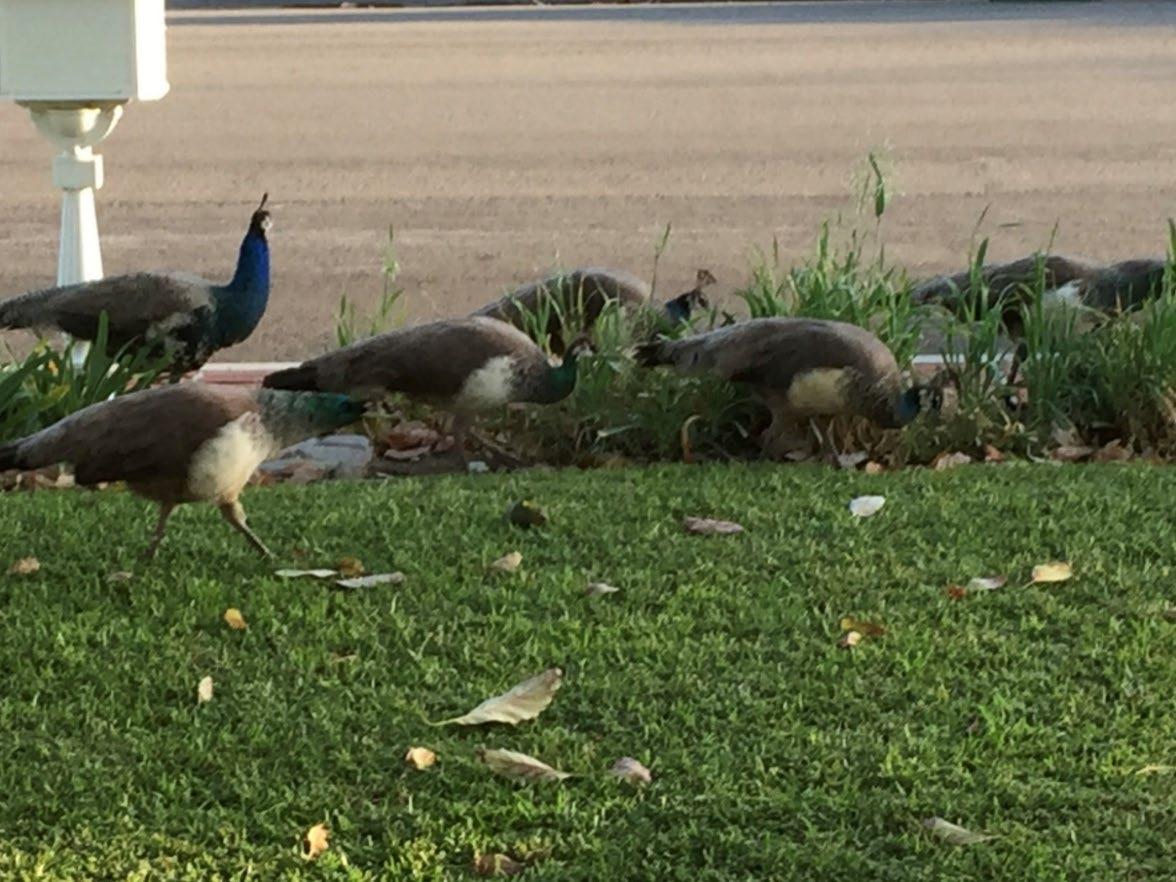
On that Mother's Day, a party of peafowl wandered into our backyard, settling just outside her window for hours. We took it as a blessing.
The next day, she slipped peacefully into death's embrace. At 2:20 p.m., light seemed to fill the room. I felt her divinity unmasked, shining in a way I had always sensed but never fully seen.
Margie's journey ended not in fear, but in love. And mine my journey into grief and healing was beginning.
Chapter 4 — Early Stages of Separation
The days after Margie's death were a blur. Medical equipment was hauled away. Paperwork demanded attention. Phone calls had to be made. Thankfully, we had prepared some things in advance Eric and I had already arranged for Margie's cremation, and together we had talked with her about a memorial gathering. She wanted it to be like her sixtieth birthday party: full of life, laughter, and community.
Even with those preparations, I felt unmoored.
The Silence After
One of the greatest shocks was the sudden quiet. For months, our home had been filled with visitors three to six people a day, arriving at unpredictable times. After Margie died, the house fell still. The silence was both a relief and a wound.
I filled it with activity. I replaced the carpet in our bedroom and bought a new bed. I donated Margie's clothes. I kept myself busy with errands and small projects, trying to avoid sitting still long enough to feel the full weight of her absence. I was, as I later realized, a human doing rather than a human being.
The hospice counselor gave me books on grief. One was a statistical report on spousal caregivers. Reading it through the lens of my profession, I calculated my odds: based on the intensity of my caregiving, I had only a 20% chance of living two more years. That statistic jolted me awake.
I realized I had to raise my endorphins to protect my body from the toll of grief and stress. I could not allow myself to wither away.
Choosing Life Again
So, I made choices. I celebrated Amy's wedding to Justin Knierim, allowing joy into a season of sorrow. I signed up for an 89-day cruise that would circumnavigate the world, departing in 18 months, January 2014. I joined a senior dating site. I began therapy.
I resolved not to add unnecessary stress: I kept my job, I stayed in my home, I avoided major upheavals. And I knew I needed to lose weight, to take care of myself if I wanted to live.
Within weeks of Margie's passing, I began meeting people from the dating site. Within a month, I met Cheryl. She lived just three miles away, and though we were strangers at first,
there was an ease between us. We shared similarities and just enough differences to keep our conversations lively.
Our first date was simple: dinner and a quirky Coen Brothers movie we both enjoyed. By the Fourth of July, I invited her to a small barbecue at my home. That evening, as we laughed in the backyard, I realized I might have stumbled into something rare a second chance at love.
Grief did not disappear, but it softened as life slowly returned to normal. Margie's absence was permanent, yet, to my surprise, my life was not over. Cheryl and I celebrated our tenth wedding anniversary in March 2025.
Chapter 5 — Planning on Living
Grief has its seasons, but so does renewal. In the months and years after Margie's death, I found myself visited by memories and dreams that blurred the line between past and present, loss and blessing.
A Dream in Paris
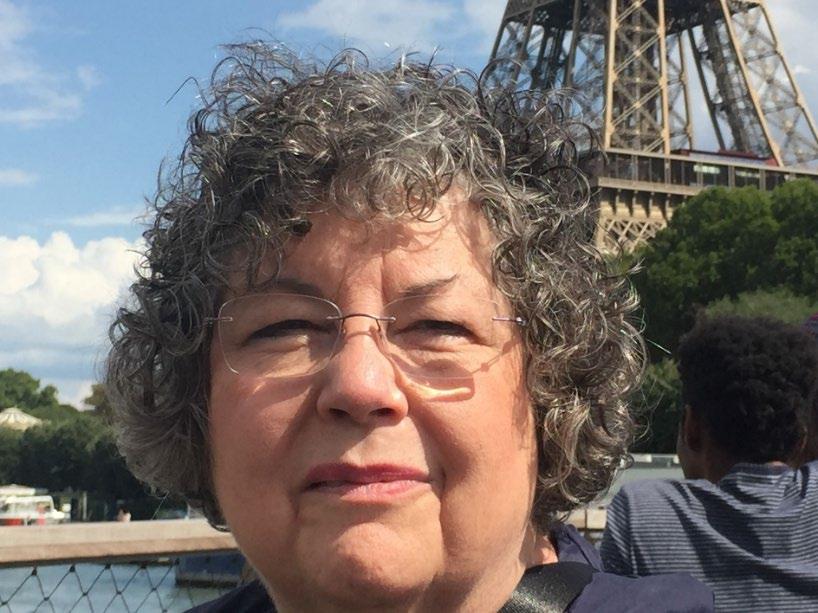
On September 5, 2017, while in Paris with Cheryl, I awoke from a dream so vivid it felt like a memory.
Margie was walking down a corridor that looked like a museum gallery. Her hair was curled, and she wore a floral dress. She was singing softly "hush, hush, hush." I joined her in song. She turned and saw me, but between us was a barrier I could not cross.
When I woke, I wondered if my mind had confused Margie and Cheryl, weaving the two women of my life into one vision. Then I remembered Margie had traveled in Europe fifty years earlier. She might well have worn her hair curled that way then.
I said this to Cheryl, and Cheryl told me: "I had a dream that Margie also visited me. I was thrilled to be able to share my regret that I was in Paris with John instead of her. She thanked me, but she was also happy for me. And she expressed her gratitude for my sensitivity to her. I got a sense of peace from her that she was happy for us."
That moment brought both tears and smiles. I realized then, with gratitude, that I had been lucky twice.
Reflections on Writing
A year later, in 2018, as I continued to sketch this book, I began to see more clearly why I needed to write it. Part of it came from my inner child's desire for recognition. But more deeply, it came from the wish to offer light to others to help ease fear, to share what I had learned about life by walking so closely with death.
I jotted down fragments of wisdom that surfaced in those years:
• "When you die, you are following those who have died before you. Your atoms and your energy continue, whether or not you believe in an afterlife."
• "Humor is the practice that prepares us for the times when we need it most."
• "Faith and philosophy are patchworks. Each of us draws on different strands, including monotheism, polytheism, animism, and humanism. Life is a syncretism, and so is death."
These were not polished conclusions but touchstones reminders that meaning comes in layers, contradictions, and paradoxes.
Living Forward
The work of planning to live is not about rigid schedules or grand strategies. It is about staying open open to dreams, to new love, to small routines of care, and to the possibility of joy in unexpected places.
Writing became one of those routines. Each page was both a record and a promise: that life, even after profound loss, can expand again.
Chapter 6 — Taking Responsibility for Myself
What does it mean to live in the NOW ?
We humans are time-bound creatures. We carry our past its memories, its wounds, its wisdom like a library we can't put down. We imagine the future, spinning possibilities and worries, even though most of it lies beyond our control. And in the middle, the present moment too often slips away unnoticed.
Living in the NOW does not mean forgetting the past or ignoring the future. It means learning to hold gratitude for what has been, responsibility for what is, and humility for what may come.
The Story We All Live
This wisdom has been told in countless forms over thousands of years. A youth discovers a destiny but lacks the means to fulfill it. They wander, meet teachers, endure trials, and eventually find the strength to return to their task. At last, they realize the journey itself was the preparation.
We are all that youth. The story is not fiction it is the structure of human life.
My Awakening
Though my profession was statistics, my deepest lessons came from outside numbers. Through the Tao practice I found in Sedona, Arizona, I awakened a part of myself I had ignored for decades.
First, I broke my body out of its sedentary habits. Then I discovered a quieter awareness of my true self—a soul not defined by circumstance or age. Through training and meditation, I learned to still my mind enough to receive insights. I realized my best problem-solving came not through worry, but through movement, relaxation, and openness. One of my teachers calls this "Using your Brain phone."
That awakening carried me into a new stage of life. My purpose now is not only to support my family, as I once did, but to serve more broadly. Writing this book is part of that service. It is my step into the role of elder a role I once resisted, but now accept.
Blue Zones: Lessons in Living
Science confirms what wisdom traditions have long held to be true. Communities studied as "Blue Zones" places where people regularly live past one hundred in health and vitality share simple, profound practices:
• Community: They live within strong, supportive networks.
• Diet: Meals are plant-centered, fresh, and modest.
• Cooking & Eating: Food is prepared at home and shared at a table. They stop eating when about 80% full.
• Drinking: Water is primary, with one glass of wine at the end of the day.
• Mind: They keep learning languages, instruments, ideas.
• Sleep: Aim for seven or more hours of sleep, with bedrooms free from screens and clocks.
• Purpose: Each person knows their reason for living.
The result is not only long life, but good life years filled with strength, clarity, and connection.
Living the Lesson
Living in the NOW doesn't mean perfection. It means forgiving yourself, being grateful for your experiences, and trusting that you already have the tools to face today's challenges.
The Tao teaches not rigid rules, but harmony. Don Miguel Ruiz's Five Agreements offer similar guidance:
• Be impeccable with your word.
• Don't take anything personally.
• Don't make assumptions.
• Always do your best.
• Be skeptical, but learn to listen.
When I follow these, life feels less like a problem to solve and more like a path to walk.
Chapter 7 — What I Learned on the Journey
In 2022, it had been over ten years since Margie's passing. Looking back, I see that my greatest fear was never her death itself. I was afraid of being without her of the hollow silence her absence would leave.
In time, I discovered that absence is not the same as disappearance. Though her physical presence ended, I still feel her near me. For six years, I held on tightly, unwilling to let go of her. Letting go, when it finally came, was not abandonment but illumination. It allowed me to live in the present, rather than in the shadow of the past.
Living in the NOW with the Dead
Letting go does not mean forgetting. Instead, it means accepting the paradox that love endures even as life takes on new forms. Margie is not gone; she is not physically present as she once was.
Through this realization, I came to view my own life in a different light. The act of writing this book, of putting memory into words, showed me that my story like yours, dear reader has led me to this moment. And your story, too, has led you here, to these words. For that, I am grateful.
The Call to Stop Fearing Death
The idea whose time has come for me is simple: Stop being afraid of death.
As I wrote this in 2022, I was seventy-six years old. Statistically, I had already outlived my original life expectancy by a decade. If I followed a typical path, I would have ten years ahead of me. With health and intention, perhaps fifteen. I have even glimpsed a vision of my 113th birthday celebration though I know well that I could also die tomorrow, even in mid-sentence.
The truth is this: death will come. What matters is not how long we postpone it, but how fully we live in the present.
That balance is my task now: to live awake, with purpose, and to share what I can with others along the way. Living fully in the NOW is the only way I know to prepare for death.
To live completely is to remove the sting from death.
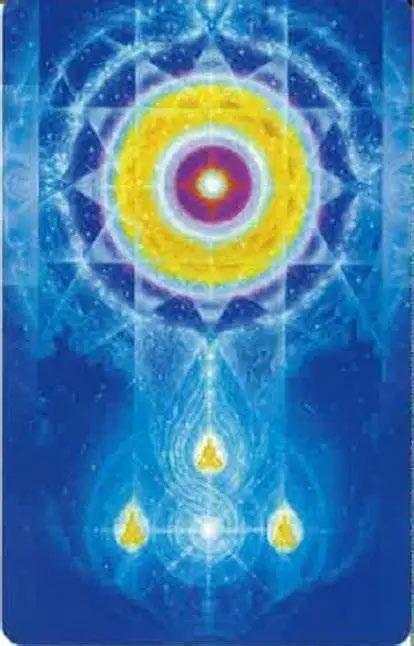
One of the tools from my Tao community that I use.
The LifeParticle Hologram Card features a geometric image of the LifeParticle Sun, designed by energy meditation expert Ilchi Lee. The LifeParticle Sun represents the source of all life. It emits LifeParticles, which are elementary particles of life that combine matter, energy, and consciousness. LifeParticles can help bring your mind into a meditative state and unlock your innate potential to manifest your goals.
What are LifeParticles?
LifeParticles are the smallest elementary particles that make up all matter. They can be directed by the mind and serve as a bridge between a person's inner consciousness and the physical world. As you learn to access the power of LifeParticles, your intentions become reality.
In essence, LifeParticles are pure love. You may visualize them as beams of bright particles of light being sent to a person or situation. The moment you focus on a person, thing, or goal, LifeParticles are immediately sent to it, materializing your intentions in the physical world. The best way to receive or send LifeParticles is with a calm, open mind and a pure, sincere heart.
Chapter 8 — Things I Wish I Had Known
When Margie was dying, hospice gave us not only care but knowledge. I wish I had known earlier about the signs of death, the patterns the body follows as life ebbs. That awareness might have eased some of the fear, for me and for others.
Death is a confusing time for the one dying, and for those keeping vigil. But it need not be terrifying. If we live our days fully, with gratitude and purpose, then death becomes not a thief, but a natural closing of the circle.
No matter how much we prepare, the dying process carries surprises. During Margie's final weeks, I often felt helpless, wishing I had known more about what to expect. Looking back, I see that having the right knowledge could have eased her journey—and mine.
The 13 Signs of Approaching Death
Medical professionals, hospice workers, and caregivers recognize certain patterns that often appear near the end of life. Knowing them can help families prepare, respond with compassion, and ease unnecessary fear.
1. Pain While many fear it, modern medicine offers effective ways to manage pain.
2. Shortness of Breath Breathing changes are common, and small interventions can bring relief.
3. Anxiety Fear and agitation often arise; reassurance and medication can help.
4. Decreased Appetite & Thirst The body no longer needs the same nourishment; this is natural, not starvation.
5. Nausea or Vomiting Caused by illness or medications, often eased with simple measures.
6. Constipation Common, especially with pain medication; must be managed to prevent distress.
7. Fatigue Long sleep and low energy are part of the body's shutting down.
8. Withdrawal from Loved Ones Turning inward is natural, though some crave closeness instead.
9. Delirium & Restlessness Confusion, agitation, or hallucinations may appear in the final days.
10. Incontinence Weakness and relaxation of muscles contribute to this common condition.
11. Cold Hands & Feet, Skin Mottling Circulation slows; the body begins to cool.
12. The " Death Rattle " A rattling breath caused by mucus that the person can no longer clear. It is often more distressing for the family than for the one dying.
13. Kennedy Terminal Ulcer KTU is a dark, rapidly developing sore that typically appears during the final stages of a person's life. Kennedy ulcers develop as skin breaks down during the dying process. The sores can be irregularly shaped, pear-
shaped, or butterfly-shaped. They can be red, yellow, black, or purple, and can be larger than 2 inches in diameter. (Not everyone experiences these ulcers in their final days and hours, but they're common.)
Not every person will experience all these signs, but most families will see some of them.
The Important Tasks of Dying
Dying is not only a physical process; it is emotional and spiritual as well. Many traditions, and hospice workers too, recognize five essential tasks of dying:
• Apologize for past mistakes.
• Forgive others for theirs.
• Thank those who matter most.
• Say "I love you."
• Say "Goodbye."
When these words are spoken or even silently felt they bring a measure of peace to everyone involved.
Practical Guidance
I also wish I had understood earlier the importance of practical preparation:
• Advance Directives Each state has its own forms and language. Clarity helps avoid painful conflicts later.
• Hospice Care These workers are not distant professionals but compassionate guides. They know how to ease both patient and family through the hardest days.
• Funeral & Burial Plans Early, honest conversations prevent confusion. Margie wanted her ashes in our backyard butterfly garden, but local law prevented it. Only later did we find a place that honored her wishes while respecting regulations.
• Possessions & Inheritance — Old or vague wills create stress. Updating them while the patient is still aware provides peace of mind.
A Word to Families
It is natural for loved ones to want to prolong life at all costs. But there comes a time when the kindest gift is to let go. We have a right to a natural death, without unnecessary interventions meant only to ease the family's fears.
Letting go is not giving up. It is honoring life's completion.
Chapter 9 — Models of a Good Death
Our culture, beliefs, and personal experiences shape the way we approach death. Across traditions, people have asked the same questions: What makes a death "good"? How do we prepare? How do we let go?
Believers and Non -b elievers
A study of patients and families revealed a striking divide:
• Believers often see death as a passage to another life. For them, hope in miracles or eternal life softens the moment, and some prefer not to be fully aware when death comes.
• Non -believers see death as the end of individuality. They value awareness and control until the final breath, preferring to remain conscious rather than surrender to illusion.
Despite these differences, both groups shared essential desires:
• To be surrounded by loved ones.
• To be cared for by competent, compassionate professionals.
• To experience a soothing, peaceful environment.
Cultural Views of Death
Over centuries, different cultures have expressed their relationship with death in patterns:
• Tame Death Death is familiar, expected, and public. The dying are surrounded by community, and the event is met with calm acceptance.
• Death of the Self — The focus shifts inward. Death is a test of the soul, a passage judged by one's actions and faith.
• Remote yet Imminent Death — Death is natural, but unsettling. It is both accepted and feared, drawn close yet kept at arm's length.
• Death of the Other The emphasis falls on survivors, who grieve the breaking of relationships with deep wails and lamentation.
• Forbidden Death Death is denied, hidden away, and even considered indecent. Dying becomes isolated, and grief is suppressed or pathologized.
Each view reflects not only spiritual beliefs but also the social fabric in which we live.
The Role of Medicine
Modern medicine has brought new paradoxes. Doctors can often predict when death is near, especially in chronic illness, yet our culture struggles to accept that knowledge. Too often, we prolong treatment even when it denies the dying a peaceful end.
In trying to fight death, medicine sometimes imposes a new role on the patient: to live as though recovery is possible, even when it is not. Families, too, may resist acceptance, holding on to hope against hope.
Yet a genuinely good death honors truth and dignity. It allows space for preparation, for closure, and for peace.
When doctors give a prognosis, remember that it is a median estimate. By definition, half the patients live longer than the prognosis.
Health, the World Health Organization reminds us, is not simply the absence of disease but complete physical, mental, and social well-being.
Shared Wisdom
In the end, both believers and non-believers agree on this:
We can prepare for death, but we can never feel fully ready. The best we can do is live in such a way that, when the time comes, letting go feels like the natural next step.
A good death, like a good life, is not perfect. It is simply honest lived and ended in alignment with one's values, in the presence of love.
A flock of peafowl is commonly referred to as a party
Chapter 10 — Reflections and Wisdom
A book about death, I have come to realize, is always a book about life. To face our mortality honestly is to see more clearly how to live.
Lessons Along the Way
I have gathered quotes and insights that stayed with me through this journey. Some are simple, some profound, all reminders that we are not the first to wrestle with these questions.
• "Time is the water in the river. Life is the bridge it flows under." Stephen King, Fairy Tale.
• "Some people die at 25 and aren' t buried until 75." Attributed to Benjamin Franklin.
• "Life is an accomplishment; each moment has a meaning, and you must use it." Jeanne Moreau.
• "Knowing how to die is knowing how to live." Jeanne Moreau
• "The elimination of the fear of death transforms the individual's way of being in the world." Stanislav Grof
• "When my husband was murdered, I wasn't prepared for how quiet the world would become. All the sounds that a person makes in your life. The rhythms. How you expect a certain sound at a certain time of day. The door, footfall. The stupid things he used to do that annoyed me. And then suddenly there's nothing. It's just great silence. For me, every moment since has been about trying to fill that silence. "
From the 2025 movie The Amateur.
These words echo the truth I have seen in my own life: death sharpens the edge of living.
Gratitude and Purpose
If there is one message I wish to leave behind, it is this: Stop being afraid of death.
We are each given only a piece of land our life. What matters is not how long it lasts, but what we grow on it. Will it be barren? Or will it become a garden, tended with gratitude and love?
Margie's death, my near-death, and the years since have shown me that fear of death shrinks life. But acceptance of death expands it.
To live fully, here and now, is the best preparation for a life well lived.
Closing Thoughts
As I write these words, I glimpse both my mortality and my divinity. I see the same in you, dear reader.
Whether you believe in an afterlife or not, whether you hope for reunion or rest, death will come. And when it does, may you meet it not as an enemy, but as a familiar companion one you have already acknowledged, one you no longer fear. Live completely, so that when death arrives, you can greet it with peace.
References & Suggested Reading
• Books
o Death and Dying, Life and Living by Charles Corr, Donna Corr, and Kenneth J. Doka
o The Five Agreements by Don Miguel Ruiz
o A Grief Observed by C.S. Lewis
• Articles & Guides
o "12 Signs That Someone Is Near the End of Their Life" by Angela Morrow, RN, Verywell Health
o Toscani, F., Borreani, C., Boeri, P., et al. Life at the End of Life: Beliefs About Individual Life After Death and 'Good Death' Models — Health and Quality of Life Outcomes (2003)
• Websites
o changeyourenergy.com Tao philosophy & practice https://www.changeyourenergy.com/
o Blue Zones Project Longevity and healthy living https://www.bluezones.com/
o Physical Changes That Signal Life Is Nearing Its End - Housely Emily Flores posted this on September 24, 2025, and describes the physical changes I observed in Margie. I call this synchronicity . https://housely.com/physical-changes-that-signal-life-is-nearing-its-end/
o Ask Julie Ryan Free Angelic Attendants Book https://askjulieryan.com/.
o Five Wishes Guidance on important end of life questions. https://www.fivewishes.org
Resources
• Hospice Support : National Hospice and Palliative Care Organization nhpco.org
• Advance Care Planning : State-specific health directives (check your state's Department of Health)
• Grief Support : griefshare.org Community and resources for the bereaved
• Tao Practice : Body & Brain Centers (U.S.) classes in meditation and energy practice
About the Author
John Gins is a statistician, storyteller, and seeker of meaning. After the death of his wife, Margie, in 2012, he began a journey of reflection, healing, and discovery. Through experiences of profound loss, near-death, and renewal, he came to understand that death is not to be feared, but accepted as part of living.
He now lives in Arizona, where the sandstone bluffs and ancient desert landscapes remind him daily of time's vastness and life's fragility. This book is written for his grandchildren, and for anyone who longs to live fully by making peace with death.
Stories and Reflections on Dying Well and Living Better
Living Life by Accepting Death is a book that blends one man's journey through love, loss, and rebirth. More than a book about dying, it is a companion for living fully, finding gratitude, and embracing the mystery of life without fear.
"The elimination of the fear of death transforms the individual's way of being in the world." — Stanislav Grof.
The author, John Gins, is an award-winning editor. Along with his wife, Cheryl Meyer, he has written Stress, Two-Minute Exercises to Break Up the Day, A Deskbook Guide; and Eating from the Rainbow Cookbook Library.
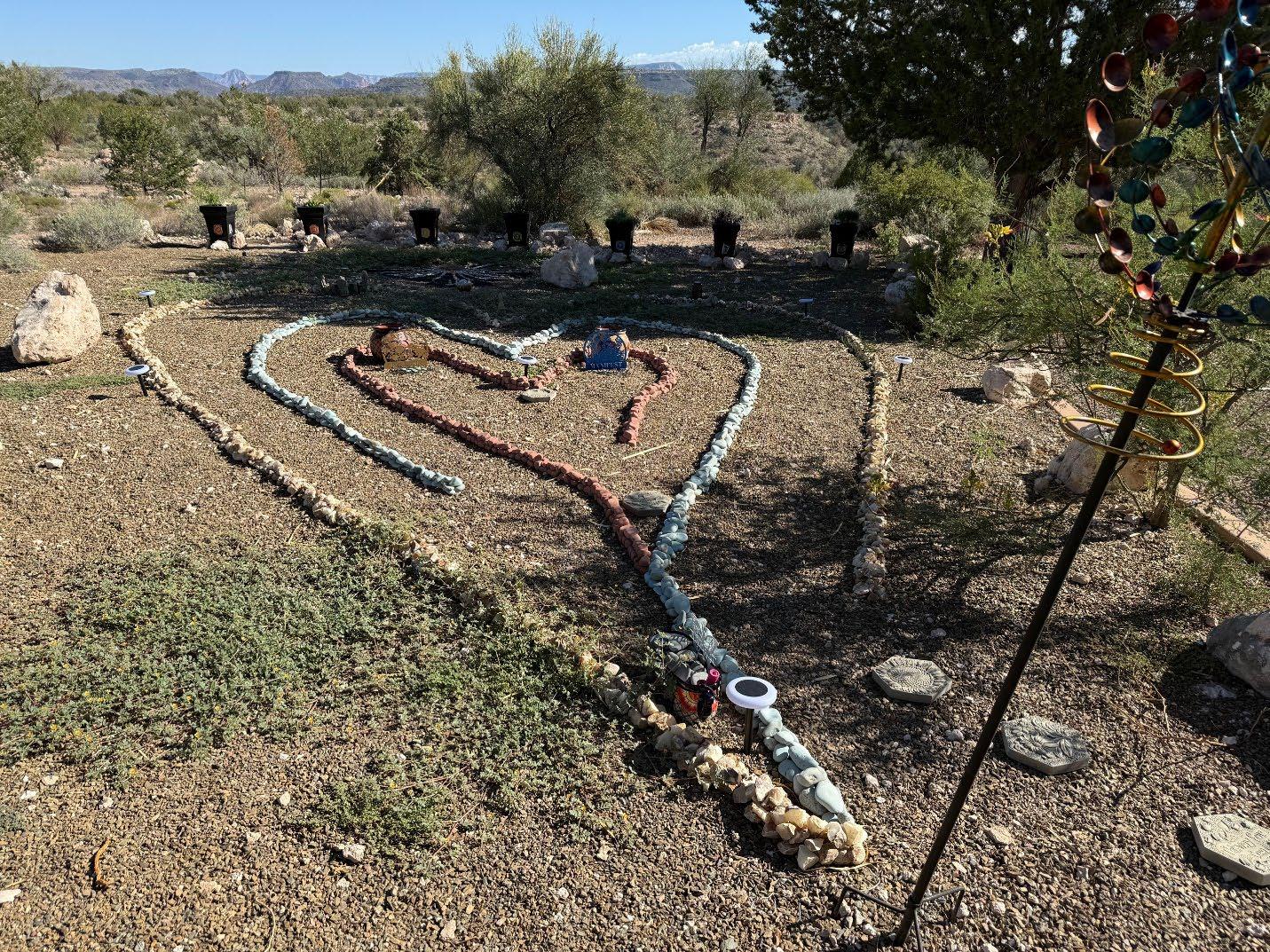
Besides writing books, he has built a labyrinth and creates latch hook rugs.